Luang Pu Toh Intasuwanno of Wat Pradoo Chimplee
Luang Pu Toh Intasuwanno stands among the most revered monks in the modern history of Thai Buddhism. Best known today through the sacred amulets that bear his name, he first earned respect through a lifetime devoted to study, meditation, discipline, and service to the Buddhist religion.
He was born on 27 March 1887 in Ban Khlong Bang Noi, Bang Phrom, Bang Khonthi District, Samut Songkhram Province. His parents, Mr. Loi and Mrs. Thap, were ordinary villagers who raised him according to the traditions and values of rural Siam during the late nineteenth century.
From a young age he was placed under the care of local monks, where he received his earliest education. As was common during the period, the temple served not only as a religious centre but also as the primary place of learning for many young boys. It was here that the foundations of his religious life were established.
Tragedy struck during his youth when both of his parents passed away. Orphaned while still a young boy, he came under the care of Luang Ta Kaew, who recognised his intelligence, good character, and strong inclination towards religious life. Seeing promise in the young student, Luang Ta Kaew later arranged for him to continue his development at Wat Pradoo Chimplee in Bangkok.

The move to Wat Pradoo Chimplee would shape the rest of his life.
At the age of seventeen he entered the monkhood as a novice and immersed himself in the study of Buddhist teachings. Those who knew him observed a seriousness and dedication beyond his years. Rather than treating monastic life as a temporary stage, he devoted himself fully to learning and practice.
On 16 July 1907 he received higher ordination as a bhikkhu at Wat Pradoo Chimplee. Following his ordination he pursued both scriptural study and practical meditation training, believing that genuine understanding required both learning and direct experience.
Like many of the great monks of his era, Luang Pu Toh actively sought instruction from accomplished teachers whenever opportunities arose. He travelled to study under respected masters whose reputations had spread throughout central Thailand. Among the teachers recorded in his biography was Luang Phor Rung of Wat Tha Krabue, one of the most highly regarded monks of the period. Through such training he broadened his knowledge and deepened his spiritual practice.

His diligence, maturity, and leadership qualities soon became evident to those around him. Despite his youth, he earned the confidence of senior monks and lay supporters alike. As a result, he was appointed abbot of Wat Pradoo Chimplee at only twenty-six years of age, an extraordinary responsibility for someone so young.
As abbot, Luang Pu Toh dedicated himself to both the administration of the temple and the spiritual welfare of the community. Under his guidance Wat Pradoo Chimplee continued to flourish as a centre of religious activity and Buddhist practice. His reputation steadily expanded beyond Bangkok as increasing numbers of people came to seek his advice, blessings, and instruction.

Over time he became known not merely as a capable abbot but as a monk of exceptional virtue and spiritual attainment. His life reflected the traditional ideals of the Thai forest and meditation traditions: discipline, humility, perseverance, and unwavering commitment to the Dhamma.
It was this reputation, built over decades of sincere practice and service, that eventually led devotees to preserve his memory through photographs, commemorative objects, and sacred amulets. Long before these objects became prized by collectors, they were treasured by followers as reminders of a monk whose life had inspired faith and devotion throughout Thailand.
For many devotees, the true significance of Luang Pu Toh’s amulets lies not in the objects themselves but in the life of the monk who blessed them. His legacy endures because of the example he set: a life dedicated to Buddhism, to his temple, and to the countless people who sought spiritual guidance under his care
Luang Pu Toh of Wat Pradoo Chimplee
By the time Luang Pu Toh reached maturity as a monk, Wat Pradoo Chimplee had become far more than the temple in which he had received his training. It had become the centre of his life’s work and the place from which his influence would eventually spread throughout Thailand.
The responsibilities entrusted to him at a relatively young age reflected the confidence that both the monastic community and local devotees placed in his abilities. Assuming leadership of a temple required far more than religious knowledge alone. An abbot was expected to maintain discipline among the resident monks, oversee temple affairs, supervise construction and maintenance projects, preserve the religious traditions of the monastery, and serve as a guide to the surrounding community.

Luang Pu Toh approached these responsibilities with the same dedication that had characterised his years of study. Through his leadership, Wat Pradoo Chimplee continued to strengthen its position as an important religious centre. Monks, novices, and lay devotees gathered there not only to participate in ceremonies and merit-making activities but also to benefit from the guidance of a respected teacher whose reputation continued to grow.
Unlike many individuals who become famous through dramatic events or extraordinary claims, Luang Pu Toh appears to have built his reputation gradually through decades of consistent conduct. Those who encountered him found a monk whose life reflected the values that Buddhism seeks to cultivate: discipline, humility, patience, and compassion.
As his reputation spread, increasing numbers of visitors travelled to Wat Pradoo Chimplee. Some sought advice on religious matters. Others came to receive blessings or to make merit at the temple. Many simply wished to pay their respects to a monk whose character had become widely admired.

The trust placed in Luang Pu Toh by ordinary people was rooted in the traditional Thai belief that a monk who sincerely develops virtue and meditation accumulates spiritual qualities capable of benefiting others. For devotees, receiving a blessing from such a monk was not merely a ritual act but an opportunity to establish a connection with a person whose life embodied the teachings of the Buddha.
Over the years, countless followers came to regard him as a source of guidance and reassurance during difficult times. His influence extended beyond formal religious instruction and became woven into the daily lives of many devotees. Through weddings, funerals, temple ceremonies, merit-making events, and personal consultations, he remained closely connected to the community he served.
As the decades passed, Luang Pu Toh became one of the most respected senior monks in the region. His standing was not based upon wealth, position, or worldly influence, but upon the confidence that people placed in his integrity and spiritual attainment. This reputation would ultimately become one of the foundations upon which his enduring legacy was built.

Long before collectors began studying the amulets associated with his name, people respected Luang Pu Toh because of the life he lived. The sacred objects that would later bring him international recognition were, for his followers, secondary to the monk himself. They were valued because they represented a connection to a teacher whose dedication to Buddhism had left a lasting impression upon all who knew him.
As his fame continued to spread throughout central Thailand, the groundwork was laid for the next chapter of his legacy: the creation of sacred objects that would carry his name far beyond the walls of Wat Pradoo Chimplee and ensure that future generations would continue to remember both the monk and the teachings he represented.
Luang Pu Toh’s Work at Wat Pradoo Chimplee
Following his appointment as abbot, Luang Pu Toh spent the greater part of his monastic life serving Wat Pradoo Chimplee and the Buddhist community associated with it. The temple became the principal setting for his religious activities and remained closely connected with his name throughout his life.
His responsibilities included the supervision of temple affairs, the training of resident monks and novices, and the preservation of religious practices within the monastery. As abbot, he was responsible not only for administrative matters but also for maintaining the standards of monastic discipline expected within the Sangha.

The historical record indicates that he continued to place importance on both Buddhist study and meditation practice. These remained central aspects of his life even after assuming leadership responsibilities. His reputation developed from a combination of scriptural knowledge, practical religious training, and many years of experience within the monkhood.

Pra Pid Ta Plod Nee Hlang Yant Na Nuea Gesorn Dtid Gesa Takrut Koo Chae Nam Montr Traimas 2521-2523 BE Luang Phu To
As his standing increased, larger numbers of lay supporters became associated with the temple. Devotees travelled to Wat Pradoo Chimplee to participate in religious ceremonies, make merit, receive blessings, and seek guidance. Over time, the temple became recognised as an important centre for Buddhist activity under his leadership.
The respect shown toward Luang Pu Toh was based largely upon his conduct as a monk. Accounts preserved by devotees consistently emphasise his discipline, commitment to religious practice, and dedication to his duties. These qualities contributed significantly to the confidence that both monks and laypeople placed in him.
Throughout this period, he became increasingly well known beyond the immediate area of the temple. Visitors from other provinces came to pay their respects, and his reputation gradually spread through networks of devotees and religious communities. By the later years of his life, he was regarded as one of the most respected senior monks associated with Bangkok and central Thailand.

This reputation formed the foundation for the devotional following that developed around him. Many people sought objects blessed by Luang Pu Toh because they believed that such items carried the influence of a monk who had devoted his life to Buddhist practice. The value attached to these objects was therefore closely linked to the esteem in which the monk himself was held.

As interest in sacred objects associated with Luang Pu Toh increased, various commemorative items began to appear, including portrait lockets and devotional pieces bearing his image. These objects served both as religious keepsakes and as expressions of respect for a monk whose influence had become widely recognised among Thai Buddhists.
The preservation of these items by later generations reflects the importance that devotees attached to his memory. They were regarded not simply as personal possessions but as reminders of a respected teacher whose life had been dedicated to Buddhism and service to the community.

Lockets of LP Toh
Luang Pu Toh and His Devotees
As the number of people visiting Wat Pradoo Chimplee increased, a close relationship developed between Luang Pu Toh and the community of lay supporters who gathered around the temple. Like many respected monks of his generation, he served not only as a religious teacher but also as a source of guidance for people facing the ordinary challenges of daily life.
Devotees sought his blessings before important events, consulted him regarding personal difficulties, and participated in ceremonies conducted at the temple. Through these activities, his influence extended beyond the monastic community and became firmly established among ordinary Buddhists from many different backgrounds.
The accounts associated with Luang Pu Toh indicate that his followers valued him for his sincerity and consistency. His reputation was not founded upon a single event or isolated achievement but upon many years of visible commitment to religious practice. People who encountered him often became long-term supporters of both the monk and the temple.
As his following expanded, donations and acts of support from devotees contributed to the continued development of Wat Pradoo Chimplee. This relationship between the temple and its supporters formed an important part of the religious life of the period. Merit-making, temple activities, and participation in Buddhist ceremonies helped strengthen the connection between the monastery and the wider community.
The respect shown toward  Luang Pu Toh eventually led many devotees to preserve photographs and other representations of the monk. Portrait images became important devotional objects because they allowed followers to maintain a visible reminder of a teacher whom they respected. Such images were often displayed in homes, businesses, and personal shrines.
Over time, sacred objects associated with Luang Pu Toh came to occupy a similar role. Devotees regarded these items as reminders of the monk and of the religious values that he represented. Their significance was closely connected to faith in the blessings of a monk whose life was widely regarded as exemplary.
By the later period of his life, Luang Pu Toh had become one of the most recognised monastic figures associated with Wat Pradoo Chimplee. His influence extended through the temple, through the monks who trained under him, and through the large community of lay followers who continued to support his work.
The continued preservation of photographs, commemorative items, and sacred objects connected with his name reflects the enduring respect that many people felt toward him. Even after his lifetime, these objects remained important to devotees because they served as tangible links to a monk whose religious example continued to inspire later generations.

Points of reference for recognition of Phra Somdej Pim Kha To First edition Amulet by Luang Phu To Wat Pradoo Chimplee
The Development of Luang Pu Toh’s Reputation After His Lifetime
The passing of a respected monk often marks the beginning of a new phase in the preservation of his legacy. In the case of Luang Pu Toh, the respect that had been shown to him during his lifetime continued among his disciples, devotees, and later generations of Buddhists who learned about his life and work through temple traditions and personal accounts.
Following his lifetime, interest in preserving information about Luang Pu Toh increased. Photographs, personal recollections, temple records, and sacred objects associated with him became important sources through which his memory was maintained. Devotees regarded these materials as valuable historical records of a monk who had played a significant role in the life of Wat Pradoo Chimplee.
Former disciples and long-time supporters continued to recount stories concerning his conduct, teachings, and religious activities. Through these accounts, knowledge of the monk was transmitted to people who had never met him personally. As a result, his reputation remained active within Buddhist communities long after the end of his monastic career.
Points of reference for recognition of Phra Somdej Pim Kha To First edition Amulet by Luang Phu To Wat Pradoo Chimplee
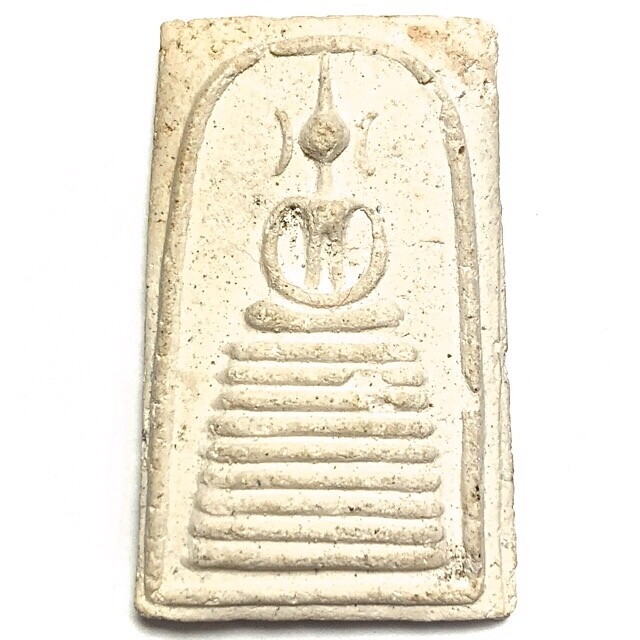
Pra Somdej Boo Bai Sri Run Raek (1st edition) 2463 BE – LP To – Wat Pradoo ChimpleePra Somdej Sum Pratu Luang Phu To 1st edition – 2 Pim Ongk Kroo for Scrutiny and Comparison. As we can see, color is nor always a way of affirming authenticity, for different Pim, and even different areas of the storage place for the amulets, as well as how the Devotee used, or kept the amulet, can influence much as to how the surface color and appearance is.

Pra Somdej Gang Pla and Pra Somdej Jet Chan First edition 2463 BE Amulets – LP To two of the thirteen Pim issued in the first edition of 2463.
The preservation of sacred objects associated with Luang Pu Toh became an important part of this process. Amulets, lockets, portrait medals, and other devotional items were carefully kept by devotees and passed from one generation to another. Many individuals regarded these objects not only as religious items but also as historical links to a respected figure in modern Thai Buddhism.
As the study of Thai amulets expanded during the later twentieth century, collectors began documenting the various objects associated with Luang Pu Toh in greater detail. Researchers attempted to identify different issues, production periods, materials, and characteristics. This work contributed to the development of a more systematic understanding of the sacred objects connected with his name.

The continued demand for information led to the publication of reference works devoted to documenting these items. Such studies sought to preserve knowledge that had previously existed primarily in the memories of senior collectors, temple associates, and long-time devotees. Through this process, the history of Luang Pu Toh became increasingly accessible to later generations interested in Thai Buddhist history and sacred-object traditions.
Although many people first encounter the name of Luang Pu Toh through his amulets, the historical record suggests that his significance extends beyond the objects themselves. The enduring interest in his life reflects the respect that many people continue to hold for his contribution to Buddhism, his service to Wat Pradoo Chimplee, and his reputation as a monk devoted to religious practice.
For this reason, any study of the amulets associated with Luang Pu Toh benefits from an understanding of the monk’s life and historical context. The objects themselves form only one part of a broader legacy that includes his work as a monk, teacher, abbot, and religious figure within Thai society.

Early Commemorative Objects Associated with Luang Pu Toh
Among the earliest devotional objects associated with Luang Pu Toh are portrait lockets containing photographic images of the monk. These items were produced for devotees who wished to keep a personal representation of the revered abbot and were intended primarily as objects of remembrance and religious devotion.
The surviving examples demonstrate that multiple versions were produced. Although based upon the same general concept, variations can be observed in the photographs used, the style of mounting, the materials employed in the frame construction, and the arrangement of the reverse side. These differences have become important points of study for collectors seeking to classify original examples.
One of the earliest documented groups illustrated in the historical record is associated with B.E. 2519 (1976 CE). These lockets display formal portrait images of Luang Pu Toh and appear in several recognised variants. Some examples utilise different photographic poses, while others exhibit variations in mounting materials and construction techniques.

The popularity of these portrait lockets reflects the deep respect that devotees held for Luang Pu Toh. For many followers, the photograph itself served as a reminder of the monk’s teachings, blessings, and example. As a result, these objects occupied a role that was both devotional and commemorative.
Unlike later collector-oriented markets, the original purpose of such items was generally personal and religious rather than commercial. They were acquired by devotees who wished to maintain a connection with a respected teacher whose influence had touched their lives.

Pra Somdej Hoo Bai Sri Luang Phu To – Wat Pradoo Chimplee exhibit 1 Reference Study
Today, surviving examples are valued not only because of their association with Luang Pu Toh but also because they provide a tangible record of the devotion that surrounded him. They document the ways in which followers sought to preserve his image and transmit his memory to future generations.
The study of these early portrait lockets forms an important foundation for understanding the wider body of sacred objects connected with Luang Pu Toh. Before examining the major amulet series associated with his name, it is necessary to understand the role that these commemorative objects played within the broader culture of devotion that developed around him.

The Transition to Sacred Amulets
As interest in objects associated with Luang Pu Toh continued to grow, attention gradually expanded beyond portrait lockets and commemorative items toward amulets created according to established Thai Buddhist traditions. These sacred objects differed from photographic devotional pieces in both form and purpose.
The earliest documented amulets associated with Luang Pu Toh belong primarily to the Somdej tradition. Produced from sacred powder compounds and bearing images of the Buddha seated in meditation, these amulets became the foundation of what would later develop into one of the most studied bodies of sacred objects in modern Thai collecting.
The historical record indicates that these amulets were valued by devotees because of their association with a monk whose religious standing was widely recognised. Their significance was rooted in faith, merit, and religious devotion rather than rarity or commercial value.
Over time, numerous examples survived in the hands of devotees, temples, and collectors. As interest in documenting Thai amulets increased during the twentieth century, researchers began to record the characteristics of these pieces in greater detail. This work eventually led to the classification systems that are now used to distinguish different types, moulds, and production periods.
It is with these early sacred powder amulets that the detailed catalogue of Luang Pu Toh’s amulet tradition begins. The surviving examples provide an important historical record not only of the objects themselves but also of the religious culture in which they were created and preserved.

Somdej Sacred Powder Amulets of Luang Pu Toh
Among the sacred objects most closely associated with Luang Pu Toh are the Somdej amulets produced from sacred powder compounds. These amulets occupy a central position within his amulet tradition and have become some of the most studied and collected objects connected with Wat Pradoo Chimplee.
The Somdej form follows one of the most recognisable designs in Thai Buddhist amulet history. At its centre is a seated Buddha image shown in meditation posture above a tiered base, enclosed within a simple architectural frame. Although the overall format appears straightforward, close examination reveals numerous distinctions that allow collectors to classify different examples.

Somdej Pong Roop Muean Han Khang 2516 BE – Nuea Gae Nam Man – Run Anusorn Sang Rong Rian School Construction Edition – Luang Phu To
The earliest recognised examples associated with Luang Pu Toh were produced from sacred powder mixtures prepared according to traditional methods. These compounds often incorporated materials gathered from religious ceremonies and temple activities. The resulting amulets display characteristic textures, colours, and ageing patterns that have become important indicators when evaluating surviving specimens.
One of the primary methods used to study these amulets is mould classification. Collectors recognise that even slight differences in a mould can produce distinctive features that remain visible across multiple examples. As a result, considerable attention is given to the shape of the Buddha image, the proportions of the base, the outline of the frame, and the arrangement of surrounding details.

The first recognised mould groups associated with Luang Pu Toh exhibit subtle but consistent characteristics. The shape of the shoulders, the curvature of the body, the form of the head, and the dimensions of the meditation throne are all used as points of comparison. These features allow researchers to distinguish one print type from another even when the overall design appears similar at first glance.
Equally important is the study of material composition. Genuine examples display a natural appearance resulting from age, handling, and environmental conditions accumulated over many decades. Variations in colour, density, and surface structure often provide valuable clues regarding the history of a particular specimen.
Collectors place particular emphasis on examining the reverse side of an amulet in addition to the front. Compression marks, drying patterns, surface texture, and traces left during the production process can all contribute to the identification of an authentic example. For this reason, experienced researchers rarely evaluate an amulet solely on the basis of its frontal appearance.
The study of these early Somdej amulets developed gradually as original examples became increasingly scarce. Senior collectors and temple associates preserved knowledge regarding recognised specimens, and later generations sought to document this information in a systematic manner. Through comparison of surviving examples, a body of reference material emerged that continues to guide collectors today.

Pra Somdej Kha To Nuea Khaw – study exhibit number 2 – this is an Ongk Kroo Model and therefore the perfect reference for Study
The earliest Somdej issues associated with Luang Pu Toh are therefore significant for more than their rarity. They represent the beginning of a documented tradition that would eventually expand into numerous recognised moulds, variants, and classifications. Understanding these foundational examples is essential for anyone seeking to study the wider corpus of amulets connected with Wat Pradoo Chimplee.
The surviving specimens provide valuable insight into both the religious culture of their period and the methods by which sacred objects were produced, distributed, and preserved by devotees. Through careful study of these early amulets, later generations have been able to reconstruct an increasingly detailed picture of the tradition that developed around Luang Pu Toh and his temple.
The Recognition of Individual Somdej Mould Variants
As the study of Luang Pu Toh amulets developed, collectors increasingly recognised that not all Somdej amulets could be grouped together under a single classification. Careful comparison of surviving examples revealed the existence of distinct mould variants, each possessing characteristics that remained consistent across multiple authenticated specimens.
The identification of these moulds became one of the most important areas of amulet research. Differences that might appear insignificant to casual observers often became critical points of distinction for experienced collectors. Variations in proportion, line structure, and overall composition allowed researchers to separate one print type from another and establish recognised classifications.
Particular attention was given to the form of the Buddha image itself. The shape of the head, the position of the shoulders, the width of the torso, and the relationship between the body and the meditation throne all became important diagnostic features. Even minor differences in these areas could indicate the use of a different mould.
The tiered base beneath the Buddha image also became an important area of study. Researchers observed that the number, thickness, and arrangement of the base tiers varied between certain examples. The spacing between individual tiers, as well as the angle and depth of mould impressions, often provided valuable evidence when identifying a particular print type.
The surrounding frame received similar scrutiny. The shape of the arch, the dimensions of the border, and the relationship between the Buddha image and the outer frame were all examined closely. In some moulds the Buddha appears proportionally larger within the frame, while in others additional space is visible around the central image.
As knowledge accumulated, collectors began recording these distinctions in a systematic manner. Reference collections were assembled, photographs were compared, and recognised examples were studied repeatedly. Through this process, a body of practical knowledge emerged that enabled increasingly accurate classification of surviving specimens.

Material characteristics remained equally important. While mould features helped identify the type of amulet, the composition and appearance of the sacred powder provided evidence regarding authenticity. Researchers learned that genuine examples frequently displayed natural ageing characteristics that were difficult to reproduce artificially.
Surface texture became another important area of observation. The passage of time affects sacred powder amulets in complex ways. Variations in storage conditions, environmental exposure, and handling all contribute to the appearance of an individual specimen. Experienced collectors therefore evaluate texture, colour, density, and ageing patterns together rather than relying upon any single feature.
The development of mould classification represented a significant step forward in the study of Luang Pu Toh amulets. It transformed collecting from a practice based primarily upon reputation and anecdotal information into one supported by direct observation and comparative analysis. This approach continues to influence modern methods of authentication and documentation.
As additional examples came to light, researchers recognised that some moulds were encountered more frequently than others. Certain variants appeared in relatively limited numbers and became especially important to collectors seeking to document the full range of recognised print types associated with Luang Pu Toh.
The study of these mould variants laid the foundation for the more specialised classifications that would follow. Subsequent generations of collectors expanded upon this work, refining descriptions and recording increasingly detailed observations concerning individual print types and their distinguishing characteristics.

The Kaa Toh Print Somdej Amulet
Among the recognised Somdej amulets associated with Luang Pu Toh, one of the earliest documented print types is known to collectors as the Kaa Toh mould. This variety occupies an important position within the study of the Wat Pradoo Chimplee tradition and has long been regarded as a significant reference type for researchers and collectors.
The designation of the mould derives from a distinctive feature observed in the composition of the image. Over time, experienced collectors identified a series of characteristics that consistently appeared in authenticated examples, allowing the Kaa Toh print to be distinguished from other Somdej variants associated with the temple.
The Buddha image within this mould follows the traditional Somdej format but exhibits proportions that differ subtly from later print types. The relationship between the head, torso, shoulders, and meditation base creates a distinctive overall appearance that serves as one of the primary identifying features.
Particular attention has traditionally been directed toward the lower section of the image. The arrangement of the base, together with the positioning of the seated figure above it, contributes significantly to the mould’s visual identity. Collectors frequently begin their examination of the Kaa Toh print by studying these structural elements before moving on to finer details.
The surrounding frame displays proportions that remain relatively consistent across recognised examples. Researchers have observed that the dimensions of the border and the placement of the Buddha image within the available space contribute to the overall balance of the composition. These relationships provide useful points of comparison when evaluating individual specimens.

As with all early sacred powder amulets, material composition remains an essential part of identification. Authentic examples display the natural characteristics associated with aged sacred powder compounds. Variations in colour and texture occur between specimens, but the underlying structure of the material remains an important consideration.
The reverse side of the amulet often preserves evidence of the production process. Compression patterns, drying characteristics, and surface structure provide valuable information regarding manufacture and subsequent ageing. For this reason, serious students of the Kaa Toh print examine both sides of an amulet before reaching conclusions concerning authenticity.
Over many decades, collectors assembled reference examples that established the accepted characteristics of the mould. These specimens became important standards against which newly discovered examples could be compared. Through repeated study of authenticated pieces, a clearer understanding of the print’s defining features gradually emerged.
The Kaa Toh mould occupies an important place within the broader classification system associated with Luang Pu Toh amulets because it illustrates the principles upon which much of the later research was built. The careful observation of form, proportion, material, and ageing patterns employed in its study became the model for the examination of other recognised print types.
As additional mould varieties entered the historical record, the Kaa Toh print remained one of the key reference points used by collectors seeking to understand the development of the Somdej tradition associated with Wat Pradoo Chimplee. Its study continues to provide valuable insight into the methods, materials, and artistic conventions employed in the production of sacred powder amulets connected with Luang Pu Toh.
Other Early Somdej Print Variants
As the number of known examples increased, collectors recognised that the Kaa Toh mould represented only one part of a broader group of early Somdej amulets associated with Luang Pu Toh. Careful examination revealed additional print variants that shared the same general artistic tradition while displaying their own distinctive structural characteristics.
Although these variants retained the familiar image of the seated Buddha within an enclosing frame, differences could be observed in the proportions of the figure, the arrangement of the base tiers, and the dimensions of the surrounding border. Such distinctions became the basis upon which individual print types were classified and recorded.
One of the most important observations made by early researchers was that genuine mould variations display consistency. A characteristic that appears repeatedly across authenticated examples is far more significant than a feature found on only a single specimen. This principle became fundamental to the study of Luang Pu Toh amulets and remains important to collectors today.
The shape of the Buddha’s head provides one area of comparison between print types. Certain variants display a broader appearance, while others exhibit a narrower or more elongated form. Similar differences can be observed in the shoulders, torso, and arms. Although subtle, these characteristics often remain visible even on examples showing considerable wear.

The meditation base beneath the Buddha image offers additional points of distinction. Variations in thickness, spacing, and overall proportion allow different moulds to be separated from one another. Experienced researchers frequently compare these structural elements before examining finer details elsewhere on the amulet.
Differences are also present in the outer frame. The height and width of the border, the curvature of the arch, and the amount of space surrounding the central figure all contribute to the visual identity of a particular print type. When viewed alongside one another, these distinctions become more apparent.
As the body of reference material expanded, collectors began to recognise recurring patterns that suggested the existence of separate production groups. While all belonged to the broader Somdej tradition associated with Luang Pu Toh, individual moulds displayed characteristics sufficiently distinct to justify separate classification.
Material analysis continued to play an important role alongside mould identification. Genuine examples of different print types may vary in appearance due to differences in production, storage conditions, and ageing processes. Nevertheless, researchers observed that authentic specimens generally retain a natural coherence between mould characteristics and material structure.
The study of these variants encouraged a more systematic approach to collecting. Rather than treating all early Somdej amulets as interchangeable, collectors increasingly sought to identify specific mould types and document their distinguishing features. This process led to the creation of more detailed catalogues and reference systems.

By comparing multiple authenticated examples, researchers were able to refine their understanding of the relationships between different print variants. Some appeared closely related, while others displayed more substantial differences in structure and composition. Such observations contributed to an increasingly sophisticated understanding of the Wat Pradoo Chimplee amulet tradition.

The recognition of these mould variants marked an important stage in the development of amulet scholarship. Through careful observation and documentation, collectors preserved information that might otherwise have been lost, ensuring that future generations would have access to a more complete record of the sacred objects associated with Luang Pu Toh.
Sacred Powder Composition and Physical Characteristics
One of the most important aspects of studying early Luang Pu Toh amulets is understanding the material from which they were produced. While mould identification provides one method of classification, the composition and physical structure of the sacred powder itself often provide equally important information.
Collectors have long recognised that genuine sacred powder amulets possess characteristics that extend beyond the visible design impressed into the surface. The materials used in their creation contribute significantly to their appearance, texture, durability, and ageing patterns. As a result, the study of composition became an essential part of amulet research.
The early Somdej amulets associated with Luang Pu Toh were produced from sacred powder mixtures prepared according to traditional temple methods. These materials were combined and compressed within moulds to create the finished amulets. The resulting specimens display natural variations reflecting both the production process and the passage of time.
The colour of the sacred powder may vary considerably between individual examples. Some specimens display lighter tones, while others exhibit darker shades resulting from ageing, environmental conditions, or differences within the original mixture. Such variations are not necessarily indications of different origins and must be considered alongside other characteristics.
Texture represents another important area of study. Authentic examples frequently exhibit a surface structure that reflects the interaction of material composition, compression, drying, and long-term ageing. These characteristics develop gradually over many decades and often provide valuable evidence when evaluating an amulet.
Researchers also pay close attention to the density and consistency of the sacred powder. Under magnification, genuine examples may reveal a complex internal structure formed by the combination of various ingredients. The relationship between these elements contributes to the overall character of the material and can assist in distinguishing authentic pieces from later imitations.
Ageing patterns constitute a further area of investigation. Exposure to air, humidity, handling, and storage conditions produces gradual changes in the appearance of sacred powder amulets. Fine surface cracking, colour variation, and the development of natural patina are among the characteristics commonly examined by experienced collectors.
The edges of an amulet often preserve particularly useful information. During production, compression within the mould and subsequent removal of the finished piece created structural features that may remain visible many decades later. For this reason, researchers frequently examine edge characteristics alongside the front and reverse surfaces.
The reverse side of a sacred powder amulet can be equally informative. Manufacturing marks, drying patterns, and variations in texture often survive in this area and may provide evidence concerning both production methods and later ageing. Serious examination therefore requires consideration of the entire object rather than a single surface.
The study of material composition became increasingly important as the popularity of Luang Pu Toh amulets grew. Collectors recognised that mould features alone were insufficient for reliable authentication. Genuine identification required a combination of structural analysis, material examination, and comparison with established reference examples.
Over time, this approach produced a more sophisticated understanding of early Wat Pradoo Chimplee amulets. Researchers learned that authenticity could rarely be determined by one characteristic in isolation. Instead, confidence emerged from the consistency of multiple observations working together to support a conclusion.

The surviving sacred powder amulets associated with Luang Pu Toh therefore provide more than examples of religious art. They preserve evidence of traditional production methods, historical materials, and the devotional practices through which these objects were created and preserved.
Principles of Authentication
As interest in Luang Pu Toh amulets increased, collectors and researchers placed growing emphasis on the careful study of authenticity. The preservation of reliable identification standards became necessary as original examples became more difficult to obtain and imitations began to appear within the market.
The most experienced students of the Wat Pradoo Chimplee tradition consistently emphasised that no single feature should be relied upon when evaluating an amulet. Instead, authentication requires examination of the object as a whole, taking into account its mould characteristics, material composition, surface condition, ageing patterns, and overall appearance.
The first stage of examination generally involves confirmation of the mould type. Every recognised print possesses structural characteristics that remain consistent across authenticated examples. The proportions of the Buddha image, the arrangement of the base, the shape of the frame, and the relationship between these elements provide the foundation for identification.

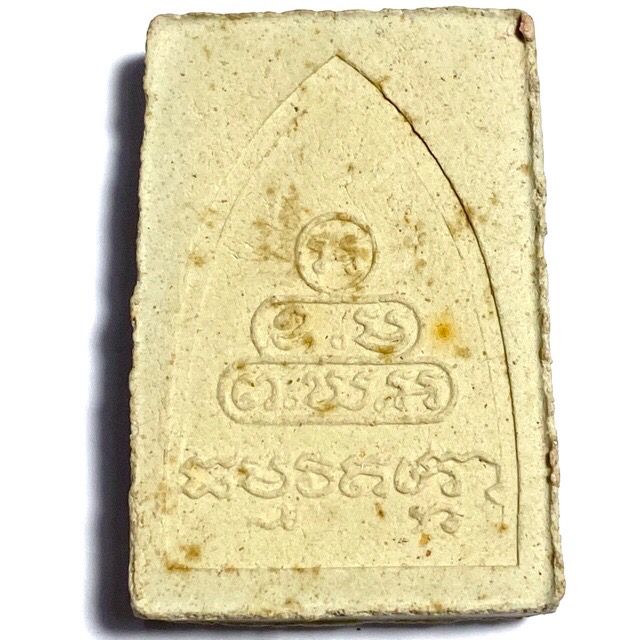
Pra Prajam Wan Thursday Buddha Pim Bai Po Hlang Yant Trinisinghae Traimas 2521 – 2523 BE Nuea Bailan Luang Phu To Wat Pradoo Chimplee
Once the mould has been assessed, attention turns to the quality of the impression itself. Genuine examples typically preserve a natural relationship between raised and recessed areas created during the original production process. The depth of mould details, the continuity of line structure, and the overall balance of the image all contribute to evaluation.
Particular importance is attached to the study of surface structure. Authentic sacred powder amulets develop characteristics through natural ageing that are difficult to reproduce convincingly. The surface of a genuine example reflects the combined effects of material composition, environmental exposure, and the passage of time.
Collectors frequently examine the distribution of wear across an amulet. Natural handling tends to affect high points differently from recessed areas. As a result, patterns of wear often develop gradually and consistently across the surface. Irregular or artificial-looking wear may indicate later alteration or attempted enhancement.

Rear face Pra Prajam Wan Thursday Buddha Pim Bai Po Hlang Yant Trinisinghae Traimas 2521 – 2523 BE Nuea Bailan Luang Phu To Wat Pradoo Chimplee
The edges of an amulet provide another valuable source of information. Because these areas are less influenced by cleaning and handling, they often preserve evidence of original production methods. Compression marks, structural consistency, and natural ageing characteristics may remain visible long after other details have become worn.
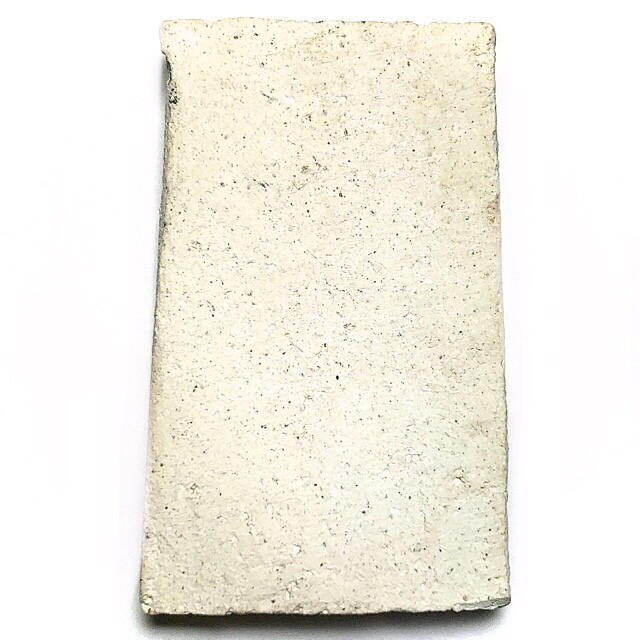
The reverse side is considered equally important. Experienced researchers routinely compare reverse characteristics with those observed on authenticated reference specimens. Texture, density, colour variation, and manufacturing traces can all contribute valuable information regarding authenticity.
Age itself does not automatically establish authenticity. While genuine examples display ageing characteristics, collectors recognise that age-related appearance must be consistent with the mould, material, and production methods associated with the specific type being examined. A convincing appearance alone is not sufficient evidence.

Pra Prajam Wan Thursday Buddha Pim Bai Po Hlang Yant Trinisinghae Traimas 2521 – 2523 BE Nuea Bailan Luang Phu To closeup
For this reason, comparison with established reference examples remains one of the most important tools available to researchers. The study of documented specimens allows collectors to recognise recurring patterns and identify characteristics that appear consistently across authentic examples.
The most reliable conclusions are generally reached when multiple areas of examination support one another. A mould may appear correct, but if the material structure is inconsistent, doubts remain. Likewise, convincing material characteristics are insufficient if the mould itself does not correspond to recognised examples. Authentication therefore depends upon the cumulative weight of evidence rather than any single observation.
Through decades of study, collectors developed increasingly refined methods for evaluating Luang Pu Toh amulets. Although opinions may occasionally differ regarding individual specimens, the underlying principles remain consistent: careful observation, comparison with recognised examples, and consideration of the entire object rather than isolated details.
These methods have contributed significantly to the preservation of knowledge surrounding the Wat Pradoo Chimplee amulet tradition and continue to guide researchers seeking to understand and document the surviving examples associated with Luang Pu Toh.

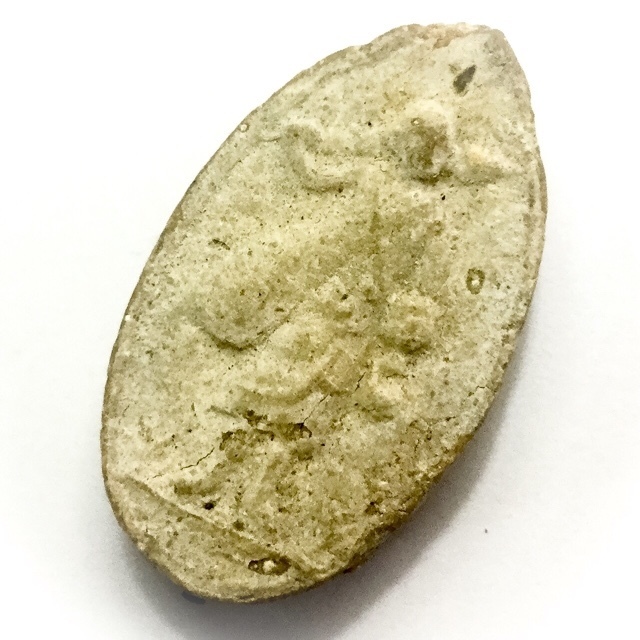
Pra Wanta Sema 2516 BE Nuea Pong Wat Plab Luang Phu To Wat Pradoo Chimplee
Documented Reference Examples
As the study of Luang Pu Toh amulets became more systematic, collectors began assembling reference specimens that could serve as standards for comparison. These examples formed the basis of later research and played an important role in establishing recognised characteristics for individual mould types.
The value of a reference specimen lies in its provenance, consistency, and acceptance among experienced collectors. When an example has been examined repeatedly over many years and its characteristics are well documented, it provides a reliable point of comparison for future study.
The surviving reference examples associated with Luang Pu Toh display the recurring characteristics expected of authentic sacred powder amulets. Their mould structure, material composition, surface texture, and ageing patterns correspond closely with one another despite the natural variations that occur between individual specimens.
One of the most important observations arising from the study of reference pieces is that genuine amulets are rarely identical. Variations resulting from mould wear, differences in pressure during production, and long-term environmental influences ensure that each specimen develops its own individual appearance. The goal of comparison is therefore not to find exact duplication but to identify consistency within acceptable limits.
Researchers have noted that authentic examples frequently preserve a strong overall harmony between design and material. The mould impression, sacred powder composition, and ageing characteristics support one another and create an appearance that reflects long-term natural development. This internal consistency is often regarded as one of the strongest indicators of authenticity.
The examination of multiple authenticated specimens also demonstrates how certain features remain remarkably stable. Structural elements of the mould continue to appear even when portions of the image have become worn. These persistent characteristics allow collectors to identify print types despite differences in preservation.
Photographic documentation has become an important part of this process. By recording recognised examples in detail, researchers have created a visual record that allows future generations to compare newly discovered specimens against established standards. Such documentation has proven particularly valuable as original examples become increasingly difficult to study directly.
Material characteristics observed in authenticated specimens have likewise contributed to the development of reliable reference standards. Surface texture, colour variation, edge structure, and reverse-side features provide additional points of comparison beyond the mould impression itself.
The study of recognised examples has also revealed the effects of long-term storage conditions. Amulets preserved in different environments may display notable differences in colour and surface appearance while remaining entirely authentic. This observation has encouraged collectors to evaluate characteristics within a broader context rather than relying upon rigid assumptions.
Over time, the comparison of documented specimens has led to a more refined understanding of the Luang Pu Toh amulet tradition. Researchers have been able to distinguish between characteristics that are fundamental to a particular mould and those that result from ageing, handling, or environmental influence.
The preservation of these reference examples has therefore served an important educational function. They provide practical illustrations of the principles discussed in earlier sections and help demonstrate how mould analysis, material examination, and authentication criteria operate in real-world study.
Through continued comparison and documentation, collectors have built a substantial body of knowledge concerning the surviving amulets associated with Luang Pu Toh. This accumulated research forms the foundation upon which modern understanding of the Wat Pradoo Chimplee tradition continues to develop.

Variations Within Authenticated Specimens
One of the recurring themes in the study of Luang Pu Toh amulets is the recognition that variation exists even among unquestionably authentic examples. This observation became increasingly important as larger numbers of specimens were documented and compared.
Early collectors sometimes assumed that all genuine amulets produced from a particular mould should appear identical. Continued research demonstrated that this assumption was incorrect. Differences arising during production, handling, storage, and ageing can produce noticeable variation while remaining entirely consistent with authenticity.
The production process itself contributes to these differences. Sacred powder mixtures were prepared and pressed into moulds individually, and minor fluctuations in pressure, moisture content, and material distribution could affect the final appearance of a specimen. As a result, two amulets originating from the same mould may exhibit subtle distinctions without indicating different origins.
Mould wear also plays a role in creating variation. As moulds were used repeatedly, fine details could gradually change. Certain lines became softer, edges less sharply defined, and small structural elements less pronounced. These changes occurred progressively rather than abruptly, creating a range of appearances within a single recognised print type.

The study of authenticated examples has shown that surface texture can vary considerably. Some specimens retain a relatively compact appearance, while others display more pronounced evidence of ageing. Environmental conditions, including humidity, temperature, and storage methods, contribute significantly to these differences.
Colour variation is similarly common. Authentic examples may range from lighter cream tones to darker shades depending upon the composition of the original material and the conditions under which the amulet was preserved. Such differences are generally evaluated within the context of other identifying characteristics rather than as independent indicators.
Collectors also observe differences in wear patterns. Some amulets remained carefully stored for long periods, preserving sharp mould details. Others were carried by devotees for many years, resulting in softened surfaces and increased signs of use. Both types of specimens may be equally authentic despite their differing appearances.
The existence of variation has important implications for authentication. It demonstrates that rigid comparison against a single example is often insufficient. Effective evaluation requires an understanding of the range of characteristics that may legitimately occur within a recognised mould type.
Researchers therefore place considerable importance on studying multiple reference specimens. By examining a broad sample of authenticated examples, it becomes possible to distinguish natural variation from features that fall outside accepted parameters. This approach produces a more accurate understanding of the characteristics associated with a particular type.
The recognition of legitimate variation also helps explain why experienced collectors sometimes differ in their interpretations of individual specimens. While the fundamental principles of authentication remain consistent, the evaluation of specific examples often requires judgement informed by extensive comparative experience.
As the body of documented material expanded, collectors increasingly recognised that authenticity should be viewed as a matter of overall consistency rather than exact duplication. Genuine examples share essential structural and material characteristics while still retaining the individual differences created by production and ageing.
This understanding contributed significantly to the maturation of Luang Pu Toh amulet scholarship. It encouraged a more nuanced approach to classification and helped establish standards that remain influential within the study of Wat Pradoo Chimplee amulets today.
Comparative Study of Recognised Examples
As larger numbers of authenticated Luang Pu Toh amulets became available for study, collectors increasingly adopted comparative methods to refine their understanding of recognised mould types. Rather than evaluating specimens in isolation, researchers began examining groups of examples side by side in order to identify recurring characteristics and establish more reliable classification standards.
This comparative approach revealed that certain features remained remarkably consistent across authenticated examples. The proportions of the Buddha image, the structure of the meditation base, and the dimensions of the surrounding frame frequently displayed a degree of stability that allowed researchers to recognise individual mould groups with greater confidence.
At the same time, comparison highlighted the natural variation that exists within authentic specimens. Differences in wear, material texture, colour, and surface condition often reflected the history of a particular amulet rather than differences in origin. By studying multiple examples together, collectors learned to distinguish between fundamental mould characteristics and features resulting from ageing or use.
Particular attention was devoted to areas where consistency could be measured most reliably. Structural elements of the mould generally provided stronger evidence than surface features influenced by environmental conditions. Researchers therefore focused first on form and proportion before considering texture, colour, or patina.
The comparison of authenticated specimens also assisted in identifying recurring production characteristics. Similarities in edge formation, reverse-side texture, and compression patterns suggested common manufacturing methods and reinforced confidence in classification systems developed through mould analysis.

Photographic comparison became an increasingly important research tool. Enlarged images allowed collectors to examine fine details that might otherwise be overlooked. Through repeated observation of documented examples, a clearer picture emerged regarding the defining characteristics of each recognised mould type.
One of the most significant outcomes of comparative study was the recognition that authentication depends upon patterns rather than isolated details. A single characteristic may appear convincing on its own, but reliable conclusions generally require agreement between multiple areas of examination. Mould structure, material composition, surface condition, and ageing characteristics must be considered together.
Researchers also observed that some examples occupied positions near the boundaries between recognised variants. These specimens sometimes displayed characteristics associated with more than one classification, reminding collectors that historical production processes rarely conform perfectly to modern categories. Such examples encouraged a more flexible and evidence-based approach to classification.
As knowledge accumulated, comparative analysis contributed to the refinement of existing classifications and occasionally led to the recognition of previously overlooked variants. The continuing examination of authenticated specimens therefore remained an active process rather than a fixed body of conclusions.
The preservation of detailed photographic records and documented reference collections allowed later generations to build upon earlier work. Each newly studied specimen had the potential to contribute additional information regarding production methods, mould development, and the evolution of the Wat Pradoo Chimplee amulet tradition.
Through this process, the study of Luang Pu Toh amulets gradually evolved from simple identification into a more systematic discipline based upon observation, documentation, and comparison. The resulting body of knowledge continues to influence modern collectors and researchers seeking to understand the historical development of these sacred objects.

The Importance of Provenance and Documentation
As the collecting community surrounding Luang Pu Toh amulets matured, increasing importance was placed upon provenance and the preservation of reliable historical information. Researchers recognised that physical examination alone could not answer every question concerning an amulet’s history. Whenever possible, documentary evidence and ownership records were used to supplement visual analysis.
Provenance refers to the documented history of an object from the time it was acquired until the present day. In the study of sacred amulets, such information may include details concerning former owners, temple associations, family inheritance, or long-established collecting histories. Although provenance does not replace physical examination, it can provide valuable supporting evidence.
Many of the most respected reference specimens became important not only because of their physical characteristics but also because their histories were known. Amulets preserved within families, retained by long-time devotees, or associated with recognised collectors often carried records that strengthened confidence in their authenticity.
Researchers found that provenance was particularly useful when evaluating rare variants. In cases where relatively few examples were known, a well-documented ownership history could provide important context and help support classification decisions. Such information contributed to a more complete understanding of the surviving population of a particular mould type.
Temple associations were also regarded as significant. Objects retained within temple collections or linked to individuals closely connected with Wat Pradoo Chimplee frequently attracted special interest from researchers. These examples sometimes preserved information unavailable elsewhere and therefore played an important role in the reconstruction of historical records.
The preservation of old photographs likewise contributed to the documentation process. Historical images occasionally revealed amulets in their original condition or recorded specimens before later changes occurred through handling, restoration, or environmental exposure. Such records became increasingly valuable as time passed.
Collectors gradually recognised that written records, photographs, and oral histories should be preserved alongside the amulets themselves. Together these materials formed a broader historical archive that provided context for the objects and helped ensure that knowledge would not be lost.
The study of provenance also highlighted the importance of responsible documentation. Detailed records regarding acquisition dates, ownership histories, and physical characteristics enabled future researchers to evaluate specimens more effectively. As a result, many collectors began keeping more systematic records of their collections.
Although provenance can strengthen confidence in an amulet, experienced researchers generally regarded it as one element within a larger process of evaluation. Documentary evidence was considered most valuable when it supported conclusions already suggested by mould analysis, material examination, and comparison with recognised reference examples.
The increasing emphasis placed upon documentation reflected the growing sophistication of Luang Pu Toh amulet research. What had once been transmitted primarily through personal knowledge and collector experience gradually became supported by written records, photographic archives, and comparative reference materials.
Through these efforts, later generations gained access to a more complete picture of the Wat Pradoo Chimplee amulet tradition. The preservation of provenance, documentation, and historical context helped ensure that the study of these sacred objects remained connected to the people, communities, and religious traditions from which they originated.
Reference Specimens and Collector Standards
As research into Luang Pu Toh amulets expanded, certain specimens became widely recognised as reference examples within the collecting community. These amulets were studied repeatedly because they displayed characteristics that clearly represented accepted standards for particular mould types.
The role of a reference specimen is not to serve as the only acceptable example of a particular amulet, but rather to provide a reliable benchmark against which other specimens may be compared. Through careful examination of such pieces, collectors developed a more consistent understanding of recognised mould characteristics and material properties.
Many of these reference examples became well known because they had been examined by multiple generations of experienced collectors. Their continued acceptance was based upon repeated observation, comparison, and documentation rather than reliance upon a single opinion. As a result, they formed an important foundation for subsequent research.
The study of recognised specimens revealed that authenticity is best understood through recurring patterns. Individual examples may differ in colour, wear, or surface condition, yet still display the essential structural features expected of a particular mould. Reference specimens helped researchers identify these underlying characteristics and distinguish them from secondary variations.
Photographic documentation played an increasingly important role in preserving knowledge concerning recognised examples. Detailed images allowed collectors to study important features even when direct access to a specimen was not possible. Through publication and comparison, these photographs contributed significantly to the standardisation of classification systems.
Researchers frequently focused on areas where mould details remained clearly preserved. The shape of the Buddha image, the structure of the meditation base, and the dimensions of the surrounding frame often provided the most reliable points of comparison. These features tended to remain identifiable even when other portions of an amulet had become worn through age and handling.
Material characteristics observed in reference specimens also assisted in developing broader authentication standards. Surface texture, powder composition, edge formation, and reverse-side features provided additional evidence that could be compared across multiple examples. The consistency of these observations strengthened confidence in accepted classifications.
The accumulation of documented specimens gradually allowed collectors to recognise patterns extending beyond individual mould types. Similarities in production methods, material preparation, and manufacturing characteristics became increasingly apparent as larger numbers of authenticated examples were studied. These observations contributed to a deeper understanding of the wider Wat Pradoo Chimplee tradition.
At the same time, researchers remained aware that new information could emerge from the study of previously undocumented specimens. The classification system continued to develop as additional examples were examined and compared with established references. This process ensured that the field remained open to refinement while preserving the standards already established through earlier research.
The importance of recognised reference specimens therefore extends beyond the identification of individual amulets. They serve as historical records that preserve information concerning traditional production methods, material characteristics, and the evolution of the collecting knowledge associated with Luang Pu Toh.
Through the continued preservation and study of these examples, later generations have been able to build upon the work of earlier collectors and maintain a reliable body of knowledge concerning one of the most important amulet traditions associated with Wat Pradoo Chimplee.
The Development of Technical Classification
As larger numbers of Luang Pu Toh amulets were documented, collectors gradually moved beyond simple identification and began developing more detailed systems of classification. These systems were designed to organise the growing body of information concerning mould varieties, material differences, and observable production characteristics.
Early collectors often relied primarily upon personal experience and direct familiarity with known examples. As the field matured, however, researchers increasingly sought to record their observations in a systematic manner. This shift allowed information that had once existed only within small circles of specialists to be preserved for future generations.
One of the principal objectives of classification was to distinguish between characteristics that were essential to a particular mould and those that resulted from later ageing or environmental influence. Researchers learned that successful identification depended upon recognising structural features that remained stable across multiple authenticated examples.
This process required careful examination of numerous specimens. By comparing examples side by side, collectors were able to identify recurring patterns and establish reference points for future study. Features that appeared consistently across recognised examples were incorporated into classification standards, while characteristics showing significant variation were treated with greater caution.
The increasing use of photography contributed significantly to this work. High-quality images allowed collectors to examine details in a manner that was not always possible through casual observation alone. Enlarged photographs often revealed subtle mould characteristics that became important elements of classification.
Researchers also recognised the importance of documenting examples representing different stages of preservation. Some specimens retained sharp details and minimal wear, while others displayed extensive evidence of age and handling. Studying both types helped collectors understand how genuine characteristics persisted despite changes in appearance over time.
As classification systems developed, terminology became increasingly standardised. Consistent descriptions allowed collectors in different regions to discuss the same characteristics using a shared vocabulary. This facilitated communication and reduced confusion when comparing observations between different reference collections.
The study of material characteristics continued to evolve alongside mould classification. Researchers documented differences in colour, texture, density, and ageing patterns while attempting to distinguish between natural variation and features of potential diagnostic value. These observations added further depth to the developing body of knowledge.
Through continued comparison and documentation, a more complete picture of the Luang Pu Toh amulet tradition emerged. Individual specimens could be understood not merely as isolated objects but as part of a broader historical and material context. This approach encouraged collectors to focus on evidence and observation rather than assumption.
The resulting classification systems provided a framework that allowed new discoveries to be evaluated more effectively. When previously undocumented examples appeared, researchers could compare them against established standards and determine how they related to recognised mould groups and known production characteristics.
The development of these methods marked an important stage in the evolution of amulet scholarship. By emphasising documentation, comparison, and systematic observation, collectors created a foundation that continues to support the study of Luang Pu Toh amulets and the wider Wat Pradoo Chimplee tradition.
The Expansion of Research and Documentation
As interest in Luang Pu Toh amulets continued to grow, the amount of available research expanded considerably. What had once been transmitted largely through personal instruction and collector experience increasingly became the subject of formal documentation. This process contributed to a more detailed understanding of both individual amulets and the wider historical tradition from which they emerged.
Researchers recognised that many important sources of information were vulnerable to loss. Senior collectors passed away, old collections were dispersed, and first-hand knowledge concerning earlier generations of amulet study gradually became more difficult to preserve. As a result, increasing effort was devoted to recording observations in a permanent form.
The documentation of recognised specimens became a central part of this work. By photographing and describing authenticated examples, researchers created records that could be studied by future generations. These archives helped preserve information concerning mould characteristics, material composition, and physical appearance even when direct access to the original specimen was no longer possible.
Attention was also directed toward the collection of historical information relating to the amulets themselves. Researchers sought to identify connections between specific specimens, former owners, temple associations, and known collectors. These efforts provided valuable context and helped place individual amulets within a broader historical framework.
As more information became available, comparisons between specimens became increasingly sophisticated. Researchers were able to identify subtle distinctions that earlier generations may have overlooked. At the same time, they confirmed many observations that had long been accepted within the collecting community through practical experience.
The accumulation of documented examples allowed collectors to observe broader patterns within the Luang Pu Toh tradition. Certain characteristics appeared repeatedly across recognised specimens, reinforcing confidence in established classifications. Other features showed greater variation and prompted further investigation.
One of the important outcomes of this process was the recognition that amulet study benefits from multiple forms of evidence. Mould analysis, material examination, provenance, photographic comparison, and historical documentation each contribute valuable information. No single source provides all the answers, but together they create a more complete understanding.
The preservation of research also helped standardise knowledge. Earlier generations sometimes relied upon regional terminology or informal descriptions that varied between collectors. Through publication and documentation, more consistent methods of description emerged, making it easier to compare observations and exchange information.
These developments contributed to the establishment of a substantial reference body concerning Luang Pu Toh amulets. Later researchers were able to build upon the work of earlier collectors rather than beginning from the start with each new investigation. The result was a gradual accumulation of knowledge spanning multiple generations.
The study of Luang Pu Toh amulets therefore became not only an examination of individual sacred objects but also an effort to preserve historical information concerning the religious culture, collecting traditions, and communities that surrounded them. Each documented specimen contributed another piece to a larger historical record.
Through this continuing process of research and preservation, the tradition associated with Wat Pradoo Chimplee remained accessible to future students and collectors. The work of documenting and comparing authenticated examples ensured that valuable knowledge would survive alongside the amulets themselves.
Collecting Knowledge and the Preservation of Historical Records
The preservation of knowledge has always been one of the greatest challenges within the study of Thai Buddhist amulets. While the objects themselves may survive for generations, the information needed to understand them can easily disappear if it is not recorded and transmitted. For this reason, experienced collectors have long regarded the preservation of historical knowledge as being just as important as the preservation of the amulets themselves.
Many of the earliest generations of collectors acquired their knowledge directly from monks, temple associates, and senior devotees who possessed first-hand familiarity with the traditions surrounding particular amulets. Such information often existed only in spoken form and was passed from teacher to student through personal contact.
As time passed, researchers recognised the importance of preserving these traditions before they were lost. Efforts were therefore made to document recollections, collect photographs, record ownership histories, and preserve examples that could serve as reference standards for future study.
Within the Luang Pu Toh tradition, much of the surviving knowledge owes its preservation to individuals who devoted considerable time to collecting information from older sources. Through interviews, comparison of specimens, and examination of historical records, they were able to assemble a more complete picture of the development of the amulets associated with Wat Pradoo Chimplee.
The importance of this work becomes clear when examining older amulets whose origins might otherwise be uncertain. Without supporting documentation, even authentic objects can become difficult to place within their proper historical context. Records concerning production periods, mould variations, and ownership histories help preserve the connection between the object and its place within the wider tradition.
Photographs have proven particularly valuable in this regard. Images taken decades earlier sometimes preserve evidence that can no longer be observed directly. They may document an amulet before wear occurred, record pieces that have since disappeared into private collections, or preserve details that later became obscured through handling and environmental exposure.
Researchers also learned that historical documentation often provides insight into the development of collecting itself. Earlier generations sometimes classified amulets differently from modern researchers, reflecting the gradual evolution of knowledge over time. By preserving older records, it becomes possible to trace how understanding has developed and improved through successive generations of study.
The growth of documentation has also helped reduce reliance upon speculation. As more authenticated examples became available for comparison, collectors were able to base conclusions increasingly upon observable evidence rather than unsupported assumptions. This shift strengthened the reliability of classification systems and encouraged more disciplined research methods.
Another important aspect of preservation involves maintaining access to information. Knowledge that remains confined to a small number of individuals is vulnerable to loss. Publication, photography, and systematic record-keeping help ensure that future researchers can continue to build upon the work of earlier generations.
The study of Luang Pu Toh amulets therefore represents not only the examination of sacred objects but also the preservation of cultural memory. Each authenticated specimen, photograph, and historical record contributes to a broader effort to safeguard knowledge concerning one of Thailand’s most respected monastic traditions.
Through continued research and documentation, later generations have gained access to information that might otherwise have disappeared. The preservation of this knowledge remains essential for understanding both the amulets themselves and the religious culture from which they emerged.
Luang Phu To (Wat Pradoo Chimplee)
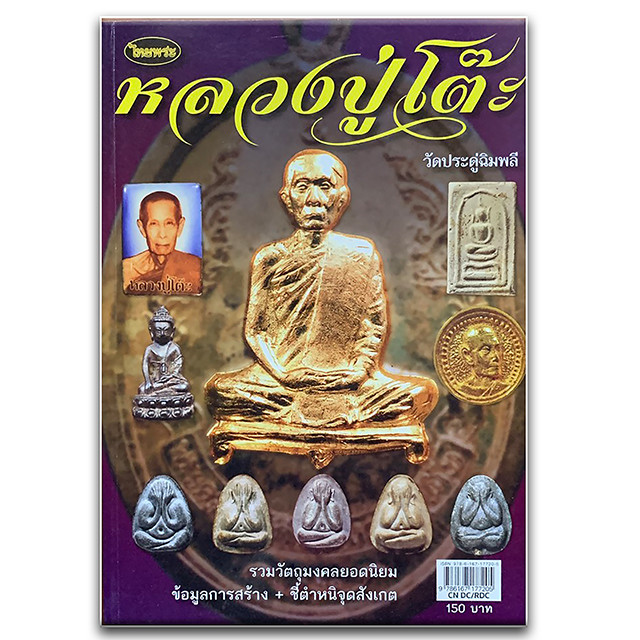
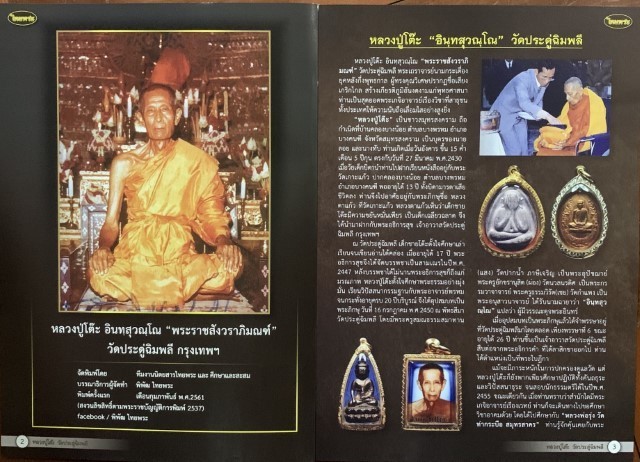
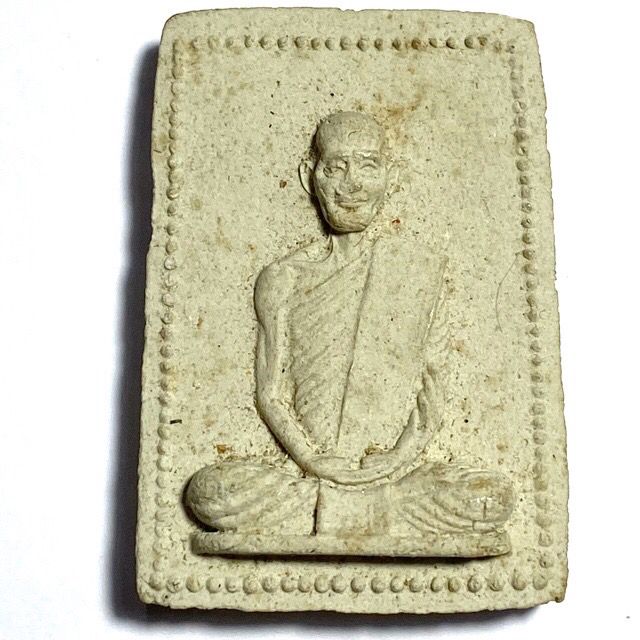
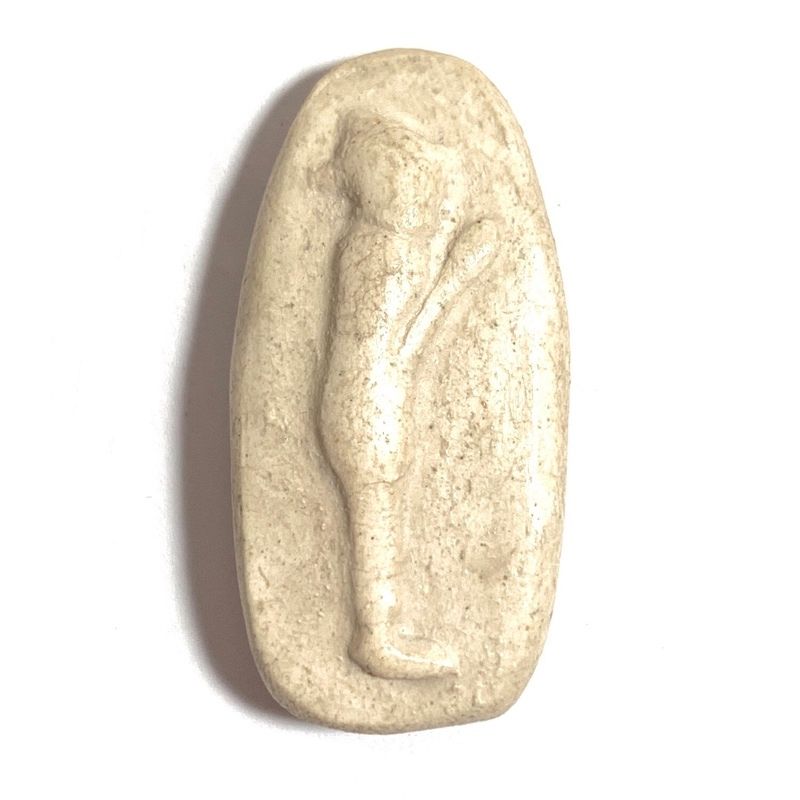
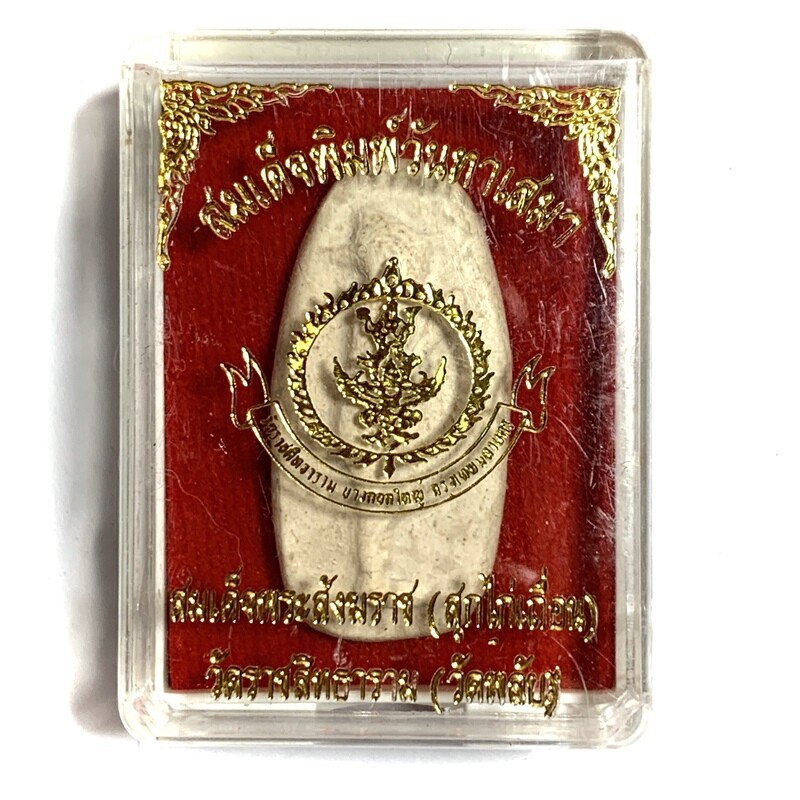
Pra Wanta Sema 2516 BE Nuea Pong Wat Plab Luang Phu To Wat Pradoo Chimplee
Pra Wanta Sema 2516 BE Nuea Pong Wat Plab Luang Phu To Wat Pradoo Chimplee
Free Shipping Worldwide & Offer of Free Waterproof Casing
SKU 04542
$229
Sold out
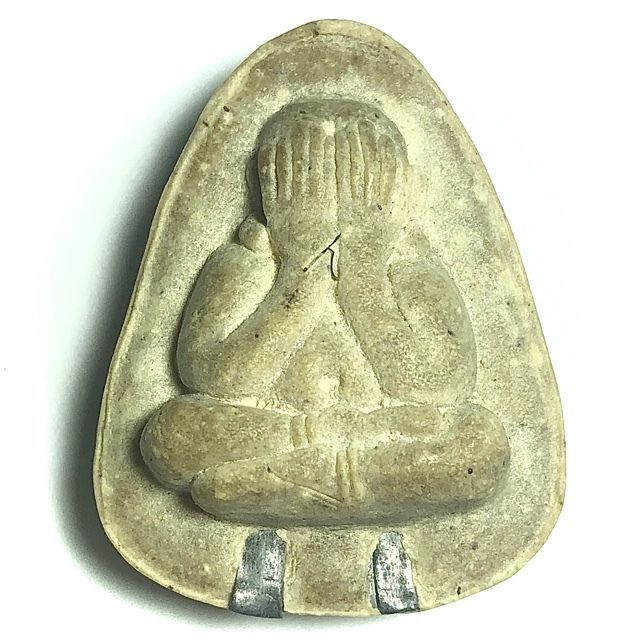
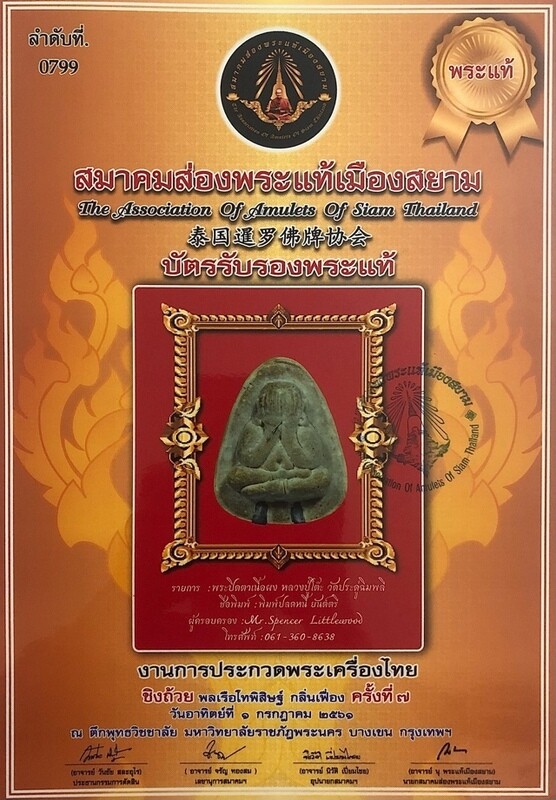
Pra Pid Ta Plod Nee Hlang Yant Na Nuea Gesorn Dtid Gesa Takrut Koo Chae Nam Montr Traimas 2521-2523 BE Luang Phu To With Certificate Free Gold Casing
Pra Pid Ta Plod Nee Hlang Yant Na Nuea Gesorn Dtid Gesa Takrut Koo Chae Nam Montr Traimas 2521-2523 BE Luang Phu To With Certificate Free Gold Casing
Free Fed-Ex/DHL/EMS Shipping, & Option of Free Solid Gold or Silver Casing
SKU 04486
$2,499
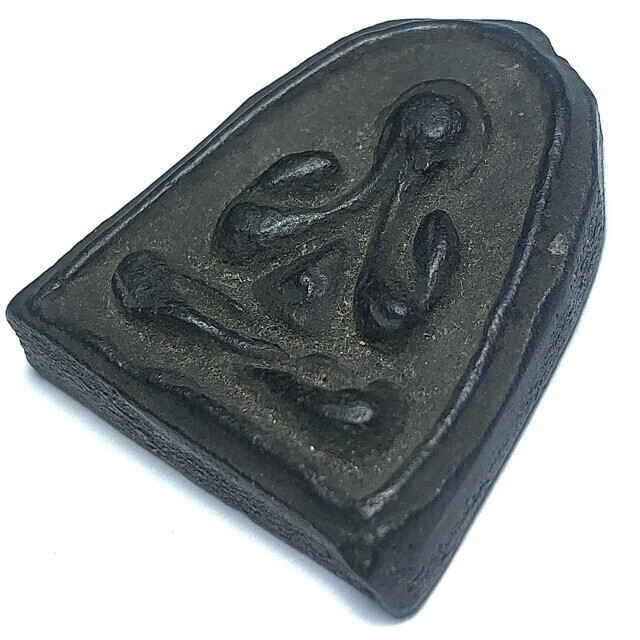
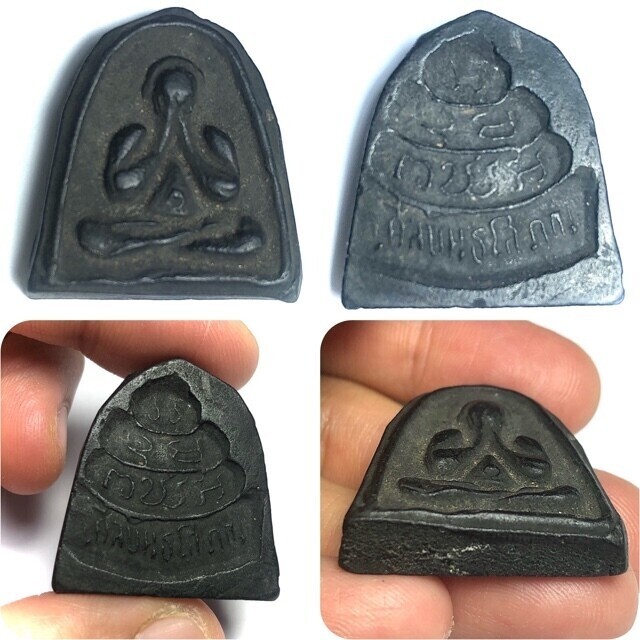
Sold out
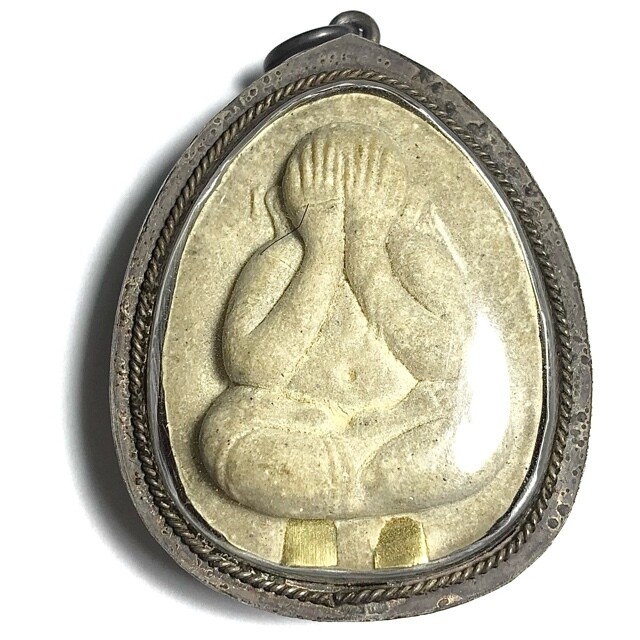
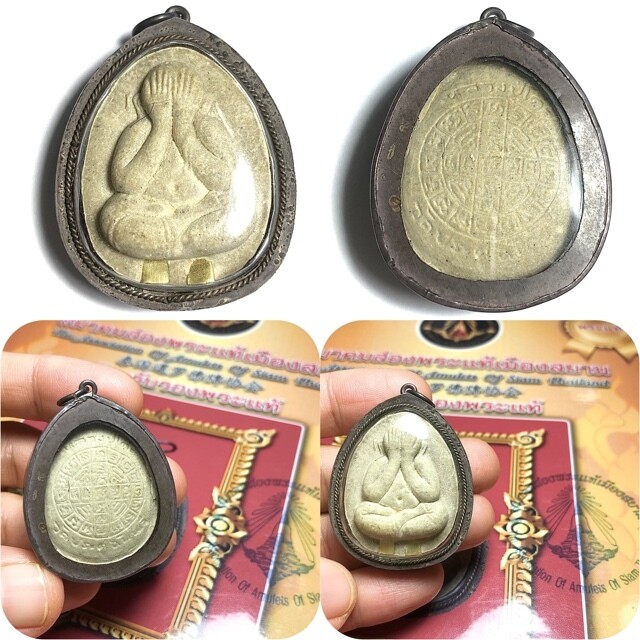
Pidta Maha Lap Jumbo 2 Nuea Gesorn Chae Nam Montr 2 Gold Takrut 3 Years Blessing 2523 BE Luang Phu To Wat Pradoo Chimplee & Authenticity Certificate
Pidta Maha Lap Jumbo 2 Nuea Gesorn Chae Nam Montr 2 Gold Takrut 3 Years Blessing 2523 BE Luang Phu To Wat Pradoo Chimplee & Authenticity Certificate
Free Fed-Ex/DHL Shipping, A4 Size Authenticity Certificate & Original Silver Casing Included
SKU 04387
$2,199
Sold out
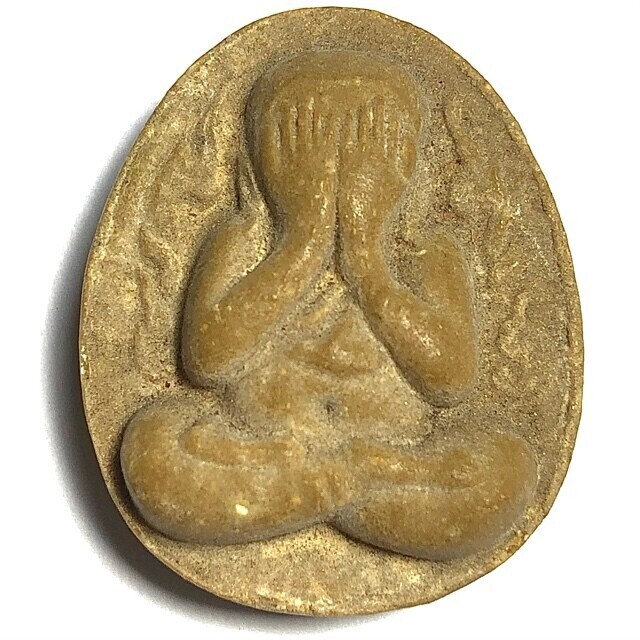
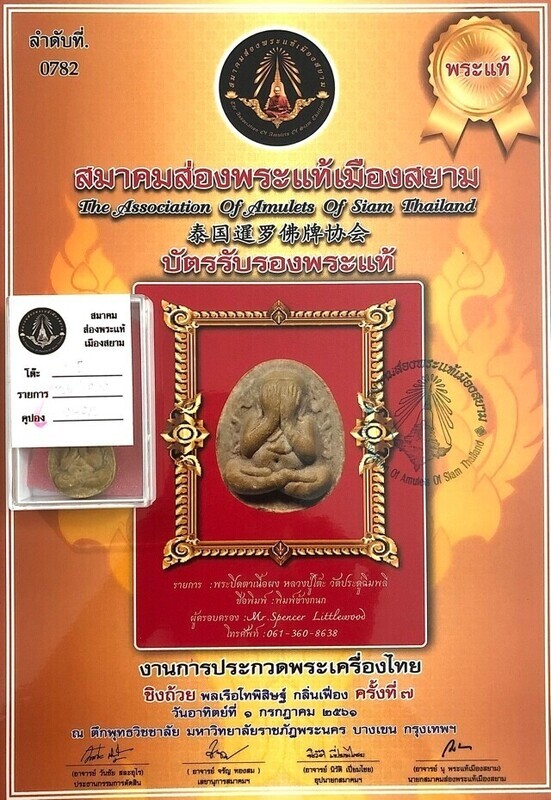
Pra Pid Ta Granok Khang Nuea Gesorn Pasom Gesa 2522 BE Luang Phu To Wat Pradoo Chimplee
Pra Pid Ta Granok Khang Nuea Gesorn Pasom Gesa 2522 BE Luang Phu To Wat Pradoo Chimplee
Free Fed-Ex/DHL Express Shipping & offer of Free Solid Silver Custom Casing if Desired
SKU 04385
$1,299
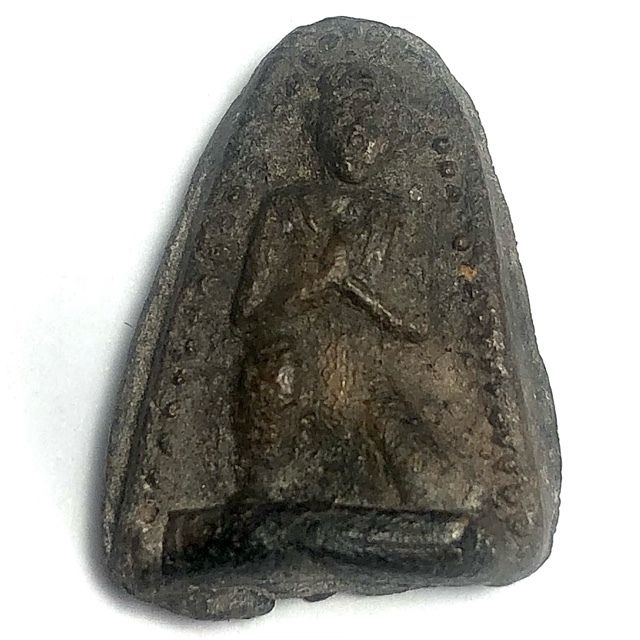
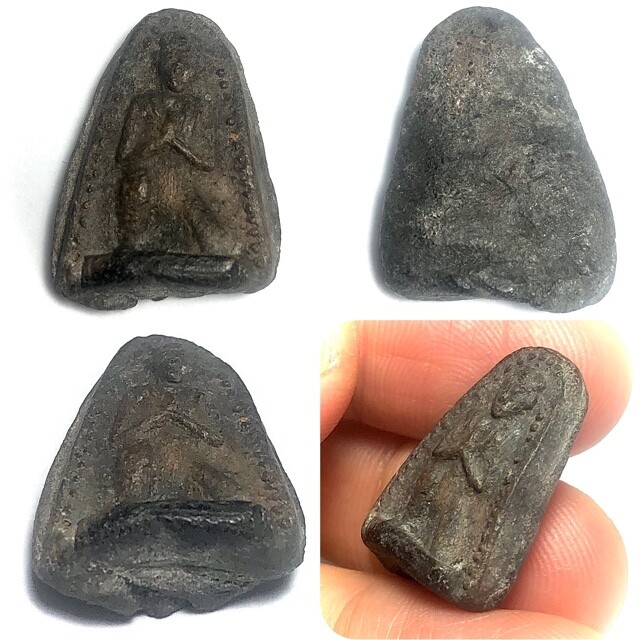
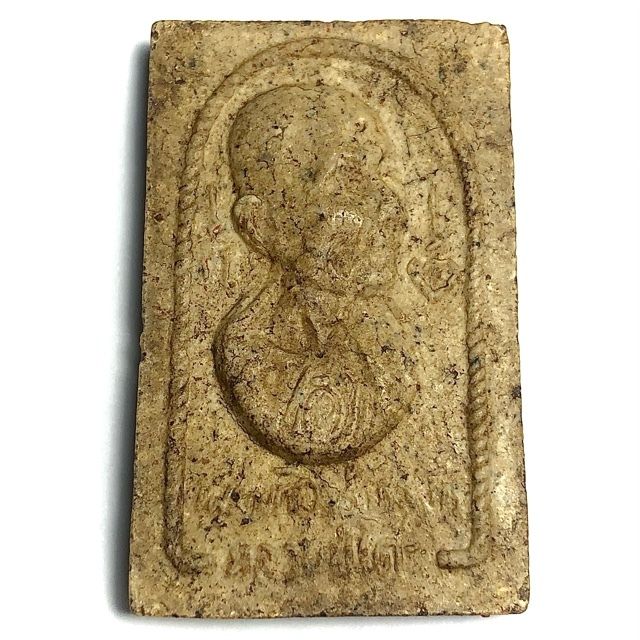
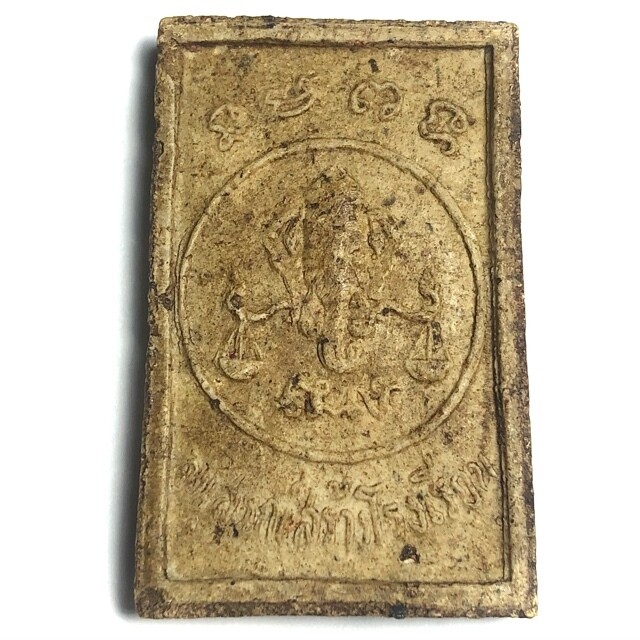
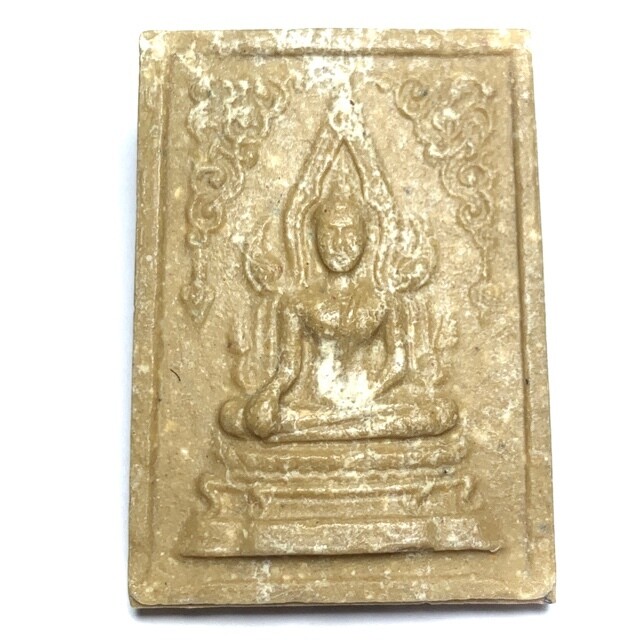
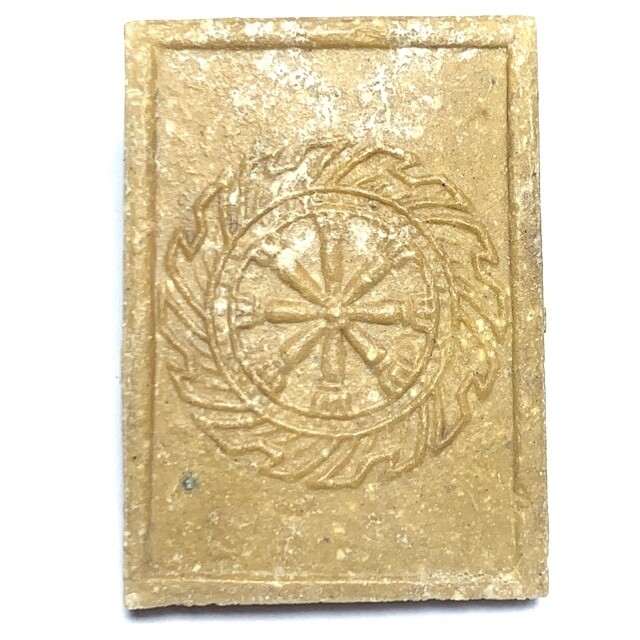
Sold out
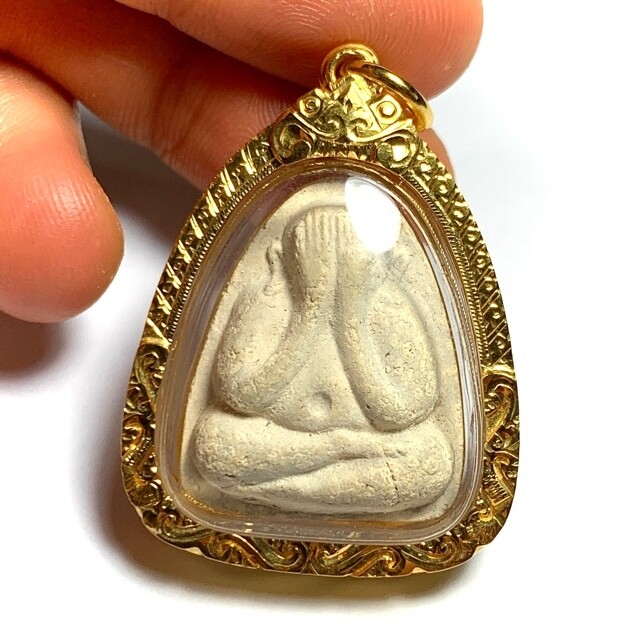

Pra Pid Ta Maha Lap Na Ta Na Nuea Pong Pised 2 Takrut 2522 BE 1st Prize Trophy Heavy Gold Casing & Certificate Luang Phu To Wat Pradoo Chimplee
Pra Pid Ta Maha Lap Na Ta Na Nuea Pong Pised 2 Takrut 2522 BE 1st Prize Trophy Heavy Gold Casing & Certificate Luang Phu To Wat Pradoo Chimplee
FREE EXPRESS SHIPPING WORLDWIDE
SKU 04309
$2,799
Sold out
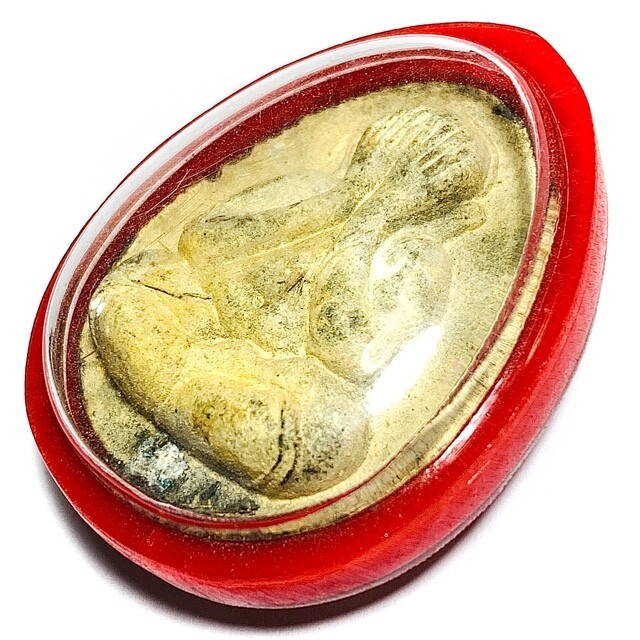
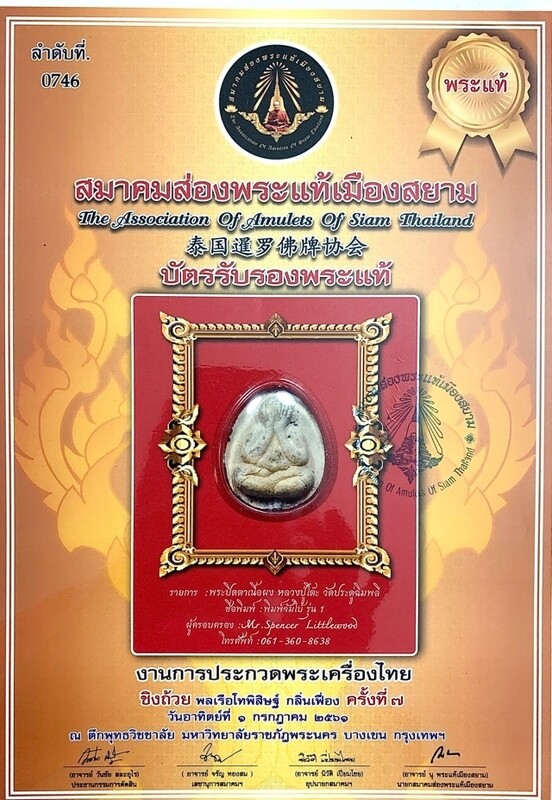
Pidta Maha Lap Jumbo 2 Nuea Bailan Chae Nam Montr 3 Years Blessing 2523 BE Luang Phu To Wat Pradoo Chimplee & Authenticity Certificate
Pidta Maha Lap Jumbo 2 Nuea Bailan Chae Nam Montr 3 Years Blessing 2523 BE Luang Phu To Wat Pradoo Chimplee & Authenticity Certificate
Free Fed-Ex/DHL Shipping Worldwide & Free Solid Silver Custom Waterproof Casing Included (10 Day Wait for Custom Casing
SKU 04285
$1,999
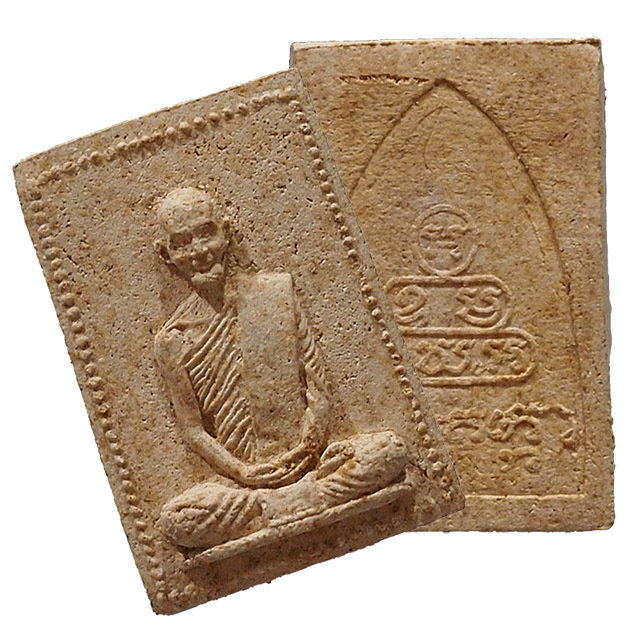
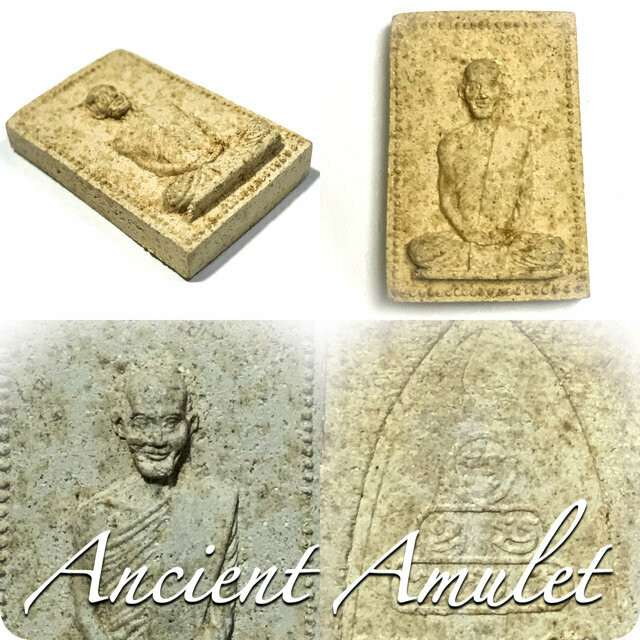
Sold out
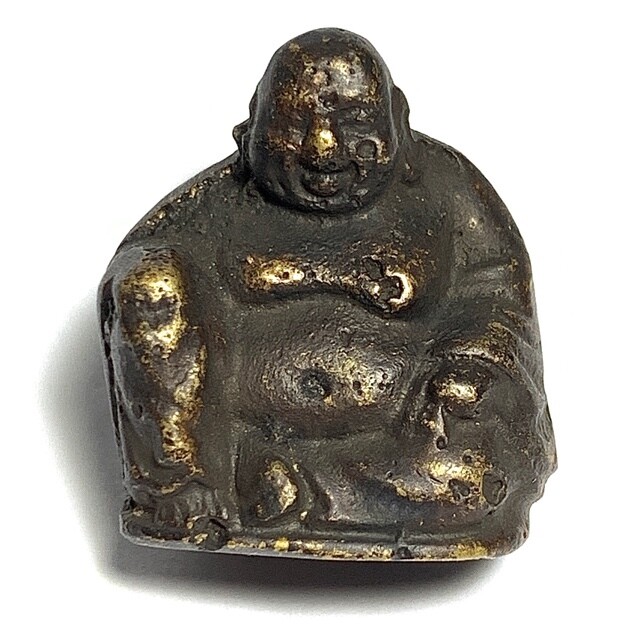
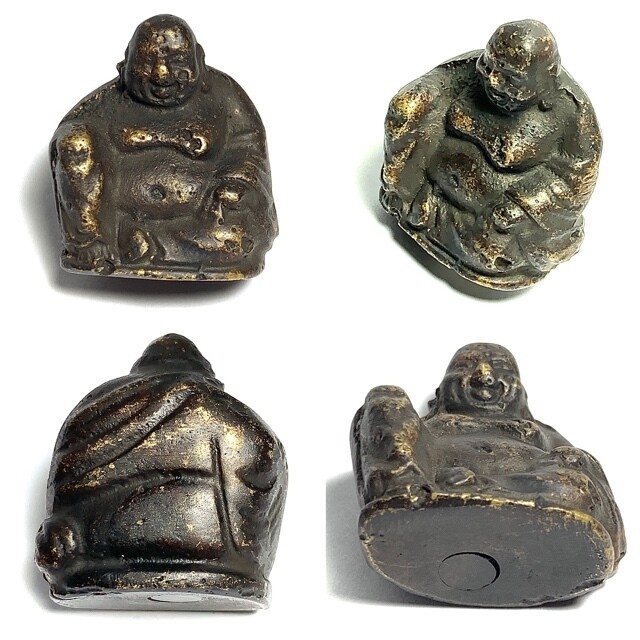
Roop Lor Pra Sangkajjai Ud Kring 2512 BE Luang Por Guay with Ajarn Nam LP To Luang Por Dee Ajarn Gaew & Luang Por Prohm Wat Chinoros
Roop Lor Pra Sangkajjai Ud Kring 2512 BE Luang Por Guay with Ajarn Nam LP To Luang Por Dee Ajarn Gaew & Luang Por Prohm Wat Chinoros
Free Shipping Included for Countries in the Covid Update List. If Covid Ends, Free Shipping for All.
SKU 04273
$149
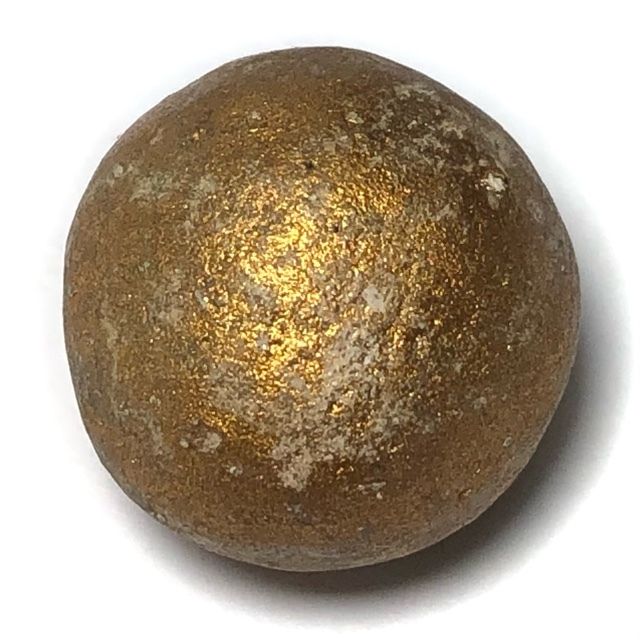
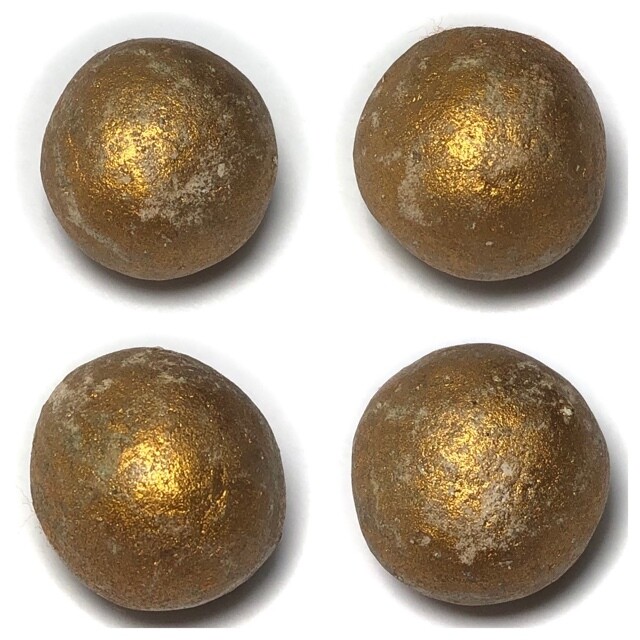
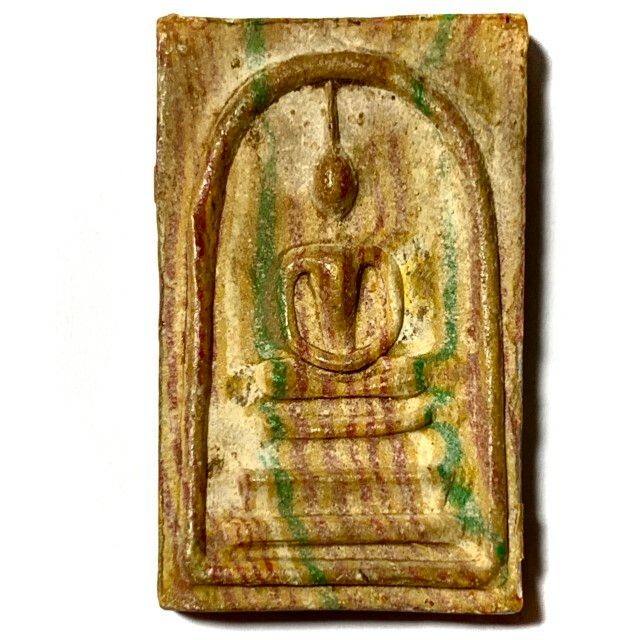
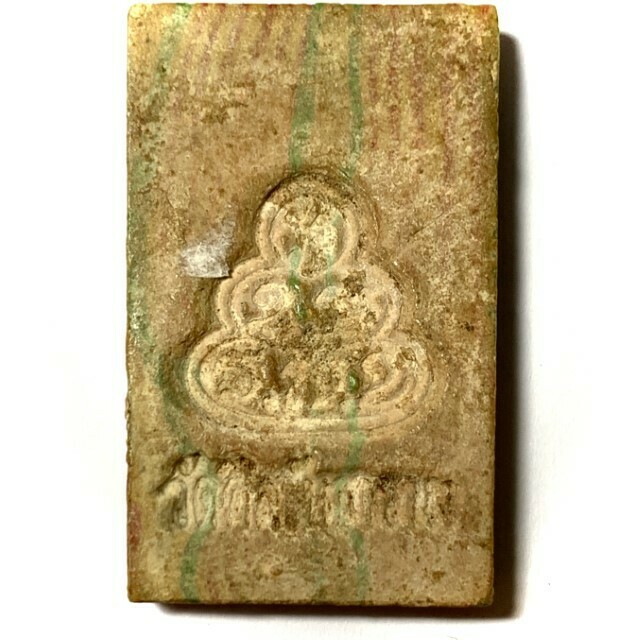
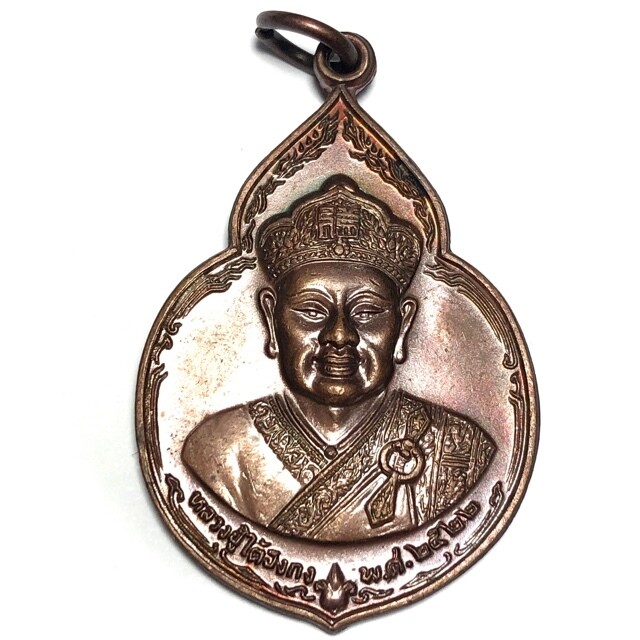
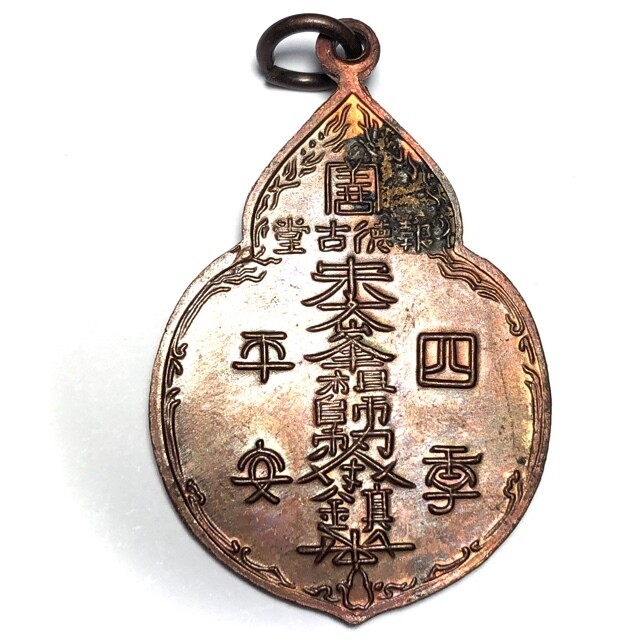
Sold out
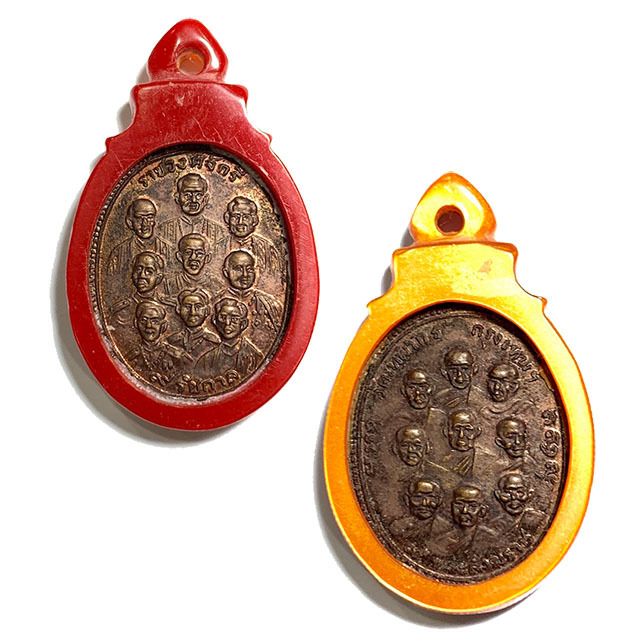
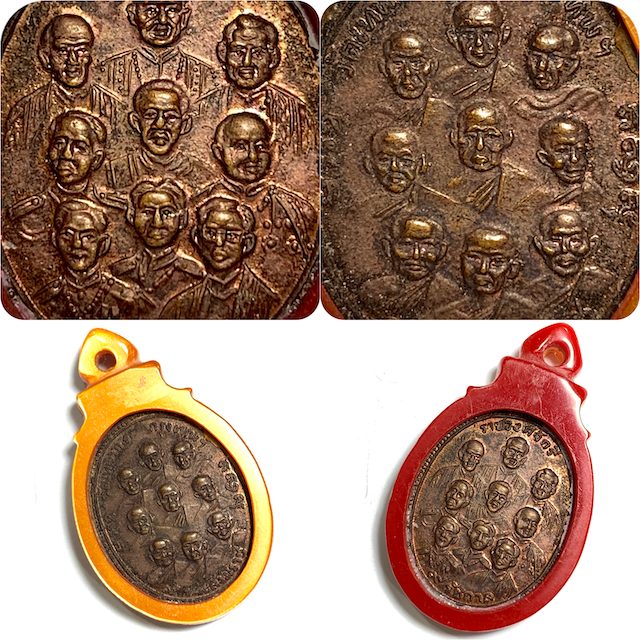
Rian Gao Sangkarach Gao Maharach 9 Royal Monks 9 Kings 2513 - 2516 BE Wat Taepagorn Blessed by LP Guay, LP To, LP Pae, Kroo Ba Wang, LP Toon, LP Pring
Rian Gao Sangkarach Gao Maharach 9 Royal Monks 9 Kings 2513 - 2516 BE Wat Taepagorn Blessed by LP Guay, LP To, LP Pae, Kroo Ba Wang, LP Toon, LP Pring
SKU 04095
$68
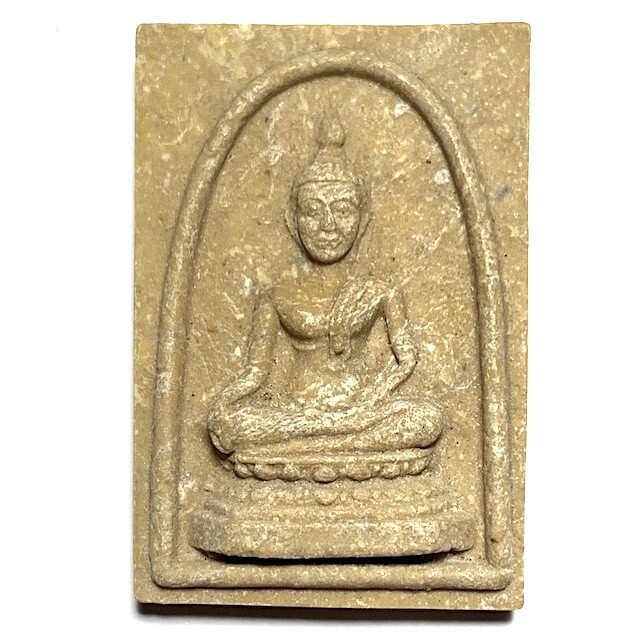
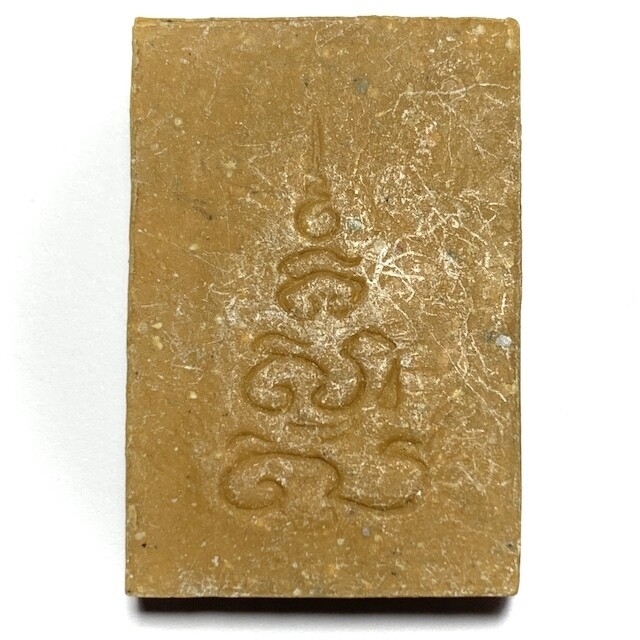
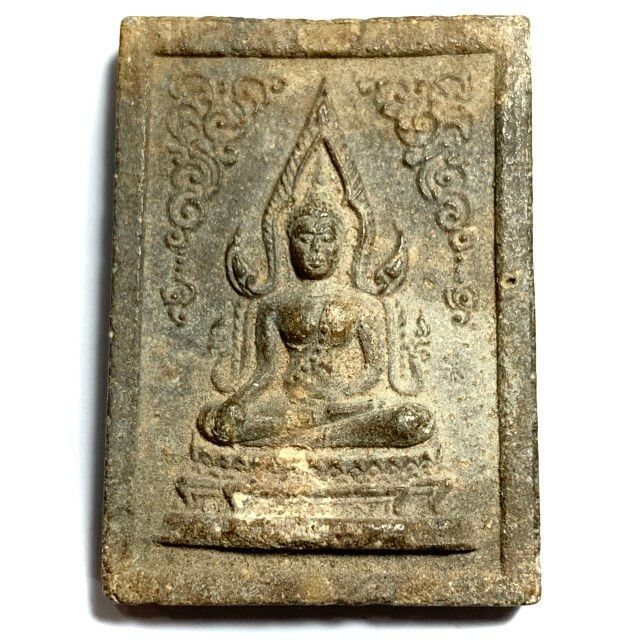
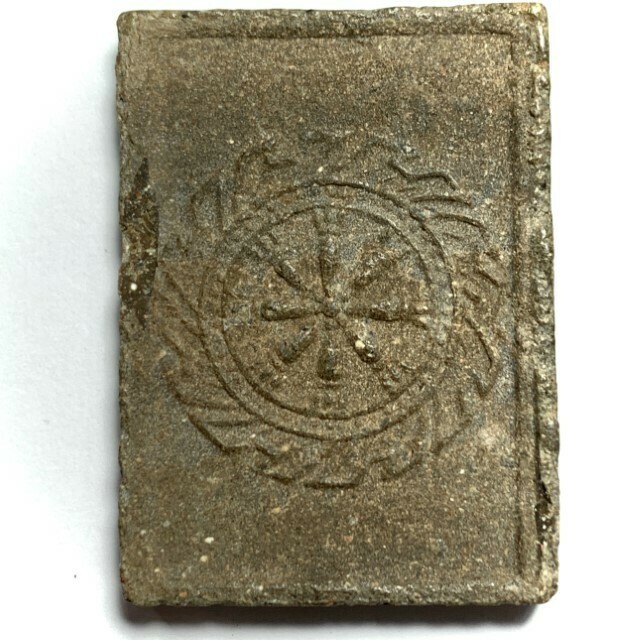

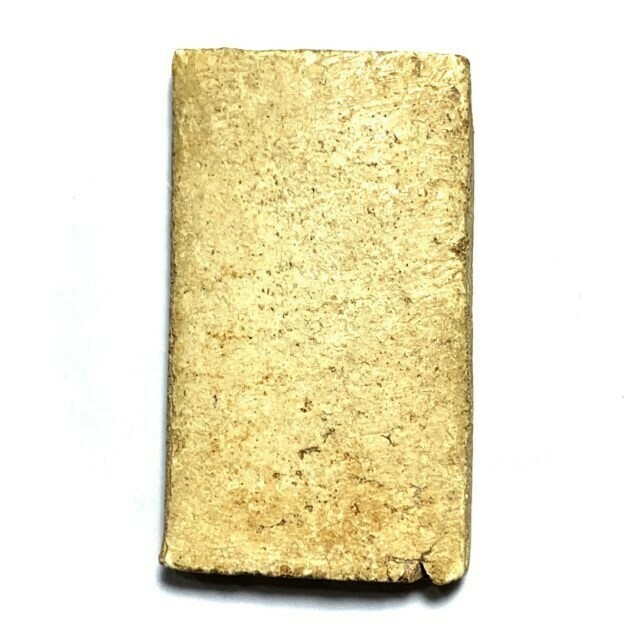
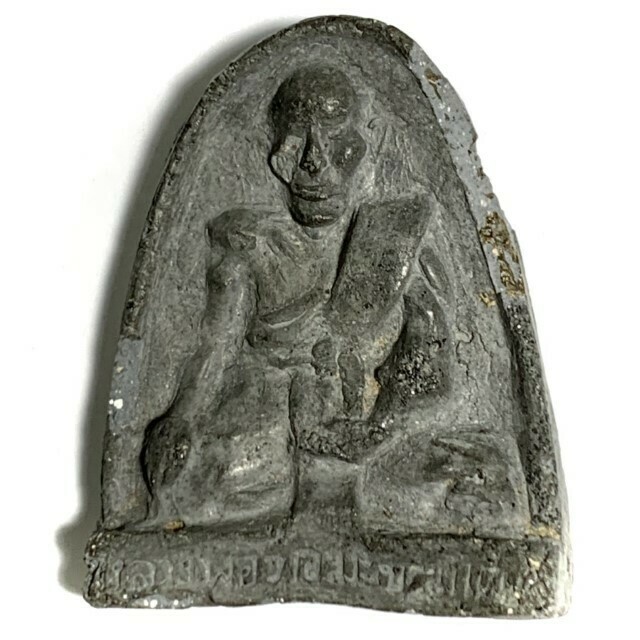
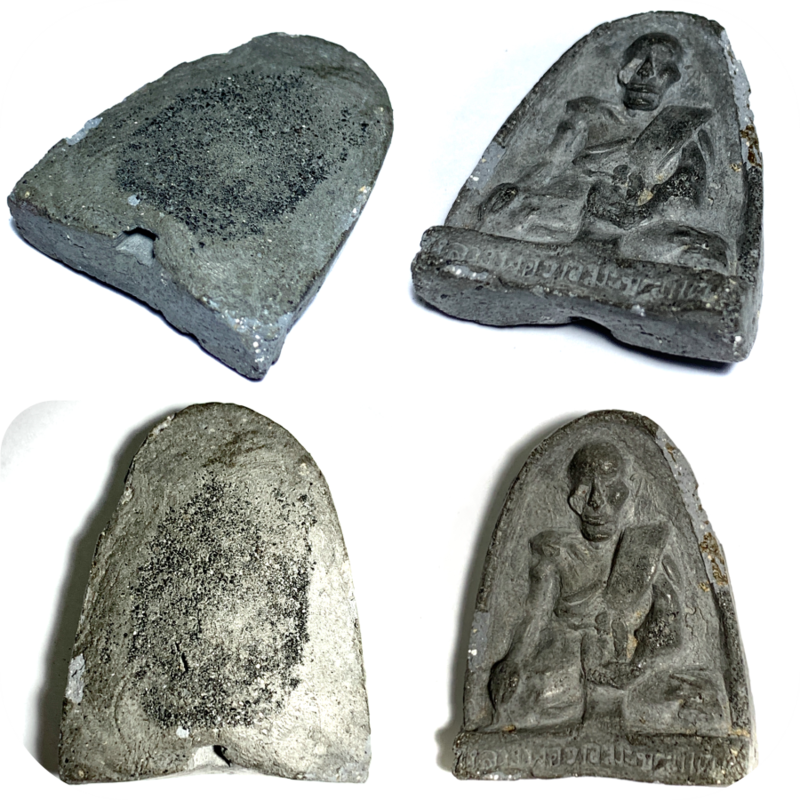
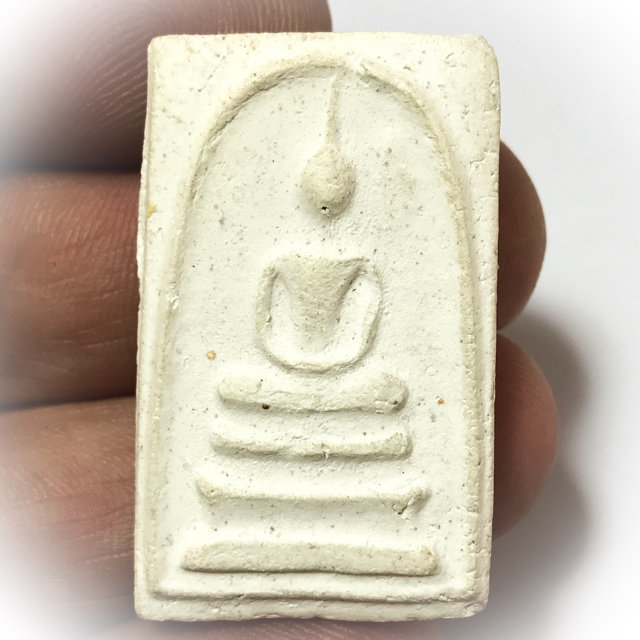
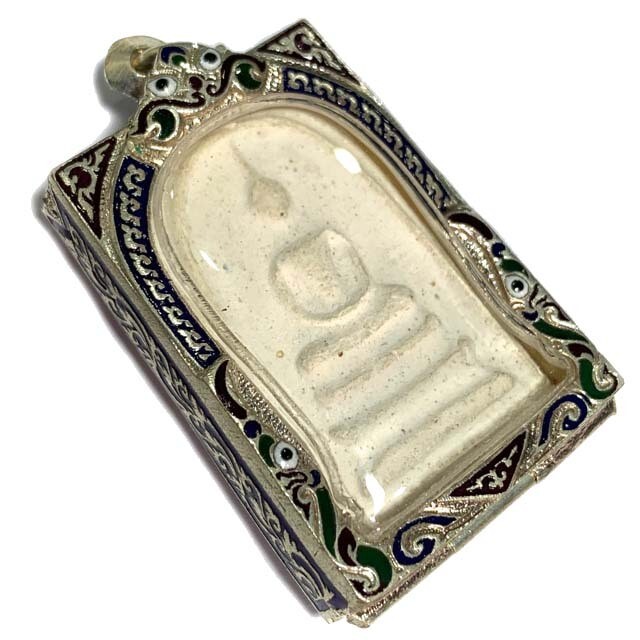
Sold out
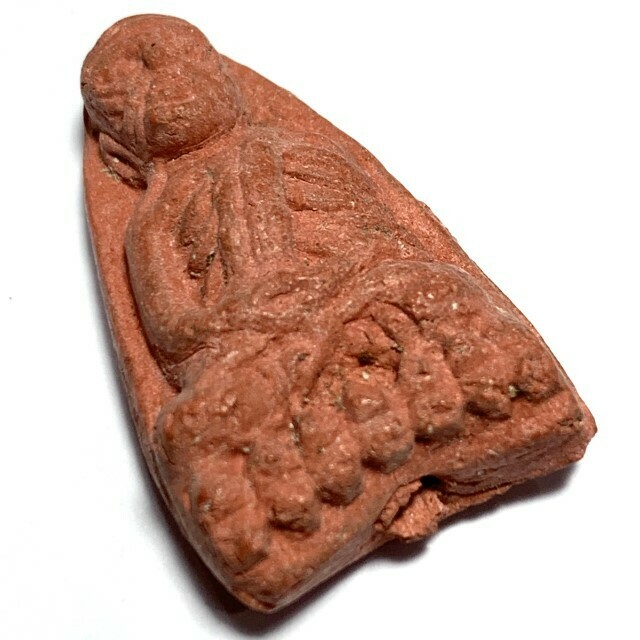
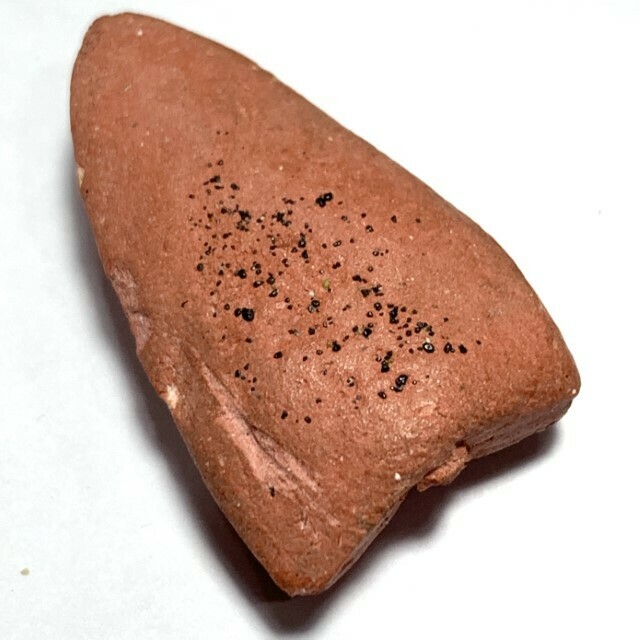
Pra Luang Phu Tuad Pim Tao Reed Klang Wat Prasat Bunyawas 2505 BE Nuea Chompoo Lang Meng Roey Rae Blessed in 2 Ceremonies by 234 Guru Masters
Pra Luang Phu Tuad Pim Tao Reed Klang Wat Prasat Bunyawas 2505 BE Nuea Chompoo Lang Meng Roey Rae Blessed in 2 Ceremonies by 234 Guru Masters
SKU 04030
$145
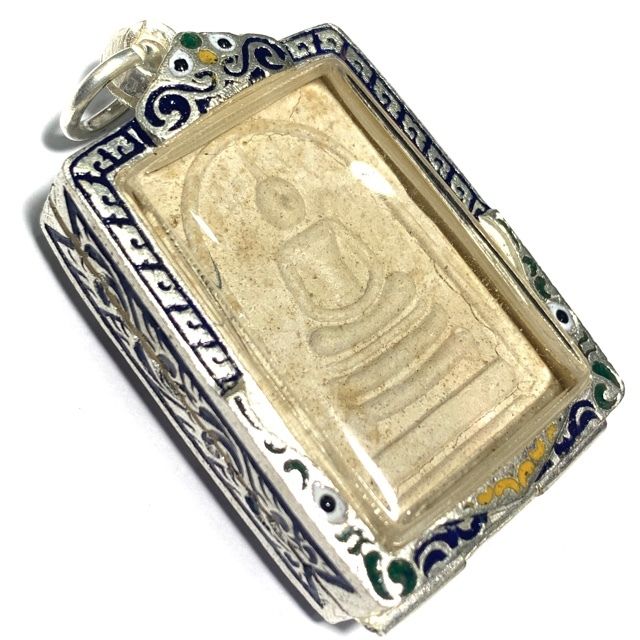
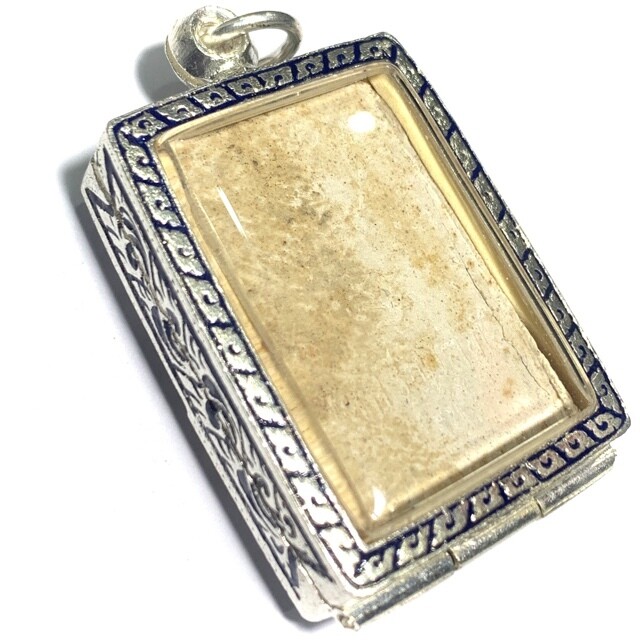
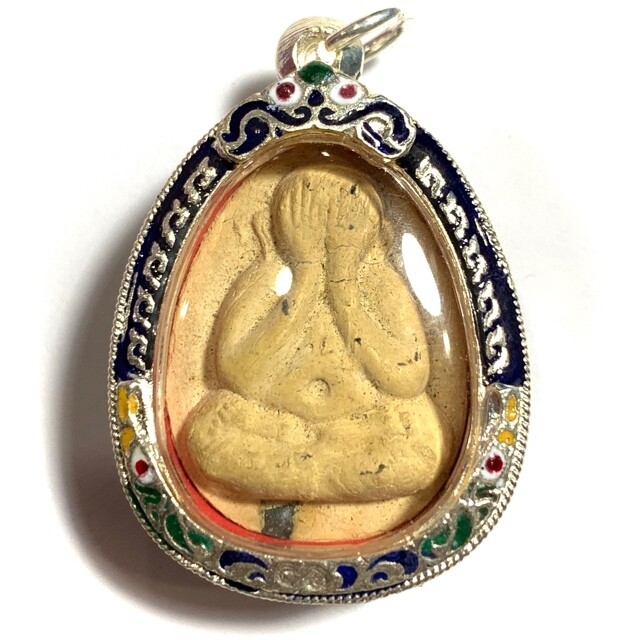
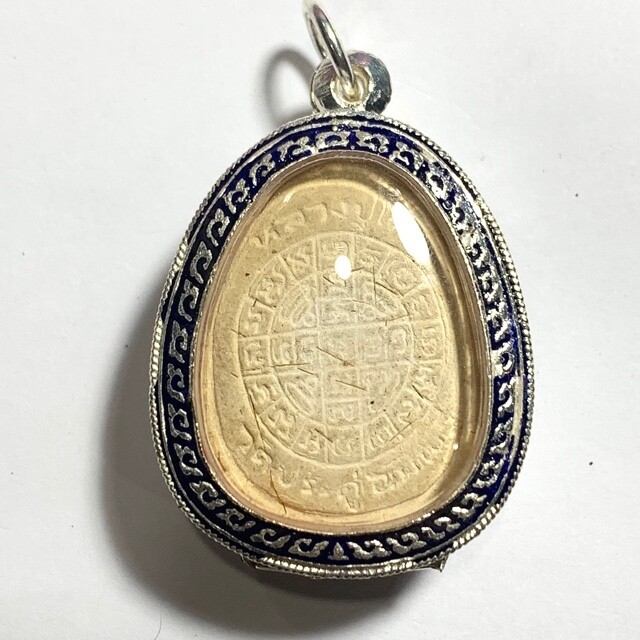
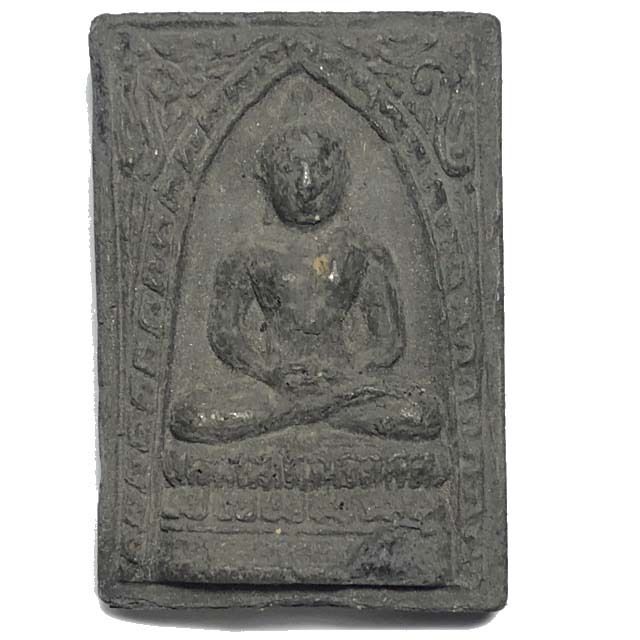
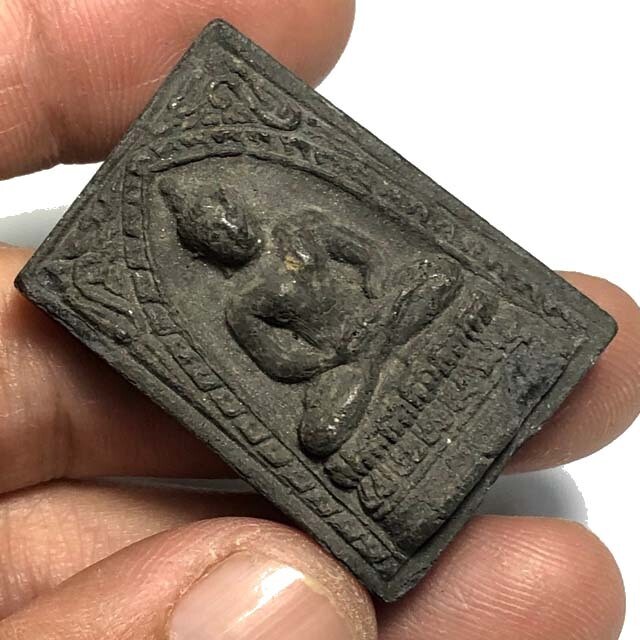
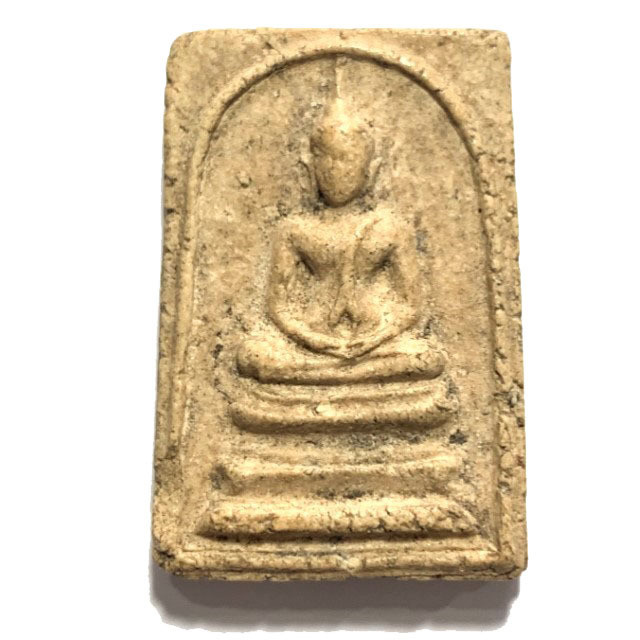
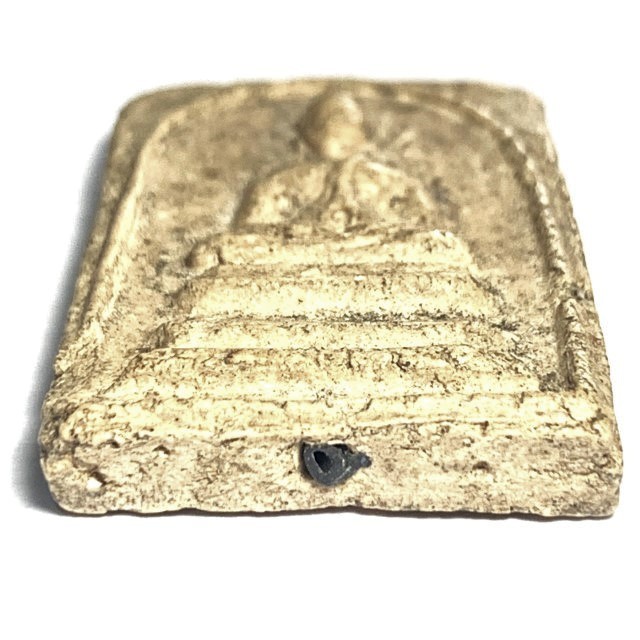
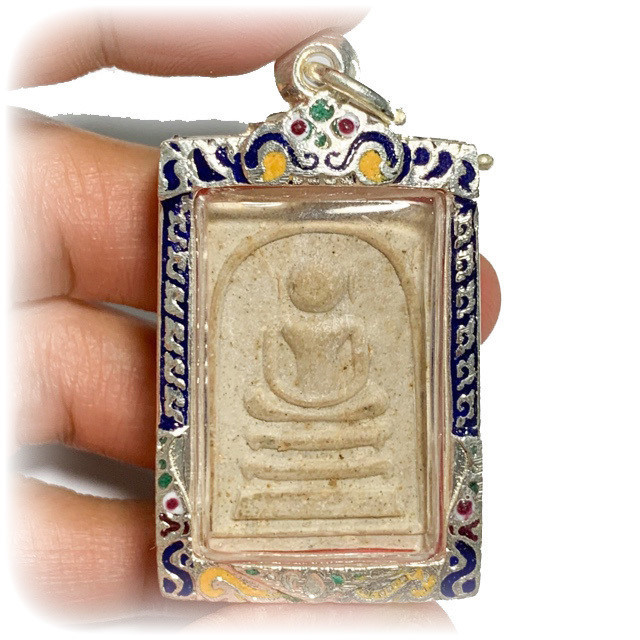
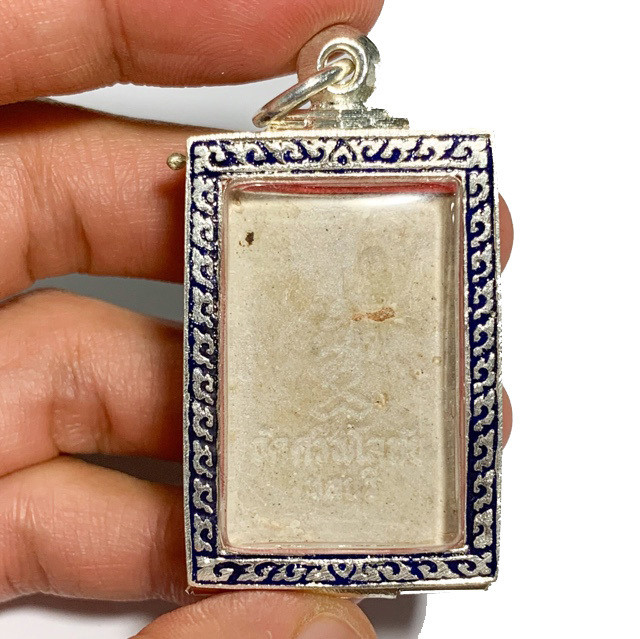
Sold out
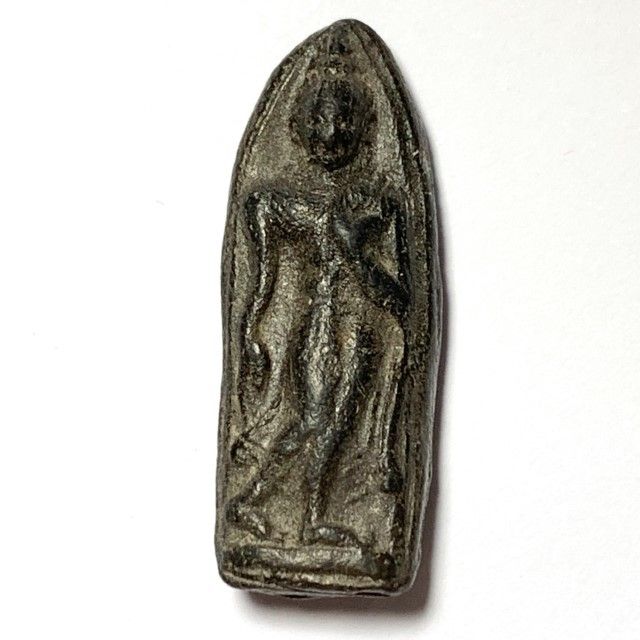
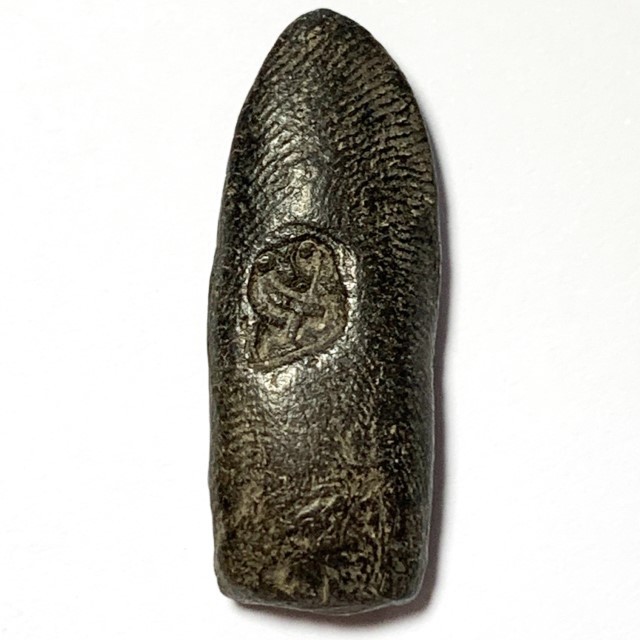
Pra Lila Kaay Adisorn 2514 BE Nuea Pong Kluk Rak Bpam Dtra Hlang Blessed by 79 Masters LP Guay LP To LP Tim, LP Prohm, Horm, Pae, Tob, Kong, KB Wang
Pra Lila Kaay Adisorn 2514 BE Nuea Pong Kluk Rak Bpam Dtra Hlang Blessed by 79 Masters LP Guay LP To LP Tim, LP Prohm, Horm, Pae, Tob, Kong, KB Wang
SKU 03806
$120
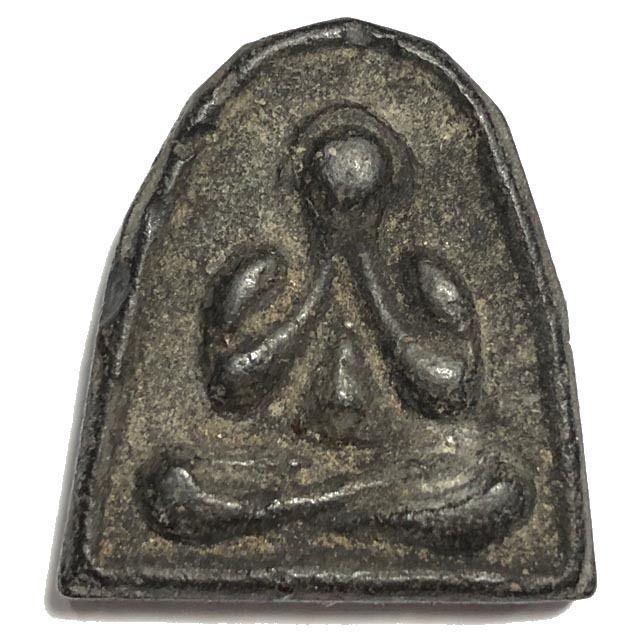
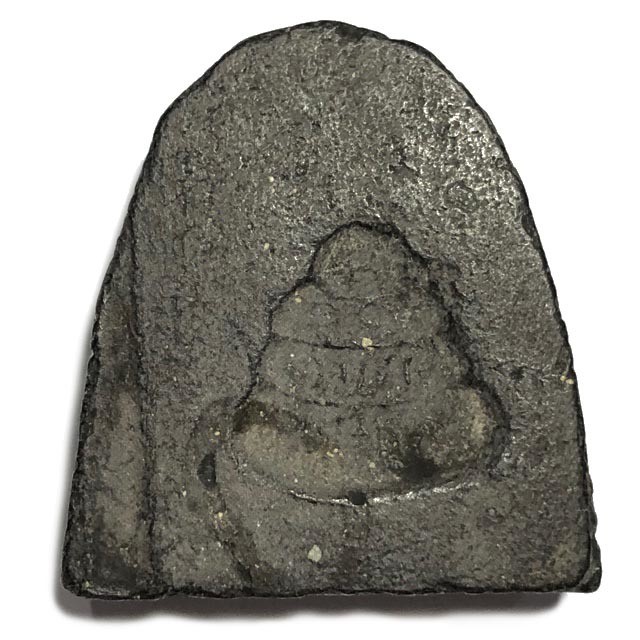
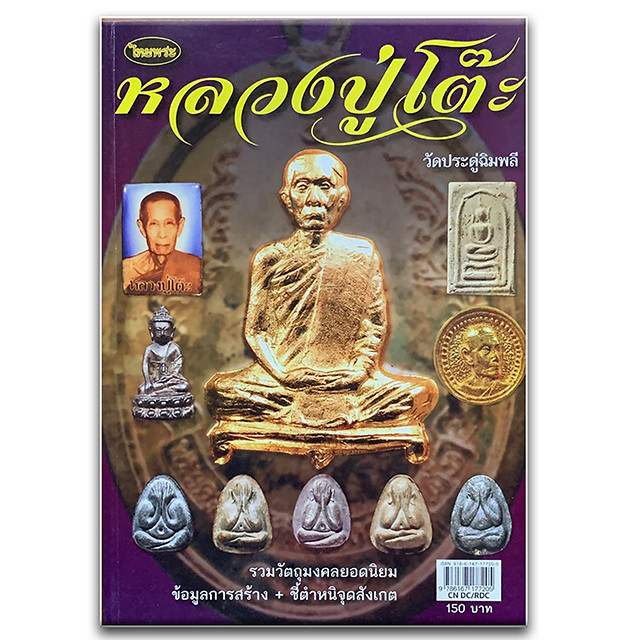
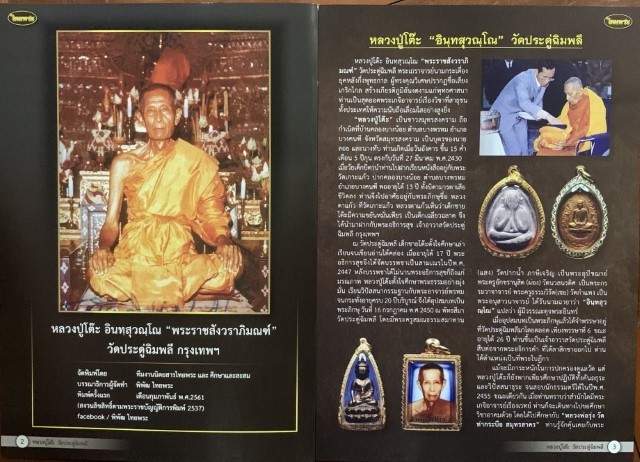
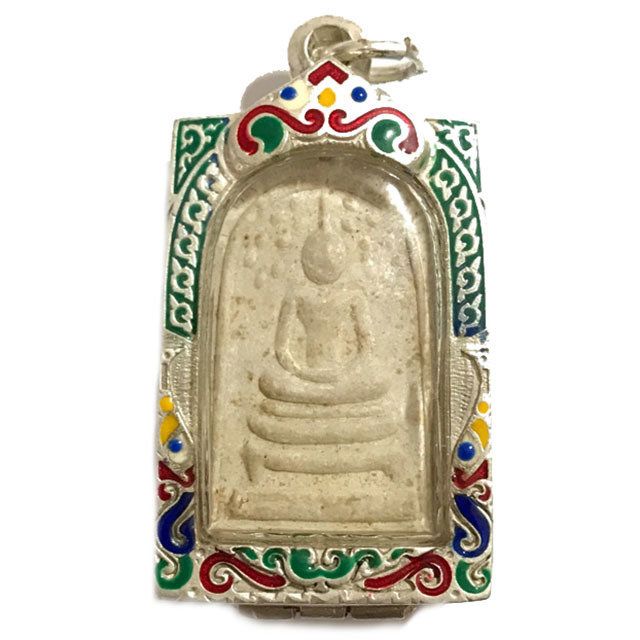
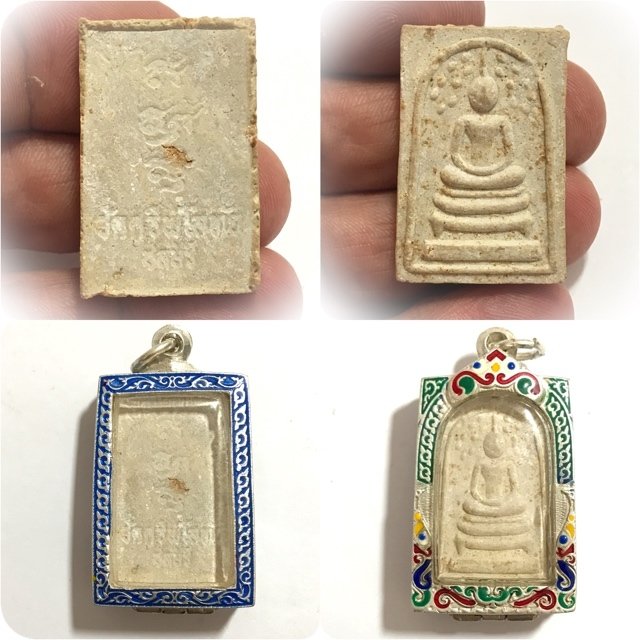
Sold out
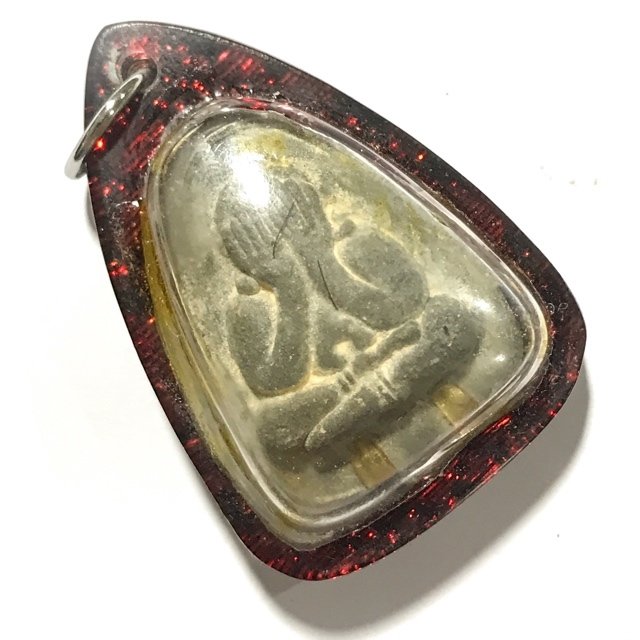
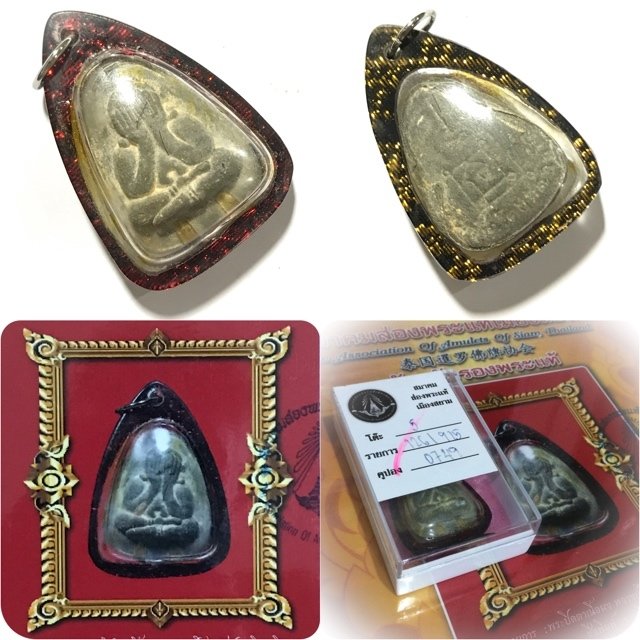
Pra Pid Ta Plod Nee Hlang Yant Na Nuea Bailan Dtid Gesa Takrut Tong Kam Koo Chae Nam Montr Traimas 2521-2523 BE Luang Phu To With Certificate
Pra Pid Ta Plod Nee Hlang Yant Na Nuea Bailan Dtid Gesa Takrut Tong Kam Koo Chae Nam Montr Traimas 2521-2523 BE Luang Phu To With Certificate
SKU 03639
$2,499
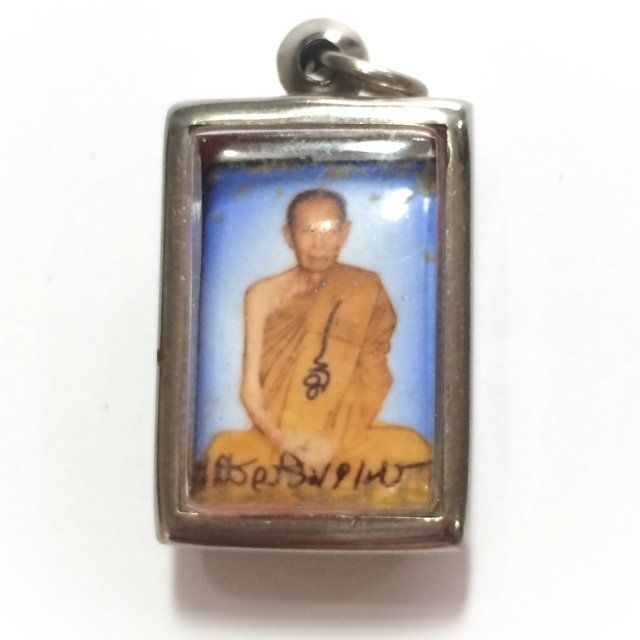
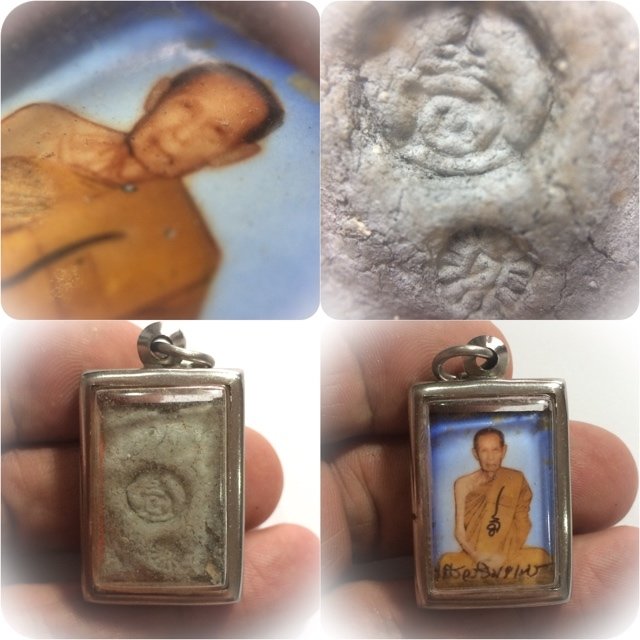
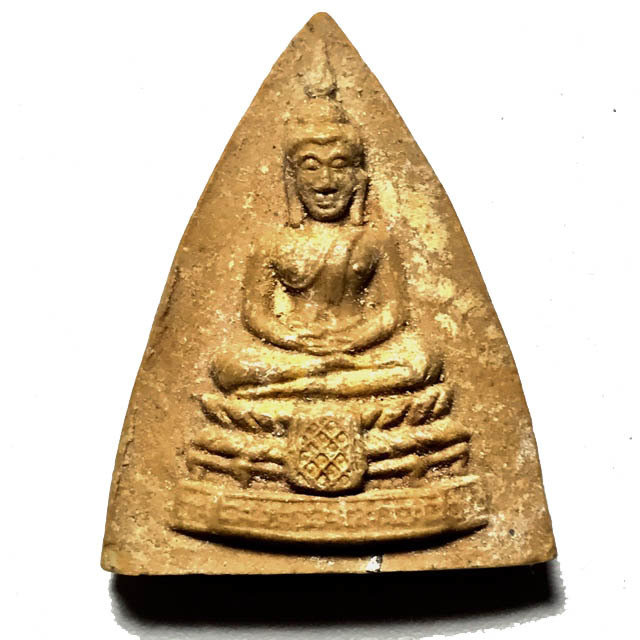
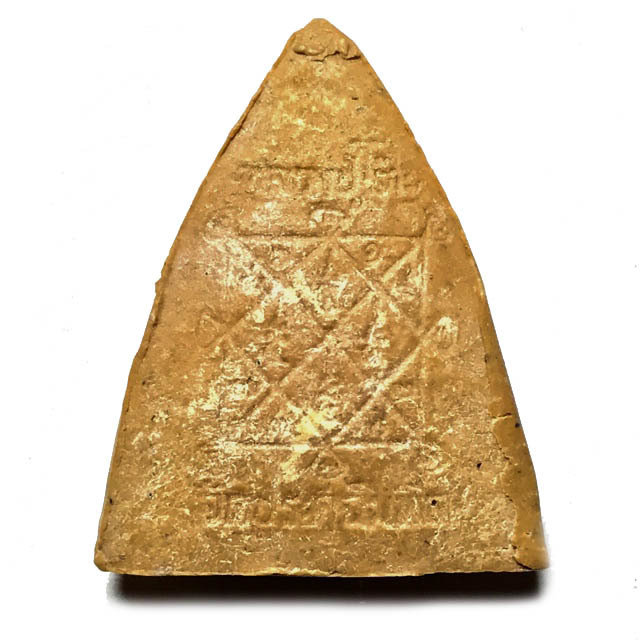
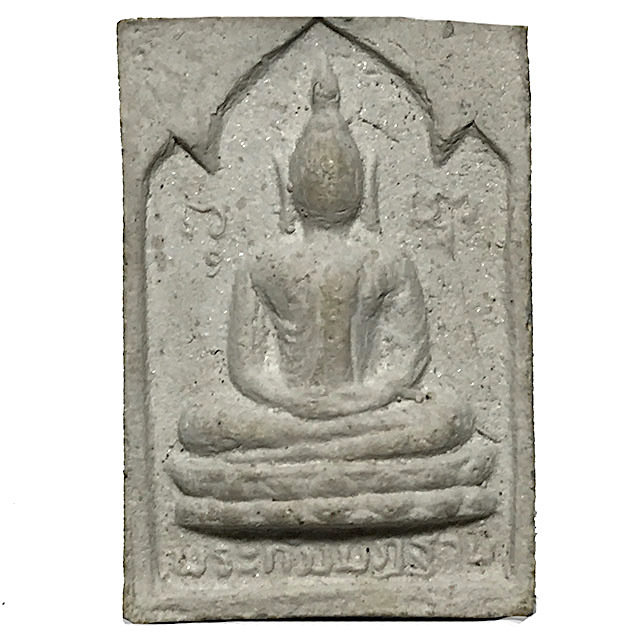
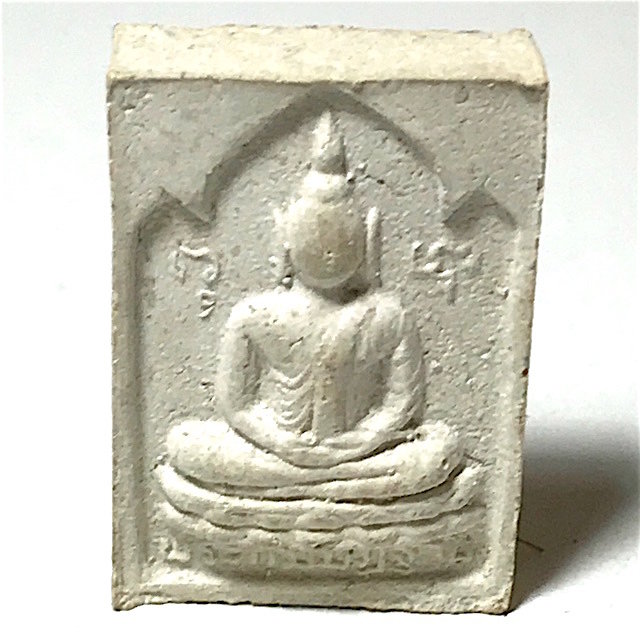
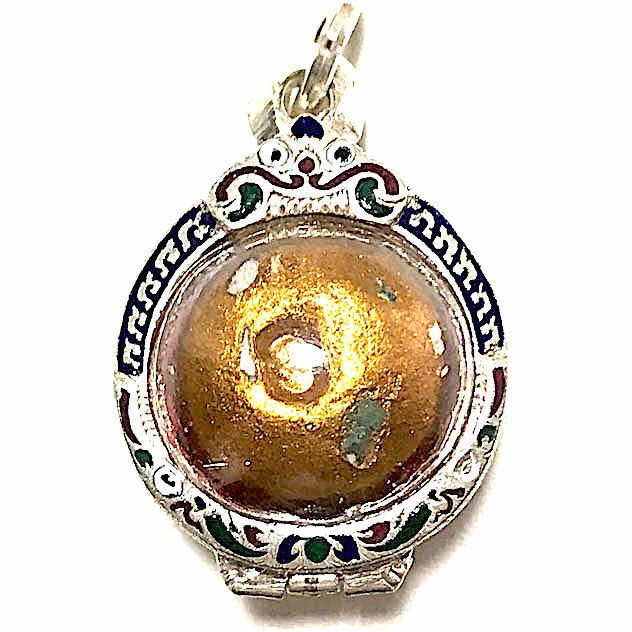
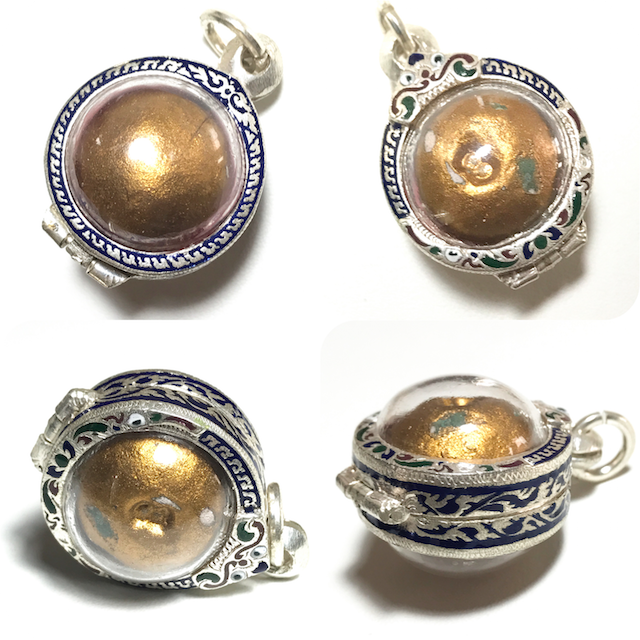
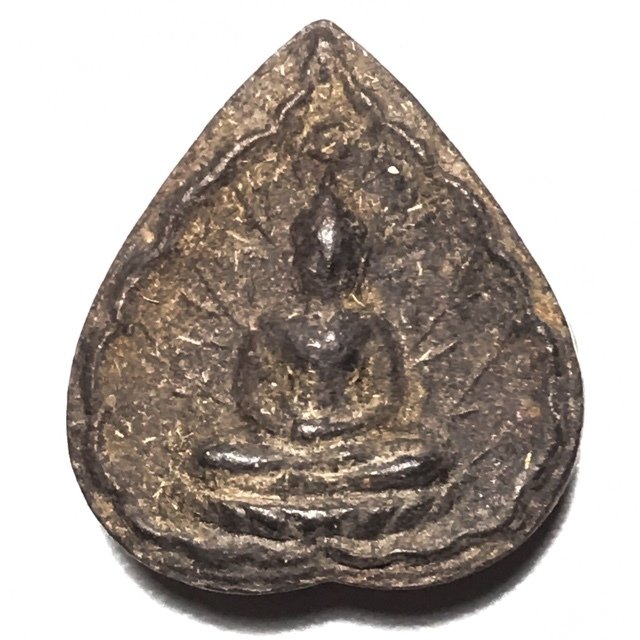
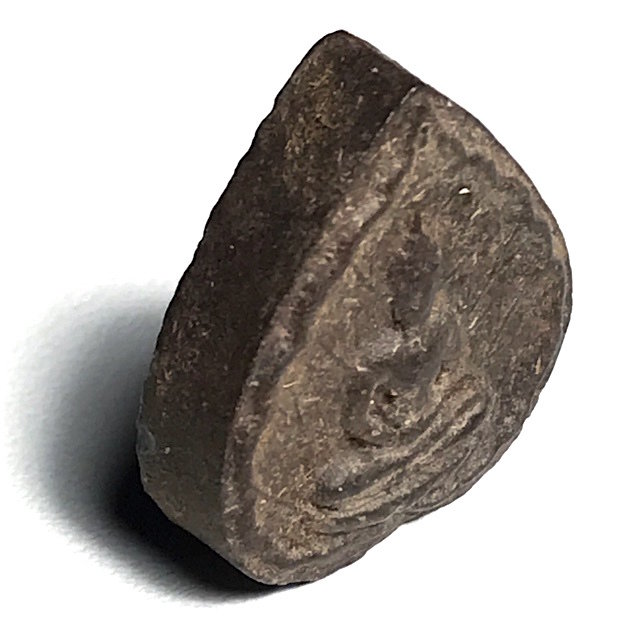
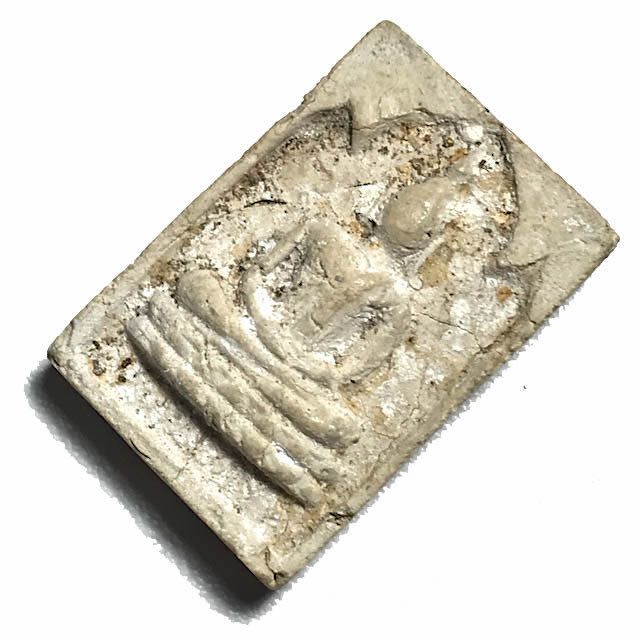
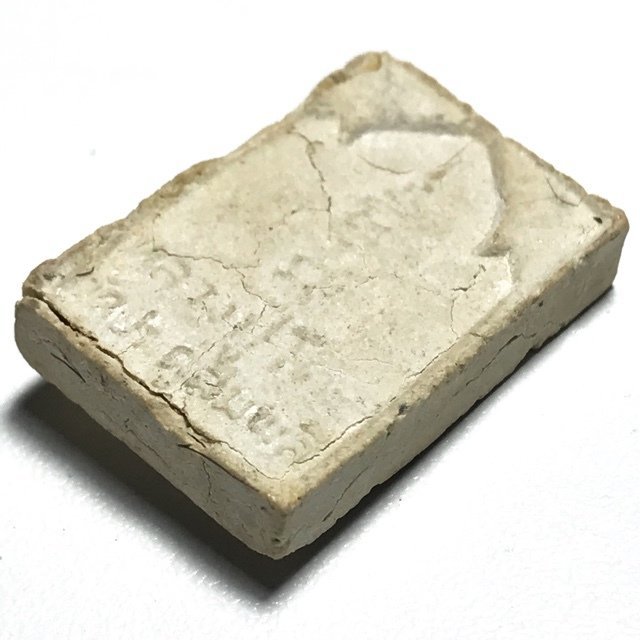
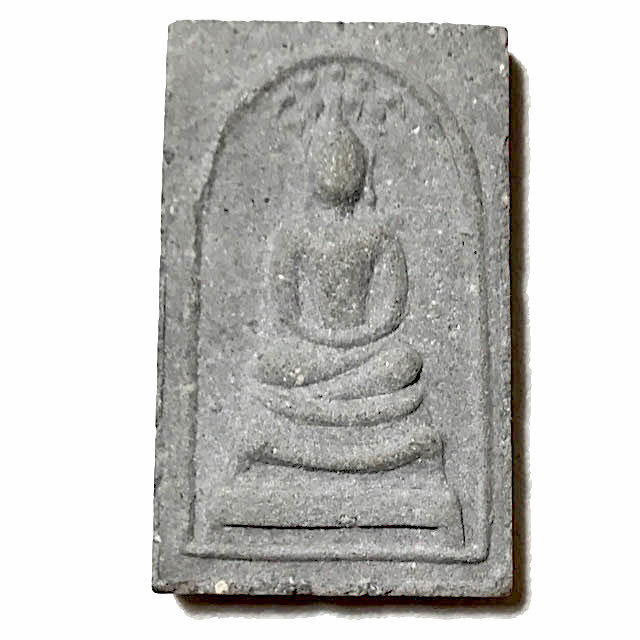
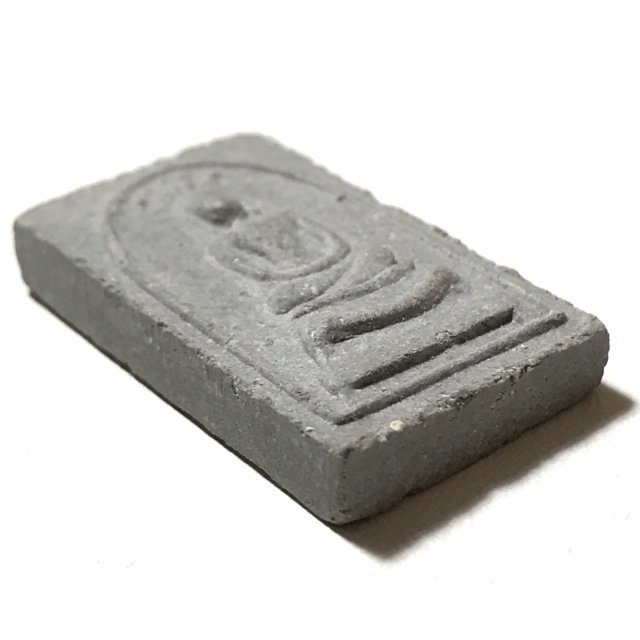
Sold out
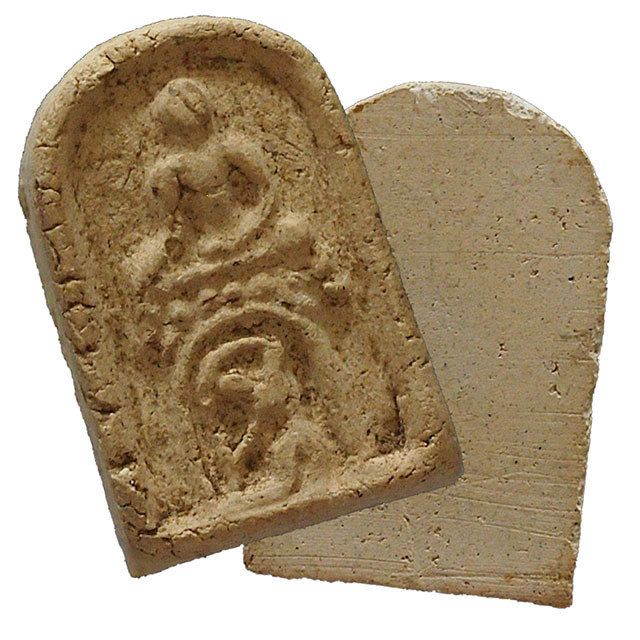
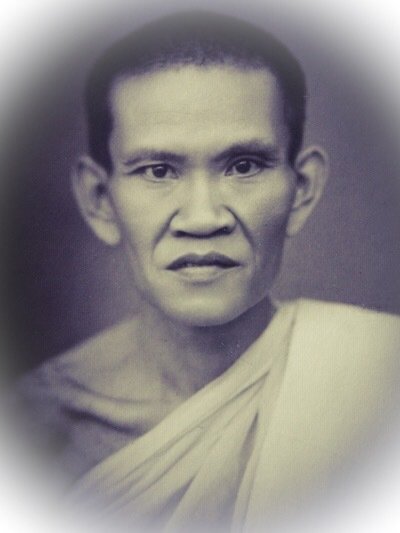
Pra Pong Pim Chana Marn 2505 BE Buddha with Dharani Goddess Luang Por Noi - Wat Srisa Tong Blessed with Luang Por Ngern Luang Por Te + Luang Phu To
Pra Pong Pim Chana Marn 2505 BE Buddha with Dharani Goddess Luang Por Noi - Wat Srisa Tong Blessed with Luang Por Ngern Luang Por Te + Luang Phu To
SKU 03242
$79
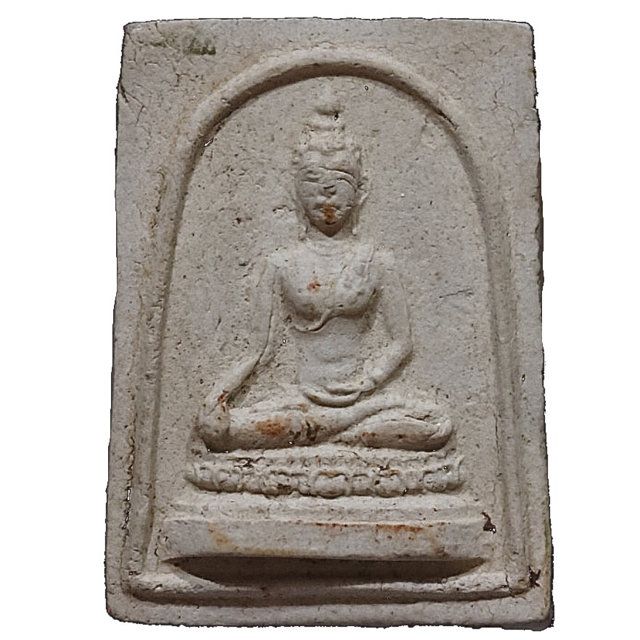
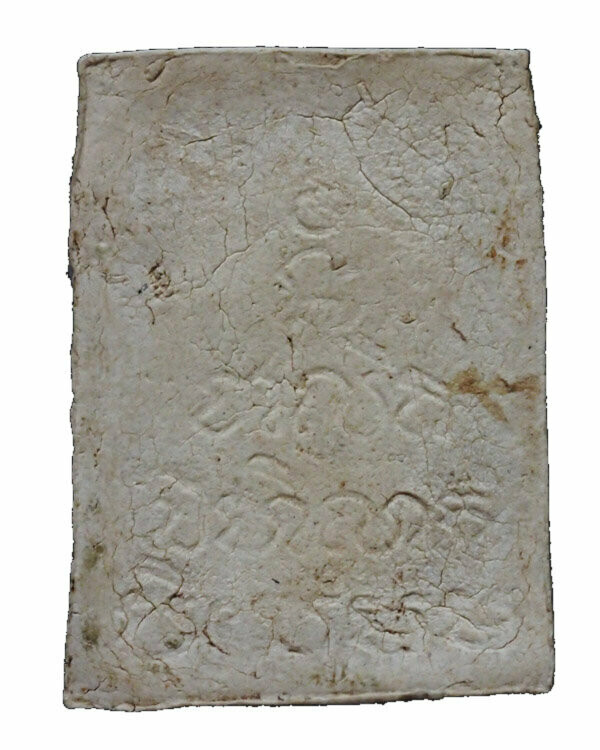
Sold out
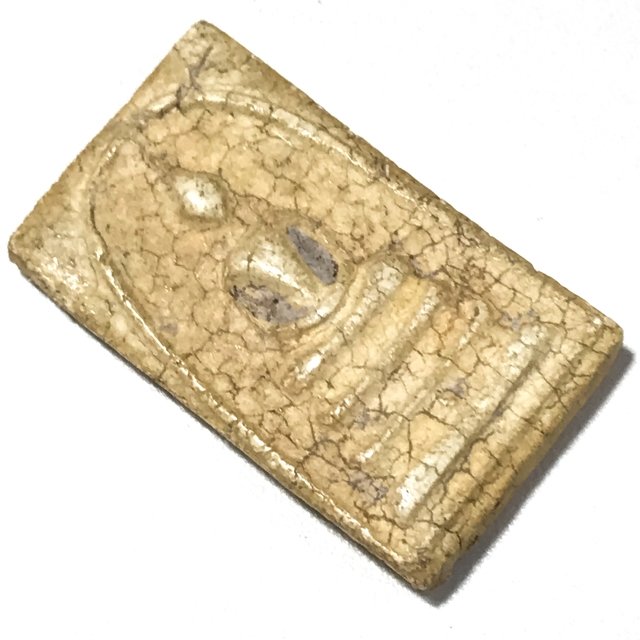
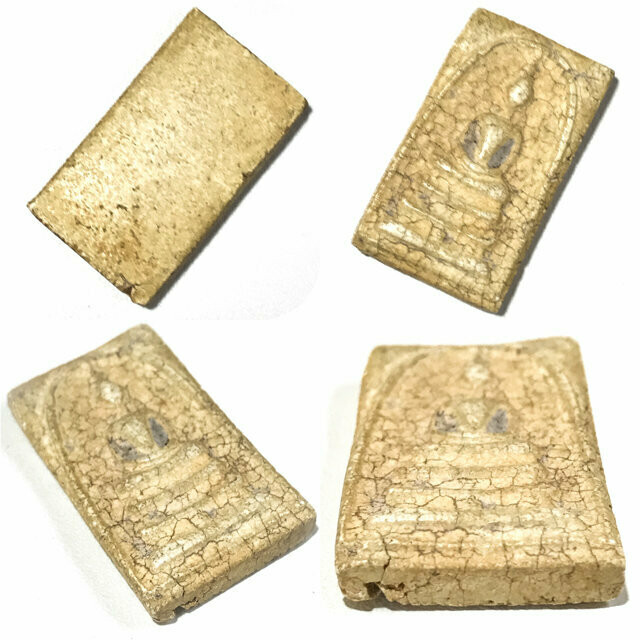
Pra Somdej Sam Chan Pim Thaan Mee Jud Niyom 2506 BE Nuea Pong Wat Rakang Pasom Pra Bang Khun Prohm 2 Blessing Ceremonies 234 Guru Masters Wat Prasat
Pra Somdej Sam Chan Pim Thaan Mee Jud Niyom 2506 BE Nuea Pong Wat Rakang Pasom Pra Bang Khun Prohm 2 Blessing Ceremonies 234 Guru Masters Wat Prasat
SKU 03211
$170
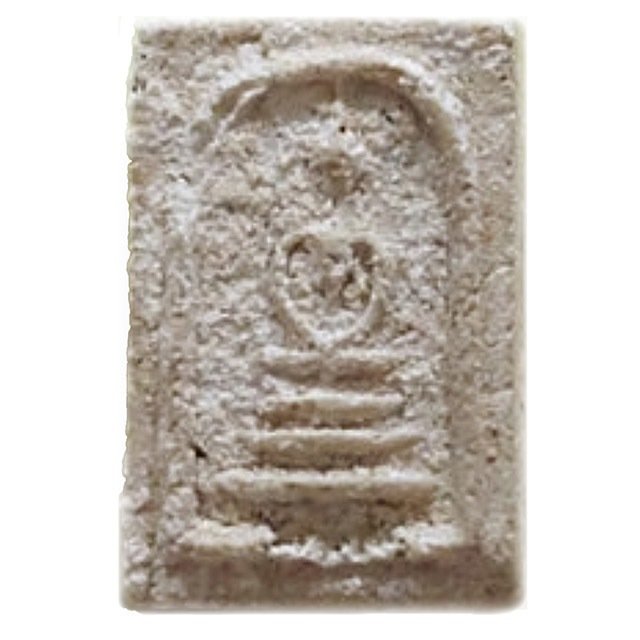
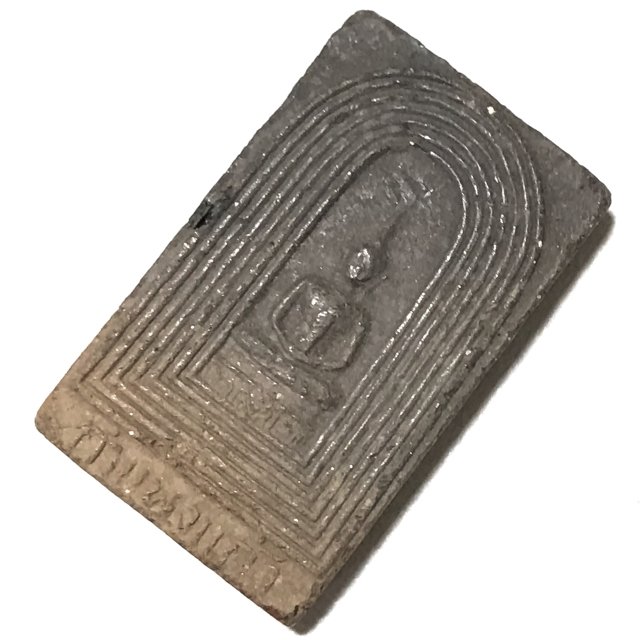
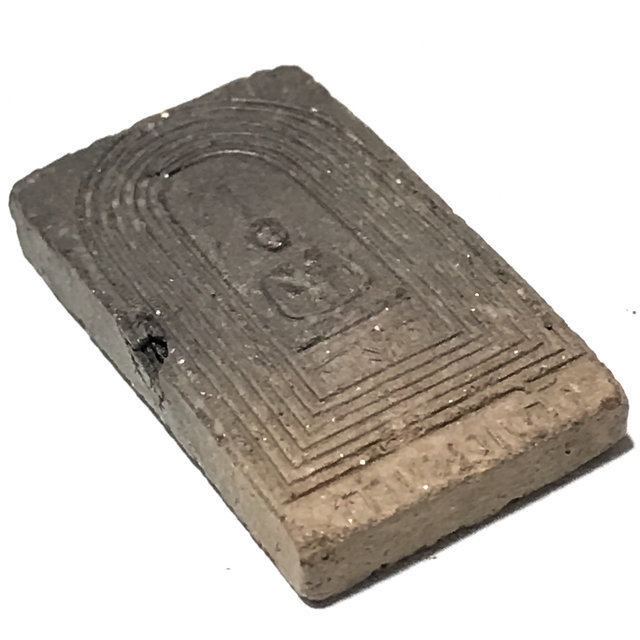
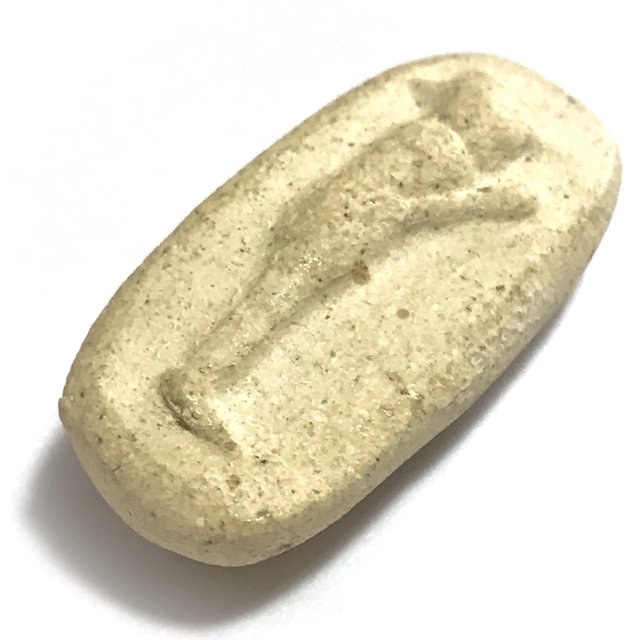
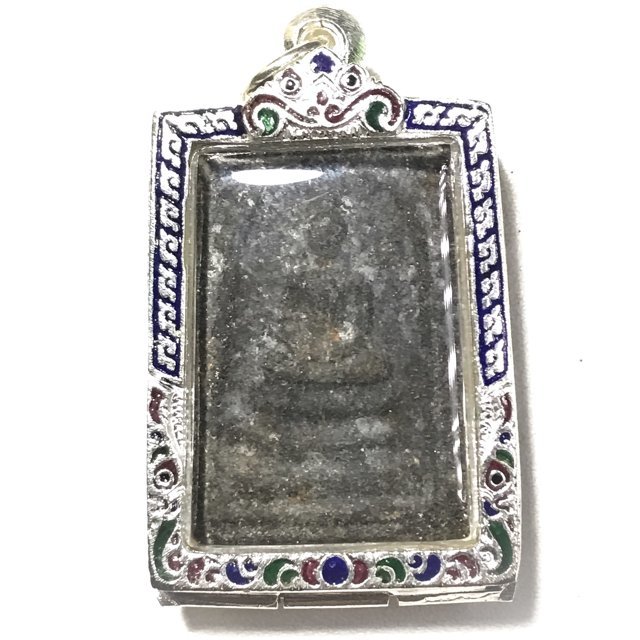
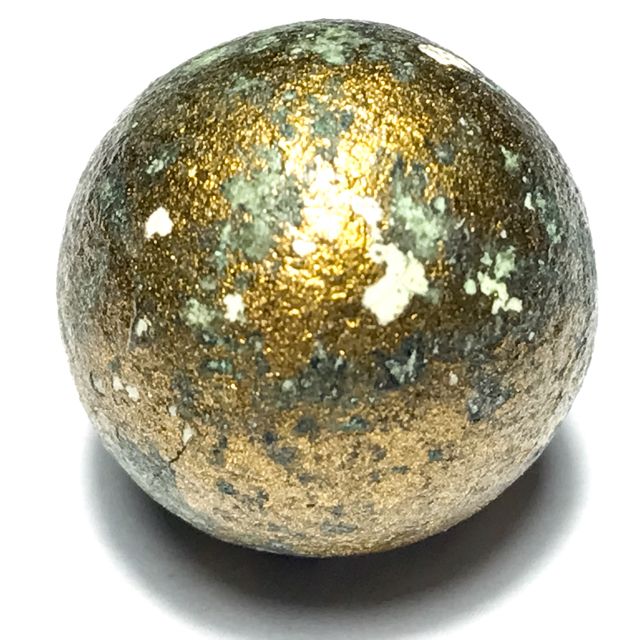
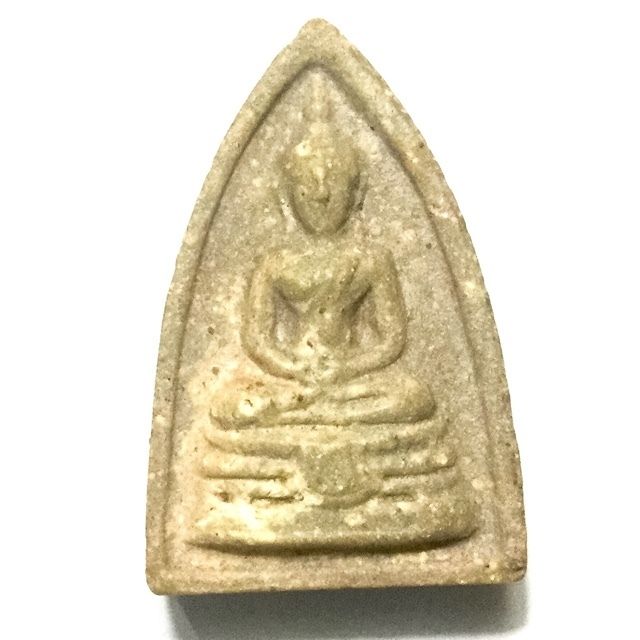
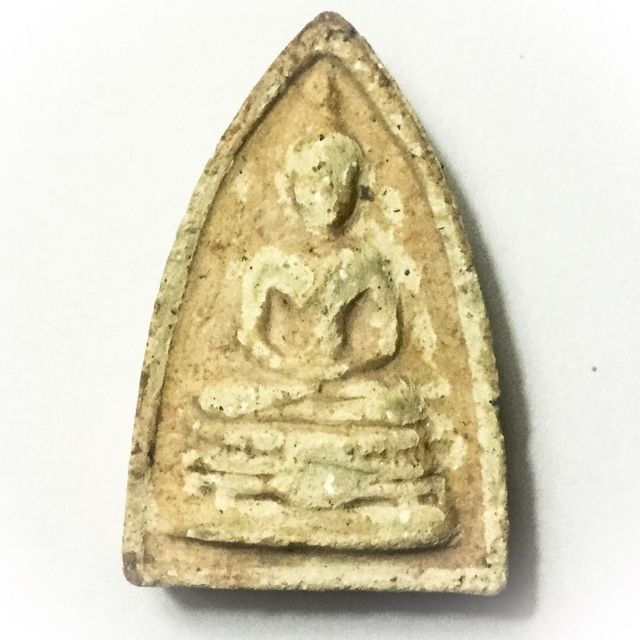
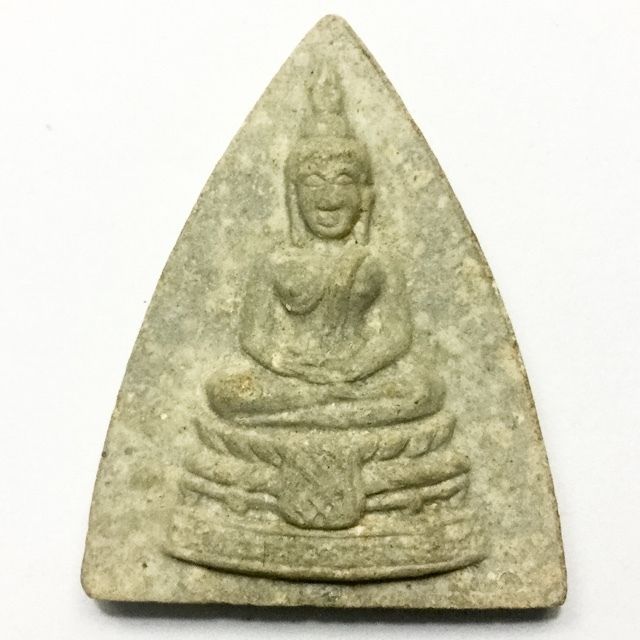
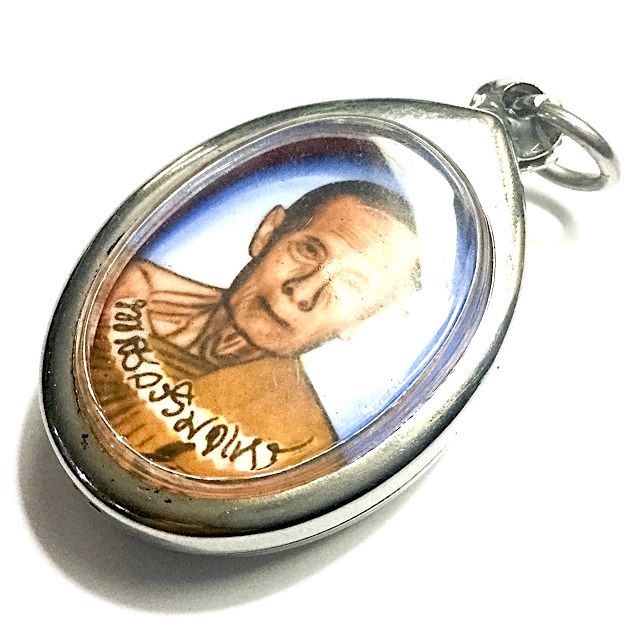
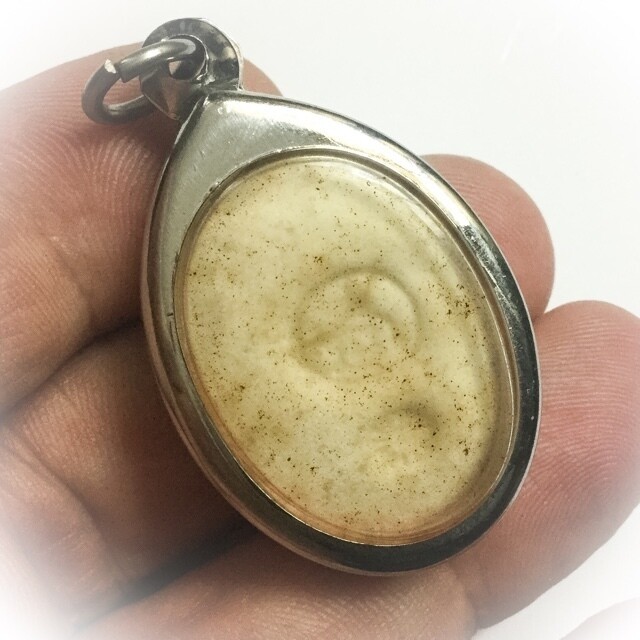
Sold out
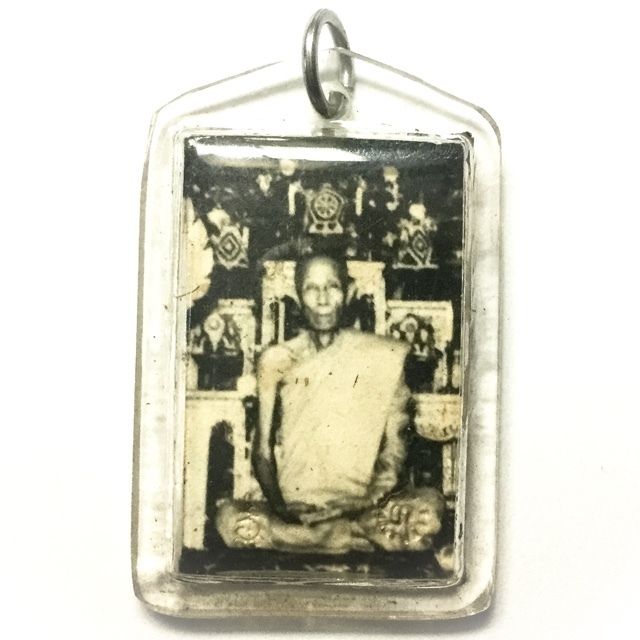
Roop Tai Khaw Dam Hlang Bpam Yant Dtok Code 2519 BE - Blessed Guru Monk Photograph With Temple Ink Stamp Yantra - Luang Phu To Wat Pradoo Chimplee
Roop Tai Khaw Dam Hlang Bpam Yant Dtok Code 2519 BE - Blessed Guru Monk Photograph With Temple Ink Stamp Yantra - Luang Phu To Wat Pradoo Chimplee
Free Shipping Included
SKU 02958
$299
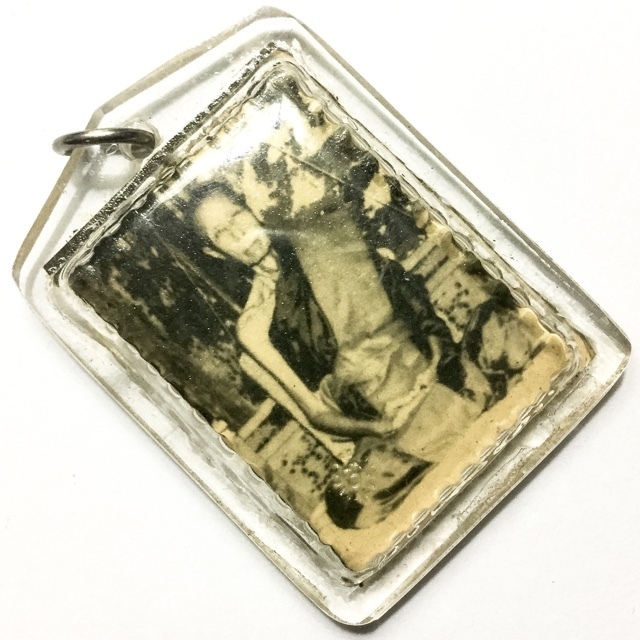
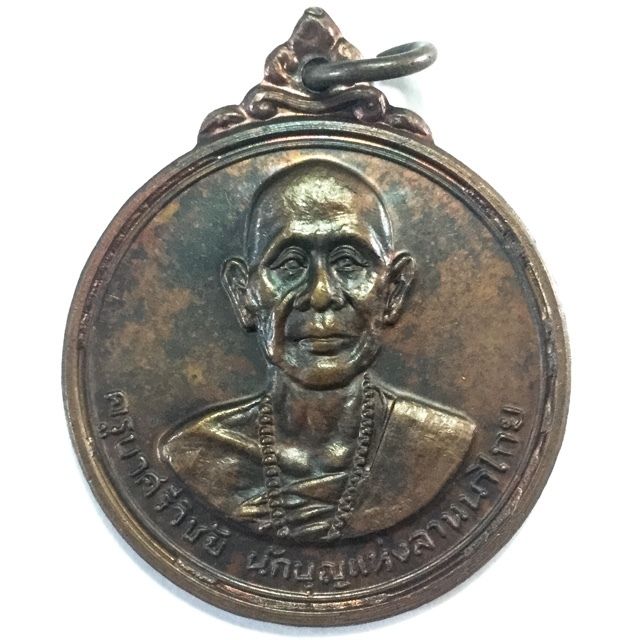
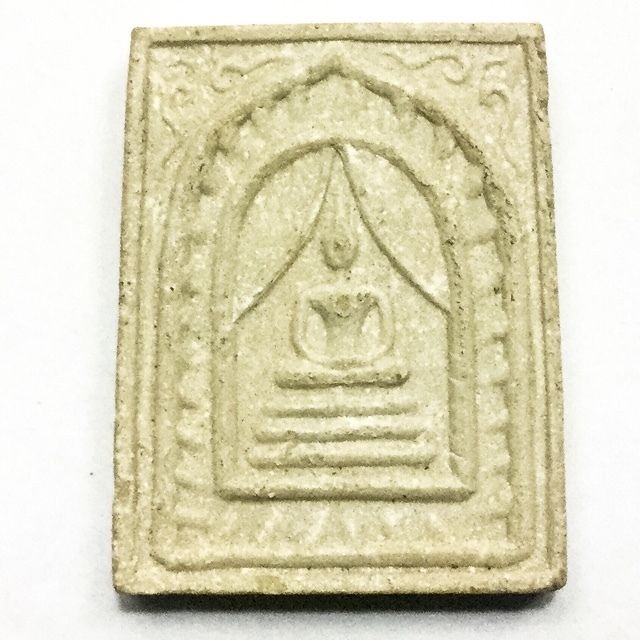
Sold out
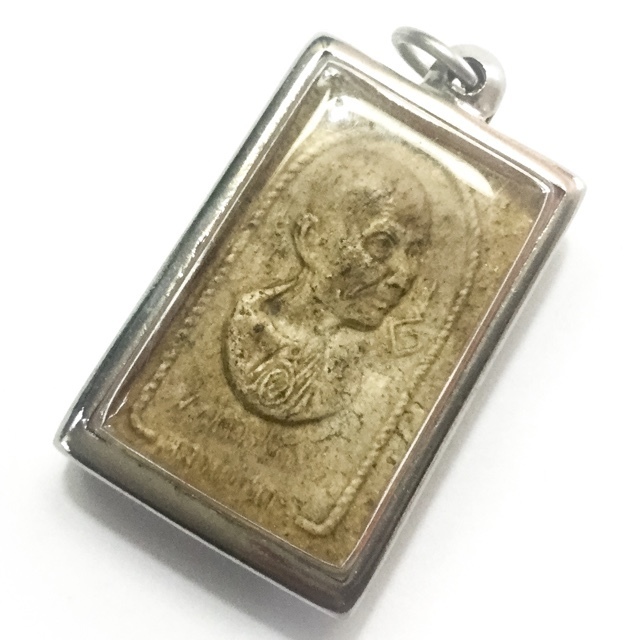
Somdej Pong Roop Muean Han Khang 2516 BE - Nuea Gae Nam Man - Run Anusorn Sang Rong Rian School Construction Edition - Luang Phu To Wat Pradoo Chimplee
Somdej Pong Roop Muean Han Khang 2516 BE - Nuea Gae Nam Man - Run Anusorn Sang Rong Rian School Construction Edition - Luang Phu To Wat Pradoo Chimplee
SKU 02935
$0