
Historical Foundations: From Mon-Dvaravati to Khmer Hegemony
The geopolitical and cultural landscape of the Chao Phraya River valley underwent profound transformations between the seventh and fourteenth centuries, characterized by shifting hegemonies, religious migrations, and complex diplomatic maneuvering. At the geographical and political center of this dynamic region was the ancient city of Lavapura (modern Lopburi), the nucleus of the Lavo Kingdom. The foundational epoch of this polity was deeply rooted in the Mon-Dvaravati civilization, a network of decentralized city-states that flourished across central Thailand from approximately the sixth to the eleventh centuries. Epigraphic and archaeological evidence, including moated settlements, structural brick foundations, and terracotta artifacts, confirms that the primary demographic and cultural base of early Lavo was ethnic Mon, practicing Theravada Buddhism.
The pre-Dvaravati history of the Lopburi plain reveals a sequence of prehistoric settlements spanning the Neolithic, Bronze, and Iron Ages. Archaeological surveys of sites such as Khok Phutsa, Tha Kae, and Khok Din indicate the presence of dispersed agricultural communities engaged in wet-rice cultivation and copper metallurgy as early as the late second millennium BCE. By the first and second centuries CE, material remains suggest increasing integration into maritime exchange networks extending to South Asia and China. It is upon this indigenous agrarian foundation that the Dvaravati cultural matrix was superimposed. Some scholars, notably Jean Boisselier, have hypothesized that the Menam (Chao Phraya) basin, with early centers like U-Thong, may have served as the original cradle of the Funan empire before its political center shifted toward the Mekong delta.

According to the Northern Thai Chronicles, the city of Lavapura was officially founded in 648 CE by Phraya Kalavarnadishraj, a prince originating from Takkasila (frequently identified as Nakhon Chai Si or Kamalanka). This founding occurred shortly after Dvaravati forces annexed the neighboring Tou Yuan polity, marking a decisive consolidation of political authority in the upper Chao Phraya valley. During its early centuries, the Lavo Kingdom functioned as a vital administrative and cultural node within the broader Dvaravati mandala. Its strategic position on the left bank of the river enabled it to control fertile alluvial plains and dominate trade networks linking the northern highlands with southern maritime routes. The presence of this polity was documented in contemporaneous foreign accounts; the seventh-century diary of the Chinese Buddhist pilgrim Xuanzang references a state named To-lo-po-ti (an approximation of Dvaravati) situated between Chenla and the Pagan region, aligning geographically with Lavo’s sphere of influence.
Below: Podcast Discussing the Lopburi Era of Siam
The early expansion of Lavo was marked by complex regional rivalries and demographic shifts. Around the mid-seventh century, the inhabitants of Lavo, led by Queen Camadevi (reportedly a daughter of the Lavo king), migrated northward to establish the Haripunjaya kingdom in modern Lamphun, effectively extending Mon-Dvaravati cultural and religious paradigms into the northern highlands. Simultaneously, the Lavo Kingdom faced external pressures from the expanding Chenla Kingdom to the southeast. During the reigns of Chenla monarchs Isanavarman I and Bhavavarman II, military campaigns extended Khmer authority into the Chao Phraya region, leading to territorial encroachments and escalating warfare with Dvaravati polities. Internal mandala rivalries also shaped Lavo’s early history; Pali chronicle traditions such as the Jinakalamali detail conflicts between the western center of Nakhon Pathom and the polity of Si Thep (Ayojjhapura), during which Si Thep’s king, Manohanaraj, was captured, and Lavo operated as a strategic southern frontier fortress.
The political autonomy of the Mon-Dvaravati city-states was eventually extinguished by the westward expansion of the Khmer Empire. By the tenth century, and culminating under the reign of King Suryavarman I (circa 1025 CE), the Khmer successfully conquered the Chao Phraya basin, incorporating Lavo into the Angkorian administrative apparatus as a vital western frontier province. This conquest catalyzed a profound cultural and religious reorientation. The Khmers introduced Mahayana Buddhism and Brahmanical Hinduism, superimposing these belief systems upon the existing Theravada Buddhist substrate, and implemented the Devaraja (divine kingship) cult, which fundamentally altered the political theology of the region.
Despite its absorption into the Khmer imperial sphere, Lavo maintained a distinct dual identity. It functioned simultaneously as a Khmer provincial capital and a semi-autonomous city-state with its own localized administrative prerogatives. This underlying autonomy is most clearly evidenced by Lavo’s independent diplomatic relations with the Chinese imperial courts. Chinese dynastic chronicles, including the Song Shi and Yuan Shi, document that the polity—referred to as Luo-hu or Luowo—dispatched independent tributary embassies to China entirely separate from those of the Khmer Empire (Zhenla).
| Chinese Dynasty | Year of Embassy | Romanized Name in Chronicle | Historical and Diplomatic Context |
|---|---|---|---|
| Song Dynasty | 1115 CE | Luo-hu | First recorded independent mission indicating Lavo’s distinct political identity and commercial ambition separate from Zhenla. |
| Song Dynasty | 1155 CE | Luo-hu | Second diplomatic mission, reinforcing tributary ties with the Southern Song court and seeking enhanced trade relations. |
| Yuan Dynasty | 1289 CE | Luo-hu | Mission sent as Lavo began detaching itself formally from the declining Angkorian control, asserting total sovereignty. |
| Yuan Dynasty | 1299 CE | Luo-hu | Joint diplomatic mission referenced alongside the emerging Xian (Siam) polity, requesting a restoration of traditional gift exchanges. |
These embassies underscore Lavo’s strategic utility of the Chinese tributary system to assert its sovereignty and secure economic advantages. By bypassing Angkorian intermediaries, Lavo positioned itself as a primary trading partner with China, signaling a gradual detachment from Cambodian hegemony well before the formal collapse of the Angkorian empire. The eventual fusion of Lavo (Luo-hu) with the rising Tai state of Suphannabhum (Xian) in the mid-fourteenth century would ultimately give birth to the Ayutthaya Kingdom, referred to in later Chinese texts as the unified polity of Xianluohu, and eventually Xianluo.
General Characteristics of Lopburi Art and Materials
The artistic epoch designated as the Lopburi Era (spanning approximately the eleventh to the fourteenth centuries) represents a critical juncture in the material and stylistic evolution of Southeast Asian art. Prior to the Khmer conquest, the Mon-Dvaravati artisans predominantly utilized malleable, additive materials such as terracotta and stucco to decorate brick edifices, alongside small-scale bronze casting. These mediums facilitated the creation of rounded, fluid forms characteristic of early Indian Amaravati, Gupta, and post-Gupta influences. A notable motif from this period is the Panasbati, a mythological composite beast featuring the beak of a Garuda, the ears and horns of a bull, and the wings of a hamsa, upon which the Buddha is depicted standing or descending from Tavatimsa Heaven.
With the imposition of Khmer hegemony, there was a decisive shift toward subtractive sculptural techniques and robust, monumental construction materials. The Angkorian architectural and sculptural templates mandated the use of grey and red sandstone, as well as laterite. Laterite—an iron- and aluminum-rich soil type that hardens into a dense, load-bearing stone when exposed to the atmosphere—became the primary structural core for temples and heavy statuary in the region. Because laterite is highly durable and possesses a significant load-bearing capacity, it allowed for the construction of massive, vertically thrusting monuments. However, its coarse, porous texture rendered it unsuitable for fine carving. Consequently, sandstone was utilized for exterior facing, intricate bas-reliefs, lintels, and primary cult images due to its capacity to hold sharp, precise details without fracturing.
Concurrently, the regional bronze casting industry experienced a sophisticated evolution. Utilizing the lost-wax casting technique (cire perdue), artisans in Lopburi produced highly refined bronze sculptures that integrated Khmer stylistic features with advanced metallurgical proficiency. The evolution of these bronze images has been subject to rigorous quantitative analysis; recent archaeological applications of cladistics—a method traditionally used in evolutionary biology—have demonstrated that Darwinian models of “transmission with modification” perfectly describe the lineage of Thai bronze Buddha images. Cladistic evaluations of the Griswold collection confirm that new styles emerged not randomly, but through the deliberate, systematic combination of older stylistic traits transmitted between specialized craft guilds, yielding robust phylogenetic signals.

The defining aesthetic characteristic of Lopburi art is the localized modification of imperial Khmer templates. The classical Khmer styles of the Baphuon and Angkor Wat periods typically mandated rigid, frontal, and stern facial expressions, projecting the absolute, uncompromising authority of the divine monarch. However, as these templates were transmitted to the provincial center of Lavo, indigenous Mon and emerging Tai craftsmen subtly altered them. The resulting Lopburi aesthetic softened the geometric severity of the Angkorian models. Artisans rounded the harsh angles of the face, relaxed the muscular tension of the torsos, and introduced a gentler, more compassionate spiritual demeanor. This aesthetic trajectory produced an art form that retained the monumental majesty and iconographic rigor of the Khmer Empire while infusing it with the approachability and spiritual tranquility favored by the local populace.
The Iconography of Lopburi Buddha Images
The iconography of Buddha images produced during the Lopburi Era is highly distinct, functioning as a diagnostic marker for art historians attempting to classify the provenance and chronology of central Thai sculpture. The anatomical and decorative features of these images diverge significantly from the preceding Dvaravati models and the subsequent Sukhothai forms, presenting a unique amalgam of ethnic portraiture and theological symbolism.
Cranial and Facial Characteristics
The facial geometry of the Lopburi Buddha is predominantly square, featuring a broad chin, a flat and somewhat wide nose, and thick, clearly outlined lips. The eyebrow ridge is typically rendered as a continuous, straight horizontal line, frequently described in art historical literature as resembling a “crow’s wings” curve, which spans the forehead without the pronounced central dip or arched delicacy seen in later Sukhothai or Lanna styles. The chin frequently features a distinct, human-like cleft, adding a degree of anatomical realism to the otherwise highly stylized and idealized visage. The expression carried by these images is universally recognized as the “Lopburi smile”—a subtle, enigmatic curving of the broad lips that conveys deep meditative absorption and compassionate reassurance, deliberately subverting the sternness found in purely Angkorian portraiture.
Cranial details further distinguish the Lopburi style. The hair is generally arranged in large, distinctive conical curls often referred to as “jackfruit-thorn” curls, or alternatively, rendered in fine, straight striations bound by a prominent hairband, diadem, or face frame. The ushnisha (the cranial protuberance symbolizing the attainment of supreme spiritual enlightenment) eschews the elongated, flickering flame finial characteristic of later Sukhothai art. Instead, it is shaped either as a tiered, conical deity’s crown or a formalized lotus-petal bud, frequently featuring three distinct tiers. The earlobes are heavily elongated, resting upon or extending down to the broad shoulders, serving as a canonical reminder of the Buddha’s renunciation of his princely wealth and the heavy gold earrings of his youth.
Mudras and Attire
Lopburi images display a highly regulated approach to bodily posture and hand gestures (mudras). Seated images are most frequently positioned in the Maravijaya (Subduing Mara) posture, with the right hand resting on the knee, fingers pointing toward the earth (Bhumisparsa mudra), calling the earth goddess to witness his enlightenment, or in the dhyana mudra (meditation posture) with hands lying flat in the lap. Standing images occasionally feature the Abhaya mudra (dispelling fear) or the Vitarka mudra (reasoning and exposition), though these are more directly linked to older Dvaravati and Srivijaya traditions. The monastic robe is typically rendered with sheer minimalism, draped diagonally with a straight-edged mantle extending to the navel. The cloth is depicted as clinging tightly to the body, emphasizing the robust, squared musculature and broad shoulders of the torso beneath, rather than the flowing, diaphanous drapery seen in other epochs.
The Crowned Buddha (Phra Song Khruang)
One of the most consequential iconographic innovations of the Lopburi Era was the proliferation of the Crowned and Jeweled Buddha, known in Thai nomenclature as Phra Song Khruang. In orthodox Theravada tradition, the Buddha is strictly depicted in unadorned monastic robes, emphasizing ascetic renunciation, humility, and the rejection of material attachment. However, under the profound influence of Mahayana and Tantric Buddhism introduced by the Khmer—and drawing upon Eastern Indian Pala models—a new vision of the Buddha emerged.
The Phra Song Khruang depicts the Buddha wearing elaborate royal attire, replacing the simple monastic garb with conical crowns, intricate necklaces, heavy armlets, bracelets, and ornate belts. This adornment explicitly aligns the Buddha with the concept of the Chakravartin—the Universal Spiritual Monarch. By portraying the Buddha as a cosmic sovereign adorned in imperial regalia, Khmer and Lopburi rulers effectively blurred the boundary between earthly kingship and divine enlightenment. This iconography served a dual theological and political purpose: it represented the Buddha in his transcendent, glorified state while simultaneously utilizing the image to legitimize the imperial authority of the ruling monarch, suggesting a parallel between the King’s terrestrial dominion and the Buddha’s cosmic rule. A prime example of this genre is the Phra Bhaisajyaguru Vaitoonprapha (Medicine Buddha), frequently found in the hospitals built by Jayavarman VII, which depicts the crowned Buddha holding a small medicine box, symbolizing his power to heal both physical illness and spiritual anguish.

The Naga-Protected Buddha: The Pinnacle of Lopburi Motif
The apex of sculptural achievement during the Lopburi Era is undoubtedly the Naga-Protected Buddha. While this motif exists in various Buddhist traditions across South and Southeast Asia, it achieved unprecedented prominence, scale, and formal perfection in the art of the Khmer Empire and its provincial capital at Lopburi, becoming the ubiquitous and defining icon of the era.
The Legend of Mucalinda
The narrative foundation of this motif derives from Pali Buddhist textual traditions—specifically the Udana—detailing the weeks immediately following Siddhartha Gautama’s enlightenment beneath the Bodhi tree at Bodh Gaya. According to the legend, during the sixth week of his meditation, a violent, unseasonal thunderstorm threatened to inundate the area. Mucalinda, the Naga King (a mythical serpent deity) residing in the subterranean realm beneath a nearby lake, emerged to protect the meditating Buddha. The serpent coiled his massive body seven times around or beneath the Buddha to elevate him above the rising floodwaters and expanded his multi-headed hood into a massive protective canopy to shield the Buddha from the torrential rain and demonic disturbances. Upon the cessation of the storm, Mucalinda assumed the form of a young Brahmin and bowed in reverence, symbolizing the submission of ancient, chaotic natural forces to the supreme spiritual authority of the Dharma.
In the broader context of Southeast Asian mythology, the Naga occupies a specific hierarchical role among mythical beings, deeply tied to water, fertility, and protection.
| Mythical Being | Role and Characteristics | Habitat and Origin |
|---|---|---|
| Nak (Naga) | Semi-divine, serpent-like beings dwelling in water. Revered as protective deities, guardians of the Buddha, and preservers of sacred relics. | Inhabit the Naga-world (subterranean caves, rivers, oceans). Serve as the retinue of Viroopaksha. |
| Yak (Yaksha) | Nature spirits of forests; guardians of land and wealth. Often portrayed as fierce Dharma-protectors in Buddhist tradition. | Found in forests, lakes, and mountains. Attendants of Kubera, the deity of the north. |
| Gandharva | Semi-divine celestial musicians and dancers. | Inhabit Indra’s heaven, serving as celestial guests. |
| Asura | Powerful, aggressive deities, often resentful toward higher gods, representing conflict and cosmic imbalance. | Cast into lower, hellish realms, often in opposition to gods like Indra. |
Visual Composition and Iconography
In Lopburi art, the visual execution of the Naga-Protected Buddha is highly standardized and geometrically rigorous. The Buddha is uniformly depicted in the dhyana mudra (meditation posture), with hands resting flat in the lap, palms upward, and legs crossed in the lotus or half-lotus position (paryankasana). The Buddha’s body is austere, upright, and immovable, projecting total psychological detachment and serene equilibrium amidst the surrounding elemental chaos.
The Naga Mucalinda is rendered as a magnificent, structural throne. The serpent’s body forms three to seven concentric, geometric coils beneath the Buddha, providing a stable, volumetric base that elevates the figure. The three coils are frequently interpreted in Khmer cosmology as representing the three worlds: hell, the middle world, and Nirvana. The transition from the coils to the canopy is dramatic; the serpent’s necks flare outward behind the Buddha’s back, culminating in a fiery, dragon-like canopy composed of an odd number of heads—most commonly seven, but occasionally five or nine. The individual heads are highly detailed, featuring menacing fangs, jeweled scales, and sharp, flame-like crests that contrast sharply with the smooth, serene geometry of the Buddha’s face.
Scholarly Interpretations and State Religion
The prominence of this specific motif during the late twelfth and early thirteenth centuries is intimately tied to the state religion of King Jayavarman VII. As a devout Mahayana Buddhist, Jayavarman VII elevated the Naga-Protected Buddha to the status of a supreme cosmic icon, mass-producing it and installing it in the central sanctuaries of major state temples, such as the Bayon.
This unprecedented elevation of a relatively minor biographical episode has sparked intense debate among art historians. Pierre Dupont argued that the motif was deliberately chosen to relate the Buddha to pre-existing indigenous Naga cults centered around earth and water spirits. George Coedes viewed the motif as representing the Buddha in his most transcendent, absolute form. However, scholars such as Hiram Woodward, Wibke Lobo, and Peter Sharrock have posited a more radical interpretation: they argue that the central icon of the Bayon and widespread Lopburi bronzes do not represent the historical Sakyamuni being sheltered by Mucalinda at all. Instead, they suggest the image represents a primordial, supreme Adibuddha of Tantric Buddhism, locked in a cosmic embrace with the autochthonous spirit of the waters. Under this paradigm, the Naga is not merely a biological shield against a storm, but a symbol of the cosmic ocean and Mount Meru, transforming the icon into a profound statement of universal sovereignty and divine kingship unique to the Khmer-Lopburi cultural sphere.
Architectural Legacy: The Evolution of the Prang
The architectural vocabulary of central Thailand was permanently altered during the Lopburi Era through the introduction, adaptation, and eventual transformation of the Khmer temple sanctuary, known as the prasat. In Khmer architectural orthodoxy, the prasat is a stone or laterite tower functioning as the central sanctuary of a temple complex, symbolizing Mount Meru, the cosmic axis and abode of the gods in Hindu-Buddhist cosmology.
As this architectural form was assimilated by local builders following the decline of direct Angkorian control, it evolved into the uniquely Thai prang. While retaining the foundational cosmological symbolism of Mount Meru, the structural mechanics, material composition, and aesthetic proportions of the structure shifted dramatically, reflecting changing theological needs.
| Architectural Feature | Khmer Prasat | Thai Prang |
|---|---|---|
| Primary Material | Dry-laid sandstone blocks and laterite cores bound with vegetal adhesive, relying on precise cutting and gravity. | Laterite or brick masonry bound with lime mortar, heavily coated in decorative stucco. |
| Interior Space | Functional, enterable cella (inner sanctum) utilizing corbelled arch construction, suitable for internal rituals. | Solid structural core; interior space is eliminated or reduced to a shallow exterior niche housing a Buddha image. |
| Profile & Silhouette | Stepped, pyramidal tiers resembling a lotus bud; emphasis on monumental, grounded mass. | Slender, elongated, vertically thrusting spire resembling a corn cob (fak khao pot). |
| Primary Function | Habitable shrine for Hindu deities (linga) or Mahayana Buddhist figures, restricted to elite access. | Reliquary structure (chedi) to house Buddhist relics or ashes, functioning as an external object of circumambulation. |
This evolution was driven by both material pragmatism and religious shift. The transition from the corbelled arch of the Khmer to the solid masonry core of the Thai prang allowed for a more slender, delicate, and vertical profile, which enhanced the visual appeal and absorbed seismic shocks more effectively. Furthermore, as Theravada Buddhism superseded Mahayana and Hinduism, the need for a dark, enclosed cella for esoteric rituals diminished; the prang was repurposed as a massive reliquary, placing the focus of worship on the exterior of the monument.
Prang Sam Yod
The quintessential representation of Khmer-Lopburi architecture in its transitional phase is Prang Sam Yod (“Three Holy Prangs”). Constructed in the early thirteenth century under the patronage of King Jayavarman VII, the monument was designed to project the martial and spiritual prestige of the Khmer Empire over the recently consolidated Lavo territory.

The structure comprises three interconnected laterite towers standing on a low platform, linked by vaulted longitudinal passageways. Originally, the monument was dedicated to the primary Mahayana Buddhist triad, a configuration heavily promoted by Jayavarman VII to symbolize the unification of Cambodia’s religions. The central, tallest tower housed the Buddha (specifically dedicated as Jayabuddhamahanatha, the “Victorious Buddha, the Great Protector”); the southern tower was dedicated to Lokesvara (Avalokitesvara), the Bodhisattva of Compassion, often depicted with four arms holding a lotus bud, rosary, amrta vase, and a book; and the northern tower enshrined Prajnaparamita, the female divinity representing the perfection of transcendent wisdom, holding a lotus and a book. The exterior was heavily adorned with intricately carved stucco depicting mythological creatures and hermits (rishis).
Following the wane of Khmer influence, the theological orientation of Prang Sam Yod mirrored the demographic shifts of the region. It was briefly converted into a Hindu shrine (evidenced by the installation of Shiva lingas) before being permanently rededicated to Theravada Buddhism during the Ayutthaya period, which included the addition of a brick assembly hall (viharn) by King Narai. Today, the site is globally recognized not only for its architecture but also for its resident population of crab-eating macaques, honored annually in the Monkey Buffet Festival due to local beliefs that the monkeys are disciples of the protective spirit Jao Paw Phra Kan.
Wat Phra Sri Rattana Mahathat
Another architectural masterpiece of the era is the main prang at Wat Phra Sri Rattana Mahathat in Lopburi. Originating in the late twelfth or early thirteenth century, the principal prang exhibits the classic Bayon style of the late Khmer Empire. It is constructed with a robust laterite core and features a prominent portico projecting to the east, providing access to the interior cella which originally housed a linga.
The external surface of the prang is renowned for its exceptional stucco work, which heavily modifies the underlying stone structure. The layered cornices and pediments display heavily ornate, indigenous interpretations of Mahayana themes and Buddha life scenes. The structural layout of the complex—a dominant central prang originally flanked by smaller subsidiary prangs and enclosed by galleries—served as the direct architectural prototype for later, massive Ayutthaya state temples, such as Wat Phutthaisawan and Wat Chaiwatthanaram. This layout perfectly translated the Khmer cosmological vision of Mount Meru into the emergent Thai state, establishing a continuous architectural lineage that would persist until the fall of Ayutthaya. The site was heavily modified during the Ayutthaya period, incorporating massive standing Buddha images like the nine-meter-tall Phra Attharot, and highly revered seated images such as the Phra Phuttha Chinnarat.
The Transition to Ayutthaya and the U-Thong Synthesis
By the mid-fourteenth century, the geopolitical center of gravity in the Chao Phraya basin had shifted decisively southward. In 1351, the Lavo city-state merged with the Suphannabhum polity to form the Ayutthaya Kingdom under the leadership of King Ramathibodi I (King U-Thong). The integration of Lopburi into the Ayutthaya mandala relegated the city to the status of a muang luk luang (a city ruled by a royal son or crown prince), serving as a crucial northern frontier fortress for the new capital.
The U-Thong Style of Sculpture
The demographic and cultural amalgamation of Mon, Khmer, and Tai populations during the founding of Ayutthaya spawned a distinct, transitional school of art known as the U-Thong style (flourishing from the twelfth to the fifteenth centuries). This style represents the material synthesis of Dvaravati curves, Lopburi squareness, and eventual Sukhothai linearity. The classification of U-Thong art has been a subject of intense academic debate. While scholars like Luang Boriban Buriphan and Alexander B. Griswold utilized Western theories of linear art evolution to categorize these images into distinct chronological schools, later historians like Piriya Krairiksh proposed a “Replication Theory,” suggesting that these images were not part of a linear evolution, but rather simultaneous, deliberate replications of highly revered original statues across different spatial locations.
Despite these debates, art historians generally classify the U-Thong style into three evolutionary types based on their diagnostic iconographic features:
| Classification | Chronology | Diagnostic Iconographic Features |
|---|---|---|
| Type 1 | 12th – 13th Century | Strong synthesis of Dvaravati and Khmer influences. Features a lotus bud aureole, a distinct hair frame, a square Khmer-style face, a long straight-edged robe flap, and a plain concave base. |
| Type 2 | 13th – 14th Century | Dominant Khmer/Lopburi characteristics. Features fine hair curls, a prominent hair band, a cone-shaped ushnisha or flame finial, a stern square face with a cleft chin, and sharply ridged shins. |
| Type 3 | 14th – 15th Century | Increasing Sukhothai influence. Retains the U-Thong hair band and concave base but adopts the slender oval face, arched eyebrows, and flame halo characteristic of Sukhothai aesthetics. |
Across all three types, the U-Thong Buddha is characterized by a grounded solidity and corporeal heaviness. It eschews the weightless linearity of pure Sukhothai art in favor of the robust, squared-off modeling inherited from the Lopburi tradition. The fingers are typically of unequal length, and the figures are almost exclusively depicted in the seated Maravijaya (Subduing Mara) posture, anchoring the figure firmly to the earth.
The 17th-Century Renaissance under King Narai
Lopburi experienced a dramatic, albeit brief, renaissance in the mid-seventeenth century under the reign of King Narai the Great (r. 1656–1688). Prompted by a Dutch naval blockade of Ayutthaya in 1664, which exposed the capital’s vulnerability, Narai elevated Lopburi to the status of a second capital, seeking a more defensible position inland.
During this period, Lopburi became an international diplomatic hub, hosting embassies from Safavid Persia, the French court of Louis XIV, and various European mercantile companies. This cosmopolitan influx resulted in a highly eclectic architectural hybridization that stands utterly unique in Thai history. King Narai commissioned the construction of the Phra Narai Ratchaniwet palace complex and the Baan Wichayen ambassadorial residence (home to his close counselor, the Greek adventurer Constantine Phaulkon), utilizing the expertise of French Jesuit engineers and Italian architects.
The architecture of Narai-era Lopburi represents a radical departure from traditional Thai construction. While maintaining traditional Thai multi-tiered roofs, the structures integrated European brick masonry techniques, French Gothic windows, and Persian-inspired pointed arches. The influence of Indo-Persian aesthetics, brought by Safavid envoys, was particularly pronounced. Buildings such as the Envoys’ House were constructed in the Divan style—a rest house featuring an open, three-sided hall with pointed arches, directly inspired by Sassanid architecture such as the Taq Kasra. Furthermore, European and Persian engineering facilitated the installation of advanced terracotta water piping and fountain systems throughout the palace grounds, an unprecedented technological achievement in the region at the time.
This brief era of intense international eclecticism physically layered European Baroque, Moorish-Persian, and early modern Thai aesthetics directly atop the ancient Dvaravati and Khmer foundations of the city. Following King Narai’s death in 1688 and the subsequent Siamese revolution led by Phetracha, Lopburi was largely abandoned by the royal court, and its eclectic palaces fell into ruin. It would not be until the mid-nineteenth century, under King Mongkut (Rama IV), that the ancient city and its deeply layered architectural heritage would be restored and preserved. Today, the art and architecture of Lopburi stand as a monumental record of centuries of cultural assimilation, documenting the profound evolution from decentralized Mon-Buddhist settlements, through the militarized rigidity of the Khmer Empire, and ultimately culminating in the unified aesthetic and political identity of the early modern Thai state.
Author: Ajarn spencer Littlewood
Homepage:www.ajarnspencer.com
Store:www.ancientamulet.com
Blog: www.buddhamagic.net
Citation Required
Explore Authentic Thai Amulets
All Amulets
Ancient Amulet - Thai Buddhist Pra Niyom Category Amulets
SIGN IN OR CREATE ACCOUNT
Discover the mesmerizing world of Thai Buddhist heritage with our unique collection of Pra Niyom amulets. These 'High End Preferred Class Antique amulets' are more than just collectibles; they are authentic spiritual artifacts hailing from the profound traditions of Thai Buddhist Sorcerer Monks, Lersi Ascetics, and revered Lay Masters of yesteryear. Our Pra Niyom amulets are a preservation of the memory of the Great Magical Masters of the past, and the Magic they wielded, and hopes to be a bridge to preserve this knowledge in the present and future. The information within Ancient Amulet website provides reference study material, textual, and visual knowledge, for those seeking a deeper understanding of Thai spirituality and culture. These exquisite ancient Thai amulets,are not just for the seasoned collector but for anyone with an appreciation for authenticity, craftsmanship, and the deep-rooted traditions they represent
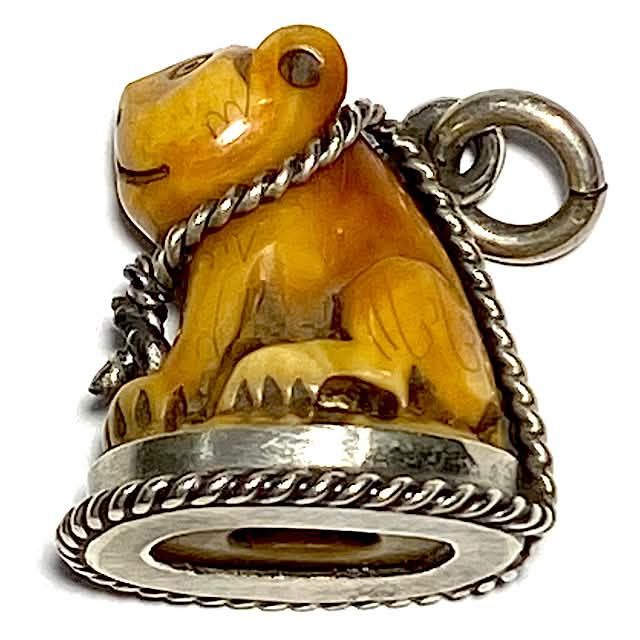
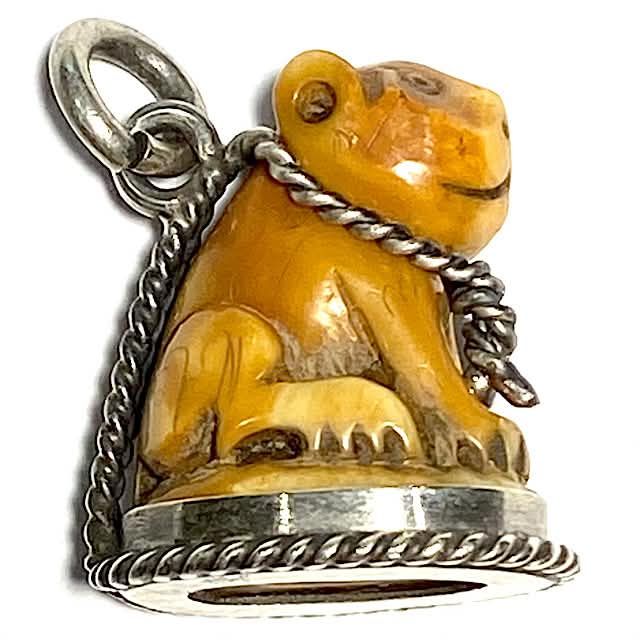
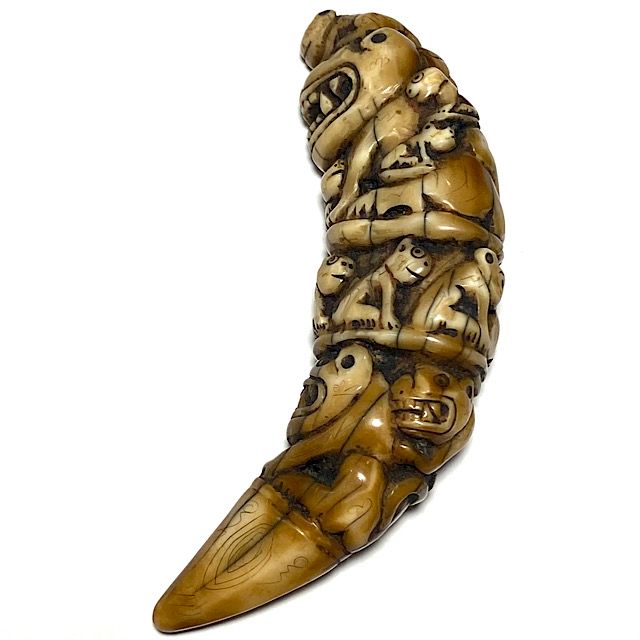
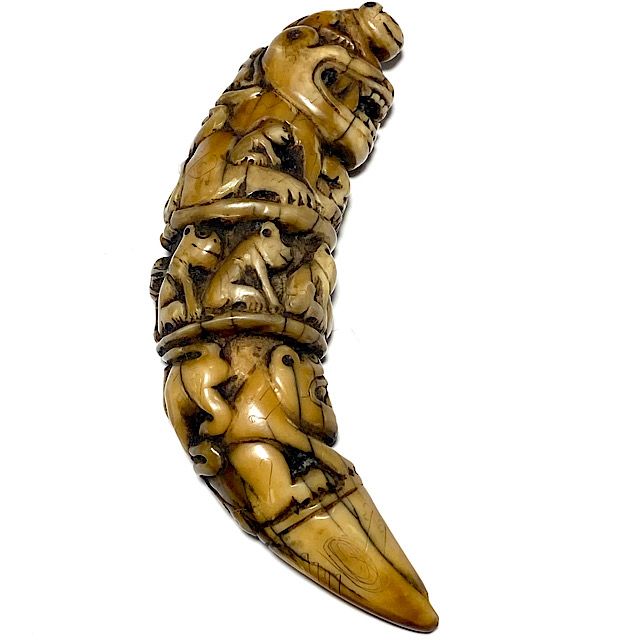
Khiaw Suea Tiger Tooth Amulet - Luang Por Parn Wat Bang Hia Kong Grapan Chadtri Maha Amnaj Talismanic Amulet of Master Class Status - Size 3.5 Inches ( 14 Tigers )
Khiaw Suea Tiger Tooth Amulet - Luang Por Parn Wat Bang Hia Kong Grapan Chadtri Maha Amnaj Talismanic Amulet of Master Class Status - Size 3.5 Inches ( 14 Tigers )
Free Shipping Worldwide and Offer of Free Custom Made Solid Silver Casing
SKU 04838
$2,599
Sold out
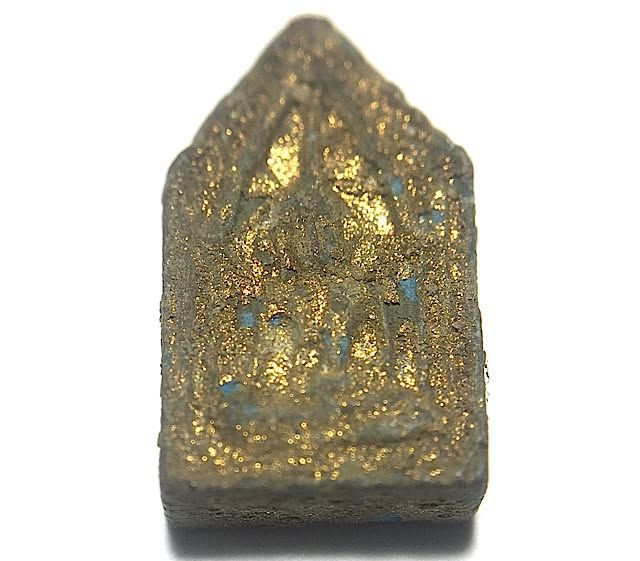
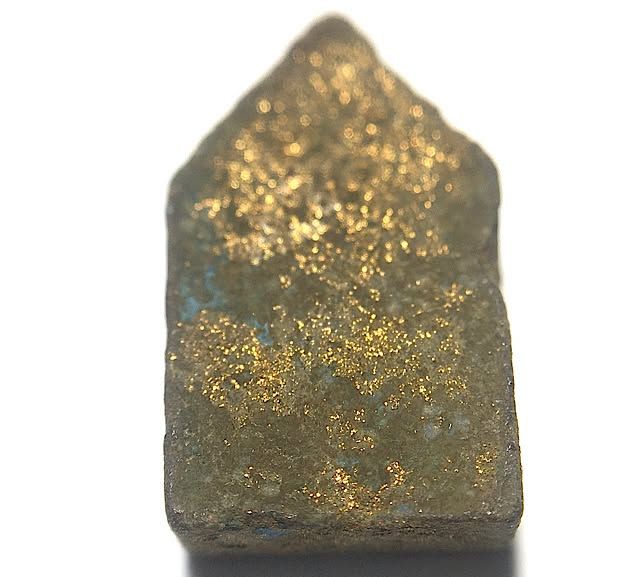
Khun Phaen Jiw Nuea Pong Prai Kumarn Tone See Fa 2514 BE Purple Powders Gold Flakes Luang Phu Gaew & Luang Phu Tim Wat Laharn Rai
Khun Phaen Jiw Nuea Pong Prai Kumarn Tone See Fa 2514 BE Purple Powders Gold Flakes Luang Phu Gaew & Luang Phu Tim Wat Laharn Rai
Free Shipping Worldwide
SKU 04836
$99
Sold out
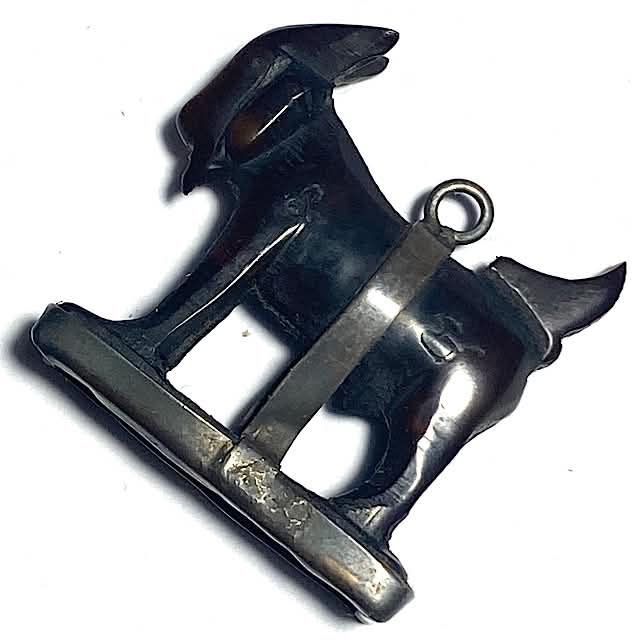
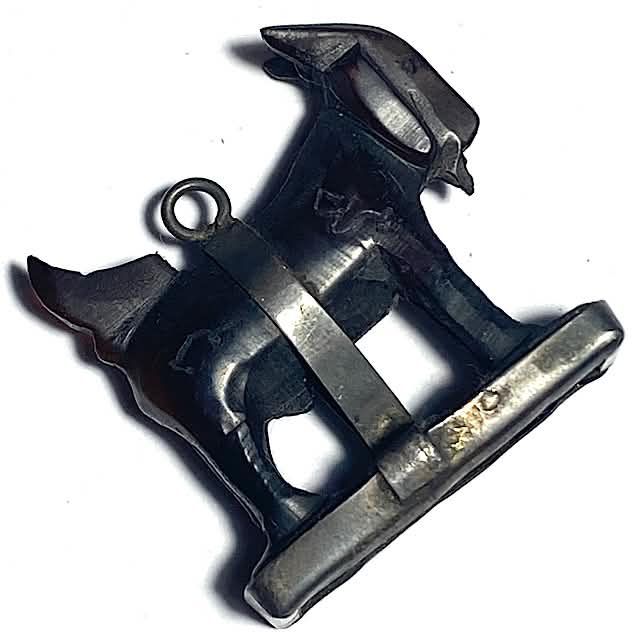
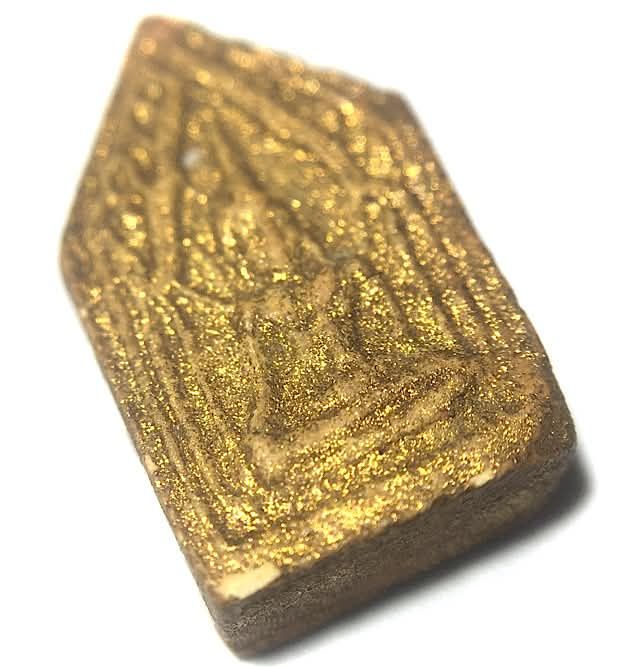
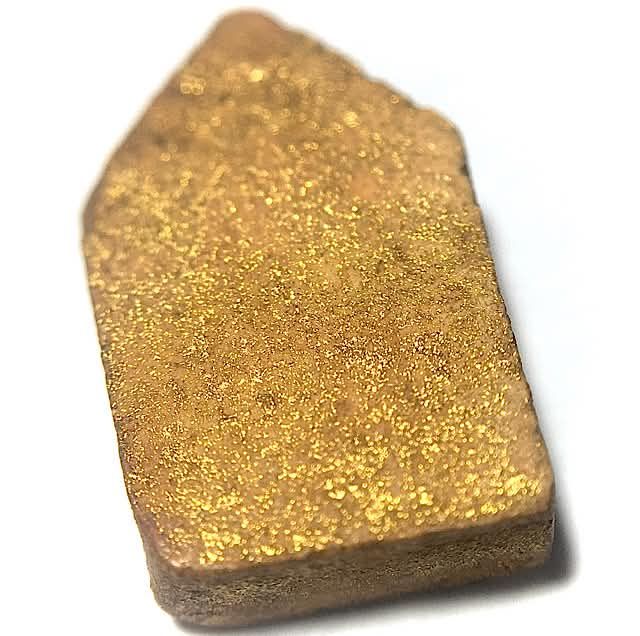
Pae Maha Lap Khao Kwai Gae Grachao Ngern Luang Por Am Wat Nong Grabork 2470 BE Carved Horn Lucky Goat
Pae Maha Lap Khao Kwai Gae Grachao Ngern Luang Por Am Wat Nong Grabork 2470 BE Carved Horn Lucky Goat
Free Fed-Ex/DHL/EMS Shipping, & Option of Free Waterproof or Stainless Steel Casing Included
SKU 04834
$599
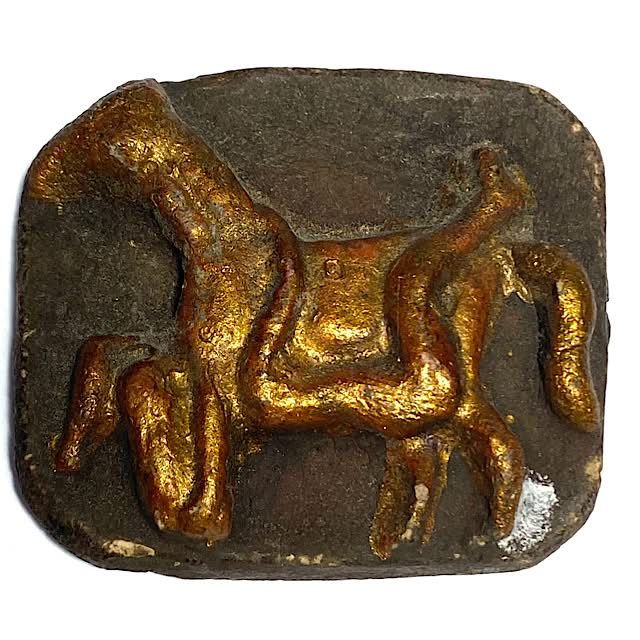
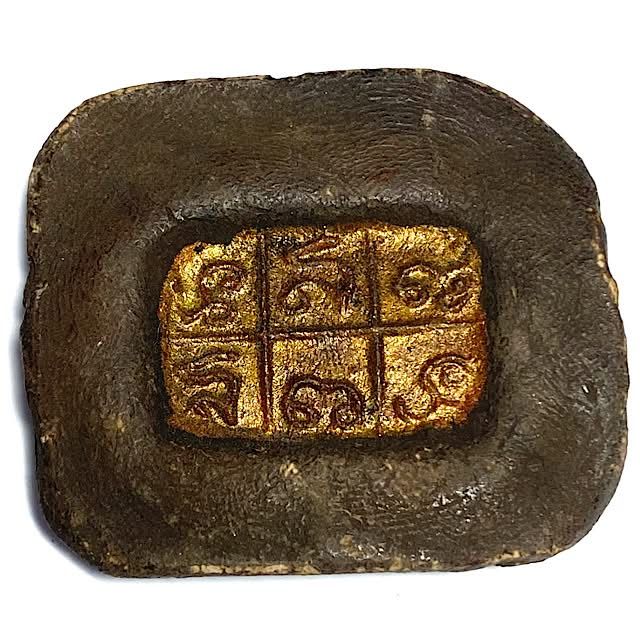
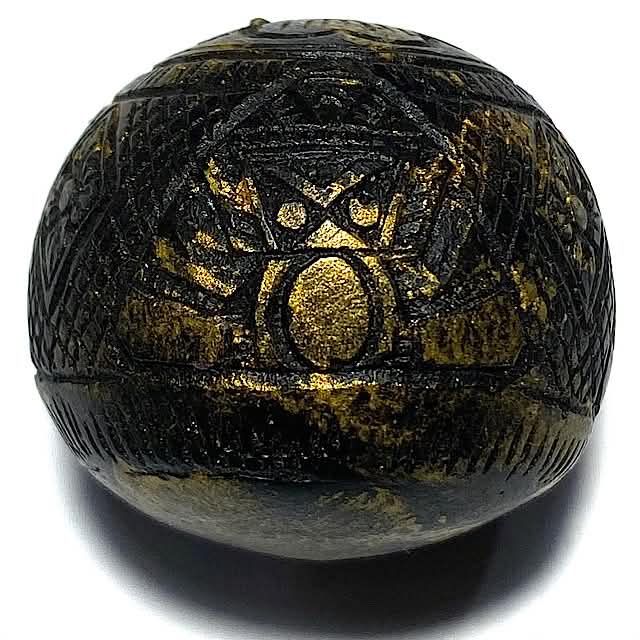
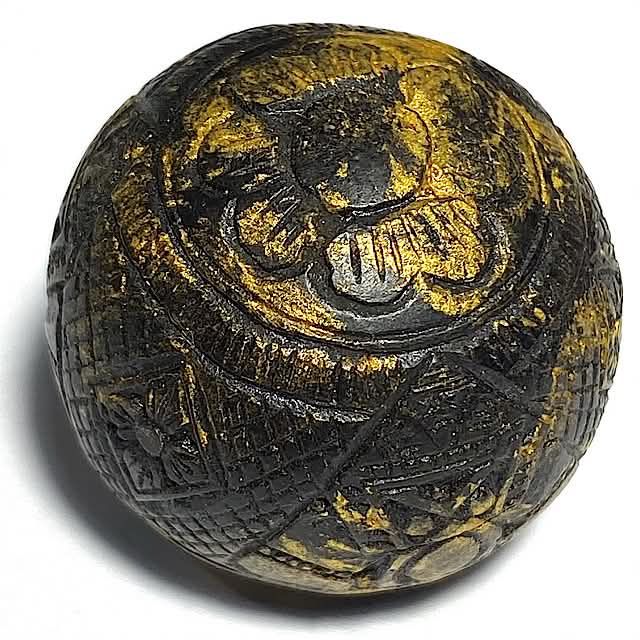
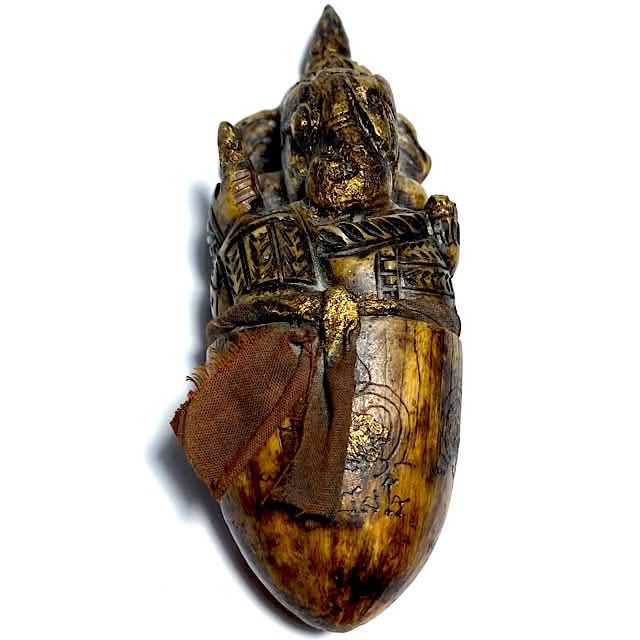
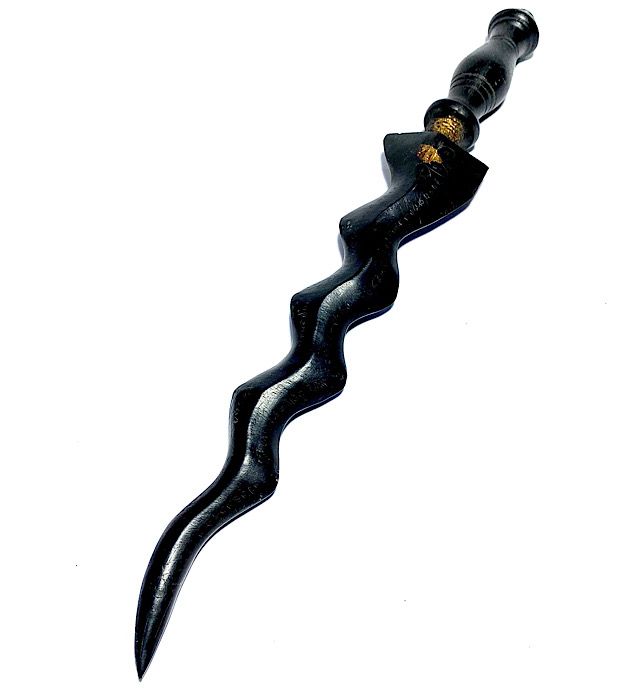
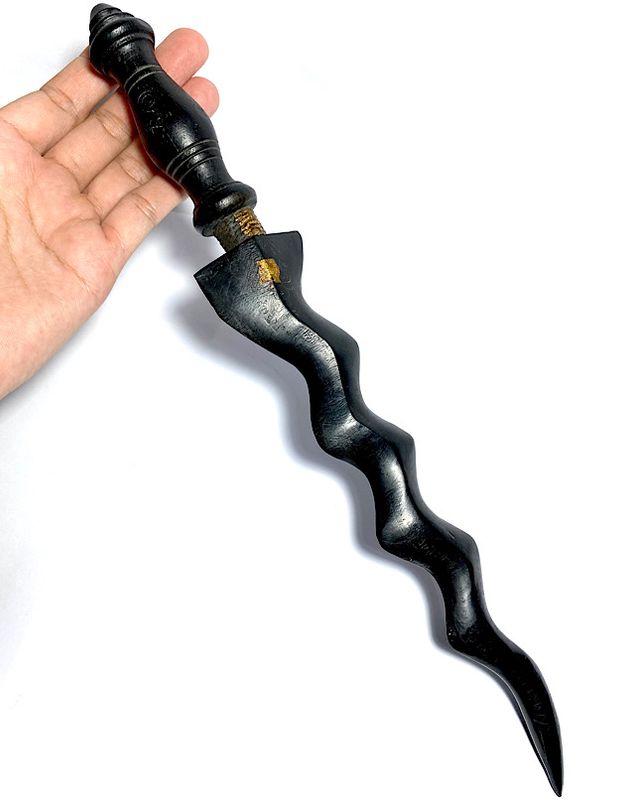
Grich Nuea Mai Paya Ngiw Dam Daam Mai Koon 12.5 Inches Ritual Dagger Luang Phu Tim
Grich Nuea Mai Paya Ngiw Dam Daam Mai Koon 12.5 Inches Ritual Dagger Luang Phu Tim
Free Express Shipping Worldwide
SKU 04827
$1,499
Sold out
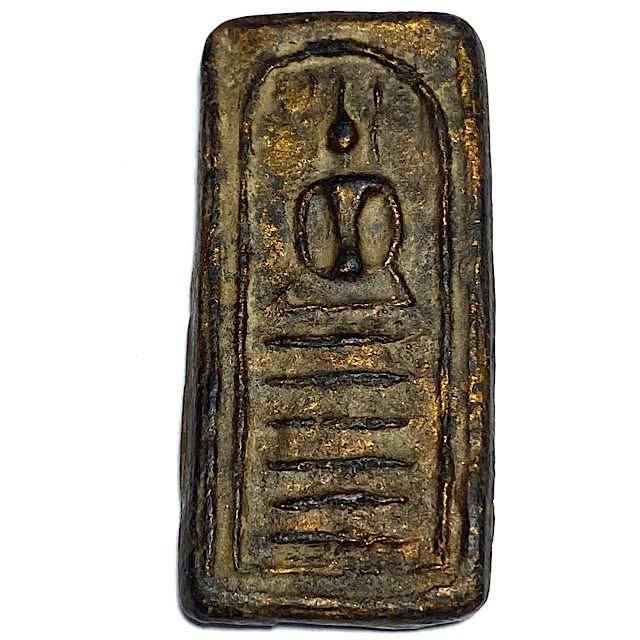
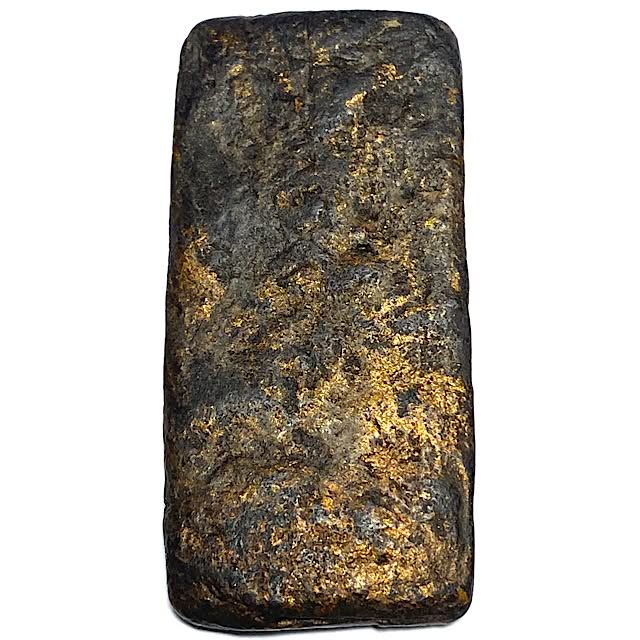
Pra Somdej Pai Dtong 6 Chan Luang Phu Bun Wat Klang Bang Gaew Nuea Ya Wasana Jinda Manee 2464 BE
Pra Somdej Pai Dtong 6 Chan Luang Phu Bun Wat Klang Bang Gaew Nuea Ya Wasana Jinda Manee 2464 BE
Express Shipping Worldwide Included & offer of free Waterproof Casing
SKU 04826
$389
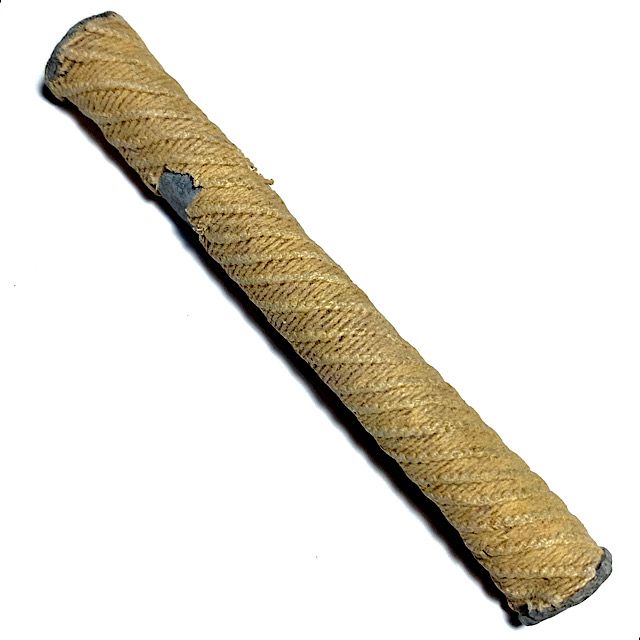
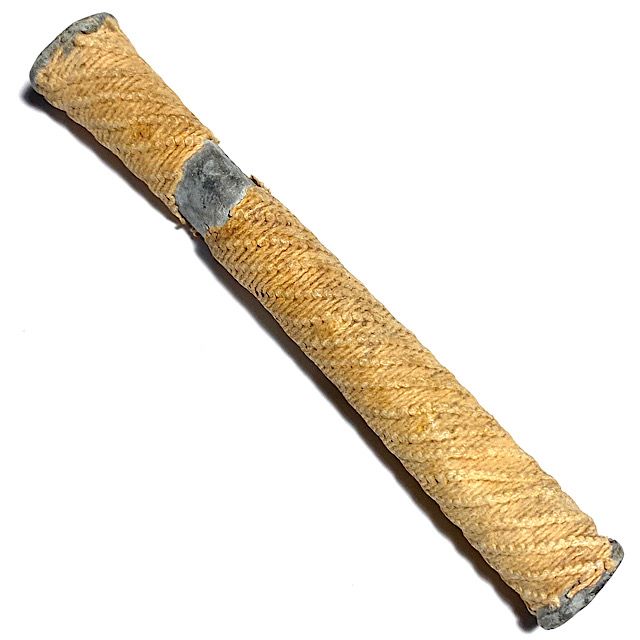
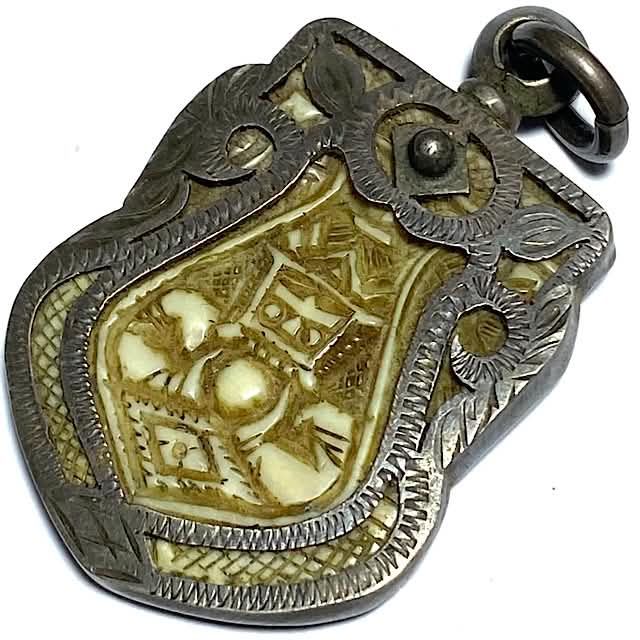
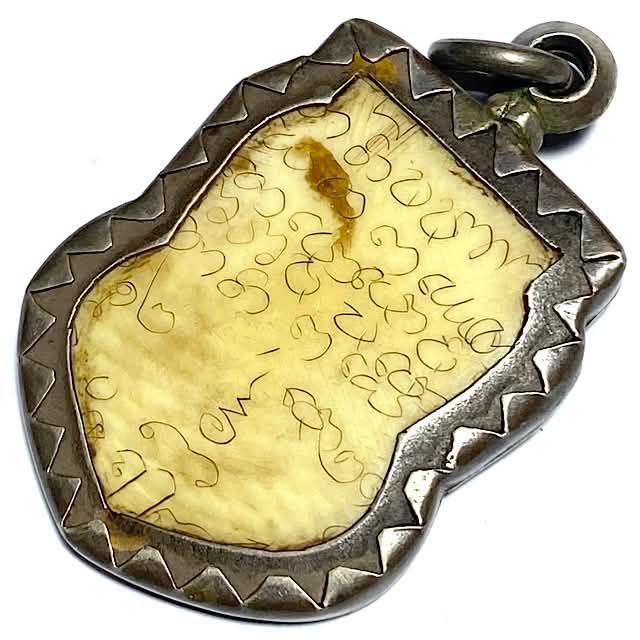
Pra Rahu Om Jantr Nuea Nga Pim Sema Kwam Niyom - Luang Por Noi Wat Srisa Tong
Pra Rahu Om Jantr Nuea Nga Pim Sema Kwam Niyom - Luang Por Noi Wat Srisa Tong
Free Express Shipping Worldwide
SKU 04824
$1,199
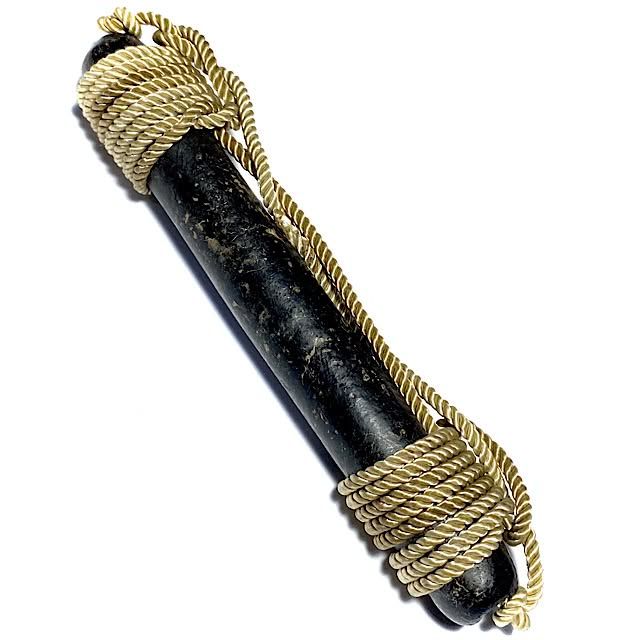
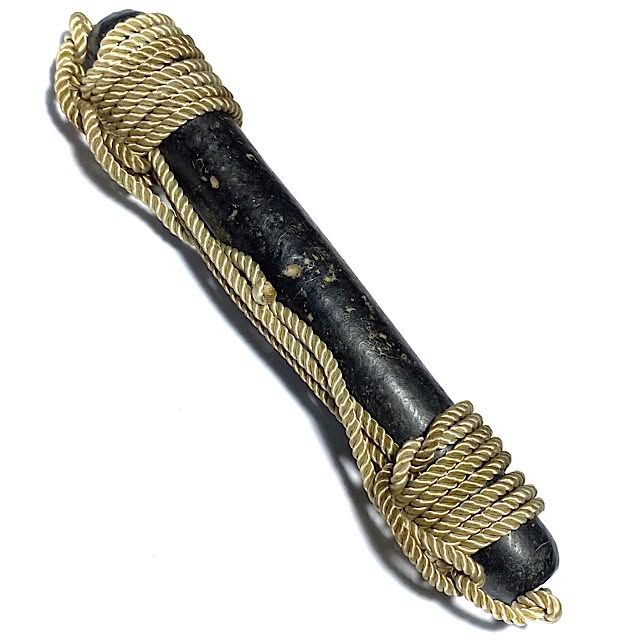
Takrut Tone Ying Mai Ork Pork Nuea Krang 5 Inches Luang Por Tong Sukh 2470 BE
Takrut Tone Ying Mai Ork Pork Nuea Krang 5 Inches Luang Por Tong Sukh 2470 BE
Free Shipping Worldwide & Offer of Free Casing Included
SKU 04822
$499
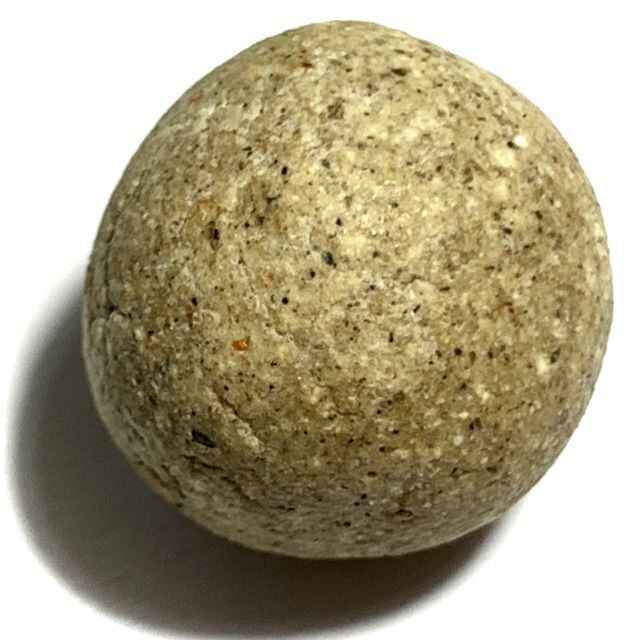
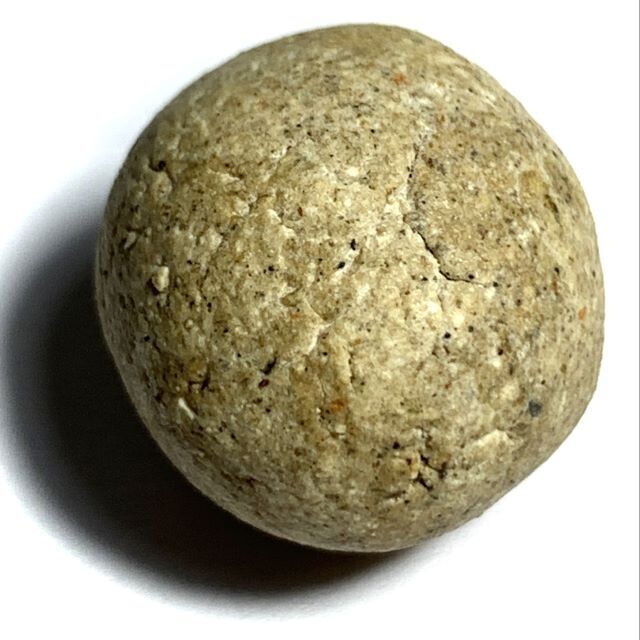
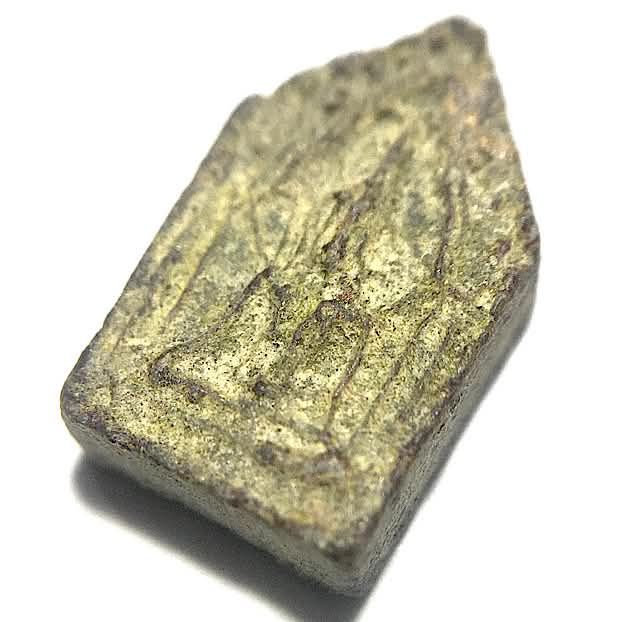
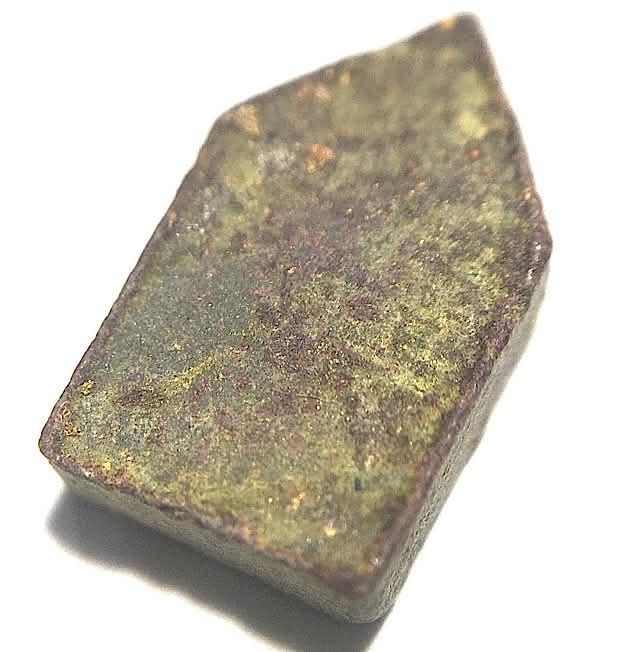
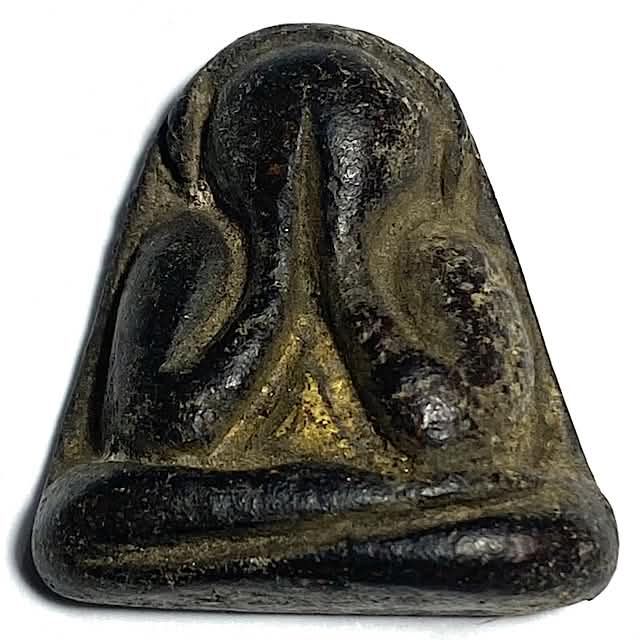
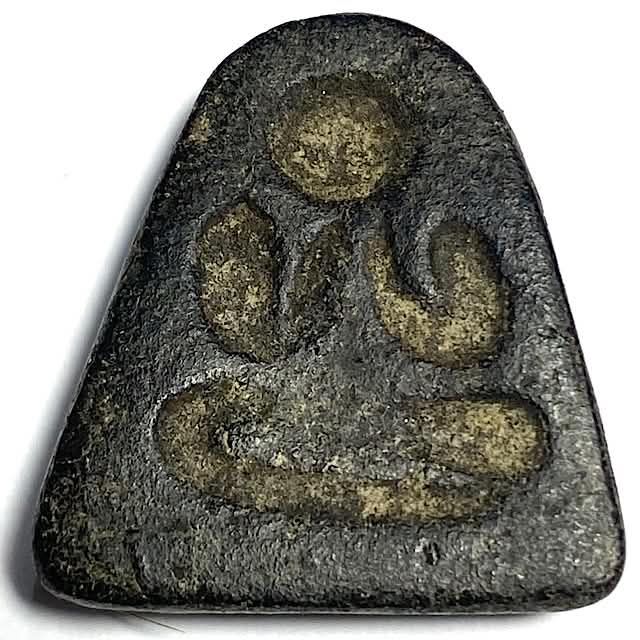
Pid Ta Hlang Baeb Nuea Pong Kala Kluk Rak Pid Tong Luang Phu Kaew Wat Kruea Wan
Pid Ta Hlang Baeb Nuea Pong Kala Kluk Rak Pid Tong Luang Phu Kaew Wat Kruea Wan
Free Express Shipping & Offer of Free Solid Silver Casing
SKU 04819
$999
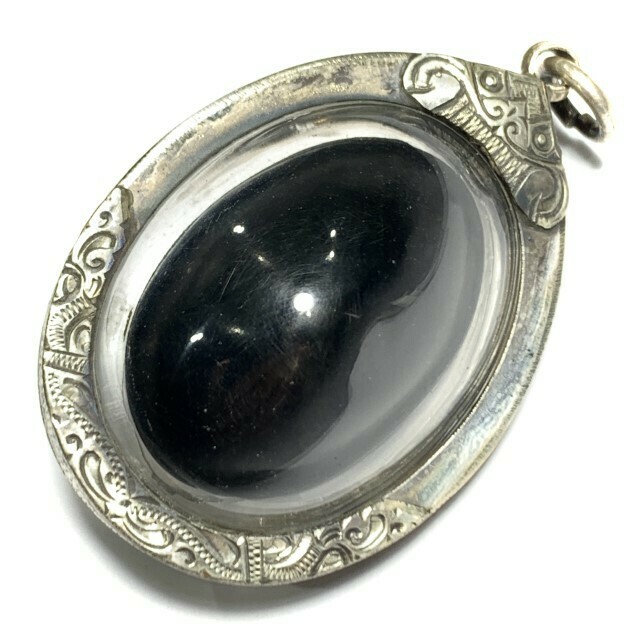
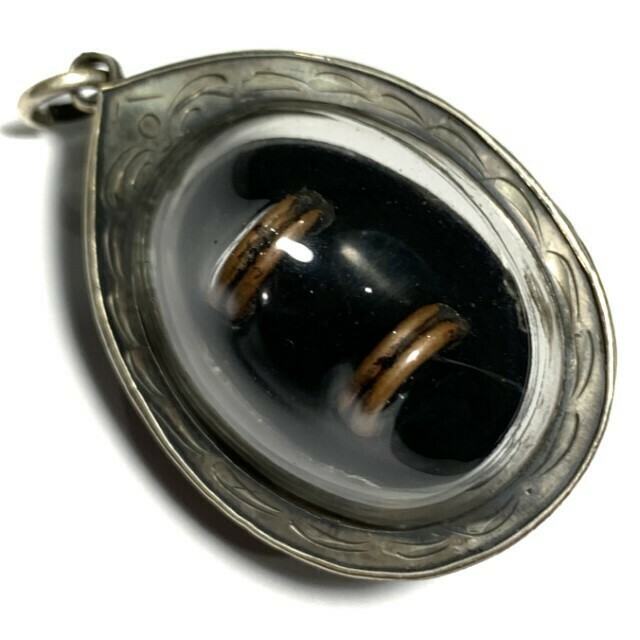
Bia Gae Sorng Huang Baeb Riab Alchemical Cowrie Shell Amulet 2498 BE Traditional Silver Casing Luang Phu Perm Wat Klang Bang Gaew Free Express Shipping
Bia Gae Sorng Huang Baeb Riab Alchemical Cowrie Shell Amulet 2498 BE Traditional Silver Casing Luang Phu Perm Wat Klang Bang Gaew Free Express Shipping
Free Shipping (USA Only free for orders over 350$)
SKU 04818
$599
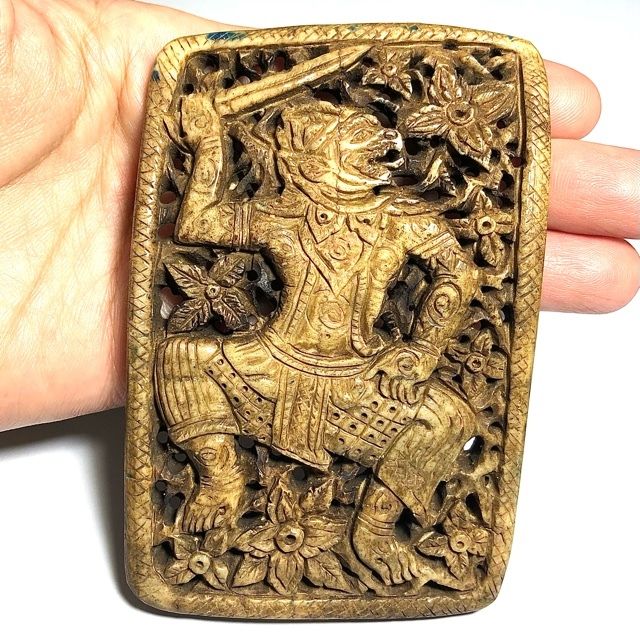
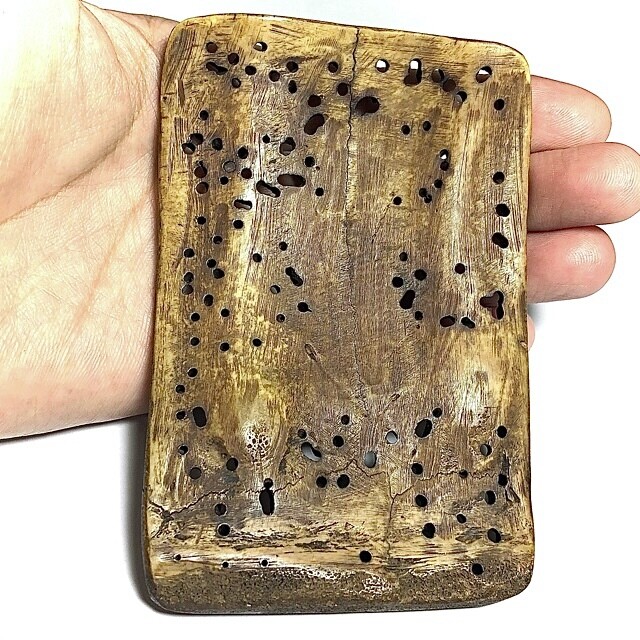
Ban Neng Hanuman Awk Rob Hand Carved Skullbone Ajarn Heng Praiwan
Ban Neng Hanuman Awk Rob Hand Carved Skullbone Ajarn Heng Praiwan
Free Express Shipping
SKU 04814
$2,200
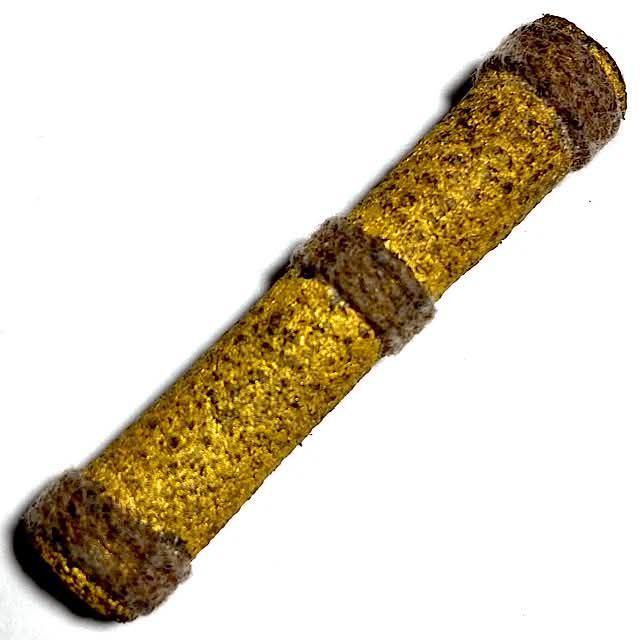
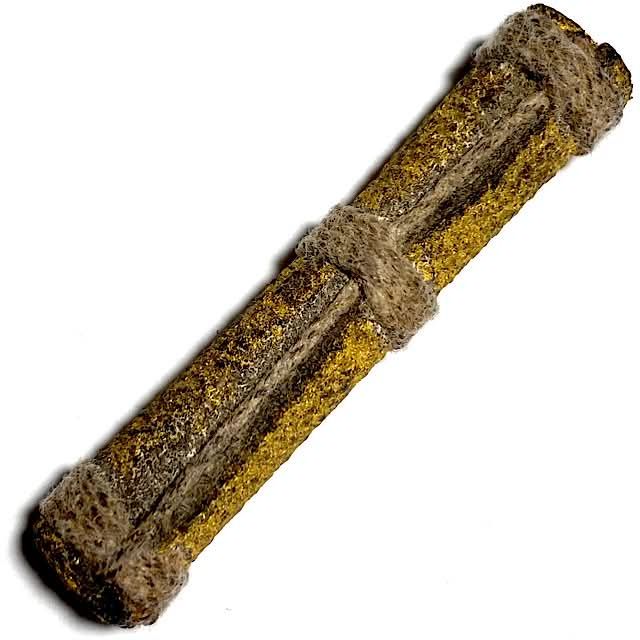
Takrut Hnaa Phaag Suea 4.5 Cm Tiger Forehead Hide with Spellbound Cord Luang Por Jong Wat Na Tang Nork
Takrut Hnaa Phaag Suea 4.5 Cm Tiger Forehead Hide with Spellbound Cord Luang Por Jong Wat Na Tang Nork
Free Express Shipping Included with offer of Free Waterproof or Stainless Steel Tubular Casing
SKU 04813
$499
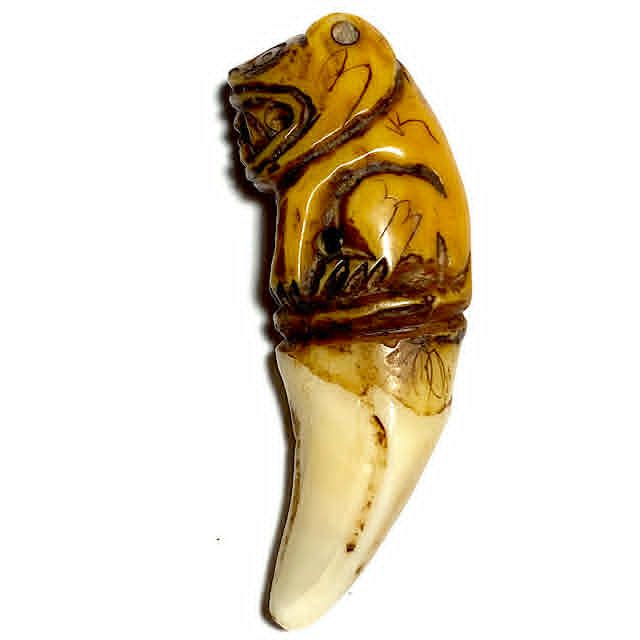
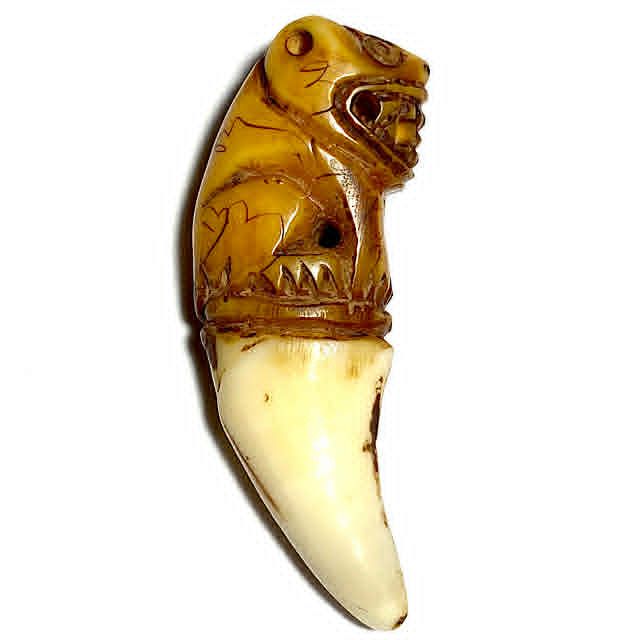
Khiaw Suea Tiger Tooth Amulet - Luang Por Parn Wat Bang Hia Kong Grapan Chadtri Maha Amnaj Talismanic Amulet of Master Class Status
Khiaw Suea Tiger Tooth Amulet - Luang Por Parn Wat Bang Hia Kong Grapan Chadtri Maha Amnaj Talismanic Amulet of Master Class Status
Free Shipping Worldwide and Offer of Free Custom Made Solid Silver Casing
SKU 04811
$899
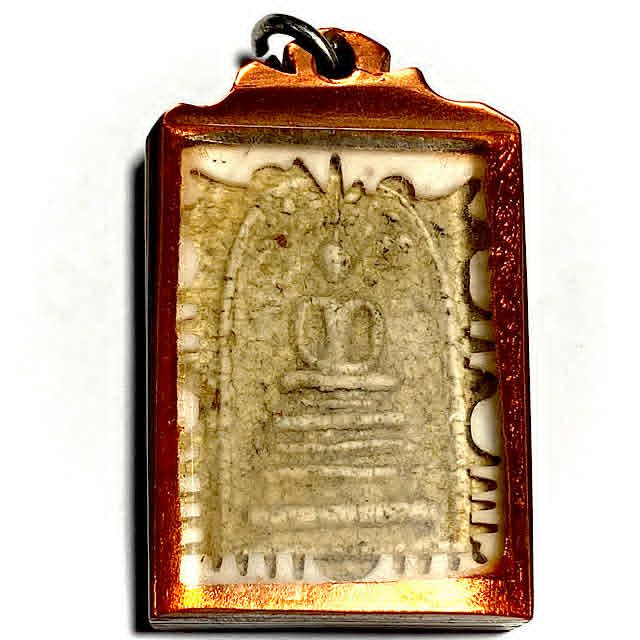
Phra Somdej Prok Po Wat Rakang Rare Pim Plaek 7-Tiered Base Kaes Chaiyo Style Mid to Late King Rama IV Era (Circa 2400 – 2411 B.E.
Phra Somdej Prok Po Wat Rakang Rare Pim Plaek 7-Tiered Base Kaes Chaiyo Style Mid to Late King Rama IV Era (Circa 2400 – 2411 B.E.
Free Express Shipping Worldwide and Offer of Free Solid Silver Casing
SKU 04810
$1,799
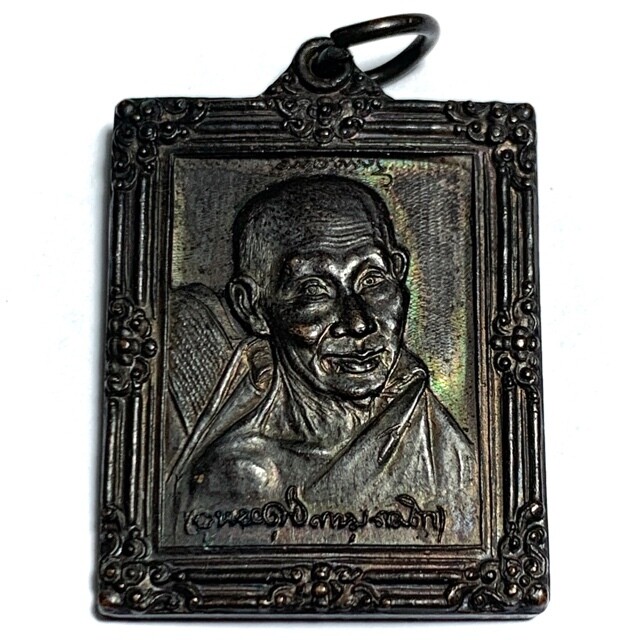
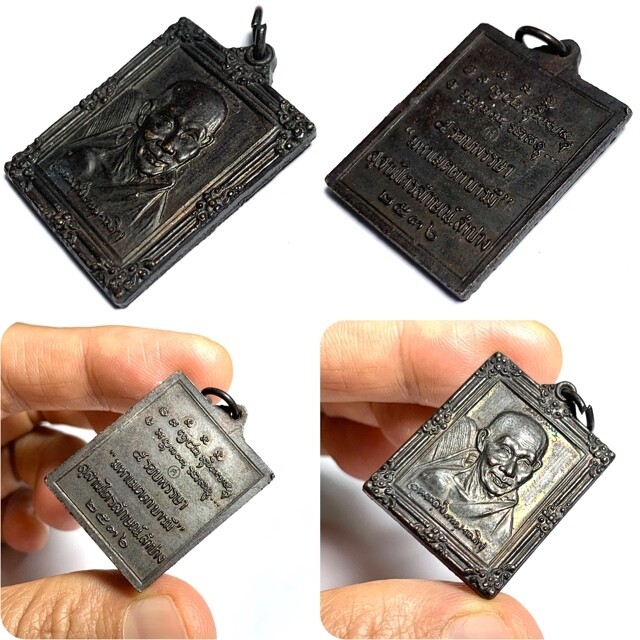
Rian 5 Rorb Pansa 2536 BE Maha Metta Baramee Edition Nuea Tong Daeng Rom Dam Code Sor Luang Por Kasem Khemago
Rian 5 Rorb Pansa 2536 BE Maha Metta Baramee Edition Nuea Tong Daeng Rom Dam Code Sor Luang Por Kasem Khemago
Free Shipping (USA Only Free for Orders over 350$)
SKU 04808
$70
Sold out
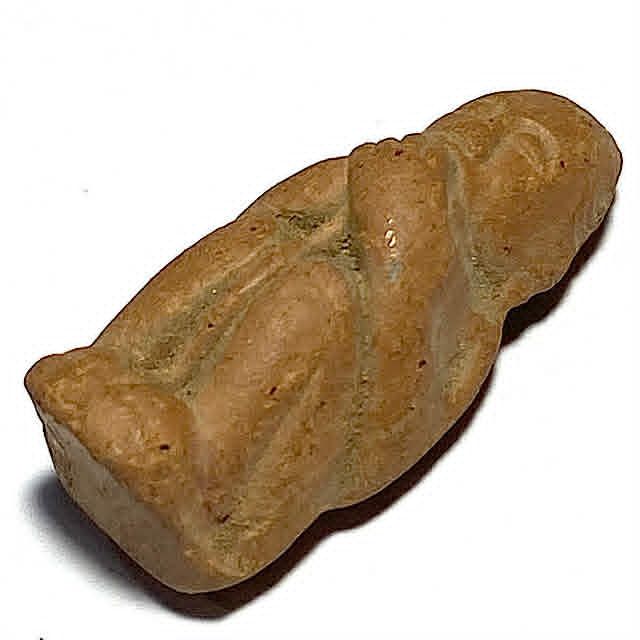
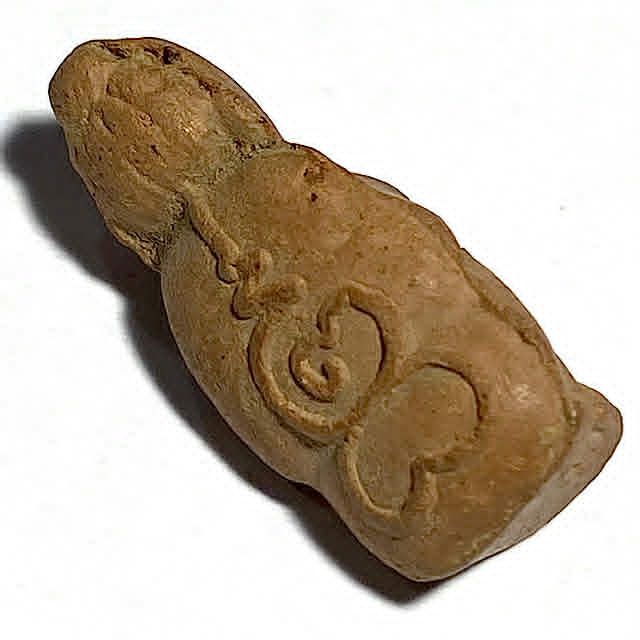
Kumarn Dood Rok 2480 BE Nuea Pong Prai Kumarn Pasom Din Jet Pha Cha Luang Por Chaem Wat Ta Gong
Kumarn Dood Rok 2480 BE Nuea Pong Prai Kumarn Pasom Din Jet Pha Cha Luang Por Chaem Wat Ta Gong
Free Shipping Worldwide & Offer of Free Casing (USA Only for Orders over 300$)
SKU 04806
$220
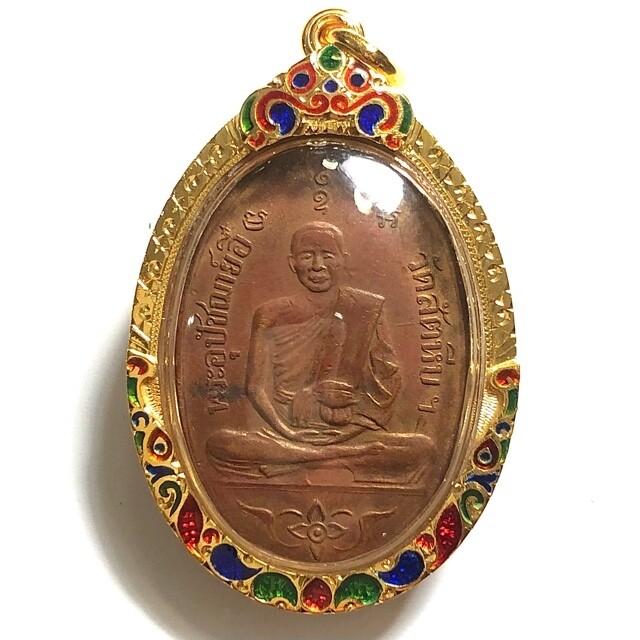
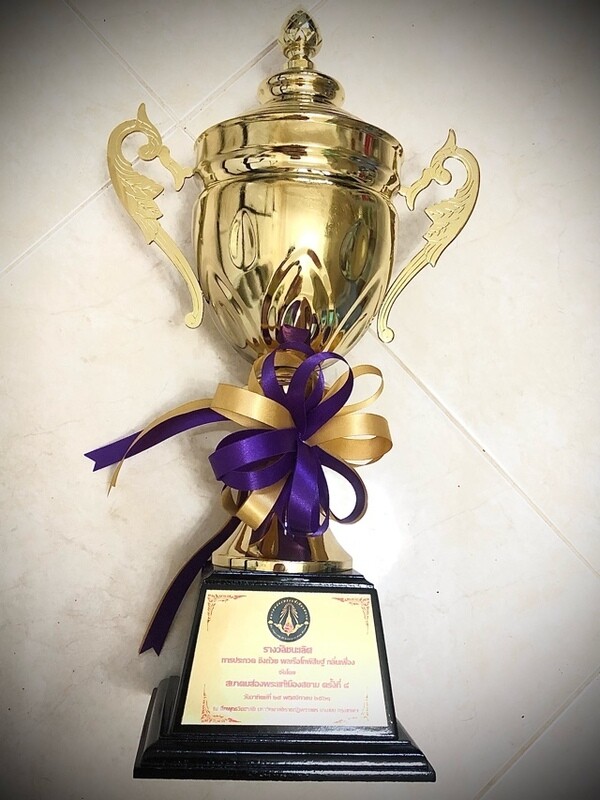
Rian Roop Khai Pim Khor Bet Niyom 2473 BE 1st Edition Nuea Tong Daeng First Prize Competition Winner Luang Por Ee Wat Sattaheeb
Rian Roop Khai Pim Khor Bet Niyom 2473 BE 1st Edition Nuea Tong Daeng First Prize Competition Winner Luang Por Ee Wat Sattaheeb
Free Fed-Ex/DHL Express Shipping, 1st Prize Trophy, Certificate & Heavy 7.8 Gram Solid Gold Casing Included
SKU 04805
$3,499
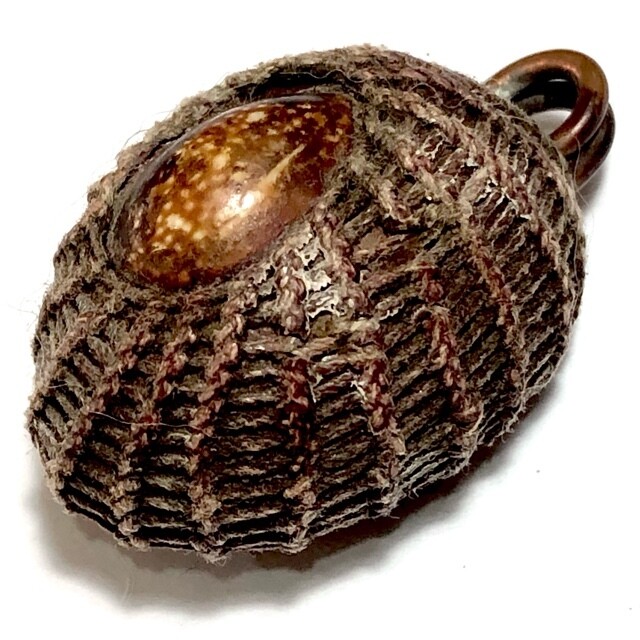
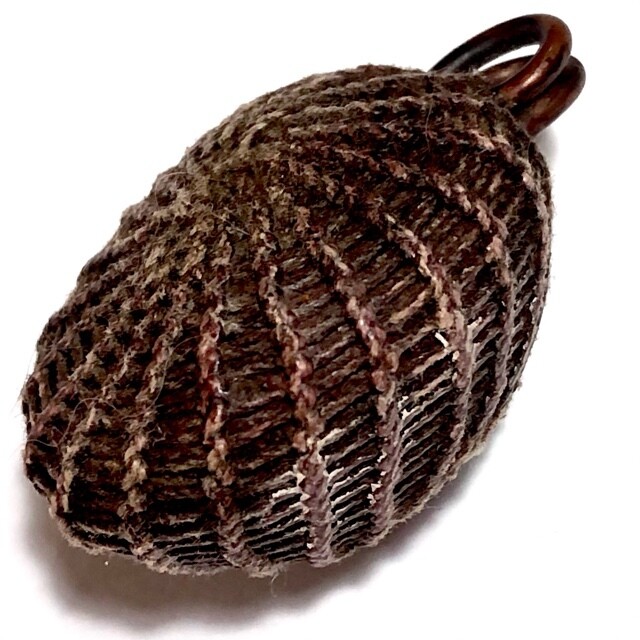
Bia Gae Aathan Tak Chueak Perd Hlang Sorng Hoo Luang Phu Kam Wat Po Bplam
Bia Gae Aathan Tak Chueak Perd Hlang Sorng Hoo Luang Phu Kam Wat Po Bplam
Free Express Shipping Worldwide
SKU 04804
$449
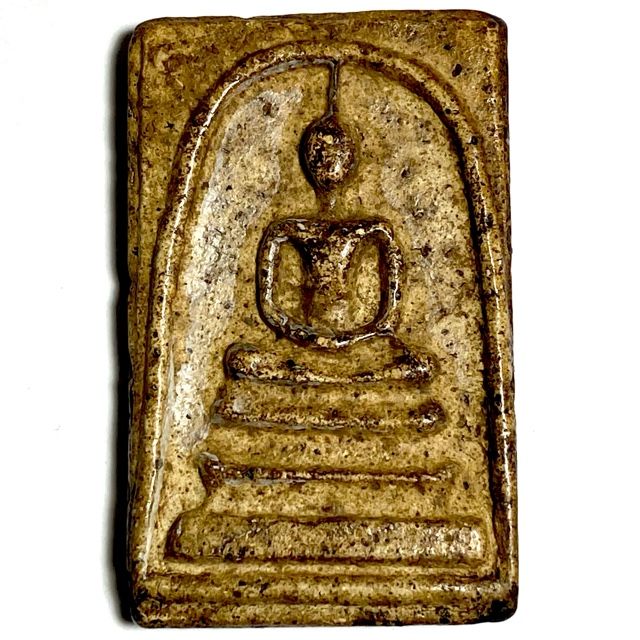
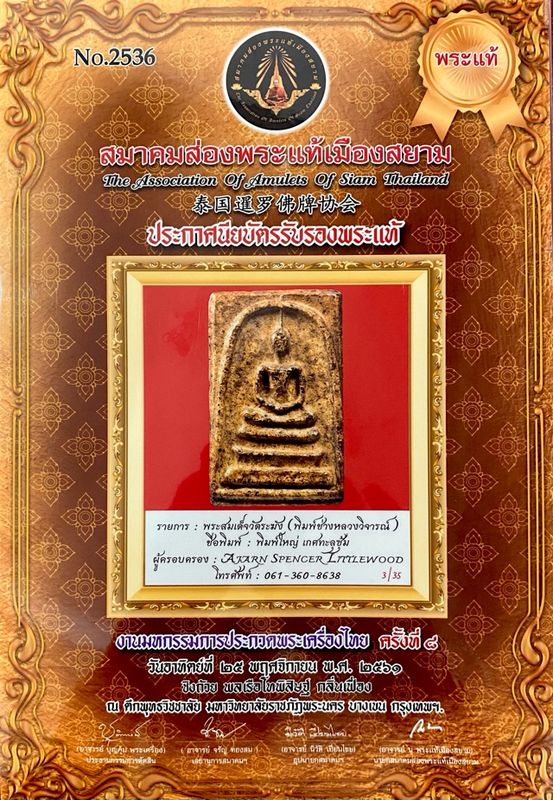
Pra Somdej Pim Gaes Talu Sum Niyom Ongk Kroo Block Chang Luang Wijarn & Authenticity Certificate Somdej Dto Wat Rakang
Pra Somdej Pim Gaes Talu Sum Niyom Ongk Kroo Block Chang Luang Wijarn & Authenticity Certificate Somdej Dto Wat Rakang
Free Express Shipping Worldwide & Offer of Free Solid Silver Custom Casing
SKU 04803
$1,999
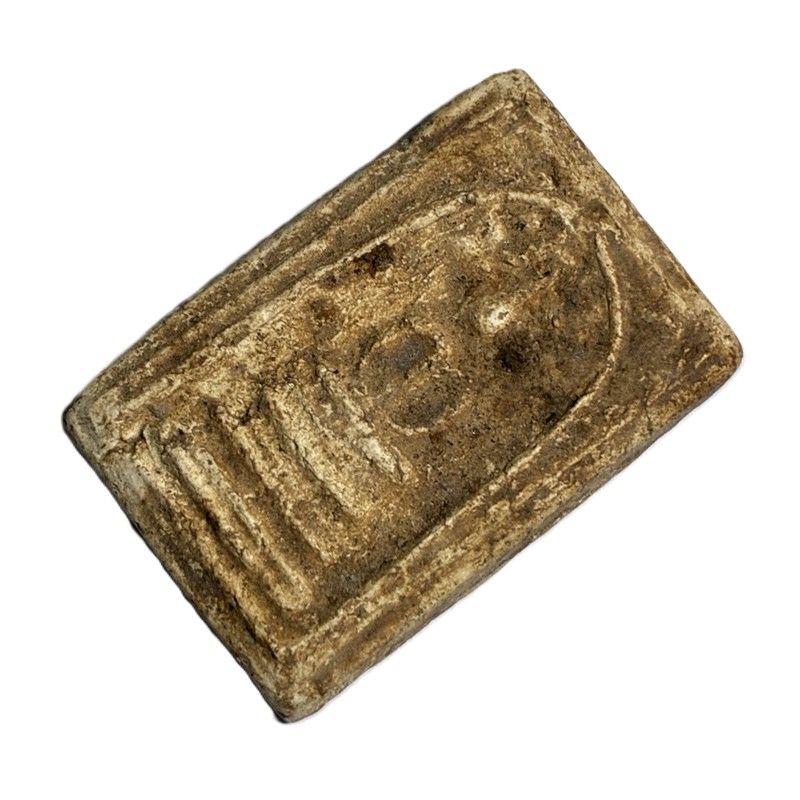
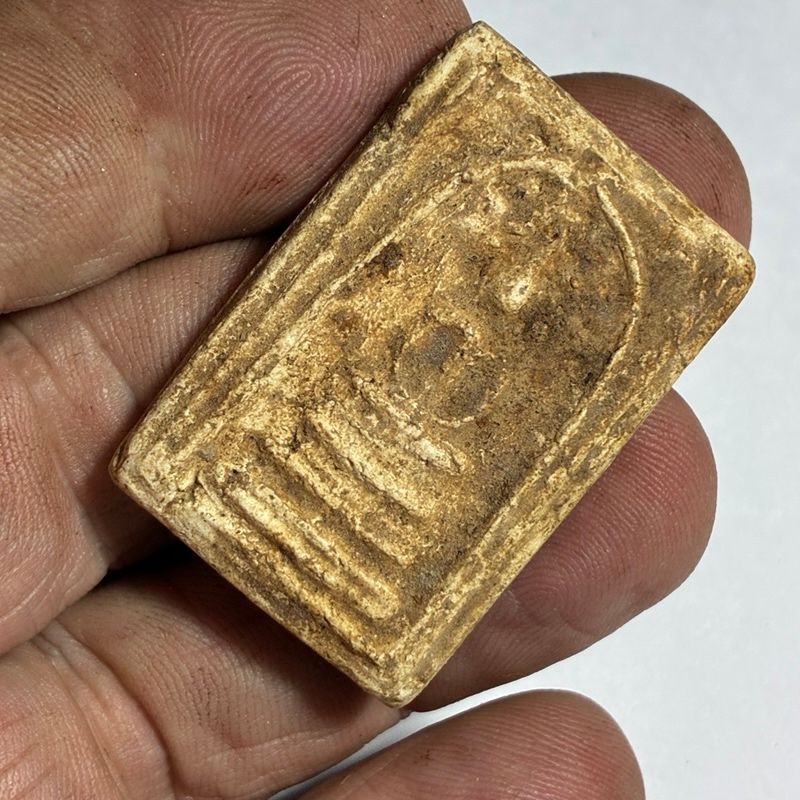
Pra Somdej Prok Po Luang Por Supoj Wat Suthat ( 2484 or 2497 B.E.)
Pra Somdej Prok Po Luang Por Supoj Wat Suthat ( 2484 or 2497 B.E.)
Free shipping included
SKU 04802
$220
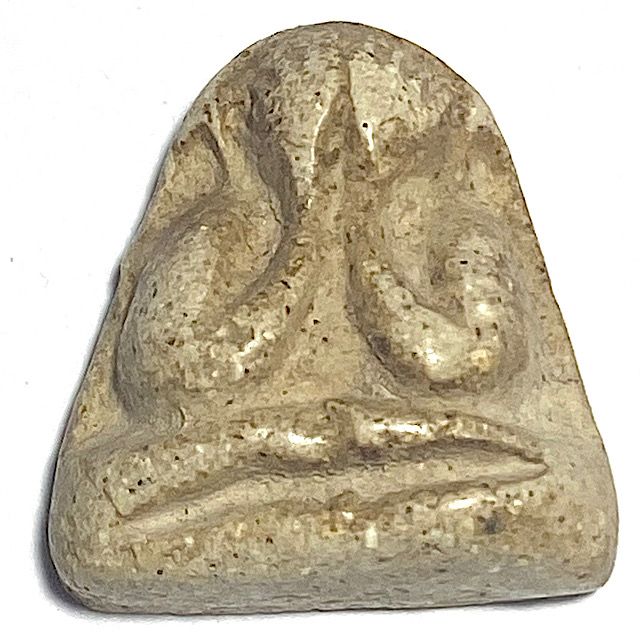
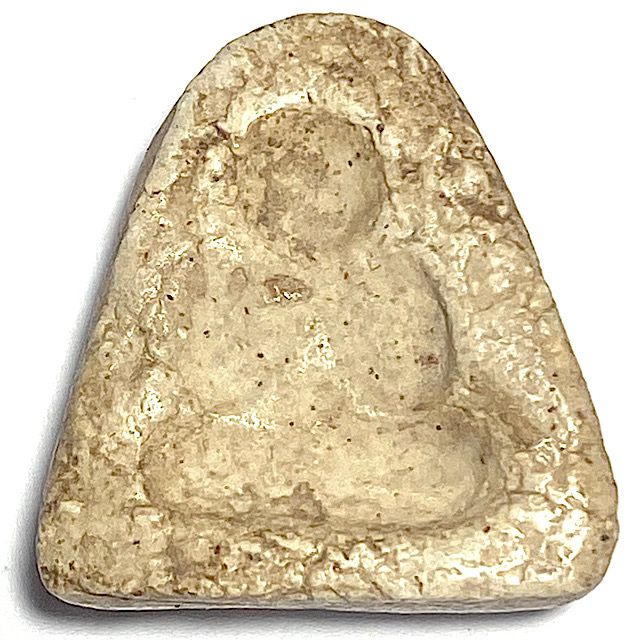
Pid Ta Hlang Baeb Nuea Pong Puttakun Early Era Amulet Luang Phu Kaew Wat Kruea Wan
Pid Ta Hlang Baeb Nuea Pong Puttakun Early Era Amulet Luang Phu Kaew Wat Kruea Wan
Free Express Shipping Worldwide Shipping & Offer of Free Solid Silver Casing
SKU 04801
$999
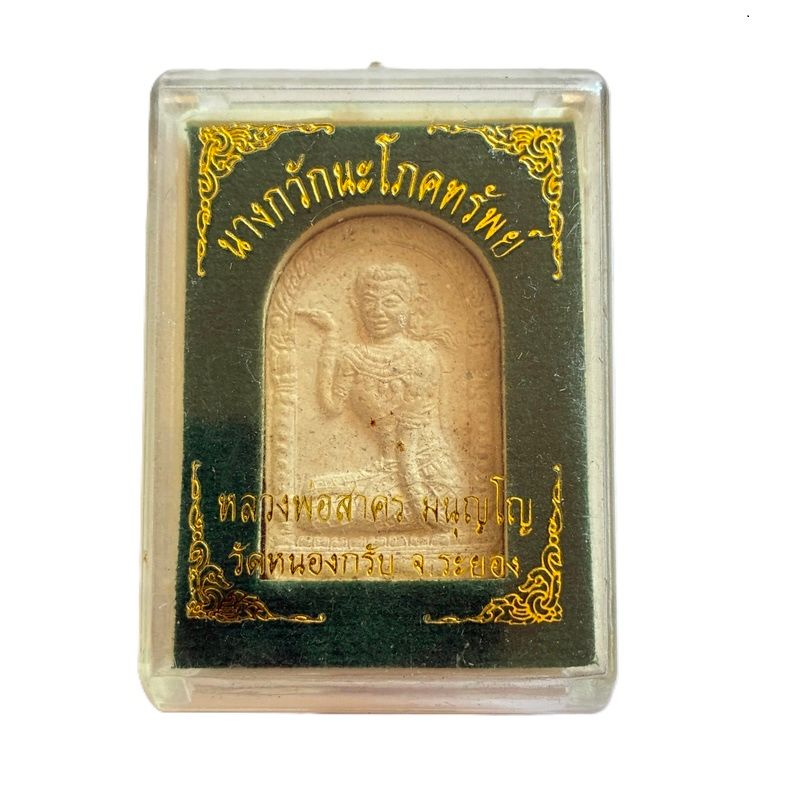
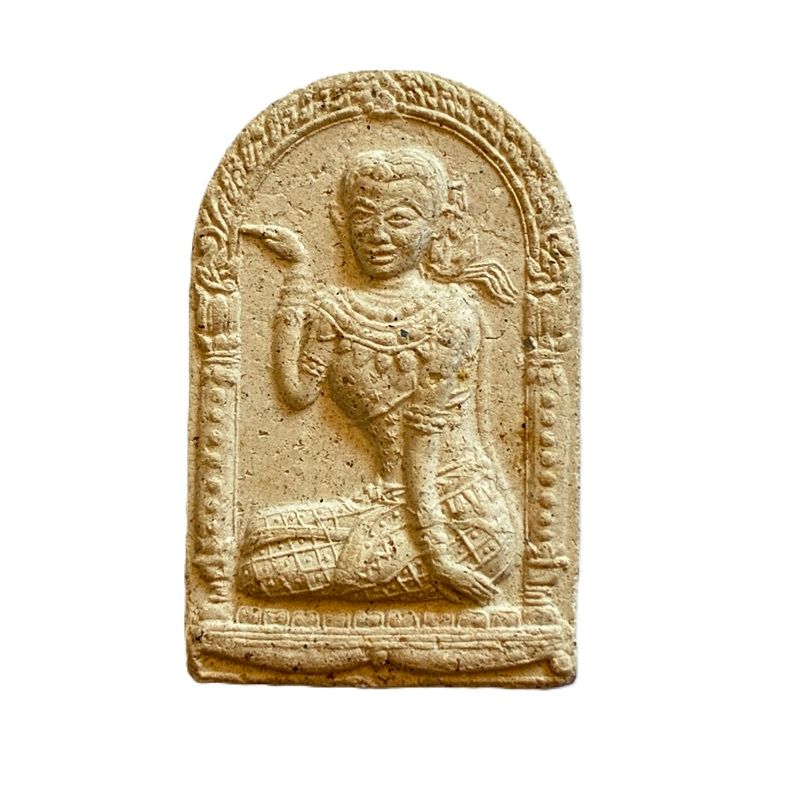
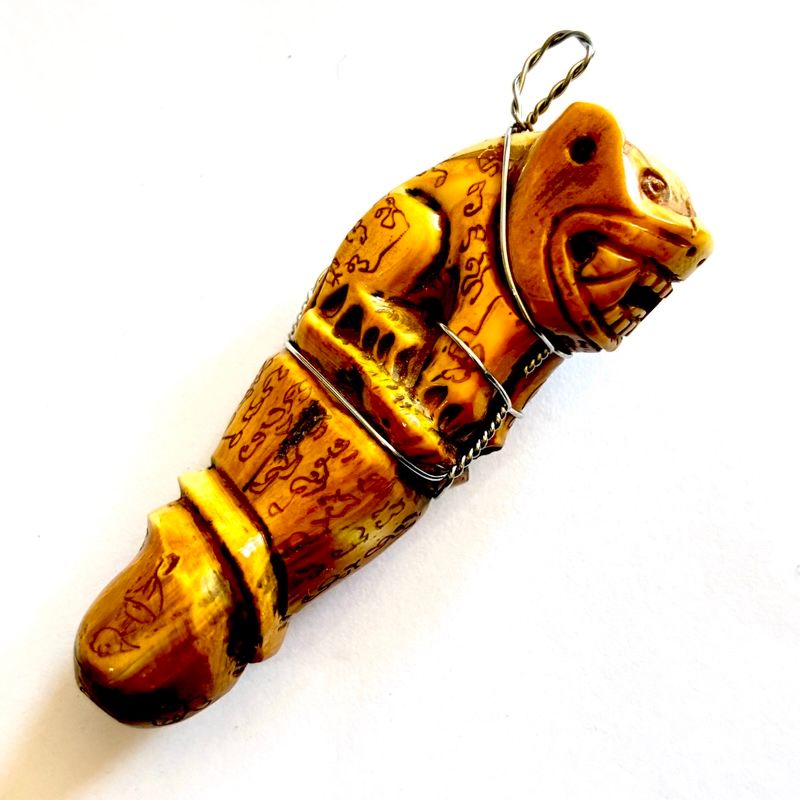
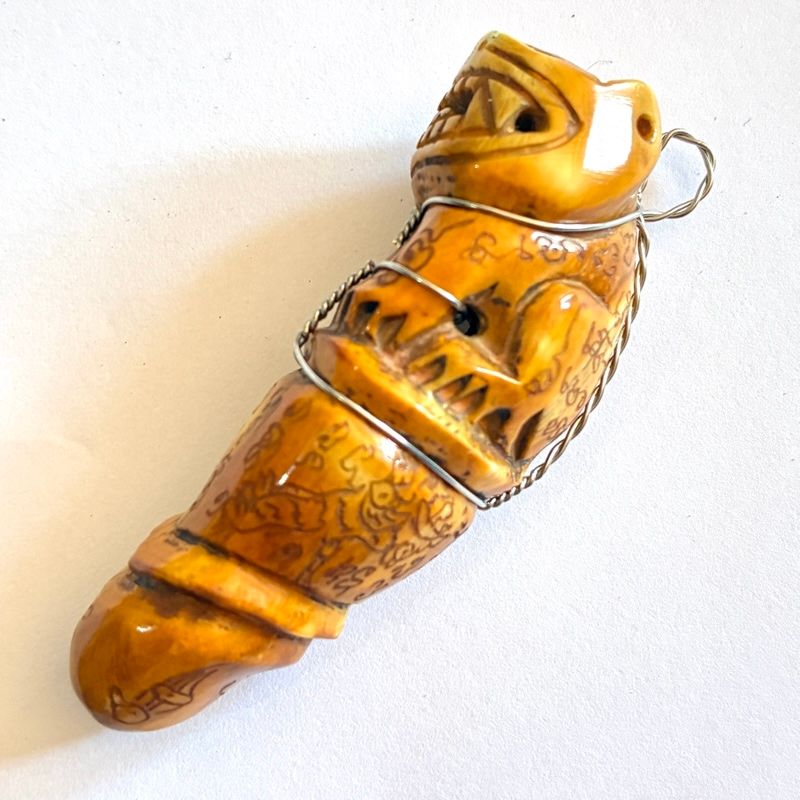
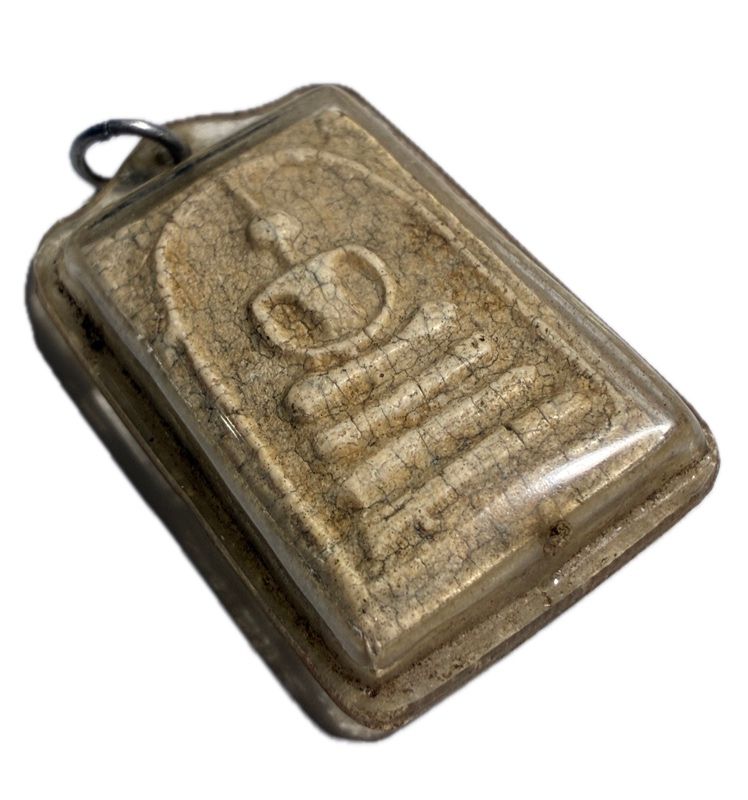
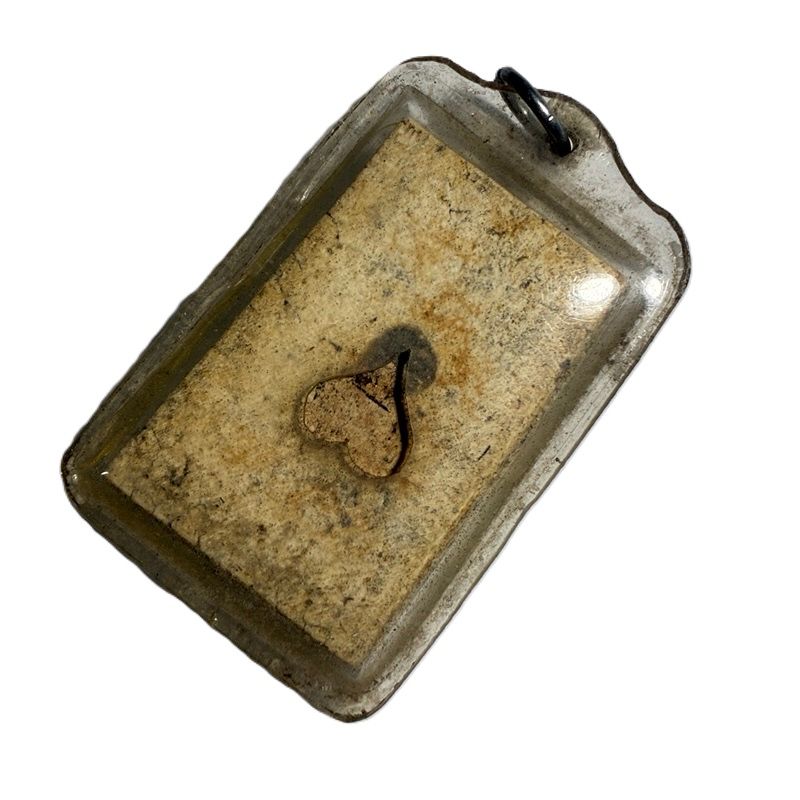
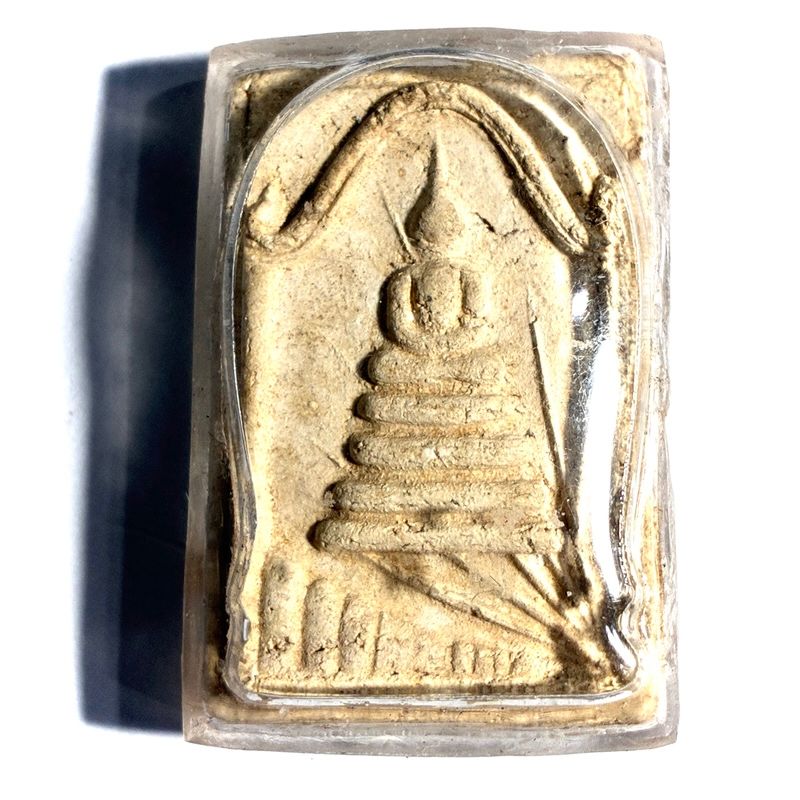
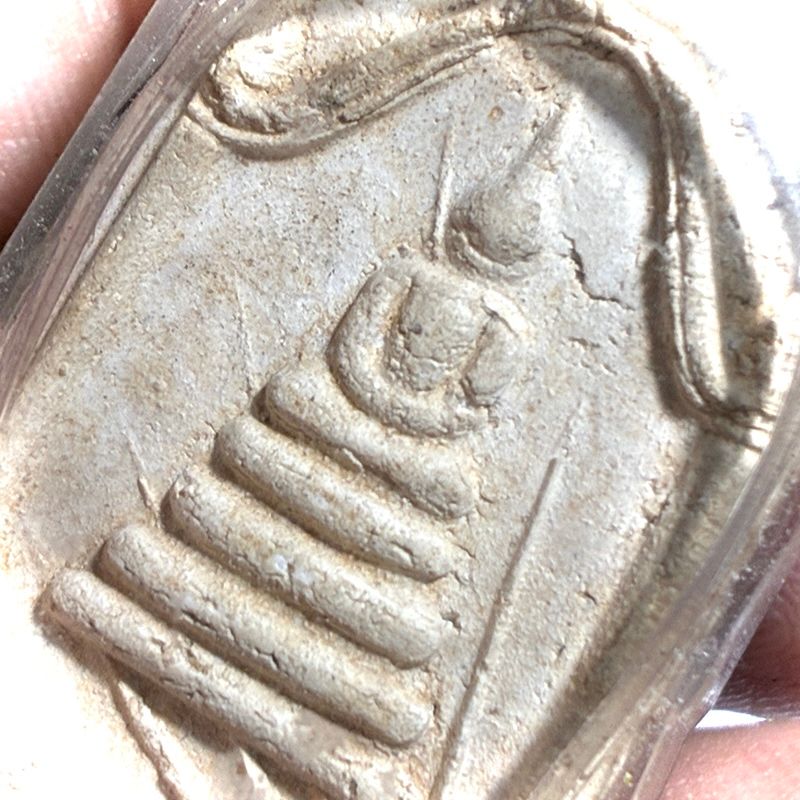
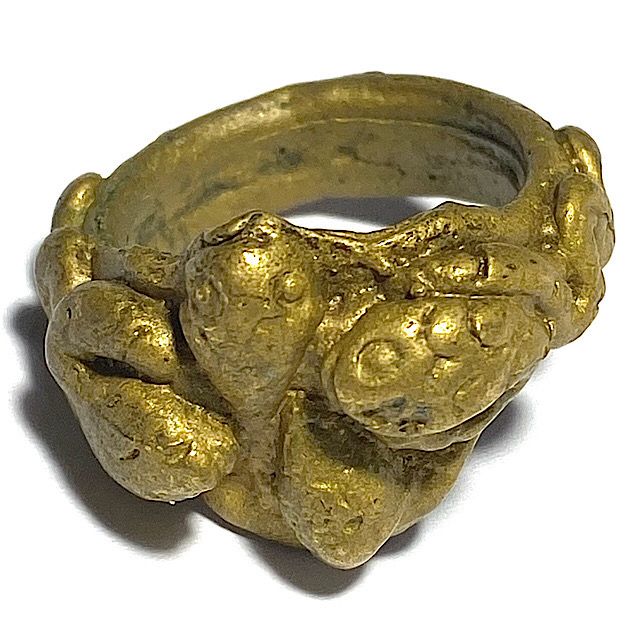
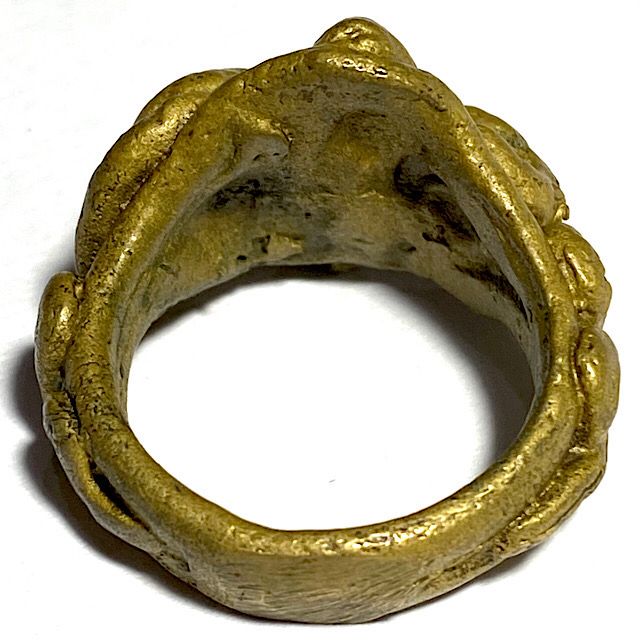
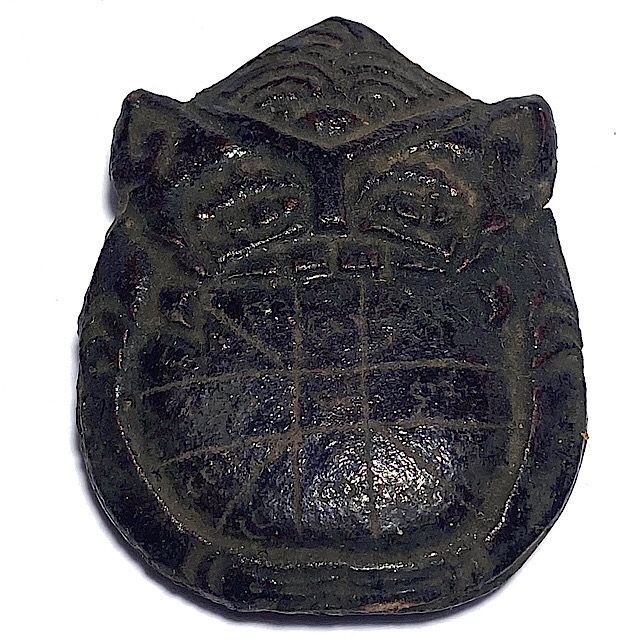
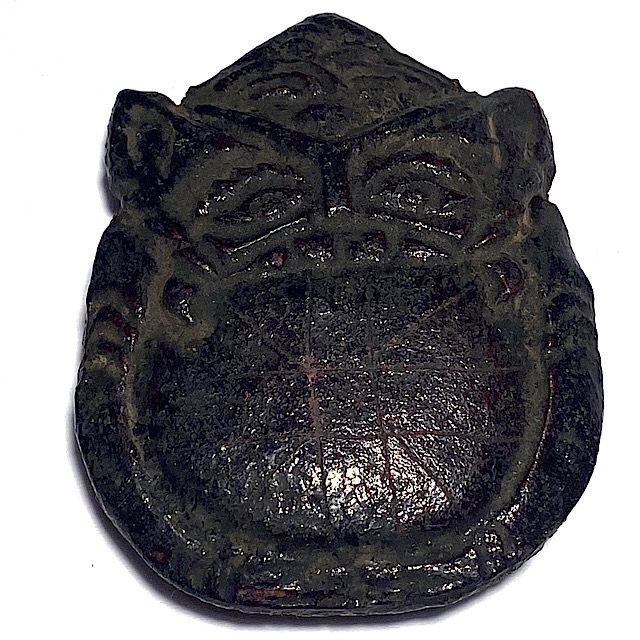
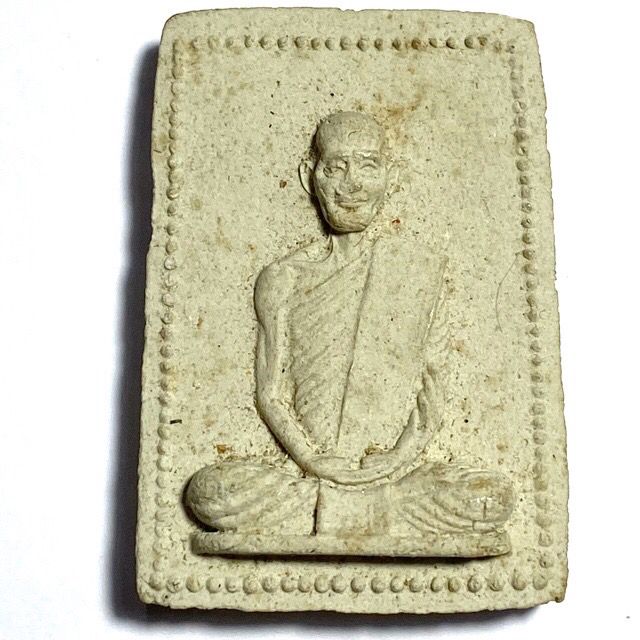
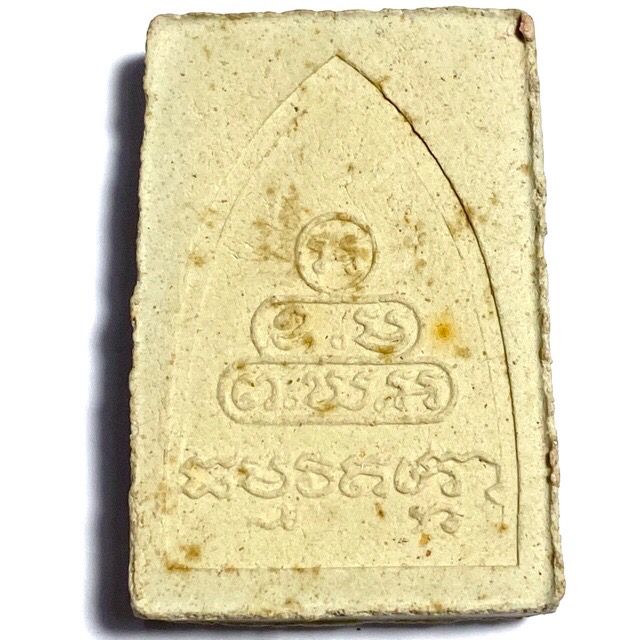
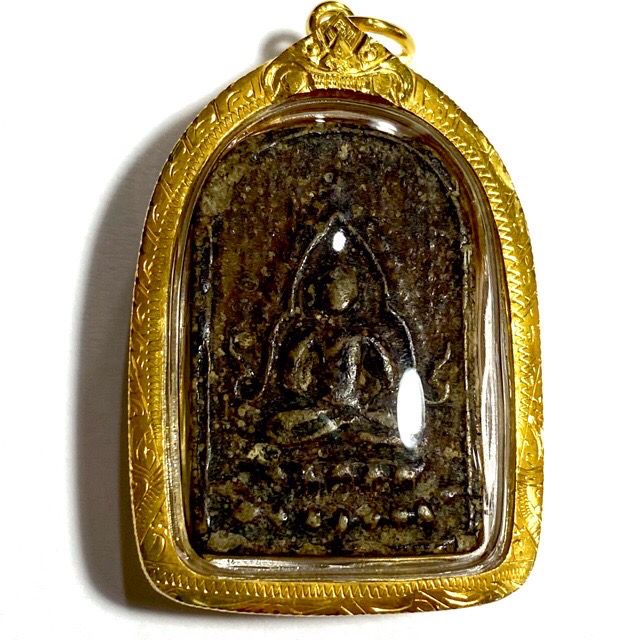
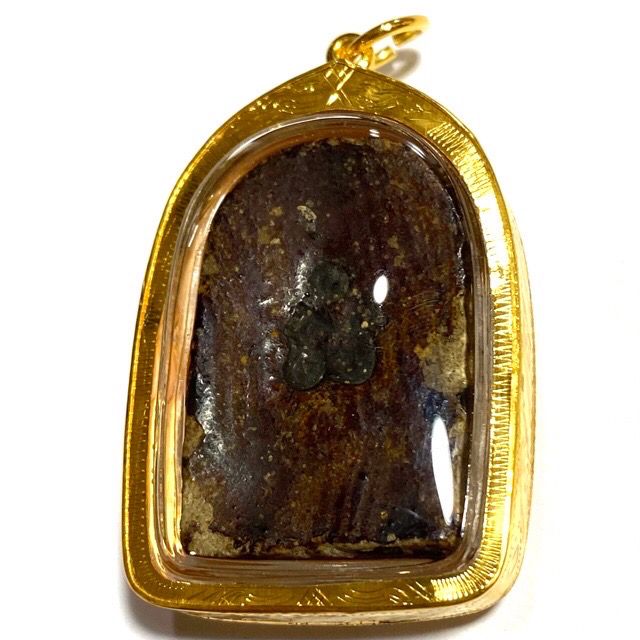
Pra Pong Rasamee Putta Chinarat 2475 BE Nuea Pong - Tan Jao Chuy Wat Sam Plerm
Pra Pong Rasamee Putta Chinarat 2475 BE Nuea Pong - Tan Jao Chuy Wat Sam Plerm
Free Express Shipping Worldwide
SKU 04785
$999
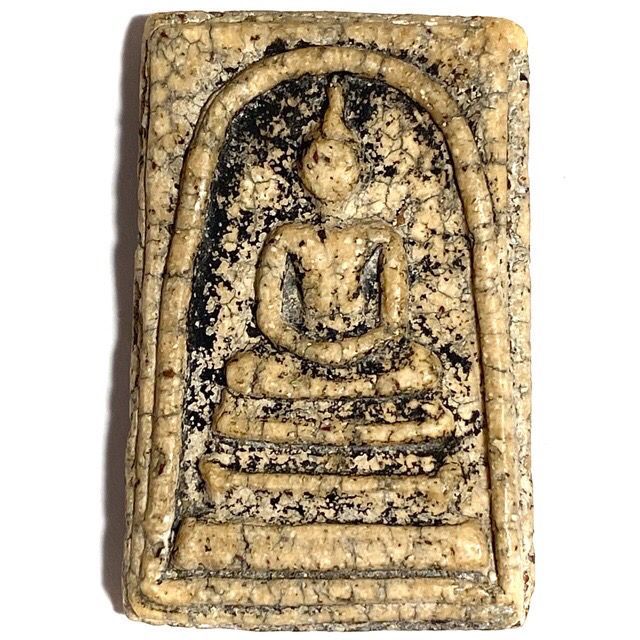
Pra Somdej Pim Gaes Jarot Sum Pim Gaes Iang Niyom Long Rak Chart Somodej Dto Wat Rakang Kositaram
Pra Somdej Pim Gaes Jarot Sum Pim Gaes Iang Niyom Long Rak Chart Somodej Dto Wat Rakang Kositaram
Free Shipping Worldwide (we do not state or declare true price to counter tarrifs tax on customers), & Offer of Free Solid Silver Casing Included
SKU 04783
$1,699
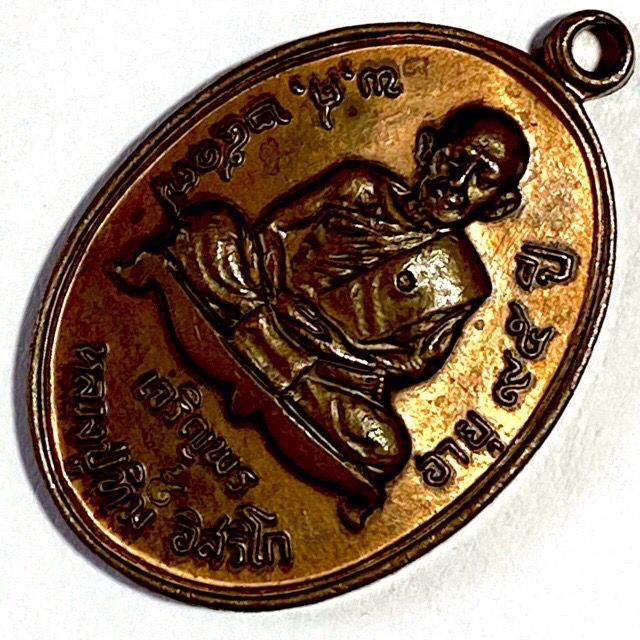
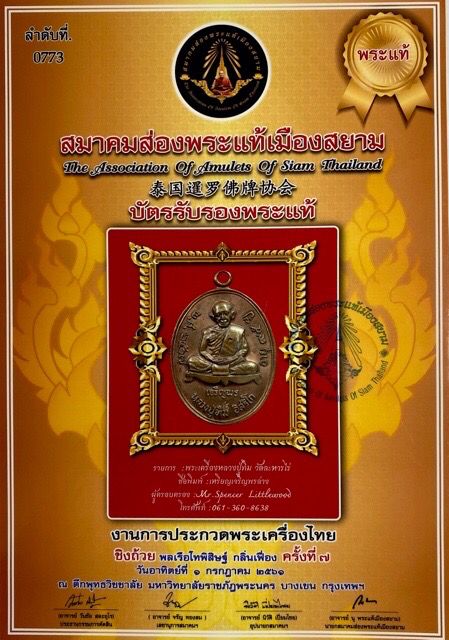
Rian Tong Daeng Jaroen Porn Lang (Rare Model) 2517 BE Code 9 Gammagarn & Certificate Luang Phu Tim
Rian Tong Daeng Jaroen Porn Lang (Rare Model) 2517 BE Code 9 Gammagarn & Certificate Luang Phu Tim
Free Shipping Worldwide & offer of Free Solid Silver Custom Casing
SKU 04782
$1,199
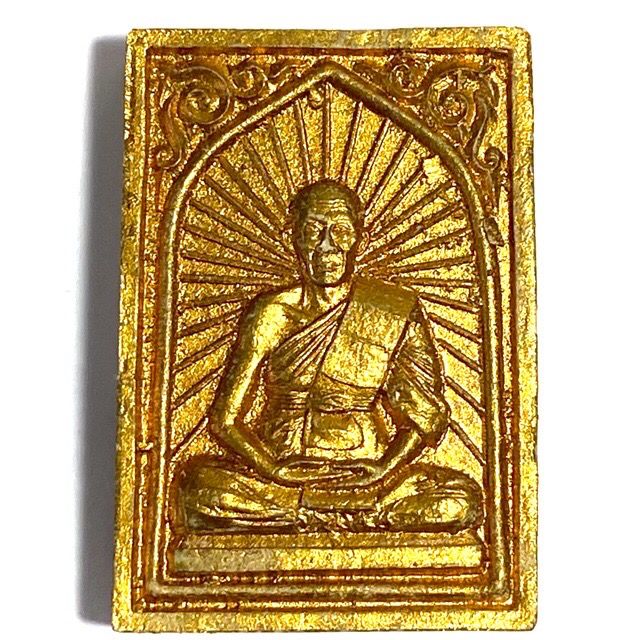
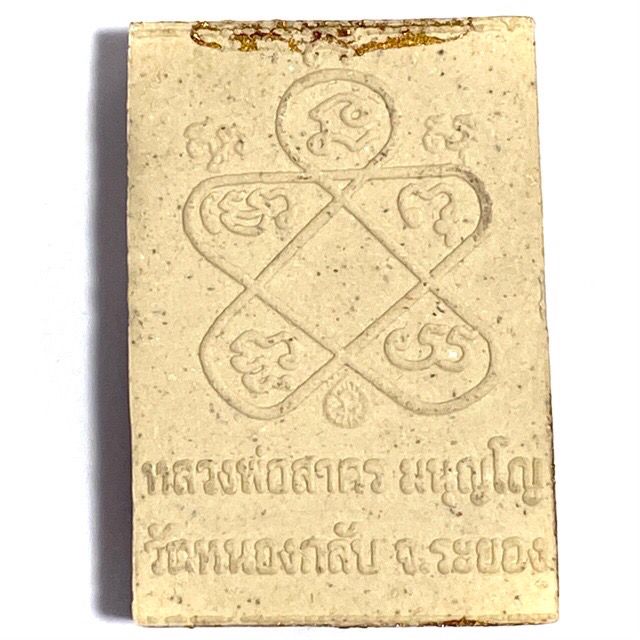

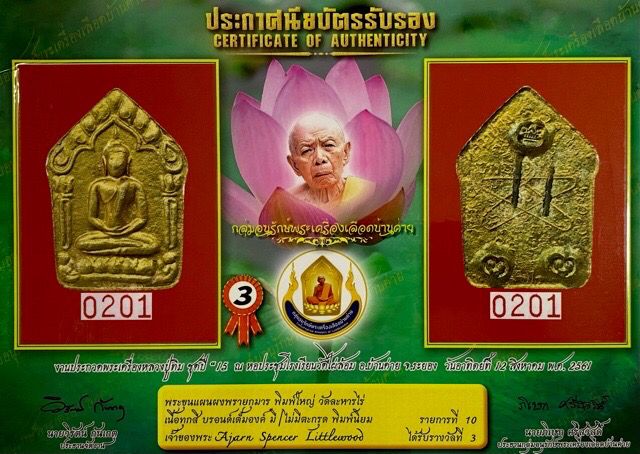
Khun Phaen Prai Kumarn Nuea Khaw Hniaw Sukh Ta Bronze 2 Takrut Sariga Code Sala Code 2 x Code 3 Gold - 3rd Prize Certificate Luang Phu Tim
Khun Phaen Prai Kumarn Nuea Khaw Hniaw Sukh Ta Bronze 2 Takrut Sariga Code Sala Code 2 x Code 3 Gold - 3rd Prize Certificate Luang Phu Tim
Free Express Shipping Worldwide
SKU 04779
$1,699
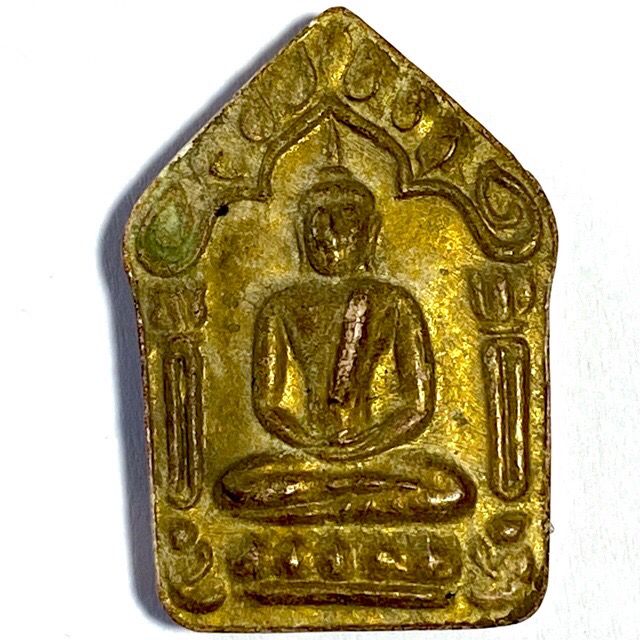
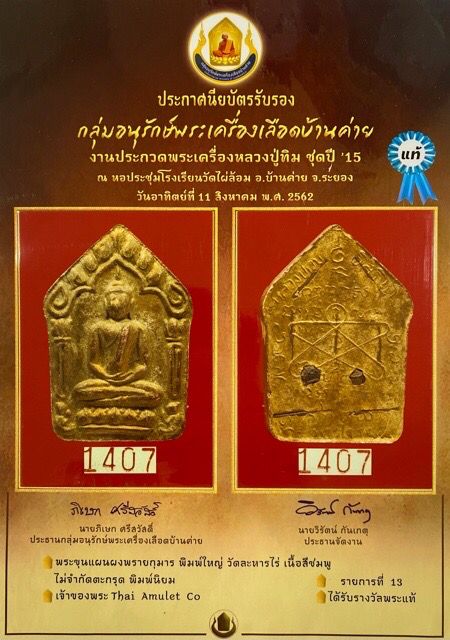
Khun Phaen Prai Kumarn 2515 BE Pim Yai Nuea Chompoo Ta Bronze 7 Takrut Sariga & 2 Chin Aathan With Certificate Luang Phu Tim
Khun Phaen Prai Kumarn 2515 BE Pim Yai Nuea Chompoo Ta Bronze 7 Takrut Sariga & 2 Chin Aathan With Certificate Luang Phu Tim
Express Shipping and offer of Free Solid Silver Casing Included
SKU 04778
$1,599
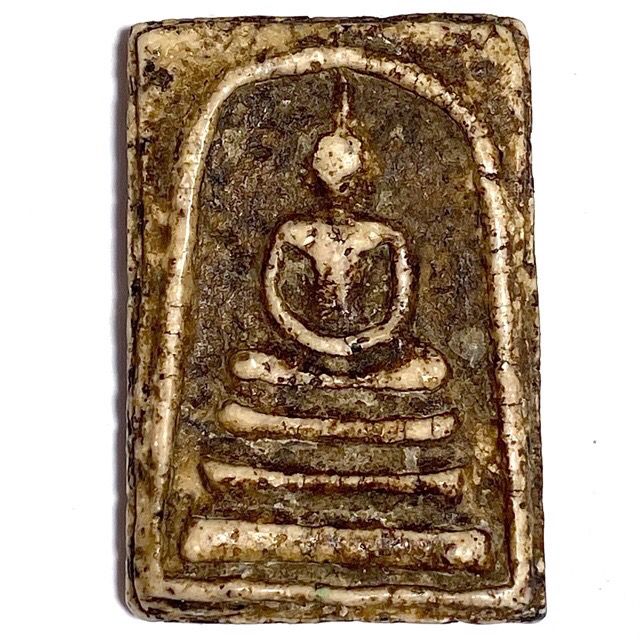
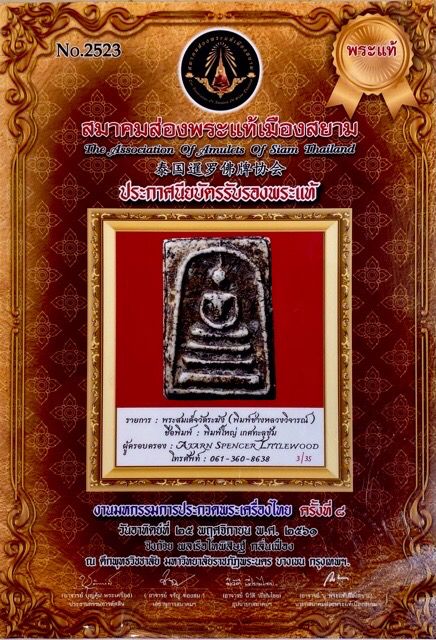
Somdej Long Rak Chart Pim Gaes Talu Sum Block Chang Luang Wijarn with Authenticity Certificate Somdej Dto Prohmrangsri Wat Rakang Kositaram
Somdej Long Rak Chart Pim Gaes Talu Sum Block Chang Luang Wijarn with Authenticity Certificate Somdej Dto Prohmrangsri Wat Rakang Kositaram
Free Express Shipping Worldwide, & Offer of Free Solid Silver Casing
SKU 04776
$1,499
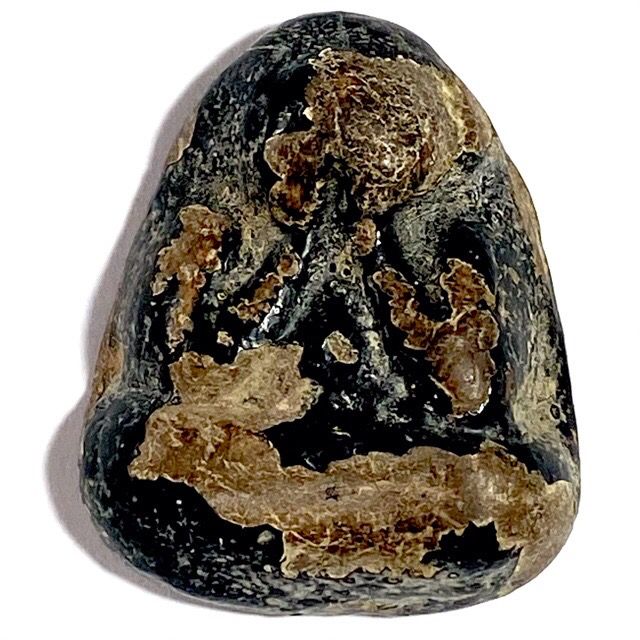
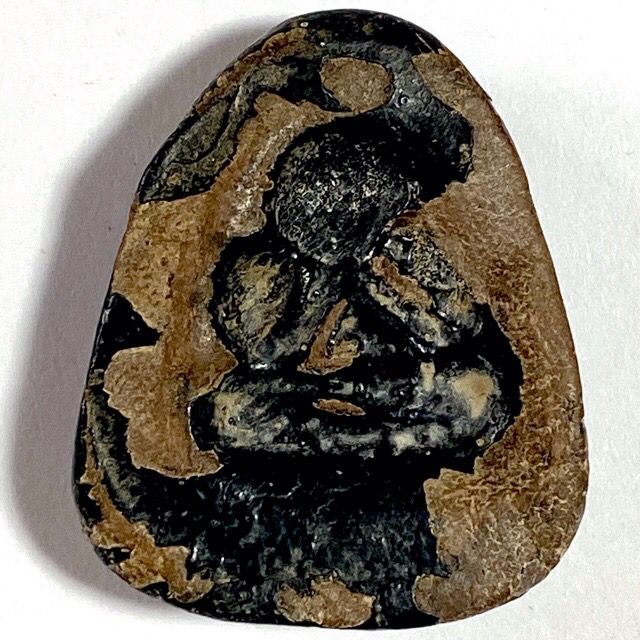
Pid Ta Hlang Baeb Nuea Pong Kala Jum Rak Pid Tong & Certificate Luang Phu Kaew Wat Kruea Wan
Pid Ta Hlang Baeb Nuea Pong Kala Jum Rak Pid Tong & Certificate Luang Phu Kaew Wat Kruea Wan
Free Express Shipping Worldwide Shipping & Offer of Free Solid Silver Casing
SKU 04775
$999
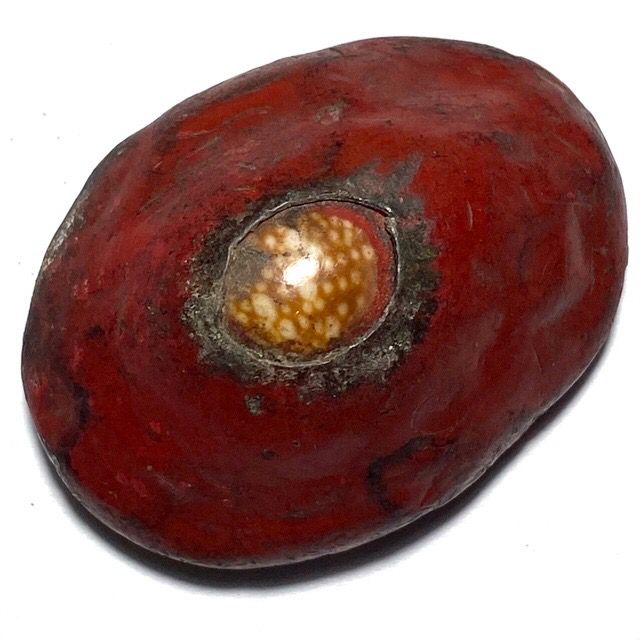
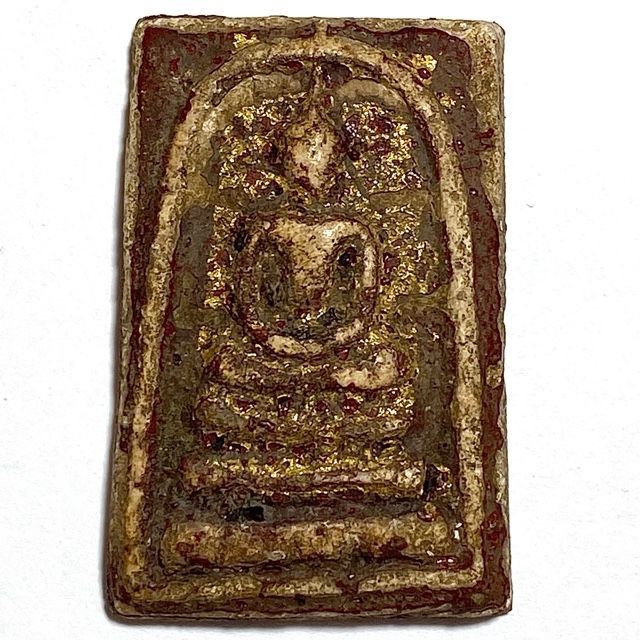
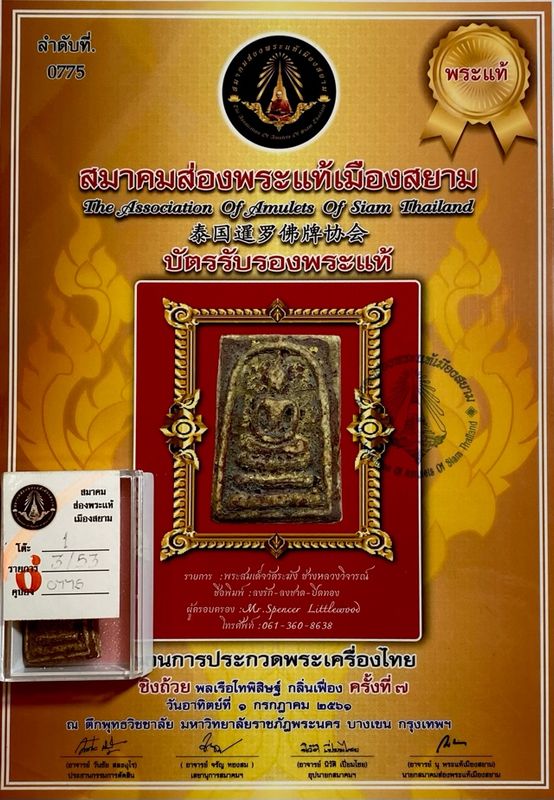
Pra Somdej Wat Rakang Long Rak Chart Pid Tong Red Lacquer Gold Leaf with Certificate - Somdej Pra Puttajarn Toh
Pra Somdej Wat Rakang Long Rak Chart Pid Tong Red Lacquer Gold Leaf with Certificate - Somdej Pra Puttajarn Toh
Free Express Shipping Wolrdwide & Offer of Free Solid Silver Casing if Desired.
SKU 04756
$1,499
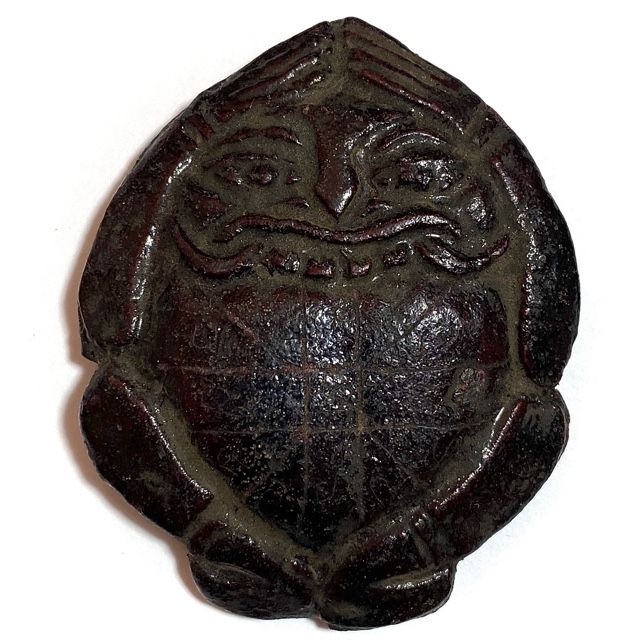
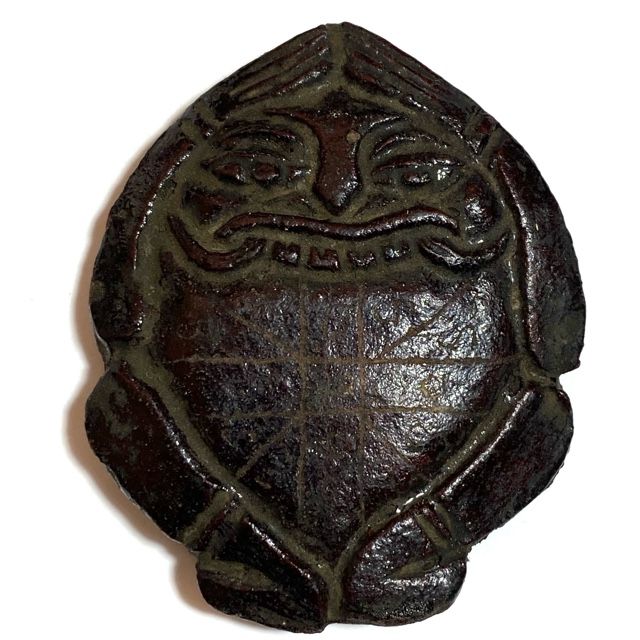
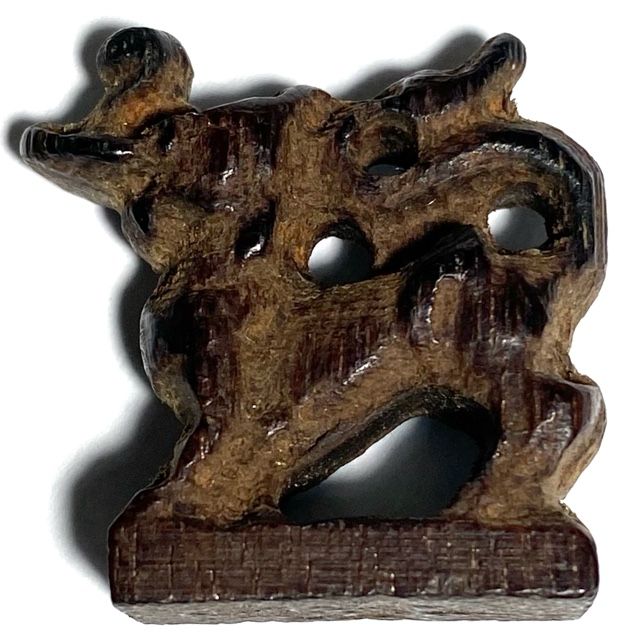
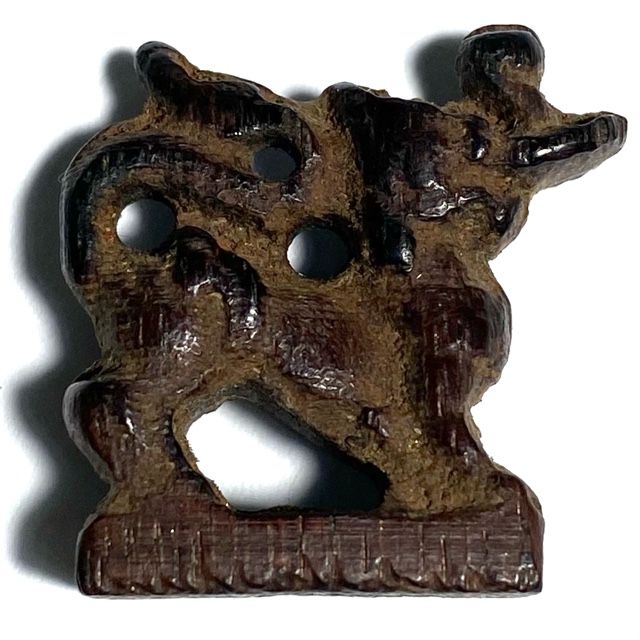
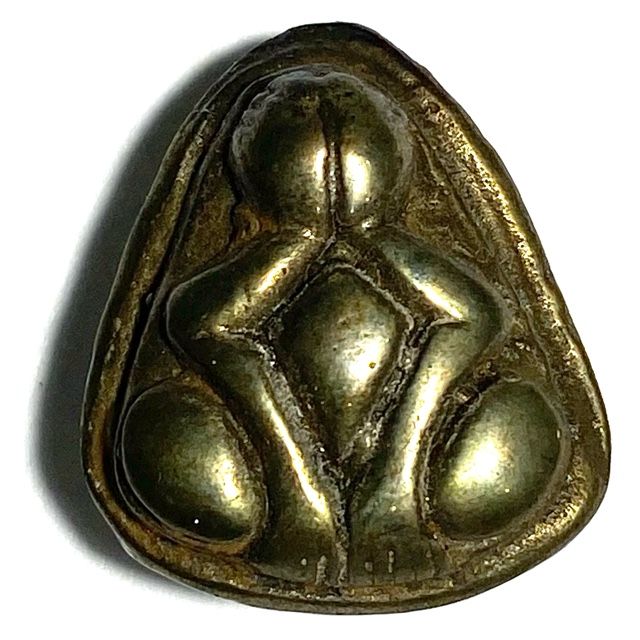
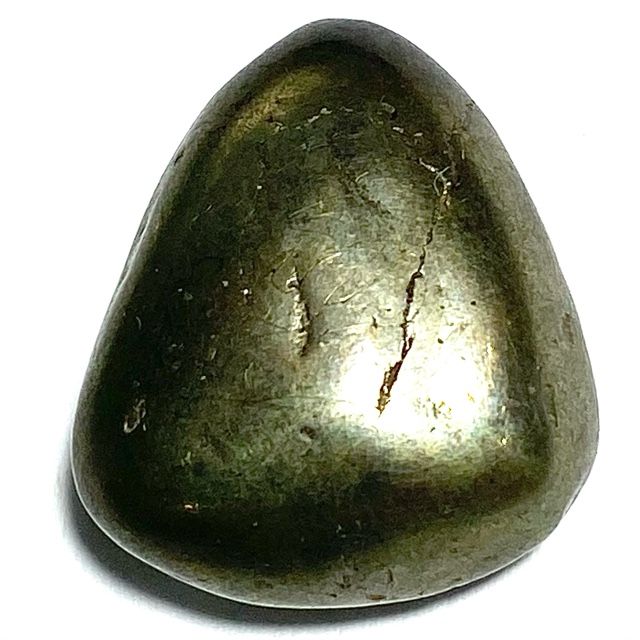
Pra Pid Ta Maekasit Pim Dtor Baeb Dtaeng Jarn Mer 2460 BE Luang Por Tap Wat Anong
Pra Pid Ta Maekasit Pim Dtor Baeb Dtaeng Jarn Mer 2460 BE Luang Por Tap Wat Anong
Free Express Shipping Worldwide
SKU 04750
$399
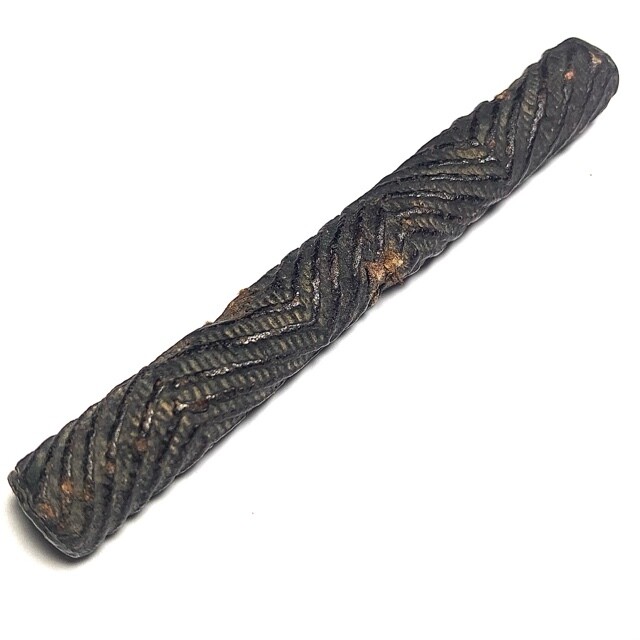
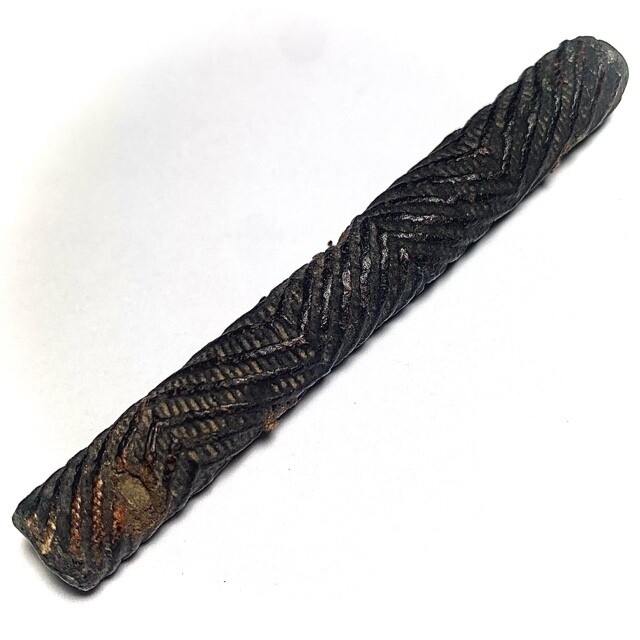
Takrut Maha Ud Nuea Dtakua Thak Chueak Lai Jorakhae Fan Khob 2460 BE Luang Phu Sukh Wat Pak Klong Makham Tao
Takrut Maha Ud Nuea Dtakua Thak Chueak Lai Jorakhae Fan Khob 2460 BE Luang Phu Sukh Wat Pak Klong Makham Tao
Free Express Shipping Worldwide & Offer of Free Solid Silver Custom Casing Included
SKU 04744
$999
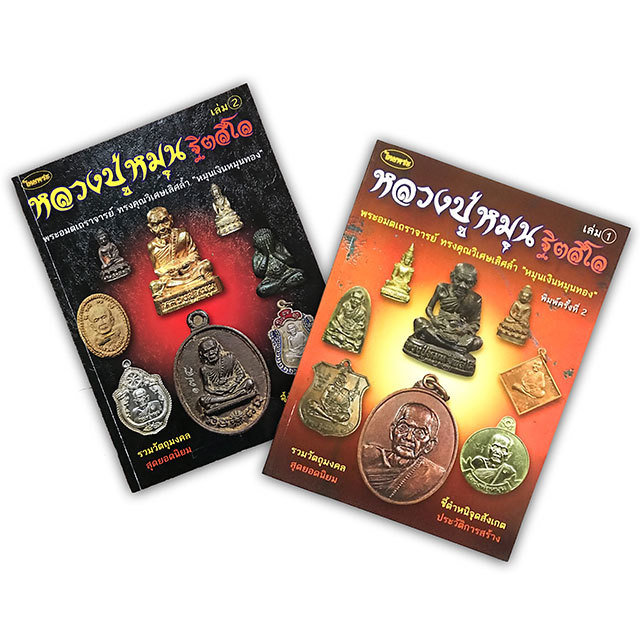
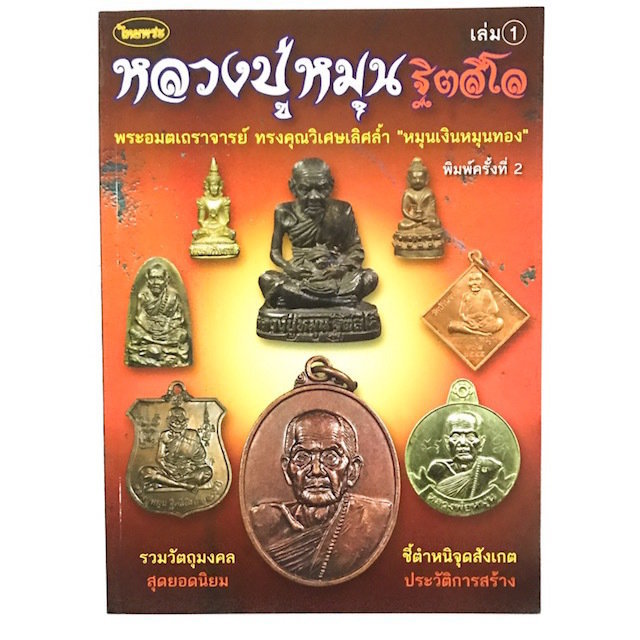
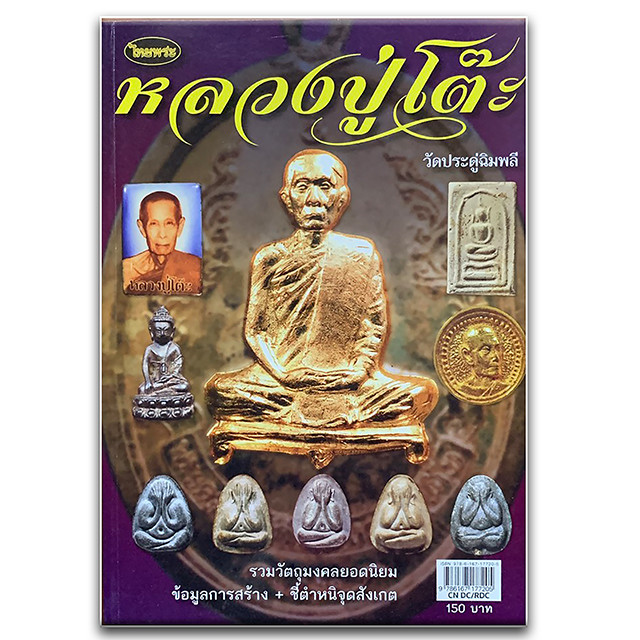
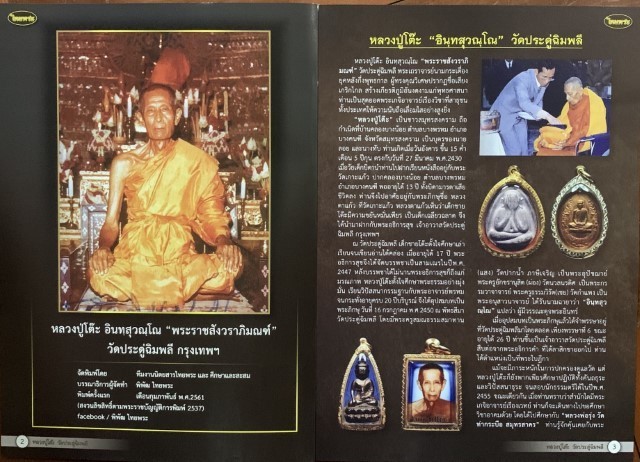
Amulets of Luang Phu Hmun Wat Ban Jan - 2 Volume Amulet Encyclopedias
Amulets of Luang Phu Hmun Wat Ban Jan - 2 Volume Amulet Encyclopedias
2 Volume PDF Ebook Collection (Digital Download)
SKU 04738
$9
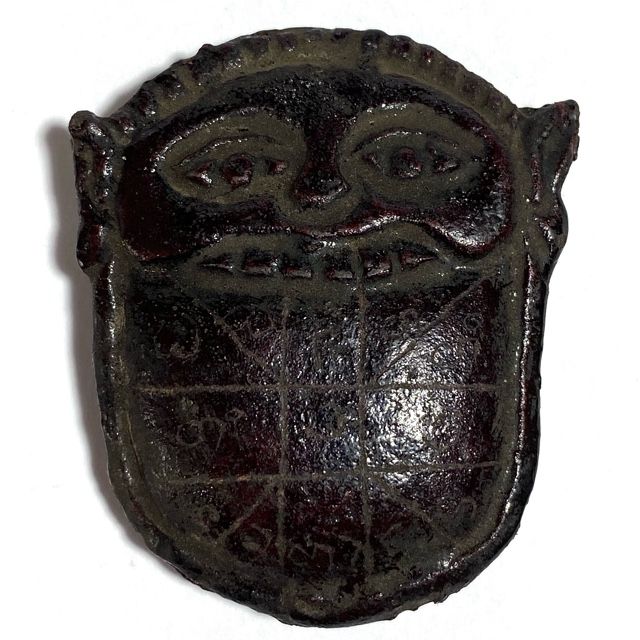
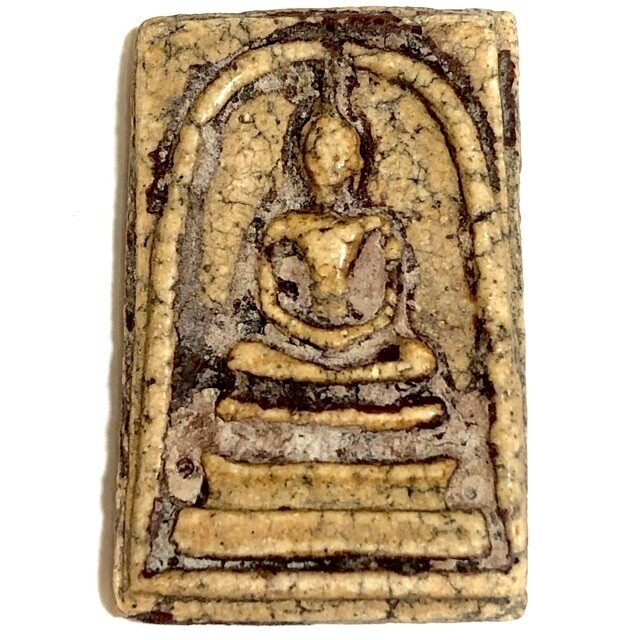
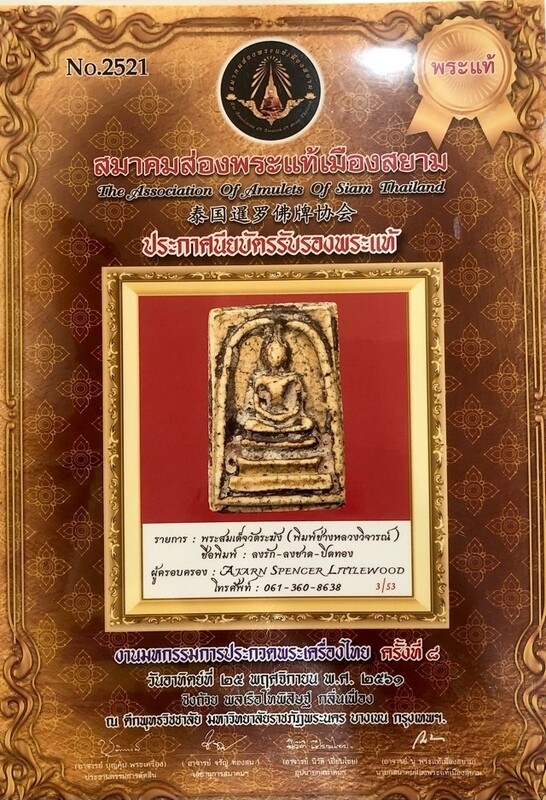
Somdej Long Rak Chart Pim Gaes Talu Sum Block Chang Luang Wijarn with Authenticity Certificate Somdej Dto Prohmrangsri Wat Rakang Kositaram
Somdej Long Rak Chart Pim Gaes Talu Sum Block Chang Luang Wijarn with Authenticity Certificate Somdej Dto Prohmrangsri Wat Rakang Kositaram
Free Express Shipping Worldwide, &Offer of Free Solid Silver Casing
SKU 04705
$1,499
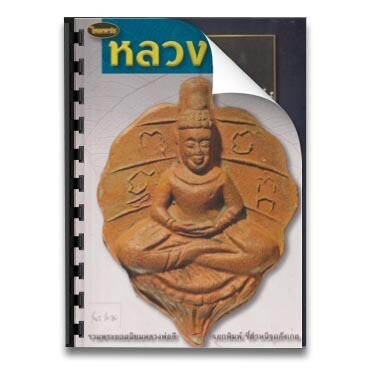
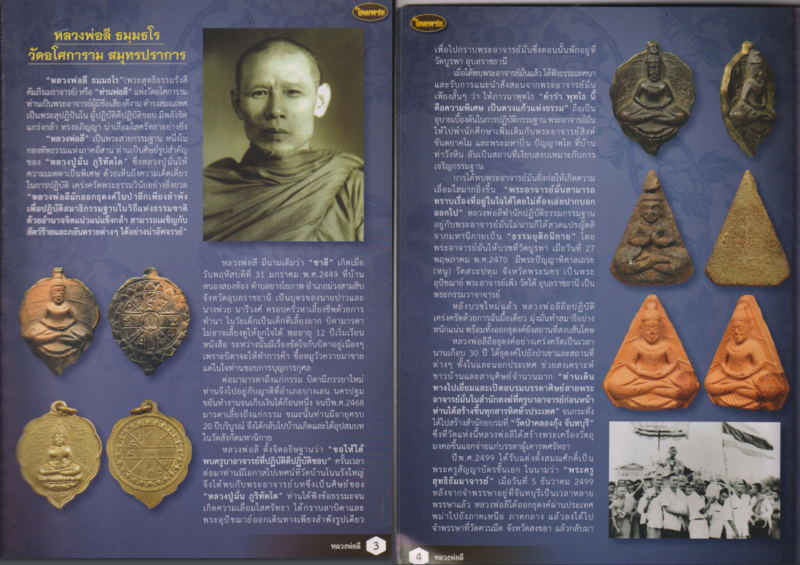
Amulets of Luang Por Lee Wat Asokaram Reference Study Encyclopedia
Amulets of Luang Por Lee Wat Asokaram Reference Study Encyclopedia
112 Page PDF E-Book (Digital Download)
SKU 04702
$4 or more