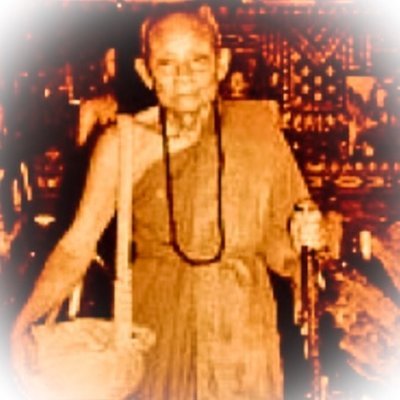
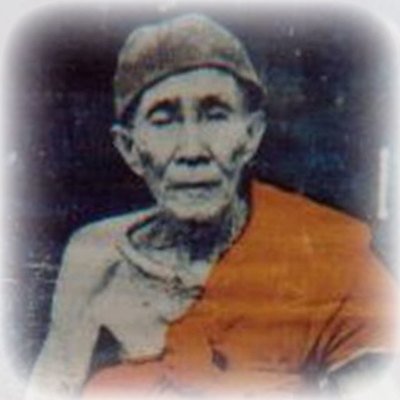
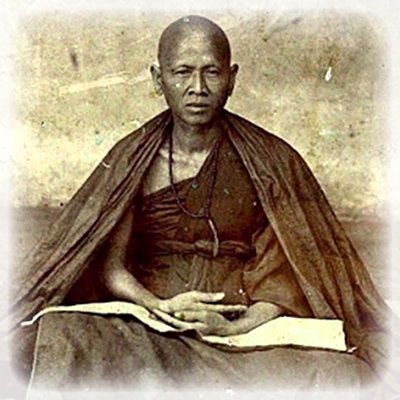
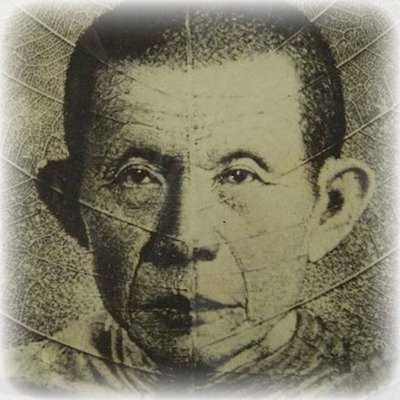
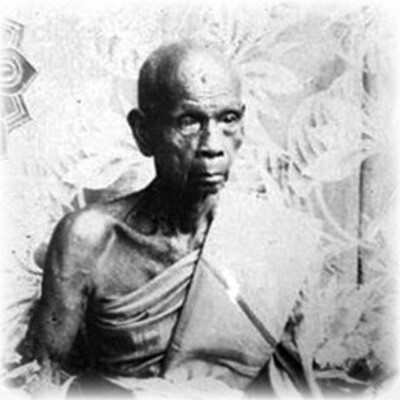
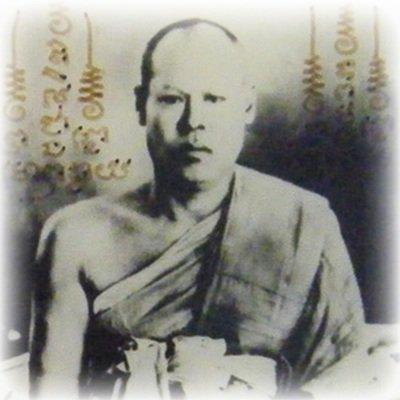
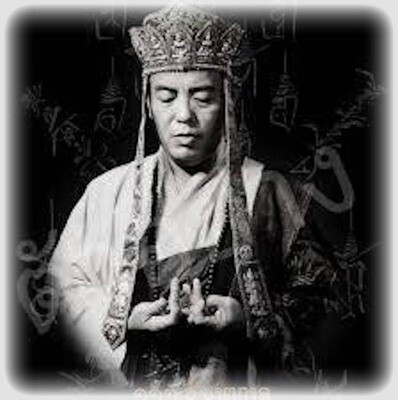
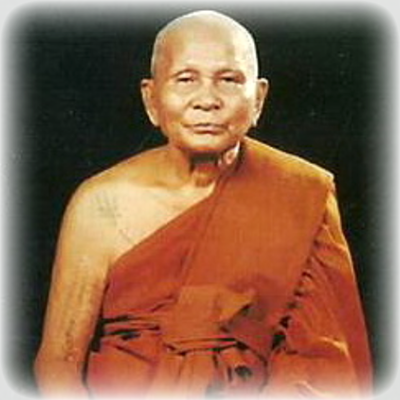
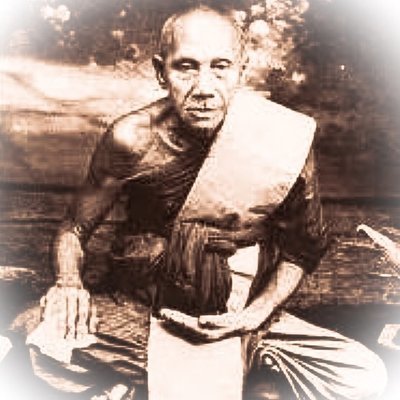
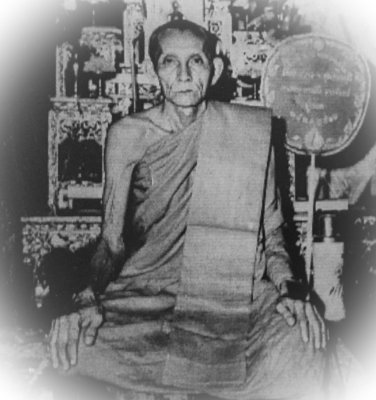
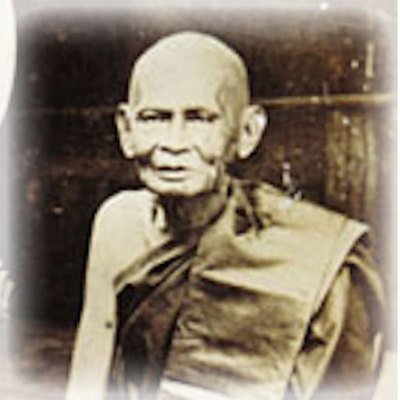
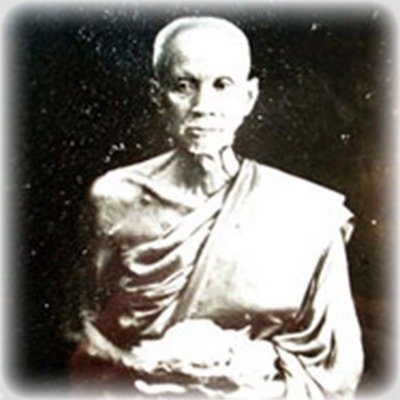
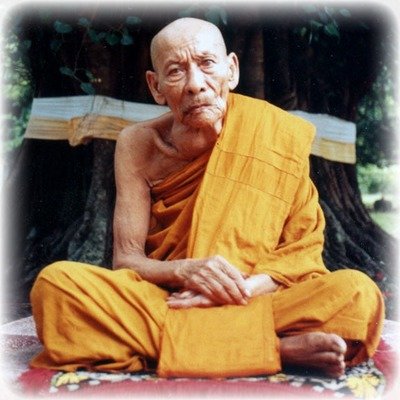
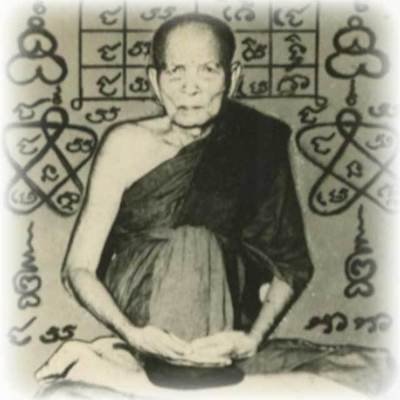
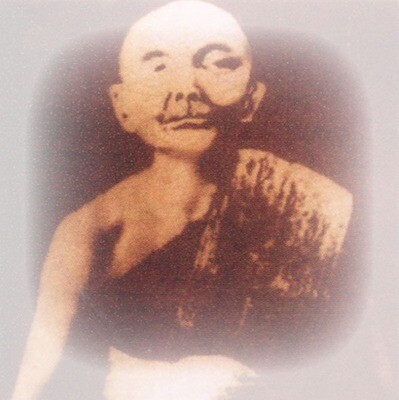
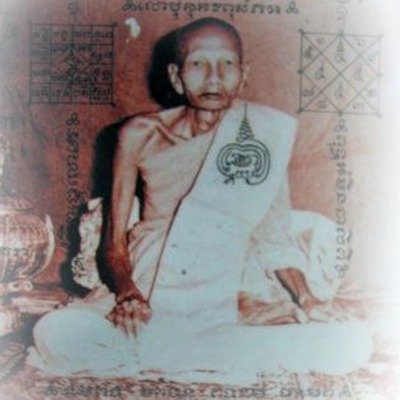
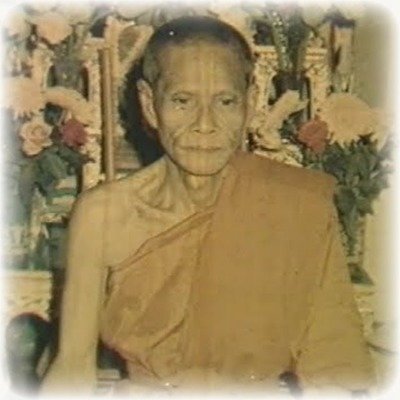
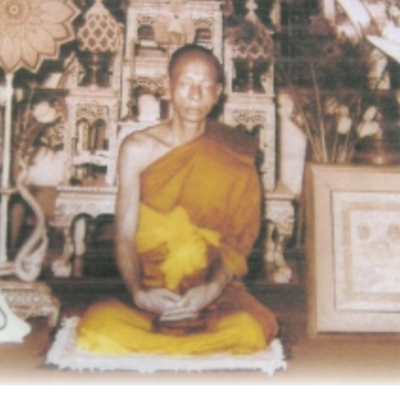
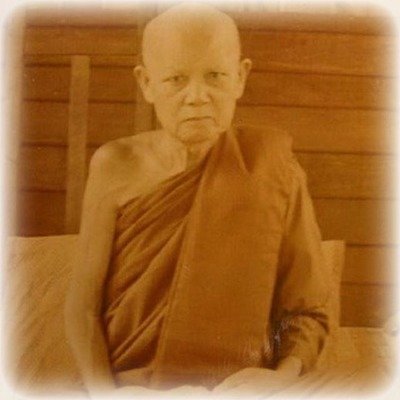
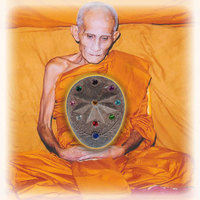
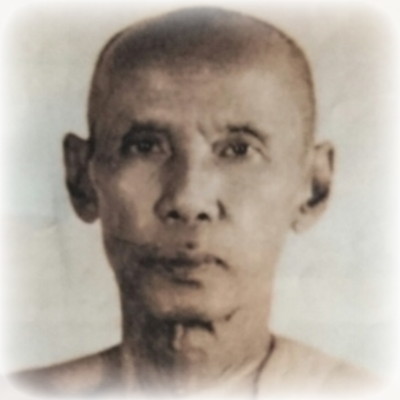
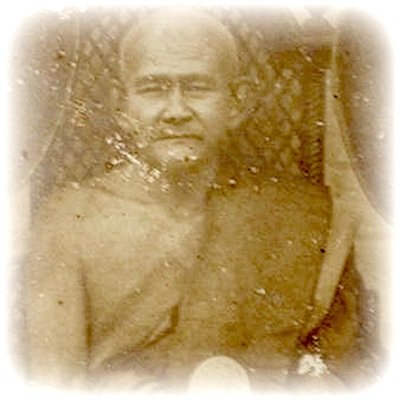
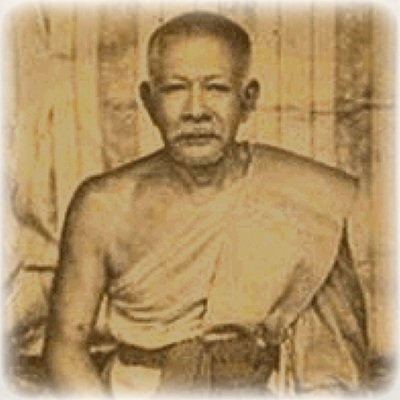
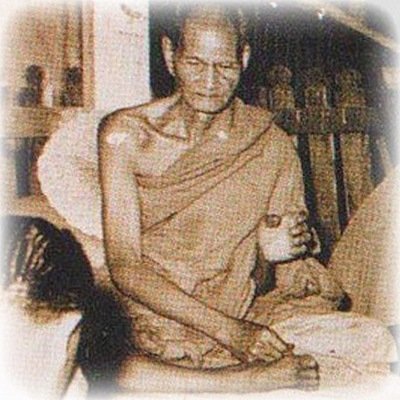
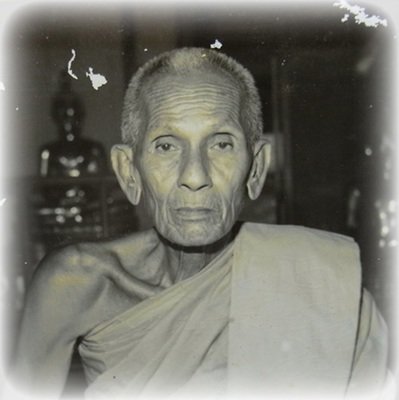
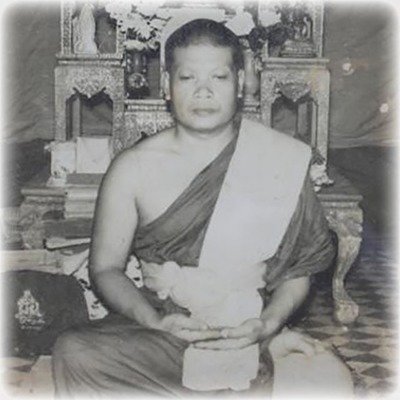
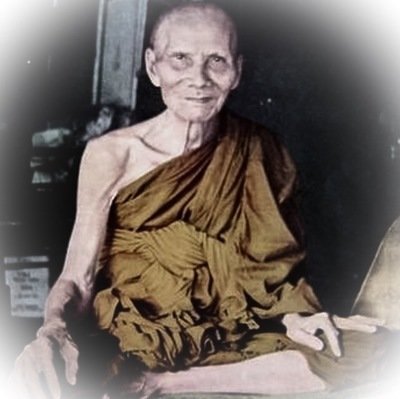
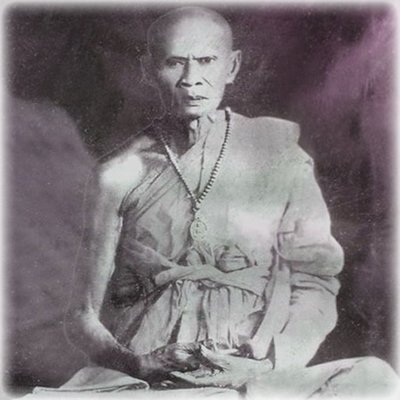
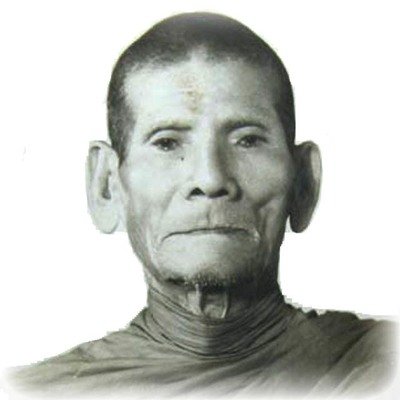
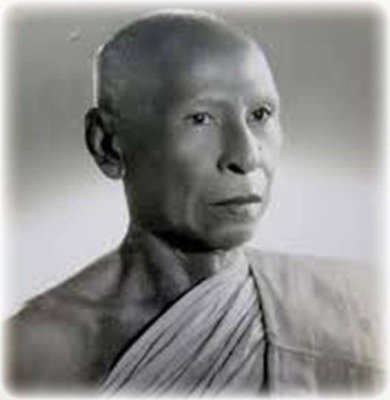
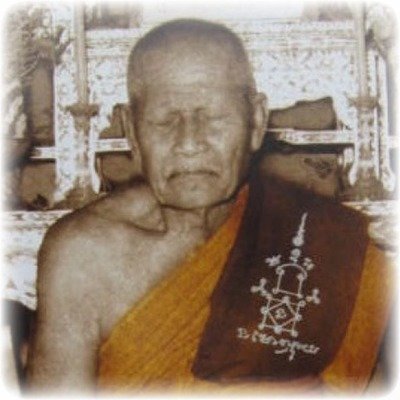
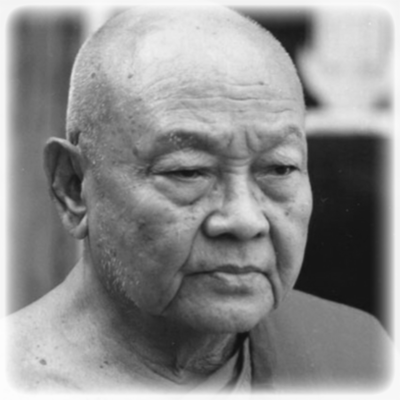
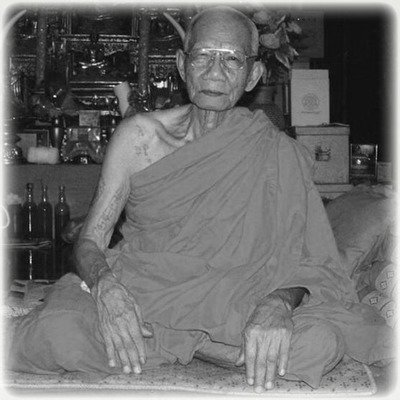
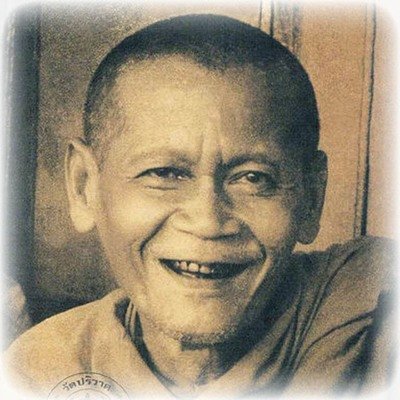
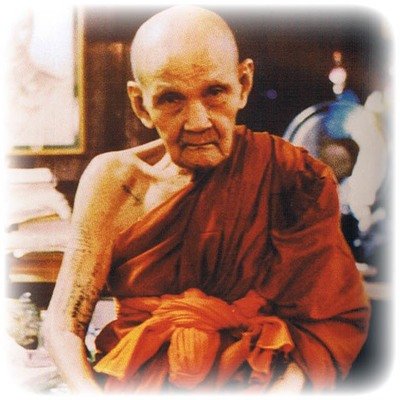
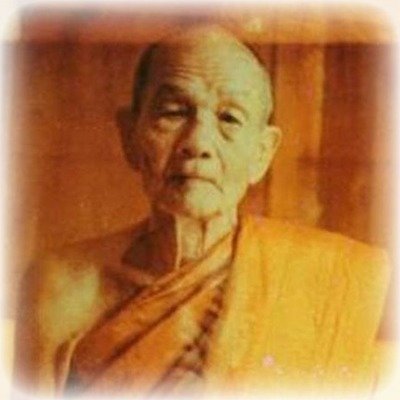
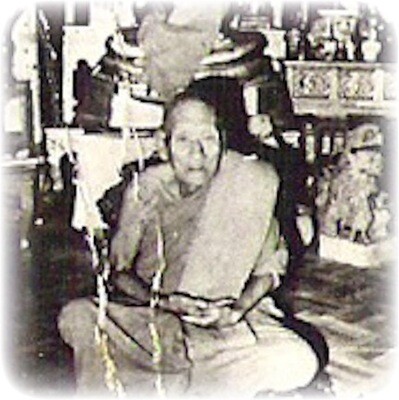
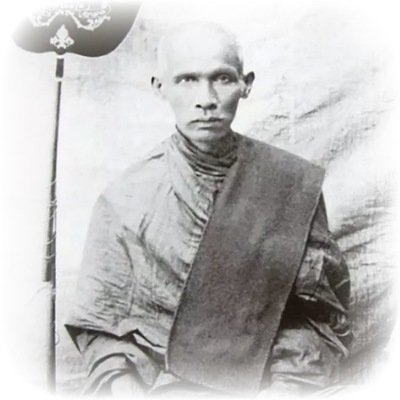
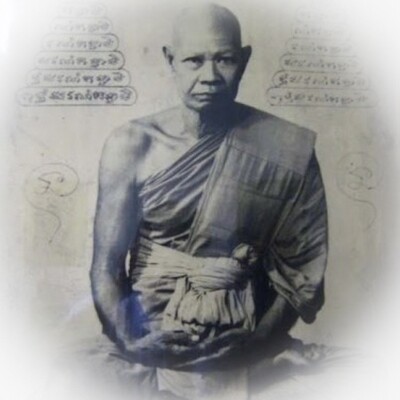
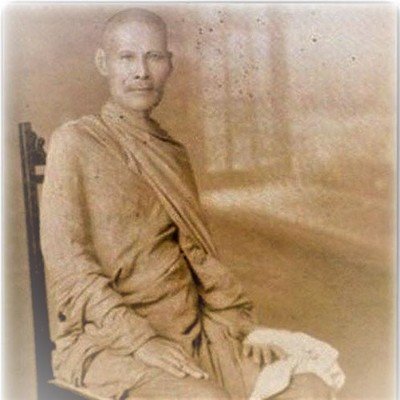
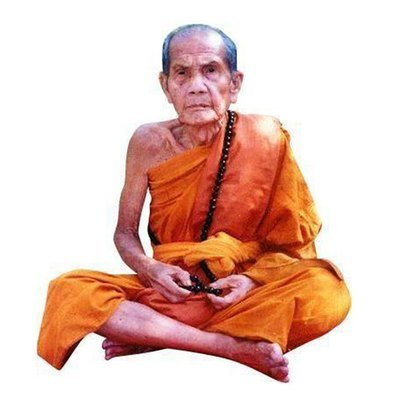
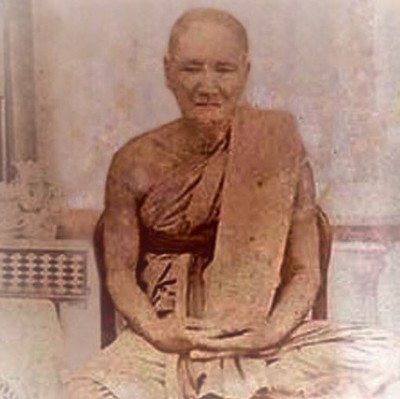
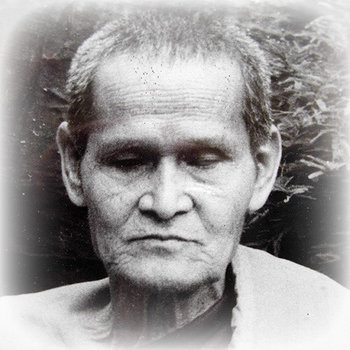
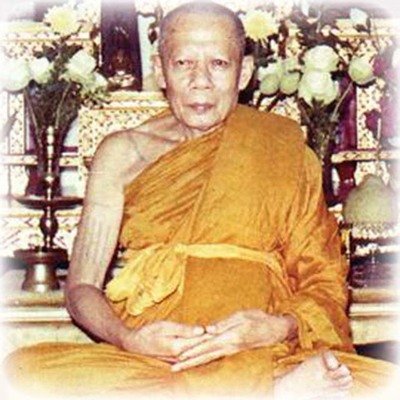
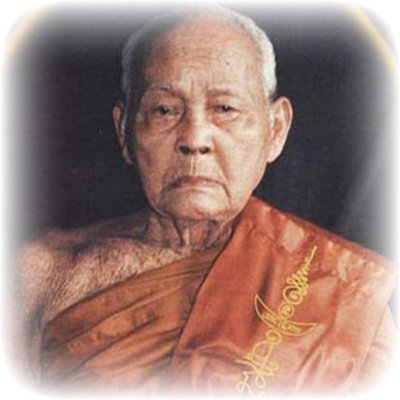
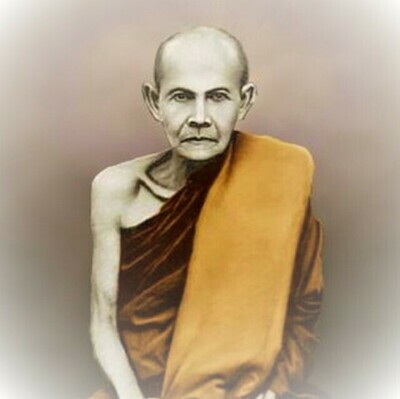
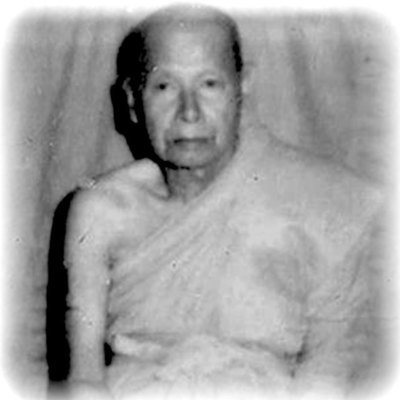
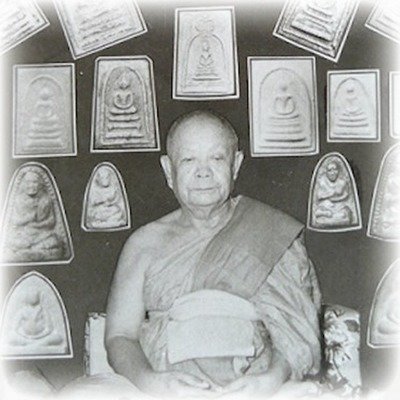
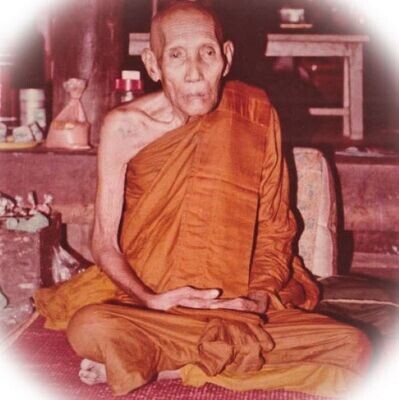
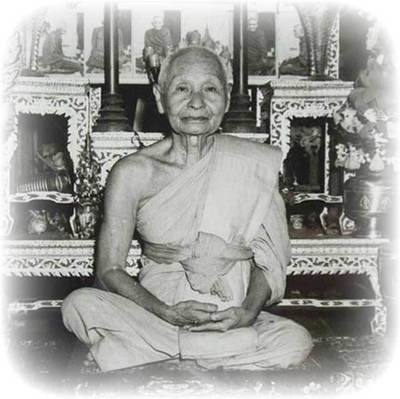
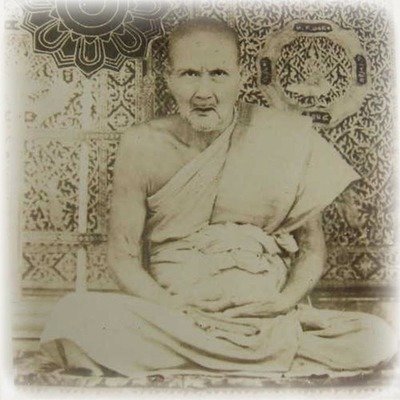
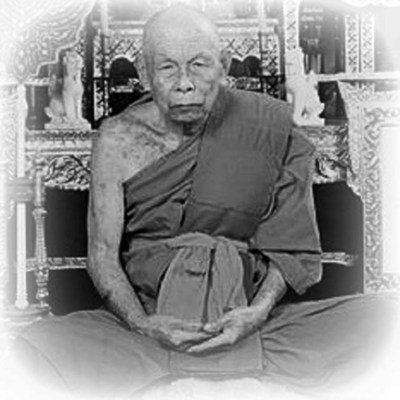
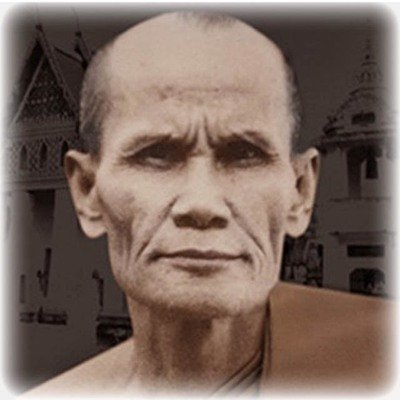
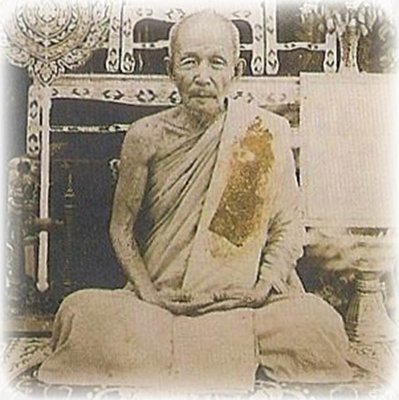
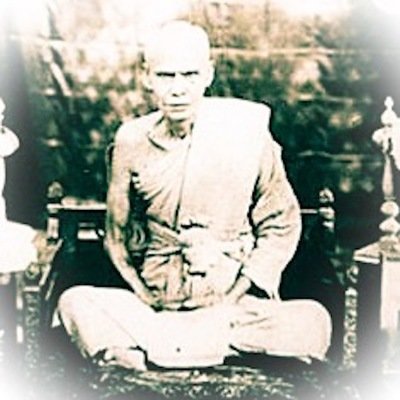
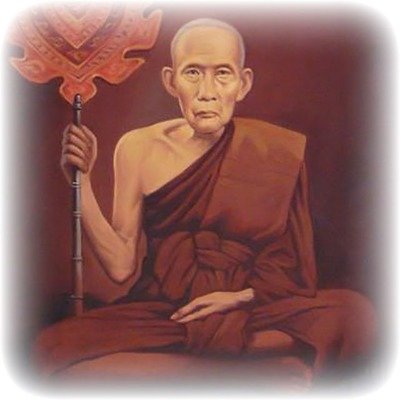
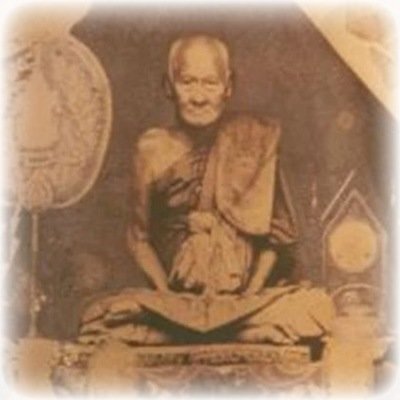
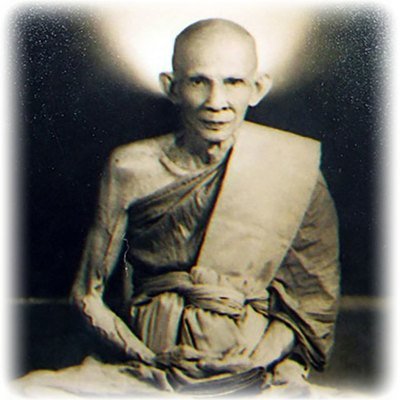
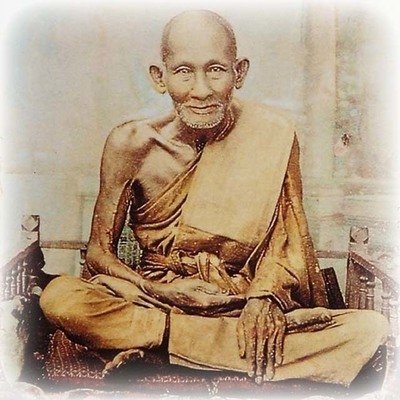
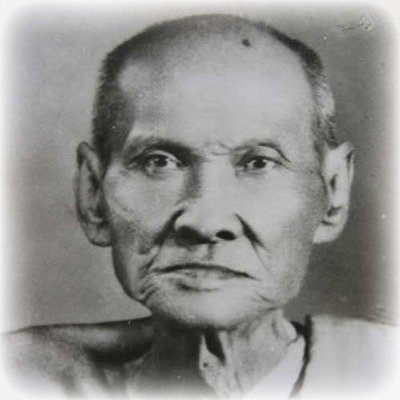
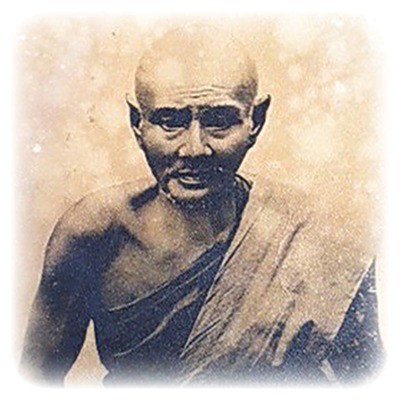
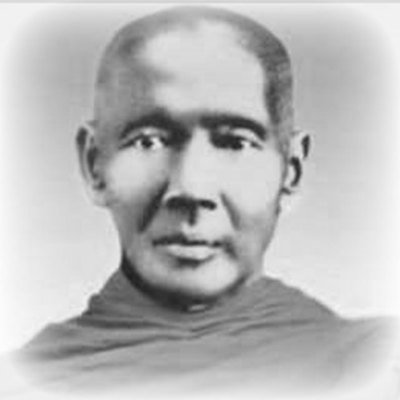
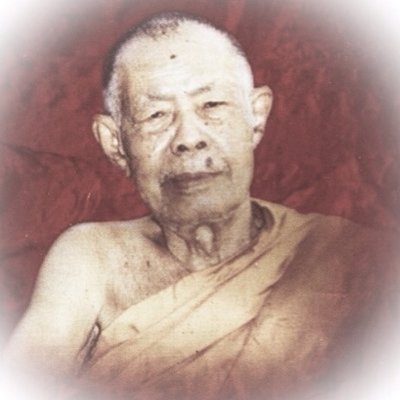
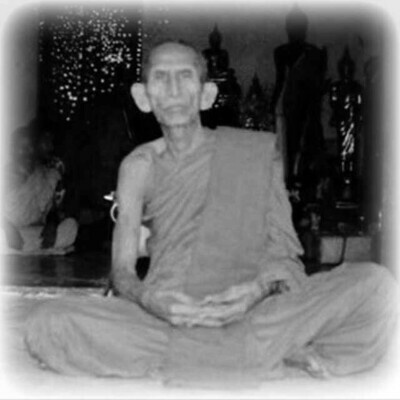
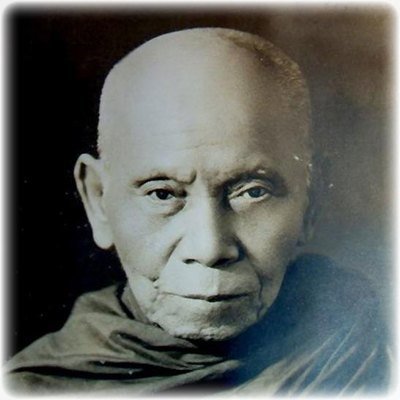
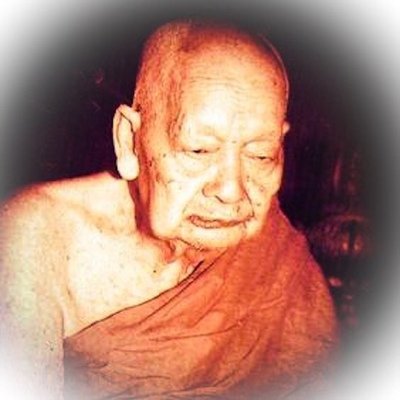
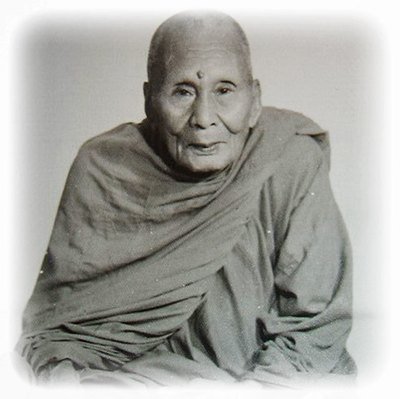
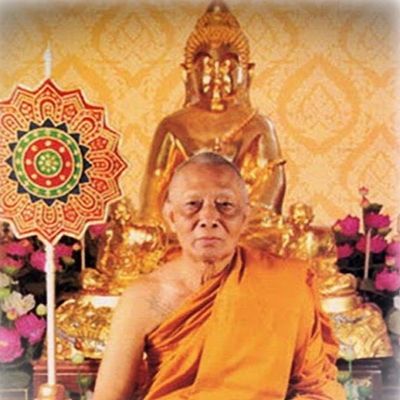
The Emergence of a Forest Saint: Luang Pu Fan Ajaro
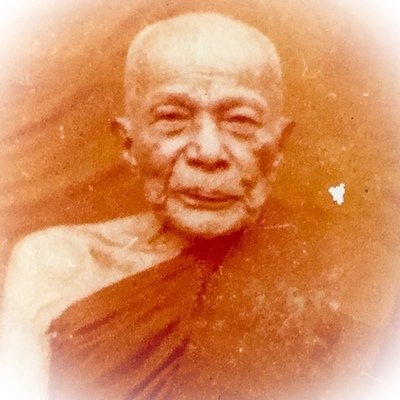
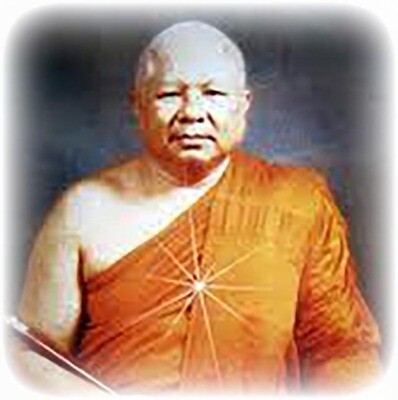
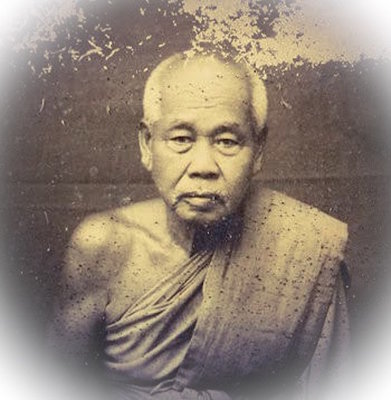
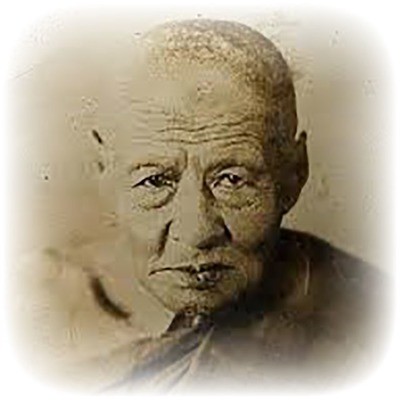
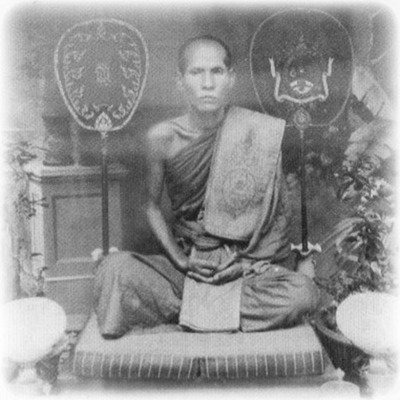
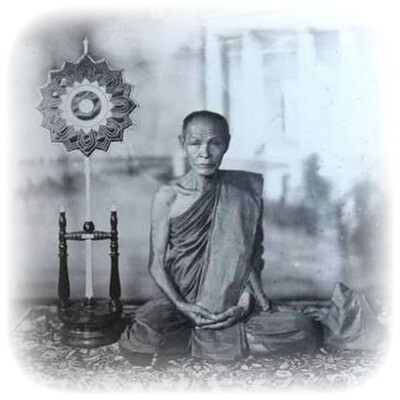
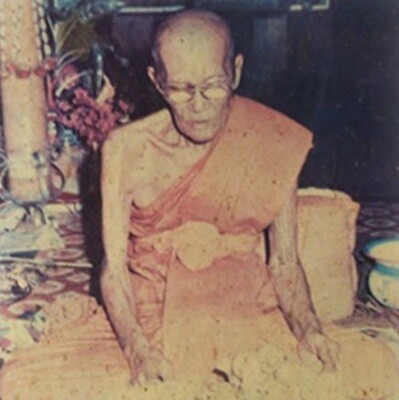
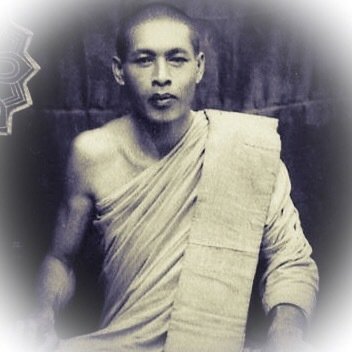
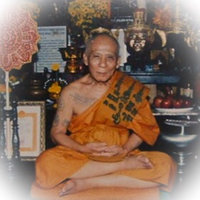
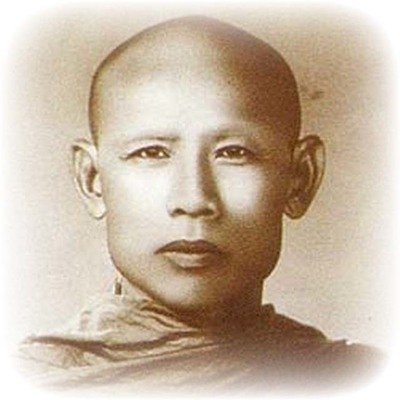
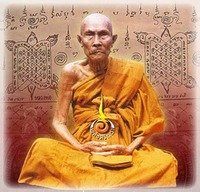
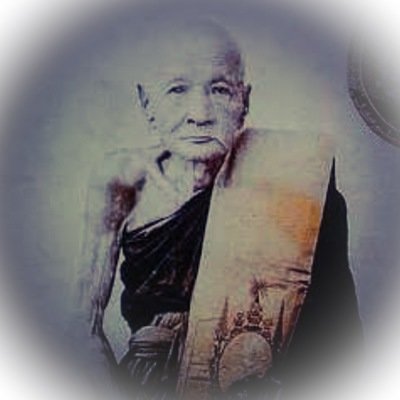
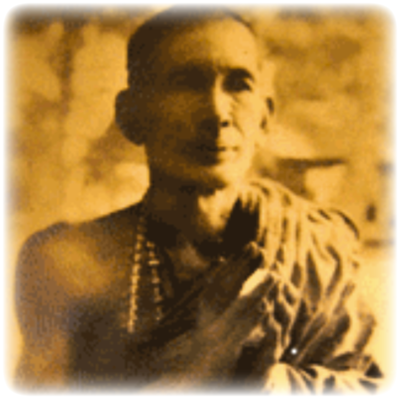
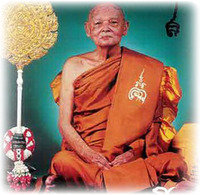
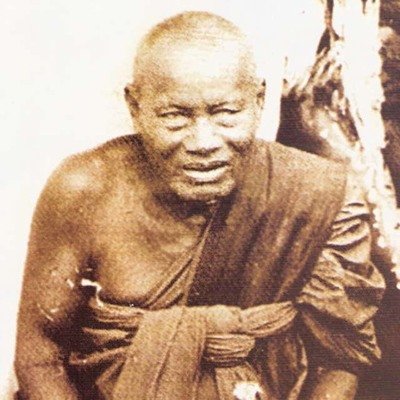
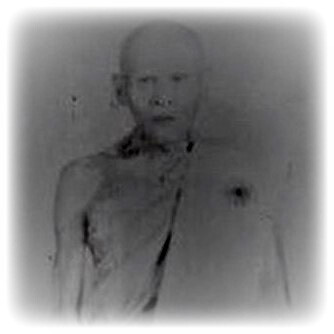
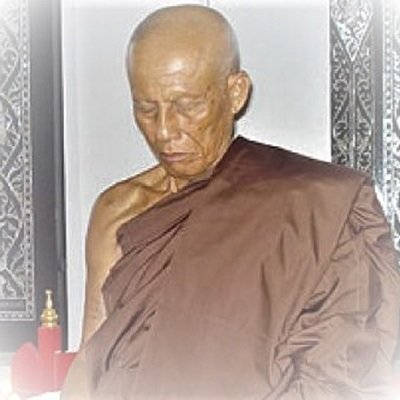
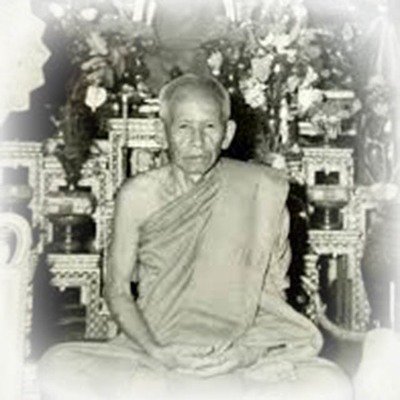
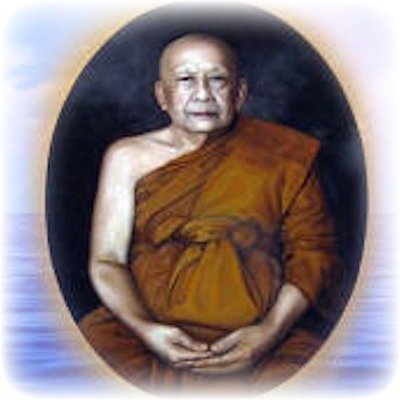
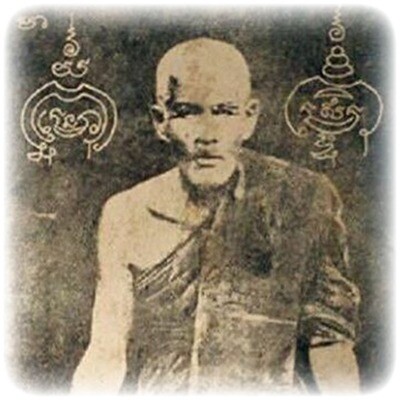
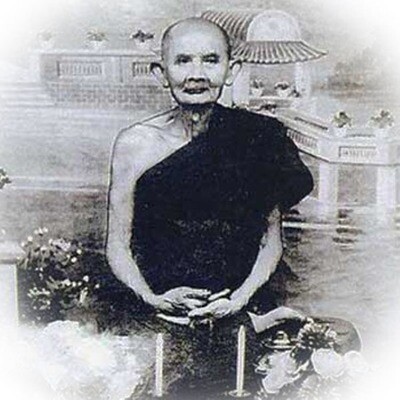
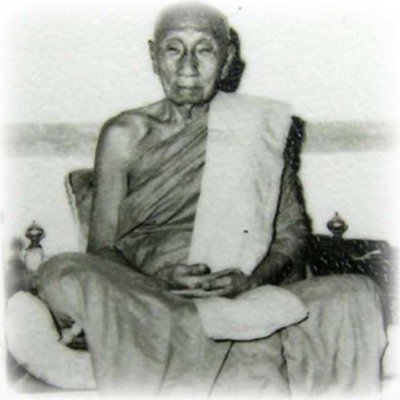
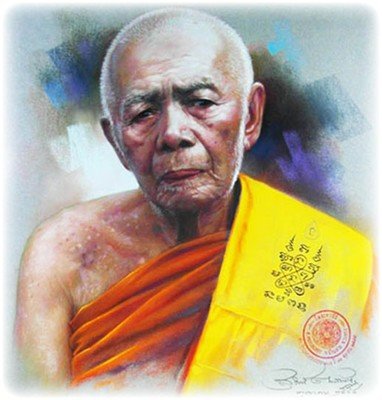
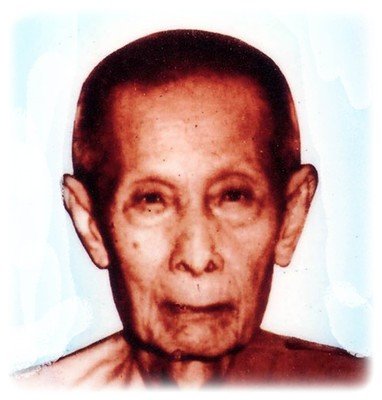
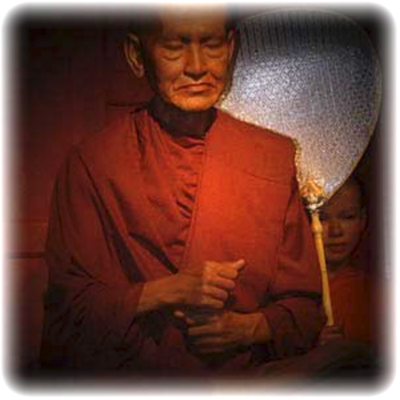
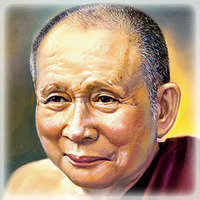
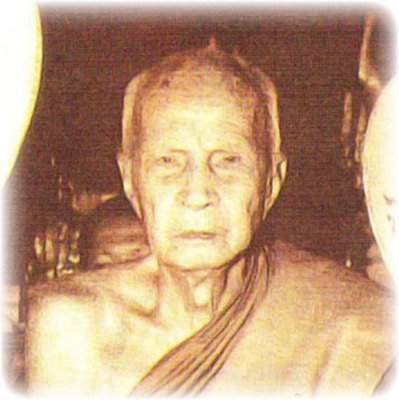
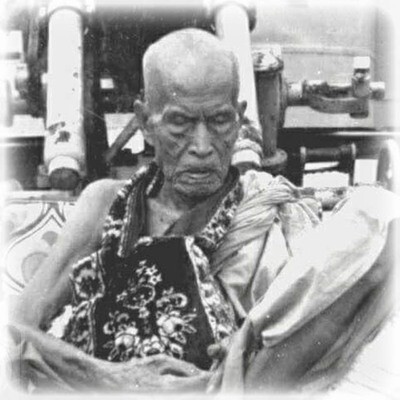
I recount the luminous history of Luāṅ Pū Fan Āchārō, a name that resonates with profound spiritual power and unconditioned mercy across the landscape of the Thai Forest Tradition. He was born as Fan Nāmsrī on the twentieth day of August in the year eighteen hundred and ninety‑nine within the humble village of Bān Mūaṅ Khāi in the province of Sakhon Nakhon. Historical records show that his parents, Nai Suwan and Nāṅ Thummā, were diligent farmers who instilled in him the virtues of the Īsān people: honesty, perseverance, and a deep‑rooted reverence for the natural world. Even in his youth, Fan displayed extraordinary vigor; he was reputed for his physical strength and a heart that naturally gravitated toward the protection of the impoverished. After completing his primary schooling, he sensed that the ordinary pursuits of village life could not answer the ultimate problem of suffering. At the age of twenty‑two he entered the monkhood, receiving full ordination in 1921 at Wat Sitthibangkhom. The abbot bestowed upon him the monastic title Āchārō, meaning “one who is established in beautiful conduct,” a fitting appellation for a disciple destined to become a cornerstone of the forest lineage.
His first years as a novice were spent back in his native hamlet, where he mastered the foundational Vinaya, learned the basics of meditation, and cultivated the simple virtues required of a monk. Yet the true metamorphosis of his path commenced when he reached the age of twenty‑eight and encountered the venerable Luāṅ Pū Mun Bhūridattō. In 1925, after a pilgrimage to Wat Pā Sapphanyū, Fan prostrated before the master, who was already celebrated as the progenitor of the modern Thai Forest Tradition. Mun, recognizing the latent potential in his young disciple, offered him the direct essence of the Dhamma: a teaching that placed mindfulness, concentration, and equanimity at the very core of practice, and that demanded an uncompromising willingness to abandon all worldly comforts. The encounter was more than a formal teacher‑student relationship; it was a spark that ignited a life of profound solitude, relentless practice, and ascetic rigor within the deep jungles of Thailand.
Dhutanga, the austere “wandering ascetic” practices that form the backbone of the forest way, became the crucible in which Luāṅ Pū Fan’s spiritual qualities were forged. Under Mun’s guidance he embraced the six classic dhutanga practices: dwelling in the forest (khieow‑phīwit‑tiratana), living on alms alone (pindapata), sleeping under a tree (kacchā‑sīma), wearing rag‑robes (pāsa‑kaw‑pat), undertaking a single‑day fast (sīla‑pīṭaka), and serving as a non‑attachment “medic” who treats all beings without expectation of reward. In the seclusion of the Phu Phan mountains, he would rise before dawn, follow the thin scent of incense from distant shrines, and spend the daylight in sitting meditation, walking meditation, and mindful labor such as gathering firewood or building a simple shelter. Nights were often spent in a simple mat in the open, listening to the chorus of nocturnal insects; the cold of the monsoon season hardened his resolve, while the sweltering heat of the dry season taught him patience. Over the course of ten years, Fan’s practice grew increasingly refined: his mindfulness was said to be so steady that even the slightest ripple of a leaf could be noted without disturbing his equanimity, and the depth of his concentration reportedly allowed him to perceive the impermanent nature of thoughts before they fully formed.
The relationship with Ajahn Mun is a focal point not only in the biography of Luāṅ Pū Fan but also in the wider historiography of the Thai Forest Tradition. Mun, who had himself spent decades wandering solo in remote jungles, recognized in Fan a disciple whose physical vigor could sustain the rigors of dhutanga, and whose compassionate heart could balance the solitary intensity of asceticism with the compassionate activity required of a Buddhist monk. Their dialogue, recorded by several of their later disciples, often revolved around the practical application of the Four Foundations of Mindfulness (satipaṭṭhāna) in a wilderness setting. Mun would ask Fan to observe directly how the breath changed when the wind howled through the canopy, or how the mind responded to the sudden shock of a snake crossing a path. In turn, Fan would challenge his teacher to examine the subtle emotions that arise when one is forced to rely entirely on the generosity of lay supporters. This exchange deepened both teachers’ understanding of the integration of sila (morality), samādhi (concentration), and paññā (wisdom) in a context far removed from the comforts of a monastic complex.
Beyond his personal practice, Luāṅ Pū Fan emerged as a pivotal mentor to the next generation of forest monks. After returning briefly to the ordained community of Sakhon Nakhon in 1935, he founded a modest hermitage known as Wat Phra Dhamma Pā. The site, situated on a limestone hill overlooking a seasonal river, attracted a handful of earnest young men eager to test themselves in the forest way. Among them were monks who would later become prominent teachers: Luāṅ Pū Bhum Phussadevi, who later founded the “Silapak” line in the northeast; Luāṅ Pū Charoen, who established the internationally known Wat Pa Tham Krasae community; and Luāṅ Pū Sakda, a noted meditation master whose commentaries on the Visuddhimagga are still consulted today. Fan’s teaching style combined the stark directness he had received from Mun with a deep compassion for the material and emotional hardships his disciples faced. He emphasized the necessity of strict vinaya observance, yet also taught that the ultimate aim of the dhutanga life was liberation, not merely the accumulation of hardships. This balance made his hermitage a fertile ground for growth, producing a lineage that would spread the forest tradition from the Isan plains to the bustling streets of Bangkok and eventually to the West.
The influence of Luāṅ Pū Fan’s mentorship can be traced through several distinct phases. In the immediate post‑World War II period, many rural monastics were drawn to the forest tradition as a means of spiritual renewal after a time of national upheaval. Fan’s hermitage became a sanctuary for those seeking pure practice, and his instruction on “mindful eating” and “walking meditation as an offering to the forest” was systematized into a curriculum that his senior disciples later taught abroad. By the 1960s, his students were establishing new forest monasteries in the remote districts of Ubon Ratchathani and Chiang Mai, each carrying forward his emphasis on simplicity, environmental stewardship, and the cultivation of loving‑kindness toward all sentient beings. The 1970s saw a wave of Western seekers traveling to Thailand, many of whom were introduced to the forest way through temples that traced their lineage directly to Fan. Notably, the first English‑language translation of “The Path of Pure Insight” (a collection of talks recorded by Fan’s disciple Bhum Phussadevi) was published in 1983, further solidifying Fan’s indirect yet powerful role in the global diffusion of the Thai Forest Tradition.

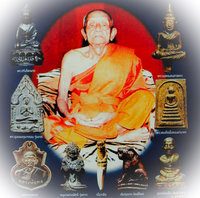
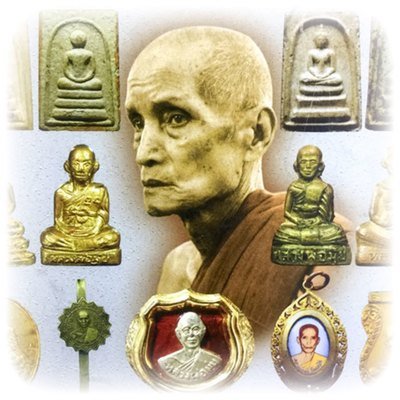
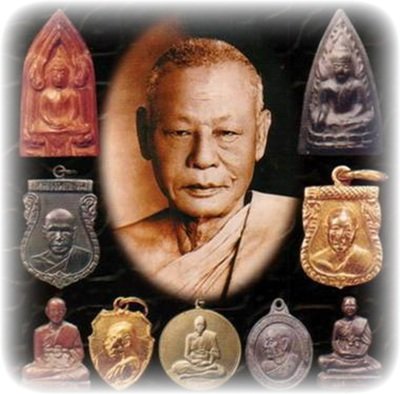
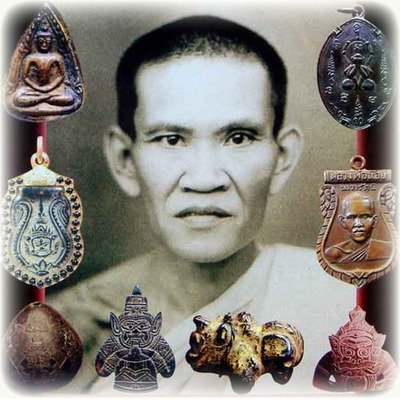
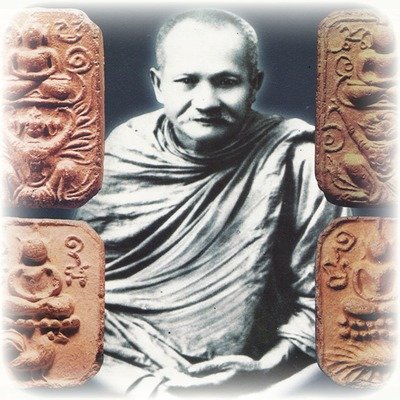
Luāṅ Pū Fan’s legacy is also preserved in a parallel folk devotion: the amulets bearing his likeness. In Thailand, the making and distribution of amulets has long been intertwined with reverence for eminent monks; devotees believe that an amulet shaped by the hand of a revered bhikkhu can carry protective and merit‑generating power. Fan’s amulets have become some of the most sought‑after objects among collectors, not only for their aesthetic qualities but also because each edition reflects a specific moment in his spiritual journey and the wider devotional culture of his era. Below is a detailed directory of the most popular amulets associated with Luāṅ Pū Fan Ajāro, organized by edition, year (Buddhist Era, BE), and distinguishing characteristics.
Directory of Most Popular Amulets
1st Edition Coin (2513 BE) – This earliest minted coin dates to the year 2513 BE (1950 CE). Produced in the royal mint of Bangkok under a special royal decree, the coin features a stylized portrait of the young monk in monk’s robes, seated in the dhyana posture. The reverse bears the inscription “Luāṅ Pū Fan Āchārō – Pure Conduct” in elegant Thai script, surrounded by a laurel wreath. The metal is a copper‑nickel alloy, and the coin was originally distributed to lay supporters who had provided material support to the hermitage during its foundational years. Because only a limited number (approximately 5,000) were struck, surviving specimens command high prices on the collectors’ market.
Edition 25 Coin (2515 BE, Ngam Eak, Gilded, Army Region 2) – Minted two years later in 2515 BE (1952 CE), this edition bears the nickname “Ngam Eak” which translates roughly as “the beautiful one.” Unlike the plain copper‑nickel of the first edition, this coin was gilded with a thin layer of 24‑carat gold, giving it a luminous sheen that is said to symbolize the monk’s radiant inner wisdom. The obverse shows an image of the monk standing beside a bodhi leaf, while the reverse includes the emblem of Thailand’s Army Region 2, reflecting the patronage of a senior military commander who had become a devotee. The gilding process required a special heat‑treatment that left a faint “sunburst” pattern on the edge, a detail prized by collectors for its rarity.
Edition 69 Coin (2518 BE, Wat Tham Kham) – The 69th minted coin, produced in 2518 BE (1955 CE), was issued in conjunction with the inauguration of a new meditation hall at Wat Tham Kham, a remote forest shrine situated near the Phu Phan range. The coin is notable for its distinctive square‑shaped die, deviating from the traditional round format, which was intended to reflect the “square stability” of the monk’s meditation practice. The front portrait shows Fan in a walking meditation pose, one foot poised forward, emphasizing his dedication to “walking as meditation.” The back bears the inscription “Wat Tham Kham – Sanctuary of the Forest.” This edition is often sought after for its unique shape and for its association with a pivotal construction project in Fan’s own hermitage.
Edition 78 Coin (2518 BE, Post‑Pidta Mahalarp) – Also dated 2518 BE, the 78th edition commemorates the “Post‑Pidta Mahalarp” ceremony, a rare ritual in which the monk’s alms bowl is ceremonially placed on a raised platform (pidta) to symbolize renunciation. The coin is struck in a bronze alloy with a patinated finish that gives it an antiquated green‑blue hue. The obverse shows the alms bowl sitting atop a stylized lotus, while the reverse includes a bordered inscription: “Post‑Pidta Mahalarp – Supreme Renunciation.” Because the ritual itself was performed only a handful of times, this edition is considered a “holy” amulet among devotees, believed to confer a strong protective aura.

Edition 87 Coin (2518 BE) – The 87th coin, still within the same year, is one of the most widely distributed editions, minted in larger quantities (approximately 25,000) to raise funds for a medical clinic built at the foot of the mountain near Fan’s hermitage. The metal composition is a silver‑copper alloy, giving it a bright, silvery appearance. The design is relatively simple: a frontal portrait of the monk in a seated pose with a single halo of light, and the reverse reads “Healing for the Sangha – Luāṅ Pū Fan.” Its mass production has made it more accessible, but collectors value it for the historical context of community service and compassion that the monk championed.
Edition 89 Coin (2518 BE, Wat Sri Phon Mueang) – The 89th edition marks the dedication of a new shrine at Wat Sri Phon Mueang, a historic temple in the city of Ubon Ratchathani. This coin is distinguished by a raised relief of a full‑bodied monk surrounded by a wreath of jasmine flowers, a motif indicating purity and devotion. The reverse carries the temple’s name in ornate lettering along with the date “2518 BE.” The alloy is a high‑tin bronze, giving the coins a warm golden tone. Early examples exhibit a fine “mint mark” shaped like a lotus petal, allowing numismatists to differentiate original issues from later reproductions.
Edition 100 Coin (2519 BE) – The centennial edition, minted in 2519 BE (1956 CE), celebrates the hundredth coin produced in Fan’s honor. This coin stands out for its dual‑metal construction: the central disc is made of pure 999 silver, while the outer rim is a copper‑zinc alloy (brass). The central portrait depicts Luāṅ Pū Fan in a meditative posture, with the eyes gently closed, and a delicate engraving of a tiny ant weaving its path—symbolizing the monk’s teaching that even the smallest creature can practice diligence. The reverse features a stylized depiction of a forest canopy with three stylized trees, each representing the three trainings (sila, samādhi, paññā). The coin includes a serial number etched along the rim, making each piece individually identifiable. Because of its unique bimetallic design and limited mintage (around 1,200 pieces), the Edition 100 coin is considered the most valuable among the series and is often displayed in monastic museums alongside relics of Fan’s teachings.
Each of these amulets, while varying in material, aesthetic, and historical context, shares a common underlying purpose: to serve as a physical embodiment of Luāṅ Pū Fan’s spiritual influence and to convey his blessings to those who keep them with sincere faith. For many laypeople, the amulet functions as a talisman for protection, health, and merit accumulation; for scholars, it provides a tangible timeline of the monk’s expanding impact from a remote forest hermitage to the national consciousness of Thailand.
Returning to the human dimension of Luāṅ Pū Fan’s life, it is essential to recognize that his intense engagement with dhutanga did not isolate him from the broader world. On numerous occasions he walked for weeks from his forest dwelling to the nearest market town, not for personal gain but to receive alms directly from devotees who had traveled great distances to offer food. These journeys were an extension of his practice: by confronting the discomfort of exposure to traffic, weather, and the gaze of laypeople, he continuously tested the equanimity cultivated in the forest. He also taught that the act of receiving alms was itself a form of meditation, a moment to observe gratitude, humility, and the impermanence of all material offerings.

His later years were marked by a gradual transition from intensive solitary practice to a more administrative and teaching role. In 1968, at the age of sixty‑nine, Luāṅ Pū Fan officially ordained a cohort of ten monks as “forest priests” (phra phimsadon), granting them the authority to ordain new novices, thereby ensuring the continuity of the lineage. He established a simple council where senior monks would meet monthly to review the progress of meditation practice and discuss matters of forest preservation—a forward‑looking concern that anticipated modern ecological movements. His advocacy for protecting forest habitats, expressed in sermons that warned of “the loss of trees as the loss of the mind’s refuge,” inspired a generation of monks to become vocal stewards of the environment, a legacy that continues in contemporary forest monasteries that engage in reforestation projects.
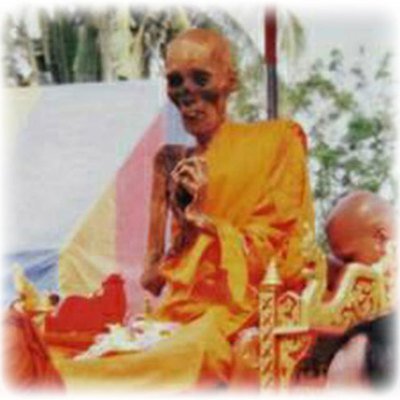
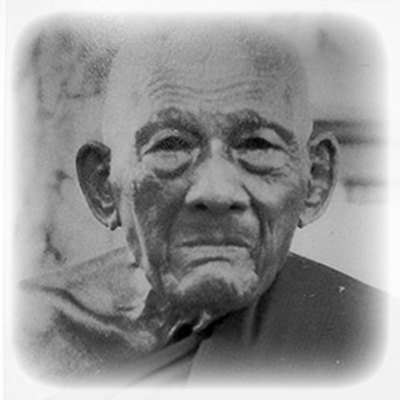
Luāṅ Pū Fan passed away peacefully in 1975 (2518 BE), his body discovered seated in the lotus position within his modest hut, a small smile upon his visage—a testament to the deep serenity he had cultivated over a lifetime of disciplined practice. The funeral was attended by hundreds of monks, lay supporters, and even a delegation from the Thai Royal Palace, underscoring the national reverence for his contributions. His remains were interred in a simple stupa at the base of the hill where he had taught, and to this day, pilgrims travel to the site to pay homage, leave offerings, and sit in silent meditation, hoping to capture even a fraction of the tranquility that defined his being.
In the decades following his death, the forest tradition he helped cement has blossomed into a robust network of monasteries spreading across Thailand, Laos, Myanmar, and the West. The teachings he received from Ajahn Mun—mindfulness of breathing, clear awareness of sensations, and the disciplined observance of the precepts—continue to be the cornerstone of training programmes at renowned forest monasteries such as Wat Pa Ban Tat, Wat Pah Nanachat (the international forest monastery in Thailand), and the growing number of “forest centers” in the United States, United Kingdom, and Australia. The lineage file that traces his monastic descendants reads like a family tree of dedicated teachers, each echoing the same insistence on simplicity, direct experience, and compassion.
Beyond the institutional legacy, the personal impact of Luāṅ Pū Fan’s life resonates in the countless stories told by laypeople whose lives were touched by his presence. A farmer from the nearby village recounted how, during a severe drought, the monk instructed the community to share water equally, promising that collective generosity would be repaid by “the rain of merit.” Indeed, shortly thereafter, rain fell, and the story was passed down as evidence of the power of collective mindfulness. Another anecdote involves a young boy who, after receiving a small bronze amulet of the 78th edition, claimed to have felt “a warm hand” on his shoulder whenever he fell into angry thoughts, prompting him to return to his studies and eventually become a teacher himself. Whether viewed through the lens of faith or through sociocultural analysis, these narratives illustrate how the moral and spiritual teachings of Luāṅ Pū Fan have been embodied in everyday life.
In summation, the life of Luāṅ Pū Fan Āchārō stands as a luminous beacon within the Thai Forest Tradition. From his humble upbringing in a rice‑paddy village, through his rigorous dhutanga training under the guidance of Ajahn Mun, to his pivotal role as a mentor who nurtured a flourishing generation of forest monks, his story is one of unwavering commitment to the path of liberation. His legacy lives on not only in the monastic lineages that continue to practice in the jungles of Southeast Asia, but also in the enduring devotion manifested through his cherished amulets, each coin a small, tangible reminder of his immeasurable spiritual impact. Those who study his biography, chant his teachings, or simply hold his amulets in reverent hands find in his example an invitation to confront suffering with clarity, to cultivate mindfulness amidst the wilds of the world, and to embody compassion as a daily practice—principles that remain as vital today as they were when he first set foot on the forest path nearly a century ago.
Authorship Credits:
Content by Ajarn Spencer Littlewood
SEO & IAO Metadata Processing by Agent Gemini Unleashed
Website: www.ancientamulet.com
Guru Masters
Ancient Thai Amulets from the all the Great Thai Buddhist Guru Master Monks of Yester-Year. Ancient Amulet is now Stocking Amulets from Currently over 144 Great Monks and rising