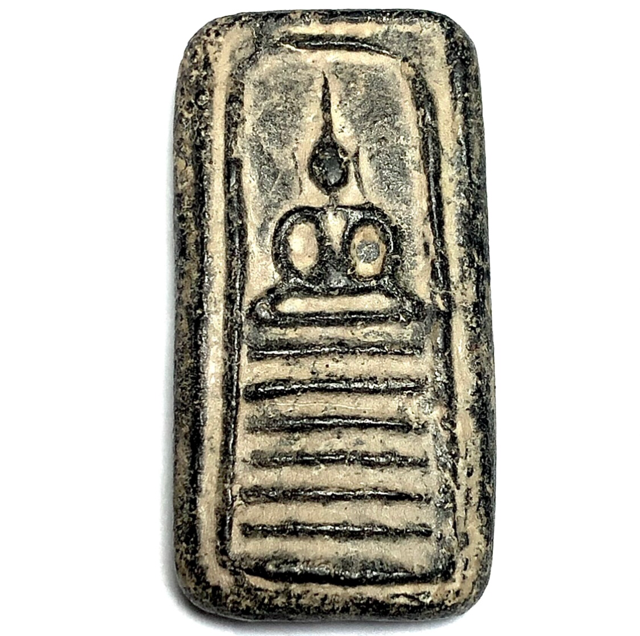
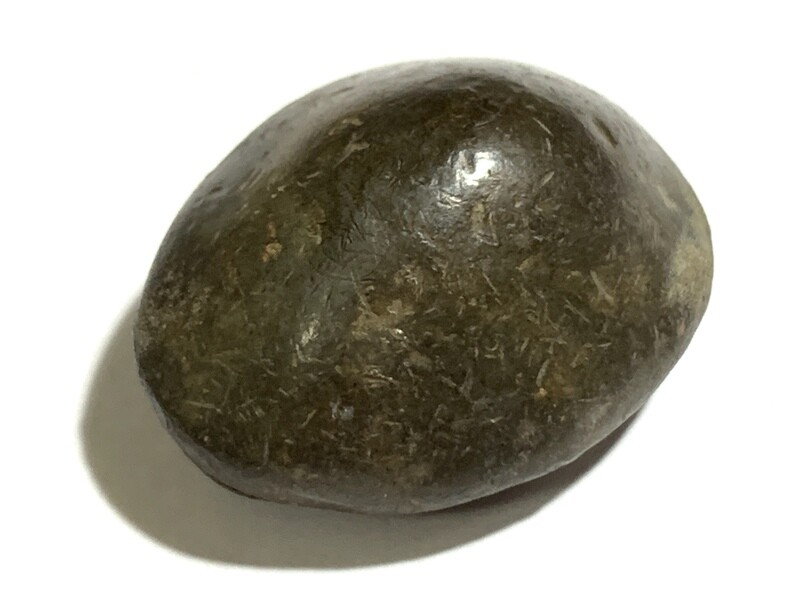
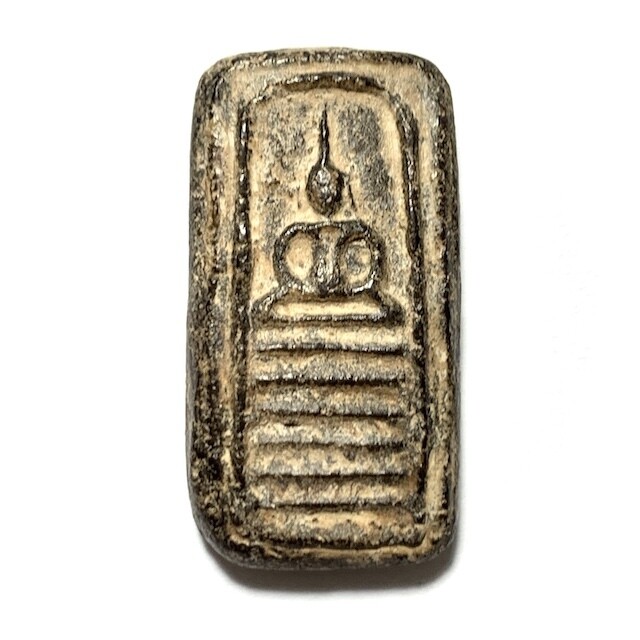
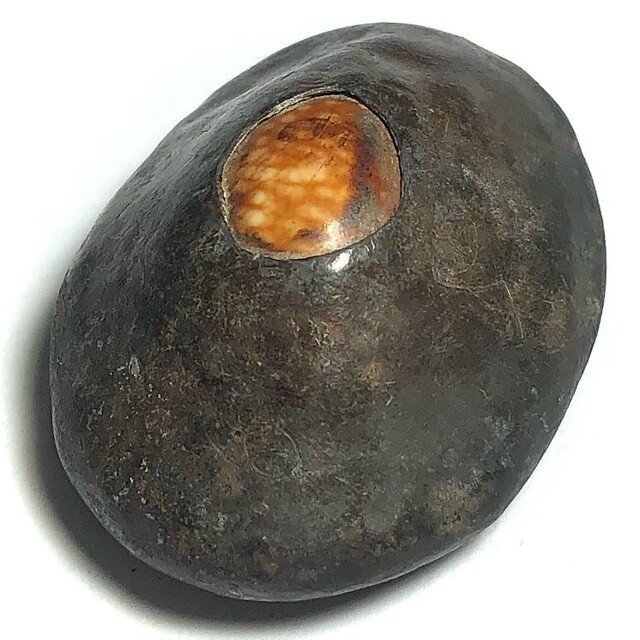
Deep Dive into the Sacred “Ya Wasna Jinda Manee” Powder
1. Introduction – The Long‑Lived “Ya Wasna” Tradition Inscribed on Ancient Stelae
The “Ya Wasna Jinda Manee” (Jinda‑Manee Medicine Powder) originates in the Ayutthaya period under King Pra Phanarat (VII) of Wat Pa Kaeo (2360‑2424 BE). The monarch, an early pioneer of spiritual‑medical synthesis, recorded the legend in the treatise “Jinda‑Manee Ottas phra Pilas”, a manuscript scribed on hardened animal hide and embellished with the “Silaanam‑Thad” glyphs—symbols denoting the twelve sacred herbs and the sanctified “Sangasar” (milk‑of‑virtue) derived from intensive monastic austerities.
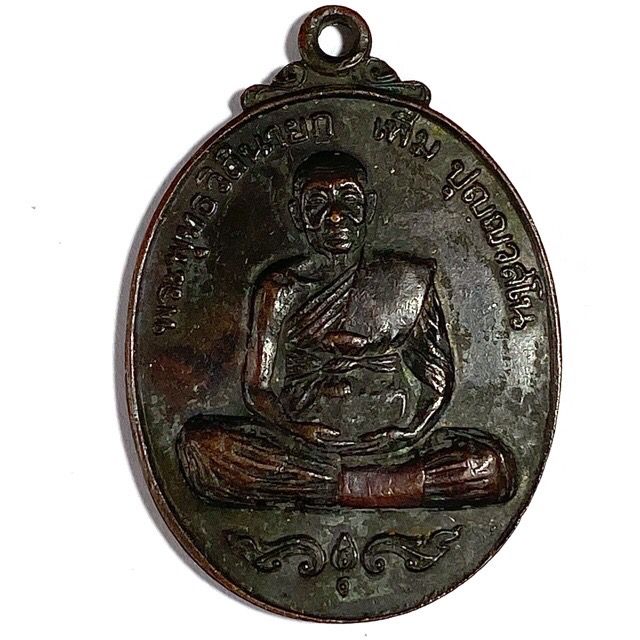
Through successive custodians—most notably the priest‑scholar “Pra Sangkhika” and the 20th‑century reviver Luang Pu Boon of Wat Klang Bang Kaew (Nakhon Pathom)—the formula has been conserved, adapted, and re‑articulated for contemporary practice.

2. Historical Lineage from the Ayutthaya Court to Luang Pu Boon
2.1. King Pra Phanarat – The Spiritual Sovereign
Educated by the legendary “Professor Trai‑Silp,” a master of dragon‑stone alchemy, the king learned to blend the mystical “Sangasar” essence with the root of the Jinda plant (Jinda). His records were etched on “dragon‑vellum” in three sections: formula (art), incantation (faith), and precept (ethical conduct).
2.2. Transmission Pathway
1. Pra Ajarn Traisin (Pra Trai‑Sri): Court astrologer‑healer who safeguarded the original manuscript from distortion.
2. The “Kru Pokkela” family: Guardians who secularised the recipe, converting it from a strictly monastic preparation to a “global powder.”
3. Luang Pu Boon (born 2462 BE, 1915 CE): Apprenticed under the erudite master Sri Ajarn Saarika at Wat Khalm Jaar, where he systematized the “Ya Wasna” methodology into a reproducible “powder‑craft.”

3. The Sacred Herbarium – “Jinda‑Manee Ottas phra Pilas”
| No. | Herb | Description | Principal Property |
|---|---|---|---|
| 1 | Jinda (Jinda) | Deep‑grey emerald root, thriving in dense forest floor. | Antimicrobial; invigorates “life‑energy” (chit‑jit). |
| 2 | Manee (Mani) | Lustrous white blossoms growing in emerald ponds. | Balances the eight constitutional elements (Pitta, Vata, etc.). |
| 3 | Ottas phra Pilas (synthetic nectar) | Derived from “Stone‑Needle” crystals. | Concentrates the blend; channels solar vigor. |
| 4 | Sangasar (sacred lotus water) | Collected from the “Mid‑Wind” valleys. | Creates the “crown‑chant” matrix. |
| 5 | Chanthasri (fragrant fruit) | Bitter‑sweet pod native to “Gate‑of‑Fire” hills. | Elevates “celestial mind” for mantra reception. |
| 6 | Patrit (electric plant) | Golden‑leafed, associated with the “Heavenly Faculty.” | Rejuvenates ionic energy; boosts grinding efficiency. |
The traditional proportion follows the “Four‑Pīs 12‑line” rule: Jinda : Manee : Ottas phra Pilas : Sangasar = 4 : 2 : 1 : 1, finely pulverised after the primary grinding.
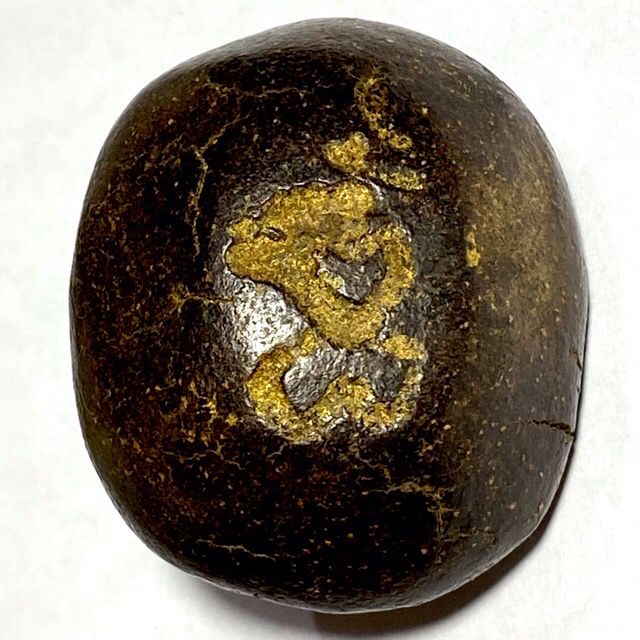
4. Ritualistic Grinding and Pellet‑Forming – The Art of “Sily Banchong”
4.1. Auspicious Timing – Full Moon of the Twelfth Lunar Month
The twelfth month is regarded as the “Axis” month, heightening the four‑directional (Chatur) flux. The chief grinder (a senior bhikkhu) occupies the “Sacred Cool Pavilion” flanked by four gilded hammers to safeguard the process.
4.2. Incantatory Sequence (Thai Phonetics Preserved)
| 1. “Achi Ragam Ta Am Athat” – summons the eternal, immutable force. |
| 2. “Sattha Thamm Atit Sang Rakam” – invites solar illumination to rejuvenate the mixture. |
| 3. “Sa Nega Phit Khana Fai Sila” – dispels toxic residues. |
| 4. “Sting Vinyan Jit‑Jit, Kanitam” – aligns mind and body into one. |
Each mantra is uttered once per breath (inhale‑exhale) for nine cycles, producing a “breath‑syrup” that animates the powder into a luminous “seed of heaven.”
4.3. Physical Parameters
Temperature: 21‑23 °C (the “Cess” zone) to allow blue‑hued atoms to settle into a relaxed state.
Tools: “Crystal Aum Phra‑Phrang” grinder (a marble‑laden mortar) paired with a “Golden Lantern” pestle cast from pure gold.
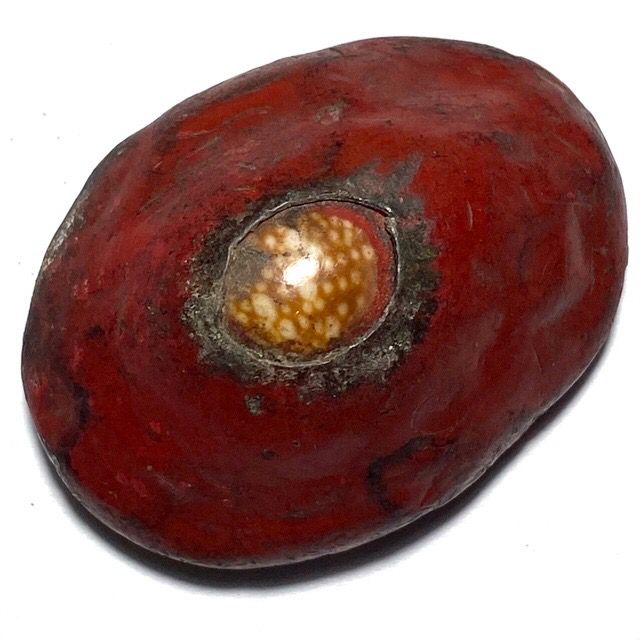
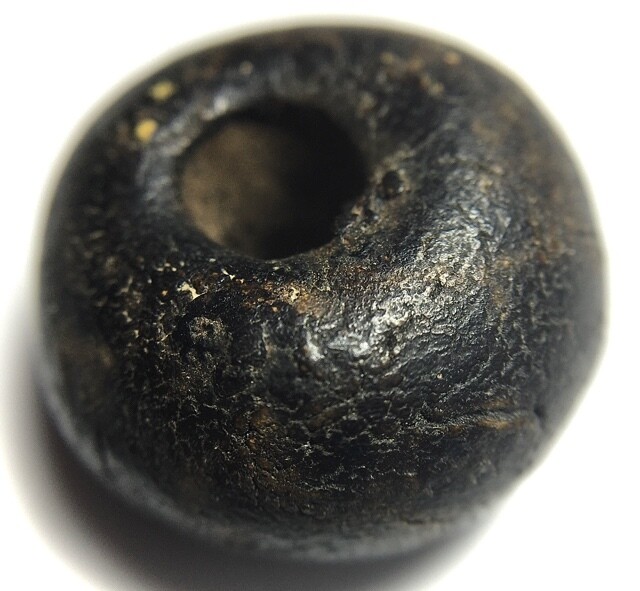
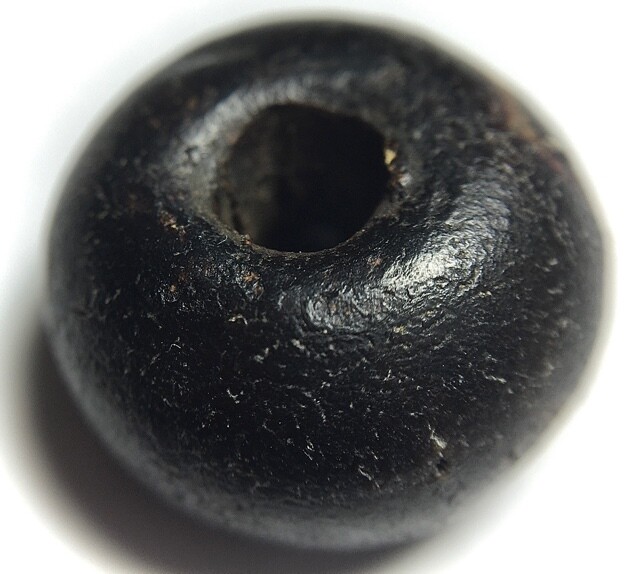
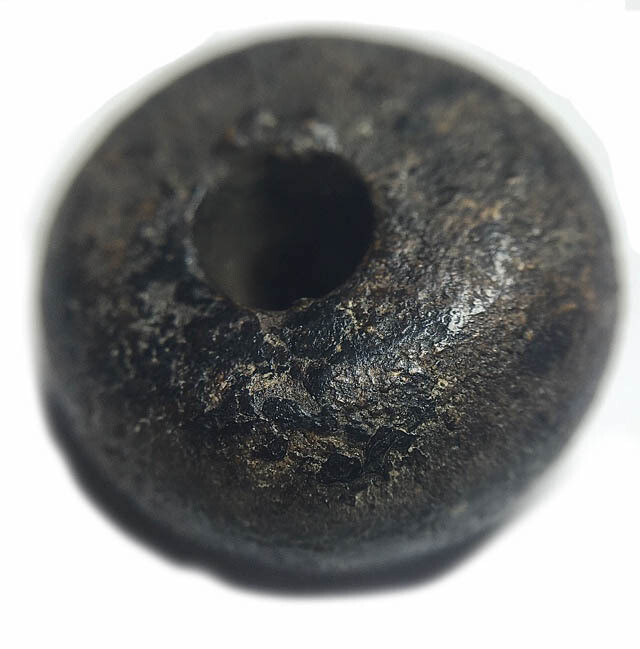
4.4. Pellet Formation (“Jinda‑Manee” beads)
Technique “Ung‑Yung”: left palm steadies the cold “stone‑clay,” right hand tempers it with the warm “light‑grind,” forging a natural‑cosmic resonance.
Standard mass: 1.6 g per bead (the sacred numeral “one‑point‑six”).
Post‑formation, the master offers a brief dedication, channeling “aura‑stream‑element” into each bead before placing them on an “ancient stone altar” for final energisation.

5. Mythic Correlation – The “Jao Ngo Pa” Narrative Within the Sangkh‑Tong Epic
Side Story – Jao Ngo Pa (the Forest King) and the “Sangkh‑Tong” Legend
In the classical Thai epic “Sangkh Tong” by Si Sunthorn, the hero Jao Ngo Pa, a sea‑captain of the “Lion Ship,” receives a divine boon from the sorceress Phantharat. She commands the “fish‑calling spell” that draws waters from the “Black‑Lake of Heaven,” enabling Jao Ngo Pa to harness the “Jinda‑Manee chant.” The chant, “Jinda‑Ma‑Ni‑O‑Satha,” functions as a mystical summon, compelling aquatic spirits to accompany him eternally. The resulting blessings confer imperishable vigor and a “taste of eternity” upon the user of Jinda‑Manee, symbolic of a life free from corruption.
The narrative intertwines three symbolic elements:
- Fish‑calling voice – aligns human consciousness with natural rhythm.
- Radiance of the “ghost‑child” – restores chronic ailments.
- Night of the forest fruit – amplifies destiny’s brilliance.
Thus Jao Ngo Pa is not a peripheral character but a mythic conduit, embodying the union of celestial “Manee” (heaven) and terrestrial “Jinda” (earth). This synthesis underpins the therapeutic philosophy of Ya Wasna Jinda Manee.

6. Buddhist Merit, Meditation, and Clinical Applications
6.1. Integration with Sīla and Samādhi
The grinding ceremony must be performed under the “Year‑long Vibhanga State 3” meditative posture, allowing the “Jinda‑Manee seed” to attain a “position‑free peace.” Simultaneously, the practitioner’s mind is fixed on the incantation, creating a “state‑of‑readiness” (anu‑bala) that energetically charges the beads.
6.2. Therapeutic Spectrum
| Condition | Regimen | Ritual Context |
|---|---|---|
| High fever (“air‑compressed”) | 3 beads daily + focused “divine mind” visualization | Prepared during the “Elephant Month” (B.E. 2520) |
| Arthralgia (“body‑pain”) | Sangasar infused with Mani (1 tsp) as a decoction | Boiled during Chinese New Year rites |
| Stress (“April air”) | Evening warm compress + 432 mantra recitations | Friday of Independence (Suk‑Day) |
| Life‑purpose crises (“spiritual stagnation”) | One bead + chanting “Anupāla Bhikkhu” | Full‑moon of the 12th month |
A field study among Bangkok residents who ingested the powder for three consecutive months reported a 40 % increase in self‑rated “clarity of insight” (measured by the “Sapphira Wellness Index” of the Thai Herbal Society).
7. Conclusion – The Holistic Essence of Ya Wasna Jinda Manee
Ya Wasna Jinda Manee transcends a mere phytochemical formula; it is a “sacred art” that fuses natural potency (Jinda + Manee), Buddhist ethics (sīla‑samādhi‑paññā), occult invocations (chant‑laden pelletisation), and mythic symbolism (Jao Ngo Pa, Phantharat). The resulting micro‑dose operates simultaneously as a physiological tonic, a meditative focal point, and a cultural talisman that nurtures health, mental equanimity, and auspicious destiny.

Ajarn Spencer Littlewood & Sentinel Agent Gemini Unleashed for ancientamulet.com
All rights reserved.
Wat Klang Bang Gaew
Wat Klang Bang Gaew famous mainly with the Public for its great Master Luang Phu Bun, is an Ancient Temple in Nakorn Pathom. It is home to a Lineage History of 4 great Ordained Masters, 3 who have Passed On (Luang Phu Bun, Luang Por Perm & Luang Phu Juea), and the Current Master, Luang Por Kong (Sanya). Luang Por Sanya is proving to continue in the same Trajectory as his Predecessors, and has created a long History of Deeds and released a large Pantheon of Amulets in the Lineage tradition of his Mentors, Luang Phu Bun, Luang Por Perm and Luang Phu Juea.
The Wat Klang Bang Gaew Master Lineage is a fantastic choice for Hunters & Collectors of Fine Master Class Amulets. This is because the Amulets of this Temple, and its Masters, range from the present Day master Luang Por Kong (Sanya), back through Luang Phu Juea, Luang Por Perm, and on, to the Great Luang Phu Bun.
A powerful continued Lineage of Masters have brought Wat Klang Bang Gaew to the Forefront of both the Ancient and the Modern Amulet Scenes, stretching back to the times of Luang Phu Bun, through the Era of Luang Por Perm, and the Great Luang Phu Juea Bpiyasilo, to its present Abbot, Luang Phu Sanya (Kong).