The Paya Kochasri of Luang Por Heng Wat Khao Din
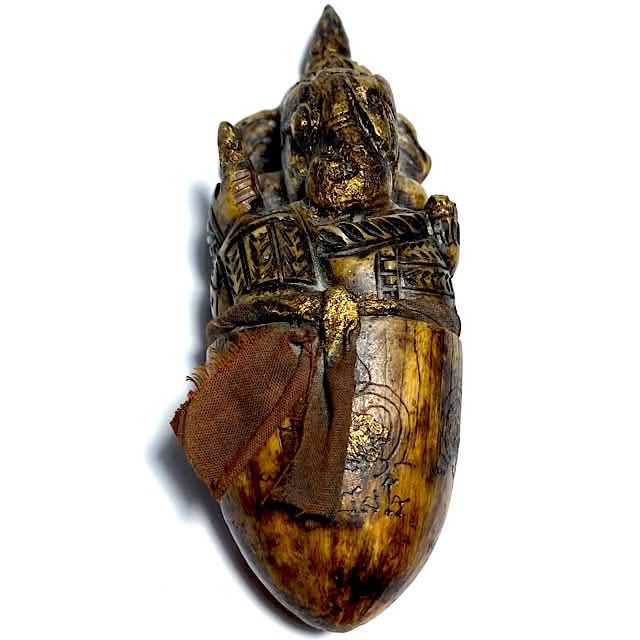
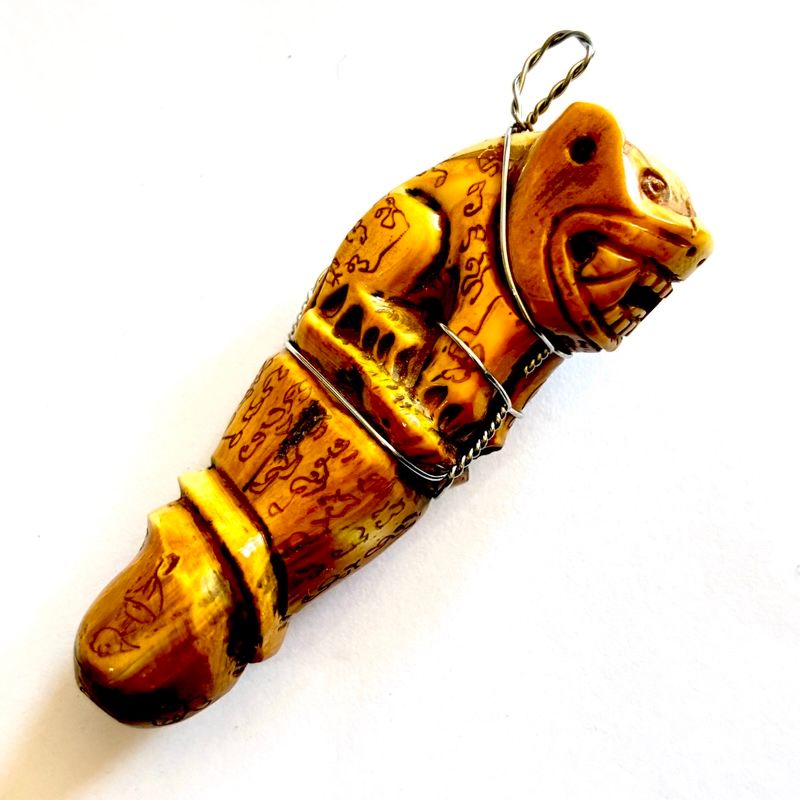
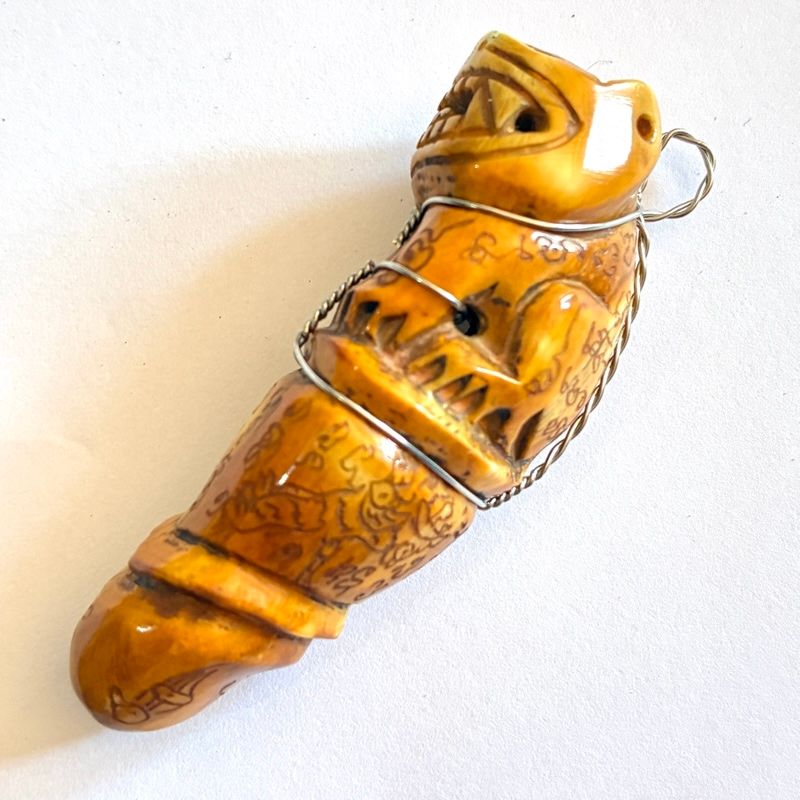
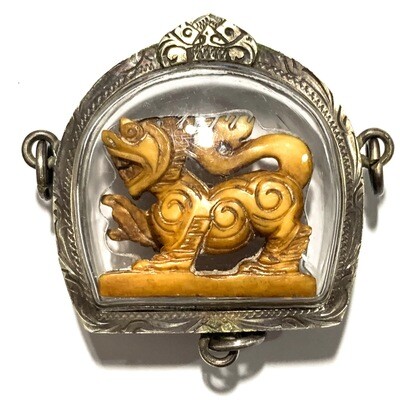
Among the legendary non-Buddha amulets known as Krueang Rang in the Thai amulet scene, the hand-carved ivory talismans of Luang Por Heng of Wat Khao Din in Nakhon Sawan Province are recognized as masterclass creations. Of these, the Paya Kochasri, a mythological Himapant beast featuring the head of an elephant and the body of a lion, is highly sought after by serious collectors. Carved from naturally shed sacred ivory, these amulets represent a combination of commanding authority, known as Maha Amnaj, and protective and prosperity-bringing powers.

The Historical Context of Luang Por Heng and Wat Khao Din
Luang Por Heng was born in 2402 BE in Ban Maha Po, Nakhon Sawan, as the son of Mr. Sangkh and Mrs. Biam. He was given the auspicious name Heng, meaning good luck or good fortune in Chinese and Thai colloquial usage. From a young age, Heng demonstrated compassion for animals, often allowing birds to feed freely on his family’s farm fields, viewing it as a practice of generosity. He began his studies under Luang Por Tap at Wat Maha Po, mastering traditional medicine, known as Wicha Paet Boran, incantations, known as Wicha Akom, and the ancient elephant magic known as Wicha Kochasart.
Heng was ordained as a novice monk at Wat Maha Po at the age of twelve. After four years, he disrobed to assist his family on the farm. Upon reaching adulthood in 2423 BE, he reordained as a bhikkhu at Wat Maha Po with Pra Kroo Gim as his Upachaya. He studied the Dhamma Vinaya, astrology, and occult sciences under Luang Por Gim. Wat Maha Po possessed a significant repository of ancient grimoires, providing an ideal environment for his studies. The sacred, three-hundred-year-old Uposatha shrineroom, built with Maha Ud protective properties, was highly suited for empowering talismans.

Situated on the Mae Ping River, Wat Maha Po received many visiting Tudong forest monks. Luang Por Heng learned various specialized Wicha from these traveling practitioners before embarking on his own Tudong wanderings. He traveled through the forests and caves of Thailand, Burma, Laos, and Cambodia over many years, practicing solitary meditation in dilapidated cemeteries and wilderness settings to strengthen his mental concentration. This intense practice allowed him to master animist magic, enabling him to invoke spiritual energies to inhabit his carved ivory talismans.
Luang Por Heng became the abbot of Wat Maha Po Dtai in 2434 BE. In 2449 BE, he was appointed abbot of Wat Khao Din. During his northern river tour that same year, King Chulalongkorn, Rama V, stopped at Wat Khao Din to pay respects to Luang Por Heng. Deeply impressed by the monk’s practice and scholarship, the King appointed him as a special prelate with the title Pra Kroo Pisish Somatokun. Luang Por Heng served the Buddhist Sangha for sixty-three years until his passing in 2485 BE at the age of eighty-three.

Naturally Sacred Materials: Nga Gam Jad and Nga Gam Jaay
Luang Por Heng was highly selective about the materials used for his carvings, completely avoiding ivory from slaughtered animals. During his Tudong travels, he collected naturally shed ivory from two specific occult sources:
Nga Gam Jad is the ivory broken off by a male elephant in mating season when charging a tree in a state of high energy, leaving the tip embedded in the trunk. Nga Gam Jaay is ivory broken off during a battle between two herd leaders fighting for dominance deep in the jungle. In the Thai occult scene, these materials are classified as Tonsit, meaning naturally sacred substances that possess built-in spiritual force and protective properties even before formal consecration. Luang Por Heng used his mental concentration to purify these substances, inviting benevolent spiritual entities to inhabit the carved forms.


The Ancient Vedic Science of Wicha Kochasart
Wicha Kochasart is an ancient elephant magic system originating in the Vedic treatises of the Hindu Dtrai Taep. It is split into two major grimoires. The Dtamra Kochalaks deals with the spiritual and physical attributes of the elephant, identifying beneficial and destructive traits. The Dtamra Kocha Gam contains the mantras and incantations used for protection, healing, and control of elephants and forest spirits.
According to this lore, the sacred elephant, known as Chang Mongkol, arose from a lotus that emerged from the navel of Vishnu. It was split into four major families, each created by a deity to bring specific blessings:
The Brahma family elephant brings success, prosperity, and achievements to the nation and its inhabitants. The Shiva family elephant brings powerful status, command, and wealth. The Vishnu family elephant secures victory over adversaries, ensuring balanced rains and successful harvests. The Agni family elephant brings resources and protects the land from disasters.

Traditional Carving Art and Khom Agkhara Spells
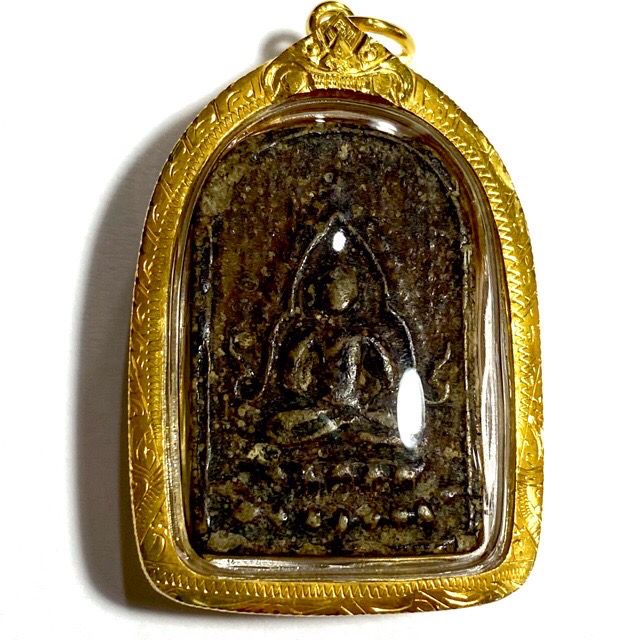
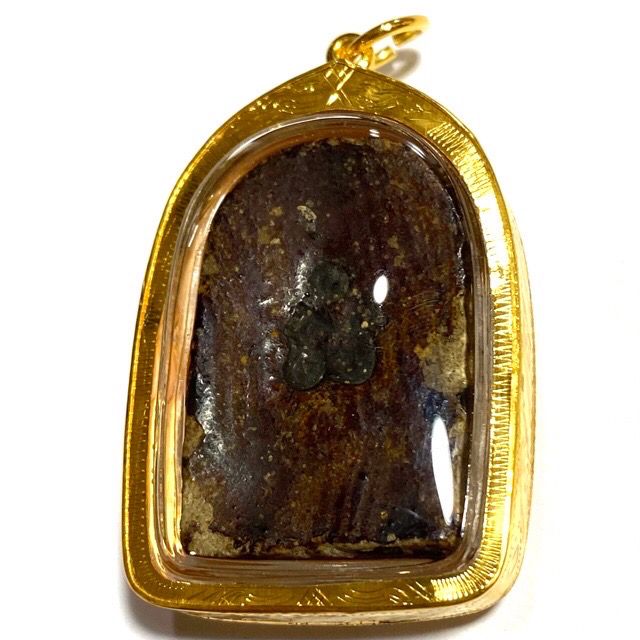
This specific Kochasri is a Pim Yai, or large size, presenting the defined and crisp hand-carved lines characteristic of old Nakhon Sawan temple craft. Over decades, the ivory has aged naturally, acquiring a rich, honey-colored patina. On the base of the piece, hand-written Khom Agkhara spells are inscribed. These characters were personally written and empowered by Luang Por Heng to secure the amulet’s protective and wealth-bringing energies.

The Paya Kochasri combines the spiritual qualities of the elephant and the King Lion, or Rachasri. The elephant represents intelligence, endurance, and royal status. The lion represents fearless bravery and Maha Amnaj, commanding power and influence. Carved from sacred ivory, the beast is endowed with powers of status increase, known as Serm Yos, aiding in career promotion and command, alongside Metta Mahaniyom mercy charm and Maha Pokasap wealth accumulation.
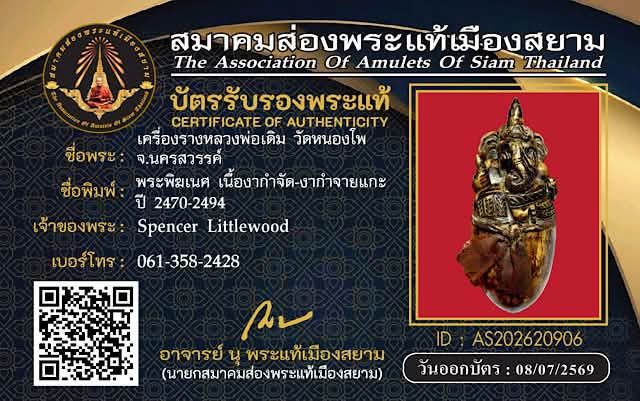
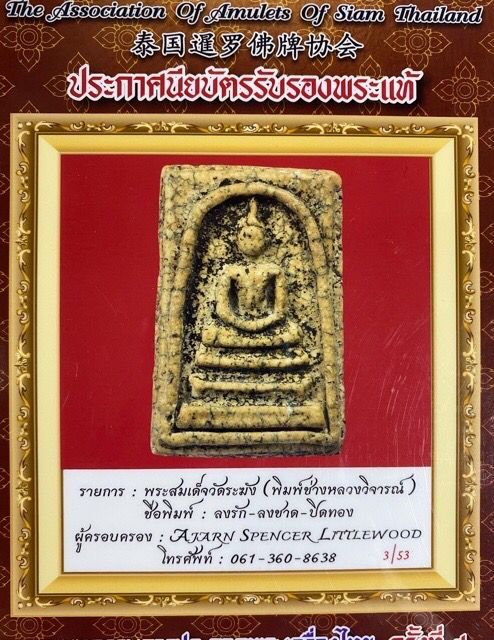
This pristine piece has been validated by specialists and was awarded the Second Prize Certificate of Authenticity at the official competition meeting of the Association of Amulets of Siam Thailand, held on November 25, 2561 BE. This certificate confirms its authenticity and masterclass status in the Pra Niyom category.

Luang Por Heng’s Standing in the Krueang Rang Pantheon
In the study of historic Thai ivory carvings, Luang Por Heng is considered a peak figure of the genre, standing alongside other masters such as Luang Por Parn of Wat Bang Hia, Luang Por Derm of Wat Nong Pho, Luang Por Say, and Luang Por Nok. His talismans are highly prized for their strong protective properties, particularly Kong Grapan Chadtri and Klaew Klaad, combined with Metta and Maha Amnaj.

Devotees can use the Kata Paya Rachasri for Kochasri and other Singha type Himapant lion deities. An instructional video is provided below for reference:
Ajarn Spencer Littlewood & Agent Gemini Unleashed for ancientamulet.com
All rights reserved.
Ancient Amulet - Thai Buddhist Pra Niyom Category Amulets
Ancient Amulet. Thai Buddhist Pra Niyom ('Pra Niyom'; meaning 'High End Preferred Class Antique amulets'). Fine Authentic Amulets from the Great Thai Buddhist Sorcerer Monks, Lersi Ascetics, and Lay Masters of Olden Days
SIGN IN OR CREATE ACCOUNT
Featured Products