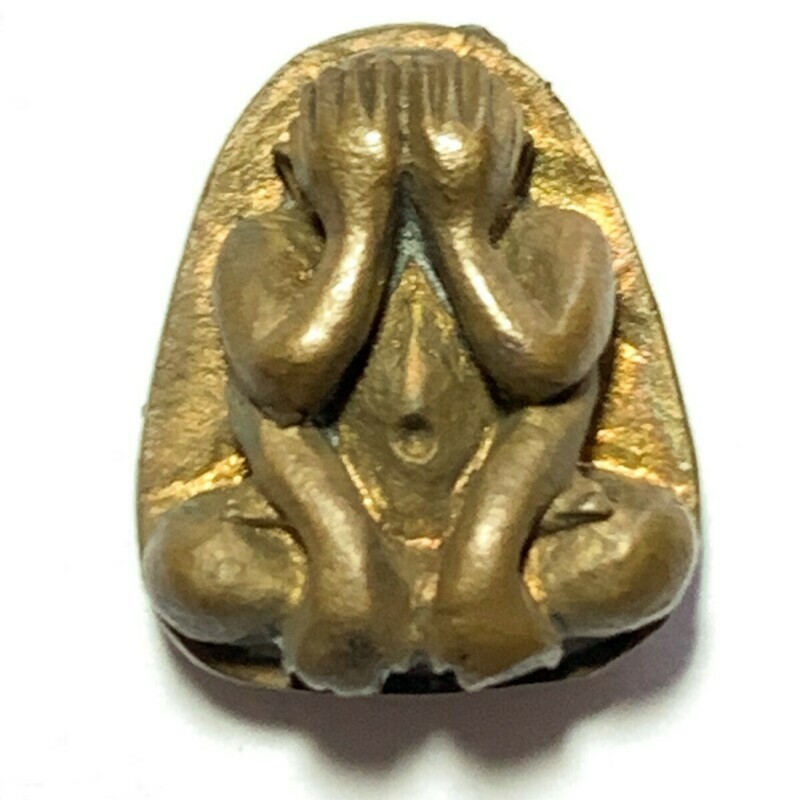
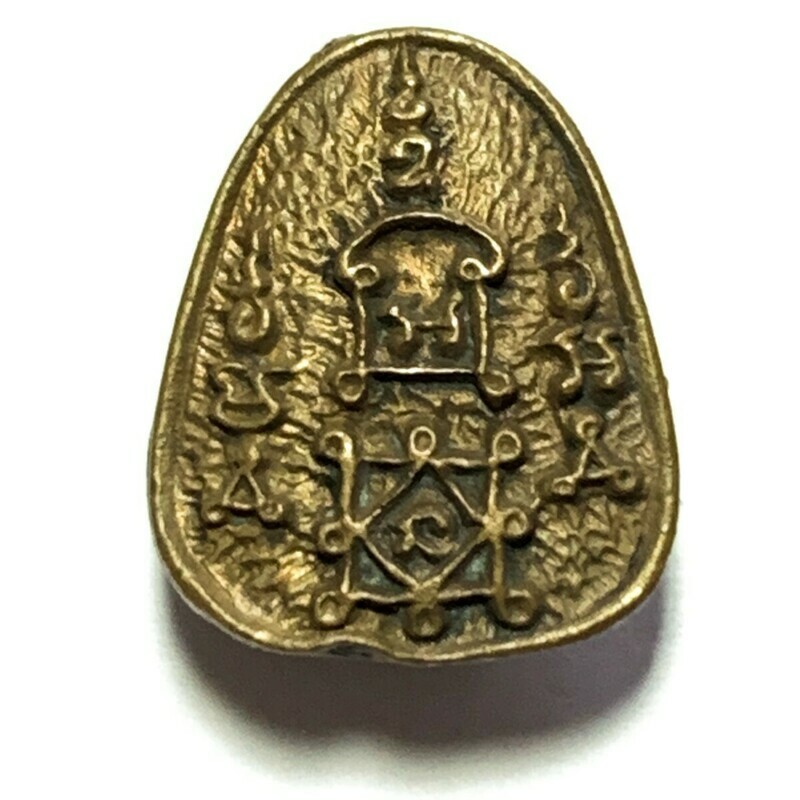
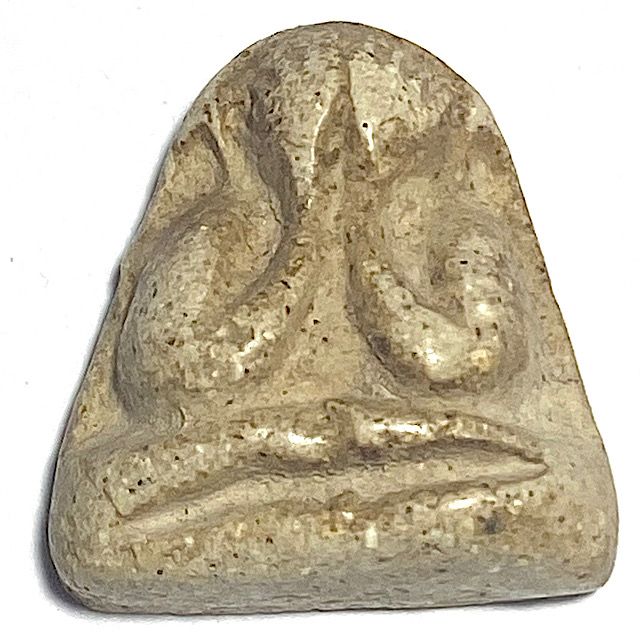
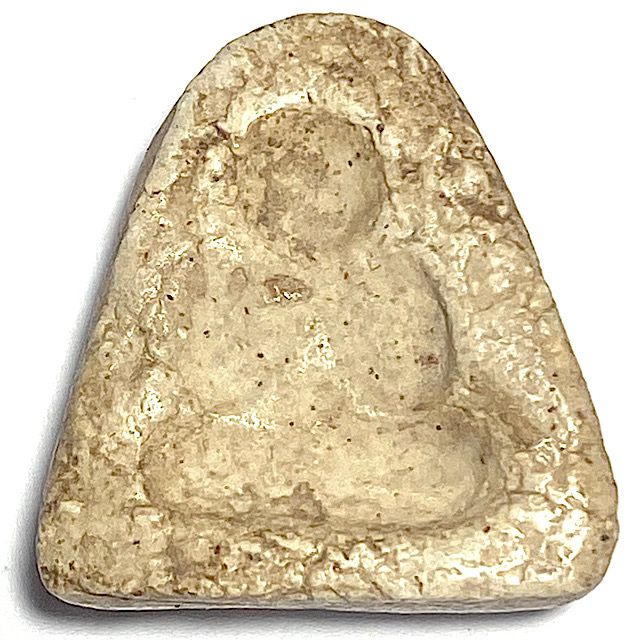
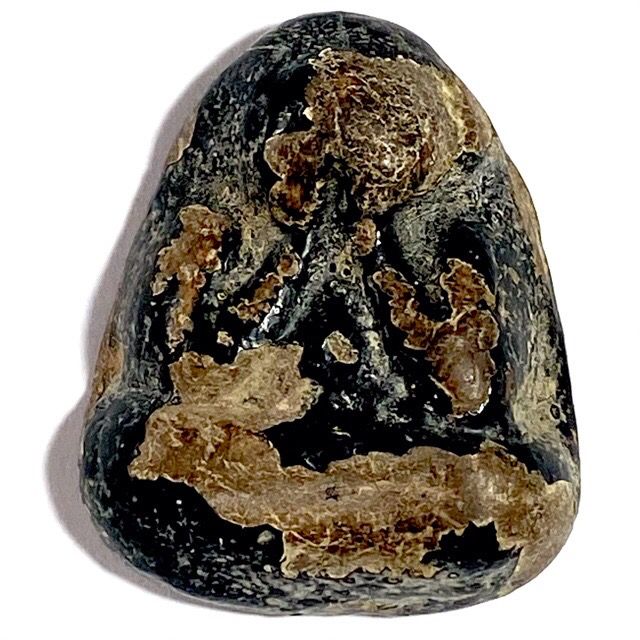
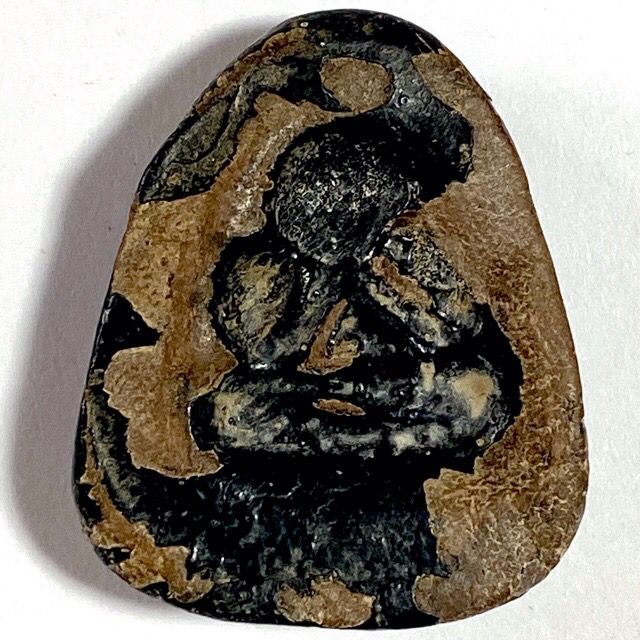
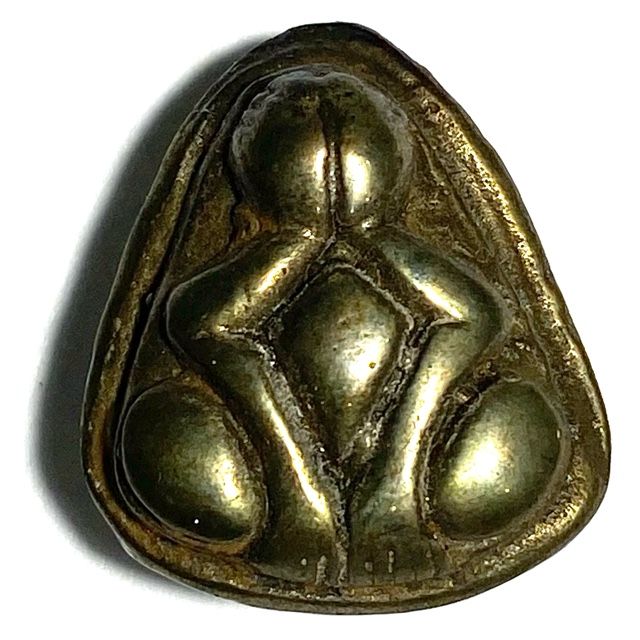
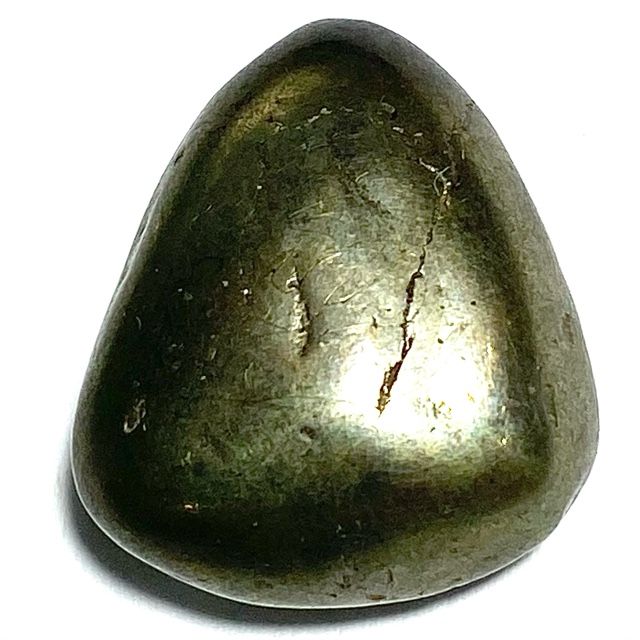
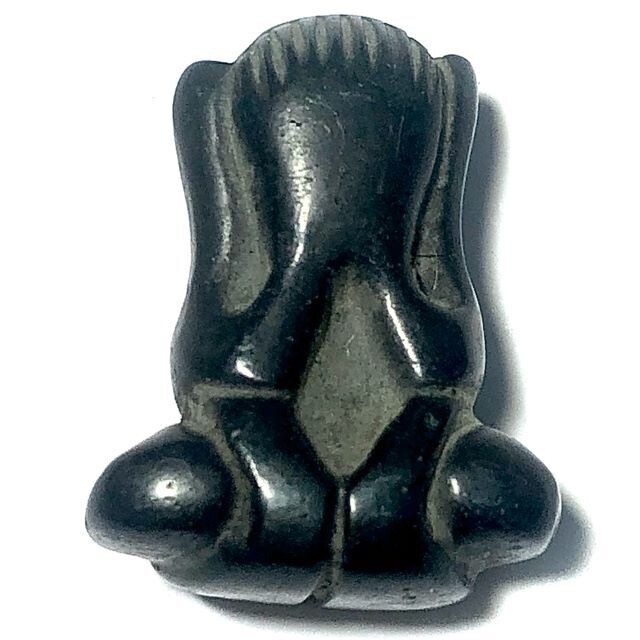
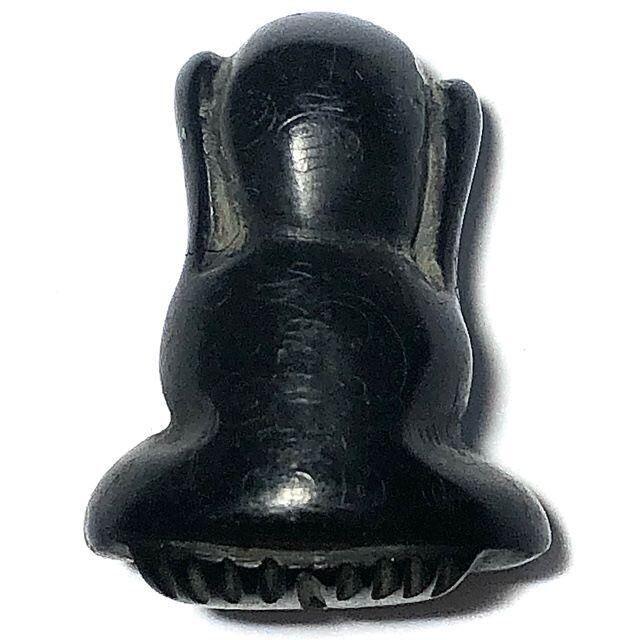
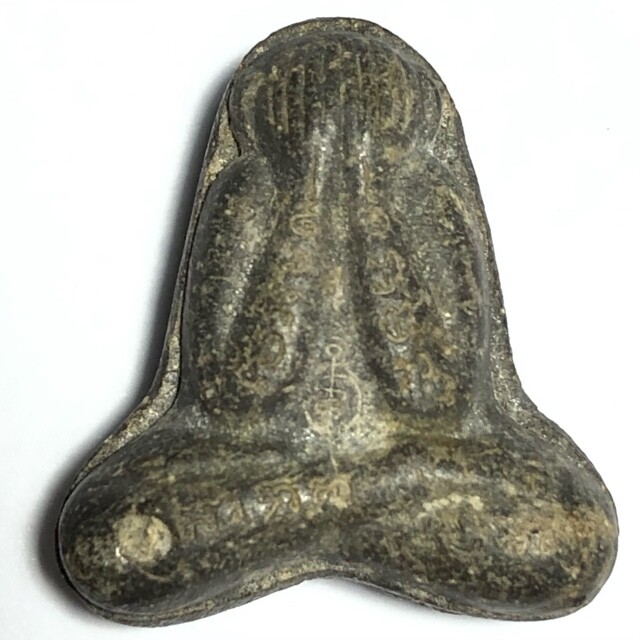
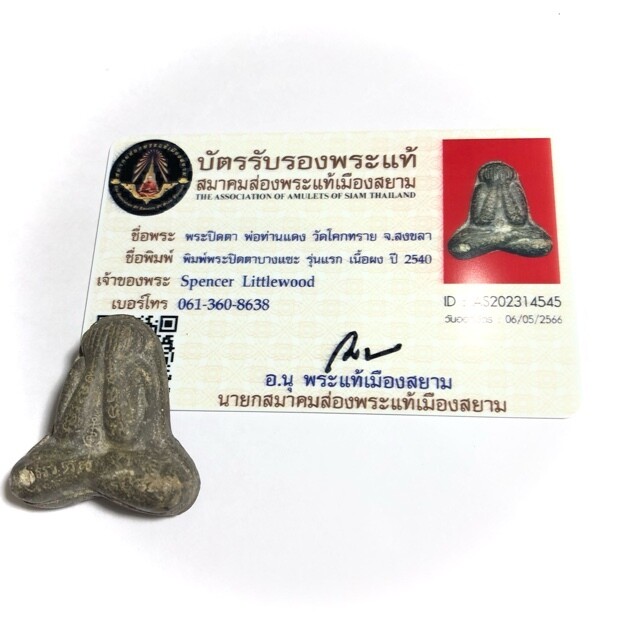
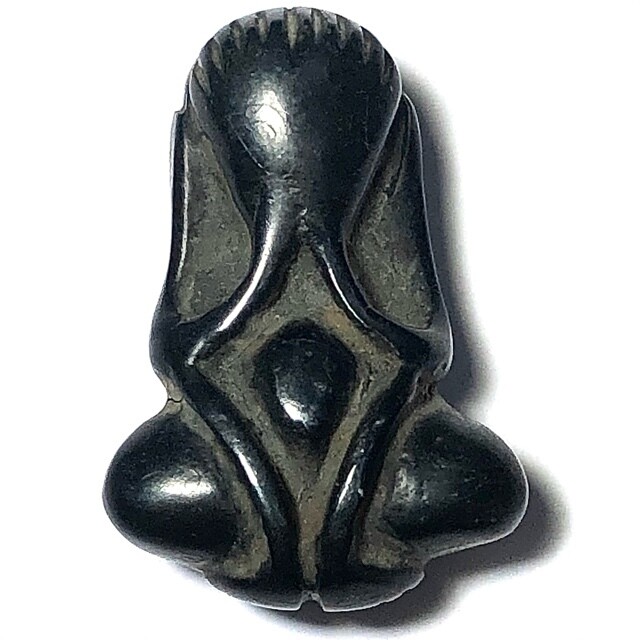
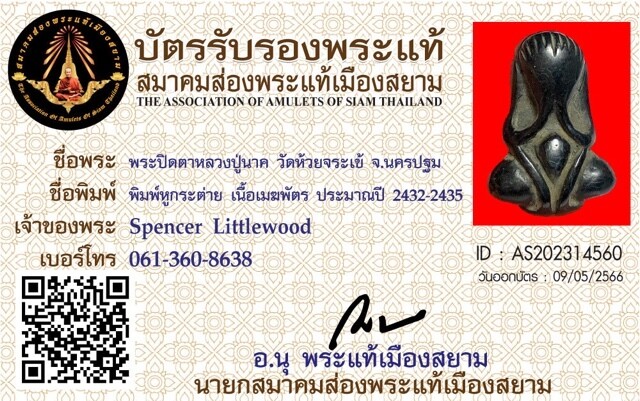
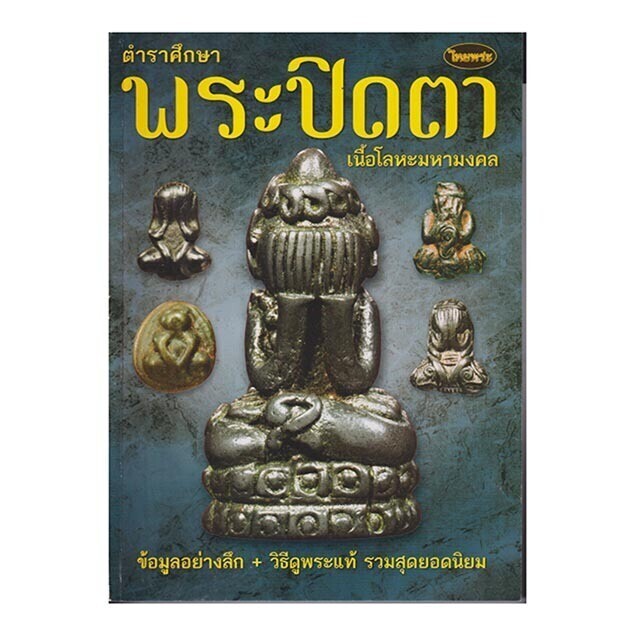
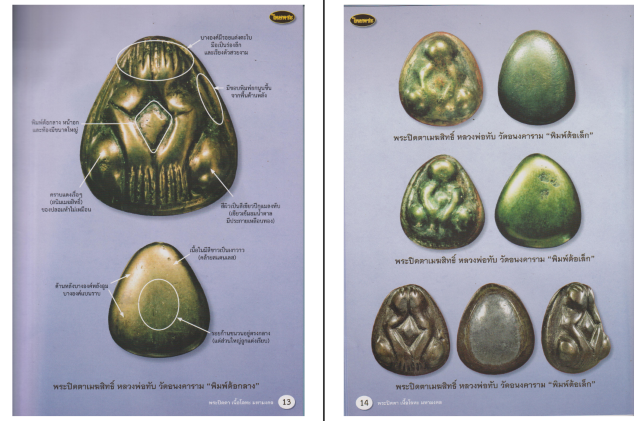
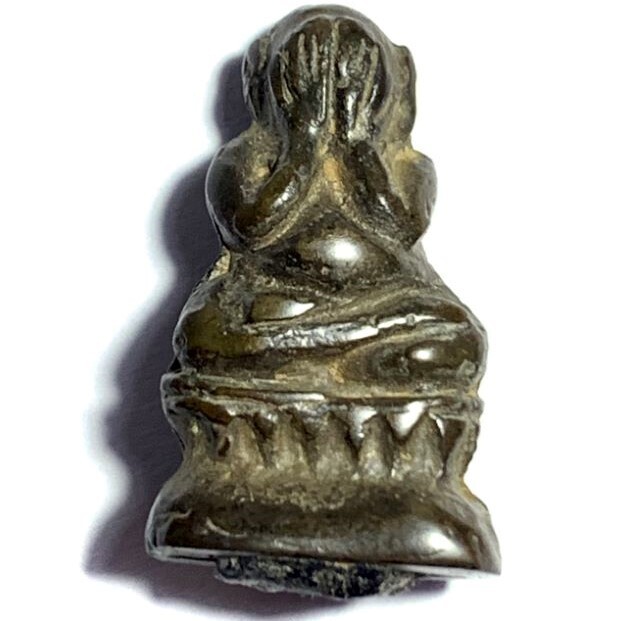
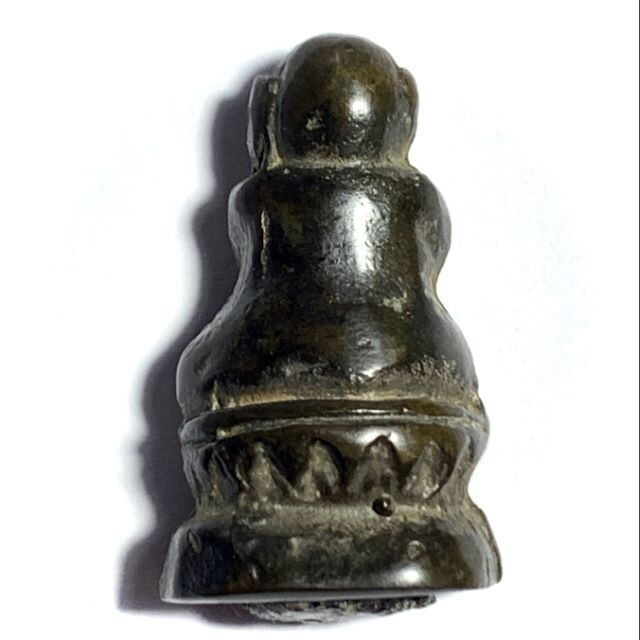
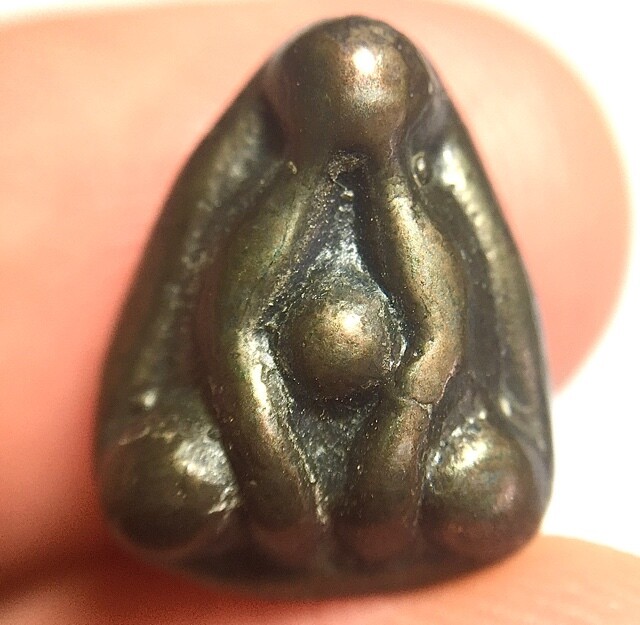
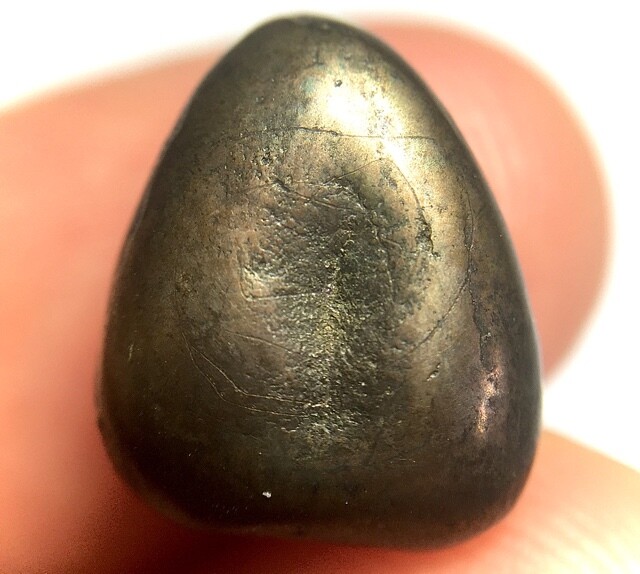
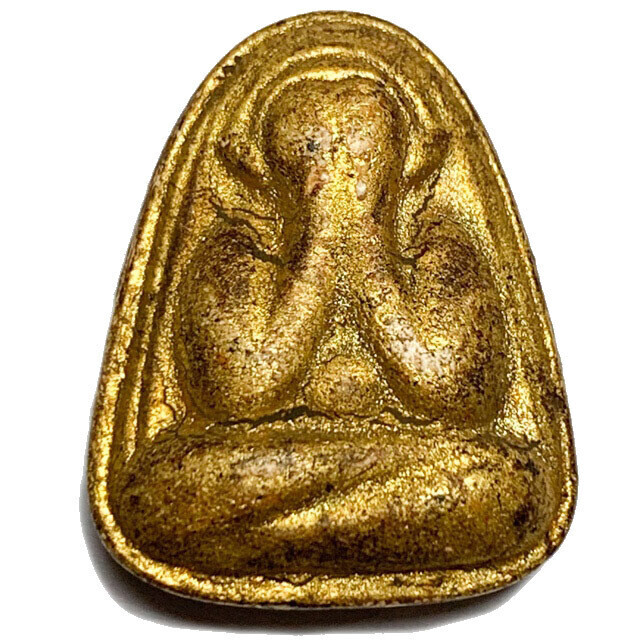
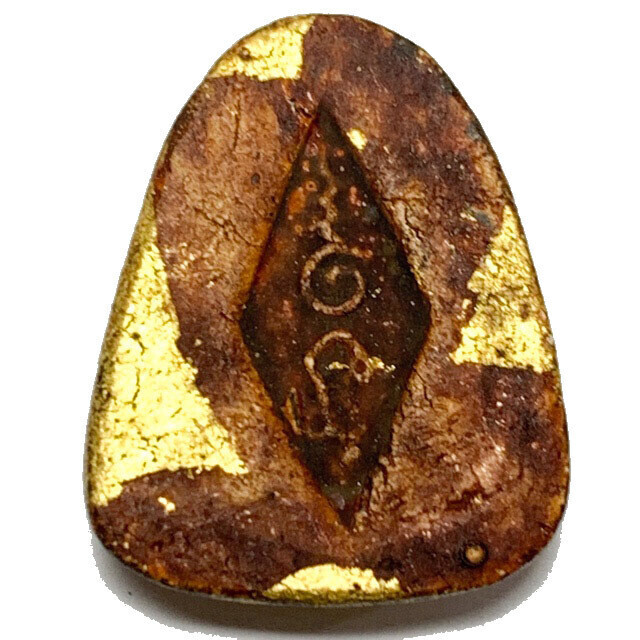
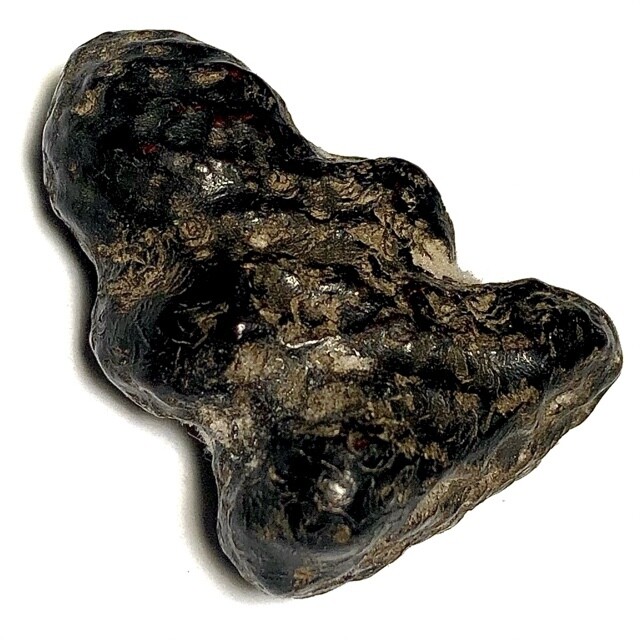
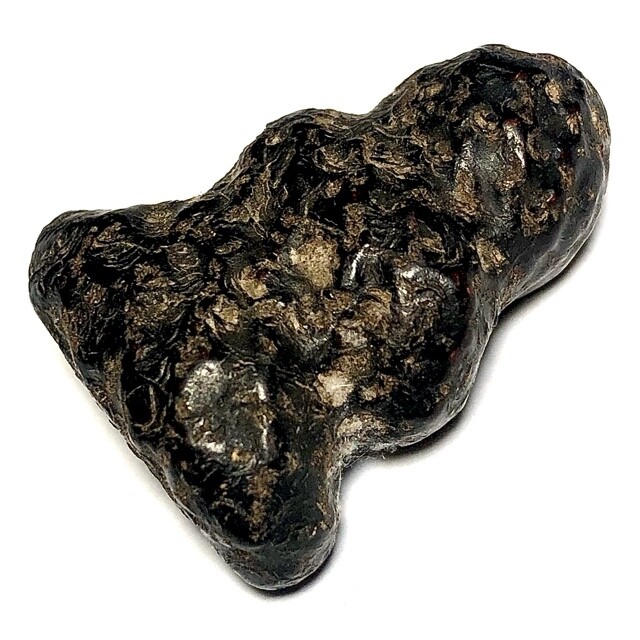
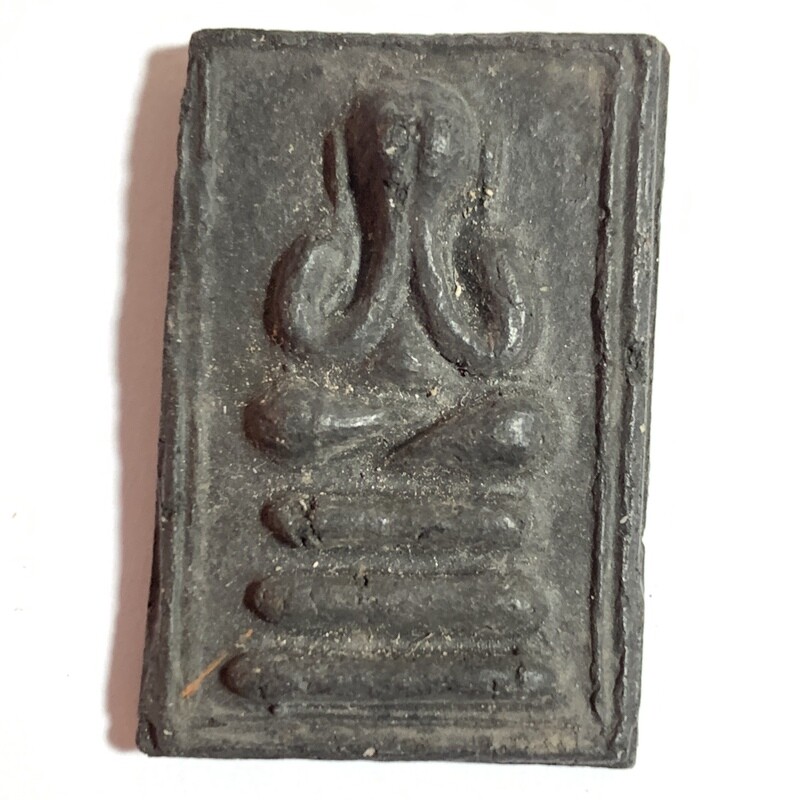
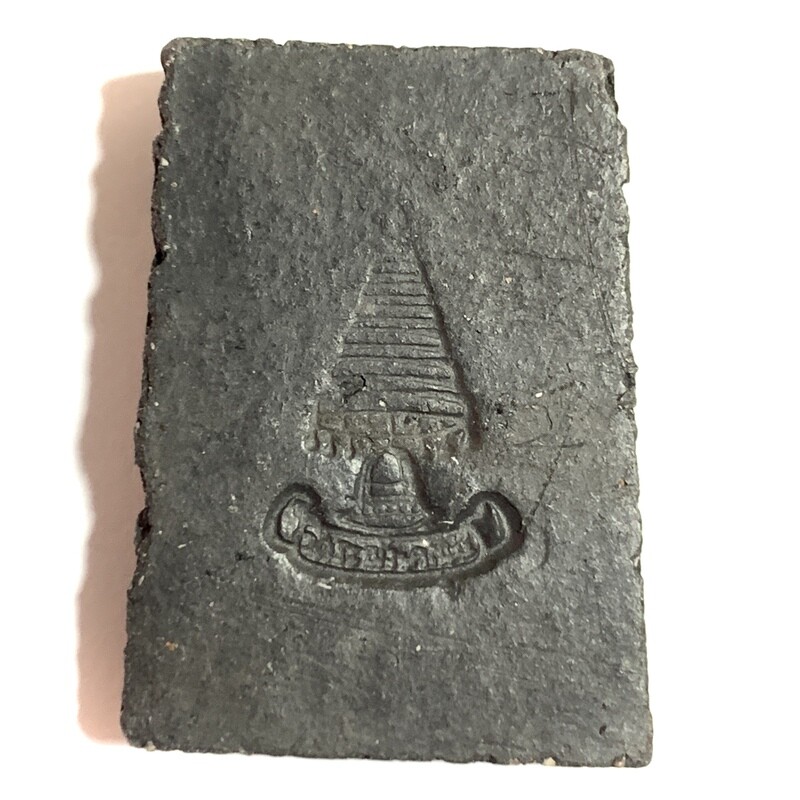
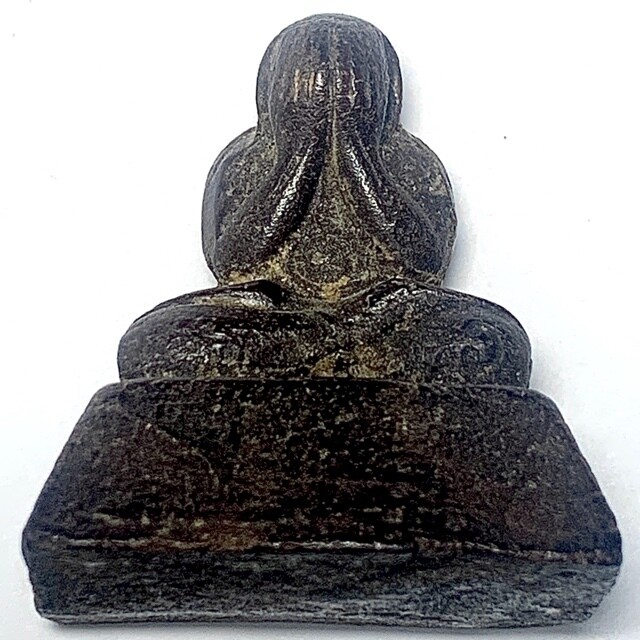
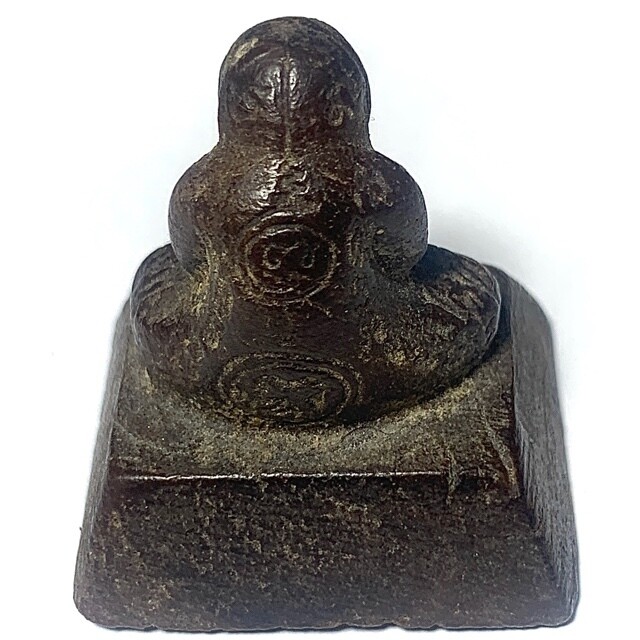
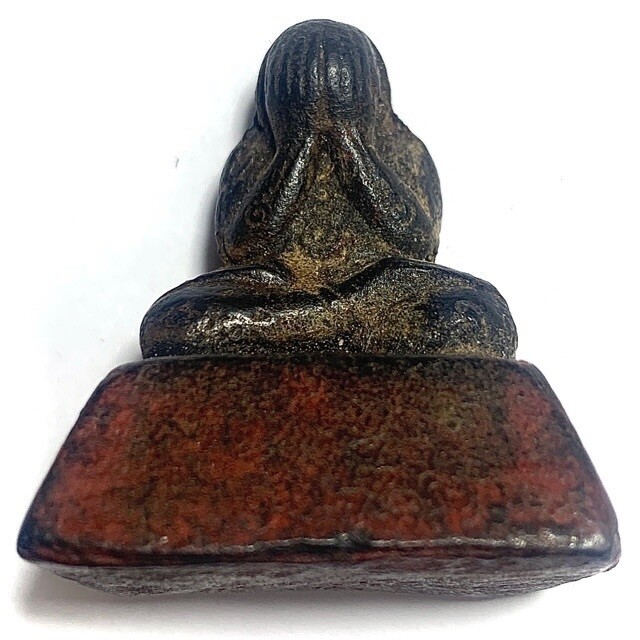
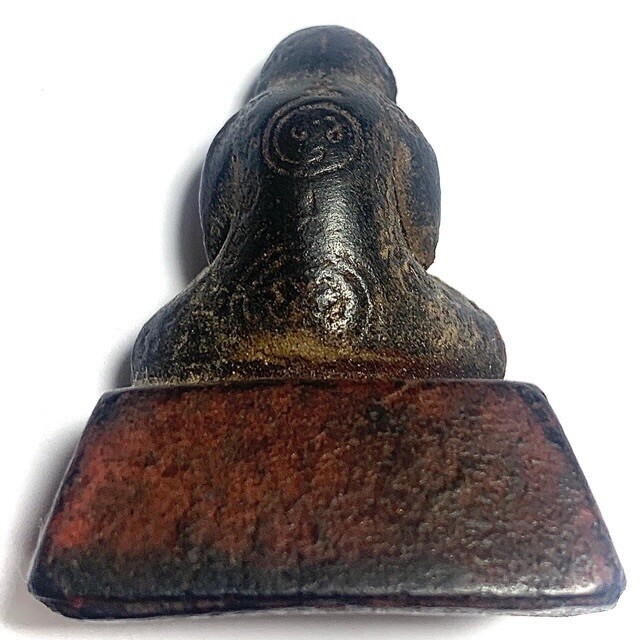
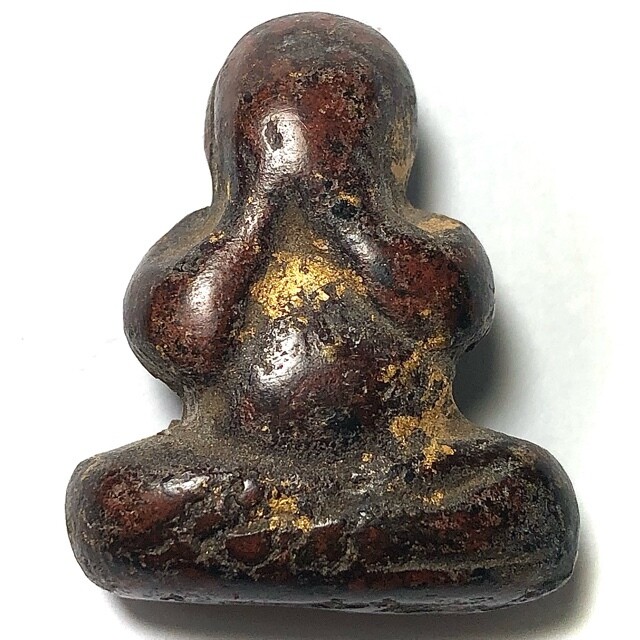
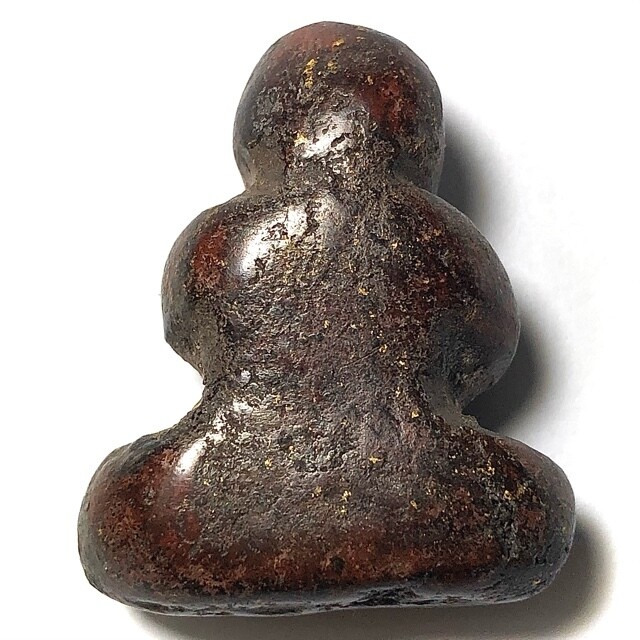
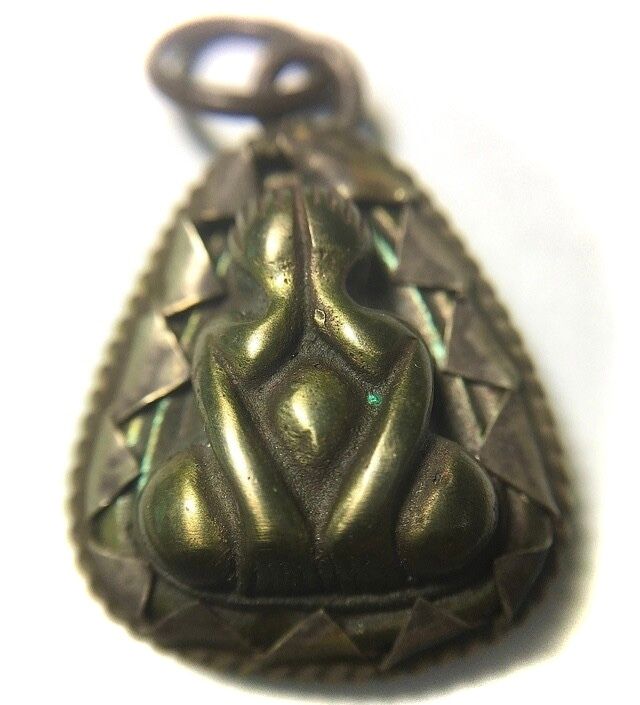
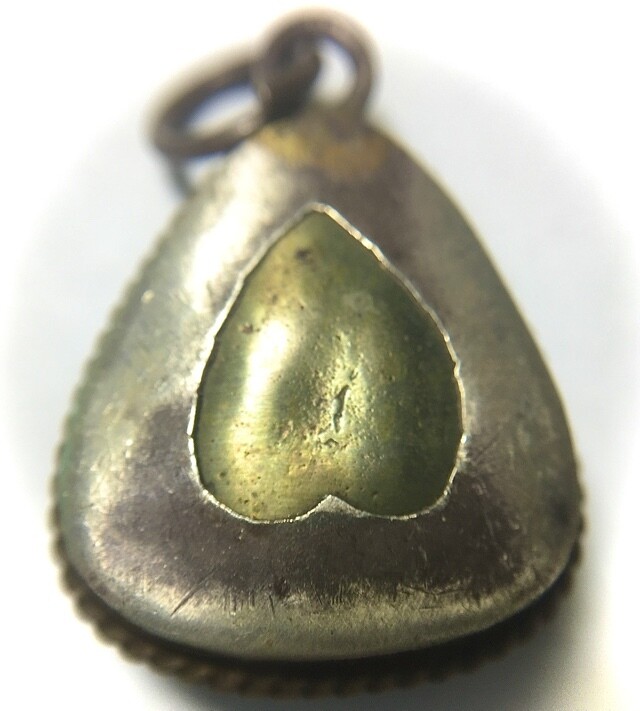
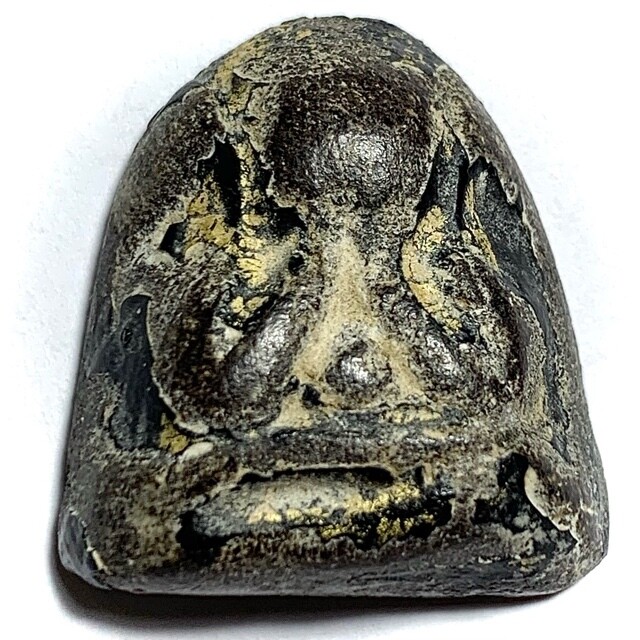
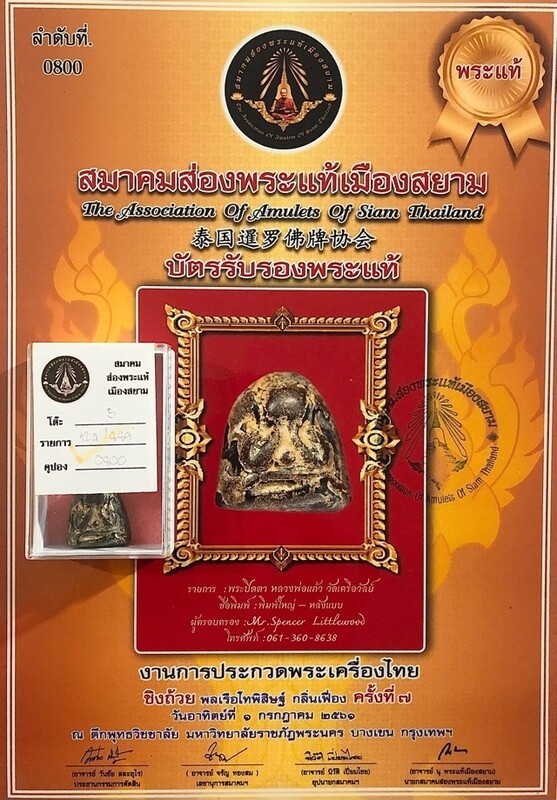
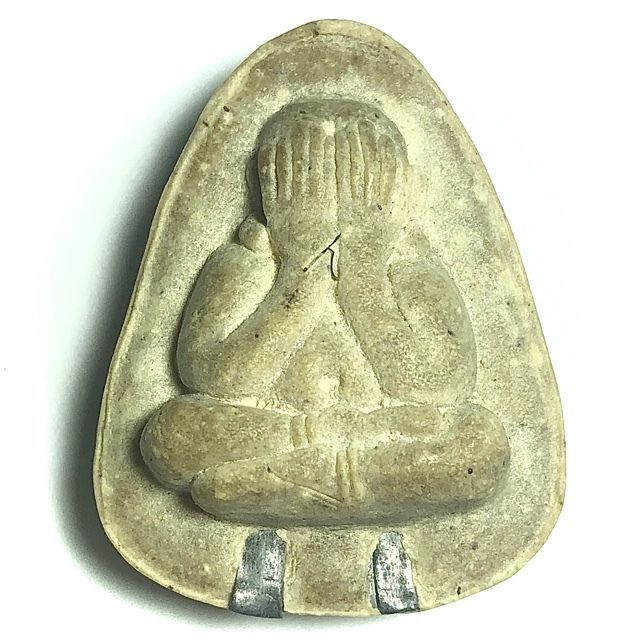
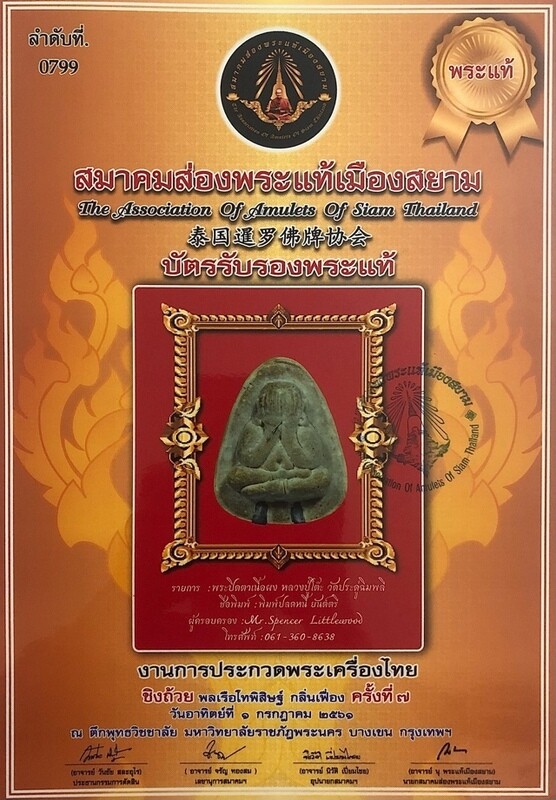
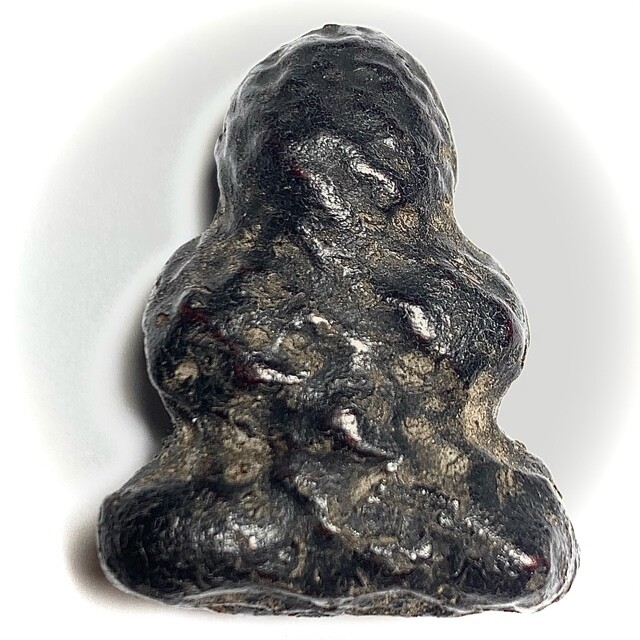
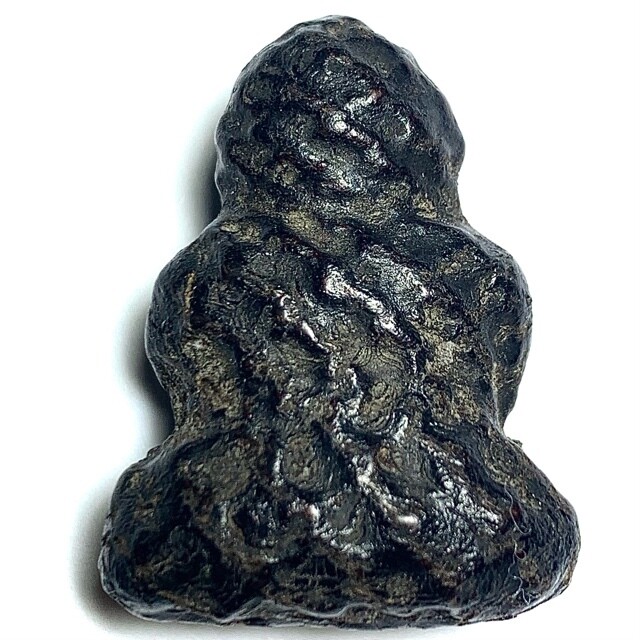
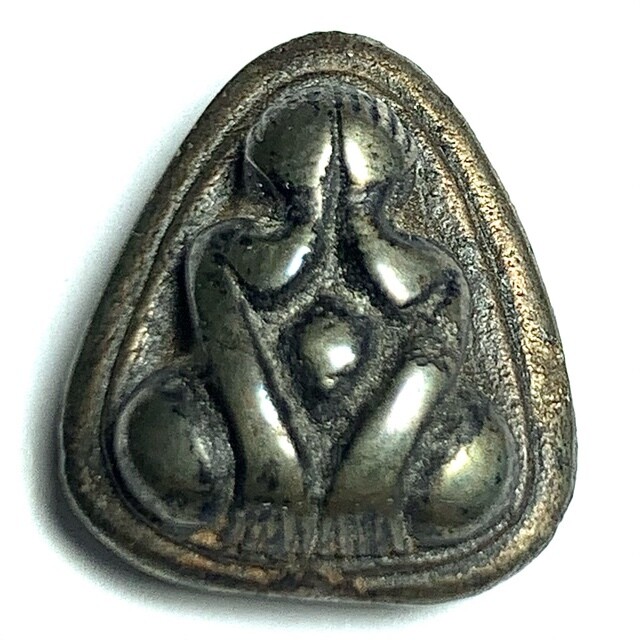
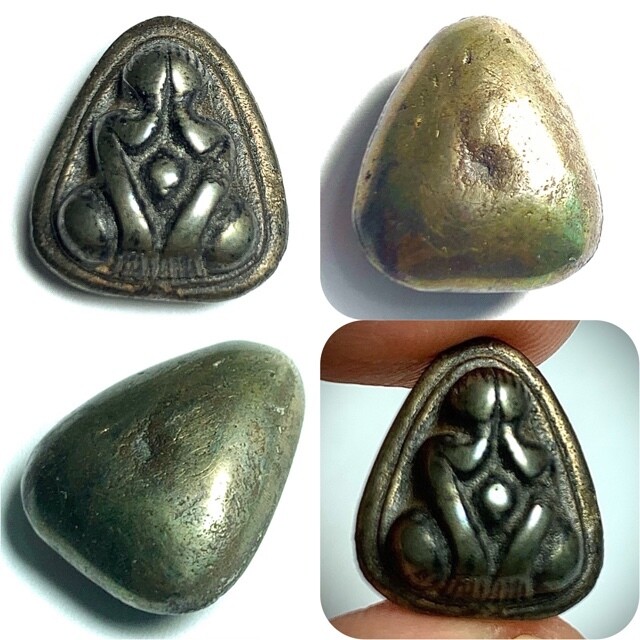
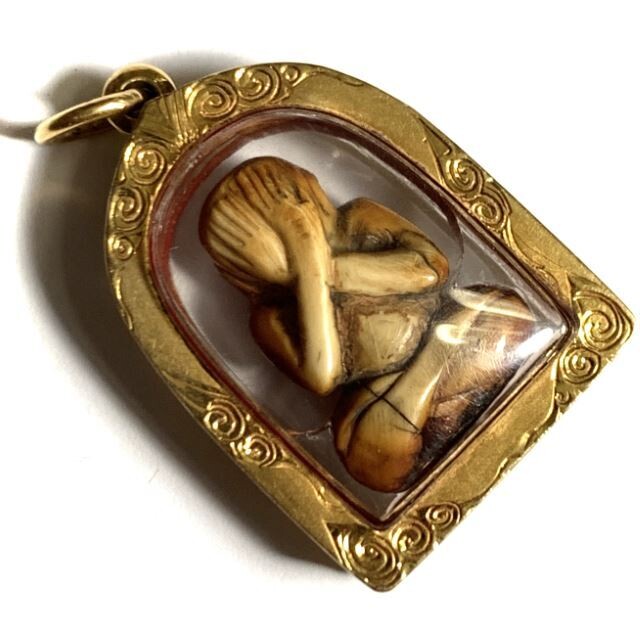
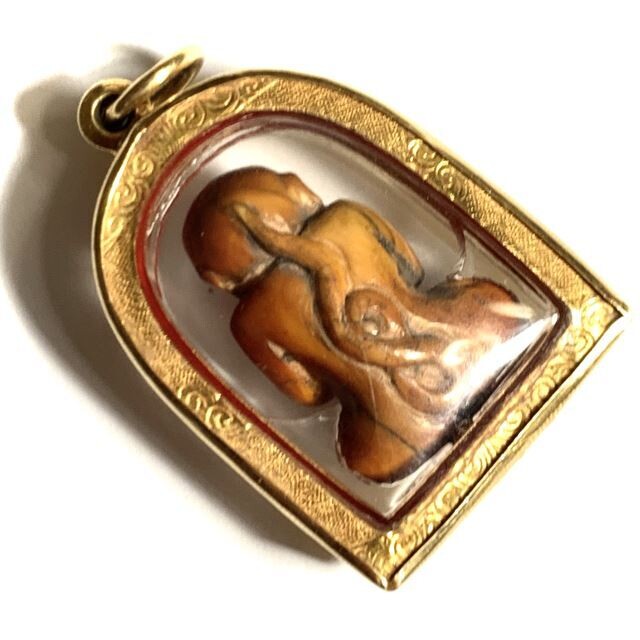
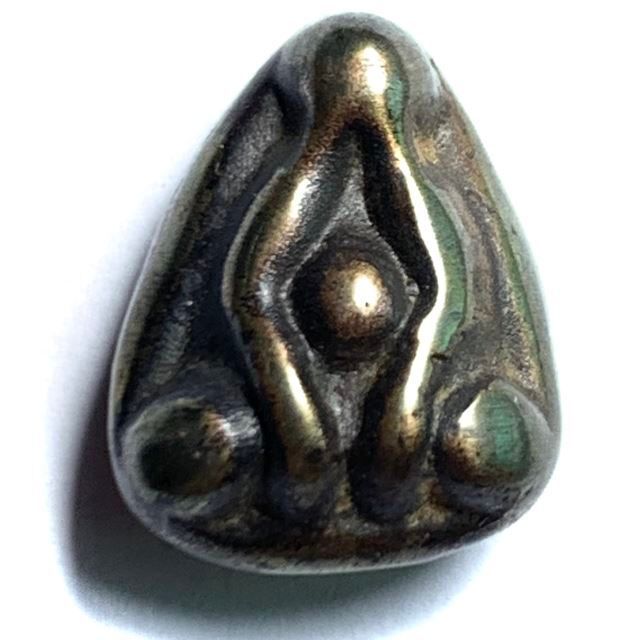
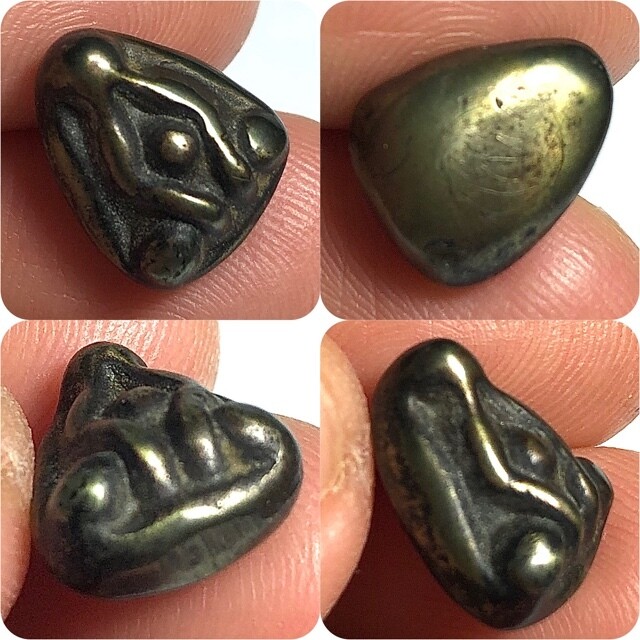
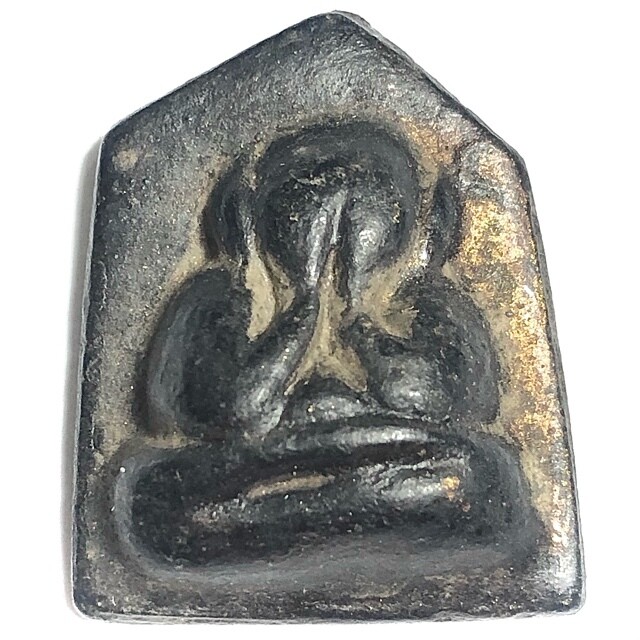
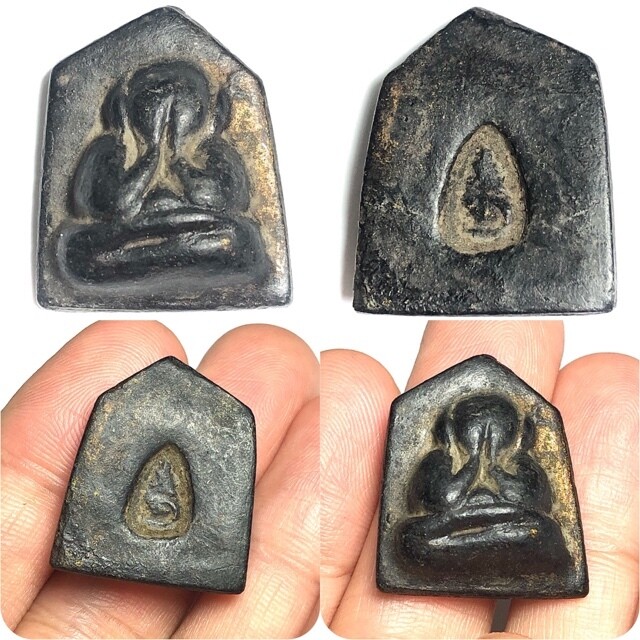
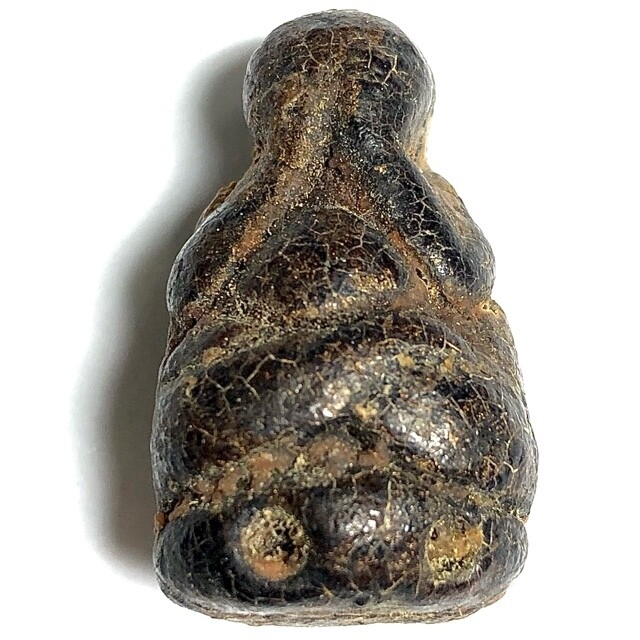
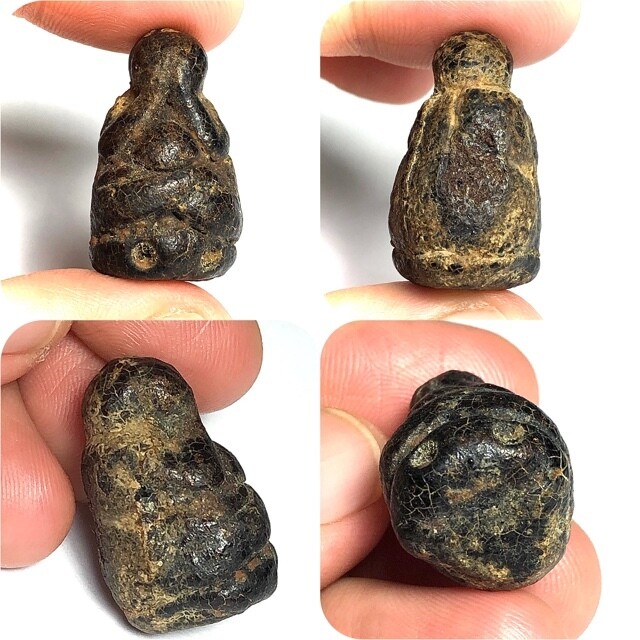
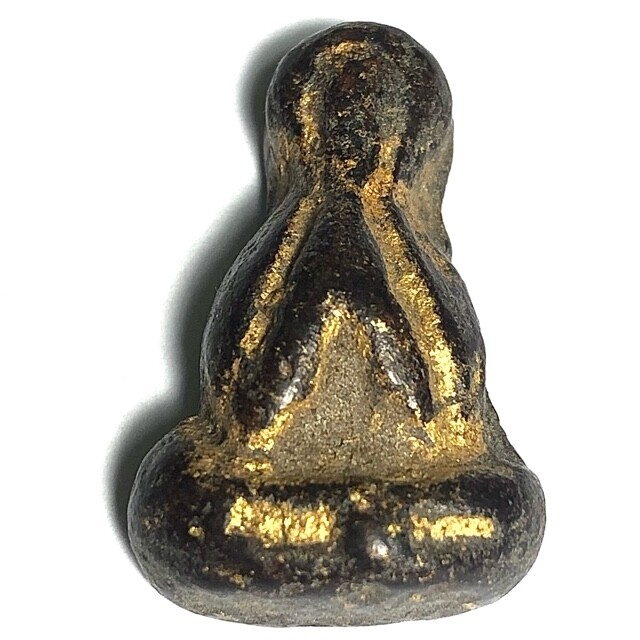
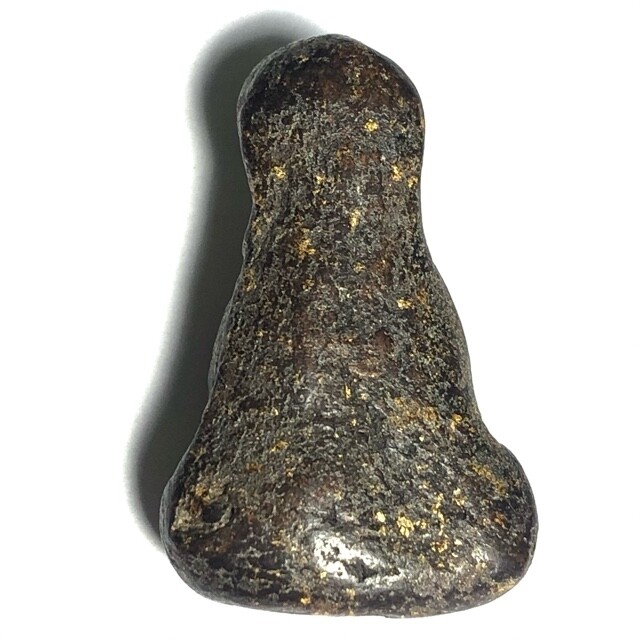
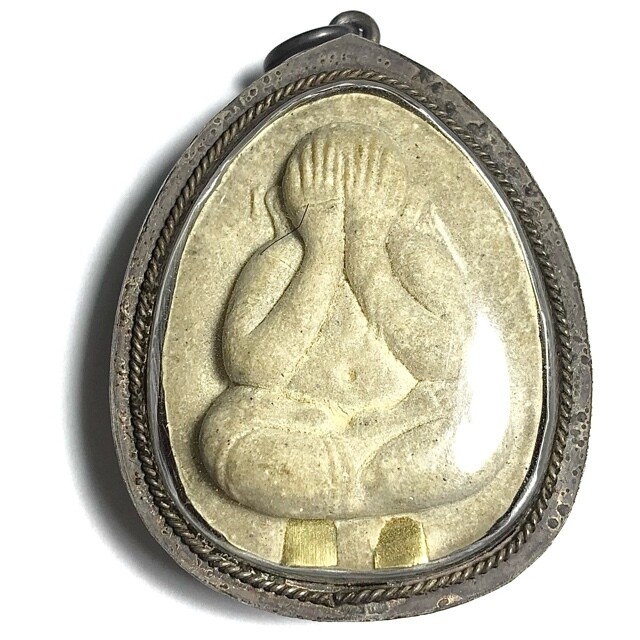
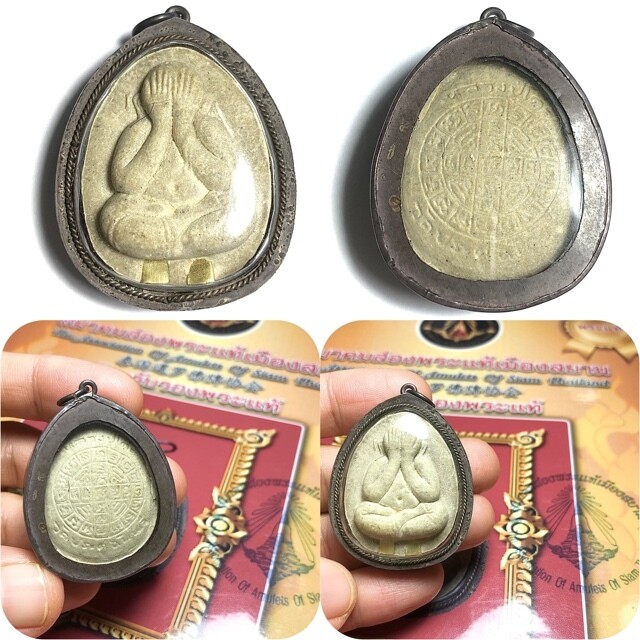
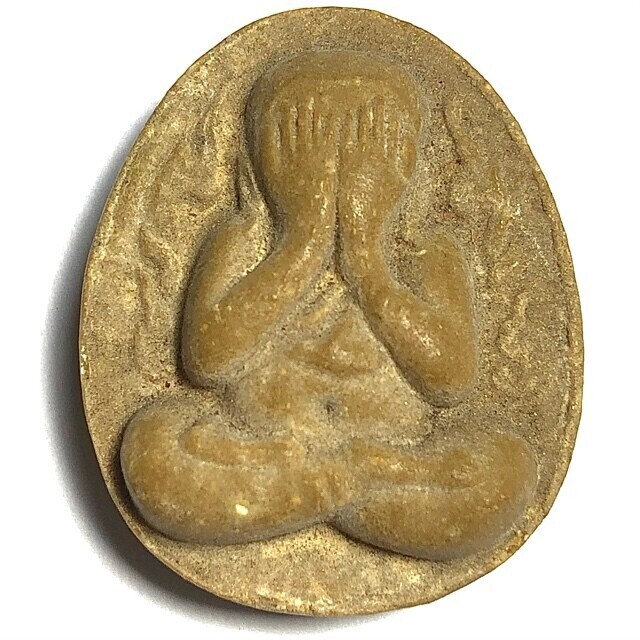
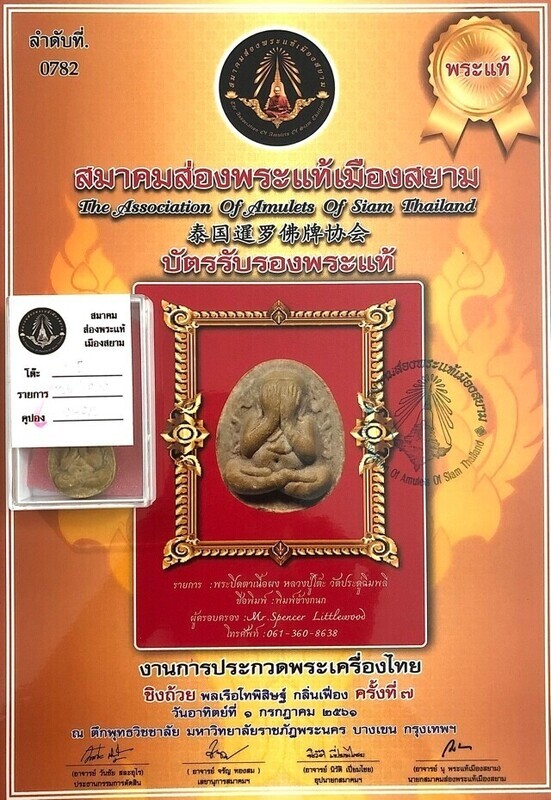
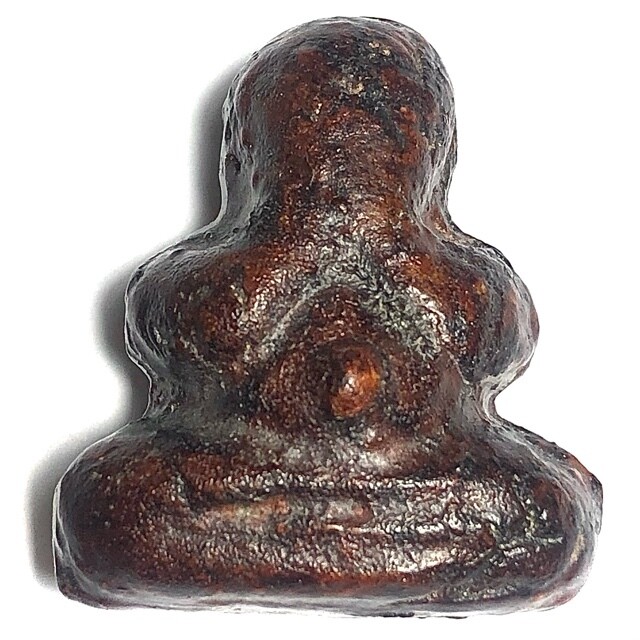
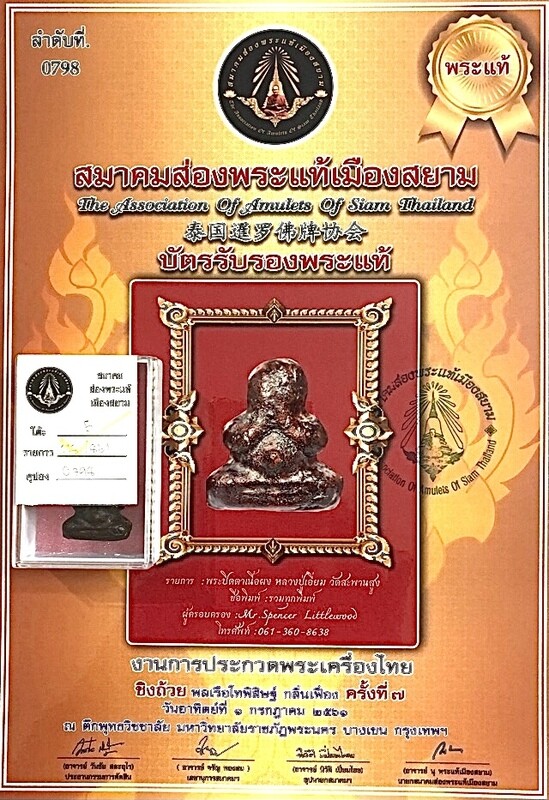
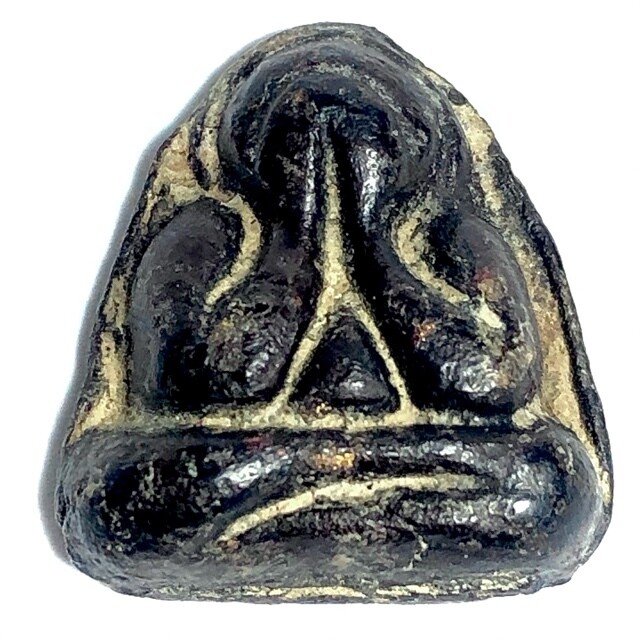
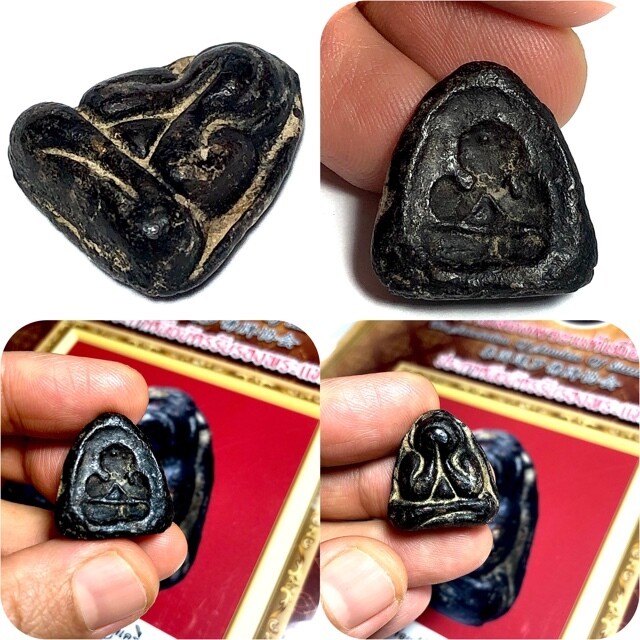
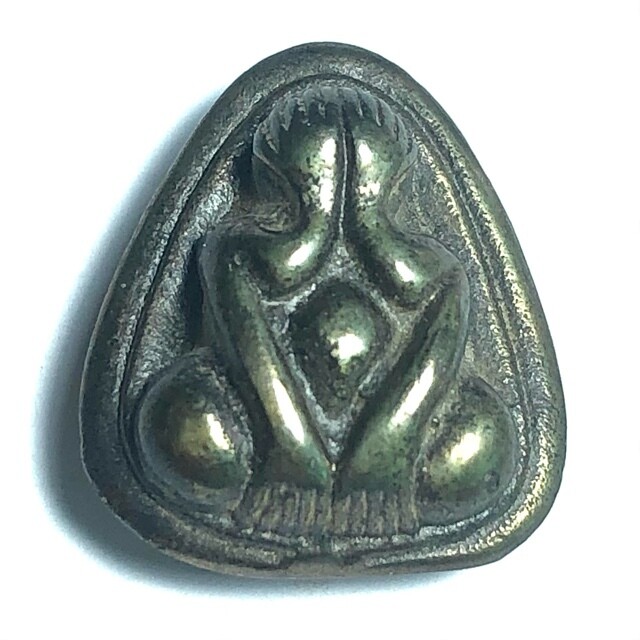
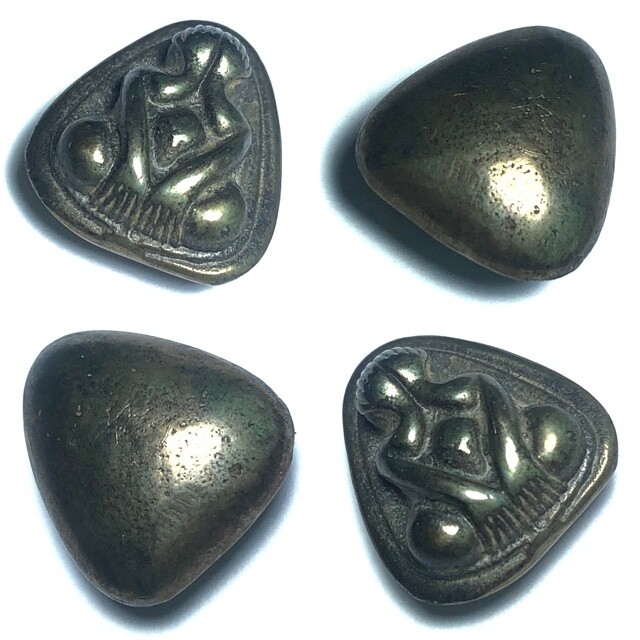
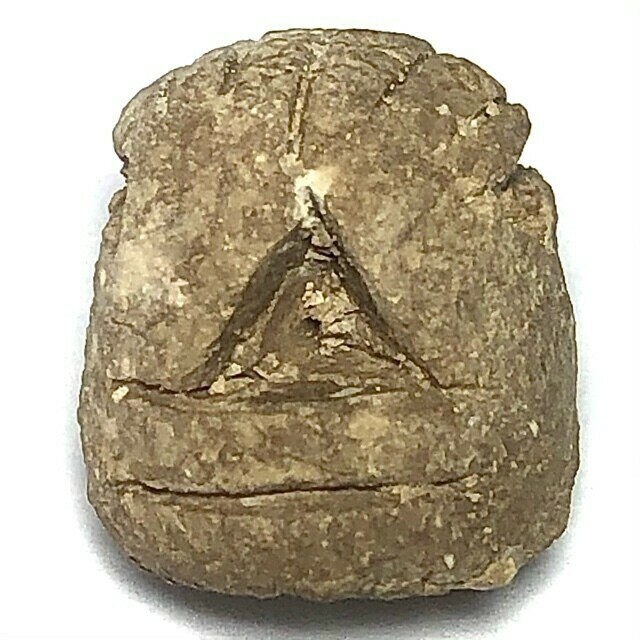
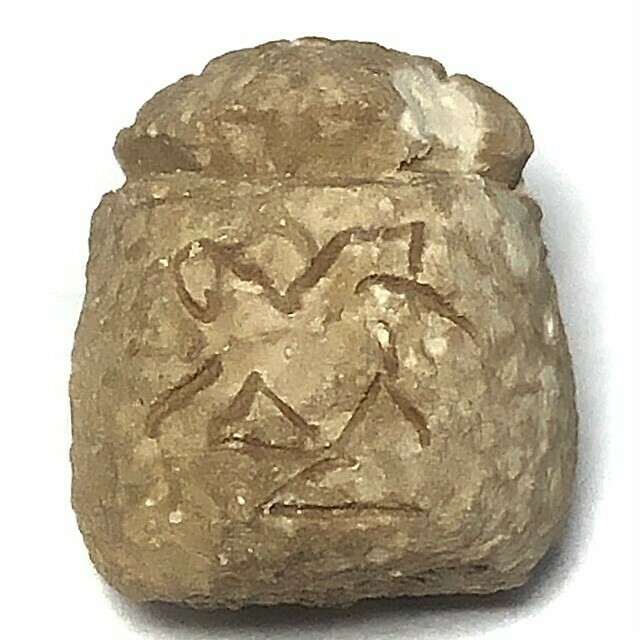
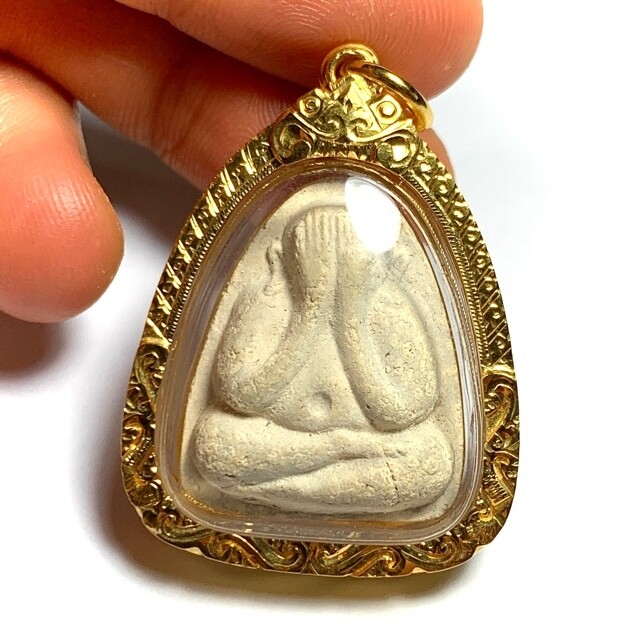
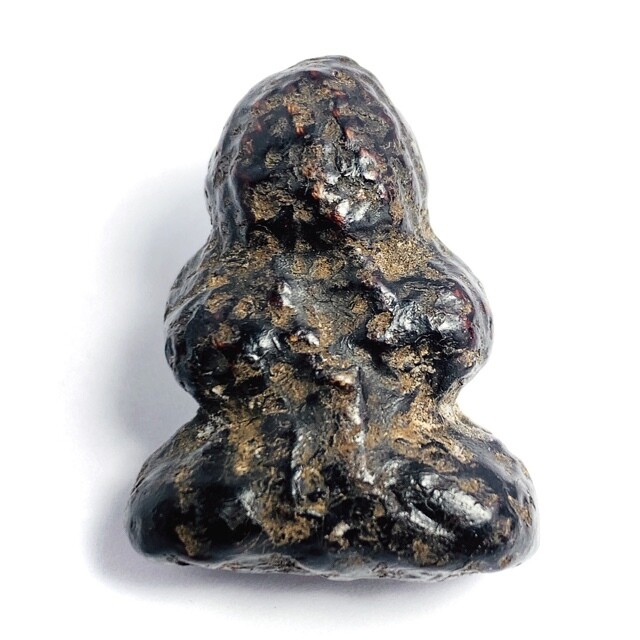
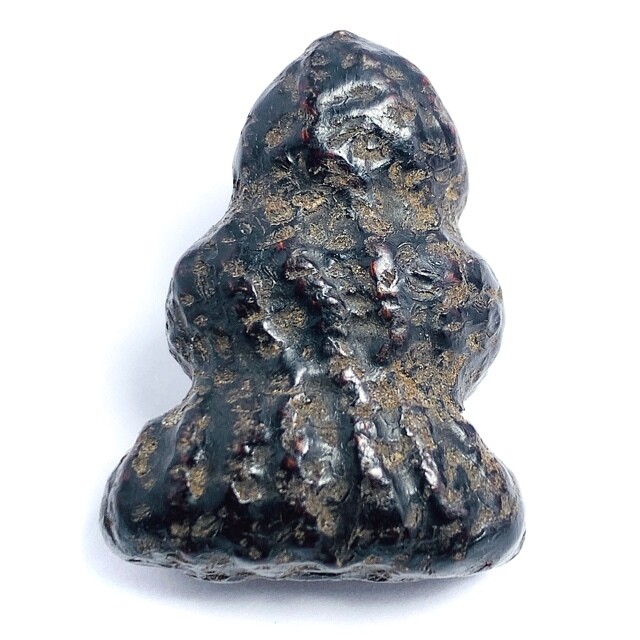
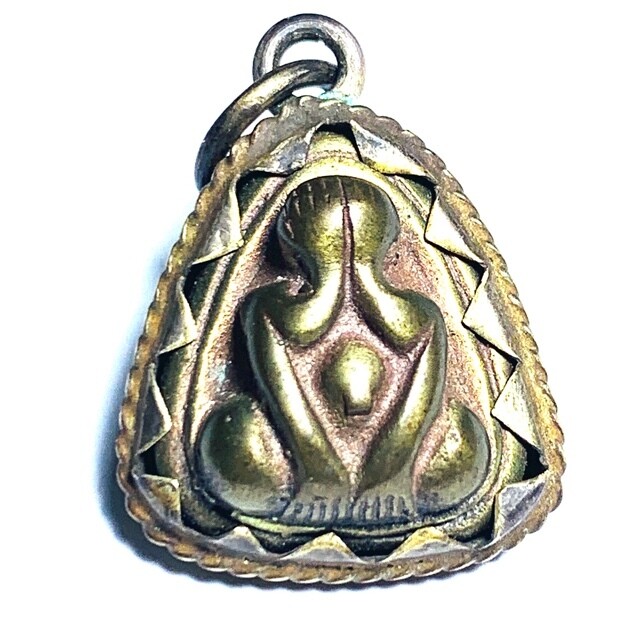
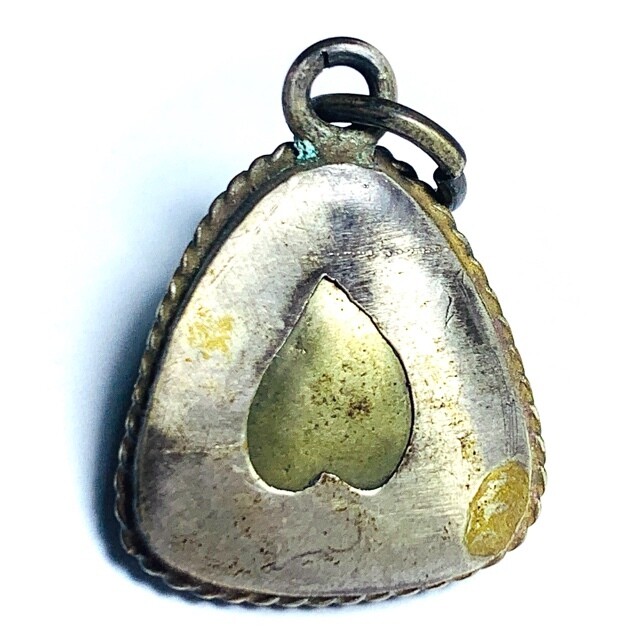
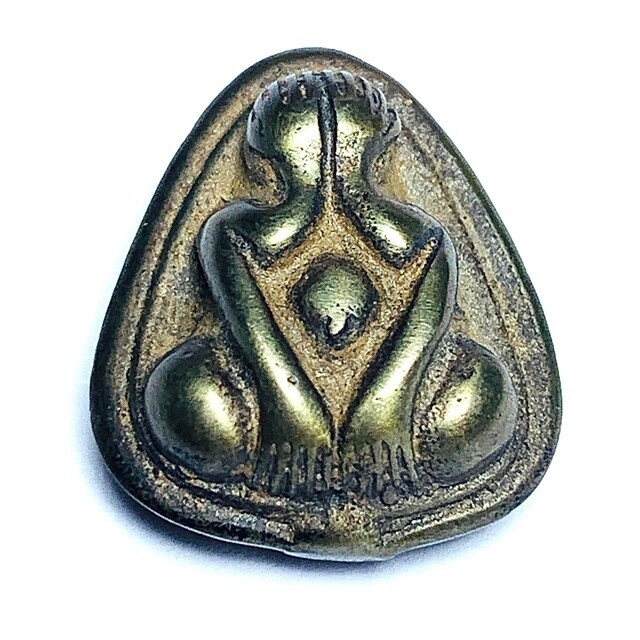
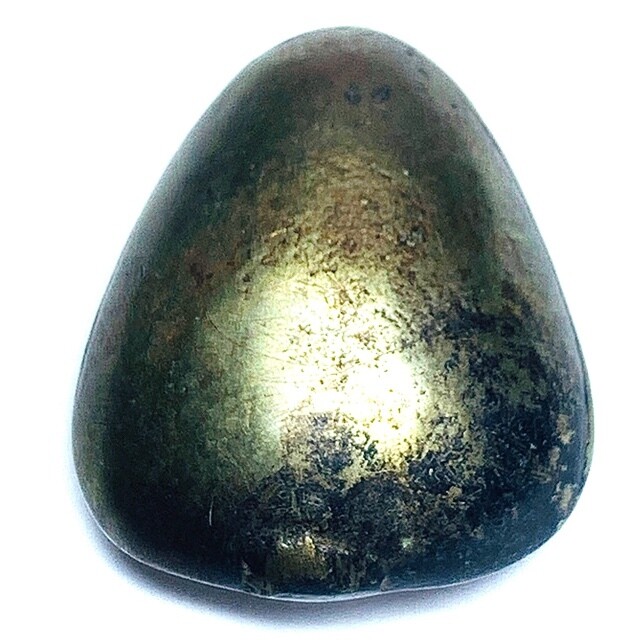
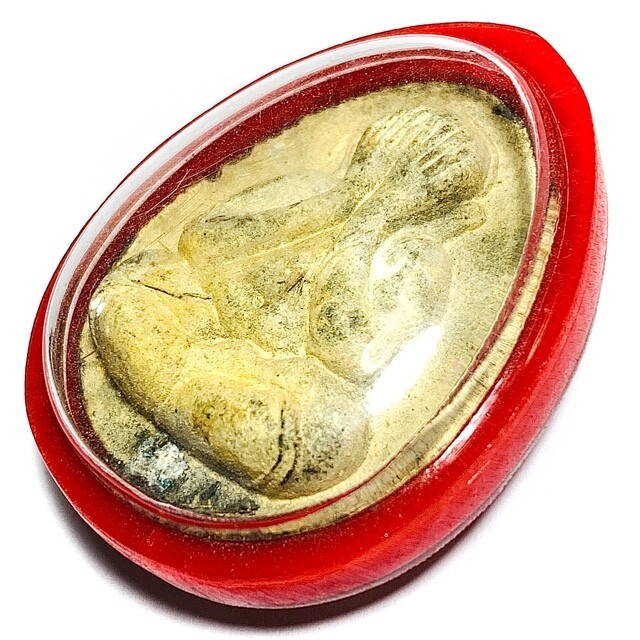
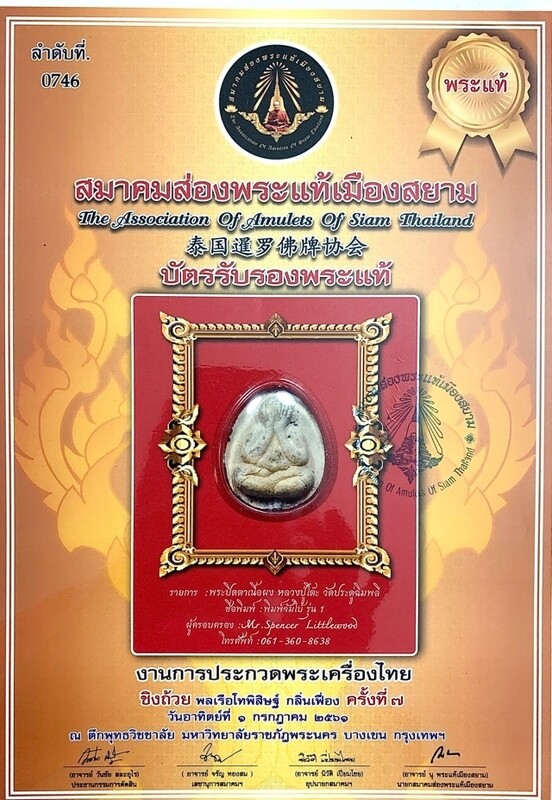
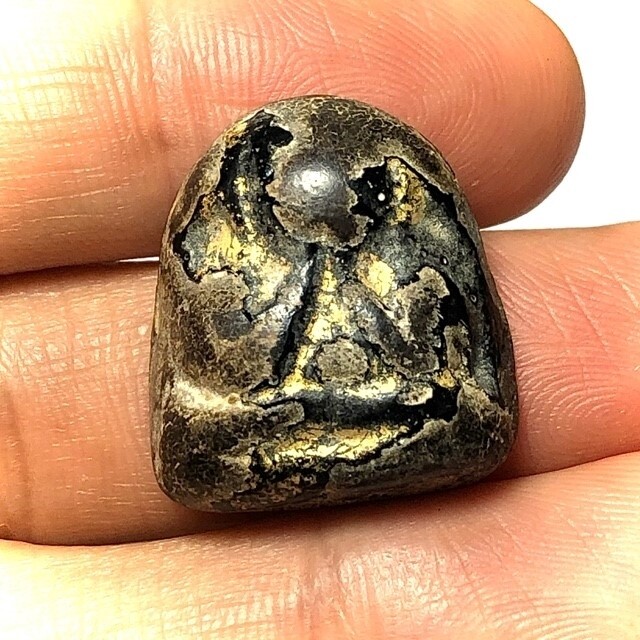
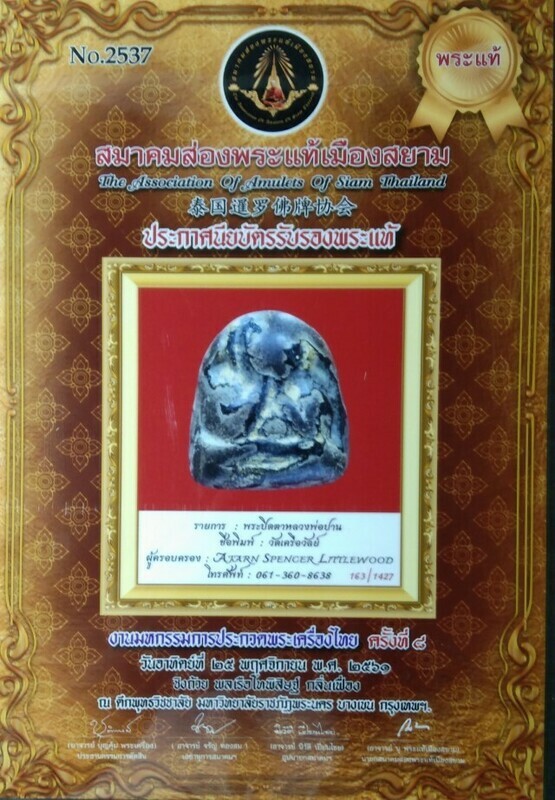
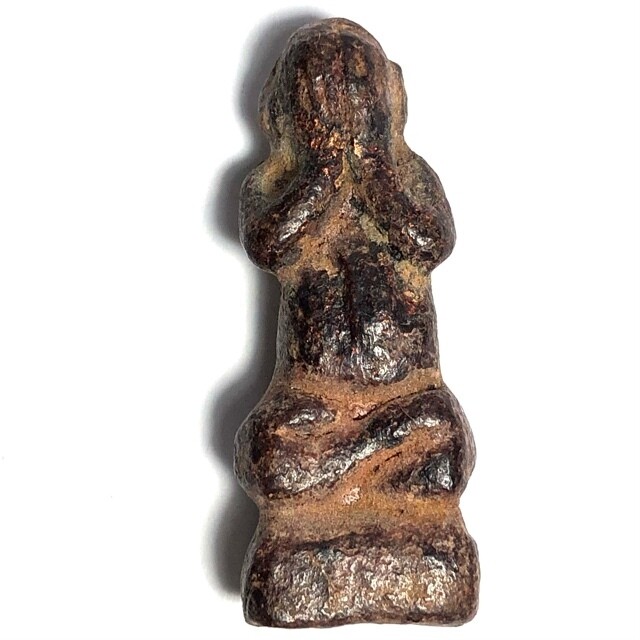
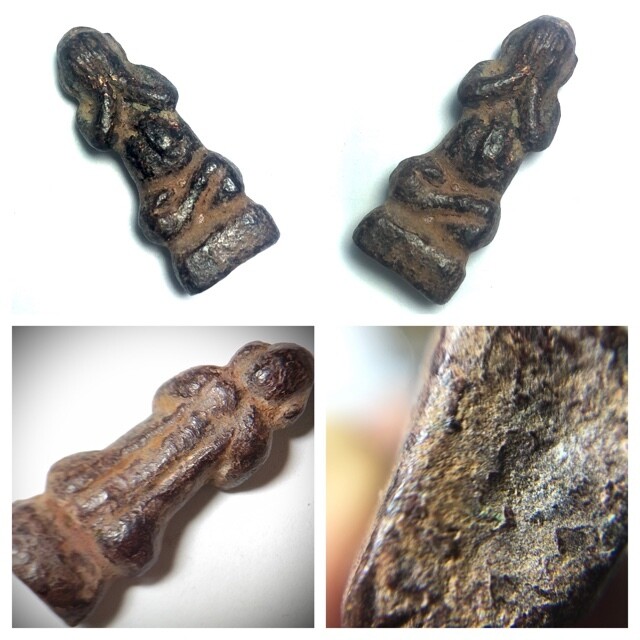
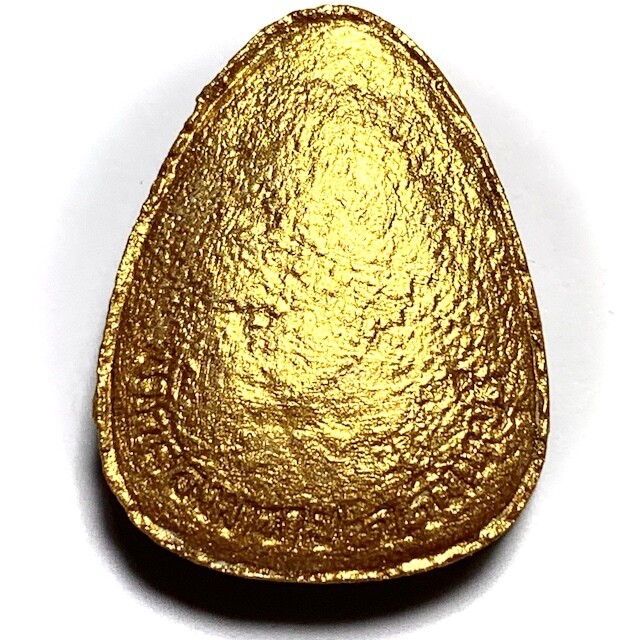
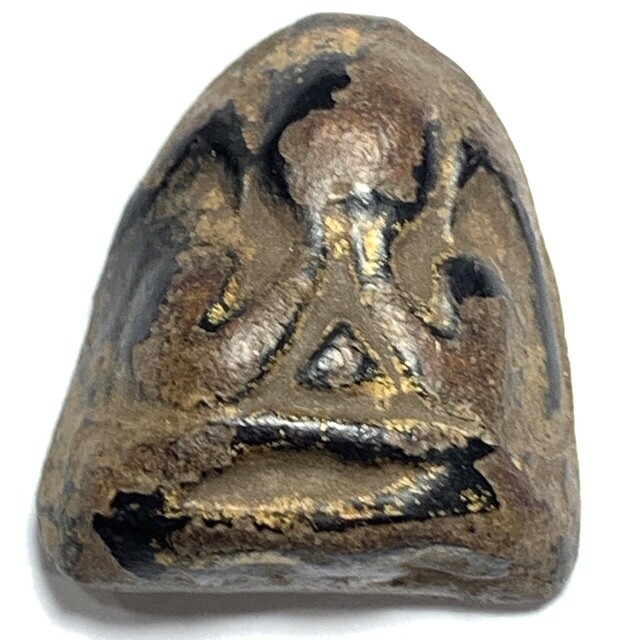
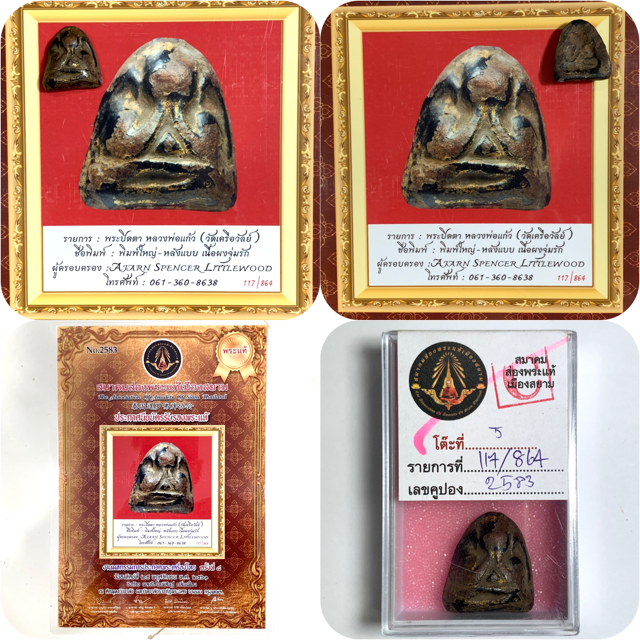
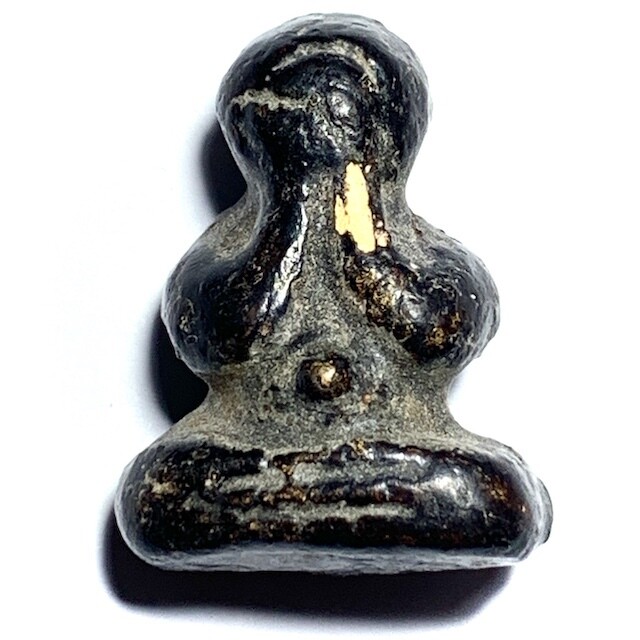
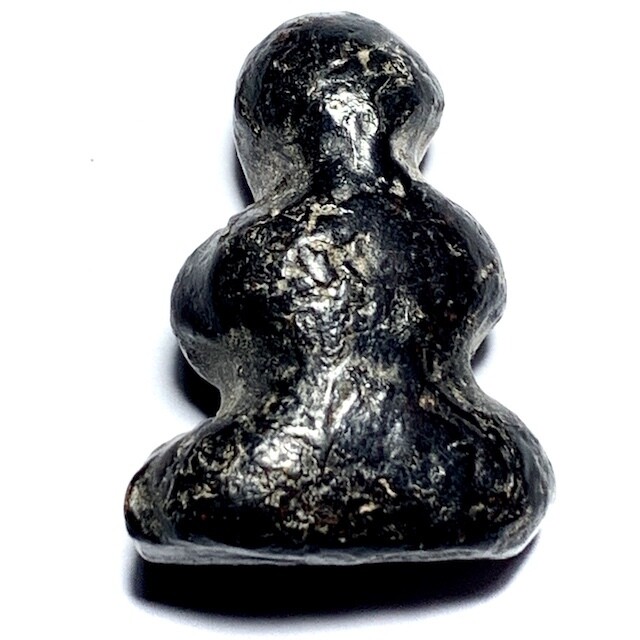
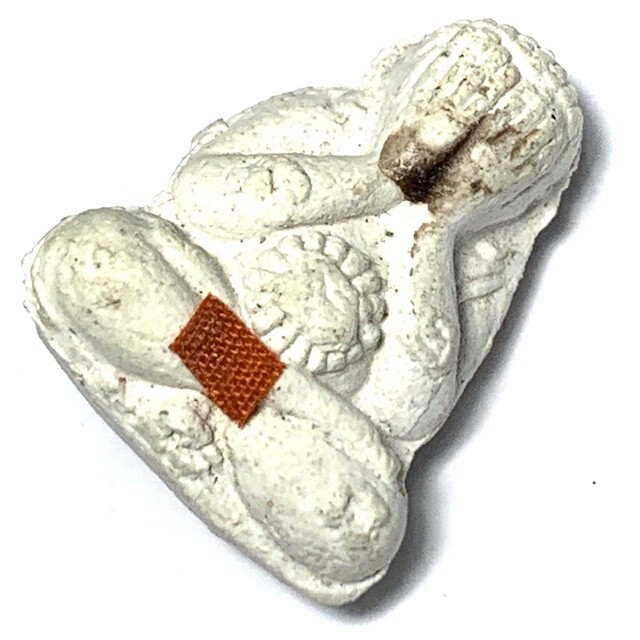
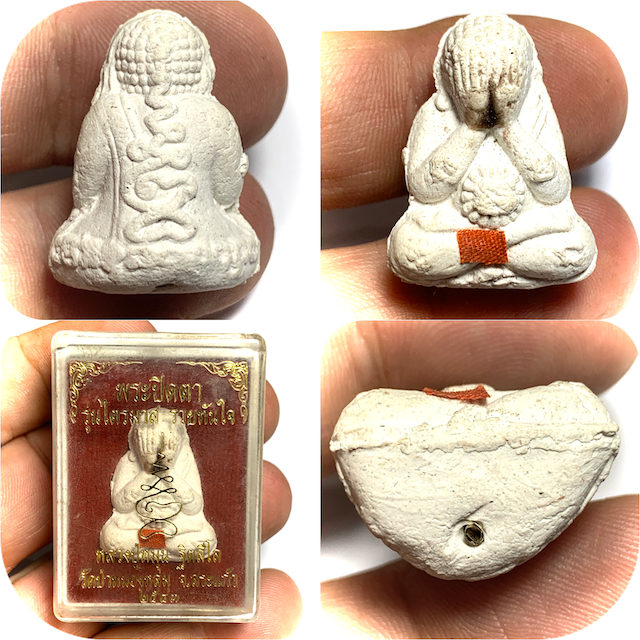
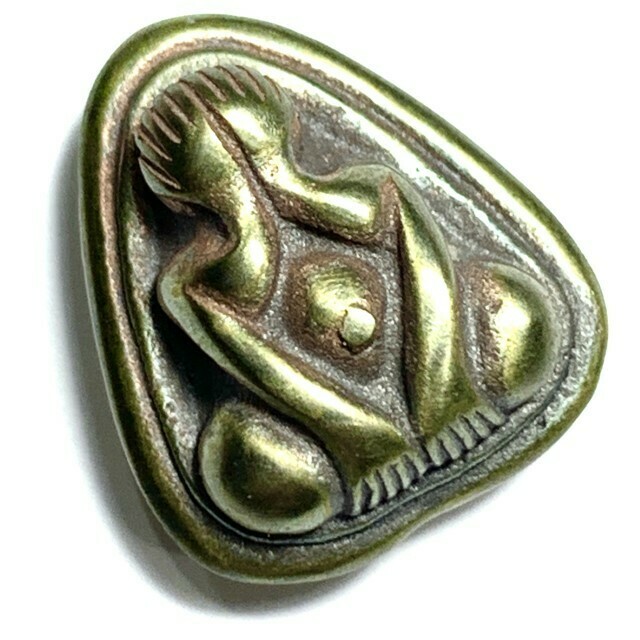
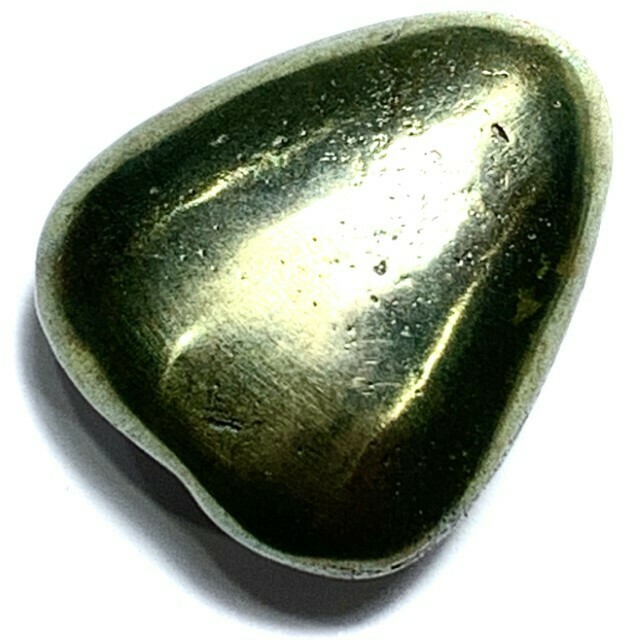
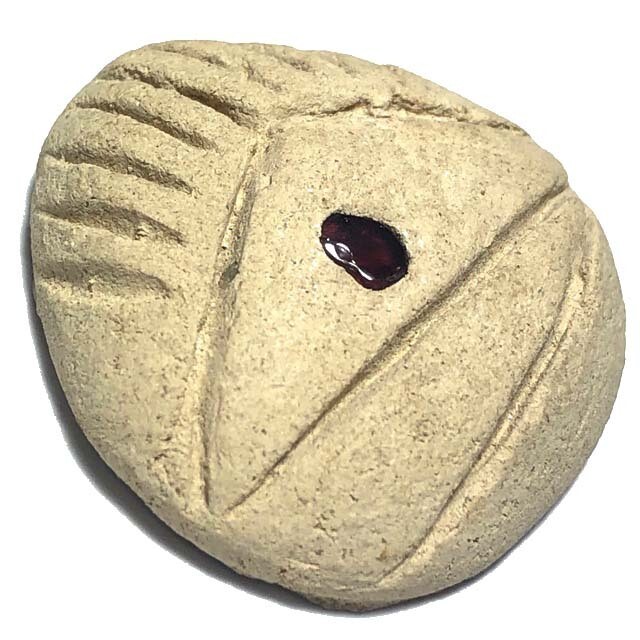
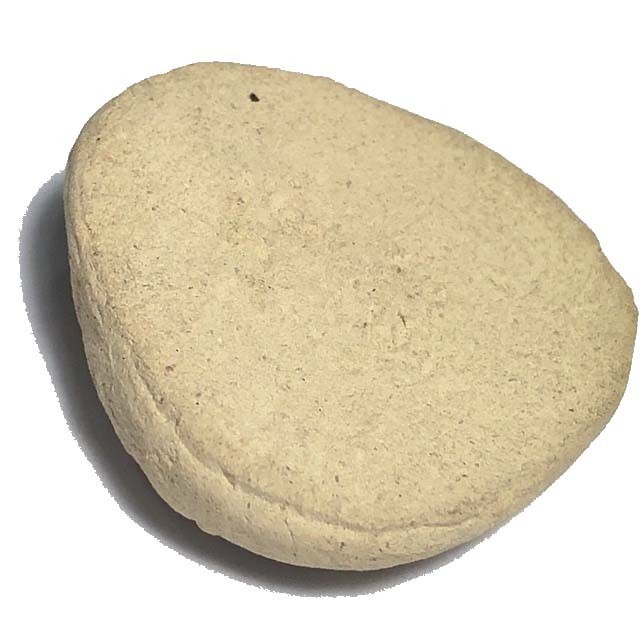
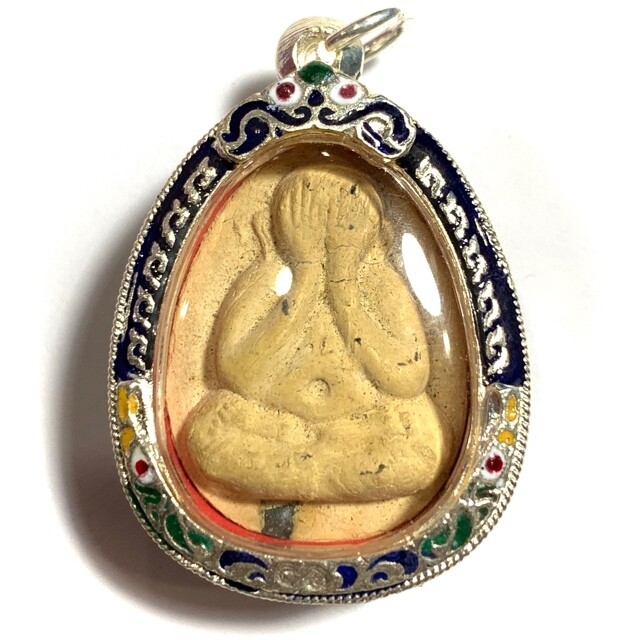
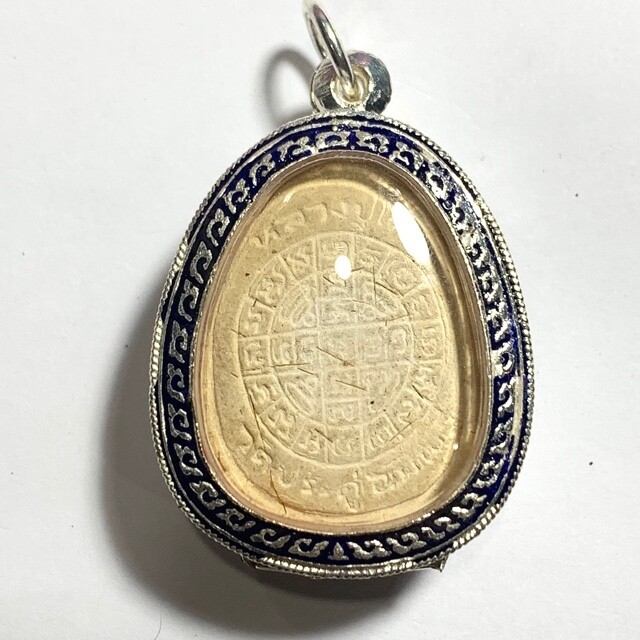
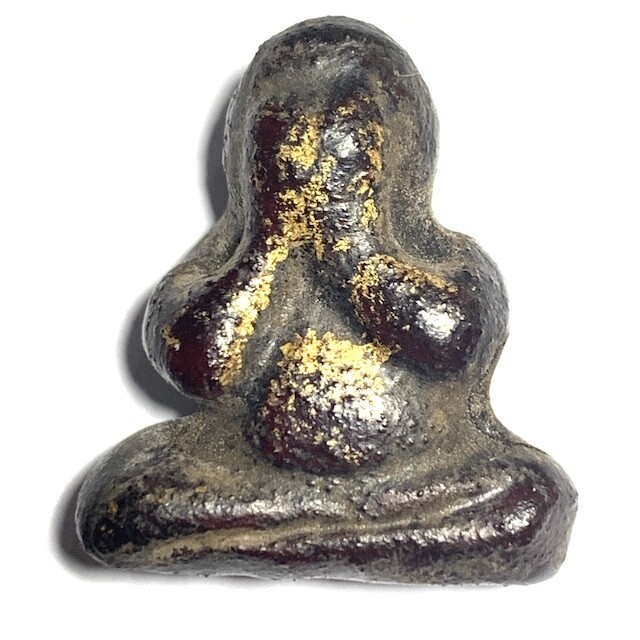
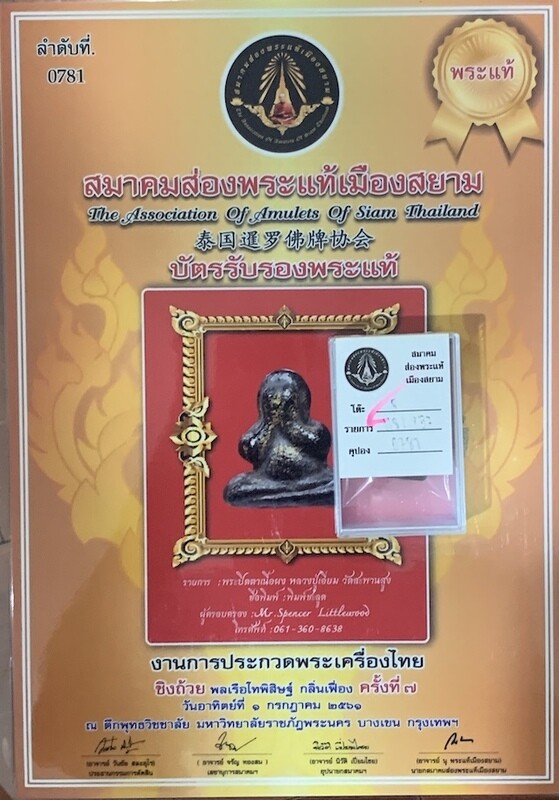
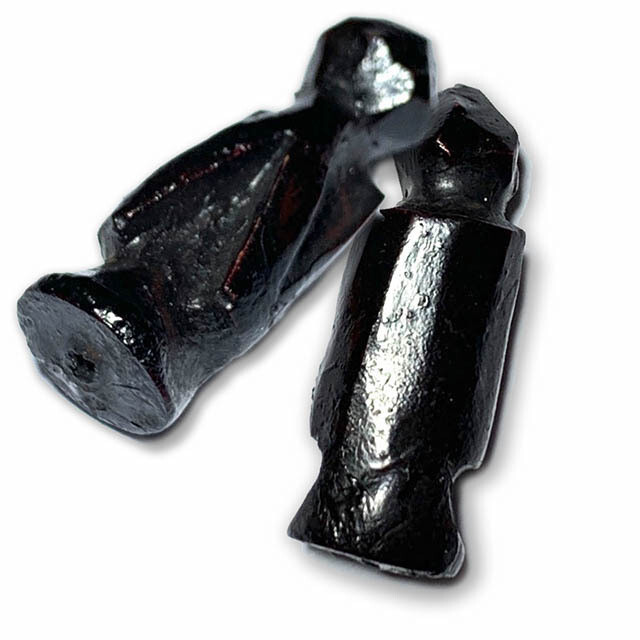
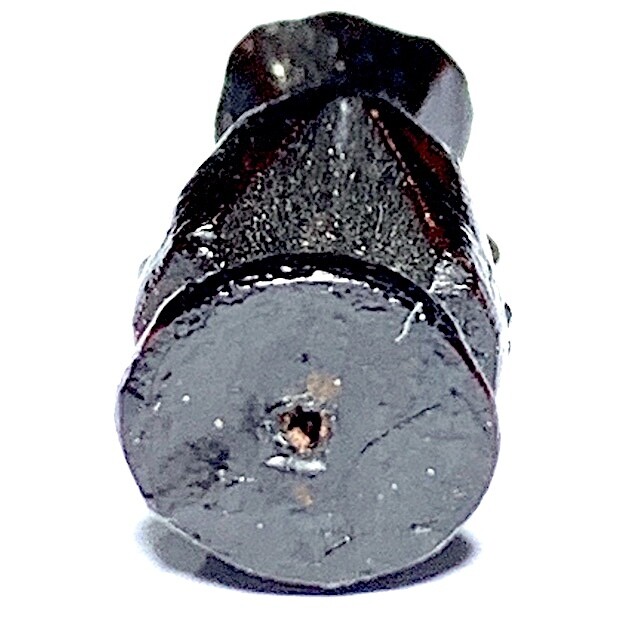
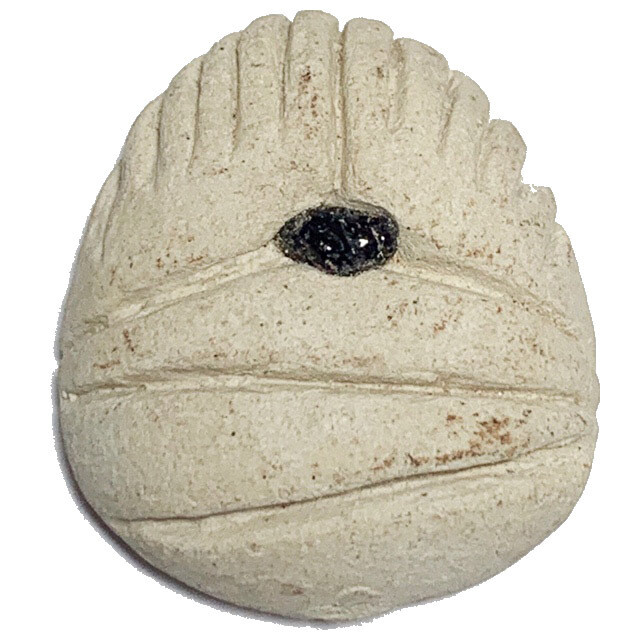
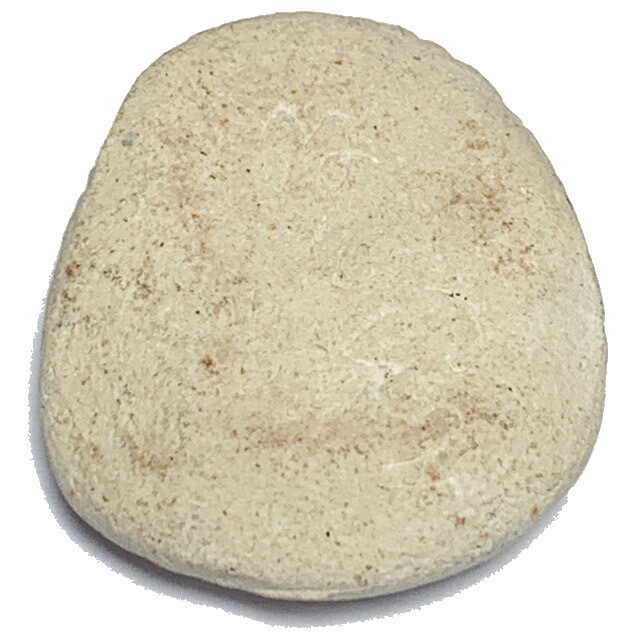
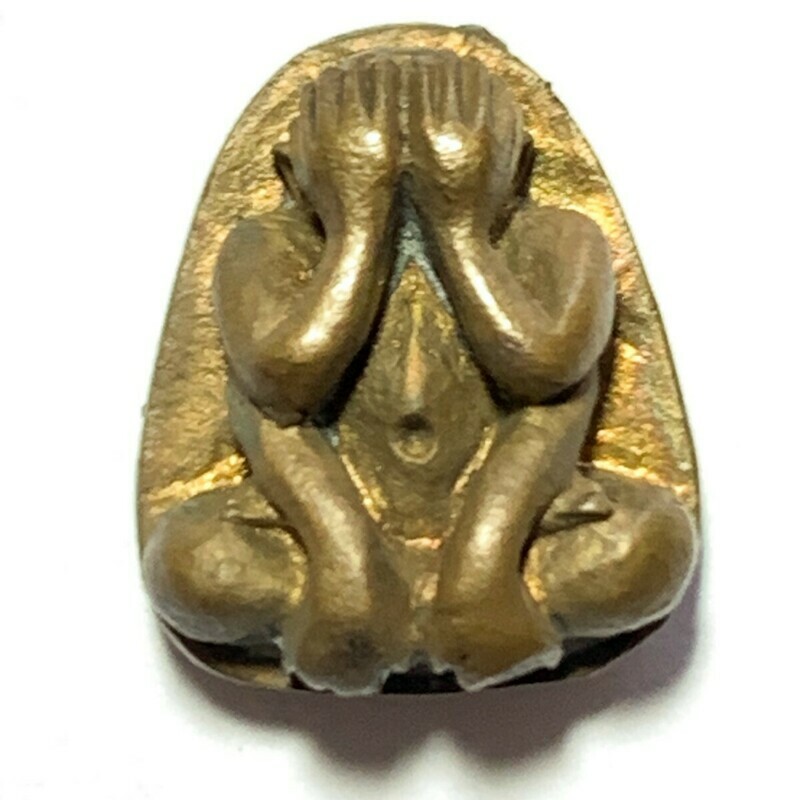
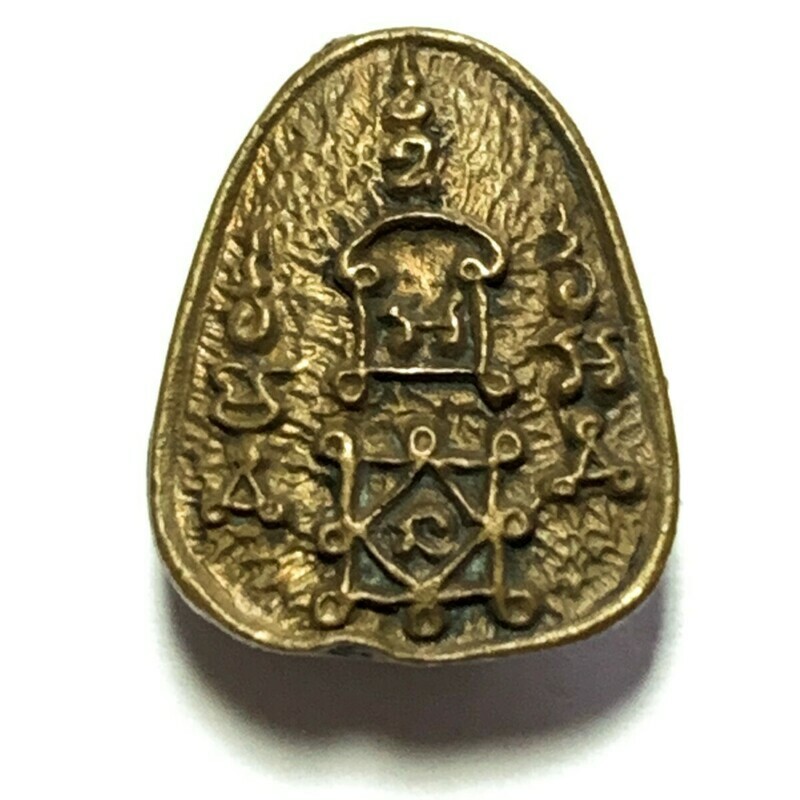
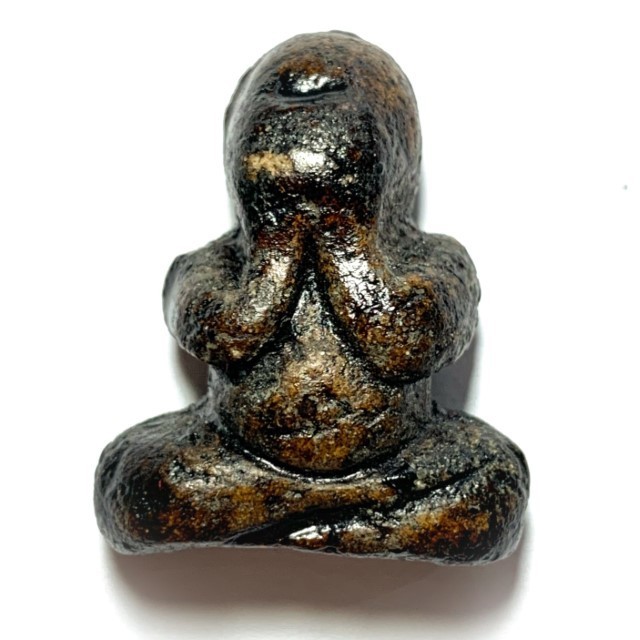
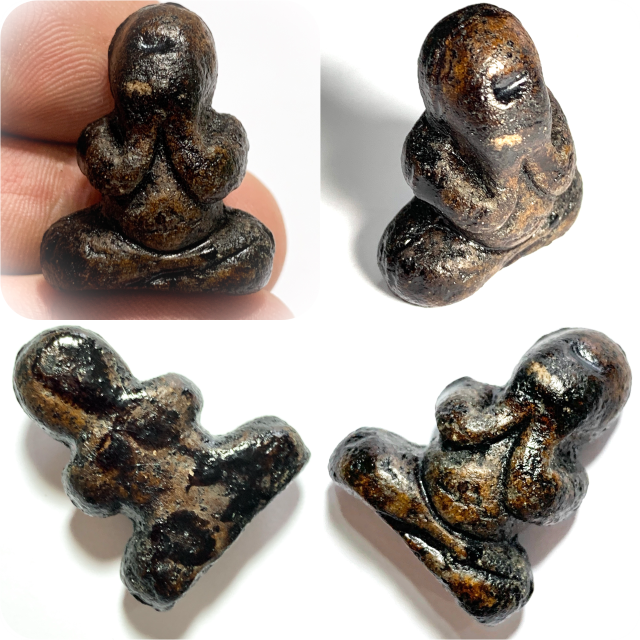
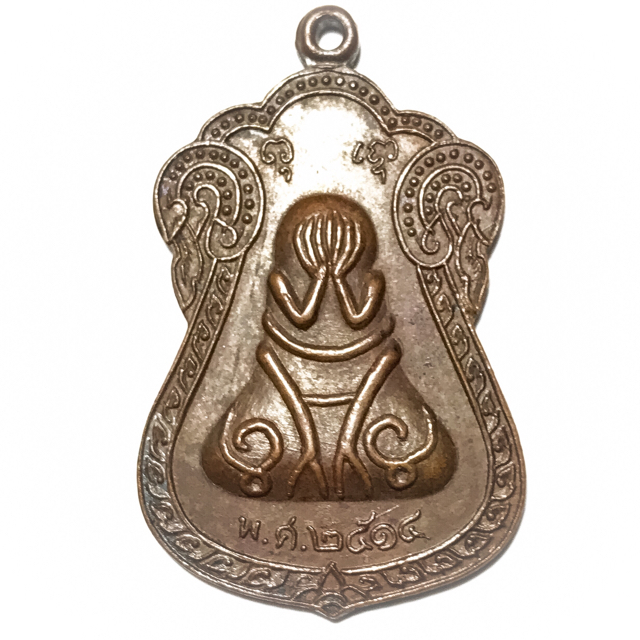
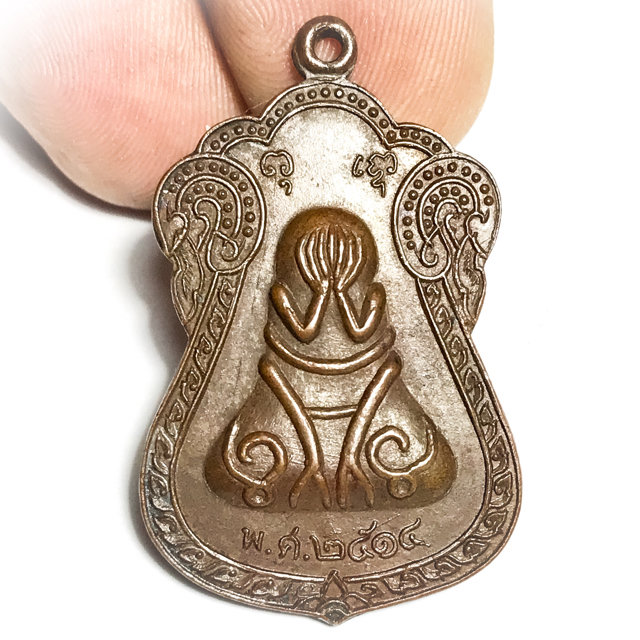
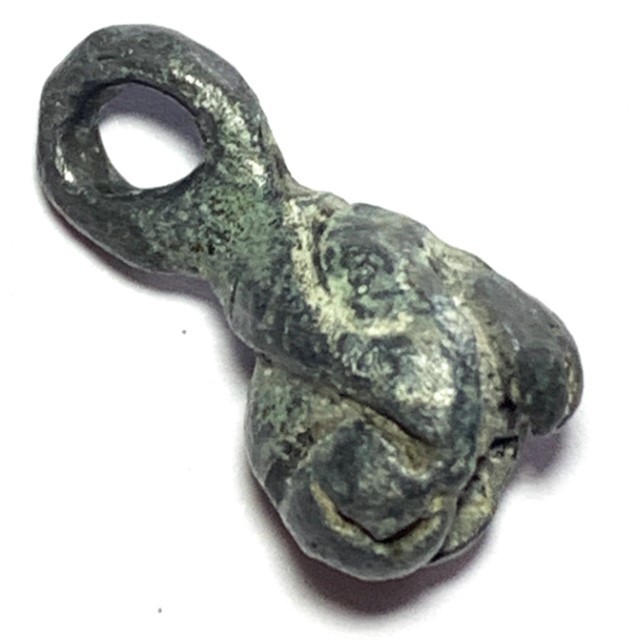
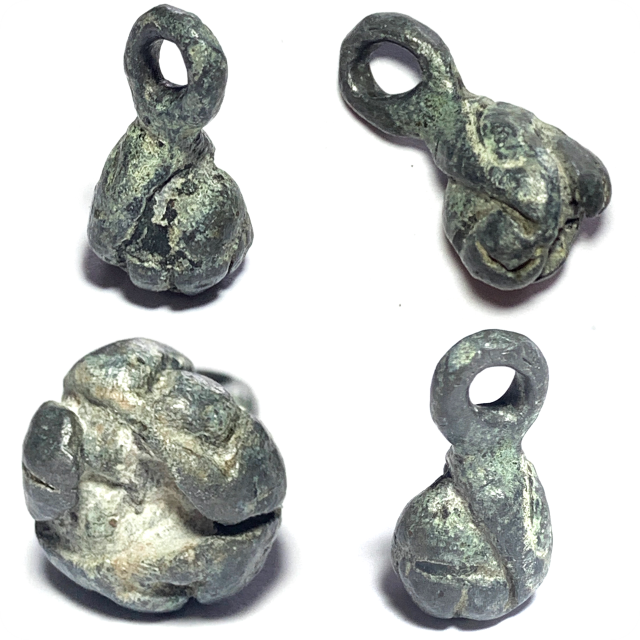
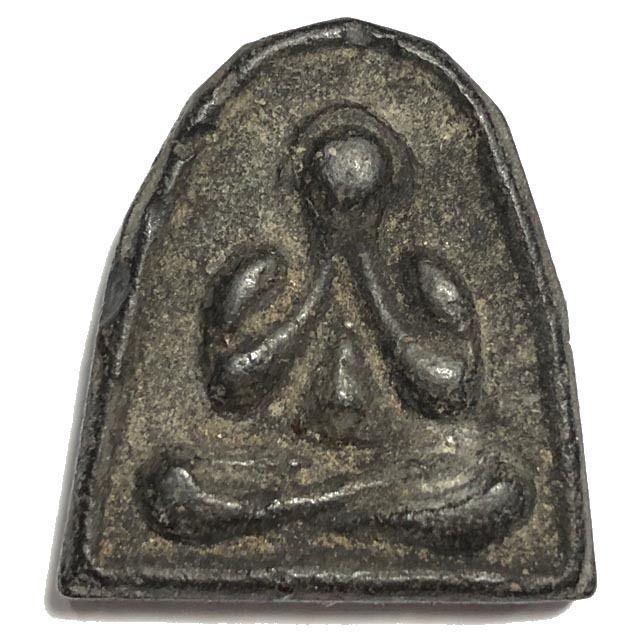
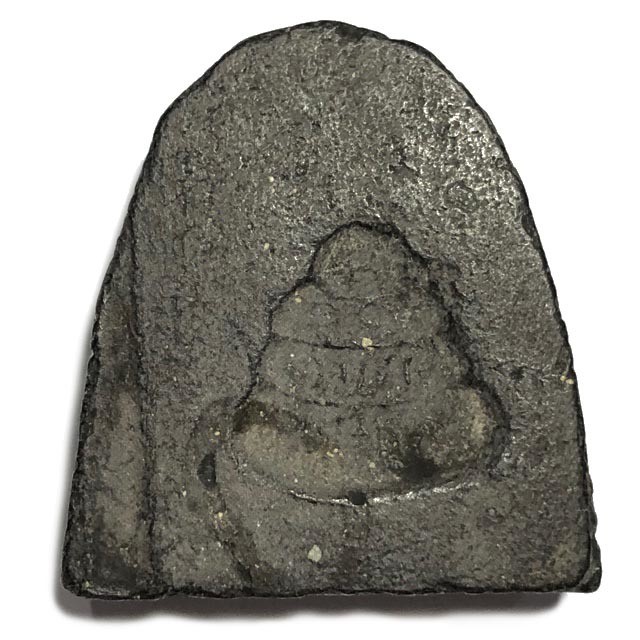
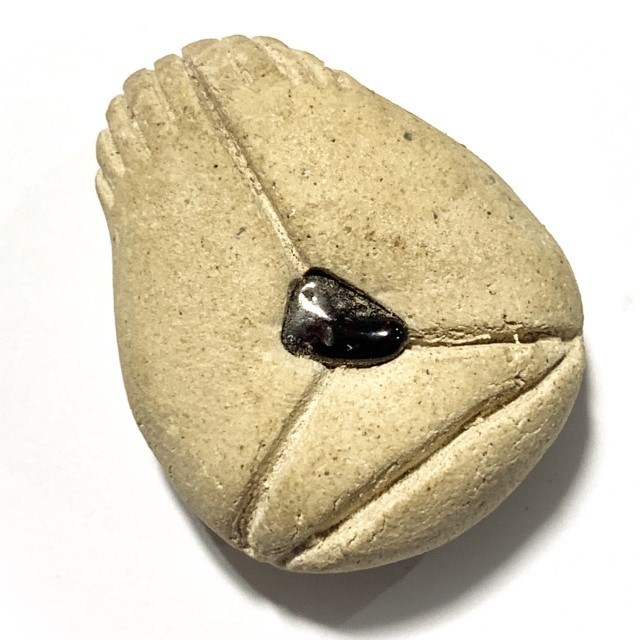
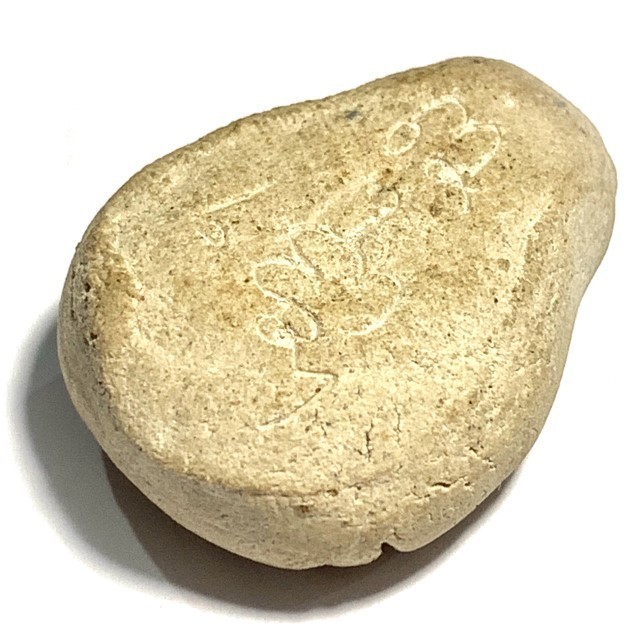
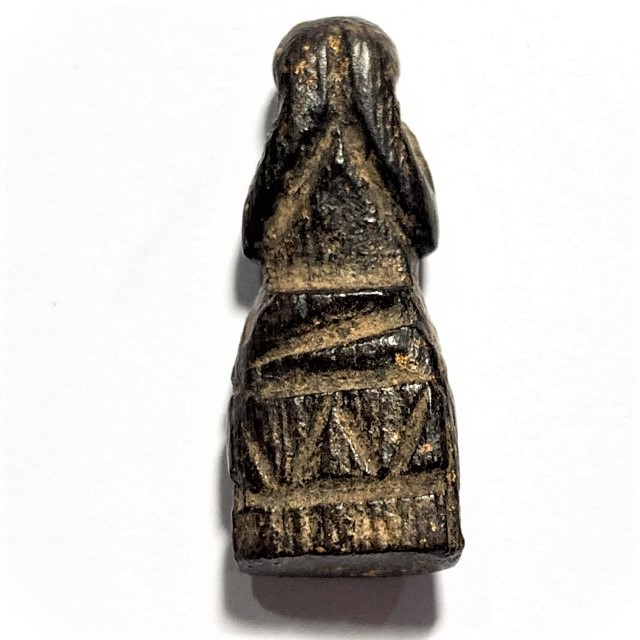
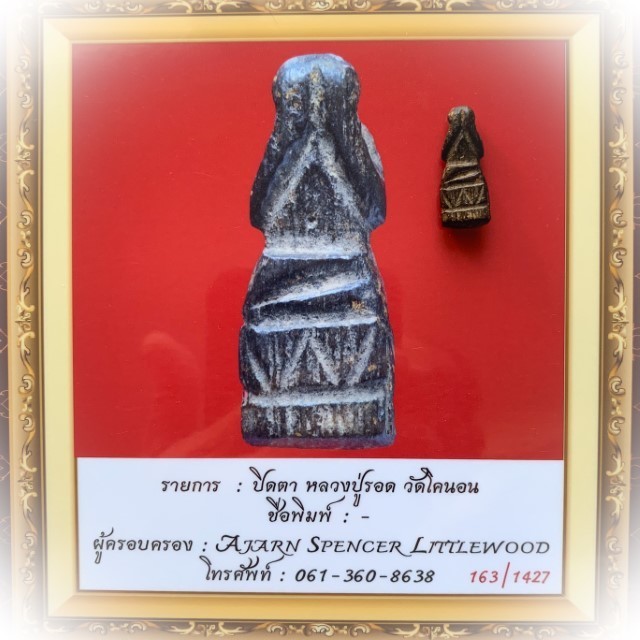
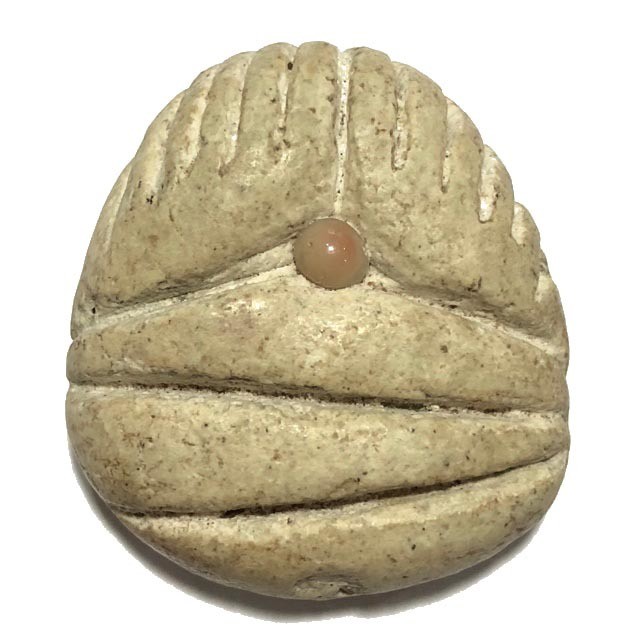
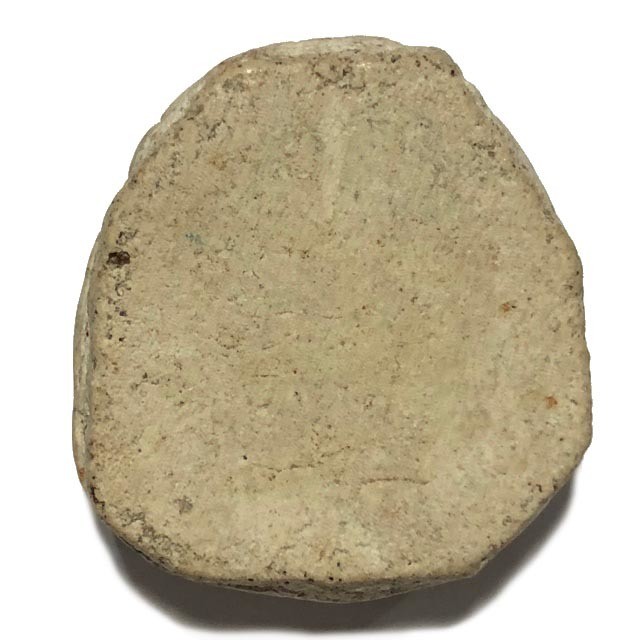
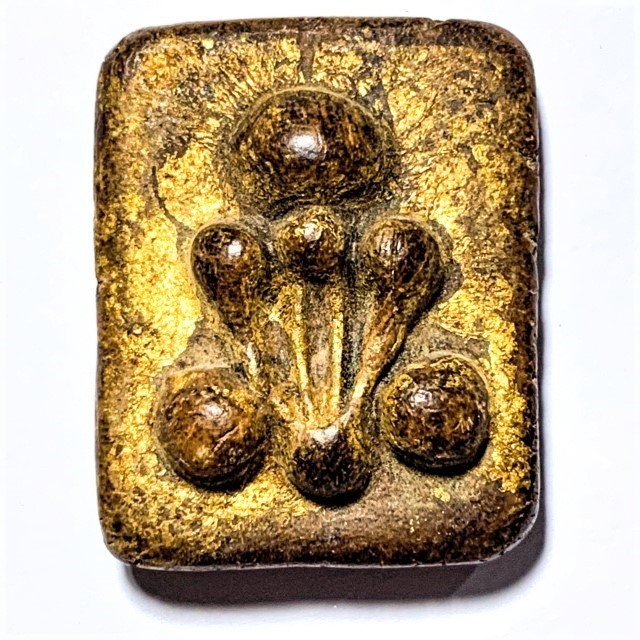
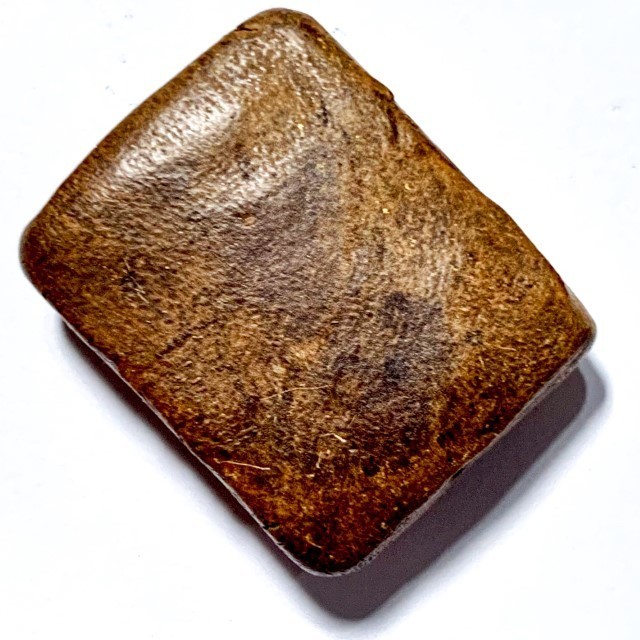
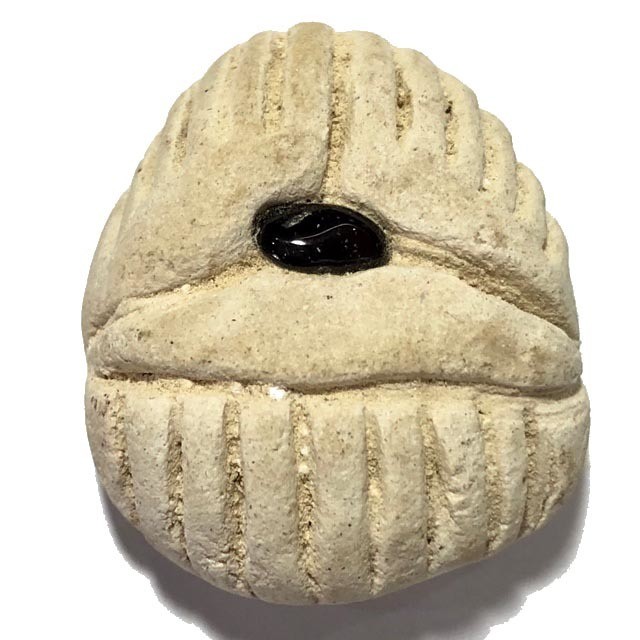
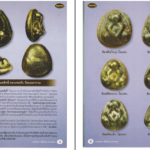
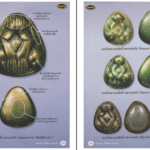
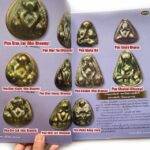
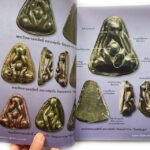
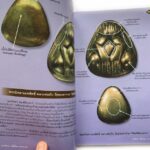
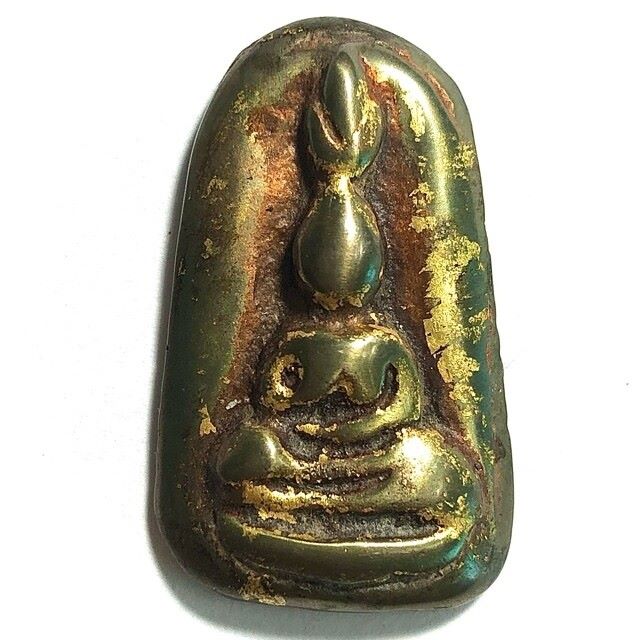
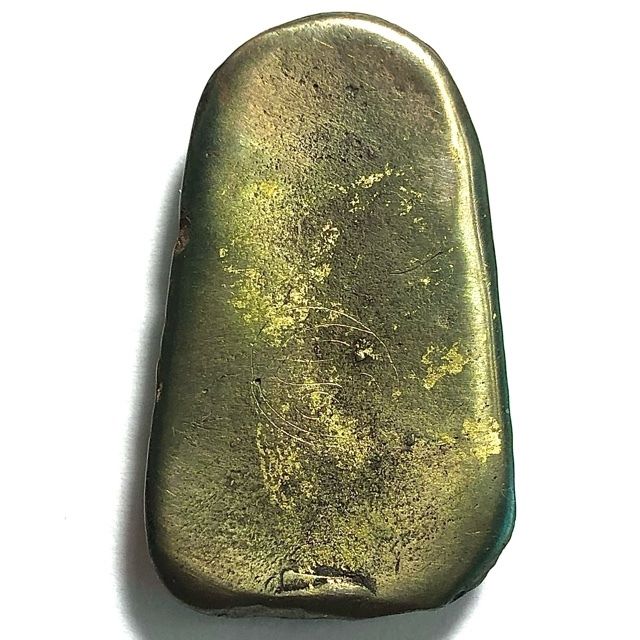
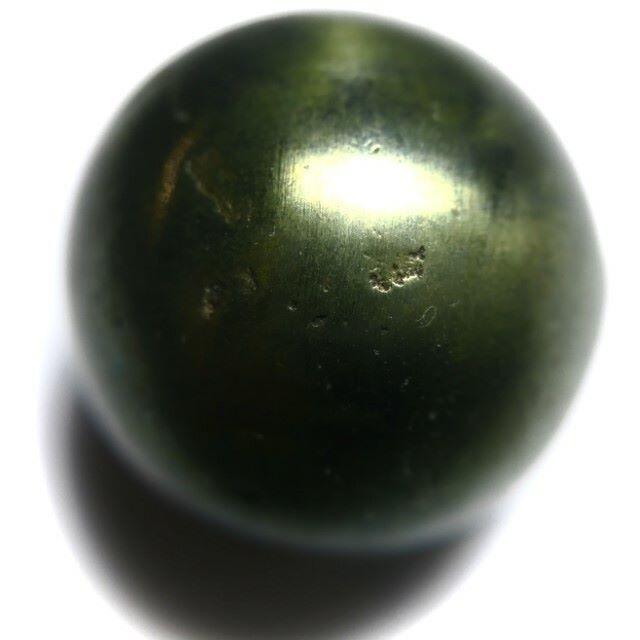
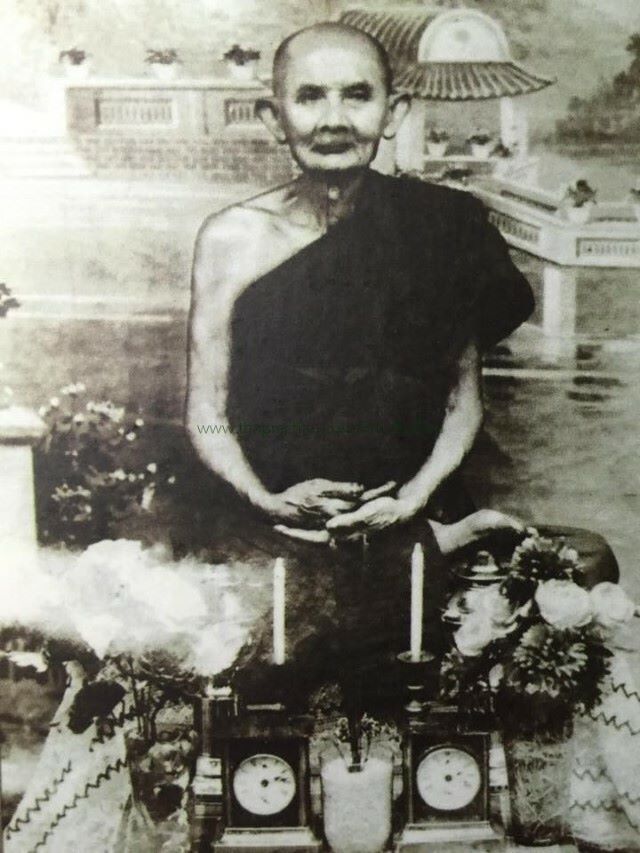
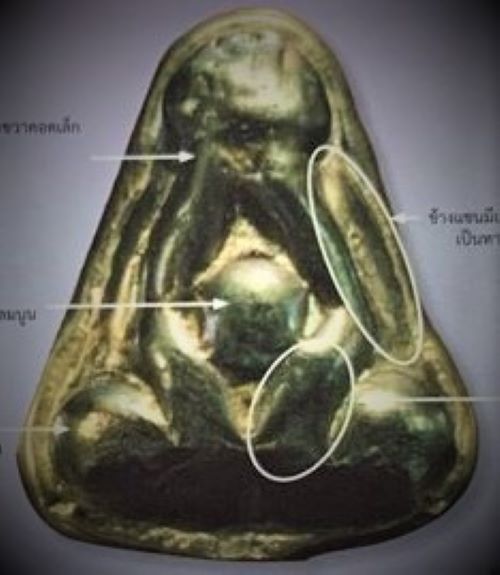
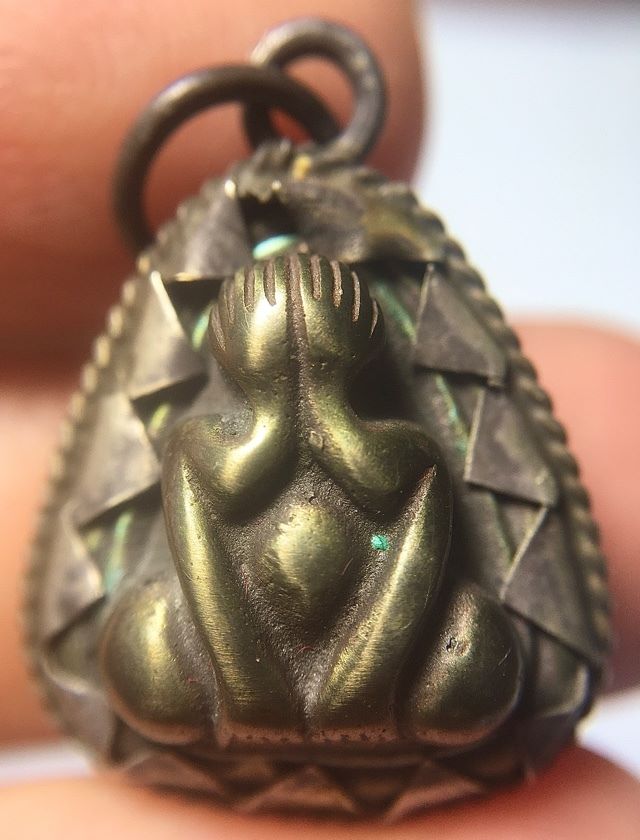
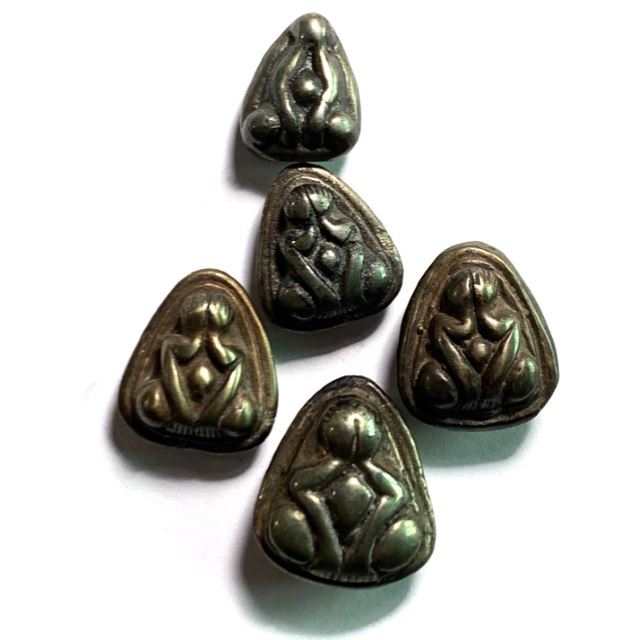
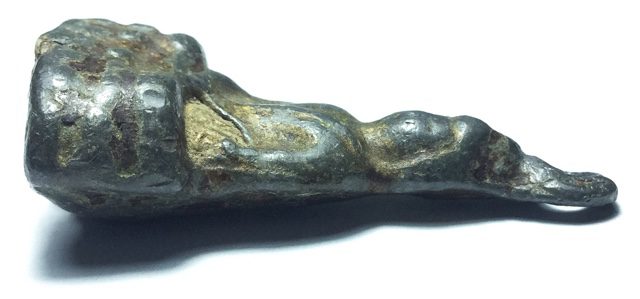
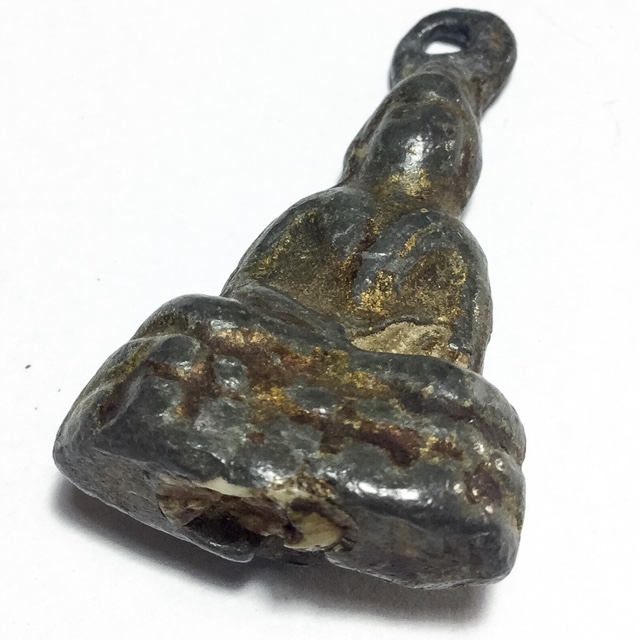
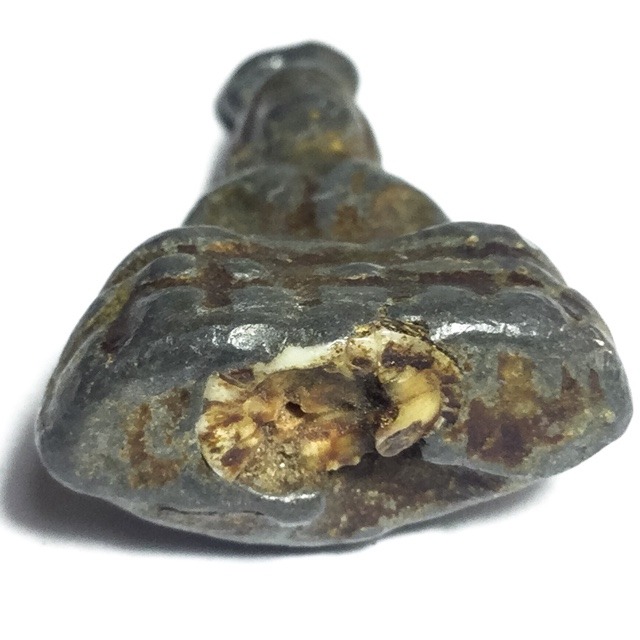
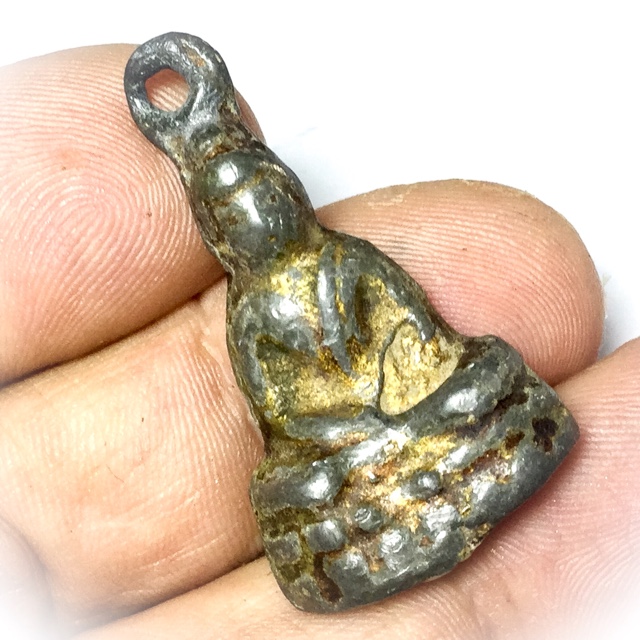
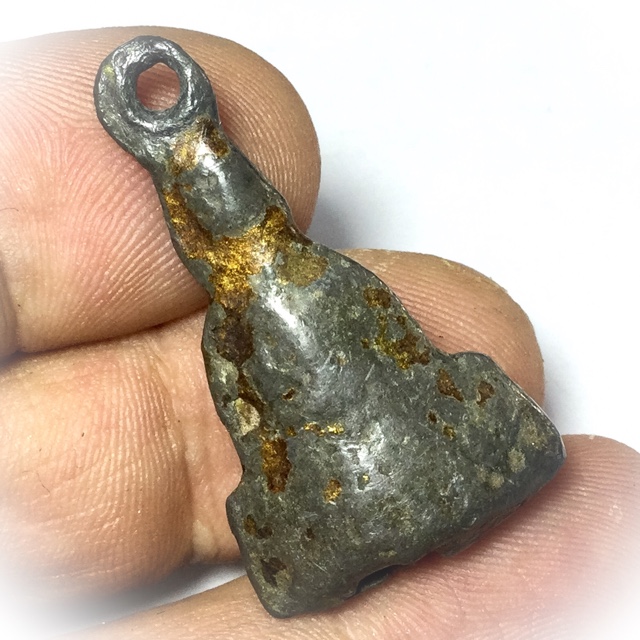
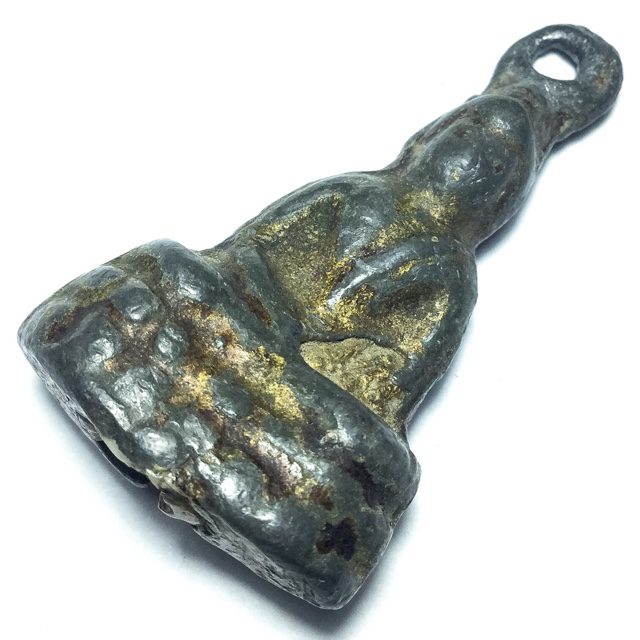
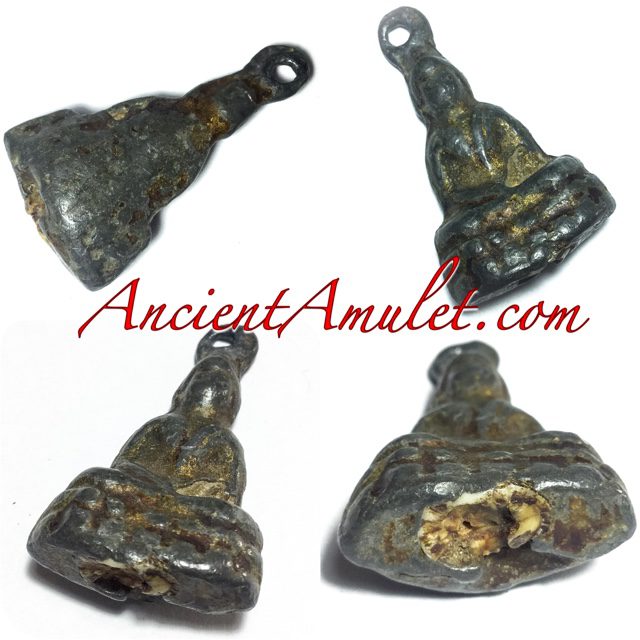
Officially Certificated Pra Pid Ta (Pid Tawarn) Hoo Gradtay (rabbit eared) model of the sacred Maekasit alchemical metal amulet of the great Luang Phu Nak, of Wat Huay Jorakhae. Th Pid Ta Maekasit is a highly revered amulet created by the late great Thai monk Luang Phor Nak of Wat Huay Jorakhae temple in Nakhon Pathom, Thailand. The Pra Pid Ta, also known as “the closed-eye Buddha,” is a representation of the Lord Buddha in deep meditation, entering the state of Nirodha, and is believed to bring blessings of protection, good luck, and wealth to the wearer.

This item includes a free download of the Ebook “Pra Pid Ta Loha Ebook (printable version 212 MB)” and a 3 megabyte Light mobile version to carry on mobile phone for fast scrolling.
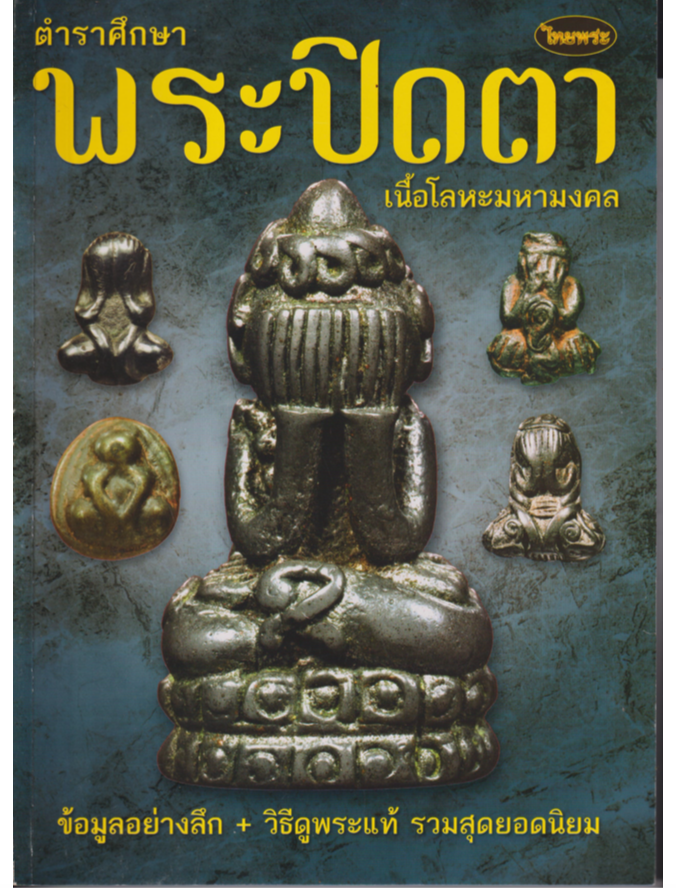

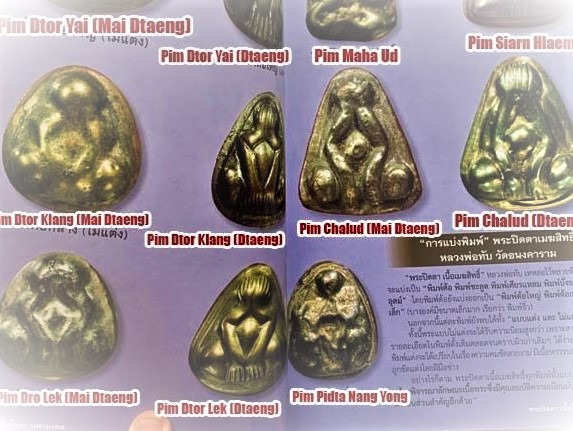
The Pra Pid Ta amulet created by Luang Phu Nak was made usually in Nuea Maekasit alcemical metal, but also in sacred loha chanuan bronze and other brazen metal mixtures (less often seen). I is said that Luang Phu Nak himself, was a great master of alchemical metallurgy, and the Wicha Pra Pid Ta. It found in medium and small sizes (Pim Lek & Pim Yai) and has various models sch as the Pra Pid Ta Hoo Gradtay ‘Rabbit Ears’ model.

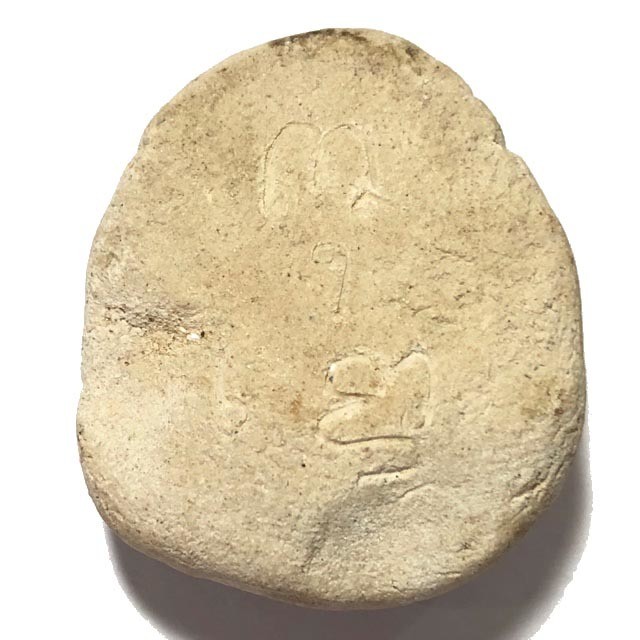
It is believed that the Pra Pid Ta amulet of Luang Phu Nak has the power to protect its wearer from harm, bring good luck, and attract wealth and prosperity. Some of the Pra Pid Ta of LP Nak possess hand inscriptions scraped onto the surface of the metal, with Khom Agkhara and Sacred Yant.

Pra Pid Ta amulet represents a meditating Buddha entering into the state of Nirodha. Nirodha is the third of the Buddha’s Four Noble Truths and refers to the attainment of the cessation of suffering. The image of a meditating Buddha is representative of the amulet’s ability to bring peace and block out all forms of inauspicious events and bad luck, protect against all dangers and black magic. The amulet is believed to have the power to block out negative energy and to protect the wearer from harm due to the reputation of the creator and his spiritual energy.
LP Nak was a well-known Thai Buddhist monk and the abbot of Wat Huay Jorakhae temple in Nakhon Pathom, Thailand. He was well-known for his spiritual teachings and wisdom, as well as his ability to craft powerful amulets. His reputation as a powerful spiritual leader, combined with his ability to craft powerful amulets, ensures that his legacy lives on, and his amulets are highly sought after. He died in 1959, but his teachings and amulets are still revered and respected by many Thais and people all over the world.

Many people in Thailand and around the world believe that the Pra Pid Ta amulet of Luang Phu Nak is particularly powerful for Kong Grapan/Klaew Klaad Protection Magic, due to the reputation his Pid Ta developed over the years as many stories of lifesaving miracles were recounted by devotees who wore the Pid Ta of Luang Phu Nak. Luang Phu Nak was known for his deeply spiritual teachings, and his ability to create very powerful amulets, and many people believe that his amulets possess his spiritual mind energy even after his passing. The Pra Pid Ta amulet of Luang Phu Nak is also highly sought after by collectors and those interested in Thai Buddhism and culture. Many people consider it a valuable possession and it is often passed down from generation to generation as a family heirloom amulet.

The Pra Pid Ta amulet of Luang Phu Nak is a highly revered and powerful amulet created by the late Thai monk Luang Phor Nak of Wat Huay Jorakhae temple in Nakhon Pathom, Thailand. It is believed to bring blessings of protection, good luck, and wealth to the wearer, and is highly sought after by collectors and those interested in Thai Buddhism and culture. The reputation of Luang Phu Nak as a powerful spiritual leader, and his ability to create powerful amulets, makes this amulet particularly valuable and powerful.

LP Nak, was a Thai Buddhist monk who lived in the 19th- 20th century. He was the abbot of Wat Huay Jorakhae temple in Nakhon Pathom, Thailand. He was born in 2358 BE (1884) and passed away in 2452 BE (1972). LP Nak was known for his great compassion and spiritual wisdom, and was a great giver of spiritual teachings, as well as his skill in creating powerful amulets. He was highly respected by the local community and by other monks in Thailand. He was also known for his generosity and mercy, and his dedication to helping others.
During his tenure as abbot, he worked to strengthen the spiritual community at Wat Huay Jorakhae and to provide guidance and support to the local population. In addition to his work as an abbot, LP Nak was known for his skill in creating powerful amulets. He was able to create amulets using various materials, including clay, metal, and even human bone. His amulets were believed to possess spiritual power and provide protection to the wearer. They were often inscribed with sacred texts or mantras, and were highly sought after by the local population and by collectors. LP Nak’s amulets are very highly valued in the present day, and many people in Thailand and around the world believe that they possess spiritual power. His amulets are often passed down from generation to generation as a family heirloom, and are considered a valuable possession.

LP Nak may have passed away long ago, but his legacy continues to be felt in Thailand and around the world. He is remembered as a wise and compassionate spiritual leader, and his amulets are still highly sought after by aficionados, faithful devotees, collectors, and those interested in Thai Buddhism and Thai culture. To this very day, the lineage of abbots of Wat Huay Jorakhae still make and release Pra Pid Ta amulets of the Wicha passed down to them through a constant succession in the magical lineage of LP Nak.
The Pra Pid Ta amulet of Luang Phu Nak, is believed to be particularly powerful because it is believed to possess the magical energy of the monk who created it. As LP Nak is considered a highly respected and powerful spiritual leader, it is believed that his Pid Ta amulets will always possess his spiritual energy even after his passing, without ever fading. Thew Pid Ta Maekasit amulet, is considered the most famous and powerful amulet created by LP Nak.

Background Info on Pra Pid Ta
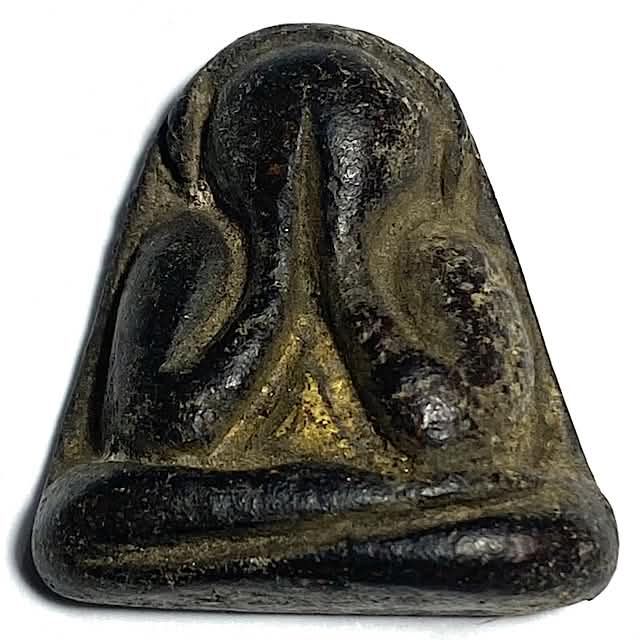
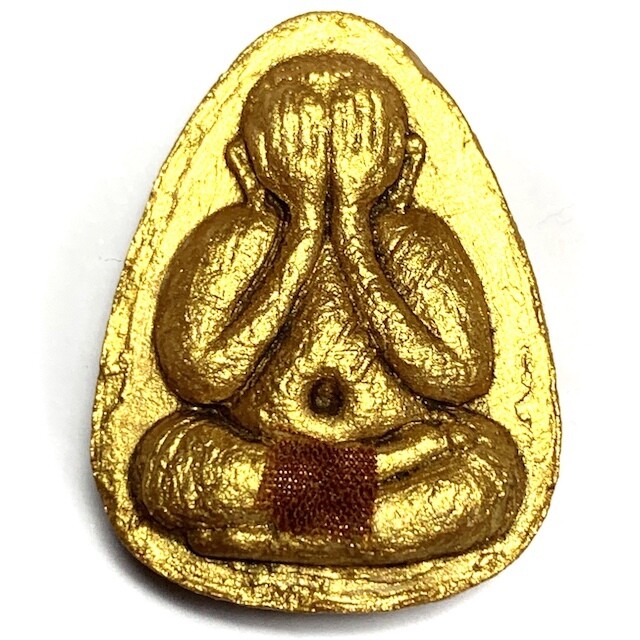
Since very early times in Thailand, Pra Pid Ta amulets, as well as Pra Pid Ta in the shape of Pha Yant and Bucha sculptures, have been made as objects of adoration and protection. Using the Buddhist sculpture and art that was accessible at the time, the artisans of that era developed a variety of styles and interpretations. Various Buddhas, Bodhisattvas, or Deities are fashioned into the posture of Pra Pid ta, or Pid Tawarn (meaning “closing the orifices”), to create the Pid ta posture (‘Pid Ta’ means “covering the eyes”). Pid Tawarn can seal 7, or 9 orifices (the number 7 is referred to as Pra Pid Sadtatawarn, while the number 9 is known as Pra Pid Navatawarn). The Pra Pid Ta amulet, also known as “the closed-eye Buddha,” is believed to bring blessings of protection, good luck, and wealth to the wearer.

The Pra Pid Ta amulet, represents a meditating monk entering into the state of Nirodha. Nirodha is the third of the Buddha’s Four Noble Truths and it refers to the attainment of the cessation of suffering. In Buddhist teachings, Nirodha is understood as the state of being where all mental defilements, such as ignorance, greed, and hatred, have been completely eliminated. This state is reached through the practice of meditation and the cultivation of wisdom, and it is considered the ultimate goal of Buddhism.
The third of the four noble truths, according to Buddhist tradition is defined as Nirodha Sacca (also spelt Nirodha Sacca in Pali; Nirodha Satya in Sanskrit). Sacca denotes “truth” or “reality,” whereas Nirodha means cessation or extinction. Therefore, the translation of nirodha sacca is generally “truth of cessation” or “truth of the cessation of suffering.” It explicitly refers to the cessation of Dukkha (suffering) and its causes; the resultant experience is defined as nirvana. Nirodha can indicate a variety of things, such as release, cessation, extinction, the end of dukkha, and “control or restraint.” The cessation of all unsatisfactory experiences and their causes in a way that prevents them from occurring again is what Nirodha Sacca means. It is their elimination, complete absence, cessation, and ceasing from existing.

The Pra Pid Ta image, is that of a meditating Buddha entering Nirodha, is representative of the amulet’s ability to bring peace, and block out all forms of inauspicious events and bad luck. It is believed that by wearing the Pra Pid Ta amulet, the wearer will be protected against all dangers and black magic. The amulet is believed to have the power to block out negative energy, and to protect the wearer from harm. The Pra Pid Ta Maekasit alchemical metal Norodha Buddha amulet, is a most famous amulet for self protection, with Kong Grapan Chadtri, Klaew Klaad, Metta, Maha Pokasap, and Maha Lap Magic.

<span id=”selection-marker-1″ class=”redactor-selection-marker”></span>

Kata Pra Pid Ta
Namo Puttassa Kawambadtissa Namo Tammassa Kawambadtissa Namo Sangkassa Kawambadtissa Sukha Sukha Warang Na Mo Puttaaya Ma A U Tugkhang Anijjang Anatta Jewa

Pra Pidta
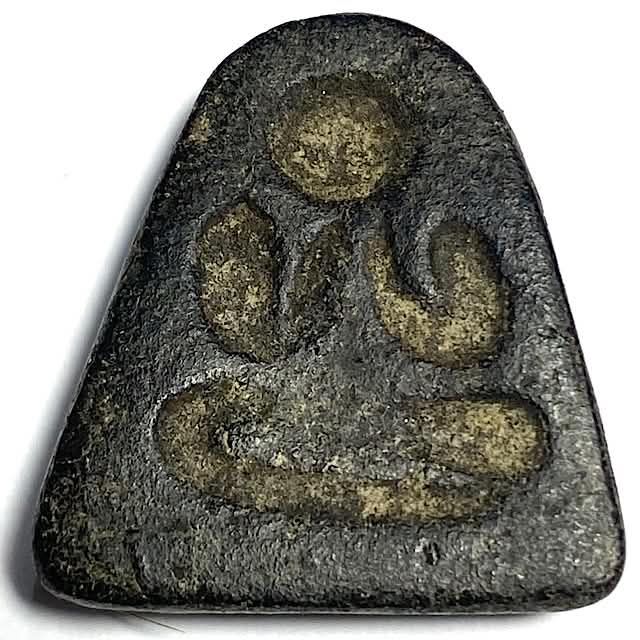
The Pra Pid Ta is one of the Great All Time Classics of Thai Amulets. Signifying the Buddha Entering Nirodha, this douses out all Sufferings. Some Pidta are for Maha Lap (Riches and Luck) and some are to remove debt (Plod Nee) and some are for Protection (Kong Grapan/Klaew Klaad, Maha Ud). Some people believe the Pid ta to be e bringer of 'Blind Luck' and Gambling Fortunes.