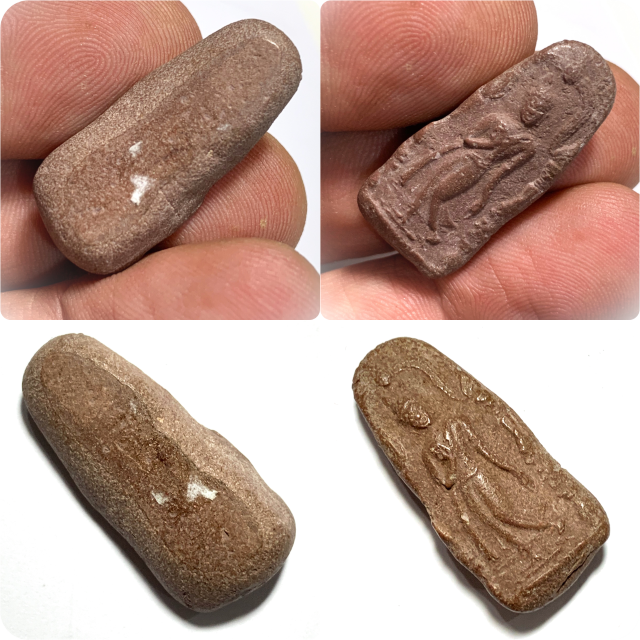
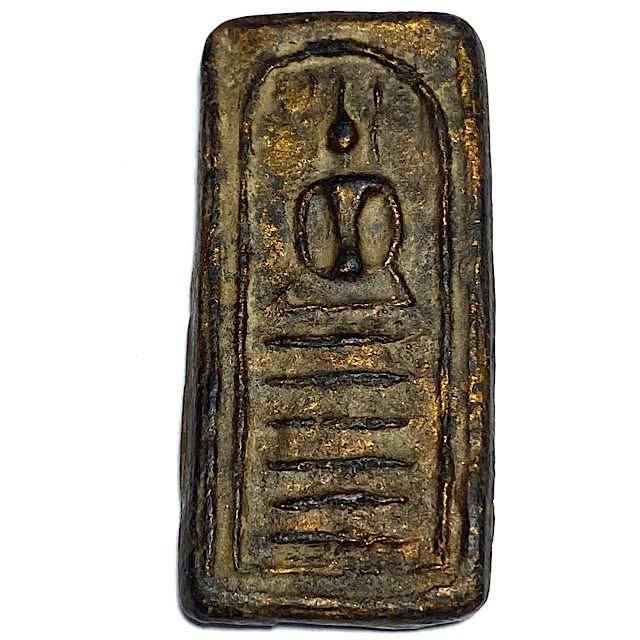
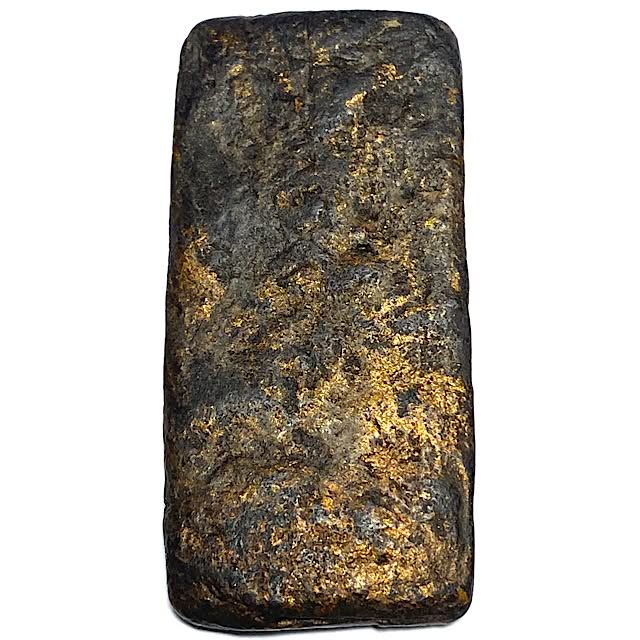
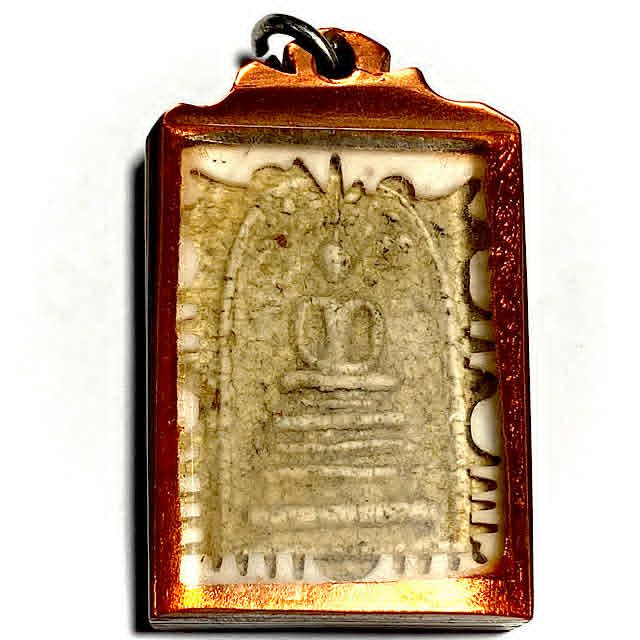
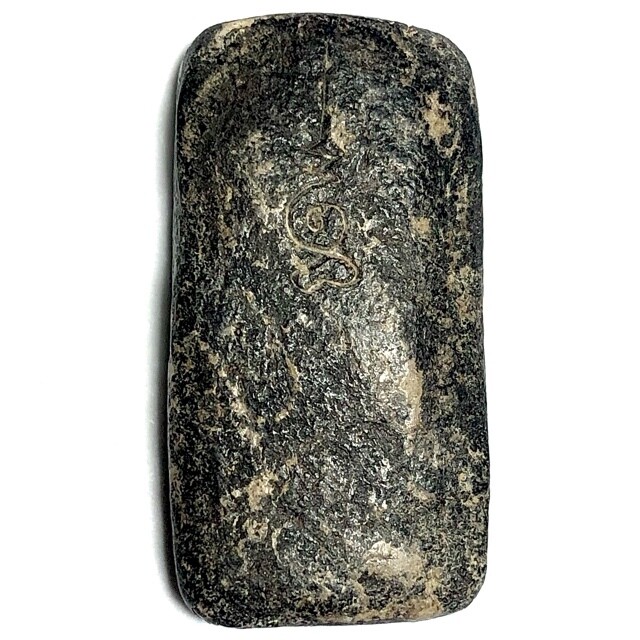
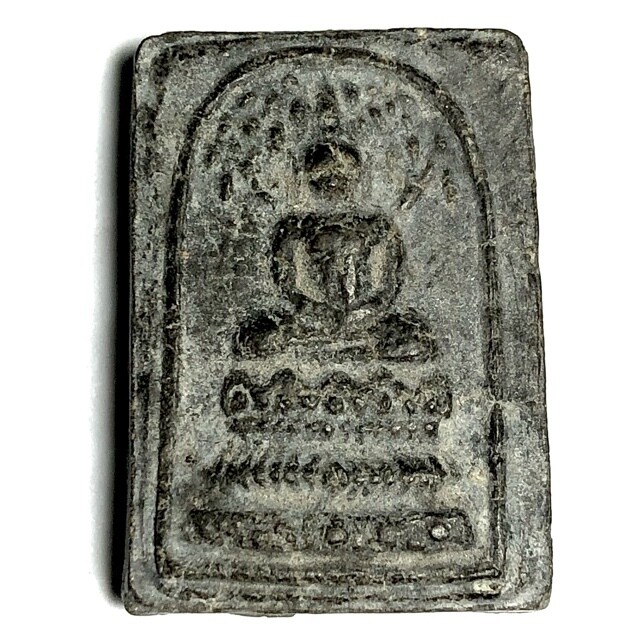
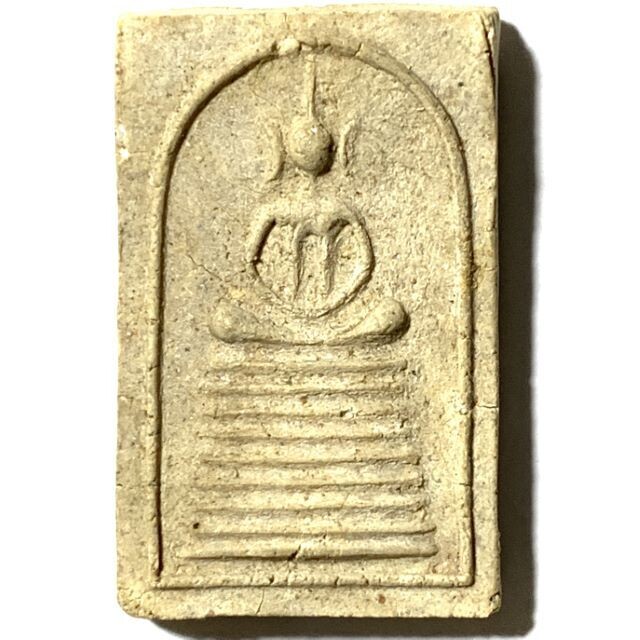
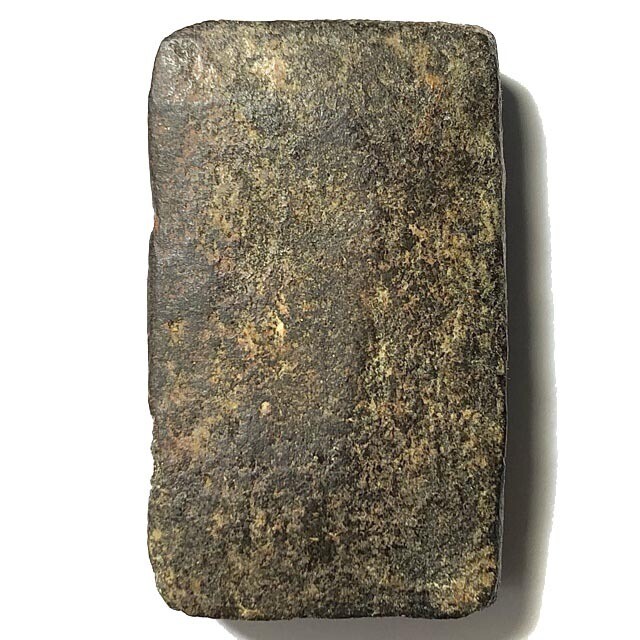
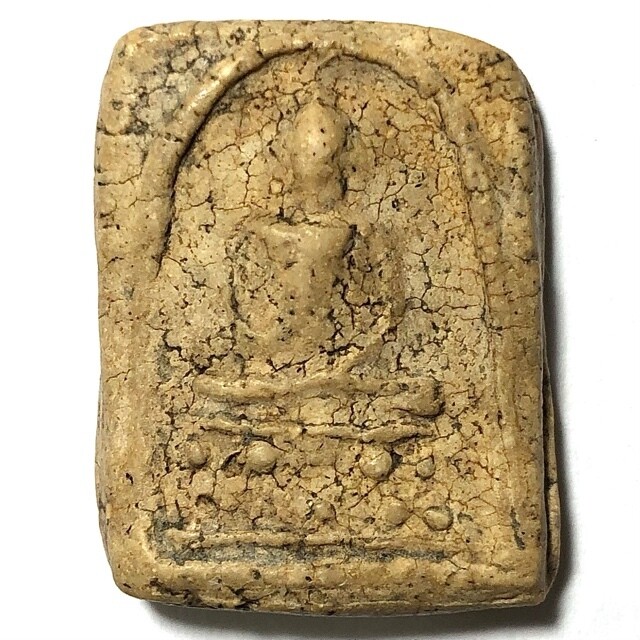
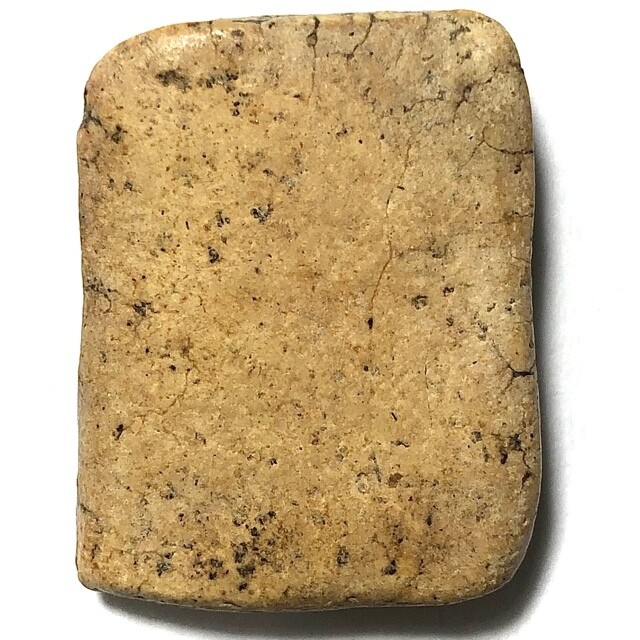
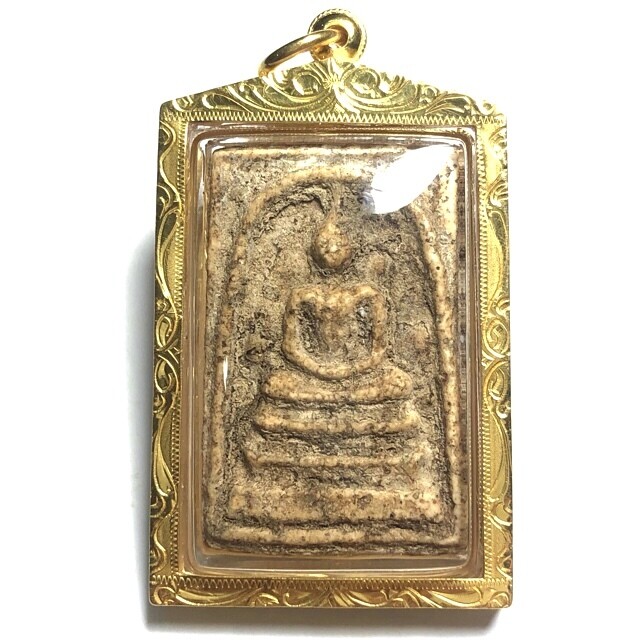
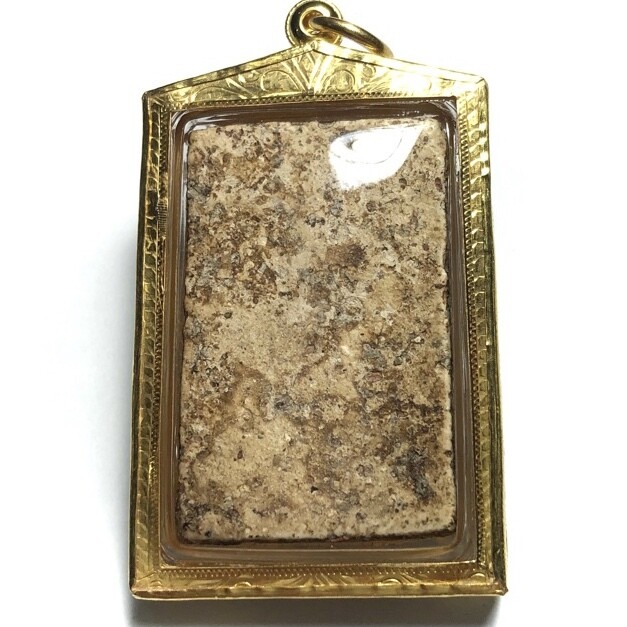
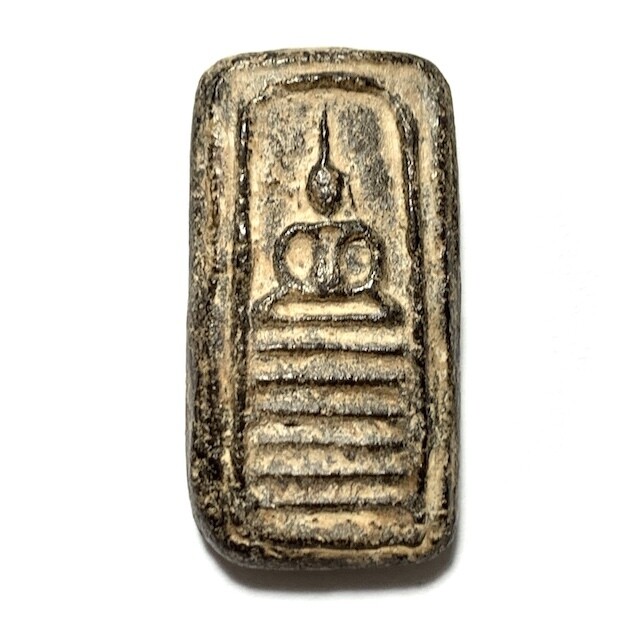
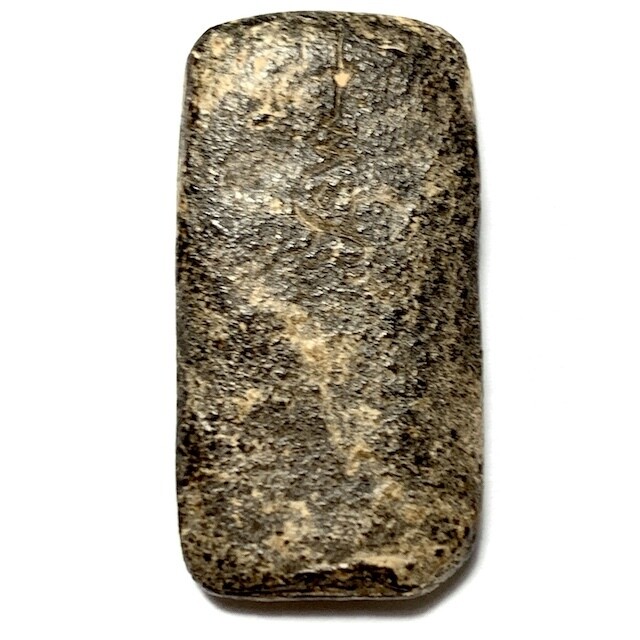
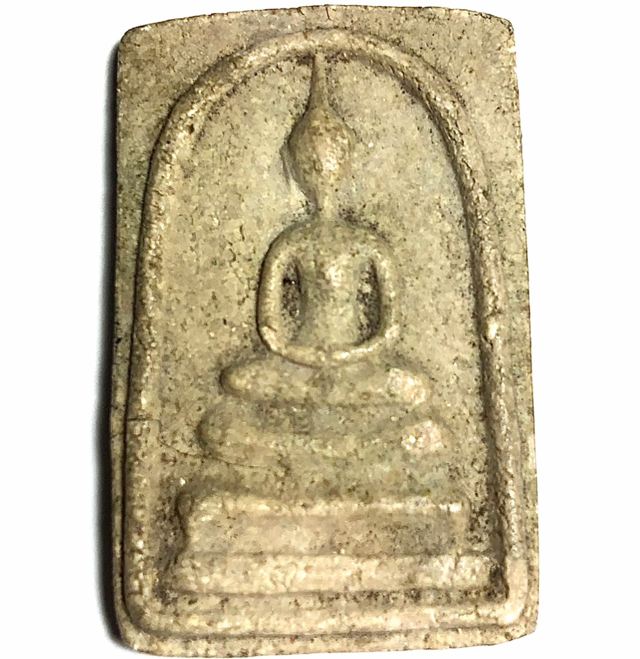
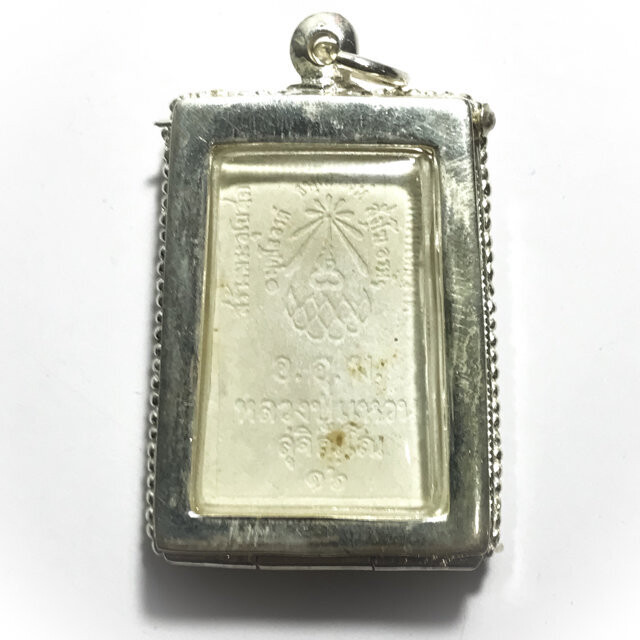
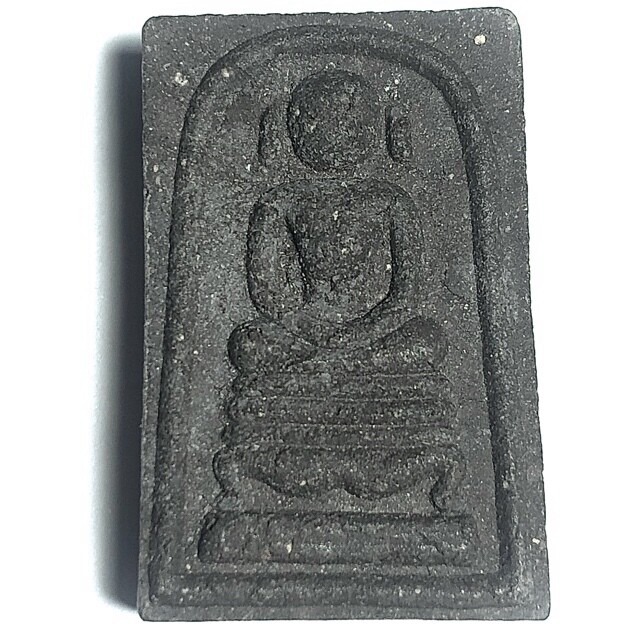
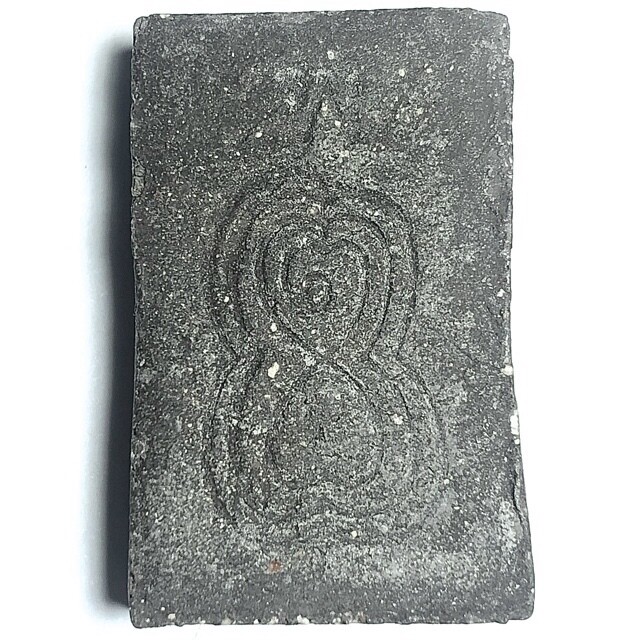
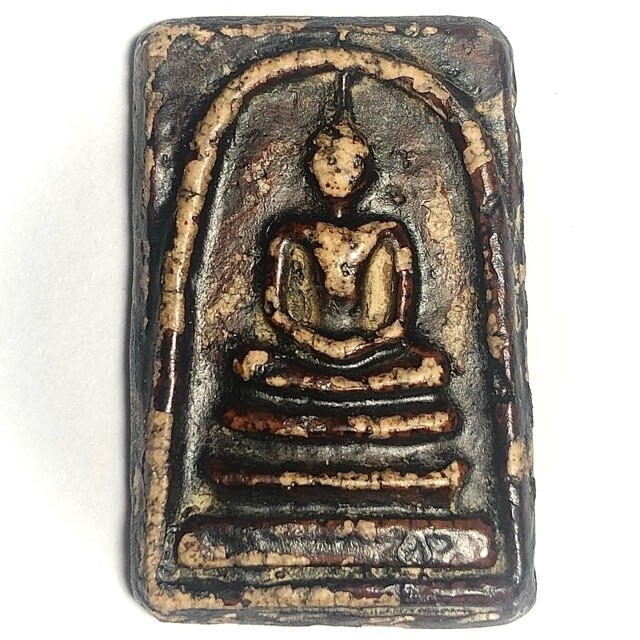
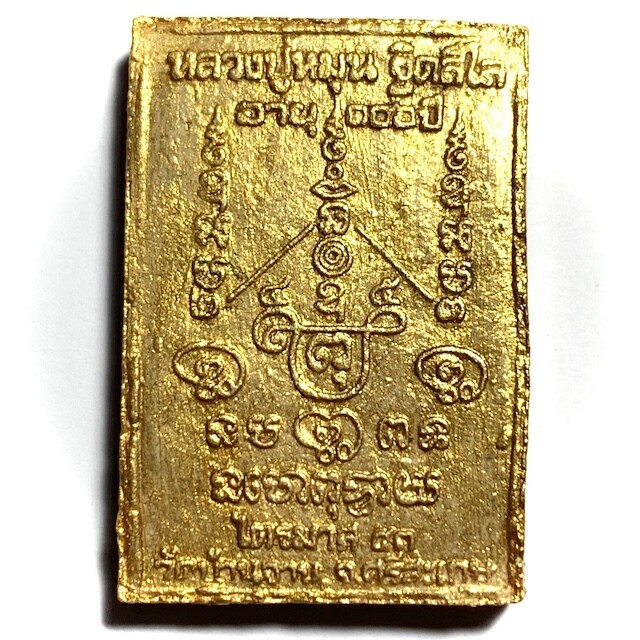
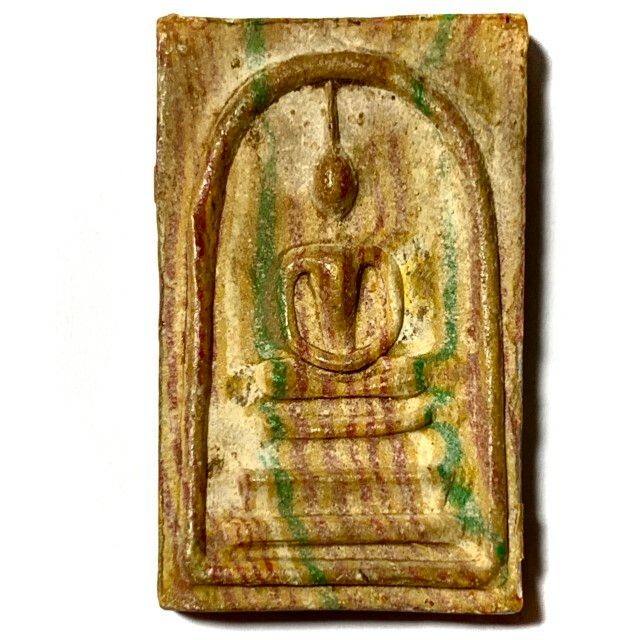
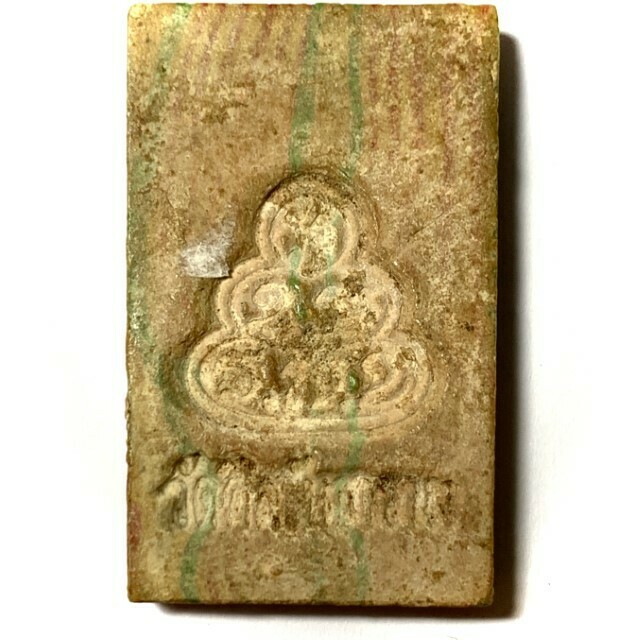
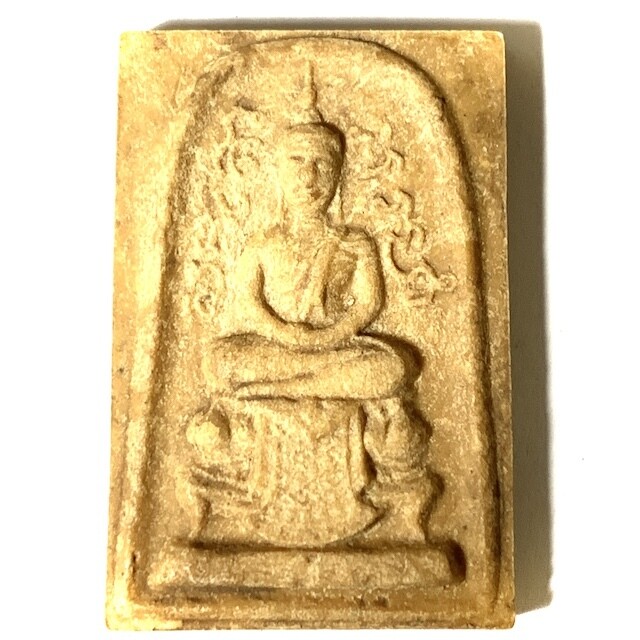
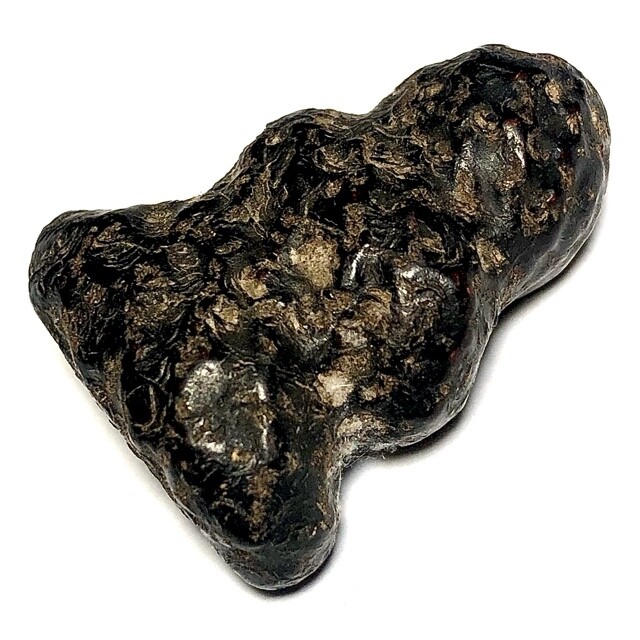
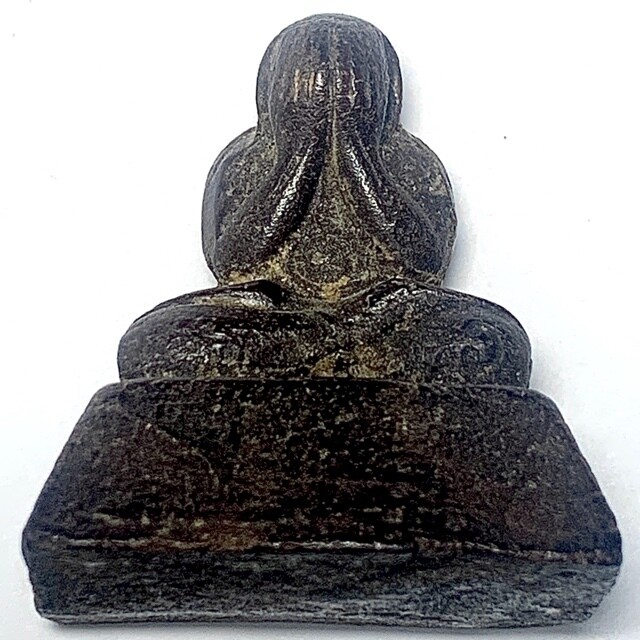
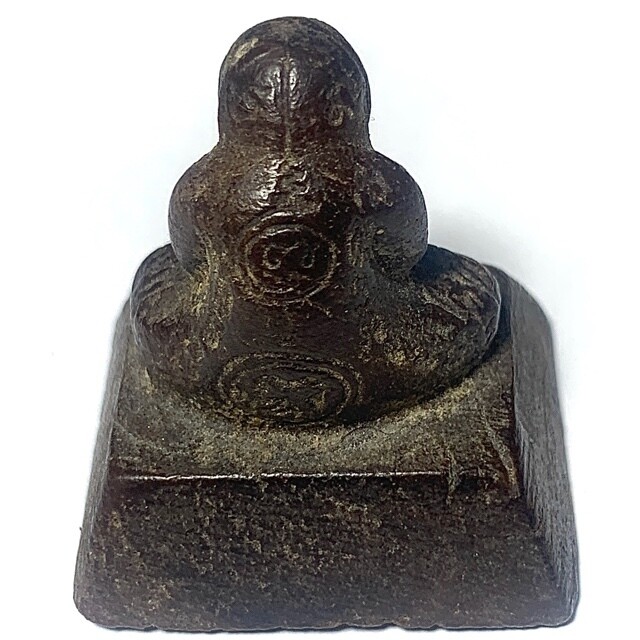
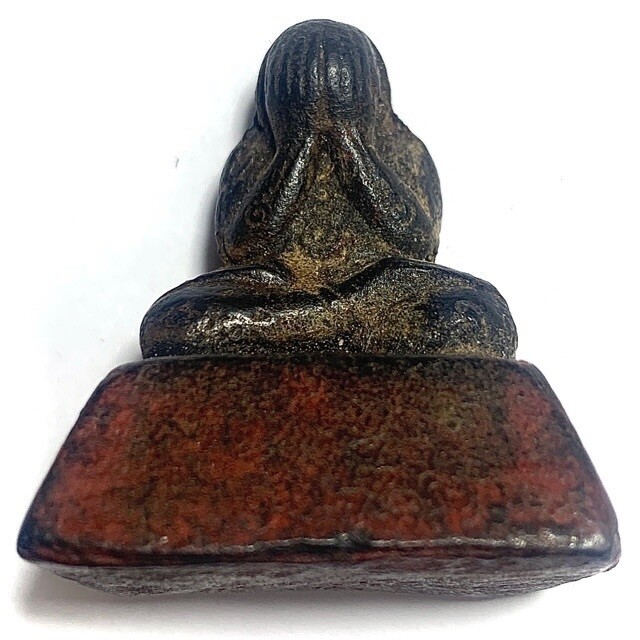
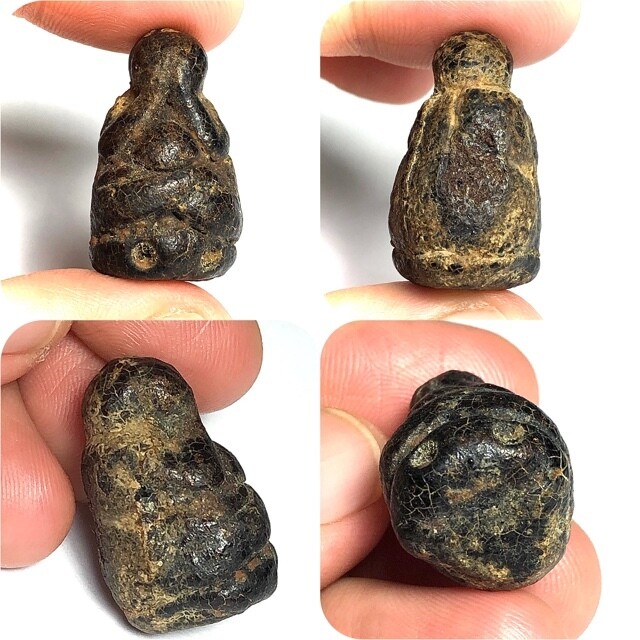
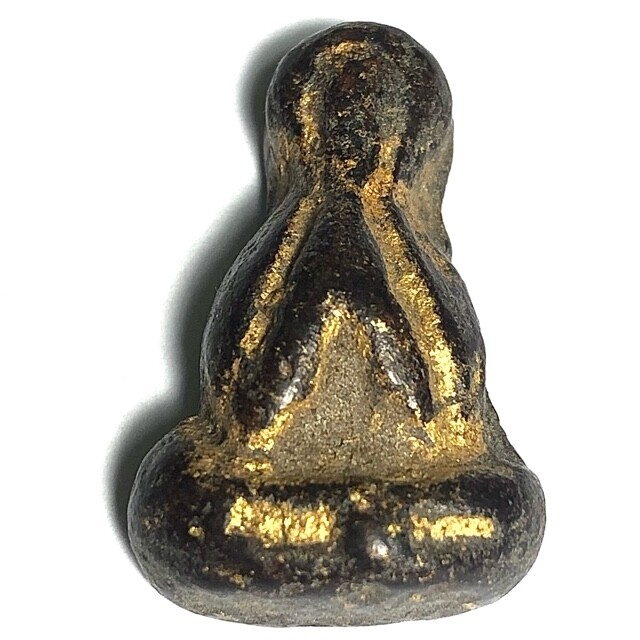
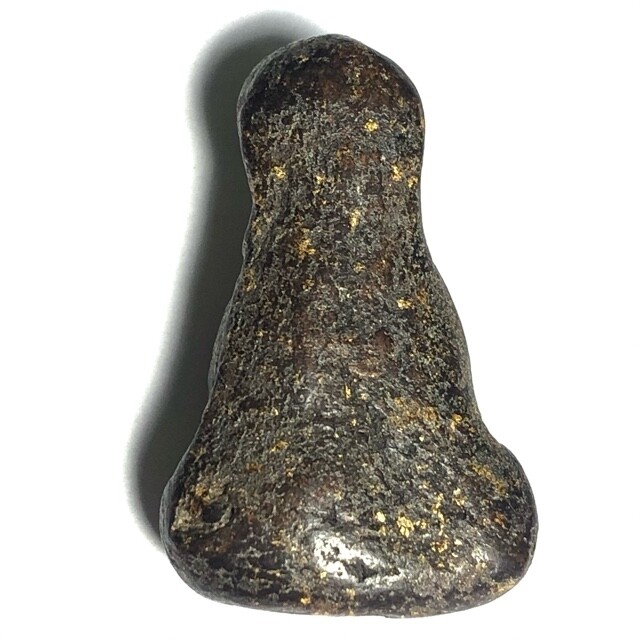
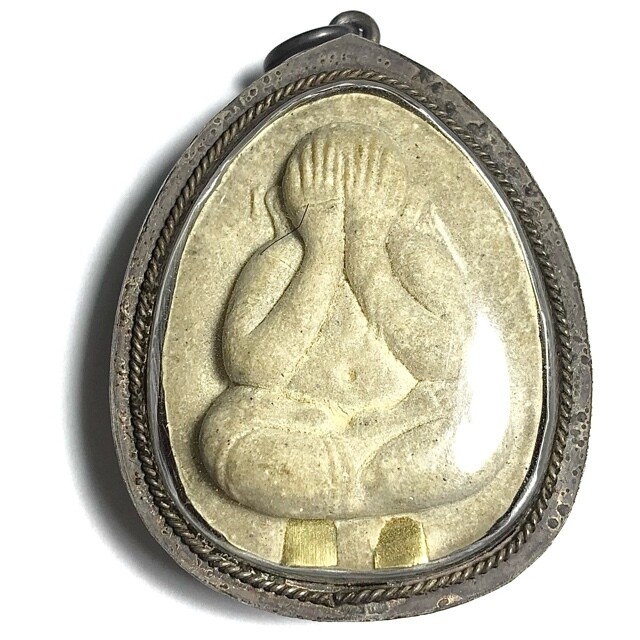
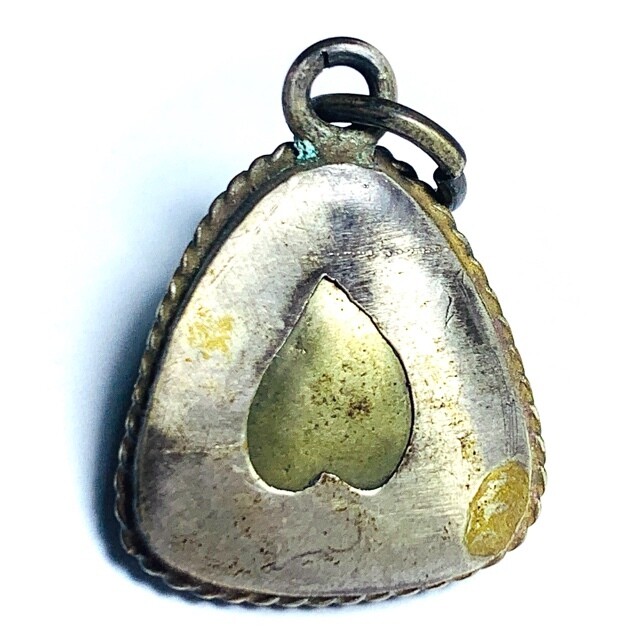
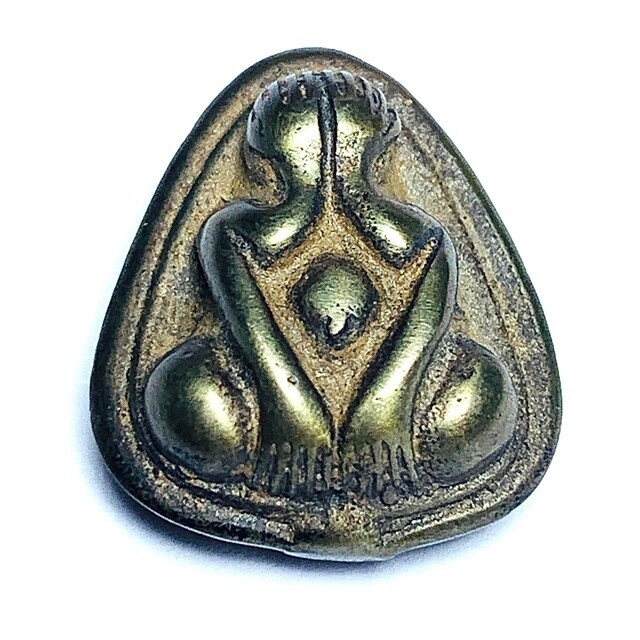
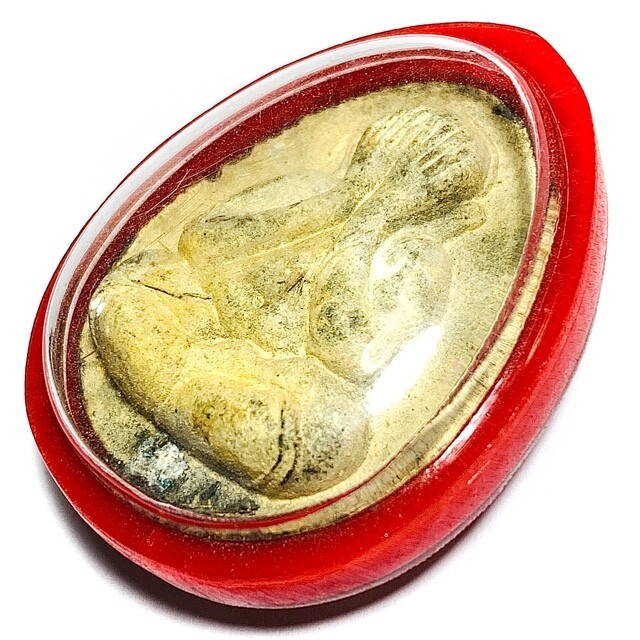
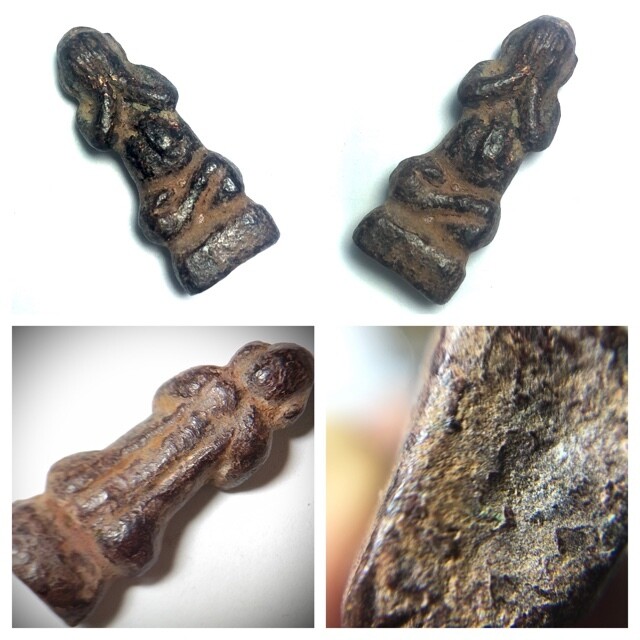
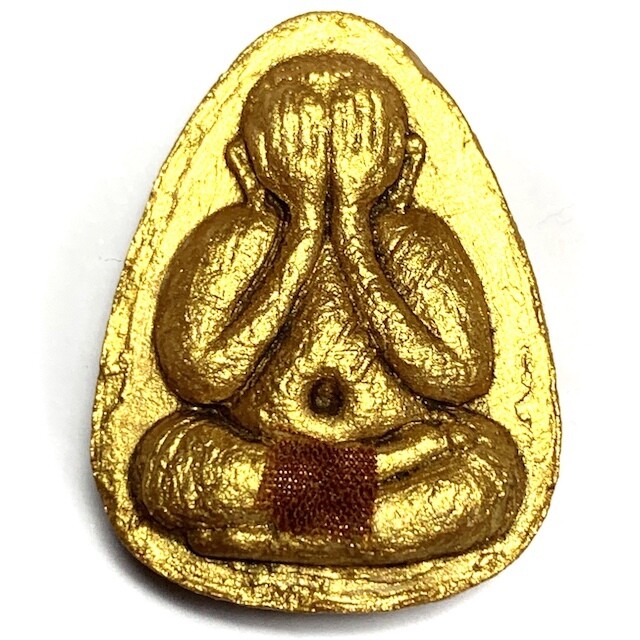
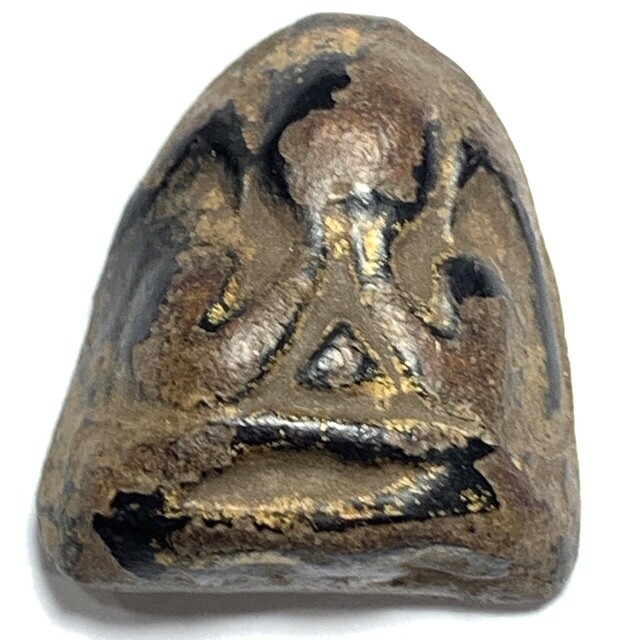
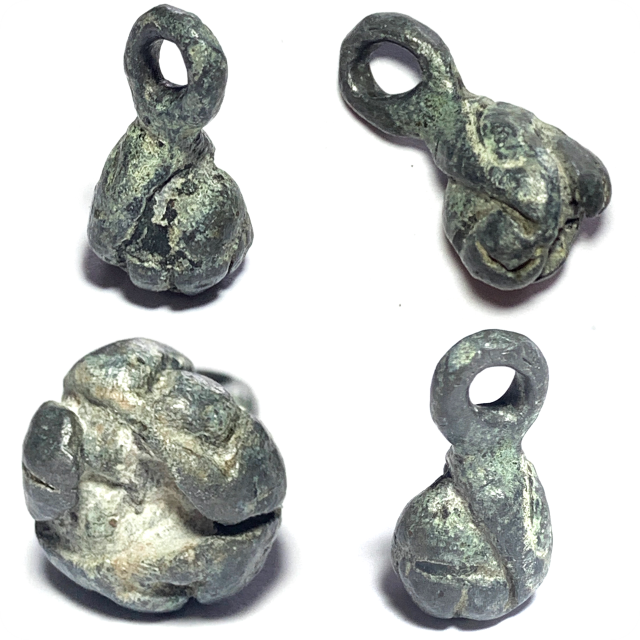
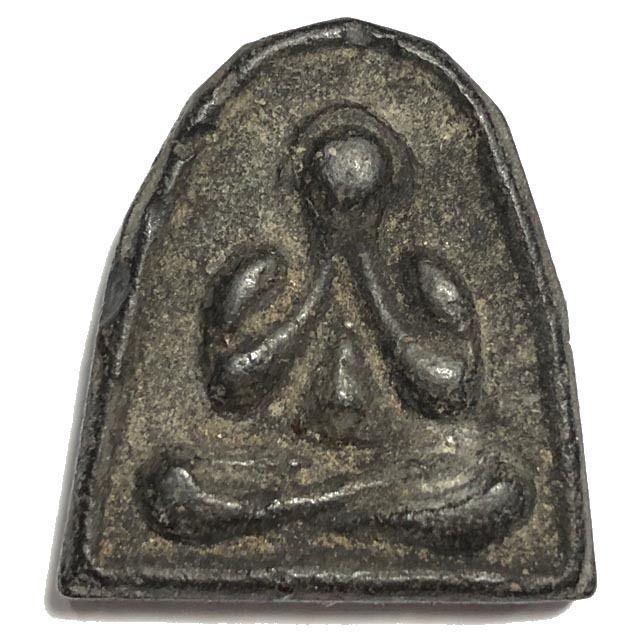
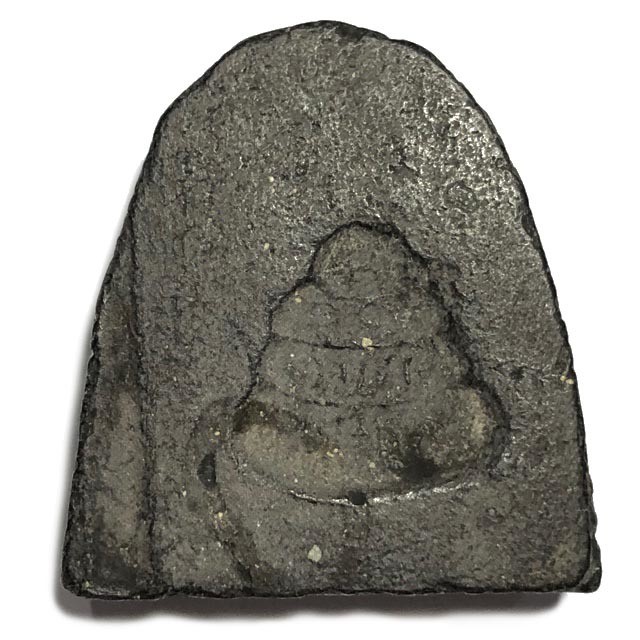
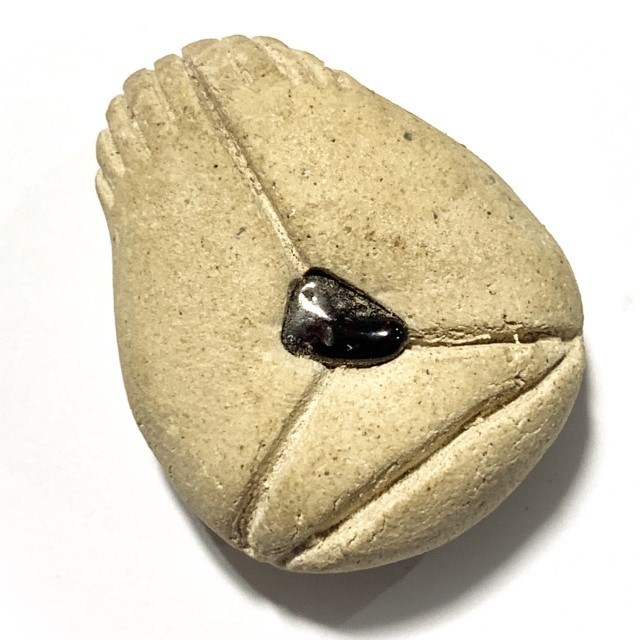
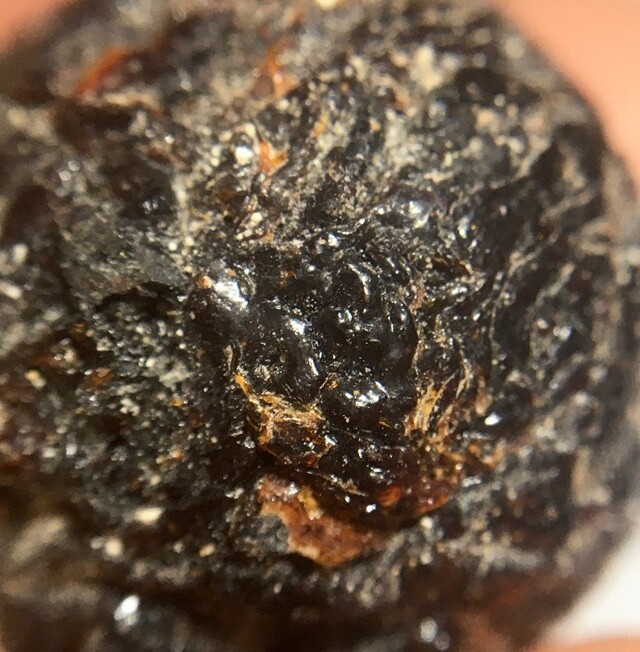
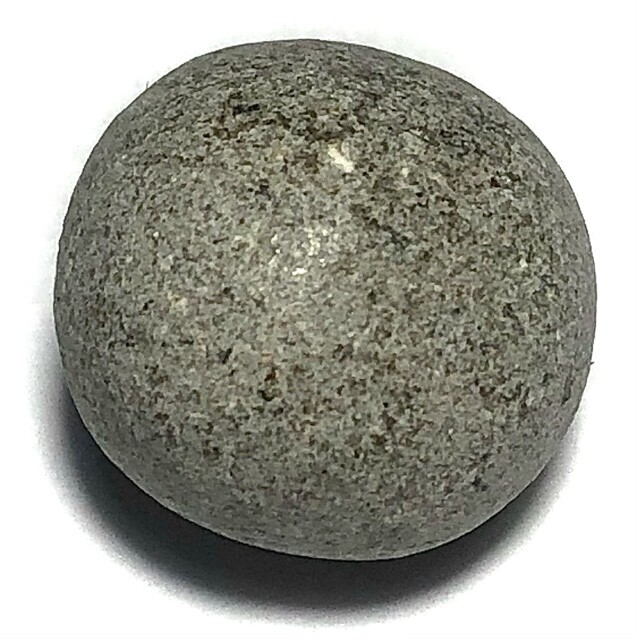
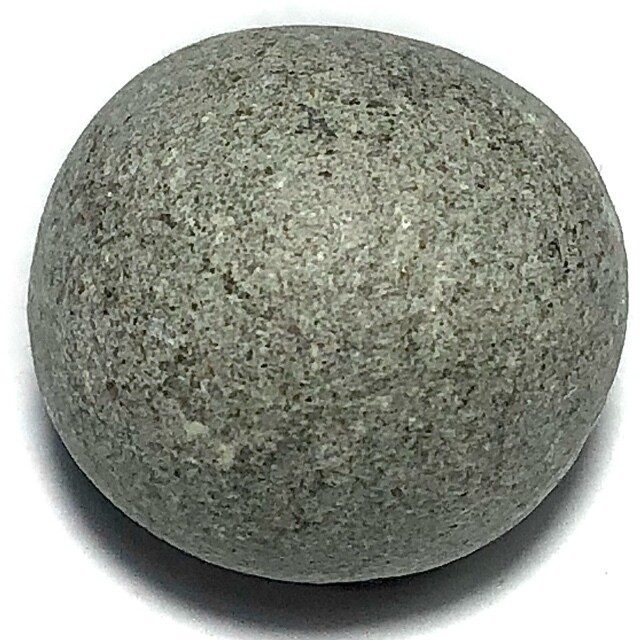
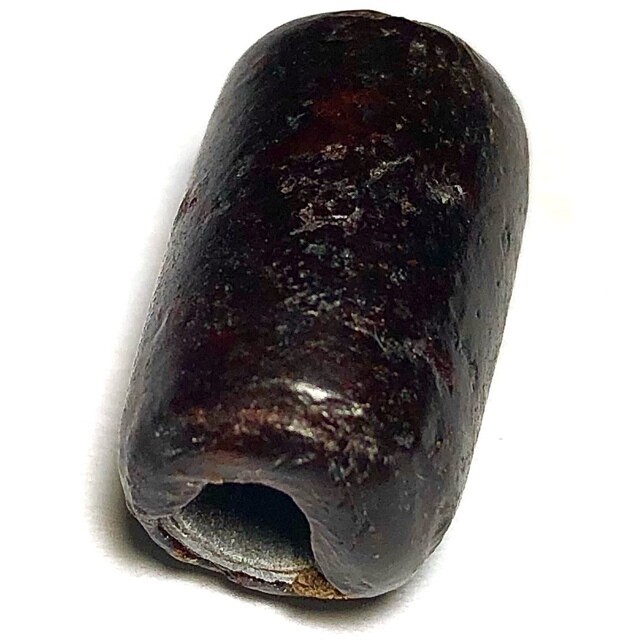
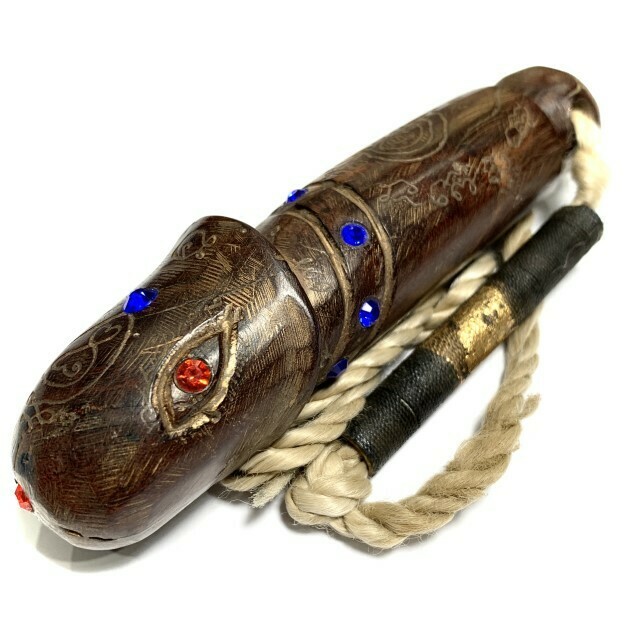
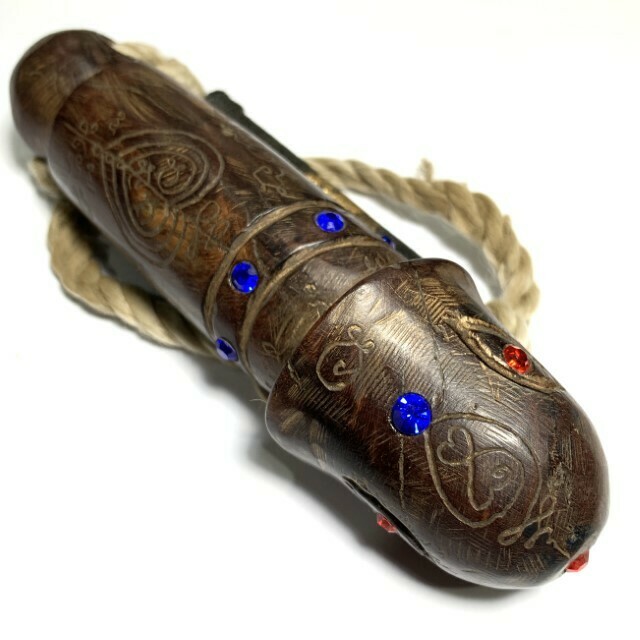
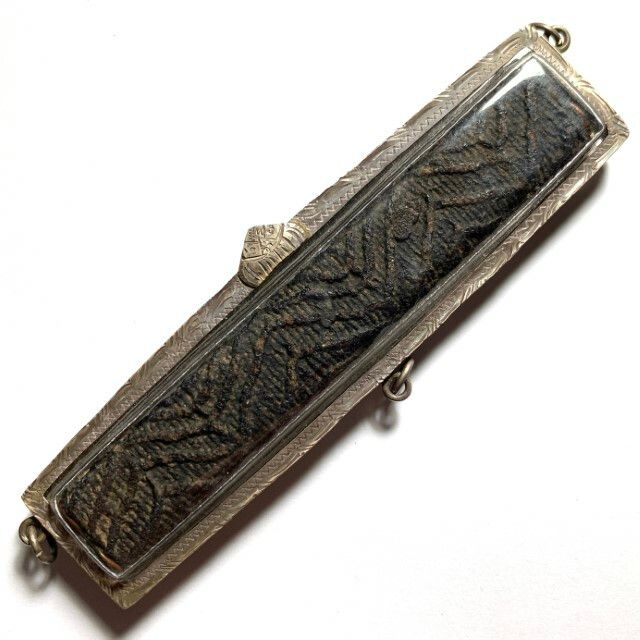
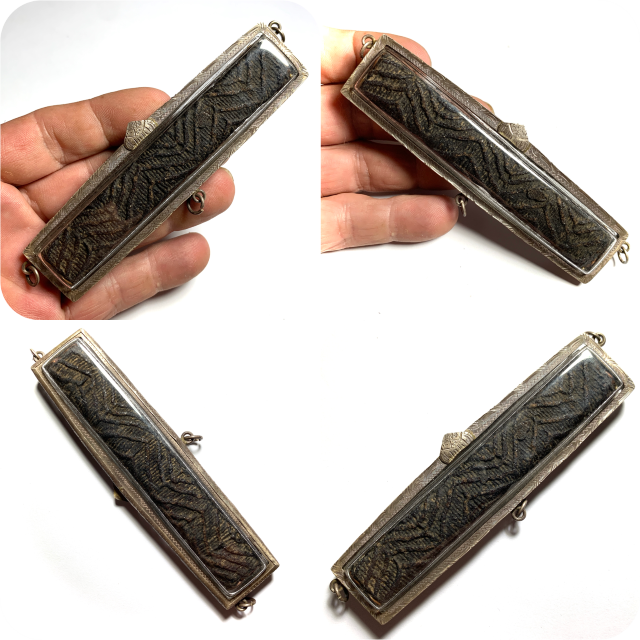
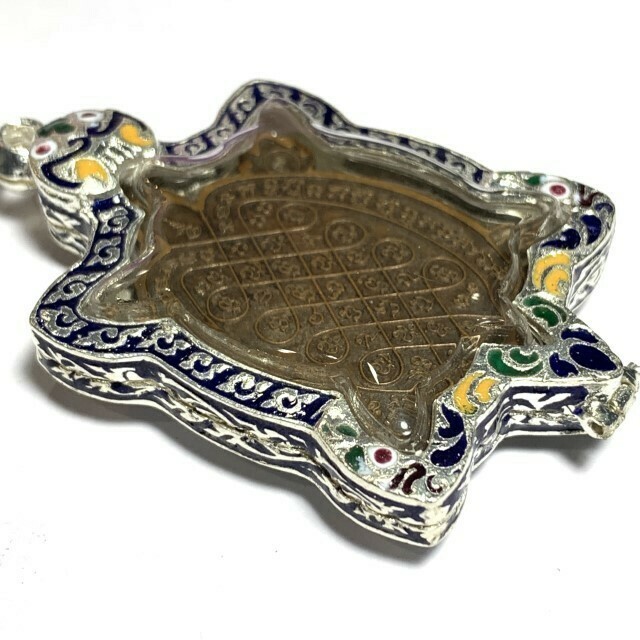
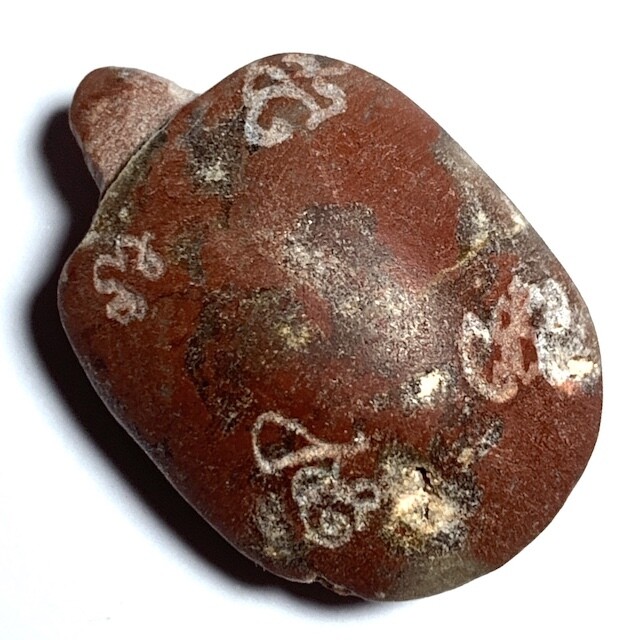
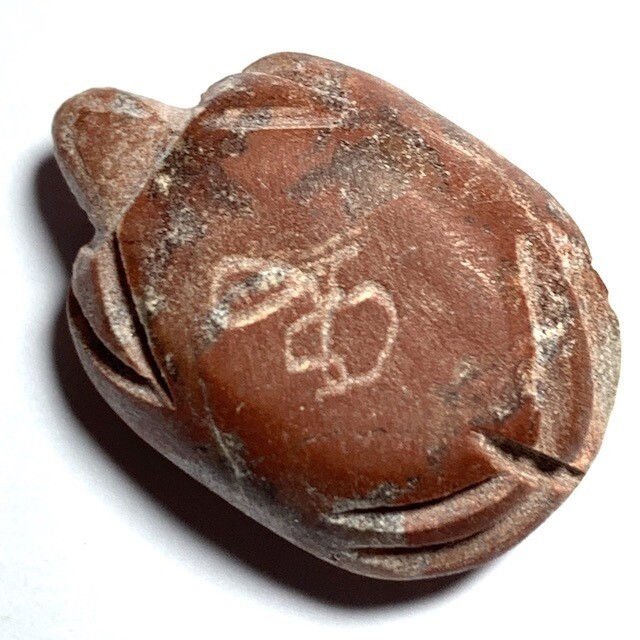
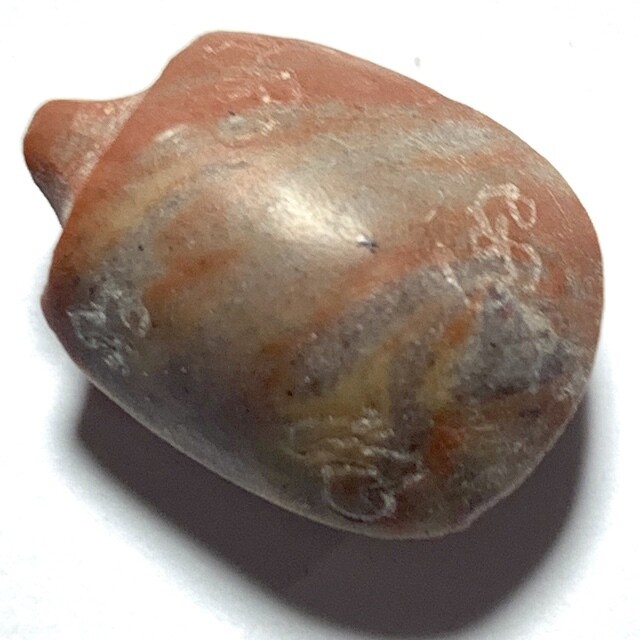
The Takrut Tong Daeng Kong Grapan Thak Chueak Khiaw 2500 BE: A Monograph on the Sacred Amulets of Luang Por Mum Intabanyo Wat Prasat Yer
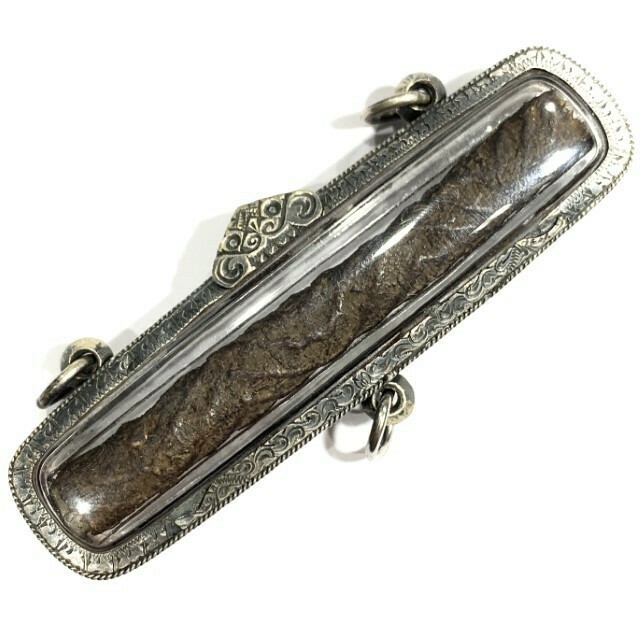
This monograph presents a rigorous academic examination of the Takrut Tong Daeng Kong Grapan Thak Chueak Khiaw, identified by SKU 04219, an artifact of profound spiritual and cultural significance from the esteemed master, Luang Por Mum Intabanyo of Wat Prasat Yer. Dated to approximately 2500 BE (1957 CE), this specific Takrut exemplifies the intricate interplay between Theravada Buddhist esotericism, indigenous Thai animism, and the potent alchemical traditions prevalent in the Mekong region of Southeast Asia. The focus here is on its historical genesis, the biographical trajectory of its creator, the material composition, the methodologies of its sacred empowerment, its iconographical implications, and the prescribed devotional practices associated with its veneration.

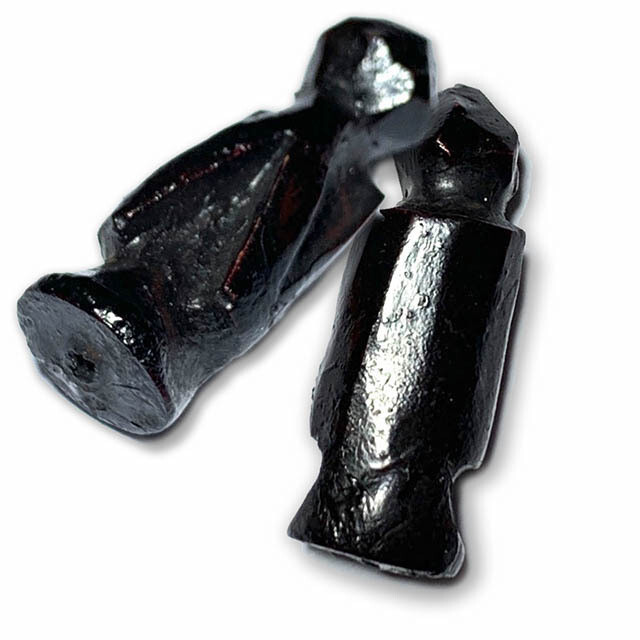
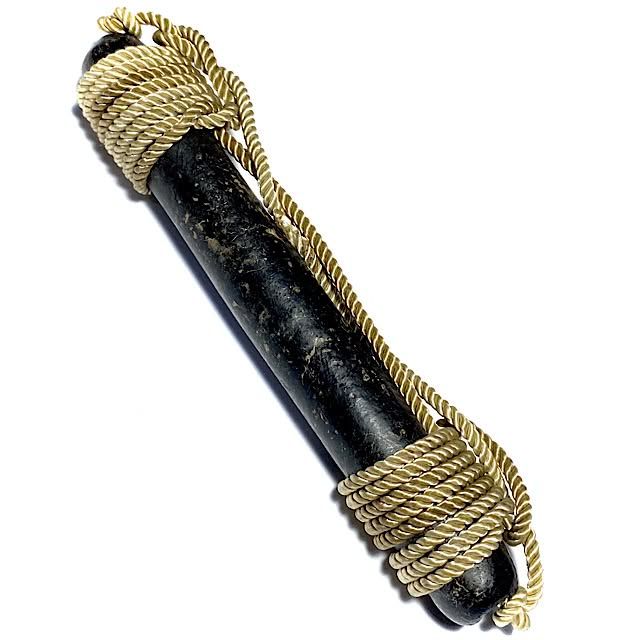
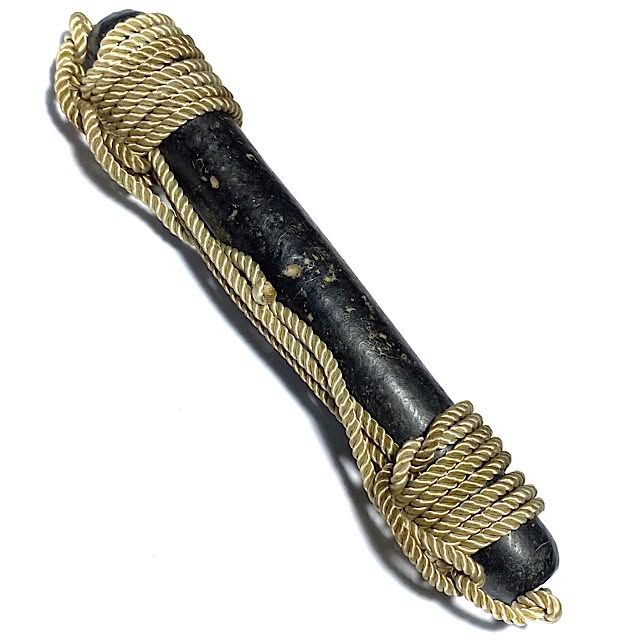
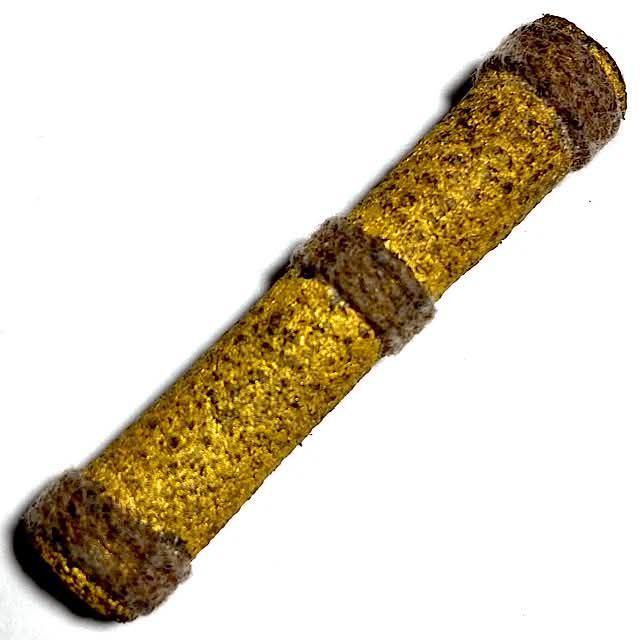
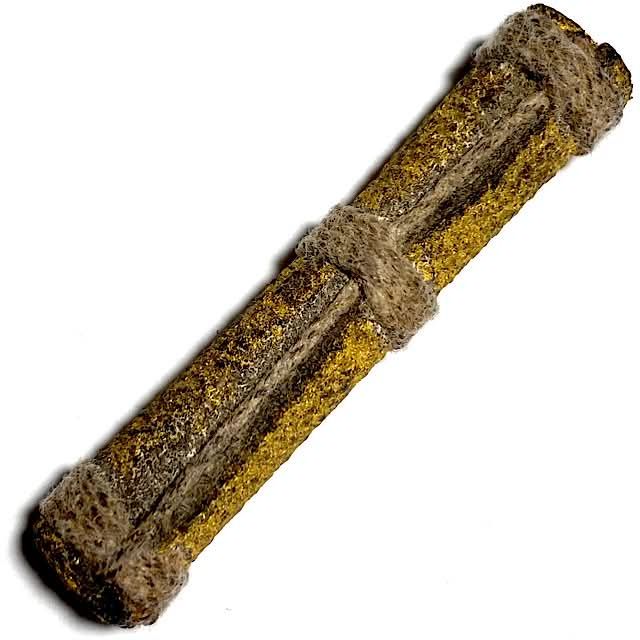
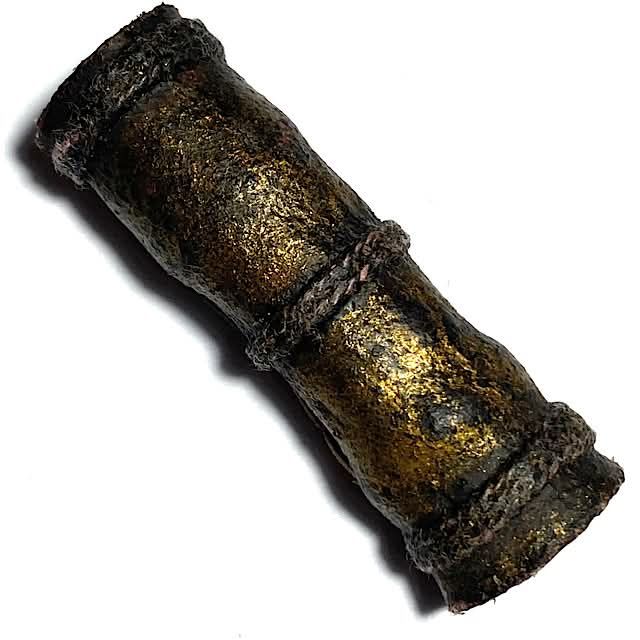
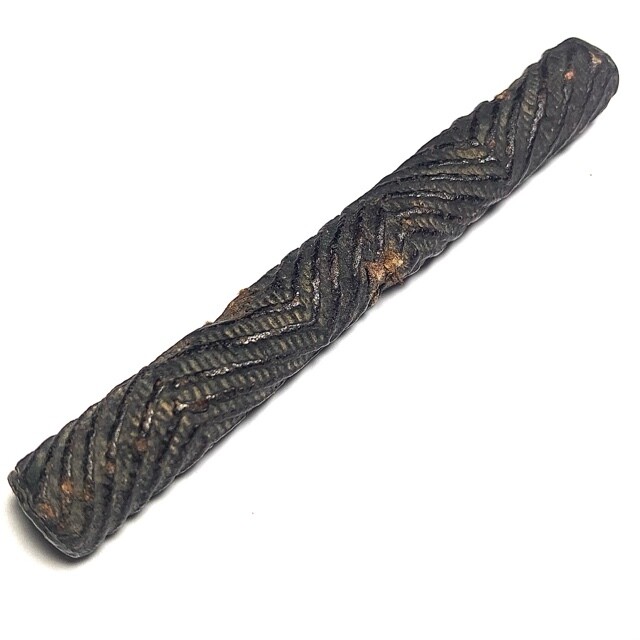
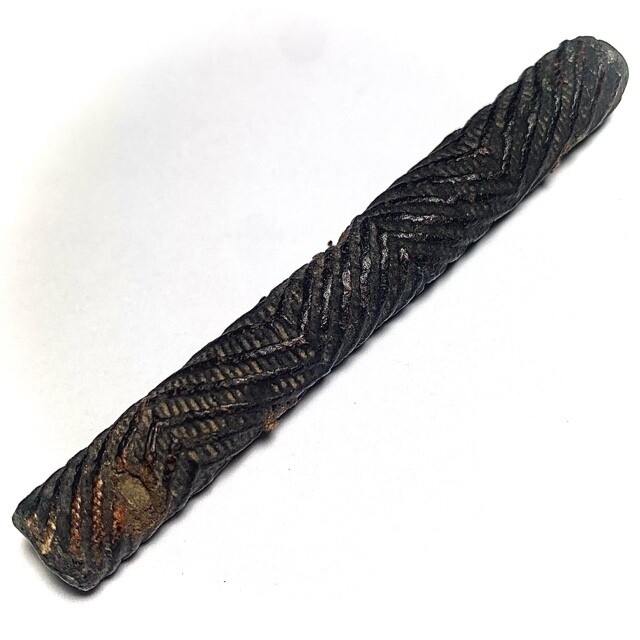
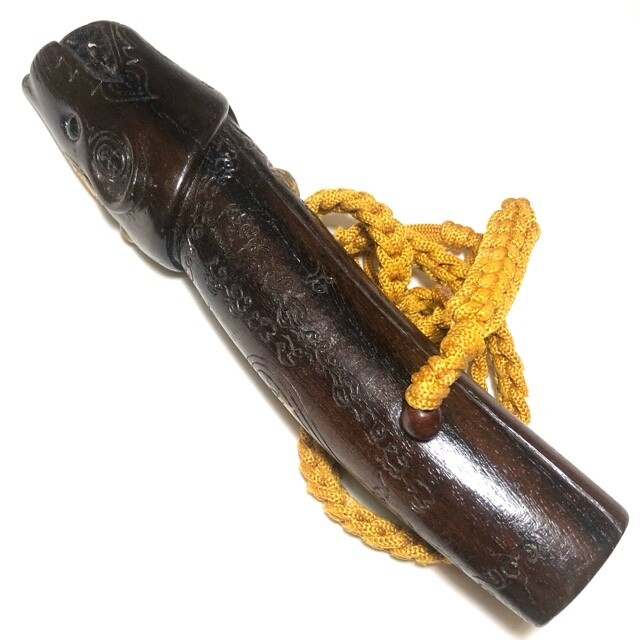
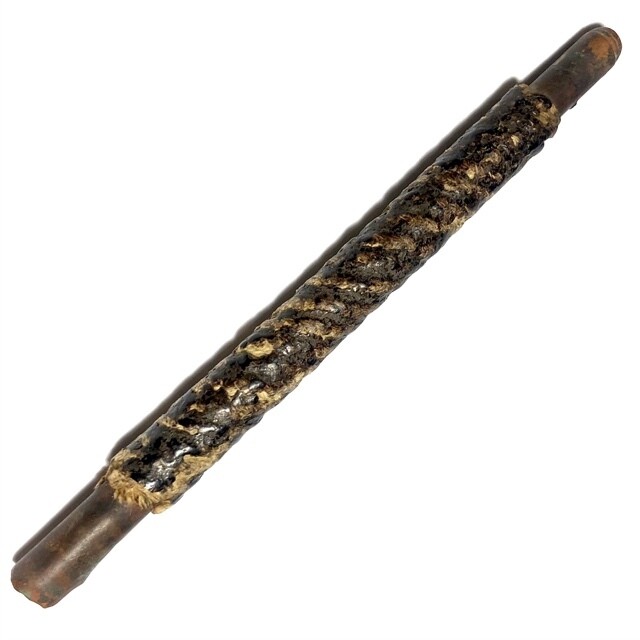
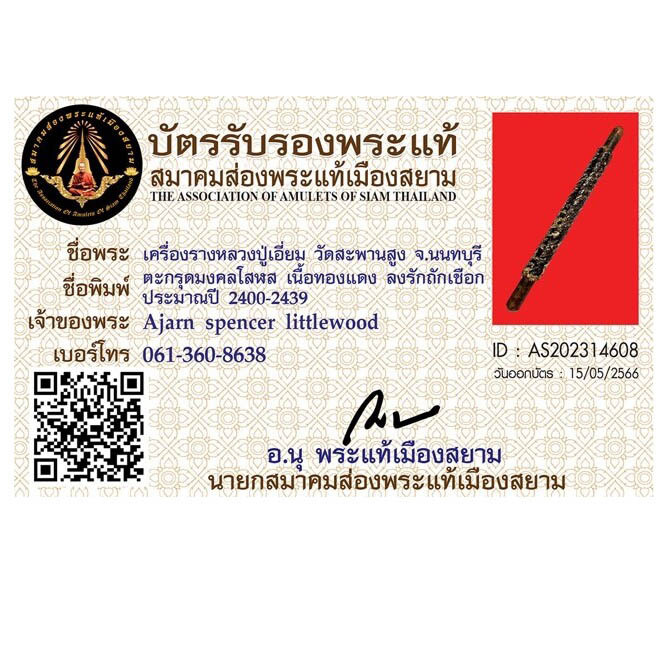
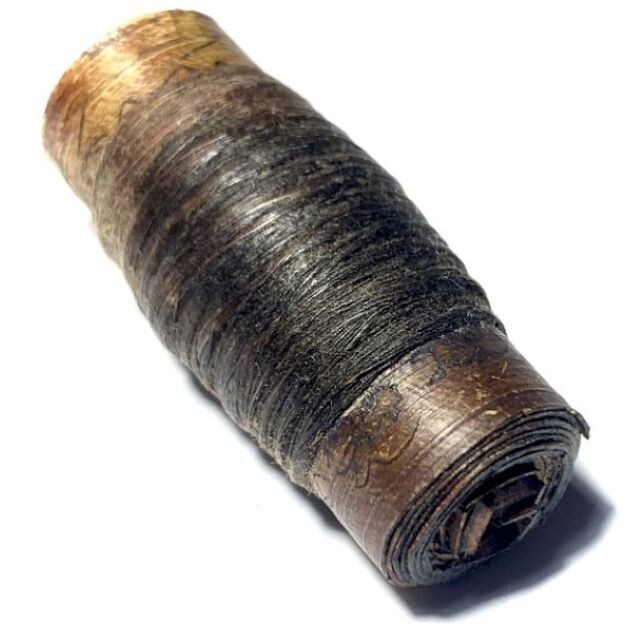
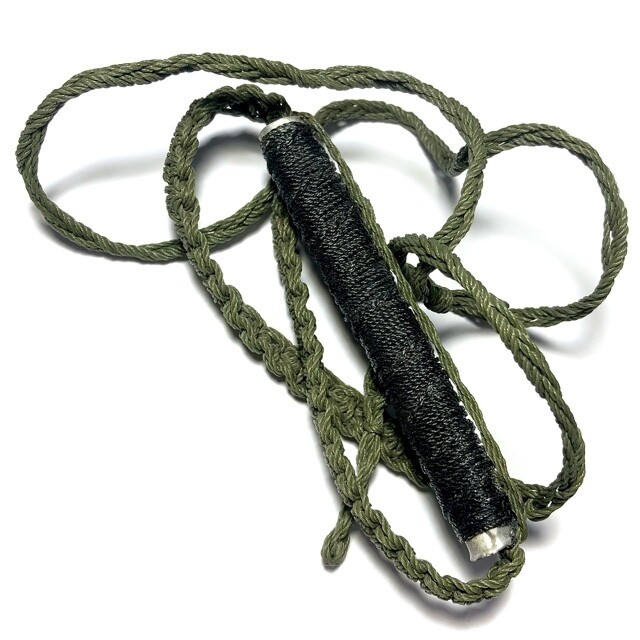
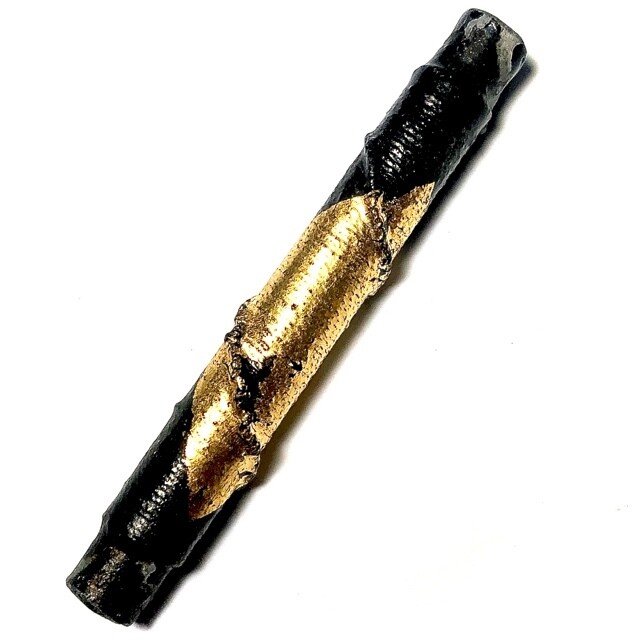
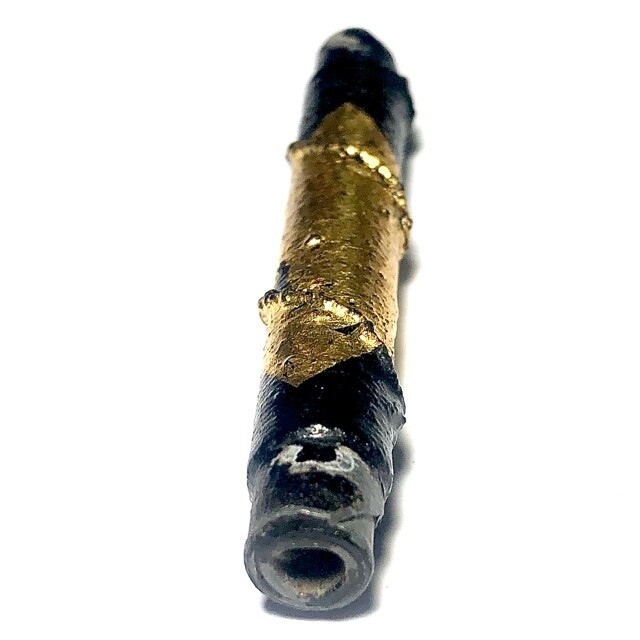
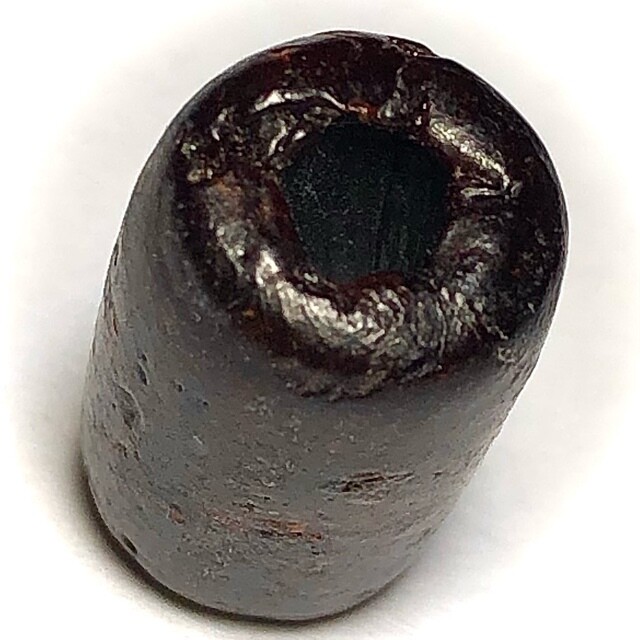
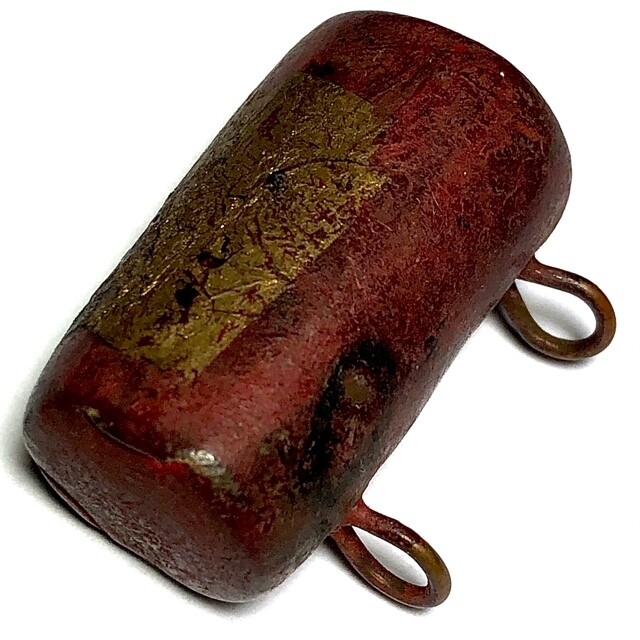
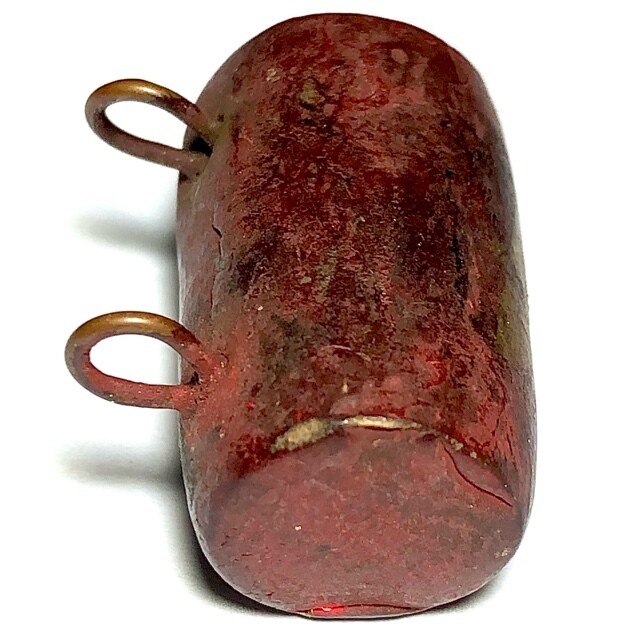
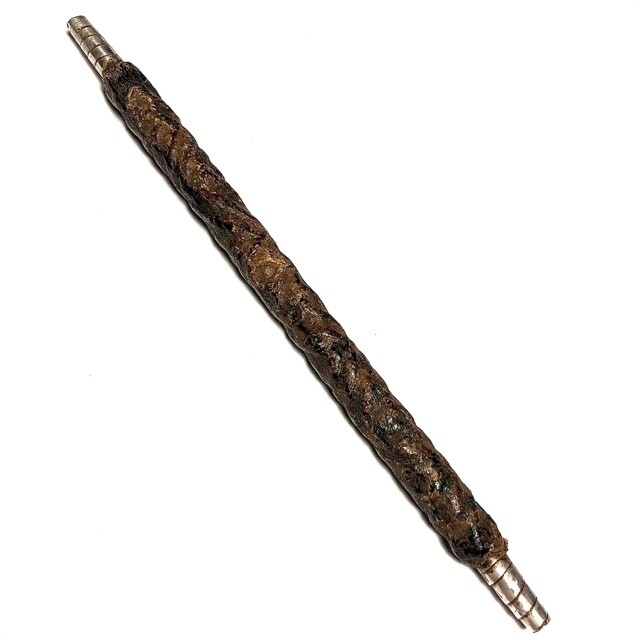
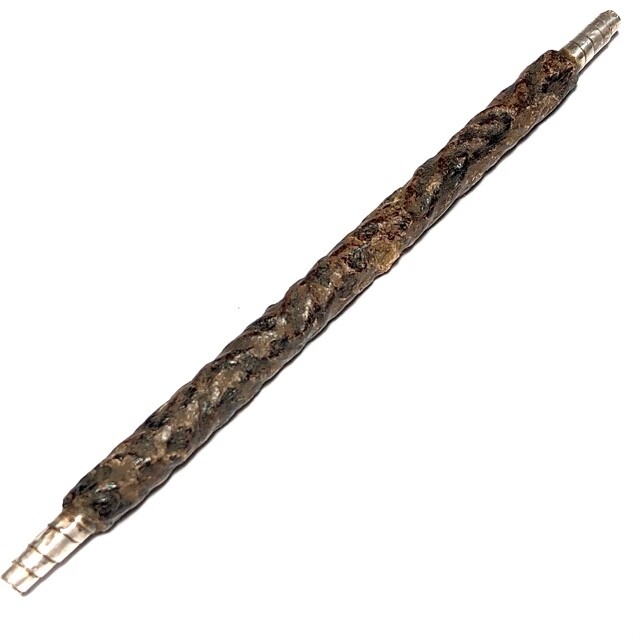
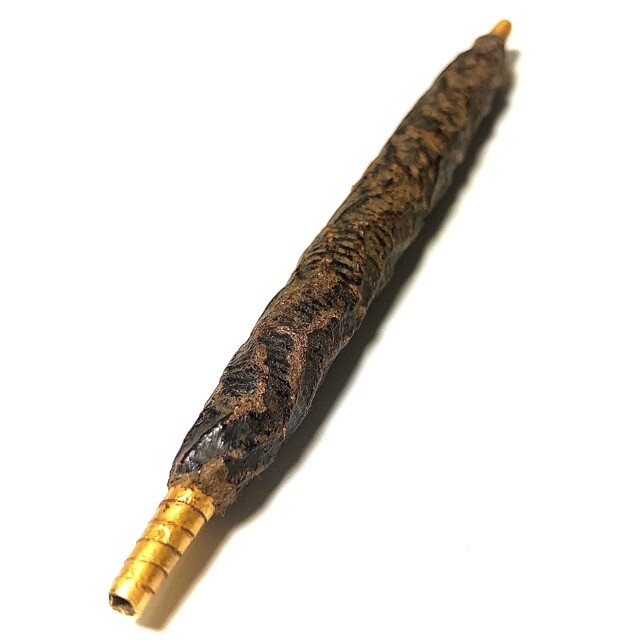
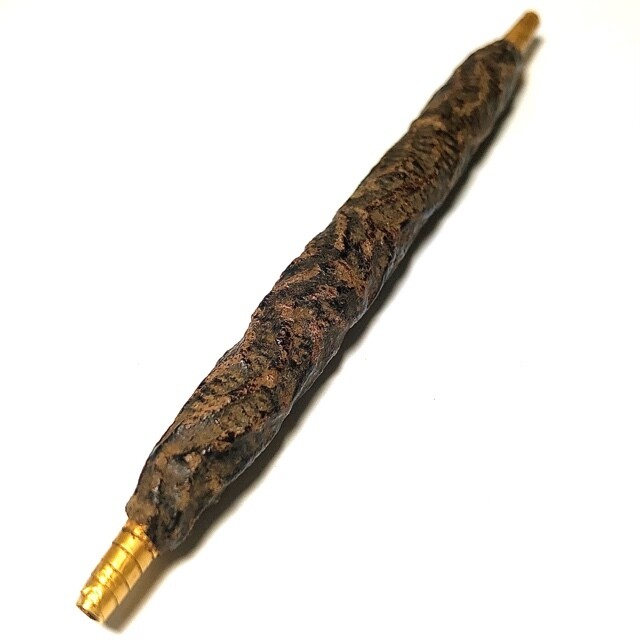
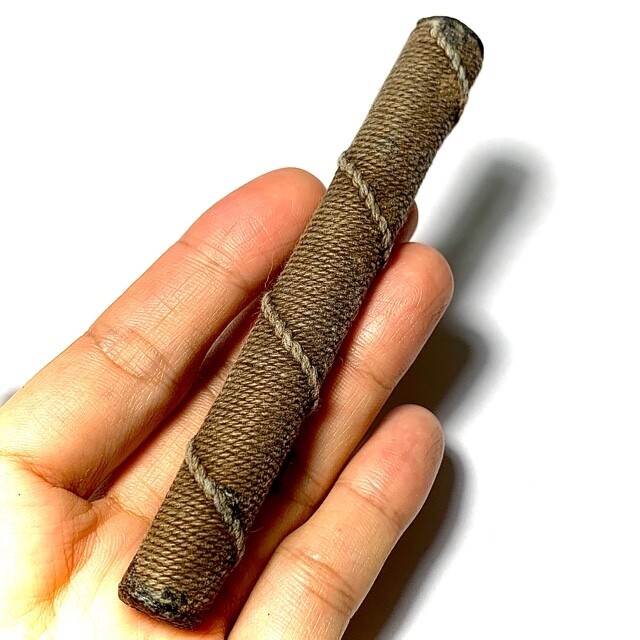
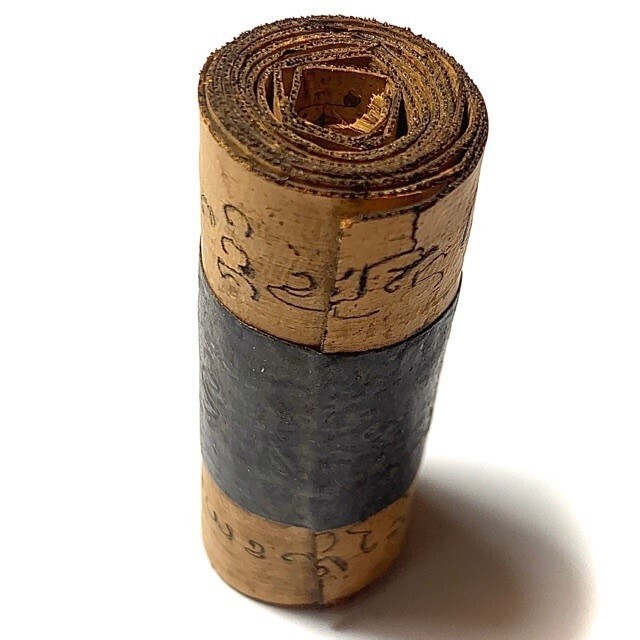
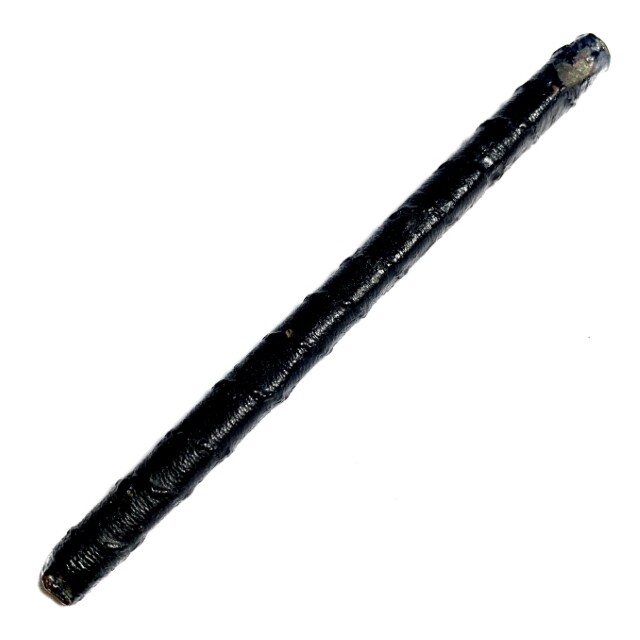
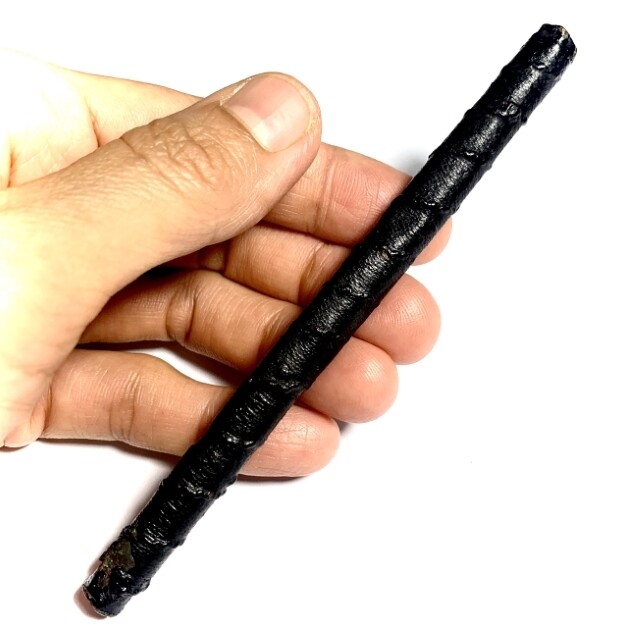
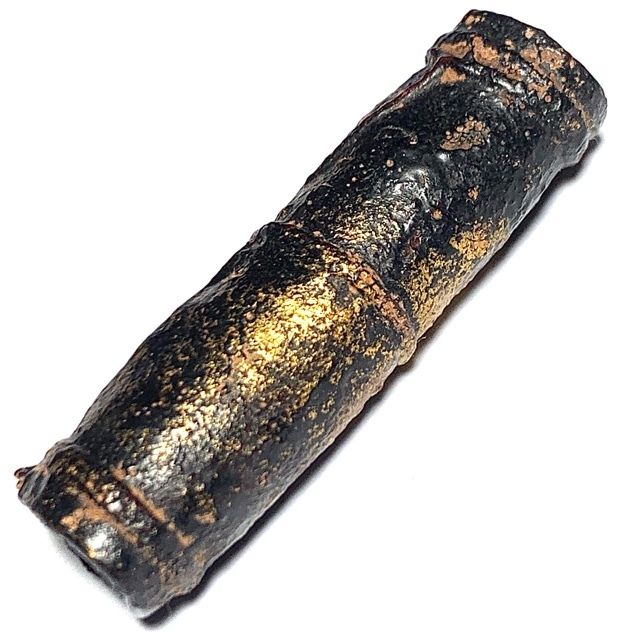
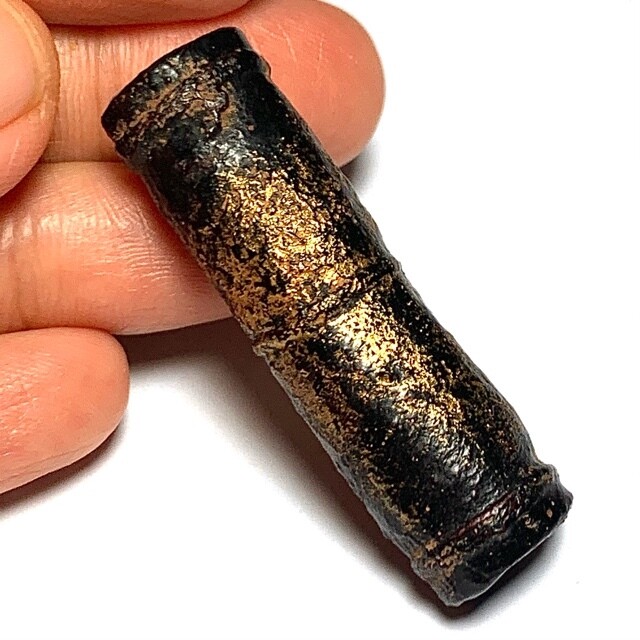
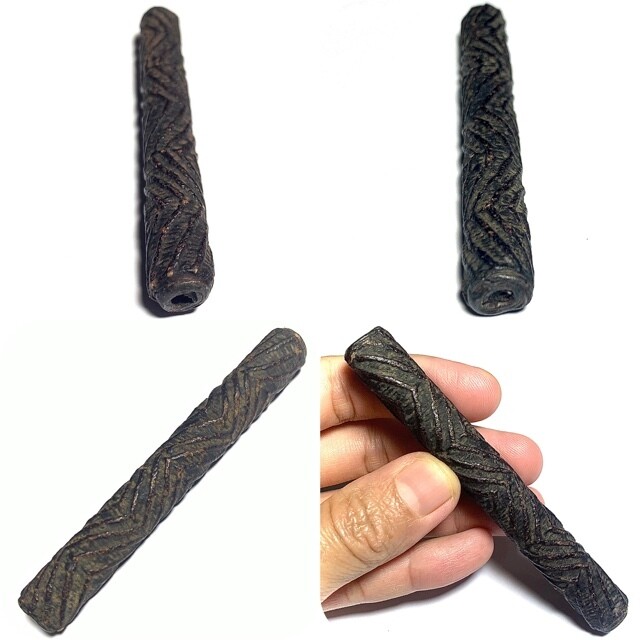
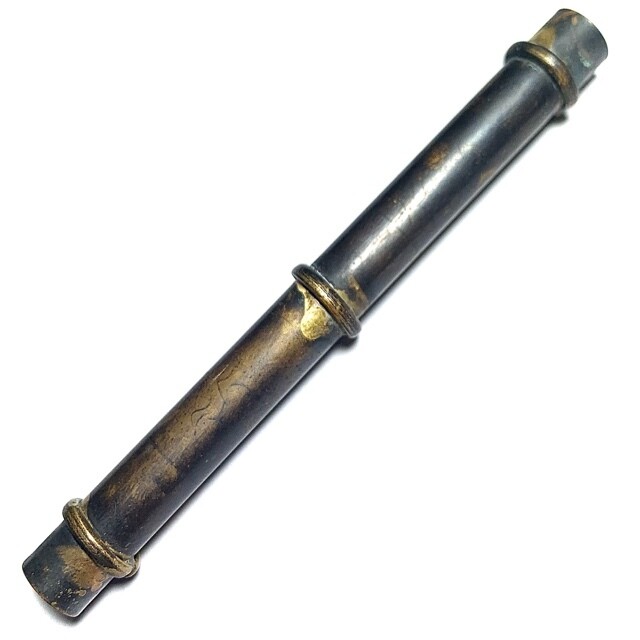
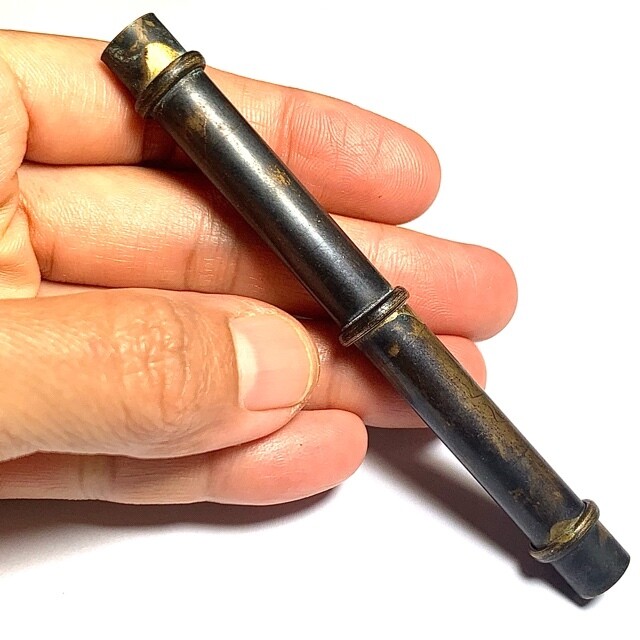
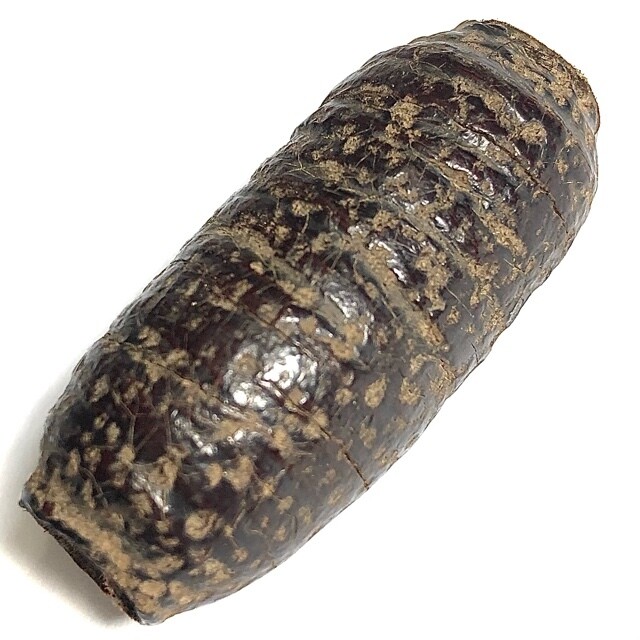
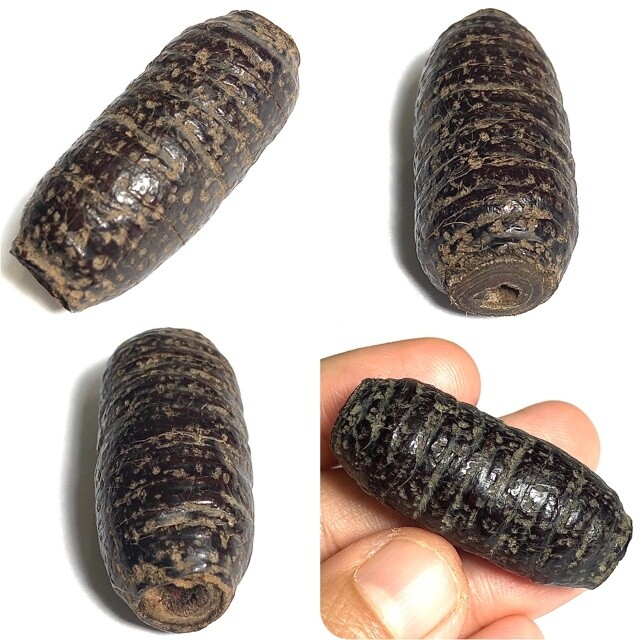
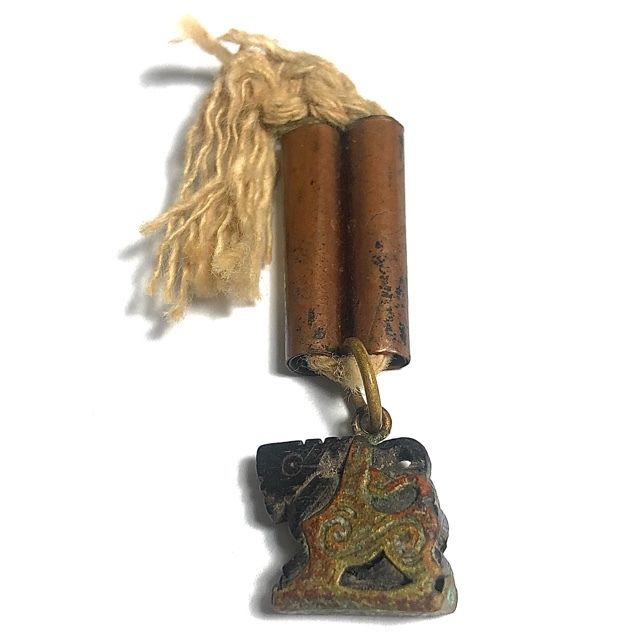
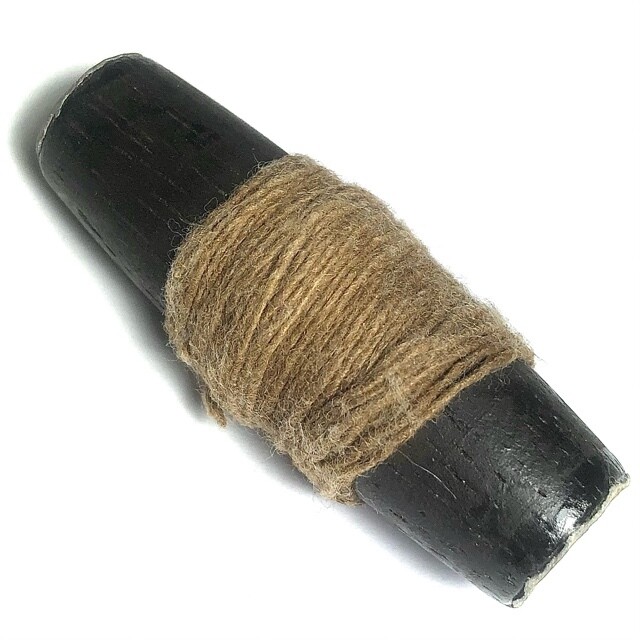
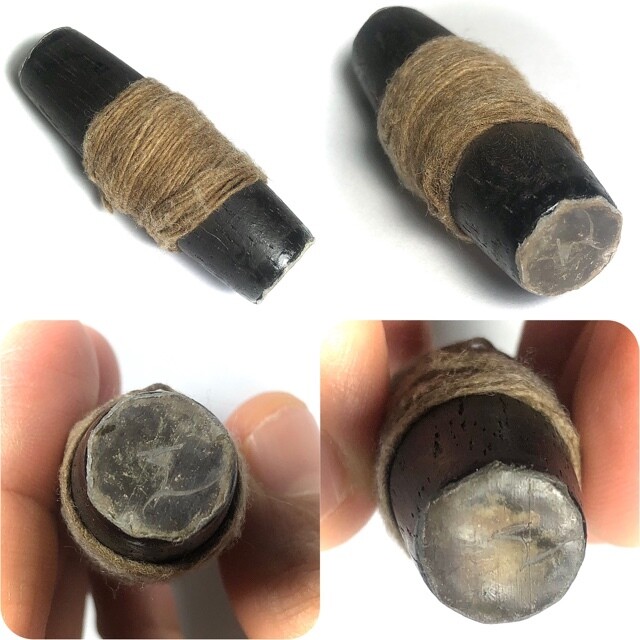
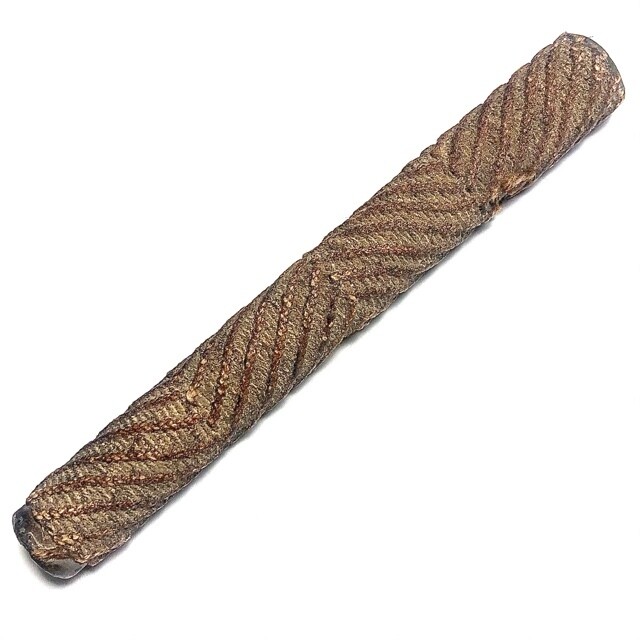
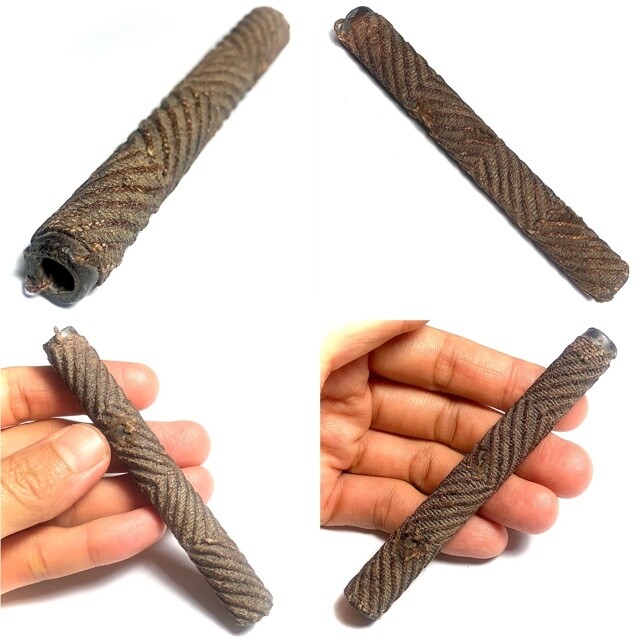
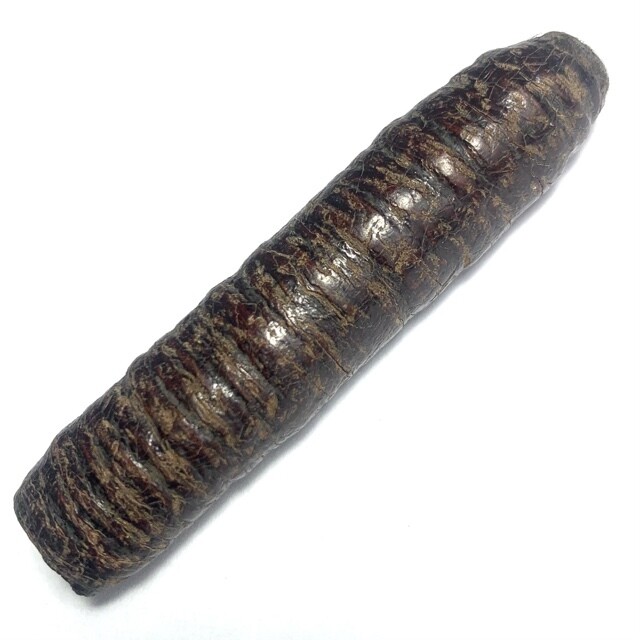
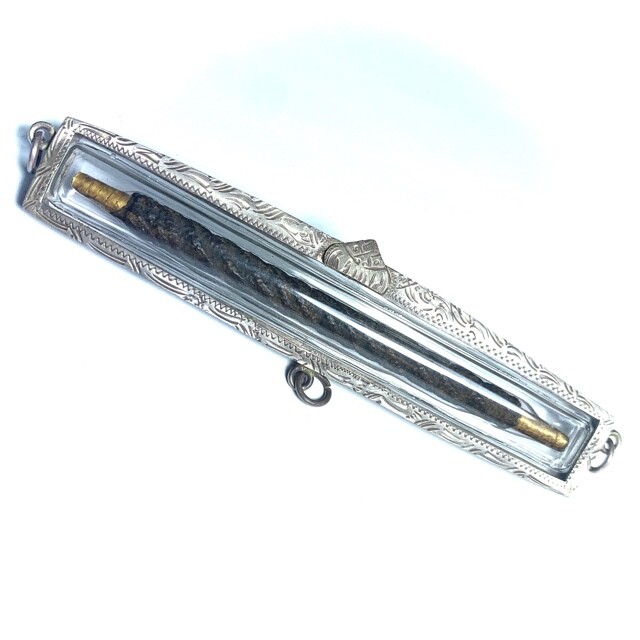
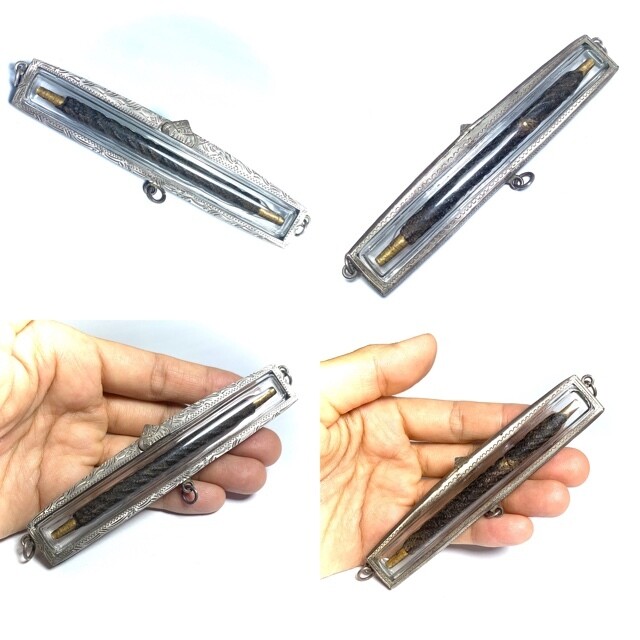
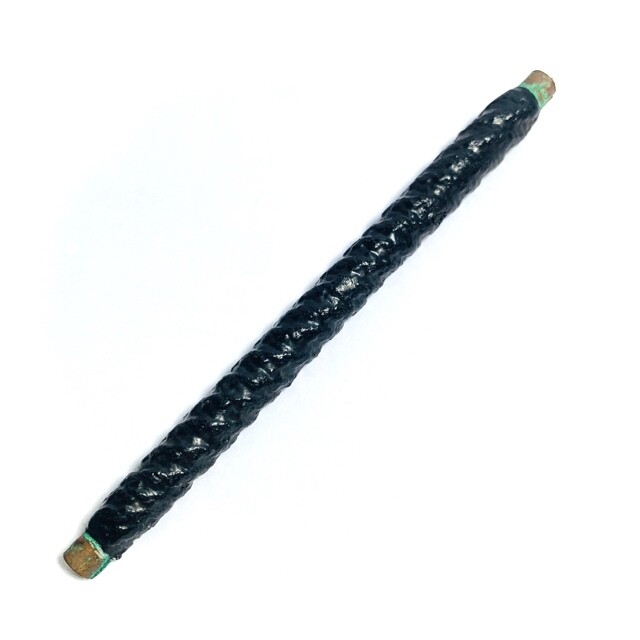
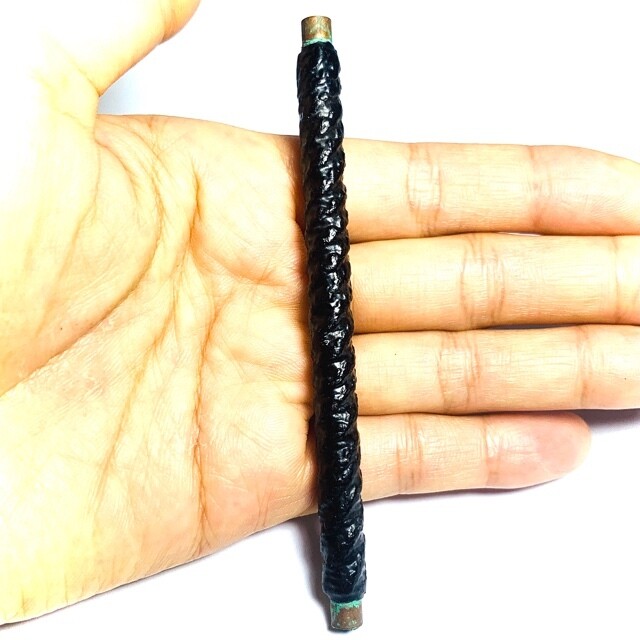
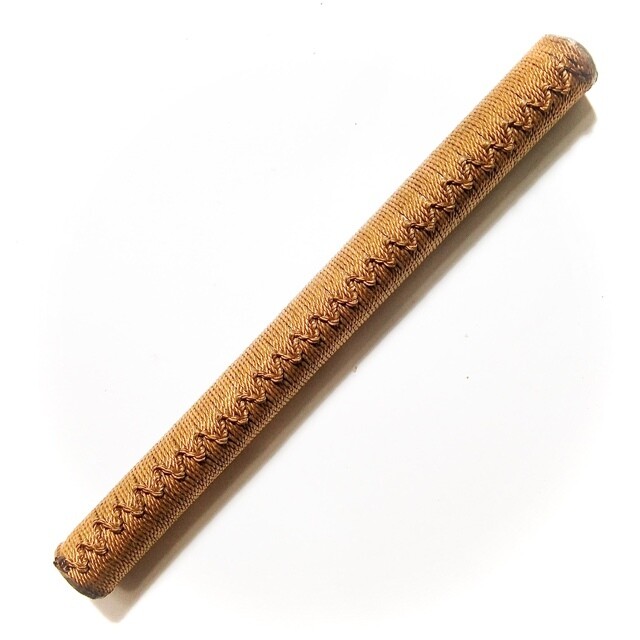
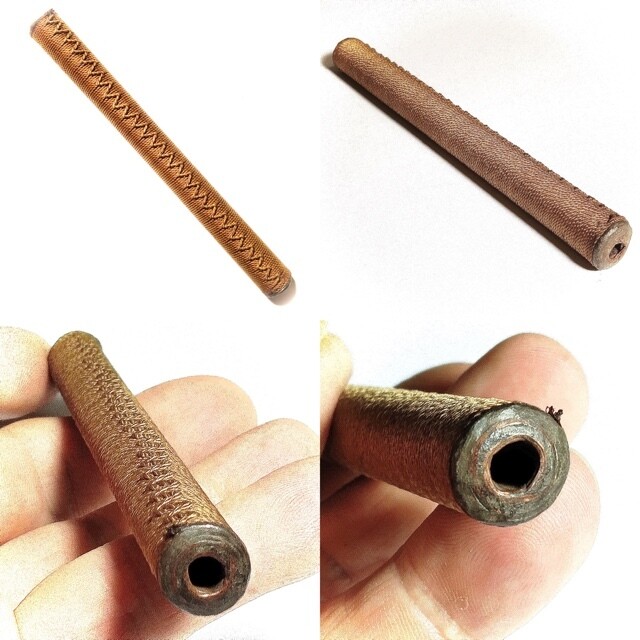
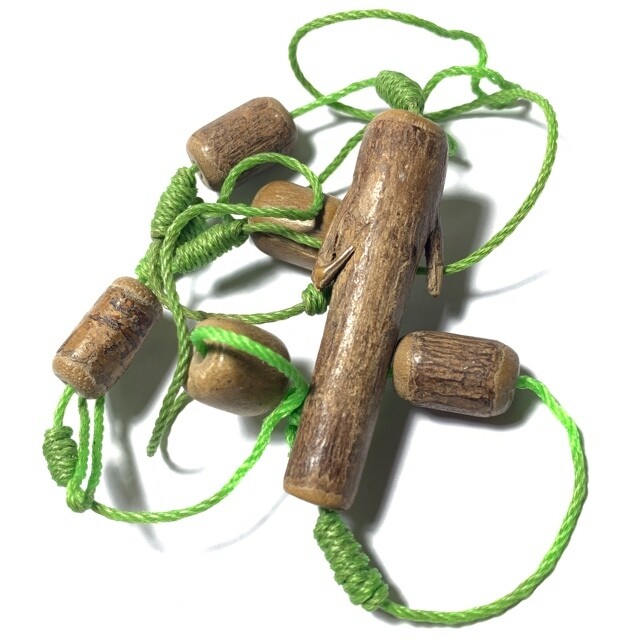
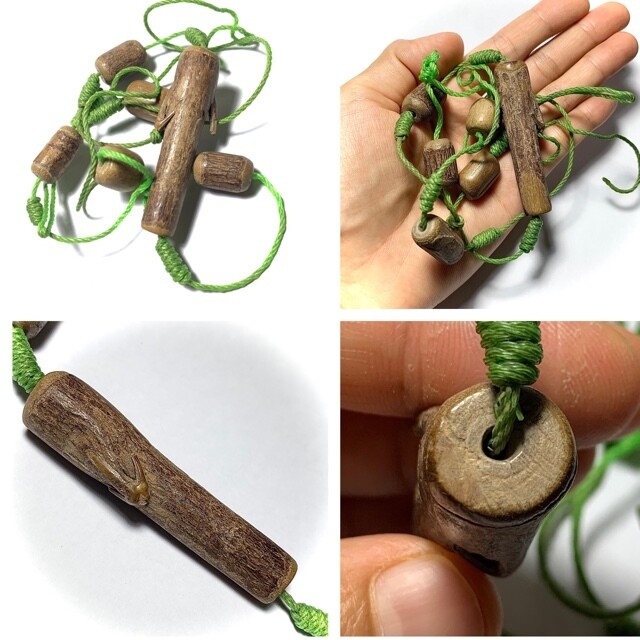
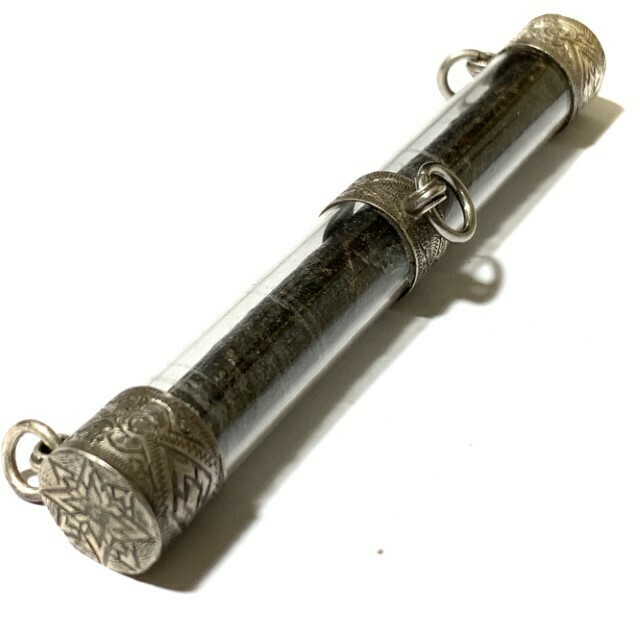
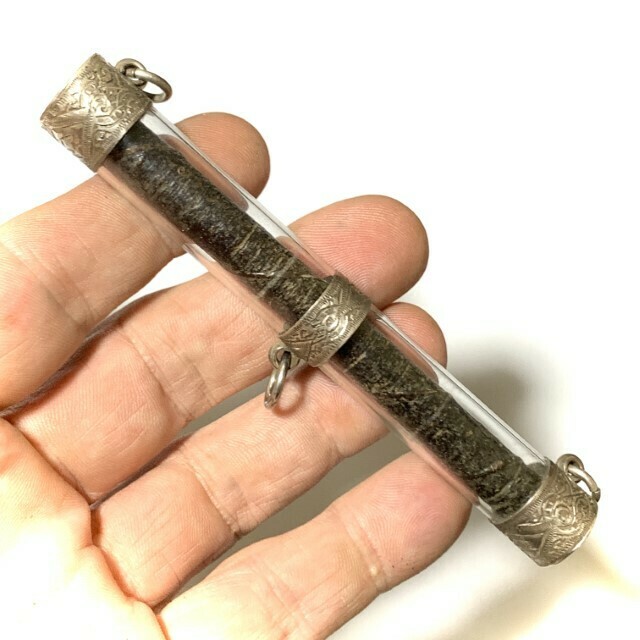
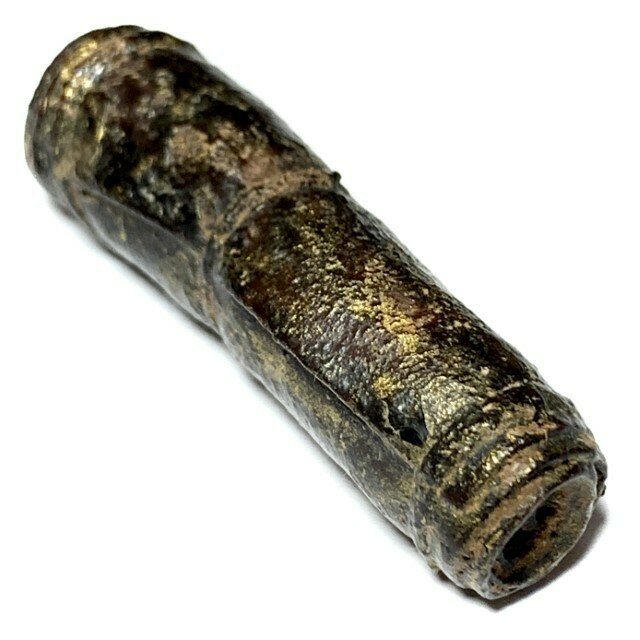
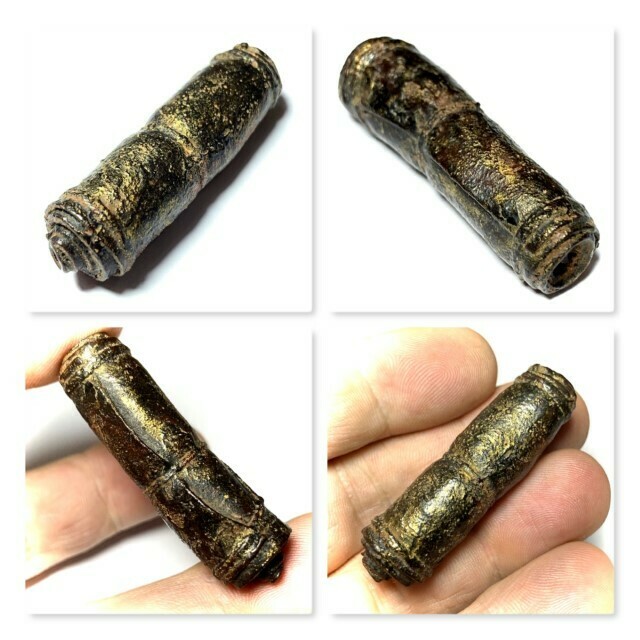
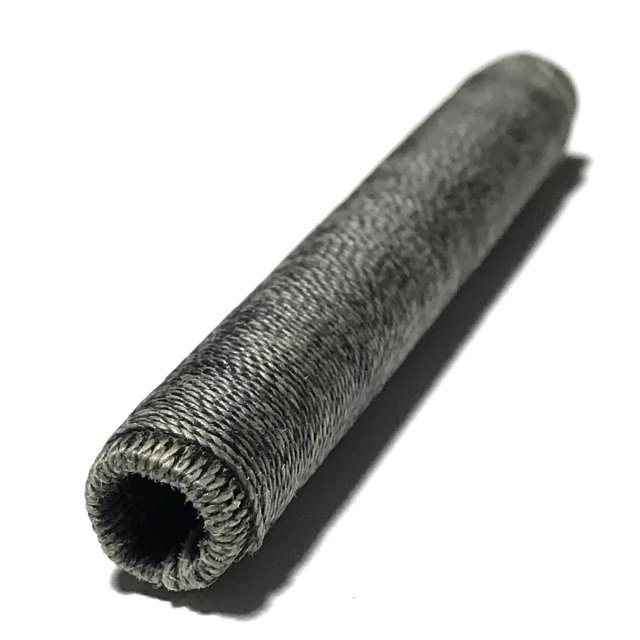
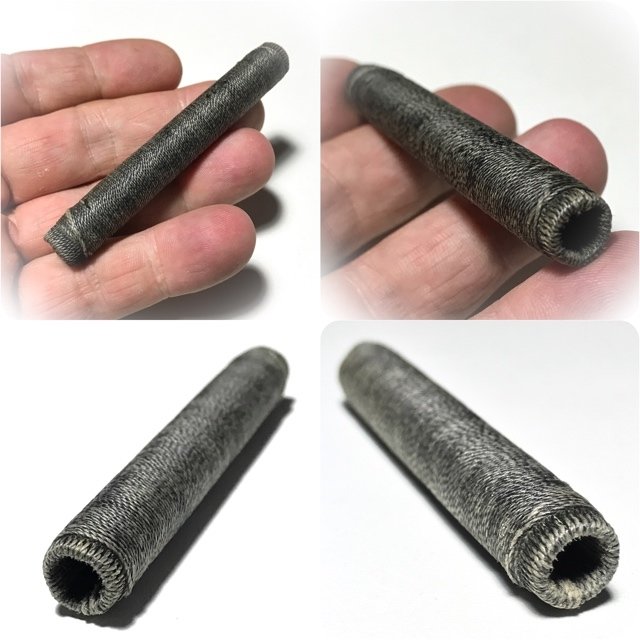
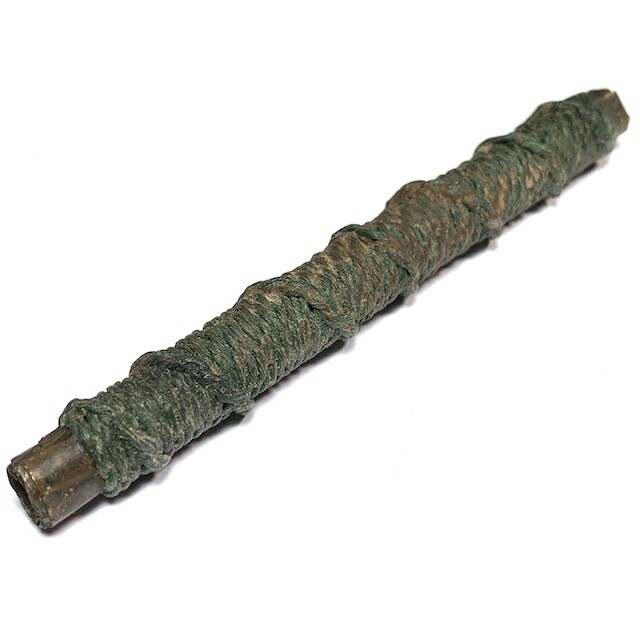
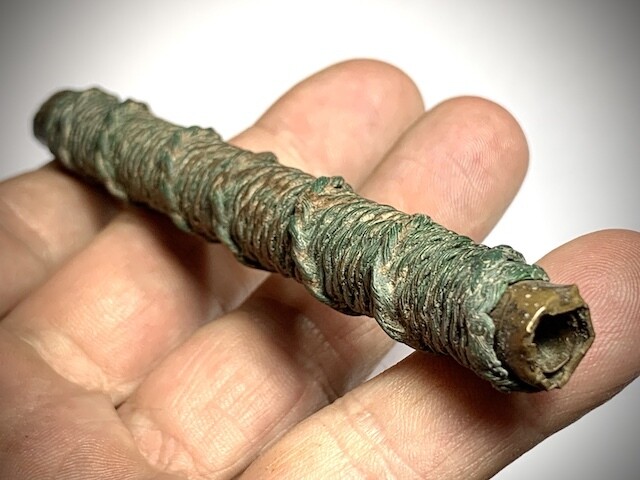
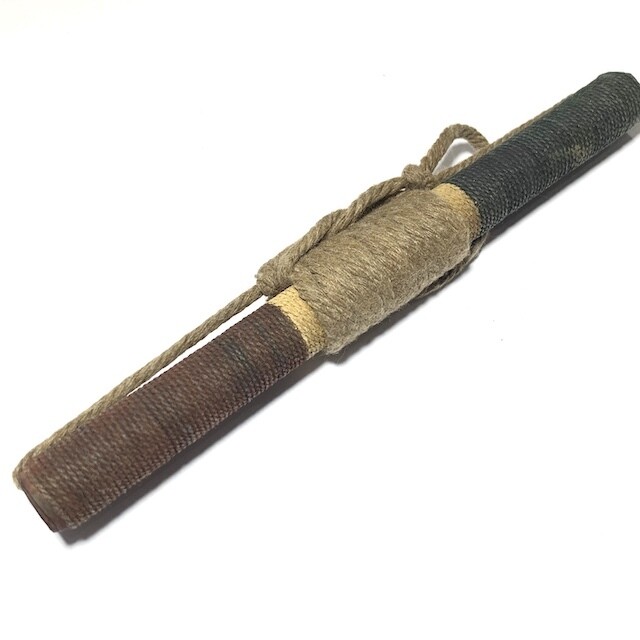
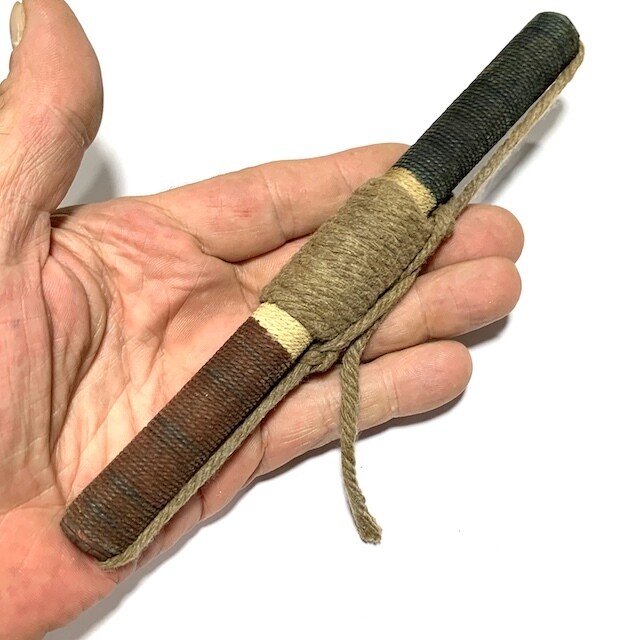
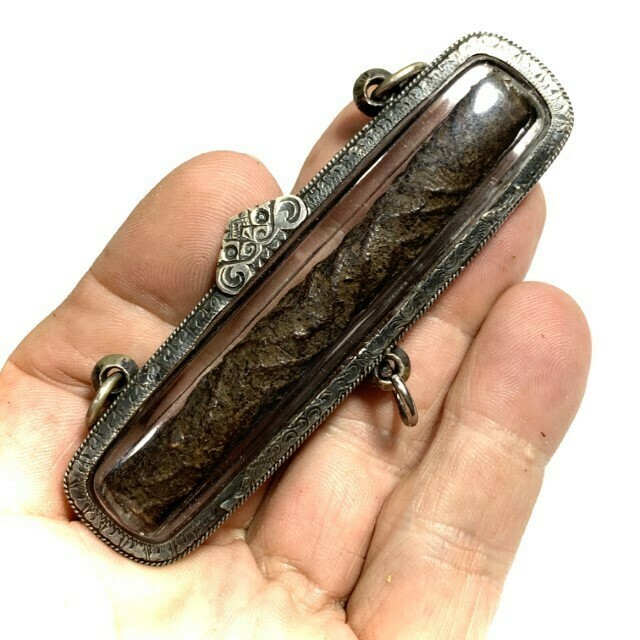
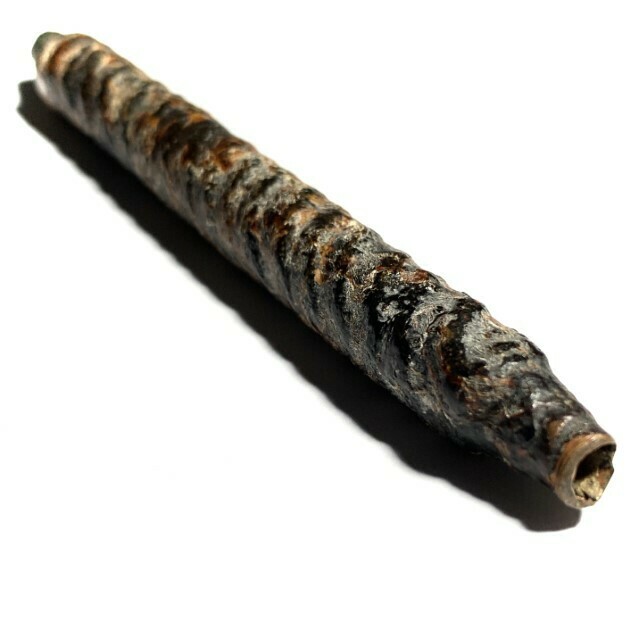
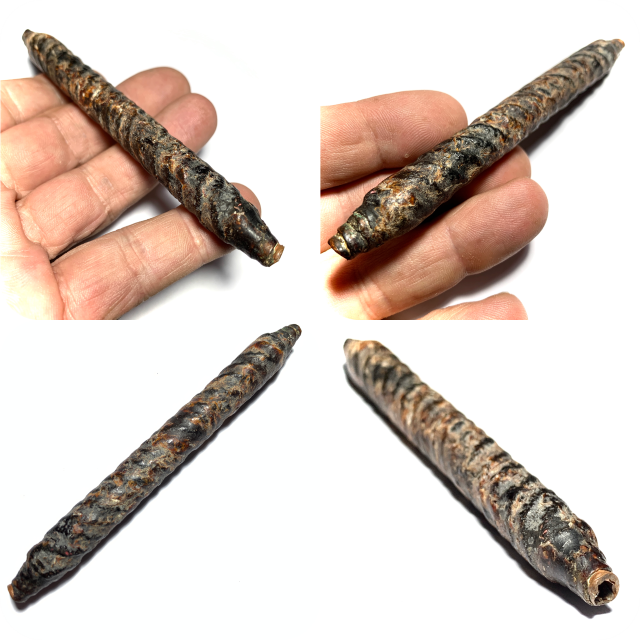
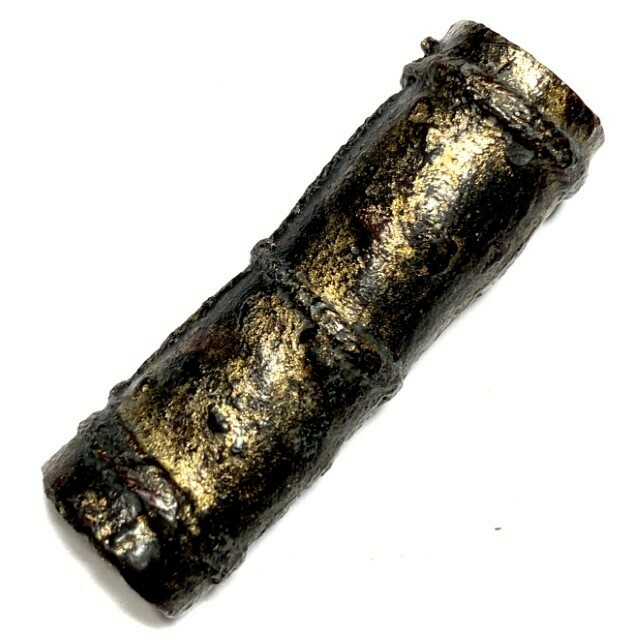
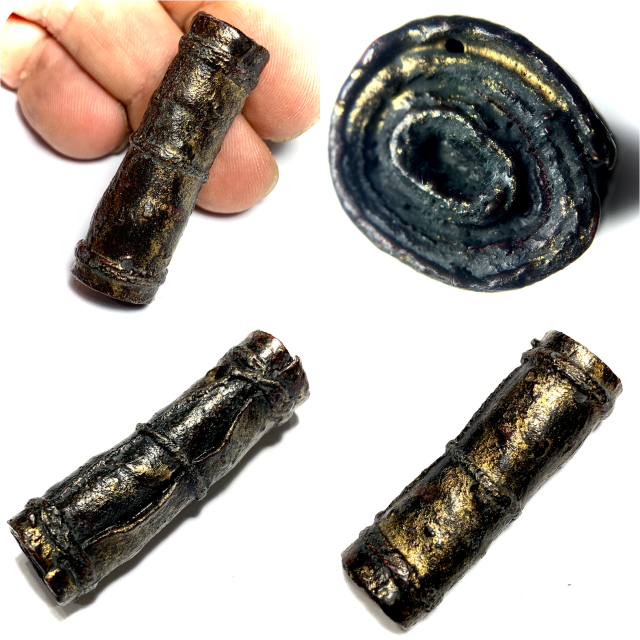
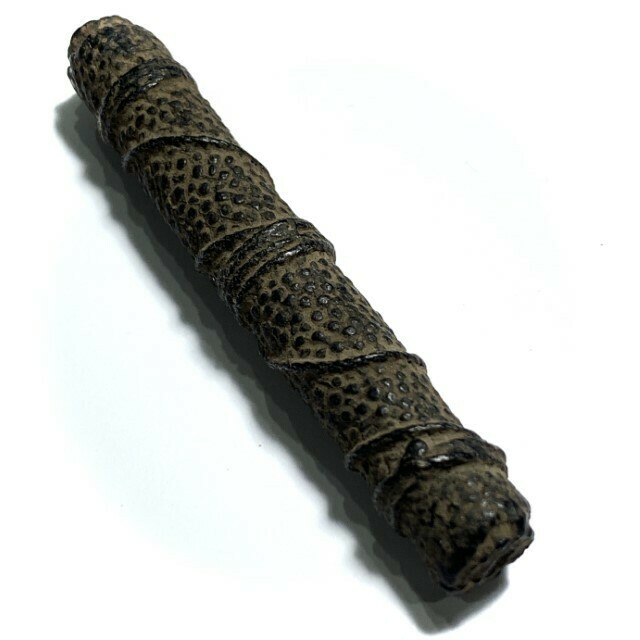
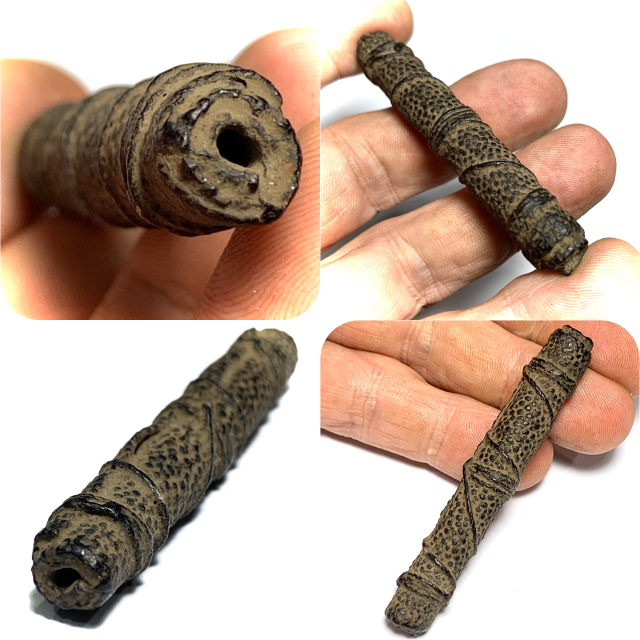
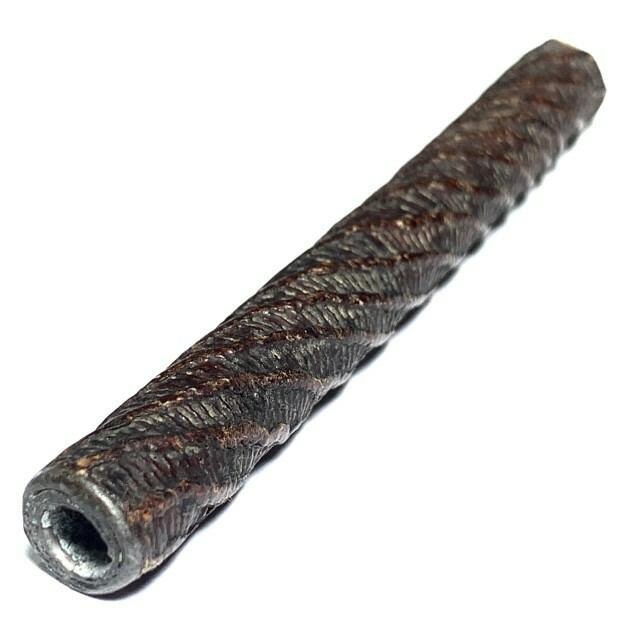
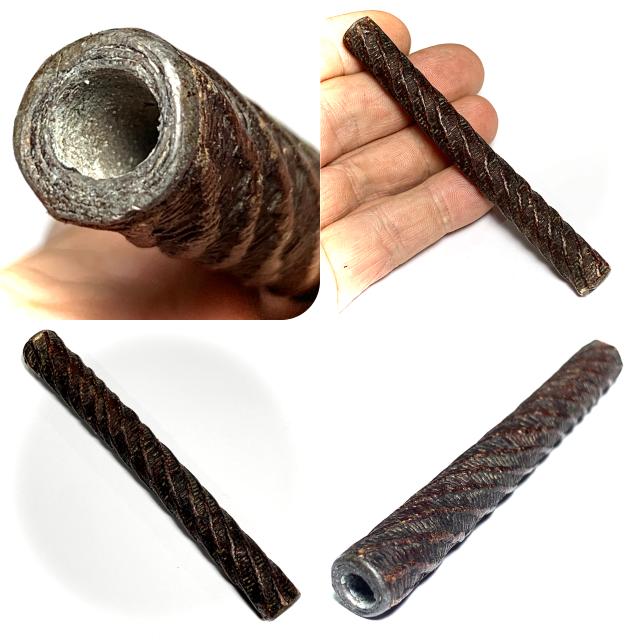
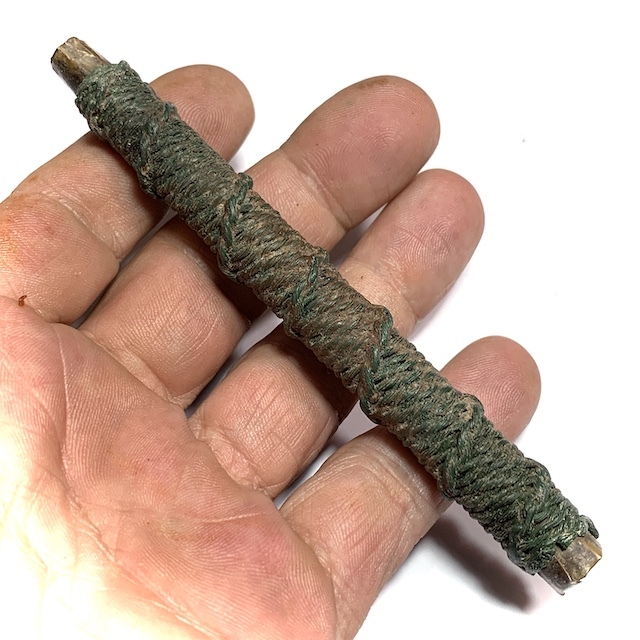
The Takrut, a cylindrical scroll amulet, stands as a quintessential manifestation of Thai Buddhist occultism, embodying a lineage of mystical knowledge passed through generations of monastic masters. Fundamentally, a Takrut serves as a repository for sacred inscriptions, known as Yantras (or Yant in Thai), imbued with specific magical properties through ritualistic empowerment. The Takrut Tong Daeng Kong Grapan Thak Chueak Khiaw, specifically a “Takrut Tone” measuring five inches in length, represents a powerful class of these amulets, meticulously crafted from copper/bronze Yantra foil. Its designation as “Tong Daeng” refers to this copper composition, historically valued for its conductive properties in magical rites and its association with celestial bodies.
The theological importance of this Takrut is predicated upon the efficacy of its enshrined Wicha (magical knowledge) to confer multifaceted protections and boons upon the wearer. The primary attributes inscribed within this amulet are Kong Grapan Chadtri, Klaew Klaad, Maha Ud, and Gae Pit Aathan. Kong Grapan Chadtri denotes invincibility, specifically the ability to repel physical harm, rendering the wearer impervious to blades, bullets, and other forms of weaponry. Klaew Klaad signifies evasive capabilities, ensuring the wearer’s escape from dangerous situations, accidents, and unforeseen perils. Maha Ud pertains to gun-stopping magic, preventing firearms from discharging or causing harm, a critical protective aspect in regions historically prone to conflict. Gae Pit Aathan is the power to counteract and neutralize black magic, curses, and malevolent spiritual influences, offering a comprehensive shield against occult attacks. Beyond these core protective functions, the Takrut is also imbued with properties of Serm Duang (enhancement of fate or destiny), Metta Mahaniyom (compassion and popularity, leading to favorable social interactions), and Maha Lap Kaa Khaay (great fortune and success in business and trade). These attributes collectively position the Takrut not merely as a defensive talisman but as a comprehensive tool for enhancing overall well-being, status, and prosperity in the devotee’s life.
The temporal context of “2500 BE” (1957 CE) for this Takrut positions it within the nascent period of Luang Por Mum’s prolific output of “Krueang Rang” (talismanic occult charms). While his more formally documented editions of amulets, such as the Rian Kanajarn Monk Coins, emerged predominantly between 2507 BE and 2520 BE, the presence of specific Takrut types is noted earlier, with the “1st edition Takrut” officially documented in 2509 BE. This suggests that the “2500 BE” designation for this particular Takrut likely refers to an earlier, less formally documented production period, characteristic of his individual, hand-made Krueang Rang. Such earlier creations often predated mass-produced editions and were crafted one by one, reflecting a more direct engagement of the master’s personal Wicha Akom (sorcery knowledge) and meditative energies during the initial phase of his spiritual and magical development. The cultural milieu of this era, marked by the geopolitical tensions of the Indo-China and Vietnam War, further amplified the demand for powerful protective amulets, elevating the significance of masters like Luang Por Mum who were renowned for their efficacious Wicha.
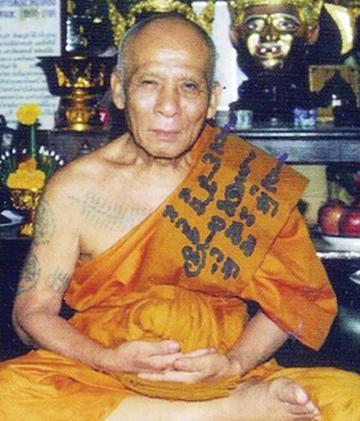
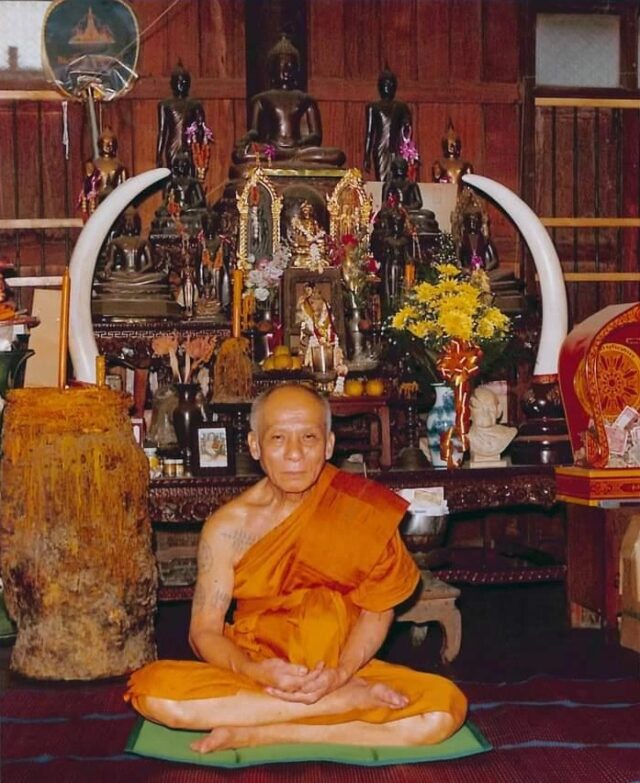
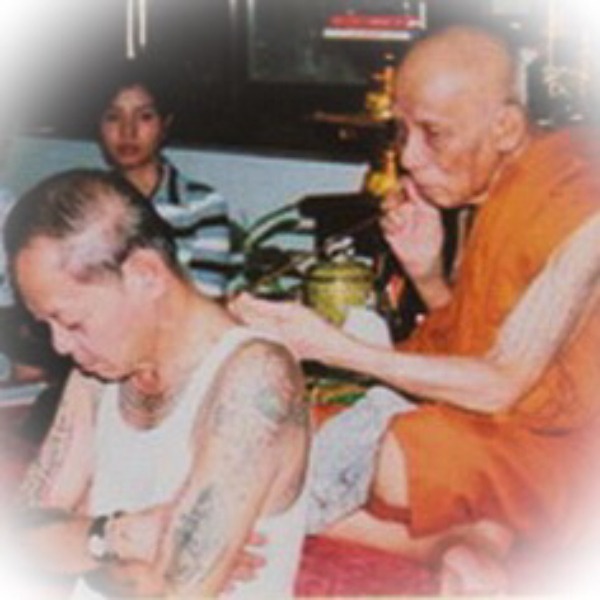
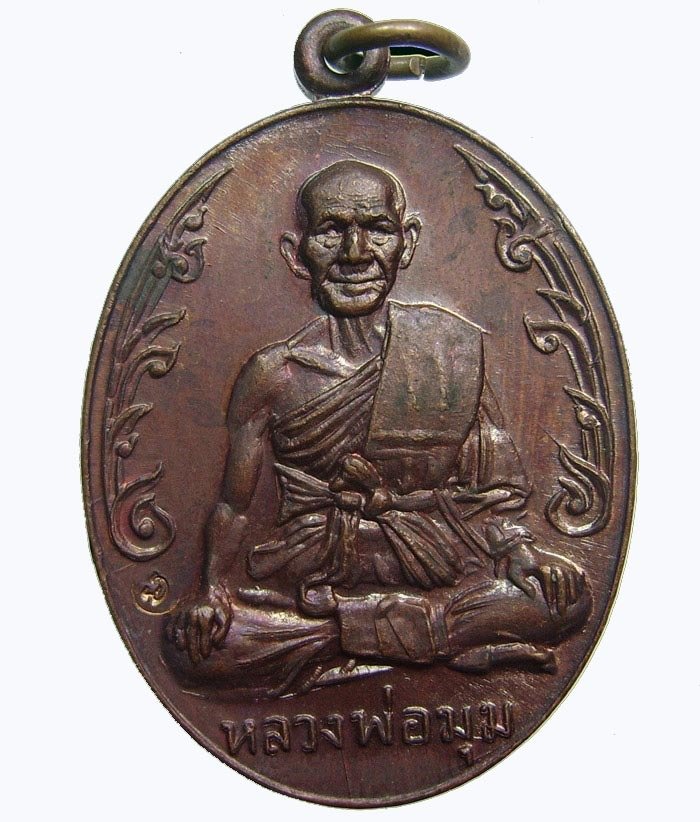
Pra Kroo Prasat Khantakun, reverently known as Luang Por Mum Intabanyo, was a preeminent figure in Thai Buddhism and occult arts, serving as the esteemed abbot of Wat Prasat Yer Temple in Sri Saket province. His biography spans a significant period of Thai history, from 2429 BE (1886 CE) to 2522 BE (1979 CE), covering nearly a century of profound spiritual development and dedication. Luang Por Mum’s monastic journey commenced at the tender age of 12, when he ordained as a Samanera (novice monk). His commitment to the Dhamma was unwavering, as he maintained the purity of his Bhikkhu (monk) vows until his passing at the advanced age of 93, a testament to his profound spiritual discipline and unwavering adherence to the Vinaya.
Luang Por Mum’s spiritual formation was significantly shaped by his extensive Tudong (ascetic forest wandering) practices. He spent numerous years traversing the arduous and often perilous mountainous jungles of the Thai-Khmer border regions. This period of intense solitary practice was instrumental in his mastery of Kammathana Mindfulness, a meditative technique focused on developing deep insight and concentration, and in refining his Wicha Akom sorcery. Tudong masters are revered for their profound connection to nature, their ability to withstand harsh conditions, and their development of potent spiritual and magical abilities through rigorous self-discipline and communion with the natural world. This ascetic training formed the bedrock of his spiritual authority and the efficacy of his amulets.
The lineage of Luang Por Mum is further distinguished by his association with Luang Phu Bun Ma, who served as one of his esteemed Kroo Ba Ajarn (teacher monks). This connection underscores the importance of traditional teacher-disciple relationships in the transmission of Wicha. The explicit mention of amulets like the Rian Luang Por Bun Ma coin, created in 2509 BE in reverence for his guru, and the Rian Sorng Ajarn (Two Masters Coin) of 2510 BE, which featured both Luang Phu Bun Ma and Luang Por Mum, highlight the continuity of this spiritual lineage and the deep respect accorded to his mentors. Luang Por Mum’s reputation as a Tudong master from the Isan Country further solidified his status, as this region is renowned for producing monks with formidable Wicha and deep ascetic roots.

A defining characteristic of Luang Por Mum’s amulet creation was his insistence on personal empowerment (Plook Sek). Unlike some masters who might delegate aspects of blessing to disciples, Luang Por Mum personally performed the incantations and consecrations for all his amulets. This direct engagement of his meditative energies and Wicha was a primary factor contributing to the immense popularity and legendary efficacy of his creations among devotees. This dedication to personal empowerment elevated his amulets, granting them a “cult status” among collectors, particularly his Rian Kanajarn Monk Coins, which were released between 2507 BE and 2520 BE, with all editions subsequently achieving Pra Niyom category status as highly preferred and sought-after amulets.
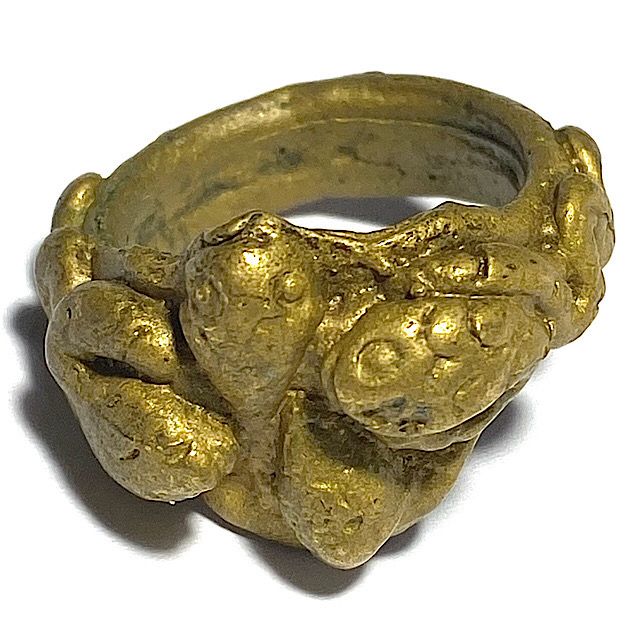
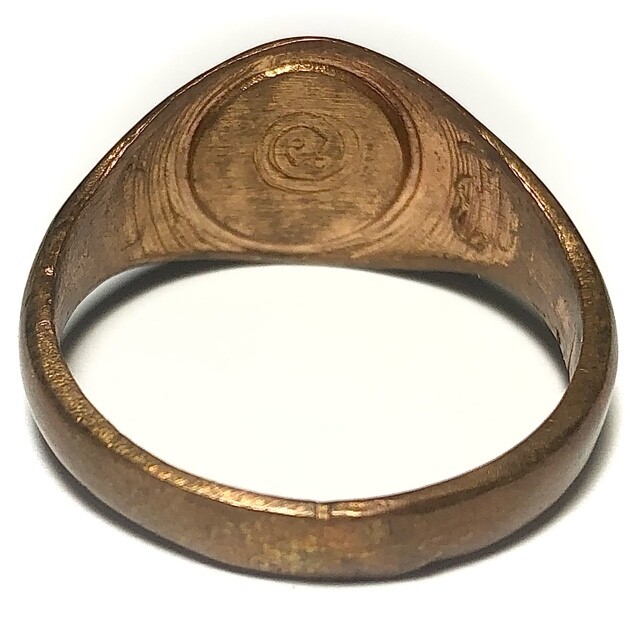
The Tamniap Wadthumongkol Luang Por Mum Intabanyo, a comprehensive catalogue of his amulets, provides invaluable insight into his prolific output. While the 2500 BE date for this specific Takrut might indicate an earlier, uncatalogued period of production, the documented history of his amulets commenced with the 2507 BE ‘Rian Run raek’ (first edition coin), issued in two models: ‘Pim Sor Hang San’ (short-tailed Thai letter ส) and ‘Pim Sor Hang Yaw’ (long-tailed Thai letter ส). This year also saw the release of first edition Hwaen Luang Por Mum Guru Monk rings, crafted from sacred chanuan metals such as Nuea Nak (an alchemical alloy, often gold-infused) and Nuea Albaca (a silver-colored alloy).
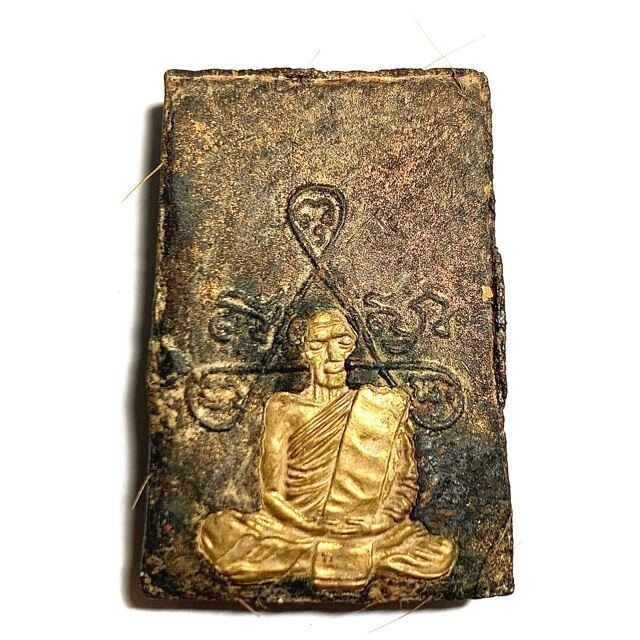
The year 2508 BE marked the release of the Riang Glom Luang Por Mum coin, distributed to devotees who visited the temple for prayer, Dhamma practice, and merit-making. A significant year for his early output was 2509 BE, when a series of amulets were released, sponsored by his devotee committee. While not all items from this edition were fully documented, known artifacts include the Pra Kring Sor Gor, additional first edition finger rings, Roop Tai (photos of Luang Por Mum), Roop Lor Boran Loi Ongk Statuettes depicting his image, and importantly, the “1st edition Takrut.” This inaugural Takrut, along with the Rian Luang Por Bun Ma coin, received a large Buddha Abhiseka ceremony, attended by many great master monks of that era for blessings and empowerment.
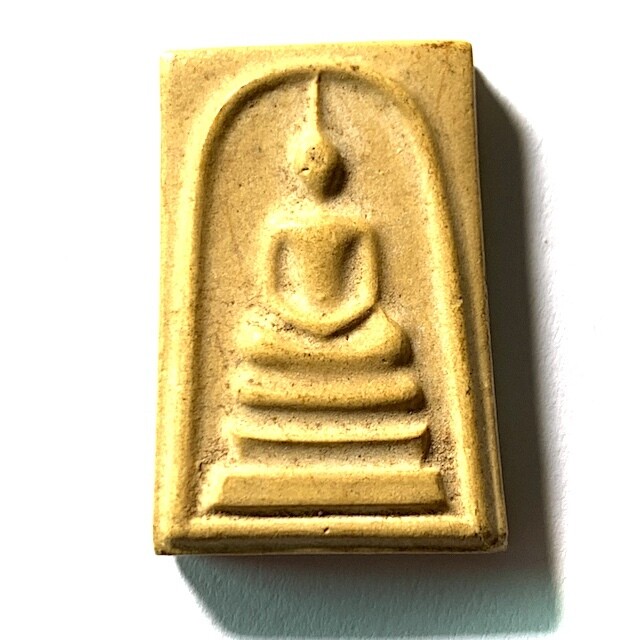
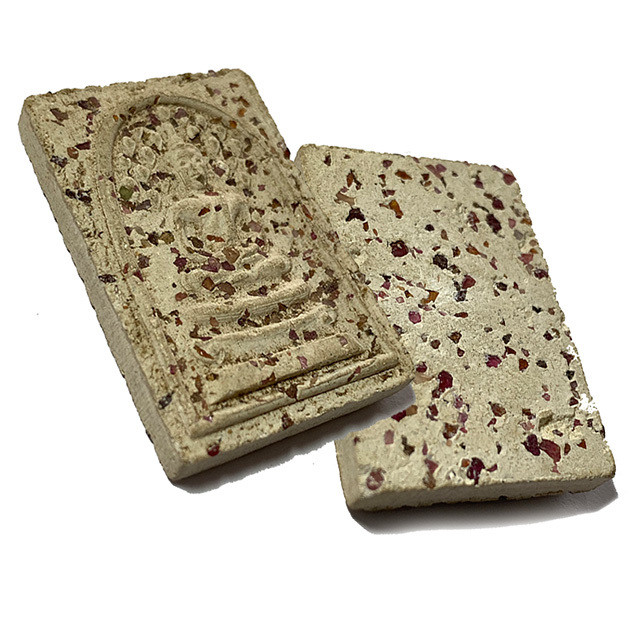
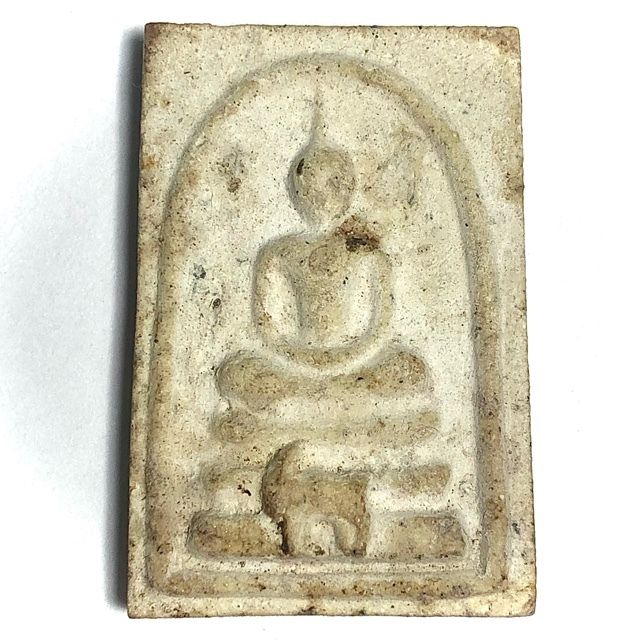
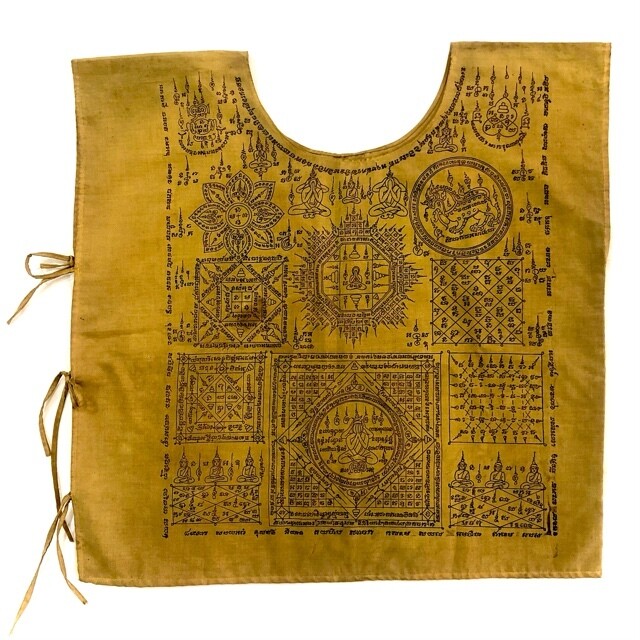
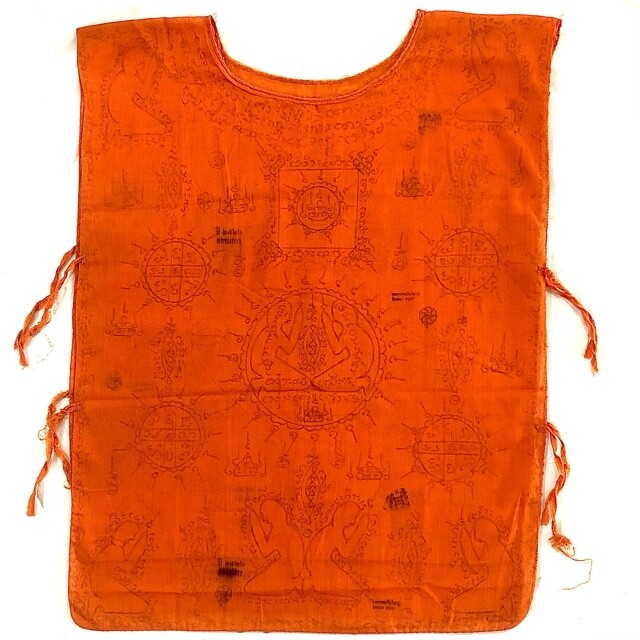
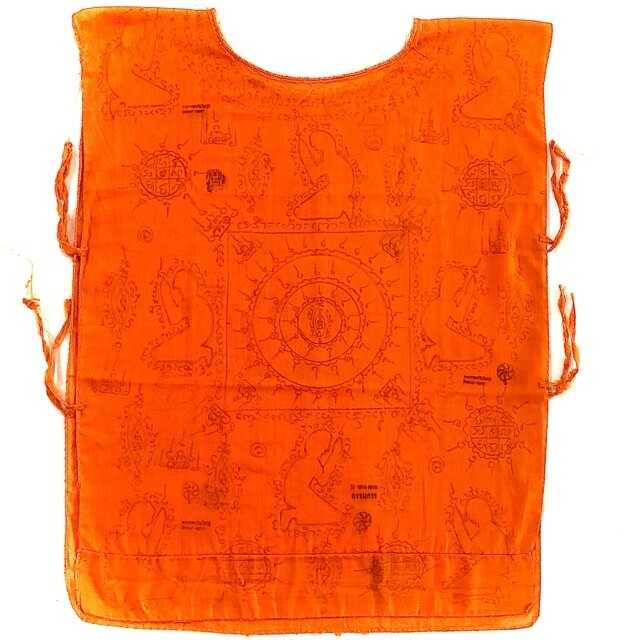
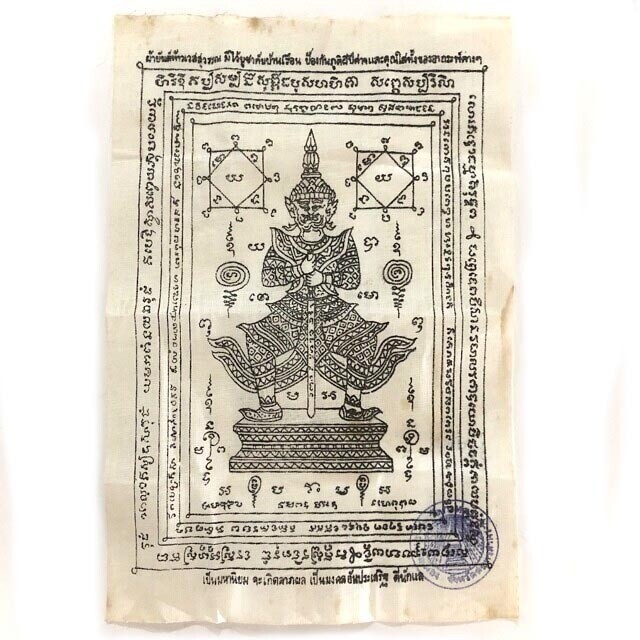
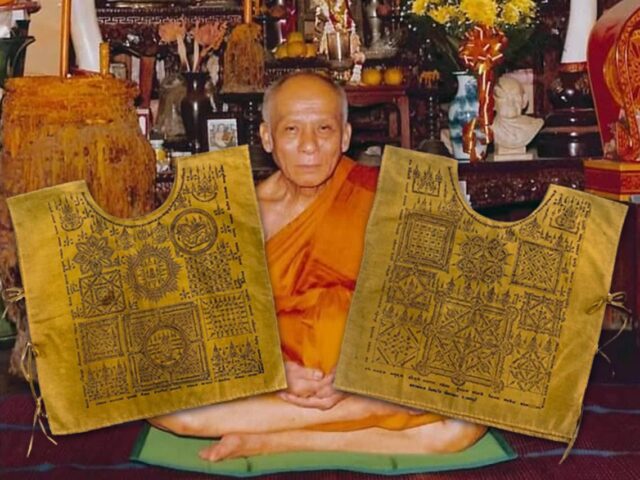
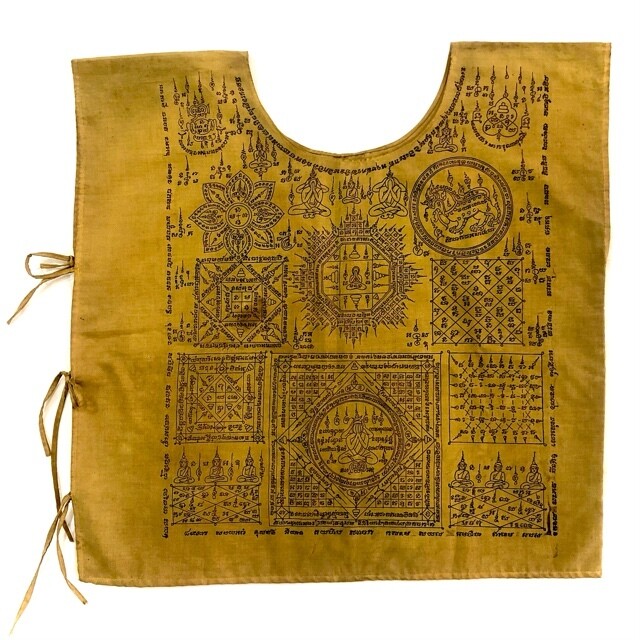
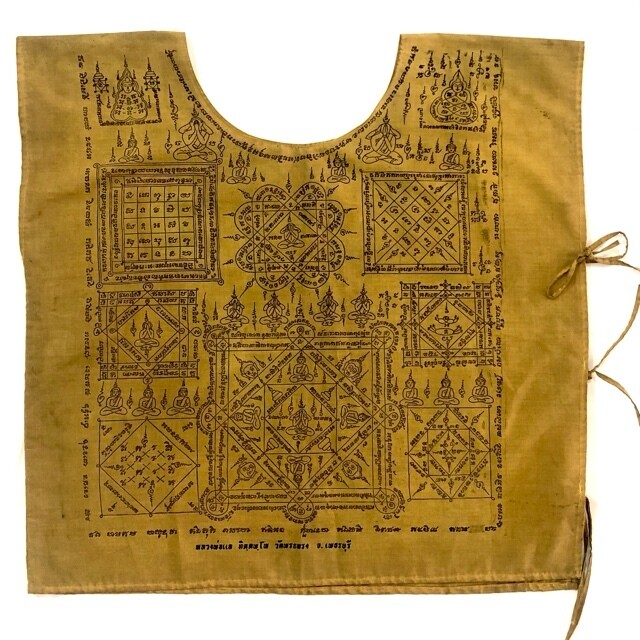
In 2510 BE, the Rian Sorng Ajarn monk coin, featuring Luang Phu Bun Ma and Luang Por Mum, was released alongside Pha Yant (Yantra cloths), various Takrut, and Muan Sarn Sacred Powder amulets. The year 2512 BE saw the Pra Chaiyawat Luang Por Mum, considered the second edition Pra Kring, following the Pra Kring Gor Sor. This edition also included the Rian Roop Arm coin and the third edition Finger Ring. The period of 2514-2515 BE was particularly prolific, witnessing the release of the Rian Tao reed, the Rian Por Bor Ror coin, and his renowned ‘Pra Somdej Lai Suea’ (tiger-stripes pattern) Muan Sarn Sacred Powder Votive Tablet Buddha amulet, famed for its legendary powers and aesthetic appeal. Other releases from this period included the Rian Tee Tam Ngaan Sor Por Or Mueang coin, the Rian Arm Hlang Por-Bor-Ror coin, the Rian Sala Garn Bprian (‘Rian Hnaa Ban’), the Rian Glom Run Pised special release round monk coin, and the Hwaen Por-Bor-Ror Royal Insignia finger ring, among a vast pantheon of other amulets.
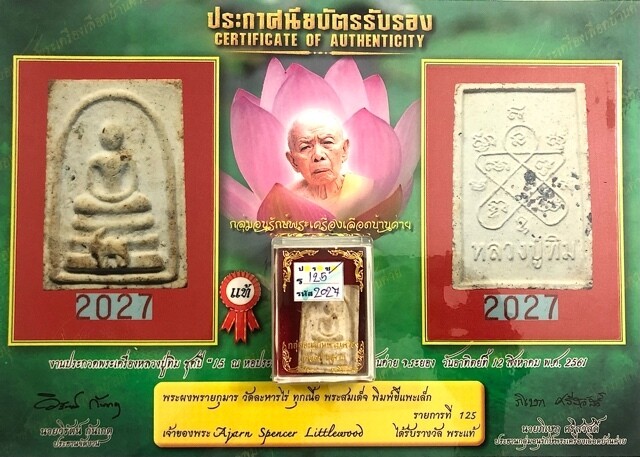
The year 2516 BE is notable for a large pantheon of Muan Sarn Sacred Powder amulets released at Wat Prasat Yer Nuea, Wat Maha Puttaram, and Wat Pra Dto. These included models such as Pra Somdej Hlang Roop Muean Luang Por Mum, Pra Somdej Hlang Luang Por Mum Han Khang, Pra Somdej Jumbo, Pra Somdej Pim Pratan Porn, and Roop Muean Nuea Wan Herbal powder Cameo amulets. This year is also famous for the extraordinary account involving a regiment of U.S. G.I.s stationed in Udorn Thani during the Vietnam War. These soldiers, initially skeptical, attempted to test the magic of Luang Por Mum’s amulets by shooting at them, only to discover their firearms would miraculously not discharge. This astonishing event led to profound faith, prompting the G.I.s to sponsor the creation of the celebrated Rian Papa Mum coin, alongside Pra Somdej and Pim Jantr Loi Muan Sarn Sacred Powder amulets, all featuring English inscriptions, specifically for protection during the conflict.

In 2517 BE, a collaboration between Pra Ajarn Fern of Wat Intrawiharn (Bang Khun Prohm) in Bangkok and the Munlaniti Prasat Khantakun Foundation of Luang Por Mum led to a significant edition. Amulets were blessed by Luang Por Mum at Wat Prasat Yer Nuea and then taken to Wat Intr for further empowerment and distribution. Funds from these donations supported the construction of a wall around the Uposatha shrineroom of Wat Samakee Patanaram temple and restorations at Wat Prasat Yer. This edition featured the ‘Rian Nak Glaam’ (‘Muscleman’) coin amulet, produced with two distinct block press molds (one from Wat Intrawiharn, one from Wat Prasat Yer), the ‘Rian Chang Sam Siarn’ (3-headed Erawan elephant God coin), Pra Pong Roop Muean Pasom Sen Gesa (powder cameo amulets of Luang Por Mum infused with monk hairs), Pra Pidta Nuea Wan 108, Roop Lor Loi Ongk Statuettes, Lockets, Takrut Tone Nuea Ngern (silver Yantra scroll), Pha Yant, Hwaen magic rings, and See Pheung Nam Man Prai Metta Balm. The year 2519 BE marked Luang Por Mum’s 90th birthday, celebrated with the Rian Cheed Sum Ganok (in two models: ‘Baeb Mee Hoo’ with a pendant hole, and ‘Baeb Mai Mee Hoo’ without), the Hwaen Tor Bor Kor finger ring, Roop Lor Loi Ongk Statuettes, Takrut amulets, and various other talismanic charms. Finally, in 2520 BE, the Bangkok Bank sponsored the creation of the Rian Dork Bua Lotus coin amulet (in ‘Pim Hnaa’ – thick, and ‘Pim Bang’ – thin models), featuring the bank’s lotus logo. This edition also included Pra Nakprok powder amulets, Roop Lor Loi Ongk Statuettes, Bucha statues, Takrut, and Pha Yant.
Alchemical Composition and Sacred Geometry
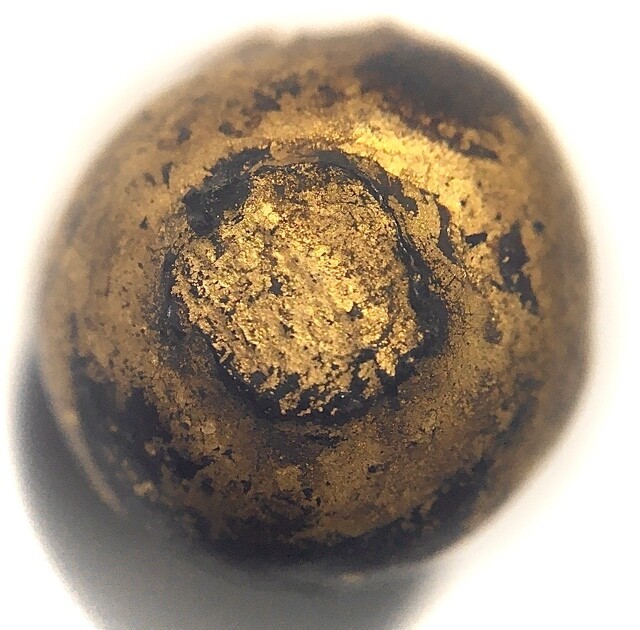
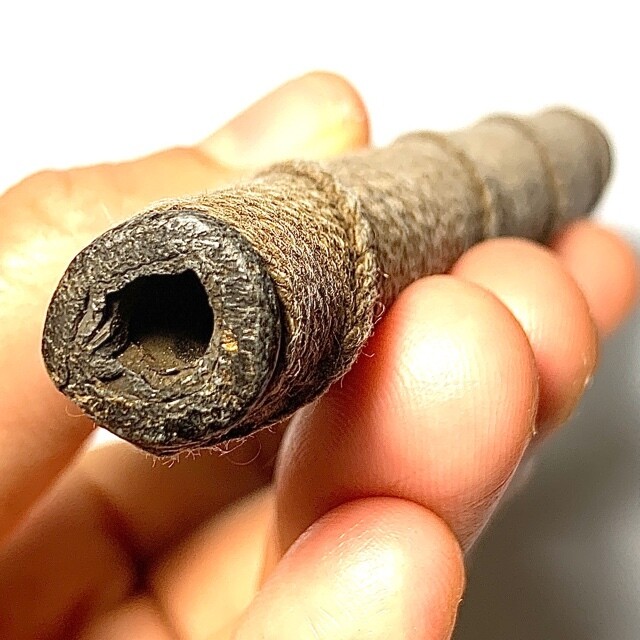
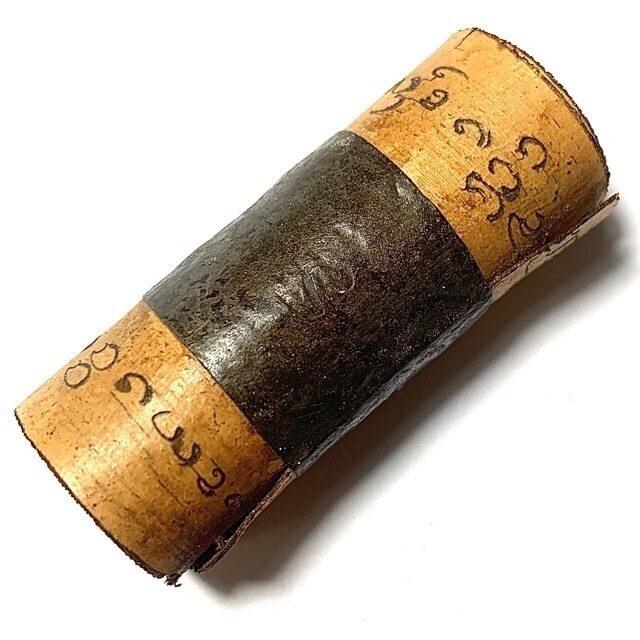
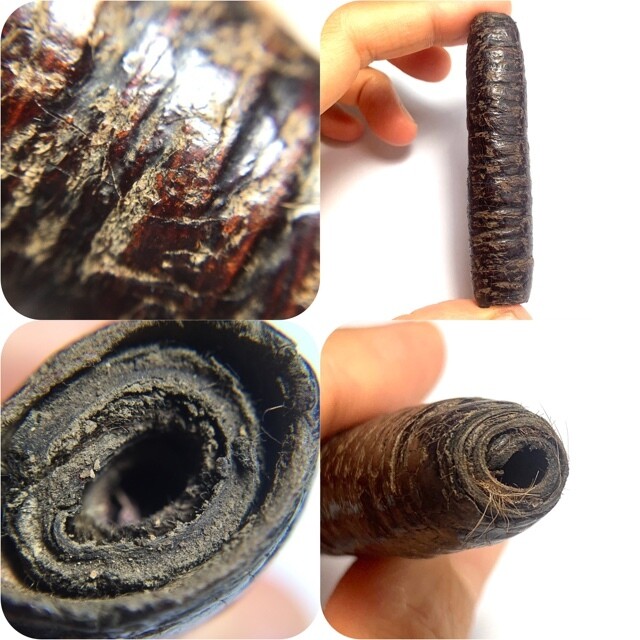
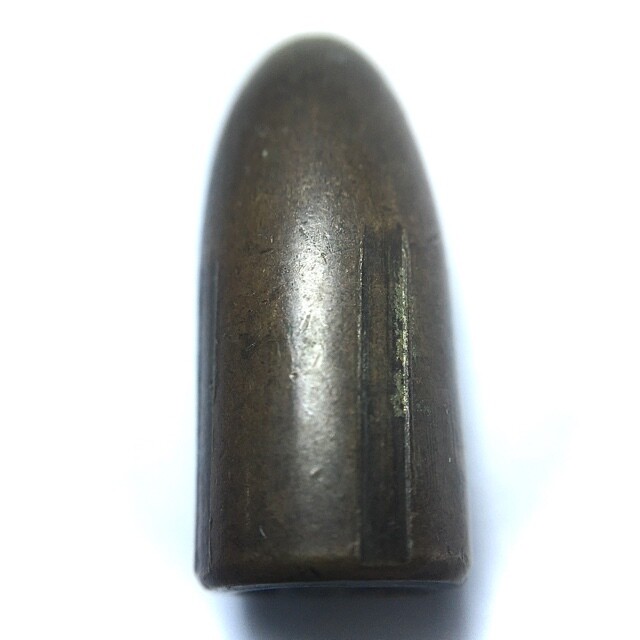
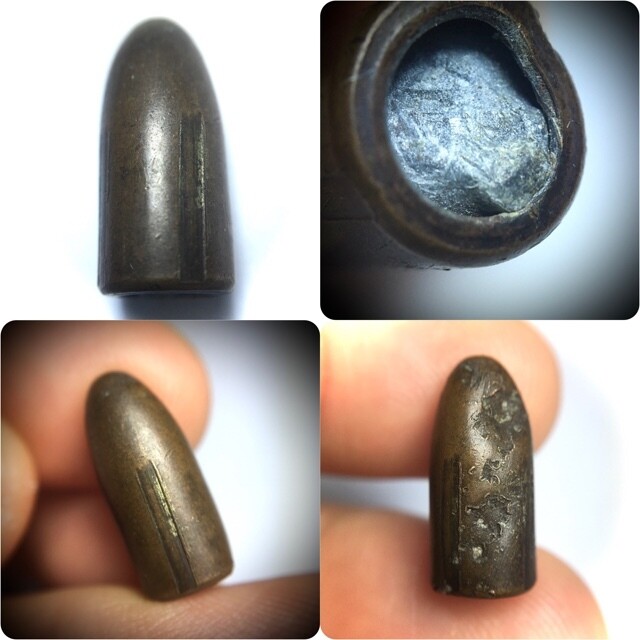
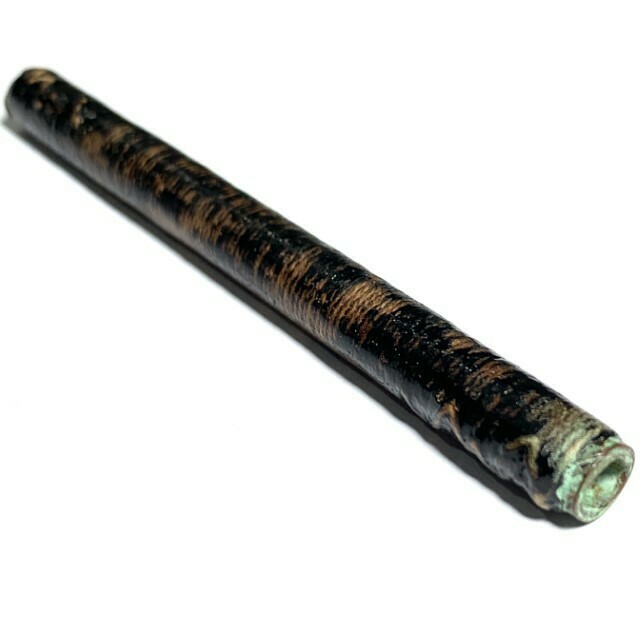
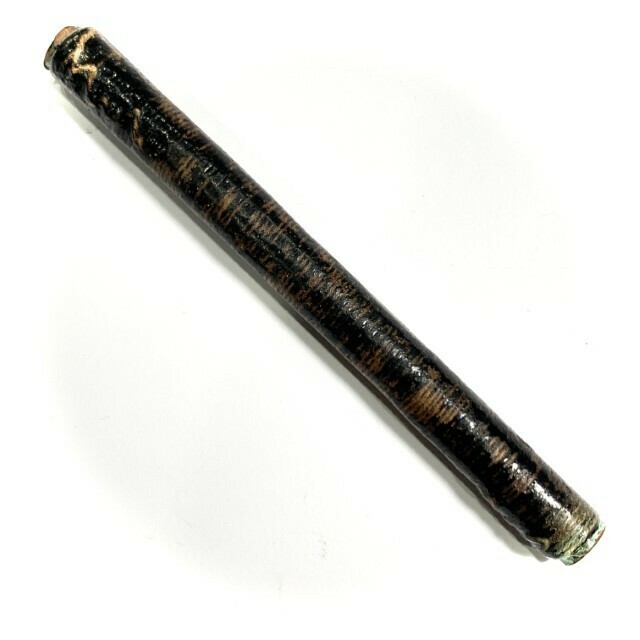
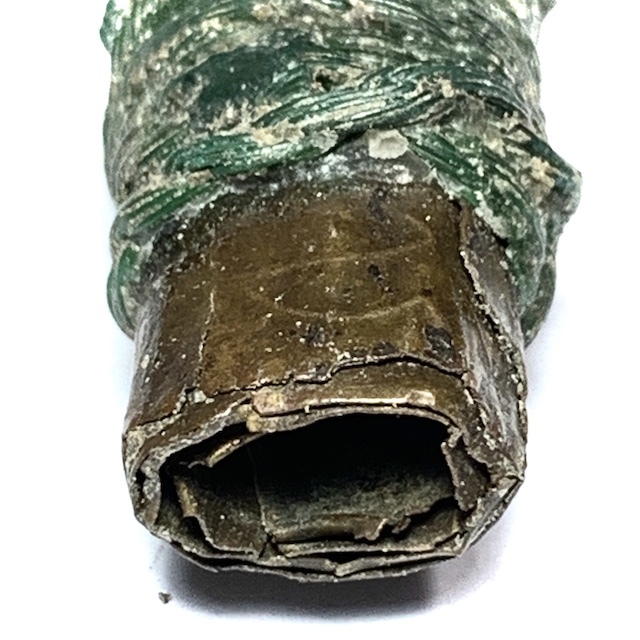
The Takrut Tong Daeng Kong Grapan Thak Chueak Khiaw is an exemplary specimen of Thai sacred craftsmanship, its material composition intrinsically linked to its intended magical function. The primary component is “Tong Daeng,” or copper, utilized as the medium for the Yantra foil. Copper has a long history of application in sacred arts across diverse cultures due to its perceived energetic conductivity and alchemical properties. In Thai occultism, copper is often chosen for its capacity to hold and transmit magical energies, making it an ideal substrate for the inscribed Yantras. The foil is meticulously inscribed with specific sacred geometry and Kata (mantras), then tightly rolled into a cylindrical scroll, forming the core of the Takrut. The designation “Takrut Tone” indicates a singular, often larger, amulet, distinguishing it from smaller, bundled Takrut sets.

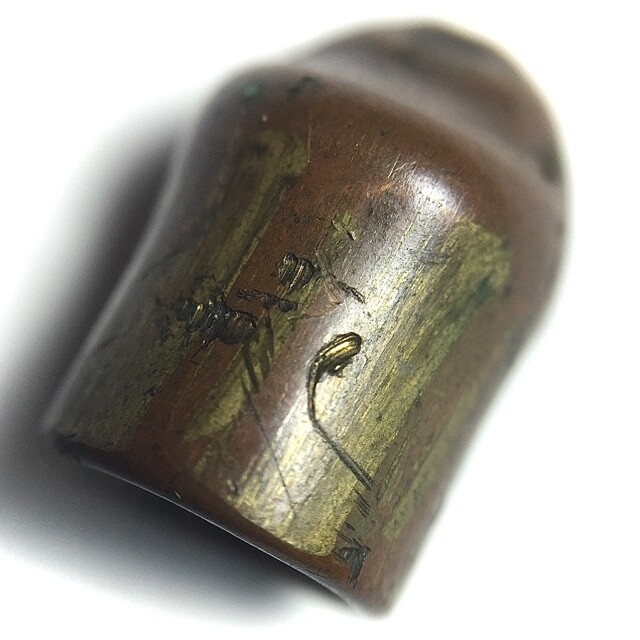
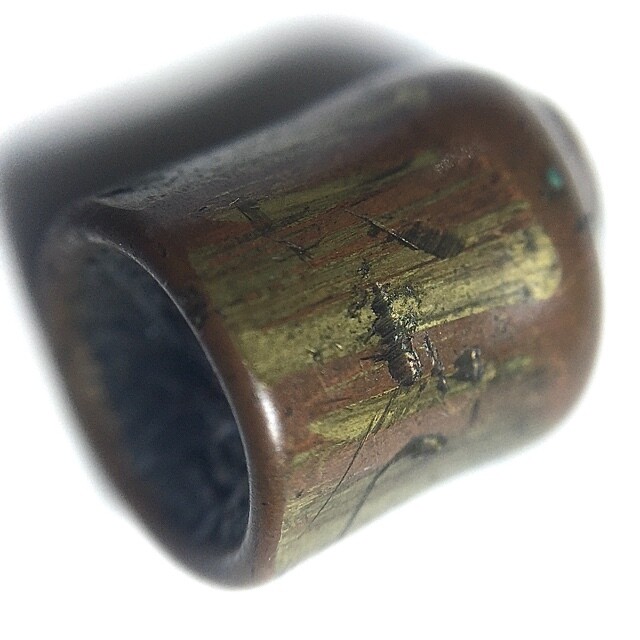
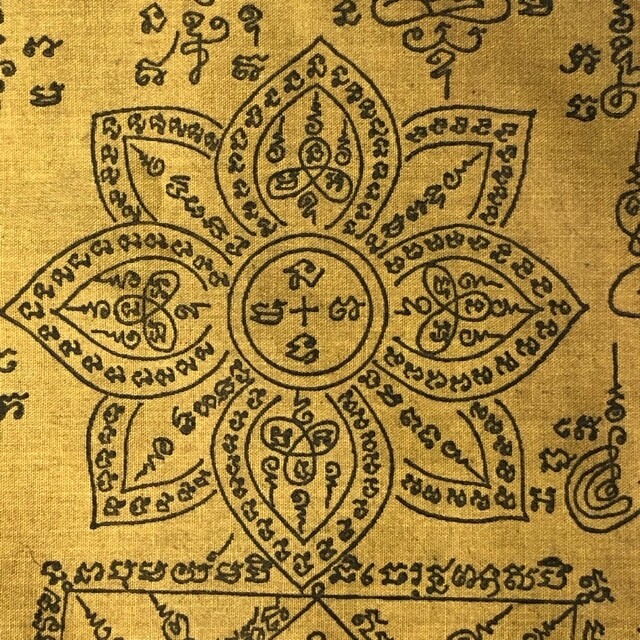
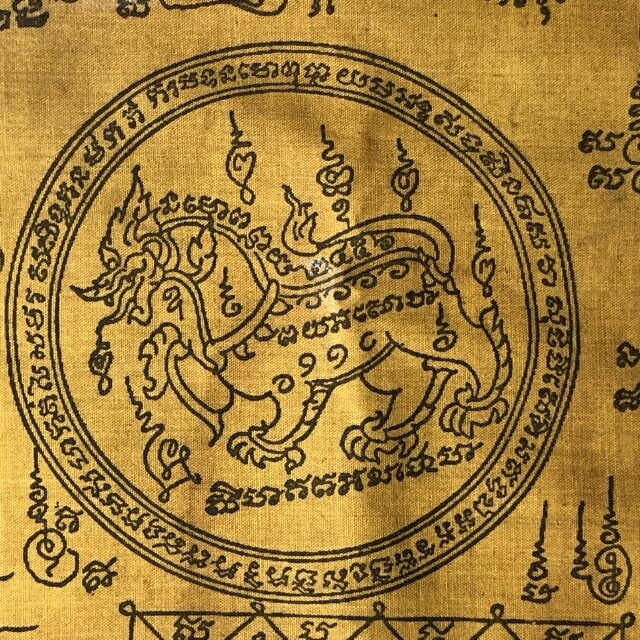
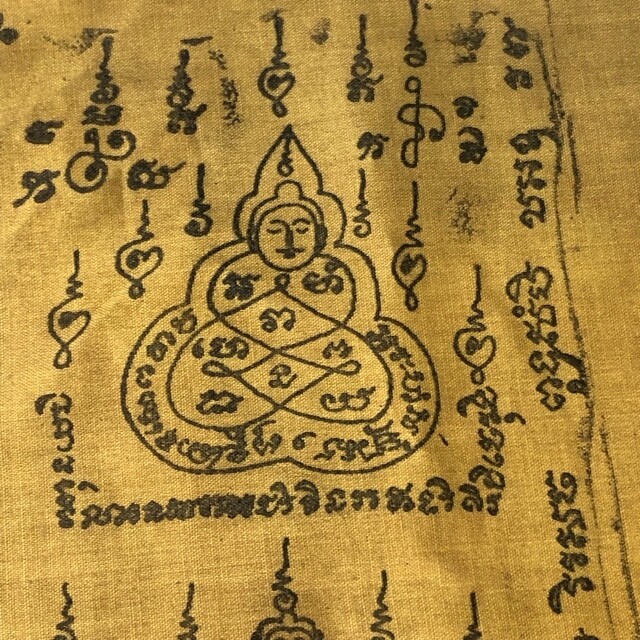
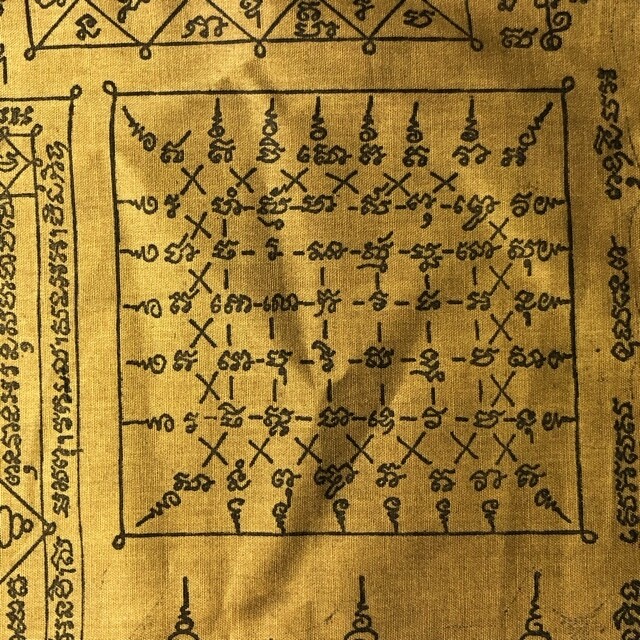
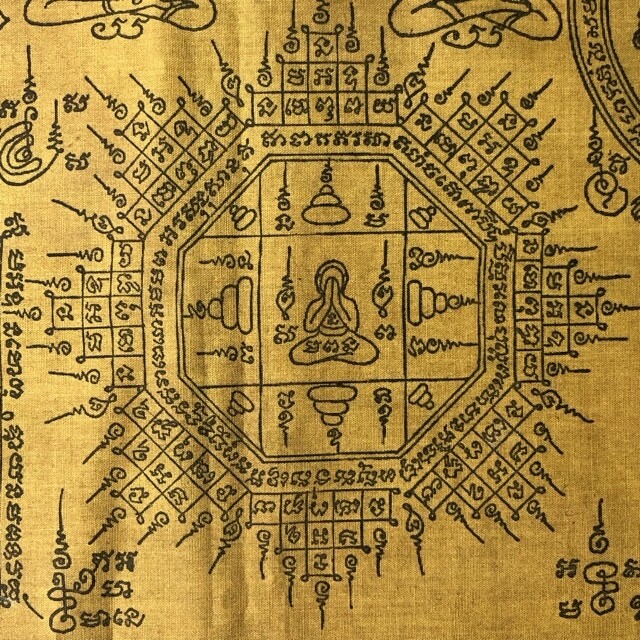
The Yantra inscriptions on the copper foil are not merely decorative but constitute a complex system of sacred geometry, abbreviated Pali and Sanskrit script, and numerical sequences. These specific inscriptions are designed to invoke the powers of Maha Ud, Klaew Klaad, Kong Grapan, and Gae Pit Aathan. Maha Ud Yantras typically involve symbols or Kata that “seal” or “block” energies, preventing harmful forces (such as projectiles) from penetrating. Klaew Klaad Yantras incorporate designs that promote evasion and ward off misfortune. Kong Grapan Yantras are characterized by intricate grids and protective Kata aimed at rendering the body invulnerable. Gae Pit Aathan Yantras are formulated to dissipate and neutralize negative magical influences. The precision of these inscriptions and their specific arrangement are paramount, as any deviation can compromise the amulet’s efficacy. Luang Por Mum’s mastery of Wicha Akom ensures the correct application of these intricate designs.

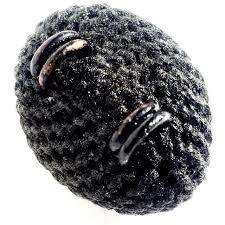
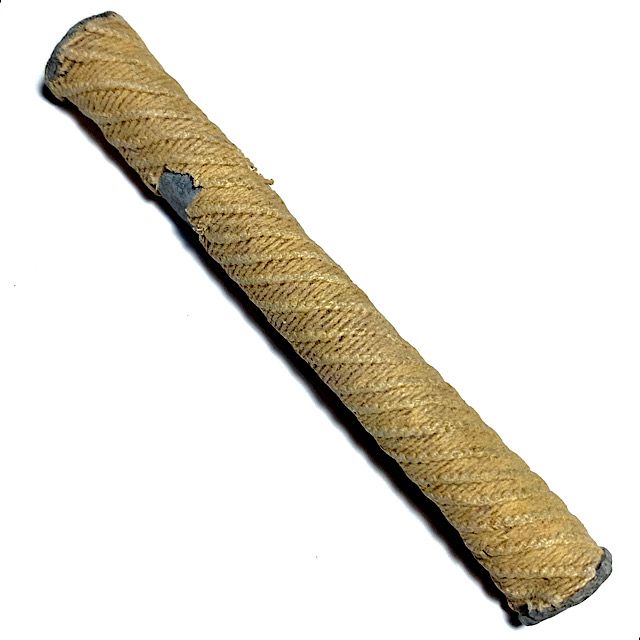
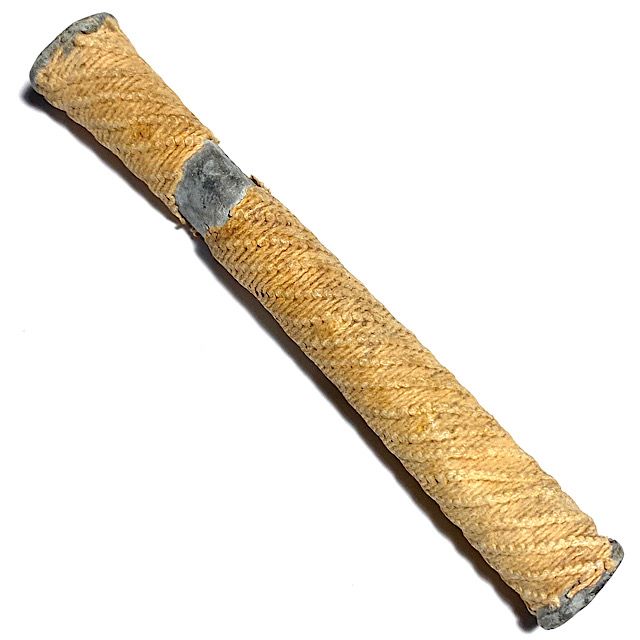
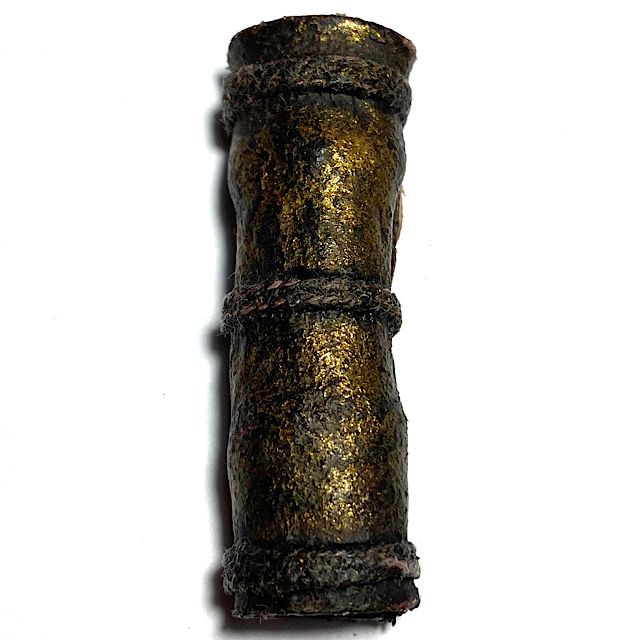
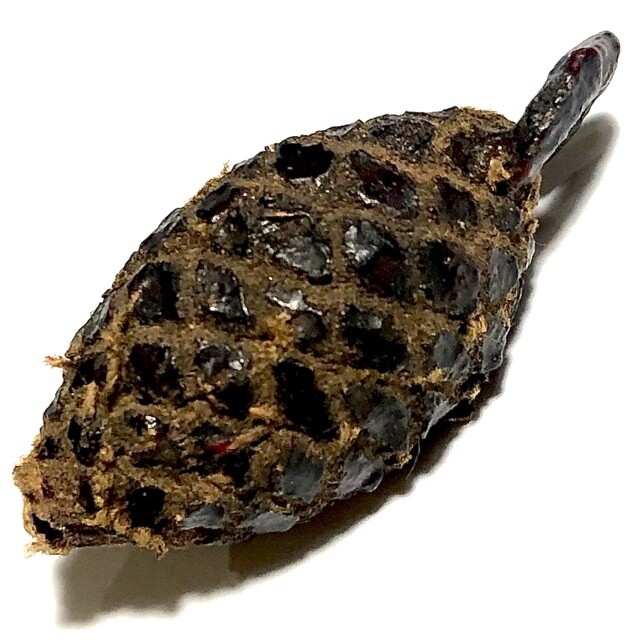
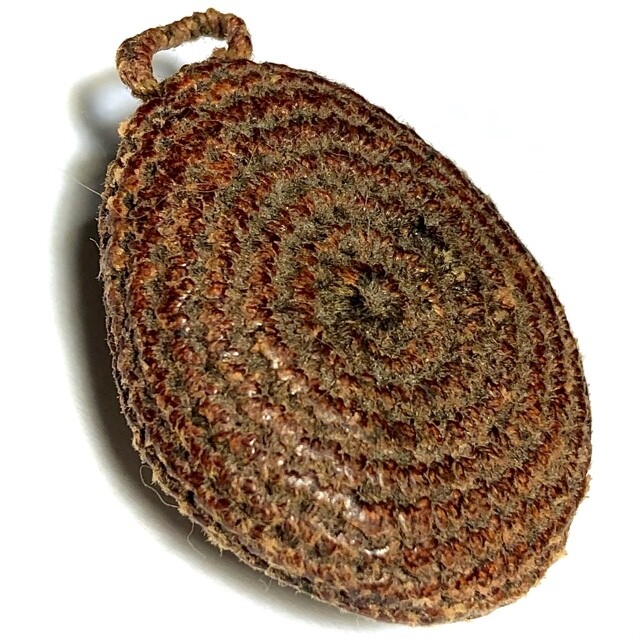
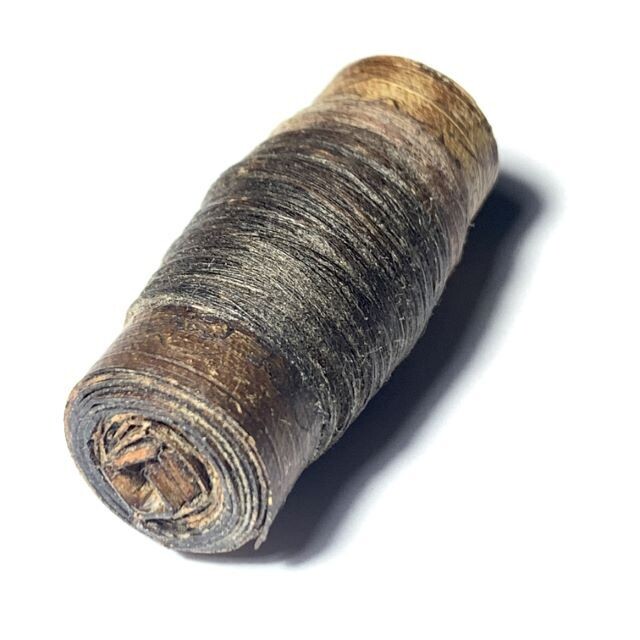
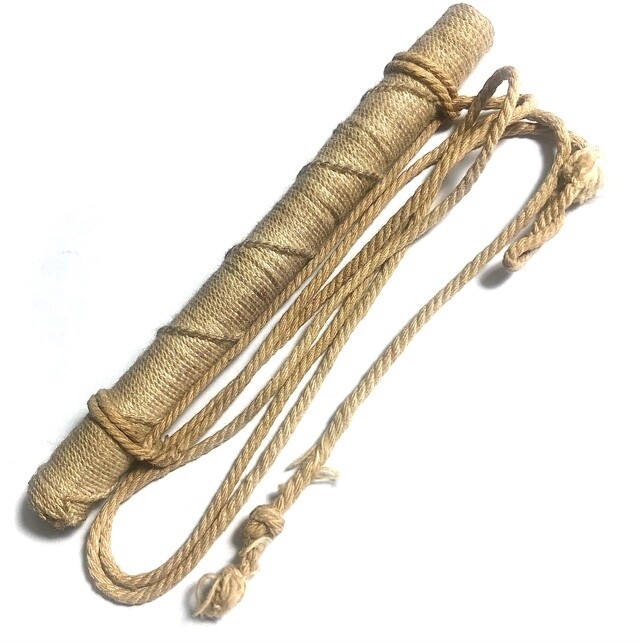
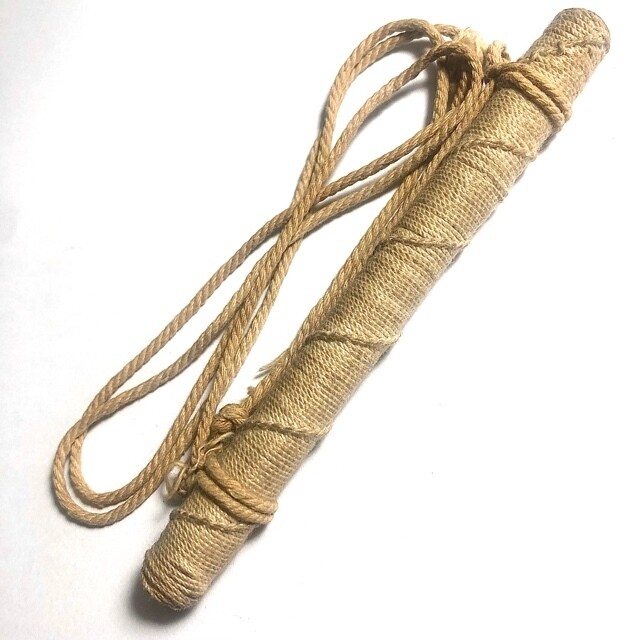
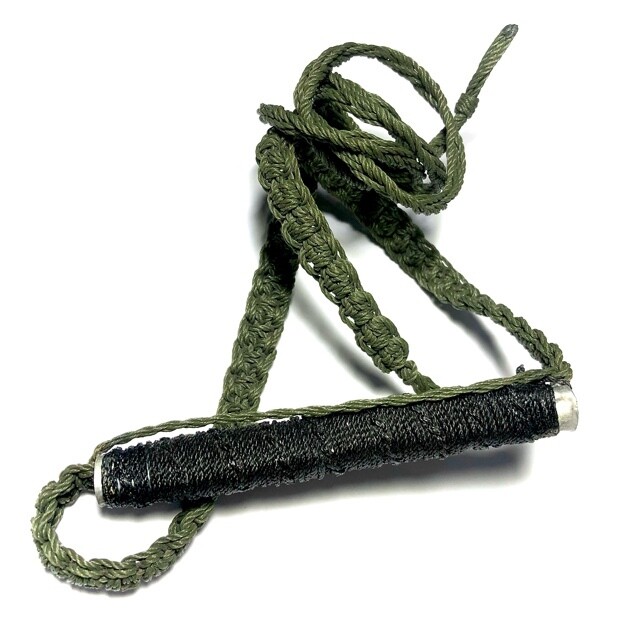
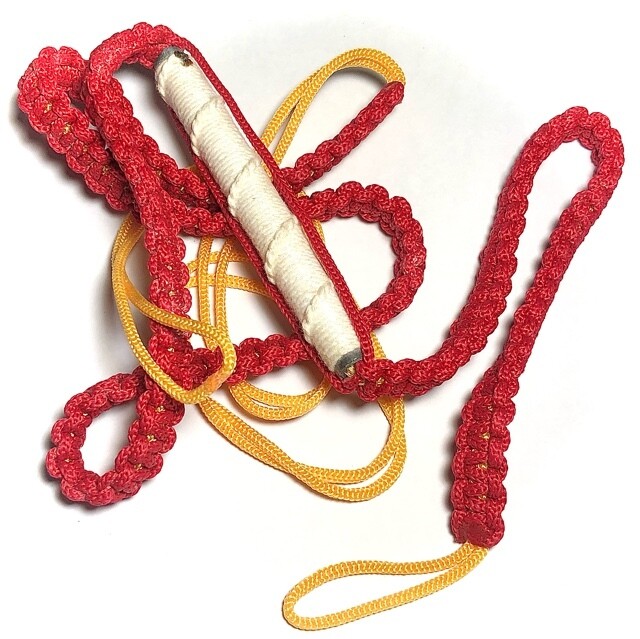
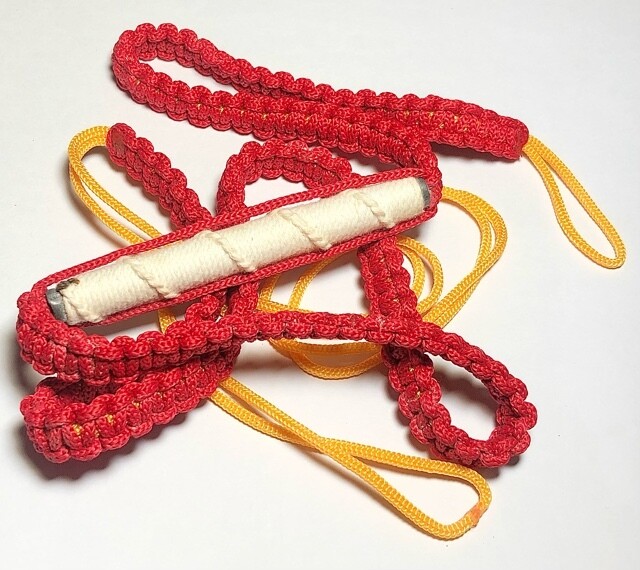
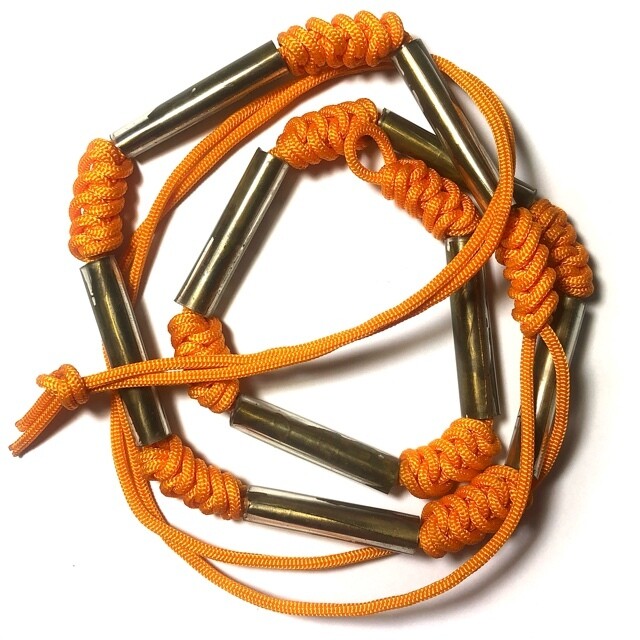
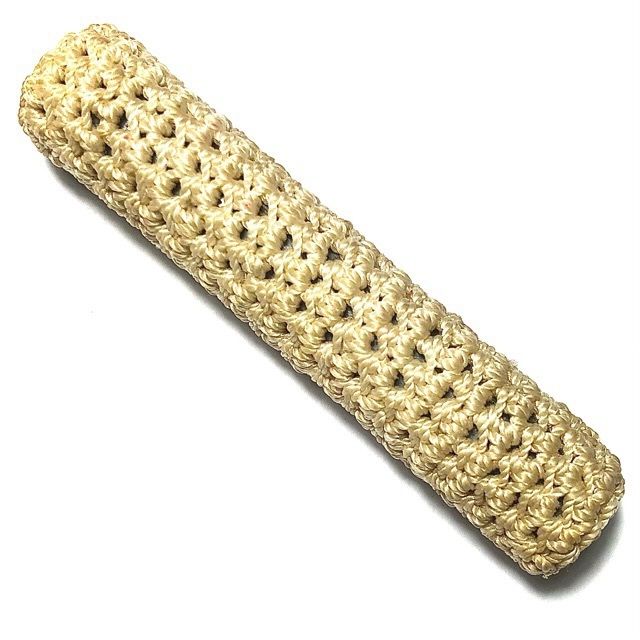
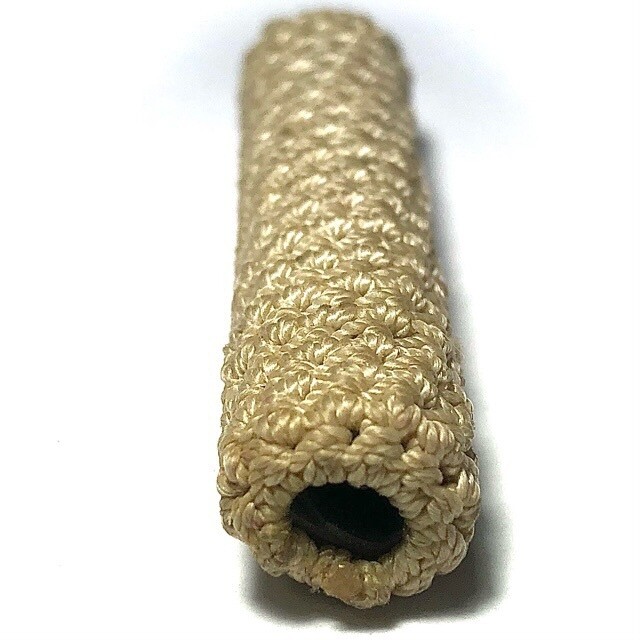
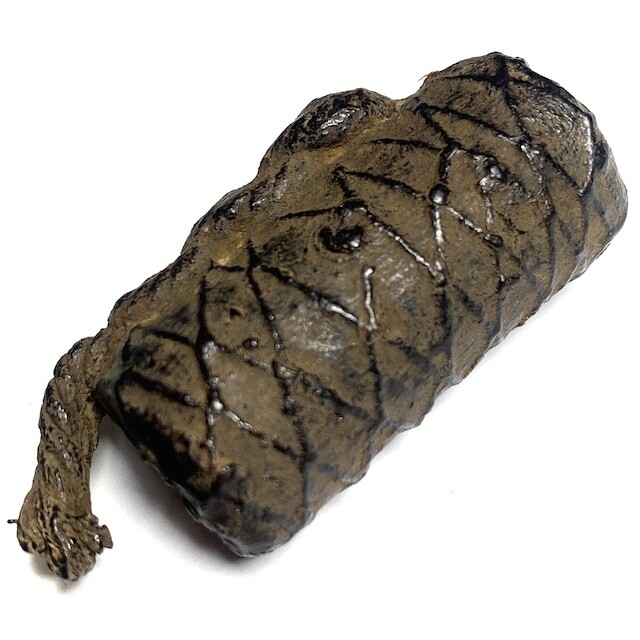
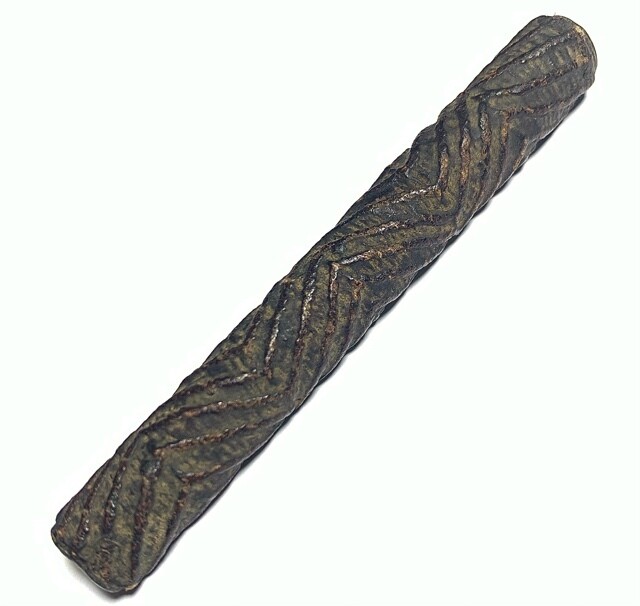
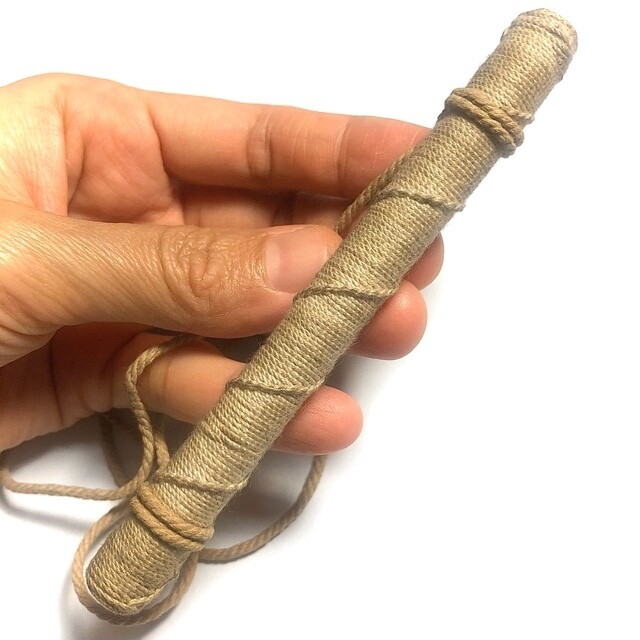
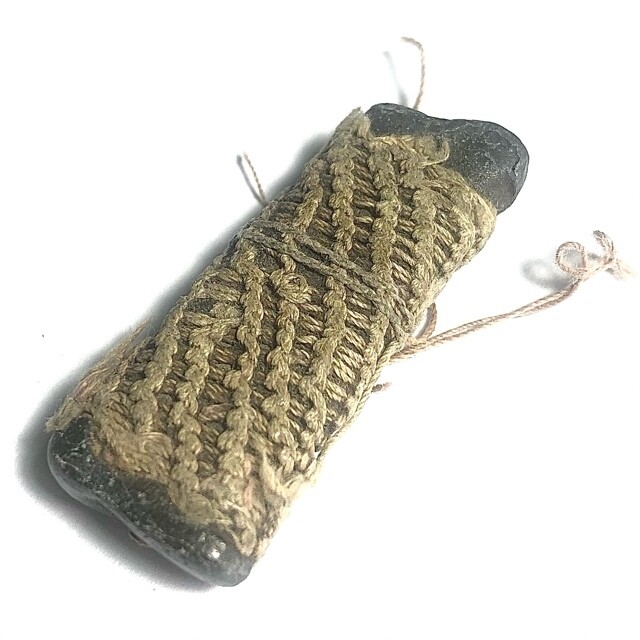
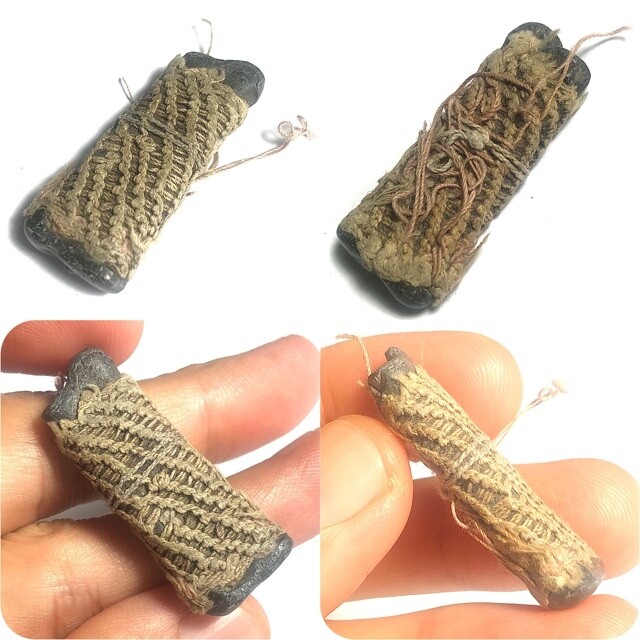
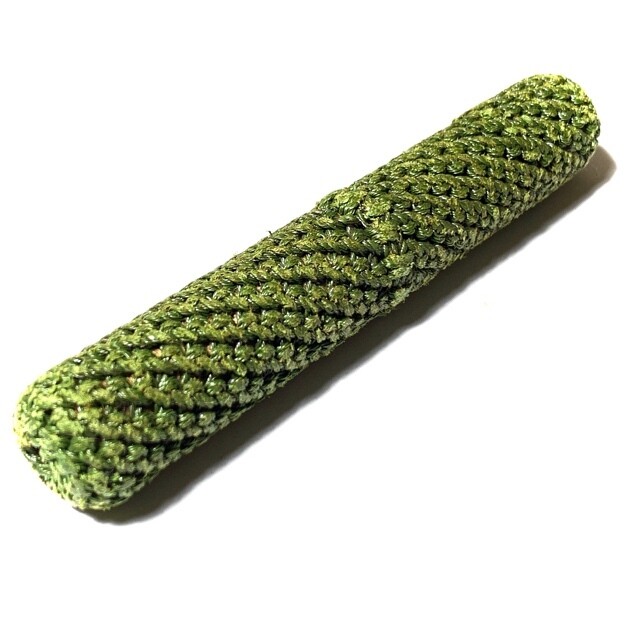
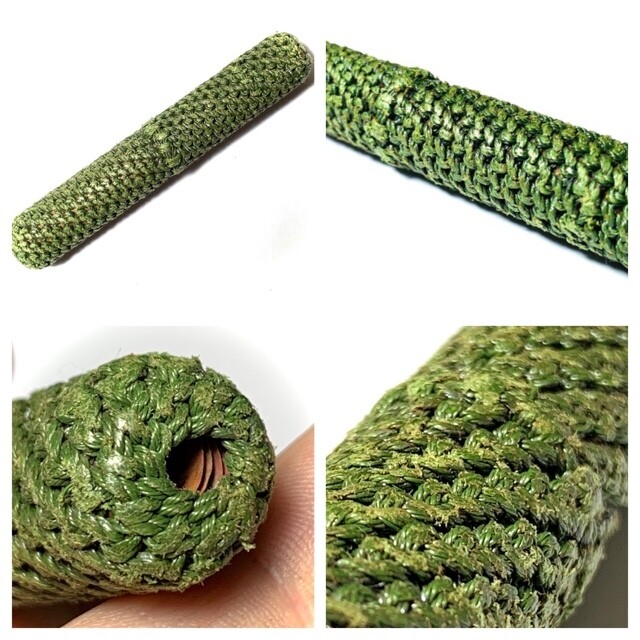
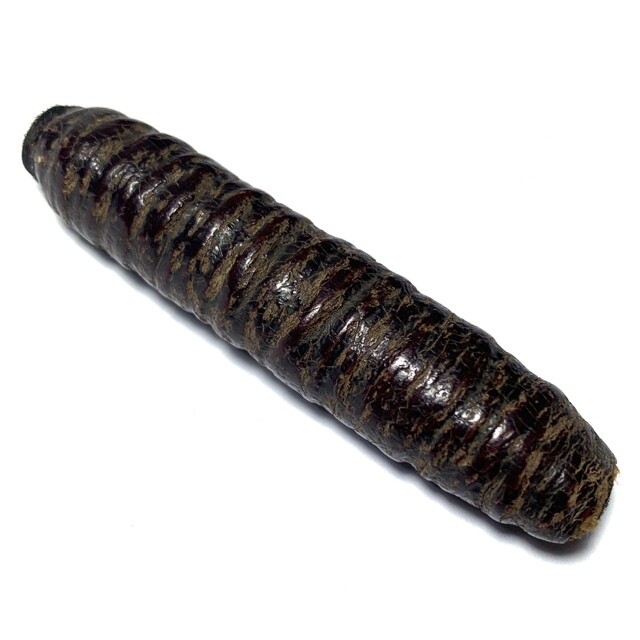
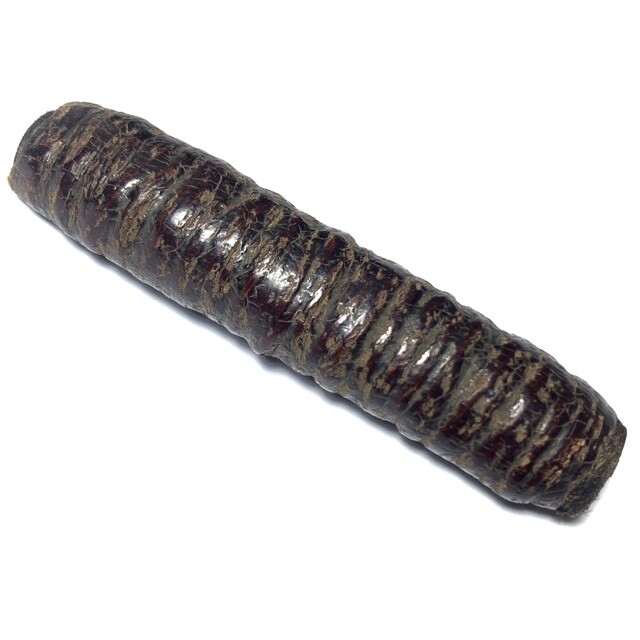
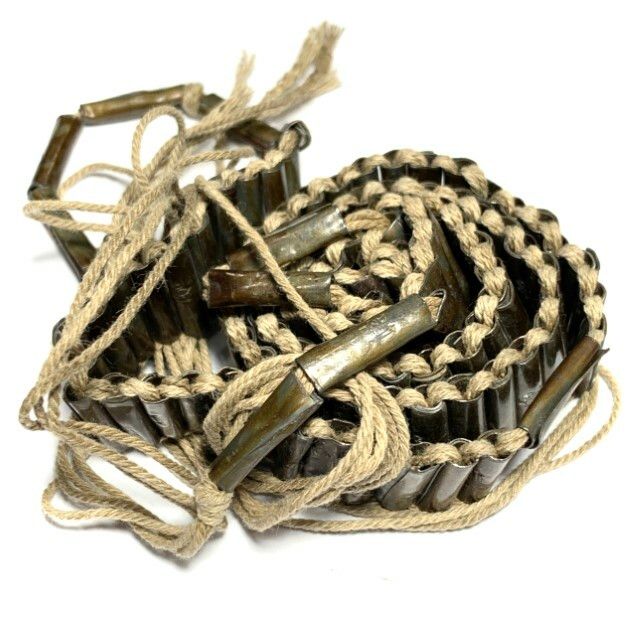
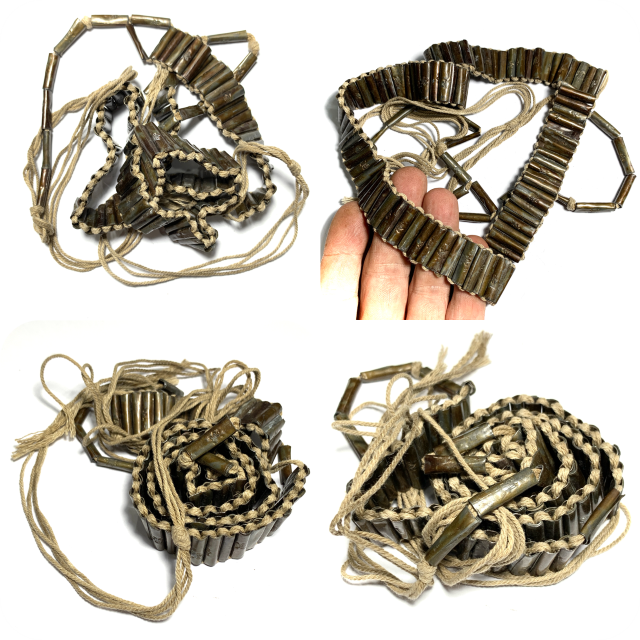
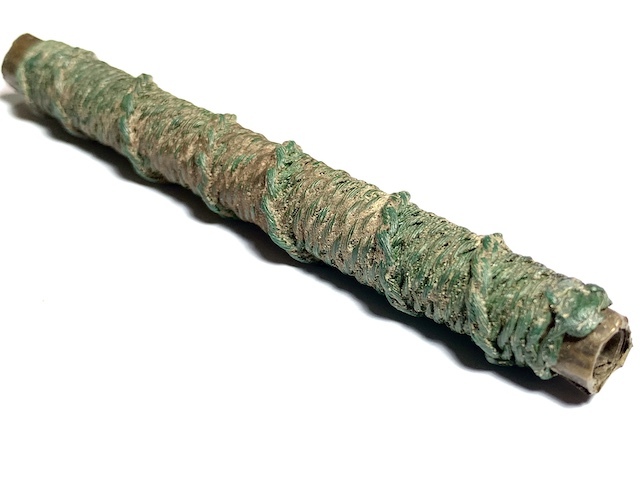
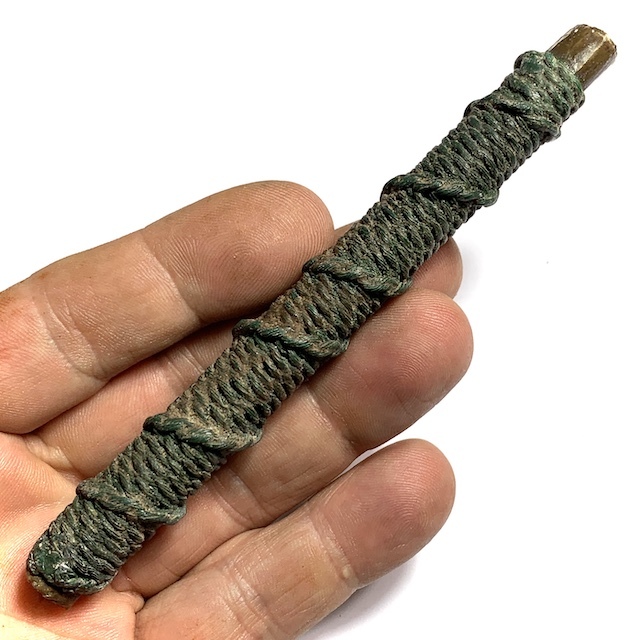
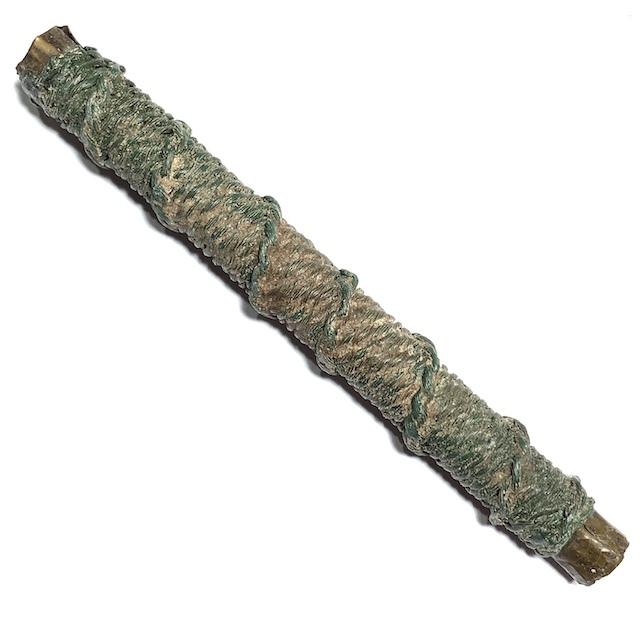
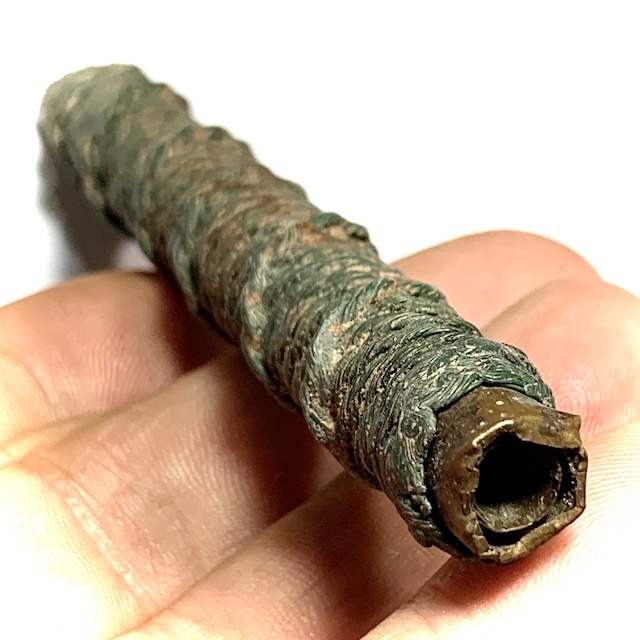
The copper Yantra foil is subsequently wrapped with a green spellbound cord. This cord serves a dual purpose: practical and esoteric. Practically, the cord wrapping provides a protective layer against environmental degradation, safeguarding the copper from corrosion caused by rain and moisture, especially when the amulet is worn around the waist, a common practice among devotees for maximum protective coverage. Esoterically, the cord itself is “spellbound,” meaning it has been ritually consecrated and infused with protective energies through specific Kata and incantations. The choice of green color may hold additional symbolic significance, often associated with nature, growth, and equilibrium in various spiritual traditions, subtly enhancing the amulet’s protective and life-affirming properties. This intricate layering of material, inscription, and external binding exemplifies the holistic approach to sacred object creation in Thai occultism, where every component contributes to the overall potency and protective qualities of the talisman.

Beyond the primary copper and cord, Luang Por Mum’s other amulets showcase a broader use of sacred materials, collectively termed “Muan Sarn.” These often include chanuan metals (sacred alloys), such as Nuea Nak (an alchemical alloy frequently incorporating gold, prized for its spiritual potency and value) and Nuea Albaca (a silver-white alloy). His Pra Pong Roop Muean Pasom Sen Gesa (powder cameo amulets) incorporated the revered monk hairs (Sen Gesa) of Luang Por Mum himself, lending a direct spiritual connection to the master. Pra Pidta Nuea Wan 108 utilized 108 types of sacred herbal powders (Wan), each with its own specific magical attributes. These diverse material compositions underscore the alchemical and naturalistic foundations of his Wicha, where specific elements are carefully selected and combined to amplify desired magical effects.
Sacred Empowerment and Wicha
The essence of a potent Thai Buddhist amulet lies not merely in its material composition or inscribed Yantras but profoundly in the process of its sacred empowerment, known as “Plook Sek” or “Pluk Saek.” Luang Por Mum Intabanyo was renowned for his exceptional mastery of Wicha Akom sorcery, a complex system of magical knowledge encompassing Kata (mantras), incantations, meditations, and ritual practices designed to imbue objects with spiritual energy and specific magical properties. His Tudong journey in the Thai-Khmer border regions was crucial for cultivating and refining this Wicha, connecting him with ancient esoteric traditions of the region.
The empowerment process for the Takrut Tong Daeng would have involved several critical stages. Initially, the Yantra foil, already inscribed with the sacred geometry and Kata for Kong Grapan Chadtri, Klaew Klaad, Maha Ud, and Gae Pit Aathan, would be subject to Luang Por Mum’s personal incantations. This involved prolonged meditative chanting, where the master would focus his mind and spiritual energy to invoke the intended powers into the material. This personal touch was a hallmark of his practice, distinguishing his amulets and contributing to their perceived superiority. The vibratory energy of the Kata, coupled with the focused intent of the meditating master, is believed to awaken and activate the latent magical forces within the Yantra.

Beyond individual consecration, significant editions of Luang Por Mum’s amulets, such as the 2509 BE 1st edition Takrut, underwent extensive Buddha Abhiseka ceremonies. These grand blessing rites involve multiple venerable monks congregating to collectively chant and meditate, pooling their spiritual merits and Wicha to further empower the amulets. Such ceremonies amplify the inherent potency of the talismans, ensuring a high degree of efficacy for the entire batch. The rigorous adherence to traditional Wicha and the deep meditative states achieved by Luang Por Mum were central to transferring the spiritual energy that confers protection, status, and invincibility.
The miraculous efficacy of Luang Por Mum’s amulets is well-documented through numerous anecdotal accounts, particularly those originating from the Indo-China and Vietnam Wartimes. The story of the American G.I.s in 2516 BE stands as a paradigmatic example. These soldiers, initially doubting the power of Thai amulets, conducted a direct test by attempting to fire their weapons at amulets created by Luang Por Mum. The reported inability of their guns to discharge, despite repeated attempts, constituted a profound validation of the amulets’ Kong Grapan Chadtri and Maha Ud powers. This incident galvanized the G.I.s’ faith, leading them to sponsor the renowned Papa Mum coin for protection, further solidifying the legend of Luang Por Mum’s powerful Wicha. Such events transformed his amulets from mere religious artifacts into objects of immense protective and spiritual power.

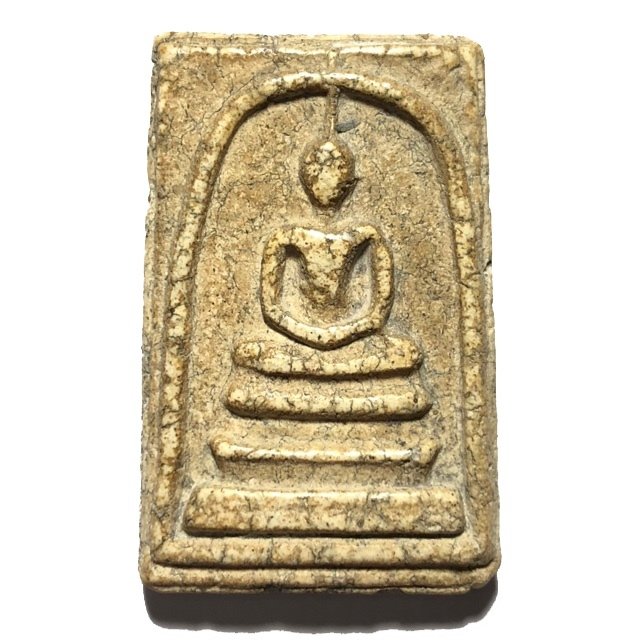
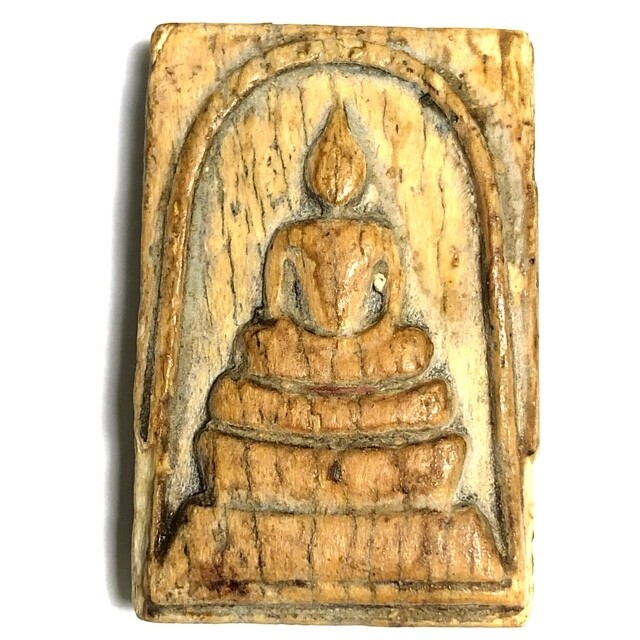
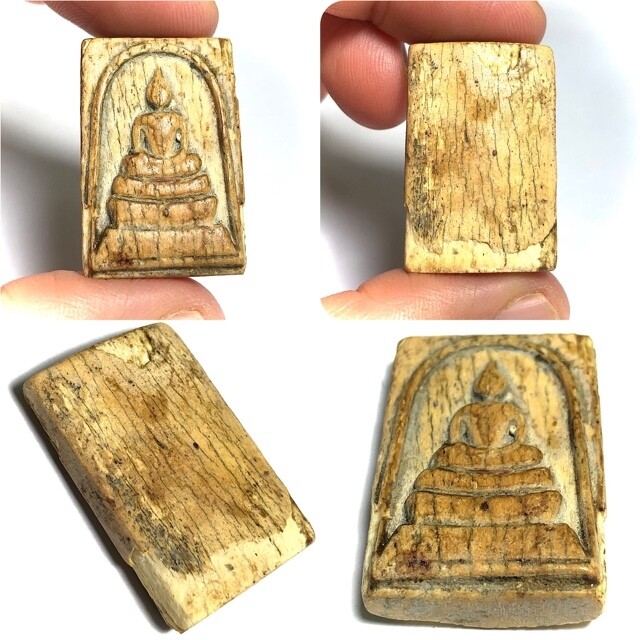
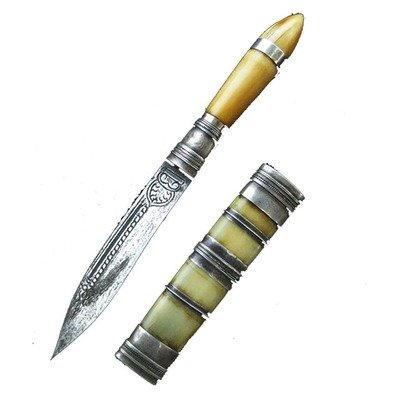
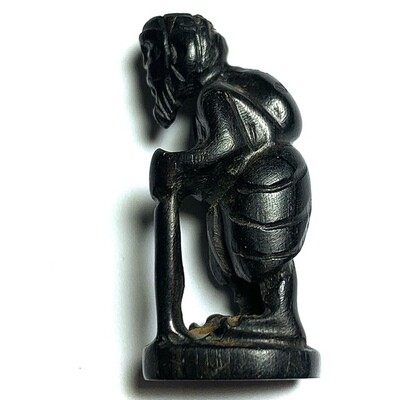
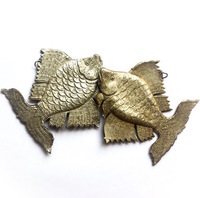
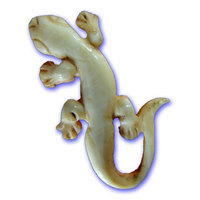
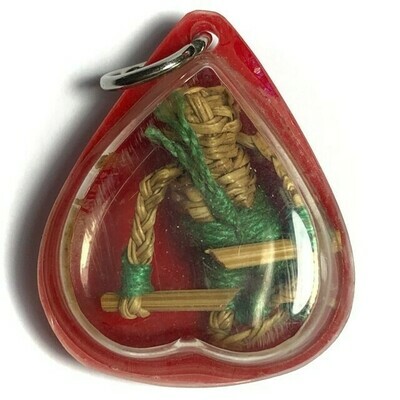
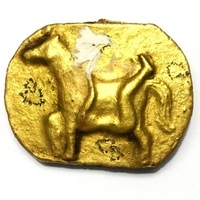
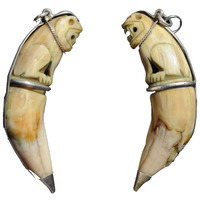
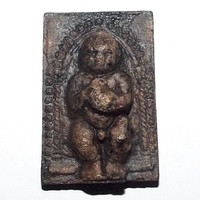
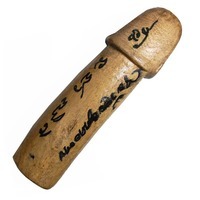
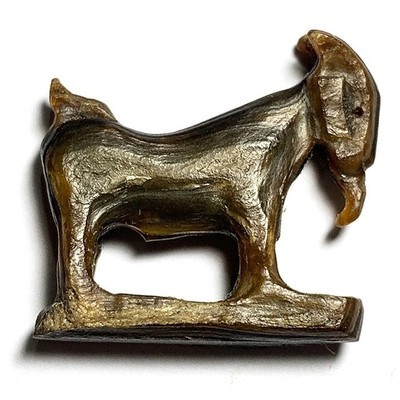
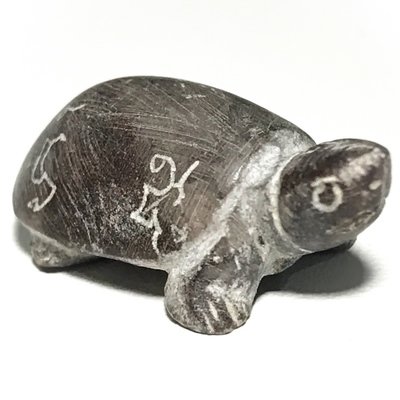
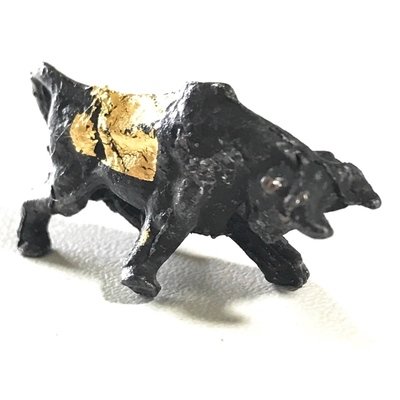
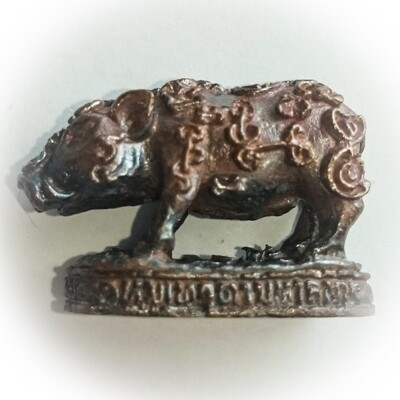
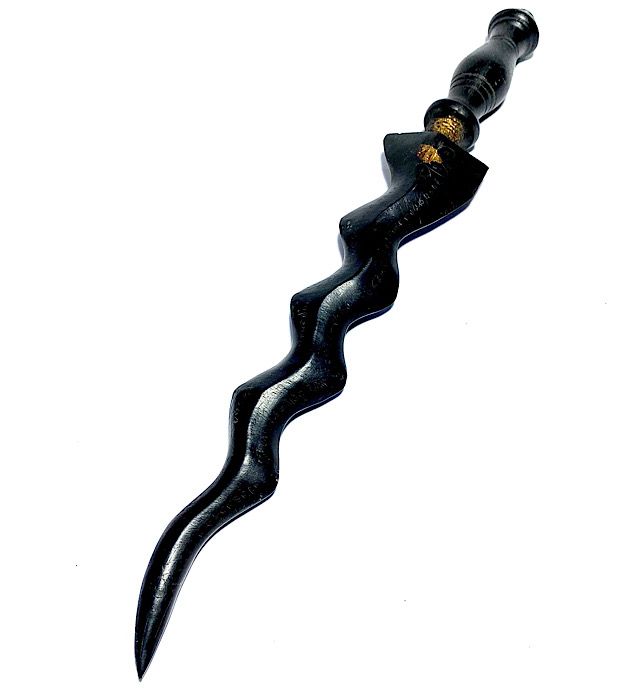
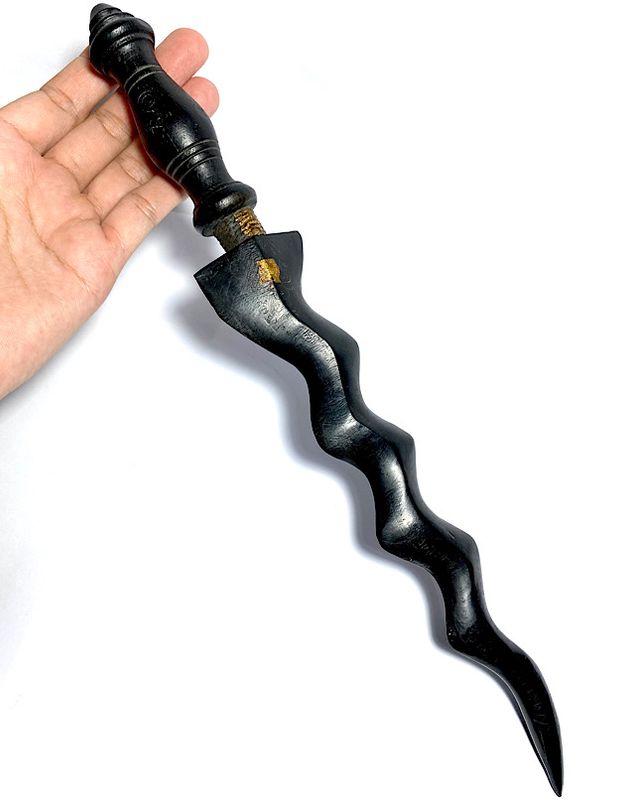
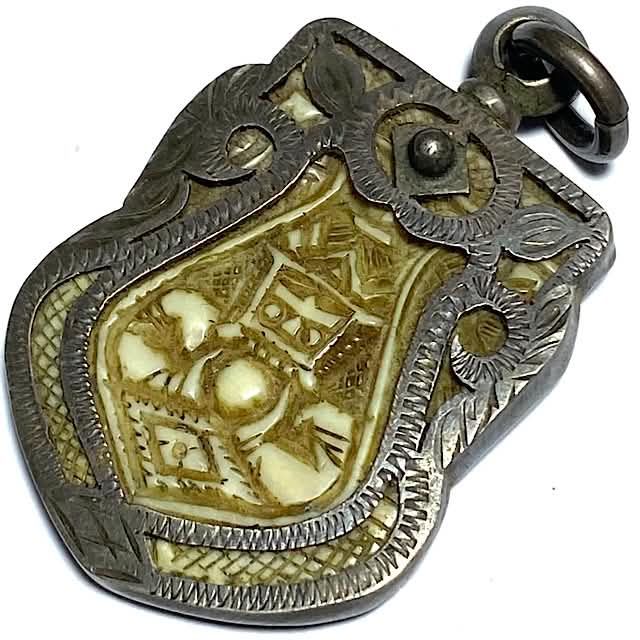
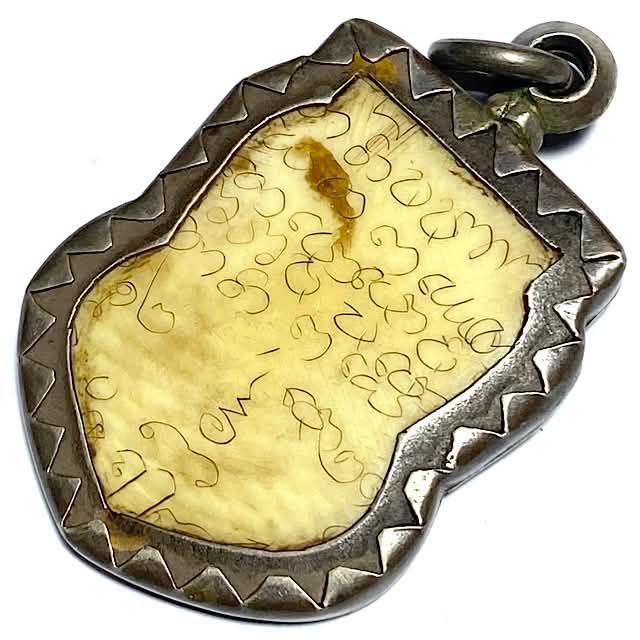
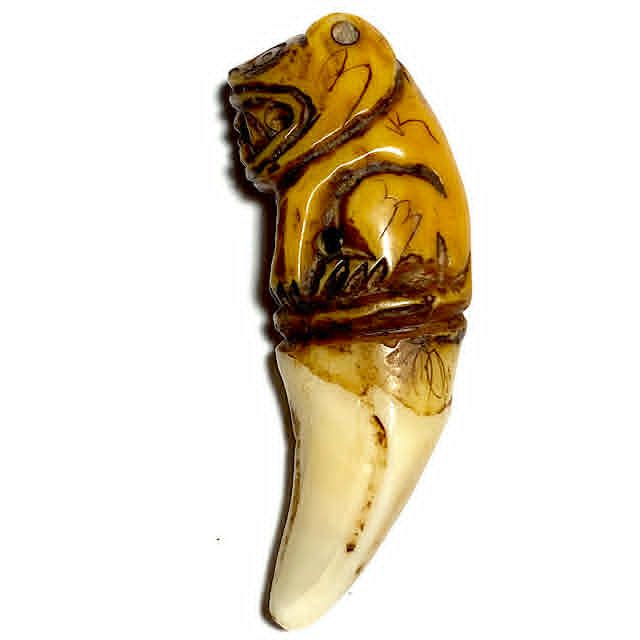
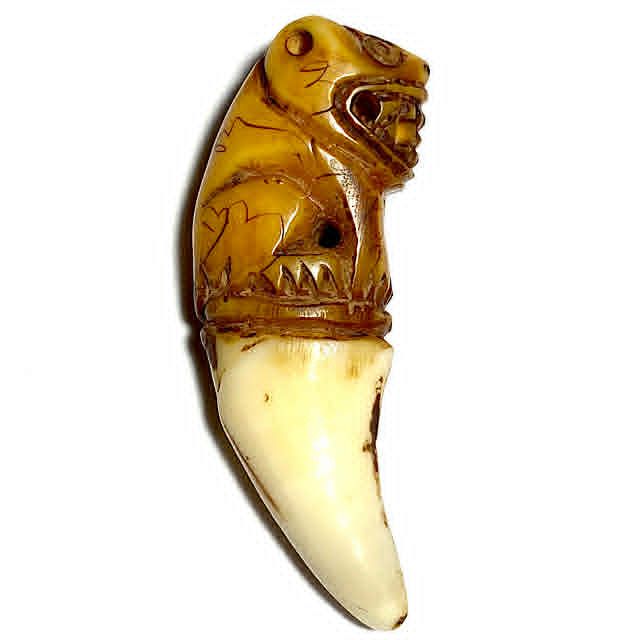
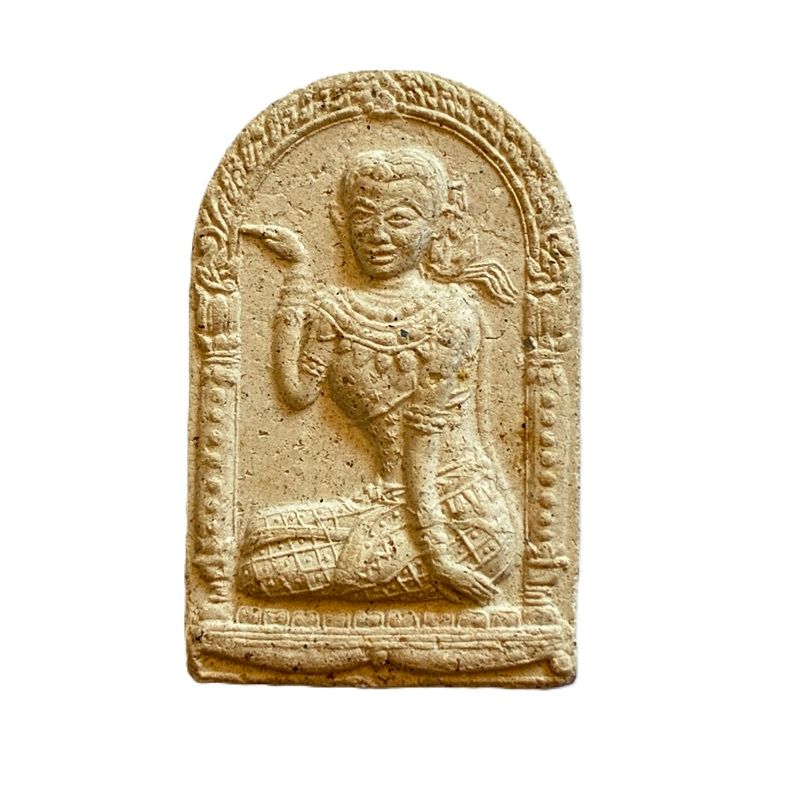
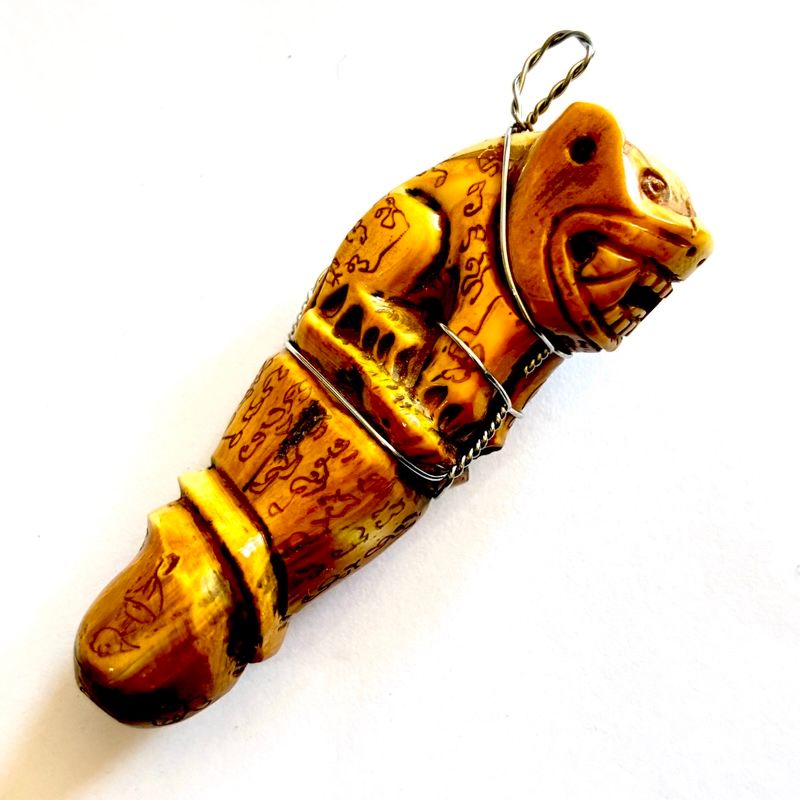
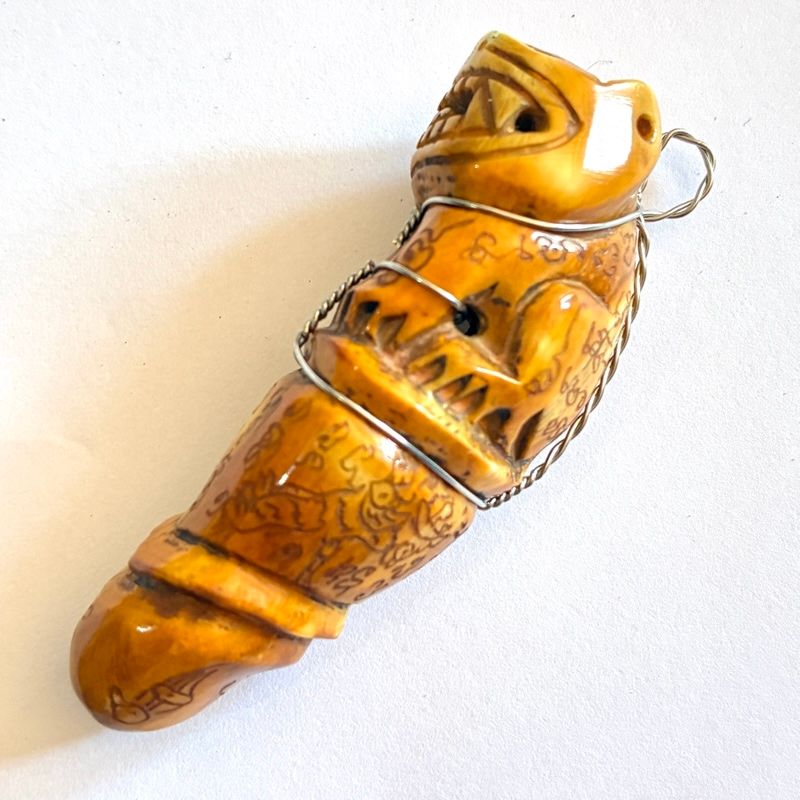
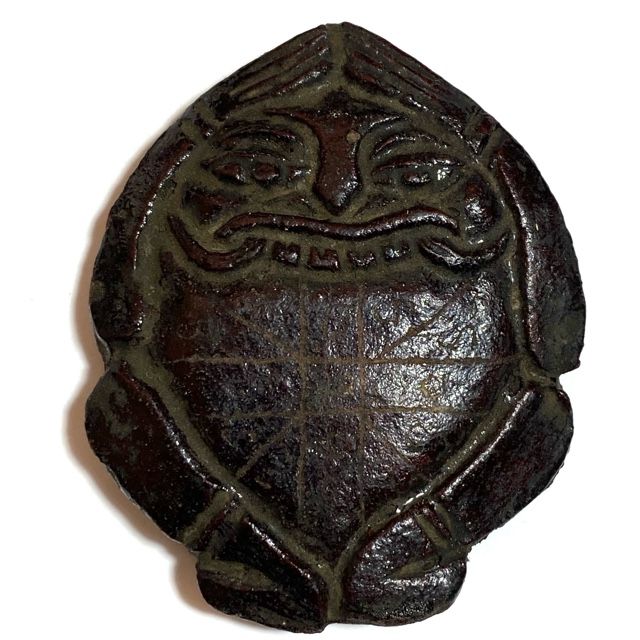
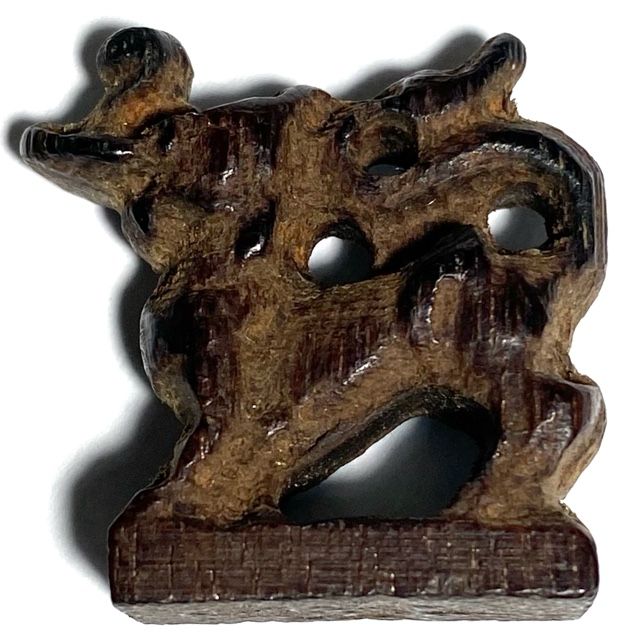
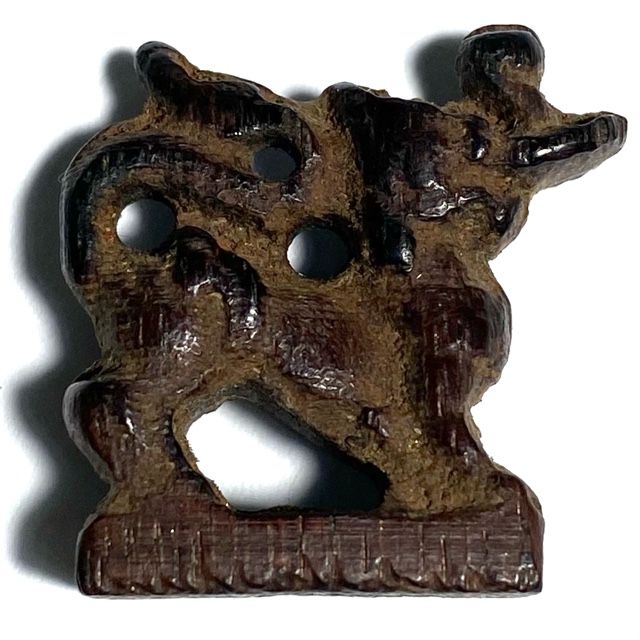
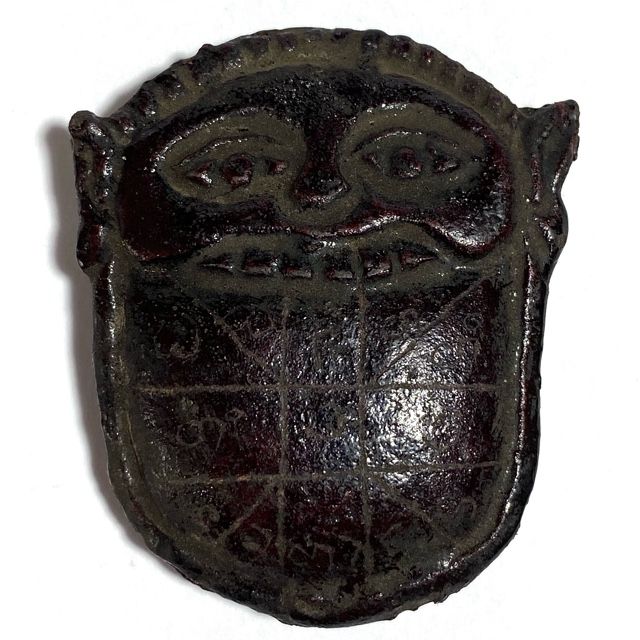
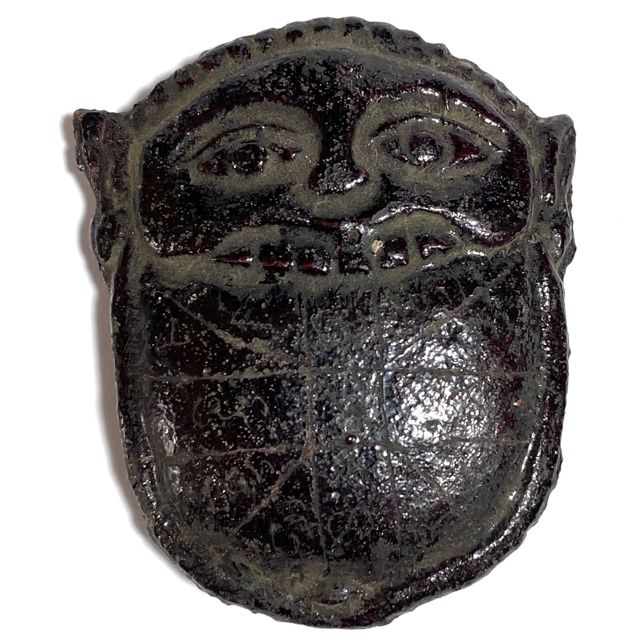
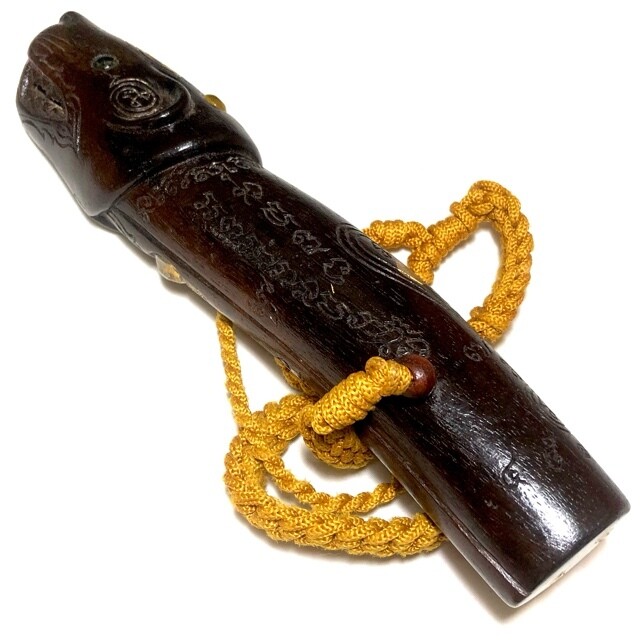
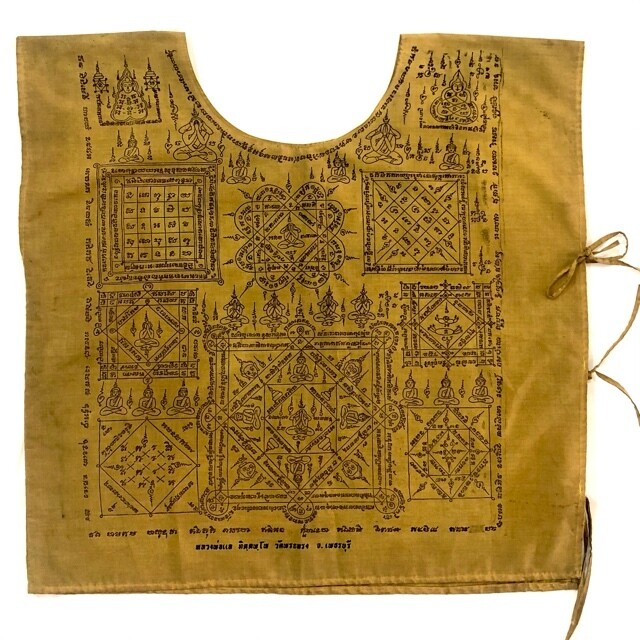
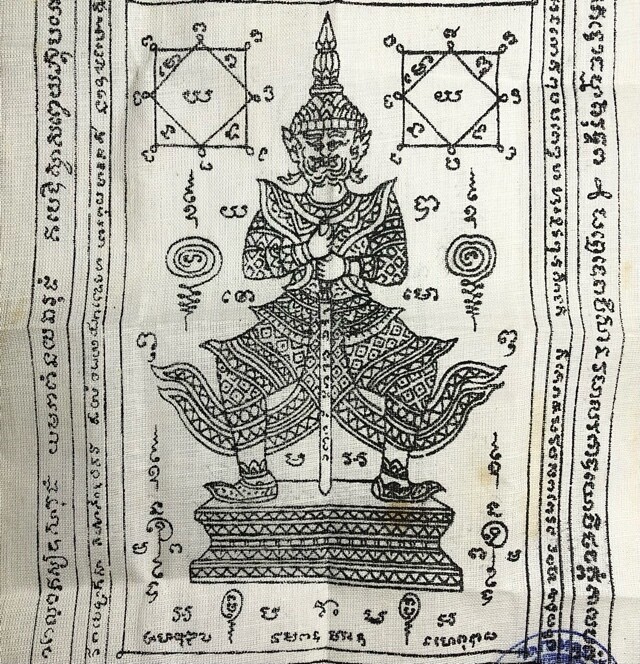
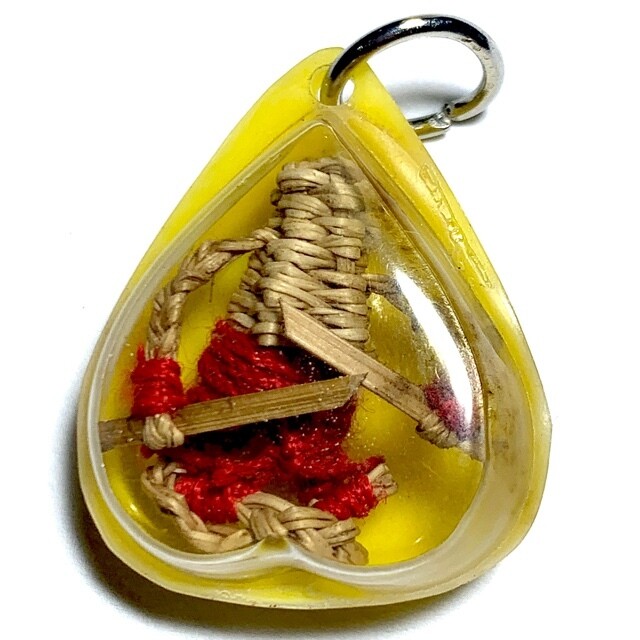
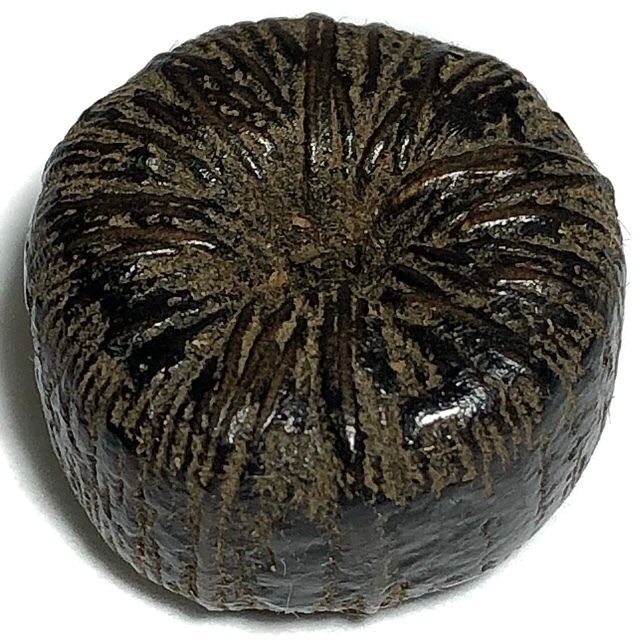
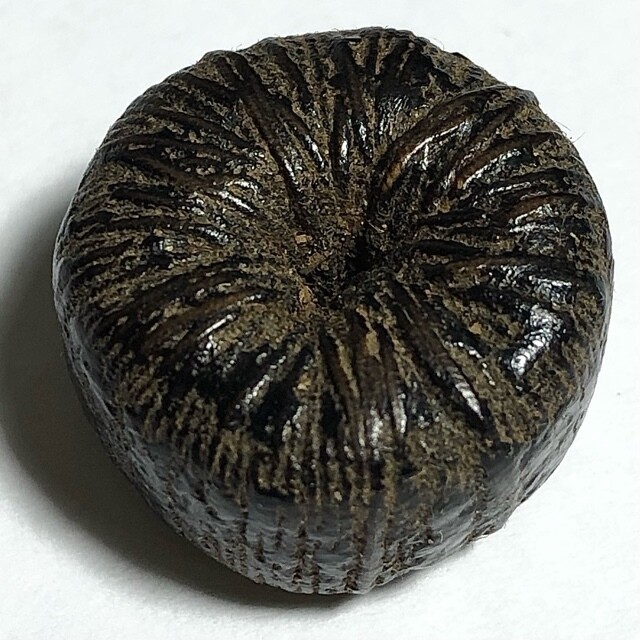
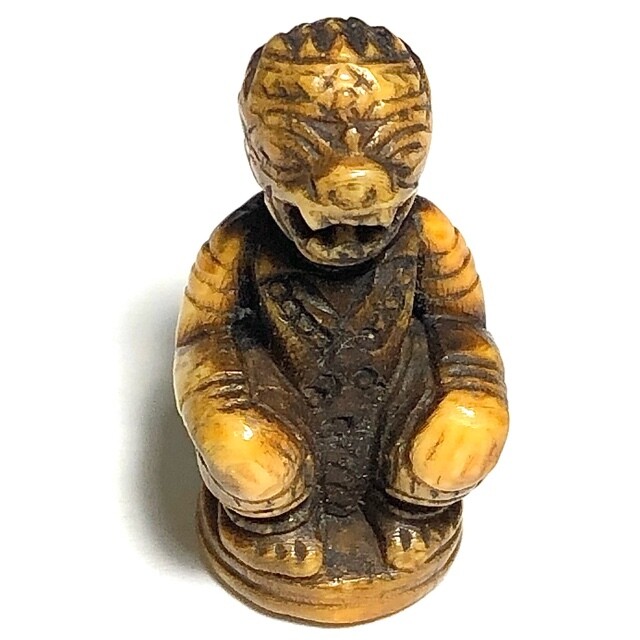
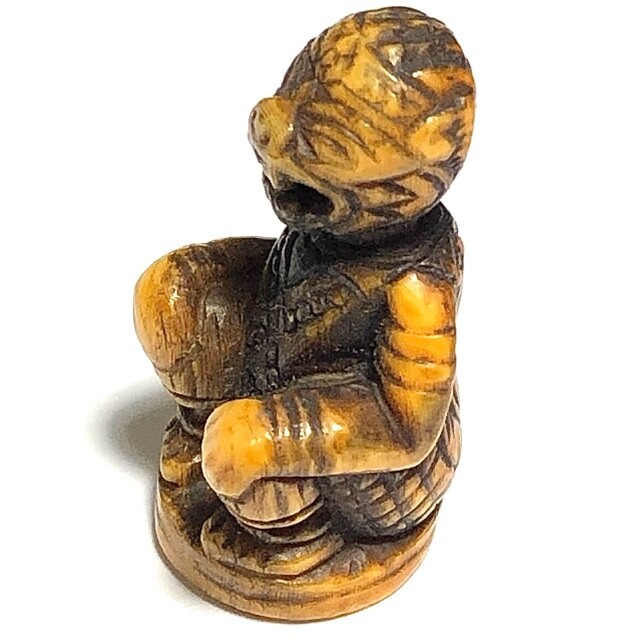
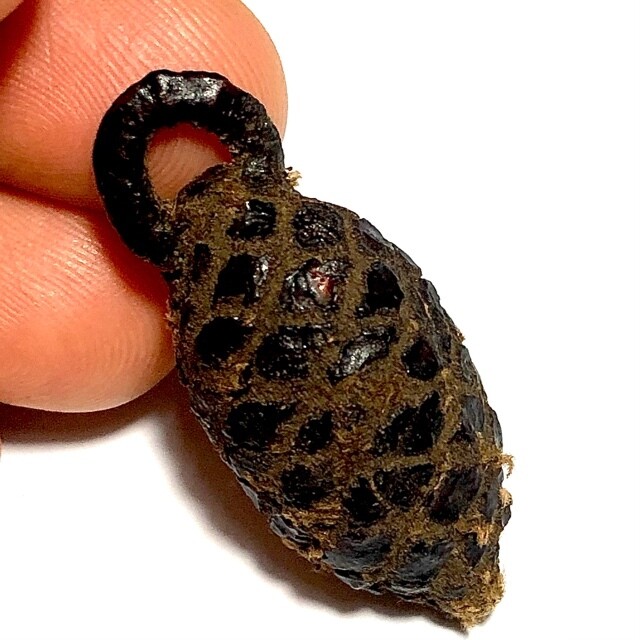
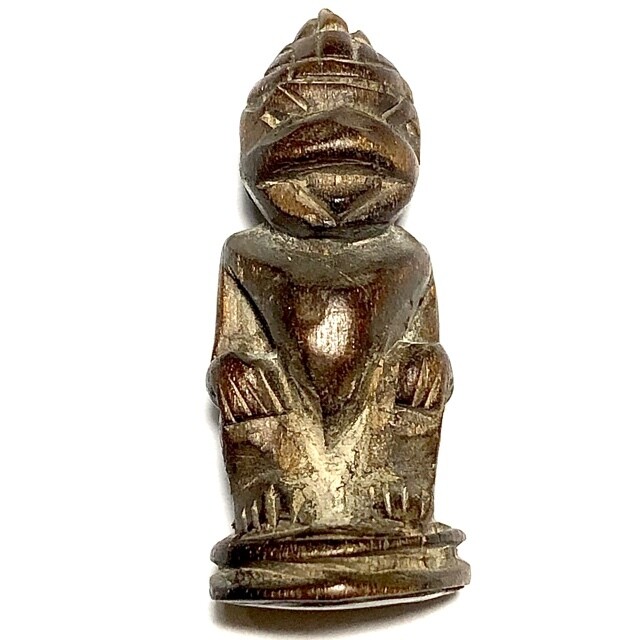
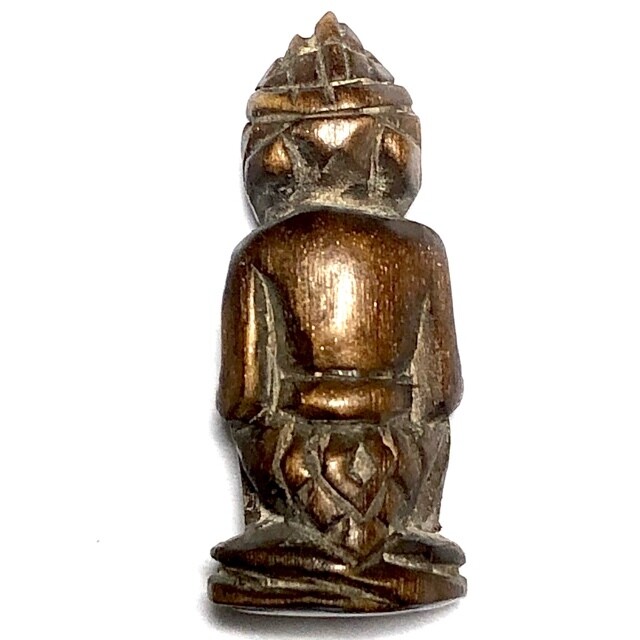
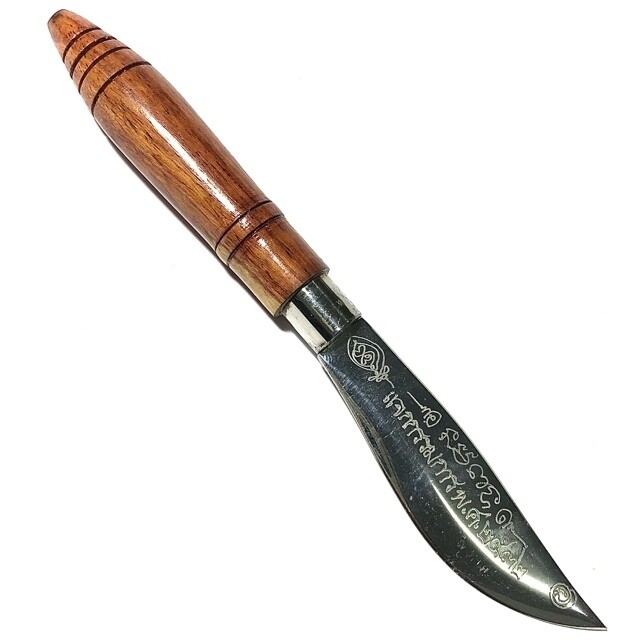
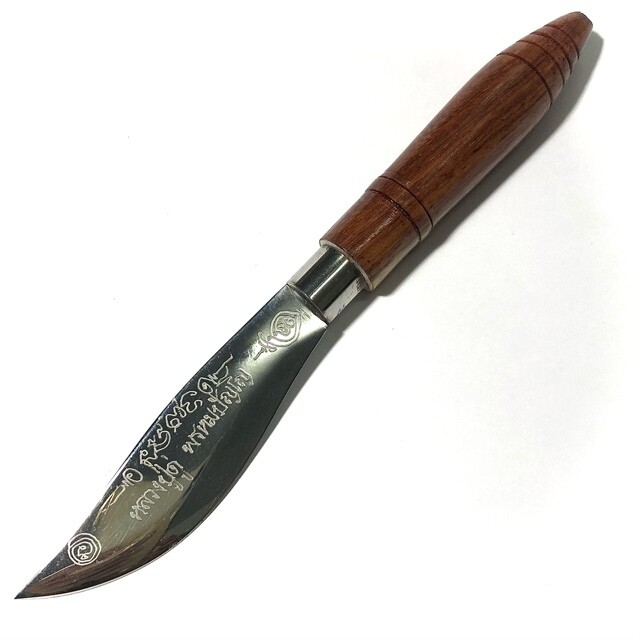
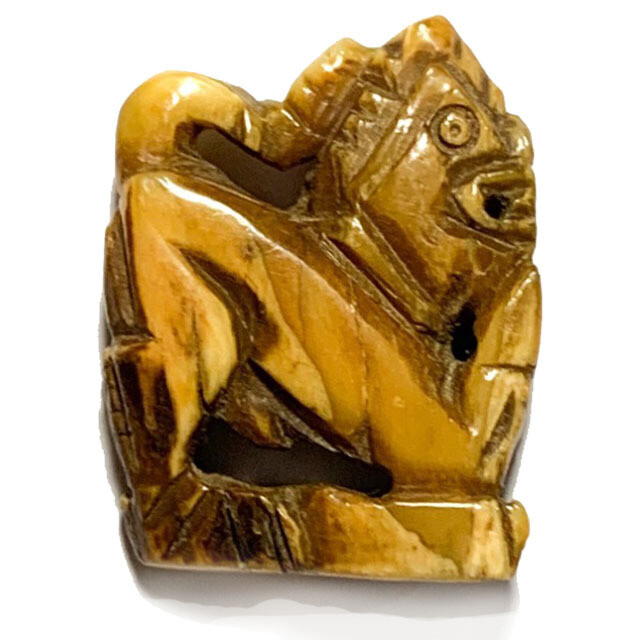
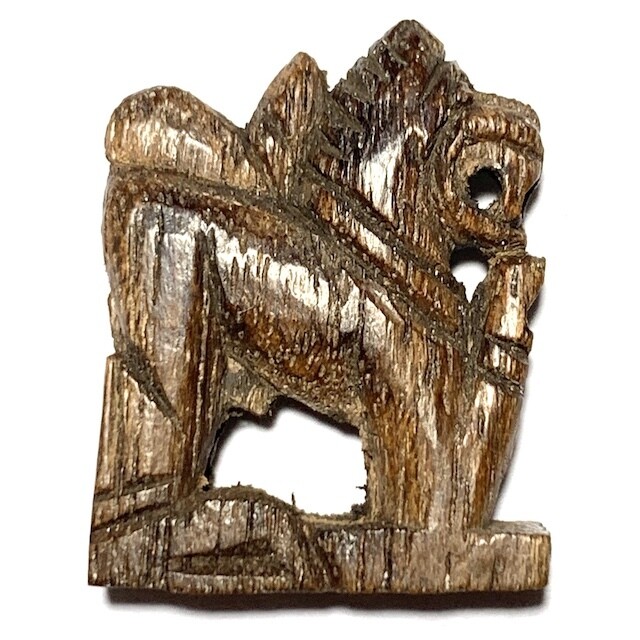
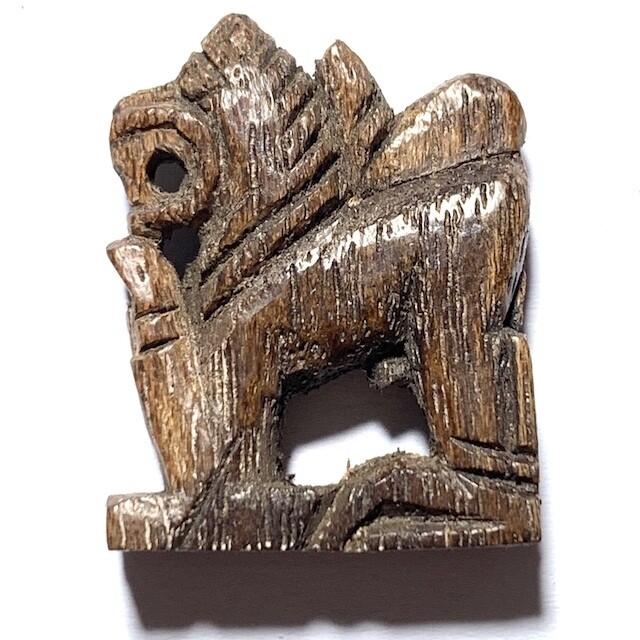
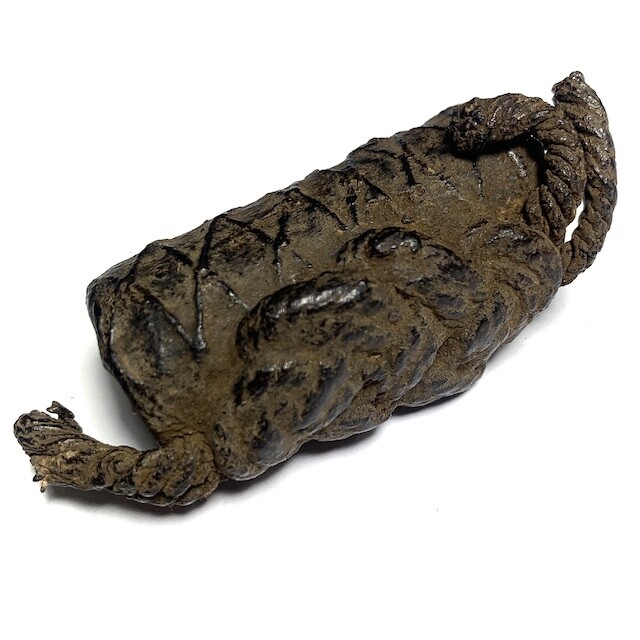
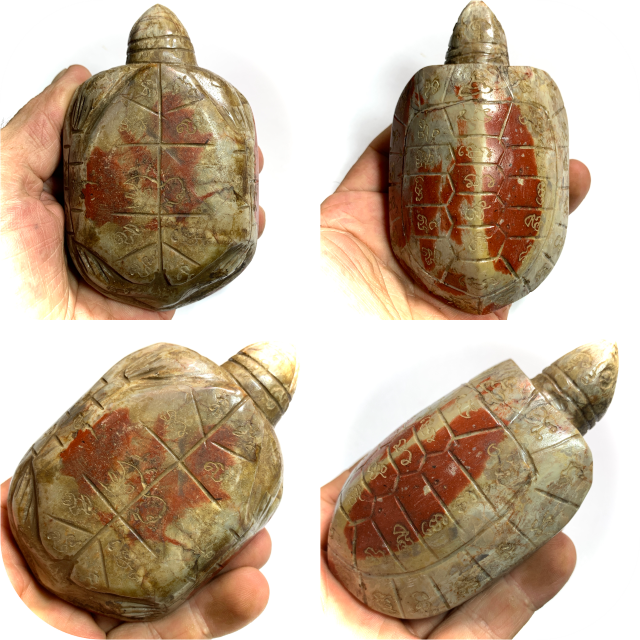
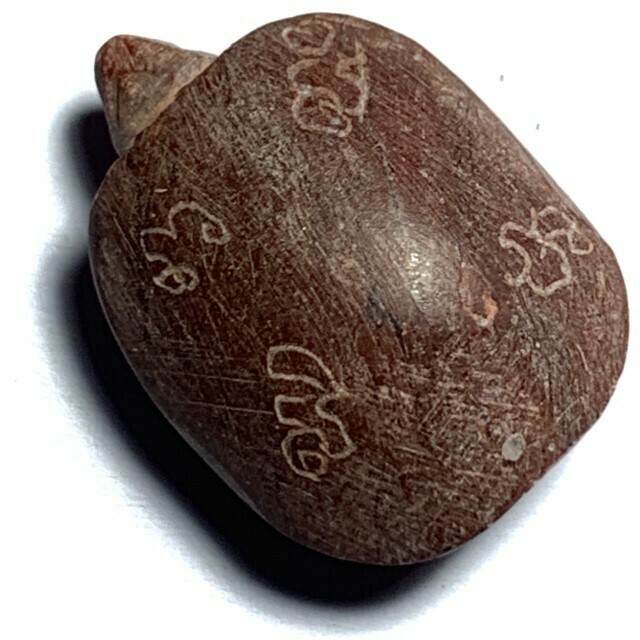
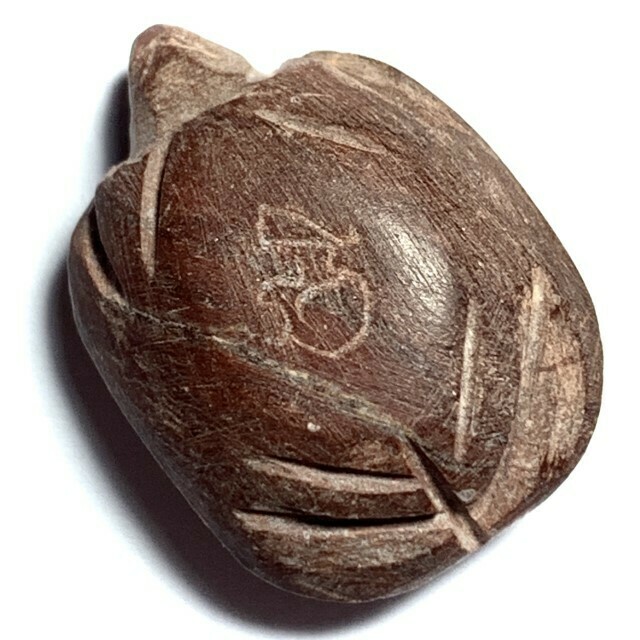
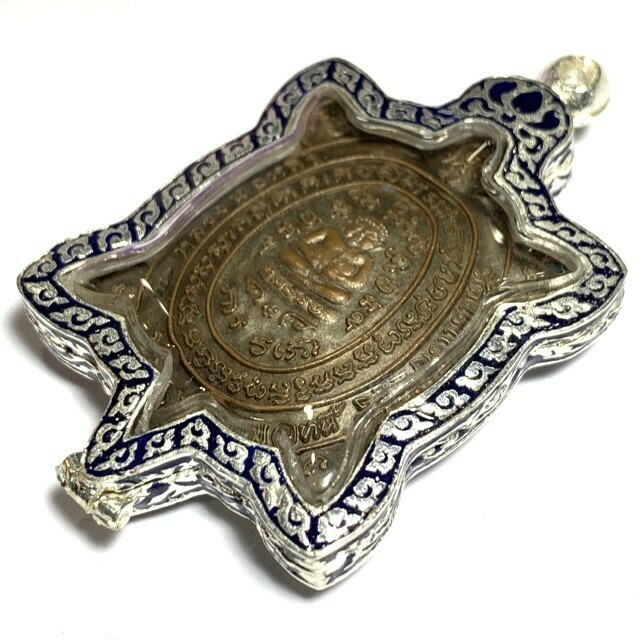
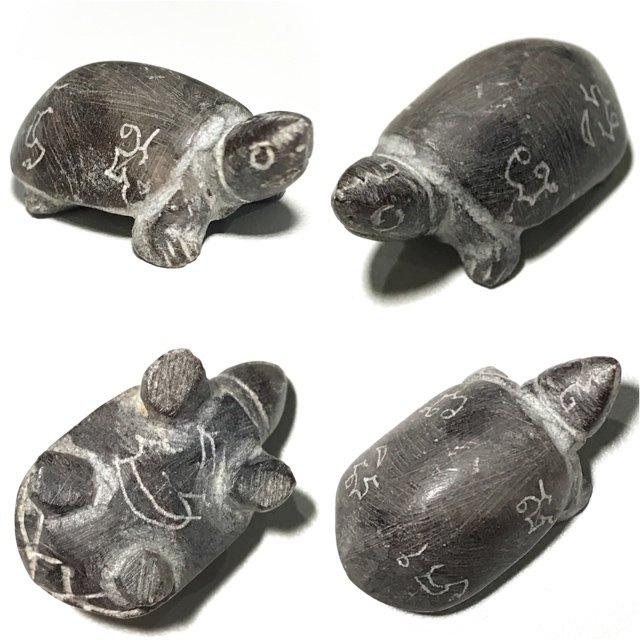
Luang Por Mum’s “Krueang Rang” (talismanic occult charms) were diverse and often unique, reflecting the direct application of his Wicha rather than mass-production uniformity. These included ‘Hwaay Look Nimit’ (rattan Arahant Balls), See Pheung (metta balm), Pha Yant (Yantra cloths), Rian R.5 (King Rama V coins), Roop Tai (monk photos), Mai Phai Dtan (magic bamboo), Mitmor (ritual knives), and various forms of Takrut, ranging from large to small, as well as carved Animist Charms in materials like ivory, wood, bone, and tooth. This array of hand-made, individual talismans further demonstrates the depth and breadth of his Wicha, extending beyond standard amulet forms to encompass a wide spectrum of traditional Thai occult practices.
Iconographical and Aesthetic Appreciation
The Takrut Tong Daeng Kong Grapan Thak Chueak Khiaw, at 5 inches in length, represents a “Tone” class Takrut, typically signifying a single, potent scroll. Its aesthetic is characterized by a minimalist yet profoundly functional design, typical of many powerful Krueang Rang. The primary visual elements are the copper/bronze Yantra foil, which forms the inner core, and the exterior green spellbound cord wrapping. Unlike figural amulets such as monk coins (Rian) or Buddha images (Pra Somdej), the Takrut’s iconography is primarily internal—the sacred Yantras inscribed on the metal sheet. These Yantras are not pictorial in the conventional sense but consist of highly stylized geometric patterns, numerical grids, and abbreviated Pali/Khmer script, each element precisely positioned to create a microcosm of protective energy.
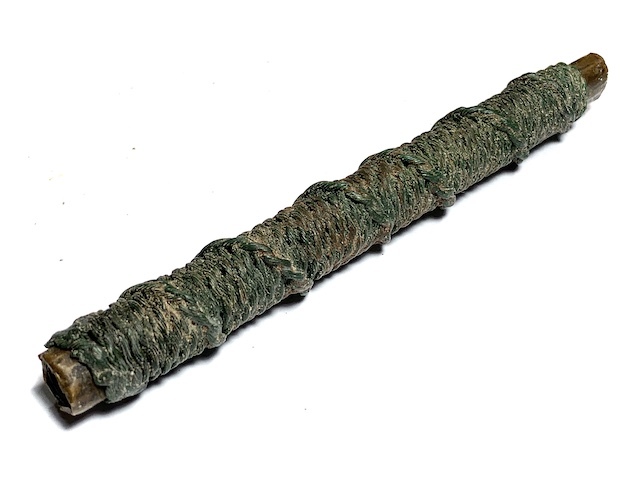
The copper/bronze material, when newly crafted, possesses a distinct metallic luster that, over time and through handling, develops a rich patina. This natural aging process is often valued by collectors, as it indicates authenticity and the amulet’s journey through time. The green cord wrapping is both a protective sheath and an integral aesthetic component. Its texture and color provide a tactile and visual contrast to the underlying metal, while its utility in shielding the foil from environmental damage underscores the amulet’s practical application in the devotee’s daily life. The hand-wrapping of the cord, a characteristic of Luang Por Mum’s individualized Krueang Rang, imbues each Takrut with a unique, artisanal quality, reflecting the direct touch of the master.

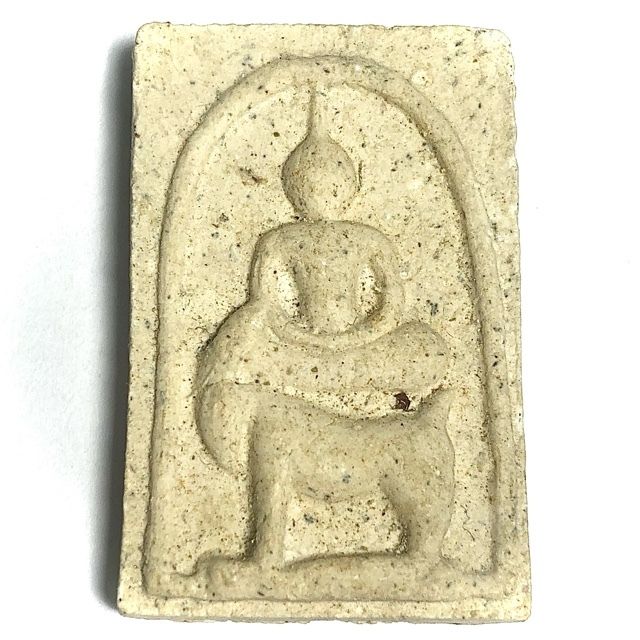
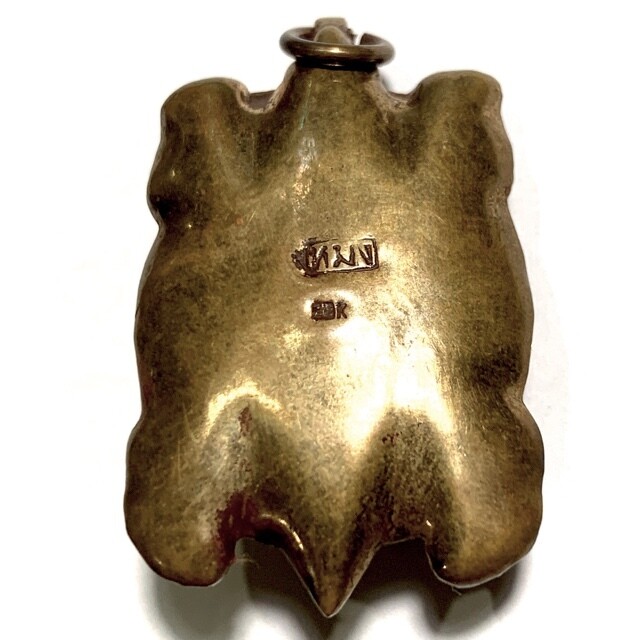
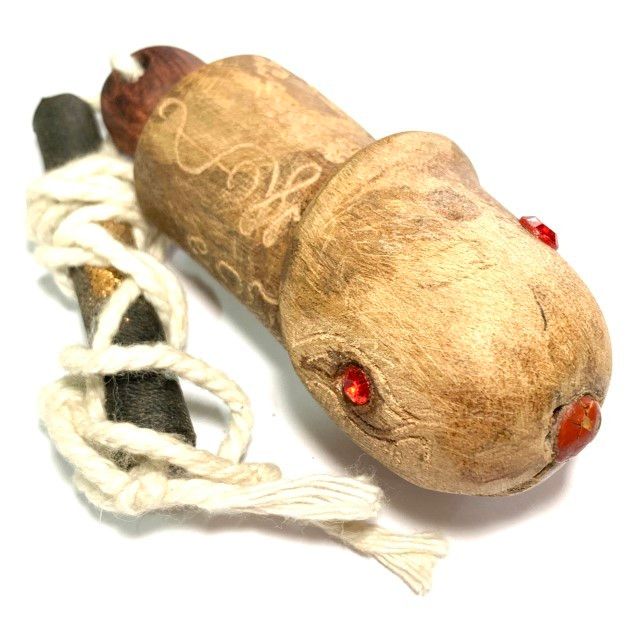
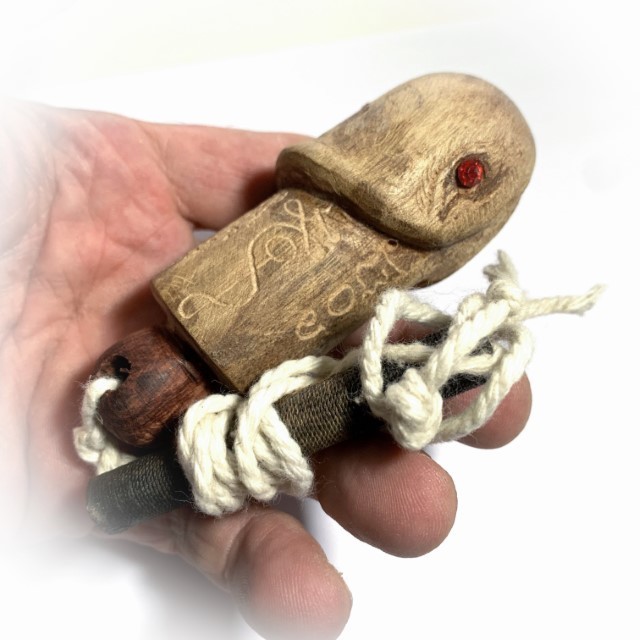
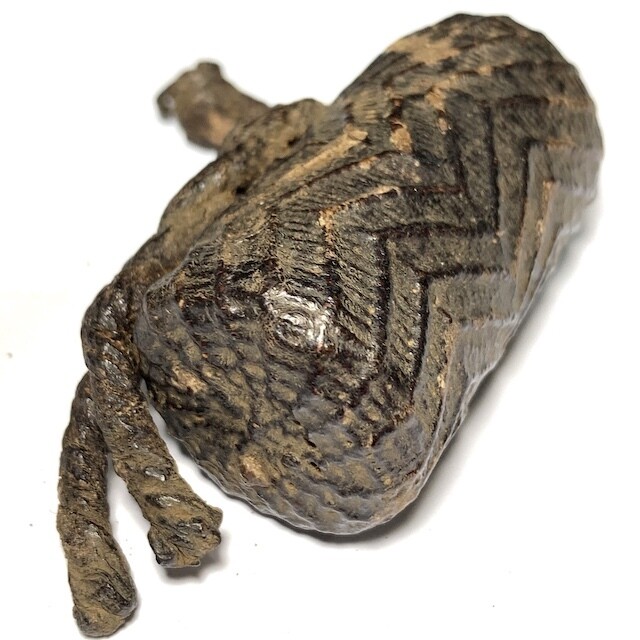
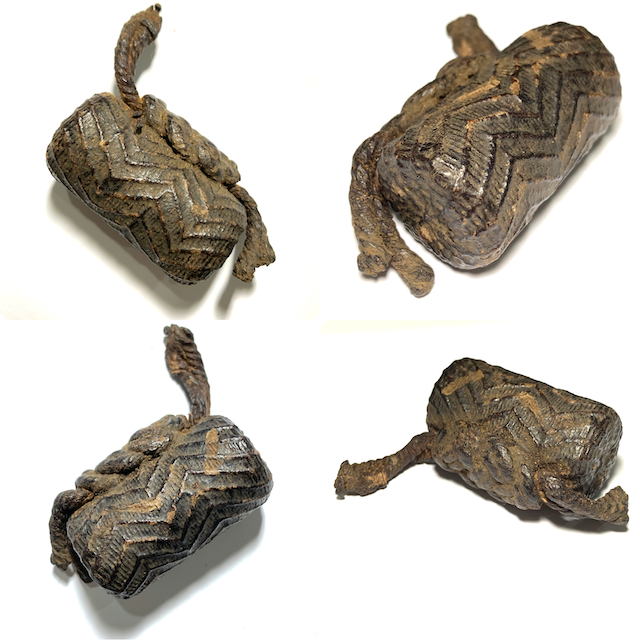
While this specific Takrut does not feature a stamped code or carving, many of Luang Por Mum’s other talismanic charms often exhibited individualistic designs, sculpted by hand from various natural materials. His diverse output, including ‘Hwaay Look Nimit’, Mitmor, and carved Animist Charms in ivory, wood, bone, and tooth, highlights a flexible and adaptive approach to amulet creation, where the form is dictated by the Wicha and available sacred materials. The absence of mass-produced uniformity in his Krueang Rang items is a testament to their direct spiritual origin and the master’s personal involvement in their fabrication and empowerment. This aesthetic philosophy distinguishes his early and individual Takrut from later, more formalized editions of coins or Buddha tablets, which often featured specific iconography, such as his own image (Roop Muean) or that of the Buddha.
Ritual Practice and Worship
The proper veneration and utilization of the Takrut Tong Daeng Kong Grapan Thak Chueak Khiaw, like all sacred amulets in the Theravada Buddhist tradition, necessitates adherence to specific ritual practices, known as Bucha. These practices are not merely superstitious gestures but are deeply rooted in the principles of Buddhism, fostering mindfulness, respect for the Triple Gem, and connecting the devotee’s intent with the amulet’s inherent powers. The recommended approach involves a sequence of chants designed to establish a reverent disposition and to invite the protective and beneficial energies of the amulet.
The Traditional Thai Buddhist Method for Bucha commences with the chanting of Maha Namasakara, the Homage to the Triple Gem, repeated three times. This foundational chant expresses profound reverence for the Buddha, Dhamma (Buddhist teachings), and Sangha (monastic community). Its repetition serves to purify the mind, cultivate humility, and align the devotee with the core tenets of Buddhism, thereby creating a conducive spiritual environment for engaging with the amulet. The text of Maha Namasakara is: “Namo Dtat-Sa Pakawa-Dto Araha-Dto Sam-Maa Sam-Put-Dtat-Sa.”
Following this, the Trai Soranakom, or Taking Refuge in the Triple Gem, is recited three times. This chant formally declares one’s commitment to the Buddha as the enlightened teacher, the Dhamma as the path to liberation, and the Sangha as the exemplary community. By taking refuge, the devotee strengthens their Buddhist faith and establishes a firm spiritual foundation for their practice. The Trai Soranakom comprises: “Puttang Cheewidtang Yaawa Nipaanang Saranang Kajchaami, Tammang Cheewidtang Yaawa Nipaanang Saranang Kajchaami, Sangkang Cheewidtang Yaawa Nipaanang Saranang Kajchaami. Tudtiyambpi Puttang Cheewidtang Yaawa Nipaanang Saranang Kajchaami, Tudtiyambpi Tammang Cheewidtang Yaawa Nipaanang Saranang Kajchaami, Tudtiyambpi Sangkang Cheewidtang Yaawa Nipaanang Saranang Kajchaami. Dtadtiyambpi Puttang Cheewidtang Yaawa Nipaanang Saranang Kajchaami, Dtadtiyambpi Tammang Cheewidtang Yaawa Nipaanang Saranang Kajchaami, Dtadtiyambpi Sangkang Cheewidtang Yaawa Nipaanang Saranang Kajchaami.”
The concluding invocation is the Kata Aaraatanaa Pra Krueang, the Invitation of the Amulet, also chanted three times. This specific Kata acts as a formal request to the amulet, inviting its protective and beneficial powers to manifest and integrate with the wearer’s life. It is through this direct address that the devotee establishes a conscious connection with the talisman and its spiritual guardian, activating its potential. The Kata Aaraatanaa Pra Krueang consists of: “Puttang Aaraatanaanang, Tammang Aaraatanaanang, Sangkang Aaraatanaanang. Puttang Prasittimae, Tammang Prasittimae, Sangkang Prasittimae.”

Beyond these chants, ethical conduct is paramount. Devotees are expected to observe the Five Precepts, lead a moral life, and cultivate metta (loving-kindness) and compassion. The amulet is not a substitute for ethical action but rather an enhancement, providing support and protection to those who live righteously. Respect for the amulet also implies careful handling and placement in elevated, clean locations when not worn. The Takrut Tong Daeng Kong Grapan Thak Chueak Khiaw, imbued with Klaew Klaad, Serm Duang, Metta Mahaniyom, and Maha Lap Kaa Khaay, thus serves as a powerful instrument for both spiritual and temporal benefit, a testament to the enduring legacy and profound Wicha of Luang Por Mum, one of the great Olden Days Masters of Thailand.