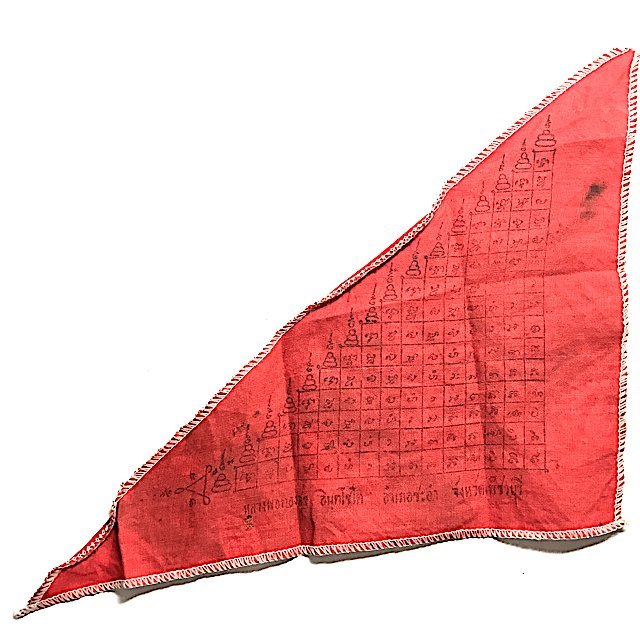
Luang Por Tong Sukh Intachoto, who was later bestowed the ecclesiastical title Pra Kroo Pinit Suttakun, was an immensely revered monk of Phetchaburi Province, and abbot of Wat Tanode Luang. He has long been revered by local communities and devotees in nearby regions, particularly among those who place faith in amulets connected with Maha Ud, Klaew Klaad (Pronounced ‘Klew Klaart’), Kong Grapan Chadtri (Pronounced ‘Kong-Grapan-Char-Tree) protection, invulnerability, and danger avoidance.

According to historical accounts consistently found across Thai-language sources, Luang Por Tong Sukh was a monk strict in monastic discipline and deeply accomplished in protective esoteric knowledge (wicha). His mastery belonged to a traditional central-Thai lineage emphasizing kong grapan, klaew klaat, and maha ud. He played a significant role in the administration, restoration, and support of Wat Tanode Luang during a period when social conditions were unstable and personal security was a major concern for the local population.
His reputation became especially prominent during the mid-20th century. At that time, his amulets were widely sought by individuals in high-risk professions such as local toughs, gunmen, police officers, and soldiers. This reflects the social realities of the era rather than an endorsement of such lifestyles, and provides historical context for the strong belief in the protective and invulnerable qualities attributed to his sacred objects.
The sacred amulets attributed to Luang Por Tong Sukh, that are consistently recognized in Thai sources can be categorized as follows.
First, coin amulets of Luang Por Tong Sukh. The most important and widely accepted is the second generation coin, created in Buddhist Era 2498 (1955). This coin is regarded as the principal amulet of the Wat Tanode Luang lineage. It was produced in several metals, including copper, silver, and gold. Copper examples are the most commonly encountered and are the most popular in the collector market.

A key point of classification is the die detail of the vowel “I” above Luang Por Tong Sukh’s name. These are divided into the “I touching the rim” type and the “I floating” type. The “I touching the rim” variety is regarded as the popular block and commands higher demand. The attributed powers repeatedly cited are maha udom, kong krapan, klaew klaat, and good fortune, with many experiential accounts traditionally associated with these coins, especially within Phetchaburi and surrounding provinces.

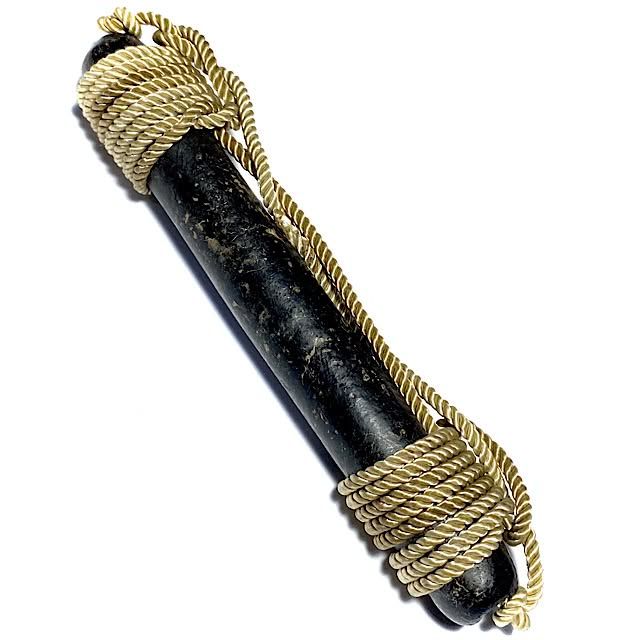
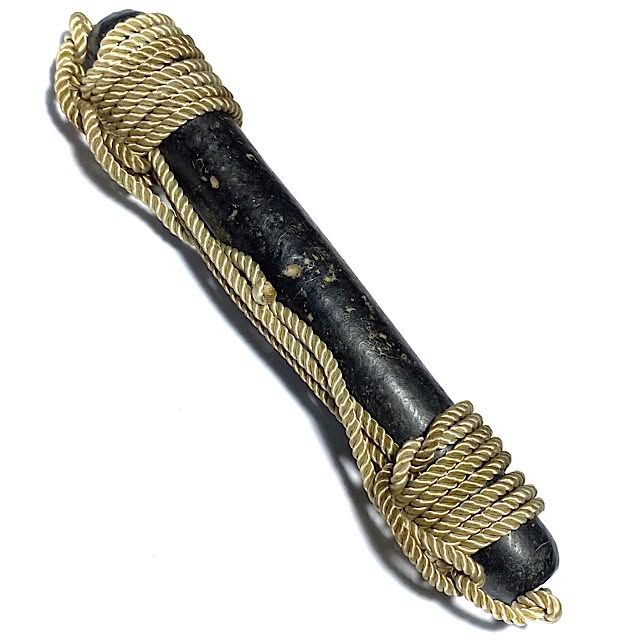
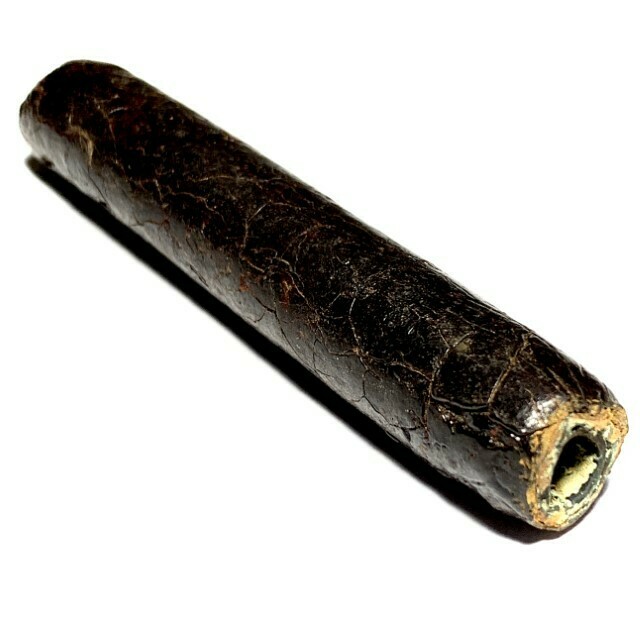
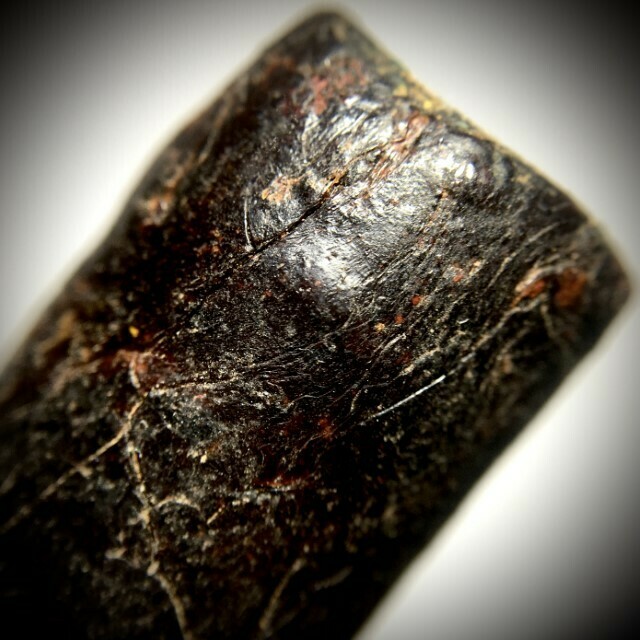
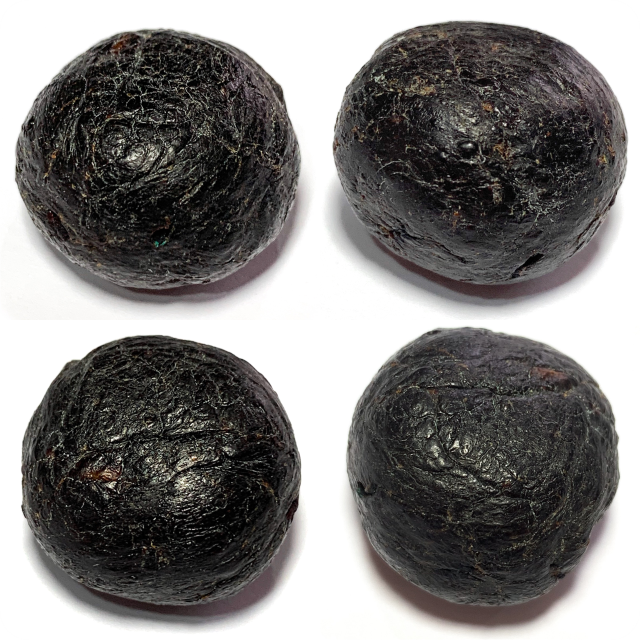
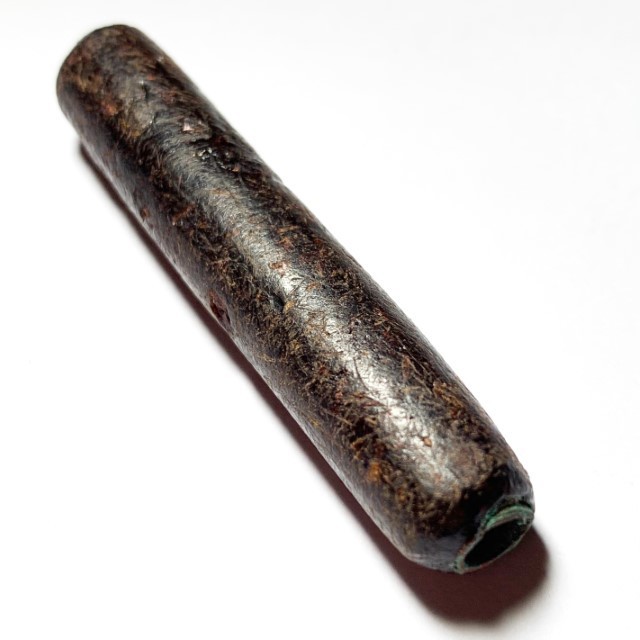
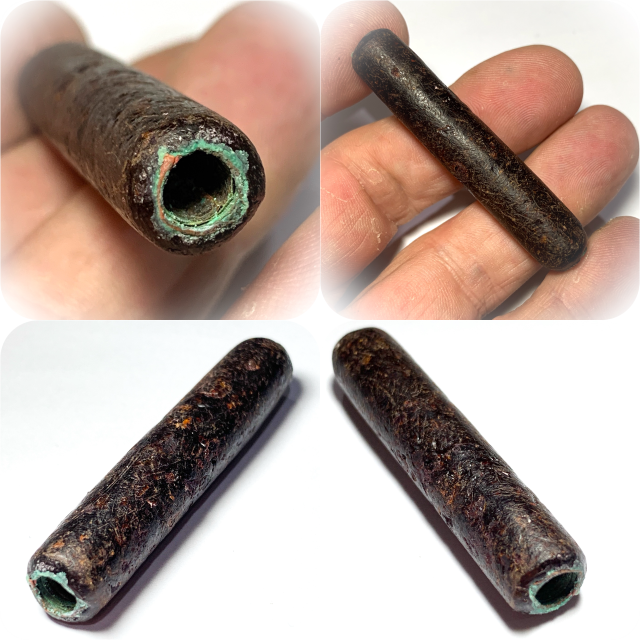
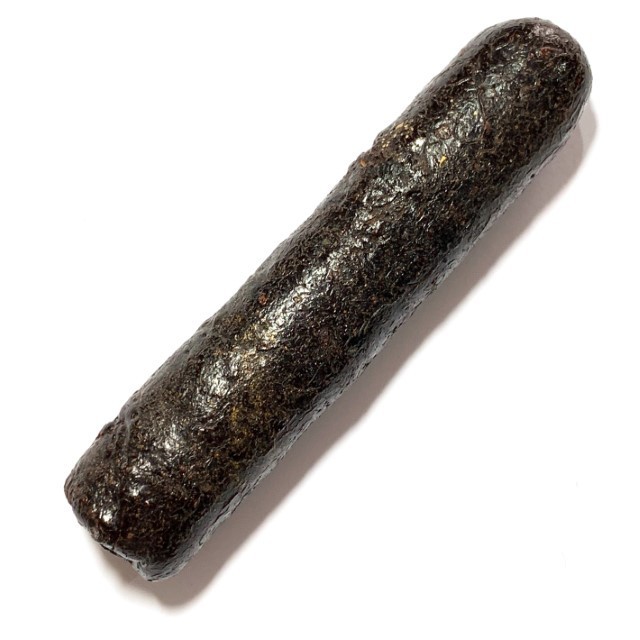
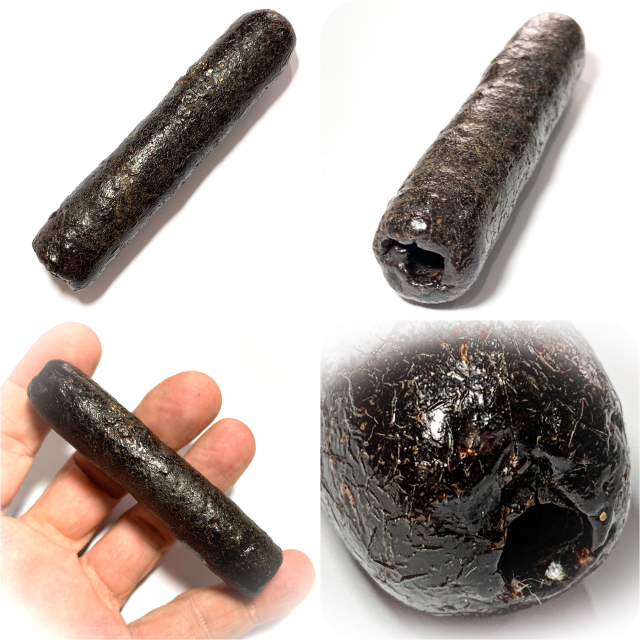
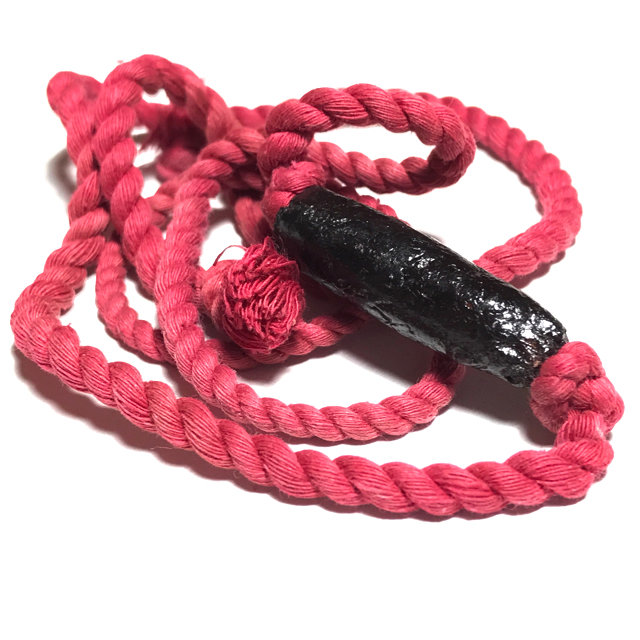
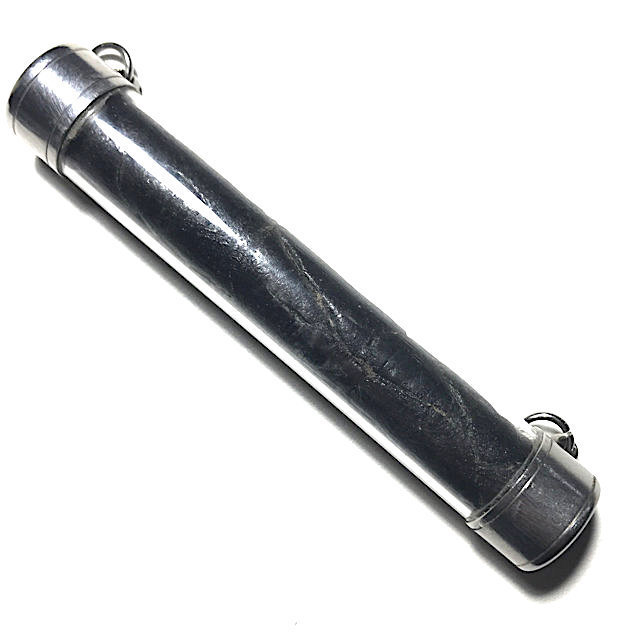
Second, takrud amulets. These include lacquer-coated takrud and takrud associated with protective and Sariga (celestial magpie pronounced ‘Saa-ri-gar) bird Wicha related traditions. They are typically metal sheets inscribed with sacred formulas, rolled into tubes, and coated with lacquer or ritual substances according to established formulas. Their primary attributed qualities are protection, danger avoidance, and charm. Sizes and forms vary depending on the period of creation.
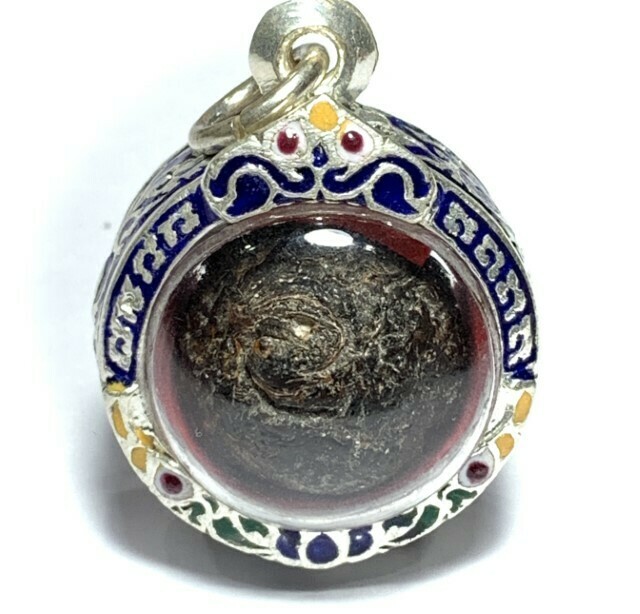
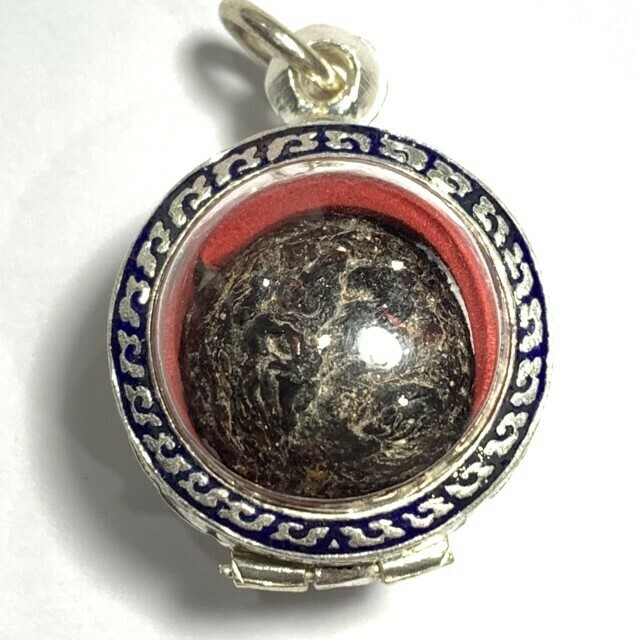
Third, look om and look sakot krang. These are small bead-like charms made from lacquer or herbal mixtures prepared according to traditional methods. They are intended for personal carrying and are believed to provide general protection and safety. These items are usually handmade and do not follow standardized molds.

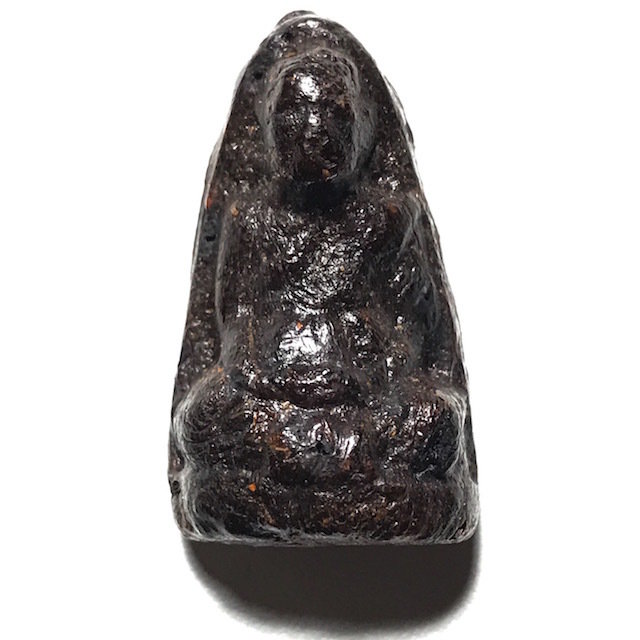
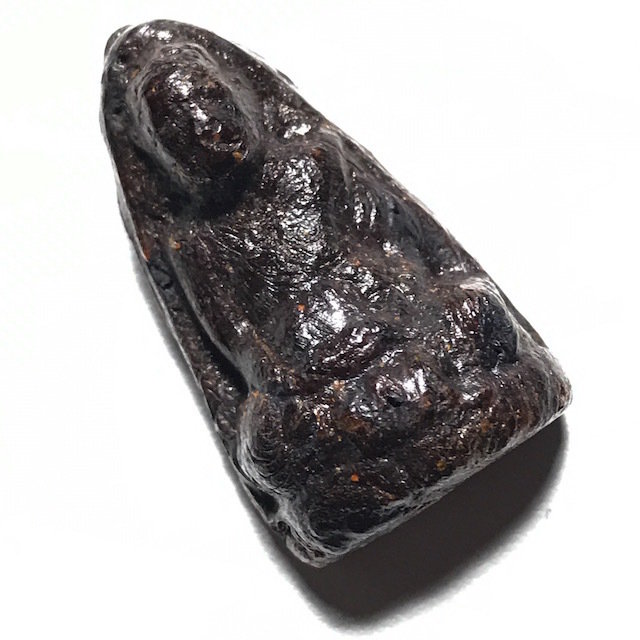
Fourth, krang-based powder amulets. These are folk-style molded amulets made from powder or lacquer-based materials. Thai sources describe them as having been distributed on specific occasions within the temple or to close disciples, rather than produced in large commercial quantities.
After the passing of Luang Por Tong Sukh, the lineage of his wicha at Wat Tanode Luang continued through his principal disciple, Luang Por Phaeo. Luang Por Phaeo was the prime apprentice (looksīt) of Luang Por Tong Sukh and later became abbot of Wat Tanode Luang. He is widely recognized as the direct inheritor of Luang Por Tong Sukh’s ritual knowledge, protective formulas, and consecration methods, ensuring continuity of the temple’s spiritual lineage rather than a break or reinvention.

Luang Por Phaeo’s role was not merely administrative. Thai sources consistently describe him as actively practicing and transmitting the same core wicha of protection and invulnerability learned directly from his master. This continuity is an important factor in how collectors and devotees understand the posthumous legacy of Luang Por Tong Sukh.

The sacred objects of Luang Por Phaeo of Wat Tanode Luang, as recognized in Thai collector circles, include coin amulets issued during his abbacy, takrud prepared according to the Wat Tanode Luang lineage, and other consecrated objects created for temple construction, merit-making, or specific ceremonial occasions. These items are generally regarded as lineage extensions rather than substitutes for the original-era amulets of Luang Por Tong Sukh and their value and status are assessed accordingly.

Within the Thai amulet market, Luang Por Tong Sukh’s amulets—especially the second generation coin—are firmly established as core items of the Phetchaburi lineage. They are often sought as companion pieces to the first generation coin of Luang Por Daeng of Wat Khao Bandai-It, a contemporary monk from the same regional and temporal sphere of belief.

Market value varies greatly depending on condition, metal, and die type. Coins in original, well-preserved condition and of popular dies command significantly higher value. Price figures commonly cited in Thai sources function as general market references rather than fixed or guaranteed valuations.

Luang Por Tong Sukh (official name: Pra Kroo Pinit Suttakun) of Wat Tanode Luang, was a historically famous and incredibly highly revered holy sorcerer-monk, whose amulets possess a distinct lineage identity, focused and centered on his famous protective wicha. That lineage continued directly through his prime disciple Luang Por Phaeo, ensuring continuity of ritual mastery and consecration practice at Wat Tanode Luang. The information presented here represents the core body of knowledge consistently shared across Thai language sources and reflects the generally accepted framework within the Thai amulet community.
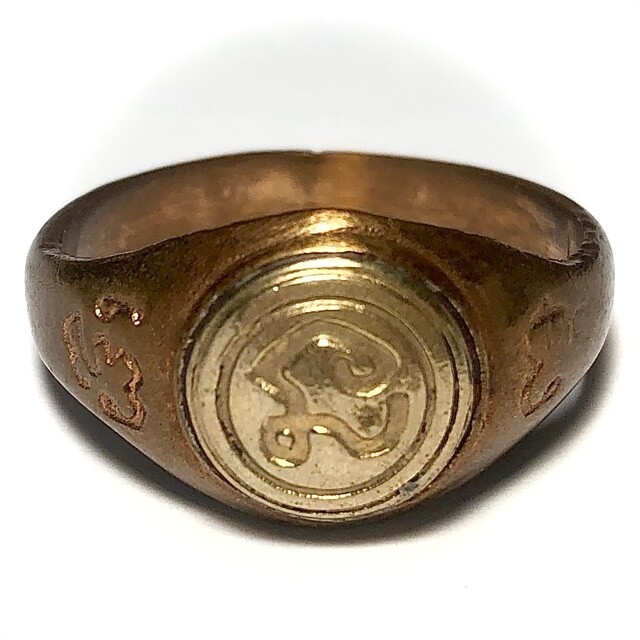
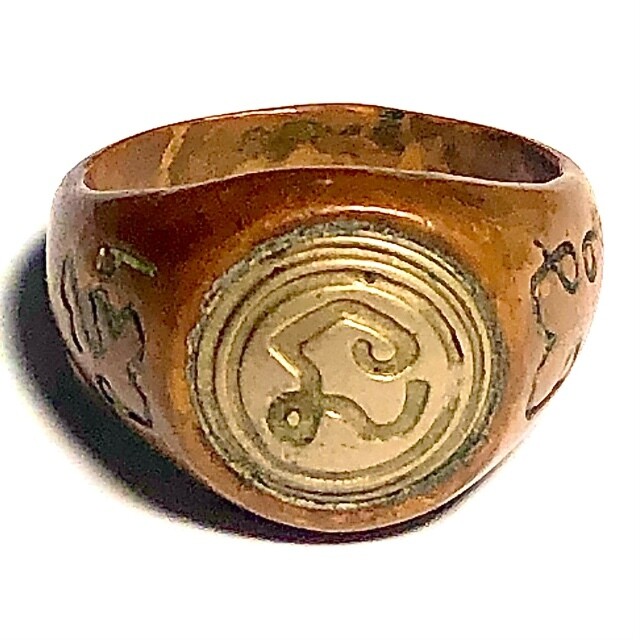
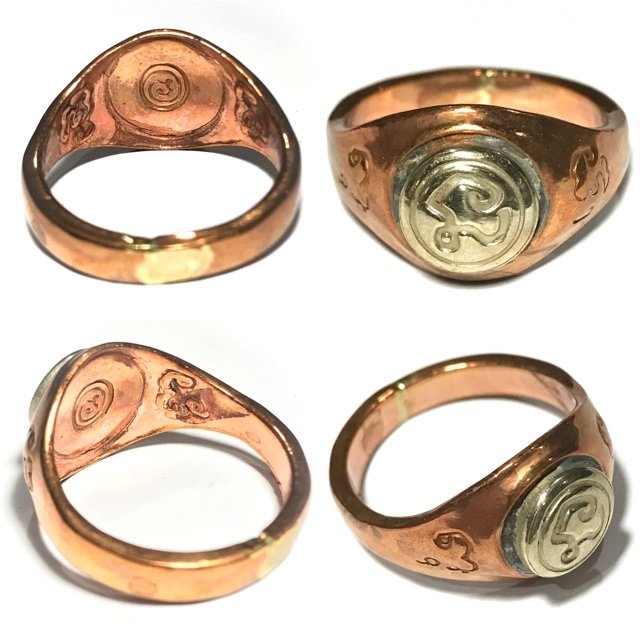
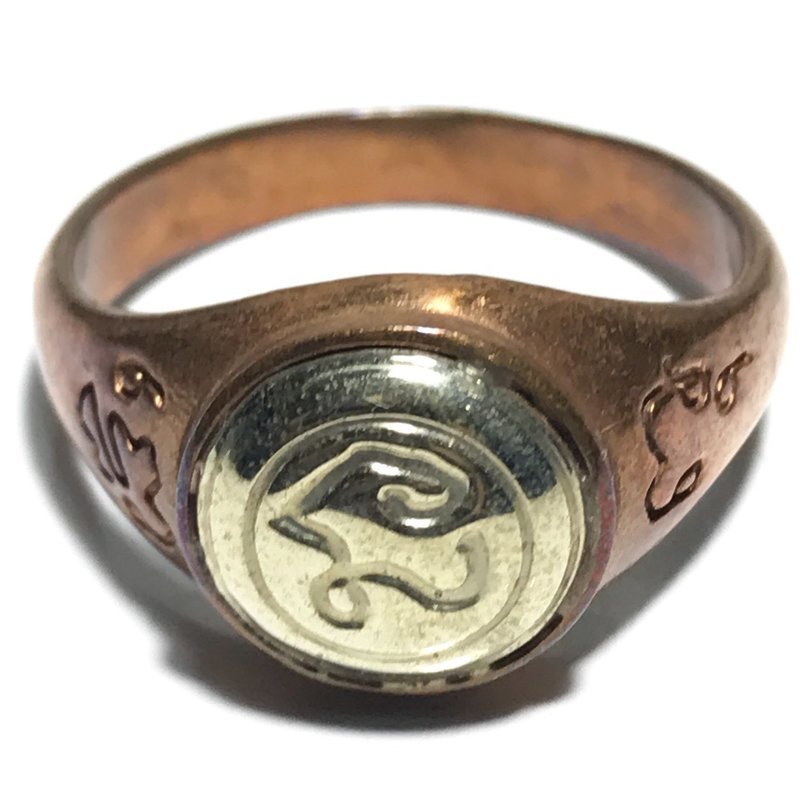
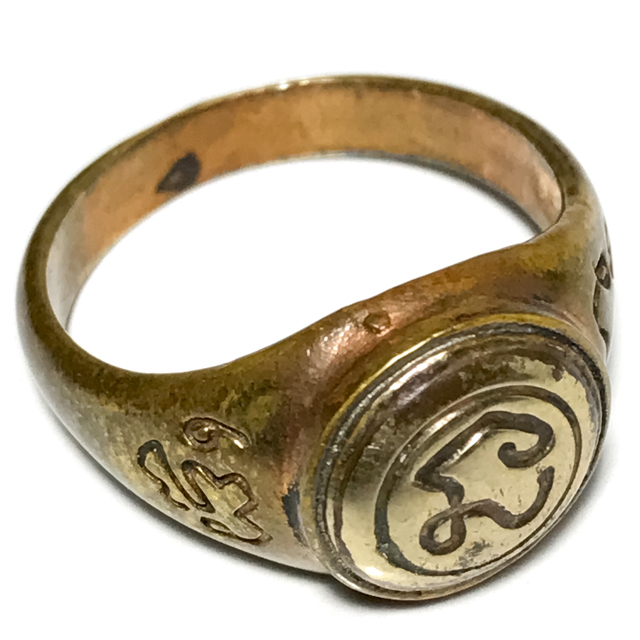
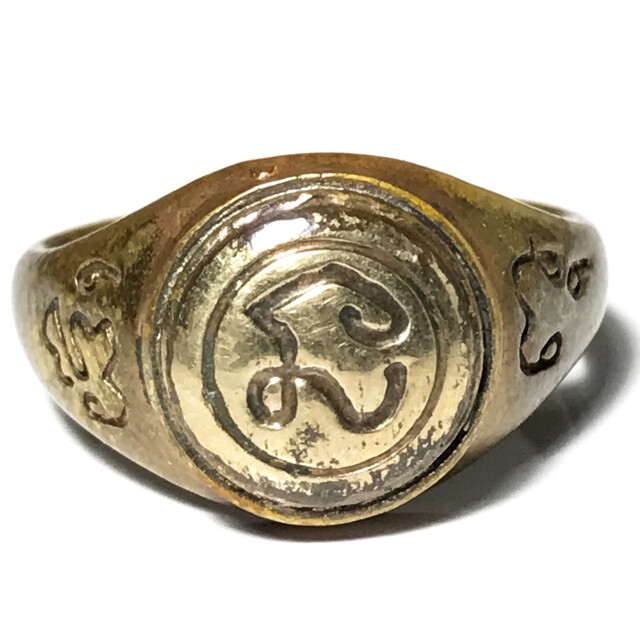
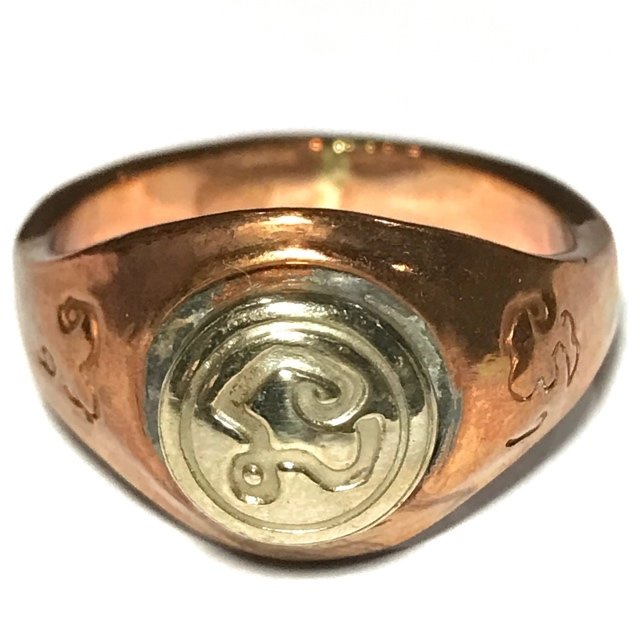
Hwaen Hua Na Bad Dtalord Nuea Tong Daeng Magic Ring With Sacred Na & Multiple Yantra Spell Inscriptions Early Era Luang Por Phaew - Size 2.3 Cm.
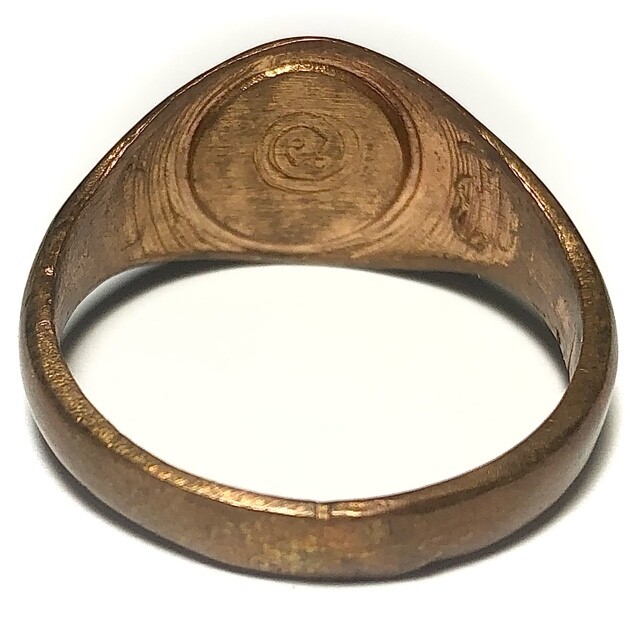
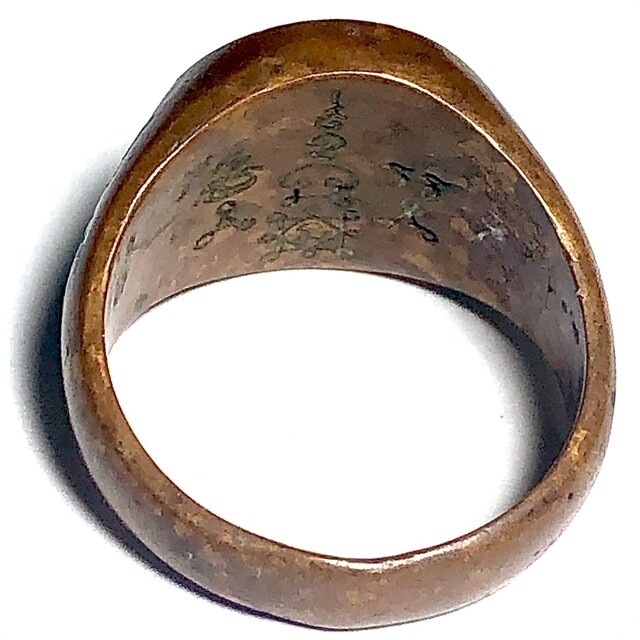
An early era model of the famously powerful Hua Hwaen Na Bad Dtalord Magic Ring, with Yant Putto on the flanksm Khom Agkhara NA silver ring head, and various Yant on the inner side. Empowered using the Wicha Na Khao Ha of Luang Por Tong Sukh (Wat Tanode Luang), by Luang Por Phaew of Wat Tanode Luang. The Hwaen Hua Na Bad Dtalord, is a Magic Ring of Seductive Influence, Lucky Fortunes and Mercy Charm - The ring measures 1.9 Cm Inner Diameter, and is made from Nuea Tong Daeng Sacred Copper Alloy, with silver Look Na Bad Dtalord spell, with Sacred Na in Khom Agkhara inserted in the head of the ring. This exhibit is especially attractive, for the fact that it has a plethora of Sacred Yantra on the inner face, and that it is an early era model, and hence much rarer to find than later editions.
Hwaen Hua Na Bad Dtalord Wicha Na Khao Ha was made in various sacred Alchemical Metal Alloys, this one being made from Nuea Tong Daeng Sacred Copper Alchemical Alloy with Na Agkhara Spell in Albaca, and Kata Khom Inscriptions on the sides from Luang Por Phaew of Wat Tanode Luang. One side of the ring has the Khom syllable 'PU', and the other side, the syllable 'TŌ' (PUTTO/BUDDHO).
This exhibit is 'Yuk Klang' meaning 'mid era' which is visible by the features and still radiant tone of the Sacred Copper alloy, which ichanges with the passage of time. The Hwaen Na Bad Dtalord is a Magical Ring of Metta Maha Niyom Maha Sanaeh and Maha Lap Power, to Entice and Entrap Admirers, Lovers and InduceMercifulness in the Hearts of those who approach. The ring is Empowered by Luang Por Phaew of Wat Tanode Luang, who was a Lineage Master and Inheritor of the Wicha of the Great Luang Por Tong Sukh (Wat Tanode Luang), who was his Kroo Ba Ajarn and Predecessor.
Luang Por Phaew learned all of the Wicha with Luang Por Tong Sukh, and was his assistant throughout until the passing of his Kroo Ba Ajarn. The amulets of Luang Por Phaew were made continuing the methods and style of Luang Por Tong Sukh, preserving the Wicha in Continuation. The Hwaen Hua Namo is also evidence of this, for indeed, Luang Por Tong Sukh introduced thiห amulet into the Wicha of Wat Tanode Luang, and Luang Por Phaew continued it.
The ring of Luang Por Phaew differs slightly in the outer and inner sides of the head, being slightly wider inscription. Also, Luang {or Tong Sukh's earlier version is not hollowed on the inner side, but is thick metal with smooth inner surface (the lettering on the sides of the ring are not visible on the inner surface, as is the case with Luang Por Phaew's version).
Luang Por Phaew's amulets are very rare, for he never made any large amounts, and is rarest of all amulets is his first and only ever Edition Guru Monk Coin from 2517 BE, which featured a simple image of Luang Por Phaew on the front face, and Sacred Na and Kata Khom Akom on the rear face.
The edition is notable for Luang Por Phaew's applied method of empowerment which used the 'sadet Glab' method of throwing the amulets into the ocean and calling them back of their own accord. It is said that when the amulets returned through the Mysterious Invocation, one coin was missing. The rumorous legend which arose from this, was that the Naga King of Bodhala had taken one for a memento as the amulets were traveling under the ocean in the slipstream.
Luang Por Phaew was Ordained with the Chāyā (Sangha Name) of Pra Kroo Pawana Wacharopas, and was the Abbot of Wat Tanode Luang in Cha-Am, Petchburi. he was born at 7:00am, on the 16th of September 2474 BE, which was a Thursday of the third phase of the 8th Lunar Month in the Year of the Goat. Luang Por Phaew is one of the Highly revered Guru Monks of the Petchburi Province and his amulets are very far and few between to come by.
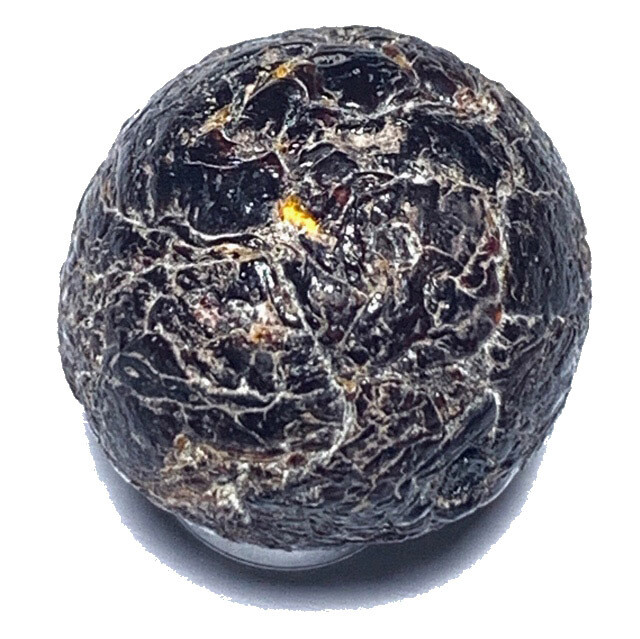
His Hwaen Hua Namo is a Classic and now very rare amulet indeed. Luang Por Phaew was Ordained at wat Tanode Luang in the year 2494 BE, with Luang Por Tong Sukh as his Upachaya Ordaining Officer. Luang Por Phaew began to study and practice Samatha Kammathāna practice and received the teachings of the Wicha Prung Ya Phaen Boran (Ancient Herbal Medicine) from Luang Por Tong Sukh, and applรed it to use in healing people of ilnesses and ailments.
In the year 2497, he gained his Batchelor's Degree in Dhamma Theory. Luang Por Phaew performed great services to maintain and develop the Temple of Wat Tanode Luang thruoughout his lifetime, such as the building of the Kuti, the Sala Bprian, and the restoration of the old Uposatha Shrineroom (Bote Maha Ud). He then began the building of the new Uposatha Shrine Room, due to the fact that the old one was very small and could not contain enough Monks as the temple grew and more monks came to stay.
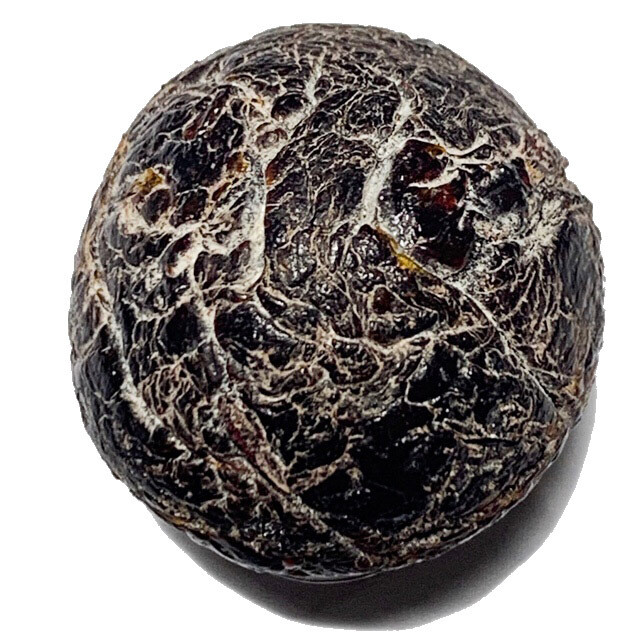
Luang Por Phaew was the closest Looksit and direct apprentice to Luang Por Tong Sukh, who was the Abbot of Wat Tanode Luang before Luang Por Phaew, and his Upachaya, and Kroo Ba Ajarn. Luang Por Phaew became the next Abbot after the passing of Luang Por Tong Sukh, and inherited the complete Dtamra of Luang Por Tong Sukh's Wicha in its entirety.
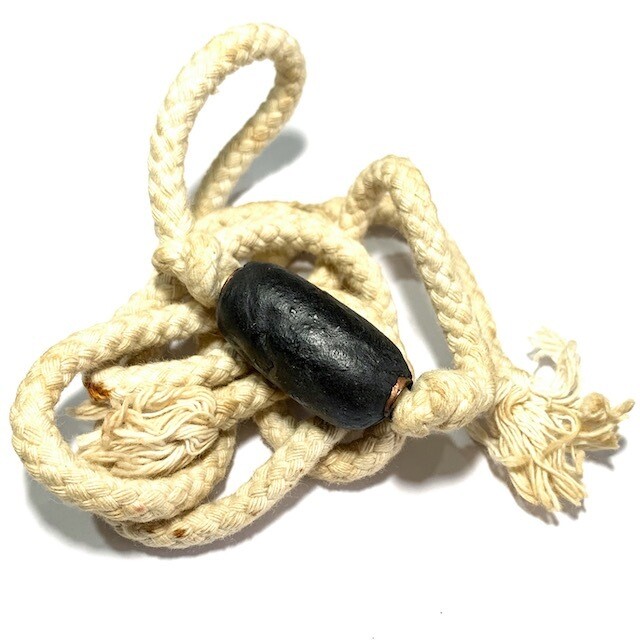
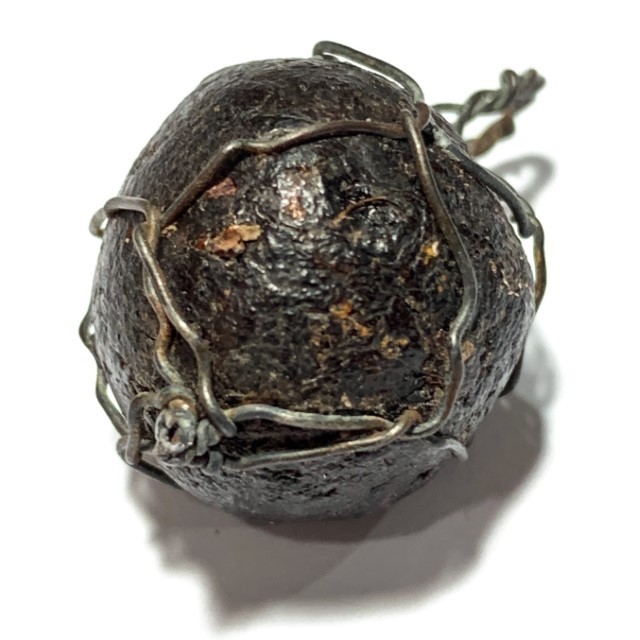
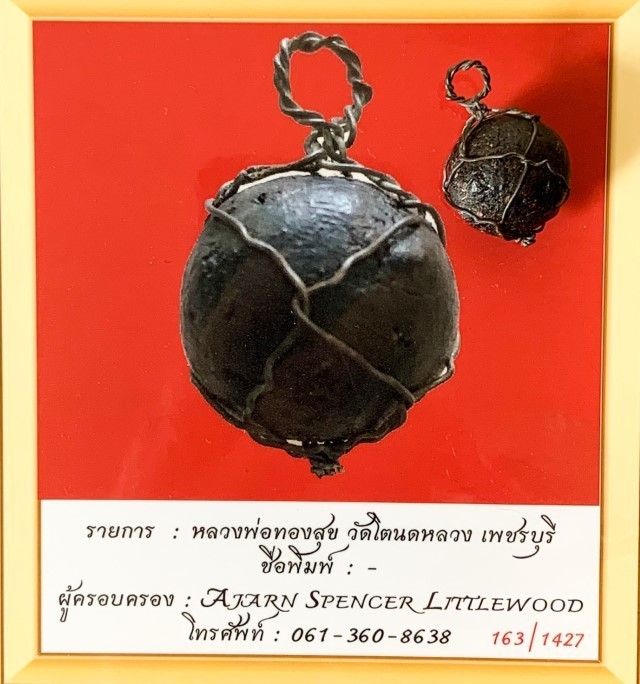
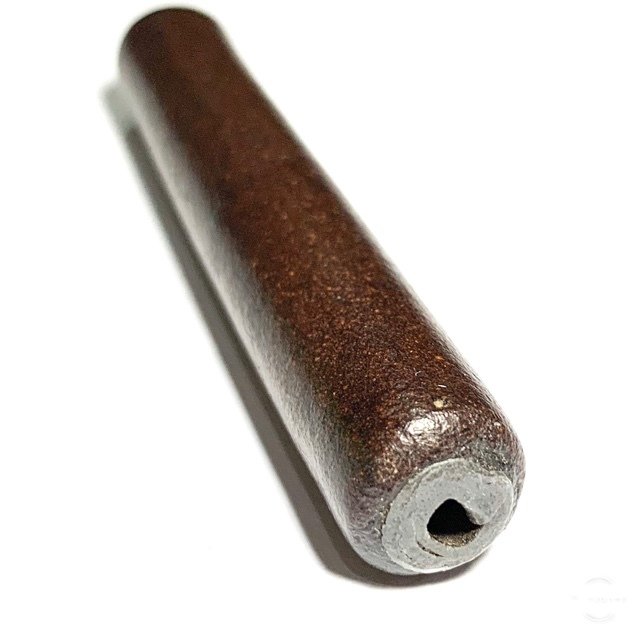
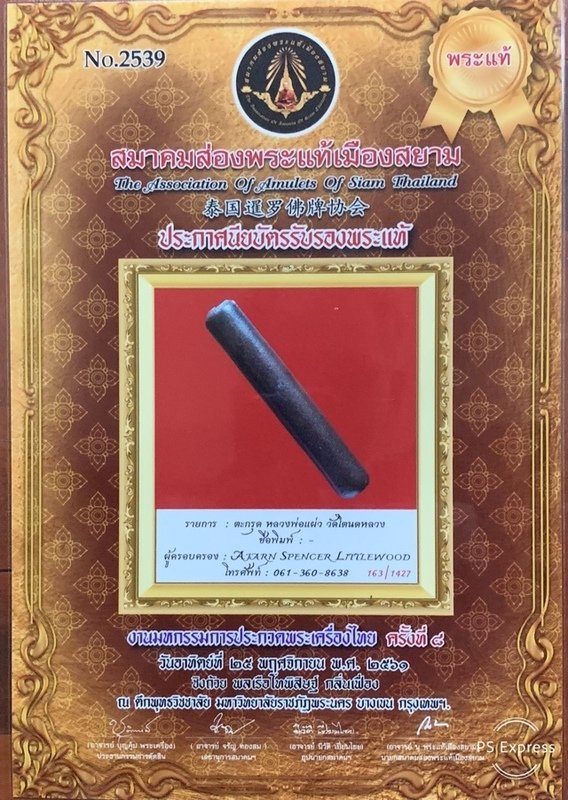
But Luang Por Phaew was a very timid and quiet Monk who tried his best not to gain fame or stand out from the crowd, which resulted in him maintaining a certain boundary to his fame, which remained within the area of Cha-Am and Petchburi Province. But those Devotees of Petchburi, were conscious and reverent of his great abilities, even during the time when Luang Por Tong Sukh was still alive.
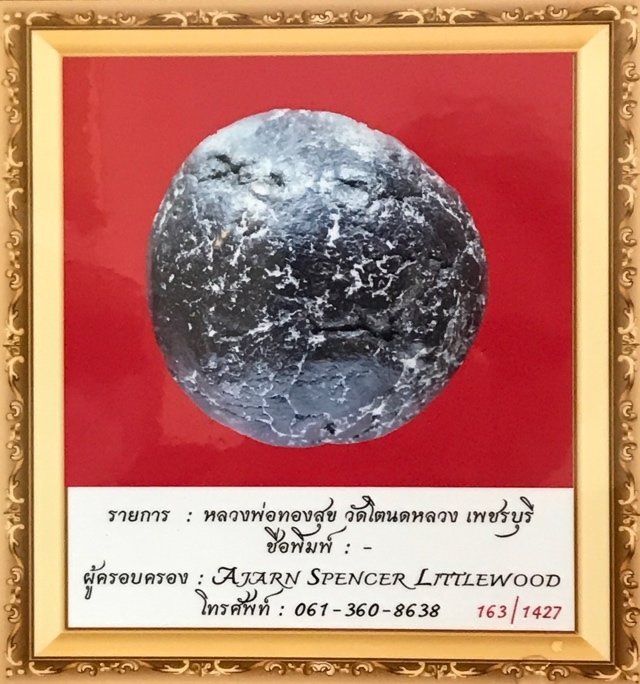
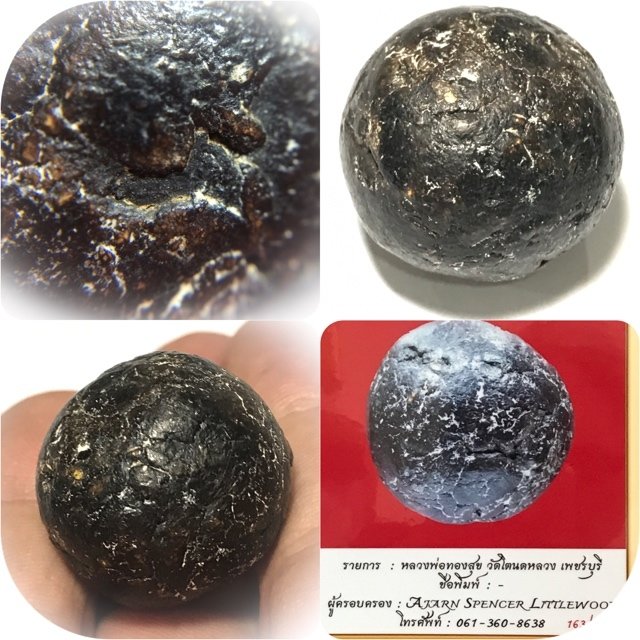
It was common knowledge that Luang Por Tong Sukh wold bestow the responsibility of amulet inscriptions and empowerment onto his Looksit Luang Por Phaew for his own editions, and let Luang Por Phaew assist and empower the amulets of Luang Por Tong Sukh, in almost every edition right up until Luang Por Tong Sukh passed away.
After the passing of Luang Por Tong Sukh, Luang Por Phaew thus continued the tradition in precisely the same style and manner as his predecessor, which eventually led to his Increased National Fame.

Luang Por Phaew Passed Away on the 18th of March 2538, at the age of 64 years Old. For this reason, his short trajectory resulted in his pantheon of amulets being smaller and much rarer than many other masters of the same calibre who led longer lives.