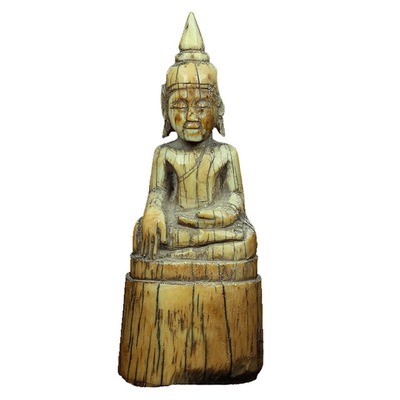
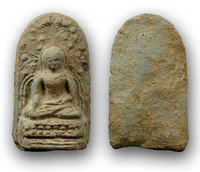
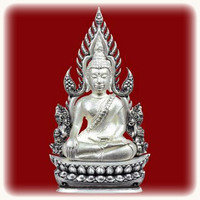
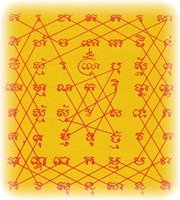
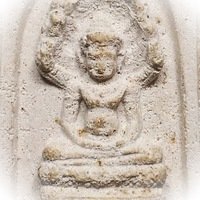
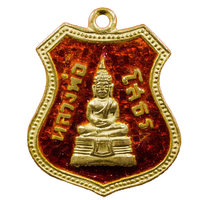
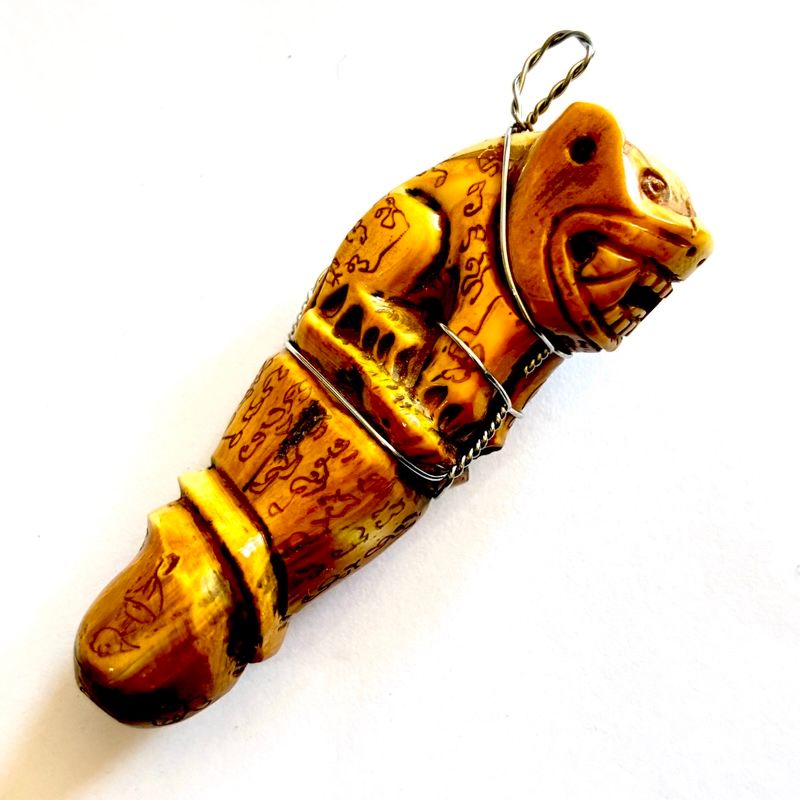
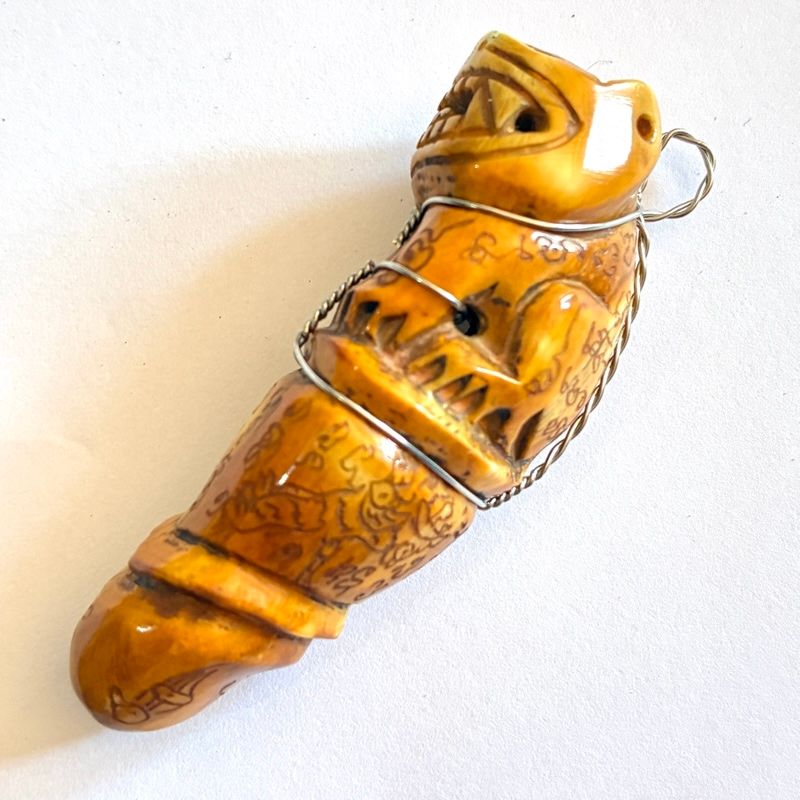
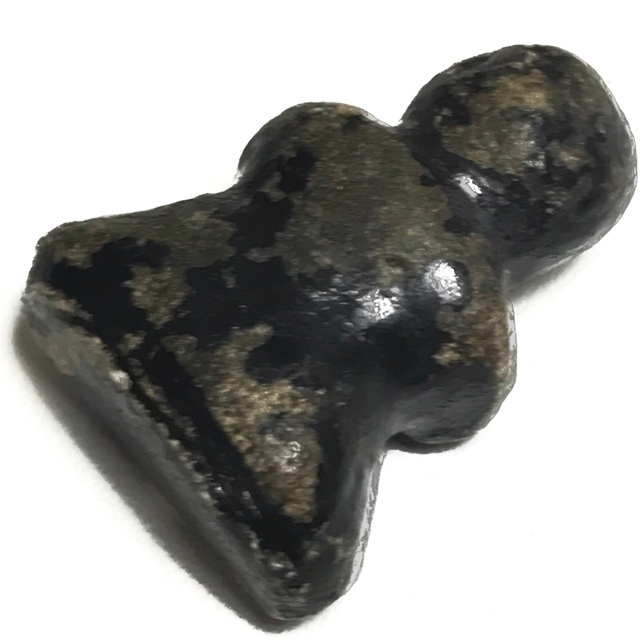
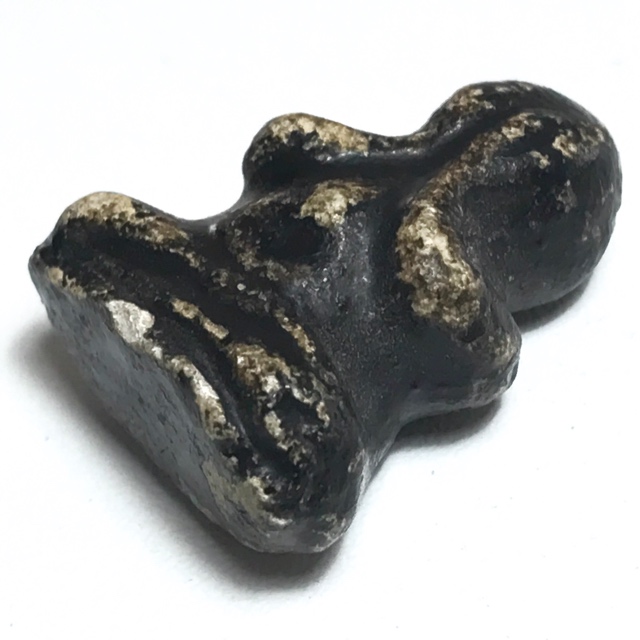
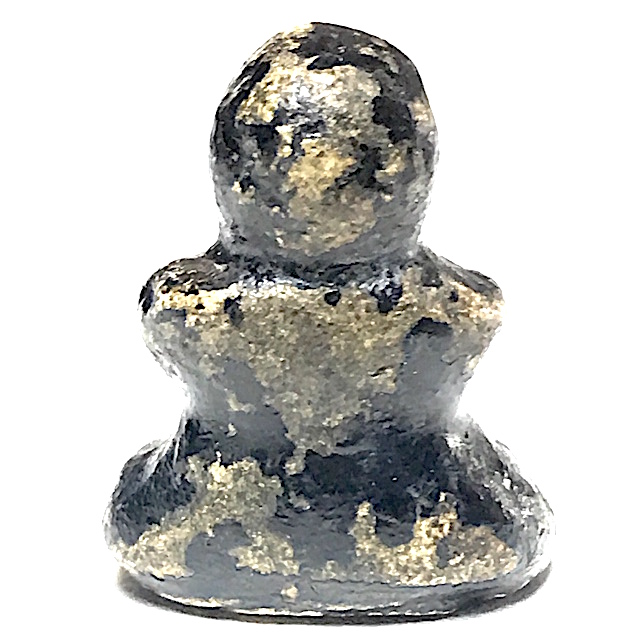
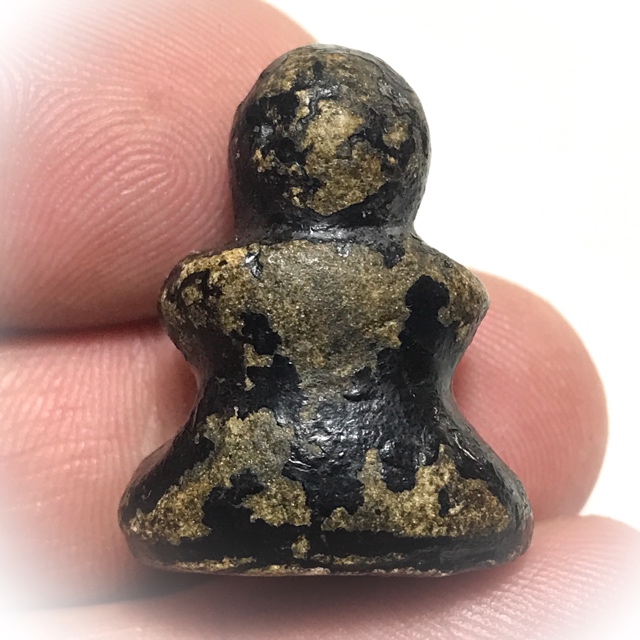
Pra Roop Muean Luang Por Thuat Nuea Krang LP Tong Sukh Wat Tanode Luang Featured

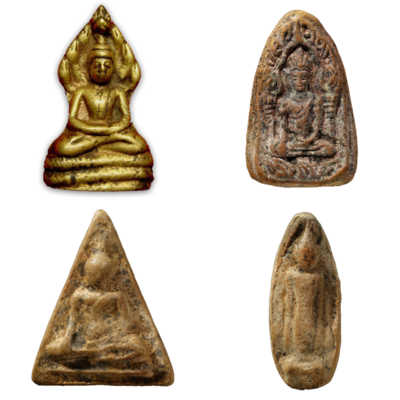
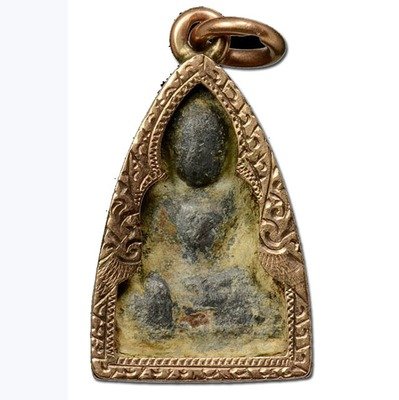
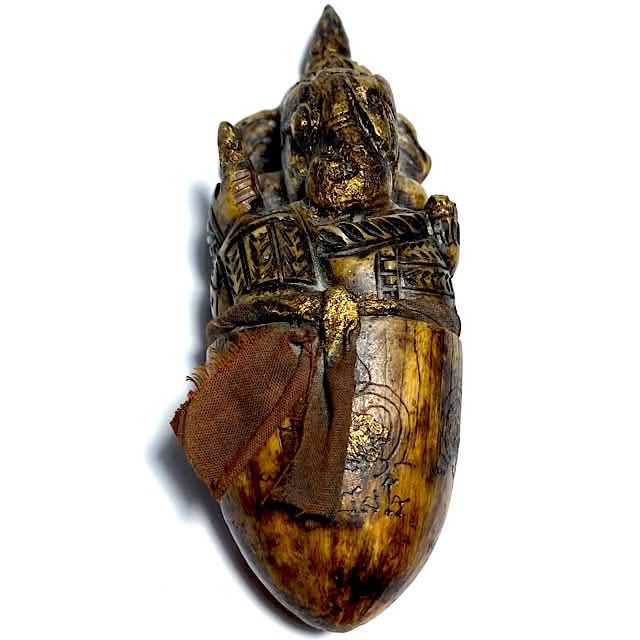
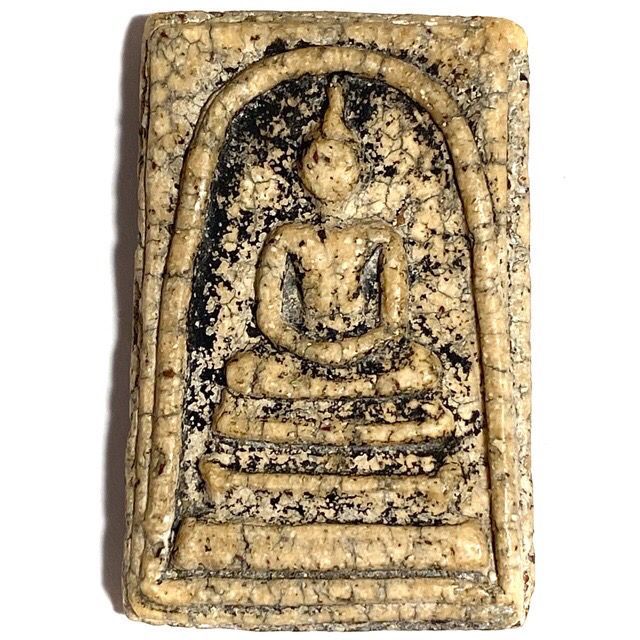
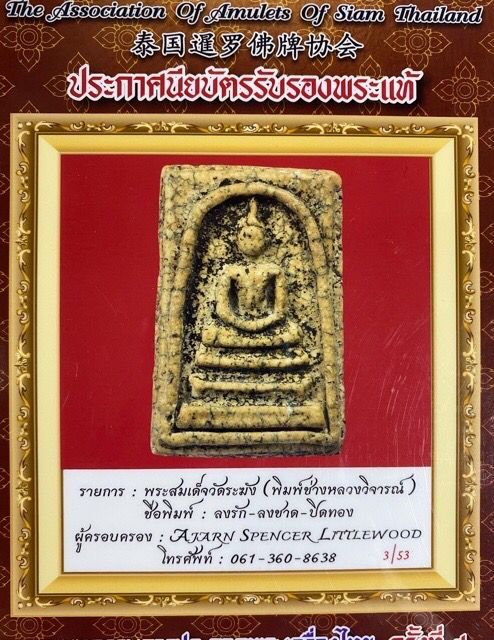
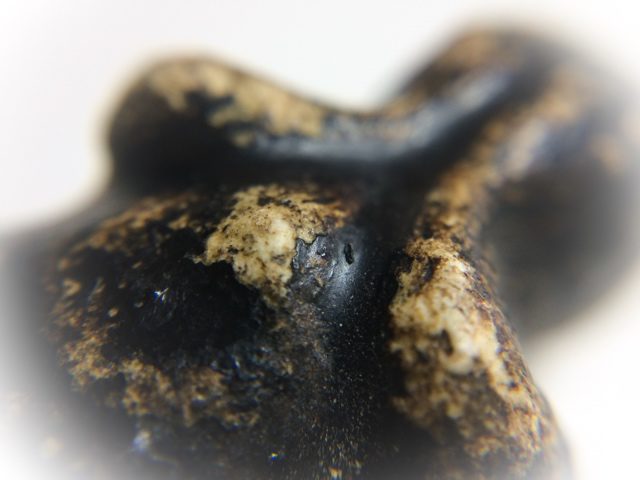
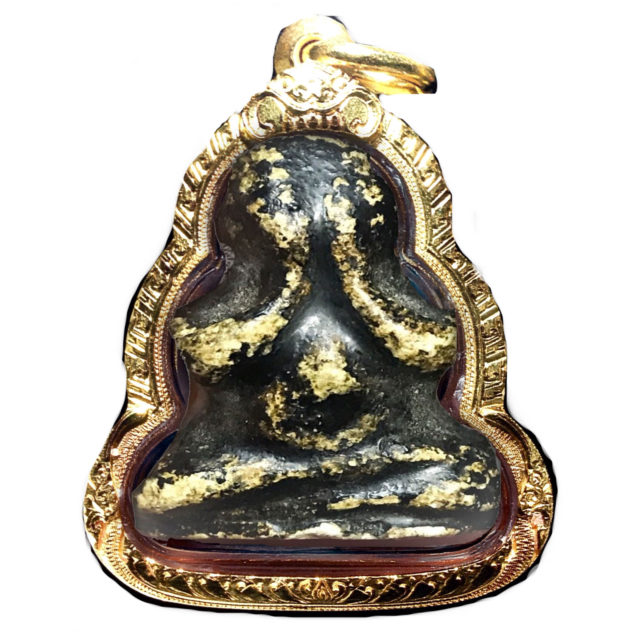
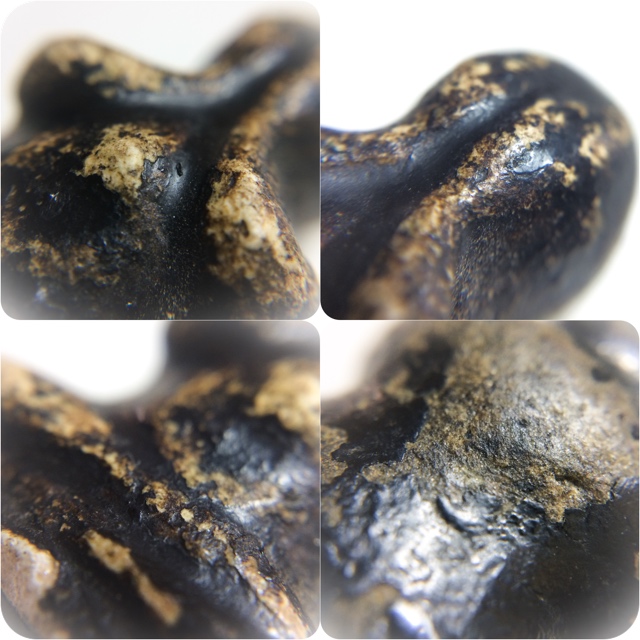
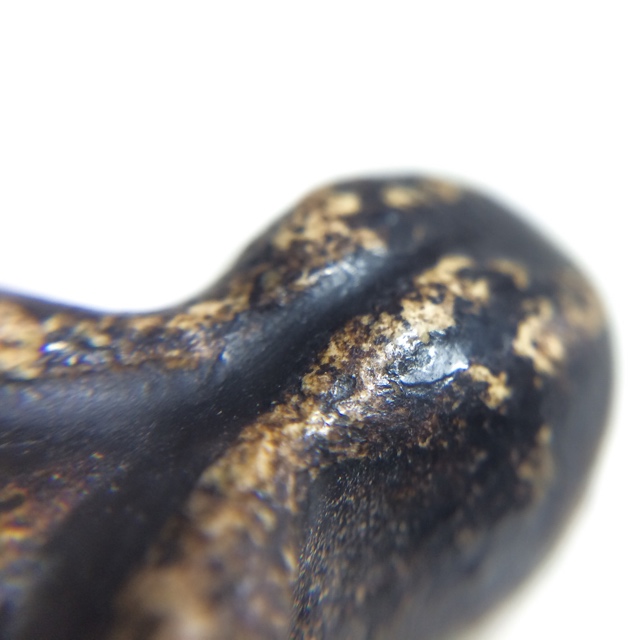
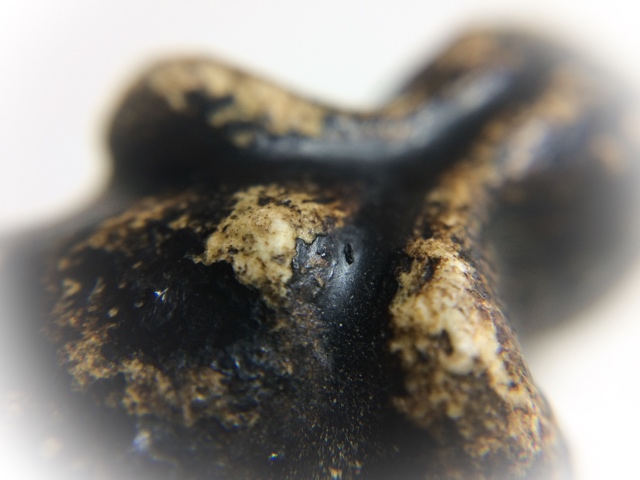
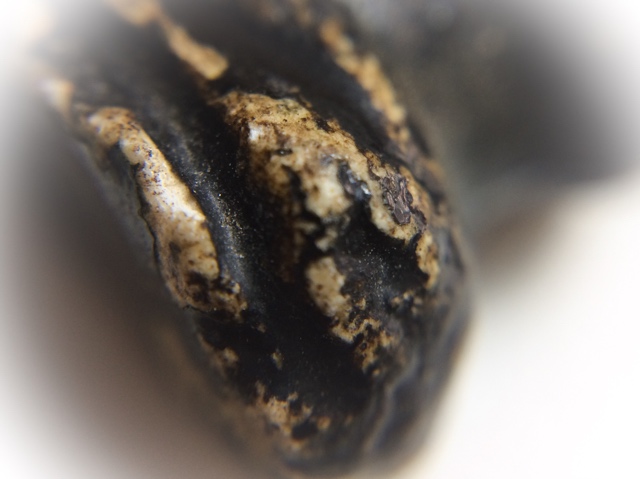
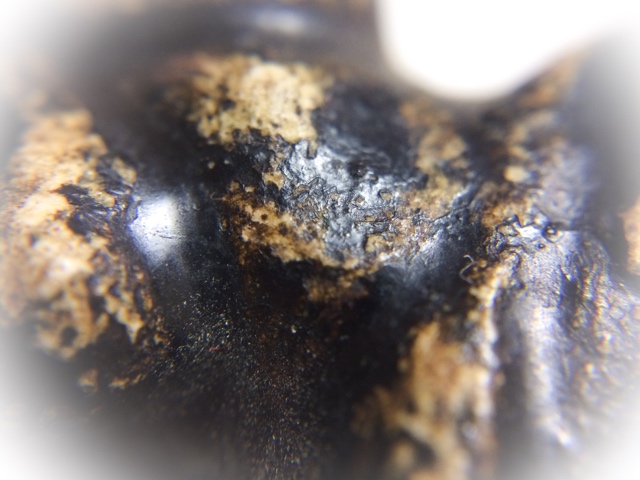
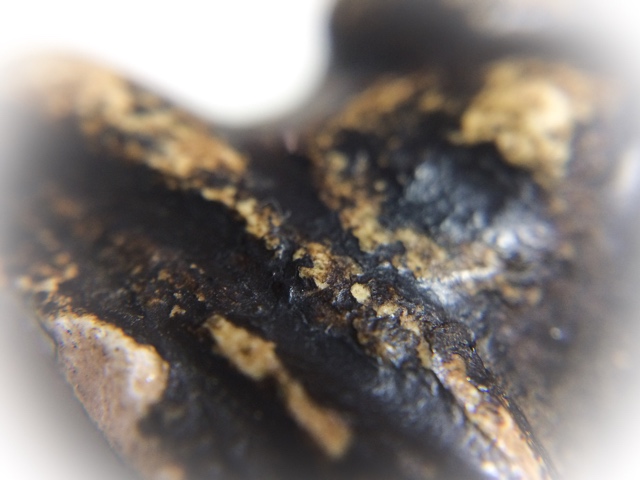
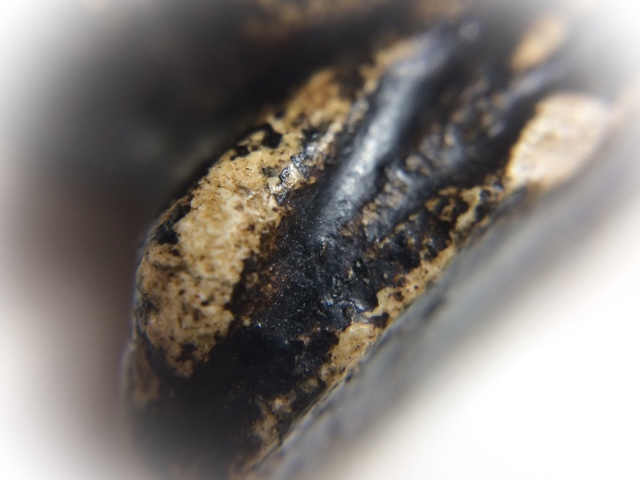
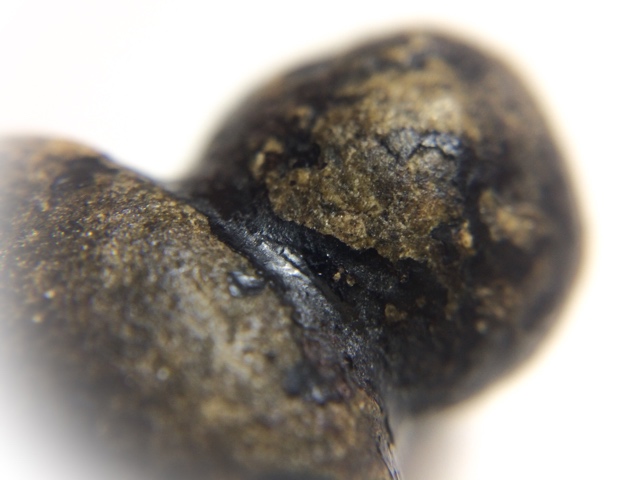
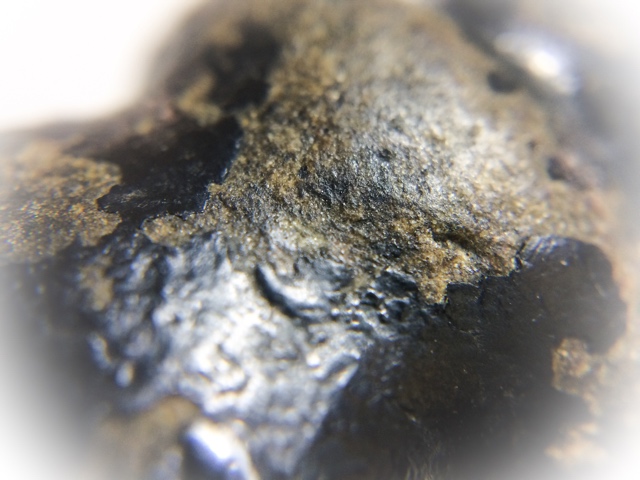
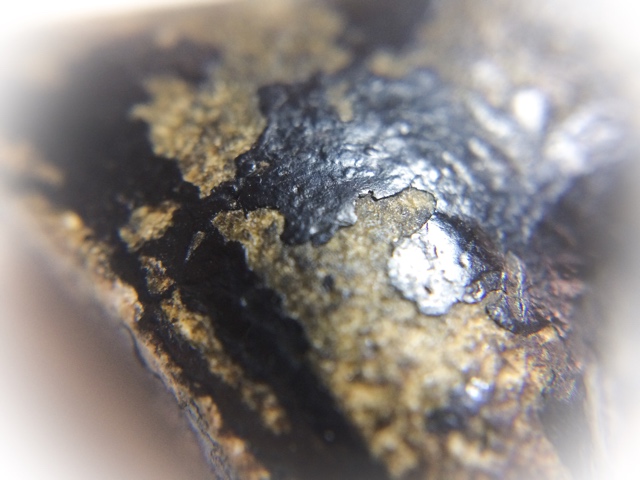
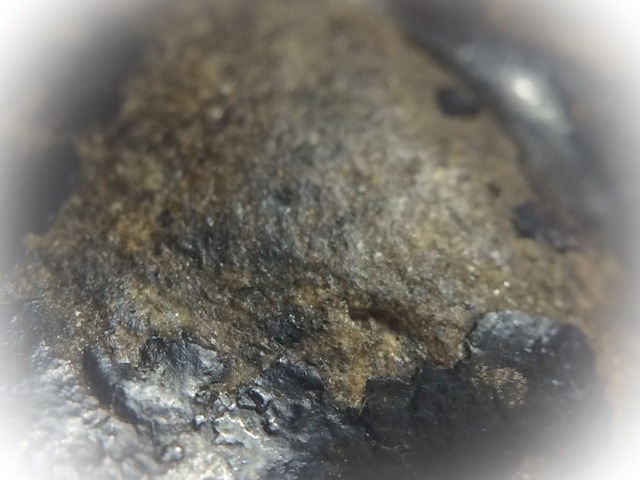
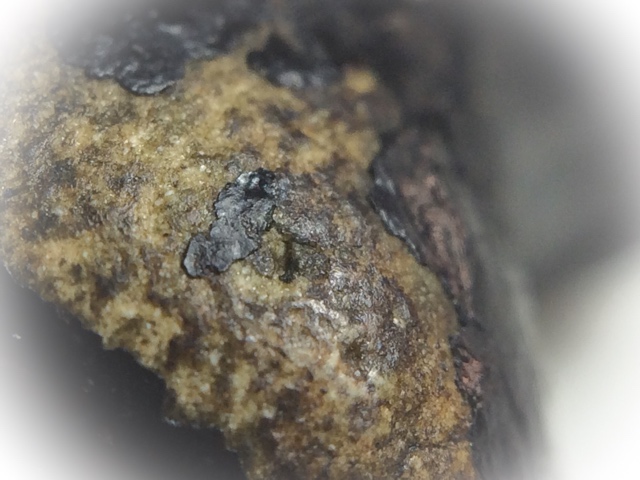
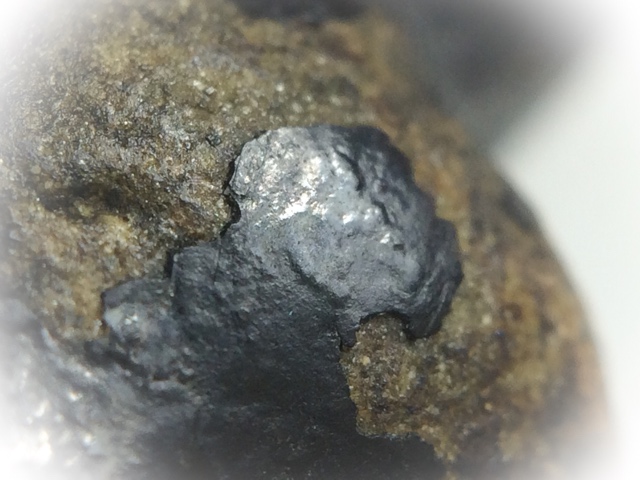
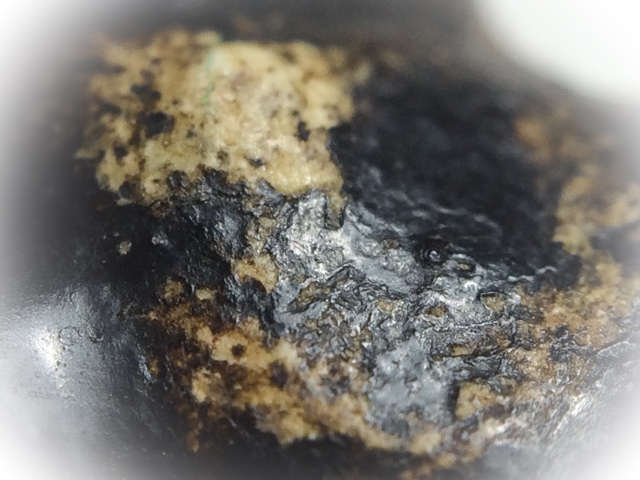
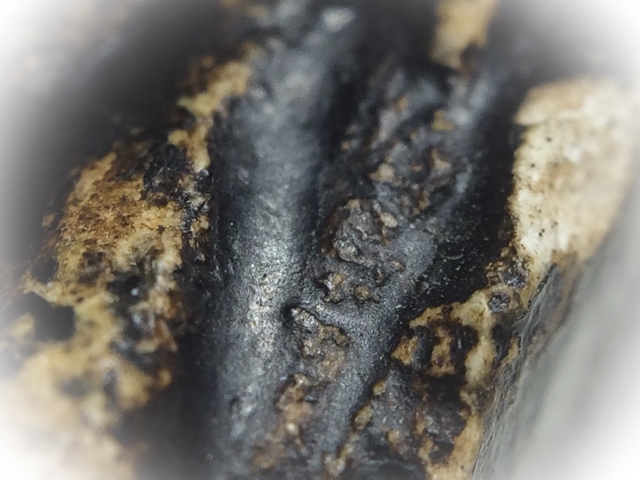
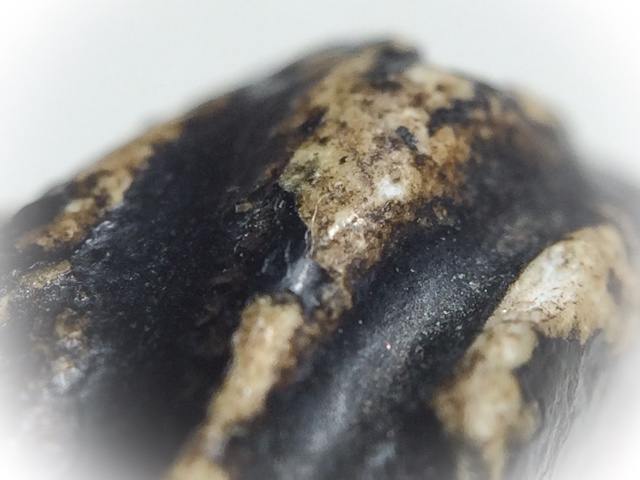
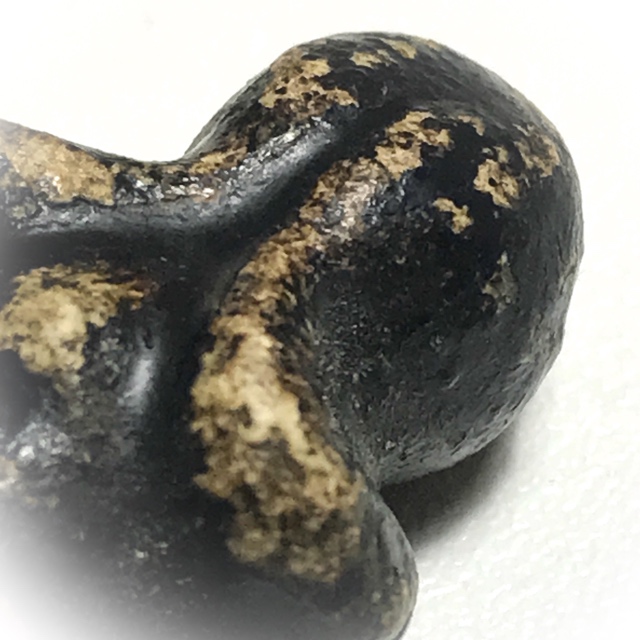
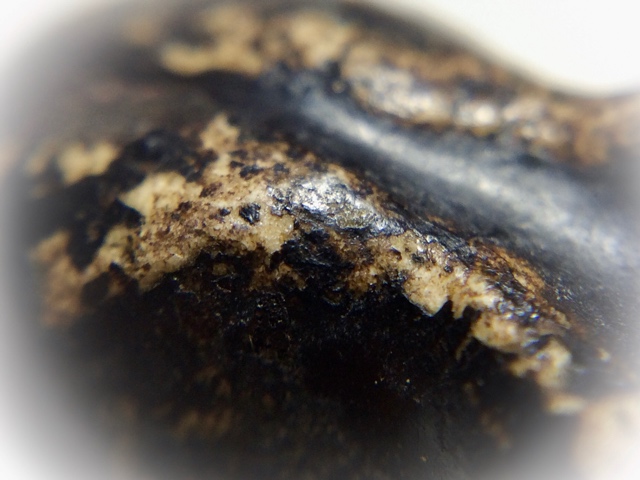
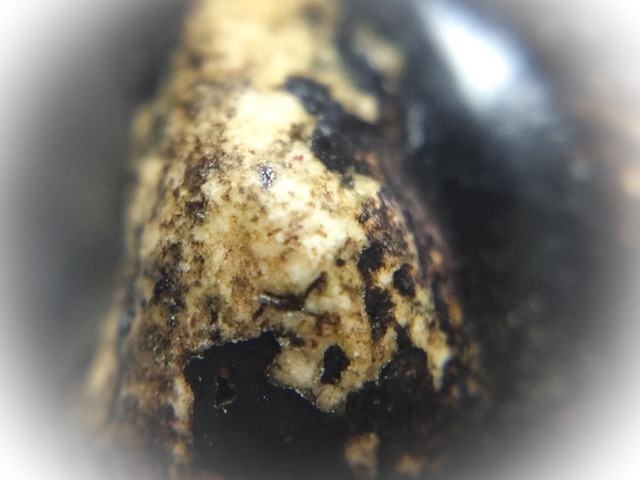
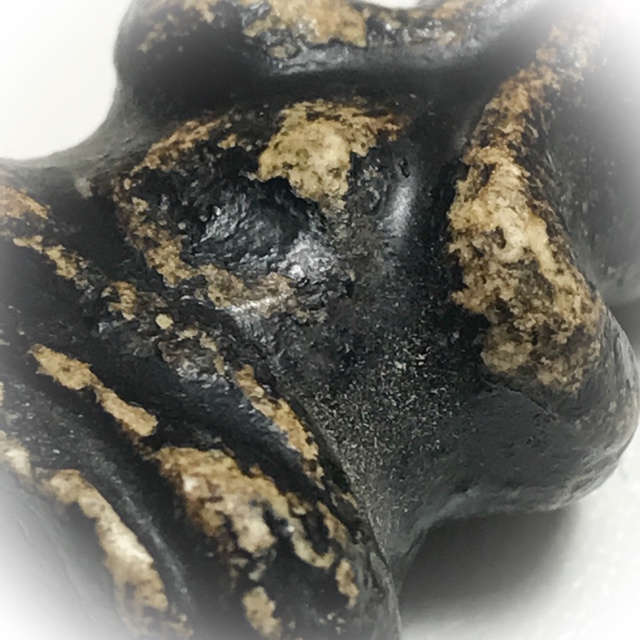
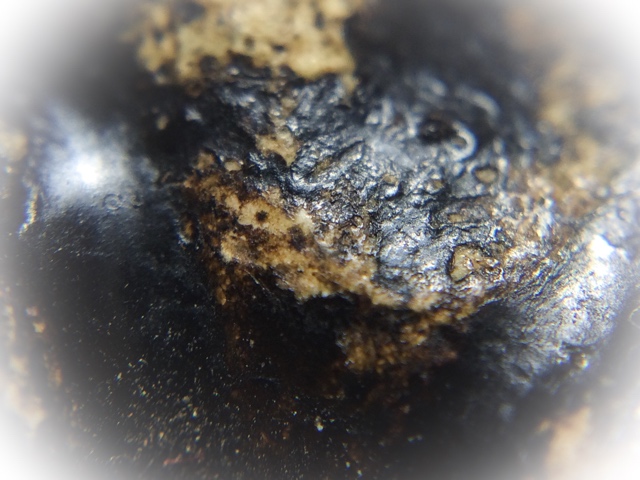
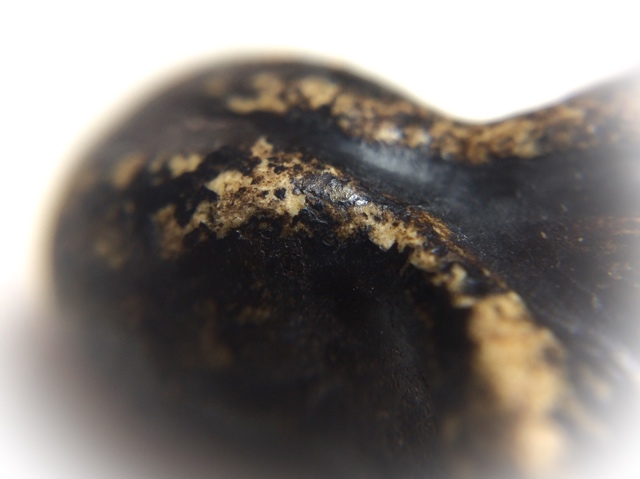
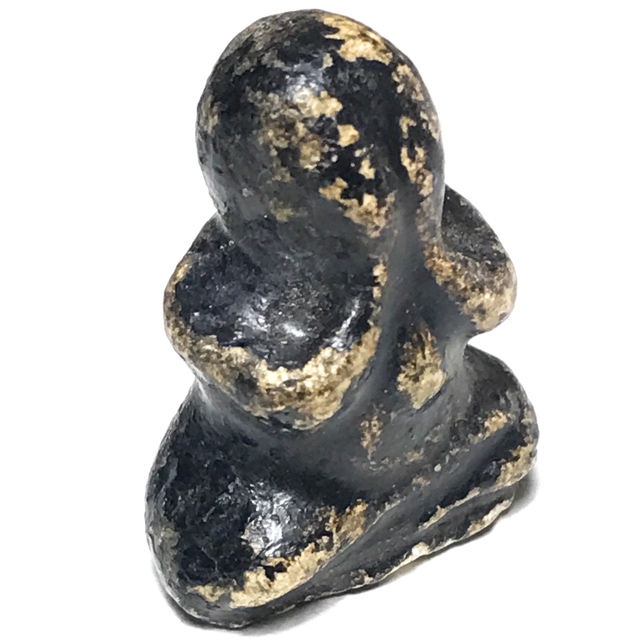
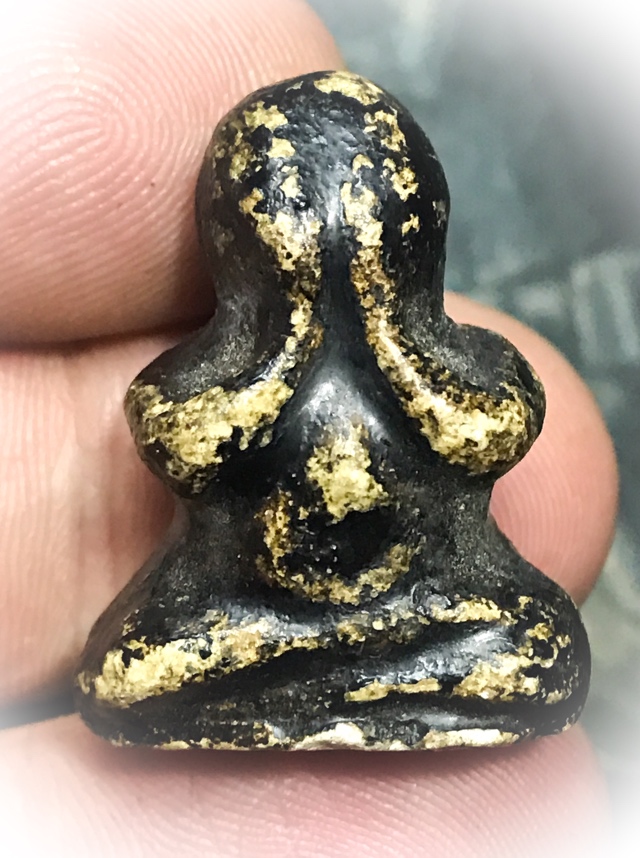
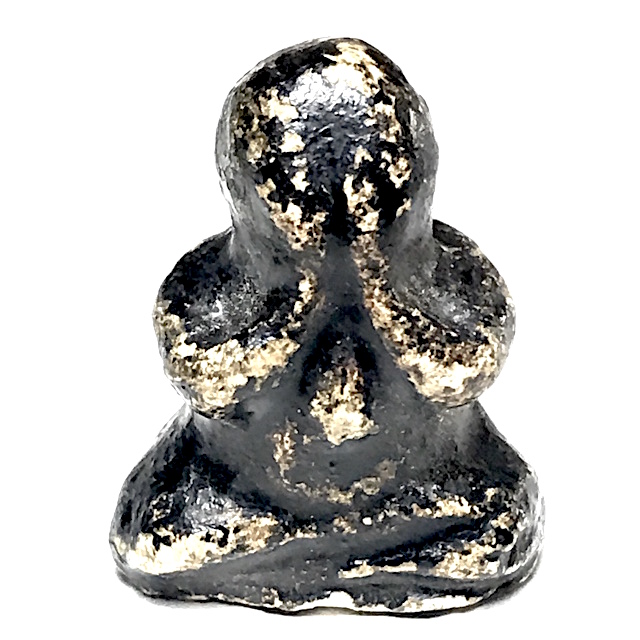
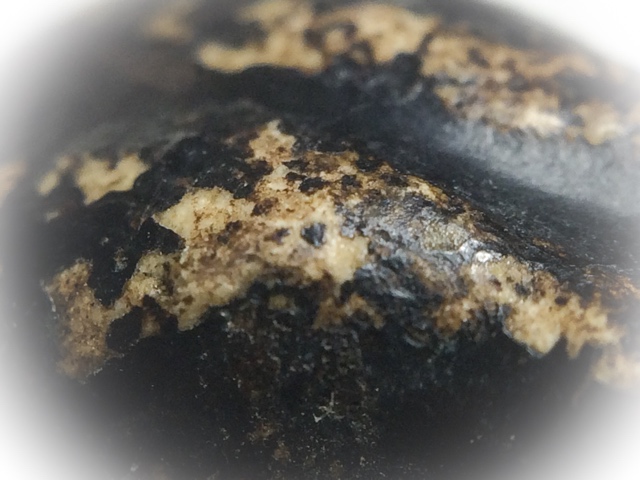
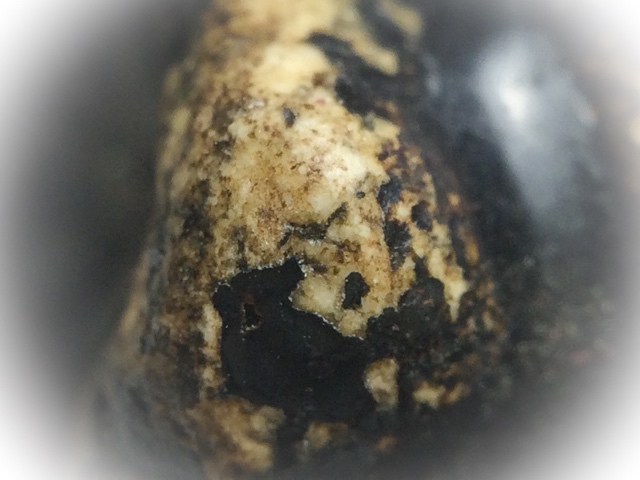
A very rare exhibit that is hardly ever encountered in the rpesent day, the Pra Pim Tao Rit Luang Por Thuat Wat Chang Hai, of Luang Por Tong Sukh. This amulet is renowned for its Extremely rich Nuea Krang Sacred Stingless Beepaste, and Putsa Paste Magical Muan Sarn, this amulet is most certainly a ‘Dtua Kroo’ (‘Teacher Model’ instantly recognizable and hence usable as reference of authenticity) This exhibit of the Pra Luang Por Tuad Pim Tao Rit in Nuea Krang, and a very beautiful early era amulet of Luang Por Tong Sukh,of Wat Tanode Luang. The amulet is in Nuea Pong Pasom Krang Kluk Rak, resinous sacred muan sarn, visibly aged, compliant with Krang or Lacquer from this Era. One of the most highly renowned and powerful amulets of the Great Master of Olden days, Luang Por Tong Sukh, of Wat Tanode Luang, in Petchburi.

Luang Por Tong Sukh was born in 2420 BE, and lived 80 years, until his passing in 2500 BE. He was, and remains in History, as one of the top masters of all time of the Petchburi region. whose powers of Kong Grapan Chadtri Klaew Klaad and Maha Amnaj were legendary. He made a number of different varieties of amulets, many of which are found in the high end Tamniab Wadthu Mongkol Pra Niyom (official catalogues of preferred amulets of the National Amulet Appreciation Societies).


 

Free Registered Air Parcel Shipping Worldwide

Free Registered Air Parcel Shipping Worldwide is Included with this Amulet, along with the offer of free Waterproof Casing if desired. Many of his amulets are eminent figureheads of the Pra Niyom Master Class category of amulets, and are extremely rare items to find.

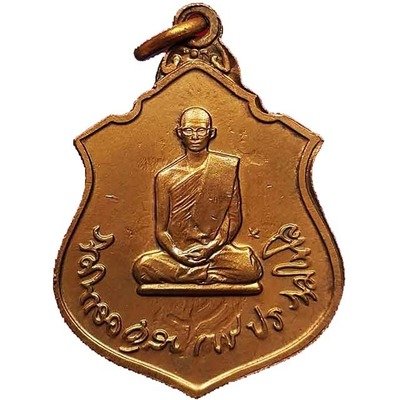
Luang Por Tong Sukh was the Kroo Ba Ajarn of many other Great Monks of the following Generation, who are now famous names in their own right, beginning of course with the most obvious, Luang Por Phaew, Abbot of Wat Tanode Luang. It was Luang Por Phaew who inherited his Magical Wicha and also the Administration of the temple of Wat Tanode Luang as its Abbot. The Nuea Krang amulets of Luang Por Tong Sukh Wat Tanode Luang, are often found to be made from the famous Krang Putsa Magical Resinous Paste of the great Master Sorceror Monk of Wat Tanode Luang. Among the amulets with most preferred and holding renowned fame are the Takrut Pork Krang, the Look Om Nuea Krang, Pra Roop Muean LP Tong Sukh, and Pra Roop Muean Luang Por Tuad. Sometimes one may see a Sacred Guru Monk Coin of LP Tong Sukh with Krang paste on the rear face too (very rare indeed). Other amulets include of course Pra Rian Momk Coins, and his world-famous Hua Hwaen Na Bad Dtalord Magic Ring.

Luang Por Tong Sukh was also the Kroo Ba Ajarn of many of the Top Masters of the Era which followed him, including the Great Luang Por Jang, and of course of Luang Por Phaew, the abbot who succeeded him. The amulets of Luang Por Tong Sukh are incredibly rare, and carry a relatively high price-tag, enough to demand faith in his amulets, but still affordable to any serious collector who seeks an amulet of the calibre of Luang Por Tong Sukh.

The list of great masters who studied and practiced under Luang Por Tong Sukh were;

Luang Por Un (Wat Tan Gong – now Deceased), Luang Por Huan (Wat Nikom Wachiraram – now Deceased), Luang Por Yid (Wat Nong Jork – now Deceased), Luang Por Jantr (Wat Mareuka Tayawan – now Deceased), Luang Por Nim Mangkalo (Wat Khao Noi – now Deceased), Luang Por Yorn (Wat Tanode Luang – now Deceased), Luang Por Phaew (Wat Tanode Luang – now Deceased), Luang Por Thaem Silangwaro (Wat Chang Taeng Grajat), Luang Por Heng (Wat Huay Sai Dtai, and Pra Ajarn Ji, of Wat Nong Hwaa

Amulets :

The most famously powerful and highly sought after amulets of Luang Por Tong Sukh in his lifetime were;

1. His Sak Yant tattoos. His Look Om Nuea Krang Ying Mai Ork Gunstopper Sacred Powder Ball ‘Bonbon Amulet’. One of the rarest kinds of Look Om of all to be found in the Pra Niyom Category of amulets. Reputed to have saved the lives of many devotees through gunstopper magic.

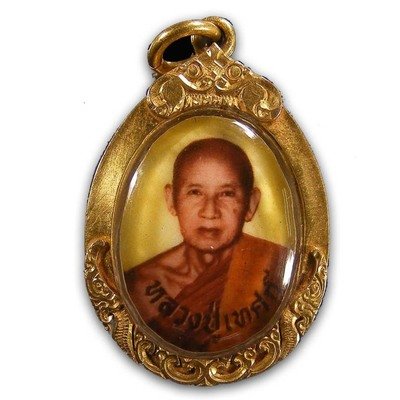
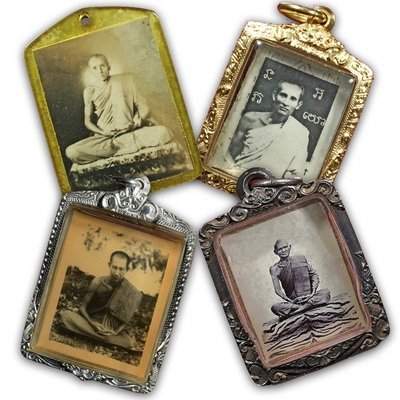
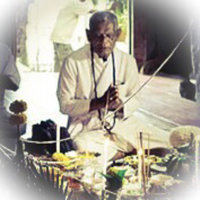
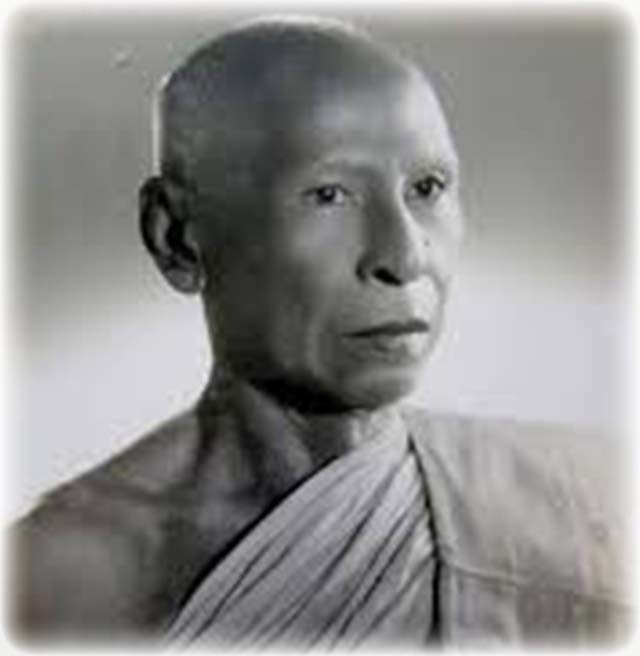
Below : Luang Por Tong Sukh and his famous Krang Putsa sacred resinous Substance

2. The first and second edition Rian Kanajarn Luang Por Tong Sukh Monk Coin, renowned for Kong Grapan Chadtri Maha Ud Klaew Klaad Protective Miracles, with extra power to protect against poisonous beasts in a spell written on the rear face.

Below : 1st edition monk coin Luang Por Tong Sukh


Below : 2nd edition monk coin Luang Por Tong Sukh

Rian Luang Por Tong Sukh

3. The Hwaen Hua Na Bad Talord Gan Asurapit Luang Por Tong Sukh Magic Ring of Protection, with special ability to defend against all Poisons, Venomous or Wild Animals. highkly renowned for its rare power to guard against wild beasts and poisonous plants and animals. Extremely rare to encounter. This Wicha continued to be famous with Luang Por Phaew, who inherited the Wicha from Luang Por Tong Sukh, and whose Hwaen Hua Na Bad Dtalord rings are almost equally famous, but much more affordable.

Below; Hwaen Hua Na Bad Dtalord Luang Por Tong Sukh

4. The Takrut amulets of Luang Por Tong Sukh are various, and serve different purposes, ranging from the Takrut Jet Dork (7 scrolls on a cord) for Multiple Blessings, the Takrut Sam Kasat (triple Takrut with bronze, silver and brass concentric scrolls) , for Kong Grapan Chadtri, the Takrut Klord Ngaay, for easy childbirth without pain, and the Takrut Sariga for Mercy Charm and Prosperous Business.
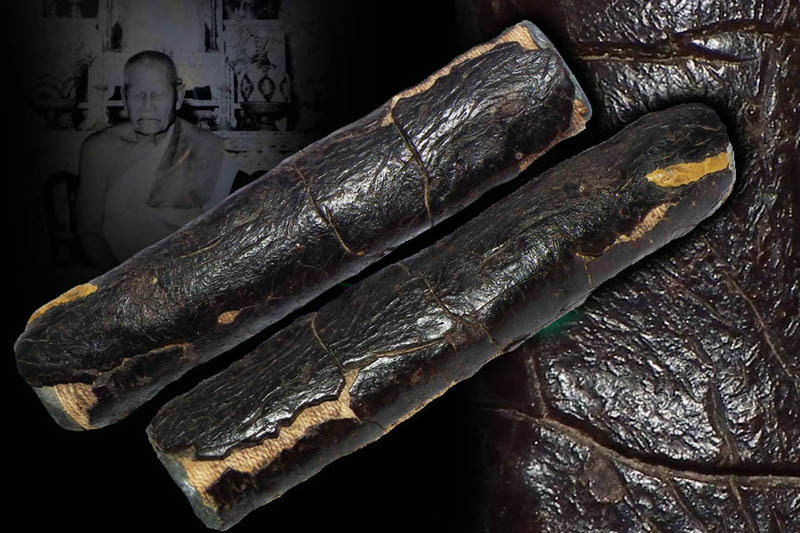
Below; Various types of Takrut from Luang Por Tong Sukh

Miracles

One of the more famous folk tales about the miraculous powers of Luang Por Tong Sukh, is the story of the ability to inscribe Sacvred Yantra Spells on the surface of material objects with his Psychic Powers; One time Luang Por was at Wat Ta Kham, and soime devotees came to beseech him for some ‘Ya Dtom’ Healing Potion from him. To make this potion, Luang Por required some Bai Magaa leaves, which needed to also be pre-inscribed with the Yant Pra Jao Ha Pra Ongk (Na-Mo-Put-Yaa-Ya). So Luang Por Tong Sukh sent his Samanera Novice apprentice monks out to collect some, and help him inscribe them all before boiling the potion.

Luang Pu Thuat amulet LP Tong Sukh

Luang Por asked the Samaneras to help him inscribe the Yant on each leaf of the Magaa tree. But the Samaneras were taking a long time to inscribe the yantra on each single bai magaa leaf, and so Luang Por exclaimed ‘This is going to take all day, bring all the leaves over to me in a pile on top of each other and i’ll finish the job’

Luang Por Tong Sukh Wat Tanode Luang

The Samanera carried the leaves to Luang Por and gave him a pile of about 20 leaves in his hand. Luang Por then inscribed the top leaf performing incantations, and lo and behold, as he gave the pile back to the Samanera, every single leaf was inscribed with the Yant Pra Jao Ha Pra Ongk!!


Important Ceremonies

Luang Por Tong Sukh was present to empower amulets in some of the most important and powerful blessing ceremonies in the History of Thai Buddhism, invited by a high ranking official of government to attend to bless with his powers, in the ceremonies of Wat Rachabopit for the 2495 BE Mongkol Gao edition and the Pra Kring Yord Hmud with 18 other Great Masters. Luang Por Tong Sukh also attended the Ceremony to bless the Military and distribute amulets in the Great Indo-China war ceremony. Luang Por Tong Sukh was also one of the many Masters present to empower the large series of amulets blessed in the celebration of 2500 years of Buddhism, the ‘Yee Sip Haa Satawat’ 25 Centuries Edition

Filters

Filters
Sold out
Takrut Tone Ying Mai Ork Pork Nuea Krang 2 x 1.2 Cm Luang Por Tong Sukh 2470 BE
Small Version of Luang Por Tong Sukh's Legendary Takrut Pork Krang Amulet, that is extremely rare to find in this size.
SKU 04228
$135
Out of stock


Luang Por Tong Sukh Intachoto, who was later bestowed the ecclesiastical title Pra Kroo Pinit Suttakun, was an immensely revered monk of Phetchaburi Province, and abbot of Wat Tanode Luang. He has long been revered by local communities and devotees in nearby regions, particularly among those who place faith in amulets connected with Maha Ud, Klaew Klaad (Pronounced ‘Klew Klaart’), Kong Grapan Chadtri (Pronounced ‘Kong-Grapan-Char-Tree) protection, invulnerability, and danger avoidance.

LP Tong Suk Intachoto

According to historical accounts consistently found across Thai-language sources, Luang Por Tong Sukh was a monk strict in monastic discipline and deeply accomplished in protective esoteric knowledge (wicha). His mastery belonged to a traditional central-Thai lineage emphasizing kong grapan, klaew klaat, and maha ud. He played a significant role in the administration, restoration, and support of Wat Tanode Luang during a period when social conditions were unstable and personal security was a major concern for the local population.

His reputation became especially prominent during the mid-20th century. At that time, his amulets were widely sought by individuals in high-risk professions such as local toughs, gunmen, police officers, and soldiers. This reflects the social realities of the era rather than an endorsement of such lifestyles, and provides historical context for the strong belief in the protective and invulnerable qualities attributed to his sacred objects.
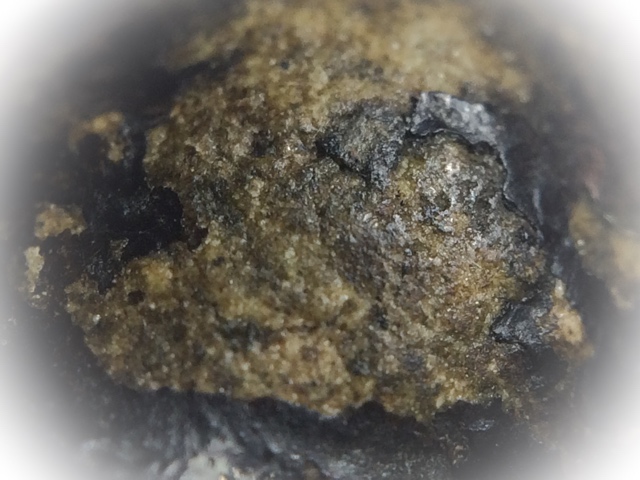
The sacred amulets attributed to Luang Por Tong Sukh, that are consistently recognized in Thai sources can be categorized as follows.
First, coin amulets of Luang Por Tong Sukh. The most important and widely accepted is the second generation coin, created in Buddhist Era 2498 (1955). This coin is regarded as the principal amulet of the Wat Tanode Luang lineage. It was produced in several metals, including copper, silver, and gold. Copper examples are the most commonly encountered and are the most popular in the collector market.

Rian Luang Por Tong Sukh

A key point of classification is the die detail of the vowel “I” above Luang Por Tong Sukh’s name. These are divided into the “I touching the rim” type and the “I floating” type. The “I touching the rim” variety is regarded as the popular block and commands higher demand. The attributed powers repeatedly cited are maha udom, kong krapan, klaew klaat, and good fortune, with many experiential accounts traditionally associated with these coins, especially within Phetchaburi and surrounding provinces.

Takrut Luang Por Tong Sukh Pork Krang

Second, takrud amulets. These include lacquer-coated takrud and takrud associated with protective and Sariga (celestial magpie pronounced ‘Saa-ri-gar) bird Wicha related traditions. They are typically metal sheets inscribed with sacred formulas, rolled into tubes, and coated with lacquer or ritual substances according to established formulas. Their primary attributed qualities are protection, danger avoidance, and charm. Sizes and forms vary depending on the period of creation.

Third, look om and look sakot krang. These are small bead-like charms made from lacquer or herbal mixtures prepared according to traditional methods. They are intended for personal carrying and are believed to provide general protection and safety. These items are usually handmade and do not follow standardized molds.

Fourth, krang-based powder amulets. These are folk-style molded amulets made from powder or lacquer-based materials. Thai sources describe them as having been distributed on specific occasions within the temple or to close disciples, rather than produced in large commercial quantities.

After the passing of Luang Por Tong Sukh, the lineage of his wicha at Wat Tanode Luang continued through his principal disciple, Luang Por Phaeo. Luang Por Phaeo was the prime apprentice (looksīt) of Luang Por Tong Sukh and later became abbot of Wat Tanode Luang. He is widely recognized as the direct inheritor of Luang Por Tong Sukh’s ritual knowledge, protective formulas, and consecration methods, ensuring continuity of the temple’s spiritual lineage rather than a break or reinvention.

Luang Por Phaeo’s role was not merely administrative. Thai sources consistently describe him as actively practicing and transmitting the same core wicha of protection and invulnerability learned directly from his master. This continuity is an important factor in how collectors and devotees understand the posthumous legacy of Luang Por Tong Sukh.

The sacred objects of Luang Por Phaeo of Wat Tanode Luang, as recognized in Thai collector circles, include coin amulets issued during his abbacy, takrud prepared according to the Wat Tanode Luang lineage, and other consecrated objects created for temple construction, merit-making, or specific ceremonial occasions. These items are generally regarded as lineage extensions rather than substitutes for the original-era amulets of Luang Por Tong Sukh and their value and status are assessed accordingly.

Within the Thai amulet market, Luang Por Tong Sukh’s amulets—especially the second generation coin—are firmly established as core items of the Phetchaburi lineage. They are often sought as companion pieces to the first generation coin of Luang Por Daeng of Wat Khao Bandai-It, a contemporary monk from the same regional and temporal sphere of belief.

Market value varies greatly depending on condition, metal, and die type. Coins in original, well-preserved condition and of popular dies command significantly higher value. Price figures commonly cited in Thai sources function as general market references rather than fixed or guaranteed valuations.

Luang Por Tong Sukh (official name: Pra Kroo Pinit Suttakun) of Wat Tanode Luang, was a historically  famous and incredibly highly revered holy sorcerer-monk, whose amulets possess a distinct lineage identity, focused and centered on his famous protective wicha. That lineage continued directly through his prime disciple Luang Por Phaeo, ensuring continuity of ritual mastery and consecration practice at Wat Tanode Luang. The information presented here represents the core body of knowledge consistently shared across Thai language sources and reflects the generally accepted framework within the Thai amulet community.

Filters

Filters
Sold out
Takrut Tone Ying Mai Ork Pork Nuea Krang 2 x 1.2 Cm Luang Por Tong Sukh 2470 BE
Small Version of Luang Por Tong Sukh's Legendary Takrut Pork Krang Amulet, that is extremely rare to find in this size.
SKU 04228
$135
Out of stock


The Pra Pid Ta Wat of Sapan Sung Temple, is a Dtamra (legendary series) that spans over various generations of abbots, all of whom have managed to gain equal fame and high repote for their Pra Pid Ta amulets, all of which preserve the style and methods of the original Wicha made so famous by Luang Phu Iam.

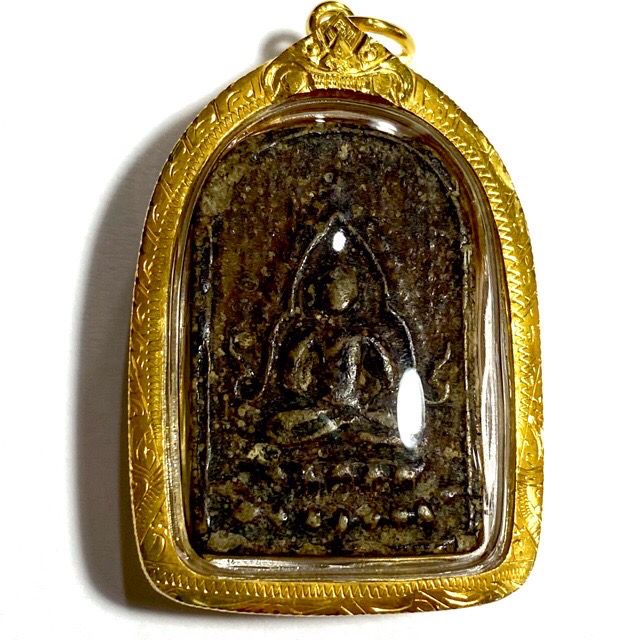
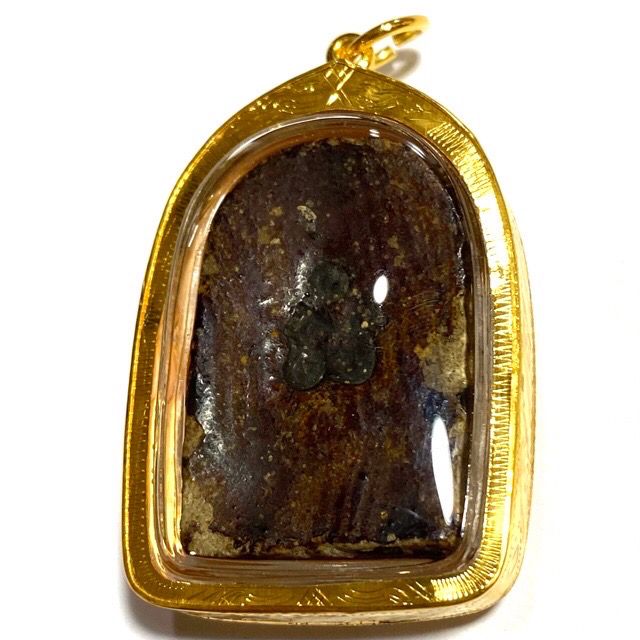
Ancient Amulet Proudly Presents the all time classic Pra Pid Ta Pim Chalud Nuea Pong Jum Rak amulet of Luang Por Tong Sukh. An Ancient Pra Niyom Master-Class Amulet made using Sacred Yantra Powders, and ‘Jum Rak’ lacquer dipped. An eternal favorite of devotees around the world, from Luang Por Tong Sukh of Wat Sapan Sung

All editions of Pra Pid Ta Wat Sapan Sung are highly sought after. and seen as preferred Master Class category amulets (Pra Niyom), regardless from which Master they came from.

Pra Pid Ta Pim Tapap Luang Por Tong Sukk Wat sapan Sung Nuea Pong Jum Rak

Pra Pid Ta Pim Chalud Luang Por Tong Sukk Wat sapan Sung Nuea Pong Jum Rak

The Pra Pid Ta Wat of Sapan Sung Temple, is a Dtamra (legendary series) that spans over various generations of abbots, all of whom have managed to gain equal fame and high repute for their Pra Pid Ta amulets, all of which preserve the style and methods of the original Wicha made so famous by Luang Phu Iam.

The Pra Pid Ta old amulets of Wat Sapan Sung is known in two major Pim (models), namely the Pim Chalud (Blind Man model), and the Pim Dtapap (Terrapin model). Mostly the amulets would be covered in Lacquer, with some very few exhibits in pure powders. Others can be found to have had the lacquer cleaned off them by devotees in later years. It is known that Luang Phu Glin, one of the Great Masters of the Wicha Pra Pid Ta Wat Sapan Sung, was allergic to Lacquer, and so his versions never had lacqer on them and were pure powders (except when a devotee applied the lacquer himself after receiving the amulet). Luang Por Tong Sukh and Luang Phu Iam however, would more often than not dip the Pra Pid Ta in lacquer as a protective layer.

All masters have followed the same design and method of lacquering, resulting in the amulets of each master being very similar in design, and mostly can only be differentiated by estimation of the age of the lacquer and Muan Sarn Sacred Powders in order to determine which Generation of Master the amulet came from.

Luang Por Tong Sukh Intasaro (Pra Kroo Nantagij Sope), was the abbot of Wat Sapan Sung during the years 2491 BE to 2525 BE, after Luang Phu Glin, and Luang Phu Iam. Much like his predecessors, he continued to preserve and nurture the Wicha Pra Pid Ta already made famous from this Temple by the great Luang Phu Iam, and Luang Phu Glin, and produced his own editions, using the Wicha bestowed upon him from his Kroo Ba Ajarn before him.

Luang Por Tong Sukh was born on the 11th March 2446 BE in the village of Nong Phai Hlueang in Petchburi and was the son of Mr. Kong and Mrs. Pae, and was the youngest of 5 sibliings. At age 11, he went to be educated at the temple of Wat Nong Wa in Petchburi, with Pra Ajarn Joy, Ajarn Say, and Ajarn Nim. When he reached age 13, he left with his uncle to help work to assist his family, and moved to work in Rachaburi.

Below; Luang Por Tong Sukh of Wat Sapan Sung

Luang Por Tong Sukh of Wat Sapan Sung

At age 20, he was called into the military service with the Infantry in Petchburi. After he finished his military service, he applied for a job in the Police force, and was employed as a Police Lieutenant in Petchburi for two years. After this, he was sent to work in the Southern Province of Naratiwat, and later to other Porvinces like Satun, Ban Pong, Rachaburi, Chayapum and Surin. He was eventually sent back to work in Petchburi, and after one single year working there, he began to develop immense boredom with the ways of the world, and left the Police force.

He ordained into the Sangha in the year 2470 at Wat Na Prohm in Petchburi. Pra Kroo Pit (Abbot) was his Upachaya Ordaining Officer, and Pra Ajarn Phong was his Gammawajajarn Prompt, and Pra Ajarn Up was his Anusawanajarn Witness. He stayed at Wat Nong Wa for one year, and then Pra Ajarn Peng of Wat Sapan Sung who passed by traveling on Tudong, invited him to join him to go stay at Wat Ta Gwian in Pak Kred in Nontaburi. Luang Por Tong Sukh stayed here for three years and then moved on to go study Pariyatti Dhamma at Wat Sapan Sung in the year 2474 BE.

At that time Pra Kroo Sopana Sasanagij (Luang Phu Glin) was the abbot, and his friend Ajarn Peng was the Pariyatti Dhamma teacher. In the year 2476 BE, Luang Phu Sukh gained his Doctorate in Dhamma studies, and Luang Phu Glin gave him the job of teaching Pariyatti Dhamma instead of Luang Por Peng.

Luang Por Tong Sukh then at this time began to study and practice the Dtamra Saiyawaet Grimoire of Buddha Magic and Occult Sorcery, and the various Kata which were pertinent to the Wicha of the Temple and Masters of Wat Sapan Sung, such as the Inscriptions for Takrut, the methods of making Pong Lob Yantra Powders, the Wicha of making Pra Pid Ta amulets, and Holy Water. He received all of these Wicha and Ritual methods from Luang Phu Glin, then the Abbot and Guardian Sentinel of the Wicha, passed down from Luang Phu Iam.

In the year 2482 BE, Luang Phu Glin passed away, and Luang Por Tong Sukh was given the emergency status of temporary Abbot until 2490 BE, after which he was officially instated by the Sangha Comittee as Abbot with full documentation and Royal decree. He performed his duties and continued the work of Luang Phu Iam and Luang Phu Glin, and was now the new Master and Guardian of the Wicha Pra Pid Ta Wat Sapan Sung, as the third important master of the lineage Wicha. In the year 2508 he was awarded status of Upachaya.

Luang Por Tong Sukh administrated the temple with great prowess, and brought many improvements to the enclave, and saw to the needs of the devotees. His kindness and strength of practice was legendary with the local devotees, for his strict adherence to the Dhamma Vinaya Buddhist Canon, and maintaining his purity as a Buddhist Monk.

His guidance to the younger Samanera novice monks was excellent, which led to the temple having only well practiced Monks residing, which brought even more reverence from the local community of devotees, for the temple was seen as a true place of practice, with only pure monks residing.


Luang Por Tong Sukh guided the fold and took care of the temple and its Bhikkhus with complete self renunciation for many years, serving the congregation, until he passed away on the 7th April 2525 BE at 8:00 am, at the age of 79 Years Old.

Luang Por Tong Sukh made the Pra Pid Ta Wat Sapan Sung throughout his trajectory, for devotees would come in throngs every day to seek out amulets, and so one can find Pra Pid Ta of this master coming from a range of time periods, ranging between about 2490 BE, up to his passing in 2525 BE, spanning a period of over 35 Years of amulet making.


His early era amulets will hence have similar appearance in ageing characteristics as those amulets from the latter Era of his Mentor Luang Phu Glin. It is hence a point of study to recognise the ageing characteristics of the Muan Sarn Sacred Powders and Lacquers of the Pra Pid Ta Wat sapan Sung amulets, to separate a late Era Luang Phu Iam amulet from an early Era Luang Phu Glin, and a late Era Luang Phu Glin amulet from an early Era Luang Por Tong Sukh. To master this aspect of amulet study of the Pra Pid Ta Wat sapan Sung, is to Master the Dtamra of amulets of three Generations of Masters in its entirety.


Luang Por Tong Sukh’s amulets are manyfold, ranging from his famous Pra Pid Ta, to Rian Kanajarn Monk Coins, and many talismanic charms such as Takrut, Look Om, and Pha Yant. Amongst his most preferred amulets are of course the Pra Pid Ta, and the Roop Lor Luang Phu Iam, and Roop Lor Luang Phu Glin Loi Ongk Statuettes (released in 2500 BE). Other preferred amulets are the Rian Sema Block Ueam, the Rian Luang Phu Glin, and Rian Khaw Hlam Dtad, as well as various other Rian Sema type coins. Some of his amulets can fetch thousands and even tens of thousands of dollars for rare preferred block presses.


The Pra Pid Ta of Luang Por Tong Sukh is a very poreferred and popular amulet, for its undisputed powers, which have been repeatedly confirmed over the years with so many stories in the newspapers about miraculous events happening to devotees who wore the Pra Pid Ta Wat Sapan Sung of Luang Por Tong Sukh. Luang Por Tong Sukh made the Pra Pid Ta exactly as passed down to him by Luang Phu Glin and his predecessor Luang Phu Iam.

Below; Luang Phu Glin, of Wat Sapan Sung


It is said that the Pra Pid Ta of Luang Por Tong Sukh is just as powerful and can be used instead of Pra Pid Ta by Luang Phu Glin or Luang Phu Iam, and the amulets of all three Masters are collected with equal fervency and preference by devotees, the only difference between the amulets of these three masters being the age and the price. Luang Por Tong Sukh would use old powders which were passed down from Luang Phu Gling, which Luang Phu Glin in turn had received from Luang Phu Iam.

It is said that Luang Por Tong Sukh made amulets from about the year 2490 BE onwards. Both the Pim Chalud and the Pim Tapap models are very highly revered and sought after, with his most preferred and rarest models being the Pim Sader Jun, and the Pim Sorng Sader (2 belly buttons), and the Pim Tapap (Terrapin Model).


The Pim Sader Jun is very rare, made in the year 2495 BE, and fetches very high prices on the marketplace, starting at about 1000$ and upwards. However, it is a fallicy that the Pim Sader Jun was only pressed in 2495 BE, as Luang Por Tong Sukh kept pressing the Sader Jun amulets with the very same block press until it broke sometime between the years 2510 BE and 2520 BE. The Pim sader Jun and Pim Sorng Sader remain his rarest and most highly valued models, fetching extremely high prices with collectors.


The Pra Pid Ta Wat Sapan Sung are highly renowned for their powers of Maha Pokasap Metta Maha Niyom Klaew Klaad Kong Grapan Chadtri, to bring great wealth and protection to the wearer.

Kata Pra Kawambadee

(This kata is for increasing ones wealth and belongings and good fortune);

Namo Puttassa Kawambadtissa

Namo Tammassa Kawambadtissa

Namo Sangkassa Kawambadtissa

Sukha Sukha Warang Na Mo Puttaaya Ma A U

Tugkhang Anijjang Anatta Jewa Segkhaa Tammaa Yataa Put Mo Na