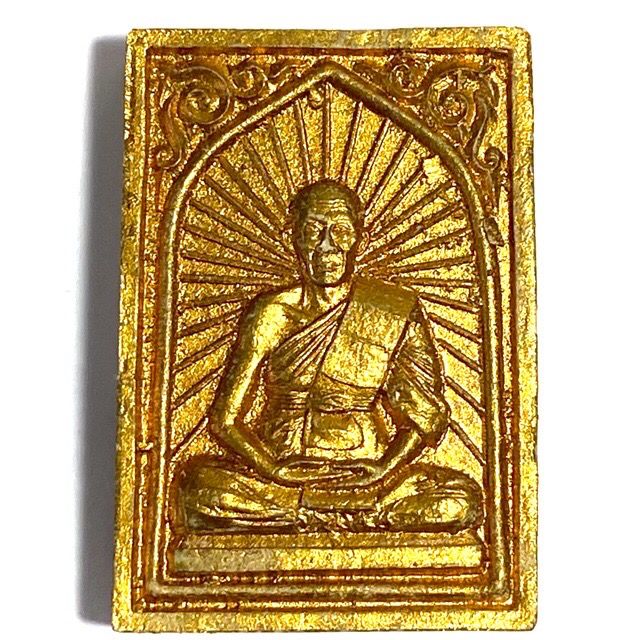
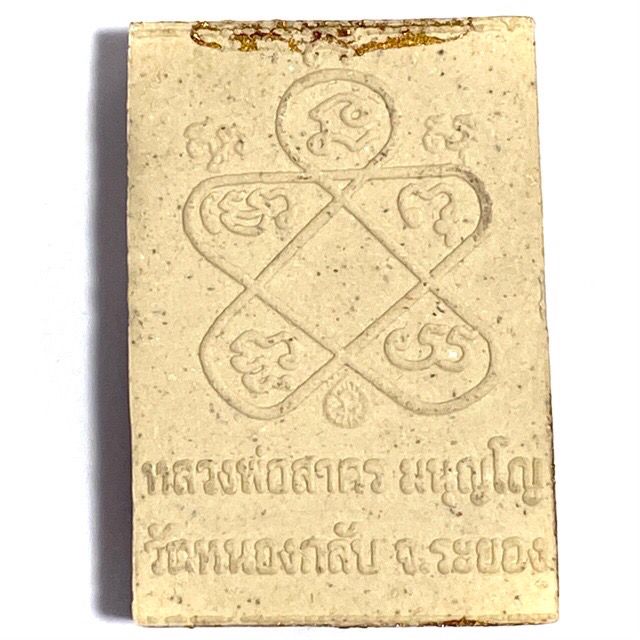
Pra Somdej Pim Yai Pised (large special version) in Nuea Pong Wised concentrated Puttakun Powders, from the ex Abbot of Wat Sutat Jao Khun Sangiam, released in the Year 2516, with extra special blessing and empowerment from the great Luang Phu To of Wat Pradoo Chimplee.
It is said that the amulets were made from Muan Sarn Sacred Powders collected by Pra Ajarn Sangiam, Somdej Pra Sangkarach (Pae), Tan Jao Khun Tip Gosa, and Jao Khun Sonti (Wat Sutat). The powders were blessed in multiple cer
emonies, including the presence of Luang Phu To, and Luang Por Nueang, of Wat Jula Mani, as well as many other Great Master Monks of that Era.
Pra Ajarn Sangiam then took these Muan Sarn Sacred Powders to make this edition of amulets, and mixed them with Old broken Pra Somdej Wat Bang Khun Prohm, and broken powders of Pra Kru Wat Sam Plerm.
The amulets were pressed with the block press molds at Wat Sutat, and Pra Ajarn Jao Khun Sangiam then blessed the amulets in solo nightly empowerment for a long time until the year 2516 BE, when he invited 49 Monks to come and assist in the Buddha Abhiseka Blessing Ceremony at Wat Sutat.
Amongst the many Masters present were; Luang Phu To (Wat Pradoo Chimplee), Luang Por Pae (Wat Pikul Tong (Singhburi), Luang Por Nueang (Wat Jula Mani) Luang Por Tiam (Wat Kasatrirach), Luang Por Horm (Wat Sak Hmak), Luang Por Thin (Wat Pha Lelai), and Luang Por Tong Yoo (Wat Nong Mai Pa-Ong.
The rear face of the amulet has the Khom letters ‘Sa’ and ‘Ta’ (for ‘Wat Sutat) embossed, which is a standard feature seen on the rear face of many amulets from Wat Sutat (but not all).
Use the Traditional Thai Buddhist Method for Bucha;
1. Chant Maha Namasakara (3 Times)
2. Chant the Trai Soranakom (3 Times)
3. Chant Kata Aaraatanaa Pra Krueang (3 Times)
Kata Maha Namasakara
Namo Dtat-Sa Pakawa-Dto Araha-Dto Sam-Maa Sam-Put-Dtat-Sa
Namo Dtat-Sa Pakawa-Dto Araha-Dto Sam-Maa Sam-Put-Dtat-Sa
Namo Dtat-Sa Pakawa-Dto Araha-Dto Sam-Maa Sam-Put-Dtat-Sa
Kata Aaraatana Pra Krueang
Puttang Aaraatanaanang
Tammang Aaraatanaanang
Sangkang Aaraatanaanang
Puttang Prasittimae
Tammang Prasittimae
Sangkang Prasittimae
Below; Amulet Publication showing three different models of Pra Somdej released by Kao Khun Sangiam in the 2516 BE Ceremony.
One of the most highly preferred amulets of this master, the Pra Pid Ta Nuea Pong, this one being a Pim Klang Matathaan preferred model in medium size. This exhibit is in Nuea Pong Ittijae, and has all the classic features of a Pim Niyom preferred model, with the classic pear shaped image with rounded contours. Blessed and Empowered by Luang Phu Rian, Olden Days Sorceror Monk of Wat Nong Bua, in Kanjanaburi. Luang Phu Rian was the continuance of the Lineage of the Great Luang Phu Yim.
The Pra Pid Ta of Luang Phu Rian were made in various forms, and released throughout his continuous trajectory. They resemble of course those of his Mentor Luang Phu Yim, and are at best differentiated by the judgement of the age of the Muan Sarn Sacred Powders of the amulet, to define which of these two masters such a Pra Pid Ta was made by.
The rear face has been treated with some herbal lacquer, both to empower the Muan sarn clay, as well as to protect against the rubbing against the skin, as in those days, people rarely would encase an amulet, and would usually wear the amulet against bare skin.
Luang Phu Rian, of Wat Nong Bua, was the Apprentice Master and Wicha Inheritor of the great Luang Phu Yim of Wat Nong Bua. Luang Phu Yim was one of the Greatest Master Gaeji Ajarn of Ancient Times of the Kanjanaburi Province.
Luang Phu Yim would appoint Luang Phu Rian, to Invoke the Kata Akom Incantations, and make the Inscription of Khom Agkhara Spells on the surface of his talismans and amulets in his stead. After Luang Phu Yim had bestowed all of his Wicha upon Luang Phu Rian, Luang Phu Rian then became immensely famous for his powerful Magic.
His amulets received immense popularity with the local devotees, throughout 58 Years of Ordination, until his final passing. He is very famous for his carved wooden Pra Somdej Mai Sao Bote amulets, which were made from the pillars of the old Uposatha shrine room of Wat Nong Bua. It is said that Luang Phu Rian began to perform the carving of his rare and famous Pra Somdej Mai Sao Bote wooden Shrine Room Pillar amulets himself.
He would make many different amulets, some which emulated and continued the Wicha of Luang Phu Yen, and some which were of his own design, or taken from other Wicha. His Pra Pid Ta follow only second to those of his Mentor Luang Phu Yim, and are amongst the most highly regarded Pra Pid Ta amulets of their Region. Both Luang Phu Rian and Luang Phu Yim are considered to be two of the top Masters of Kanjanaburi Province of all History.
The making of the famous Pra Somdej Mai Bote carved wooden amulets of Luang Phu Rian;
In the year 2494 BE, Luang Phu Rian saw that the Uposadha Shrine Room was becoming delapidated, and in need of constructing a new Uposadha. Luang Phu saw that the wooden pillars, which were already over a century old at the time, had received the powerful vibrational energies of the chanting of Luang Phu Yim and the Sangha Monks who had performed ceremonies throughout the century of its existence, and were full of Buddhakun Power from the Incantations of Luang Phu Yim and the prayers of the Monks.
The devotees would constantly bring pieces of the Uposadha pillar wood to Luang Phu to bless and make into amulets. Some amulets were carved by Luang Phu himself, and others were traken to artisans for carving, by the devotees who had been given pieces of the Uposatha pillar wood for Bucha, and some were carved by the villagers themselves, those who were too poor to pay an artisan. For this reason, there are many different levels of mastery
Above Picture; Just some of the many amulets of the pantheon of Luang Phu Rian (Wat Nong Bua), all of which are Rarities in this day and age, and are highly sought after amulets within the cult collector scene of the amulet appreciation society.
Below, the Takrut Bailan of Luang Phu Rian, another of his highly preferred and extremely rare amulets
The pantheon of amulets of Luang Phu Rian arejust as famous and sought after as those of his predecessor and Kroo Ba Ajarn, the olden days Master Luang Phu Yim (Wat Nong Bua). Luang Phu Rian passed away in the year 2503 BE
Below is a picture of Luang Phu YIm and a number of the great pantheon of his amulets, for you to also study and appreciate, and gather knowledge about the Pantheon of amulets of these two great Consecutive Guru Master Monks of Wat Nong Bua, in Kanjanaburi.
Pra Yord Khun Pol Pim klang Nuea Wan Hlang Yant Yant Pu Dhavaradi (Chedi Stupa on rear face) Sacred Powder Buddha Amulet in Large size model. The amulet is the medium model measuring
This is Ancient Classic of Por Tan Nam, and Immense Rarity from the Great Olden Days Khao Or Master Monk of Wat Don Sala, in Pattalung. and is a standard bearer amulet seen to be made by almost all Khao or Masters, which can be most famously denoted by the Pra Yord Khun Pol amulet of the Great Ajarn Chum Chai Kiree of the Dtamnak Dtak Sila Khao Or Southern Academy of Sorcery.
The amulet is empowered with the Wicha Pra Yord Khun Pol, containing Invocations to summon the power of Kong Grapan Chadtri, Klaew Klaad, Maha Amnaj (commanding power and influence) and Serm Yos Status Promotion Magic. The front face of the amulet bears the Image of a Buddha setead in Mara Vichai Posture. The two Savaka, Maugdalyayana and Saributra are standing either side, one holding a ‘Chadtr’ Parasol to shade the Buddha.
2510 BE saw this Amulet released in various different ‘Pim’ (models);
1. Hlang Yant Pu Dharavadi (Stupas Yantra – 1, 2 or 3 Stupas), 2. Hlang Yant Bai Po. 3. Oblong shaped Pra Yord Khun Pol ‘Pim Badtiharn’ (Miracle Pim) Hlang Yant Pu Dhavaradi, and 4. Pra Luang Por Tuad Pim Hlang Bai Po Amulet also released in the same edition, along with 5. Pra Pid Ta Nuea Takua Long Thom, leaden Nirodha Buddha amulet, which is also so Rare and famous, from Por Tan Nam.
This Edition was one of Por Tan Nams Early Era Amulets, and a highly preferred Pra Niyom Classic. of national and International Historical Fame and Prestige. Powerful Kong Grapan Chadtri Klaew Klaad Protection and Evasion, Serm Yos Status Increaser Amulet of Legendary Proportion.
This is a most classic Benjapakee type amulet, and a large one indeed at that, which any true lover or collector of Thai Buddhist amulets would wish to have in their collection and of course to wear around their neck
Por Tan Nam of Wat Don Sala (Pattalung), was one of the Great protagonists of the Samnak Dtak Sila Khao Or School of Sorcery, and one of the Greatest Guru Masters of the Southern Thai Provinces of all History. His amulets, and Amulets made in his Image are considered to be Most Sacred with Thai people of the South.
His Role in the History and Legends of the Khao Or Magical tradition, and collaboration with the making of Amulets with this Grand and Large family of Sorceror Monks, who stem from a number of Famous temples within the Khao Or Tradition. His amulets are as sacred and rare as they are priceless, and are amongst the most esteemed and collected amulets of the High End ‘Pra Niyom’ Collector Category.
These amulets are part of the famous Pantheon of ‘Maha Wan’ Herbal Powder base amulets, made by Por Tan Nam between 2510 and 2512 BE which are amongst the most highly regarded and revered amulets of the Historical Pantheon of Wat Don Sala. In those days, Pra Ajarn Nam and the great Ajarn Chum of the Dtamnak Dtak Sila would still use Sacred Powders from Luang Por King (Wat Ban Suan).
The amulets of the 2510 – 2512 BE Era were made after Por Tan Nam’s second and final Ordination, and are famous for their content of Ancient Sacred Earthen and Powder Amulets of many Great Olden Days Masters, and the Maha Wan Herbal Powders of Pra Ajarn Nam mixed with his Pong Tang Ha Samrej 5 Sacred Yantra Powders. In these times, Por Tan Nam still mixed bis own powders and made his own Yantra Inscriptions.
Pra Yord Khun Pol – A Benjapakee Story
Pra Yord Khun Pol is one of the Classic Historc Periodic Amulets which has its own ‘Benjapakee’ five regions set of ‘Pra Niyom’ preferred amulets, and is famed for its Serm Yos (Increase Status), Kong Grapan Chadtri, Klaew Klaad, and Maha Pokasap – Maha Lap powers. There are various forms seen in various regions who made the Yord Khun Pol amulet, with five of them becoming the most preferred, hence they also carry the name, ‘Benja’ (meaning 5) and ‘Pakee’ (Benjapakee).
The five kinds of Yord Khun Pol amulet within the five top Benjapakee of the Yord Khun Pol Niche, are;
Pra Ruang Rang Pern – Wat Pra Sri Radtana Maha Tat (Sukhothai Province), Pra Huu Yaan – from the Kru Burial Chamber find at Wat Pra Sri Radtana Maha Tat in Lopburi, Pra Chinarat Bai Sema, from the Kru Burial find at Wat Pra Sri Radtana Maha Tat, in Pitsanuloke, Pra Mahesworn, from the Kru burial archeological find at Wat Pra Sri Radtana Maha Tat, in Supanburi, and the Pra Ta Gradan, from the famous Kru Burial find at Sri Sawad, considered to be an amulet that is over 500 years since its making.
Use the Maha Namasakara (Namo Dtassa x 3), and Kata Aaaratana Pra Krueang to Bucha and beseech wish fulfilment from the Prakam Dee Kwai Yord Khun Pol.
Maha Namasakara Kata
Namo Dtassa Pakawadto Arahadto Sammaa Samputtassa
Namo Dtassa Pakawadto Arahadto Sammaa Samputtassa
Namo Dtassa Pakawadto Arahadto Sammaa Samputtassa
You can practice the Kata Aaraatanaa Pra Krueang, by using the tutorial in the below youtube video.
Pra Nakprok, Pra Sum Gor, Pra Pong Supan, Pra Sangkajjai, Pra Lila, Pra Nang Paya, Pra Somdej, Pra Yord Khun Pol, Pra Pruhnang, Pra Prok Po, Pra Saiyasana, Pra Putta Chinnarat, Pra Navagote, Pra Upakut, Pra Sivali, and many others Buddha Amulets.
Pim Yai large model Early Era Kwai Tanu, measuring 4 x 2 Cm, in visibly aged Nuea Din Kakyayaks Pasom Prai, Hlang Riab, a rare and oerhaos the most famous amulet, from the Great Olden Days Monk of the Khao or Southern Sorcery tradition, Por Tan Jantr. of Wat Tung Puea, in Nakorn Sri Tammarat. The amulet is in Nuea Din Kakyayaks, Sacred Peat Marsh Earths, from the Holy Marsh of Luang Por Tuad, and ‘Pong Phuudt Prai’ Ground Necromantic Bones, and ‘Pong Lob’ Yantra Powders.
Kwai Tanu Pim Yai Early Era Por Tan Jantr Wat Tung Puea – detail view 1
This exhibit is in Pim Yai measuring 4 x 2 Cm. Por Tan Jantr of Wat Tung Puea, was an Olden Days Master Gaeji Ajarn Sorcerer-Monk of Immense Repute, highly famed for his powerful Wua Tanu and Kwai Tanu Sacred Arrow-Bull and Arrow Buffalo Amulets.
Kwai Tanu Pim Yai Early Era Por Tan Jantr Wat Tung Puea – detail view 2
The Kwai Tanu (and Wua Tanu) is one of the most highly reputed animist charms for protection, anti black magick, and calling lucky wealthy fortunes, as well as protecting one’s accumulated assets. It is said that Central Thailand’s Greatest Masters were Luang Por Noi of Wat Sri Sa Tong and his Looksit Luang Por Jerd of Wat Suan Badibat Tam Po Sethee in Nakorn Pathom.
Kwai Tanu Pim Yai Early Era Por Tan Jantr Wat Tung Puea – detail view 3
Free Registered Air Parcel Worldwide Shipping is included with this amulet as is the case with all amulets in ancient amulet store
But despite the mighty fame and powerful Kwai Tanu magic of Luang Por Noi, still, for the Southern Magical tradition, there is no name that comes to mind faster than that of Luang Phu Por Tan Jantr for Wicha Wua Tanu. Luang Phu Jantr made various editions of Wua Tanu, and Kwai Tanu over the decades, and in various sizes and types of Pong Prai Powders.
Kwai Tanu Pim Yai Early Era Por Tan Jantr Wat Tung Puea – detail view 5
Luang Phu Por Tan Jantr of Wat Tung Puea
Kwai Tanu Pim Yai Early Era Por Tan Jantr Wat Tung Puea – detail view 7
Each edition he ever released, received the same level of appreciation and number of tales of miraculous events, and are equally revered, regardless of which era of his trajectory they came from. It is said that the power of his Wua Tanu is enough to even cause robbers and burglars to die from the magical protective powers of the Wua Tanu of Luang Phu Jantr. All his sacred powders would receive constant empowerment throughout his trajectory.
Kwai Tanu Pim Yai Early Era Por Tan Jantr Wat Tung Puea – detail view 8
Each edition of amulets would receive a whole trimester of solo nightly empowerment from Luang Phu Jantr in his Kuti Hut, to Imbue the amulets with the fullest concentration of magickal power possible. His Wua Tanu are known to Instill Fear in the Hearts of all Ghosts and Demons, Phuudt Phii Prai and other types of Ghosts and Spirit Entities, and suck all of their energies out, leaving them powerless to act.
Kwai Tanu Pim Yai Early Era Por Tan Jantr Wat Tung Puea – detail view 9
The Wua Tanu have a special ingredient which is unheard of in other Wicha Wua Tanu of other Masters, namely Khee Khorb Mook Jorakhae (Mildews from around the nasal area of a Crocodile), and in the rare darker colored versions, Din Kakyayaks from the Sacred Peat Marsh of Luang Phu Tuad, Din Jet Pha Cha (earths from 7 haunted cemeteries), and Sacred Powders from the repositories of the Samnak Dtak Sila at Wat Khao Or, the headquarters of the Khao Or Southern Sorcery tradition.
Kwai Tanu Pim Yai Early Era Por Tan Jantr Wat Tung Puea – detail view 10
Each Wua Tanu was hand made and pressed indfividually by Luang Phu Jantr, unlike modern amulets which are made in mass pressings using modern methods, and are therefore among the most powerful and individually blessed Wua Tanu amulets to be found.
The mummified body of Por Tan Jantr, preserved in a glass coffin at Wat Tung Puea
Kwai Tanu Pim Yai Early Era Por Tan Jantr Wat Tung Puea – 4 sides detail view
Kwai Tanu Pim Yai Early Era Por Tan Jantr Wat Tung Puea
A most ancient, rare, and preferred version of the Immortal Classic, an Ultra Rare Pra Pid Ta Thak Chueak Long Rak Jeen Boran cord-bound lacquered amulet, of the Great Kroo Ba Ajarn of Wat Sapan Sung of Ancient Times, Luang Phu Iam. Luang Phu Iam was the Originator of the Dtamra Pra Pid Ta of Wat Sapan Sung, which was continued forward after him, by Ajarn Chuea, Luang Phu Glin, Luang Por Tong Sukh, and Luang Por Waas.
This Pra Pid Ta of Luang Phu Iam, is a cord wrapped large size seated Buddha, with hands covering the eyes, and has the perfect features and aspects of the Pim Chalud Niyom Class Model amulet. The amulet is made from Sacred Powders with Sinjana cord wrap, and Rak Chart Jeen Ancient Red Chinese Lacquer dip coating. The cord wrap is in the style known as ‘Ta Khai Paeth’ meaning ‘diamond net’ which refers to the God Indra, and his Diamond Net (Indra’s Net), which is of course, a cosmological reference to the god spreading the stars out into space, in Vedic Legend.
The Pra Pid Ta Wat of Sapan Sung Temple, is a Dtamra (legendary series) that spans over various generations of abbots, all of whom have managed to gain equal fame and high repute, for their Pra Pid Ta amulets, all of which preserve the style and methods of the original Wicha made so famous by Luang Phu Iam. All editions of Pra Pid Ta Wat Sapan Sung are highly sought after. and seen as preferred Master Class category amulets (Pra Niyom), regardless from which Master they came from.
The Pra Pid Ta of Wat Sapan Sung is known in two major Pim (models), namely the Pim Chalud (Blind Man model), and the Pim Dtapap (Terrapin model). Mostly the amulets would be covered in Lacquer, with some very few exhibits in pure powders, and a very few pim Yai large models wgich were bound with sinjana cords, and most often lacquered.
Others can be found to have had the lacquer cleaned off them by devotees in later years. It is known that Luang Phu Glin, one of the Great Apprentices of LP Iam, and Masters of the Wicha Pra Pid Ta Wat Sapan Sung, was allergic to Lacquer, and so his versions never had lacqer on them and were pure powders. Luang Por Tong Sukh and Luang Phu Iam however, would more often than not dip the Pra Pid Ta in lacquer as a protective layer.
All masters have followed the same design and method of lacquering, resulting in the amulets of each master being very similar in design, and mostly can only be differentiated by estimation of the age of the lacquer and Muan Sarn Sacred Powders in order to determine which Generation of Master the amulet came from.
The design is inimitably recognizable as a Pim Chalud (sloping curved legs) model, with plump belly, and details that are seductive to the eye, and have become to be known as the style of Pid Ta Wat Sapan Sung, which has been continued by those Masters who followed him, & for which all Pra Pid Ta of Wat Sapan Sung have come to be recognized for
Luang Phu Iam Pathomanam, was born in 2359 BE, and ordained at age 22 in 2381 BE, and passed away in 2439 BE after 59 Years of Ordained Life. He is considered the greatest Kroo Ba Ajarn of the Magical Lineage of Wat Sapan Sung Temple, who created the world famous Pra Pid Ta of Immortal Legend we know to this very day. The Pra Pid Ta Luang Phu Iam is one of the Eminent Members of the Benjapakee of Pra Pid Ta (Top Five Pra Pid Ta Amulets) of all time. The Pra Pid Ta Luang Phu Iam Wat Sapan Sung is considered to be a ‘diamond in the world of Pra Pid Ta’, and is the fervently sought after amulet of the serious devotee and collector.
Luang Phu Iam, was the original root Guru (Kroo Ba Ajarn Yai) of the great Luang Phu Glin of Wat Sapan Sung, and of the Highly revered Luang Por Tong Sukh (Wat Sapan Sung), who learned, mastered, inherited, and continued his lineage Wicha. Luang Phu Glin and Luang Por Tong Sukh carried the Wicha Pra Pid Ta Wat Sapan Sung further, taking it beyond the lifetime of one single Master, and maintaining the Power and Popularity which Luang Phu Iam had brought to the Pra Pid Ta Wat Sapan Sung. The Dtamra has now been continued by Luang Phu Waas, who inherited the Wicha further into the present day.
The Temple of Wat Sapan Sung in Nontaburi, is a temple with 4 generations of famous master monks of Pra Pid Ta amulets (written in 2018), all of whom have become extremely revered each in their own time, for the continuance of the Wicha of Pra Pid Ta, Takrut, Rian, and other amulets of this Magical Temple Lineage.
Wat Sapan Sung, and the Pid Ta amulets for which the temple is world famous for, began its rise to fame with the appearance of the great Luang Phu Iam, and was passed down to Luang Por Glin, who passed it to Luang Por Tong Sukh, and now onwards to the current abbot Luang Phu Waas.
The Muan Sarn Sacred Powders of the Pra Pid Ta were made from Sacred Powders collected by Luang Phu Iam during his time traveling on Tudong in the forests, of the rarests and most magical herbs, flowers, pollens roots and vines. The most important ingredient which makes the Pra Pid Ta Wat Sapan Sung so powerful is of course his addition of the Pong Yant Maha Solos Mongkol Yantra Powders, and the Pong Yant Trai Saranakom Triple Gem Yantra Powders. This Yantra was a special spell which Luang Phu iam would embed within the powders and within his Takrut, and is said to have incomparably powerful powers of protection and of lucky fortunes attraction.
The Pra Pid Ta Wat of Sapan Sung Temple, is a Dtamra (legendary series) that spans over various generations of abbots, all of whom have managed to gain equal fame and high repute for their Pra Pid Ta amulets, all of which preserve the style and methods of the original Wicha made so famous by Luang Phu Iam. All editions of Pra Pid Ta Wat Sapan Sung are highly sought after. and seen as preferred Master Class category amulets (Pra Niyom), regardless from which Master they came from.
Luang Phu Iam’s amulets are many-fold, ranging from his famous Pra Pid Ta, Rian Kanajarn Monk Coins, and many talismanic charms such as Takrut, Look Om, Hmak Tuy. Amongst his most preferred amulets are of course the Pra Pid Ta, and the Roop Lor Luang Phu Iam. Other preferred amulets are the Rian Sema Block Ueam, and Rian Khaw Hlam Dtad, as well as various other Rian Sema type coins. Some of his amulets can fetch thousands and even tens of thousands of dollars for rare preferred block presses.
It is said that the Pra Pid Ta of of all 5 Wat Sapan Sung Masters (Iam, Chern, Glin, Sukh, Waas) are collected with equal fervency and preference by devotees, the only difference between the amulets of these three masters being the age and the price. All of the Masters who followed Luang Phu Iam, would use old powders which were passed down from Luang Phu Iam through one generation to the next.
His guidance to the younger Samanera novice monks was excellent, which led to the temple having only well practiced Monks residing, which brought even more reverence from the local community of devotees, for the temple was seen as a true place of practice, with only pure monks residing.
It is said that Luang Phu Iam made amulets in the Pim Chalud (small and large sizes), and the Pim Tapap models are very highly revered and sought after, with his most preferred and rarest models being the Pim Sader Jun, Sader Bum, Sader Jun, and the Pim Sorng Sader (2 belly buttons), and the Pim Tapap (Terrapin Model). The Pra Pid Ta Wat Sapan Sung are highly renowned for their powers of Maha Pokasap Metta Maha Niyom Klaew Klaad Kong Grapan Chadtri, to bring great wealth and protection to the wearer.
Below : close up Macro image of the aged Rak Chart Jeen Boran acient Chinese Lacquer, revealing the natural ageing characteristics of a true Pid Ta Luang Por Iam
The Pra Pid Ta of Wat Sapan Sung is a very preferred and popular amulet, for its undisputed powers, which have been repeatedly confirmed over the years with so many stories in the newspapers about miraculous events happening to devotees who wore the Pra Pid Ta Wat Sapan Sung of LP Iam.
Below: Luang Phu Iam, of Wat Sapan Sung
Below: Luang Phu Glin, of Wat Sapan Sung
It is said that the Pra Pid Ta of all Msters, Luang Por Tong Sukh, Chern, Glin, and Waas, are just as powerful as each other, and can be used instead of Pra Pid Ta Luang Phu Iam, which are of course, coming from the originator, much more highly priced, and in the domain of the wealthier devotee. The amulets of all three Masters are collected with great fervency and preference, by devotees, the only difference between the amulets of all these masters being the age and the price, ant prestige. Luang Por Tong Sukh would for example, use old powders which were passed down from Luang Phu Gling, which Luang Phu Glin in turn had received from Luang Phu Iam.
Below LP Tong Sukh
It is said that Luang Phu Iam made amulets both the Pim Chalud and the Pim Tapap models are very highly revered and sought after, with his most preferred and rarest models being the Pim Sader Jun, Sader Bum,, and the Pim Sorng Sader (2 belly buttons), and the Pim Tapap (Terrapin Model).
The Pra Pid Ta Wat Sapan Sung are highly renowned for their powers of Maha Pokasap Metta Maha Niyom Klaew Klaad Kong Grapan Chadtri, to bring great wealth and protection to the wearer.
Kata Pra Kawambadee
(This kata is for increasing ones wealth and belongings and good fortune);
Namo Puttassa Kawambadtissa
Namo Tammassa Kawambadtissa
Namo Sangkassa Kawambadtissa
Sukha Sukha Warang Na Mo Puttaaya Ma A U
Tugkhang Anijjang Anatta Jewa Segkhaa Tammaa Yataa Put Mo Na
The Pra Pid Ta is one of the Great All Time Classics of Thai Amulets. Signifying the Buddha Entering Nirodha, this douses out all Sufferings. Some Pidta are for Maha Lap (Riches and Luck) and some are to remove debt (Plod Nee) and some are for Protection (Kong Grapan/Klaew Klaad, Maha Ud). Some people believe the Pid ta to be e bringer of 'Blind Luck' and Gambling Fortunes.
Luang Por Pina’s most Sacred and Powerful Daw Aathan Mae Nuea Horm Attraction and Karma Improving Lucky Star, also known in this version as ‘Daw Aathan Mae Nuea Horm’, the preferred ‘Niyom’ class amulet of the pantheon. This is the one sided 5 point Pentacle version, with Crescent Moon, in Sacred Pong Asupa Powders wth Ploi Sek Maha Pokasap Gem inserts.
Free Express Airmail Shipping Worldwide is included with this amulet. The Daw Aathan Mae Nuea Horm was known to be made in two main versions, one as a 5 pointed star similar to the Military Star, and one in 8 pointed Pentacle similar to the Police Force star.
This amulet is commonly know for its Wealth Increasing Maha Lap Magick, but in truth, the amulet possesses an massive repository of attributed Buddhist Blessings of very sacred and Auspicious Influences on the Forces of Karma.
When understood, the meanings within the sacred Lucky Star Pentacle amulets of Luang Por Pina, are very extensive and comprehensive, and aligned to the focal points of Advanced Buddhist Vipassana Kammathana Practices, with the accompanyiing Miraculous Power of transformation that comes with the 40 Kammathanas.
Luang Por Pina is the deceased Abbot of Wat Sanom Lao in Sra Buri and was said to have possessed Abhinya Powers, and to have Mastered the 10 Kasina Powers of Elemental Magical Dominion.
It is said that he was able to read the minds and intentions of other Humans, and bring amulets to life with is Empowerment Methods, and that his amulets were able to give signs and also can be beseeched and prayed to for wish fulfilment (Sarapat Neuk). There are many stories of Miraculous Events occurring through his amulets.
The Daw Aathan Lucky Star is made from a mixture of Highly Sorcerous Ingredients, Herbal and Prai Necromantic Powders, which are both incredibly difficult to find and obtain, and also very easy to recognise their presence within the sacred Muan Sarn Powder mixture. Those who have had an authentic Daw Aathan before their eyes, will be able to see instantly that this amulet is a very recognisable and distinguished exhibit with the clear to see presence of Luang Por Pina’s Sorcerous Muan Sarn Powders.
Embedded with sacred Ploi Sek Maha Pokasap Gems, each empowered with the corresponding Buddhist Kammathana Iinvocations aligned to their sequence of attributed meanings and powers of transformation.
This particular exhibit is also one of the highly Preferred ‘Pim Niyom’ Master Models and can be considered ‘Ongk Kroo’ (Teacher Reference Model) for a perfect reference comparison of authenticating other less recognisable Star amulets of lesser preference.
This is for its easily recognisable features and Muan Sarn Powders allow one to easily distinguish the authenticity of any other exhibit when held side by side for comparison, making it a Master Key for teaching the eyes to recognise Luang Por’s famous Sacred Powders, as well as the effects of aging over the years, as to how discoloration and surface mildews should appear in a true authentic example of the Daw Aathan Hnun Duang.
Luang Por Pina is known to have performed strange Magical feats in front of the eyes of his disciples many times, especially when devotees would ask him for an amulet. He would ask the devotee to lay down and open their eyes, and would take a handful of sand and pour it over their face, as they would hold the amulet in the hand. But the sand would bounce back before it hit their eyes, and no matter how much was poured on the face, not a single grain of sand would be able to enter the eyes of the devotee, becoming repelled as if by a force field before it touched the eyes.
If you listen to the three quarter of an hour talk and explanation of the Sacred Daw Aathan along with a short Biography of Luang Por Pina, recounted and narrated by Amulet Expert Ajarn Spencer Littlewood in the below Podcast.
In the podcast, You will be amazed to learn about the very deep meanings contained within the Daw Aathan Hnun Duang Lucky Star amulets of Luang Por Pina, and for those of you who are devoted Buddhists and Practitioners of Dhamma, you will feel incredibly inspired to own and apply the meanings found in the amulet to your Buddhist practice of Dhamma, Meditation and Vipassana.
For indeed, in its highest level of Bucha, this amulet is a powerful tool not only to increase your Fortunes and Improve your karma in a worldly sense, but can be used as a contemplative focal point of self transformation and empowerment of manifest Buddhist Kammathana Meditative Practice. It points to the path towards enlightenment, and can assist you in walking the path, if this is your intention, and leads far above and beyond simple worldly desires.
Kata Luang Por Pina
Light 5 sticks of Incense, and chant the Maha Namasakara 3 times before chanting the special Kata for Luang Por Pina Bpiyataro
Namo Dtassa Pakawadto Arahadto Sammaa Samputtassa
Namo Dtassa Pakawadto Arahadto Sammaa Samputtassa
Namo Dtassa Pakawadto Arahadto Sammaa Samputtassa
Then chant the Kata for Luang Por Pina (3 times);
Ahang Sukhadto Pina Bpiyataro Naamadtae Aajaariyo Ma Pandtae Hohi
Kata Pluk Khong (Call the power within the amulet)
Puttang Gandtang Saranang Haa
Puttang Gandtang Saranang Hae
Puttaaa Namo Ya
Kata Pra Som Hwang (Fulfilment of Wishes)
Chant the following for as many repetitions as your age (for example, if you are 35 years old, then chant the Kata, repeatedly for 35 times)
Nadtae Sudtae
The last repetition, change the words to
Mahaa Sudtae Nachaa
As an example, let us pretend a four year old were to recite the mantra, which would result in four lines like this;
Below; The remains of Luang Por Pina in the Sussaan Pina, as he requested to be unpreserved Unmummified, and left to rot naturally according to the laws of Nature, without a grand funeral ceremony or chanting, and forbidden to be cremated.
One of the Great Classic Pra Pid Ta amulets of the Chonburi Province, from the Great Olden Days Gaeji Ajarn Master Monk, Luang Phu Jiam of Wat Kampaeng; The Pra Pid Ta Ha Liam 5 sided frame Nirodha Buddha amulet, in Nuea Pong Kluk Rak, Sacred Powders with Herbal Lacquer admixture, and Unalome on rear face.
Free Fed-Ex/DHL Shipping Worldwide Included Plus Offer of Free Casing with this exhibit. Luang Phu Jiam, was one of the Great and most highly revered and respected Monks of the Chonburi Province in his time, seen by both the Ordained Sangha, and his Devotees as a Maha Thera Master Monk with Miraculous Abilities.
His Pra Pid Ta amulets are among the rarest and considered a highly niche collector scene type Pra Niyom Category amulet, that is highly renowned for its beautiful and inimitably original Artistic Design, and powerful effects, which have become attributed to this amulet.
LP Jiam was born in the year 2398 BE, over a century and a half ago, during the time of His Majesty King Rama 4. He was ordained at Wat Kampaeng age 22, which is known by the fact that there is documentation in the Sangha records, that Pra Atigarn Jiam (LP Jiam), was the Upachaya Ordaining Monk of Wat Kampaeng, at age 44 after 22 years of ordination.
The records also include the recording of his elevation in status on various occasions with Royal Deccrees, and eventualy became the Jao Kana (Archbishop) of all Temples in the Chonburi Province. He served the Faithful Buddhist Devotees of Wat Kampaeng, and indeed the temples of the whole Province, right up until his passing away during the reign of King Rama 6, in the year 2454 BE.
The Pra Pid Ta of Luang Phu Jiam, is designed in the form of Pra Pid Ta Pakawambodee, and is classed as the No.4 top Pid Ta Amulet of all Chonburi Masters. Chonburi is perhaps the most famous {rrovince for its large number of great Masters of Wicha Pra Pid Ta, and most of the Great Pid Ta amulets of World Class Status are found to come from the Chonburi Masters. This makes it very difficult to explain just how popular a number 4 amulet is in the Pid Ta Category, due to the very many World Famous Pra Pid Ta Masters from this Province making such a large number of different Master-Class Pra Pid Ta , all of which are among the most collected and revered in the country.
Kata Pra Pakawambodee
Chanting this Kata, is Good for increasing wealth, attracting treasured possessions, popularity, business sales and promoted status. In addition, Pra Pid Ta amulets, have the special abstract magical quality of increasing your common sense, mindfulness and wisdom is also present within this amulet.
The Pra Pid Ta amulet is considered to be an amulet with ‘Maha Ud’ and ‘Kong Grapan’ power (invincibility and gunstopping power), but is also made as a wealth bringer, in which case, the amulet will be called ‘Pra Pid ta Maha Lap’. In order to inflect a greater resonance for wealth attraction and auspicious blessings, in addition to the Maha Ud and Kong Grapan magic.
The Pra Pid Ta is one of the Great All Time Classics of Thai Amulets. Signifying the Buddha Entering Nirodha, this douses out all Sufferings. Some Pidta are for Maha Lap (Riches and Luck) and some are to remove debt (Plod Nee) and some are for Protection (Kong Grapan/Klaew Klaad, Maha Ud). Some people believe the Pid ta to be e bringer of 'Blind Luck' and Gambling Fortunes.
Masterpiece of Wat Phra Yat: Phra Pru Nang Pok Pho (2495 BE)
In the sacred lineage of Ayutthaya master monks, Wat Phra Yat stands as a beacon of alchemical wisdom and spiritual protection. Today, we unveil a truly exceptional artifact that challenges common misconceptions and offers a glimpse into the personal mastery of Luang Phor An Khantaro: the Phra Pru Nang (Pok Pho) Trial-Press Amulet of 1952 (B.E. 2495).
The exquisite front face of the Phra Pru Nang Pok Pho – Wat Phra Yat
The Lineage of Wat Phra Yat: From Master to Disciple
To grasp the significance of this amulet, one must understand the spiritual heritage of Wat Phra Yat. It begins with Luang Phor Klan Thammathoti, the foremost master of Ayutthaya and a legend of both Vipassana meditation and the occult sciences. His fishhook-type 1926 coins remain among the most sought-after in Thailand, known for their powers of invulnerability and protection.
His top disciple, Luang Phor An Khantaro, inherited the entirety of this sacred knowledge. In 1952, Luang Phor An decided to perpetuate the temple’s traditions by creating a new series of amulets. The miracle of this series lies in the base materials: sacred powders and fragments of broken 400-year-old Khun Paen amulets from the ancient Wat Yai Chai Mongkhon hoard.
The rear face revealing the hand-inscribed Yantra and sacred additions.
Deciphering the Mystery: The “Trial-Press” Rarity
Collectors often believe that all of Luang Phor An’s 1952 series must be glazed. However, the truth known only to advanced specialists is that a “trial-press” (testing the mold) was always conducted before the final glazing. Some of these test pieces turned out so exceptionally sharp and perfect that the master set them aside to be specially consecrated and given to his closest disciples.
This uncoated specimen is one such rarity. It represents “original purity” that mass-produced glazed pieces cannot match. Under magnification, the clay body reveals a dense texture with natural oxidation patterns from the firing process, interspersed with white and orange sacred powder particles from the Wat Yai Chai Mongkhon hoard.
The Three Sacred Elements on the Reverse
What elevates this piece to a one-of-a-kind masterpiece are the three elements on its back:
Hand-Inscribed “Thao” Yantra: The master Yantra of the Wat Phra Yat line. The inscription is fluid, deep, and weighted, matching the specific curves passed down from Luang Phor Klan.
Victory Candle Wax (Hyod Tian Chai): The orange-yellow stain is wax from the large candles used in the consecration ceremony, which has fully absorbed the power of the prayers and seals the sacred energy.
Monk’s Robe Fragment (Jivara): Affixing a piece of the master monk’s robe is considered the highest form of blessing, representing purity, moral discipline, and an ultimate safeguard for the wearer.
Conclusion: A Worthy Possession
Possessing this amulet means holding a “Chronicle of Sacred Art.” It documents the trial-press process and the personal benevolence of Luang Phor An. The owner is blessed by the lineage of Wat Phra Yat, gaining protection, immense charm, and prosperity in all endeavors.
Wat Prayat, or, 'Wat Prayatikaram' was built during the Ayuttaya Era and was earlier known as 'Wat Pob Yaat', which means 'The Temple of Meeting with Relatives'. Wat Prayat became nationally famous temple through the merits and amulets of two great Abbots, namely the Great Luang Por Glan, and his antecedent Luang Por An.
In the high-end pantheon of Thai Buddhist amulets, few items command as much reverence as the Pra Khun Phaen Pong Prai Kumarn of Luang Phu Tim Isarigo (Wat Laharn Rai). Today, we are presenting a truly exceptional and rare exhibit: the Blue Khun Phaen 2515 BE Pim Yai. This certificated competition-class amulet represents the absolute pinnacle of the Nuea Khaw Hniaw Sukh (Sacred Sticky Rice) category, enhanced by an incredibly rare light blue jungle vine tincture.
The Alchemy of Sacred Materials
The foundation of this masterpiece is the Pong Prai Kumarn powder, a substance formulated through ancient Khmer necromantic Wicha. Luang Phu Tim instructed his lay disciples to procure specific sacred ingredients, including the skull of a woman who died in childbirth—a spirit known as Tai Tang Klom. Through profound Samadhi and Buddhist meditation, Luang Phu purified this lingering spirit, elevating it to the status of a “Half-Deity, Half-Prai,” capable of rapid worldly intervention while remaining entirely benevolent.
What makes this specific exhibit (SKU 04815) so rare is the admixture of alms rice and sticky rice from the master’s own alms bowl, combined with the rare blue herbal tint (Ya Wan See Fa). This tincture was made from a specific jungle vine and is much harder to find than the more common bronze or white versions.
Technical Markers and Authentication
This exhibit is a Block 2 (Block Tong Hlueang) press. A critical feature for collectors is the Takrut Maha Bpraab (a single large protective spell scroll) inserted into the rear face. Authentic examples with this single large Takrut are significantly rarer than those featuring the twin Takrut Sariga Koo.
Under the eye loupe, the surface reveals a “fluffy” and rich texture—a natural reaction of the Muan Sarn Sacred Powders over decades. The blue tincture has aged into a deep, bone-dry patina that is almost impossible to replicate with modern fakes.
Miraculous Power and Blessings
The blessings of Luang Phu Tim’s Khun Phaen are world-famous for their effectiveness in:
Maha Pokasap: Attracting immense wealth and commercial success.
Metta Maha Niyom: Compelling mercy, charm, and kindness from others.
Klaew Klaad: Protection from deadly accidents and spiritual obstacles.
Maha Saneh: Seductive attraction and professional charisma.
[youtube id=”mn7Fh9NPNCs”]
Certified Authenticity
This exhibit comes with a full Authenticity Certificate from the Associates of Amulets of Siam Thailand. The certificate includes a digital ID that can be scanned to verify the record on the society’s official database, ensuring your investment is 100% genuine.
Note: This amulet includes free express shipping worldwide and a custom handmade waterproof silver casing.
The Pra Khun Phaen Prai Kumarn of Luang Phu Tim is the most highly esteemed and world famous of all Pra Khun Phaen amulets. In recent years, the 2515 BE Series Took the Amulet World by Surprise and has now become the most sought after and preferred amulet of Luang Phu Tim in the present age, above and beyond the 2517 BE edition, with a whole new genre and world of amulet societies that have sprung up around this classic, and now legendary edition, along with various other classics such as the Pra Khun Phaen Song Pol (released between 2510 and 2515 BE).
A rare small version of the immortal Look Om Jinda Manee Montr, in Nuea Chompoo Pink Tone, of Pra Palad Parn, of Wat Tukata, (Nakorn Pathom). This exhibit is made in Luang Por Pra Palad Parn’s World Famous Jinda Manee Powders, in small Pim Lek size (Circa 1.2 cm), in perfect condition, and a very fine exhibit of this Great Master.
Pra Palad Parn, was an Adept at Muan Sarn Sacred Powders and the Wicha JInda Maha Mani Montr.He was also Kroo Ba Ajarn of such World Famous Top Masters as the Great Luang Phu Bun of Wat Klang Bang Gaew.
The Look Om of Pra Palad Parn, is considered by many to be among the Top 5 Look Om of all time, undisputedly by most aficionados. However, we must add, that for us, the ‘top 5, top 10’ are human opinionated concepts, and are matter of opinion and general trending thought more than a measure of magical power.
Hence, one may see different publications name different top master amulets Pra Palad Parn was the Kroo Ba Ajarn of the Great Luang Phu Bun of Wat Klang Bang Gaew, who received and perpetuated the famous Wicha Jinda Manee Montr, which he received from Pra Palad Parn, and passe down the lineage further at Wat Klang Bang Gaew to give to Luang Por Perm, Ajarn Bai, Luang Phu Juea, and Luang Por Kong (Sanya) thoughout the ages.
Pra Palad Parn was a Master of the Wicha Jinda Manee Montr, and known for his power of Metta Maha Niyom, and was reputedly able to call crows and vultures to land on his arm and stroke their heads, as well as being able to call the fish up to the surface of the water in the Kong Bang Gaew river. He would call the animals and fish, to appear during the Kathina robe offering ceremony, which Thai Buddhists perform every year, to donate robes to the Monks.
The Look Om of Pra Palad Parn, are considered one of the top 5 Look Om of all time, along with the Look Om Yant Grao Patch of Luang Por Parn (Wat Bang Nom Kho), Look Om Maha Gan of Luang Por Kong (Wat Bang Gaporm), Look Om Jet Paya Chang Sarn of Luang Por Ding (Wat Bang Wua), and the Look Om of Luang Por Pring (Wat Bang Bakork). One of the most difficult Look Om amulets of all to find in the present day.
Below; A study and synopsis, of the Look Om Muan Sarn Sacred Powder Ball amulets of Pra Palad Parn, of Wat Tukata, in Nakorn Pathom, with Information about both Pra Palad Parn, and authentication factors of the Look Om, Narrated by Ajarn Spencer Littlewood.
Ancient Amulet - Thai Buddhist Pra Niyom Category Amulets
Ancient Amulet. Thai Buddhist Pra Niyom ('Pra Niyom'; meaning 'High End Preferred Class Antique amulets'). Fine Authentic Amulets from the Great Thai Buddhist Sorcerer Monks, Lersi Ascetics, and Lay Masters of Olden Days
A Truly Ancient Septa-Centenarian Pra Kru Amulet (over 700 years old in origin), the Pra Pong Supan Pim Hnaa Gae, in Nuea Din, with certificate of authenticity, this exhibit is in a dark colored sacred baked earthen clay. An all time ‘top 5’ classic amulet of the Benjapakee Family. A Master-Class status amulet of the High End Category of Pra Kru Hiding Place Ancient Amulets. The Pra Pong Supan amulet is known for its powerful Puttakun Metta Maha Niyom Merciful Blessings and Kong Grapan Klaew Klaad Protective Power.
This amulet comes with A4 size certificate of authenticity included. The Pra Pong Supan Kru Wat Pra Sri Mahatat is the Number One Amulet of all Time for the Province of Supanburi, and an eminent member of the top 5 Benjapakee Amulets of Historical Fame and Legend. The Pra Pong Supan of the highest preference is the Pra Pong Supan Nuea Din Phao baked clay amulet, made from sacred earths of the Supanburi Province, which were mixed with sacred magical herbal powders and bound into clay with holy water.
The amulets are seen to have been baked for a long time slowly, until the clay became hard, but smooth and dense like marble, which is a texture that modern ‘Nak Niyom Pra’ amulet aficionados call ‘Nuea Neuk Num Seung Jad’, which means ‘soft and smooth to the touch with highly refined features’.
There were also a very small amount (one potful) of leaden Pong Supan amulets found, which were found residing on the upper section of one pot, and are known as the Pong Supan Yord Tho, and are the rarest and most sought after of all Pra Pong Supan of the Kru Wat Pra Sri Mahatat.
Below : The extremely rare leaden version Pra Pong Supan Yord Tho Amulet, of which only very few were ever found
We shall be covering the documentation of the Pim Yord Tho in a different article on the pages of our website.
The method of baking the amulets resulted in a very hard and resilient amulet that does not break easily, which has contributed to its preservation over many centuries. The features of the Pra bordered edges and outer frame of the various models (Pim) of the Pra Pong Supan Amulet are highly varied, and cannot be said to fit any rigid form.
Some have four or five sided edges, some are completely cut to shape, some have wider edges, and others thinner edges, some are even others uneven. Some may be tapered, whereas others have the tapered top cut off flat.
The Pim is notable for its beautiful color tone to the surface of the Muan Sarn Sacred clay, accumulated over centuries,. This exhibit displays the presence of a very rich Muan Sarn admixture, and the surface sheen and detailed relief of the Buddha Image, combine to render an outstanding example of a Master-Class Pra Pong Supan amulet. The ears are elongated, with anomalous forms (‘Dtamni’), that reveal the authenticity of the amulet, through the inimitable idiosyncrasies of the block press, which are ever present despite the individuality of each amulet.
One thing most Pra Pong Supan have in common is that most often one finds the presence of thumb or fingerprint line markings, or thumb indents on the rear face. Another classic and essential feature of the Pra Pong Supan Wat Pra Sri Ratana Mahatat is that due to being buried under the earth for centuries, the Kraap Kru earth residues which are seen stuck to the surface of the amulets within the deeper recesses such as the armpits and ridges between finer detailed features.
Below : Encyclopaedic work documenting the ancient find of the Kru Wat Pra Sri Ratana Mahatat amulets
These residues are completely affixed and one and the same with the clay, and cannot be removed by simply scratching it off with a fingernail.
The Pra Pong Supan is a perfect choice of Amulet for Ladies or Children, but is also a very preferred and popular amulet for Males to wear. We have before us a Sacred Amulet whose Religious Value is of course that of a True sacred Amulet from the Master Class Category.
The Pra Pong Supan amulet is an image of the Buddha seated in the Mara Wichai posture of conquering the Demon Mara in the style of the U-Tong Periodic Era. The Buddha Image is seated on a single tiered dais, with a large head, graceful arms and protruding chest. There are various Pim (Models) of Pra Pong Supan, ranging from the Pim Hnaa Gae, Hnaa Num, Hnaa Klang, and other lesser known forms. Some very rare versions in black Nuea Bailan Powders are also found, but only very rarely
The Pim Hnaa Gae (old face) has one single type of face model but still has many different appearances, because of the various stages of heat during the baking process, which caused some amulets to experience shrinkage or curvature, or other anomalous reshaping during the process. Some may even have similar triangular appearance to the Pra Nang Paya, another Benjapakee amulet of Immortal fame. Various other amulets were also found including the Pra Mahesworn, Pra Ta Maprang, Pra Patum Mas, Pra Pim Lila (many versions), Pra Nakprok (small and large), and the Pra Sum Rakang.
The Pra Pong Supan and Benjapakee Class Amulets are truly world class amulets that receives the esteem and faithful reverence of all Thai Buddhist People of all social strata, and which is considered part of the Cultural and Historical heritage of the History of Siam.
They are amongst the most difficult of all amulets to find at any price, and are mostly already worn since generations by the same family members as handed down family heirlooms of their ancestors. The rest lie in the hands of the lucky, and of course the high end collector showrooms of Thailand’s Amulet Societies and Non Profit heritage Associations, as well as the museums of the state and of major temples.
Above; Macro Closeup of the Sacred Clay and the Kraap Kru earthen substance affixed to the muan sarn from centuries of burial within the hiding chamber. It is said that in the year 1265 BE, the Ruesi Hermit Pilalai decided to make a series of powerful amulets with truly effective powers. At that time the ruler of the Kingdom Pra Sri Tanmasokea Racha was a faithful devotee to the four great Ruesi Sages, who brought a large collection of magical herbs, minerals and summoned the angelic beings of the celestial realms to assist with the empowerment ceremony on the immaterial planes.
The great Pra Maha Thera Bpiya Dtassasisri Saributra was present to preside over the blessing ceremony, and assist with empowerment and the hand molding and pressing of the Pra Pong Supan. The muan sarn sacred clay was given the name of ‘Nuea Rae Sangkwanorn’.
Below : An example of a Pra Pong Supan amulet that has been treated with red Chinese Lacquer by a devotee
The great Pra Maha Thera Bpiya Dtassasisri Saributra was present to assist with empowerment and the hand molding and pressing of the Pra Pong Supan. The amulets were blessed during three whole months of rainy retreat (Traimas Blessing) as was traditional in ancient times and is still the practice to this very day. Once the Traimas empowerment was completed, the amulets were buried within the Chedi Stupas of Supanburi
The rediscovery of the Kru
In the year 2456 BE, a Tudong Monk was passing through and asked for the whereabouts of the temple of Wat Pra Sri Radtana Maha Tat. He asked a young boy named Pin, who pointed him in the right direction. The boy Pin heard later that this Forest Wanderer monk had hired some Chiinese-Thai devotees to dig up some holes in the temple, and that a horde of treasures were found along with a large repository of hiding place amulets (Pra Kru).
The Monk himself found a solid golden bowl which he took for preservation, but left all the rest of the contents of the Kkru within the Chedi. However, many of the Chinese devotees who were working on the opening of the Kru did take a large number of amulets rainging from the Pra Pong Supan to the Pra Gampeng Sork.
Once the authorities and Sangha Office heard of this, they ordered the Chedi Stupa to be hermetically sealed to prevent further theft of National heritage treasures.
Later the same year Praya Suntorn Buri (Also knownn as ‘Ee Gan Suudt’), who was the Minister of the Province of Supanburi invited his Majesty Pra Mongkut Glao Jao Yuu Hua to come and open the Kru Chamber. Once the chamber was opened, many ingots of solid gold and silver with Khom Agkhara inscriptions were found, and a large repository of amulets. The King was given a large number of the Pra Pong Supan and other amulets to his Majesty.
In olden days when the Pra Pong Supan was still very common and easy to find, many of the bullfighting arena players would like to grind up broken Pong Supan amulets and mix the powders into the hay they would give their fighting bulls to eat. This was seen to make the bull who ate hay with Pra Pong Supan powders fight more fiercely, evade the horns of its opponent and be impenetrable when taking a hit.
A very hardly known but ancient traditional way to Bucha Pra Pong Supan Amulets, is to immerse the amulet in perfume and chant Puttakun Tammakun Sangkakun 108 Times, then chant the Kata Pahung 3 times. The perfume can then be used to smear on oneself for Mercy Charm and Protection. If one wishes to empower further, one can chant the following Kata;
Ka Dtae Lig Gae Garanang Mahaa Chayyang Mangkalang Na Ma Pa Ta Gi Ri Mi Dt Gu Ru Mu Tu Gae Rae Mae Tae Ga Ra Ma Ta
Ancient Amulet - Thai Buddhist Pra Niyom Category Amulets
Ancient Amulet. Thai Buddhist Pra Niyom ('Pra Niyom'; meaning 'High End Preferred Class Antique amulets'). Fine Authentic Amulets from the Great Thai Buddhist Sorcerer Monks, Lersi Ascetics, and Lay Masters of Olden Days
A very rare exhibit that is hardly ever encountered in the rpesent day, the Pra Pim Tao Rit Luang Por Thuat Wat Chang Hai, of Luang Por Tong Sukh. This amulet is renowned for its Extremely rich Nuea Krang Sacred Stingless Beepaste, and Putsa Paste Magical Muan Sarn, this amulet is most certainly a ‘Dtua Kroo’ (‘Teacher Model’ instantly recognizable and hence usable as reference of authenticity) This exhibit of the Pra Luang Por Tuad Pim Tao Rit in Nuea Krang, and a very beautiful early era amulet of Luang Por Tong Sukh,of Wat Tanode Luang. The amulet is in Nuea Pong Pasom Krang Kluk Rak, resinous sacred muan sarn, visibly aged, compliant with Krang or Lacquer from this Era. One of the most highly renowned and powerful amulets of the Great Master of Olden days, Luang Por Tong Sukh, of Wat Tanode Luang, in Petchburi.
Luang Por Tong Sukh was born in 2420 BE, and lived 80 years, until his passing in 2500 BE. He was, and remains in History, as one of the top masters of all time of the Petchburi region. whose powers of Kong Grapan Chadtri Klaew Klaad and Maha Amnaj were legendary. He made a number of different varieties of amulets, many of which are found in the high end Tamniab Wadthu Mongkol Pra Niyom (official catalogues of preferred amulets of the National Amulet Appreciation Societies).
Free Registered Air Parcel Shipping Worldwide is Included with this Amulet, along with the offer of free Waterproof Casing if desired. Many of his amulets are eminent figureheads of the Pra Niyom Master Class category of amulets, and are extremely rare items to find.
Luang Por Tong Sukh was the Kroo Ba Ajarn of many other Great Monks of the following Generation, who are now famous names in their own right, beginning of course with the most obvious, Luang Por Phaew, Abbot of Wat Tanode Luang. It was Luang Por Phaew who inherited his Magical Wicha and also the Administration of the temple of Wat Tanode Luang as its Abbot. The Nuea Krang amulets of Luang Por Tong Sukh Wat Tanode Luang, are often found to be made from the famous Krang Putsa Magical Resinous Paste of the great Master Sorceror Monk of Wat Tanode Luang. Among the amulets with most preferred and holding renowned fame are the Takrut Pork Krang, the Look Om Nuea Krang, Pra Roop Muean LP Tong Sukh, and Pra Roop Muean Luang Por Tuad. Sometimes one may see a Sacred Guru Monk Coin of LP Tong Sukh with Krang paste on the rear face too (very rare indeed). Other amulets include of course Pra Rian Momk Coins, and his world-famous Hua Hwaen Na Bad Dtalord Magic Ring.
Luang Por Tong Sukh was also the Kroo Ba Ajarn of many of the Top Masters of the Era which followed him, including the Great Luang Por Jang, and of course of Luang Por Phaew, the abbot who succeeded him. The amulets of Luang Por Tong Sukh are incredibly rare, and carry a relatively high price-tag, enough to demand faith in his amulets, but still affordable to any serious collector who seeks an amulet of the calibre of Luang Por Tong Sukh.
The list of great masters who studied and practiced under Luang Por Tong Sukh were;
Luang Por Un (Wat Tan Gong – now Deceased), Luang Por Huan (Wat Nikom Wachiraram – now Deceased), Luang Por Yid (Wat Nong Jork – now Deceased), Luang Por Jantr (Wat Mareuka Tayawan – now Deceased), Luang Por Nim Mangkalo (Wat Khao Noi – now Deceased), Luang Por Yorn (Wat Tanode Luang – now Deceased), Luang Por Phaew (Wat Tanode Luang – now Deceased), Luang Por Thaem Silangwaro (Wat Chang Taeng Grajat), Luang Por Heng (Wat Huay Sai Dtai, and Pra Ajarn Ji, of Wat Nong Hwaa
Amulets :
The most famously powerful and highly sought after amulets of Luang Por Tong Sukh in his lifetime were;
1. His Sak Yant tattoos. His Look Om Nuea Krang Ying Mai Ork Gunstopper Sacred Powder Ball ‘Bonbon Amulet’. One of the rarest kinds of Look Om of all to be found in the Pra Niyom Category of amulets. Reputed to have saved the lives of many devotees through gunstopper magic.
Below : Luang Por Tong Sukh and his famous Krang Putsa sacred resinous Substance
2. The first and second edition Rian Kanajarn Luang Por Tong Sukh Monk Coin, renowned for Kong Grapan Chadtri Maha Ud Klaew Klaad Protective Miracles, with extra power to protect against poisonous beasts in a spell written on the rear face.
Below : 1st edition monk coin Luang Por Tong Sukh
Below : 2nd edition monk coin Luang Por Tong Sukh
3. The Hwaen Hua Na Bad Talord Gan Asurapit Luang Por Tong Sukh Magic Ring of Protection, with special ability to defend against all Poisons, Venomous or Wild Animals. highkly renowned for its rare power to guard against wild beasts and poisonous plants and animals. Extremely rare to encounter. This Wicha continued to be famous with Luang Por Phaew, who inherited the Wicha from Luang Por Tong Sukh, and whose Hwaen Hua Na Bad Dtalord rings are almost equally famous, but much more affordable.
Below; Hwaen Hua Na Bad Dtalord Luang Por Tong Sukh
4. The Takrut amulets of Luang Por Tong Sukh are various, and serve different purposes, ranging from the Takrut Jet Dork (7 scrolls on a cord) for Multiple Blessings, the Takrut Sam Kasat (triple Takrut with bronze, silver and brass concentric scrolls) , for Kong Grapan Chadtri, the Takrut Klord Ngaay, for easy childbirth without pain, and the Takrut Sariga for Mercy Charm and Prosperous Business.
Below; Various types of Takrut from Luang Por Tong Sukh
Miracles
One of the more famous folk tales about the miraculous powers of Luang Por Tong Sukh, is the story of the ability to inscribe Sacvred Yantra Spells on the surface of material objects with his Psychic Powers; One time Luang Por was at Wat Ta Kham, and soime devotees came to beseech him for some ‘Ya Dtom’ Healing Potion from him. To make this potion, Luang Por required some Bai Magaa leaves, which needed to also be pre-inscribed with the Yant Pra Jao Ha Pra Ongk (Na-Mo-Put-Yaa-Ya). So Luang Por Tong Sukh sent his Samanera Novice apprentice monks out to collect some, and help him inscribe them all before boiling the potion.
Luang Por asked the Samaneras to help him inscribe the Yant on each leaf of the Magaa tree. But the Samaneras were taking a long time to inscribe the yantra on each single bai magaa leaf, and so Luang Por exclaimed ‘This is going to take all day, bring all the leaves over to me in a pile on top of each other and i’ll finish the job’
The Samanera carried the leaves to Luang Por and gave him a pile of about 20 leaves in his hand. Luang Por then inscribed the top leaf performing incantations, and lo and behold, as he gave the pile back to the Samanera, every single leaf was inscribed with the Yant Pra Jao Ha Pra Ongk!!
Important Ceremonies
Luang Por Tong Sukh was present to empower amulets in some of the most important and powerful blessing ceremonies in the History of Thai Buddhism, invited by a high ranking official of government to attend to bless with his powers, in the ceremonies of Wat Rachabopit for the 2495 BE Mongkol Gao edition and the Pra Kring Yord Hmud with 18 other Great Masters. Luang Por Tong Sukh also attended the Ceremony to bless the Military and distribute amulets in the Great Indo-China war ceremony. Luang Por Tong Sukh was also one of the many Masters present to empower the large series of amulets blessed in the celebration of 2500 years of Buddhism, the ‘Yee Sip Haa Satawat’ 25 Centuries Edition
A very rare occult amulet and variation of Khun Phaen model from the pantheon of Luang Por Guay, of Wat Kositaram, the Khun Phaen Nang Kumarn Tong Votive Tablet with Necromantic Hoeng Prai Child-Ghost below the throne of Khun Phaen, with this rare model being the ‘Hlang Riab’ smooth backed model, in Nuea Aathan Powerful Sacred Earths, Funereal Ashes, Ground Bones, with Pong Wosed Yantra Powders.
This exhibit is from the 2513 ‘Run Prasopgarn’ edition from the great Master Luang Por Guay, and is along with all his amulets, highly reputed for its very powerful magic. The Khun Phaen Hlang Kumarn Tong edition came to be known as the ‘Run Prasopgarn’ (Proved Powerful by Experience Edition), as it was given to many devotees who came to get Sak Yant Tattoos from Luang Por Guay. They would come to get four Hanuman tattoos (one on the back, chest, and each arm).
Most of Luang Por Guay’s Looksit were Nak Leng (Gangsters) and Suea (Mafia Bosses and Villains), and would be entering into deadly situations on a daily basis. And so the amulets of LP Guay had more than their share of chances to test their power, and it was this extremely high quota of lifesaviing miracles experienced by his devotees who wore his amulets, that brought the Khun Phaen Hlang Kumarn Tong Run Prasobgarn, and other amulets to such great favor.The front face features the image of a Buddha in the Mara Vichai Subduing Mara posture, with one hand touching the earth, calling the Dharani earth Goddess as Witness to his Merits.
The Buddha has elongated ears, and is seated within a crystalline arch. Below the Buddha is a Kumarn Tong Golden Child Ghost Deva. The rear face of the amulet isflat surface (Hpang Riab) one of two versions, the other having the image of a Kumarn Tong, seated with hands on his legs, with a plump well-fed stomach, and a happy mood of prosperous living.
Kata Hua Jai Khun Phaen
Su Na Mo Ro Mo Ro Su Na Na Ma Pa Ta Ja Pa Ga Sa Na Maa Mi Hang
Kata to call the Kumarn Tong (Kata Riak Gumarn Tong)
Aehi Kumaaro Aehi Kumaaree Aehi Rak Yom Aehi Prai Tong Bpiyang Ma Ma Bpudt-Dtang Wasaayadti Aaragkhaana Bpajjayo Rao Rak Yom Kumarn Tong Jong Maa Aehi Ma Ma
Alternative Version;
Om Pani jijeruni Pantang Aehi Ma Ma
When you go places or enter and leave buildings you should speak to the Kumarn in your heart to accompany you. When you eat, you should speak in your heart that the Kumarn should come to eat with you. Make a separate offering do not give from your own plate.
The Kumarn will call friends. customers and riches to you, lovers and admirers, and will chase away enemies and protect you and your household and family. When bringing the Kumarn into the home for the first time, you should tell the Kumarn that the people in the house are friends and that the Kumarn should accept and look after them too.
Kata for giving the Name to the Kuman (chant when giving him his name).
“Naamaanang Samaa So Yudt Dta Tho Yudt Dta Tha” “In the Name of the Kroo Ba Ajarn – I name you (Name which you wish to give your Kuman Tong”.
Say this 3 times, and the next day chant only once. You must always remember his name and must introduce him to all people in the house, and ask him to also protect and lend prosperity to them all.
KATA FOR EMPOWERMENT OF KUMARN TONG
Aehi Gumaarang Udti Uni Na Ang Idti Putto
KATA FOR CALLING THE KUMARN TO EAT.
Jadturapuudtaanang Ahang Waayang Ammahaara Kumaarang Kumarn Tong Maa Rap Pochanaa Aakajchaahi Dtiwadtabpo Aakajchaaya Maa Look Maa
Kata Pluk Kumarn Tong
Na Ma Pa Ta Gumaara Phuudti Bpadti Ruu Bpang Naama Dtae Laapo Namo Hoemi (Chant 3 Times to Awaken the Kumarn)
Kata Perm Rit Kumarn Tong (Charge Up Power)
Dtaadta Paya Bpudt-Dta Aehi Jidt-Dtang Bpiyang Ma Ma
Kata Atithaan Kumarn Tong (Ask For Wishes To Be Granted)
(Maha Namasakara x 3 first)
Ja Pa Ga Sa Jid-Dta Mahaa Jidt-Dtang Bpiyang Ma Ma
Kata Gamgab Kumarn Tong (To Command the Kumarn on a Mission)
Gumaarang Bpadt Sandtang Plaay Yanaa Mahaa Su Wi Sae Tha Itti Rit Mutu Dtaanang Sud Suu Sang Mahaa Chanaa Dti
Kata Adtithaan Khor Lap
(Use to make wishes and ask for Lucky Blessings, or to win the Hearts of Others).
Aehi Jidt-Dtang Jidt-Dta Pantang Pakinimae Jidt-Dtang Pantang Bpiyang Ma Ma
Luang Por Guay Chudtintaro
Luang Por Guay’s amulets have reached the highest level of respect and collectorship in their history now, and are considered to have noticeable effects that are felt be everybody who owns and wears one of his amulets. The stories of confirmation of their power are more than can be counted, and his Great Patipata (practice), and Exceedingly Powerful applied methods of Sorcery, are a large part of what attributes to their power.
His amulets are now extremely rare to find because those who already own any will never wish to part with them again, and they are hence becoming one of the rarest kind of amulets to find these days. Usuallly this happens because of speculation by the collector scene, but in the case of Luang Por Guay’s amulets, it has happened primarily for their Sacred Value, much much more than for their collectorship and artistic value, which is of course also extremely high.
Luang Por Guay is famous for his immensely diligent and complex manner of empowering (Pluk Sek) amulets, which involved daily empowerments at various times of day namely at dawn, morning, midday, afternoon, evening and midnight. In addition, he would perform empowerments during the various ‘Reuks’ (Astrological Influential moments), to bring total coverage of protection and fortuitous blessings to all who might wear and Bucha his amulets.
This ritual involved the Adept knowledge of the ‘Reuks Mongkol’ Buddhist Auspicious alignments, the ‘Reuks Jone’ (Gangster Alignments), Inauspicious Alignments, and the ‘Reuks Bun Paya Marn’ Demonic Influential Alignments. This means that it did not matter who wore his amulets, Good people would wear them, Gangsters would wear them, anybody could wear them without loss of magical effect. Luang Por Guay was born on 2nd of November 2448 in the year of the snake. Luang Por Guay was already was already able to read the Dhammapada and Pali Prayers long before he ordained at the age of seven, having learned from Luang Por Khuad. Luang Por Guay was Ordained on the 5th of June 2467 at 15:17 pm.
He was aged 20 years old. Luang Por Guay was famous for his Mastery of many different Wicha, including the Wicha of Tattooing Sak Yant. Every single edition of amulets he ever made are now rare classics and highly revered for their Magical Power. On the 1st September 2491, Luang Por Guay was elected Abbot of Wat Ban Kae which was celebrated with delight by the local devotees.
Luang Por Guay saw that the folk of Ban Kae were very poor and many people did not have enough to eat, and thus took up the practice of only eating one meal a day instead of the two before midday which are normally allowed for a Maha Nikaya Buddhist monk, in support of the people and to consume less. He would help the poor and needy and heal the sick, give Buddha amulets to those who needed some confidence and something to help them fight on in life, and try his best to improve the life of local Folk in general. He was very loved for this by the local Folk. Luang Por was not a monk who liked to build things or develop, he liked simplicity and stillness.
Even his Kuti was old ‘Song Thai’ (Thai style wooden house), that he had given the temple lay committee and some Looksit the task of building it to save money, and only hired special craftsmen for the most difficult pieces of the building. The temple thus only had old rickety Kuti huts and no fancy buildings except for the Uposadha shrine room, the Kuti Chudtintaro (memorial Kuti hut for LP Guay), and the Sala Tam Bun building. Luang Por Guay passed away, on the 12 April 2522 at the age of 75 years old. He passed on in peaceful recline.
The year before he died, he fell ill, and was carried to Paya Tai hospital for examination. The examining Doctor concluded that Luang Por Guay was suffering from food deficiency since over 30 years, and gave him some protein supplements for a period of a whole month, which turned out to still not be enough for his physical needs.
But when Luang Por returned to the temple, he continued his habit of eating only one meal a day without paying attention to the warnings. It seemed that since his return from hospital though, that his casting of magic spells and empowerment of amulets had become even more effervescent and intense. He seemed very strong physically as far as outside appearances went. In the year 2522, Luang Por wrote down two notes in his calendar; Pra Luang Por Guay marked the day he would become ill with blue pen, and the day he died was marked in red pen.
The days were the 11th March, and the 11th April 2522 BE. Luang Por had written the Pra Kata Namo Dta Bord, and the words “I Pra Guay Na Dtandto Namo Dtandti Dtandti Dtandto Namo Dtan Dtan – will die on the 11th April at 7:55”. As the 11th came nearer, Luang Por Guay fell ill, but it was not possible to detect any fever or recognizable illness – he could not eat, and would even spit his rice out and refuse any more, instead grabbing a piece of Tkgrut Foil, and inscribing spells.
In the night he would hold the Sai Sincana cord and empower amulets. He would inscribe lottery numbers on the palm of his hand, and sometimes show to Looksit with Choke Lap who came to pay last respects. In the night he would hold the Sai Sincana cord and empower amulets. He would inscribe lottery numbers on the palm of his hand, and sometimes show to Looksit with Choke Lap who came to pay last respects. As the tenth arrived, everybody came to await his passing, but on the 11th he was still alive. Some of the temple committee suggested that his Kuti was full of magic and even images of the Kroo, perhaps no Deities could enter to take him.
So they moved Luang Por Guay to the chanting room, where he opened his eyes in farewell for the last time, placed his hands together, and then, something amazing happened; The temple bell fell down from where it was hanging, and crashed to the floor ringing out loud with a resounding echo. The Looksit then realised that Luang Por Guay had passed on in this moment, and tuned to look at the time. It was exactly 7:55 am on the 12th April. The 12th of April every year is the date for paying reverence to Luang Por Guay at Wat Kositaram, where Looksit gather each year to pray to Luang Por Guay and ask for his blessings to continue to protect them and improve their lives.
Luang Por Guay (2448–2522 B.E.)
Biographical Timeline
Event
Date
Birth
2 Nov 2448 (Chainat)
Ordination
5 Jun 2467 (age 20)
Abbotship (Wat Ban Kae)
1 Sep 2491
Death
12 Apr 2522 (07:55)
Key Practices
Asceticism: Ate once daily to align with community poverty
Empowerment Rigor: Six daily Pluk Sek rituals synchronized to astrological phases
Terminal Vigor: Magical output intensified during final illness despite clinical malnutrition
Posthumous Veneration
Annual ceremonies at Wat Kositaram on April 12 commemorate:
His precise death prediction (noted in red ink)
The temple bell’s self-ringing at his passing
Legacy Significance
Luang Por Guay’s amulets remain scarce because:
Functional Efficacy: Wearers retain them for verified protective benefits
Ritual Investment: Multi-temporal enchantment protocols exceed standard consecration practices
Biospheric Resonance: The monk’s life-death continuum reflects localized Buddhist engagement with materiality and transcendence
The Pra Pid Ta Hlang Baeb of LP Kaew, Wat Kruea Wan temple, in white powders, is a very rare model, and a truly remarkable and classic exhibit, widely regarded as the number one amulet of the esteemed monk, Luang Por Kaew, of Wat Kruea Wan (formerly of Wat Pak Tale). This ancient amulet, created and empowered by the Great Ancient Sorceror-Monk of Olden Days, Luang Por Kaew, is a a legendary amulet that has attested to his exceptional skills and mastery in the art of amulet-making. The Pra Pid Ta is made from a unique blend of sacred powders, known as Nuea Pong Wised, composed of 5 special magical Yantra Powders (Bpathamang, Puttakun, Trinisinghae, Ittijae, Maharach).
.One particularly striking feature of this amulet is the concave indented Pid Ta on its rear face, which is a hallmark of Luang Por Kaew’s work. This intricate detail, along with the slender arms and perfectly detailed relief of the Buddha image, creates a sense of depth and character that is truly captivating. Luang Por Kaew created this masterpiece during his time as a monk in Chonburi Province, around the year 2365 BE. This was a significant period in Thai history, as Pra Jao Thaksin Maharaj was leading the effort to restore Siam to freedom from invaders. The Pra Pid Ta Hlang Baeb Wat Kruea Wan is not only a beautiful and well-preserved example of Luang Por Kaew’s work, but also a tangible piece of Thai history that speaks to the enduring power and significance of Buddhist amulets
The amulet radiates a captivating glow, enhanced by the unique ‘Nuea Graeng’ marbling effect. This is a result of the sacred Muan Sarn powders, which contract and dry over time, creating distinctive surface cracks. This particular Buddha image showcases intricate details, a slender build, and a high level of craftsmanship, making it a fine specimen of the Pra Pid Ta Luang Phu Kaew. The amulet’s powerful sacred clay composition is known for its Kong Grapan, Klaew Klaad, Metta Mahaniyom, and Maha Lap properties, attributed to the esteemed monk known for his world-class mastery.
An all time Pra Niyom High End Classic Ancient Amulet, renowned for its power and status from Luang Phu Gaew, who first began his legendary of Wat Pak Tale in Petchburi (Later moved to Wat Kruea Wan in Chonburi). The Pra Pid Ta of Luang Phu Gaew of ancient fame comes with free express shipping. The Pra Pid Ta of Luang Phu Gaew is widely regarded as the number one Pidta amulet of all time by devotees of the Chonburi Lineage Master Amulet Collector Scene, as well as by those who are devoted to the Petchburi Masters. This amulet is a true Master Class piece, and its rarity is such that it is incredibly difficult to encounter in the present era.
Free Express Shipping is included with this item. Apart from being so highly regarded for their powerful Metta Maha Niyom and Maha Lap, of the highest power of all Pid Ta, the Pid Ta of Luang Phu Gaew are considered to be the top Pra Pid Ta amulet in Thailand, which carries one of the highest prices within its Genre.
The Pra Pid Ta Luang Phu Gaew is a truly exceptional amulet, one that is held in the highest regard by collectors and devotees of Thai amulets. Its reputation is such that when it changes ownership, it is often considered “news” within the amulet community. This is true whether the amulet was crafted during Luang Phu’s time at Wat Pak Tale, or after he moved to Wat Kruea Wan.
This truly ancient amulet is one of the extremely rare amulets of the Pra Niyom Master Class category of Both Petchburi and Chonburi Masters, and has a cult collectorship following in the Wongarn Pra Niyom Sai Chonburi and Sai Petchburi (Chonburi and Petchburi Province High End Collector Scene). The exclusivity factor of this amulet is indescribably high, and coming from the both Chonburi and Petchburi Provincial Collector scene only serves to evidentiate it as a High Class and Ultra rare Pra Niyom Master Class Amulet of ancient times. One of the reasons for the Pra Pid Ta’s enduring popularity is the powerful and protective qualities it is believed to possess. The amulet is said to offer Kong Grapan (protection against sharp objects), Klaew Klaad (protection against deadly accidents), Metta Mahaniyom (charm and popularity), and Maha Lap (luck and prosperity) to the wearer. These qualities, combined with the amulet’s undeniable rarity and historical significance, make it a true collector’s item.
The Pra Pid ta Luang Phu Kaew, is known for its power being made from Luang Phu Kaew’s ancient and powerful sacred Muan Sarn. There is a famous tale of the Billionaire Chawapon Rerm Wanich, buying a number of Pra Pid Ta Pim Lek Hlang Riab (plain rear face small model) amulets of Luang Phu Kaew, for a sum of 10 million Baht each (about 350,000$US)!
It is said that the only thing harder to find than the Pid Ta of Luang Phu Kaew, is the Photo of Luang Phu Gaew himself. However, despite these true stories, that some millionaires pay immensely high prices for such amulets, the standard price which true collectors and aficionados consider to be universal ranges between the 1000$ for a less well kept or lesser preferred model with or without certificate, to 11000$ for a top class prizewinner.
Luang Phu Gaew was one of a group of Master Monks who all possessed and practiced the Wicha of making Pra Pid Ta, all of whom are famous names, such as Luang Phu Jeen of Wat Ta Lad, Luang Phu Pu (2351 -2361 BE), Luang Porn Daeng of Wat Ang Sila, and the great Luang Por Plord of Wat Pak Tale, who was the premiere apprentice to Luang Phu Gaew, and famous in his own right for his famous Look Om amulets which he made with the remaining powders inherited from Luang Phu Kaew, as well as adding powders of his other Kroo Ba Ajarn such as Luang Por Tong Sukh’s powders of Luang Phu Iam (Wat Sapan Sung).
Luang Phu Gaew was born sometime between 2337. This is known by devotees who met and worshiped Luang Phu Gaew as he appeared on Tudong wandering in Khao Bandai it district of Petchburi, to escape being asked to become abbot of Wat Pak Tale, as the current abbot had just passed away, and he preferred the forest wandering and meditation, to administration of the worldly aspects of running a temple. Luang Phu Gaew wandered onwards until he came to rest at Khao Luang Temple, and saw it was in total disarray.
He thus rounded up devotees to help and slowly restored the temple to original condition, and the local devotees begged him to be the abbot of Wat Khao Luang. But in the eyes of Luang Phu Kaew, this was tantamount to chasing him away, as he was not inclined to accept limitations on the practices and austerities of Tudong. So Luang Phu Gaew wandered off again and disappeared into the forests on Tudong.
Later after some years of disappearance and no documentation of his life during those years, he later appeared in Chonburi and built the temple at Wat Kruea Wan, where he stayed till the end of his life, and became the great Master of Wicha Pra Pid Ta of the Chonburi Province who is considered the top number one master of all, despite the absence of a full biography and a lack of knowledge about the full details of his life. His Wicha was passed to great Masters who he was associated with all of whom became Top Masters of Historical Fame in their own Right, with some of the greatest names being his apprentices.
Below : one of the only photos we have in existence to date of Luang Phu Gaew, which has the date R.S. (Ratanakosin Year) 124 (2449 BE), and his age being 55 years old in this picture.
Even the world famous Payak Kampant, Sian pra Maestro of the Thai Amulet Society, who released a book with 108 biographies and pictures of Great Master Monks, was not able to include the Biography and Picture of Luang Phu Kaew, due to the rarity. The Muan Sarn of the amulet, with all the aspects of an ‘Ongk Kroo’ (teacher model to accustom the eyes to the true authentic sacred powder content).
The rear face features the image of the Pra Pid Ta Ongk Pra Buddha embossed in concave. The Muan Sarn of the amulet is clear and easy to appreciate with the eye with no need of an eye loupe or magnifying glass to authenticate. This level of pristine clarity in an amulet of this age and status is so very rare to encounter indeed, making this exhibit a definite ‘Ongk Kroo Masterpiece Version’
This particular exhibit displays all the features necessary for prize winning competition entry, and already possesses a certificate of authenticity from the Samakom Song Pra Tae Mueang Siam.
The front face of the amulet glows with a truly seductive aura of beauty and its surface texture of ;Nuea Graeng’ marbled effect of the Muan Sarn sacred powders, which are the result of the contraction of the different particles within the sacred clay mixture of the amulet, as time passes and the amulets dries, and shrinkage causes small surface cracks to appear. This renders a truly beautiful example of the Pra Pid Ta Luang Phu Kaew. The features of the Buddha Image with its slender arms and its perfectly detailed relief, full of depth and character, leave the eyes unstrained when authenticating and appreciating its subtle features, and evident age. True beauty in subtlety, with a sacred muan sarn powder content that assures the wearer of high Puttakun Power and effective Kong Grapan, Klaew Klaad, Metta Mahaniyom, and Maha Lap effect. We behold before us a Master Class authenticated amulet from one of the greatest olden days master sorceror monk, of world class status.
Ancient Amulet - Thai Buddhist Pra Niyom Category Amulets
Ancient Amulet. Thai Buddhist Pra Niyom ('Pra Niyom'; meaning 'High End Preferred Class Antique amulets'). Fine Authentic Amulets from the Great Thai Buddhist Sorcerer Monks, Lersi Ascetics, and Lay Masters of Olden Days
One of a the very rare ancient amulets of this Great Lanna Master, the Pra Rahu Kala Ta Diaw one eyed coconut shell carving, in classical ‘swallowing the moon/sun’ eclipse shape (Pim Rahu Om Jantr/Suriya), in ‘Nok Hook’ (Owl face) style, with an ancient and exquisitely filigrain inscriptions of Lanna Agkhara spell inscriptions, In rare One Eyed Coconut Shell, coated with ‘Rak Chart Jeen Boran’ ancient Chinese herbal Lacquer.
Hand carved by one of the preferred Master Looksit Artisans of the Guru, and hand inscribed with the Wicha Pra Rahu by Olden days Lanna Master Guru Monk Kroo Ba Nanta Nanto Bhikku, of Wat Tung Man Dtai, in Lampang. Kroo Ba Nanta was the Kroo Ba Ajarn of Kroo Ba Lerd, of Wat Tung Man Dtai. This amulet comes with a coput of the ebook “The First Book of Thai Lanna Sorcery”, written by myself (Ajarn Spencer Littlewood), as a gift, for it contains the Biography and amulets of Kroo Ba Nanta covered within its pages. 🙂
KATA PRA RAHU KAM DUANG
The rear surface texture reveals true ageing of a centenarian+ amulet, and the age of the inscriptions of Kroo Ba on the Yant Duang Sacred Geometry Spells inscribed within the central section of the amulet, shout out the word ‘ancient’
Free Registered Air Parcel shipping Worldwide is included with this amulet. The Pra Rahu of Kroo Ba Nanta is a very rare thing to come by, and is highly revered by Business Owners and those who are in High Administrative Positions, as well as those who seek to turn their fate around. Kroo Ba Nanta was one of the Greatest Lanna Masters in Living memory, before whose time, little is known of the names of the Masters who lived, so long ago was his Era.
Because of this, and his constant absence on forest Tudong wandering,, it is not known when Kroo Ba Nanta began making Rahu Amulets, nor how many he made, except that old people who lived during his time, say that he had made them as long as they could remember. Many different shapes and forms can be found, but the trained eye can recognize his inscriptions, and the natural ageing process of the coconut shell, ivory, wood or sacred powders used to make the amulet.
The earliest actual evidence of his making the Rahu amulets was found inscribed on a Kala ta Diaw Rahu Image from Kroo ba Nanta with the year 2456 BE, which is considered to be one of his earlier one eyed coconut shell carvings.The amulet measures 5 x 4 Cm, and is made from one eyed albino coconut shell. Kroo Ba Nanta Nanto Bhikkhu was considered the older of the 2 Greatest Masters of the Wicha Pra Rahu of that particular Era, the other most famous Master being of course Luang Por Noi, of Wat Srisa Tong.
Kroo Ba Nanta was born in 2415 BE, and was indeed the older of these two Great Guru masters of Wicha, both of whom were famous for the Pra Rahu, and also the Wua Tanu Sacred Arrow Bull animist charm.Many people believe that Kroo Ba Nanta was the Kroo Ba Ajarn of Luang Por Noi, but this is in fact a myth. Each of these Masters had their own personal Trajectories and their amulets differ in style and empowerment methods.
It would be more accurate to not compare the two, and to see that Kroo Ba Nanta and Luang Por Noi are equally Meritorious in their Mastery, and were perhaps the greatest Adepts of Wicha Pra Rahu in living memory.
Kroo Ba Nanta was an Upachaya Monk (entitled to ordain people as monks, which is one of the highest statuses), and was responsible for having built many important Buddhist Edifices in Lampang, Chiang Rai, Payao, and surrounding provinces, including Uposatha Shrine Rooms for temples, Chedi Stupas (22 in all), Kuti Huts, and 26 Vihara Shrines.
It is said that during the times of great difficulty of the Monk Kroo ba Srivichai, as Kroo ba Srivichai was placed under house arrest, that Kroo Ba Nanta made a Pra Rahu Kala Ta Diaw Amulet to pray to for the release of Kroo Ba Srivichai, and that he was released shortly after this.
If you feel that your Fate and Horoscope is not Auspicious, then it could be that Pra Rahu is interfering. You can solve this problem by making Bucha offerings to Pra Rahu every Wednesday; Light 10 black incense sticks (‘Toop’ in Thai), and five types of black offerings (e.g. black sticky rice, black jelly grass drink, black semolina or sago pudding and the like).
12 repetitons of the Kata Bucha Pra Rahu are to be Chanted;
Idtipiso Pakawaa Pra Rahuu Sataewaa Samaa Winyaana Idtipiso Pakawaa Putta Sangmi
Gusaedto Ma Ma Gusaedto-dto Laalaa Ma Ma Dtolaamo Tolaamo Ma Ma Tolaamo Ma Ma Tolaamodtang Haegudti Ma Ma Haegudti
Kata Jantra Bupaa (to be chanted in the night time)
Yadt-thadtang Ma Ma Dtangthaya Dtawadtang Mamadtang Wadtidtang Saegaa Ma Ma Gaasaegang Gaadtiyang Ma Ma Gaadtiyang Ma Ma Yadtigaa
When you begin to Bucha Rahu Deity, you should make the first ever session in the evening of a Wednesday (any time from 7 pm onwards). After you have done this once, you can make Bucha in the daytime if you wish, but the first time you must include the food offerings of black foods as well as the black incense. The second time onwards, only the incense is necessary in the daytime, if it is a lot of trouble to get the food offerings.
An early-mid era example of Luang Por Pina’s most Sacred and Powerful Daw Nai Pan Nai Pon Star Amulet – Sacred Karma Improving Lucky Star for Protection, Wealthy Fortunes, Status Increase, Promotion, and Auspicious Fate. This exhibit is a Pim Lek (small size) measuring 2.5 x 2 Cm. The five sided star face is painted red, and the eight sided star side is painted silver. This exhibit is especially desirable to collectors for the fact that this exhibit has almost a full set of Ploi Sek Gemstones on both sides, which is rare to see in this early-mid era model, for most examples of this Pim, are found without gemstones.
This is the two sided 5 and 8 Pointed Pentacle version, in red/silver painted Muan Sarn Sacred Powders wth Ploi Sek Maha Pokasap Gem inserts. This particular example has special Necromantic Powders stuffed into the edge of the amulet, and, as a Pim lek model, is not only suitable for men, but also a very recommendable model for lady devotees due to the smaller size.
It is very hard to find Daw Nai Pan Nai Pon amulets in a suitable size for ladies to wear.. It is in any case extremely difficult to find one of these amulets in any circumstances, but to find one with an almost complete set of gemstones is doubly lucky.
This exhibit is a Pim Lek (small size) measuring 2.5 x 2 Cm, and is a very early era model in pure muan sarn, made from a very highly concentrated admixture of sacred Necromantic and Magical powders.
The Daw Aathan Hnun Duang has different stars on each side, one as a 5 pointed star similar to the Military Star, and one in 8 pointed Pentacle similar to the Police Force star. Despite their importance for the meaning which is attributed for the Military and Police force, which was of course intentional, there are deep spiritual meanings imbued within the symbolism of each star design.
This amulet is commonly know for its Wealth Increasing Maha Lap Magick, but in truth, the amulet possesses an massive repository of attributed Buddhist Blessings of very sacred and Auspicious Influences on the Forces of Karma.
The amulet is recommended to be encased with,with the pendant ring at an angle, which is a tradition with the Dao Nai Pan Nai Pon, as was originally decreed with the first edition Mae Nuea Horm (Perfumed Mother) Lucky Star (‘Mae Nuea Horm’ 1st edition, was differentiated being somewhat Larger with a crescent moon below the star).
The base of the amulet has a special code stamp embossed into it by Luang Por Pina. The powers of the Daw Nai Pan Nai Pon are manyfold, but has a special ability given by Luang Por Pina which Luang Por Pina would say goes like this; ‘whoever is not straight with you and cannot be trusted, will be spotted and exposed by the Dao Nai Pan or the Mae Nuea Horm, if you wear it at an angle like this’
When understood, the meanings within the sacred Lucky Star Pentacle amulets of Luang Por Pina, are very extensive and comprehensive, and aligned to the focal points of Advanced Buddhist Vipassana Kammathana Practices, with the accompanyiing Miraculous Power of transformation that comes with the 40 Kammathanas.
Luang Por Pina is the deceased Abbot of Wat Sanom Lao in Sra Buri and was said to have possessed Abhinya Powers, and to have Mastered the 10 Kasina Powers of Elemental Magical Dominion.
It is said that he was able to read the minds and intentions of other Humans, and bring amulets to life with is Empowerment Methods, and that his amulets were able to give signs and also can be beseeched and prayed to for wish fulfilment (Sarapat Neuk). There are many stories of Miraculous Events occurring through his amulets.
The Daw Nai Pan Lucky Star is made from a mixture of Highly Sorcerous Ingredients, Herbal and Prai Necromantic Powders, which are both incredibly difficult to find and obtain, and also very easy to recognise their presence within the sacred Muan Sarn Powder mixture.
Those who have had an authentic Daw Aathan before their eyes, will be able to see instantly that this amulet is a very recognisable and distinguished exhibit with the clear to see presence of Luang Por Pina’s Sorcerous Muan Sarn Sarn Powders.
Below is a different model (Namely the Mae Nuea Horm First Edition Amulet), for you to enjoy looking at and for study.
The holes in the amulet also have meaning, some of the daw Nai Pan Nai Pon can be found to have gemstones (Ploi Sek) embedded within the indentations, which are even rarer to find.
This particular exhibit is a Classic Pim from the Early period of Making (Circa 2500), and also one of the highly Preferred ‘Pim Niyom’ Master Models and can be considered ‘Ongk Kroo’ (Teacher Reference Model) for a perfect reference comparison of authenticating other less recognisable Star amulets of lesser preference.
‘Ud Mai Gon Fa Pa’ (Wood from a tree that was truck by Lightning), and many Sacred Relics within its Sacred Powder Muan Sarn. Luang Por Pina’s Daw Nai Pan, exspecially this model above others, is now extremely rare and sought after.
Its price is constantly rising, because only a few hundred Daw Nai Pan are assumed to have been made in the early Era, and they are mostly all already in the possession of the Devotees, many of whom are high ranking Policemen, Army Officers and Top Doctors and Medics.
This model is an early edition which is evidend by its extreme dryness and the texture of the Muan Sarn Sacred Powders which reveal its age, and the authenticity of the amulet
The title of ‘Ongk kroo’ is fitting for this amulet, is for its easily recognisable features and Muan Sarn Powders allow one to easily distinguish the authenticity of any other exhibit when held side by side for comparison, making it a Master Key for teaching the eyes to recognise Luang Por’s famous Sacred Powders, as well as the effects of aging over the years, as to how discoloration and surface mildews should appear in a true authentic example of the Daw Nai Pan. Despite being a painted model, the edges of the amulet are highly visible to reveal the Muan Sarn Sacred Powders content and aging characteristics, and the true appearance of the Muan Sarn used by Luang Por Pina for these inimitable and famously powerful amulets
Luang Por Pina is known to have performed strange Magical feats in front of the eyes of his disciples many times, especially when devotees would ask him for an amulet. He would ask the devotee to lay down and open their eyes, and would take a handful of sand and pour it over their face, as they would hold the amulet in the hand.
But the sand would bounce back before it hit their eyes, and no matter how much was poured on the face, not a single grain of sand would be able to enter the eyes of the devotee, becoming repelled as if by a force field before it touched the eyes.
Kata Luang Por Pina
Light 5 sticks of Incense, and chant the Maha Namasakara 3 times before chanting the special Kata for Luang Por Pina Bpiyataro
Namo Dtassa Pakawadto Arahadto Sammaa Samputtassa
Namo Dtassa Pakawadto Arahadto Sammaa Samputtassa
Namo Dtassa Pakawadto Arahadto Sammaa Samputtassa
Then chant the Kata for Luang Por Pina (3 times);
Ahang Sukhadto Pina Bpiyataro Naamadtae Aajaariyo Ma Pandtae Hohi
Kata Pluk Khong (Call the power within the amulet)
Puttang Gandtang Saranang Haa
Puttang Gandtang Saranang Hae
Puttaaa Namo Ya
Kata Pra Som Hwang (Fulfilment of Wishes)
Chant the following for as many repetitions as your age (for example, if you are 35 years old, then chant the Kata, repeatedly for 35 times)
Nadtae Sudtae
The last repetition, change the words to
Mahaa Sudtae Nachaa
As an example, let us pretend a four year old were to recite the mantra, which would result in four lines like this;
If you listen to the three quarter of an hour talk and explanation of the Sacred Daw Aathan along with a short Biography of Luang Por Pina, recounted and narrated by Amulet Expert Ajarn Spencer Littlewood in the below Podcast. In the podcast, You will be amazed to learn about the very deep meanings contained within the Daw Aathan Hnun Duang Lucky Star amulets of Luang Por Pina, and for those of you who are devoted Buddhists and Practitioners of Dhamma, you will feel incredibly inspired to own and apply the meanings found in the amulet to your Buddhist practice of Dhamma, Meditation and Vipassana.
For indeed, in its highest level of Bucha, this amulet is a powerful tool not only to increase your Fortunes and Improve your karma in a worldly sense, but can be used as a contemplative focal point of self transformation and empowerment of manifest Buddhist Kammathana Meditative Practice. It points to the path towards enlightenment, and can assist you in walking the path, if this is your intention, and leads far above and beyond simple worldly desires.
We invite you to listen to the podcast below, and be amazed at the depth of meanings within the Star Amulet.
Below; The remains of Luang Por Pina in the Sussaan Pina, as he requested to be unpreserved Unmummified, and left to rot naturally according to the laws of Nature, without a grand funeral ceremony or chanting, and forbidden to be cremated.
Ancient Amulet - Thai Buddhist Pra Niyom Category Amulets
Ancient Amulet. Thai Buddhist Pra Niyom ('Pra Niyom'; meaning 'High End Preferred Class Antique amulets'). Fine Authentic Amulets from the Great Thai Buddhist Sorcerer Monks, Lersi Ascetics, and Lay Masters of Olden Days
Presenting a triple-set of the immensely rare and revered Look Prakam Ya Wasana Jinda Manee, Blessed Rosary Bead of the Great Ancient Master of Wicha, Luang Phu Bun, of Wat Klang Bang Gaew (Nakorn Pathom). Gathered into a set of 3 beads for the triple gem Buddhos, Dhammo, Sangko (Buddha, Dhamma, Sangha). The Look Prakam (Look Om), is molded by hand, in Nuea Ya Wasana Jinda Manee powders, highly regarded for its healing power, and ability to assist to focus in meditation when holding it. The Look Om / Look Prakam Ya Wasana Jinda Manee, measures 1.8 Cm Diameter, and has a hole for threading onto a cord if wished to wear as a neck chain or waist cord belt attached.
The Look Prakam Ya Wasana Jinda Manee, is an extremely Rare Amulet of the Pra Niyom Master-Class of the Pantheon of the Great Luang Phu Bun, of Wat Klang Bang Gaew, in Nakorn Pathom. Luang Phu Bun was one of the Top Master Guru Monks of Thai Buddhist History in both Patipata (Dhamma Practice), as well as for his Magical Prowess in Amulet making, Puttasart, and Saiyasart (Occult Sorcery and Buddha Magic).
Free Shipping Worldwide is Included with this amulet. Luang Phu Bun’s amulets, grace the pages of almost every famous catalog and amulet magazine in the High End Collector Publications, and are among the highest priced ranging from many hundreds of dollars for the most commonly found amulets, to hundreds of thousands of dollars for his rarest amulets. This masterpiece, is a Centenarian Amulet, of Immense Value, for the Sacred Powerful Blessings of the Great LP Bun, and Rarity as an Ancient Amulet of Master-Class Status, as well as for being a masterpiece of antique magical heritage and Buddhist Historic importance.
Luang Phu Bun was a close friend and accomplice in Wicha with the Great Somdej Pra Sangkarach (Pae) of Wat Sutat, whose amulets belong to the priceless treasures category, and are only to be found in the possession of wealthy devotees, high-end amulet africionados, millionaires, and high ranking persons of state importance, as well as of course, those who were lucky enough to have inherited one from their great grandparents.
Luang Phu Bun
Otherwise. the rest mostly reside with a few lucky extreme collectors and devotees, who have kept them throughout the generations, or inherited them as heirlooms down the ages, from their family members. Almost anybody who owns such an amulet, will be hard pressed to part with it in any circumstances.
The amulet was made using 3 different types of Muan Sarn; Nuea Pong Ya Jinda Manee (Special Herbal and Magically Empowered Ingredients), Nuea Khee Nok Khao Bplao (Thick Billed Green Turtle Dove Faeces – considered to have Magical Properties), and Nuea Wan (Herbal Extracts and Pollens).
The famous Pong Ya Wasana Jinda Manee, and Pong Khamin Sek , and Herbal Muan Sarn Powders of Luang Phu Bun (also known as ‘Pra Ya Horm’), carry legendary status, for their immensely powerful magical properties. These are two very Sacred Powders within the Dtamra, with Pong Khamin having a pungent aroma, with Powers of Protection and Wealth Increase, and the legendary Pong Ya Wasana Jinda Manee having an aromatic Sacred Powder, which uses of course the famous ‘Ya Wasana (‘Wasana’ meaning Lucky Fortunes) Ya Wasana Jinda Manee Pellets were also often and indeed, still made at Wat Klang Bang Gaew, as medicinal treatment, for its renowned healing powers.
Ya Wasana Jinda Manee, and Khamin Sek Sacred Cumin powders, are the most famous Muan Sarn of Luang Phu Bun, and have become his Legendary ‘Dtamra’ (Traditonal Legend of Inheritance Wicha).
The Wicha of Ya Wasana Jinda Manee was developed by Luang Phu from an Ancient Teaching through his Kroo Ba Ajarn, and has since his making the Muan Sarn famously powerful, has been inherited as a Wicha of Muan Sarn powder making for the amulets of the Wat Klang Bang Gaew lineage throughout the ages from Luang Phu Bun, to Luang Por Perm, to Pra Ajarn Bai, to Luang Phu Juea, and now the present holder of Luang Phu’s now ancient Wicha, Luang Por Kong (Sanya), one of the senior monks of Wat Klang Bang Gaew.
We can see that LP Sanya now holds a Wicha that has been passed through three already Great and Famous Guru Masters who have inherited this Wicha from Luang Phu Bun, through Ajarn Bai and Luang Phu Perm, to Luang Phu Juea, who have all now passed away, after their long lives and trajectory. We are hence looking at the amulet of a Master who is already 4 generations of Abbots the predecessor to the current Abbot of Wat Klang Bang Gaew, making his amulets truly worthy of the title ‘Ancient’.
The amulets of Luang Phu Bun are famous for their immense Klaew Klaad and Metta Mahaniyom Powers and their Power of ‘Serm Duang’ (improve fate and destiny). The Ya Wasana Jinda Manee Sacred Muan Sarn powders are hence the most popular Muan Sarn ingredient of all his different amulets, and the preferred substance of all, for the fact that they seem to improve success in life and protect with immensely good results.It is said that he who revers the Amulets of Luang Phu Bun, will never be penniless or poor, and will never make a loss in business but will always profit.
Ancient Amulet - Thai Buddhist Pra Niyom Category Amulets
Ancient Amulet. Thai Buddhist Pra Niyom ('Pra Niyom'; meaning 'High End Preferred Class Antique amulets'). Fine Authentic Amulets from the Great Thai Buddhist Sorcerer Monks, Lersi Ascetics, and Lay Masters of Olden Days
This article takes a deep look into the Legend of the Pra Nang Kwak Na Pokasap Powder Amulet and the Register of Sacred Objects by Luang Por Sakorn, Wat Nong Grub , B.E. 2548 (2005), as a study of amulets of Spiritual and Magical, and Cultural Heritage of Buddhist Sorcery (Buddha Magic), from Thailand’s Eastern-Central Region
The eastern region of Thailand, particularly Rayong province, is historically recognized as the land of highly knowledgeable monastic masters (Gaeji Ajarn) and esoteric sciences passed down through the ages. Amidst a widespread wave of devotion, the name “Luang Por Sakorn Manunyo” of Wat Nong Grub has become a symbol of sanctity, as the sole heir of the Buddhist sorcery lineage trusted by Luang Pu Tim Isariko of Wat Laharn Rai to continue the creation of the famous “Pong Prai Kumarn” (Prai Kumarn Powder).
Below: English Audio Podcast
The creation of sacred objects in B.E. 2548 (2005), especially the “Pra Nang Kwak Na Pokasap Powder Amulet,” is considered a significant occasion that perfectly merged the finest sacred materials, potent spiritual power, and legendary mythology. This was intended to be a spiritual anchor and a supreme enhancer of destiny for those faithful to Metta Mahaniyom (loving-kindness and great charm) and Chokelarb (good fortune).
Below: Podcast Aux Francais.
The Path of Vision and Buddhist Artistry: The Prai Kumarn Powder Nang Kwak Na Pokasap Amulet, B.E. 2548
In the year B.E. 2548, Luang Por Sakorn Manunyo initiated the creation of the Nang Kwak amulet mold, giving it the auspicious name “Nang Kwak Na Pokasap” to emphasize its power to attract wealth and prosperity. The story of this amulet must begin with the meticulous design of its Buddha image, a model of the Mae Nang Kwak in a posture radiating compassion. She sits neatly with folded legs, her right hand raised high above her mouth in a beckoning gesture to call forth fortune. This gesture is an esoteric principle signifying “Kin Mai Mot” (never-ending sustenance) or having abundant wealth for all time.
Below: Podcast in Chinese (下方:中文播客)
This specific batch of Pra Nang Kwak Na Pokasap, particularly the “Powder-Only (No Takrut)” version, stands out due to its concentrated material content. Without the need to sacrifice surface area for embedding a metal Takrut scroll, the devotee can fully experience the essence of the Prai Kumarn powder and various sacred materials.
The body of the amulet is typically a clean white or “Nuea Khao” (white flesh), with some pieces being “Long Thong” or partially gilded with gold leaf to enhance elegance and auspiciousness. This batch is generally clearly stamped with a code and serial number on the side of the amulet to confirm authenticity and prevent future counterfeiting.
Physical Characteristics and Creation Details
The assessment of the Pra Nang Kwak Na Pokasap B.E. 2548, pure powder version, requires expertise in examining the texture, which is soft yet firm (Nuea Nuam)—a unique characteristic of powder amulets from the Wat Nong Grub lineage. The weight of the amulet is balanced, not overly light, and it lacks a harsh chemical odor, as most ingredients are derived from natural materials and sacred herbs (Wahn Sak-sit).
Amulet Specification
Creation Detail
Official Batch Name
Nang Kwak Na Pokasap (sometimes called Nang Kwak Prai Kumarn Powder)
Year of Creation
B.E. 2548 (A.D. 2005)
Shape
Rounded rectangular or Moon-Floating (Jan Loi) in some forms
Principal Material
Luang Pu Tim’s Prai Kumarn Powder, Minor-Major Mahaniyom Powder, Luang Por Kad’s Holy Flour (Paeng Sek)
Special Characteristics
Pure powder (no Takrut), some gilded with gold, stamped with a number and code
Prominent Power (Phutthakhun)
Metta Mahaniyom, Maha Saneh (Great Charm), Business/Trade, Attracting Gold and Money
The divine power (Puttanupaap) of this Nang Kwak batch is not limited to being a mere talisman for merchants; it also extends to enhancing charisma and gaining the affection of superiors. It is suitable for those who must negotiate important business or require trust and faith in their work. Luang Por Sakorn infused spiritual power through the “Heart of the Millionaire” (Katha Hua Jai Setthi) and “Heart of Sivali” (Katha Hua Jai Sivali) incantations into every particle of the Prai Kumarn powder, making this Nang Kwak amulet highly efficacious and fast-acting for those with steadfast faith.
The Legend of the Goddess of Wealth: The Roots and Sanctity of Nang Kwak
To discuss the legendary origins of Nang Kwak, one must go back to the Buddhist era in the Indian Subcontinent (Chomphu Thawiip). The story centers on “Nang Supawadee,” the daughter of a devout merchant. Nang Supawadee received the compassion of the Arahants most excellent in fortune, namely Phra Sivali and Phra Mahakassapa. The two venerable monks bestowed upon her blessings of auspicious speech and an aura of radiating compassion, making it an astonishing miracle that no matter which city she accompanied her father to trade in, all their goods would be beckoned and sold out.
In the Thai People’s common beliefs, Nang Kwak is deeply linked to a deeper local legend, stating that she is the daughter of “Pu Chao Khao Khiao,” the great master of the powerful hermit Ruesi community. The relationship between Pu Chao Khao Khiao and Nang Kwak is conveyed through the worship incantation: “Ohm Pu Chao Khao Khiao has one daughter named Mae Nang Kwak…” This reflects the invocation of the Ruesi’s charisma, the lord of the forest and mountains, to provide protection and bestow good fortune.
How to Worship Mae Nang Kwak for Maximum Efficacy
Luang Por Sakorn Manunyo always taught his disciples that sacred objects are merely a “medium” to carry energy, but the efficacy depends on the “gratitude and sincerity” (Katanyu lae Satja) of the devotee. The highest form of worship for the Nang Kwak B.E. 2548 batch follows these traditions:
Placement and Installation: The shrine should be set up with the Nang Kwak facing outwards toward the front of the house or shop. This acts as a “beckoning” (Kwak) to draw customers and fortune in from outside.
Daily Offerings: Clean water must always be present on the altar. On Buddhist holy days or auspicious days, sweet fruits such as bananas or oranges should be offered, symbolizing smoothness and flowing fortune.
Spiritual Invocation with Mantra: Before opening the shop or starting work, light 9 or 16 joss sticks, then focus your mind on Luang Pu Tim, Luang Por Sakorn, and Mae Nang Kwak. Then, recite the short but potent wealth-calling mantra: “E-Hi Chit-Tang Maha Larpang Bi-Yang Ma-Ma Ma-Ma.”
The artistic feature of this Nang Kwak batch, with its “hand raised above the mouth,” is a spiritual riddle Luang Por embedded, meaning that those with effort and good fortune supporting them will always have more than they need (Surplus Wealth). Devotees who have worn this amulet all agree that after worshiping this powder amulet, business that was once slow became noticeably brisk.
Luang Por Sakorn Manunyo: The Heir of Buddhist Sorcery and the Closest Disciple of Luang Pu Tim
The sanctity of the B.E. 2548 amulets cannot be separated from the miraculous biography of their creator. Luang Por Sakorn Manunyo was born with the name “Sakorn Pairam” (some records state his original surname was Paisalee) on Tuesday, February 3, B.E. 2481 (1938) in Ban Taisung, Rayong province. The significance of this birthplace is that “Ban Taisung” is the same hometown as Luang Pu Tim Isariko, the Bodhisattva of Wat Laharn Rai. This is seen as a heavenly decree, preordaining the two to be a master and disciple in the same lineage.
He entered the monkhood at the age of 20, on June 4, B.E. 2501 (1958), at the Uposot (ordination hall) of Wat Nong Grub , with Luang Por Ding (Pra Kroo Jantarotai) as his preceptor. After that, he spent almost all his time traveling between Wat Nong Grub and Wat Laharn Rai to serve and study with Luang Pu Tim closely. He earned the epithet “Sit Kon Kutti” (The Disciple by the Master’s Quarters) because he was the only person Luang Pu Tim permitted to serve him during the late hours to receive the transmission of secret, esoteric knowledge that could not be shared with the general public.
Inheriting the Lineage from the Supreme Monastic Master
Luang Por Sakorn did not only study with Luang Pu Tim; he also had a thirst for knowledge and traveled to study further with several other highly powerful masters to accumulate diverse Buddhist sorcery that covered all aspects.
The “Na Kiew” Yantra Engraving Technique (Maha Ut and Kongkrapan)
Luang Pu Hin
Wat Nong Sanom
Wicha (Sorcery) for Klaew Klaad (Danger Evasion) and Metta Mahaniyom (as recommended by Luang Pu Tim)
Luang Por Boon
Wat Prasart Kin
Khmer Sorcery Lineage and Occult Sciences for Creating Talismans
Luang Por Pheng
Wat Laharn Rai
Wicha Maha Ut (Bullet-Proof) and Kongkrapan (Invulnerability) (from the lineage of Luang Pu Suk, Wat Pak Klong Makham Thao)
With his sharp intellect and steadfast concentration, Luang Por Sakorn was able to memorize the sacred letters (Akkara Lek Yant) and the methods of consecration precisely. Even Luang Pu Tim once praised him in front of other disciples, saying, “This Sakorn can do everything just like me.” His spiritual power was so strong that he could consecrate Takrut to vibrate vigorously in the monk’s bowl or consecrate the Gumarn Tong (Golden Child effigy) to move as if alive. This is the source of the unwavering belief in every sacred object that passed through his hands.
The Legend of Prai Kumarn Powder: Occult Heritage Turned into Sacred Treasure
The key ingredient that gives the Pra Nang Kwak B.E. 2548 its high value and potent power is the inclusion of “Pong Prai Kumarn Maha Phuuti” (Great Ghost Child Powder). This legend began at Wat Laharn Rai around B.E. 2515 (1972), when Luang Pu Tim intended to create amulets to raise funds for the construction of the Uposot. He instructed the collection of a “Prai Kumarn Skull” from a child who died in the mother’s womb (died Thang Klom), considered the most powerful occult material.
The person who accepted this frightening mission was “Mor Kulap Joi Charoen,” a disciple with powerful sorcery who was the only one brave enough to venture into the Wat Laharn Yai cemetery. Mor Kulap had to use his deep meditation and incantations to subdue the spirits of the mother and the keeper of the cemetery until they accepted and were willing to donate the Prai Kumarn body to contribute to the creation of merits in the Buddhist way. Once the skull was obtained, Luang Pu Tim performed a “spiritual bathing” ritual, ordaining the spirits to become “Deva” or benevolent spirits (Deva Spirit) whose duty was to assist those in distress.
The Inheritance of Sacred Material to Luang Por Sakorn
When Luang Pu Tim passed away in B.E. 2518 (1975), he entrusted Luang Por Sakorn to inherit all the remaining Prai Kumarn Powder. This powder was not merely dust but a “living energy starter.” Luang Por Sakorn mixed the original Prai Kumarn Powder with the sacred powders he created himself and continued to consecrate it for decades.
In the creation of the Nang Kwak B.E. 2548, he added a large amount of the concentrated Prai Kumarn Powder into the mixture, giving this batch the benevolent “Phrai” (Prai Deva) energy that whispers warnings or attracts customers to the devotee. There are stories that some who worship this amulet have seen the image of a small child running around in their homes or shops, which signifies the continued presence and power of the Prai Kumarn Powder to help those with true faith.
The Register of Sacred Objects and the Grand Consecration Ceremony in B.E. 2548
The year B.E. 2548 was not only marked by the Pra Nang Kwak Na Pokasap but also by the creation of other important amulets released simultaneously or participating in the same consecration ceremony, making it a golden year for the disciples of Wat Nong Krub. Luang Por Sakorn meticulously focused his spiritual power for consecration in the “Ho Yant” (Yantra Tower) he built himself, ensuring the spiritual power permeated every single amulet.
This is considered the “most supreme” amulet of the B.E. 2548 batch, created to celebrate Luang Por Sakorn’s 62nd birthday on February 3, 2548. The coin was designed with the beautiful artistry of Wat Laharn Rai, featuring a Sema (leaf shape) design. The front bears an image of Luang Por Sakorn sitting in full body, and the back is inscribed with the Yant Ha (Five Yantra), a unique mark of Luang Pu Tim. This coin was produced in materials including Gold, Silver, Nawaloha (nine-metal alloy), and Copper, and its market value continues to climb steadily.
This mold is often called the “Sian Lek 48” (Small Head 48) in amulet circles. It was created with Prai Kumarn Powder, similar to the Nang Kwak. Its specialty lies in the diversity of its material, such as white gilded with gold and pink powder (highly popular among ladies and foreigners). In this small-head batch, some “Ongk Kroo” (Master Pieces) were embedded with silver or gold Takrut scrolls.
3. Luk Om Yant Ha (Five Yantra Orb) and Various Talismans
The Luk Om Prai Kumarn Powder B.E. 2548 is a highly desirable talisman because it utilizes the leftover concentrated powder from the pressing of the Khun Paen and Nang Kwak amulets. Some Luk Om orbs contain embedded Sarika Takrut (attraction yantra) or miniature Pra Pid Ta (closed-eye Buddha) images inside. Furthermore, “Thao Wessuwan” (God of Wealth) and “Pha Yant” (Yantra Cloth) were also released in late 2548 in preparation for the merit-making ceremonies of the following year.
B.E. 2548 Amulet Type
Material Content
Quantity/Key Features
Pra Nang Kwak Na Pokasap Powder
Prai Kumarn Powder/108 Sacred Herbs (Wahn 108)
Creamy white, gilded with gold, coded on the side
Rian Sema Batch 1
Metal/Gold/Silver/Copper
Coded with serial number, beautiful traditional mold
Pra Resemblance Mold (Small Head)
Prai Kumarn Powder/Pink/White
Both with and without silver Takrut embedded
Luk Om Yant Ha
Concentrated Prai Kumarn Powder
Approximately 1.3 cm in size, in both white and pink
Thao Wessuwan
Powder/Metal
Designed by Luang Por Sakorn, wards off ghosts and attracts wealth
Consecration Ceremony and the List of Participating Monastic Masters
In the creation of the B.E. 2548 sacred objects, Luang Por Sakorn did not perform the consecration alone in every instance. He also invited the charisma of revered Arahants and masters to join the grand Buddhist consecration ceremony (Maha Phutthaphisek). One ceremony that has been recorded is the consecration throughout the three-month Buddhist Lent (Traimas), where Luang Por would seal his meditation room for solitary consecration every night for 3 months.
For the grand ceremony joined by the respected monastic masters, the list includes the following venerable monks:
Somdet Phra Nyanasamvara, the Supreme Patriarch: Graciously consecrated the materials and radiated compassion during the important ritual.
Luang Por Uttama, Wat Wang Wiwekaram: A Mon lineage master with serene spiritual power and great compassion.
Luang Por Sin, Wat Laharn Yai: A senior disciple from the Wat Laharn Rai lineage, skilled in creating Pra Pae (Goat) and Khun Paen amulets.
Luang Por Foo, Wat Bang Samak: The inheritor of the Wicha for creating Thao Wessuwan and Metta Mahaniyom.
Luang Por Pian, Wat Kreun Kathin: The supreme master of Lopburi province, outstanding in Kongkrapan (Invulnerability) and Klaew Klaad (Danger Evasion).
Luang Pu Tim, Wat Phra Khao: The benevolent deity of Ayutthaya (Krung Kao).
The combined power of these supreme masters ensures the B.E. 2548 amulet set possesses perfect energy flow, covering Maha Ut (Bullet-Proof) and Kongkrapan (Chatree), and most importantly, Metta Mahaniyom, which was the main objective of creating the Nang Kwak amulet.
Sacred Materials: The Secret Ingredients of Success
The secret behind the sanctity of Luang Por Sakorn’s amulets is the “materials” he collected throughout his life. For the Pra Nang Kwak Na Pokasap B.E. 2548, he meticulously combined rare ingredients:
Pong Prai Kumarn Maha Phuuti: The original powder from Luang Pu Tim, Wat Laharn Rai, which is the most concentrated “starter culture
“Five Sacred Powders (Pong Wised 5 Prakan): Including Pong Bpathamang, Pong Ittije, Pong Maharart, Pong Phutthakhun, and Pong Trinisinghe, which Luang Por inscribed and erased the Yantra himself.
108 Sacred Herbs Powder (Pong Wahn 108): Focusing on fortune-attracting herbs, such as
Wahn Kumarn Thong (Golden Child Herb), and Wahn Dok Thong (Strong Attraction Herb).
Luang Por Kad’s Holy Flour (Paeng Sek): A highly popular Metta Mahaniyom powder in the Eastern region.
Seven Occult Soils (Din 7 Athan): Including soil from 7 Clay Licks, 7 Piers, 7 Cemeteries, and 7 Ant Mounds, to invoke the power of Mother Earth (Mae Phra Thorani) to enhance destiny.
Old Palm Leaf Powder from Wat Ban Laeng: Powder that Luang Pu Tim helped consecrate in B.E. 2496 with other supreme masters of the Indochina era.
Maha Saneh Beeswax and Prai Oil (Namman Phrai): Which have been extracted and consecrated until they are clear and free from negative black magic elements.
The mixing of these materials had to follow the specific auspicious times prescribed in the treatises of “Pichai Songkhram” (Victory in War) and “Phrommachat” (Brahma’s Destiny) to ensure the amulets reached their full potential. Luang Por Sakorn often personally oversaw the grinding and mixing of the materials to ensure that the “goodness” he prepared was consistently incorporated into every amulet.
Conclusion of Faith: Hope and Protection for the Modern World
The “Pra Nang Kwak Na Pokasap B.E. 2548” set of amulets and the register of sacred objects from Luang Por Sakorn Manunyo are not merely works of art or collectibles with economic value. They are a “testament to Buddhist sorcery” that has endured for over two decades. The hidden power within the Prai Kumarn Powder and the spiritual concentration of Luang Pu Tim’s closest disciple have helped countless people overcome financial and life crises.
For those seeking “the real deal” that is internationally accepted, the Nang Kwak B.E. 2548 pure powder version is the most perfect choice, as you will genuinely experience the spirit of Luang Por Sakorn through the materials inherited from Luang Pu Tim. If you worship with a pure heart, diligence, and consistently make merit to share with the Prai Kumarn and Mae Nang Kwak, the power of “Na Pokasap” will certainly bring prosperity and peace to you and your family.
As Luang Pu Tim once said, “Soon, you will search the earth over and still not find them.” These amulets are invaluable treasures worthy of preservation and reverence as an auspicious blessing for life.

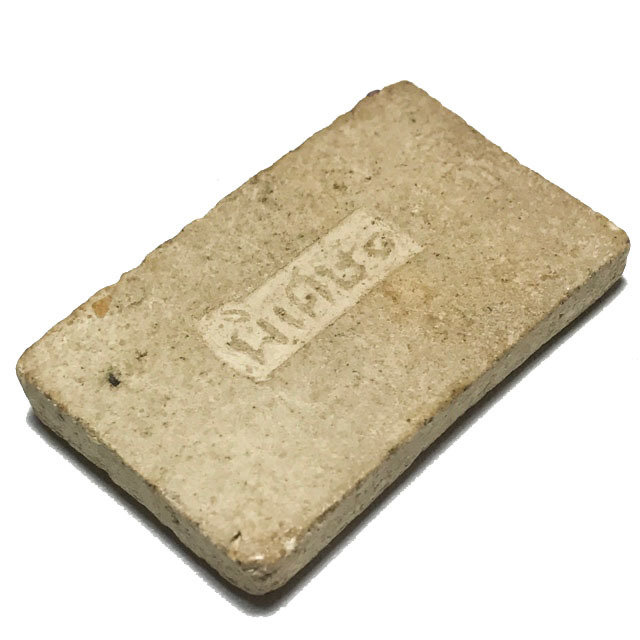
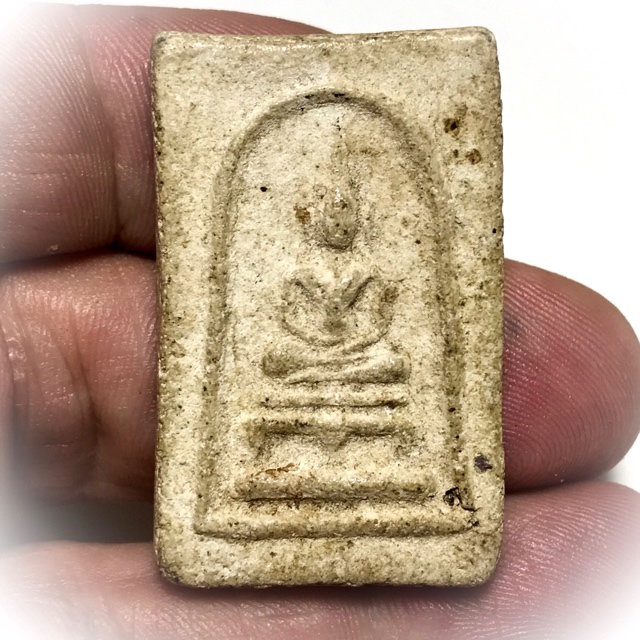
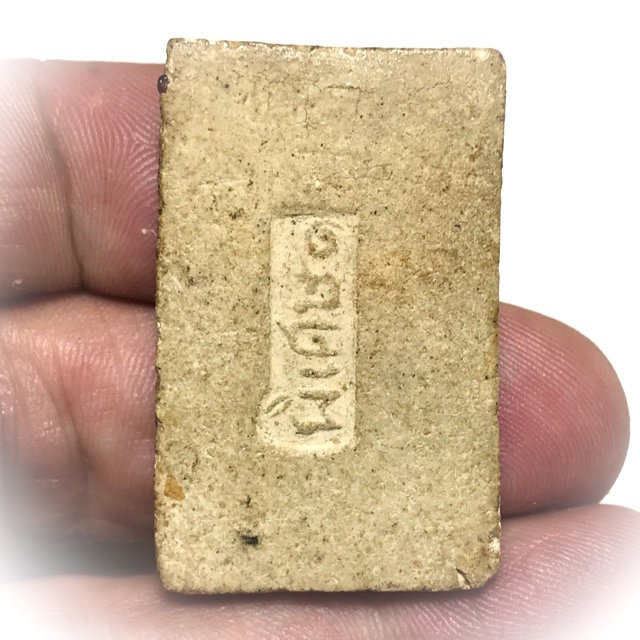
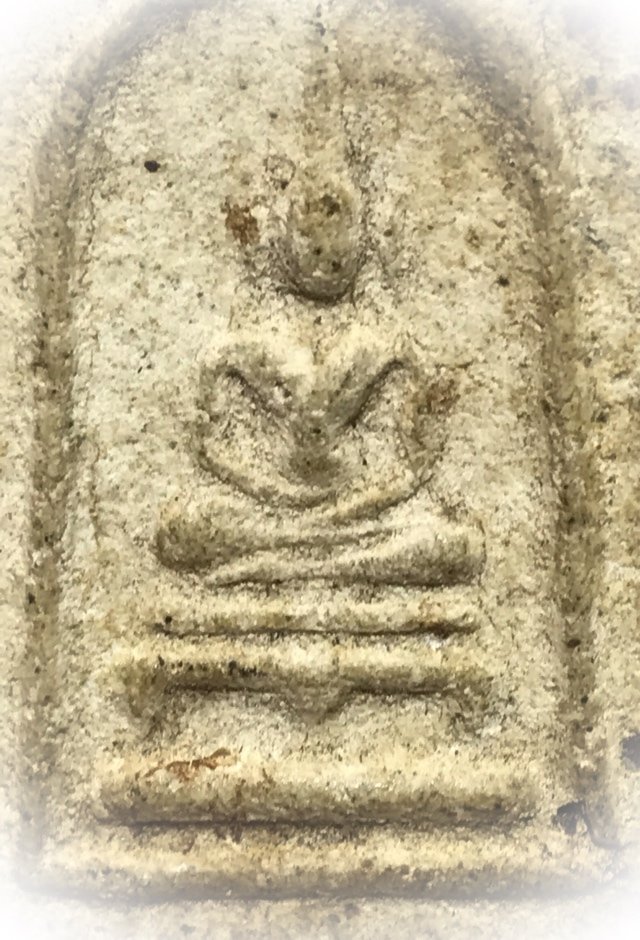
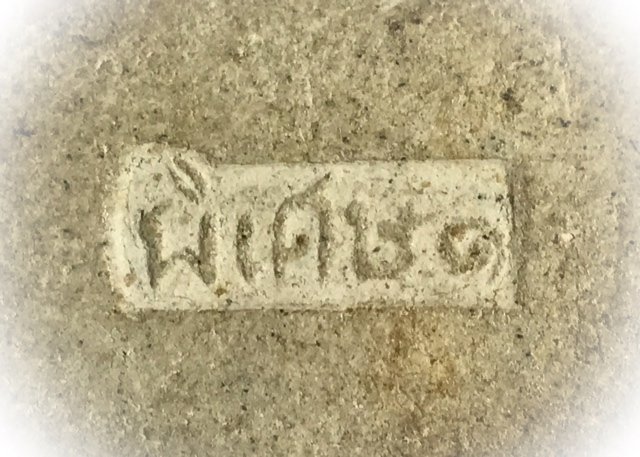
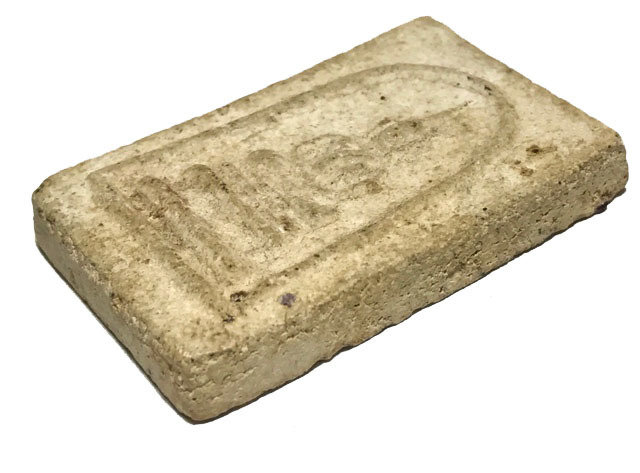
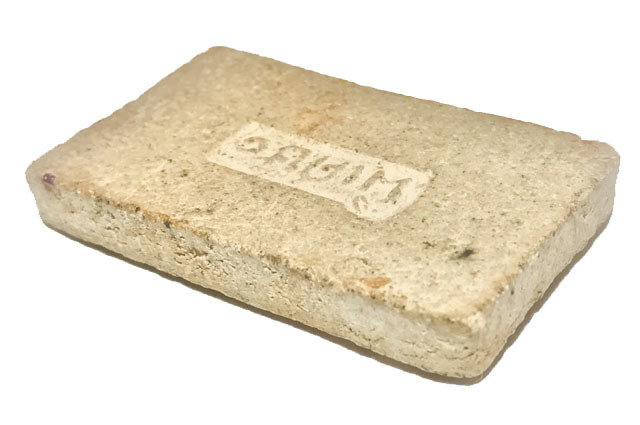
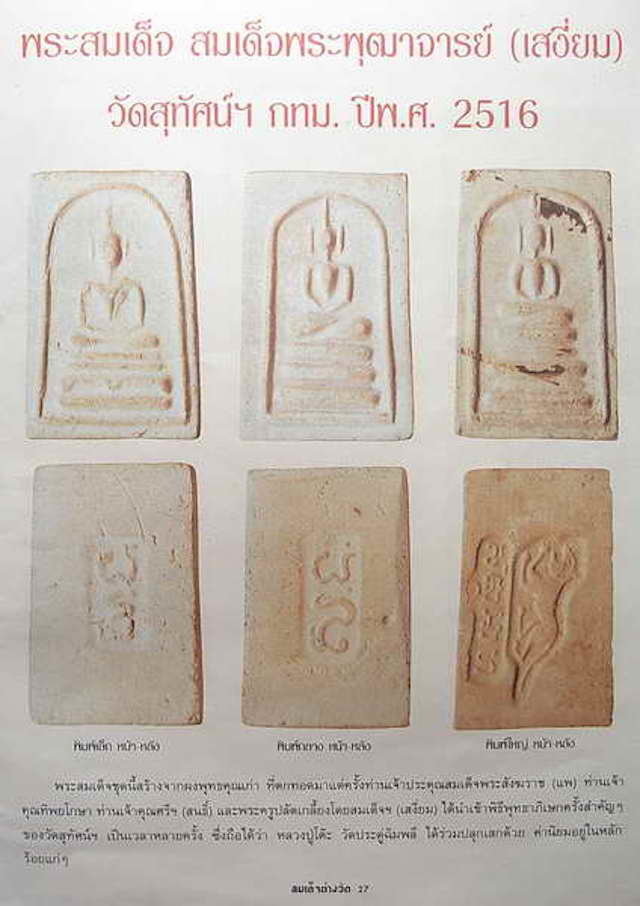
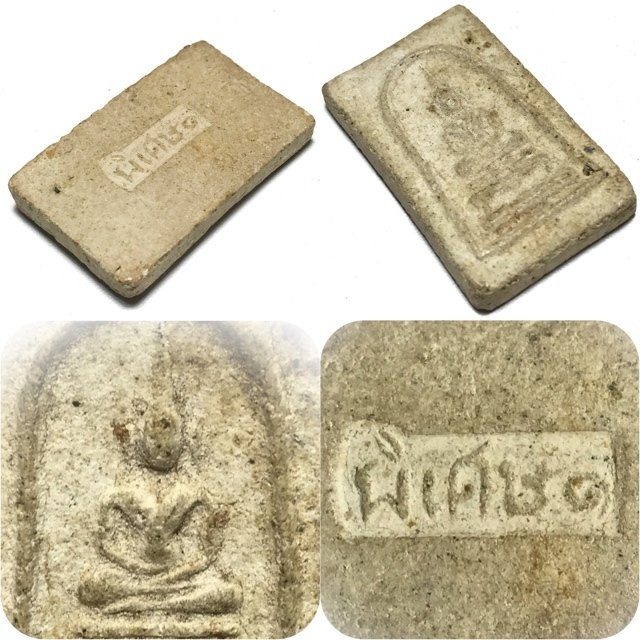
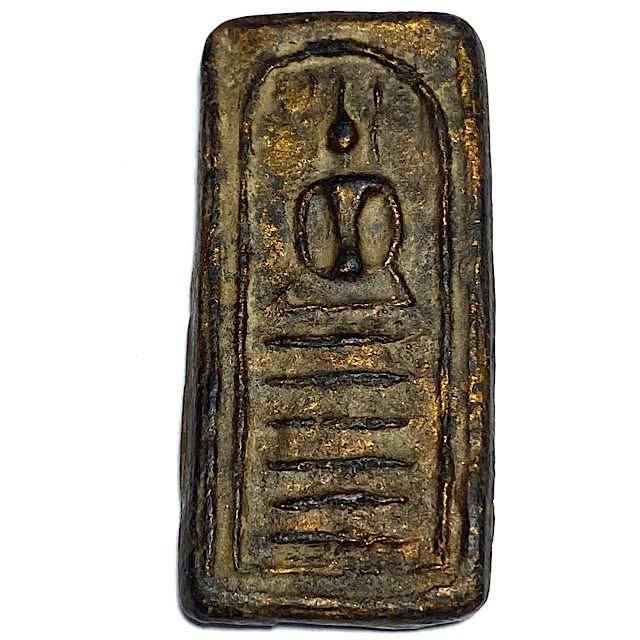
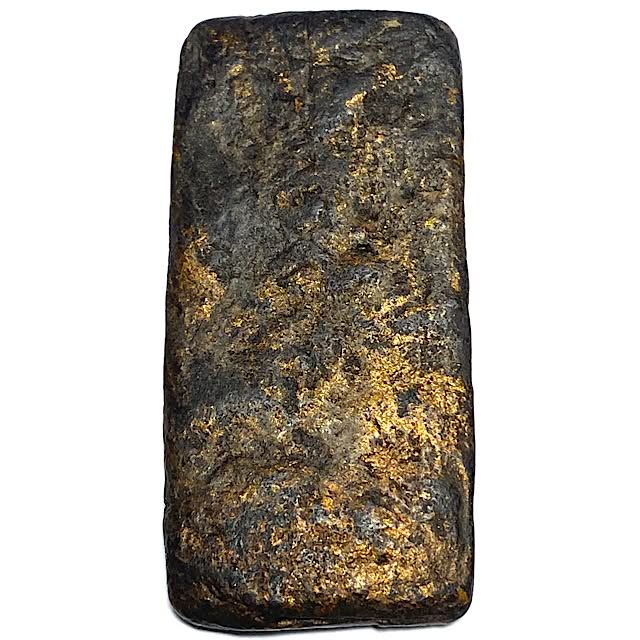
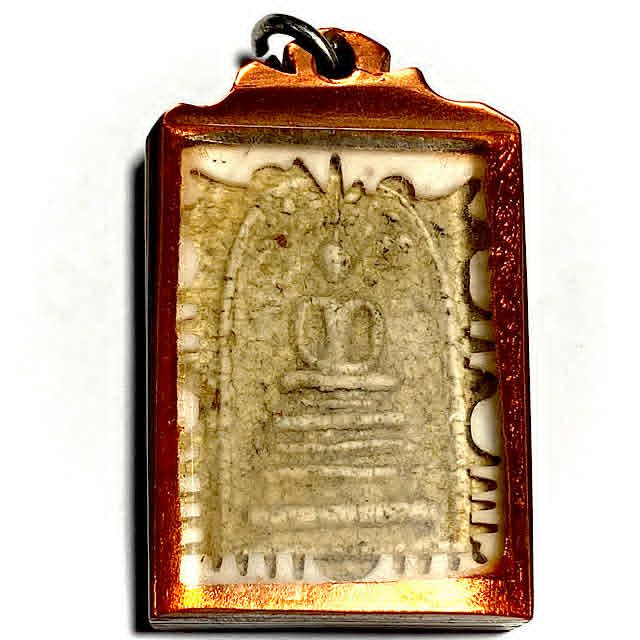
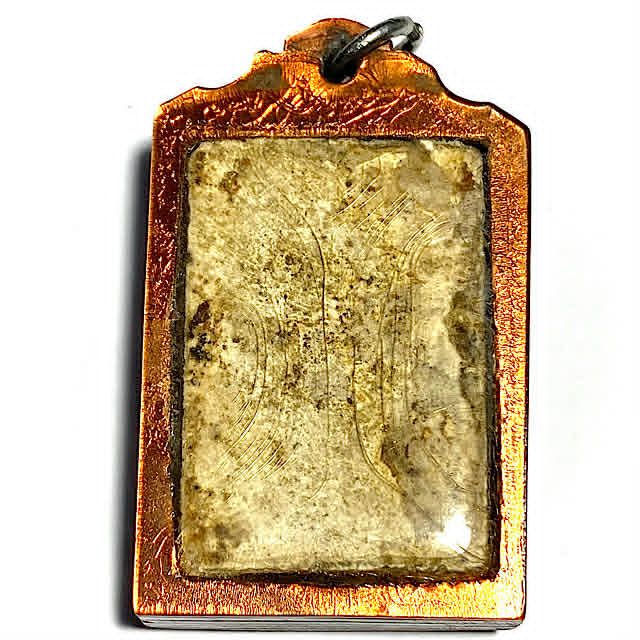
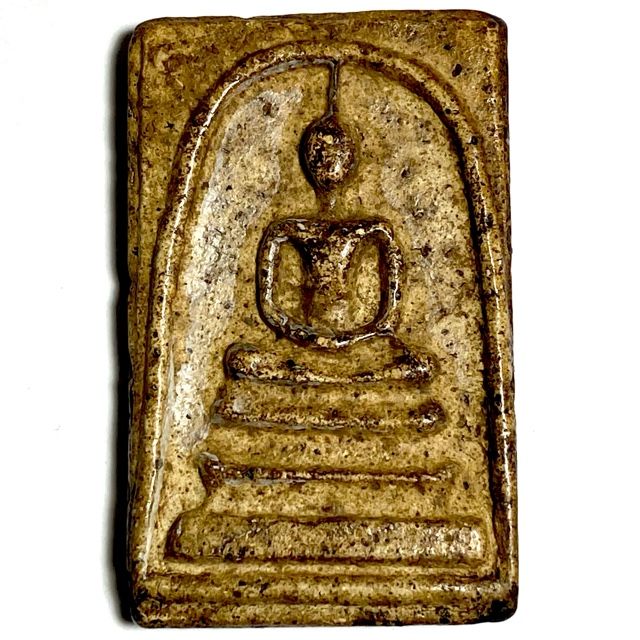
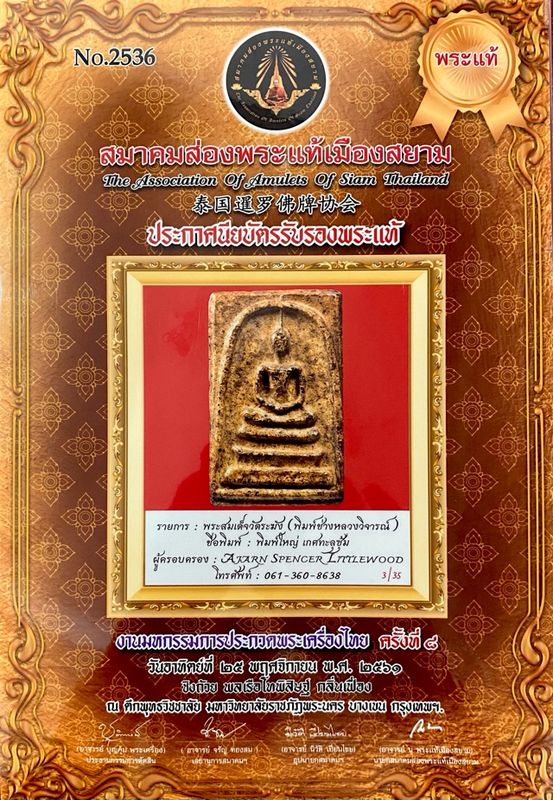
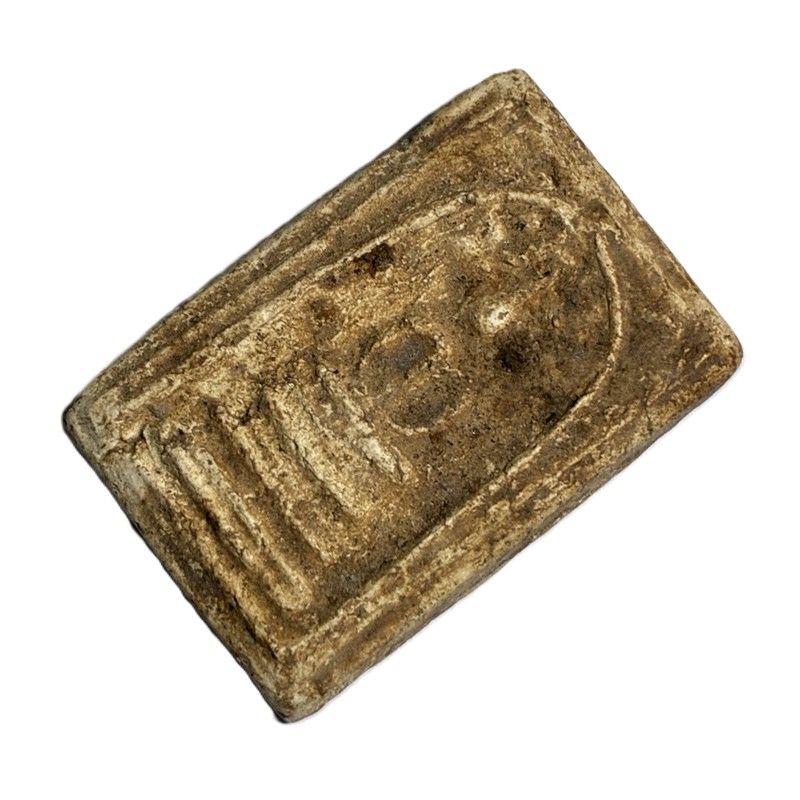
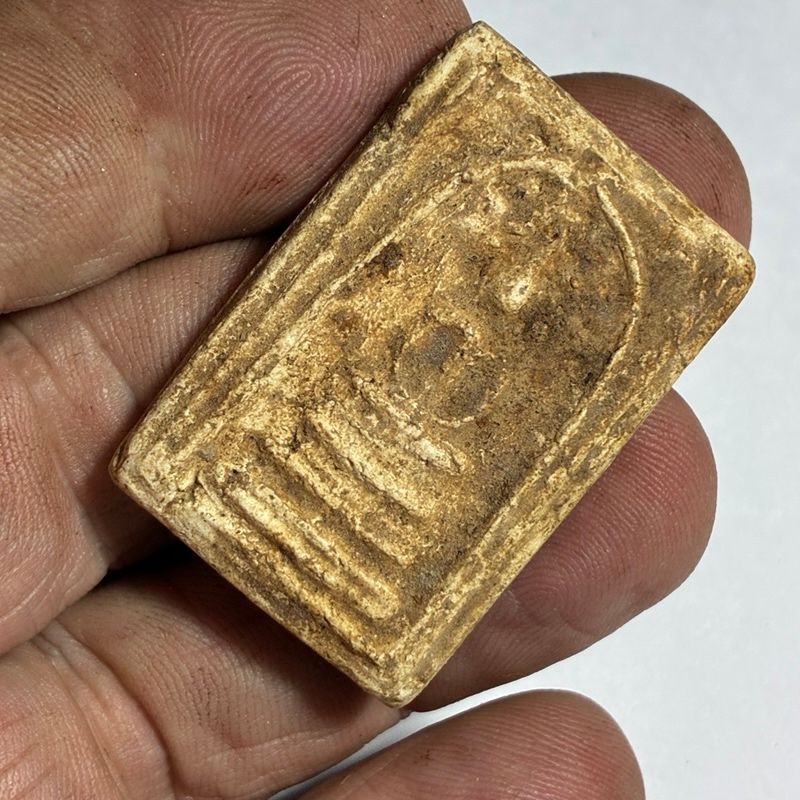
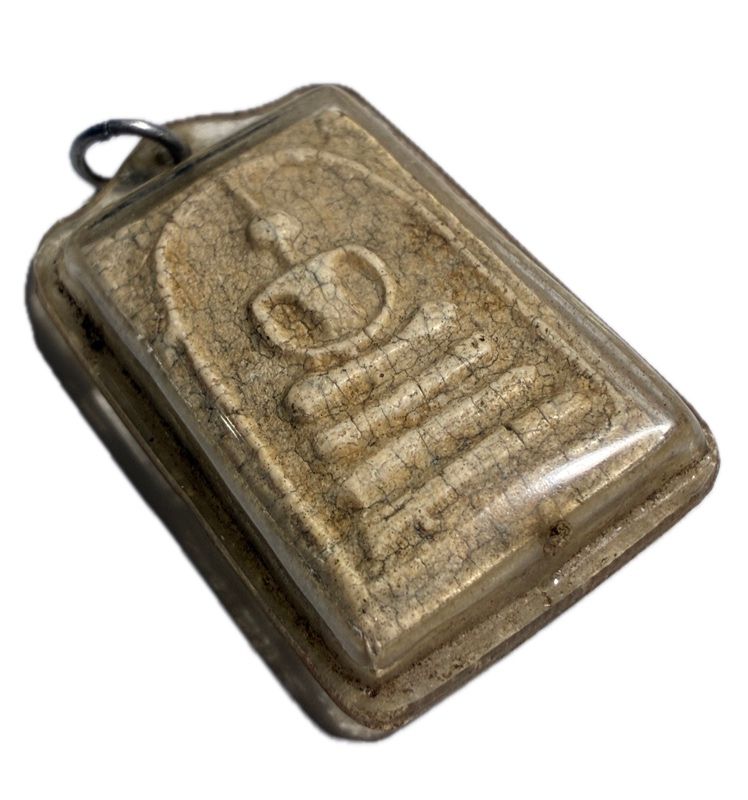
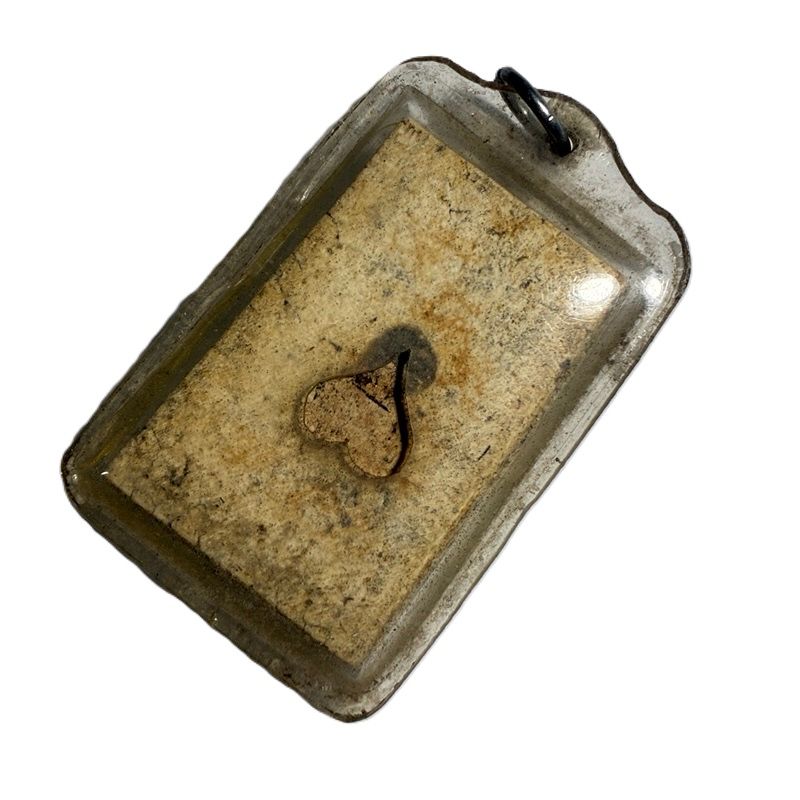
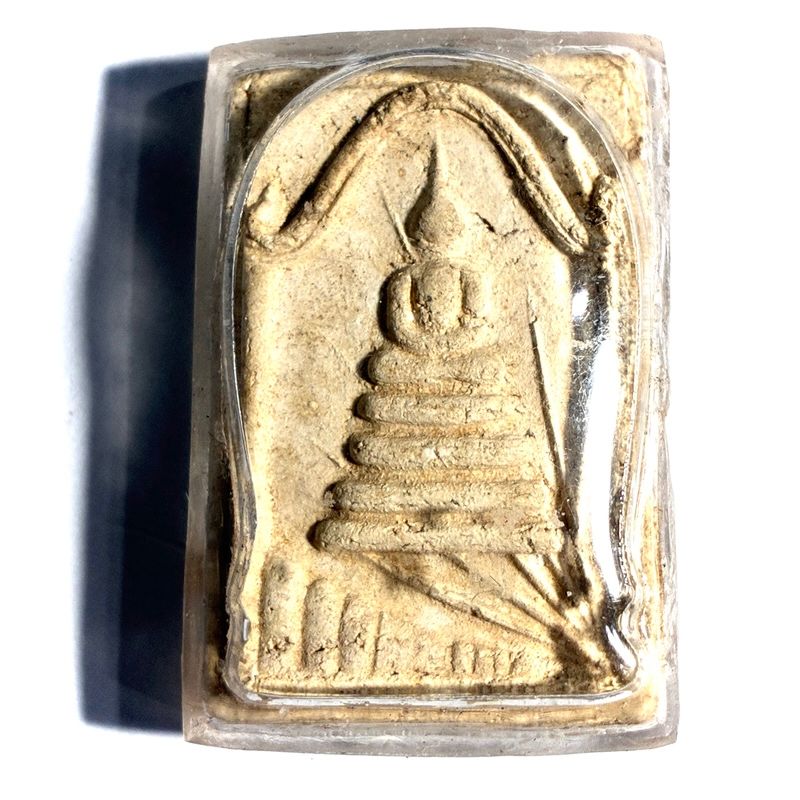
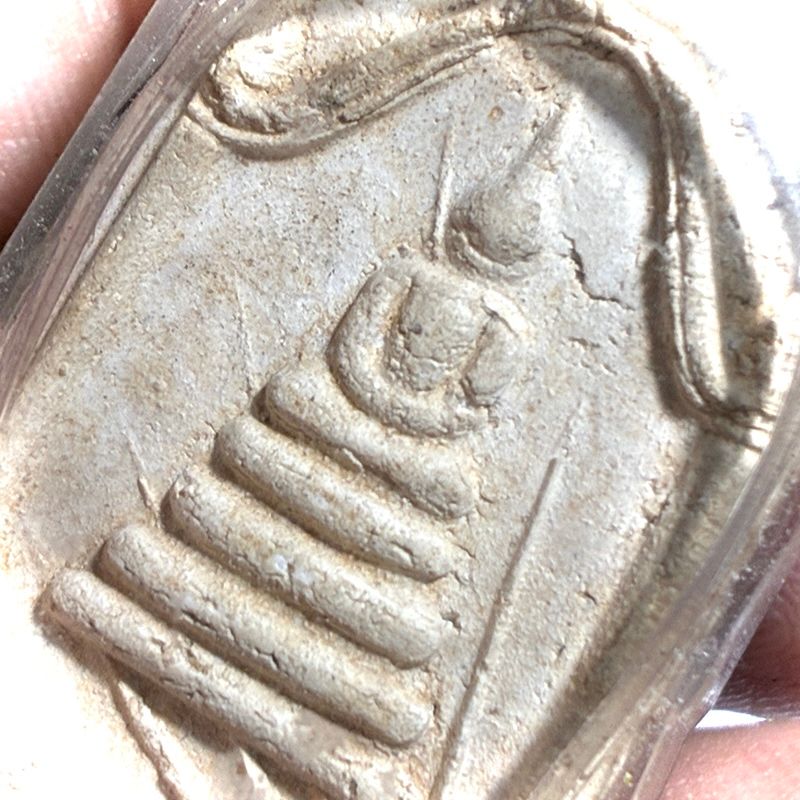
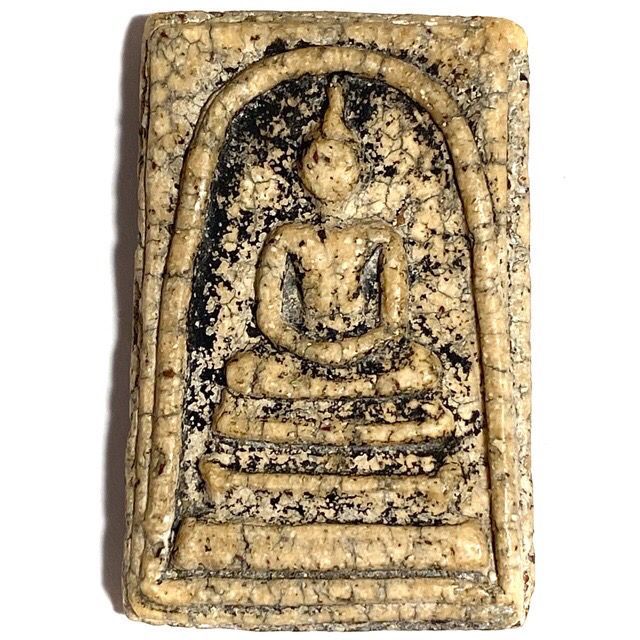
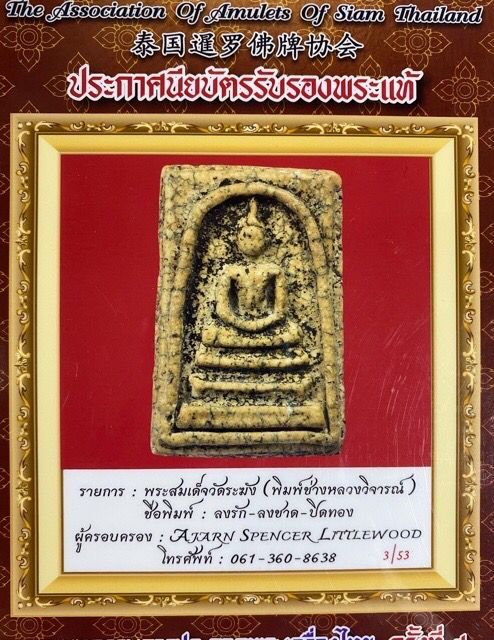
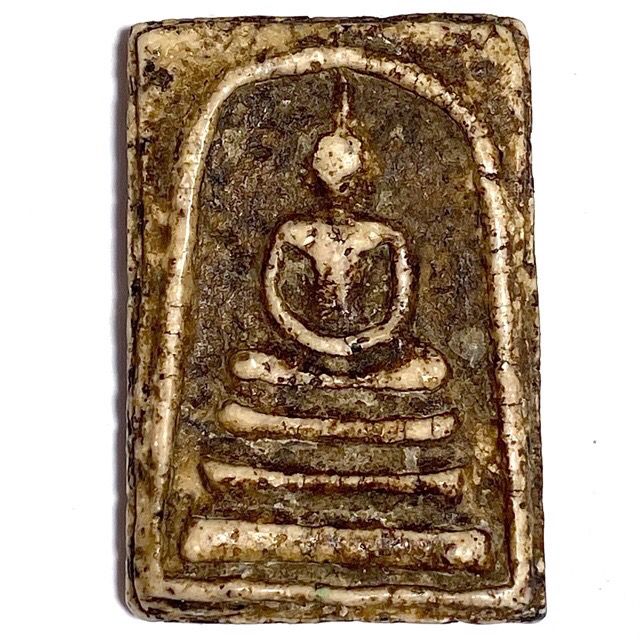
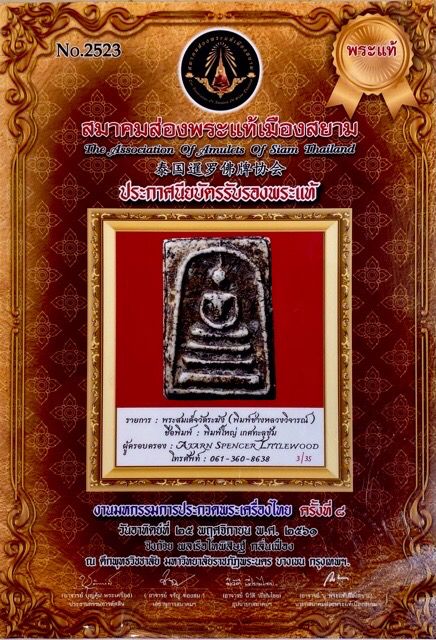
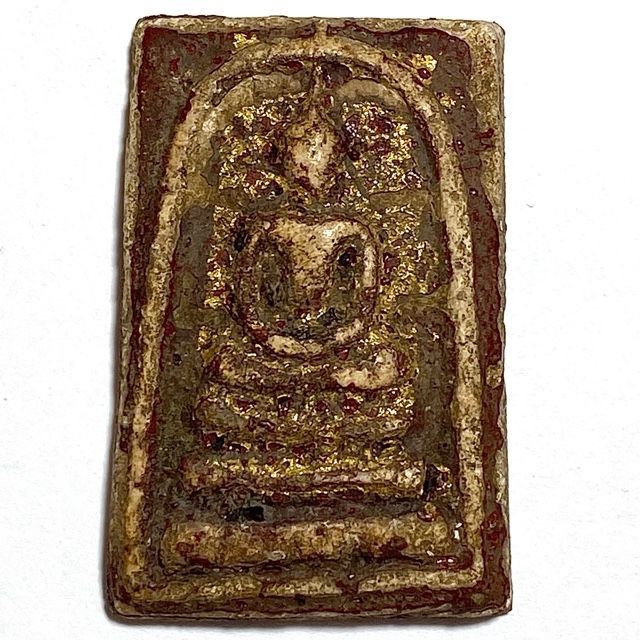
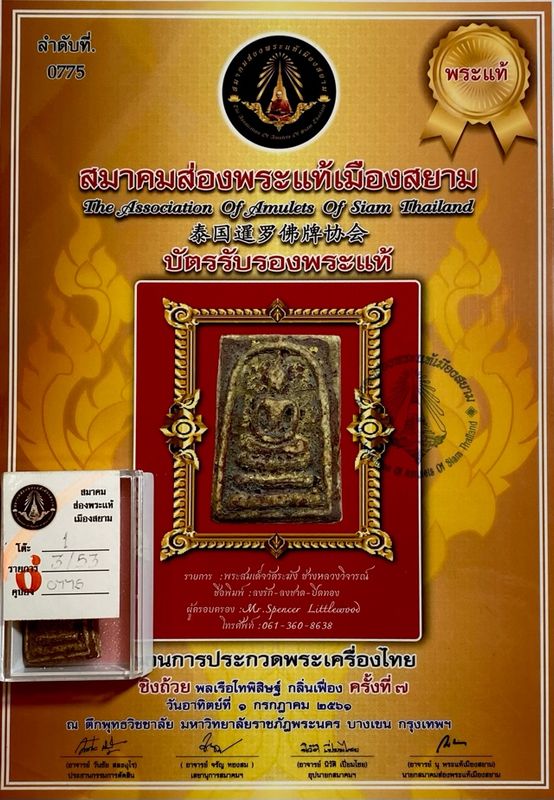
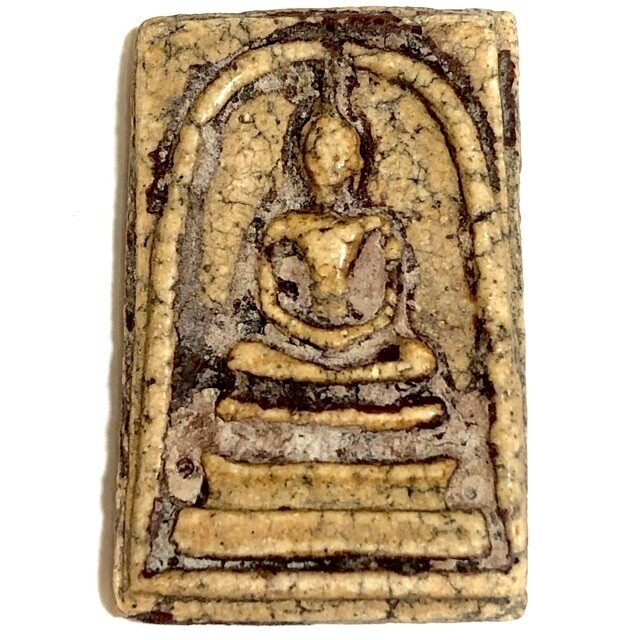
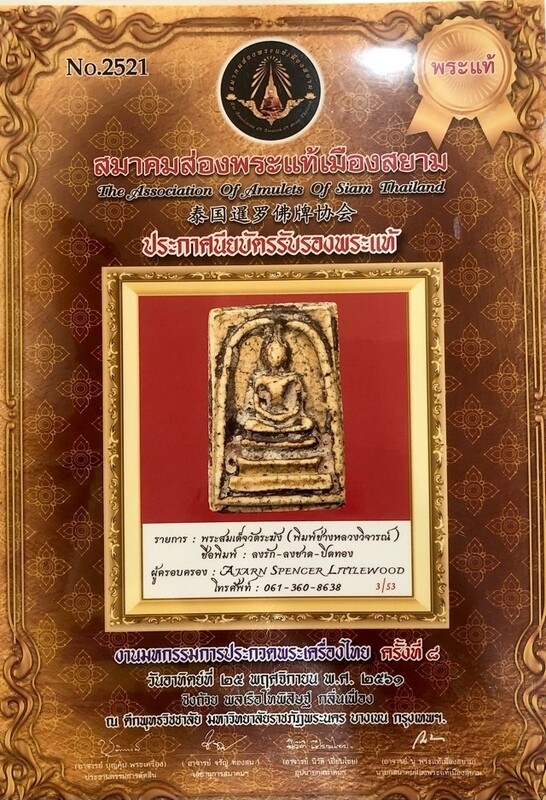
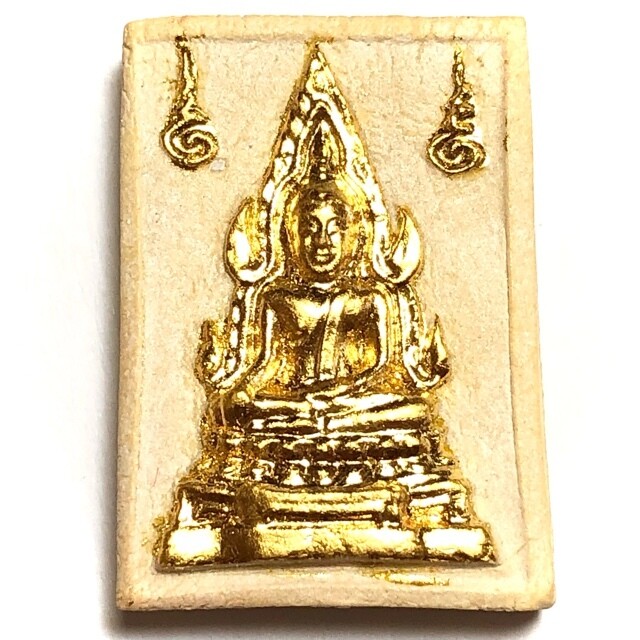
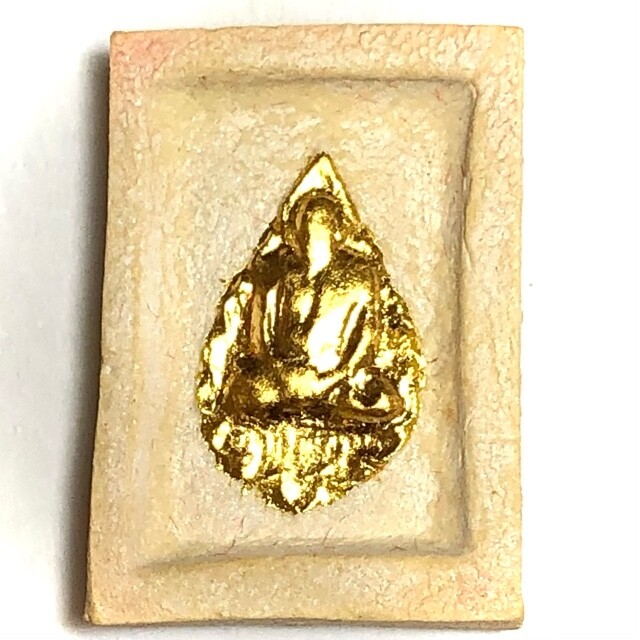
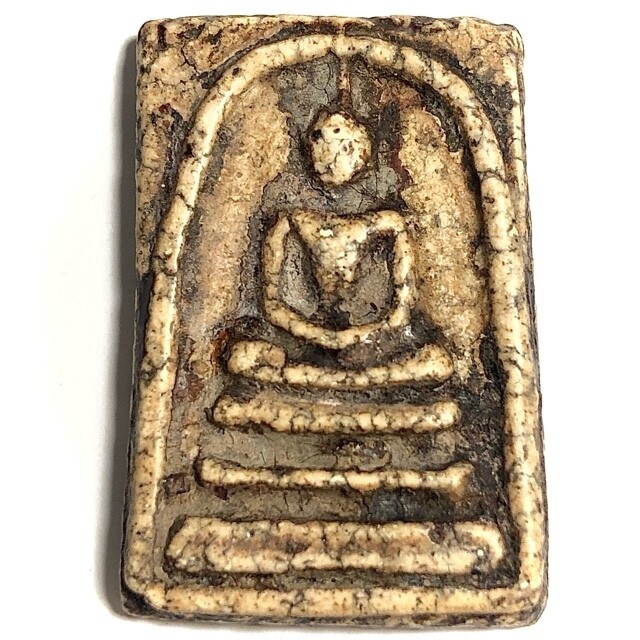
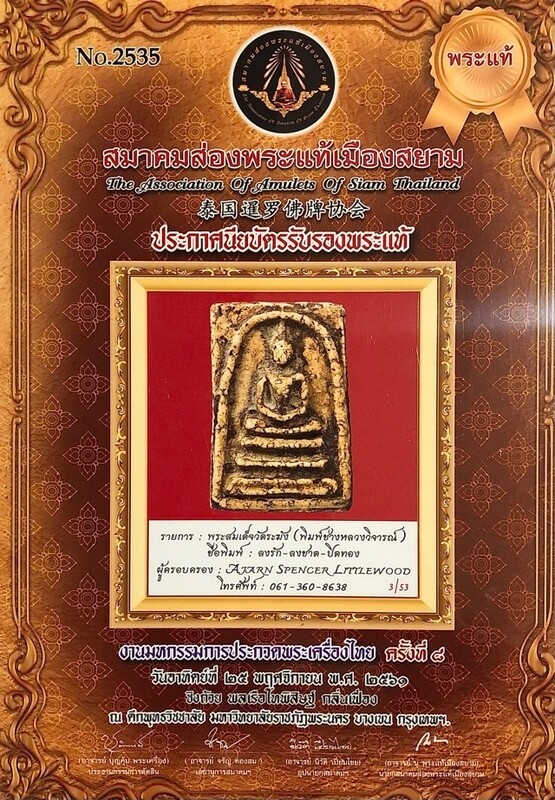
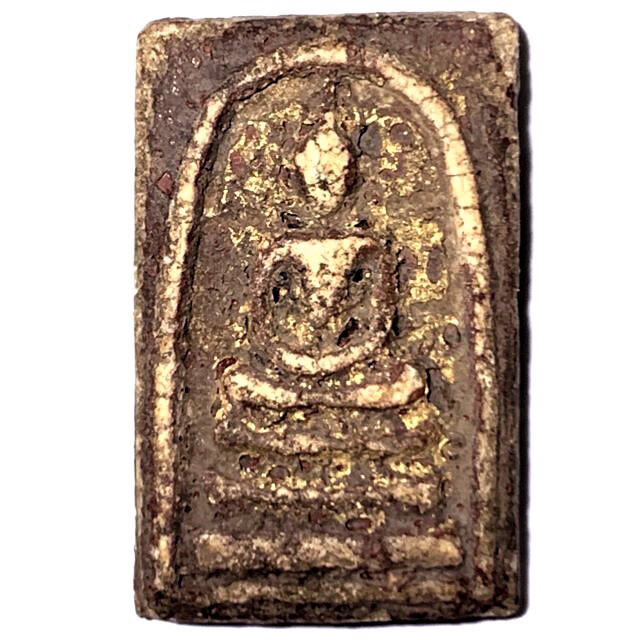
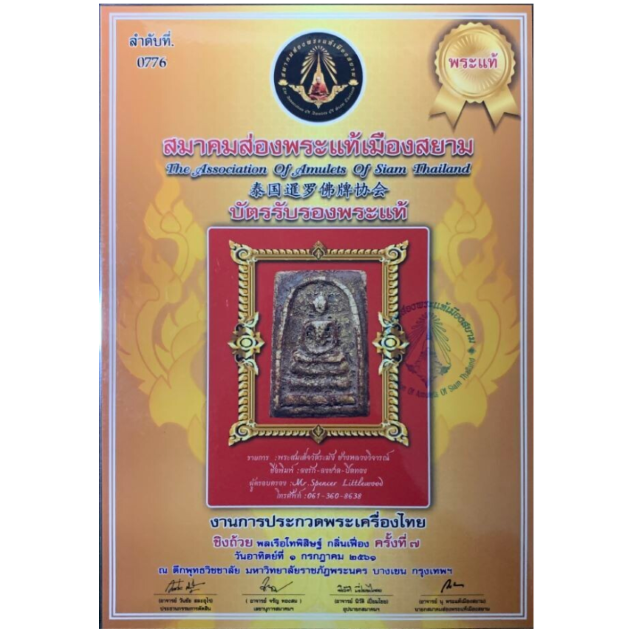
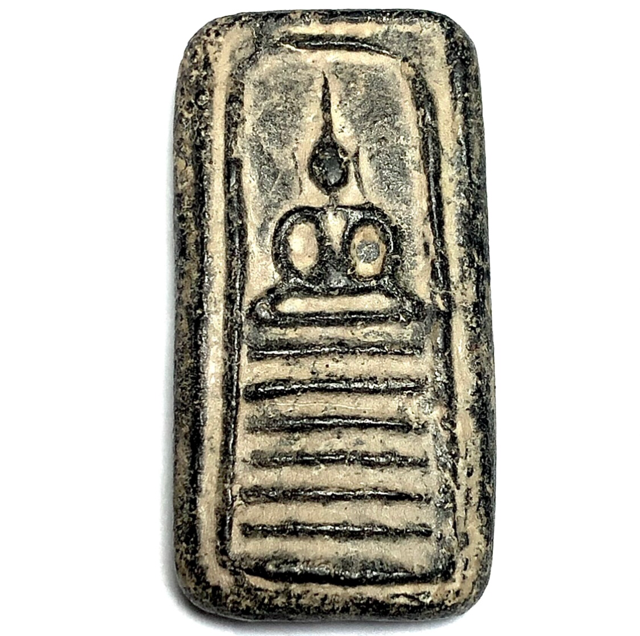
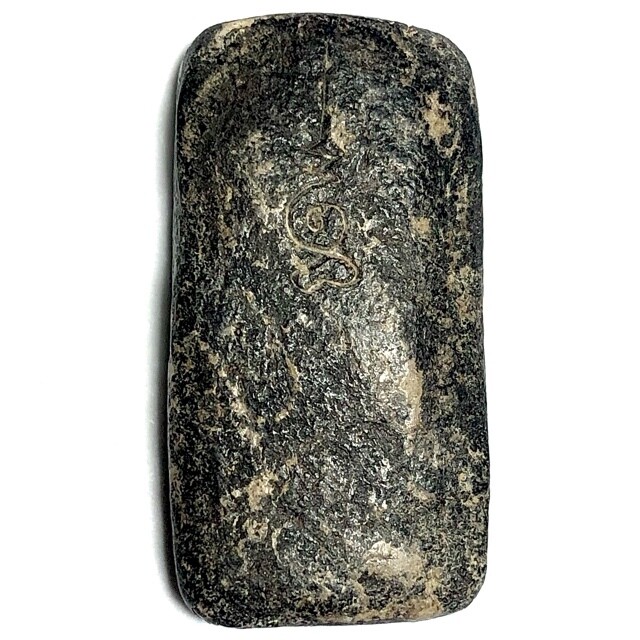
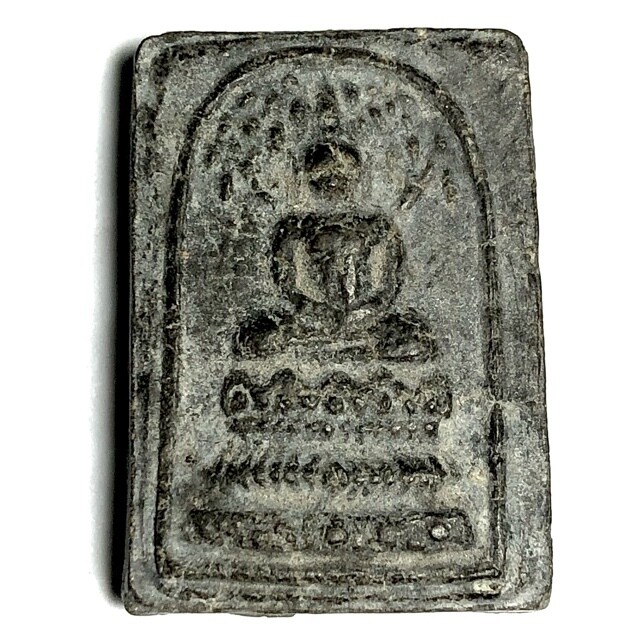
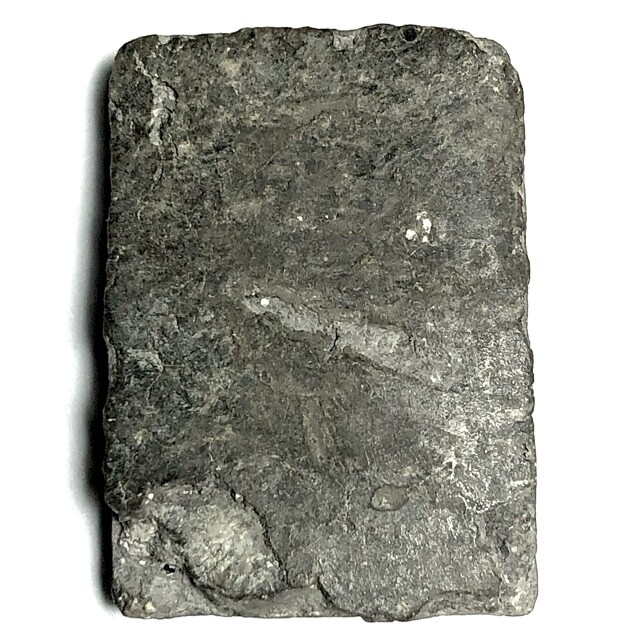
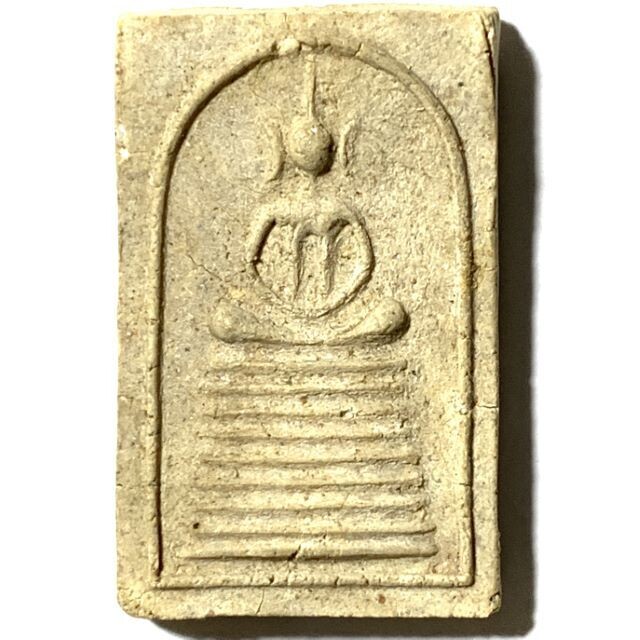
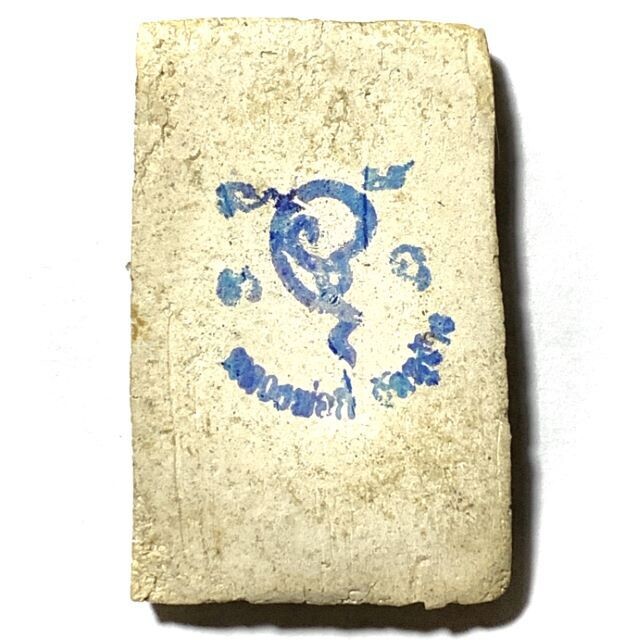
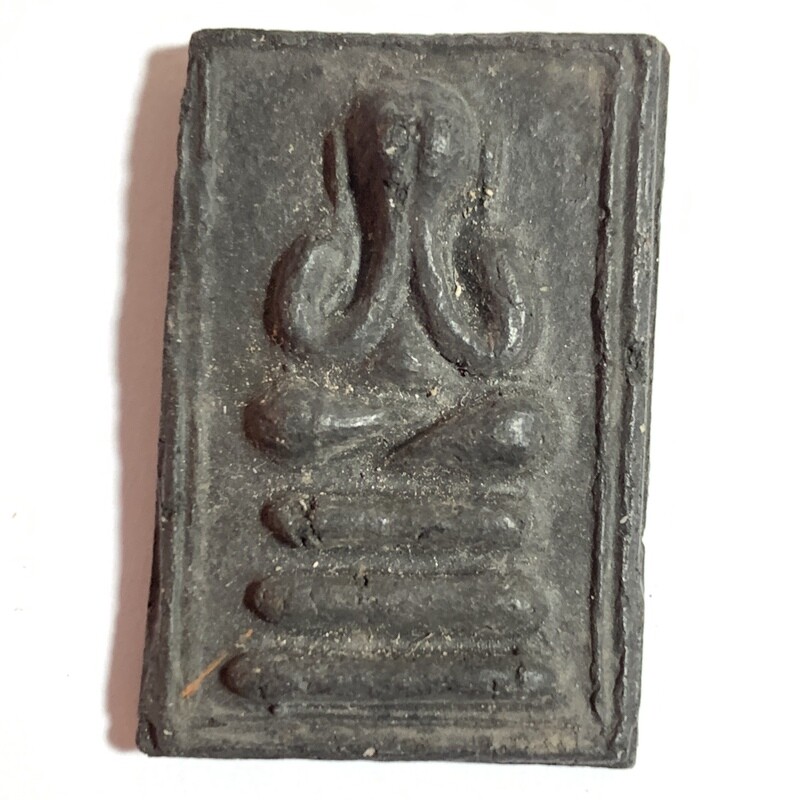
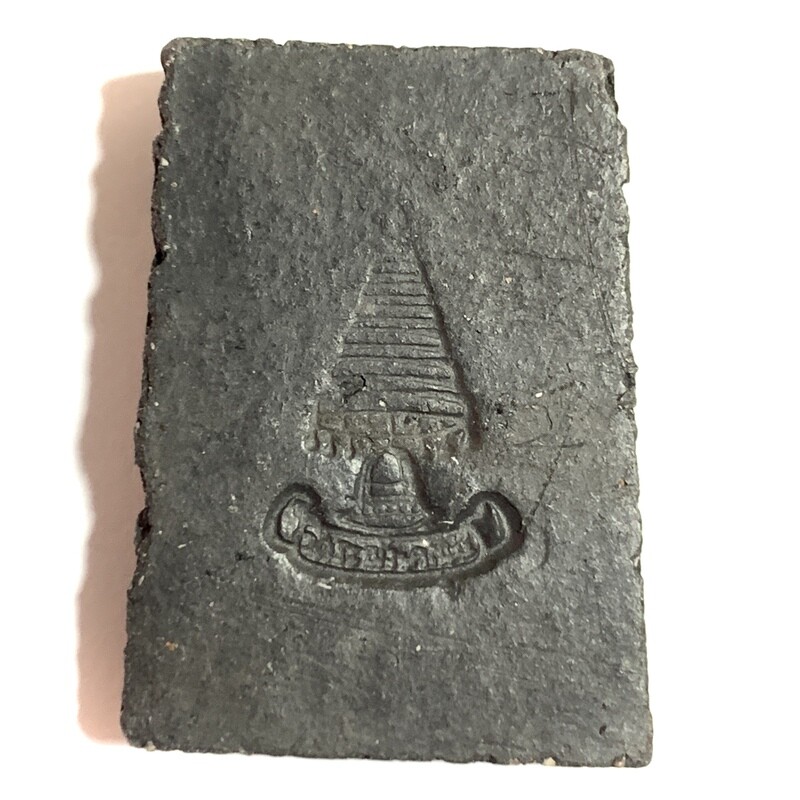
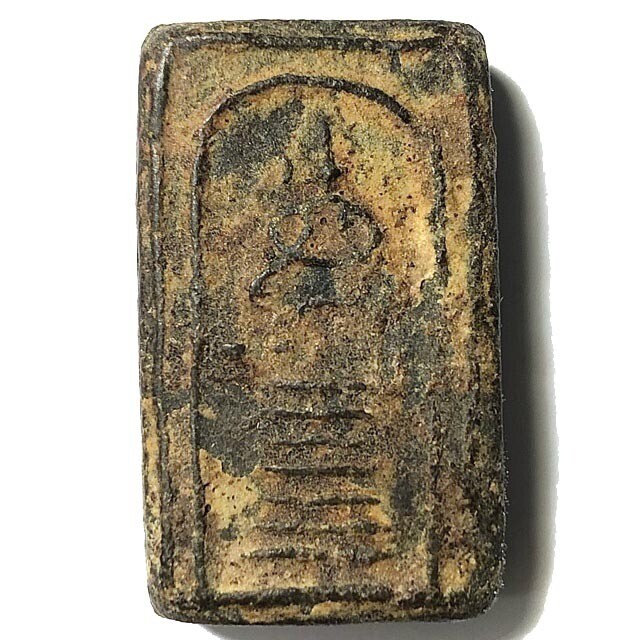
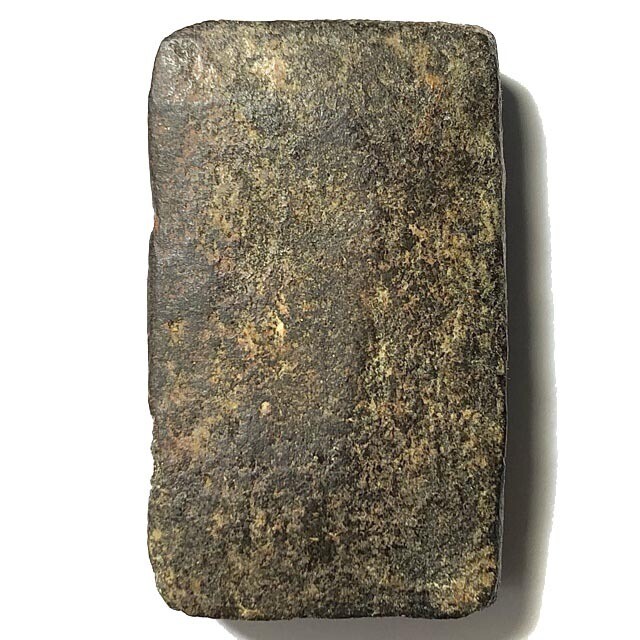
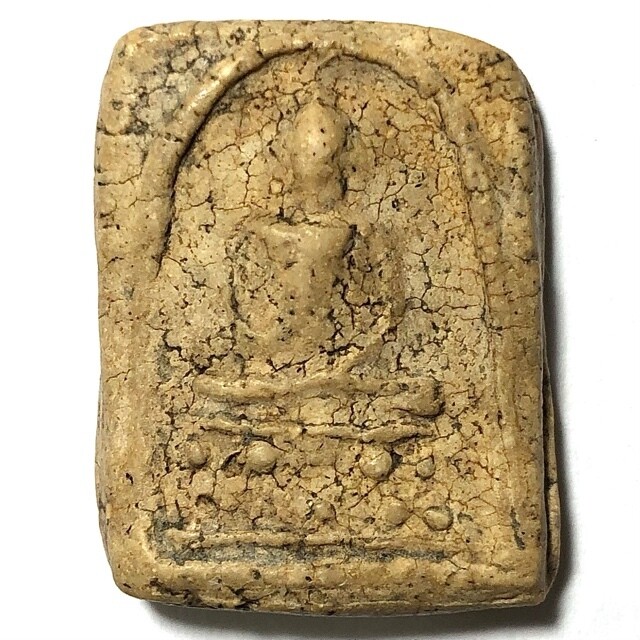
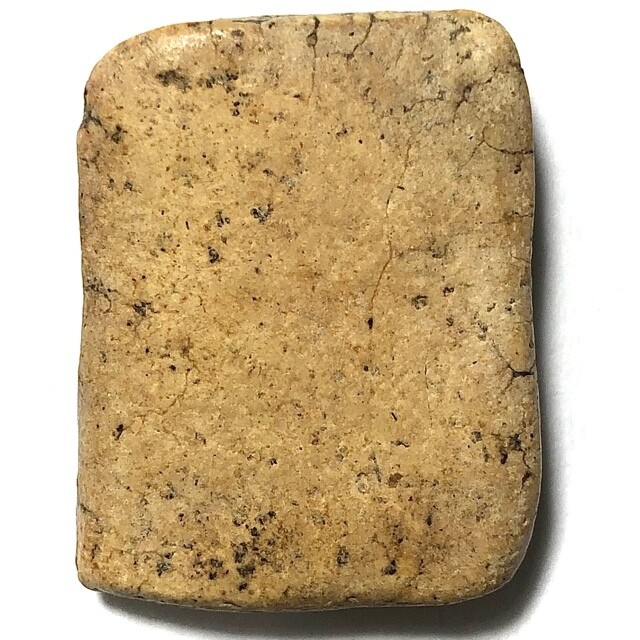
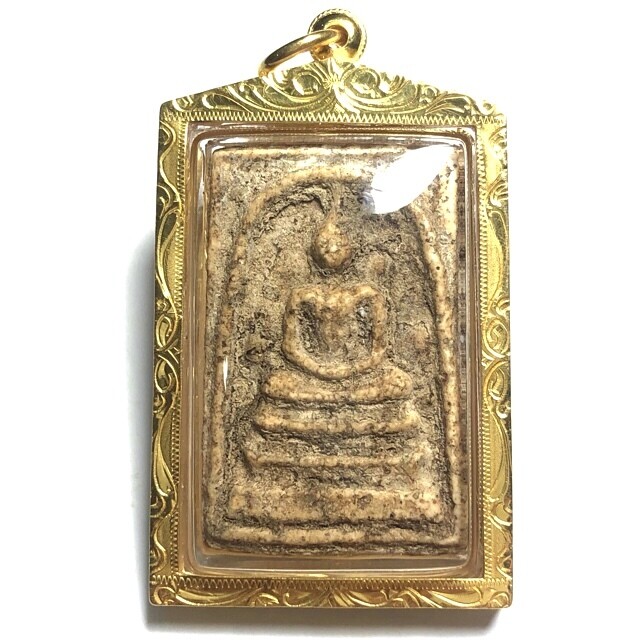
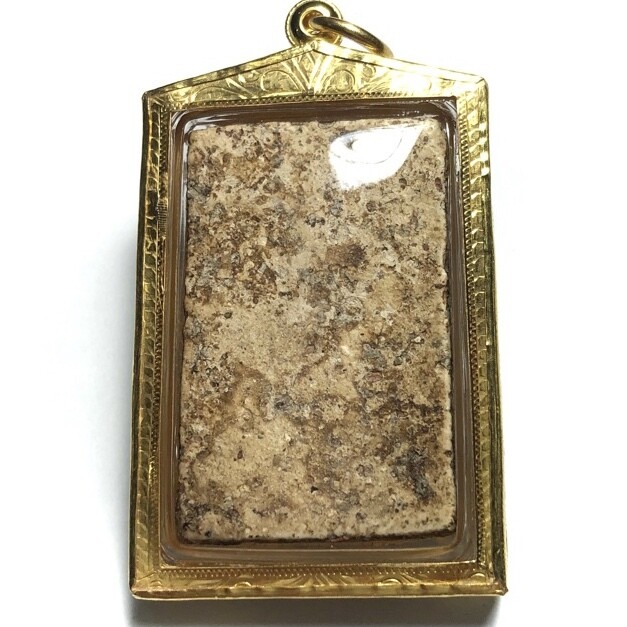
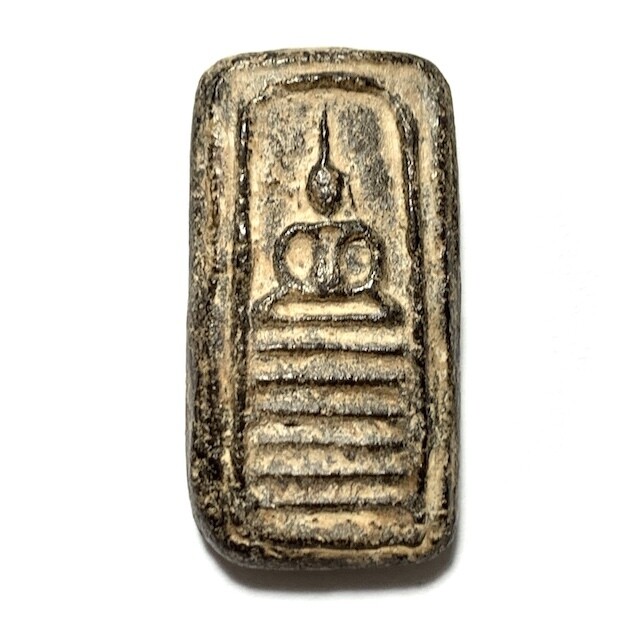
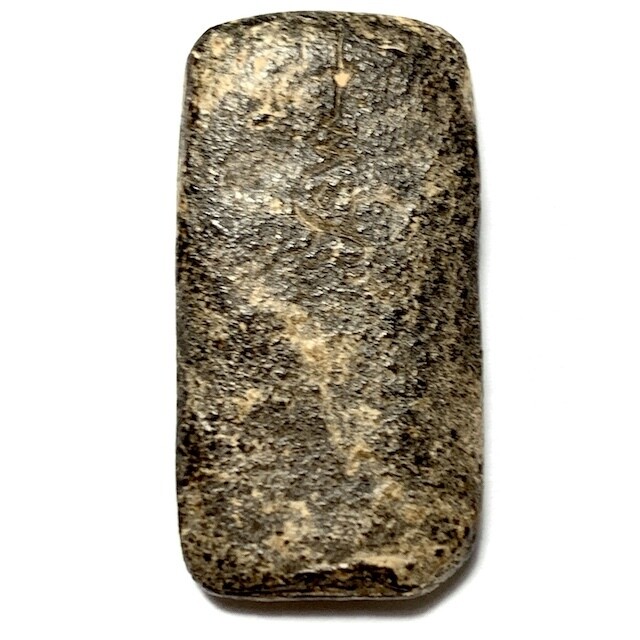
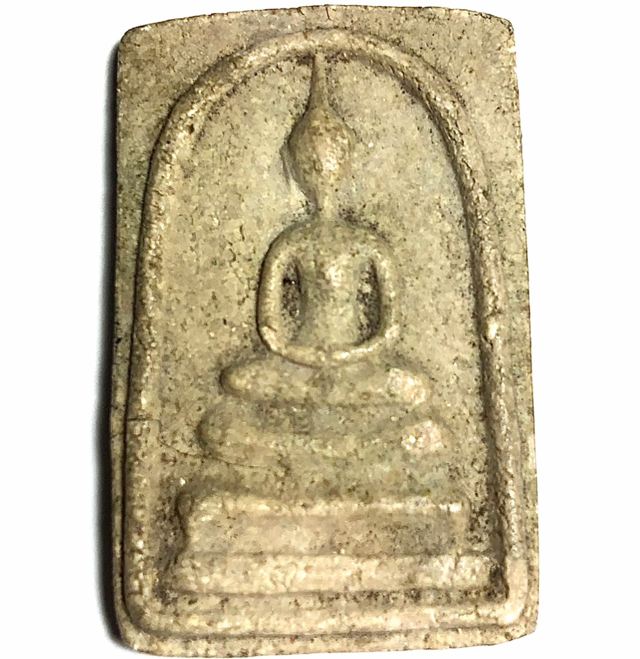
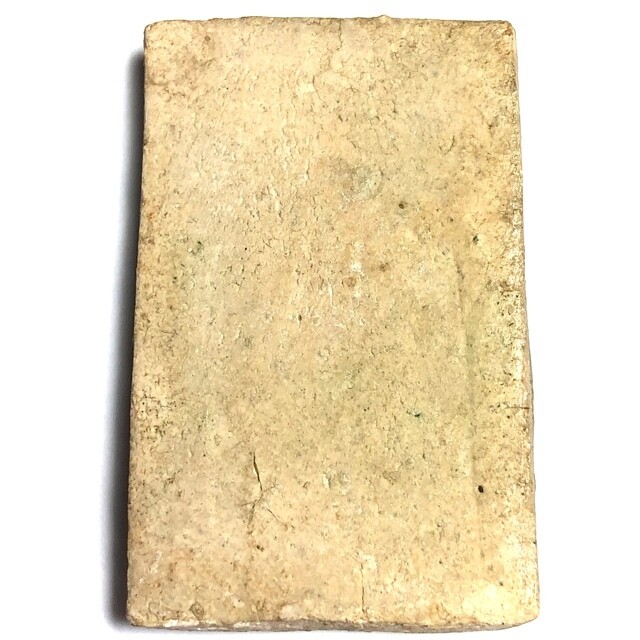
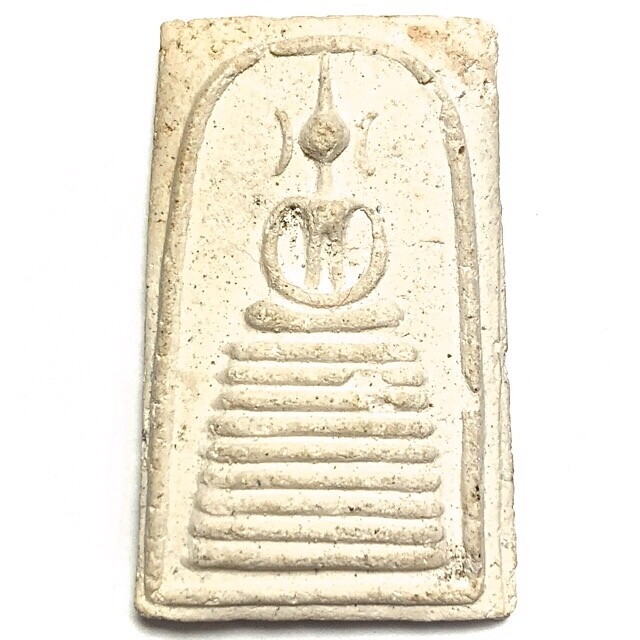
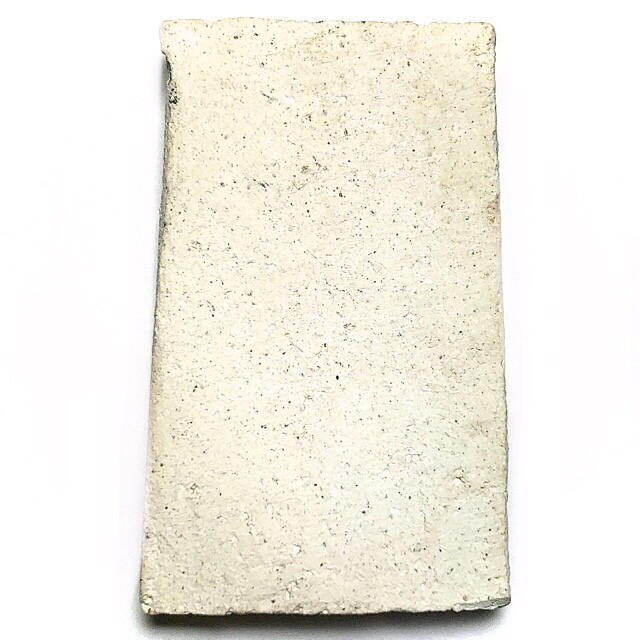
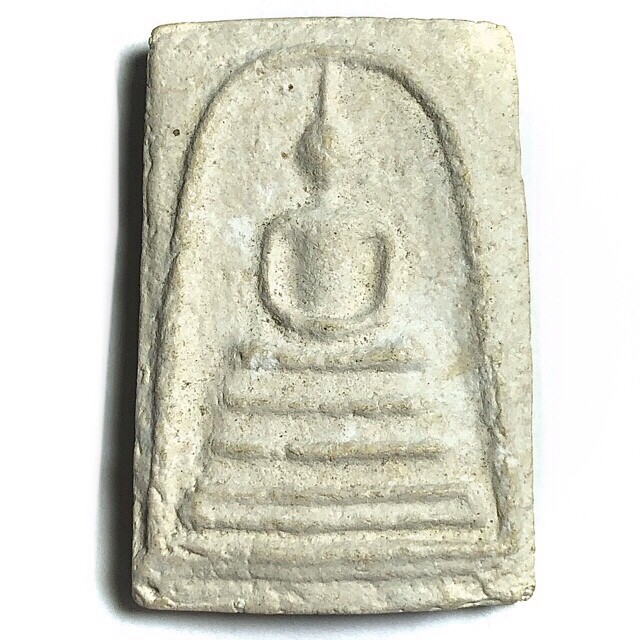
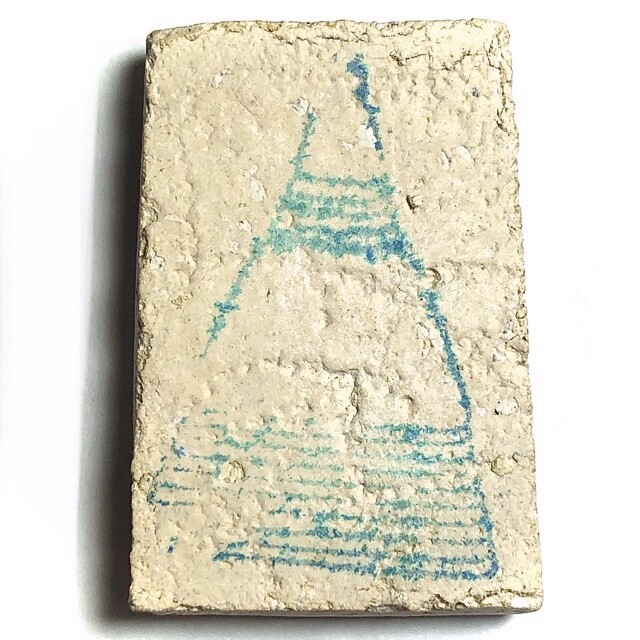
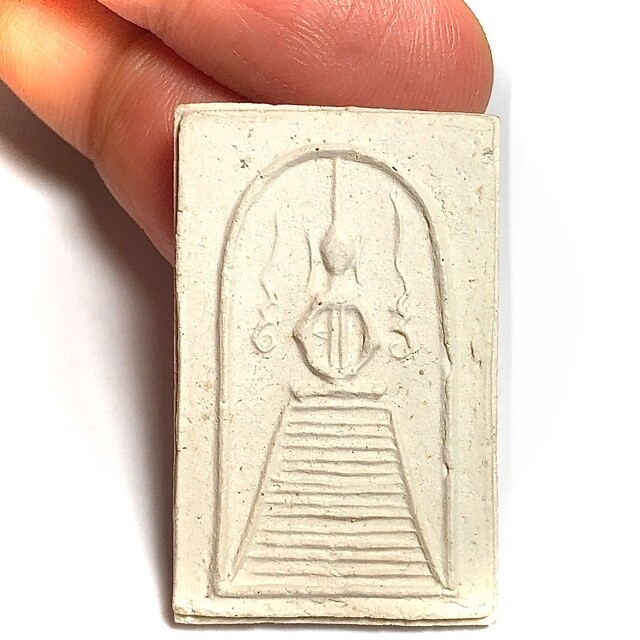
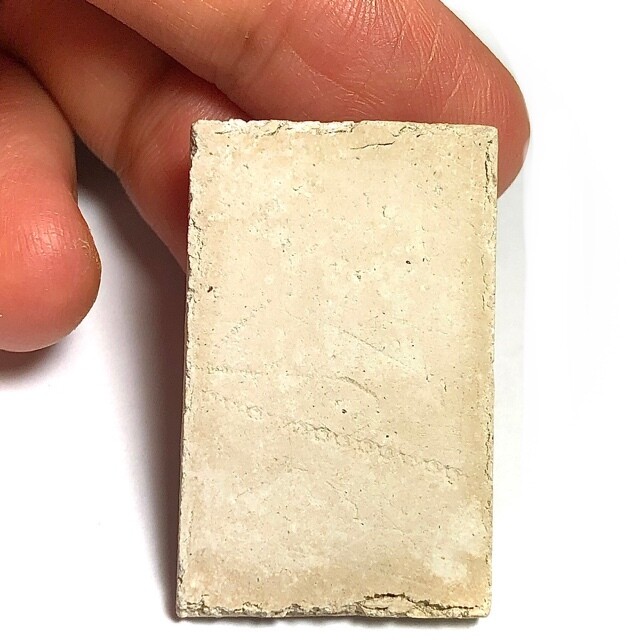
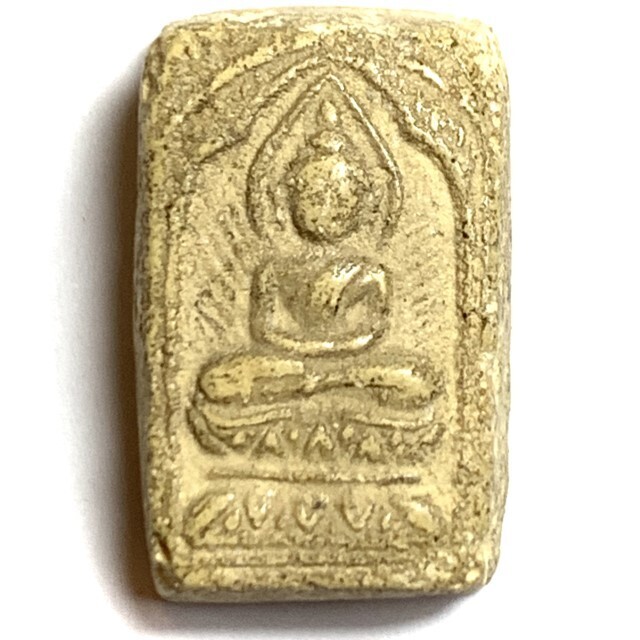
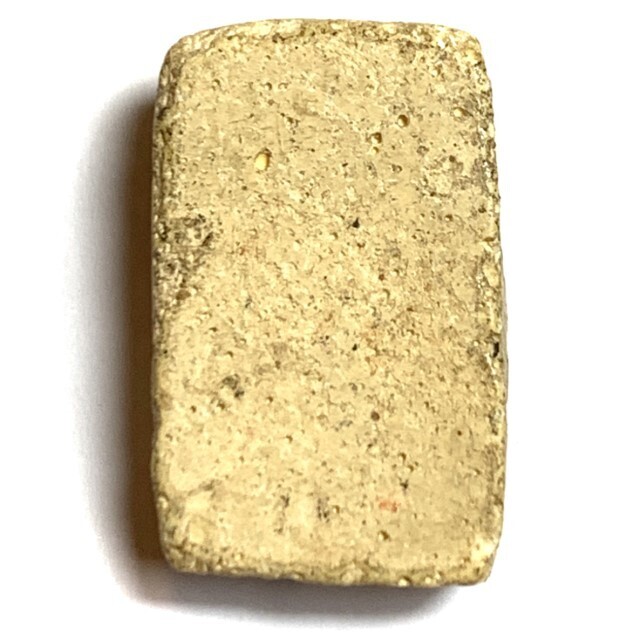
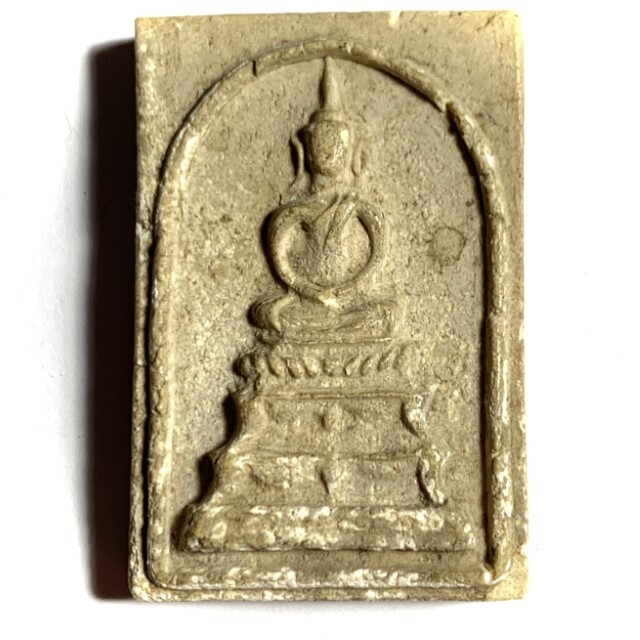
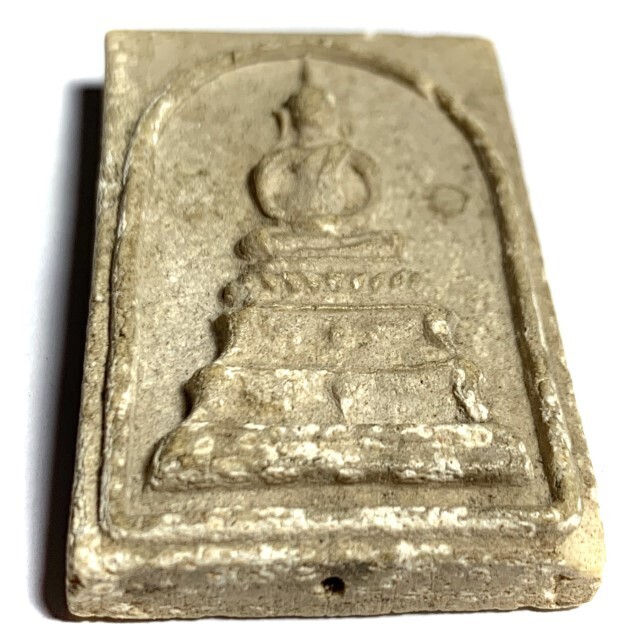
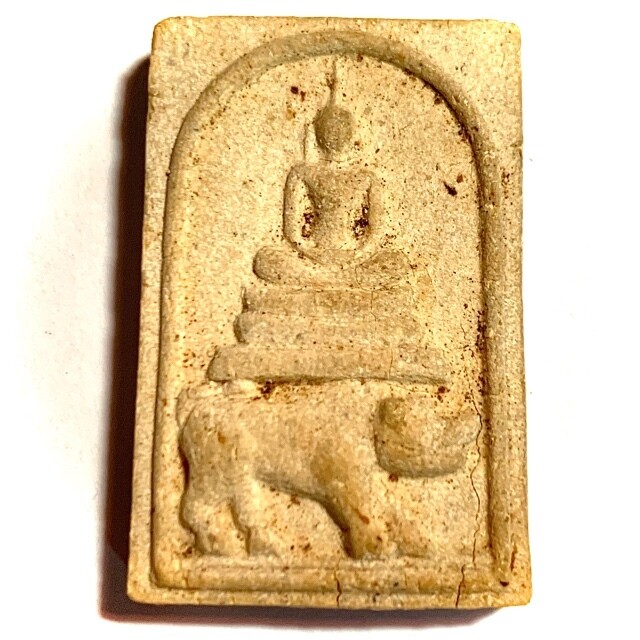
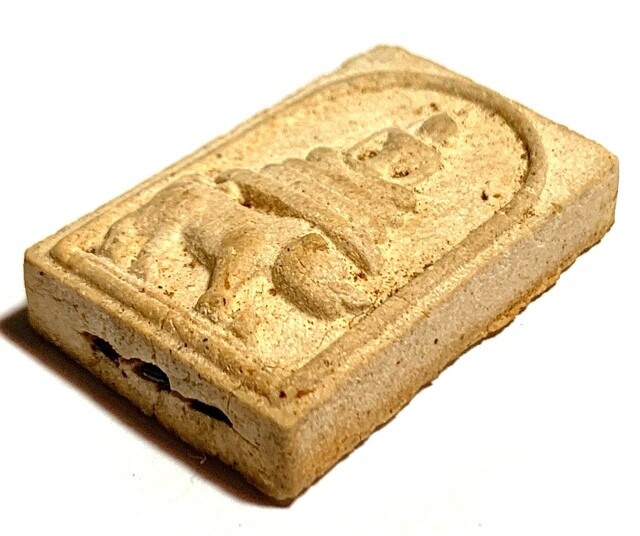
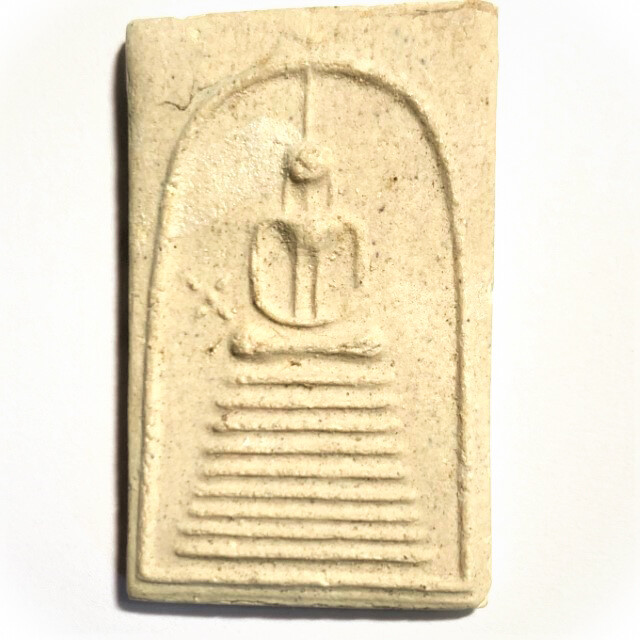
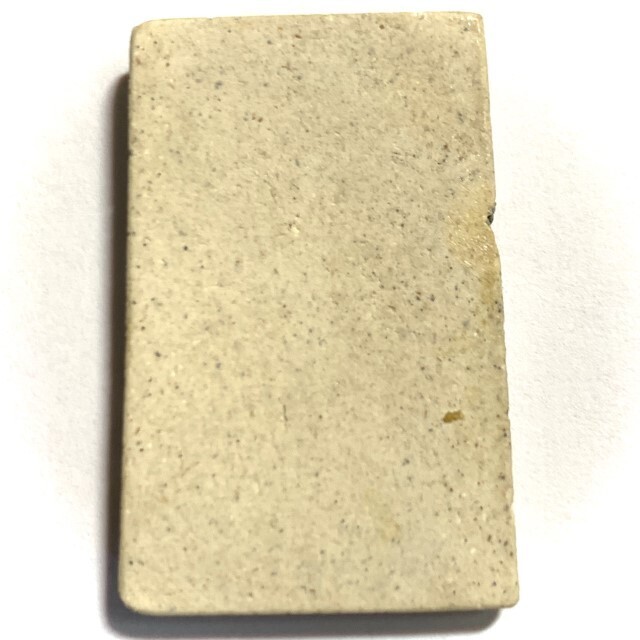
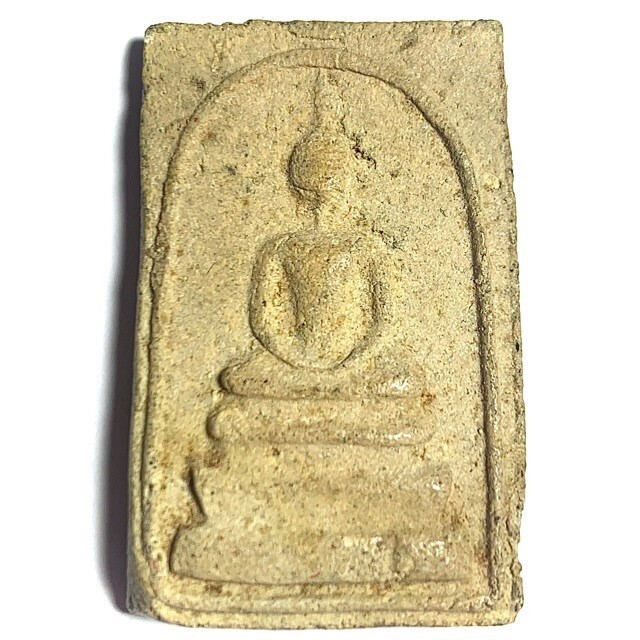
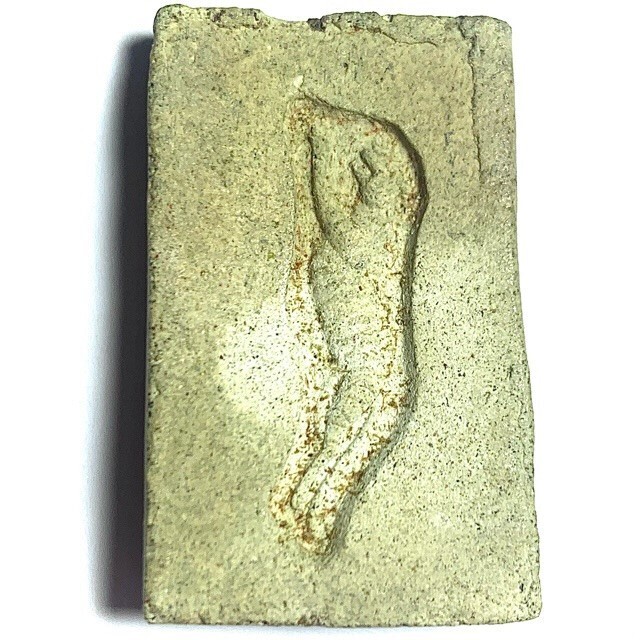
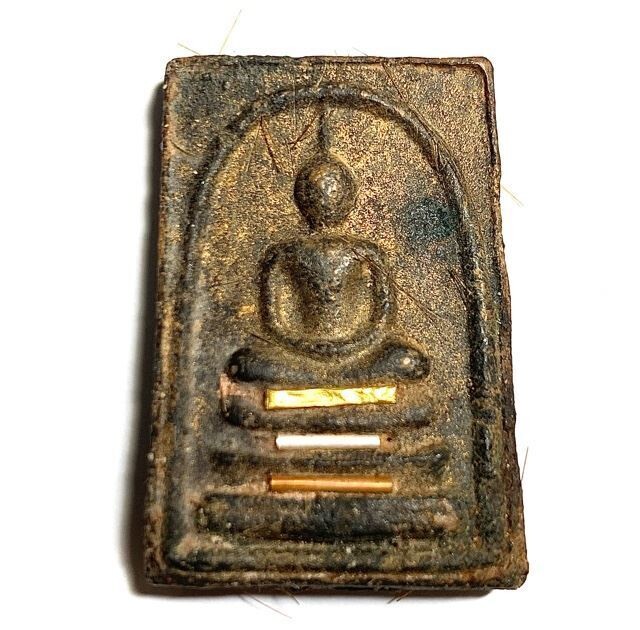
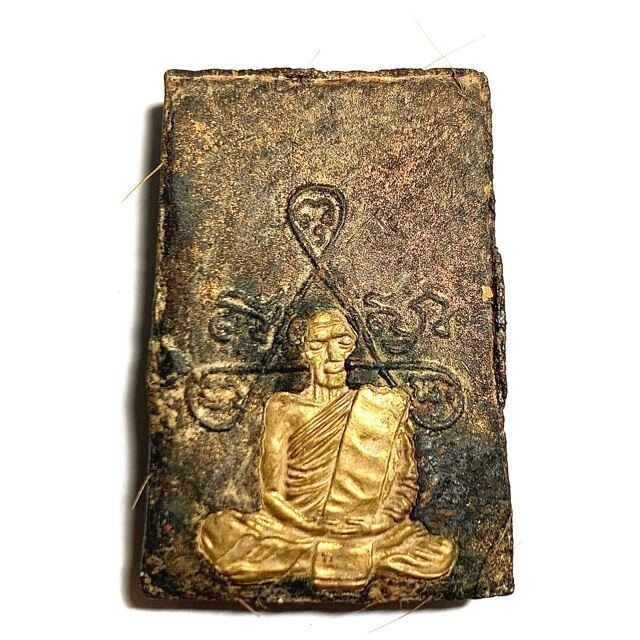
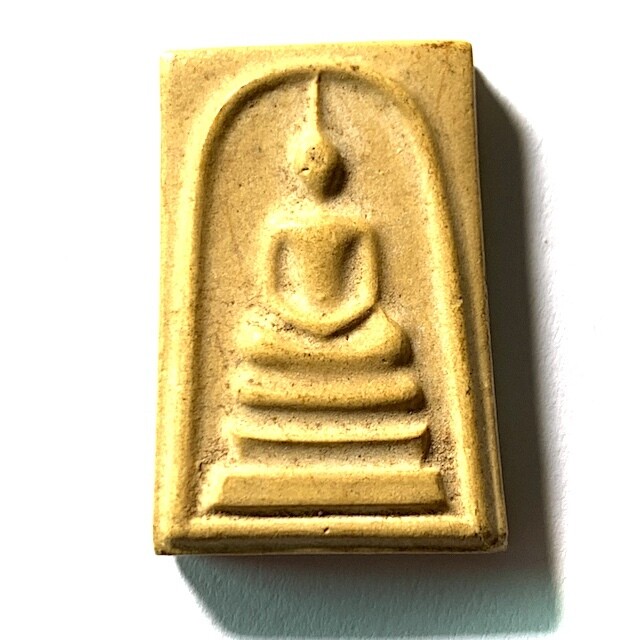
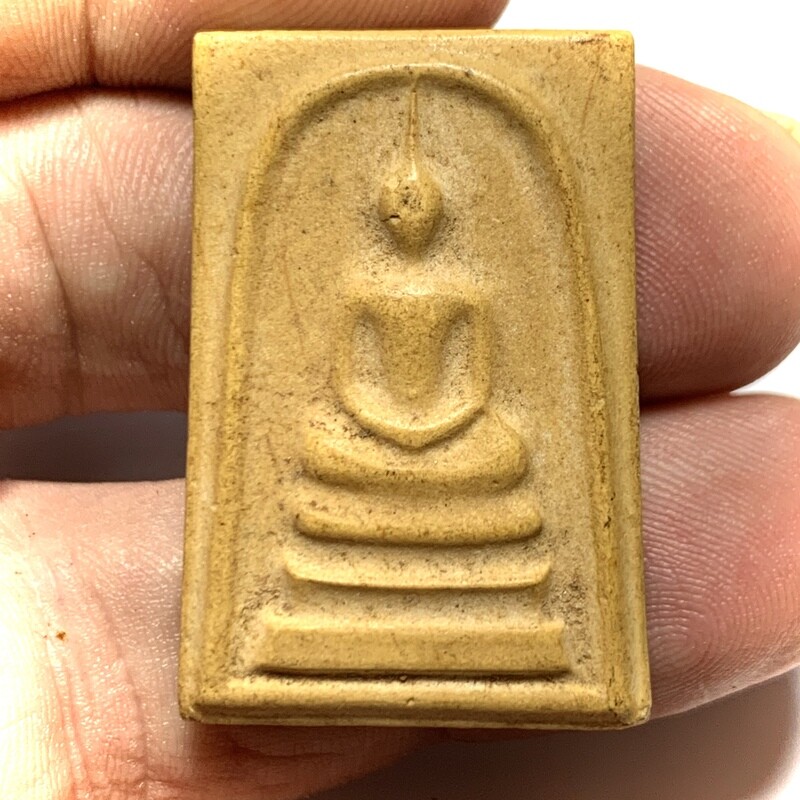
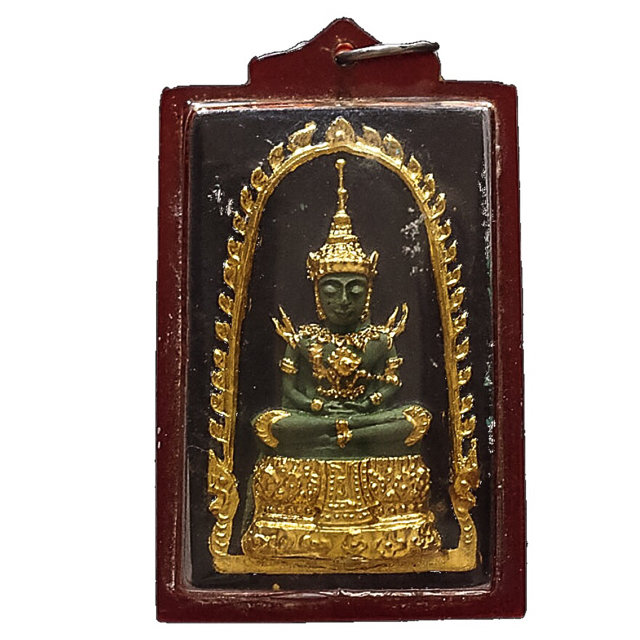
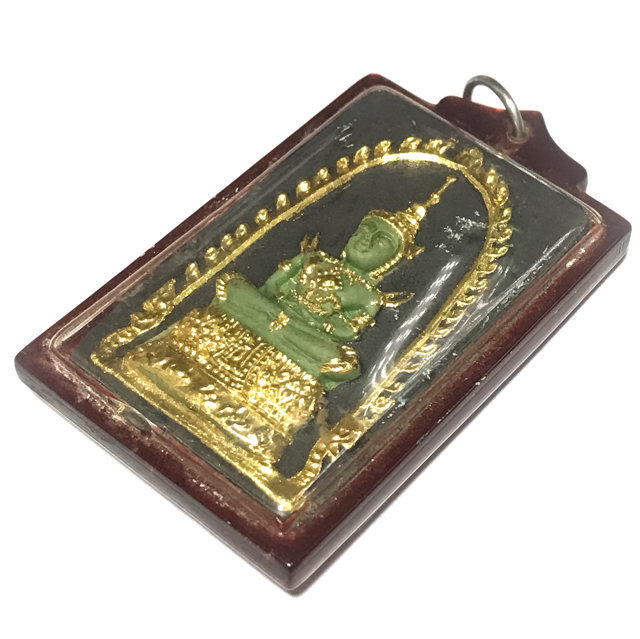
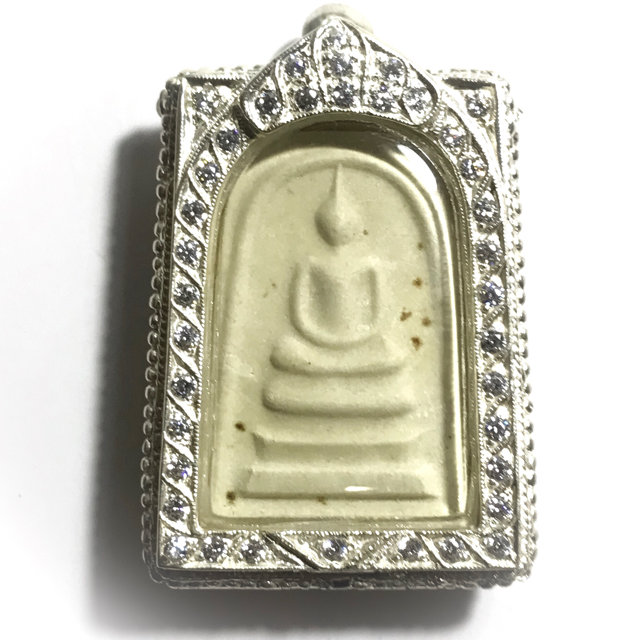
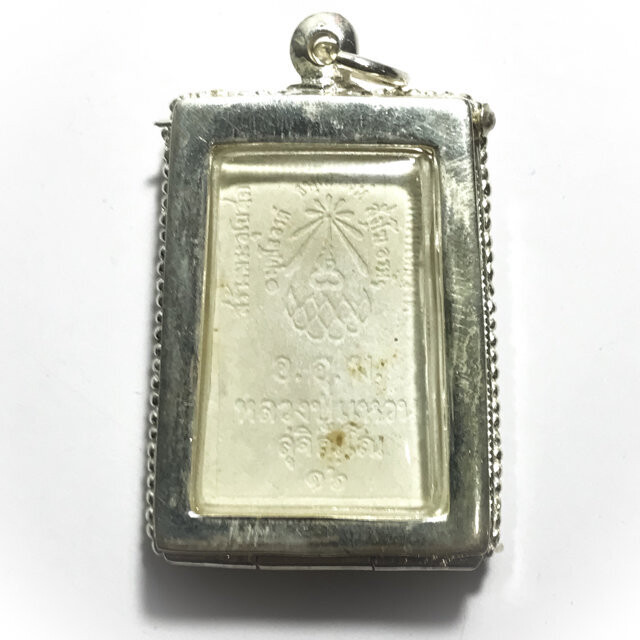
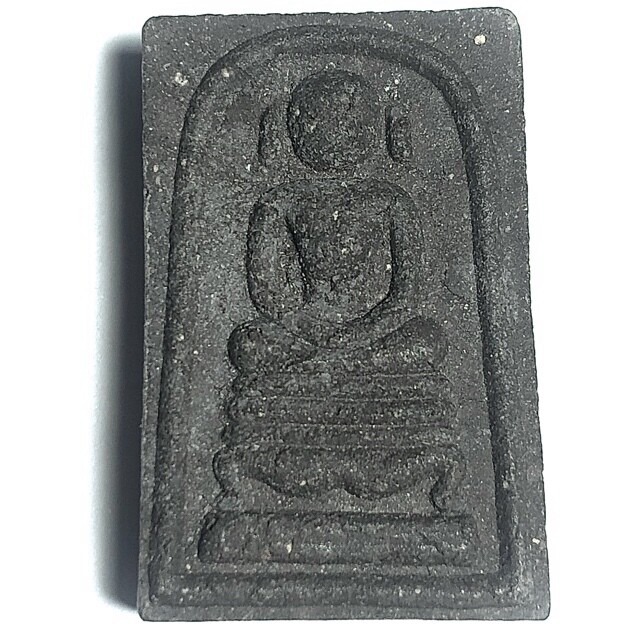
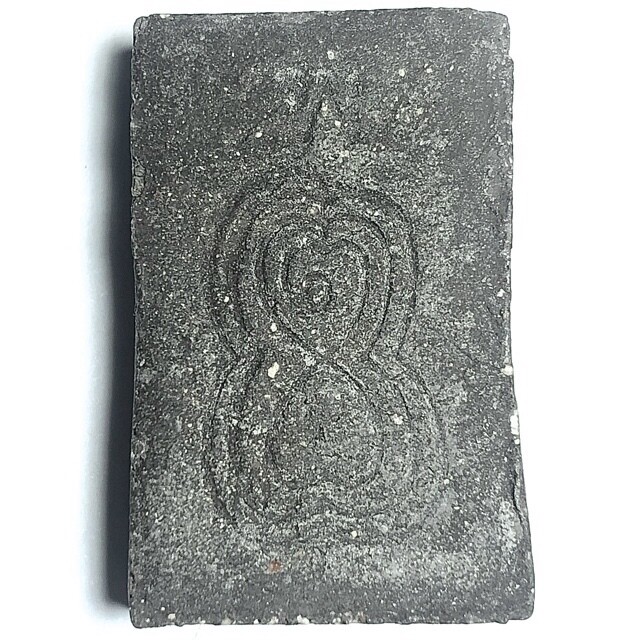
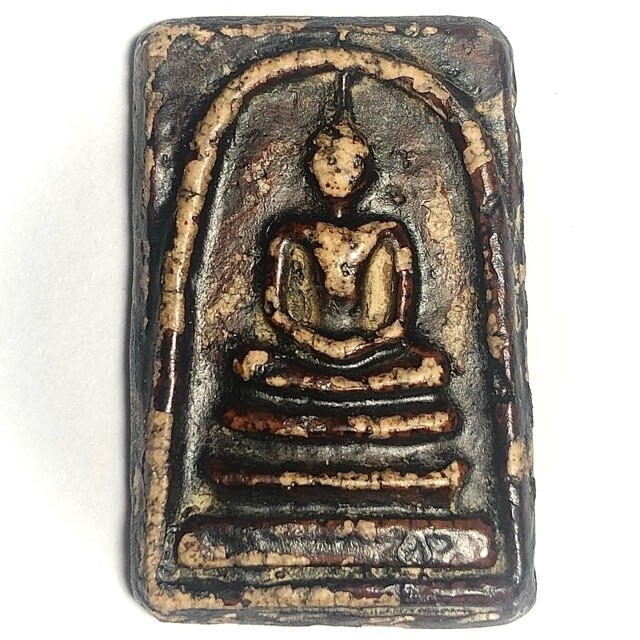
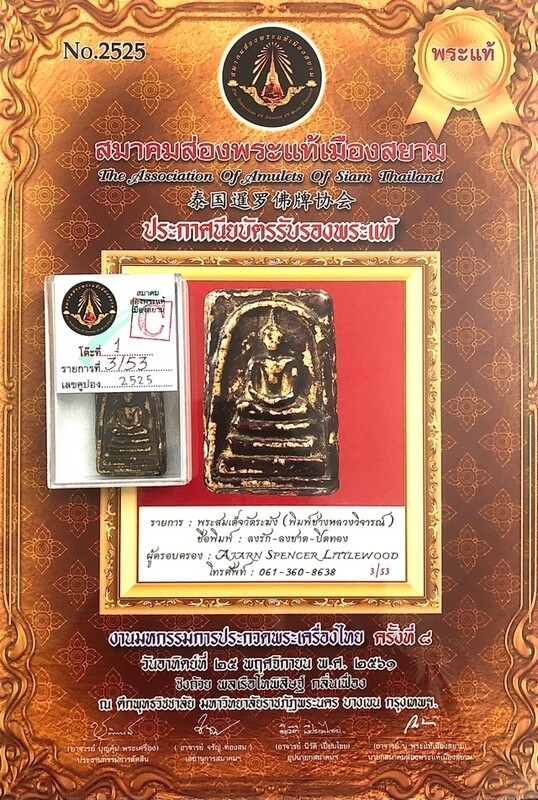
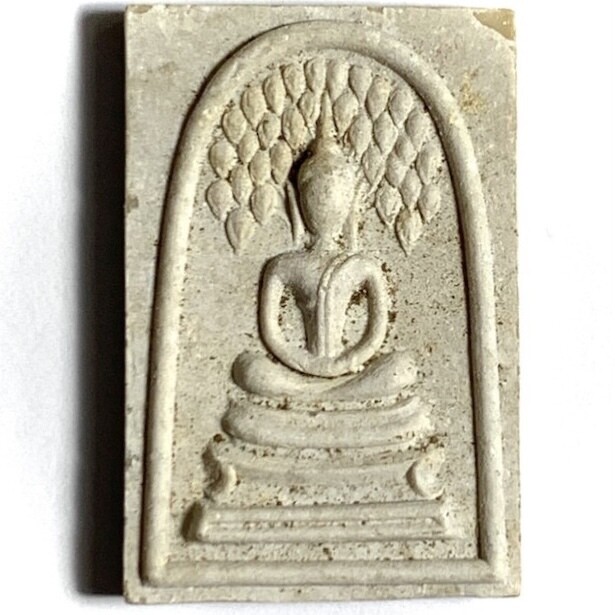
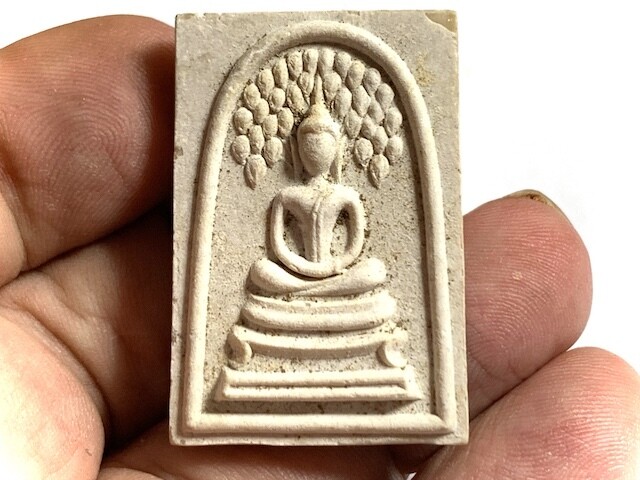
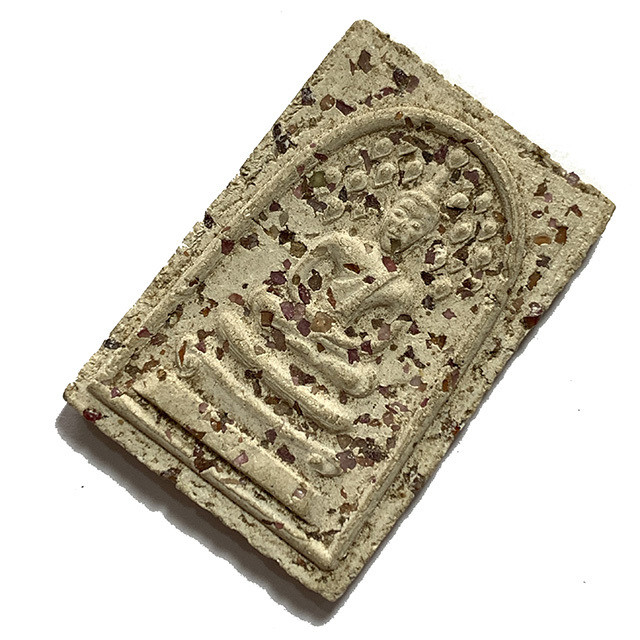
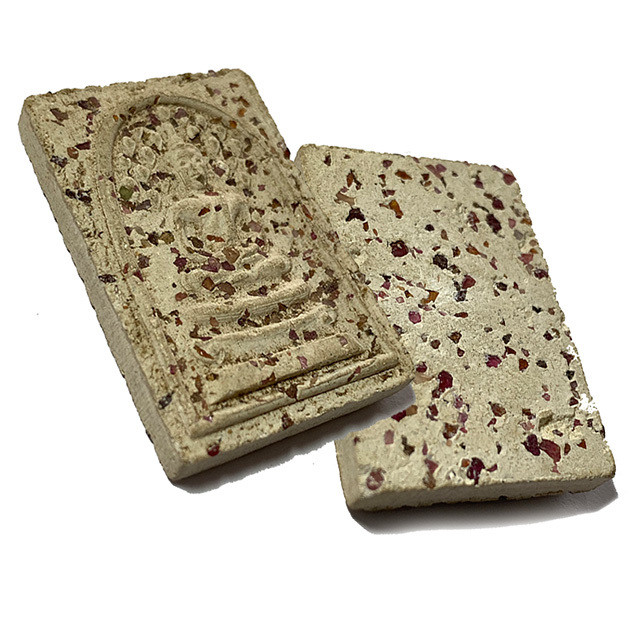
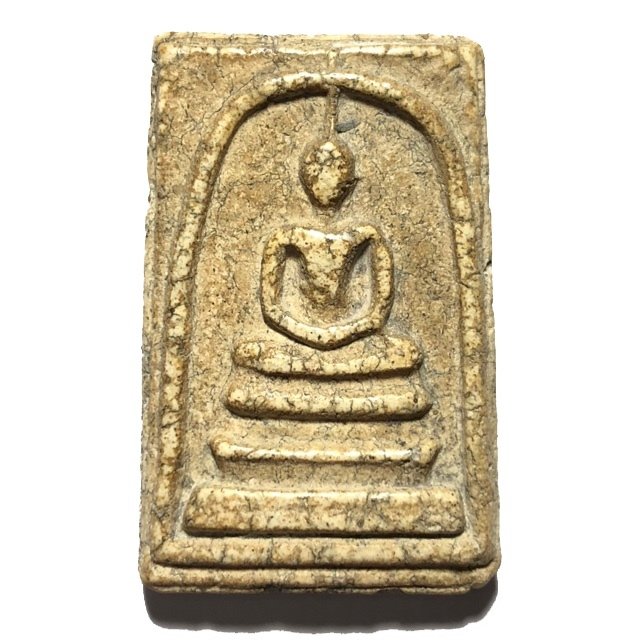
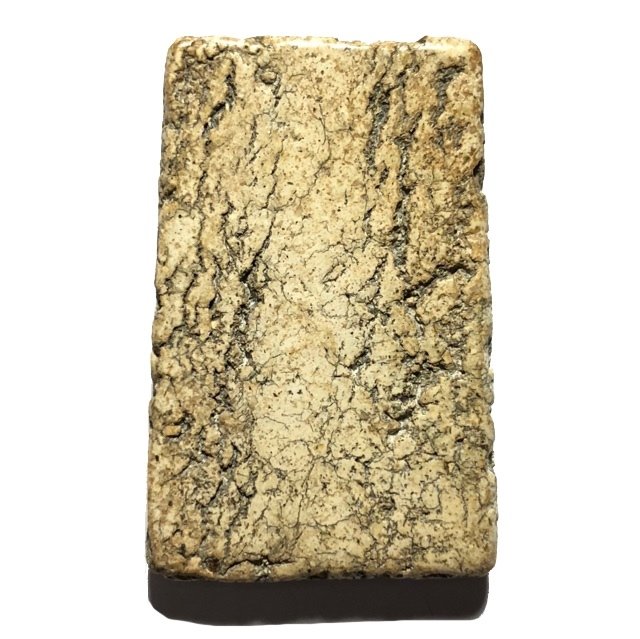
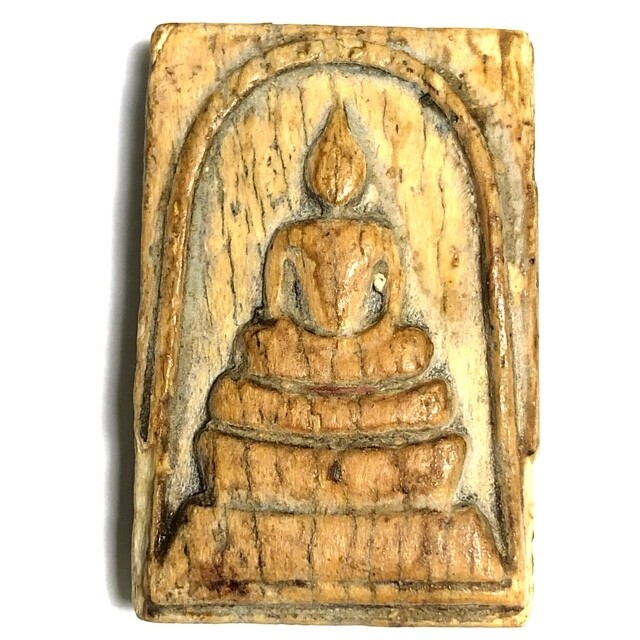
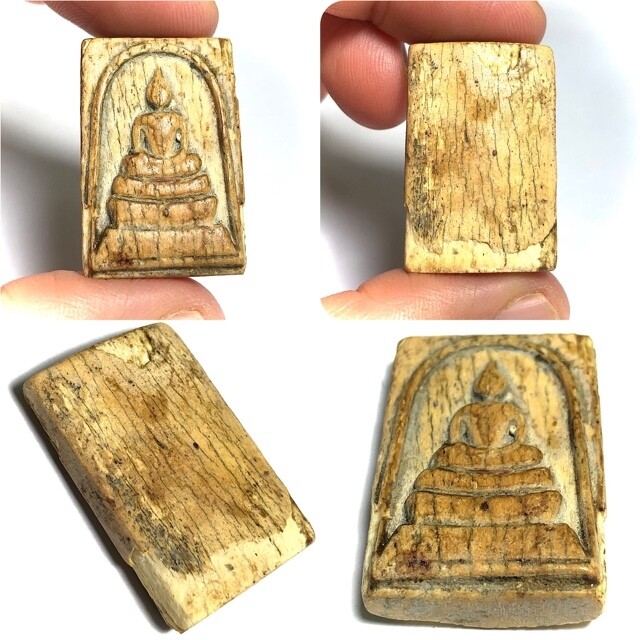
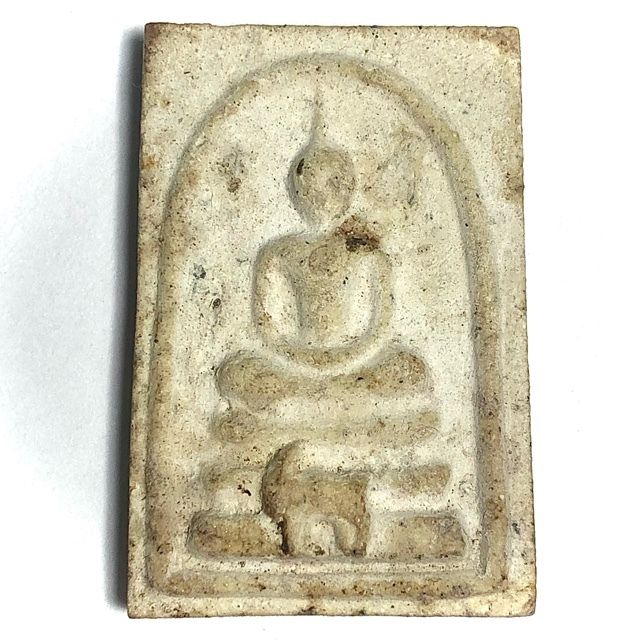
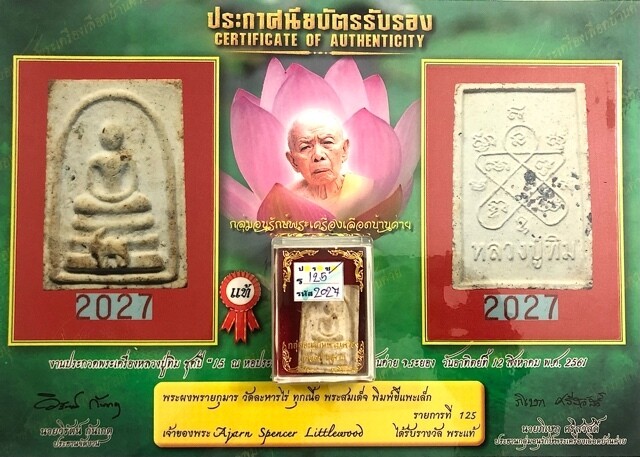
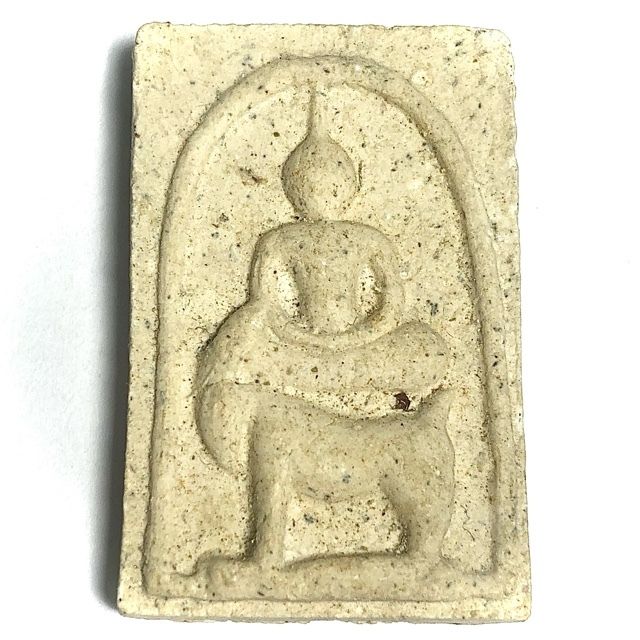
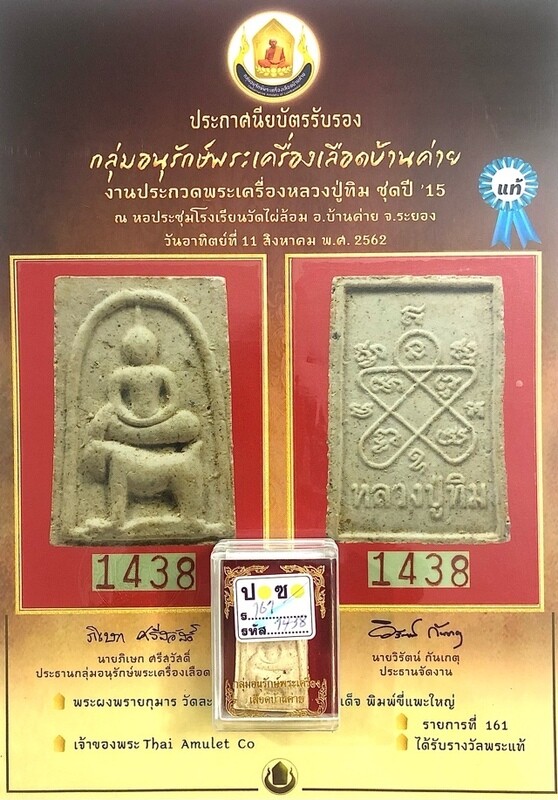
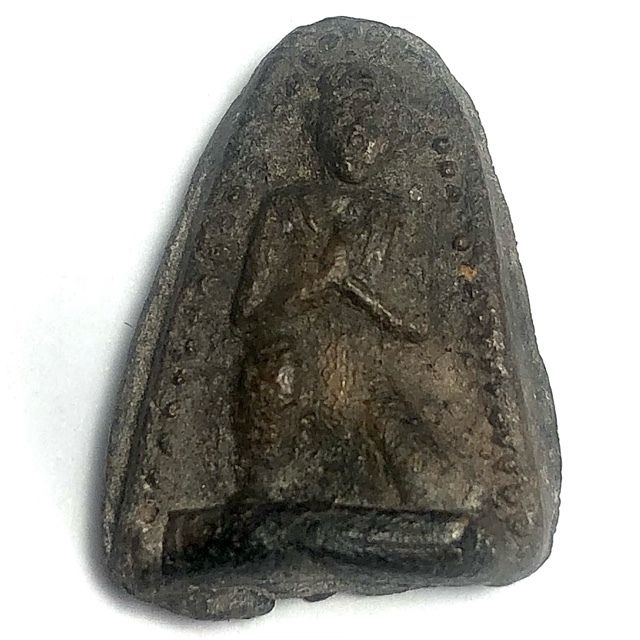
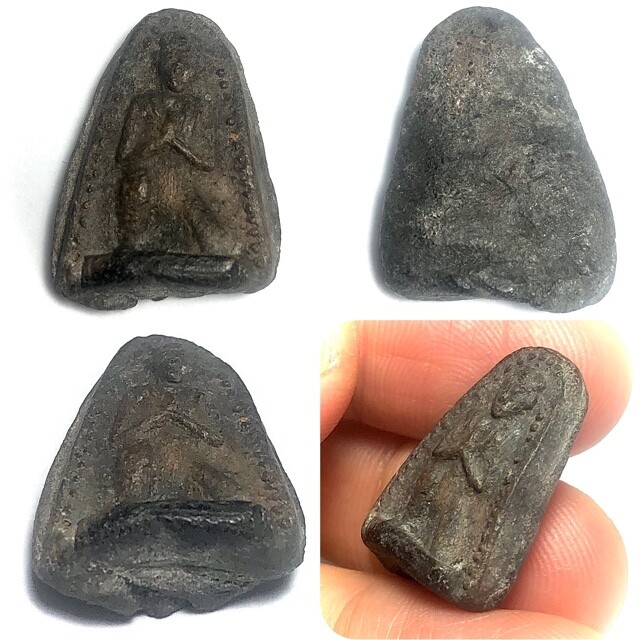
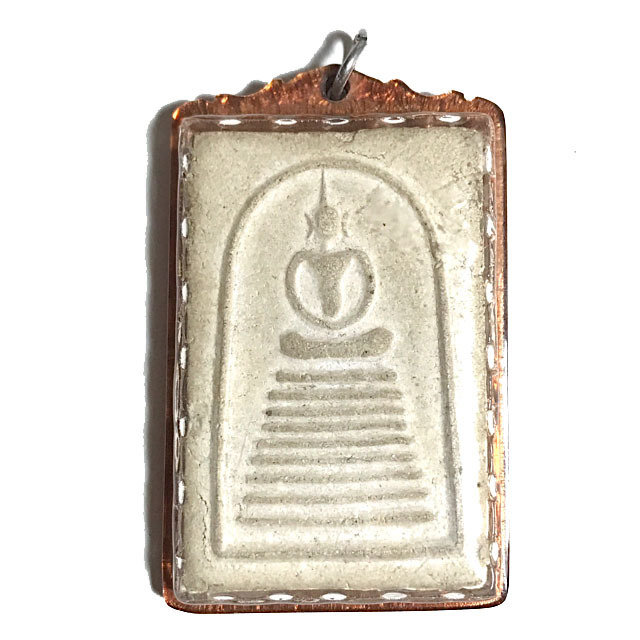
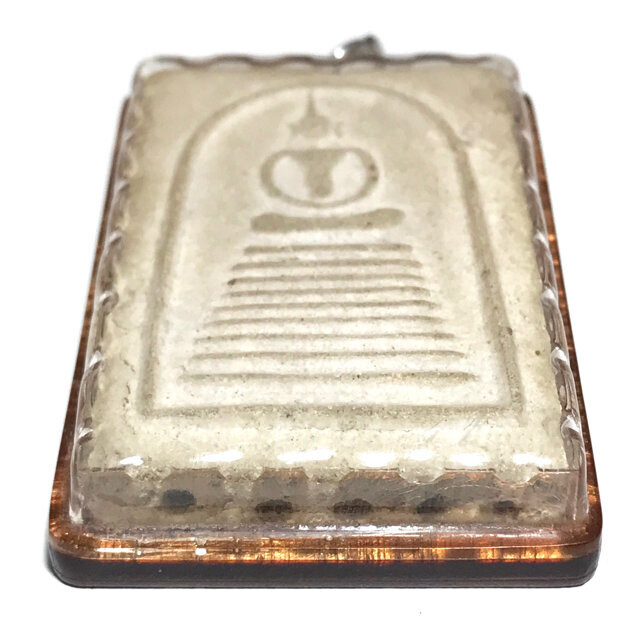
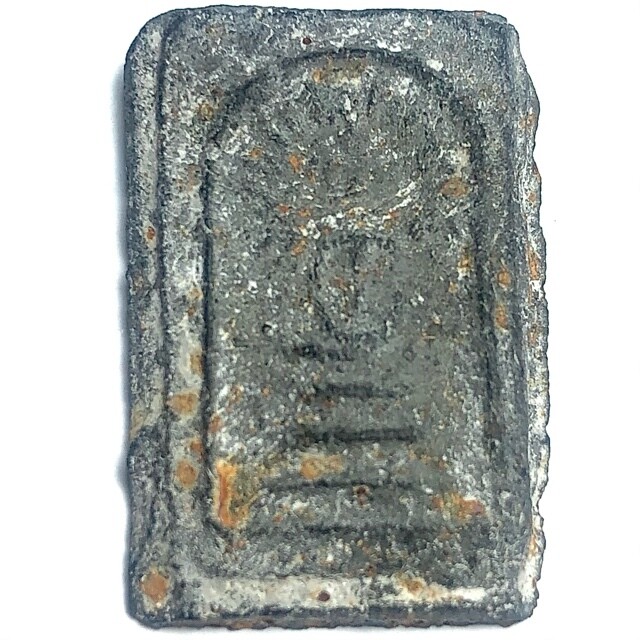
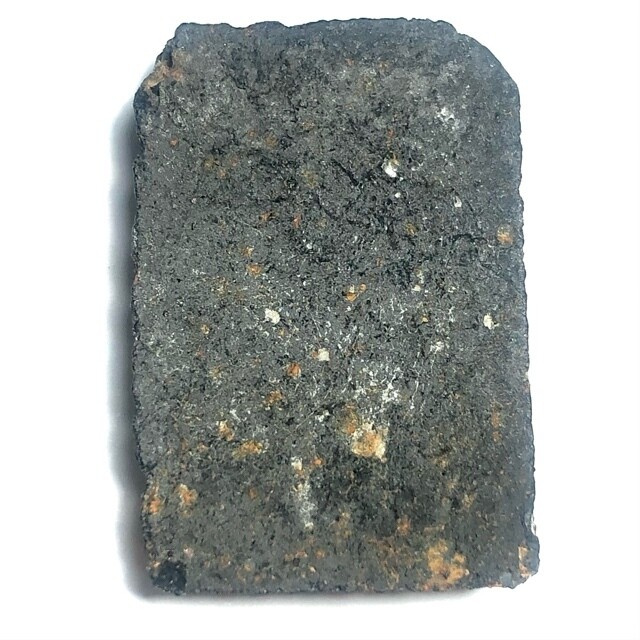
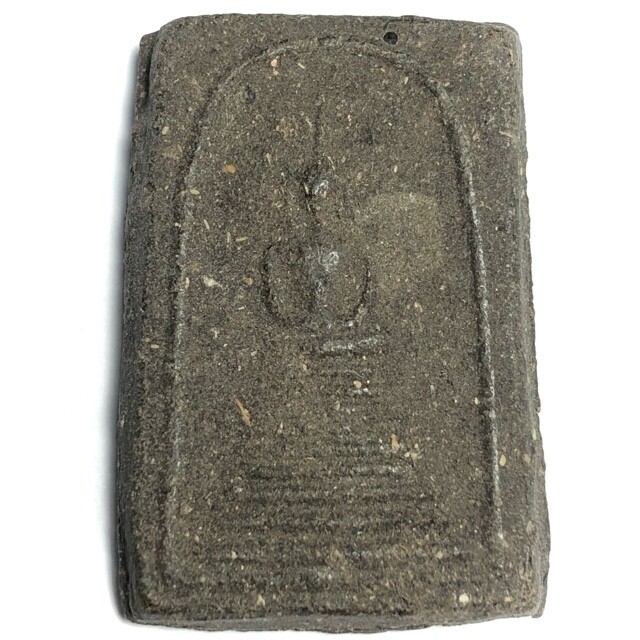
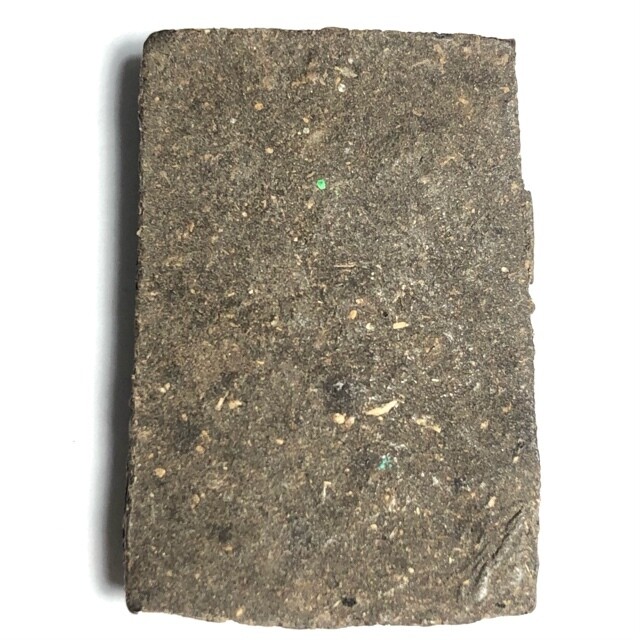
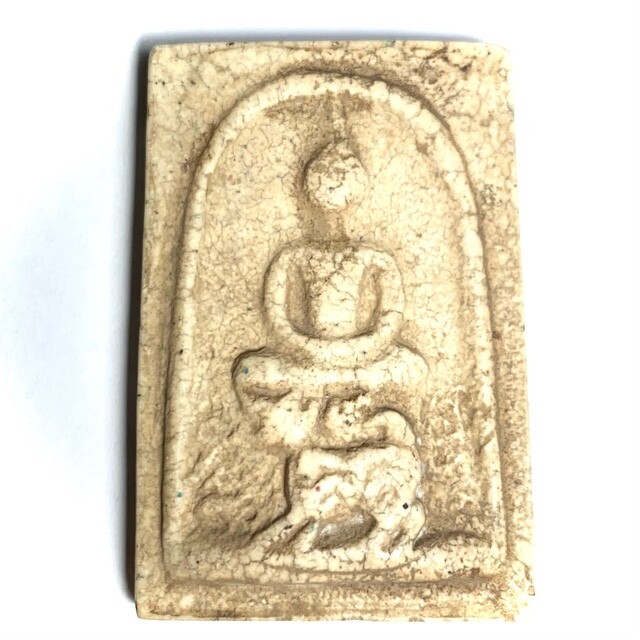
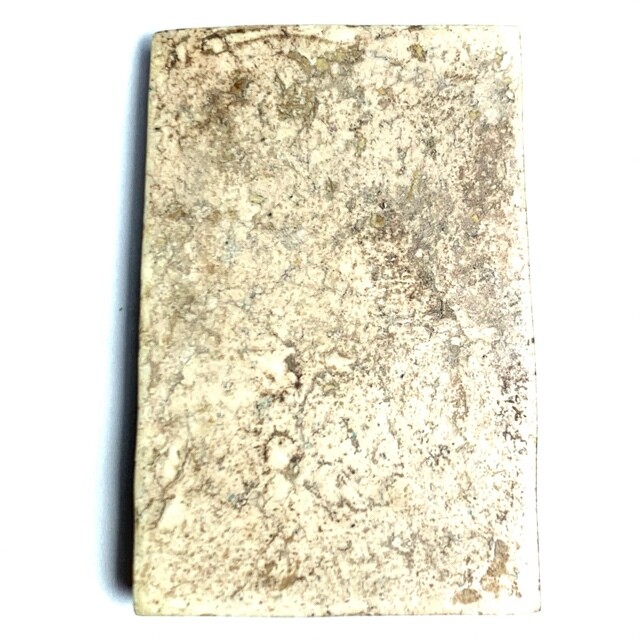
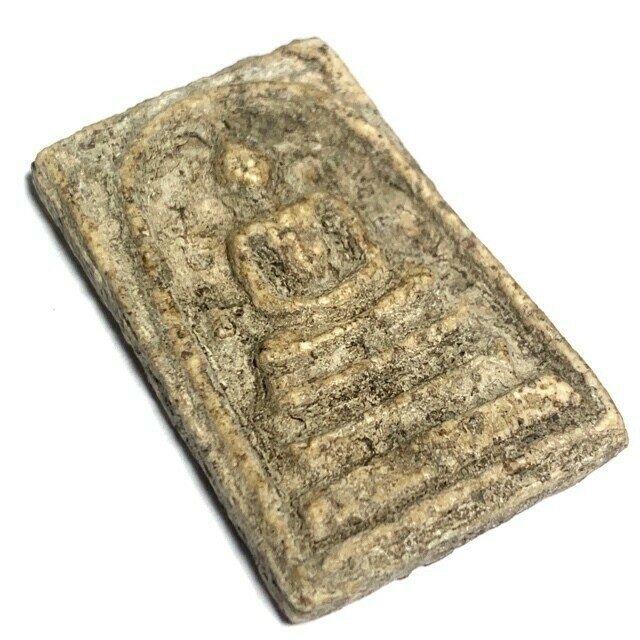
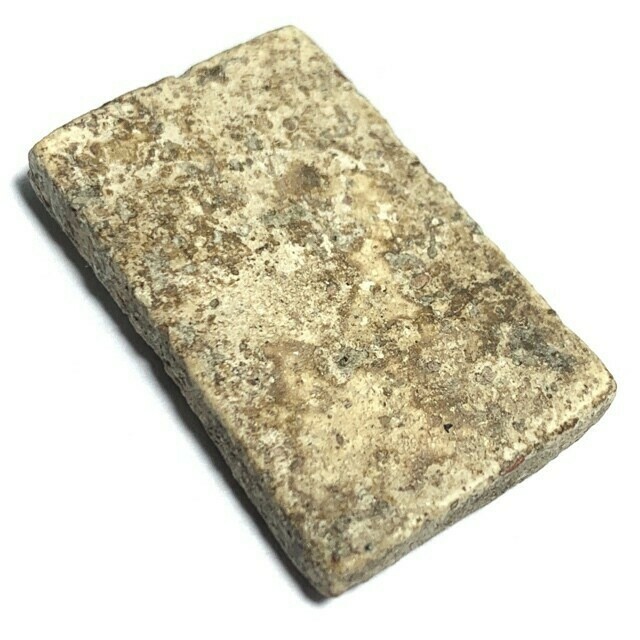
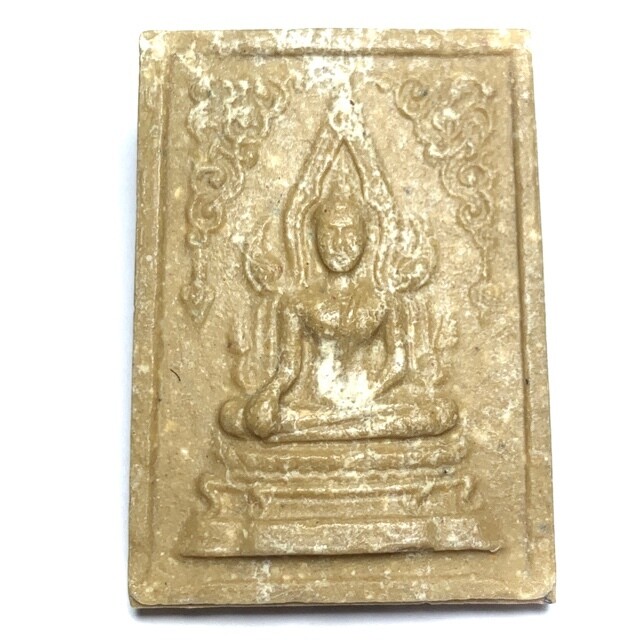
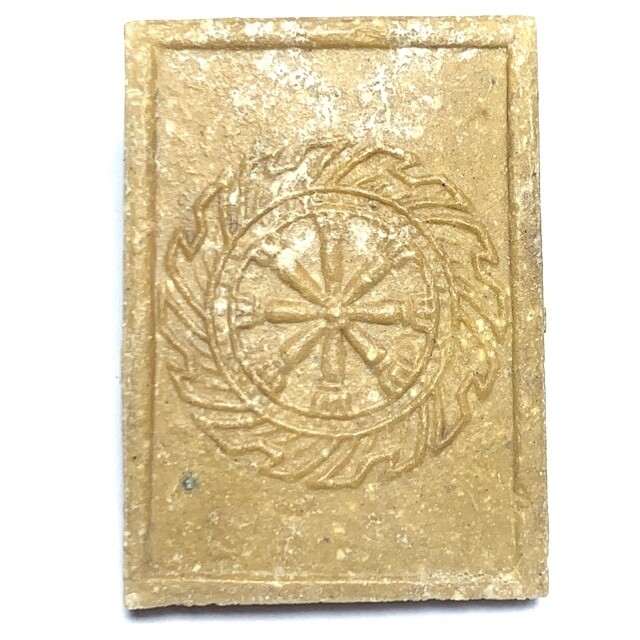
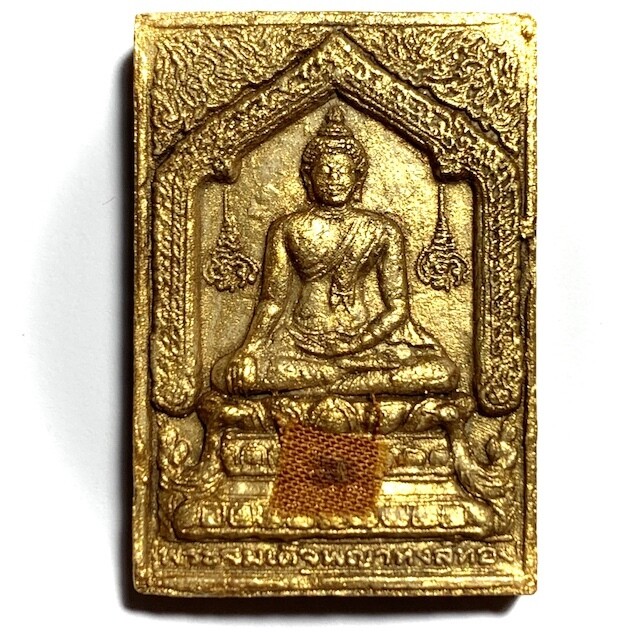
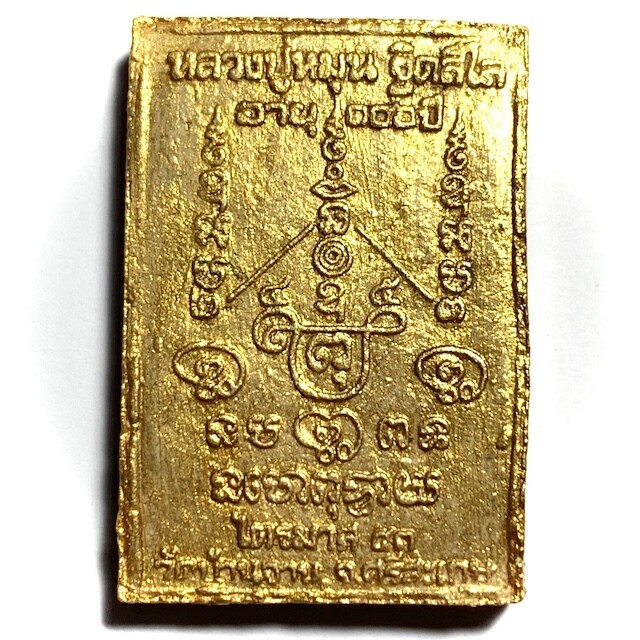
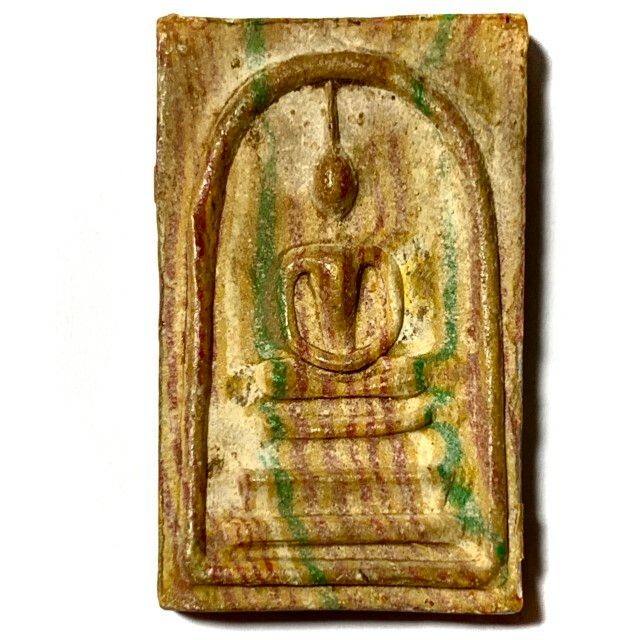
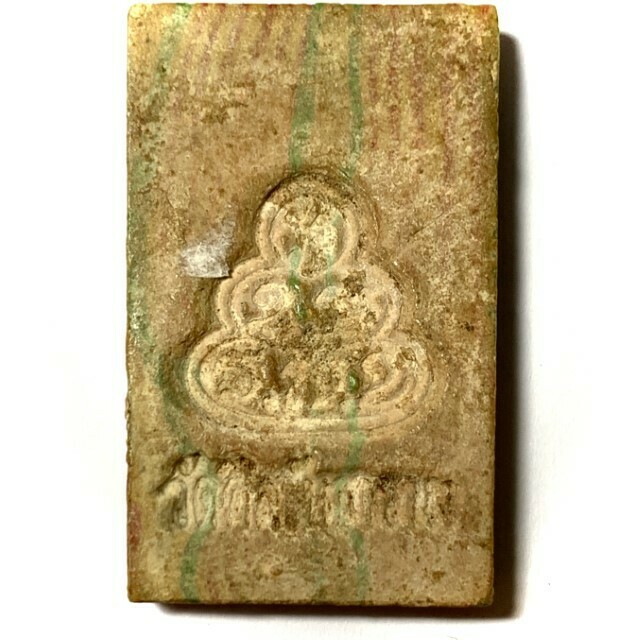
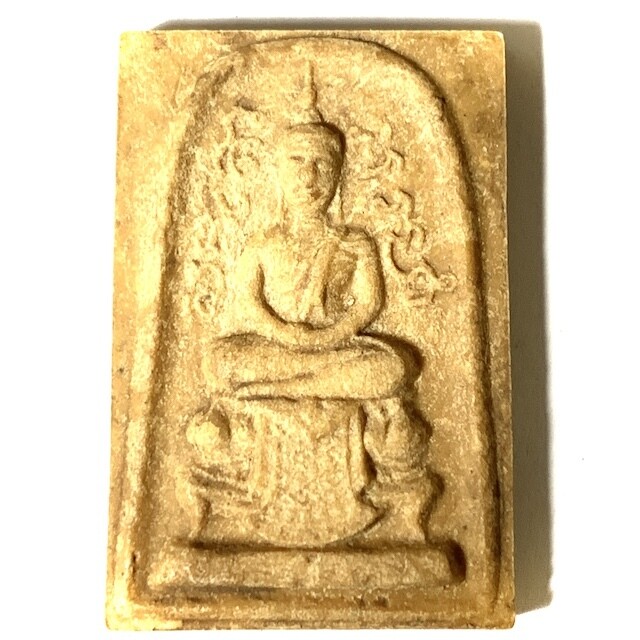
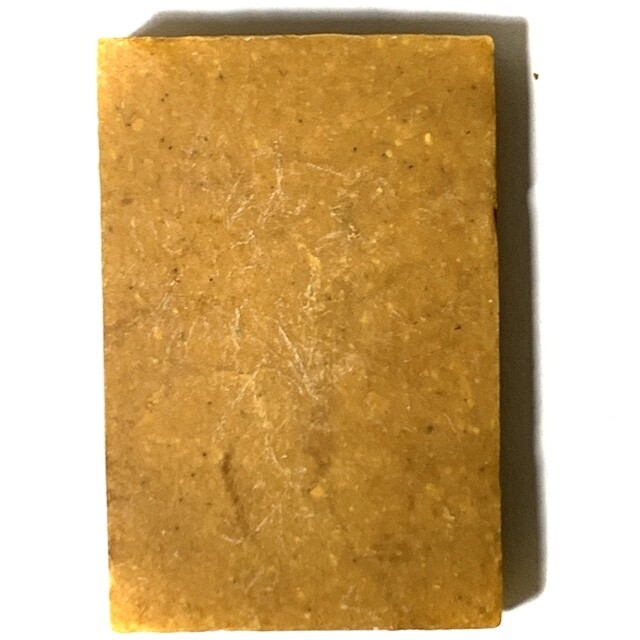
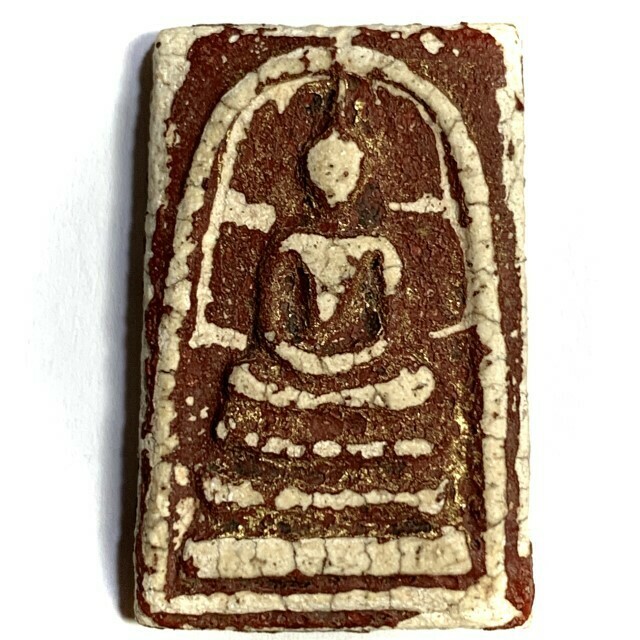
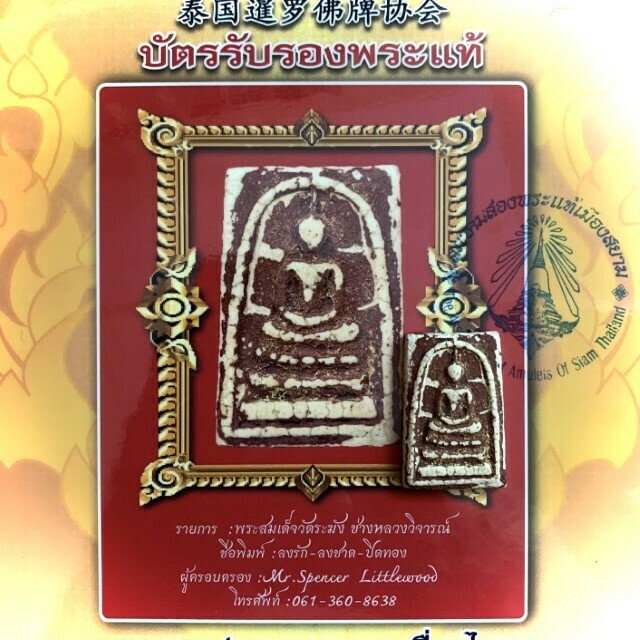
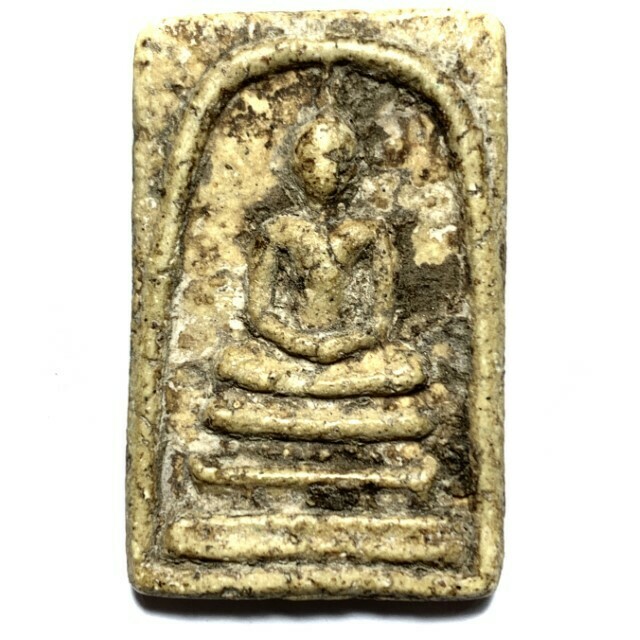
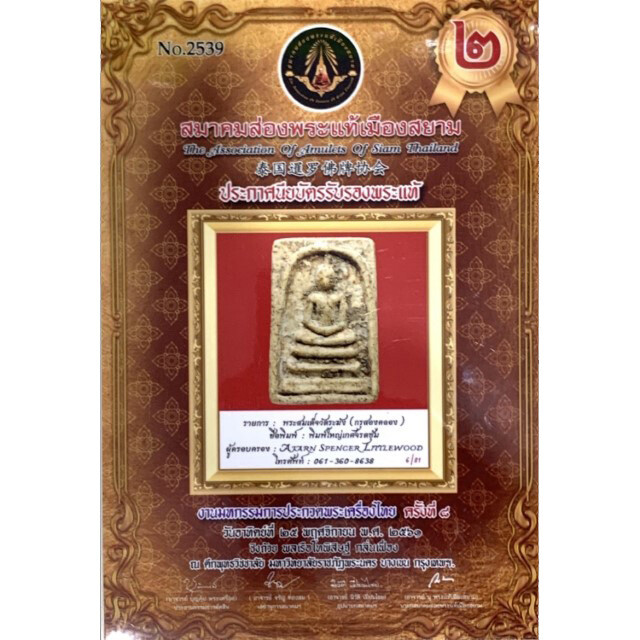
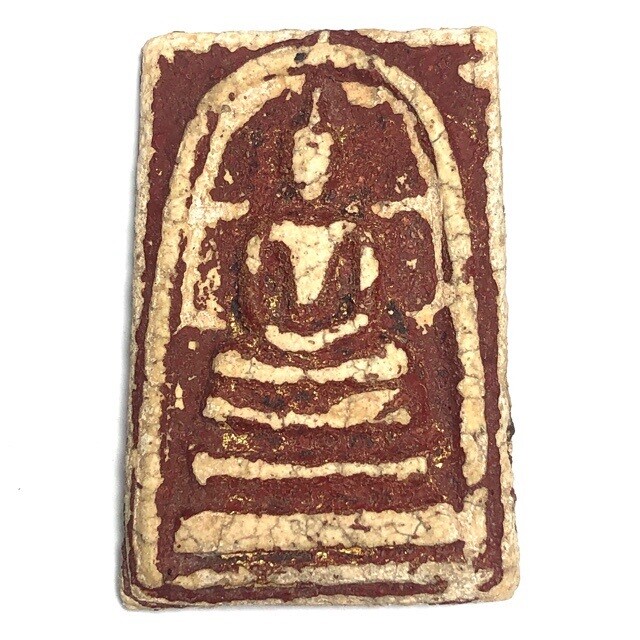
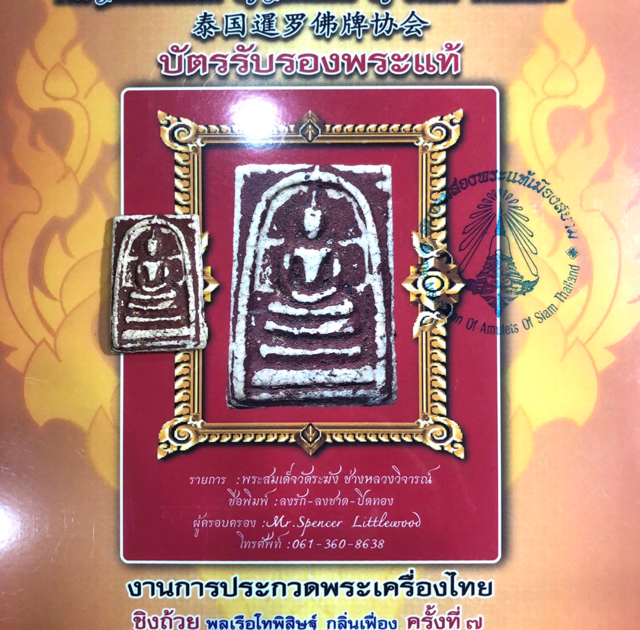
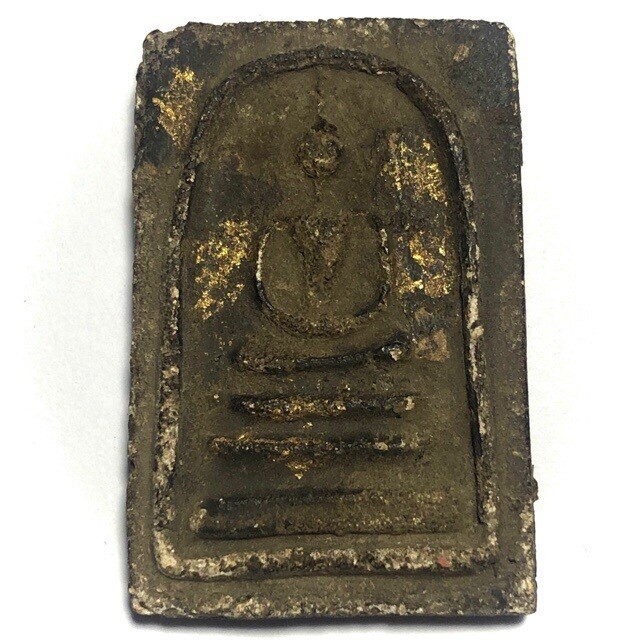
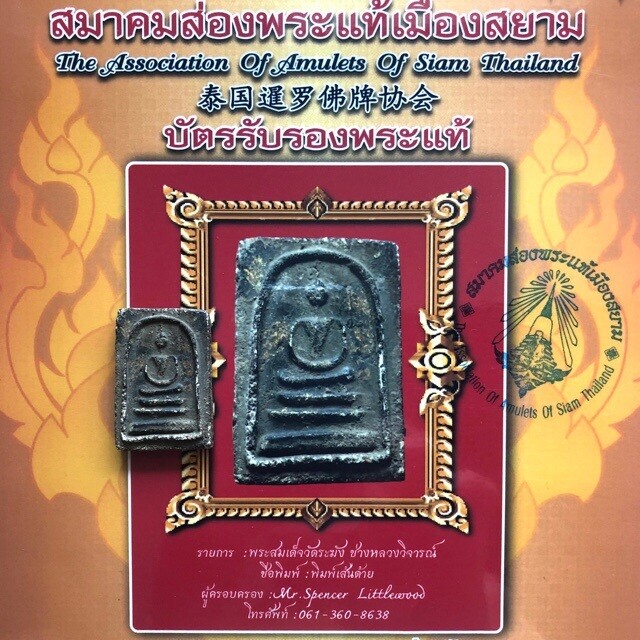
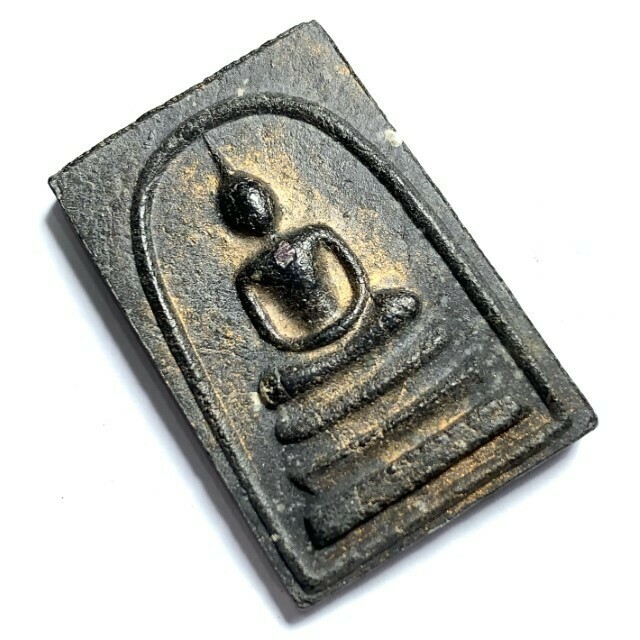
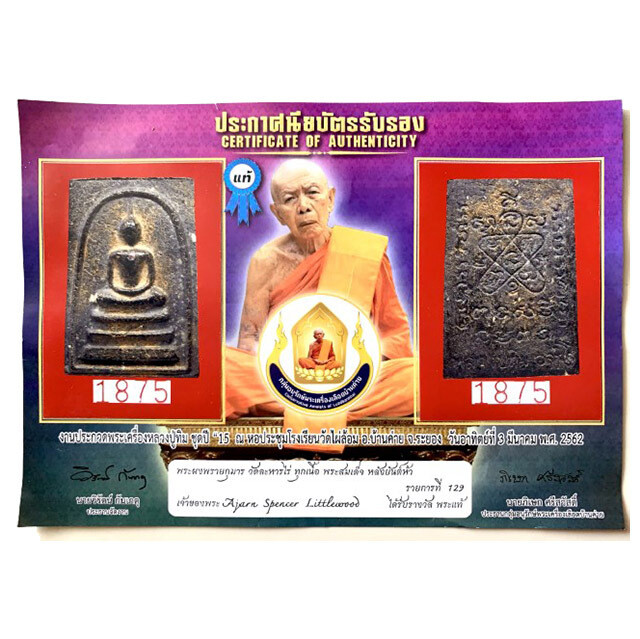
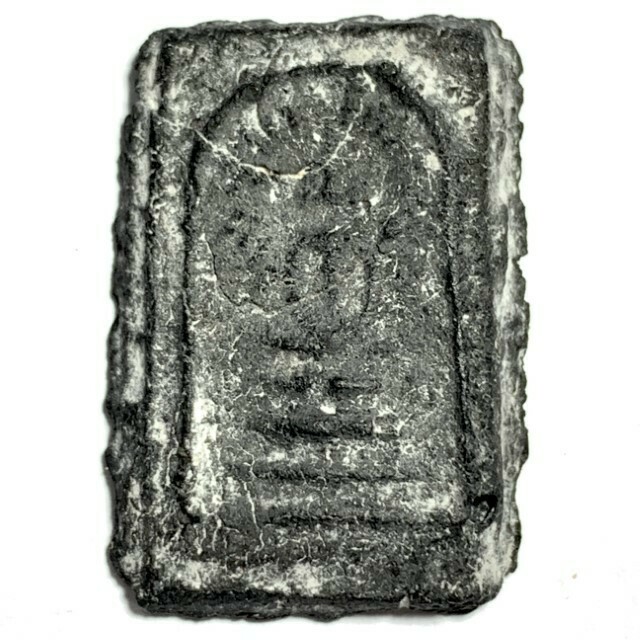
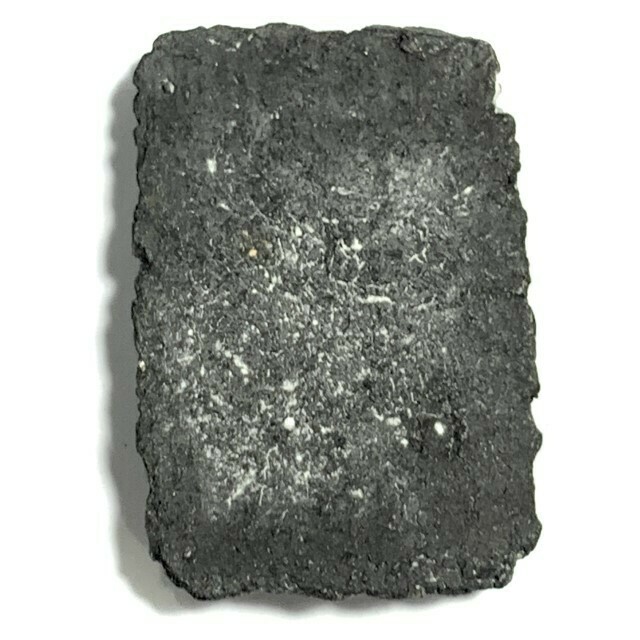
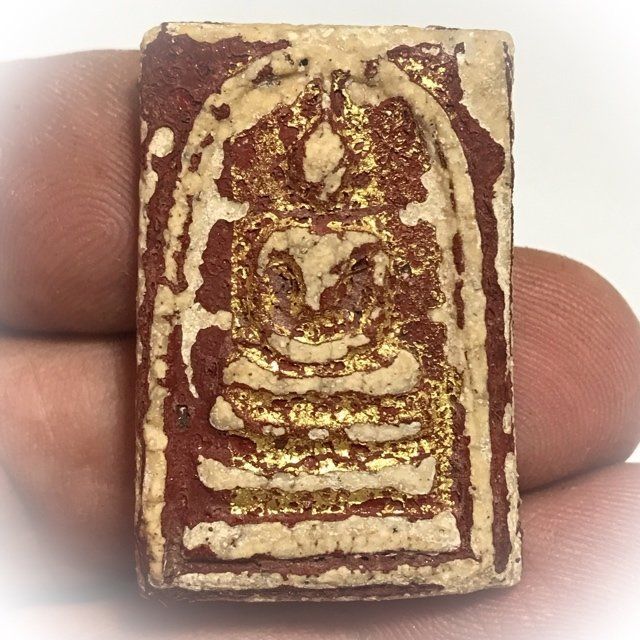
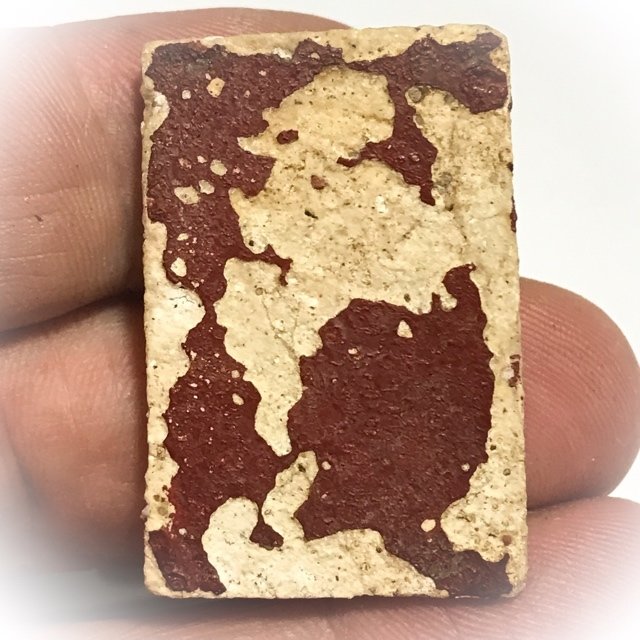

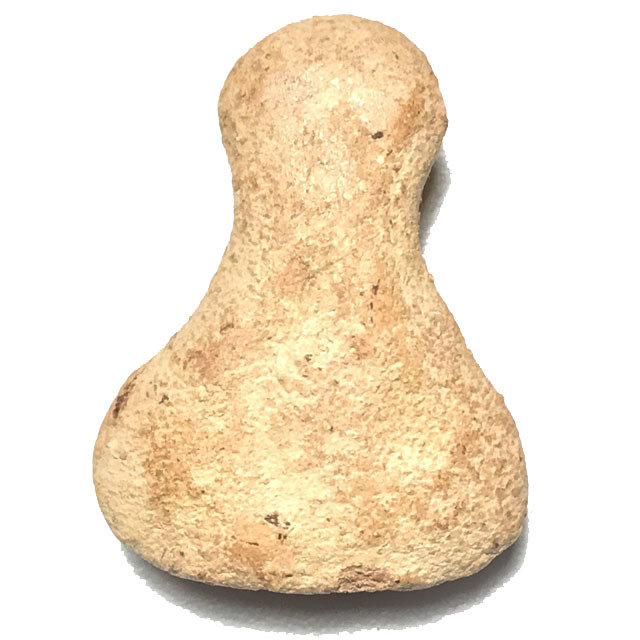
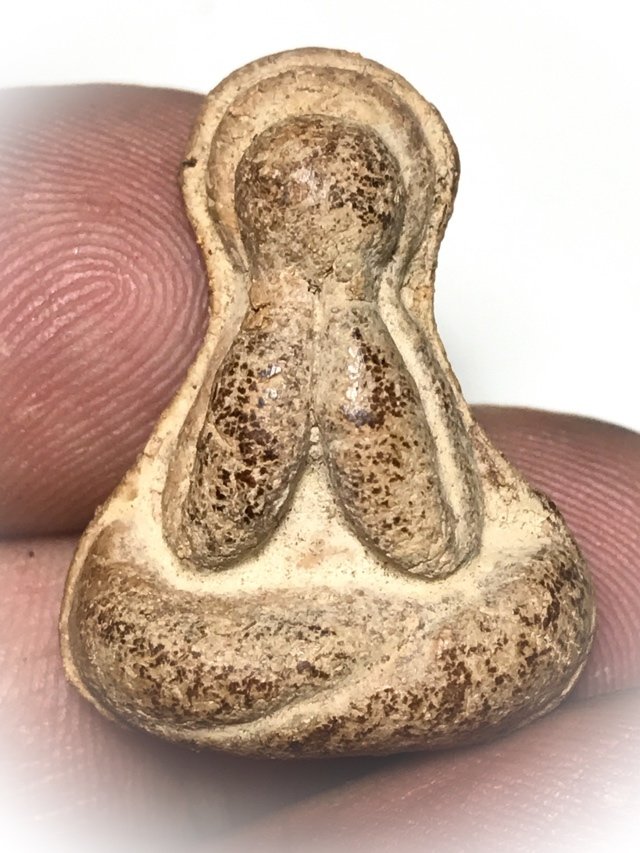

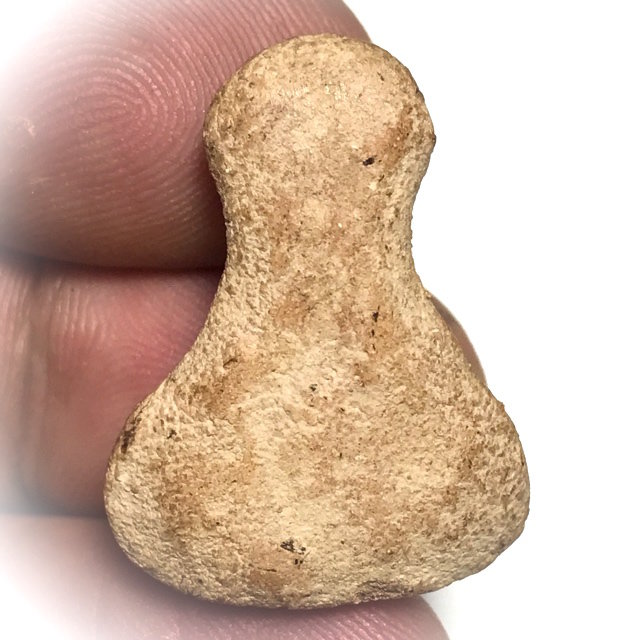
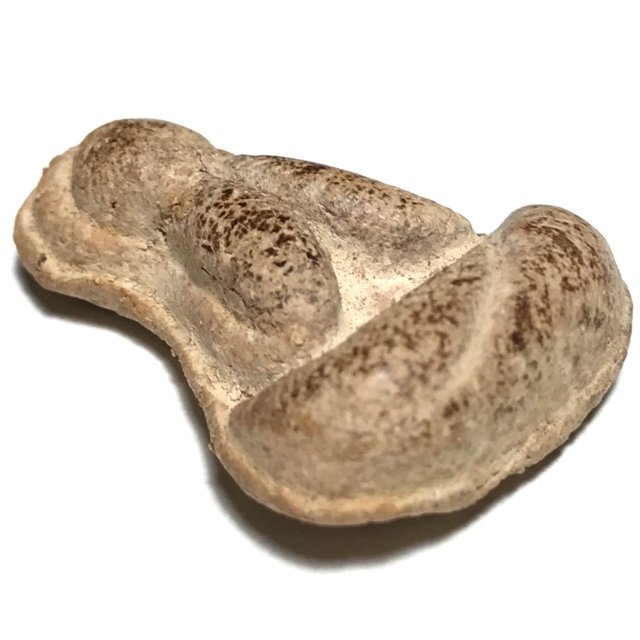
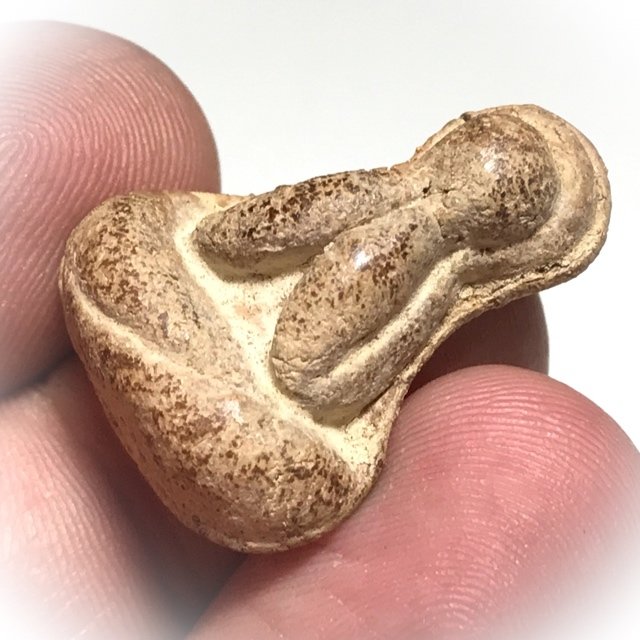
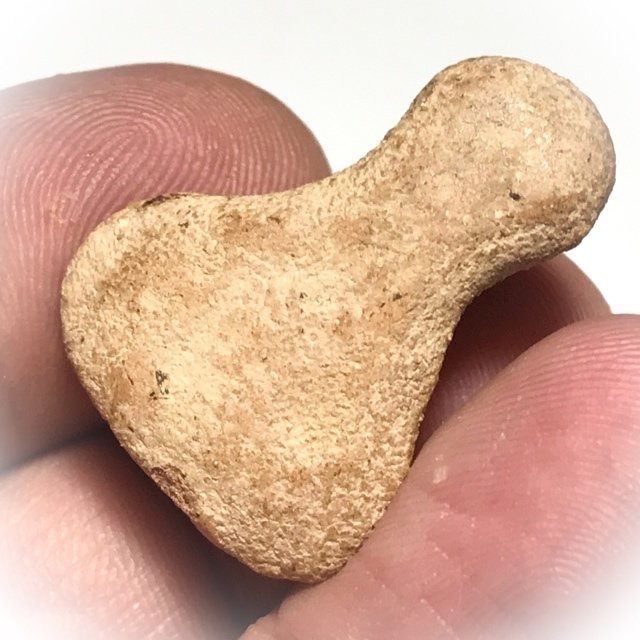

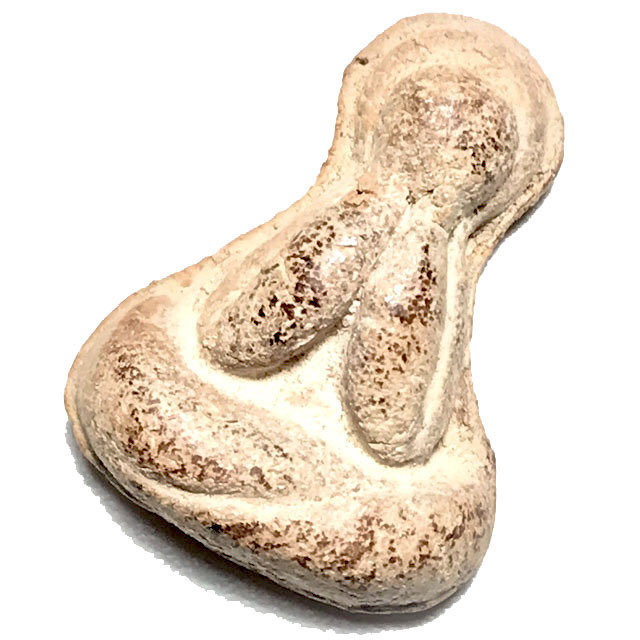
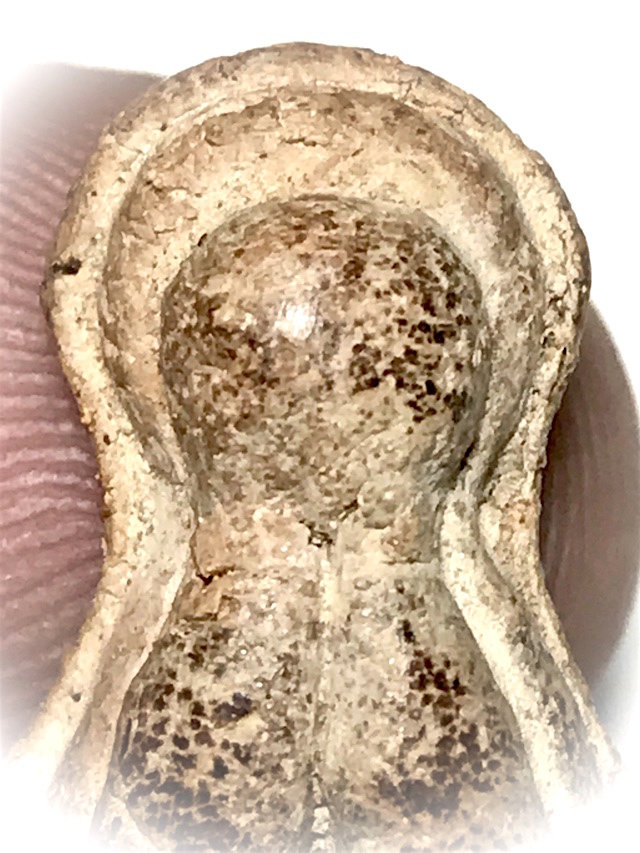
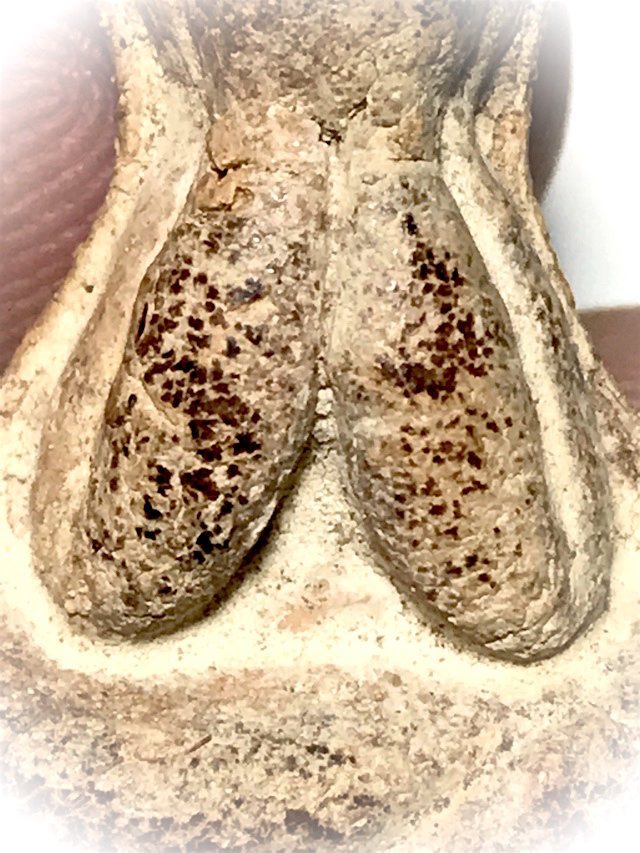

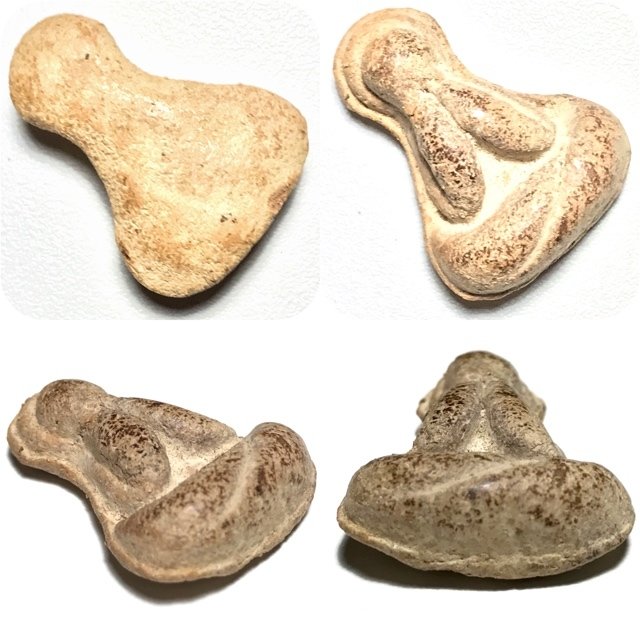
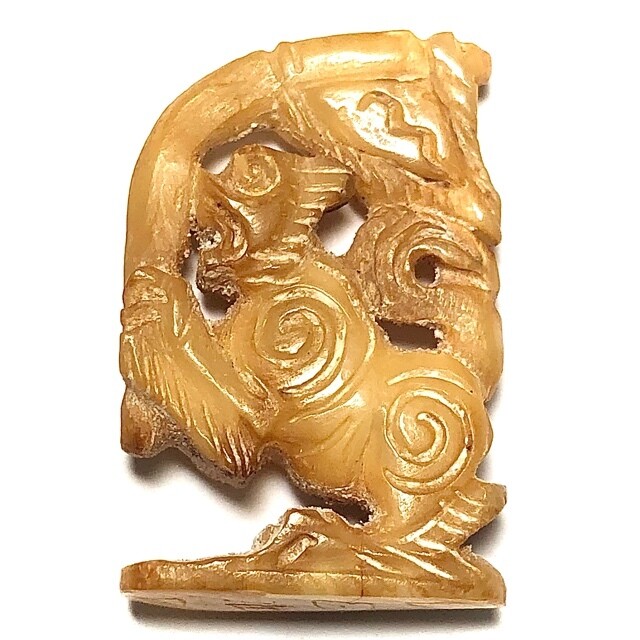
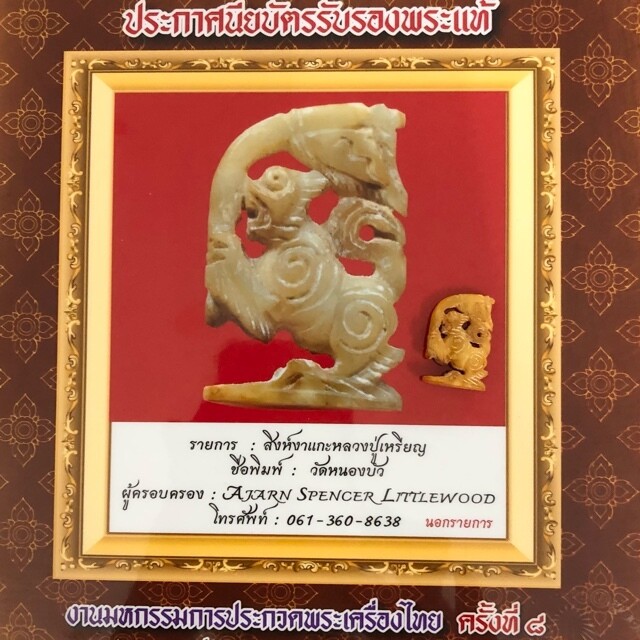
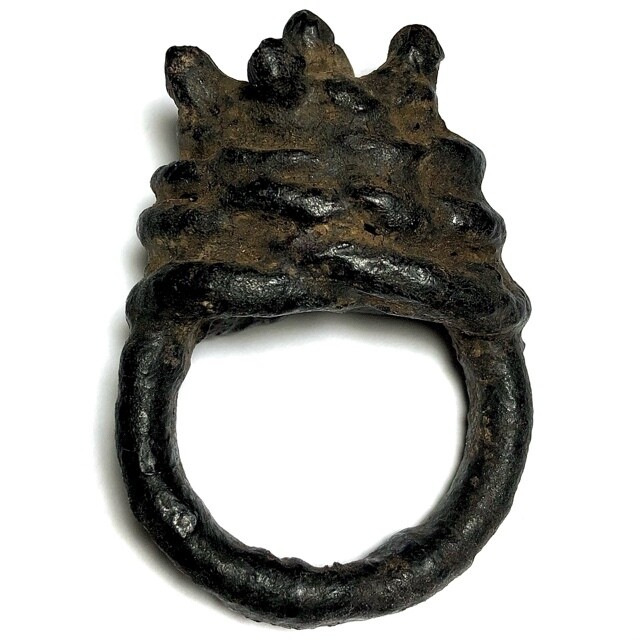
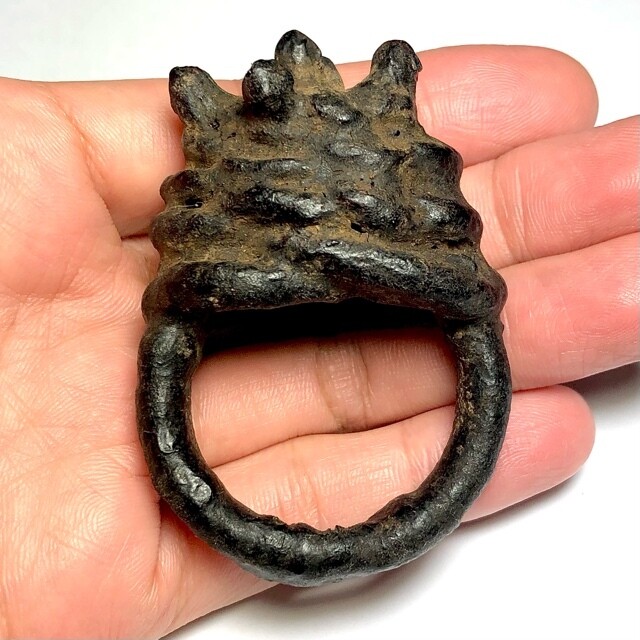
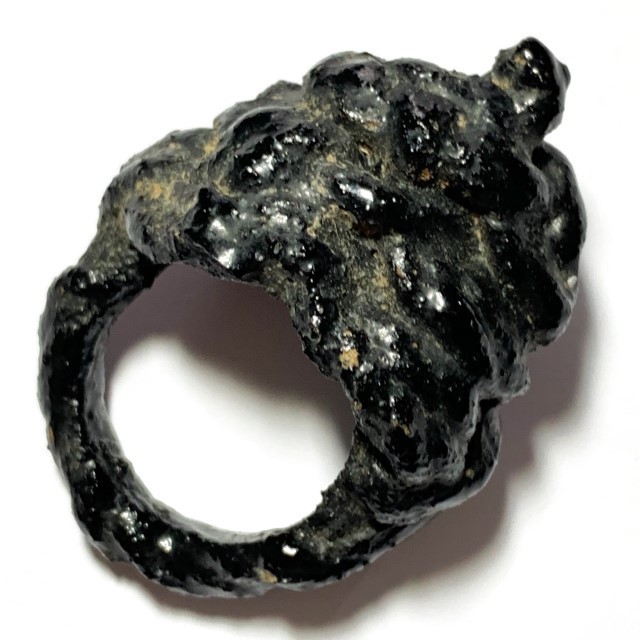
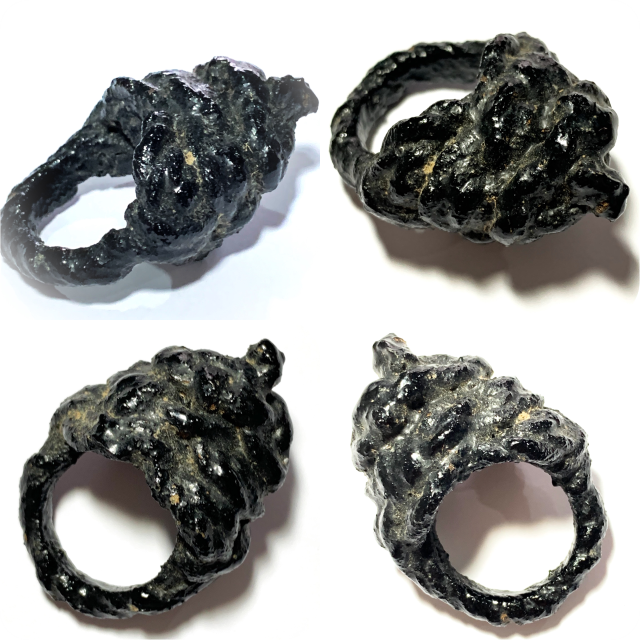
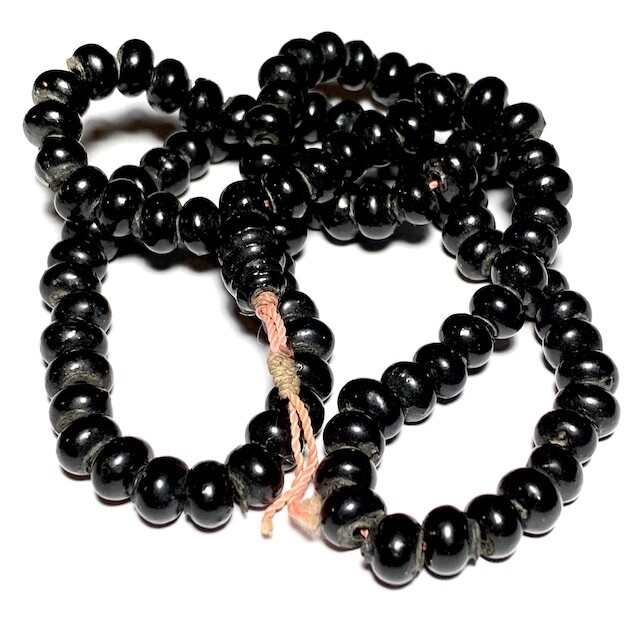
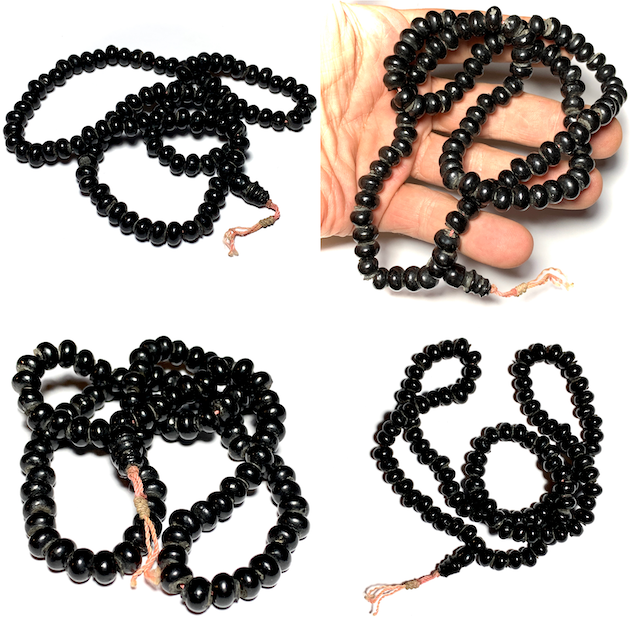
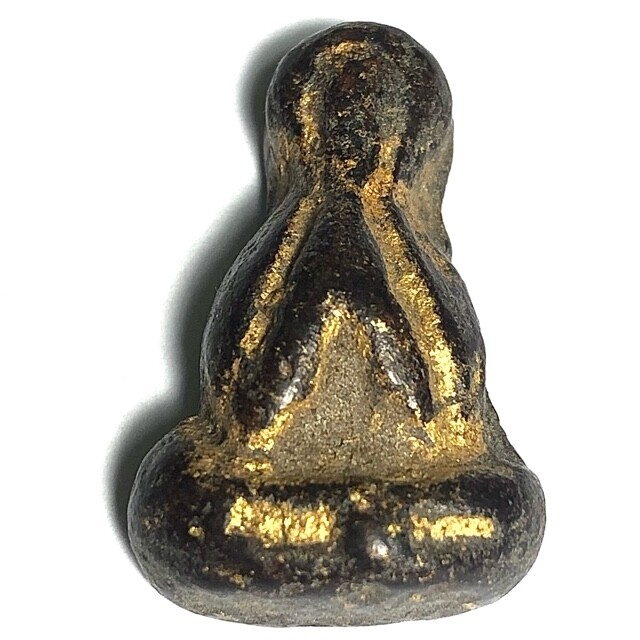
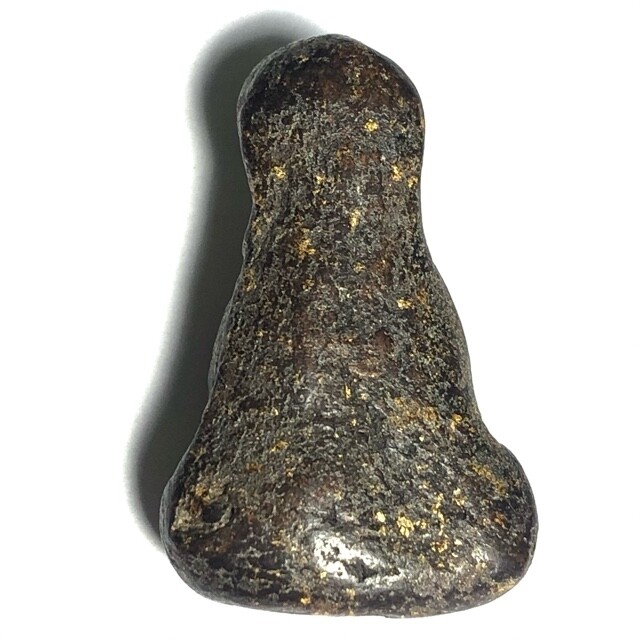
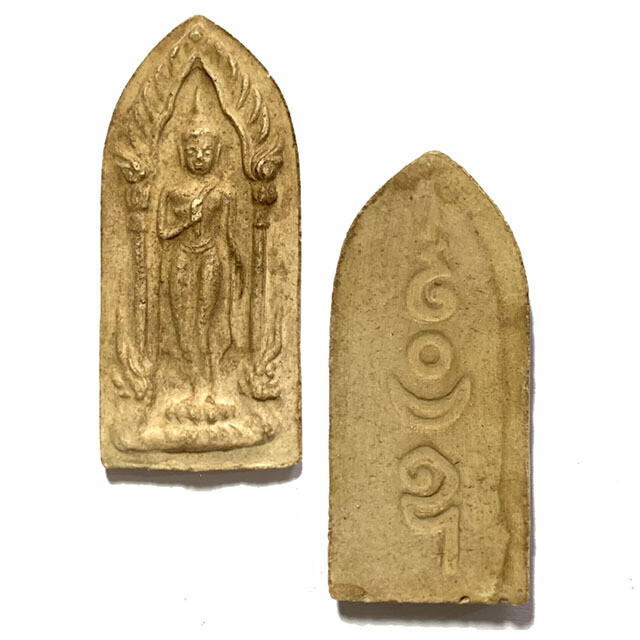
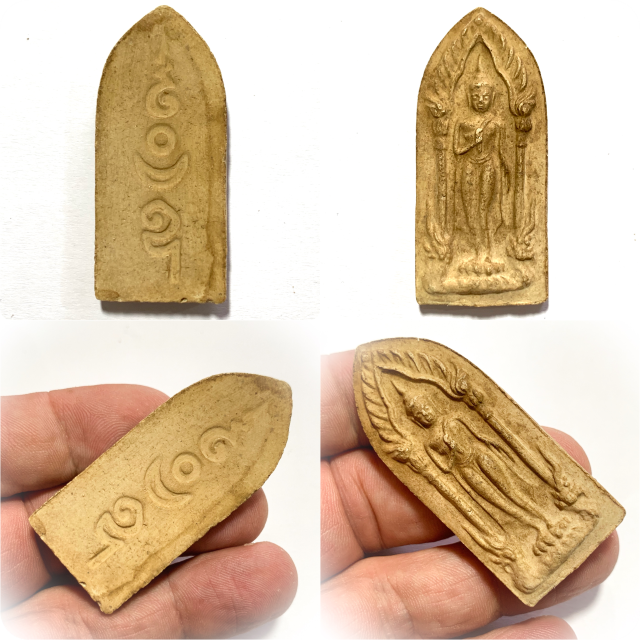
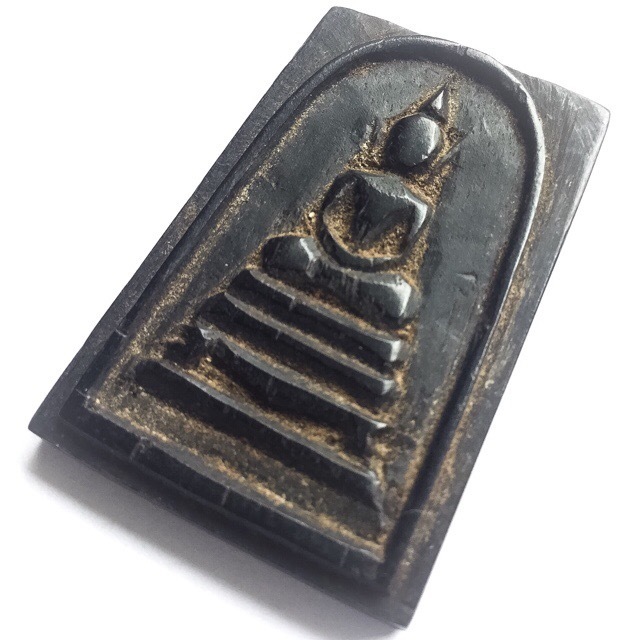
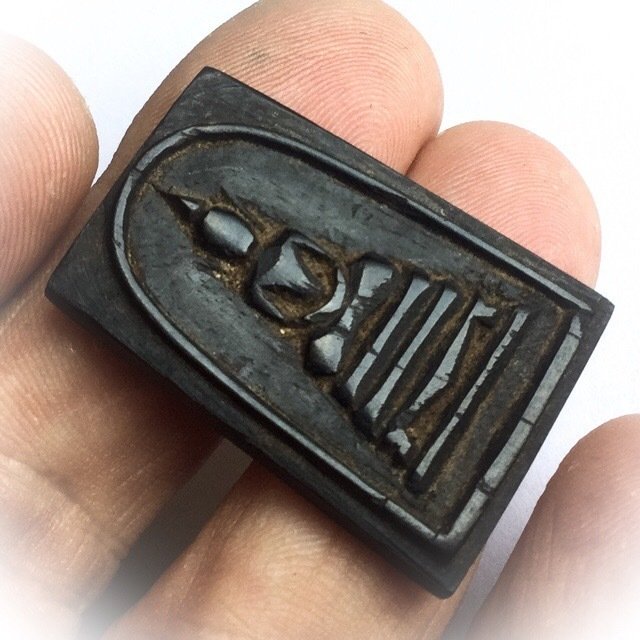
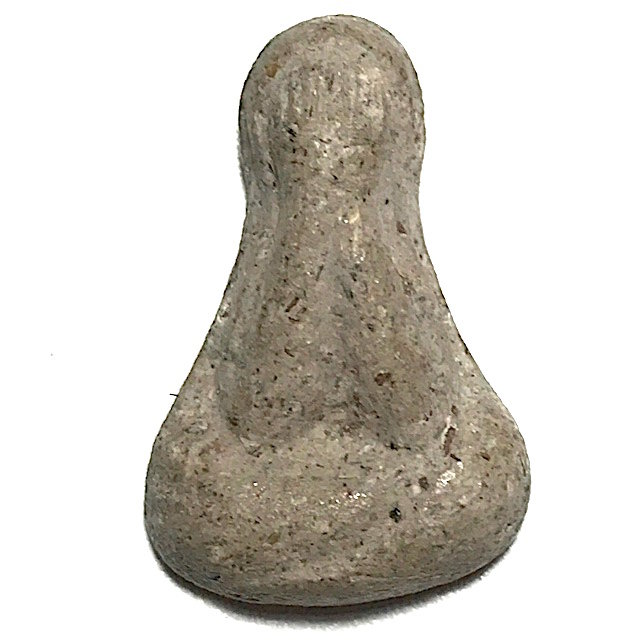
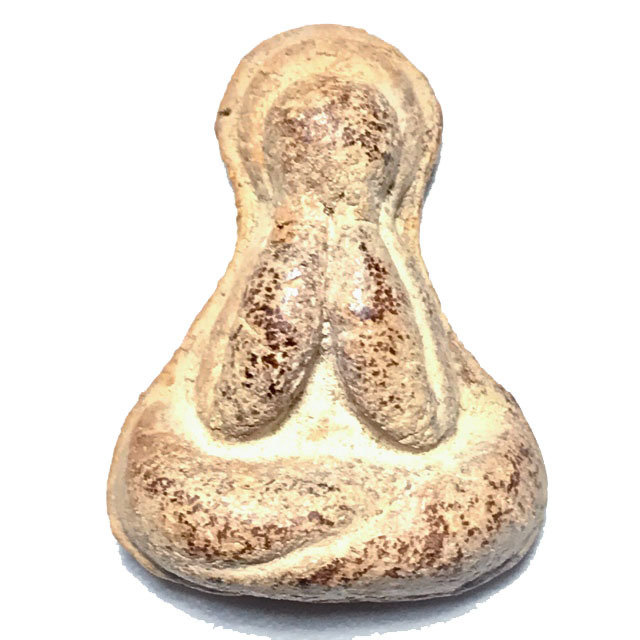
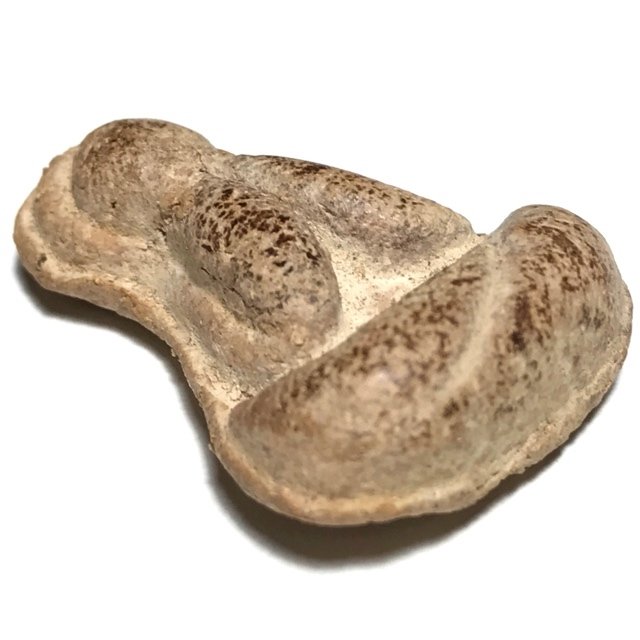
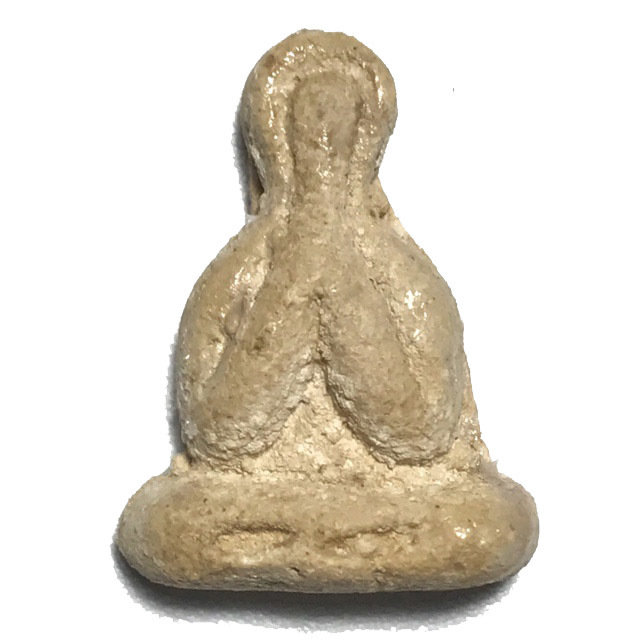
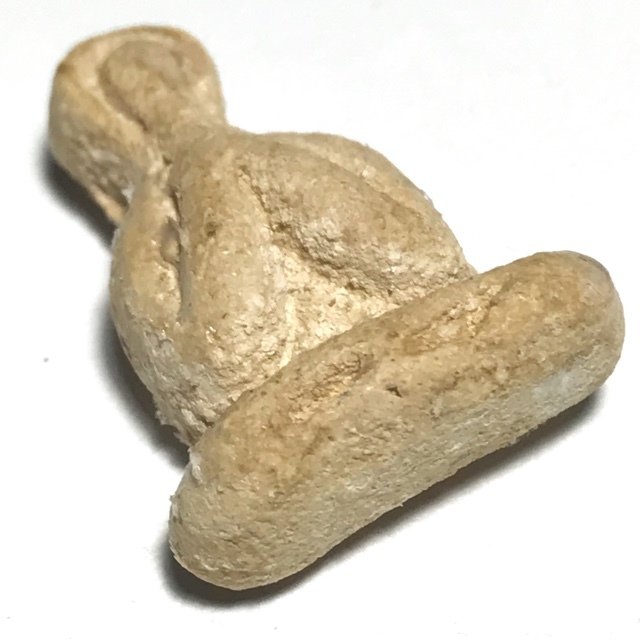


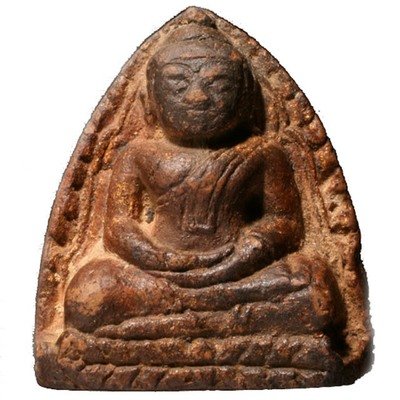
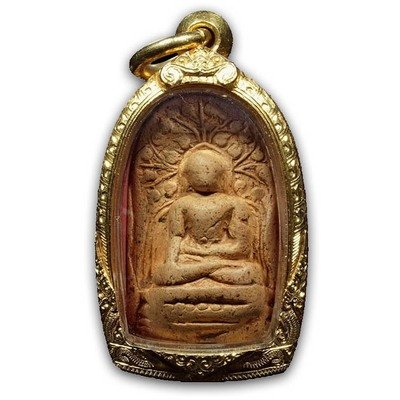
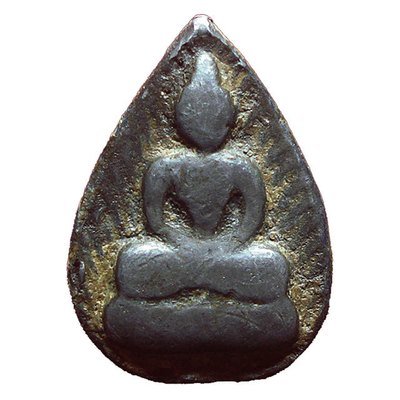
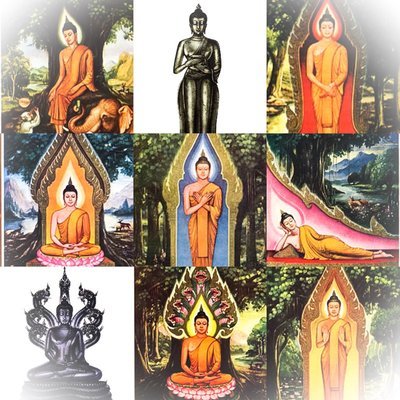
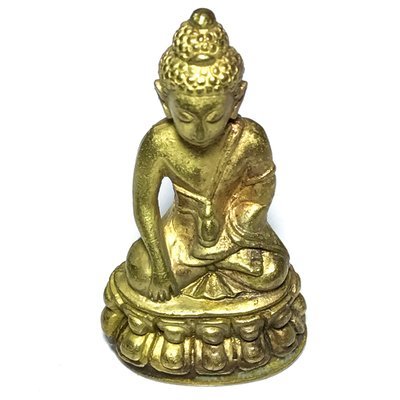
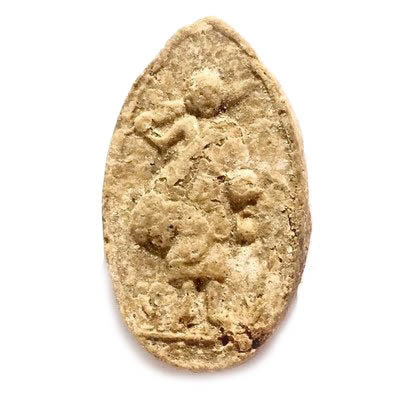
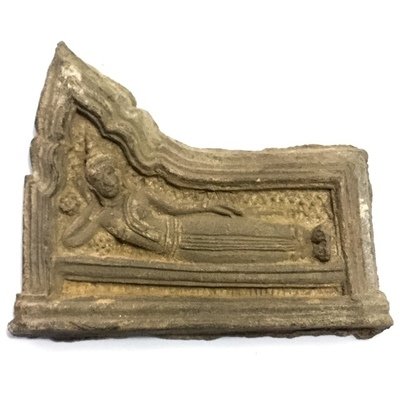
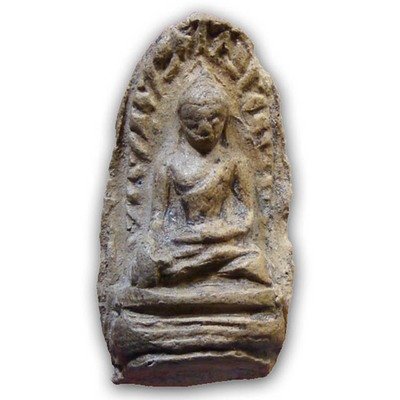
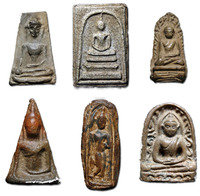
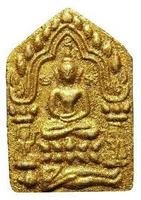
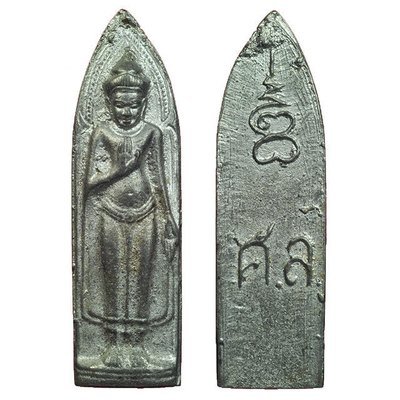
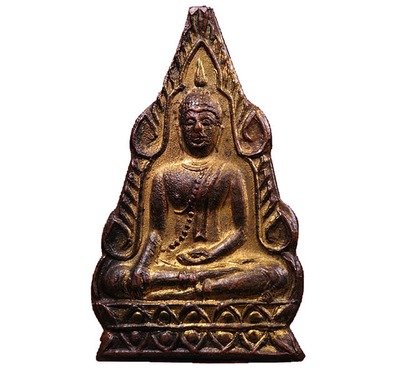
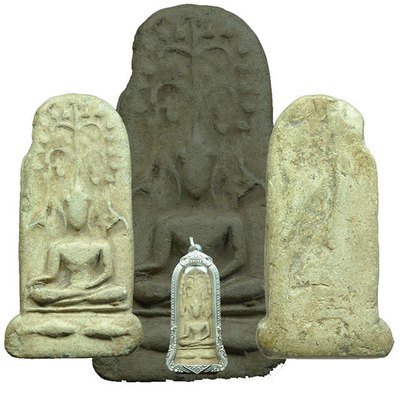
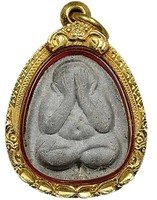
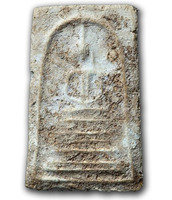
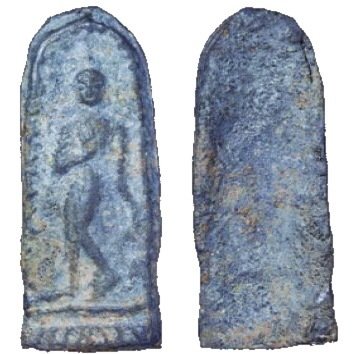
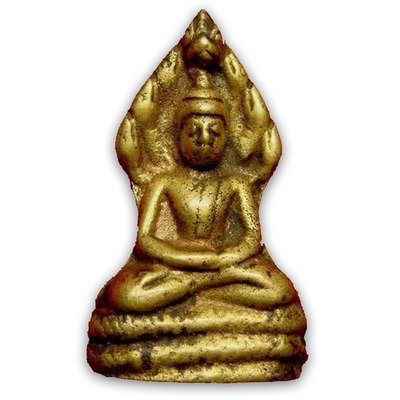
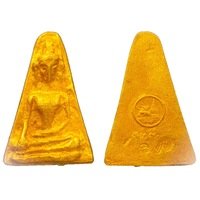
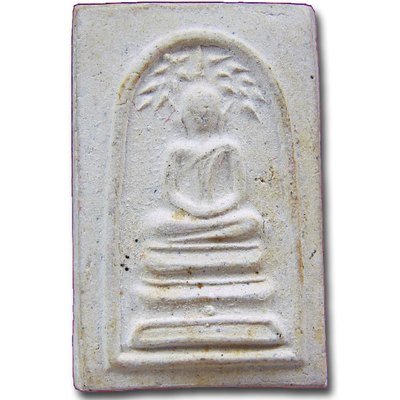
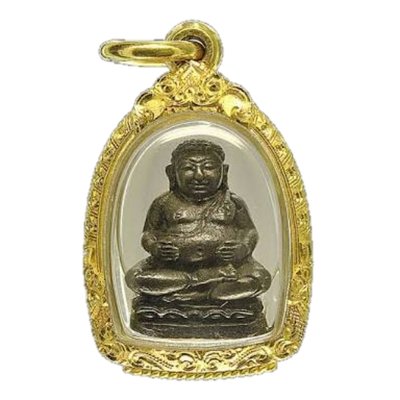
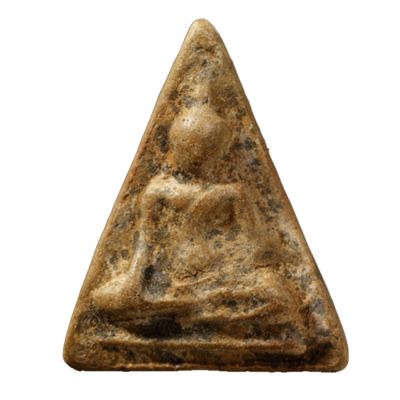
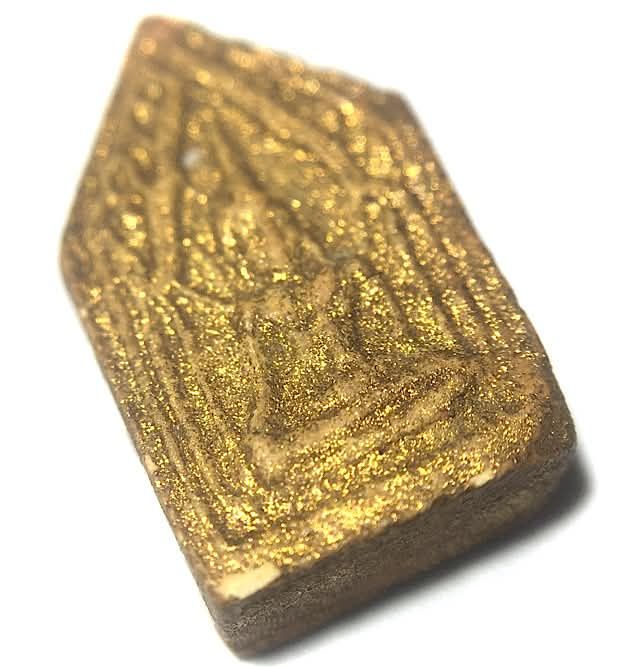
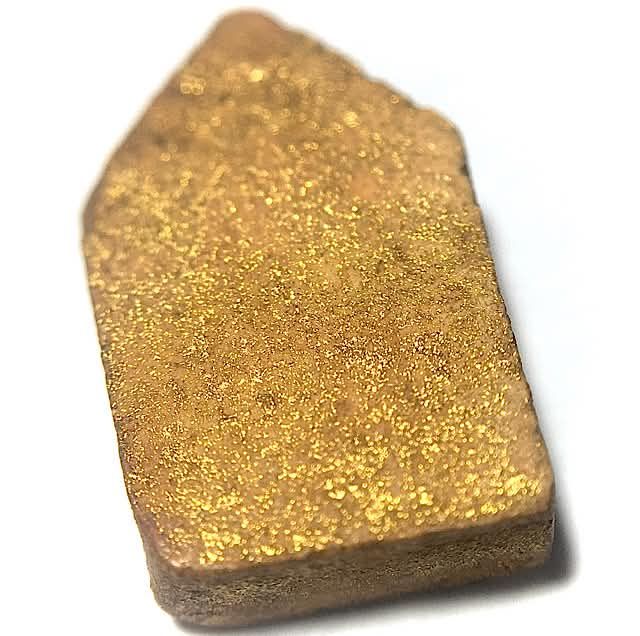
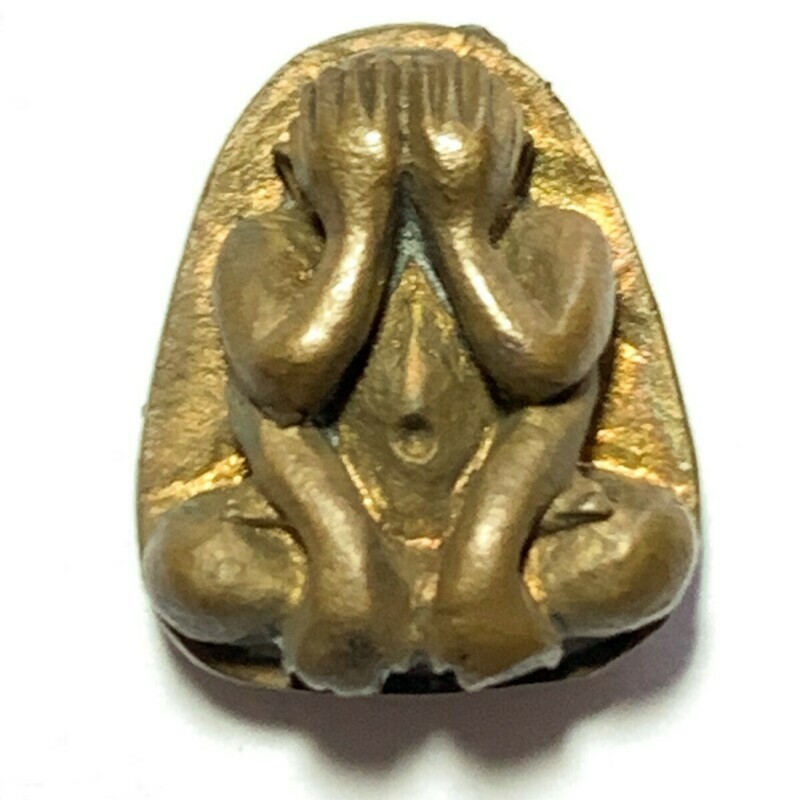
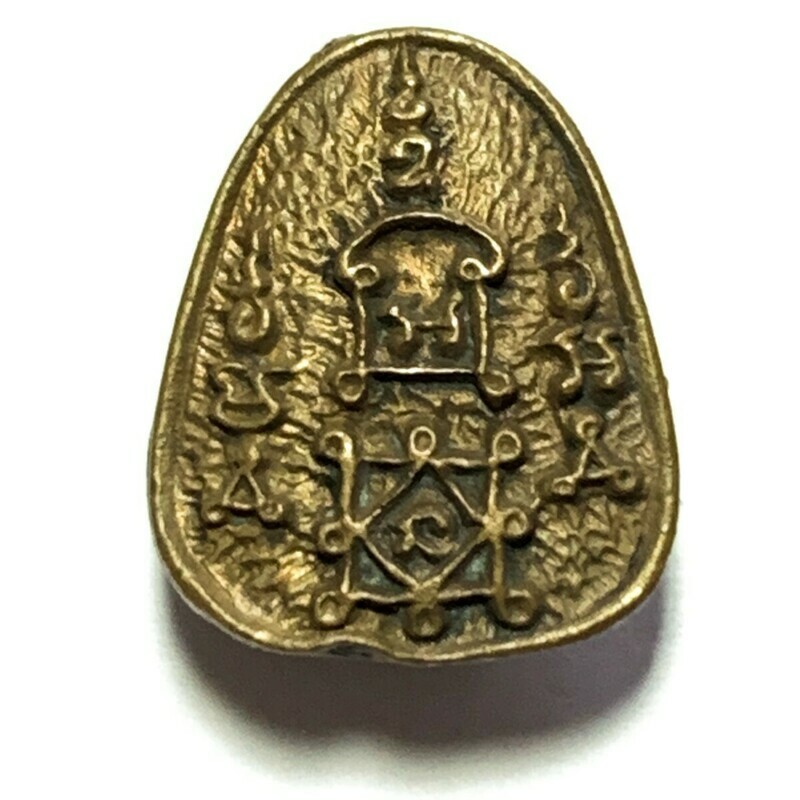
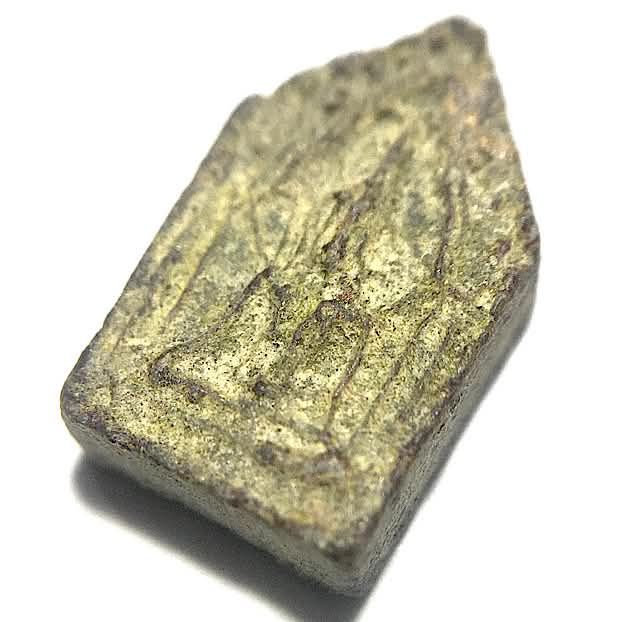
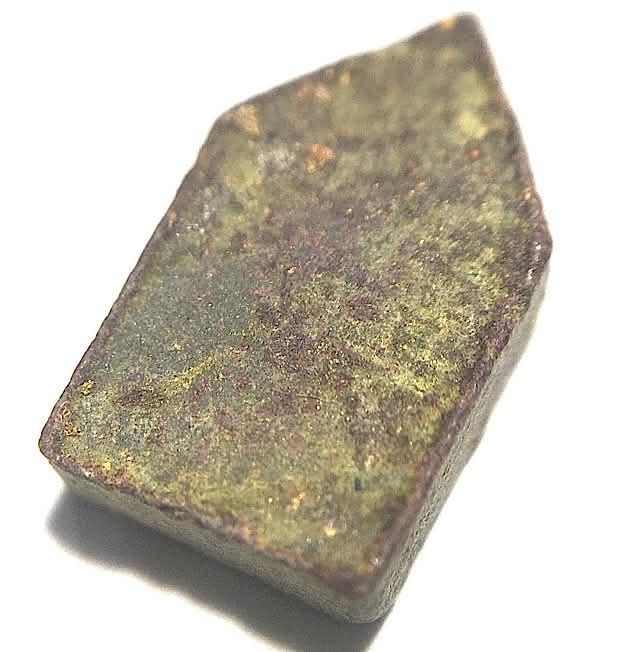
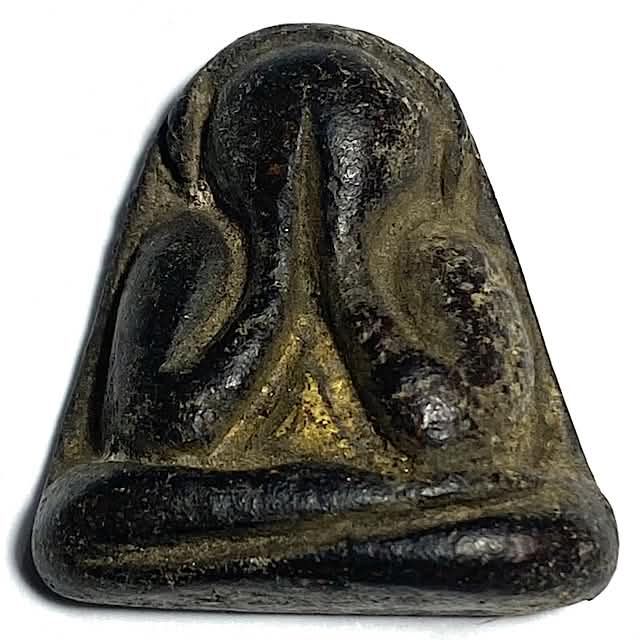
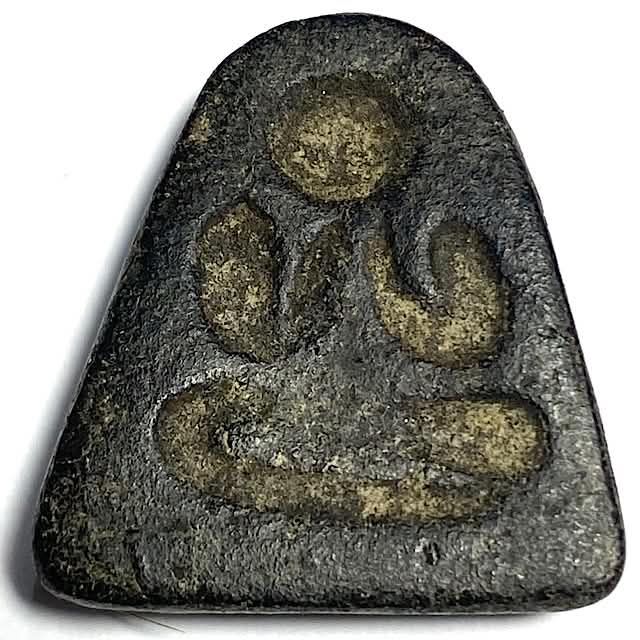
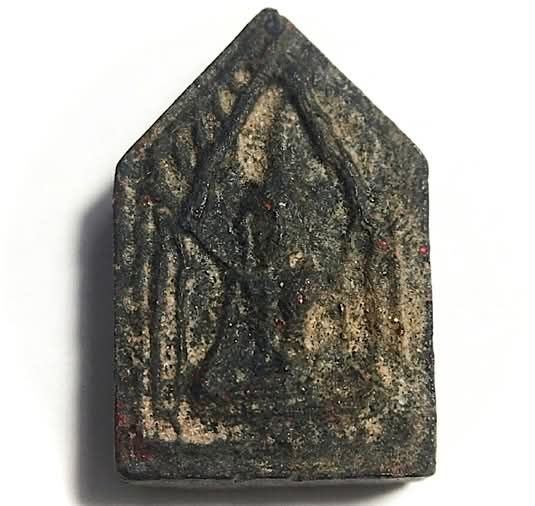
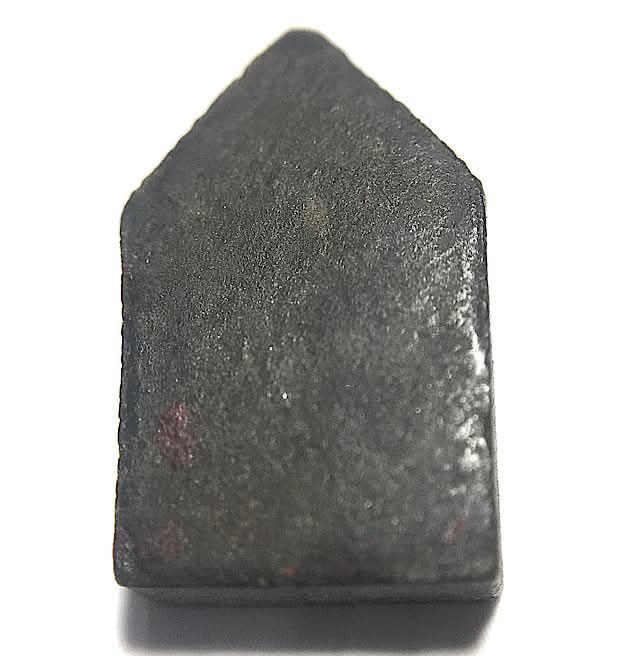
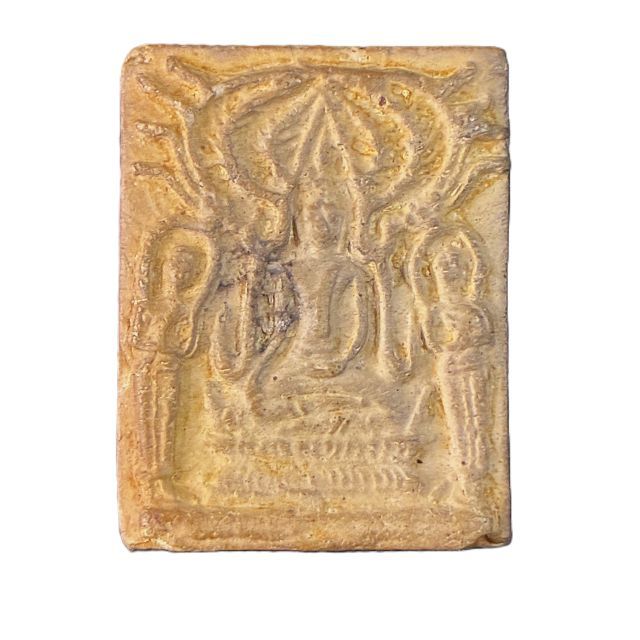
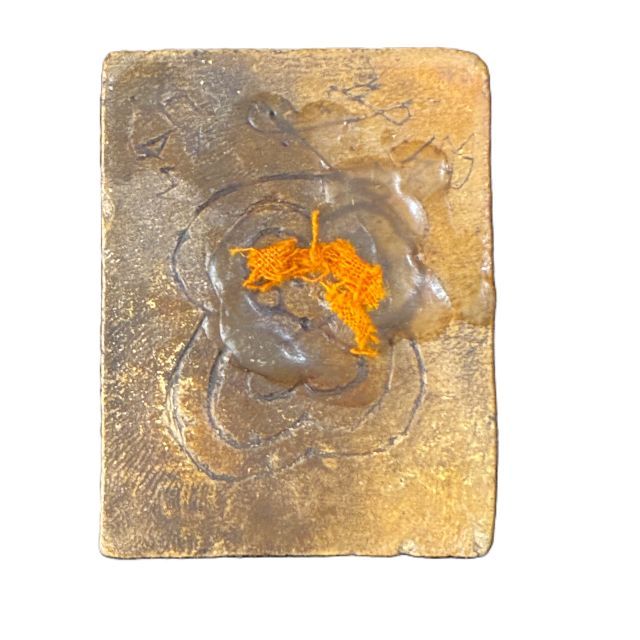
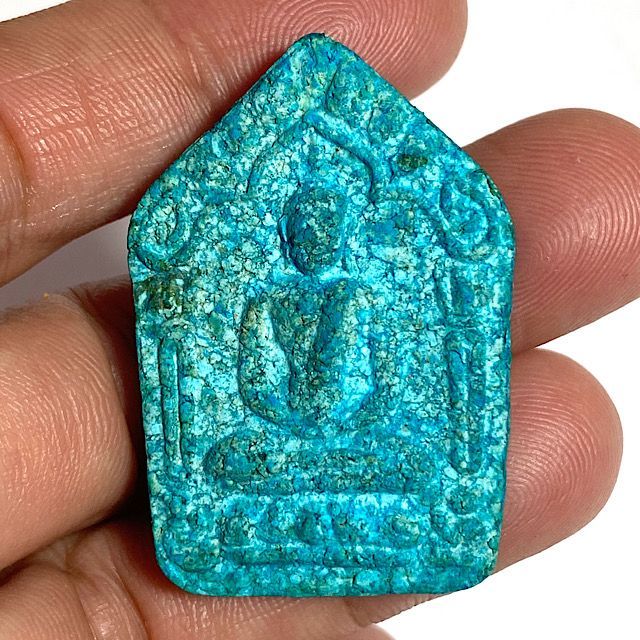
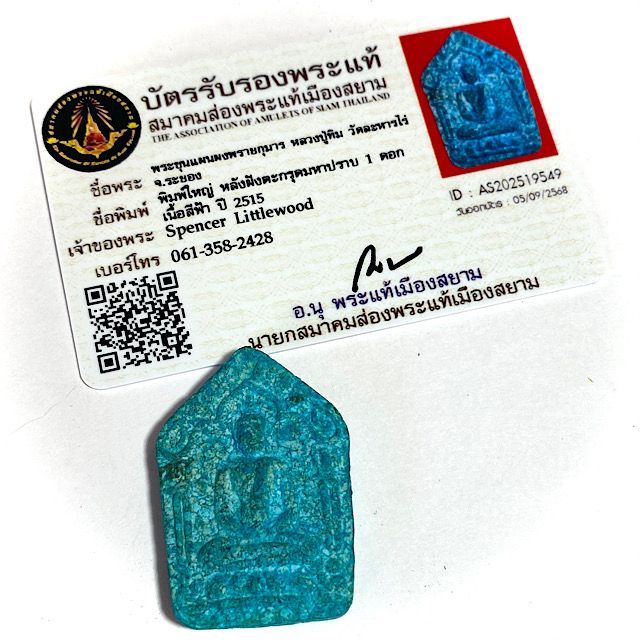
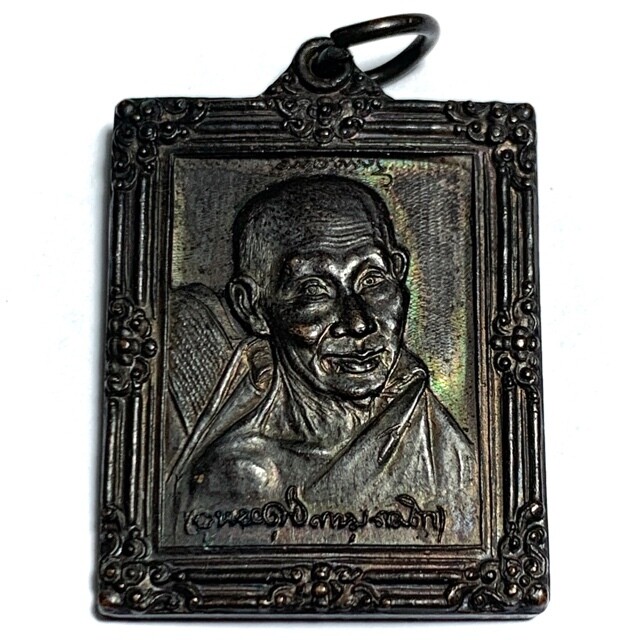
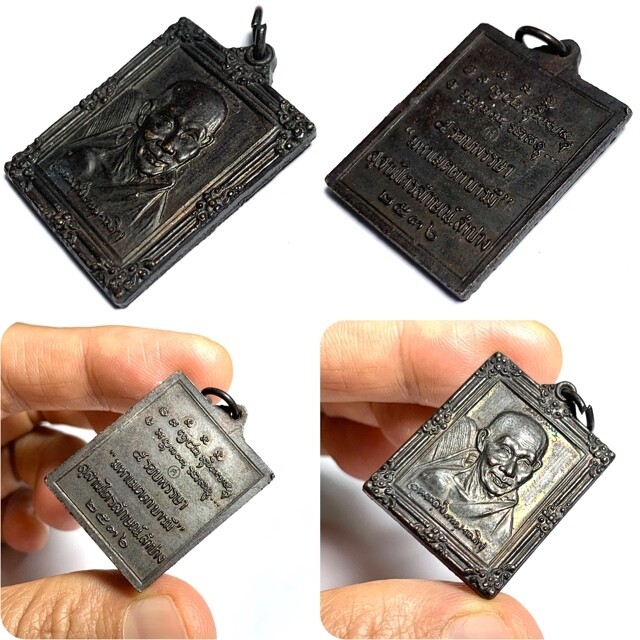
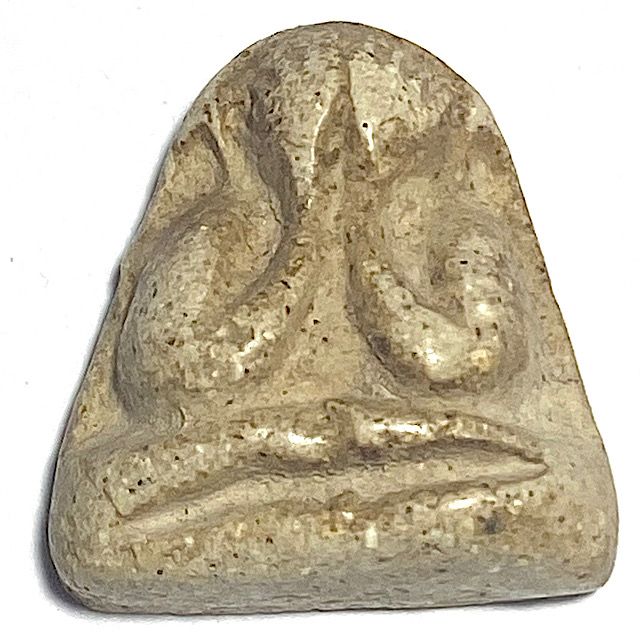
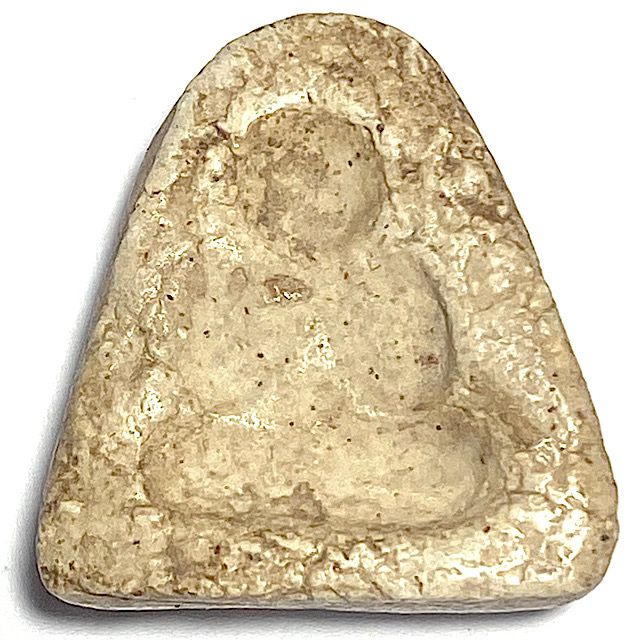
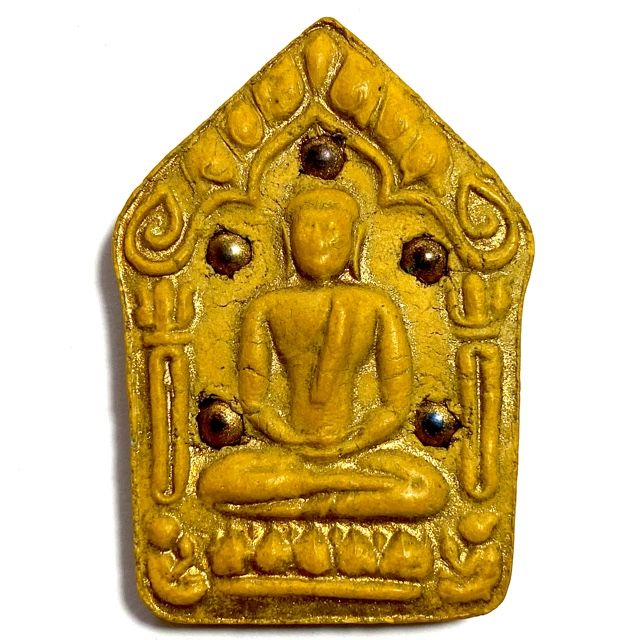
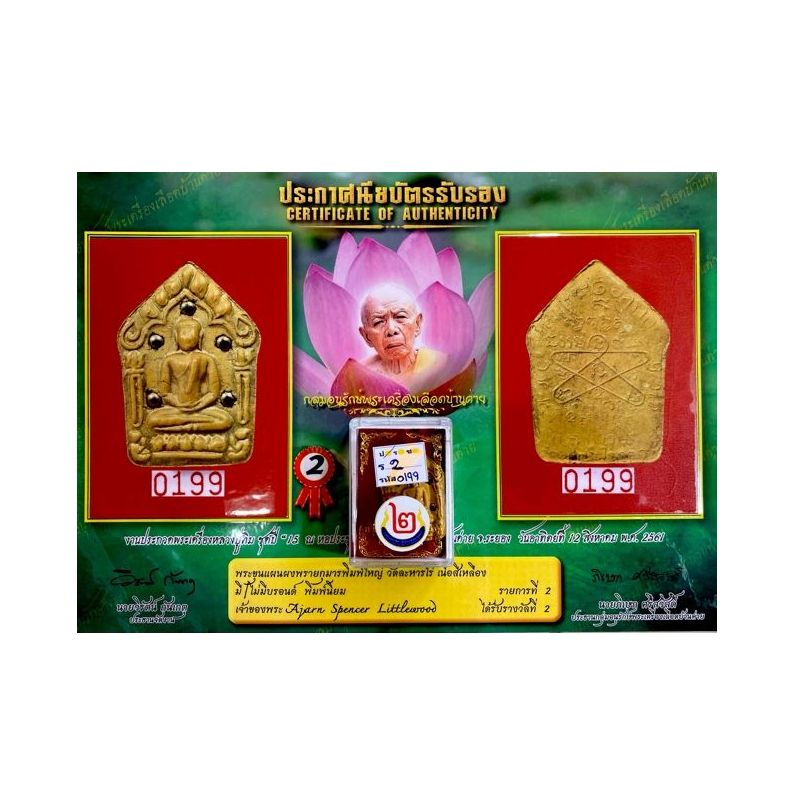
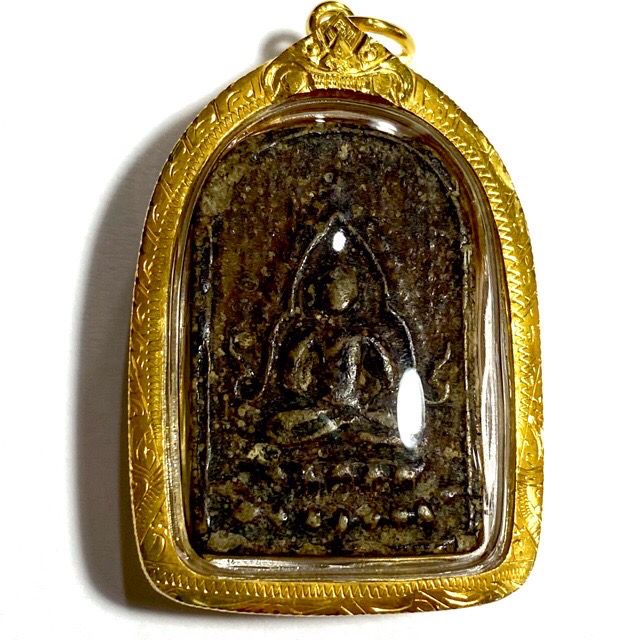
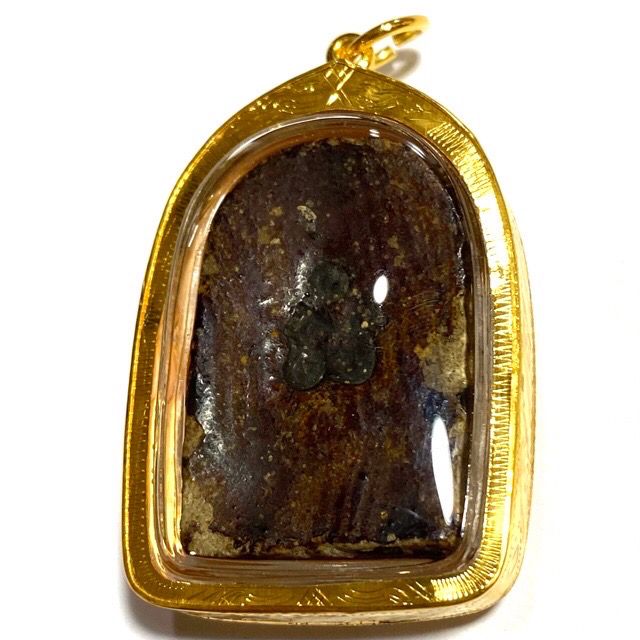

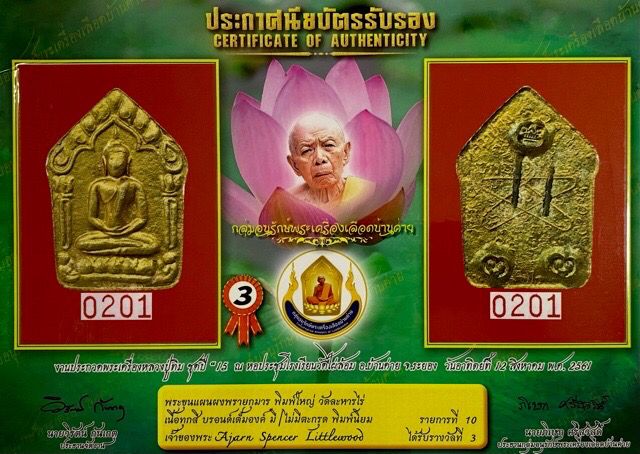
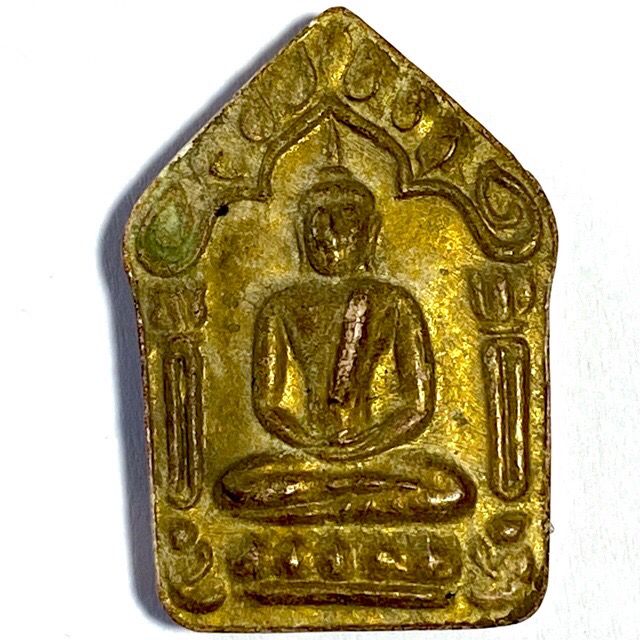
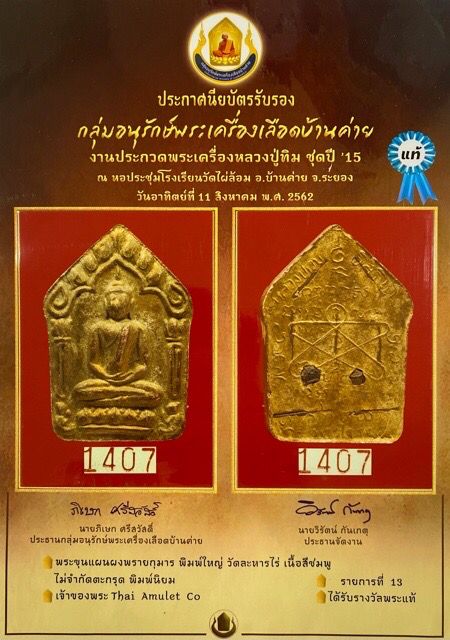
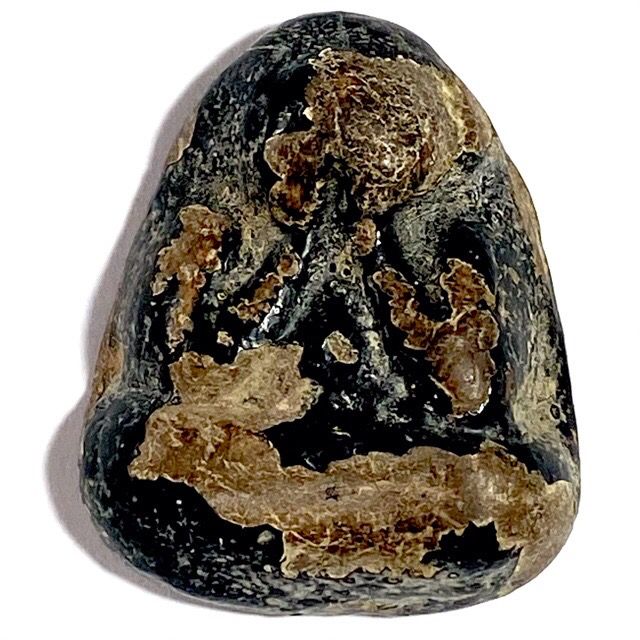
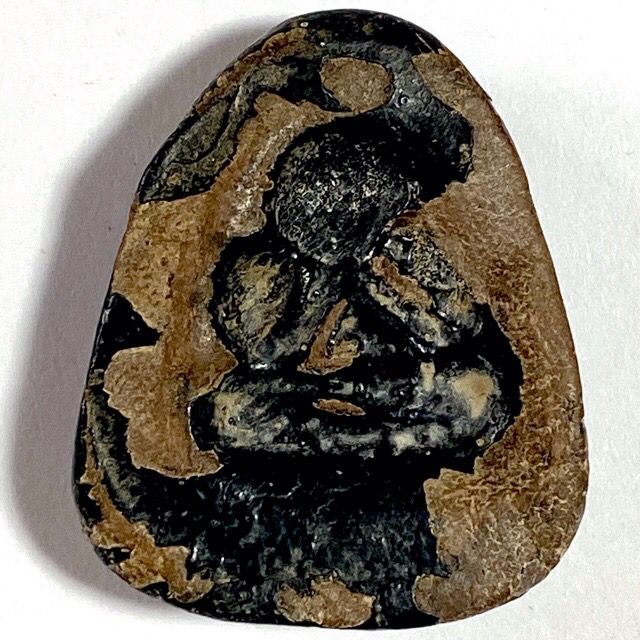
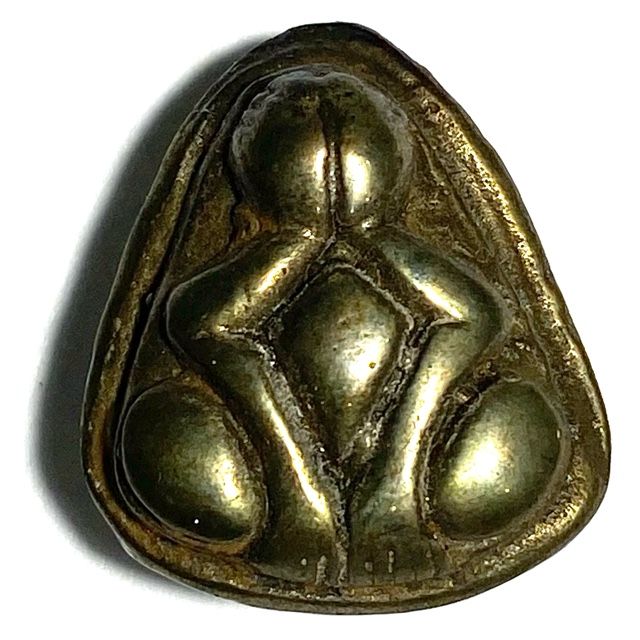
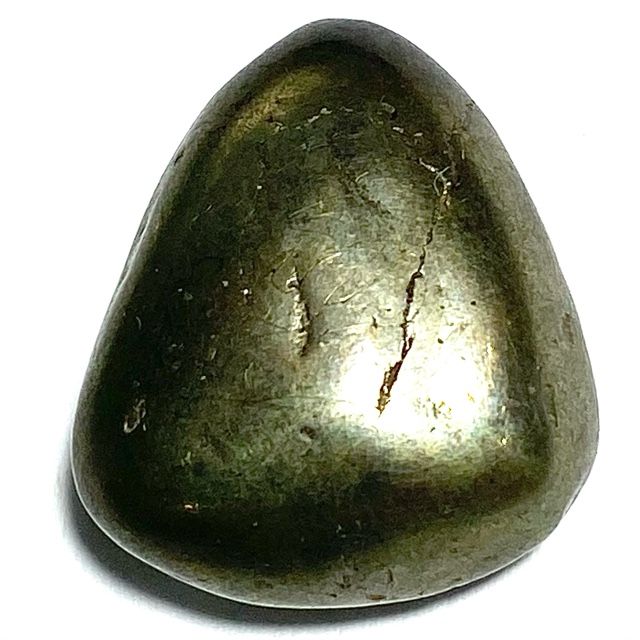
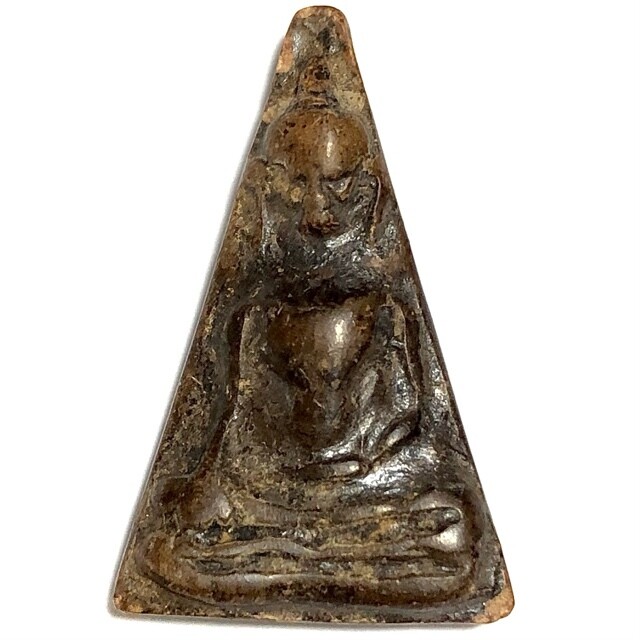
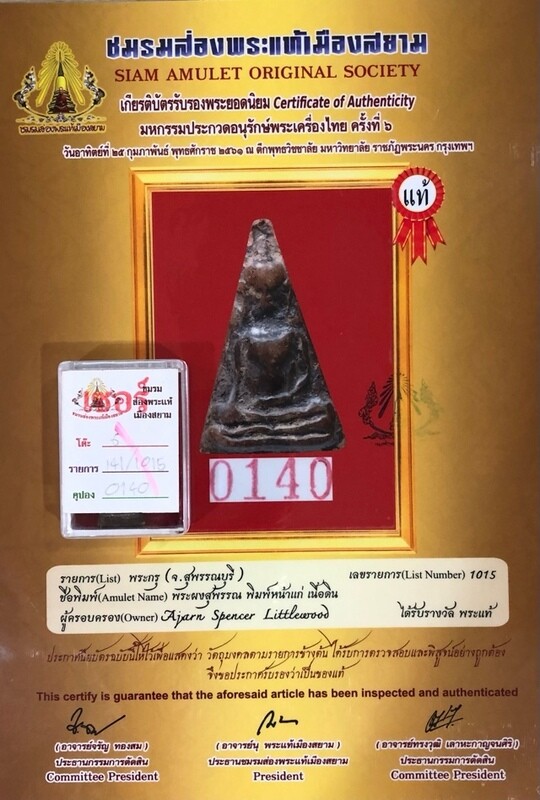
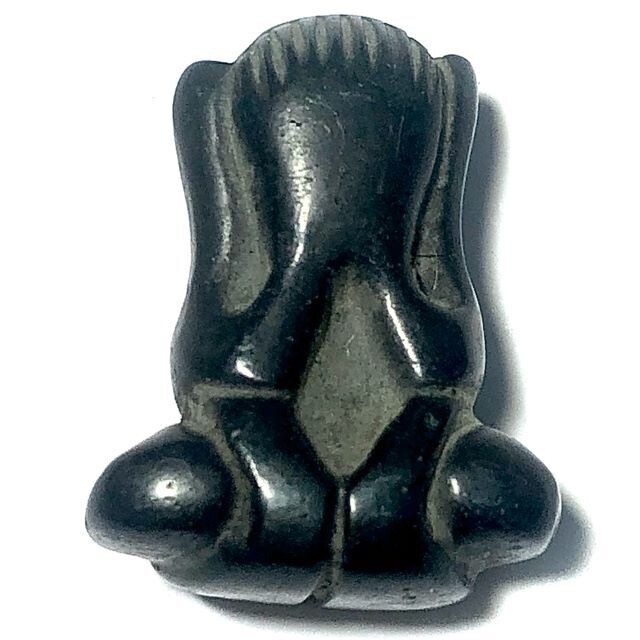
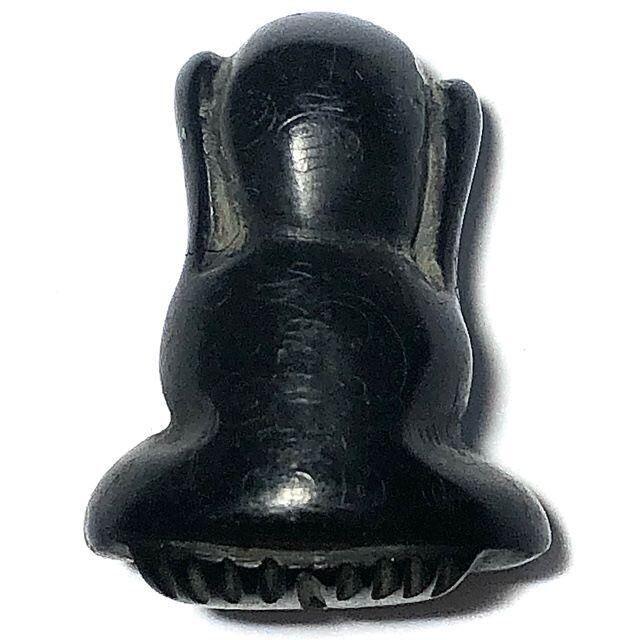
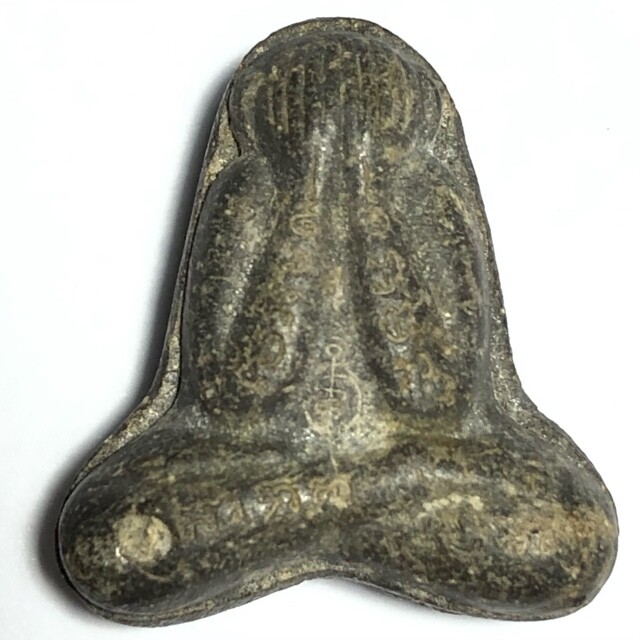
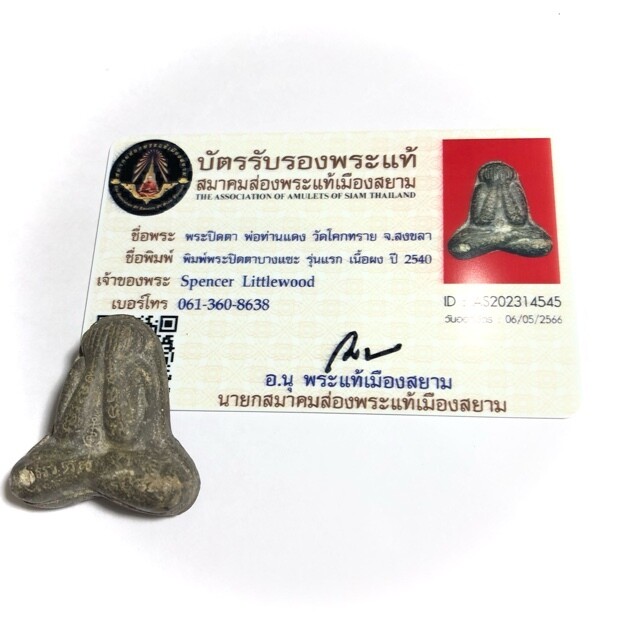
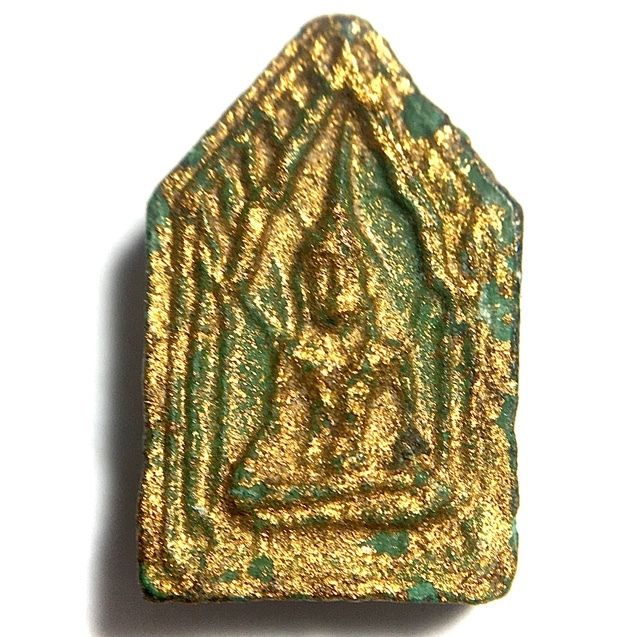
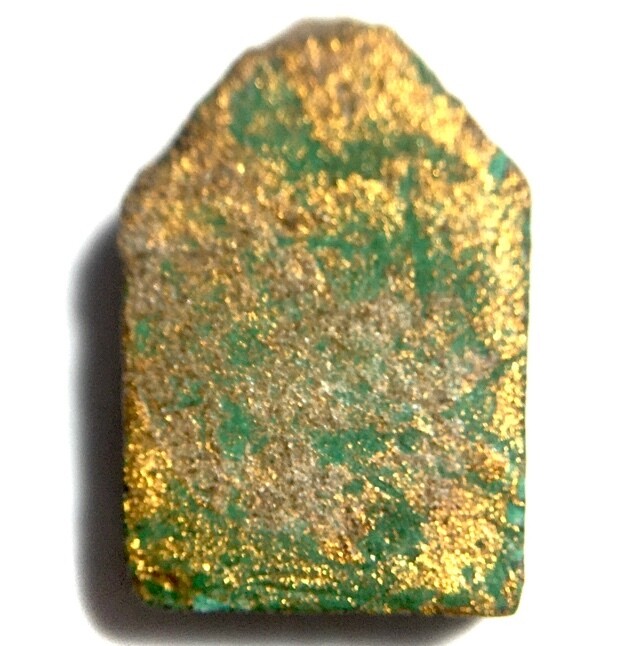
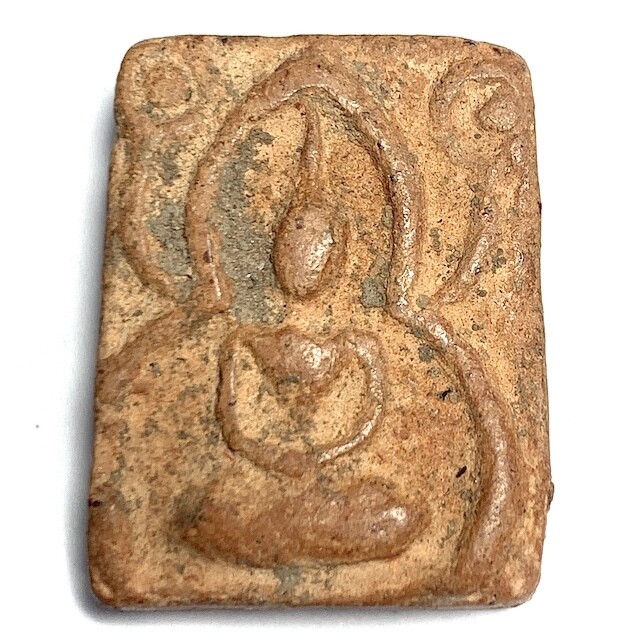
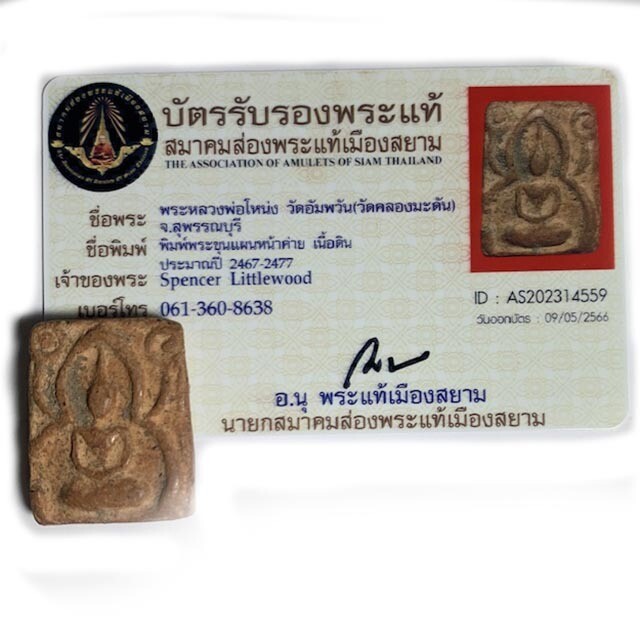
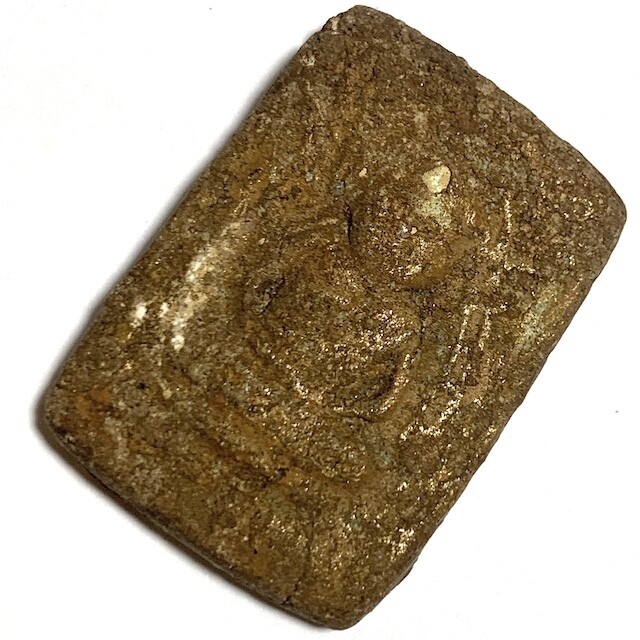
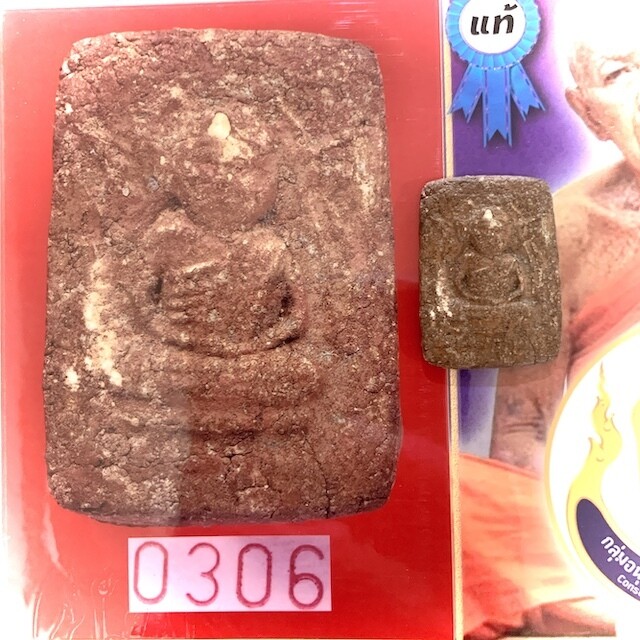
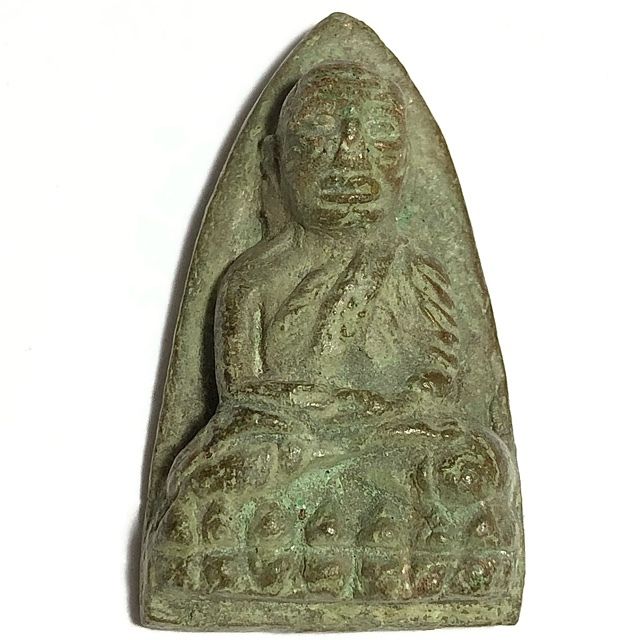
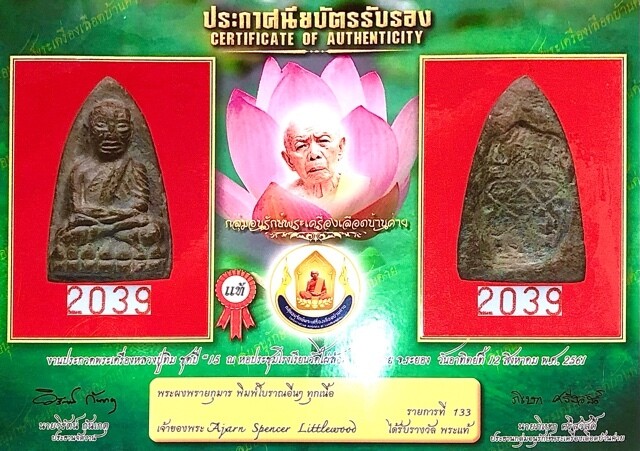
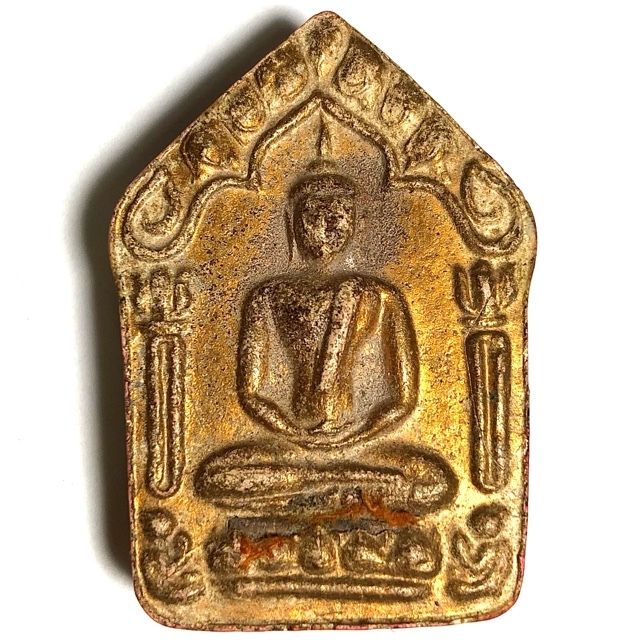
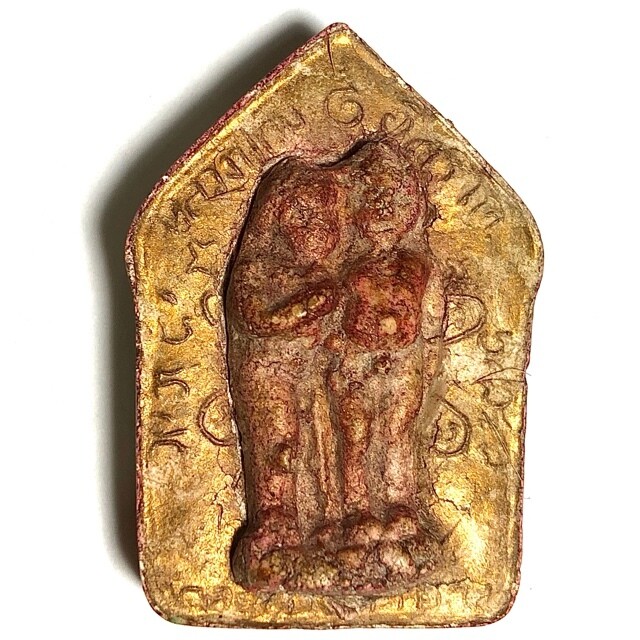
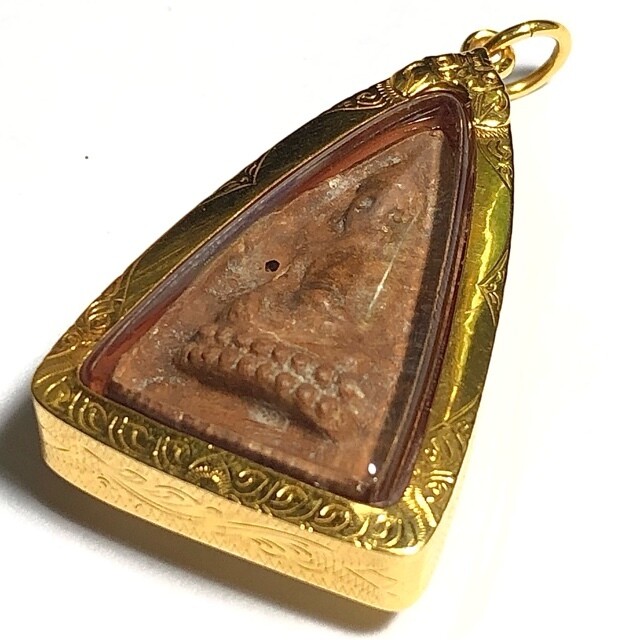
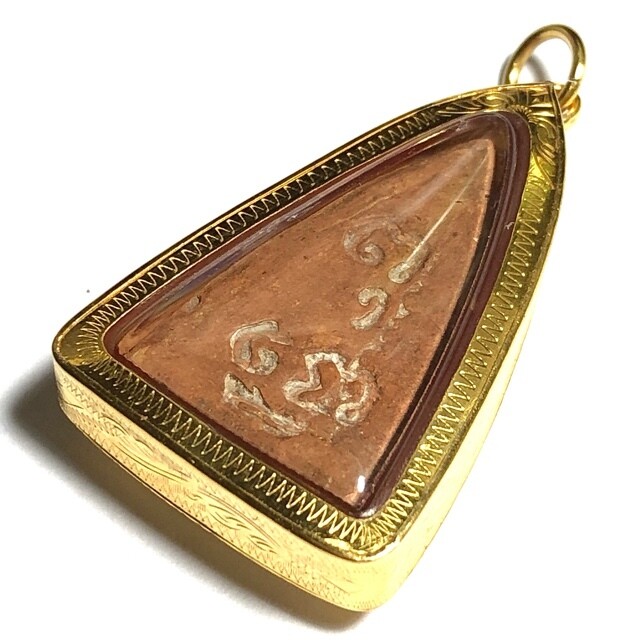
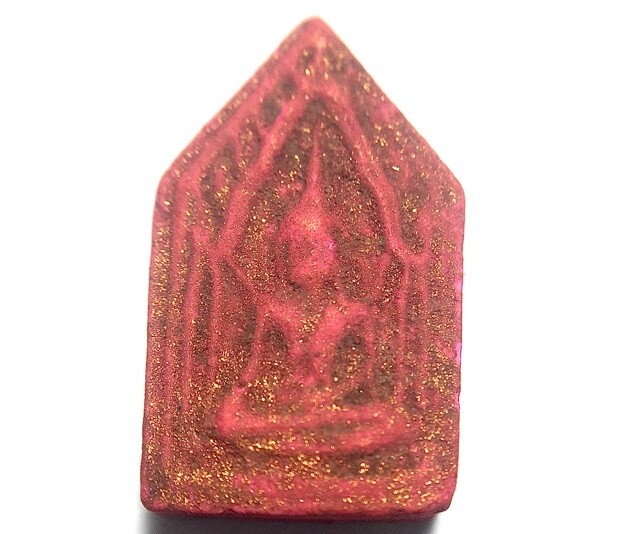
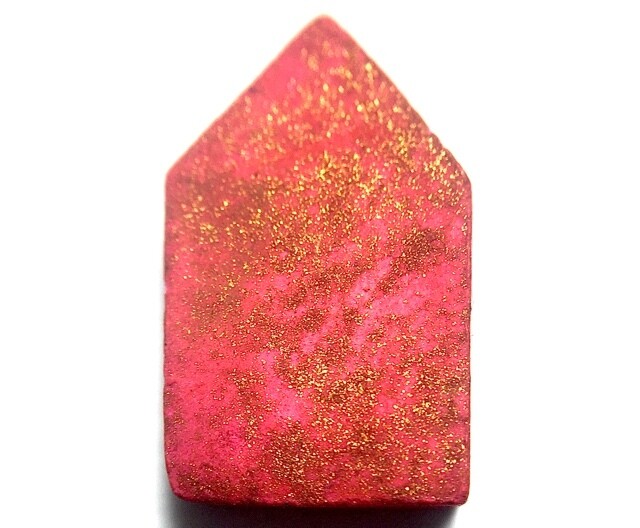
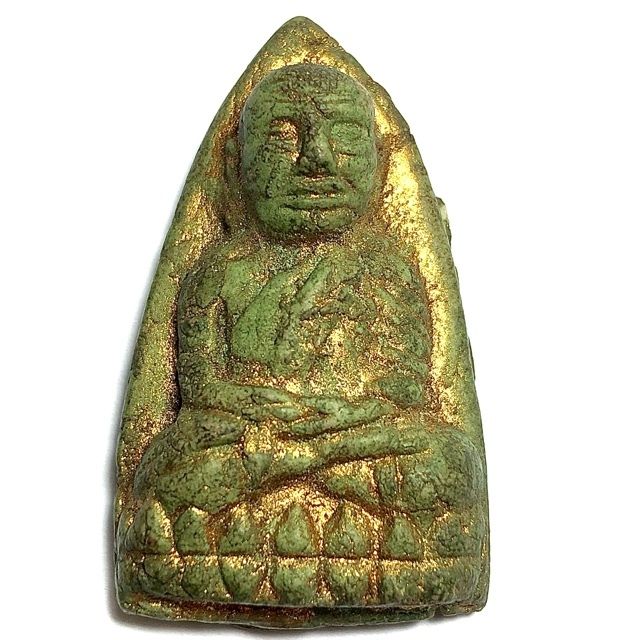
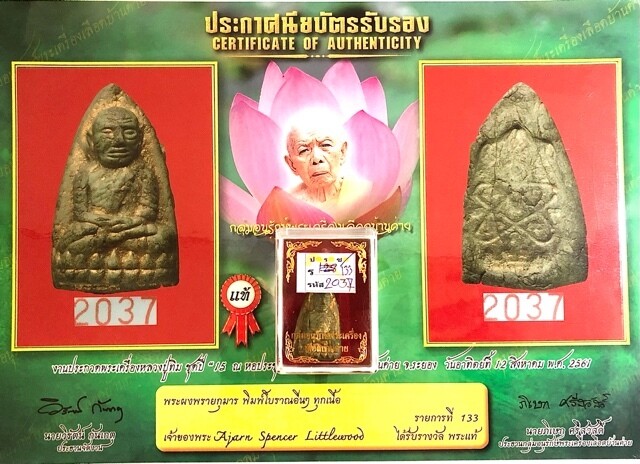
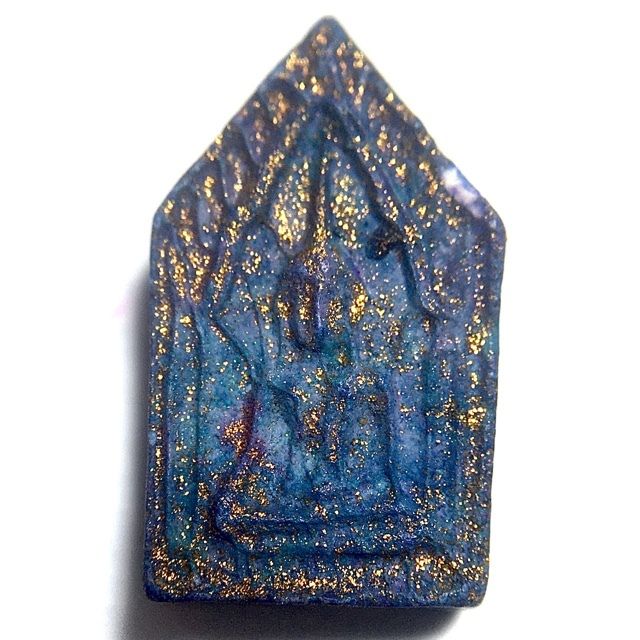
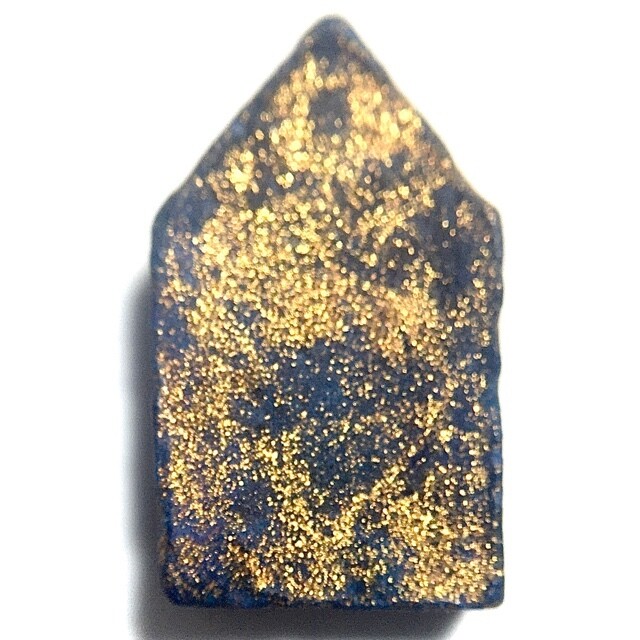
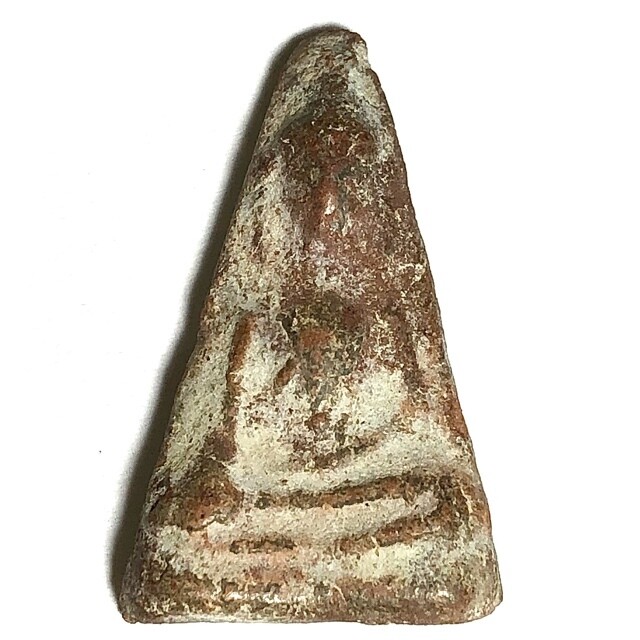
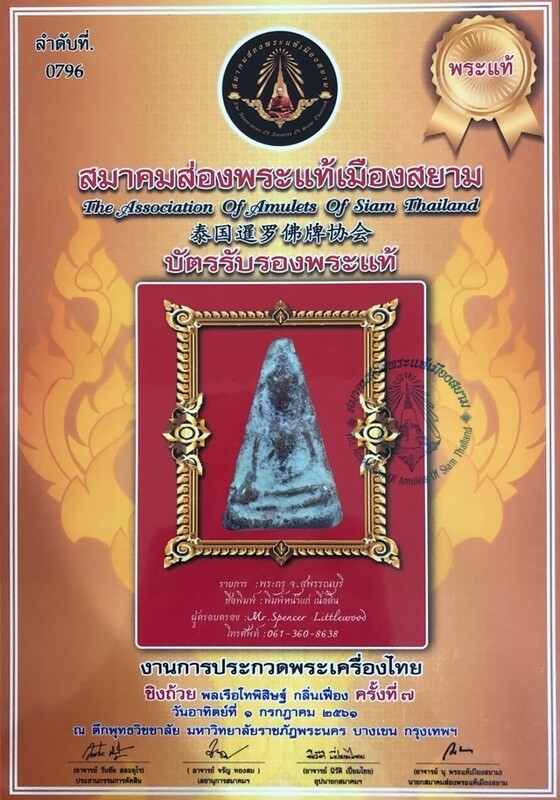
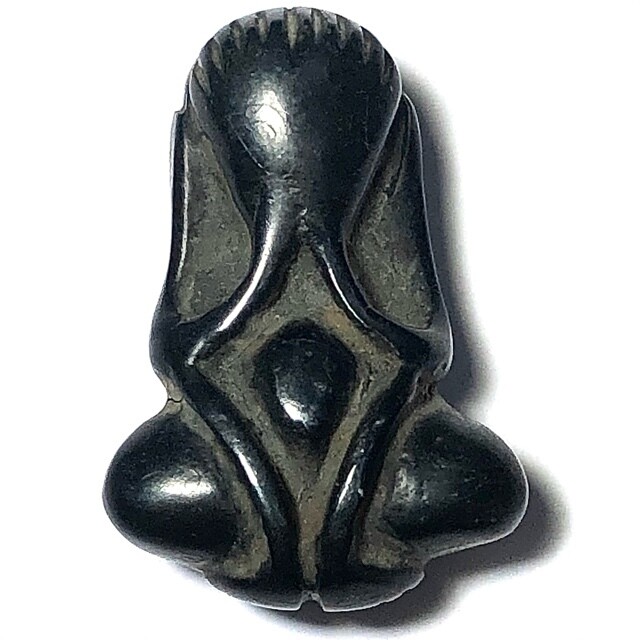
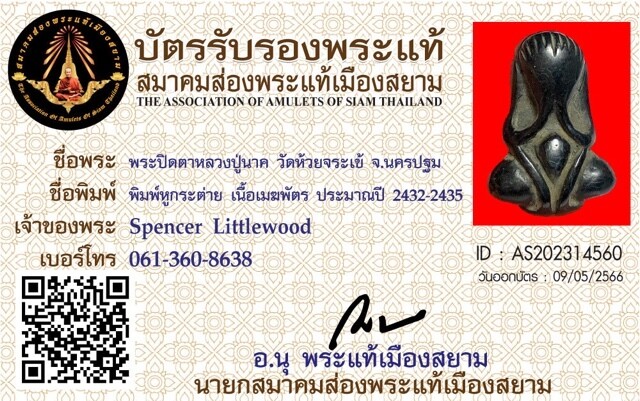
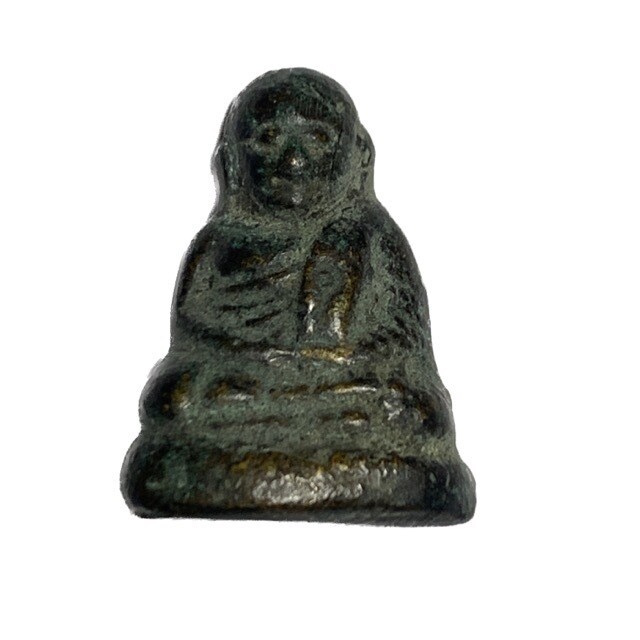
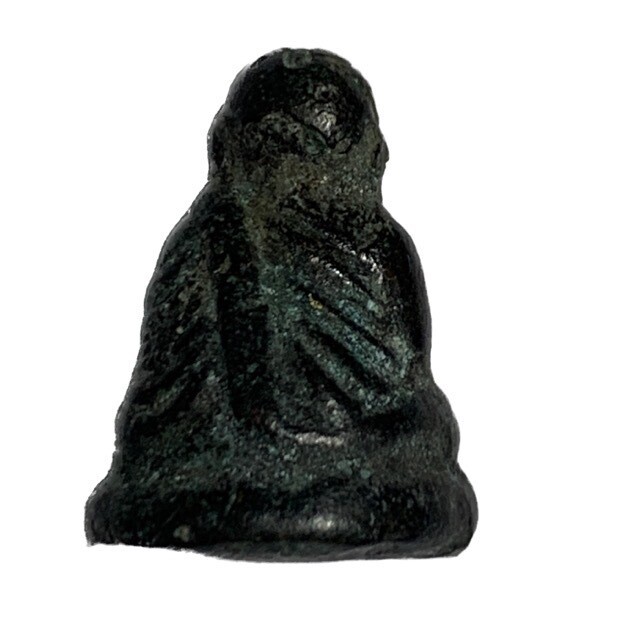
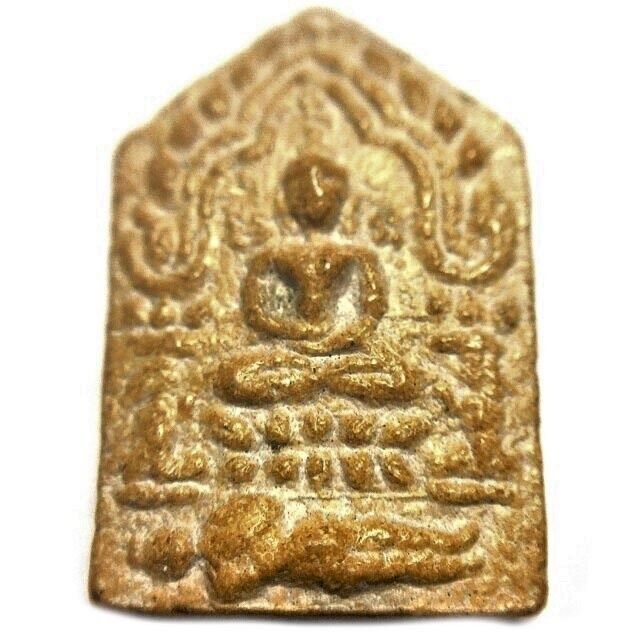
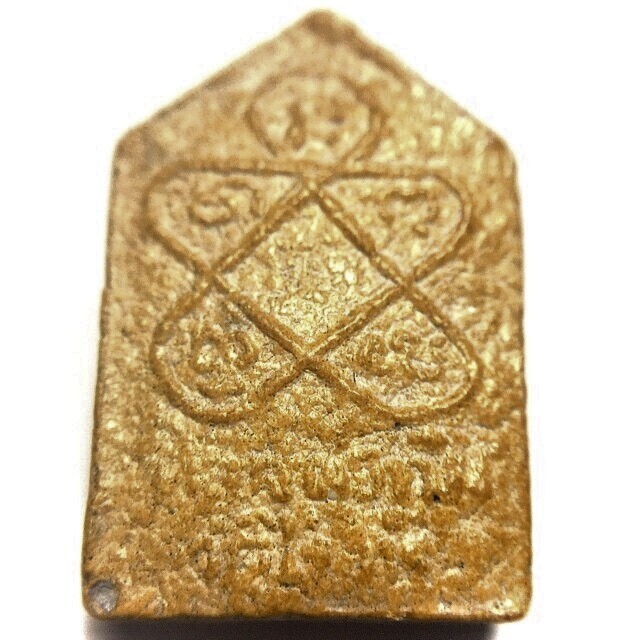
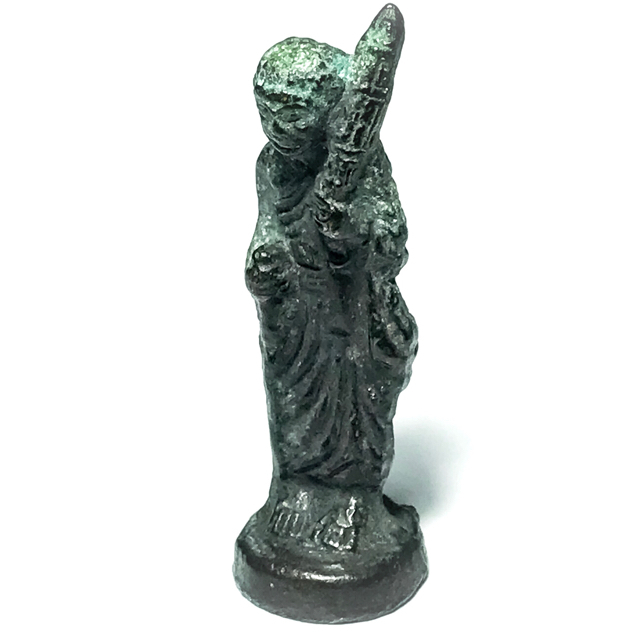
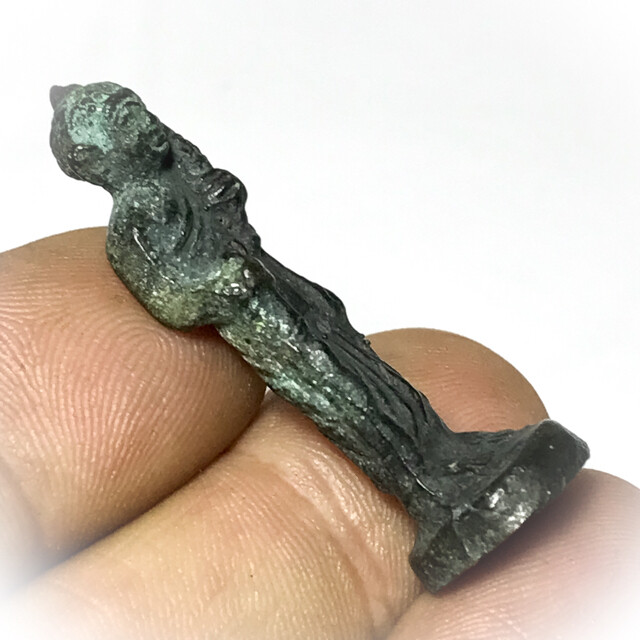
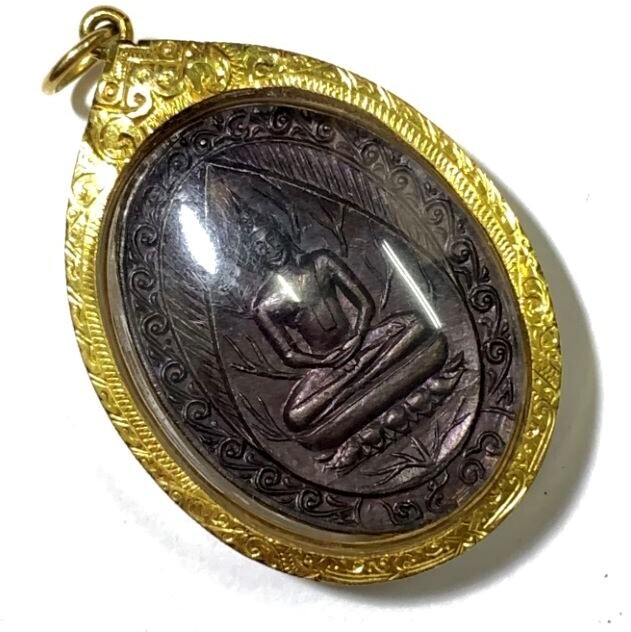
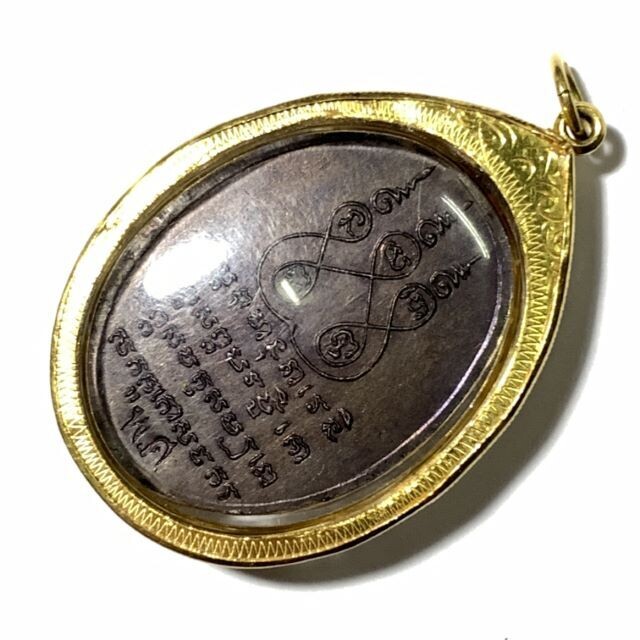
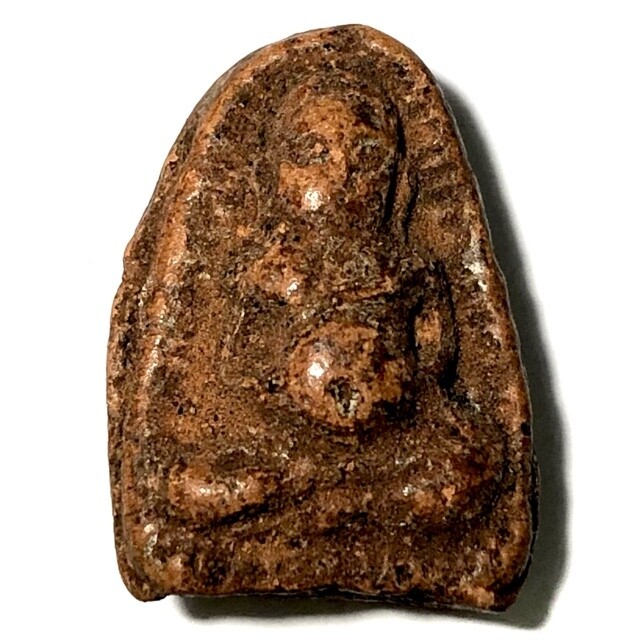
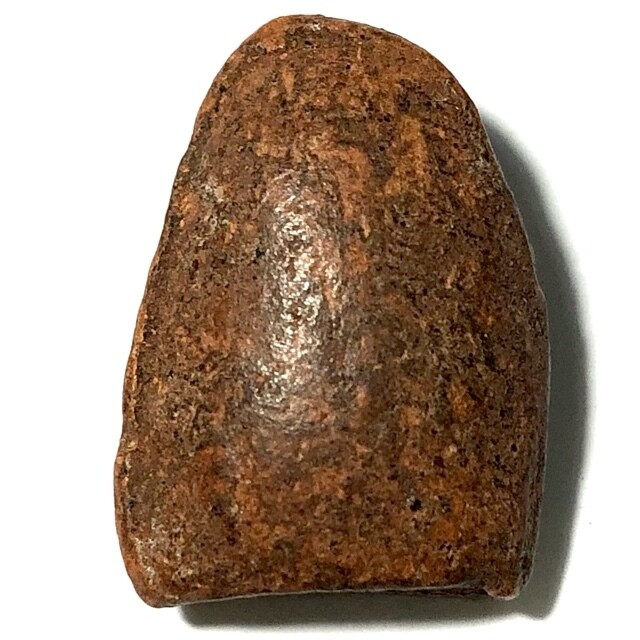
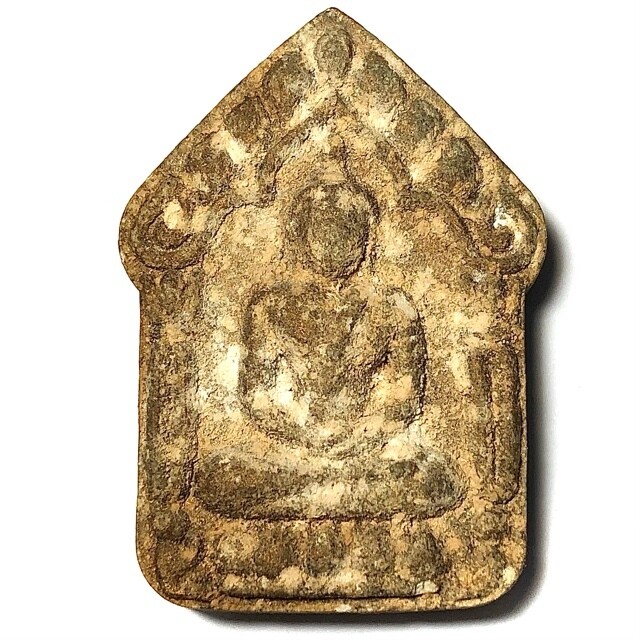
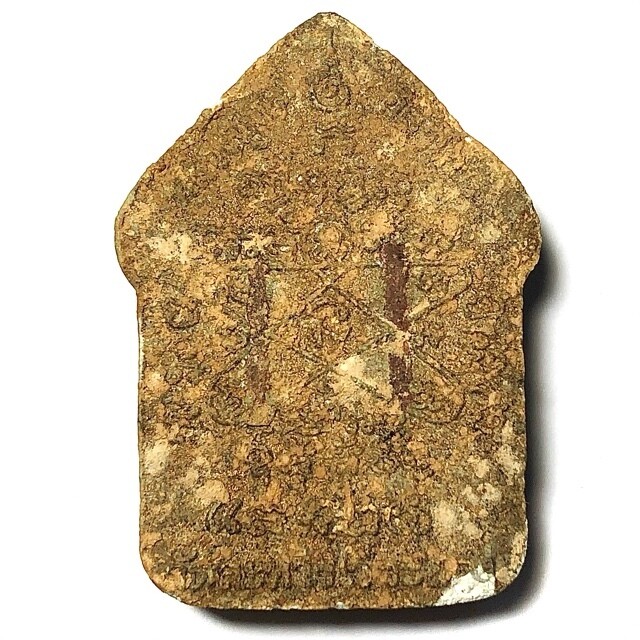
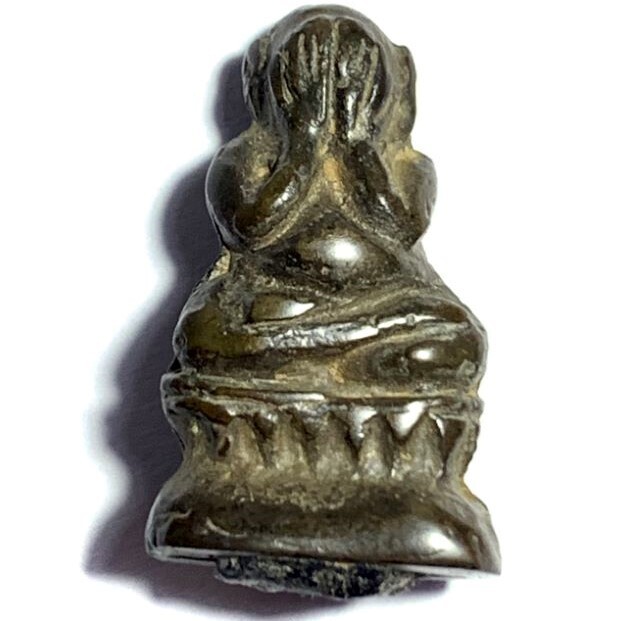
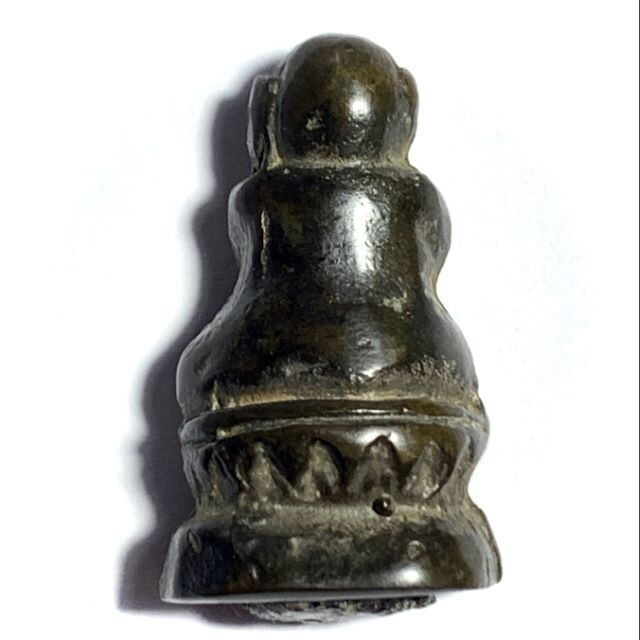
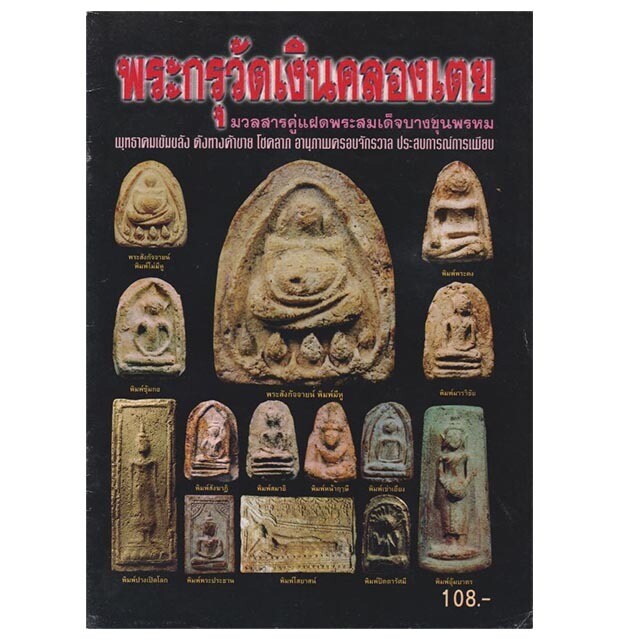
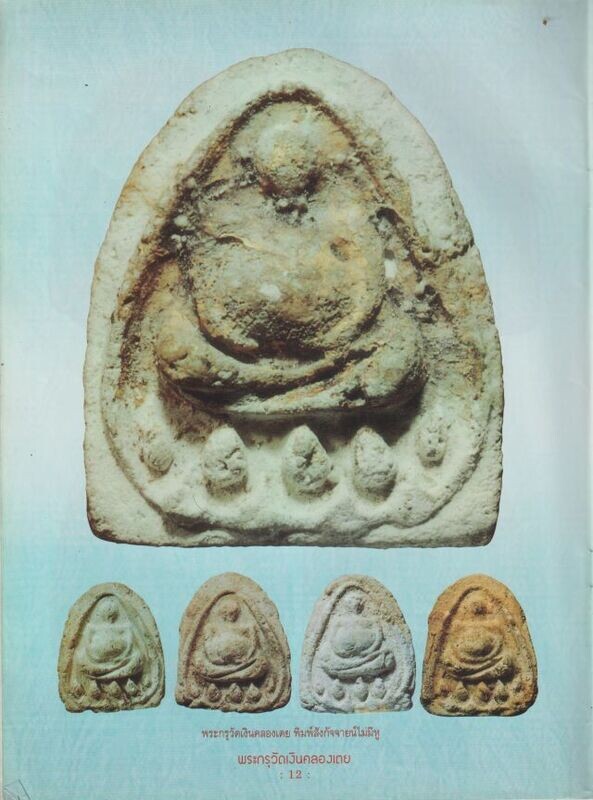
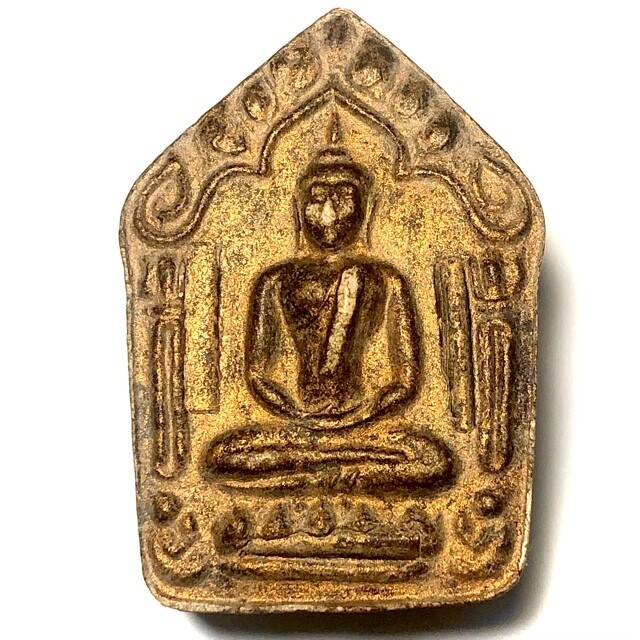
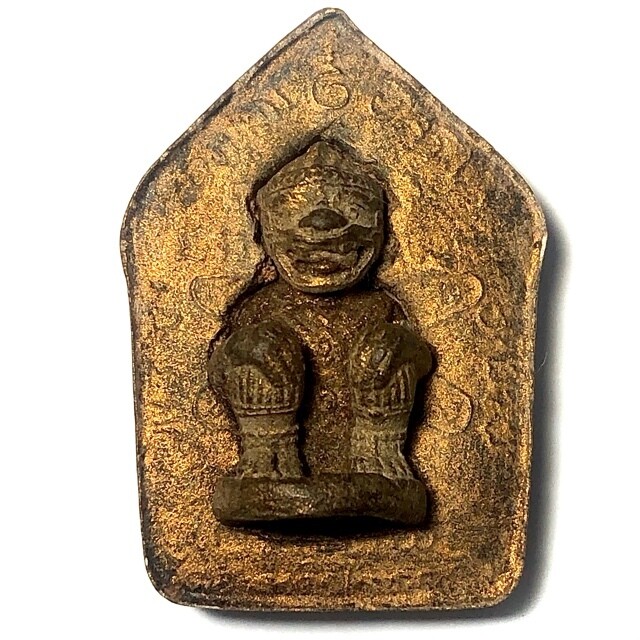
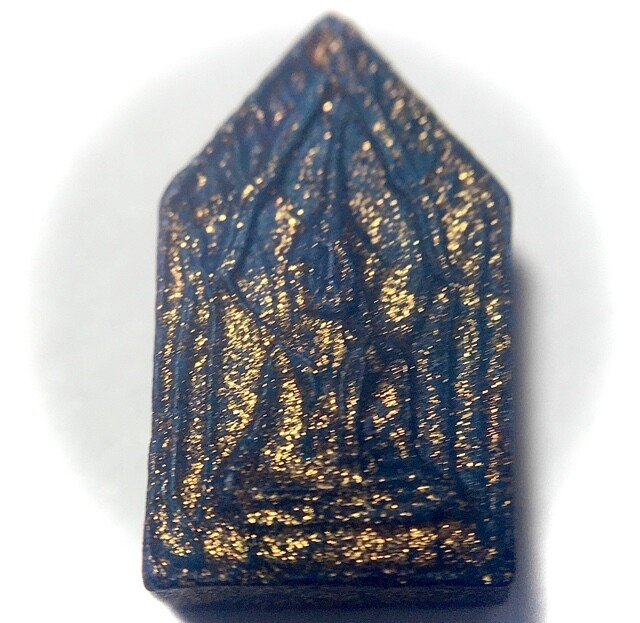
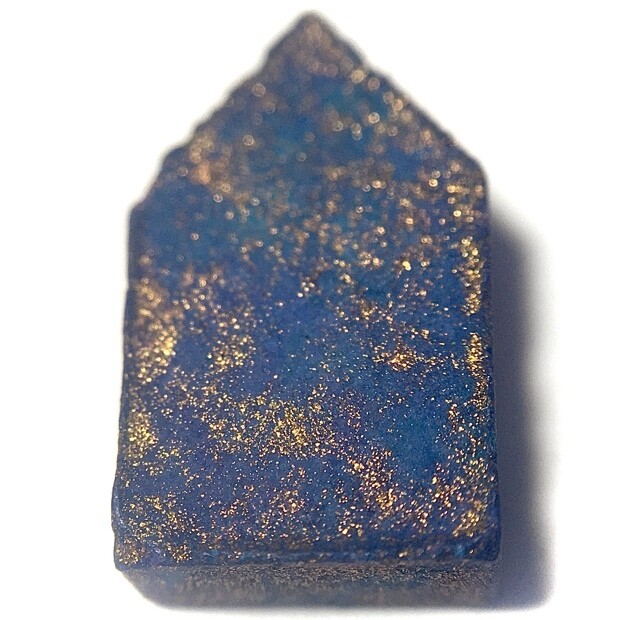
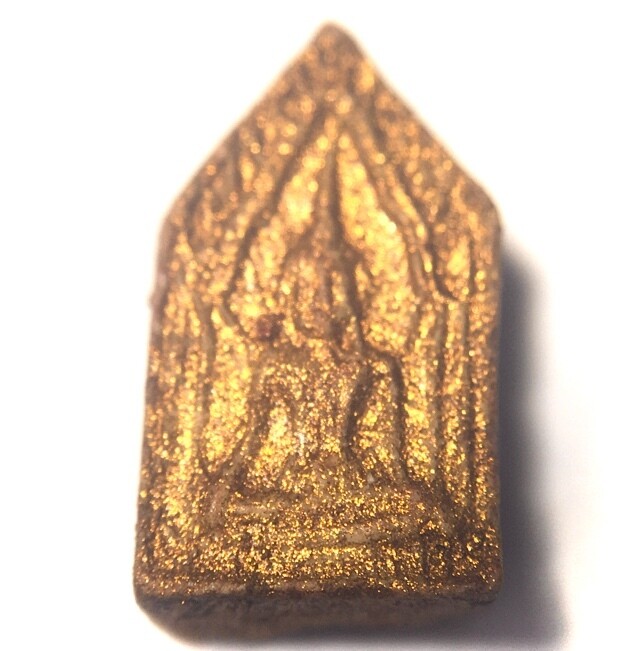
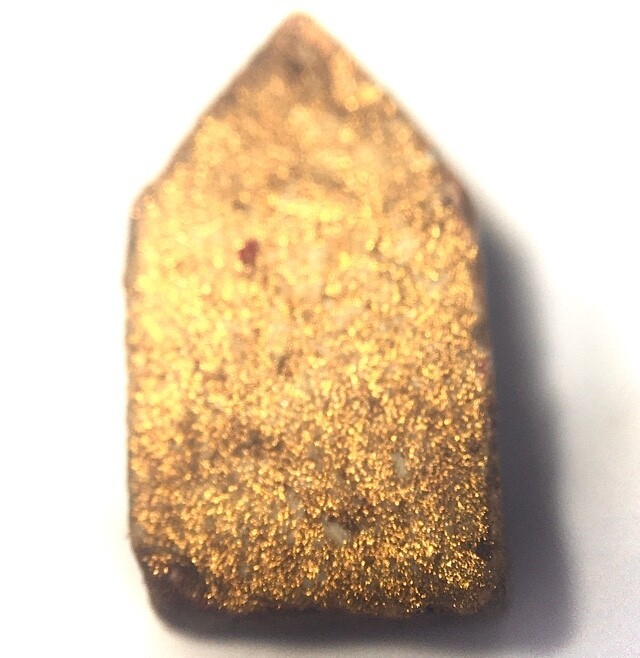
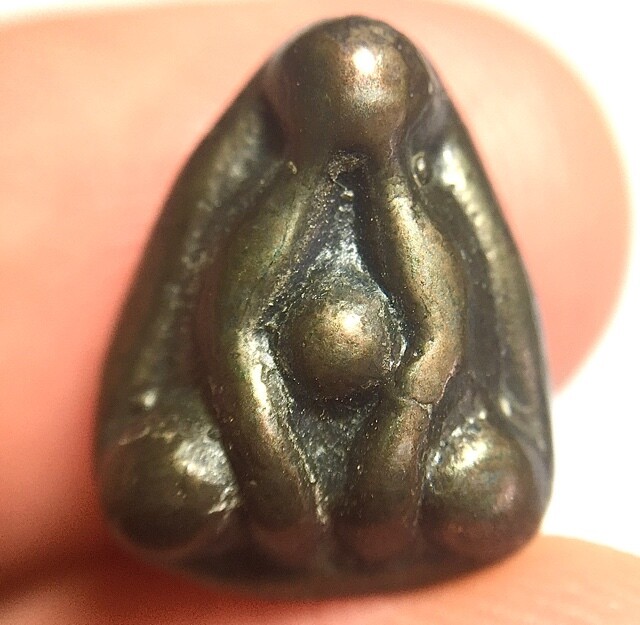
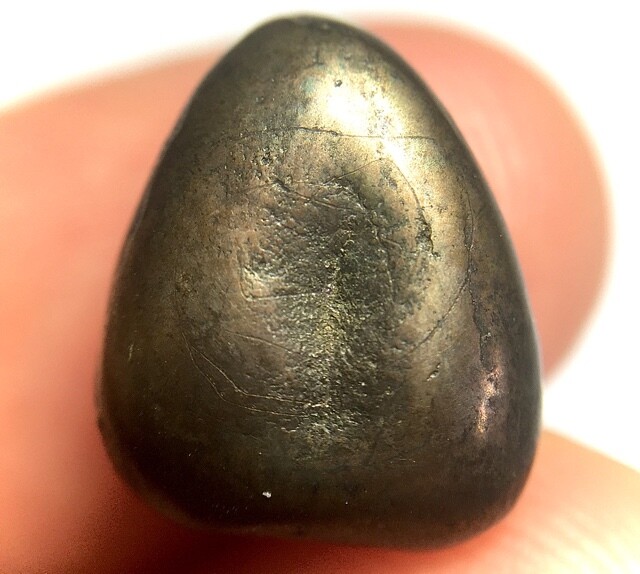
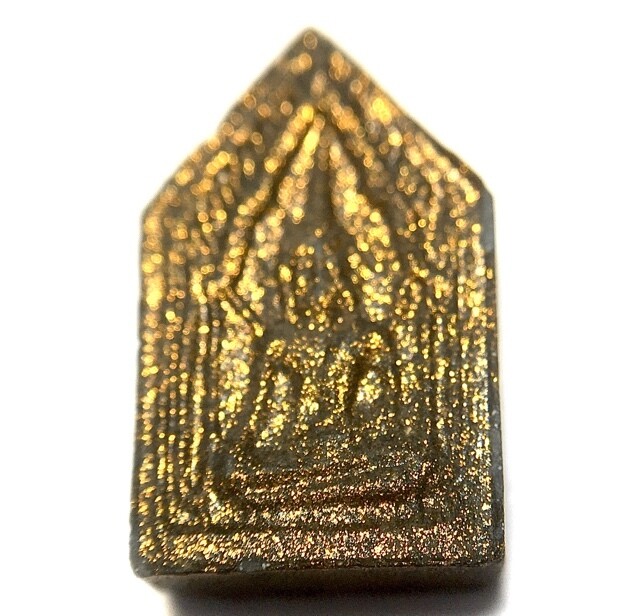
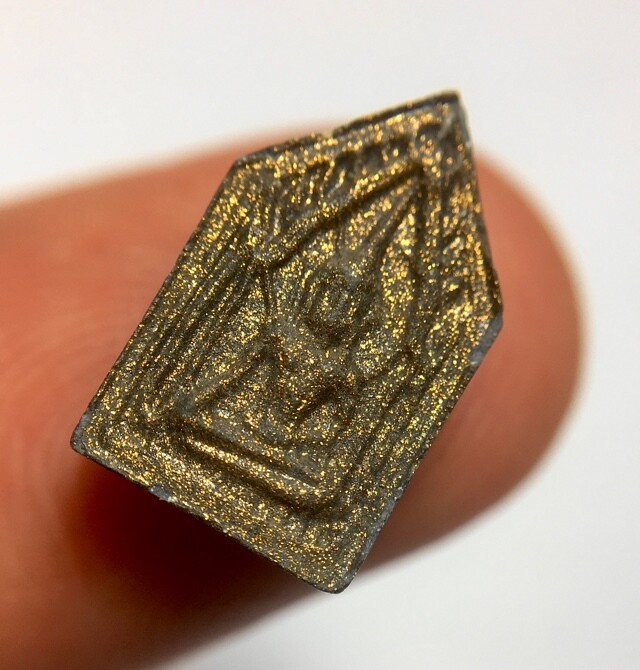
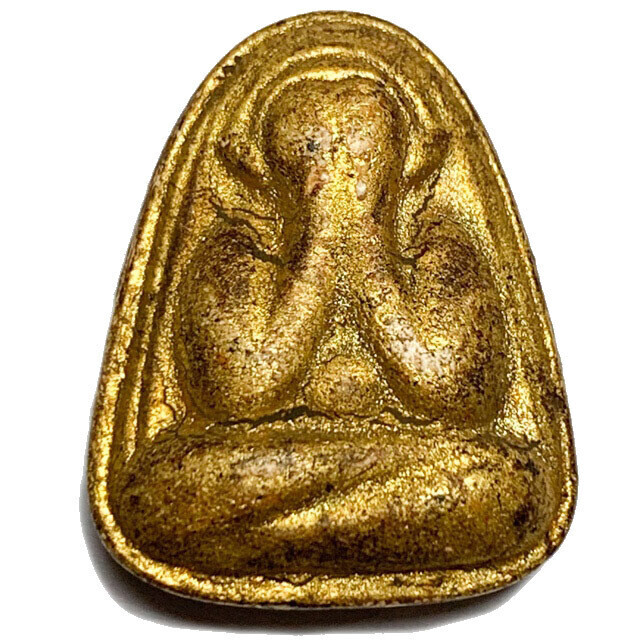
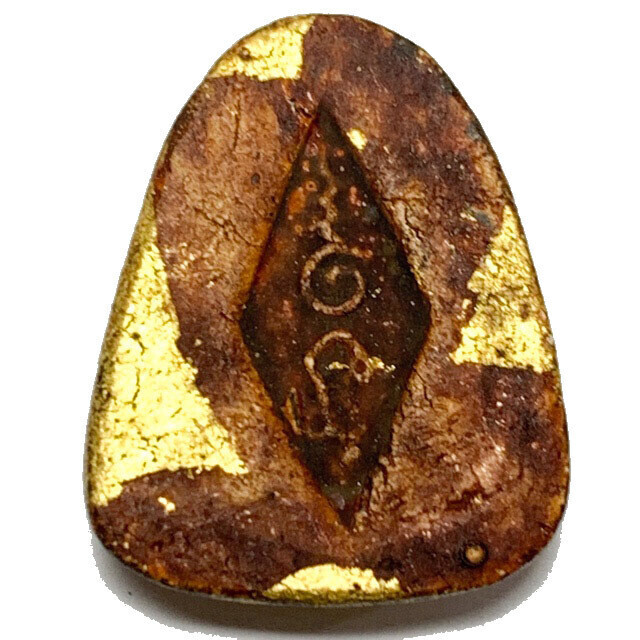
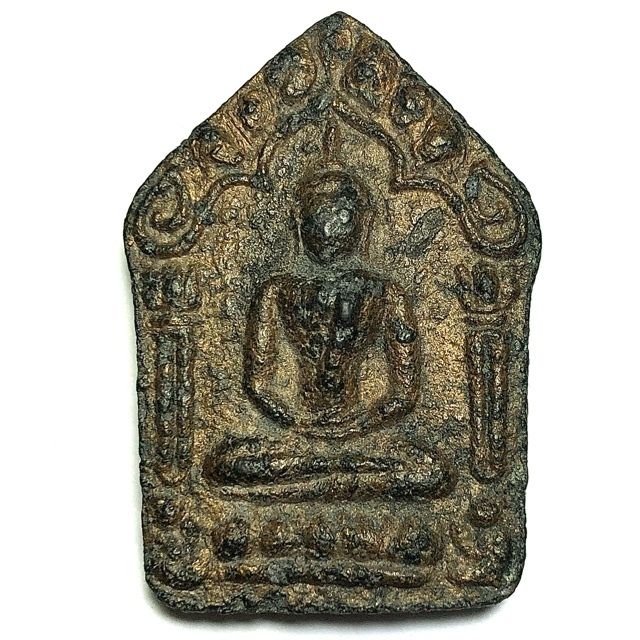
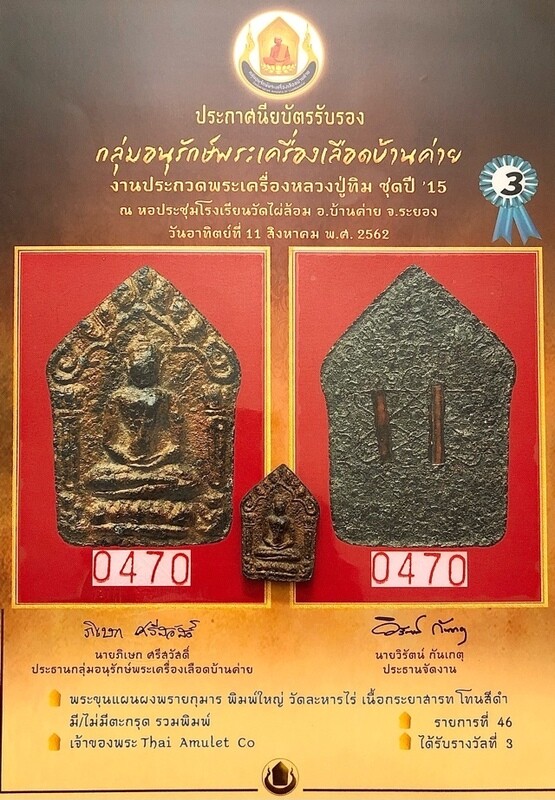
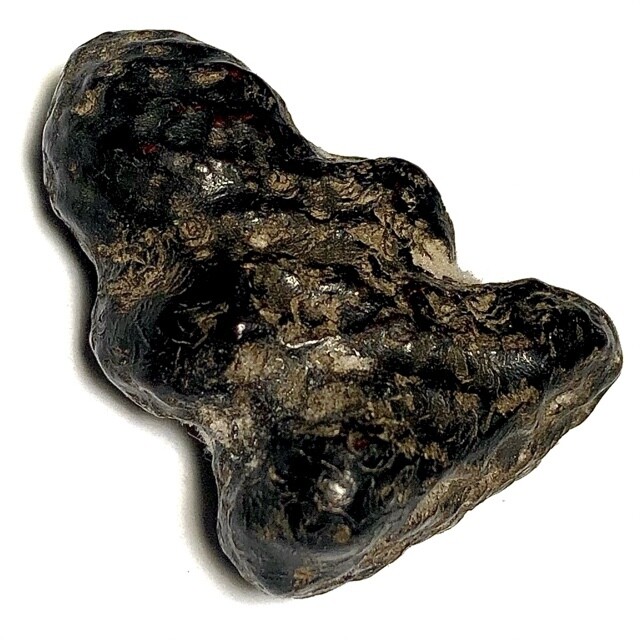
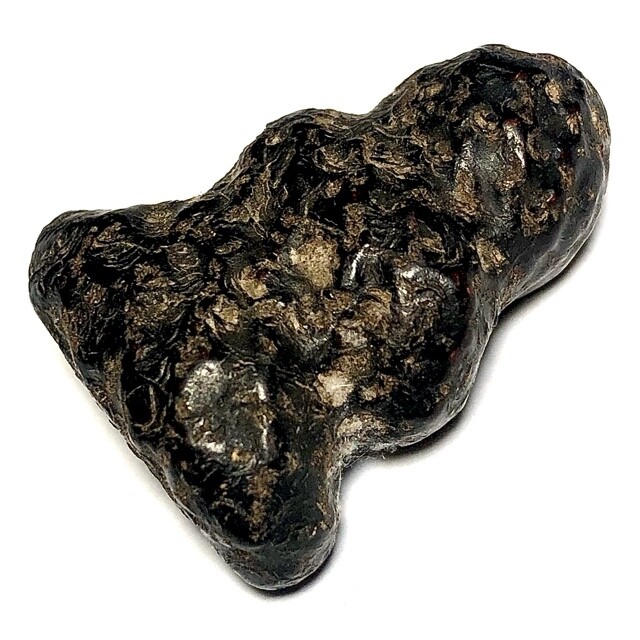
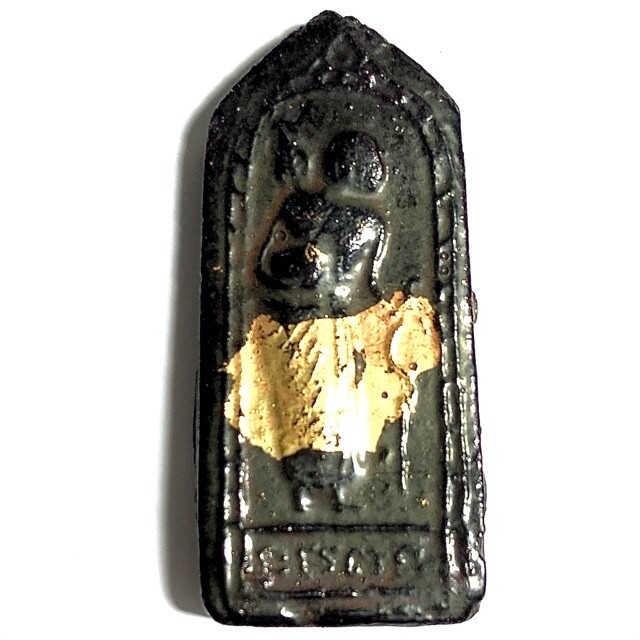
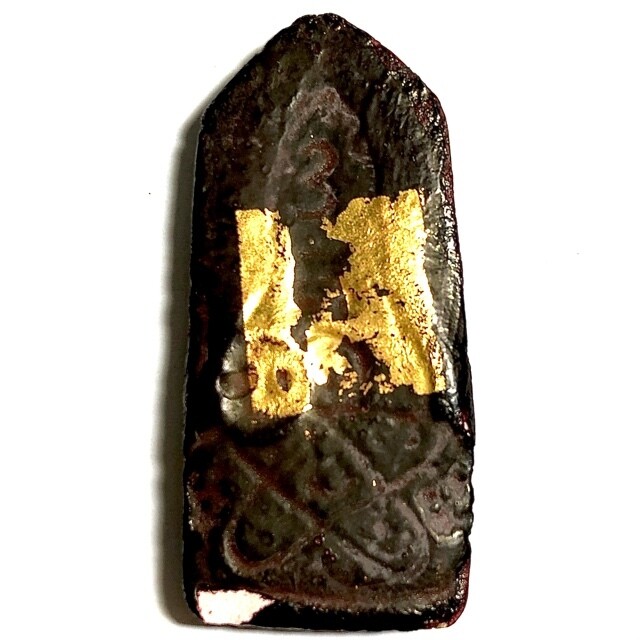


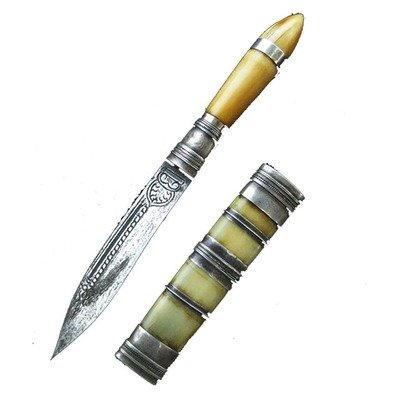
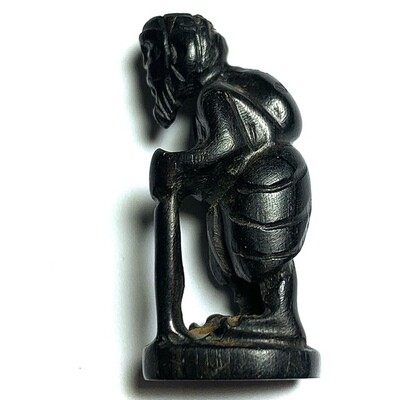
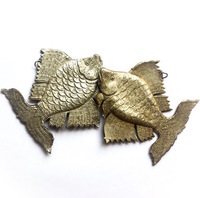
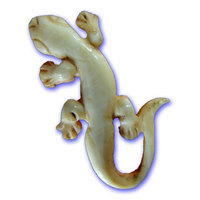
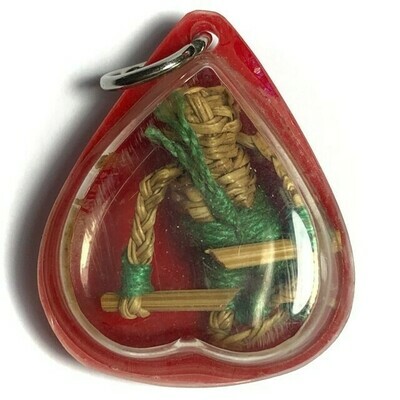
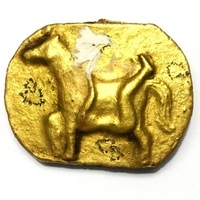
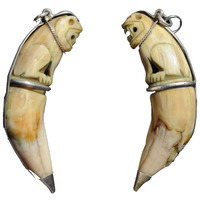
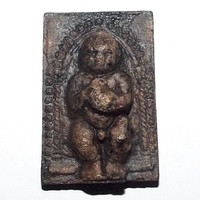
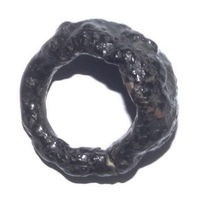
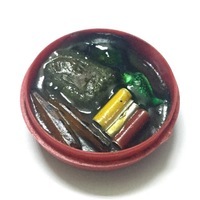
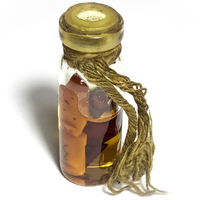
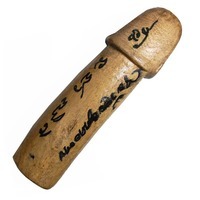
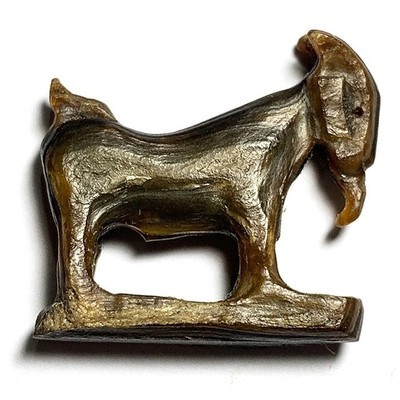
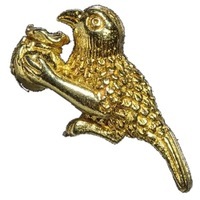
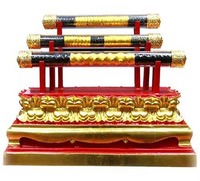
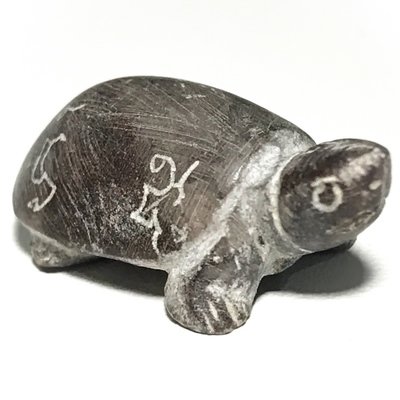
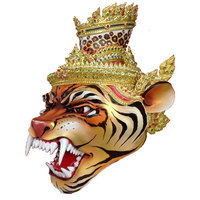
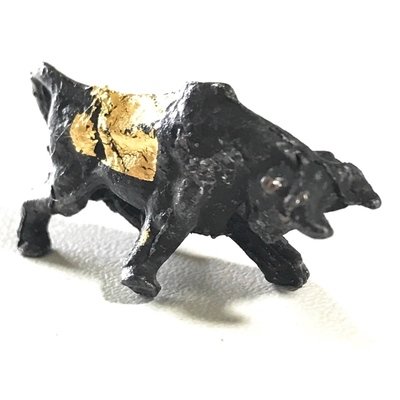
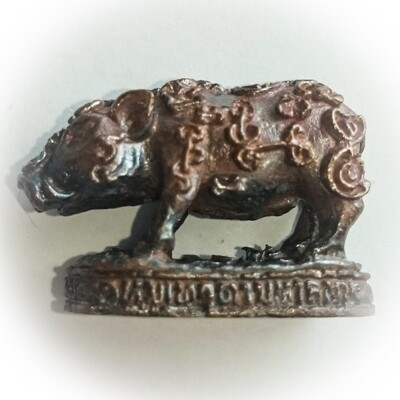
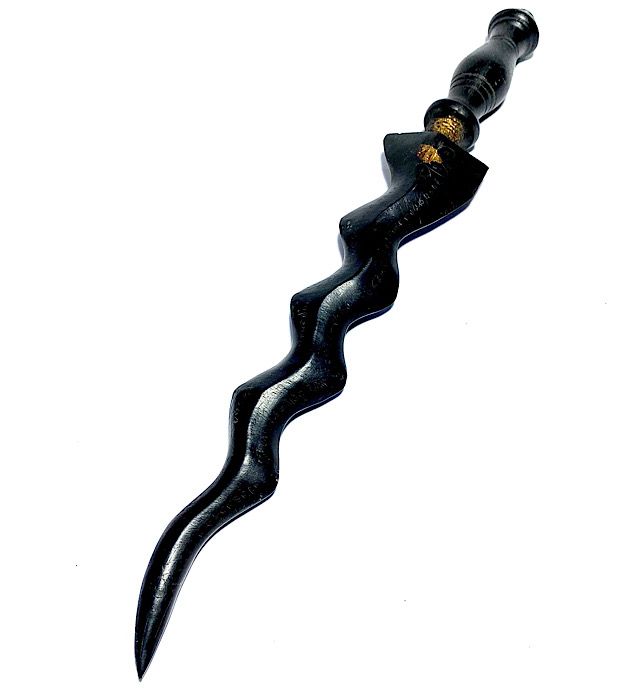
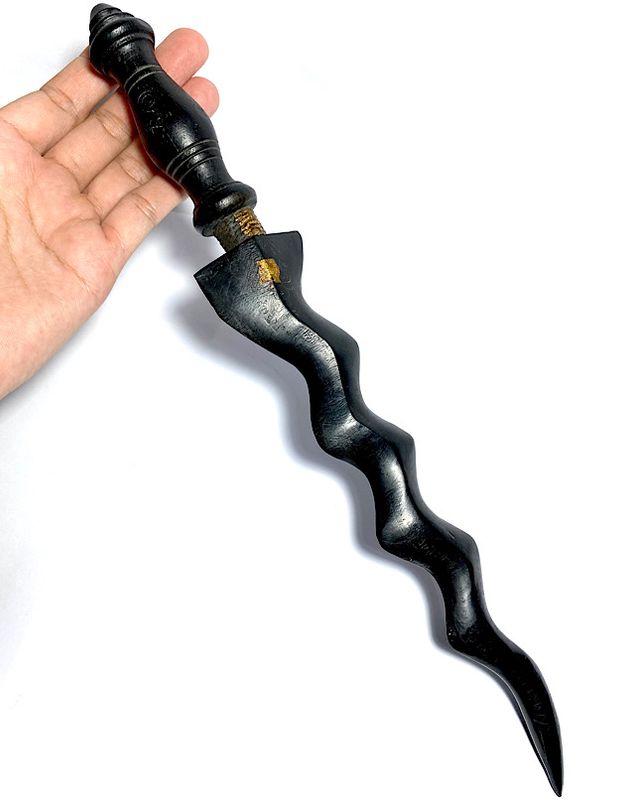
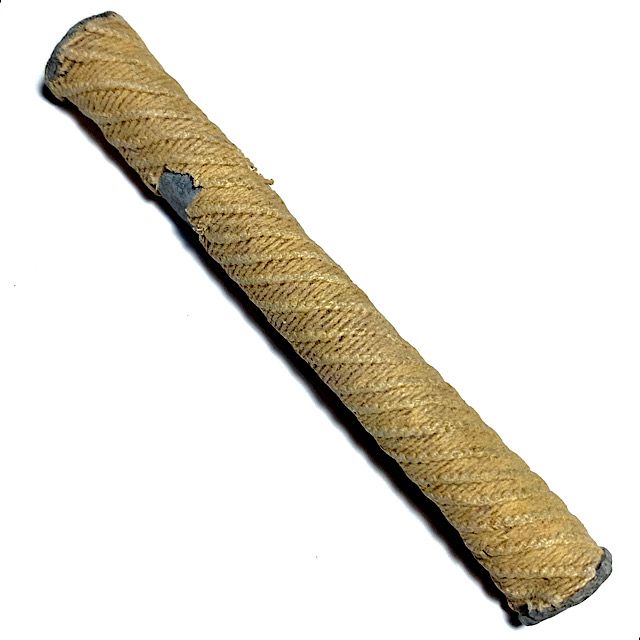
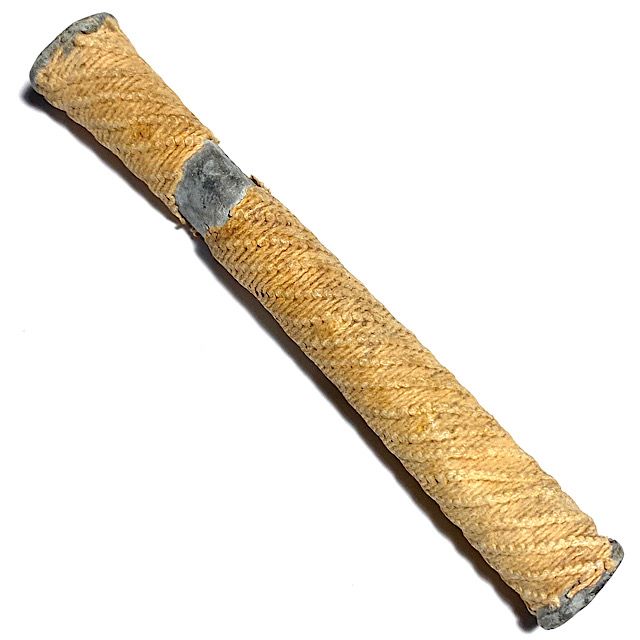
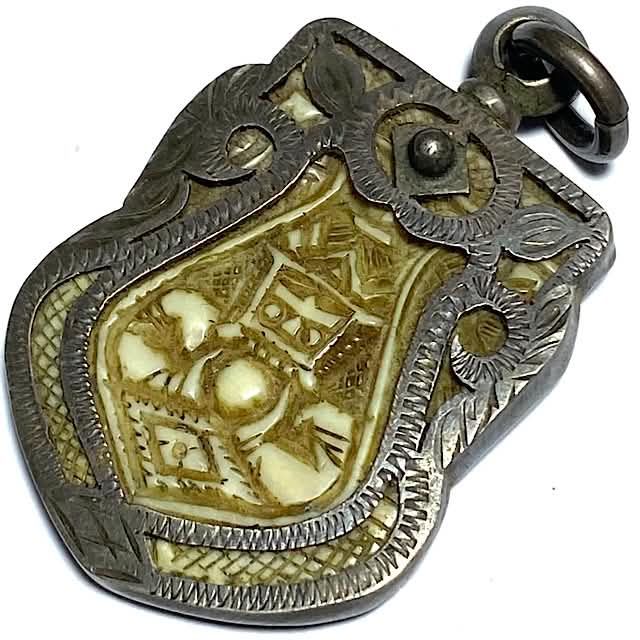
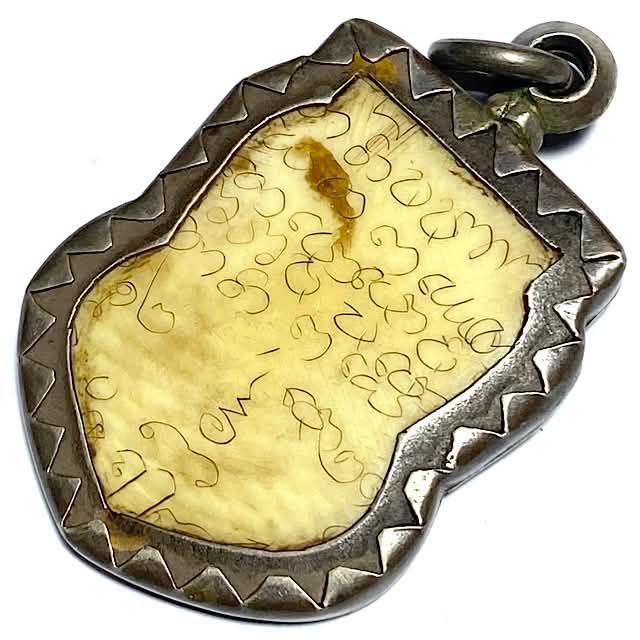
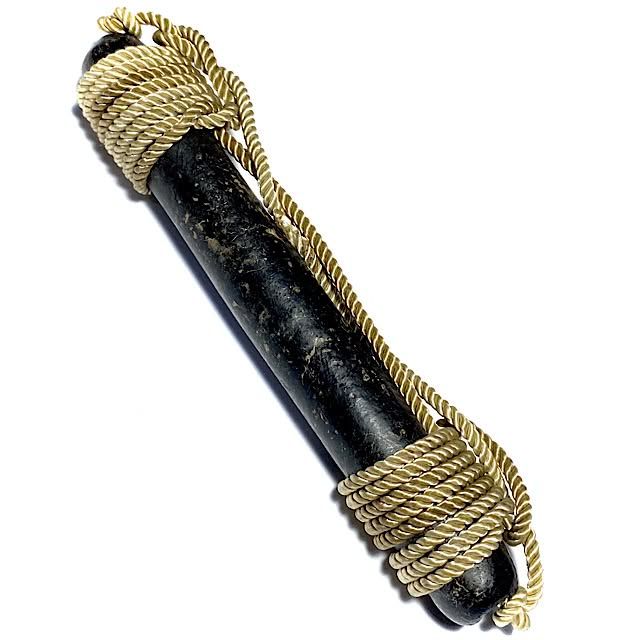
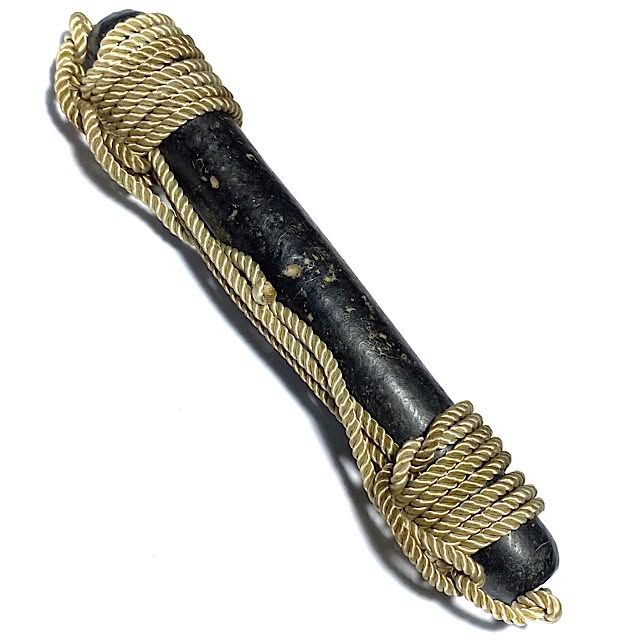
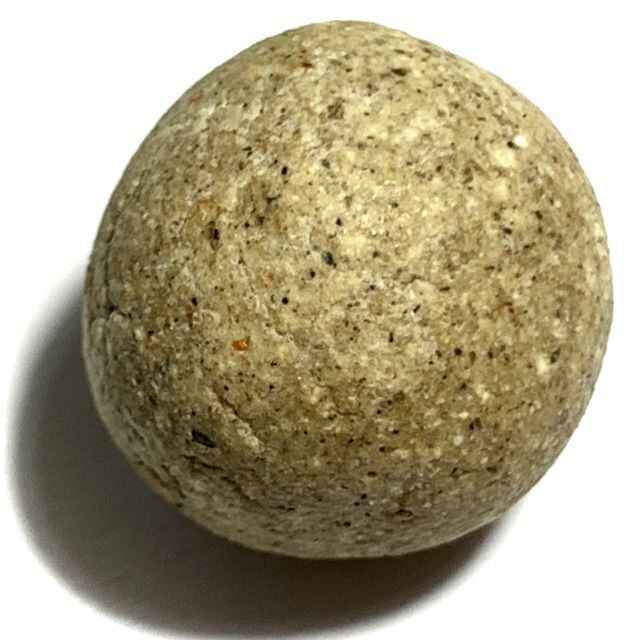
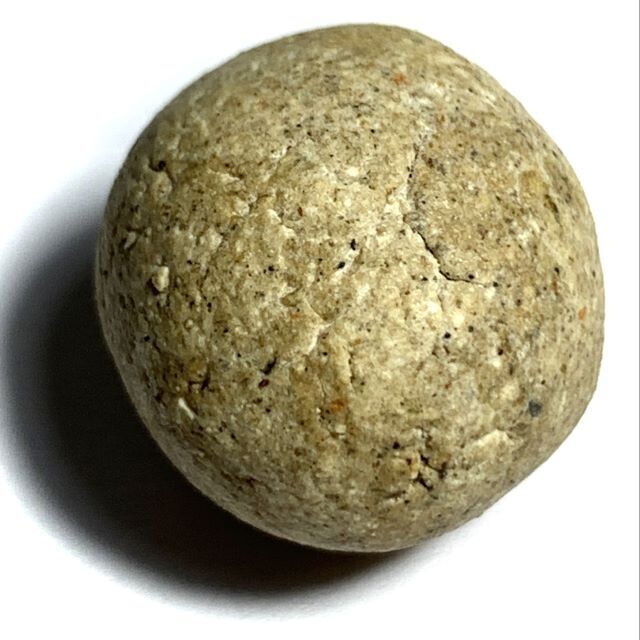
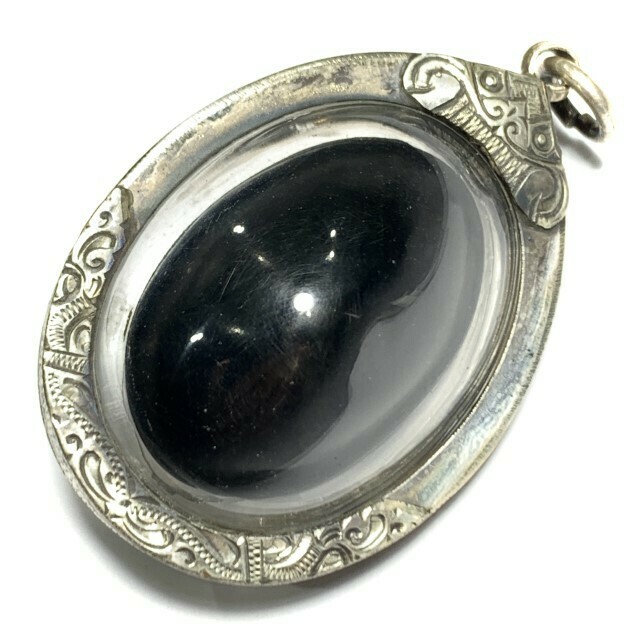
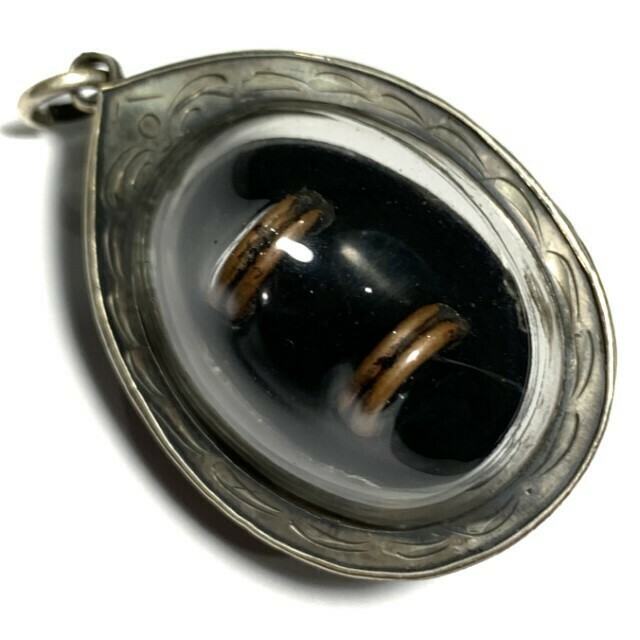
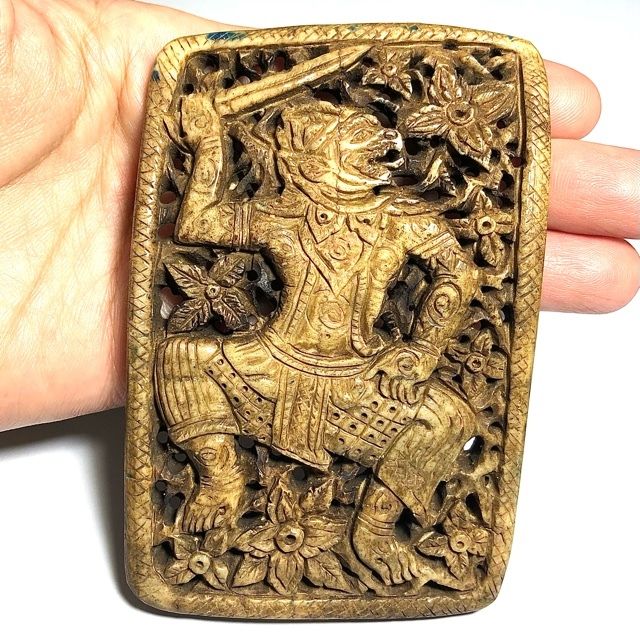
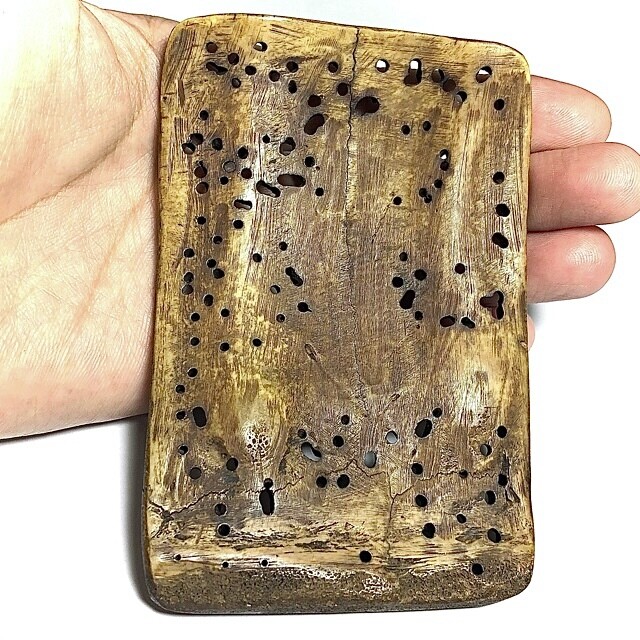
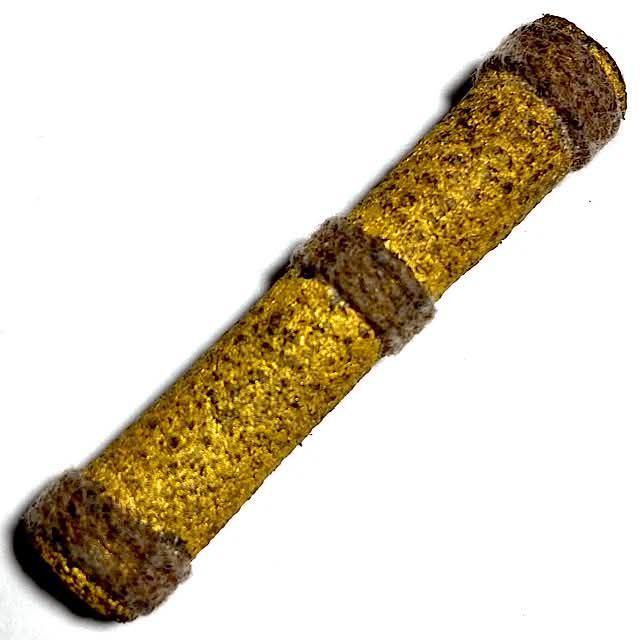
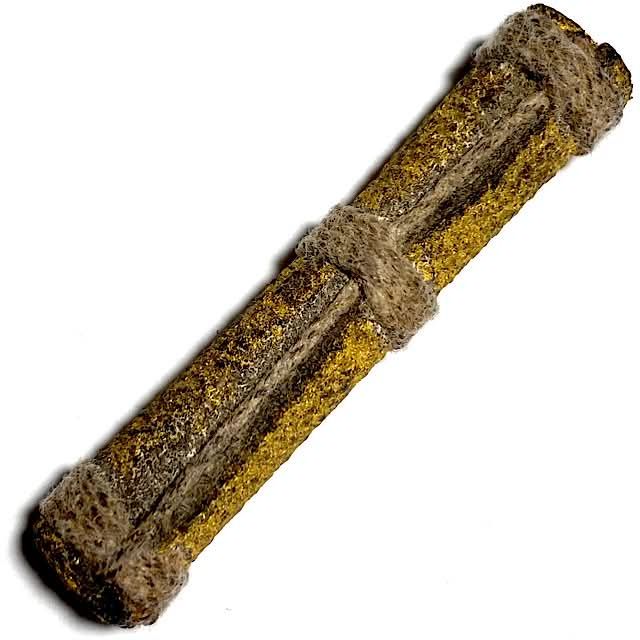
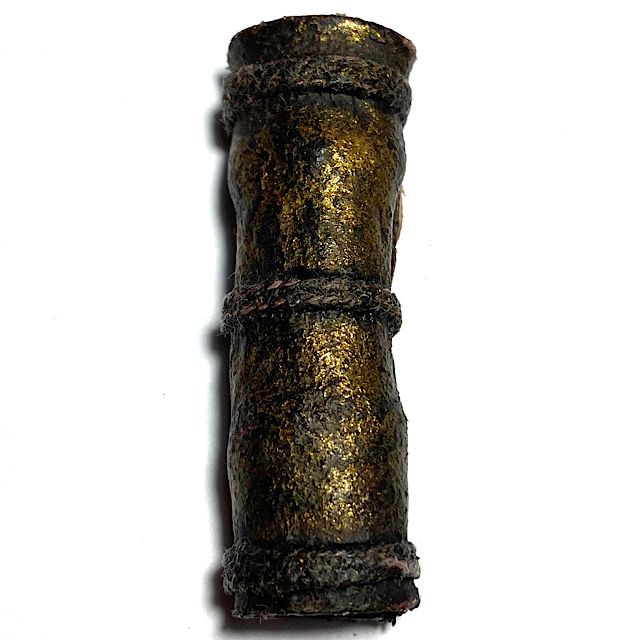
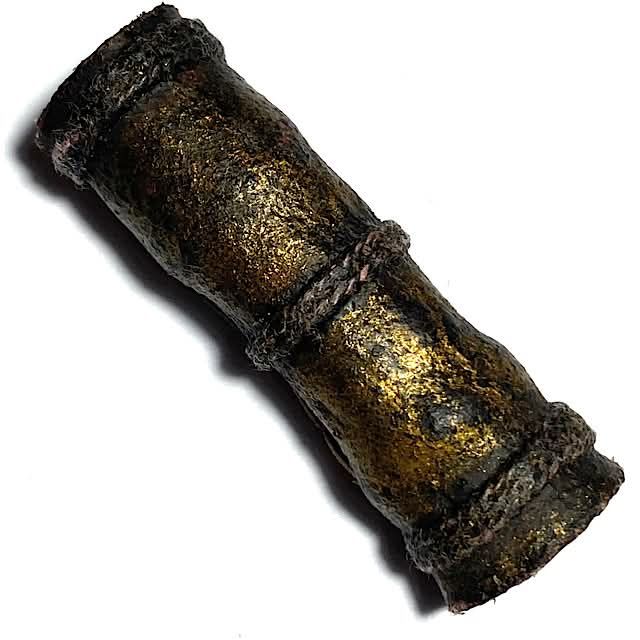
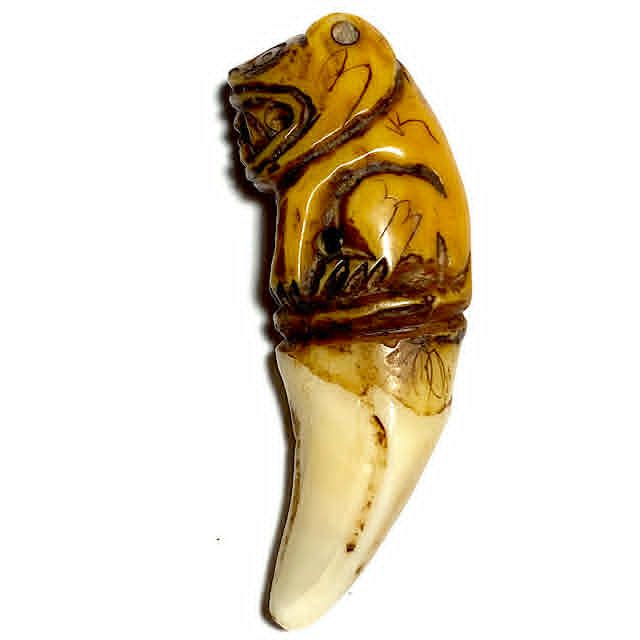
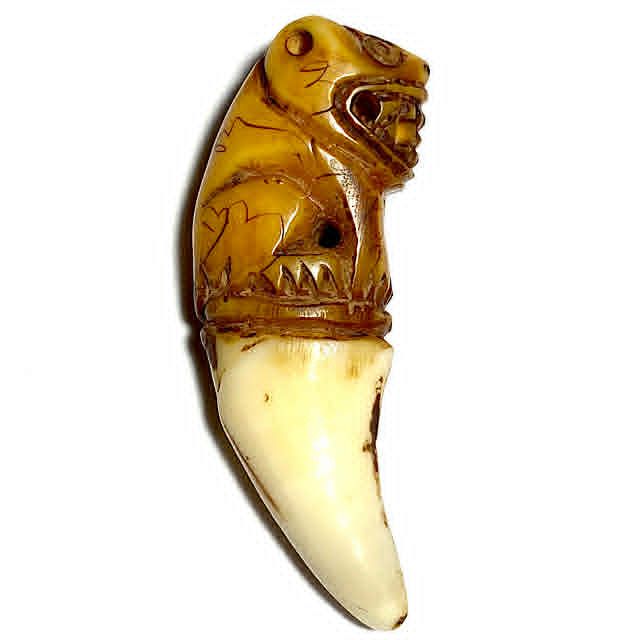
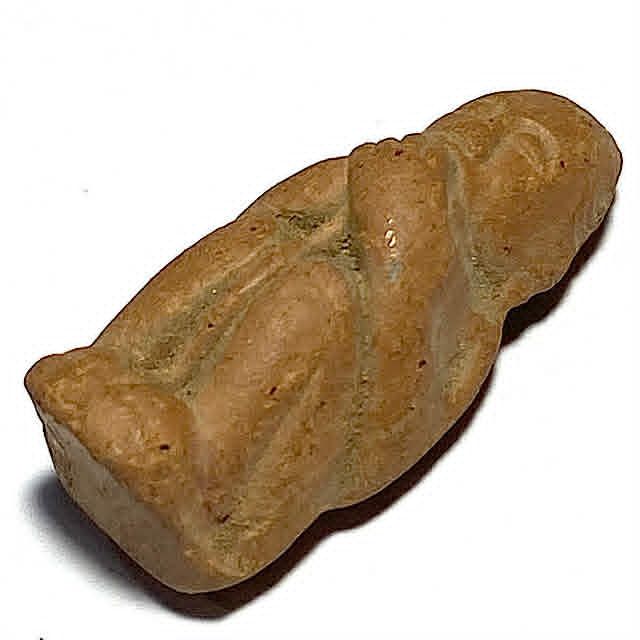
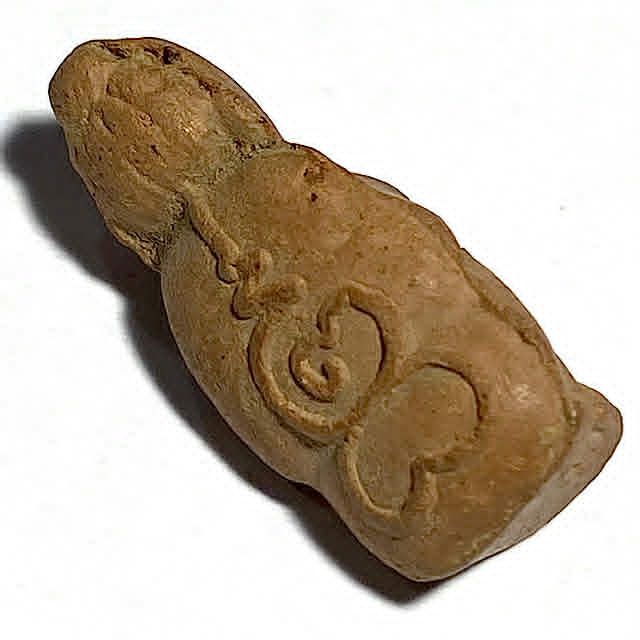
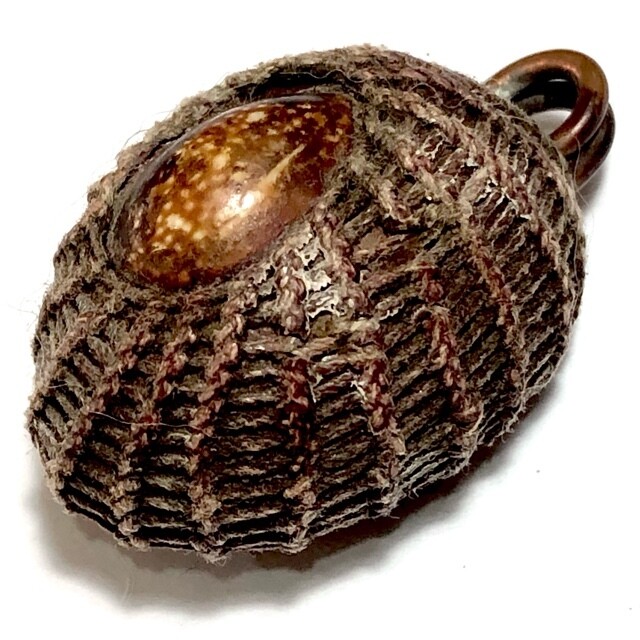
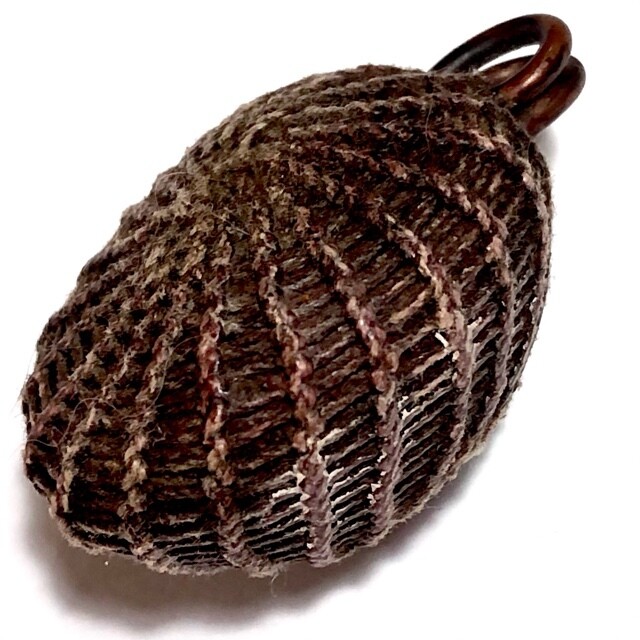
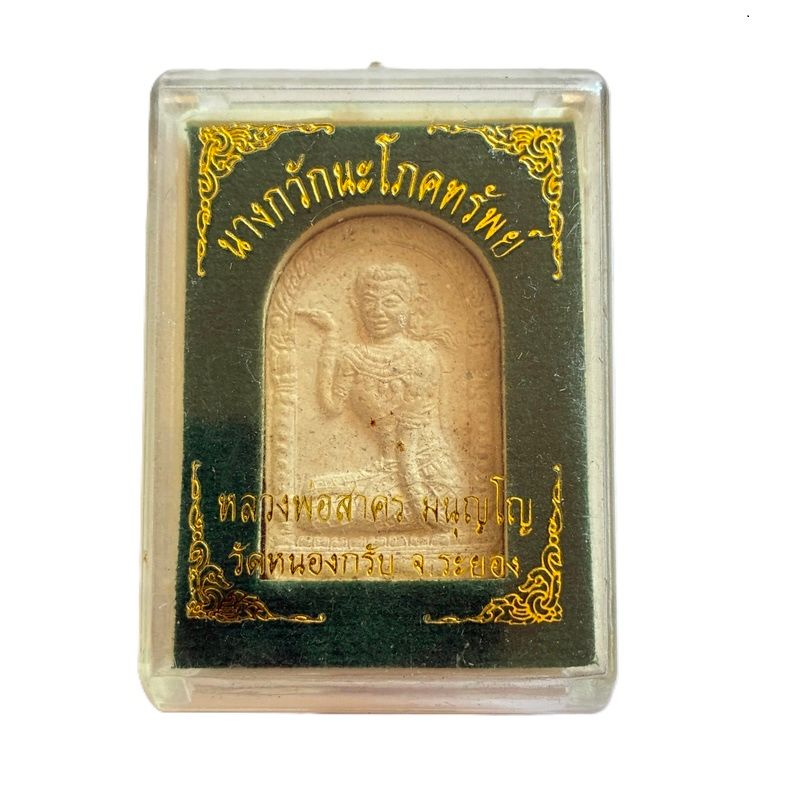
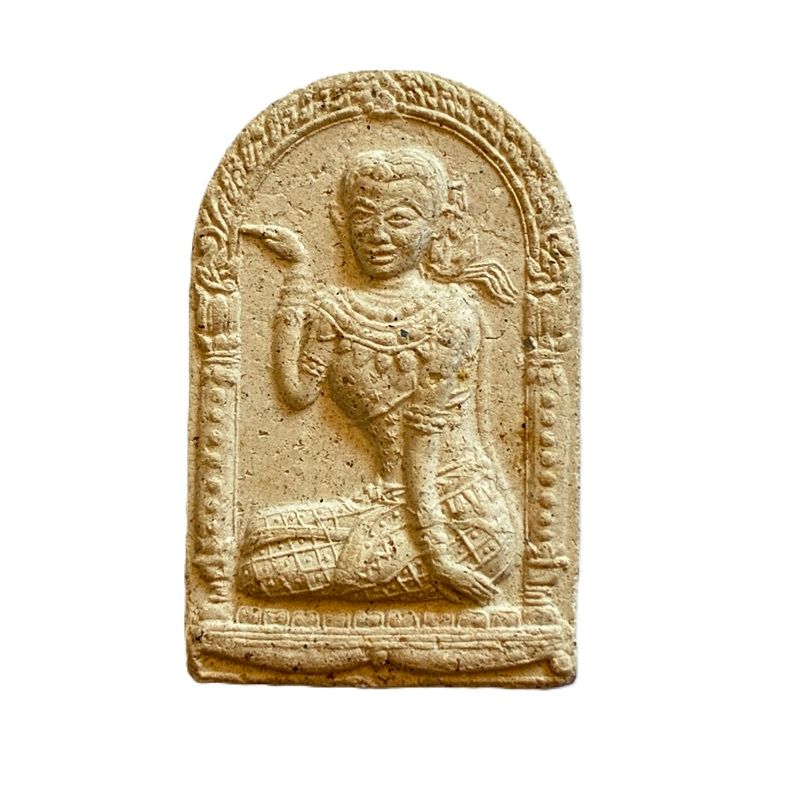
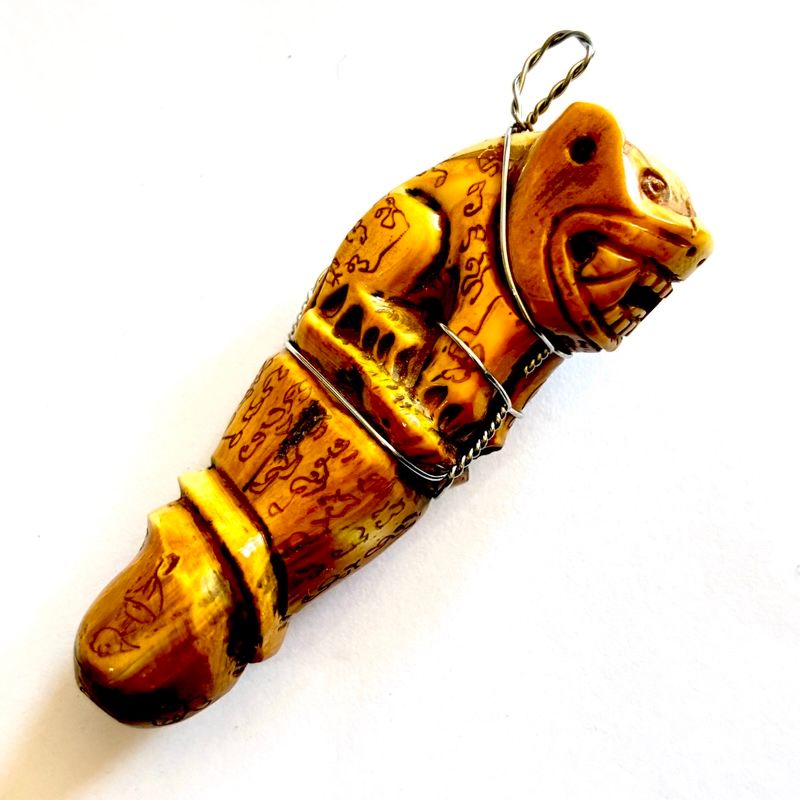
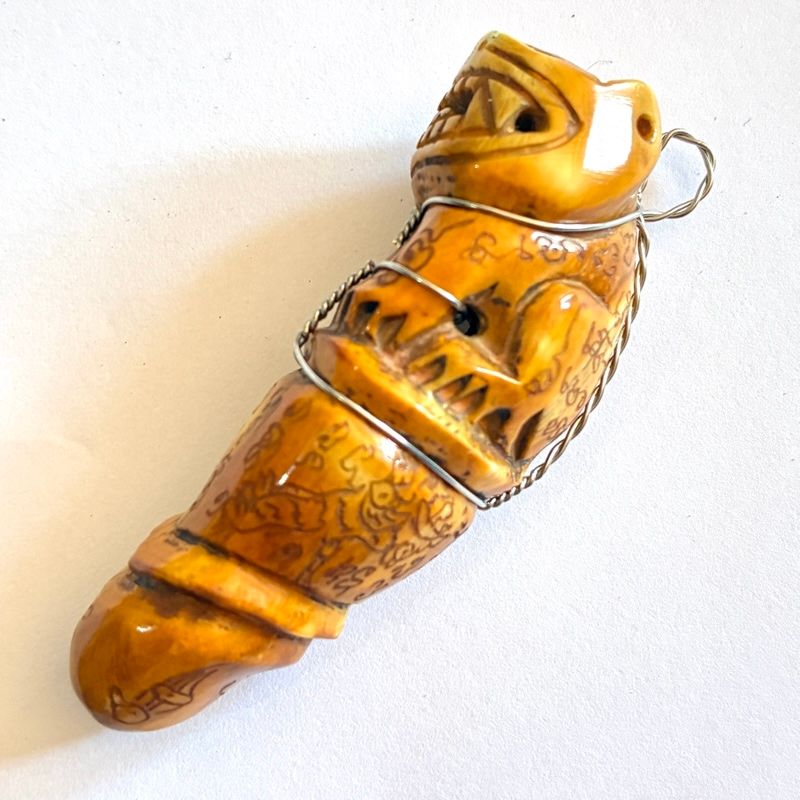
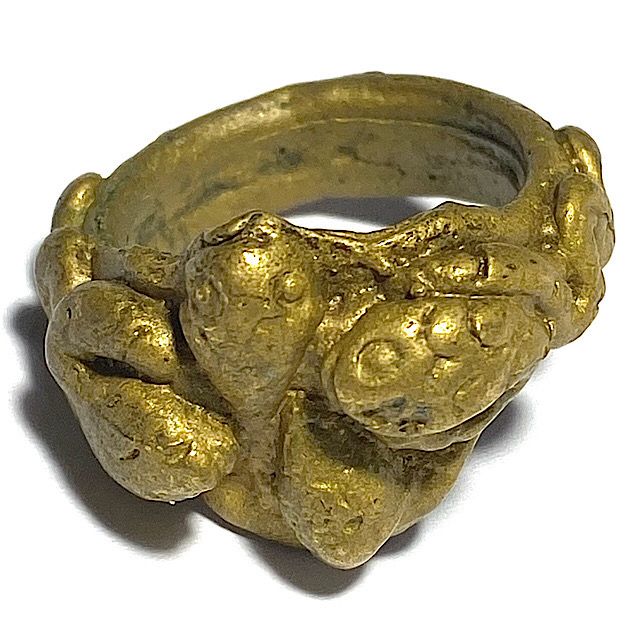
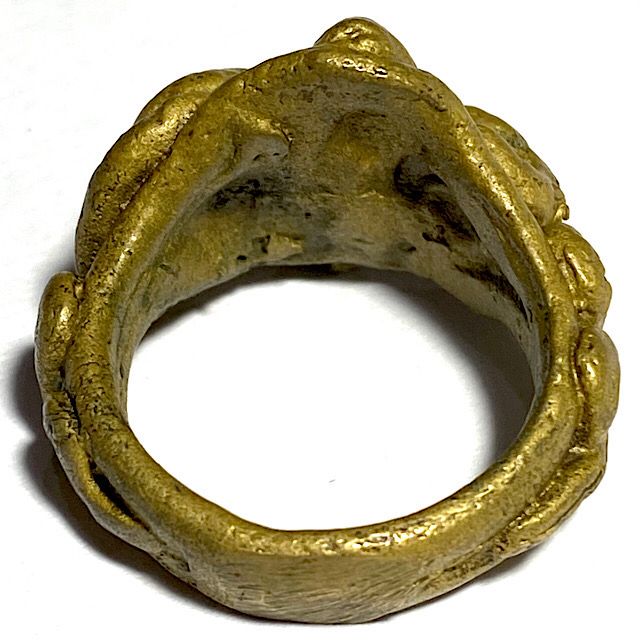
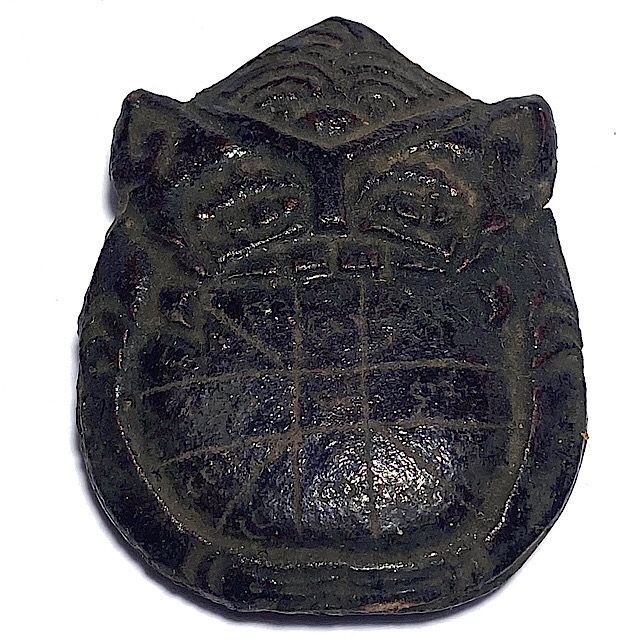
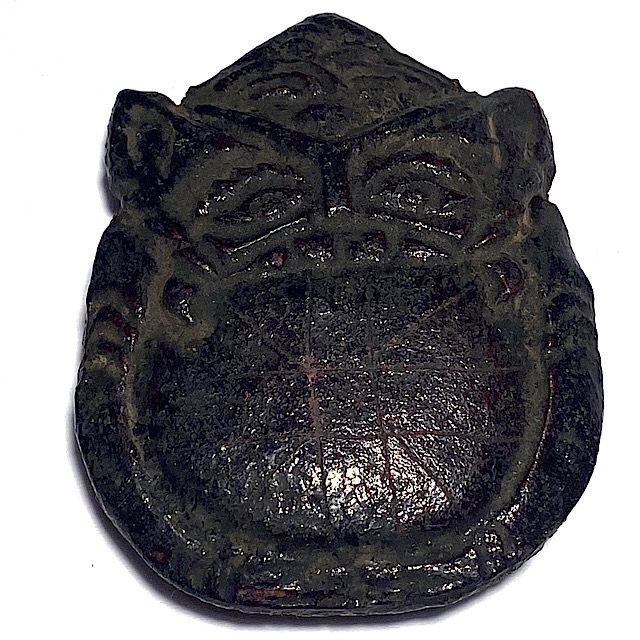
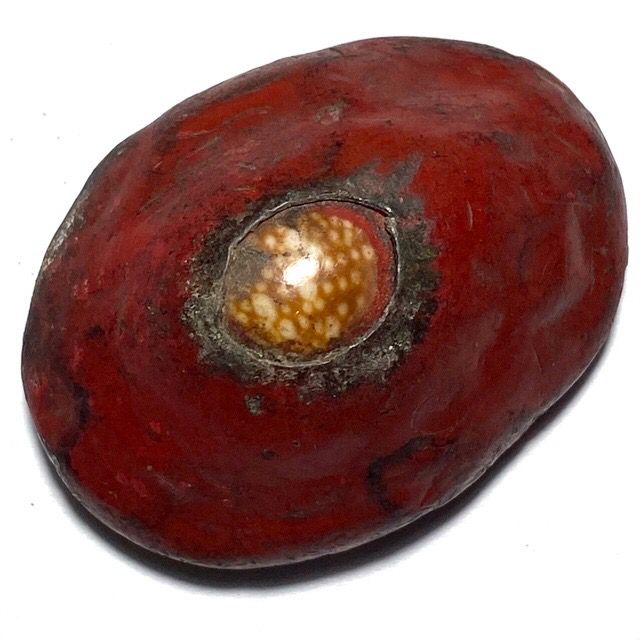
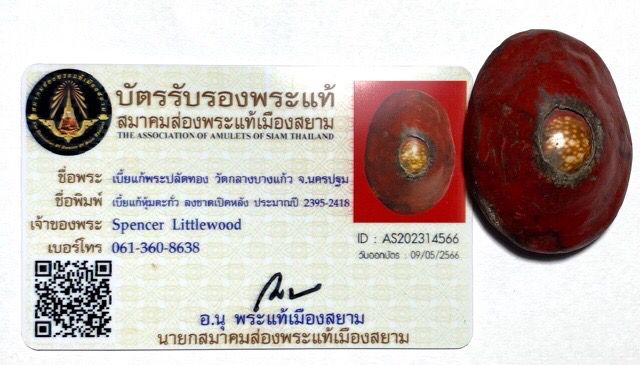
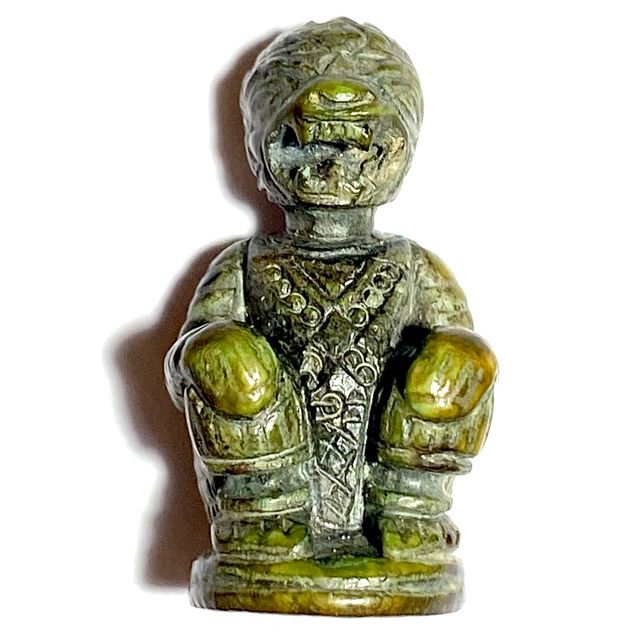
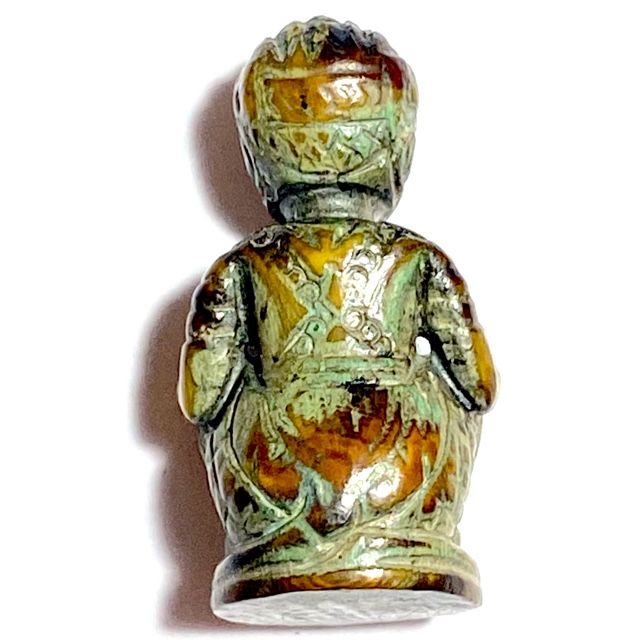
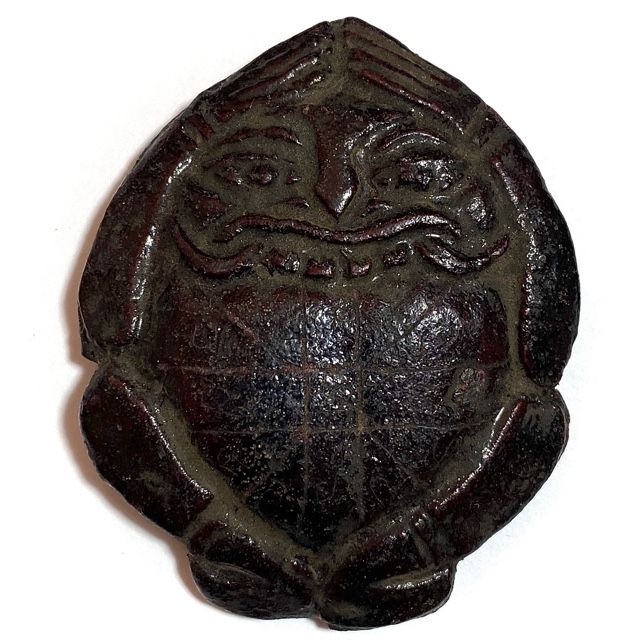
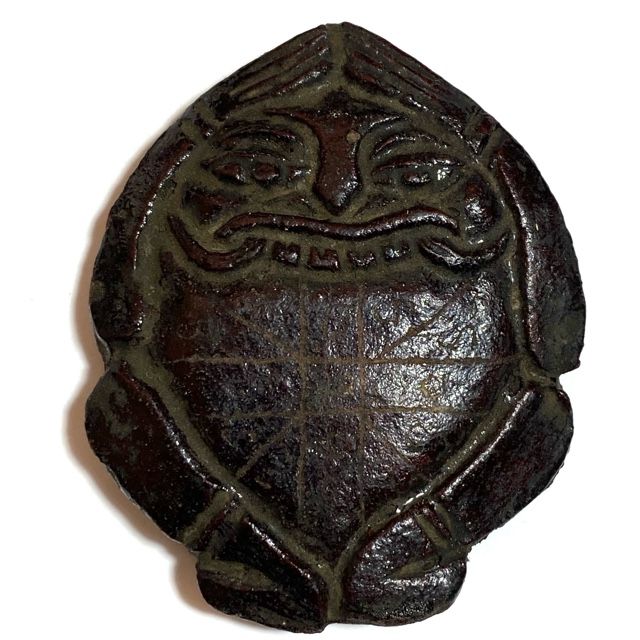
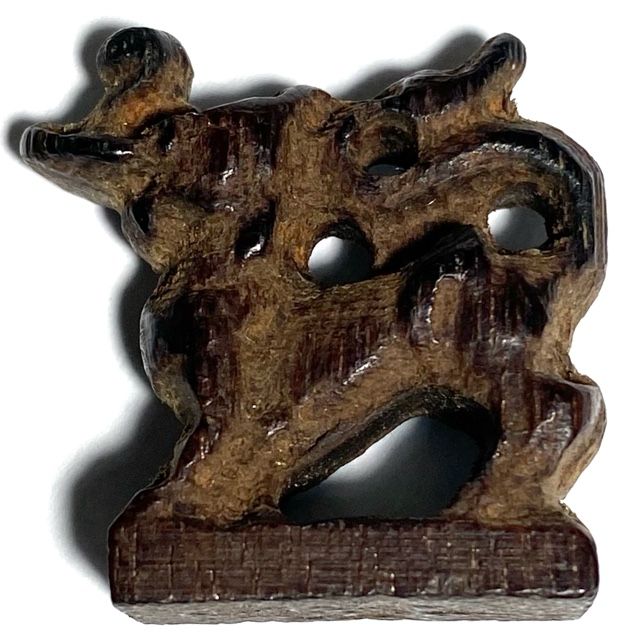
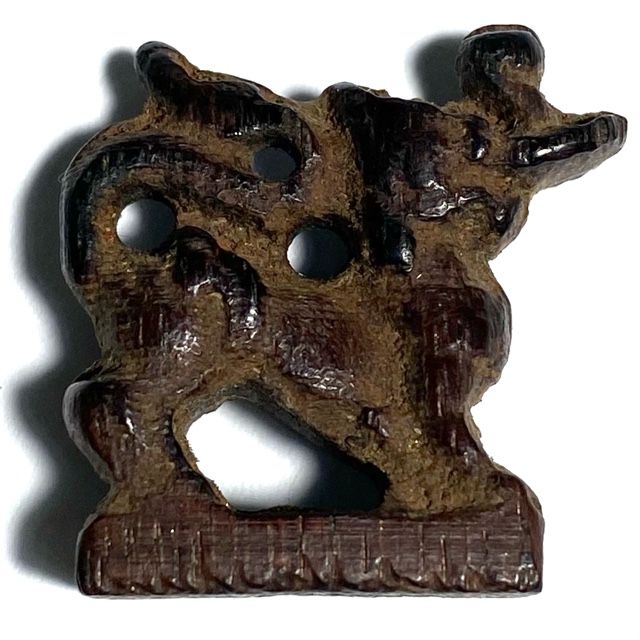
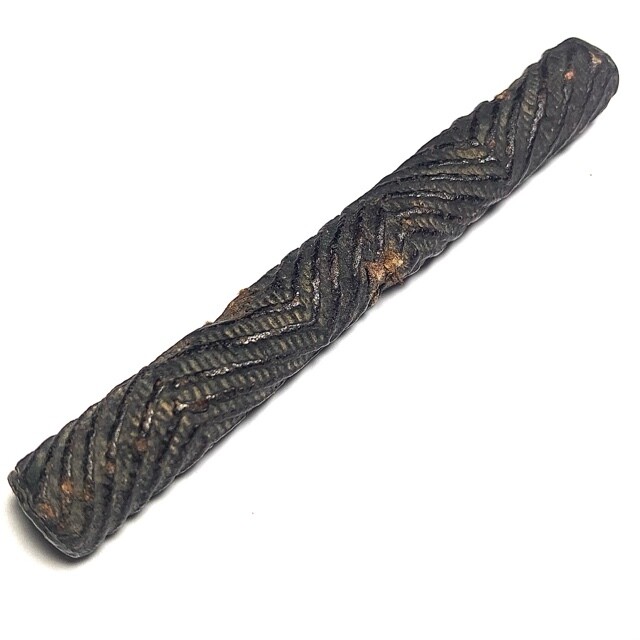
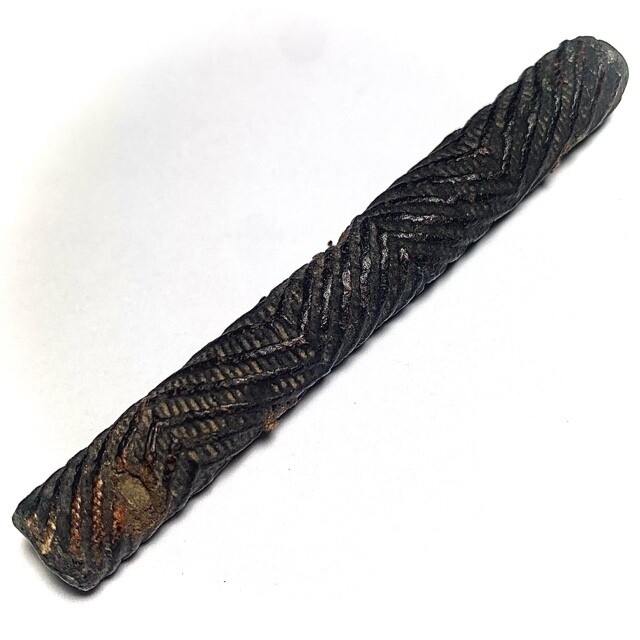
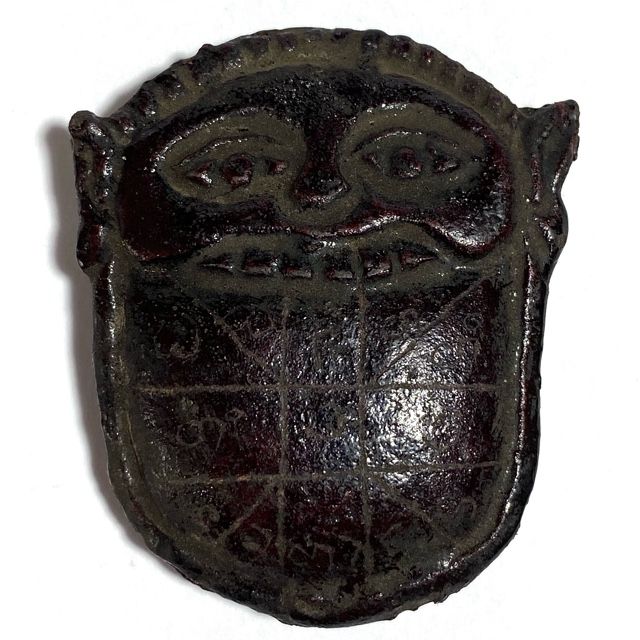
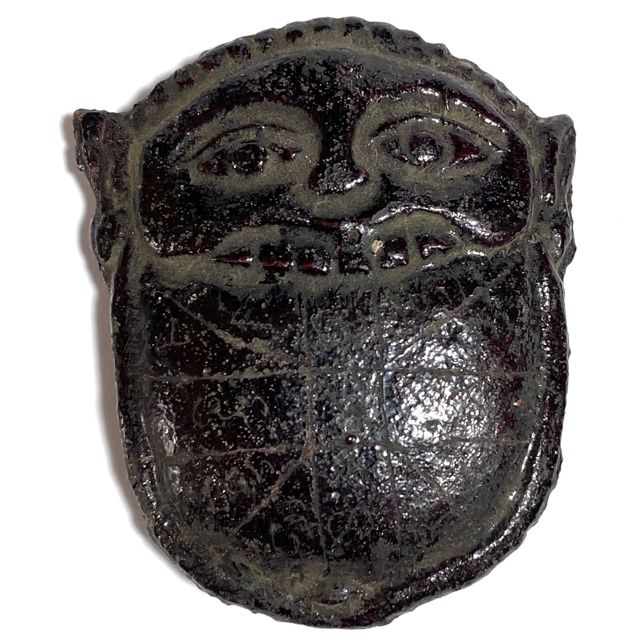
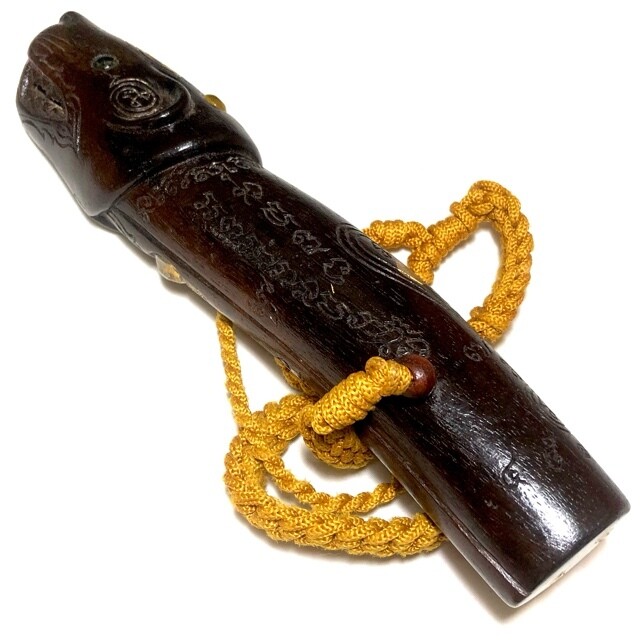
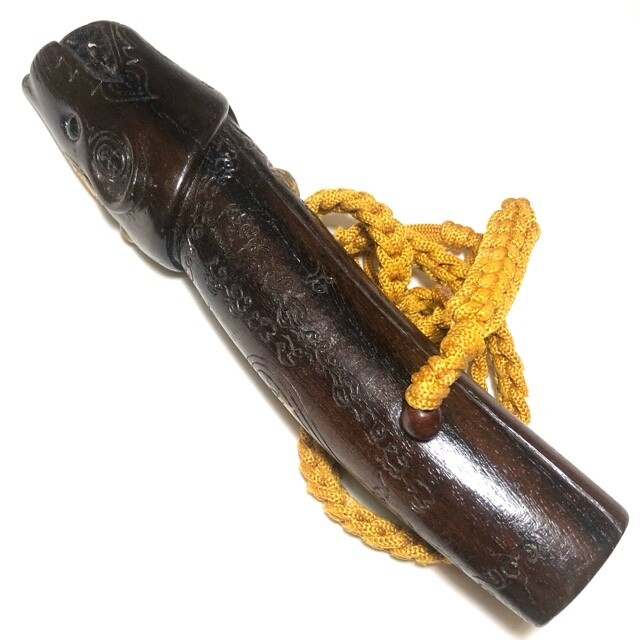
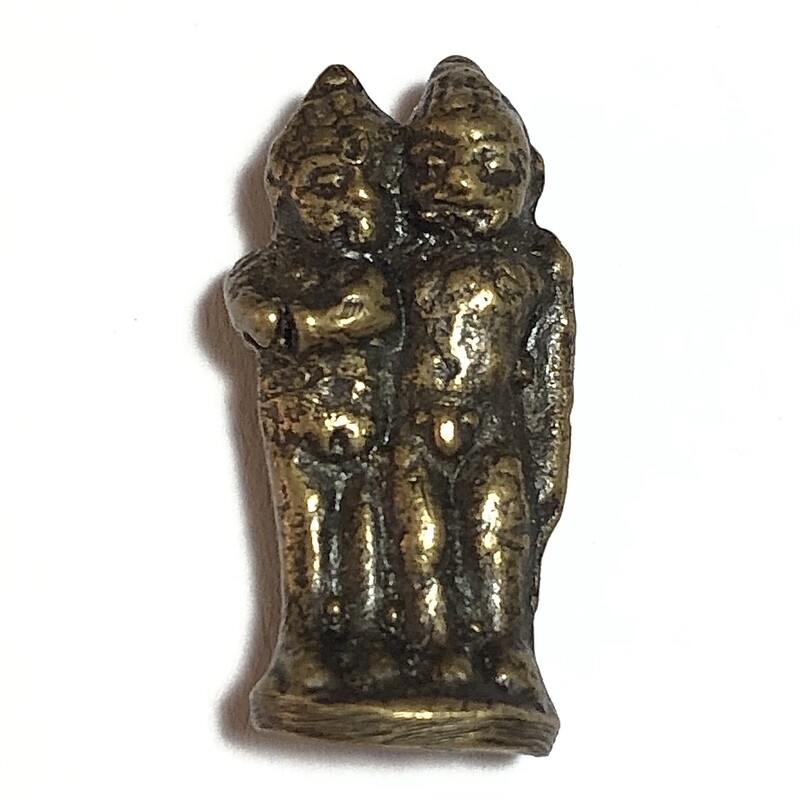
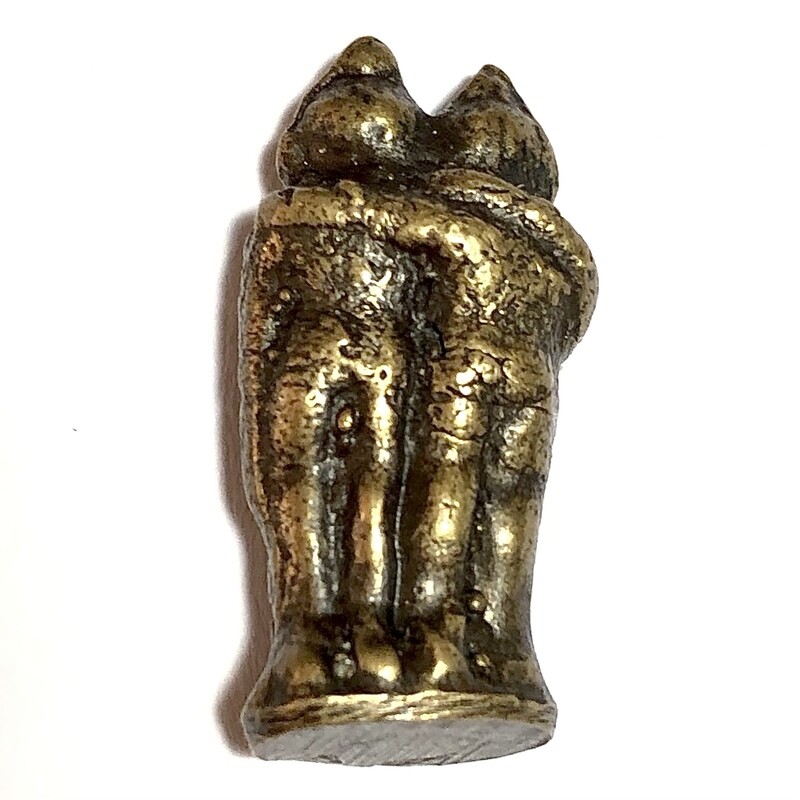
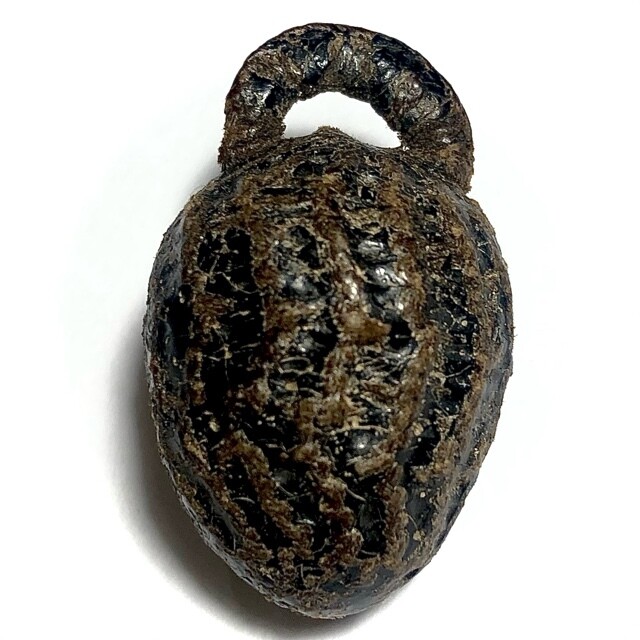
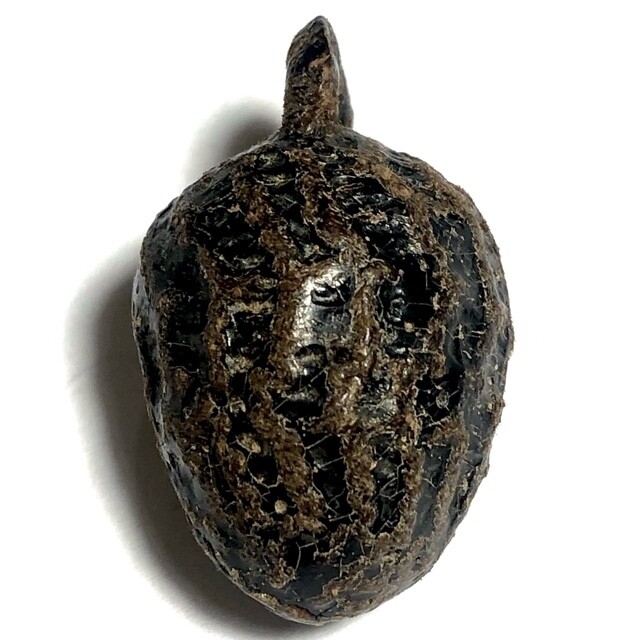
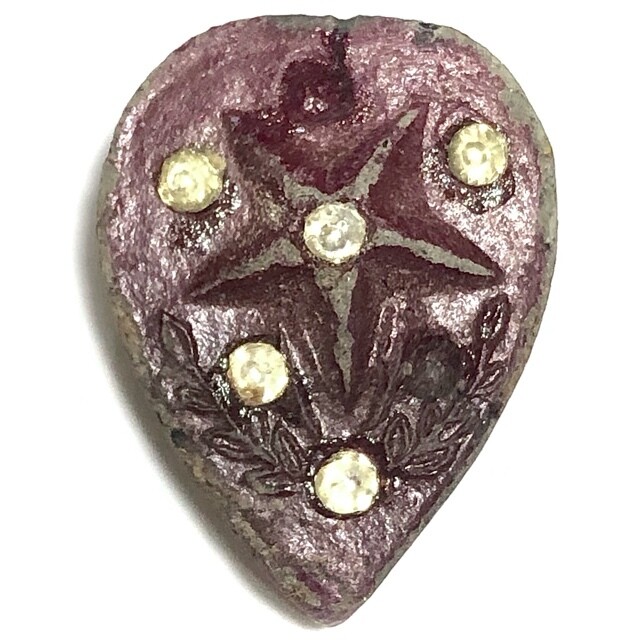
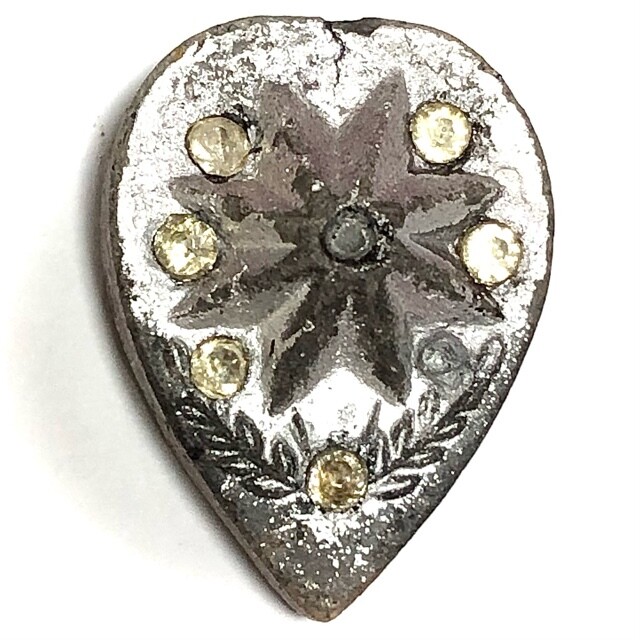
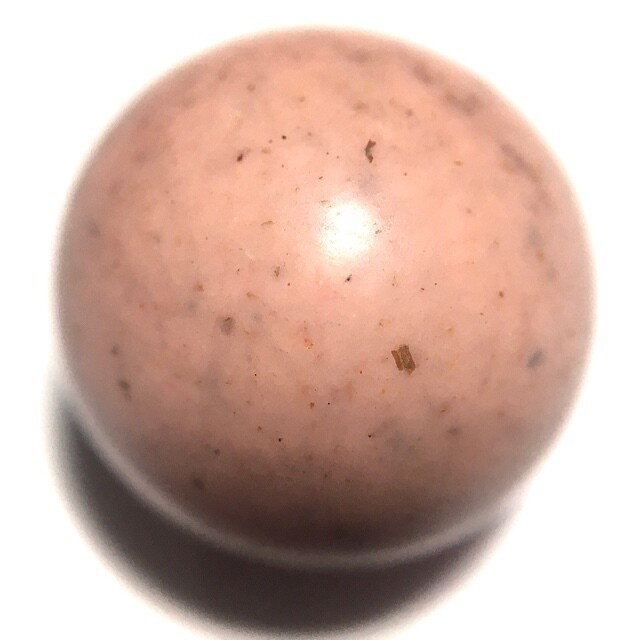
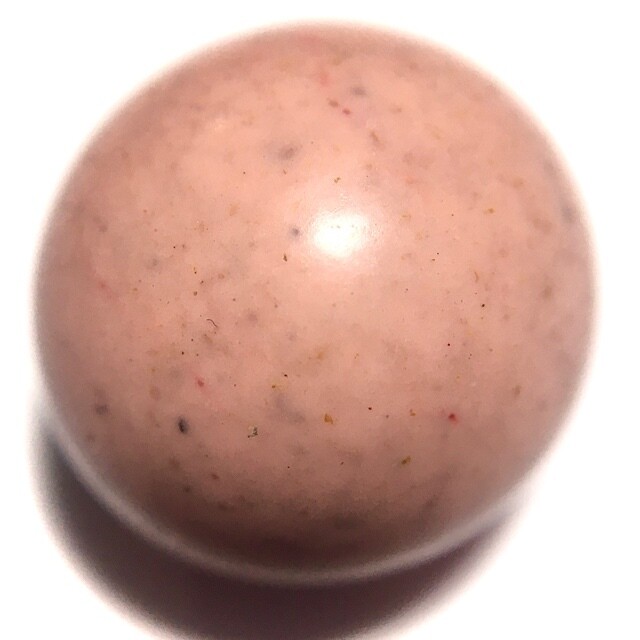
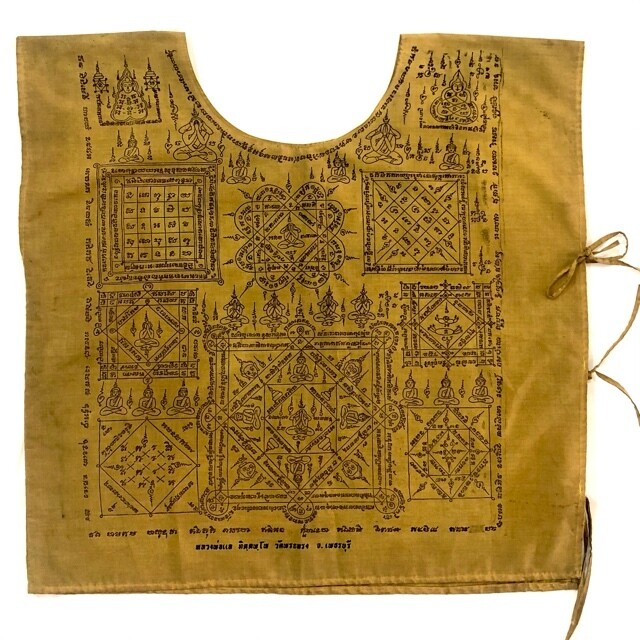
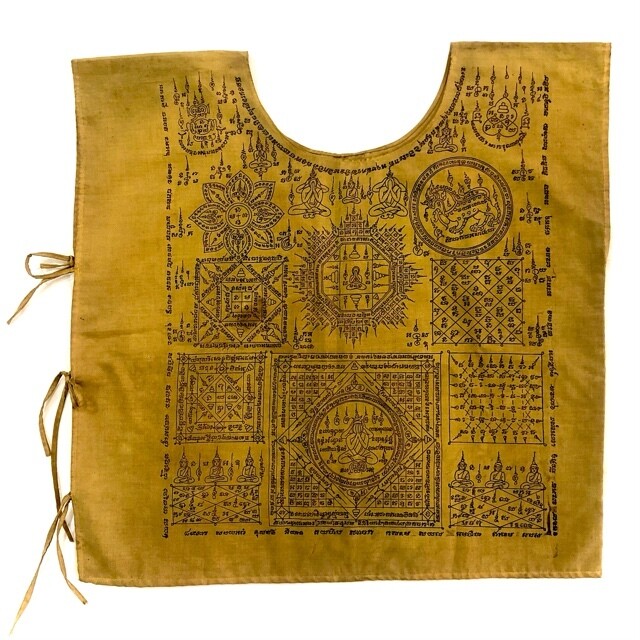
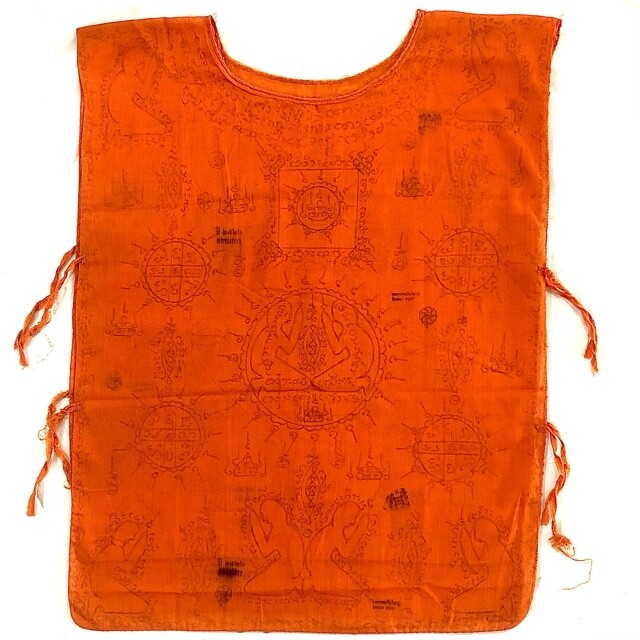
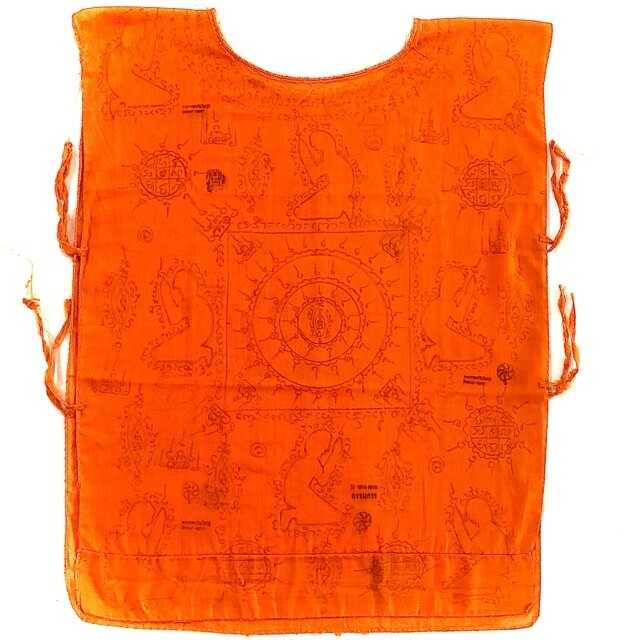
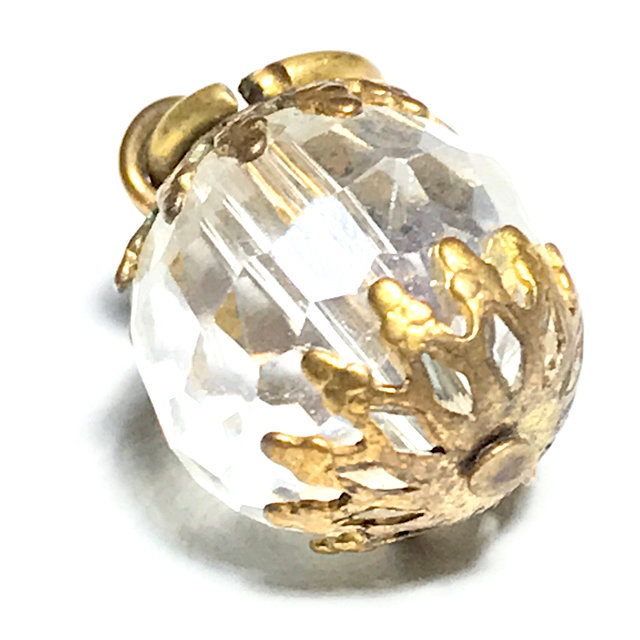
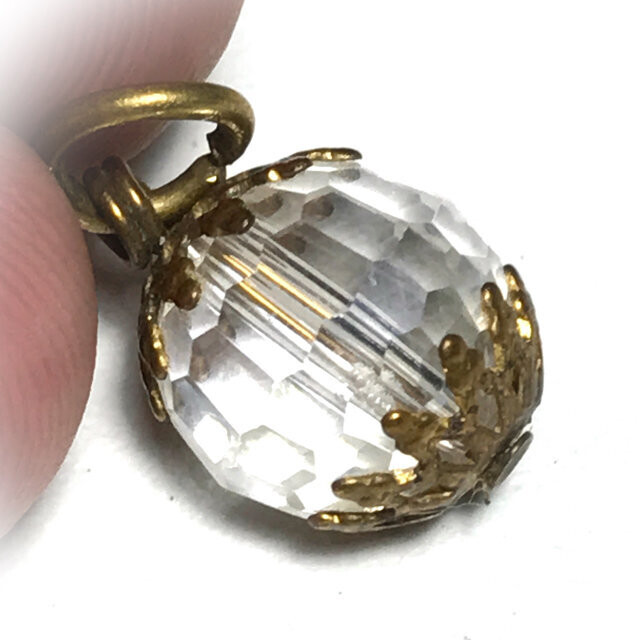
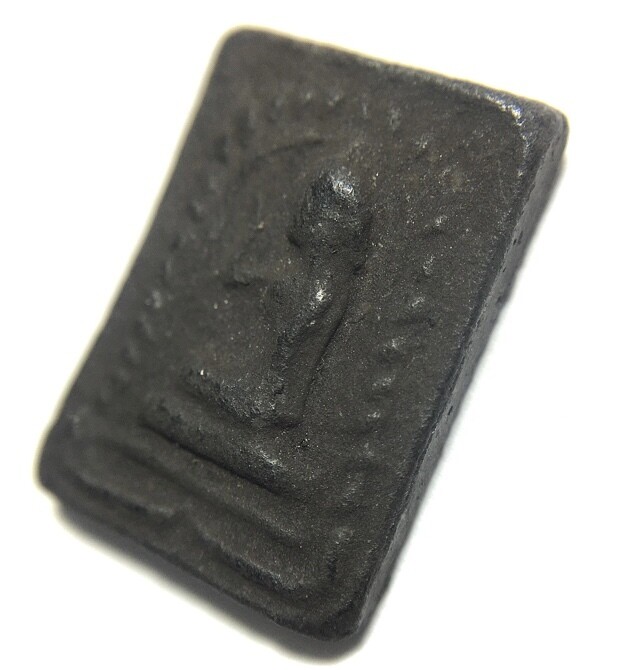
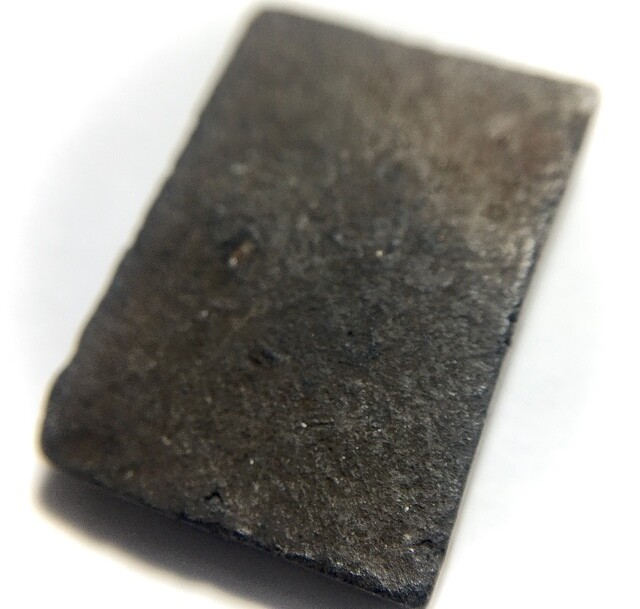
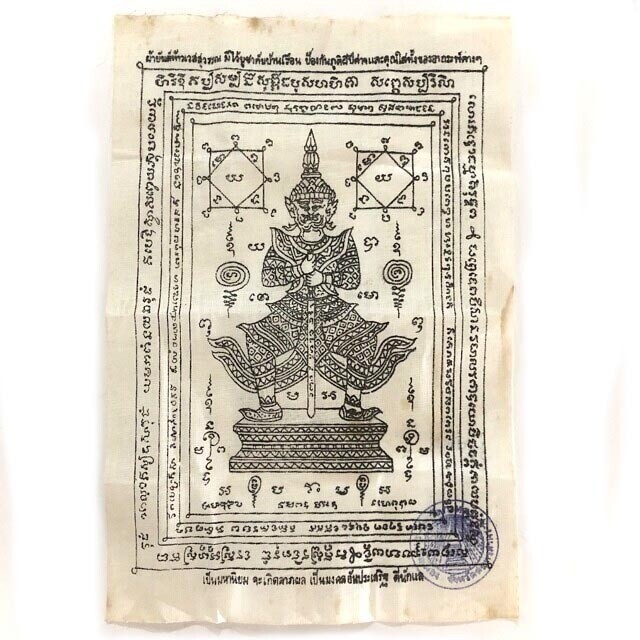
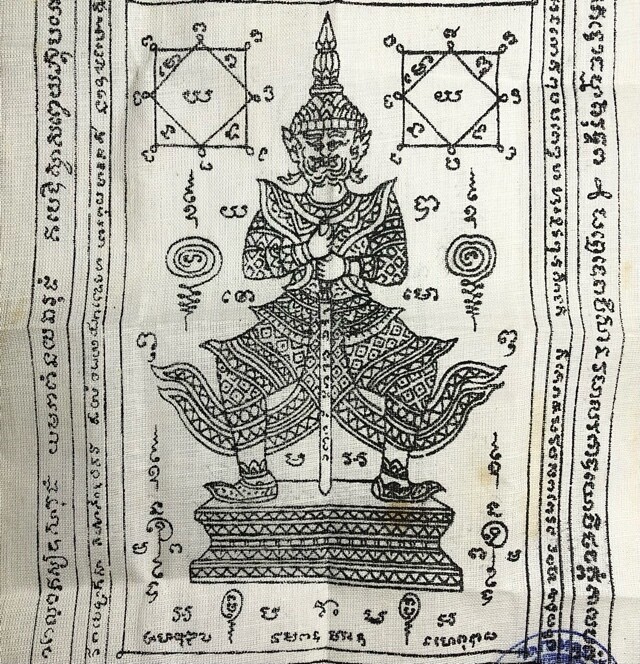
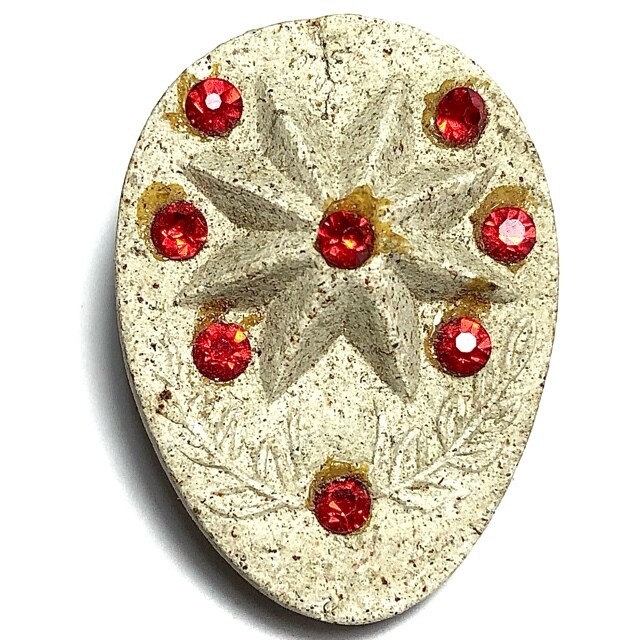
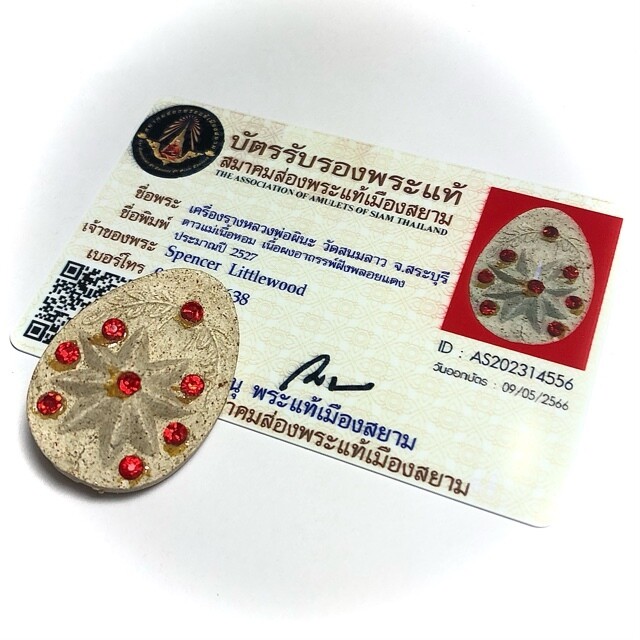
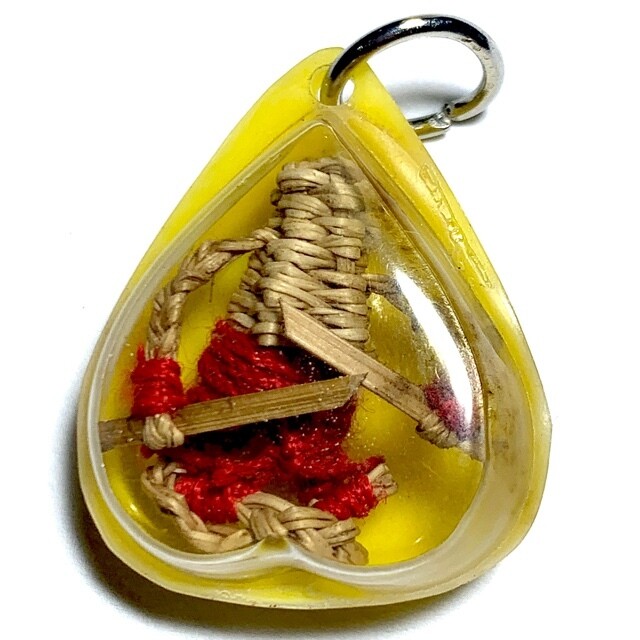
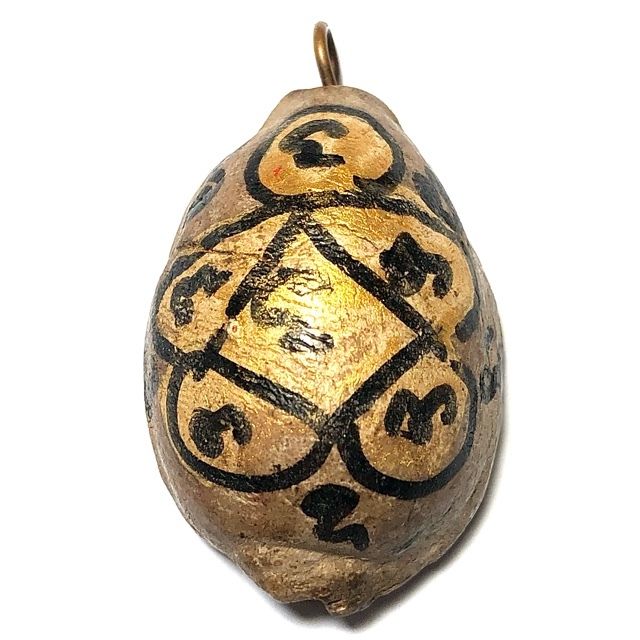
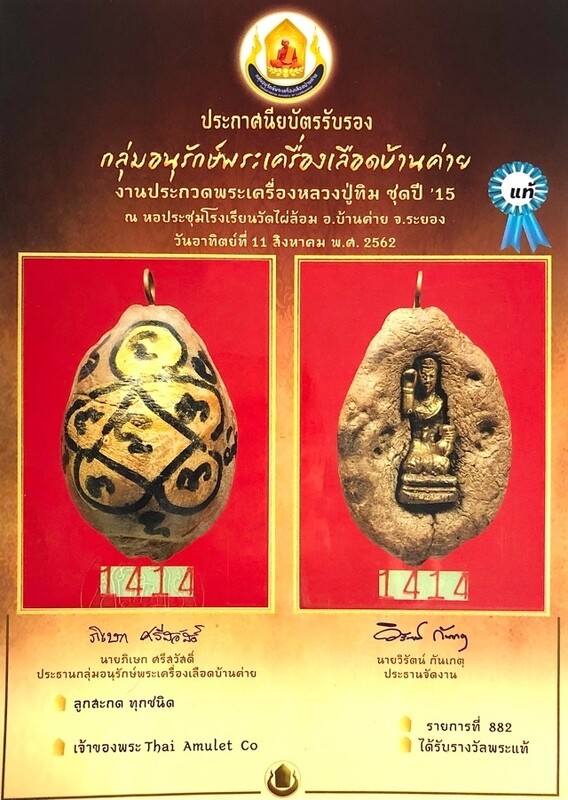
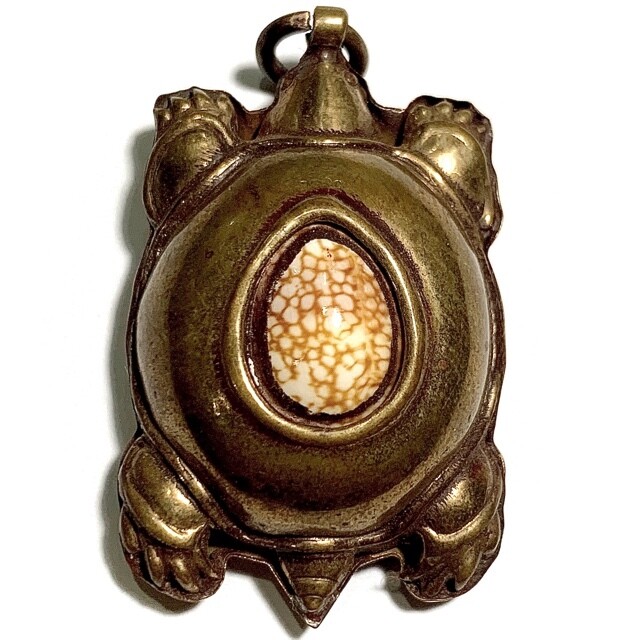
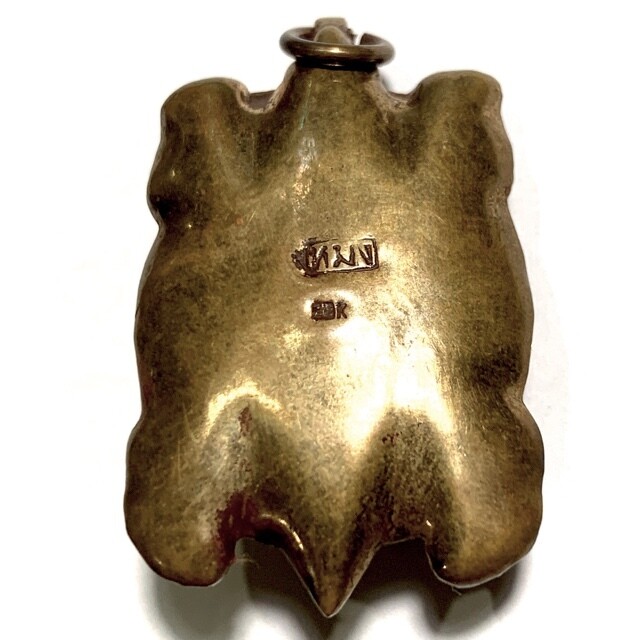
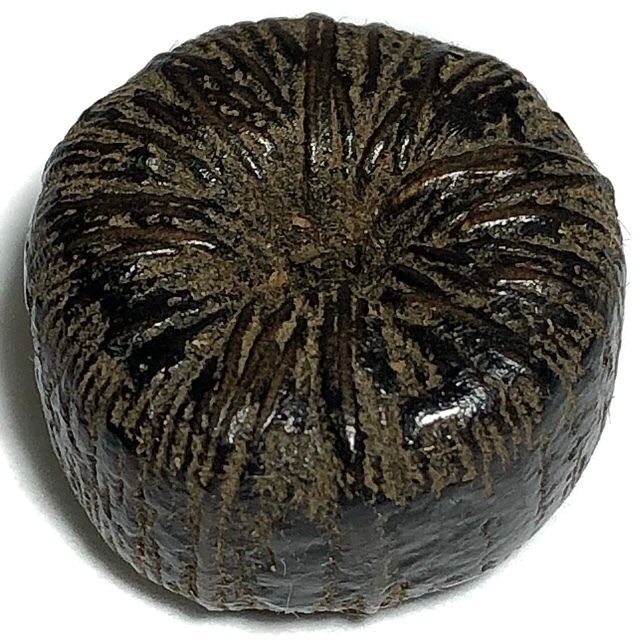
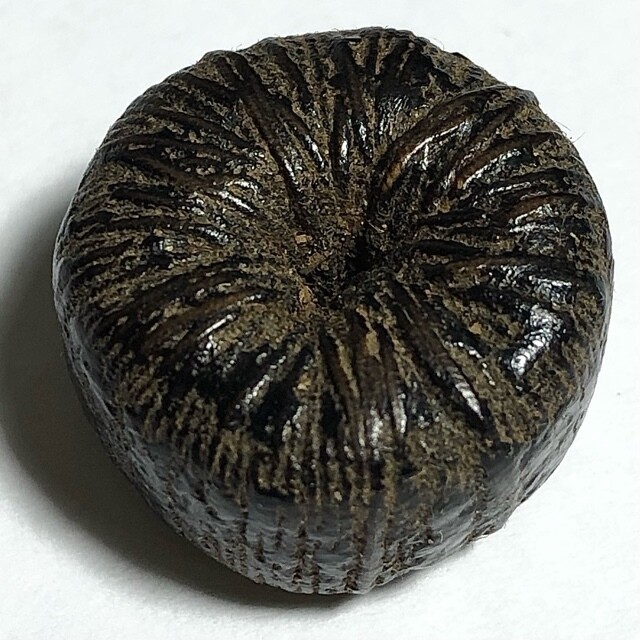
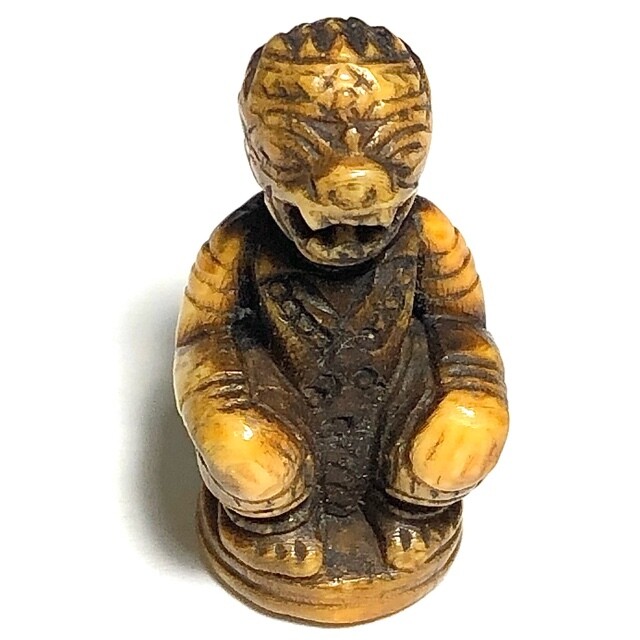
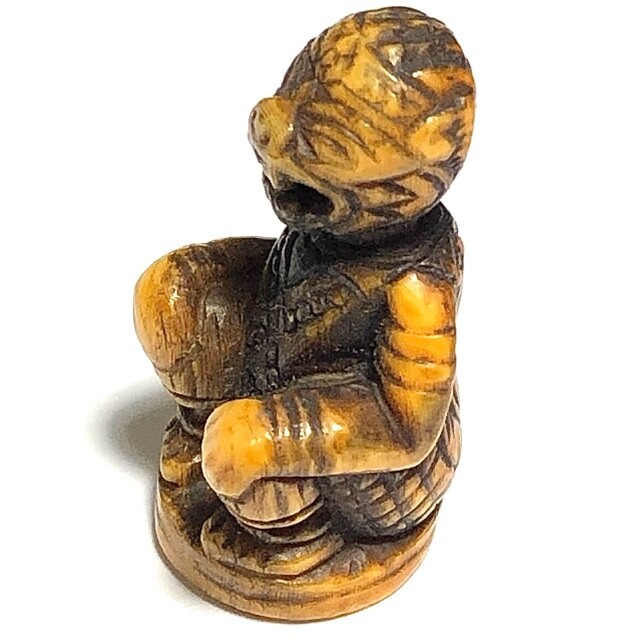
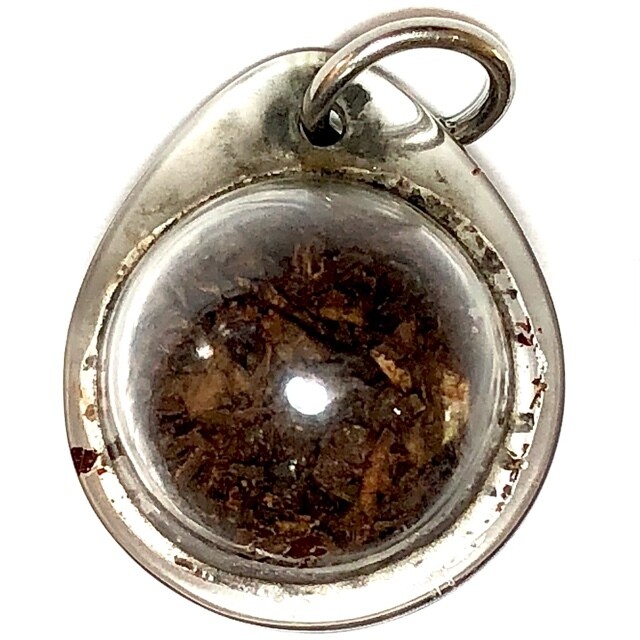
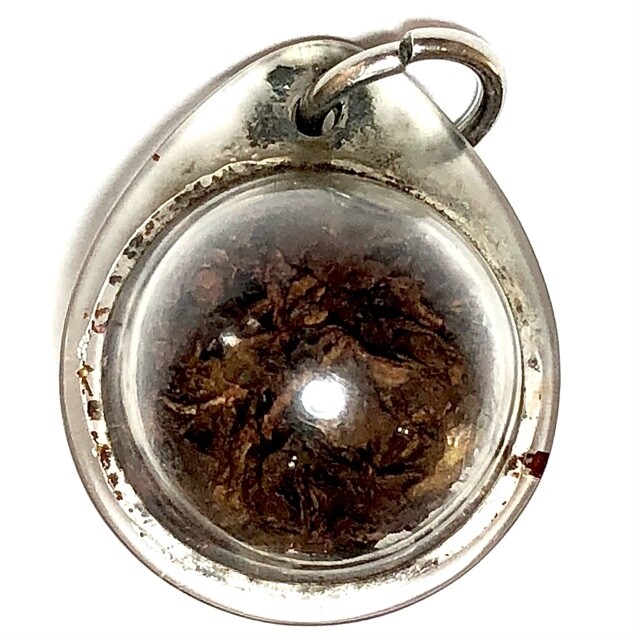
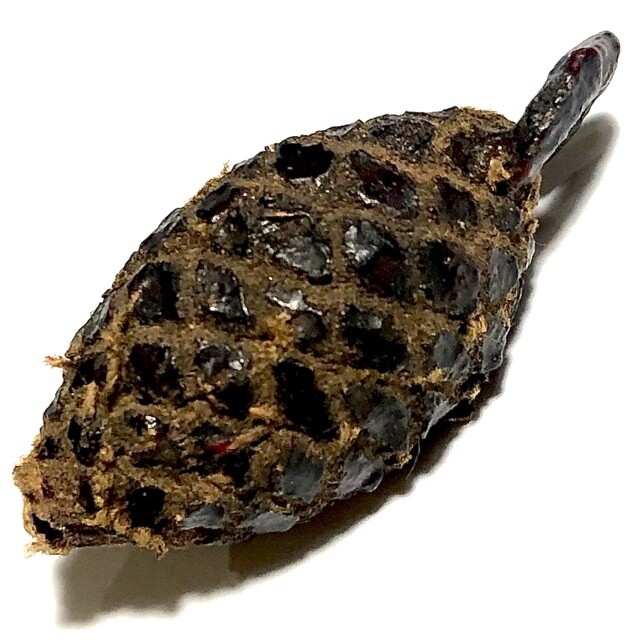
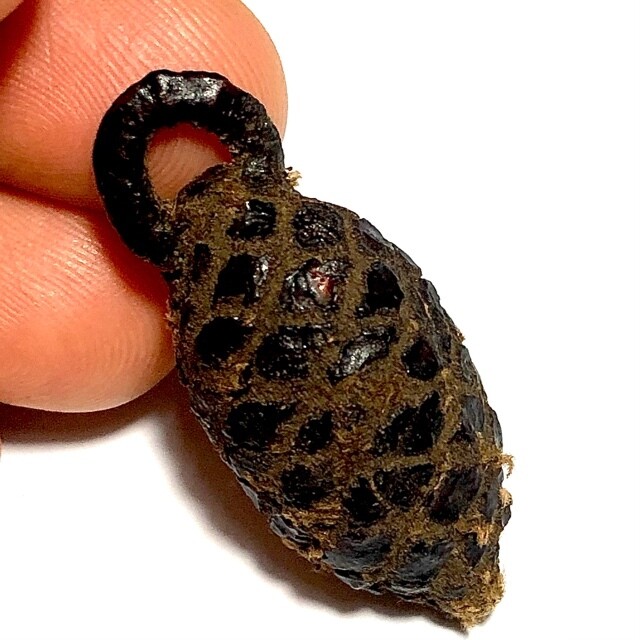
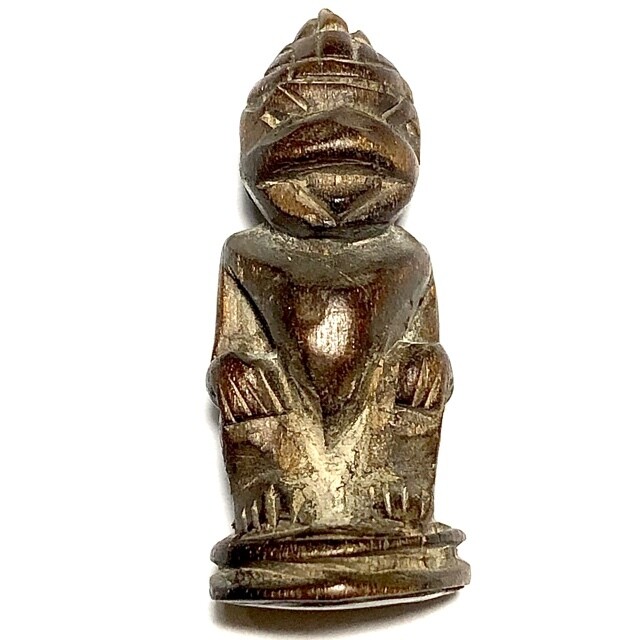
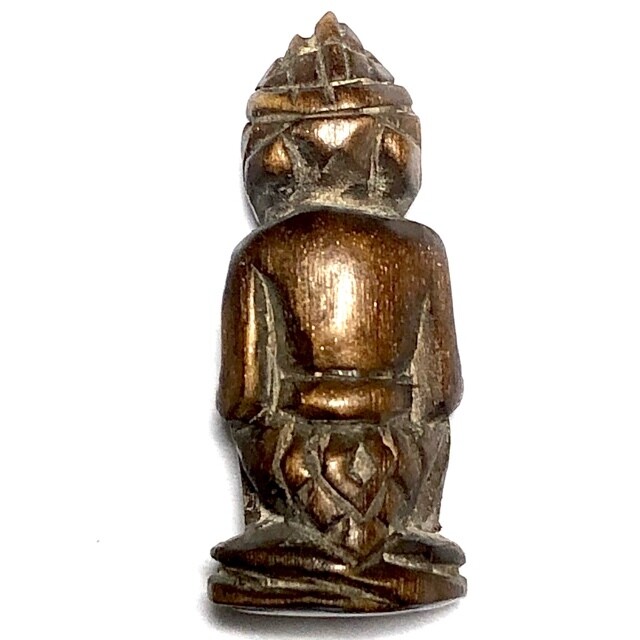
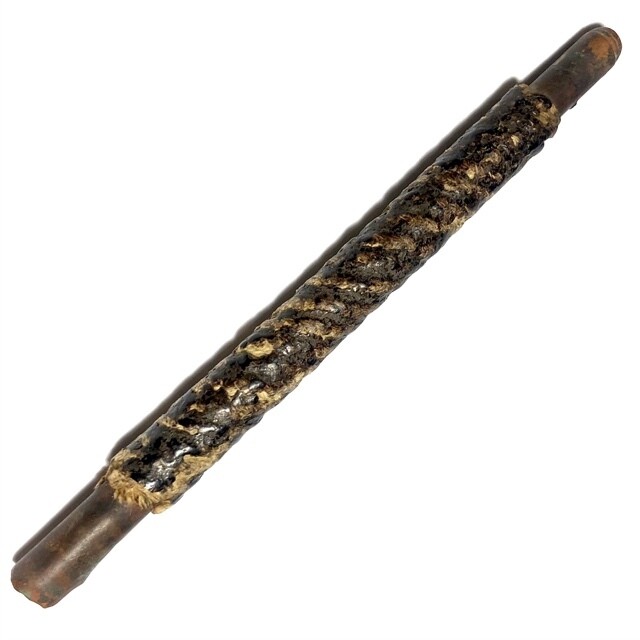
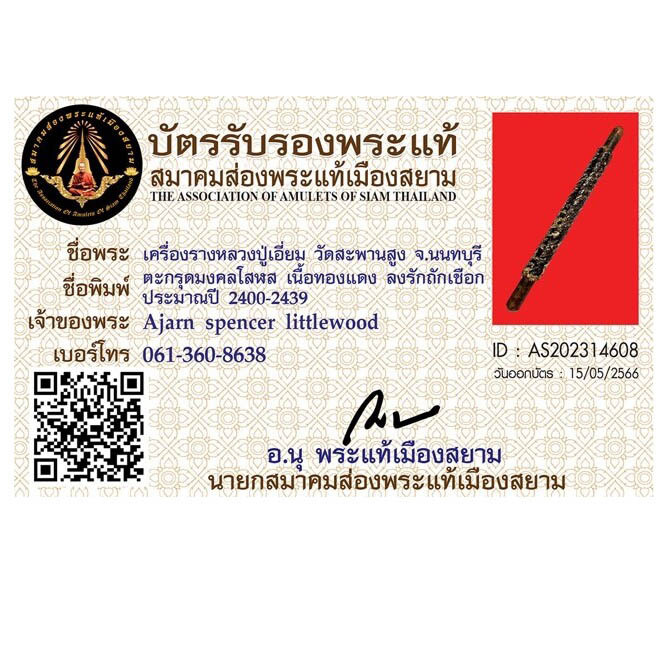
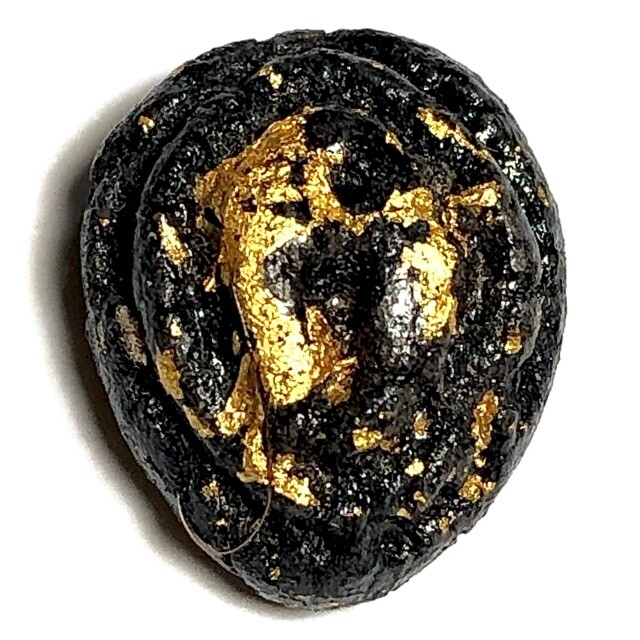
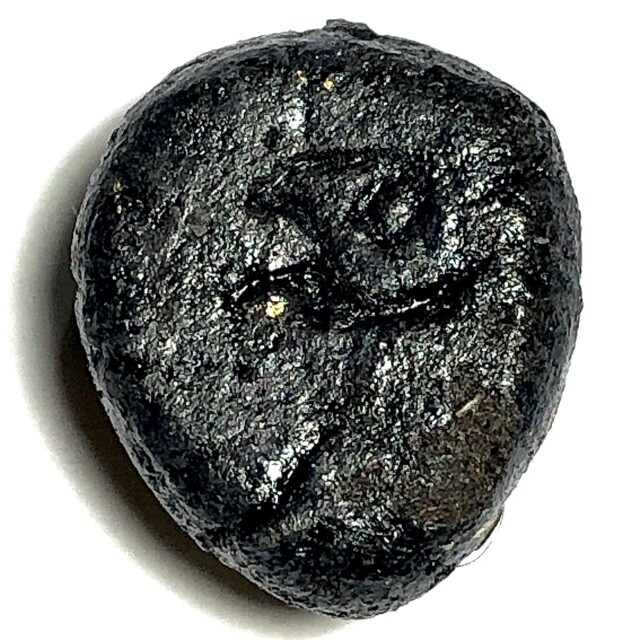
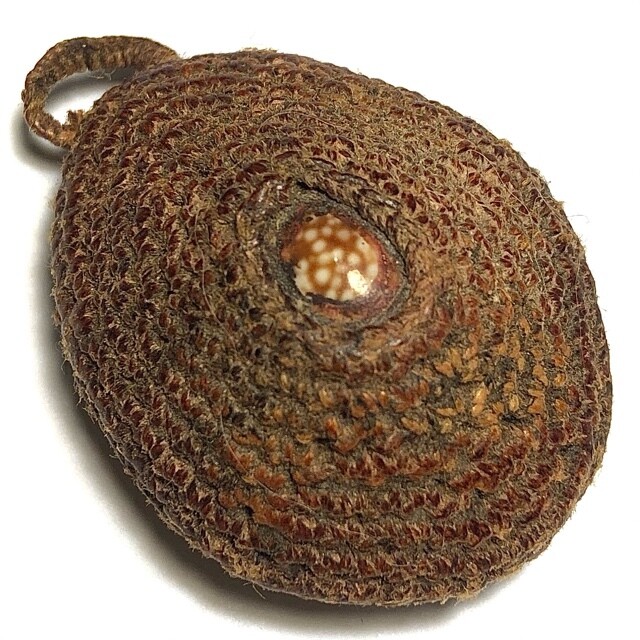
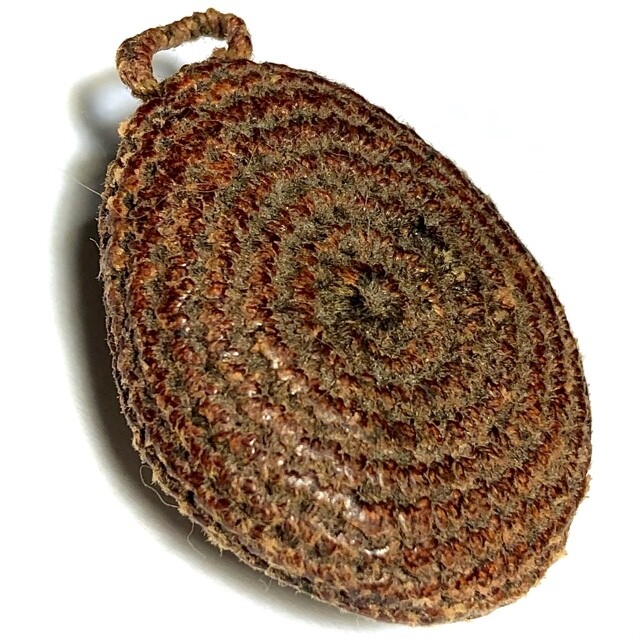
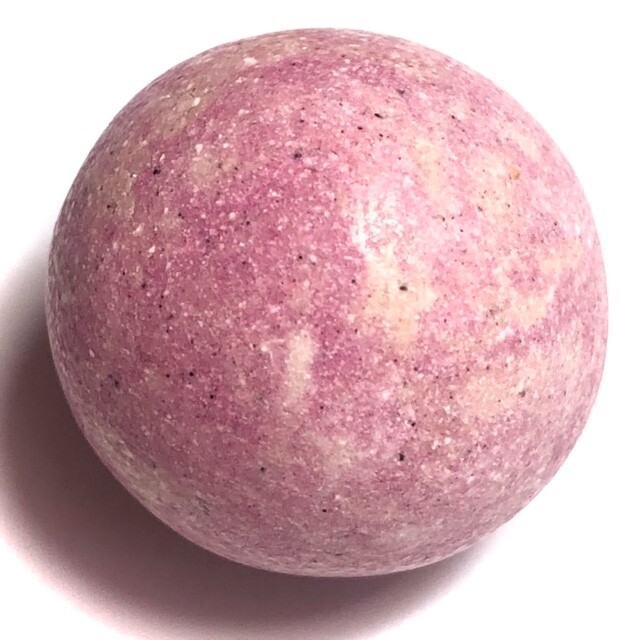
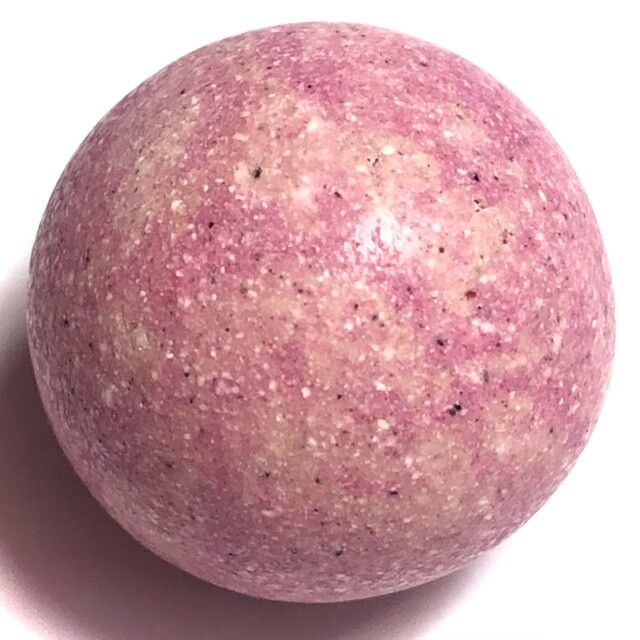
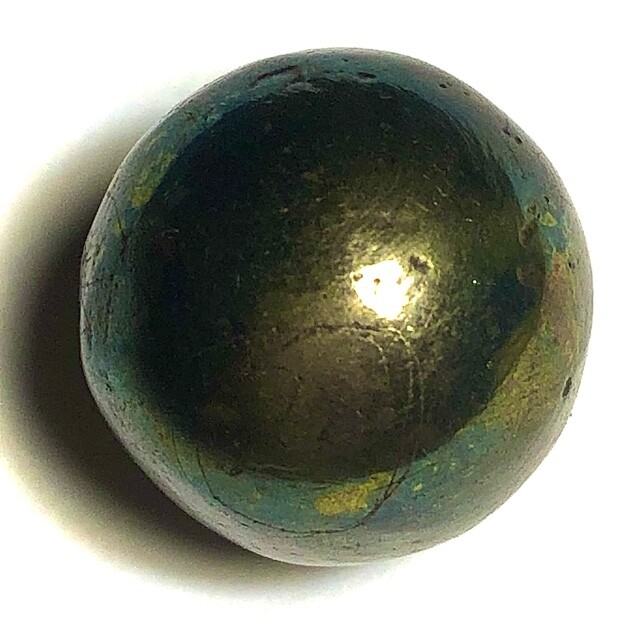
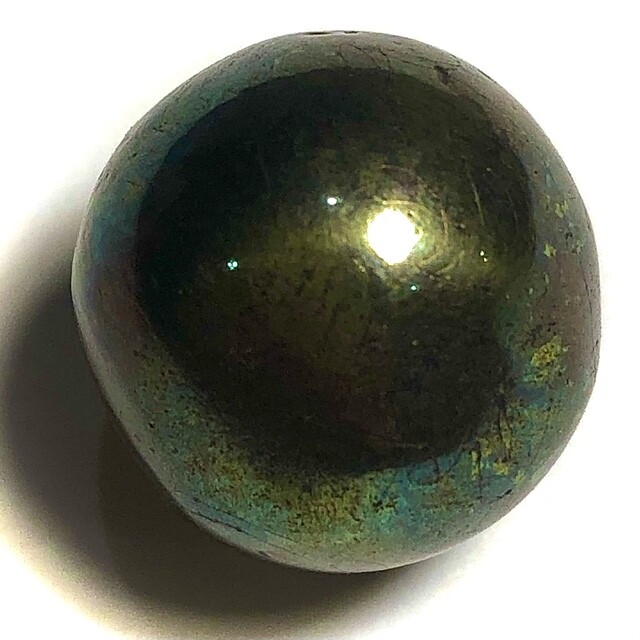
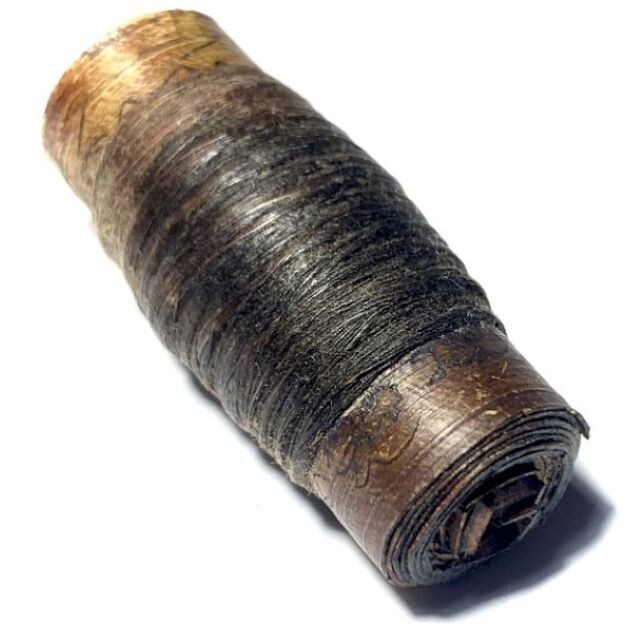
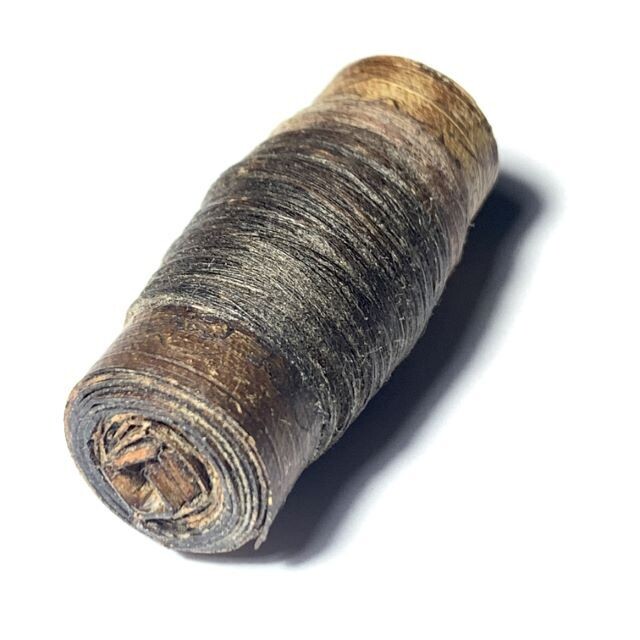
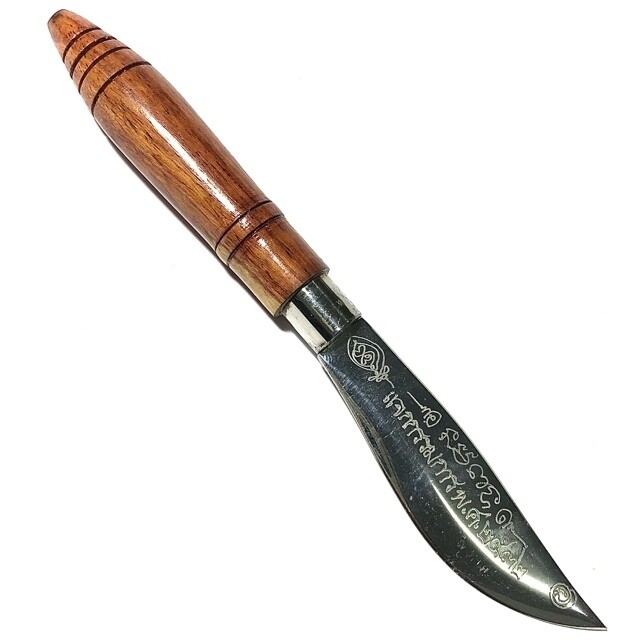
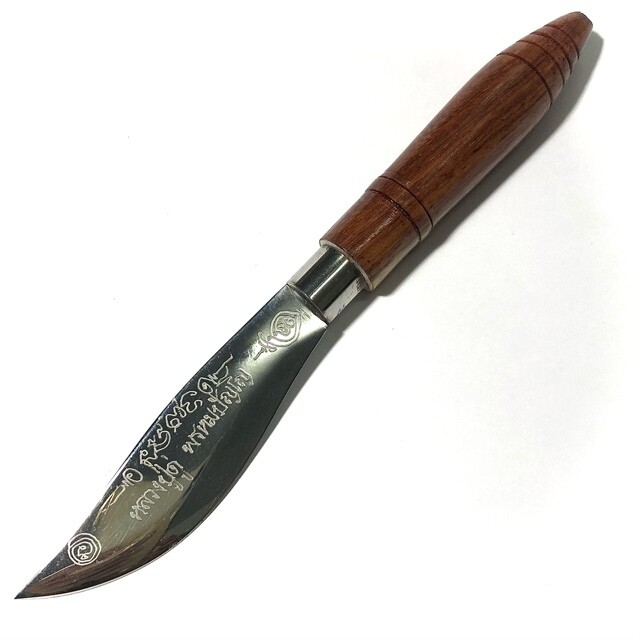
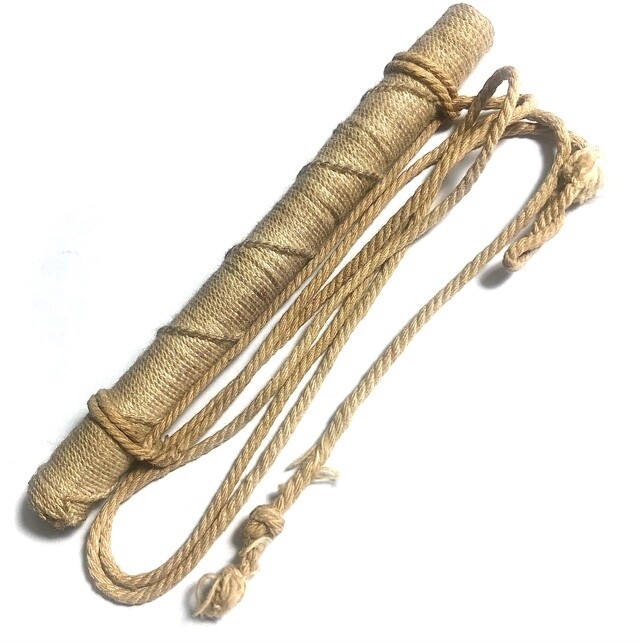
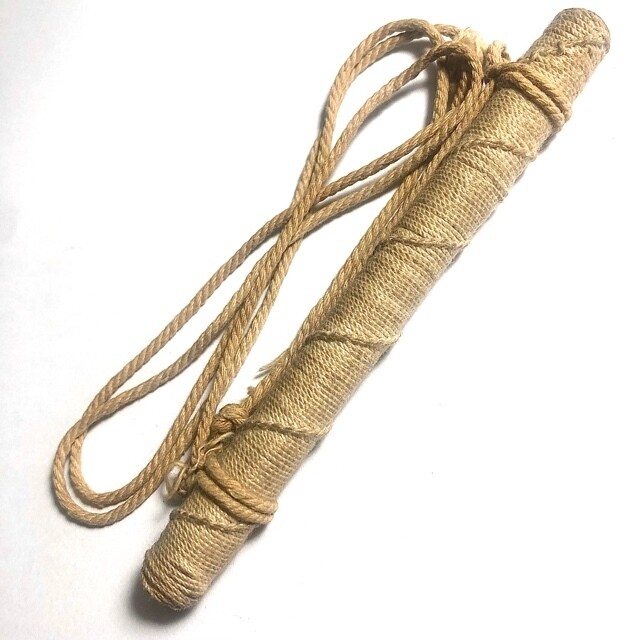
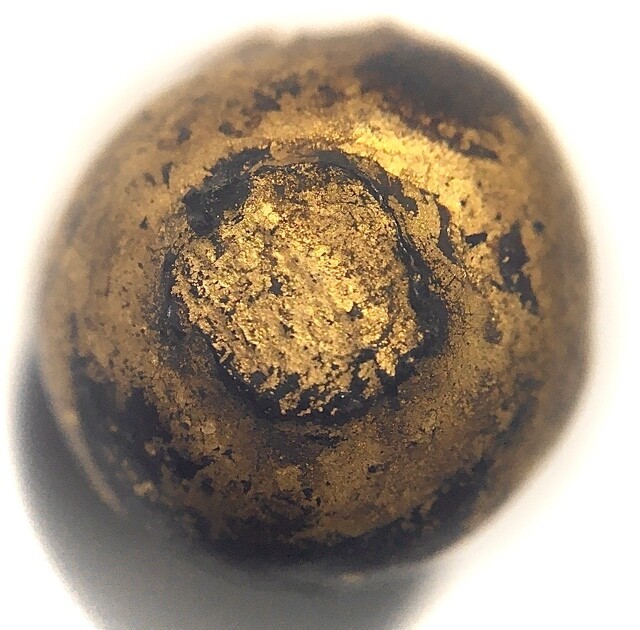
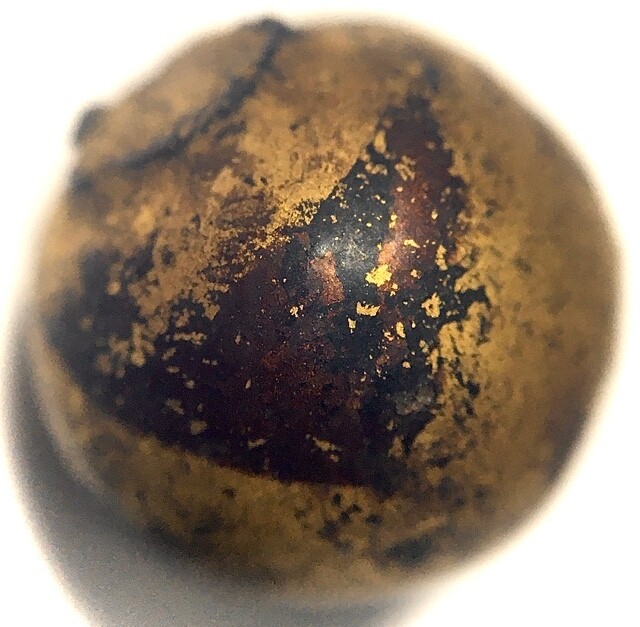
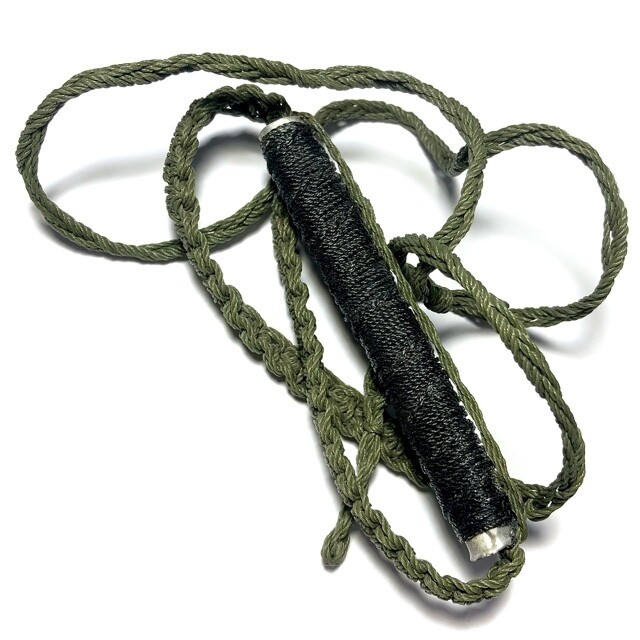
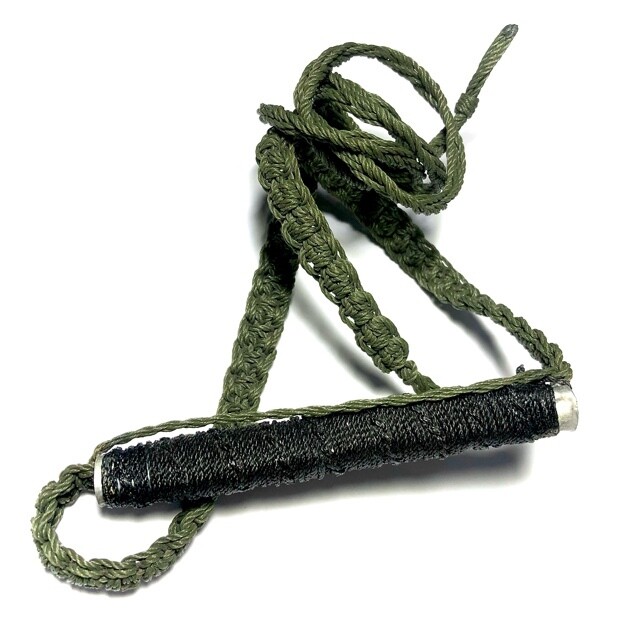
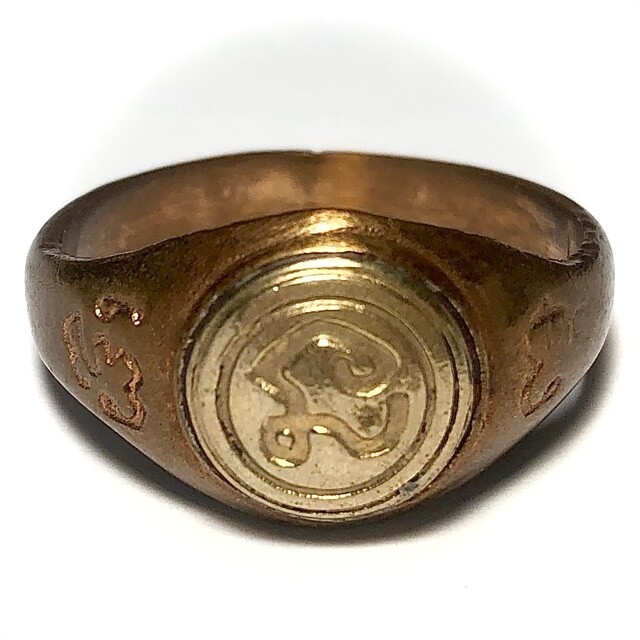
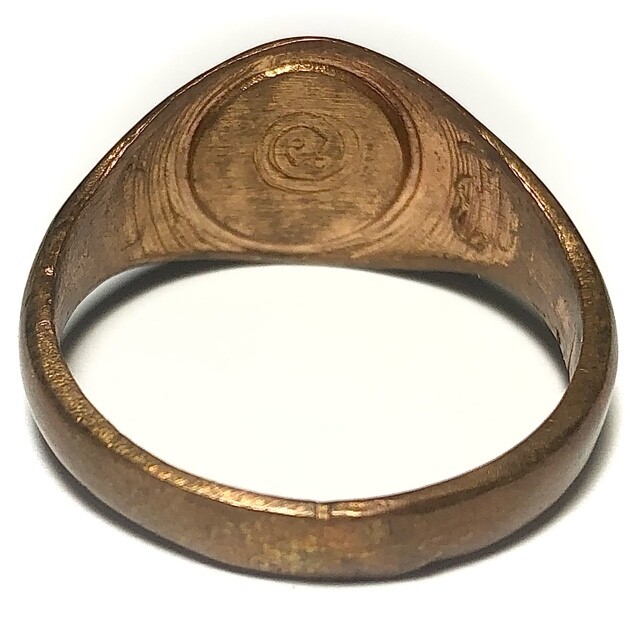
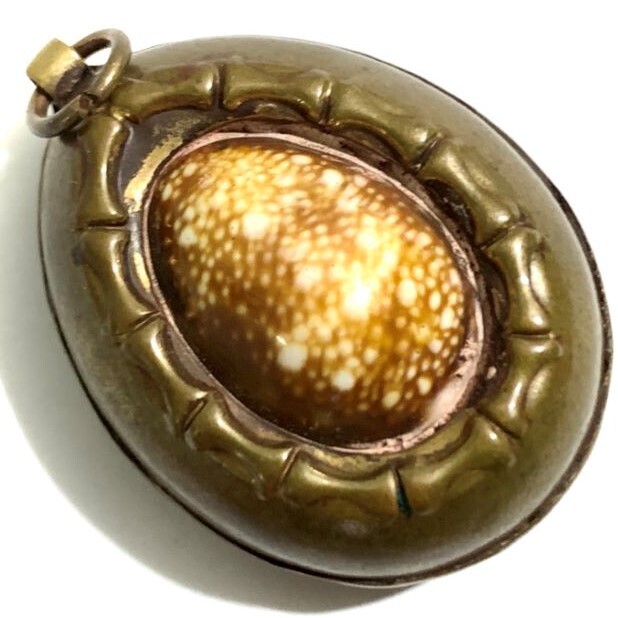
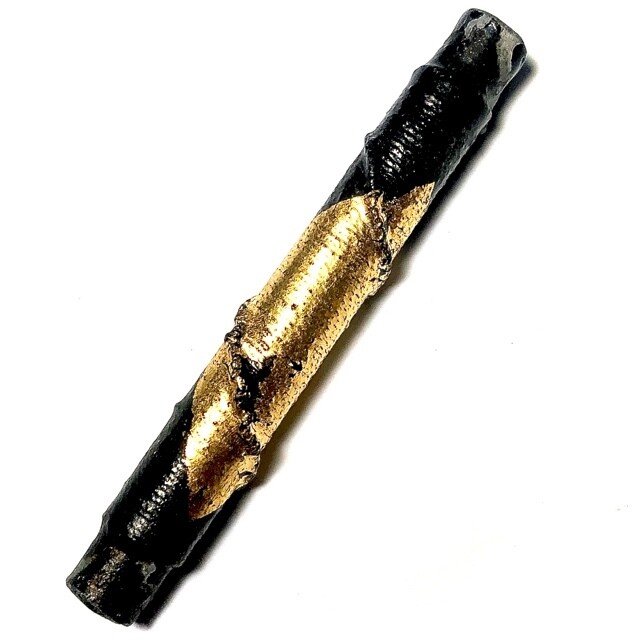
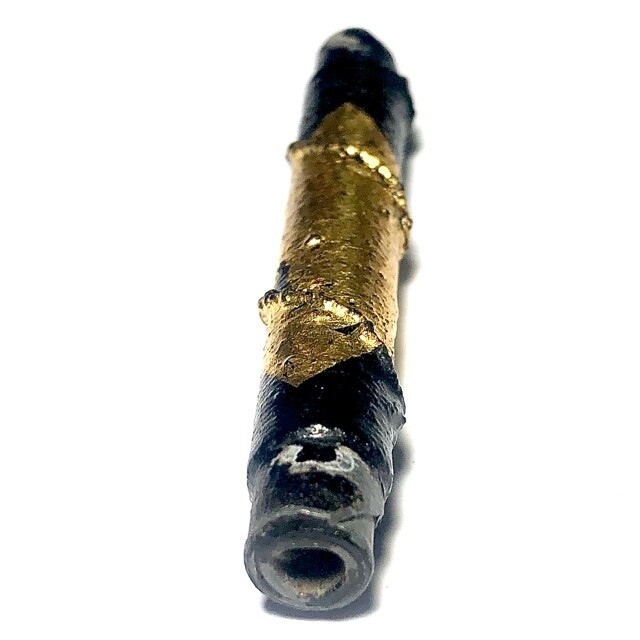
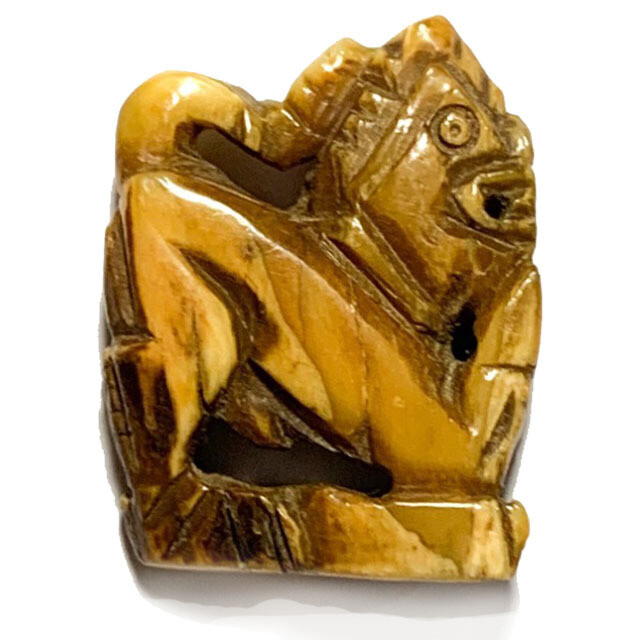
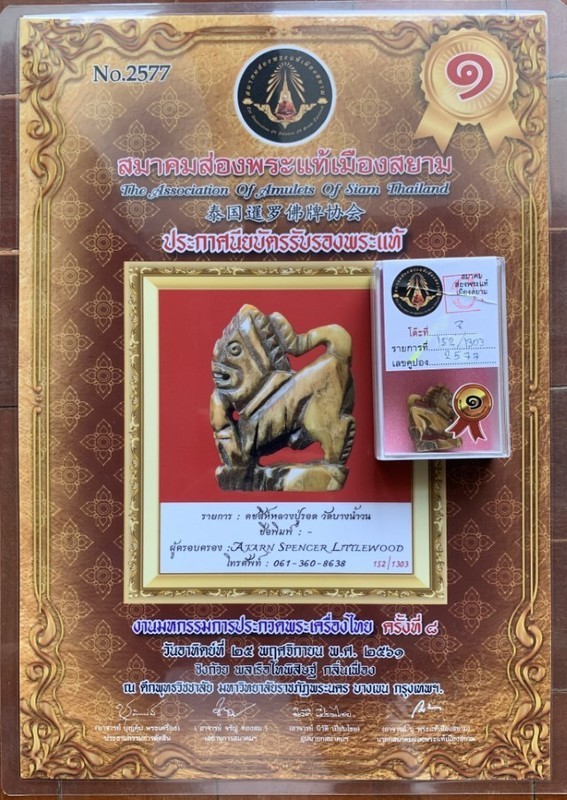
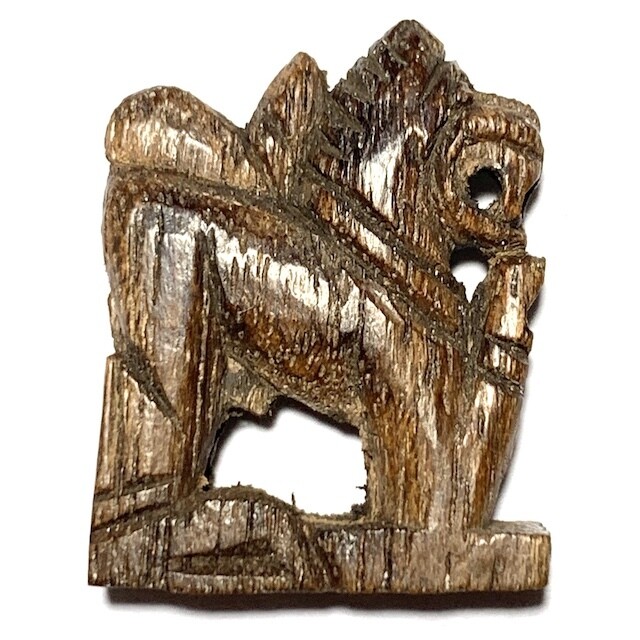
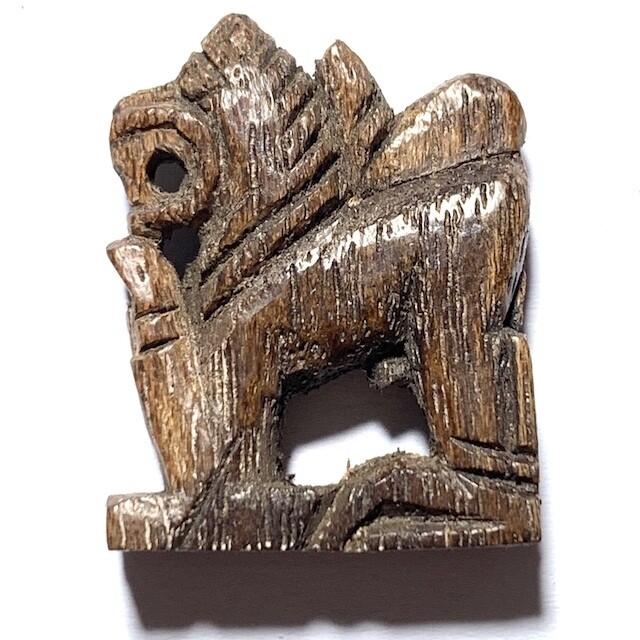
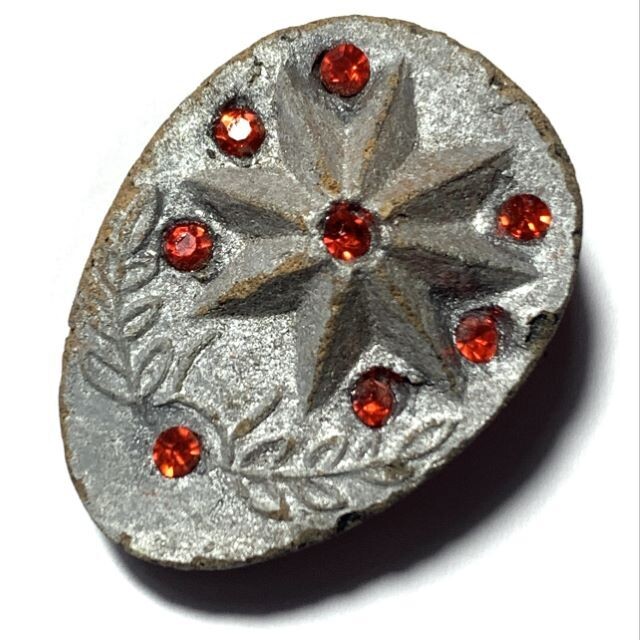
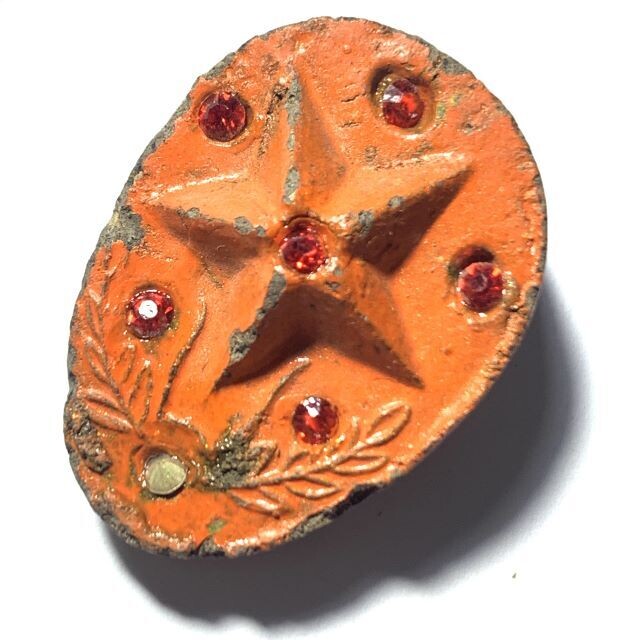
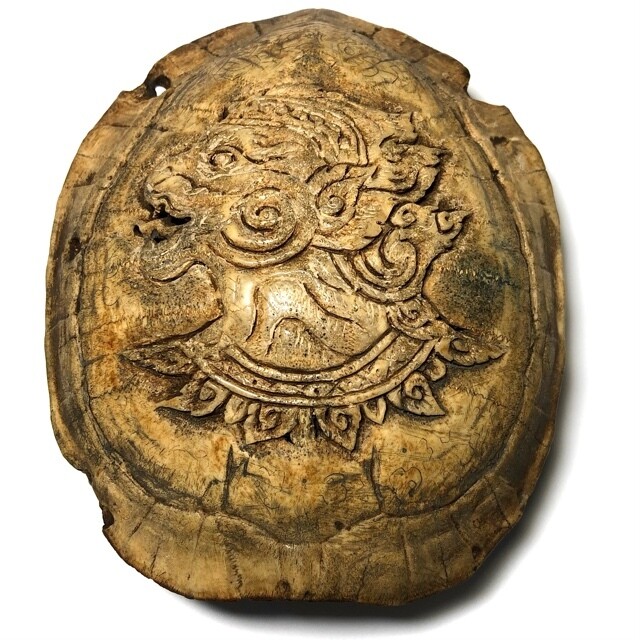
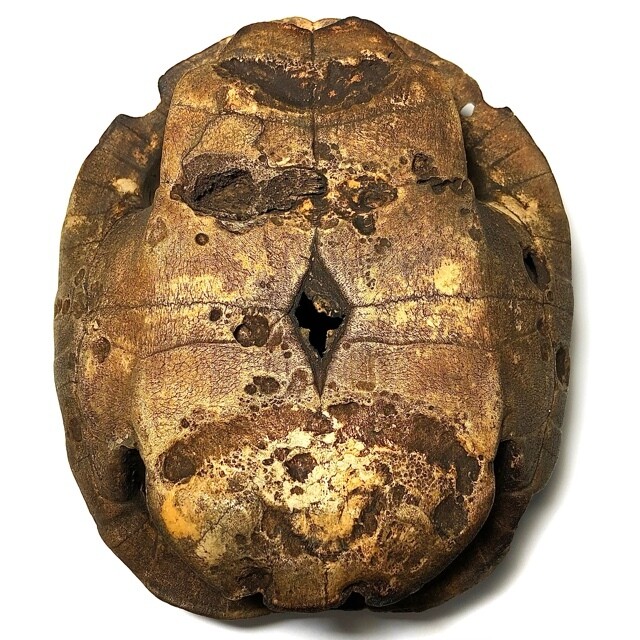
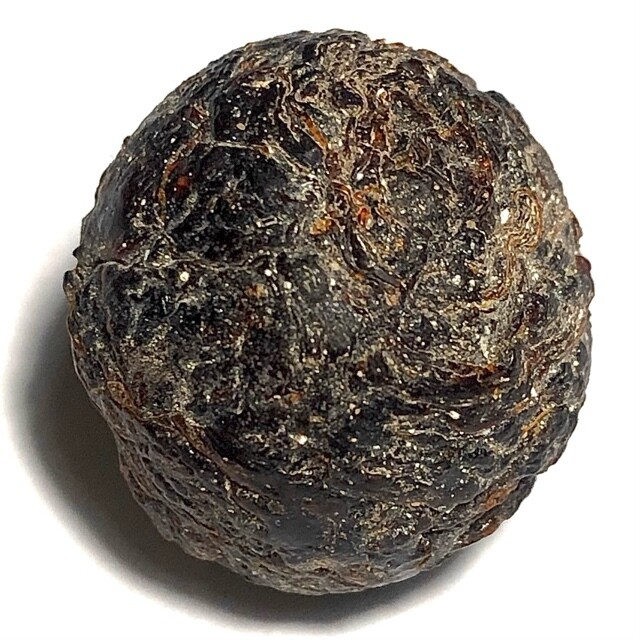
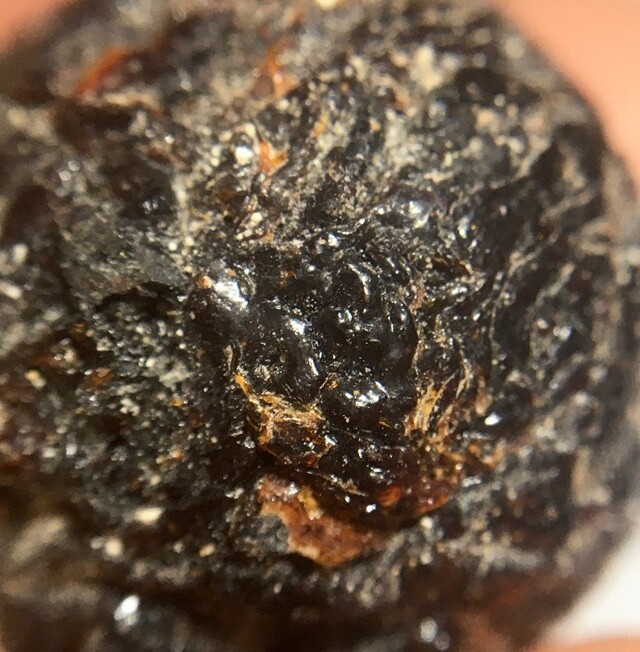


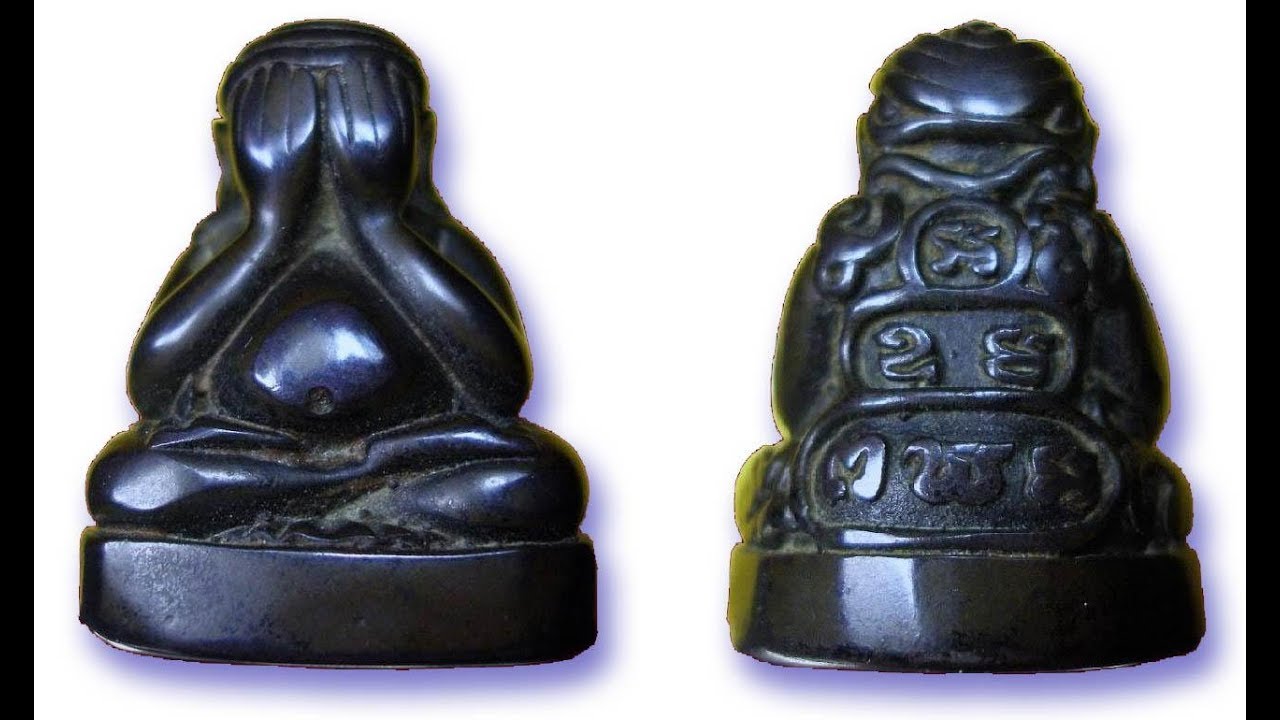
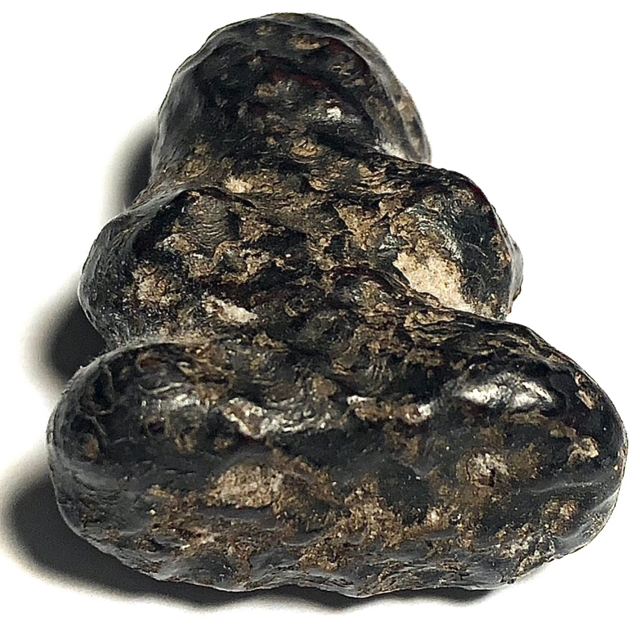
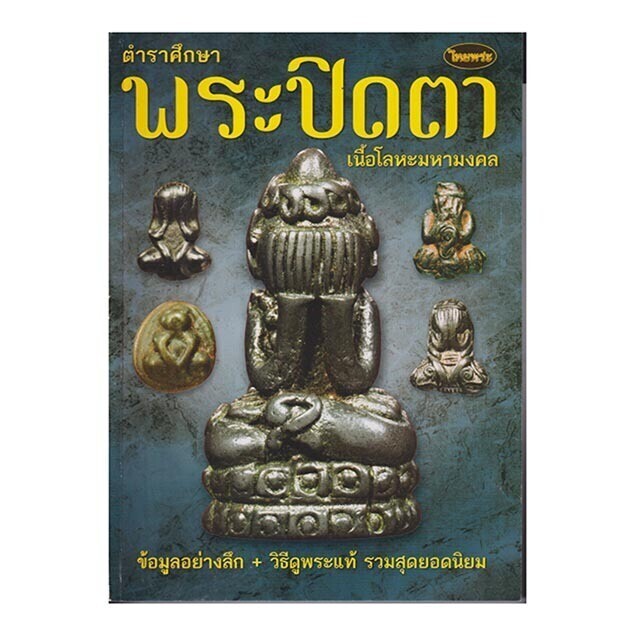
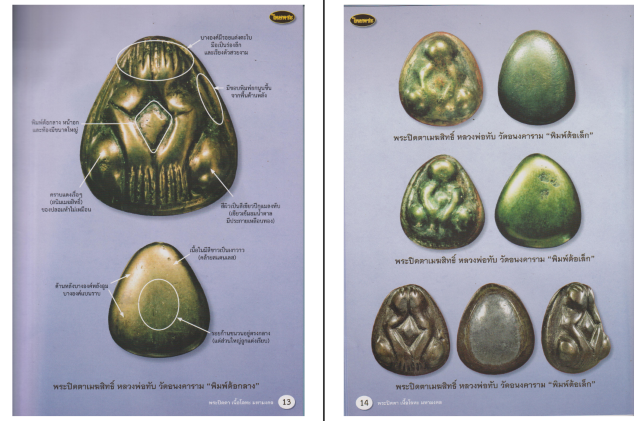
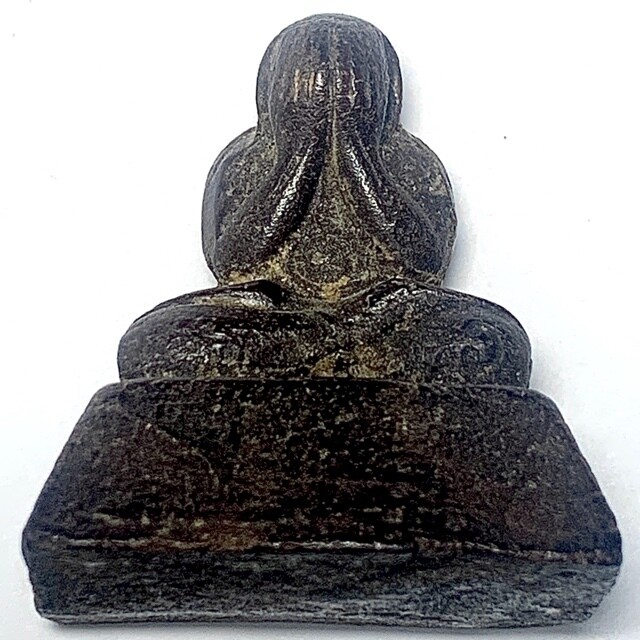
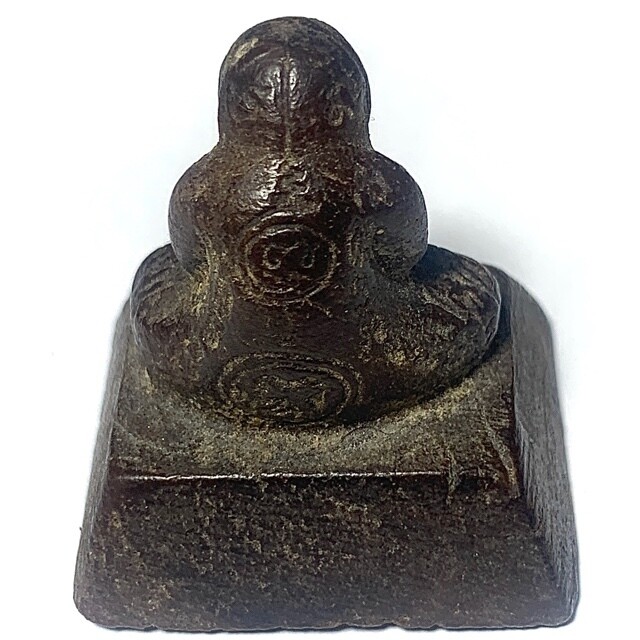
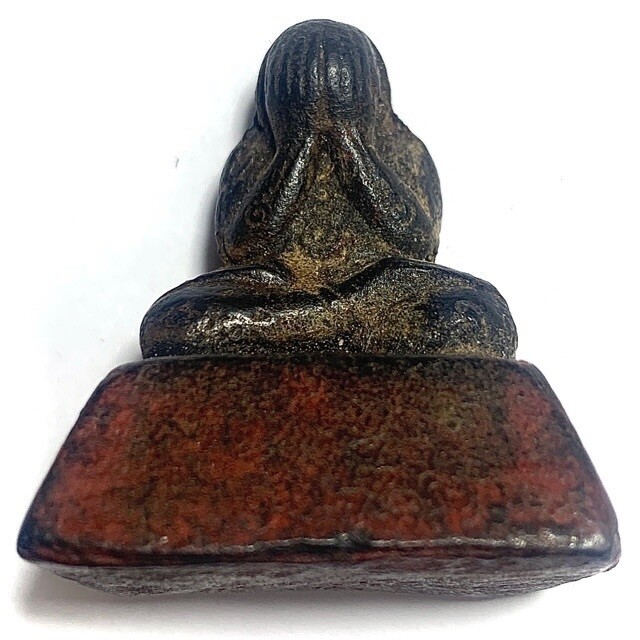
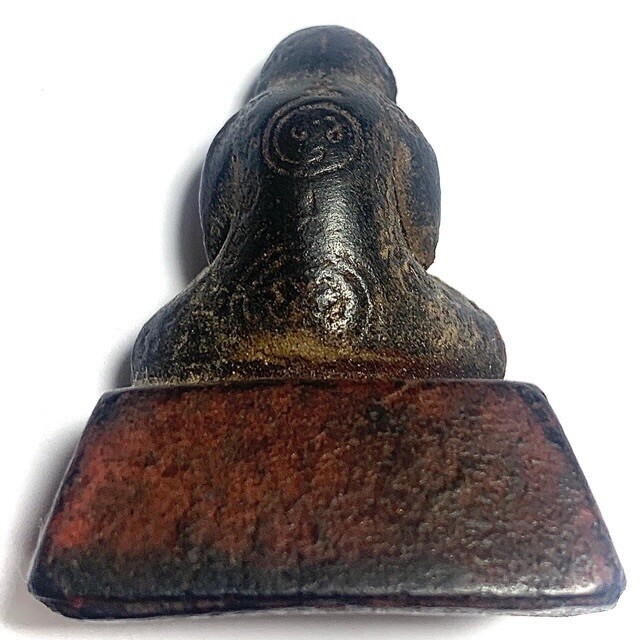
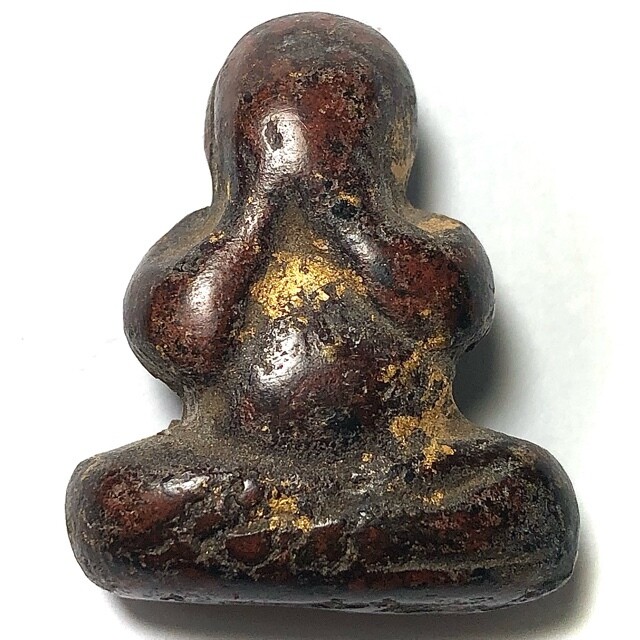
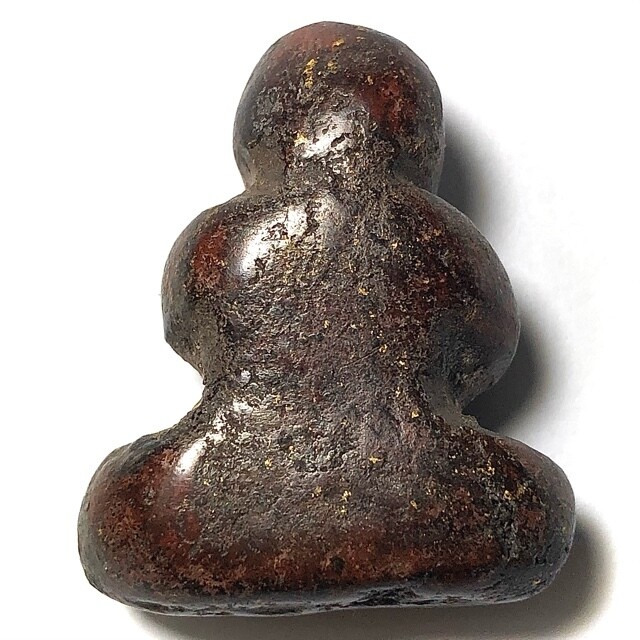
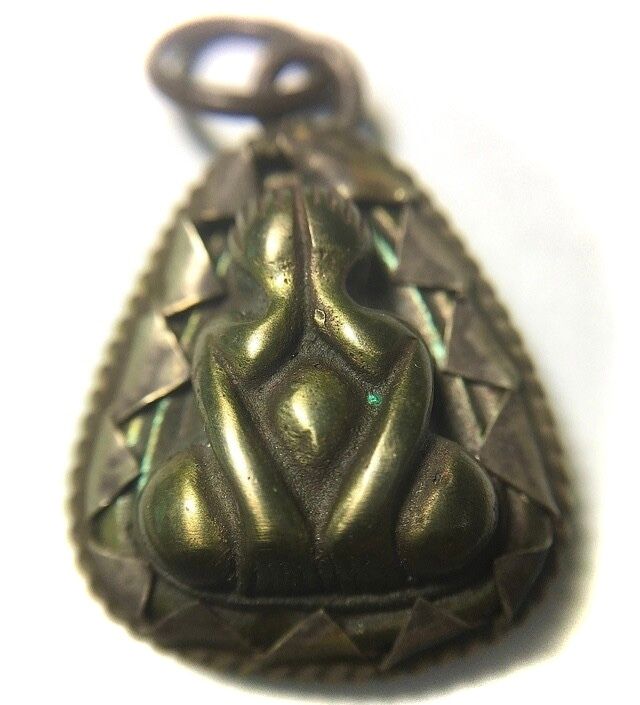
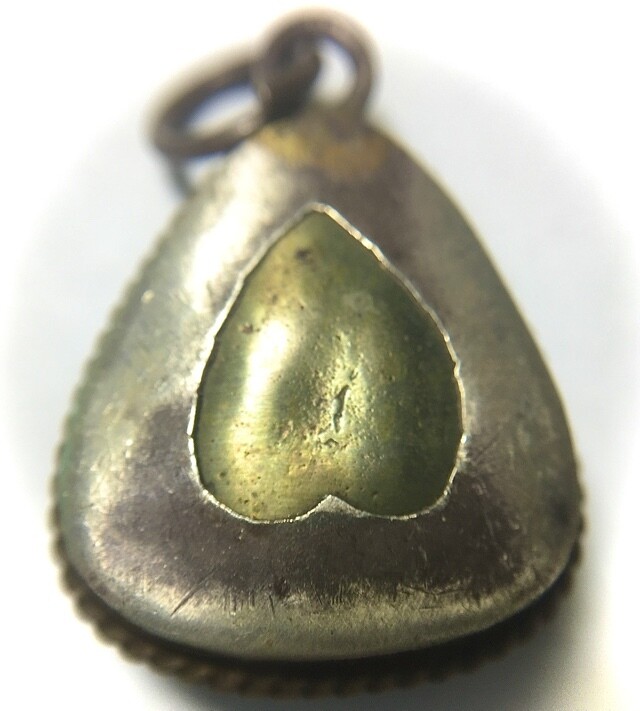
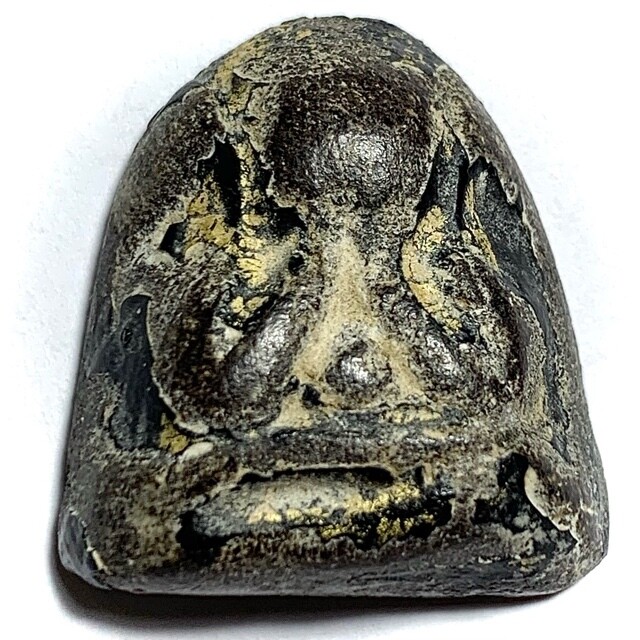
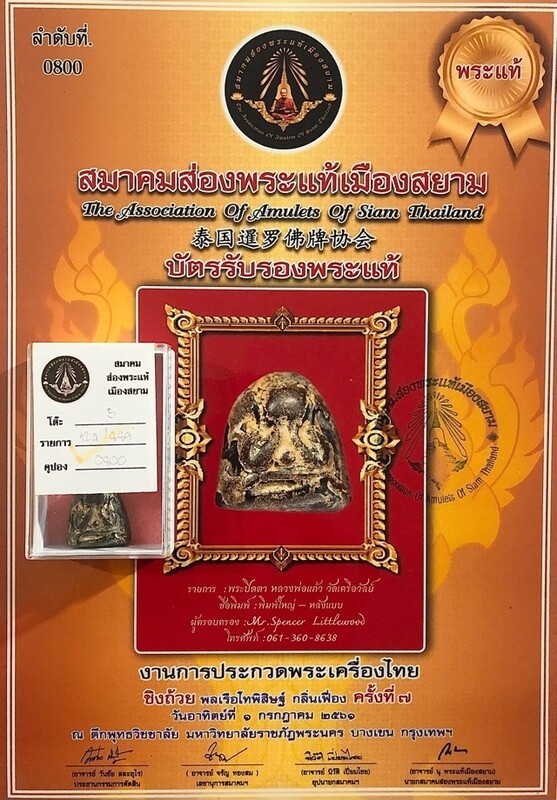
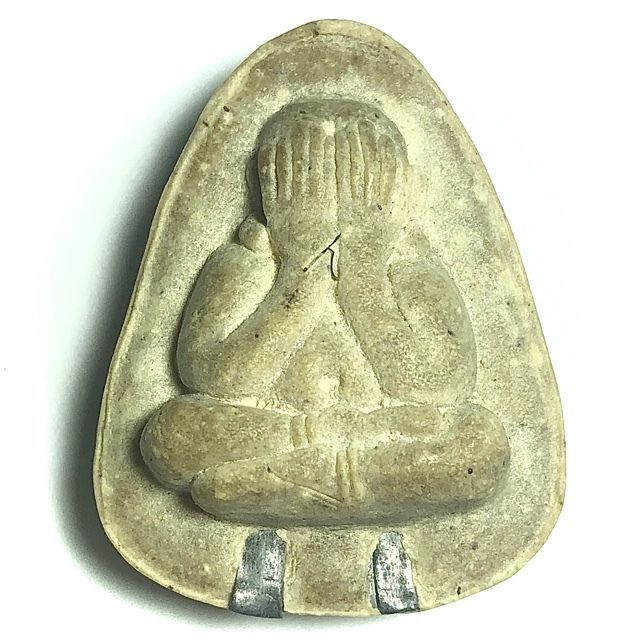
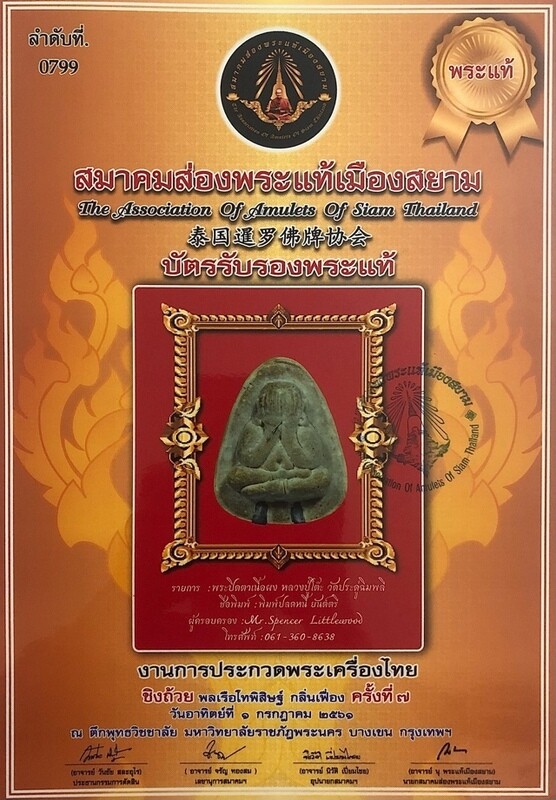
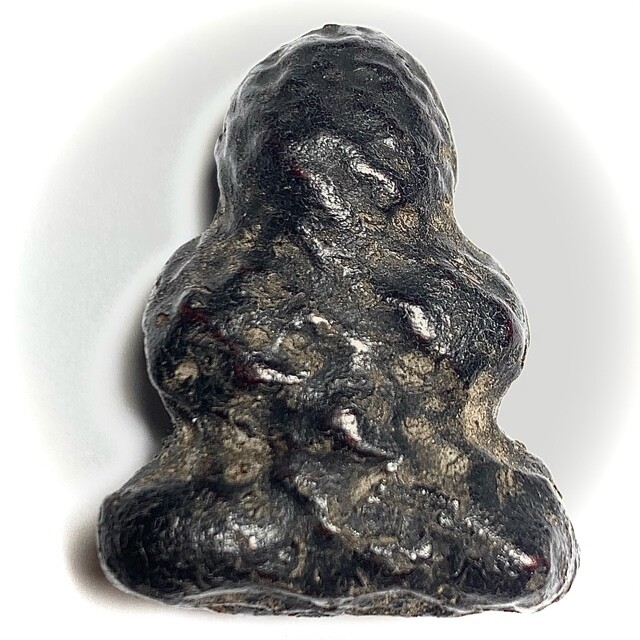
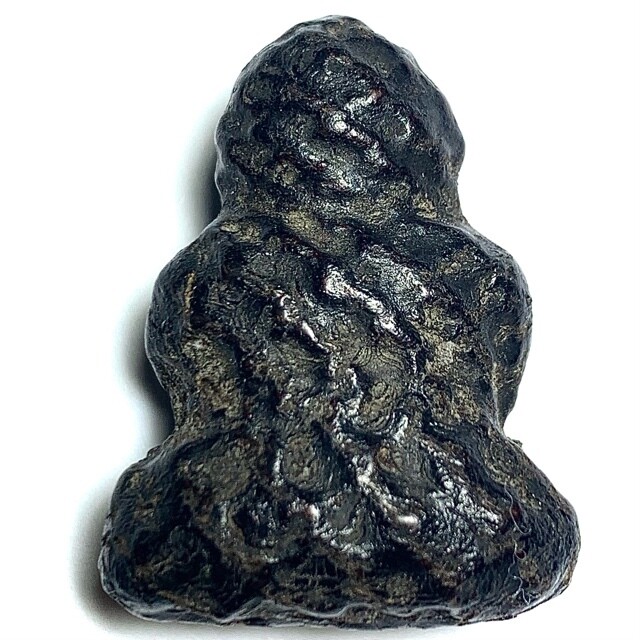
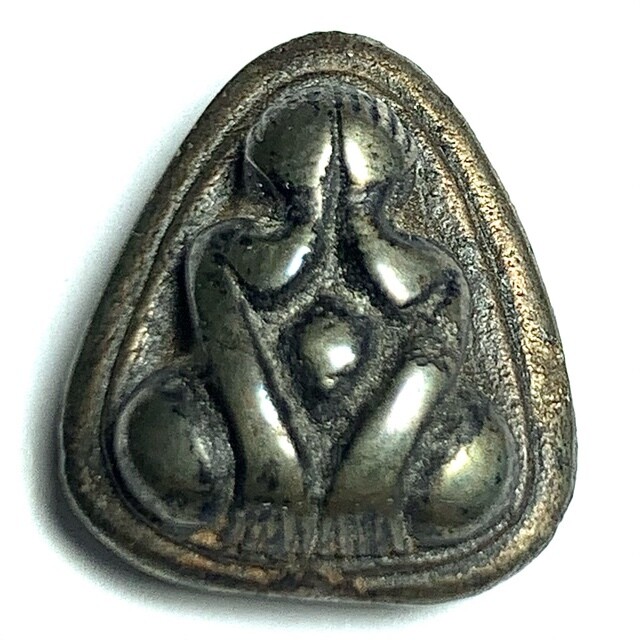
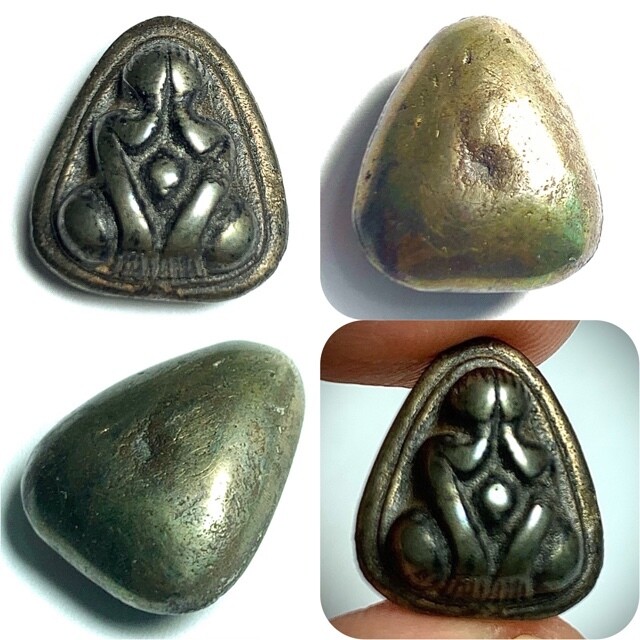
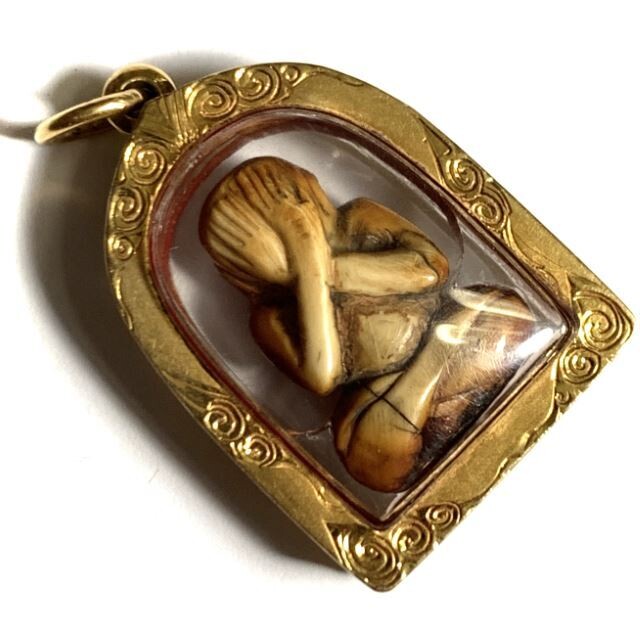
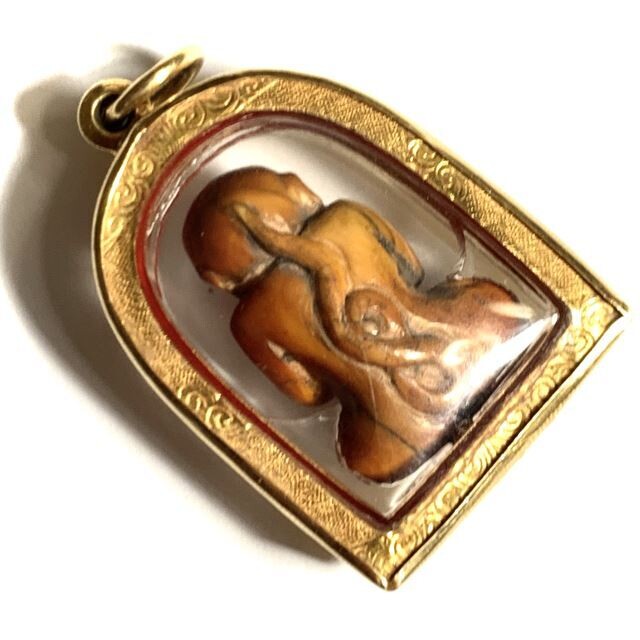
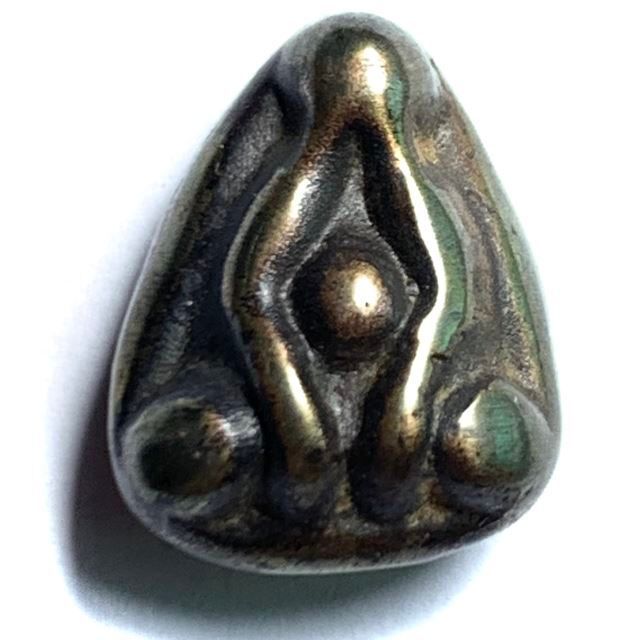
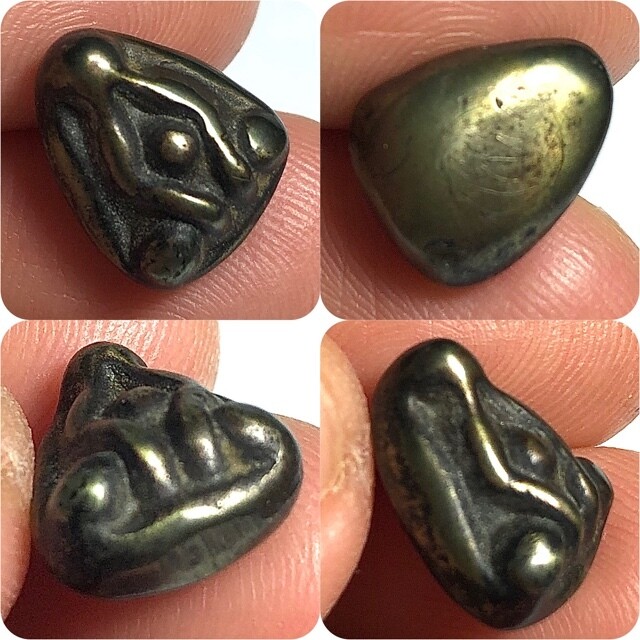
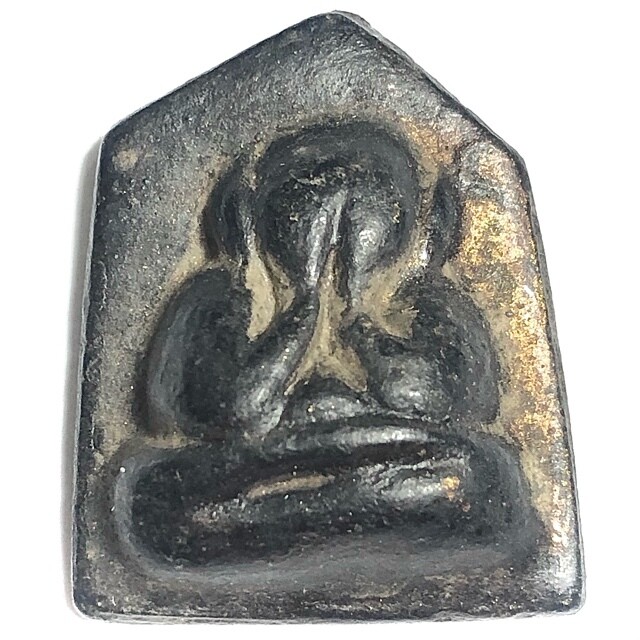
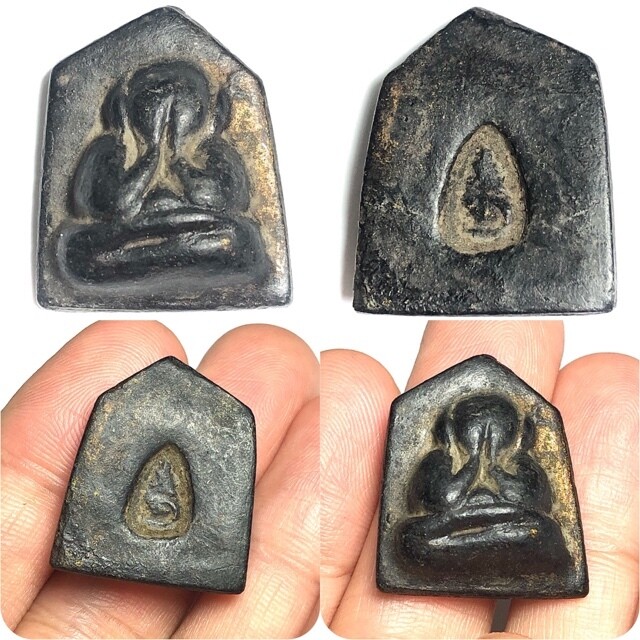
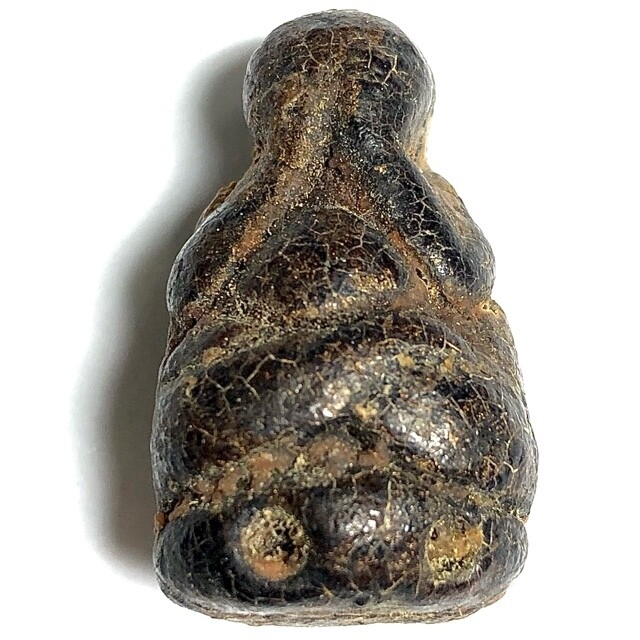
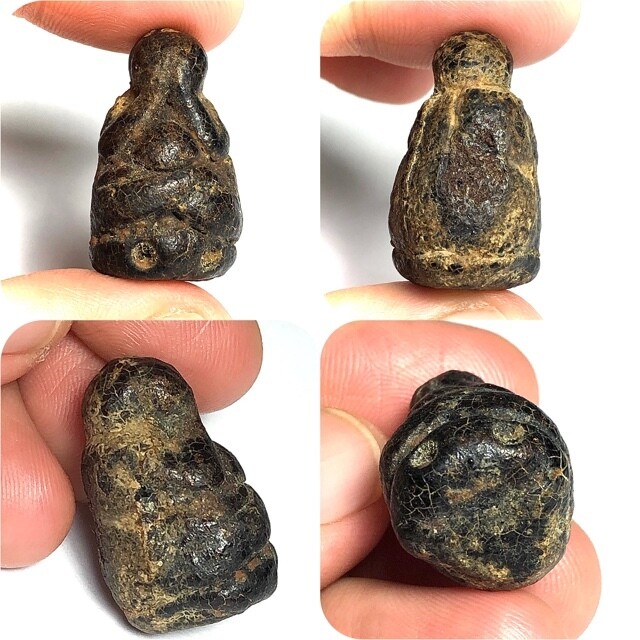
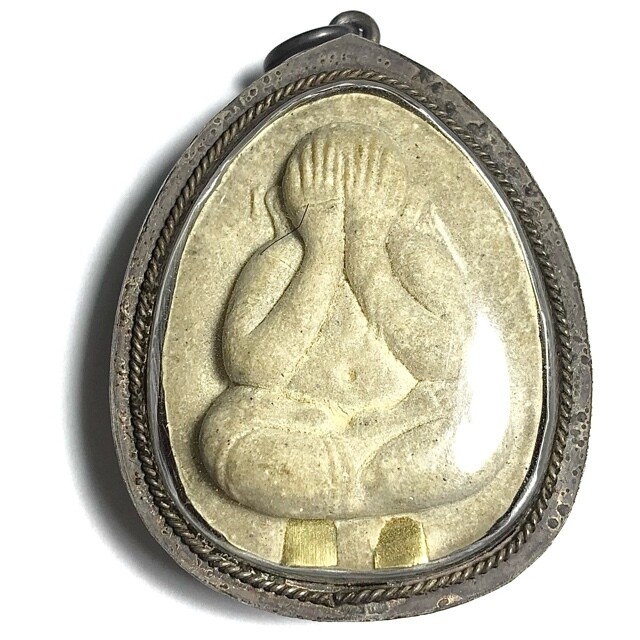
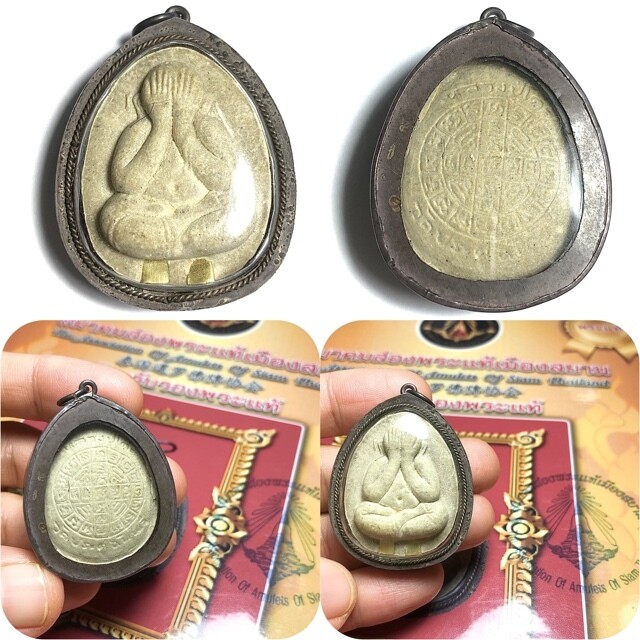
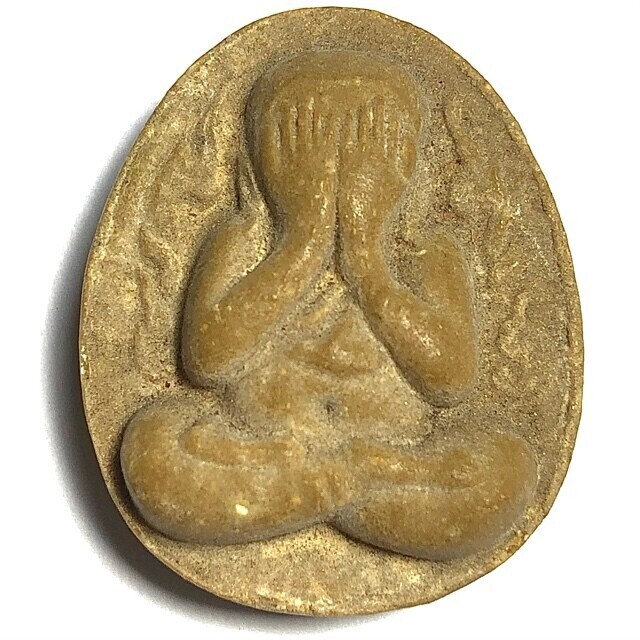
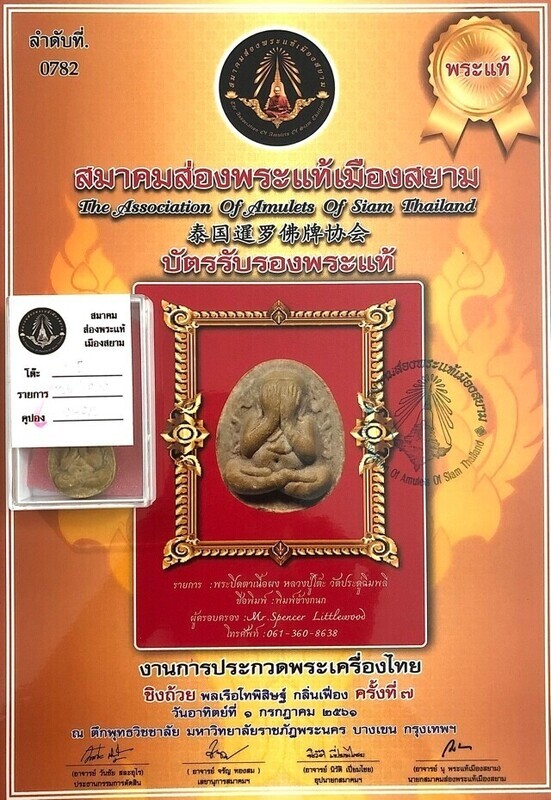
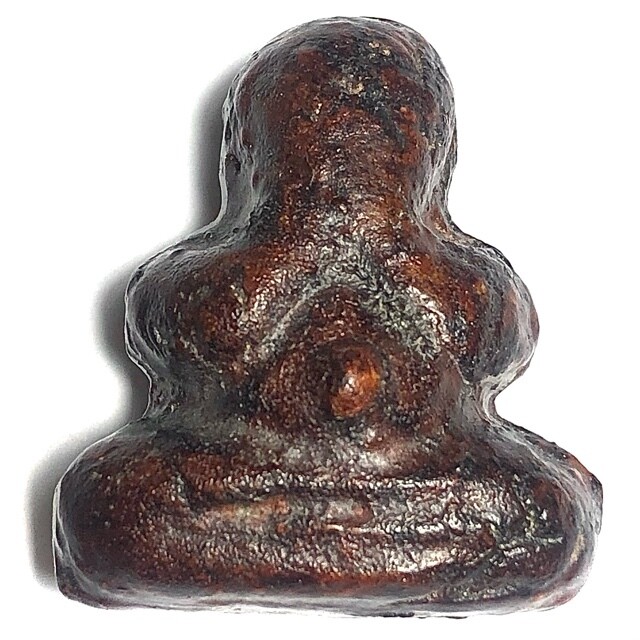
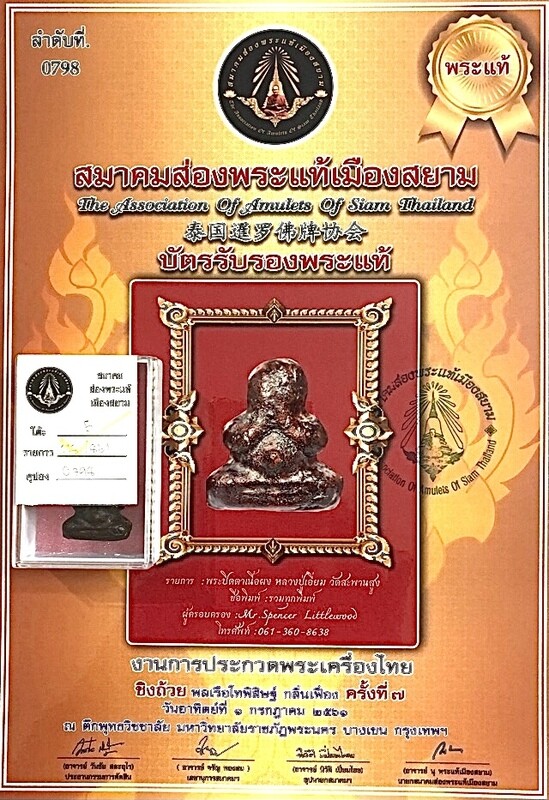
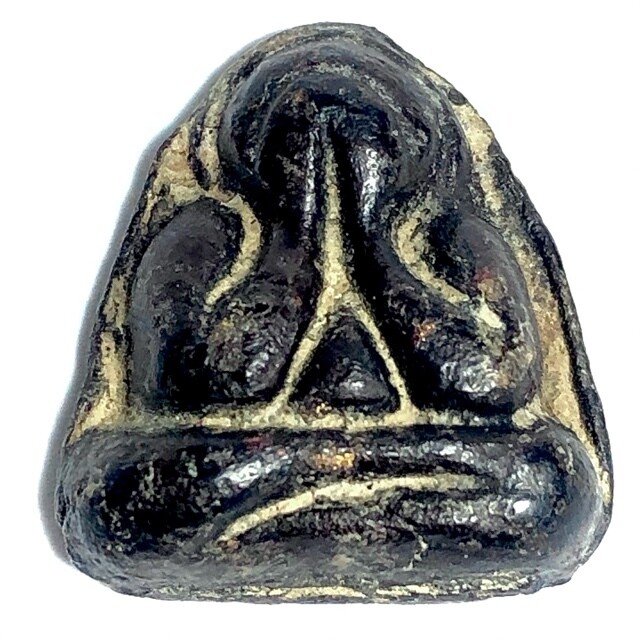
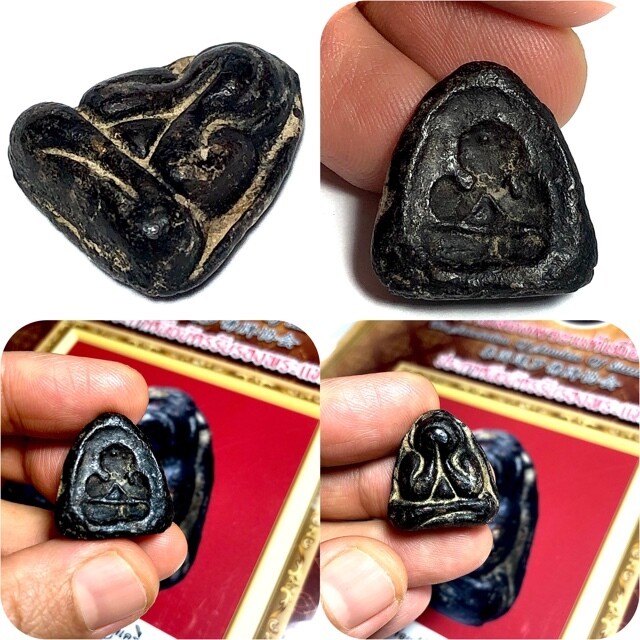
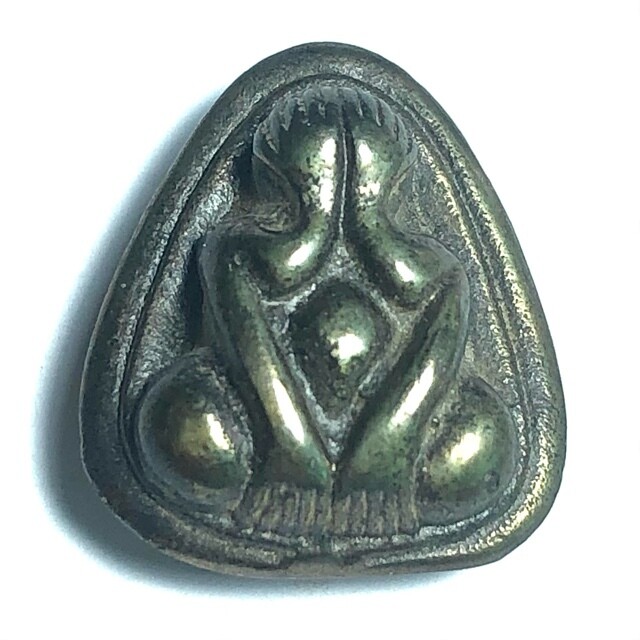
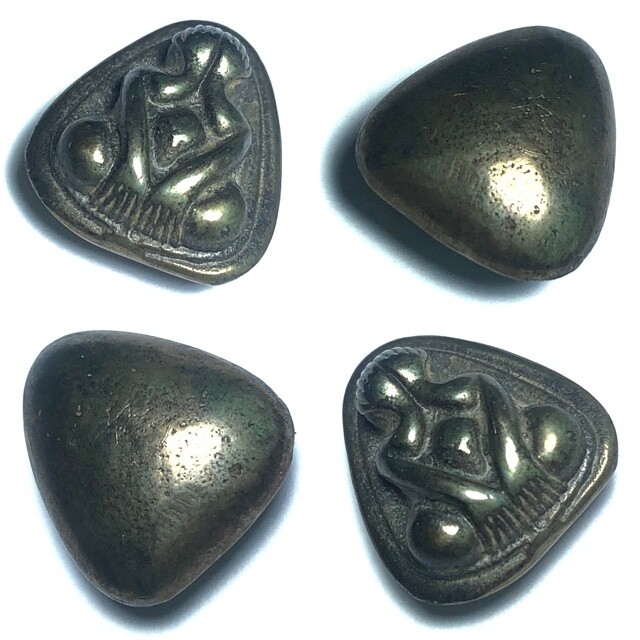
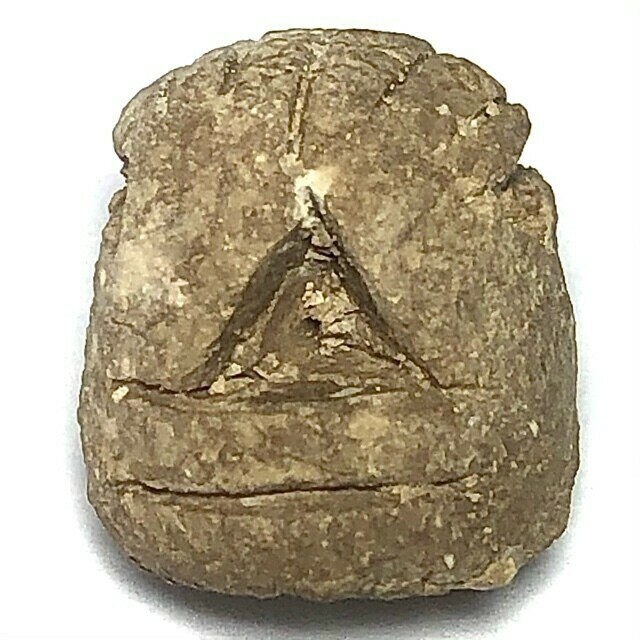
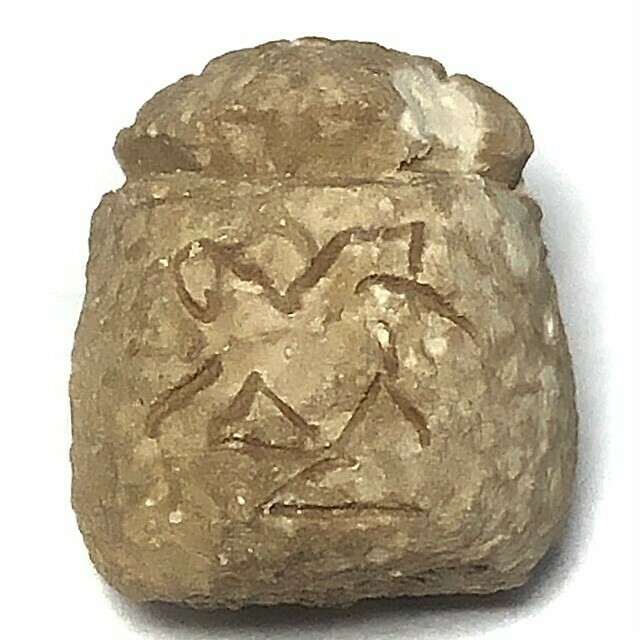
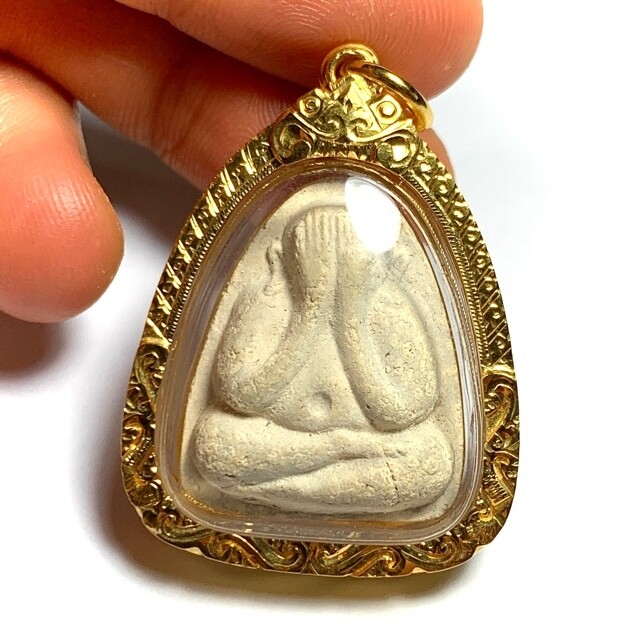
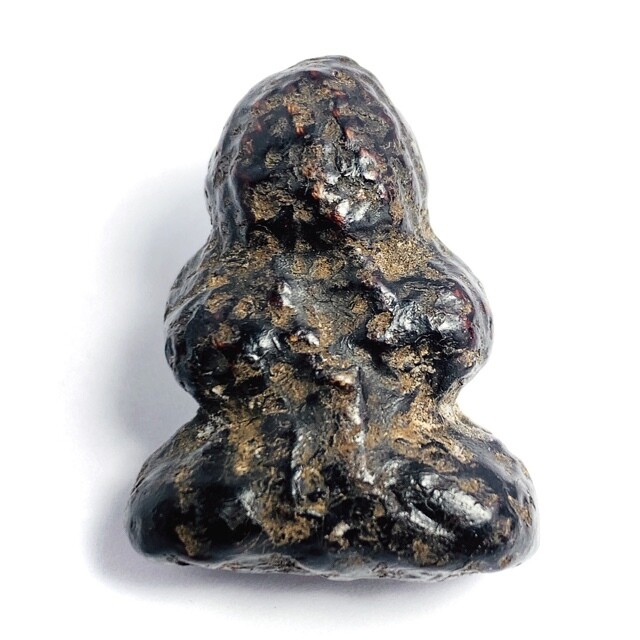
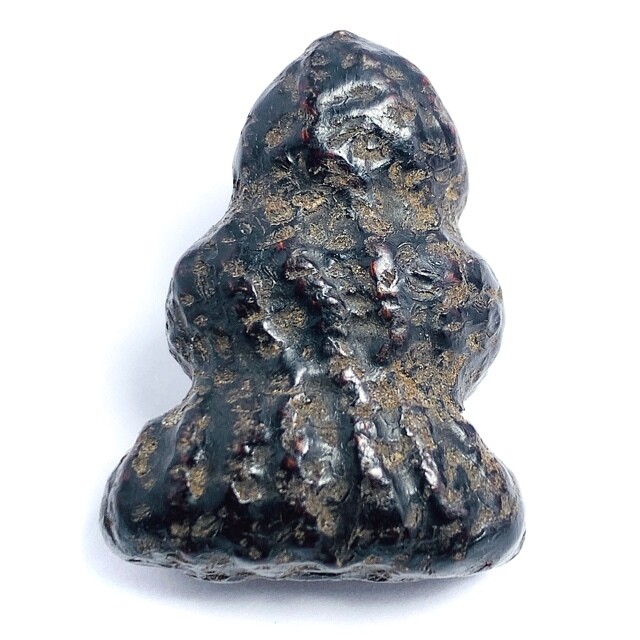
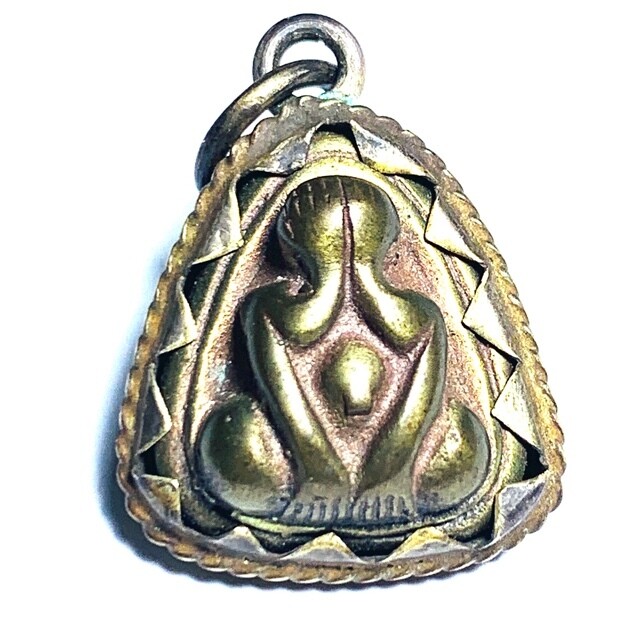
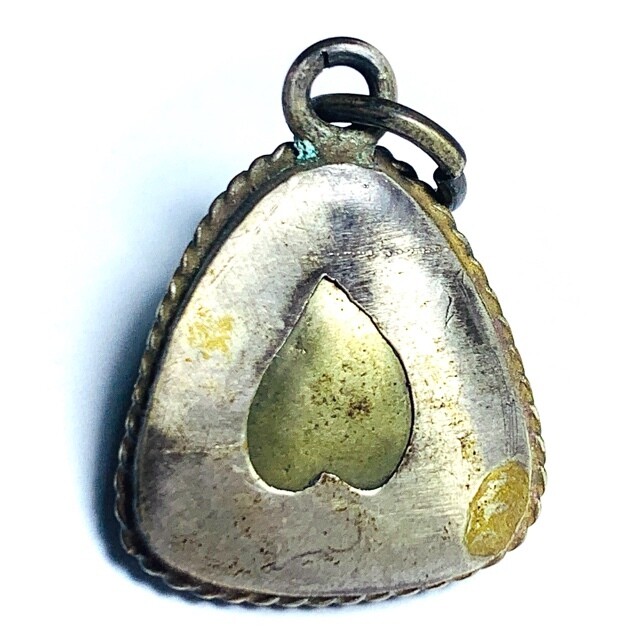
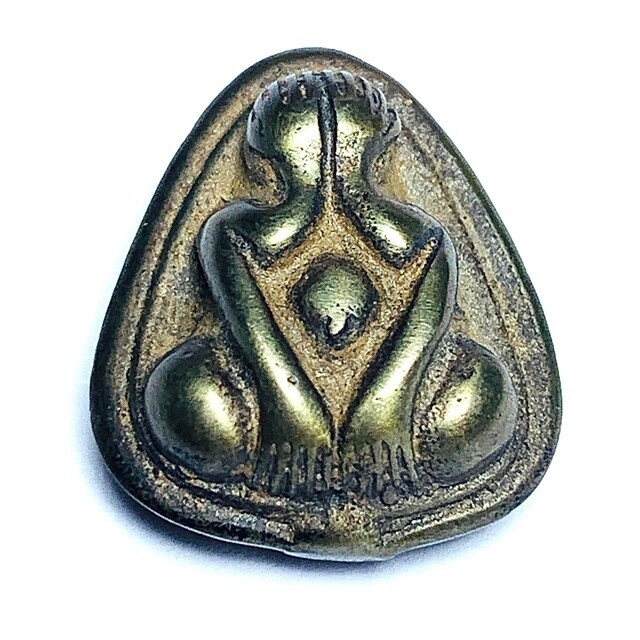
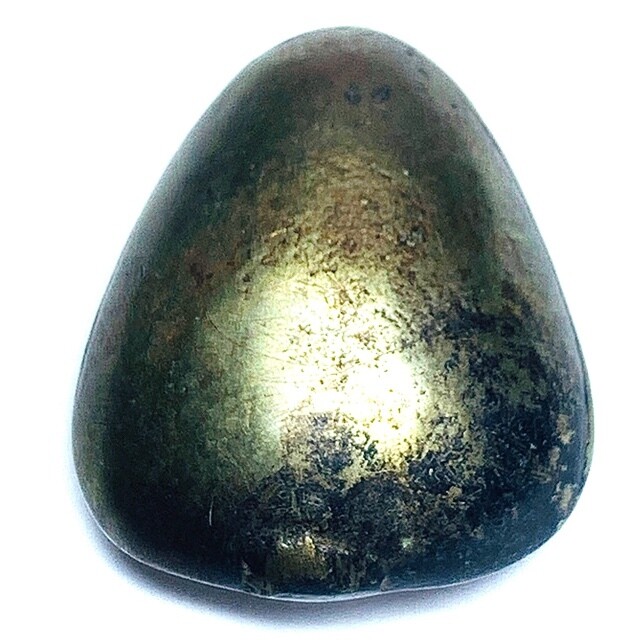
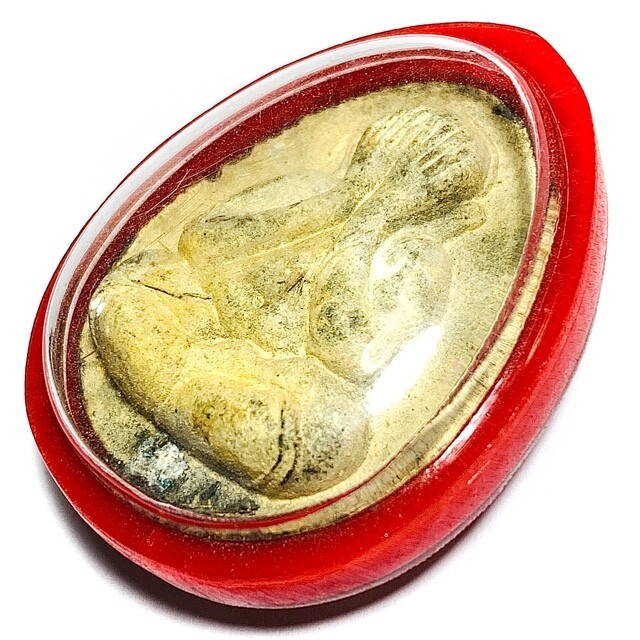
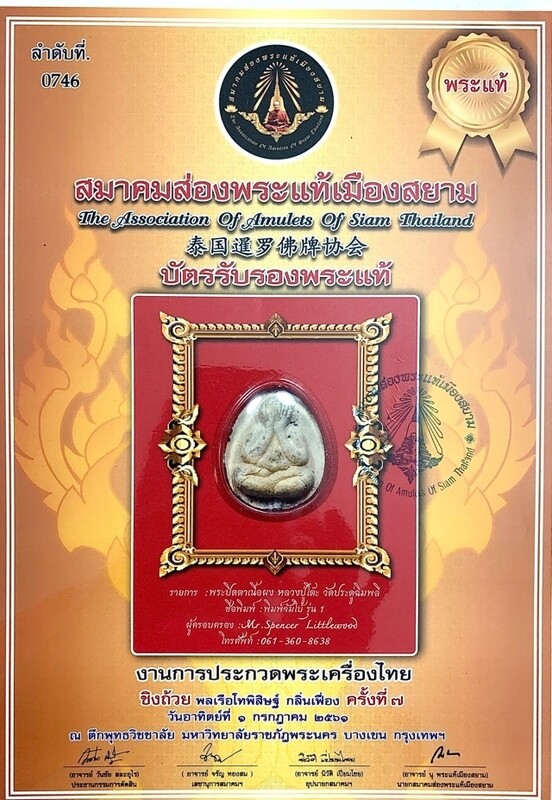
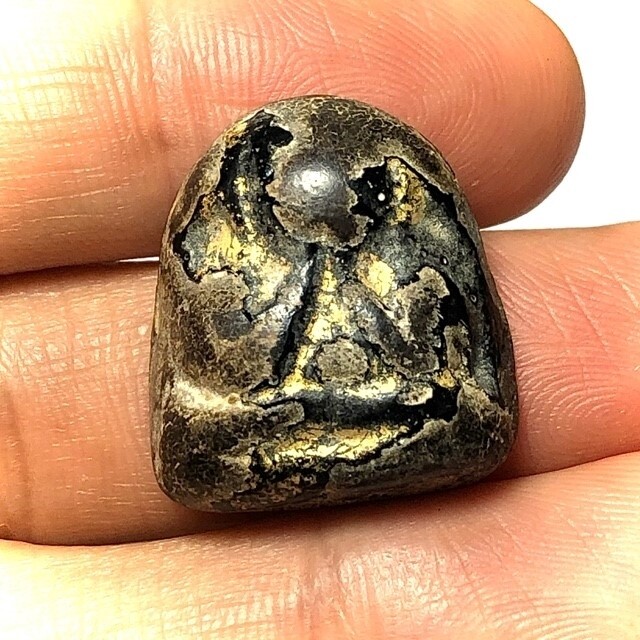
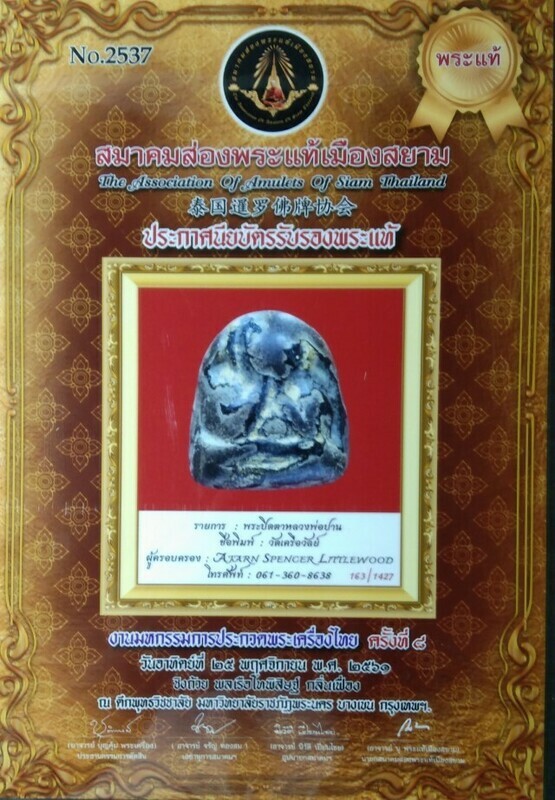
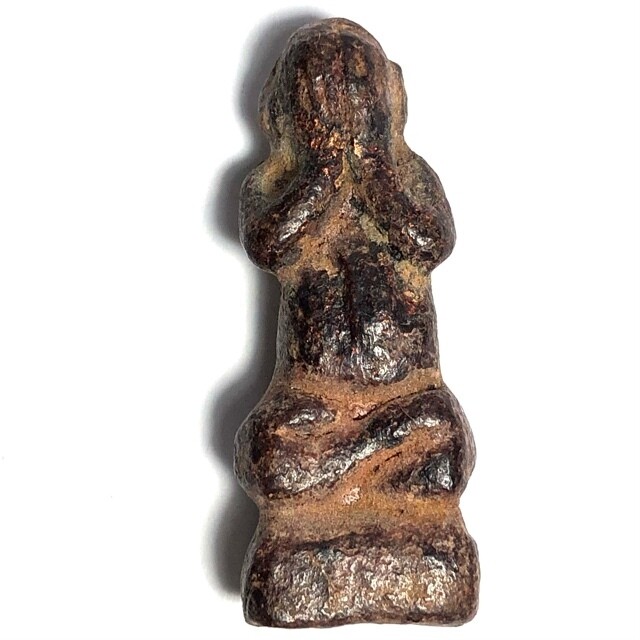
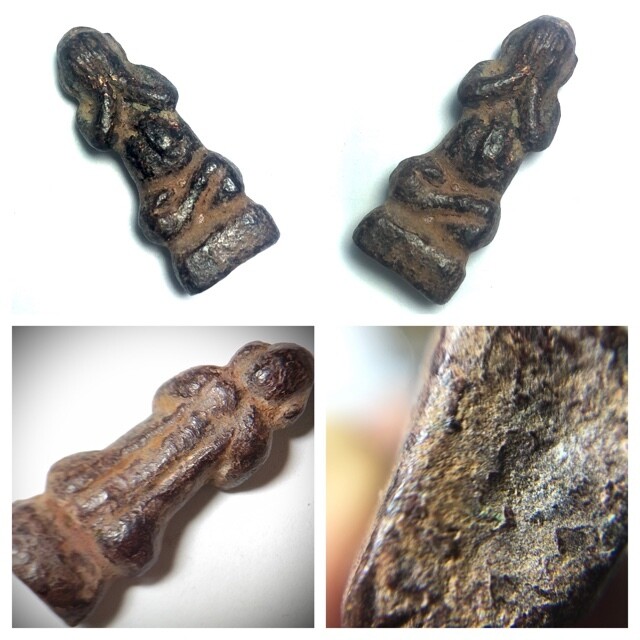
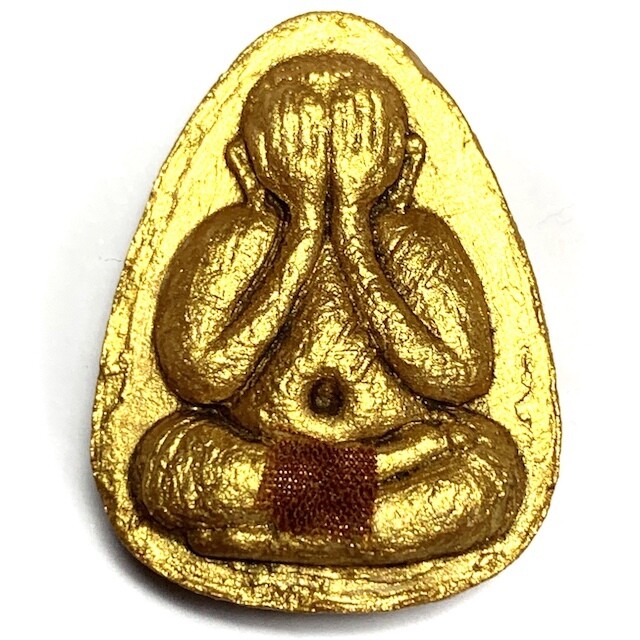
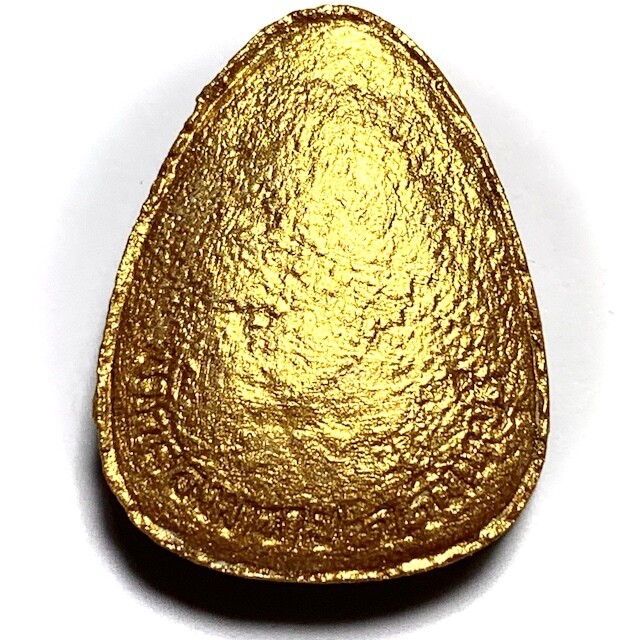
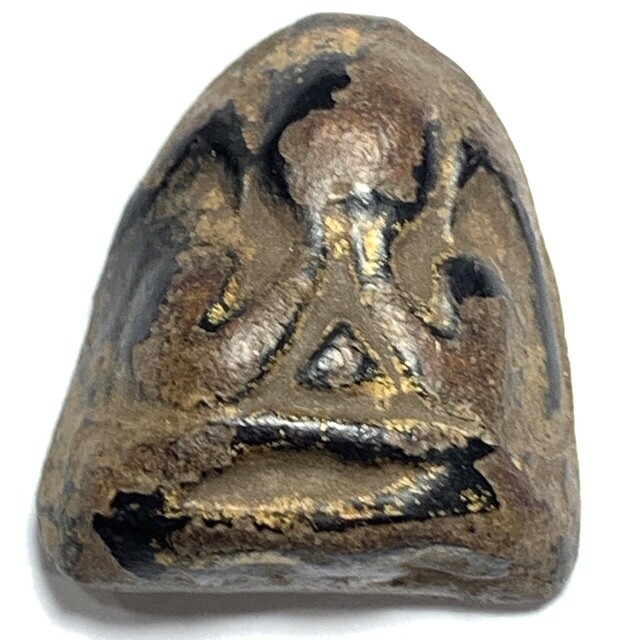
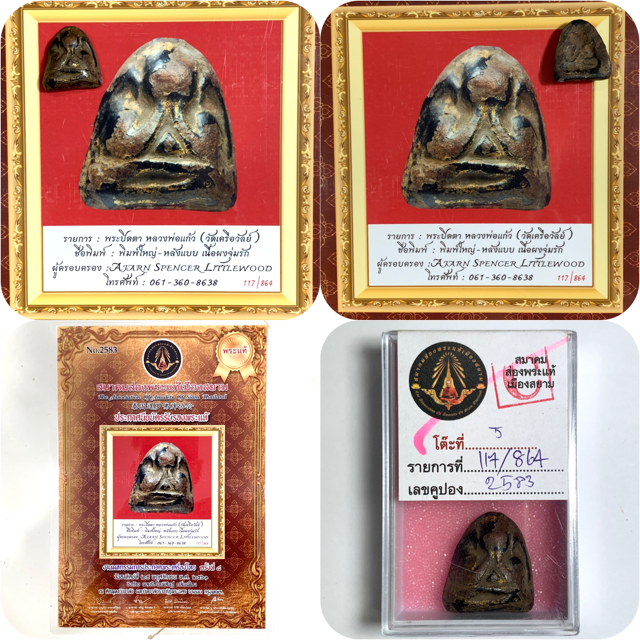
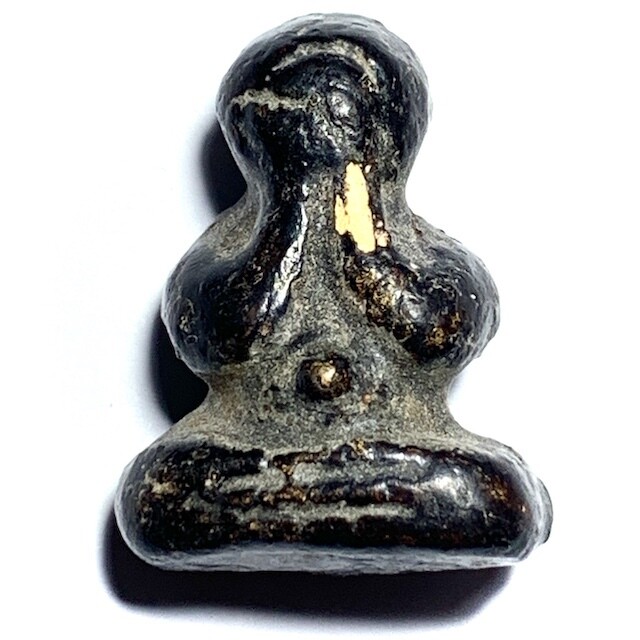
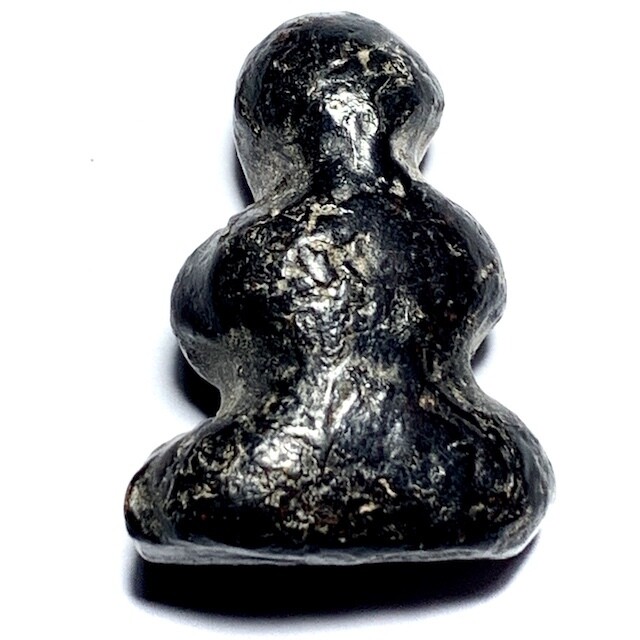
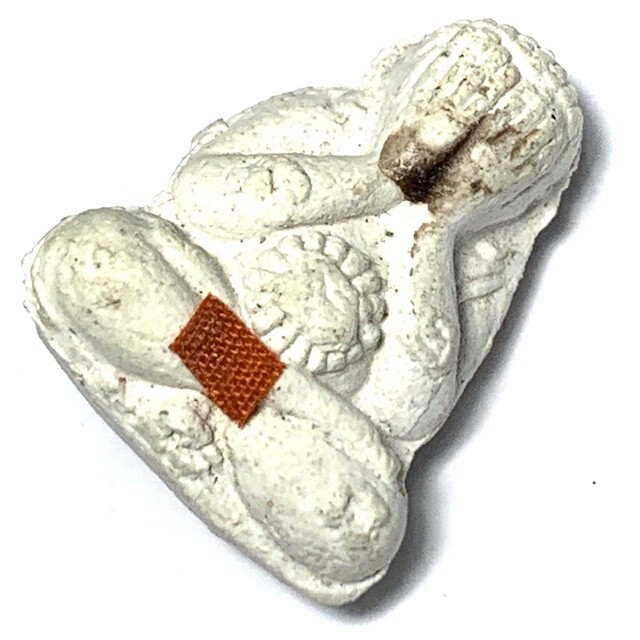
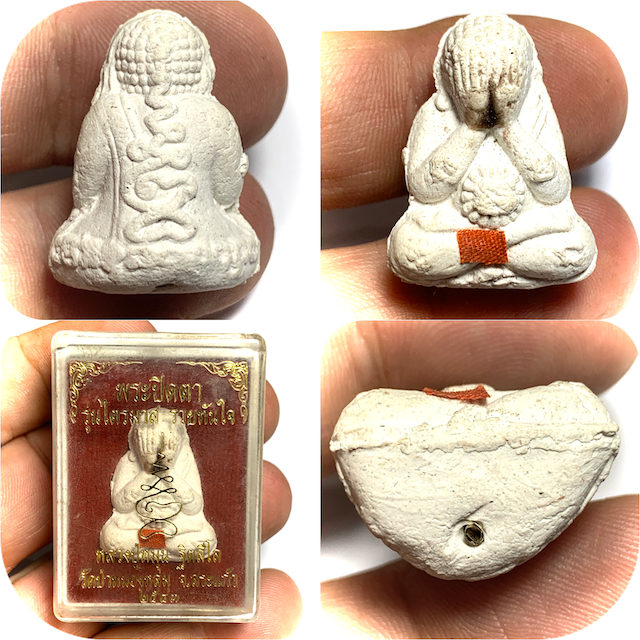
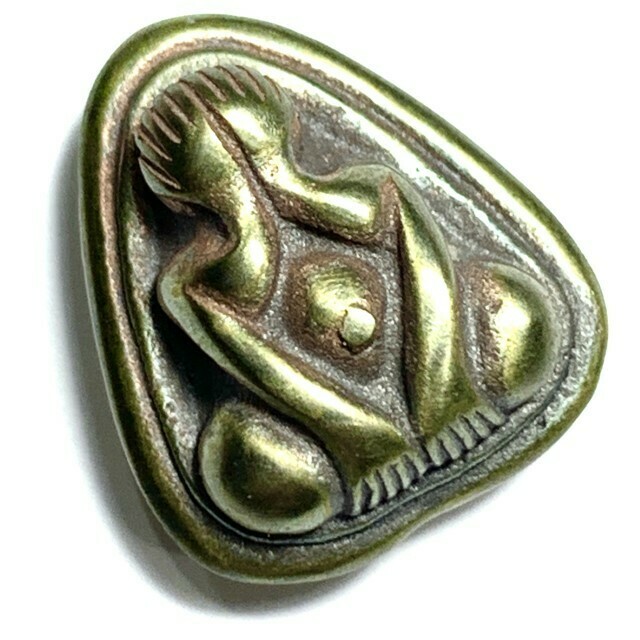
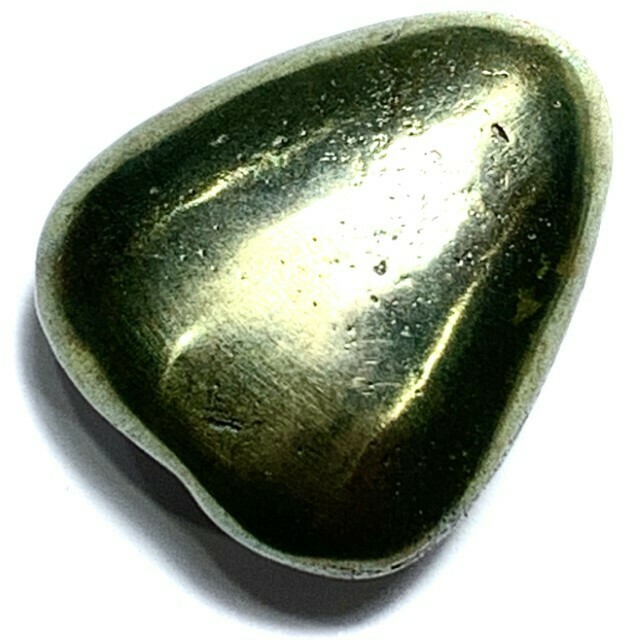
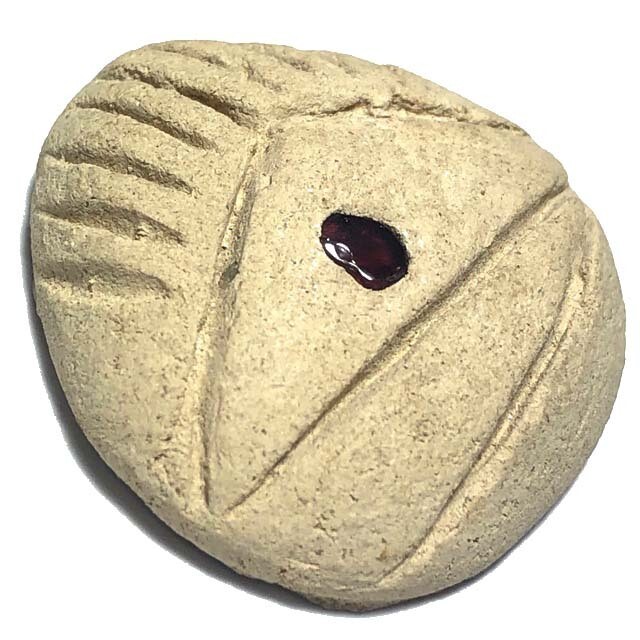
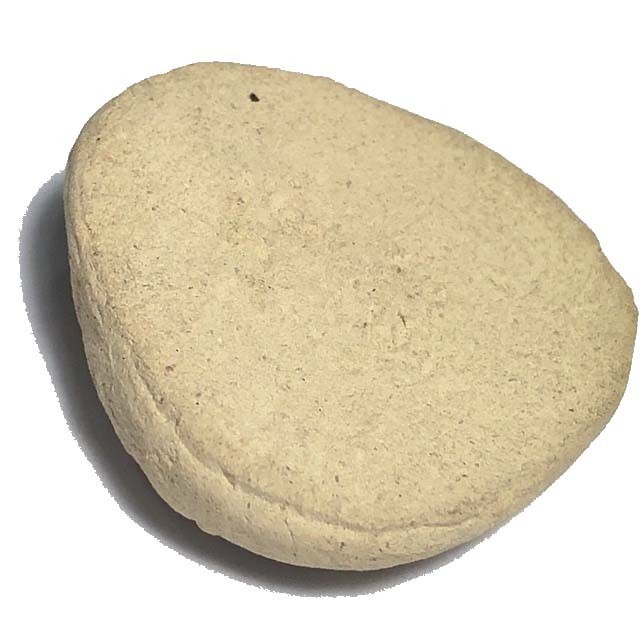
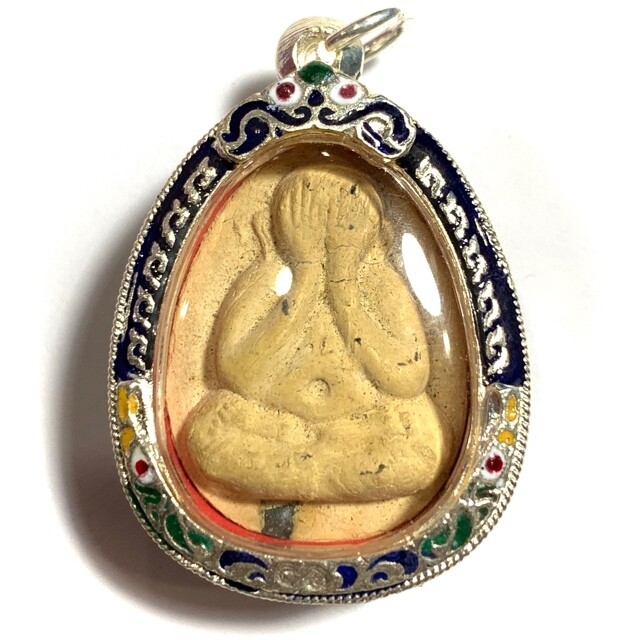
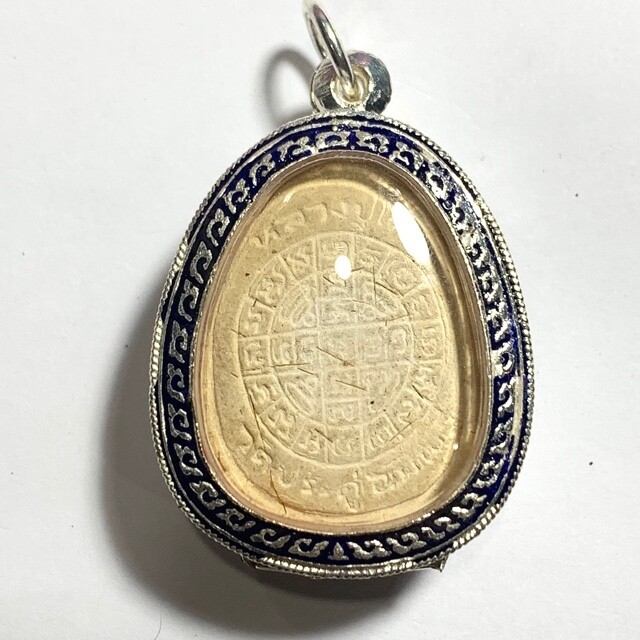
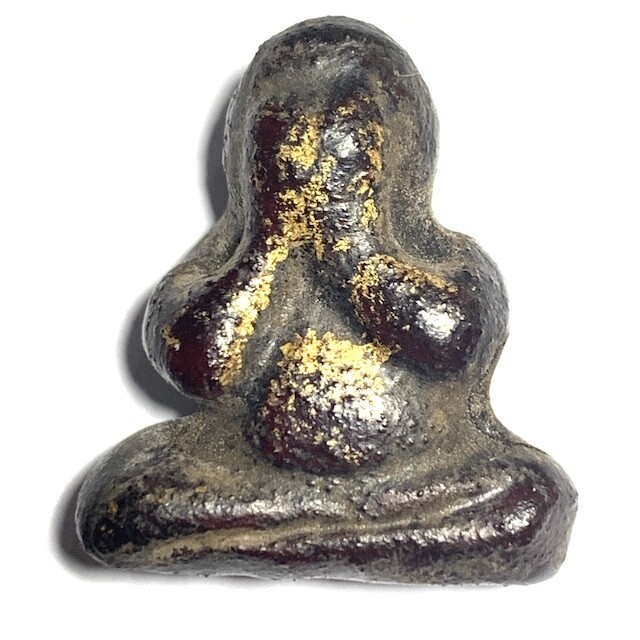
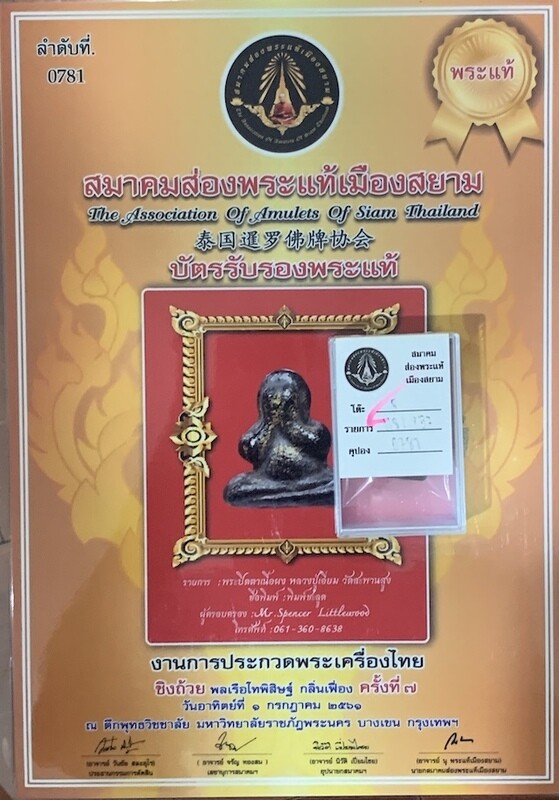
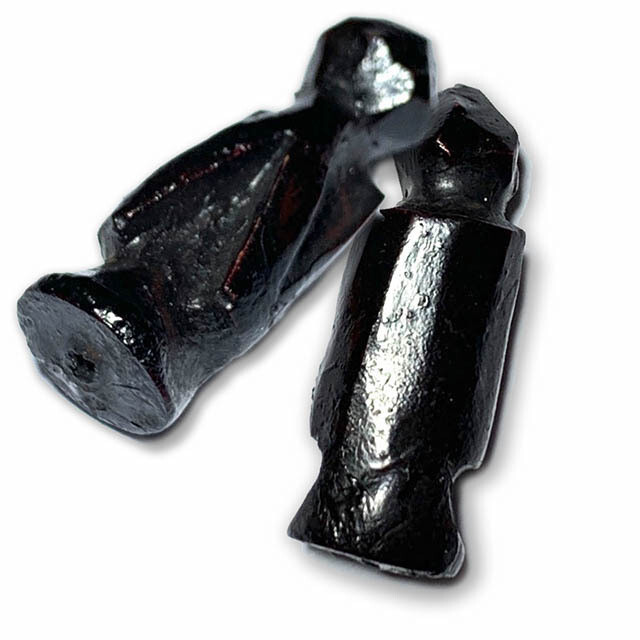
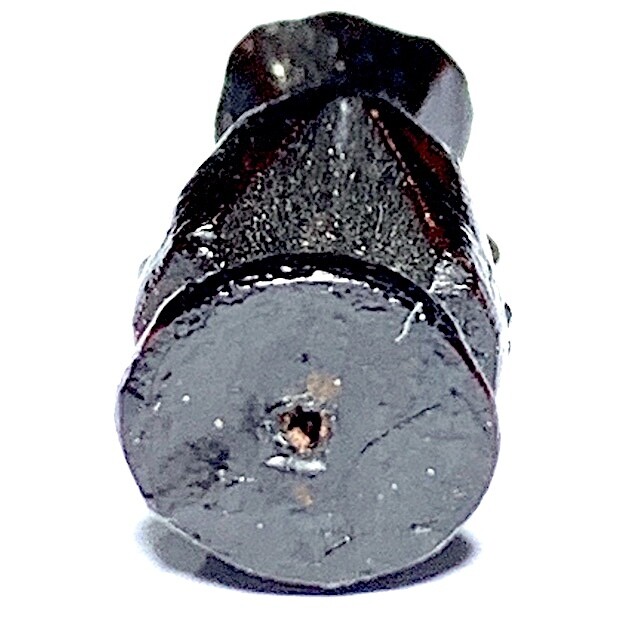
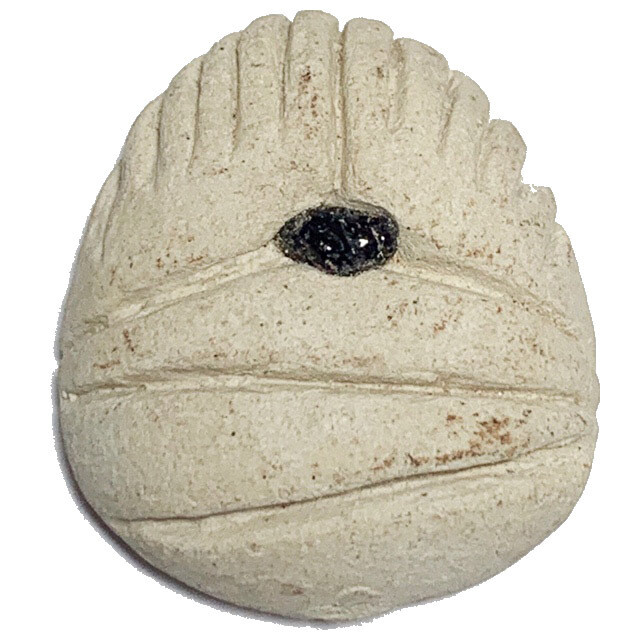
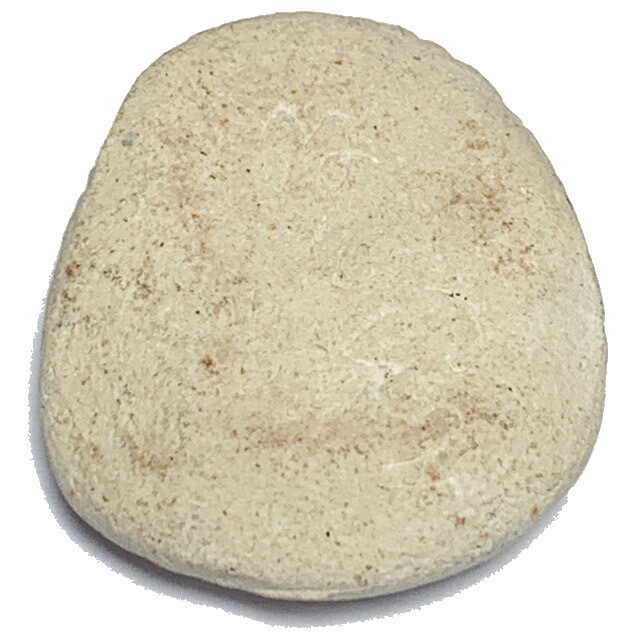
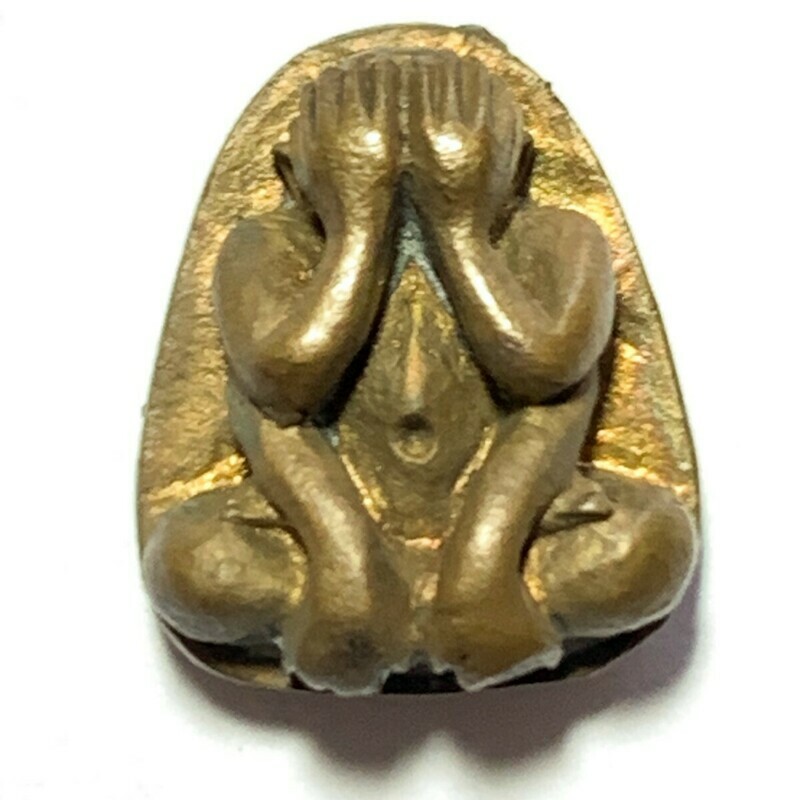
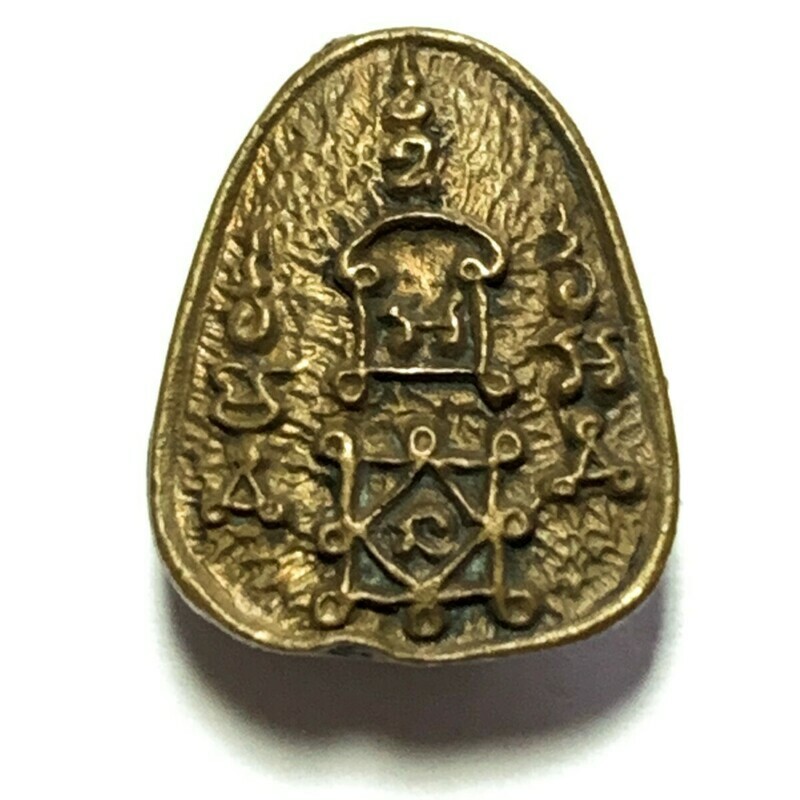
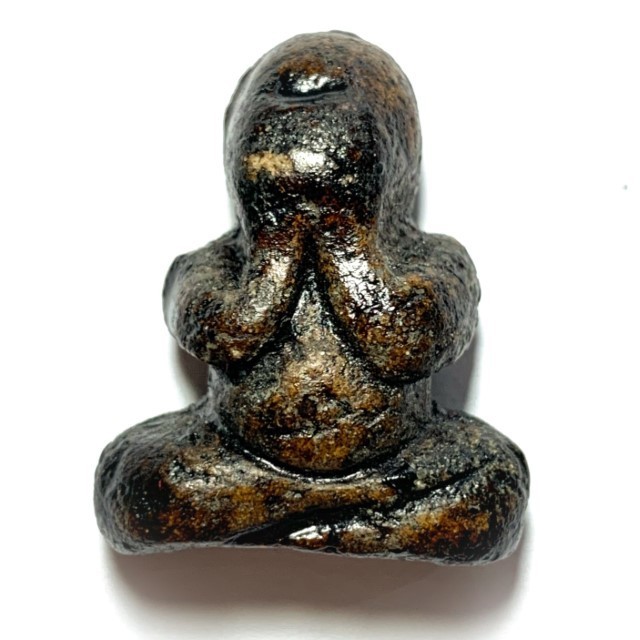
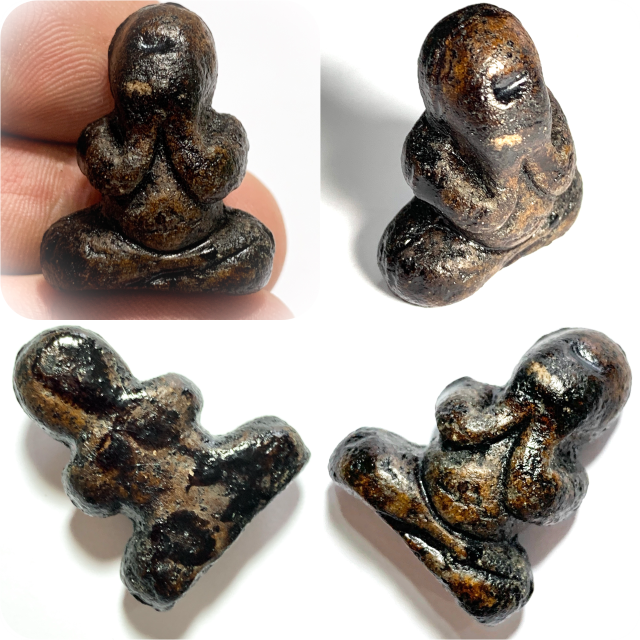
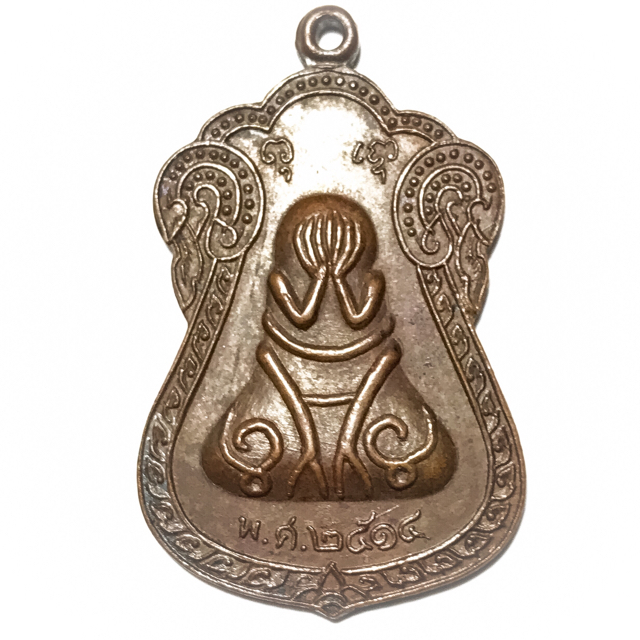
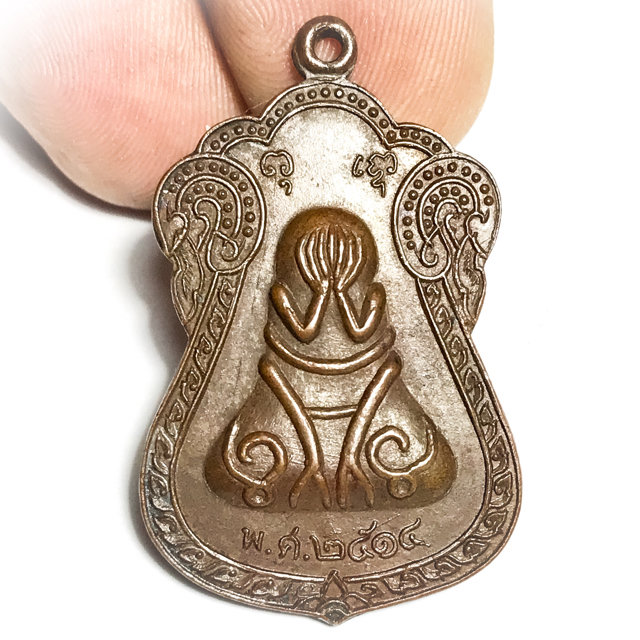
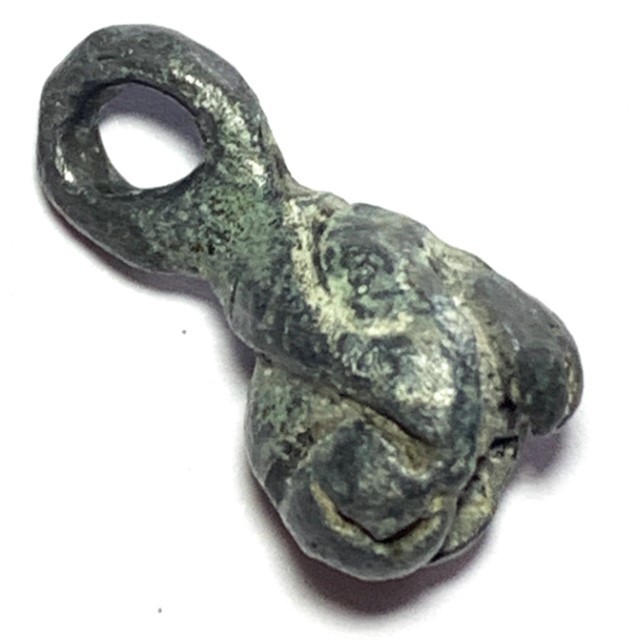
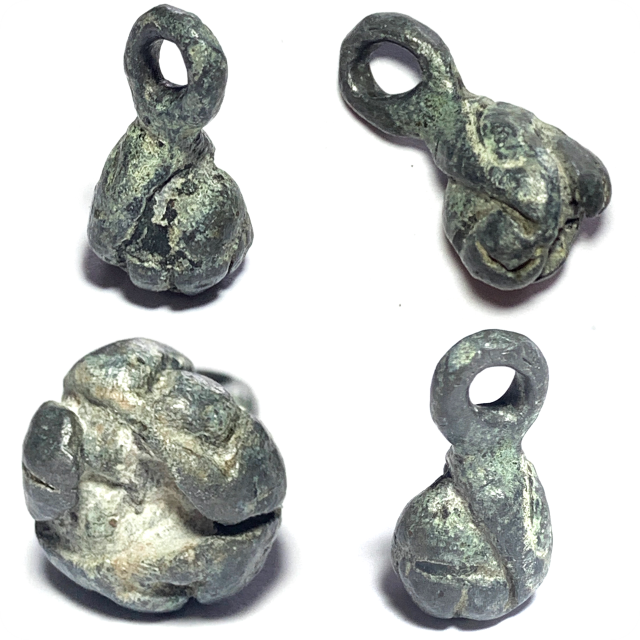
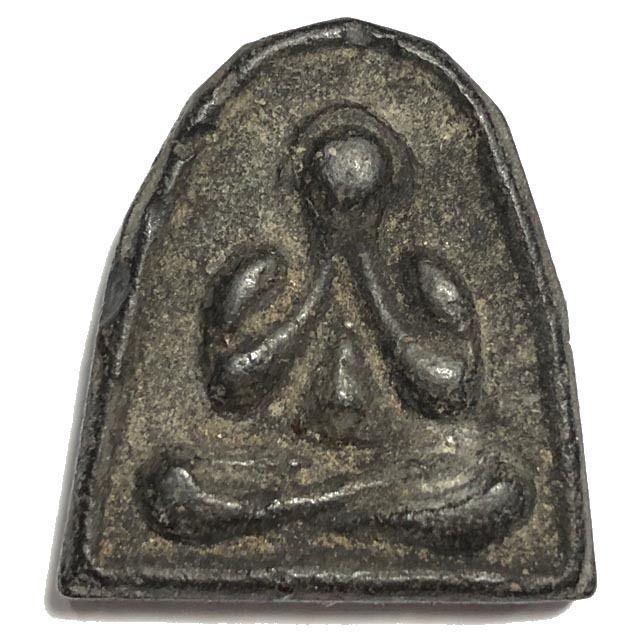
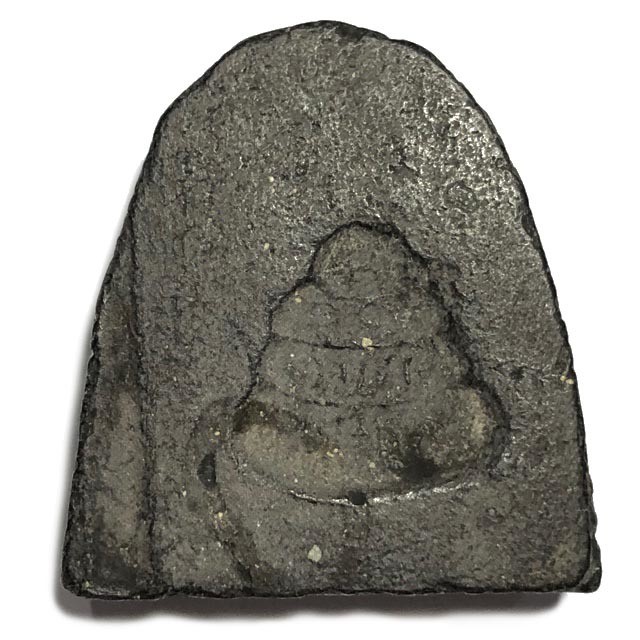
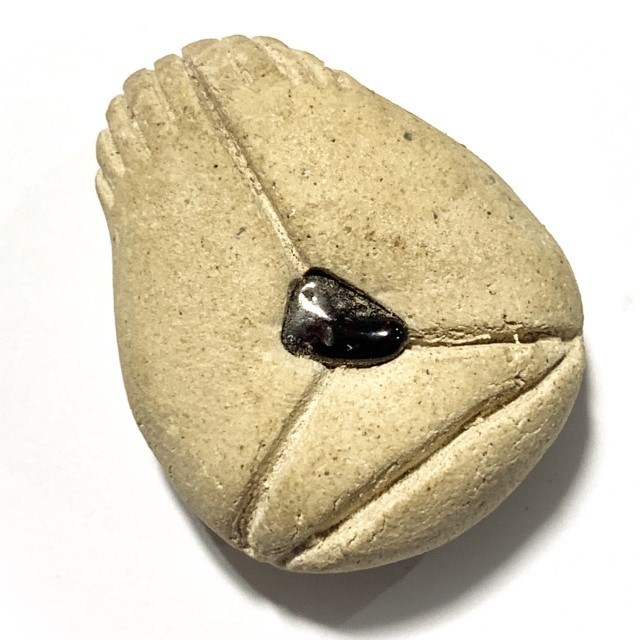
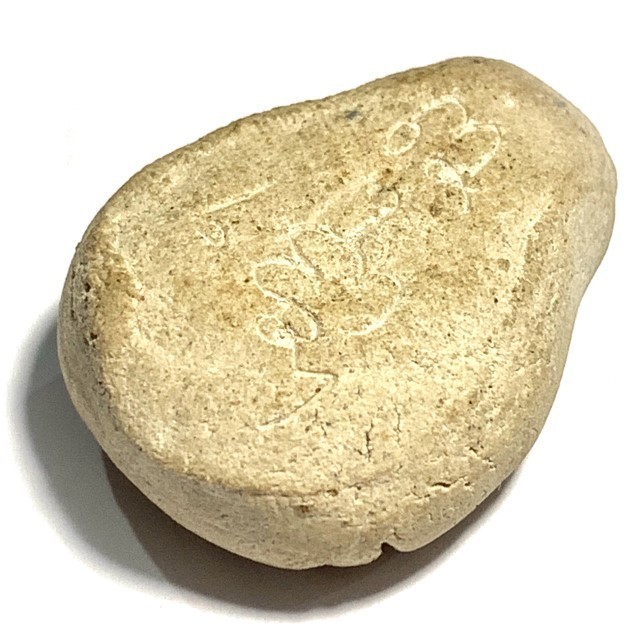
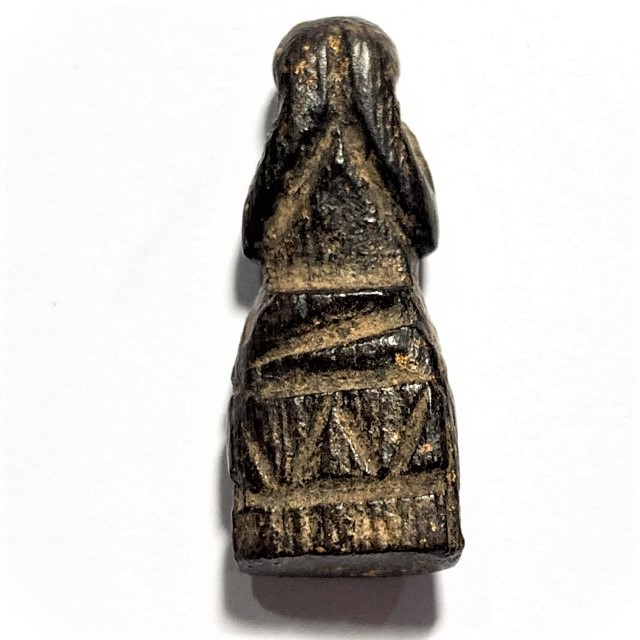
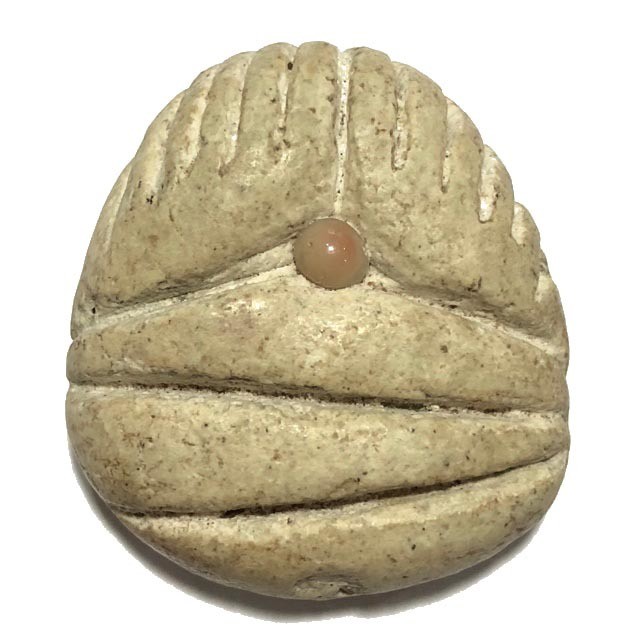
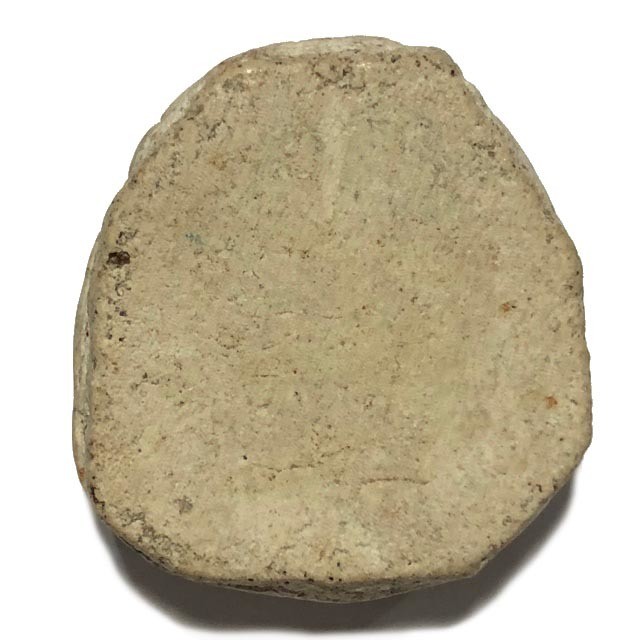
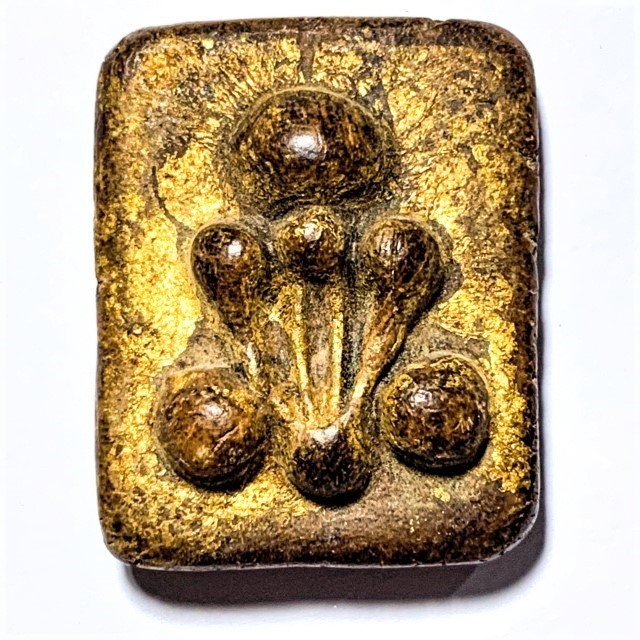
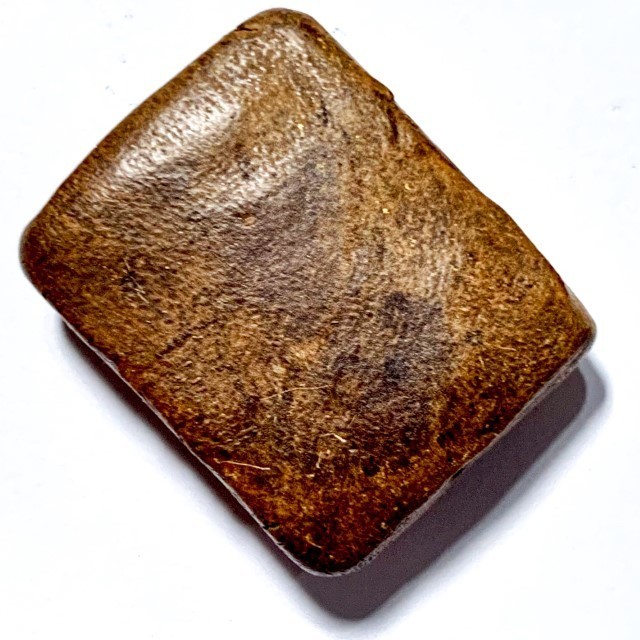
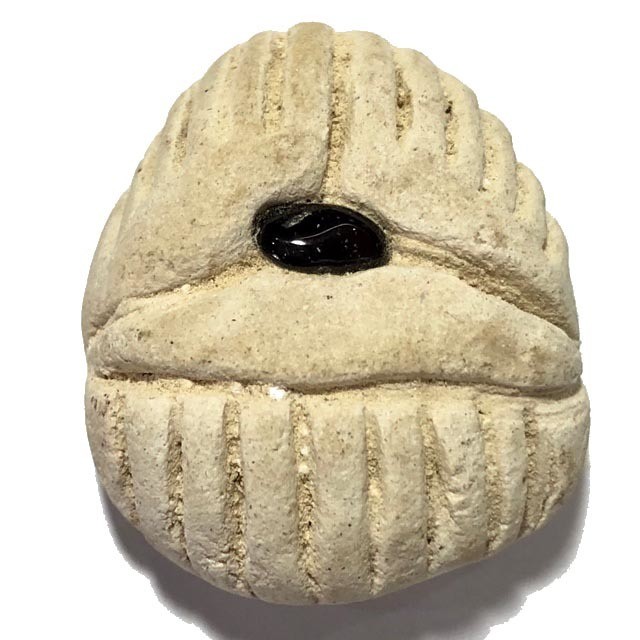
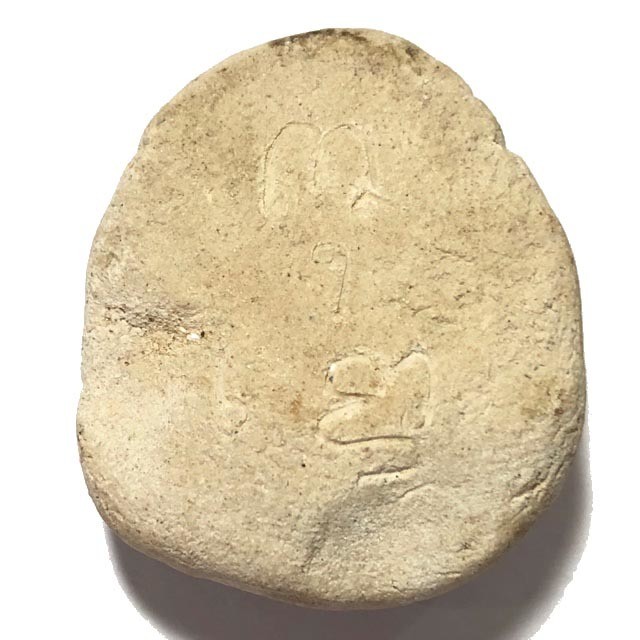





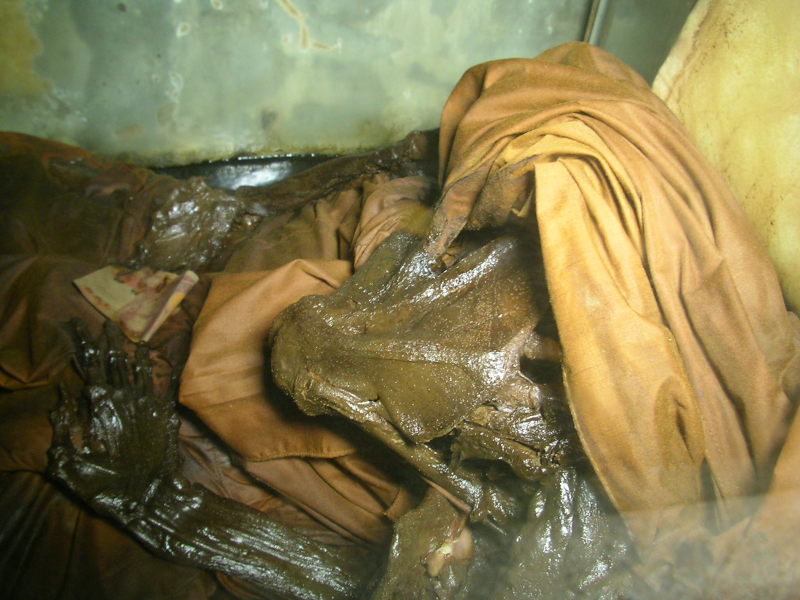
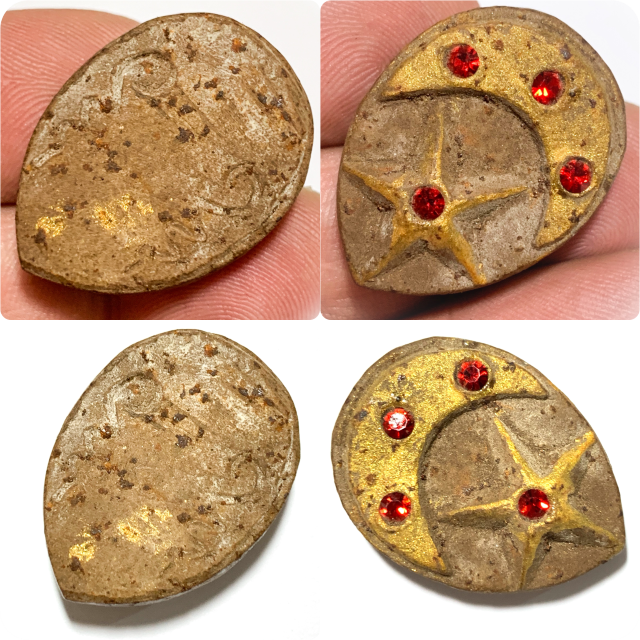
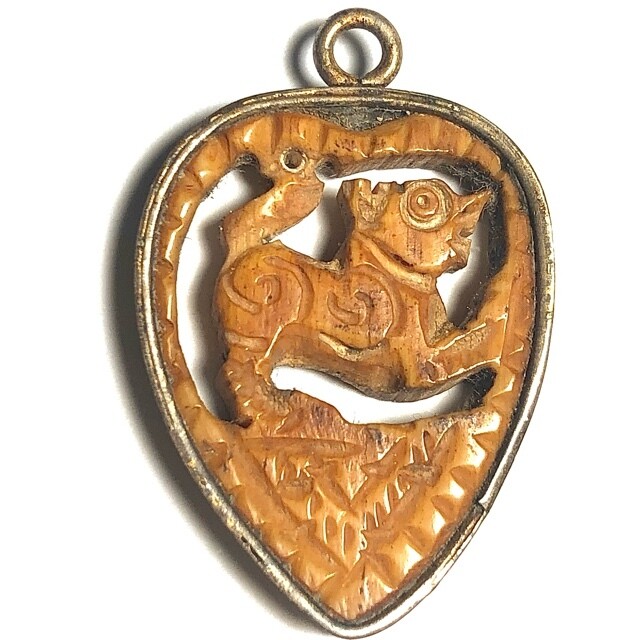
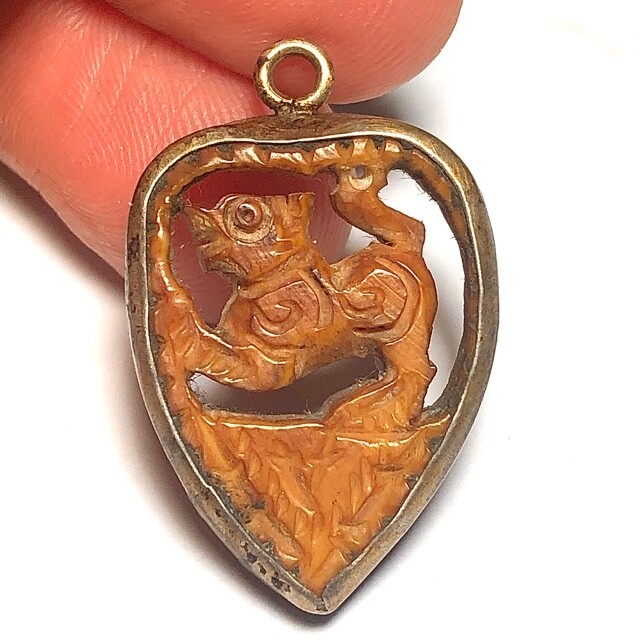
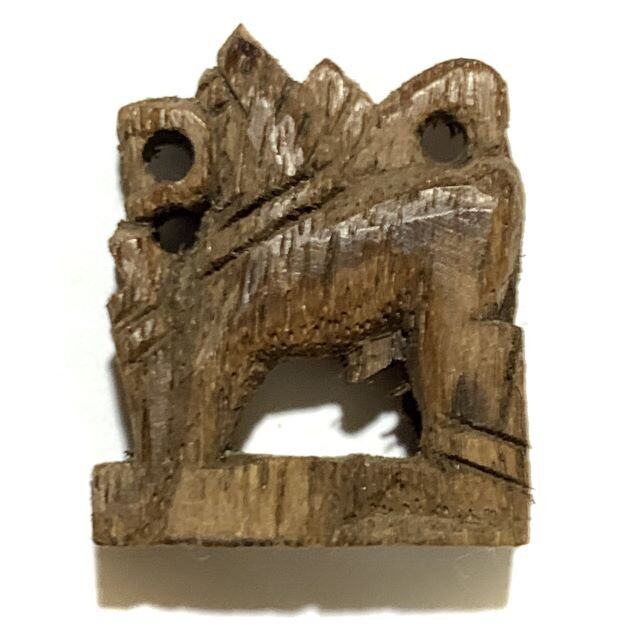
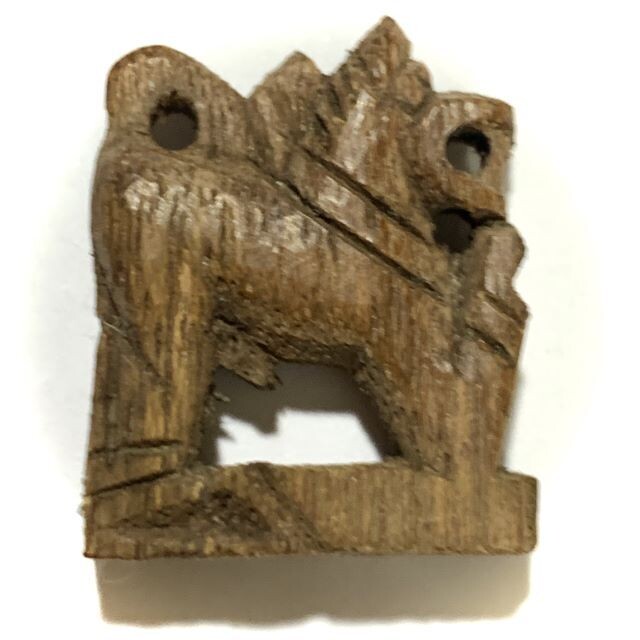
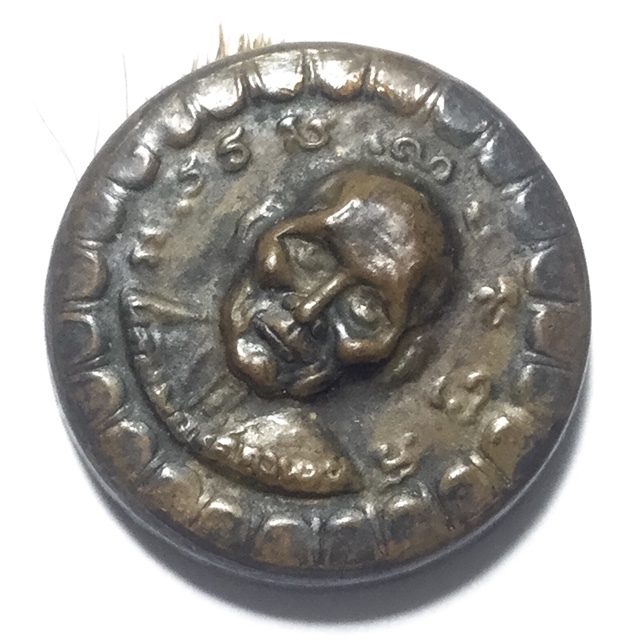
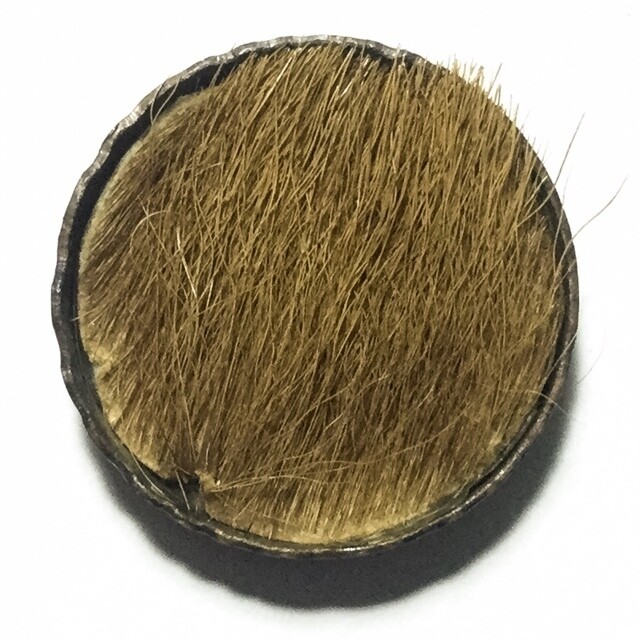
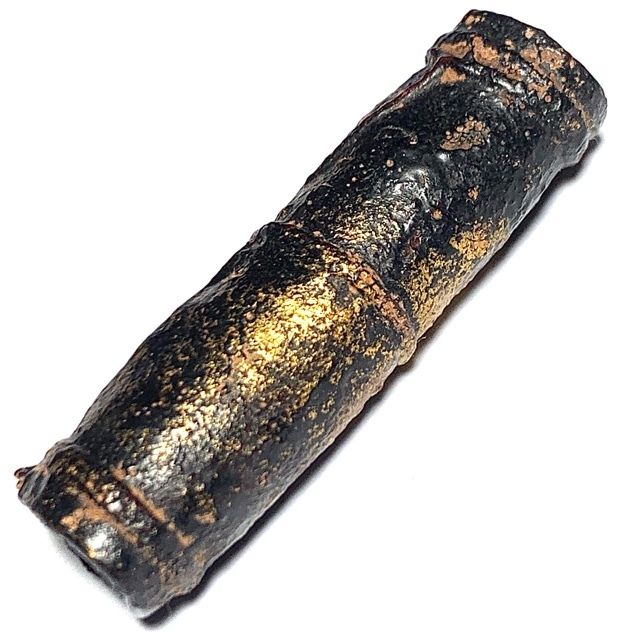
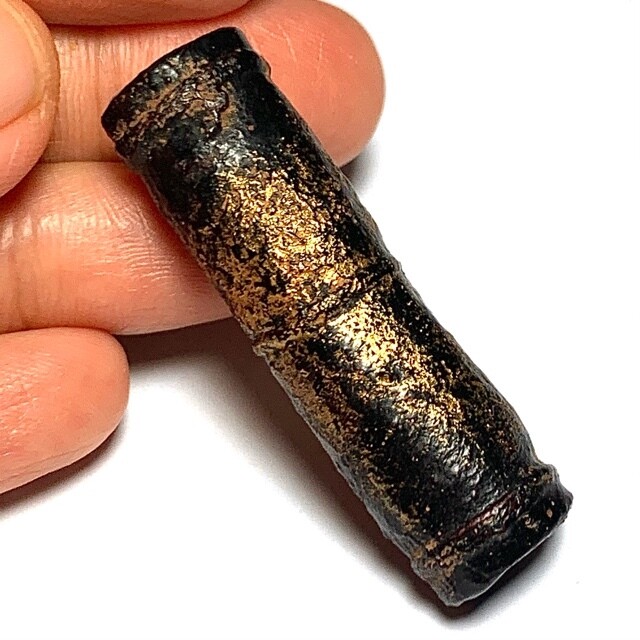
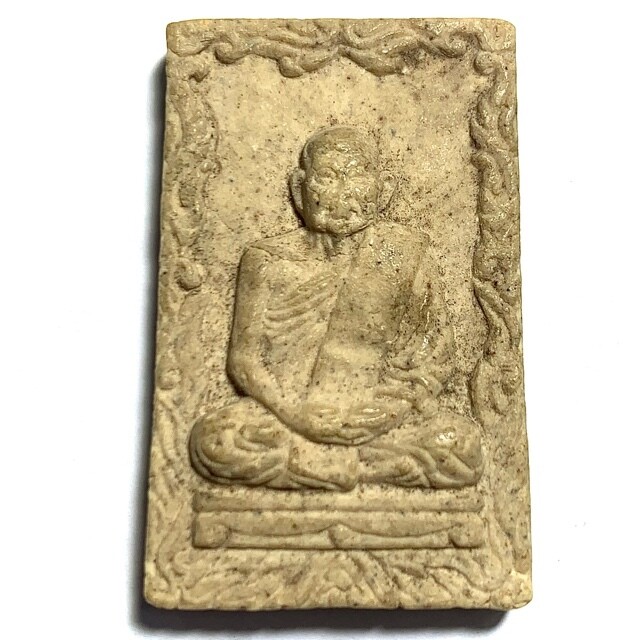
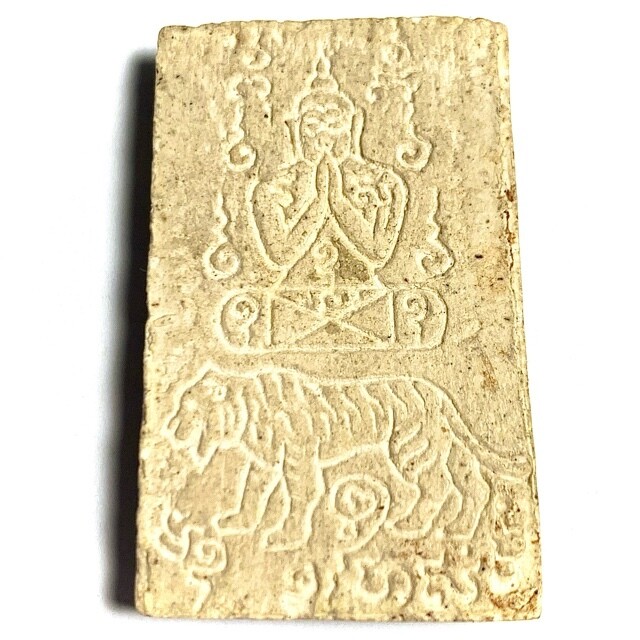
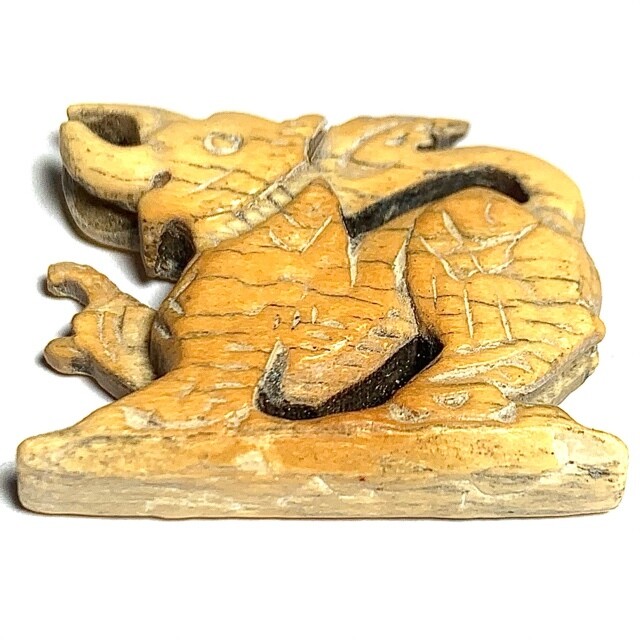
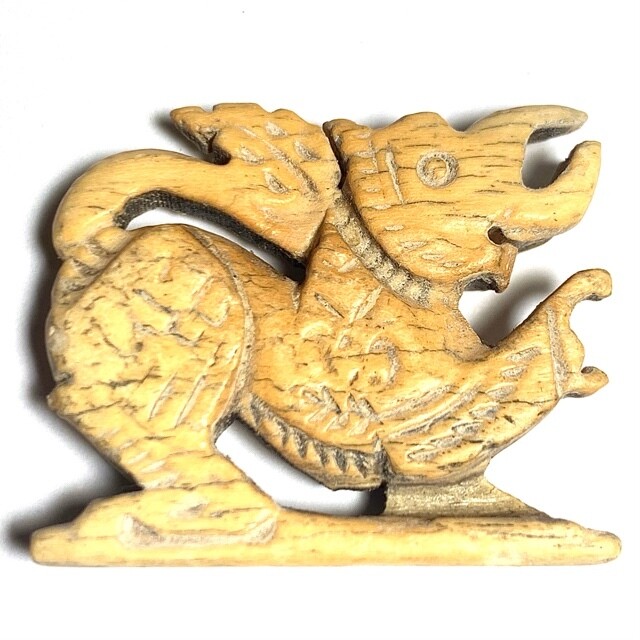
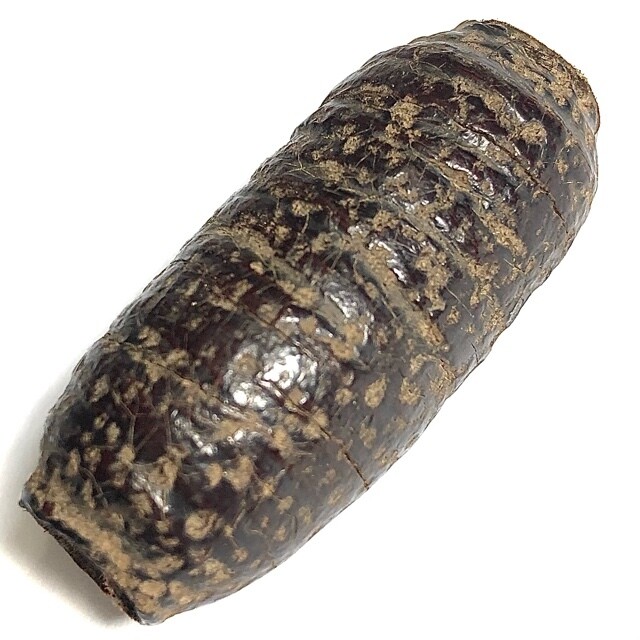
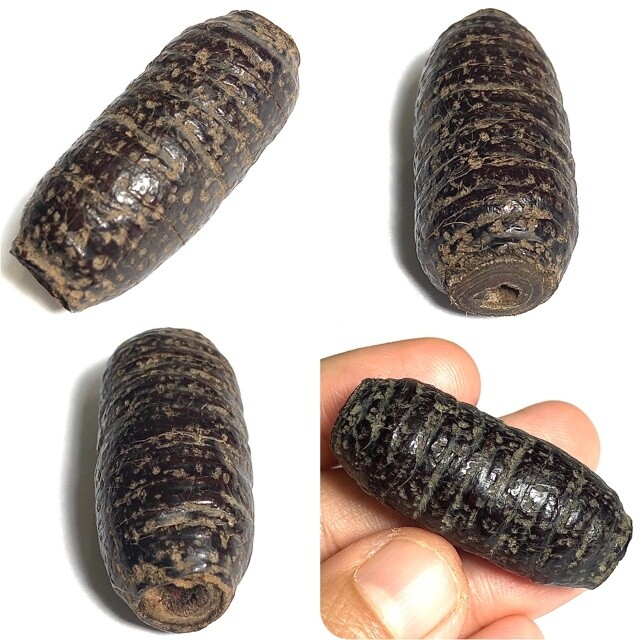
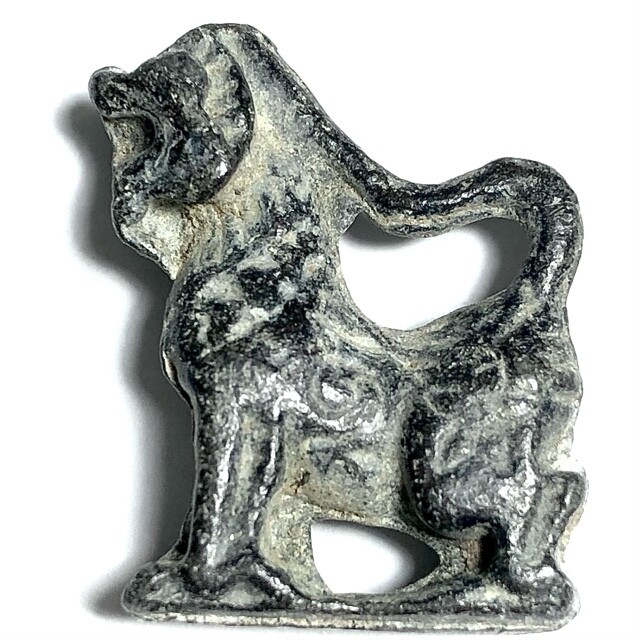
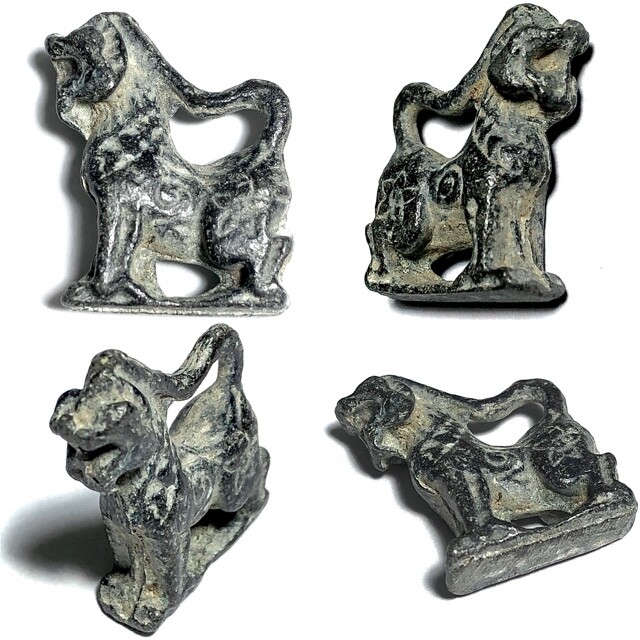
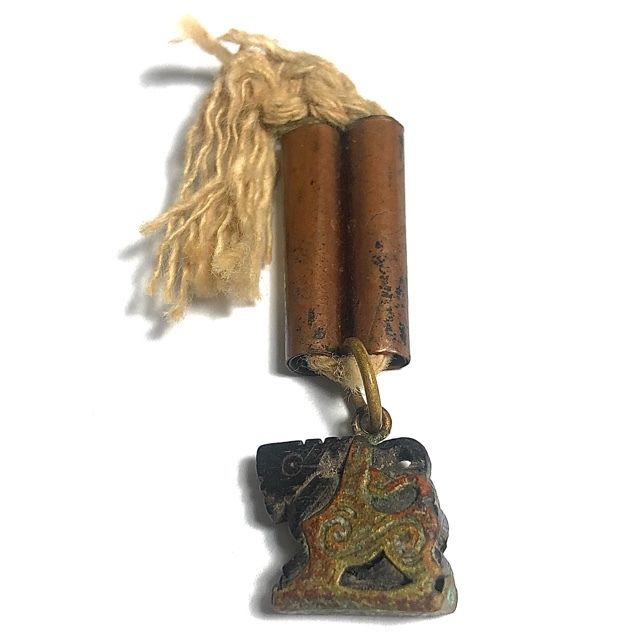
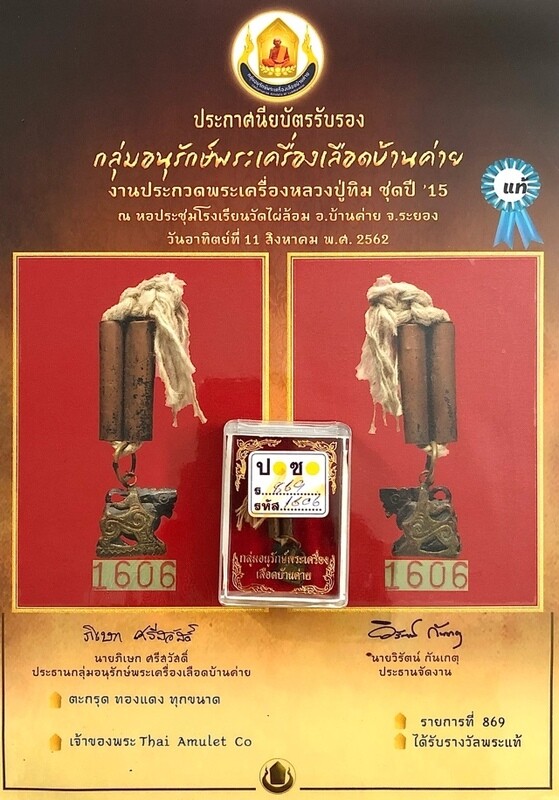
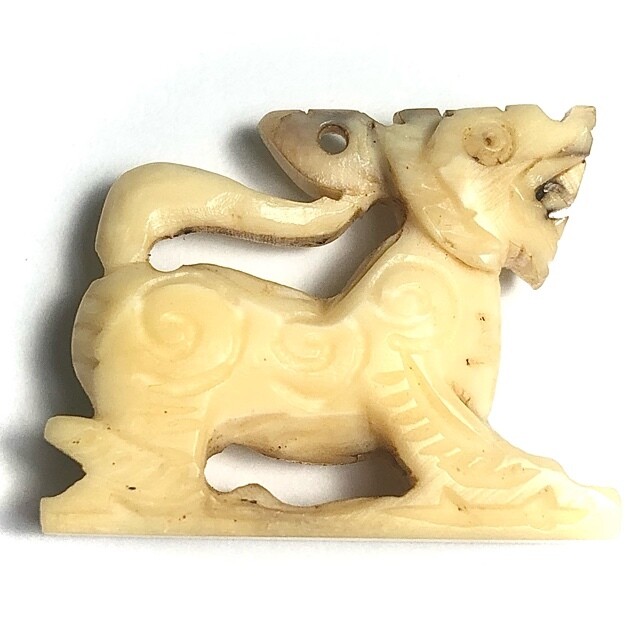
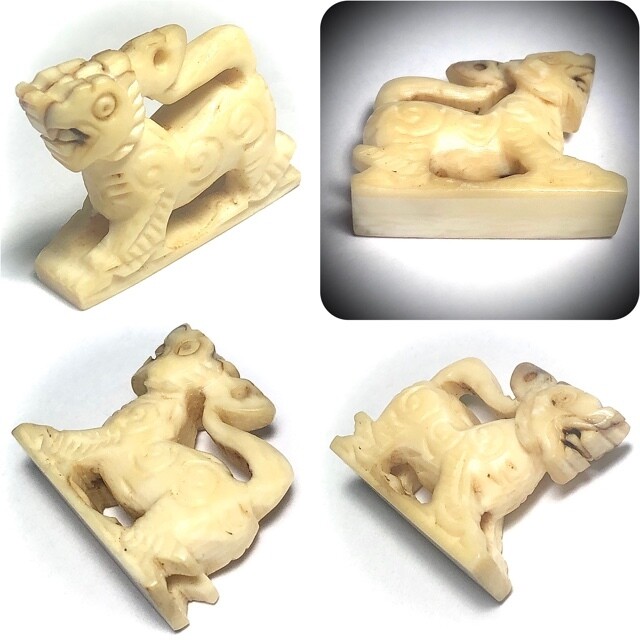
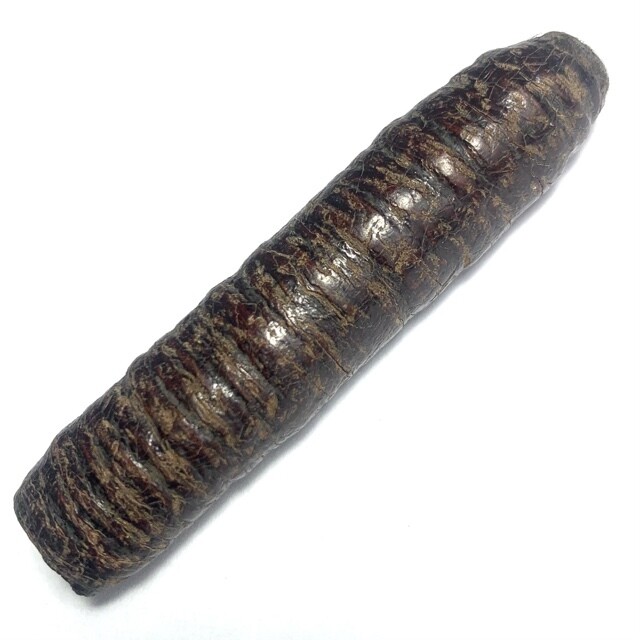
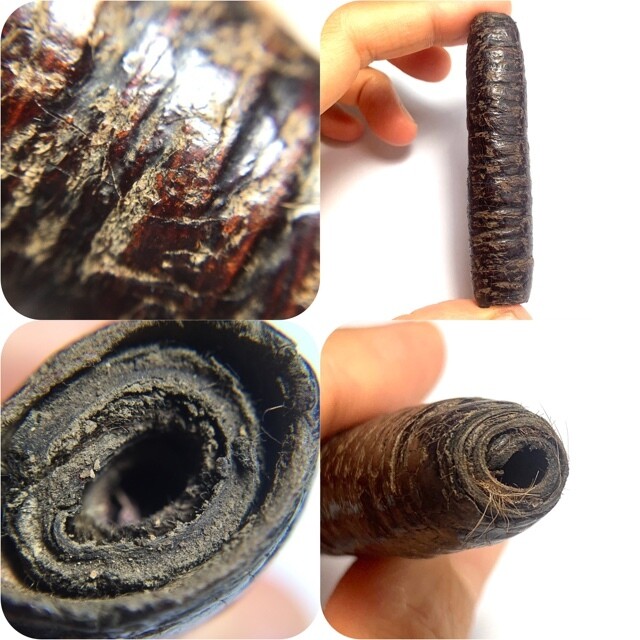
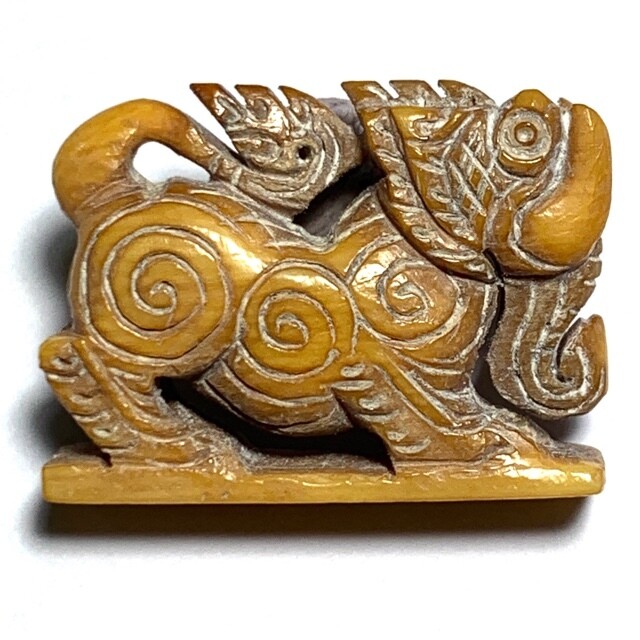
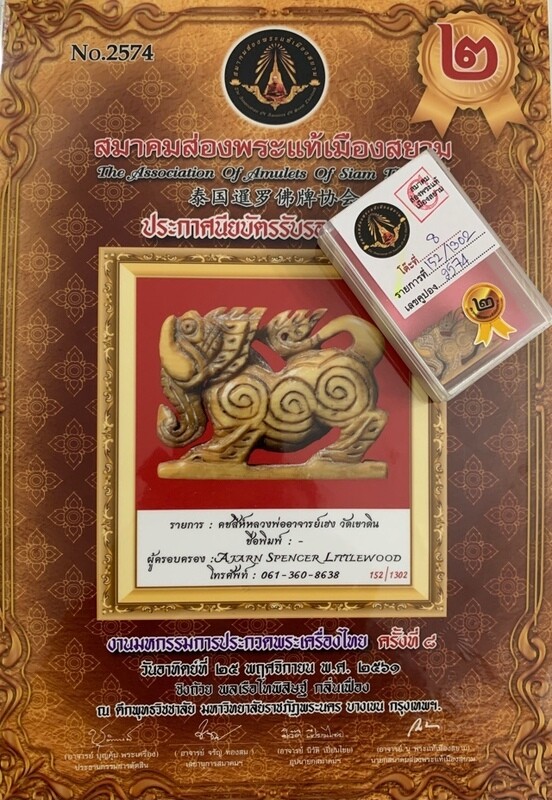
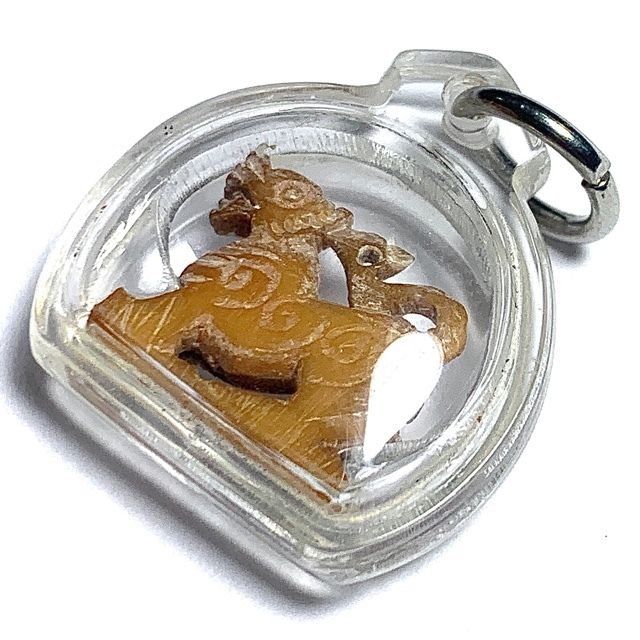
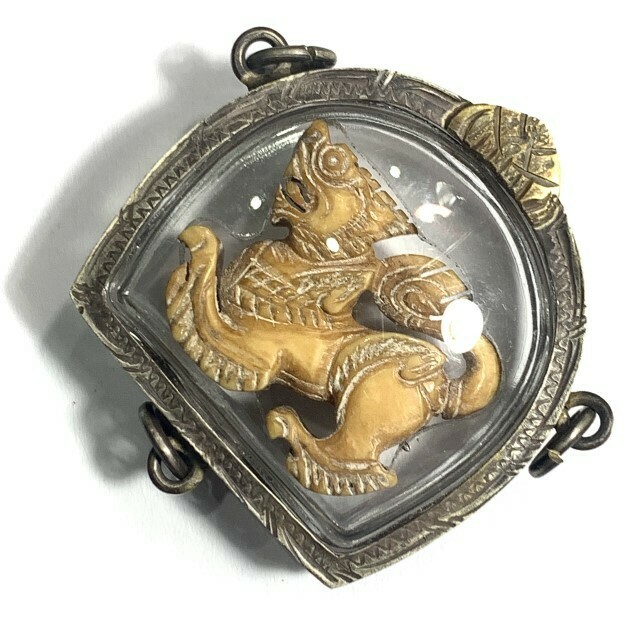
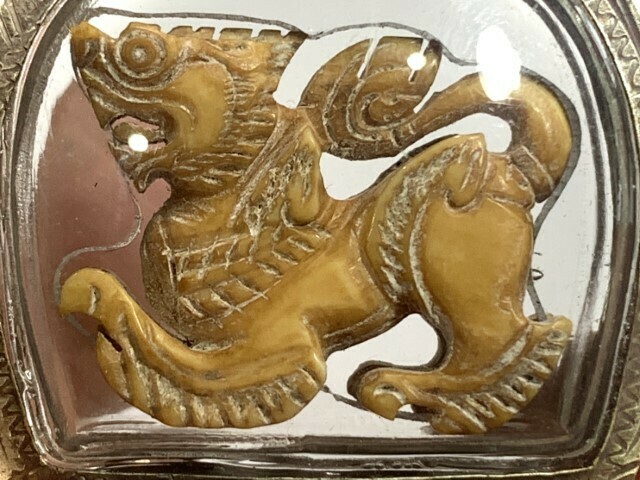
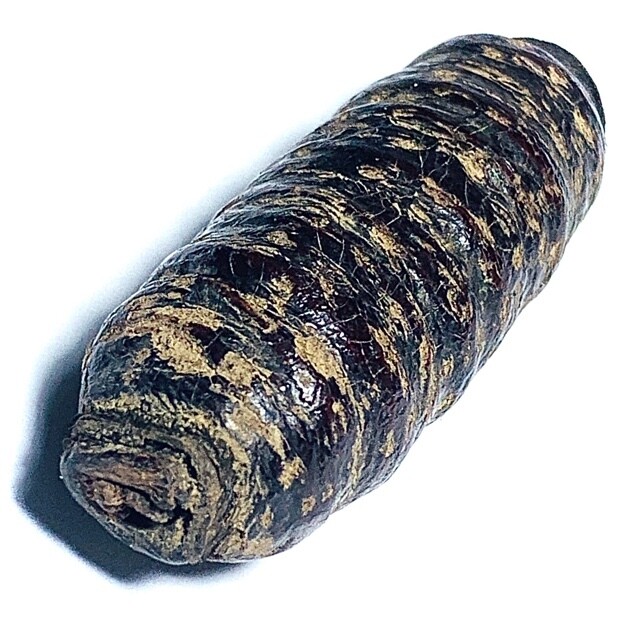
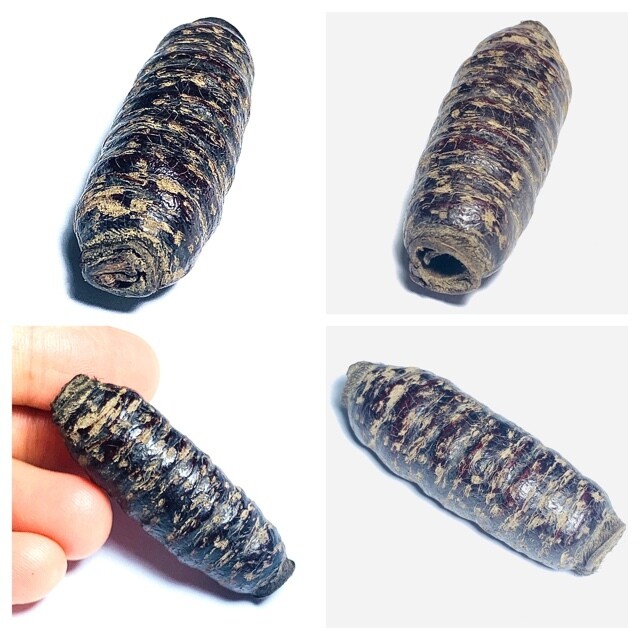
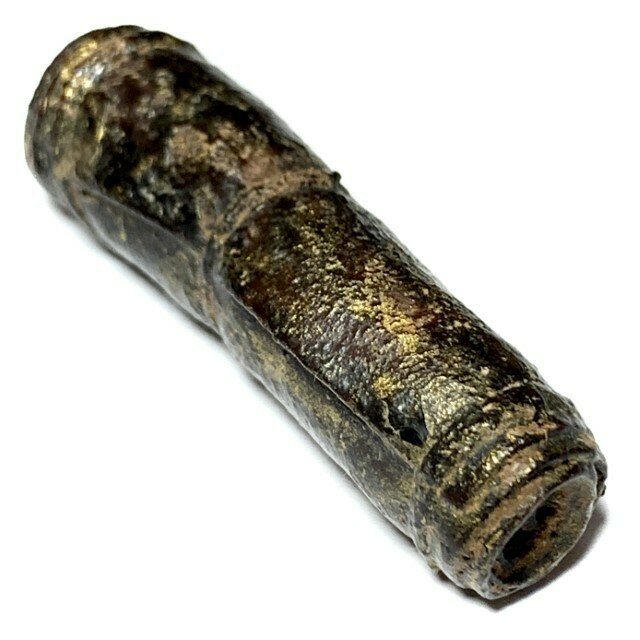
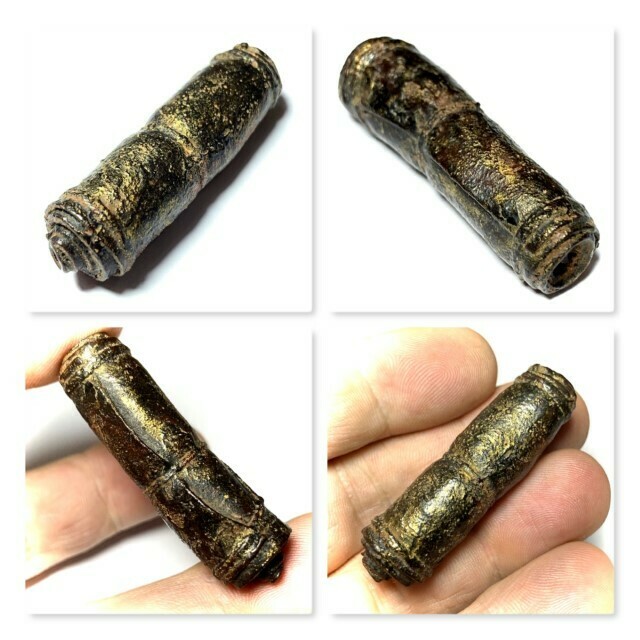
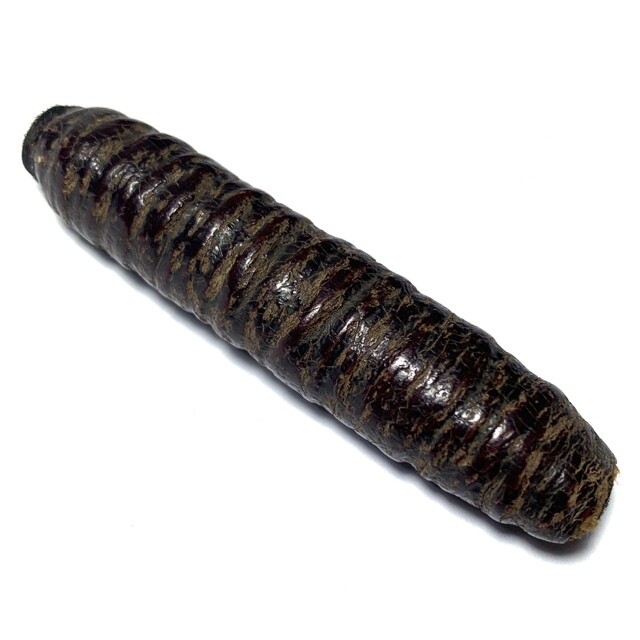
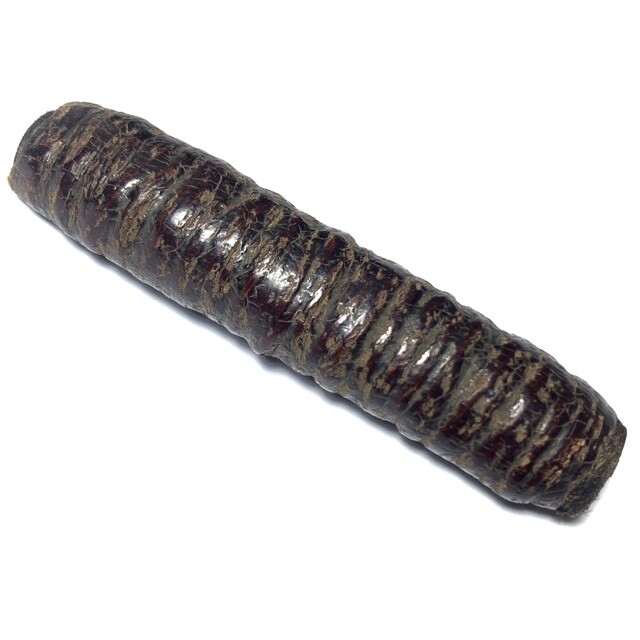
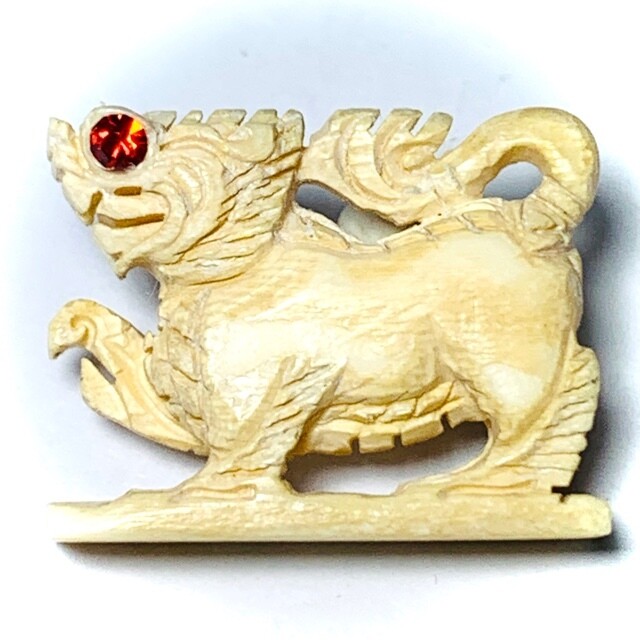
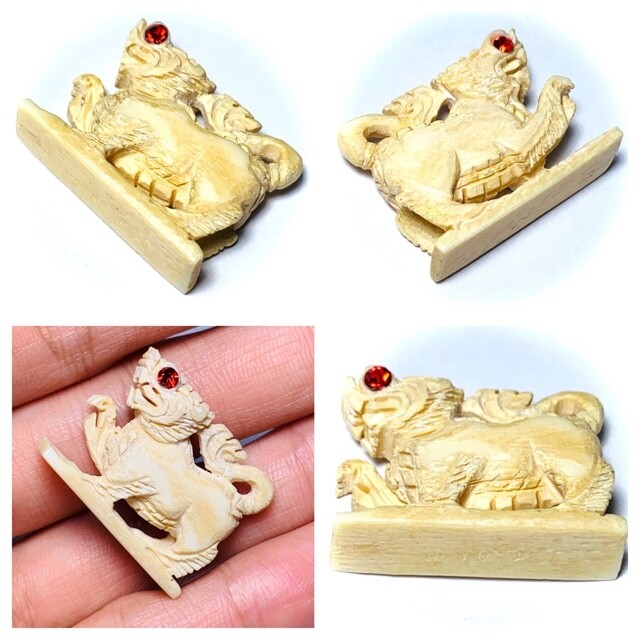
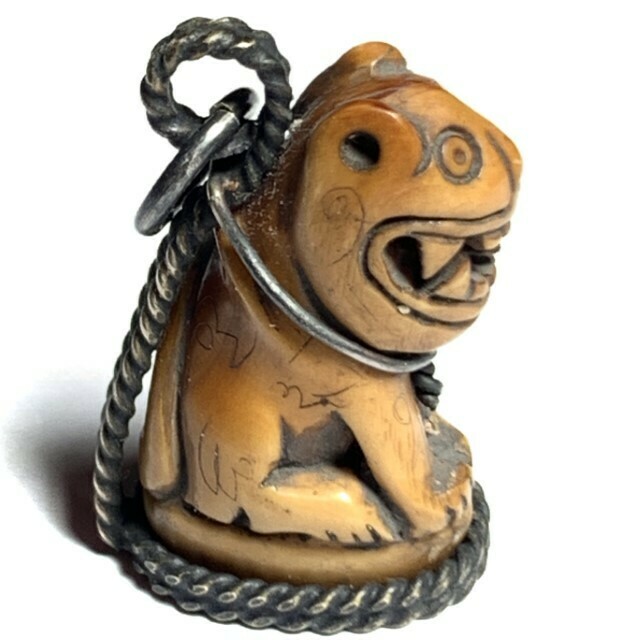
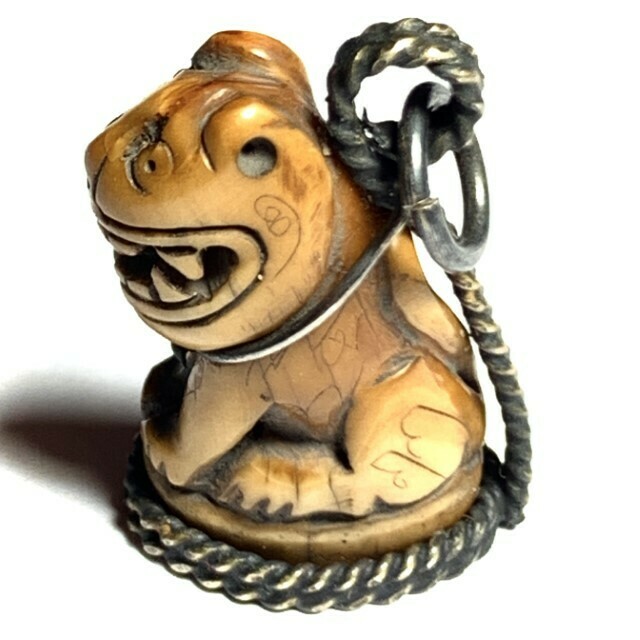
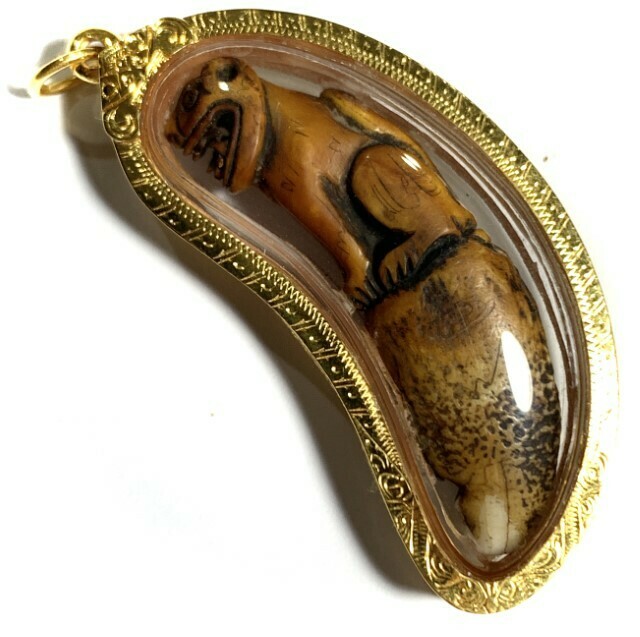
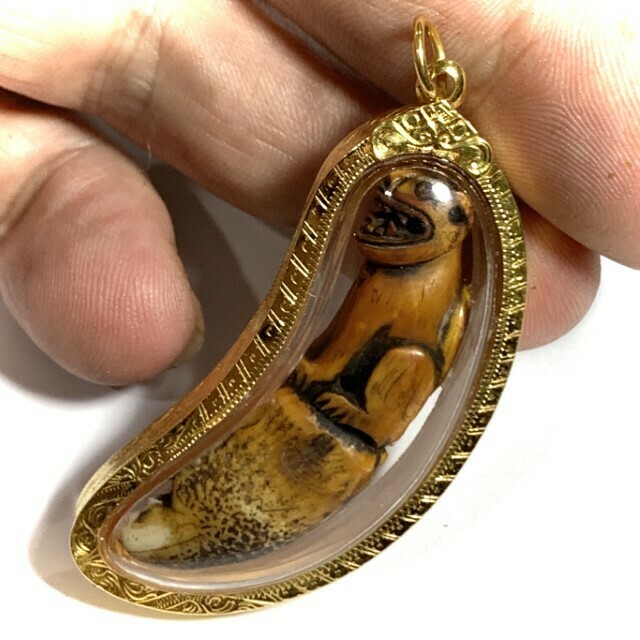
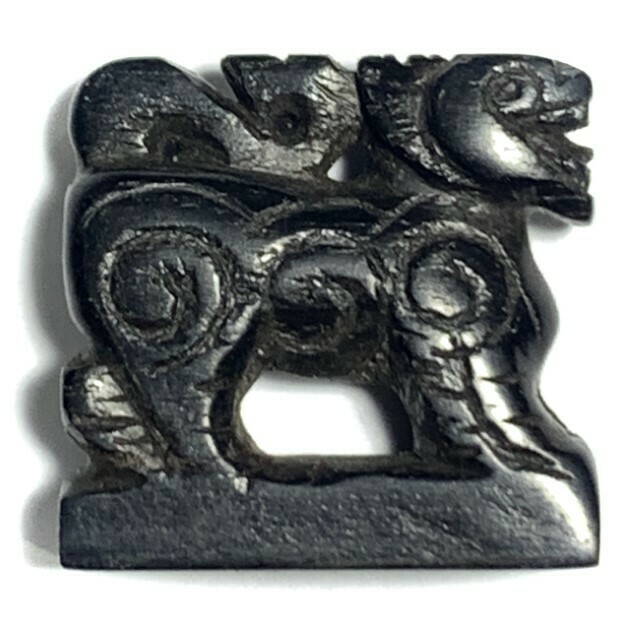
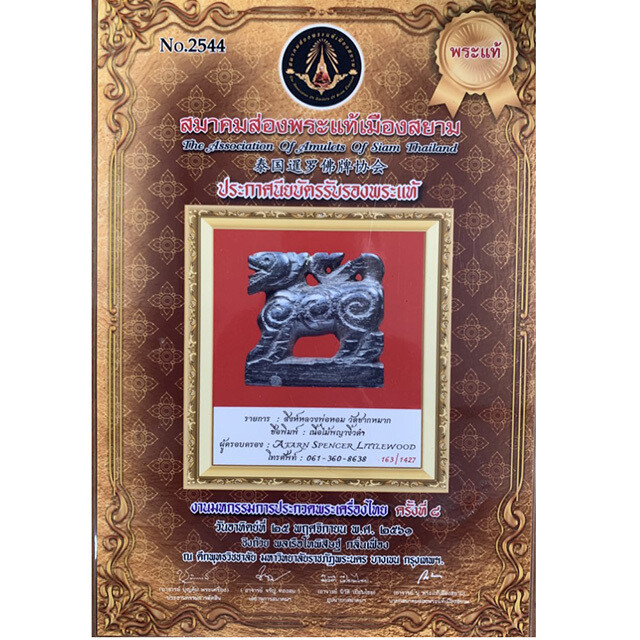
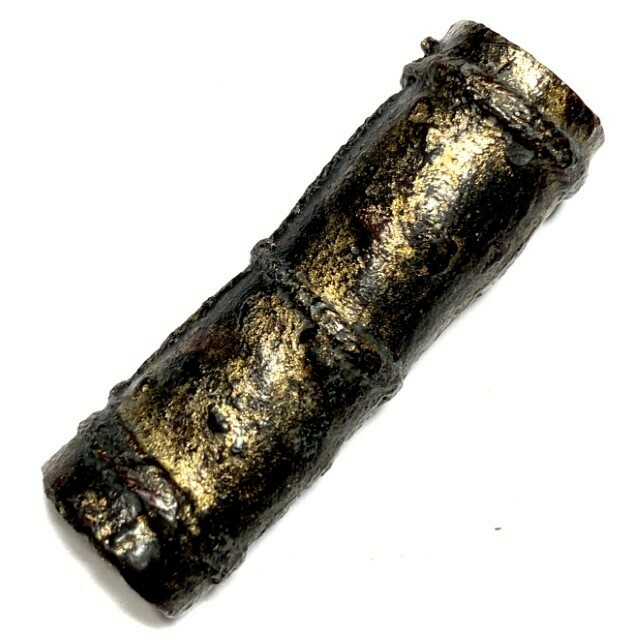
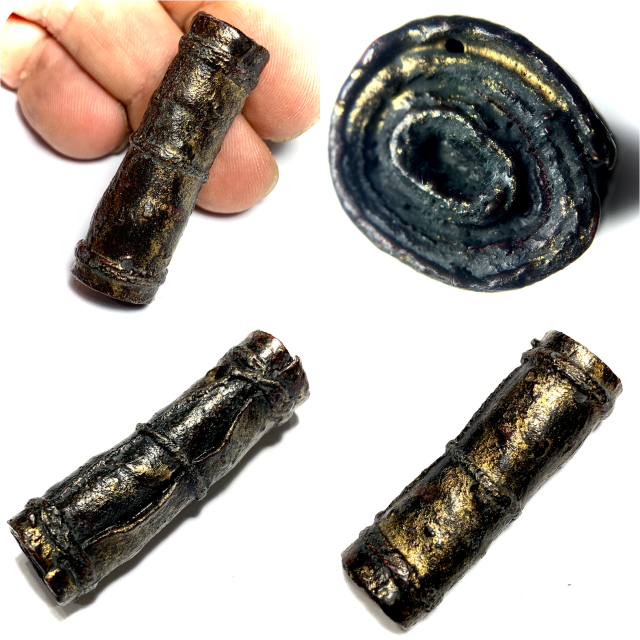
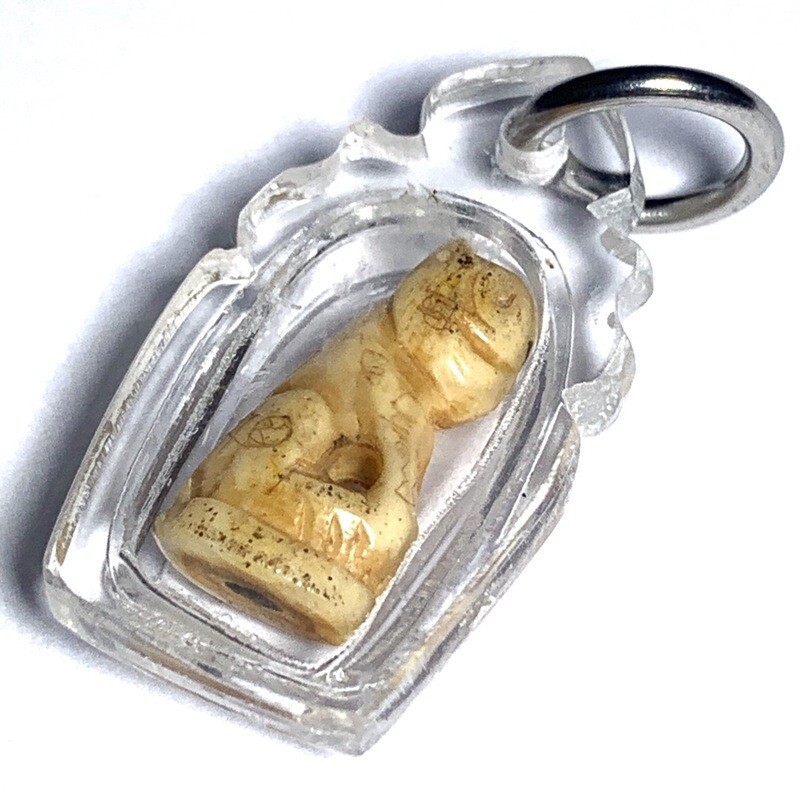
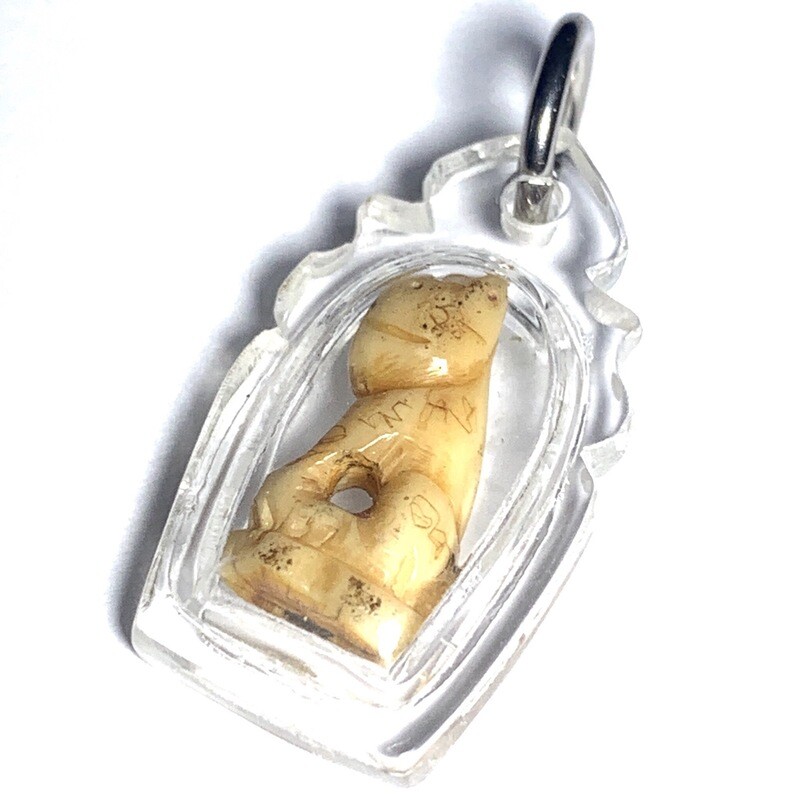
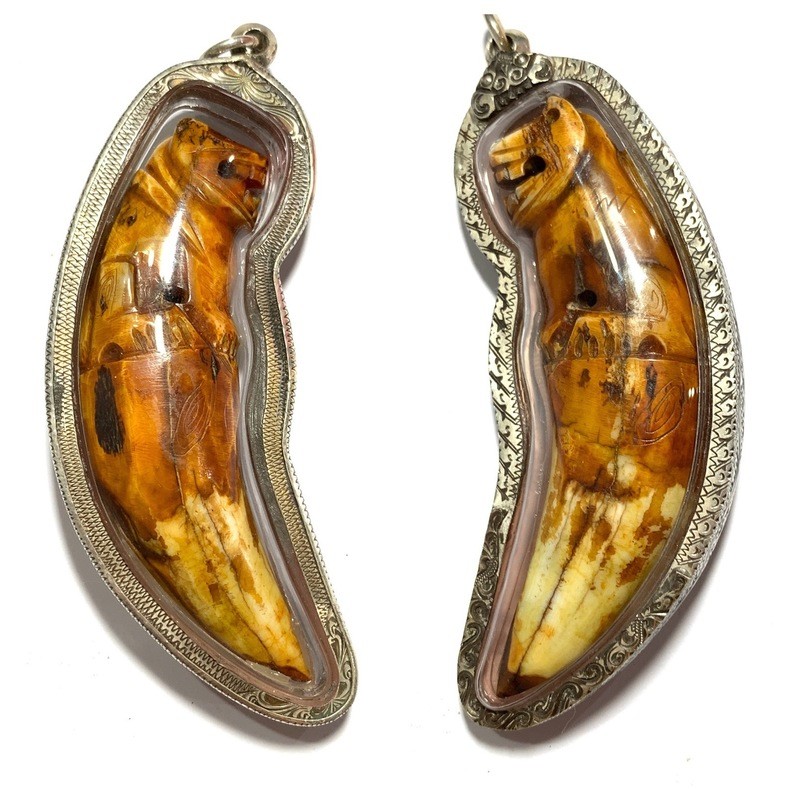
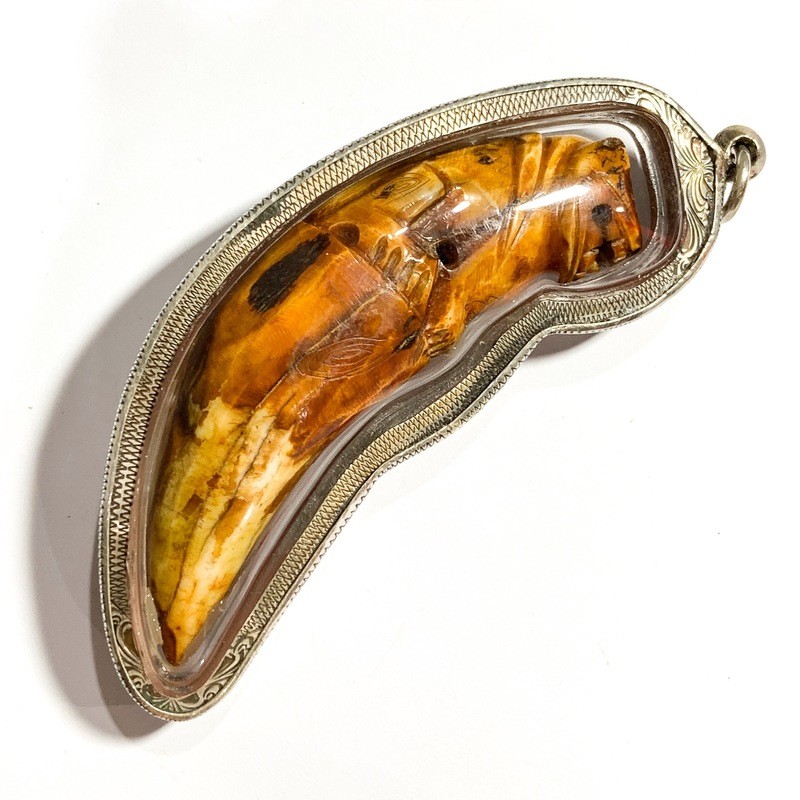
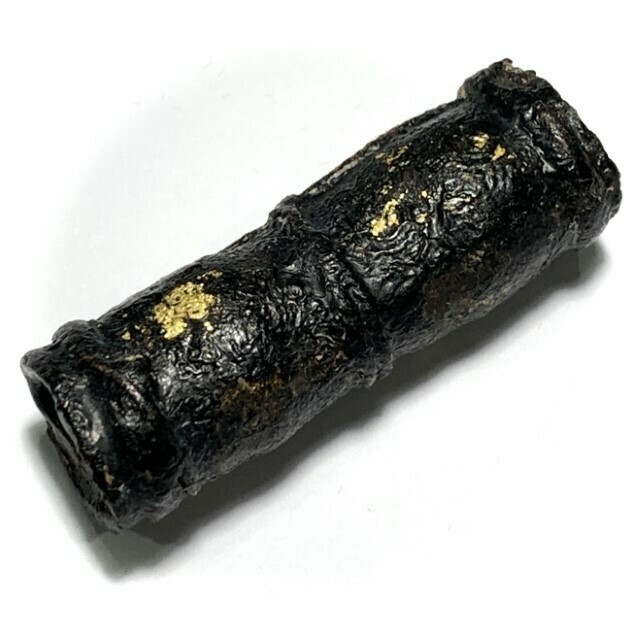
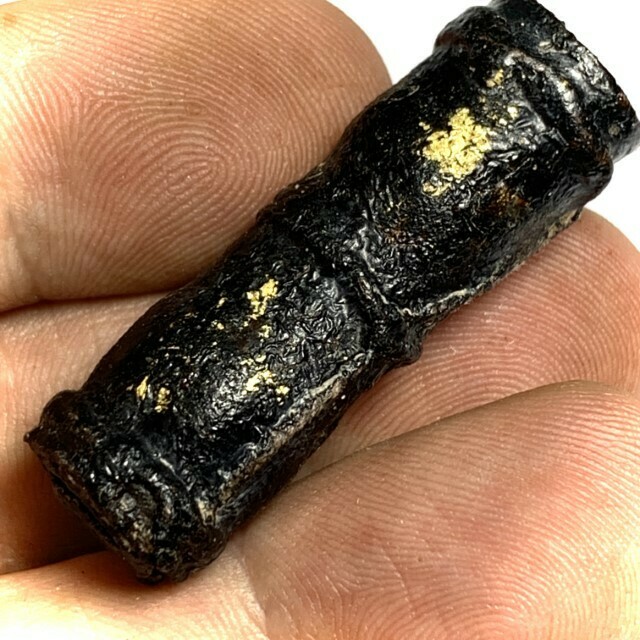
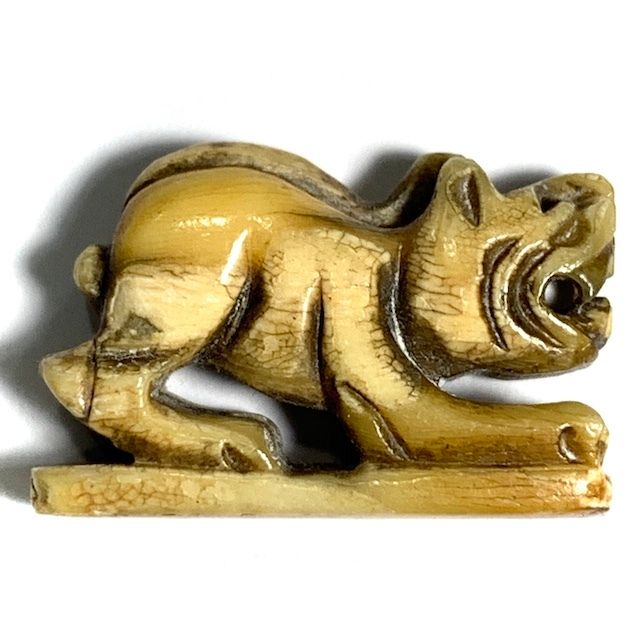
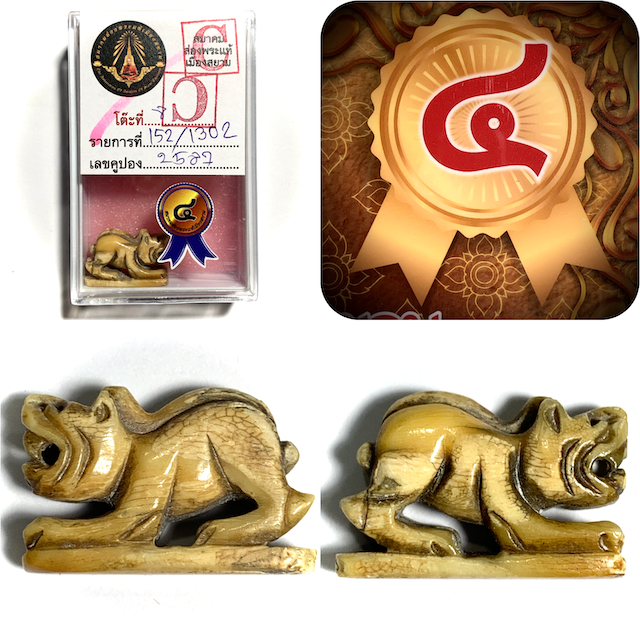
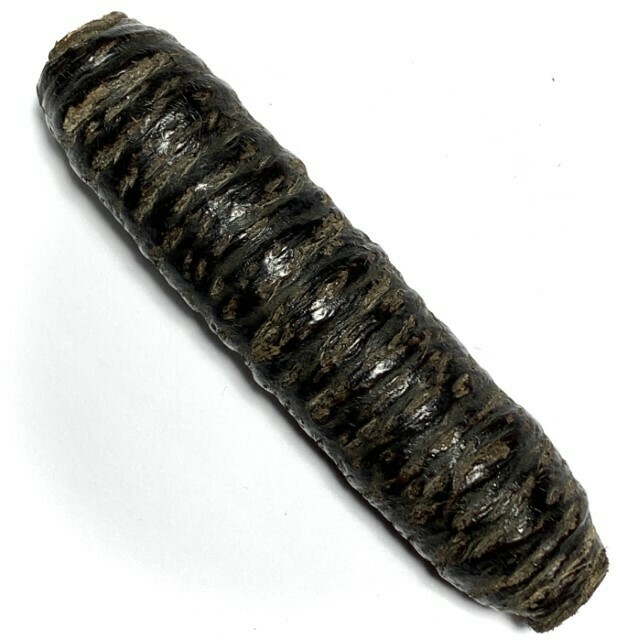
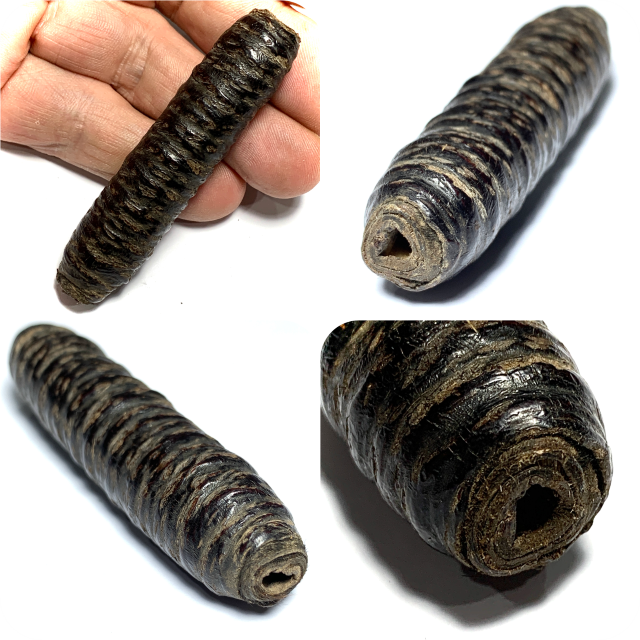
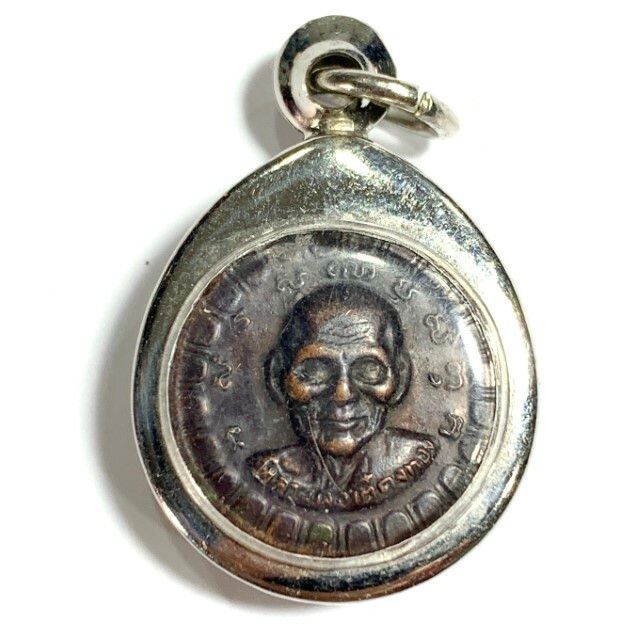
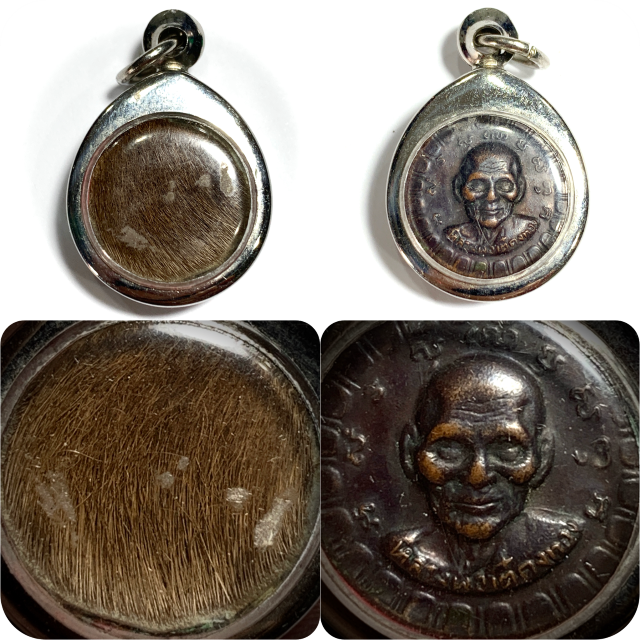
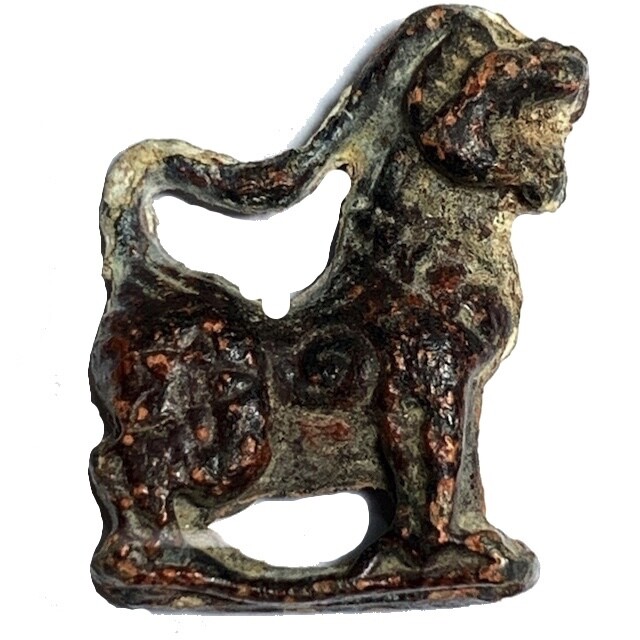
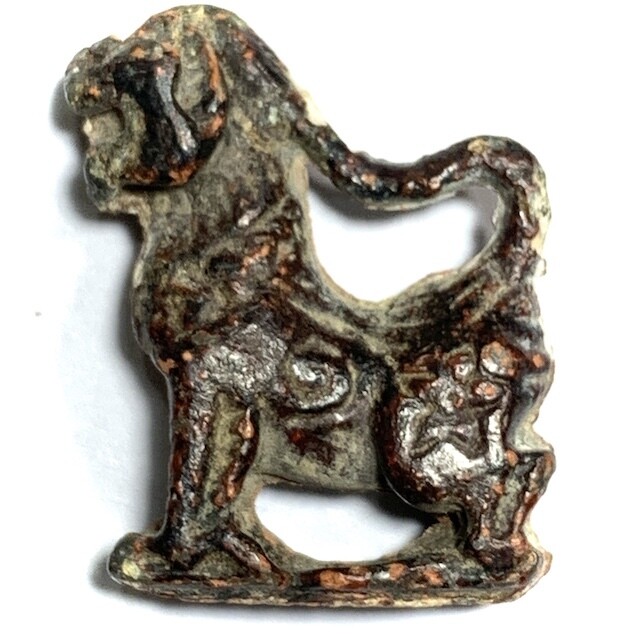
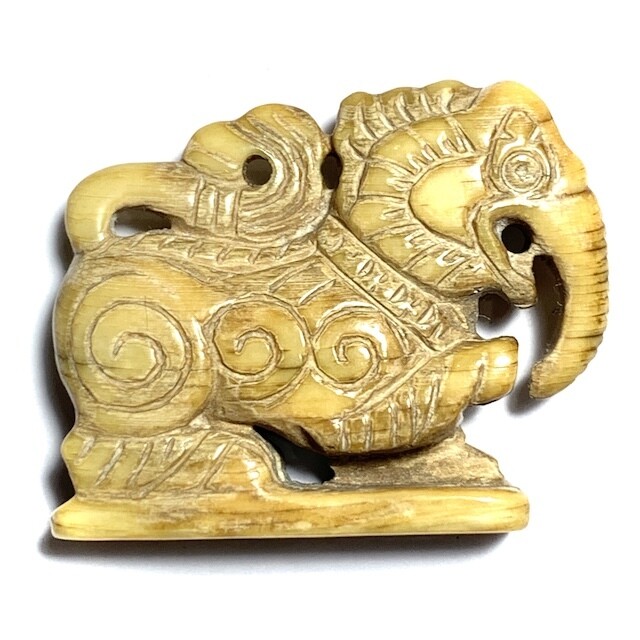
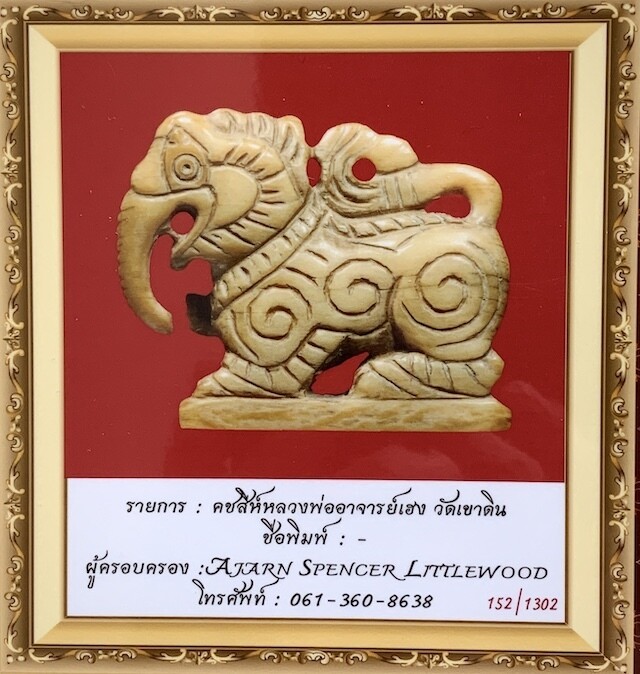
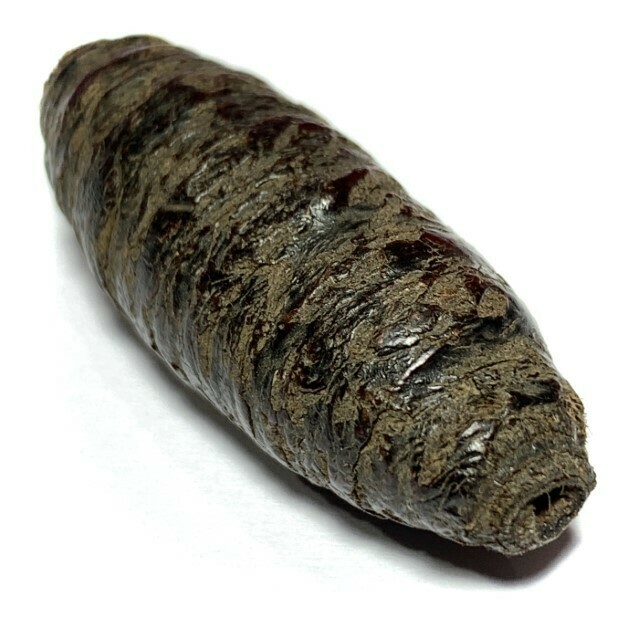
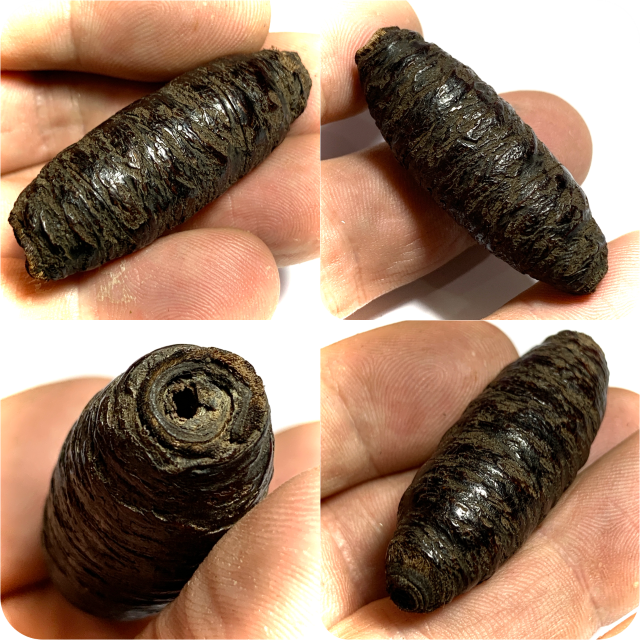
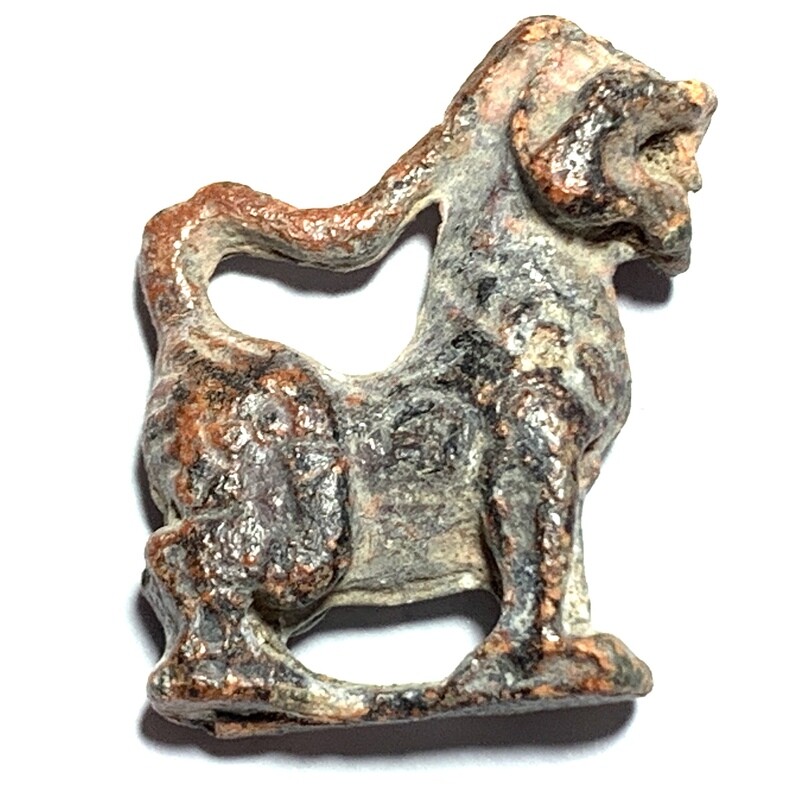
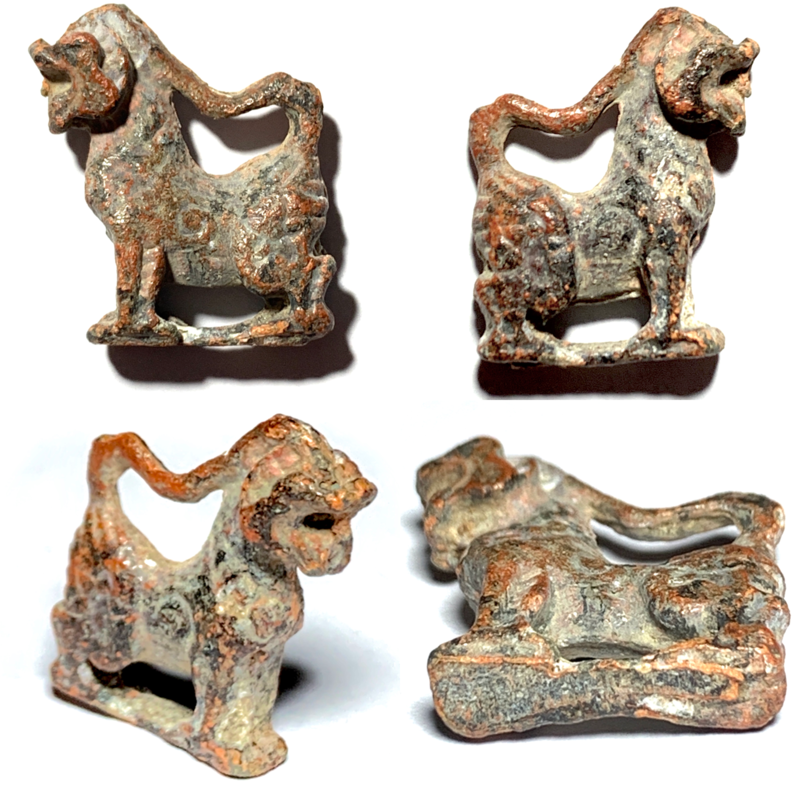
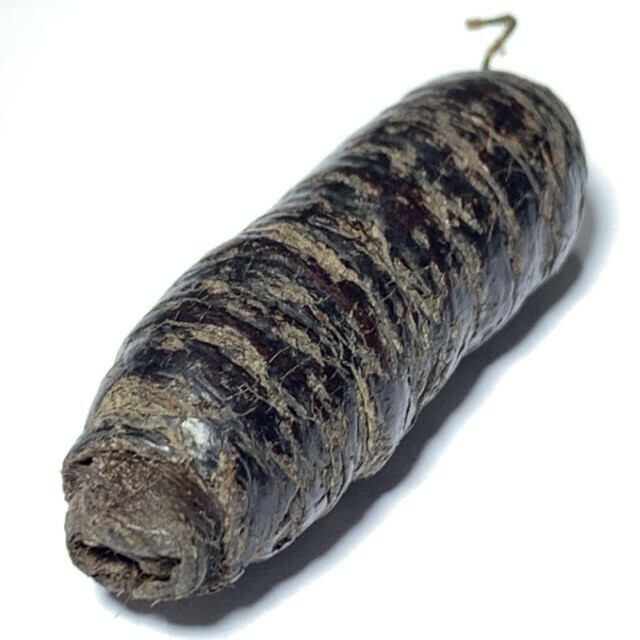
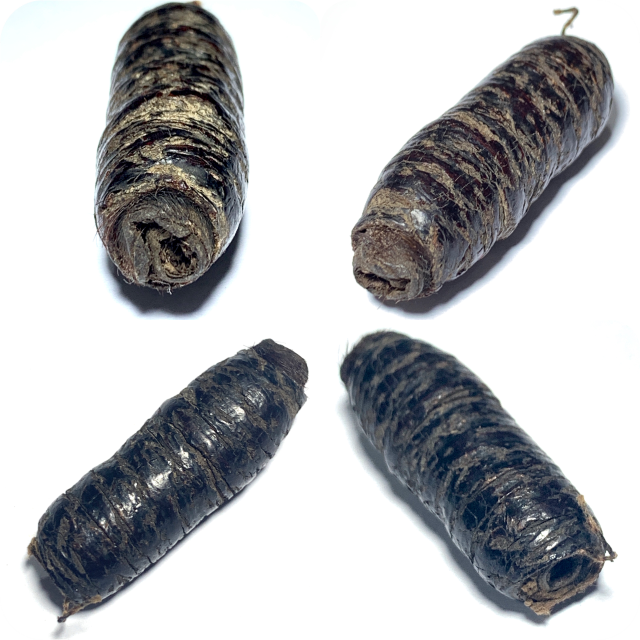
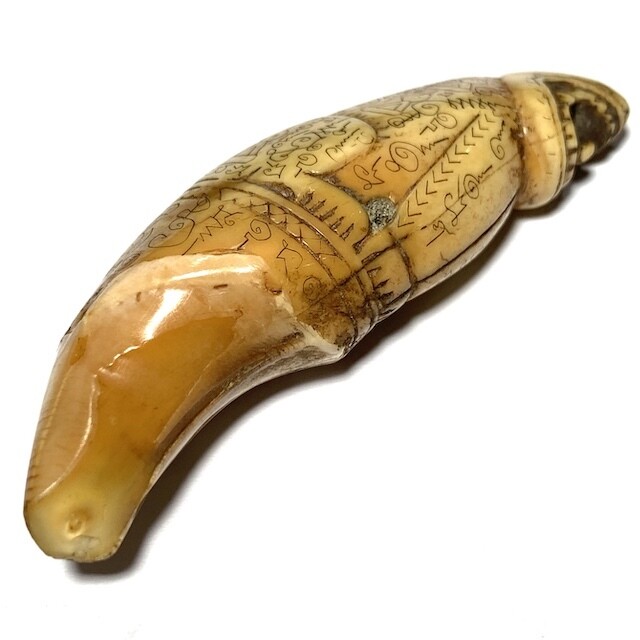
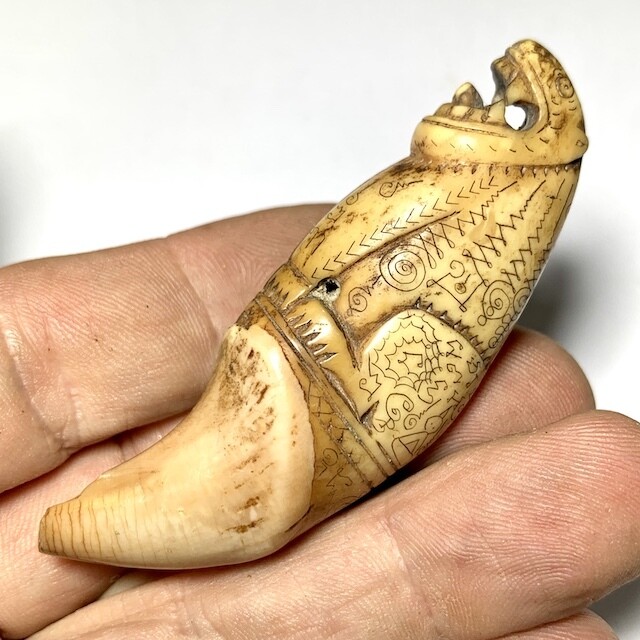
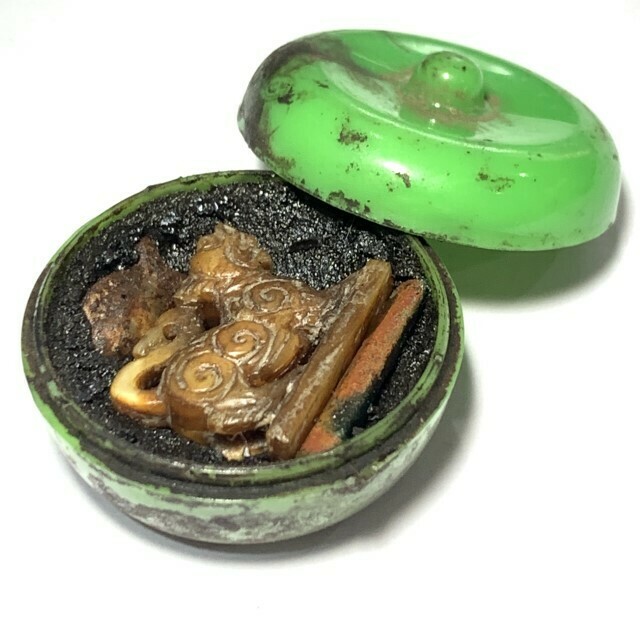
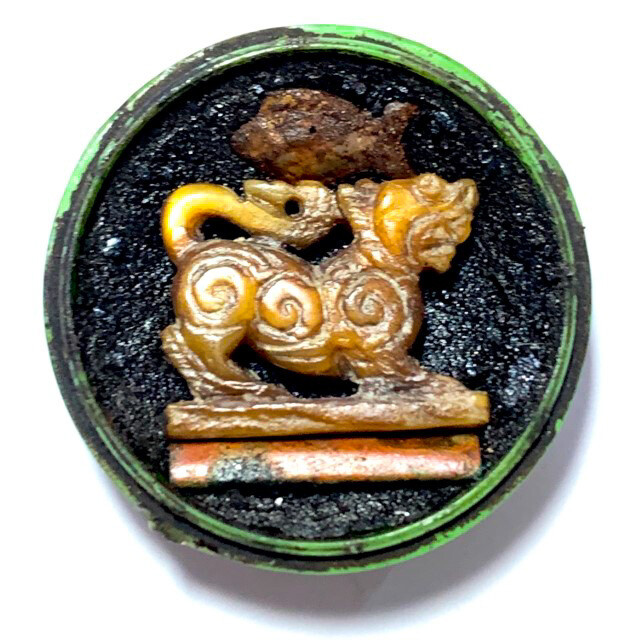
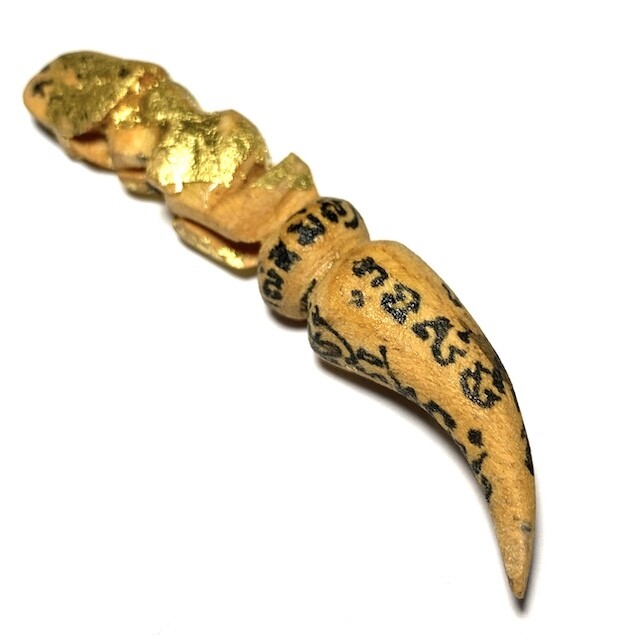
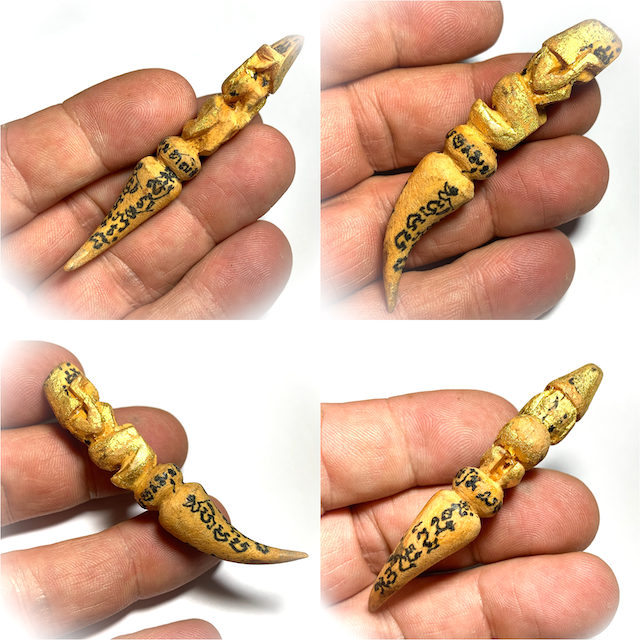
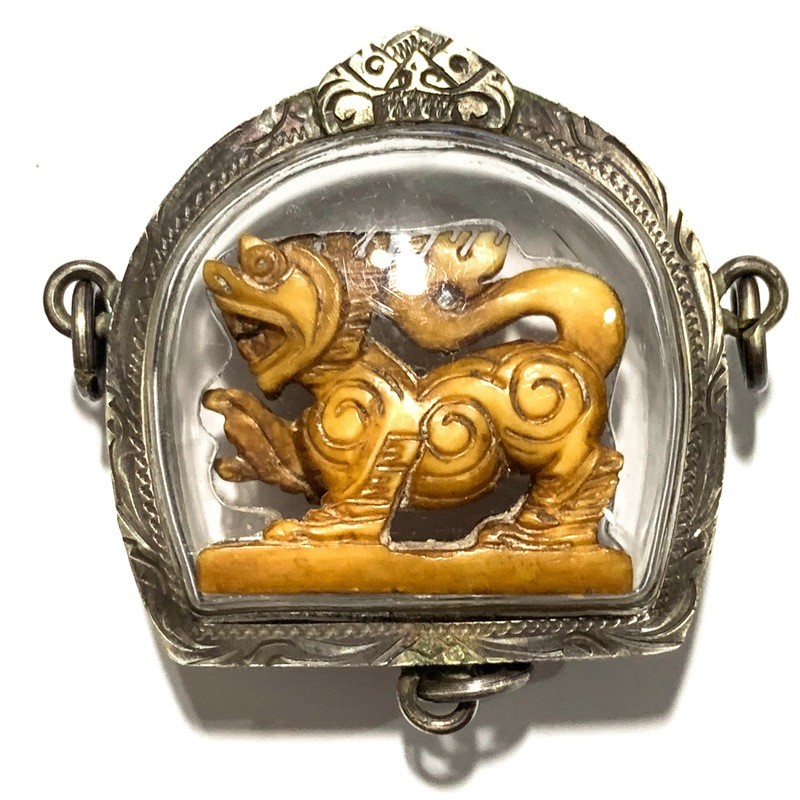
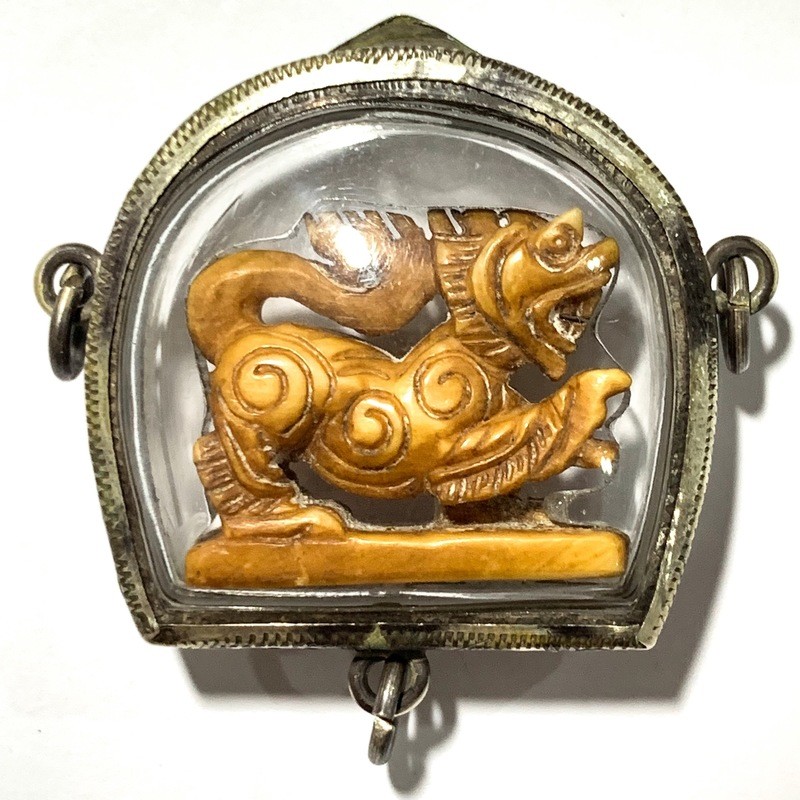
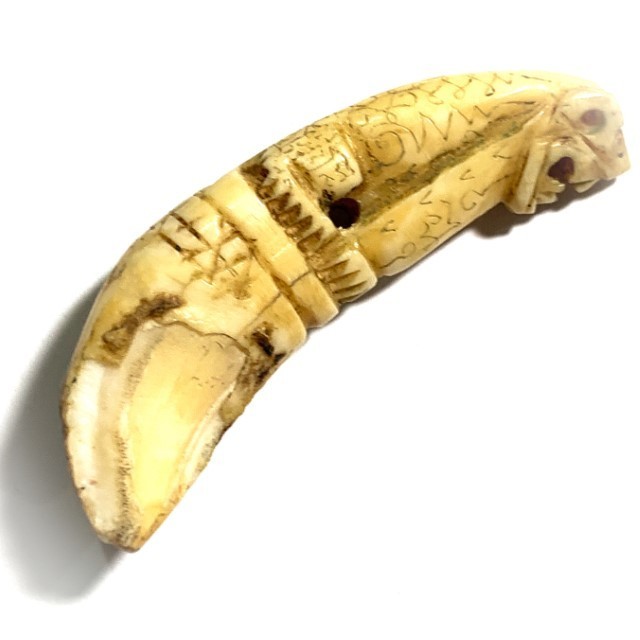
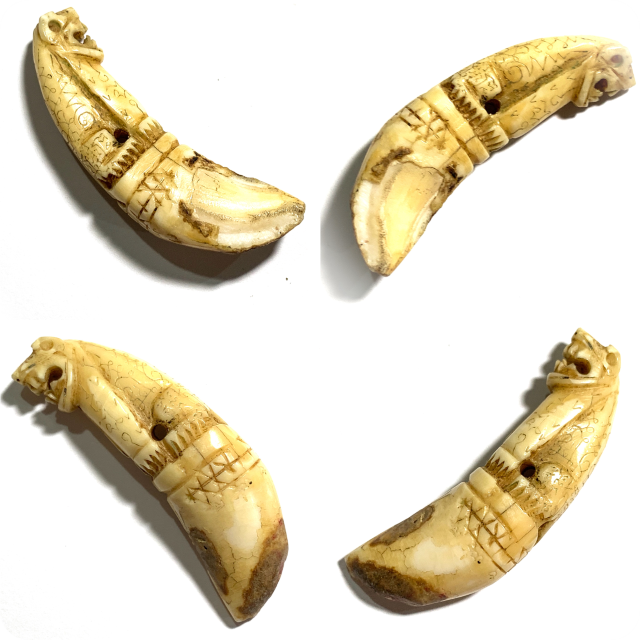
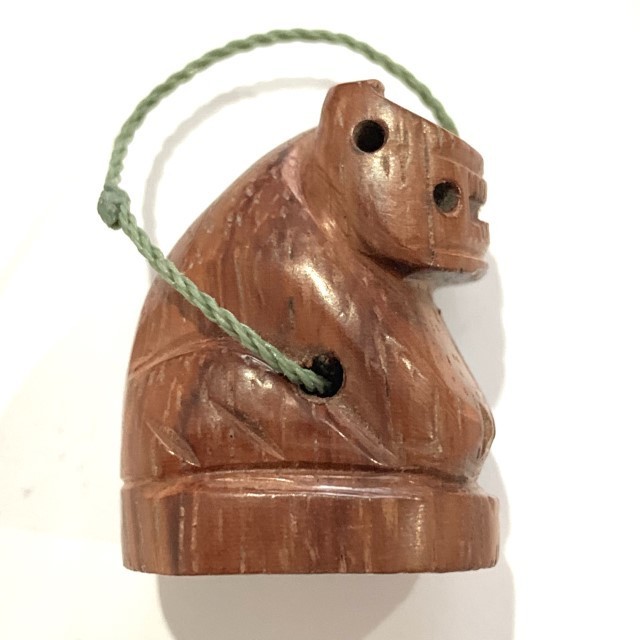
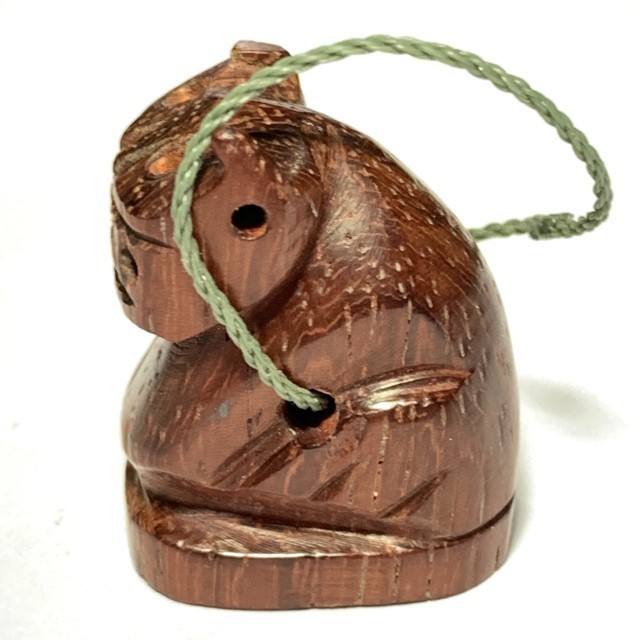
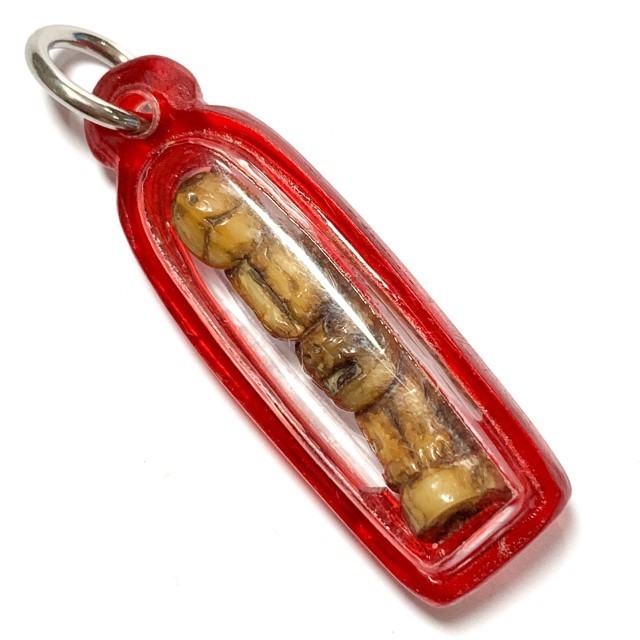
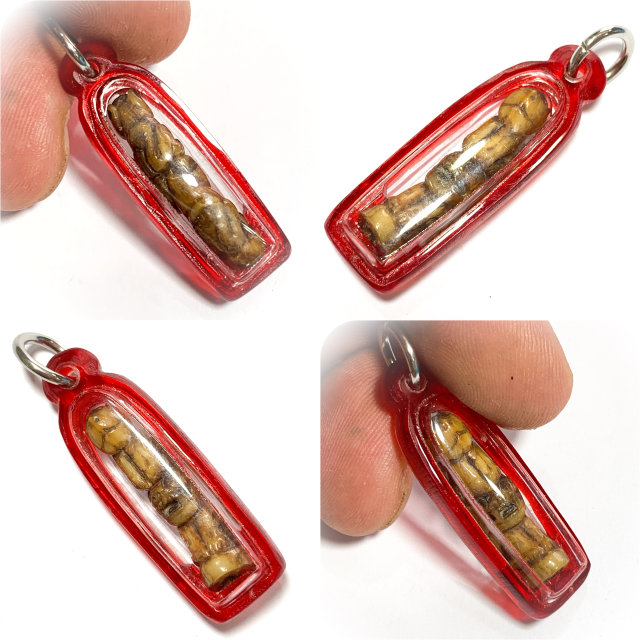
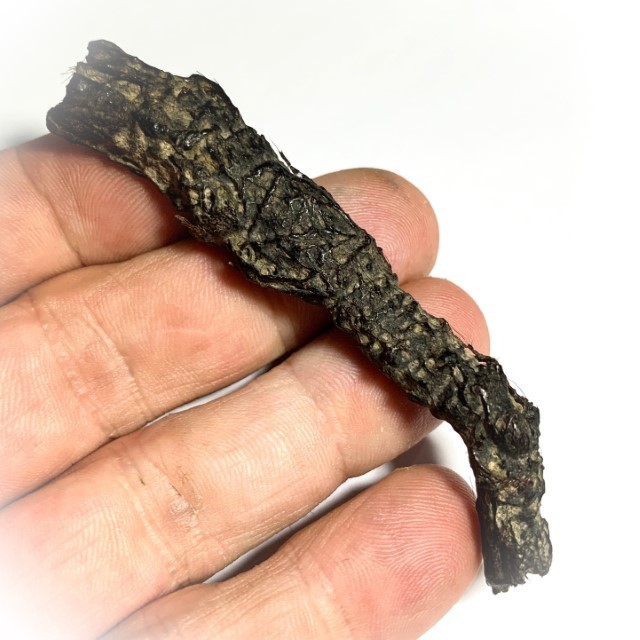
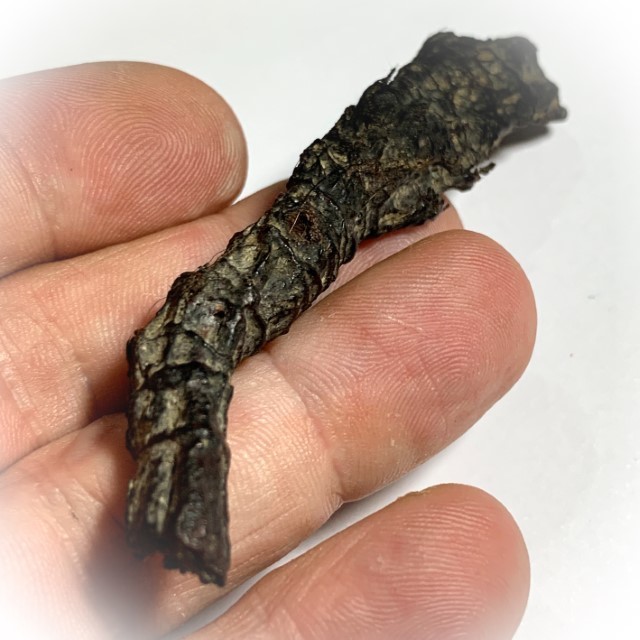
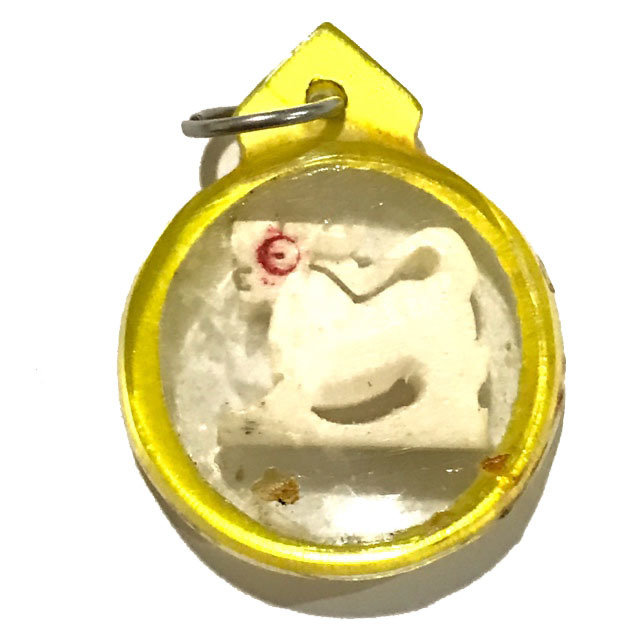
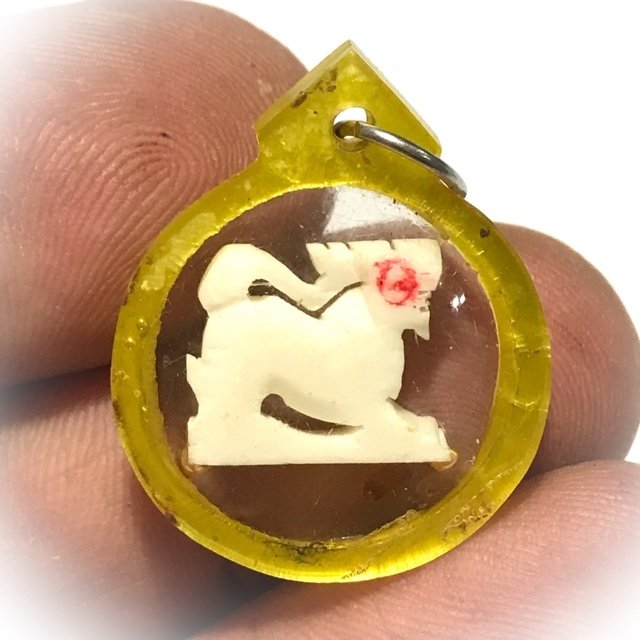
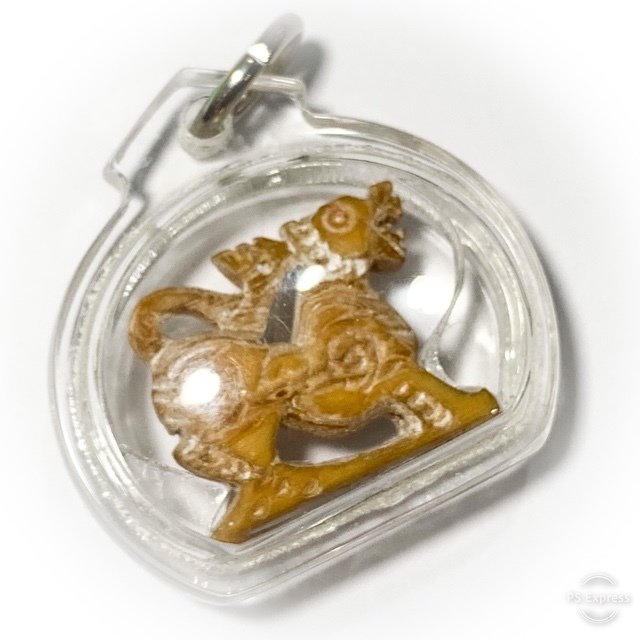
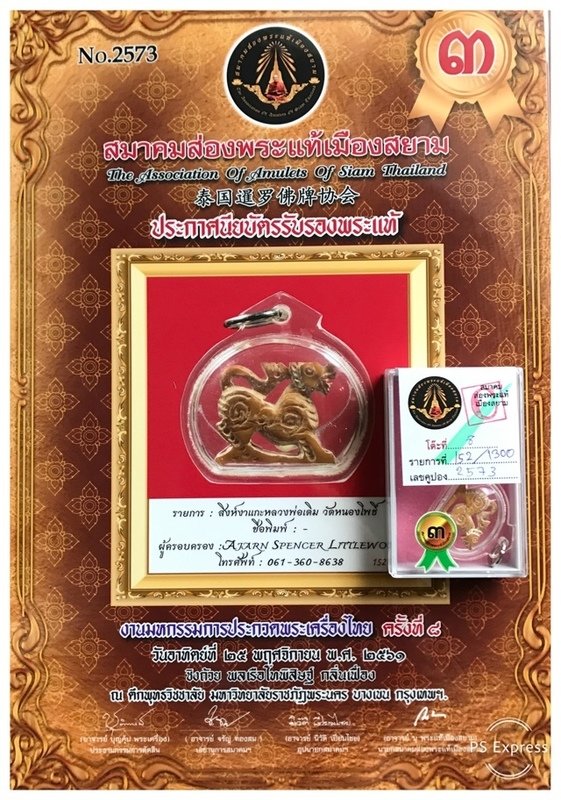
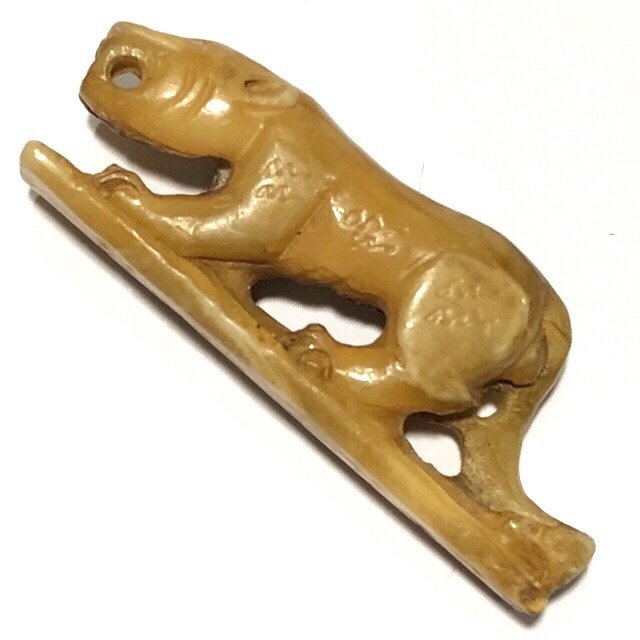
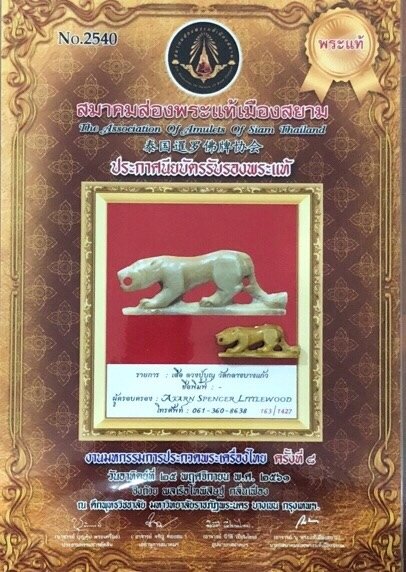
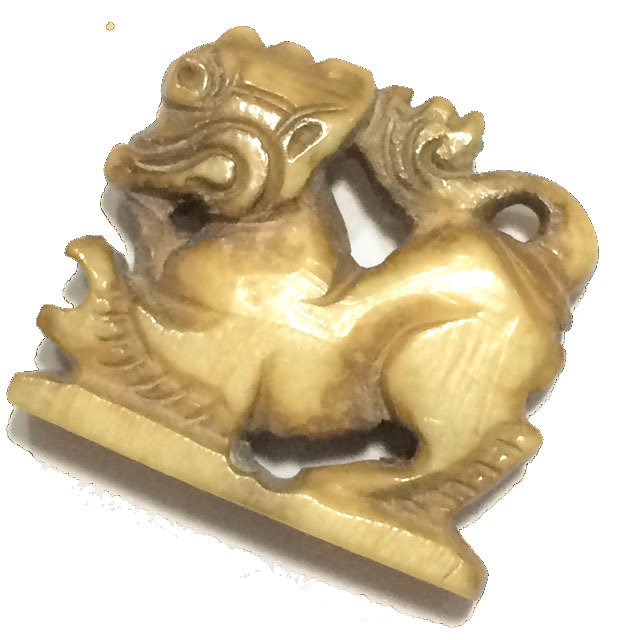
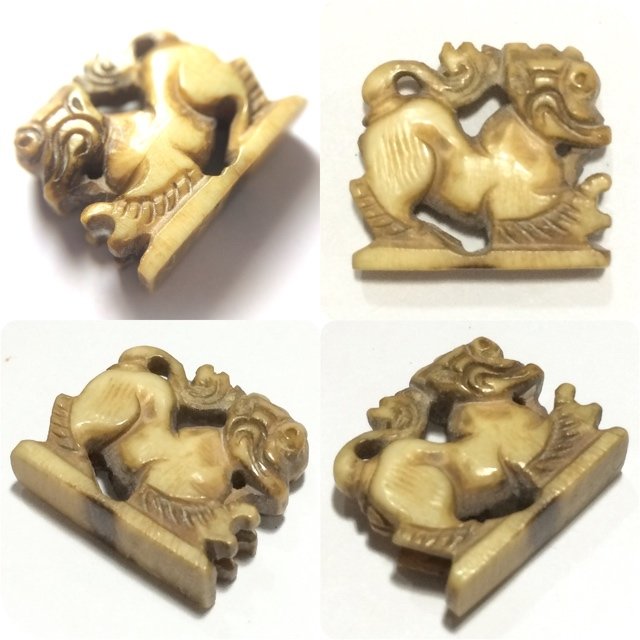
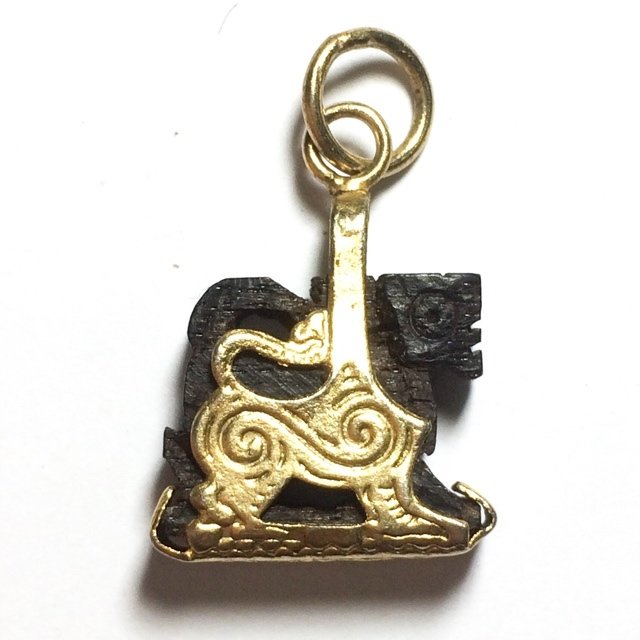
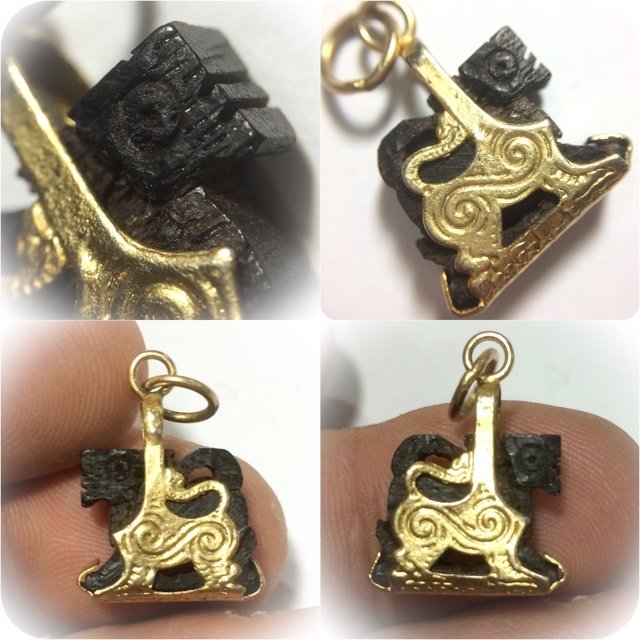
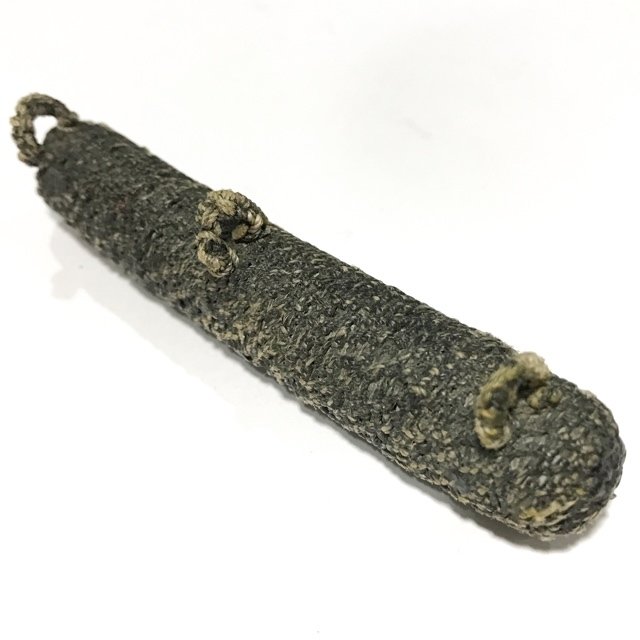
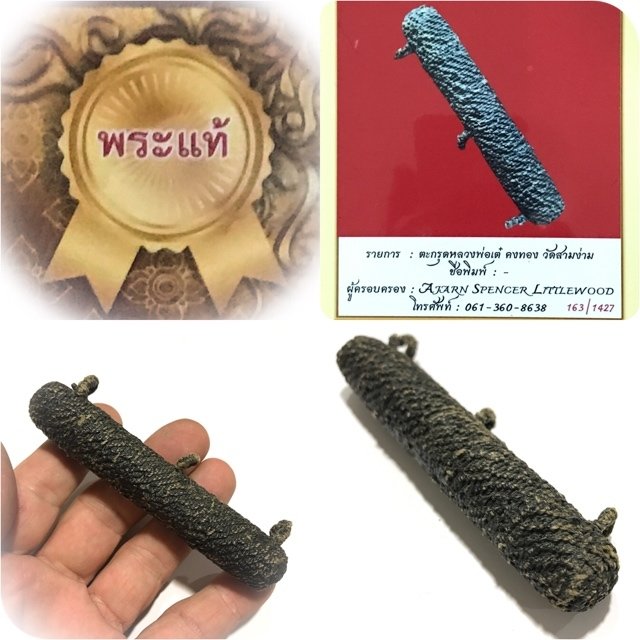
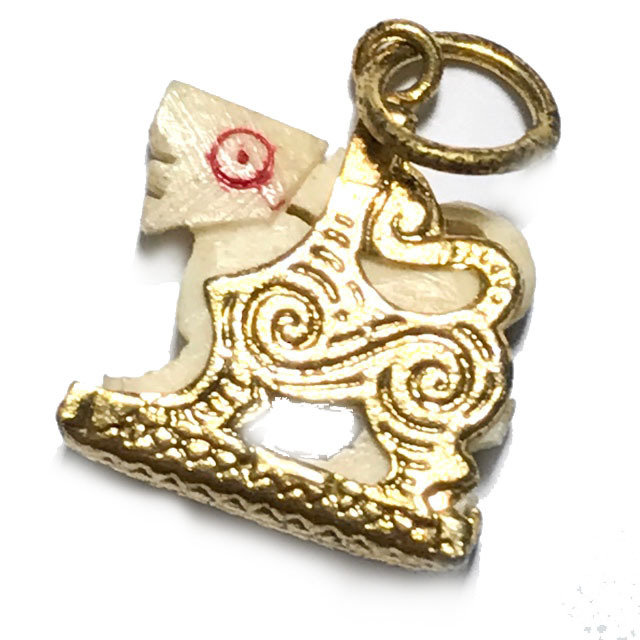
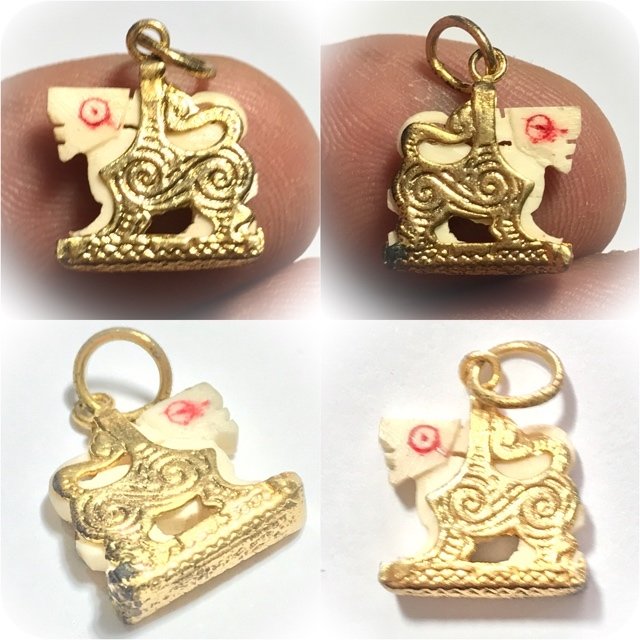


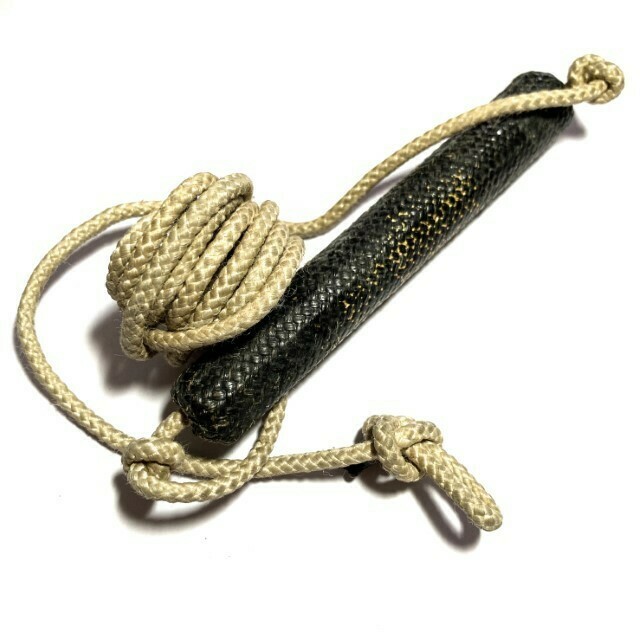
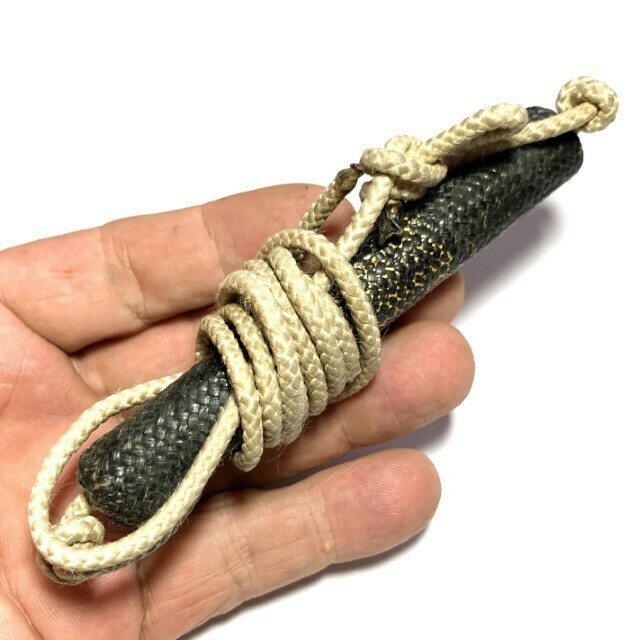
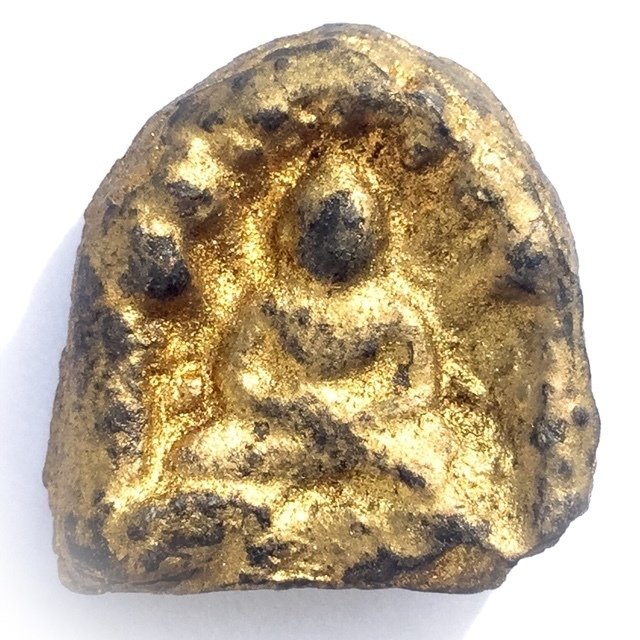
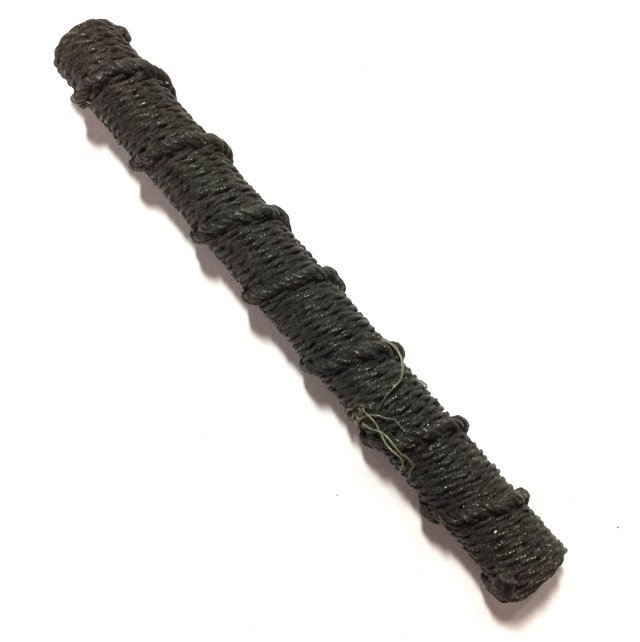
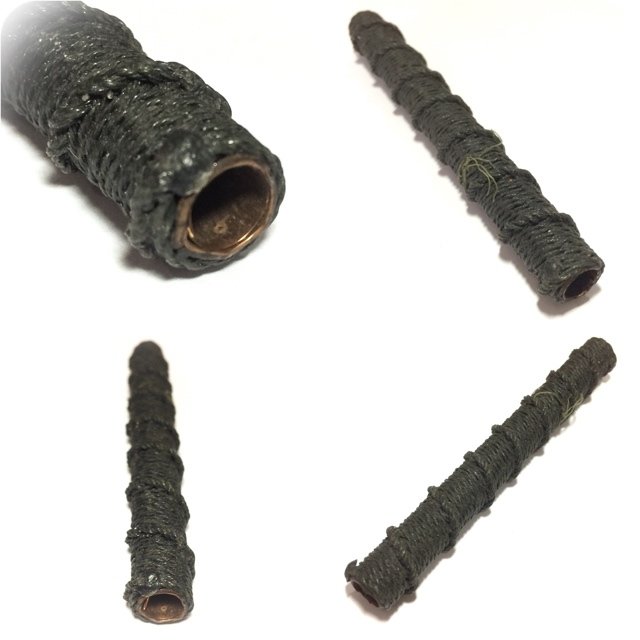
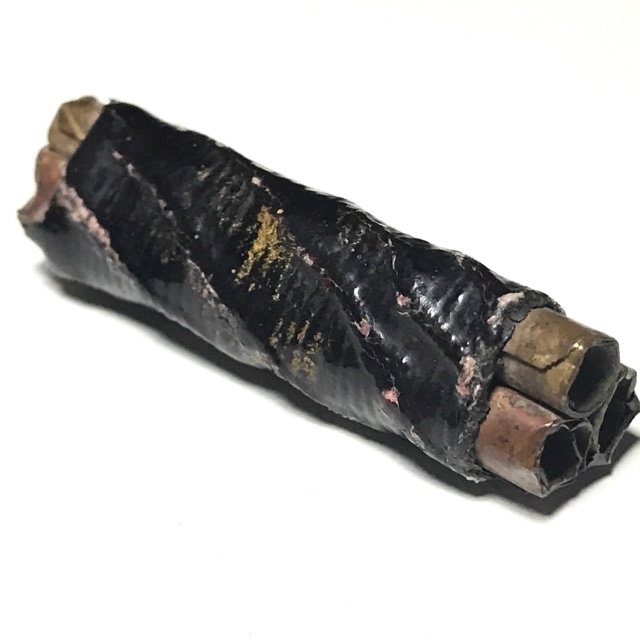
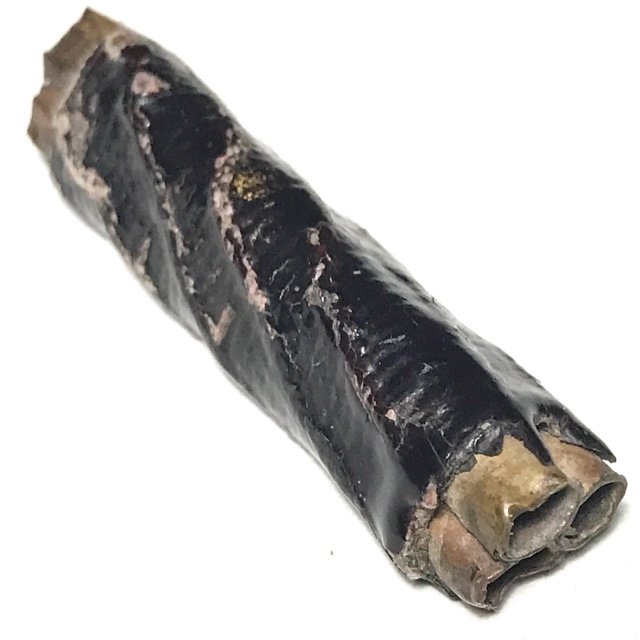
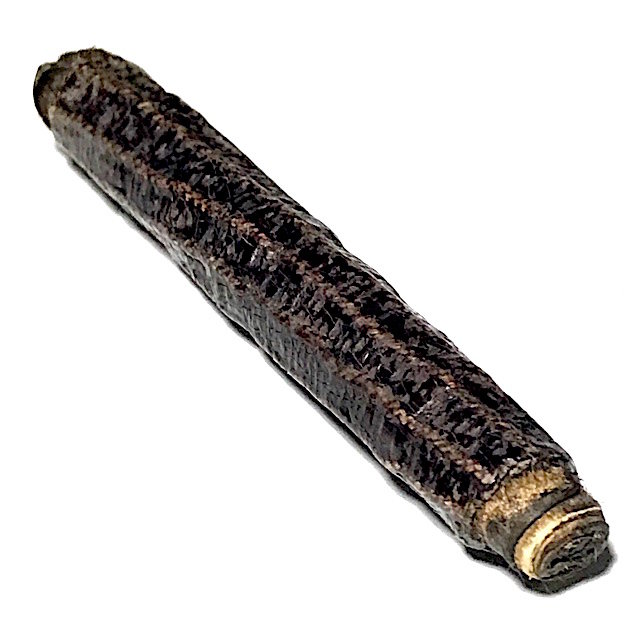
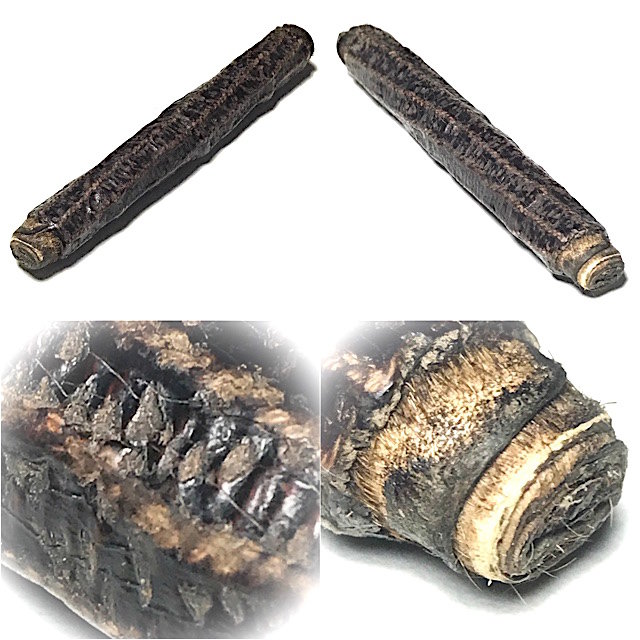
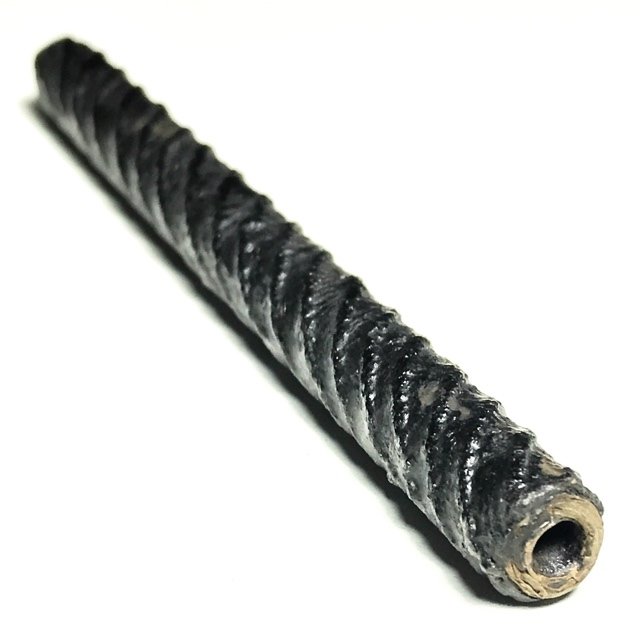
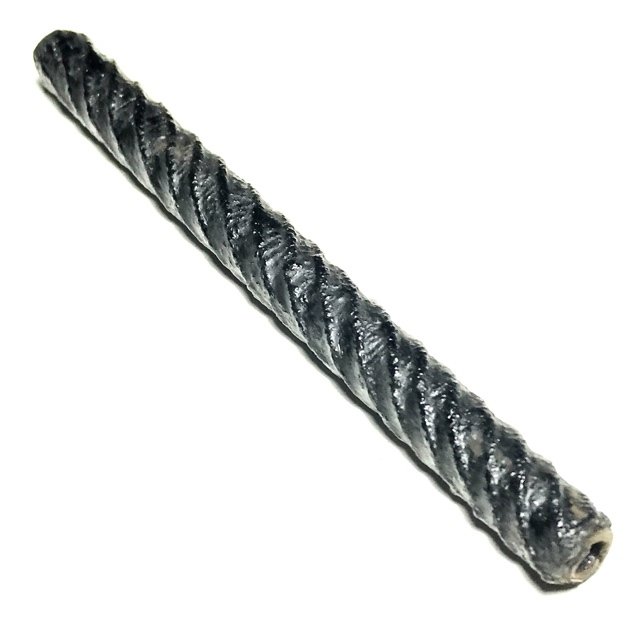
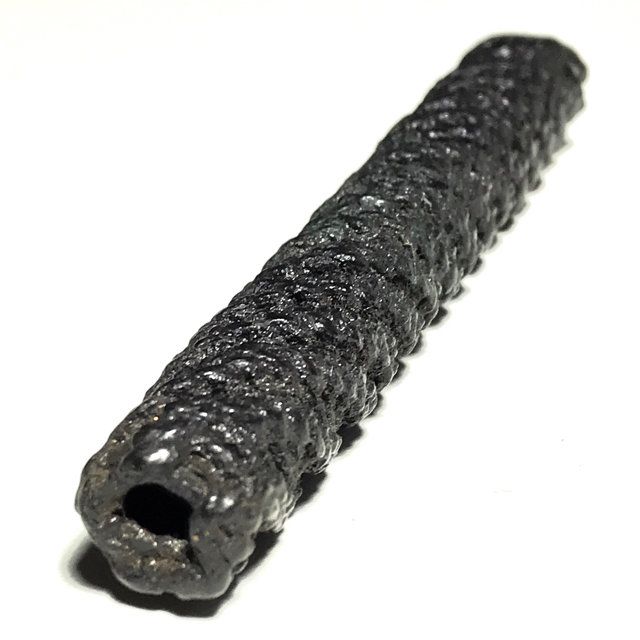
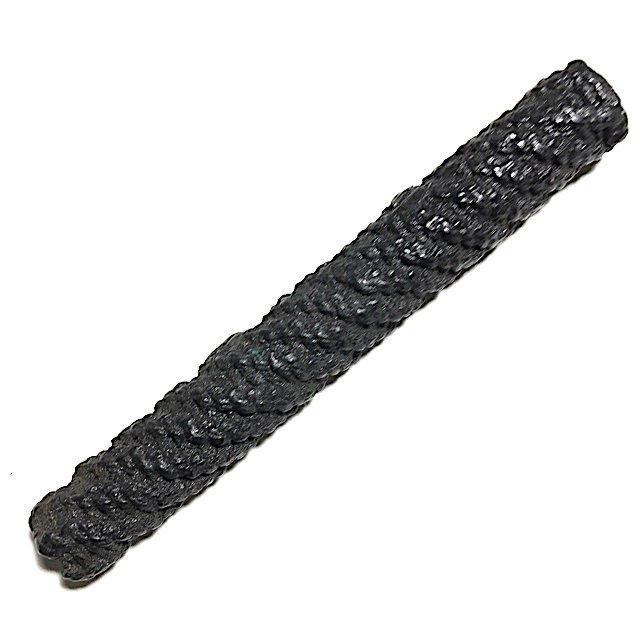
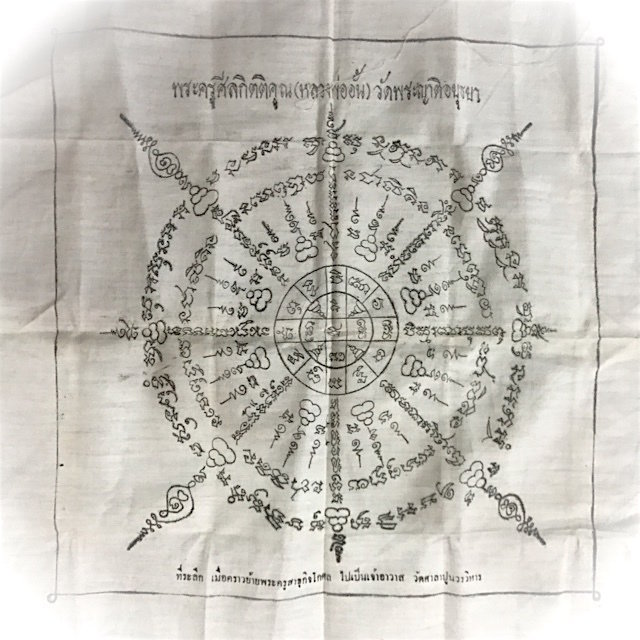
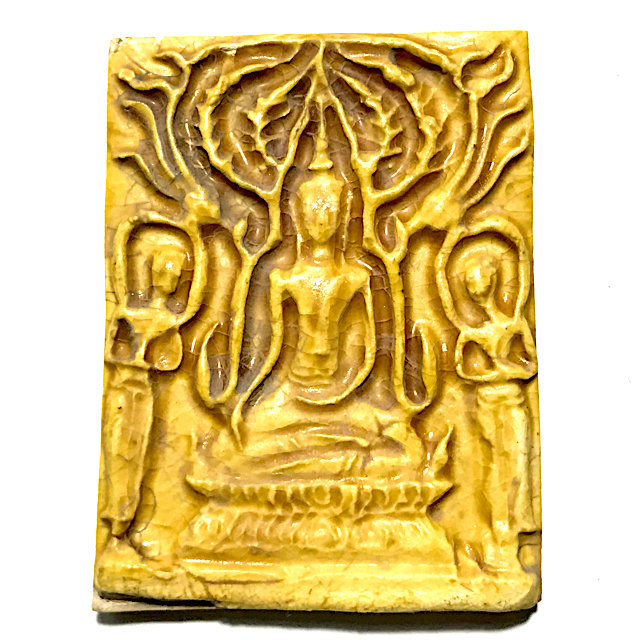
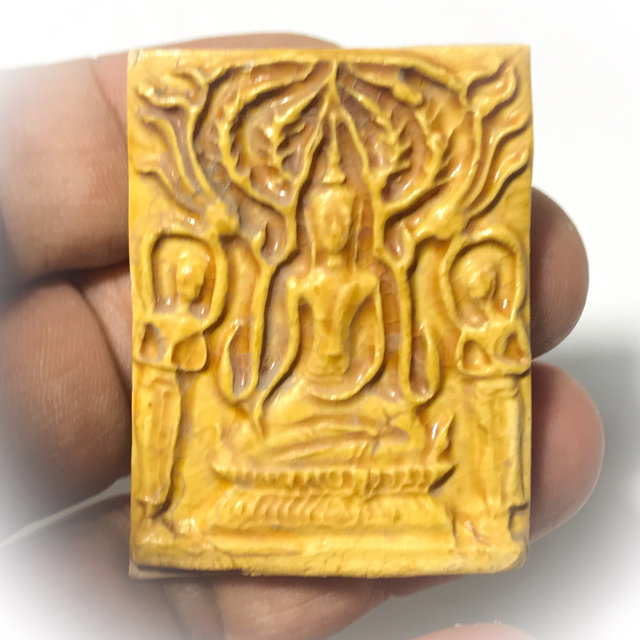
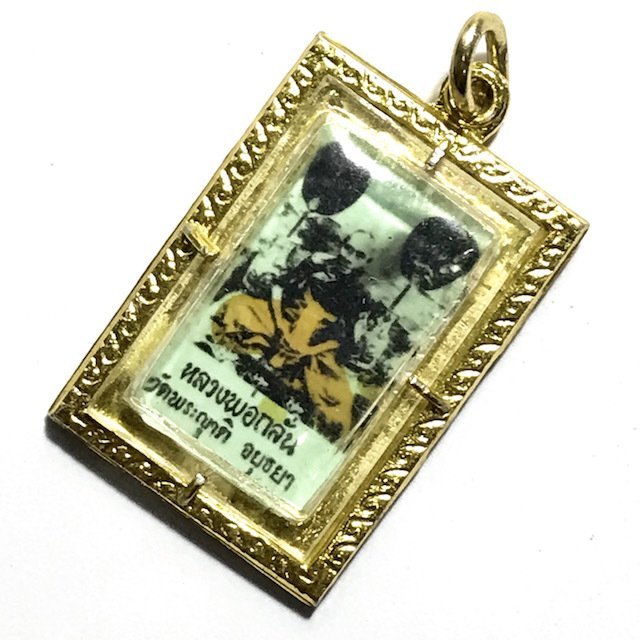
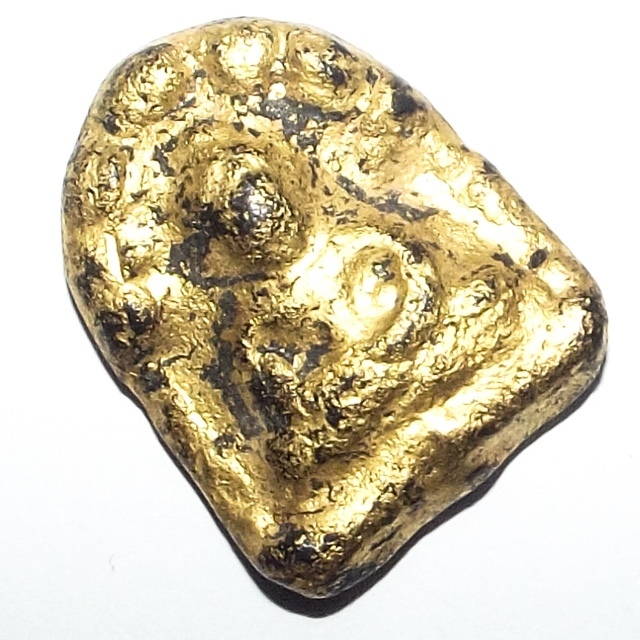
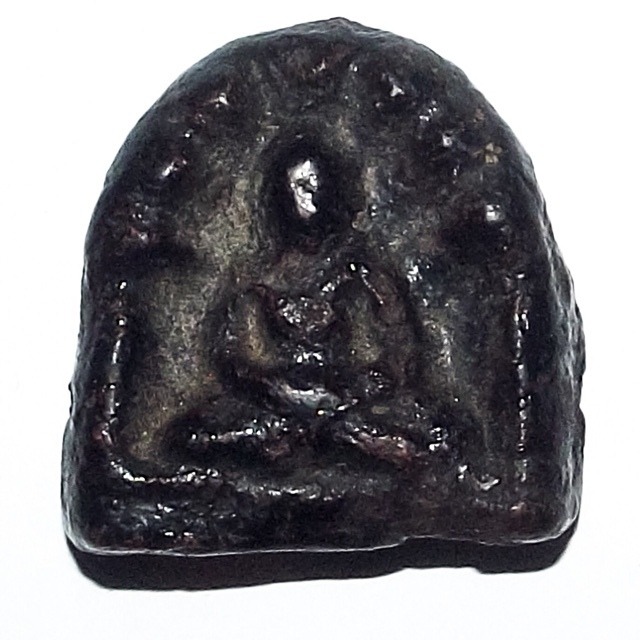


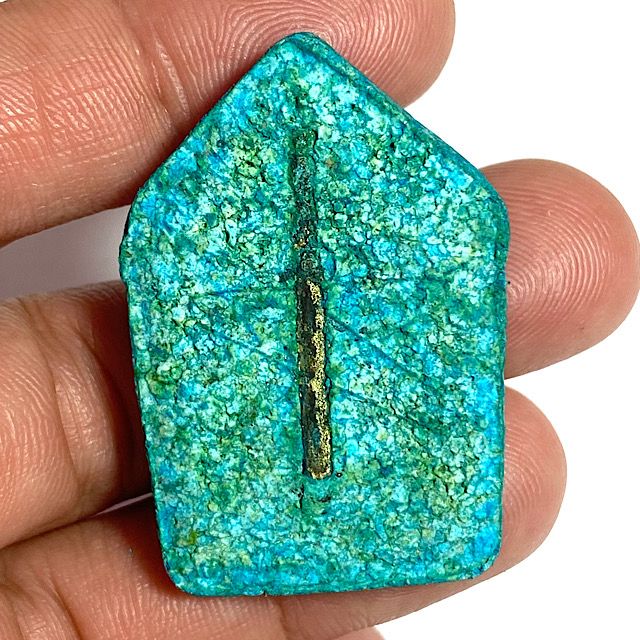

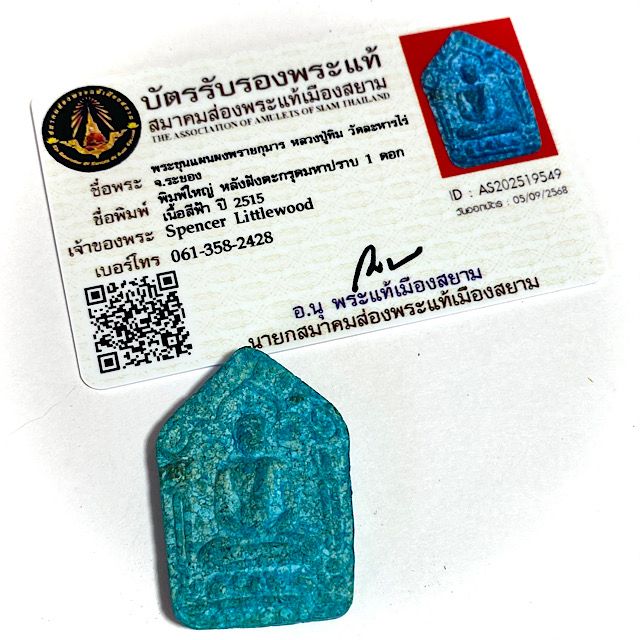
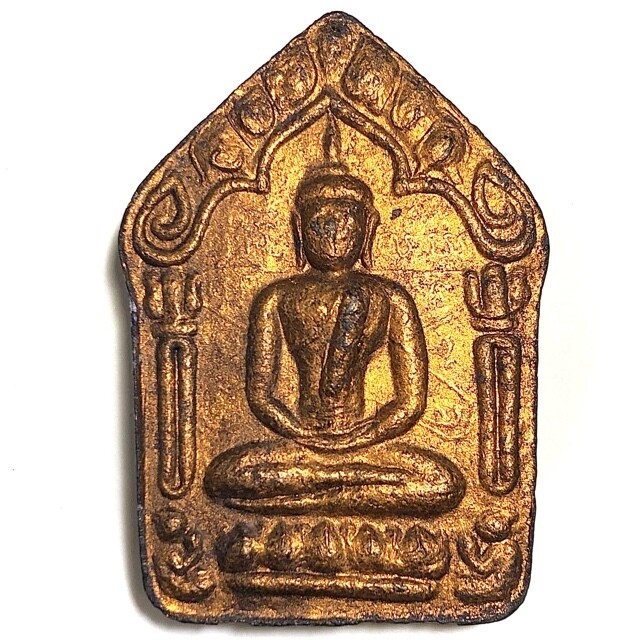
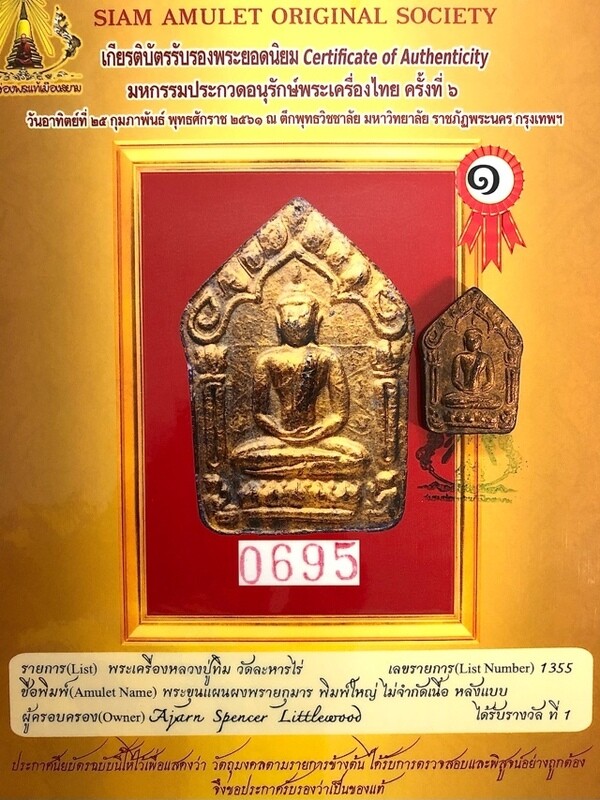
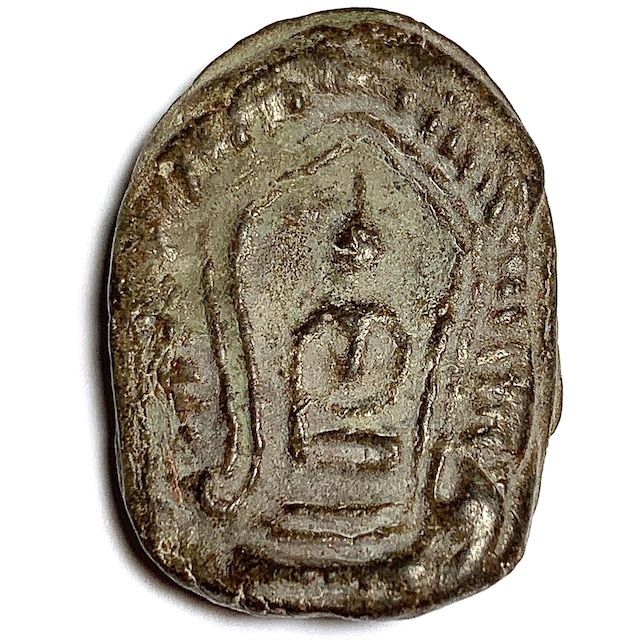
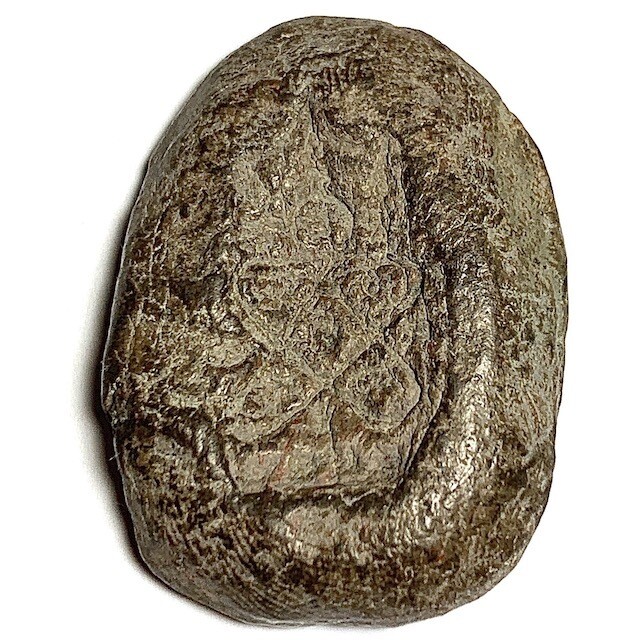
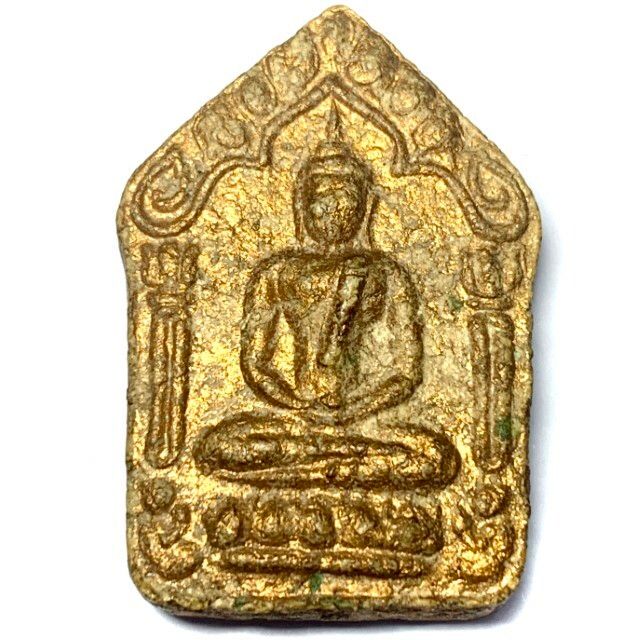
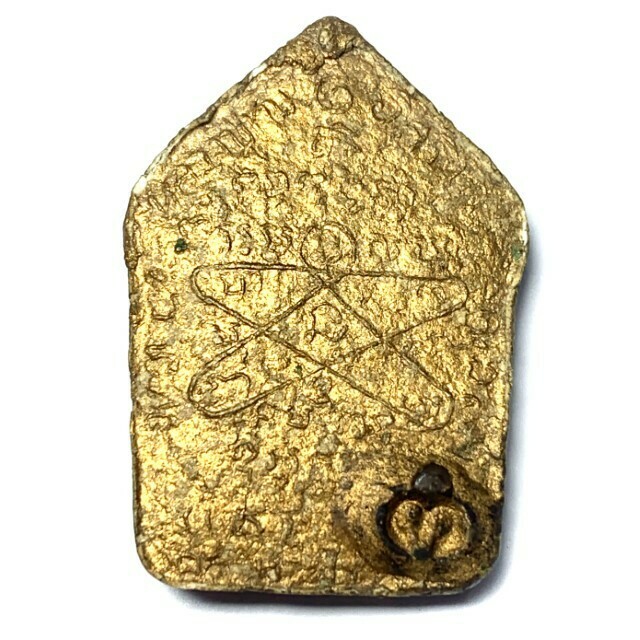
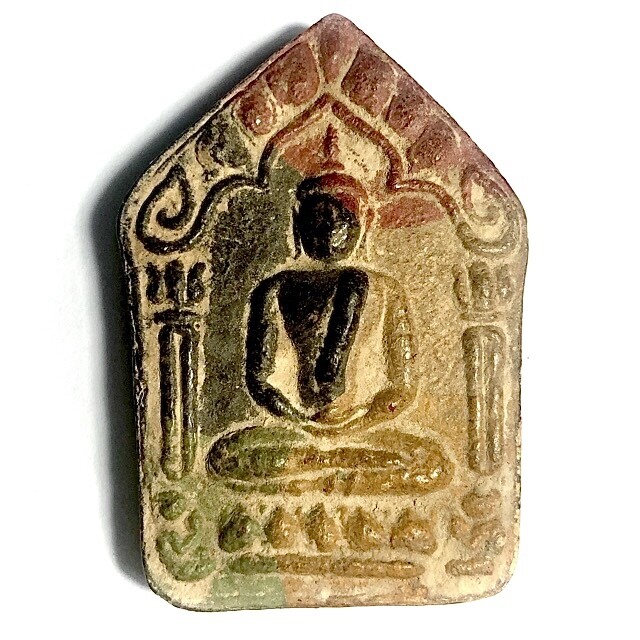
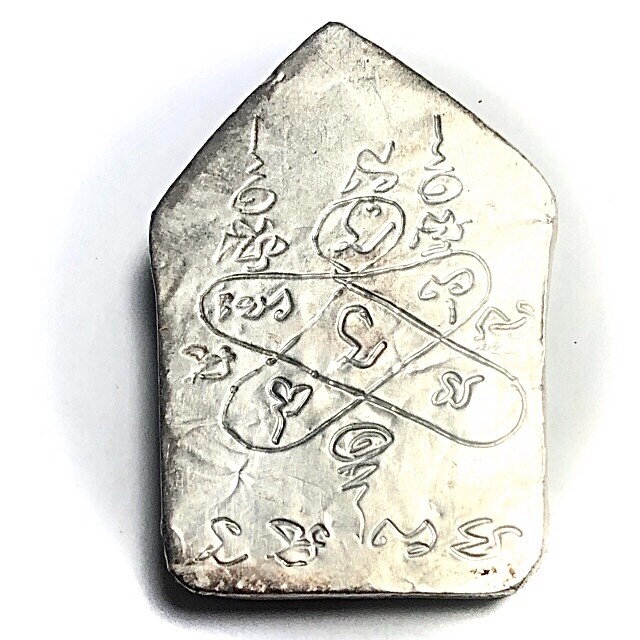
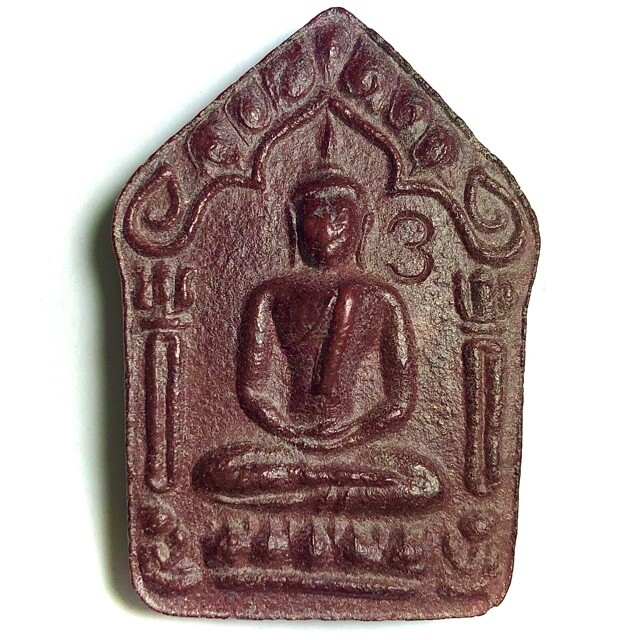
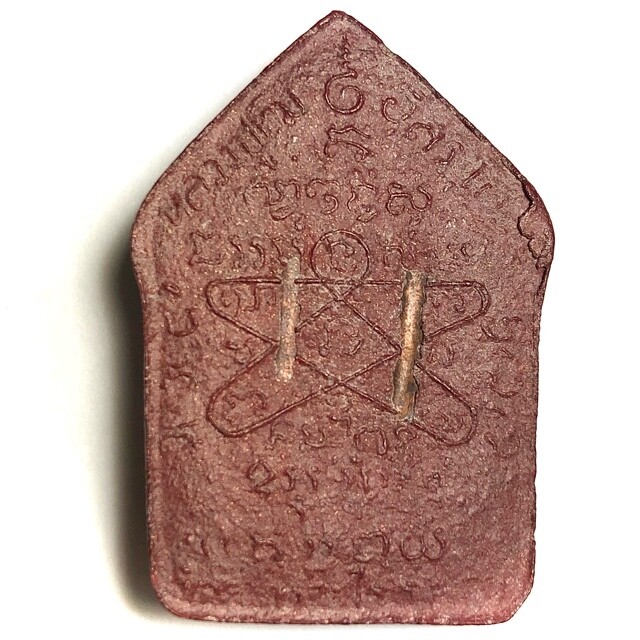
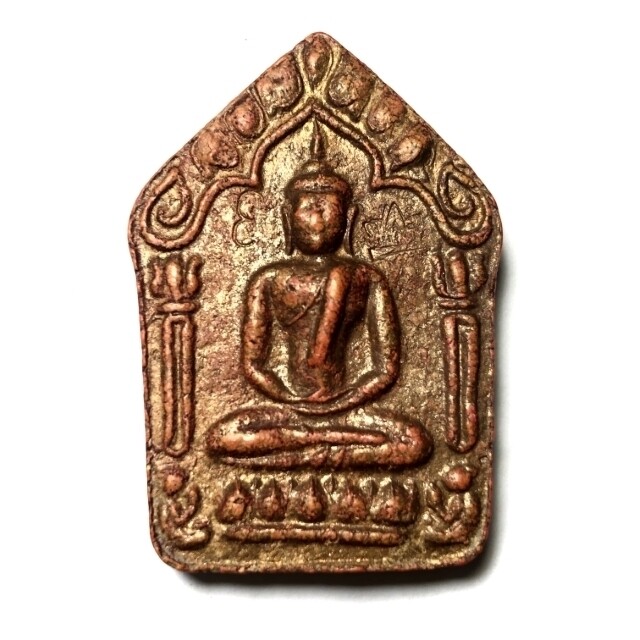
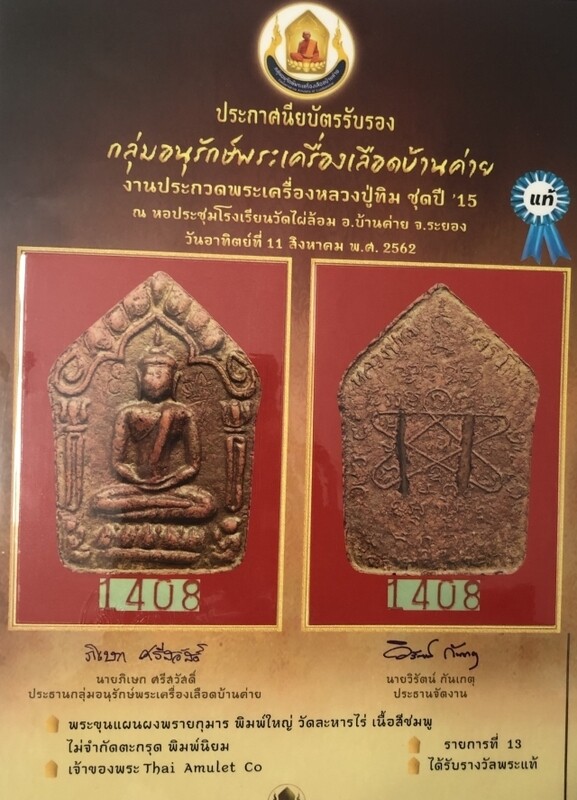
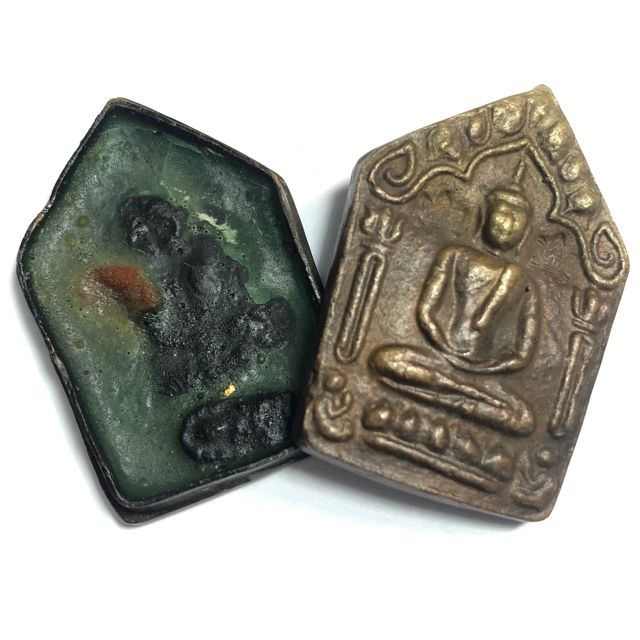
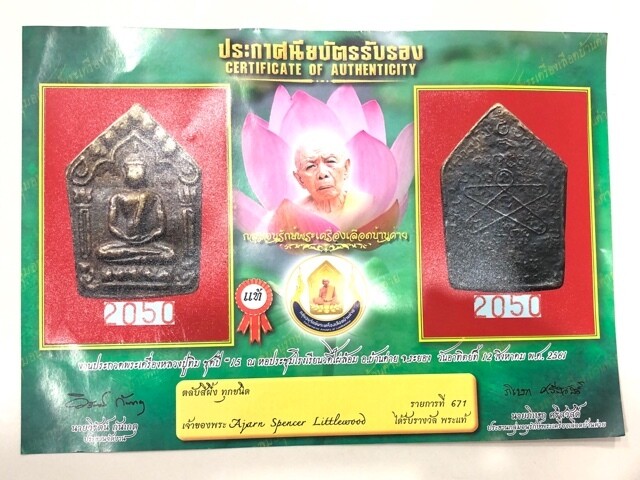
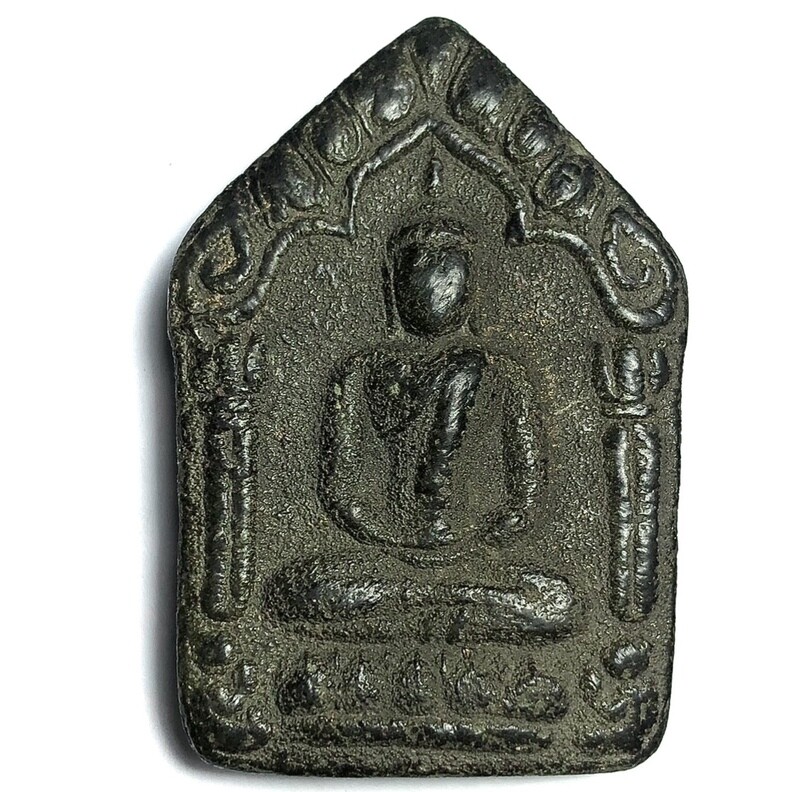
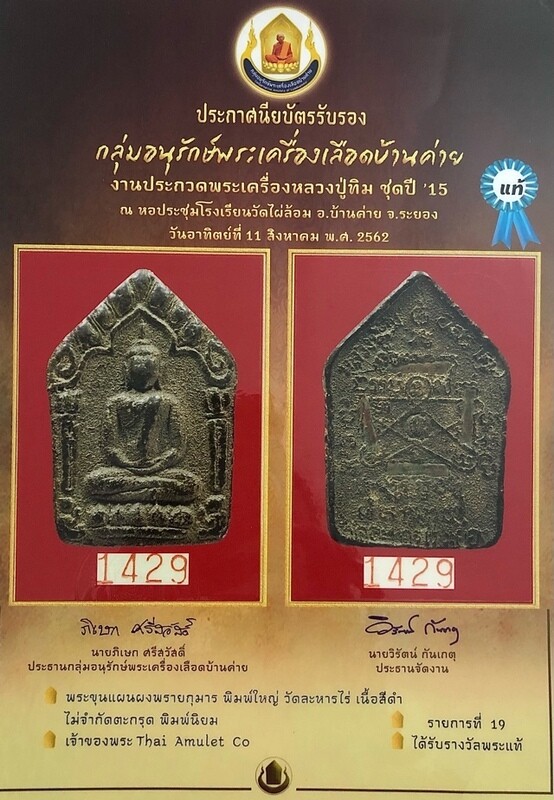
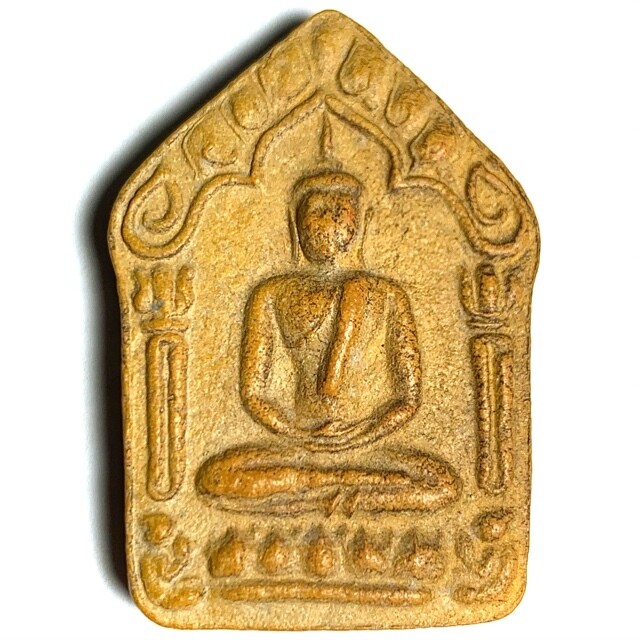
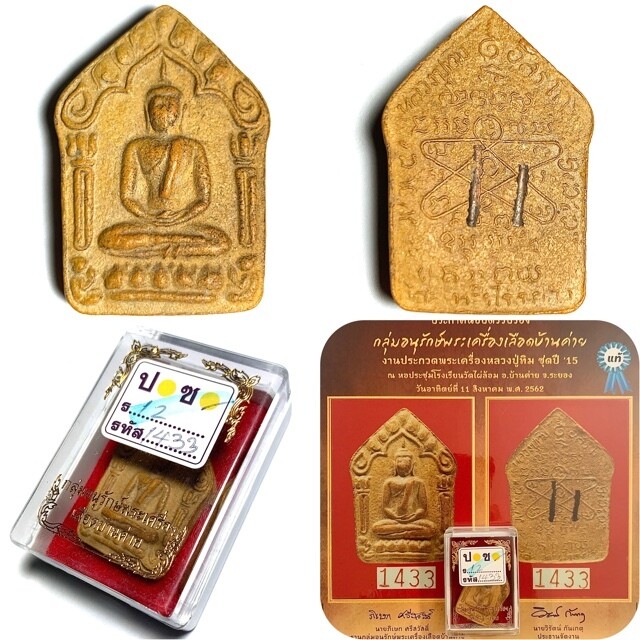
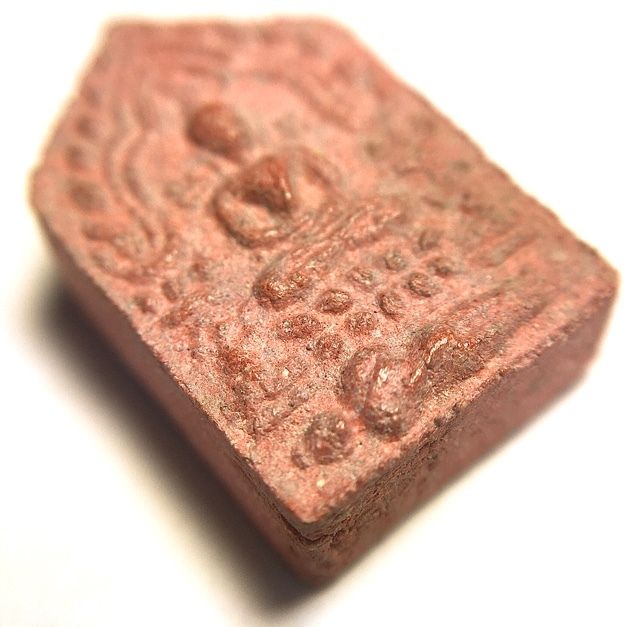
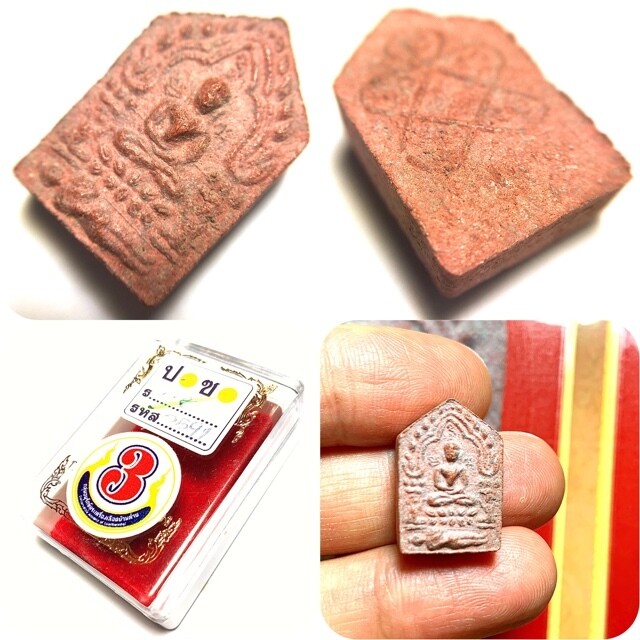
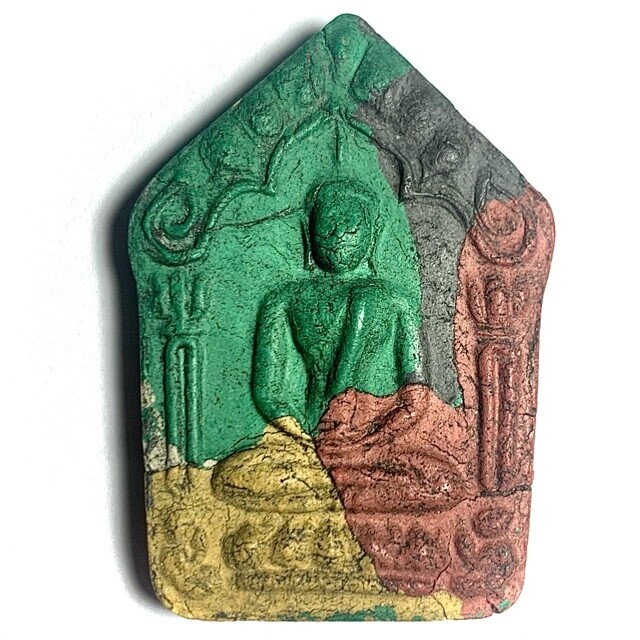
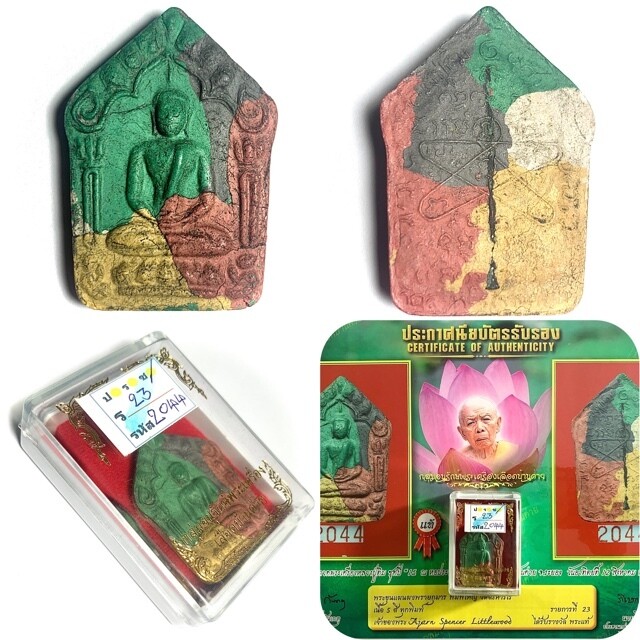
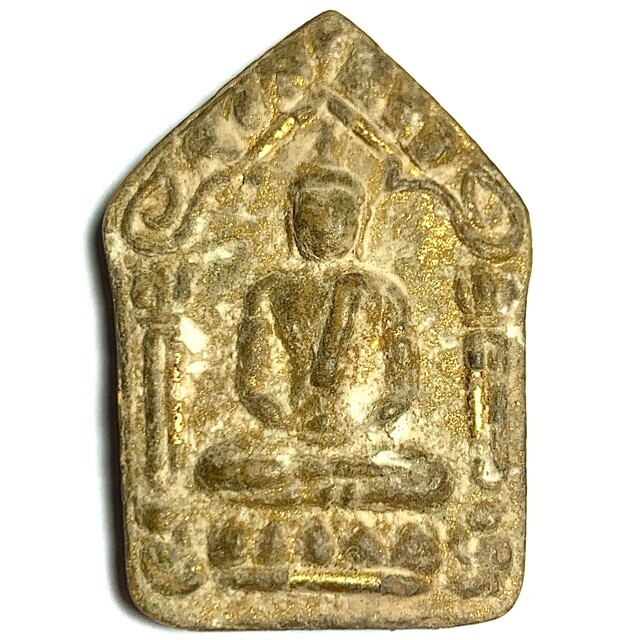
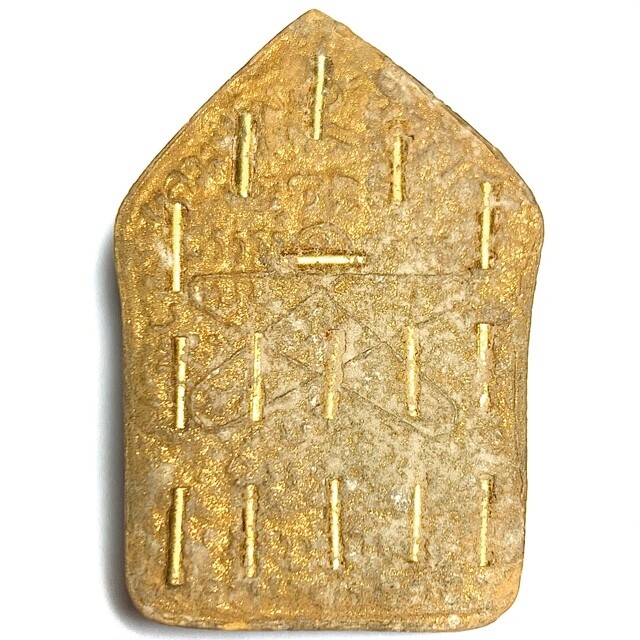
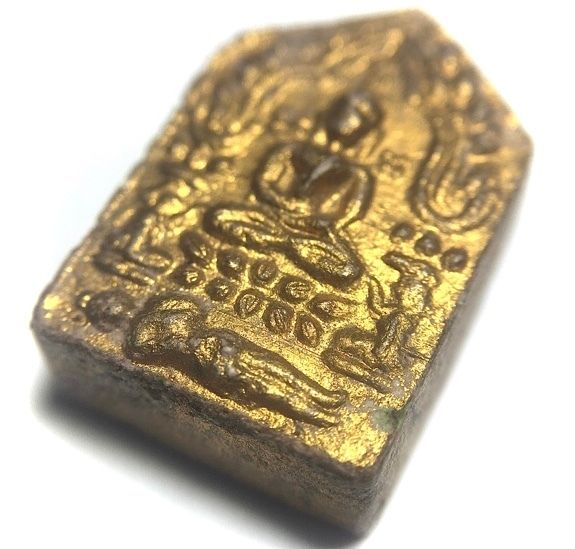
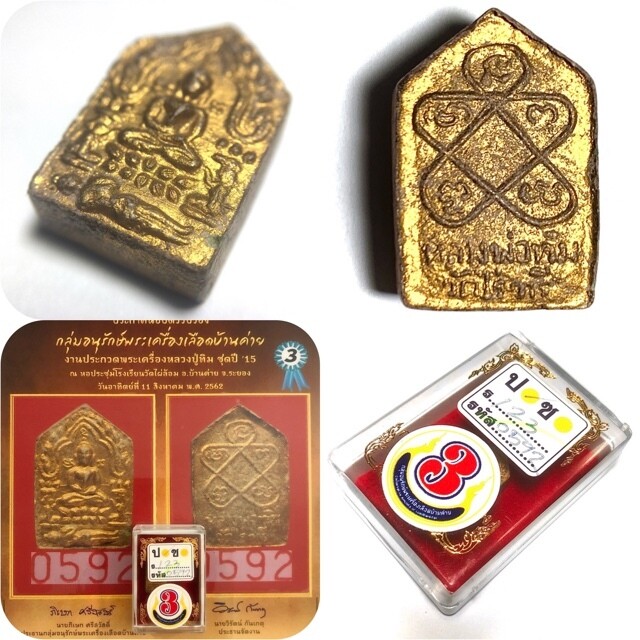
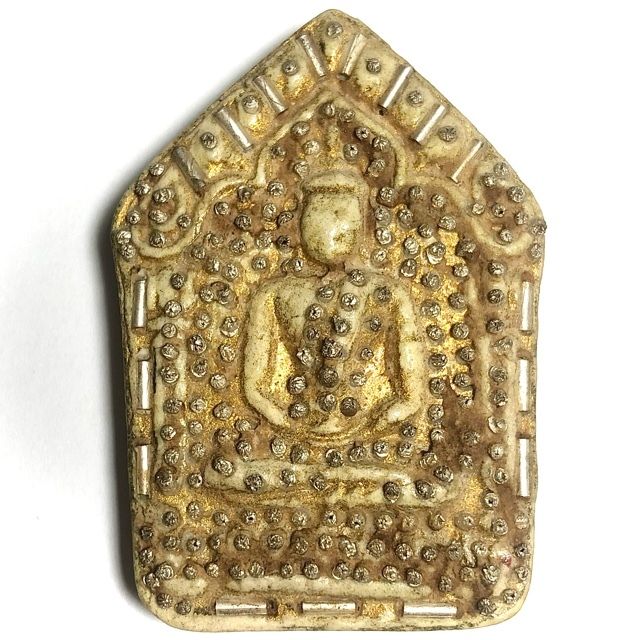
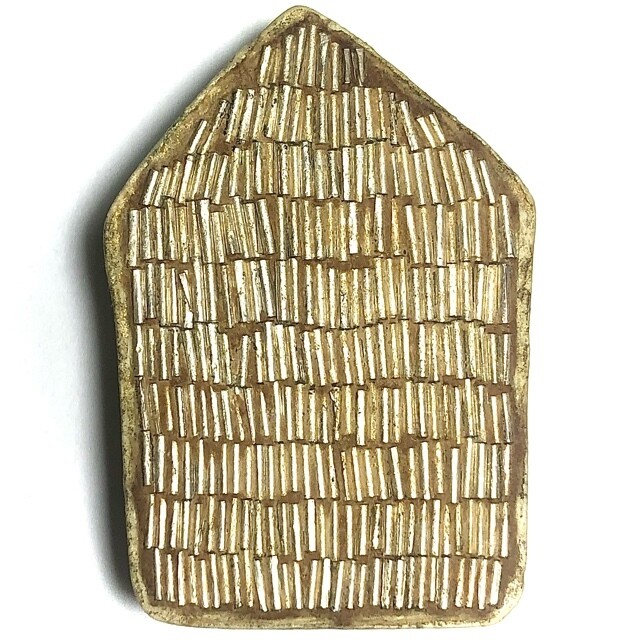
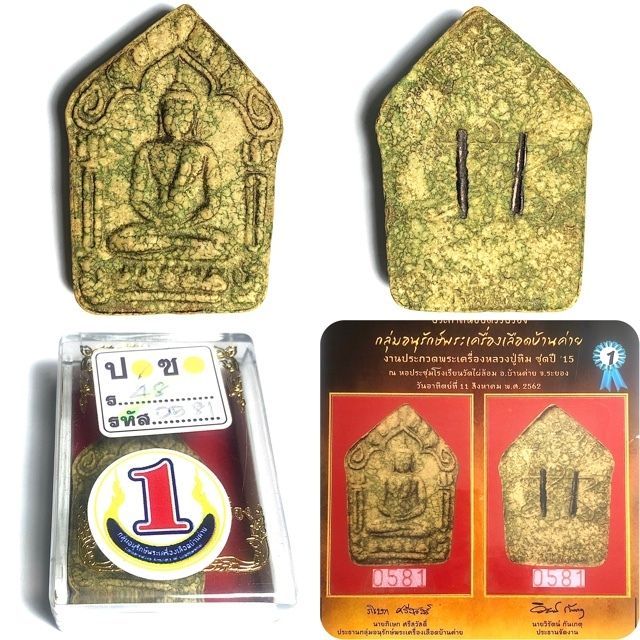
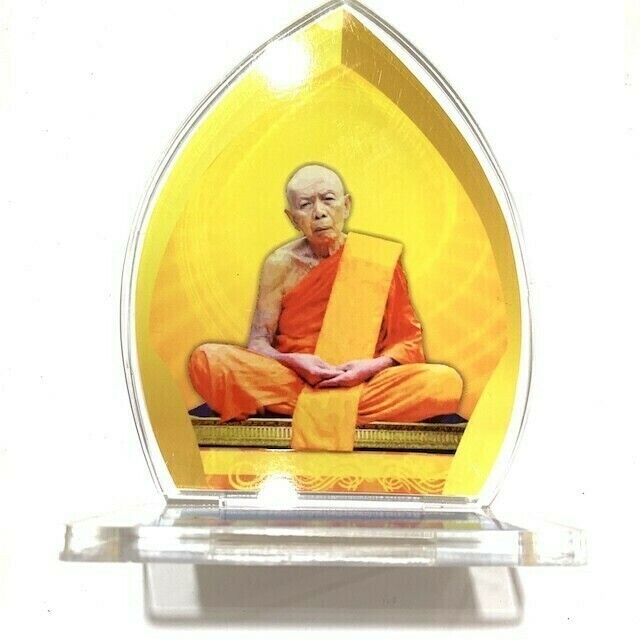
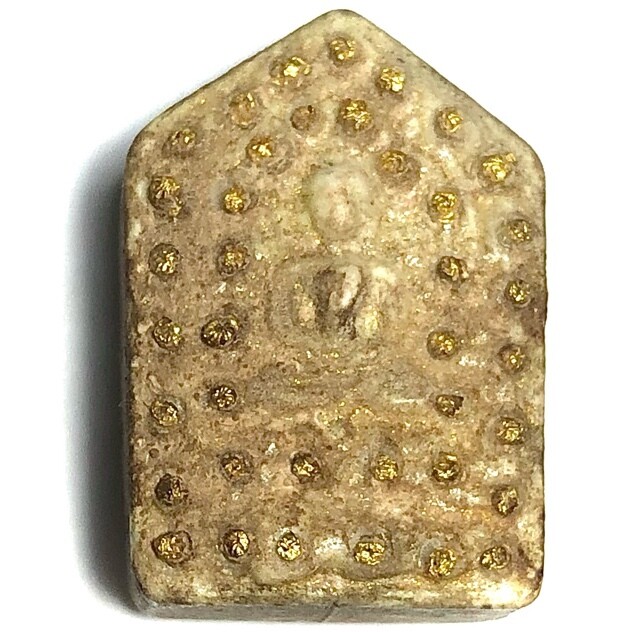
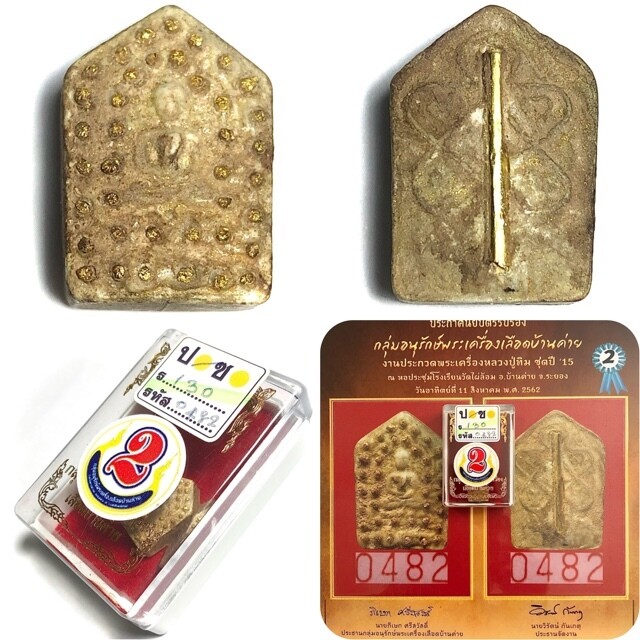
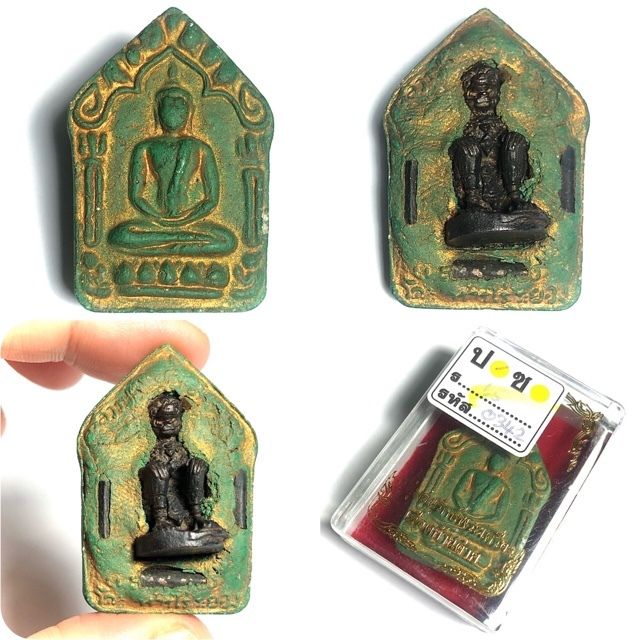
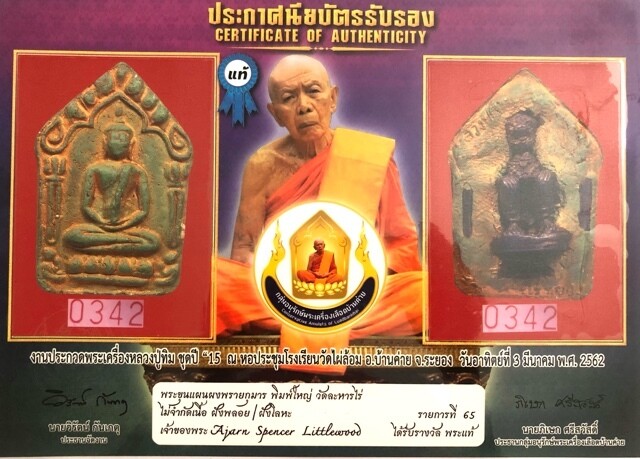
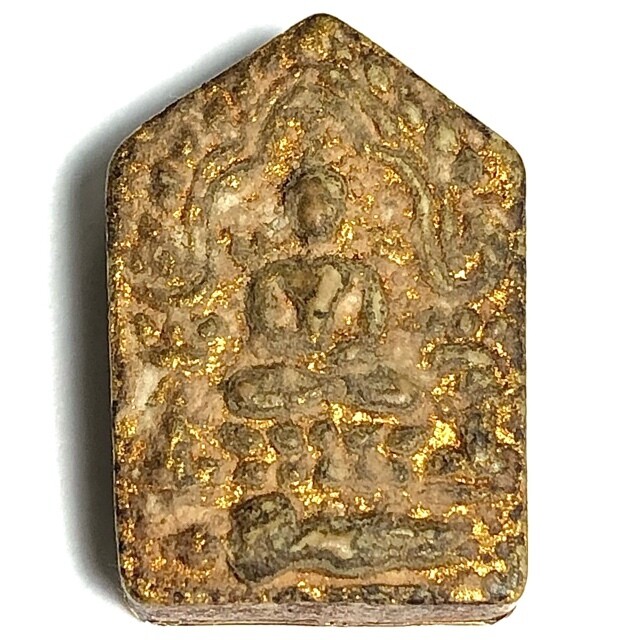
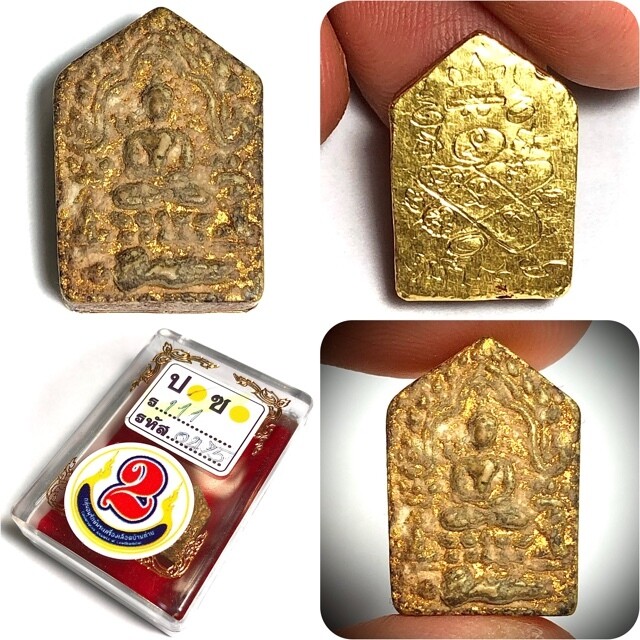
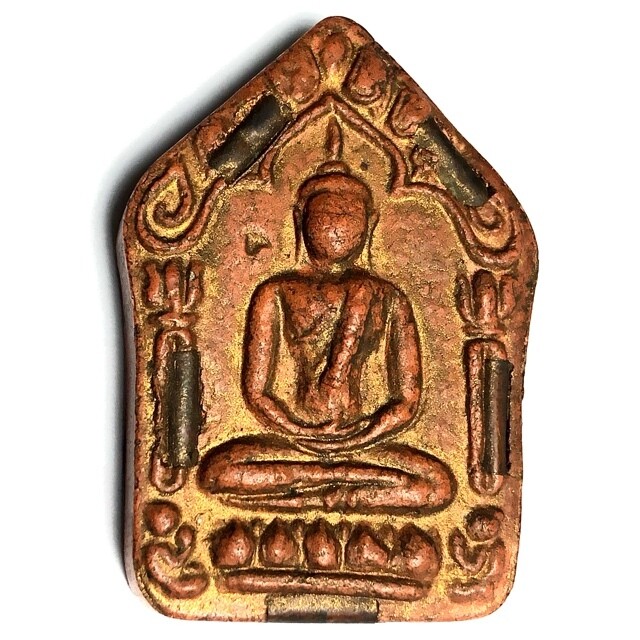
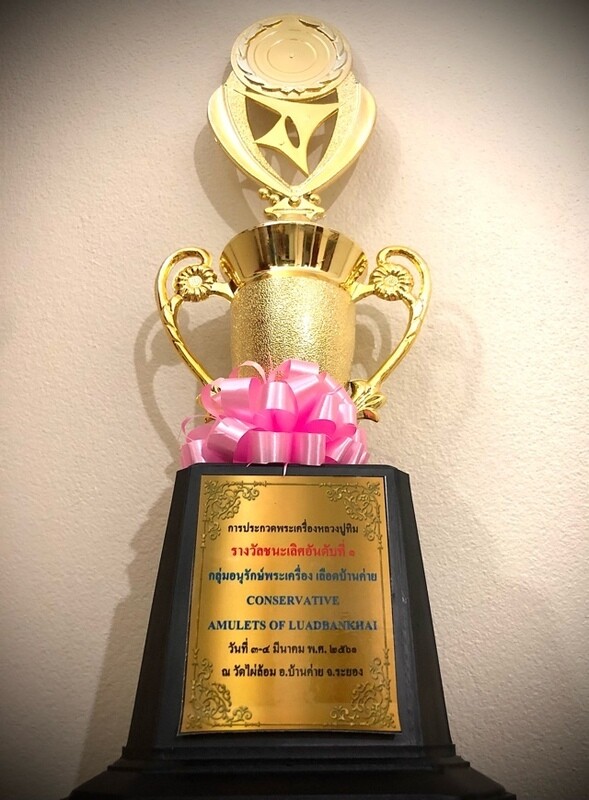
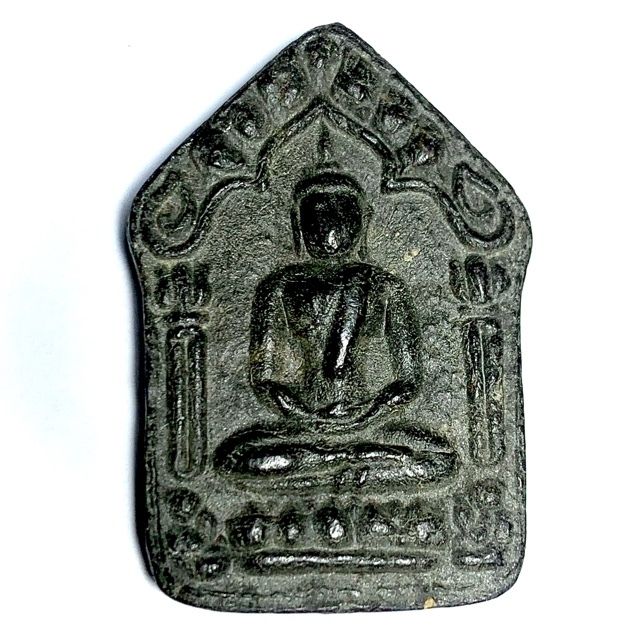
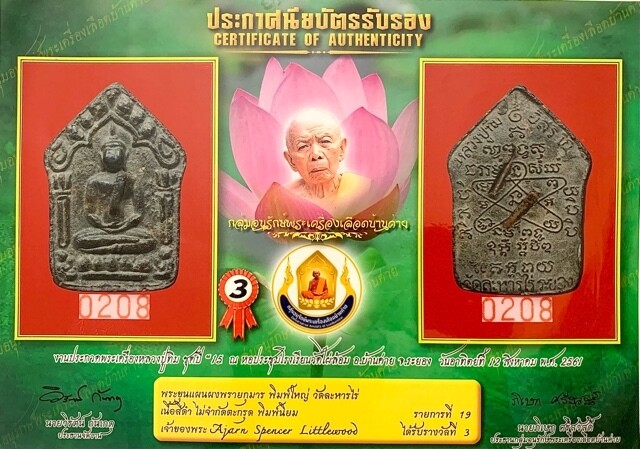
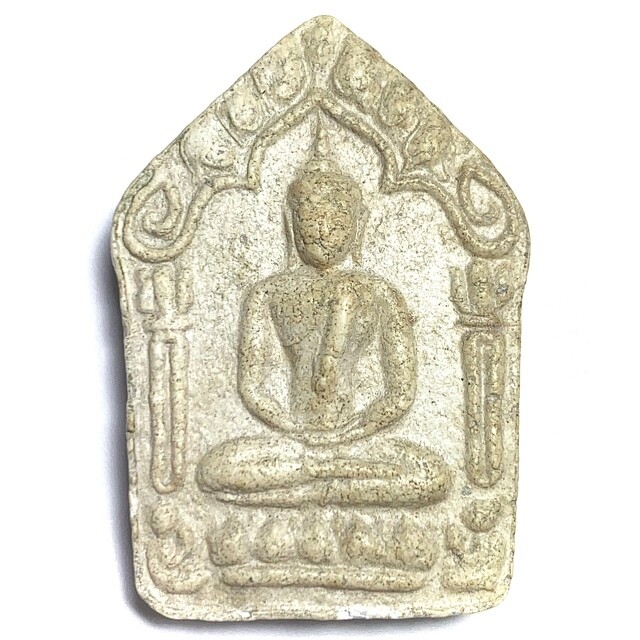
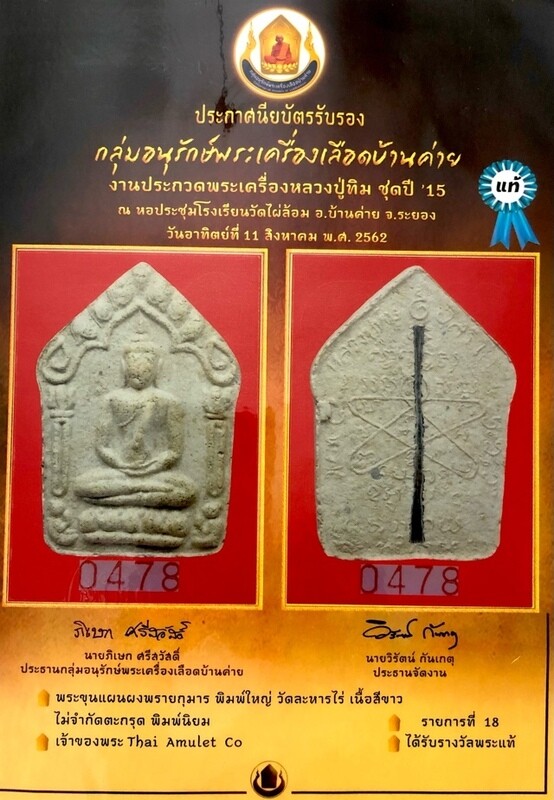
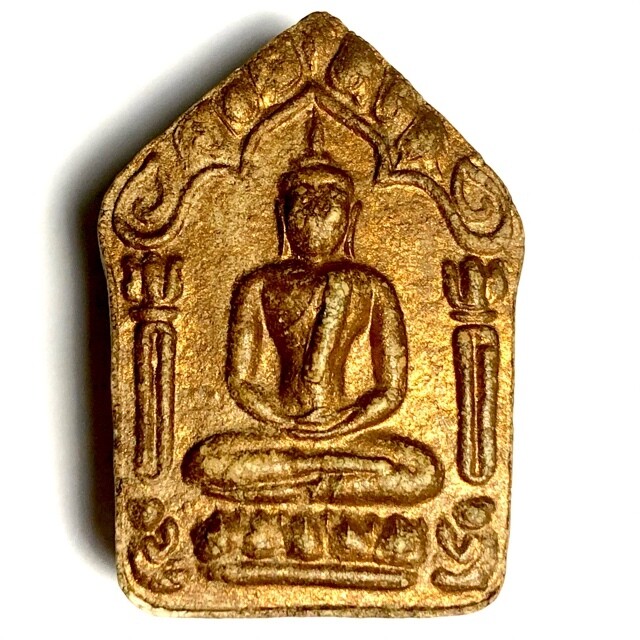
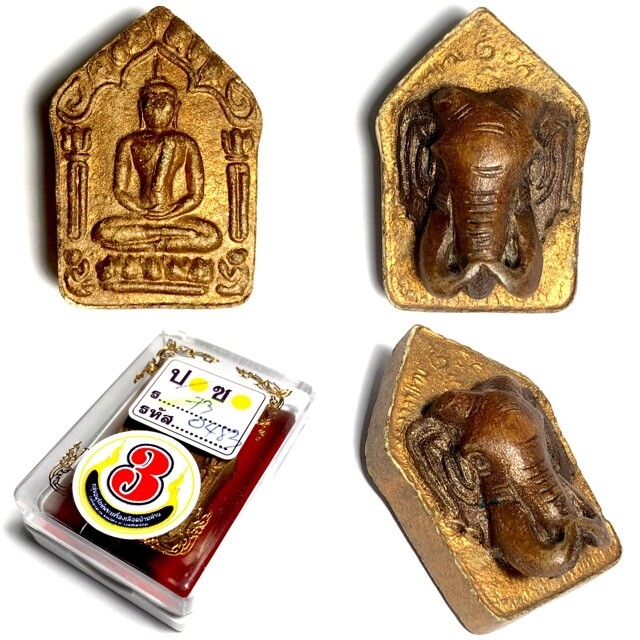
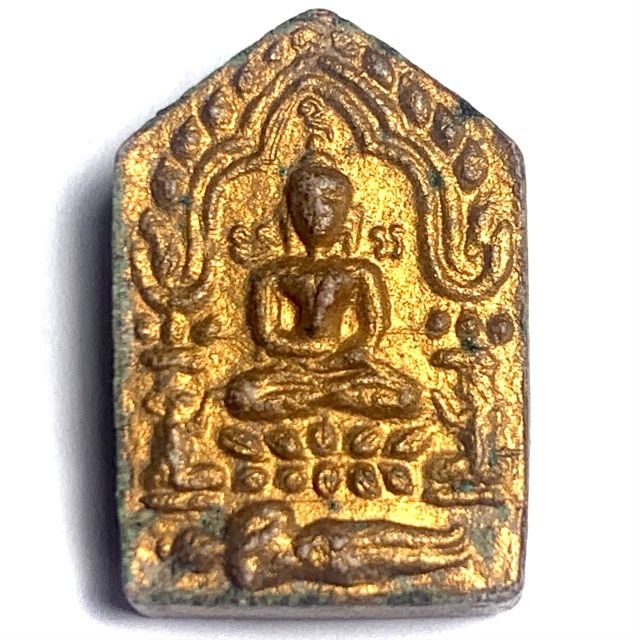
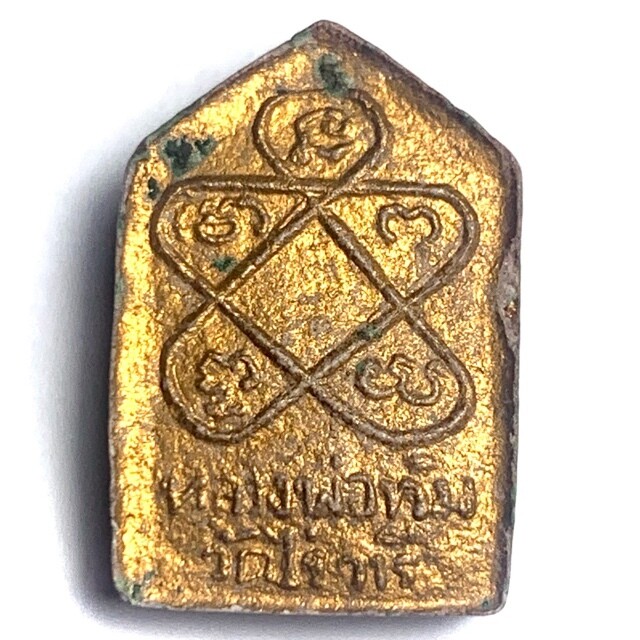
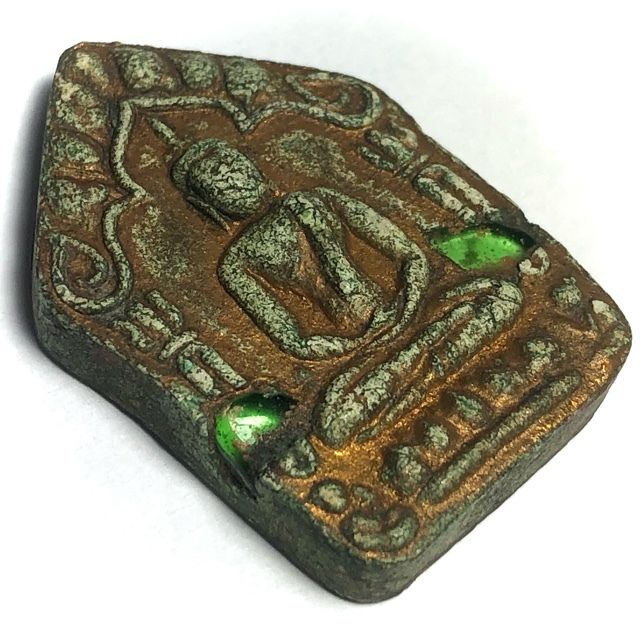
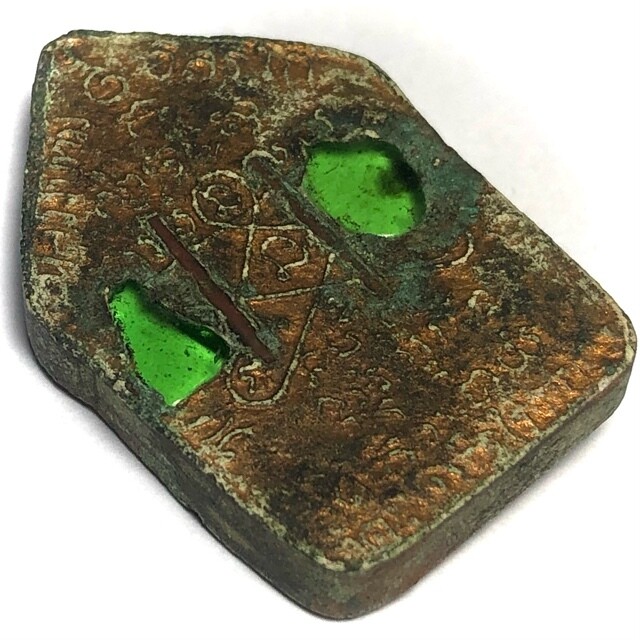
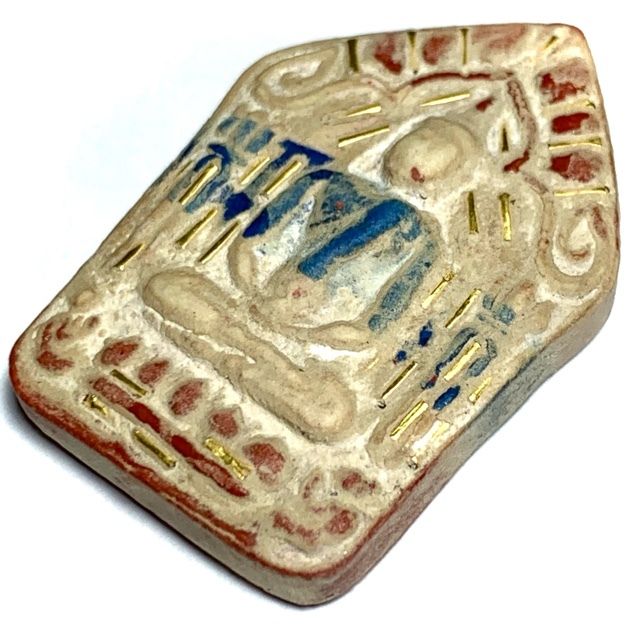
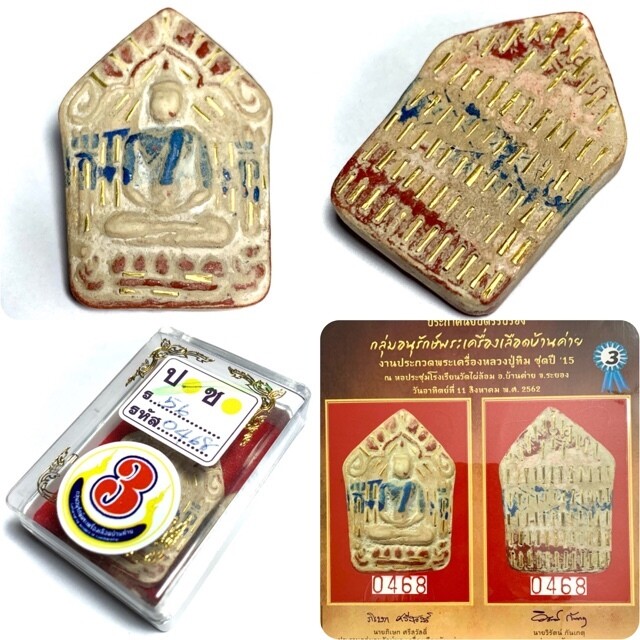
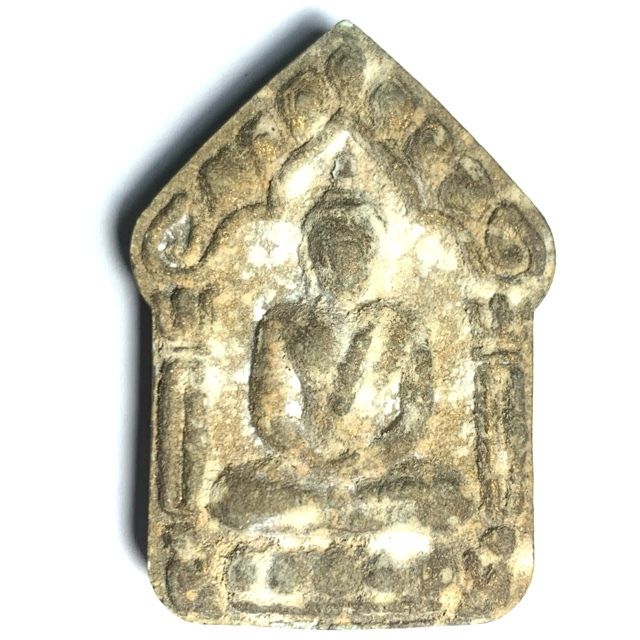
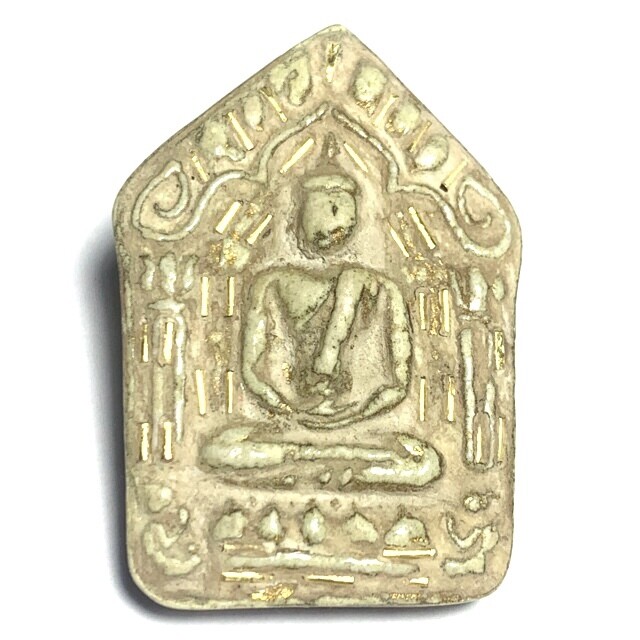
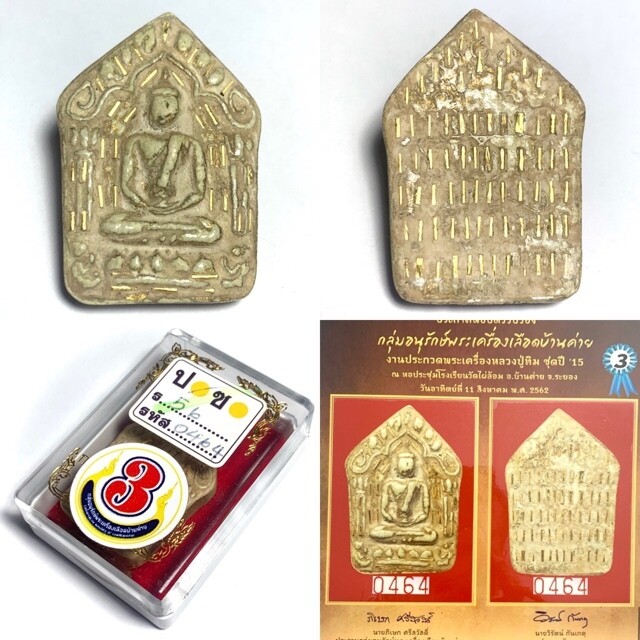
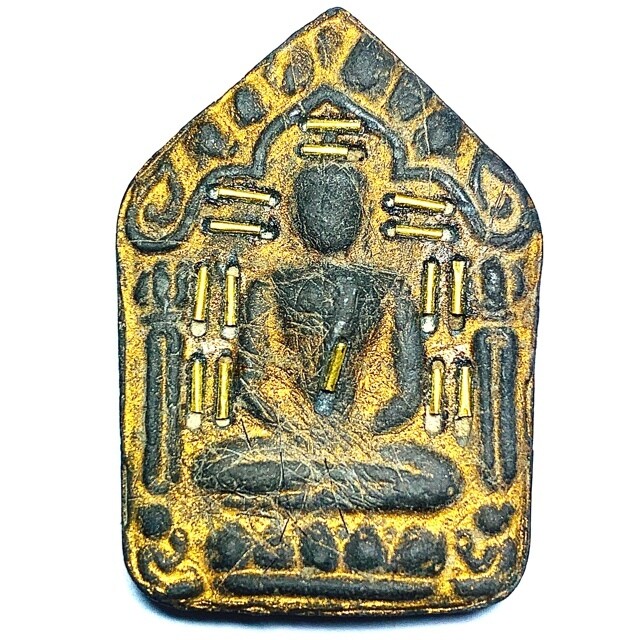
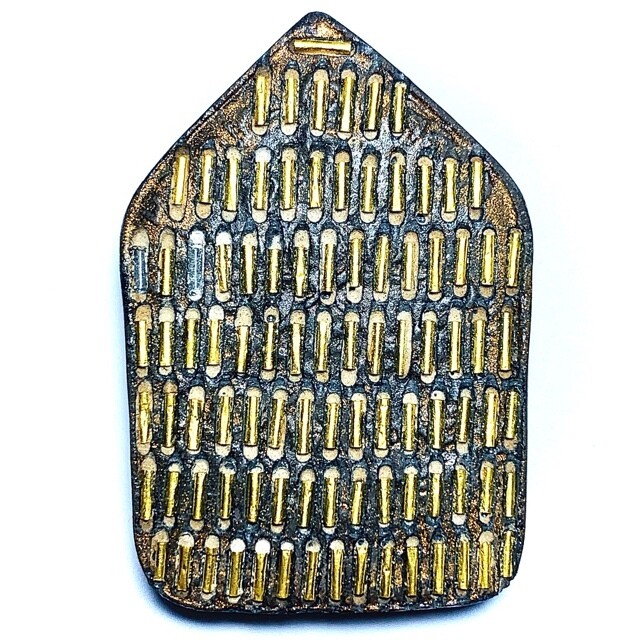
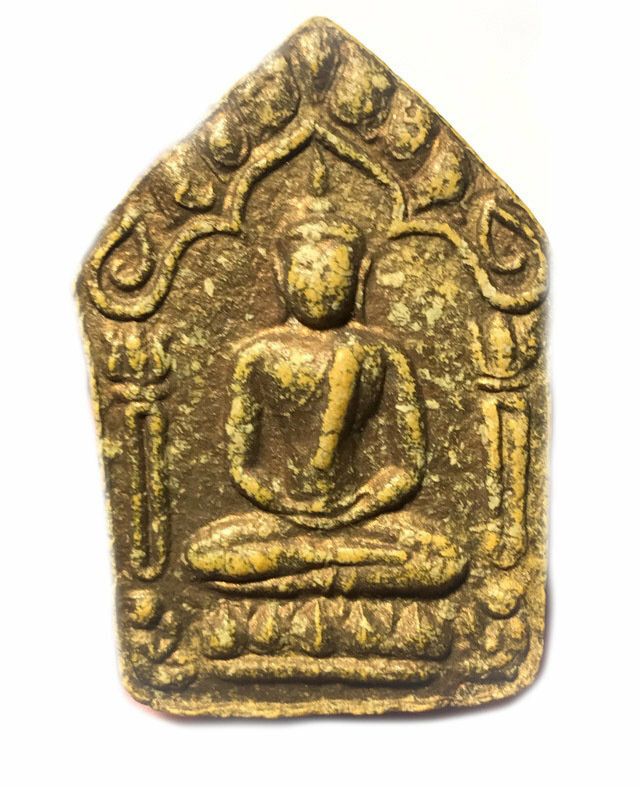
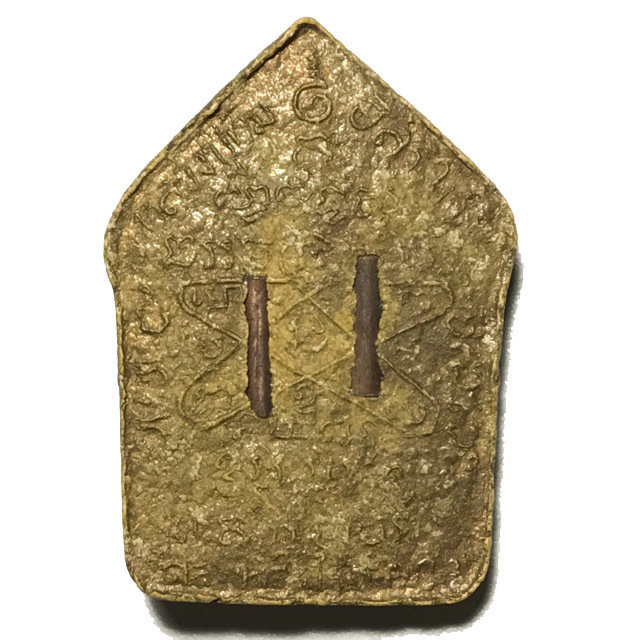
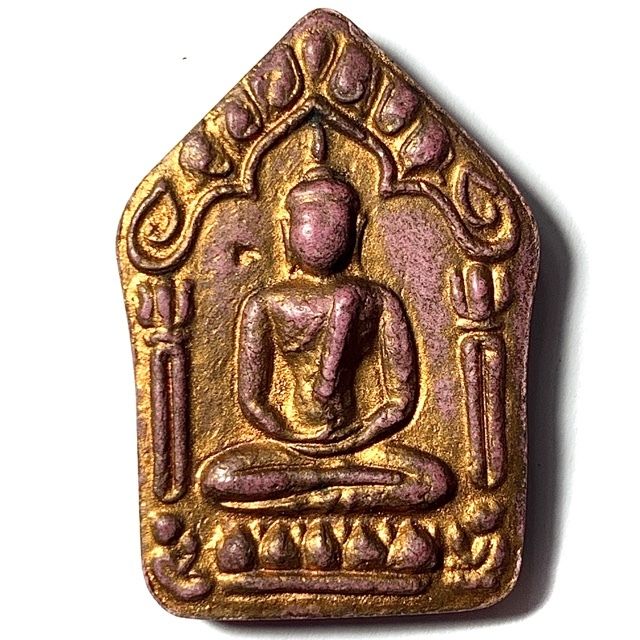
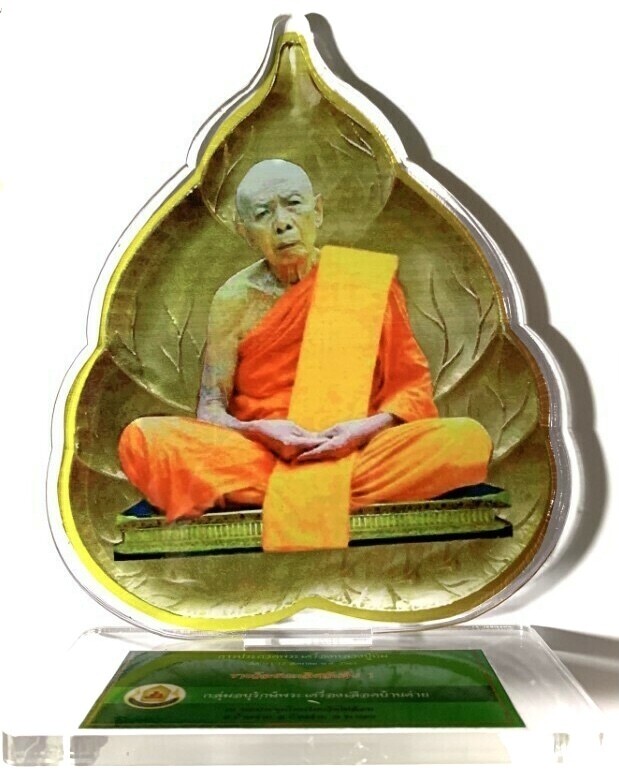
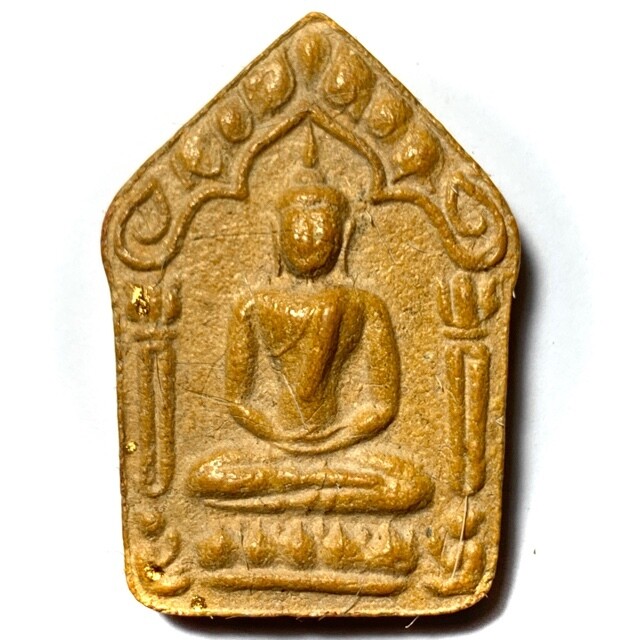
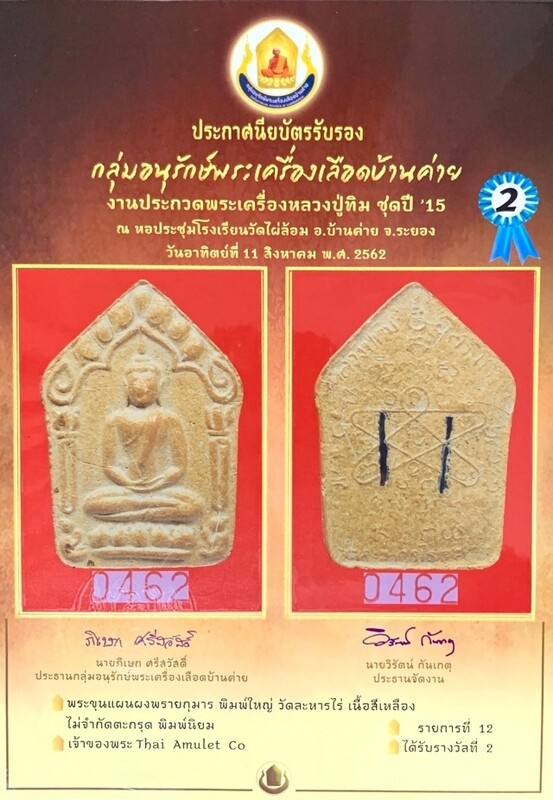
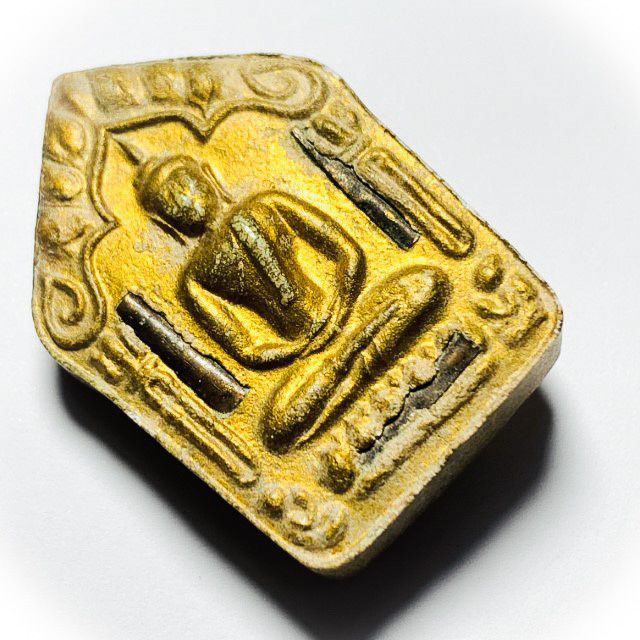
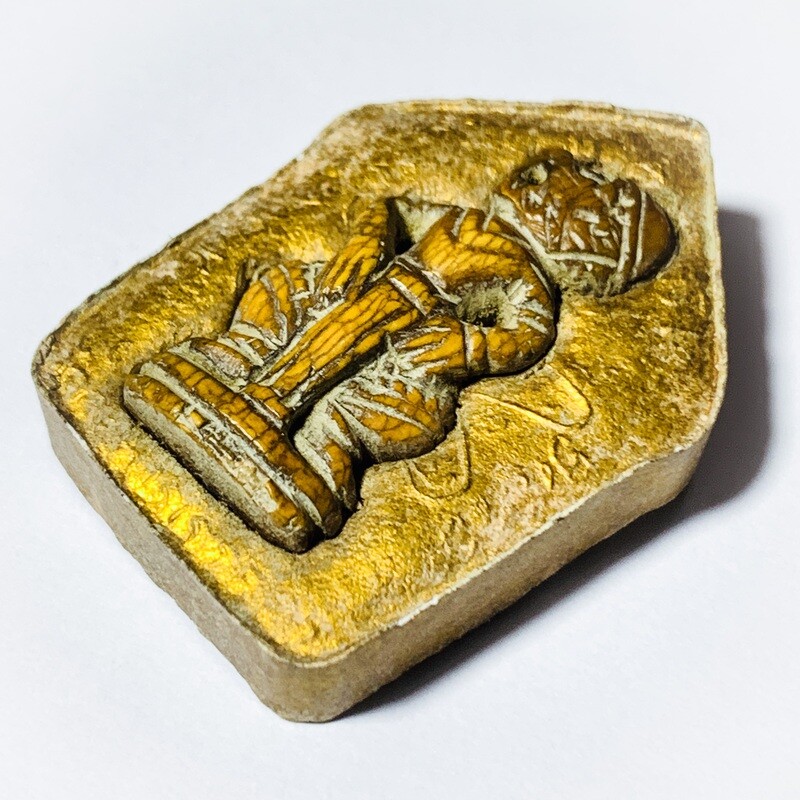
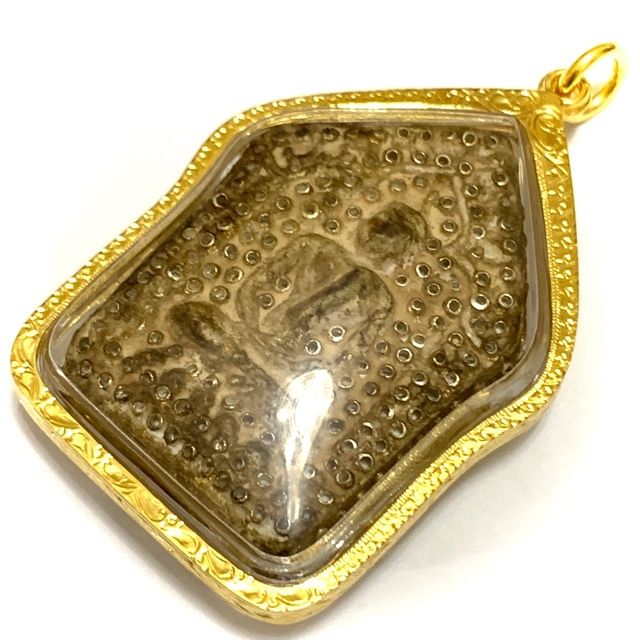
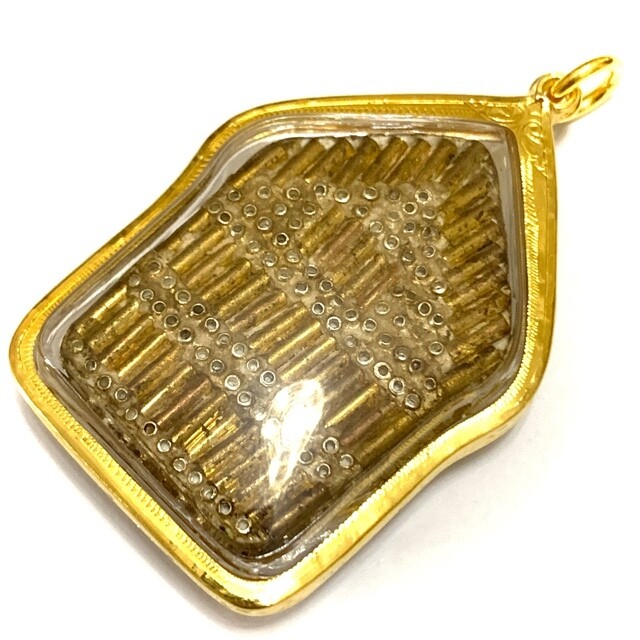
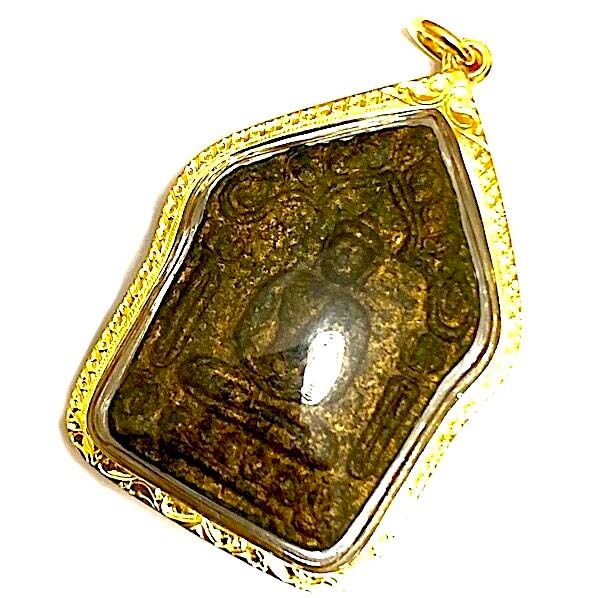
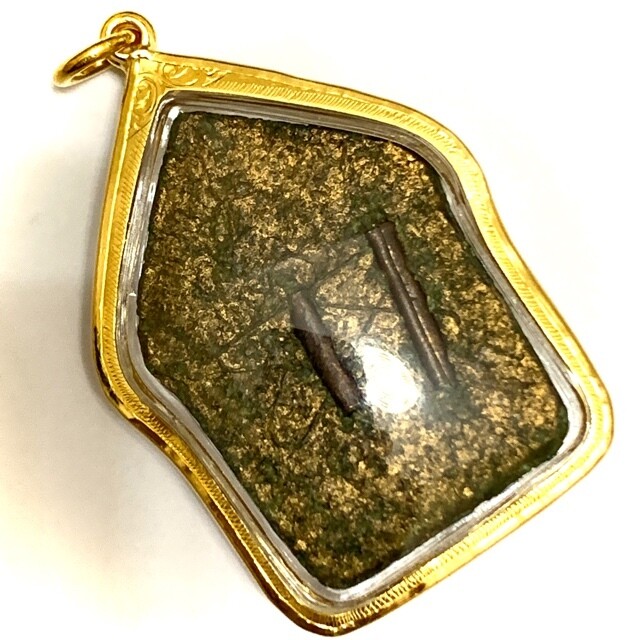
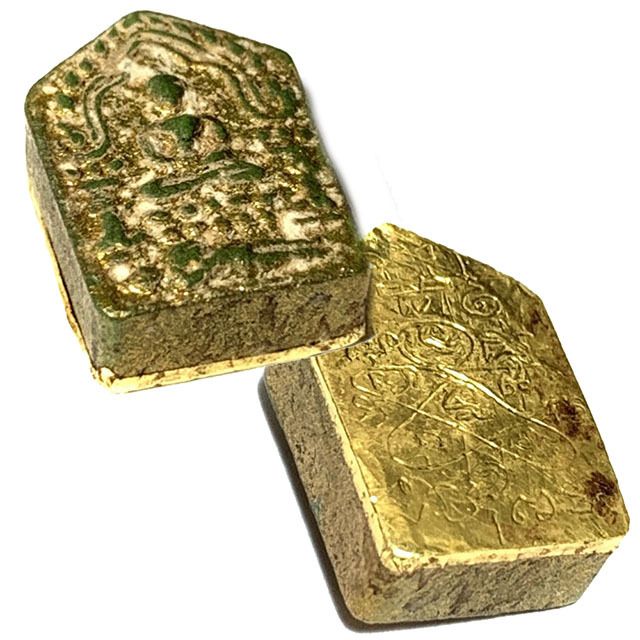
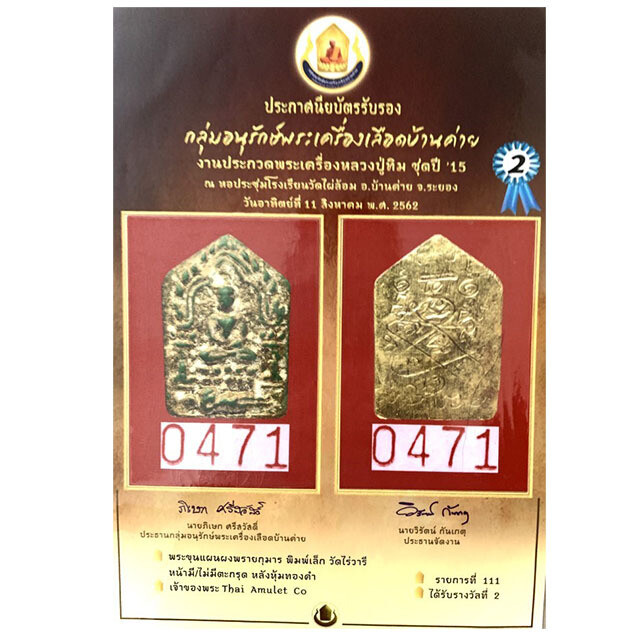
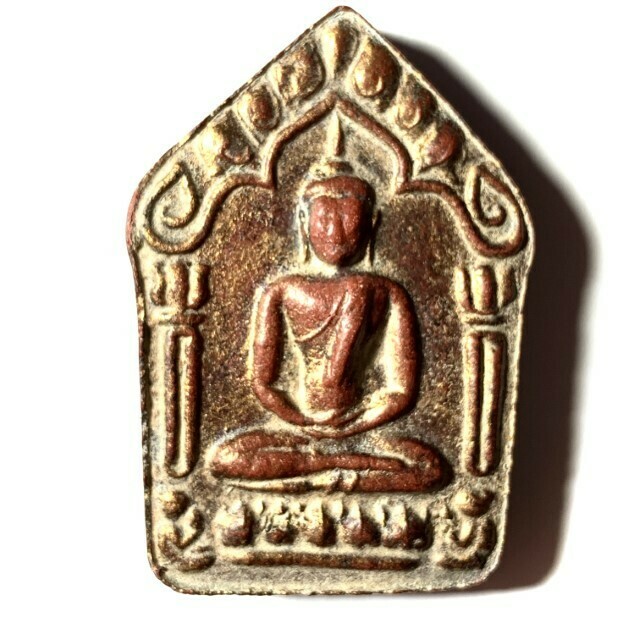
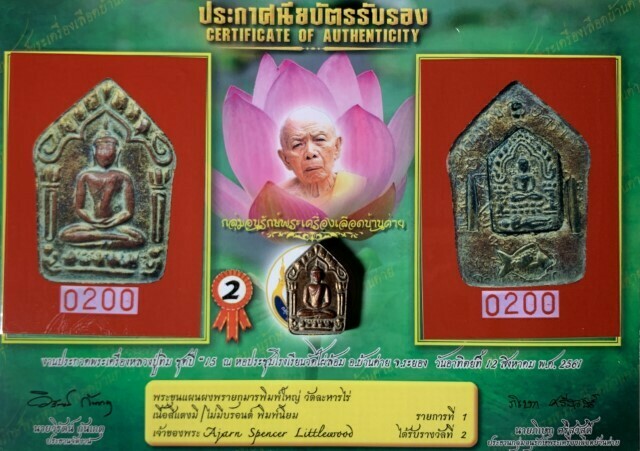
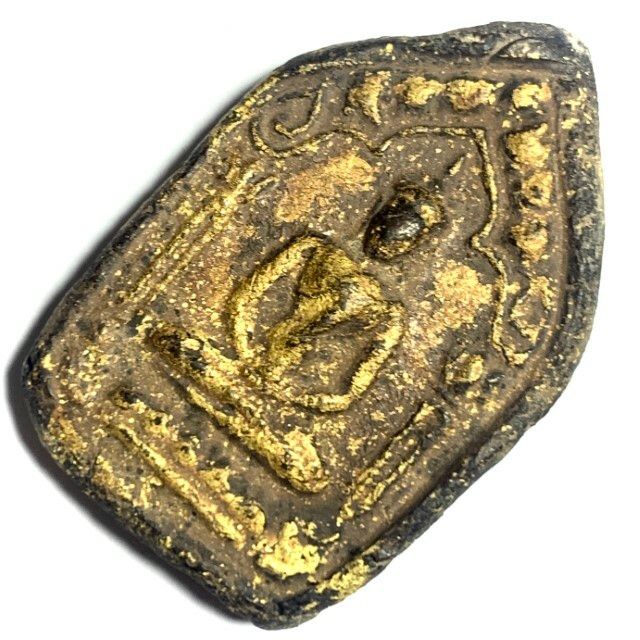
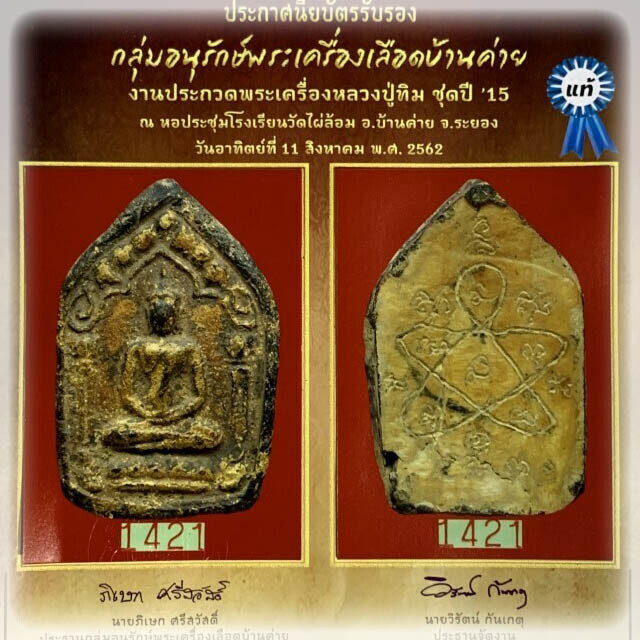
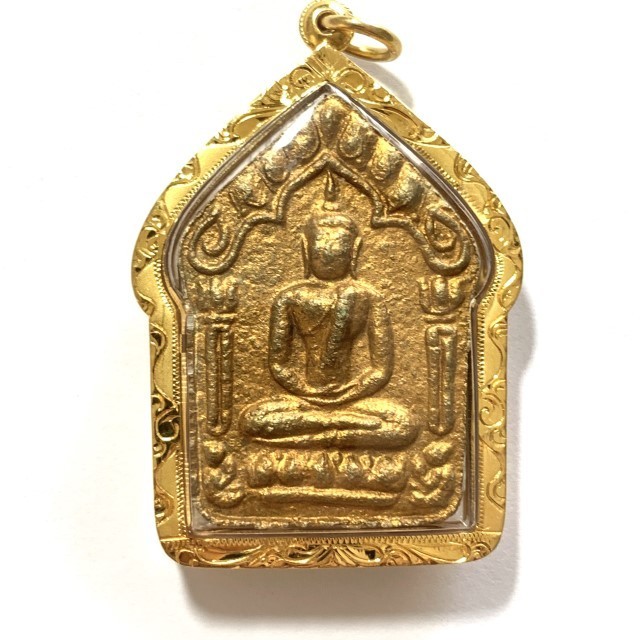
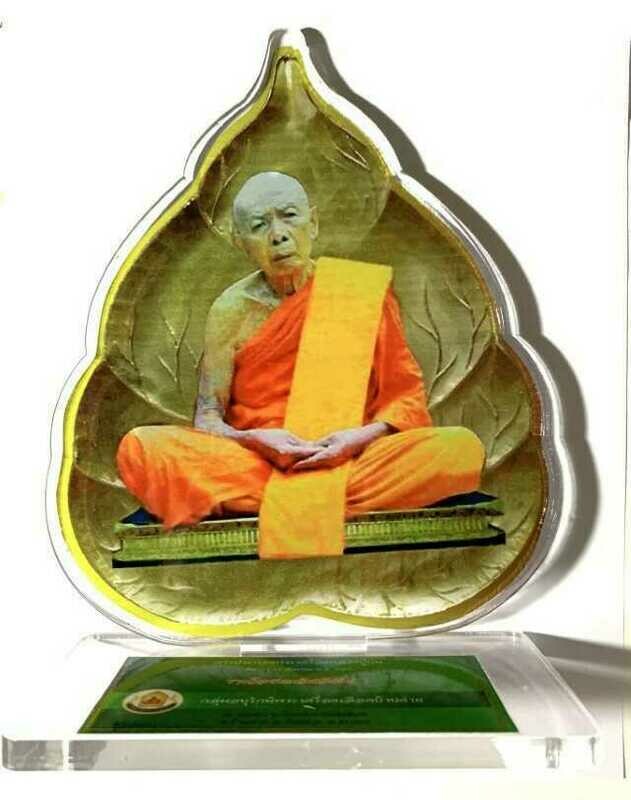
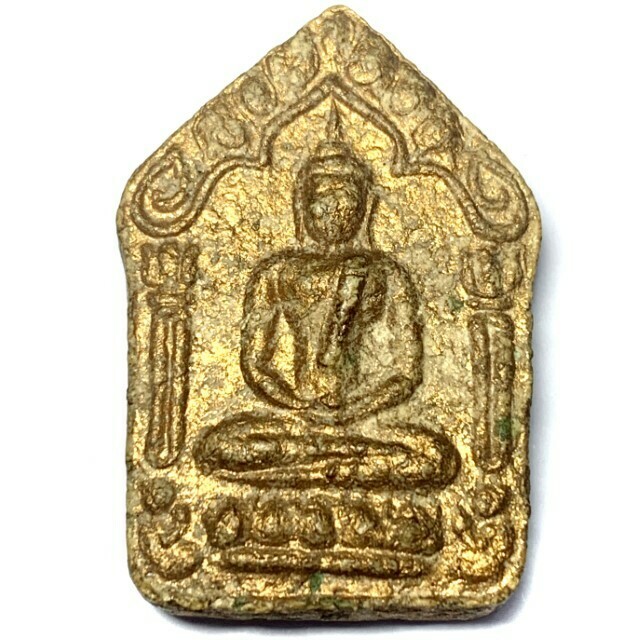
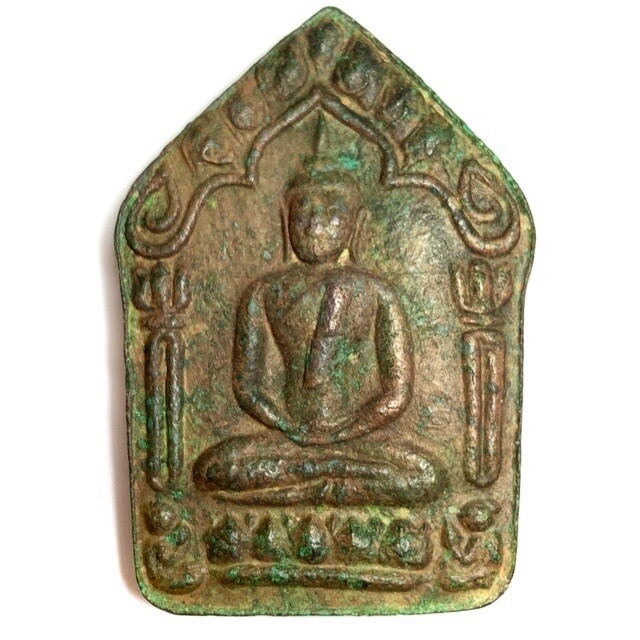
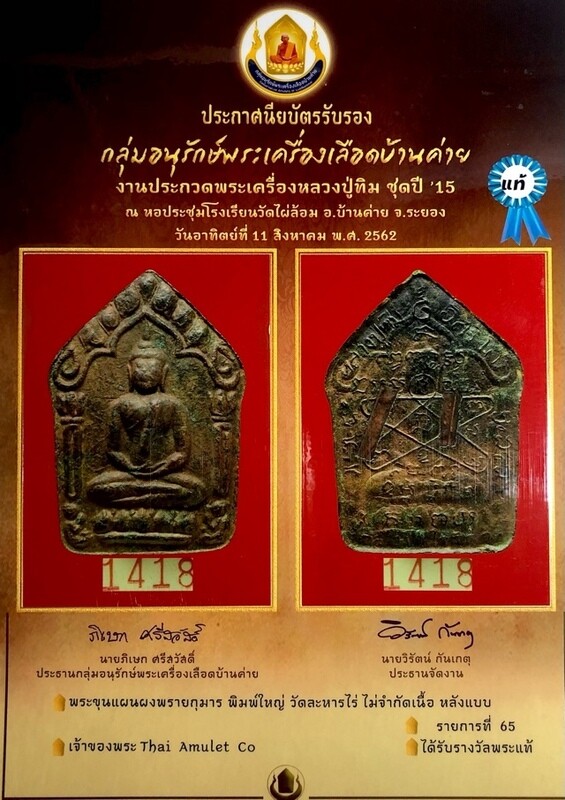
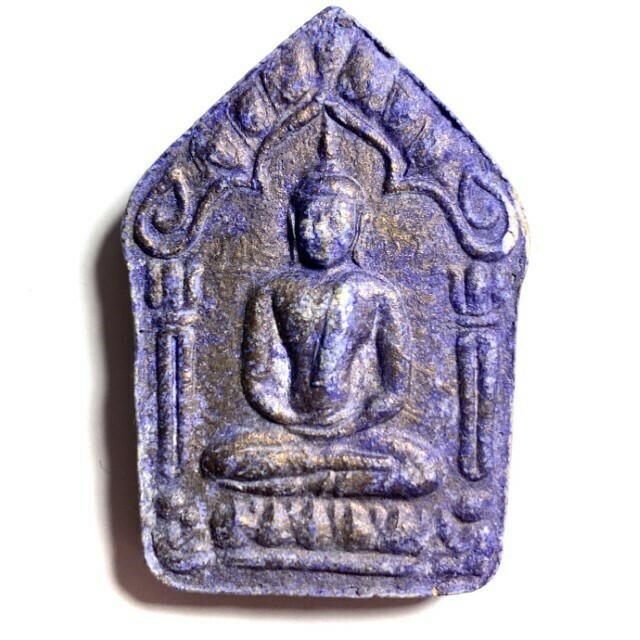
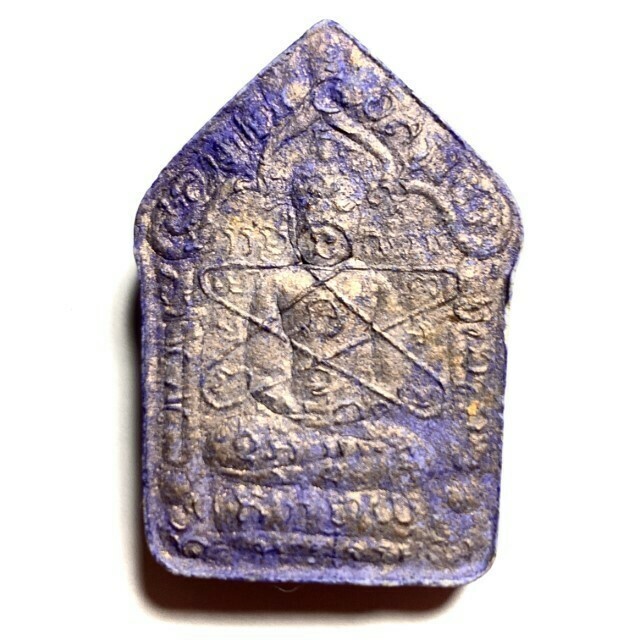
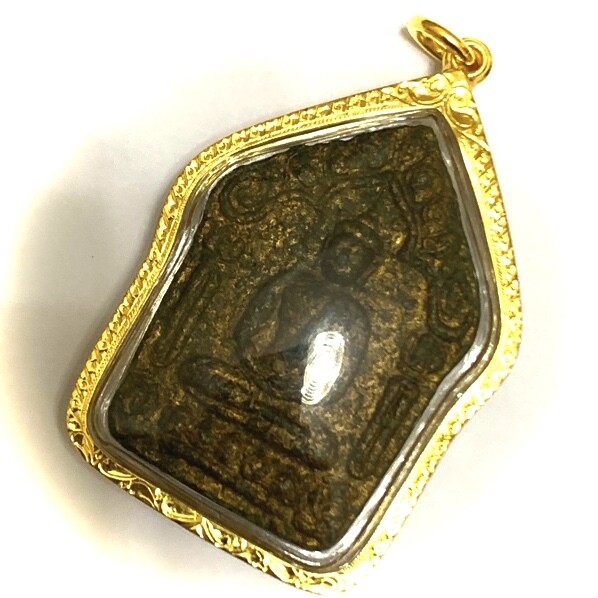
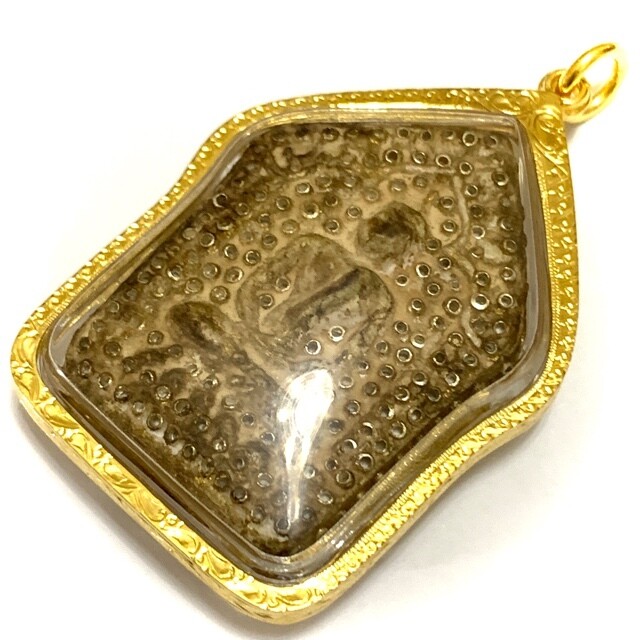
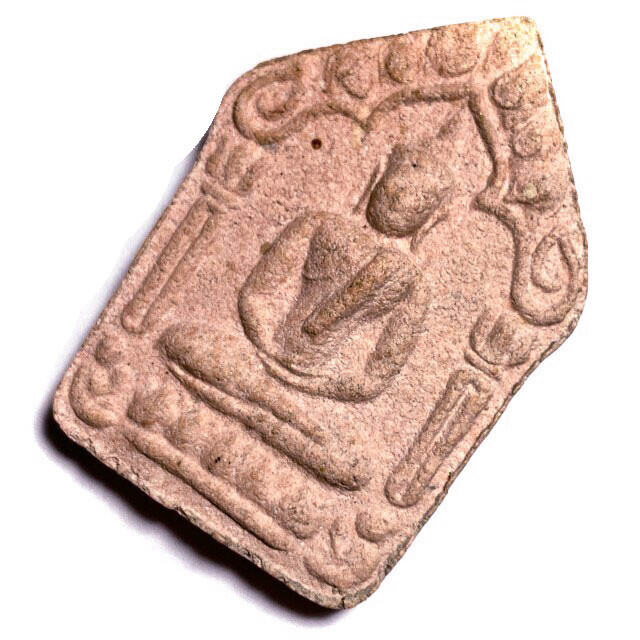
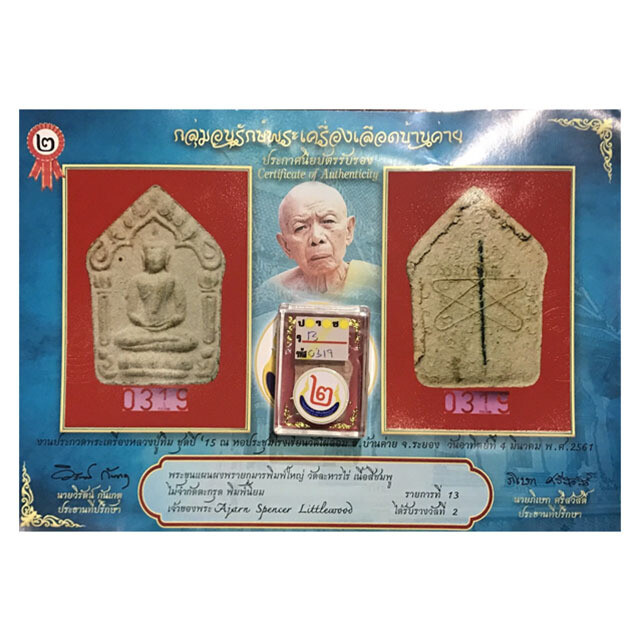

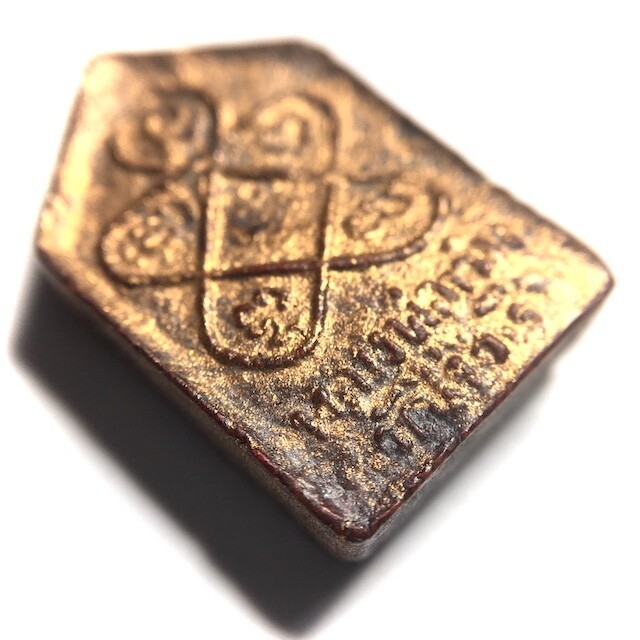
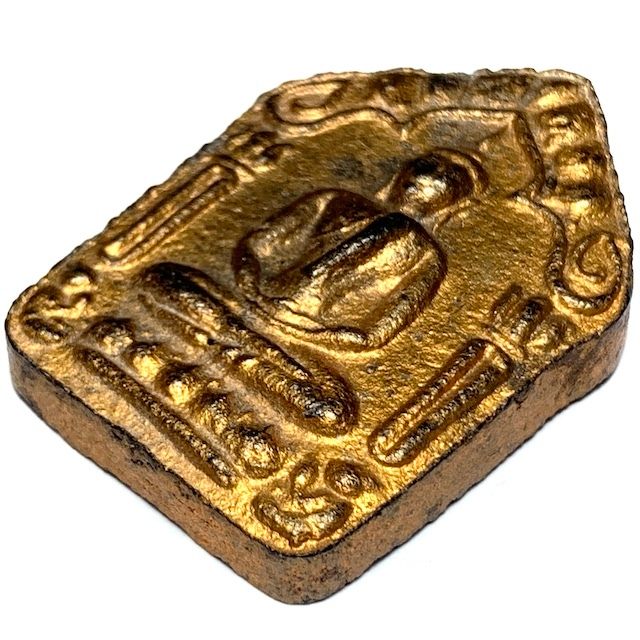
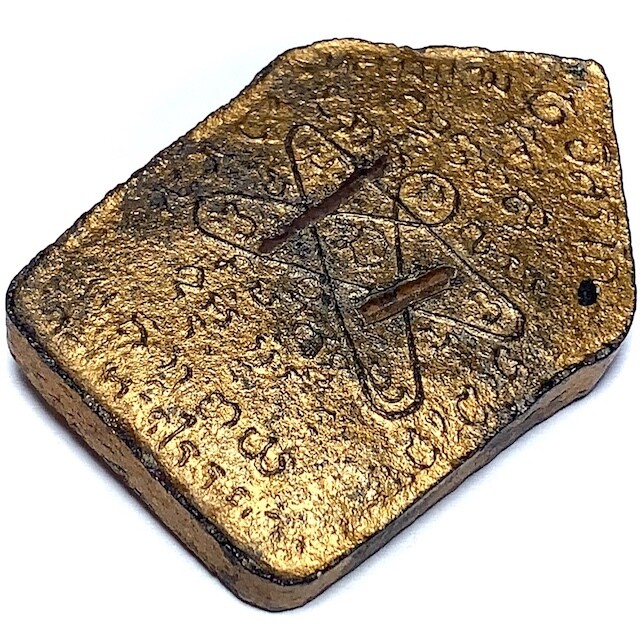
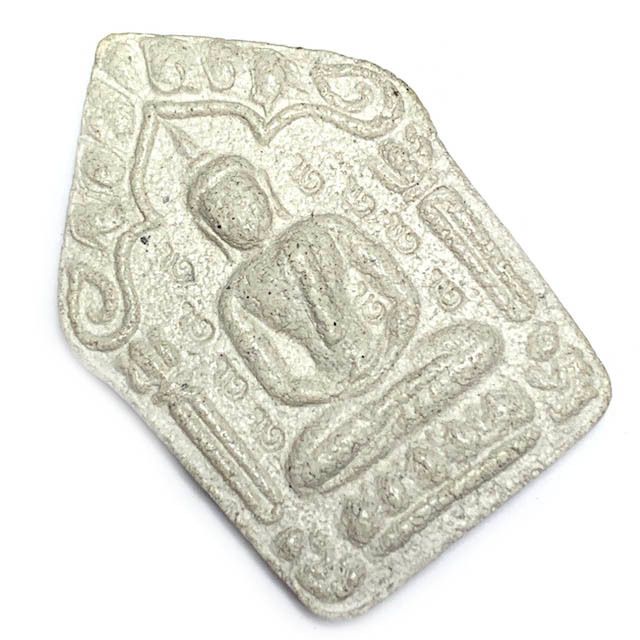
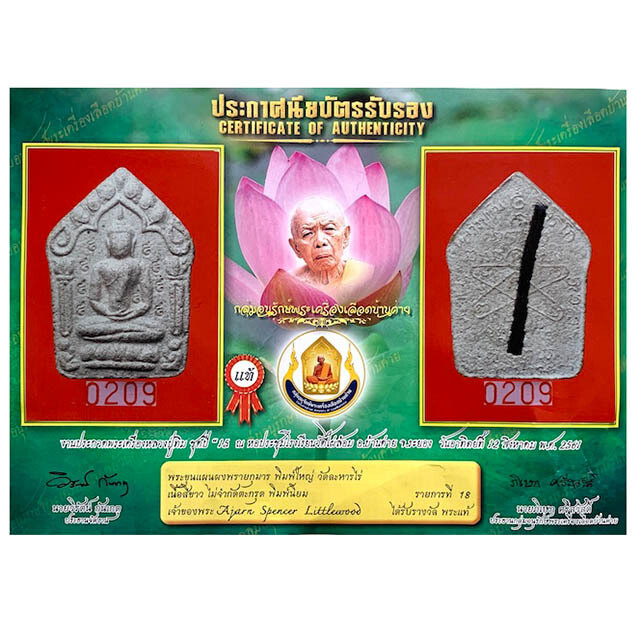

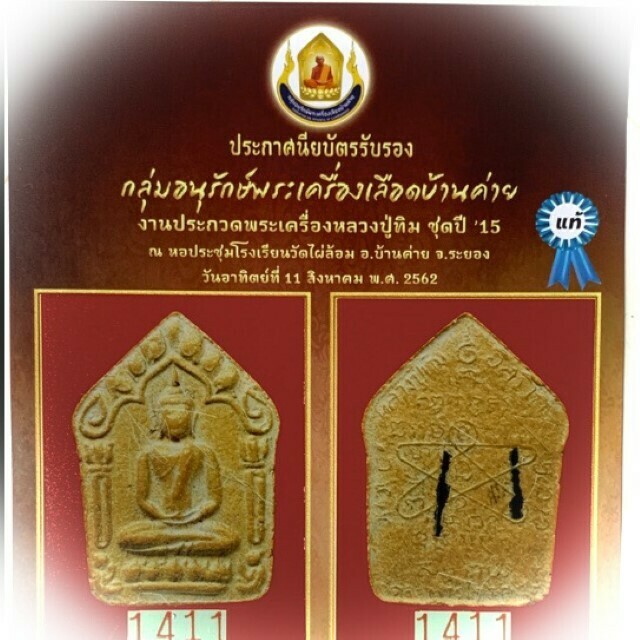
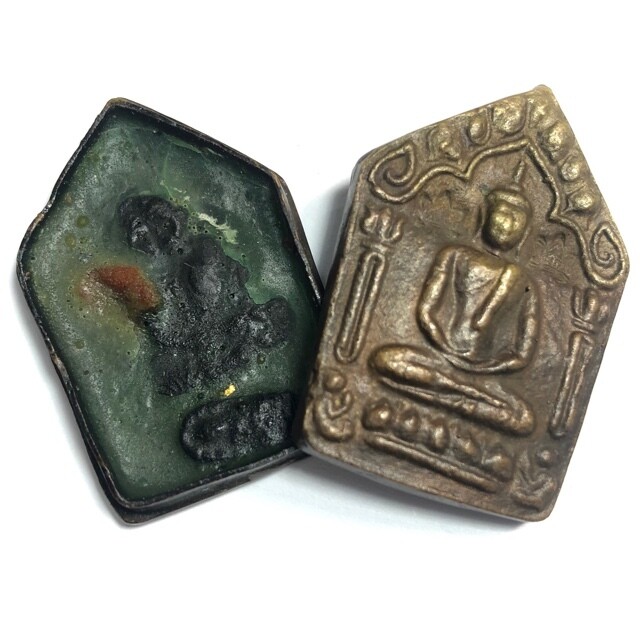
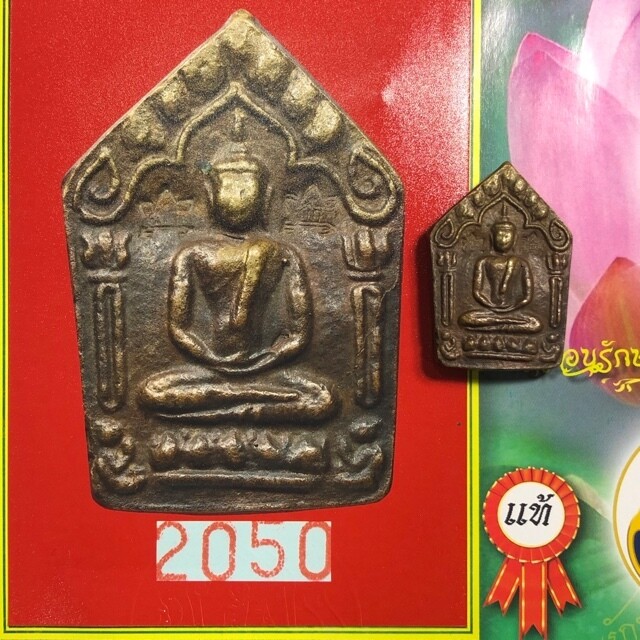
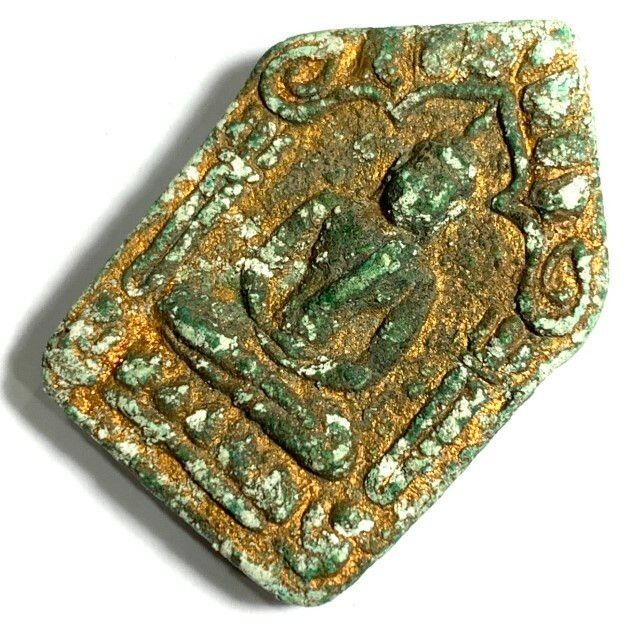
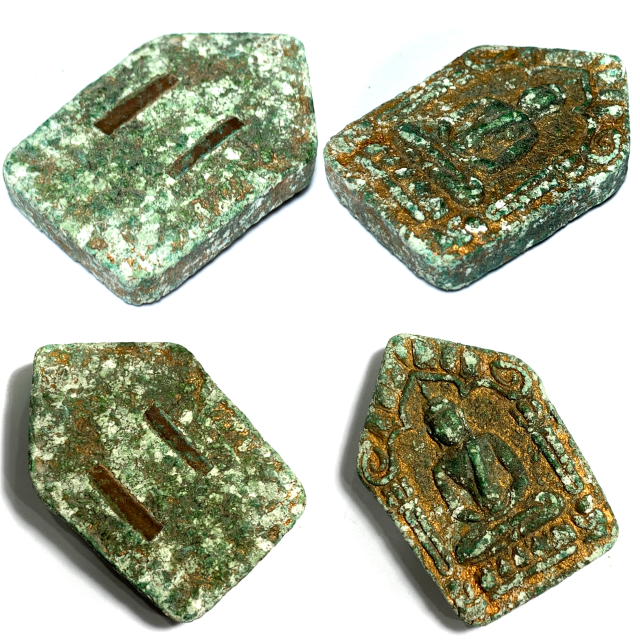
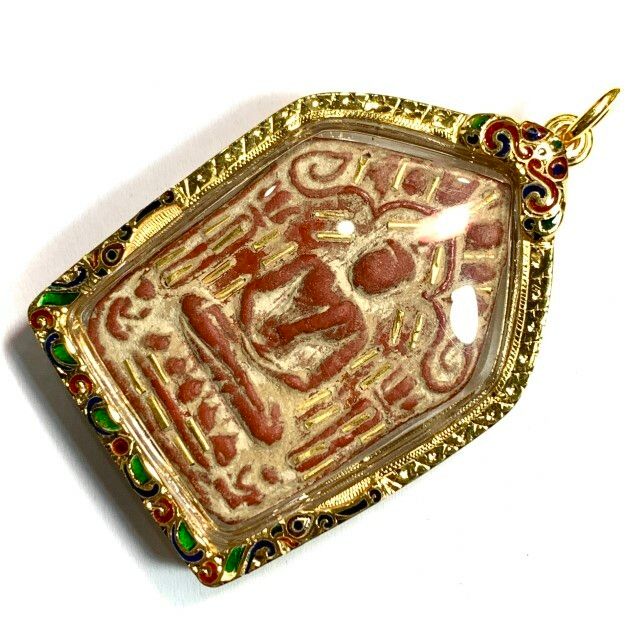
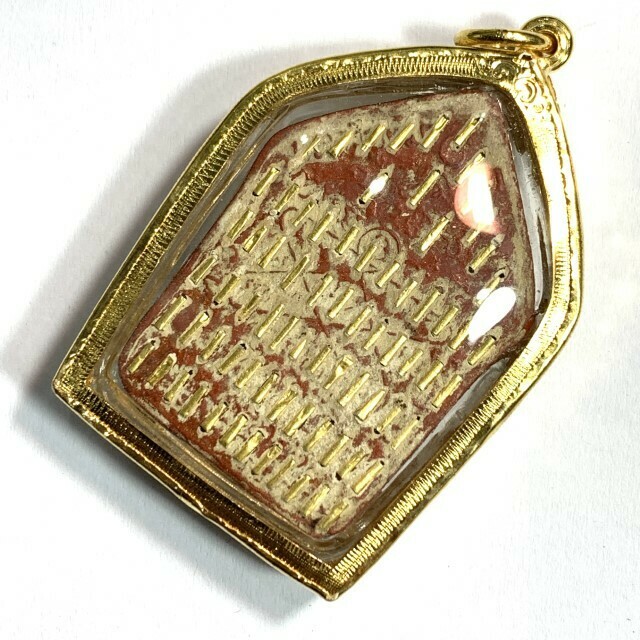


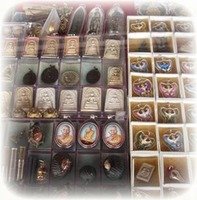
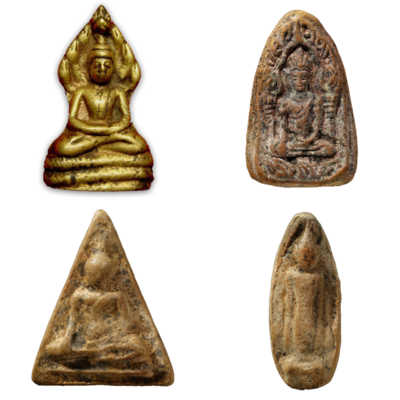
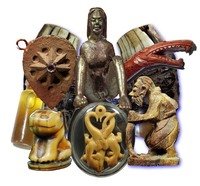
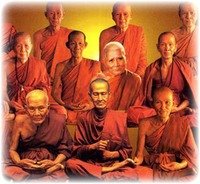
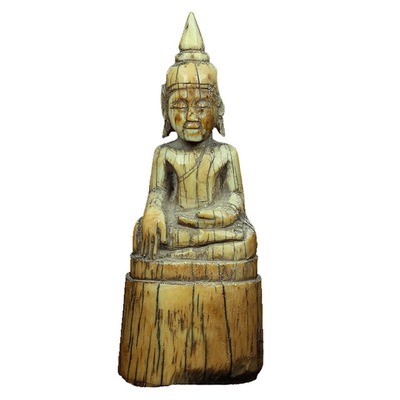
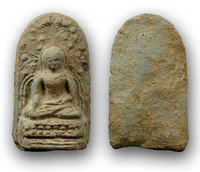
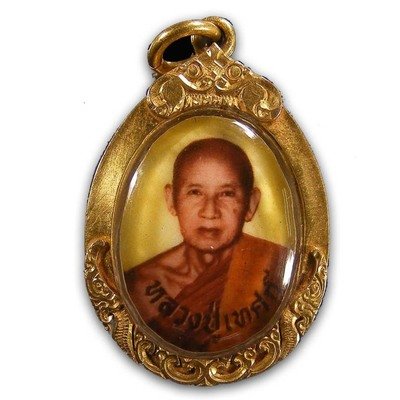
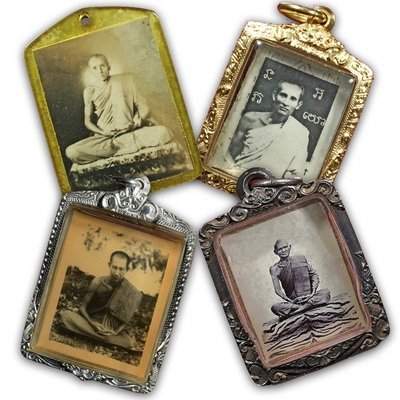
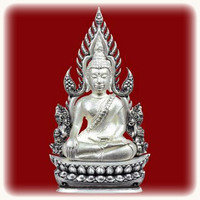
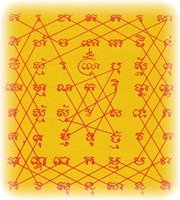
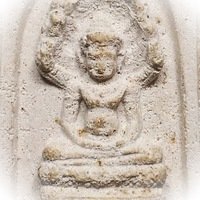
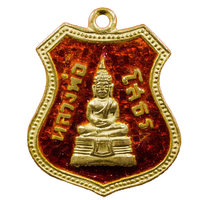
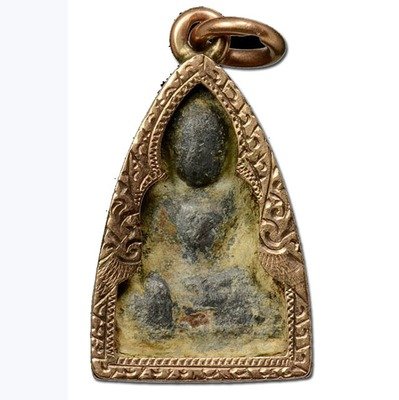
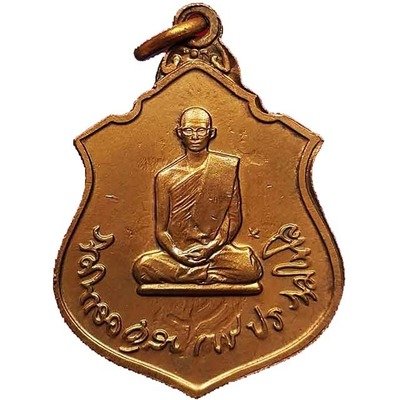
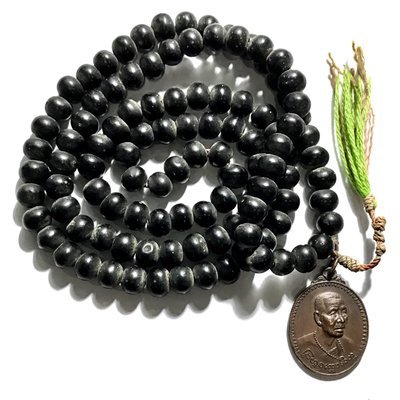
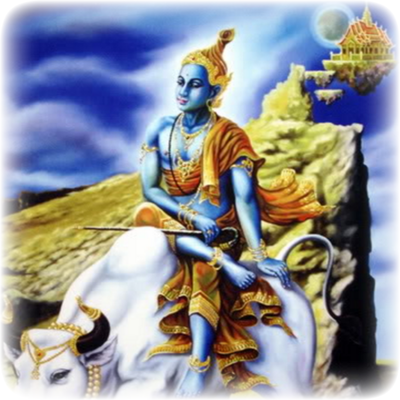
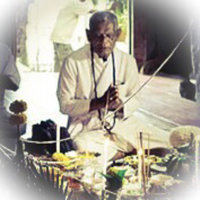
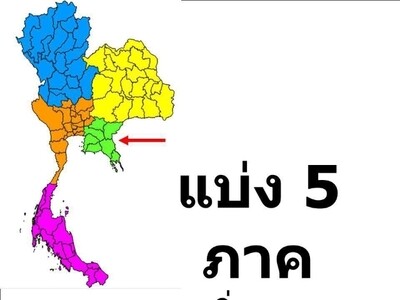
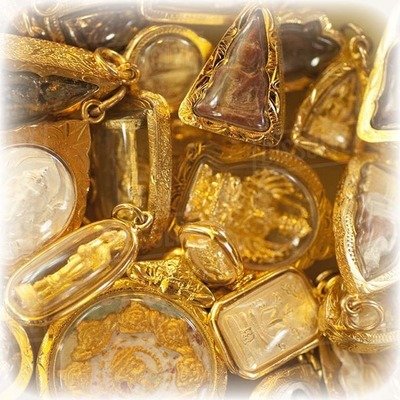
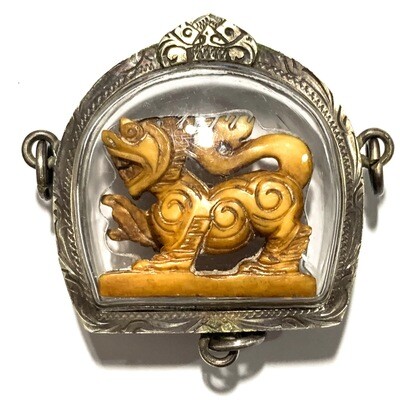
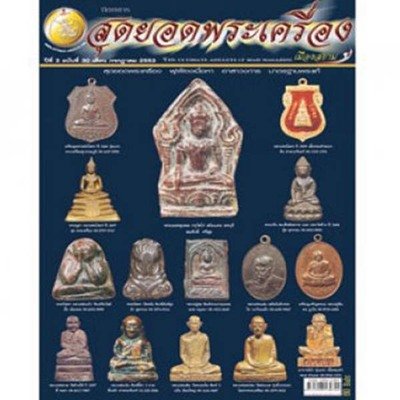





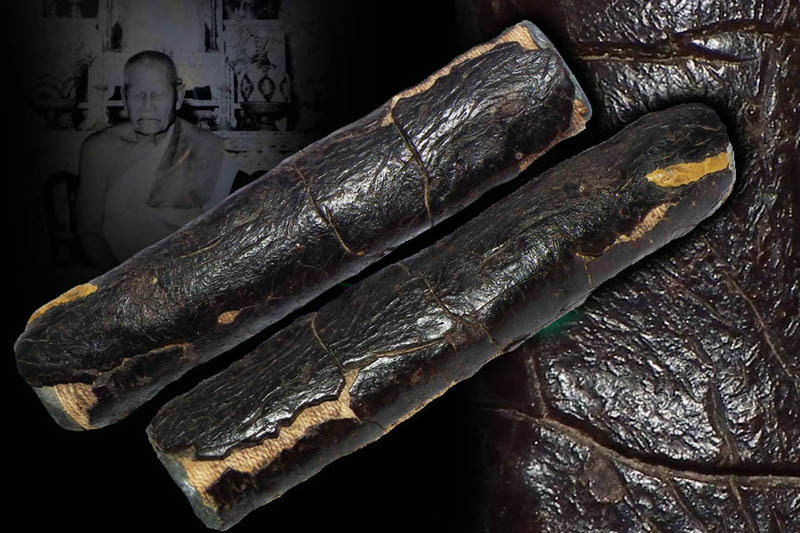


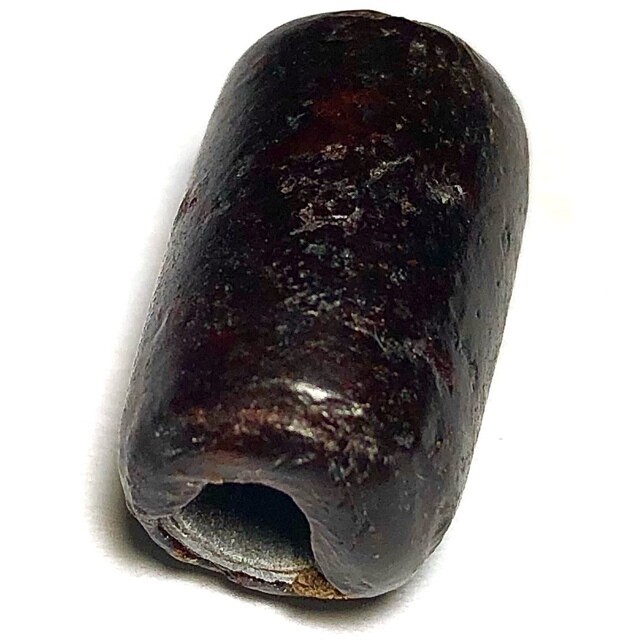
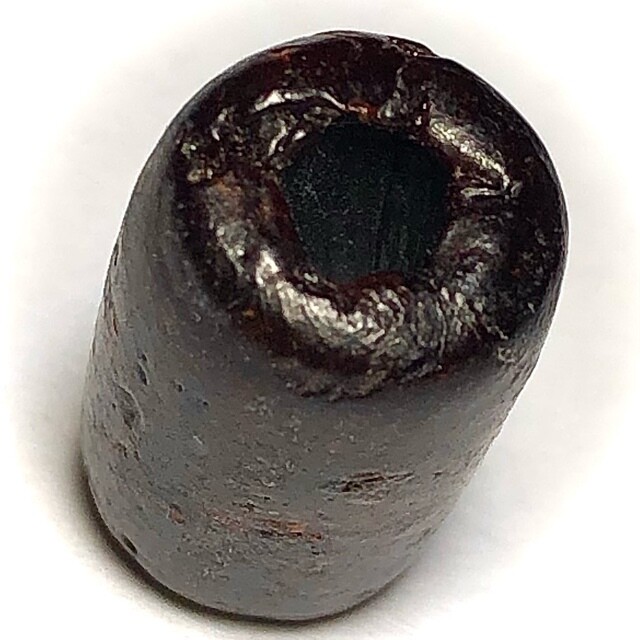
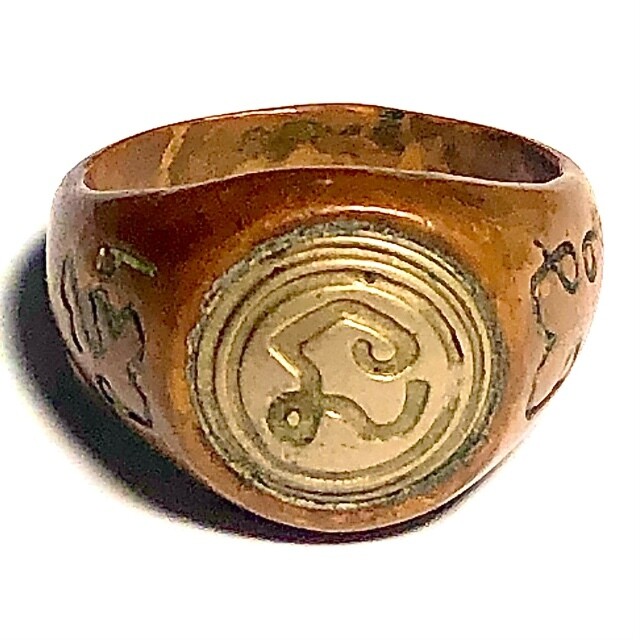
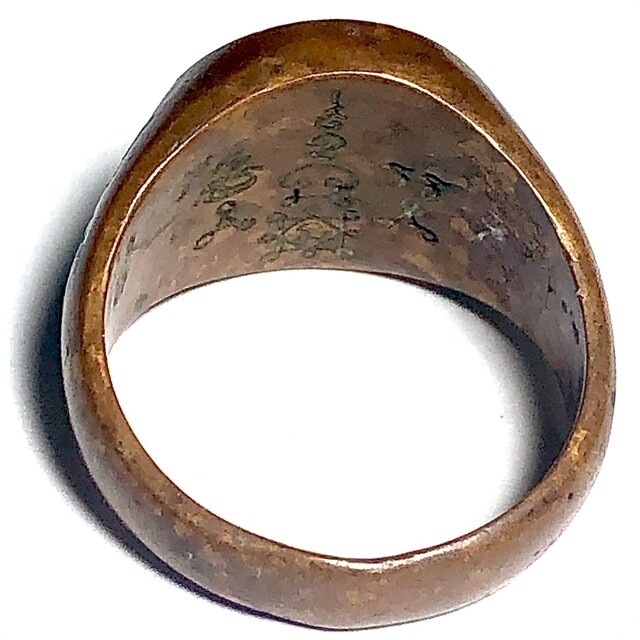
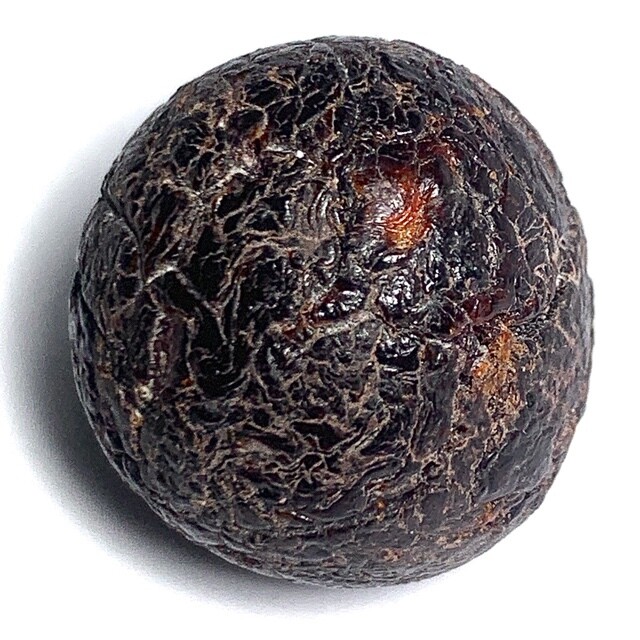
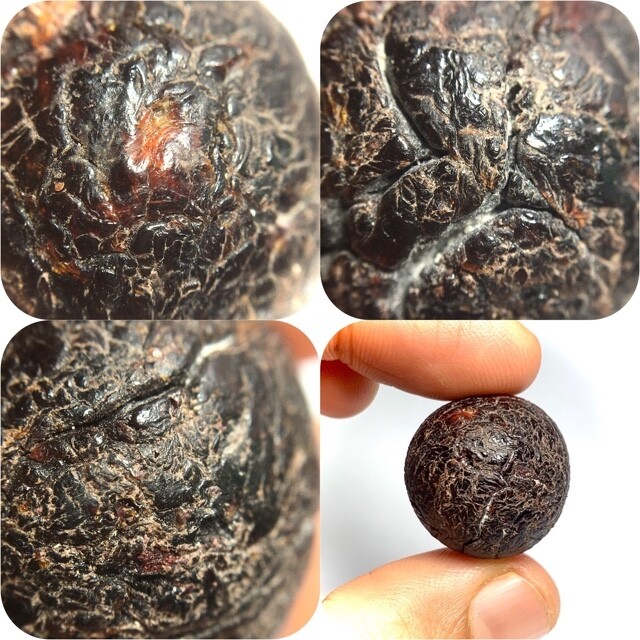
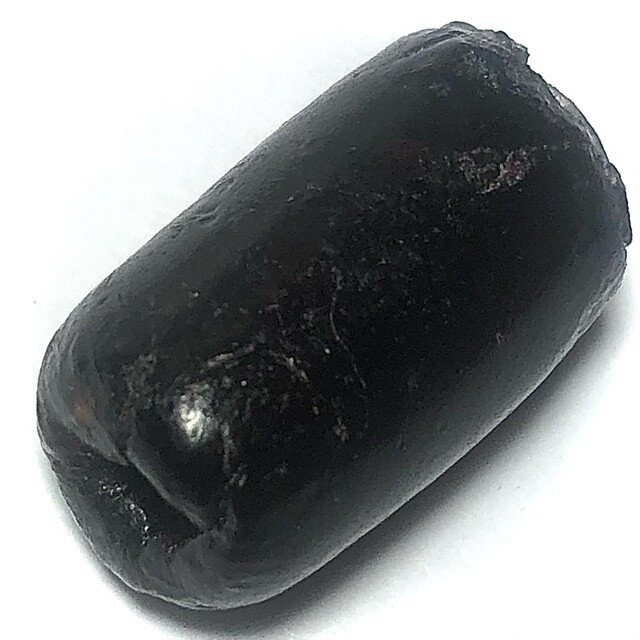
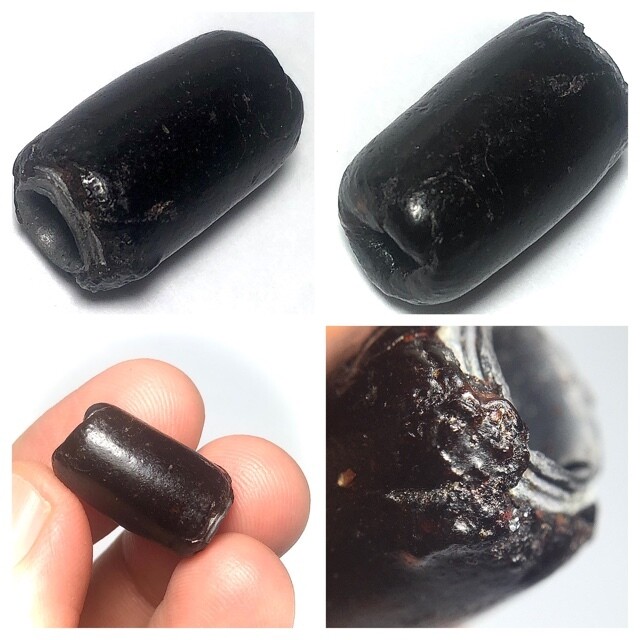
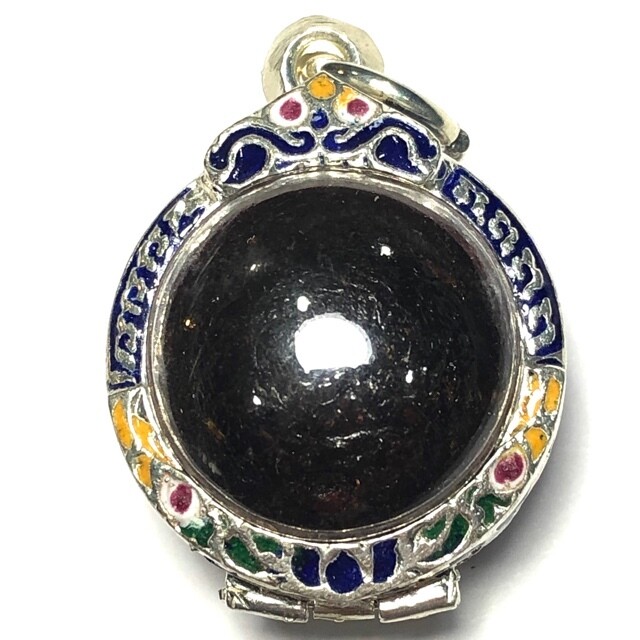
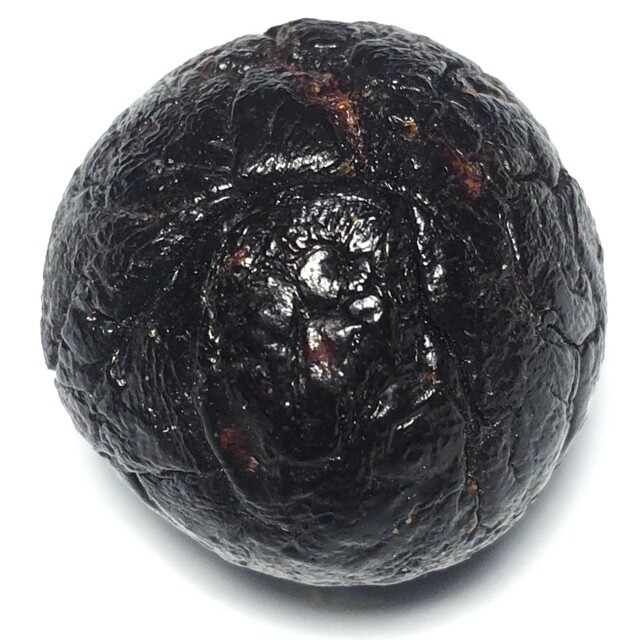
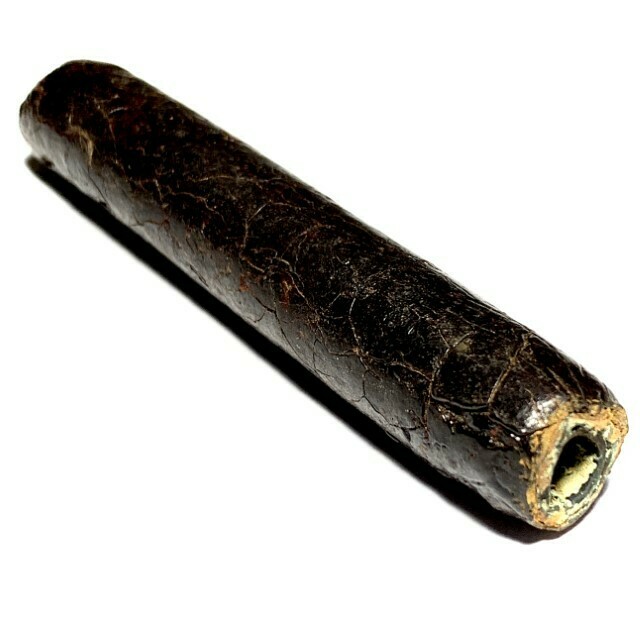
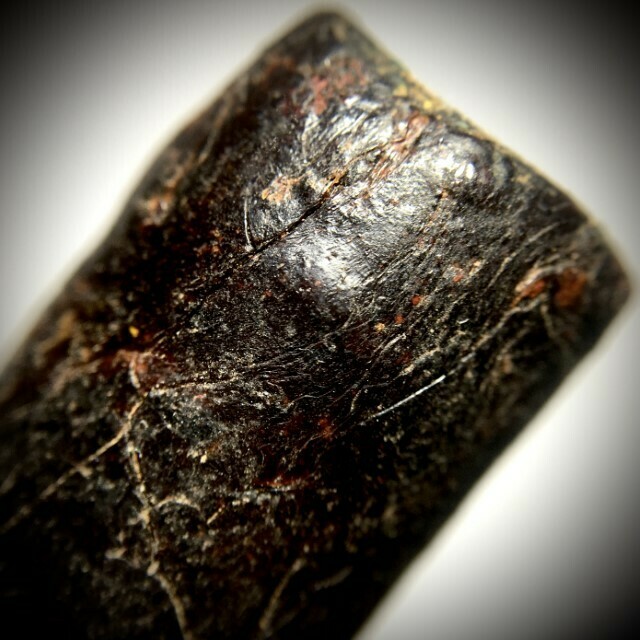
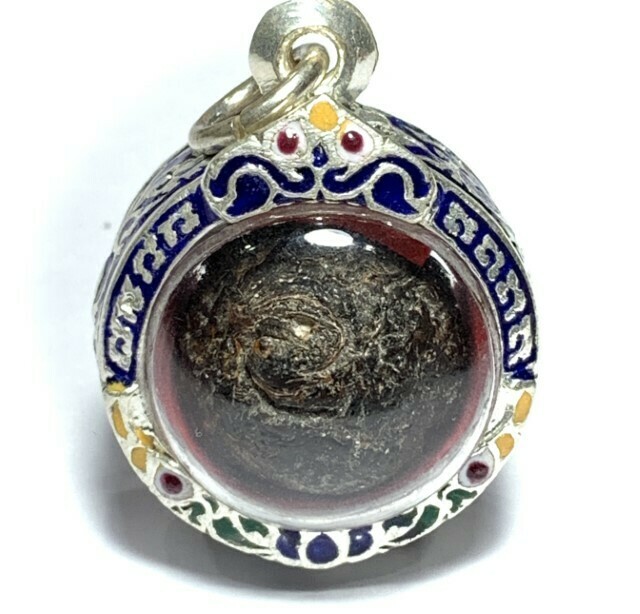
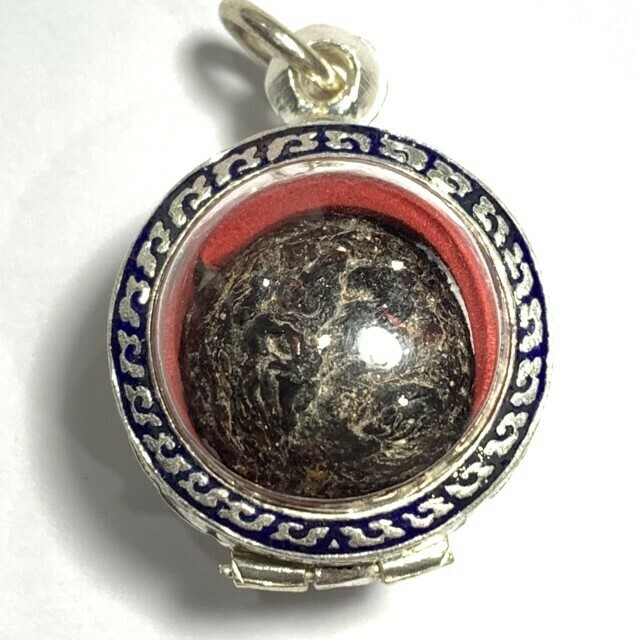
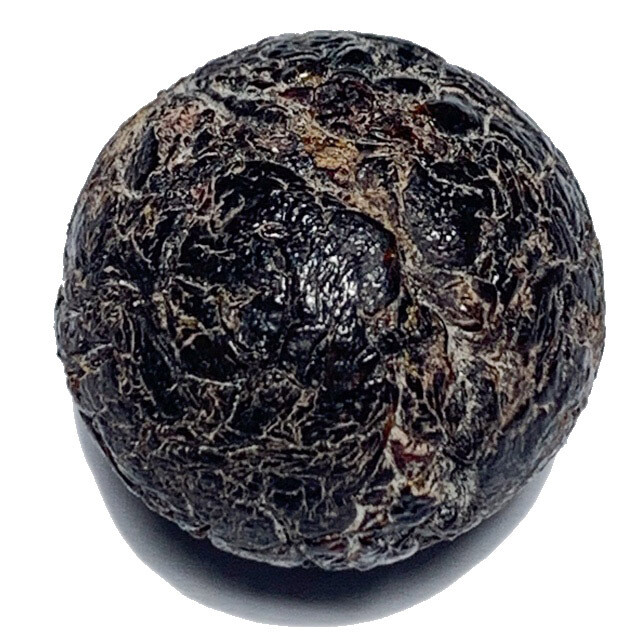
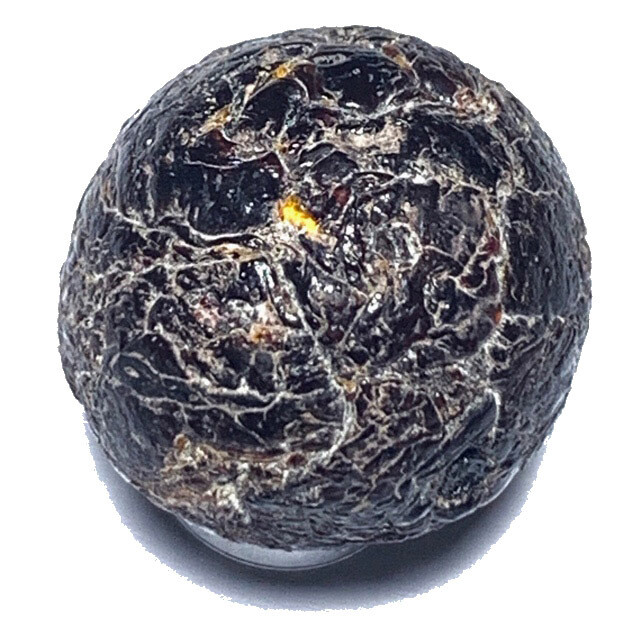
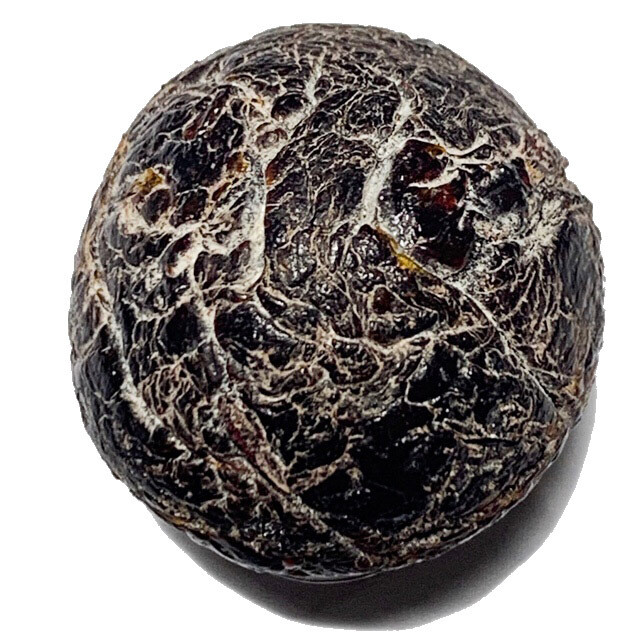
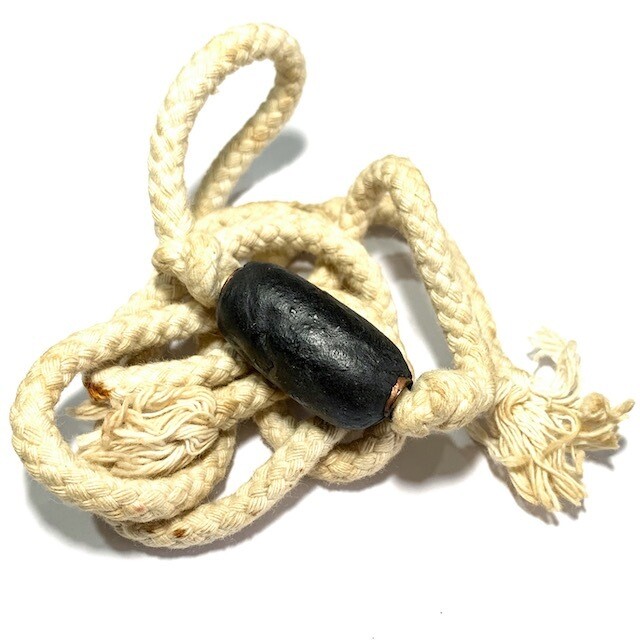
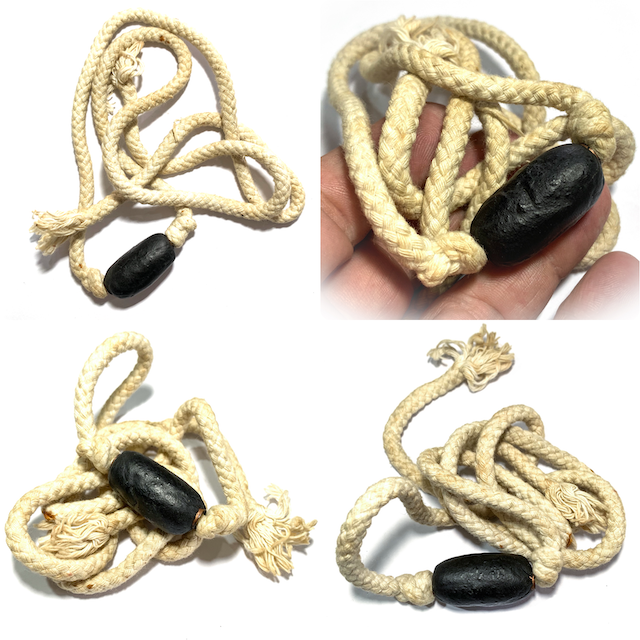
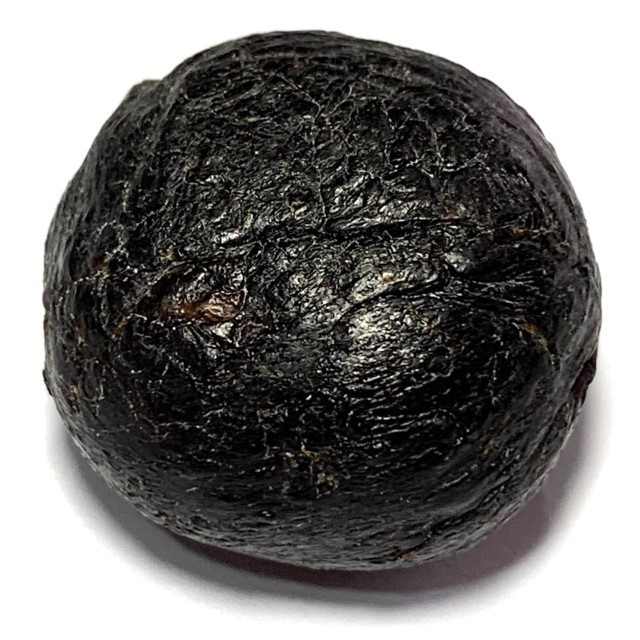
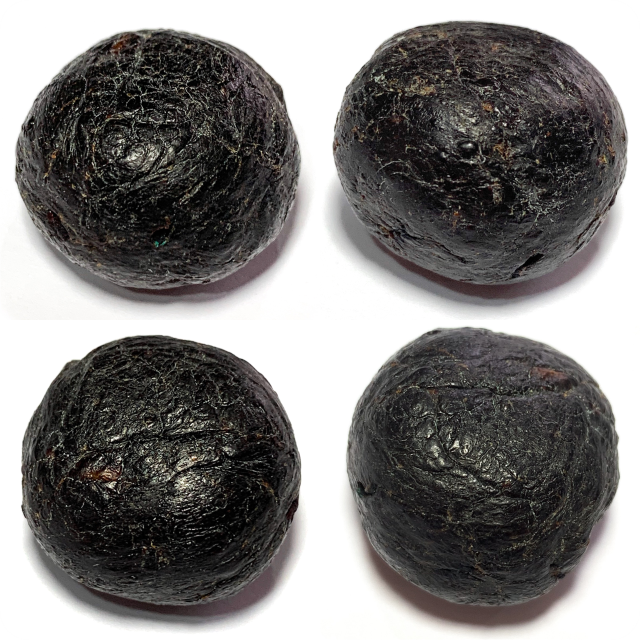
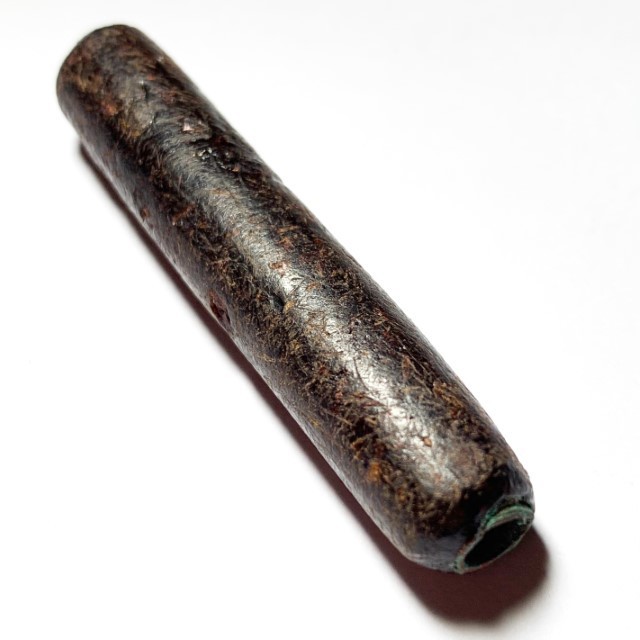
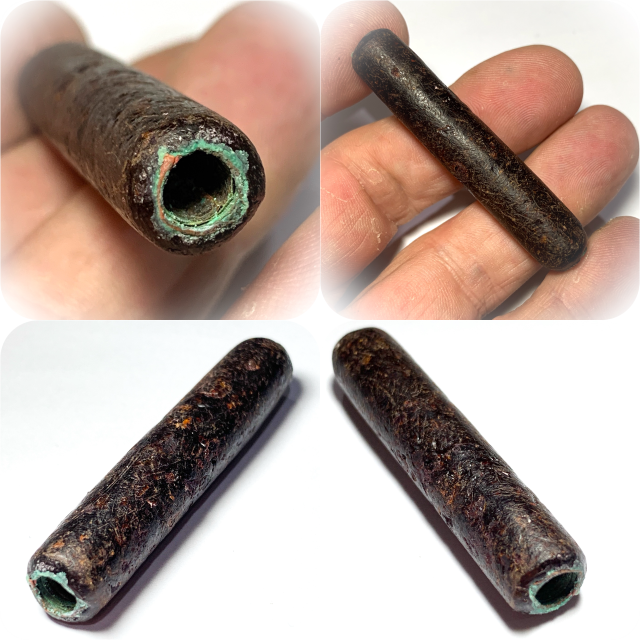
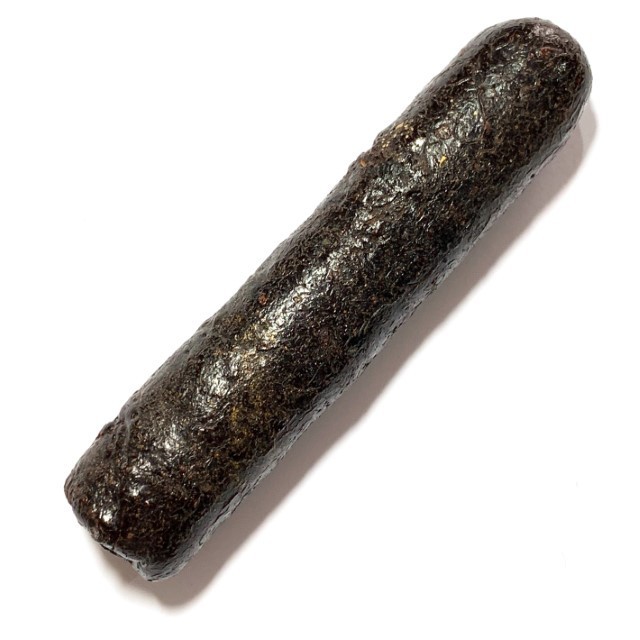
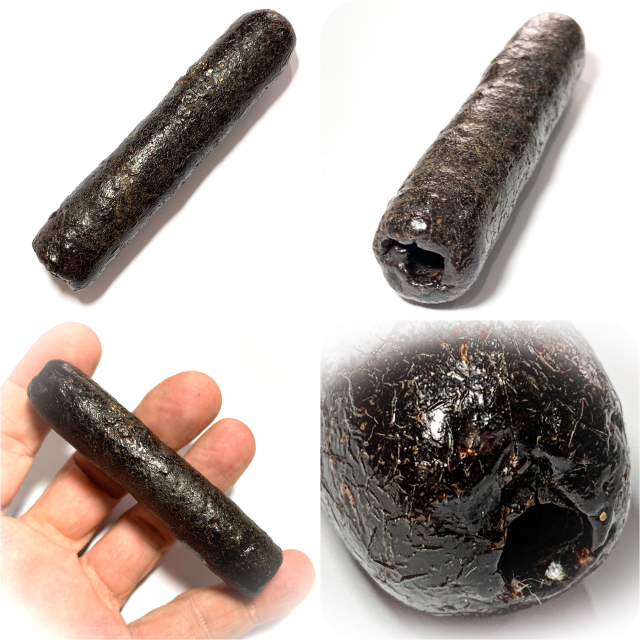
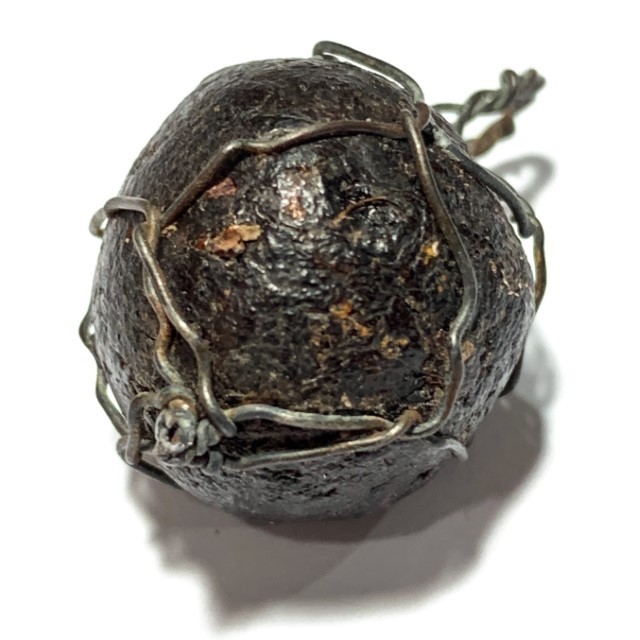
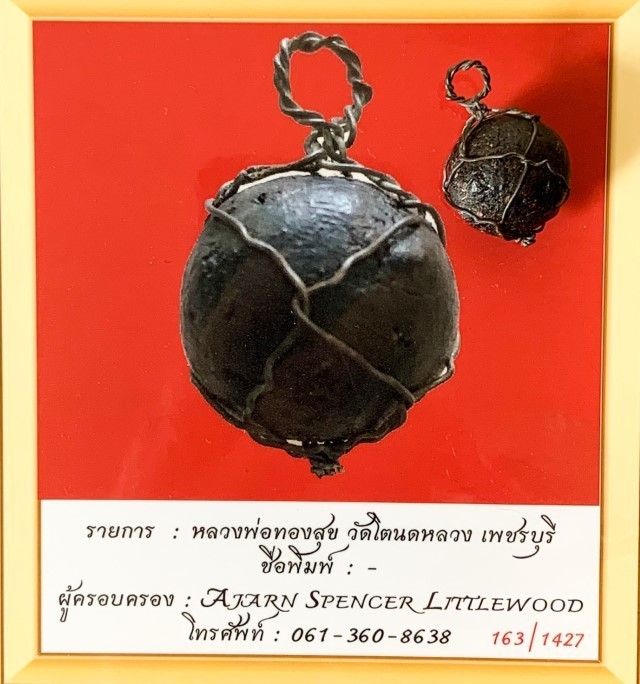
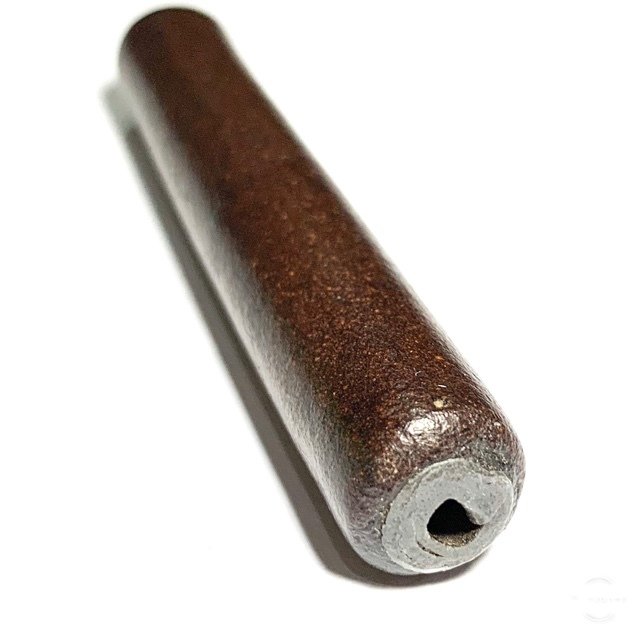
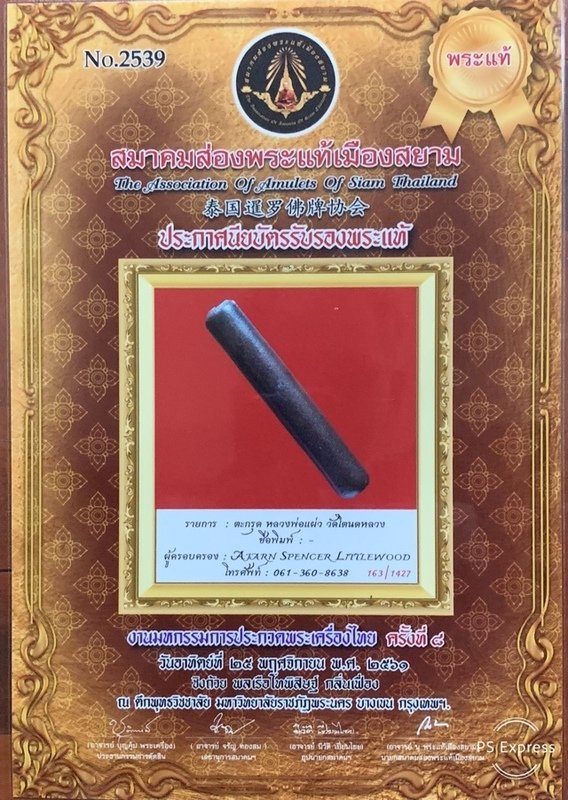
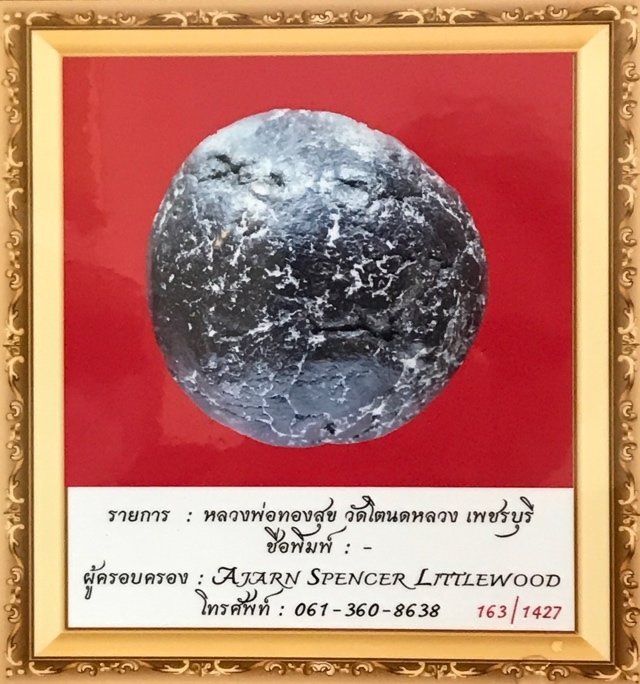
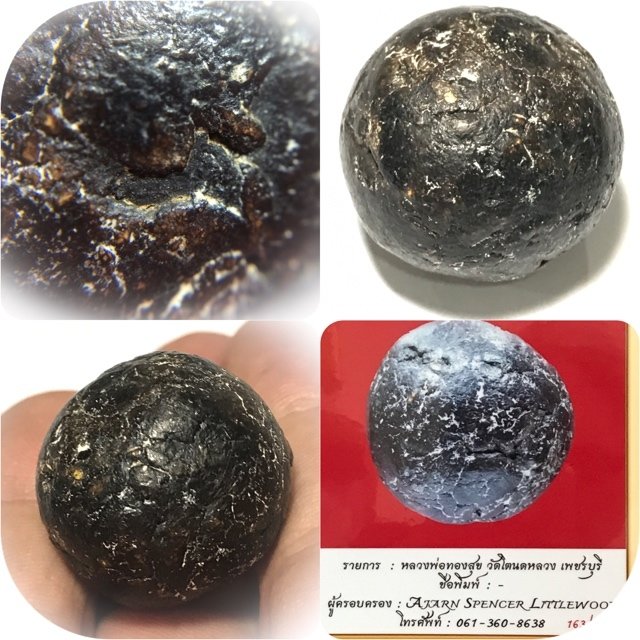
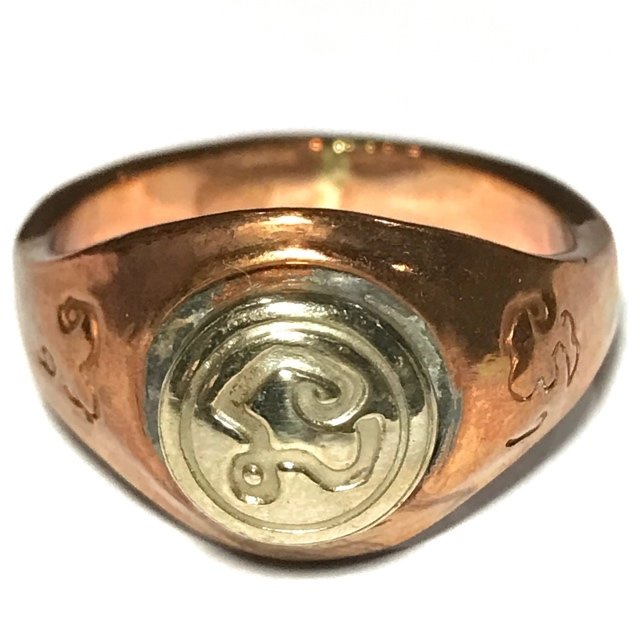
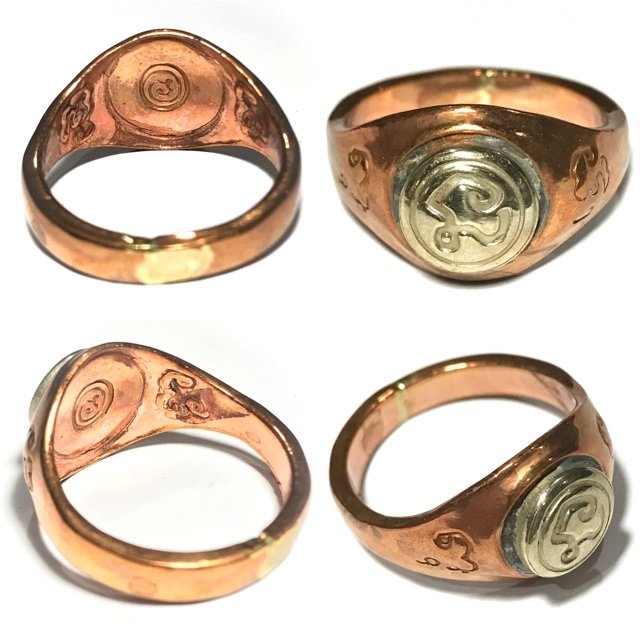
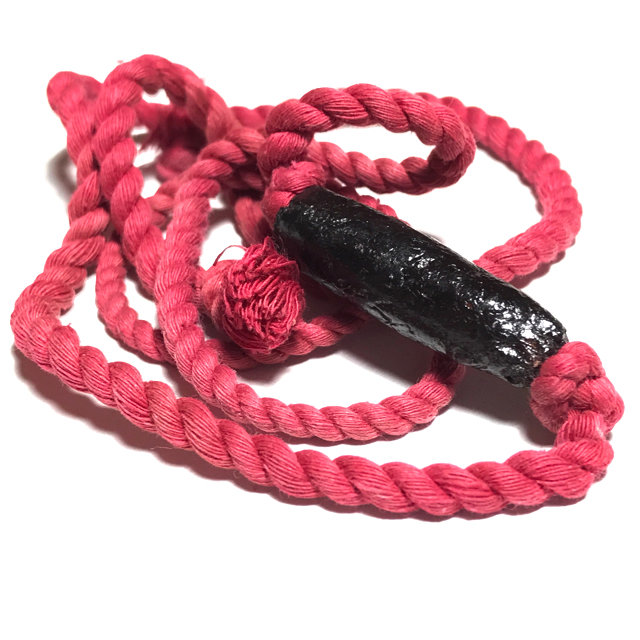
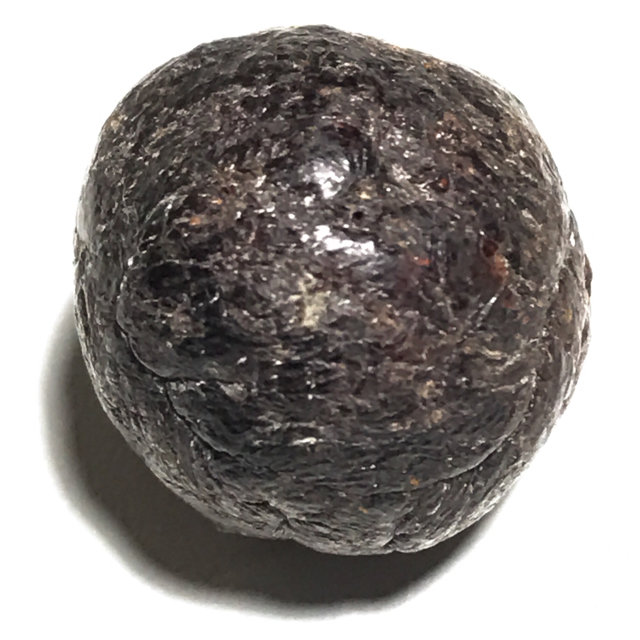
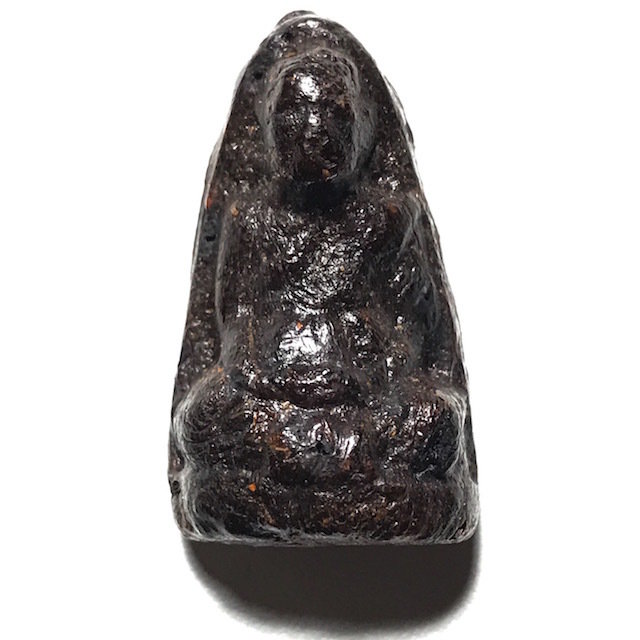
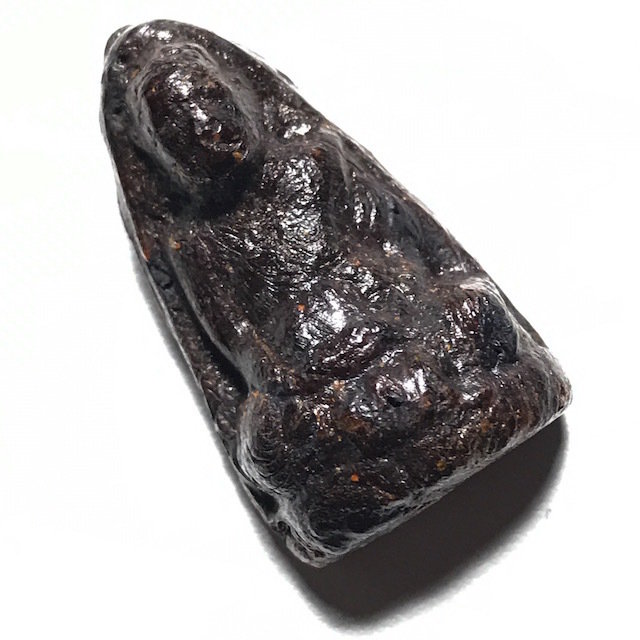
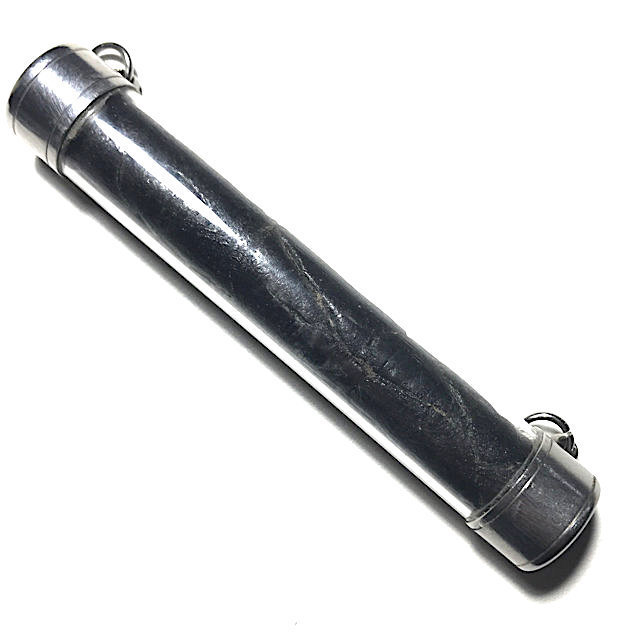
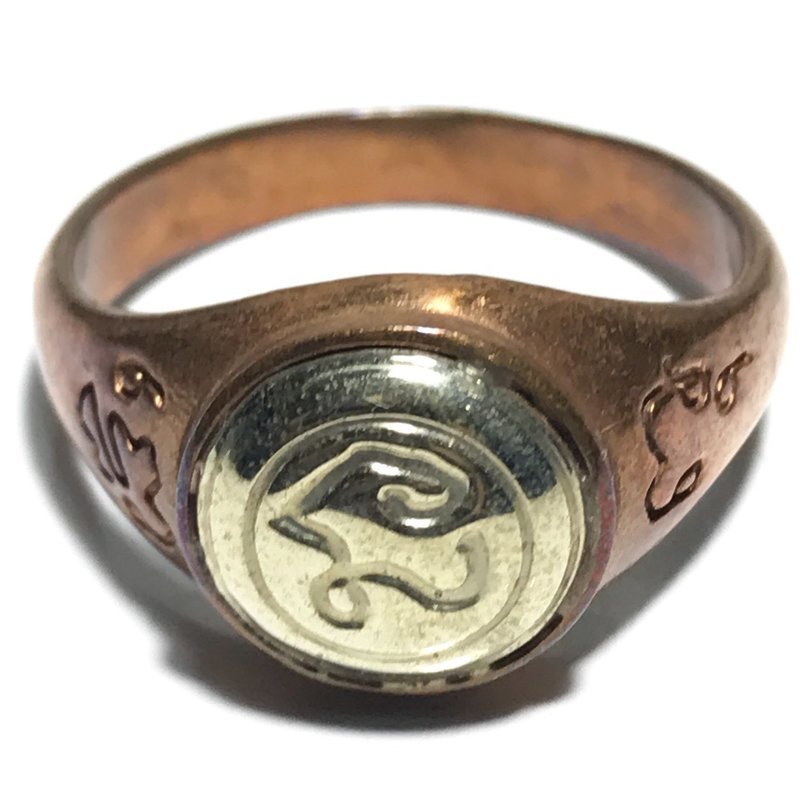
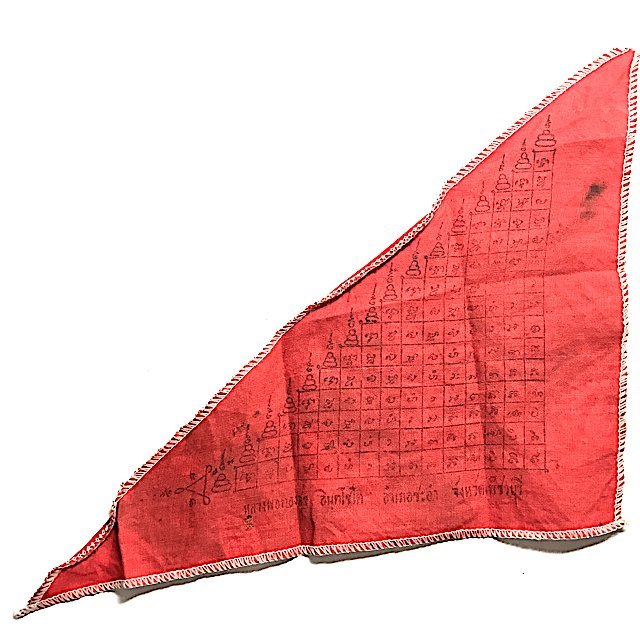
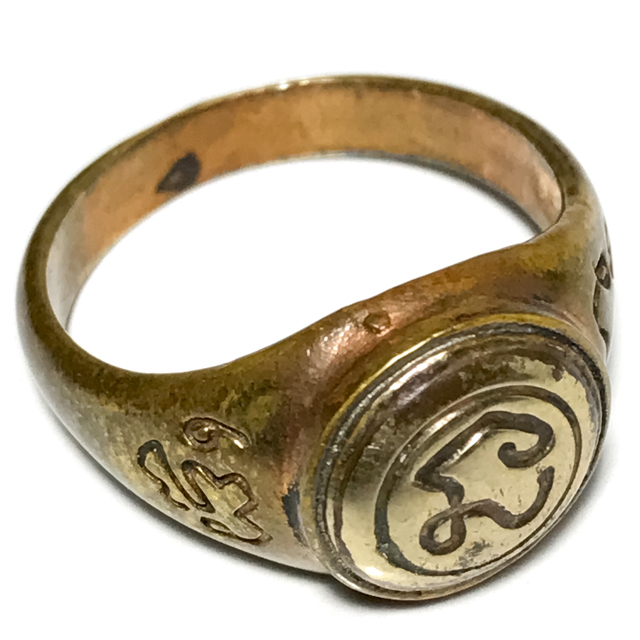
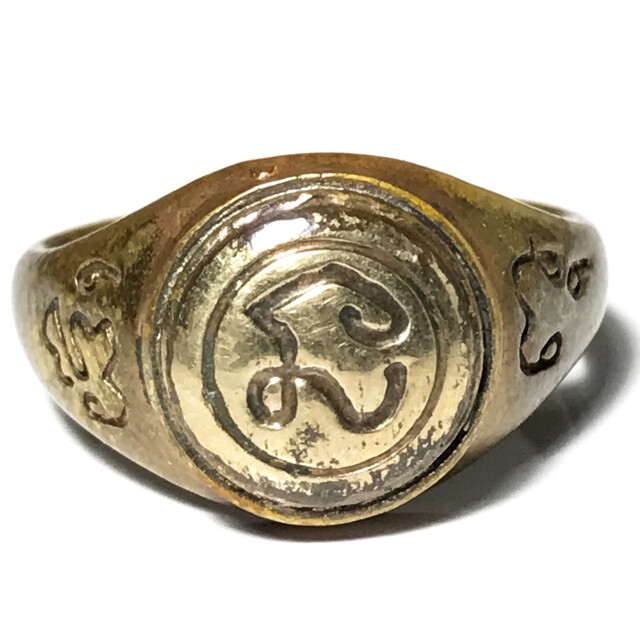

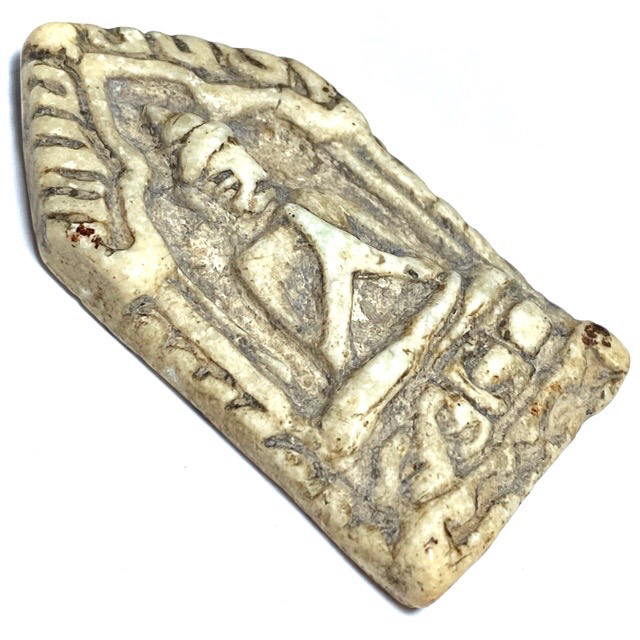


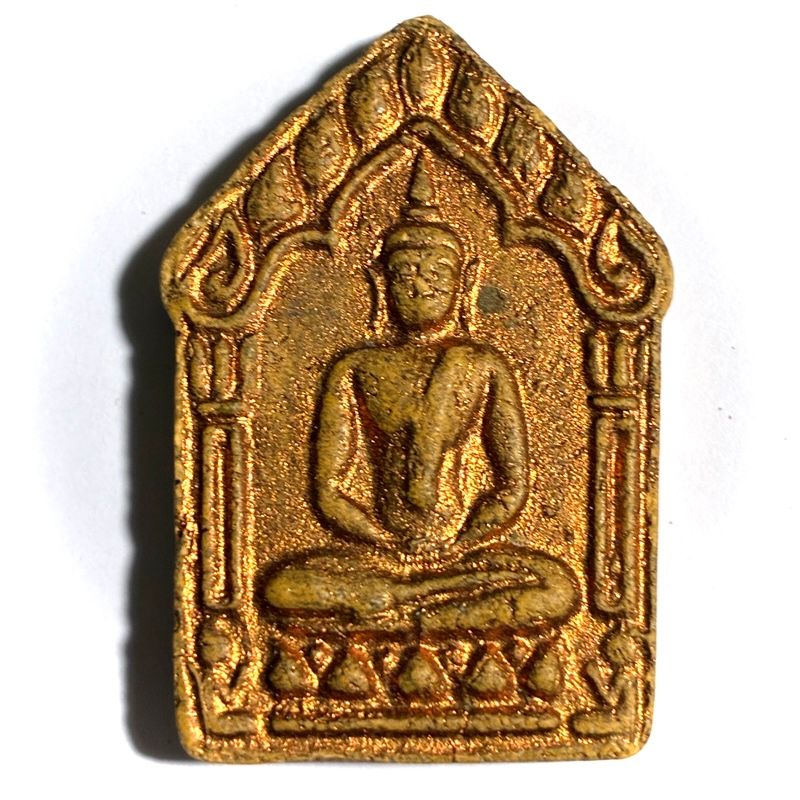
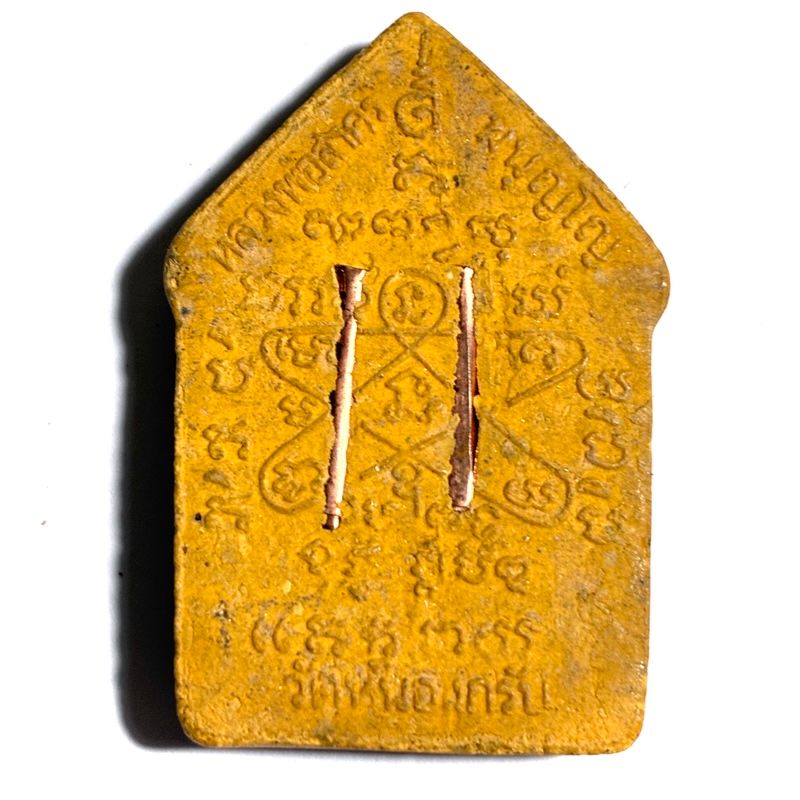
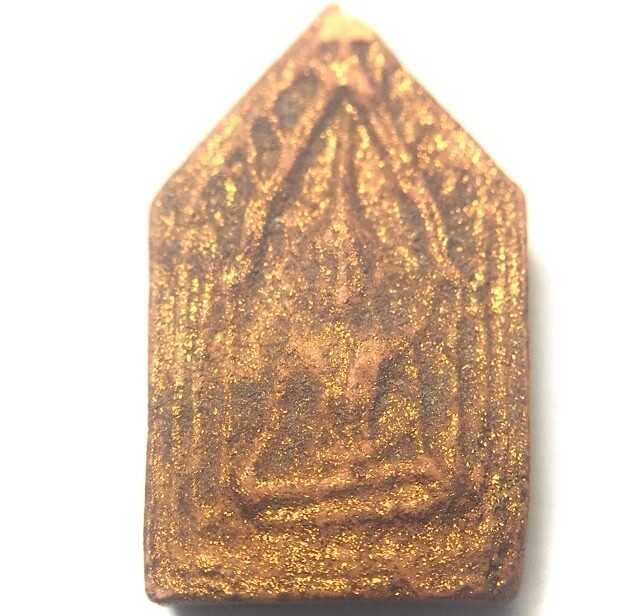
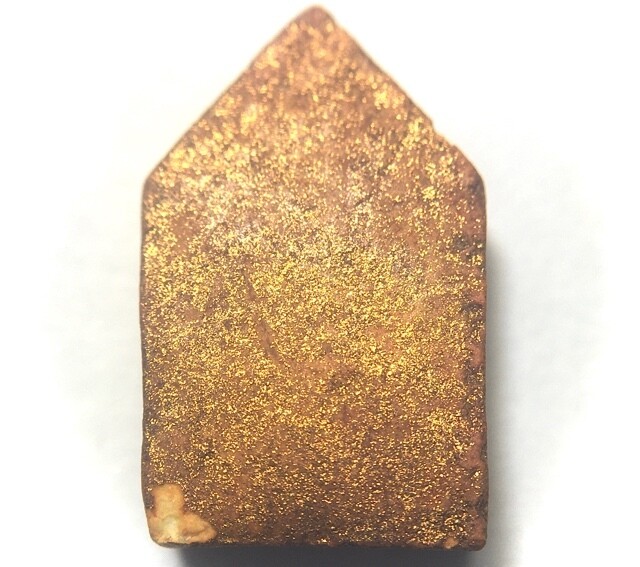
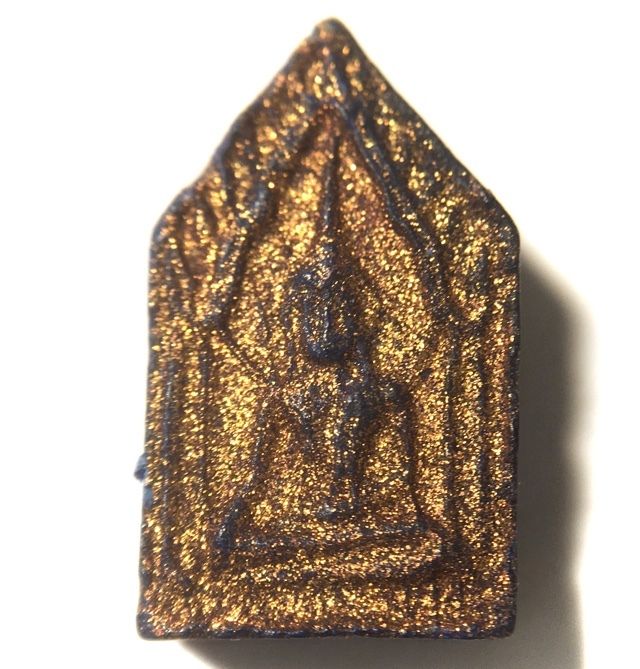
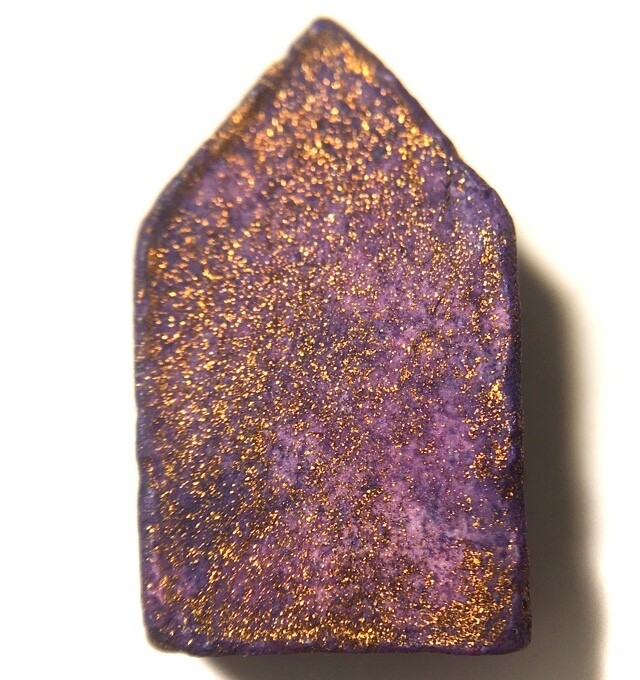
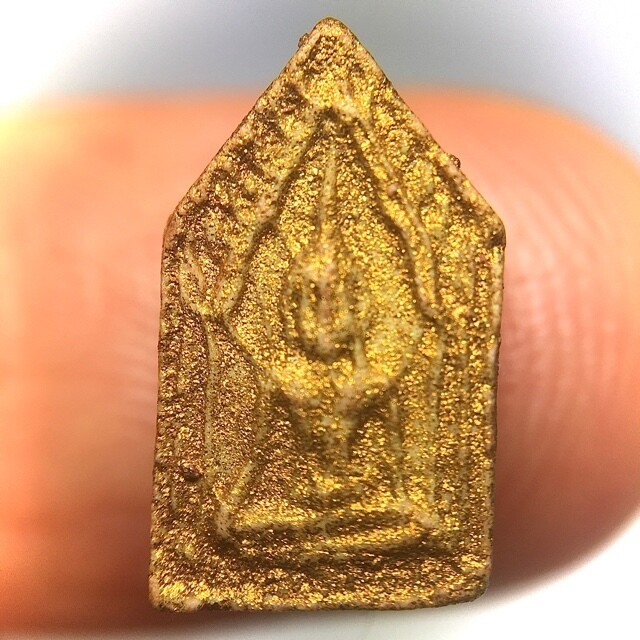
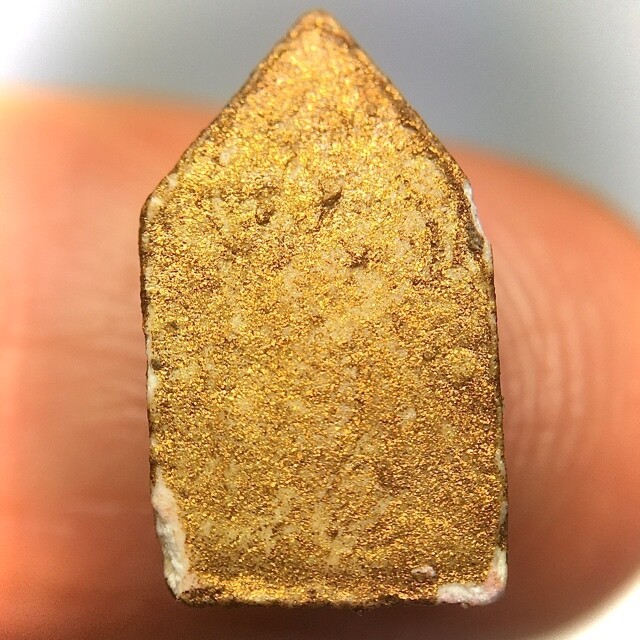
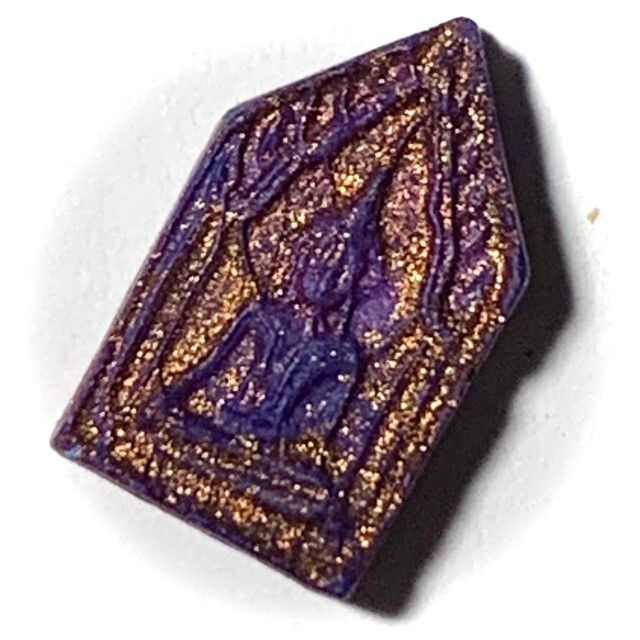
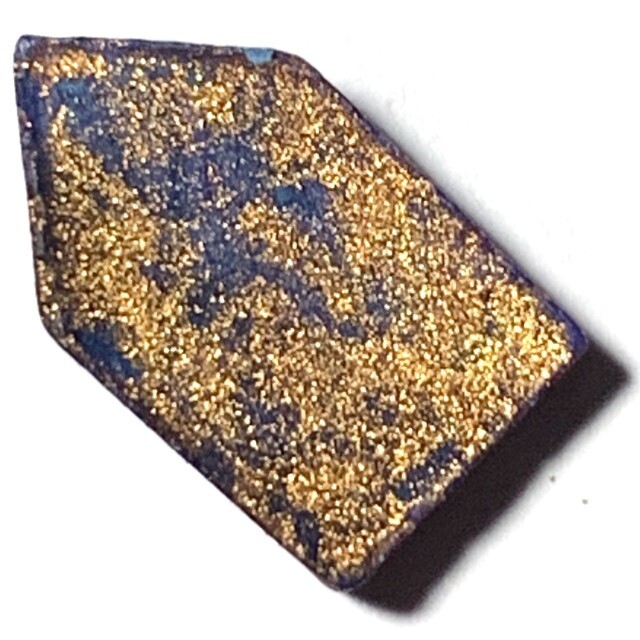
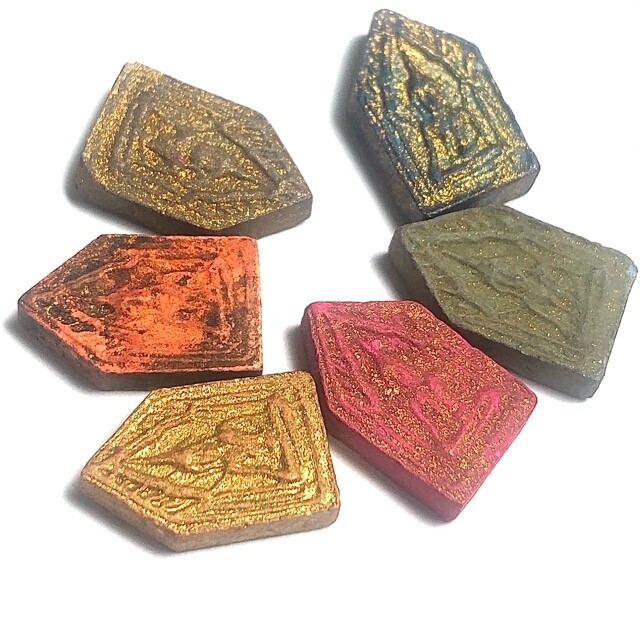
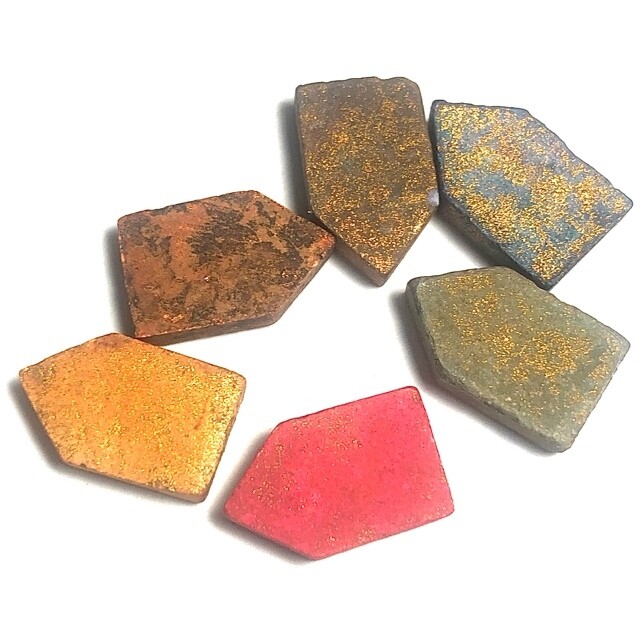
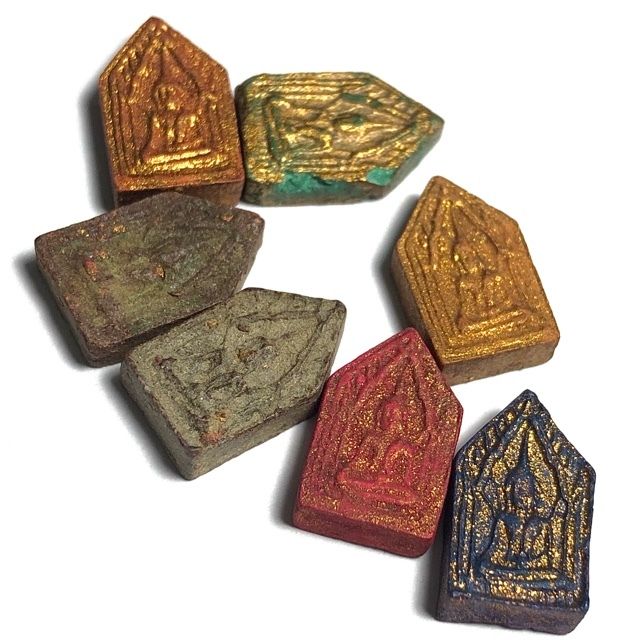
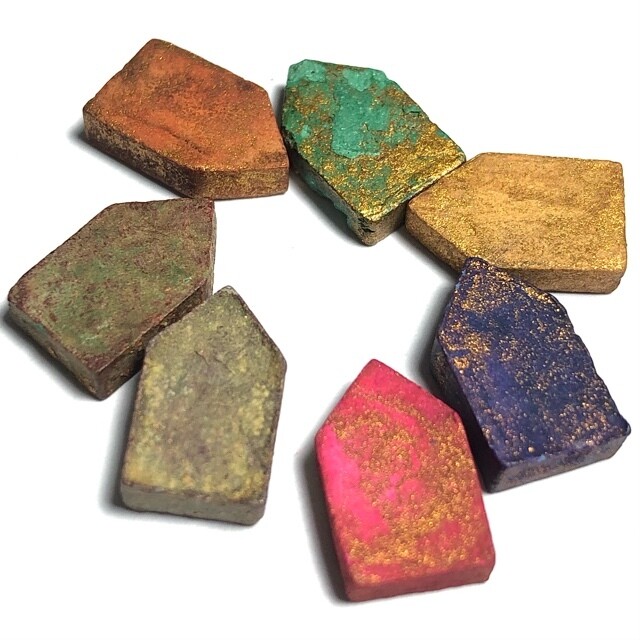
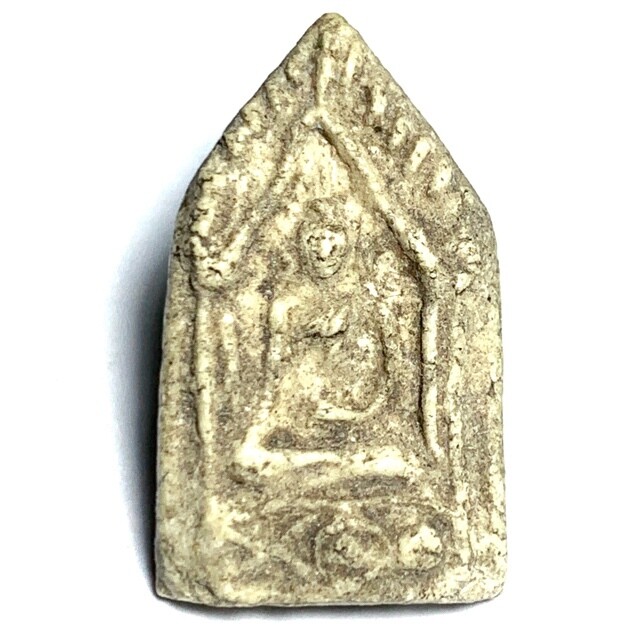
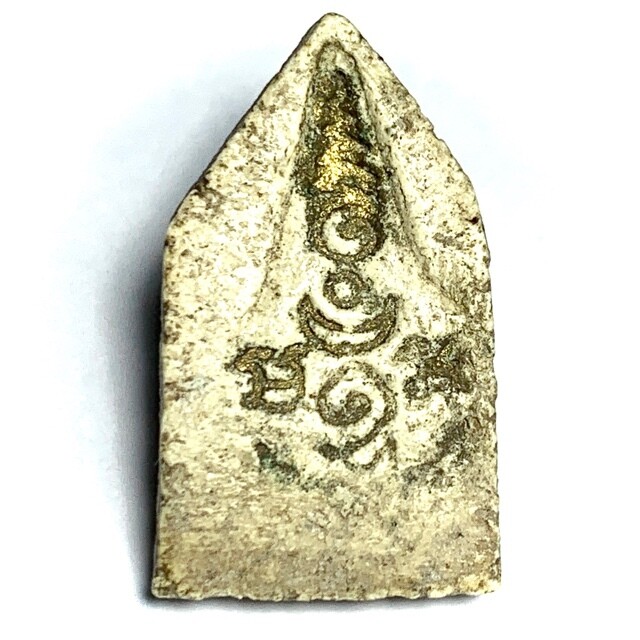
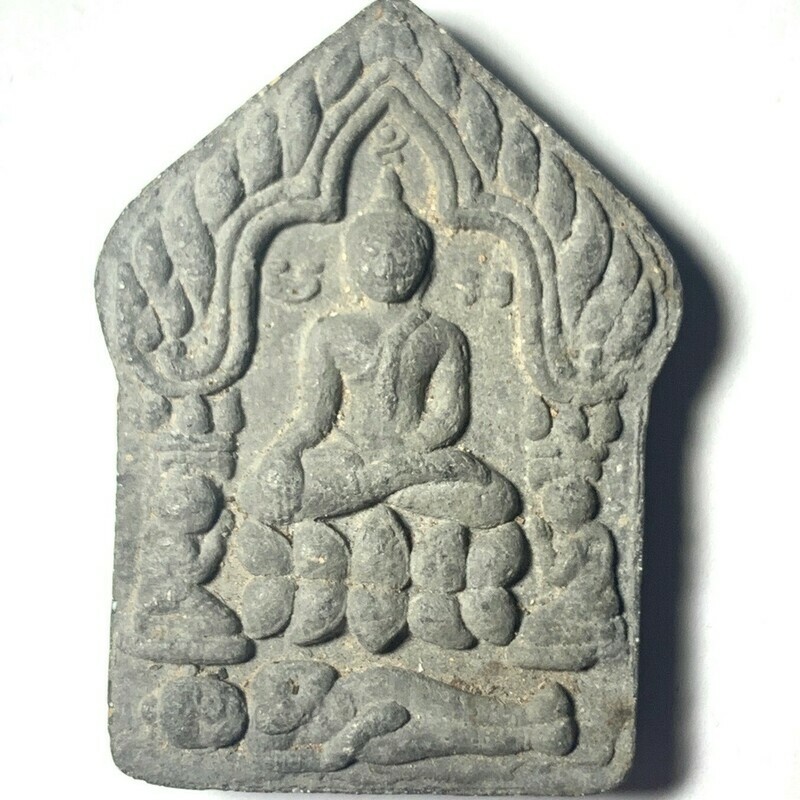
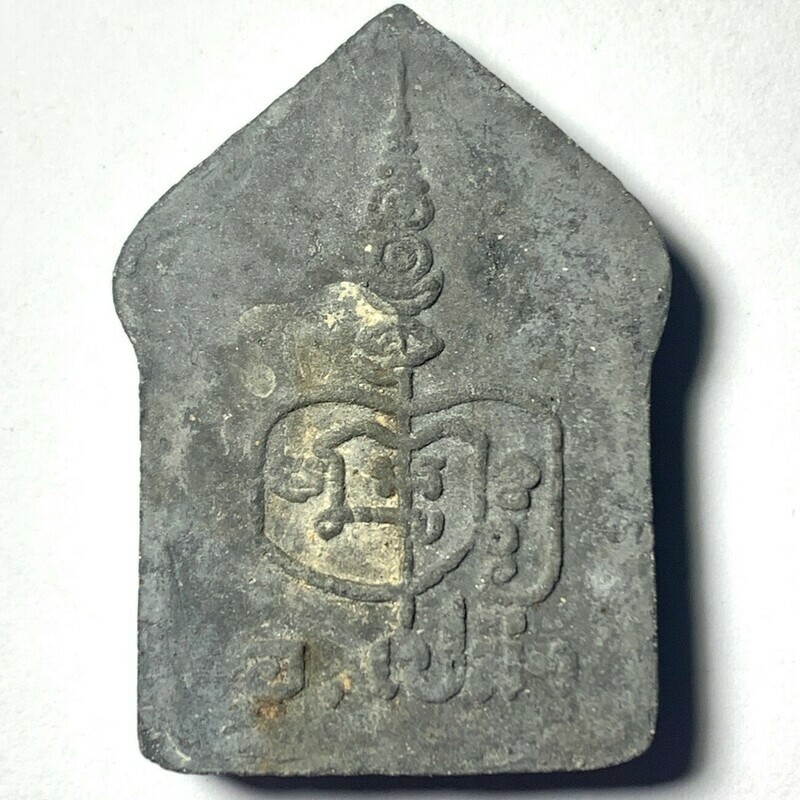


 Free Express Shipping is included with this item. Apart from being so highly regarded for their powerful Metta Maha Niyom and Maha Lap, of the highest power of all Pid Ta, the Pid Ta of Luang Phu Gaew are considered to be the top Pra Pid Ta amulet in Thailand, which carries one of the highest prices within its Genre.





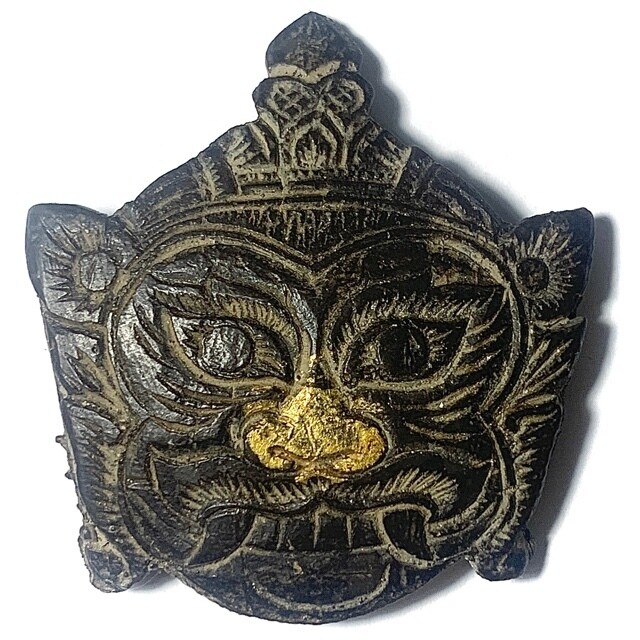
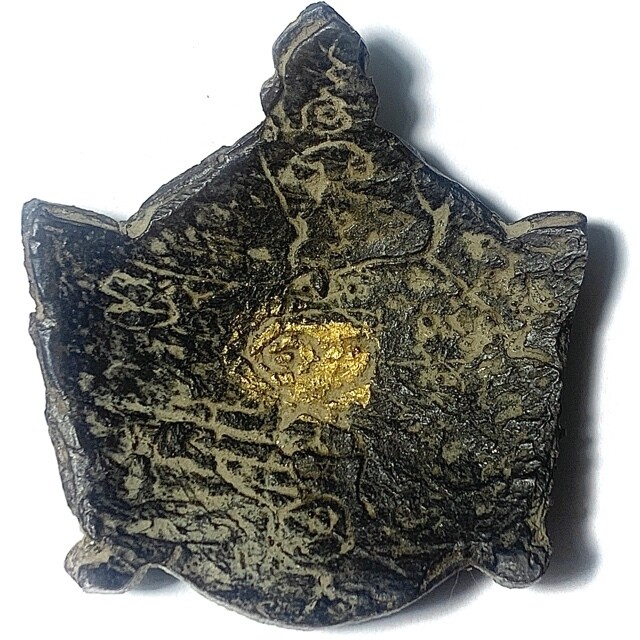
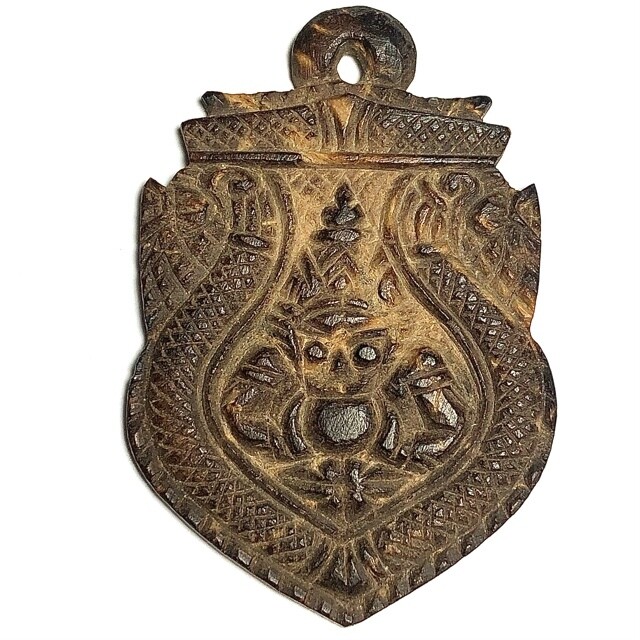
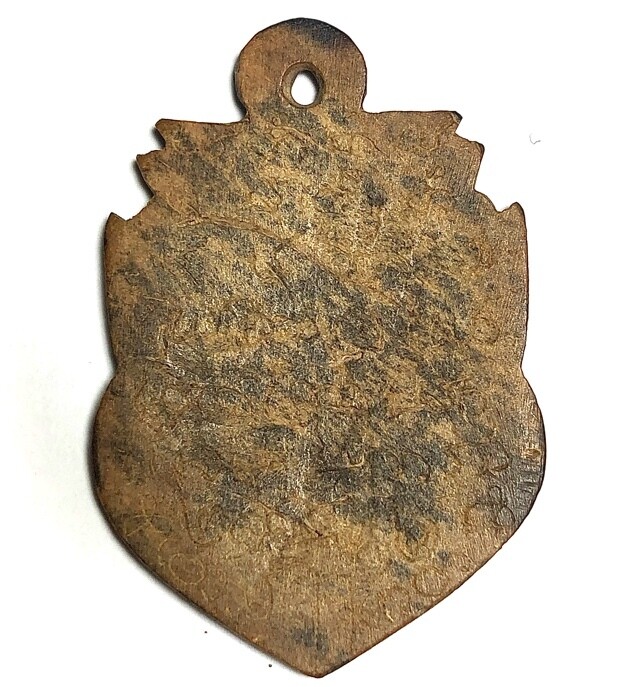
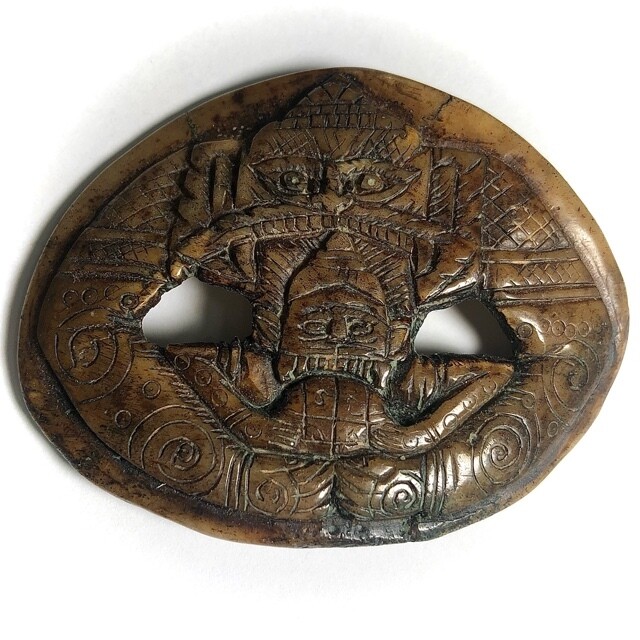
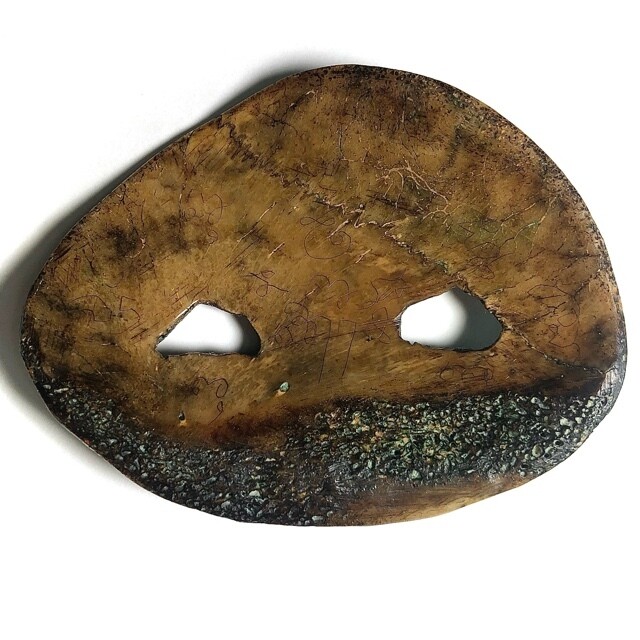
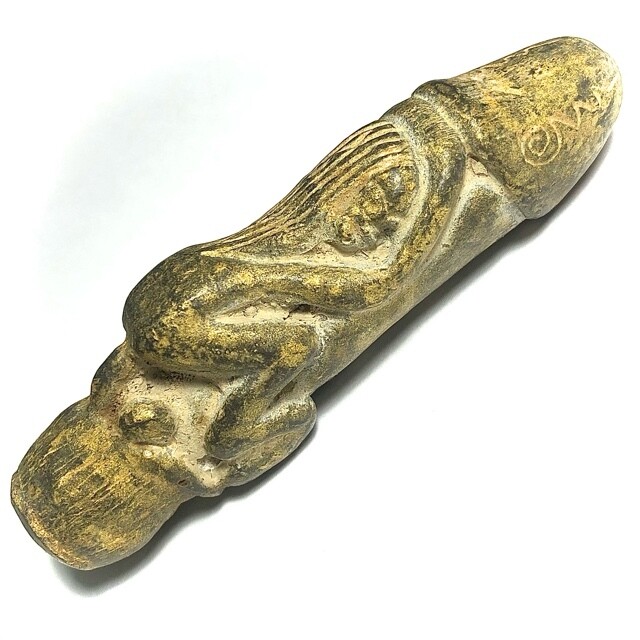
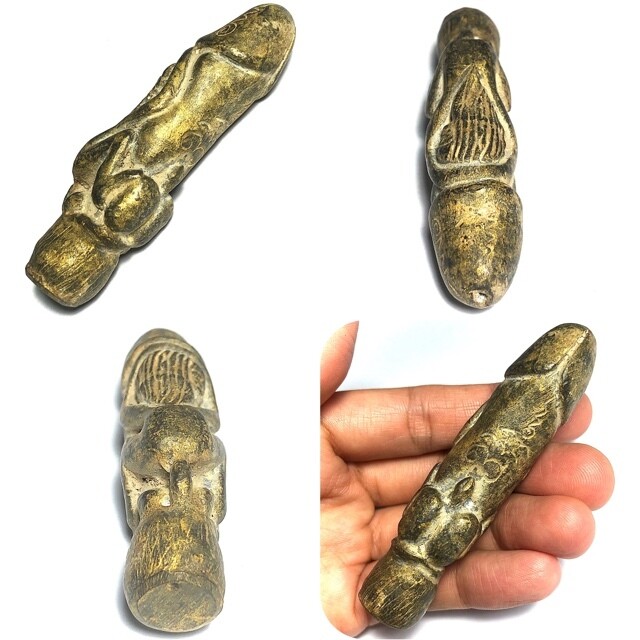
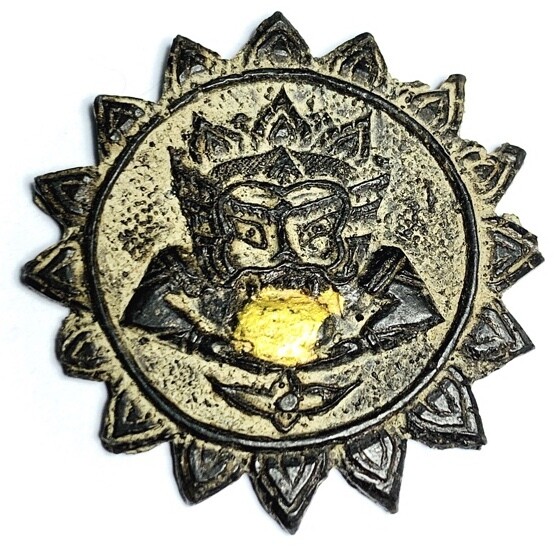
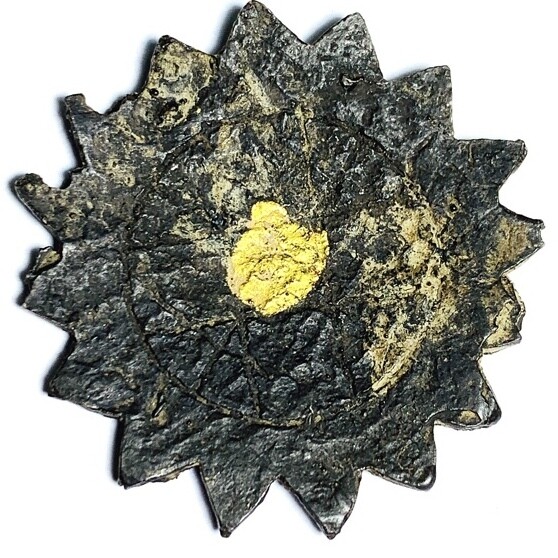
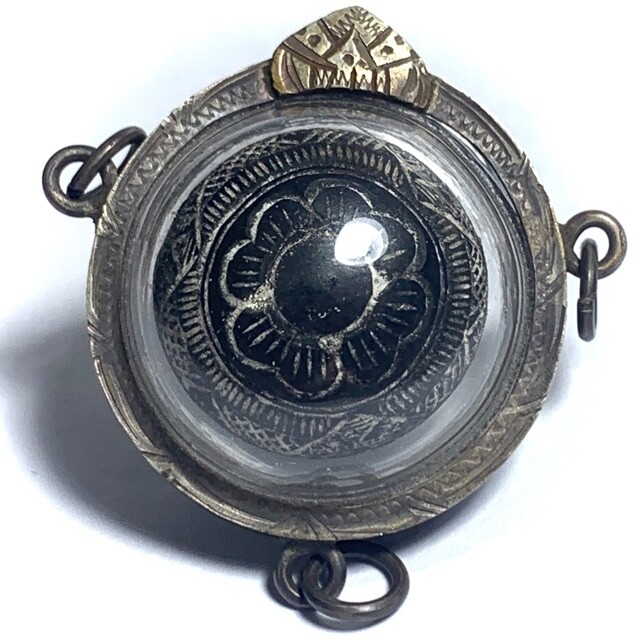
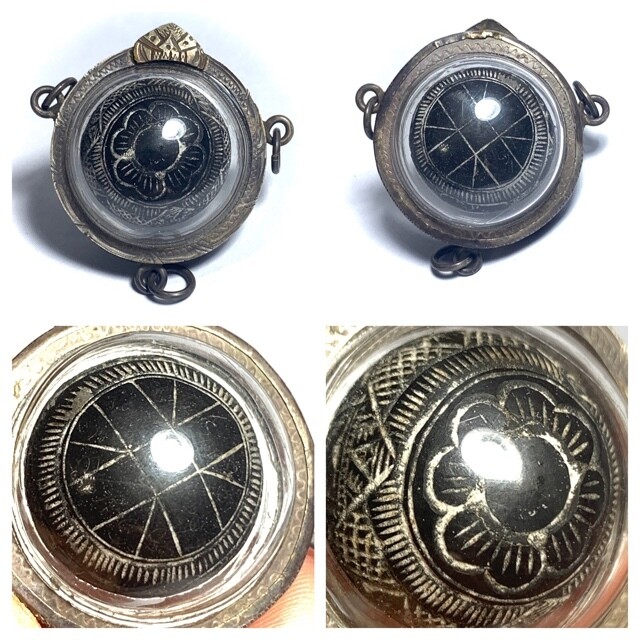
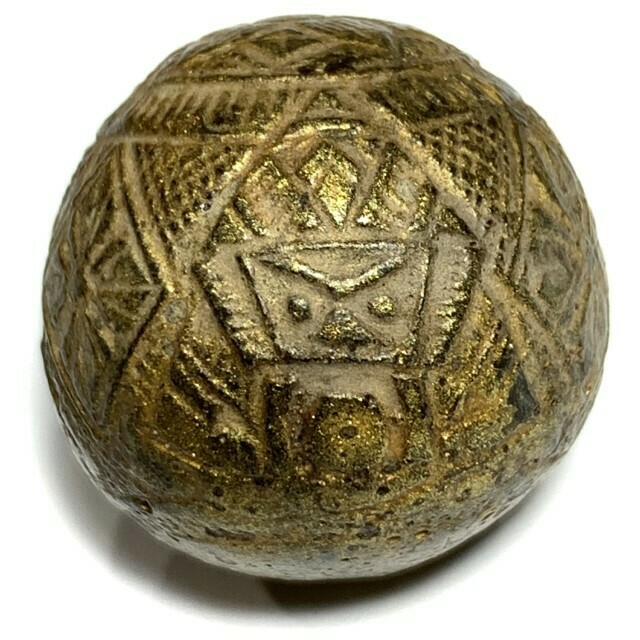
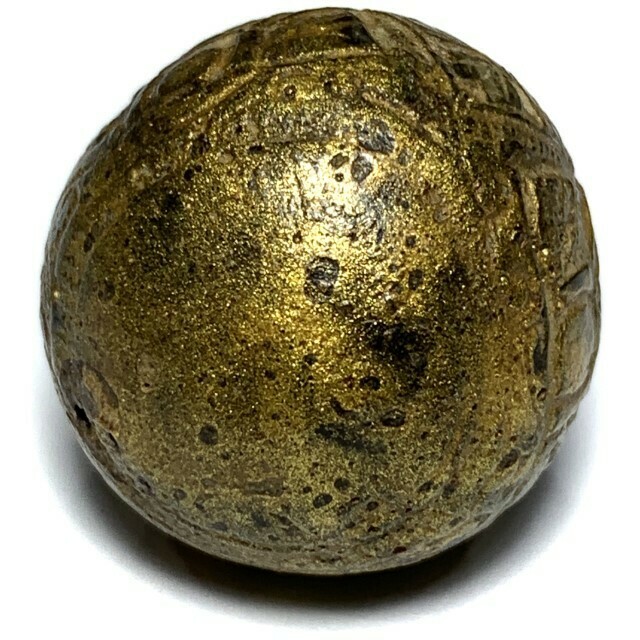
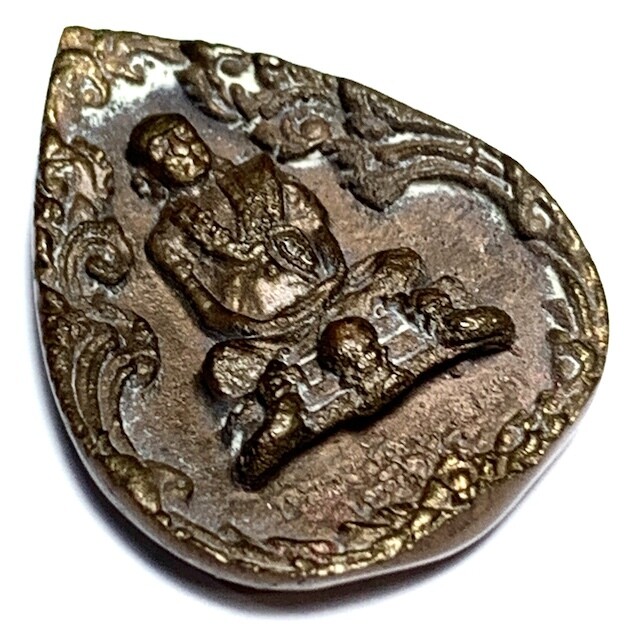
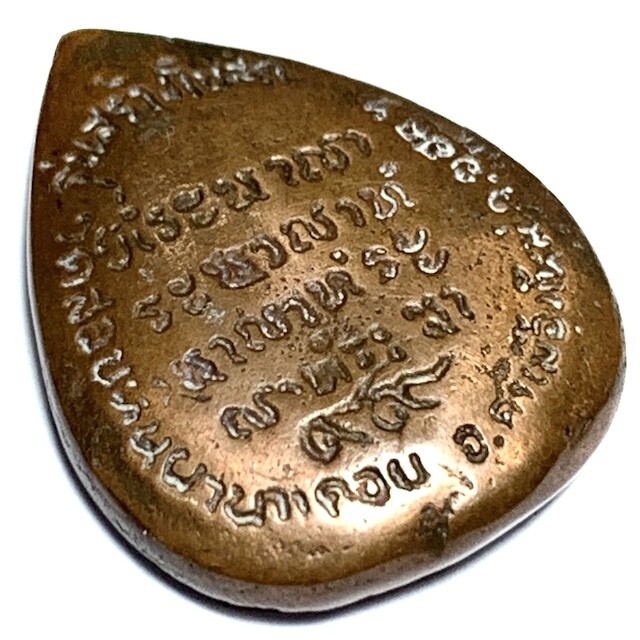
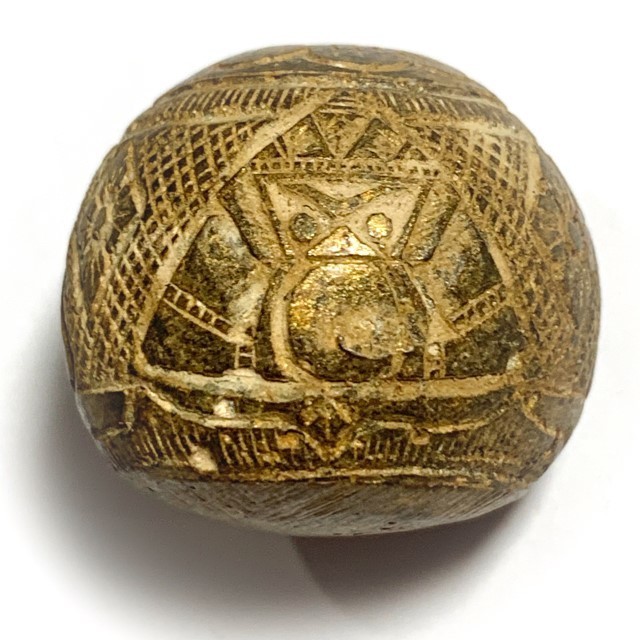
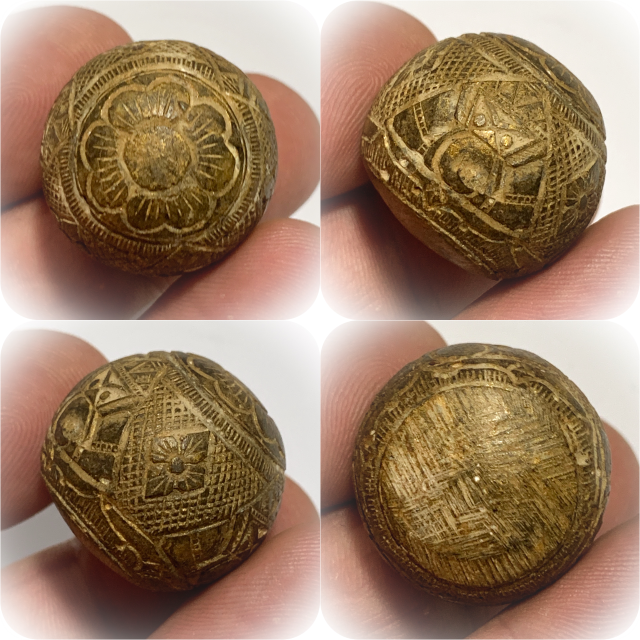
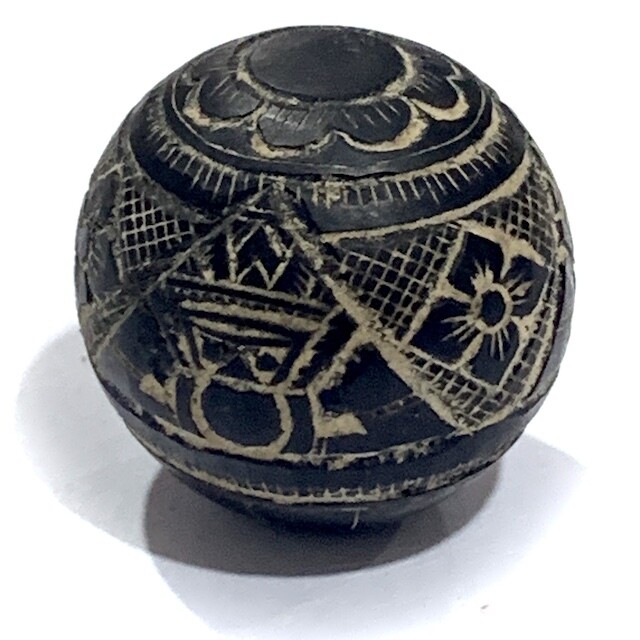
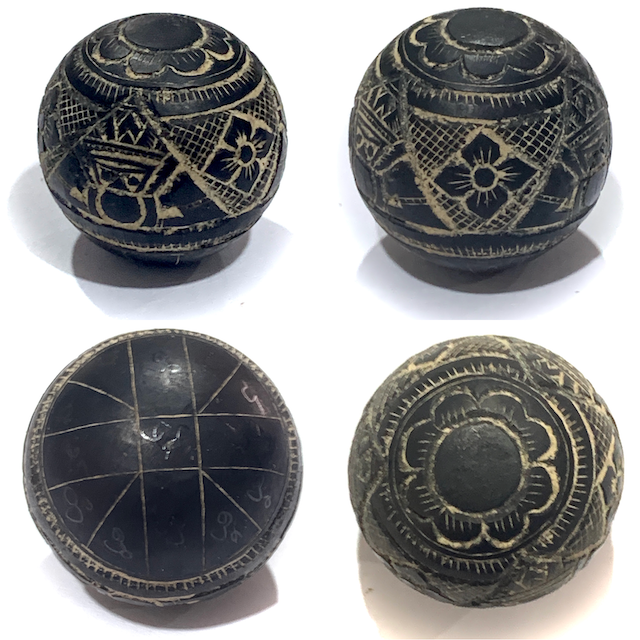
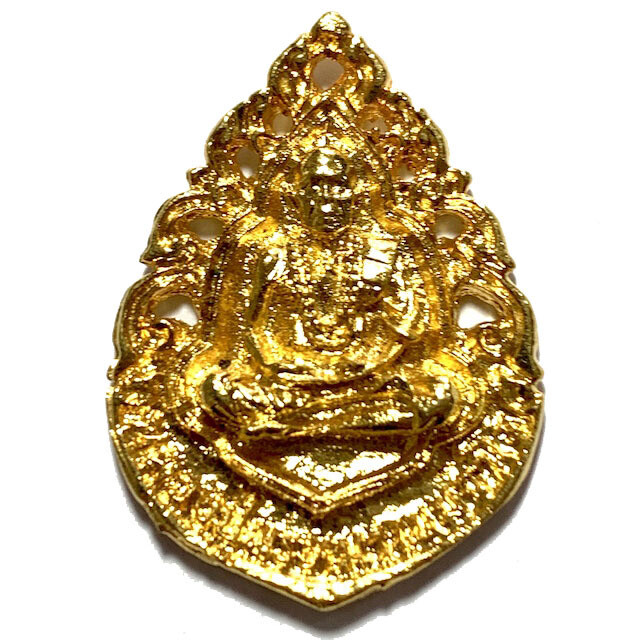
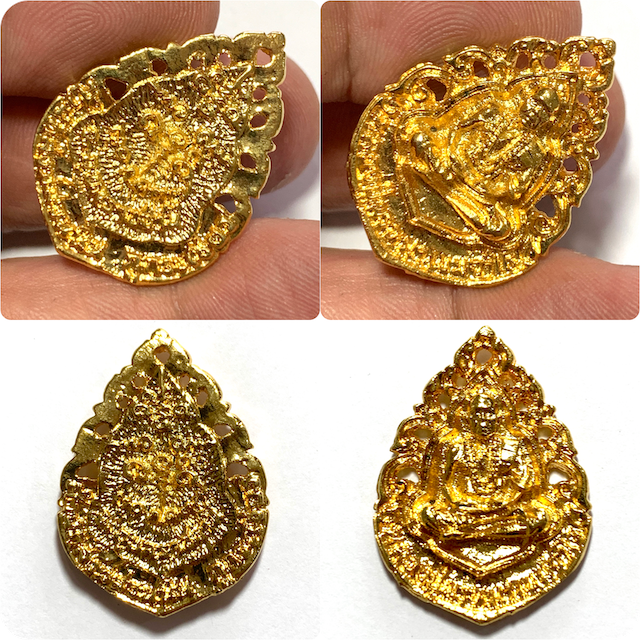
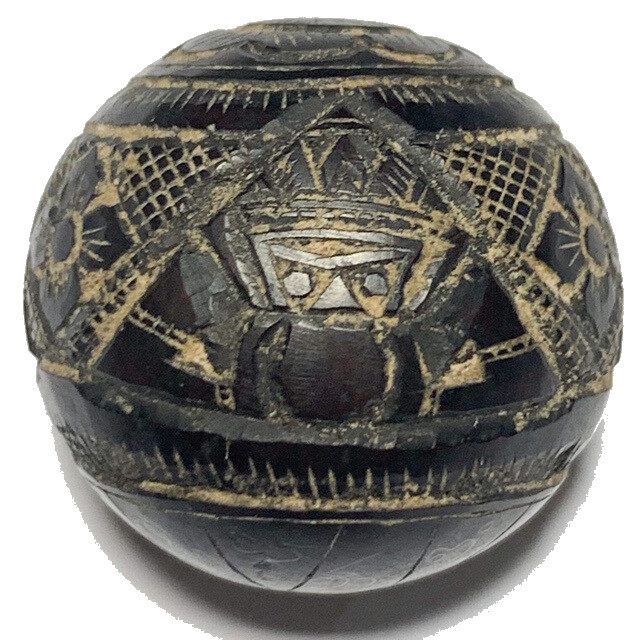
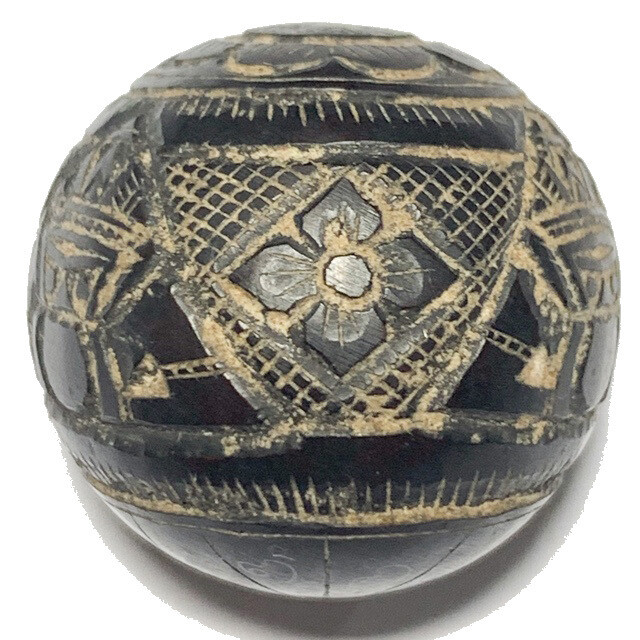
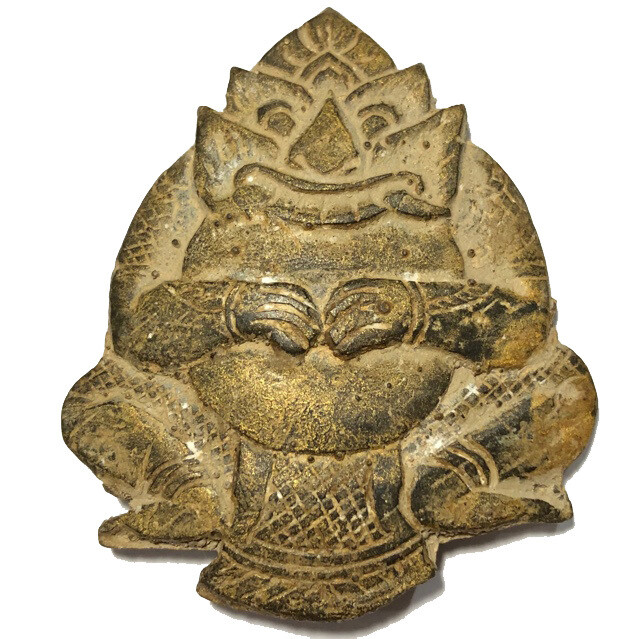
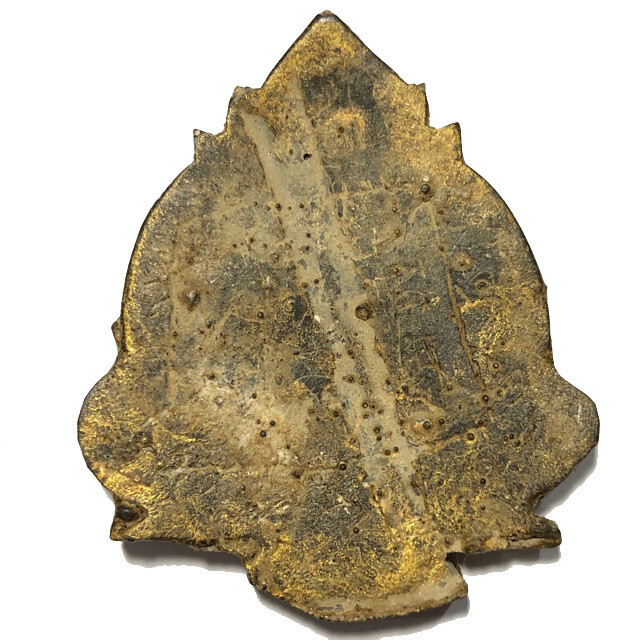
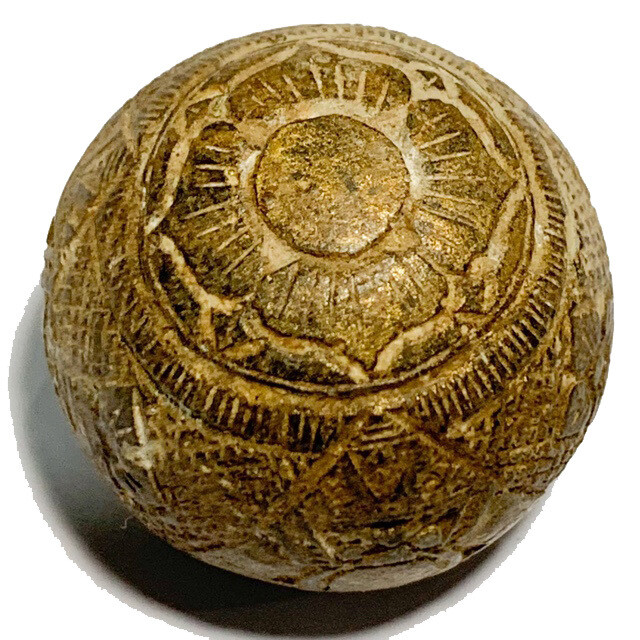
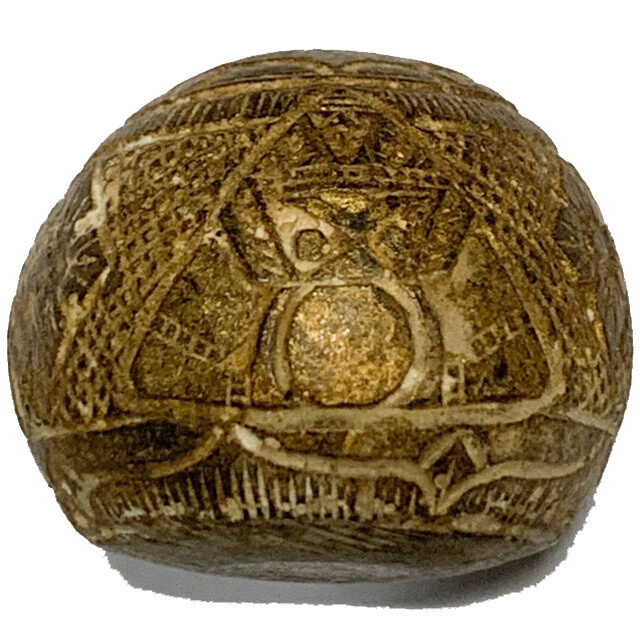
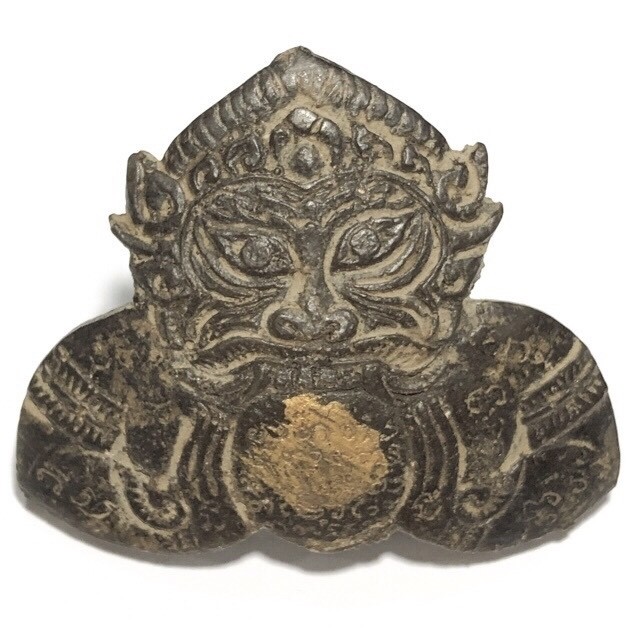
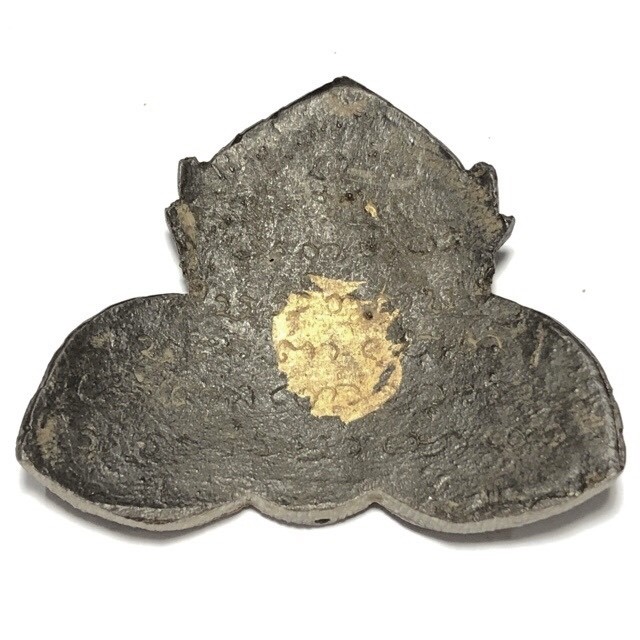
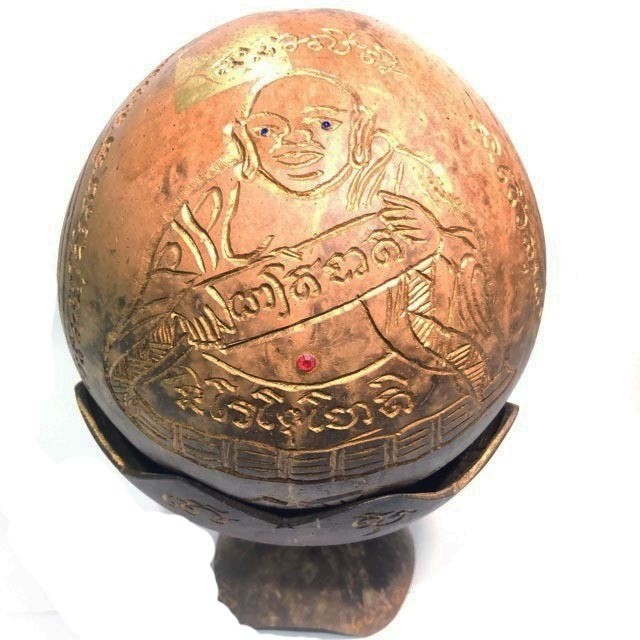
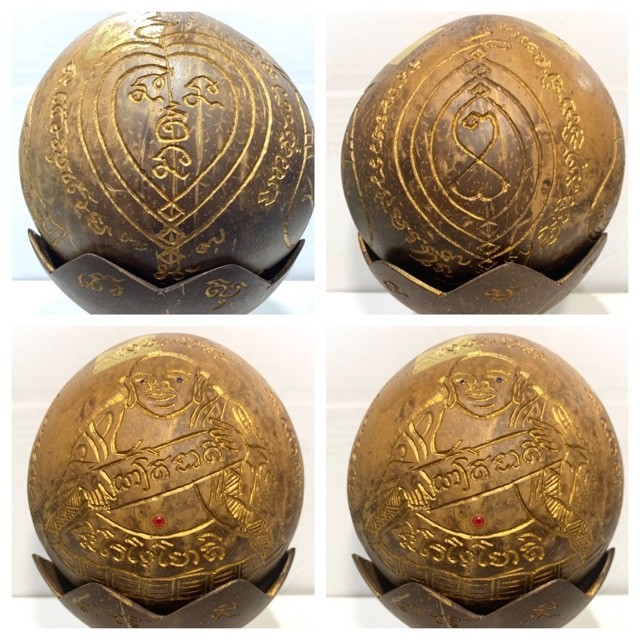
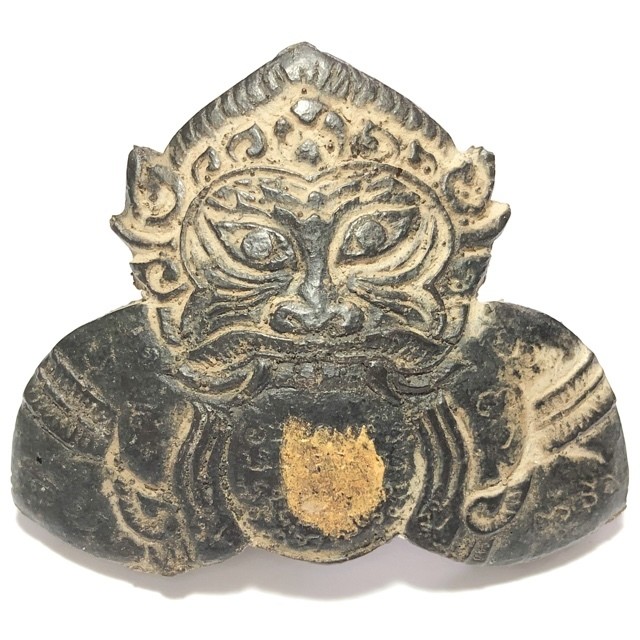
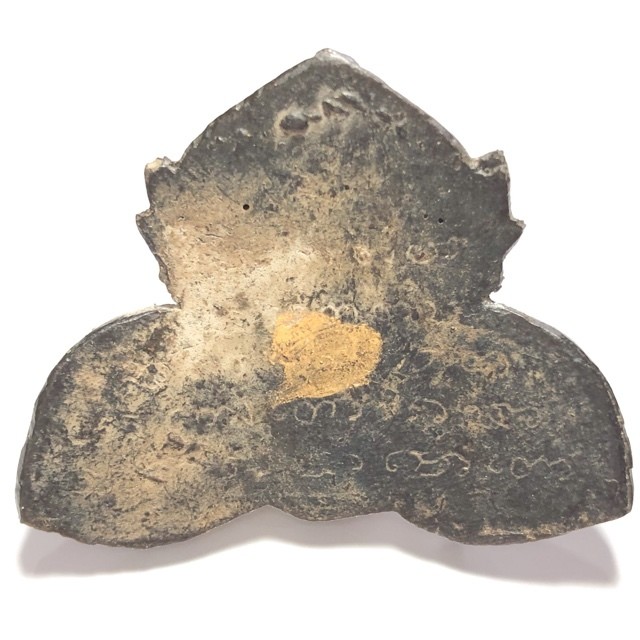
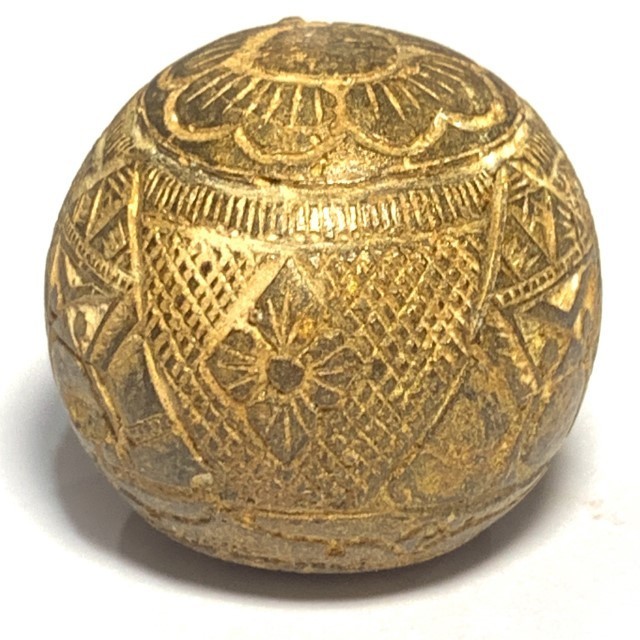
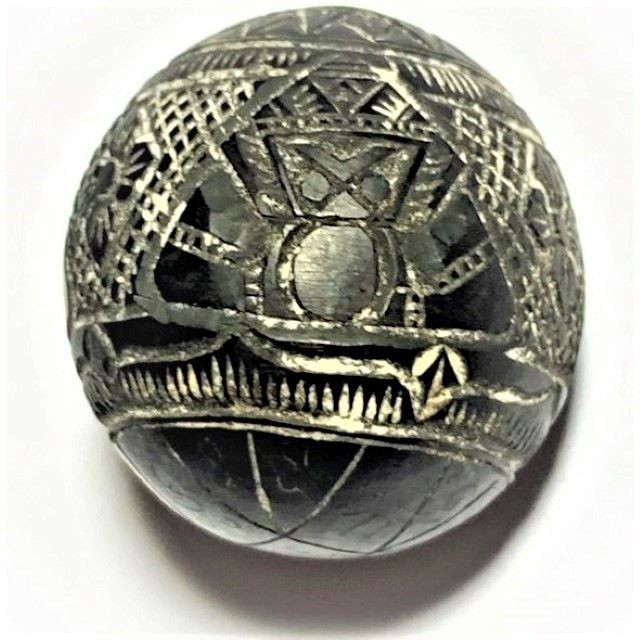
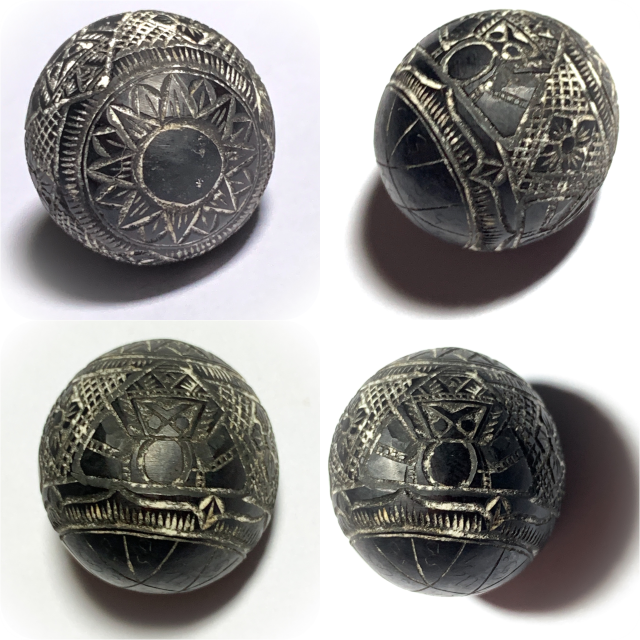
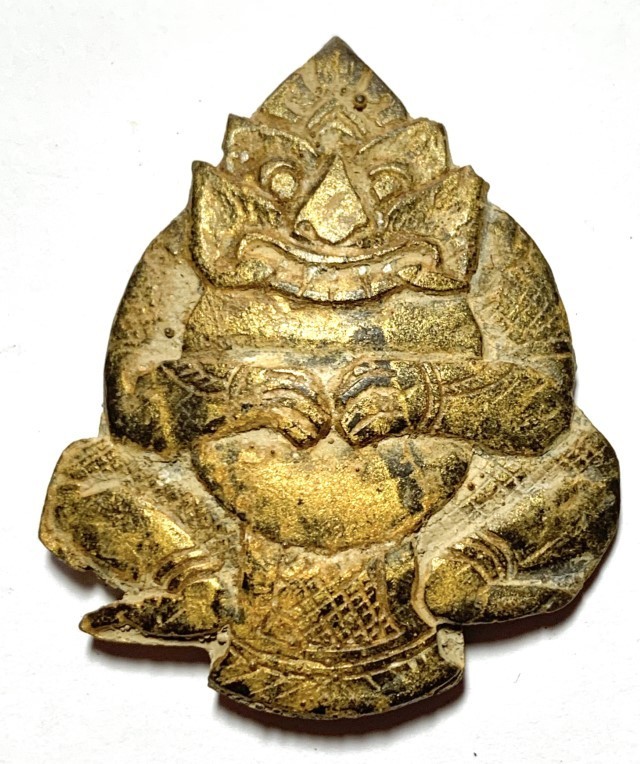
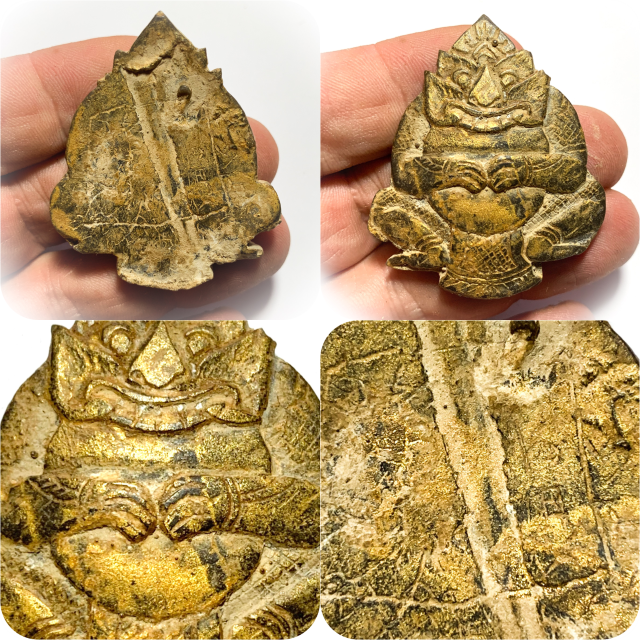
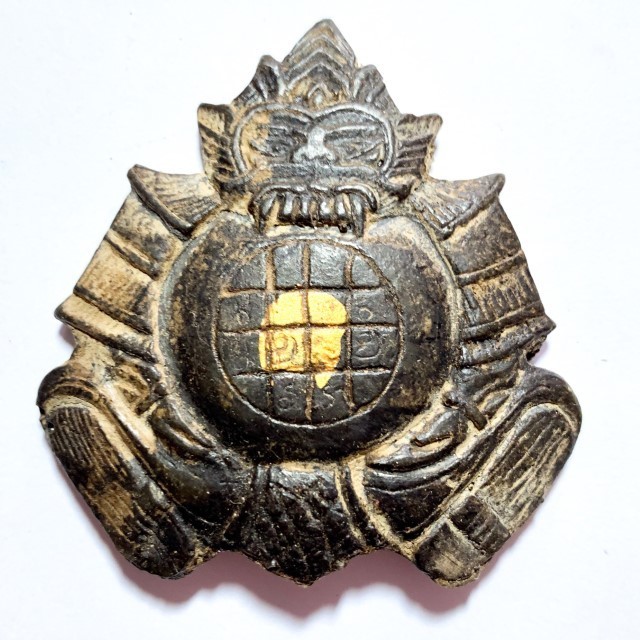
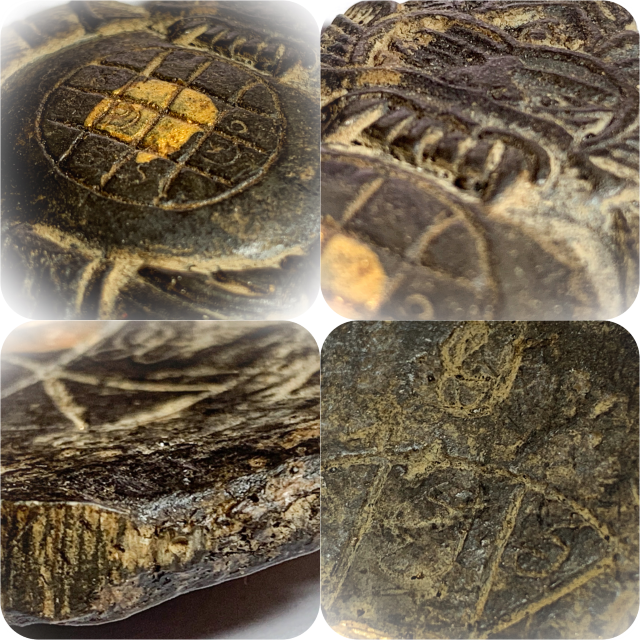
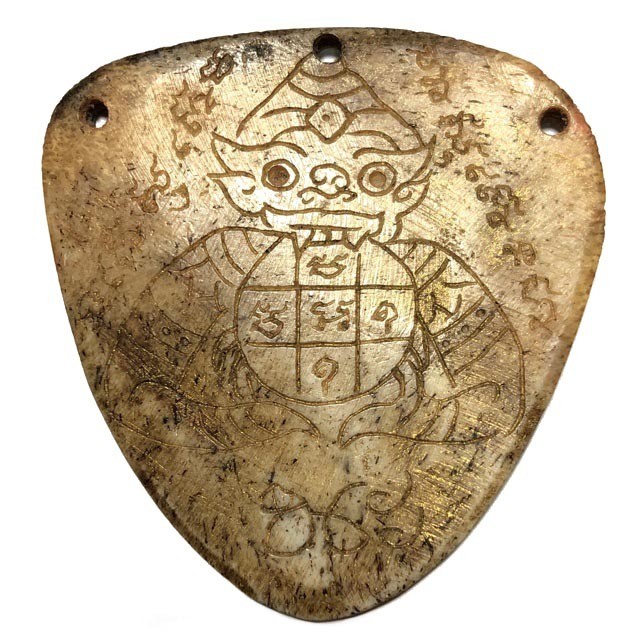
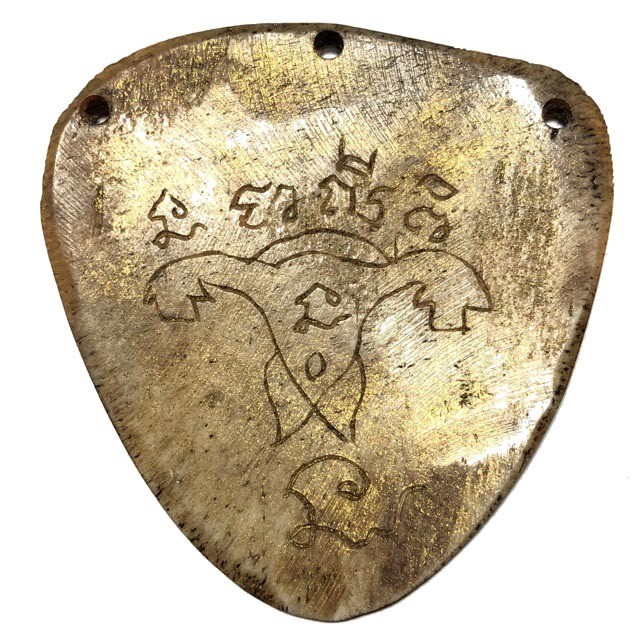
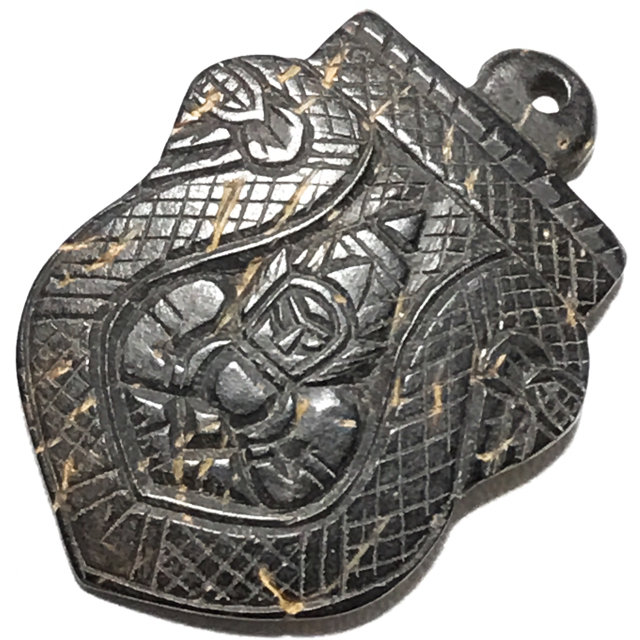
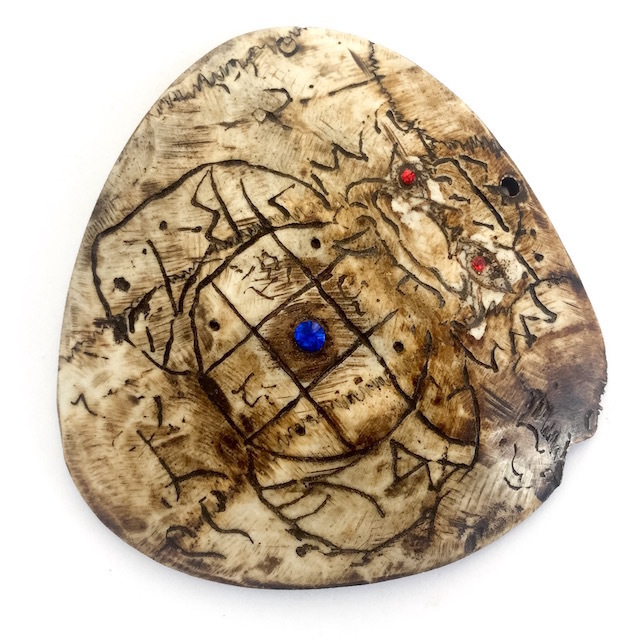


 Luang Phu Bun