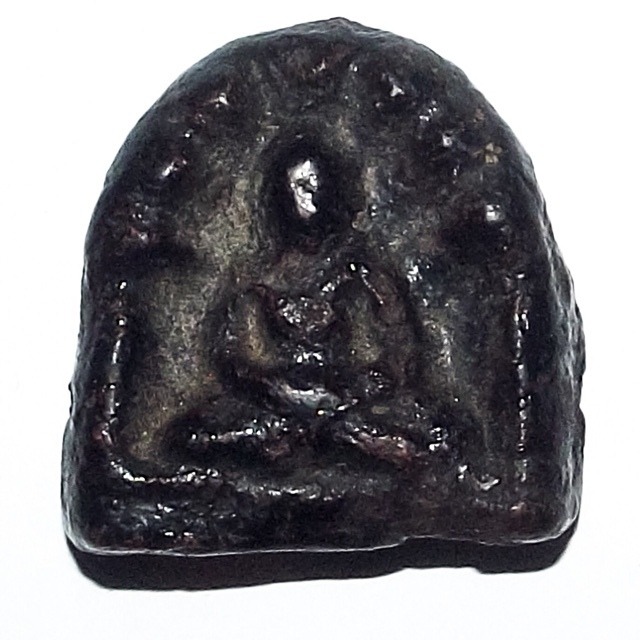
Masterpiece of Wat Phra Yat: Phra Pru Nang Pok Pho (2495 BE)
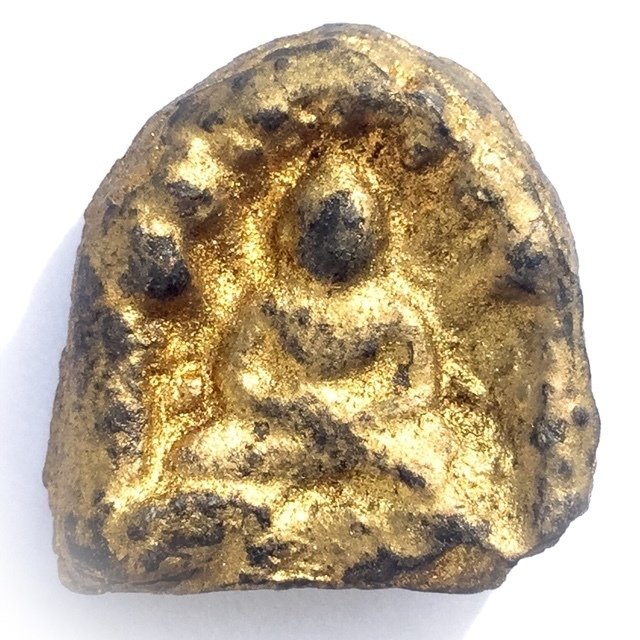
In the sacred lineage of Ayutthaya master monks, Wat Phra Yat stands as a beacon of alchemical wisdom and spiritual protection. Today, we unveil a truly exceptional artifact that challenges common misconceptions and offers a glimpse into the personal mastery of Luang Phor An Khantaro: the Phra Pru Nang (Pok Pho) Trial-Press Amulet of 1952 (B.E. 2495).

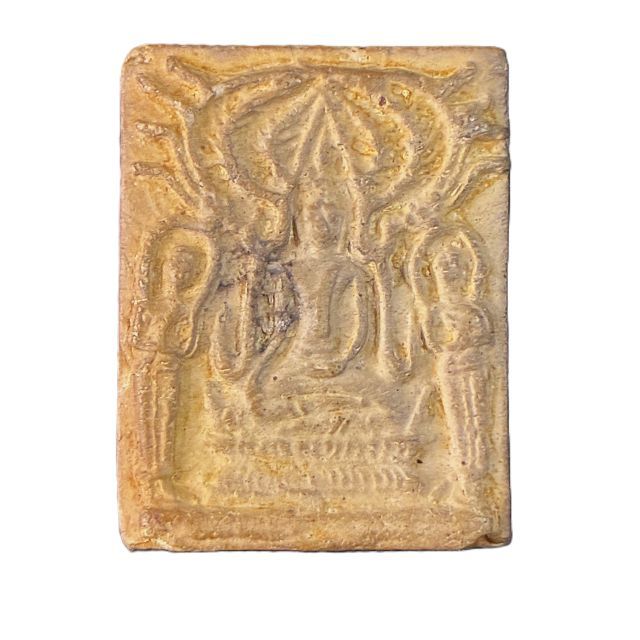
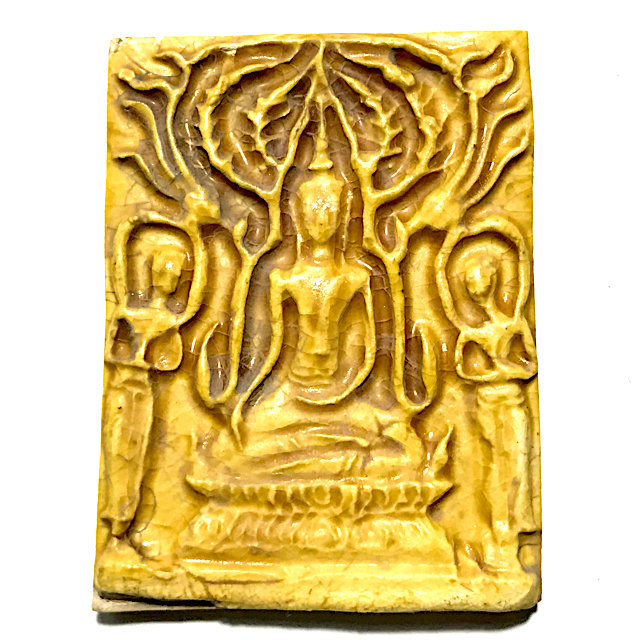
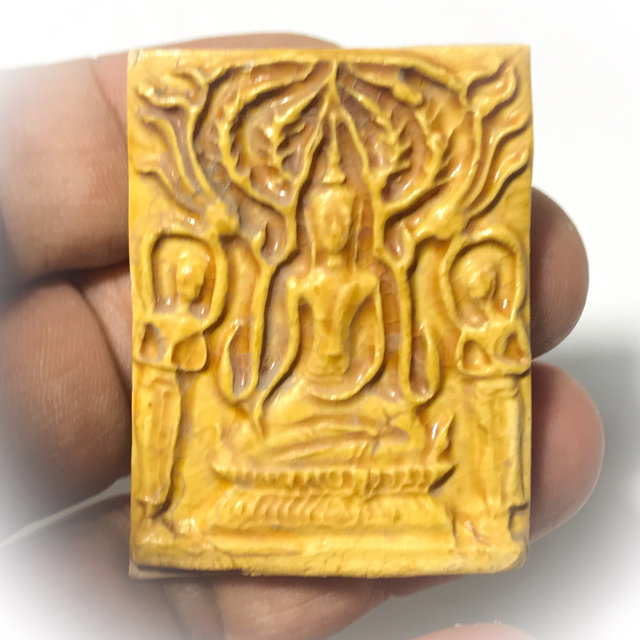
The exquisite front face of the Phra Pru Nang Pok Pho – Wat Phra Yat
The Lineage of Wat Phra Yat: From Master to Disciple
To grasp the significance of this amulet, one must understand the spiritual heritage of Wat Phra Yat. It begins with Luang Phor Klan Thammathoti, the foremost master of Ayutthaya and a legend of both Vipassana meditation and the occult sciences. His fishhook-type 1926 coins remain among the most sought-after in Thailand, known for their powers of invulnerability and protection.
His top disciple, Luang Phor An Khantaro, inherited the entirety of this sacred knowledge. In 1952, Luang Phor An decided to perpetuate the temple’s traditions by creating a new series of amulets. The miracle of this series lies in the base materials: sacred powders and fragments of broken 400-year-old Khun Paen amulets from the ancient Wat Yai Chai Mongkhon hoard.

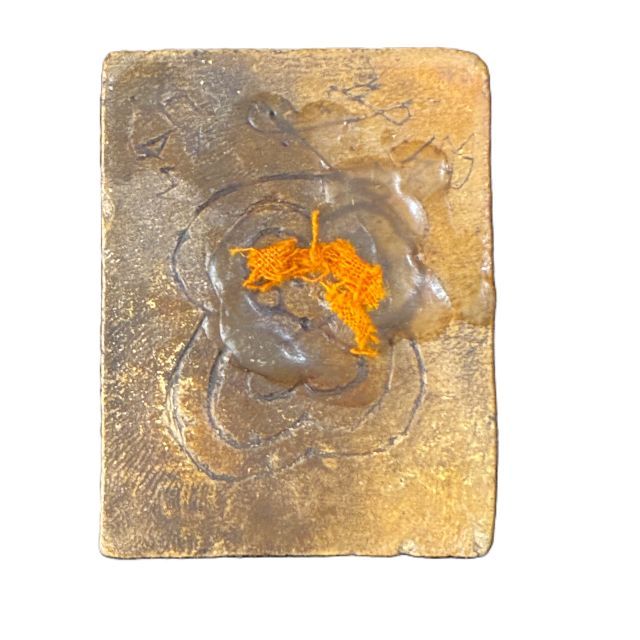
The rear face revealing the hand-inscribed Yantra and sacred additions.
Deciphering the Mystery: The “Trial-Press” Rarity
Collectors often believe that all of Luang Phor An’s 1952 series must be glazed. However, the truth known only to advanced specialists is that a “trial-press” (testing the mold) was always conducted before the final glazing. Some of these test pieces turned out so exceptionally sharp and perfect that the master set them aside to be specially consecrated and given to his closest disciples.
This uncoated specimen is one such rarity. It represents “original purity” that mass-produced glazed pieces cannot match. Under magnification, the clay body reveals a dense texture with natural oxidation patterns from the firing process, interspersed with white and orange sacred powder particles from the Wat Yai Chai Mongkhon hoard.

The Three Sacred Elements on the Reverse
What elevates this piece to a one-of-a-kind masterpiece are the three elements on its back:
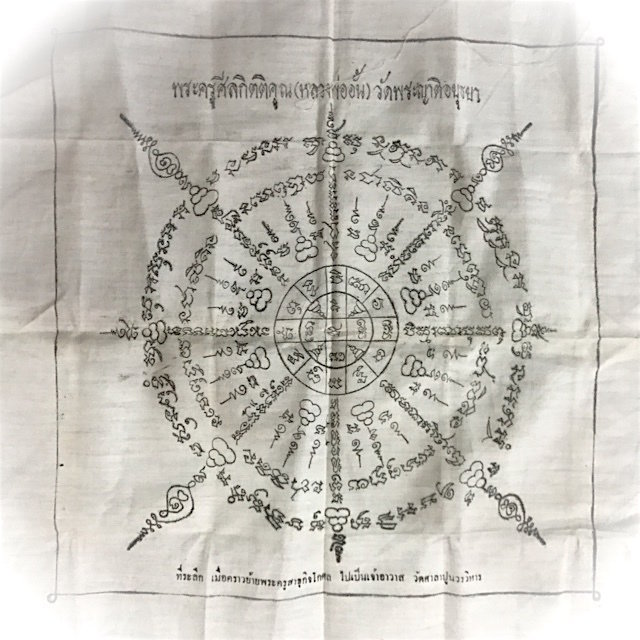
- Hand-Inscribed “Thao” Yantra: The master Yantra of the Wat Phra Yat line. The inscription is fluid, deep, and weighted, matching the specific curves passed down from Luang Phor Klan.
- Victory Candle Wax (Hyod Tian Chai): The orange-yellow stain is wax from the large candles used in the consecration ceremony, which has fully absorbed the power of the prayers and seals the sacred energy.
- Monk’s Robe Fragment (Jivara): Affixing a piece of the master monk’s robe is considered the highest form of blessing, representing purity, moral discipline, and an ultimate safeguard for the wearer.

Conclusion: A Worthy Possession
Possessing this amulet means holding a “Chronicle of Sacred Art.” It documents the trial-press process and the personal benevolence of Luang Phor An. The owner is blessed by the lineage of Wat Phra Yat, gaining protection, immense charm, and prosperity in all endeavors.
Explore More Sacred Artifacts
Wat Prayatigaram
Wat Prayat, or, 'Wat Prayatikaram' was built during the Ayuttaya Era and was earlier known as 'Wat Pob Yaat', which means 'The Temple of Meeting with Relatives'. Wat Prayat became nationally famous temple through the merits and amulets of two great Abbots, namely the Great Luang Por Glan, and his antecedent Luang Por An.