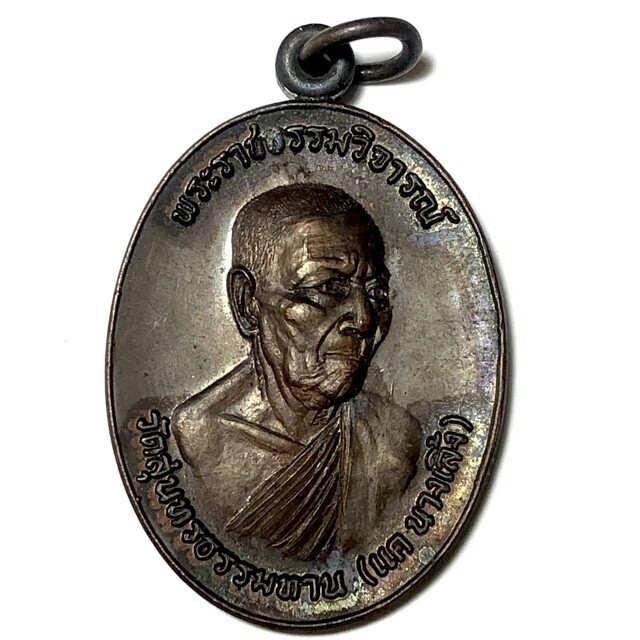
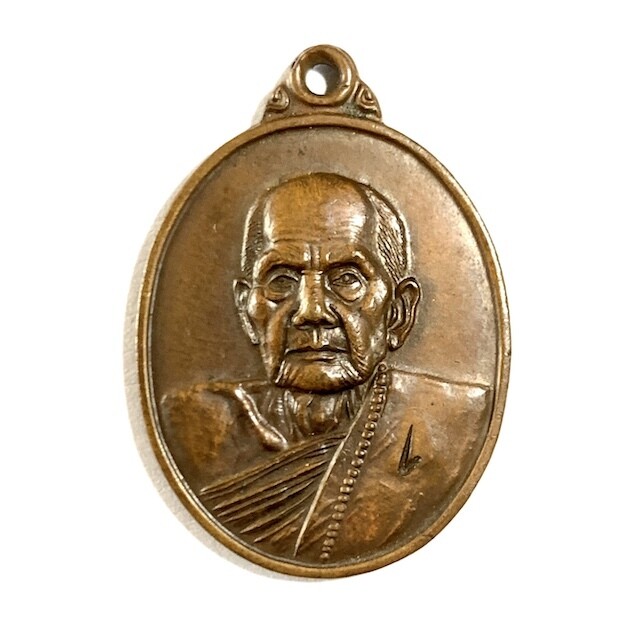
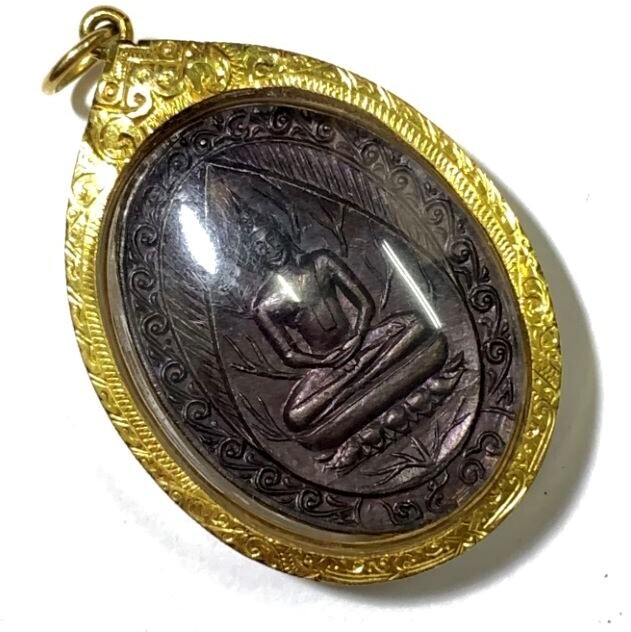
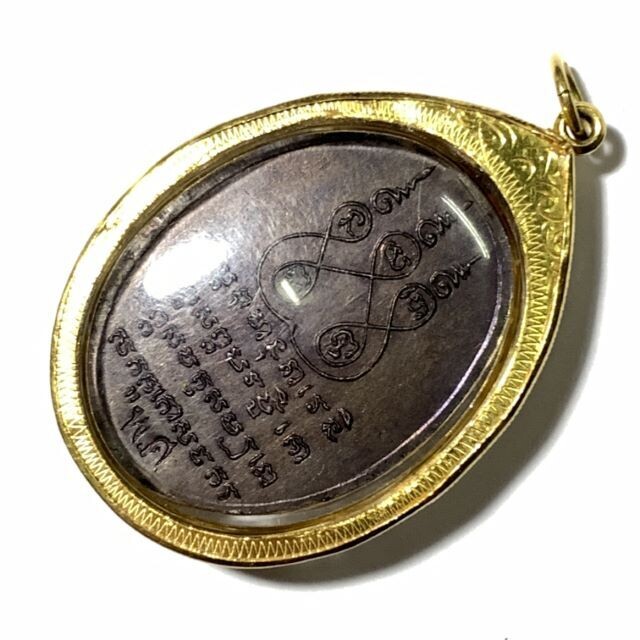
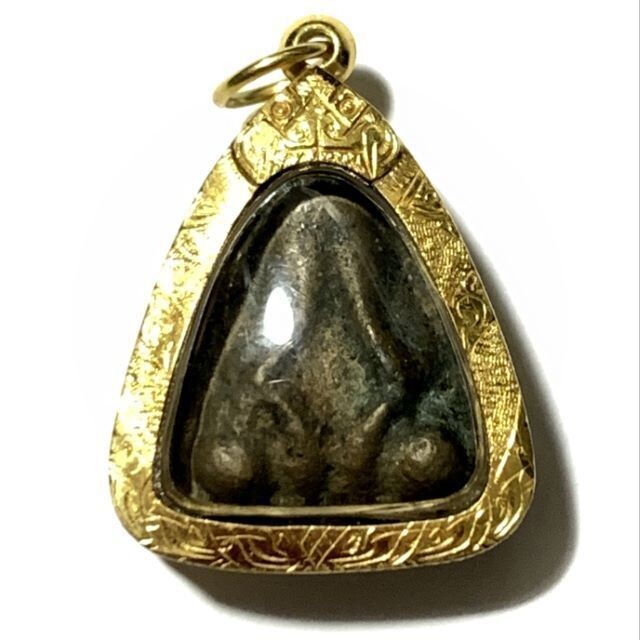
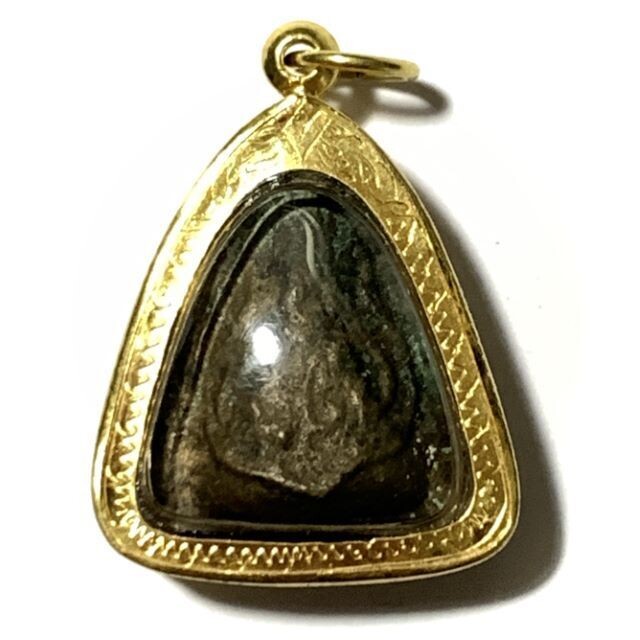
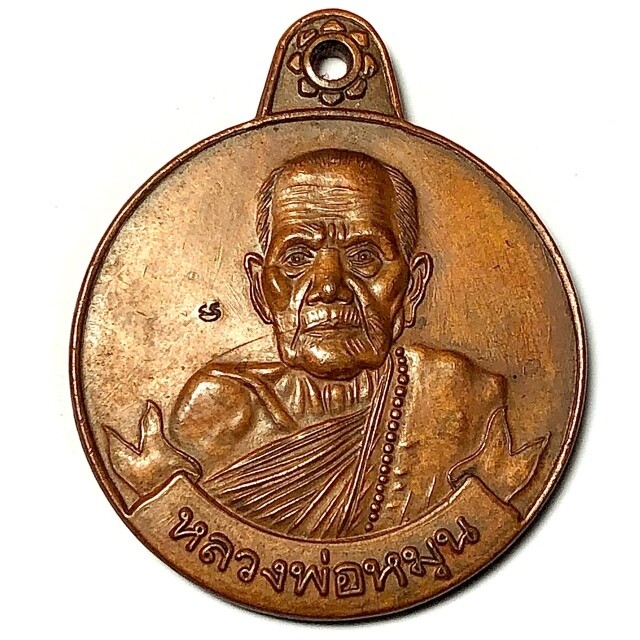
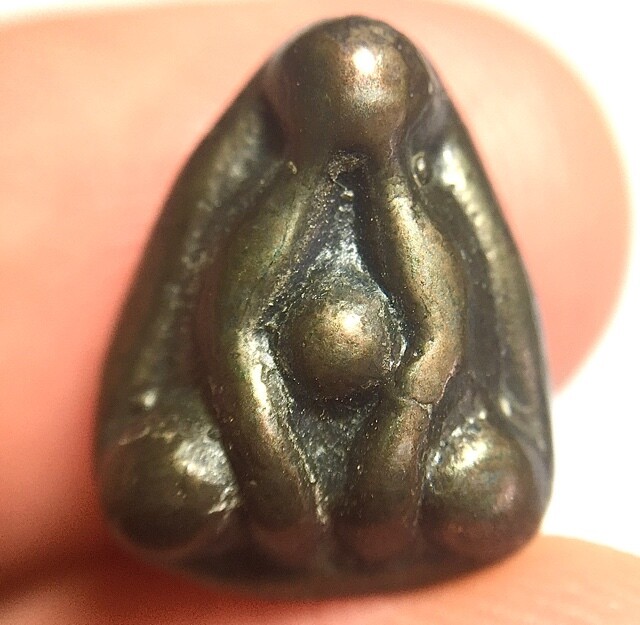
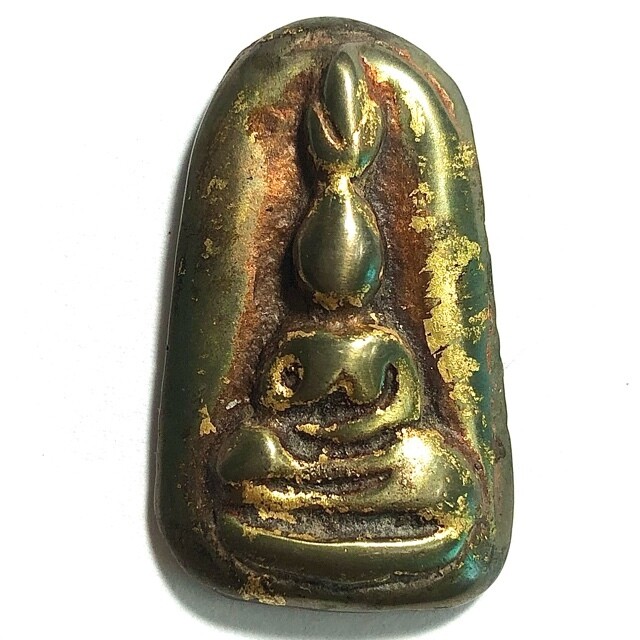
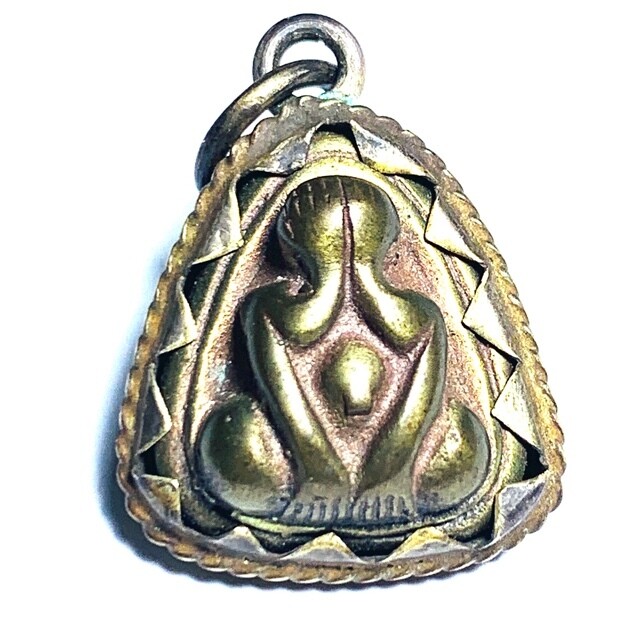
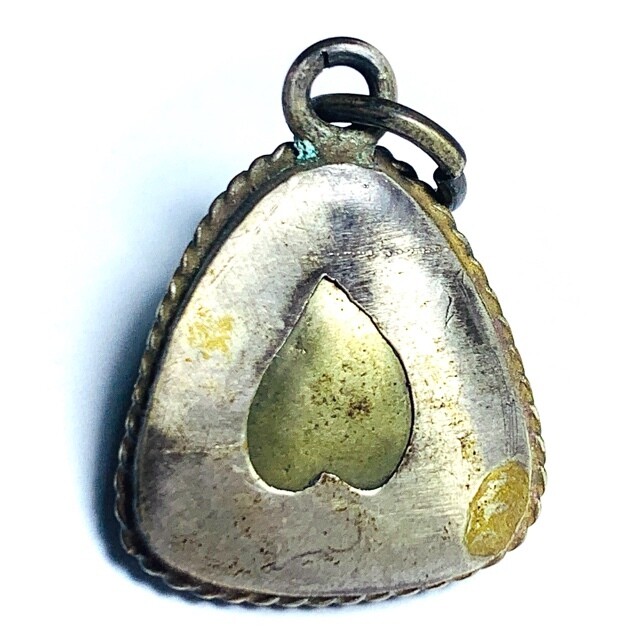
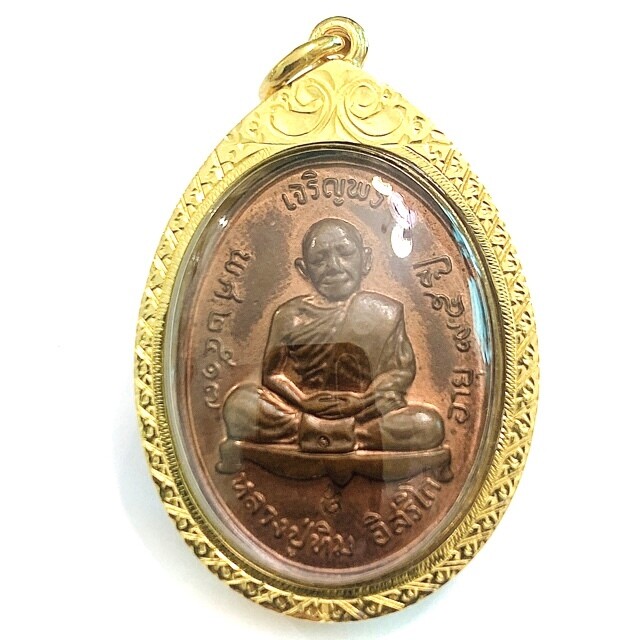
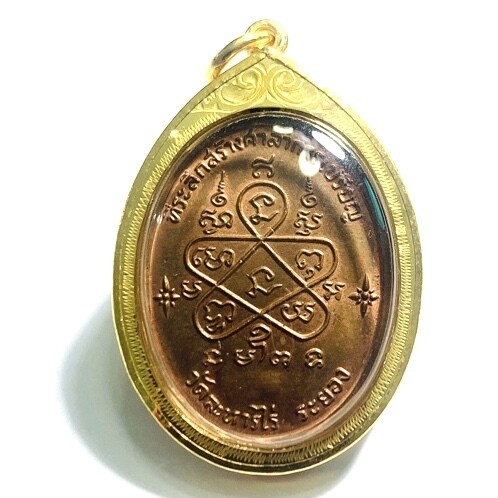
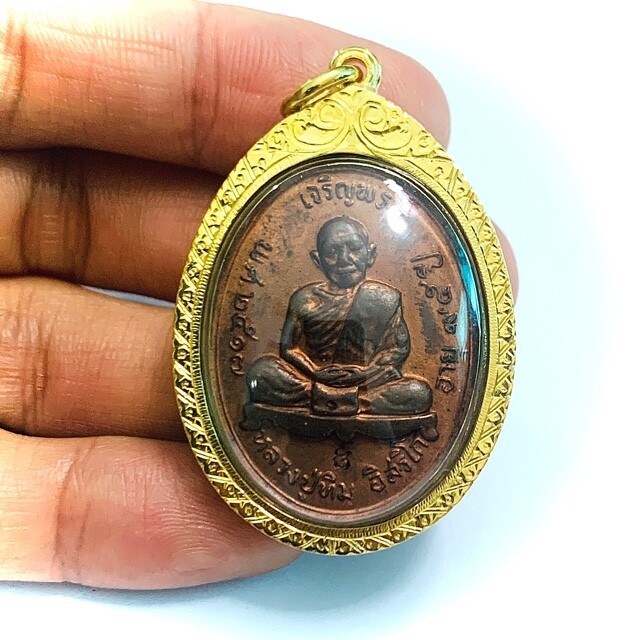
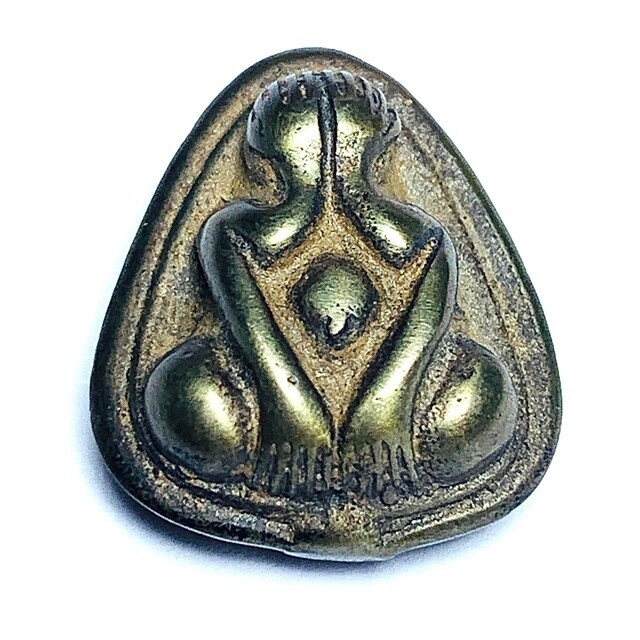
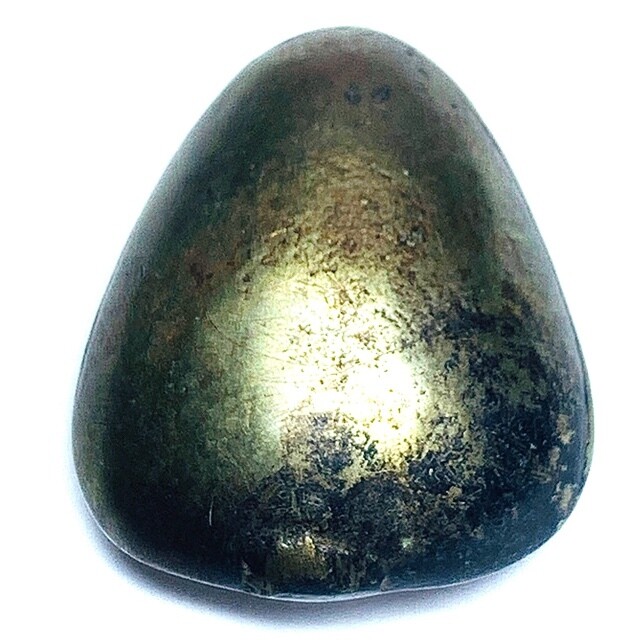
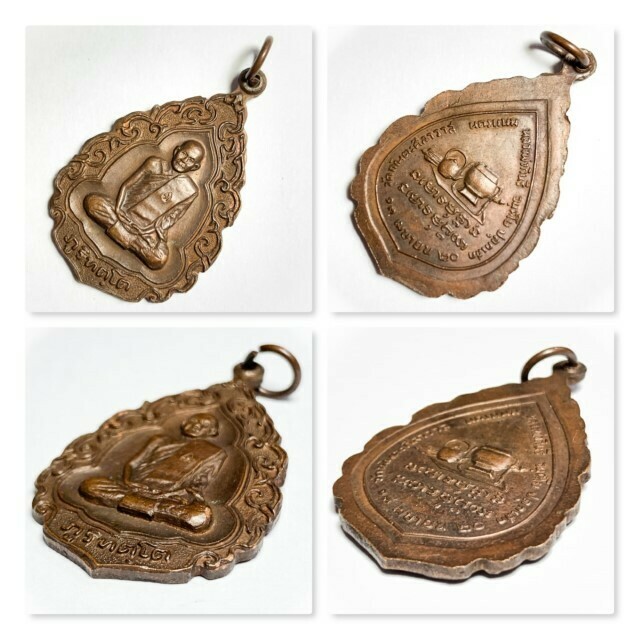
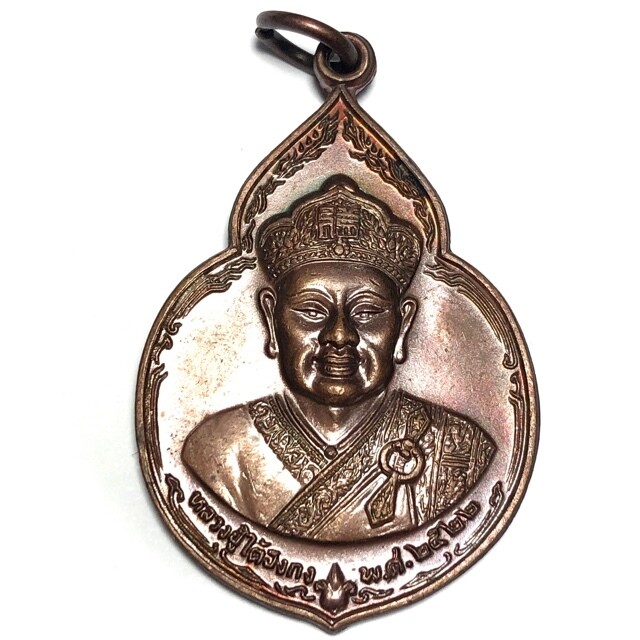
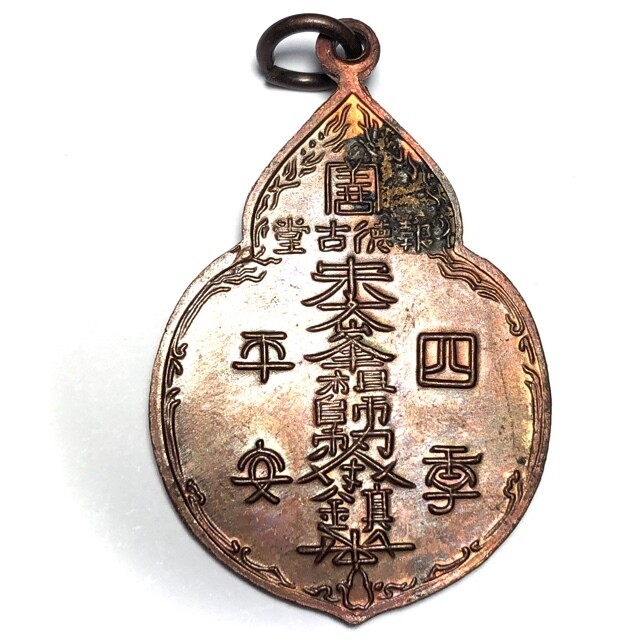
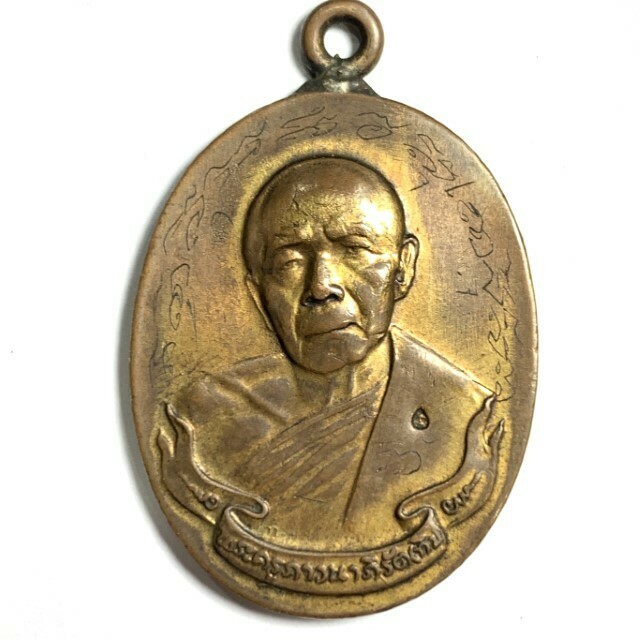
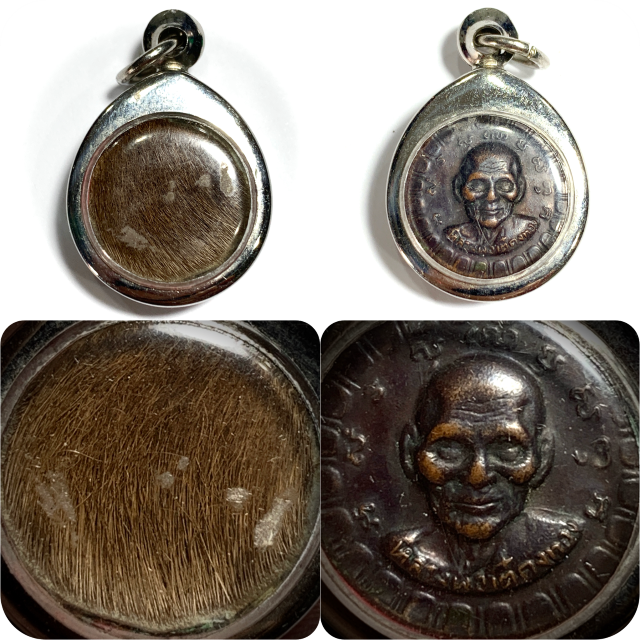
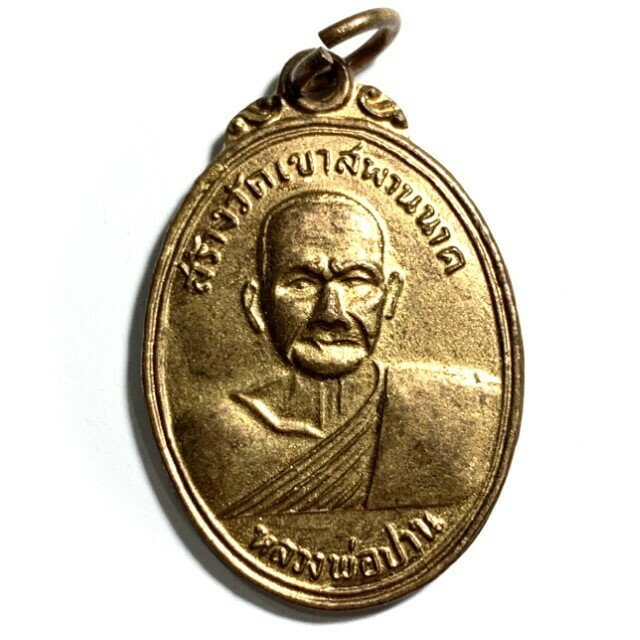
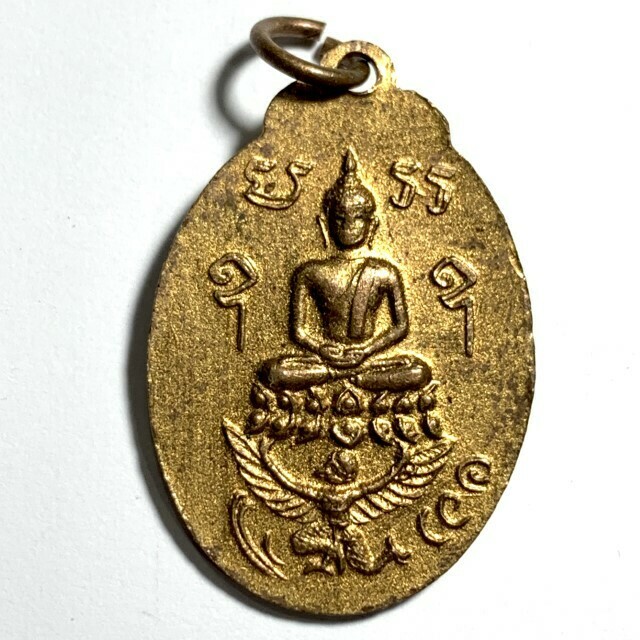
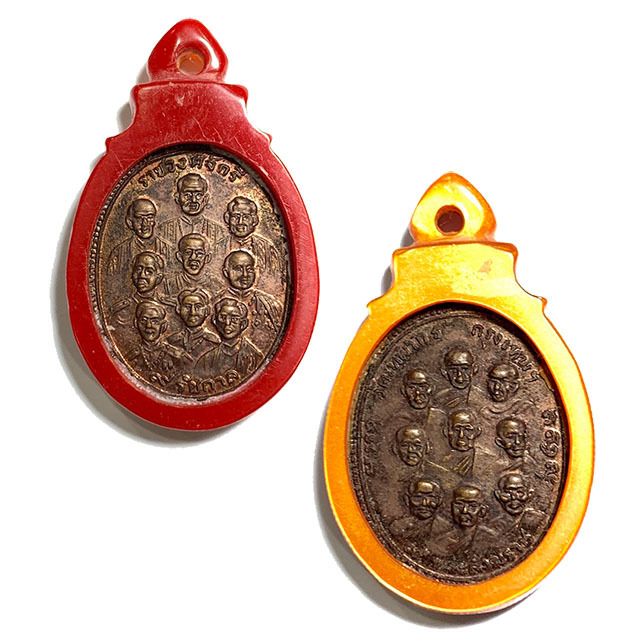
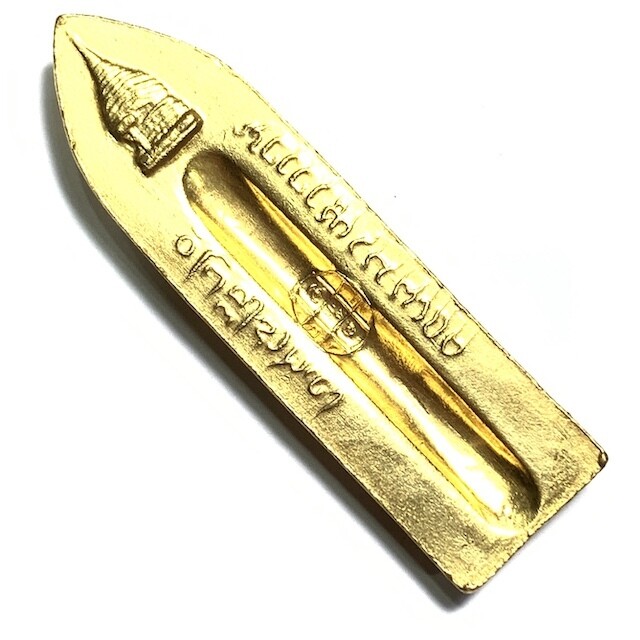
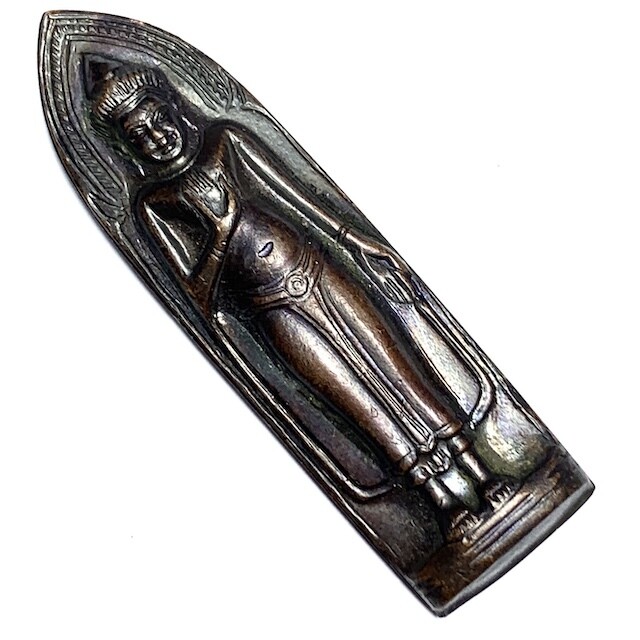
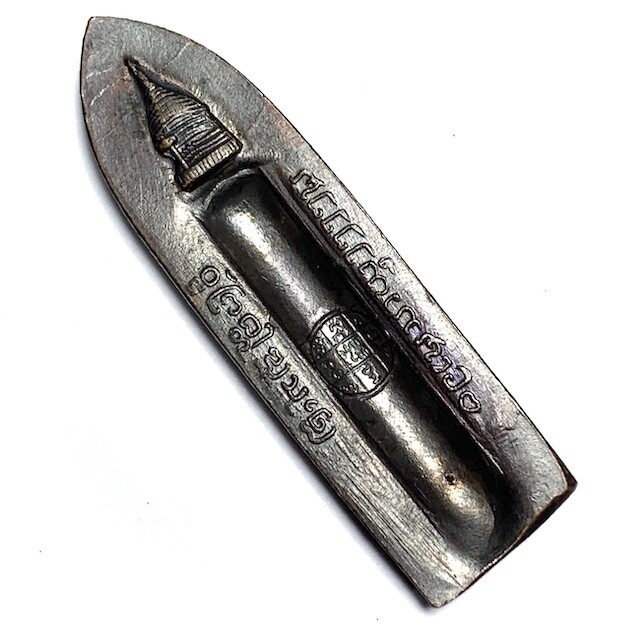
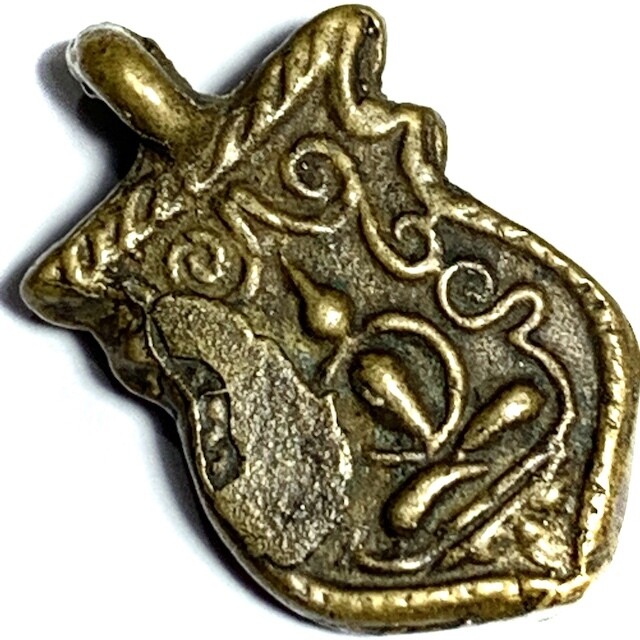
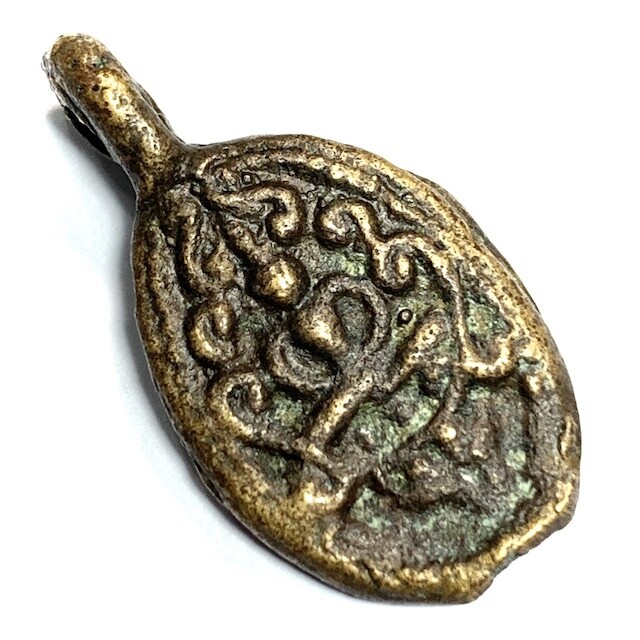
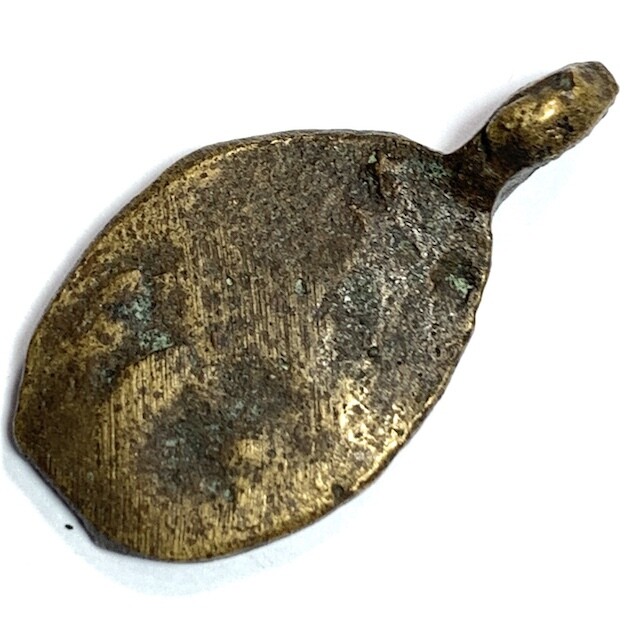
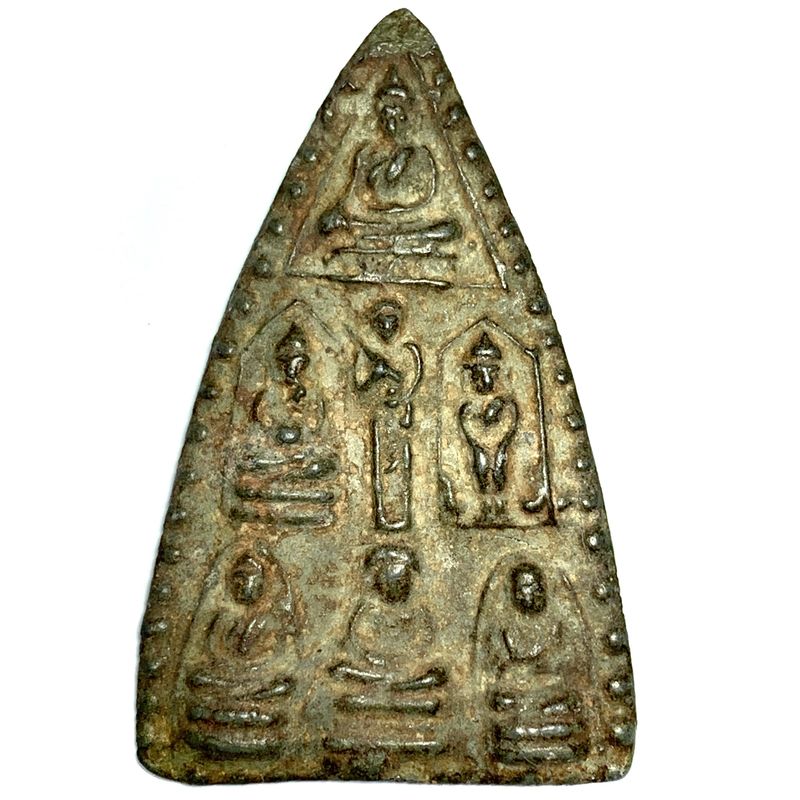
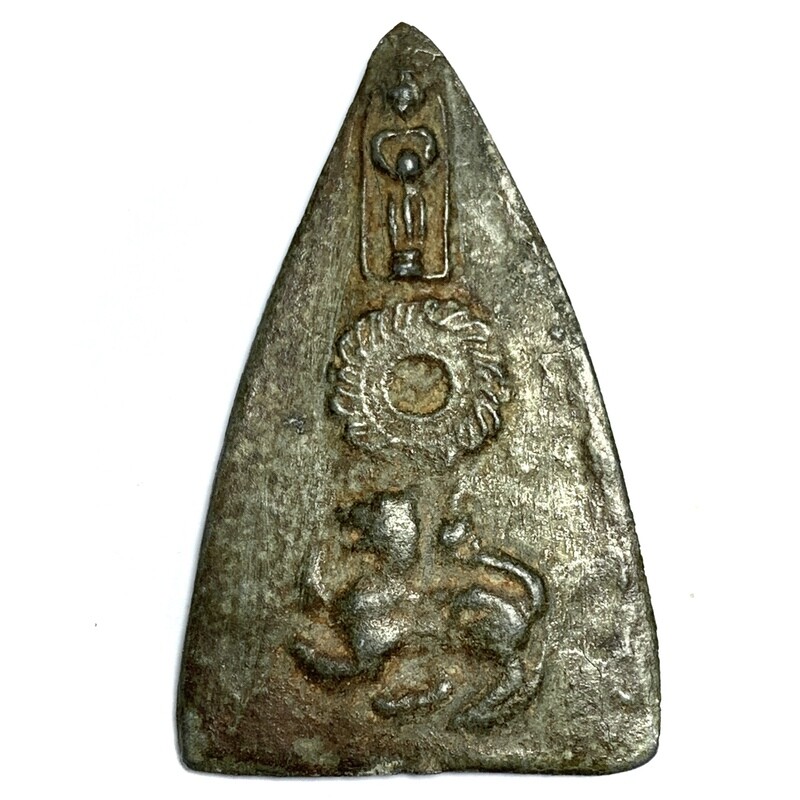
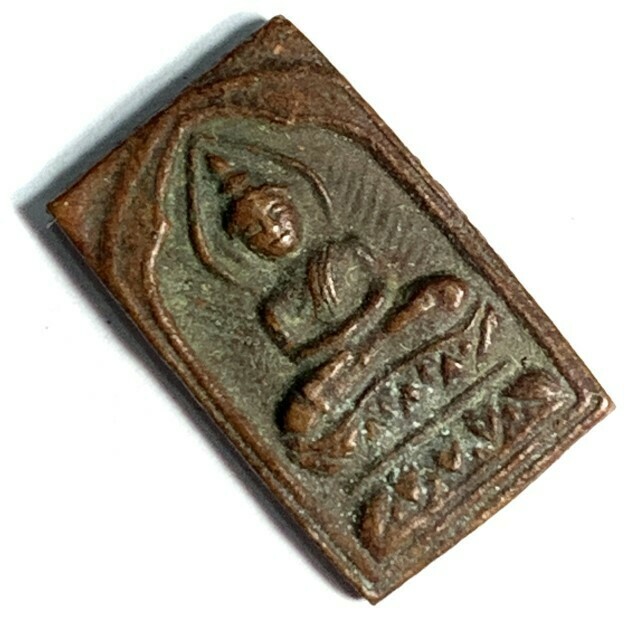
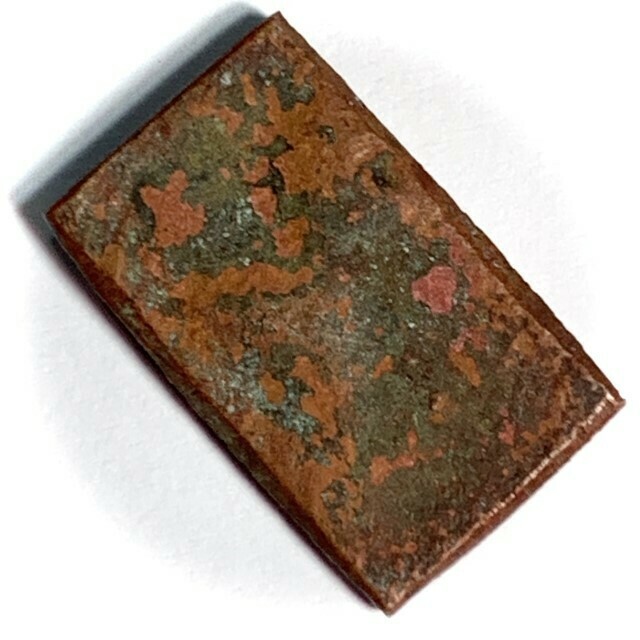
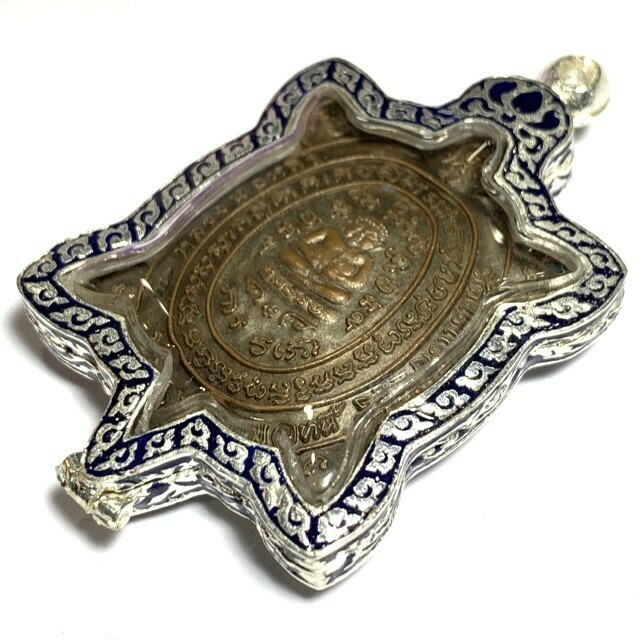
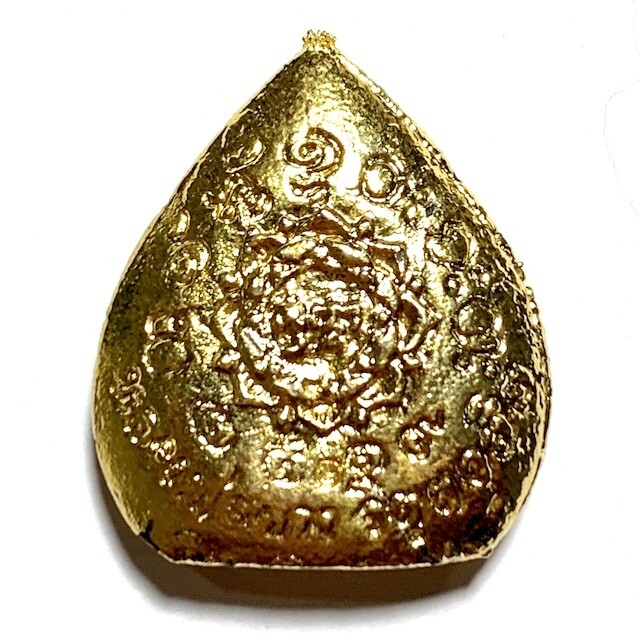
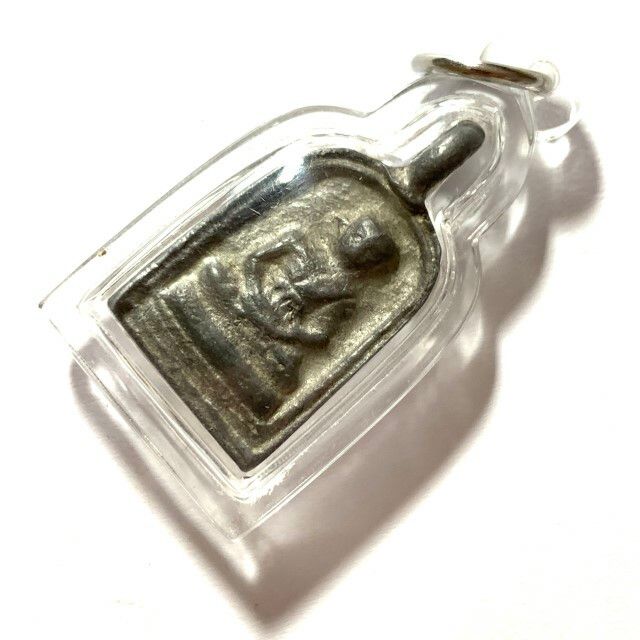
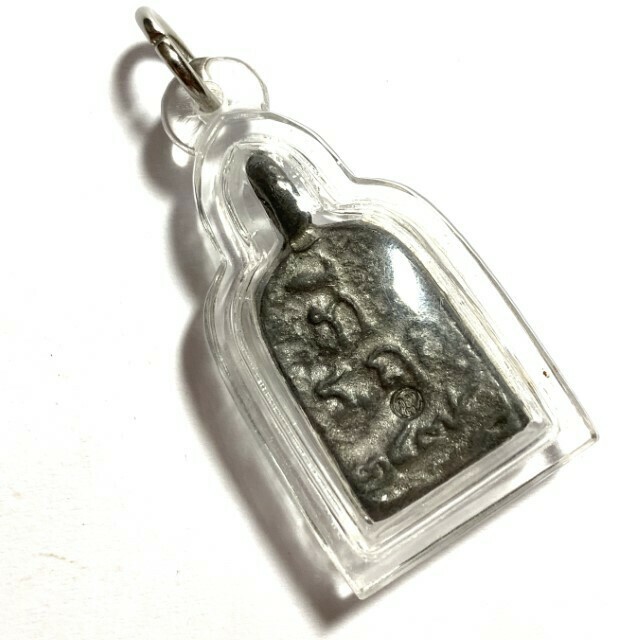
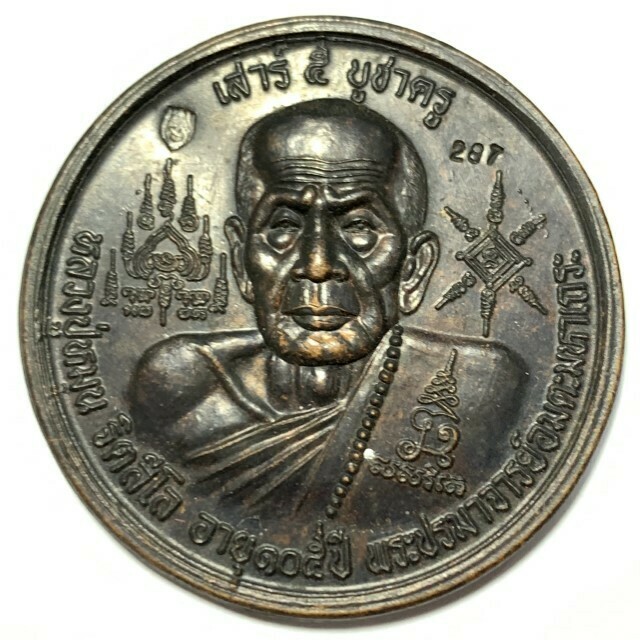
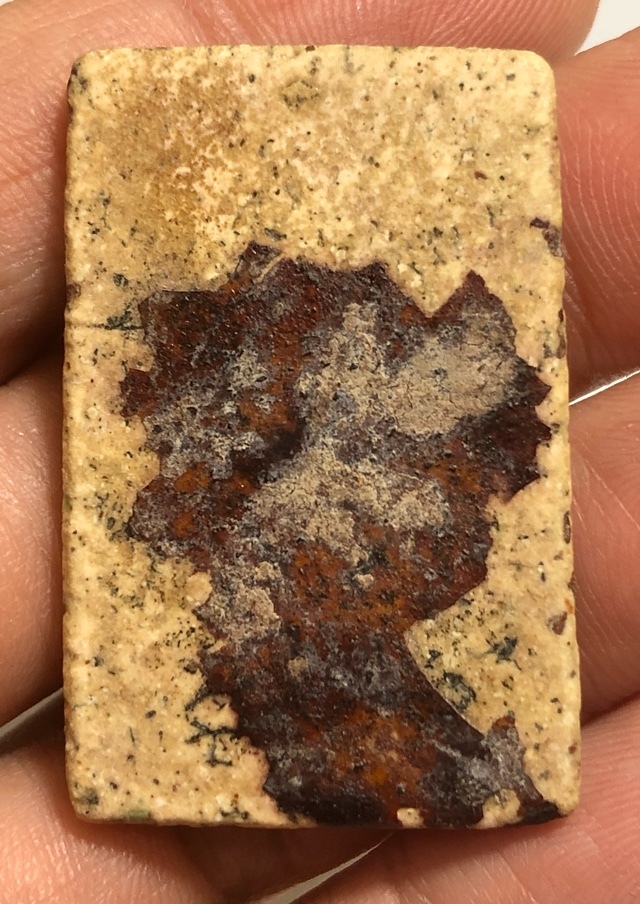
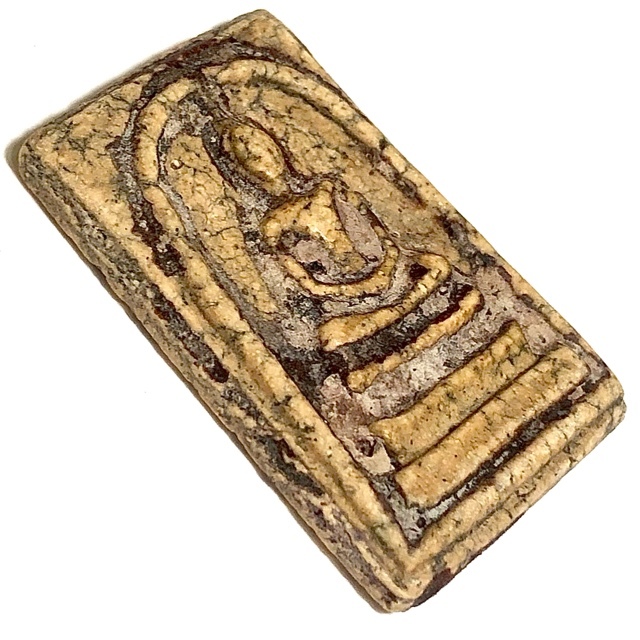
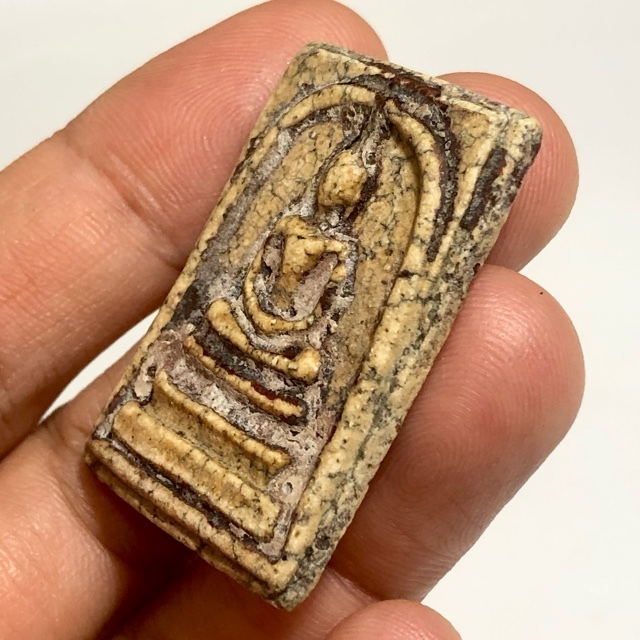
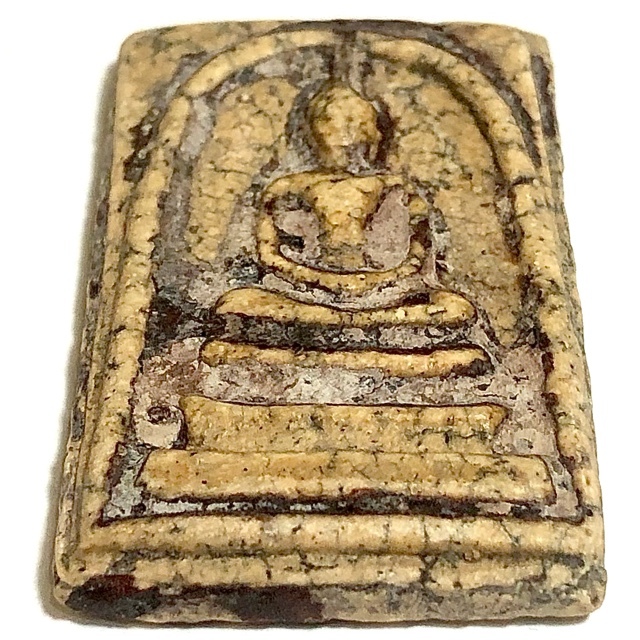
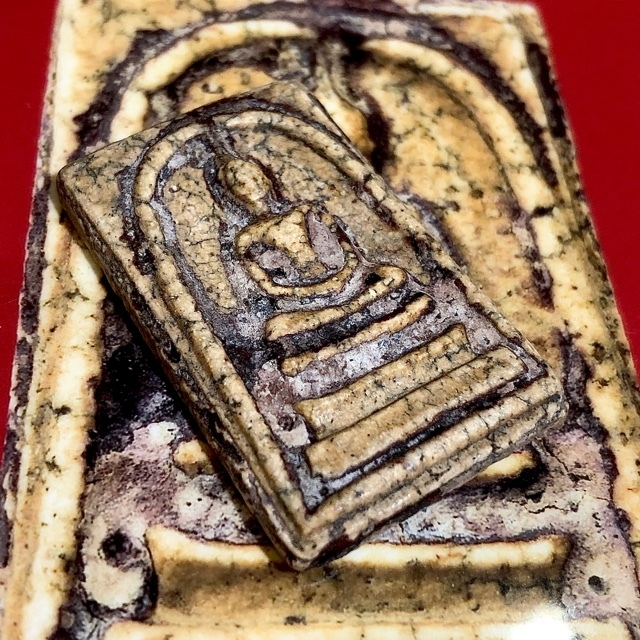
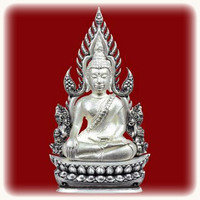
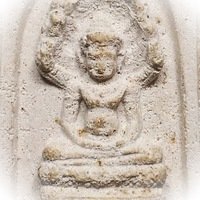
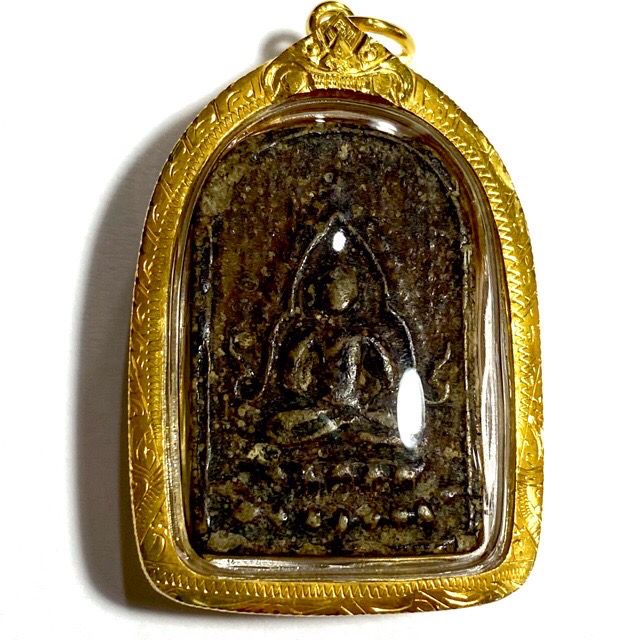
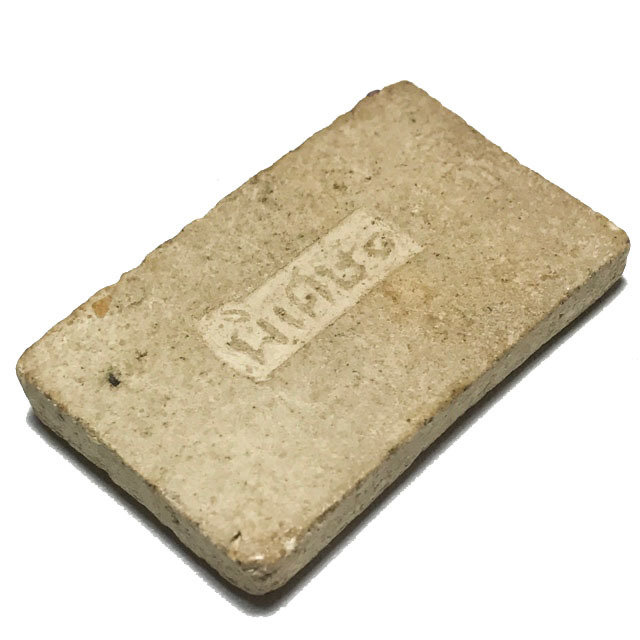
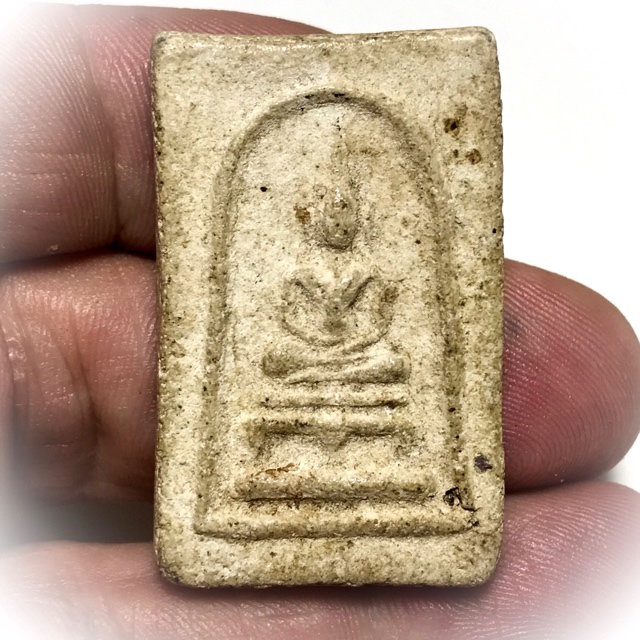
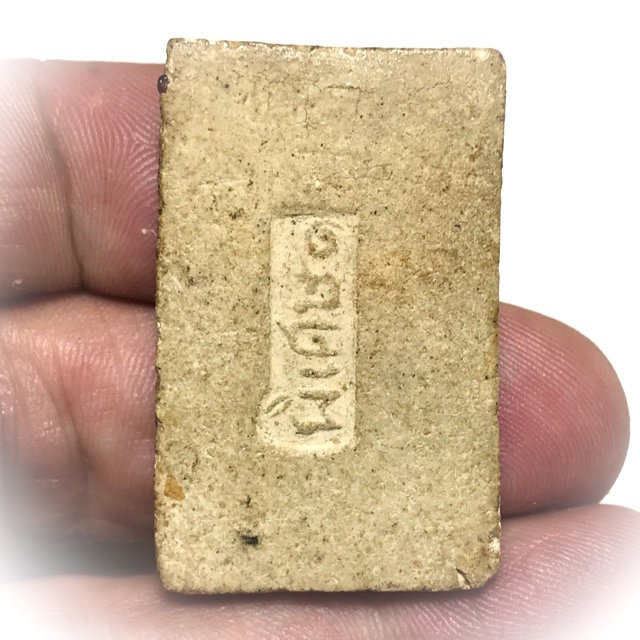
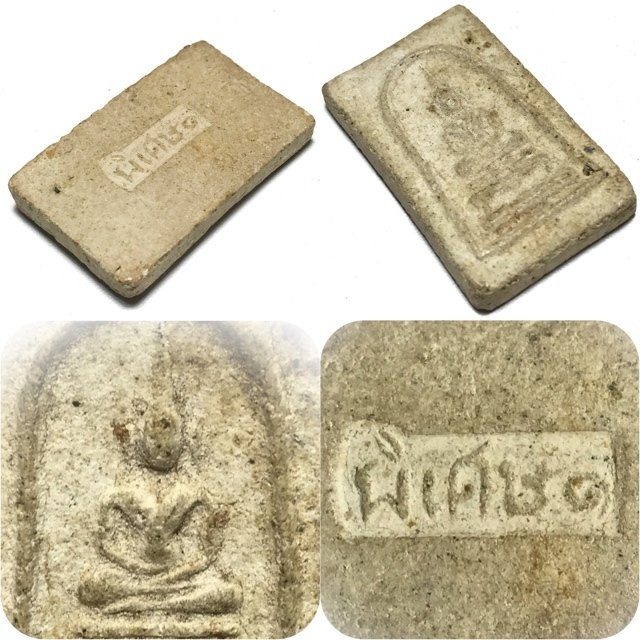
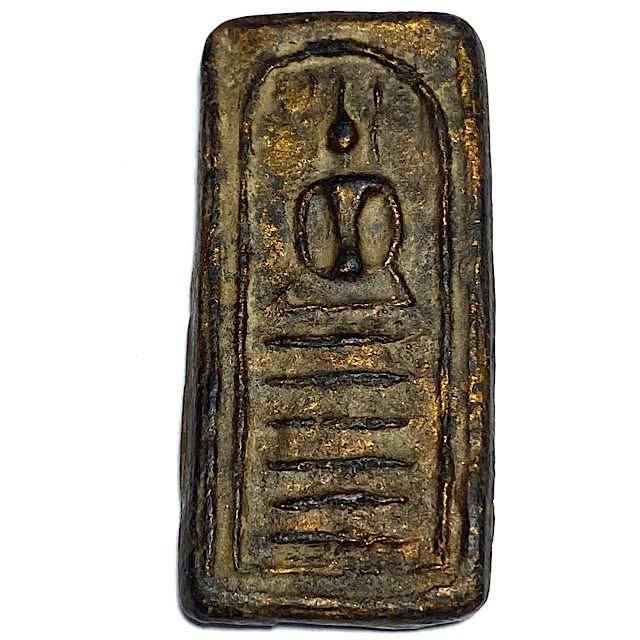
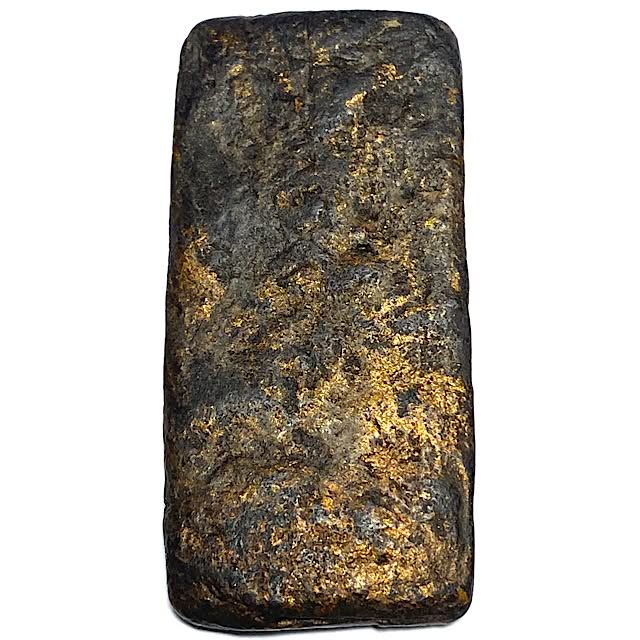
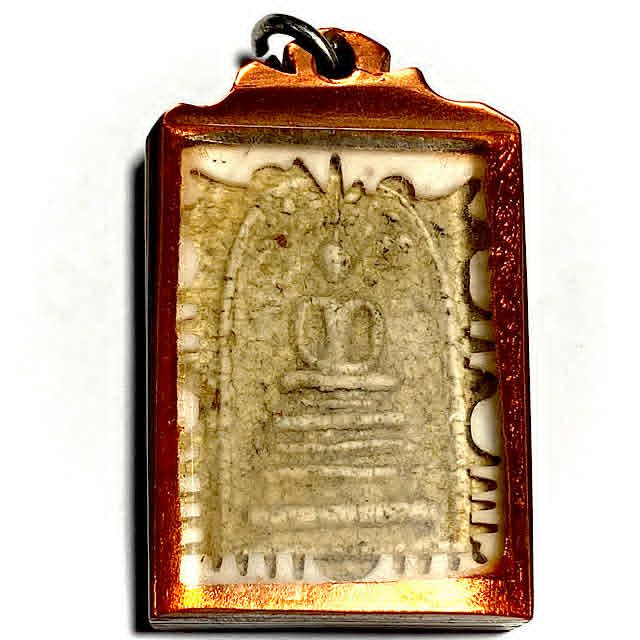
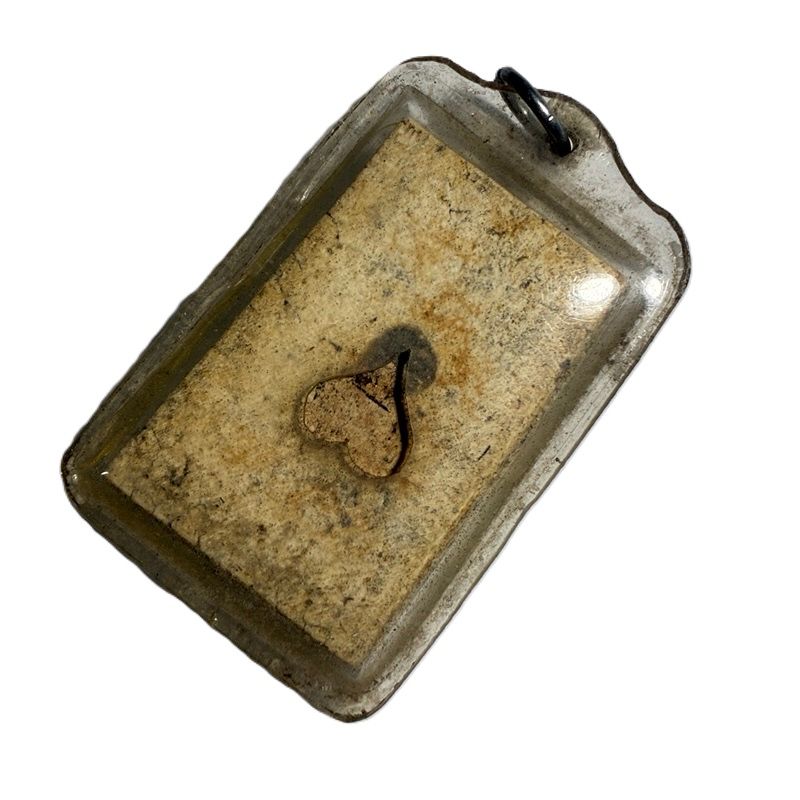
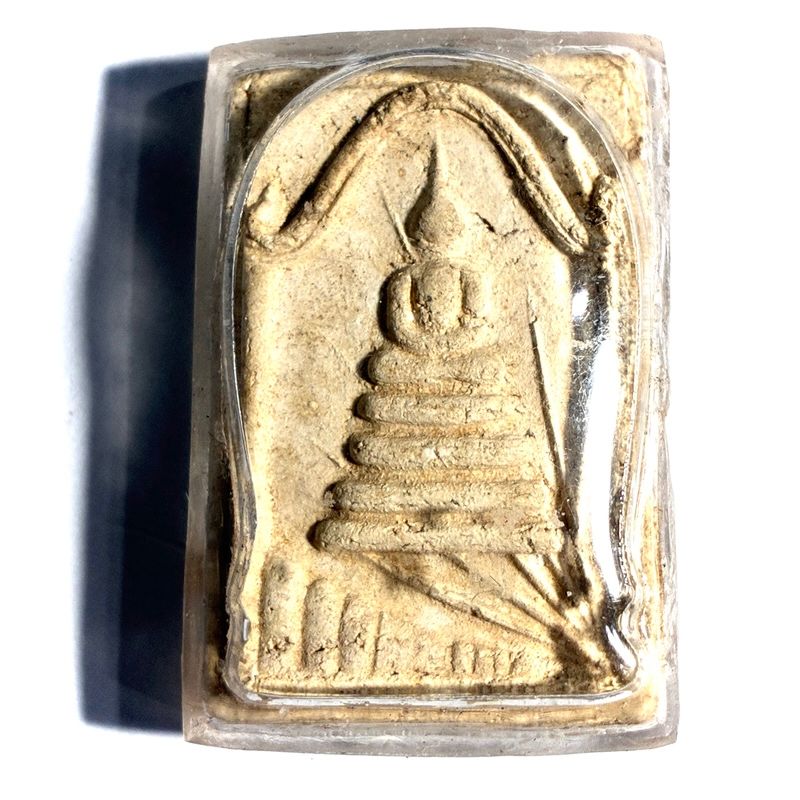
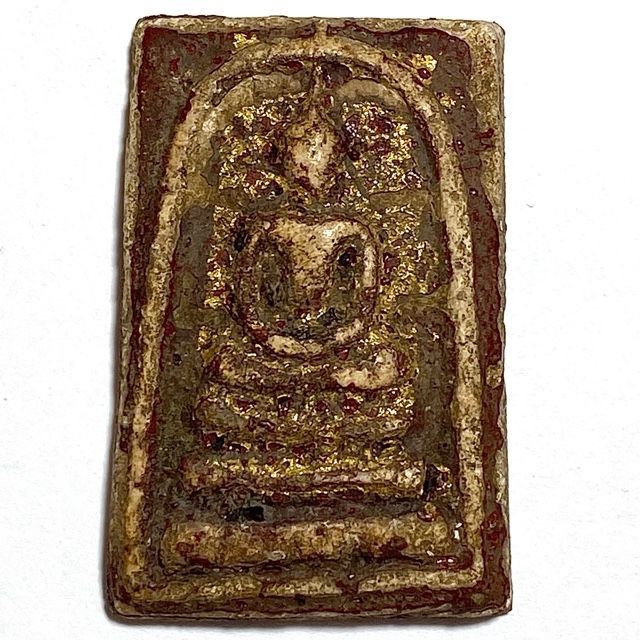
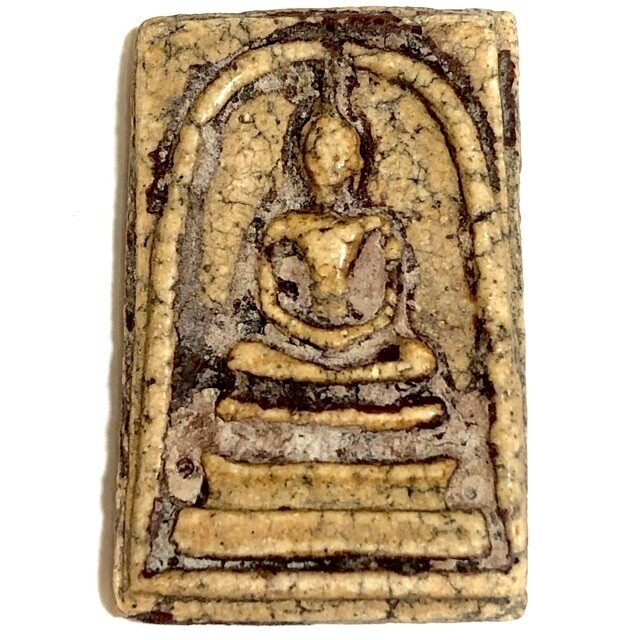
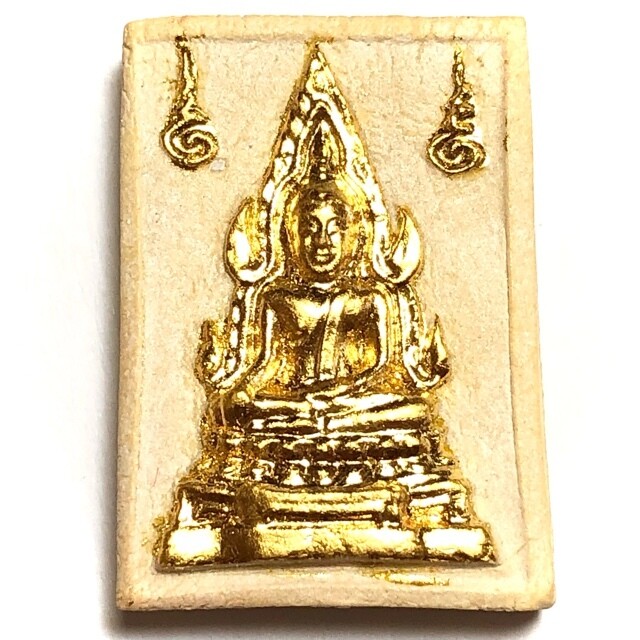
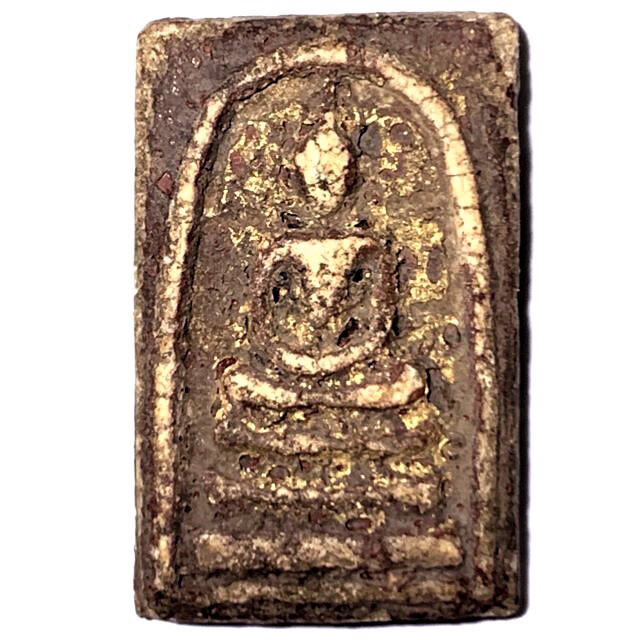
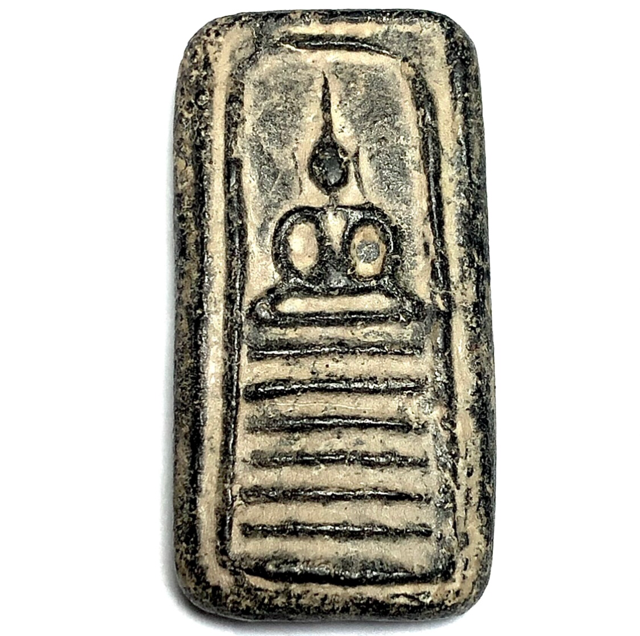
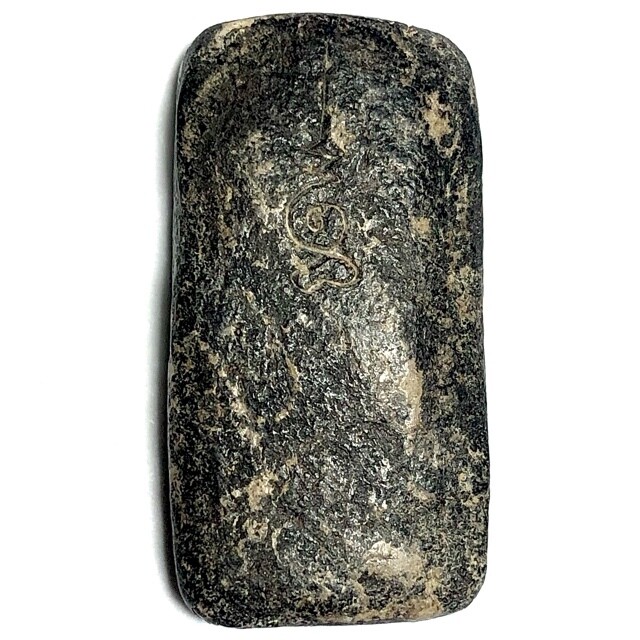
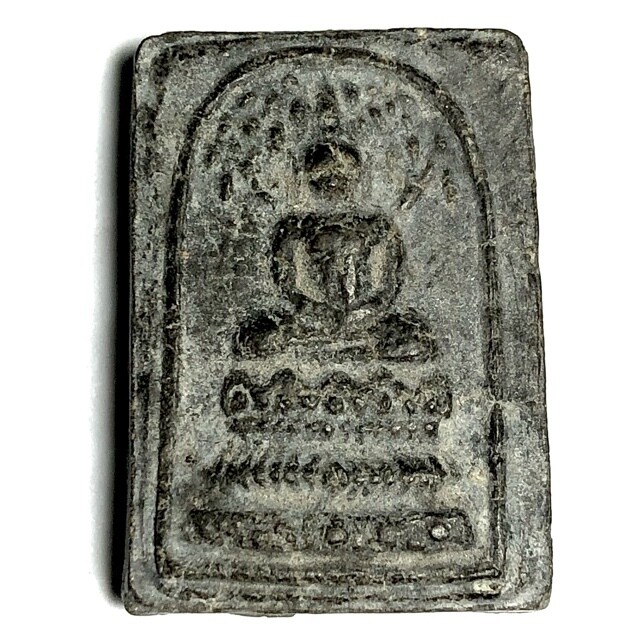
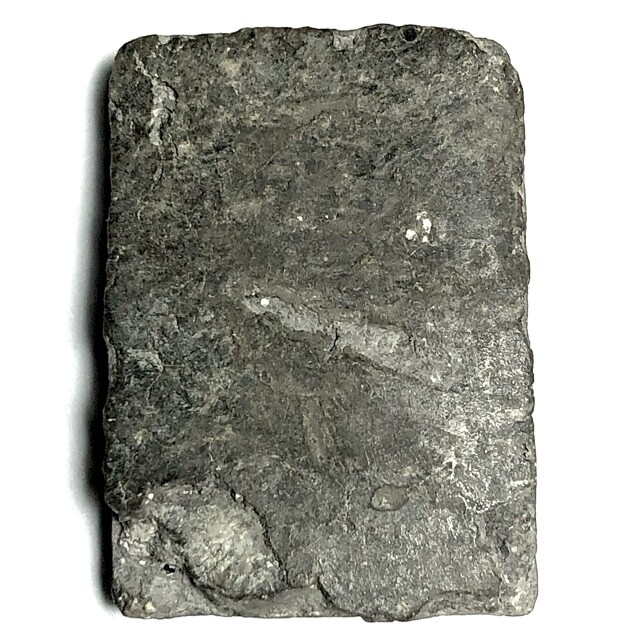
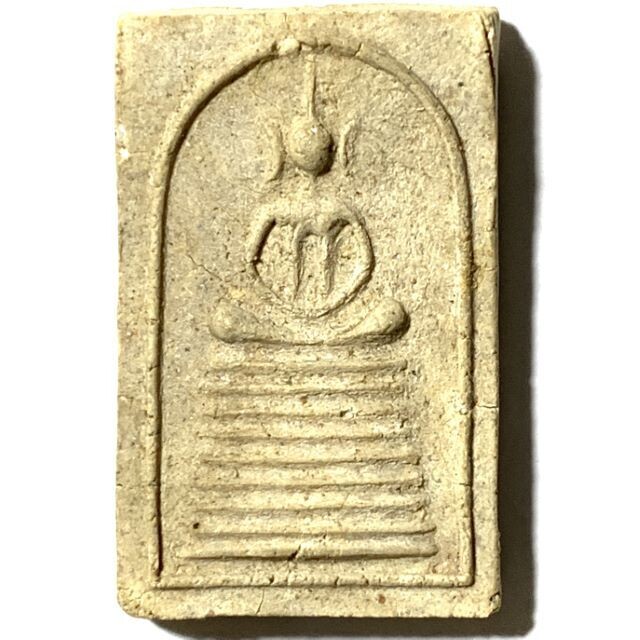
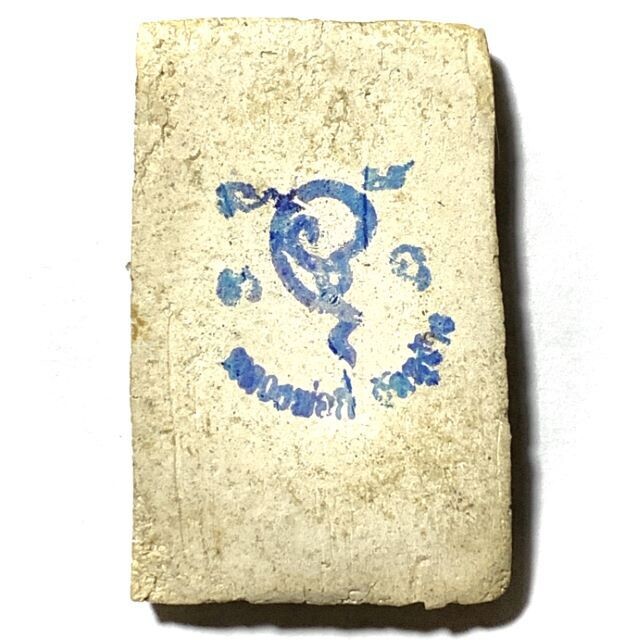
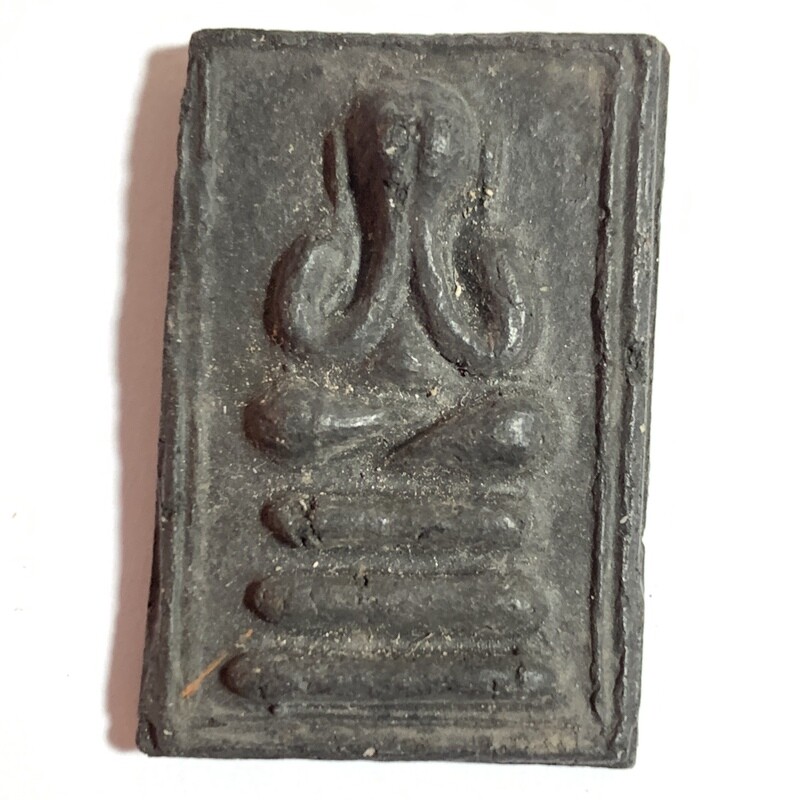
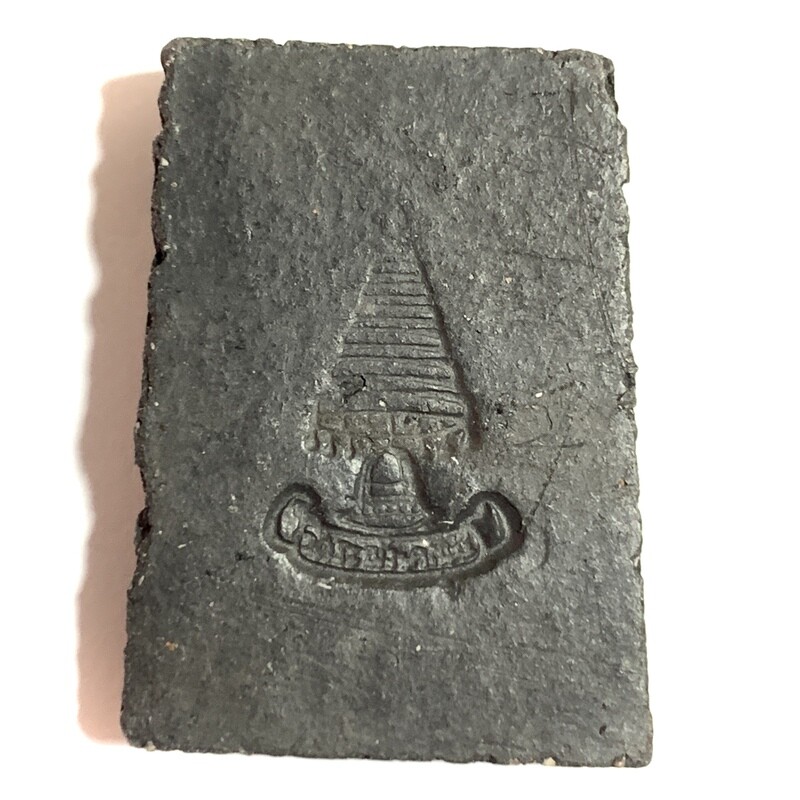
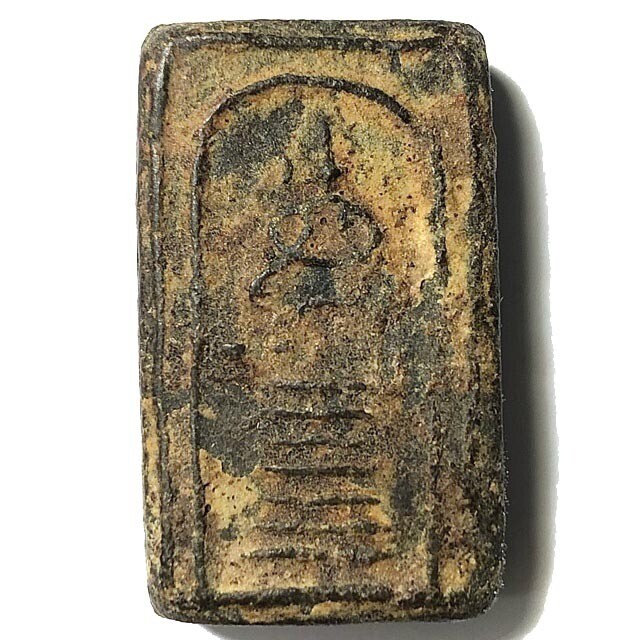
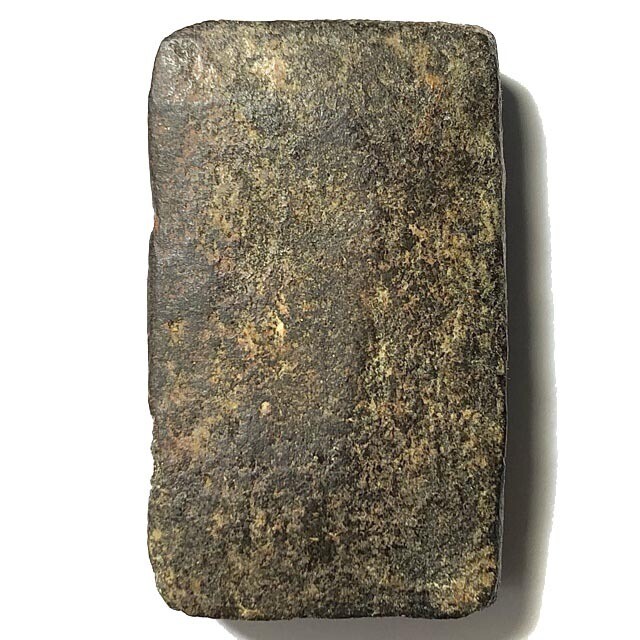
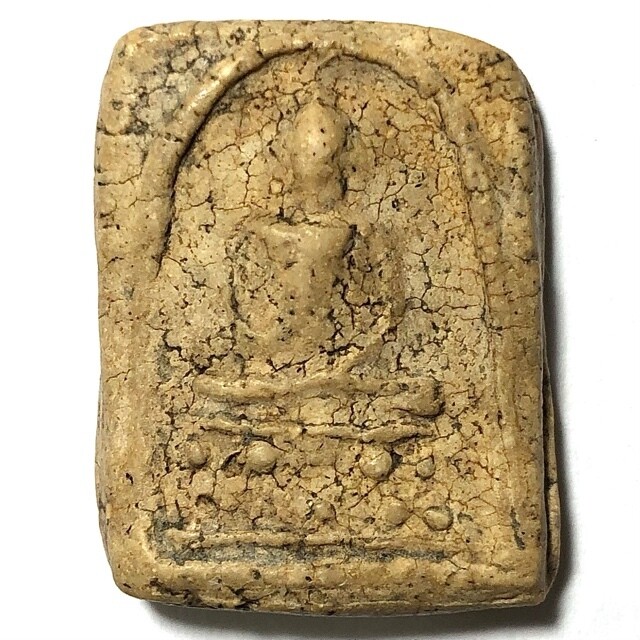
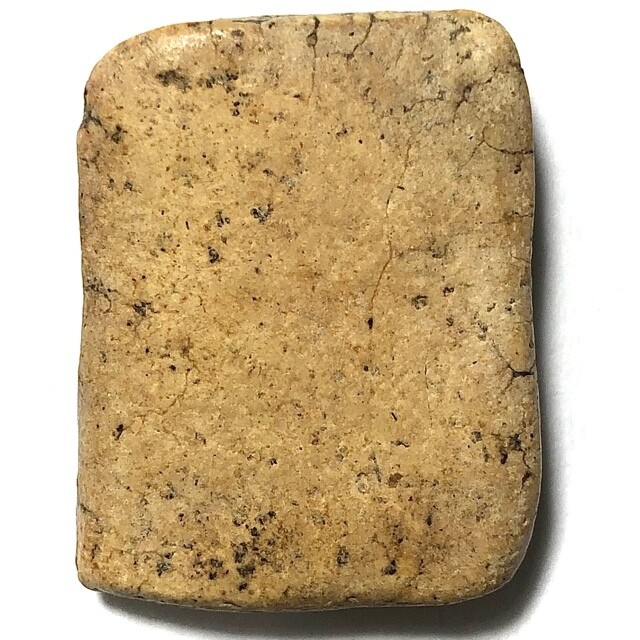
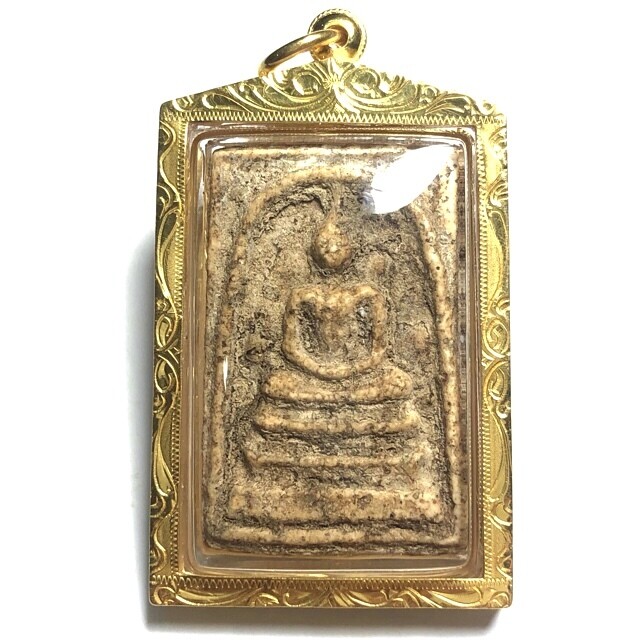
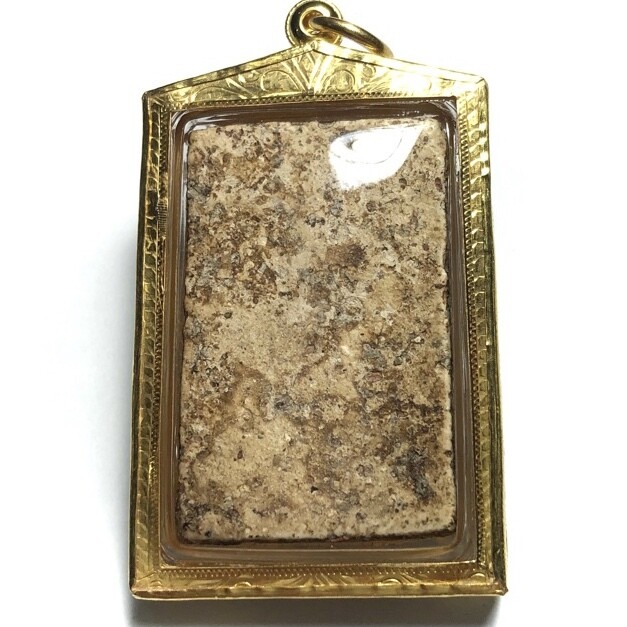
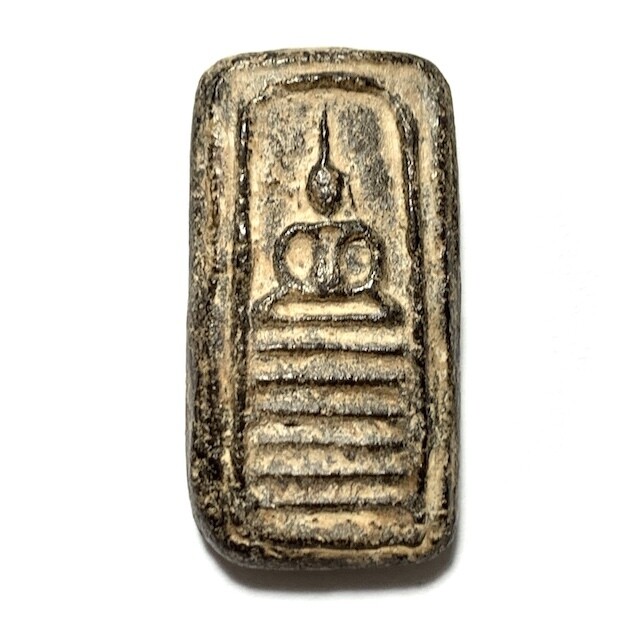
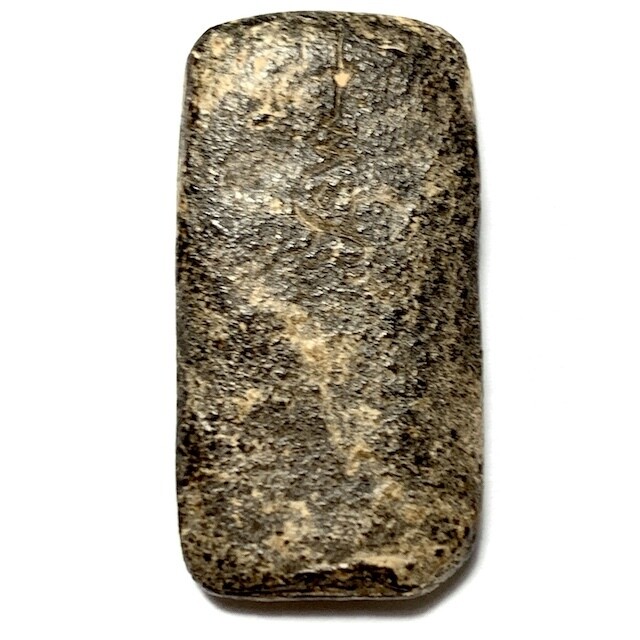
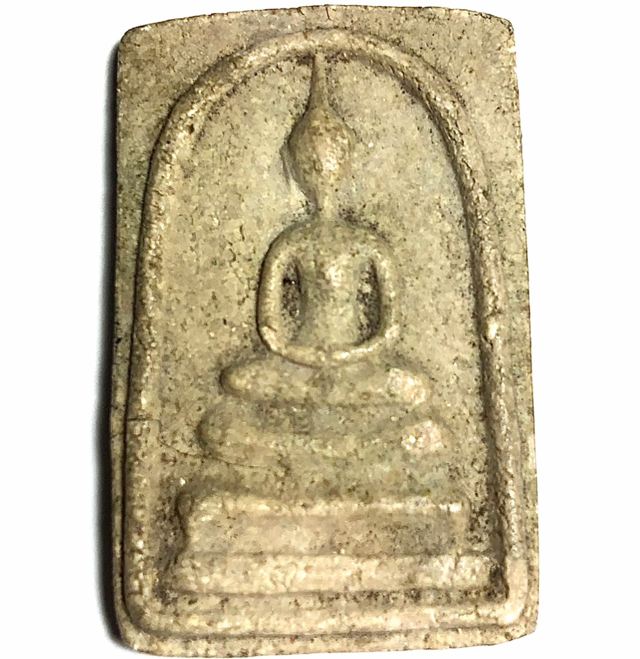
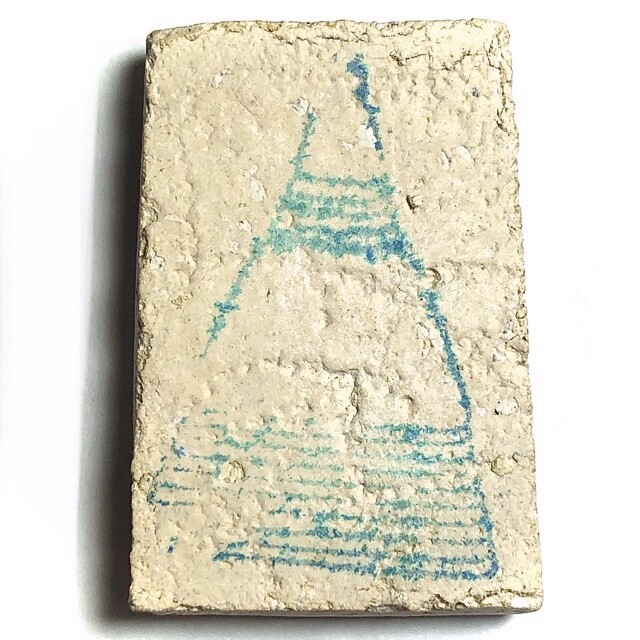
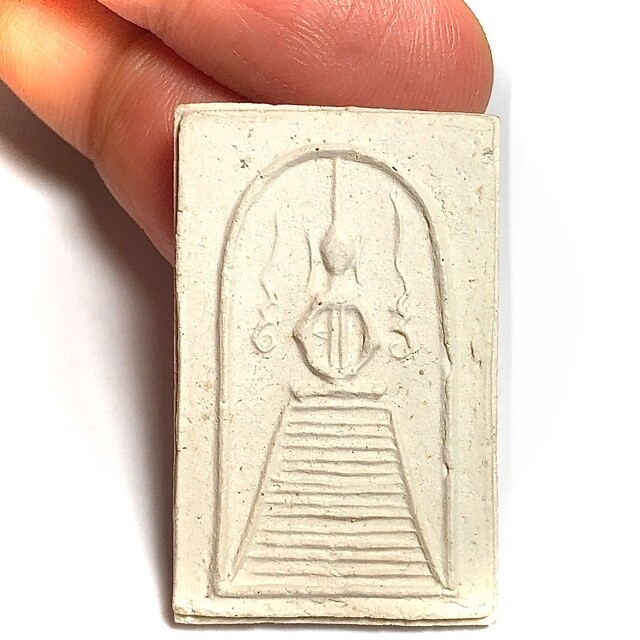
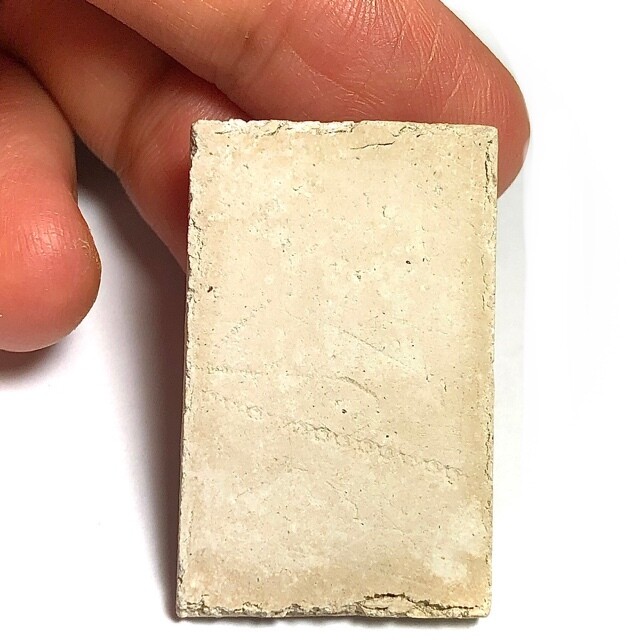
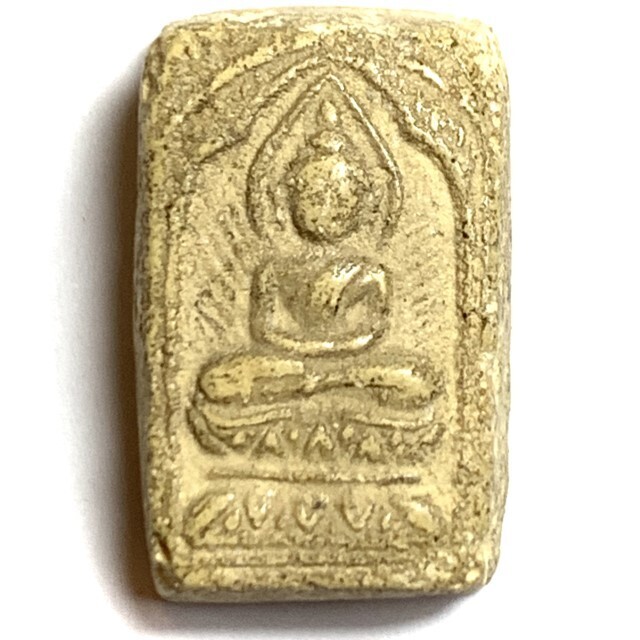
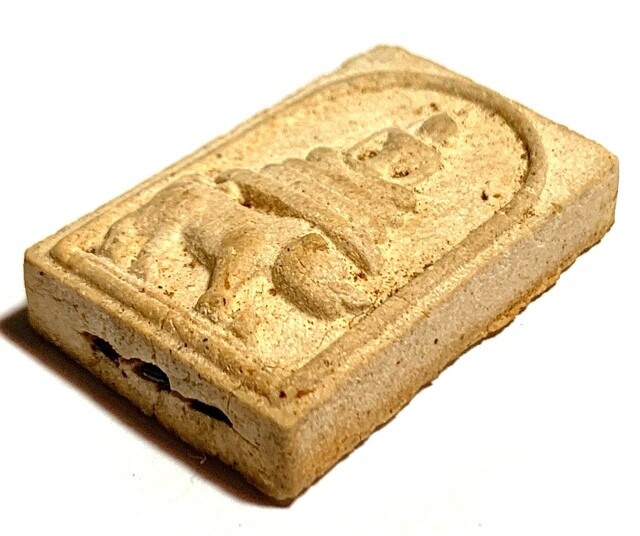
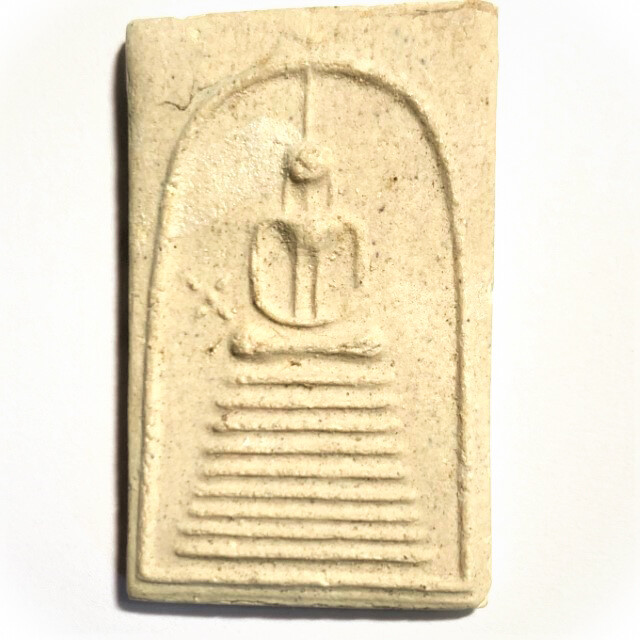
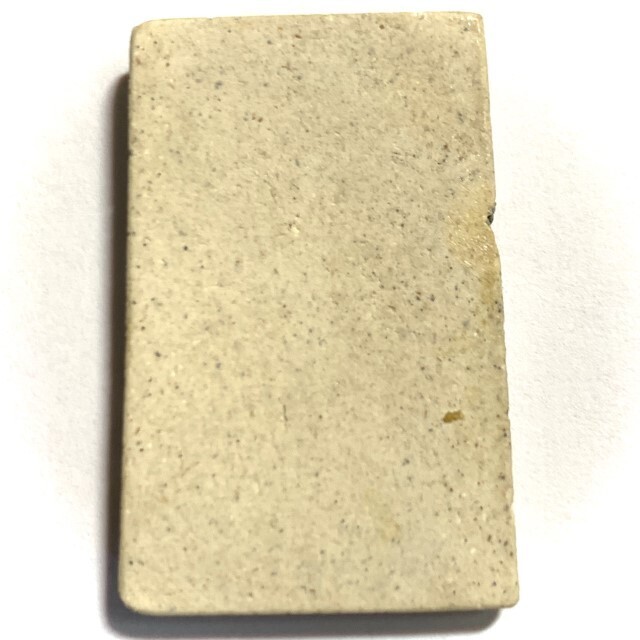
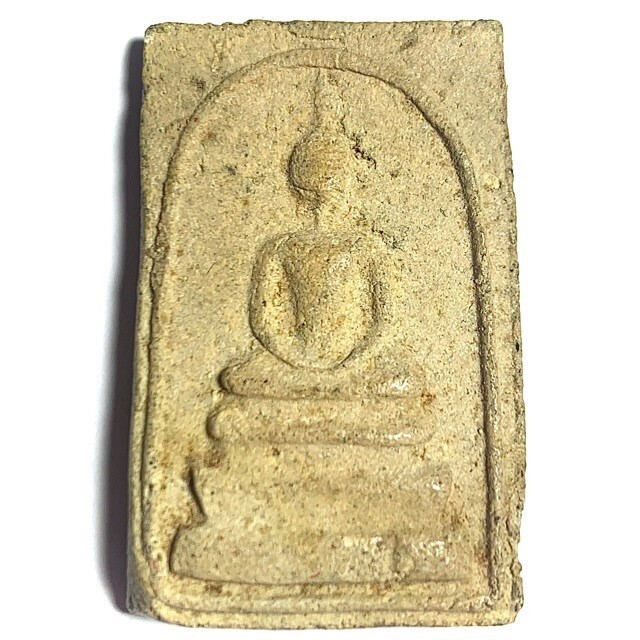
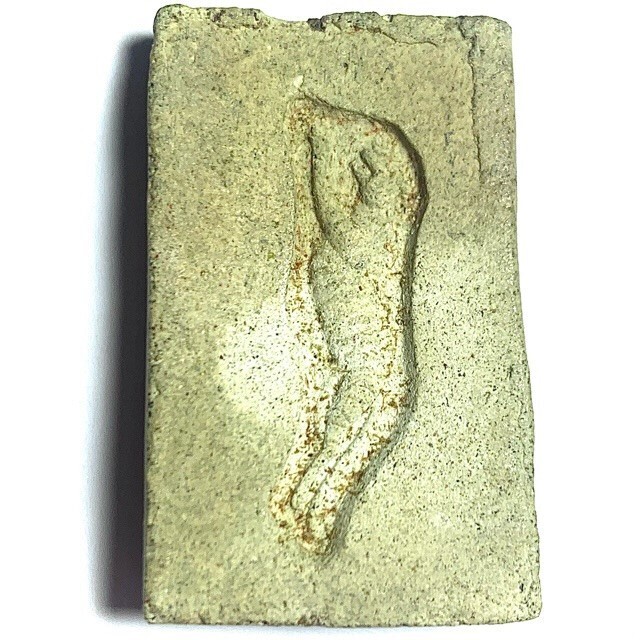
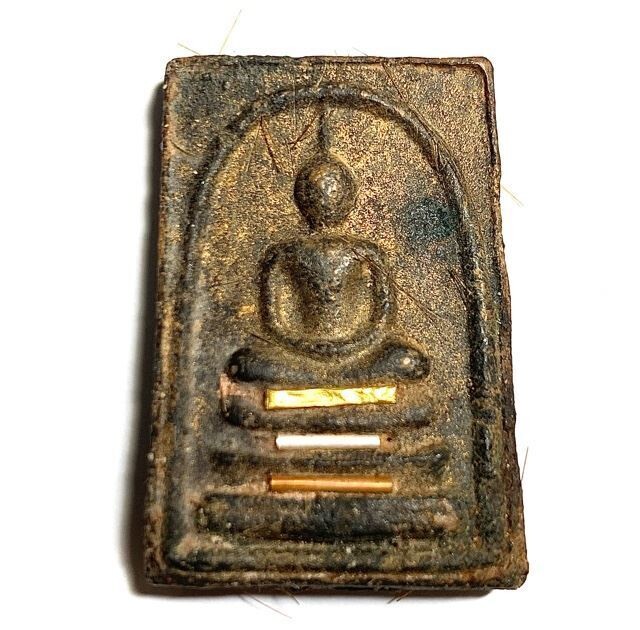
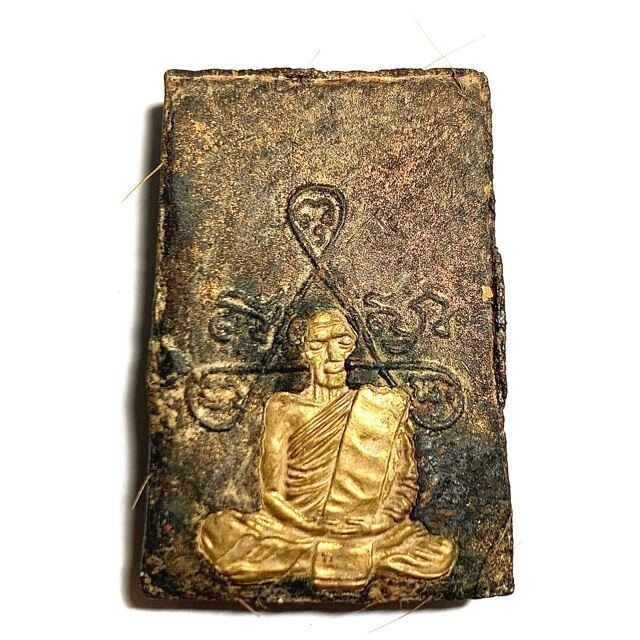
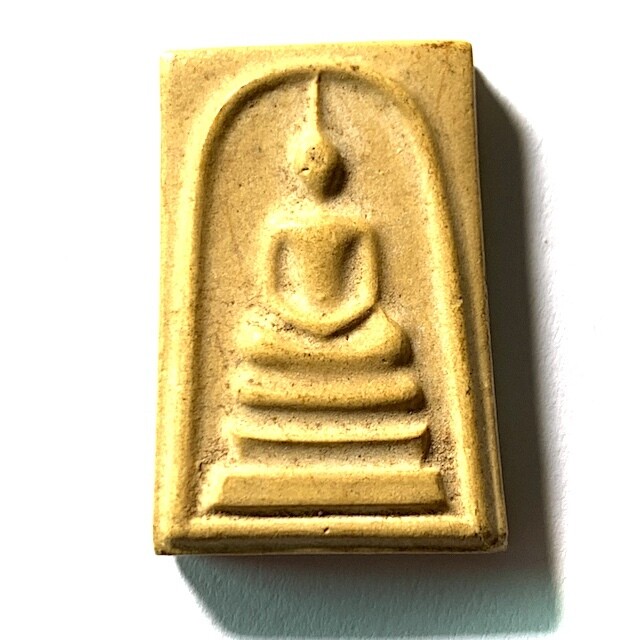
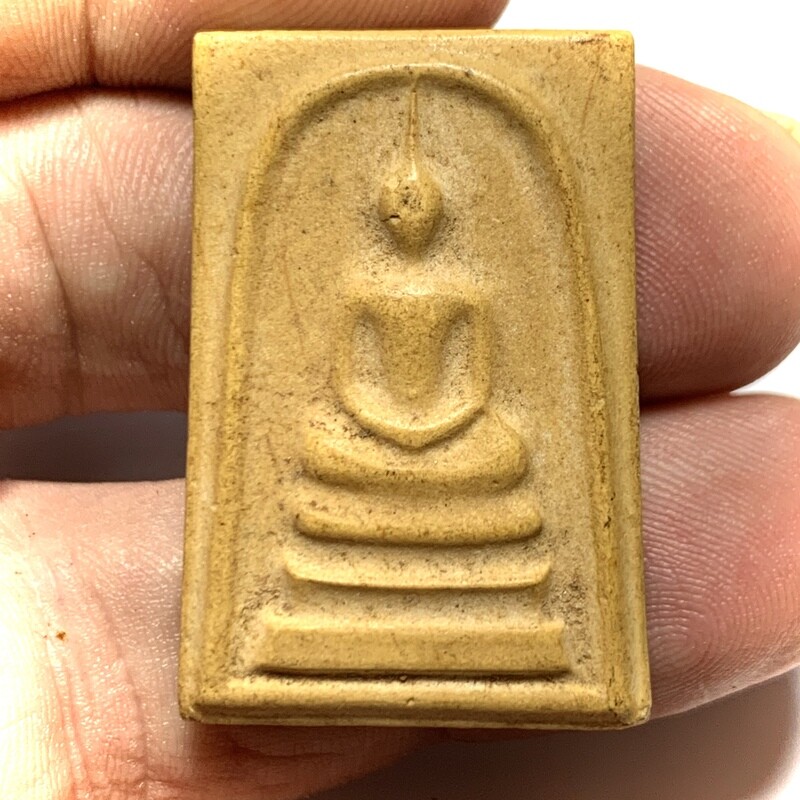
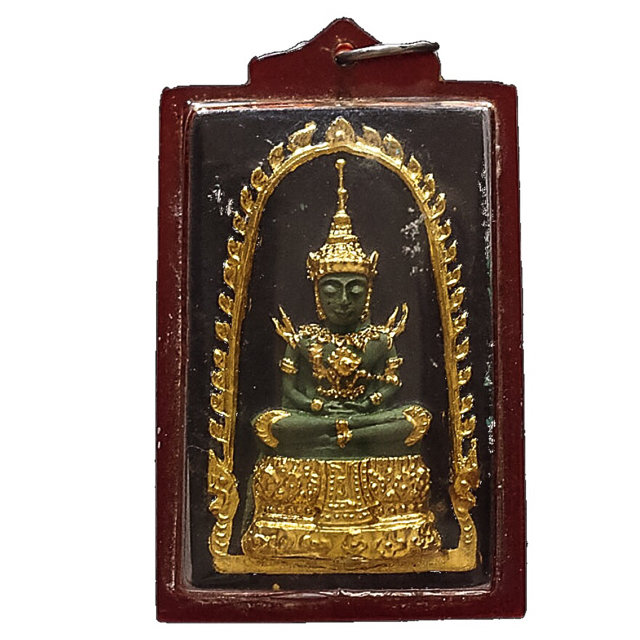
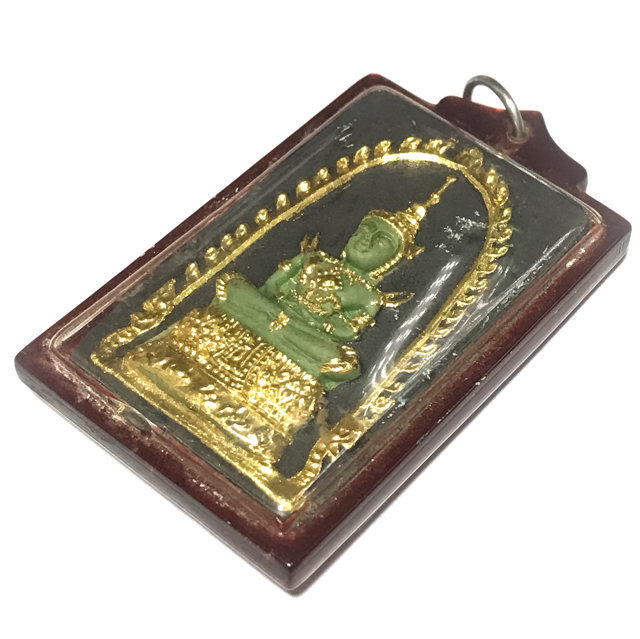
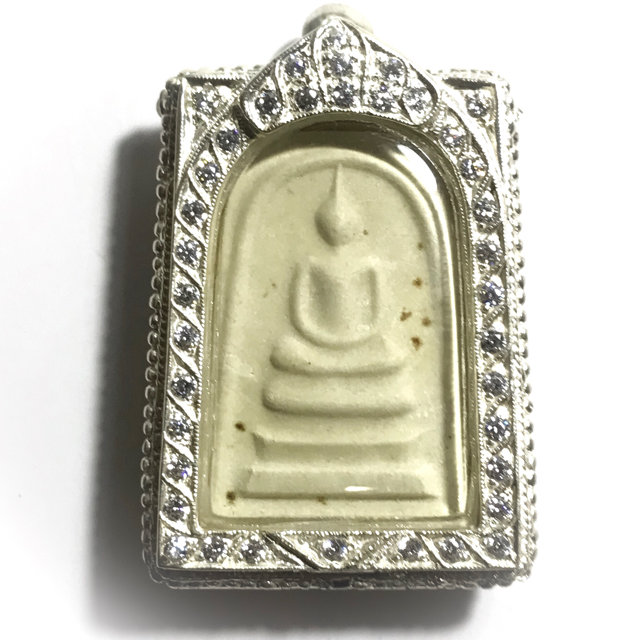
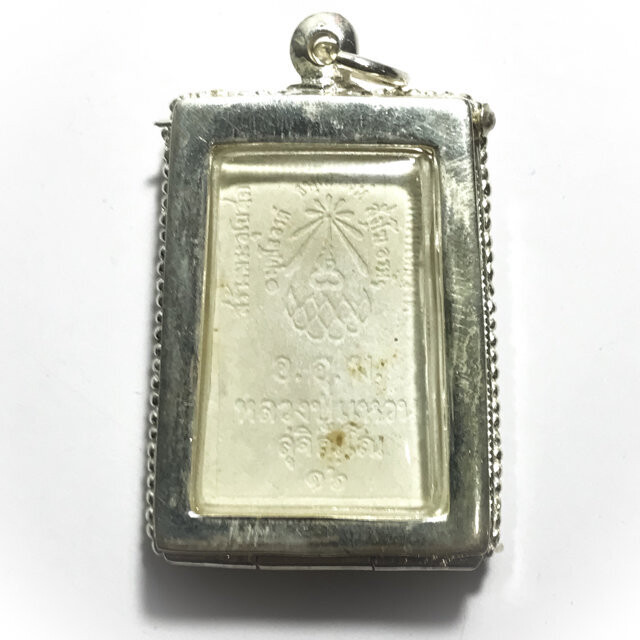
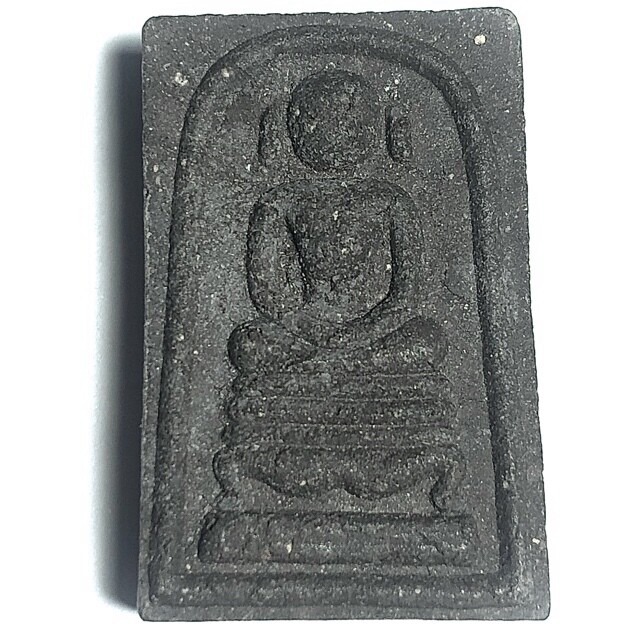
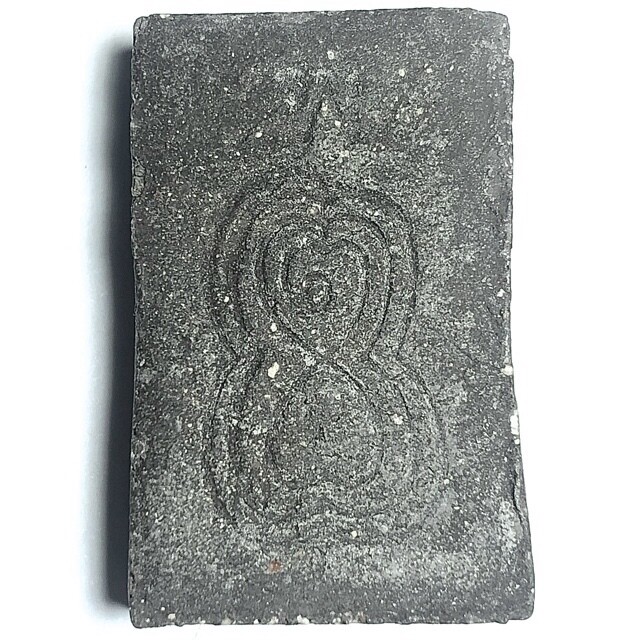
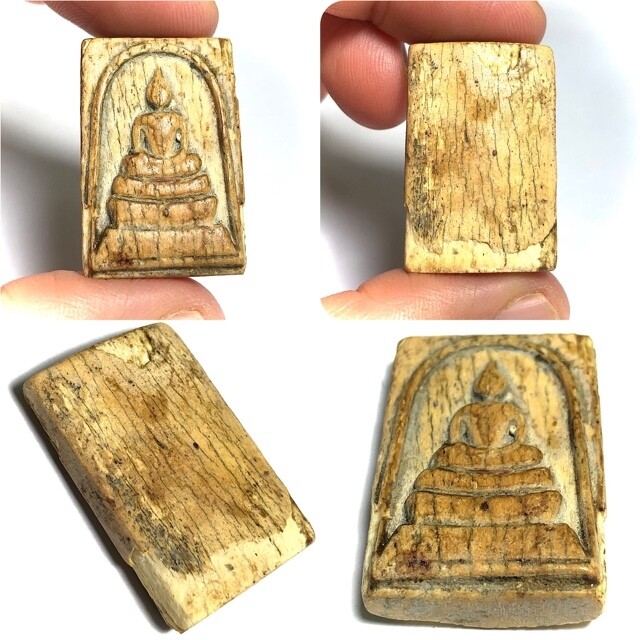
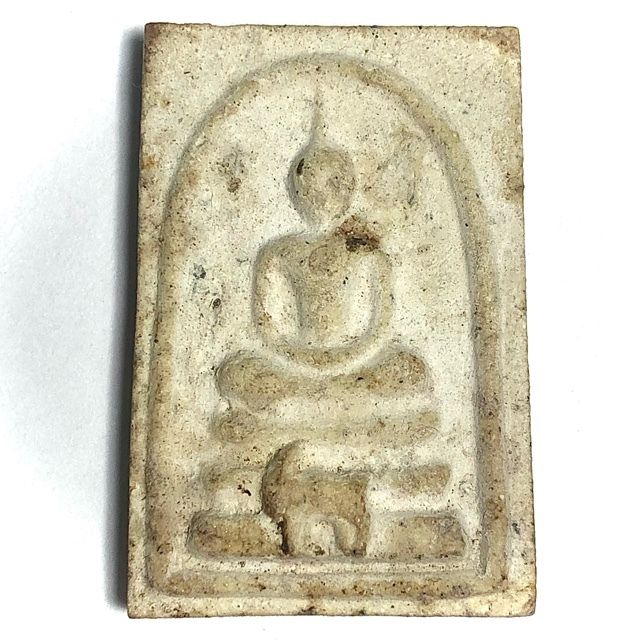
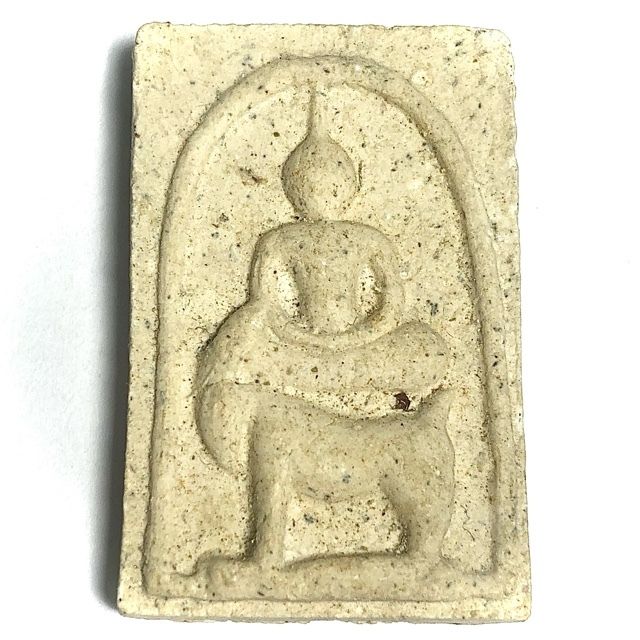
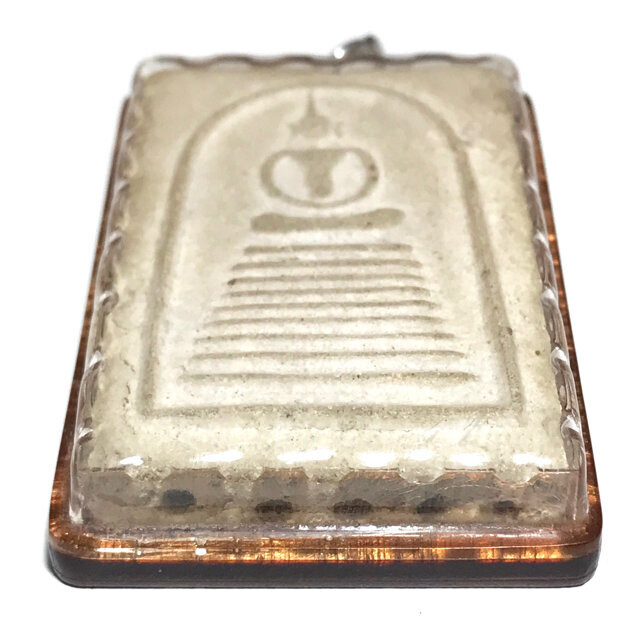
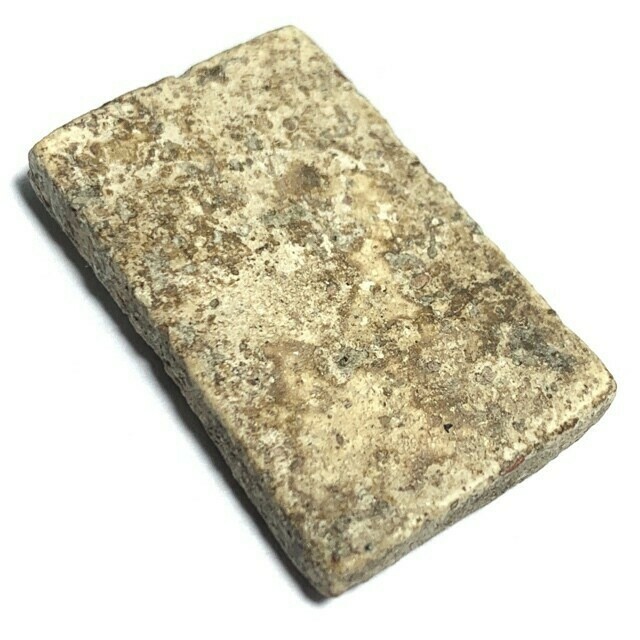
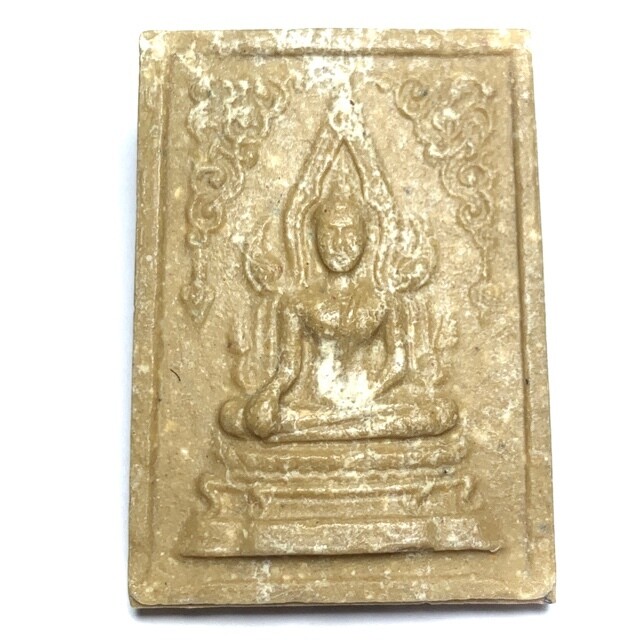
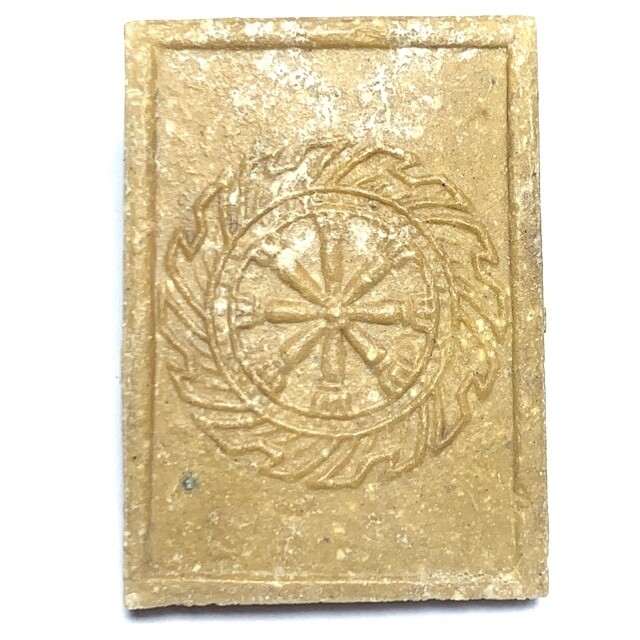
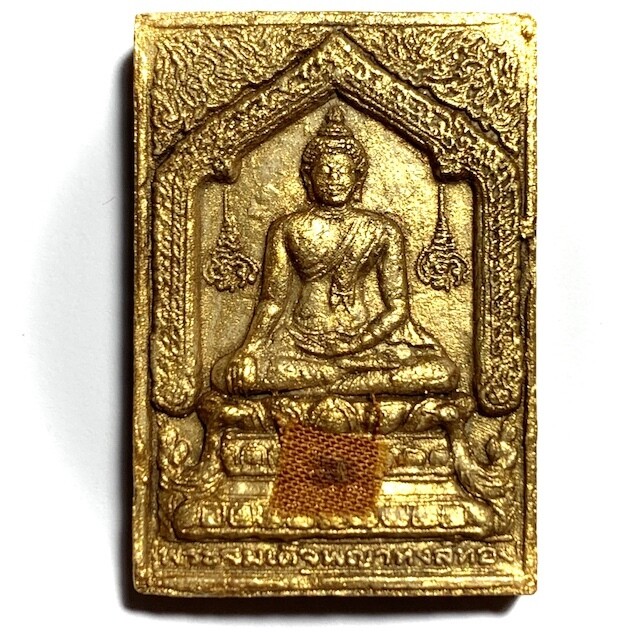
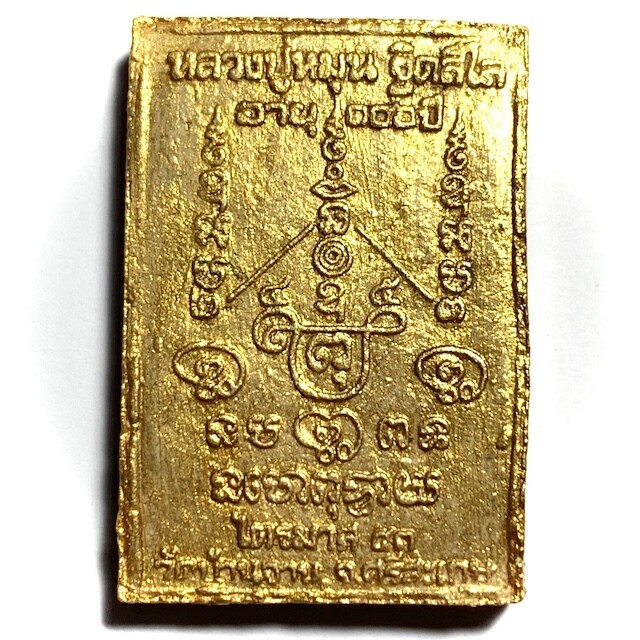
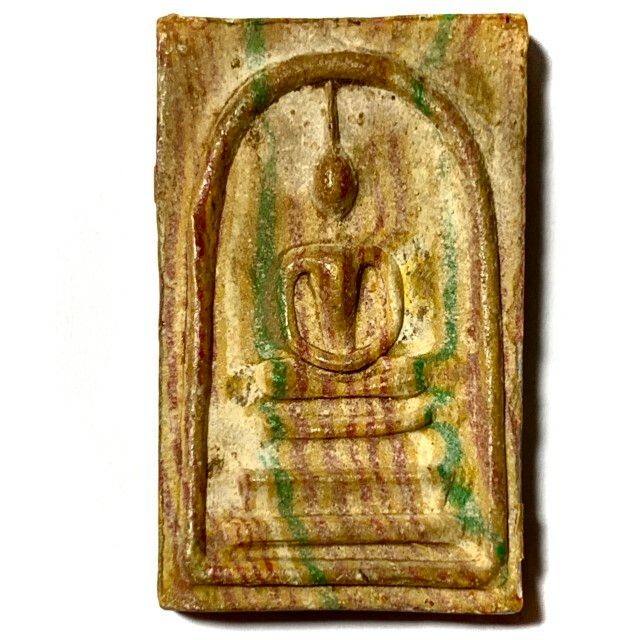
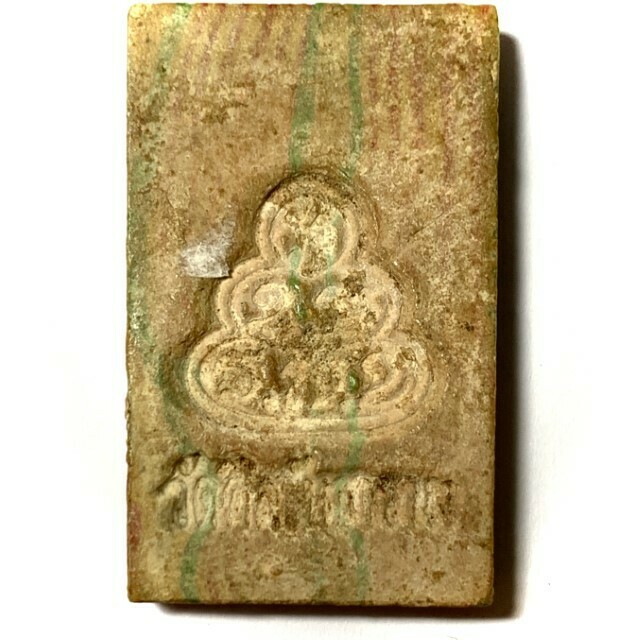
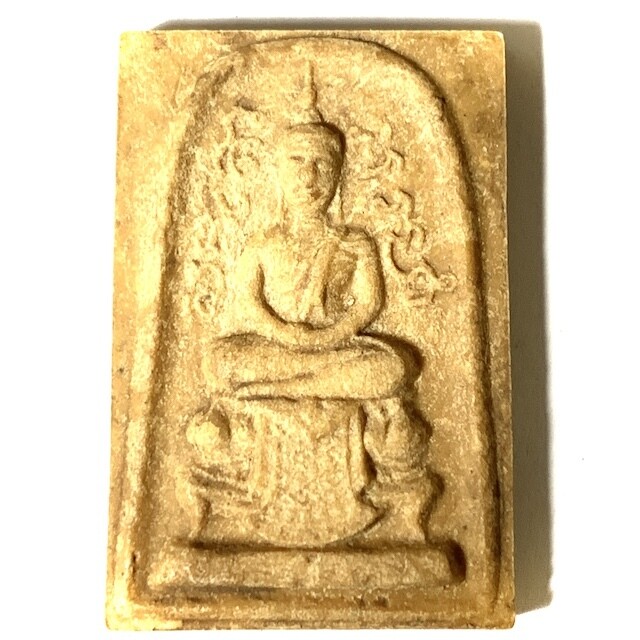
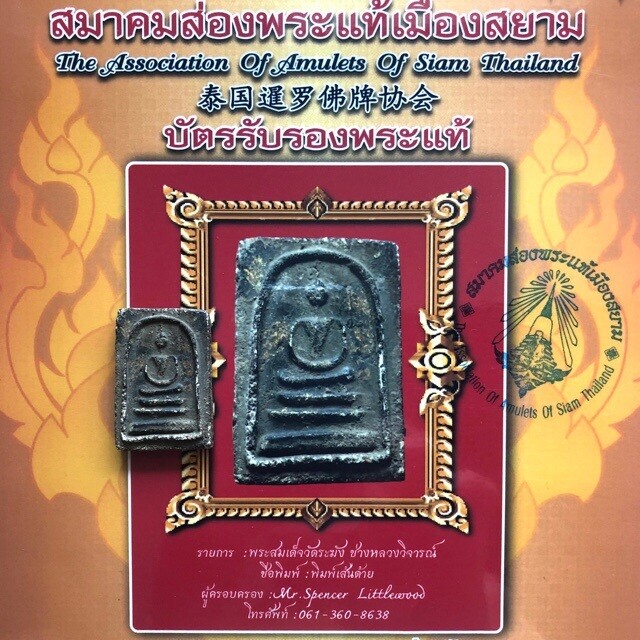
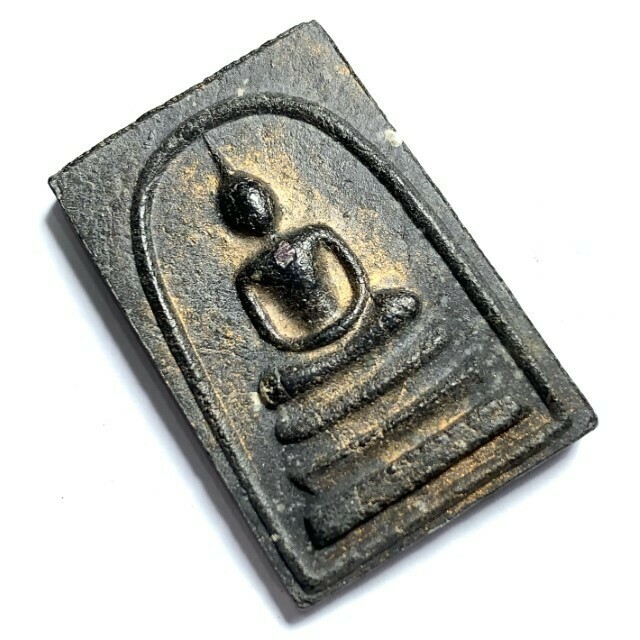
Pra Somdej Thaan Saem Pim Hoo Jud

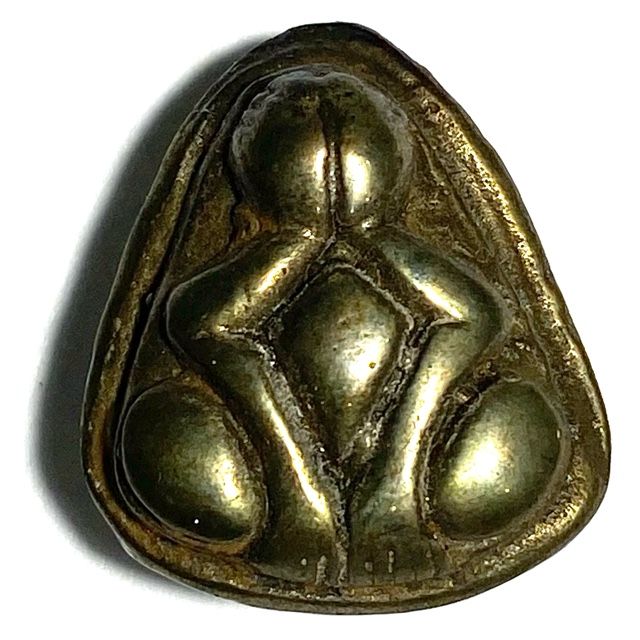
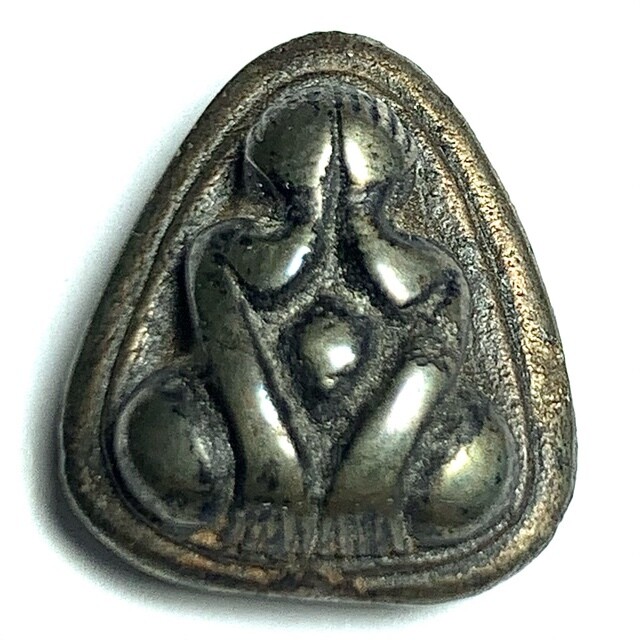
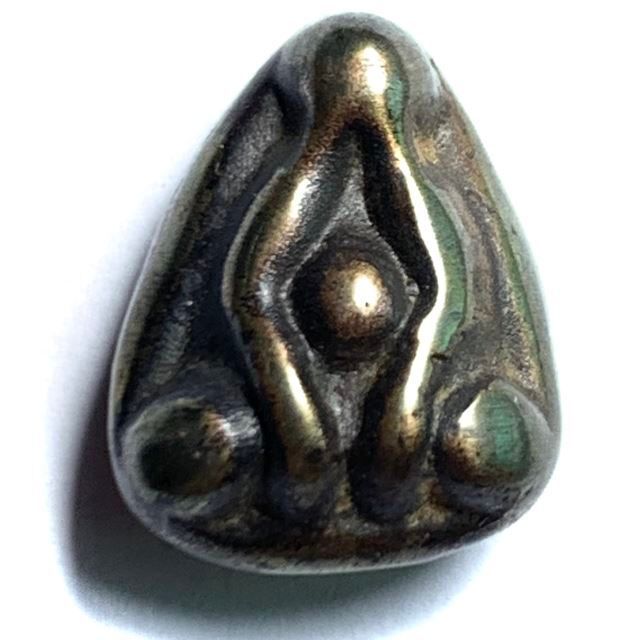
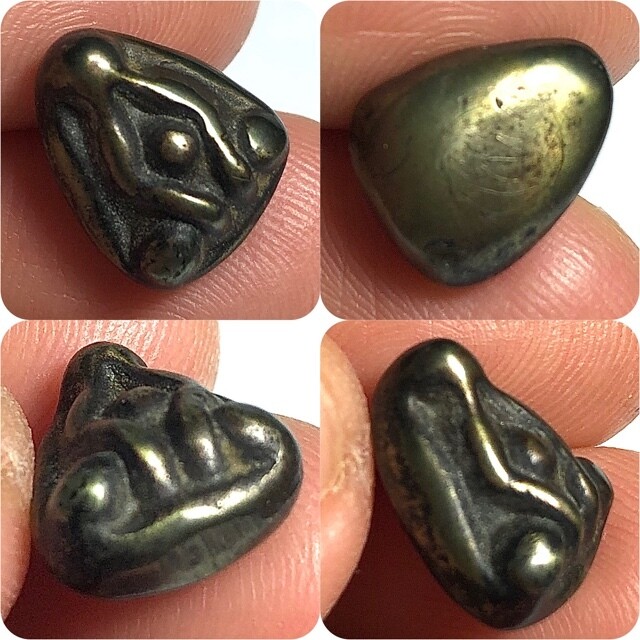
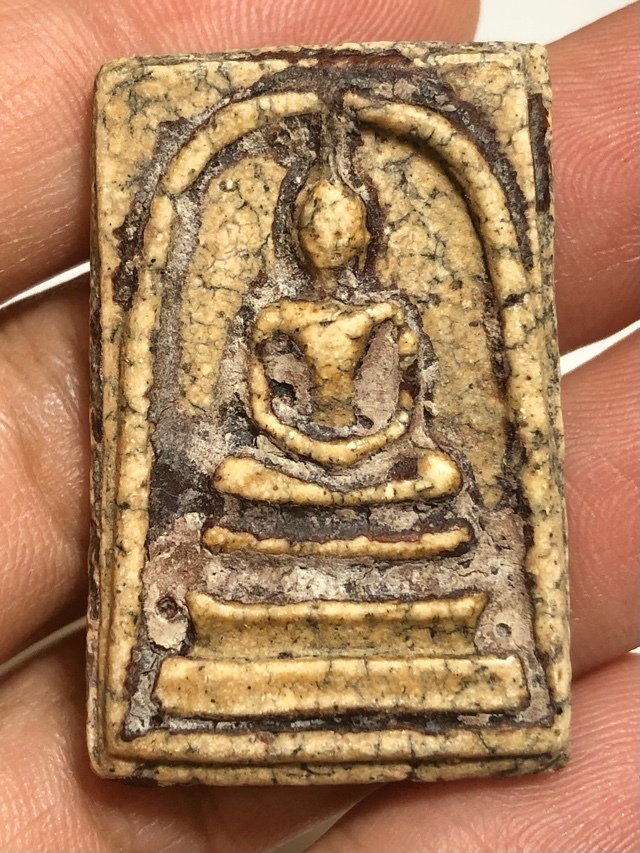
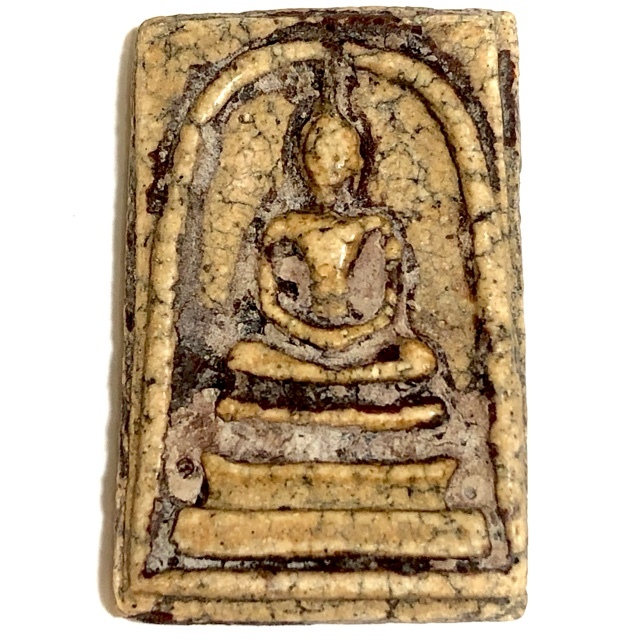
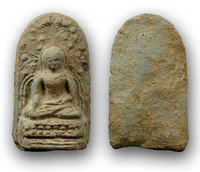
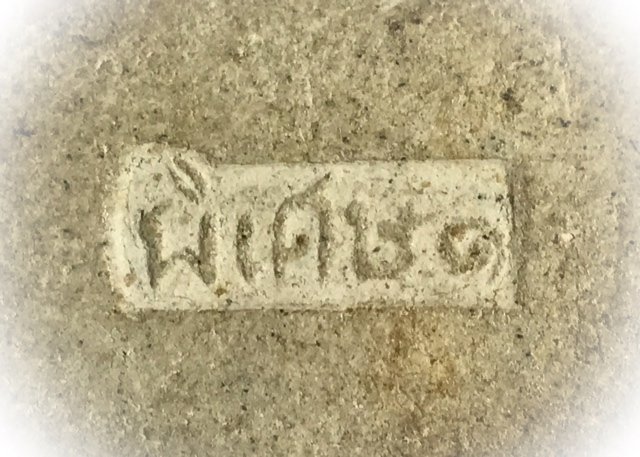
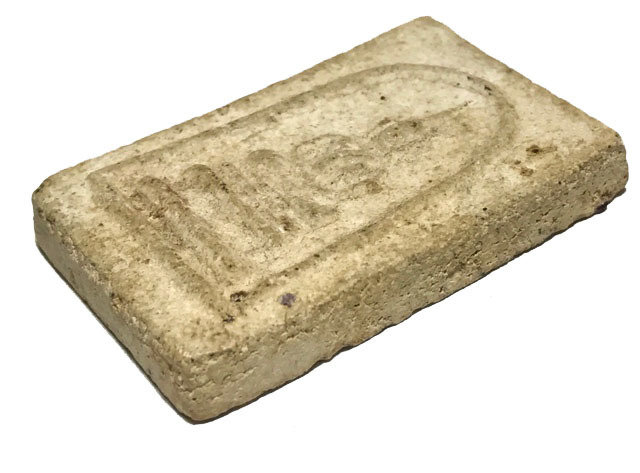
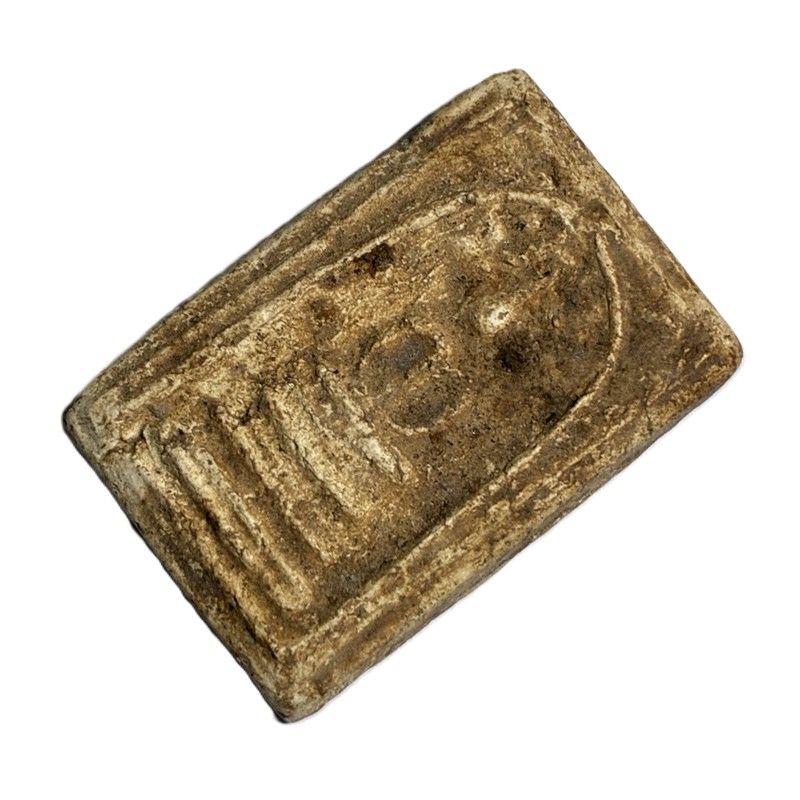
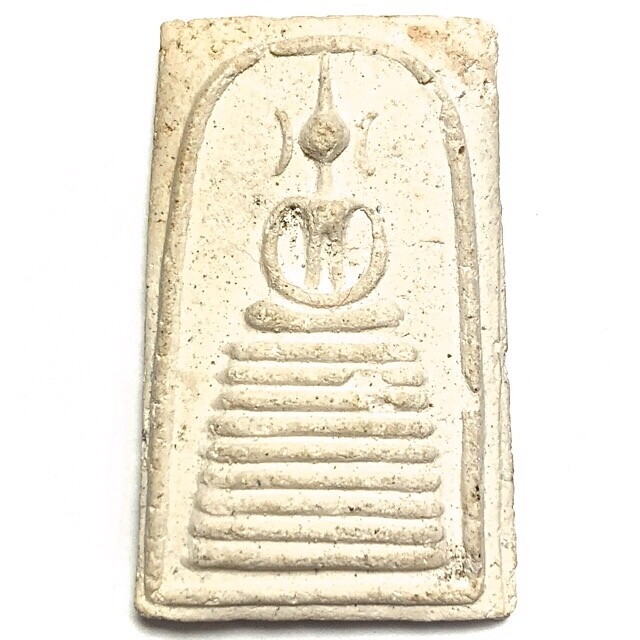
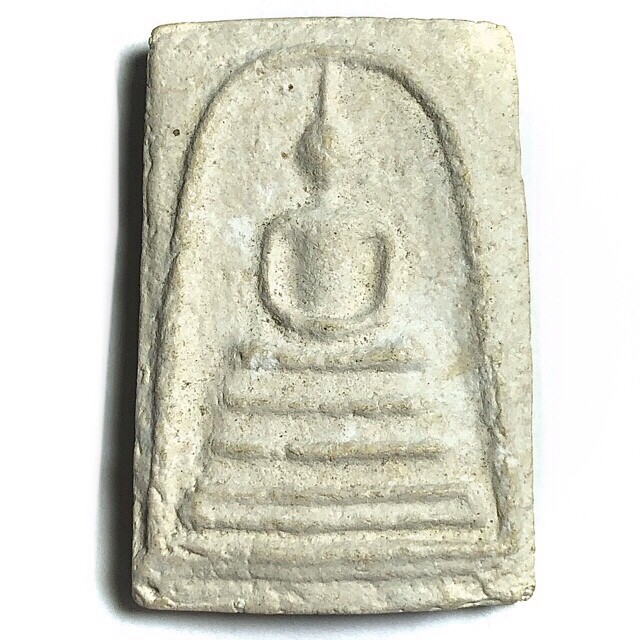
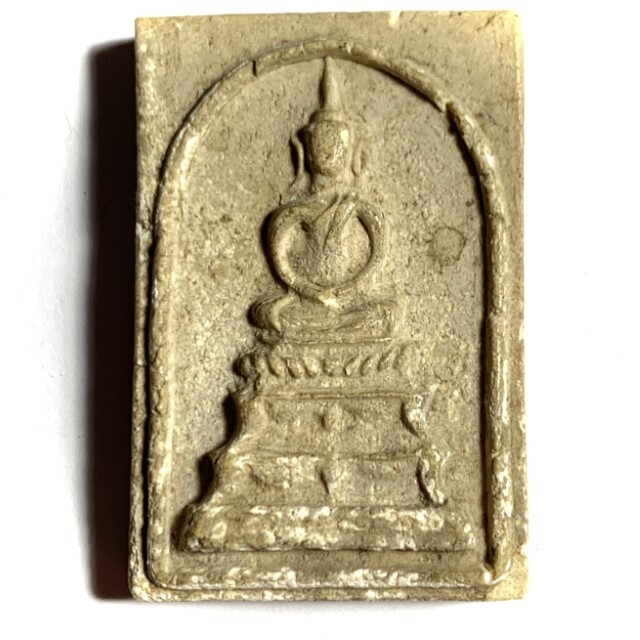
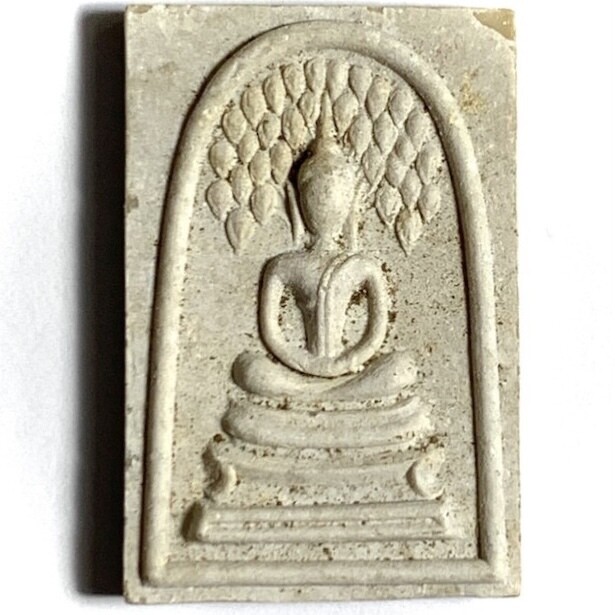
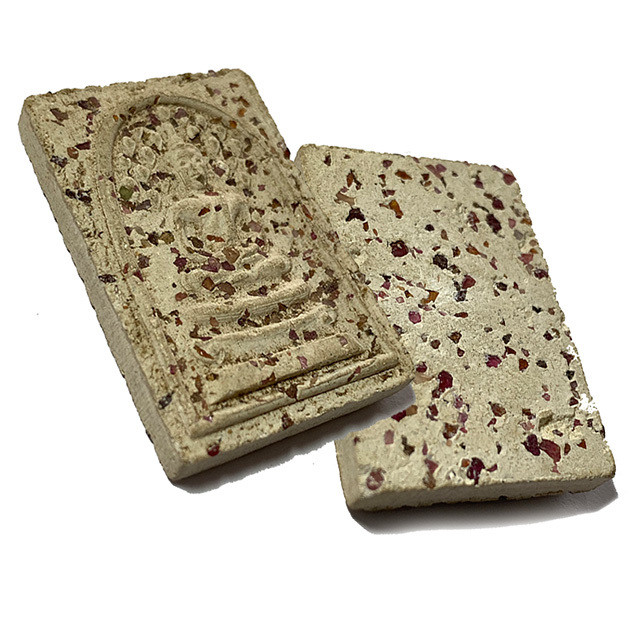
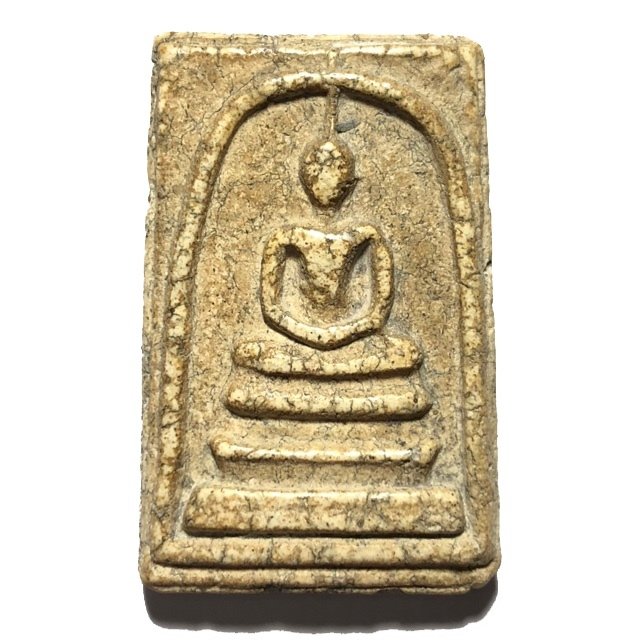
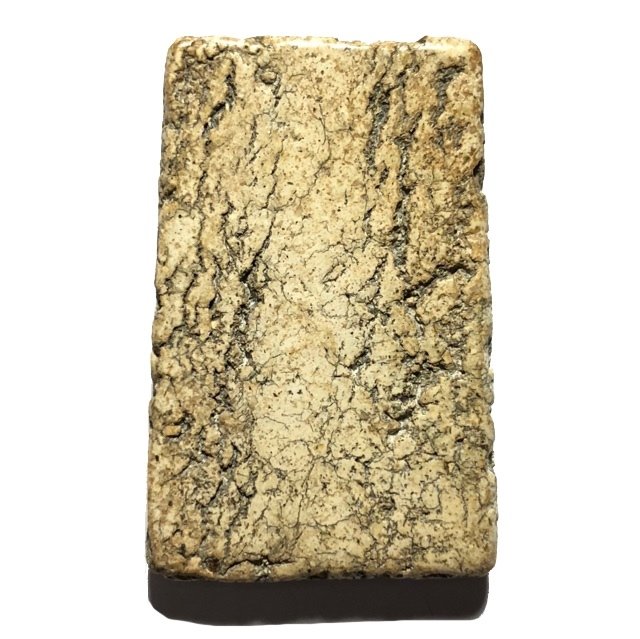
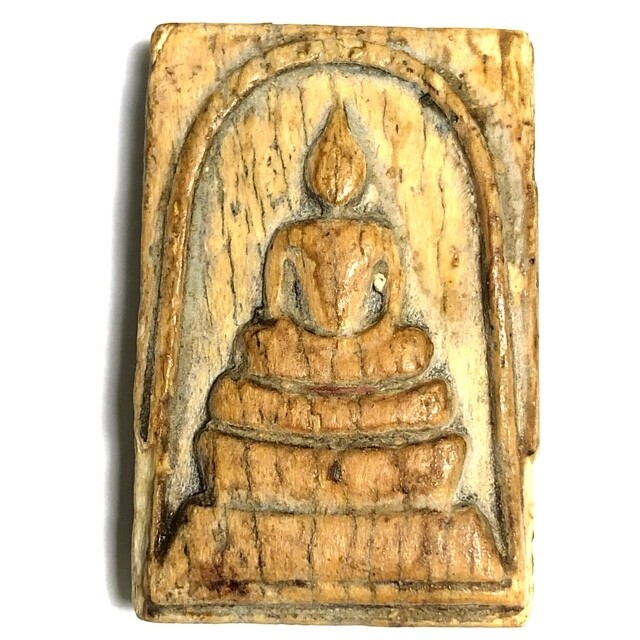
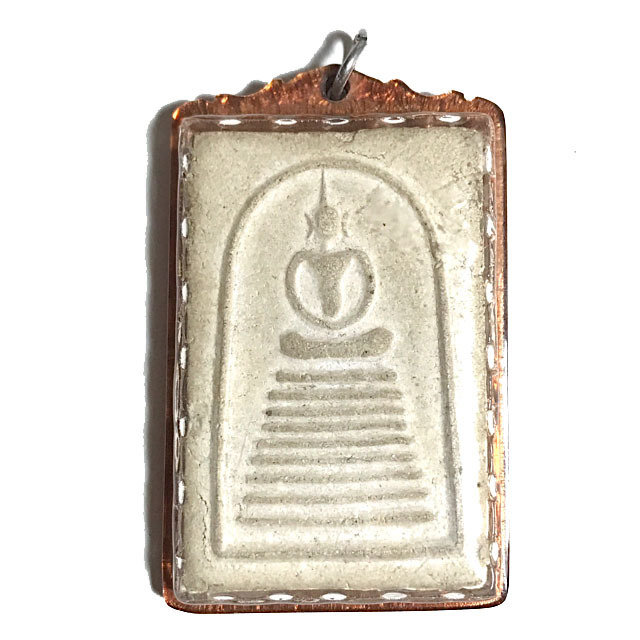
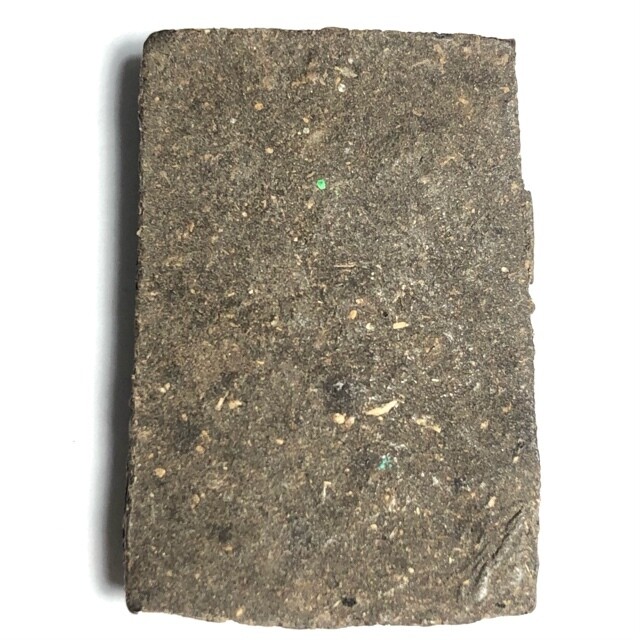
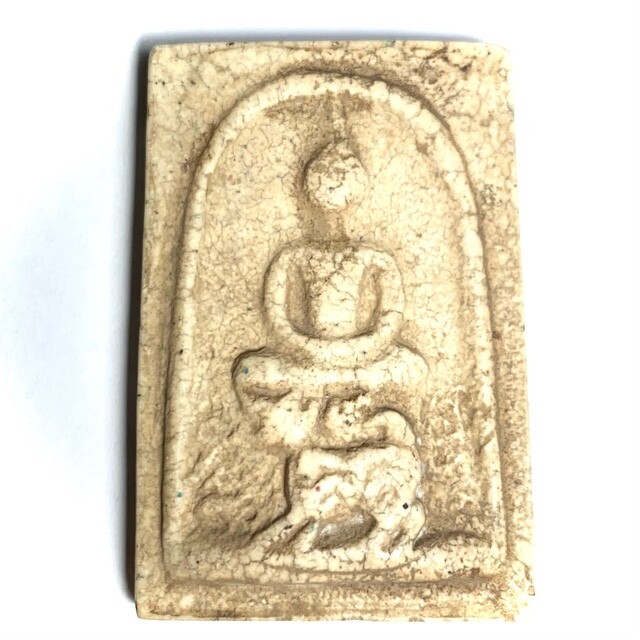
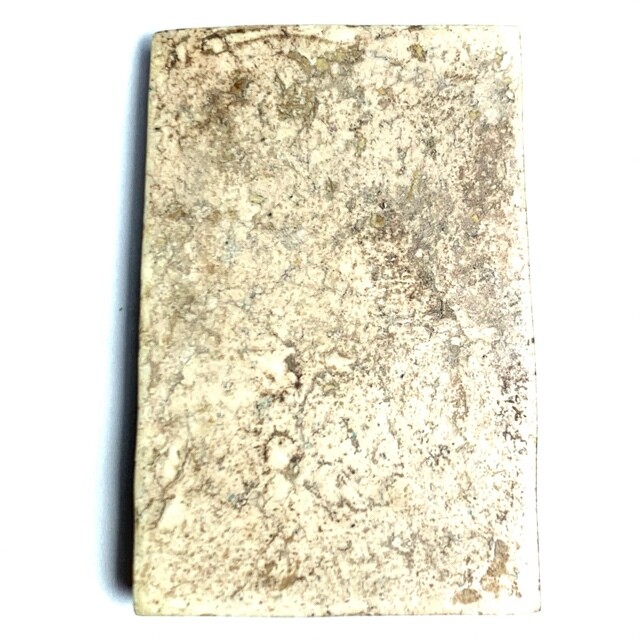
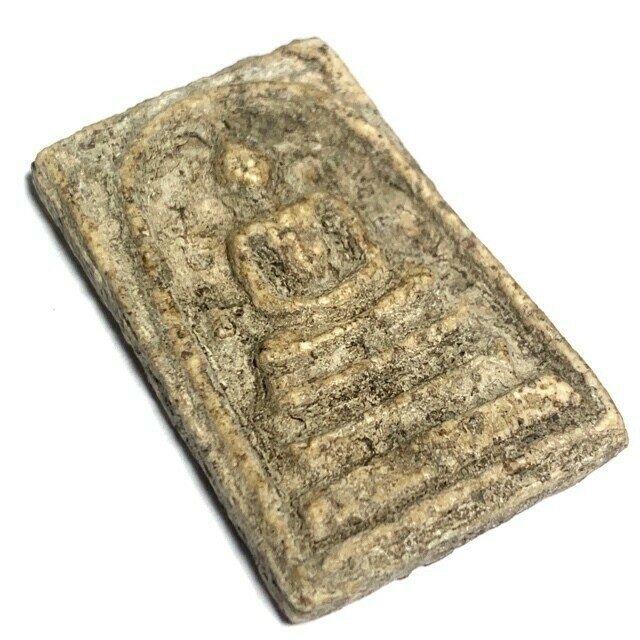
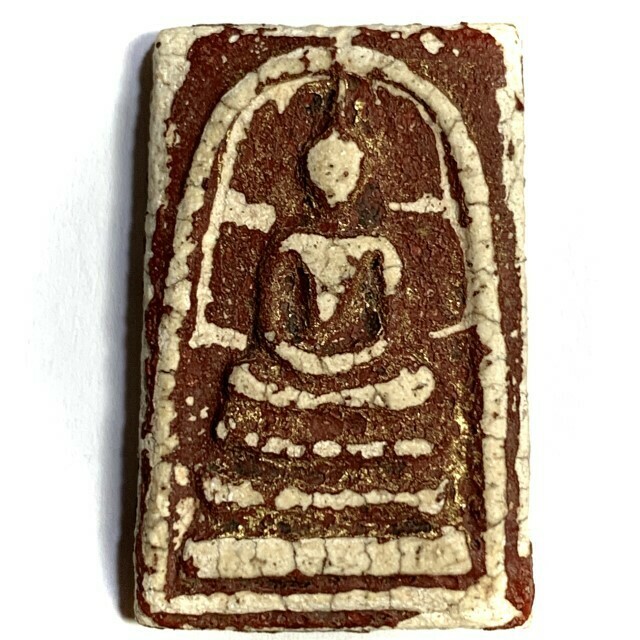
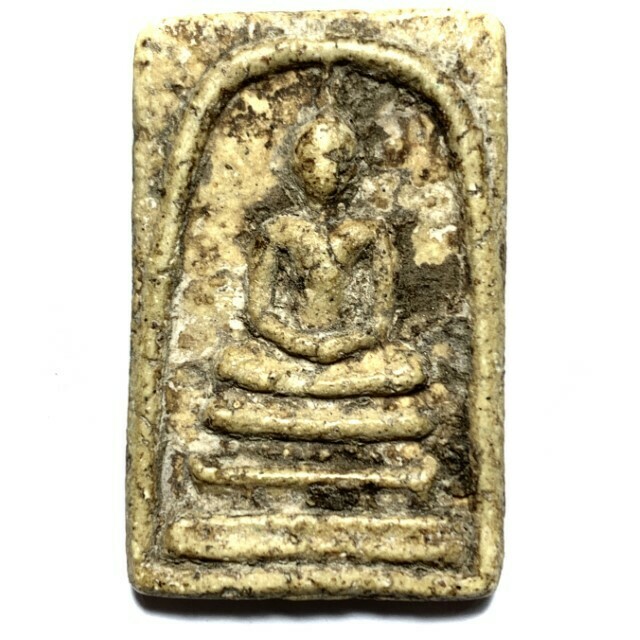
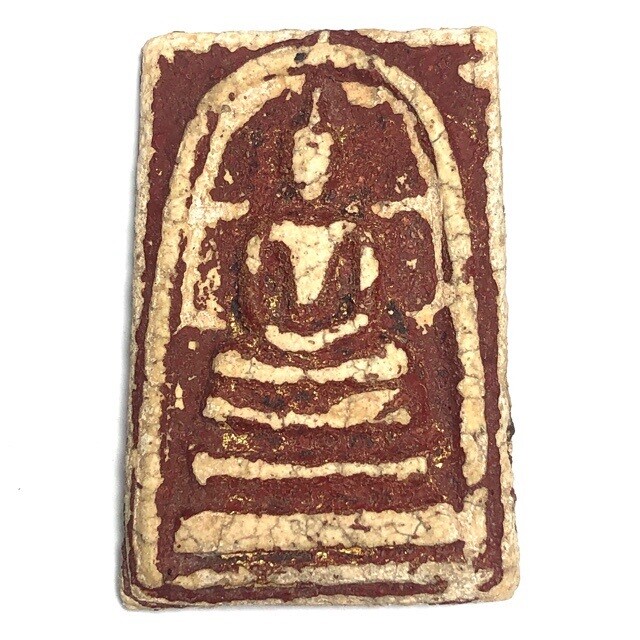
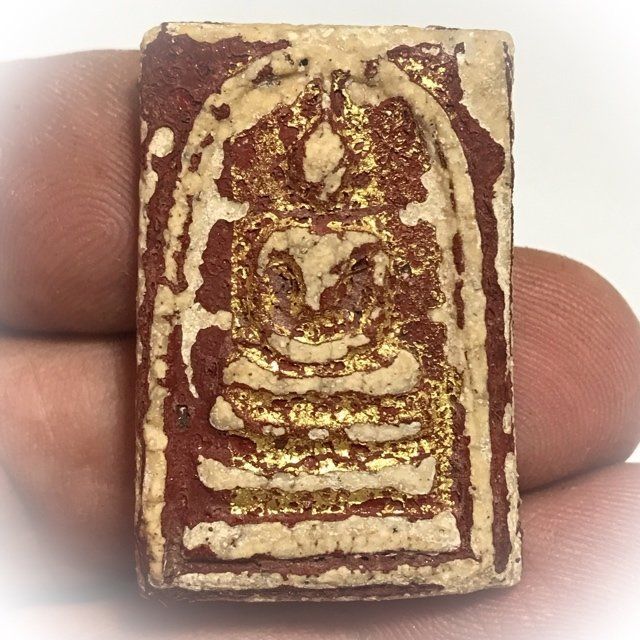
An incredibly rare amulet to find in the present day, this Pra Somdej Thaan Saem Pim Hoo Jud comes from a Block Niyom preferred block press mold, and belongs to one of the most Historic and Preferred editions to have ever been released by the temple of Wat Bang Khun Prohm, namely the world famous 2509 BE classic series of immortal fame.
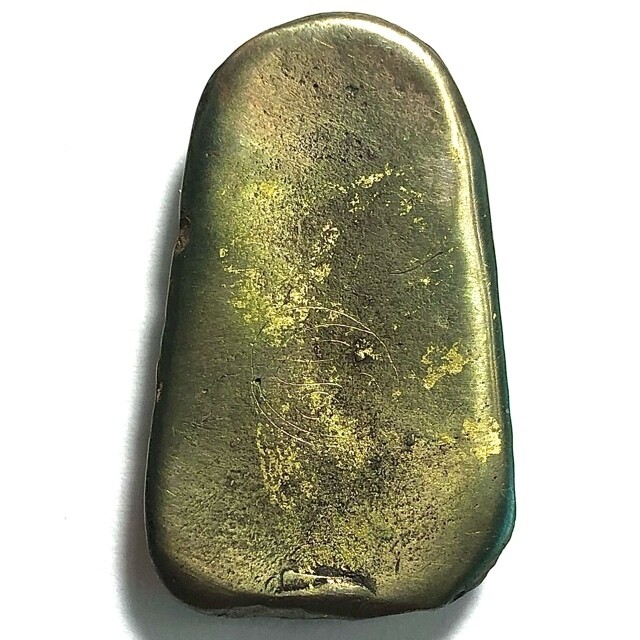
The Somdej Thaan Saem Pim Hoo Jud is one of a Major Pantheon of 12 different Pim Song models in this series, including a miniature ‘Pim Kanaen’ Pra Somdej. The series also included a Pim Jantr Loi circular votive tablet, a Sayasana reclining Buddha, a Pra Pong Pim Somdej Dto, and a Pra Pong Pim Pra Sivali, as well as some Bucha statues.

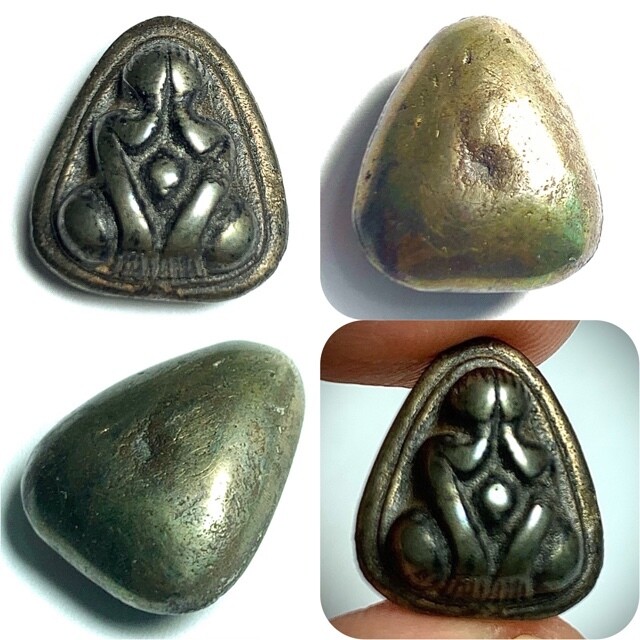
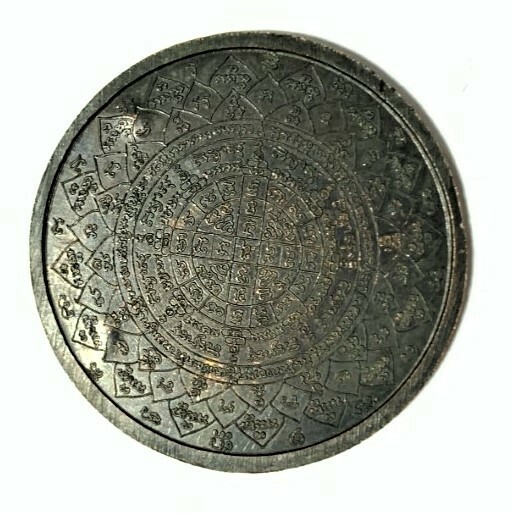
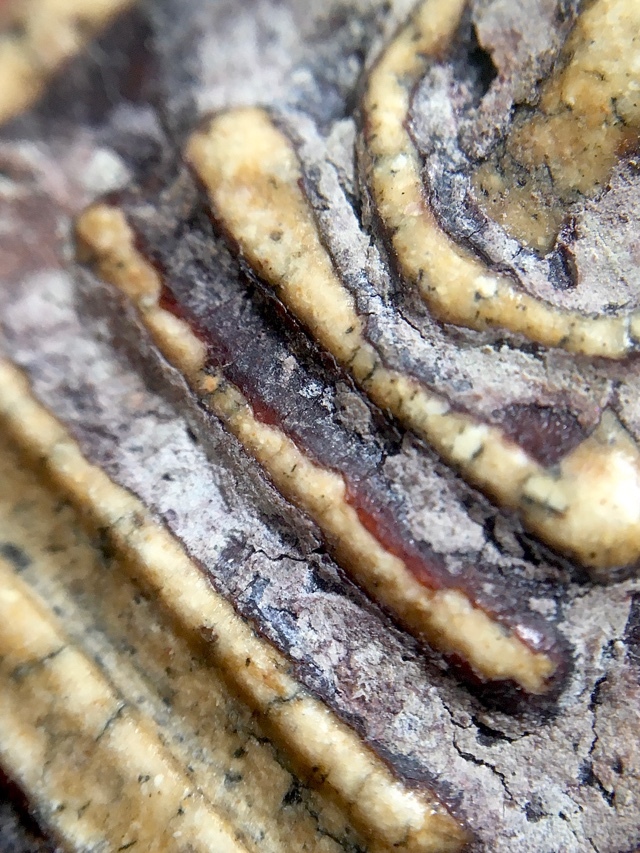
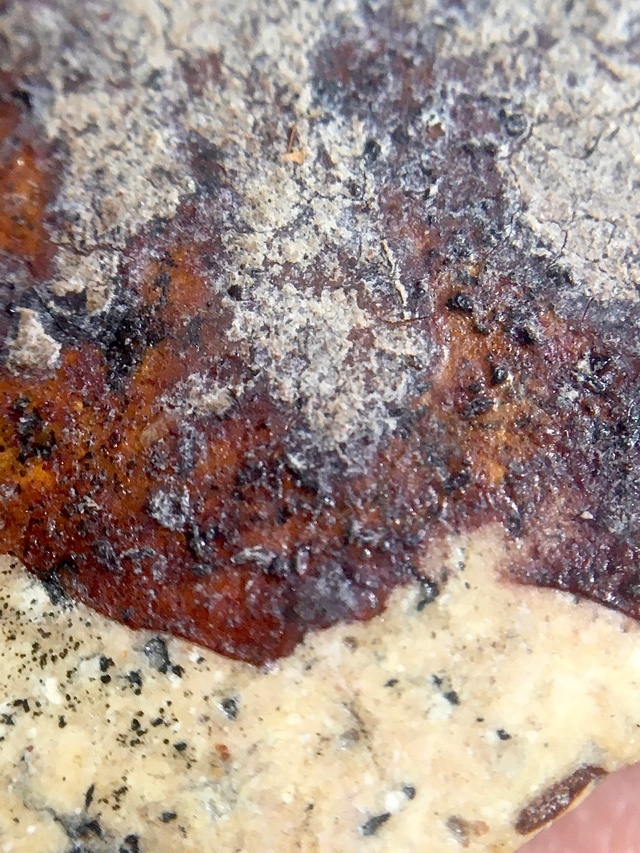
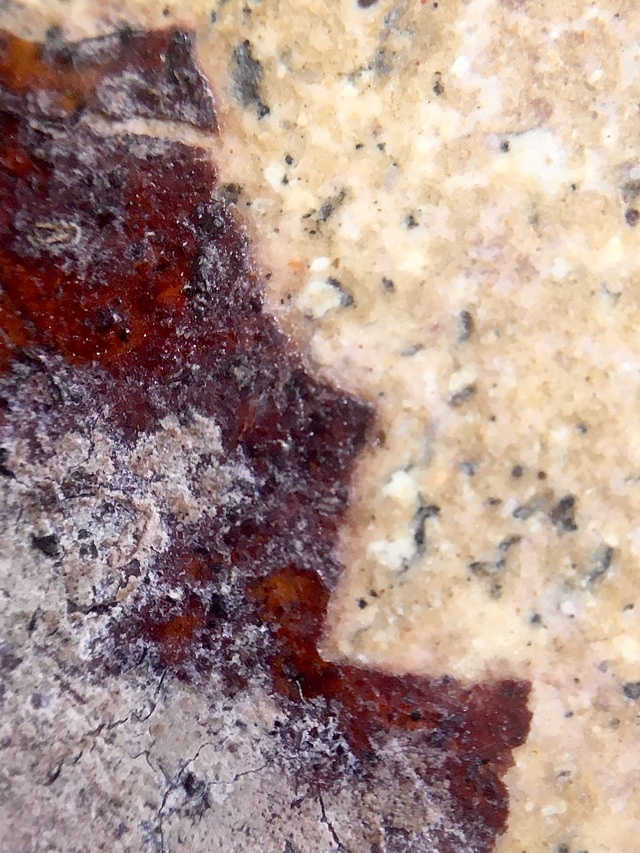
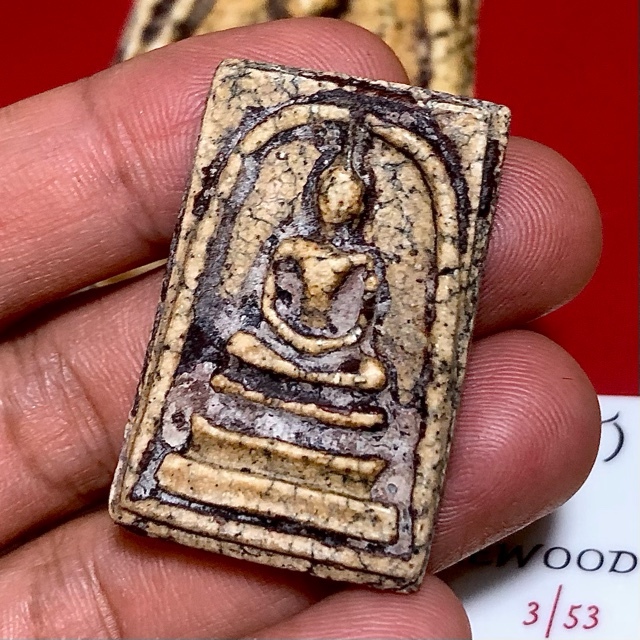
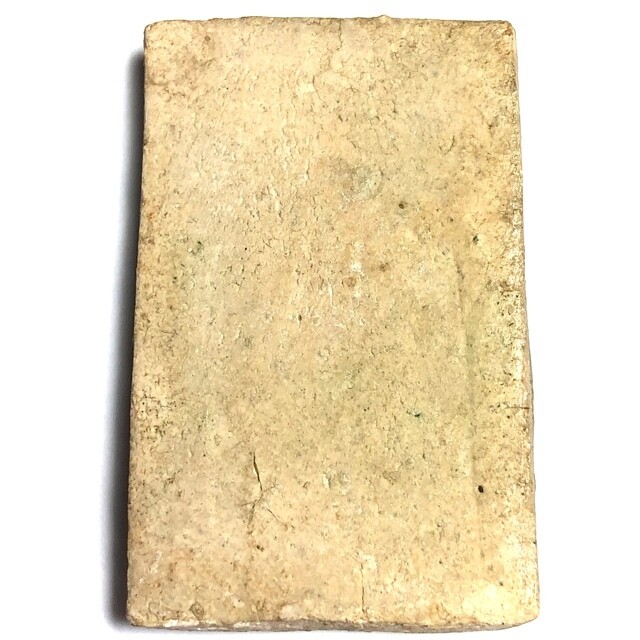
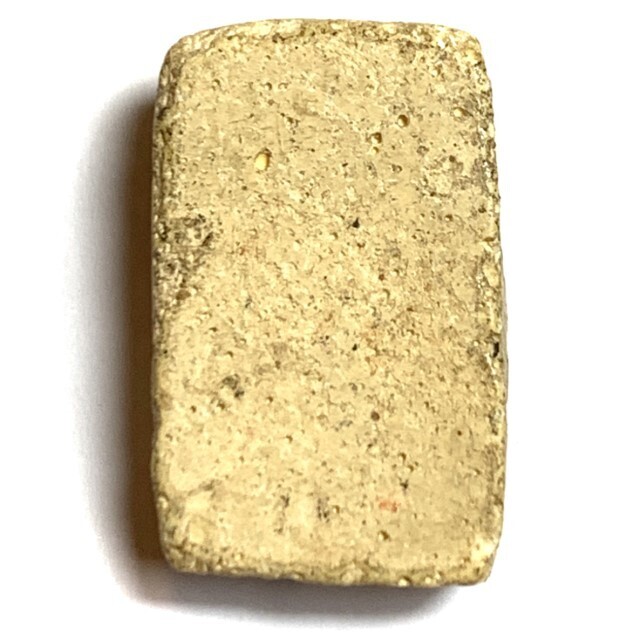
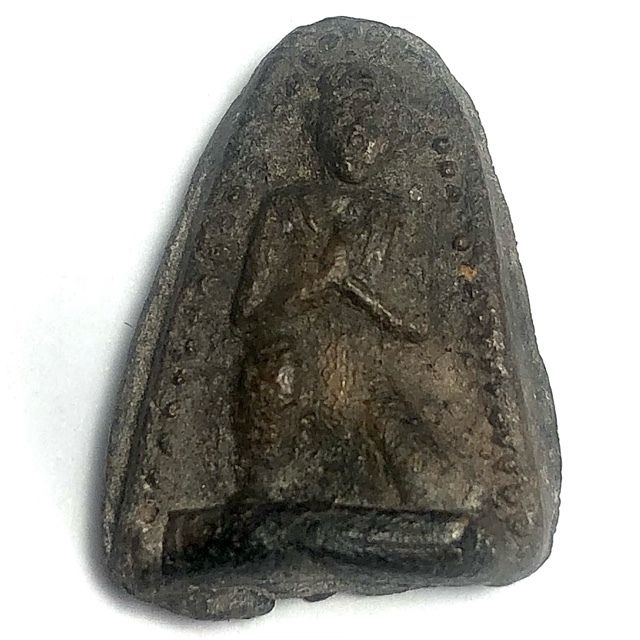
Pra Somdej Thaan Saem Pim Hoo Jud Wat Bang Khun Prohm 2509 Detail 1 1

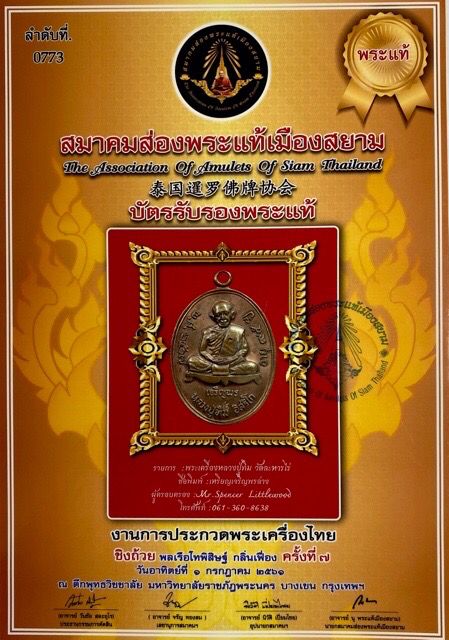
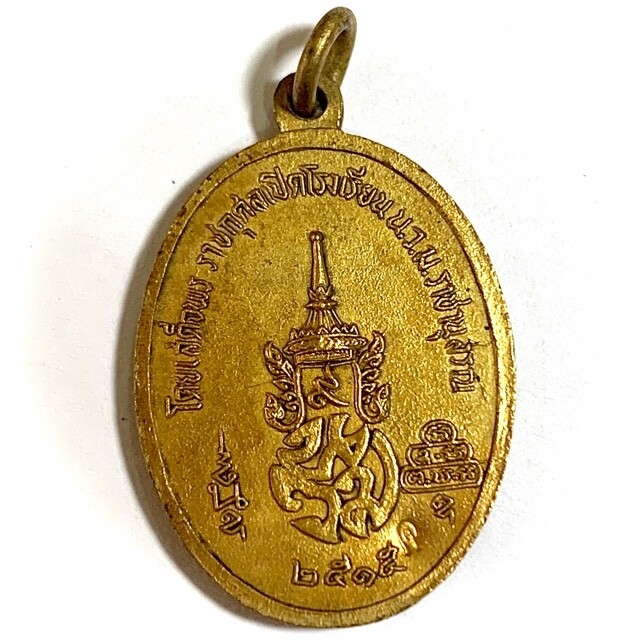
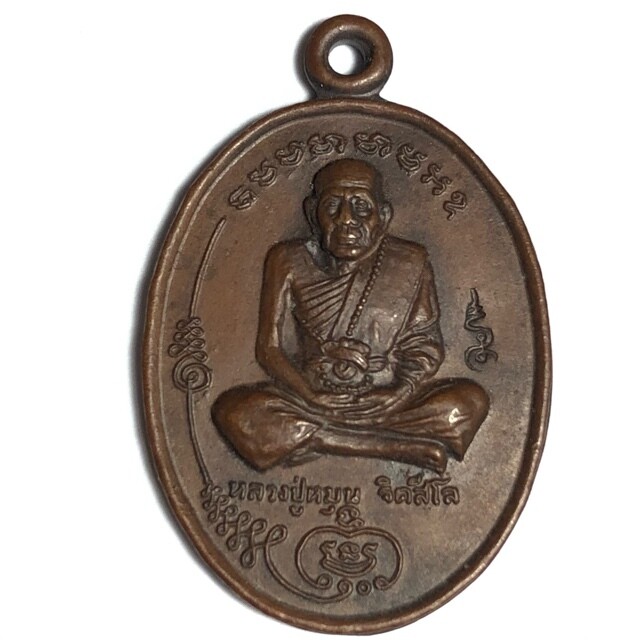
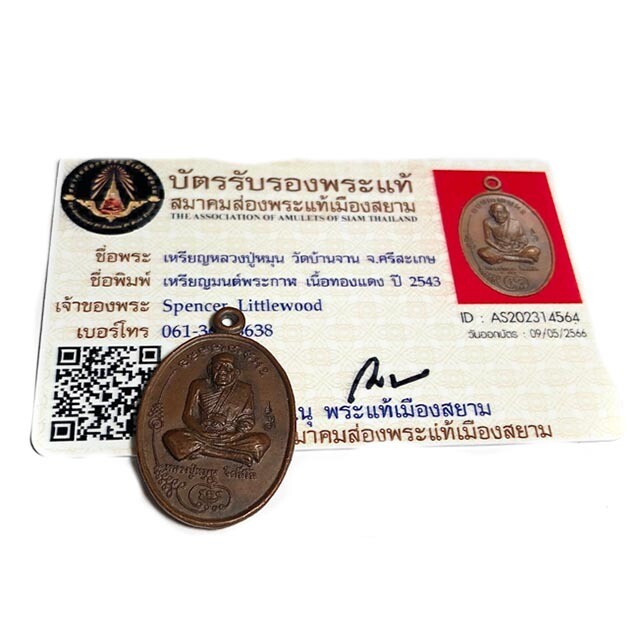
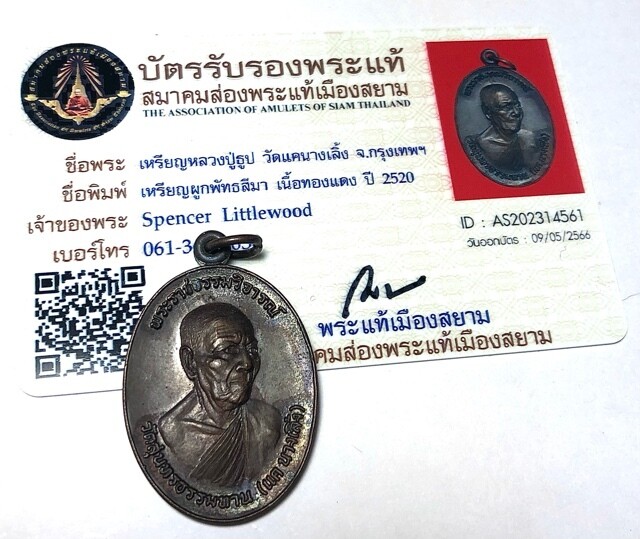
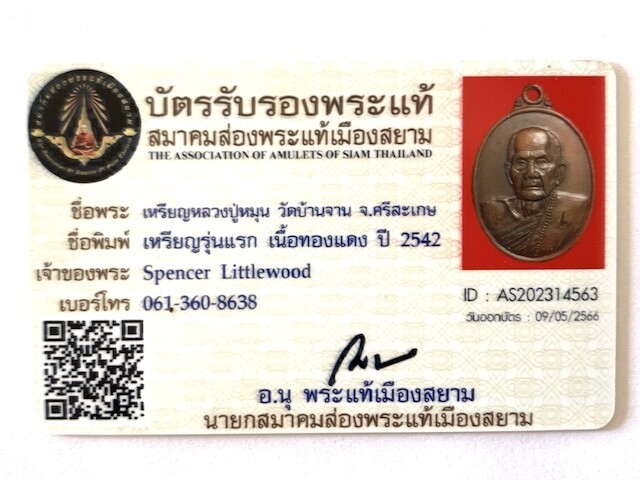
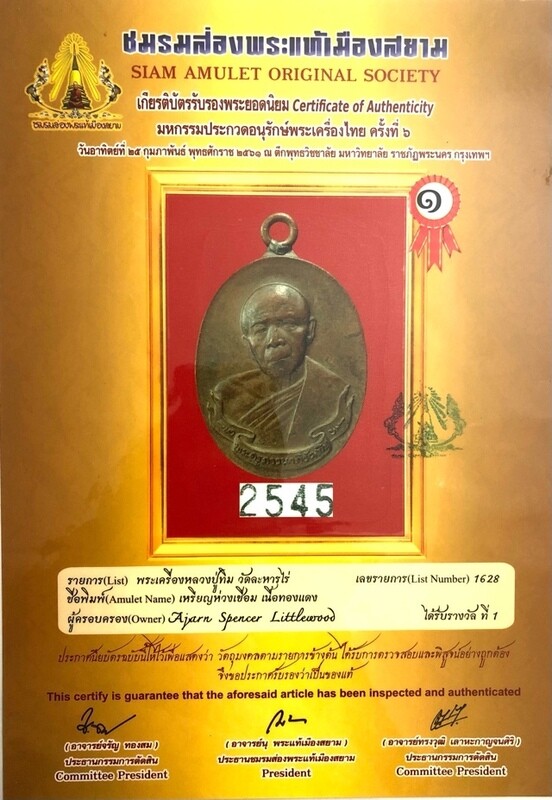
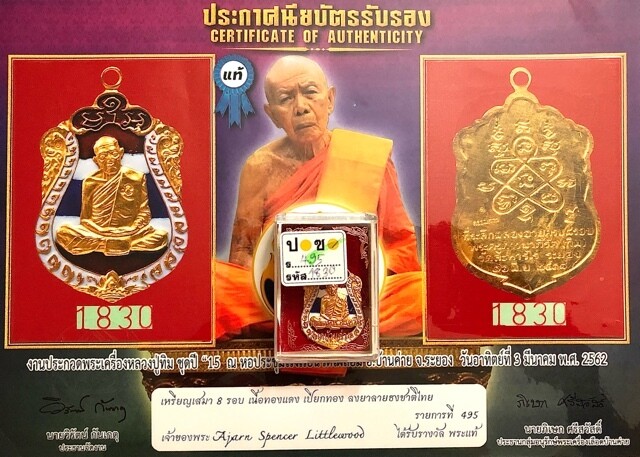
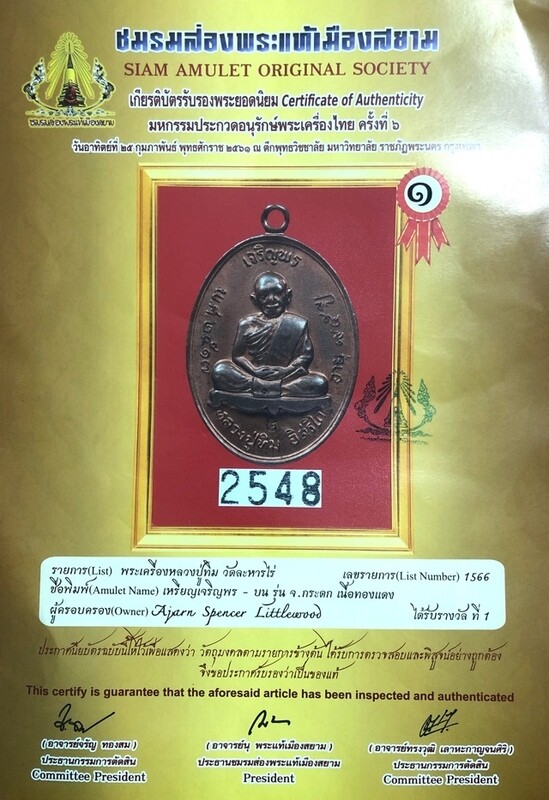
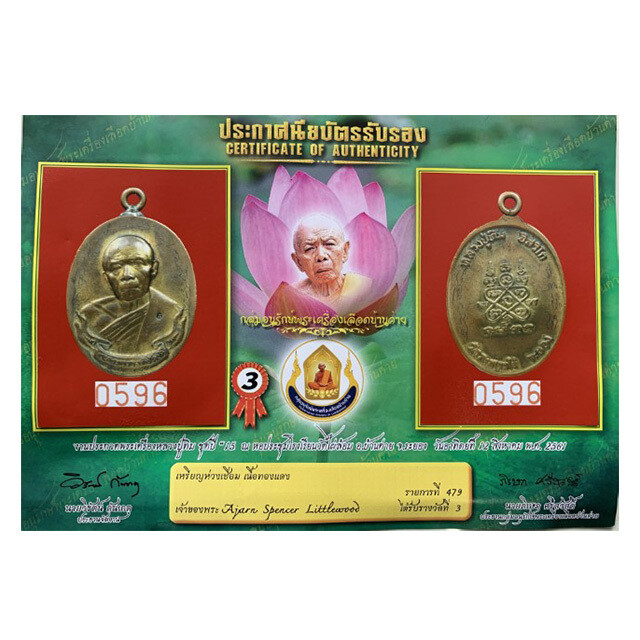
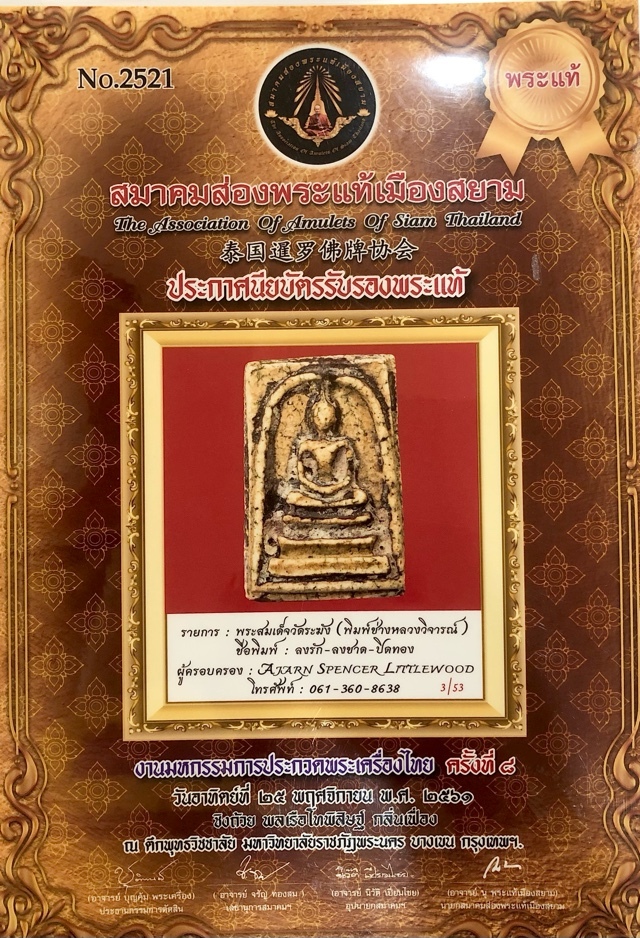
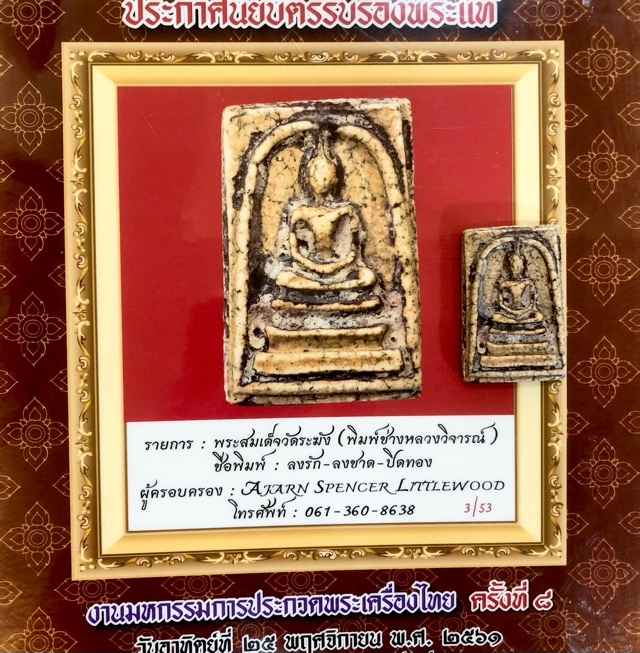
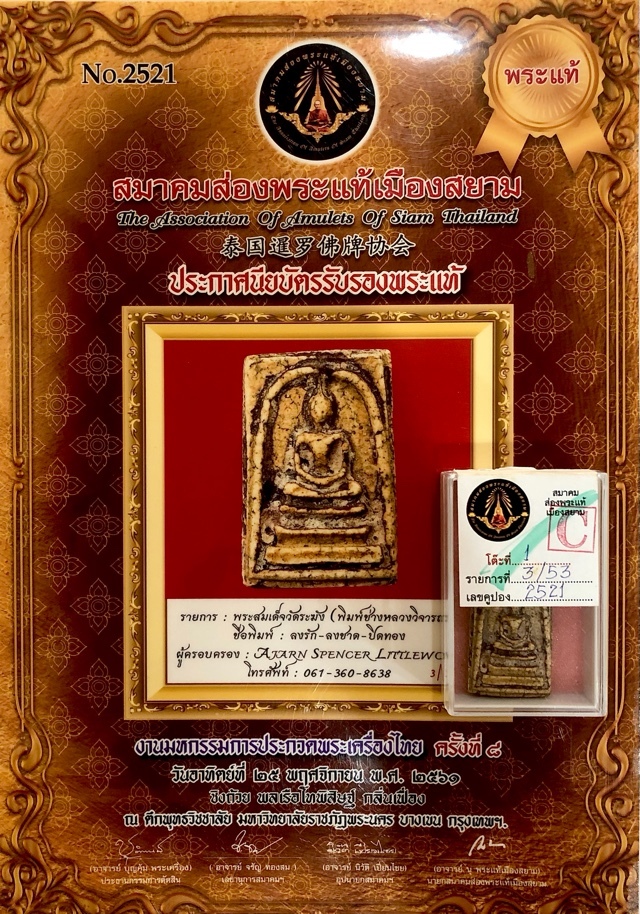
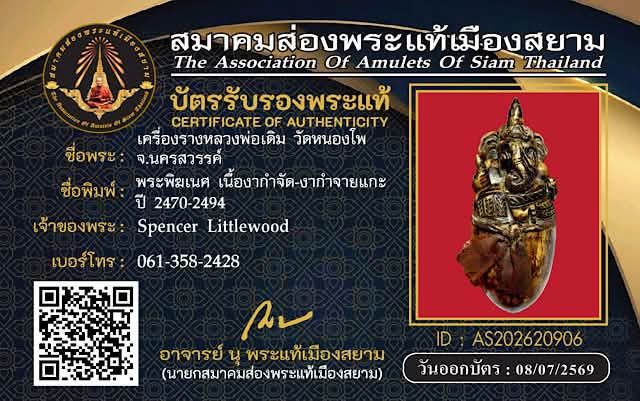
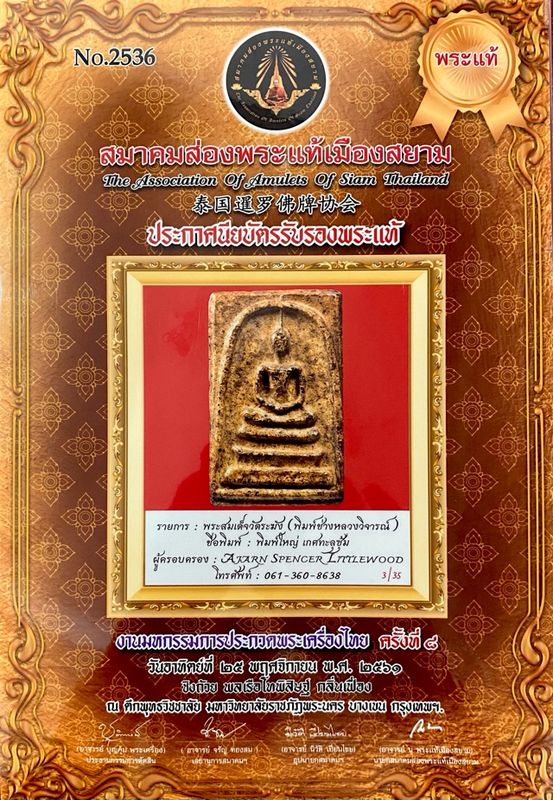
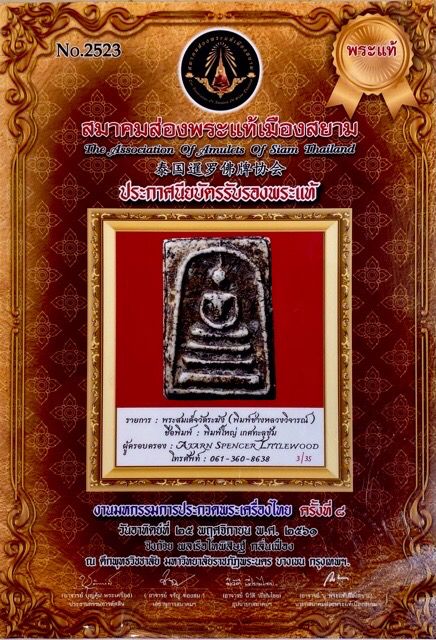
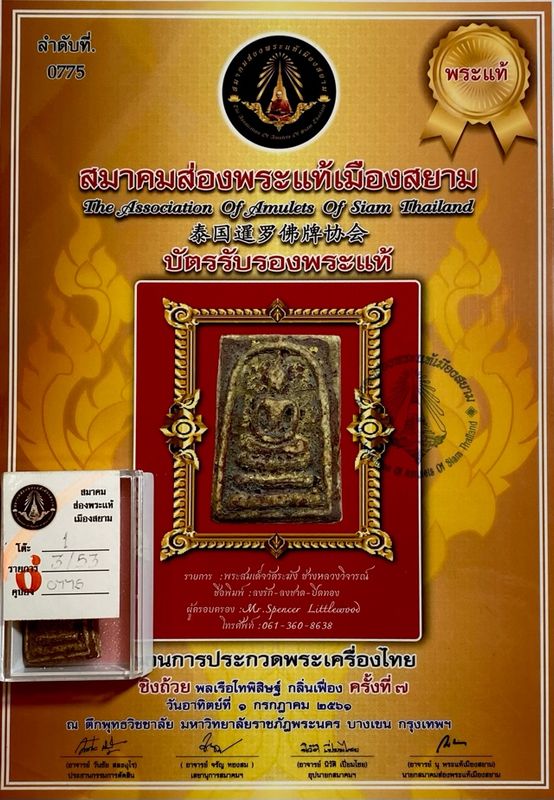
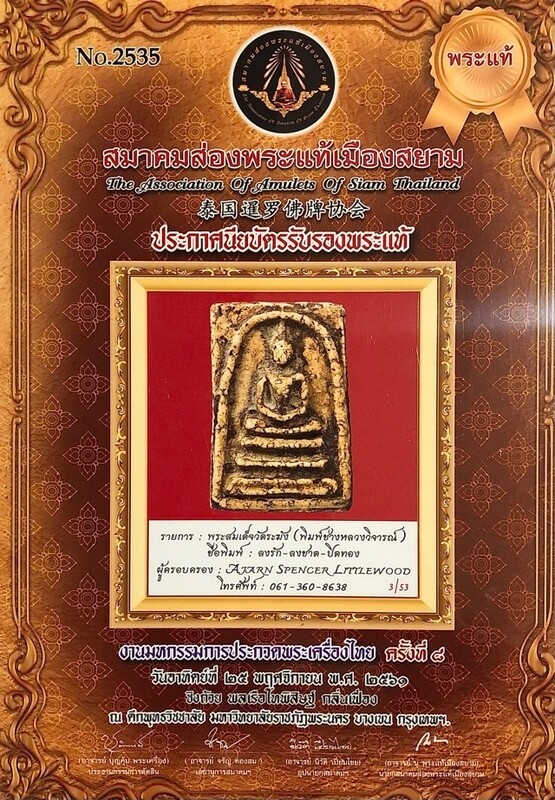
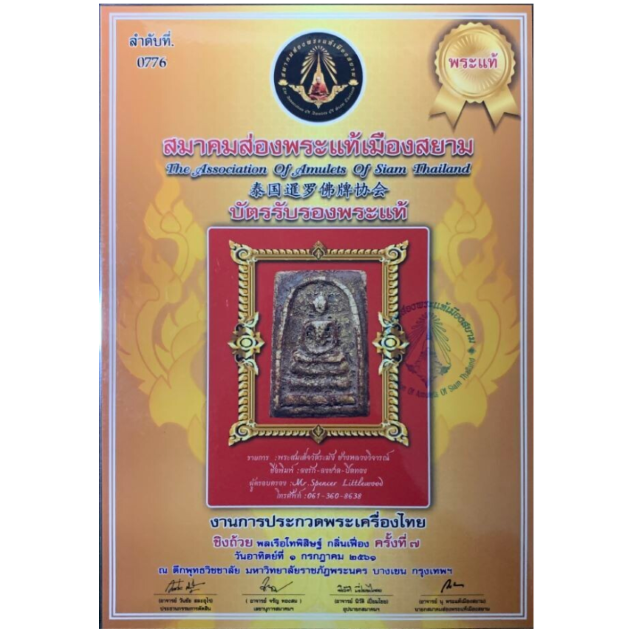
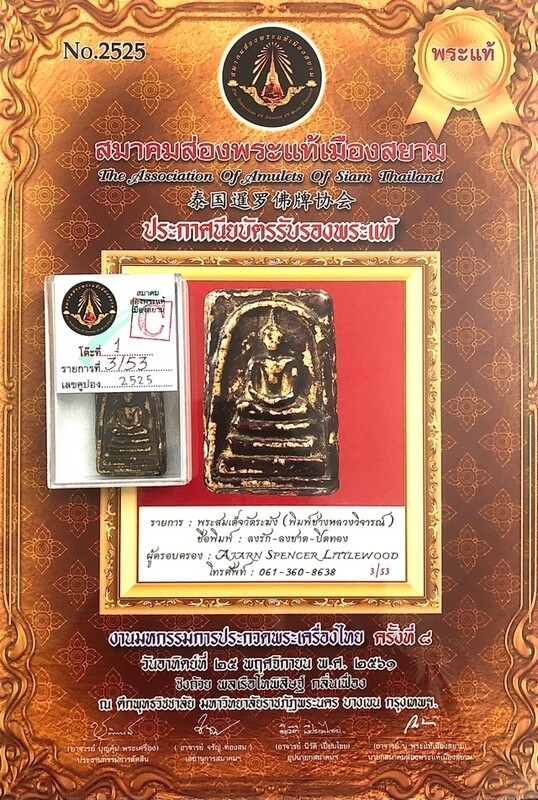
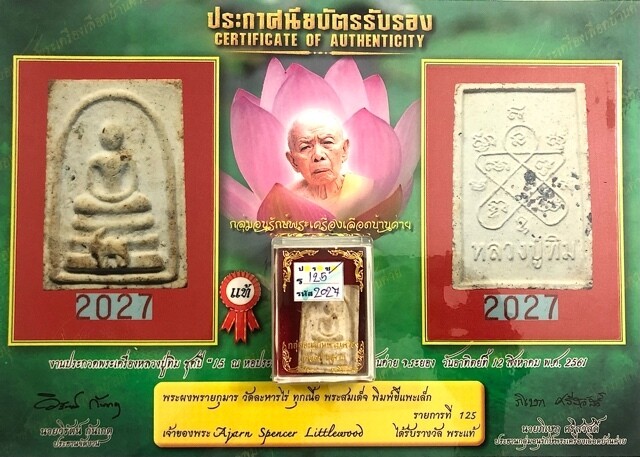
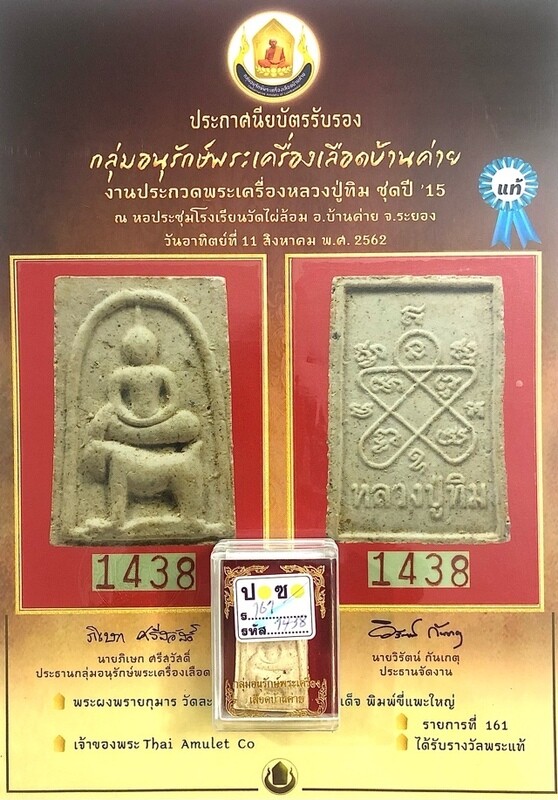
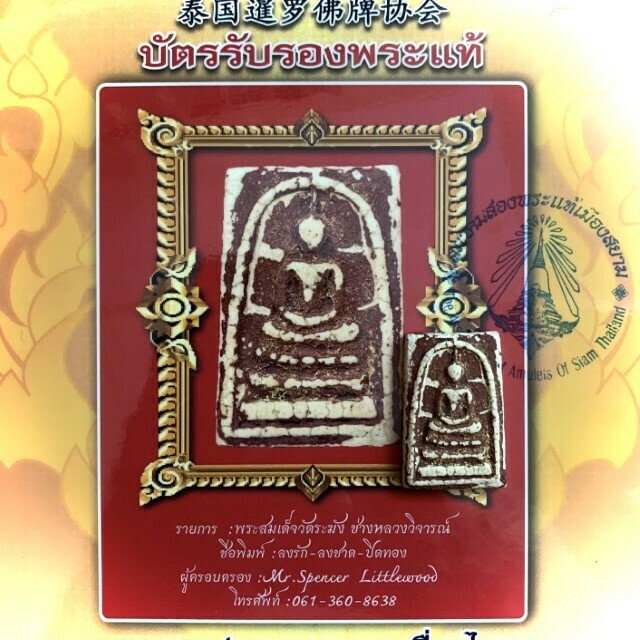
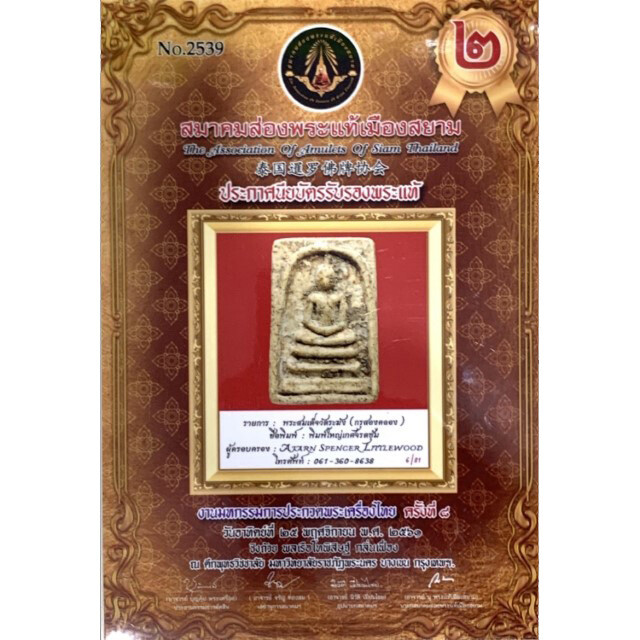
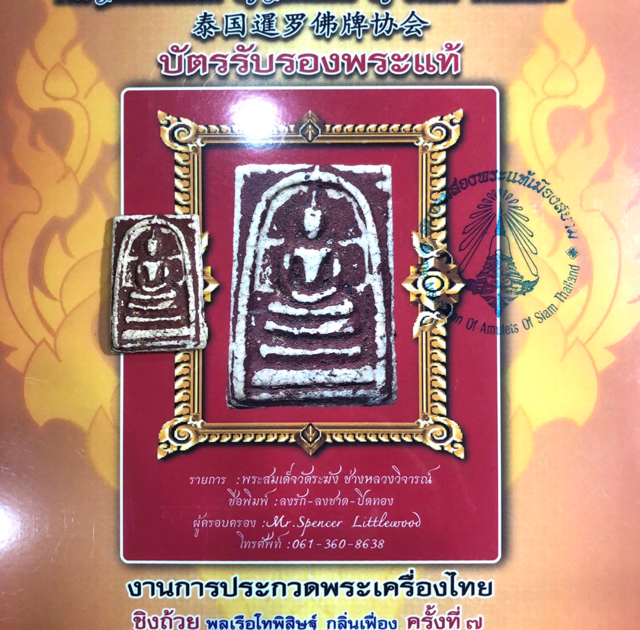
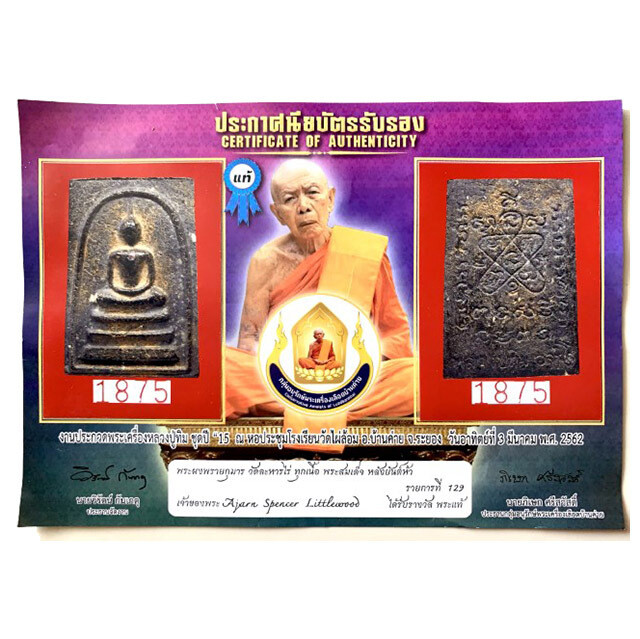
This exhibit comes with official digital chipped rfid tag card authenticity certificate of the Siam Amulet Association as an authentic Pra Somdej Wat Bang Khun Prohm Pim Hoo Mee Jud Thaan Saem. The amulet was submitted by VIP member of the association and proprietor of ancient amulet store, Mr Ajarn Spencer Littlewood, on his own time and expenses, for the pride and confidence of you who will become the owner of this rare classic.

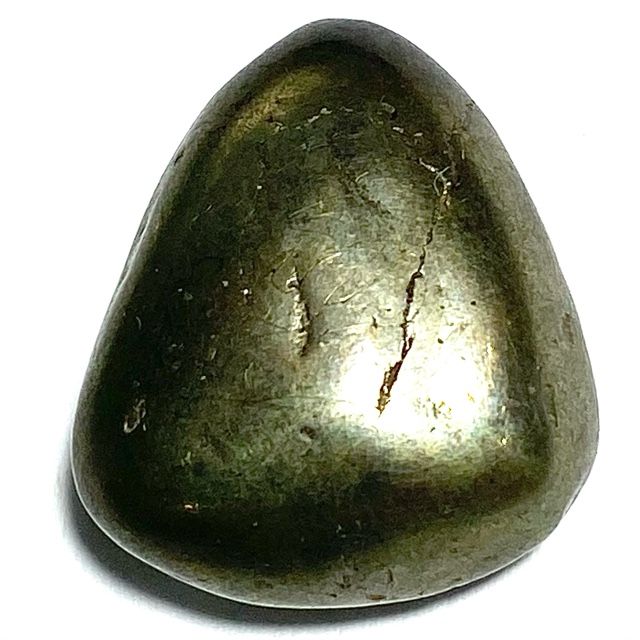
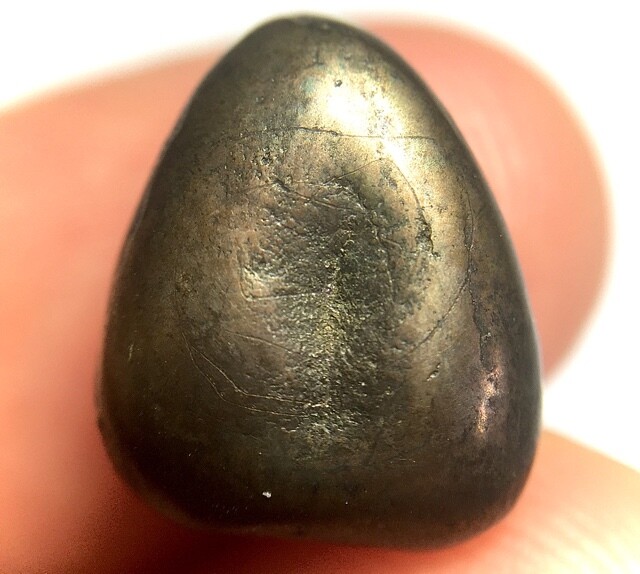
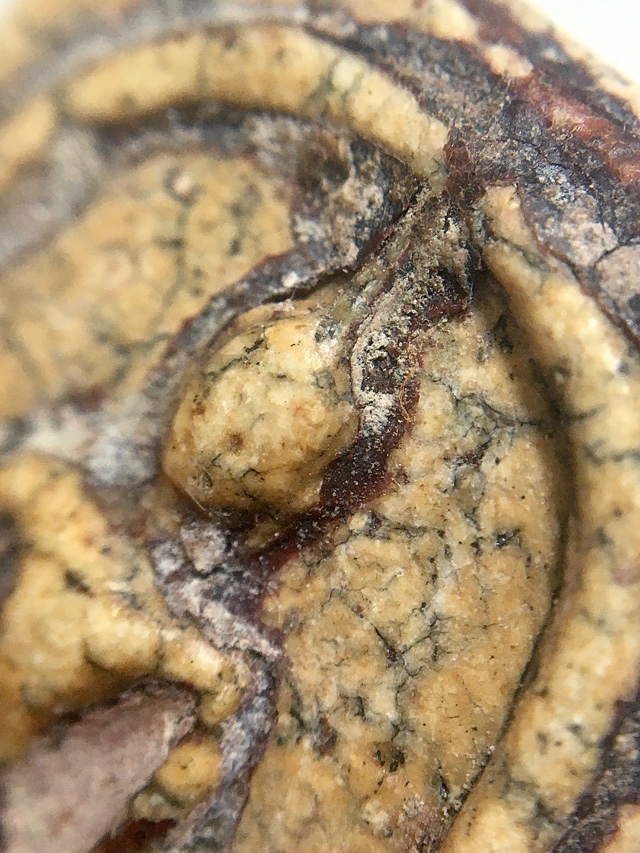
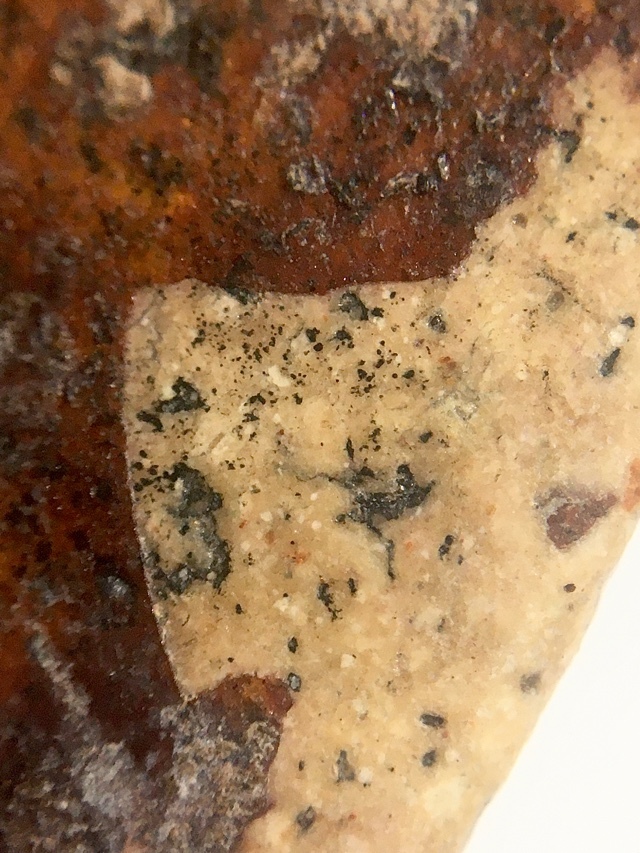
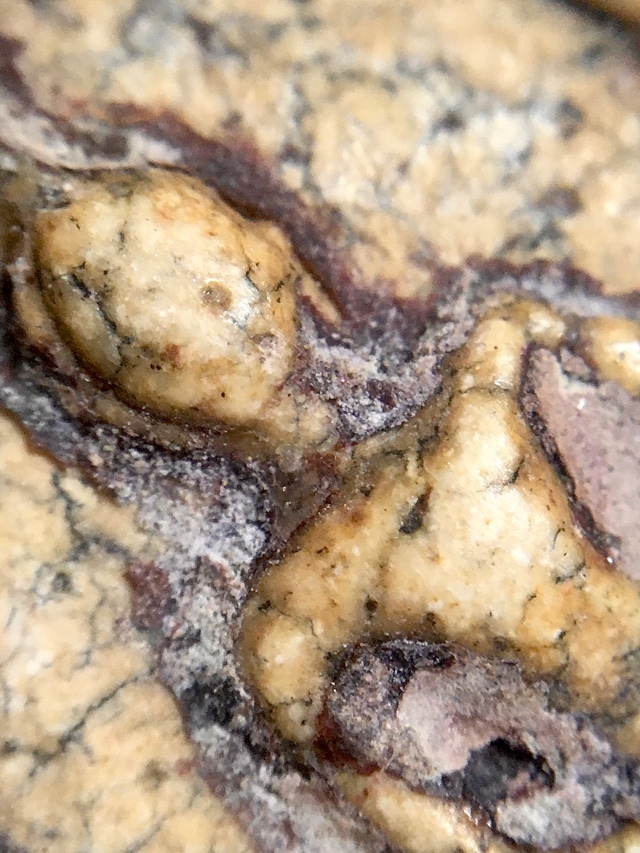
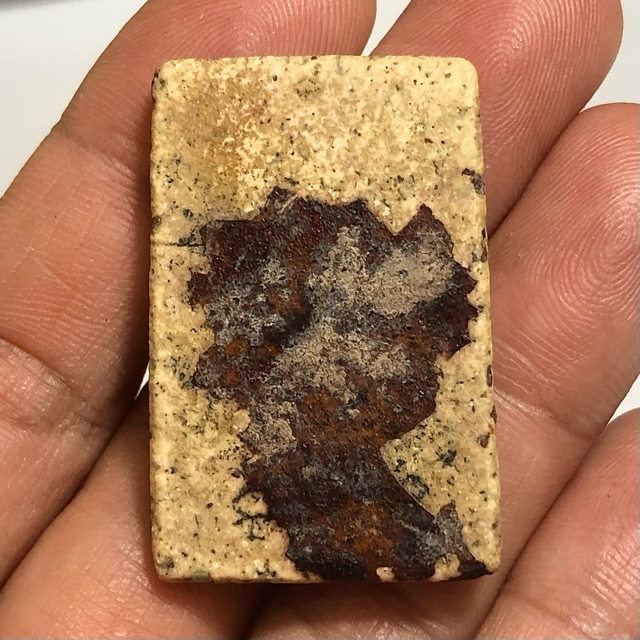
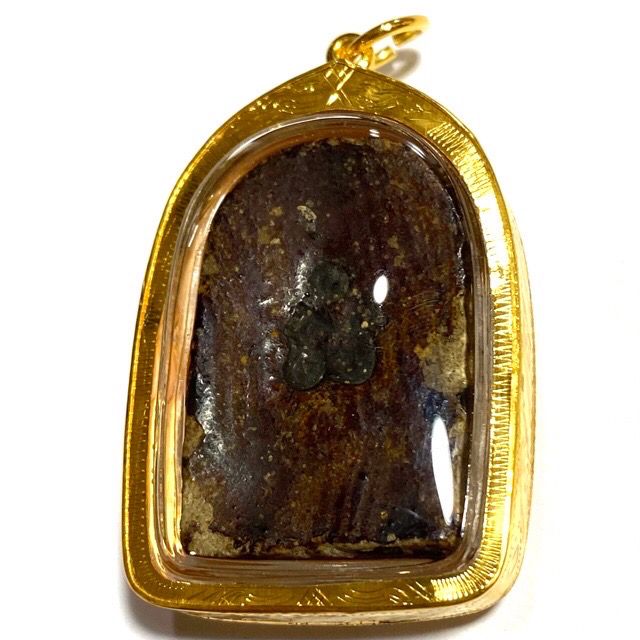
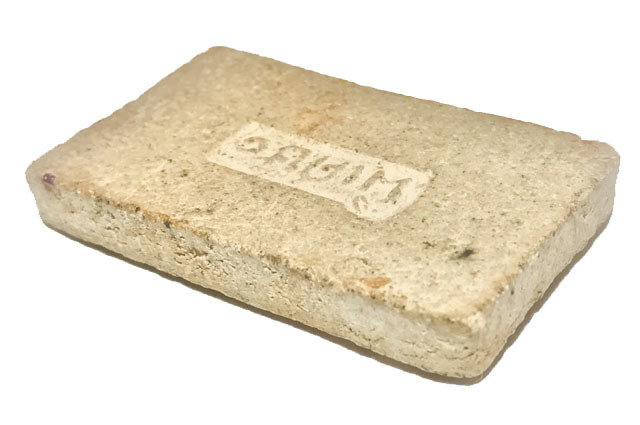
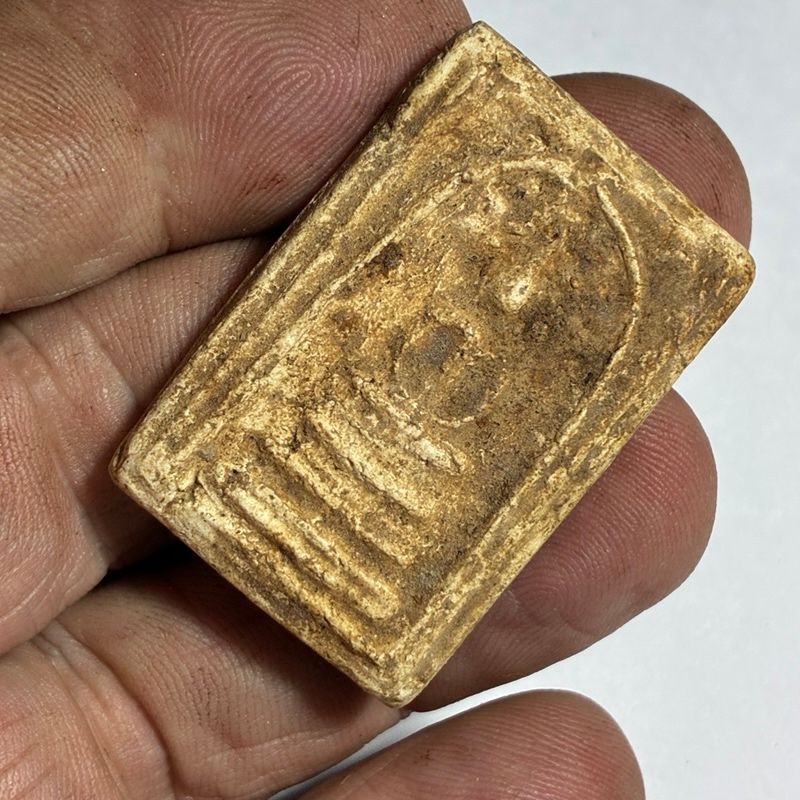
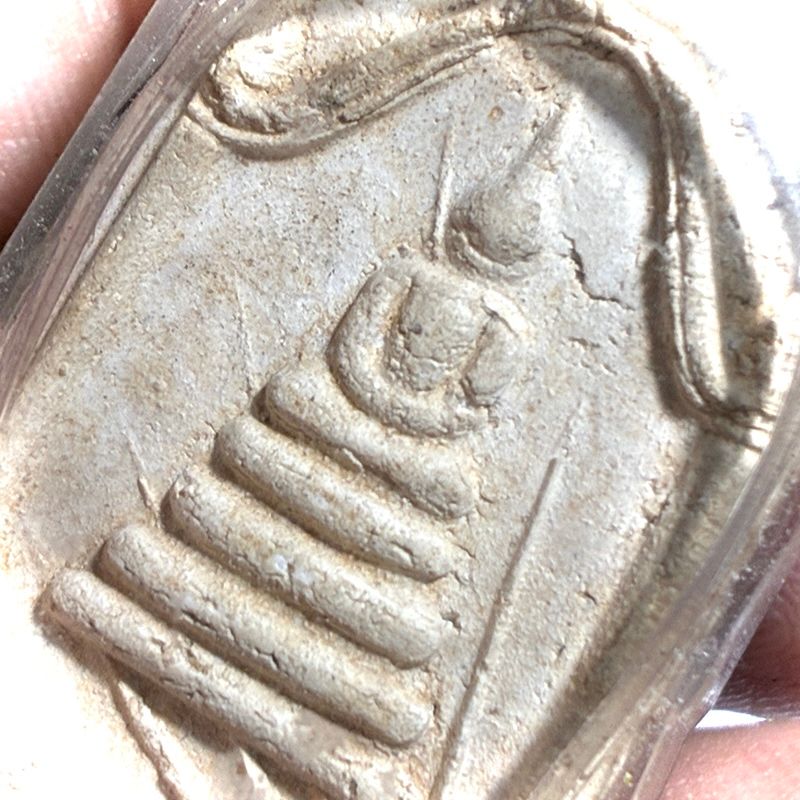
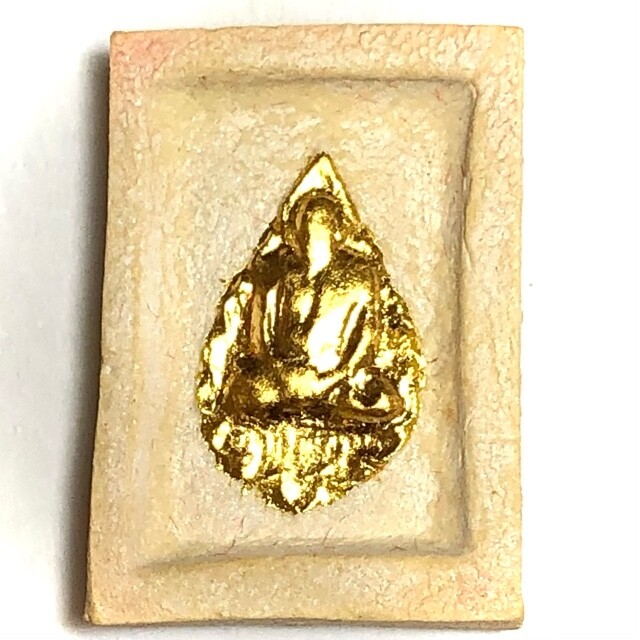
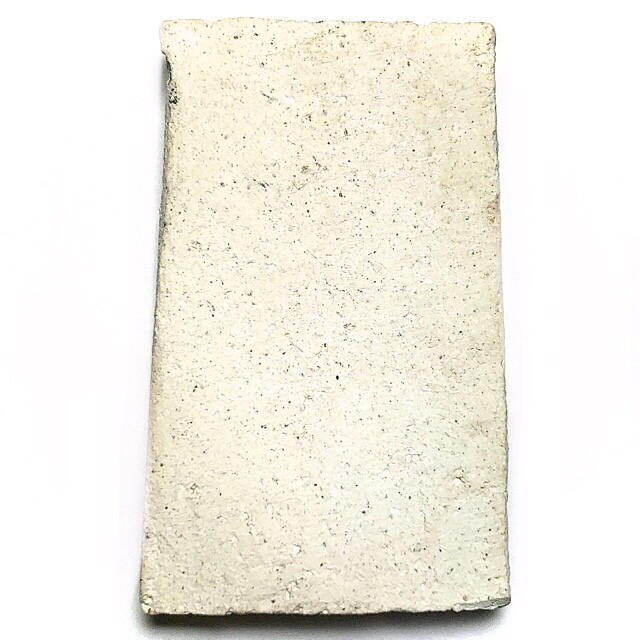
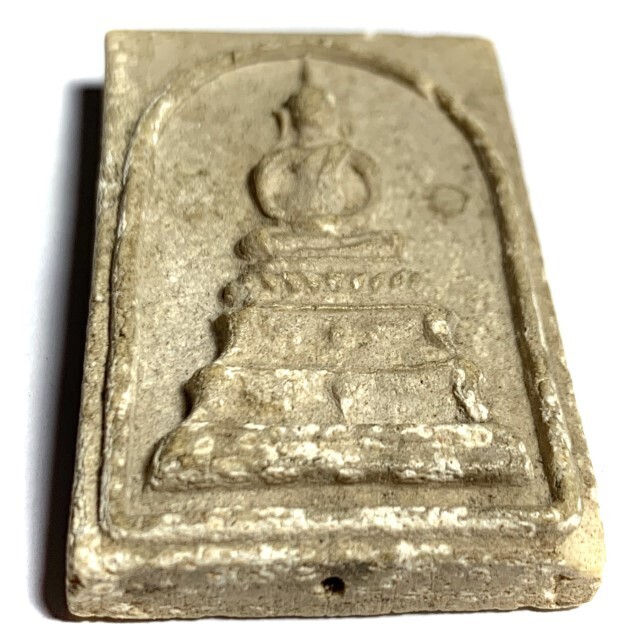
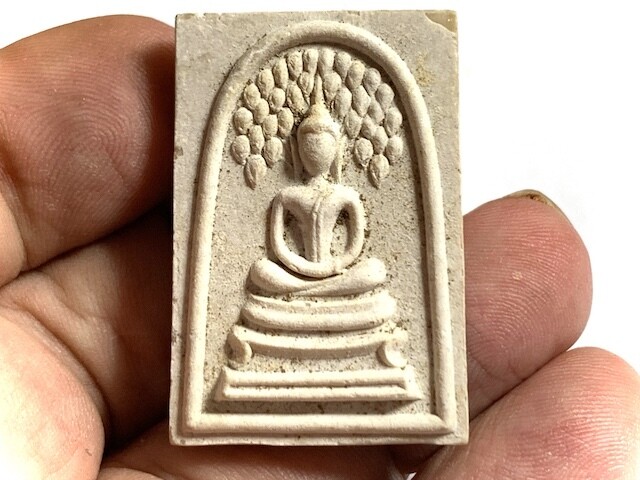
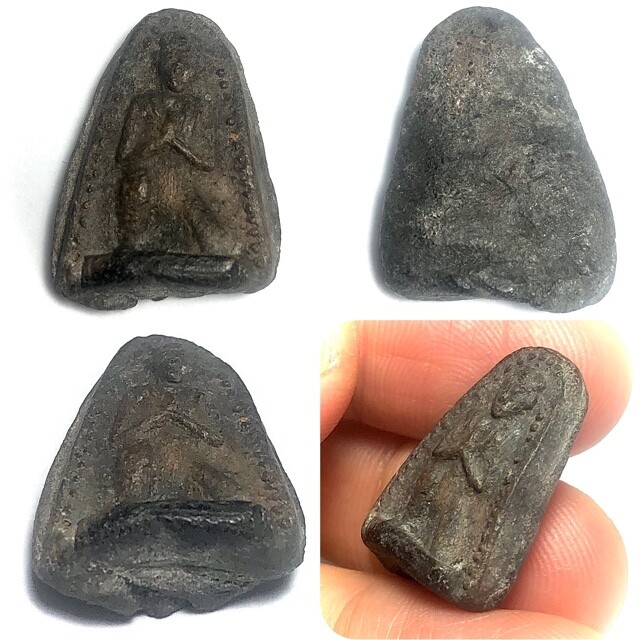
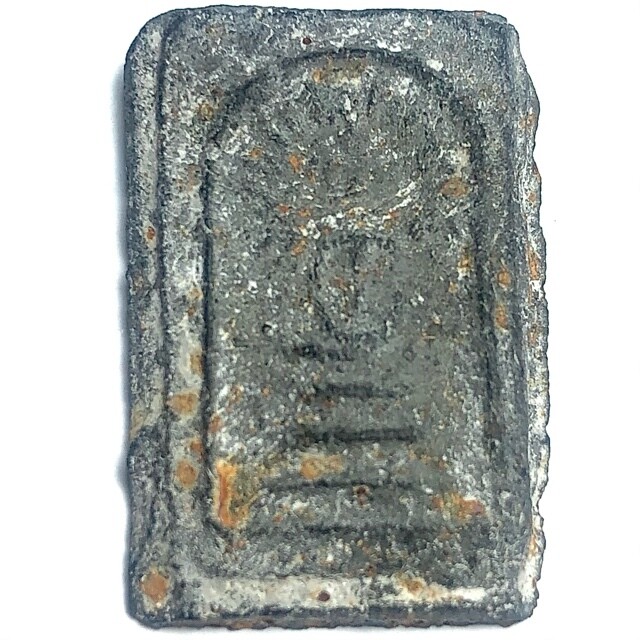
Pra Somdej Thaan Saem Pim Hoo Jud Wat Bang Khun Prohm 2509 Detail 2 1

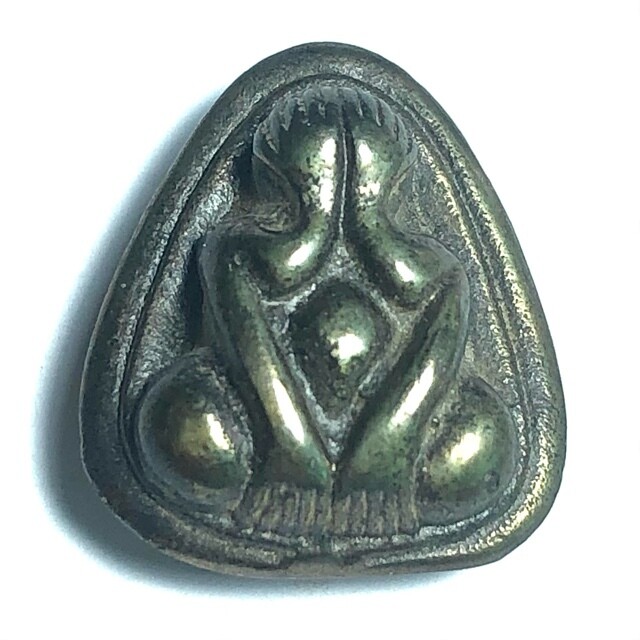
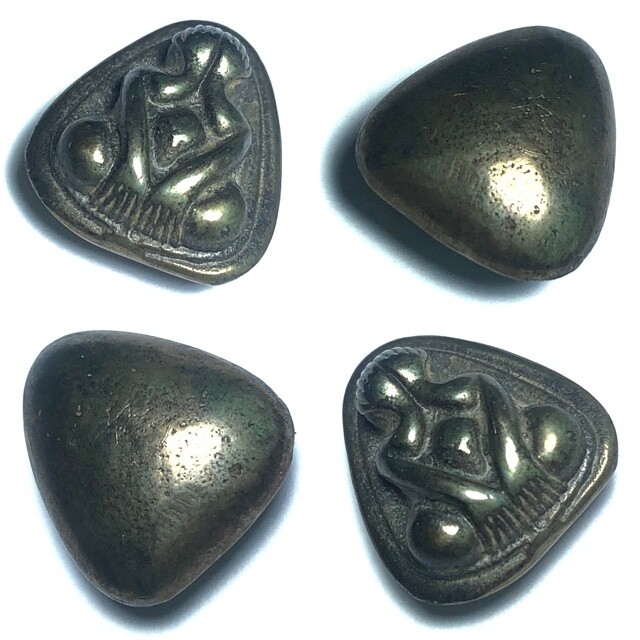
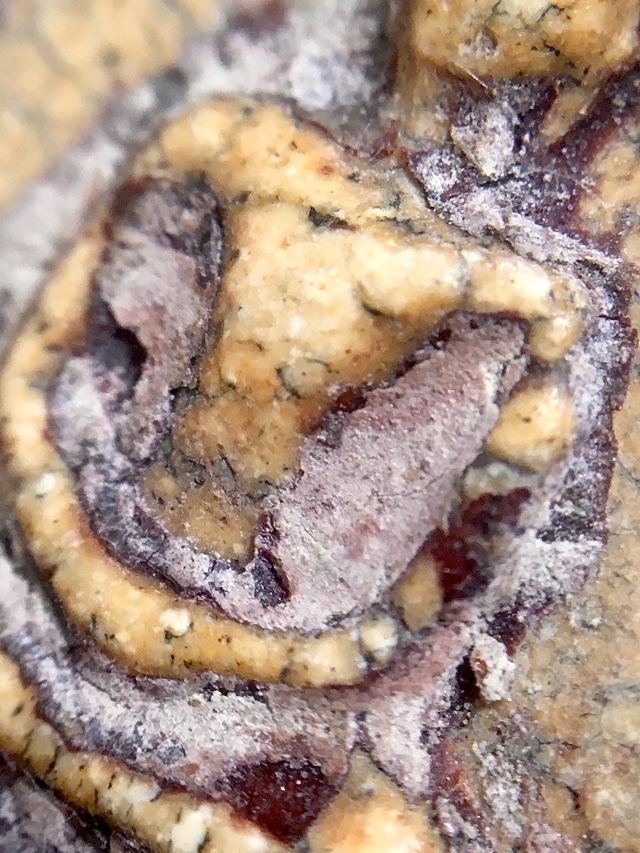
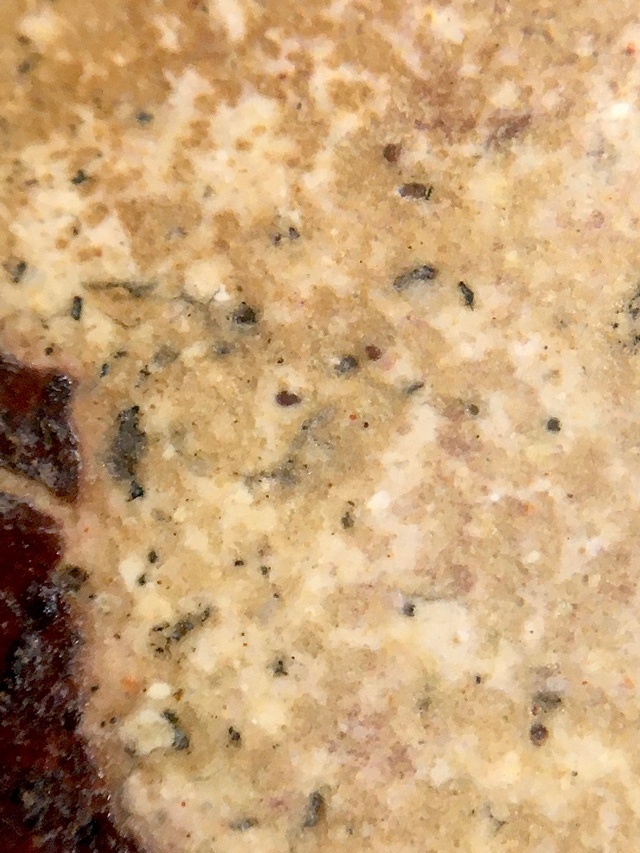
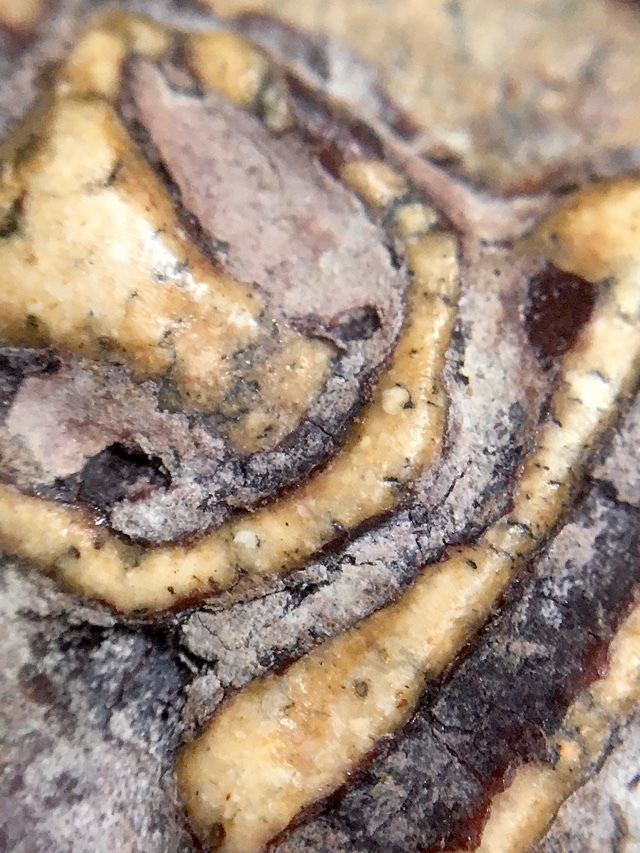
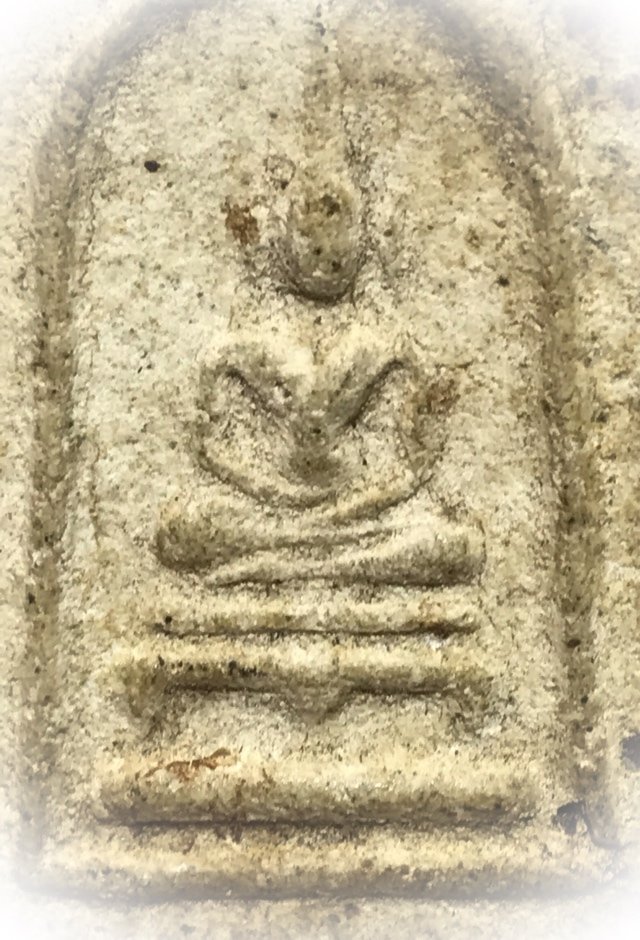
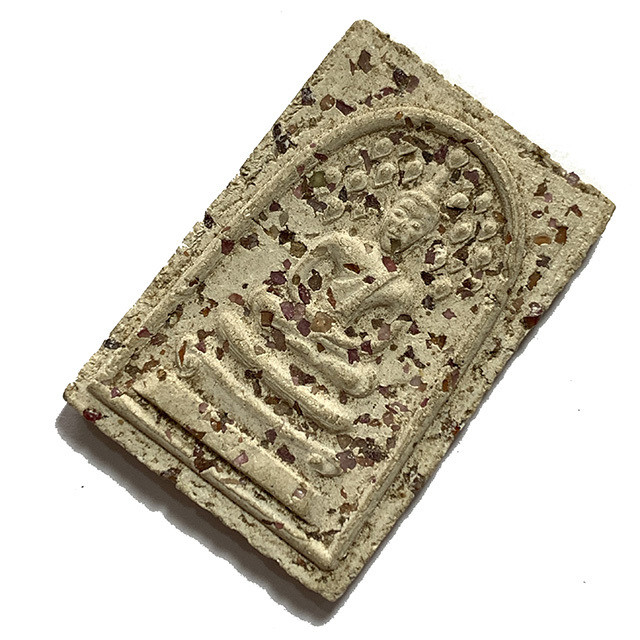
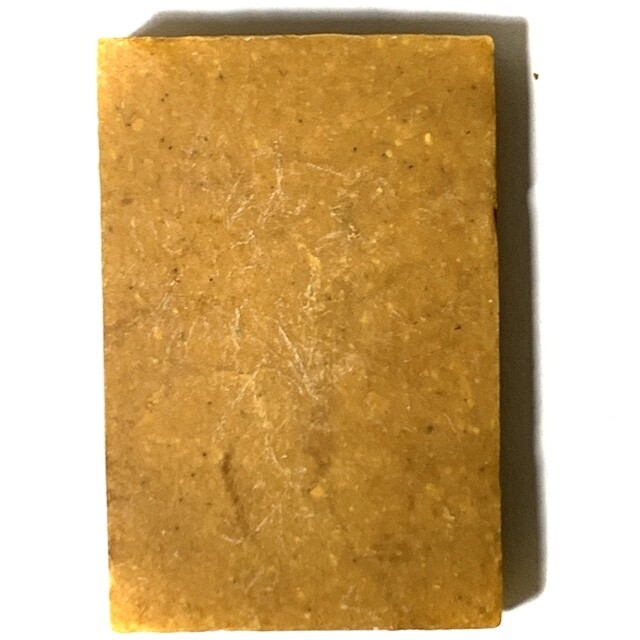
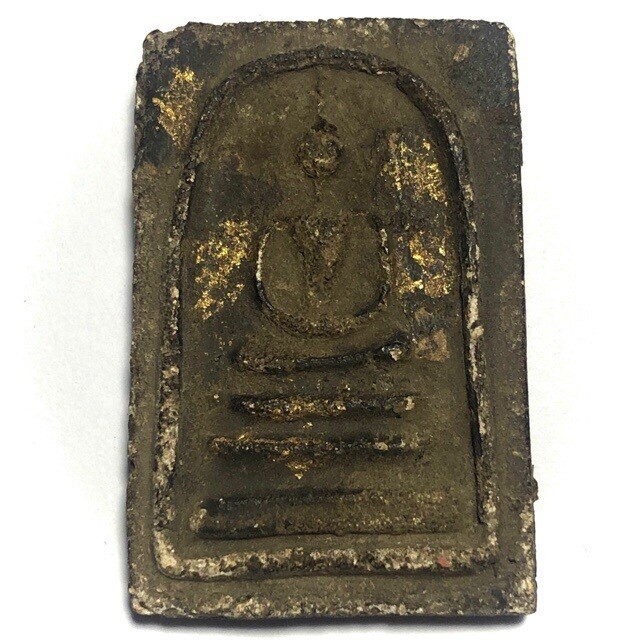
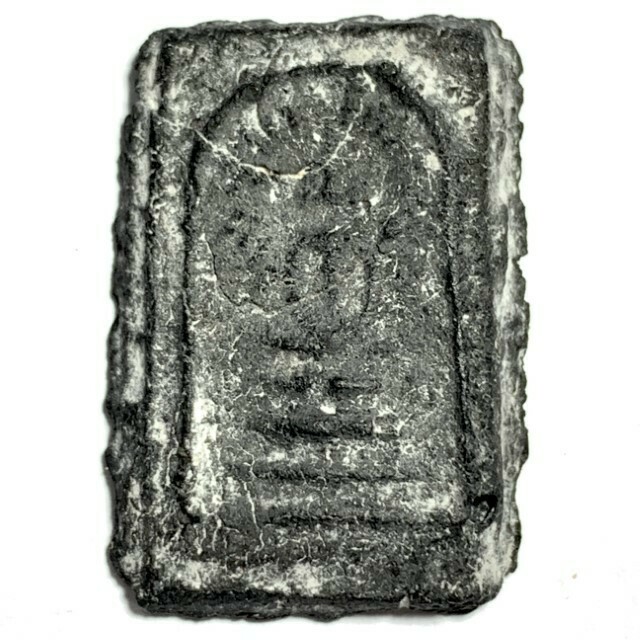
This exhibit is exquisitely finely detailed, with visible chunks of old Muan Sarn from broken pieces of the original Pra Somdej Wat Bang Khun Prohm amulets of Somdej Pra Puttajarn Dto Prohmrangsri, which were taken from the Chedi Stupa to mix with the sacred clay of the 2509 BE Edition.

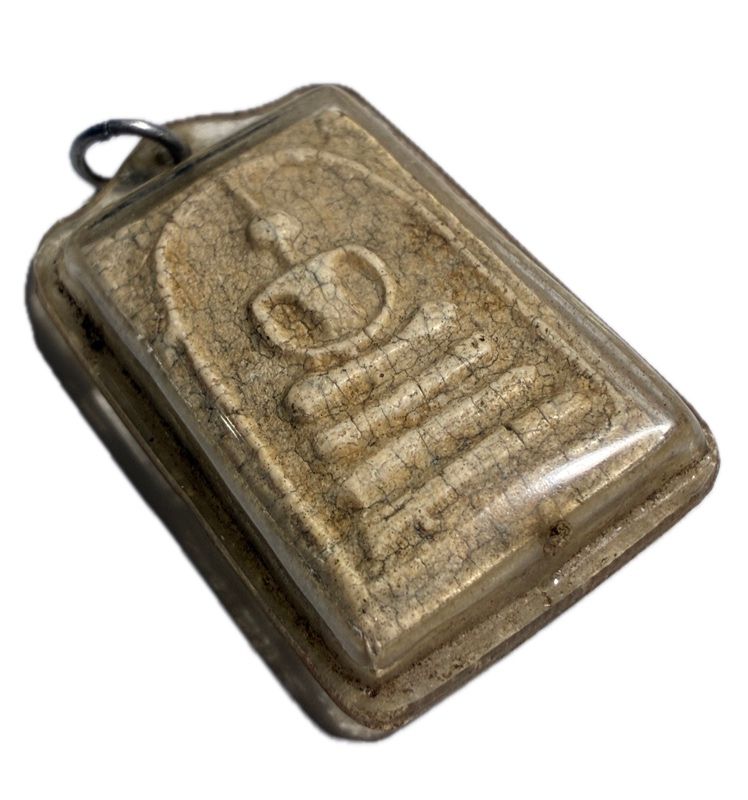
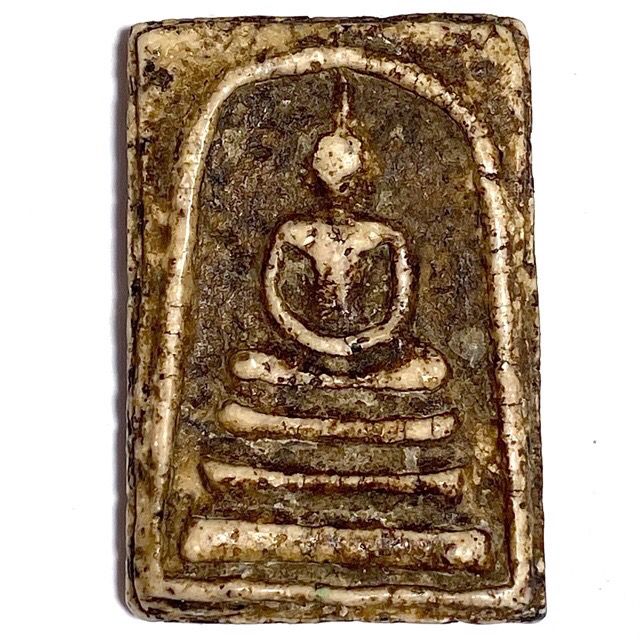
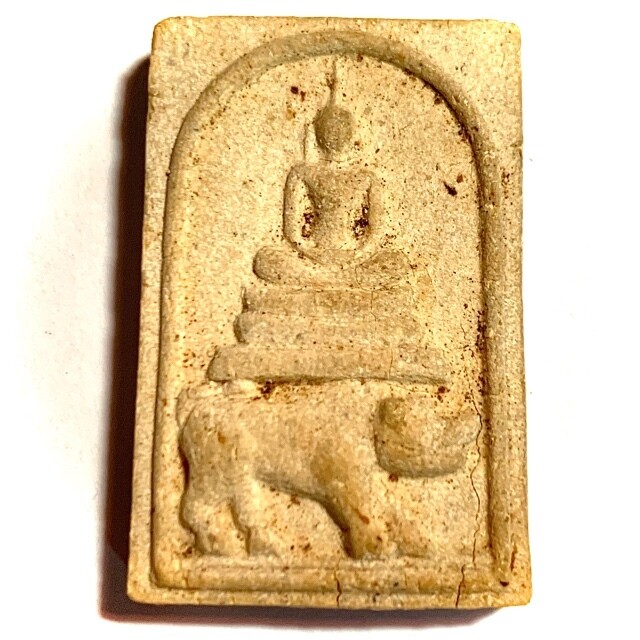
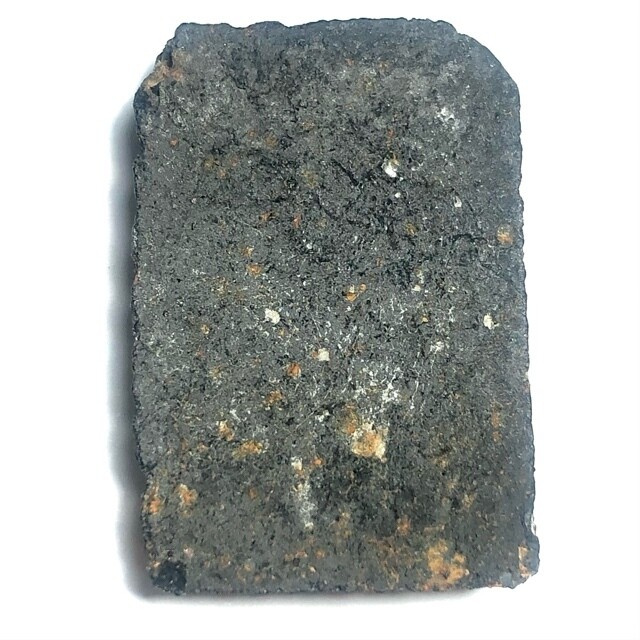
Pra Somdej Thaan Saem Pim Hoo Jud Wat Bang Khun Prohm 2509 Detail 3 1

The Pra Somdej Wat Bang Khun Prohm 2509 BE Edition amulets were blessed by the following Masters; 1. Tan Prakun Pra Taep Sittinayok (Luang Phu Nak) of Wat Rakang Kositaram, in Bangkok 2. Luang Por Te Kong Tong, the master of Wicha Kumarn Tong and abbot of Wat Sam Ngam temple, in Nakorn Pathom 3. Tan Jao Prakun Pra Rachatammaporn (Luang Por Ngern) of Wat Don Yai Horm, in Nakorn Pathom 4. Tan Pra Kroo Prasat Wityakom (Luang Por Nor) of Wat Klang Ta Ruea 5. Tan Jao Kun Wimon Gijjaraks (abbot of Wat Chana Songkram) 6. Tan Pra Kroo Wisai Sope (Ajarn Tim), of Wat Chang Hai in Pattani 7. Tan Ajarn Ampon abbot of Wat Prasat Bunyawas, in Bangkok 8. Tan Ajarn Satid of Wat Vachira Tamma Sathit in Bangkok 9. Tan Ajarn Dtaem , of Wat Pra Loi, in Supanburi 10 a large group of monks from Wat Sutat to assist in the chanting of the Buddha Abhiseka, with Pra Kroo palad Wisuttiwat presiding over the chanting.

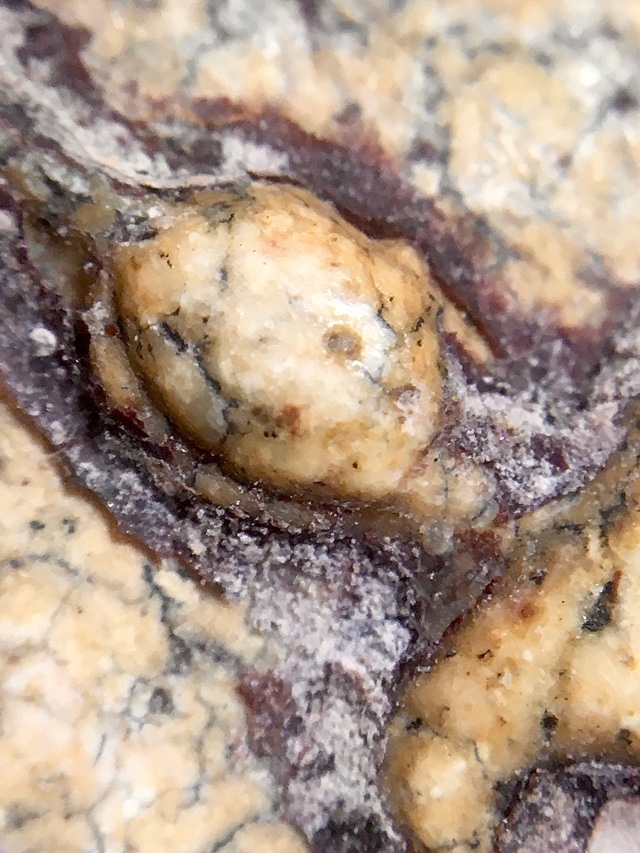
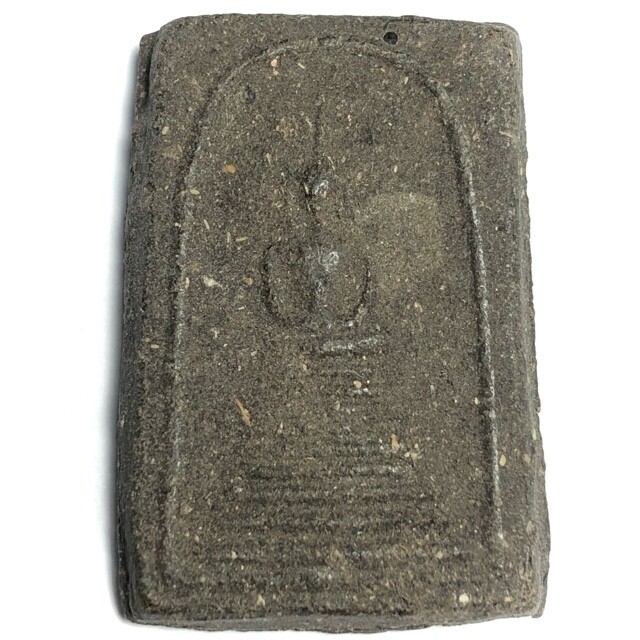
Pra Somdej Thaan Saem Pim Hoo Jud Wat Bang Khun Prohm 2509 Detail 4 1

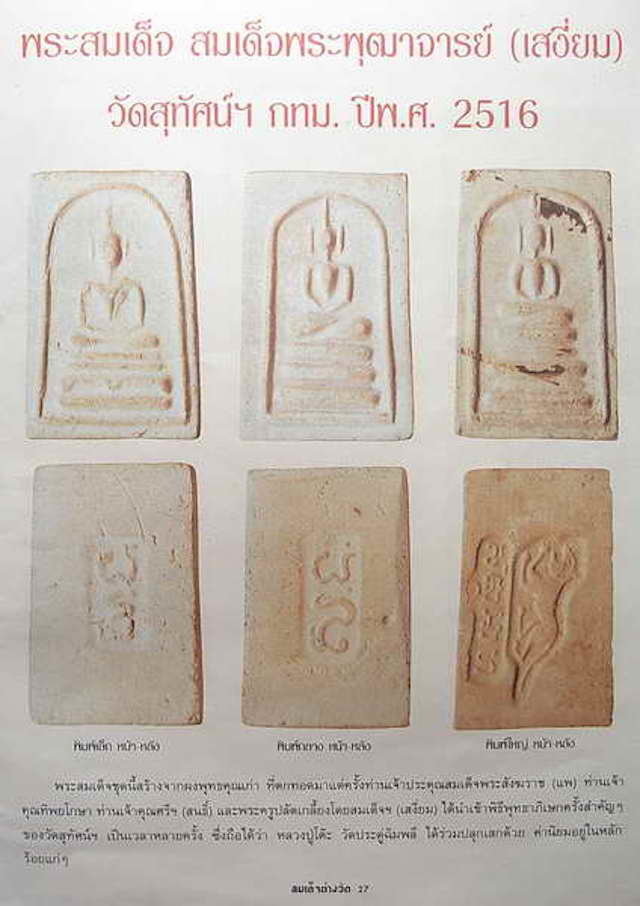
Each Pim of the 12 Major models had various block press molds with each mold possessing slightly different designs. This means that despite only nine Major Pim being made, each Pim has multiple block press molds, and hence the pantheon extends down to the various sub-designs of each of the many block presses. Some block presses are much more highly preferred by collectors to others.

Pra Somdej Thaan Saem Pim Hoo Jud Wat Bang Khun Prohm 2509 Detail 5 1

Four different artisans were commissioned for the design and creation of the various block press molds;

1. Lung Chaem Bua Plien Si – the block press mold designs made by this artisan replicated the classic design opf Wat Bang Khun Prohm amulets, with the slight difference that the images were slimmer than previous designs, and a few Special Pim block press molds were made by this artisan.

2. Kun Manit Bpathapi – this artisan made block press molds according to classic models which were removed from the Kru Chamber in the Chedi Stupa, from original Pra Somdej Wat Bang Khun Prohm of Somdej Pra Puttajarn (Dto) Prohmrangsri (Wat Rakang Kositaram), and also made some special design block press molds

Pra Somdej Thaan Saem Pim Hoo Jud Wat Bang Khun Prohm 2509 Detail 6 1

Pra Somdej Thaan Saem Pim Hoo Jud Wat Bang Khun Prohm 2509 Detail 7 1

3. Chang Kasem Mongkol Jaroen – this artisan stepped in during the latter part of the creation, to help finish the remaining block press molds on time for the ceremony. This artisan was a highly skilled artisan, and the amulets made from the block press molds of his making are considered exquisite, and highly sought after

4. The Block Gammagarn mold makers; This means the people who possessed original Wat Bang Khun Prohm Pra Somdej amulets of Somdej Pra Puttajarn (Dto) in their possession, and used them to create new block presses. The amulets of these block presses resemble the ancient Pra Somdej Kru Wat Bang Khun Prohm originals most of all, with the only real visible difference being that they are slightly smaller in size.

Pra Somdej Thaan Saem Pim Hoo Jud Wat Bang Khun Prohm 2509 Detail 8 1

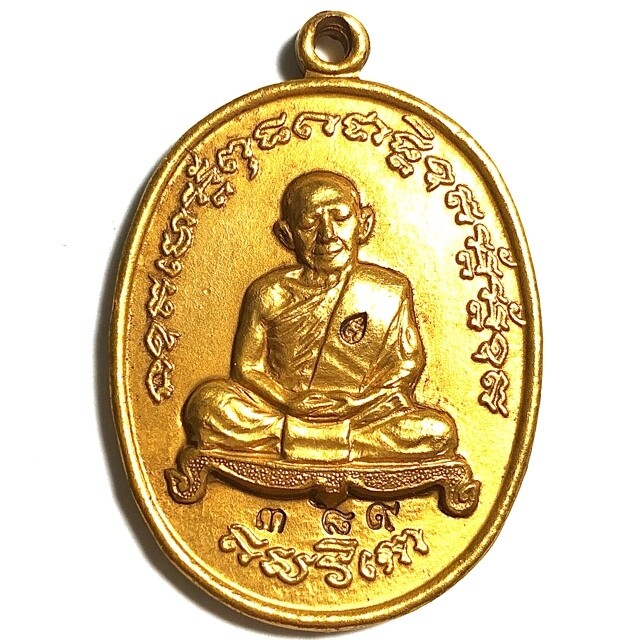
Police Commisioner Prapas Jarusathiarn, the vice minister of the Thai Parliament, in collaboration with Lady Sawai Jarusathiarn sponsored the building of all the installations built between 2501 and 2509 BE, and commissioned the amulets to be made for release in celebration of the success of these projects.
Pra Somdej Thaan Saem Pim Hoo Jud Wat Bang Khun Prohm 2509 Detail 9 1

On the 4th of January 2509 BE Comissioner Prapas Jarusathiarn lit Incense and Candles in the Shrined to Bucha the Triple Gem, and Police Captain Krit Siwara read out the list of sponsors of the edition comittee. He then addressed the Sangha (Monks), to begin chanting the Buddha Abhiseka. The Victory candle to inaugurate the Buddha Abhiseka Ceremony was lit, and the ceremony began.

Pra Somdej Thaan Saem Pim Hoo Jud Wat Bang Khun Prohm 2509 Detail 10 1

Four of the Monks took their positions for ‘Nang Prok’ meditative empowerment on their respective daises, and held the Sinjana cords which led to the amulets, coming down from the ceiling of the Uposatha Shrineroom, and began to empower the amulets.
Pra Somdej Thaan Saem Pim Hoo Jud Wat Bang Khun Prohm 2509 Detail 11 1

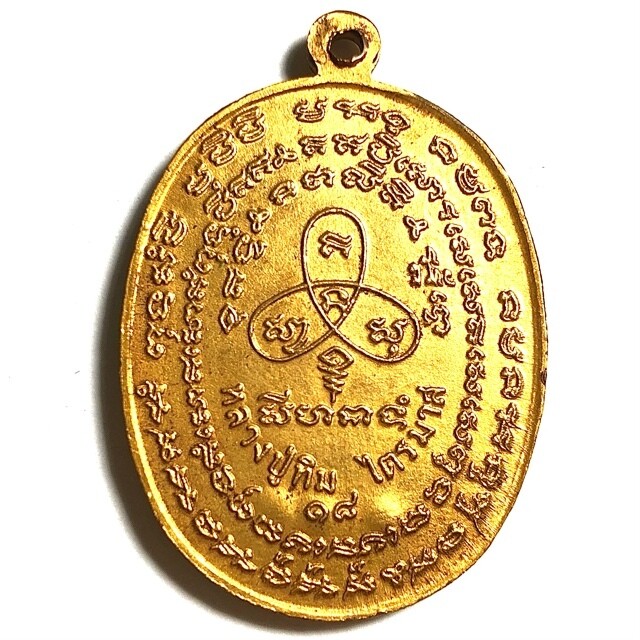
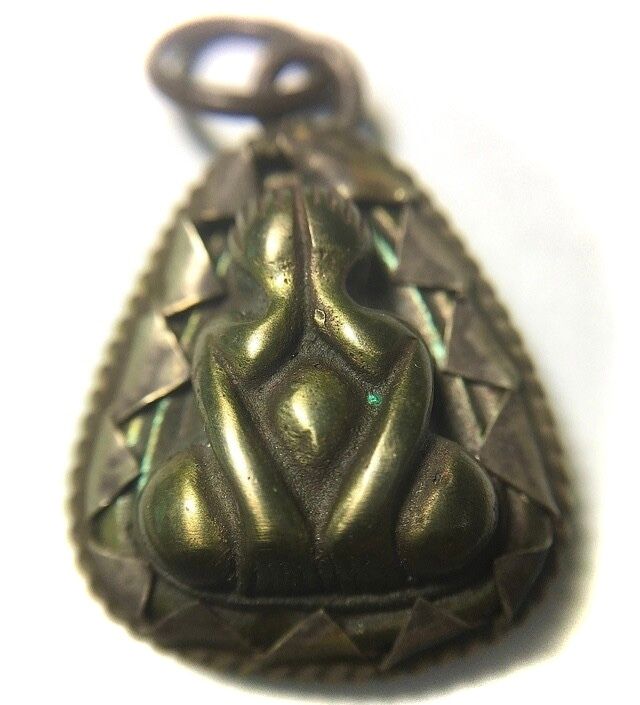
On Wednesday 4th January 2509 BE at 15:55 pm, Police Commisioner Prapas Jarusathiarn began to hand out the amulets to devotees who came to make merits and pay reverence at the temple, and also stored a large number of amulets in a batch within the Kru hiding place of the Chedi Stupa for posterity.

Pra Somdej Thaan Saem Pim Hoo Jud Wat Bang Khun Prohm 2509 Detail 12 1

On Thursday the 6th, Friday the 7th, and Saturday the 8th of January 2509 BE, theLook Nimit Arahant Balls were retrieved from beneath the Uposatha, and a gold pasting ceremony was performed as is Traditional in Thai Buddhism, and the amulets were distributed once more during this ceremony, to devotees who came to make merits.

Pra Somdej Thaan Saem Pim Hoo Jud Wat Bang Khun Prohm 2509 Detail 13 1

On Sunday the 9th January 2509 BE, the Sila Reuks main cornerstone of the Uposatha Shrineroom was laid by His Majesty the King Bhumipol Adulyadej, and initiated the Pitī Te Tong Gold Pouring Ceremony to add Gold to the Casting Mold of the Buddha-Rupa statue for the Uposatha, which was cast in Sukhothai Era in the Mara Wichai conquering Mara posture, with a 16 Inch wide base.

Pra Somdej Thaan Saem Pim Hoo Jud Wat Bang Khun Prohm 2509 Detail 14 1

In addition a statue of Somdej Pra Puttajarn (Dto) Prohmrangsri of Wat Rakang Kositaram was also cast with a 29 Inch wide base for installation in the shrine at Wat Bang Khun Prohm, with a further 109 smaller 5 inch wide base statues made for distribution to the public.

On Monday the 10th of January 2509 BE at 19:30 pm, 84 Ordained Members of the Sangha performed the chanting of Jaroen Pra Putta Mont within the Uposatha. At 21:01 Somdej Pra Wanarat of Wat Chetupon performed the Pitī Phuug Putta Sima Ceremony to officially inaugurate the Panta Sima Dais for the placement of the 29 inch wide statue of Somdej Pra Puttajarn (Dto) Prohmrangsri.

Pra Somdej Thaan Saem Pim Hoo Jud Wat Bang Khun Prohm 2509 Detail 15 1

The statue was placed on the Putta Sima under and arched edifice next to the large Chedi Stupa of Wat Bang Khun Prohm (the one where the famous Kru Bang Khun Prohm hiding place amulets of Soomdej Dto were found). A carved stone table with the insignia of His Majesty the King was placed into the shrine to mark the occasion of His Majesty’s presence.

The Pra Somdej Wat Bang Khun Prohm 2509 BE series amulets hence were made over a period of many years before they were all completed, beginning in 2501 BE and completing the series in 2508 BE, when the final batches of the total 84,000 amulets of the edition were mixed into clay and pressed with the block presses.

Pra Somdej Thaan Saem Pim Hoo Jud Wat Bang Khun Prohm 2509 Detail 16 1

The amulets were pressed inside the Uposatha Shrineroom which had been built and completed, with Luang Por Chom being the monk who pressed the first amulets in the Pathoma Reuks initiation ritual. Then the Gammagarn Sponsor Committee members, and many devotees who came to assist in the pressing, all took turns in helping to press the amulets, until they were all done.

Pra Somdej Thaan Saem Pim Hoo Jud Wat Bang Khun Prohm 2509 Detail 17 1

There were two kinds of amulet presses made during this ceremony

1. Pra Banju Kru – these amulets were rented to devotees at 1 Baht each, for the devotee to make merits by placing the amulet inside the Kru Chamber of the Chedi Stupa for posterity. These amulets had the word ‘Banju’ (meaning to put inside the Chedi), embossed on the rear face. 84,000 Pra Somdej amulets were made for this purpose with the word ‘Banju’ on rear face
2. Bucha – these amulets were made for Bucha reverence and for Devotees to wear and take home with them.

Pra Somdej Thaan Saem Pim Hoo Jud Wat Bang Khun Prohm 2509 Detail 18

These amulets were distributed to the Public for Bucha at 10 Baht each, except for the Sayasana reclining Buddha model, which was ‘rented’ for Bucha at 25 Baht each. Some sets of 11 Pim Song Models were also distributed to devotees who wished to donate more funds (all models except the Sayasana), at 100 Baht a set. These amulets had the rubber ink stamp with the Chedi of Wat Bang Khun Prohm stamped on the rear face, with 84,000 amulets pressed in this type. However, after removing any broken or defective amulets from the batch, only 72,518 amulets were actually intact and distributed.

Pra Somdej Thaan Saem Pim Hoo Jud Wat Bang Khun Prohm 2509 Detail 19

The Pra Somdej Wat Bang Khun Prohm were made using the broken Pra Somdej taken from the 2500 BE Chedi Stupa Hiding Place opening, mixed with Puttakun Yantra Powders from great Master Monks around the country, from the past and present, with Poon Khaw, Poon Plueak Hoi (powdered sea shell), Pollens from Bua Luang Lotus and Dork Pikul Flowers, and Nam Man Tan Iw (Tang Oil).

Pra Somdej Thaan Saem Pim Hoo Jud Wat Bang Khun Prohm 2509 Detail 20

There were numerous Block Mae Pim block presses for the amulets, with some block presses to spare in case any of them broke during the pressing. Some were made from plaster of paris, others made from cement, and others from dential cement. As the amulets were being pressed over a period of time, the block presses would break, and a new one would be taken and used in its stead, one after the other.

Pra Somdej Thaan Saem Pim Hoo Jud Wat Bang Khun Prohm 2509 Detail 21

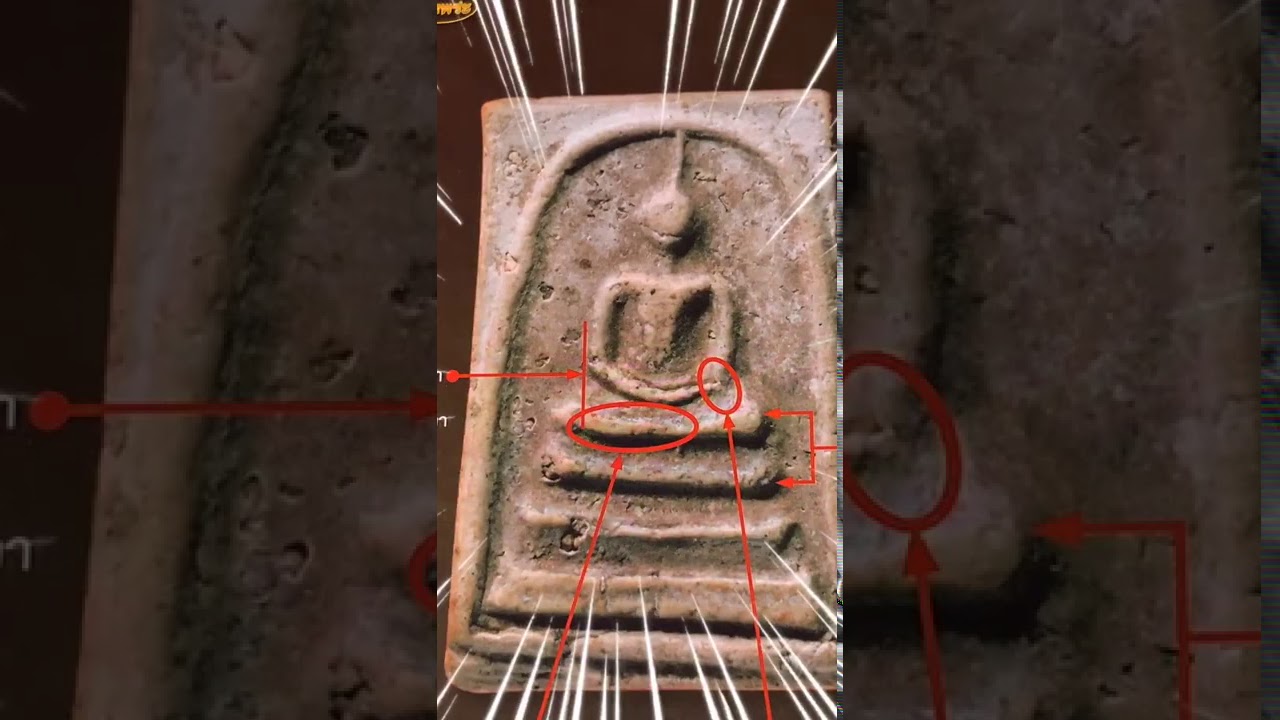
This process continued until all the amulets were finished,. because each block press had slight differences in the way they were carved by each artisan, there are a large number of differences to be found in various examples of the same Pim Song model, with each block press defining slight differences in details of design.

This is why one cannot look at an example of a Pim in a magazine, and compare it with another of the same Edition and Model, because even if the amulets are both the same Pim (e.g. a Pim Sen Daay), they will still have differences in features if they were pressed by two different block presses.

Pra Somdej Thaan Saem Pim Hoo Jud Wat Bang Khun Prohm 2509 Detail 22

To compare, one has to find an amulet for comparison which came from exactly the same block press, of which there were many. this is where one’s studies of the historic facts, and ability to recognise which Block press Mold an amulet comes from, is essential study for students and aficionados of the Wat Bang Khun Prohm 09 series (and any series for that matter).

To give an idea as to how many different block presses there were, we can take a look at the fact that merely the Pim Yai (Pim Pra Pratan) model, had a total of 27 Block Presses made and used to finish pressing the whole series. The Pim Gaes Talu Sum model, was orginally pressed as a Pim Yai Block Press, but the Block Press broke where the tip of the Buddha’s topknot touched the arch.

Pra Somdej Thaan Saem Pim Hoo Jud Wat Bang Khun Prohm 2509 Detail 23

The artisans reworked the block press and it became a design with the tip of the topknot piercing the arch, to cover up the broken part of the Block Press. And this brought the Pim Gaes Talu Sum model to be added into the series.

The 12 Pim Song Models of the Wat Bang Khun Prohm 2509 BE Series edition are as follows;

1. Pim Yai (Pim Pra Pratan)

2. Pim Sen Daay

3. Pim Song Chedi

4. Pim Gaes Bua Dtum

5. Pim Sangkati

6. Pim Prok Po

7. Pim Thaan Koo (Thaan Saem)

8. Pim Thaan Saem

9. Pim Ok Krut

10. Pim Sayasana

11. Pim Kanaen

12. Pim Jantr Loi

In addition to the Pra Somdej models, there were the Pra Pong Pim Pra Sivali and Pim Roop Muean Somdej Pra Puttajarn (Dto) Prohmrangsri also released in this edition.

Pra Somdej Thaan Saem Pim Hoo Jud Wat Bang Khun Prohm 2509 Detail 24

All the amulets which were not distributed to the public at the time were placed in the large Chedi Stupa Kru Chamber at Wat Mai Amataros (Wat Bang Khun Prohm). For the series, a water tank sized chamber was constructed within the Chedi for the storage of the amulets, with ten ventilation holes in it, with sand in the base to absorb any water which may enter from flooding.

Pra Somdej Thaan Saem Pim Hoo Jud Wat Bang Khun Prohm 2509 Detail 25

The amulets were then filled into the chamber, with six silver foils in layers between each pile of amulets, with the words ‘Banju Pi 09’ on them, so people who may discover them in the far future will know which year they were buried in, and from which edition they came from. It is because of how the amulets were well stored and protected against the weather and elements, that the Pra Somdej Kru Wat Bang Khun Prohm 09 edition is more attractive that the 2500 BE Kru Chamber opening edition.

Pra Somdej Thaan Saem Pim Hoo Jud Wat Bang Khun Prohm 2509 Detail 26

The earlier editions removed from the Chedi always suffered floods and climatic changes, and all have much more Kraap Kru growth on the surface of the amulets. Whereas the 2509 BE Pra Somdej Wat Bang Khun Prohm series amulets are pristinely preserved and kept, without any damage from floods or other weather related disasters or climate influenced events.
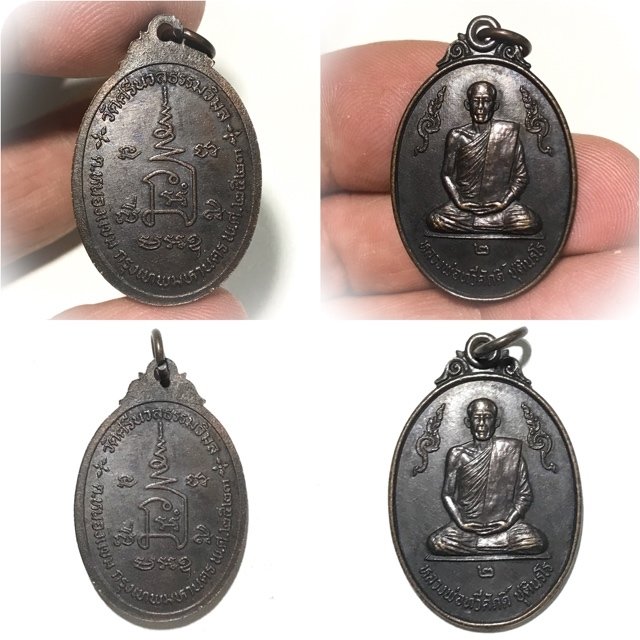
For this reasons, the Wat Bang Khun Prohm 2509 BE series is one of the most preferred editions of Pra Somdej, and perhaps the most highly p[referred edition from Wat Bang Khun Prohm after the original amulets from Somdej Pra Puttajarn (Dto) Prohmrangsri found in the Chedi years before.
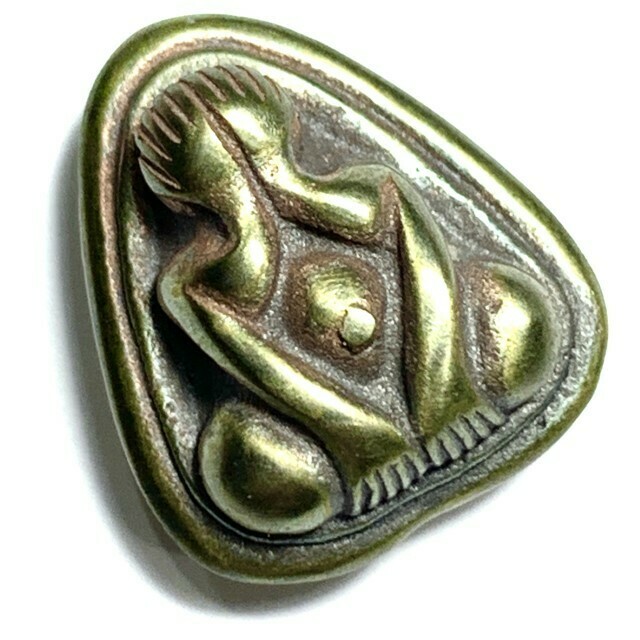
Pra Somdej Thaan Saem Pim Hoo Jud Wat Bang Khun Prohm 2509 Detail 27

How to Pray to Thai Amulets

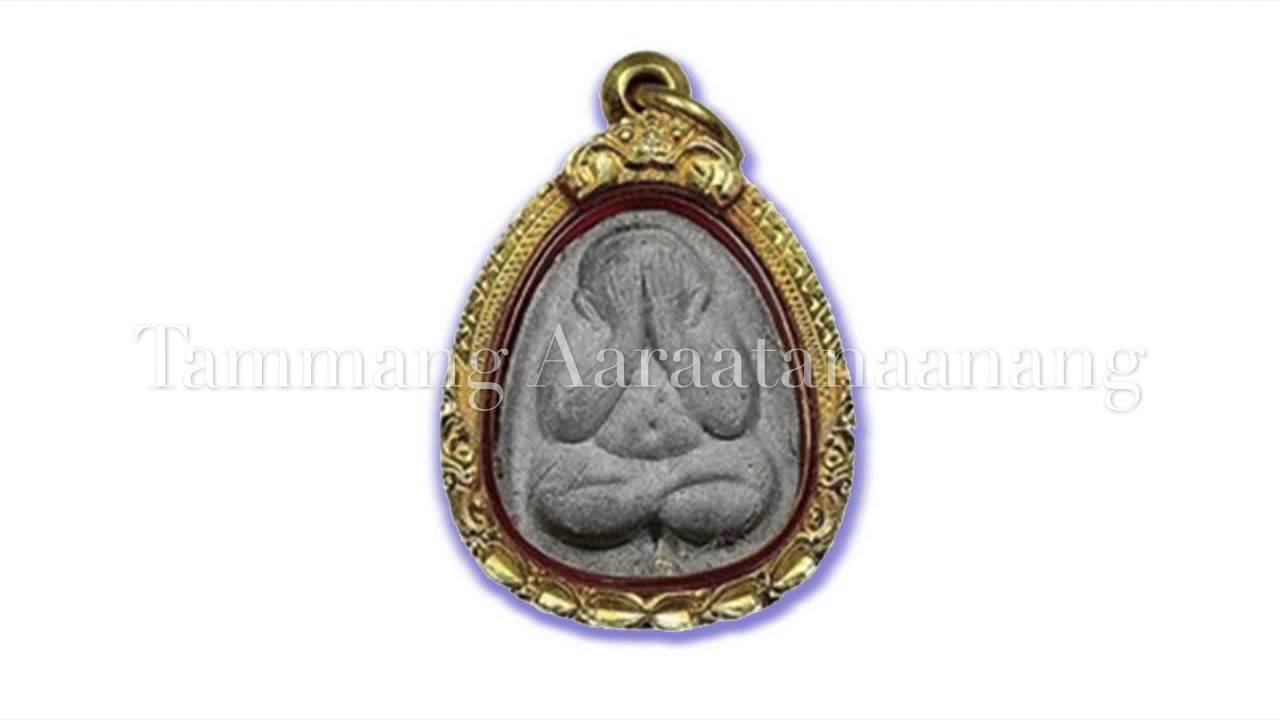
Puttang Ārātanānang Tammang Ārātanānang Sangkang Ārātanānang

Then Make a Wish/Prayer, and continue with;

Puttang Bprasittimē Tammang Bprasittimē Sangkang Bprasittimē

Pra Somdej Thaan Saem Pim Hoo Jud Wat Bang Khun Prohm 2509 Detail 28


Filters

Filters
Pra Somdej Pim Gaes Jarot Sum Pim Gaes Iang Niyom Long Rak Chart Somodej Dto Wat Rakang KositaramPra Somdej Pim Gaes Jarot Sum Pim Gaes Iang Niyom Long Rak Chart Somodej Dto Wat Rakang Kositaram
Pra Somdej Pim Gaes Jarot Sum Pim Gaes Iang Niyom Long Rak Chart Somodej Dto Wat Rakang Kositaram
Free Shipping Worldwide (we do not state or declare true price to counter tarrifs tax on customers), & Offer of Free Solid Silver Casing Included
SKU 04783
$1,699
1 - 60 of 217 items


Somdej Long Rak Chart Pim Gaes Talu Sum Block Chang Luang Wijarn with Authenticity Certificate Somdej Dto Prohmrangsri Wat Rakang Kositaram Featured

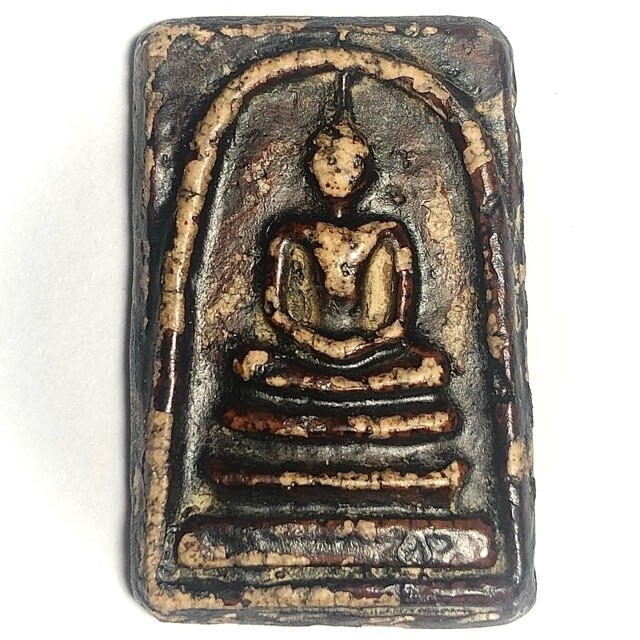
A most Exquisite and Officially Certificated Authentic Pra Somdej Wat Rakang Pim Gae Talu Sum Block Chang Luang Wijarn of Somdej Pra Puttajarn (Khrua Dto) Prohmrangsri, the Great Master of Wat Rakang, with Red Lacquered Surface, and all the classic features of an Ongk Kroo Model of this All Time. This particular exhibit is Extremely attractive to the eye, with its perfect balance of lacquer and open surface. The Pra Somdej Wat Rakang Kositaram of Somdej Pra Puttajarn (Dto) Prohmrangsri is the No. 1 Pra Somdej amulet of all time, and the most eminent member of the five regional top amulets within the Benjapakee Pantheon of Classic Thai Buddhist Amulets. On can also say it is perhaps the most famous of all Thai Amulets.

A Master Class ancient amulet of the Benjapakee Immortal Classic Family, the Pra Somdej Wat Rakang Pim Chang Luang Wijarn, with Rak Chart (ancient red lacquer), of the great Somdej Pra Puttajarn (Dto) Prohmrangsri of Wat Rakang Kositaram, this model is an extremely attractive Pim Niyom model of the ‘Chang Sip Moo’ Artisan Chang Luang Wijarn. This amulet comes with free solid silver casing if desired and selected in the encasement options (Please note; the custom casing can take from 3 – 10 days to custom encase). Bespoke Silver Frame casing is always enhanced with waterproof acrylic sealed windows to protect the amulet from the weather). You can order solid gold casing at extra price if desired too and we will invoice you according to current spot prices.
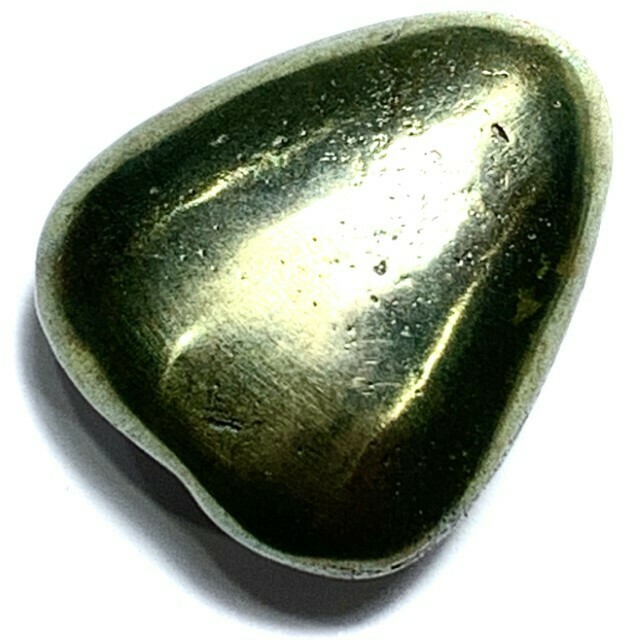
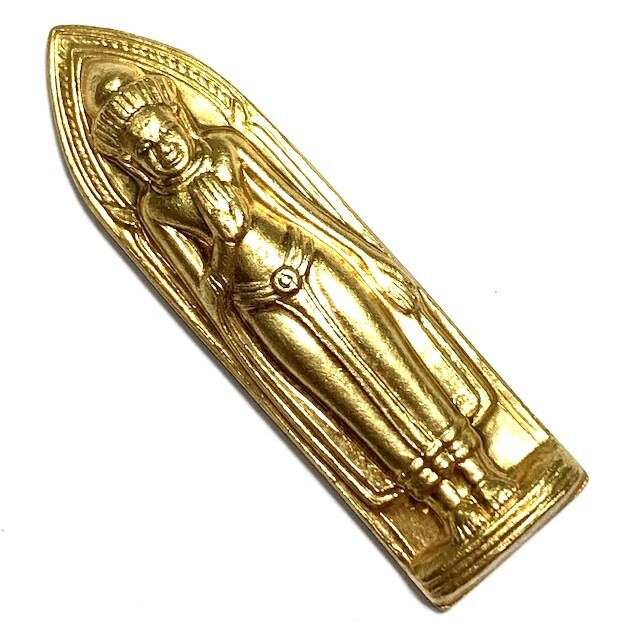
Pra Somdej Wat Rakang Pim Chang Luang Wijarn with Rak Chart

The Legacy of Somdet Phra Phutthācāriya (Toh) and the Sacred Somdet Amulet: “Kesa Thalu Sum” (Topknot Piercing the Arch)

Among the pantheon of Thai sacred amulets (phra khrueang), none is more revered than the Phra Somdet Wat Rakang—especially the archetype known as “Phim Yai Kesa Thalu Sum” (พิมพ์ใหญ่เกศทะลุซุ้ม), often translated as the Large Mold – Topknot Piercing the Arch. This particular design is believed to be among the most spiritually potent and artistically refined sacred objects created under the auspices of Somdet Phra Phutthācāriya (Toh) Phrommarangsi (Somdet To), the legendary monk of the Rattanakosin era (1788–1872), known as an Arahant-like figure and master of sacred sciences (saiyasāt).

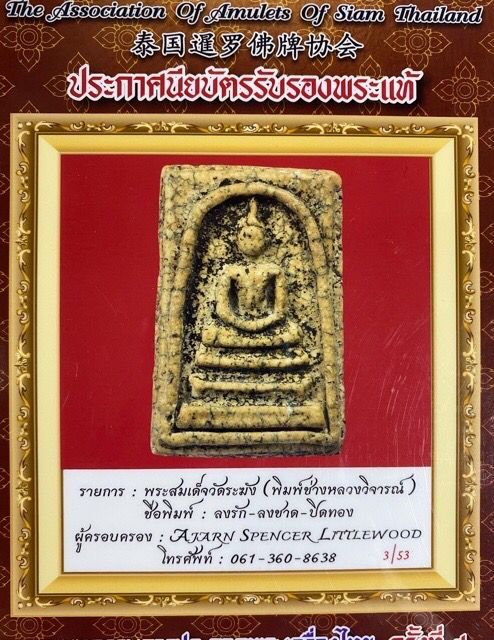
The Pra Somdej Wat Rakang Comes with A4 Size Plasticized Authenticity Certificate issued by the Association of Amulets of Siam Thailand, and comes with Free Express shipping, and Free Solid Silver Casing Included in the price. Please choose the free silver casing option to take advantage of this free offer. Free express registered shipping is worldwide and included automatically.

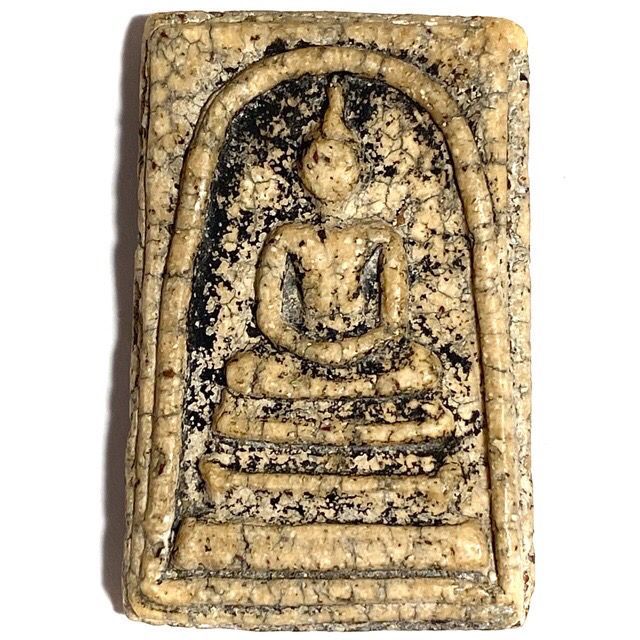
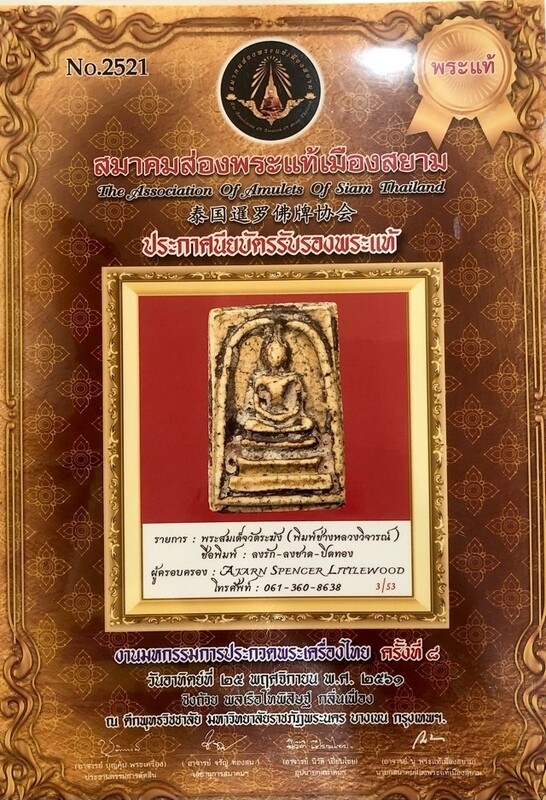
Below, A4 sized certificate of authenticity of this Pra Somdej Wat Rakang Long Rak Chart Pim Gaes Talu Sum Block Chang Luang Wijarn, The Artisan Chang Luang Wijarn was the Kroo Ba Ajarn (teacher) of all the other artisans of the Chang Sip Moo artisans, including the great Chang Luang Sittigarn and Chang Luang Wijit.

A4 Certificate of Authenticity for Pra Somdej Wat Rakang

Understanding the Term “Gaes (Kesa) Talu Sum”

In Thai Buddhist amulet vocabulary, “kesa” (เกศ) refers to the flame-like ushṇīṣa or “topknot” on the head of the Buddha image. “Thalu” (ทะลุ) means “to pierce” or “go through,” and “sum” (ซุ้ม) is the ornate arched frame or halo encasing the Buddha’s seated image. So, Kesa Thalu Sum implies that the topknot reaches upward and pierces through the apex of the arch, a rare and desirable stylistic detail that only appears in a select few authentic master molds (phim ong krū – พิมพ์องค์ครู) from Somdet Toh’s era.

Below, is an 11 minute long video with full views and 12 x Macro closeups of the Muan Sarn Powders, wth Narrative from Ajarn Spencer Littlewood to enlighten the student on the various aspects of authenticity of a different exhibit which was also a lacquered version, and displays similar characteristics to this exhibit, with highly informative narrative by Ajarn Spencer, explaining various aspects of the studt, perusal and inspection of this tyupe of amulet, and some revelatory information about the amulet itself and the history of its making, and the Sacred Muan Sarn Content. This helps the student to understand and increase their expertise in recognising authentic Pra Somdej Wat Rakang Kositaram amulets of this model and type.

Who Was Chāng Luang Wichān (ช่างหลวงวิจารณ์)?

The iconic Kesa Thalu Sum mold is widely attributed to the craftsmanship of Chāng Luang Wichān Wijit Sittikān (ช่างหลวงวิจารณ์ วิจิตร สิทธิการ), a royal artisan of the Chang Sip Mū (ช่างสิบหมู่)—the Ten Royal Craft Guilds of Siam. These were elite artisans directly serving the Chakri dynasty, skilled in sculpture, lacquer work, gold-smithing, and iconography. Wichān was said to have personally carved molds under the commission or guidance of Somdet Toh himself, resulting in highly refined, geometrically perfect, and spiritually resonant Buddhist images.

Somdej School 1

His mold—known as the Wichān Block—exemplifies regal aesthetics fused with spiritual subtlety. When found on authentic Wat Rakang specimens, it often features:

  • A perfectly symmetrical arch (sum) enclosing the Buddha image
  • The kesa (topknot) extending straight upward, piercing the arch
  • Subtle curvature of the seated Buddha’s silhouette
  • Triple base lines (samchan) with precise spacing
  • Signs of aged lacquer (rak chāt chīn) from the original red Chinese lacquer finishing
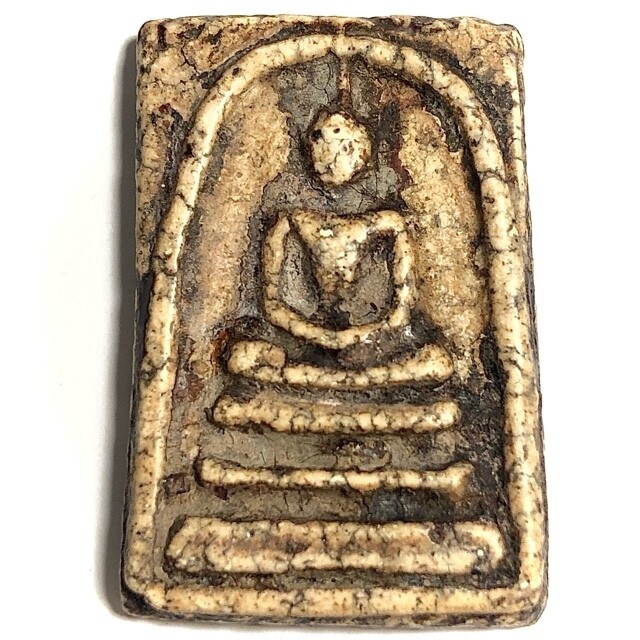
Pra Somdej Wat Rakang Gaes Talu Sum showing ancient red lacquer

The Wichān Block vs. Other Blocks

In the study of Somdet amulets, experienced phra sen (พระเซียน – amulet masters) distinguish between various molds (phim) based on micro-details and matrix analysis. Three major molds compared at the elite level are:

  1. Wichān Block (บล็อกช่างหลวงวิจารณ์) – Characterized by its “Kesa Thalu Sum,” fine lines, and sophisticated surface.
  2. Sīao Noi Block (บล็อกเสี่ยวน้อย) – Slightly more primitive in depth but very ancient in clay composition. This block is often less crisp but bears classic signs of age and high energy (sāk sit).
  3. Wang Nā Block (บล็อกวังหน้า) – Possibly produced by artisans from the Front Palace (Wang Nā) under royal patronage, with a broader face and deeper relief.

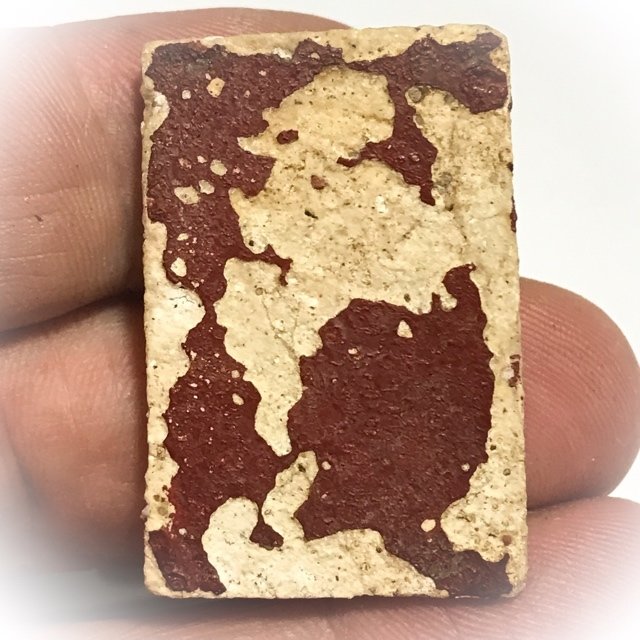
A truly ancient amulet made Circa 2390 – 2396 BE. The rear face of this exhibit is inimitable and has immensely beautiful markings, of a classic Pra Somdej Wat Rakang. Various exhibits display different textures on the rear faces, for they were laid on various surfaces to sun dry, ranging from marble stone, wood, metal, and other surfaces, resulting in textures ranging from stone-like fossilized effect, granular, crackled, to the fine scratches on the rear face of some, which come from laying them to dry on mai gradan wooden boards.

Rear face of Pra Somdej Wat Rakang showing shrinkage and drying over two centuries

In truth, no two Pra Somdej Wat Rakang are the same, and each amulet has its own individual character, which is of course one of the many aspects which form part of what makes the Pra Somdej Wat Rakang the title holder of the ‘King of Thai Amulets‘.

“Gaes Talu Sum” as One of Many Pīm within Dtamrā

While “Gaes Talu Sum” (เกศทะลุซุ้ม) refers to a distinct style, it is only one recognized Pīm (พิมพ์) among many listed in the classic reference Dtamrā Phra Somdej Wat Rakang. These canonical molds include:

  • Gaes Talu Sum
  • Phim Yai (Large block, plain arch)
  • Phim Sam Chan (Three-base lines)
  • Phim Paa Singha (Lion-cloth border)
  • …and others.

The Wichān Block belongs specifically to the Gaes Talu Sum group and is often called a Pīm Ong Krū (พิมพ์องค์ครู – ‘teacher mold’), signifying its canonical status as an original master mold.
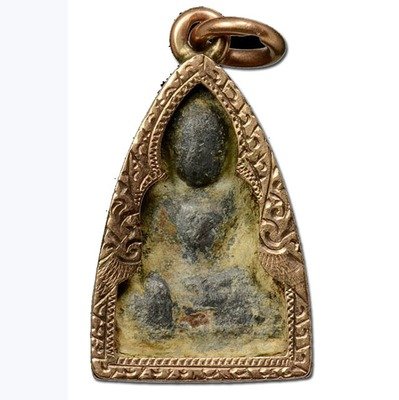
Front face of Pra Somdej Wat Rakang Gaes Talu Sum block Chang Luang Wijarn

The Chang Sip Mū (ช่างสิบหมู่): Ten Royal Artisans of Siam

The Chang Sip Mū (Chāng Sip Mū)—literally “Ten-Craft Guild”—was an elite corps of artisans instituted under King Rama I of Siam. These ten crafts included:
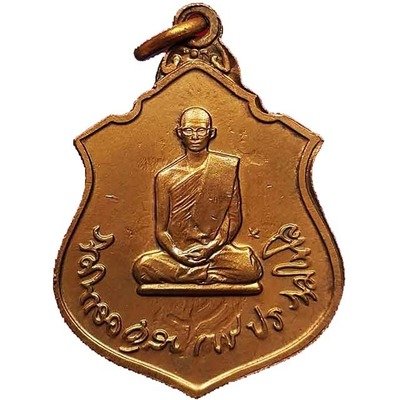
  1. Carving (chāng chākā) – wood and stone
  2. Gilding (chāng phliap) – gold leaf application
  3. Casting (chāng lom) – metals
  4. Engraving (chāng tschāt)
  5. Drawing & Painting (chāng phithāng)
  6. Lacquerwork (chāng rō rät)
  7. Sculpture (chāng chāt)
  8. Manufacture of Buddha images (chāng phra pinyo)
  9. Stucco & inlay (chāng phaeng)
  10. Hidden relief and finishing (chāng lath)

These artisans were established to revive and preserve sacred craftsmanship such as Buddha-image iconography, temple decoration, and monastic utensils. Chāng Luang Wichān—a Chāng Luang rank artisan—expertly blended multiple crafts, especially casting, engraving, and lacquerwork, to produce master molds like the Wichān Block.

Three Eras of Phra Somdej Production at Wat Rakang Kositaram

According to Dtamrā Phra Somdej Wat Rakang (ตำราพระสมเด็จวัดระฆัง), production under Somdet Pra Phutthācāriya (Toh) Phrommarangsi is traditionally divided into three eras:

Pra Somdej Wat Rakang study of 3 Eras 2355 - 2408 BE

1. Yuk Ton (ยุคต้น / Early Era, c. 1860s)

  • Mix: Fine limestone crushed to powder, phong itthi (powerful clay blend)
  • Pīm: Coarse molds with less defined lines
  • Ritual: Solo empowerment with Phra Trisaranāgata paritta
  • Marks: No lacquer finish; rough, sandy texture

2. Yuk Klang (ยุคกลาง / Middle Era, c. 1870s–1880s)

  • Mix: Addition of phong pārisaṇḍa powders, remnants of old monk’s robes
  • Pīm: Molds refined by Chang Sip Mū, including the Wichān block
  • Ritual: Multi-stage consecration with Jinapañjara and Mahā Meṭṭhā chants
  • Marks: Early signs of Rak Jeen Borān—thin lacquer coat, slight red tint

3. Yuk Plāi (ยุคปลาย / Late Era, c. 1890s until Somdet Toh’s passing in 1872)

  • Mix: Highly refined batches with small shell inclusions
  • Pīm: Final mold-state perfected; deep relief, crisp lines
  • Ritual: Full-scale empowerment ceremonies attended by royal court
  • Marks: Visible Rak Jeen Borān with Hān (micro-cracks) and color patina

The amulet comes with the A4 size certificate of authenticity as a Pra Somdej Wat Rakang Long Rak Pid Tong of Somdej Pra Puttajarn (Dto) Prohmrangsri, with definition of the preferred artisan as authentic issued from the Pra Tae Mueang Siam Amulet Association.

Macro close up of Muan Sarn sacred powders in Pra Somdej Wat Rakang

An Immortal Classic and one of the most famous Thai Buddhist Amulets of all time, as well as being amongst the top preferred amulets of the serious devotee and wealthy collector of the accepted amulets of Somdej Pra Puttajarn (Dto) Prohmrangsri, of Wat Rakang Kositaram, whose Pra Somdej are the number one amulets of all time, be they from Wat Rakang, Wat Bang Khun Prohm,or Wat Gaes Chaiyo.

Pra Somdej Wat Rakang showing Rak Jeen Boran ancient red lacquer

Made almost 2 centuries ago, the Pra Somdej Wat Rakang can be considered the number one amulet of all time in Thailand for its historical fame and legendary, and thae reputation of its maker to be the number 1 in all Thai History for Pra Somdej Amulets.

Pra Somdej Wat Rakang Somdej Toh Pim Yai

Rak Jeen Borān (ลงรักชาดจีนโบราณ): Ancient Red Lacquer

Rak Jeen Borān is a thin red lacquer derived from ancient Chinese formulas. It was popularly applied to selected pīm in the Yok Klang and Yok Plāi eras. Artisans would:

  • Dip the cured amulet in lacquer bath
  • Allow it to settle into fine cracks
  • Let it cure naturally under temple shade

Visually, it leaves a warmreddish hue, especially in recessed areas and seen as a micro hairline cracks (“hān”). The lacquer gave spiritual seal and aesthetic refinement—only a portion of issued amulets received this treatment, based on batch size and ritual occasion.

Detail of Pra Somdej Wat Rakang Gaes Talu Sum

The Pra Somdej Amulets of Somdej Dto, are officially recognized as coming from one (or all) of four Royal temples Classed as three, because Wat Bang Khun Prohm Nai and Wat Intra Wiharn Bang Khun Prohm, are both located within the same temple boundary). Namely; Wat Intra Wiharn (Bang Khun Prohm Nai), Wat Gaes Chaiyo, Wat Mai Bang Khun Prom, and of course last but not least, Wat Rakang Kositaram. Most of these amulets are given a Puttapisek blessing ceremony in the temple where they were made, but then travel to at least two or three of the other temples to be laid under the ‘Pra Pratan’ (main Buddha statue in the shrine), and absorb the prayers of the Sangha (Monks), for further sacredness and power.

Classic features of Pra Somdej Wat Rakang Gaes Talu Sum

The Pra Somdej amulet, is one of the ‘Benja Pakee’ official set of five national amulets of Thailand seen as the most sacred, desirable and representative of every region of Thailand. In recent decades various Kru hiding place finds have been discovered in temples where Somdej Dto built statues and traveled, such as the Kru Wat Kanlayanamit, and Kru Wat Sadter finds.
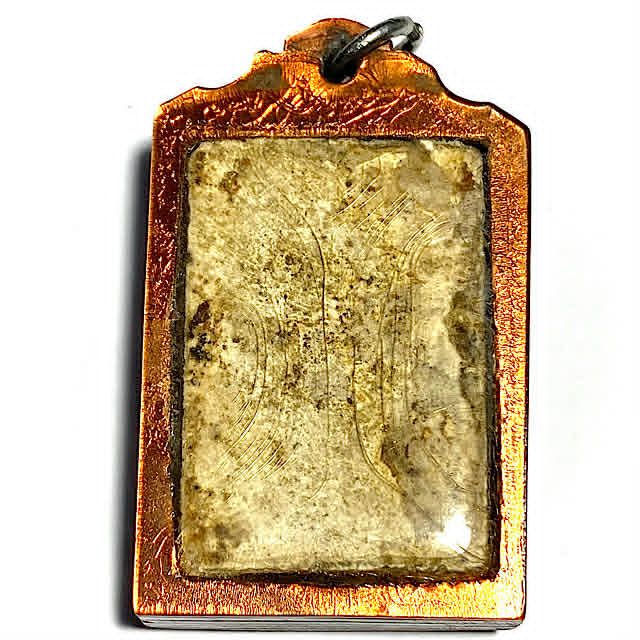
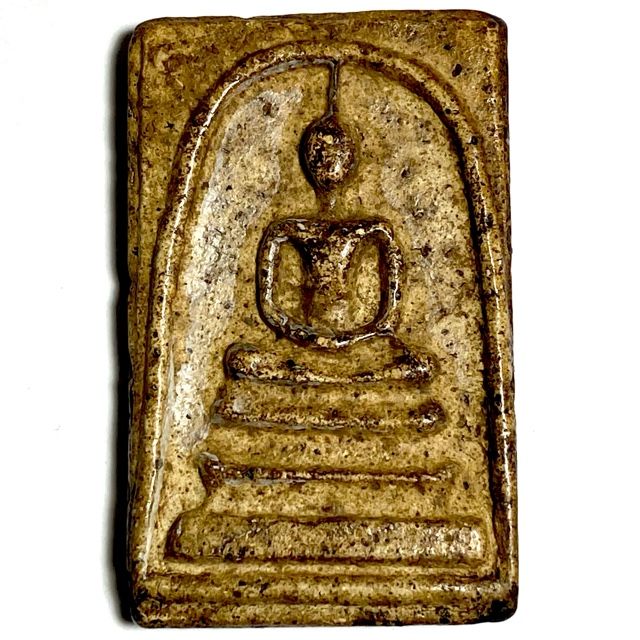
Side profile showing thickness and texture of Pra Somdej Wat Rakang

This amulet comes with its certificate of authenticity in form of a A4 sized plastified certificate photo of the Chomrom Pra Tae Mueang Siam Amulet Appreciation society of Siam Thailand, and complimentary box with authenticity confirmation sticker. We offer free Solid Silver, Stainless Steel, or Waterproof Casing with this amulet (or gold at extra price), whichever you prefer. Free Express Shipping is also included in the price

Masterpiece model of Pra Somdej Wat Rakang Gaes Talu Sum

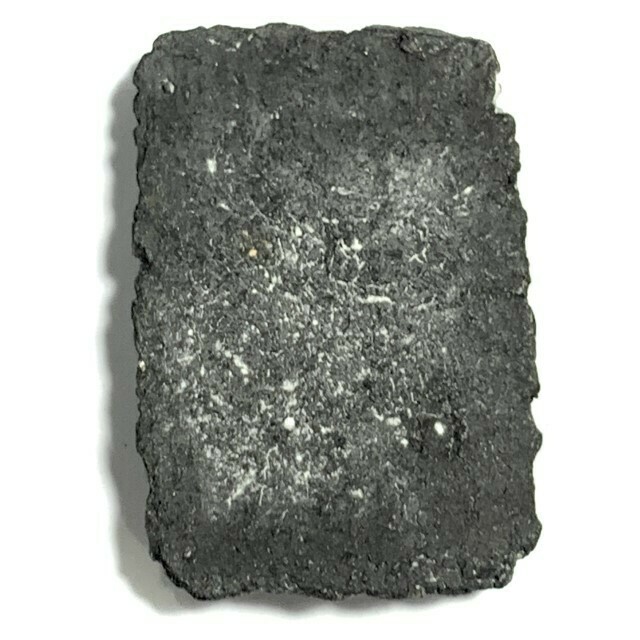
The rear face shows the presence of all the classic features and Muan Sarn ingredients of a true Pra Somdej Wat Rakang of Somdej Dto, with a beautiful lined pattern resulting from shrinkage and drying over almost two centuries of ageing, and which has added to the character and increases the ease of authentication. This kind of rear face pattern is highly preferred among aficionados and serious devotee-collectors, for its classic aged appearance.

Rear markings and texture of Pra Somdej Wat Rakang

The contents of the Muan Sarn Sacred Clay reveal the necessary aspects and content expected from an authentic Pra Somdej Wat Rakang. The design of the front face is exquisite, as were all the block presses carved for Somdej Dto by the artisan Luang Wijarn, one of the royal artisans of the Chang Sip Moo group of artisans.

Pra Somdej Wat Rakang is one of the classic Pra Somdej amulets of Somdej Dto available, along with Pra Somdej Wat Gaes Chaiyo, and the Pra Somdej Wat Bang Khun Prohm amulet as far as popularity, beauty, sacredness of Puttapisek ceremony and price range.

Beautiful example of Pra Somdej Wat Rakang Gaes Talu Sum

The Pra Somdej Wat Rakang amulet is the Keystone and Master amulet (Ongk Kroo) for all other Pra Somdej amulets. It is an image in the likeness of the Buddha sitting on a Dais, which was essentially created by Somdej Pra Puttajarn (Dto) Prohmrangsri, of Wat Rakang Kositaram. There are various different ‘Pim’ (models) with varying design features.

Pra Somdej Wat Rakang considered the King of Thai Amulets

The Pra Somdej Wat Rakang, are considered to have extremely powerful Buddha magic in them due to the richness of sacred powders and powerful blessings contained within from great master Somdej Dto. Its general appearance is that of an oblong about 2.4 cm wide up to 4 cm high (varies between these sizes), made from white sacred powders mixed together.

Pra Somdej Wat Rakang with powerful Buddha magic

The Pra Somdej Wat Rakang Kositaram Pim Gaes Talu Sum is Similar to the Pra Somdej Pim Pra Pratan, but has the ‘Pra Gaes’ Topknot piercing the arch at the top of the amulet. The Pim Jarod Sum touches the arch or approaches it.

Pra Somdej Wat Rakang showing the topknot piercing the arch

The main Ingredients of the amulets (Muan Sarn Samkan) were made from a base of sea shells, dried rice left from alms round, the five sacred magic powders of Somdej Dto, and ‘Nam Man Dtang Iw’ (special oil for mixing). Nam Man Dtang Iw, or Tung Oil in English, is a preferred oil for mixing and curing amulets with, for it is superior to any other oil as far as water resistance is concerned (one reason why Pra Somdej amulets can be soaked in water without going soft). The oil is much more resistant to mold than its derivatives, such as linseed oil.

Main ingredients and Muan Sarn of Pra Somdej Wat Rakang

The Dtamra must be made by creating exactly 84,000 amulets, equal to the number of Suttas of the Tripitaka. There are different Pim Song (shapes and sizes) of Pra Somdej Wat Rakang, but those which are officially recognized and listed by the ‘wongarn Pra Krueang’ as far as Somdej Wat Rakang amulets are concerned, basically consist of the following officially recognised Pim of Pra Somdej amulets; Pim Pra Pratan, Pim Yai Niyom, Pim Chedi, Pim Prok Po, Pim Gaes Bua Dtum, Pim Gaes Talu Sum, and Pim Thaan Saem.

Pra Somdej Wat Rakang created according to the Dtamra

Somdej Wat Rakang amulets have various surface textures, categorized as ‘Nuea Laiad’ (fine texture cement mixture), ‘Nuea Hyaab” (rough textured cement mixture), ‘Nuea Gae Nam Man Dtang Iw’ (old looking textured cement mixture), otherwise known as ‘Nuea Sangkhayaa’, and ‘Nuea Gae Bpoon’ (old cement mixture).The basic structure of the design of the classic Somdej, (and almost all Somdej amulets from other temples too), is that of the Lord Buddha sitting inside a Bell (the word ‘Rakang’ means ‘Bell’ – ‘Wat Rakang’ means ‘Temple of the Bell’).

Surface texture of Pra Somdej Wat Rakang

This is the primary importance of the Somdej amulet in the sense that Somdej from most temples depict the Buddha sitting within a bell which is represented by the arch. The arched structure in amulets is called a ‘Sum’. Although these rules do not necessarily always apply (there are a lot of Somdej which are in circulation which are most certainly authentic, but which are not preferred in the collector scene)

Buddha sitting inside a bell shape arch in Pra Somdej Wat Rakang

There are many less preferred editions which do not fulfill these standard rules of recognition, which is of course one of the reasons why some Somdej Wat Rakang amulets are able to sell for high prices and enter competition, get certificated etc, and why some are not, despite their most probable authenticity.

The difference in the various mixtures made for each ‘Pim’ have led to differing textures and appearances in the Pra Somdej collections, which provides for a varied and fascinating niche interest, which one can verily spend a whole lifetime studying and accumulating experience and knowledge about this, the King of all amulets.

Varieties of Pra Somdej Wat Rakang amulets
Spiritual heritage and royal craftsmanship of Pra Somdej Wat Rakang

The Gaes Talu Sum amulet, especially in its Wichān Block manifestation, is more than a religious token. It is a national archetype—an object that embodies spiritual lineage, royal patronage, and artisanal mastery.

To possess such an amulet is to inherit a sacred narrative written not only in clay and lacquer but also in karmic resonance. It is to hold, in one’s palm, a silent sermon from Somdet Phra Phutthācāriya (Toh)—a sermon of stillness, protection, and profound metaphysical elegance.

In the global context of sacred objects, few artifacts match the complexity, beauty, and theological depth of the Phim Yai Gaes Talu Sum. And none so fully encapsulates the unity of Thai spiritual identity, Buddhist doctrine, and royal craftsmanship as the Somdet amulet of Wat Rakang Kositaram.

Written by Ajarn Spencer Littlewood
ancientamulet.com


Ancient Amulet - Thai Buddhist Pra Niyom Category Amulets

Ancient Amulet - Thai Buddhist Pra Niyom ('Pra Niyom'; meaning 'High End Preferred Class Antique amulets') Fine Authentic Amulets from the Great Thai Buddhist Sorcerer Monks, Lersi Ascetics, and Lay Masters of Olden Days

SIGN IN OR CREATE ACCOUNT


Filters

Filters
Pra Somdej Pim Gaes Jarot Sum Pim Gaes Iang Niyom Long Rak Chart Somodej Dto Wat Rakang KositaramPra Somdej Pim Gaes Jarot Sum Pim Gaes Iang Niyom Long Rak Chart Somodej Dto Wat Rakang Kositaram
Pra Somdej Pim Gaes Jarot Sum Pim Gaes Iang Niyom Long Rak Chart Somodej Dto Wat Rakang Kositaram
Free Shipping Worldwide (we do not state or declare true price to counter tarrifs tax on customers), & Offer of Free Solid Silver Casing Included
SKU 04783
$1,699