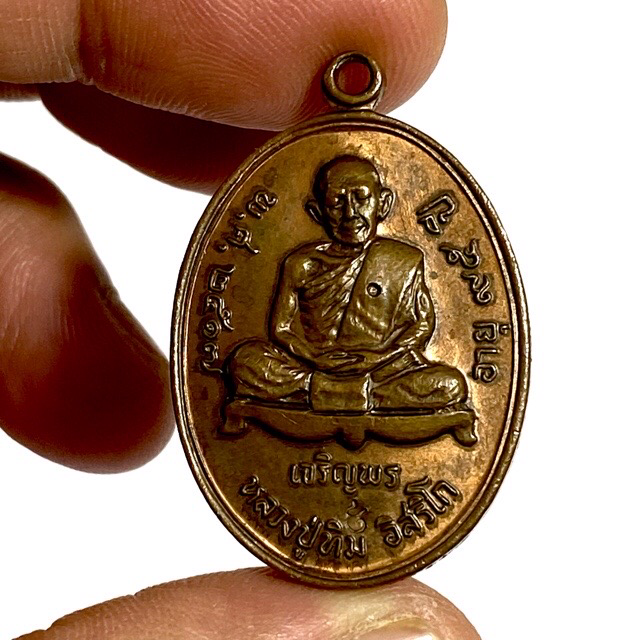
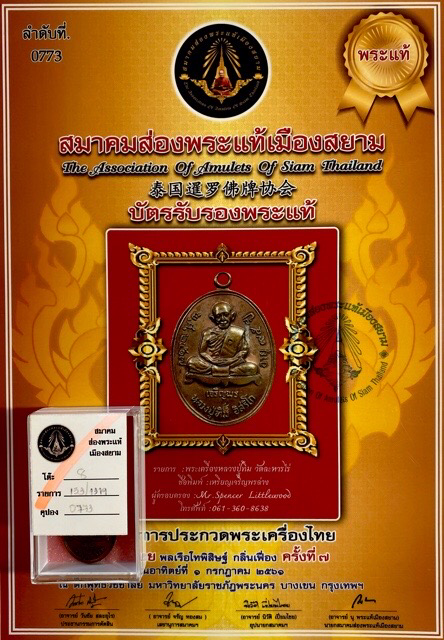
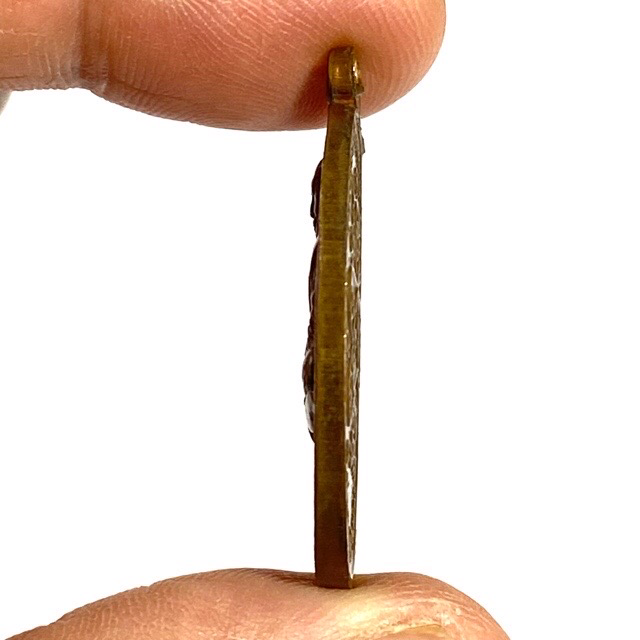
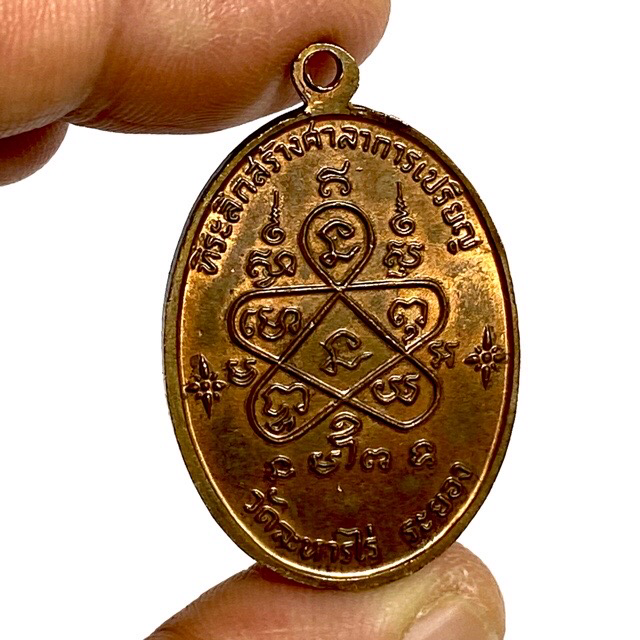
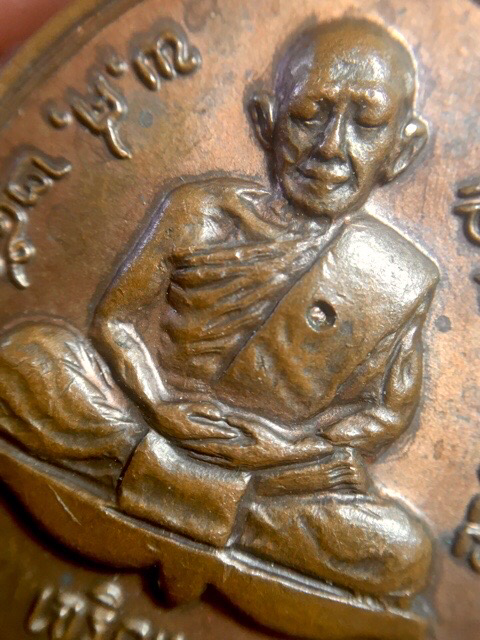
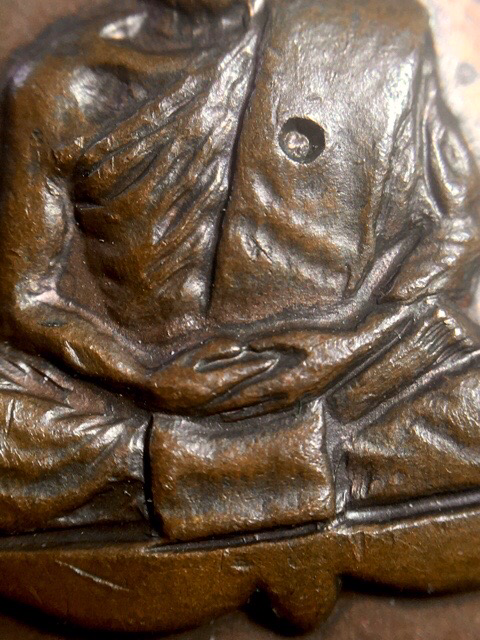
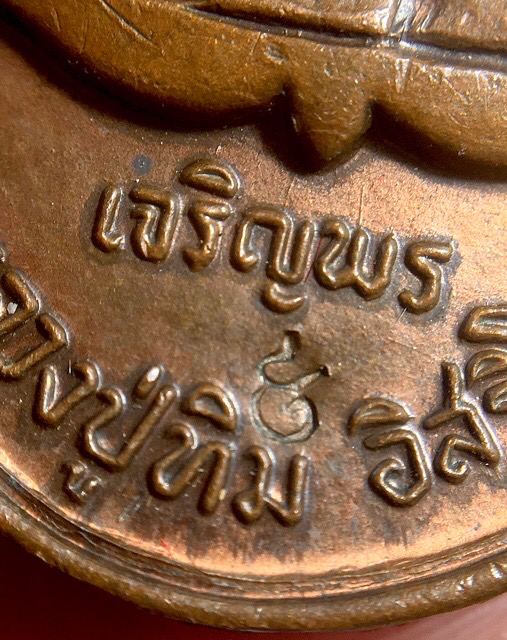
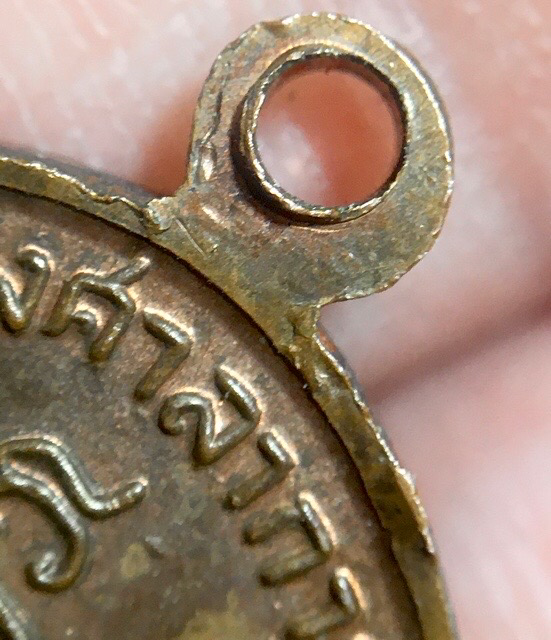
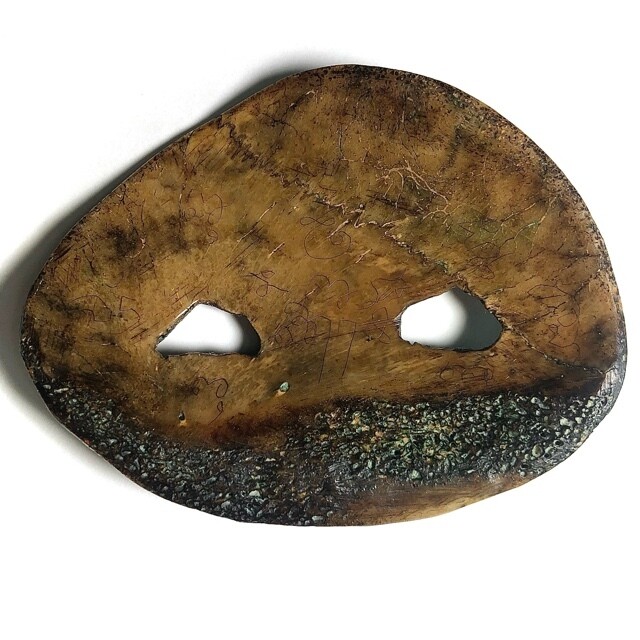
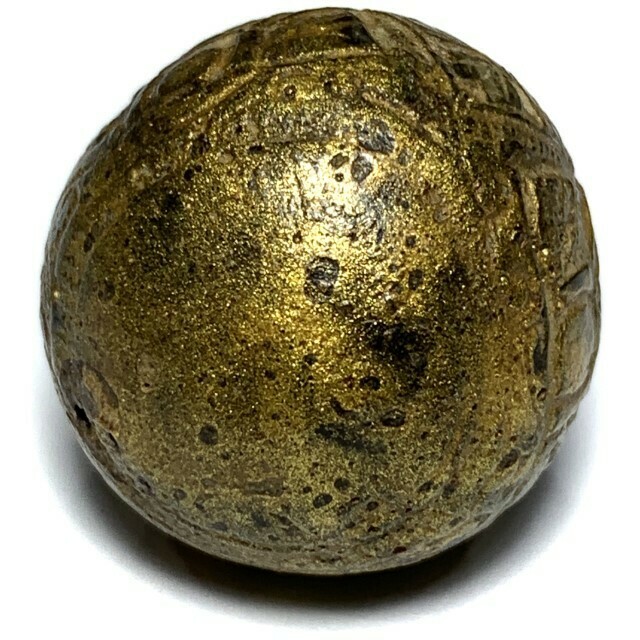
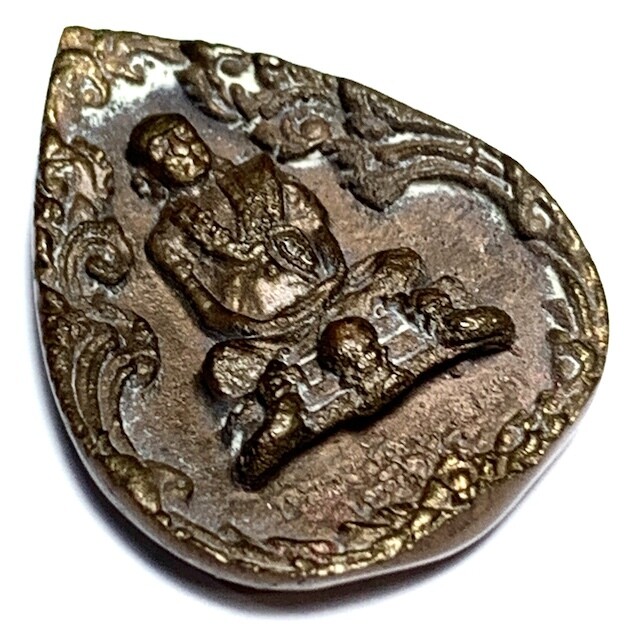
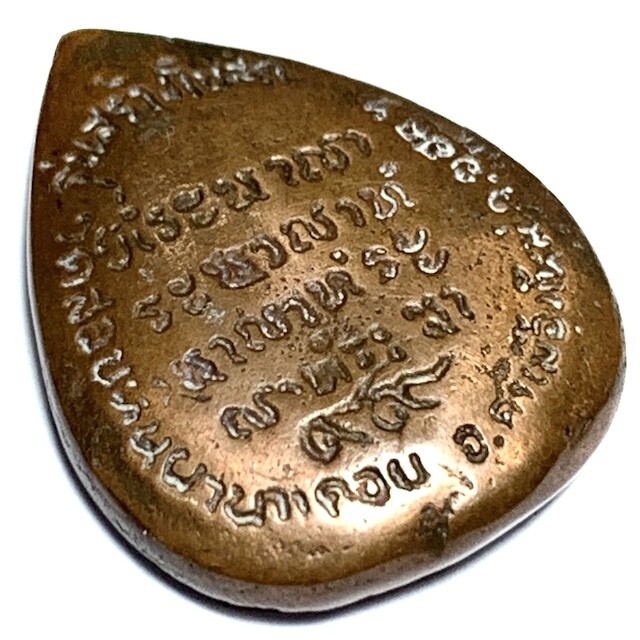
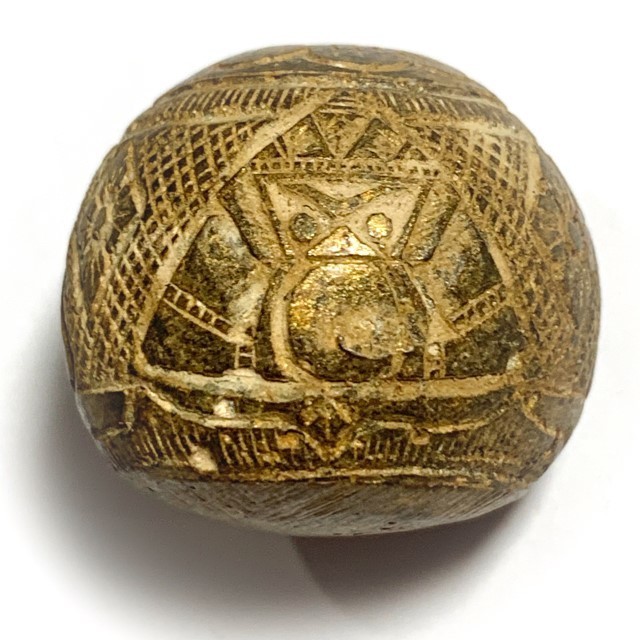
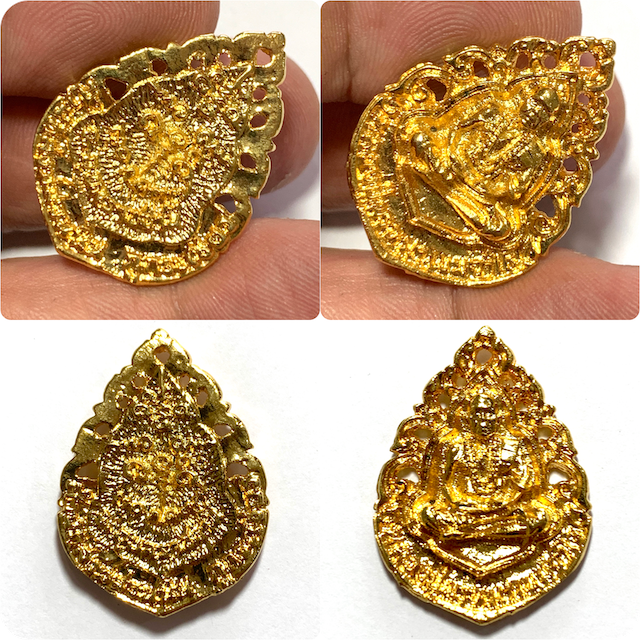
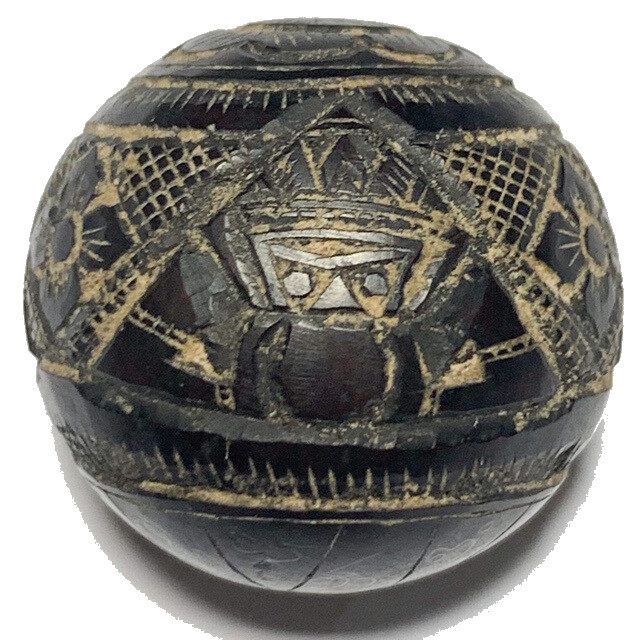
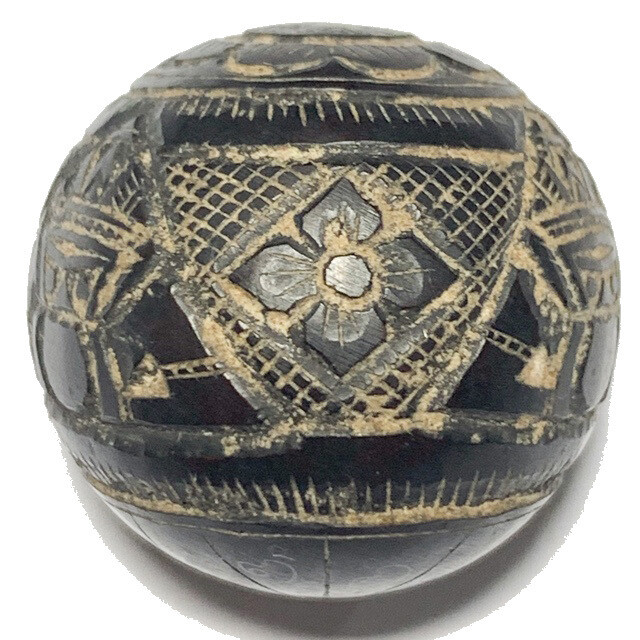
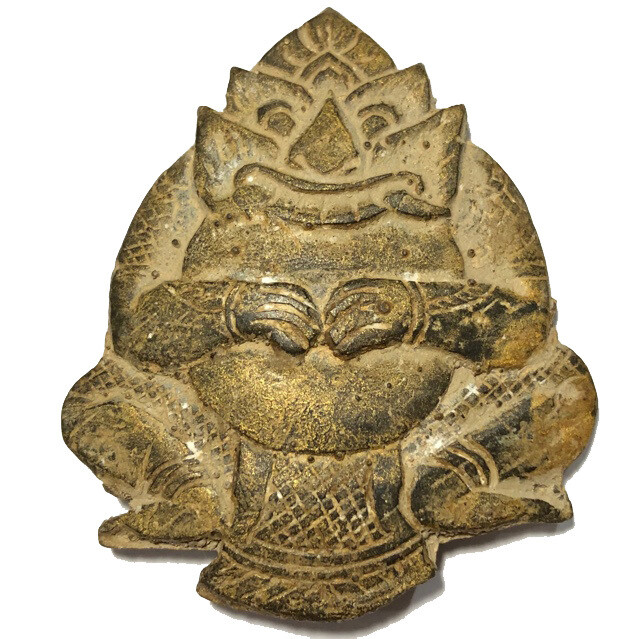
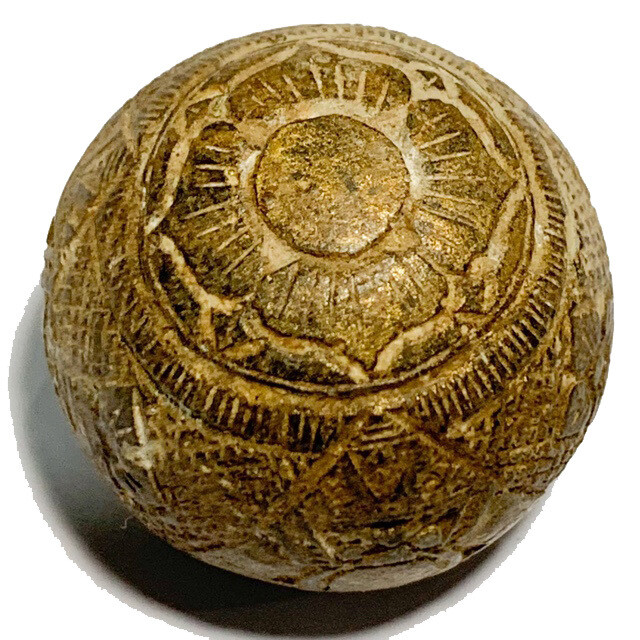
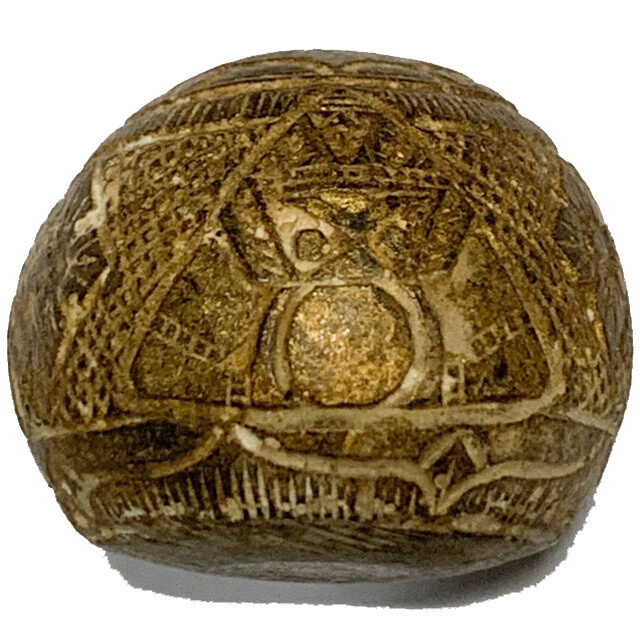
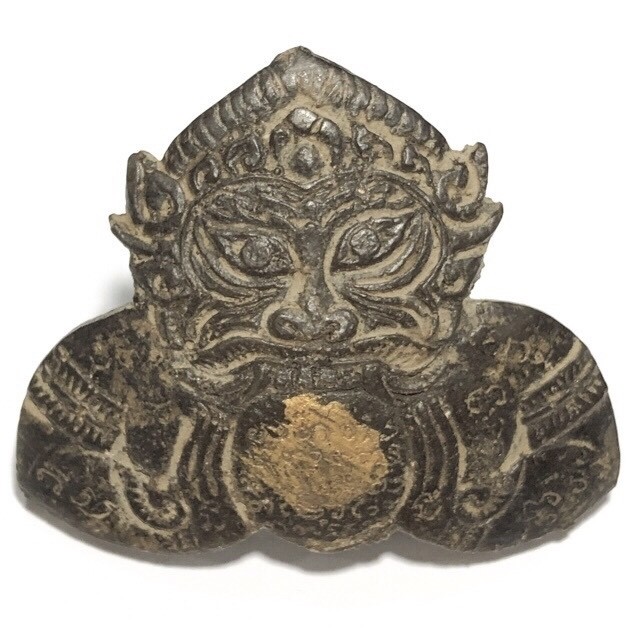
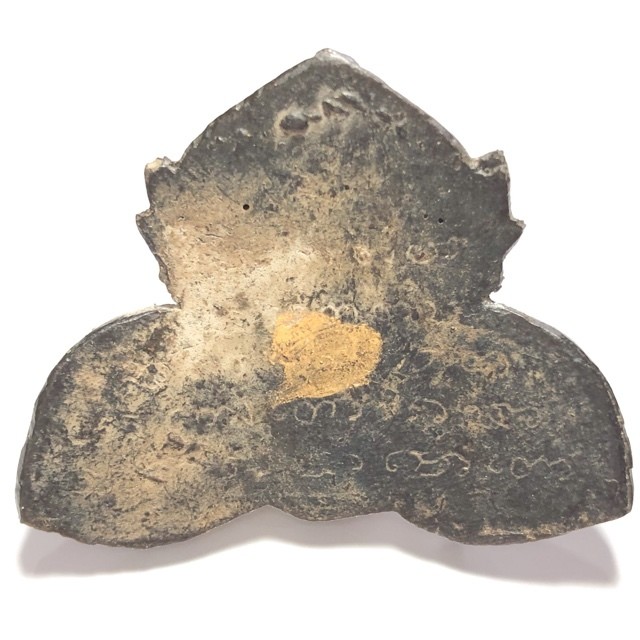
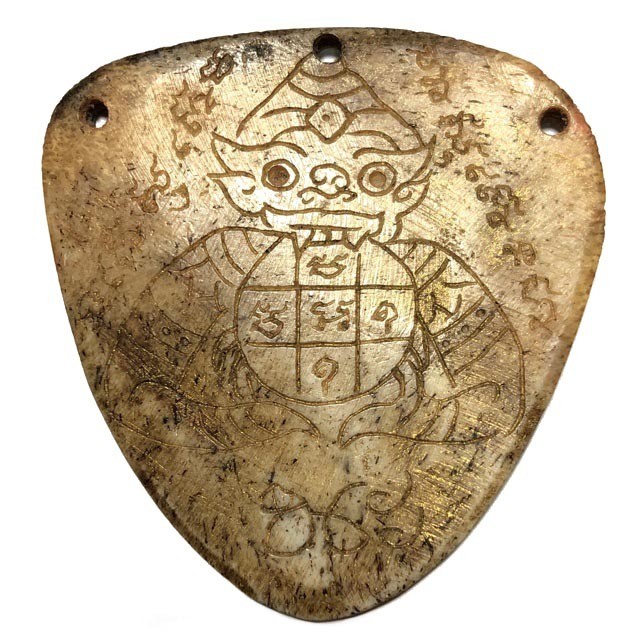
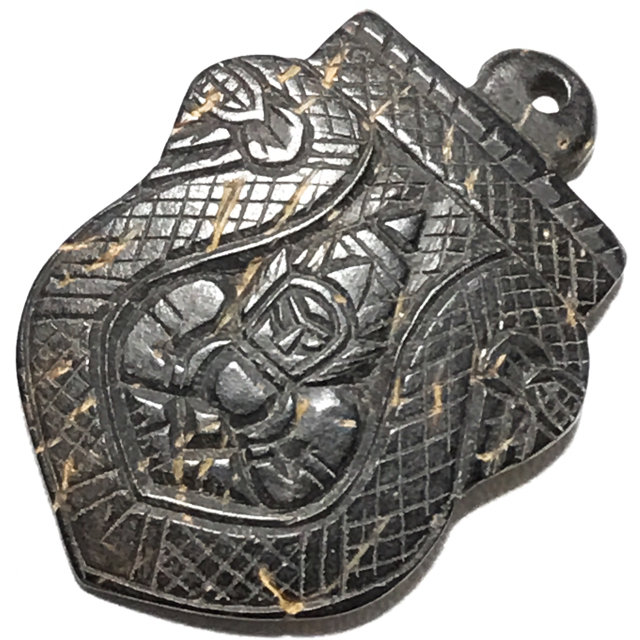
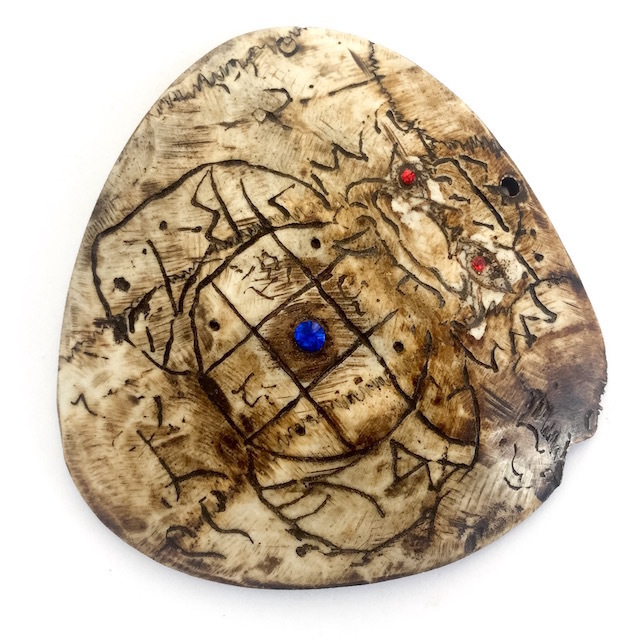
Masterpiece of Wat Phra Yat: Phra Pru Nang Pok Pho (2495 BE)
In the sacred lineage of Ayutthaya master monks, Wat Phra Yat stands as a beacon of alchemical wisdom and spiritual protection. Today, we unveil a truly exceptional artifact that challenges common misconceptions and offers a glimpse into the personal mastery of Luang Phor An Khantaro: the Phra Pru Nang (Pok Pho) Trial-Press Amulet of 1952 (B.E. 2495).
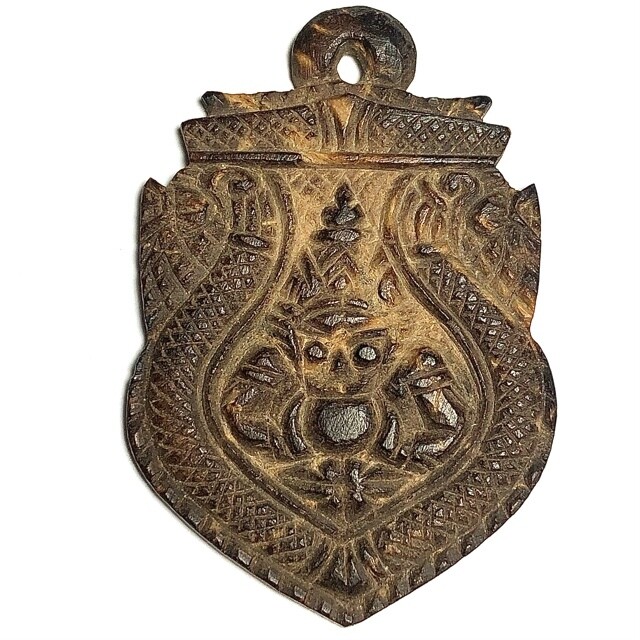
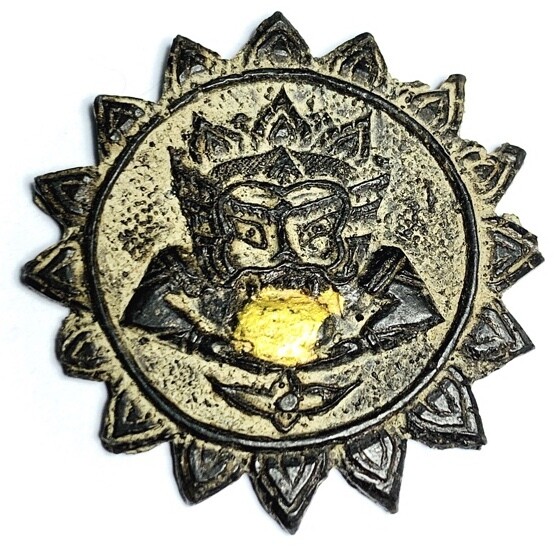
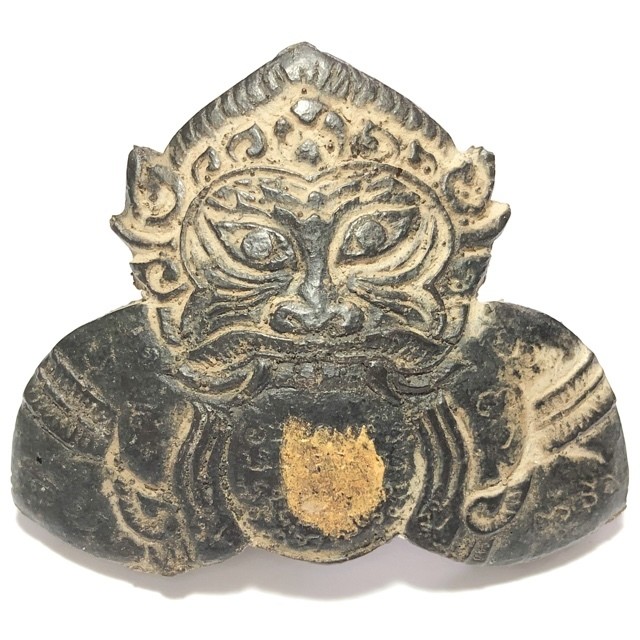
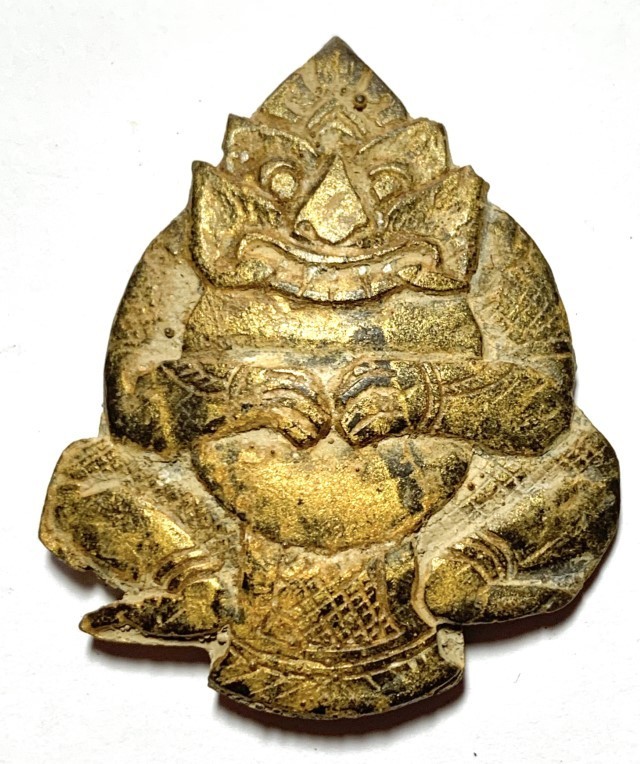
The exquisite front face of the Phra Pru Nang Pok Pho – Wat Phra Yat
The Lineage of Wat Phra Yat: From Master to Disciple
To grasp the significance of this amulet, one must understand the spiritual heritage of Wat Phra Yat. It begins with Luang Phor Klan Thammathoti, the foremost master of Ayutthaya and a legend of both Vipassana meditation and the occult sciences. His fishhook-type 1926 coins remain among the most sought-after in Thailand, known for their powers of invulnerability and protection.
His top disciple, Luang Phor An Khantaro, inherited the entirety of this sacred knowledge. In 1952, Luang Phor An decided to perpetuate the temple’s traditions by creating a new series of amulets. The miracle of this series lies in the base materials: sacred powders and fragments of broken 400-year-old Khun Paen amulets from the ancient Wat Yai Chai Mongkhon hoard.
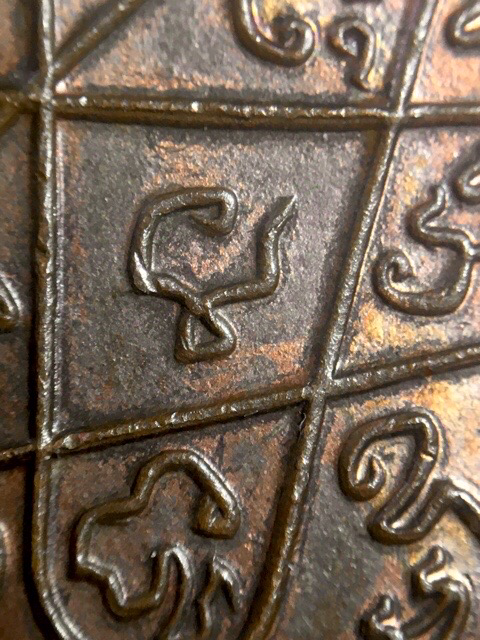
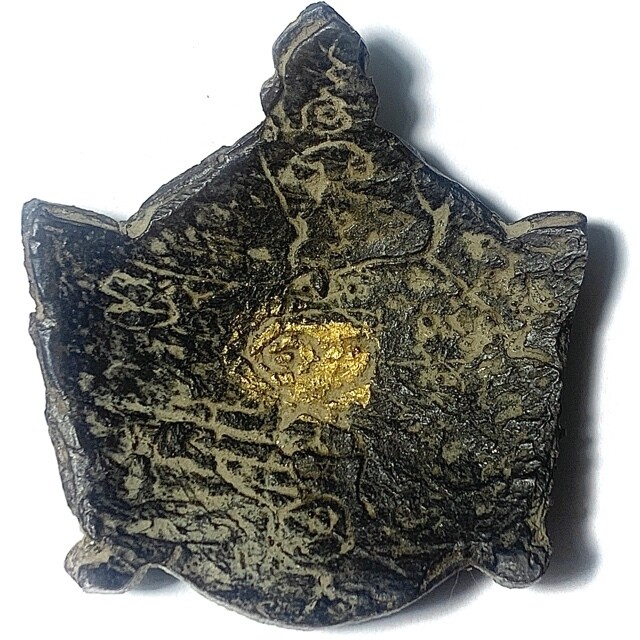
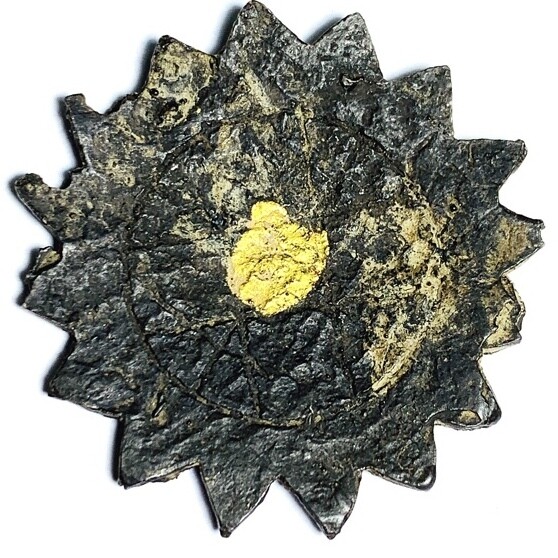
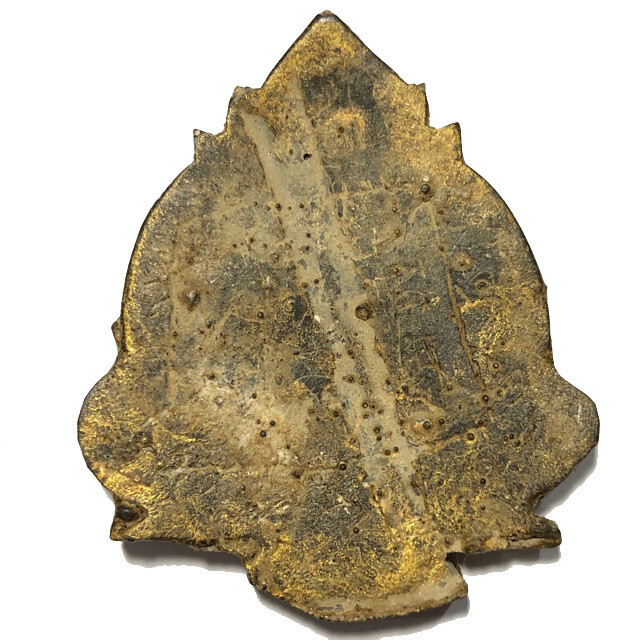
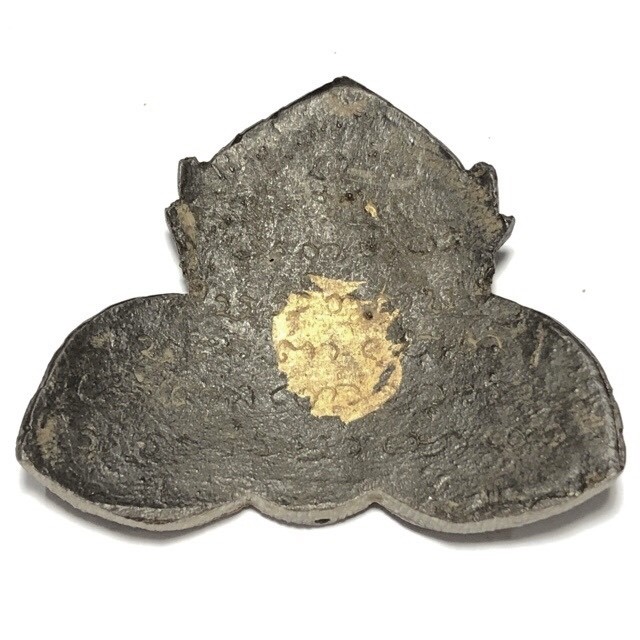
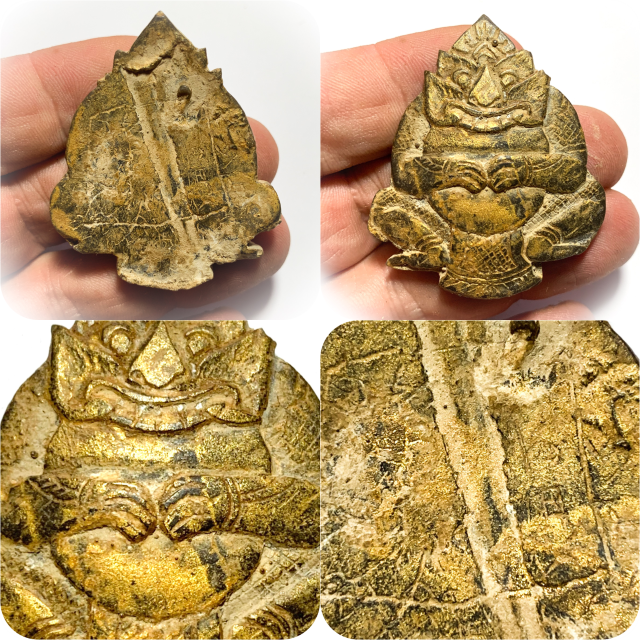
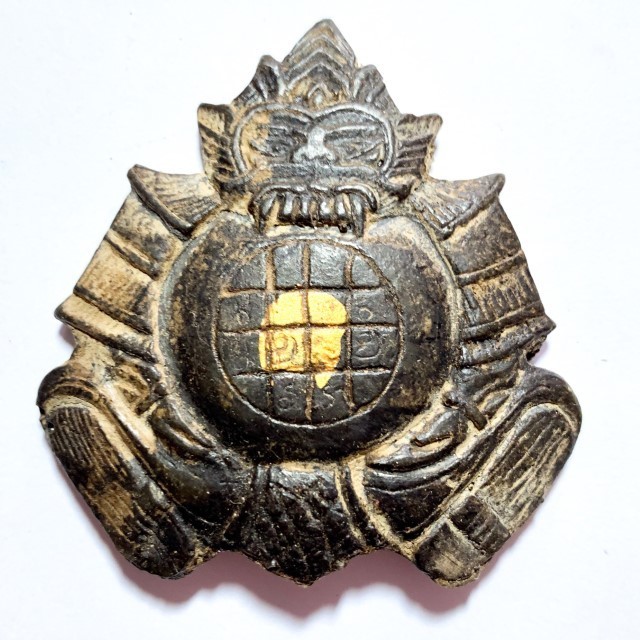
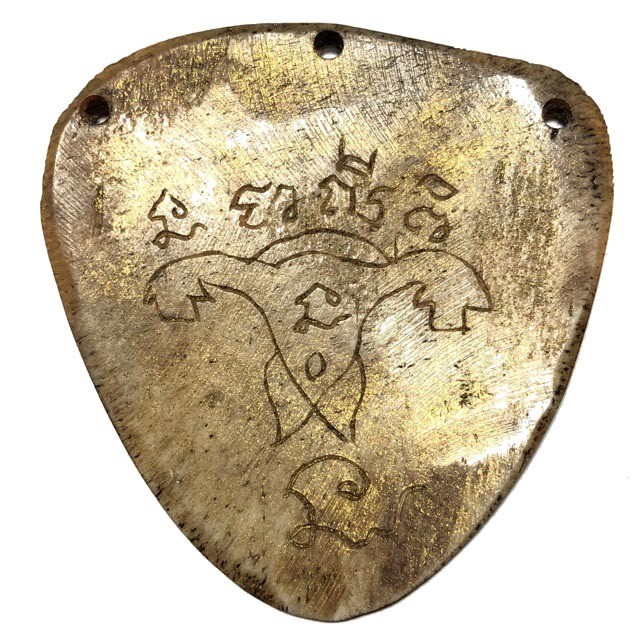
The rear face revealing the hand-inscribed Yantra and sacred additions.
Deciphering the Mystery: The “Trial-Press” Rarity
Collectors often believe that all of Luang Phor An’s 1952 series must be glazed. However, the truth known only to advanced specialists is that a “trial-press” (testing the mold) was always conducted before the final glazing. Some of these test pieces turned out so exceptionally sharp and perfect that the master set them aside to be specially consecrated and given to his closest disciples.
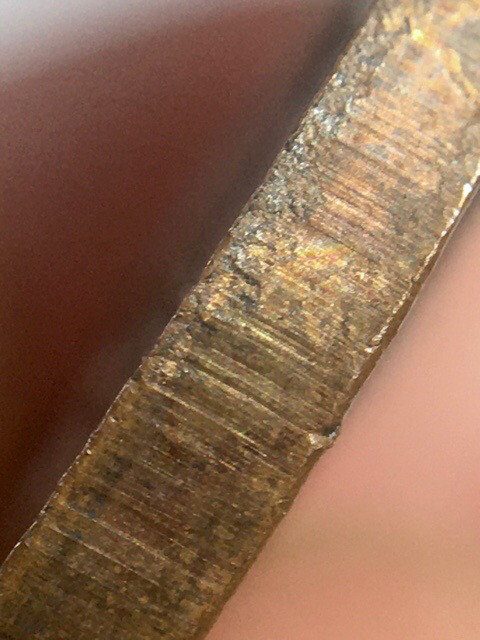
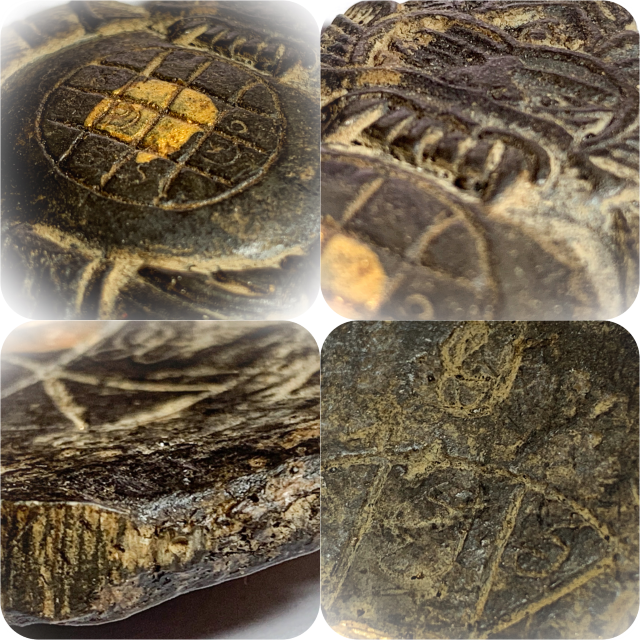
This uncoated specimen is one such rarity. It represents “original purity” that mass-produced glazed pieces cannot match. Under magnification, the clay body reveals a dense texture with natural oxidation patterns from the firing process, interspersed with white and orange sacred powder particles from the Wat Yai Chai Mongkhon hoard.
The Three Sacred Elements on the Reverse
What elevates this piece to a one-of-a-kind masterpiece are the three elements on its back:
Hand-Inscribed “Thao” Yantra: The master Yantra of the Wat Phra Yat line. The inscription is fluid, deep, and weighted, matching the specific curves passed down from Luang Phor Klan.
Victory Candle Wax (Hyod Tian Chai): The orange-yellow stain is wax from the large candles used in the consecration ceremony, which has fully absorbed the power of the prayers and seals the sacred energy.
Monk’s Robe Fragment (Jivara): Affixing a piece of the master monk’s robe is considered the highest form of blessing, representing purity, moral discipline, and an ultimate safeguard for the wearer.
Conclusion: A Worthy Possession
Possessing this amulet means holding a “Chronicle of Sacred Art.” It documents the trial-press process and the personal benevolence of Luang Phor An. The owner is blessed by the lineage of Wat Phra Yat, gaining protection, immense charm, and prosperity in all endeavors.
Explore More Sacred Artifacts
Ancient Amulet - Thai Buddhist Pra Niyom Category Amulets
Ancient Amulet - Thai Buddhist Pra Niyom ('Pra Niyom'; meaning 'High End Preferred Class Antique amulets') Fine Authentic Amulets from the Great Thai Buddhist Sorcerer Monks, Lersi Ascetics, and Lay Masters of Olden Days
A rare limited edition early era amulet, the Rian Yord Khun Pol Buddha Image coin, in Nuea Tong Daeng Rom Dam, with Solid Gold Casing included, from the Great Luang Por Chaem Thanussago of Wat Don Yai Horm. Only 5000 of these amulets were ever made in this edition, making this amulet a very rare acquisition to find indeed, so many years after its release. The amulets of Luang Por Chaem, are known as powerful Metta Mercy Charm, Serm Duang Karma Improvement, Serm Yos Promotion, Kong Grapan Chadtri Klaew Klaad protection, and Maha Amnaj commanding power and influence. A classic amulet, from the Wat Don Yai Horm Lineage Master, Luang Por Chaem, inheritor of the Wicha of Luang Por Ngern (Wat Don Yai Horm). Empowered with the famous Kong Grapan Chadtri, Metta Maha Lap Magick of a true Lineage Master of One of Thailand’s Most Revered and Respected Temples, who has attained equal fame and popularity as his foregoer and Kroo Ba Ajarn Luang Por Ngern himself, which is most certainly a sign of his great Merits as a Guru Monk.
The Rian Yord Khun Pol amulet was released in 2516 BE, with only 500 amulets made, making this a very rare editon indeed. On the rear face is the Yant Nam Tao Gourd Yantra. The Rian Yord Khun Pol received two separate Putta Pisek Blessing Ceremonies. The first blessing ceremony was made at Wat Rai Khing, with many great monks present to empower and bless the amulets. Among the monks present werel Luang Phu To, of Wat Prado Chimplee, Luang Por Te (Wat Sam Ngam), the Kroo Ba Ajarn of LP Chaem, and still aboot of Wat Don Yai Horm; Luang Por Ngern, who was still alive at the time, Luang Por Perm of Wat San Paetch, Luang Por Lek, of Wat Nong Din Daeng, Luang POr Phon, of Wat Tian Dtad, Luang Por Tong Yoo (Wat Nong Mai Pa-Ong), Luang Por Sud (Wat Ka Long), among many other famous names.
It is believed by the devotees of LP Chaem, that he had achieved Dtecho Kasin (Fire Kasina elemental control) and varous forms of Abhinya Powers. He was very renowned for his Metta Maha Niyom Magic and Nam Mont Holy Water Blessings, as well as his powerful Takrut Kong Grapan, and the lineage Wicha amulets of Wat Don Yai Horm. It is said that 9th December 2536 BE, LP Chaem asked the temple checked by devotees to see if any debts remained for the temple, and if any reparations were needed? Once it was confirmed that the temple had neither debts, nor was in need of any restorations, Luang Por Chaem went to his Kuti for the evening, closed the door, and was not seen to emerge again.
The devotees later found that Luang Por had passed away laying in the Sayasana Posture (passing into Nibbana), and was found laying peacefully in his side. Devotees to this very day believe that Luang Por Chaem died wilfully knowing that his work was over, and that he had made the temple fully restored and without debts. He is hence considered to be a worker of Miracles, and an ascended master by his devotees.
Luang Por Chaem was the Abbot of Wat Don Yai Horm, after the Great Luang Por Ngern. Luang Por Chaem became abbot in 2520 BE after the passing of Luang Por Ngern. He was born in the year 2449 BE on the 16th March. After becoming Abbot of Wat Don Yai Horm in 2520 BE, he raised funds to perform Merits and Restoration buildings at the temple until the day of his passing on the 9th of December 2536 BE, at the age of 87 years Old.
LP Chaem was extremely famous for his powerful Takrut and Monk Coin amulets, Pra Pong (Muan Sarn Sacred Powder amulets), and Pha Yant, of which he made a large pantheon over the years to raise funds for the temple.
This Takrut was made during the early Era of Luang Por Chaem’s trajectory, estimated around the year 2517-2518 BE. He made many talismans and charms, not all of which are documented in the official temple releases, for of course, he would also make individual amulets for his closest Looksit to Bucha. The Takrut Tone Long Rak Pid Tong is however included in the ‘Dtamniap Wadtumongkol’ Official listings of his amulets. Because he would make this kind of amulet throughout his trajectory, there is not official date registered in the Dtamniap, as is the case with his limited edition coins, which are more accurately documented.
Amulets of Luang Por Chaem
The amulets of Luang Por Chaem are officially catalogued split into three different Eras, the ‘Yuk Dton (early Era), Yuk Klang (Middle Era) and Yuk Play (late Era).
His officially recorded trajectory as an Amulet maker began in the year 2513, before he became Abbot, which is catalogued as the ‘Yuk Dton’ early Era, which spans the time period between 2513 BE, and 2519 BE. In this period he made the following editions;
Yuk Dton Amulets (2513 BE – 2519 BE)
Pra Somdej Run Raek First Edition which was released on the 12th September 2513, with 5 different models made.
Pra Pid Ta Maha Lap Nuea Pong Sacred Powder Amulet in the year 2514 BE
Rian Roop Khai Run Raek Dtok Code ๖๗ Guru Monk Coin (oval shape) with code 67 Stamp in the year 2515 BE which were blessed for a period of one whole year, in various Sacred metals, namely; Nuea Samrit (21 coins made), Nuea Tong Daeng (1800 coins made) with two different block presses used to make two different ‘Pim’ (models), the Pim Kor L (L shaped neck), and the Pim Kor Dtrong (straight neck)
Rian Yord Khun Pol amulet 2516 BE
First Edition Rian Roop Khai Sorng Hnaa 2 sided amulet 2516 BE with the Thai number 1 (๑) code stamp on the side which had Luang Por Chaem’s face on it
First Edition Rian Sema Lek shield shaped coin amulet 2516 BE with the Thai number 1 (๑) code stamp on the side which had Luang Por Chaem’s face on it
Rian Roop Khai Huang Chueam coin amulet with soldered pendant hoop 2517 BE
Rian Roop Muean Cameo Coin 2519 BE
Yuk Klang Amulets (2520 BE – 2527 BE)
The middle era amulets began to take on a large Public Interest, as the Devotees of Wat Don Yai Hormhad gathered a large quantity of Sacred Muan Sarn Sacred Powders and Chanuan Sacred Metallic substances from Great Guru masters around Thailand to donate to Luang Por Chaem for the making of amulets to smelt into Sacred Alchemical Chanuan Muan Sarn Substances for the making of Luang Por Chaem’s next editions;
Pra Roop Lor Boran 1st Edition Statuette 2521 BE
Pra Pid Ta Maha Ud Yant Yung Nuea Rae 1st Edition closed eyes Buddha amulet in Sacred Mineral Kayasiddhi substance 2521 BE
Rian Lor Hoo Nai Dtua with one piece pendant ring (not soldered) pendant hoop 1st Edition 2522 BE
Pra Pid Ta Nam Tao Gourd Shaped Buddha amulet 2524 BE
Pra Pid ta Song Serd Chee Bo 1st Edition amulet 2524 BE
Pra Kring Yord Khun Pol amulet 2526 BE
Pra Bua Khem (Upakut) amulet 2526 BE first edition
Pra Pid Ta Nuea Pong Kluk rak lacquer covered powder closed eyes Buddha amulet 2526 BE
Pra Kring Arahang Buddha Statuette amulet 2526 BE
Pra Chayawat 1st Edition amulet 2526 BE
Rian Lor Pra Jao Ha Pra Ongk 5 Dhyani Buddhas amulet 2526 BE
Pra Kring Takataen Buddha Statuette amulet 2527 BE
Rian Lor Han Khang sideways facing Monk Cameo coin amulet with Thai number Code 77 (๗๗) 2527 BE
Pra Mongkol Jakrawal Nuea Samrit bronze amulet 2527 BE
Pra Pid Ta Pong Metta closed eyes Buddha amulet 2527 BE
Yuk Play (2528 BE – 2536 BE)
Pra Roop Lor Gon Dtok Pim Niyom 2529 BE
Pra Roop Muean Bpam statuette 2535 BE
Rian Run Sang Rong Payaban Nakorn Pathom amulet from the Nakorn Pathom Hospital Building Fund Edition 2535 BE
Rian Lor Kor Nam Tao Gourd Neck coin amulet 2536 BE
Rian Lor Hnaa Suea Tiger face amulet 2536 BE
Rian Lor Jao Sua Millionaire amulet 2536 BE
Rian Lor Pim Tawarn Yern amulet 2536 BE
Rian Luang Por Chaem Bucha Kun Luang Ah amulet 2536 BE (reverence to the Upachaya Kong Monk of Wat Bang Gaporm)
Pra Pid Ta Nuea Rae 2nd edition closed eyes Buddha amulet 2536 BE
Apart from these amulets of course, a host of subdivisions of amulets were released with each edition, such as Takrut, Pha Yant, sacred powder amulets, cast metallic and hand carved images and other items.
Ancient Amulet - Thai Buddhist Pra Niyom Category Amulets
Ancient Amulet - Thai Buddhist Pra Niyom ('Pra Niyom'; meaning 'High End Preferred Class Antique amulets') Fine Authentic Amulets from the Great Thai Buddhist Sorcerer Monks, Lersi Ascetics, and Lay Masters of Olden Days
A Truly Ancient Septa-Centenarian Pra Kru Amulet (over 700 years old in origin), the Pra Pong Supan Pim Hnaa Gae, in Nuea Din, with certificate of authenticity, this exhibit is in a dark colored sacred baked earthen clay. An all time ‘top 5’ classic amulet of the Benjapakee Family. A Master-Class status amulet of the High End Category of Pra Kru Hiding Place Ancient Amulets. The Pra Pong Supan amulet is known for its powerful Puttakun Metta Maha Niyom Merciful Blessings and Kong Grapan Klaew Klaad Protective Power.
This amulet comes with A4 size certificate of authenticity included. The Pra Pong Supan Kru Wat Pra Sri Mahatat is the Number One Amulet of all Time for the Province of Supanburi, and an eminent member of the top 5 Benjapakee Amulets of Historical Fame and Legend. The Pra Pong Supan of the highest preference is the Pra Pong Supan Nuea Din Phao baked clay amulet, made from sacred earths of the Supanburi Province, which were mixed with sacred magical herbal powders and bound into clay with holy water.
The amulets are seen to have been baked for a long time slowly, until the clay became hard, but smooth and dense like marble, which is a texture that modern ‘Nak Niyom Pra’ amulet aficionados call ‘Nuea Neuk Num Seung Jad’, which means ‘soft and smooth to the touch with highly refined features’.
There were also a very small amount (one potful) of leaden Pong Supan amulets found, which were found residing on the upper section of one pot, and are known as the Pong Supan Yord Tho, and are the rarest and most sought after of all Pra Pong Supan of the Kru Wat Pra Sri Mahatat.
Below : The extremely rare leaden version Pra Pong Supan Yord Tho Amulet, of which only very few were ever found
We shall be covering the documentation of the Pim Yord Tho in a different article on the pages of our website.
The method of baking the amulets resulted in a very hard and resilient amulet that does not break easily, which has contributed to its preservation over many centuries. The features of the Pra bordered edges and outer frame of the various models (Pim) of the Pra Pong Supan Amulet are highly varied, and cannot be said to fit any rigid form.
Some have four or five sided edges, some are completely cut to shape, some have wider edges, and others thinner edges, some are even others uneven. Some may be tapered, whereas others have the tapered top cut off flat.
The Pim is notable for its beautiful color tone to the surface of the Muan Sarn Sacred clay, accumulated over centuries,. This exhibit displays the presence of a very rich Muan Sarn admixture, and the surface sheen and detailed relief of the Buddha Image, combine to render an outstanding example of a Master-Class Pra Pong Supan amulet. The ears are elongated, with anomalous forms (‘Dtamni’), that reveal the authenticity of the amulet, through the inimitable idiosyncrasies of the block press, which are ever present despite the individuality of each amulet.
One thing most Pra Pong Supan have in common is that most often one finds the presence of thumb or fingerprint line markings, or thumb indents on the rear face. Another classic and essential feature of the Pra Pong Supan Wat Pra Sri Ratana Mahatat is that due to being buried under the earth for centuries, the Kraap Kru earth residues which are seen stuck to the surface of the amulets within the deeper recesses such as the armpits and ridges between finer detailed features.
Below : Encyclopaedic work documenting the ancient find of the Kru Wat Pra Sri Ratana Mahatat amulets
These residues are completely affixed and one and the same with the clay, and cannot be removed by simply scratching it off with a fingernail.
The Pra Pong Supan is a perfect choice of Amulet for Ladies or Children, but is also a very preferred and popular amulet for Males to wear. We have before us a Sacred Amulet whose Religious Value is of course that of a True sacred Amulet from the Master Class Category.
The Pra Pong Supan amulet is an image of the Buddha seated in the Mara Wichai posture of conquering the Demon Mara in the style of the U-Tong Periodic Era. The Buddha Image is seated on a single tiered dais, with a large head, graceful arms and protruding chest. There are various Pim (Models) of Pra Pong Supan, ranging from the Pim Hnaa Gae, Hnaa Num, Hnaa Klang, and other lesser known forms. Some very rare versions in black Nuea Bailan Powders are also found, but only very rarely
The Pim Hnaa Gae (old face) has one single type of face model but still has many different appearances, because of the various stages of heat during the baking process, which caused some amulets to experience shrinkage or curvature, or other anomalous reshaping during the process. Some may even have similar triangular appearance to the Pra Nang Paya, another Benjapakee amulet of Immortal fame. Various other amulets were also found including the Pra Mahesworn, Pra Ta Maprang, Pra Patum Mas, Pra Pim Lila (many versions), Pra Nakprok (small and large), and the Pra Sum Rakang.
The Pra Pong Supan and Benjapakee Class Amulets are truly world class amulets that receives the esteem and faithful reverence of all Thai Buddhist People of all social strata, and which is considered part of the Cultural and Historical heritage of the History of Siam.
They are amongst the most difficult of all amulets to find at any price, and are mostly already worn since generations by the same family members as handed down family heirlooms of their ancestors. The rest lie in the hands of the lucky, and of course the high end collector showrooms of Thailand’s Amulet Societies and Non Profit heritage Associations, as well as the museums of the state and of major temples.
Above; Macro Closeup of the Sacred Clay and the Kraap Kru earthen substance affixed to the muan sarn from centuries of burial within the hiding chamber. It is said that in the year 1265 BE, the Ruesi Hermit Pilalai decided to make a series of powerful amulets with truly effective powers. At that time the ruler of the Kingdom Pra Sri Tanmasokea Racha was a faithful devotee to the four great Ruesi Sages, who brought a large collection of magical herbs, minerals and summoned the angelic beings of the celestial realms to assist with the empowerment ceremony on the immaterial planes.
The great Pra Maha Thera Bpiya Dtassasisri Saributra was present to preside over the blessing ceremony, and assist with empowerment and the hand molding and pressing of the Pra Pong Supan. The muan sarn sacred clay was given the name of ‘Nuea Rae Sangkwanorn’.
Below : An example of a Pra Pong Supan amulet that has been treated with red Chinese Lacquer by a devotee
The great Pra Maha Thera Bpiya Dtassasisri Saributra was present to assist with empowerment and the hand molding and pressing of the Pra Pong Supan. The amulets were blessed during three whole months of rainy retreat (Traimas Blessing) as was traditional in ancient times and is still the practice to this very day. Once the Traimas empowerment was completed, the amulets were buried within the Chedi Stupas of Supanburi
The rediscovery of the Kru
In the year 2456 BE, a Tudong Monk was passing through and asked for the whereabouts of the temple of Wat Pra Sri Radtana Maha Tat. He asked a young boy named Pin, who pointed him in the right direction. The boy Pin heard later that this Forest Wanderer monk had hired some Chiinese-Thai devotees to dig up some holes in the temple, and that a horde of treasures were found along with a large repository of hiding place amulets (Pra Kru).
The Monk himself found a solid golden bowl which he took for preservation, but left all the rest of the contents of the Kkru within the Chedi. However, many of the Chinese devotees who were working on the opening of the Kru did take a large number of amulets rainging from the Pra Pong Supan to the Pra Gampeng Sork.
Once the authorities and Sangha Office heard of this, they ordered the Chedi Stupa to be hermetically sealed to prevent further theft of National heritage treasures.
Later the same year Praya Suntorn Buri (Also knownn as ‘Ee Gan Suudt’), who was the Minister of the Province of Supanburi invited his Majesty Pra Mongkut Glao Jao Yuu Hua to come and open the Kru Chamber. Once the chamber was opened, many ingots of solid gold and silver with Khom Agkhara inscriptions were found, and a large repository of amulets. The King was given a large number of the Pra Pong Supan and other amulets to his Majesty.
In olden days when the Pra Pong Supan was still very common and easy to find, many of the bullfighting arena players would like to grind up broken Pong Supan amulets and mix the powders into the hay they would give their fighting bulls to eat. This was seen to make the bull who ate hay with Pra Pong Supan powders fight more fiercely, evade the horns of its opponent and be impenetrable when taking a hit.
A very hardly known but ancient traditional way to Bucha Pra Pong Supan Amulets, is to immerse the amulet in perfume and chant Puttakun Tammakun Sangkakun 108 Times, then chant the Kata Pahung 3 times. The perfume can then be used to smear on oneself for Mercy Charm and Protection. If one wishes to empower further, one can chant the following Kata;
Ka Dtae Lig Gae Garanang Mahaa Chayyang Mangkalang Na Ma Pa Ta Gi Ri Mi Dt Gu Ru Mu Tu Gae Rae Mae Tae Ga Ra Ma Ta
Ancient Amulet - Thai Buddhist Pra Niyom Category Amulets
Ancient Amulet - Thai Buddhist Pra Niyom ('Pra Niyom'; meaning 'High End Preferred Class Antique amulets') Fine Authentic Amulets from the Great Thai Buddhist Sorcerer Monks, Lersi Ascetics, and Lay Masters of Olden Days
Kanha Jali Loi Ongk Sattuette,’Pim Hua Gleung Niyom’ (preferred pointed head model), in smaller Pim Lek version, released 2491 BE with Blessings by Luang Por Chaeng, Luang Por Jong, Luang Por Chuan, and Luang Por Phueak, of Wat Molee. The Kanha-Jali amulet (Ganha-Chali), is in the form of Prince Jali and Princess Kanha as children, embracing each other shoulder to shoulder.
The image radiates the potent energy of Metta Maha Niyom Mercy Charm. Kanha and Jali were born to the Royal Prince Vessantara (a previous life of the Buddha), and their story, is to reveal the profound generosity and sacrifices made by the Buddha, on the path to enlightenment.This amulet, is usually catalogued within the pantheon of amulets of LP Chaeng, despite the collaborative ceremony.
The story of Prince Vessantara’s last incarnation plays a significant role in the Wicha for this amulet, Thai Buddhism. In this tale, Jali and Kanha, were the son and daughter of Prince Vessantara and Queen Maddi. Eventually, the generous Prince Vessantara gives away his children to the Brahmin Jujaka as part of his ultimate act of generosity before attaining Buddhahood.
In the tale of Vessantara, part of Buddhism’s revered Jataka stories, Kanha and Jali play a central role in their father’s pursuit of Dhāna Paramī—the tenth and culminating perfection required for attaining Buddhahood. Their father faced the challenging decision of giving away his own family to the greedy Beggar Jujaka, (‘Choo Chok‘ in Thai). Jujaka, a Brahmin from a distant village, heard tales of Prince Vessantara’s unparalleled generosity and selflessness.
Jataka tales are especially important in Theravada Buddhism, more than other traditions.
Intrigued by these stories, he set off to find the prince and test the limits of his benevolence. As Jujaka arrived at the secluded wilderness where Vessantara resided with his wife Maddi and their two children, Jali and Kanha, he marveled at the austere surroundings. Approaching Vessantara with humility, Jujaka revealed his desire, “O benevolent prince, I have traveled far seeking a gift from someone as virtuous as you. Grant me the extraordinary boon of receiving your children, Jali and Kanha, into my care.” The words hung in the air, creating an undeniable tension.
Vessantara, torn between his commitment to unconditional giving and the natural instincts of a father, hesitated. Maddi, sensing the internal struggle, clutched their children protectively. The surrounding forest seemed to hold its breath as Vessantara grappled with the monumental decision.Finally, after a heavy pause, Vessantara spoke with a heavy heart, “Brahmin, I am bound by my principles of generosity.
Prince Vessantara gives away the State Elephant to the Brahmans
If this is your earnest request, I shall fulfill it, though it pains me deeply.” The weight of his words echoed through the wilderness. As Jujaka took custody of Jali and Kanha, the atmosphere shifted from serenity to sorrow. Maddi, with tearful eyes, whispered words of reassurance to her children.
Vessantara, suppressing his emotional turmoil, maintained composure, realizing that this act of unparalleled sacrifice was a crucial step on his path toward enlightenment. Jujaka, with the children in tow, disappeared into the depths of the forest, leaving behind a somber silence. The echoes of Vessantara’s sacrifice lingered, setting the stage for the unfolding of a profound narrative on the virtues of selfless giving and the spiritual journey toward Buddhahood.
As Kanha and Jali questioned their father’s choice, Prince Vessantara explained the profound purpose behind this act of supreme generosity. Giving away one’s own family represented the final and most challenging step in achieving the perfection of Dhāna Paramī. Kanha and Jali, understanding the greater purpose, willingly accepted their fate as slaves to Jujaka, supporting their father in completing this ultimate act of selflessness.
The Kanha Jali Loi Ongk Statuette, infused with Metta Maha Niyom, stands as a powerful reminder of the unwavering spirit of generosity and compassion that defined Prince Vessantara’s journey towards enlightenment.
This sacred amulet, mostly attributed within the pantheon of amulets of Luang Por Chaeng, was actually blessed by various Great Monks in unison. Originally commissioned by Pra Luang Por Kloy, the abbot of Wat Bang Kra Nok, Nonthaburi Province.
The first model was released in the year 2491 BE. During the consecration ceremony, Pra Kloy, along with other respected monks, invoked blessings, making it a powerful and sought-after amulet. The Kanha Jali is renowned for its remarkable efficacy, believed to bring prosperity, charm, and success to its bearer. The amulet is imbued with a Magical Kata Spell which contains the sacred chant: Chaalee Ganhaa Maa Laew Hrueyang Sangkadtang Lokawituu. This Kata is to invoke blessings and communication between the amulet and its wearer, and should be used when performing Bucha or asking for blessings, and daily to empower the amulet before wearing.
Devotees who have experienced success often choose to encase the amulet in gold. It is believed that successful ventures and accomplishments are likely when this practice is followed. This statuette is not only a treasured amulet with historical and religious significance, but also a symbol of compassion, generosity, and the pursuit of enlightenment in the story of Prince Vessantara.
Here is a Basic Breakdown of the Thai Jataka Tale;
1. Prince Vessantara, known for his extreme generosity, gives away everything he owns, including a magical white elephant that brings rain.
2. The kingdom suffers without the elephant, and Vessantara is banished with his wife, Maddi, and their children, Kanha (daughter) and Jali (son).
3. A cunning beggar named Jujaka demands Vessantara’s children as slaves.Despite the pain, Vessantara, determined to practice perfect generosity, gives his children away. The children are eventually rescued by the king, Vessantara’s father, who recognizes them.
4. The story emphasizes the importance of generosity in Buddhism, even if it comes at a great personal cost.
5. There are many variations of the tale depending on the region. In Thailand, for instance, the story of Vessantara is a popular festival (Jataka tales are especially important in Theravada Buddhism).
6. Prince Vessantara, known for his extreme generosity, gives away everything he owns, including a magical white elephant that brings rain.
7. The kingdom suffers without the elephant, and Vessantara is banished with his wife, Maddi, and their children, Kanha (daughter) and Jali (son).
8. A cunning beggar named Jujaka demands Vessantara’s children as slaves. Despite the pain, Vessantara, determined to practice perfect generosity, gives his children away. The children are eventually rescued by the king, Vessantara’s father, who recognizes them. The story emphasizes the importance of generosity in Buddhism, even if it comes at a great personal cost. There are many variations of the tale depending on the region. In Thailand, for instance, the story of Vessantara is a popular festival.
The Vessantara Jataka, considered one of the most significant stories in Thai Buddhist literature, narrates the final and tenth life of Prince Vessantara before his incarnation as Siddhartha Gautama, who would later become the Buddha. The tale emphasizes the perfection of generosity and self-sacrifice. Here is a summary:
Key Events:
Vessantara’s Generosity: Prince Vessantara was known for his extreme generosity, which led him to give away anything asked of him. His charitable acts gained immense popularity and admiration.
The Gift of White Elephant: Vessantara’s father, King Sanjaya, became concerned about the prince’s habit of giving away possessions. To prevent potential issues, Vessantara gave away a magical white elephant meant for royal rain ceremonies. This act angered the people, leading to his exile.
Life in the Wilderness: Vessantara, along with his wife Maddi and their two children, Jali and Kanha, lived in the wilderness, where he continued to practice generosity. However, circumstances led to their separation.
Jujaka’s Request: The family encountered a Brahmin named Jujaka, who, learning about Vessantara’s generosity, approached him requesting the gift of his children. Vessantara, upholding his commitment to give anything asked, reluctantly agreed.
Suffering and Return: The children, Jali and Kanha, were taken by Jujaka, leading to immense suffering for the family. Eventually, the hardships and divine intervention revealed Vessantara’s true identity. The family was reunited, and Vessantara returned to his kingdom.
Moral of the Story: The Vessantara Jataka illustrates the perfection of generosity (Dāna) as an essential quality on the path to enlightenment. Vessantara’s unwavering commitment to giving, even at the cost of personal sacrifice and the well-being of his family, underscores the selfless nature of true generosity. The tale teaches that the journey towards Buddhahood involves overcoming attachments, practicing unconditional giving, and embodying compassion for all beings. The moral encourages individuals to cultivate the virtue of generosity as a means to attain spiritual enlightenment and benefit others.
Luang Por Chaeng, Silapanya, born on December 18, 2428 BE, was ordained as a Samanera Novice Monk at 12 and became a fully ordained Bhikkhu Monk at 20. A notable figure in Thai history, he served as the second abbot of Wat Bang Pang in Nontaburi, Bangkok, succeeding Luang Por Pra Atigarn Jaroen. Renowned as a Pra Gaeji Ajarn Master Monk during the Second World War, Luang Por Chaeng was a highly respected exponent of Vipassana Kammathana practice, attracting devotees nationwide. His expertise extended to empowering amulets, making him a sought-after participant in significant Buddha Abhiseka ceremonies, including those for the Thai Military’s magical protective items. In the era of the second world and Indo-China wars, Luang Por Chaeng, along with other revered monks, stood out for their magical prowess. Notable among them were Luang Por Jong of Wat Na Tang Nork, Luang Por Jad of Wat Bang Grabao, and Luang Por Opasi.
During the Indochina War, a ceremony was conducted to empower protective items for the Thai Military, including Pha Prajiad Sipsee Pan Tong by Luang Por Chaeng. The consecrated items, worn by soldiers, became legendary for rendering them impervious to bullets, earning the Thai Military the moniker ‘Taharn Phi’ (Ghost Soldiers) by the French Military. Luang Por Chaeng inherited Wicha from esteemed Kroo Ba Ajarn, such as Luang Por Parn of Wat Bang Nom Kho, Ph Khai of Wat Cherng Lane, Luang Phu Chay of Wat Panan Cherng, Pra Kanajarn Say (Luang Por Say), Luang Phu Sukh of Wat Pak Klong Makham Tao, and Luang Por Jong of Wat Na Tang Nork. Devotees sought Luang Por Chaeng for blessings, amulets, and healing. He welcomed all requests and, for those aspiring to learn his Wicha, emphasized moral development and meditative skills before revealing the secrets of incantations.
With influence from Luang Por Parn, Luang Por Chaeng’s amulets, particularly the Buddha riding animal models, gained popularity. He crafted a variety of amulets, including Monk Coins, Pha Yant Tong Yantra Flags, Sai Sek blessed sandgrains, Pra Kring, Pra Chaiyawat Loi Ongk Statuettes, and Pra Sivali metallic Loi Ongk Statuettes.
In 2484 BE, Luang Por Chaeng released powerful amulets to protect devotees during wartime. These amulets became a world famous historic edition, and were distributed for free during a large ceremony attended by numerous devotees. Luang Por Chaeng passed away peacefully on July 26 (some say 22nd), 2500 BE, at the age of 72. His legacy endures through his teachings and the amulets he created, cherished by those seeking protection and blessings in Thai Buddhism.
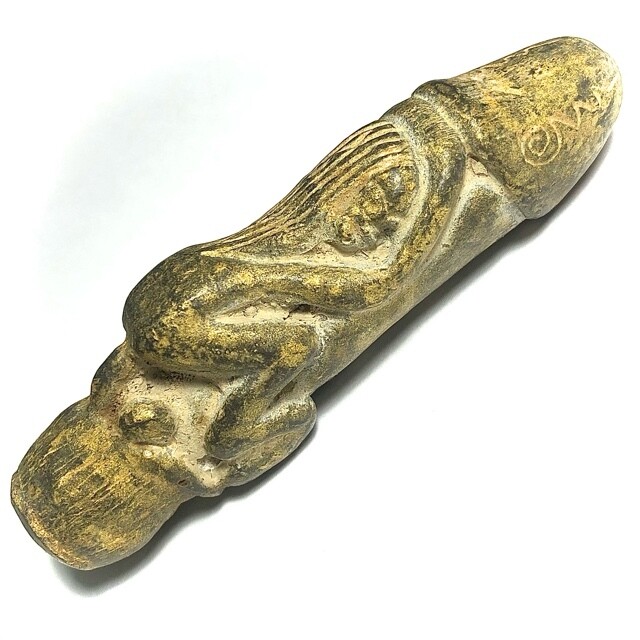
Palad Khik Hua Chamot Dtua Kroo 10 Inch Jumbo Size Luang Por Pina
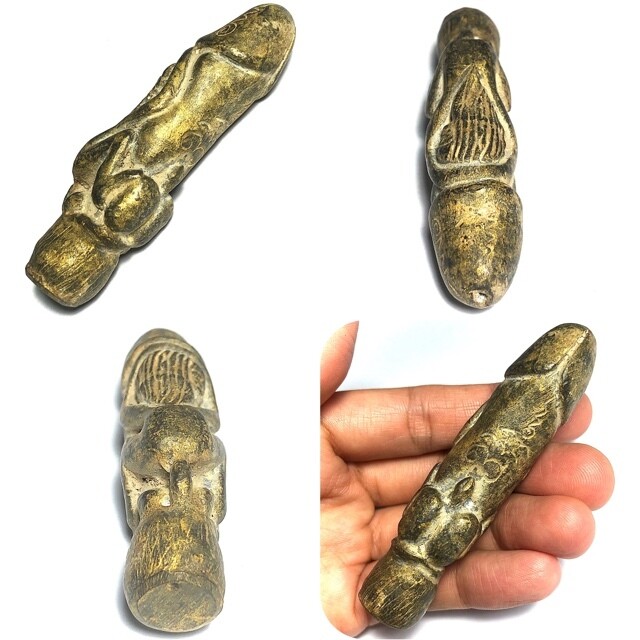
Special Jumbo‑size, 10‑inch‑long Dtua Kroo version of the all‑time classic *Civet‑Head Palad Khik* from LP Pina, this remarkable piece boasts a striking green gemstone emerald for its eyes, adding a vivid, almost hypnotic depth to its gaze. The intricate design features a Kring Met Gan Fa Pha bead rattle embedded within the body, while a delicate sea‑pearl is carefully set into the belly, creating a subtle play of light and texture. Hand‑inscribed gold‑leaf blessings adorn the surface, each stroke conveying reverence and craftsmanship.
Surrounding the Palad Khik are a horde of Khom Agkhara spell inscriptions—Sacred Na, Yant Hua Jai Na, and Ok Dtaek—each etched with meticulous detail, suggesting ancient protective charms. Weighing in at 360 grams, the heavy wood construction gives the piece a substantial, grounded presence, while a Chueak Kart Aew cord belt, once attached, hints at its ceremonial use or display. The overall effect is a richly layered artifact that blends artistry, symbolism, and tactile allure into a single, commanding object.
When speaking internationally, we behold here a very large and pristine example of one of the Most Famous Palad Khik amulets of all time, and one of the rarest and most sought after; The Palad Khik Hua Chamot Mai Gae carved wooden Palad Khik of Luang Por Pina (Wat Sanom Lao), with gemstone eyes, Met Gan Fa Pha rattle inserted within the body, pearl insert, and golden Takrut spell as the tongue
The Yant Hua Jao Na Ok Dtaek is inscribed on the shaft, with gold leaf blessing.. The Palad Khik is as is Ubiquitous with Luang Por PIna, empowered with hand inscriptions of the Sacred Yant Na Ok Dtaek, and the invocation of the four elements.
These amulets are highly regarded for their power to invoke the power to attract others, treasured possessions, and ward off black magick. They are also full of Metta Mahaniyom, Maha Lap Klaew Klaad and Maha Pokasap Powers as well as the obvious Power of Serm Duang ability to improve fate and destiny.
Free EMS Registered Airmail Worldwide is included with this amulet The Palad Khik is in truth symbolic of the Shiva Lingam; The belief in the Shiva Lingam, or ‘Leungk’ (Thai pronunciation) phallic energy of the Palad Khik, is derived from the Brahman influence which has been inflected on Thai Theravada Buddhism, since both belief systems came to Siam more than one or two thousand years ago. It is believed that the Palad Khik Lingam energy is the source of all life forms in the Universe. This is the root of the act of reverence (Bucha/Poojah) to the Palad Khik as a Shiva Lingam, which honors Shiva as the Lord of the World.
In India, not only is the Shiva Lingam worshiped, bit there exists also a
cult which reveres the female sex organ, which is called the ‘Yoni’(Vulva, female counterpart). The same thought is applied as that used to revere the Palad Khik Shiva Lingam, that is to say, that all created things must spring out of the Yoni instead of the Lingam.
Below; hand scratched etchings of Luang PorPina’s Famous Sacred Na Inscription on the shaft of the Palad Khik, conceal a Kring Bead inserted within the interior of the Palad Khik
The practice of making Palad Khik as a portable amulet, for ‘Bucha Siwalingk’ (praying to Shiva Lingam phallic Deity), entered Siam with the influence of the Khom race, whose language and alphabet the Thais absorbed and adapted into their own personalized fashion.
Some have said that the integration of Pre-Buddhist beliefs and traditions, into the Thai Theravada Buddhist practice of the common Folk, such as worshiping amulets like the Palad Khik, is not in contradiction to the practice of Buddhism and presents no obstacles. In fact it is believed that since Buddhism sprang out of the roots of
Brahman Cosmology, and that the people of Siam adopted Pre-Buddhist
Brahman traditions and incorporated them, that this is even a benefit to
the preservation of ancient knowledge, and of Thai history and
tradition. Most of these ceremonies do not come into any kind of dispute
with Buddhist thought. In fact, Buddhist Thought bases itself on many
concepts found in Hinduism, and in Thailand, the two Belief Systems can
hardly be separated.
This amulet is ‘Doo Ngaay’ (easy to see it is real), for its clearly recognisable from its inscriptions and appearance. It is hence considered Ongk Kroo (usable as a teacher), as a reference model for further study to increase the powers of recognition of authenticity of the top preferred Palad Khik amulets of Luang Por Pina. However, the Pantheon of amulets of LP Pina is one of the more difficult genres to study, for many were hand made, each individual, and only a small percentage of all the amulets he made has been officially documented to date.
This is for its easily recognisable features, which allow one to easily distinguish the authenticity of any other exhibit when held side by side for comparison, making it a Master Key for teaching the eyes to recognize Luang Por’s famous amulets, as well as the effects of aging over the years (especially important with Sacred Powder amulets)
Luang Por Pina is the deceased Abbot of Wat Sanom Lao in Sra Buri and was said to have possessed Abhinya Powers, and to have Mastered the 10 Kasina Powers of Elemental Magical Dominion. Below you can see another Sacred Amulet from this Master, the Famous Pra Pim Tao Wua Luang Por Pina.
It is said that Luang Por Pina was able to read the minds and intentions of other Humans, and bring amulets to life with is Empowerment Methods, and that his amulets were able to give signs, and also can be beseeched and prayed to, for wish fulfillment (Sarapat Neuk). There are many stories of Miraculous Events occurring through his amulets, which have been recounted around the country over the years, which have also brought his name to the ears of people around the world.
Luang Por Pina is known to have performed strange Magical feats in front of the eyes of his disciples many times, especially when devotees would ask him for an amulet. He would ask the devotee to lay down and open their eyes, and would take a handful of sand and pour it over their face, as they would hold the amulet in the hand.
But the sand would bounce back before it hit their eyes, and no matter how much was poured on the face, not a single grain of sand would be able to enter the eyes of the devotee, becoming repelled as if by a force field before it touched the eyes.
Above Pic; The corpse of Luang Por Pina which was found in meditation posture, dead since over 12 Hours, but was still warm, and not stiff, to the immense surprise of those who found him. The surprise was because a corpse that is dead for over 12 hours, should be stiff as a board and cold.. his body was not mummified or given any special treatment according to his wishes and placed in his mausoleum.
Below; Golden Brass Takrut spell as tongue of the Chamot Civet Cat, is visibly inserted into the mouth of the Palad Khik Hua Chamot of Luang Por Pina, revealing an attention to detail and adherence to the Ancient Wicha of Empowerment of the Palad Khik Hua Chamot, that is both impressive, and faith instilling in its certain magical power.
Kata Luang Por Pina
Light 5 sticks of Incense, and chant the Maha Namasakara 3 times before chanting the special Kata for Luang Por Pina Bpiyataro
Namo Dtassa Pakawadto Arahadto Sammaa Samputtassa
Namo Dtassa Pakawadto Arahadto Sammaa Samputtassa
Namo Dtassa Pakawadto Arahadto Sammaa Samputtassa
Then chant the Kata for Luang Por Pina (3 times);
Ahang Sukhadto Pina Bpiyataro Naamadtae Aajaariyo Ma Pandtae Hohi
Kata Pluk Khong (Call the power within the amulet)
Puttang Gandtang Saranang Haa
Puttang Gandtang Saranang Hae
Puttaaa Namo Ya
Kata Pra Som Hwang (Fulfilment of Wishes)
Chant the following for as many repetitions as your age (for example, if you are 35 years old, then chant the Kata, repeatedly for 35 times)
Nadtae Sudtae
The last repetition, change the words to
Mahaa Sudtae Nachaa
As an example, let us pretend a four year old were to recite the mantra, which would result in four lines like this;
If you wish to know more about another famous amulet of Luang Por Pina, then you can listen to the three quarter of an hour talk and explanation of the Sacred Daw Aathan along with a short Biography of Luang Por Pina, recounted and narrated by Amulet Expert Ajarn Spencer Littlewood in the below Podcast. In the podcast, You will be amazed to learn about the very deep meanings contained within the Daw Aathan Hnun Duang Lucky Star amulets of Luang Por Pina.
Please Enjoy the Biography, and Explanation of another very famous Amulet of Luang Por Pina, revealed; Perd Dtamnan Daw Athan Hnun Duang, and increase your knowledge of the amulets of Luang Por Pina.
Ancient Amulet - Thai Buddhist Pra Niyom Category Amulets
Ancient Amulet - Thai Buddhist Pra Niyom ('Pra Niyom'; meaning 'High End Preferred Class Antique amulets') Fine Authentic Amulets from the Great Thai Buddhist Sorcerer Monks, Lersi Ascetics, and Lay Masters of Olden Days
A very rare occult amulet and variation of Khun Phaen model from the pantheon of Luang Por Guay, of Wat Kositaram, the Khun Phaen Nang Kumarn Tong Votive Tablet with Necromantic Hoeng Prai Child-Ghost below the throne of Khun Phaen, with this rare model being the ‘Hlang Riab’ smooth backed model, in Nuea Aathan Powerful Sacred Earths, Funereal Ashes, Ground Bones, with Pong Wosed Yantra Powders.
This exhibit is from the 2513 ‘Run Prasopgarn’ edition from the great Master Luang Por Guay, and is along with all his amulets, highly reputed for its very powerful magic. The Khun Phaen Hlang Kumarn Tong edition came to be known as the ‘Run Prasopgarn’ (Proved Powerful by Experience Edition), as it was given to many devotees who came to get Sak Yant Tattoos from Luang Por Guay. They would come to get four Hanuman tattoos (one on the back, chest, and each arm).
Most of Luang Por Guay’s Looksit were Nak Leng (Gangsters) and Suea (Mafia Bosses and Villains), and would be entering into deadly situations on a daily basis. And so the amulets of LP Guay had more than their share of chances to test their power, and it was this extremely high quota of lifesaviing miracles experienced by his devotees who wore his amulets, that brought the Khun Phaen Hlang Kumarn Tong Run Prasobgarn, and other amulets to such great favor.The front face features the image of a Buddha in the Mara Vichai Subduing Mara posture, with one hand touching the earth, calling the Dharani earth Goddess as Witness to his Merits.
The Buddha has elongated ears, and is seated within a crystalline arch. Below the Buddha is a Kumarn Tong Golden Child Ghost Deva. The rear face of the amulet isflat surface (Hpang Riab) one of two versions, the other having the image of a Kumarn Tong, seated with hands on his legs, with a plump well-fed stomach, and a happy mood of prosperous living.
Kata Hua Jai Khun Phaen
Su Na Mo Ro Mo Ro Su Na Na Ma Pa Ta Ja Pa Ga Sa Na Maa Mi Hang
Kata to call the Kumarn Tong (Kata Riak Gumarn Tong)
Aehi Kumaaro Aehi Kumaaree Aehi Rak Yom Aehi Prai Tong Bpiyang Ma Ma Bpudt-Dtang Wasaayadti Aaragkhaana Bpajjayo Rao Rak Yom Kumarn Tong Jong Maa Aehi Ma Ma
Alternative Version;
Om Pani jijeruni Pantang Aehi Ma Ma
When you go places or enter and leave buildings you should speak to the Kumarn in your heart to accompany you. When you eat, you should speak in your heart that the Kumarn should come to eat with you. Make a separate offering do not give from your own plate.
The Kumarn will call friends. customers and riches to you, lovers and admirers, and will chase away enemies and protect you and your household and family. When bringing the Kumarn into the home for the first time, you should tell the Kumarn that the people in the house are friends and that the Kumarn should accept and look after them too.
Kata for giving the Name to the Kuman (chant when giving him his name).
“Naamaanang Samaa So Yudt Dta Tho Yudt Dta Tha” “In the Name of the Kroo Ba Ajarn – I name you (Name which you wish to give your Kuman Tong”.
Say this 3 times, and the next day chant only once. You must always remember his name and must introduce him to all people in the house, and ask him to also protect and lend prosperity to them all.
KATA FOR EMPOWERMENT OF KUMARN TONG
Aehi Gumaarang Udti Uni Na Ang Idti Putto
KATA FOR CALLING THE KUMARN TO EAT.
Jadturapuudtaanang Ahang Waayang Ammahaara Kumaarang Kumarn Tong Maa Rap Pochanaa Aakajchaahi Dtiwadtabpo Aakajchaaya Maa Look Maa
Kata Pluk Kumarn Tong
Na Ma Pa Ta Gumaara Phuudti Bpadti Ruu Bpang Naama Dtae Laapo Namo Hoemi (Chant 3 Times to Awaken the Kumarn)
Kata Perm Rit Kumarn Tong (Charge Up Power)
Dtaadta Paya Bpudt-Dta Aehi Jidt-Dtang Bpiyang Ma Ma
Kata Atithaan Kumarn Tong (Ask For Wishes To Be Granted)
(Maha Namasakara x 3 first)
Ja Pa Ga Sa Jid-Dta Mahaa Jidt-Dtang Bpiyang Ma Ma
Kata Gamgab Kumarn Tong (To Command the Kumarn on a Mission)
Gumaarang Bpadt Sandtang Plaay Yanaa Mahaa Su Wi Sae Tha Itti Rit Mutu Dtaanang Sud Suu Sang Mahaa Chanaa Dti
Kata Adtithaan Khor Lap
(Use to make wishes and ask for Lucky Blessings, or to win the Hearts of Others).
Aehi Jidt-Dtang Jidt-Dta Pantang Pakinimae Jidt-Dtang Pantang Bpiyang Ma Ma
Luang Por Guay Chudtintaro
Luang Por Guay’s amulets have reached the highest level of respect and collectorship in their history now, and are considered to have noticeable effects that are felt be everybody who owns and wears one of his amulets. The stories of confirmation of their power are more than can be counted, and his Great Patipata (practice), and Exceedingly Powerful applied methods of Sorcery, are a large part of what attributes to their power.
His amulets are now extremely rare to find because those who already own any will never wish to part with them again, and they are hence becoming one of the rarest kind of amulets to find these days. Usuallly this happens because of speculation by the collector scene, but in the case of Luang Por Guay’s amulets, it has happened primarily for their Sacred Value, much much more than for their collectorship and artistic value, which is of course also extremely high.
Luang Por Guay is famous for his immensely diligent and complex manner of empowering (Pluk Sek) amulets, which involved daily empowerments at various times of day namely at dawn, morning, midday, afternoon, evening and midnight. In addition, he would perform empowerments during the various ‘Reuks’ (Astrological Influential moments), to bring total coverage of protection and fortuitous blessings to all who might wear and Bucha his amulets.
This ritual involved the Adept knowledge of the ‘Reuks Mongkol’ Buddhist Auspicious alignments, the ‘Reuks Jone’ (Gangster Alignments), Inauspicious Alignments, and the ‘Reuks Bun Paya Marn’ Demonic Influential Alignments. This means that it did not matter who wore his amulets, Good people would wear them, Gangsters would wear them, anybody could wear them without loss of magical effect. Luang Por Guay was born on 2nd of November 2448 in the year of the snake. Luang Por Guay was already was already able to read the Dhammapada and Pali Prayers long before he ordained at the age of seven, having learned from Luang Por Khuad. Luang Por Guay was Ordained on the 5th of June 2467 at 15:17 pm.
He was aged 20 years old. Luang Por Guay was famous for his Mastery of many different Wicha, including the Wicha of Tattooing Sak Yant. Every single edition of amulets he ever made are now rare classics and highly revered for their Magical Power. On the 1st September 2491, Luang Por Guay was elected Abbot of Wat Ban Kae which was celebrated with delight by the local devotees.
Luang Por Guay saw that the folk of Ban Kae were very poor and many people did not have enough to eat, and thus took up the practice of only eating one meal a day instead of the two before midday which are normally allowed for a Maha Nikaya Buddhist monk, in support of the people and to consume less. He would help the poor and needy and heal the sick, give Buddha amulets to those who needed some confidence and something to help them fight on in life, and try his best to improve the life of local Folk in general. He was very loved for this by the local Folk. Luang Por was not a monk who liked to build things or develop, he liked simplicity and stillness.
Even his Kuti was old ‘Song Thai’ (Thai style wooden house), that he had given the temple lay committee and some Looksit the task of building it to save money, and only hired special craftsmen for the most difficult pieces of the building. The temple thus only had old rickety Kuti huts and no fancy buildings except for the Uposadha shrine room, the Kuti Chudtintaro (memorial Kuti hut for LP Guay), and the Sala Tam Bun building. Luang Por Guay passed away, on the 12 April 2522 at the age of 75 years old. He passed on in peaceful recline.
The year before he died, he fell ill, and was carried to Paya Tai hospital for examination. The examining Doctor concluded that Luang Por Guay was suffering from food deficiency since over 30 years, and gave him some protein supplements for a period of a whole month, which turned out to still not be enough for his physical needs.
But when Luang Por returned to the temple, he continued his habit of eating only one meal a day without paying attention to the warnings. It seemed that since his return from hospital though, that his casting of magic spells and empowerment of amulets had become even more effervescent and intense. He seemed very strong physically as far as outside appearances went. In the year 2522, Luang Por wrote down two notes in his calendar; Pra Luang Por Guay marked the day he would become ill with blue pen, and the day he died was marked in red pen.
The days were the 11th March, and the 11th April 2522 BE. Luang Por had written the Pra Kata Namo Dta Bord, and the words “I Pra Guay Na Dtandto Namo Dtandti Dtandti Dtandto Namo Dtan Dtan – will die on the 11th April at 7:55”. As the 11th came nearer, Luang Por Guay fell ill, but it was not possible to detect any fever or recognizable illness – he could not eat, and would even spit his rice out and refuse any more, instead grabbing a piece of Tkgrut Foil, and inscribing spells.
In the night he would hold the Sai Sincana cord and empower amulets. He would inscribe lottery numbers on the palm of his hand, and sometimes show to Looksit with Choke Lap who came to pay last respects. In the night he would hold the Sai Sincana cord and empower amulets. He would inscribe lottery numbers on the palm of his hand, and sometimes show to Looksit with Choke Lap who came to pay last respects. As the tenth arrived, everybody came to await his passing, but on the 11th he was still alive. Some of the temple committee suggested that his Kuti was full of magic and even images of the Kroo, perhaps no Deities could enter to take him.
So they moved Luang Por Guay to the chanting room, where he opened his eyes in farewell for the last time, placed his hands together, and then, something amazing happened; The temple bell fell down from where it was hanging, and crashed to the floor ringing out loud with a resounding echo. The Looksit then realised that Luang Por Guay had passed on in this moment, and tuned to look at the time. It was exactly 7:55 am on the 12th April. The 12th of April every year is the date for paying reverence to Luang Por Guay at Wat Kositaram, where Looksit gather each year to pray to Luang Por Guay and ask for his blessings to continue to protect them and improve their lives.
Luang Por Guay (2448–2522 B.E.)
Biographical Timeline
Event
Date
Birth
2 Nov 2448 (Chainat)
Ordination
5 Jun 2467 (age 20)
Abbotship (Wat Ban Kae)
1 Sep 2491
Death
12 Apr 2522 (07:55)
Key Practices
Asceticism: Ate once daily to align with community poverty
Empowerment Rigor: Six daily Pluk Sek rituals synchronized to astrological phases
Terminal Vigor: Magical output intensified during final illness despite clinical malnutrition
Posthumous Veneration
Annual ceremonies at Wat Kositaram on April 12 commemorate:
His precise death prediction (noted in red ink)
The temple bell’s self-ringing at his passing
Legacy Significance
Luang Por Guay’s amulets remain scarce because:
Functional Efficacy: Wearers retain them for verified protective benefits
Ritual Investment: Multi-temporal enchantment protocols exceed standard consecration practices
Biospheric Resonance: The monk’s life-death continuum reflects localized Buddhist engagement with materiality and transcendence
A truly rare, certificated authentic, and the most ancient, top class close to Bicentennial amulet (almost 200 years), and a ‘first lineage-master’ amulet, estimated made between the years 2395 and 2418 BE (Pre 1797 C.E.), and individually personalized exhibit, covered with red lacquer from the Originating Master of the Wicha Bia Gae of Wat Klang Bang Gaew, a certificated authentic antique ancient exhibit of the Bia Gae of Luang Pu Tong, of Wat Klang Bang Gaew, the Master who transmitted the Wicha further on to the Great Olden days master and his first apprentice, Luang Pu Bun. The Bia Gae of Luang Pu Bun are in themselves considered top 5 Bia Gae, but one must consider the fact that hardly anybody except the niche collector, devotee of LP Tong and the Lineage Masters of Wat Klang Bang Gaew.
LP Bun, his apprentice, is much morer well-heard of both in Thai and Foreign circles. LP Bun Had two main Kroo Ba Ajarn, namely Pra Palad Tong (the creator of this most ancient amulet), who taught LP Bun Wicha Bia Gae, as one of two mentors, the other, was the Great Pra Palad Parn, who taught the great LP Bun the Wicha Jinda Mani Mont, for Ya Wasana Jinda Mani powders), covered in red ancient herbal lacquer, and inscribed with hand made Khom spell inscriptions, of the immortally famous Bia Gae Cowrie Shell Alchemical Mercury filled Talismanic Amulet of the Master of this Wicha, the Great Luang Phu Bun, of Wat Klang Bang Gaew.
The Bia Gae being perhaps one of the early era and known to be powerful, is an extremely Rare Amulet of the Pra Niyom Master-Class of the Pantheon of Luang Phu Bun, of Wat Klang Bang Gaew, in Nakorn Pathom, especially for its highly recognised inscription visible through the gold leaf. The Bia Gae is a Cowrie Shell Animist Charm for Healing, Prevention of Poverty, and solution to all problematic obstacles in life, including Black Magick Curse Protection, Wealth Increase to Ward off Poverty, and Good Health.
The Bia Gæ (sometimes written “Bia Kae”) is a traditional Thai protective amulet made from a copper‑plated “shell” (the bia). It is created by a line of senior monks from Wat Klang Bang Gaew (formerly Wat Kongkaram). The craft has been handed down for many generations, beginning with Luang Pu Thong, the teacher of Luang Pu Bun, and continuing through Luang Pu Perm, Luang Pu Bai, Lu Pu Juea, and then Pra Ajarn (Kong) Sanya. Because the method is preserved in a small, secretive lineage, authentic Bia‑Gæ from this temple are now extremely rare and command high prices.
2. The Lineage of Masters
Monk (Thai name)
Position
Approx. Period
Notes
Luang Pu Tong (Wat Klang Bang Gaew)
First known master of the craft
Early 20th c.
Teacher of Luang Pu Bun
Luang Pu Bun (Wat Klang Bang Gaew)
Main exponent, popularized the amulet
Mid‑20th c.
Produced many Bia‑Gæ for laypeople
Luang Pu Perm (Wat Klang Bang Gaew)
Continued Luang Pu Bun’s method
Late 20th c.
Same potency as his predecessor
Luang Pu Bai (Wat Klang Bang Gaew)
Received the technique from Luang Pu Perm
Late 20th c.–early 21st c.
Served as the bridge to the current master
Luang Pu Juea (Wat Klang Bang Gaew)
Current holder of the secret method
Present day
Works together with Luang Pu Perm when filling the amulet
Only these three monks (Luang Pu Bun, Luang Pu Pherm, and Luang Pu Juea) are known to have received the full transmission. Their Bia‑Gæ are now highly prized by collectors and devotees.
3. Materials & Requirements (as explained by Luang Pu Bun)
One Tael (≈ 1 lb) of elemental mercury – considered a sacred substance.
A “shell” (ho bia) – a small, hollow copper‑plated container.
32 tiny “fangs” (sui) – the number must be counted precisely.
A flat lead sheet – sometimes a piece of red cloth is added.
A tray, incense, candles and flowers – for the offering ceremony.
The seeker who wishes to obtain a Bia‑Gæ must bring all of the above items to the monk after the monk has completed the morning or evening ubosot (ordination hall) rites.
4. The Ritual Process (as performed by Luang Pu Bun)
Consecration of the mercury – the monk invokes the Buddha‑Veda and blesses the mercury.
Filling the shell – the blessed mercury is poured into the ho bia, then the 32 fangs are inserted and the opening is sealed with the lead sheet (or the red cloth).
Further chanting – the monk recites additional Pali verses while the amulet is still in the temple.
Encasing in lead – the sealed shell is wrapped in a thin layer of lead together with Buddha images from the temple, then returned to the monk for a second inscription of sacred numerals (the yantra).
Final consecration – the amulet receives one more blessing and the monk writes the final akhar (protective characters).
Delivery to the devotee – the finished Bia‑Gæ is handed back to the requester. The owner may then have a monk thread the amulet with a cord of his choosing (often rope, silk, or rattan); the cord is believed to increase durability.
5. Continuation after Luang Pu Bun
When Luang Pu Bun passed away, his disciple Luang Pu Pherm inherited the complete procedure and produced Bia‑Gæ using the same formula, preserving the same level of potency.
Later, as Luang Pu Pherm grew older, he passed the knowledge to Luang Pu Bai, who became the next “master of the Bia‑Gæ”.
Today, Luang Pu Juea works closely with Luang Pu Pherm; when the mercury is poured into the shell, Luang Pu Juea applies the lead covering and performs the final inscription and blessing.
6. Purpose & Buddhist Merit of the Bia‑Gæ
Protection from spirits, demons, and sorcery (khwan‑phii, khui‑phii).
Shield against “forest fever”, poisonous herbs, and harmful substances (e.g., insect venom, poisonous plants).
Neutralises black magic, curses, and malicious intent from both human and supernatural sources.
Strengthens the wearer’s mental clarity and guards against ignorance and delusion.
Because the mercury is regarded as a sacred element in Thai esoteric tradition, the amulet is said to carry strong Buddhist merit (puñña). Practitioners use it for personal safety, health, and success in business, politics, or any competitive field.
7. Suggested Use & Prayers
Preparation – set a small altar with holy water, a Buddha‑image or Phra Phuttha (e.g., Phra Phuttha Rakhsa), red flowers, incense, candles, and a offering of rice, sweet foods, and medicinal herbs.
Recitation – chant the Three Refuges and Five Precepts, then invoke the Buddha‑Veda while placing the Bia‑Gæ on the altar.
Specific petitions (examples from oral tradition):
For protection against disease, poison, and poison‑induced madness.
To ward off evil spirits that cause hallucinations, nightmares, or disturbances.
To secure success in battles (literal or metaphorical), politics, business, or examinations.
To protect families, especially children and the elderly, from harmful influences.
The amulet can be worn around the neck, carried in a pocket, or placed in a vehicle, home, or workplace. Many believers keep several Bia‑Gæ and position them according to the direction of potential threats (e.g., front for overt enemies, rear for hidden foes, right side for royal patrons, left side for feminine influences, etc.).
8. Historical Background of Wat Klang Bang Gaew
Original name: Wat Kongkaram (Temple of the “Kongka” Tree).
Architectural evidence: The ubosot, viharn, and stone Buddha images suggest an Ayutthaya‑period origin, later restored repeatedly during the early Rattanakosin era.
Artistic highlights: Early‑Rattanakosin wall paintings inside the ubosot display high craftsmanship.
Literary reference: In Sunthorn Phu’s Nirat Phra Phuttha, the poet describes the temple’s splendor:
(Translation: “When looking toward Bang Gaew one sees no glass, only the tangled roots of the sacred Kongkha tree; a great temple stands near the Saraburi river, its lofty spires touching the sky, and the monk’s dwelling rests beneath a steep cliff, protected by the shade of takian trees.”)
Renaming: In 1922 (B.E. 2465), during the tenure of Luang Pu Boon, the Supreme Patriarch Somdet Pra Wachirayan Voras, recognizing the temple’s location at the mouth of the Khlong Bang Gaew, officially renamed it Wat Klang Bang Gaew (Middle Bang Kaeo Temple).
Neighbouring temples: It shares borders with Wat Mai Suphadit (south) and Wat Tuk Tata (west).
9. List of Abbots (as far as records allow)
“The Master of the Building” – name unknown; early patron who erected the first shrine.
Pra Palad Thong – died ~1915 CE (B.E. 2458); served roughly 40 years.
Pra Atikarn Jaeng (called “Luang Pho Gae”) – died ~1925 CE (B.E. 2468).
Pra Phuttawittī Nayok (Luang Pu Boon Khan‑tcho‑ti) – abbot 1886–1935 (B.E. 2429‑2480), 49 years.
Pra Palad Loh – acting abbot for 4 years (mid‑1930s).
Pra Phuttawittī Nayok (Pherm Punyawatsano) – abbot 1939–1973 (B.E. 2482‑2526), 44 years.
Pra Palad Bai (Kun Wiro) – acting abbot until 1973 (B.E. 2526).
Pra Kru Sirichai Kanarak – current abbot (as of 2025).
10. Buddhist Merit & Modern Appeal
The Bia‑Gæ from Wat Klang Bang Gaew is reputed for:
Great “metta” (loving‑kindness) and “karuṇa” (protective) merit – believed to bring safety, health, wealth, and career advancement.
Strong “kamma” (karma) power, making it popular among businesspeople, government officials, military personnel (especially those serving in the three Southern border provinces), teachers, doctors, entertainers, athletes, and ordinary folk who seek any competitive edge.
Because authentic pieces are scarce, their market price is high, but many devotees consider the investment worthwhile for the long‑term spiritual and material protection they provide.
11. Concluding Note
The Bia‑Gæ of Wat Klang Bang Gaew embodies a living tradition that intertwines Thai esoteric Buddhism, local folk belief, and a carefully guarded monastic lineage. Its creation involves a precise combination of sacred materials, ritual chanting, and the hands of monks who have inherited a secret method for over a century. Whether viewed as a religious talisman, a cultural artifact, or a collector’s item, the amulet continues to hold a respected place in Thai spiritual practice today.
In truth, the Bia Gae helps health in more than just its Sacred Healing magic, for it also Prevents Poverty, allowing us to afford the necessary medicines and healthy lifestyle. Good health can also only be maintained, when one has all the necessary requisites, and in this day and age, money is a daily requisite, and one cannot have good health if attacked by black magick, or sorcerous curses. To use and ensure the effectivity of the Bia, it should be carried with you always and you should speak to it within your heart and connect with it, until you feel one with it. Then you should be able to feel the vibrations, protective or passive stance it takes when others approach. Bia Gae can be used as a magical ritual tool, to make Holy Prayer Water and use the water to wash wounds, and even drink. This is also a good remedy against ‘Ya Sang’ – Black magic curses which have been applied by putting magic into someone’s food, a kind of spiritual ‘blood poisoning’. Hence, the Bia Gae works against all obstacles which can slow down your progress.
The Bia is at best worn on a waist cord and slid around for different purposes, rather like the Takrut Maha Ruud; Wearing the Bia Gae to the front (on a waist cord or necklace) will protect if entering into battle, war or conflicts. To escape from, evade and protect against Enemies or those who Pursue You, wear the Bia Gae facing to the Back. For Metta and Mercy from Superiors, Job interviews, or Legal cases, wear to the right flank. For Maha Sanaeh Charm and Enchantment to charm Lovers and be convincing in Business Talks, wear the Bia Gae to the left flank.
Free Express Shipping Worldwide is Included with this amulet. Luang Phu Bun was one of the Top Master Guru Monks of Thai Buddhist History in both Patipata (Dhamma Practice), as well as for his Magical Prowess in Amulet making, Puttasart, and Saiyasart (Occult Sorcery and Buddha Magic). Luang Phu Bun’s amulets, grace the pages of almost every famous catalog and amulet magazine in the High End Collector Publications, and are among the highest priced ranging from many hundreds of dollars for the most commonly found amulets, to hundreds of thousands of dollars for his rarest amulets.
A Centenarian Amulet of Immense Value for the Sacred Powerful Blessings of the Great LP Bun, and Rarity as an Ancient Amulet of Master-Class Status, as well as for being a masterpiece of antique magical heritage and Buddhist Historic importance.
Apart from Parort Mercurial Alloy, a highly unknown fact is that the Wicha Bia Gae of Wat Klang Bang Gaew, uses a very Special Herbal and Magically Empowered Ingredient, Nuea Khee Nok Khao Bplao (Thick Billed Green Turtle Dove Faeces – considered to have Magical Properties), and Nuea Wan (Herbal Extracts and Pollens).
The famous Pong Ya Wasana Jinda Manee, and Pong Khamin Sek Muan Sarn Powders (also known as ‘Pra Ya Horm’), carry legendary status for their immensely powerful magical properties. These are two very Sacred Powders within the Dtamra, with Pong Khamin Sek
having a pungent aroma, with Powers of Protection and Wealth Increase, and the legendary Pong Ya Wasana Jinda Manee having an aromatic Sacred
Powder, which uses of course the famous ‘Ya Wasana (‘Wasana’ meaning Lucky Fortunes). Ya Wasana Jinda Manee, and Khamin Sek Sacred Cumin powders, are the most famous Muan Sarn of all.
Kata Bia Gae
Suggested Use and Prayers
Set up a small altar with holy water, a Buddha image or Phra Phuttha (e.g., Phra Phuttha Rakhsa), red flowers, incense, candles, and an offering of rice, sweet foods and medicinal herbs.
Recite the Three Refuges and the Five Precepts, then invoke the Buddha‑Veda while placing the Bia‑Kæ on the altar.
Specific petitions (derived from oral tradition) may include:
Protection from disease, poison and madness.
Defense against evil spirits that cause hallucinations, nightmares or disturbances.
Success in battles (literal or metaphorical), politics, commerce or examinations.
Safeguarding families—especially children and the elderly—from harmful influences.
The amulet can be worn around the neck, kept in a pocket, or placed in a vehicle, home or workplace. Many believers keep several Bia Gæ, and position them according to the direction of possible threats (e.g., front for overt enemies, rear for hidden foes, right side for royal patrons, left side for feminine influences, etc.).
Ancient Amulet - Thai Buddhist Pra Niyom Category Amulets
Ancient Amulet - Thai Buddhist Pra Niyom ('Pra Niyom'; meaning 'High End Preferred Class Antique amulets') Fine Authentic Amulets from the Great Thai Buddhist Sorcerer Monks, Lersi Ascetics, and Lay Masters of Olden Days
A most Exquisite and Officially Certificated Authentic Pra Somdej Wat Rakang Pim Gae Talu Sum Block Chang Luang Wijarn of Somdej Pra Puttajarn (Khrua Dto) Prohmrangsri, the Great Master of Wat Rakang, with Red Lacquered Surface, and all the classic features of an Ongk Kroo Model of this All Time. This particular exhibit is Extremely attractive to the eye, with its perfect balance of lacquer and open surface. The Pra Somdej Wat Rakang Kositaram of Somdej Pra Puttajarn (Dto) Prohmrangsri is the No. 1 Pra Somdej amulet of all time, and the most eminent member of the five regional top amulets within the Benjapakee Pantheon of Classic Thai Buddhist Amulets. On can also say it is perhaps the most famous of all Thai Amulets.
A Master Class ancient amulet of the Benjapakee Immortal Classic Family, the Pra Somdej Wat Rakang Pim Chang Luang Wijarn, with Rak Chart (ancient red lacquer), of the great Somdej Pra Puttajarn (Dto) Prohmrangsri of Wat Rakang Kositaram, this model is an extremely attractive Pim Niyom model of the ‘Chang Sip Moo’ Artisan Chang Luang Wijarn. This amulet comes with free solid silver casing if desired and selected in the encasement options (Please note; the custom casing can take from 3 – 10 days to custom encase). Bespoke Silver Frame casing is always enhanced with waterproof acrylic sealed windows to protect the amulet from the weather). You can order solid gold casing at extra price if desired too and we will invoice you according to current spot prices.
The Legacy of Somdet Phra Phutthācāriya (Toh) and the Sacred Somdet Amulet: “Kesa Thalu Sum” (Topknot Piercing the Arch)
Among the pantheon of Thai sacred amulets (phra khrueang), none is more revered than the Phra Somdet Wat Rakang—especially the archetype known as “Phim Yai Kesa Thalu Sum” (พิมพ์ใหญ่เกศทะลุซุ้ม), often translated as the Large Mold – Topknot Piercing the Arch. This particular design is believed to be among the most spiritually potent and artistically refined sacred objects created under the auspices of Somdet Phra Phutthācāriya (Toh) Phrommarangsi (Somdet To), the legendary monk of the Rattanakosin era (1788–1872), known as an Arahant-like figure and master of sacred sciences (saiyasāt).
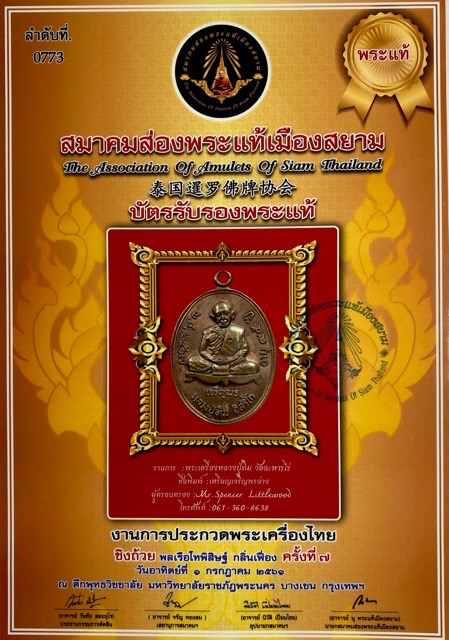
The Pra Somdej Wat Rakang Comes with A4 Size Plasticized Authenticity Certificate issued by the Association of Amulets of Siam Thailand, and comes with Free Express shipping, and Free Solid Silver Casing Included in the price. Please choose the free silver casing option to take advantage of this free offer. Free express registered shipping is worldwide and included automatically.
Below, A4 sized certificate of authenticity of this Pra Somdej Wat Rakang Long Rak Chart Pim Gaes Talu Sum Block Chang Luang Wijarn, The Artisan Chang Luang Wijarn was the Kroo Ba Ajarn (teacher) of all the other artisans of the Chang Sip Moo artisans, including the great Chang Luang Sittigarn and Chang Luang Wijit.
Understanding the Term “Gaes (Kesa) Talu Sum”
In Thai Buddhist amulet vocabulary, “kesa” (เกศ) refers to the flame-like ushṇīṣa or “topknot” on the head of the Buddha image. “Thalu” (ทะลุ) means “to pierce” or “go through,” and “sum” (ซุ้ม) is the ornate arched frame or halo encasing the Buddha’s seated image. So, Kesa Thalu Sum implies that the topknot reaches upward and pierces through the apex of the arch, a rare and desirable stylistic detail that only appears in a select few authentic master molds (phim ong krū – พิมพ์องค์ครู) from Somdet Toh’s era.
Below, is an 11 minute long video with full views and 12 x Macro closeups of the Muan Sarn Powders, wth Narrative from Ajarn Spencer Littlewood to enlighten the student on the various aspects of authenticity of a different exhibit which was also a lacquered version, and displays similar characteristics to this exhibit, with highly informative narrative by Ajarn Spencer, explaining various aspects of the studt, perusal and inspection of this tyupe of amulet, and some revelatory information about the amulet itself and the history of its making, and the Sacred Muan Sarn Content. This helps the student to understand and increase their expertise in recognising authentic Pra Somdej Wat Rakang Kositaram amulets of this model and type.
Who Was Chāng Luang Wichān (ช่างหลวงวิจารณ์)?
The iconic Kesa Thalu Sum mold is widely attributed to the craftsmanship of Chāng Luang Wichān Wijit Sittikān (ช่างหลวงวิจารณ์ วิจิตร สิทธิการ), a royal artisan of the Chang Sip Mū (ช่างสิบหมู่)—the Ten Royal Craft Guilds of Siam. These were elite artisans directly serving the Chakri dynasty, skilled in sculpture, lacquer work, gold-smithing, and iconography. Wichān was said to have personally carved molds under the commission or guidance of Somdet Toh himself, resulting in highly refined, geometrically perfect, and spiritually resonant Buddhist images.
His mold—known as the Wichān Block—exemplifies regal aesthetics fused with spiritual subtlety. When found on authentic Wat Rakang specimens, it often features:
A perfectly symmetrical arch (sum) enclosing the Buddha image
The kesa (topknot) extending straight upward, piercing the arch
Subtle curvature of the seated Buddha’s silhouette
Triple base lines (samchan) with precise spacing
Signs of aged lacquer (rak chāt chīn) from the original red Chinese lacquer finishing
The Wichān Block vs. Other Blocks
In the study of Somdet amulets, experienced phra sen (พระเซียน – amulet masters) distinguish between various molds (phim) based on micro-details and matrix analysis. Three major molds compared at the elite level are:
Wichān Block (บล็อกช่างหลวงวิจารณ์) – Characterized by its “Kesa Thalu Sum,” fine lines, and sophisticated surface.
Sīao Noi Block (บล็อกเสี่ยวน้อย) – Slightly more primitive in depth but very ancient in clay composition. This block is often less crisp but bears classic signs of age and high energy (sāk sit).
Wang Nā Block (บล็อกวังหน้า) – Possibly produced by artisans from the Front Palace (Wang Nā) under royal patronage, with a broader face and deeper relief.
A truly ancient amulet made Circa 2390 – 2396 BE. The rear face of this exhibit is inimitable and has immensely beautiful markings, of a classic Pra Somdej Wat Rakang. Various exhibits display different textures on the rear faces, for they were laid on various surfaces to sun dry, ranging from marble stone, wood, metal, and other surfaces, resulting in textures ranging from stone-like fossilized effect, granular, crackled, to the fine scratches on the rear face of some, which come from laying them to dry on mai gradan wooden boards.
In truth, no two Pra Somdej Wat Rakang are the same, and each amulet has its own individual character, which is of course one of the many aspects which form part of what makes the Pra Somdej Wat Rakang the title holder of the ‘King of Thai Amulets‘.
“Gaes Talu Sum” as One of Many Pīm within Dtamrā
While “Gaes Talu Sum” (เกศทะลุซุ้ม) refers to a distinct style, it is only one recognized Pīm (พิมพ์) among many listed in the classic reference Dtamrā Phra Somdej Wat Rakang. These canonical molds include:
Gaes Talu Sum
Phim Yai (Large block, plain arch)
Phim Sam Chan (Three-base lines)
Phim Paa Singha (Lion-cloth border)
…and others.
The Wichān Block belongs specifically to the Gaes Talu Sum group and is often called a Pīm Ong Krū (พิมพ์องค์ครู – ‘teacher mold’), signifying its canonical status as an original master mold.
The Chang Sip Mū (ช่างสิบหมู่): Ten Royal Artisans of Siam
The Chang Sip Mū (Chāng Sip Mū)—literally “Ten-Craft Guild”—was an elite corps of artisans instituted under King Rama I of Siam. These ten crafts included:
Carving (chāng chākā) – wood and stone
Gilding (chāng phliap) – gold leaf application
Casting (chāng lom) – metals
Engraving (chāng tschāt)
Drawing & Painting (chāng phithāng)
Lacquerwork (chāng rō rät)
Sculpture (chāng chāt)
Manufacture of Buddha images (chāng phra pinyo)
Stucco & inlay (chāng phaeng)
Hidden relief and finishing (chāng lath)
These artisans were established to revive and preserve sacred craftsmanship such as Buddha-image iconography, temple decoration, and monastic utensils. Chāng Luang Wichān—a Chāng Luang rank artisan—expertly blended multiple crafts, especially casting, engraving, and lacquerwork, to produce master molds like the Wichān Block.
Three Eras of Phra Somdej Production at Wat Rakang Kositaram
According to Dtamrā Phra Somdej Wat Rakang (ตำราพระสมเด็จวัดระฆัง), production under Somdet Pra Phutthācāriya (Toh) Phrommarangsi is traditionally divided into three eras:
1. Yuk Ton (ยุคต้น / Early Era, c. 1860s)
Mix: Fine limestone crushed to powder, phong itthi (powerful clay blend)
Pīm: Coarse molds with less defined lines
Ritual: Solo empowerment with Phra Trisaranāgata paritta
Marks: No lacquer finish; rough, sandy texture
2. Yuk Klang (ยุคกลาง / Middle Era, c. 1870s–1880s)
Mix: Addition of phong pārisaṇḍa powders, remnants of old monk’s robes
Pīm: Molds refined by Chang Sip Mū, including the Wichān block
Ritual: Multi-stage consecration with Jinapañjara and Mahā Meṭṭhā chants
Marks: Early signs of Rak Jeen Borān—thin lacquer coat, slight red tint
3. Yuk Plāi (ยุคปลาย / Late Era, c. 1890s until Somdet Toh’s passing in 1872)
Mix: Highly refined batches with small shell inclusions
Pīm: Final mold-state perfected; deep relief, crisp lines
Ritual: Full-scale empowerment ceremonies attended by royal court
Marks: Visible Rak Jeen Borān with Hān (micro-cracks) and color patina
The amulet comes with the A4 size certificate of authenticity as a Pra Somdej Wat Rakang Long Rak Pid Tong of Somdej Pra Puttajarn (Dto) Prohmrangsri, with definition of the preferred artisan as authentic issued from the Pra Tae Mueang Siam Amulet Association.
An Immortal Classic and one of the most famous Thai Buddhist Amulets of all time, as well as being amongst the top preferred amulets of the serious devotee and wealthy collector of the accepted amulets of Somdej Pra Puttajarn (Dto) Prohmrangsri, of Wat Rakang Kositaram, whose Pra Somdej are the number one amulets of all time, be they from Wat Rakang, Wat Bang Khun Prohm,or Wat Gaes Chaiyo.
Made almost 2 centuries ago, the Pra Somdej Wat Rakang can be considered the number one amulet of all time in Thailand for its historical fame and legendary, and thae reputation of its maker to be the number 1 in all Thai History for Pra Somdej Amulets.
Rak Jeen Borān (ลงรักชาดจีนโบราณ): Ancient Red Lacquer
Rak Jeen Borān is a thin red lacquer derived from ancient Chinese formulas. It was popularly applied to selected pīm in the Yok Klang and Yok Plāi eras. Artisans would:
Dip the cured amulet in lacquer bath
Allow it to settle into fine cracks
Let it cure naturally under temple shade
Visually, it leaves a warmreddish hue, especially in recessed areas and seen as a micro hairline cracks (“hān”). The lacquer gave spiritual seal and aesthetic refinement—only a portion of issued amulets received this treatment, based on batch size and ritual occasion.
The Pra Somdej Amulets of Somdej Dto, are officially recognized as coming from one (or all) of four Royal temples Classed as three, because Wat Bang Khun Prohm Nai and Wat Intra Wiharn Bang Khun Prohm, are both located within the same temple boundary). Namely; Wat Intra Wiharn (Bang Khun Prohm Nai), Wat Gaes Chaiyo, Wat Mai Bang Khun Prom, and of course last but not least, Wat Rakang Kositaram. Most of these amulets are given a Puttapisek blessing ceremony in the temple where they were made, but then travel to at least two or three of the other temples to be laid under the ‘Pra Pratan’ (main Buddha statue in the shrine), and absorb the prayers of the Sangha (Monks), for further sacredness and power.
The Pra Somdej amulet, is one of the ‘Benja Pakee’ official set of five national amulets of Thailand seen as the most sacred, desirable and representative of every region of Thailand. In recent decades various Kru hiding place finds have been discovered in temples where Somdej Dto built statues and traveled, such as the Kru Wat Kanlayanamit, and Kru Wat Sadter finds.
This amulet comes with its certificate of authenticity in form of a A4 sized plastified certificate photo of the Chomrom Pra Tae Mueang Siam Amulet Appreciation society of Siam Thailand, and complimentary box with authenticity confirmation sticker. We offer free Solid Silver, Stainless Steel, or Waterproof Casing with this amulet (or gold at extra price), whichever you prefer. Free Express Shipping is also included in the price
The rear face shows the presence of all the classic features and Muan Sarn ingredients of a true Pra Somdej Wat Rakang of Somdej Dto, with a beautiful lined pattern resulting from shrinkage and drying over almost two centuries of ageing, and which has added to the character and increases the ease of authentication. This kind of rear face pattern is highly preferred among aficionados and serious devotee-collectors, for its classic aged appearance.
The contents of the Muan Sarn Sacred Clay reveal the necessary aspects and content expected from an authentic Pra Somdej Wat Rakang. The design of the front face is exquisite, as were all the block presses carved for Somdej Dto by the artisan Luang Wijarn, one of the royal artisans of the Chang Sip Moo group of artisans.
Pra Somdej Wat Rakang is one of the classic Pra Somdej amulets of Somdej Dto available, along with Pra Somdej Wat Gaes Chaiyo, and the Pra Somdej Wat Bang Khun Prohm amulet as far as popularity, beauty, sacredness of Puttapisek ceremony and price range.
The Pra Somdej Wat Rakang amulet is the Keystone and Master amulet (Ongk Kroo) for all other Pra Somdej amulets. It is an image in the likeness of the Buddha sitting on a Dais, which was essentially created by Somdej Pra Puttajarn (Dto) Prohmrangsri, of Wat Rakang Kositaram. There are various different ‘Pim’ (models) with varying design features.
The Pra Somdej Wat Rakang, are considered to have extremely powerful Buddha magic in them due to the richness of sacred powders and powerful blessings contained within from great master Somdej Dto. Its general appearance is that of an oblong about 2.4 cm wide up to 4 cm high (varies between these sizes), made from white sacred powders mixed together.
The Pra Somdej Wat Rakang Kositaram Pim Gaes Talu Sum is Similar to the Pra Somdej Pim Pra Pratan, but has the ‘Pra Gaes’ Topknot piercing the arch at the top of the amulet. The Pim Jarod Sum touches the arch or approaches it.
The main Ingredients of the amulets (Muan Sarn Samkan) were made from a base of sea shells, dried rice left from alms round, the five sacred magic powders of Somdej Dto, and ‘Nam Man Dtang Iw’ (special oil for mixing). Nam Man Dtang Iw, or Tung Oil in English, is a preferred oil for mixing and curing amulets with, for it is superior to any other oil as far as water resistance is concerned (one reason why Pra Somdej amulets can be soaked in water without going soft). The oil is much more resistant to mold than its derivatives, such as linseed oil.
The Dtamra must be made by creating exactly 84,000 amulets, equal to the number of Suttas of the Tripitaka. There are different Pim Song (shapes and sizes) of Pra Somdej Wat Rakang, but those which are officially recognized and listed by the ‘wongarn Pra Krueang’ as far as Somdej Wat Rakang amulets are concerned, basically consist of the following officially recognised Pim of Pra Somdej amulets; Pim Pra Pratan, Pim Yai Niyom, Pim Chedi, Pim Prok Po, Pim Gaes Bua Dtum, Pim Gaes Talu Sum, and Pim Thaan Saem.
Somdej Wat Rakang amulets have various surface textures, categorized as ‘Nuea Laiad’ (fine texture cement mixture), ‘Nuea Hyaab” (rough textured cement mixture), ‘Nuea Gae Nam Man Dtang Iw’ (old looking textured cement mixture), otherwise known as ‘Nuea Sangkhayaa’, and ‘Nuea Gae Bpoon’ (old cement mixture).The basic structure of the design of the classic Somdej, (and almost all Somdej amulets from other temples too), is that of the Lord Buddha sitting inside a Bell (the word ‘Rakang’ means ‘Bell’ – ‘Wat Rakang’ means ‘Temple of the Bell’).
This is the primary importance of the Somdej amulet in the sense that Somdej from most temples depict the Buddha sitting within a bell which is represented by the arch. The arched structure in amulets is called a ‘Sum’. Although these rules do not necessarily always apply (there are a lot of Somdej which are in circulation which are most certainly authentic, but which are not preferred in the collector scene)
There are many less preferred editions which do not fulfill these standard rules of recognition, which is of course one of the reasons why some Somdej Wat Rakang amulets are able to sell for high prices and enter competition, get certificated etc, and why some are not, despite their most probable authenticity.
The difference in the various mixtures made for each ‘Pim’ have led to differing textures and appearances in the Pra Somdej collections, which provides for a varied and fascinating niche interest, which one can verily spend a whole lifetime studying and accumulating experience and knowledge about this, the King of all amulets.
The Gaes Talu Sum amulet, especially in its Wichān Block manifestation, is more than a religious token. It is a national archetype—an object that embodies spiritual lineage, royal patronage, and artisanal mastery.
To possess such an amulet is to inherit a sacred narrative written not only in clay and lacquer but also in karmic resonance. It is to hold, in one’s palm, a silent sermon from Somdet Phra Phutthācāriya (Toh)—a sermon of stillness, protection, and profound metaphysical elegance.
In the global context of sacred objects, few artifacts match the complexity, beauty, and theological depth of the Phim Yai Gaes Talu Sum. And none so fully encapsulates the unity of Thai spiritual identity, Buddhist doctrine, and royal craftsmanship as the Somdet amulet of Wat Rakang Kositaram.
Ancient Amulet - Thai Buddhist Pra Niyom Category Amulets
Ancient Amulet - Thai Buddhist Pra Niyom ('Pra Niyom'; meaning 'High End Preferred Class Antique amulets') Fine Authentic Amulets from the Great Thai Buddhist Sorcerer Monks, Lersi Ascetics, and Lay Masters of Olden Days
Sacred solid Wild Boar’s Tooth carved Palad Khik with Tiger and Sariga Yantra spell Inscriptions, and Carved Tiger on the hilt from Luang Por Sawai, of Wat Bridaram. The Carved Talismanic Animist Charms with their famous and instantly recognisable Hand Inscriptions of Luang Por Sawai, are amongst the most highly sought after and preferred amulets of Luang Por’s Pantheon, and are very rare to encounter.
This exhibit is carved from a Wild Boars Tusk into the shape of a Palad Khik Lingam with a Tiger seated on the hilt of the Lingam. The tusk is not just any old Boars Tusk, rather, ‘Khiaw’ Dtan’. Khiaw Dtan is a tusk that has no hollow inner, which is very rare anomaly, and seen to be powerful magic especially for Kong Grapan Chadtri and Maha Amnaj.
Luang Por Sawai was known for strict observance of sila, sustained Vipassana practice, and a calm, grounded presence. Accounts from Thai-language sources describe him as a monk who learned from a large number of teachers across both meditation and wicha lineages. He is often described as having studied under more than twenty teachers over the course of his life, reflecting the traditional Thai pattern of direct transmission rather than a single linear lineage. This breadth of instruction is frequently cited by devotees as the reason his consecrated objects were regarded as especially complete in both metta and protective qualities.
Periods of Tudong practice form part of his remembered life. These forest-wandering years are described as times when he practiced meditation in remote areas, traveling through undeveloped land, forests, and rural regions, enduring physical hardship and isolation as part of ascetic training. Such practice is traditionally associated with confronting fear, cultivating endurance, and refining mental stability. In local recollection, these years shaped his character and reinforced his reputation for inner strength and quiet authority.
This talismanic charm amulet is imbued with a multitude of different types of Magic which complete the powers needed for almost all walks of life, with the Wicha Suea Tiger Magic, fyued with the Wicha Sariga Celestial Magpie and the Wicha Palad Khik.
Thai amulet circles consistently list LP Sawai as a monk whose amulets emphasize metta, protection, and authority. Among the most discussed are carved talismans made from wild boar tusk, particularly the Khiaw Gae carved with tiger imagery. These objects are traditionally associated with Kong Grapan and Maha Amnaj qualities and are valued for their material, hand carving, and the presence of sacred inscriptions attributed to his hand.
He is also associated with metal Buddha-image amulets, including Pra Kring types and Pra Pidta forms, as well as commemorative medallions issued by Wat Bridaram during different periods. Later in his life, Takrut scroll amulets are recorded, described as emphasizing metta and social harmony. Palad khik and other traditional charms, carved from bone, ivory, or wood, also circulate under his name and are regarded as part of the temple’s ritual output rather than mass production
Kata Bucha Nok Sariga
Kata Bucha Nok Sariga (Golden Tongued Celestial Magpie) is chanted to invoke immense Metta Mahaniyom (loving-kindness) and Maha Sanaeh (seductive charm), primarily for improving business, speech, and persuasion. The most common short mantra is:
“Wanna Wannaa Saligaayo Puttang Siro Waa Ha”.
The shaft of the Palad Khik has inscriptions of the Yant Suea Tiger Wicha, for Maha Pokasap Maha Amnaj Maha Ud Kong Grapan Chadtri Klaew Klaad, and the Head of the Palad Khik has the Inscription of the Yant Sariga Celestial Magpie spell, for Metta Maha Niyom Maha Sanaeh Jerajaa Kaa Khaay Magic.
Kroo Sathidt Chodtikun (Luang Por Sawai Thidtawanno), was an elder monk of the pre 2500 BE generation of Guru Masters, who was born in 2464 BE in Ayuttaya, and became the abot of Wat Bridaram in Nakorn Pathom. His father’s name was ‘Suea’ (meaning ‘Tiger’) and his Mother’s name was ‘Yim’ (meaning ‘Smile’). Luang Por Sawai became known as one of the Great masters of Nakorn Pathom Province, but indeed is highly revered by Devotees in Ayuttaya too, for he was born there.
Luang Por Sawai passed away during Loi Kratong period, on the 11th November, in the year 2543 BE. He was known for his powerful Kong Grapan Chadtri Klaew Klaad Maha Amnaj (Commanding Power & Dominion) carved hand inscribed talismans. Luang Por Sawai’ possesses great fame for this kind of ‘Krueang Rang’ Talisman is legendary.
Below; another classic example of Palad Khik Luang Por sawai with his inimitable inscriptions, including the Sariga Birds on the head of the Palad Khik, for your comparison, and to reveal the signature details of the hand inscriptions which Luang Por Sawai used for his Carved Talismanic Charms.
All of his carved talismans are equally popular, be it the carved Khiaw Moo Dtan solid Boar Tooth, Palad Khik carved from tooth, ivory, bone, wood and coral, or his other animist charms. His Muan Sarn Sacred Powders amulets are manyfold and also highly revered, and well documented in encyclopaedic works.
Above; The tip of the tusk has Luang Por Sawai’s highly recognisable Sariga Birds engraved into the head of the Palad Khik
Luang Por Sawai’s Patipatā (practice and diligence), was highly regarded by devotees all around Thailand, for his great Purity and Meritorious Behaviour and Charitable Acts became heard of far and wide. The power of his amulets and the stories of success, is of course an additional factor involved in the cause of Luang Por Sawai becoming such a popular and famous Master for his Talismanic Charms.
Luang Por Sawai is highly renowned for his Mastery of the Yant Maha Gamnerd Narai ‘Birth of Vishnu’ Spell, which is said to be amongst the most powerful and Universally Effective Magic Spells in the Dtamra Saiyawaet of Vedic and Khmer Sorcery
Kata Bucha Luang Por Sawai of Wat Bridaram.
Use for Bucha to Luang Por Sawai, and his amulets, and especially those with the image of tiger will have great benefits from this Kata also. Those who are familiar with Tiger Wicha amulets will notice the presence of certain phrases which are invovations or praises to the Payakka Tiger. This is part of Luang Por Sawai’s Wicha, and even his own father was named ‘Tiger’, and the Tiger Wicha is one of the various Animist Talismanic Spells he mastered during his lifetime. The Kata works for any amulet of Luang Por Sawai or for paying Reverence to Luang Por Sawai himself (Bucha).
Luang Por Sawai was a Gaeji Ajarn Master of the Nakorn Pathom Province, which is the land where the Dhavaradi Period of Buddhism arose, and is known as the ‘Daen Sri Dhavaradi’. Nakorn Pathom is the location of the Great Pathom Chedi first Stupa which is said to commemorate the Buddha’s first place of resting when his alleged journey to Siam took place. Thai Buddhist legend states that the Buddha did visit what was then still Suvarnabhumi before the Chakri Kingdom of Siam arose, and that he stopped to rest where the Great Chedi Stupa of Nakorn Pathom now stands. This Chedi is the oldest Chedi well over 1000 years old, and was built to commemorate the Buddha’s first resting place in Siam.
His famous Palad Khik, Khiaw Moo, and of course his final edition Takrut Bailan 100 Pi are amongst the many world famously powerful (and beautiful!) amulets of his pantheon to be accepted and highly regarded by the amulet appreciation societies of Thailand. The amulets of Luang Por Sawai are seen to grace the pages of encyclopaedic volumes of amulet aficionado societies, and has enjoyed a place of high status in national amulet magazines over the last few decades.
This Palad Khik is carved from a piece of natural Tusk, and has been inscribed with a mass of sacred Khom agkhara spell inscriptions, and Yant. The true ancient formula of inscriptions of the Dtamra Palad Khik are most impressively inscribed on the surface of the most difficult to fashion tusk. The Yant Suea Phaen ‘Leaping Tiger Yantra” is inscribed with immense detail, and a host of Khom Agkhara Inscriptions embellishing its power, with Invocations of Tiger Magic.
The invocations and awakening and turning of the four elements were performed, the heart Mantra to awaken the Palad Khik (Kata Hua Jai Jone – Heart of the Gangster Kata), and the Akarn 32 Incantation to reanimate it and bring it to life, with the spirit of the Magic of the Suea (tiger), Sariga (Celestial Magpie), and the Lingam of Shiva Wicha Palad Khik.
The Palad Khik is an Ancient Wicha, whose development can be traced right back to the Vedic Brahman Occult practices of Thousands of Years ago. Palad Khik amulets must be empowered by the repetition of incantations, which Thais call ‘Kata Bucha’. Kata Bucha are derived from the Devanagari word ‘ghata poojah’.
The incantations for Palad Khik depend on the creator’s lineage in each school of traditional Animist magic, but in truth, one can use any or all of the many different Kata given for Palad Khik..
Kata Bucha Palad Khik
Ganha Nē Ha – Na Ma Pa Ta
or
Ja Pa Ga Sa – Na Mo Put Taa Ya – Gan Ha Nē Ha Na – Ma Pa Ta – Om Siwaling – Sabbha Metta – Sabbha Pokaa – Sabbha Laapo – Sabbha Tanaa – Sabbha Yasa – Sabbha Pranee – Sabbha Mangalaani Bhavantume – Om Laluay Mahaa Laluay Samsip Sorng Hee Hae Hom Lorm Dtorm Kuay Khor Hai Guu Ram Ruay Pro Hua Kuay An Nii Da Daa Di Dii Duu Dii Hee Maa Kuay Maa Burut Maa Dii Sadtrii Mii Maa Swaa Home
The Pra Pid Ta Hlang Baeb of LP Kaew, Wat Kruea Wan temple, in white powders, is a very rare model, and a truly remarkable and classic exhibit, widely regarded as the number one amulet of the esteemed monk, Luang Por Kaew, of Wat Kruea Wan (formerly of Wat Pak Tale). This ancient amulet, created and empowered by the Great Ancient Sorceror-Monk of Olden Days, Luang Por Kaew, is a a legendary amulet that has attested to his exceptional skills and mastery in the art of amulet-making. The Pra Pid Ta is made from a unique blend of sacred powders, known as Nuea Pong Wised, composed of 5 special magical Yantra Powders (Bpathamang, Puttakun, Trinisinghae, Ittijae, Maharach).
.One particularly striking feature of this amulet is the concave indented Pid Ta on its rear face, which is a hallmark of Luang Por Kaew’s work. This intricate detail, along with the slender arms and perfectly detailed relief of the Buddha image, creates a sense of depth and character that is truly captivating. Luang Por Kaew created this masterpiece during his time as a monk in Chonburi Province, around the year 2365 BE. This was a significant period in Thai history, as Pra Jao Thaksin Maharaj was leading the effort to restore Siam to freedom from invaders. The Pra Pid Ta Hlang Baeb Wat Kruea Wan is not only a beautiful and well-preserved example of Luang Por Kaew’s work, but also a tangible piece of Thai history that speaks to the enduring power and significance of Buddhist amulets
The amulet radiates a captivating glow, enhanced by the unique ‘Nuea Graeng’ marbling effect. This is a result of the sacred Muan Sarn powders, which contract and dry over time, creating distinctive surface cracks. This particular Buddha image showcases intricate details, a slender build, and a high level of craftsmanship, making it a fine specimen of the Pra Pid Ta Luang Phu Kaew. The amulet’s powerful sacred clay composition is known for its Kong Grapan, Klaew Klaad, Metta Mahaniyom, and Maha Lap properties, attributed to the esteemed monk known for his world-class mastery.
An all time Pra Niyom High End Classic Ancient Amulet, renowned for its power and status from Luang Phu Gaew, who first began his legendary of Wat Pak Tale in Petchburi (Later moved to Wat Kruea Wan in Chonburi). The Pra Pid Ta of Luang Phu Gaew of ancient fame comes with free express shipping. The Pra Pid Ta of Luang Phu Gaew is widely regarded as the number one Pidta amulet of all time by devotees of the Chonburi Lineage Master Amulet Collector Scene, as well as by those who are devoted to the Petchburi Masters. This amulet is a true Master Class piece, and its rarity is such that it is incredibly difficult to encounter in the present era.
Free Express Shipping is included with this item. Apart from being so highly regarded for their powerful Metta Maha Niyom and Maha Lap, of the highest power of all Pid Ta, the Pid Ta of Luang Phu Gaew are considered to be the top Pra Pid Ta amulet in Thailand, which carries one of the highest prices within its Genre.
The Pra Pid Ta Luang Phu Gaew is a truly exceptional amulet, one that is held in the highest regard by collectors and devotees of Thai amulets. Its reputation is such that when it changes ownership, it is often considered “news” within the amulet community. This is true whether the amulet was crafted during Luang Phu’s time at Wat Pak Tale, or after he moved to Wat Kruea Wan.
This truly ancient amulet is one of the extremely rare amulets of the Pra Niyom Master Class category of Both Petchburi and Chonburi Masters, and has a cult collectorship following in the Wongarn Pra Niyom Sai Chonburi and Sai Petchburi (Chonburi and Petchburi Province High End Collector Scene). The exclusivity factor of this amulet is indescribably high, and coming from the both Chonburi and Petchburi Provincial Collector scene only serves to evidentiate it as a High Class and Ultra rare Pra Niyom Master Class Amulet of ancient times. One of the reasons for the Pra Pid Ta’s enduring popularity is the powerful and protective qualities it is believed to possess. The amulet is said to offer Kong Grapan (protection against sharp objects), Klaew Klaad (protection against deadly accidents), Metta Mahaniyom (charm and popularity), and Maha Lap (luck and prosperity) to the wearer. These qualities, combined with the amulet’s undeniable rarity and historical significance, make it a true collector’s item.
The Pra Pid ta Luang Phu Kaew, is known for its power being made from Luang Phu Kaew’s ancient and powerful sacred Muan Sarn. There is a famous tale of the Billionaire Chawapon Rerm Wanich, buying a number of Pra Pid Ta Pim Lek Hlang Riab (plain rear face small model) amulets of Luang Phu Kaew, for a sum of 10 million Baht each (about 350,000$US)!
It is said that the only thing harder to find than the Pid Ta of Luang Phu Kaew, is the Photo of Luang Phu Gaew himself. However, despite these true stories, that some millionaires pay immensely high prices for such amulets, the standard price which true collectors and aficionados consider to be universal ranges between the 1000$ for a less well kept or lesser preferred model with or without certificate, to 11000$ for a top class prizewinner.
Luang Phu Gaew was one of a group of Master Monks who all possessed and practiced the Wicha of making Pra Pid Ta, all of whom are famous names, such as Luang Phu Jeen of Wat Ta Lad, Luang Phu Pu (2351 -2361 BE), Luang Porn Daeng of Wat Ang Sila, and the great Luang Por Plord of Wat Pak Tale, who was the premiere apprentice to Luang Phu Gaew, and famous in his own right for his famous Look Om amulets which he made with the remaining powders inherited from Luang Phu Kaew, as well as adding powders of his other Kroo Ba Ajarn such as Luang Por Tong Sukh’s powders of Luang Phu Iam (Wat Sapan Sung).
Luang Phu Gaew was born sometime between 2337. This is known by devotees who met and worshiped Luang Phu Gaew as he appeared on Tudong wandering in Khao Bandai it district of Petchburi, to escape being asked to become abbot of Wat Pak Tale, as the current abbot had just passed away, and he preferred the forest wandering and meditation, to administration of the worldly aspects of running a temple. Luang Phu Gaew wandered onwards until he came to rest at Khao Luang Temple, and saw it was in total disarray.
He thus rounded up devotees to help and slowly restored the temple to original condition, and the local devotees begged him to be the abbot of Wat Khao Luang. But in the eyes of Luang Phu Kaew, this was tantamount to chasing him away, as he was not inclined to accept limitations on the practices and austerities of Tudong. So Luang Phu Gaew wandered off again and disappeared into the forests on Tudong.
Later after some years of disappearance and no documentation of his life during those years, he later appeared in Chonburi and built the temple at Wat Kruea Wan, where he stayed till the end of his life, and became the great Master of Wicha Pra Pid Ta of the Chonburi Province who is considered the top number one master of all, despite the absence of a full biography and a lack of knowledge about the full details of his life. His Wicha was passed to great Masters who he was associated with all of whom became Top Masters of Historical Fame in their own Right, with some of the greatest names being his apprentices.
Below : one of the only photos we have in existence to date of Luang Phu Gaew, which has the date R.S. (Ratanakosin Year) 124 (2449 BE), and his age being 55 years old in this picture.
Even the world famous Payak Kampant, Sian pra Maestro of the Thai Amulet Society, who released a book with 108 biographies and pictures of Great Master Monks, was not able to include the Biography and Picture of Luang Phu Kaew, due to the rarity. The Muan Sarn of the amulet, with all the aspects of an ‘Ongk Kroo’ (teacher model to accustom the eyes to the true authentic sacred powder content).
The rear face features the image of the Pra Pid Ta Ongk Pra Buddha embossed in concave. The Muan Sarn of the amulet is clear and easy to appreciate with the eye with no need of an eye loupe or magnifying glass to authenticate. This level of pristine clarity in an amulet of this age and status is so very rare to encounter indeed, making this exhibit a definite ‘Ongk Kroo Masterpiece Version’
This particular exhibit displays all the features necessary for prize winning competition entry, and already possesses a certificate of authenticity from the Samakom Song Pra Tae Mueang Siam.
The front face of the amulet glows with a truly seductive aura of beauty and its surface texture of ;Nuea Graeng’ marbled effect of the Muan Sarn sacred powders, which are the result of the contraction of the different particles within the sacred clay mixture of the amulet, as time passes and the amulets dries, and shrinkage causes small surface cracks to appear. This renders a truly beautiful example of the Pra Pid Ta Luang Phu Kaew. The features of the Buddha Image with its slender arms and its perfectly detailed relief, full of depth and character, leave the eyes unstrained when authenticating and appreciating its subtle features, and evident age. True beauty in subtlety, with a sacred muan sarn powder content that assures the wearer of high Puttakun Power and effective Kong Grapan, Klaew Klaad, Metta Mahaniyom, and Maha Lap effect. We behold before us a Master Class authenticated amulet from one of the greatest olden days master sorceror monk, of world class status.
Ancient Amulet - Thai Buddhist Pra Niyom Category Amulets
Ancient Amulet - Thai Buddhist Pra Niyom ('Pra Niyom'; meaning 'High End Preferred Class Antique amulets') Fine Authentic Amulets from the Great Thai Buddhist Sorcerer Monks, Lersi Ascetics, and Lay Masters of Olden Days
An absolutely pristinely well-kept perfect exhibit and an immense rarity: the Pra Rian Jaroen Porn Lang Nuea Tong Daeng Pim NiyomLuang Phu Tim (much, much harder to find than the Pim Jaroen Porn Lang) – A n authentic and certificated amulet, confirmed by both Ajarn Spencer,as well as certficated by the Siam Amulet Original Society as Authentic. Anciet Amulet proudly presents a pristine exhibit of Luang Phu Tim’s eternal classic Guru Monk Coin. Only 247 of these Jaroen Porn Langcoins were made compared to the 343 Jaroen Porn Bon cpims im Nuea Tomg Daeng Sacred Copper alloy. This Pim is one of two rare Pim, the Aksorn Leuk (deep engraving lettering o rear face and front face edges) and the Aksorn Dtern (shallow engravings) this Pim is ‘Aksorn Leuk’.
The Rian Jaroen Porn Lang, in Nuea Tong Daeng, this one being a Pim Code Gao (Code ๙), ‘Jaek Gammagarn’, in Nuea Tong Daeng (Sacred Copper), with Thai ๙ Number 9 Numeral code stamp, and the ท (T for ‘Tim’) code stamp. Only very few Gammagarn Jaroen Porn amulets were made in the ‘Jaroen Porn Lang’ series. This edition was released in 2517 BE and handed out during the ceremony (Jaek Gammagarn). Free Express Shipping is offered Worldwide Included in the Price for this Amulet.
The amulet comes with its complimentary box, and A4 size Certificate of Second Prize Winner and Authenticity included, and the offer of free solid silver, stainless steel, or waterproof casing if desired. The Pim Jor Gradok Coin is also known as the ‘Block Prasobgarn’ for the many stories of miraculous events retold by devotees who have worn and revered this amulet.
This rare Pim Jor Gradok Gammagarn Prizewinning coin amulet is a wonderful opportunity for devotees who seek the true power of a world class amulet from a world class edition, and also a wonderful Ongk Kroo reference study exhibit to peruse under the eye loupe. The amulet is a perfect and authentic study material, to train the eyes as to the appearance of the Muan Sarn and Surface textures of the Classic amulets of Luang Phu Tim Hence, the amulet is also a perfect ‘Ongk Kroo’ reference study material for students of the Pantheon, and will increase your chances of spotting an essential rarity at the right price, and without danger of risking a fakery.
The Rain Jaroen Porn amulet is one of the master Class members of the Pantheon of amulets of Luang Phu Tim, and was made in two different versions, the Rian Jaroen Porn Lang (words ‘Jaroen Porn’ written above Luang Phu Tim), and the Rain Jaroen Porn Lang (words ‘Jaroen Porn’ written below Luang Phu Tim). Various variations were made using different sacred metals, and differing code stamps and block presses, which makes for a complex documentation, which left the Samakom Pra denying some now universally accepted models, due to the difficulty in documentation. As the decades have passed and various investigative authors have gathered and compiled a more complete encyclopedic work of the pantheon, it is much easier to define and pinpoint which series and block press each amulet comes from.
Below; Encyclopaedic Documentation of the Rian Jaroen Porn Bon Nuea Tong Daeng Jaek Gammagarn Pim Jor Gradok in the Dton Rak Pra Editorial
Luang Phu Tim Issarigo, is of course not only one of the most highly acclaimed and sought after Guru Monks for his amulets, he is the holder of the highest esteem in Thai Buddhist amulet history for Pong Prai Kumarn powders.
Below; Rian Jaroen Porn Lang Pim Jor Gradok Jaek Gammagarn Nuea Tong Daeng in the Dton Rak Pra Editorial
Luang Phu Tim, is Internationally Acclaimed, for his famous Pra Pong Prai Kumarn amulets, and Look Om powder balls. As to the classic ‘Rian’ type coin image amulets which have become all time favourites, and eternally, world famous classic amulets of the high end variety.
His Rian Jaroen Porn, (both Jaroen Porn Lang and Jaroen Porn Lang versions), his Rian Huang Chueam, Rian Traimas, Rian Sema, Rian Pra Jao Thaksin, and Rian Nakprok are amongst the most highly sought after coin amulets of all.
This amulet is hence not only one of the world’s most highly sought after and famous amulets, renowned for its sacred power, it is also a second prizewinner in its category, with certificate, making this an extremely desirable acquisition for any true devotee of Luang Phu, or collector of the amulets of Luang Phu Tim.
An amulet with a past, a present, and an eternal future of fame and legend, with decades of confirmed miraculous power coming from the devotees who pray to and wear this amulet.
The Rian Jaroen Porn Pantheon
A total of 17,820 coins were made in all the diffferent versions, which can be divided up and categorised in the following manner
1. Rian Jaroen Porn Lang Nuea Tong Kam Solid Gold coins of which 16 were made. each individual amulet has its number from 1 – 16 embossed on the rear face. The secret code Thai letter t ท is hidden in the space between Luang Phu Tims right arm and his torso. The surface of the coin to the side of Luang Phu’s left arm has the Khom Agkhara syllable ‘SA’ inscribed on each coin, for ‘Samrej’ (meaning ‘success in one’s endeavors)
2. Rian Jaroen Porn Nuea Ngern (solid silver) coins, made in both Jaroen Porn Bon, and Jaroen Porn Lang versions (words ‘Jaroen Porn’ being either above or below Luang Phu Tim’s image). A total of only 343 coins were made in silver. This was because after pressing 237 coins using the Jaroen Porn Lang (words below Luang Phu) block press, the block press broke. So they repaired the block press buy filing off the ‘Jaroen Porn’ from below Luang Phu’s image and redesigning new letters above his image instead (Jaroen Porn Bon). They then pressed the remaining 72 coins to complete the series of 343 coins. The Jaroen Porn Lang coin is hence much rarer to find than the Jaroen Porn Bon in copper, but inversely so in solid silver, for only 72 of the 343 coins made in silver were given the ‘Jaroen Porn Bon’ design version. Each coin had its own individual series number from 1 – 343 stamped on the rear face, between the letters ‘Na Ma Pa Ta’ and the words ‘Wat Laharn Rai’. The Thai letter ท T is stamped underneath the leg of the dais upon which Luang Phu Tim sits on the left side of the coin in silver versions.
3. Rian Jaroen Porn Nuea Nava Loha (Nine Sacred Metals), of which 1,166 coins were made, with the words ‘Jaroen Porn’ being situated above the image of Luang Phu Tim, which means all Nava Loha versions are found only in Jaroen Porn Bon version with the words above Luang Phu’s head. the series code numbers 1 – 1,166 were individually stamped on each coin below the image of Luang Phu Tim, with the code stamp Thai letter ท T stamped on his Sangkati robe sash on the chest.
4. Rian Jaroen Porn Bon and Jaroen Porn Lang in Nuea Tong Daeng, of which 15, 895 coins were made in various models and versions. 9000 were made in Jaroen Porn Bon version, and 6895 were made in Jaroen Porn Lang version. These amulets were pressed with two different block presses which resulted in the Pim Aksorn Leuk (deep lettering relief), and Pim Aksorn Dtern (shallow relief lettering). I addition a very few Pim ๙(9) Gammagarn versions were made with the Thai 9 cipher embossed as a series code stamp to differentiate, which were handed out to special sponsors.
5. Special Gammagarn Amulets – Rian Jaroen Porn Bon and Jaroen Porn Lang Jaek Gammagarn (Circa 800 coins made), in Nuea Tong Daeng, Galai Tong and other substances. These were handed out during the ceremony to devotees, and were hence undocumented in complete detail.
Kata Bucha Luang Phu Tim Issarigo
(chant to the Triple Gem first (Namo Tassa) 3 times)
Idti Sukadto Arahang Putto Namo Puttaaya — Ma A U Tugkhang Anijjang Anadtaa Putto Putto
Ancient Amulet - Thai Buddhist Pra Niyom Category Amulets
Ancient Amulet - Thai Buddhist Pra Niyom ('Pra Niyom'; meaning 'High End Preferred Class Antique amulets') Fine Authentic Amulets from the Great Thai Buddhist Sorcerer Monks, Lersi Ascetics, and Lay Masters of Olden Days
One of a the very rare ancient amulets of this Great Lanna Master, the Pra Rahu Kala Ta Diaw one eyed coconut shell carving, in classical ‘swallowing the moon/sun’ eclipse shape (Pim Rahu Om Jantr/Suriya), in ‘Nok Hook’ (Owl face) style, with an ancient and exquisitely filigrain inscriptions of Lanna Agkhara spell inscriptions, In rare One Eyed Coconut Shell, coated with ‘Rak Chart Jeen Boran’ ancient Chinese herbal Lacquer.
Hand carved by one of the preferred Master Looksit Artisans of the Guru, and hand inscribed with the Wicha Pra Rahu by Olden days Lanna Master Guru Monk Kroo Ba Nanta Nanto Bhikku, of Wat Tung Man Dtai, in Lampang. Kroo Ba Nanta was the Kroo Ba Ajarn of Kroo Ba Lerd, of Wat Tung Man Dtai. This amulet comes with a coput of the ebook “The First Book of Thai Lanna Sorcery”, written by myself (Ajarn Spencer Littlewood), as a gift, for it contains the Biography and amulets of Kroo Ba Nanta covered within its pages. 🙂
KATA PRA RAHU KAM DUANG
The rear surface texture reveals true ageing of a centenarian+ amulet, and the age of the inscriptions of Kroo Ba on the Yant Duang Sacred Geometry Spells inscribed within the central section of the amulet, shout out the word ‘ancient’
Free Registered Air Parcel shipping Worldwide is included with this amulet. The Pra Rahu of Kroo Ba Nanta is a very rare thing to come by, and is highly revered by Business Owners and those who are in High Administrative Positions, as well as those who seek to turn their fate around. Kroo Ba Nanta was one of the Greatest Lanna Masters in Living memory, before whose time, little is known of the names of the Masters who lived, so long ago was his Era.
Because of this, and his constant absence on forest Tudong wandering,, it is not known when Kroo Ba Nanta began making Rahu Amulets, nor how many he made, except that old people who lived during his time, say that he had made them as long as they could remember. Many different shapes and forms can be found, but the trained eye can recognize his inscriptions, and the natural ageing process of the coconut shell, ivory, wood or sacred powders used to make the amulet.
The earliest actual evidence of his making the Rahu amulets was found inscribed on a Kala ta Diaw Rahu Image from Kroo ba Nanta with the year 2456 BE, which is considered to be one of his earlier one eyed coconut shell carvings.The amulet measures 5 x 4 Cm, and is made from one eyed albino coconut shell. Kroo Ba Nanta Nanto Bhikkhu was considered the older of the 2 Greatest Masters of the Wicha Pra Rahu of that particular Era, the other most famous Master being of course Luang Por Noi, of Wat Srisa Tong.
Kroo Ba Nanta was born in 2415 BE, and was indeed the older of these two Great Guru masters of Wicha, both of whom were famous for the Pra Rahu, and also the Wua Tanu Sacred Arrow Bull animist charm.Many people believe that Kroo Ba Nanta was the Kroo Ba Ajarn of Luang Por Noi, but this is in fact a myth. Each of these Masters had their own personal Trajectories and their amulets differ in style and empowerment methods.
It would be more accurate to not compare the two, and to see that Kroo Ba Nanta and Luang Por Noi are equally Meritorious in their Mastery, and were perhaps the greatest Adepts of Wicha Pra Rahu in living memory.
Kroo Ba Nanta was an Upachaya Monk (entitled to ordain people as monks, which is one of the highest statuses), and was responsible for having built many important Buddhist Edifices in Lampang, Chiang Rai, Payao, and surrounding provinces, including Uposatha Shrine Rooms for temples, Chedi Stupas (22 in all), Kuti Huts, and 26 Vihara Shrines.
It is said that during the times of great difficulty of the Monk Kroo ba Srivichai, as Kroo ba Srivichai was placed under house arrest, that Kroo Ba Nanta made a Pra Rahu Kala Ta Diaw Amulet to pray to for the release of Kroo Ba Srivichai, and that he was released shortly after this.
If you feel that your Fate and Horoscope is not Auspicious, then it could be that Pra Rahu is interfering. You can solve this problem by making Bucha offerings to Pra Rahu every Wednesday; Light 10 black incense sticks (‘Toop’ in Thai), and five types of black offerings (e.g. black sticky rice, black jelly grass drink, black semolina or sago pudding and the like).
12 repetitons of the Kata Bucha Pra Rahu are to be Chanted;
Idtipiso Pakawaa Pra Rahuu Sataewaa Samaa Winyaana Idtipiso Pakawaa Putta Sangmi
Gusaedto Ma Ma Gusaedto-dto Laalaa Ma Ma Dtolaamo Tolaamo Ma Ma Tolaamo Ma Ma Tolaamodtang Haegudti Ma Ma Haegudti
Kata Jantra Bupaa (to be chanted in the night time)
Yadt-thadtang Ma Ma Dtangthaya Dtawadtang Mamadtang Wadtidtang Saegaa Ma Ma Gaasaegang Gaadtiyang Ma Ma Gaadtiyang Ma Ma Yadtigaa
When you begin to Bucha Rahu Deity, you should make the first ever session in the evening of a Wednesday (any time from 7 pm onwards). After you have done this once, you can make Bucha in the daytime if you wish, but the first time you must include the food offerings of black foods as well as the black incense. The second time onwards, only the incense is necessary in the daytime, if it is a lot of trouble to get the food offerings.
Special 2nd edition Rian Kanajarn (guru monk coin amulet), of the Great Master Luang Por Tong Sukh, of Wat Tanode Luang in Petchburi. The coin amulet is in Nuea Tong Daeng, and has Nuea Krang Pasted onto the rear face, which was done with a very few Gammagarn amulets, where Luang Por Tong Sukh pasted the stingless bee paste onto the rear face. The rear face is covered in visibly authentic aged Nuea Krang stingless bee paste, a rare and powerful magical Muan Sarn, for which the amulets of masters of the era of LP Tong Sukh, LP Iam and the like have always been so well known for.
Both the Rian Pra Kroo Tong Sukh, and the Takrut Nuea Krang of LP Tong Sukh, are among the most highly renowned and powerful amulets of all of the Great Masters of Olden days, on a par with the Takrut of other top masters of the time such as LP Iam, Luang Phu Sukh, and Luang Por Glan. Luang Por Tong Sukh, of Wat Tanode Luang, in Petchburi was one of the most popular masters for Kong Grapan, Maha Ud, and Klaew Klaad, and was very popular with Gangsters and Highwaymen, of which there were many in the Province of Petchburi, for the gun-stopper powers of his magic.
This second-generation coin amulet is highly sought after among Thai amulet collectors, especially in Phetchaburi Province and neighboring areas.
Year of creation: Buddhist Era 2498 (1955)
Attributed powers: Widely renowned for Maha Udom (invulnerability against weapons), Kong Krapan Chatri (physical invincibility), protection from danger and accidents, and good fortune.
Material: Produced in multiple materials, including copper and gold.
Die types: Can be broadly classified by the form of the vowel “I” above the name Luang Por Thongsuk, as follows:
“I” touching the rim / attached (most popular die)
“I” floating / not touching (early die)
Popularity: Historically very popular among local toughs and gunmen in Phetchaburi, which led to strong demand for this amulet as a companion piece to Luang Por Daeng of Wat Khao Bandai-It, first generation.
Rental / market prices:
The rental value of Luang Por Thongsuk, Wat Ton Luang, Generation 2 varies significantly depending on condition, material, and die popularity.
Luang Por Tong Sukh was born in 2420 BE, and lived until his passing in the year 2500 BE, after his appearance to assist in the Grand 25 Centuries of Buddhism Blessing Ceremony, which was the third largest in the History of Thai Buddhist Amulets. Luang Por Tong Sukh was, and remains in History, as one of the Top Petchburi Masters of All Time, whose powers of Kong Grapan Chadtri Klaew Klaad and Maha Amnaj were legendary.
This amulet comes with free registered express shipping worldwide , along with sending our ubiquitous free gift of another sacred amulet of high esteem, as we always do with all orders.
Luang Por Tong Sukh’s amulets are both extremely rare, and hold extremely high status and eminence with all amulet societies and devotees around the Nation. Luang Por Tong Sukh’s amulets hold especially high popularity in the world of the Serious Devotee and Collector Thai Buddhist Amulets and Talismanic Charms, mostly because of their Magical Power.
He made a number of different varieties of amulets, many of which are found in the high end Tamniab Wadthumkongkol Pra Niyom (official catalogues of preferred amulets of the National Amulet Appreciation Societies).
Many of his amulets are eminent figureheads of the Pra Niyom Master Class category of amulets, and are extremely rare items to find. Luang Por Tong Sukh was the Kroo Ba Ajarn of many other Great Monks of the following Generation, who are now famous names in their own right, beginning of course with the most obvious, Luang Por Phaew, Abbot of Wat tanode Luang. It was Luang Por Phaew who inherited his Magical Wicha and also the Administration of the temple of Wat Tanode Luang as its Abbot. The Look Om Nuea Krang Luang Por Tong Sukh Wat Tanode Luang, is made from the famous Krang Putsa Magical Resinous Paste of the great Master Sorceror Monk of Wat Tanode Luang.
Luang Por Tong Sukh was also the Kroo Ba Ajarn of many of the Top Masters of the Era which followed him, including the Great Luang Por Jang, and of course of Luang Por Phaew, the abbot who succeeded him. The amulets of Luang Por Tong Sukh are incredibly rare, and carry a relatively high price-tag, enough to demand faith in his amulets, but still affordable to any serious collector who seeks an amulet of the caliber of Luang Por Tong Sukh.
The list of great masters who studied and practiced under Luang Por Tong Sukh were;
Luang Por Un (Wat Tan Gong – now Deceased), Luang Por Huan (Wat Nikom Wachiraram – now Deceased), Luang Por Yid (Wat Nong Jork – now Deceased), Luang Por Jantr (Wat Mareuka Tayawan – now Deceased), Luang Por Nim Mangkalo (Wat Khao Noi – now Deceased), Luang Por Yorn (Wat Tanode Luang – now Deceased), Luang Por Phaew (Wat Tanode Luang – now Deceased), Luang Por Thaem Silangwaro (Wat Chang Taeng Grajat), Luang Por Heng (Wat Huay Sai Dtai, and Pra Ajarn Ji, of Wat Nong Hwaa
Amulets :
The most famously powerful and highly sought after amulets of Luang Por Tong Sukh in his lifetime were;
1. His Sak Yant tattoos. His Look Om Nuea Krang Ying Mai Ork Gunstopper Sacred Powder Ball ‘Bonbon Amulet’. One of the rarest kinds of Look Om of all to be found in the Pra Niyom Category of amulets. Reputed to have saved the lives of many devotees through gunstopper magic.
Below : Luang Por Tong Sukh and his famous Krang sacred resinous Substance
2. The first and second edition Rian Kanajarn Luang Por Tong Sukh Monk Coin, renowned for Kong Grapan Chadtri Maha Ud Klaew Klaad Protective Miracles, with extra power to protect against poisonous beasts in a spell written on the rear face.
Below : 1st edition monk coin Luang Por Tong Sukh
Below: 2nd edition monk coin Luang Por Tong Sukh
3. The Hwaen Hua Na Bad Talord Gan Asurapit Luang Por Tong Sukh Magic Ring of Protection, with special ability to defend against all Poisons, Venomous or Wild Animals. highkly renowned for its rare power to guard against wild beasts and poisonous plants and animals. Extremely rare to encounter. This Wicha continued to be famous with Luang Por Phaew, who inherited the Wicha from Luang Por Tong Sukh, and whose Hwaen Hua Na Bad Dtalord rings are almost equally famous, but much more affordable.
Below; Hwaen Hua Na Bad Dtalord Luang Por Tong Sukh
4. The Takrut amulets of Luang Por Tong Sukh are various, and serve different purposes, ranging from the Takrut Jet Dork (7 scrolls on a cord) for Multiple Blessings, the Takrut Sam Kasat (triple Takrut with bronze, silver and brass concentric scrolls) , for Kong Grapan Chadtri, the Takrut Klord Ngaay, for easy childbirth without pain, and the Takrut Sariga for Mercy Charm and Prosperous Business.
Below : Various types of Takrut from Luang Por Tong Sukh
Miracles
One of the more famous folk tales about the miraculous powers of Luang Por Tong Sukh, is the story of the ability to inscribe Sacred Yantra Spells on the surface of material objects with his Psychic Powers; One time Luang Por was at Wat Ta Kham, and some devotees came to beseech him for some ‘Ya Dtom’ Healing Potion from him. To make this potion, Luang Por required some Bai Magaa leaves, which needed to also be pre-inscribed with the Yant Pra Jao Ha Pra Ongk (Na-Mo-Put-Yaa-Ya). So Luang Por Tong Sukh sent his Samanera Novice apprentice monks out to collect some, and help him inscribe them all before boiling the potion.
Luang Por asked the Samaneras to help him inscribe the Yant on each leaf of the Magaa tree. But the Samaneras were taking a long time to inscribe the yantra on each single bai magaa leaf, and so Luang Por exclaimed ‘This is going to take all day, bring all the leaves over to me in a pile on top of each other and i’ll finish the job’
The Samanera carried the leaves to Luang Por and gave him a pile of about 20 leaves in his hand. Luang Por then inscribed the top leaf performing incantations, and lo and behold, as he gave the pile back to the Samanera, every single leaf was inscribed with the Yant Pra Jao Ha Pra Ongk!
Important Ceremonies
Luang Por Tong Sukh was present to empower amulets in hundreds of ceremonies, and was always present in all of the most important and powerful blessing ceremonies in the History of Thai Buddhism, invited by a high ranking official of government to attend to bless with his powers, in the ceremonies of Wat Rachabopit for the 2495 BE Mongkol Gao edition and the Pra Kring Yord Hmud with 18 other Great Masters, and also attended the Ceremony to bless the Military and distribute amulets in the Great Indo-China war ceremony. Luang Por Tong Sukh was also one of the many Masters present to empower the large series of amulets blessed in the celebration of 2500 years of Buddhism, the ‘Yee Sip Haa Satawat’ 25 Centuries Edition.
Ancient Amulet - Thai Buddhist Pra Niyom Category Amulets
Ancient Amulet - Thai Buddhist Pra Niyom ('Pra Niyom'; meaning 'High End Preferred Class Antique amulets') Fine Authentic Amulets from the Great Thai Buddhist Sorcerer Monks, Lersi Ascetics, and Lay Masters of Olden Days
Pra Sivali ancient cast brazen statuette in Nuea Tong Pasom Sacred Brass, from the year 2495 BE, from one of the Great Guru Masters of the World War II and Indo-China Wartime Era, Luang Por Chaeng (2428 – 2500 BE), of Wat Bang Pang
Pra Sīvali (Thai: พระสีวลี – Chinese: 尸婆羅) is an Arahant widely venerated among Theravada Buddhists. He is the guardian saint of travel and is believed to ward off misfortunes at home such as fire or theft.
His veneration predates the introduction of Theravada Buddhism into Burma.
Sīvali is typically depicted standing upright and carrying a walking staff, an alms bowl and Buddhist prayer beads. Born to Queen Suppavasa, Sīvali is believed to have remained in his mother’s womb for seven years because of past karma.
After a week in labor, Sīvali’s mother gave birth to a precocious boy who could immediately speak. Thereafter, Gautama Buddha’s chief disciple, Sariputra, admitted Sīvali into the Sangha.
Burmese Buddhists believe that he is still living, that he can be invoked to come by a special incantation and that his mere invisible presence will bring them prosperity and good fortune.
Biography of Luang Por Chaeng Sīlapanyā, of Wat Bang Pang
Luang Por Chaeng, Silapanya was born on a Friday on the 18th December 2428 BE. He was ordained in 2440 at the age of 12 as a Samanera Novice Monk, and remained ordained until the age of 20, when he was then ordained up one level to the status of a fully fledged adult Bhikkhu Monk. Luang Por Chaeng was a Pra Gaeji Ajarn Master Monk of the second World Wartime, of great importance in Thai History. He was highly reputed Master of Vipassana Kammathana practice, whose Mastery was heard of far and wide.
Luang Por Chaeng was the second abbot of Wat Bang Pang, in Nontaburi, Bangkok, after his predecessor Luang Por Pra Atigarn Jaroen. His powerful psychic abilities to empower amulets was highly reputed within the Sangha on a National Level, and he was always an invited member of the greatest and most important ‘Putta Pisek’ (Buddha Abhiseka) blessing ceremonies in History, including the Great HIstorical Ceremony of empowerment of Magical Protective Yantra cloths and ‘Suea Yant’ Yantra shirts for the Thai Military.
In the times of the second world and Indo-China wars, there were a few great Monks who stood out above all others for their Kong Grapan Chadtri, Klaew Klaad and Maha Ud Magic, whom the Thai Buddhist Folk of all Provinces knew and revered, no matter how remote the village. These great wartime Era Monks of great Magical Power were of course, Luang Por Jong, of Wat Na Tang Nork in Ayuttaya, Luang Por Jad of Wat Bang Grabao Luang Por and the great Luang Por Chaeng, of Wat Bang Pang, Luang Por Juan, and Luang Por Opasi
During the Indochina War, the Thai Military was ordered into battle, and a great ceremony to make Pha Prajiad Sipsee Pan Tong of Luang Por Chaeng, and Yantra Shirts of Luang Por Jad to protect them in the War, was held with a great blessing ritual, empowered by four of thee great monks, Luang Por Jong, Luang Por Chaeng, Luang Por Jad, and Luang Por Chuan.
The famous Pha Yant Prajiad were given to some soldiers to test with three point blank range shots, all of which failed. these Yantra cloths of Luang Por Chaeng, and the Yantra Shirts of Luang Por jad (Wat Bang Grabao) were worn into battle, and became the famous story of the French Military seeing Thai soldiers shot with bullets, who were knocked to the ground by the bullets, and immediately stood up again and went back into battle as if nothing had hit them. The French Military then called the Thai Military ‘Taharn Phi’ (Ghost Soldiers).
Luang Por Chaeng held the Wicha of a number of Kroo Ba Ajarn, who bestowed him with their lineage secrets, including the Great Luang Por Parn of Wat bang Hia (Wat Klong Dan), ;ph Khai of Wat Cherng Lane, Luang Phu Chay of Wat Panan Cherng,, Pra Kanajarn Say (Luang Por Say), Luang Phu Sukh, of Wat Pak Klong Makham Tao, Luang Por Parn of Wat Bang Nom Kho, and the Great Luang Por Jong of Wat Na Tang Nork.
As Luang Por Chaeng was alive and abbot of Wat Bang Pang, he would receive many devotees each day with numerous requests, none of whom he would refuse. Some would come for Blessings, some for Amulets, and others to heal their Illnesses, and some devotees who had heard of his Magical Prowess, came to beseech the secrets of his Wicha, to become Sorcerors themselves, and help those in their hometowns.
Luang Por Chaeng would bless, distribute amulets, and heal his devotees without exception. As to those devotees who beseeched apprenticeship to learn to cast spells with Kata Akom Incantations, Luang Por Chaeng would always first make the Looksit learn to develop their meditative skill, and to allow them to develop moral fibre and the five precepts. Only then, when they had risen above the base temptations, would he allow them the secrets of the Incantations, their sequences and methods. He would teach his students how to cure ailments and banish curses, and expunge ghosts and spirits from possessed souls.
Luang Por Chaeng had a great respect for Luang Por Parn of Wat Bang Nom Kho, and had received a lot of influence from him in the art of amulet making. So when he would make his amulets, he would often make models which resembled and paid reverence to the famous Pra Pim Pra Putta Jao Pratap Sadtw Buddha riding Animals amulets. He made original designs which resembled those of Wat Bang Nom Kho, with differences in design to distinguish them. This caused his amulets to become very popular, as this was the preferred type of amulet at the time in Central Thailand.
Luang Por Chaeng made a large number of different amulets, ranging from the Buddha riding animals, and other sacred powder amulets in many forms, in small (Pim Lek), medium (Pim Klang) and large (Pim Yai), Monk Coins, the world famous Pha Yant Tong Yantra Flags, Sai Sek blessed sandgrains, the highly preferred and now rare Pra Kring, and Pra Chaiyawat Loi Ongk Statuettes, Pra Prajam Wan (Birthday Buddha amulets), Nang Kwak beckoning lady, Pra Putta Kwak beckoning Buddha, Pra Sam Lia, (triangular amulet), and of course, his famous and extremely popular Pra Sivali metallic Loi Ongk Statuette amulets, which were made in ancient casting methods, in various forms and sizes, for Bucha on the altar as well as for wear as amulets.
His sacred powder amulets were made from a number of different Muan Sarn substance clays, including Puttakun (Yantra Powders), Nuea Din (Earthen Clay), and Pong Nam Man (Oily Herbal Powders). The amulet appreciation society and the aficionados tend to prefer the Pong Nam Man Oily powder models above the other Muan Sarn Sacred Powders, but there is not a very large difference in their price compared to the difference in their rarity.
In the year 2484 BE, Many devotees gathered to officially ask Luang Por Chaeng to make some powerful amulets to protect them during the War. So Luang Por Por Chaeng made a very large release of amulets of different types, with extreme power and effort after many years of preparation.
He empowered them for Kong Grapan Chadtri Klaew Klaad and Maha Ud to protect the Thai Buddhist people, in that time of Wars around South East Asia and the whole World. None of the multitudes of amulets blessed in the ceremony were rented out for money, instead, all were handed out for free to the devotees at the ceremony.
The Buddha riding animal amulets of Luang Por Chaeng are used as a second choice for those who do not possess the funds to obtain a Luang Por Parn Wat Bang Nom Kho model, and are said to be equally powerful protective amulets.
Luang Por Chaeng did not bake the clay in his edition, preferring to make them from an admixture which contained Poon Plueak Hoi (ground seashell), which results in a smoother and lighter colour and texture than Luang Por Parn’s clay models. Otherwise, his powder amulets contain the same 5 Sacred Yantra Powders Pong Bpathamang, Pong Puttakun, Pong Ittijae (sometimes called ‘Ittajae’), Pong Trinisinghae, and Pong Maharach. Luang Por Chaeng’s formula also included Gesorn flower pollens, Sai Sek enchanted sand, Khaw Suk cooked rice (from monks almsbowls)
Luang Por Chaeng passed away peacefully on 26th July 2500 BE at the age of 72 years old, after 52 years in the ordained Sangha. His body was cremated in the year 2501 BE after being moved to Wat Makut Kasatriyaram. A series of ‘Rian Khaw Hlaam’ four sided Monk coins with the image of Luang Por Chaeng were handed out to the devotees during the cremation ceremony as a sacred memento of Luang Por Chaeng.
His Pra Sivali statuettes have become a classic amulet, and are in ever sense a sacred religious artifact of the pre 2500 BE Era, that can be treasured and revered for generations to come. A truly sacred ancient amulet from one of the most powerful masters of the World War II Era.
Luang Por Chaeng was an important monk present called for the empowerment of amulets in many great ceremonies, particularly notable the Wat Rachabopit Indojin Ceremony of 2481 BE, considered to be the largest Blessing Ceremony of all History., the 25 Centuries of Buddhism Ceremony of 2500 BE (second of three largest ceremonies in History) and his presence was beseeched to assist in empowering the world famous historical edition of Pra Kring Wat Sutat.
(When you chant this whilst making Bucha to Pra Sivali, then say in your inner heart
silently the following words;
Bpuchidtang Sappalaapang Bprasitti Mae Thaerassa Aanupaawaena Sappa So Thee Pawandtu Mae
Kata Pra Sivali (Luang Por Guay – Wat Kositaram, Chaynat)
Siiwalii Ja Mahaa Thaero Bpajjaya Laapa Buchidto Manusso Taewadtaa Into
Pramaayamo Yagkha Waa Bpidtassa Nirandtarang Bpana Laapa Saggaarae
Aanaendti Nijjang Siiwalii Thaerassa Laapo Saggaaro Hodti Siiwalii Mahaa Thaeran
Ja Buchagassa
Sataawaabi Kaatanja Sangwadt Dtanassa Laapo Ja Saggaaro Hodti Thaerassa
Aanupaawaena Laapo Mae Hodtu Sappataa Aedtaena Sajja Wachaena Laapo Mae Hoedtu Sappataa
Kata for chanting when going on Business trips
Na Chaa Liidti Bpasitti Laapaa
Kata Hua Jai Pra Chimplii (heart Mantra of Pra Chimplii)
Saatu Siwalii Ja Mahaa Thaero Na Chaa Li Dti Bpasitti Laapaa Bpasanna Jidt DtaaSataa Hondti Bpiyang Ma Ma Sappae Chanaa Pahu Chanaa Sappae Tisaa Samaa Kadtaa Gaala Pochanaa Wigaala Pochanaa Aakaj Chaaya Aakaj Chaahi Bpiyang Ma Ma
Short Kata Pra Sivali
Siiwalii Ja Mahaa Thaero Chay Ya Sitto Mahit Tigo Thaerassa Nupaawaena
Katas for Pra Sivali for each day of the week
Sundays (Chant 6 times) – Chimpalii Ja mahaa Naamang Sappa Laapang Pawissadti
Thaeras Saanupaawaena Sataa Hondtu Bpiyang Ma Ma
On Mondays (Chant 15 times) – Yang Yang Bpuriso Waa Idthii Waa Turaehi Waa
Sami Bpaehi Waa Thaeras Saanpaawaena Sataa Hondti Bpiyang Ma Ma
On Wednesdays (chant 17 times) Tidt Dtidt Tha pa Wae Rachaa Biyaa Ja kara Dtu
Mae Yae Saaradt Dti Niran Dtarang Sappa Sukhaa Wahaa
On Thursdays (Chant 19 times) – Chimpalii Ja Mahaa Thaero Yagkhaa Taewaa Pi Bpuchidto Soraho Bpajjayaa Timhi Ahang Wantaami Sappataa
On Fridays (Chant 21 times) – Chimpalii Ja Mahaa Thaero Taewadtaa nara
Bpuchidto Soraho Bpajjayaa Nimhi Mahaa Laapang Garondtu Mae Laapaena Udt
Dtamo Hodti Sappa Laapang Pawandtu Sappataa
On Saturdays (Chant 10 times)Chimpalii Ja Mahaa Naamang Intaa Prahmaa Ja
Bpuchidtang Sappa Laapang Prasitti Mae Thaeras Sanupawaena Sataa Sukhii
Bpiyang Ma Ma
Luang Por Chaeng made his Pra Sivali amulets in various shapes and sizes, of which you can see two examples in the below picture
Ancient Kata for Pra Sivali
“Saatu Siwalii Ja Mahaa Thaero Ugaasa”
(Say in your heart) “May the magical powers of luck and fortune of Pra Sivali Thaera be installed within my perception, mind and body. As Pra Sivali was often a safe refuge for the Buddha, the Arahants and the 4 thousand Dhamma Khandas, thus so shall Pra Sivali Thaera be my refuge. May his immense power of Metta Mahaniyom and Choke Laap Saggaara generate riches and good fortunes in life, For absence of material things leads to physical suffering and plight”.
Ancient Amulet - Thai Buddhist Pra Niyom Category Amulets
Ancient Amulet - Thai Buddhist Pra Niyom ('Pra Niyom'; meaning 'High End Preferred Class Antique amulets') Fine Authentic Amulets from the Great Thai Buddhist Sorcerer Monks, Lersi Ascetics, and Lay Masters of Olden Days


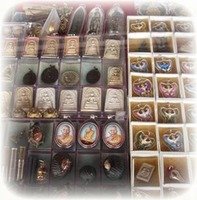
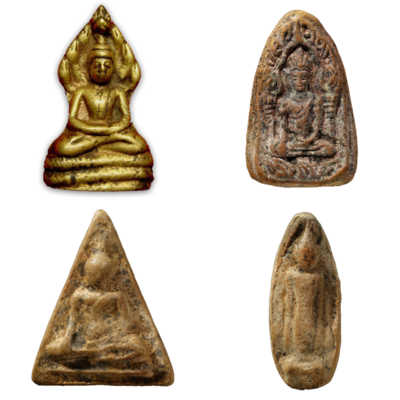
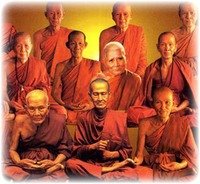
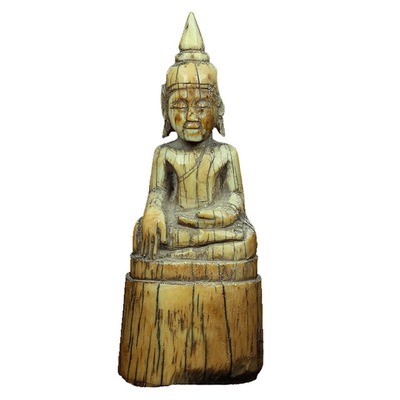
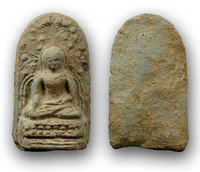
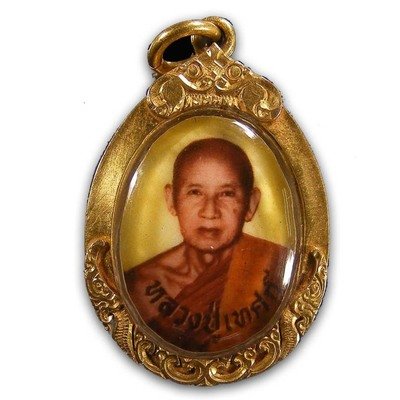
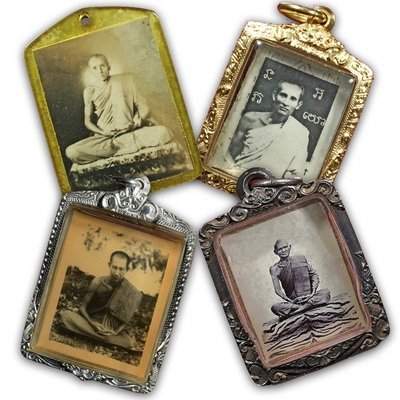
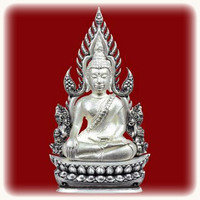
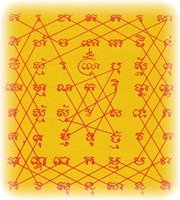
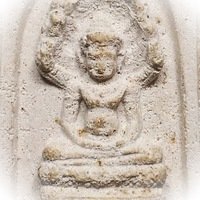
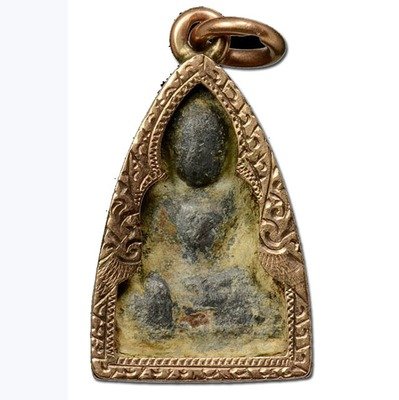
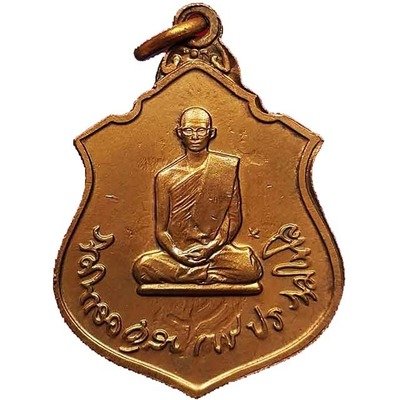
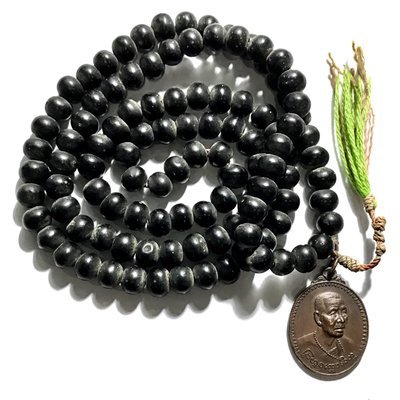
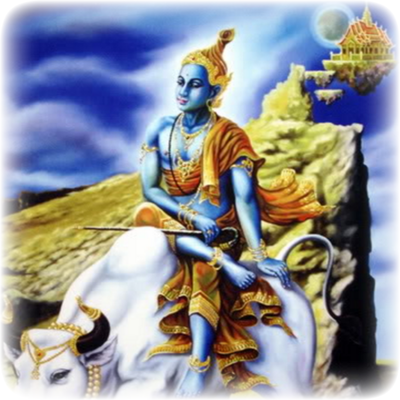
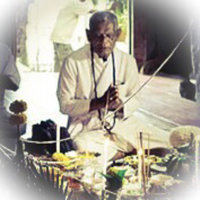
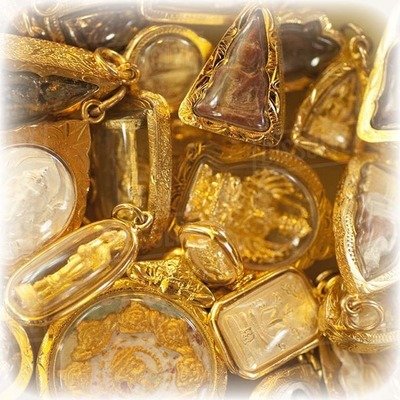
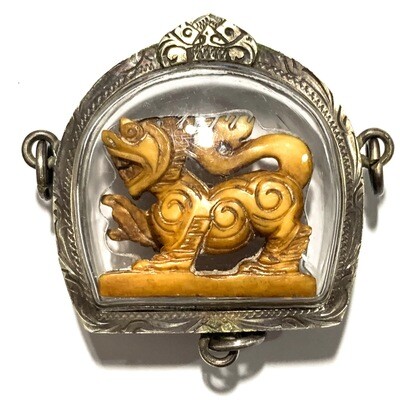
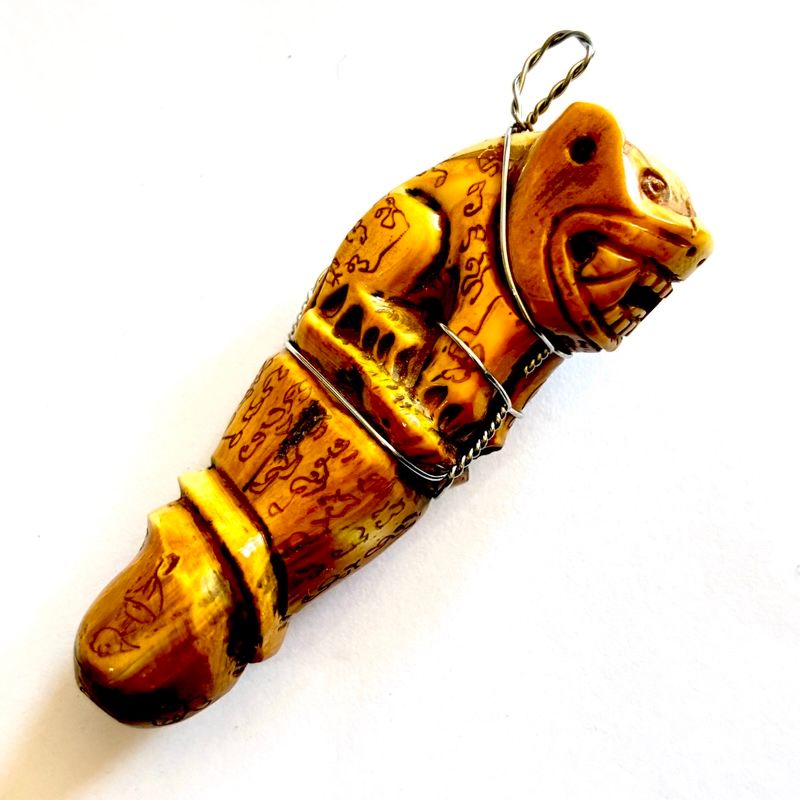
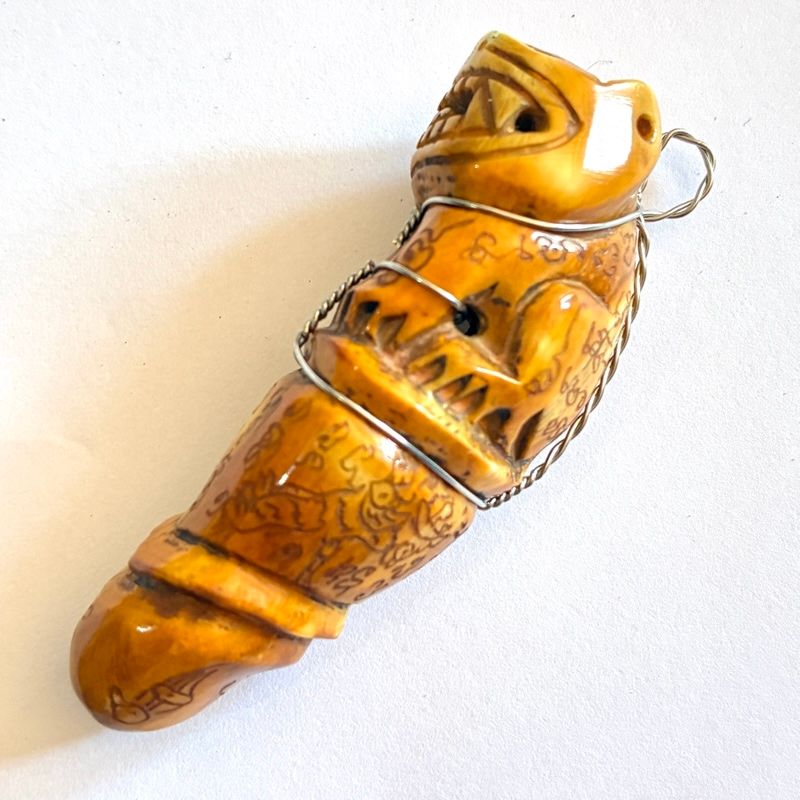
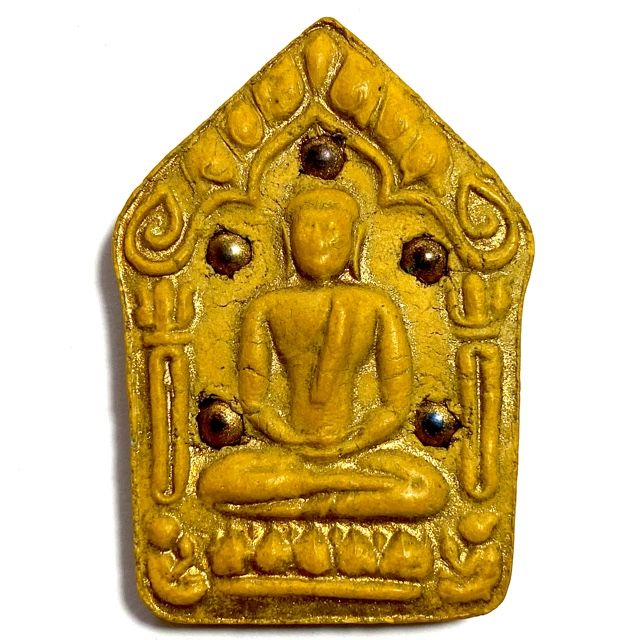
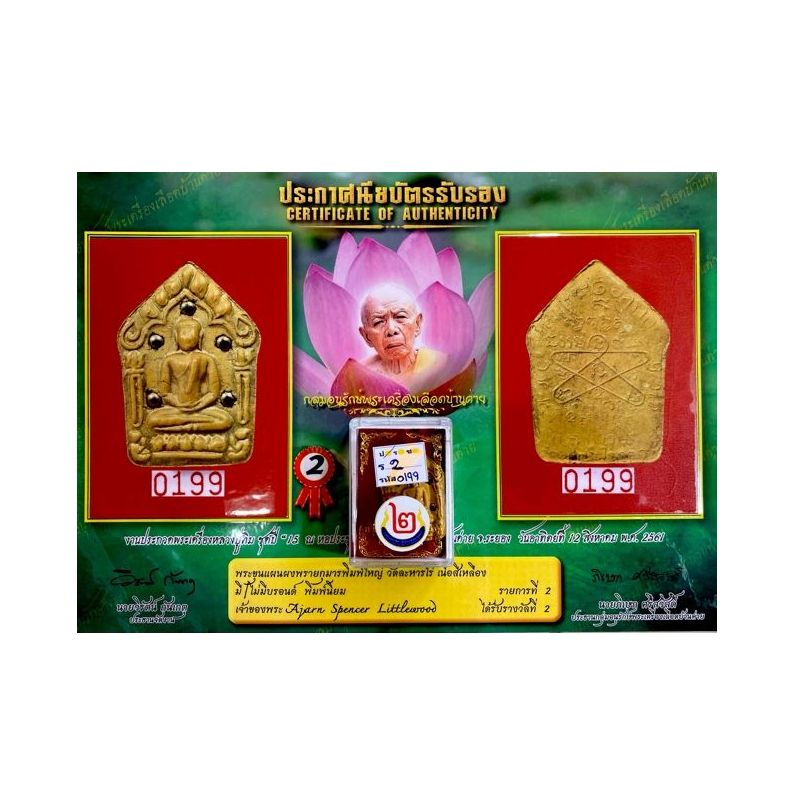
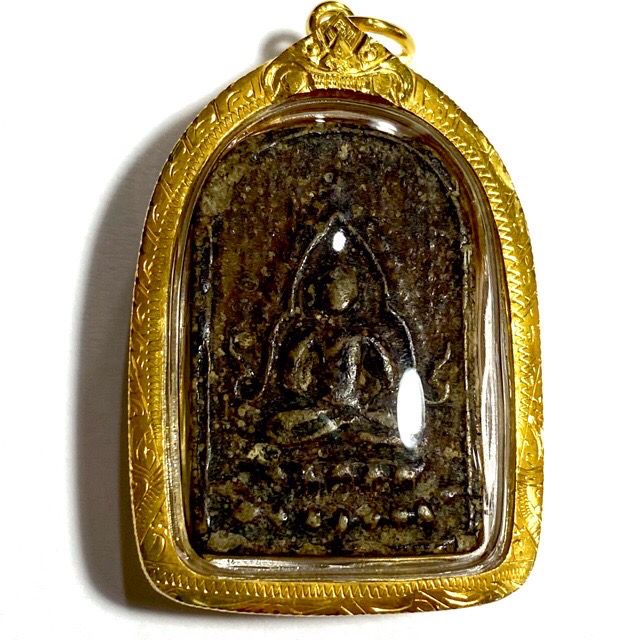
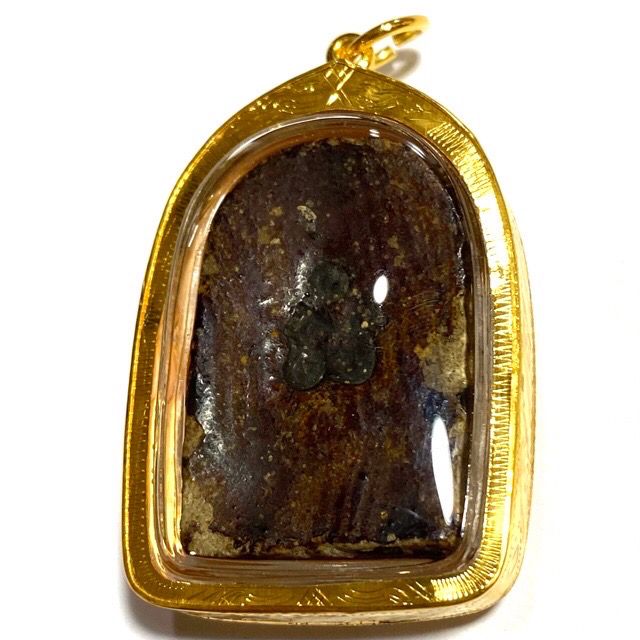
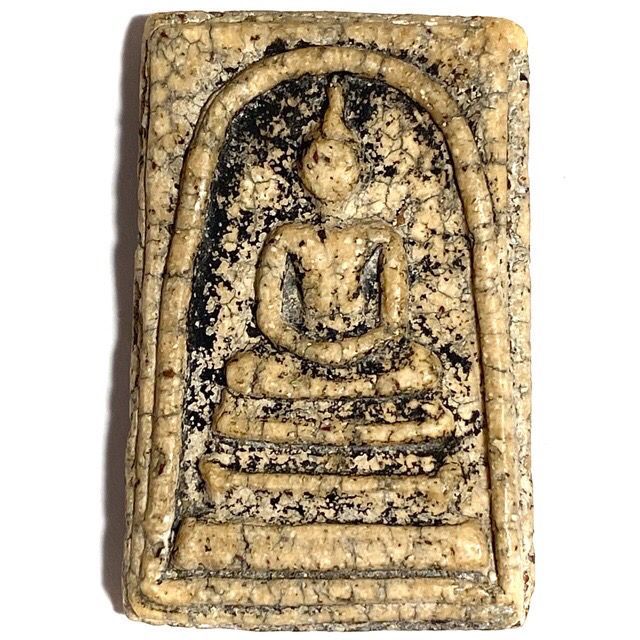
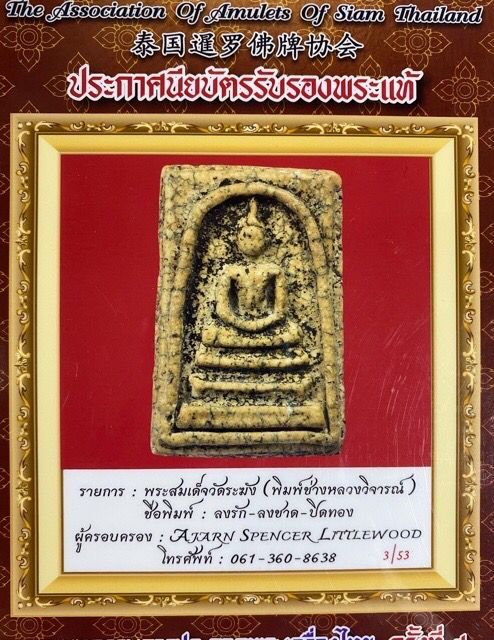


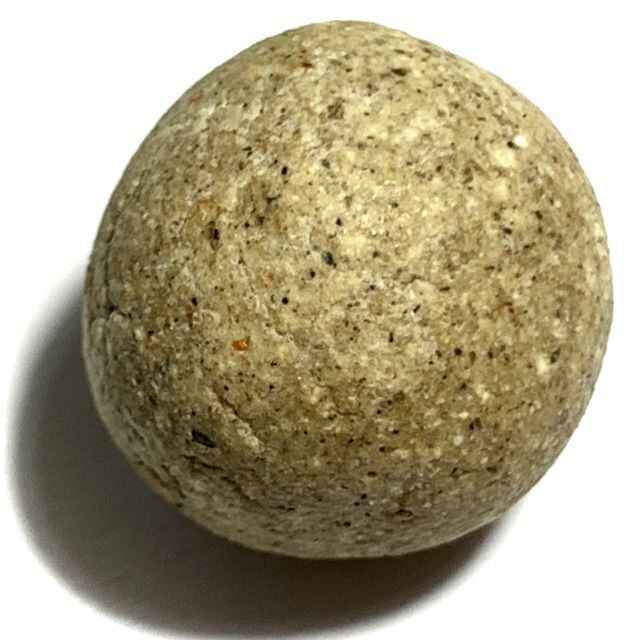
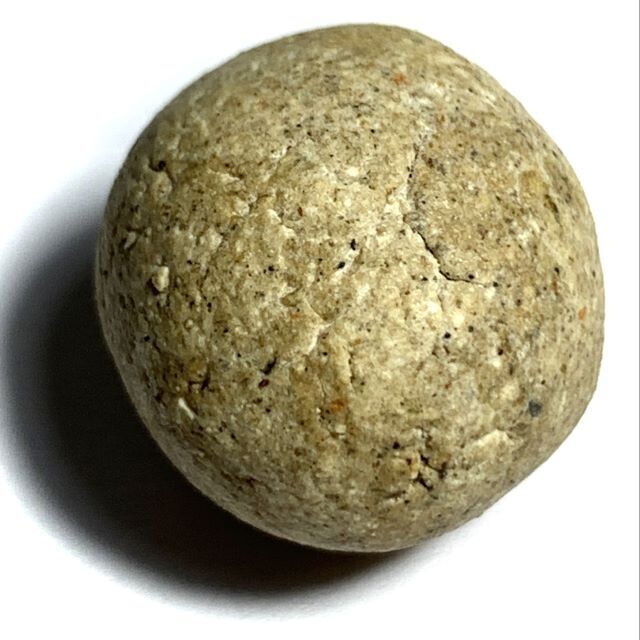
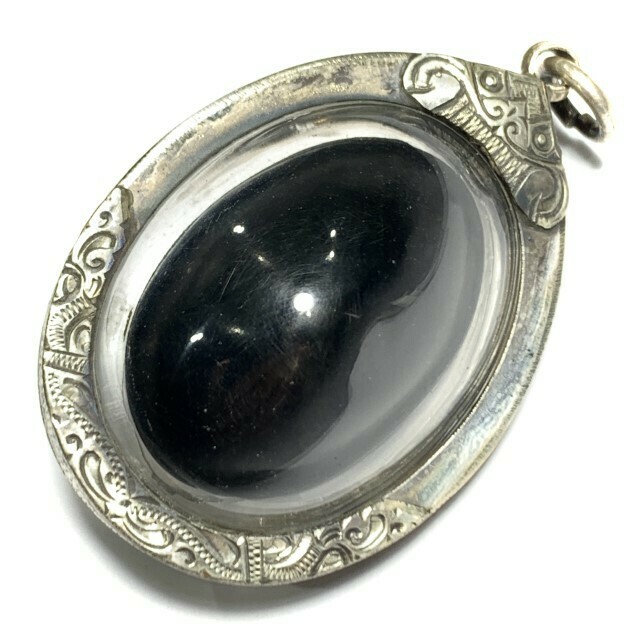
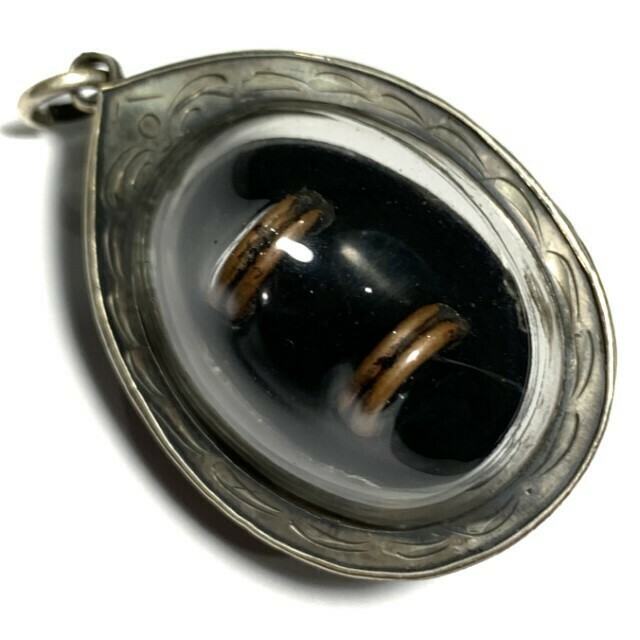
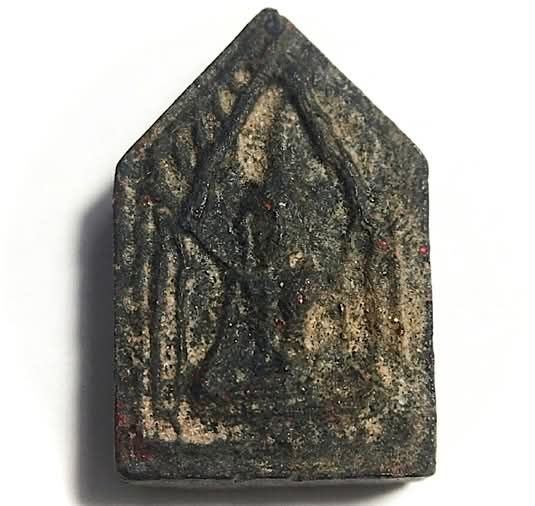
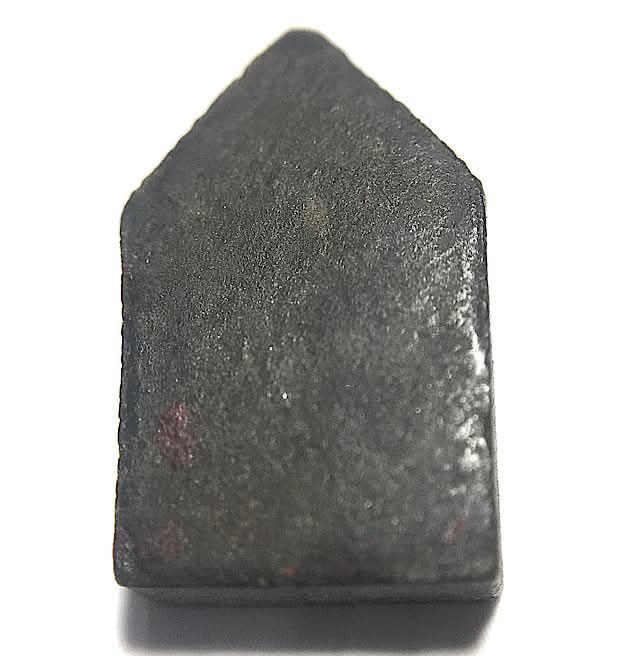
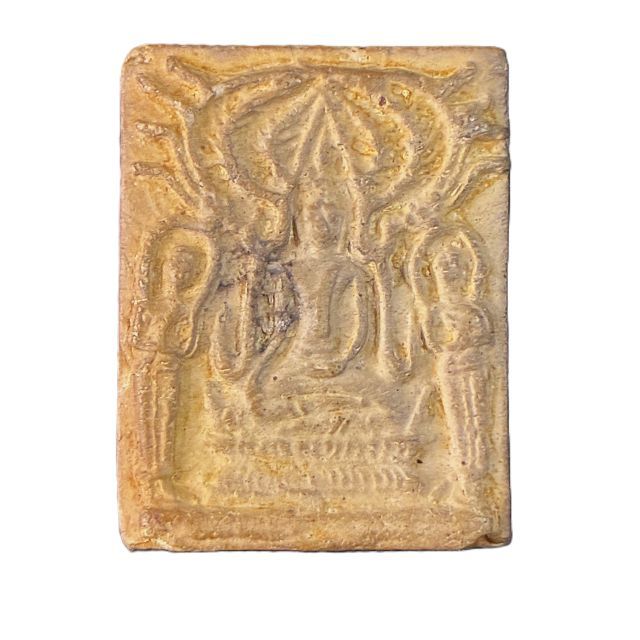
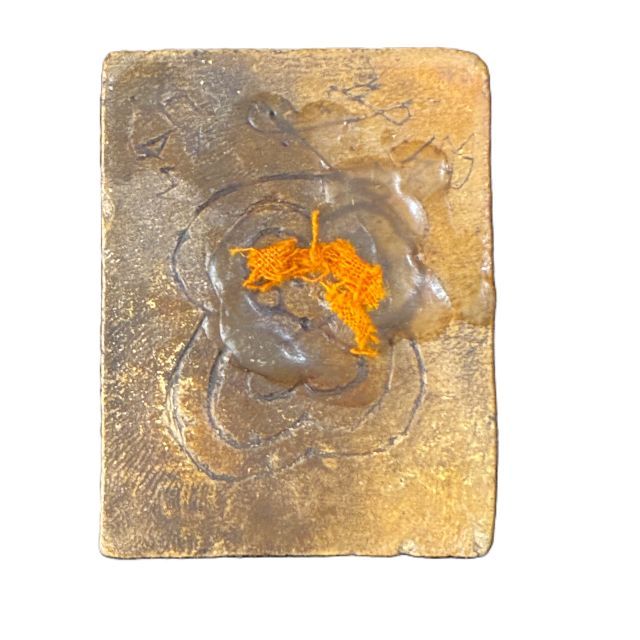
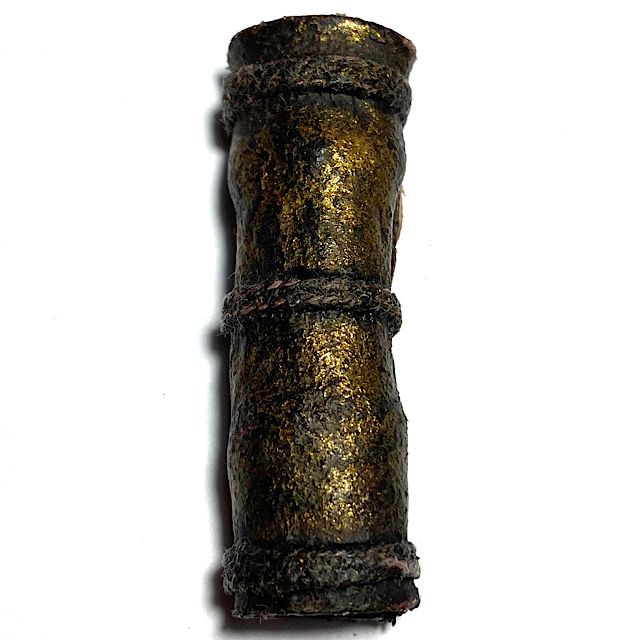
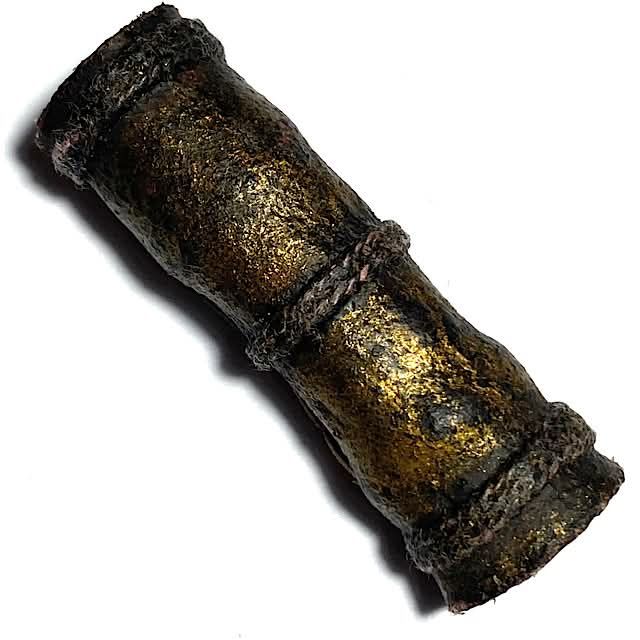
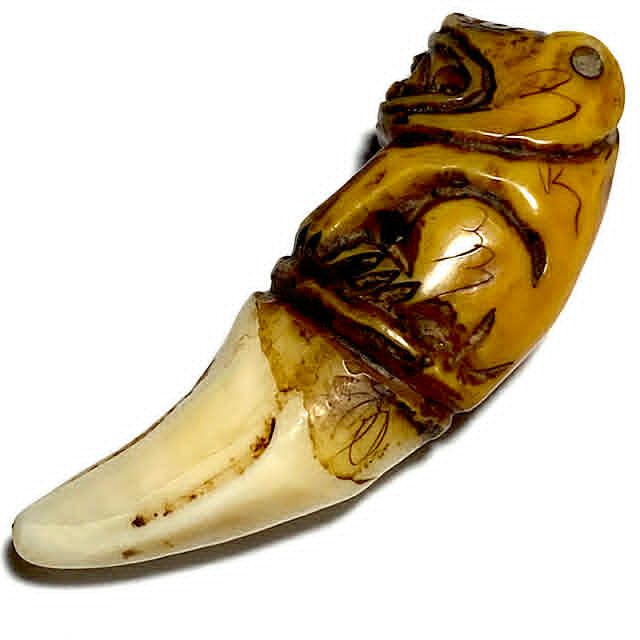
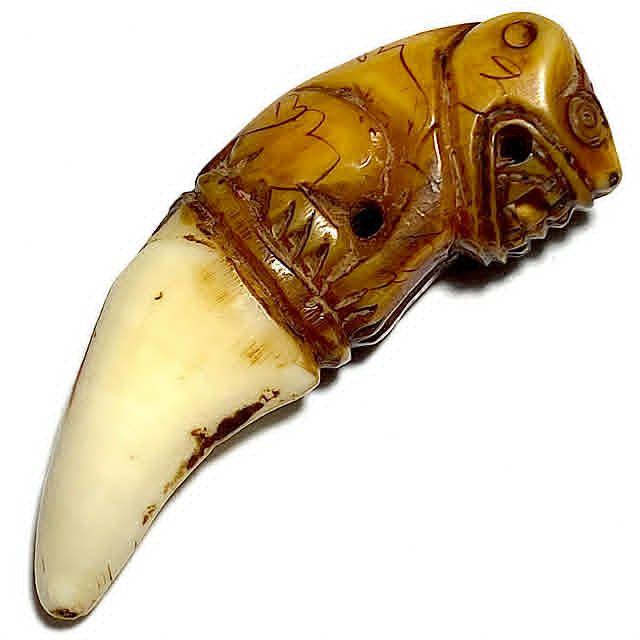
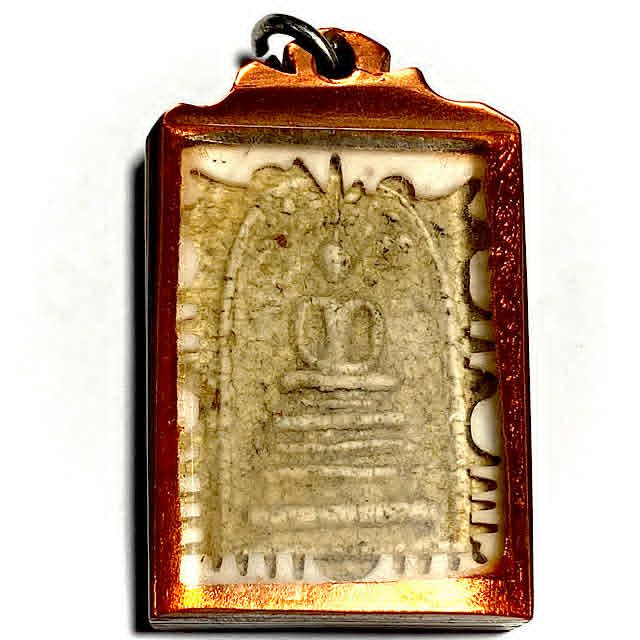
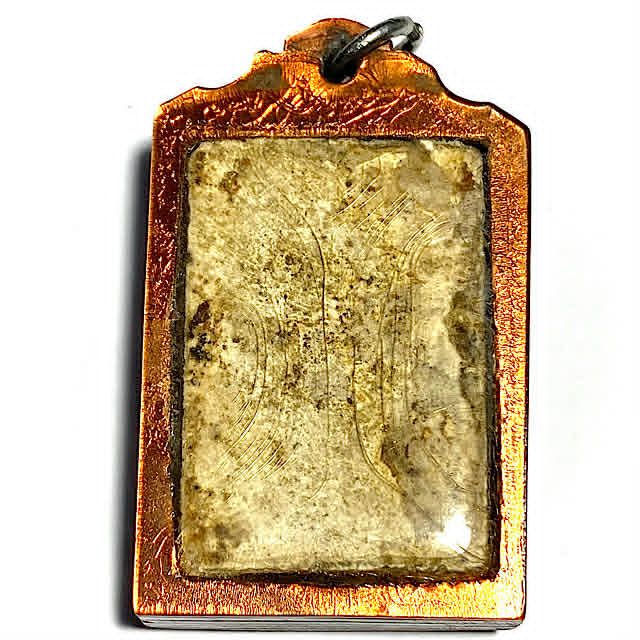
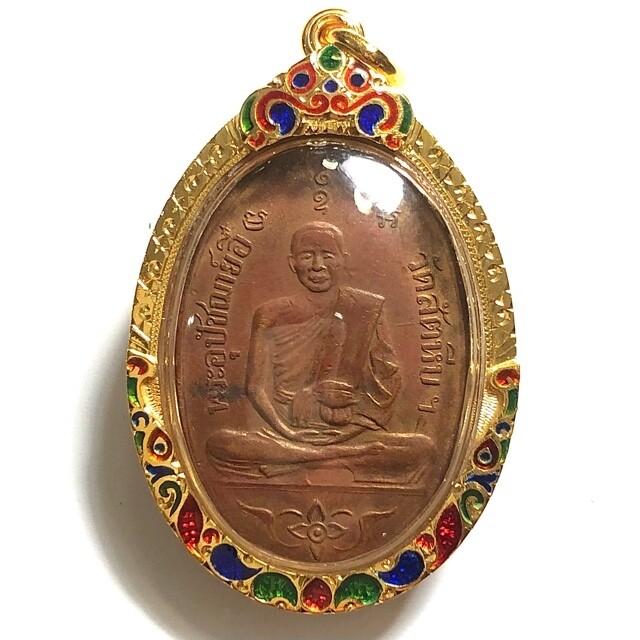
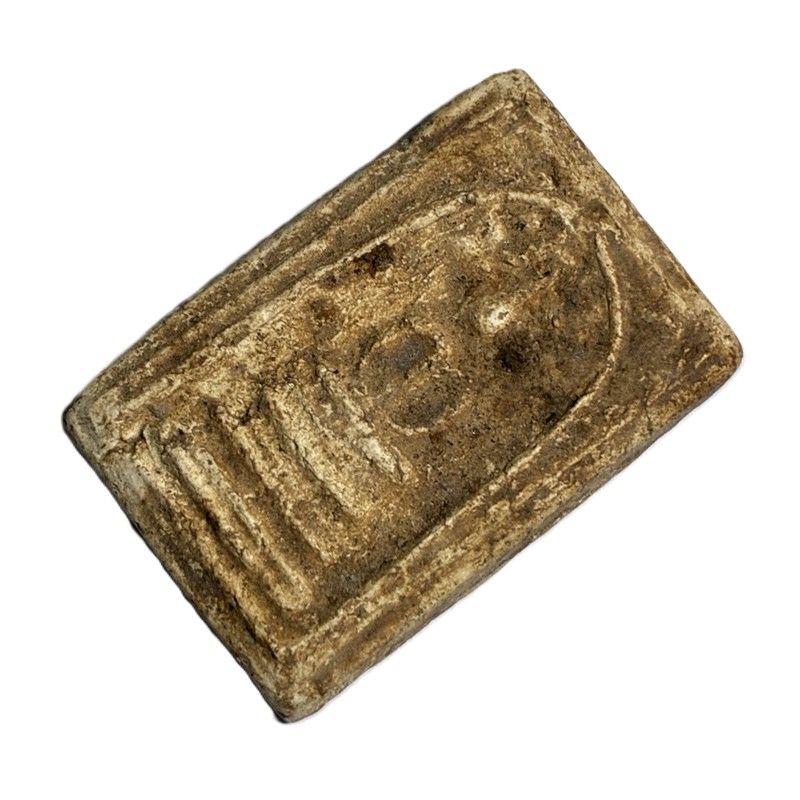
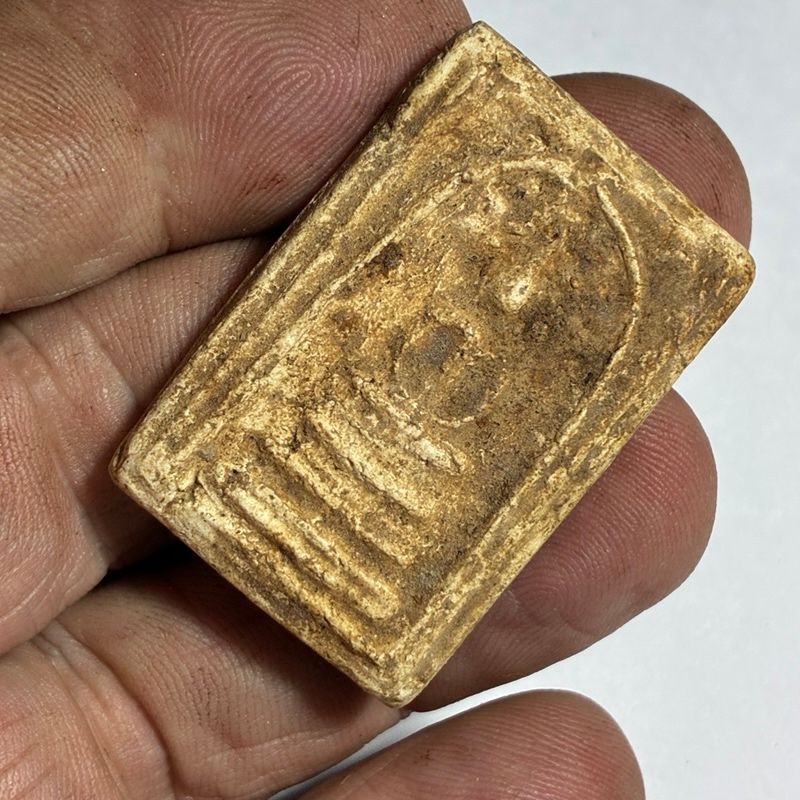
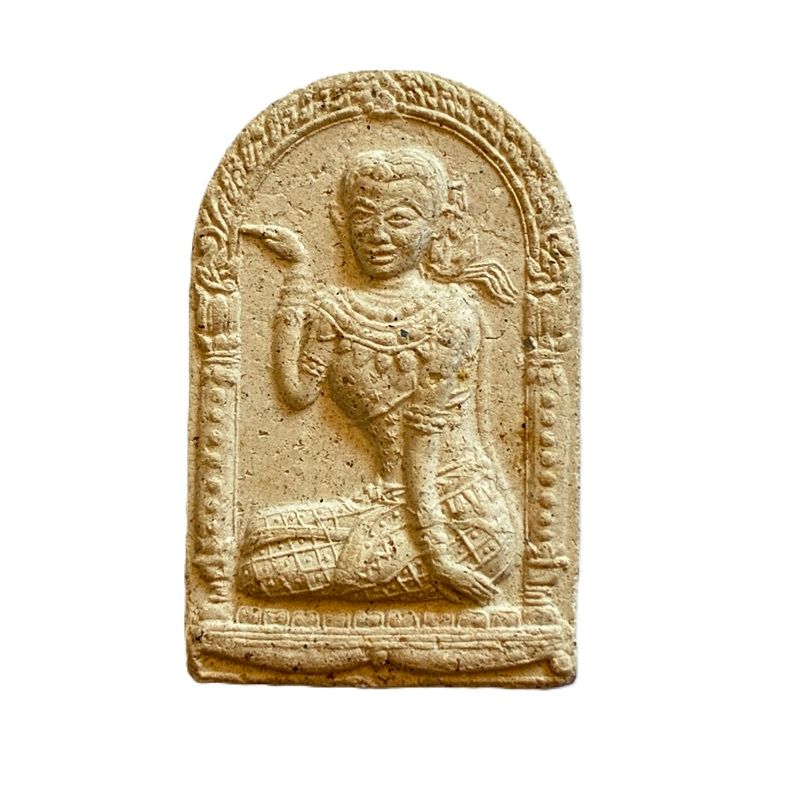
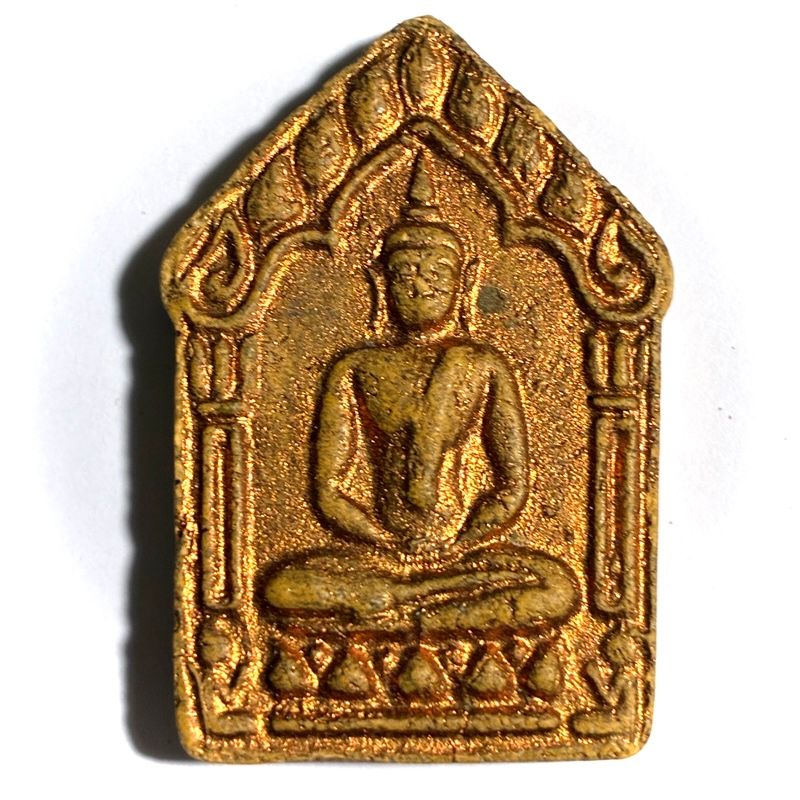
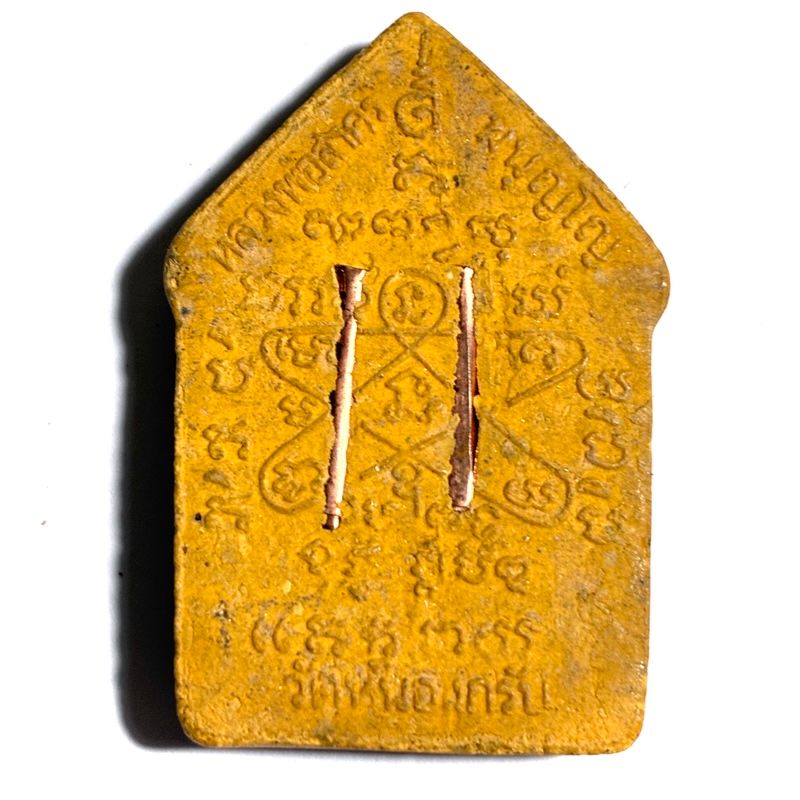
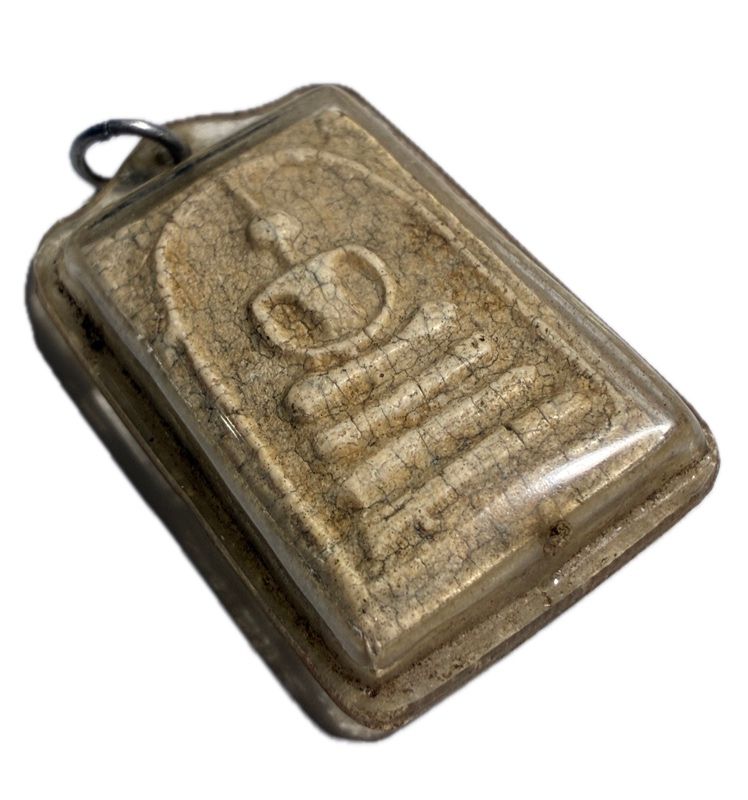
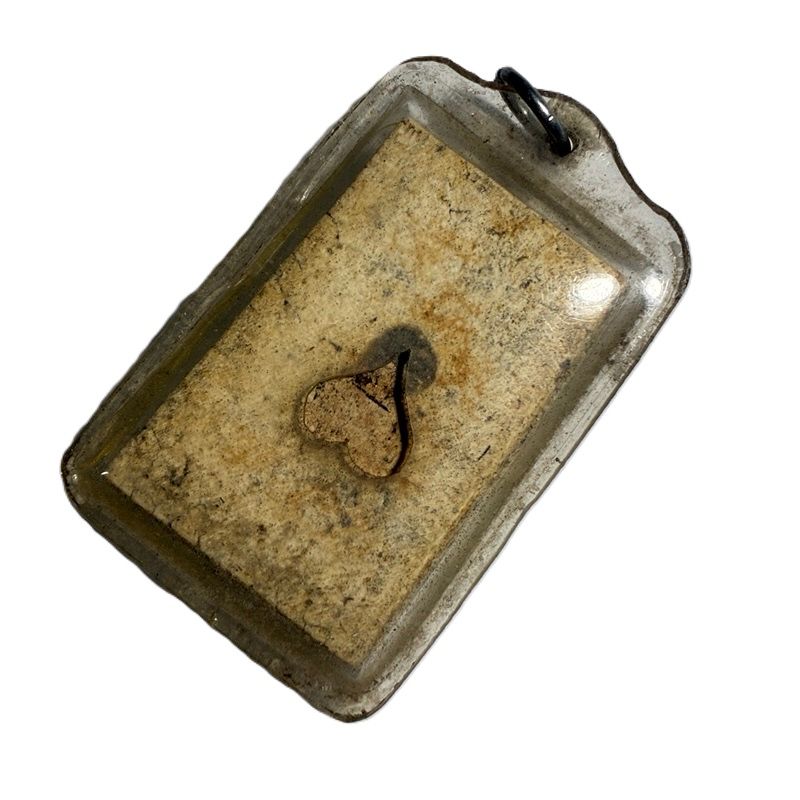
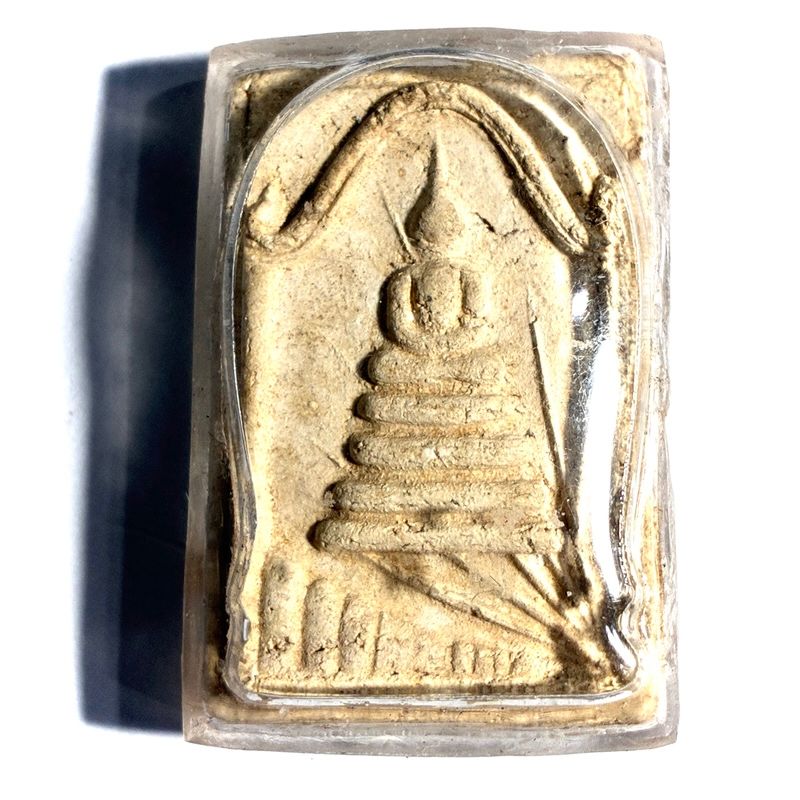
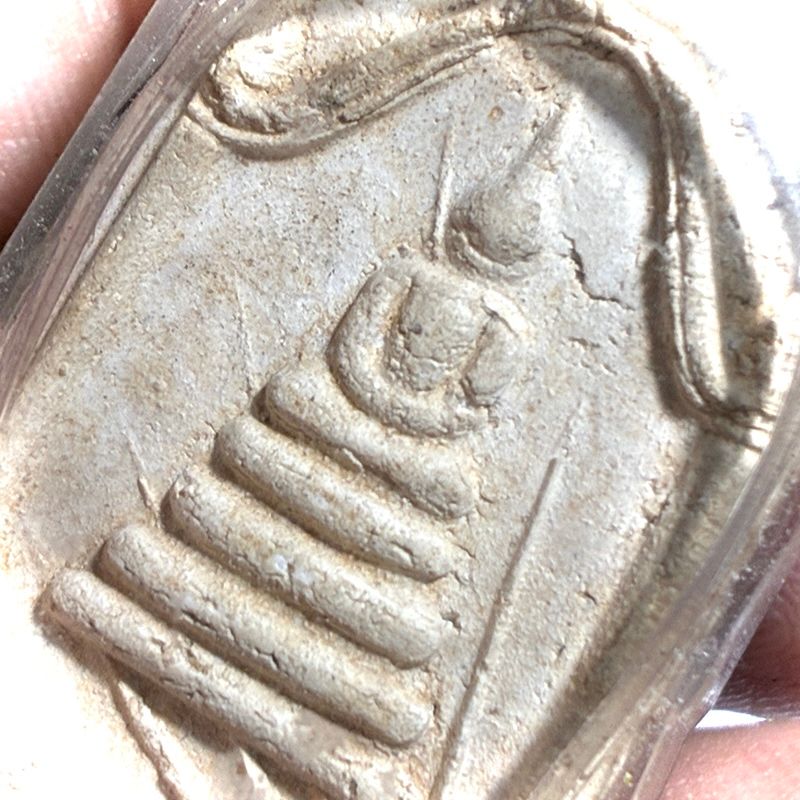
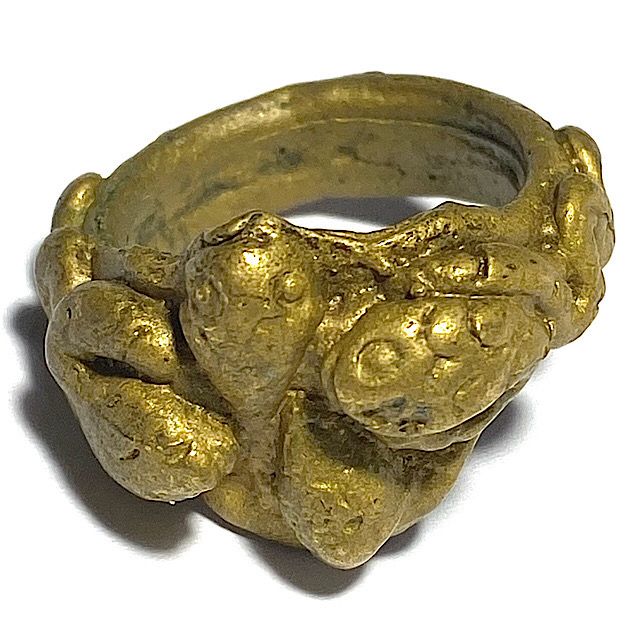
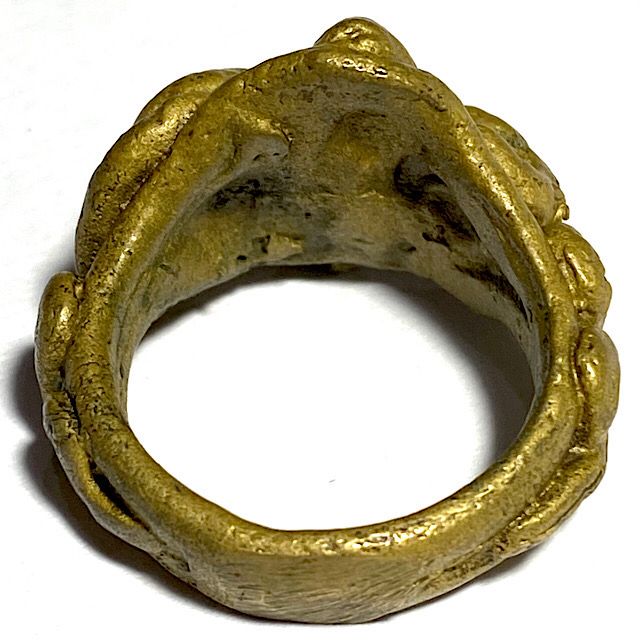
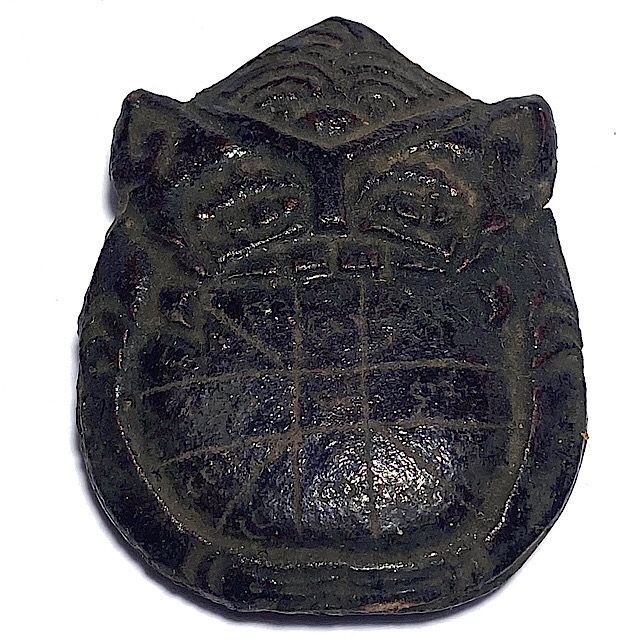
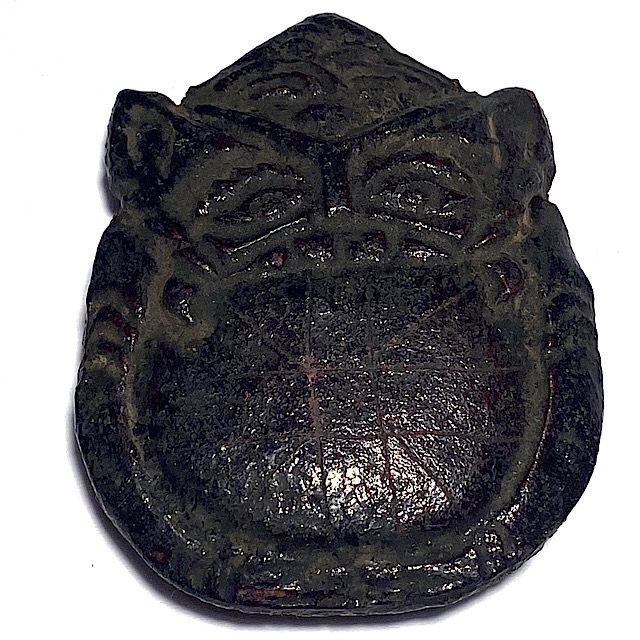
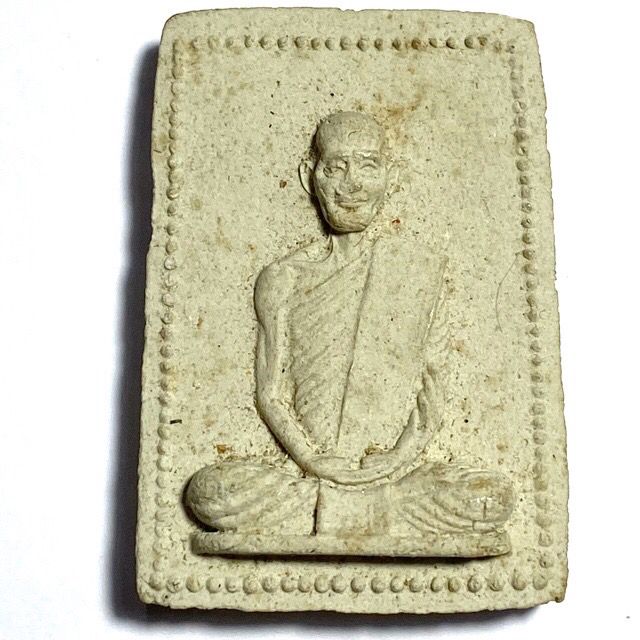
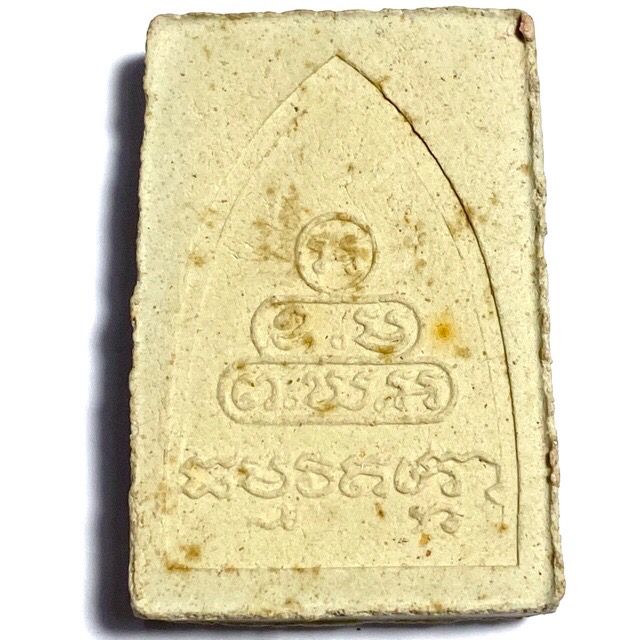
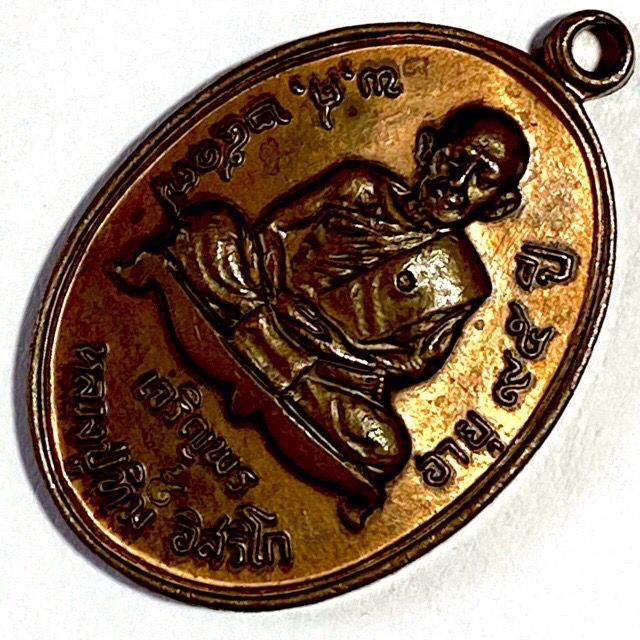
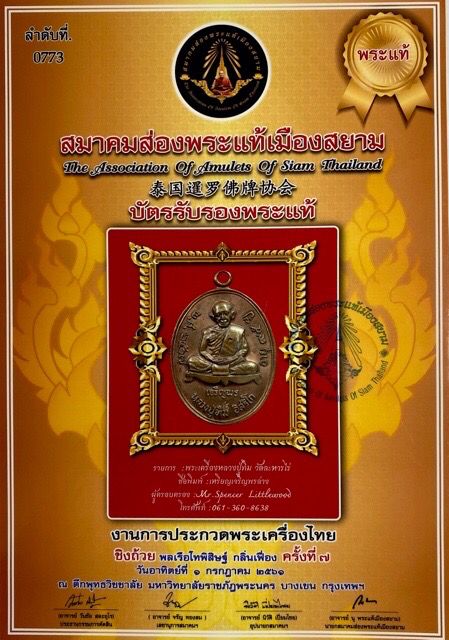
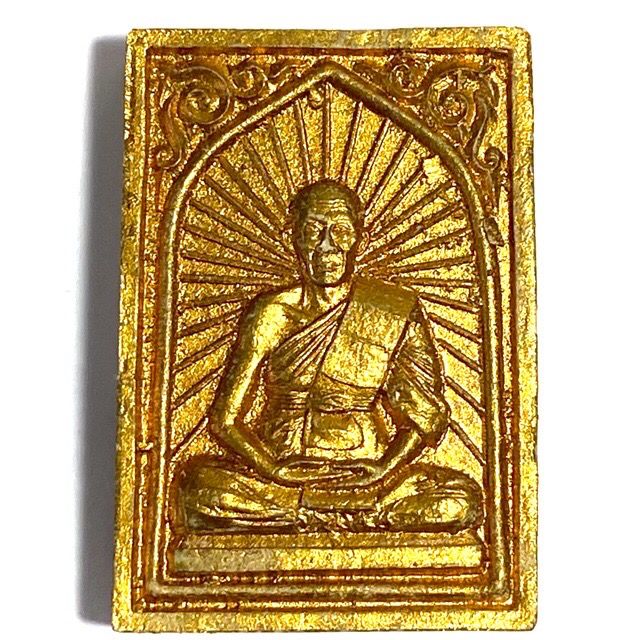
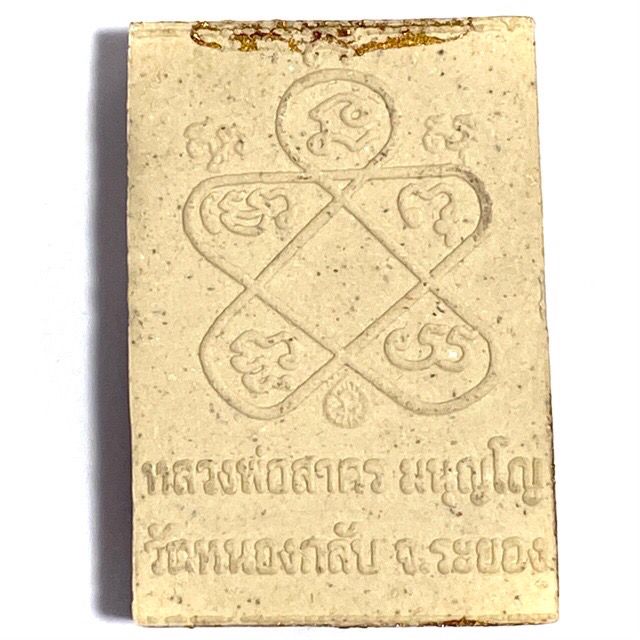

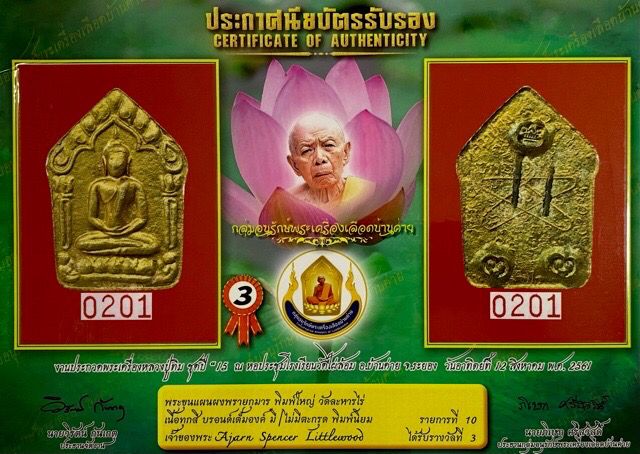
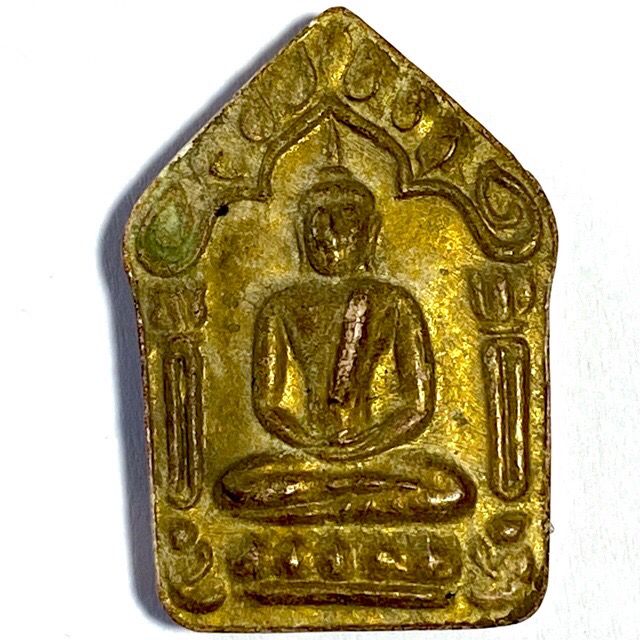
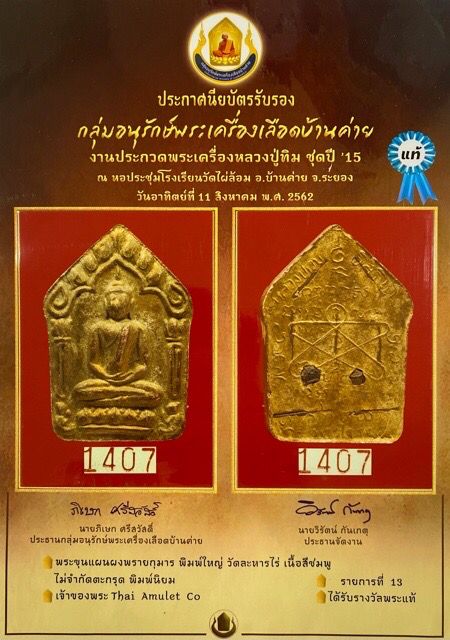
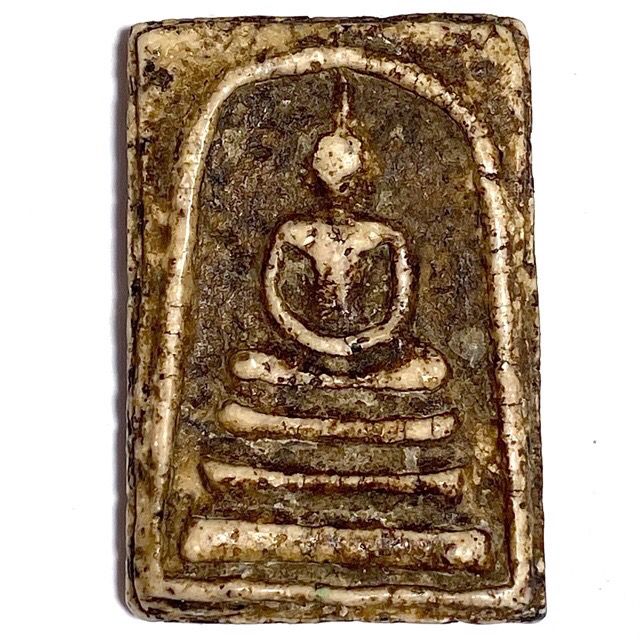
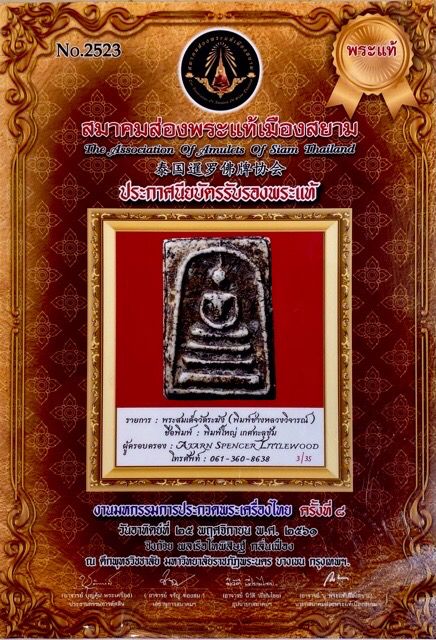
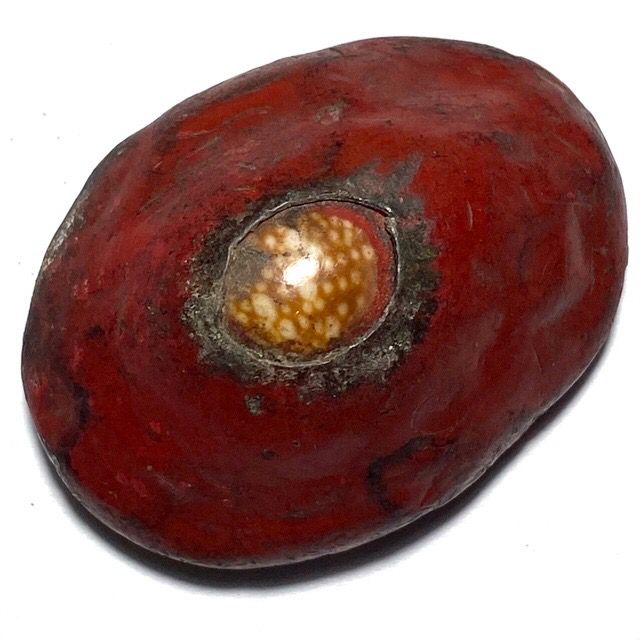
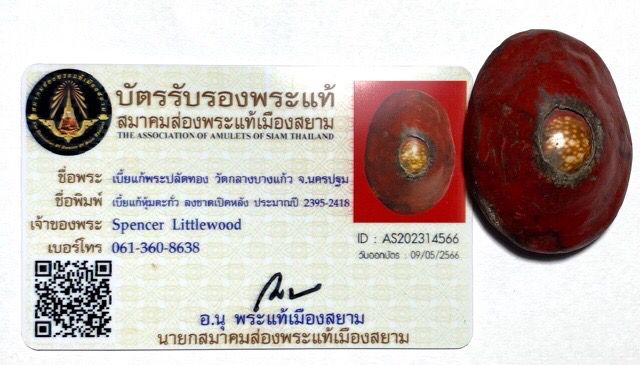
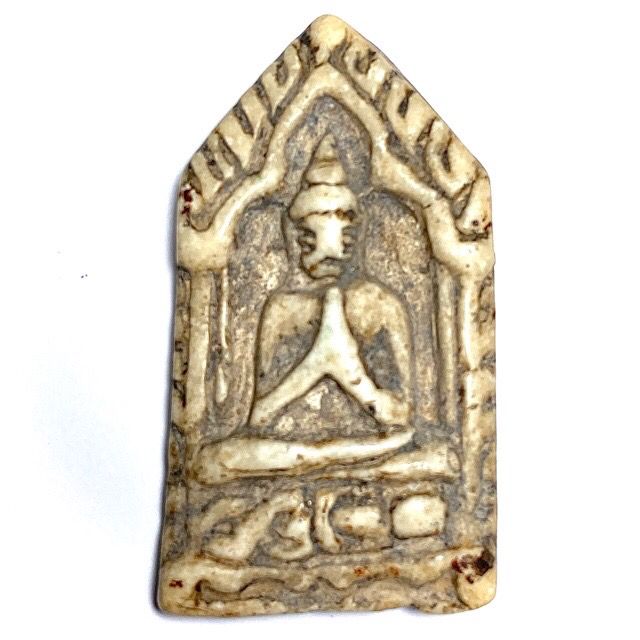
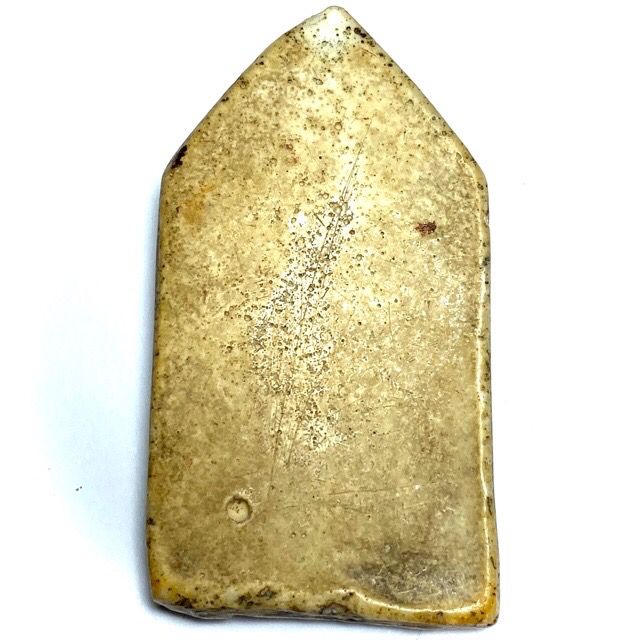
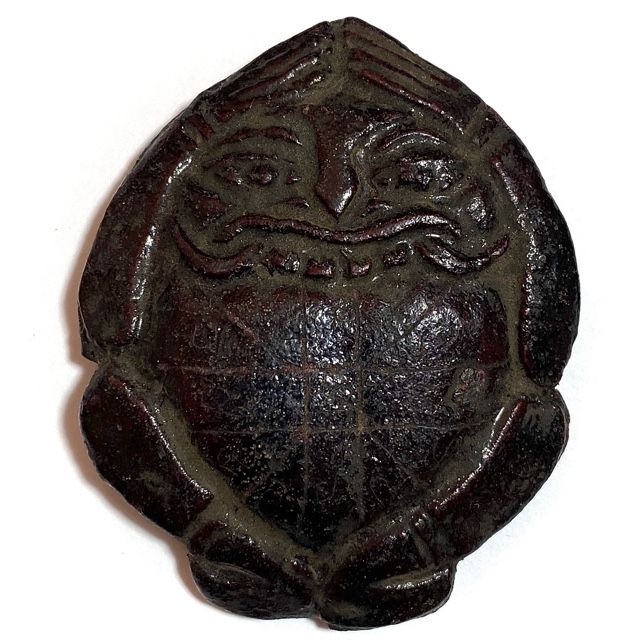
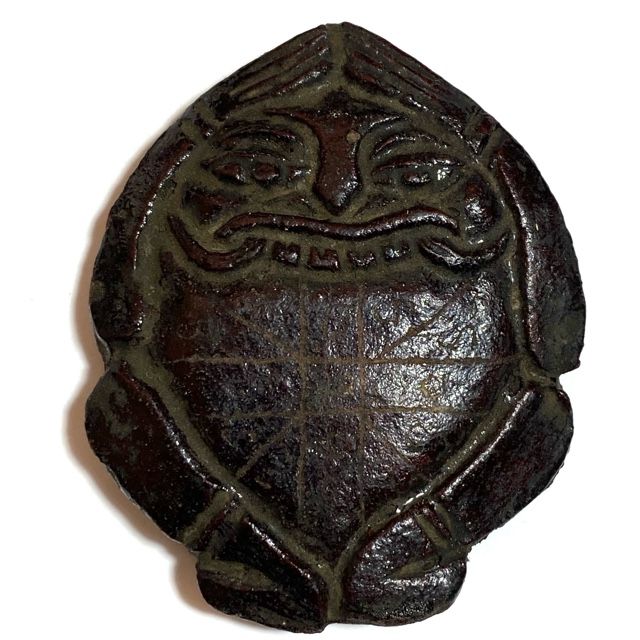
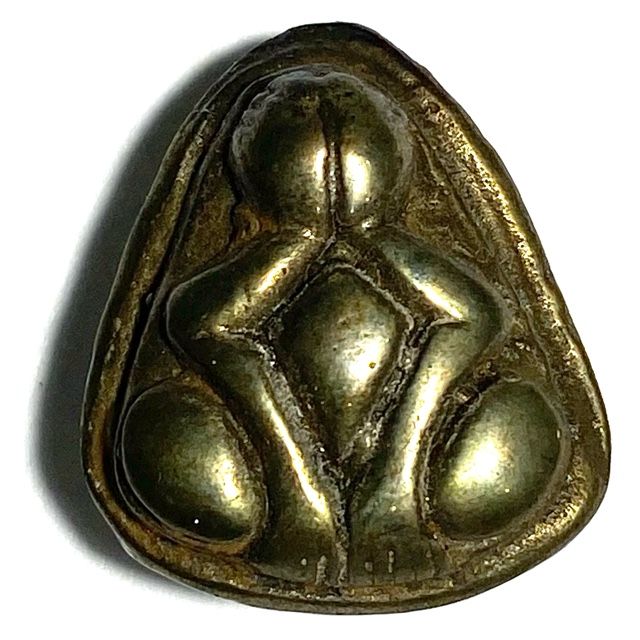
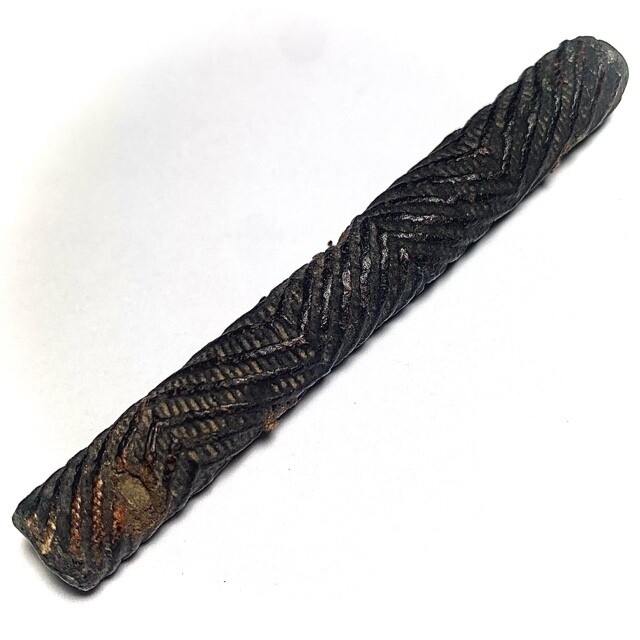
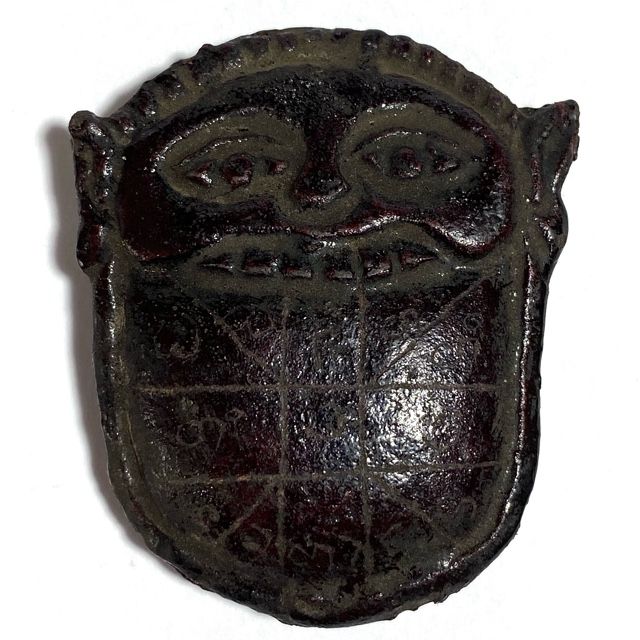
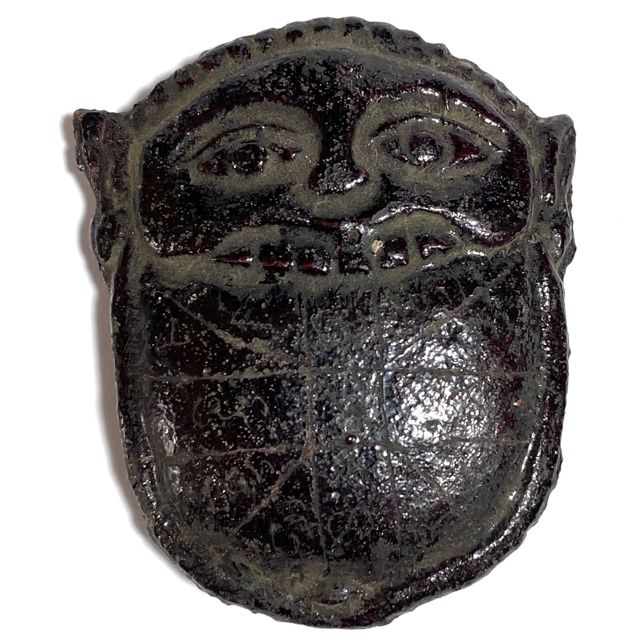
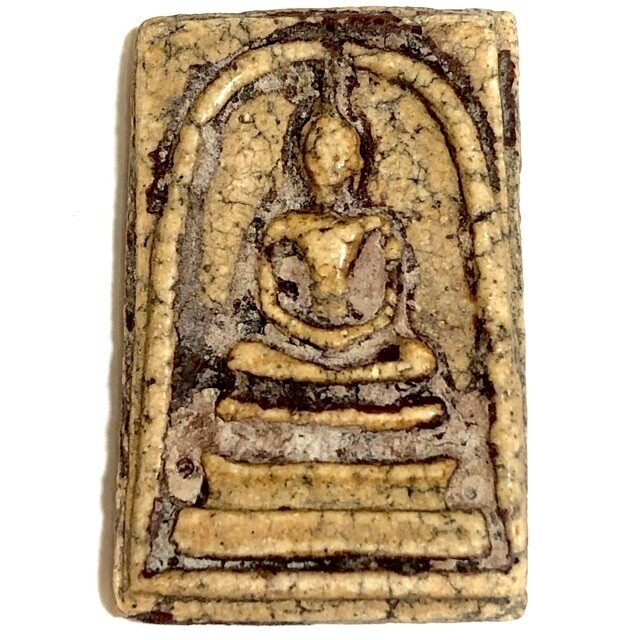
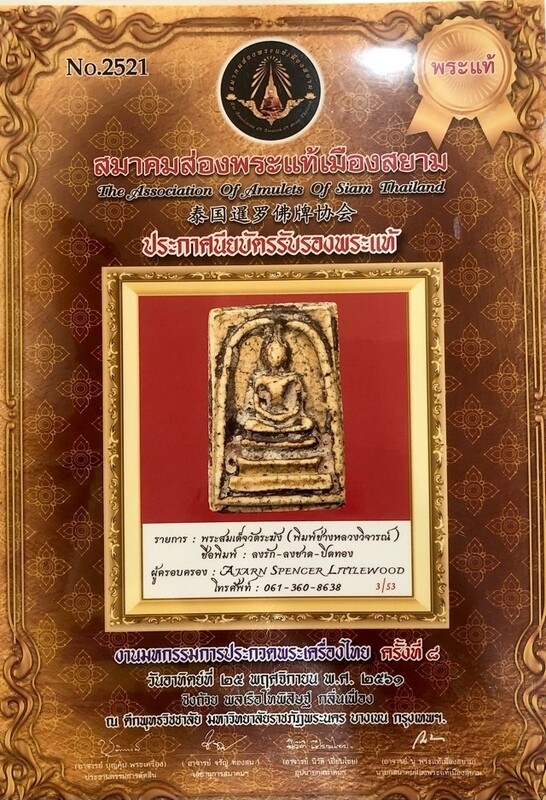
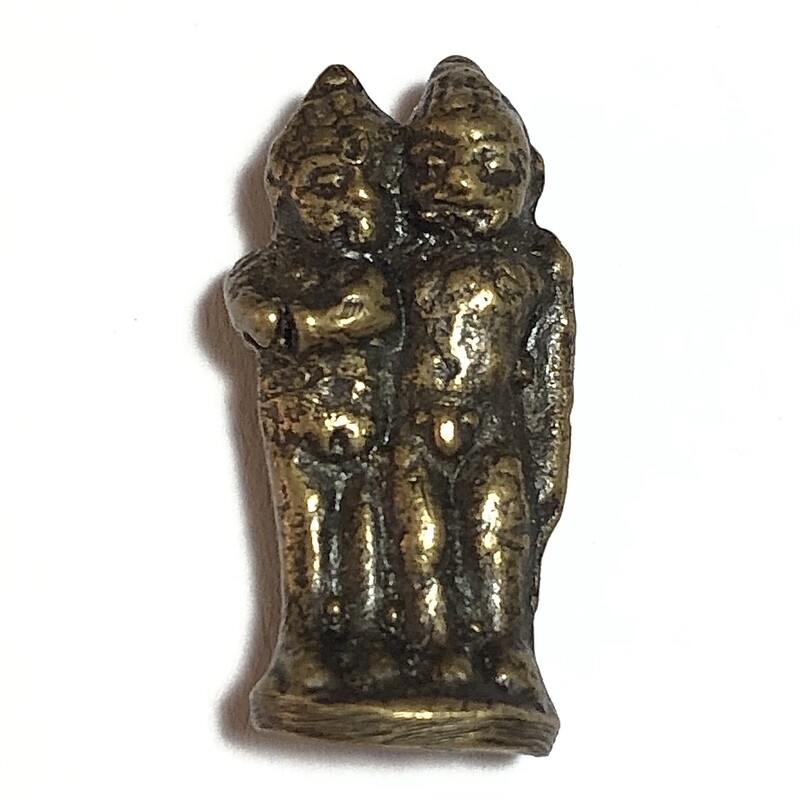
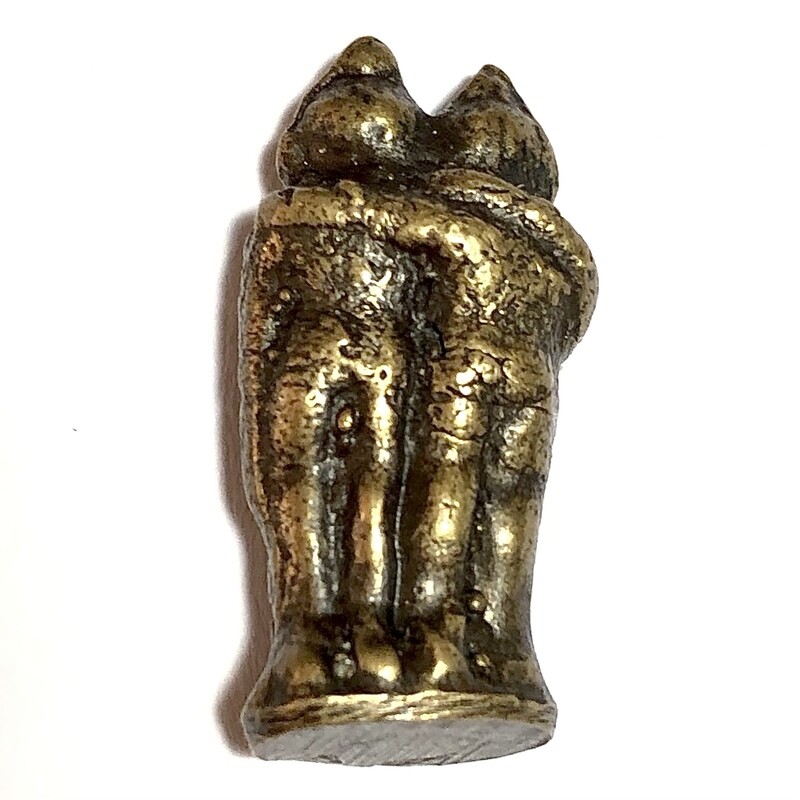
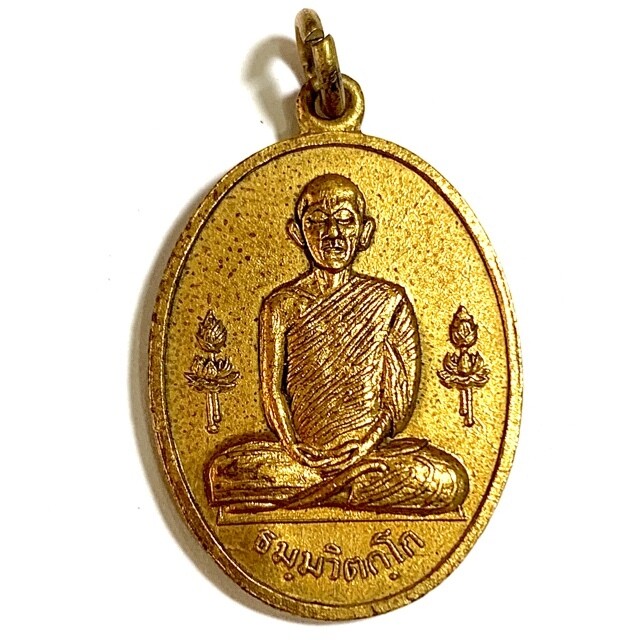
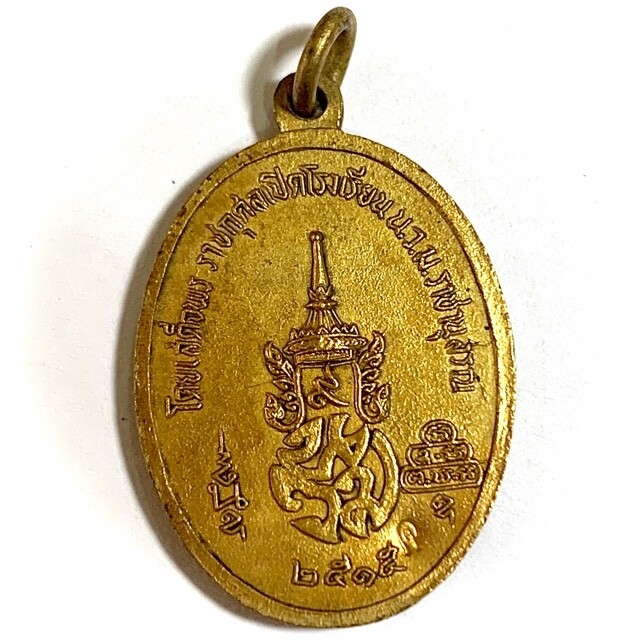
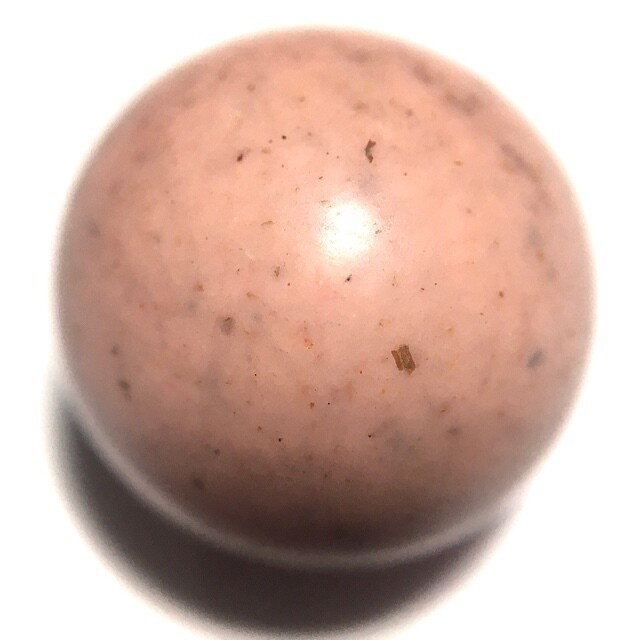
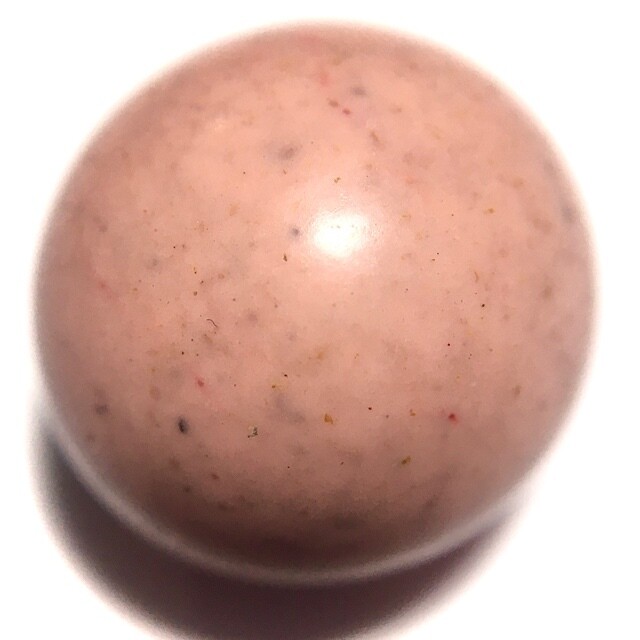
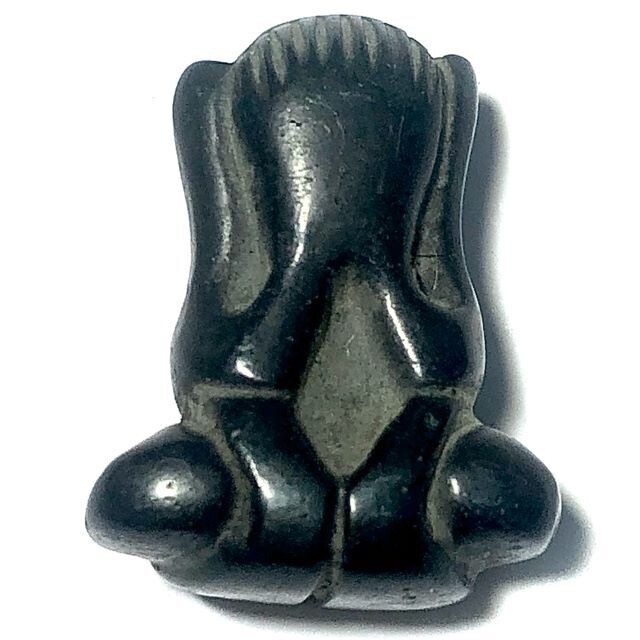
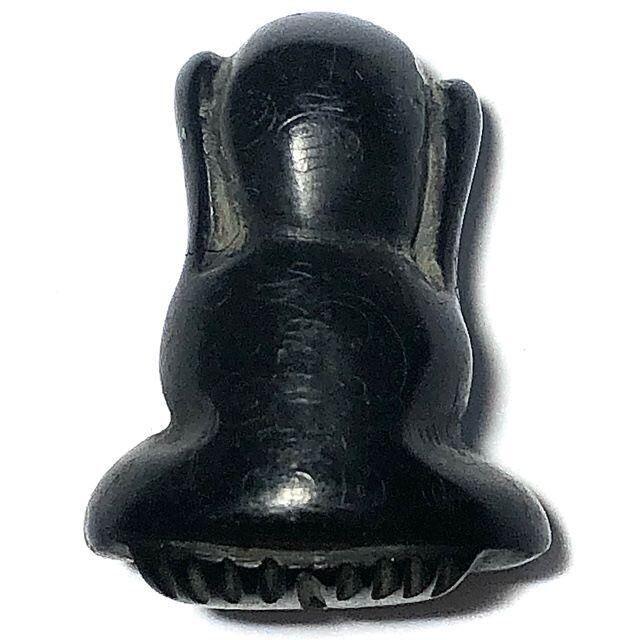
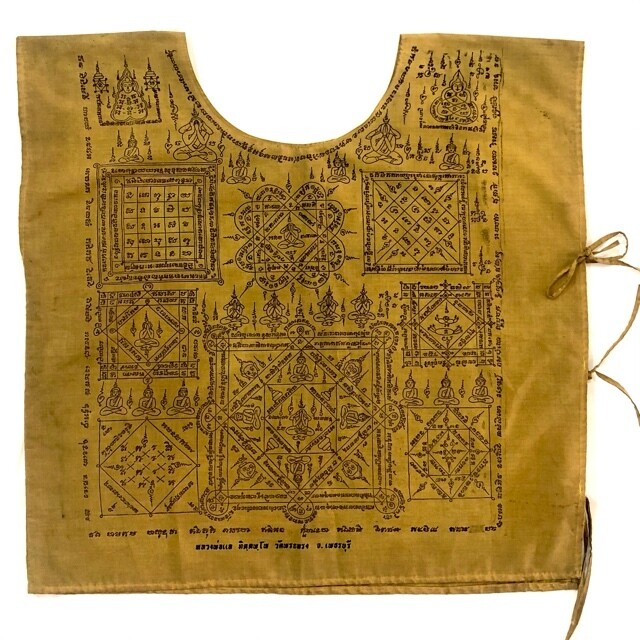
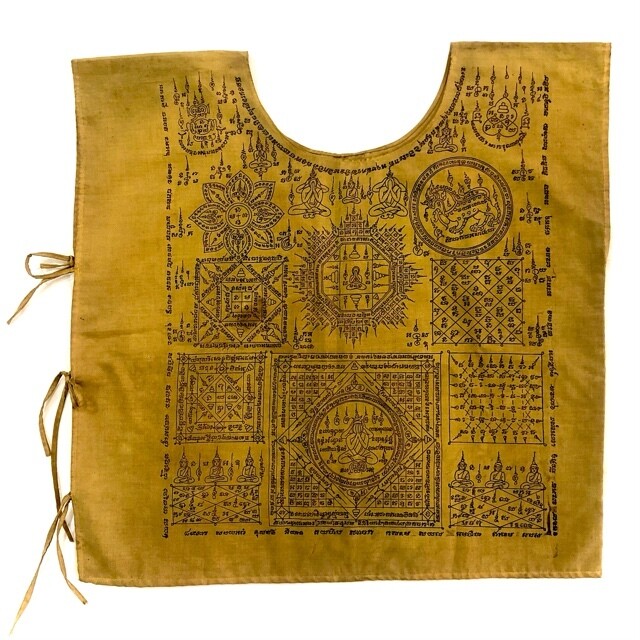
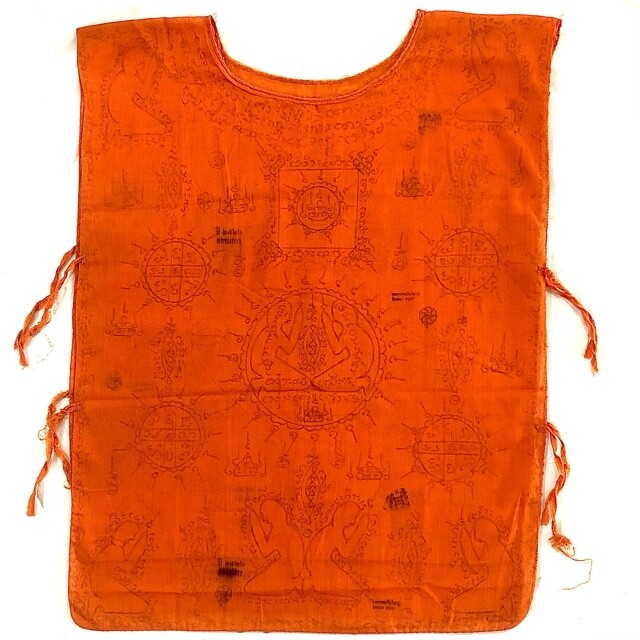
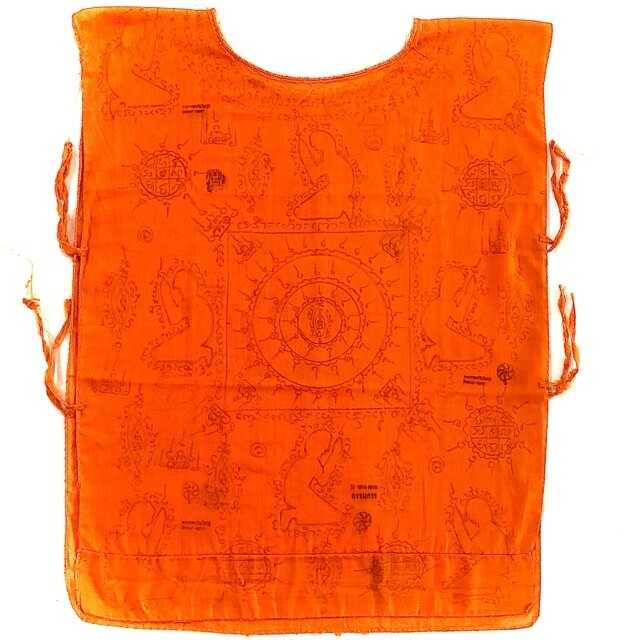
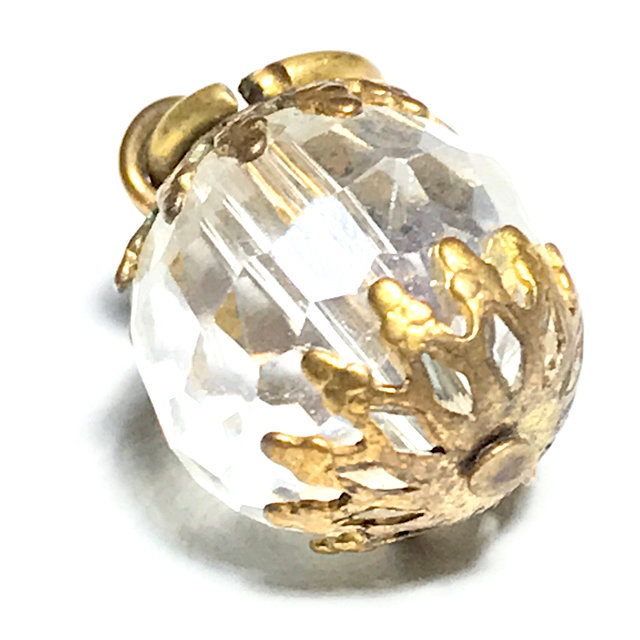
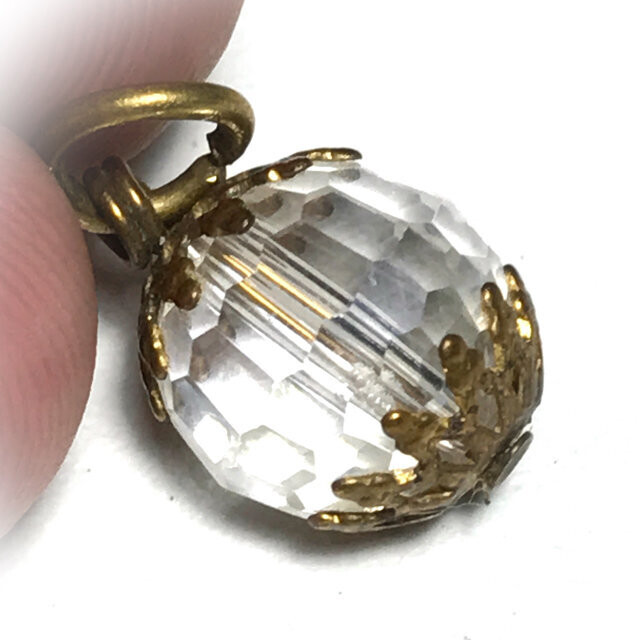
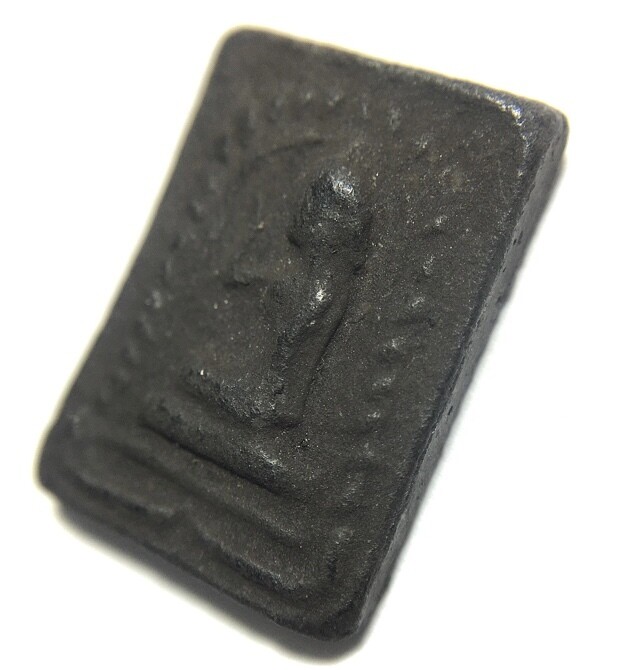
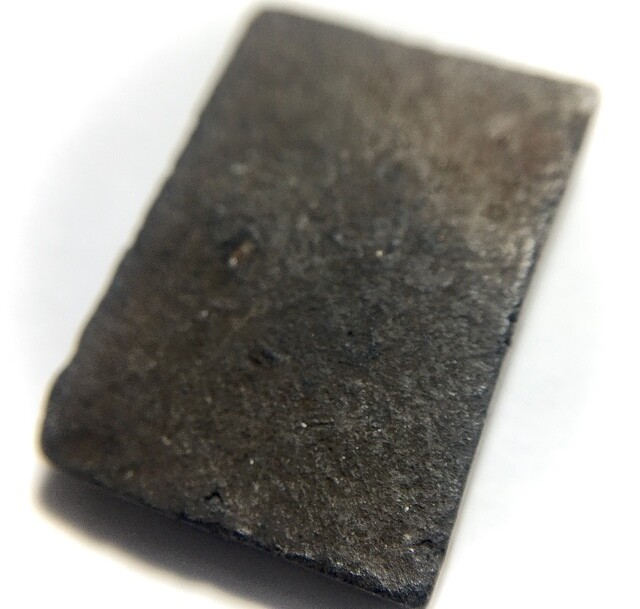
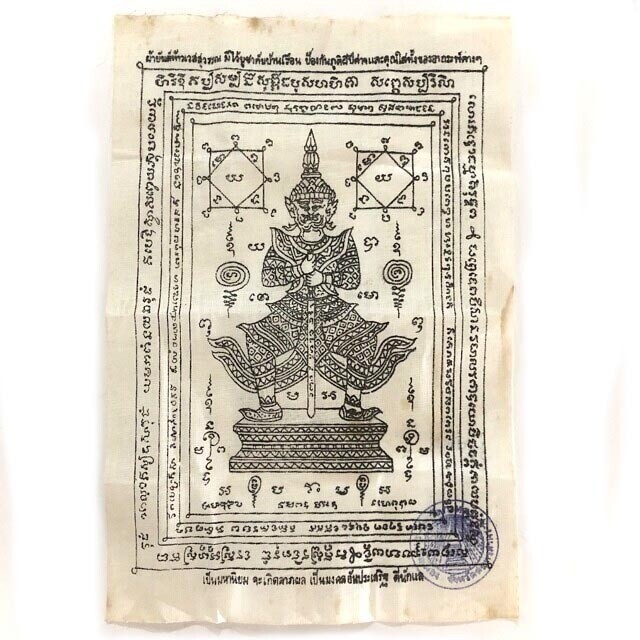
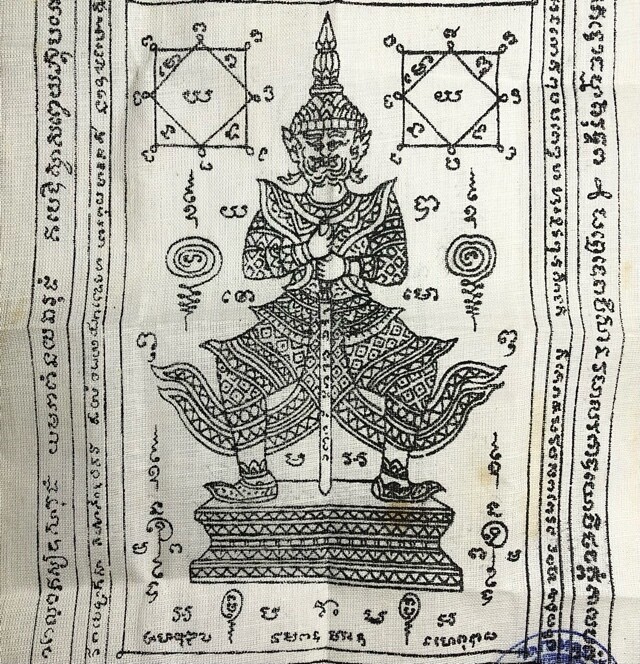
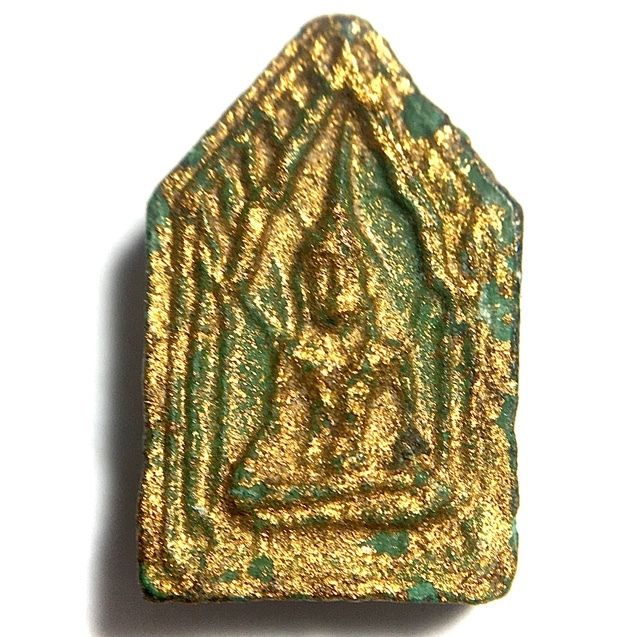
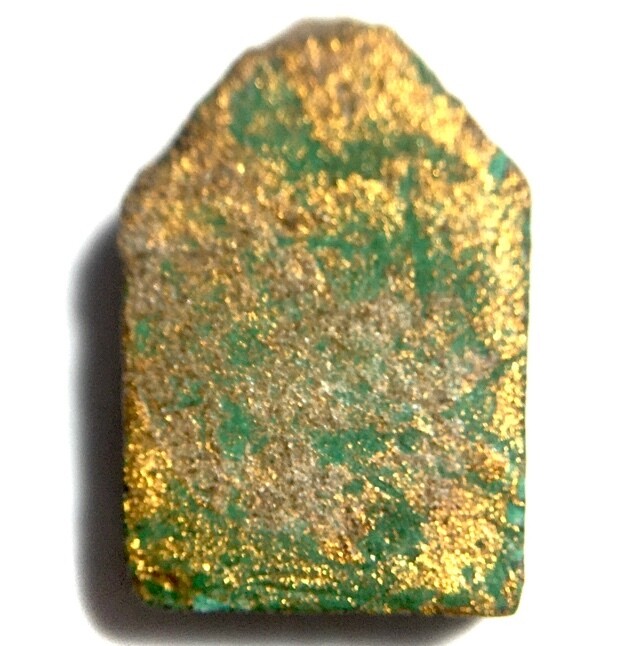
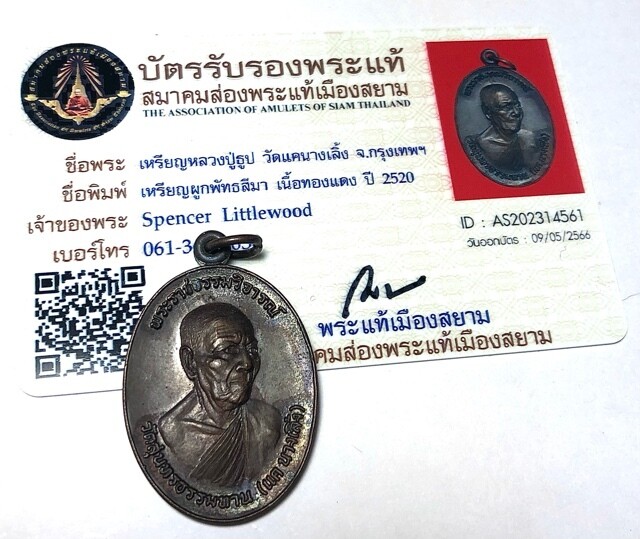
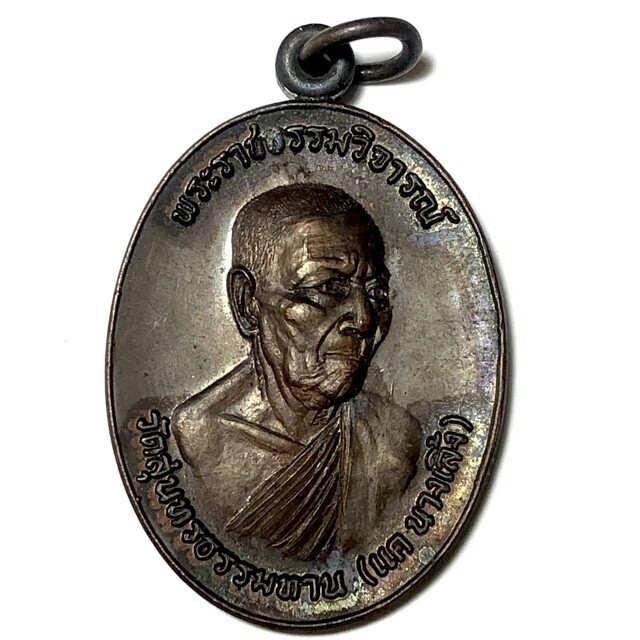
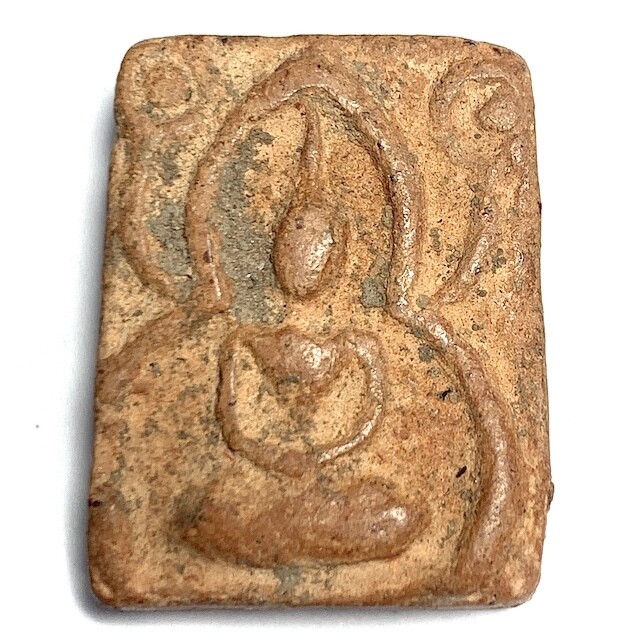
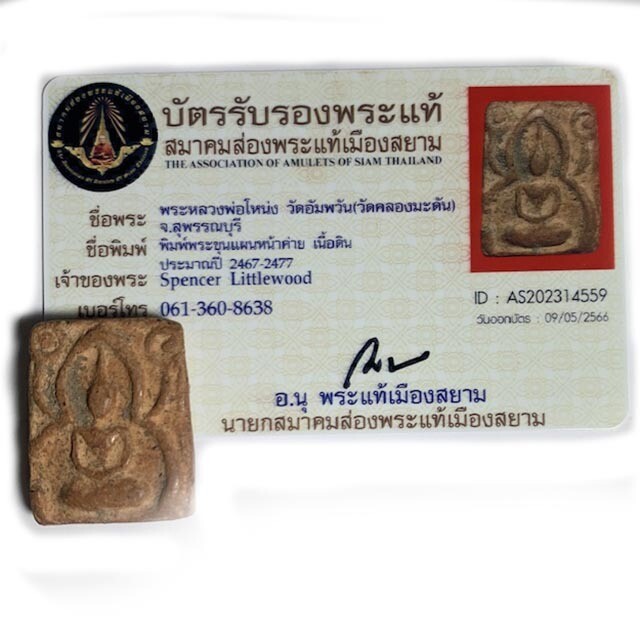
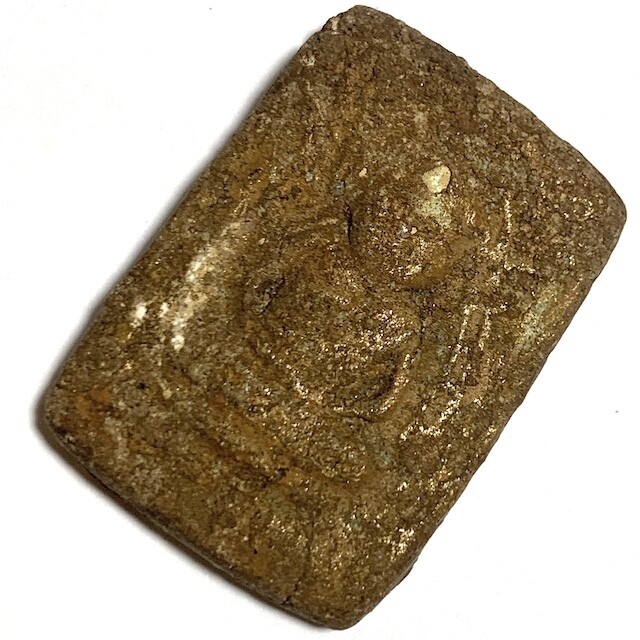
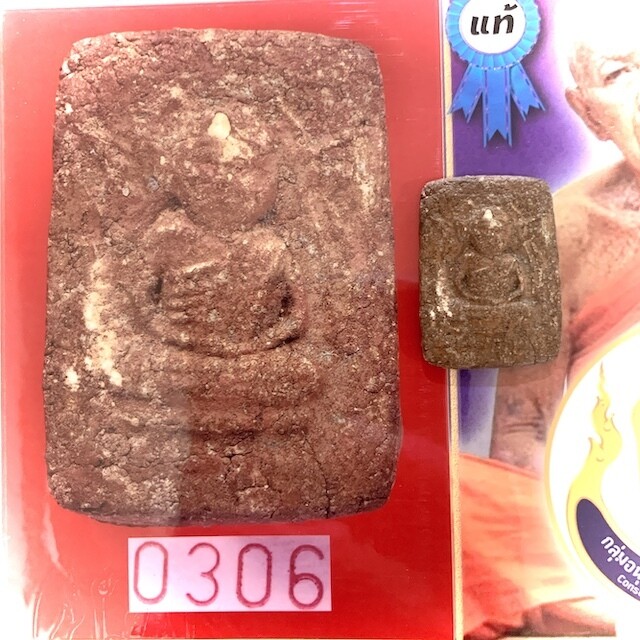
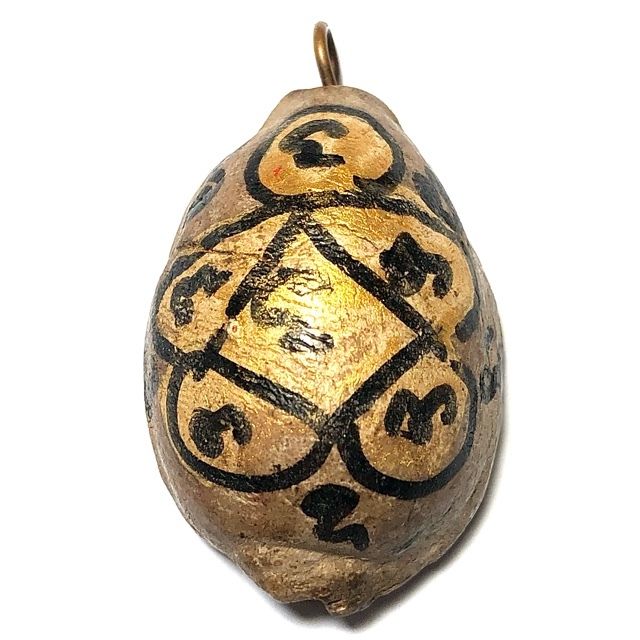
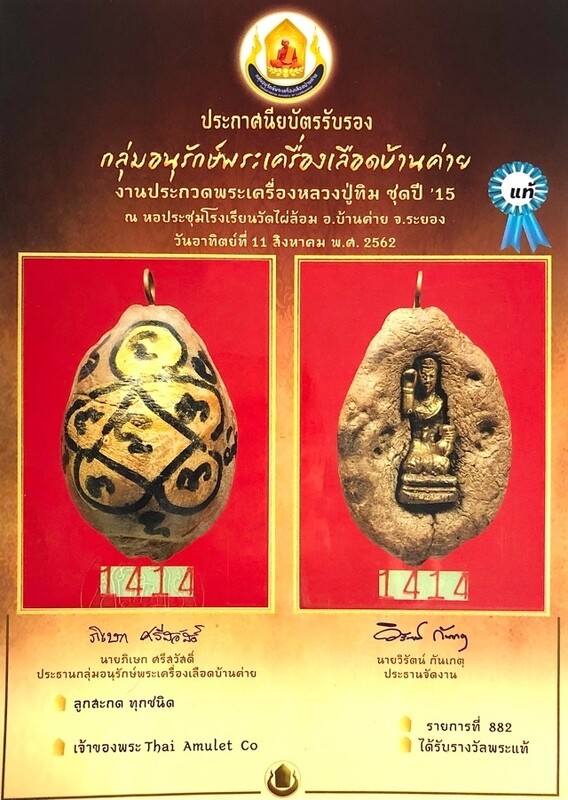
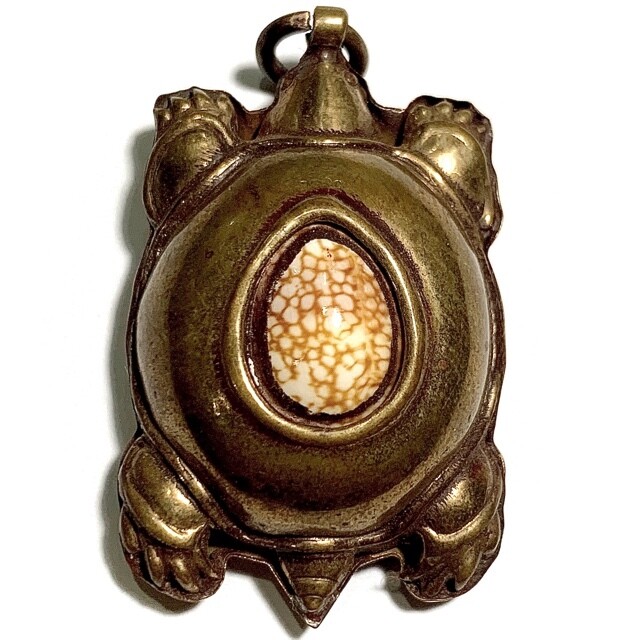
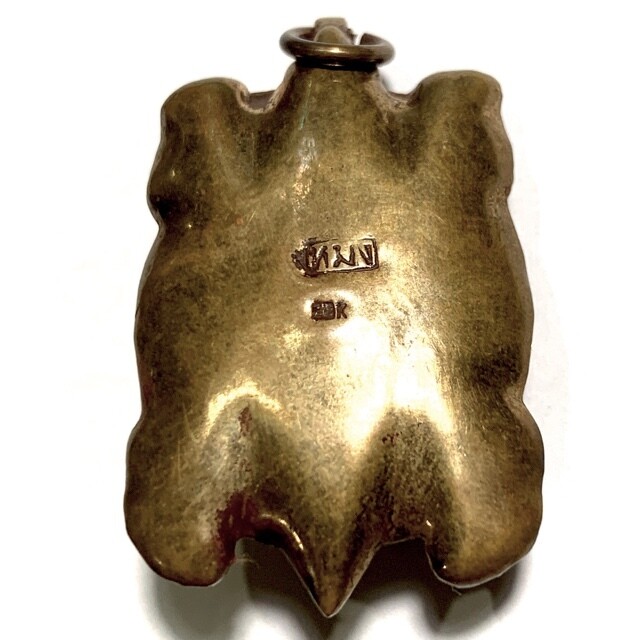
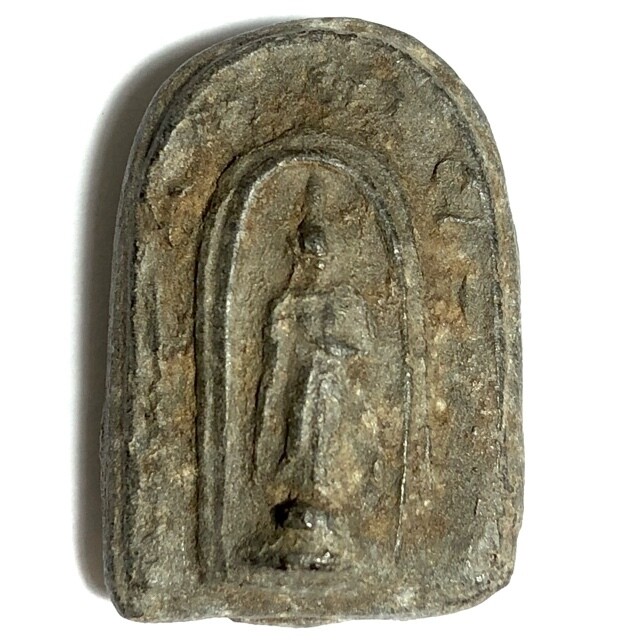
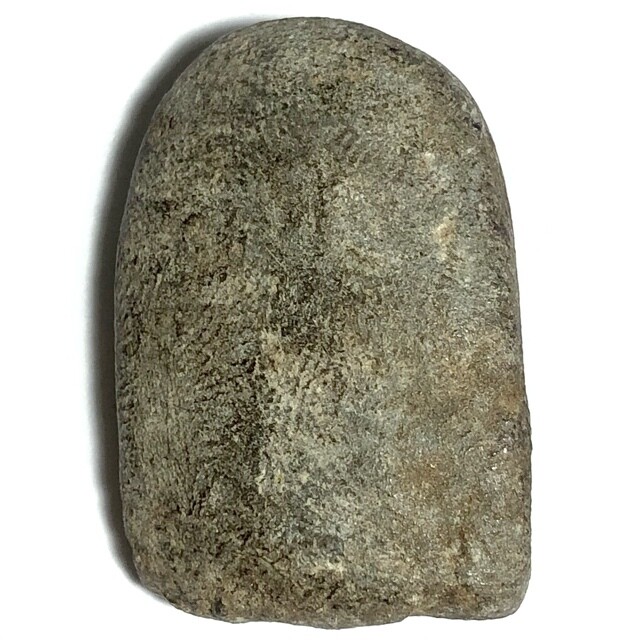
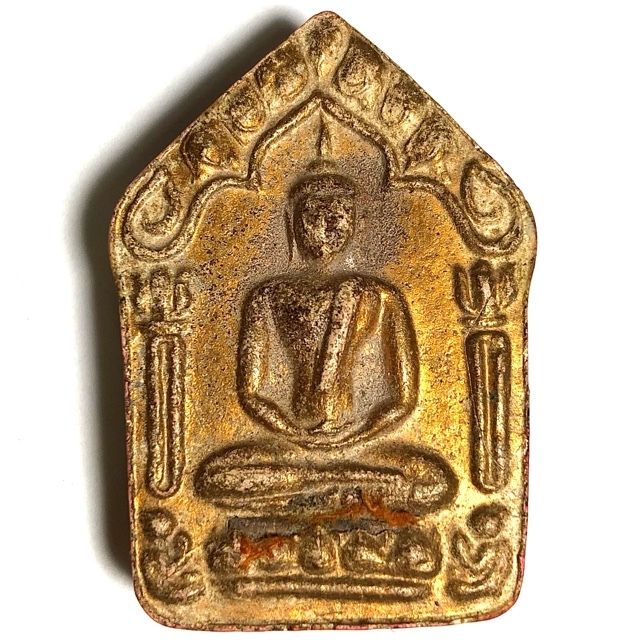
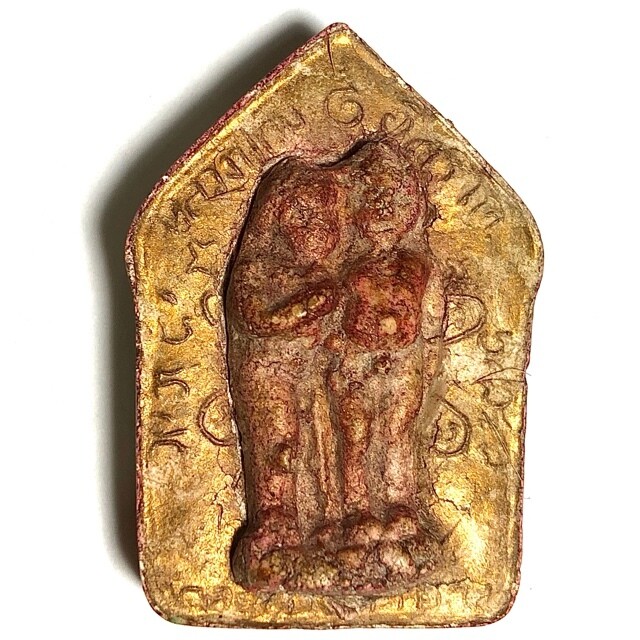
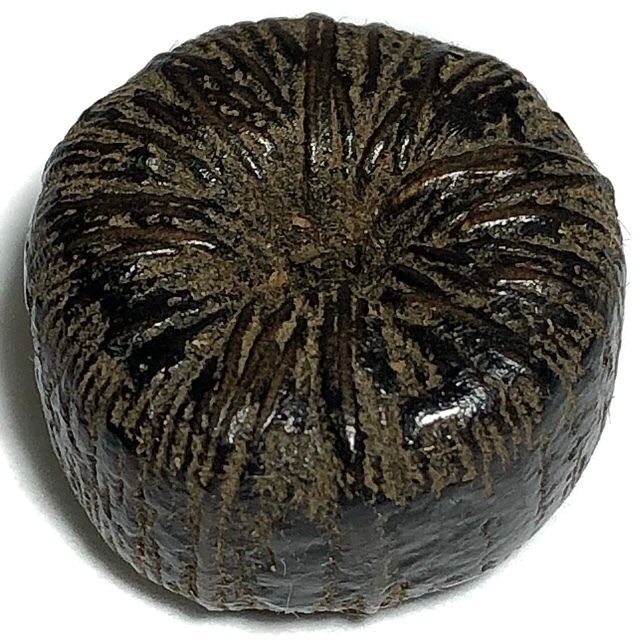
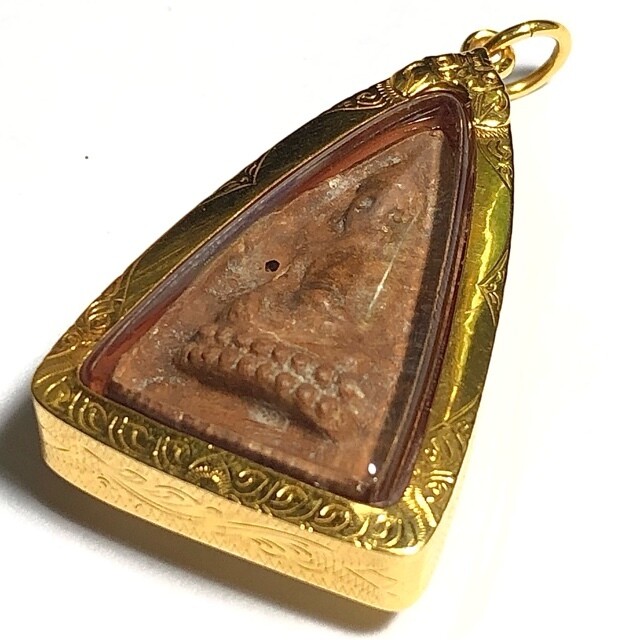
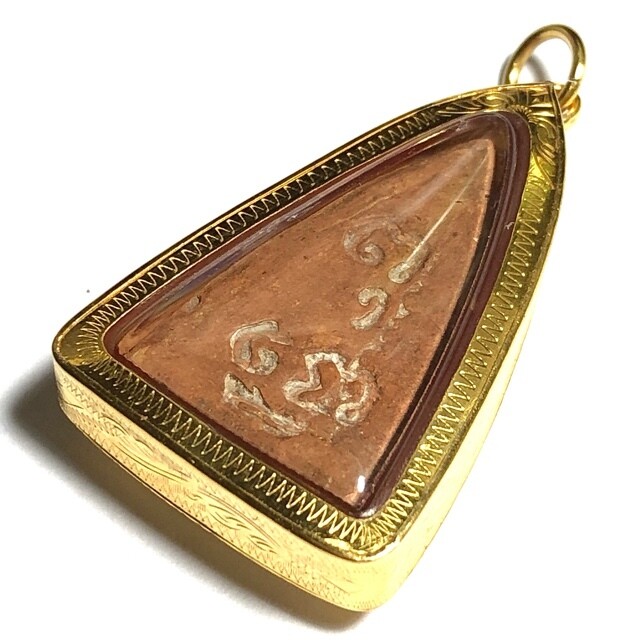
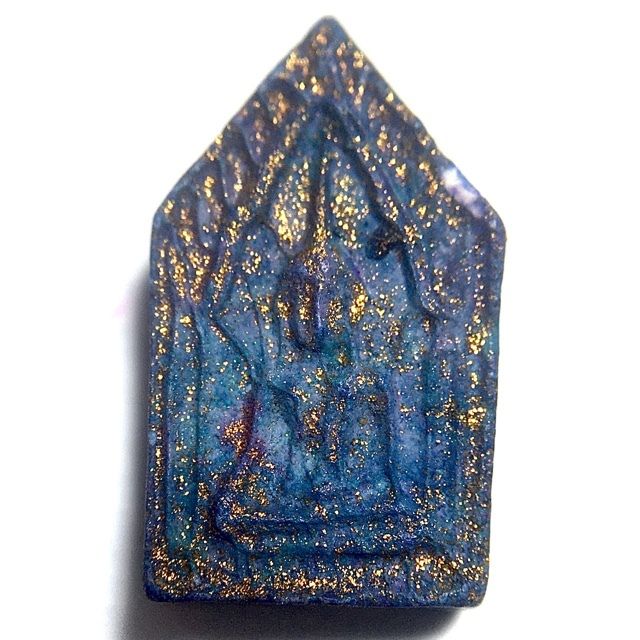
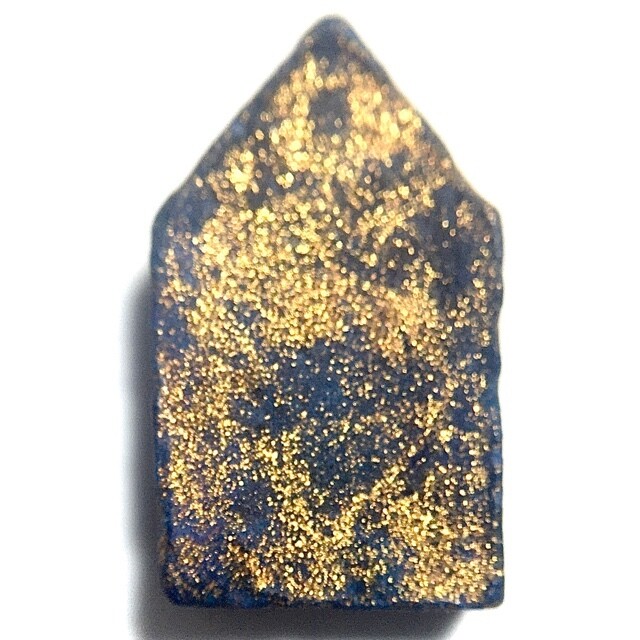
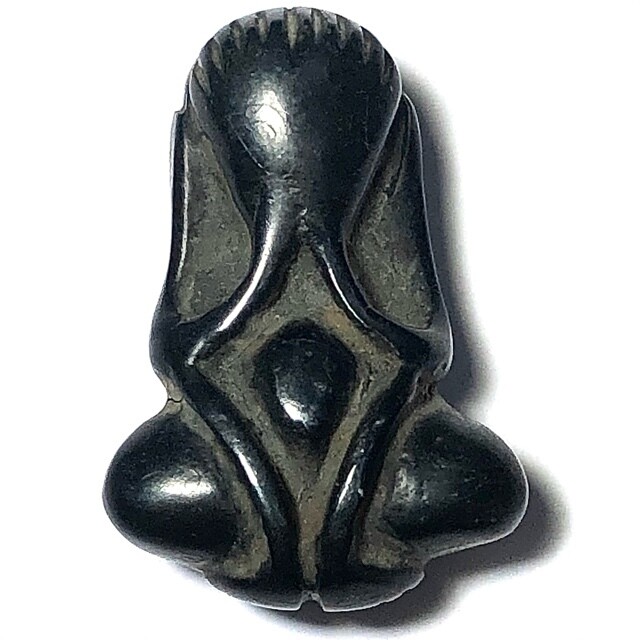
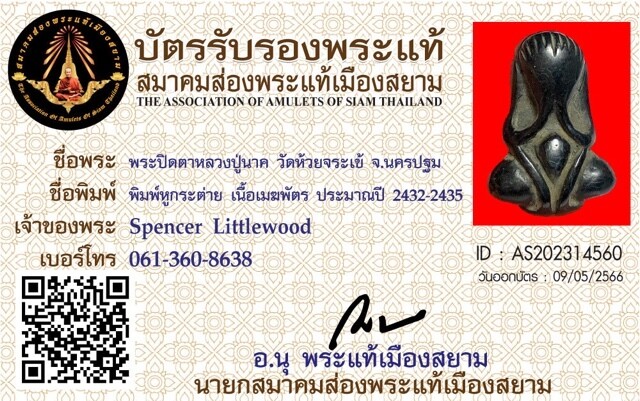
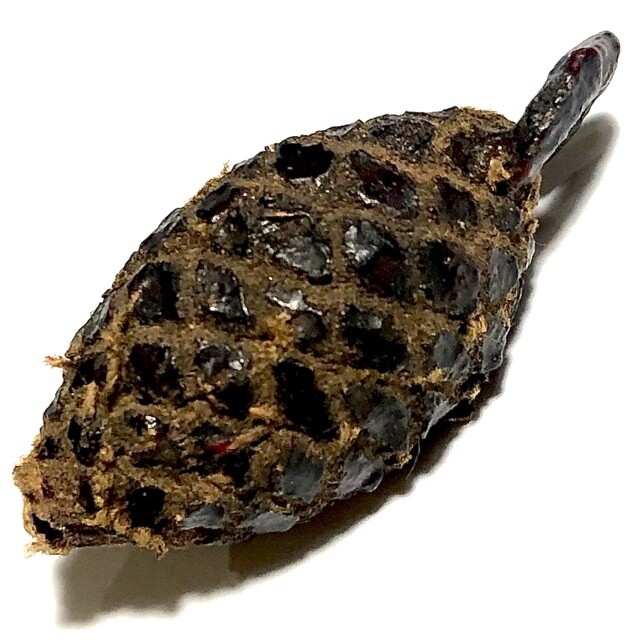
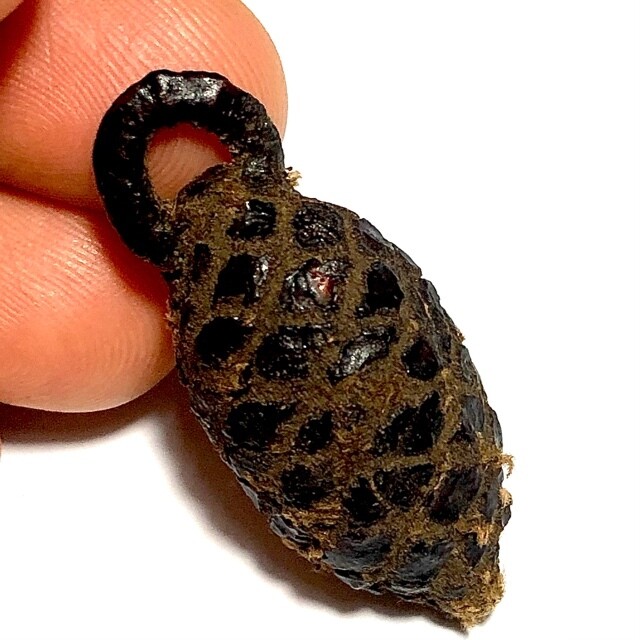
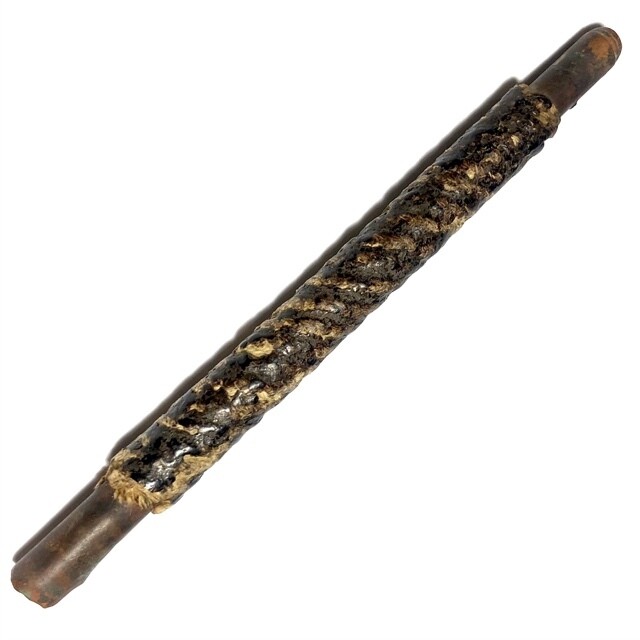
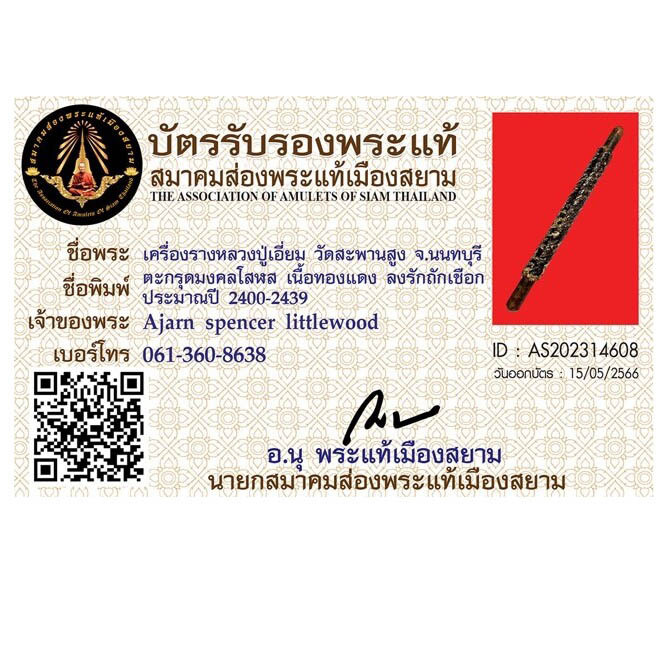
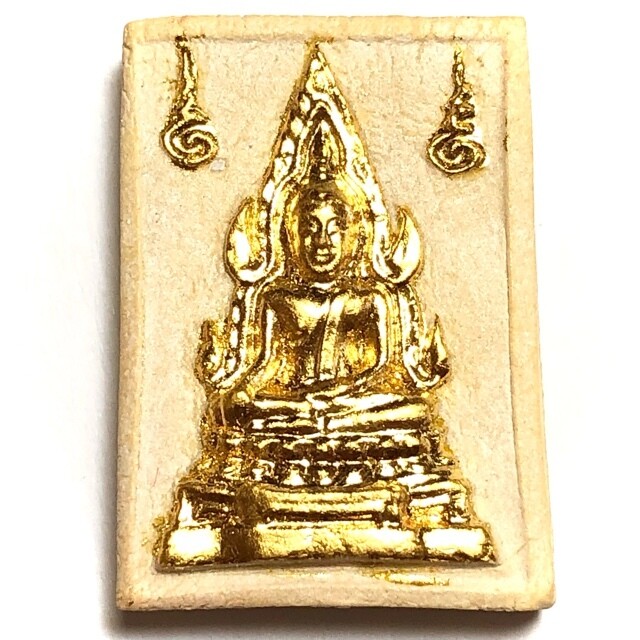
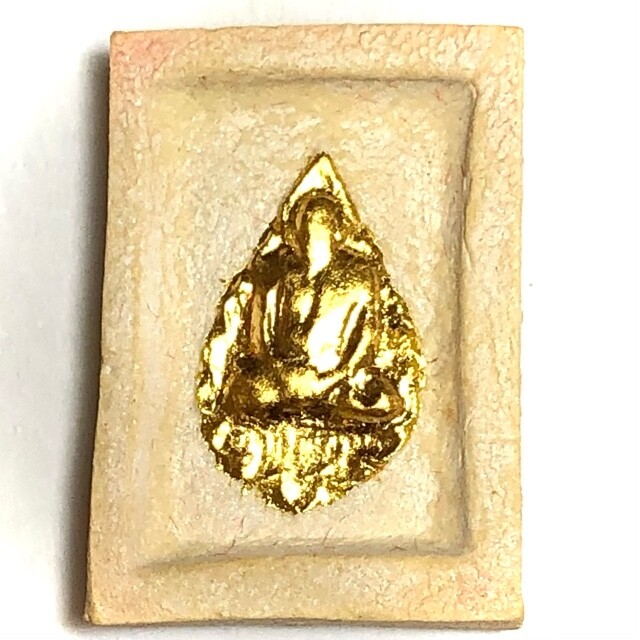
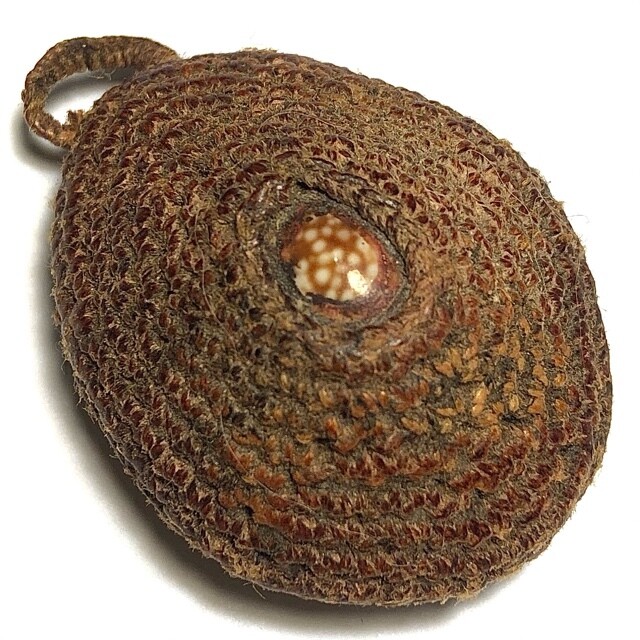
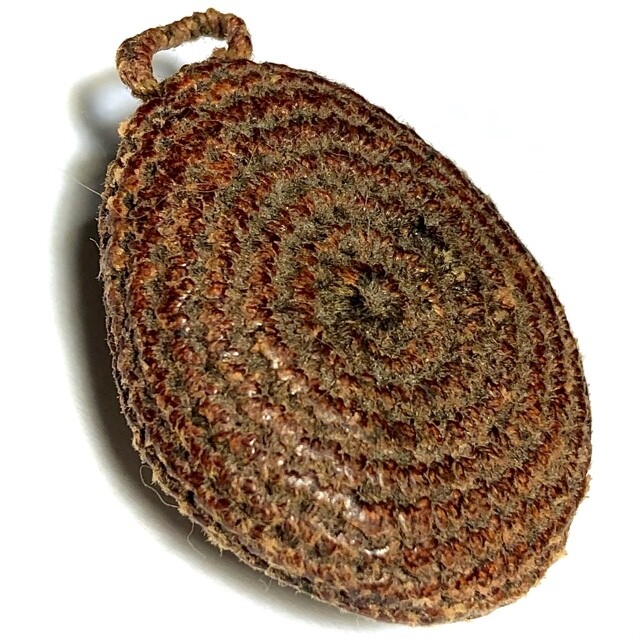
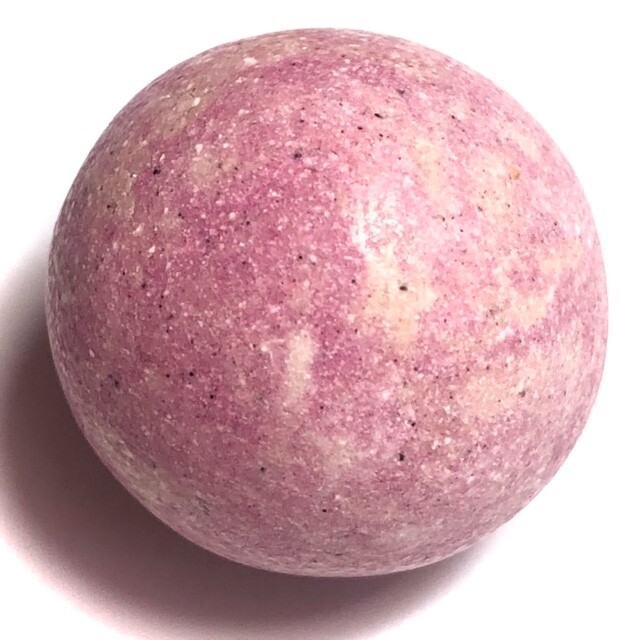


 Free EMS Registered Airmail Worldwide is included with this amulet The Palad Khik is in truth symbolic of the Shiva Lingam; The belief in the Shiva Lingam, or ‘Leungk’ (Thai pronunciation) phallic energy of the Palad Khik, is derived from the Brahman influence which has been inflected on Thai Theravada Buddhism, since both belief systems came to Siam more than one or two thousand years ago. It is believed that the Palad Khik Lingam energy is the source of all life forms in the Universe. This is the root of the act of reverence (Bucha/Poojah) to the Palad Khik as a Shiva Lingam, which honors Shiva as the Lord of the World.


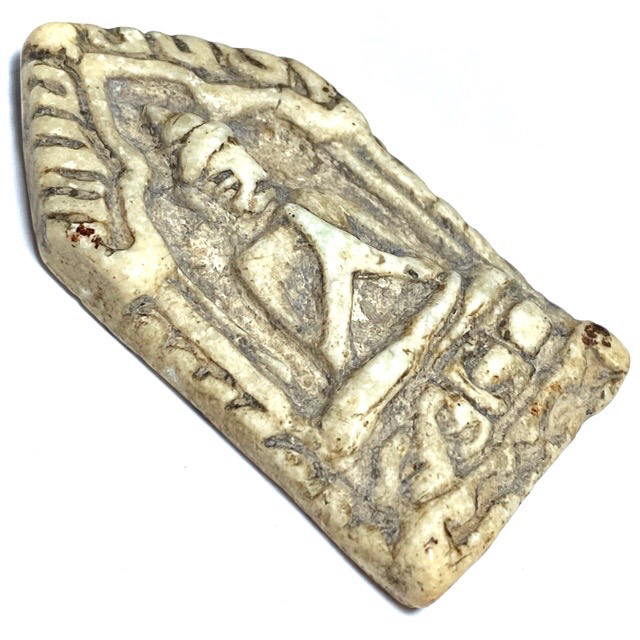


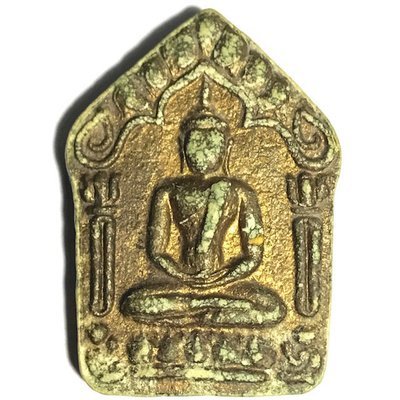
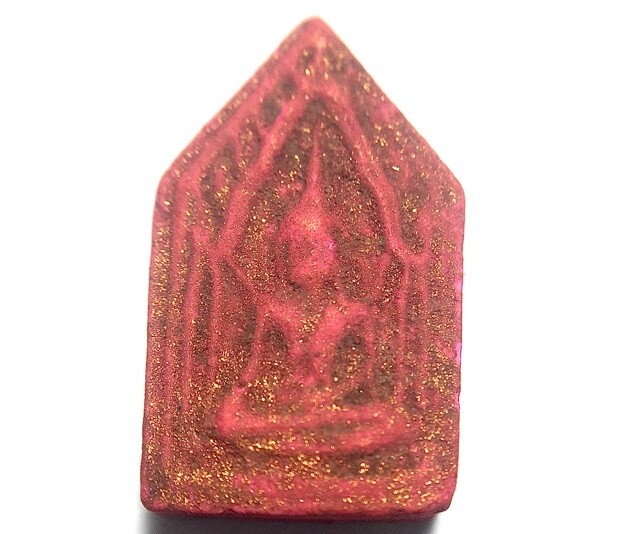
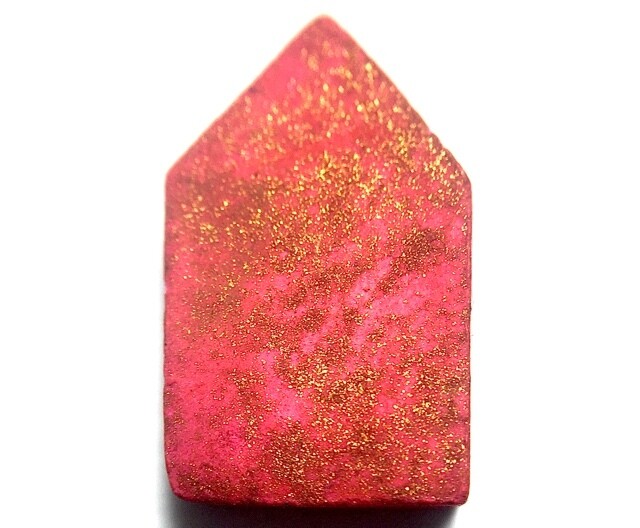
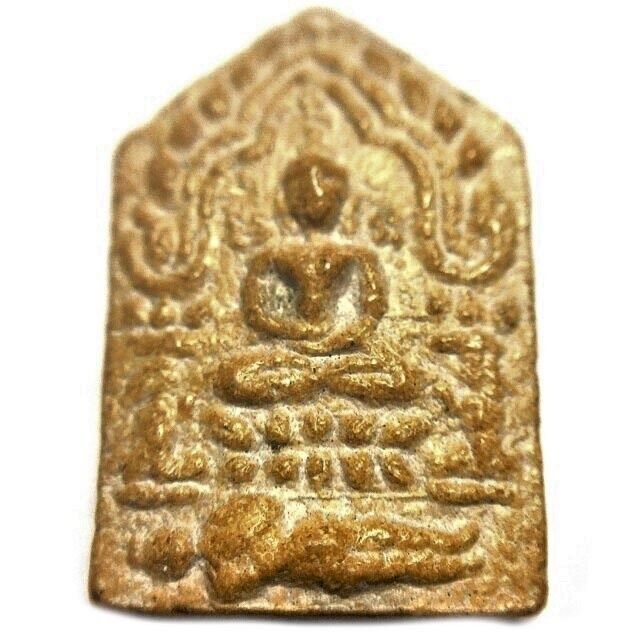
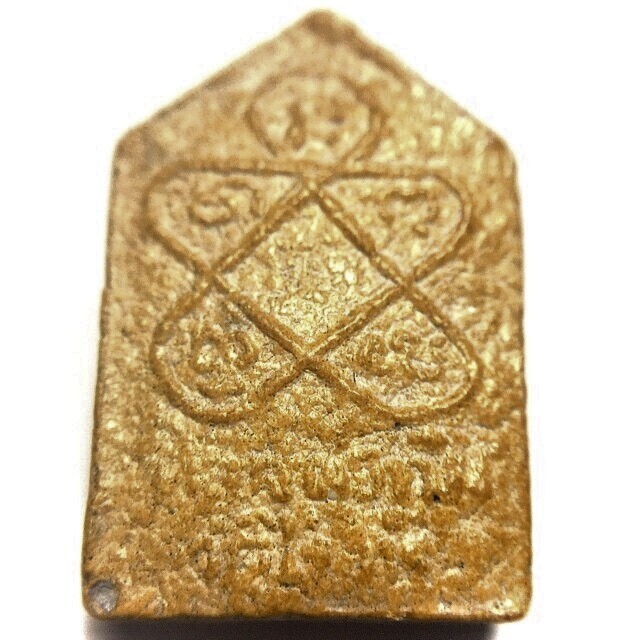
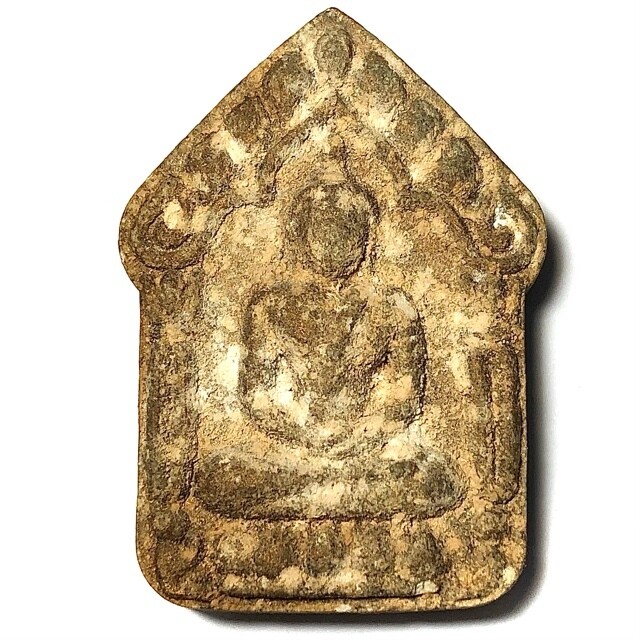
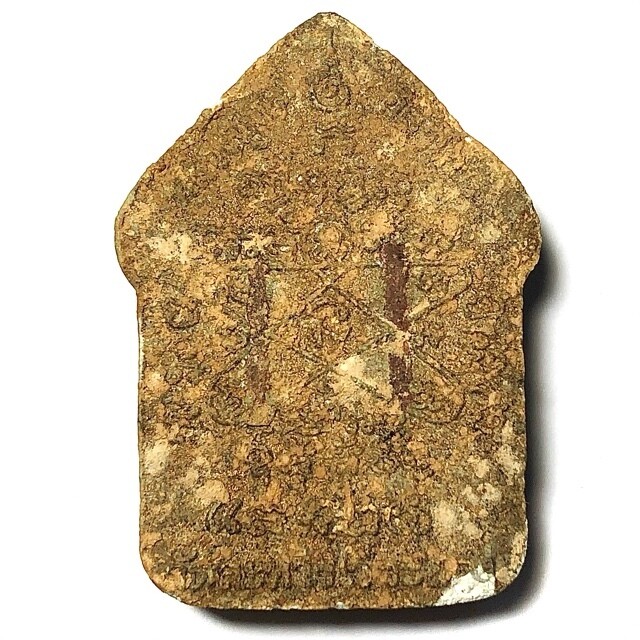
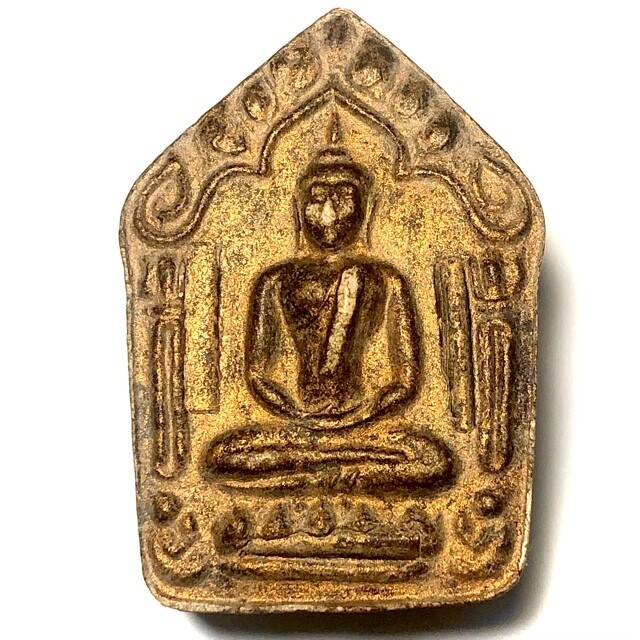
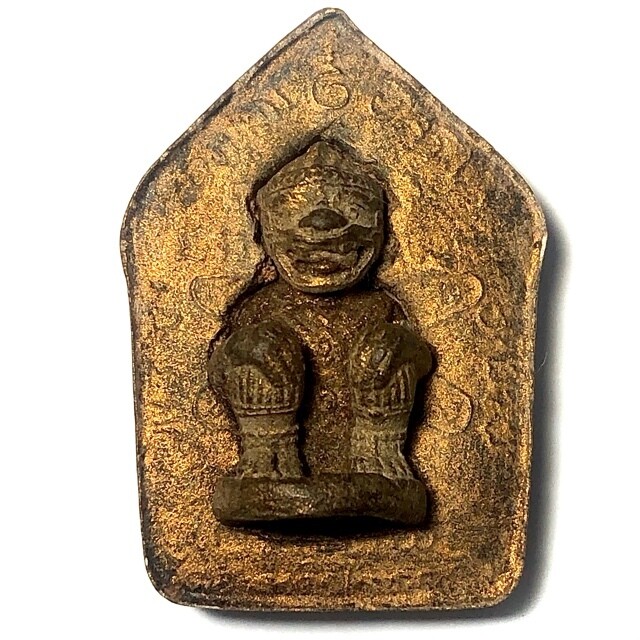
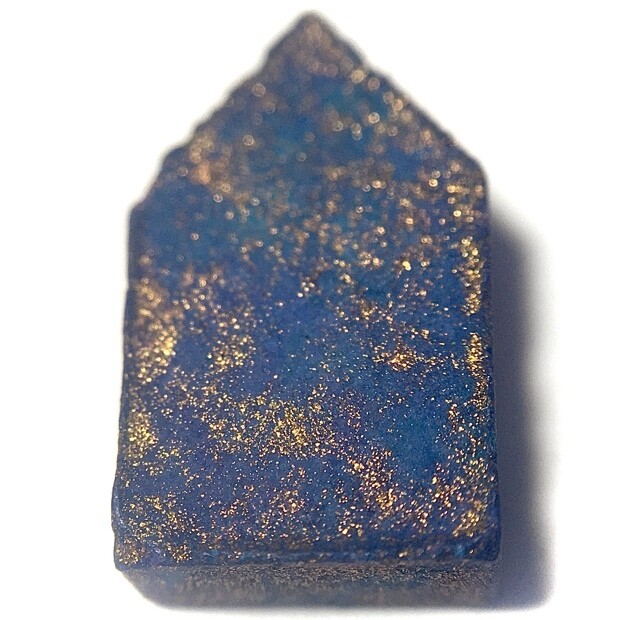
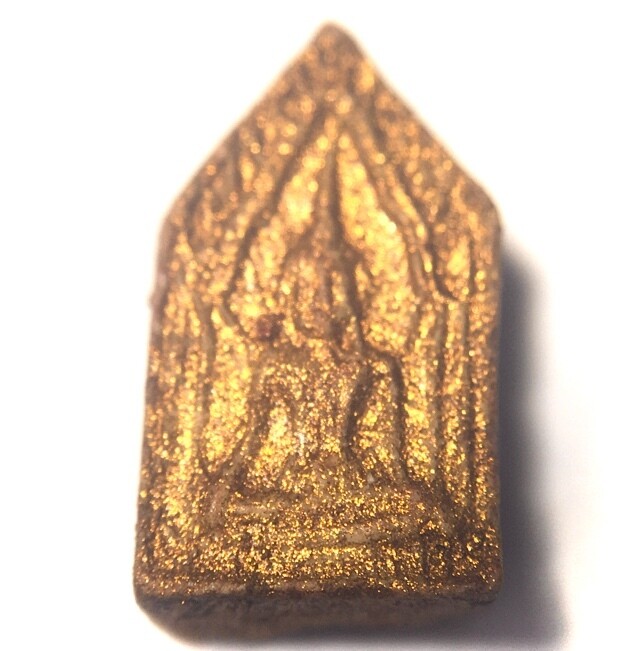
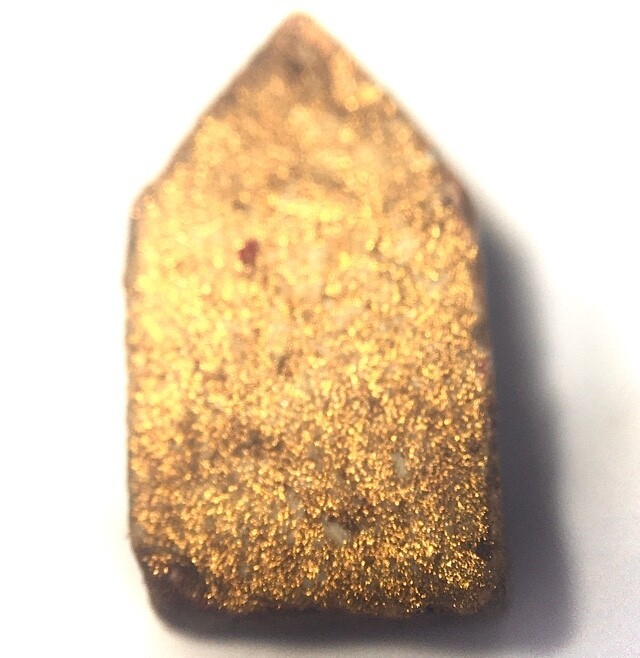
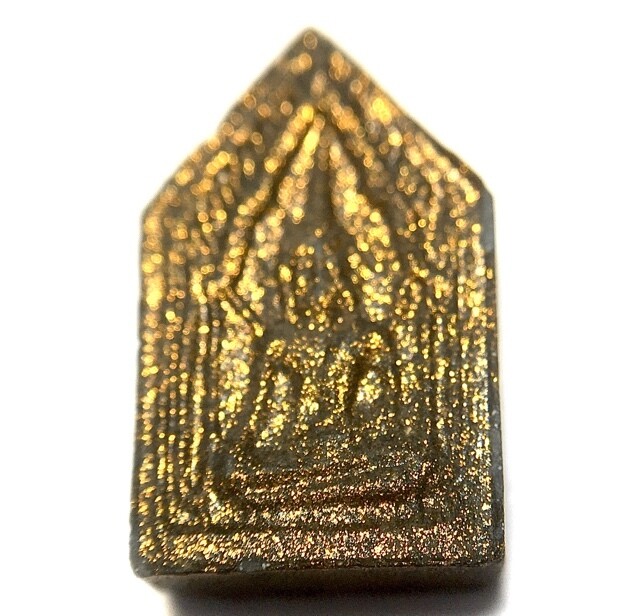
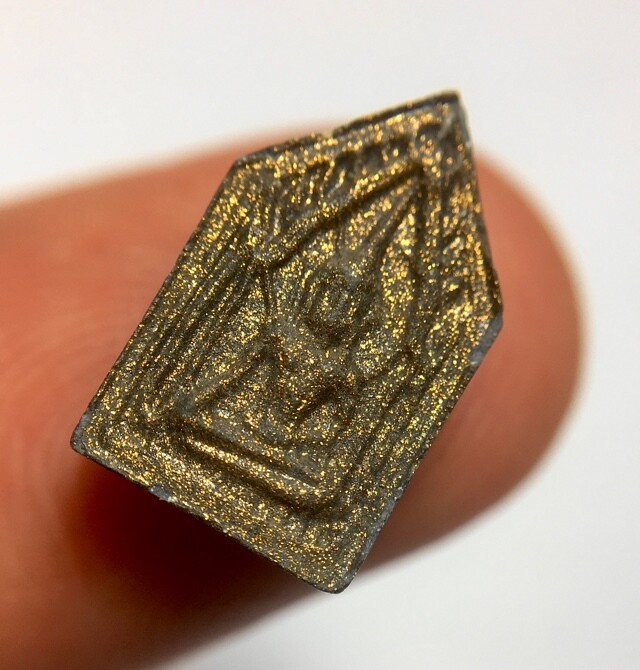
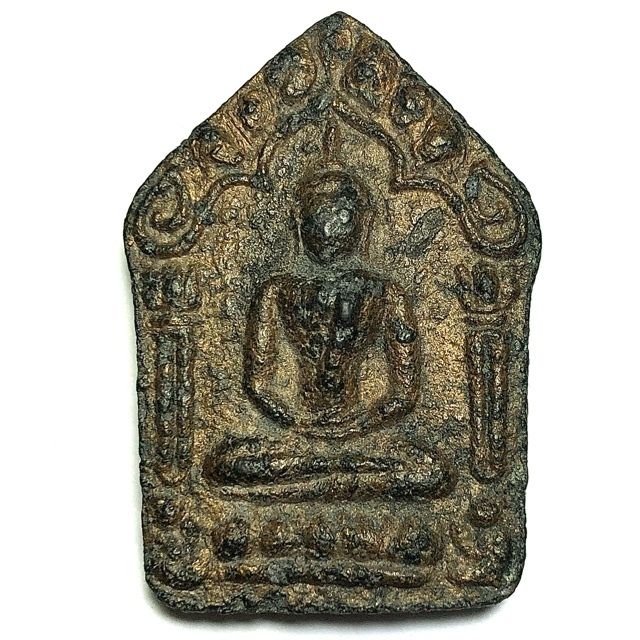
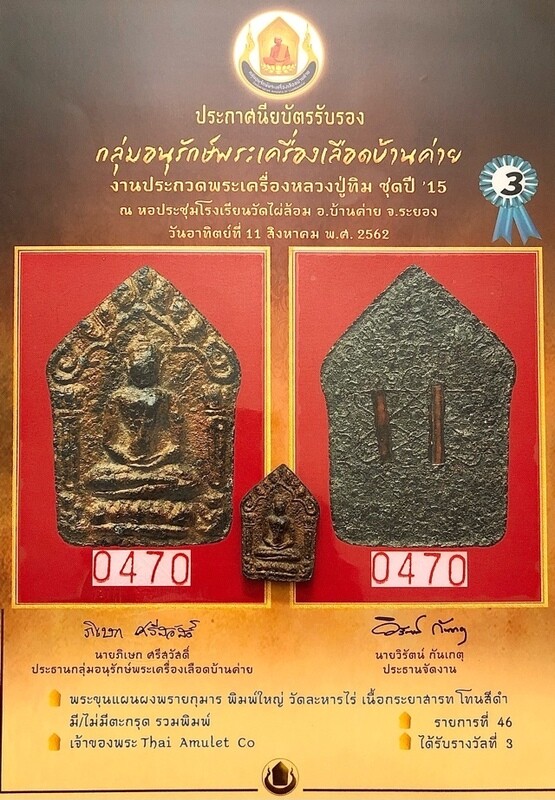
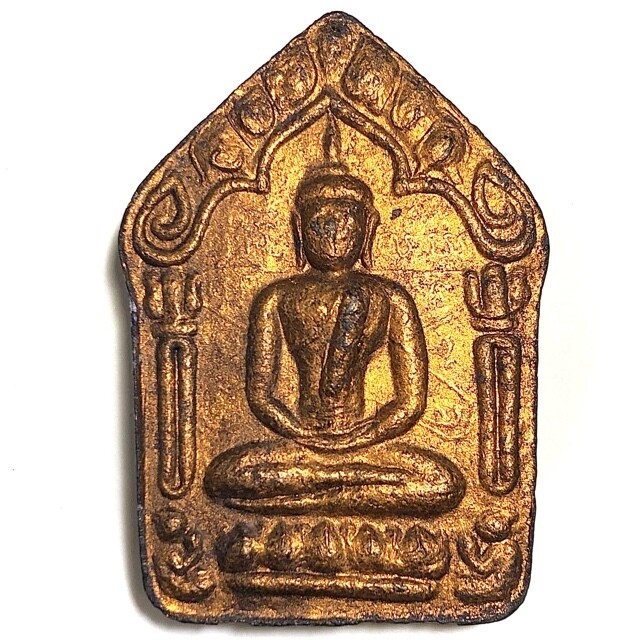
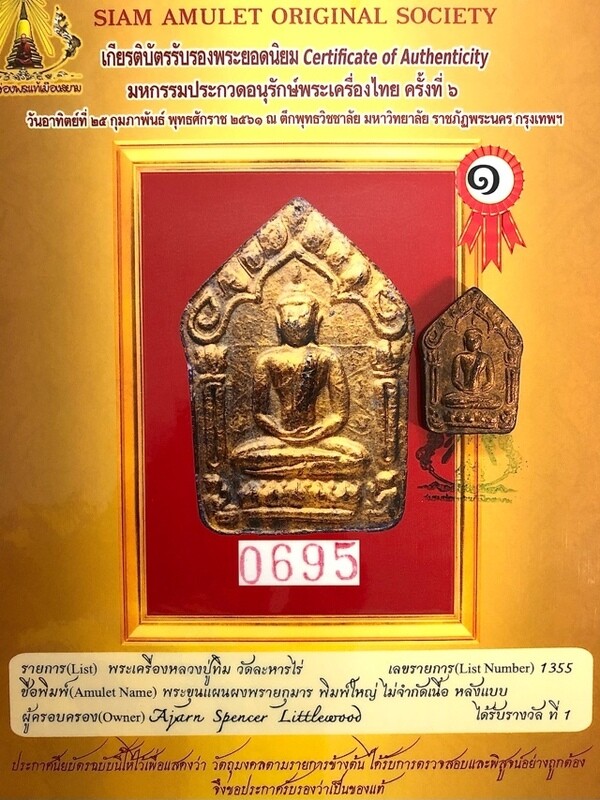
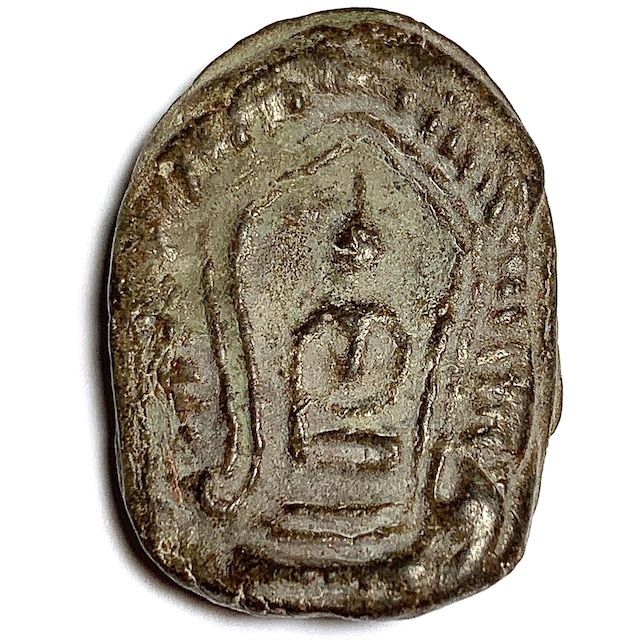
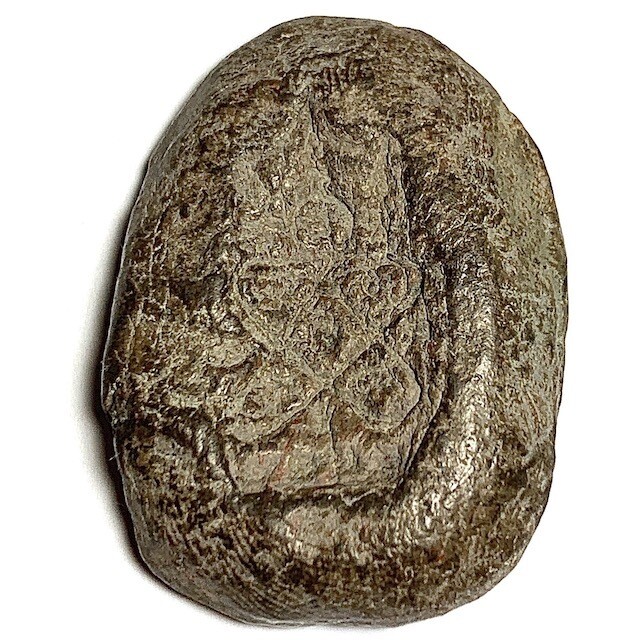
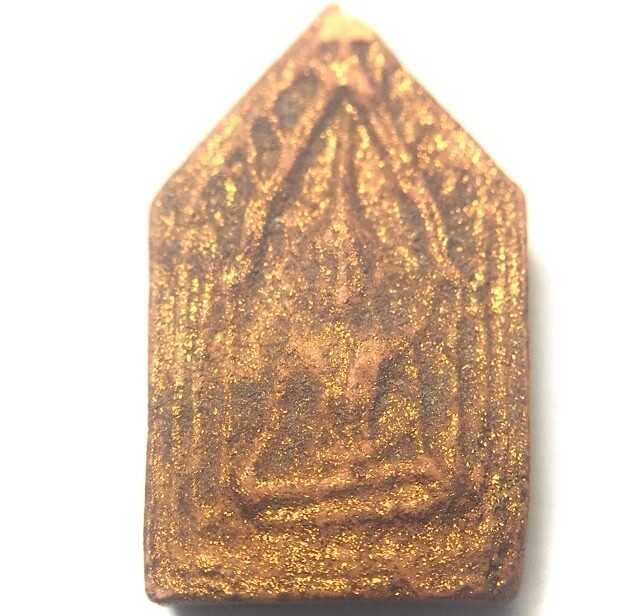
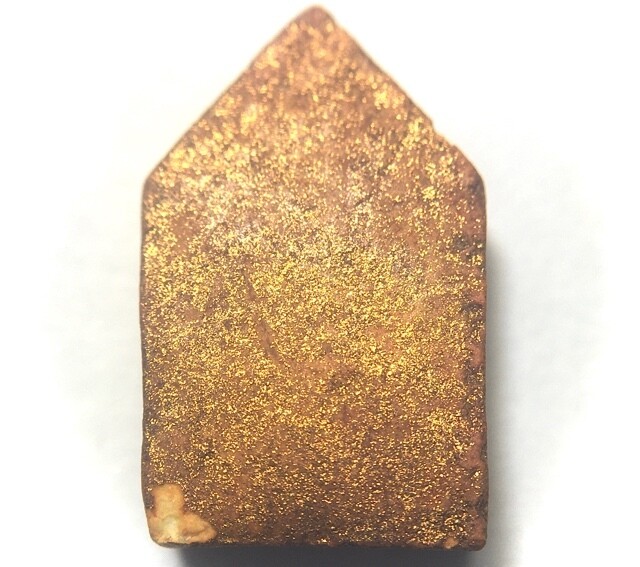
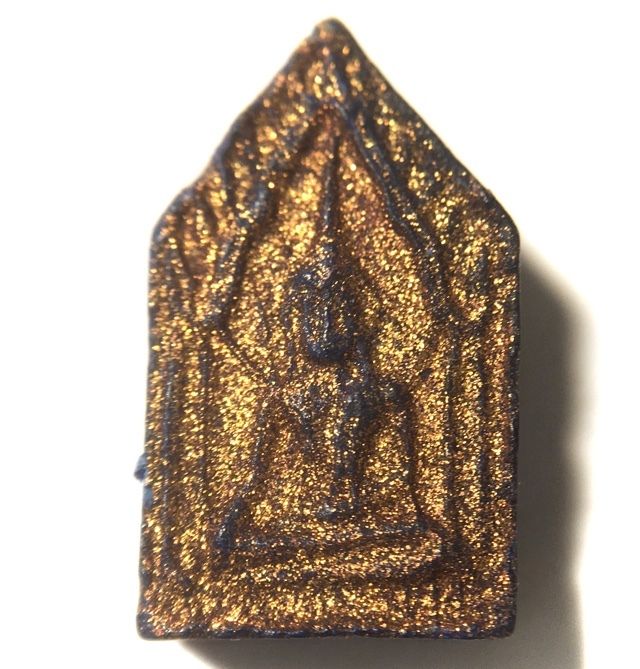
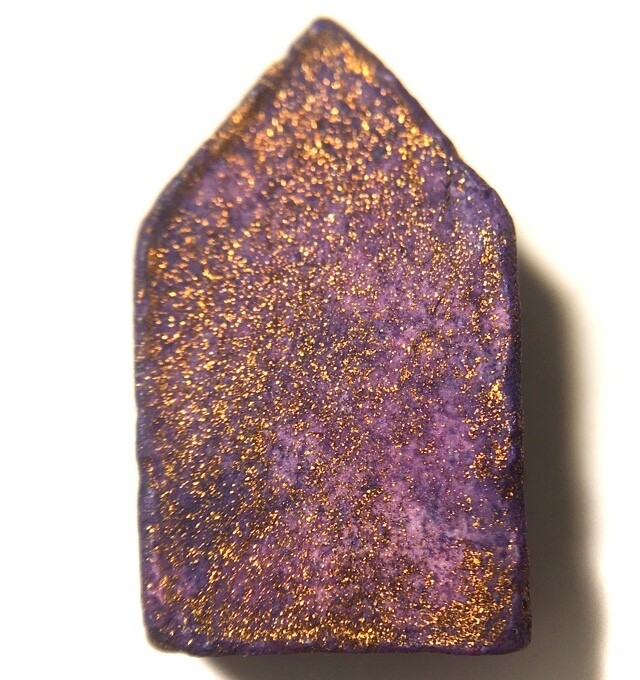
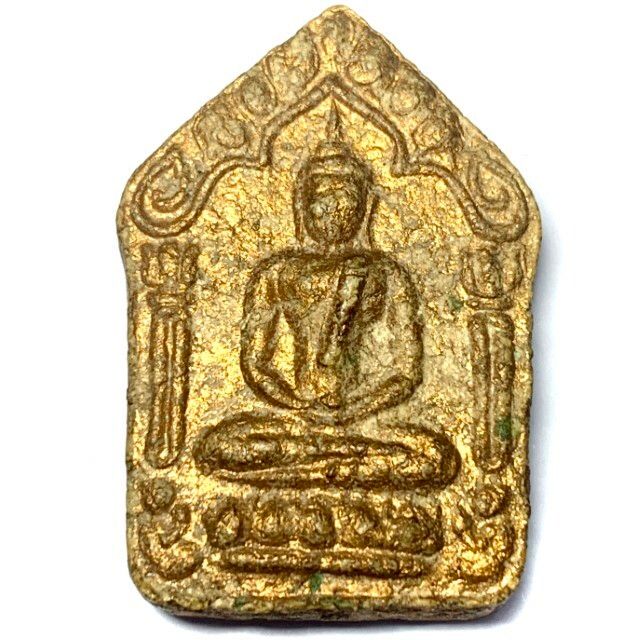
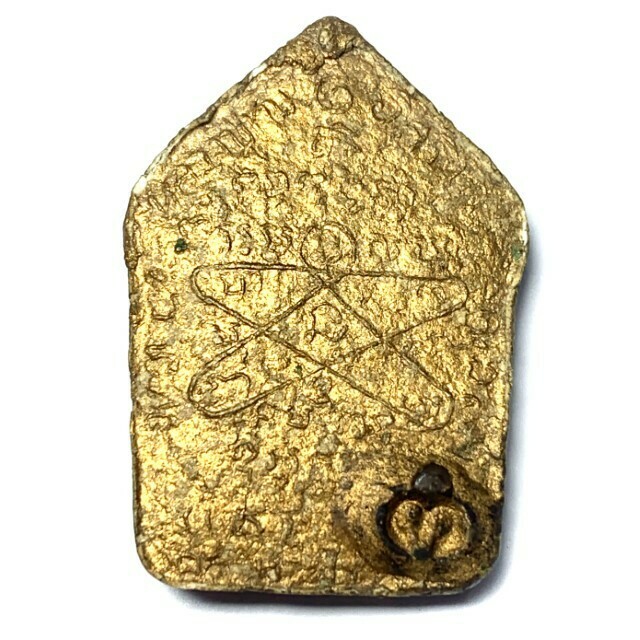
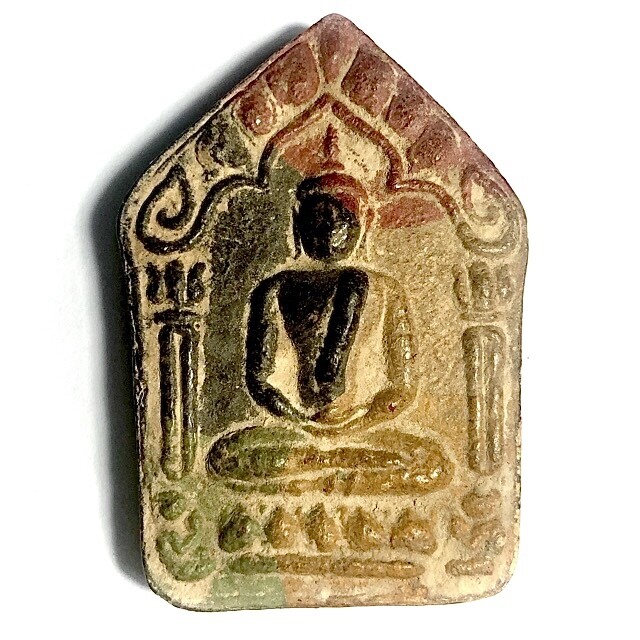
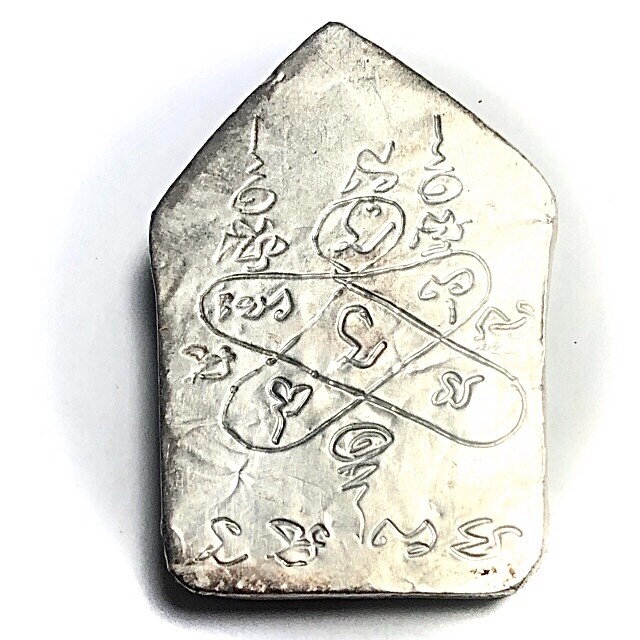
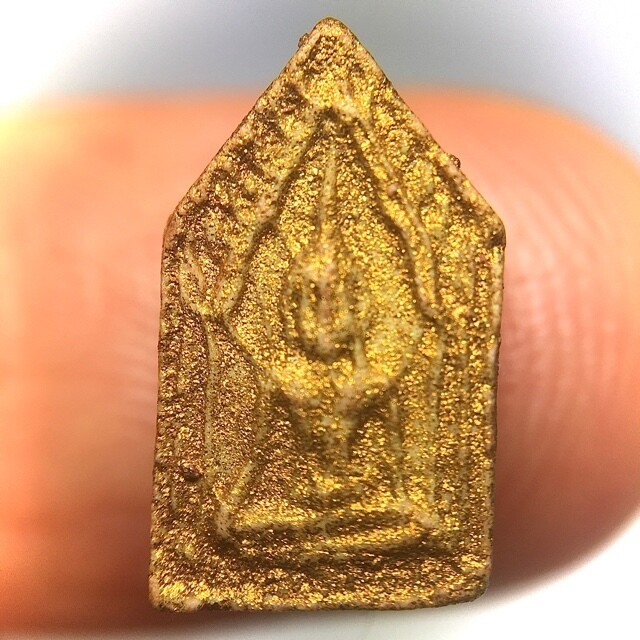
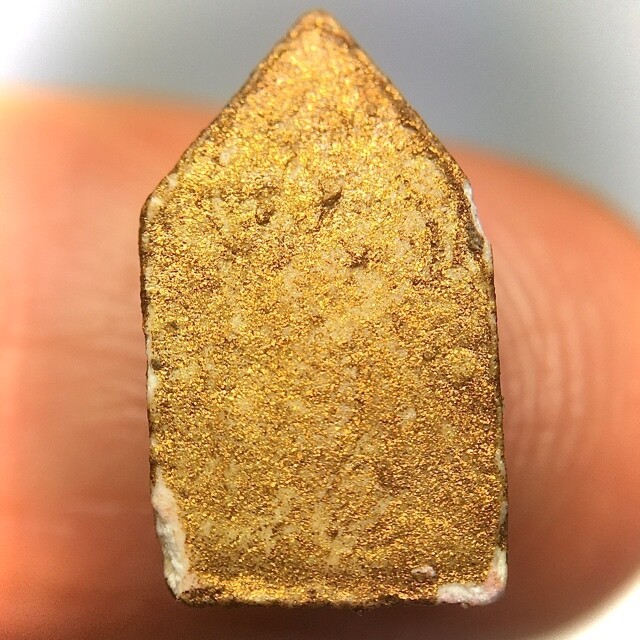
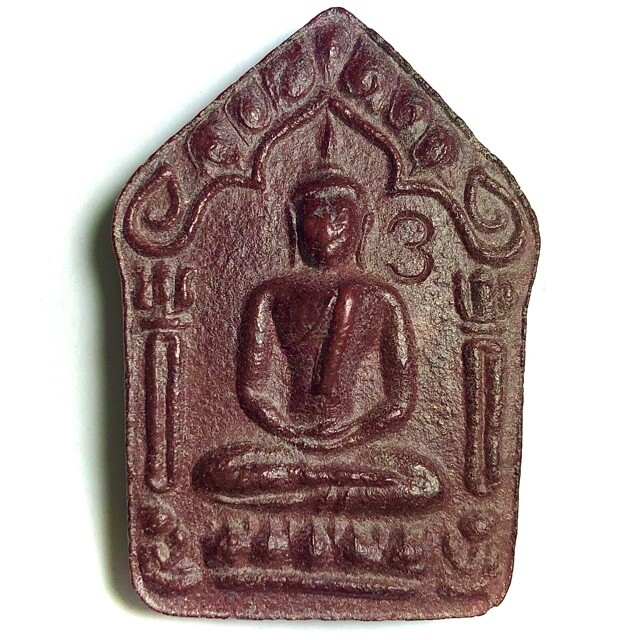
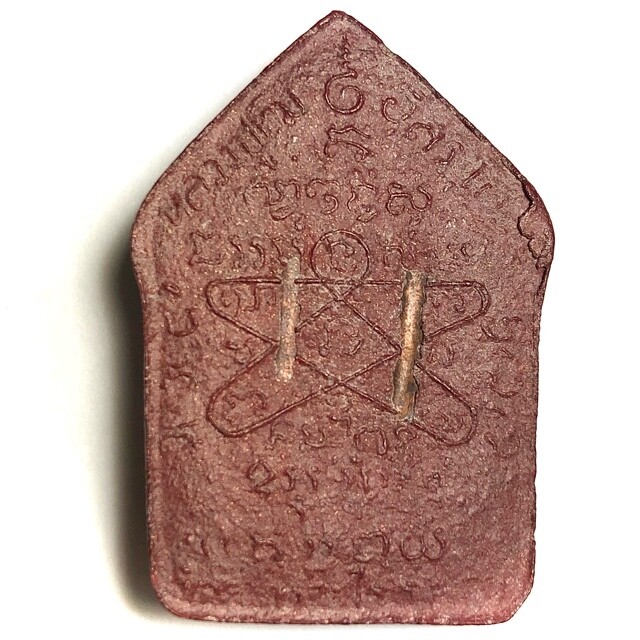
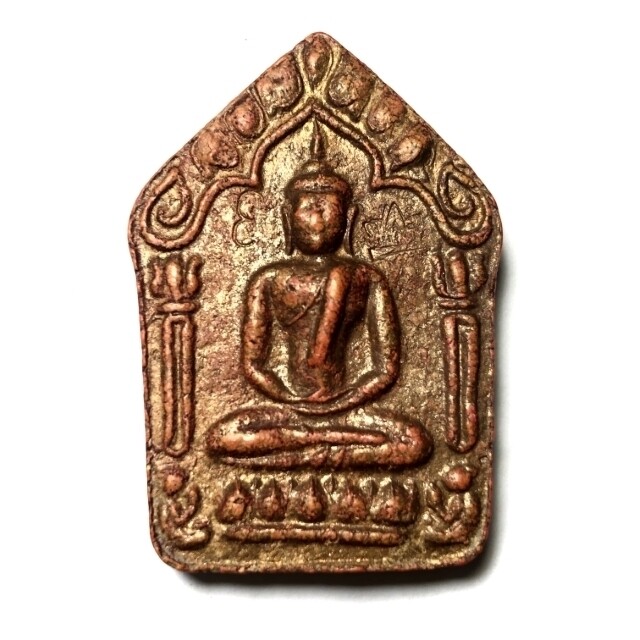
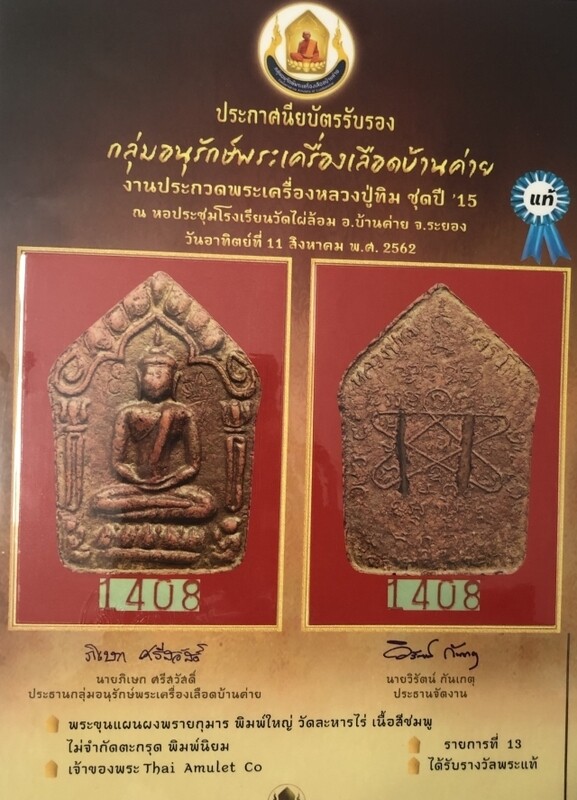
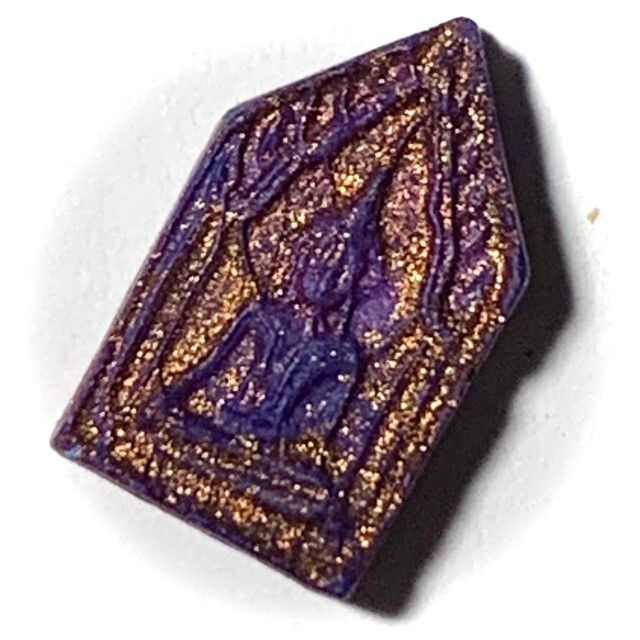
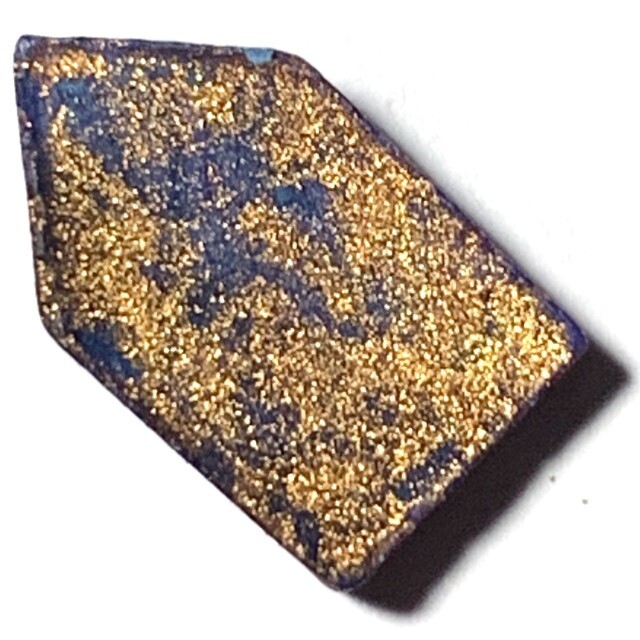
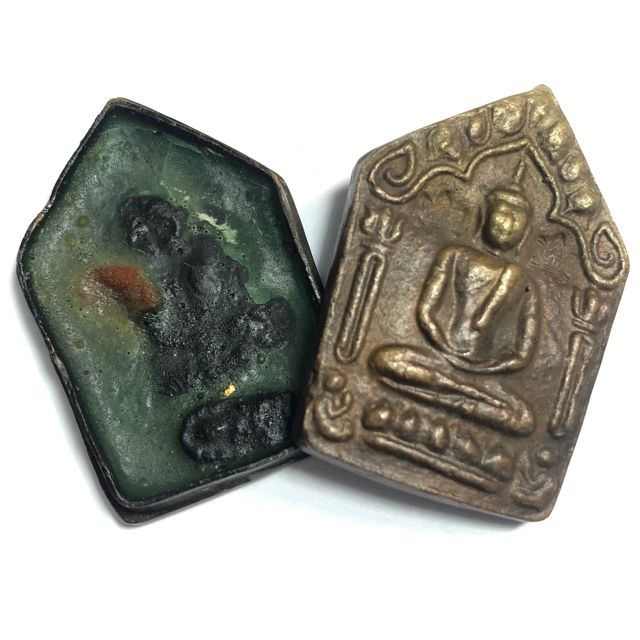
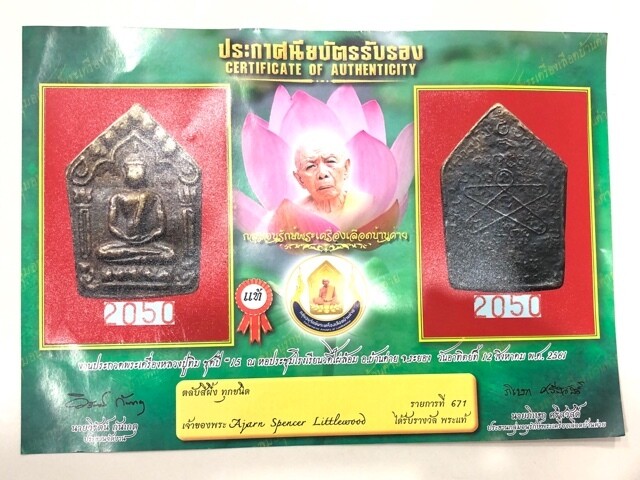
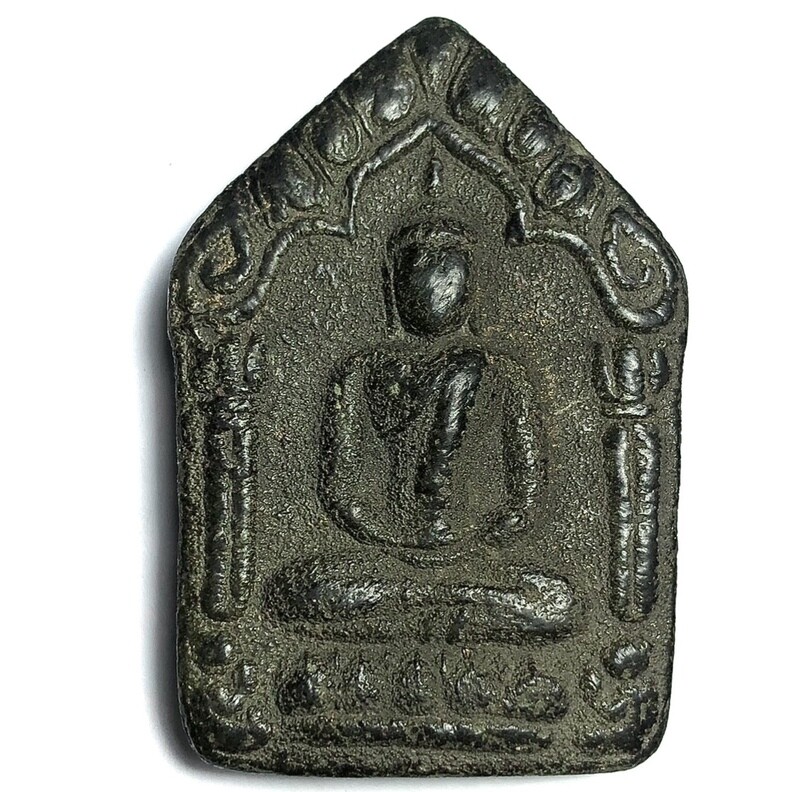
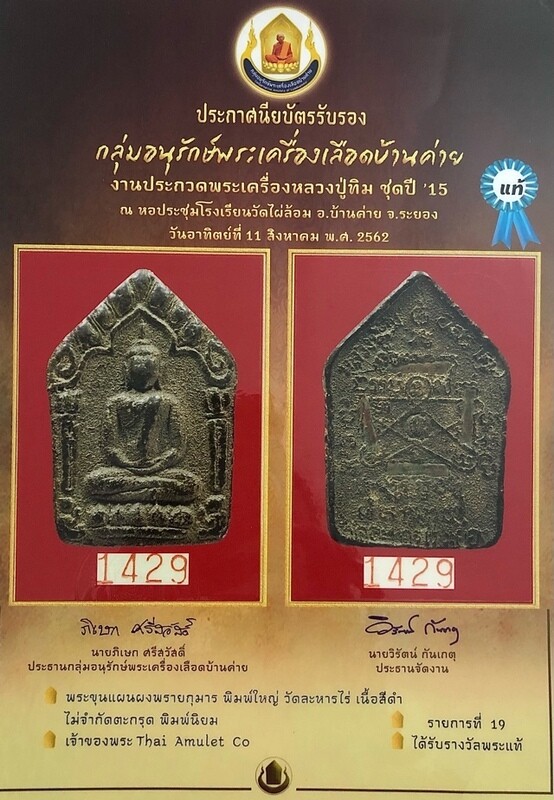
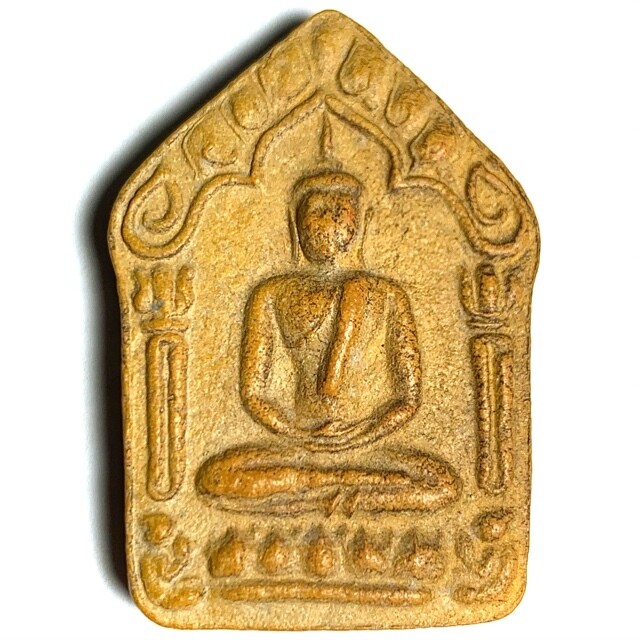
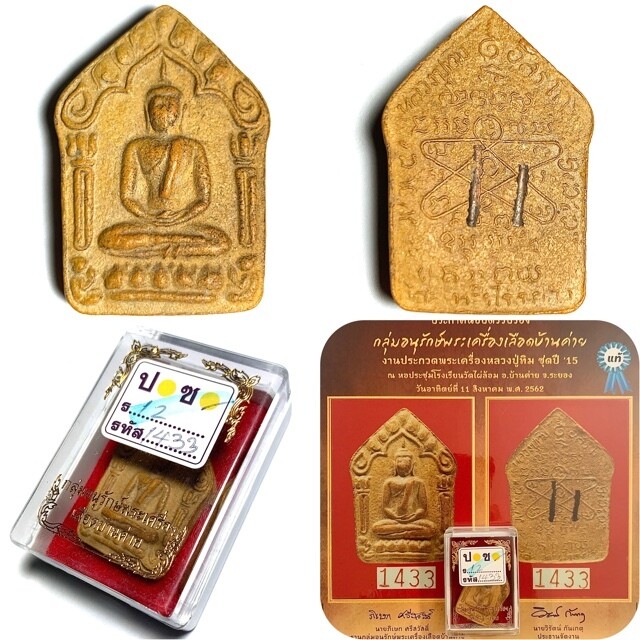
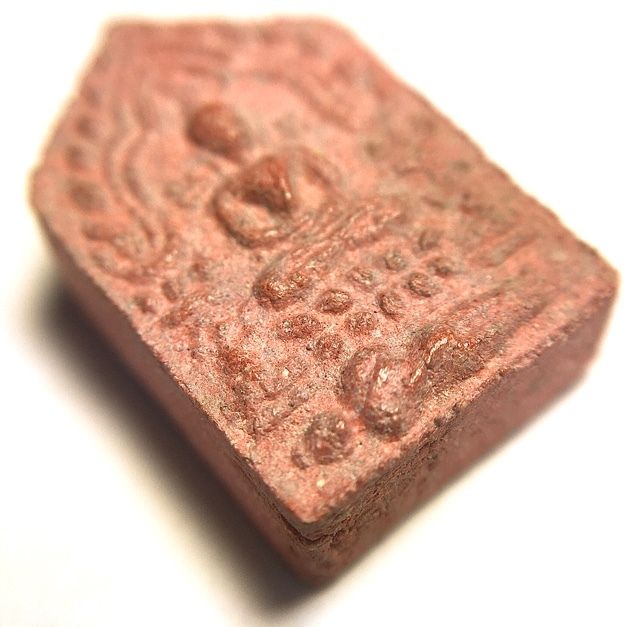
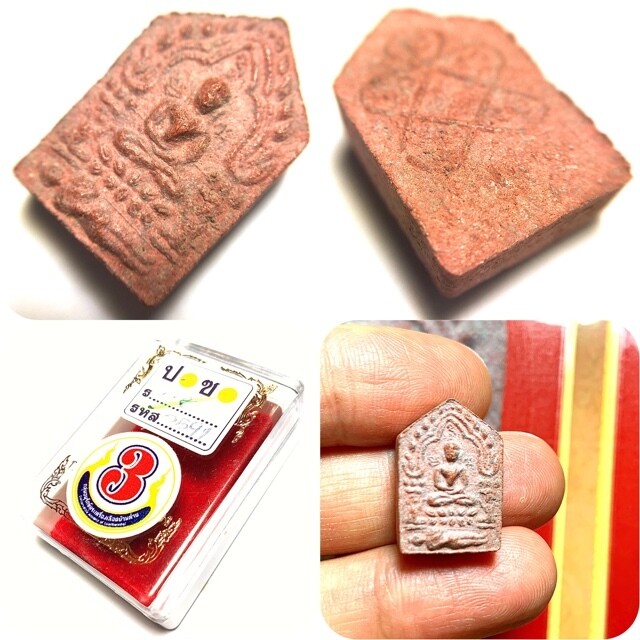
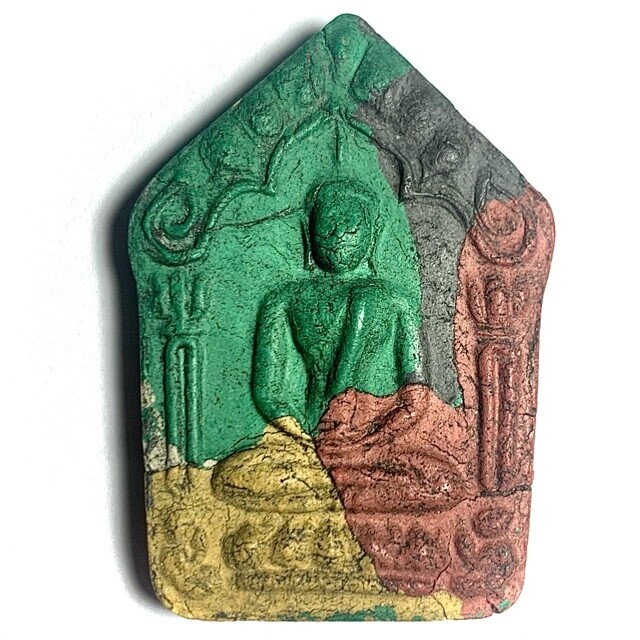
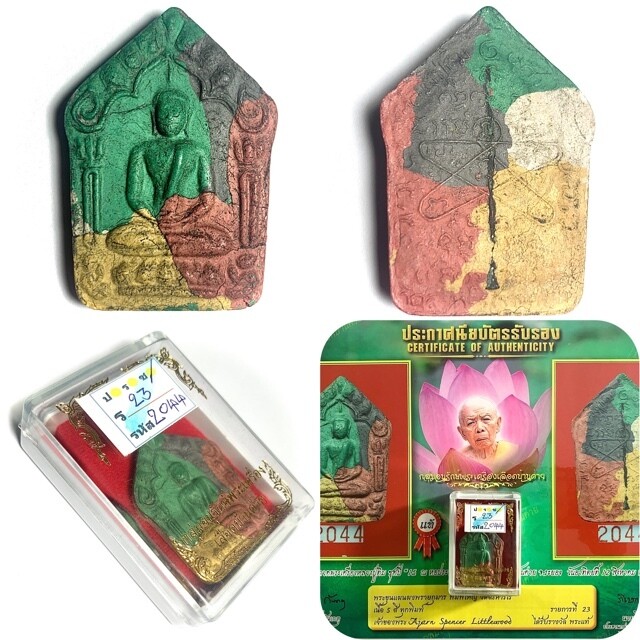
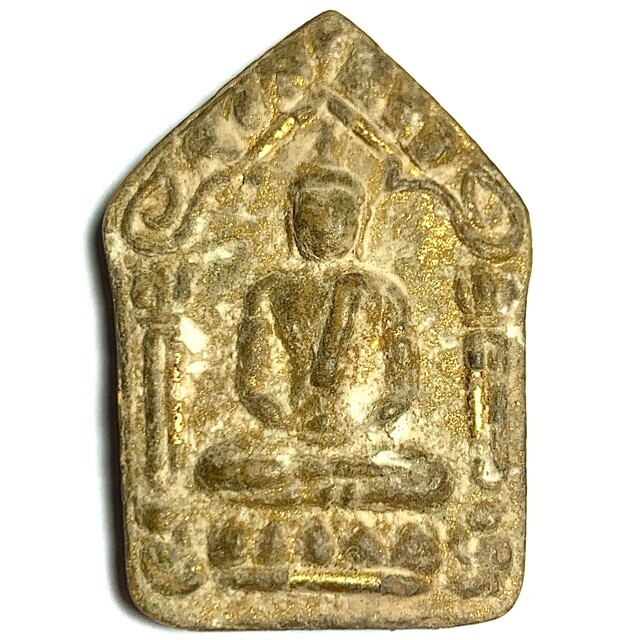
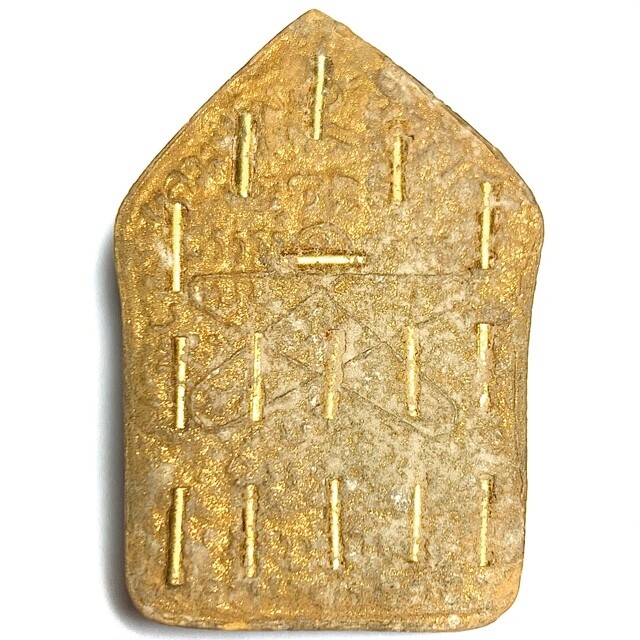
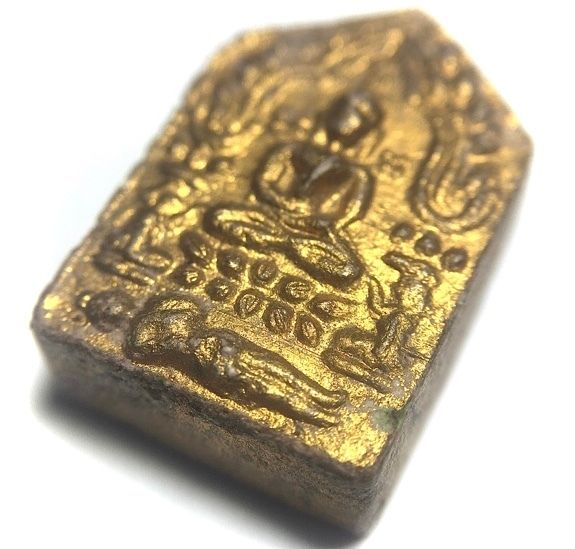
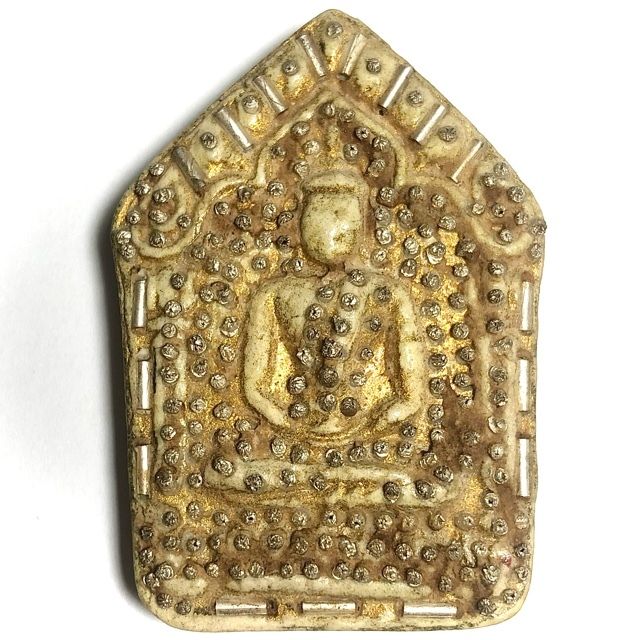
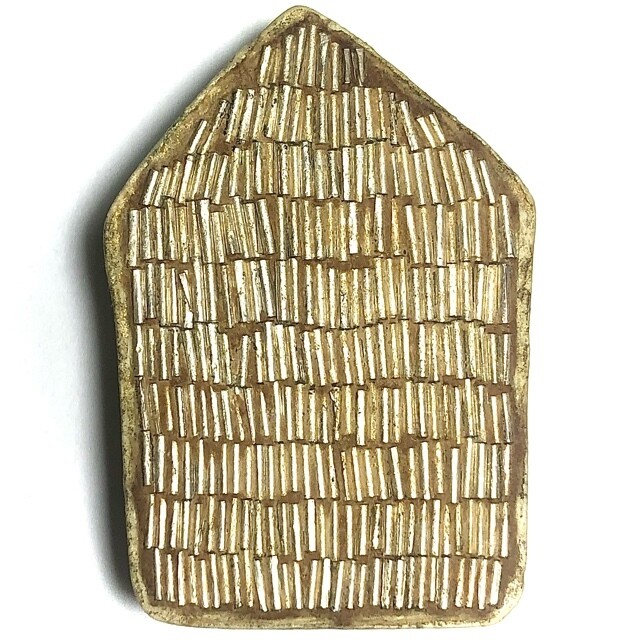
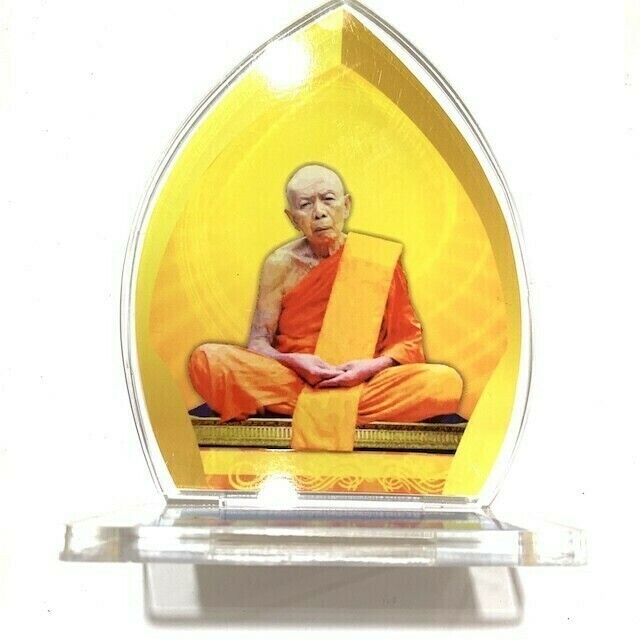
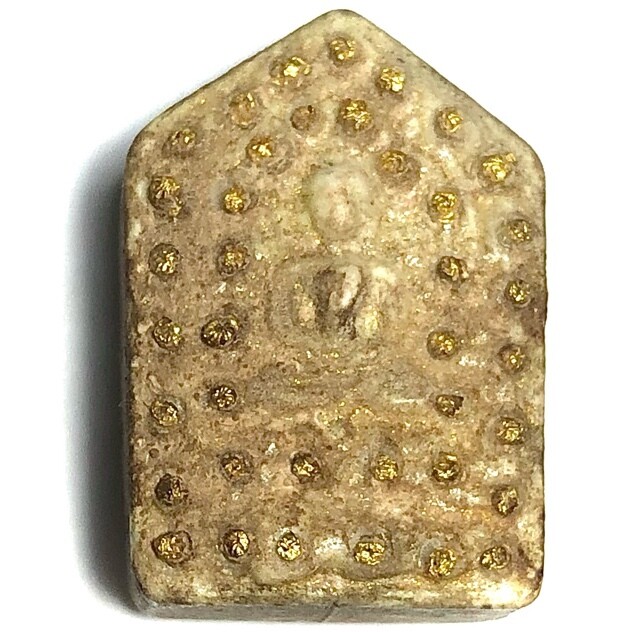
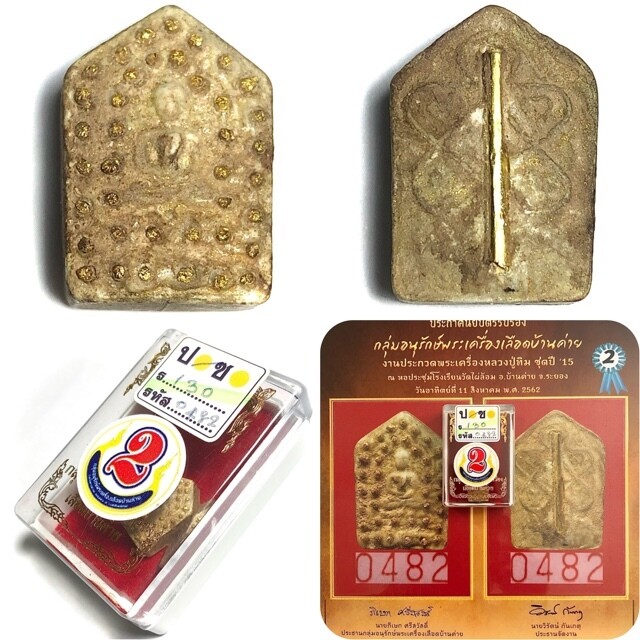
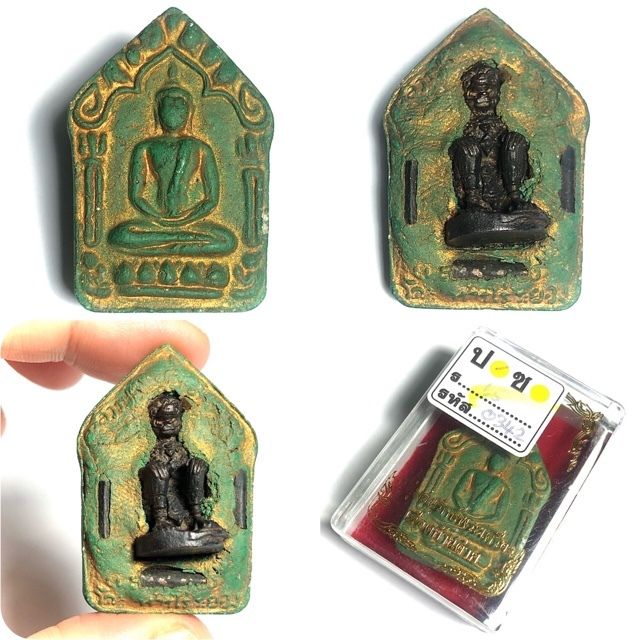
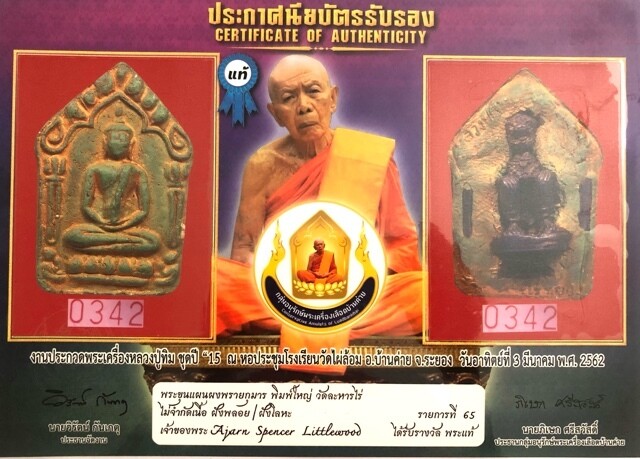
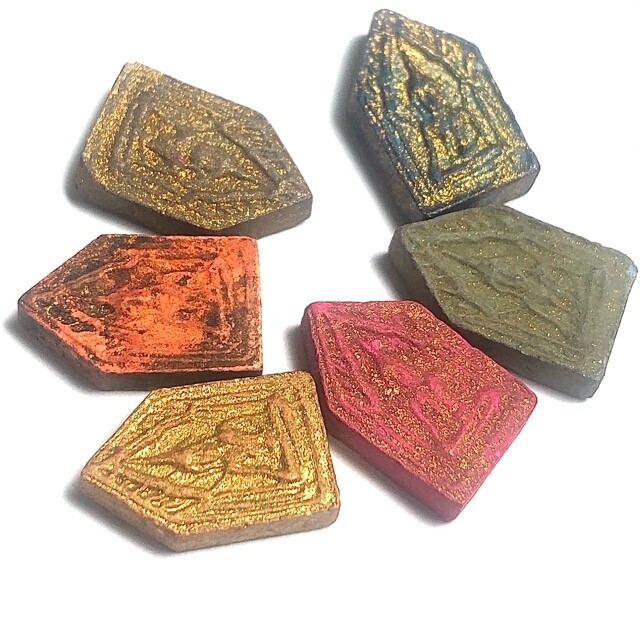
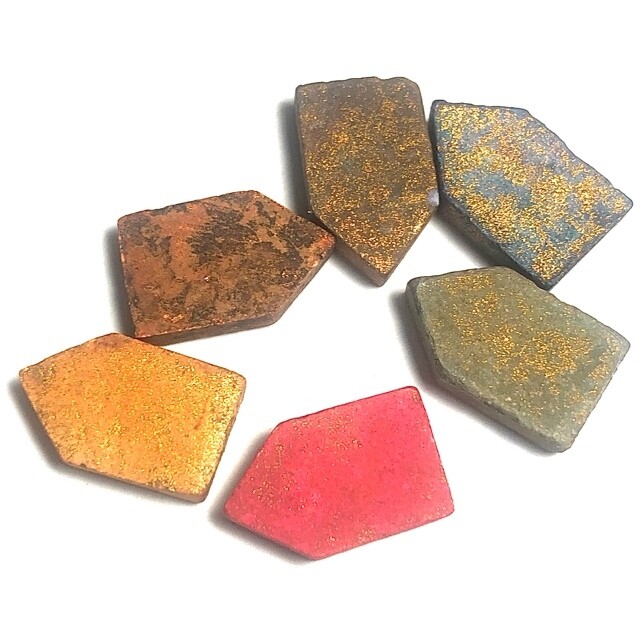
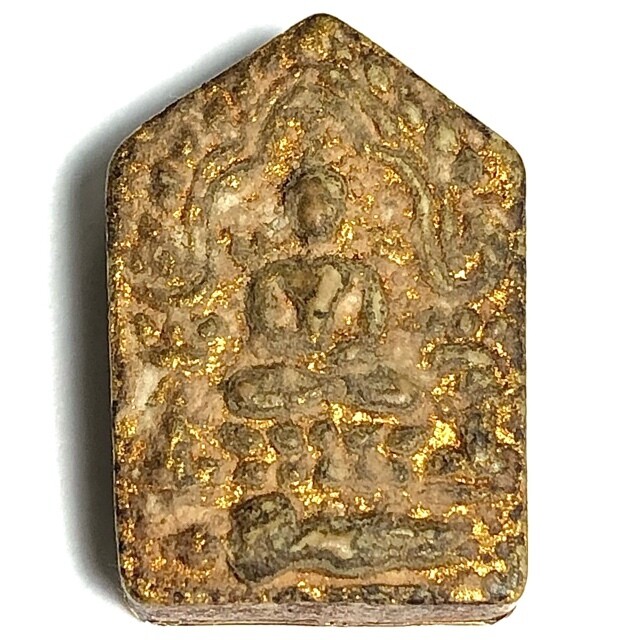
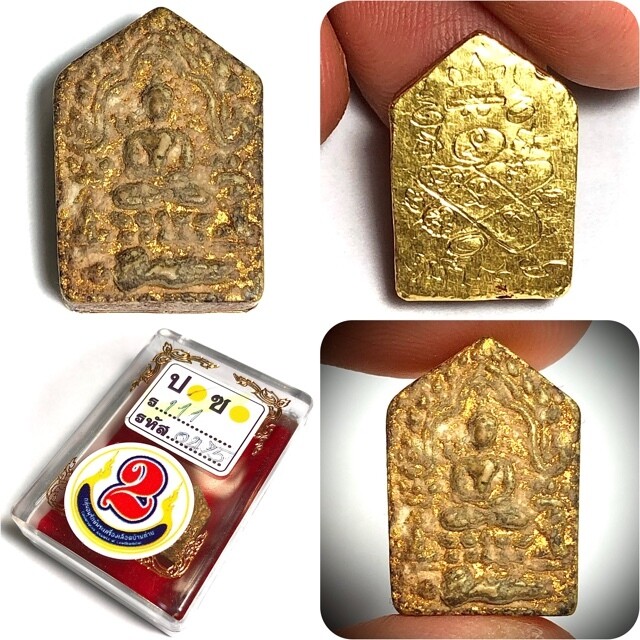
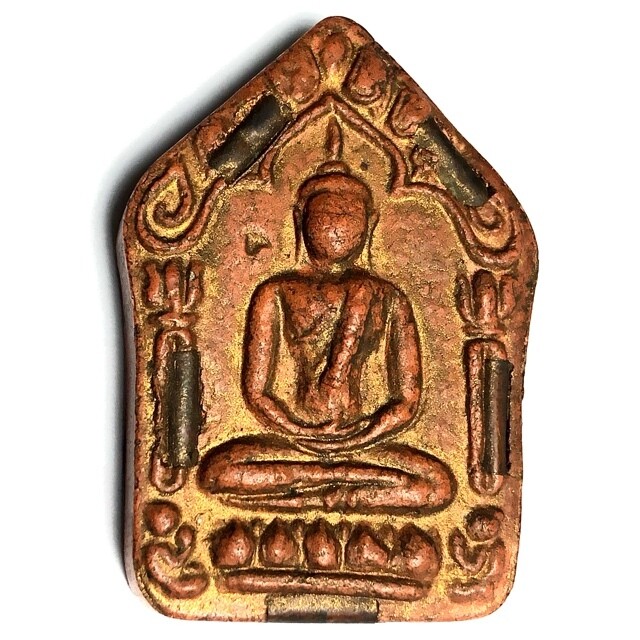
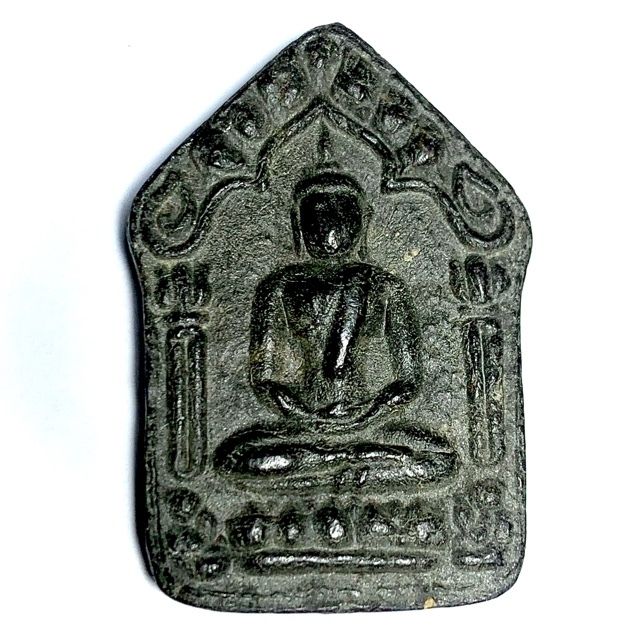
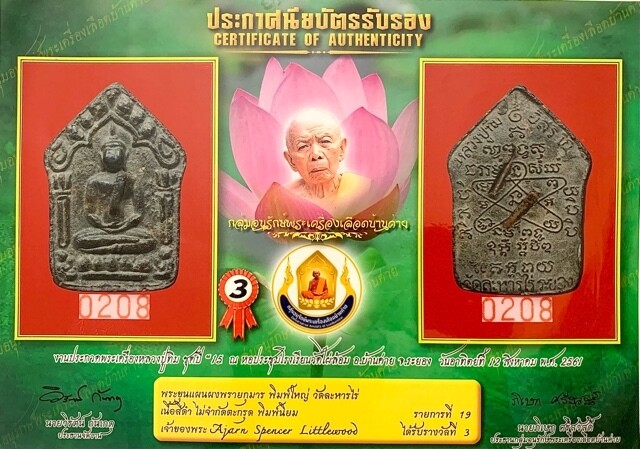
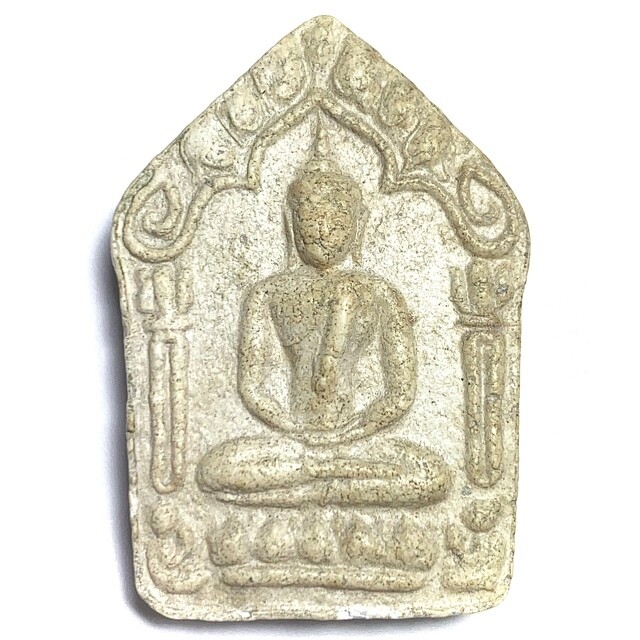
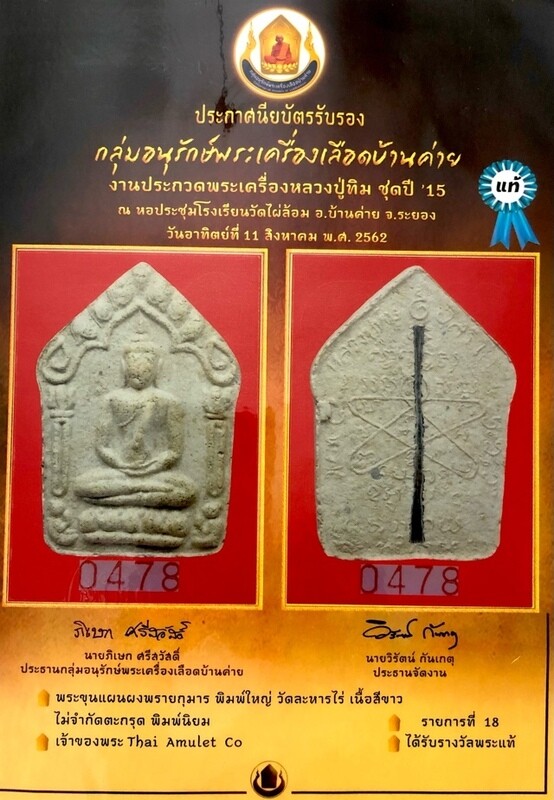
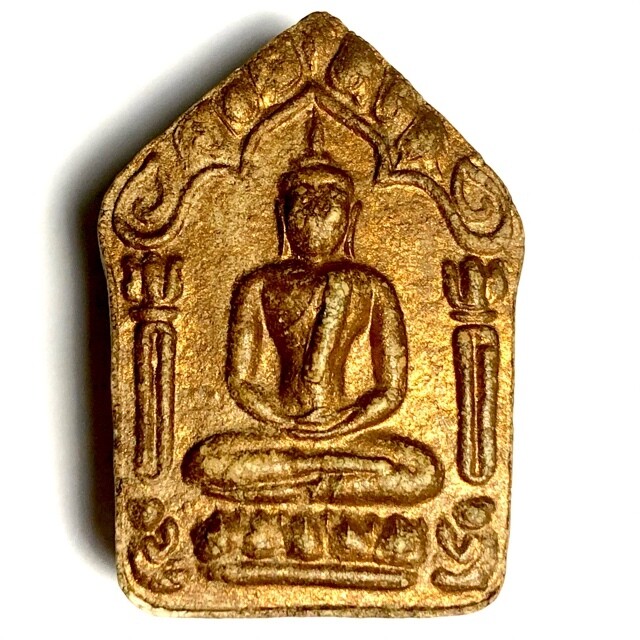
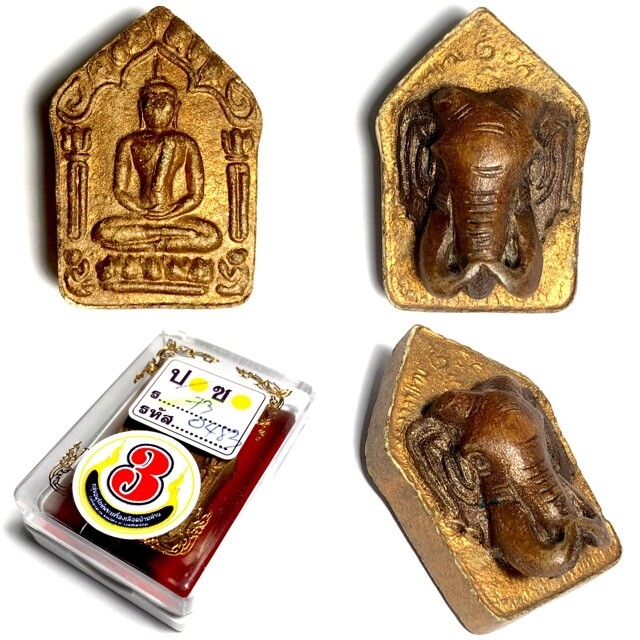
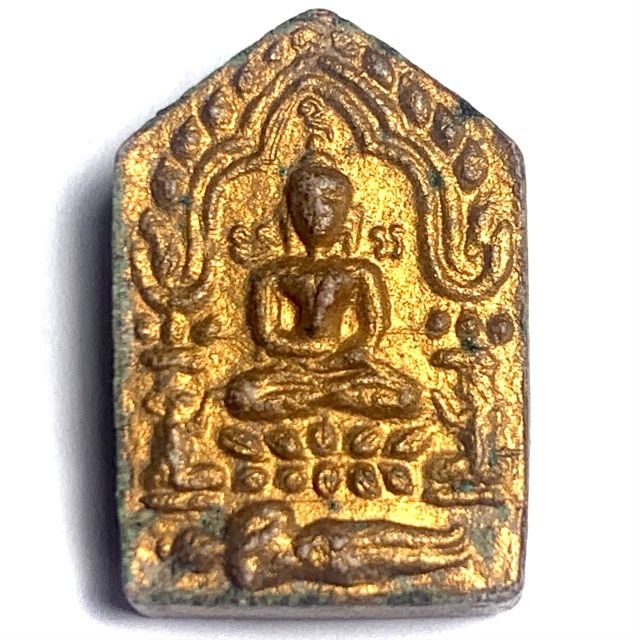
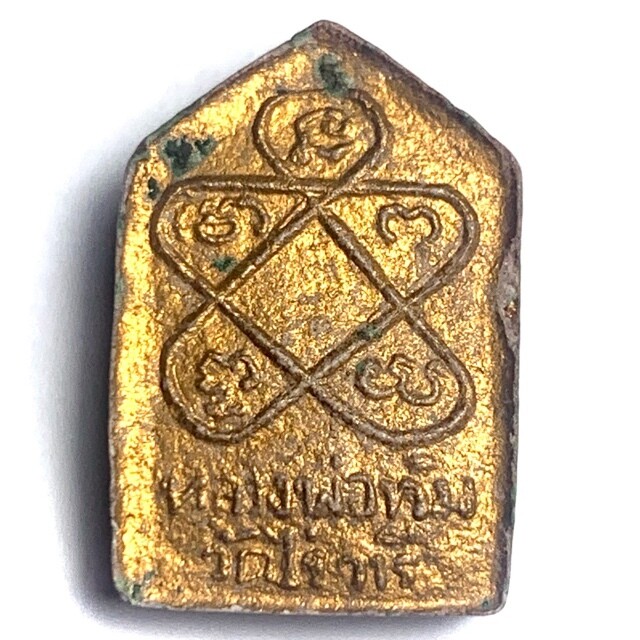
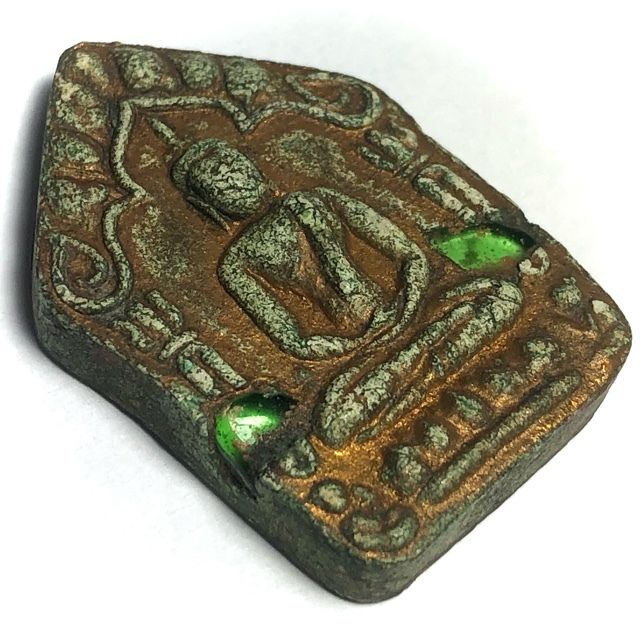
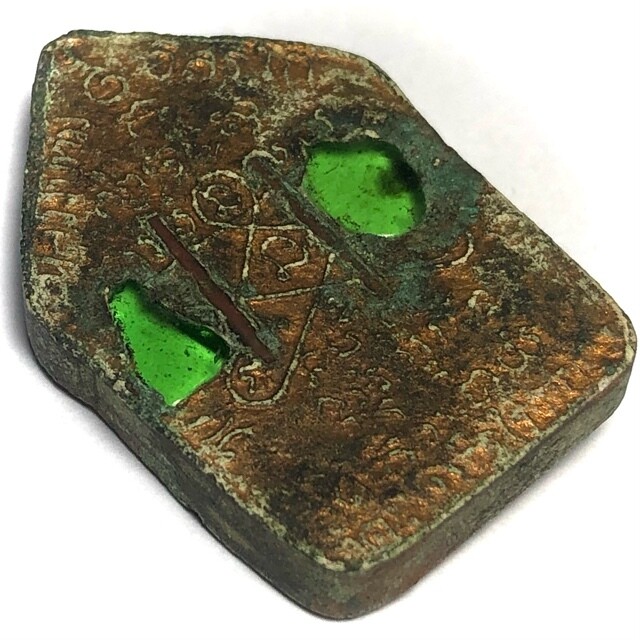
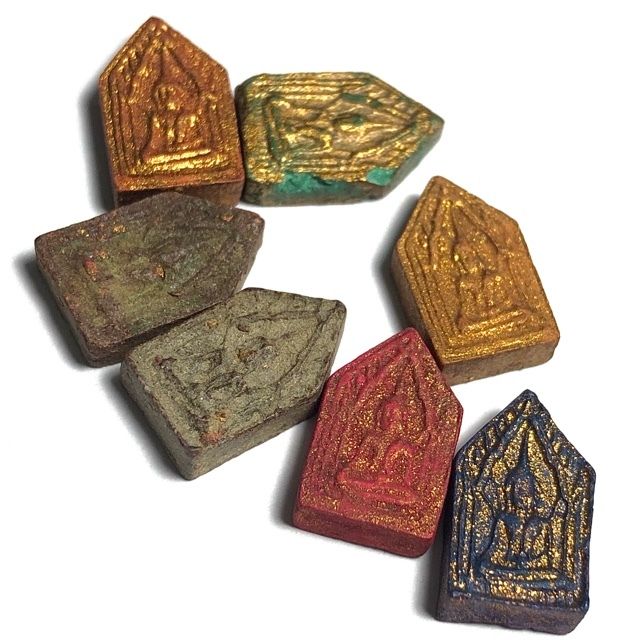
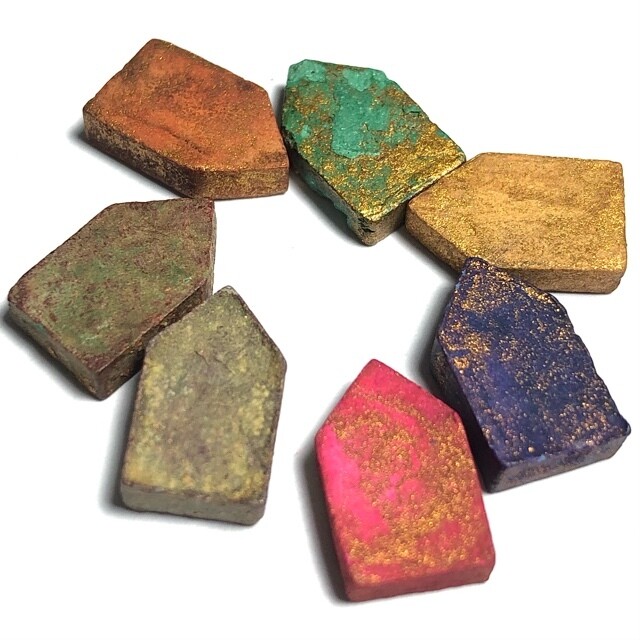
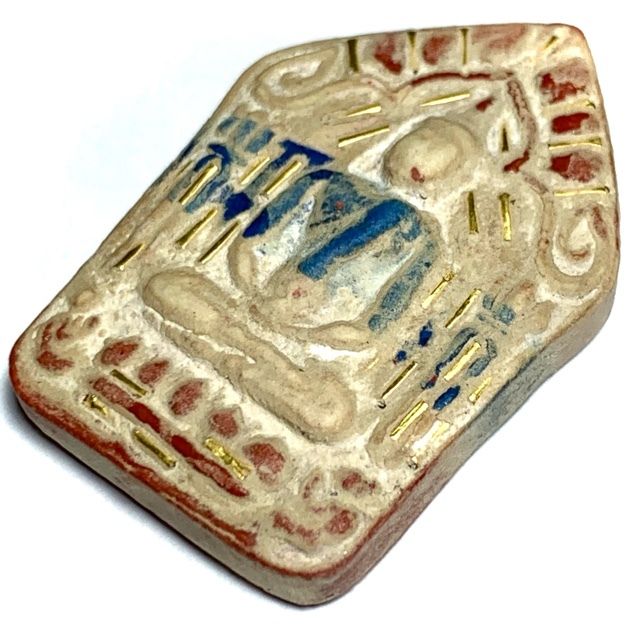
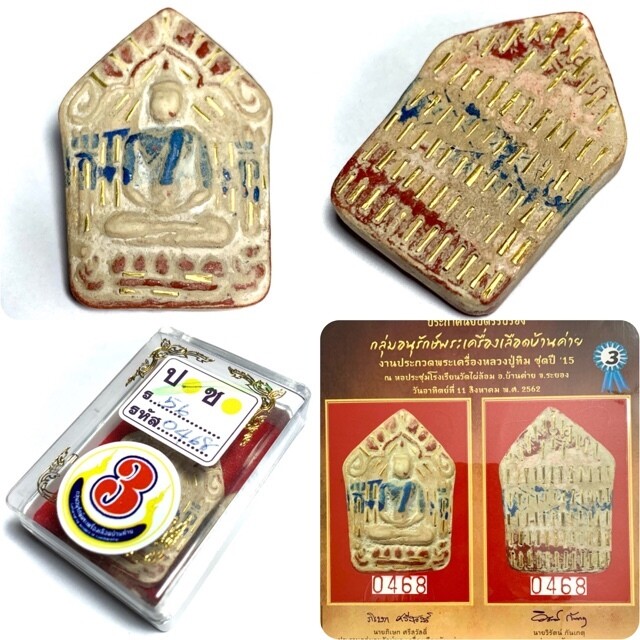
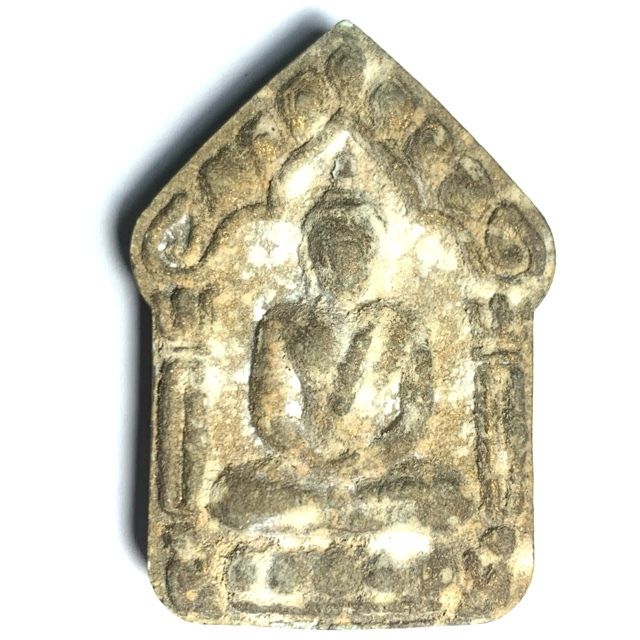
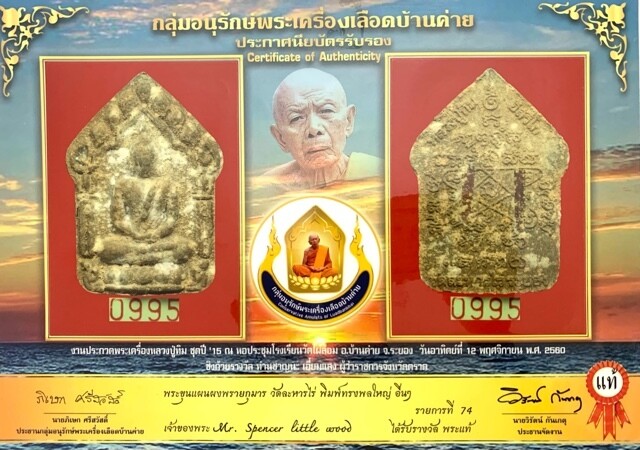
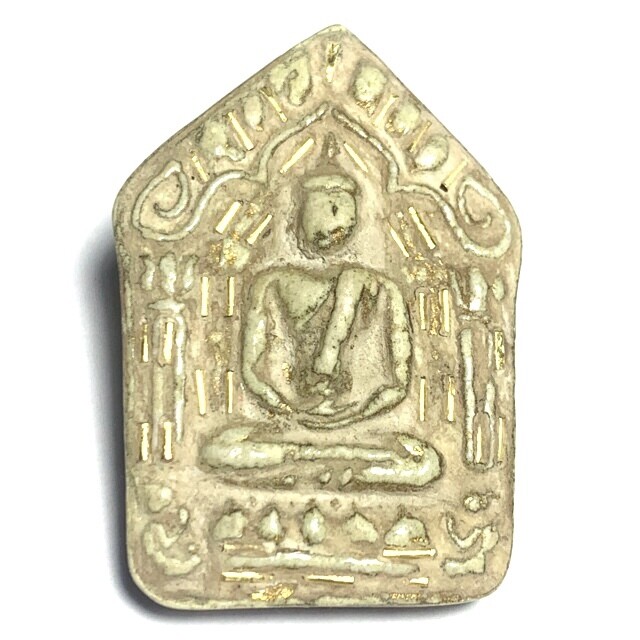
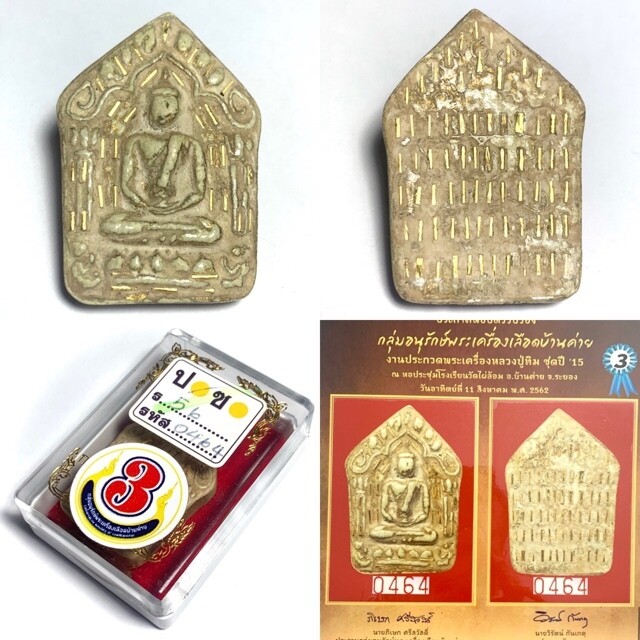
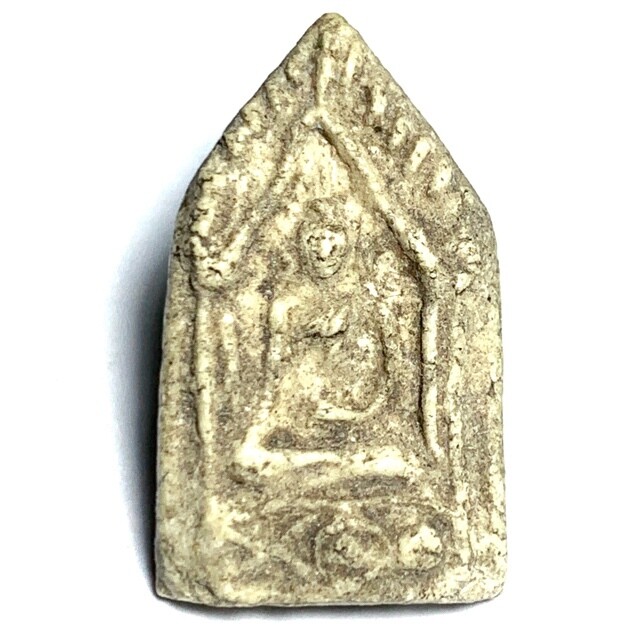
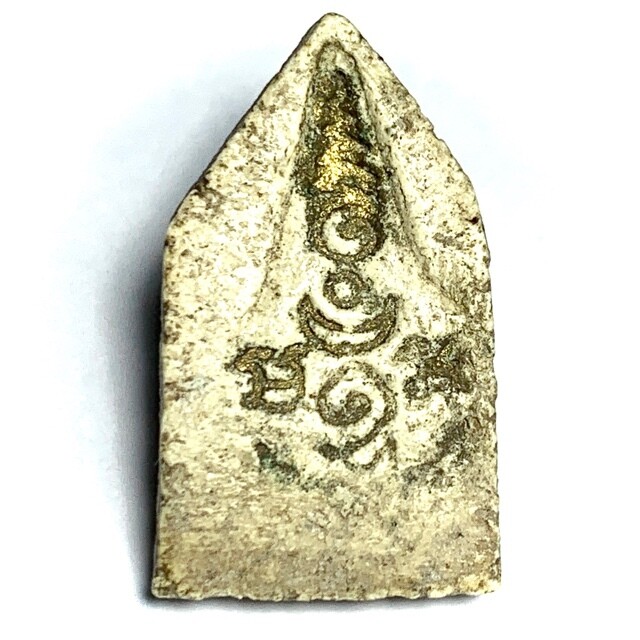
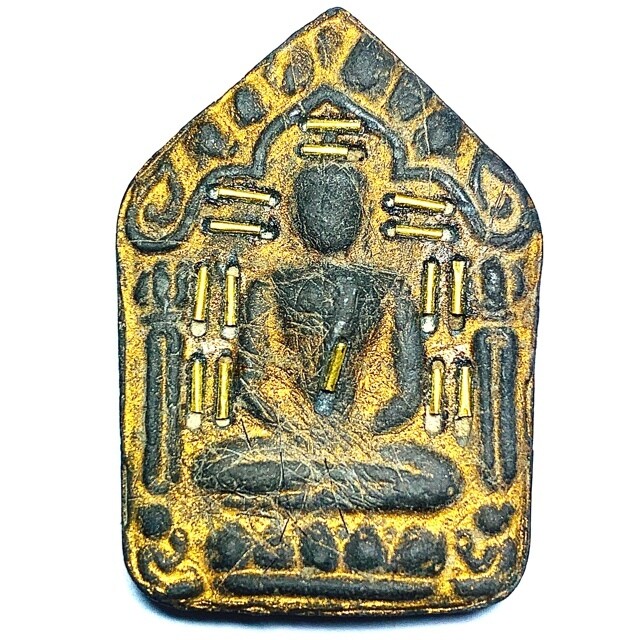
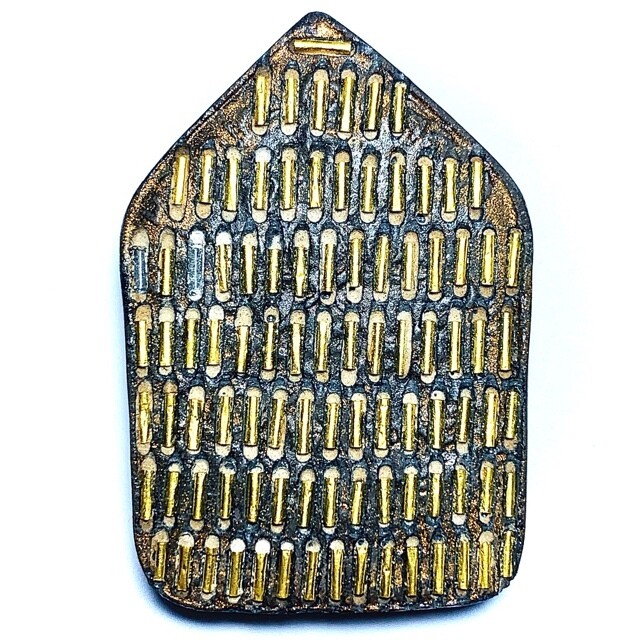
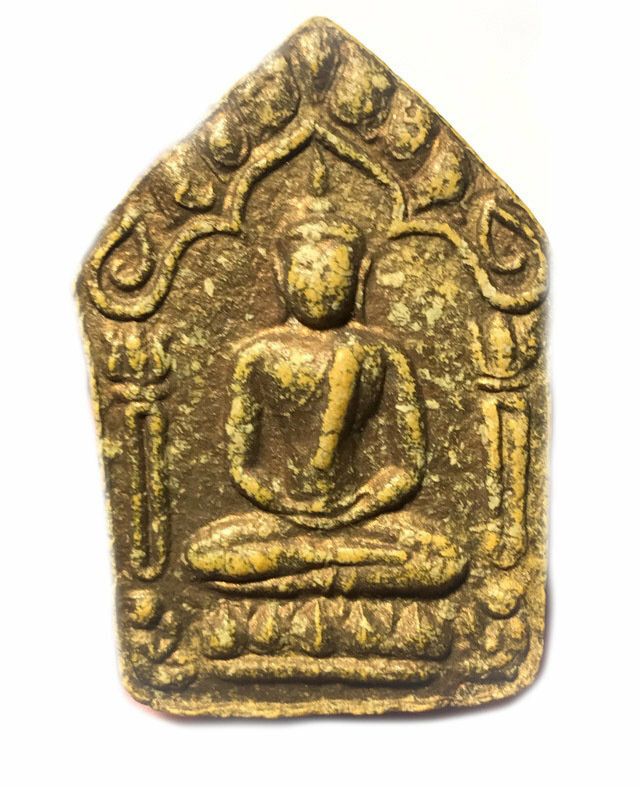
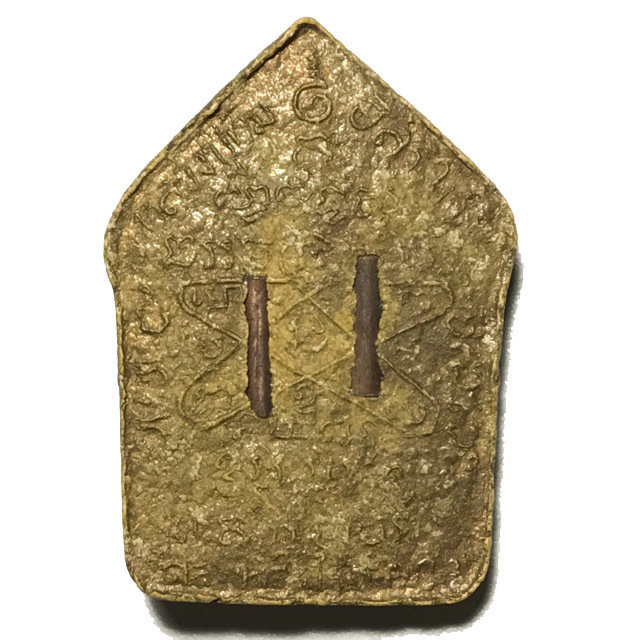
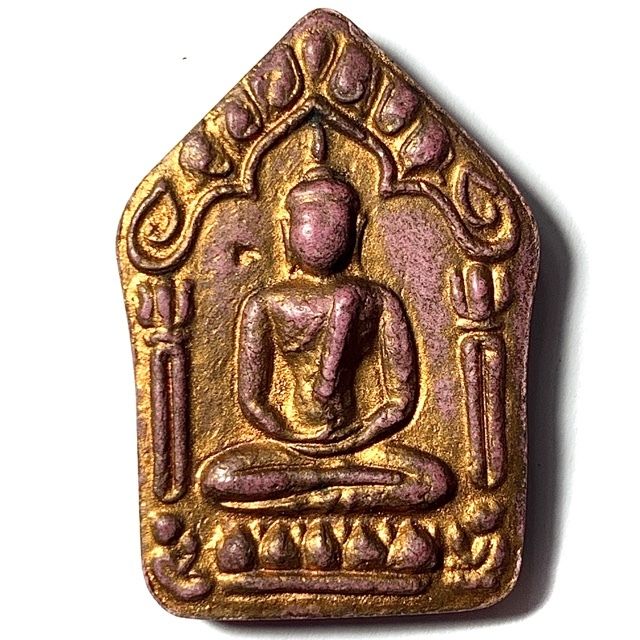
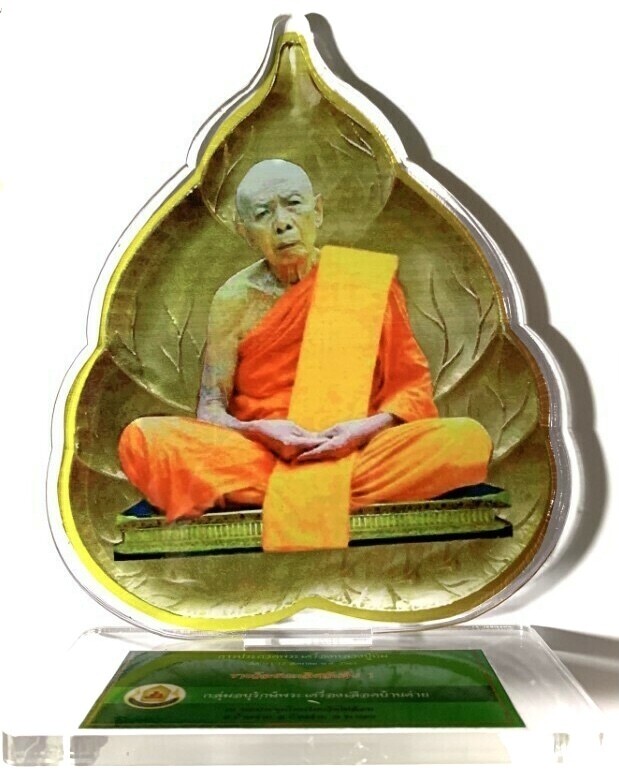
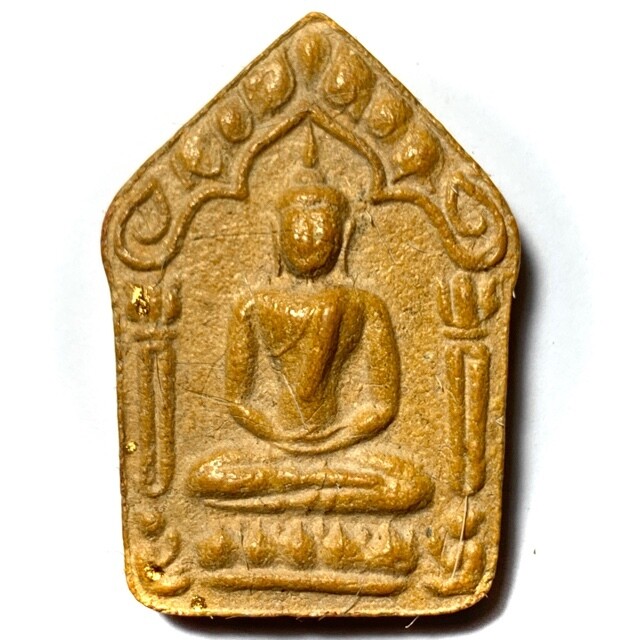
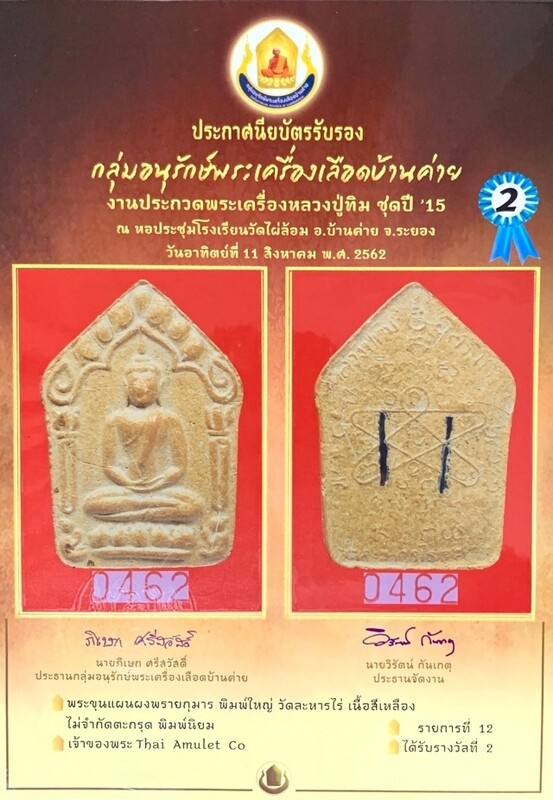
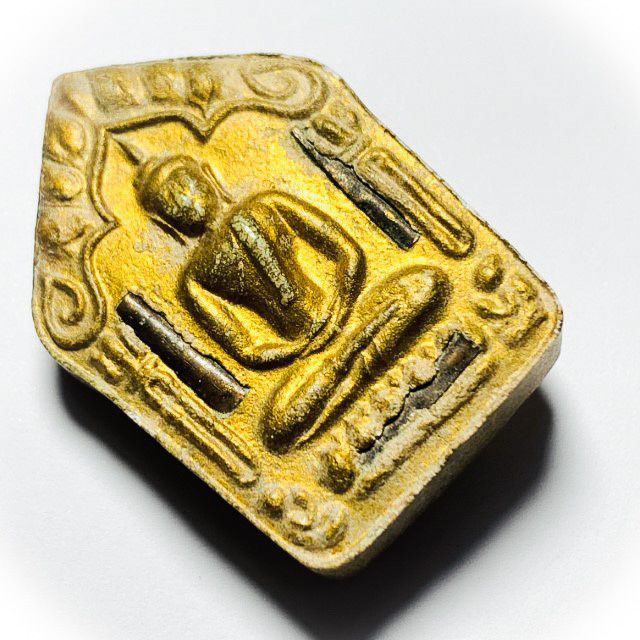
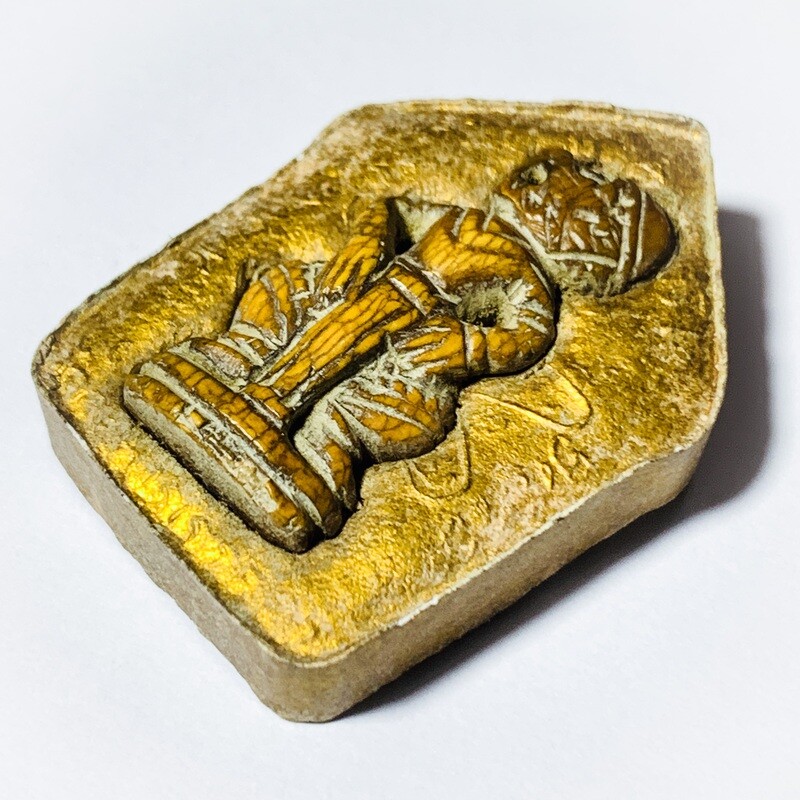
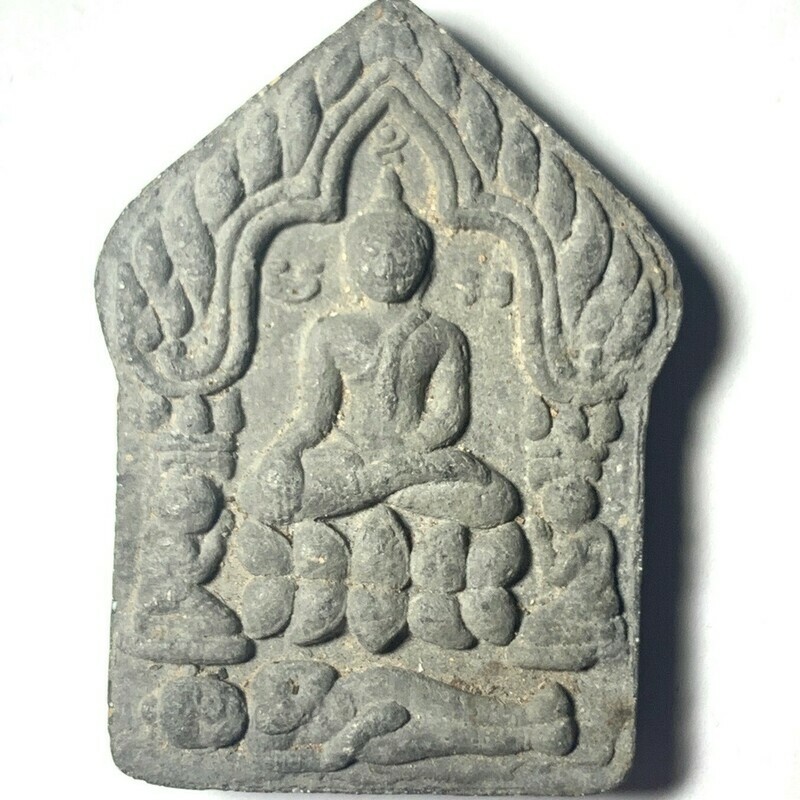
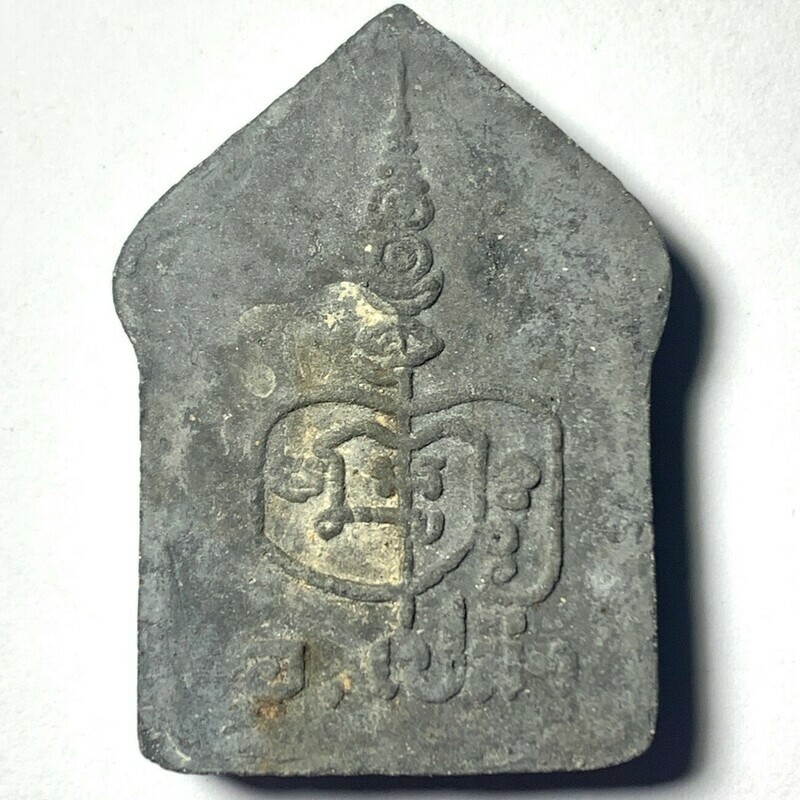
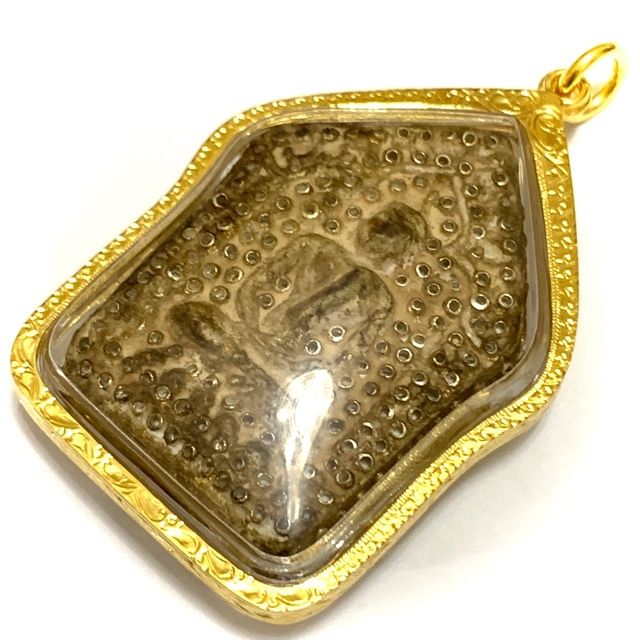
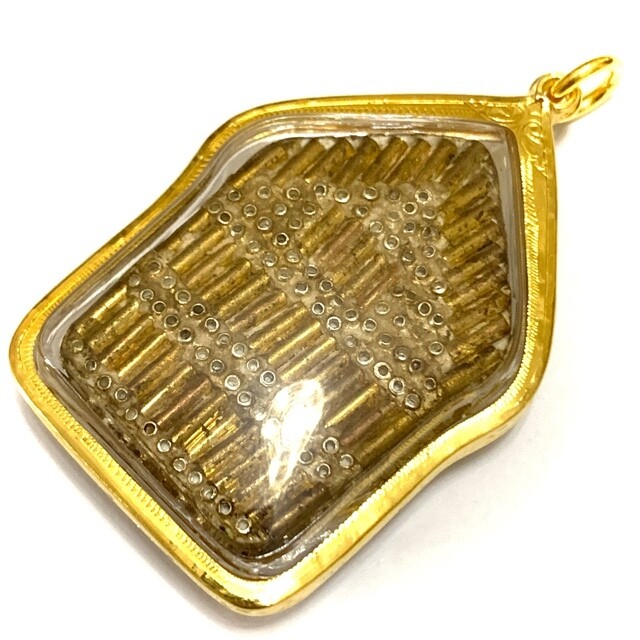


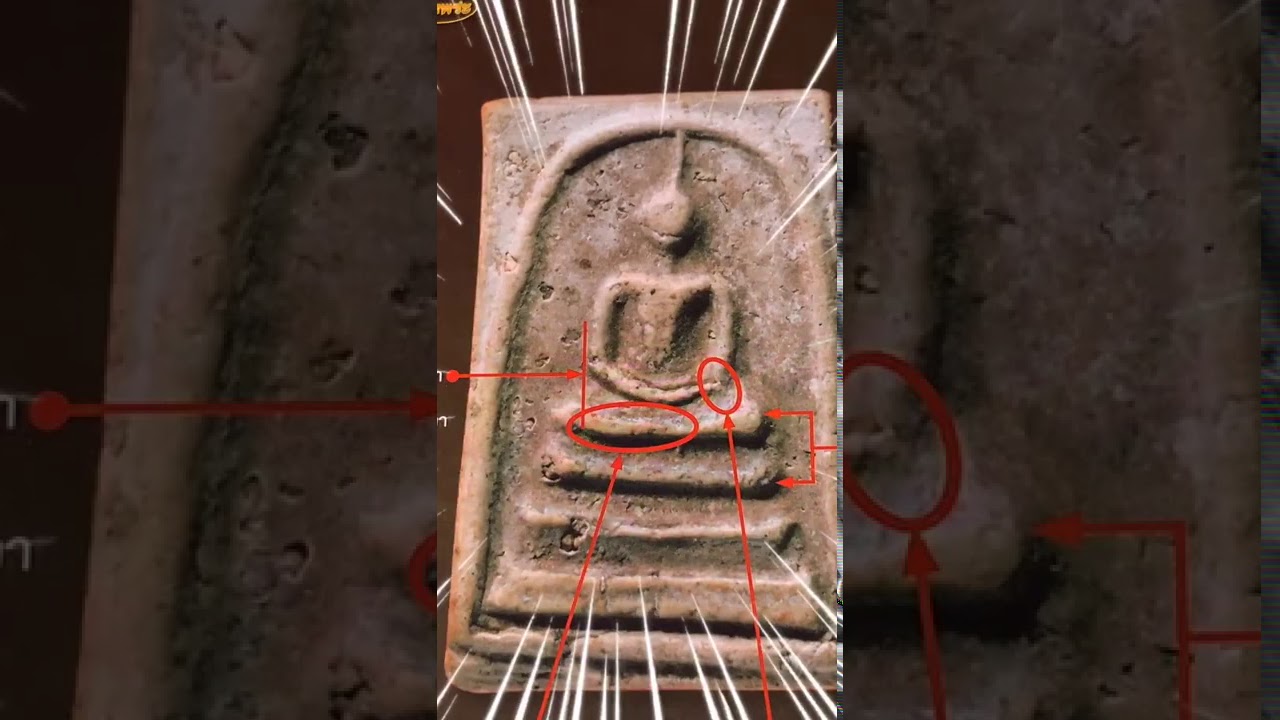


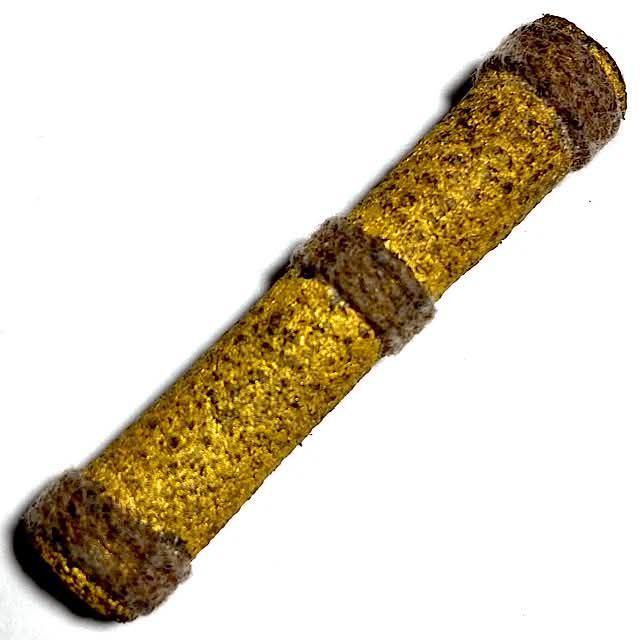
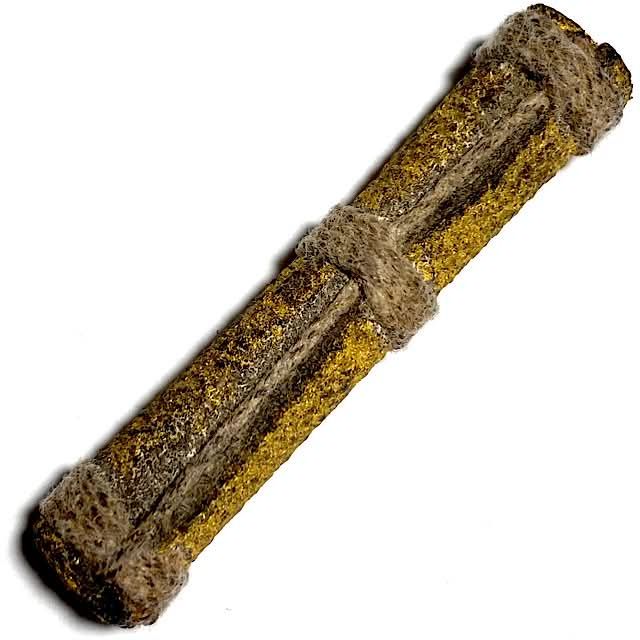
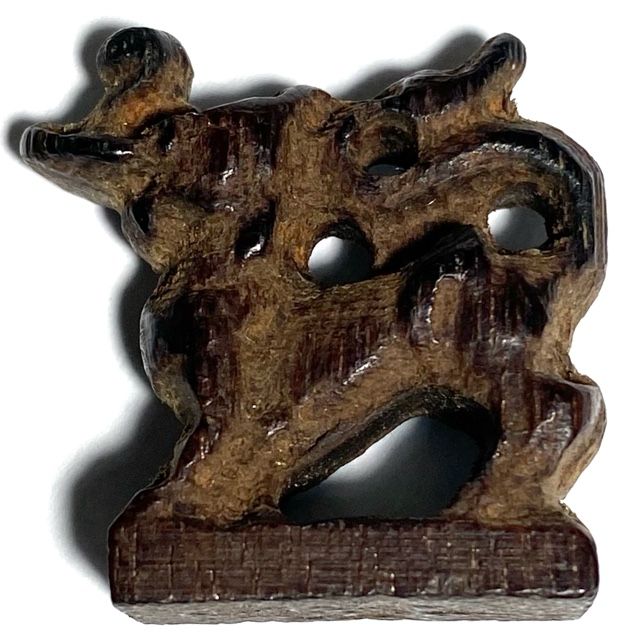
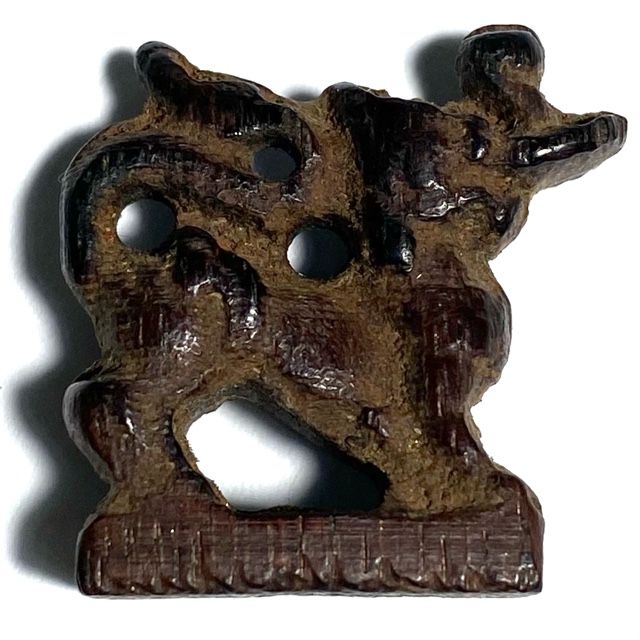
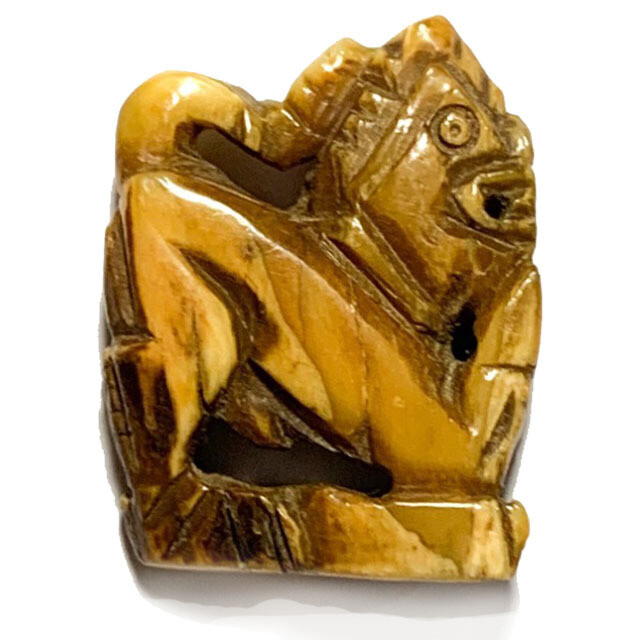
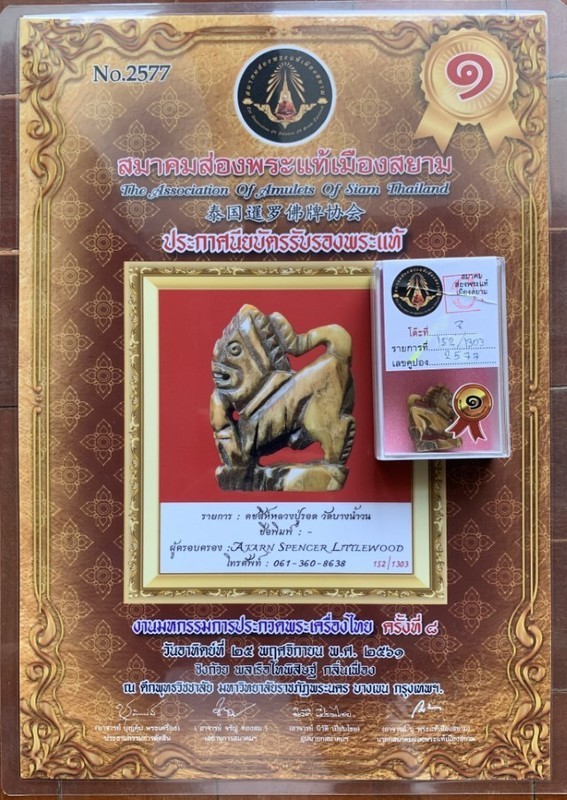
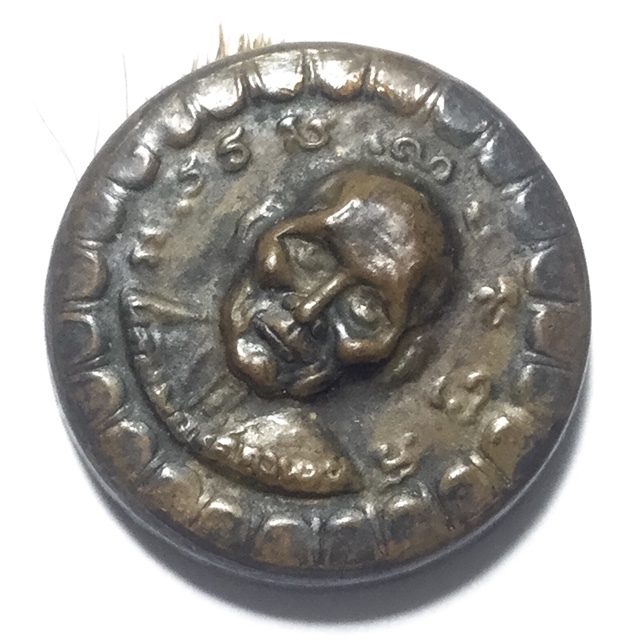
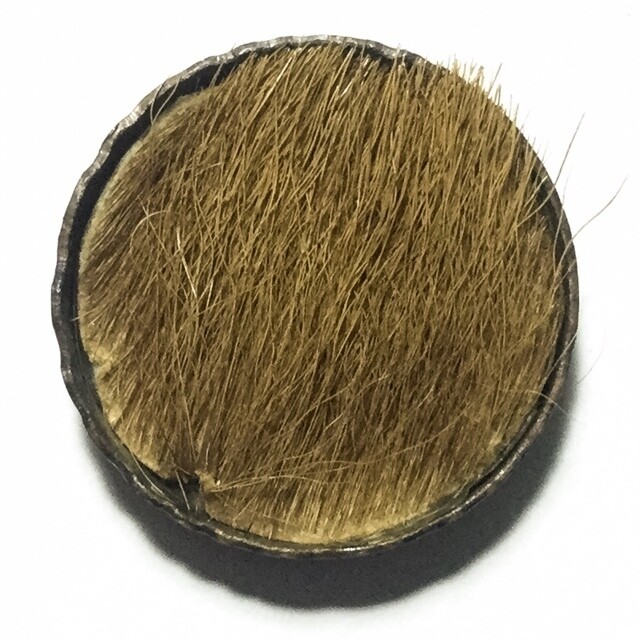
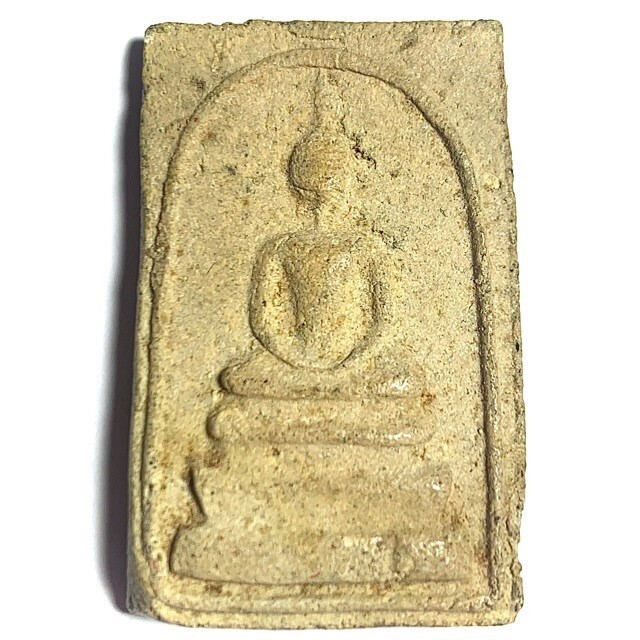
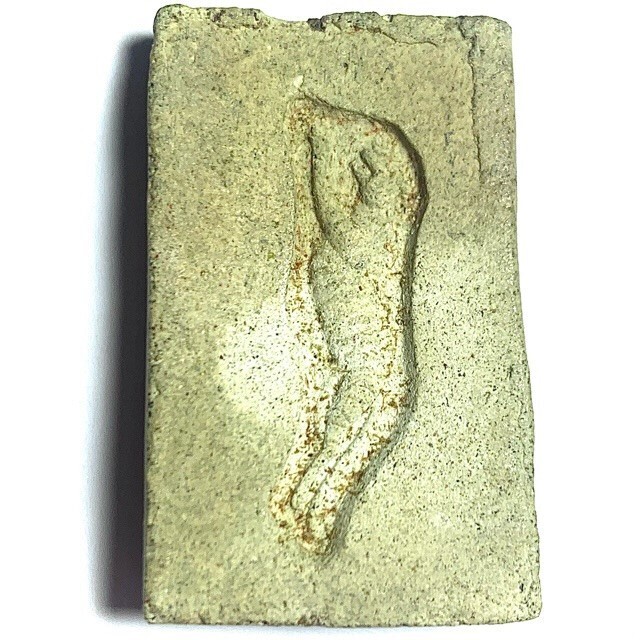
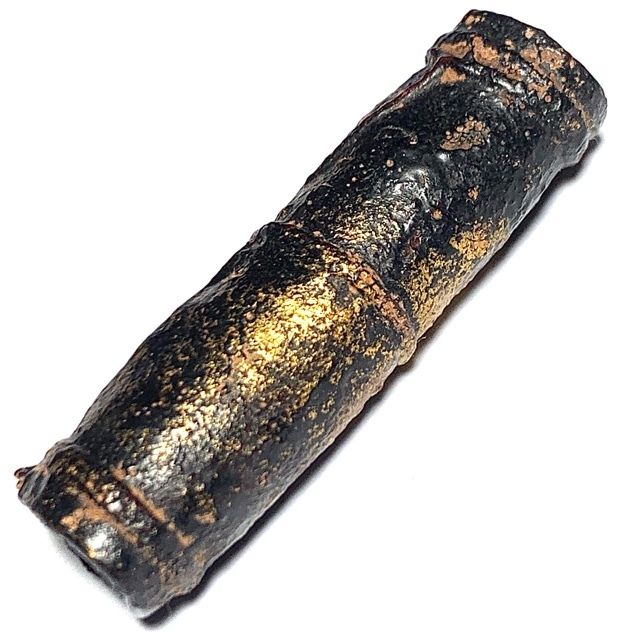
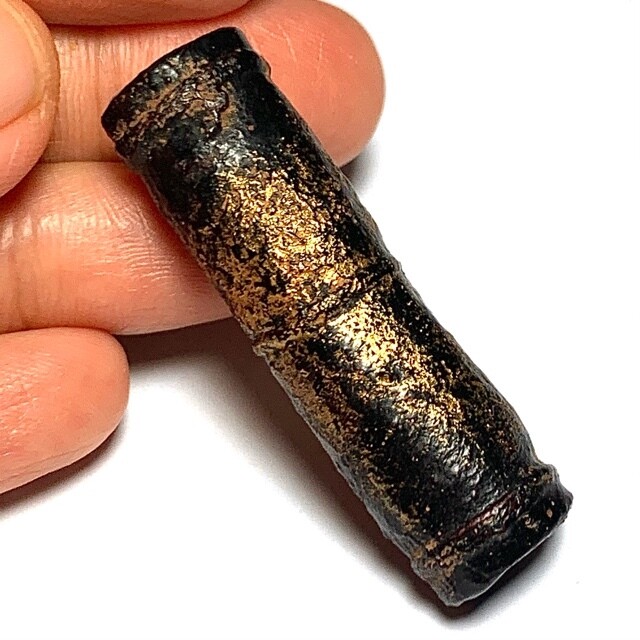
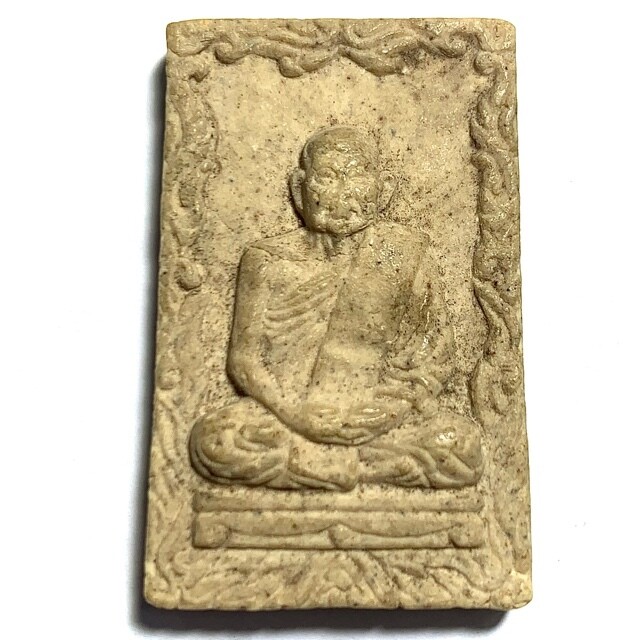
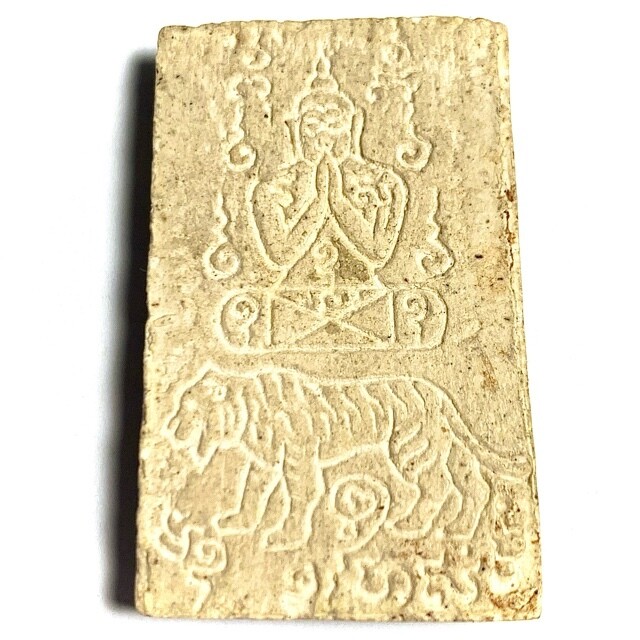
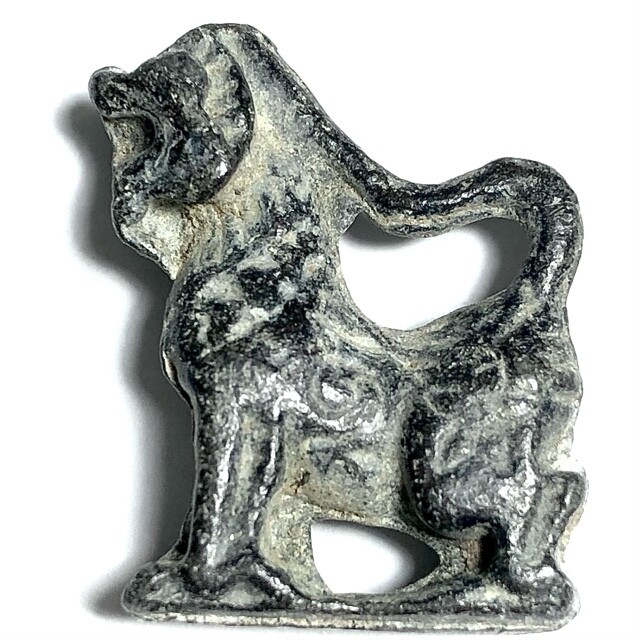
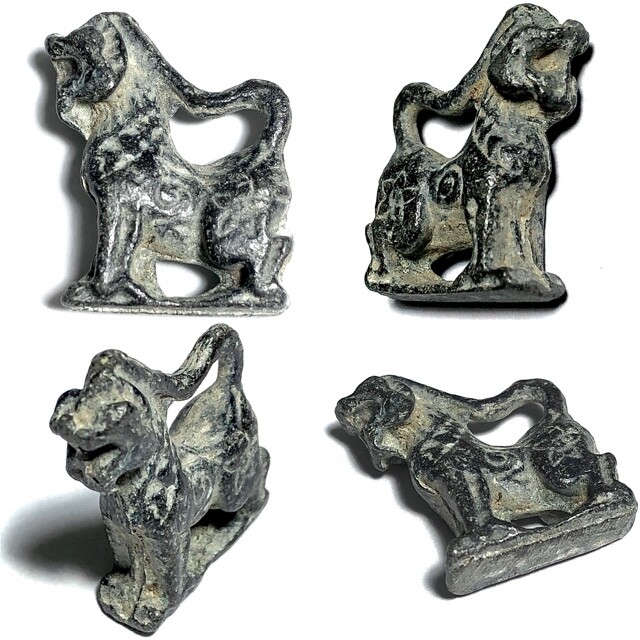
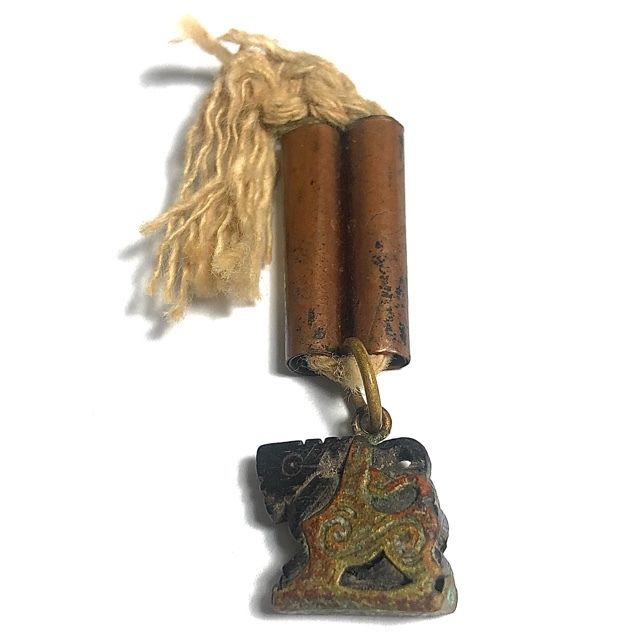
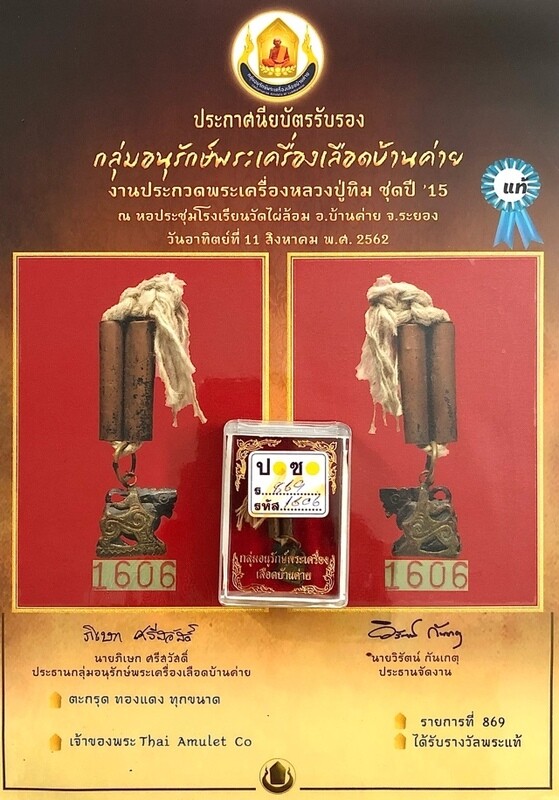
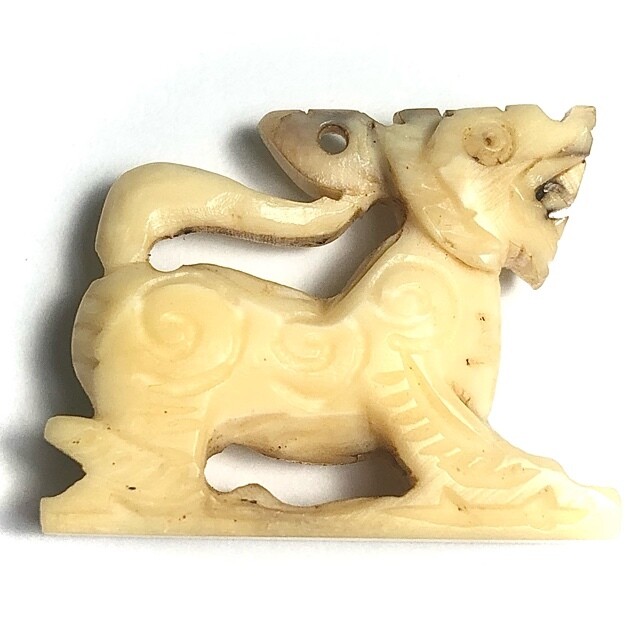
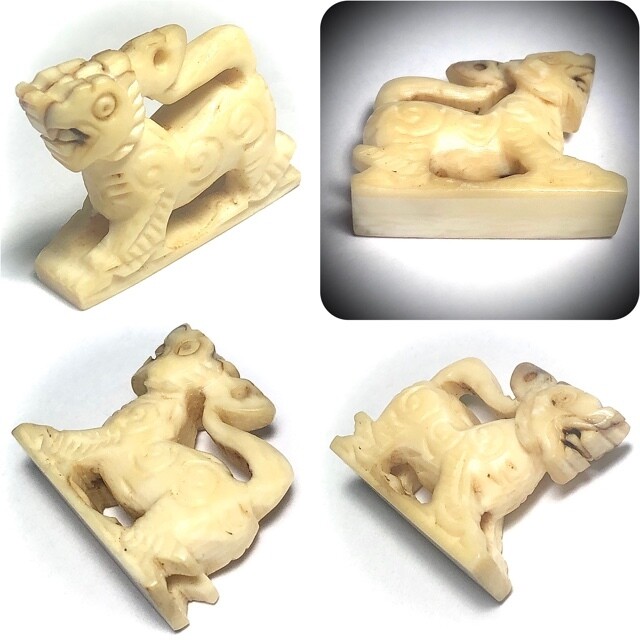
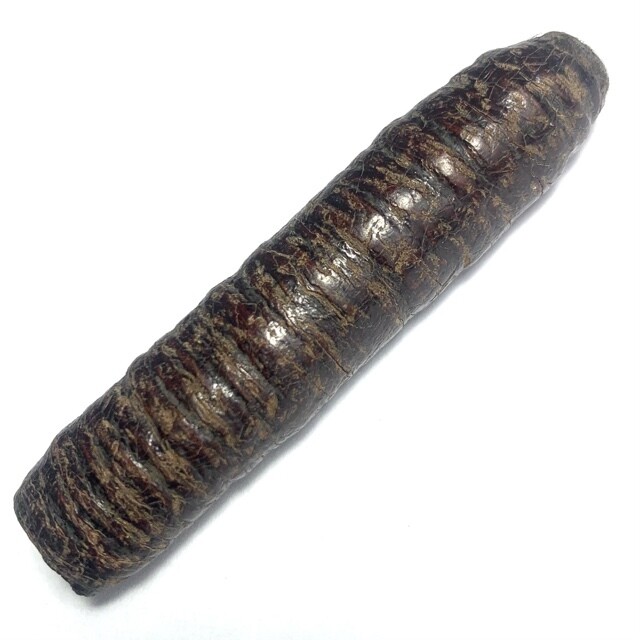
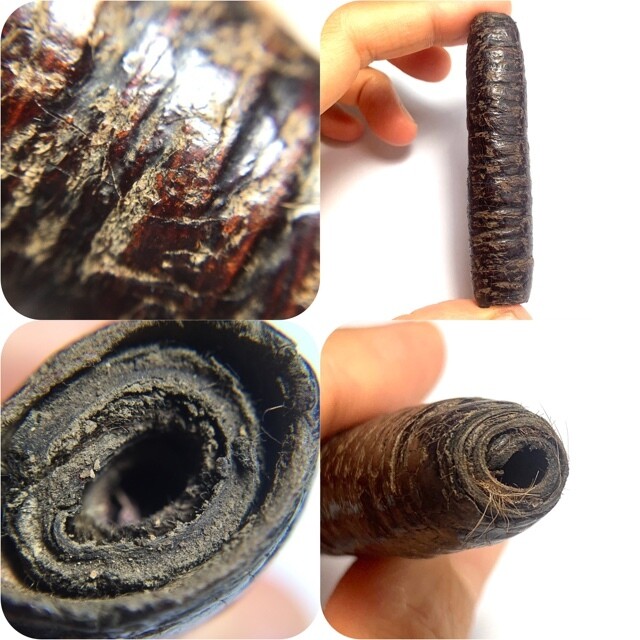
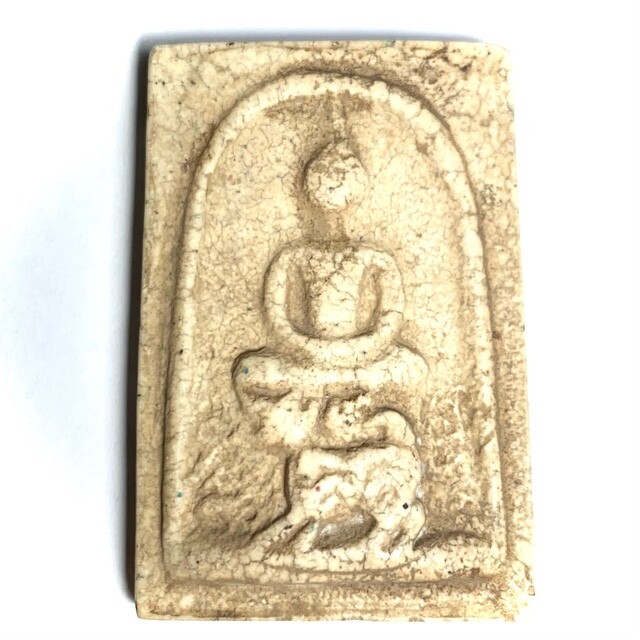
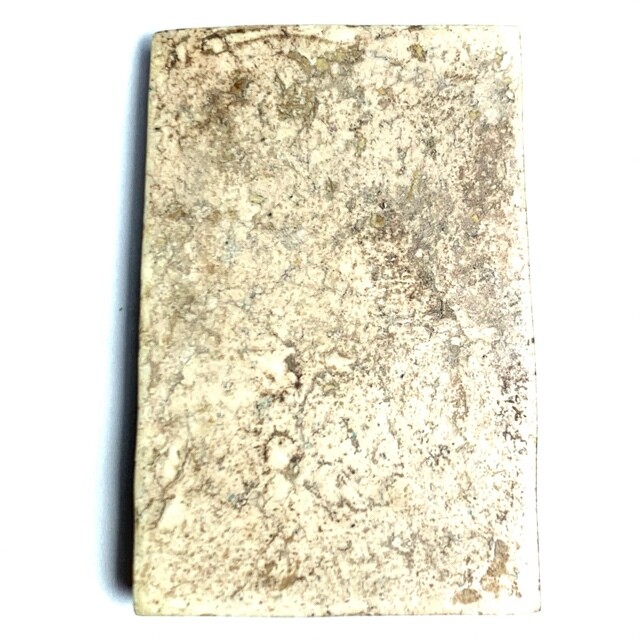
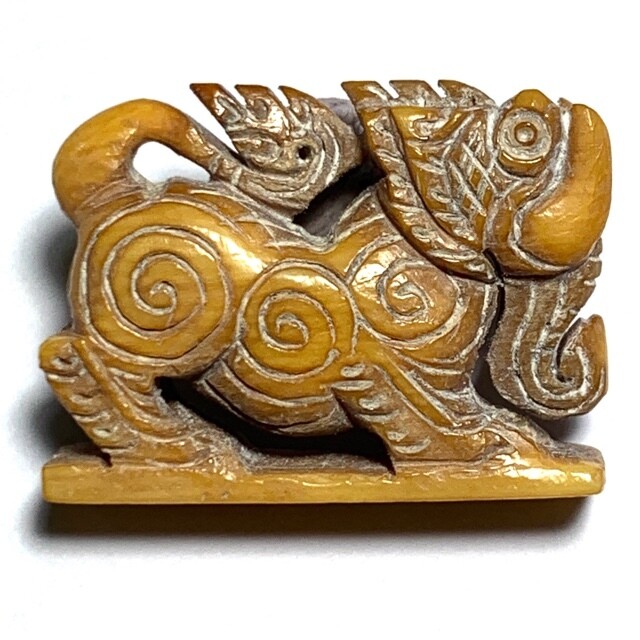
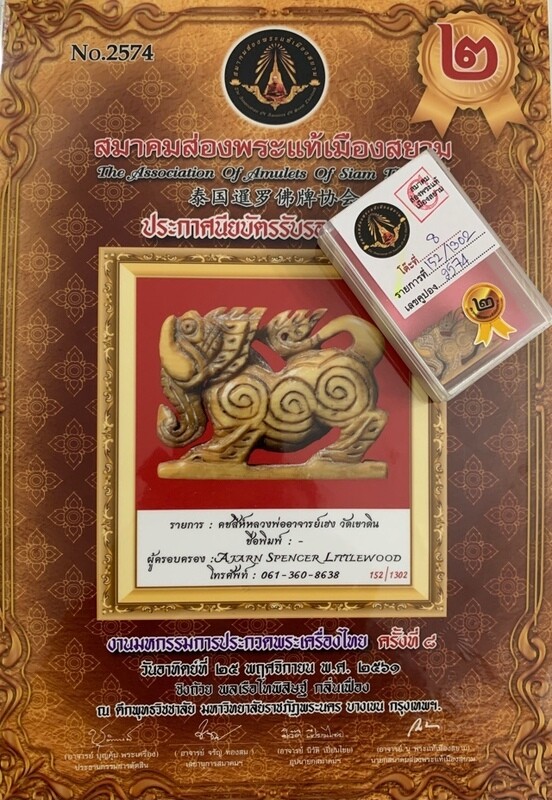
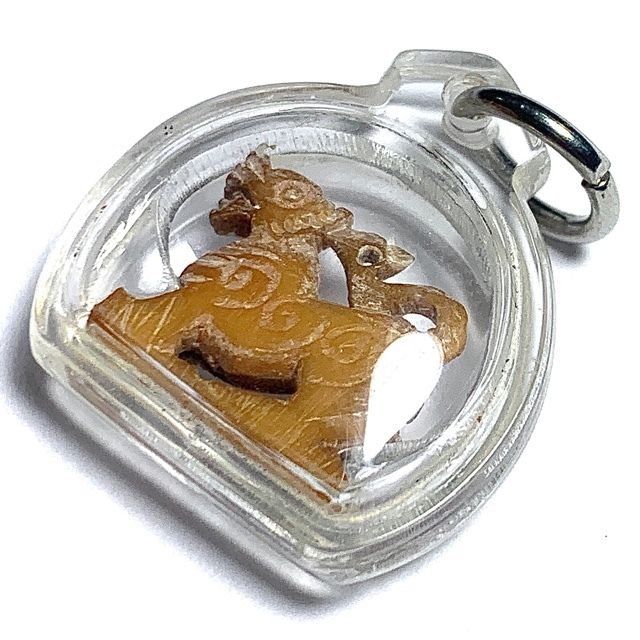
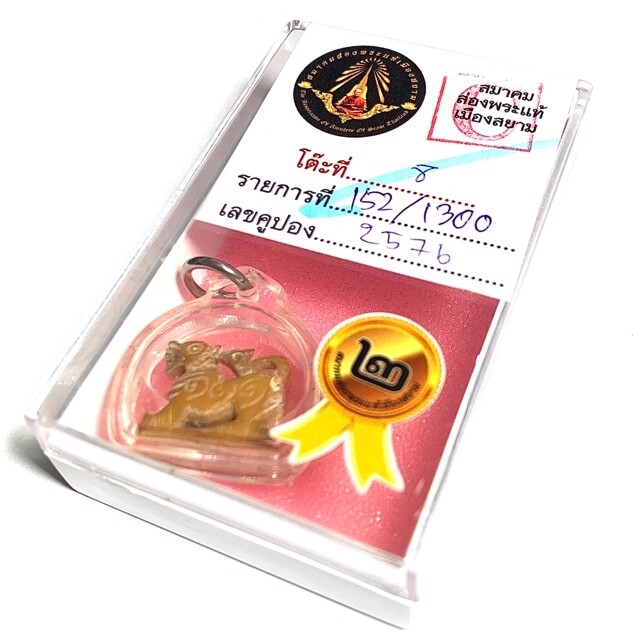
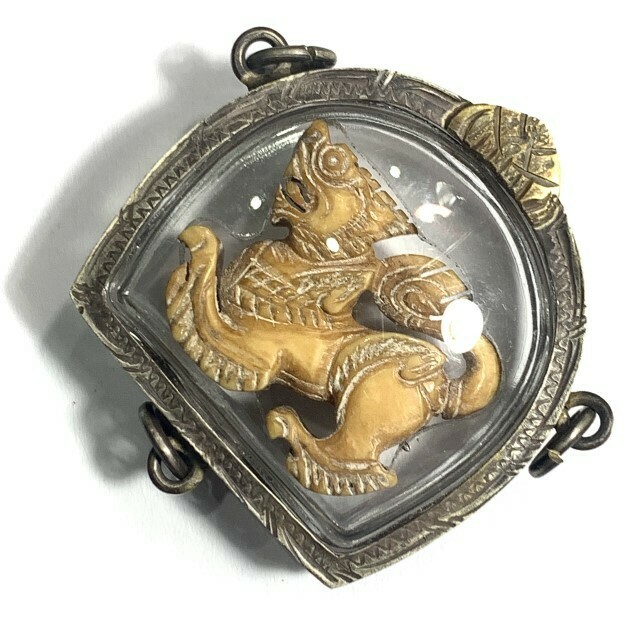
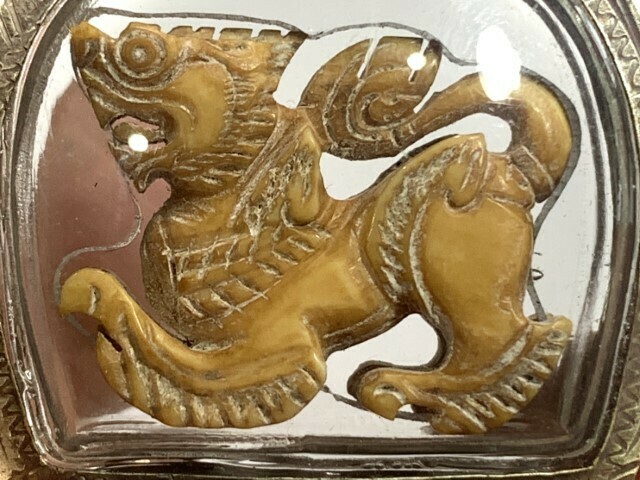
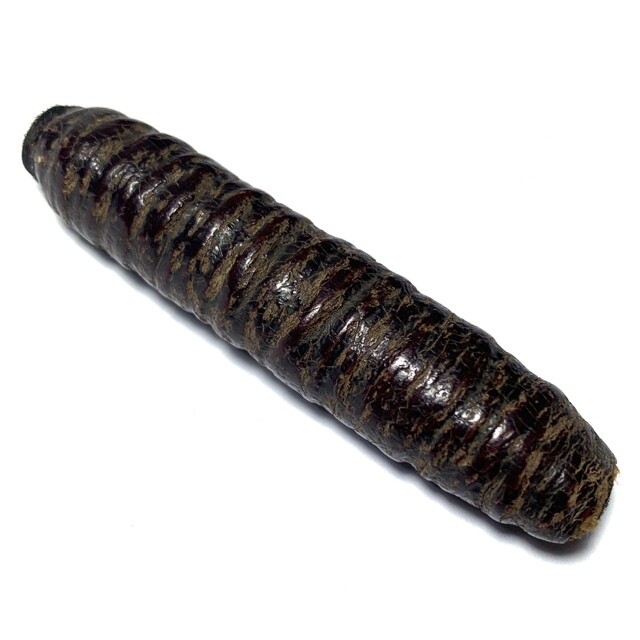
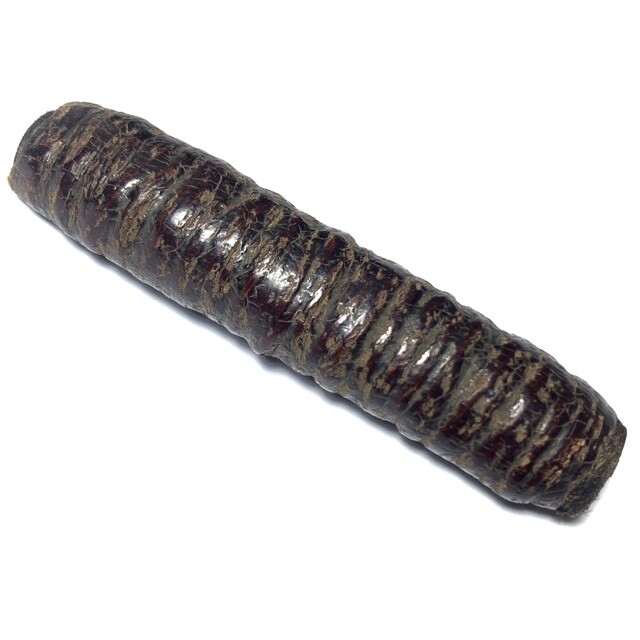
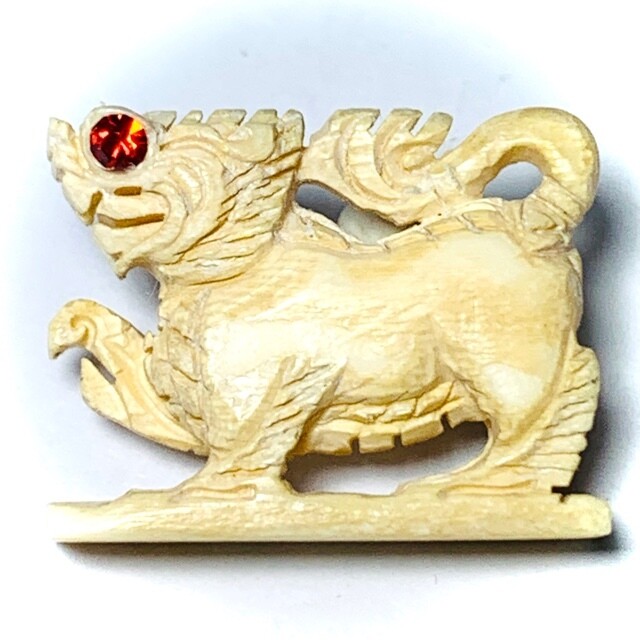
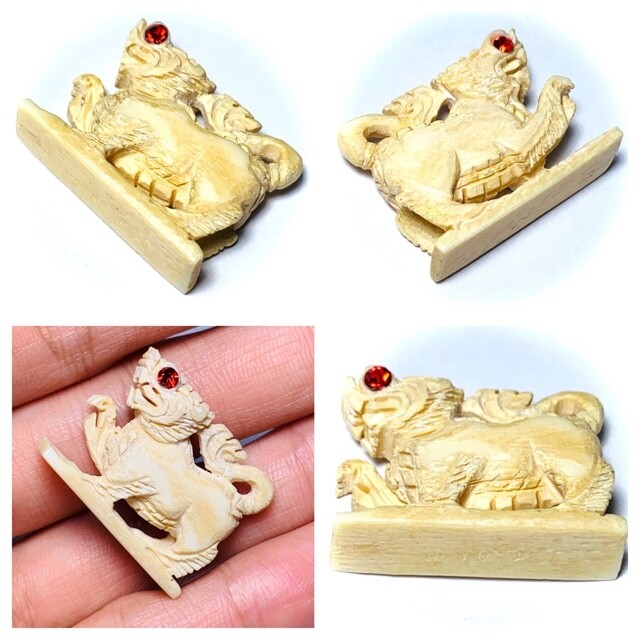
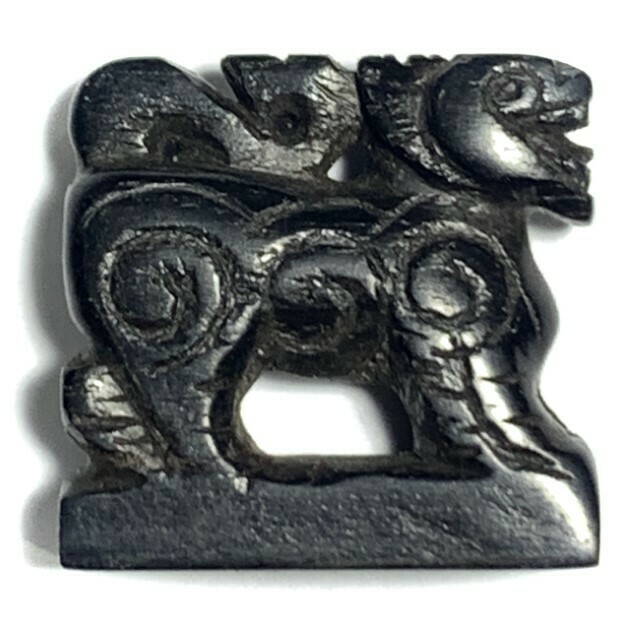
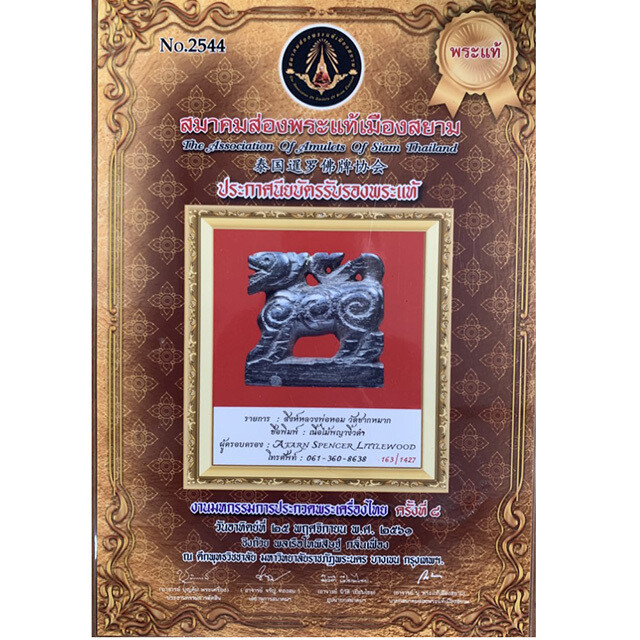
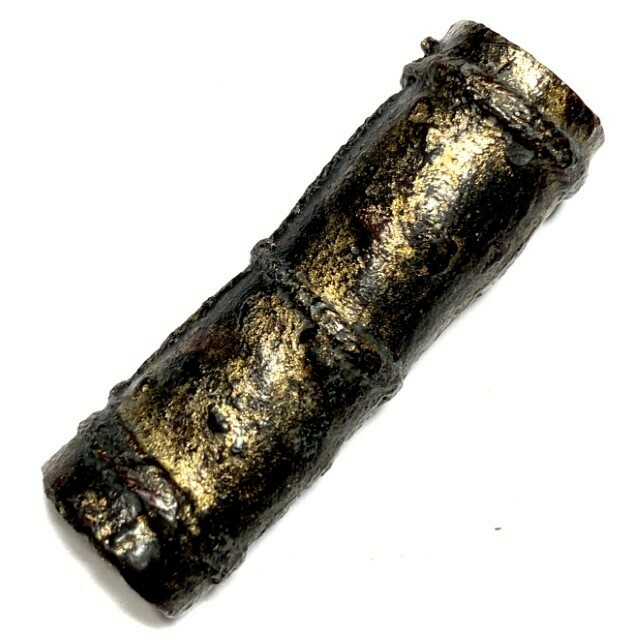
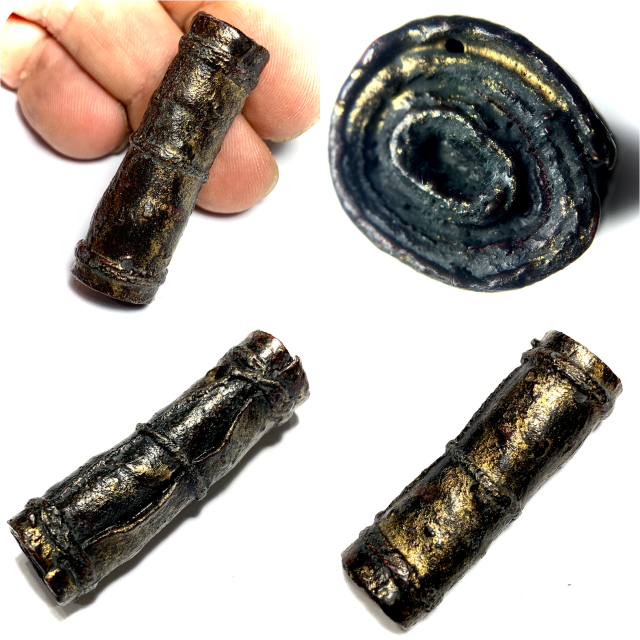
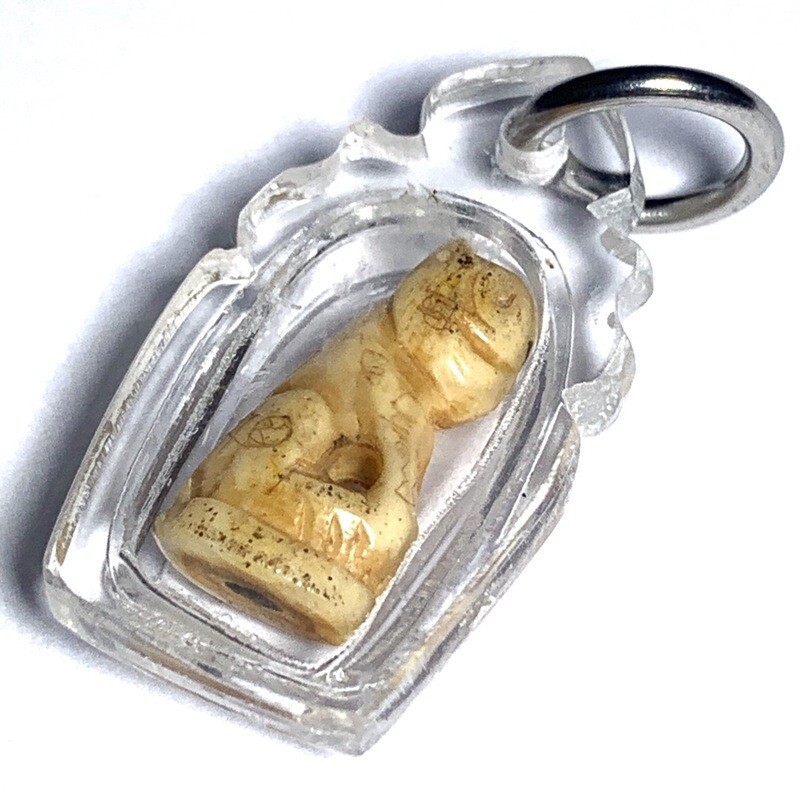
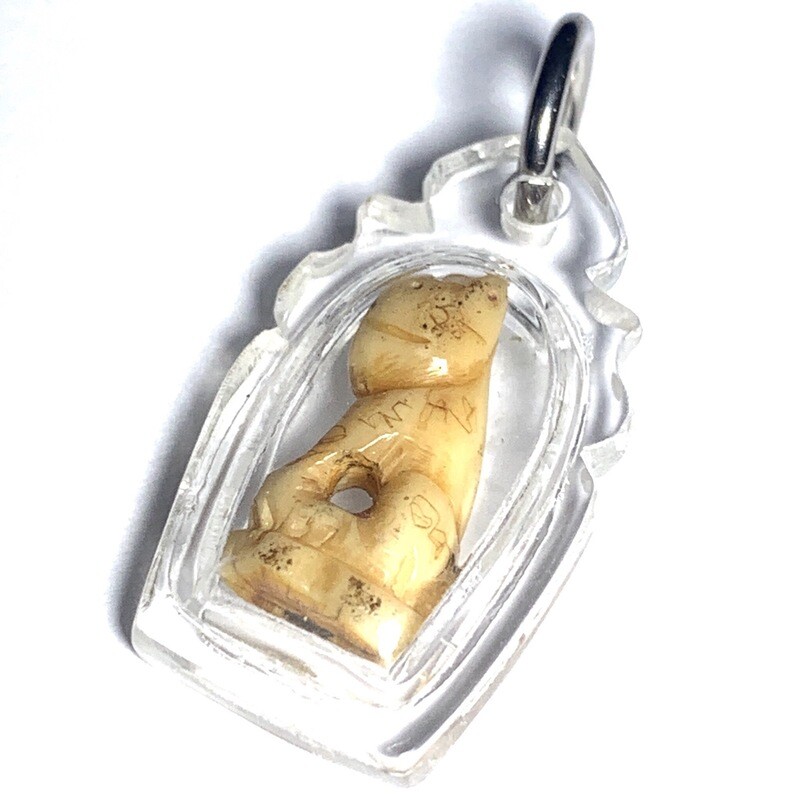
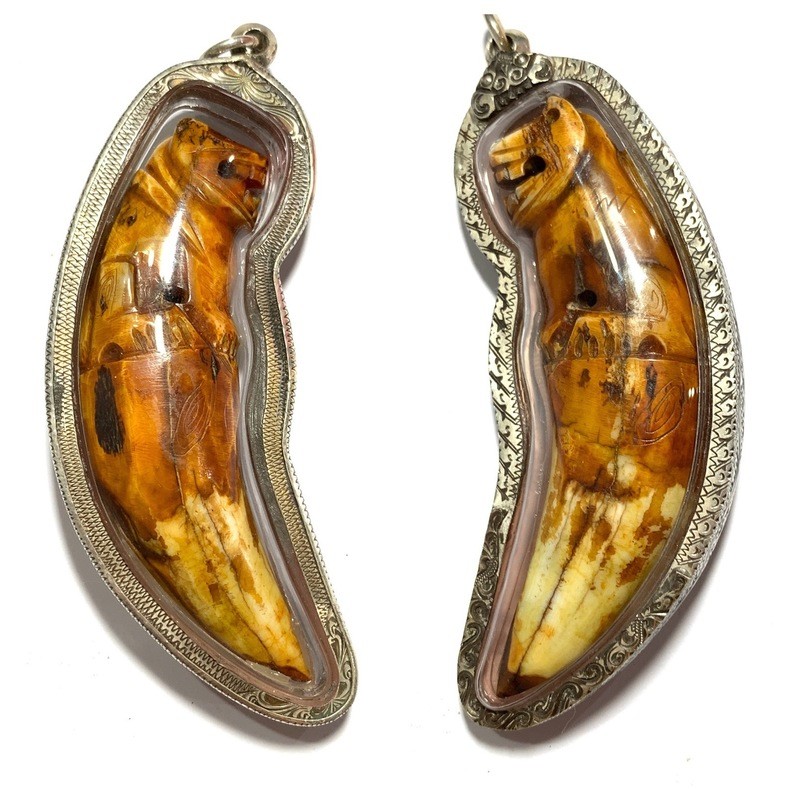
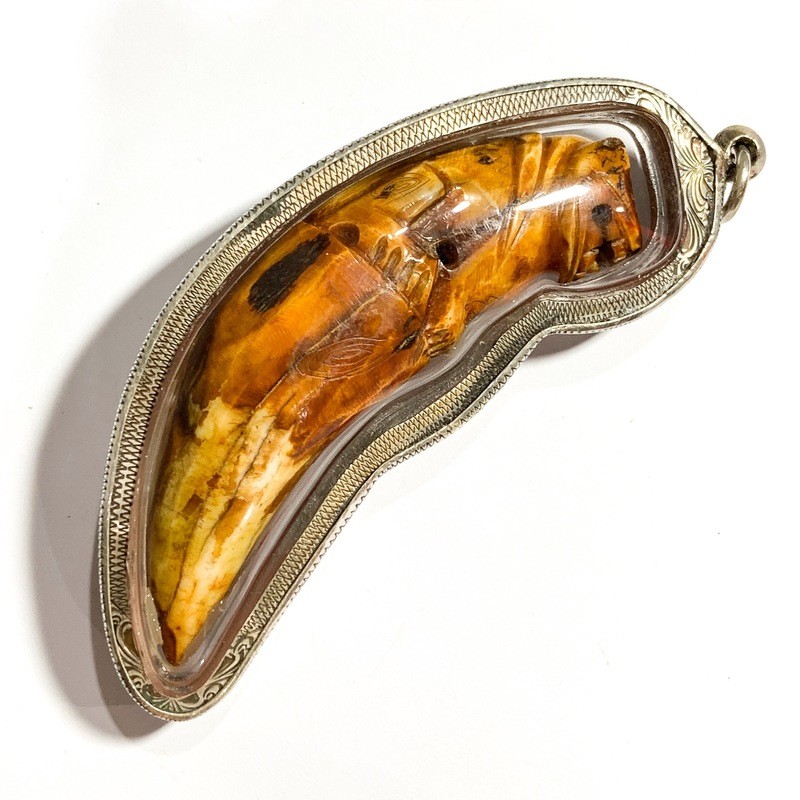
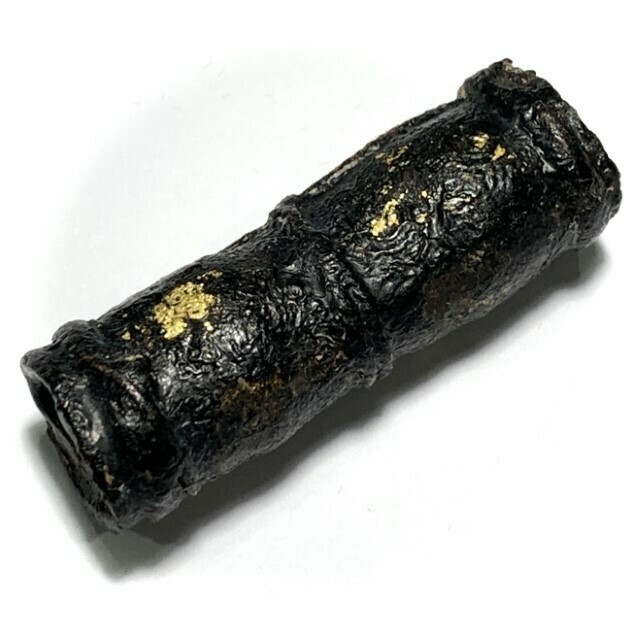
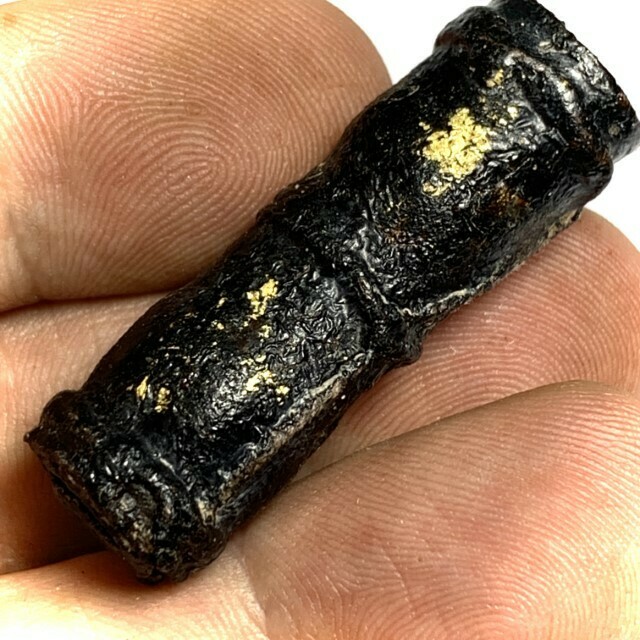
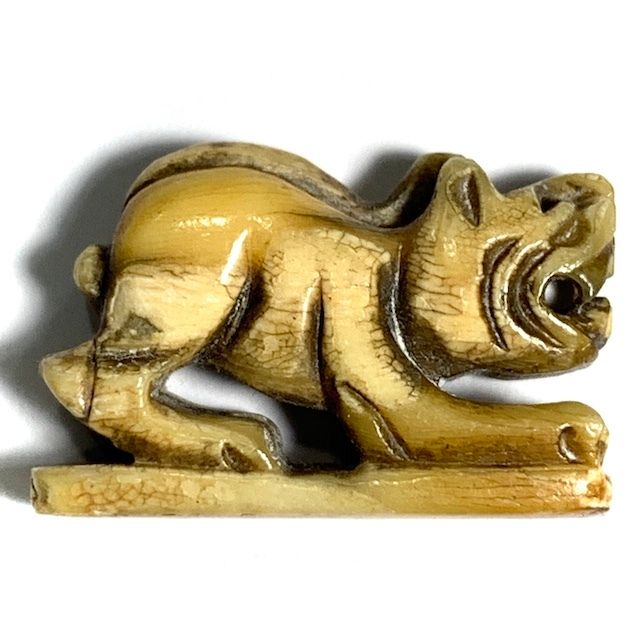
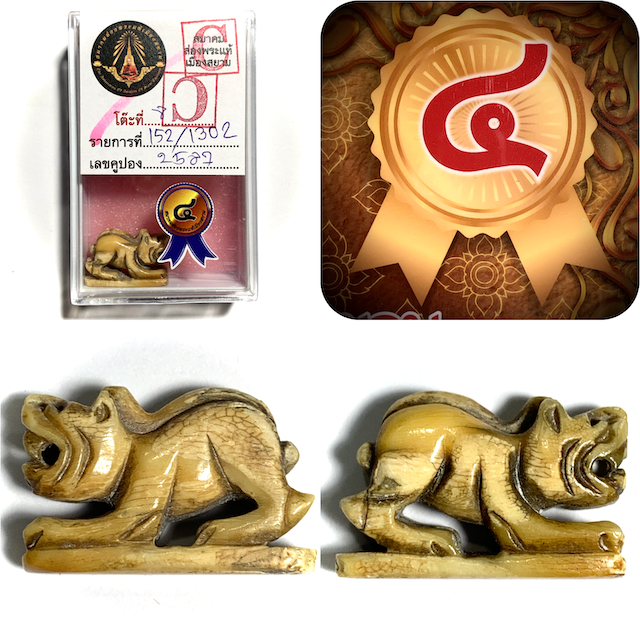
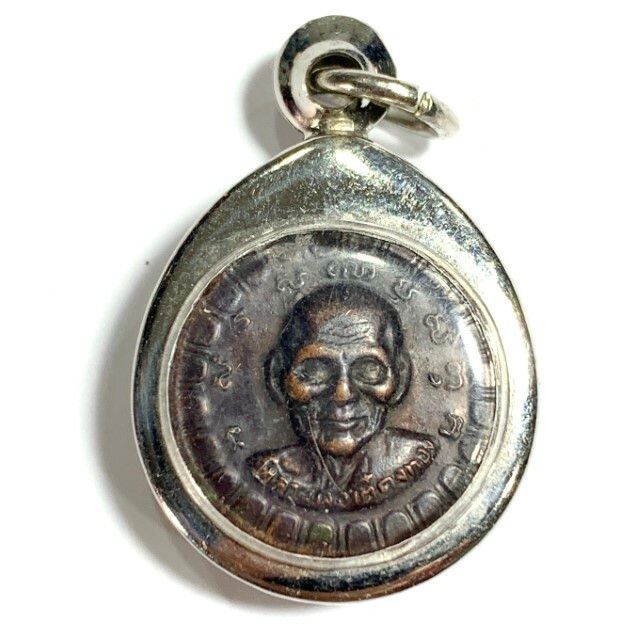
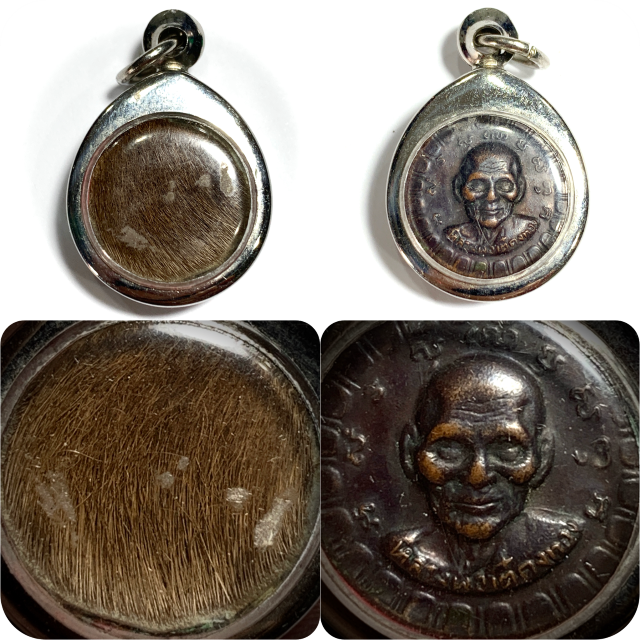
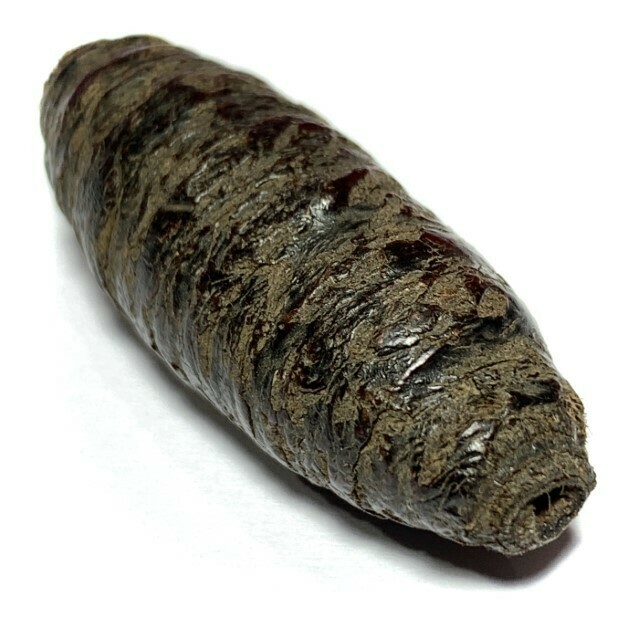
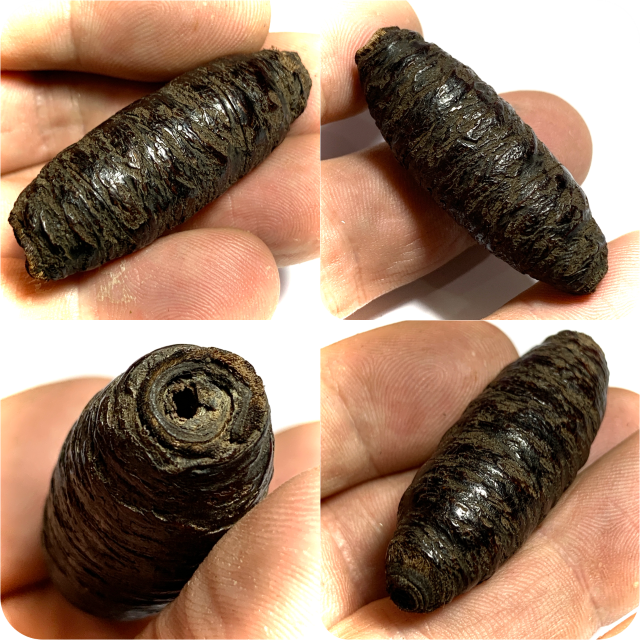
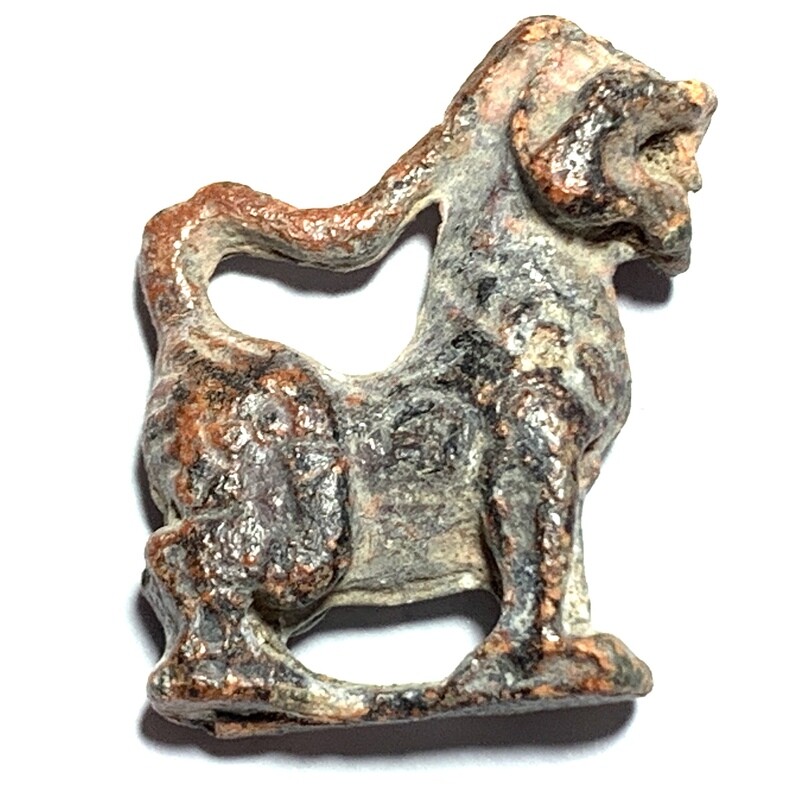
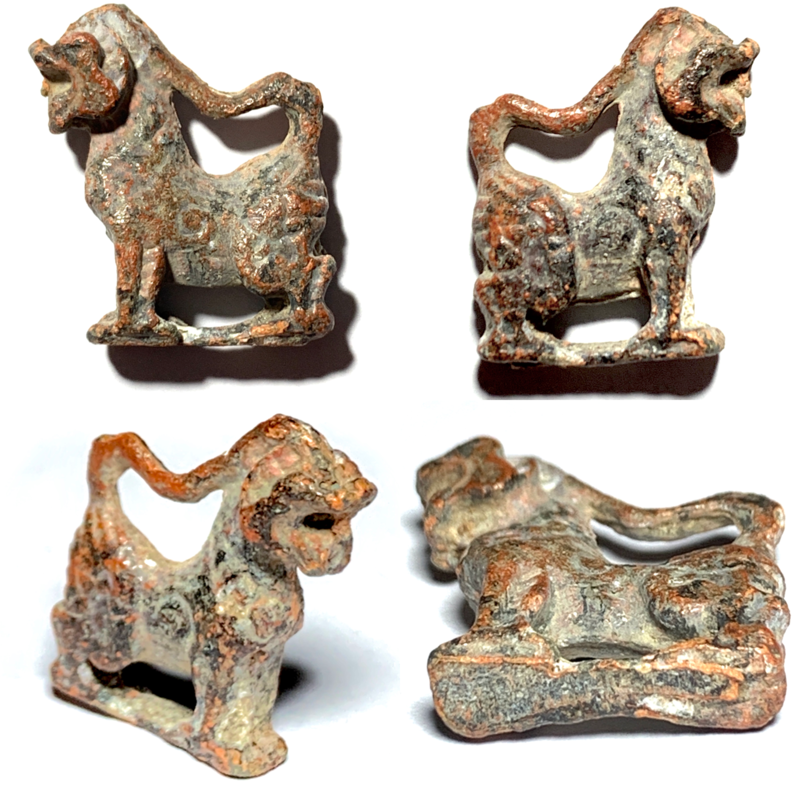
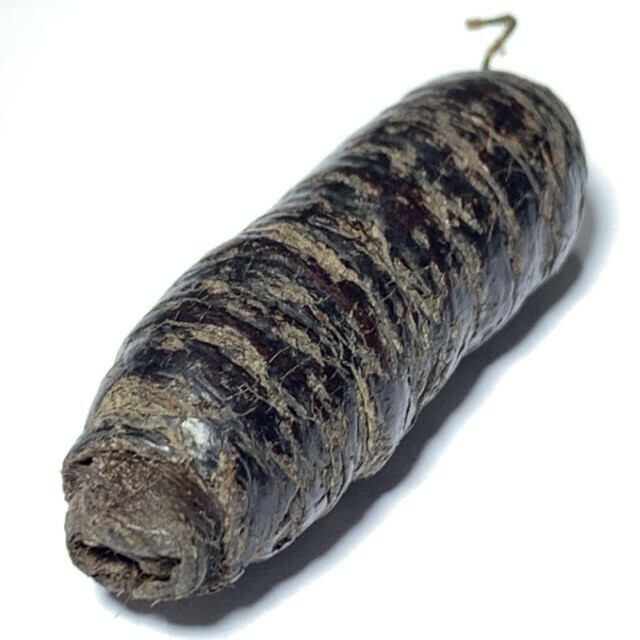
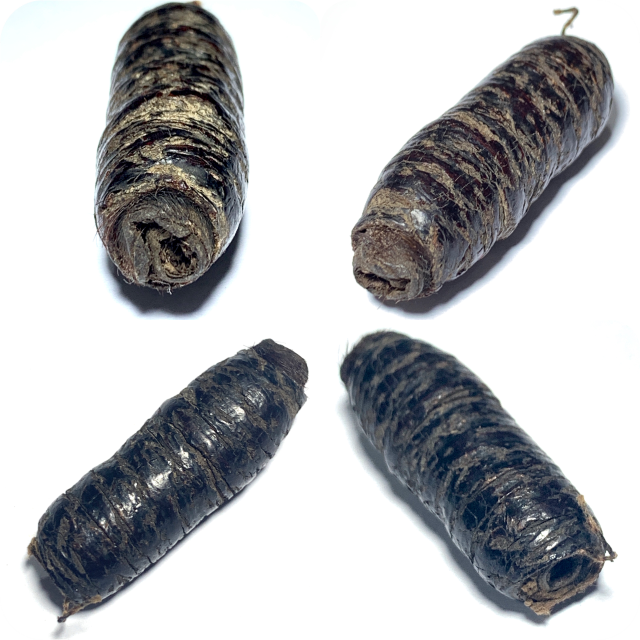
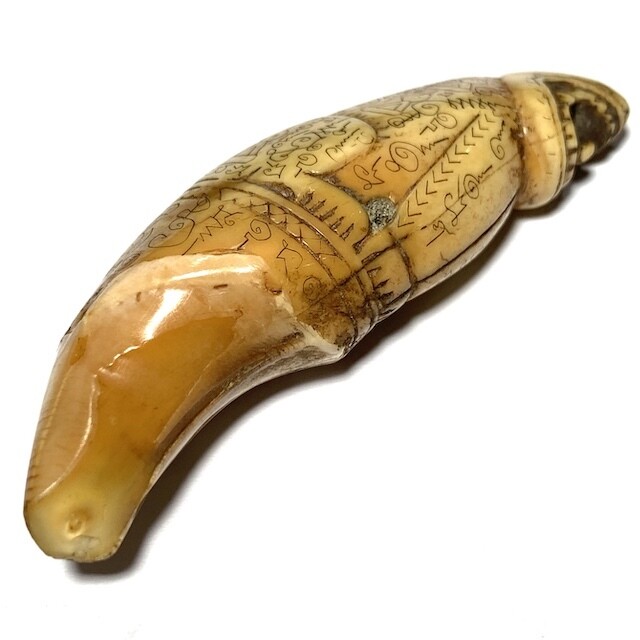
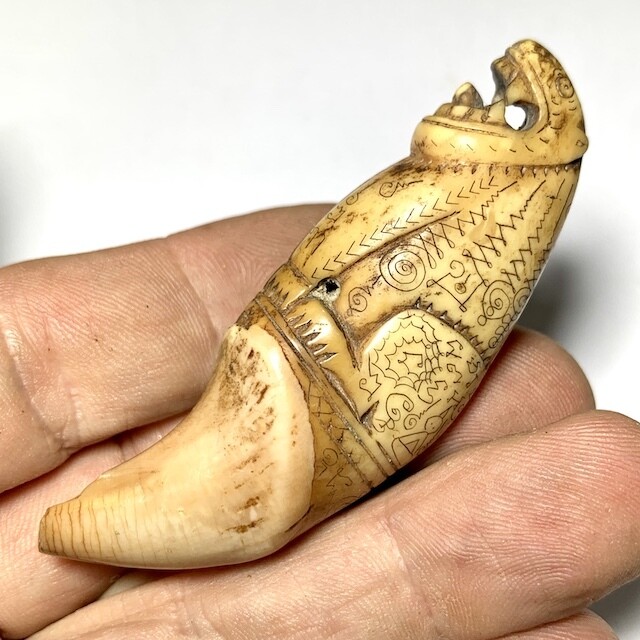
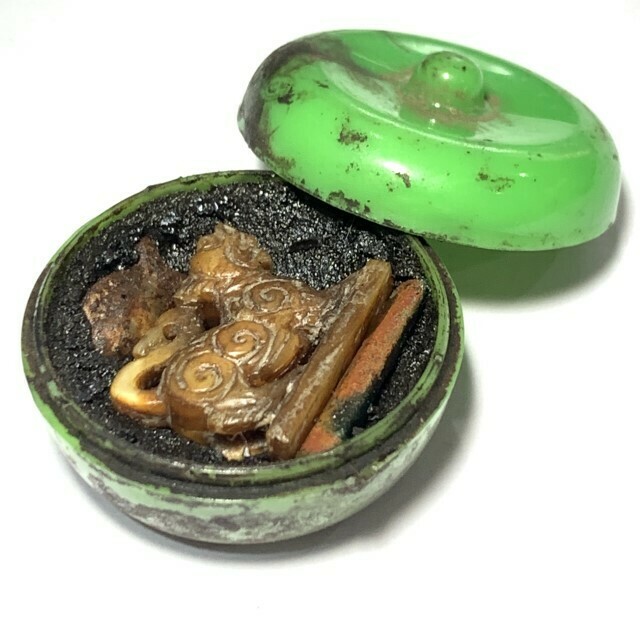
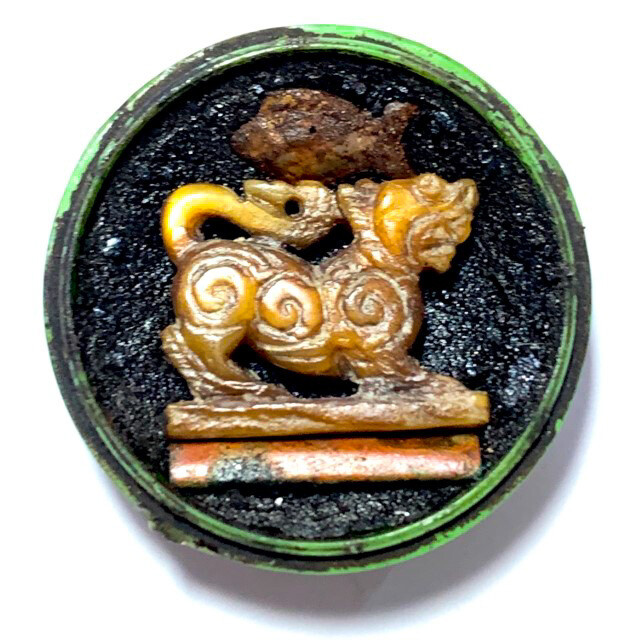
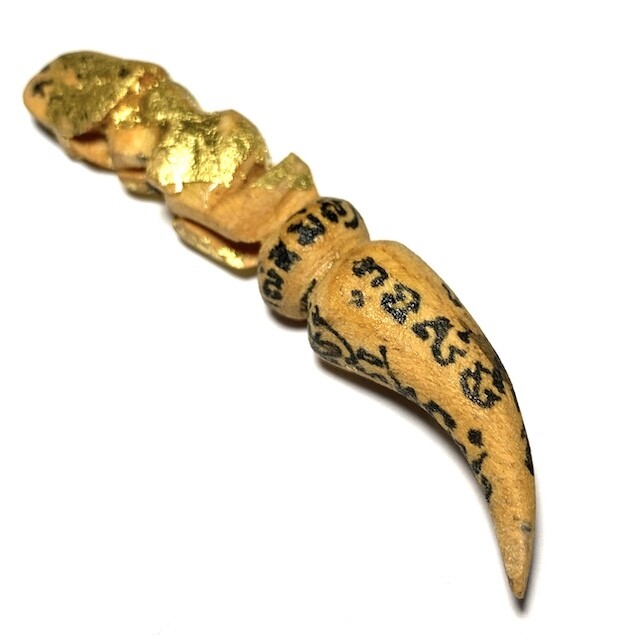
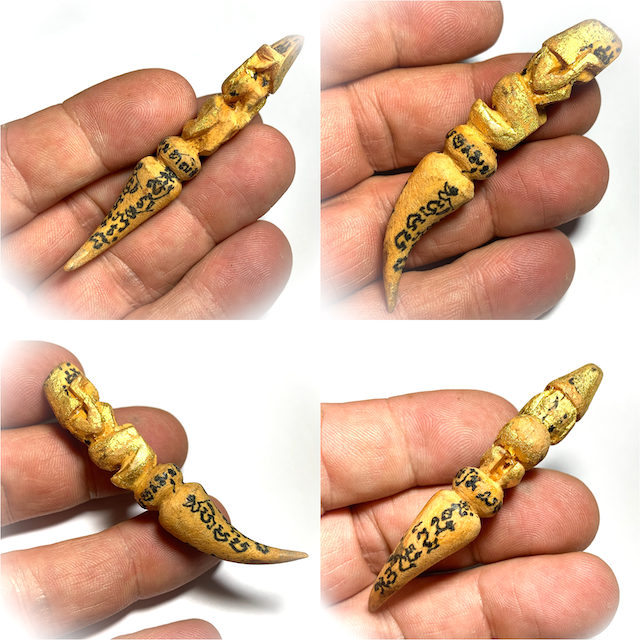
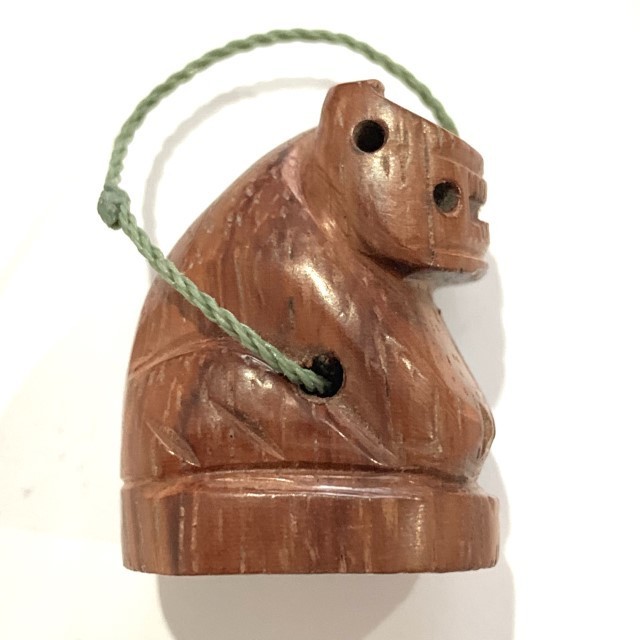
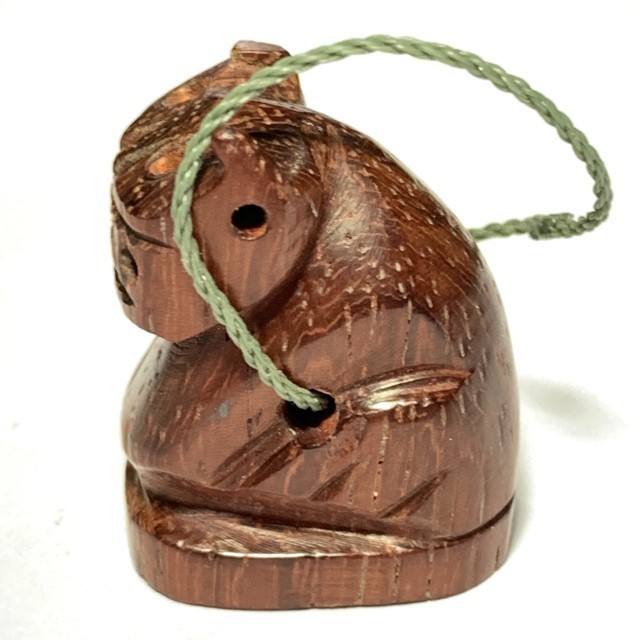
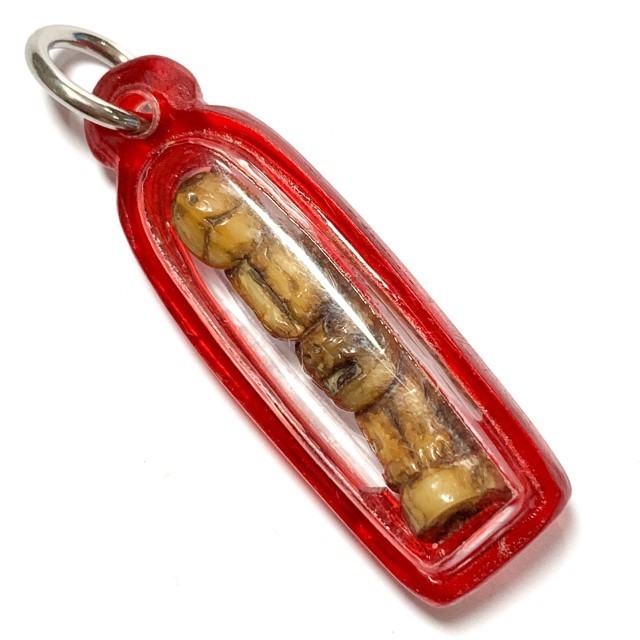
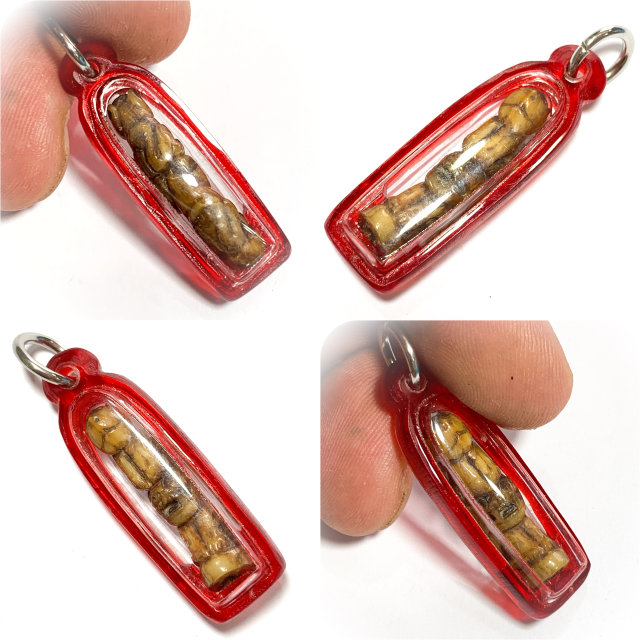
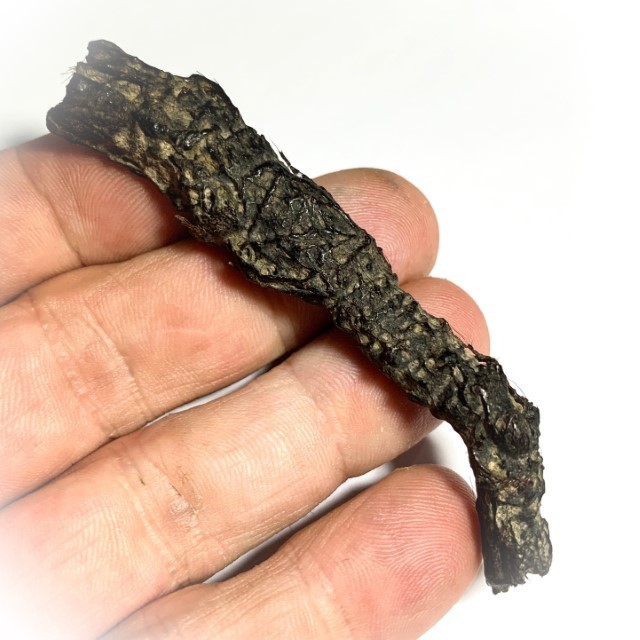
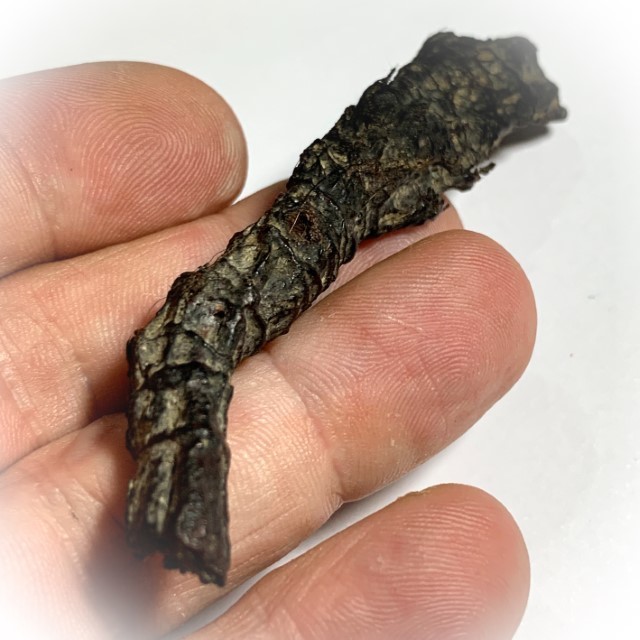
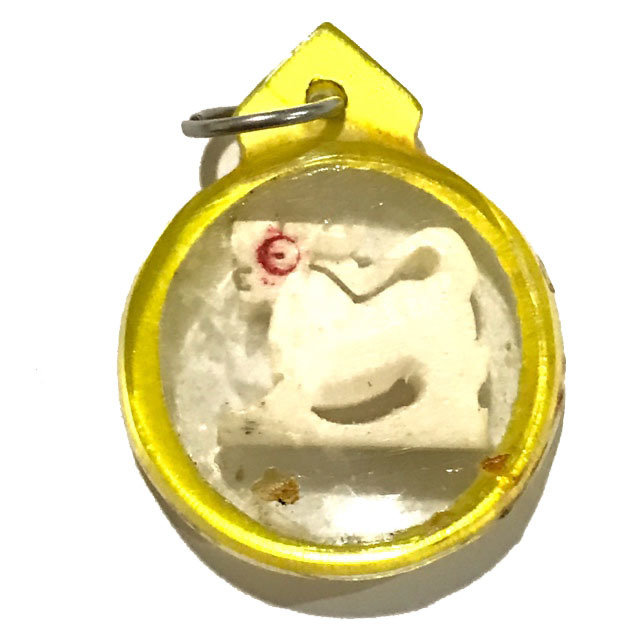
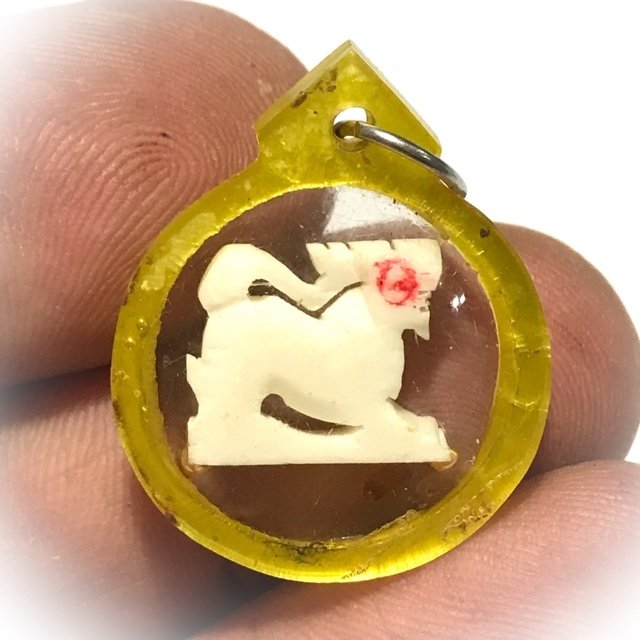
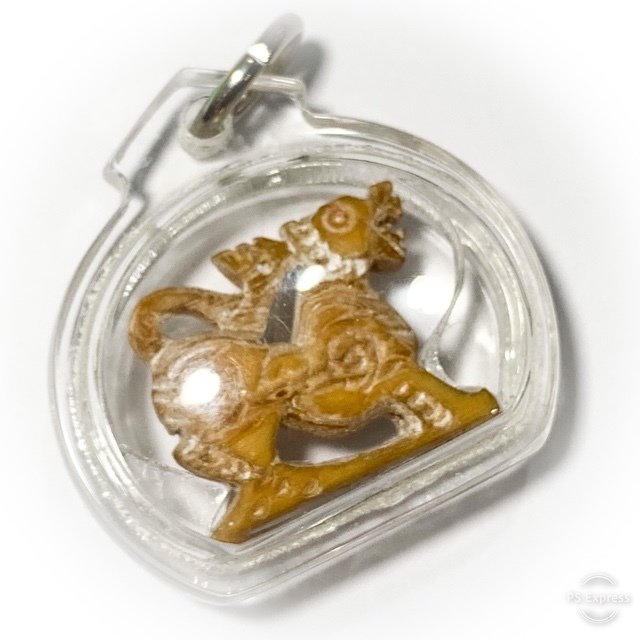
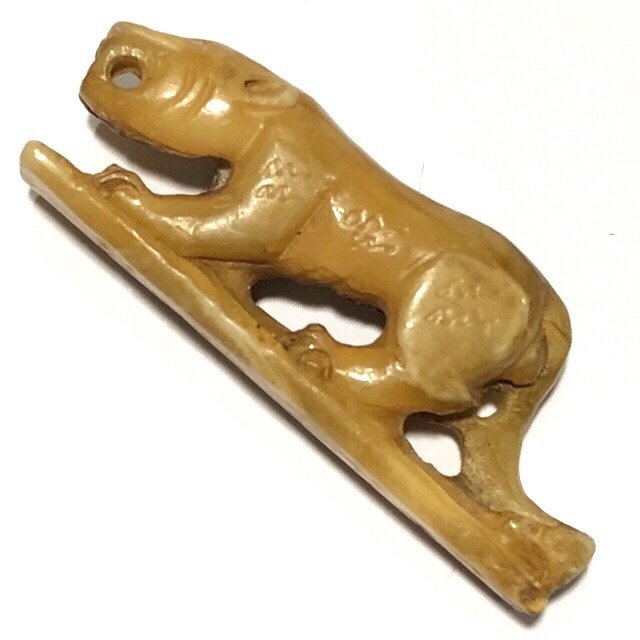
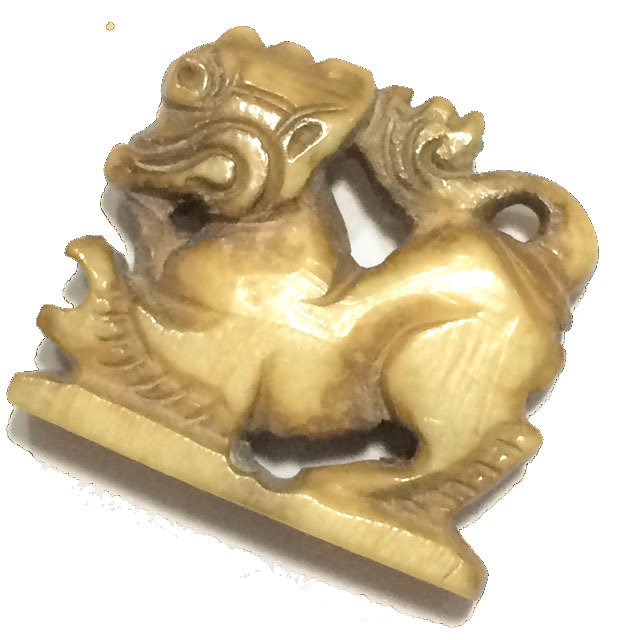
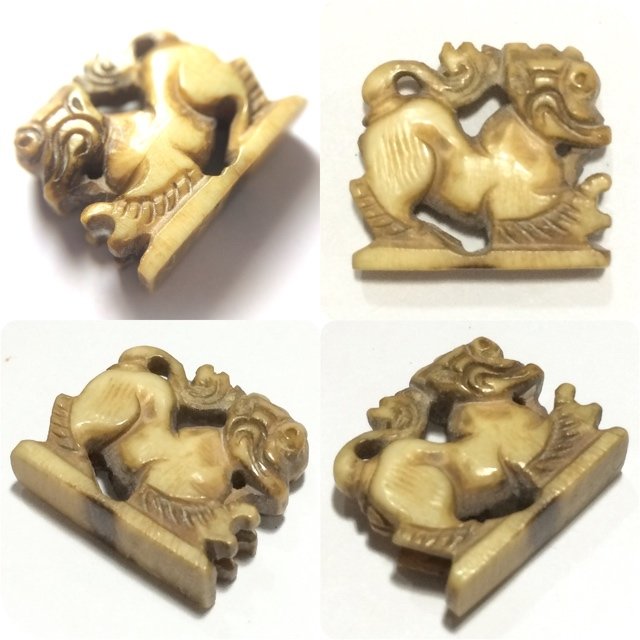
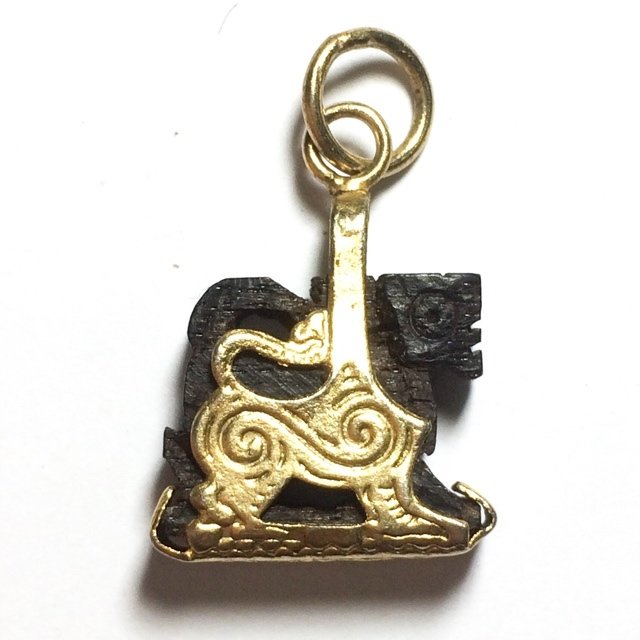
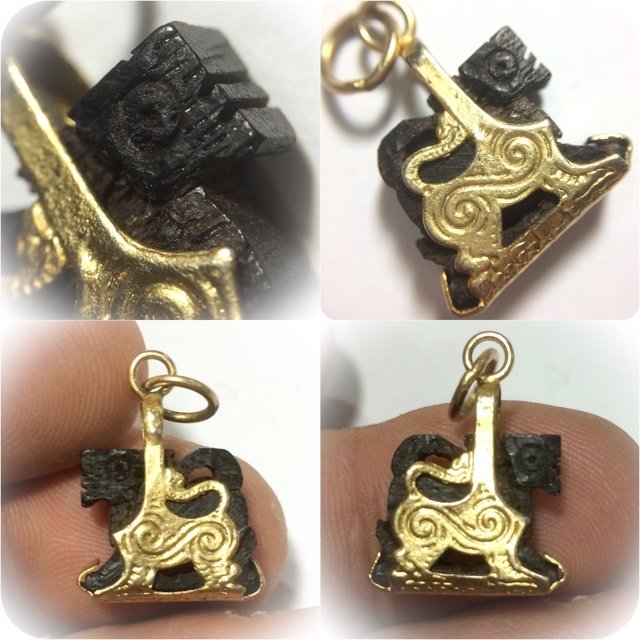


 Free Express Shipping is included with this item. Apart from being so highly regarded for their powerful Metta Maha Niyom and Maha Lap, of the highest power of all Pid Ta, the Pid Ta of Luang Phu Gaew are considered to be the top Pra Pid Ta amulet in Thailand, which carries one of the highest prices within its Genre.