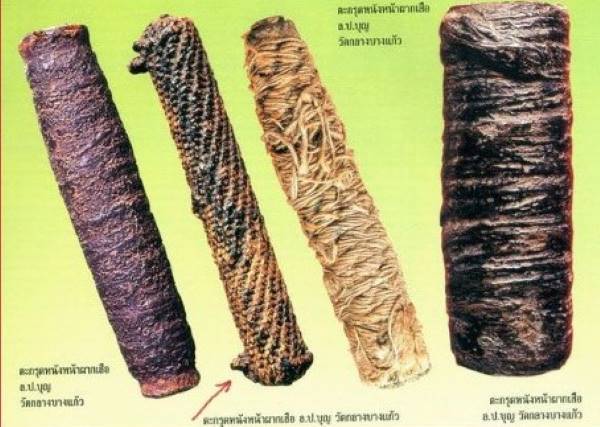
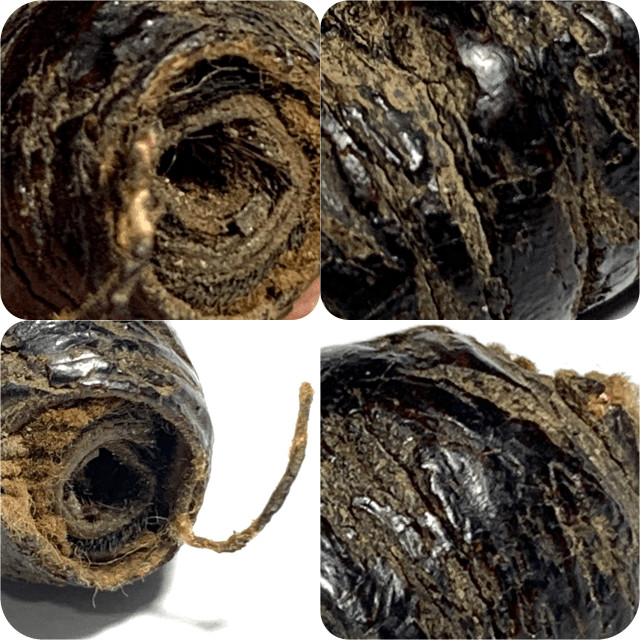
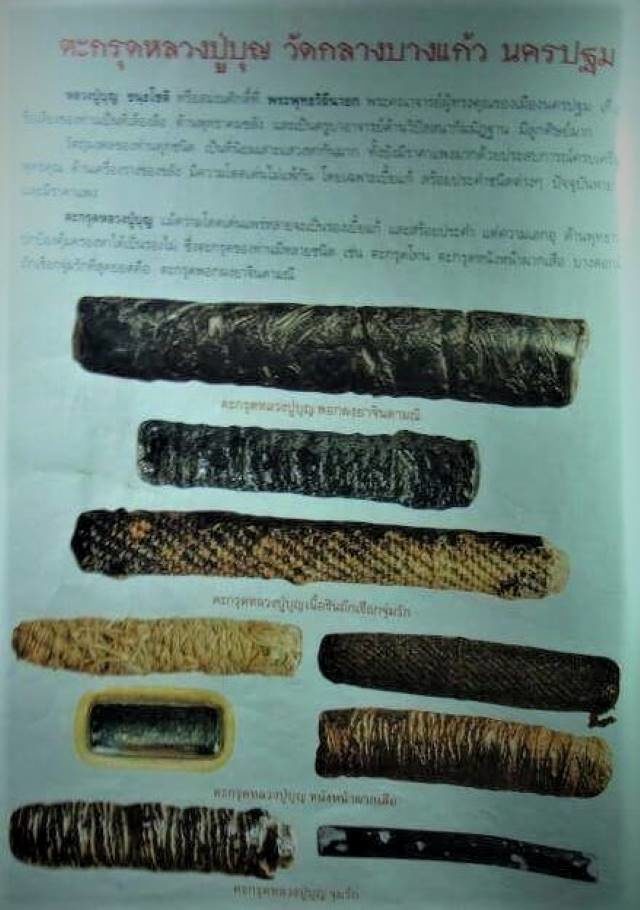
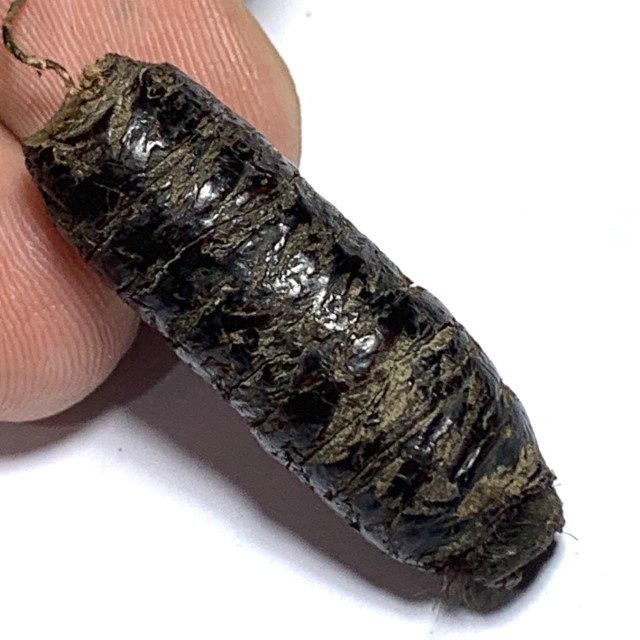
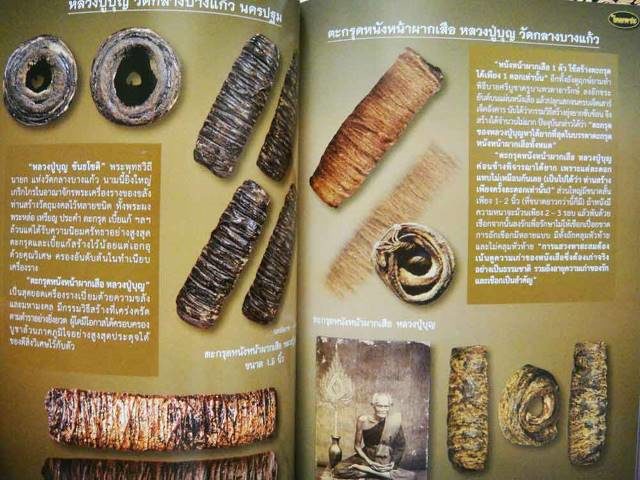
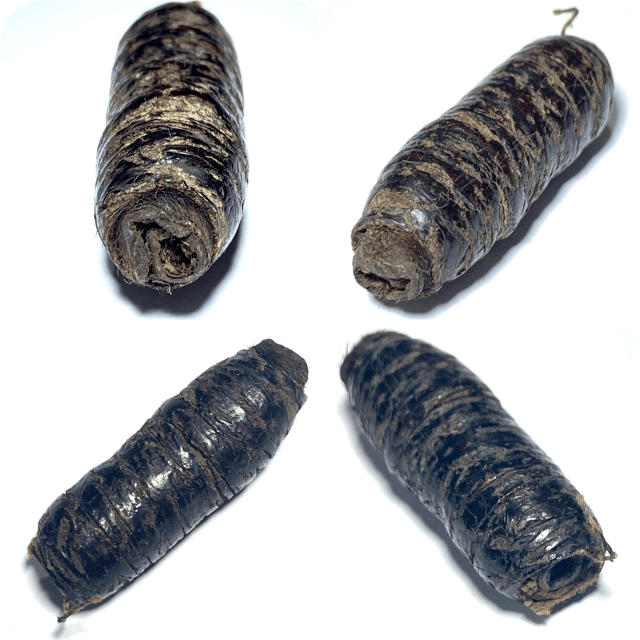
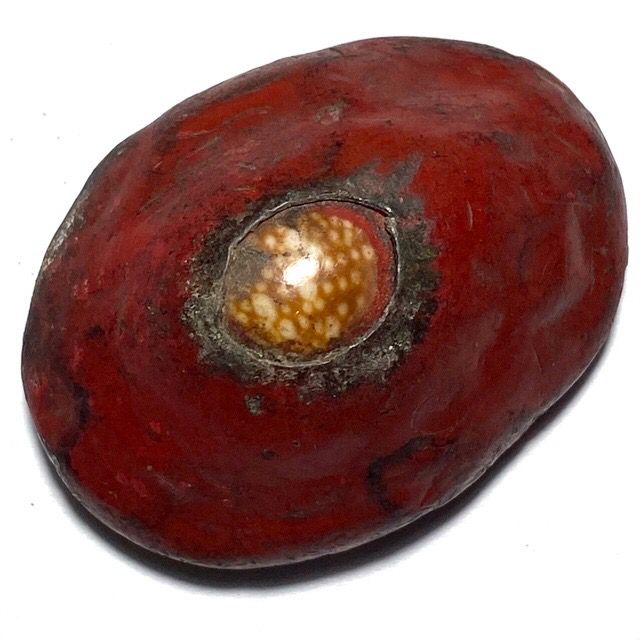
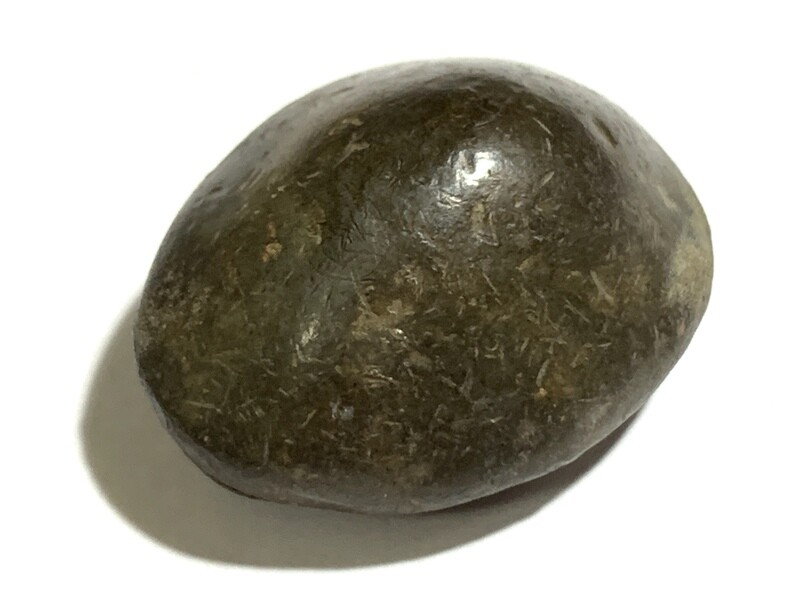
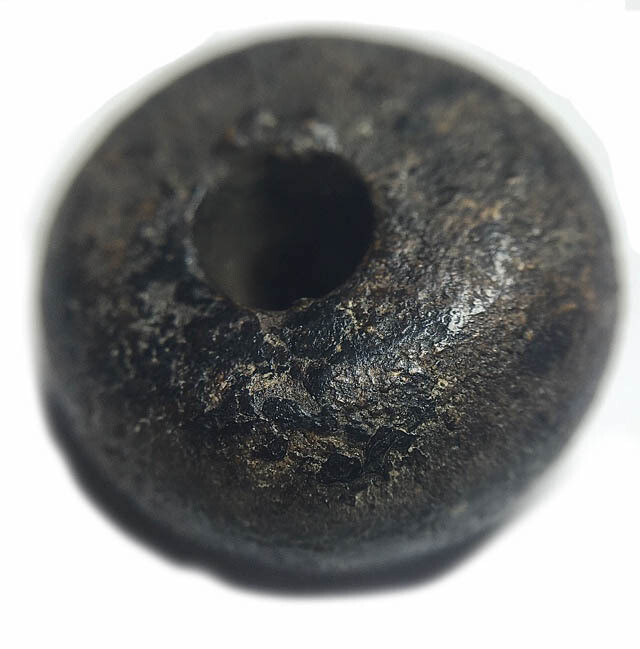
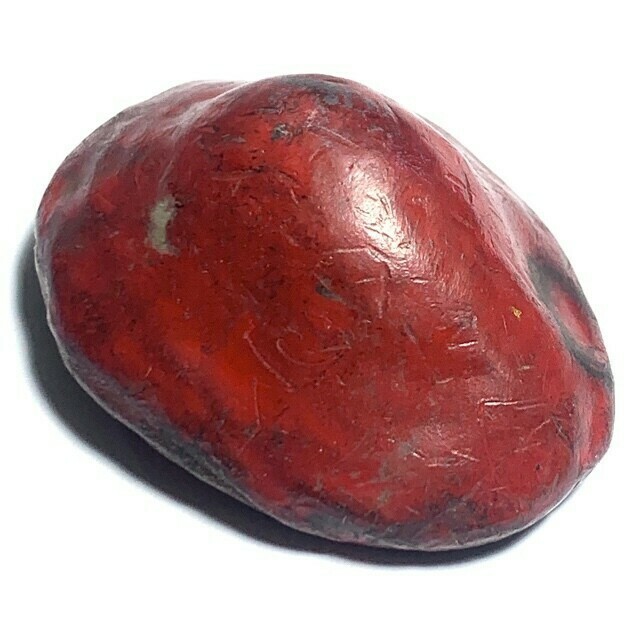
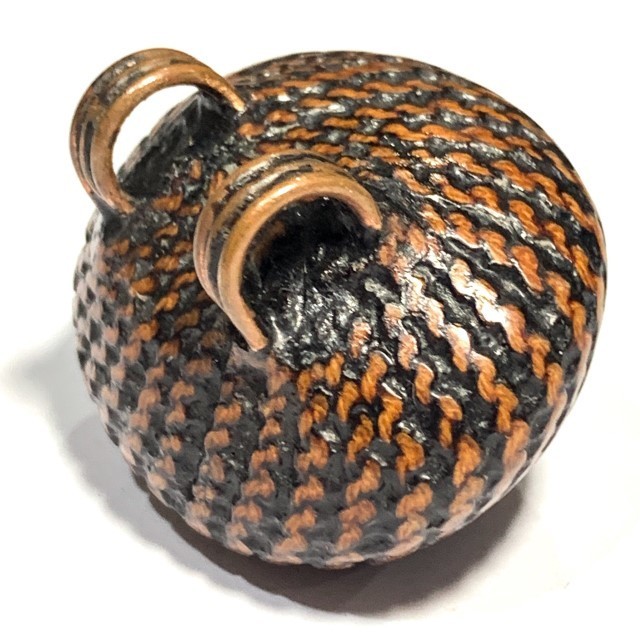
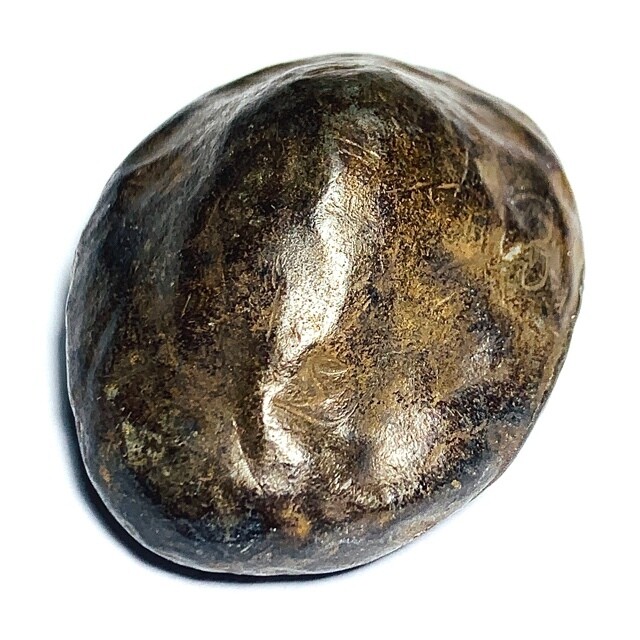
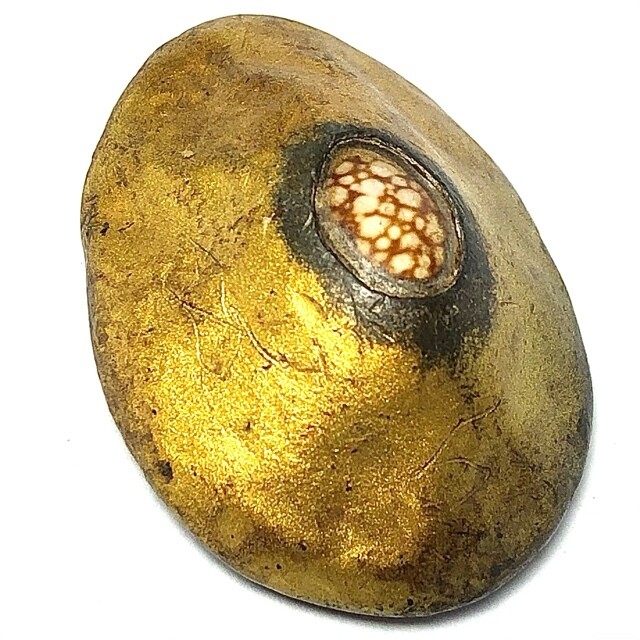
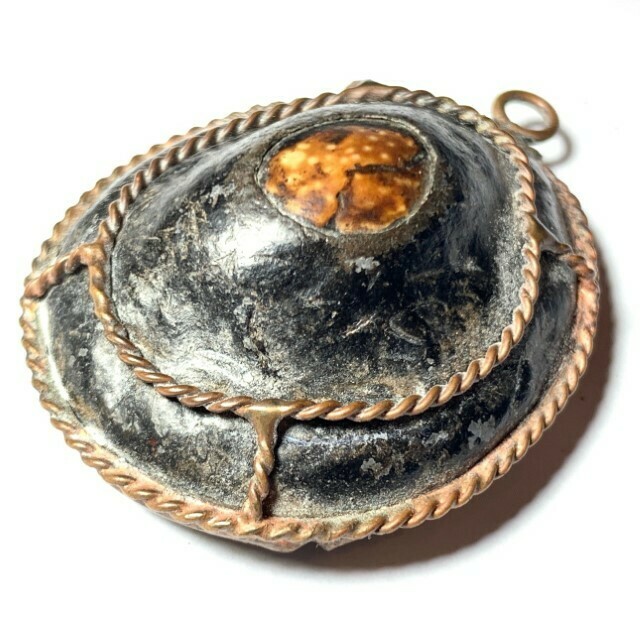
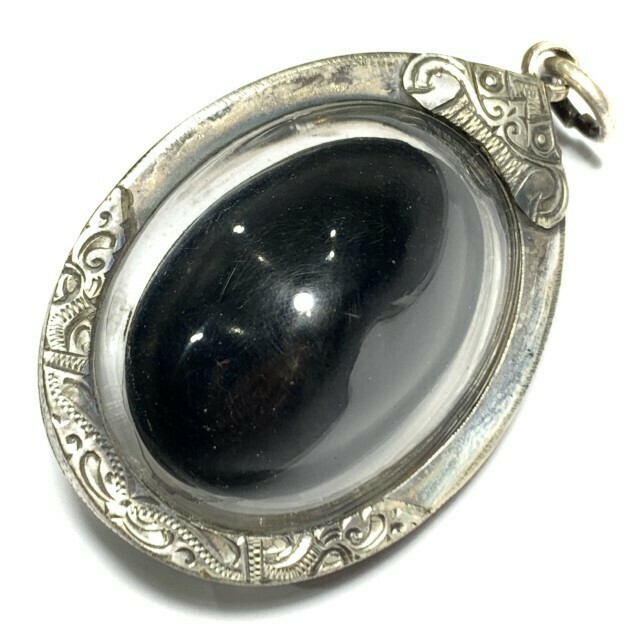
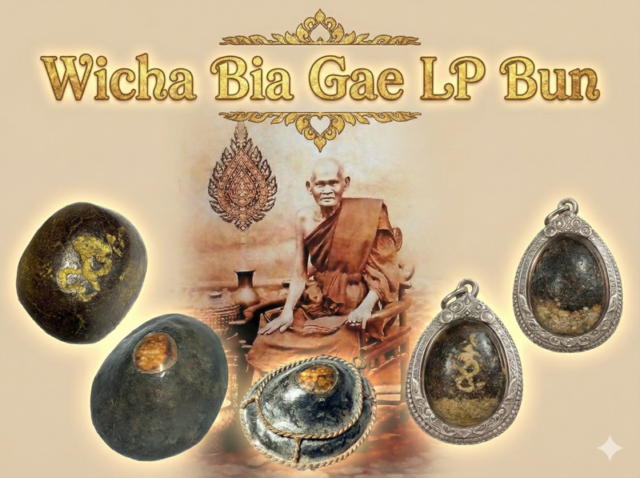
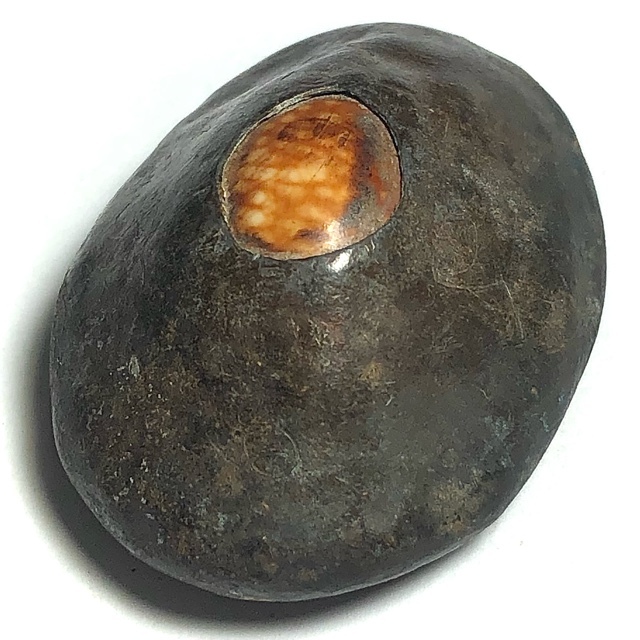
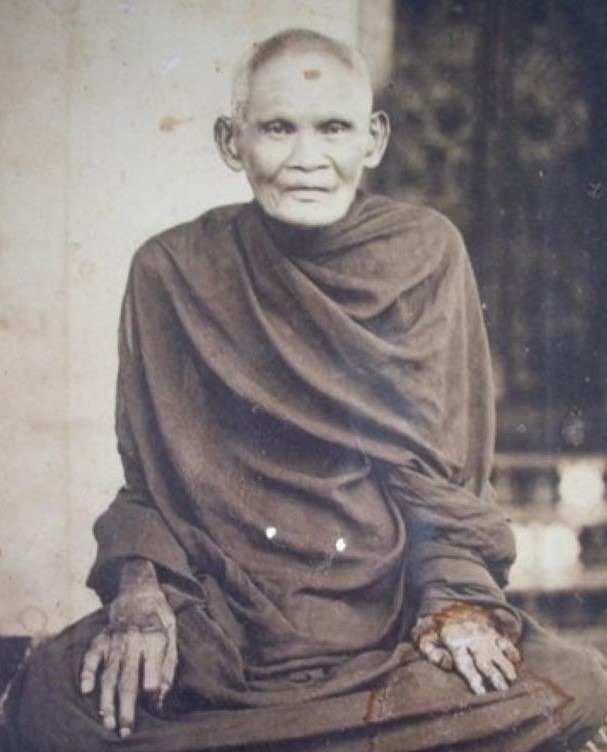
A truly rare, certificated authentic, and the most ancient, top class close to Bicentennial amulet (almost 200 years), and a ‘first lineage-master’ amulet, estimated made between the years 2395 and 2418 BE (Pre 1797 C.E.), and individually personalized exhibit, covered with red lacquer from the Originating Master of the Wicha Bia Gae of Wat Klang Bang Gaew, a certificated authentic antique ancient exhibit of the Bia Gae of Luang Pu Tong, of Wat Klang Bang Gaew, the Master who transmitted the Wicha further on to the Great Olden days master and his first apprentice, Luang Pu Bun. The Bia Gae of Luang Pu Bun are in themselves considered top 5 Bia Gae, but one must consider the fact that hardly anybody except the niche collector, devotee of LP Tong and the Lineage Masters of Wat Klang Bang Gaew.

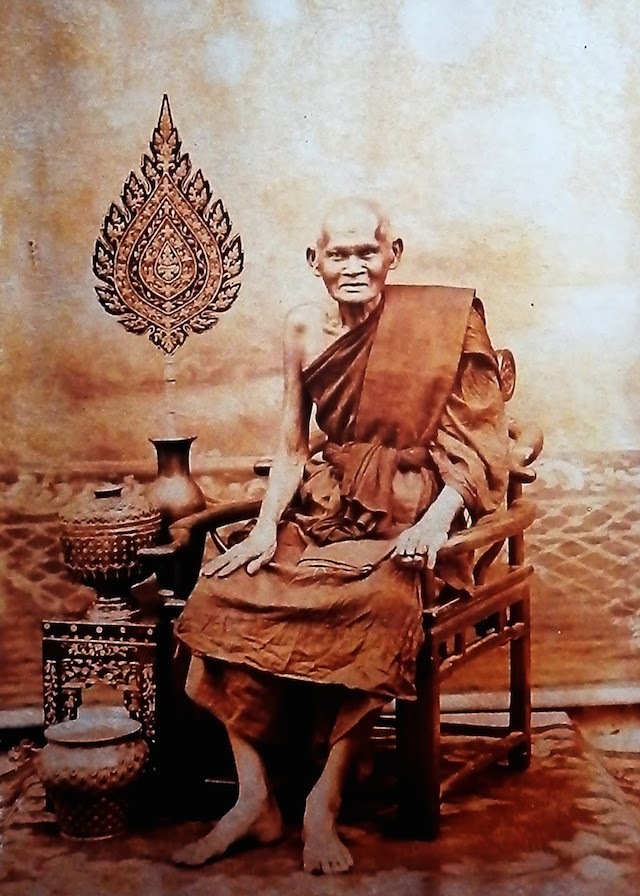
LP Bun, his apprentice, is much morer well-heard of both in Thai and Foreign circles. LP Bun Had two main Kroo Ba Ajarn, namely Pra Palad Tong (the creator of this most ancient amulet), who taught LP Bun Wicha Bia Gae, as one of two mentors, the other, was the Great Pra Palad Parn, who taught the great LP Bun the Wicha Jinda Mani Mont, for Ya Wasana Jinda Mani powders), covered in red ancient herbal lacquer, and inscribed with hand made Khom spell inscriptions, of the immortally famous Bia Gae Cowrie Shell Alchemical Mercury filled Talismanic Amulet of the Master of this Wicha, the Great Luang Phu Bun, of Wat Klang Bang Gaew.
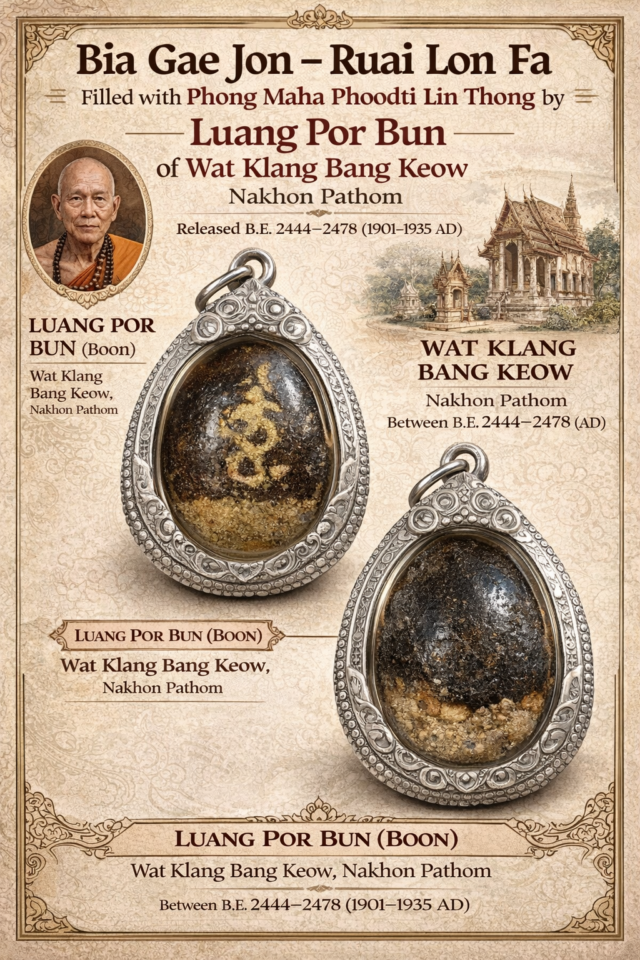
The Bia Gae being perhaps one of the early era and known to be powerful, is an extremely Rare Amulet of the Pra Niyom Master-Class of the Pantheon of Luang Phu Bun, of Wat Klang Bang Gaew, in Nakorn Pathom, especially for its highly recognised inscription visible through the gold leaf. The Bia Gae is a Cowrie Shell Animist Charm for Healing, Prevention of Poverty, and solution to all problematic obstacles in life, including Black Magick Curse Protection, Wealth Increase to Ward off Poverty, and Good Health.

The Bia Gæ (sometimes written “Bia Kae”) is a traditional Thai protective amulet made from a copper‑plated “shell” (the bia). It is created by a line of senior monks from Wat Klang Bang Gaew (formerly Wat Kongkaram). The craft has been handed down for many generations, beginning with Luang Pu Thong, the teacher of Luang Pu Bun, and continuing through Luang Pu Perm, Luang Pu Bai, Lu Pu Juea, and then Pra Ajarn (Kong) Sanya. Because the method is preserved in a small, secretive lineage, authentic Bia‑Gæ from this temple are now extremely rare and command high prices.
2. The Lineage of Masters
| Monk (Thai name) | Position | Approx. Period | Notes |
|---|---|---|---|
| Luang Pu Tong (Wat Klang Bang Gaew) | First known master of the craft | Early 20th c. | Teacher of Luang Pu Bun |
| Luang Pu Bun (Wat Klang Bang Gaew) | Main exponent, popularized the amulet | Mid‑20th c. | Produced many Bia‑Gæ for laypeople |
| Luang Pu Perm (Wat Klang Bang Gaew) | Continued Luang Pu Bun’s method | Late 20th c. | Same potency as his predecessor |
| Luang Pu Bai (Wat Klang Bang Gaew) | Received the technique from Luang Pu Perm | Late 20th c.–early 21st c. | Served as the bridge to the current master |
| Luang Pu Juea (Wat Klang Bang Gaew) | Current holder of the secret method | Present day | Works together with Luang Pu Perm when filling the amulet |
Only these three monks (Luang Pu Bun, Luang Pu Pherm, and Luang Pu Juea) are known to have received the full transmission. Their Bia‑Gæ are now highly prized by collectors and devotees.
3. Materials & Requirements (as explained by Luang Pu Bun)
- One Tael (≈ 1 lb) of elemental mercury – considered a sacred substance.
- A “shell” (ho bia) – a small, hollow copper‑plated container.
- 32 tiny “fangs” (sui) – the number must be counted precisely.
- A flat lead sheet – sometimes a piece of red cloth is added.
- A tray, incense, candles and flowers – for the offering ceremony.
The seeker who wishes to obtain a Bia‑Gæ must bring all of the above items to the monk after the monk has completed the morning or evening ubosot (ordination hall) rites.

4. The Ritual Process (as performed by Luang Pu Bun)
- Consecration of the mercury – the monk invokes the Buddha‑Veda and blesses the mercury.
- Filling the shell – the blessed mercury is poured into the ho bia, then the 32 fangs are inserted and the opening is sealed with the lead sheet (or the red cloth).
- Further chanting – the monk recites additional Pali verses while the amulet is still in the temple.
- Encasing in lead – the sealed shell is wrapped in a thin layer of lead together with Buddha images from the temple, then returned to the monk for a second inscription of sacred numerals (the yantra).
- Final consecration – the amulet receives one more blessing and the monk writes the final akhar (protective characters).
- Delivery to the devotee – the finished Bia‑Gæ is handed back to the requester. The owner may then have a monk thread the amulet with a cord of his choosing (often rope, silk, or rattan); the cord is believed to increase durability.

5. Continuation after Luang Pu Bun
When Luang Pu Bun passed away, his disciple Luang Pu Pherm inherited the complete procedure and produced Bia‑Gæ using the same formula, preserving the same level of potency.
Later, as Luang Pu Pherm grew older, he passed the knowledge to Luang Pu Bai, who became the next “master of the Bia‑Gæ”.
Today, Luang Pu Juea works closely with Luang Pu Pherm; when the mercury is poured into the shell, Luang Pu Juea applies the lead covering and performs the final inscription and blessing.

6. Purpose & Buddhist Merit of the Bia‑Gæ
- Protection from spirits, demons, and sorcery (khwan‑phii, khui‑phii).
- Shield against “forest fever”, poisonous herbs, and harmful substances (e.g., insect venom, poisonous plants).
- Neutralises black magic, curses, and malicious intent from both human and supernatural sources.
- Strengthens the wearer’s mental clarity and guards against ignorance and delusion.
Because the mercury is regarded as a sacred element in Thai esoteric tradition, the amulet is said to carry strong Buddhist merit (puñña). Practitioners use it for personal safety, health, and success in business, politics, or any competitive field.

7. Suggested Use & Prayers
- Preparation – set a small altar with holy water, a Buddha‑image or Phra Phuttha (e.g., Phra Phuttha Rakhsa), red flowers, incense, candles, and a offering of rice, sweet foods, and medicinal herbs.
- Recitation – chant the Three Refuges and Five Precepts, then invoke the Buddha‑Veda while placing the Bia‑Gæ on the altar.
- Specific petitions (examples from oral tradition):
- For protection against disease, poison, and poison‑induced madness.
- To ward off evil spirits that cause hallucinations, nightmares, or disturbances.
- To secure success in battles (literal or metaphorical), politics, business, or examinations.
- To protect families, especially children and the elderly, from harmful influences.
The amulet can be worn around the neck, carried in a pocket, or placed in a vehicle, home, or workplace. Many believers keep several Bia‑Gæ and position them according to the direction of potential threats (e.g., front for overt enemies, rear for hidden foes, right side for royal patrons, left side for feminine influences, etc.).

8. Historical Background of Wat Klang Bang Gaew
- Original name: Wat Kongkaram (Temple of the “Kongka” Tree).
- Architectural evidence: The ubosot, viharn, and stone Buddha images suggest an Ayutthaya‑period origin, later restored repeatedly during the early Rattanakosin era.
- Artistic highlights: Early‑Rattanakosin wall paintings inside the ubosot display high craftsmanship.
Literary reference: In Sunthorn Phu’s Nirat Phra Phuttha, the poet describes the temple’s splendor:
“ถึงบางแก้วมองเขม้นไม่เห็นแก้ว
เห็นแต่แนวคงคาพฤกษาสลอน
มีวัดหนึ่งโตใหญ่ใกล้สาคร
สง่างอนช่อฟ้าศาลาตะพาน
คูเบื้องบนอาวาสก็ลาดเลื่อน
ต้นตะเคียนร่มรกปกวิหาร”
(Translation: “When looking toward Bang Gaew one sees no glass, only the tangled roots of the sacred Kongkha tree; a great temple stands near the Saraburi river, its lofty spires touching the sky, and the monk’s dwelling rests beneath a steep cliff, protected by the shade of takian trees.”)
- Renaming: In 1922 (B.E. 2465), during the tenure of Luang Pu Boon, the Supreme Patriarch Somdet Pra Wachirayan Voras, recognizing the temple’s location at the mouth of the Khlong Bang Gaew, officially renamed it Wat Klang Bang Gaew (Middle Bang Kaeo Temple).
- Neighbouring temples: It shares borders with Wat Mai Suphadit (south) and Wat Tuk Tata (west).

9. List of Abbots (as far as records allow)
- “The Master of the Building” – name unknown; early patron who erected the first shrine.
- Pra Palad Thong – died ~1915 CE (B.E. 2458); served roughly 40 years.
- Pra Atikarn Jaeng (called “Luang Pho Gae”) – died ~1925 CE (B.E. 2468).
- Pra Phuttawittī Nayok (Luang Pu Boon Khan‑tcho‑ti) – abbot 1886–1935 (B.E. 2429‑2480), 49 years.
- Pra Palad Loh – acting abbot for 4 years (mid‑1930s).
- Pra Phuttawittī Nayok (Pherm Punyawatsano) – abbot 1939–1973 (B.E. 2482‑2526), 44 years.
- Pra Palad Bai (Kun Wiro) – acting abbot until 1973 (B.E. 2526).
- Pra Kru Sirichai Kanarak – current abbot (as of 2025).

10. Buddhist Merit & Modern Appeal
The Bia‑Gæ from Wat Klang Bang Gaew is reputed for:
- Great “metta” (loving‑kindness) and “karuṇa” (protective) merit – believed to bring safety, health, wealth, and career advancement.
- Strong “kamma” (karma) power, making it popular among businesspeople, government officials, military personnel (especially those serving in the three Southern border provinces), teachers, doctors, entertainers, athletes, and ordinary folk who seek any competitive edge.
Because authentic pieces are scarce, their market price is high, but many devotees consider the investment worthwhile for the long‑term spiritual and material protection they provide.

11. Concluding Note
The Bia‑Gæ of Wat Klang Bang Gaew embodies a living tradition that intertwines Thai esoteric Buddhism, local folk belief, and a carefully guarded monastic lineage. Its creation involves a precise combination of sacred materials, ritual chanting, and the hands of monks who have inherited a secret method for over a century. Whether viewed as a religious talisman, a cultural artifact, or a collector’s item, the amulet continues to hold a respected place in Thai spiritual practice today.

In truth, the Bia Gae helps health in more than just its Sacred Healing magic, for it also Prevents Poverty, allowing us to afford the necessary medicines and healthy lifestyle. Good health can also only be maintained, when one has all the necessary requisites, and in this day and age, money is a daily requisite, and one cannot have good health if attacked by black magick, or sorcerous curses. To use and ensure the effectivity of the Bia, it should be carried with you always and you should speak to it within your heart and connect with it, until you feel one with it. Then you should be able to feel the vibrations, protective or passive stance it takes when others approach. Bia Gae can be used as a magical ritual tool, to make Holy Prayer Water and use the water to wash wounds, and even drink. This is also a good remedy against ‘Ya Sang’ – Black magic curses which have been applied by putting magic into someone’s food, a kind of spiritual ‘blood poisoning’. Hence, the Bia Gae works against all obstacles which can slow down your progress.

The Bia is at best worn on a waist cord and slid around for different purposes, rather like the Takrut Maha Ruud; Wearing the Bia Gae to the front (on a waist cord or necklace) will protect if entering into battle, war or conflicts. To escape from, evade and protect against Enemies or those who Pursue You, wear the Bia Gae facing to the Back. For Metta and Mercy from Superiors, Job interviews, or Legal cases, wear to the right flank. For Maha Sanaeh Charm and Enchantment to charm Lovers and be convincing in Business Talks, wear the Bia Gae to the left flank.

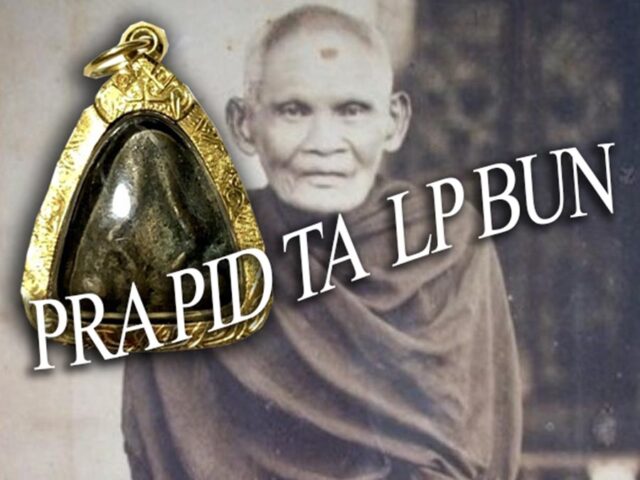
Free Express Shipping Worldwide is Included with this amulet. Luang Phu Bun was one of the Top Master Guru Monks of Thai Buddhist History in both Patipata (Dhamma Practice), as well as for his Magical Prowess in Amulet making, Puttasart, and Saiyasart (Occult Sorcery and Buddha Magic). Luang Phu Bun’s amulets, grace the pages of almost every famous catalog and amulet magazine in the High End Collector Publications, and are among the highest priced ranging from many hundreds of dollars for the most commonly found amulets, to hundreds of thousands of dollars for his rarest amulets.
A Centenarian Amulet of Immense Value for the Sacred Powerful Blessings of the Great LP Bun, and Rarity as an Ancient Amulet of Master-Class Status, as well as for being a masterpiece of antique magical heritage and Buddhist Historic importance.
Apart from Parort Mercurial Alloy, a highly unknown fact is that the Wicha Bia Gae of Wat Klang Bang Gaew, uses a very Special Herbal and Magically Empowered Ingredient, Nuea Khee Nok Khao Bplao (Thick Billed Green Turtle Dove Faeces – considered to have Magical Properties), and Nuea Wan (Herbal Extracts and Pollens).
The famous Pong Ya Wasana Jinda Manee, and Pong Khamin Sek Muan Sarn Powders (also known as ‘Pra Ya Horm’), carry legendary status for their immensely powerful magical properties. These are two very Sacred Powders within the Dtamra, with Pong Khamin Sek
having a pungent aroma, with Powers of Protection and Wealth Increase, and the legendary Pong Ya Wasana Jinda Manee having an aromatic Sacred
Powder, which uses of course the famous ‘Ya Wasana (‘Wasana’ meaning Lucky Fortunes). Ya Wasana Jinda Manee, and Khamin Sek Sacred Cumin powders, are the most famous Muan Sarn of all.

Kata Bia Gae

Suggested Use and Prayers
- Set up a small altar with holy water, a Buddha image or Phra Phuttha (e.g., Phra Phuttha Rakhsa), red flowers, incense, candles, and an offering of rice, sweet foods and medicinal herbs.
- Recite the Three Refuges and the Five Precepts, then invoke the Buddha‑Veda while placing the Bia‑Kæ on the altar.
- Specific petitions (derived from oral tradition) may include:
- Protection from disease, poison and madness.
- Defense against evil spirits that cause hallucinations, nightmares or disturbances.
- Success in battles (literal or metaphorical), politics, commerce or examinations.
- Safeguarding families—especially children and the elderly—from harmful influences.
The amulet can be worn around the neck, kept in a pocket, or placed in a vehicle, home or workplace. Many believers keep several Bia Gæ, and position them according to the direction of possible threats (e.g., front for overt enemies, rear for hidden foes, right side for royal patrons, left side for feminine influences, etc.).
Ancient Amulet - Thai Buddhist Pra Niyom Category Amulets
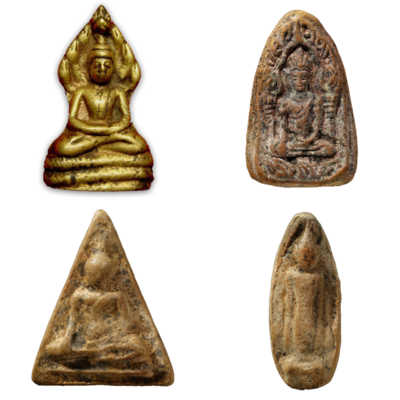
Ancient Amulet - Thai Buddhist Pra Niyom ('Pra Niyom'; meaning 'High End Preferred Class Antique amulets') Fine Authentic Amulets from the Great Thai Buddhist Sorcerer Monks, Lersi Ascetics, and Lay Masters of Olden Days
SIGN IN OR CREATE ACCOUNT
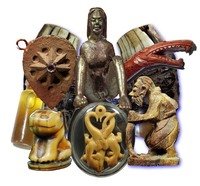
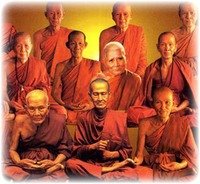
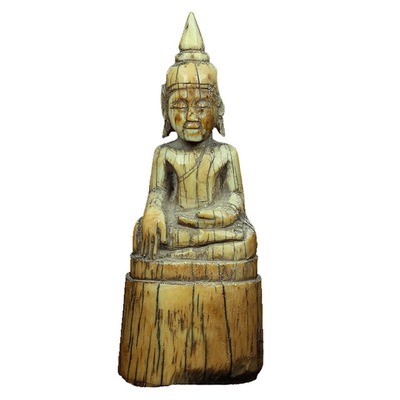
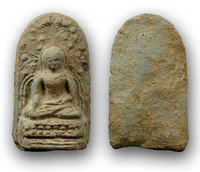
Featured Products
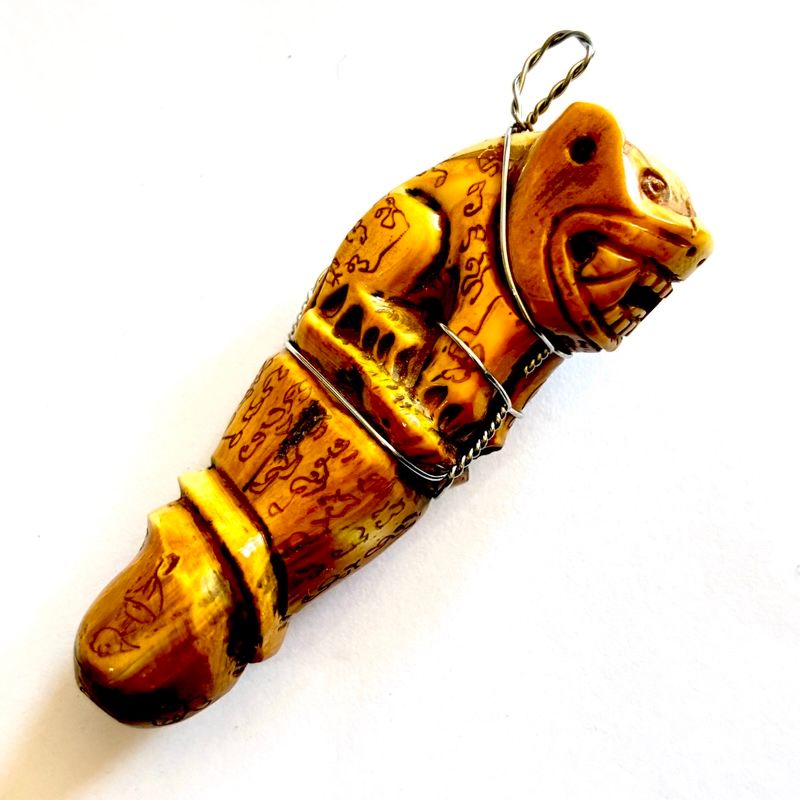
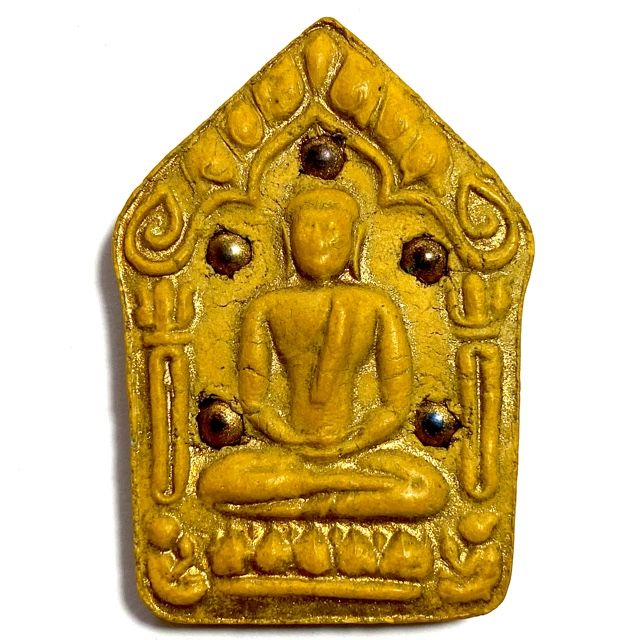
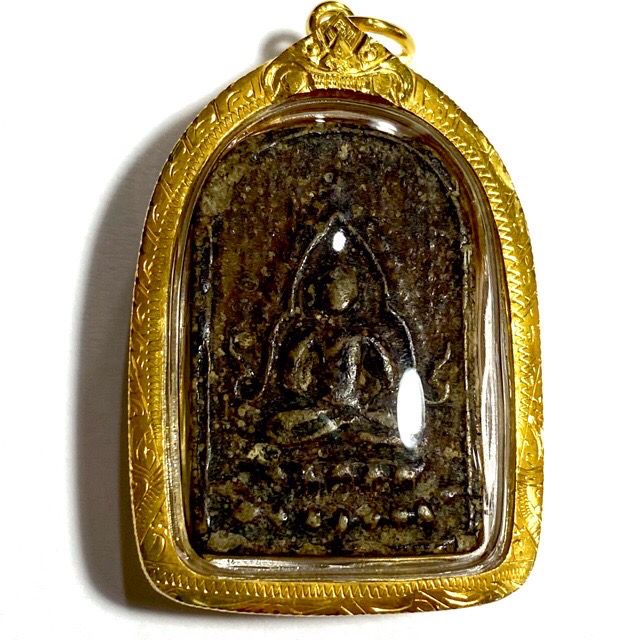
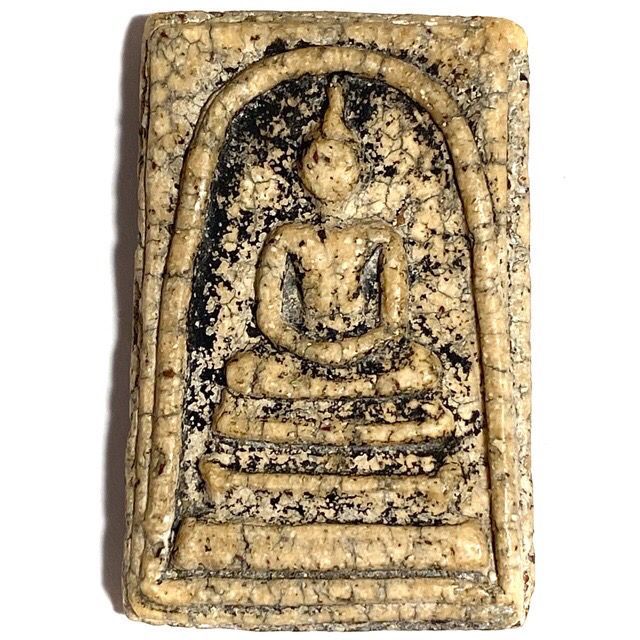


 Luang Phu Bun


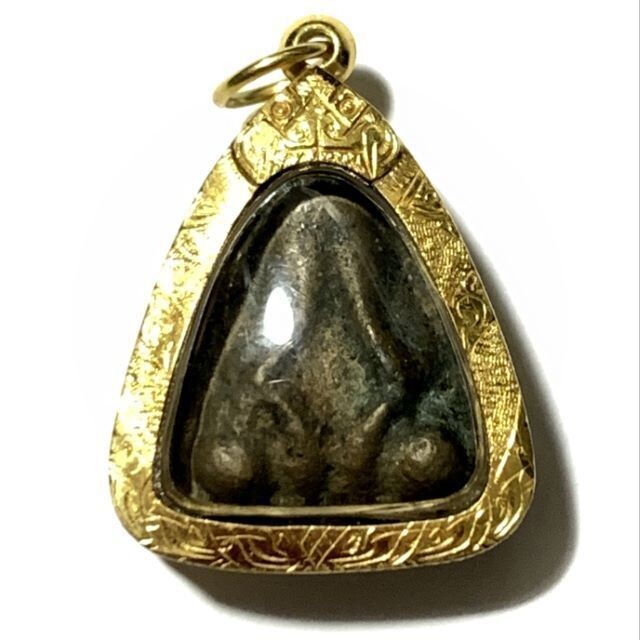
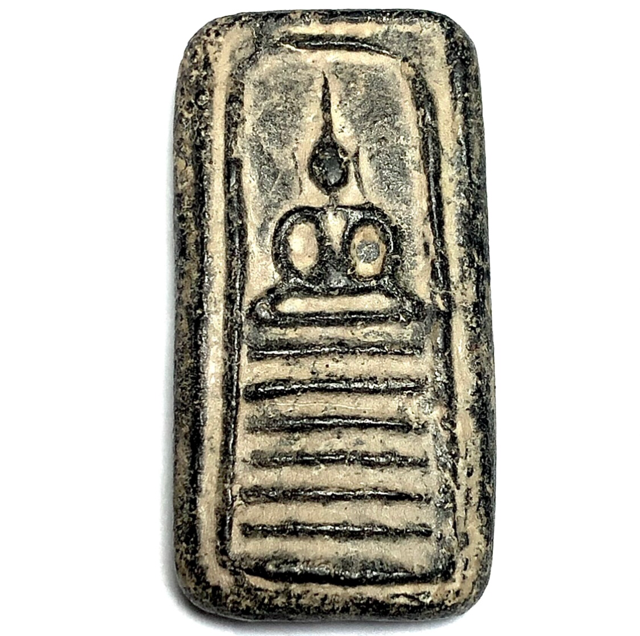
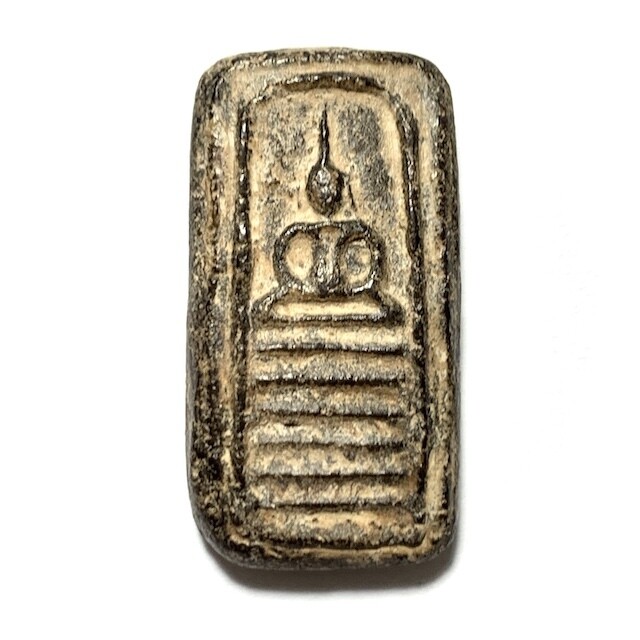
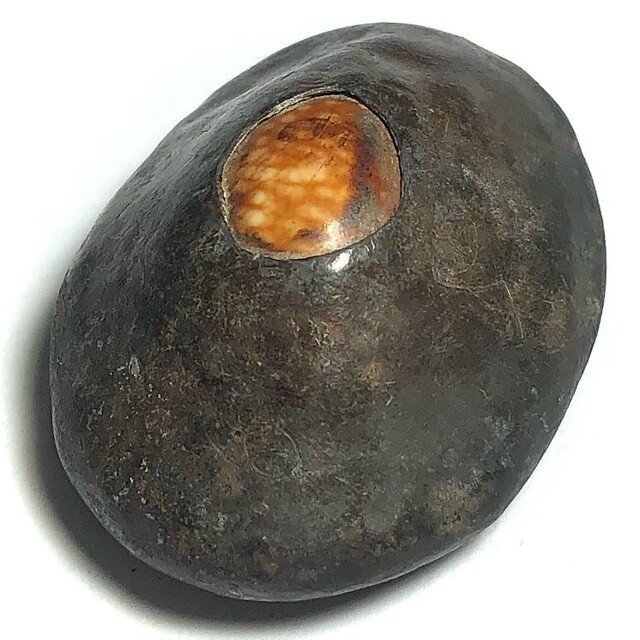
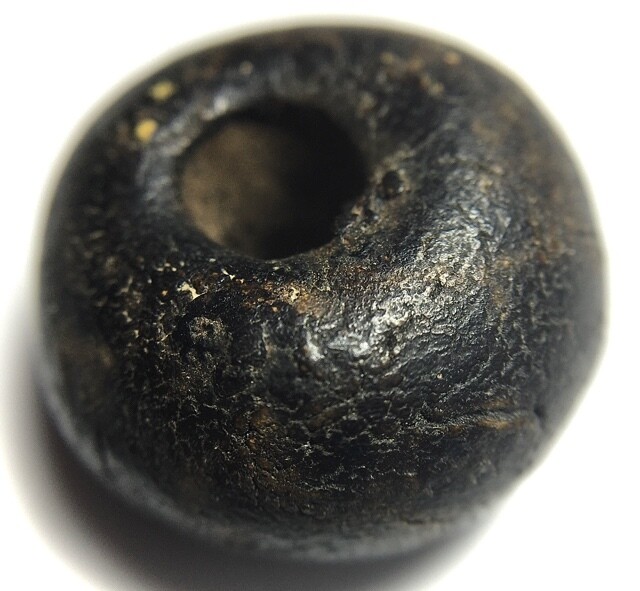
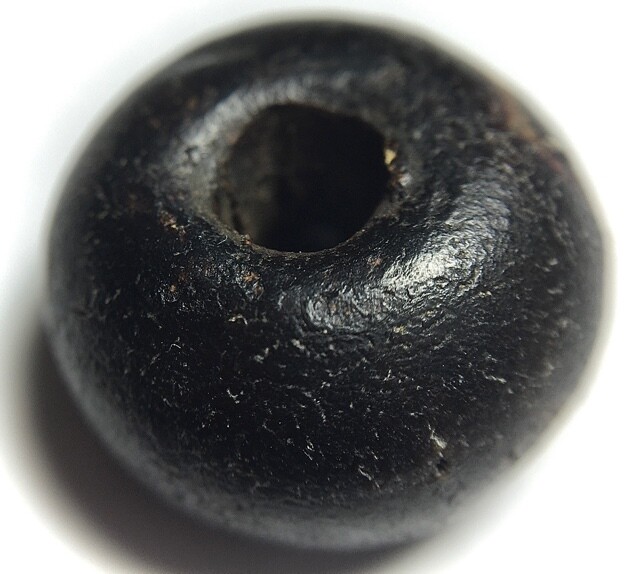
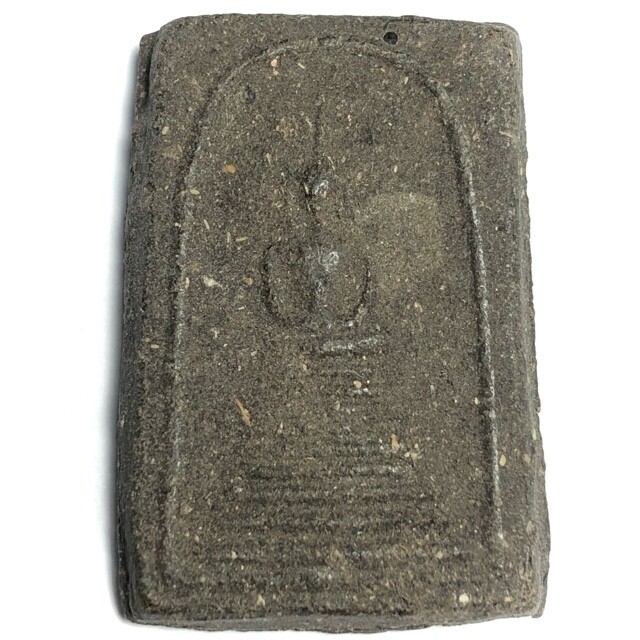
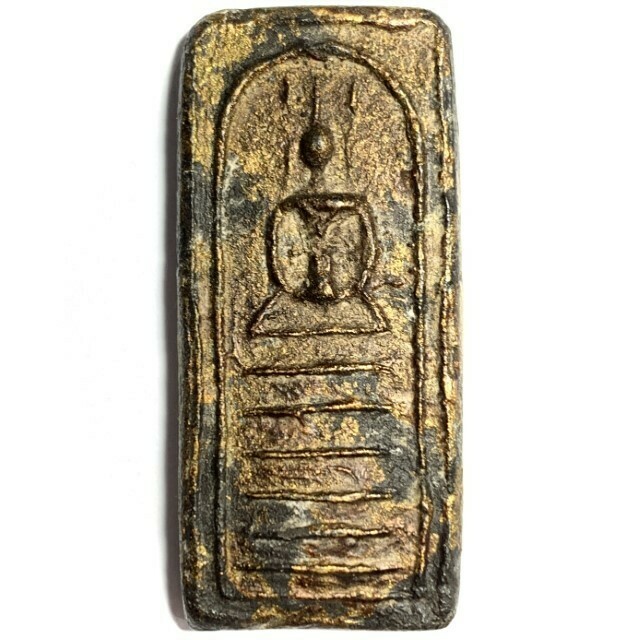
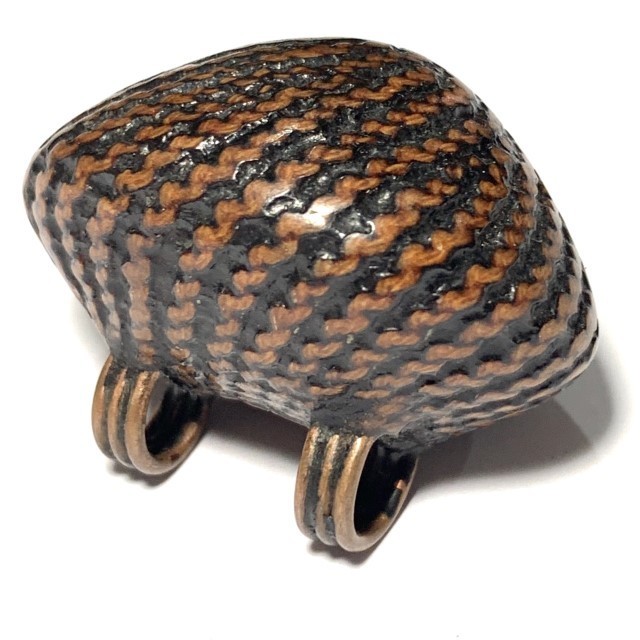
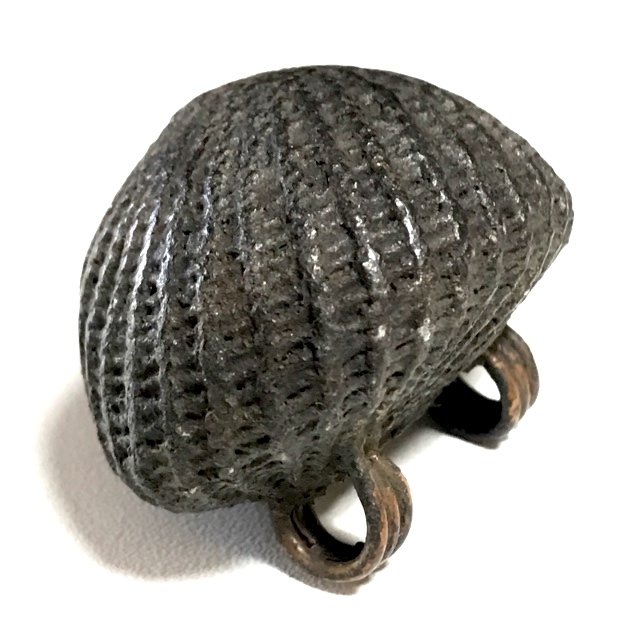
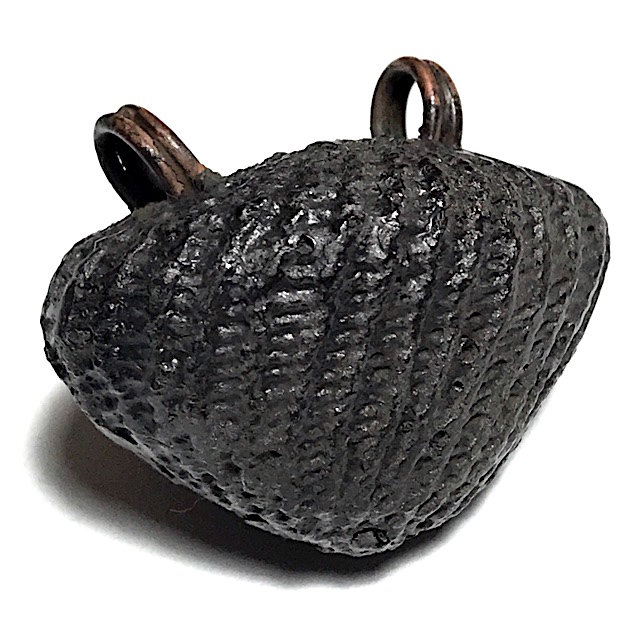
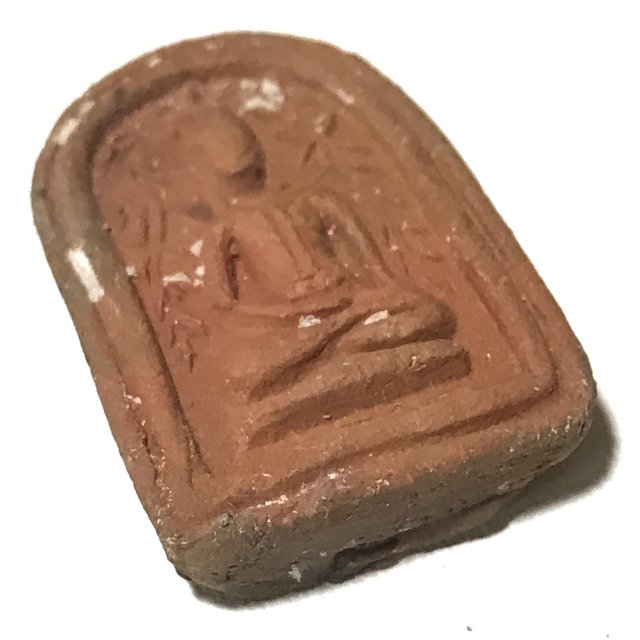
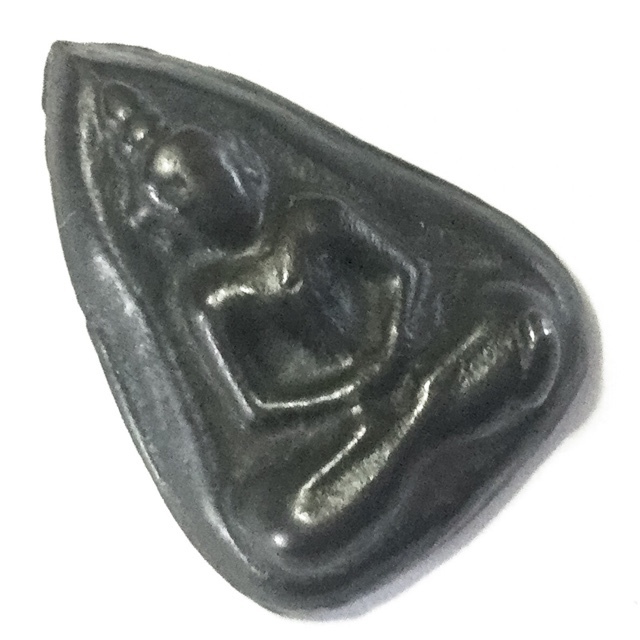
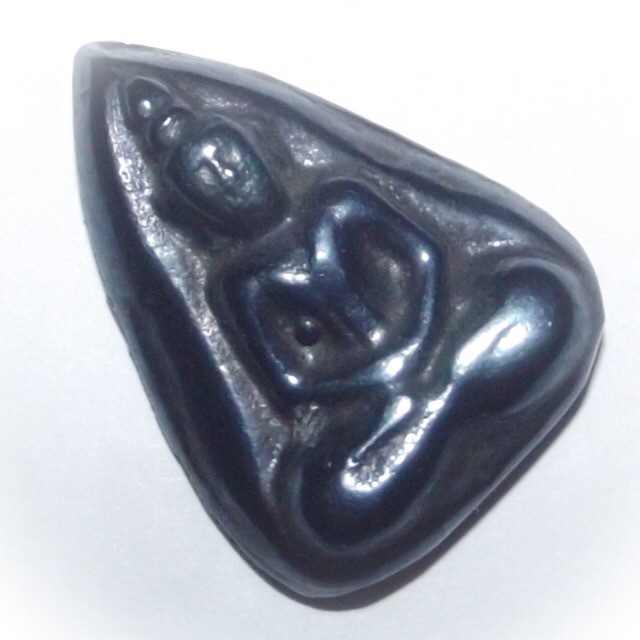
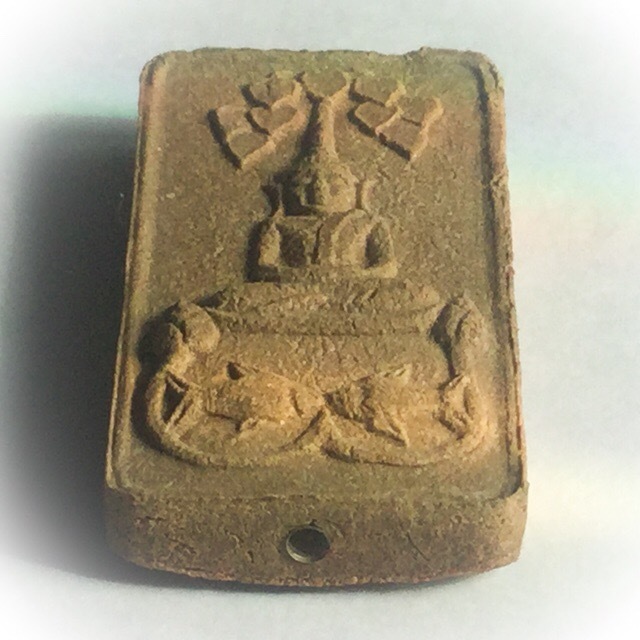



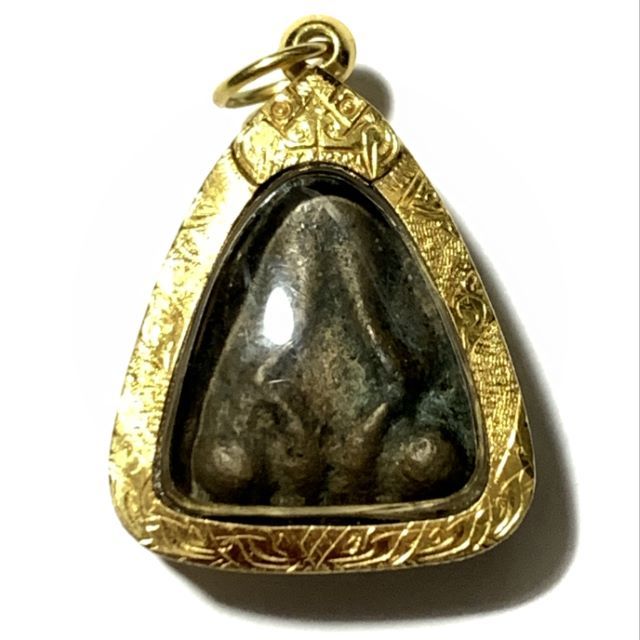
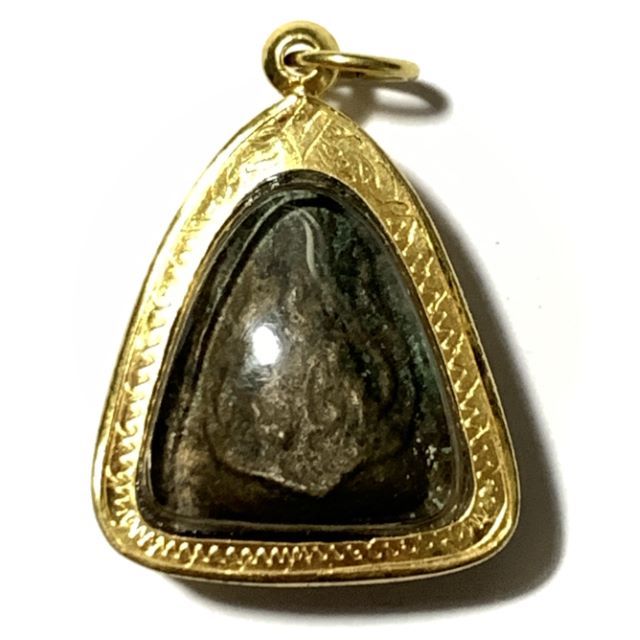
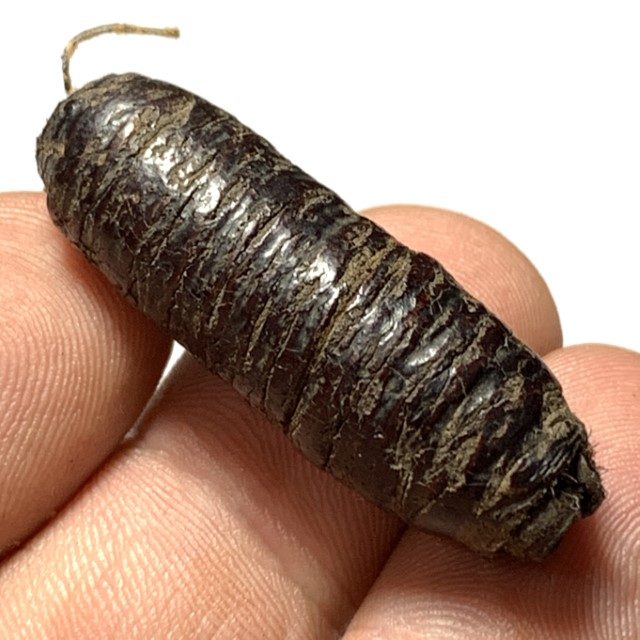
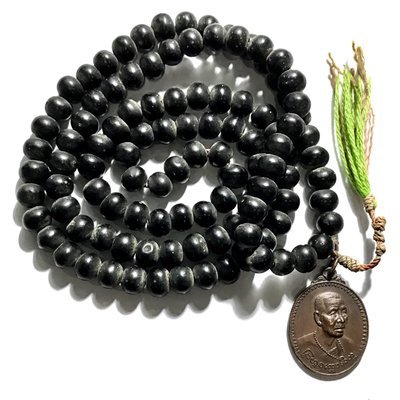
 Free EMS Express Airmail Registered Shipping Worldwide is included with this amulet. A Master Class amulet from the great Master of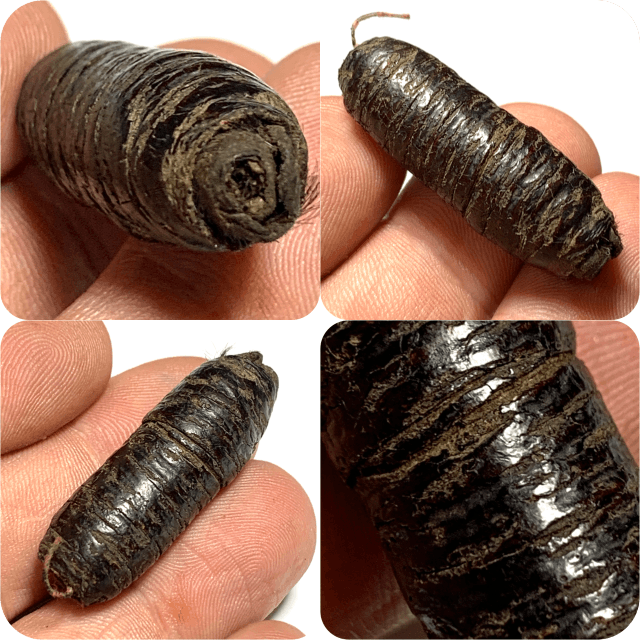
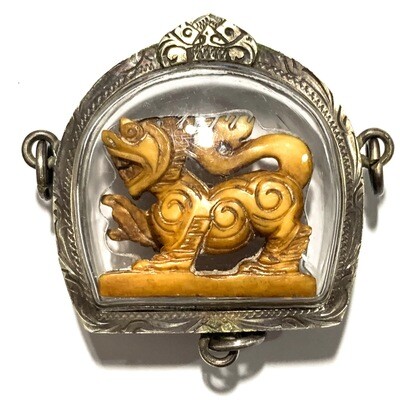
 A Centenarian Amulet of Immense Value for the Sacred Powerful Blessings of the Great LP Bun, its Historical Importance, and Rarity as an Ancient Amulet of Master-Class Status, as well as for being a masterpiece of antique magical heritage and Buddhist Historic importance, in a substance that is no longer to be found used in the making of modern amulets, due to the ban on ivory and tiger hide and teeth, which only permits antiques of ancient origins to continue to exist.