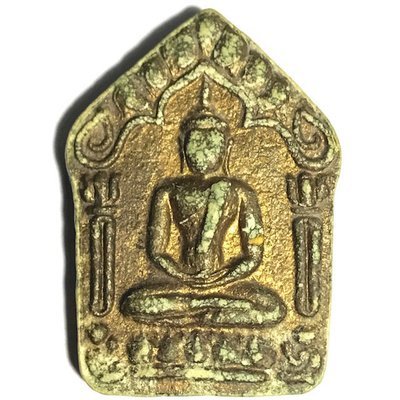
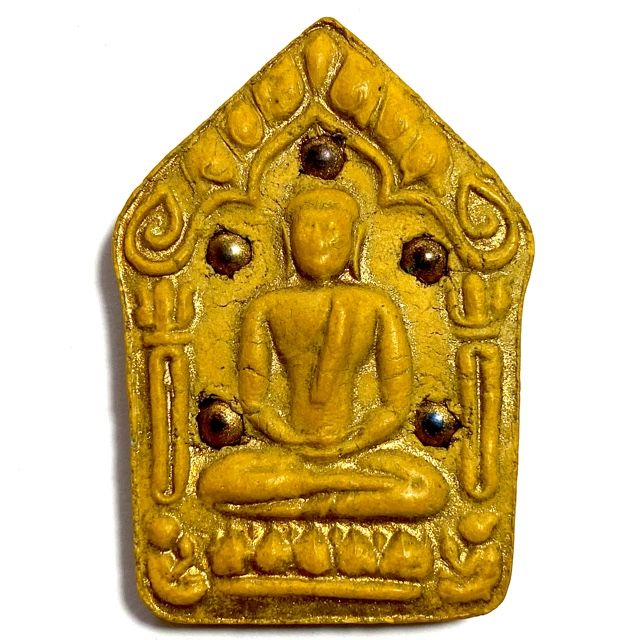
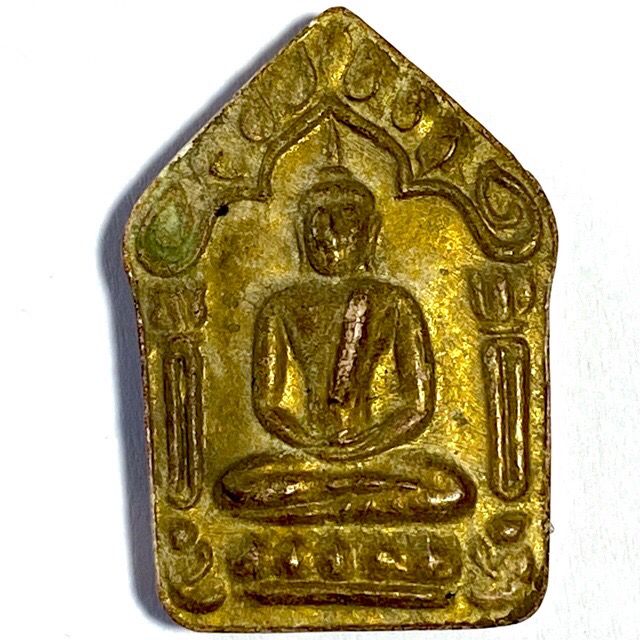
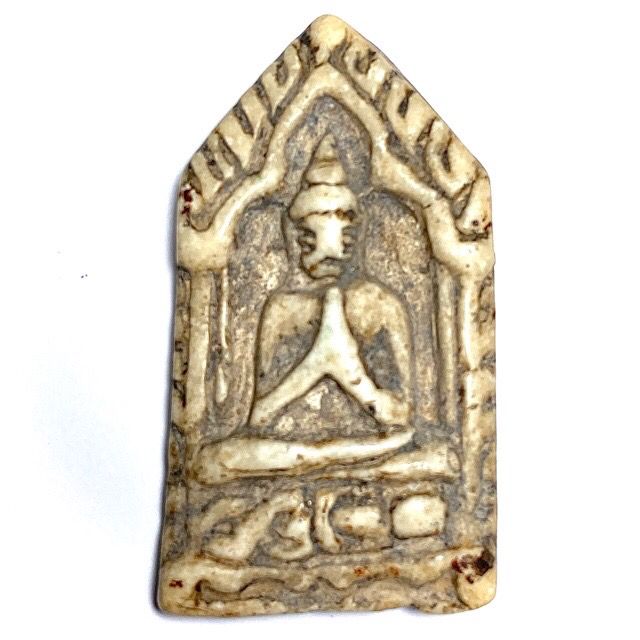
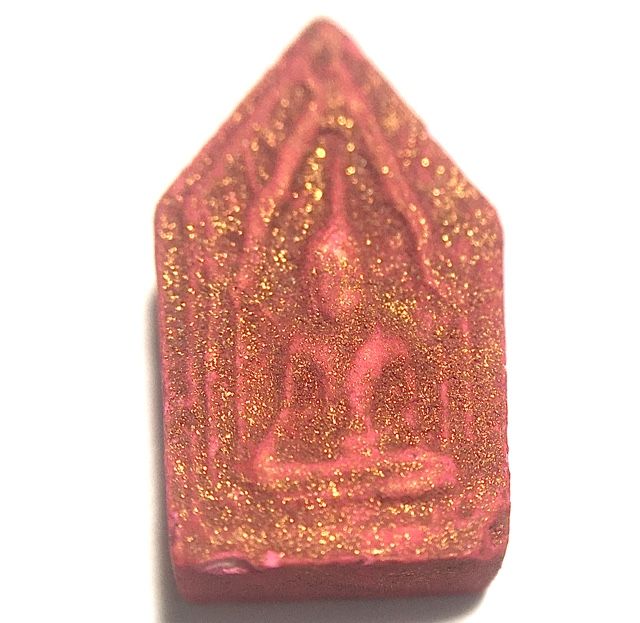
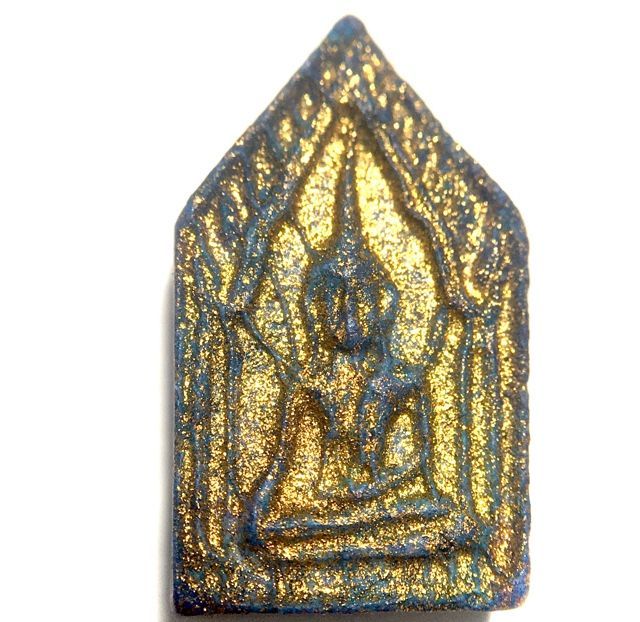
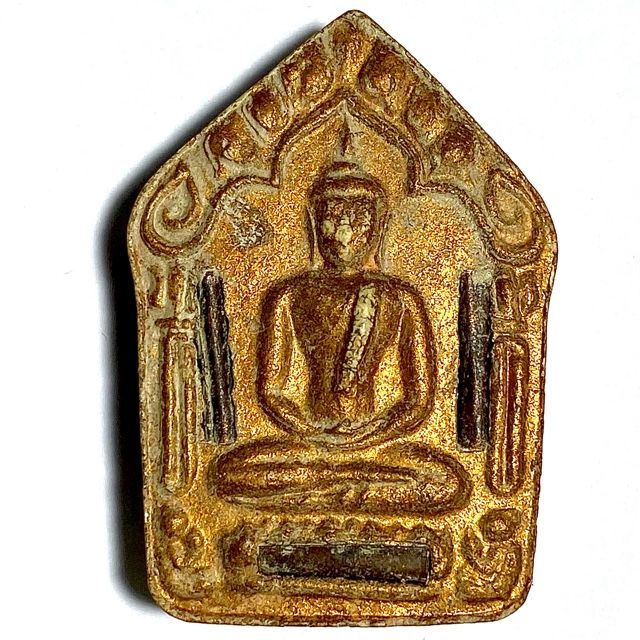
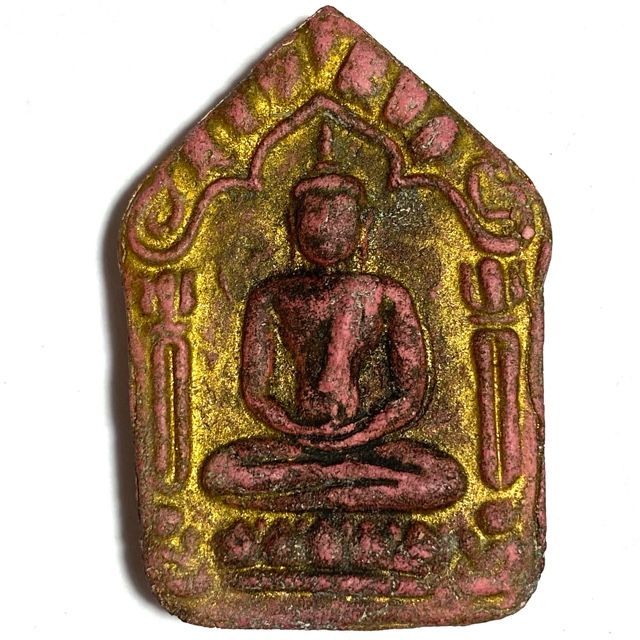
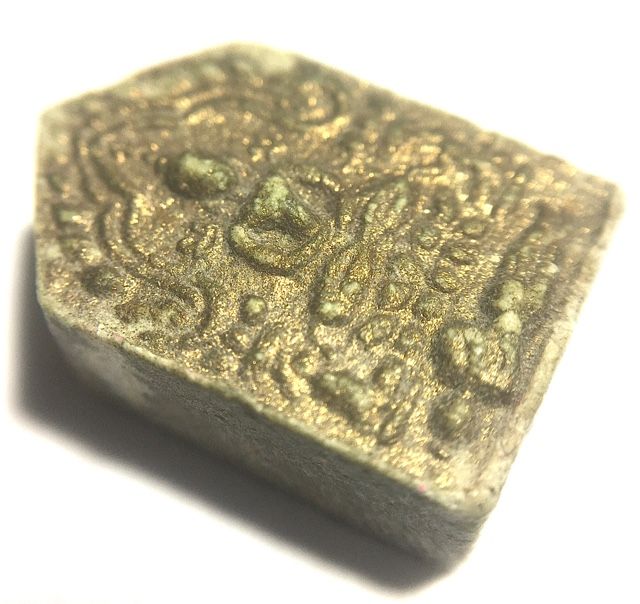
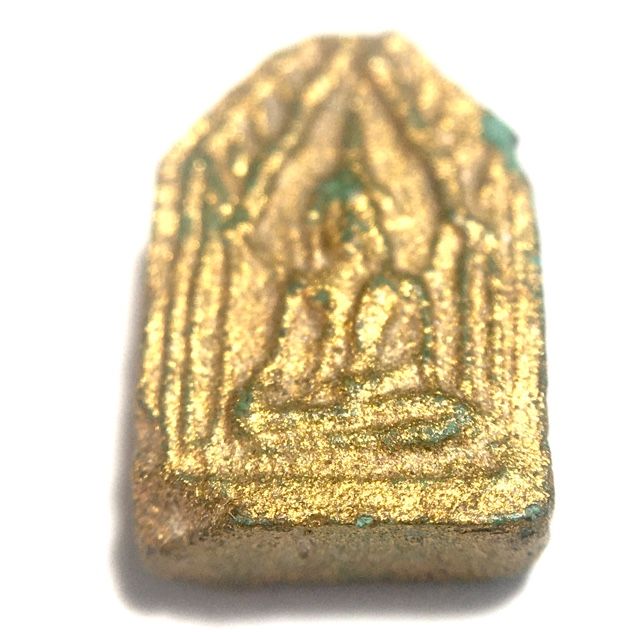
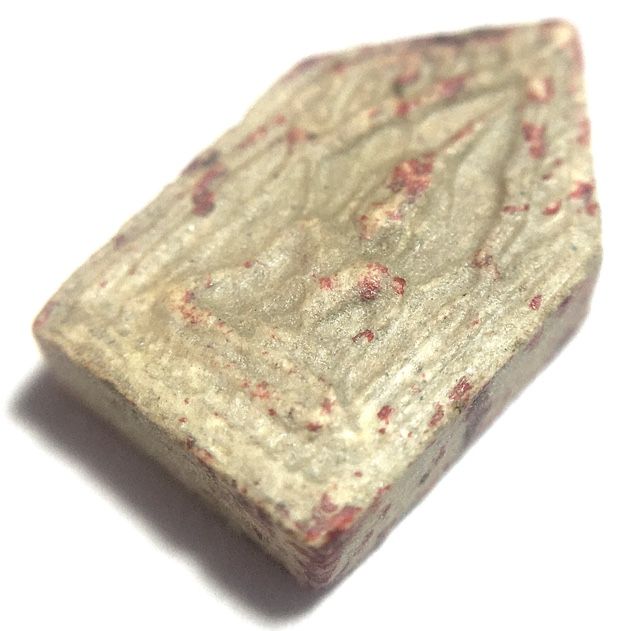
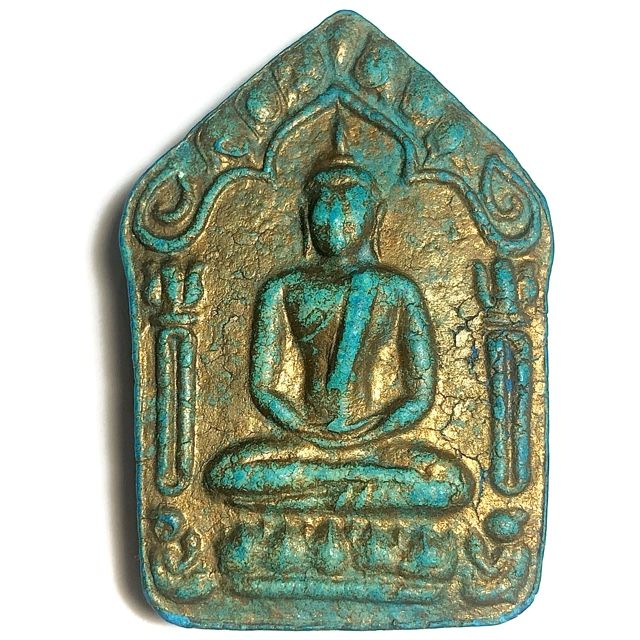
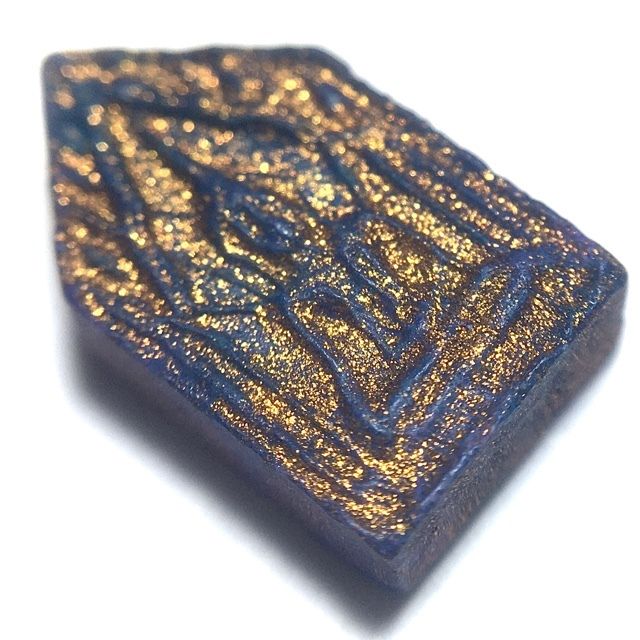
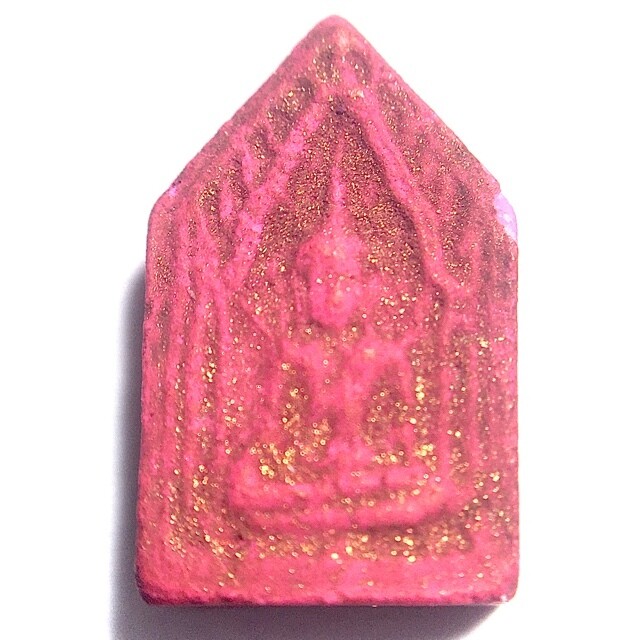
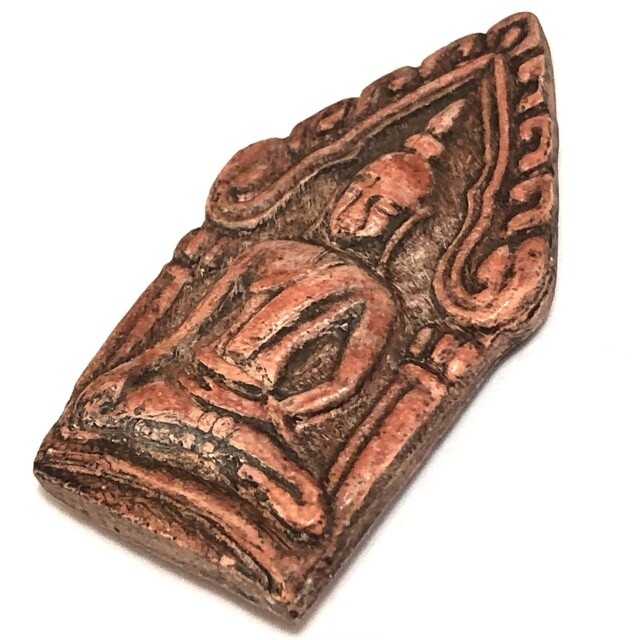
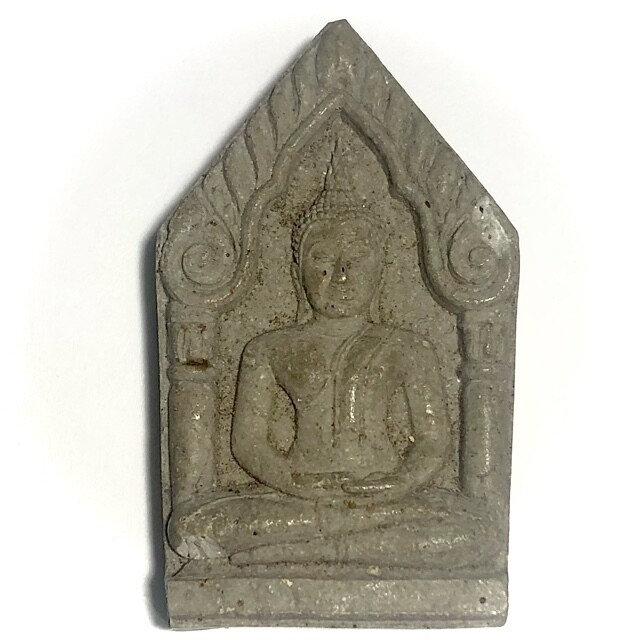
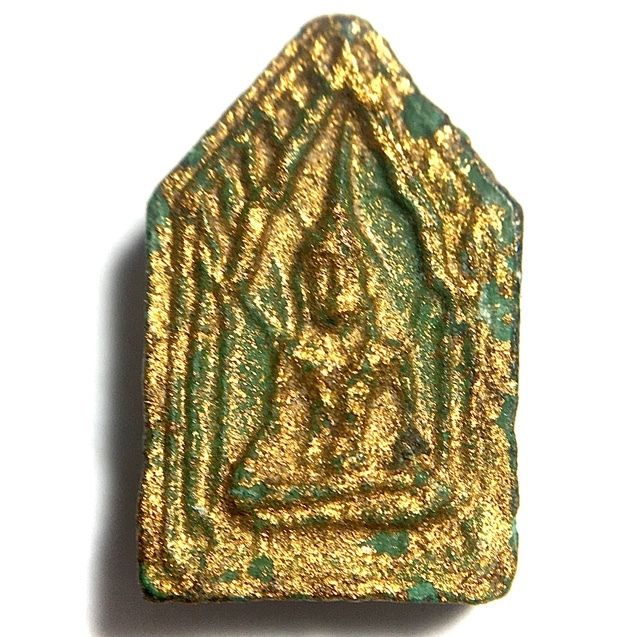
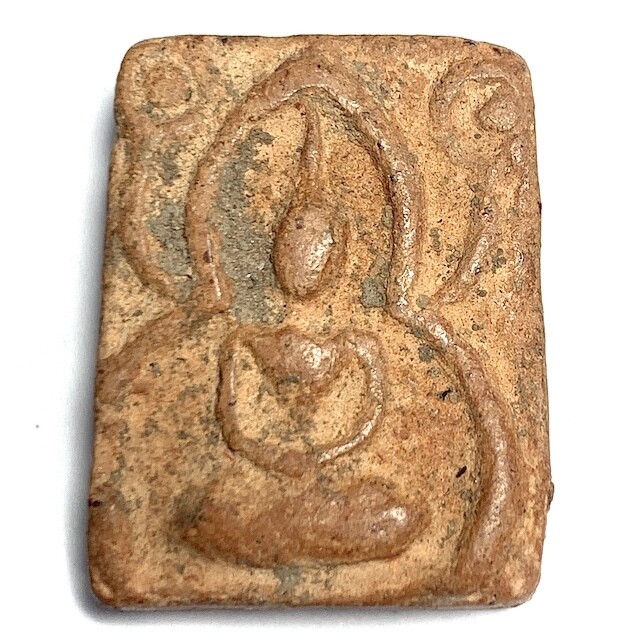
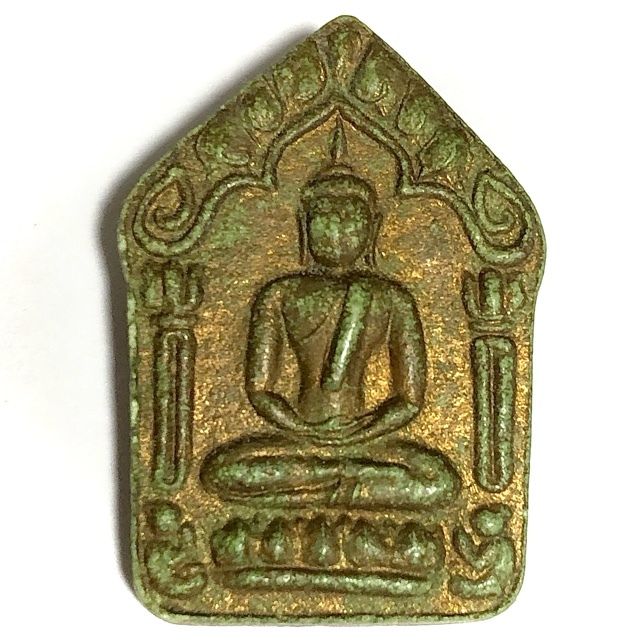
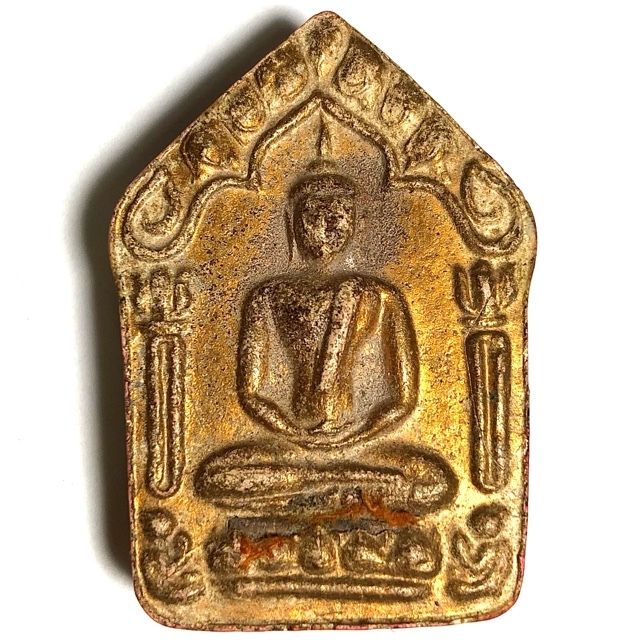
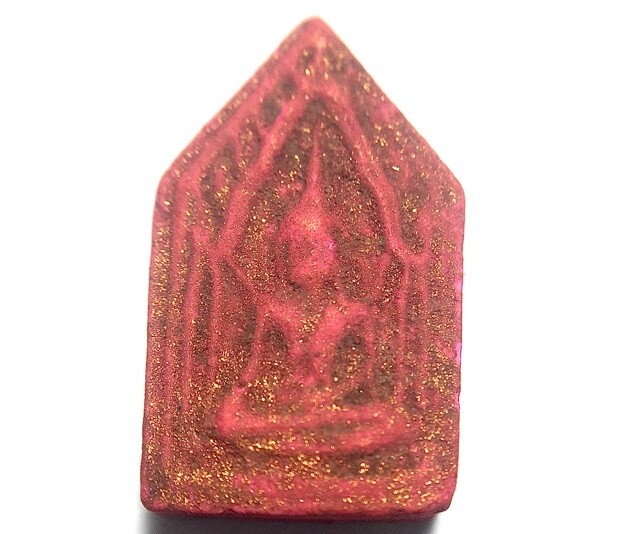
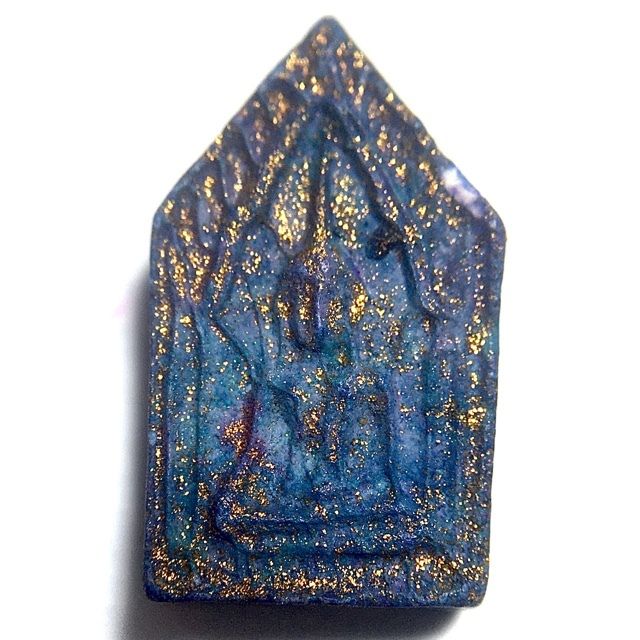
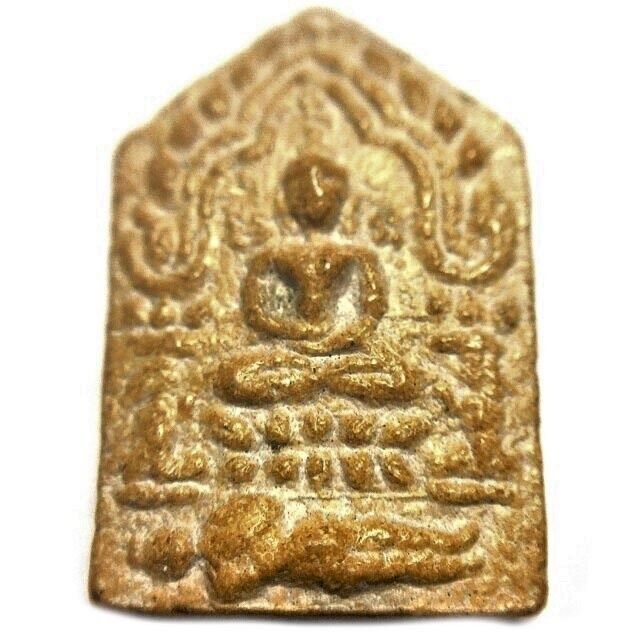
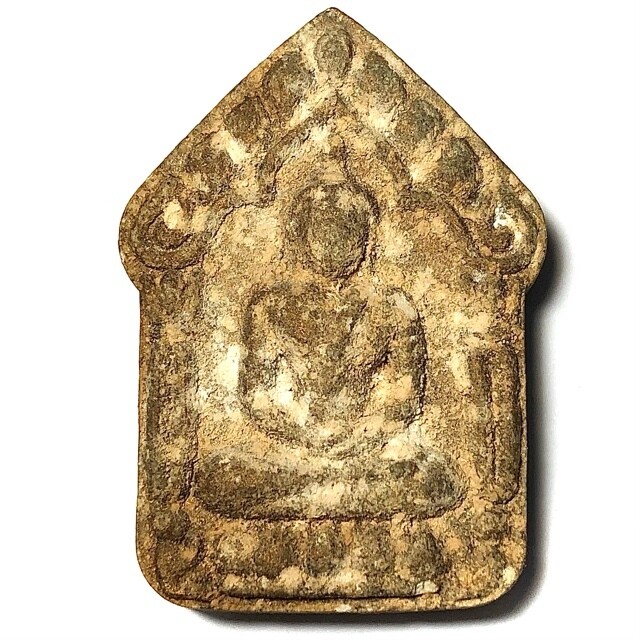
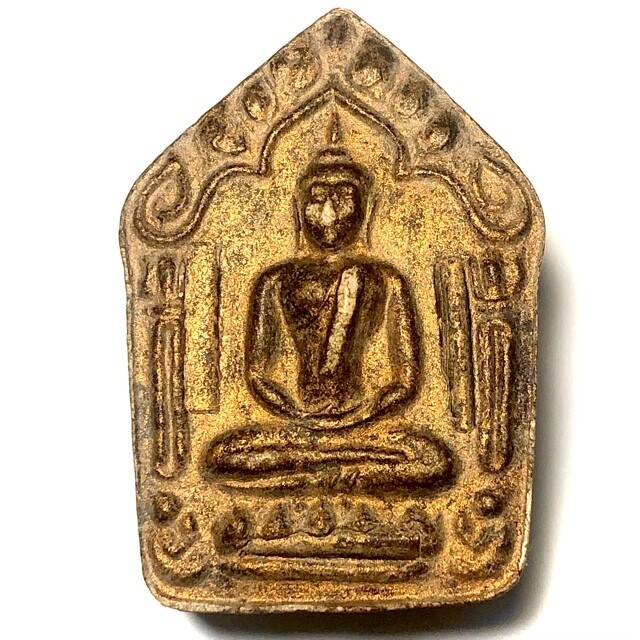
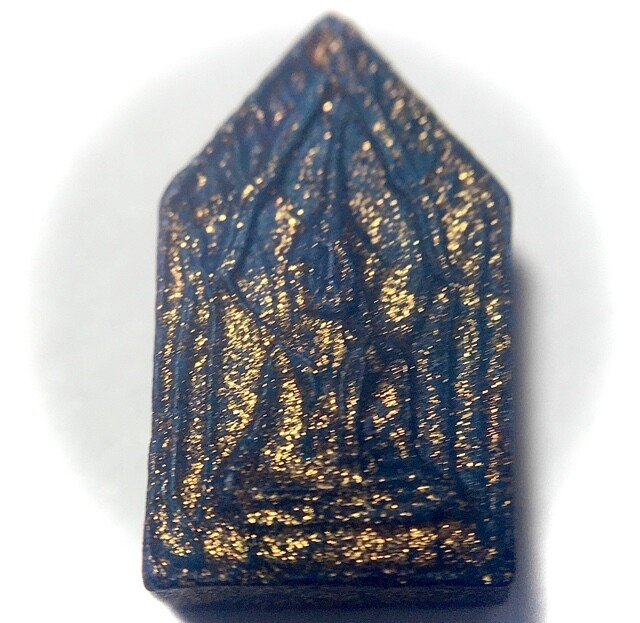
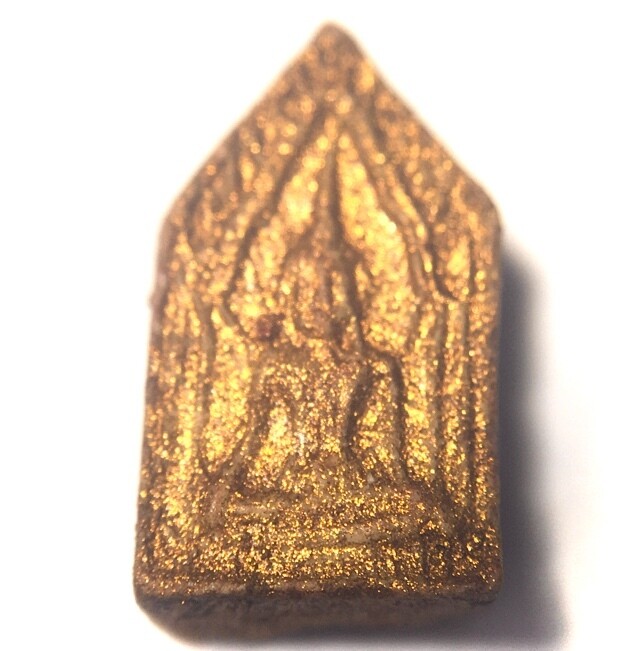
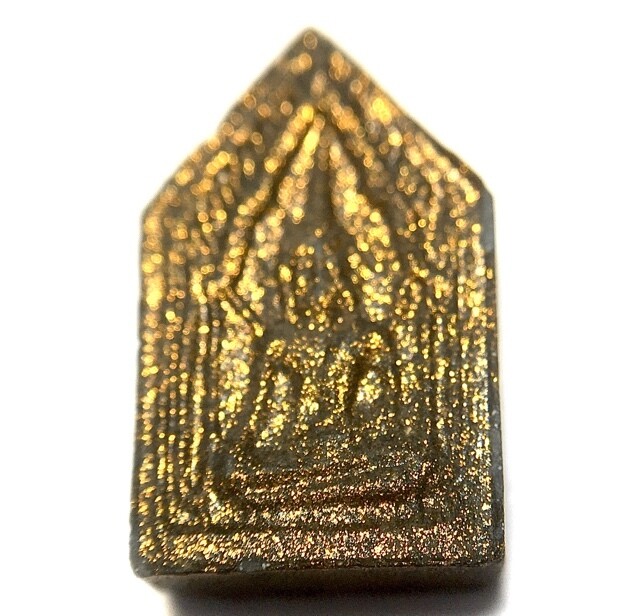
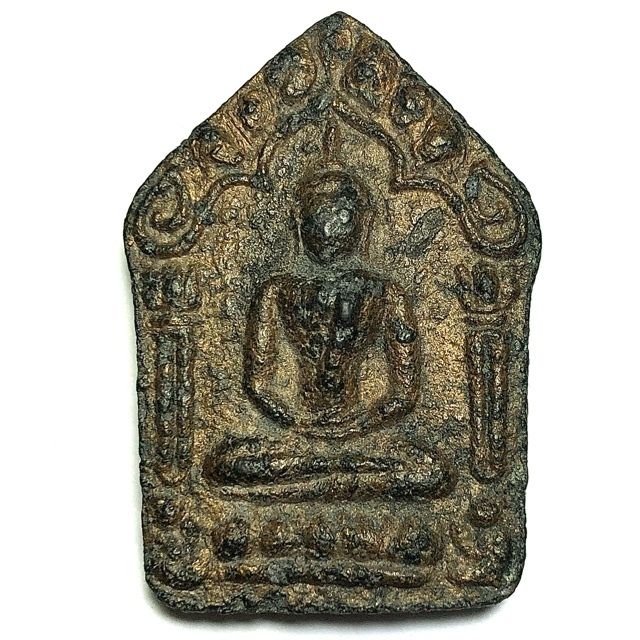
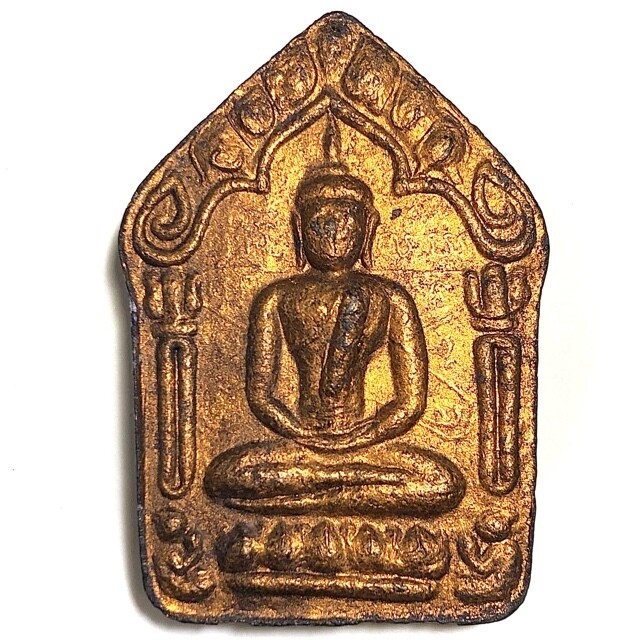
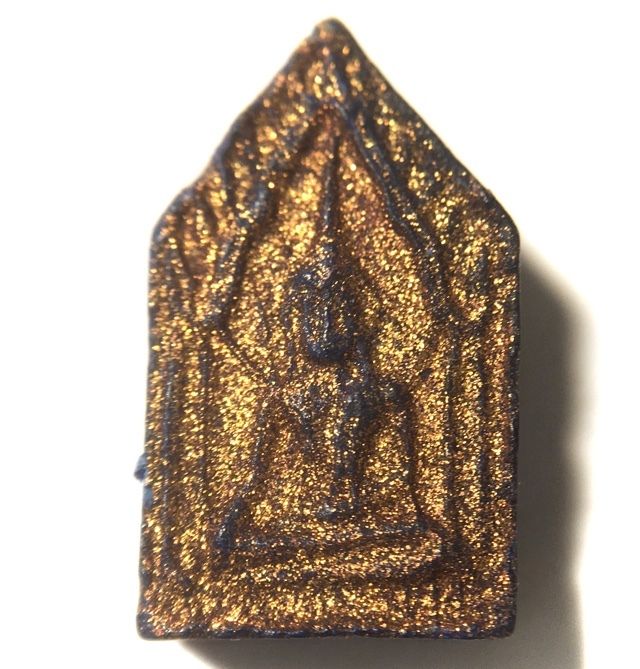
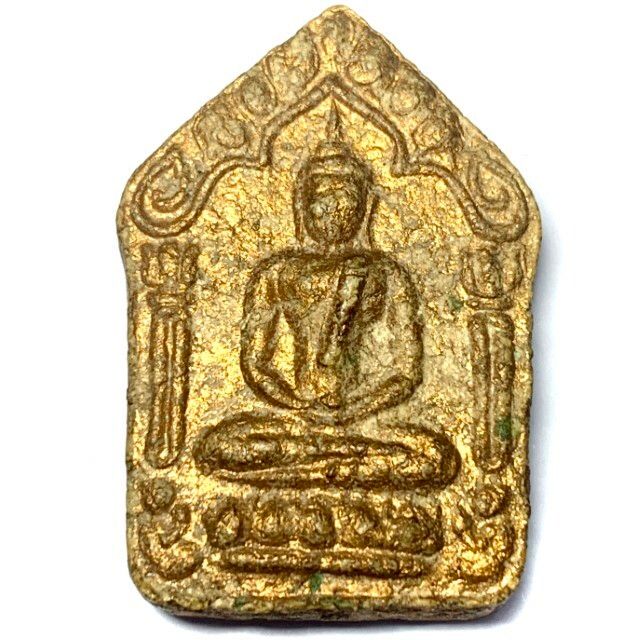
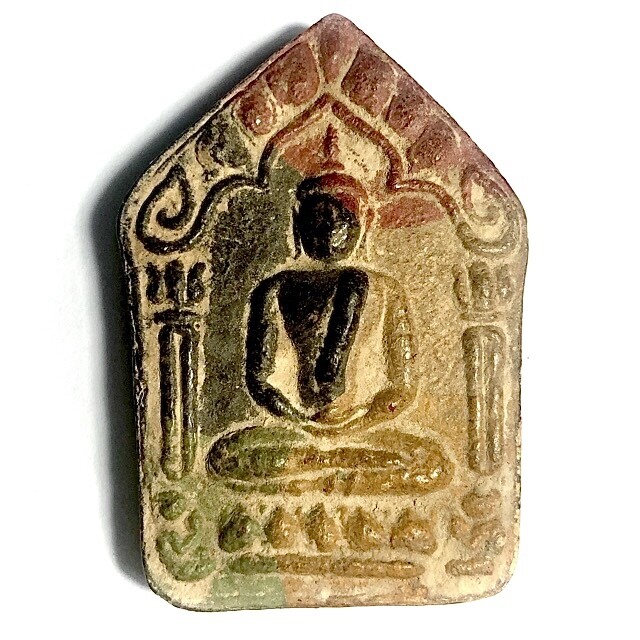
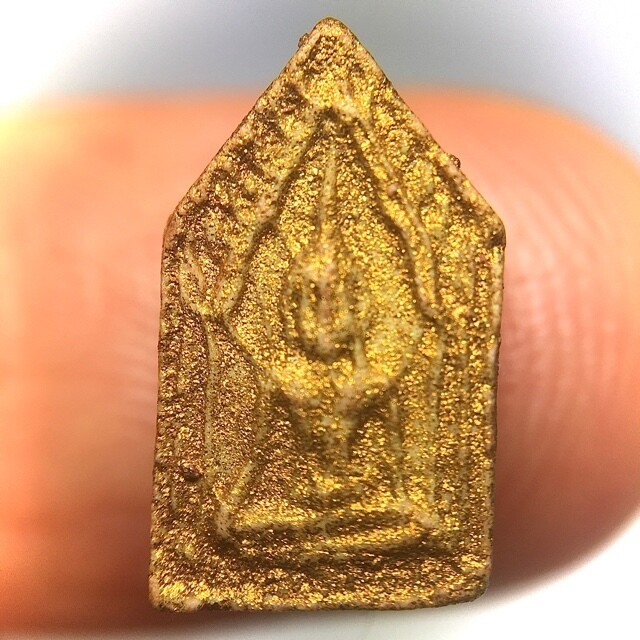
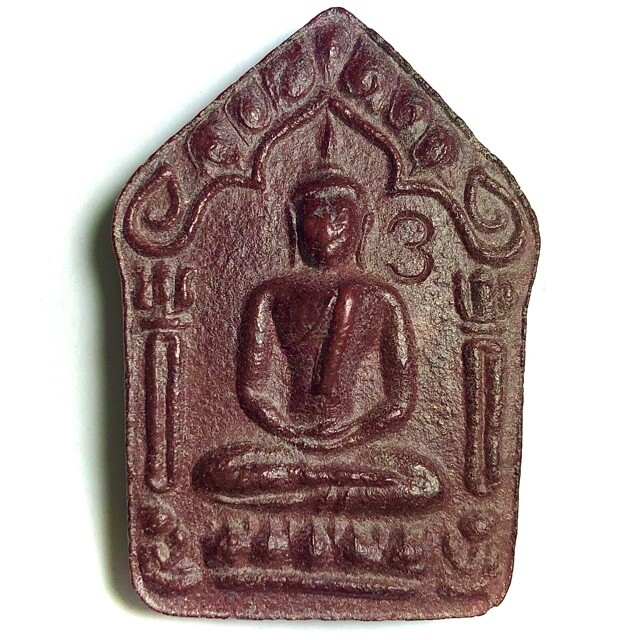
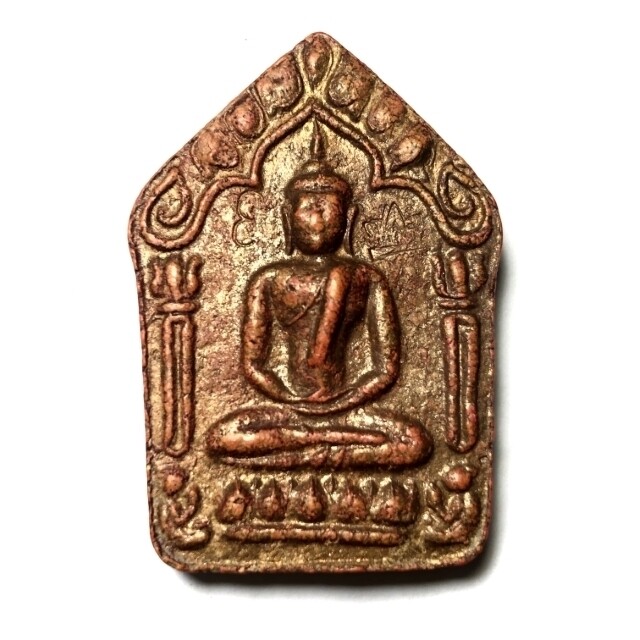
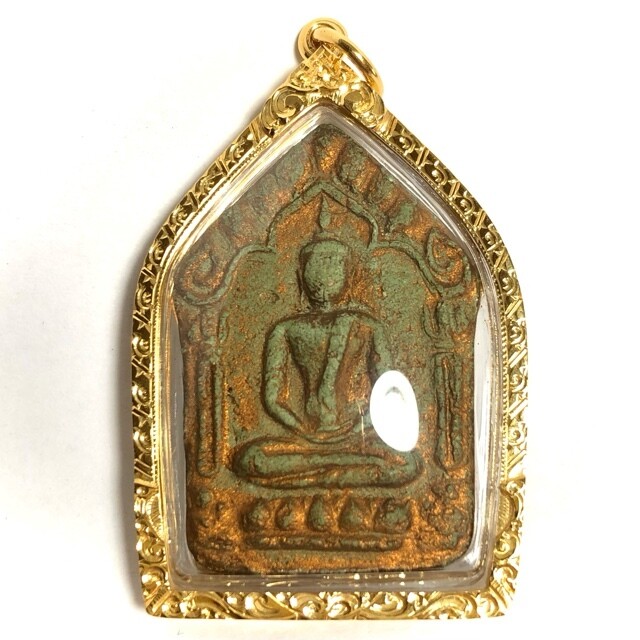
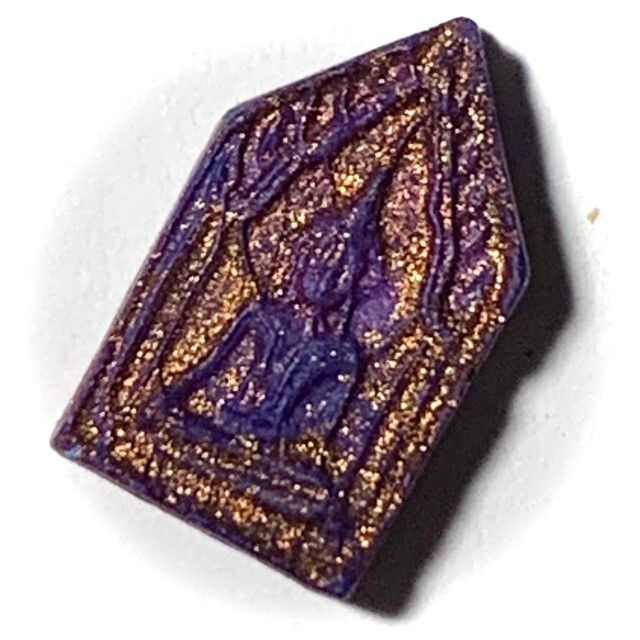
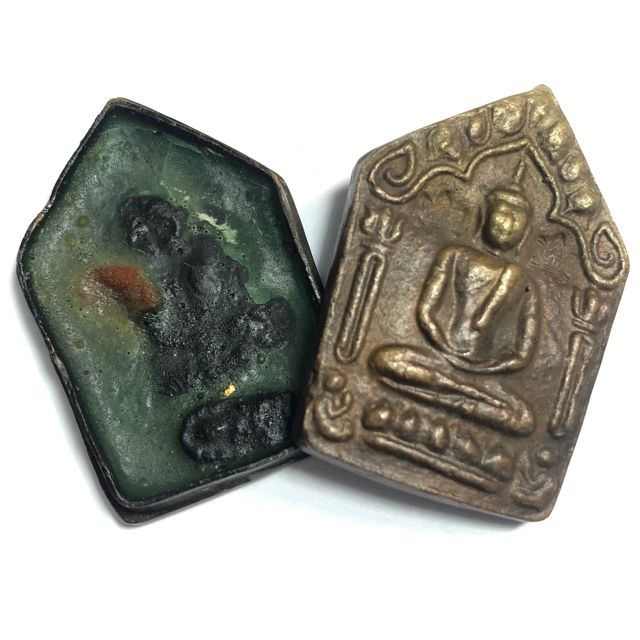
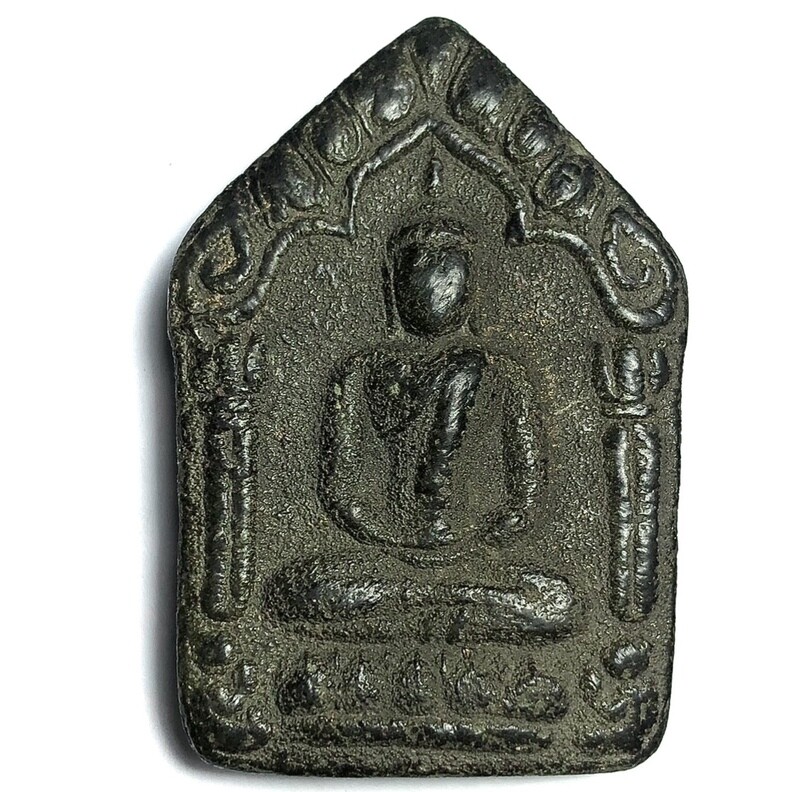
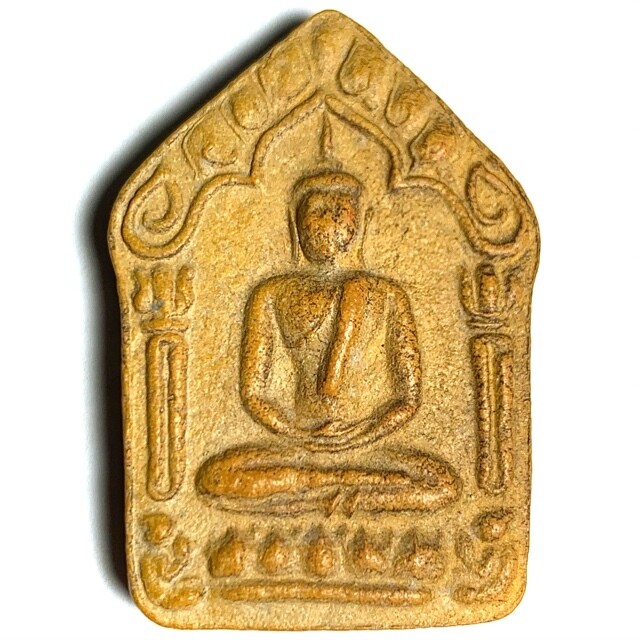
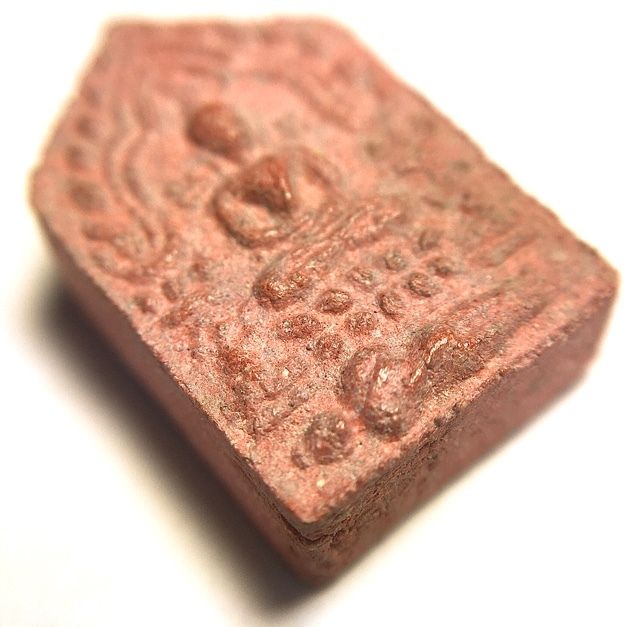
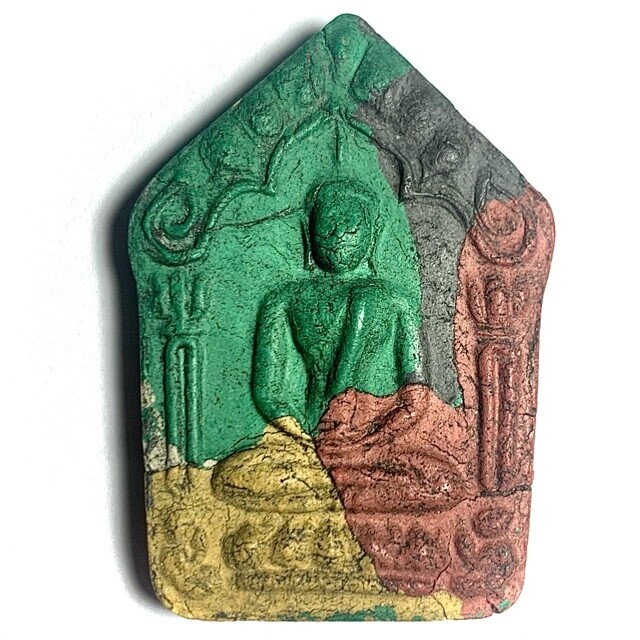
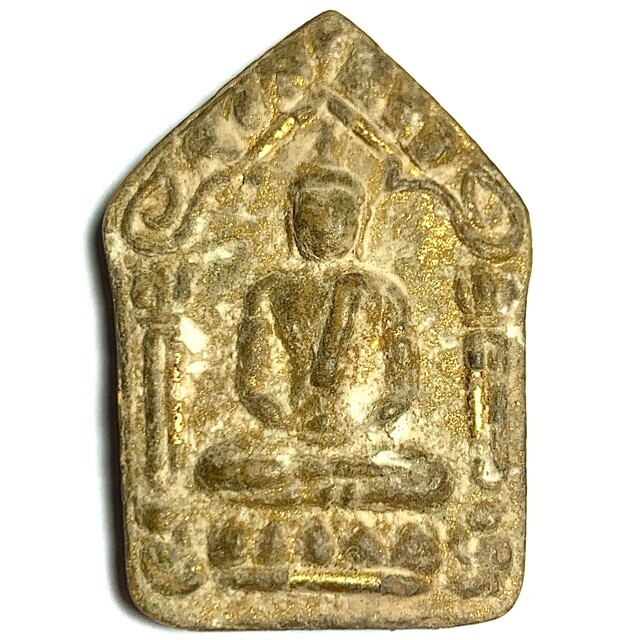
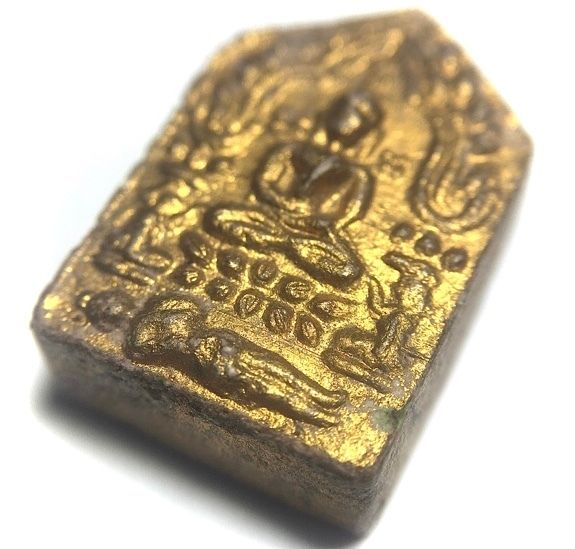
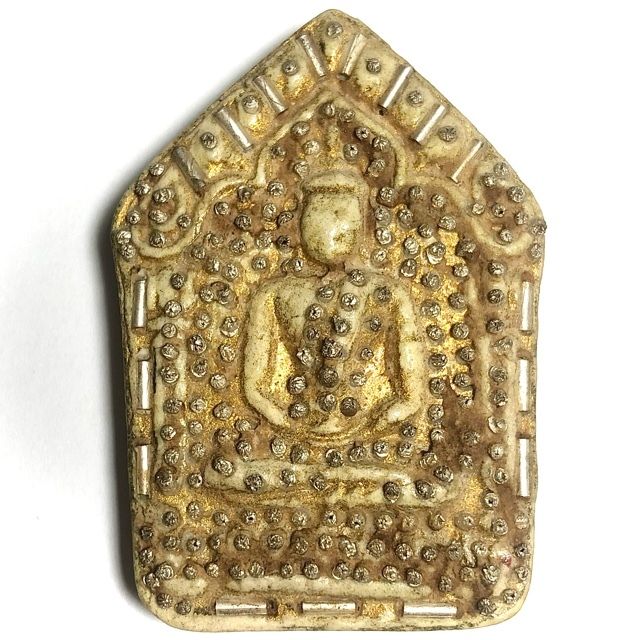
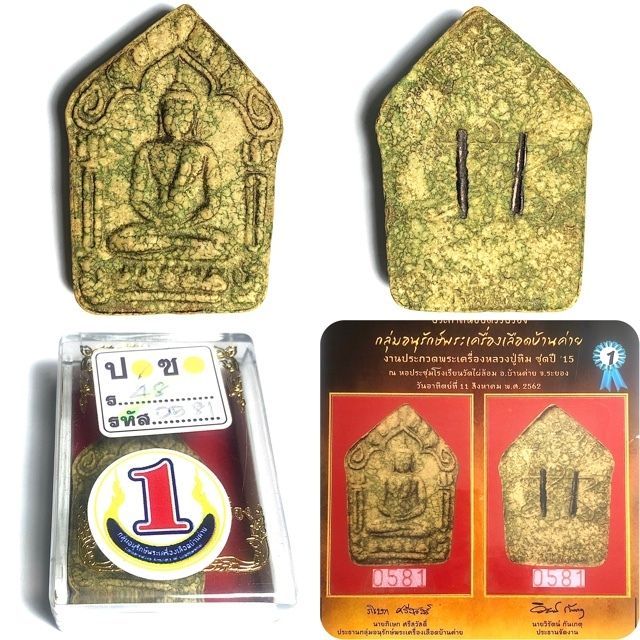
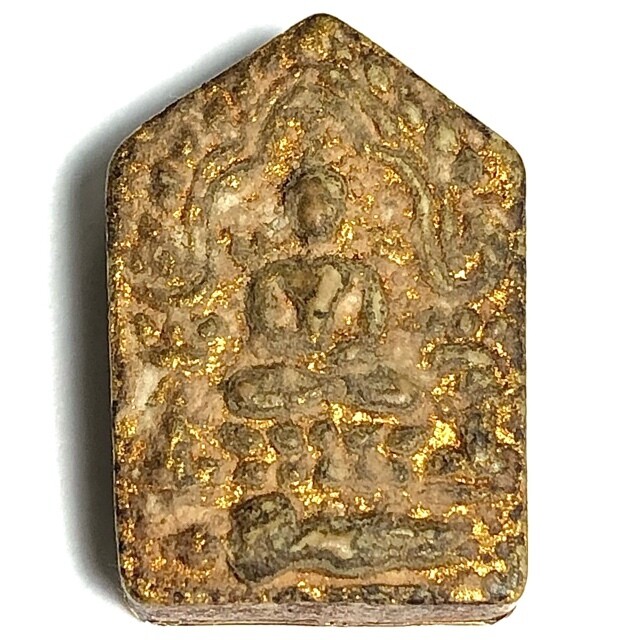
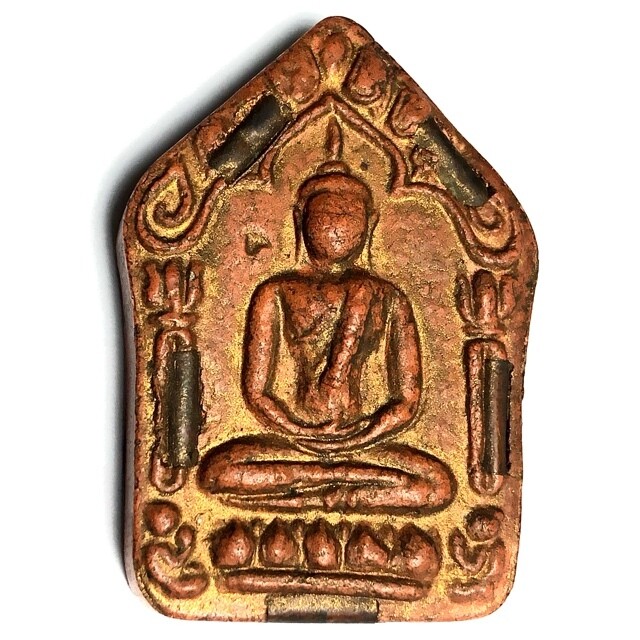
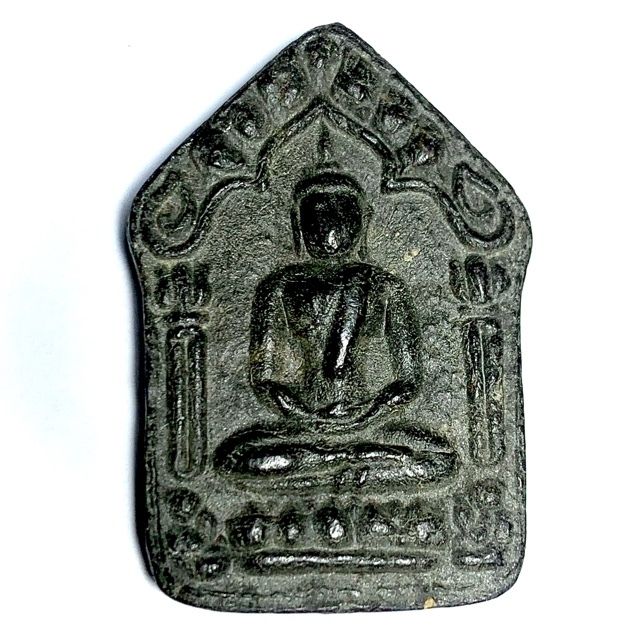
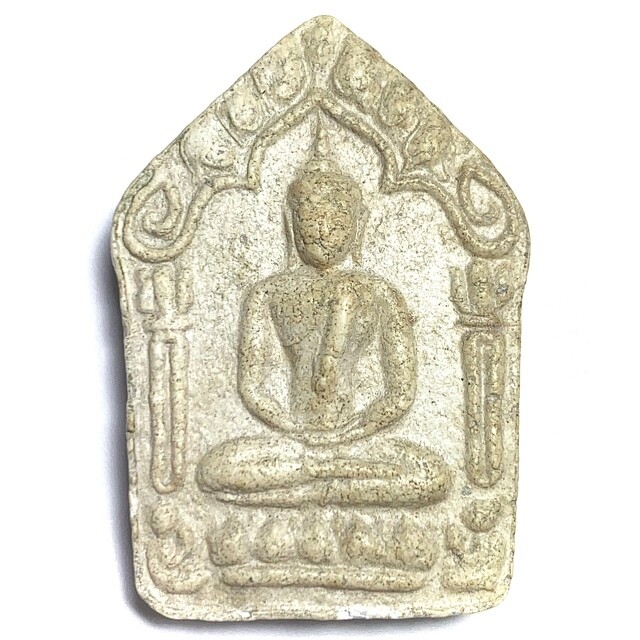
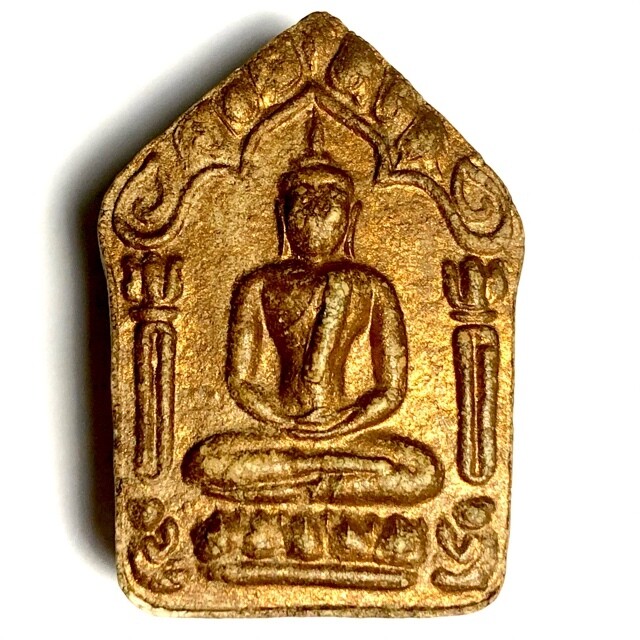
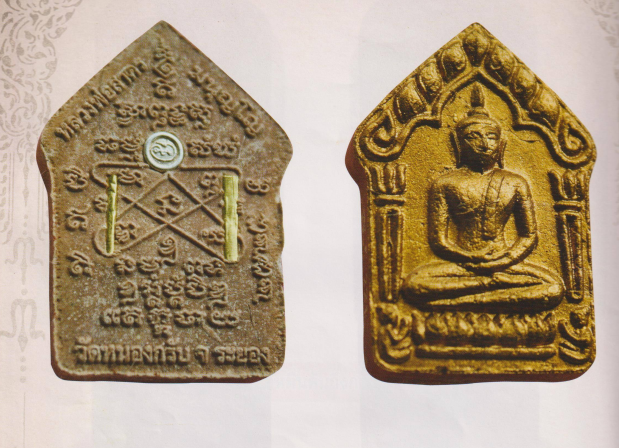
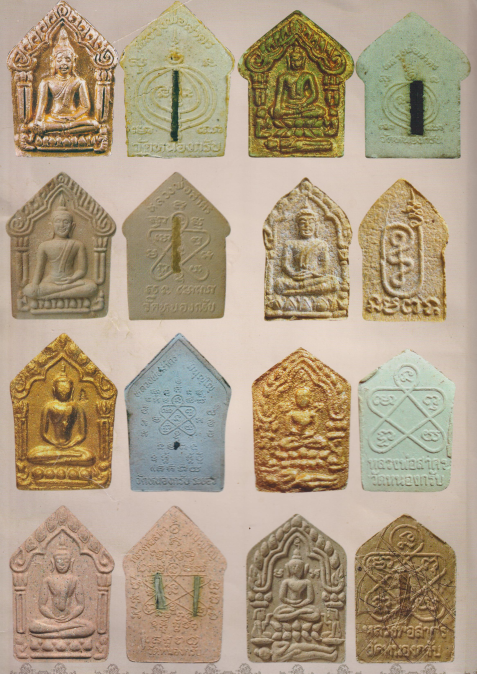
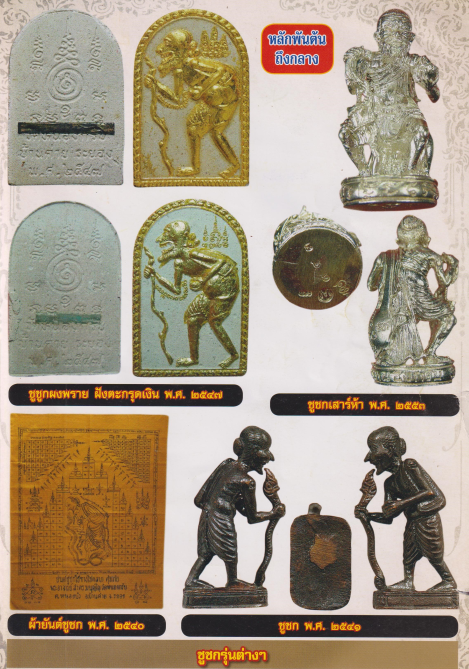
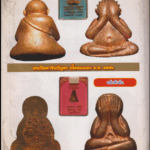
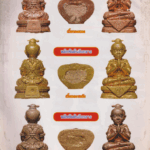
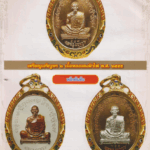
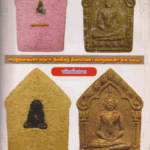
This article takes a deep look into the Legend of the Pra Nang Kwak Na Pokasap Powder Amulet and the Register of Sacred Objects by Luang Por Sakorn, Wat Nong Grub , B.E. 2548 (2005), as a study of amulets of Spiritual and Magical, and Cultural Heritage of Buddhist Sorcery  (Buddha Magic), from Thailand’s Eastern-Central Region

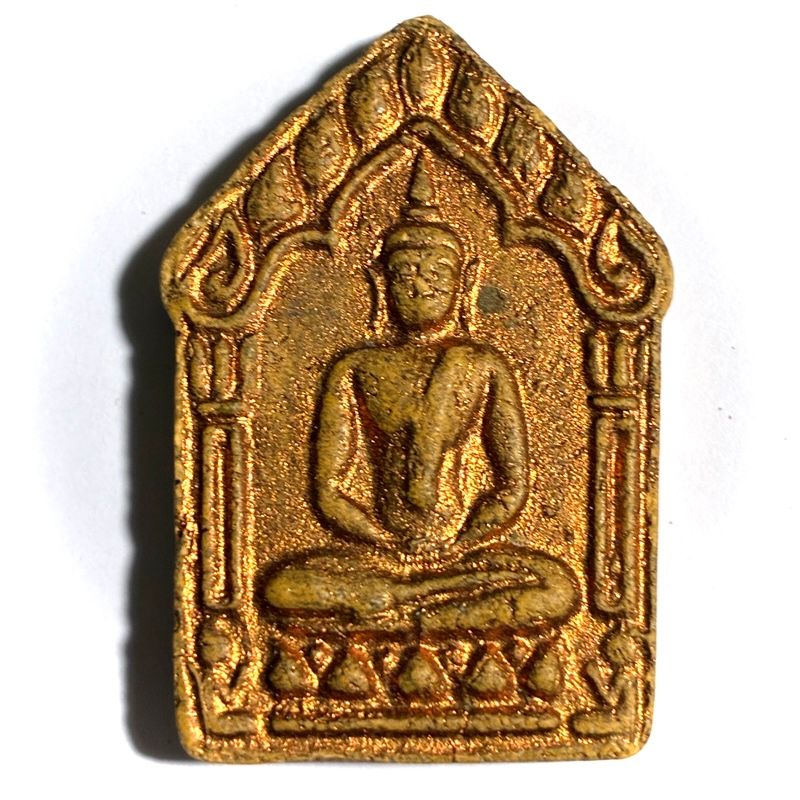
Pra Nang Kwak Na Pokasap LP Sakorn 2548 BE

The eastern region of Thailand, particularly Rayong province, is historically recognized as the land of highly knowledgeable monastic masters (Gaeji Ajarn) and esoteric sciences passed down through the ages. Amidst a widespread wave of devotion, the name “Luang Por Sakorn Manunyo” of Wat Nong Grub has become a symbol of sanctity, as the sole heir of the Buddhist sorcery lineage trusted by Luang Pu Tim Isariko of Wat Laharn Rai to continue the creation of the famous “Pong Prai Kumarn” (Prai Kumarn Powder).

Below: English Audio Podcast

The creation of sacred objects in B.E. 2548 (2005), especially the “Pra Nang Kwak Na Pokasap Powder Amulet,” is considered a significant occasion that perfectly merged the finest sacred materials, potent spiritual power, and legendary mythology. This was intended to be a spiritual anchor and a supreme enhancer of destiny for those faithful to Metta Mahaniyom (loving-kindness and great charm) and Chokelarb (good fortune).

Below: Podcast Aux Francais.

The Path of Vision and Buddhist Artistry: The Prai Kumarn Powder Nang Kwak Na Pokasap Amulet, B.E. 2548

Pra Pimp Nang Kwak Nuea Pong Prai Kumarn LP Sakorn

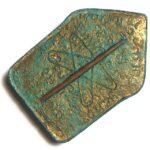
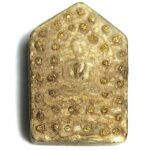
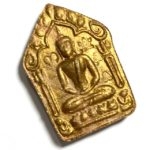
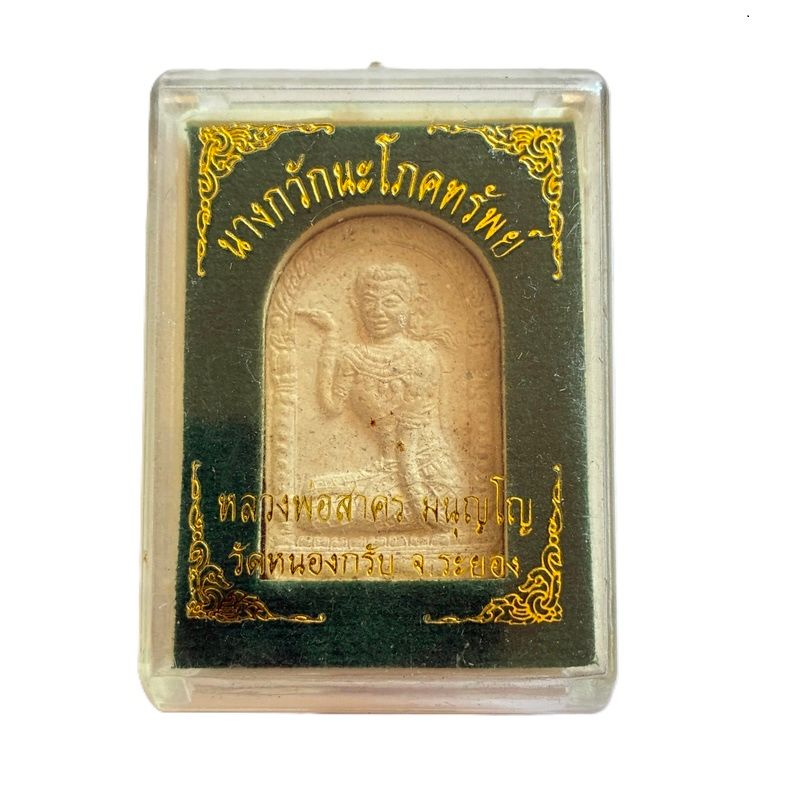
In the year B.E. 2548, Luang Por Sakorn Manunyo initiated the creation of the Nang Kwak amulet mold, giving it the auspicious name “Nang Kwak Na Pokasap” to emphasize its power to attract wealth and prosperity. The story of this amulet must begin with the meticulous design of its Buddha image, a model of the Mae Nang Kwak in a posture radiating compassion. She sits neatly with folded legs, her right hand raised high above her mouth in a beckoning gesture to call forth fortune. This gesture is an esoteric principle signifying “Kin Mai Mot” (never-ending sustenance) or having abundant wealth for all time.

Below: Podcast in Chinese (下方:中文播客)

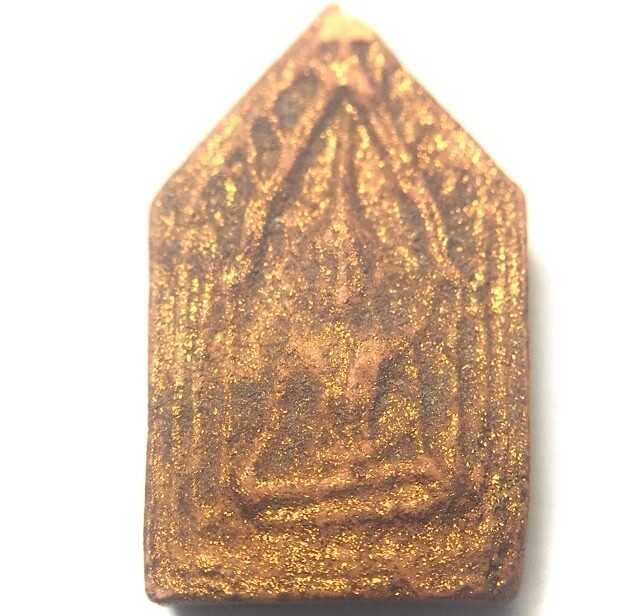
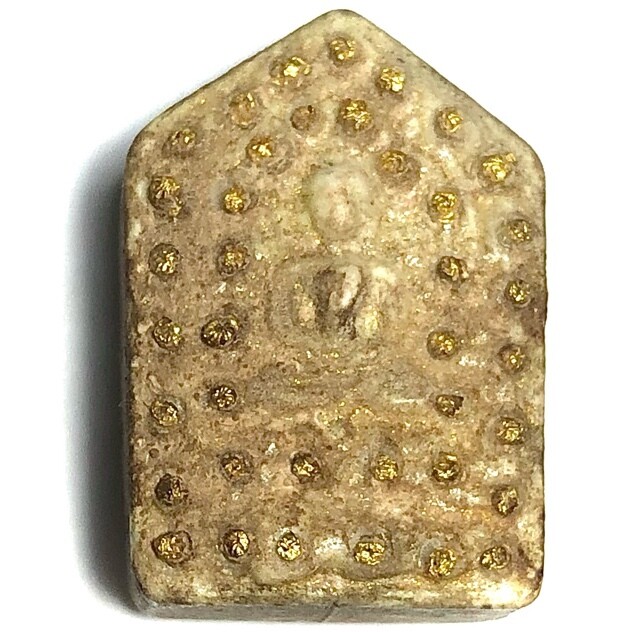
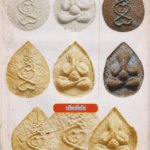
This specific batch of Pra Nang Kwak Na Pokasap, particularly the “Powder-Only (No Takrut)” version, stands out due to its concentrated material content. Without the need to sacrifice surface area for embedding a metal Takrut scroll, the devotee can fully experience the essence of the Prai Kumarn powder and various sacred materials.

The body of the amulet is typically a clean white or “Nuea Khao” (white flesh), with some pieces being “Long Thong” or partially gilded with gold leaf to enhance elegance and auspiciousness. This batch is generally clearly stamped with a code and serial number on the side of the amulet to confirm authenticity and prevent future counterfeiting.

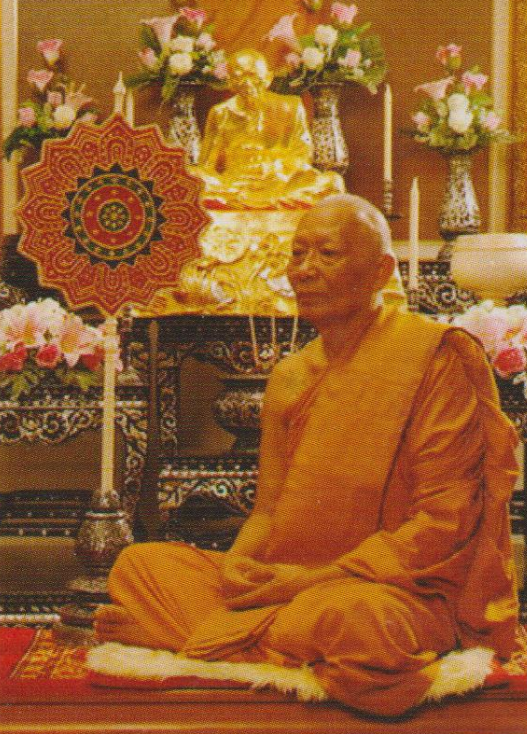
Luang Por Sakorn Manunyo

Luang Por Sakorn - Rian Jao Sua, other amulets, his Wicha, and teachings on Occultism and Necromancy

Physical Characteristics and Creation Details

The assessment of the Pra Nang Kwak Na Pokasap B.E. 2548, pure powder version, requires expertise in examining the texture, which is soft yet firm (Nuea Nuam)—a unique characteristic of powder amulets from the Wat Nong Grub lineage. The weight of the amulet is balanced, not overly light, and it lacks a harsh chemical odor, as most ingredients are derived from natural materials and sacred herbs (Wahn Sak-sit).
Nang Kwak amulet LP Sakorn 2548

Amulet Specification Creation Detail
Official Batch Name Nang Kwak Na Pokasap (sometimes called Nang Kwak Prai Kumarn Powder)
Year of Creation B.E. 2548 (A.D. 2005)
Shape Rounded rectangular or Moon-Floating (Jan Loi) in some forms
Principal Material Luang Pu Tim’s Prai Kumarn Powder, Minor-Major Mahaniyom Powder, Luang Por Kad’s Holy Flour (Paeng Sek)
Special Characteristics Pure powder (no Takrut), some gilded with gold, stamped with a number and code
Prominent Power (Phutthakhun) Metta Mahaniyom, Maha Saneh (Great Charm), Business/Trade, Attracting Gold and Money

The divine power (Putthanupap) of this Nang Kwak batch is not limited to being a mere talisman for merchants; it also extends to enhancing charisma and gaining the affection of superiors. It is suitable for those who must negotiate important business or require trust and faith in their work. Luang Por Sakorn infused spiritual power through the “Heart of the Millionaire” (Katha Hua Jai Setthi) and “Heart of Sivali” (Katha Hua Jai Sivali) incantations into every particle of the Prai Kumarn powder, making this Nang Kwak amulet highly efficacious and fast-acting for those with steadfast faith.

Thai Amulets Life and Legacy of Luang Por Sakorn

The Legend of the Goddess of Wealth: The Roots and Sanctity of Nang Kwak

To discuss the legendary origins of Nang Kwak, one must go back to the Buddhist era in the Indian Subcontinent (Chomphu Thawiip). The story centers on “Nang Supawadee,” the daughter of a devout merchant. Nang Supawadee received the compassion of the Arahants most excellent in fortune, namely Phra Sivali and Phra Mahakassapa. The two venerable monks bestowed upon her blessings of auspicious speech and an aura of radiating compassion, making it an astonishing miracle that no matter which city she accompanied her father to trade in, all their goods would be beckoned and sold out.

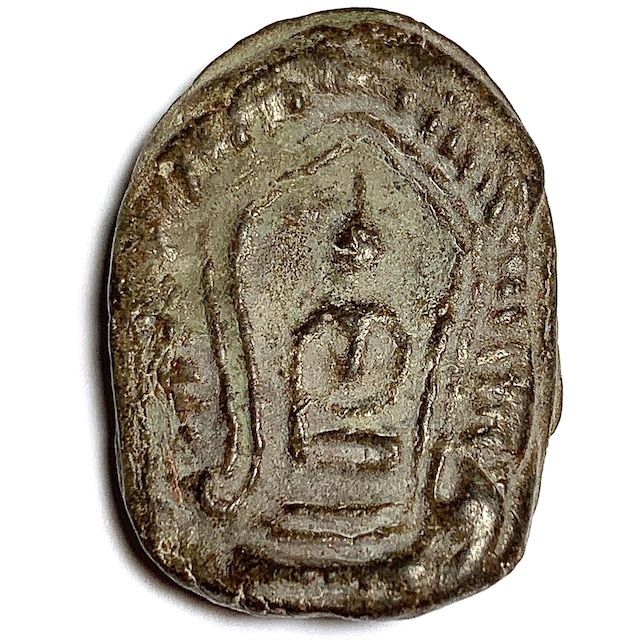
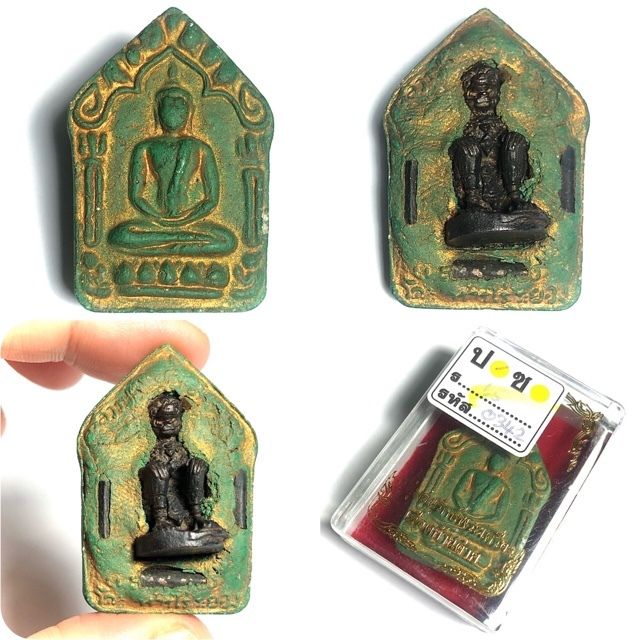
Rear face pf Nang Kwak amulet LP Sakorn 2548

In the Thai People’s common beliefs, Nang Kwak is deeply linked to a deeper local legend, stating that she is the daughter of “Pu Chao Khao Khiao,” the great master of the powerful hermit Ruesi community. The relationship between Pu Chao Khao Khiao and Nang Kwak is conveyed through the worship incantation: “Ohm Pu Chao Khao Khiao has one daughter named Mae Nang Kwak…” This reflects the invocation of the Ruesi’s charisma, the lord of the forest and mountains, to provide protection and bestow good fortune.

Pra Pim Nang Kwak LP Sakorn 2548

How to Worship Mae Nang Kwak for Maximum Efficacy

Luang Por Sakorn Manunyo always taught his disciples that sacred objects are merely a “medium” to carry energy, but the efficacy depends on the “gratitude and sincerity” (Katanyu lae Satja) of the devotee. The highest form of worship for the Nang Kwak B.E. 2548 batch follows these traditions:
Placement and Installation: The shrine should be set up with the Nang Kwak facing outwards toward the front of the house or shop. This acts as a “beckoning” (Kwak) to draw customers and fortune in from outside.

Pra Pim Nang Kwak LP Sakorn 2548
Daily Offerings: Clean water must always be present on the altar. On Buddhist holy days or auspicious days, sweet fruits such as bananas or oranges should be offered, symbolizing smoothness and flowing fortune.

Nang Kwak The Guardian of Prosperity

Spiritual Invocation with Mantra: Before opening the shop or starting work, light 9 or 16 joss sticks, then focus your mind on Luang Pu Tim, Luang Por Sakorn, and Mae Nang Kwak. Then, recite the short but potent wealth-calling mantra: “E-Hi Chit-Tang Maha Larpang Bi-Yang Ma-Ma Ma-Ma.”
The artistic feature of this Nang Kwak batch, with its “hand raised above the mouth,” is a spiritual riddle Luang Por embedded, meaning that those with effort and good fortune supporting them will always have more than they need (Surplus Wealth). Devotees who have worn this amulet all agree that after worshiping this powder amulet, business that was once slow became noticeably brisk.

Luang Por Sakorn Manunyo: The Heir of Buddhist Sorcery and the Closest Disciple of Luang Pu Tim

The sanctity of the B.E. 2548 amulets cannot be separated from the miraculous biography of their creator. Luang Por Sakorn Manunyo was born with the name “Sakorn Pairam” (some records state his original surname was Paisalee) on Tuesday, February 3, B.E. 2481 (1938) in Ban Taisung, Rayong province. The significance of this birthplace is that “Ban Taisung” is the same hometown as Luang Pu Tim Isariko, the Bodhisattva of Wat Laharn Rai. This is seen as a heavenly decree, preordaining the two to be a master and disciple in the same lineage.

He entered the monkhood at the age of 20, on June 4, B.E. 2501 (1958), at the Uposot (ordination hall) of Wat Nong Grub , with Luang Por Ding (Pra Kroo Jantarotai) as his preceptor. After that, he spent almost all his time traveling between Wat Nong Grub and Wat Laharn Rai to serve and study with Luang Pu Tim closely. He earned the epithet “Sit Kon Kutti” (The Disciple by the Master’s Quarters) because he was the only person Luang Pu Tim permitted to serve him during the late hours to receive the transmission of secret, esoteric knowledge that could not be shared with the general public.

Inheriting the Lineage from the Supreme Monastic Master

Luang Por Sakorn did not only study with Luang Pu Tim; he also had a thirst for knowledge and traveled to study further with several other highly powerful masters to accumulate diverse Buddhist sorcery that covered all aspects.

Master Who Transmitted the Knowledge Temple/Monastery Knowledge Received
Luang Pu Tim Isariko Wat Laharn Rai Pong Prai Kumarn, Samadhi Vipassana, Yant Ha (Five Yantra), Khun Paen Amulet Creation
Luang Pu Pueak (Luang Pu Pueng) Wat Laharn Yai The “Na Kiew” Yantra Engraving Technique (Maha Ut and Kongkrapan)
Luang Pu Hin Wat Nong Sanom Wicha (Sorcery) for Klaew Klaad (Danger Evasion) and Metta Mahaniyom (as recommended by Luang Pu Tim)
Luang Por Boon Wat Prasart Kin Khmer Sorcery Lineage and Occult Sciences for Creating Talismans
Luang Por Pheng Wat Laharn Rai Wicha Maha Ut (Bullet-Proof) and Kongkrapan (Invulnerability) (from the lineage of Luang Pu Suk, Wat Pak Klong Makham Thao)

With his sharp intellect and steadfast concentration, Luang Por Sakorn was able to memorize the sacred letters (Akkara Lek Yant) and the methods of consecration precisely. Even Luang Pu Tim once praised him in front of other disciples, saying, “This Sakorn can do everything just like me.” His spiritual power was so strong that he could consecrate Takrut to vibrate vigorously in the monk’s bowl or consecrate the Gumarn Tong (Golden Child effigy) to move as if alive. This is the source of the unwavering belief in every sacred object that passed through his hands.

The Legend of Prai Kumarn Powder: Occult Heritage Turned into Sacred Treasure

The key ingredient that gives the Pra Nang Kwak B.E. 2548 its high value and potent power is the inclusion of “Pong Prai Kumarn Maha Phuuti” (Great Ghost Child Powder). This legend began at Wat Laharn Rai around B.E. 2515 (1972), when Luang Pu Tim intended to create amulets to raise funds for the construction of the Uposot. He instructed the collection of a “Prai Kumarn Skull” from a child who died in the mother’s womb (died Thang Klom), considered the most powerful occult material.

The person who accepted this frightening mission was “Mor Kulap Joi Charoen,” a disciple with powerful sorcery who was the only one brave enough to venture into the Wat Laharn Yai cemetery. Mor Kulap had to use his deep meditation and incantations to subdue the spirits of the mother and the keeper of the cemetery until they accepted and were willing to donate the Prai Kumarn body to contribute to the creation of merits in the Buddhist way. Once the skull was obtained, Luang Pu Tim performed a “spiritual bathing” ritual, ordaining the spirits to become “Deva” or benevolent spirits (Deva Spirit) whose duty was to assist those in distress.

The Inheritance of Sacred Material to Luang Por Sakorn

When Luang Pu Tim passed away in B.E. 2518 (1975), he entrusted Luang Por Sakorn to inherit all the remaining Prai Kumarn Powder. This powder was not merely dust but a “living energy starter.” Luang Por Sakorn mixed the original Prai Kumarn Powder with the sacred powders he created himself and continued to consecrate it for decades.

In the creation of the Nang Kwak B.E. 2548, he added a large amount of the concentrated Prai Kumarn Powder into the mixture, giving this batch the benevolent “Phrai” (Prai Deva) energy that whispers warnings or attracts customers to the devotee. There are stories that some who worship this amulet have seen the image of a small child running around in their homes or shops, which signifies the continued presence and power of the Prai Kumarn Powder to help those with true faith.

The Register of Sacred Objects and the Grand Consecration Ceremony in B.E. 2548

The year B.E. 2548 was not only marked by the Pra Nang Kwak Na Pokasap but also by the creation of other important amulets released simultaneously or participating in the same consecration ceremony, making it a golden year for the disciples of Wat Nong Krub. Luang Por Sakorn meticulously focused his spiritual power for consecration in the “Ho Yant” (Yantra Tower) he built himself, ensuring the spiritual power permeated every single amulet.

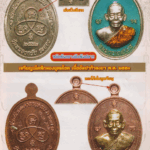
1. Rian Sema Batch 1 (Commemorating 62nd Birthday)

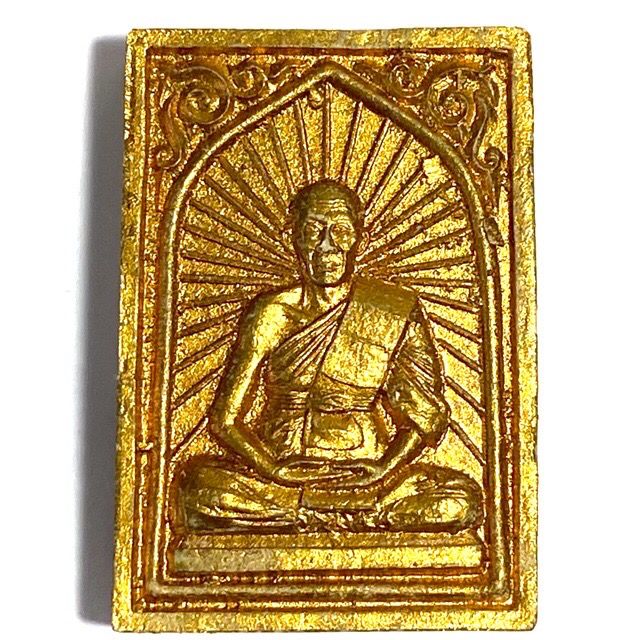
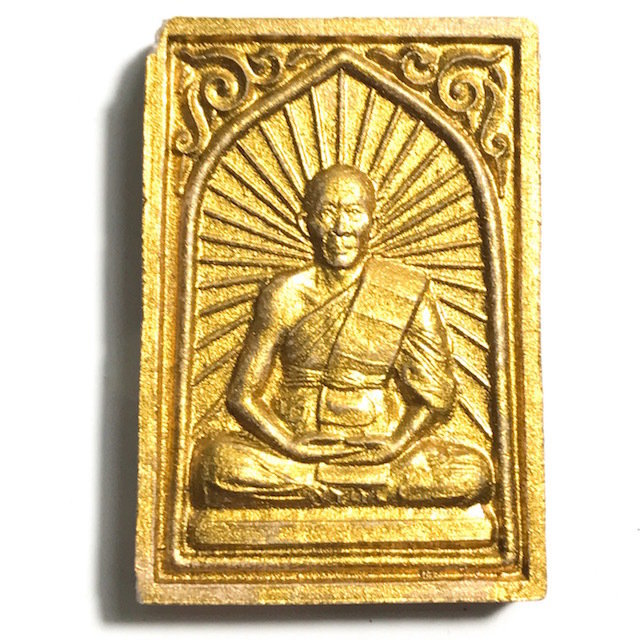
This is considered the “most supreme” amulet of the B.E. 2548 batch, created to celebrate Luang Por Sakorn’s 62nd birthday on February 3, 2548. The coin was designed with the beautiful artistry of Wat Laharn Rai, featuring a Sema (leaf shape) design. The front bears an image of Luang Por Sakorn sitting in full body, and the back is inscribed with the Yant Ha (Five Yantra), a unique mark of Luang Pu Tim. This coin was produced in materials including Gold, Silver, Nawaloha (nine-metal alloy), and Copper, and its market value continues to climb steadily.

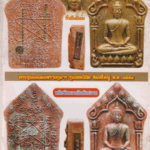
2. Prai Kumarn Powder Amulet, Resemblance Mold (Small Head)

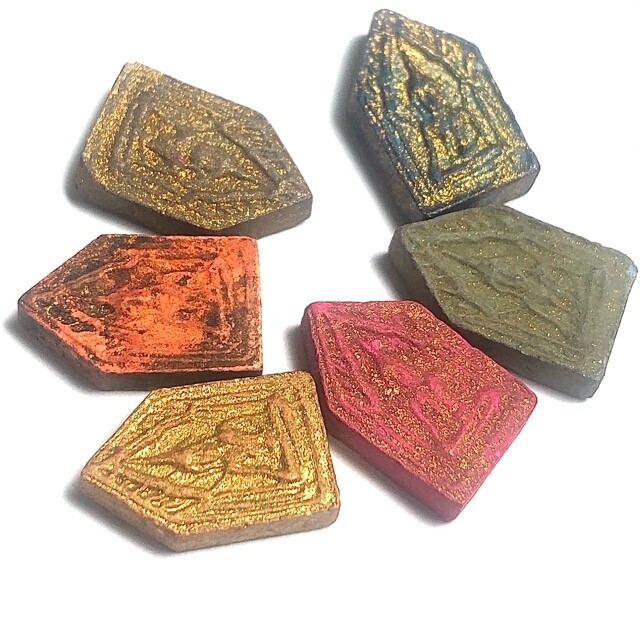
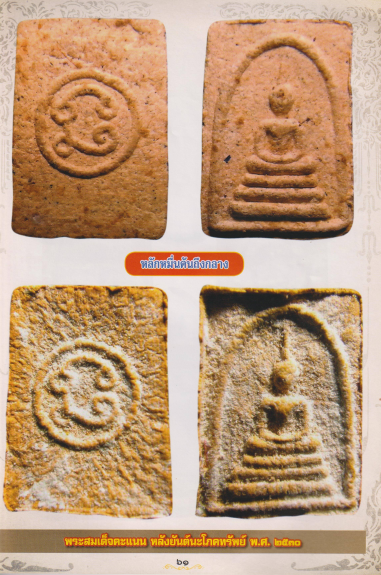
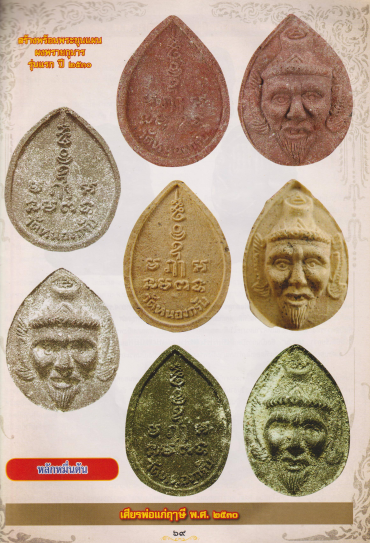
This mold is often called the “Sian Lek 48” (Small Head 48) in amulet circles. It was created with Prai Kumarn Powder, similar to the Nang Kwak. Its specialty lies in the diversity of its material, such as white gilded with gold and pink powder (highly popular among ladies and foreigners). In this small-head batch, some “Ongk Kroo” (Master Pieces) were embedded with silver or gold Takrut scrolls.

3. Luk Om Yant Ha (Five Yantra Orb) and Various Talismans

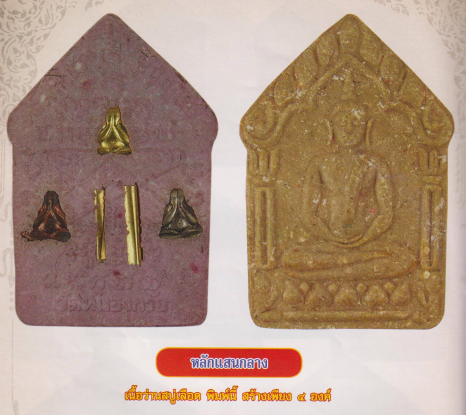
The Luk Om Prai Kumarn Powder B.E. 2548 is a highly desirable talisman because it utilizes the leftover concentrated powder from the pressing of the Khun Paen and Nang Kwak amulets. Some Luk Om orbs contain embedded Sarika Takrut (attraction yantra) or miniature Pra Pid Ta (closed-eye Buddha) images inside. Furthermore, “Thao Wessuwan” (God of Wealth) and “Pha Yant” (Yantra Cloth) were also released in late 2548 in preparation for the merit-making ceremonies of the following year.

B.E. 2548 Amulet Type Material Content Quantity/Key Features
Pra Nang Kwak Na Pokasap Powder Prai Kumarn Powder/108 Sacred Herbs (Wahn 108) Creamy white, gilded with gold, coded on the side
Rian Sema Batch 1 Metal/Gold/Silver/Copper Coded with serial number, beautiful traditional mold
Pra Resemblance Mold (Small Head) Prai Kumarn Powder/Pink/White Both with and without silver Takrut embedded
Luk Om Yant Ha Concentrated Prai Kumarn Powder Approximately 1.3 cm in size, in both white and pink
Thao Wessuwan Powder/Metal Designed by Luang Por Sakorn, wards off ghosts and attracts wealth

Consecration Ceremony and the List of Participating Monastic Masters

In the creation of the B.E. 2548 sacred objects, Luang Por Sakorn did not perform the consecration alone in every instance. He also invited the charisma of revered Arahants and masters to join the grand Buddhist consecration ceremony (Maha Phutthaphisek). One ceremony that has been recorded is the consecration throughout the three-month Buddhist Lent (Traimas), where Luang Por would seal his meditation room for solitary consecration every night for 3 months.

For the grand ceremony joined by the respected monastic masters, the list includes the following venerable monks:

  • Somdet Phra Nyanasamvara, the Supreme Patriarch: Graciously consecrated the materials and radiated compassion during the important ritual.
  • Luang Por Uttama, Wat Wang Wiwekaram: A Mon lineage master with serene spiritual power and great compassion.
  • Luang Por Sin, Wat Laharn Yai: A senior disciple from the Wat Laharn Rai lineage, skilled in creating Pra Pae (Goat) and Khun Paen amulets.
  • Luang Por Foo, Wat Bang Samak: The inheritor of the Wicha for creating Thao Wessuwan and Metta Mahaniyom.
  • Luang Por Pian, Wat Kreun Kathin: The supreme master of Lopburi province, outstanding in Kongkrapan (Invulnerability) and Klaew Klaad (Danger Evasion).
  • Luang Pu Tim, Wat Phra Khao: The benevolent deity of Ayutthaya (Krung Kao).

The combined power of these supreme masters ensures the B.E. 2548 amulet set possesses perfect energy flow, covering Maha Ut (Bullet-Proof) and Kongkrapan (Chatree), and most importantly, Metta Mahaniyom, which was the main objective of creating the Nang Kwak amulet.

Sacred Materials: The Secret Ingredients of Success

The secret behind the sanctity of Luang Por Sakorn’s amulets is the “materials” he collected throughout his life. For the Pra Nang Kwak Na Pokasap B.E. 2548, he meticulously combined rare ingredients:

  • Pong Prai Kumarn Maha Phuuti: The original powder from Luang Pu Tim, Wat Laharn Rai, which is the most concentrated “starter culture
  • “Five Sacred Powders (Pong Wised 5 Prakan): Including Pong Bpathamang, Pong Ittije, Pong Maharart, Pong Phutthakhun, and Pong Trinisinghe, which Luang Por inscribed and erased the Yantra himself.
  • 108 Sacred Herbs Powder (Pong Wahn 108): Focusing on fortune-attracting herbs, such as
  • Wahn Setthi (Millionaire Herb), Wahn Kwak Maha Chok (Great Fortune Beckoning Herb),
  • Wahn Kumarn Thong (Golden Child Herb), and Wahn Dok Thong (Strong Attraction Herb).
  • Luang Por Kad’s Holy Flour (Paeng Sek): A highly popular Metta Mahaniyom powder in the Eastern region.
  • Seven Occult Soils (Din 7 Athan): Including soil from 7 Clay Licks, 7 Piers, 7 Cemeteries, and 7 Ant Mounds, to invoke the power of Mother Earth (Mae Phra Thorani) to enhance destiny.
  • Old Palm Leaf Powder from Wat Ban Laeng: Powder that Luang Pu Tim helped consecrate in B.E. 2496 with other supreme masters of the Indochina era.
  • Maha Saneh Beeswax and Prai Oil (Namman Phrai): Which have been extracted and consecrated until they are clear and free from negative black magic elements.

The mixing of these materials had to follow the specific auspicious times prescribed in the treatises of “Pichai Songkhram” (Victory in War) and “Phrommachat” (Brahma’s Destiny) to ensure the amulets reached their full potential. Luang Por Sakorn often personally oversaw the grinding and mixing of the materials to ensure that the “goodness” he prepared was consistently incorporated into every amulet.

Conclusion of Faith: Hope and Protection for the Modern World

The “Pra Nang Kwak Na Pokasap B.E. 2548” set of amulets and the register of sacred objects from Luang Por Sakorn Manunyo are not merely works of art or collectibles with economic value. They are a “testament to Buddhist sorcery” that has endured for over two decades. The hidden power within the Prai Kumarn Powder and the spiritual concentration of Luang Pu Tim’s closest disciple have helped countless people overcome financial and life crises.

Kata Nang Kwak (waving lady Deity) Main Version slow and clear pronunciation

For those seeking “the real deal” that is internationally accepted, the Nang Kwak B.E. 2548 pure powder version is the most perfect choice, as you will genuinely experience the spirit of Luang Por Sakorn through the materials inherited from Luang Pu Tim. If you worship with a pure heart, diligence, and consistently make merit to share with the Prai Kumarn and Mae Nang Kwak, the power of “Na Pokasap” will certainly bring prosperity and peace to you and your family.

As Luang Pu Tim once said, “Soon, you will search the earth over and still not find them.” These amulets are invaluable treasures worthy of preservation and reverence as an auspicious blessing for life.

Kata Incantation For Merchants - Thailand Amulets

Luang Por Sakorn Manunyo (Wat Nong Grub)

Amulets of Luang Por Sakorn Manunyo (B.E. 2481-2556 / C.E. 1938-2013)

Filters

Filters


The lineage of the Wicha Pong Prai Kumarn finds its most potent expression through the lives and works of Luang Pu Tim Issarigo of Wat Laharn Rai and his primary disciple, Luang Por Sakorn Manunyo of Wat Nong Grub. Luang Pu Tim, a master of Rayong Province, became world-renowned for his mastery of Thai Buddhist occultism, specifically the creation of sacred powders and the “Pat Boke” or Fan Waving Art, which is a high-level form of Metta Mahaniyom (mercy and attraction magic). His expertise in crafting Prai Kumarn powder—a substance derived through complex necromantic rituals involving the spirits of children—set a benchmark in the amulet world that remains unsurpassed.

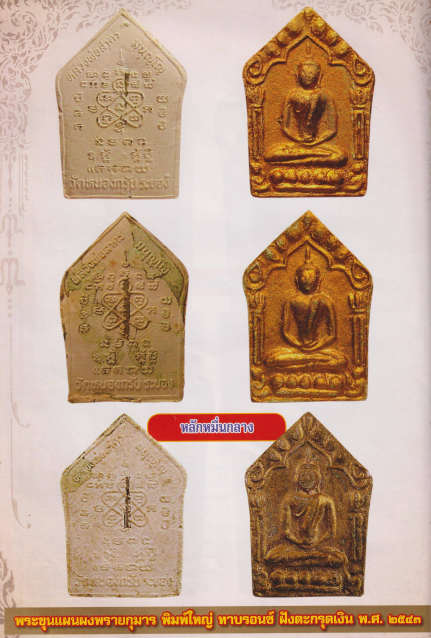
Pra Khun Phaen Pong Prai Kumarn Luang Phu Tim 2505-2515 BE

Pra Khun Phaen Pong Prai Kumarn Luang Phu Tim 2505-2515 BE

Luang Pu Tim’s spiritual path involved rigorous training under several masters, including Luang Por Graat of Wat Chak Gor Pai. Through these studies, he mastered the esoteric arts required to create the Phra Khun Phaen Pong Prai Kumarn amulets, which are now among the most sought-after and expensive artifacts in the Thai amulet market. These amulets are believed to possess extraordinary protective qualities and an immense power to enhance the wearer’s charisma and fortune.
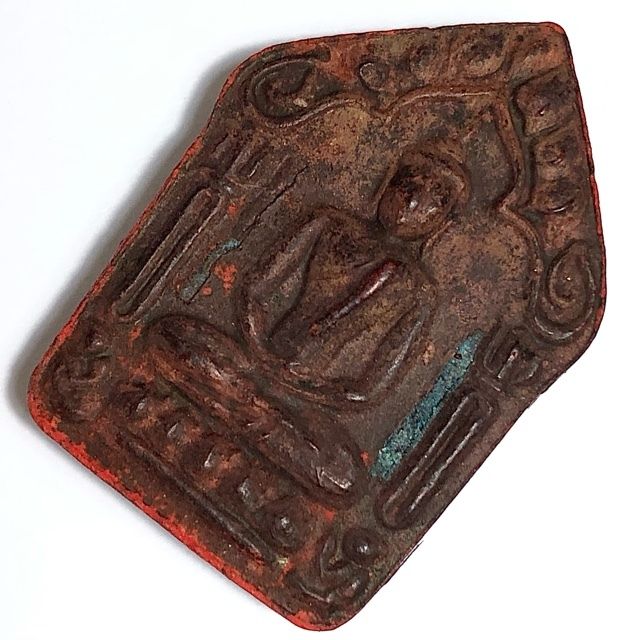
The transmission of this sacred knowledge was not granted lightly. Luang Por Sakorn Manunyo, as the Looksit Aek or prime apprentice, was the individual entrusted with the complete formulas and secret incantations of Luang Pu Tim’s lineage. Luang Por Sakorn’s journey began under Luang Por Pheung of Wat Nong Bua, where he learned the foundations of sacred craftsmanship. However, it was his time at Wat Laharn Rai that defined his destiny.
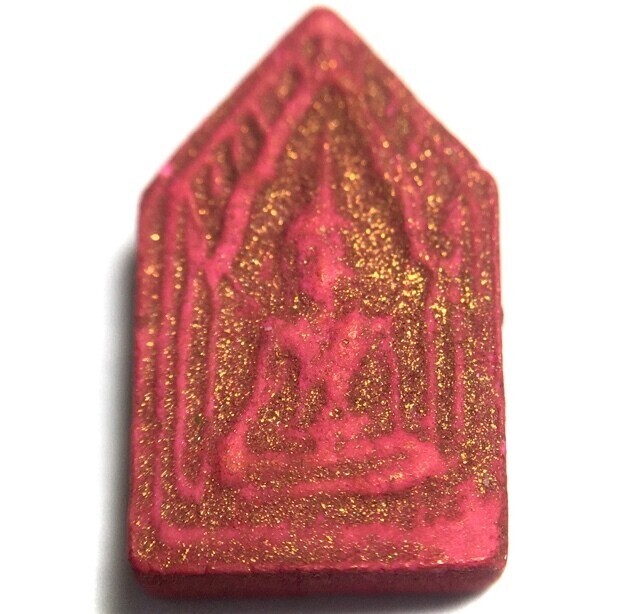
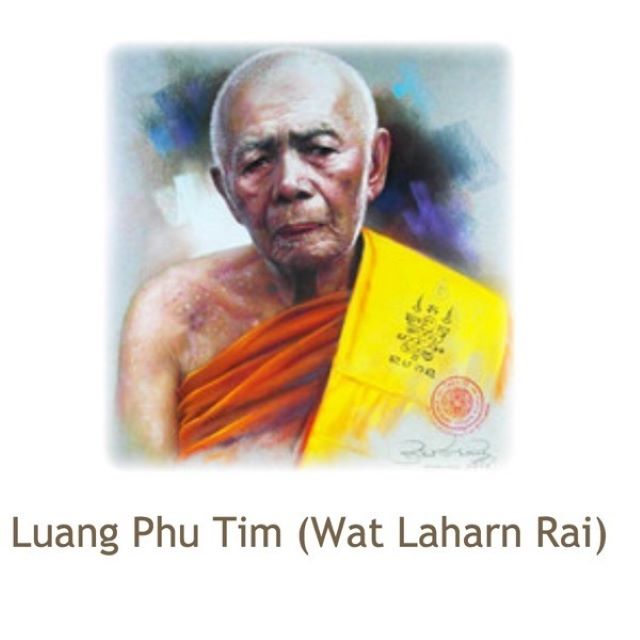
Luang_Phu_Tim_Isarago__Wat_Laharn_Rai_Rayong

Luang Pu Tim recognized the potential in Luang Por Sakorn and provided him with intensive training in the creation of Pong Prai Kumarn. At Luang Pu Tim’s specific recommendation, Luang Por Sakorn also sought further advanced training with Luang Pu Hin at Wat Nong Sanom to master the Ruesi traditions and mystical sciences, ensuring a well-rounded foundation in the occult arts.

Luang Por Sakorn Wat Nong Grub

The relationship between the two monks was one of deep trust and spiritual inheritance. Luang Por Sakorn was not merely an assistant but a successor who was given the authentic Prai Kumarn powders inherited directly from Luang Pu Tim. This inheritance allowed Luang Por Sakorn to continue the tradition of creating powerful Phra Khun Phaen amulets after Luang Pu Tim’s passing.

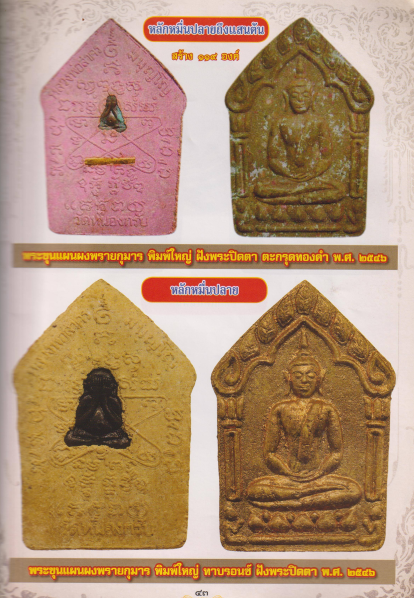
Khun Phaen Prai Kumarn LP Sakorn 2546 Wan Dok Thong

Khun Phaen Prai Kumarn LP Sakorn 2546 Wan Dok Thong

Below; Luang Phu Tim Issarigo, or, ‘Pra Kroo Pawanapirat’, was born on the 16th May 2422 Buddhist Era, This was during the time of King Rama 5. Luang Por Tim was born in Ban Hua Tung Ta Budtr in Tambon Lahan, in Ban Kaay Municipality of the Province of Rayong. LP Tim lived to the age of 96 years old, when he passed away on 16th October in the year 2518 BE, with 69 years of ordained life behind him.


LP Tim Issarigo

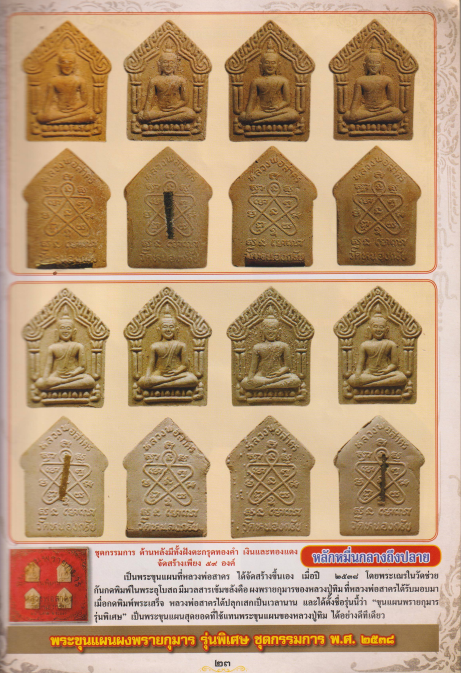
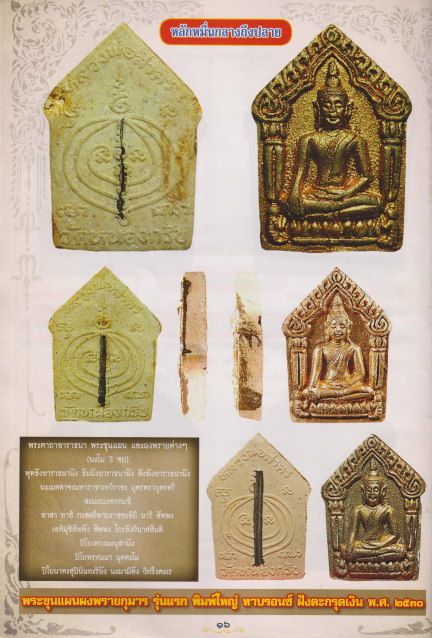
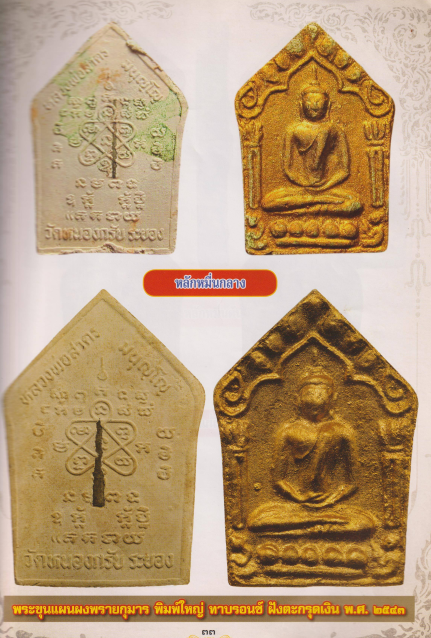
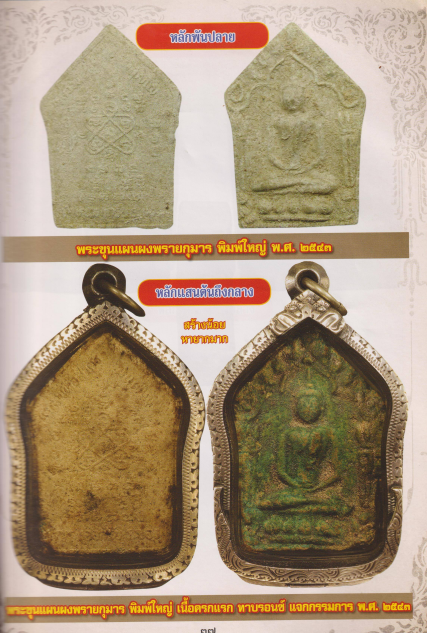
Uncovering the history of the Phra Khun Phaen series reveals that Luang Por Sakorn’s reputation was firmly established in 2530 BE with the release of his first Phra Khun Phaen Pong Prai Kumarn amulets. These were produced in both small and large molds, utilizing the authentic powders from his master.

Pra Khun Phaen Pong Prai Kumarn Long Pim Luang Phu Tim

Pra Khun Phaen Pong Prai Kumarn Long Pim (Block 2 Sao Khad) Luang Phu Tim

These amulets often featured metal Takrut—sacred scrolls inscribed with spells—made of gold, silver, or copper, and were infused with sacred oils and floral essences. The ritual process for creating these powders is incredibly complex, involving the transformation of raw spiritual energy into a stabilized, benevolent force that aids the devotee.

LP Sakorn Manunyo

The Phra Khun Phaen (Pong Prai Kumarn) – Nong Bua Klee Model, produced between 2543 and 2544 BE, stands as another significant example of Luang Por Sakorn’s mastery. These objects are cherished by collectors not just for their aesthetic value but for the documented miraculous experiences shared by devotees over many decades. The amulets are characterized by a rich texture and a profound spiritual energy that reflects the rigorous consecration methods of the Wat Laharn Rai lineage.

While Luang Por Sakorn is the most famous successor, other monks such as Luang Phu Sin of Wat Laharn Yai, Luang Por Rat of Wat Pha Hwaay, and Pra Ajarn Somkid of Wat Beung Tata also carry forward aspects of Luang Pu Tim’s Wicha. However, it is Luang Por Sakorn who is most widely recognized for maintaining the purity and potency of the original Pong Prai Kumarn formulas.

The study of these masters and their sacred objects provides a look at the intersection of Buddhist philosophy and the ancient Thai occult traditions. The amulets serve as physical vessels for the Wicha, representing a lineage of knowledge passed from teacher to student through years of dedicated practice and spiritual discipline.

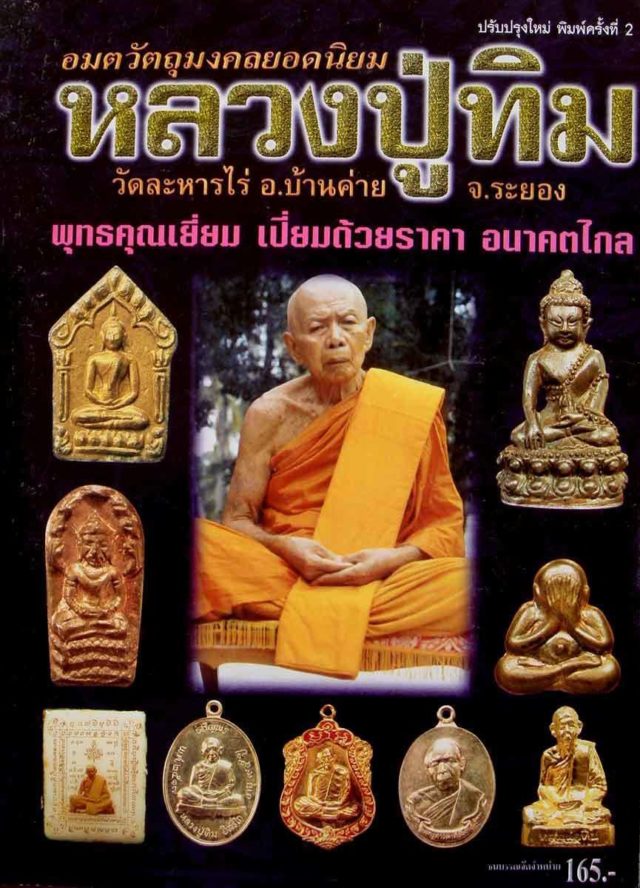
Encyclopaedic work of the amulets of the Great Luang Phu Tim Issarigo of Wat Laharn Rai

Much more information on Luang Pu Tim, Luang Por Sakorn, and the intricacies of Pong Prai Kumarn can be found on the websites of Ajarn Spencer Littlewood, who has authored extensive documentation on these subjects. I recommend visiting ancientamulet.com, thailandamulet.net, buddhamagic.net, dharmathai.com, and sak-yant.com for further research into the biographies of these great masters and the catalogs of their sacred amulets.

Classic Masterpiece Pra Khun Phaen Amulets from Thailands Greatest Guru Masters of History.

Filters

Filters
1 - 60 of 175 items

The Sacred Amulets of Luang Por Sakorn: A Comprehensive Guide to the Devotional Legacy of Wat Nong Grub

Introduction

In the pantheon of modern Thai Buddhist masters, Luang Por Sakorn Manunyo of Wat Nong Grub, Rayong Province, occupies a unique position as both a devout spiritualist and a great master of ritual magic and amulet consecration. His contributions to Thai amulet culture are not merely of devotional significance; they reflect a comprehensive mastery of sacred materials, esoteric consecration methods, and a lineage that traces directly back to two of the most revered figures in modern Thai occultism: Luang Por Pheung of Wat Nong Bua, and the legendary Luang Pu Tim of Wat Lahan Rai. This guide endeavors to present a detailed exposition of the amulets and talismanic objects consecrated by Luang Por Sakorn during his lifetime, situating them within their historical, ritual, and collector contexts.

Origins and Mastery

Luang Por Sakorn’s journey into sacred craftsmanship began under the tutelage of Luang Por Pheung and was later refined through intensive study with Luang Pu Tim, a master famed for the creation of Prai Kumarn powder-based amulets. Luang Por Sakorn also underwent further esoteric training under Luang Pu Hin of Wat Nong Sanom, thus solidifying his foundation in the Ruesi traditions and mystical sciences that underpin the creation of powerful amulets. He was not merely a ritual assistant or disciple but was entrusted with specific formulas, powders, and esoteric incantations that had, until then, remained within an exclusive lineage. This trust would culminate in the prolific consecration of sacred objects that today form one of the most respected catalogs in Thai Buddhist amulet history.

The Phra Khun Phaen Series

Luang Por Sakorn’s reputation was cemented with the release of the first Phra Khun Phaen Pong Prai Kumarn amulets in 2530 BE. These were produced in small and large molds, using authentic prai kumarn powder inherited from Luang Pu Tim, infused with oils, sacred floral essence, and enhanced with metal Takrut in gold, silver, or copper. The resulting amulets were rich in texture and profound in spiritual energy. Highly venerated for their reputed efficacy in charm (maha sanaeh), protective metta, and financial fortune, these amulets command high premiums in today’s collector markets.

Subsequent editions of Khun Phaen continued to evolve in both aesthetic form and ritual complexity. The 2538 BE edition commemorated the construction of a new chedi at Wat Nong Grub and involved the integration of additional powders from Luang Pu Tim and Luang Pu Hin. In 2543 BE, to celebrate his 63rd birthday, Luang Por Sakorn introduced Khun Phaen with Nava Loha Takrut, empowered over extended periods of solitary and collective chanting ceremonies. By 2546 BE, the Phapa Samakkhi edition showcased new powder compositions, lacquer finishes, and embedded silver Takrut, with narratives emerging around wearers surviving life-threatening events.

Later editions such as the Khun Phaen Krob Jakawan (2553 BE) and the Tri-Mas edition (2555 BE) featured powders like Jin Dab Mani and meticulously blended sacred herbs. Each of these editions carried subtle differences in mold, coloration, and embedding—details that advanced collectors scrutinize when authenticating specimens.

Phra Pidta and Meditative Forms

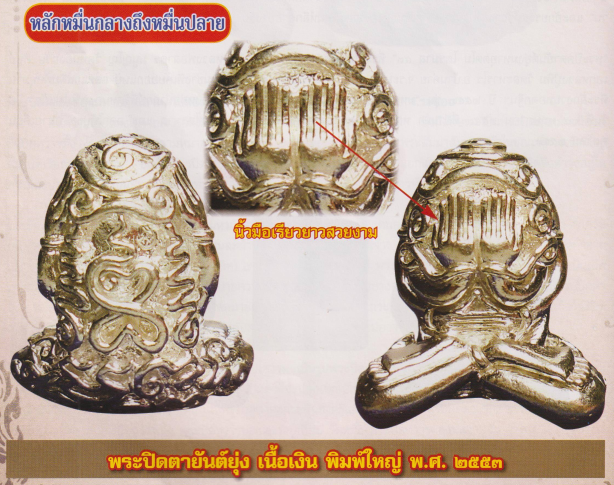
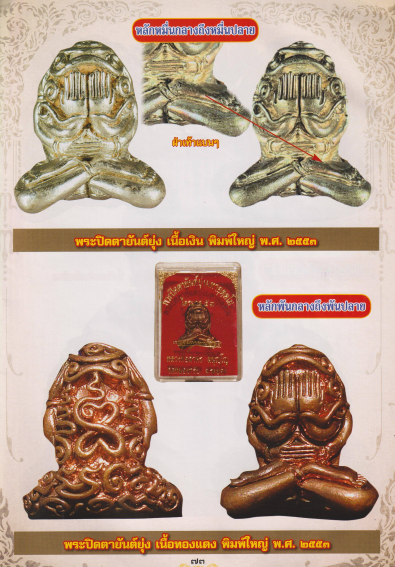
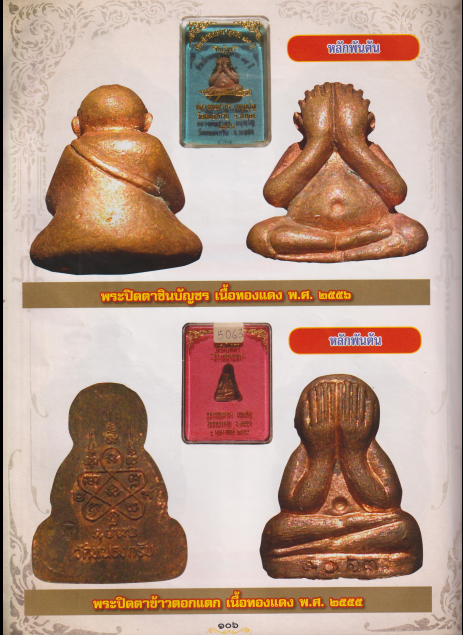
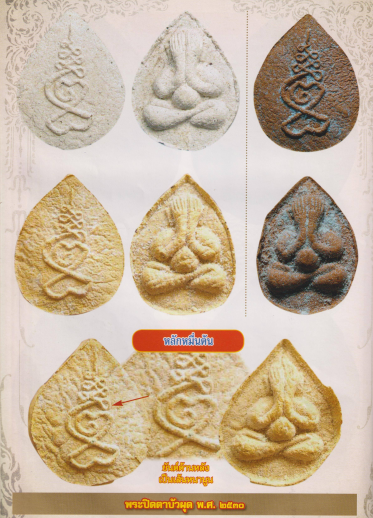
Phra Pidta amulets by Luang Por Sakorn represent a synthesis of mystical protection and wealth attraction. The Phra Pidta Maha Lap medallion, released in 2524 BE, depicted the classic closed-eye mudra associated with spiritual introspection and arcane wisdom. The reverse bore yantras believed to ward off misfortune and invite abundance. Revered especially by traders, it became affectionately known as the “Pidta 24.”

He later introduced additional Pidta forms, including versions aligned with Taw Wessuwan—the celestial guardian associated with wealth and guardianship—produced in metal and cloth. These were ritually empowered through multi-day chanting ceremonies, often during auspicious lunar alignments.

Phra Kring and Ritual Bells

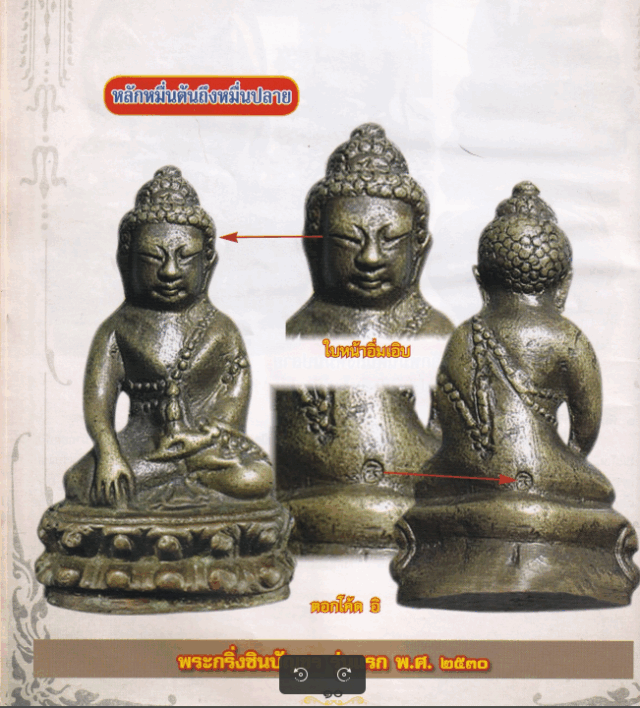
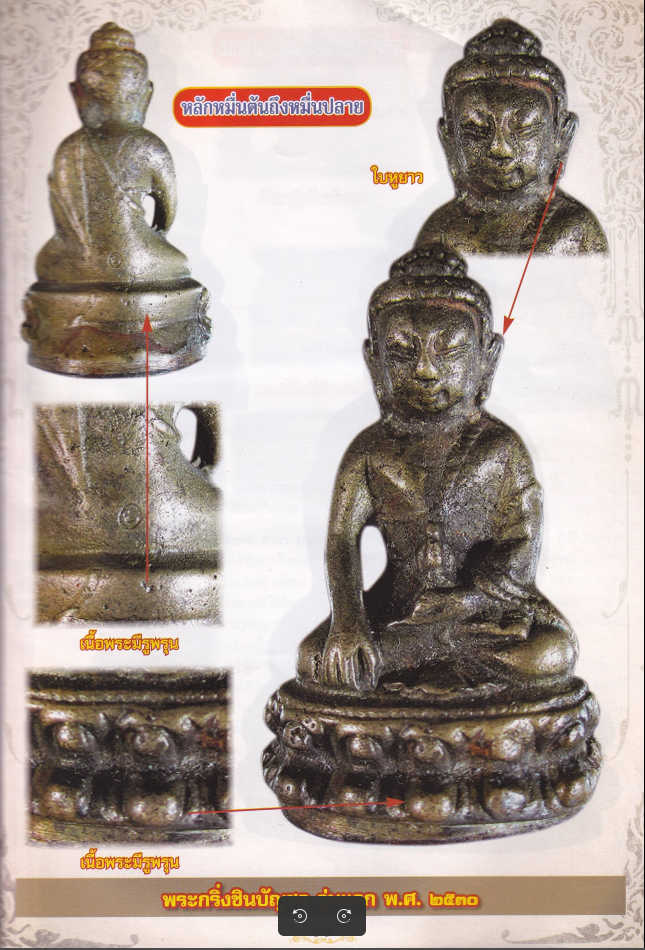
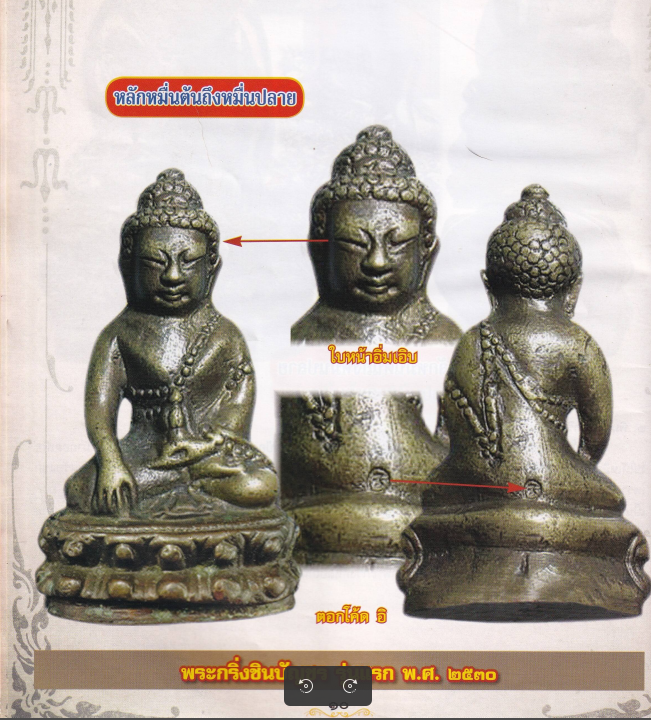
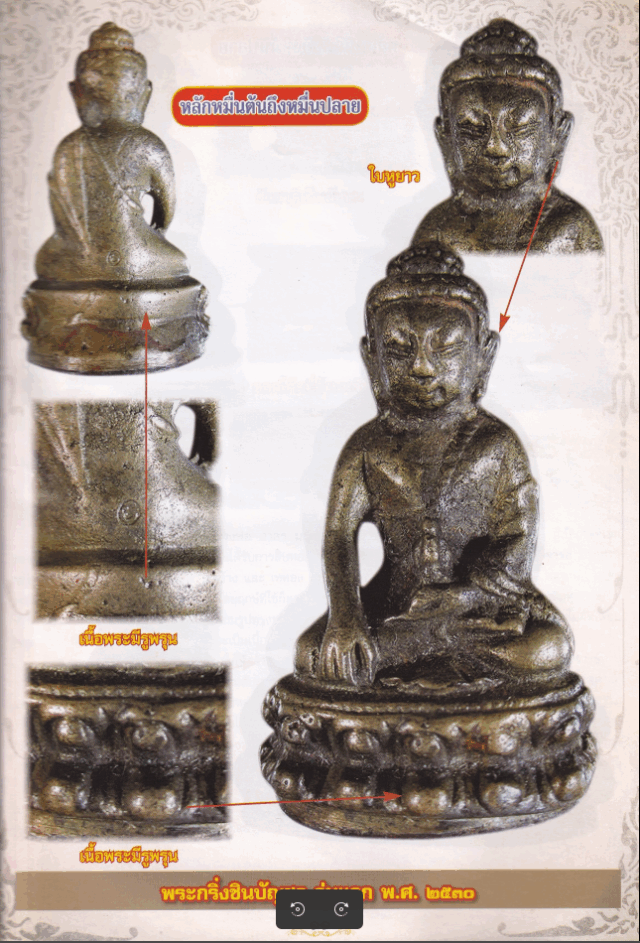
Among the most iconic of Luang Por Sakorn’s creations was the Phra Kring Tripitaka series, first released in 2544 BE. These sacred ringing amulets were forged from metal alloys that included melted Chinnabanchorn relics, sacred fragments from Luang Phu Kaew’s amulets, and embedded Takrut scrolls. In select editions, sacred hairs from Luang Por Sakorn, Luang Pu Tim, and other senior monks were sealed within the base, and inscriptions were applied during the three-month Rains Retreat. Considered especially powerful for healing, prosperity, and spiritual grounding, these amulets have achieved near-legendary status among devotees.

Takrut and Cloth Talismans

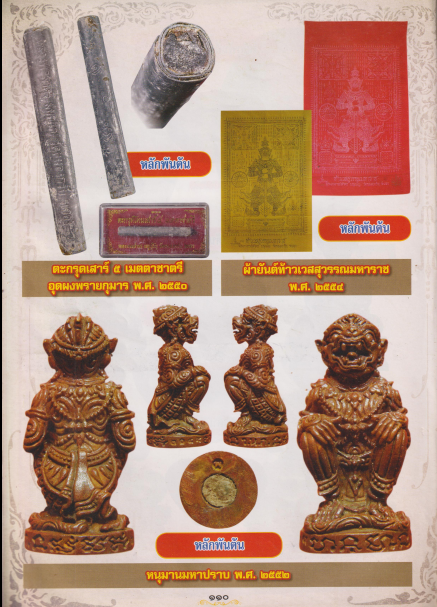
Takrut charms formed a vital aspect of Luang Por Sakorn’s repertoire. These included the Tone Sao 5 (2550 BE), which was crafted in auspicious Saturday-Fifth configurations, and the Maha Prap series (2540 BE), which was associated with invincibility and aura enhancement. These charms, inscribed in silver, copper, or triple-metal alloys, were often individually consecrated by hand, reflecting the personalization that characterized his work.

Cloth talismans such as the Pha Yant Paddle Banner and the Shuchok Talismans were also significant. The latter, in particular, were hand-drawn with Dvaravati-style yantras and are revered for their household protection properties. One of the most coveted cloth talismans is the Taw Wessuwan yellow Pha Yant, limited to 1,000 pieces, each numbered and stamped by temple authorities.

Medallions and Commemorative Coins

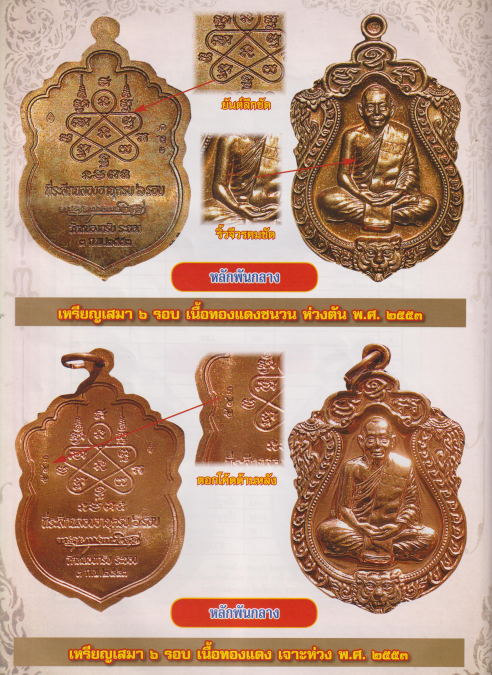
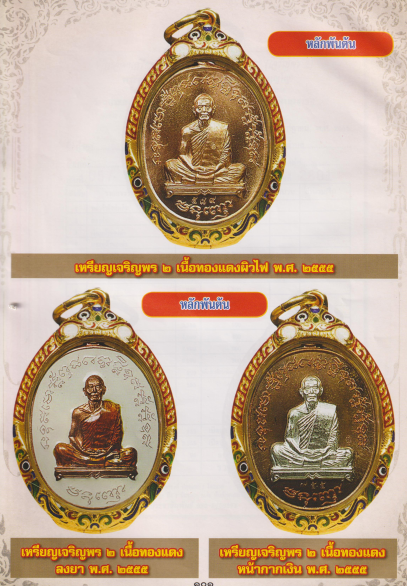
Among his numerous commemorative medallions, the Baramee 53 series (2553 BE) stands out. Oval in shape and bearing Luang Por Sakorn’s meditative image on the obverse and wealth-attracting yantras on the reverse, this series was produced in gold, silver, and various copper alloys. The gold versions were limited to just 99 pieces, and each was individually numbered, adding to their collector appeal.

The Maha Pokasap medallion, created for his 73rd birthday in 2554 BE, depicted Luang Por Sakorn in full-figure and featured the “Unending Wealth” yantra. Like the Baramee 53, this medallion was released in multiple metal grades, from nava loha to copper. A follow-up series in 2555 BE, known as the Tri-Mas Edition, incorporated strands of his sacred hair and blended alloys. Additional rarities include the Sam Kasat medallion (featuring gold, silver, and copper alloys) and the Seema Six-Round commemorative medallions.

Animal-Based Charms and Effigies

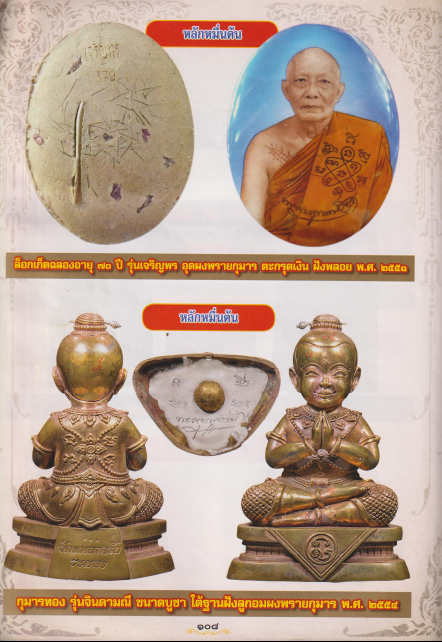
Luang Por Sakorn also produced an array of animal-based talismans, designed for protection, authority, and personal magnetism. Among them, the Singha Maha Prap of 2546 BE—a small lion’s head effigy—was embedded with prai kumarn powders and Takrut scrolls, crafted in gilded bronze or sacred alloys. Tiger effigies carved from wood or cast in metal, featuring inscriptions derived from Luang Pu Tim’s own scrolls, were equally venerated.

The Hanuman Maha Prap Trai Chak edition, a highly sought-after and exclusive piece from the 2555 BE collection, boasts a limited run of only 333 consecrated pieces. Each individually crafted effigy was imbued with spiritual significance over the course of nine sacred nights, during which time it was infused with an array of powerful ingredients, including multiple Takrut, relic powders, and as many as 16 distinct forms of Hanuman yantras. These intricate and complex components work in harmony to amplify the metaphysical properties of the effigy, allowing it to serve as a potent symbol of protection, strength, and divine guidance.

In addition to the revered Hanuman Maha Prap Trai Chak edition, the collection also features a range of other effigies, each imbued with its own unique metaphysical purpose. Pigs, such as the majestic Maha Heng, are often associated with the acquisition of wealth and material prosperity, while tortoises are revered for their ability to grant invincibility and protection from harm. Meanwhile, monkeys are believed to possess the power to imbue their owners with charisma and confidence, making them a popular choice among those seeking to enhance their social and professional standing.

Market Impact and Legacy

The veneration of Luang Por Sakorn’s sacred creations has grown exponentially since his passing in 2014. It is not uncommon for entire batches of newly released editions to sell out within hours. Demand is particularly high among collectors in Thailand’s urban centers, as well as in international circles, notably in Malaysia and Singapore. First-edition Khun Phaen amulets have sold for over a hundred thousand baht in some instances, while rare medallions like the Baramee 53 gold coin have achieved auction prices well beyond their initial offering.

Despite this commercialization, the spiritual intent behind each object remains clear. Each amulet was crafted, consecrated, and released not as a commodity but as a sacred extension of Luang Por Sakorn’s enduring compassion, discipline, and spiritual authority. His legacy continues through those who revere his teachings, those who seek his protection, and those who wear or enshrine his sacred works.

Conclusion

Luang Por Sakorn’s amulets represent far more than collectible artifacts; they are embodiments of esoteric knowledge, ritual mastery, and compassionate intent. Each object encapsulates the ethos of Thai Buddhist magical practice—a blending of animist reverence, scriptural fidelity, and meditative empowerment. As such, they remain not only as powerful tools of spiritual protection but as lasting testaments to the life and legacy of one of Thailand’s most respected modern monastics. Whether admired for their craftsmanship, venerated for their mystical potency, or studied for their role in cultural anthropology, the amulets of Luang Por Sakorn will continue to inspire and guide future generations of practitioners and scholars alike.


In recent years, devotion to Luang Por Sakorn’s creations has soared, entire batches are swept away in moments, collectors from Bangkok to Malaysia and Singapore vie for a chance to own one, early editions of the thirty’s BE sell for tens of thousands, later models climb in value by the day, Baramee 53 gold coins and seventy-third birthday medallions demand a premium, each object a repository of sacred lineage, ritual power, and the undying presence of a master whose voice endures beyond time

Every amulet he consecrated bore his living touch, each blend of sacred material and script a testament to his lifelong devotion, now immortalized in metal, powder, and cloth, awaiting those who believe, who seek, who carry his legacy in the silent language of faith.

Biography of Luang Por Sakorn

1. Early Life and Family Background
Luang Por Sakorn Manunyo—born Sakorn Paisalee—emerged from humble agrarian roots. He was born on Tuesday, the 9th waning moon of the 3rd lunar month, corresponding to February 3, 1938, into a farming family in Ban Thai Thung, Moo 2, Nong Grub Subdistrict, Ban Khai District, Rayong Province. His parents, Mr. Gu and Mrs. Nid Paisalee, raised two children: an elder sister and Sakorn himself. Educationally, he completed primary school (Grade 4) at Wat Nong Grub before assisting with farm labor. Even in childhood, he displayed a marked inclination towards esoteric arts and herbal medicine, traveling to nearby villages—including Wat Laharn Rai—to study with local masters such as Yoi Lhor and Yoi Tat, both known for working closely with the legendary Luang Pu Tim of Wat Laharn Rai.

2. Ordination and Relationship with Luang Pu Tim
At age 20, on June 4, 1958, Sakorn was ordained as a Buddhist monk at Wat Nong Grub, receiving the Dharma name “Manunyo” under the precept Master Phra Kru Chantaro Thay and Assistant Master Phra Athikana Khiang. He was promptly sent for retreat at Wat Laharn Rai, aligning himself closely with Luang Pu Tim Isarigo, a master renowned for creating “Khun Phaen Pong Prai Kumarn.” Over time, Sakorn earned the special status of principal disciple, receiving full transmission of Luang Pu Tim’s magical formulas and techniques without reservation. Luang Pu Tim reportedly predicted that Sakorn would carry on his legacy after his passing .

3. Esoteric Training and Mastery
Sakorn pursued intensive study under Luang Pu Tim, initially through daily practice: writing protective yantra texts, memorizing incantations, and engaging in extended retreats. He later advanced to study with other prominent masters, including:

  1. Luang Pho Peng Sasano of Wat Laharn Yai
  2. Luang Pu Hin of Wat Nongsanom
  3. Luang Pu Som of Wat Baan Chong (Chonburi)
  4. Luang Pu Sukh (Pa Khlong Makham Thao) for invincibility yantras

Following this, Sakorn also studied with masters such as Luang Pho Khun (Ban Rai), Luang Pho Akom (Phetchabun), Luang Pho Buem (Prasat Kin), plus pilgrimage studies with Burmese and Cambodian adepts .

His rigorous years of study and discipline solidified his mastery in katha (mantras), yantra drawing, herbal concoction creation, relic powder fabrication, sacred metal casting, and ritual consecration.

4. Personal Qualities and Spiritual Reputation
Contemporary accounts describe Sakorn as serious, reserved, and intensely dedicated. He prioritized the ethical and ritual integrity of his practices and maintained laconic responses about miracles. He often expressed that true spiritual power must be recognized through focused practice, not empty displays of miracles. Noteworthy anecdotal accounts include Luang Pu Tim quietly feeding fish by dipping his finger into a pond, afterward attracting a sudden throng of fish—a demonstration of spiritual charisma, subtly supported by Sakorn’s own accounts .

5. Community Leadership and Temple Restoration
In 1965, Sakorn returned to lead Wat Nong Grub as abbot after the death of the previous head priest. He embarked on large-scale restoration efforts to rebuild 200-year-old temple structures that had been destroyed by fire, employing his own skills in woodcarving, bronze sculpting, mural painting, gold leaf application, and lacquer work. In 1981, he was granted the monastic title of Phra Kru Manunyo Dhammawat.

6. Early Amulet Creation
As early as 1965 (B.E. 2508), Sakorn began crafting sacred objects. One of his earliest was a black Pha Larn (palm-leaf powder) votive tablet, created using old Pha Larn powder that was incinerated in a bowl for hardness and later used in a donation ceremony in 1967 (B.E. 2510). The tablet reportedly protected and saved lives . In 1981, he further expanded to create amulets made of Phatthamang (five classes of powder), Itti Je powders, Luang Pu Tim’s relic powder, Luang Pho Peng’s herbs, Phu Mueang’s powder, Phra Khun Si’s Buddhist powders, and various stones and sanctified materials . These early creations laid the foundation for his later famed Khun Phaen masterpieces and sacred coins.


A Comprehensive Re-Analysis

Lineage and Spiritual Heritage

Luang Por Sakorn Manunyo, of Wat Nong Grub, in Rayong Province, represents one of the most significant figures in contemporary Thai Buddhist amulet culture. His position within Thai Buddhist mysticism, is particularly noteworthy ,due to his direct lineage connection to the legendary Luang Pu Tim Issariko, of Wat Laharn Rai. As Looksit Ache (prime apprentice) to Luang Pu Tim, Luang Por Sakorn received the complete transmission of sacred knowledge, that would later define his amulet-making practice.

The spiritual journey of Luang Por Sakorn, began under the guidance of Luang Por Pheung of Wat Nong Bua, who provided his foundational training in sacred craftsmanship. However, it was his subsequent intensive study with Luang Pu Tim, that truly refined his abilities. Luang Pu Tim, renowned worldwide for his mastery of Pong Prai Kumarn (sacred necromantic powders), entrusted Luang Por Sakorn with specific formulas, consecration methods, and esoteric incantations, that had previously remained within an exclusive lineage. Furthermore, at Luang Pu Tim’s recommendation, Luang Por Sakorn pursued additional advanced training with Luang Pu Hin, at Wat Nong Sanom, thereby solidifying his foundation in Ruesi traditions, and mystical sciences.


The Phra Khun Phaen Series and Pong Prai Kumarn

The reputation of Luang Por Sakorn, was firmly established with the release of his first Phra Khun Phaen Pong Prai Kumarn amulets, in 2530 BE. These remarkable creations were produced in both small and large molds, utilizing authentic Prai Kumarn powders, directly inherited from Luang Pu Tim. This sacred substance represents one of the most significant aspects of the knowledge transmission between the two masters.


The Pong Prai Kumarn powder used in these amulets was not merely a physical substance but a repository of powerful mystical energy, created through complex ritual processes. Luang Por Sakorn enhanced these powders by infusing them with sacred oils and floral essences, additionally incorporating metal Takrut (inscribed scrolls) made of gold, silver, or copper. The resulting amulets possessed a distinctive rich texture and were believed to contain profound spiritual energy.

Among his most celebrated creations was the Phra Khun Phaen (Pong Prai Kumarn) – Nong Bua Klee Model, produced between 2543-2544 BE. According to traditional accounts, Luang Por Sakorn performed exceptionally powerful consecration rituals for these amulets, employing ancient incantations of great intensity. The composition included pure “prai kumarn” powder mixed with herbal essence derived from the “Dork Tong” (Golden Flower herb) and other special sacred substances. Notably, the reverse side of these amulets features an image of Mae Nang Bua Klee, a female deity symbolizing irresistible charm and magnetism.

Ritual Mastery and Consecration Techniques

What distinguishes Luang Por Sakorn’s amulets from many others is not merely their physical composition but the profound ritual knowledge applied in their creation. Having received direct transmission from Luang Pu Tim, Luang Por Sakorn was not simply a ritual assistant but a master who had been entrusted with specific formulas and esoteric practices that had, until then, remained within an exclusive lineage.

The consecration processes employed by Luang Por Sakorn involved complex ritual sequences, often requiring extended periods of meditation, chanting, and the invocation of specific deities and powers. These rituals were not performed for show but represented genuine spiritual practices aimed at imbuing the amulets with specific protective and beneficial qualities.

Moreover, Luang Por Sakorn’s approach to amulet creation reflected the traditional Thai Buddhist magical practice—a sophisticated integration of animist reverence, scriptural fidelity, and meditative empowerment. This holistic approach ensured that his amulets were not merely objects of material value but vessels of spiritual potency.

Legacy and Contemporary Significance

Following the passing of Luang Pu Tim, Luang Por Sakorn emerged as perhaps the most prominent carrier of his teacher’s sacred knowledge. Among Luang Pu Tim’s direct lineage apprentices—including other notable figures such as Luang Phu Sin of Wat Laharn Yai, Luang Por Rat of Wat Pha Hwaay, and Pra Ajarn Somkid of Wat Beung Tata—Luang Por Sakorn is often considered the most significant successor.

The amulets created by Luang Por Sakorn have now become extraordinarily rare and highly valued in collector circles. Their increasing scarcity following his passing has only enhanced their status among devotees and collectors alike. These sacred objects are not merely appreciated for their aesthetic qualities or historical significance but are actively sought for their perceived spiritual benefits and protective powers.

Furthermore, the amulets of Luang Por Sakorn represent an important cultural bridge, connecting contemporary practitioners with ancient traditions of Thai Buddhist mysticism. They embody a living tradition of spiritual practice that continues to influence and inspire devotees throughout Thailand and beyond.

Spiritual Significance Beyond Material Value

The amulets of Luang Por Sakorn transcend their status as collectible artifacts; they represent embodiments of esoteric knowledge, ritual mastery, and compassionate intent. Each object encapsulates the essence of Thai Buddhist magical practice and serves as a tangible connection to the spiritual lineage from which it emerged.

For devotees, these amulets are not merely protective talismans but objects of profound veneration that facilitate a connection with the spiritual power of Luang Por Sakorn himself. They are believed to carry the accumulated merit and spiritual energy of their creator, offering protection, blessing, and guidance to those who possess them with proper respect and faith.

The continued reverence for Luang Por Sakorn’s amulets speaks to their perceived efficacy and the enduring respect for his spiritual authority. His legacy continues through those who venerate his teachings, those who seek his protection, and those who wear or enshrine his sacred works.

The amulets of Luang Por Sakorn of Wat Nong Grub stand as powerful manifestations of Thai Buddhist spiritual practice, representing not only the personal mastery of their creator but also the unbroken lineage of sacred knowledge transmitted from Luang Pu Tim. As objects of both spiritual significance and cultural heritage, they continue to inspire devotion and fascination among practitioners and scholars of Thai Buddhism.


For more information about Thai amulets and Buddha Magic, you can visit Ajarn Spencer Littlewood’s websites: thailandamulet.net, buddhamagic.net, ancientamulet.com, and dharmathai.com.

Classic Masterpiece Pra Khun Phaen Amulets from Thailands Greatest Guru Masters of History.

Filters

Filters
1 - 60 of 175 items