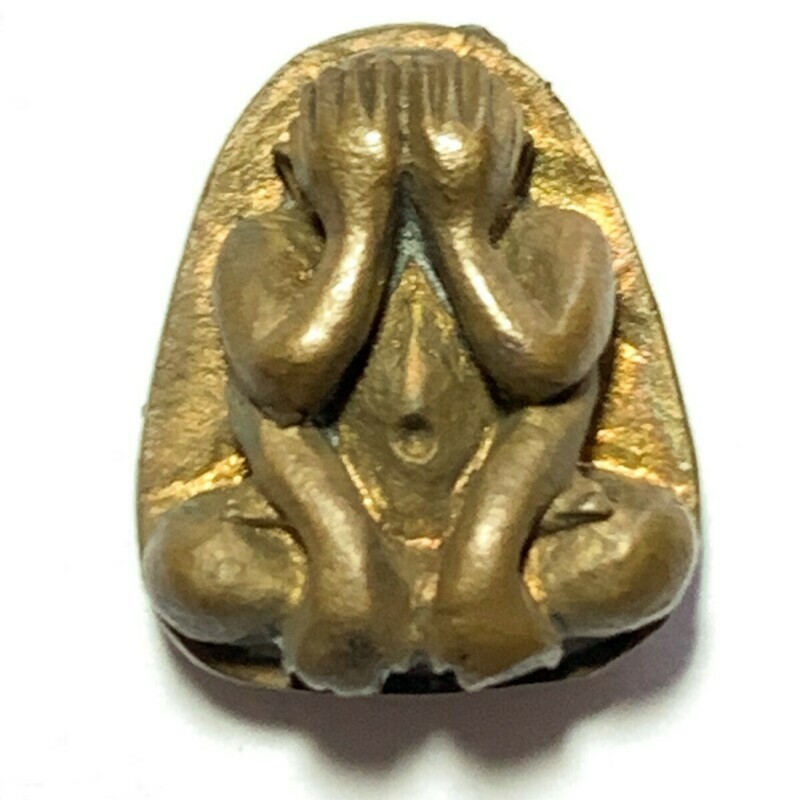
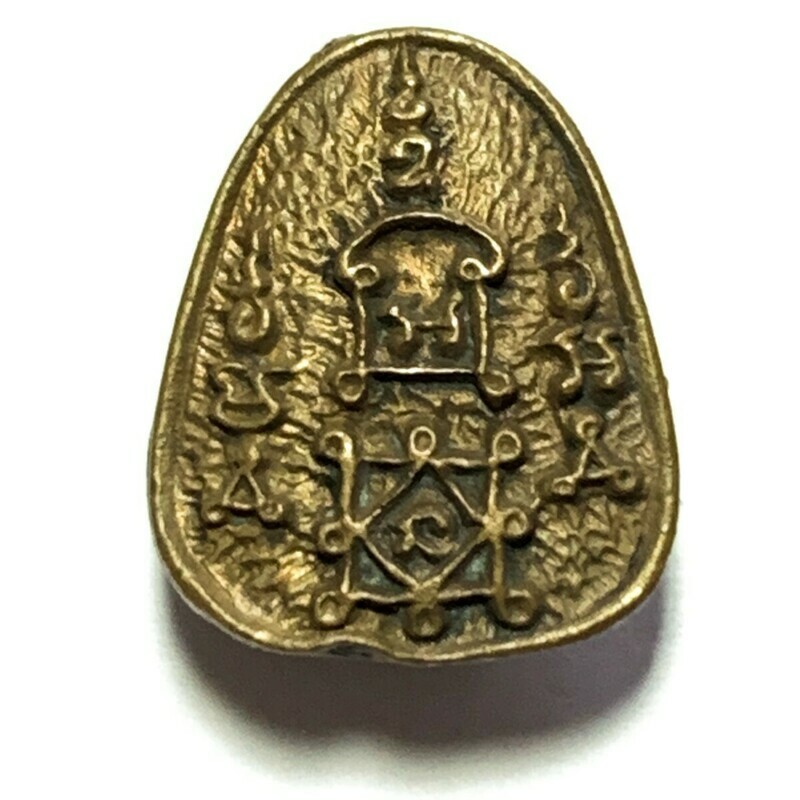
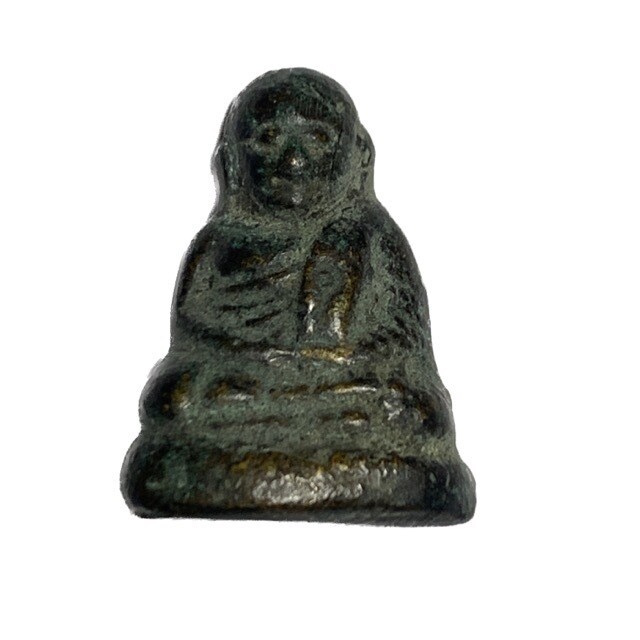
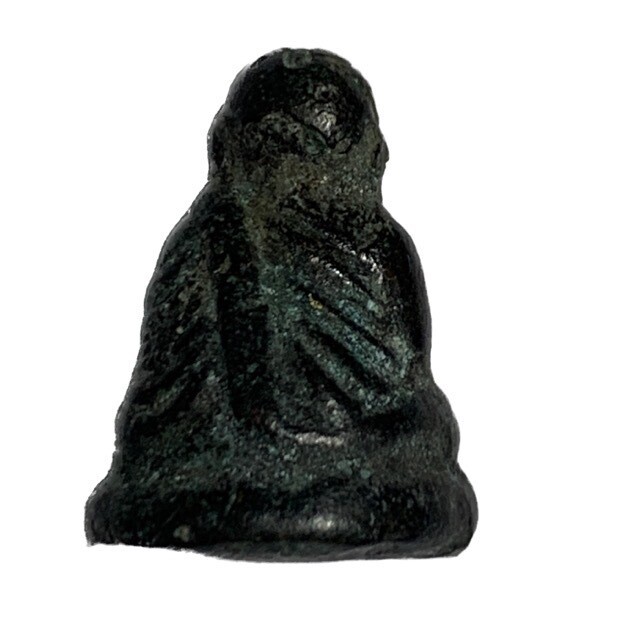
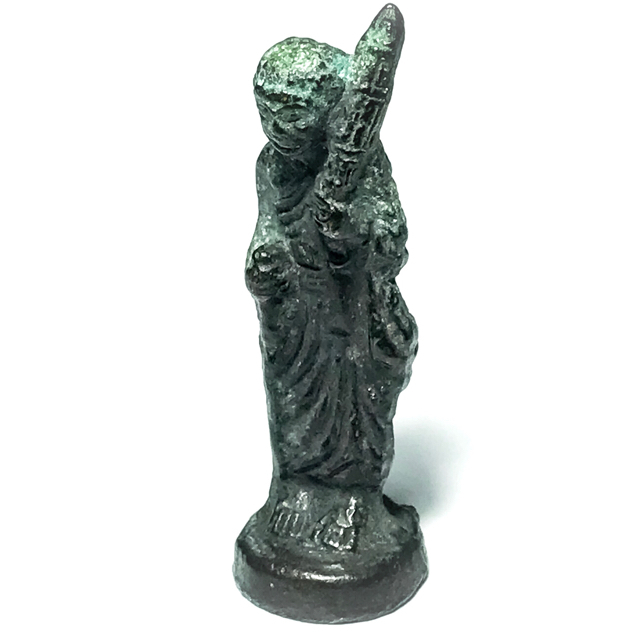
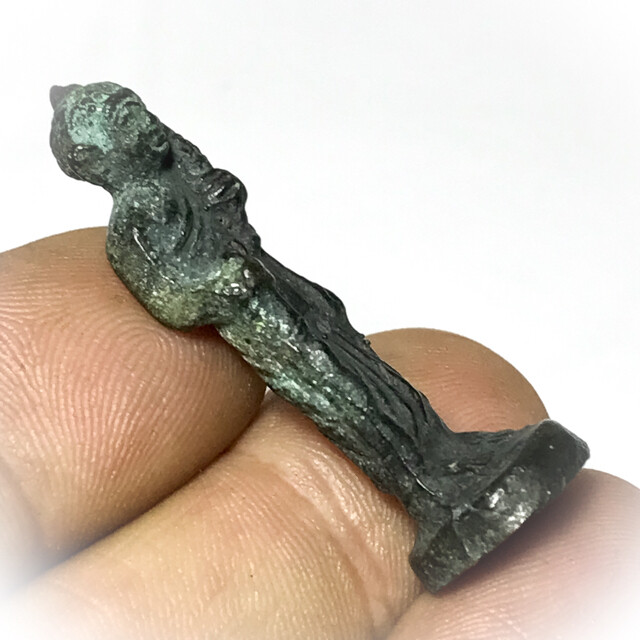
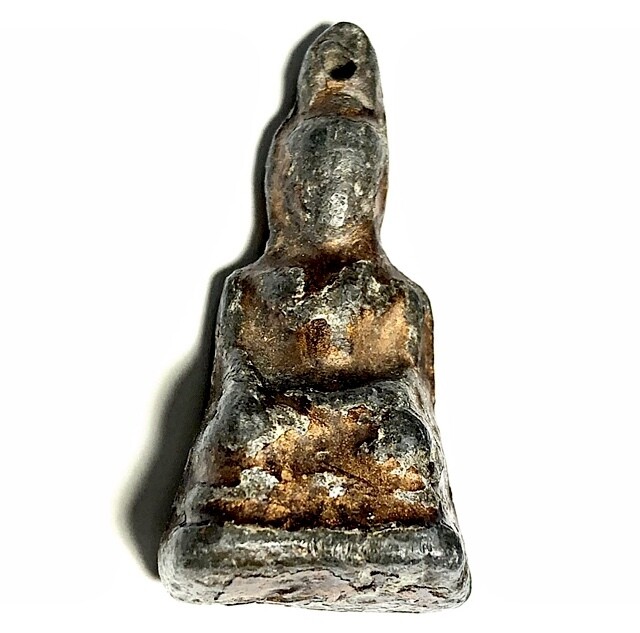
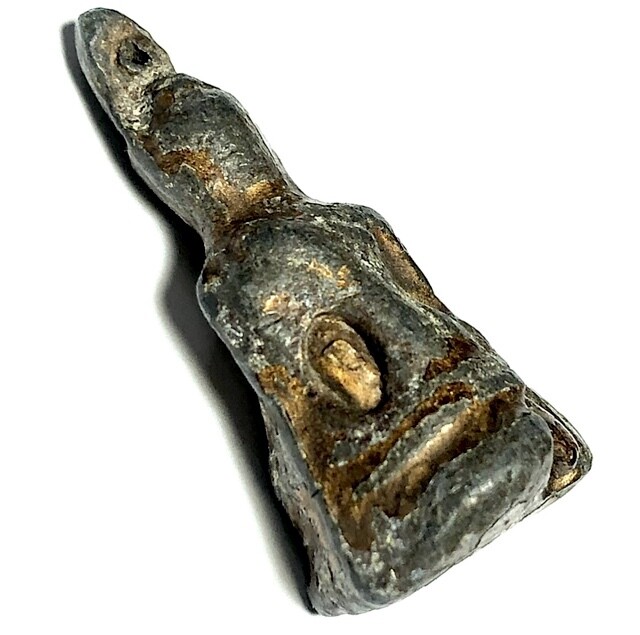
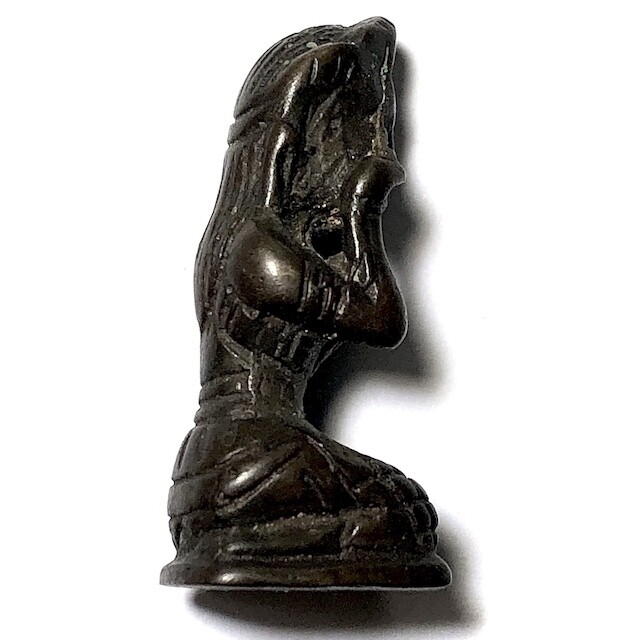
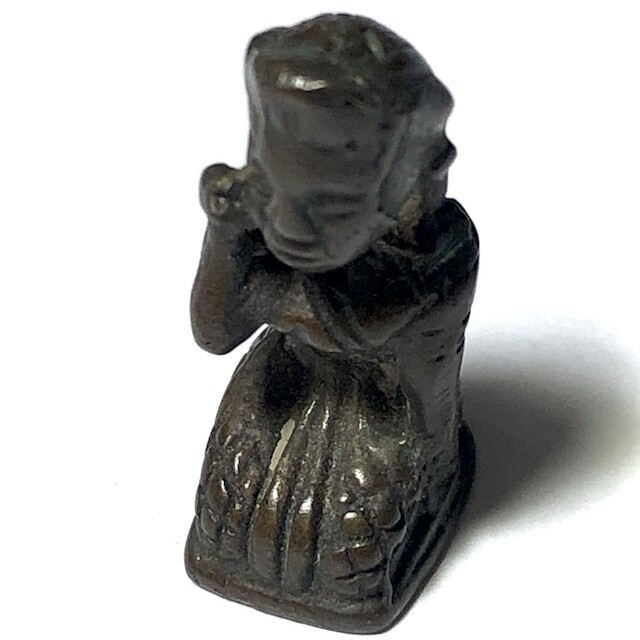
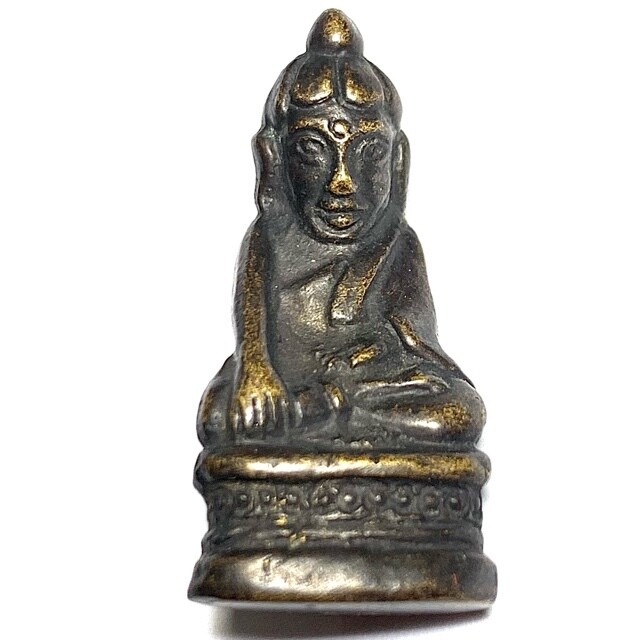
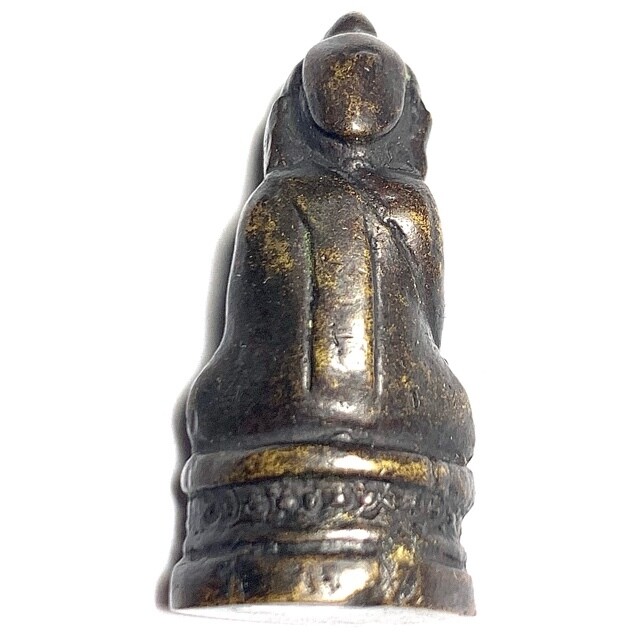
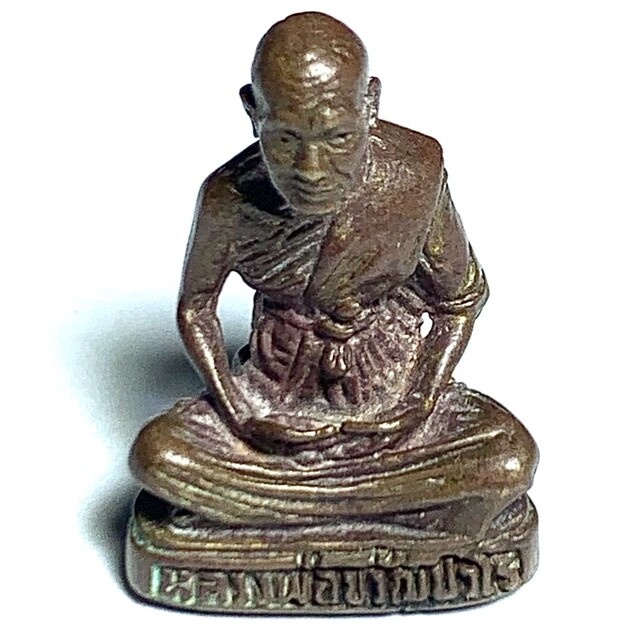
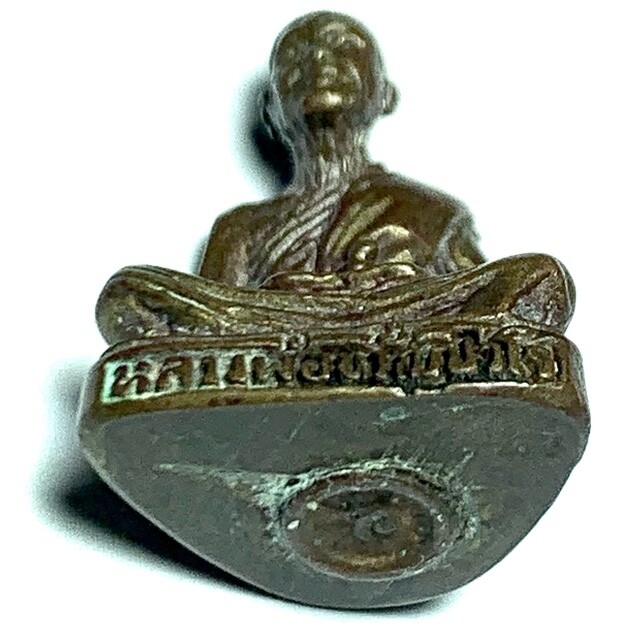
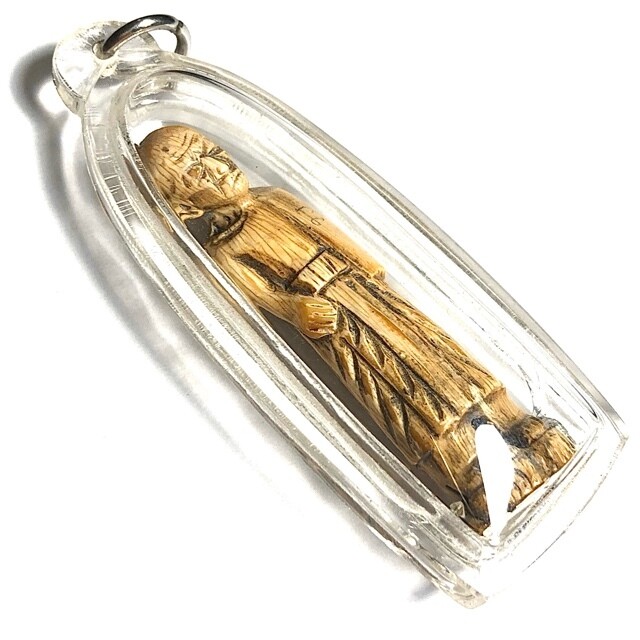
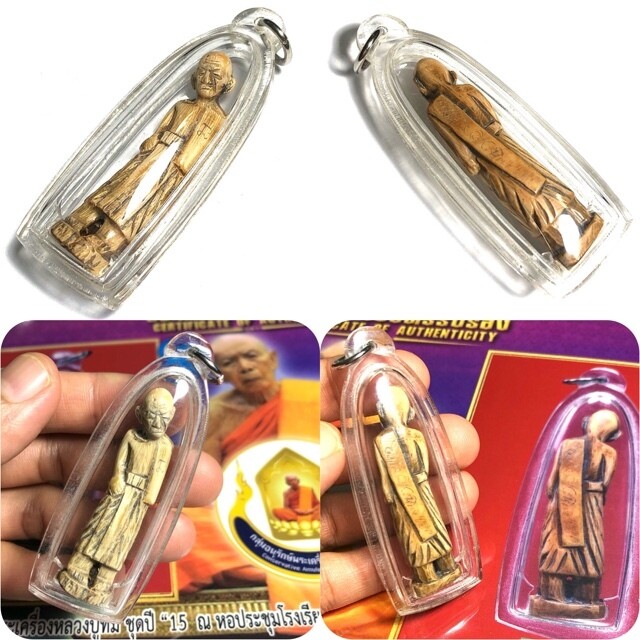
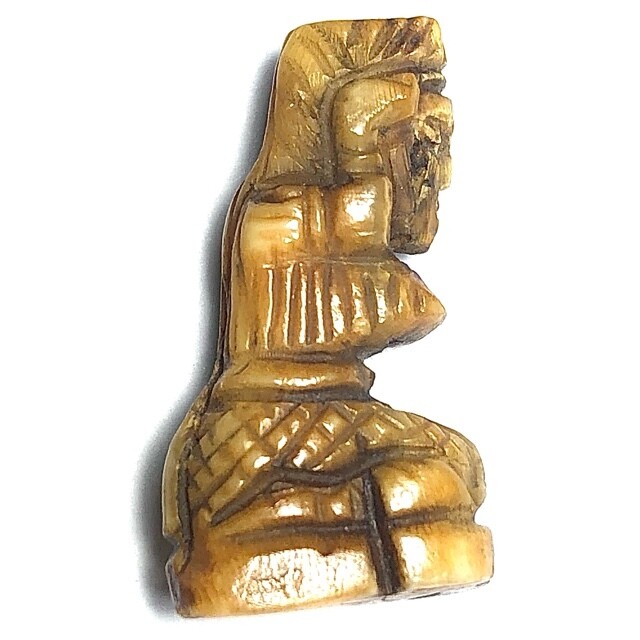
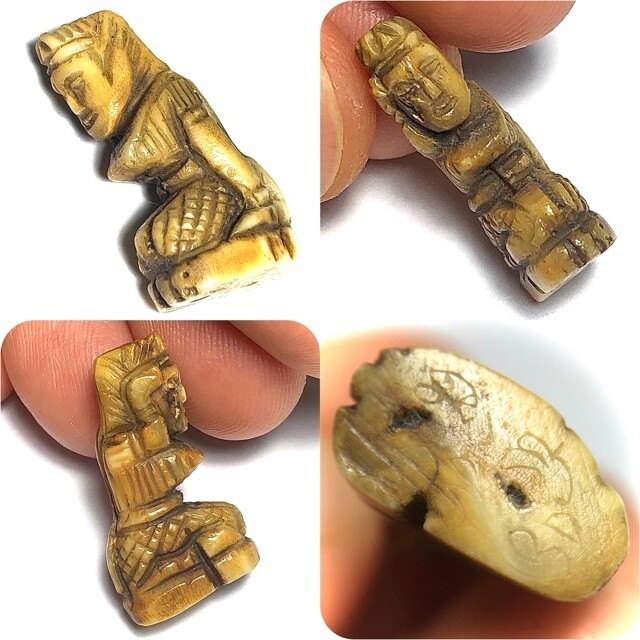
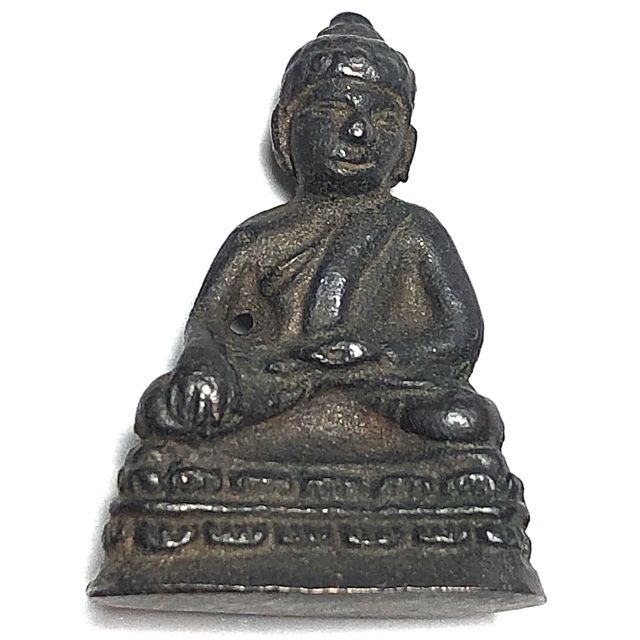
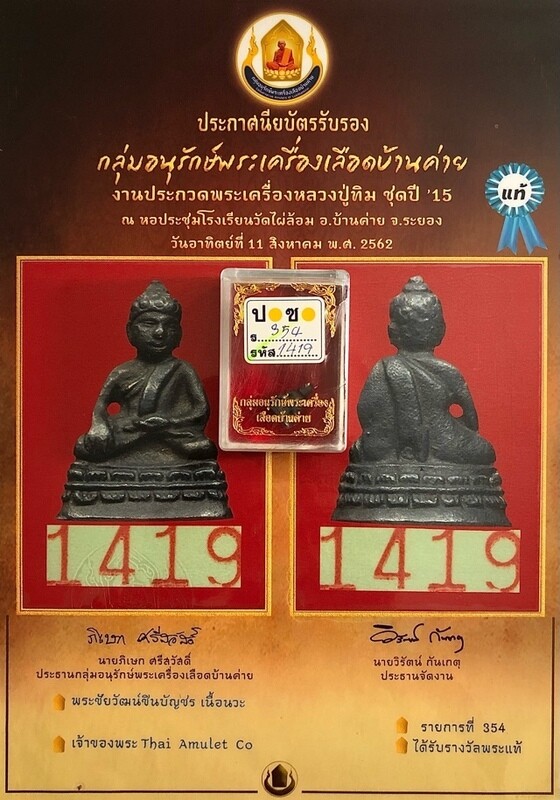
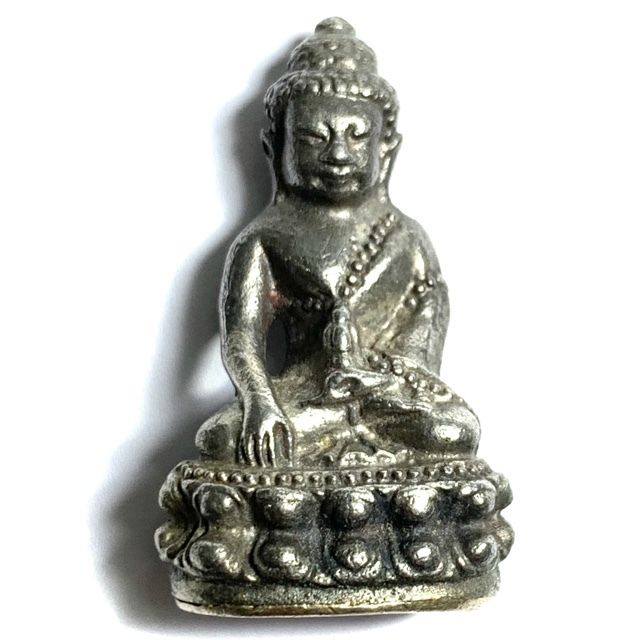
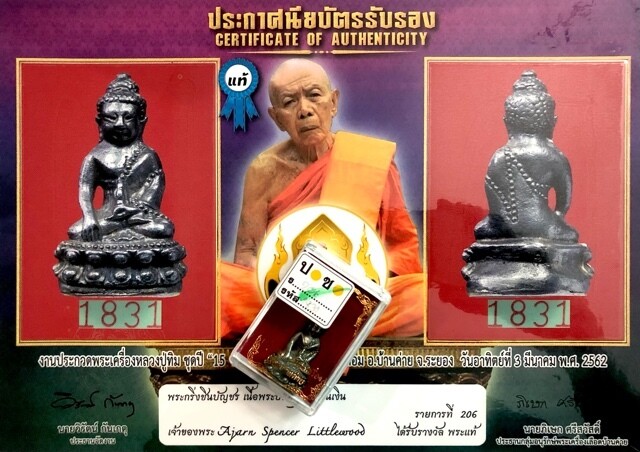
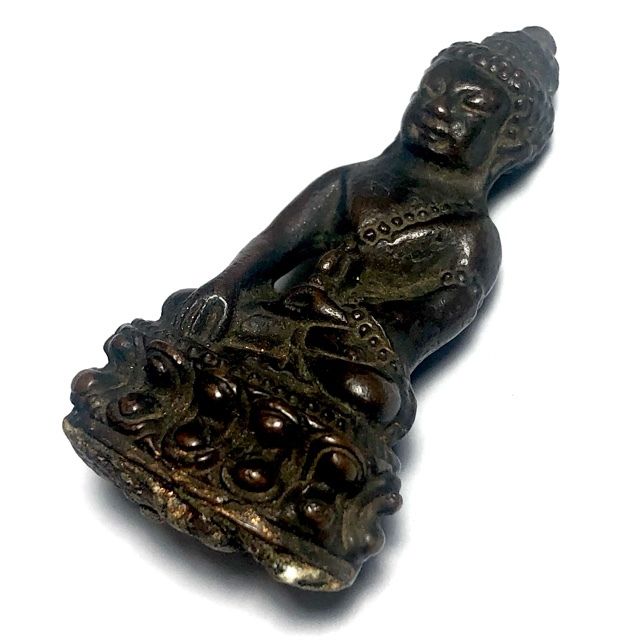
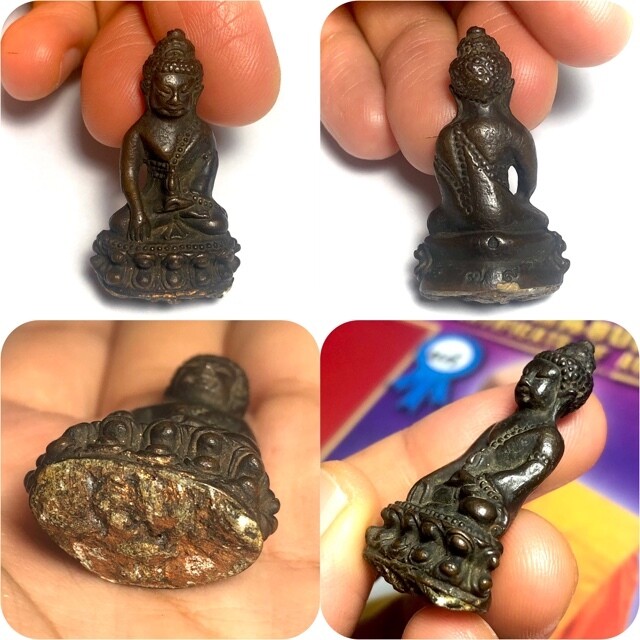
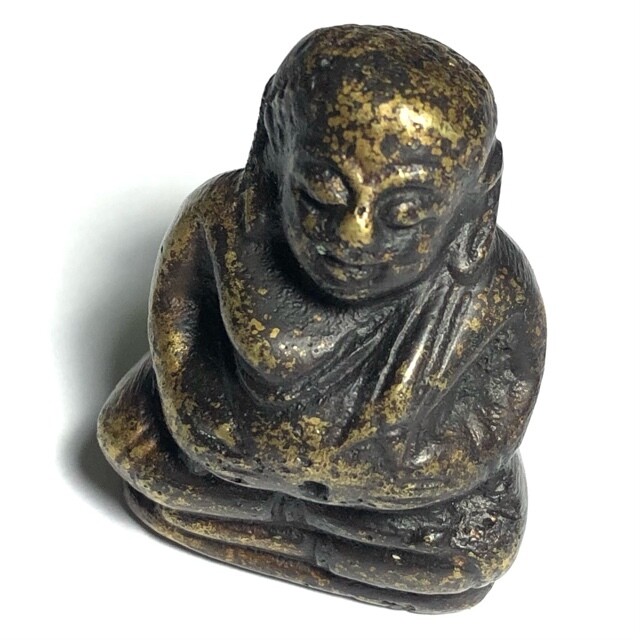
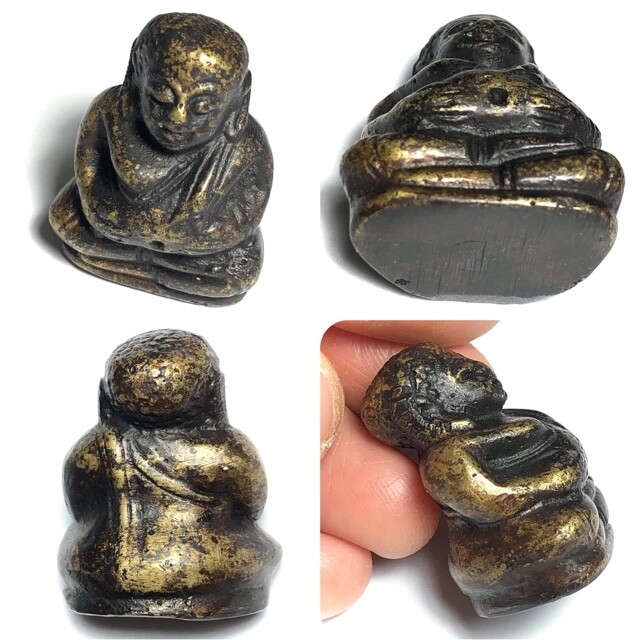
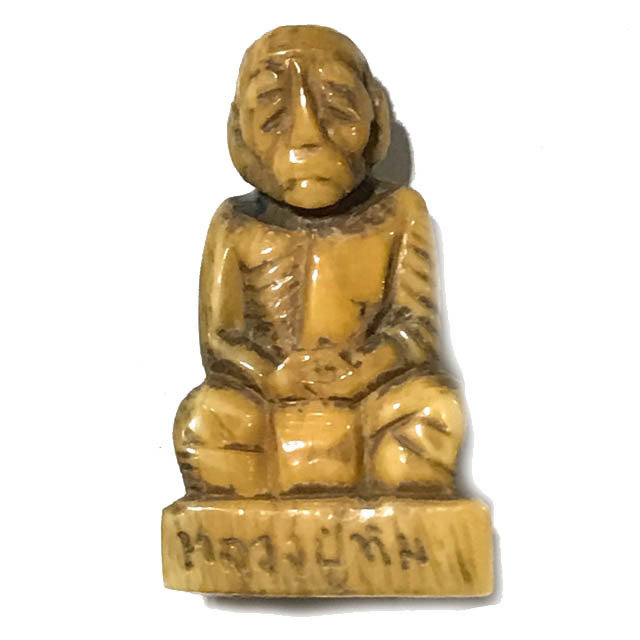
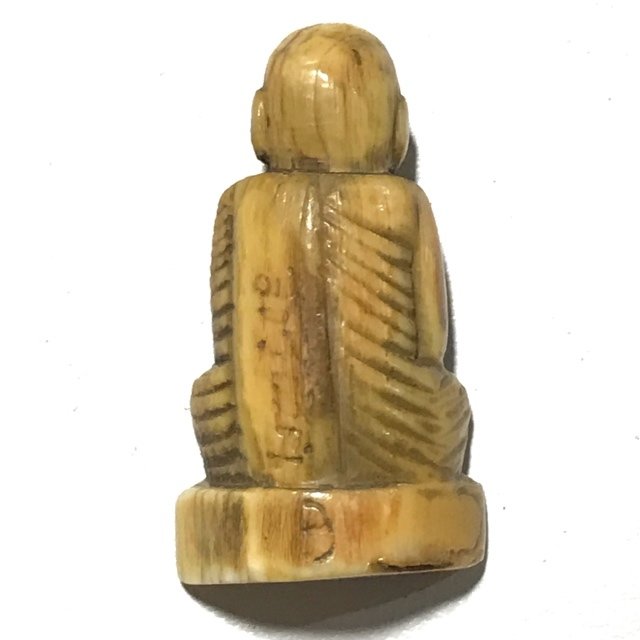
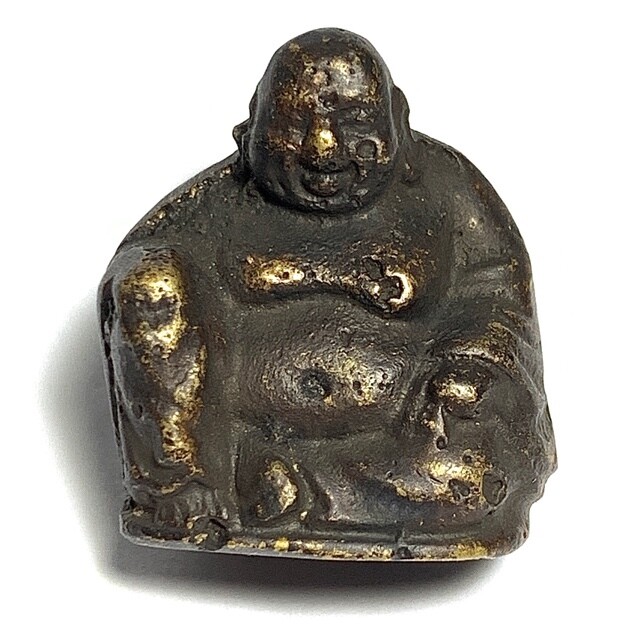
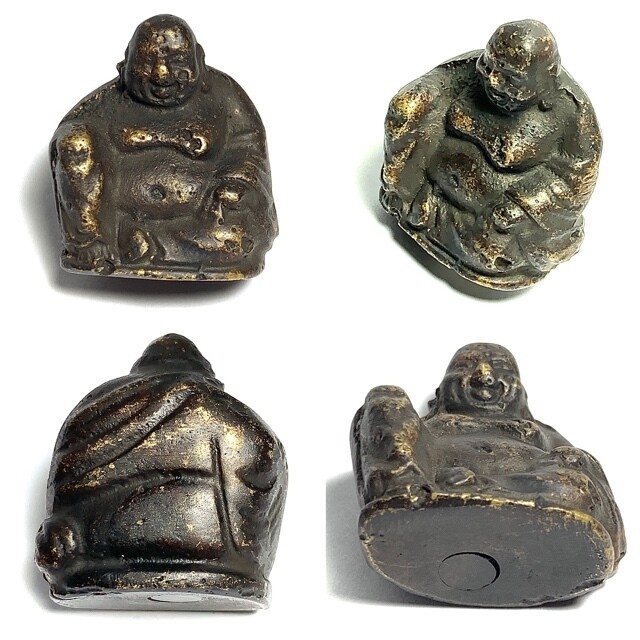
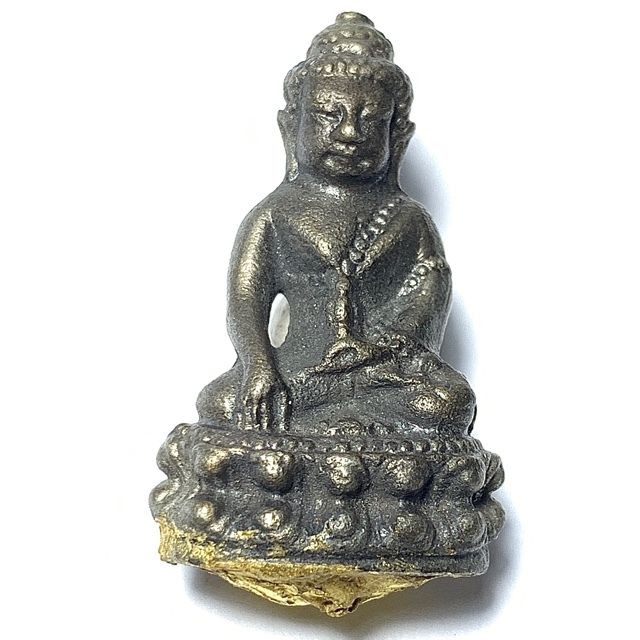
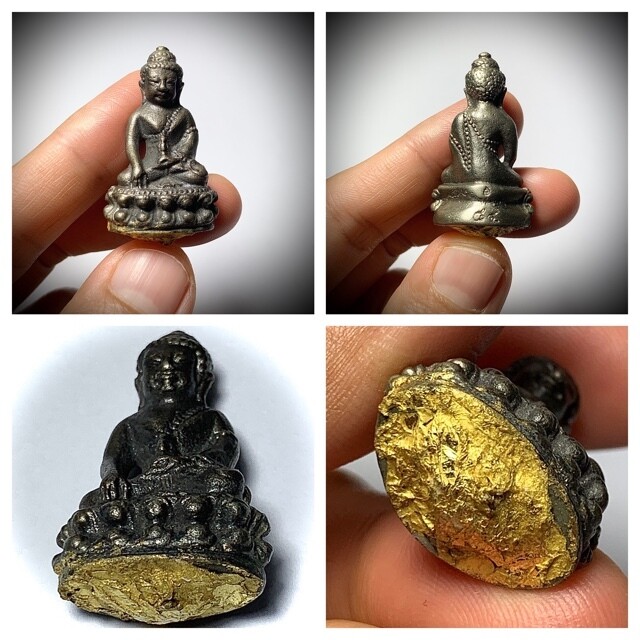
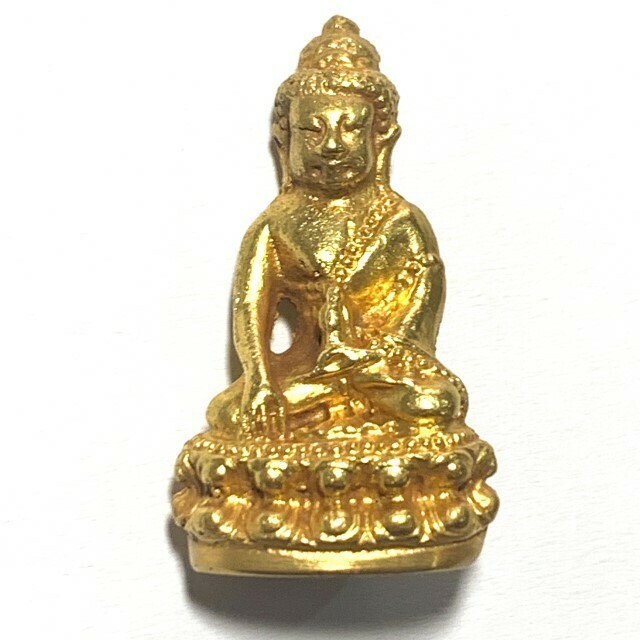
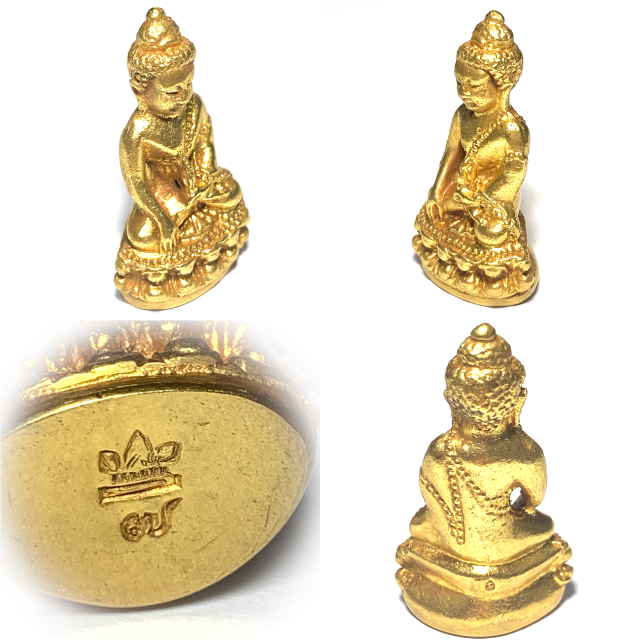
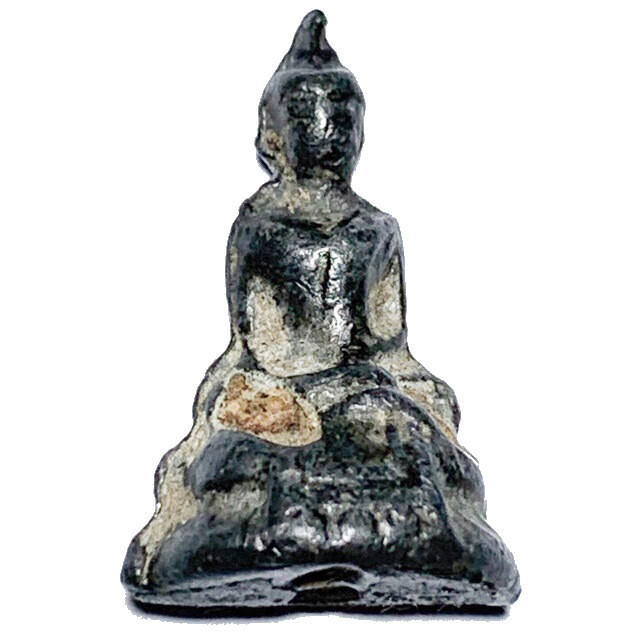
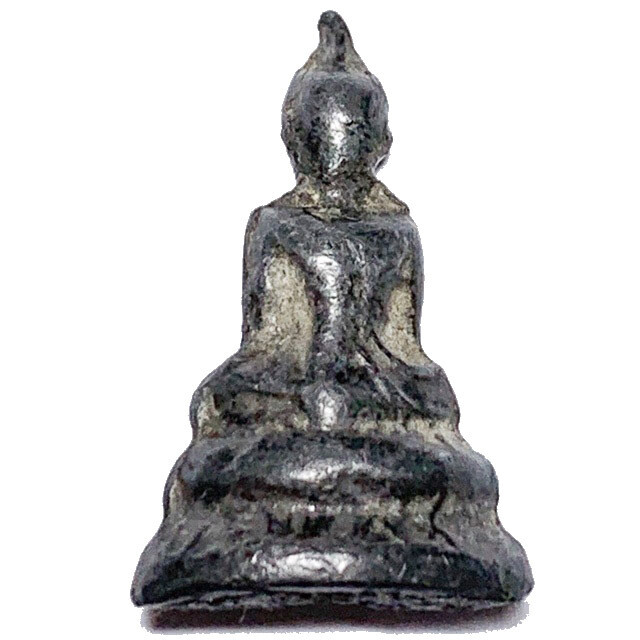
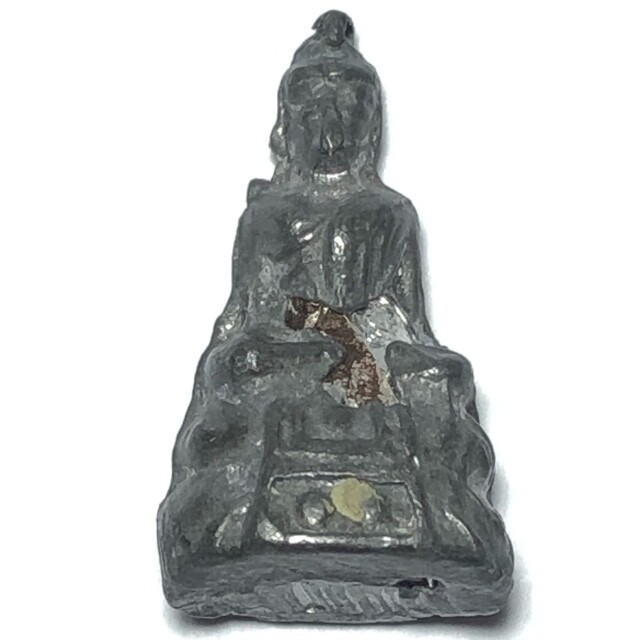
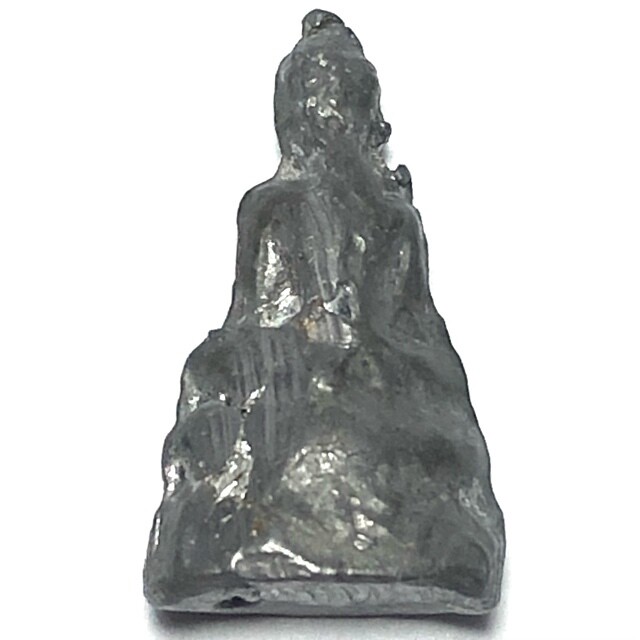
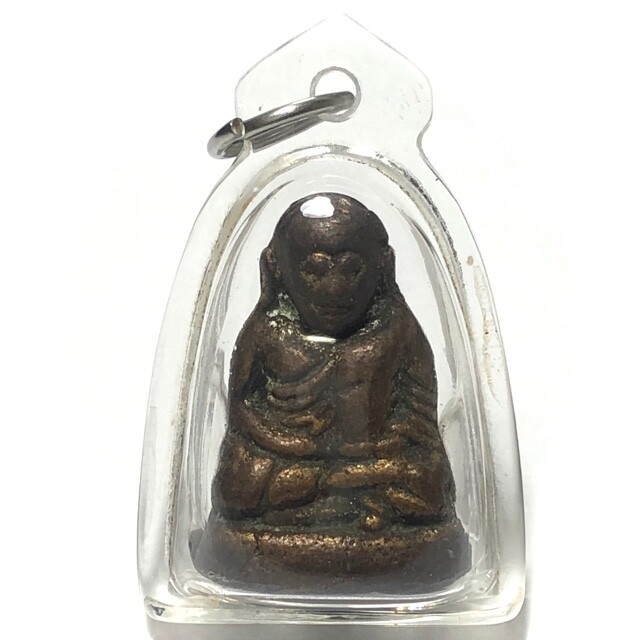
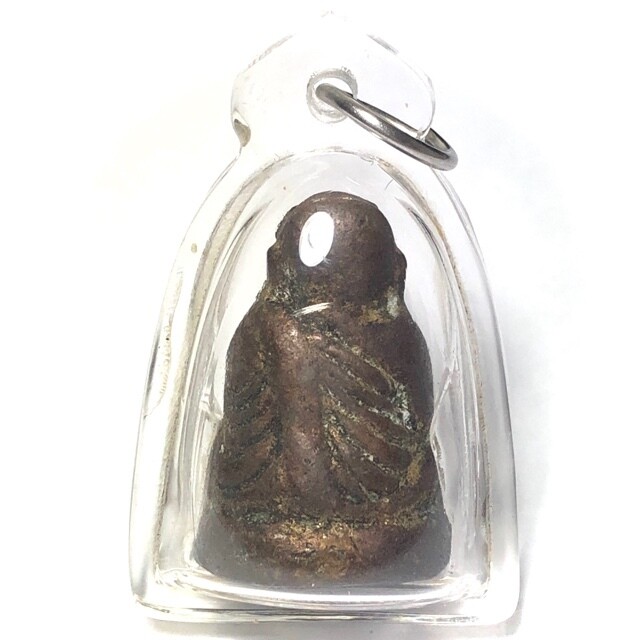
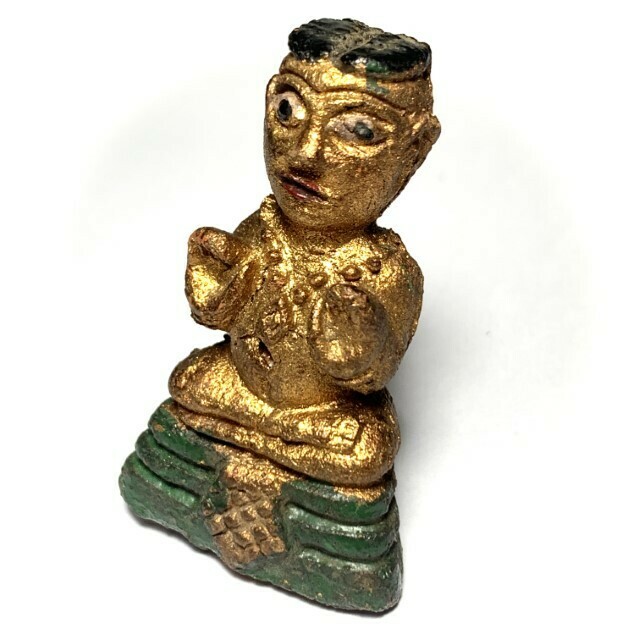
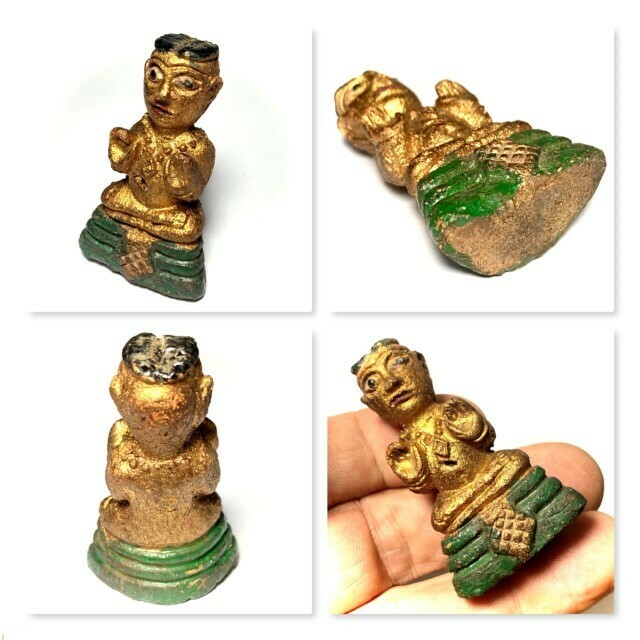
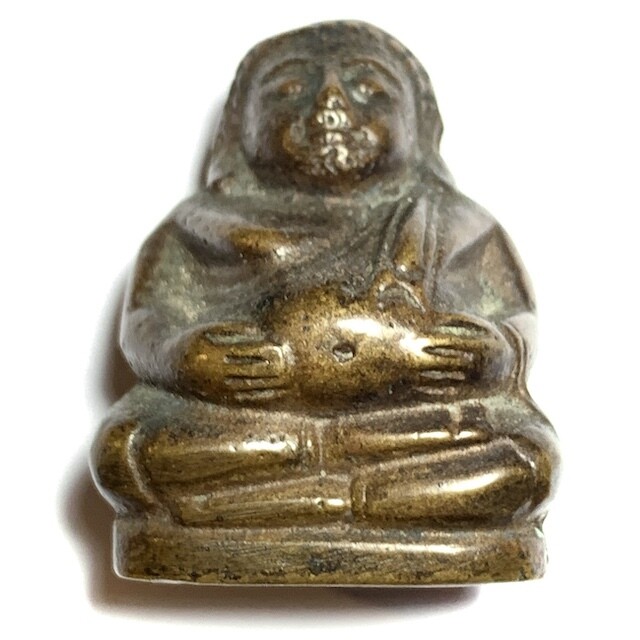
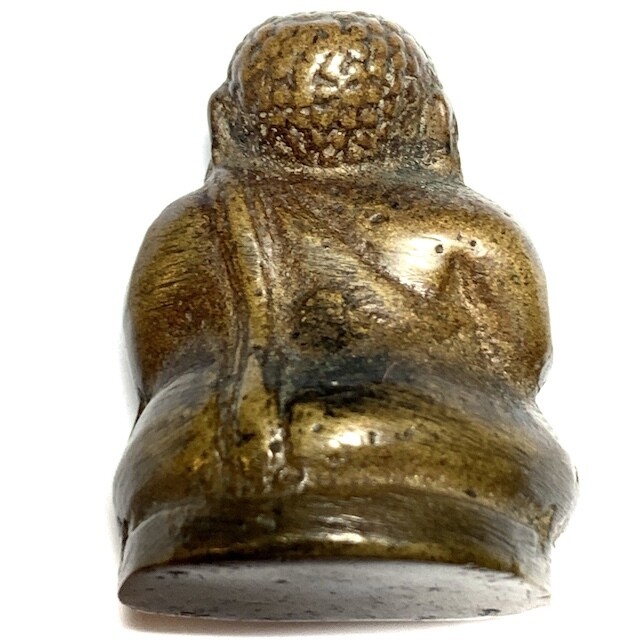
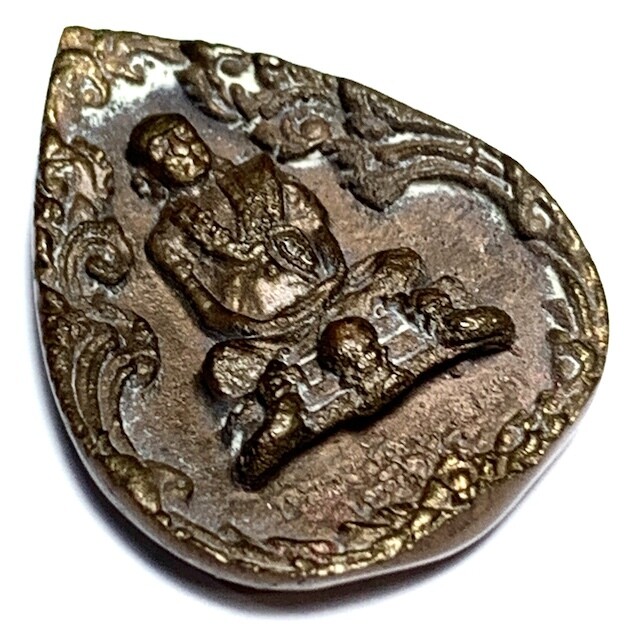
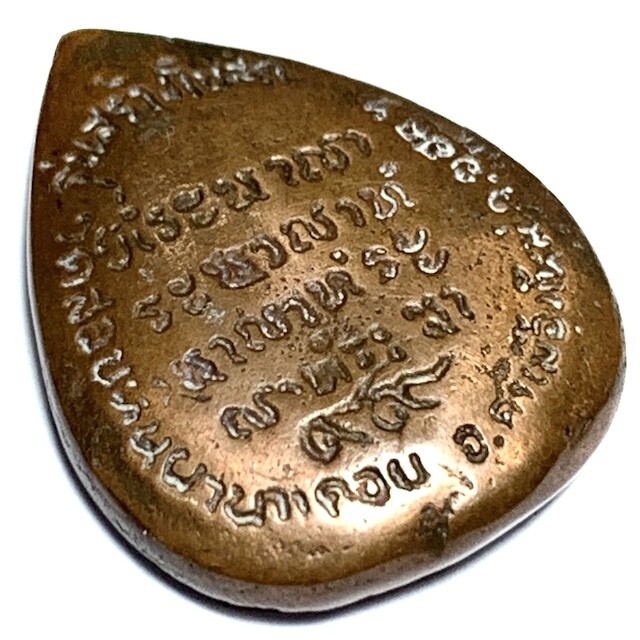
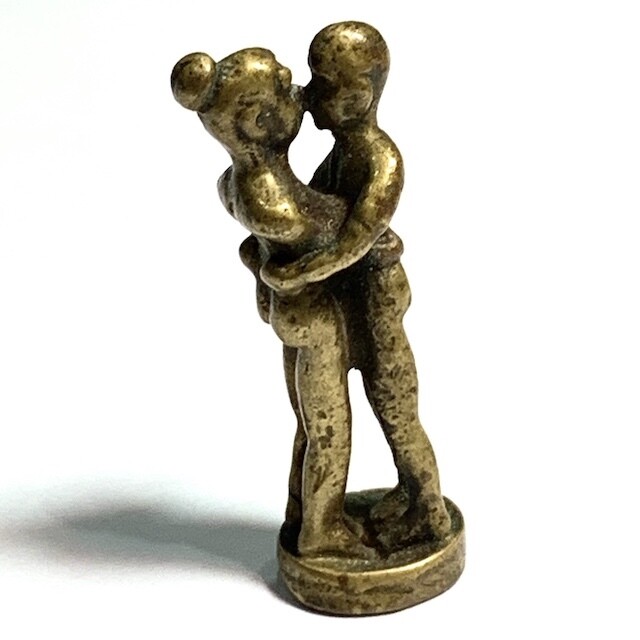
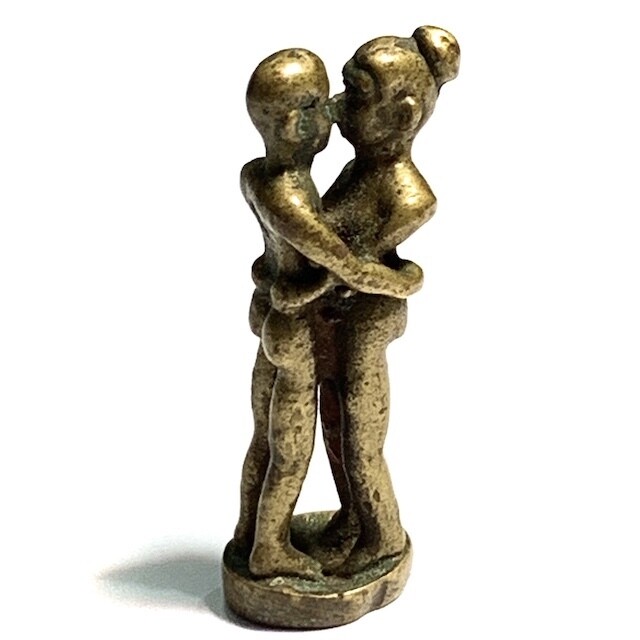
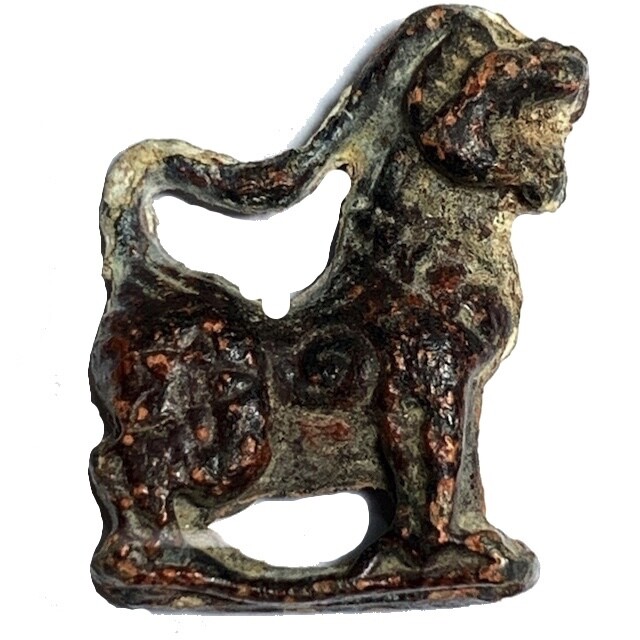
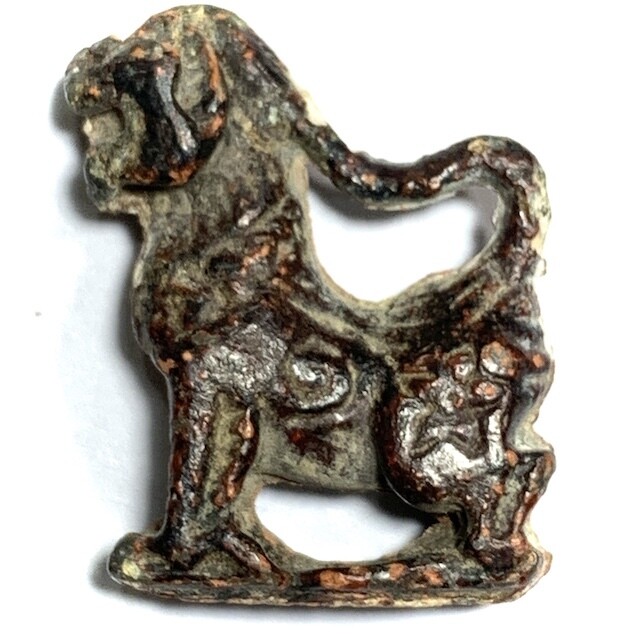
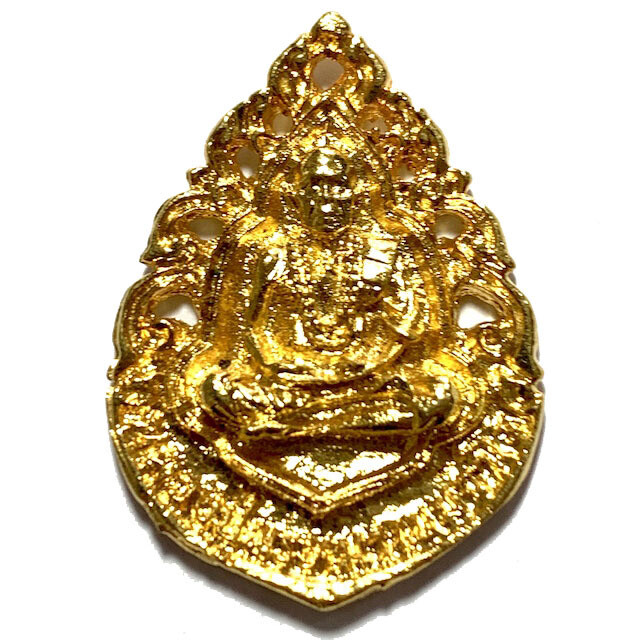
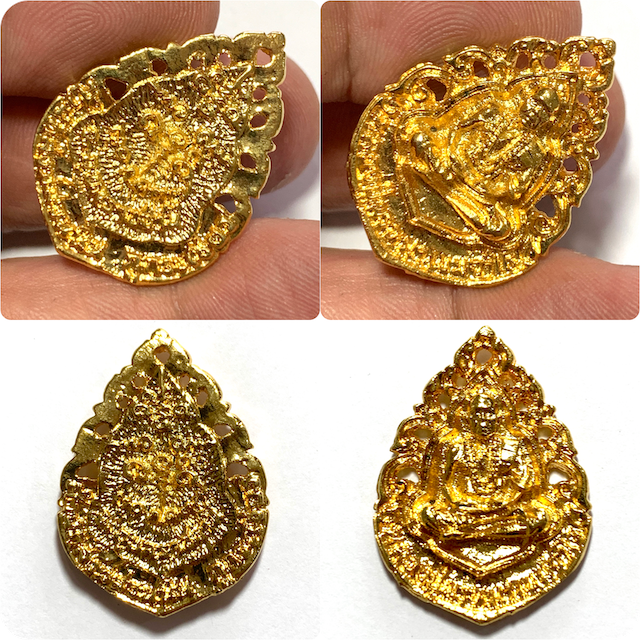
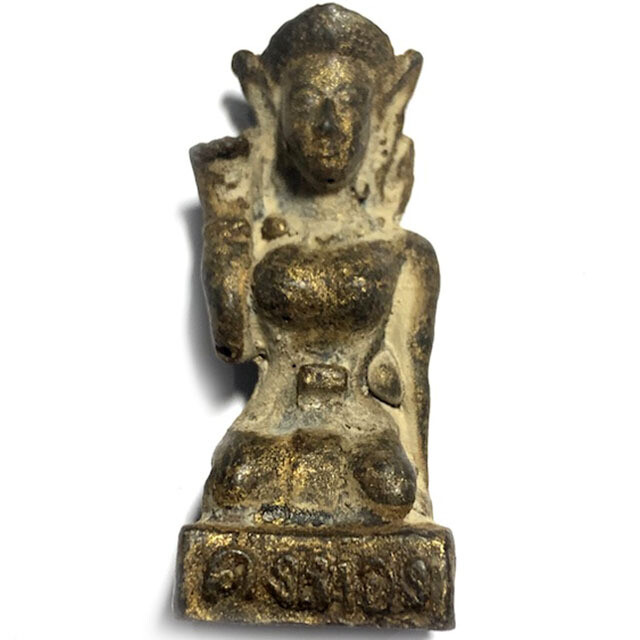
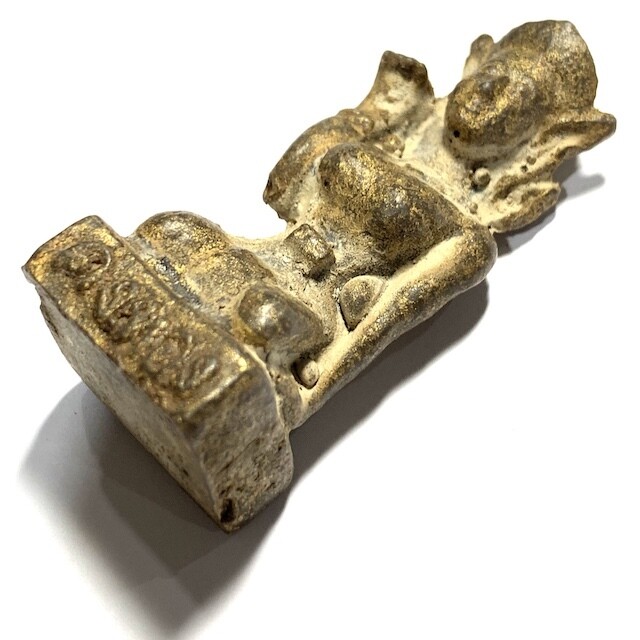
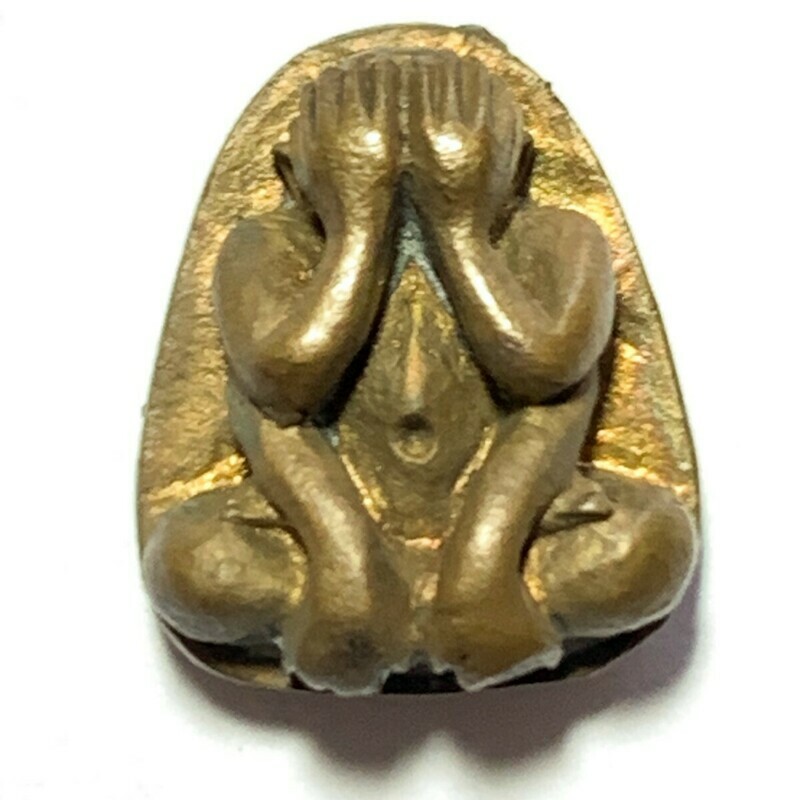
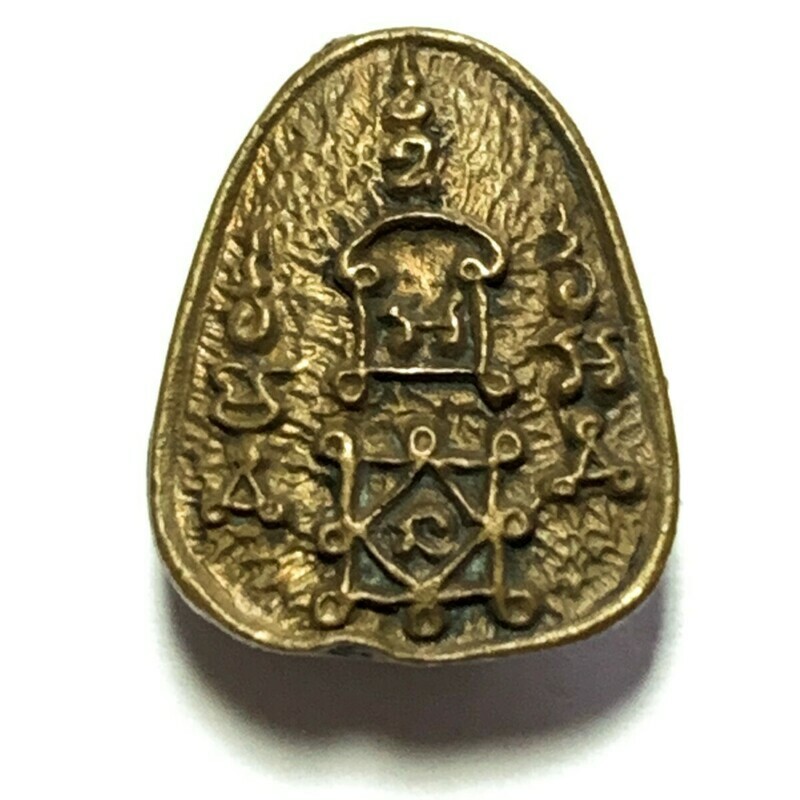
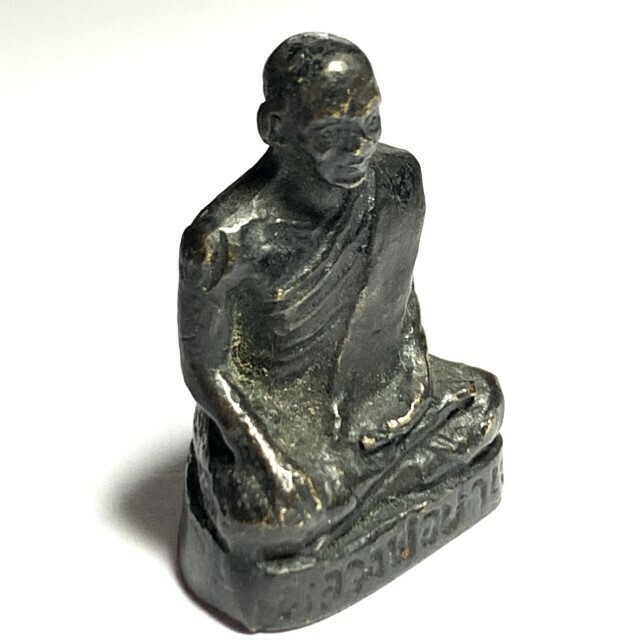
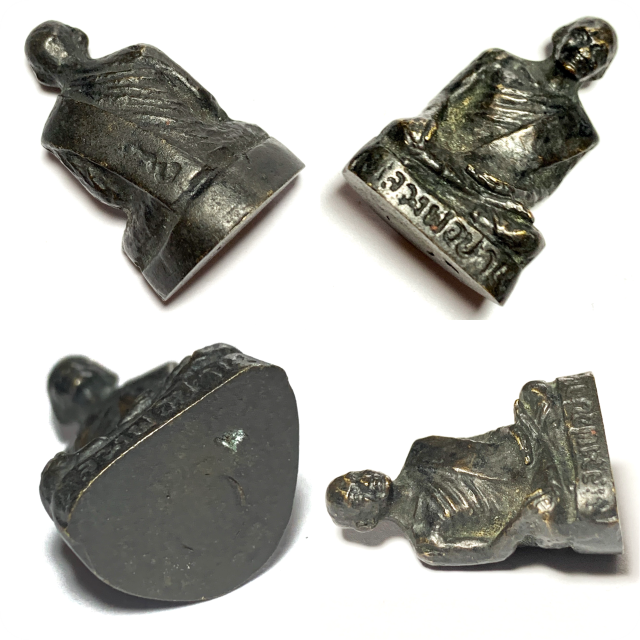
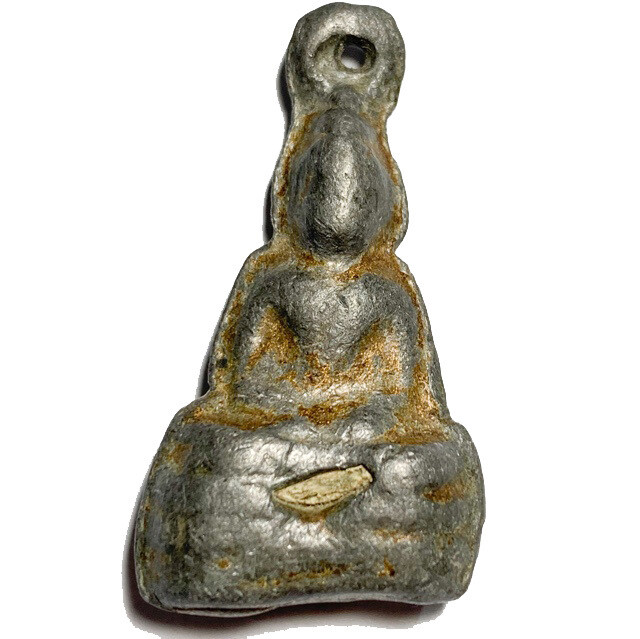
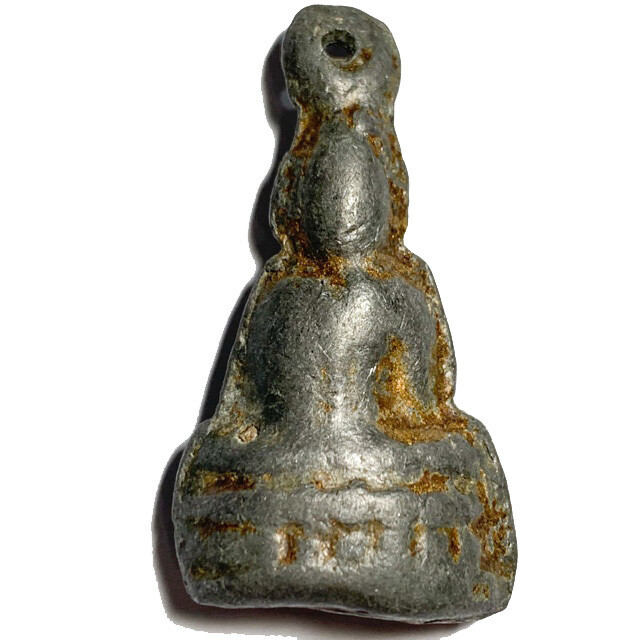
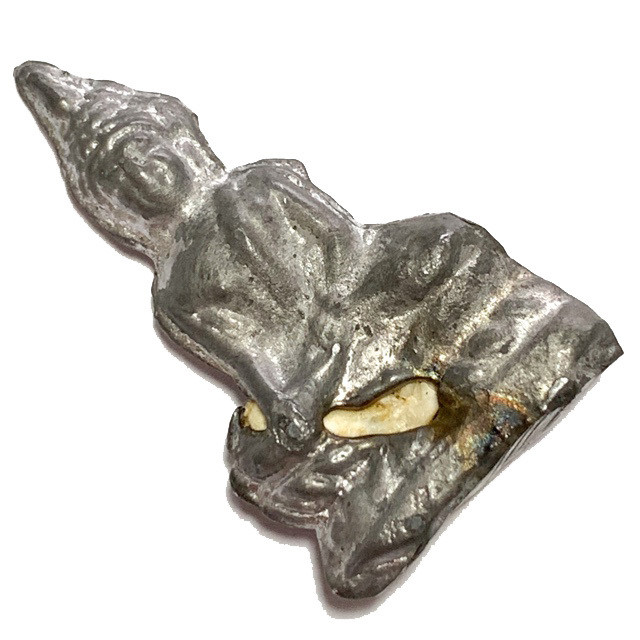
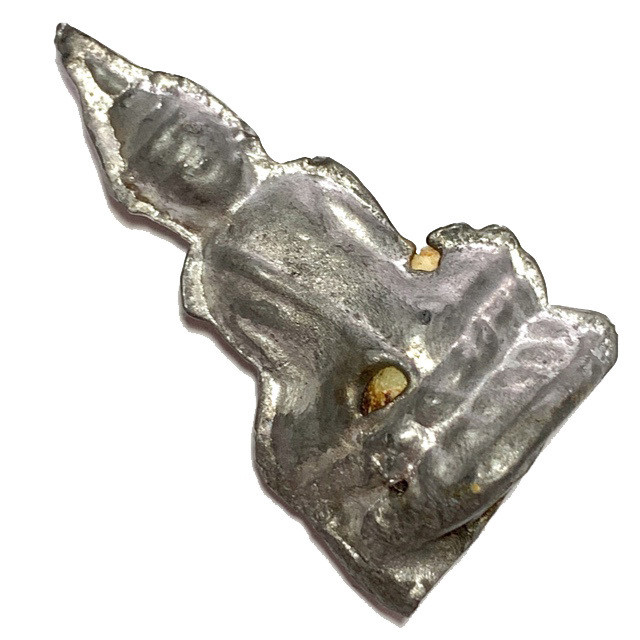
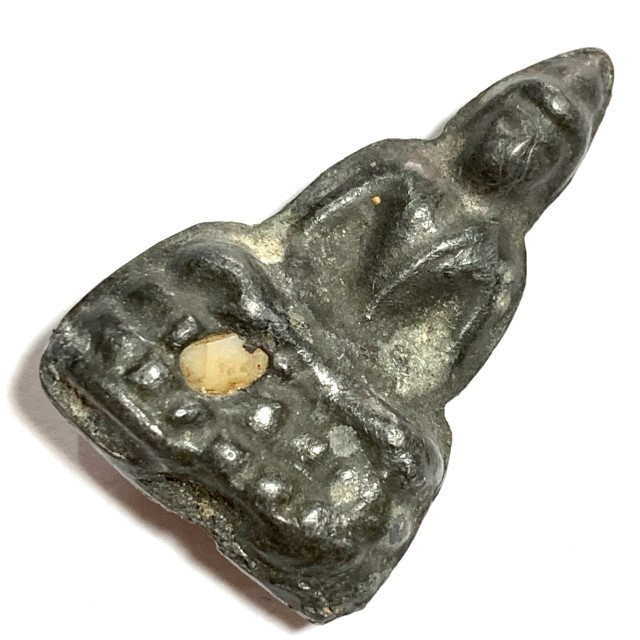
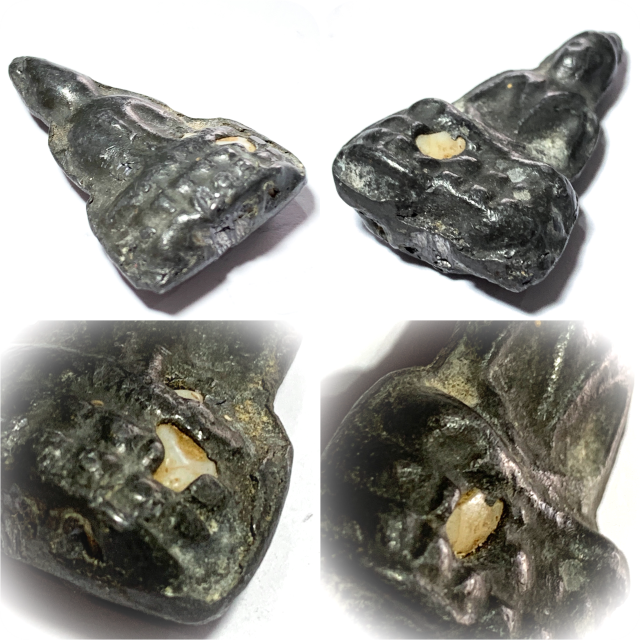
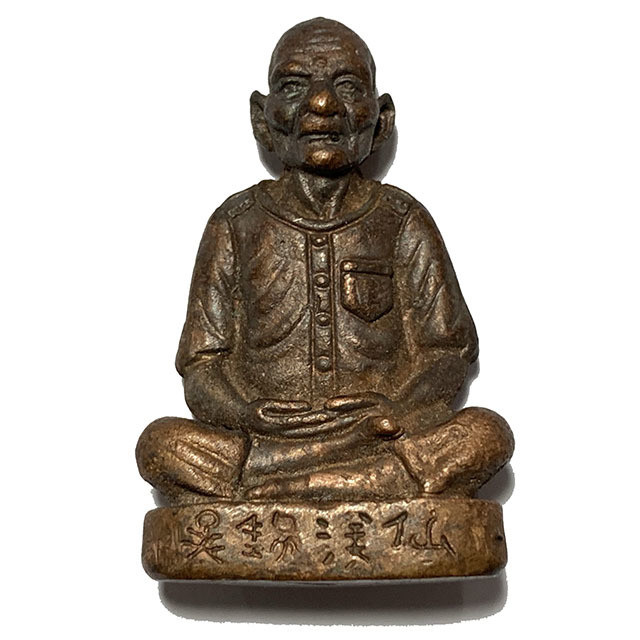
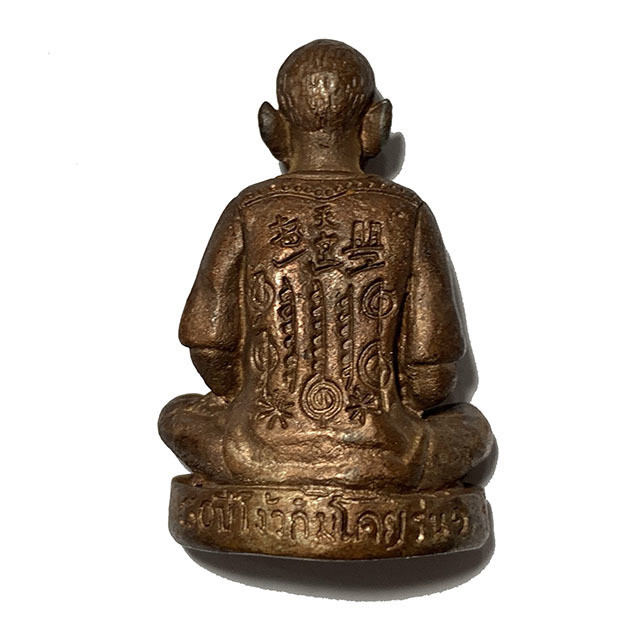
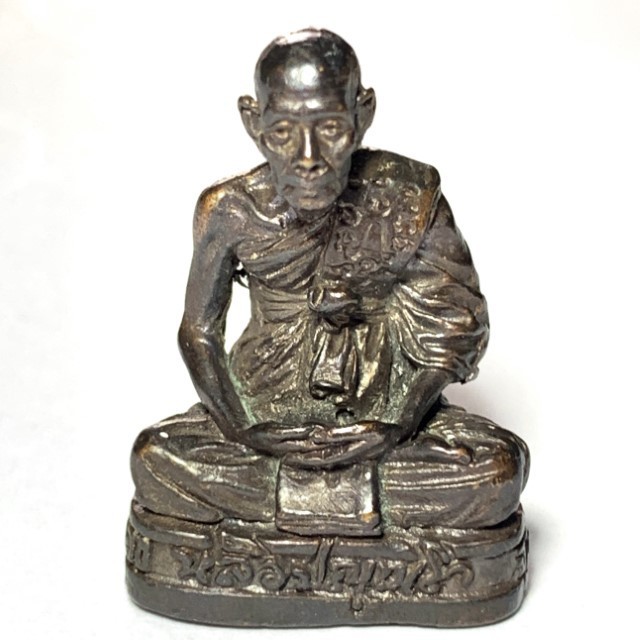
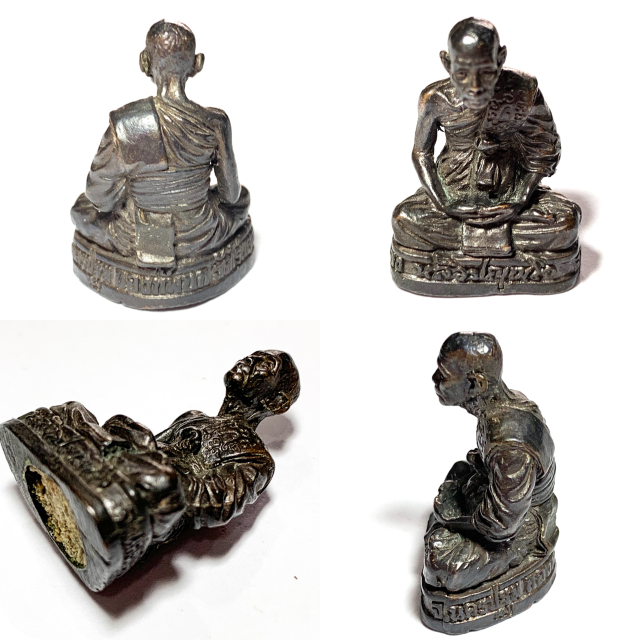
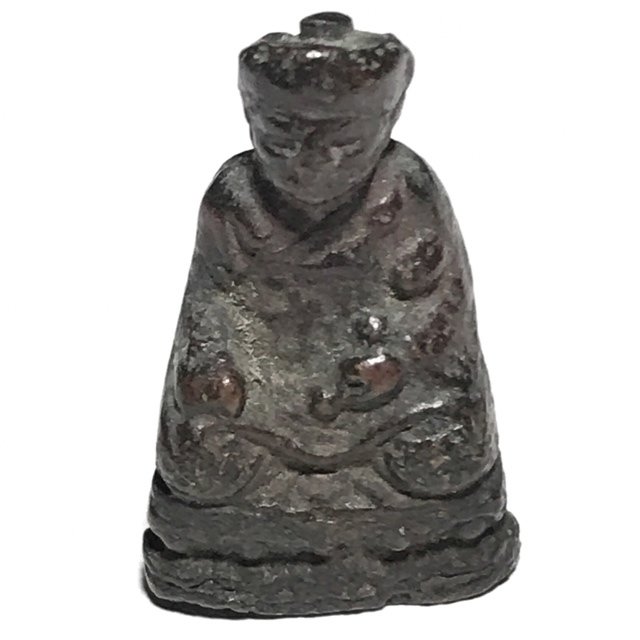
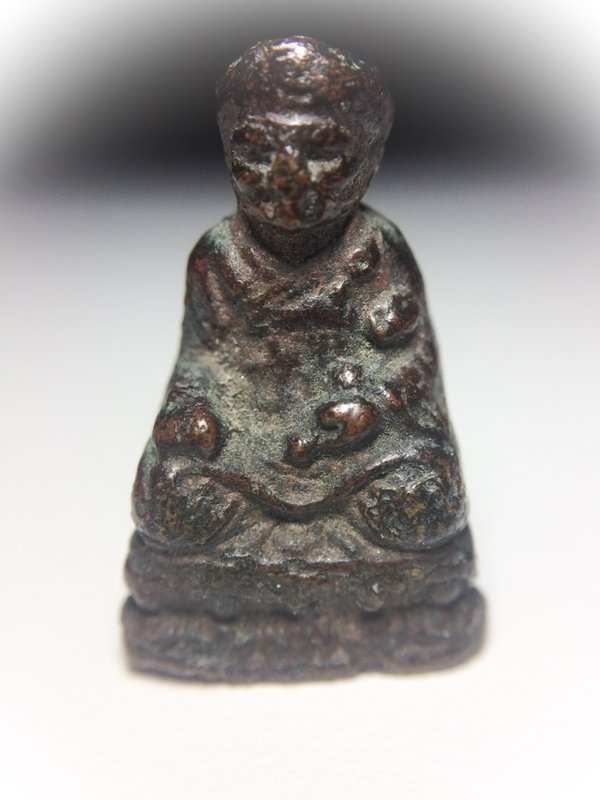
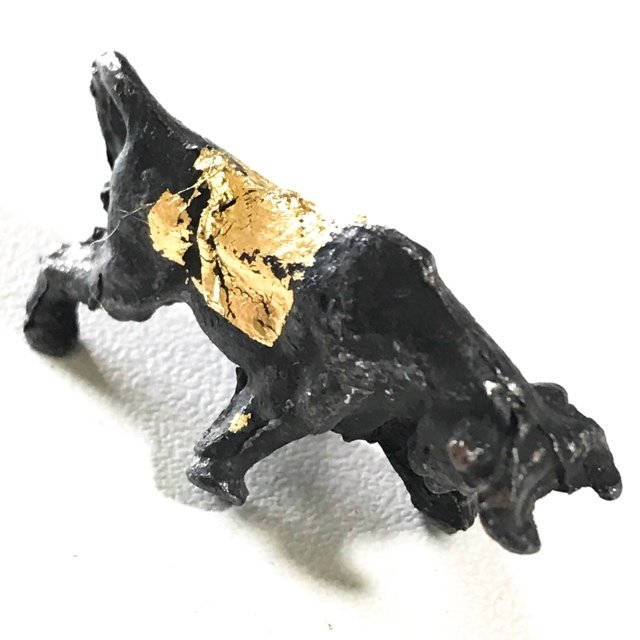
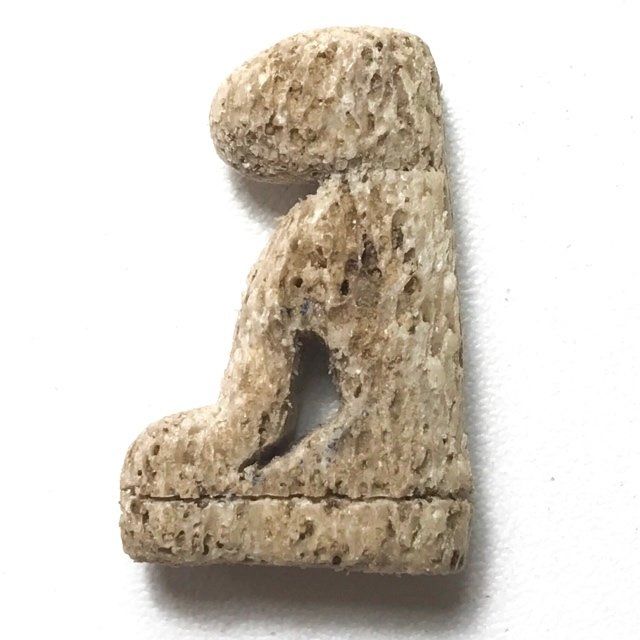
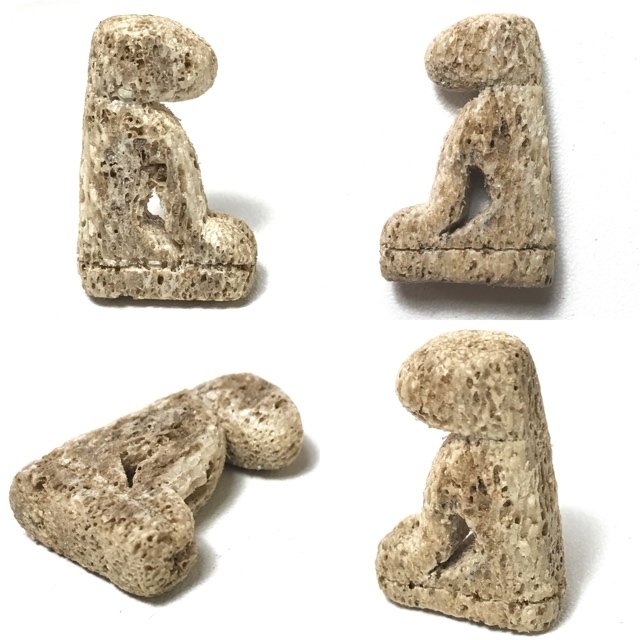
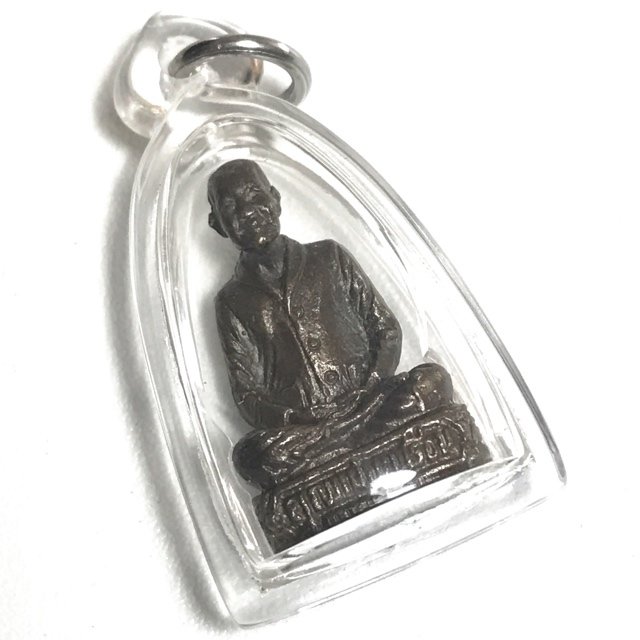
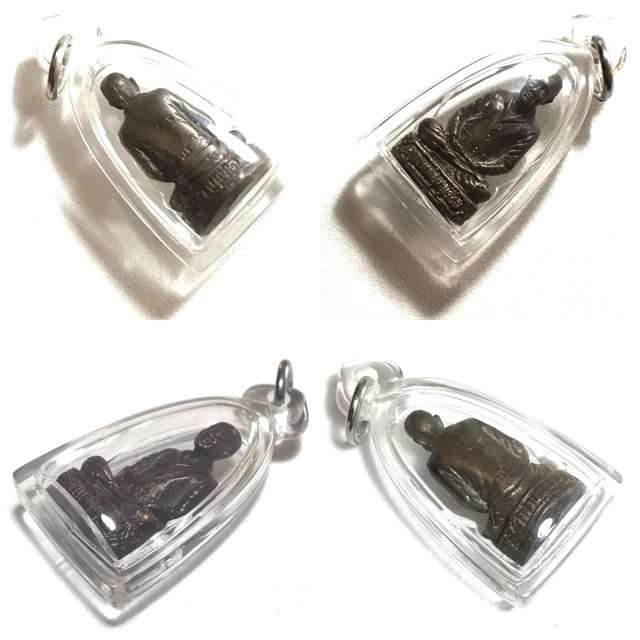
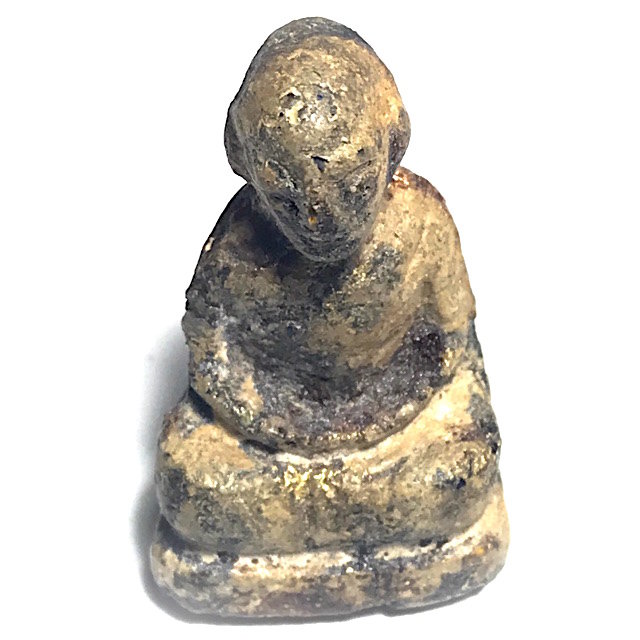
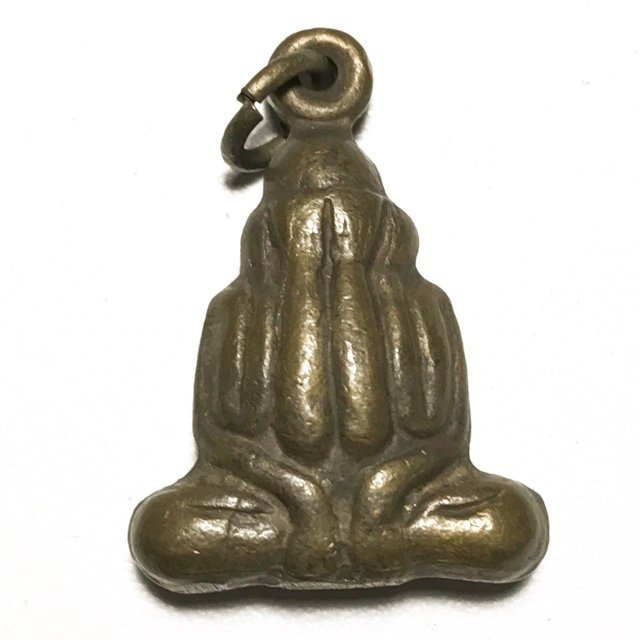
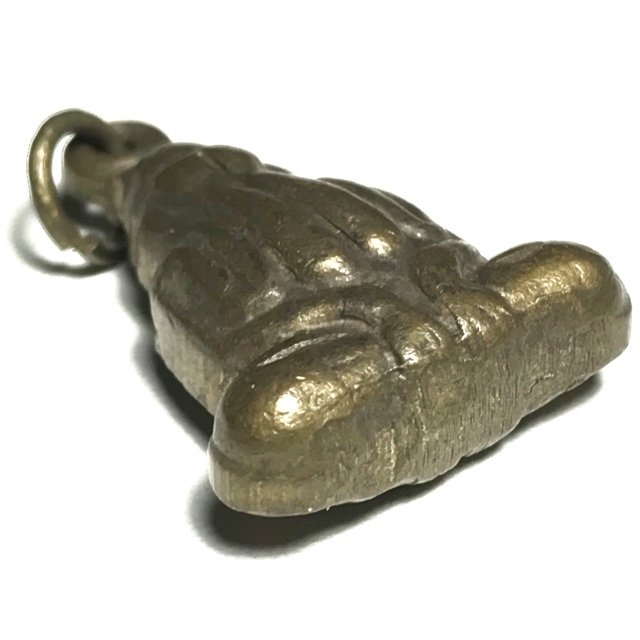
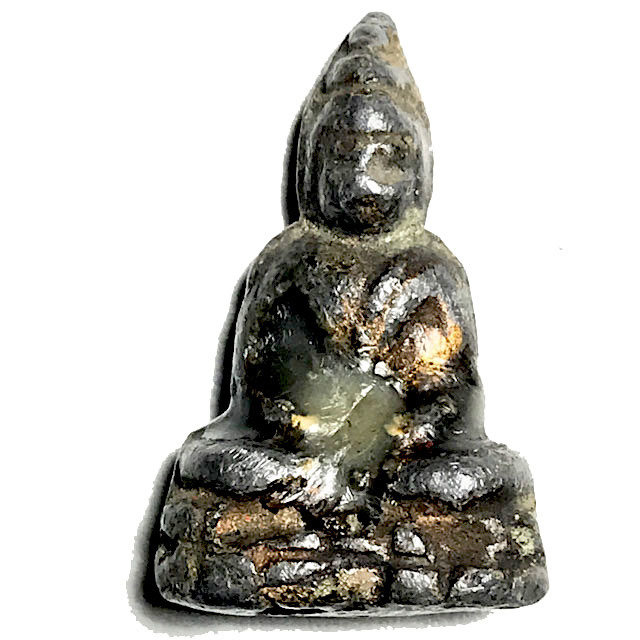
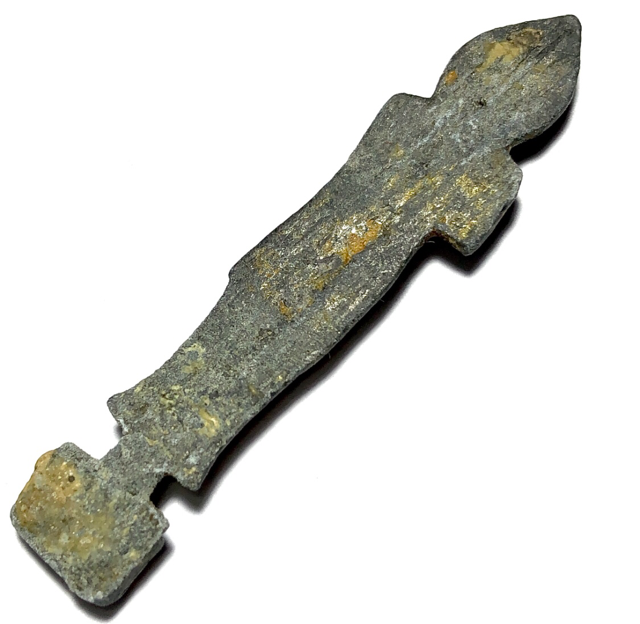
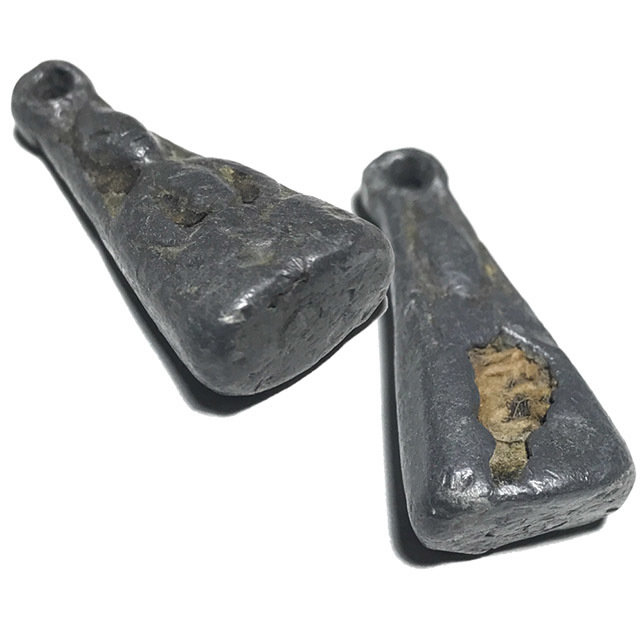
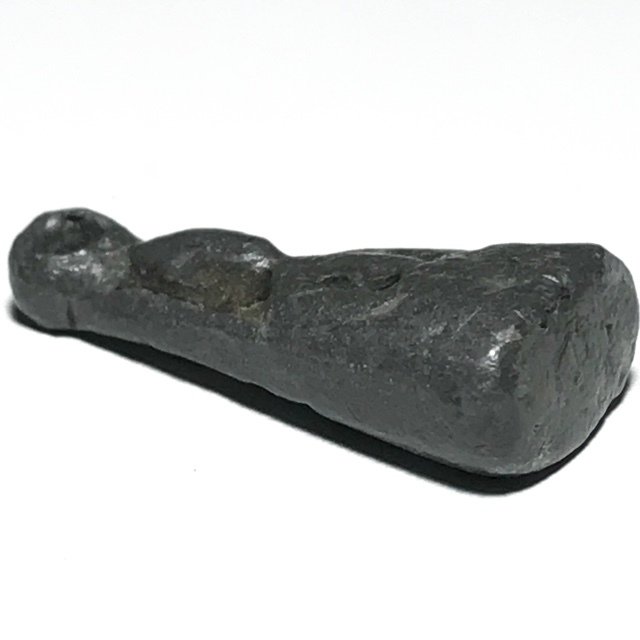
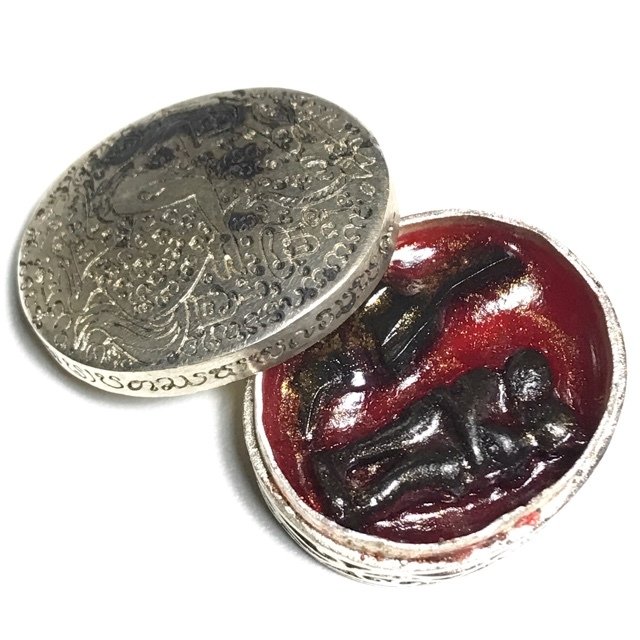
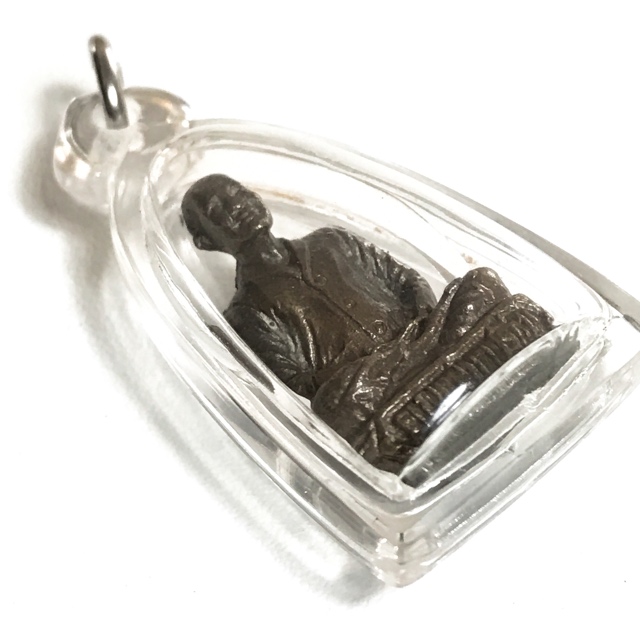
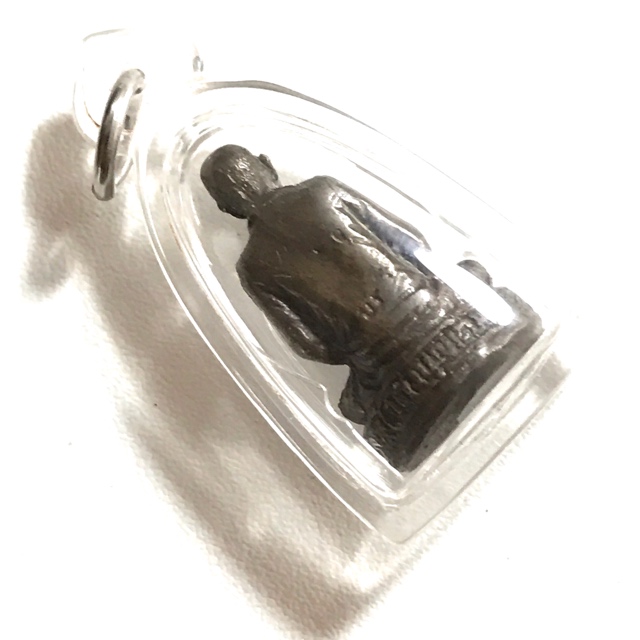
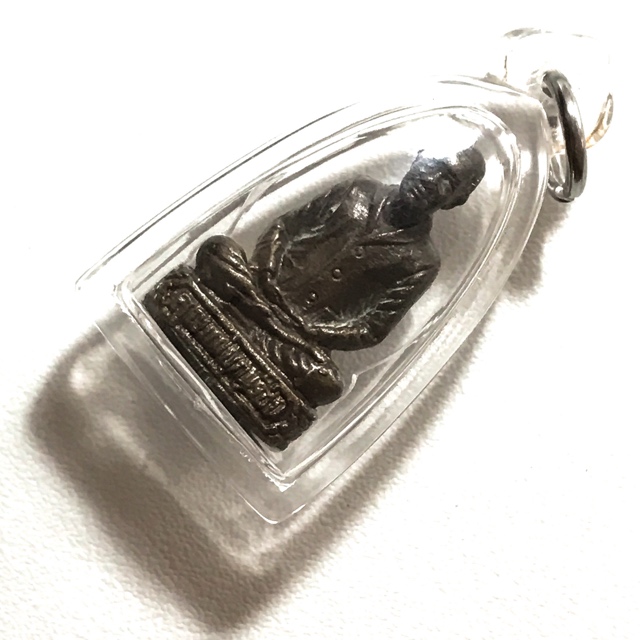
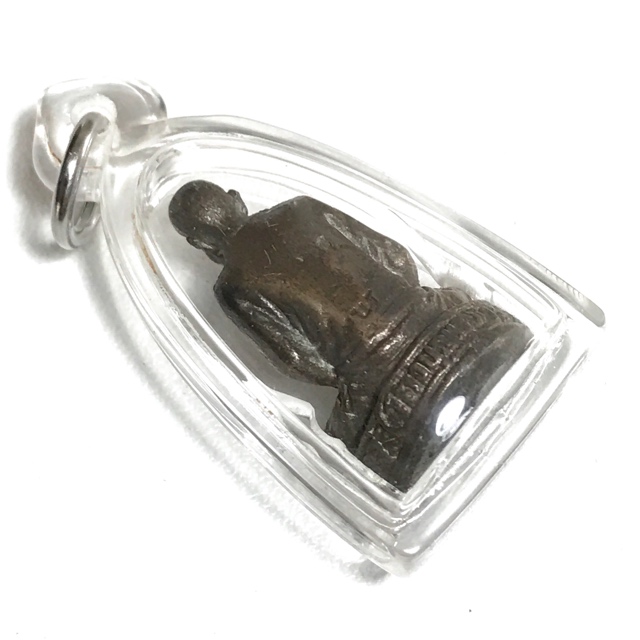
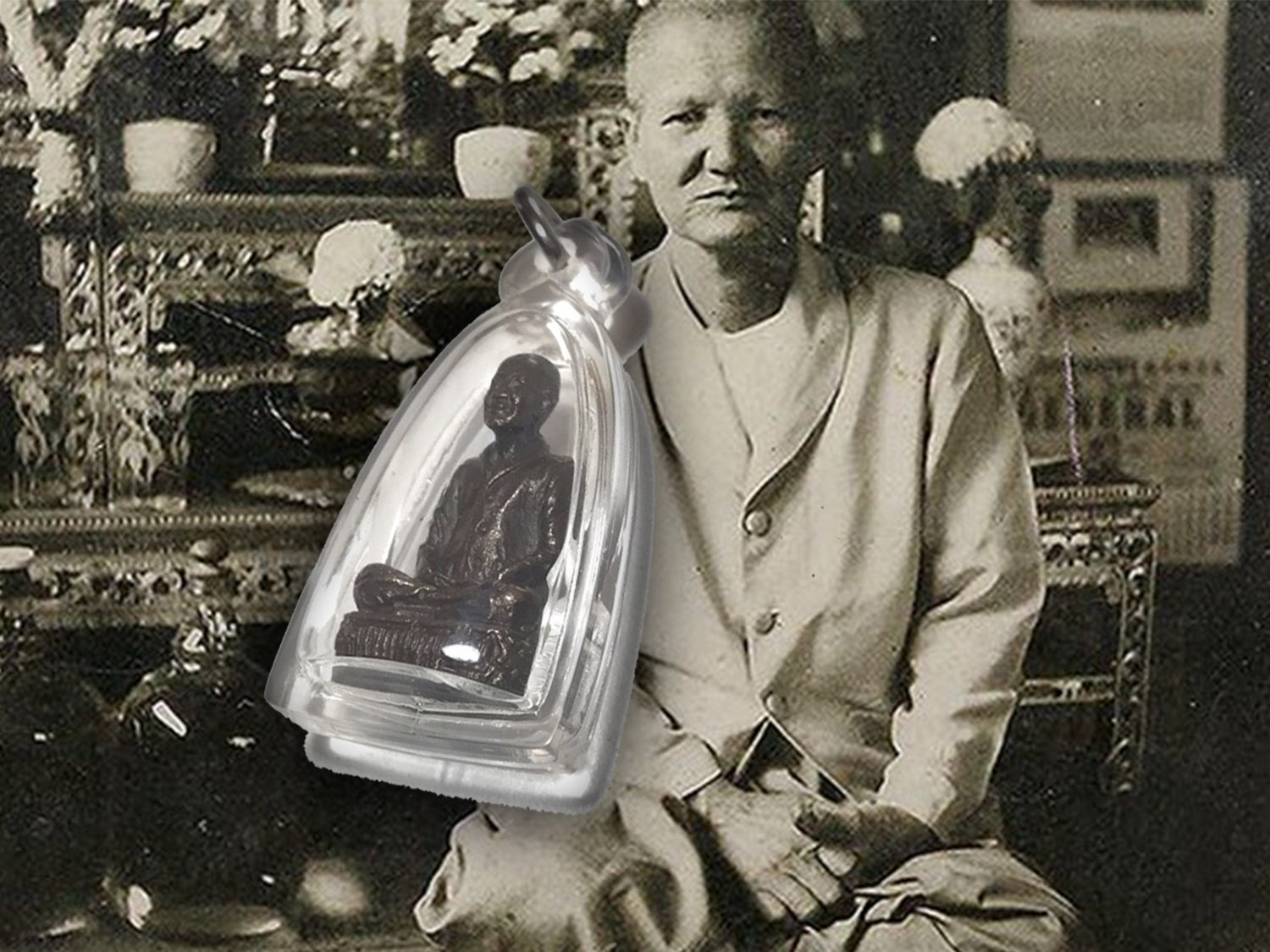
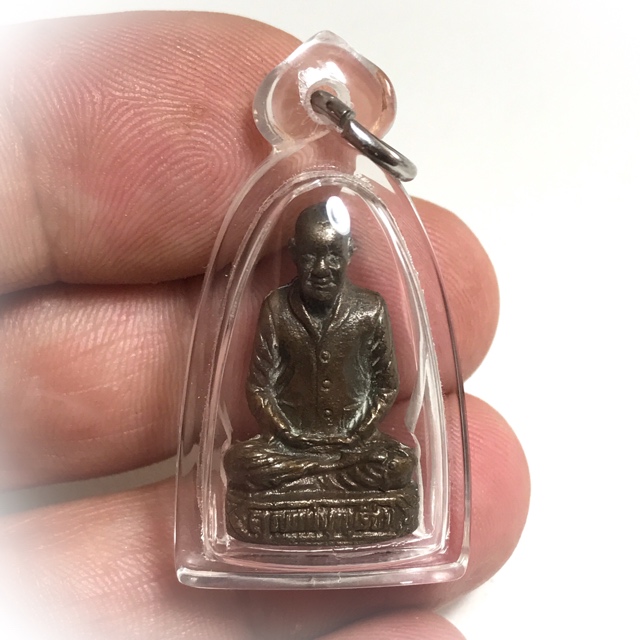
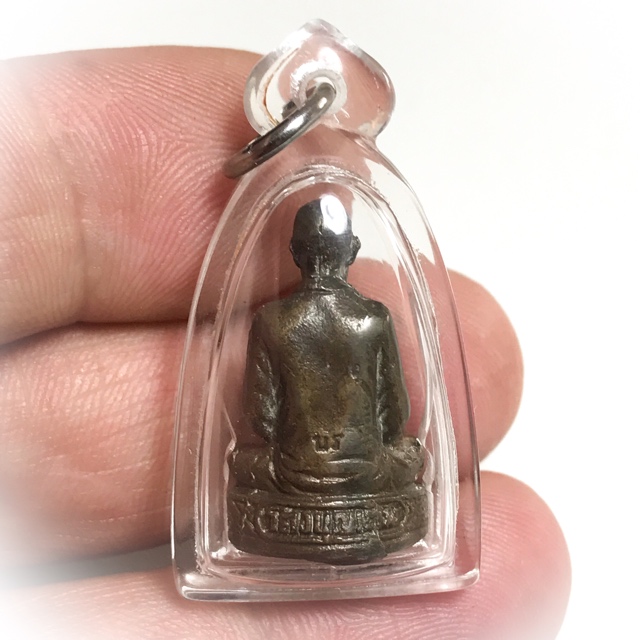
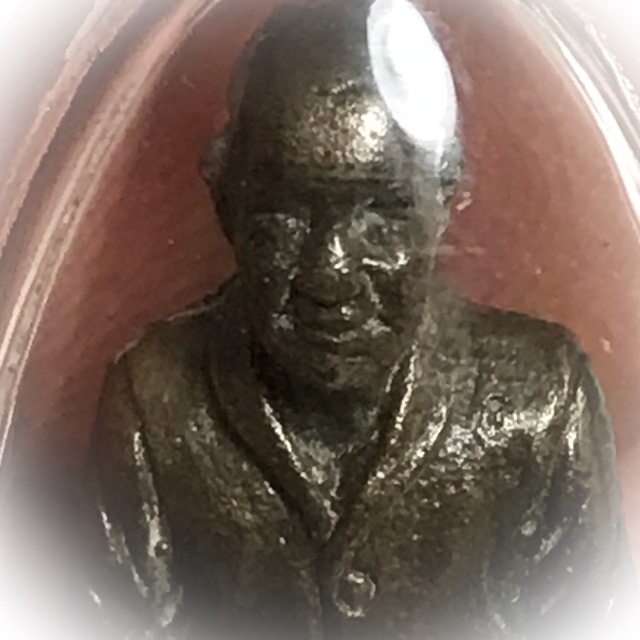
Examination of the Pim Khee Dta Wat Bang Klan 2537 BE Amulet
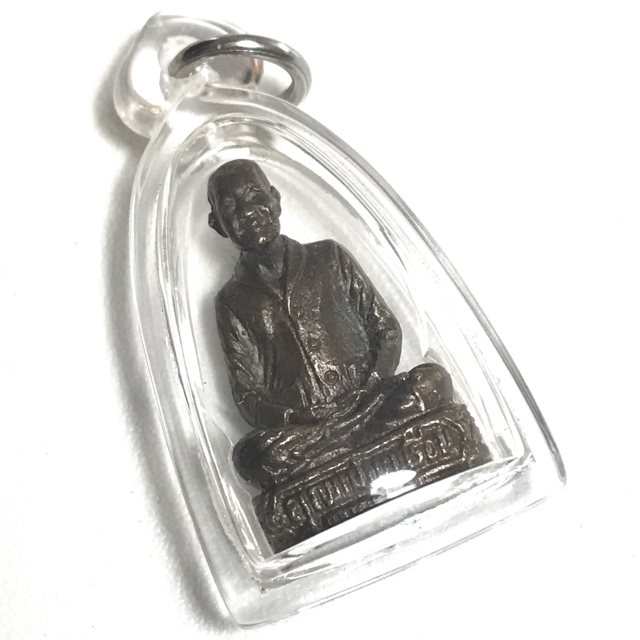
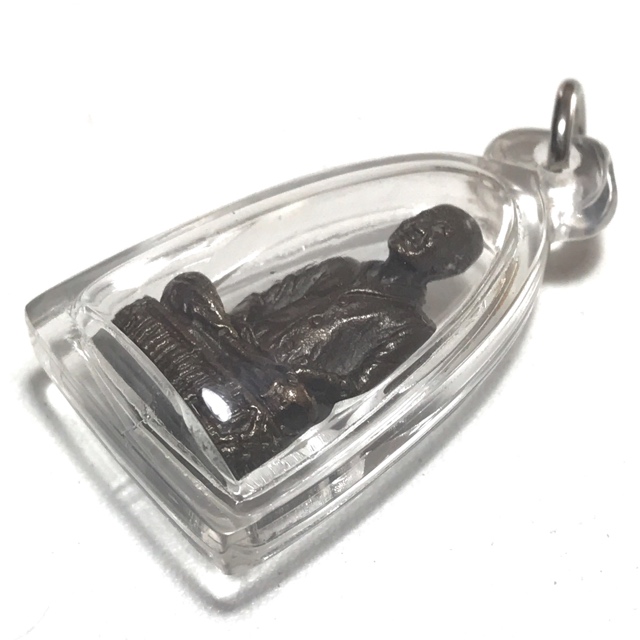
The study of sacred amulets within Theravada Buddhism, particularly in Thailand, represents a complex intersection of art history, religious practice, occult tradition, and social anthropology. This monograph undertakes a comprehensive analysis of a specific and notable exemplar: the Luang Por Ngern Pim Khee Dta Wat Bang Klan 2537 BE, crafted by Luang Por Nong of Wat Tung Noi. Identified by the SKU 04200, this amulet, made from Nuea Tong Pasom Gao, stands as a testament to the enduring veneration of Luang Por Ngern and the continuous transmission of sacred Wicha through generations of monastic practitioners. This particular edition, released in 2537 BE, carries profound historical, alchemical, and theological significance, emerging as Luang Por Nong’s inaugural self-created series. Its genesis was rooted in the pragmatic necessity of funding temple refurbishment and the construction of a Sala Rest Podium at Wat Tung Noi, yet its spiritual resonance extends far beyond its material origins, embodying a living lineage of power and devotion. The incorporation of original Luang Por Ngern amulets within its metallic composition and its direct replication from an ancient Pim Khee Dta model imbues it with an intrinsic connection to its illustrious predecessor, making it a critical subject for scholarly inquiry into Thai Buddhist occultism.
Introduction and Theological Importance
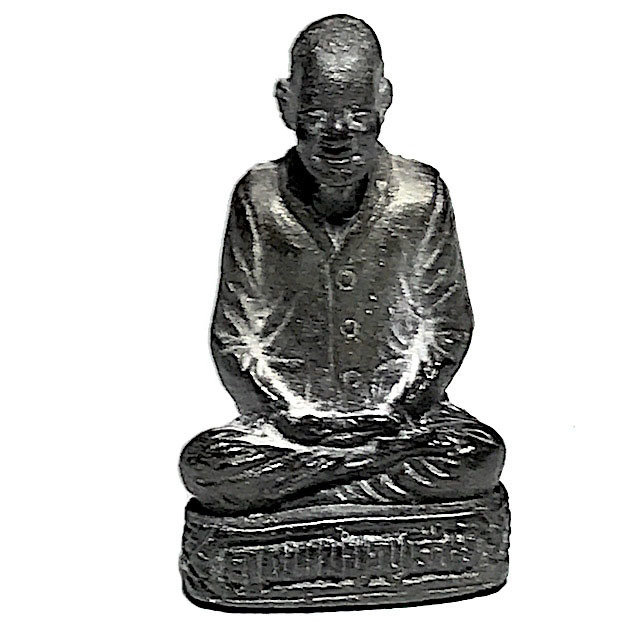
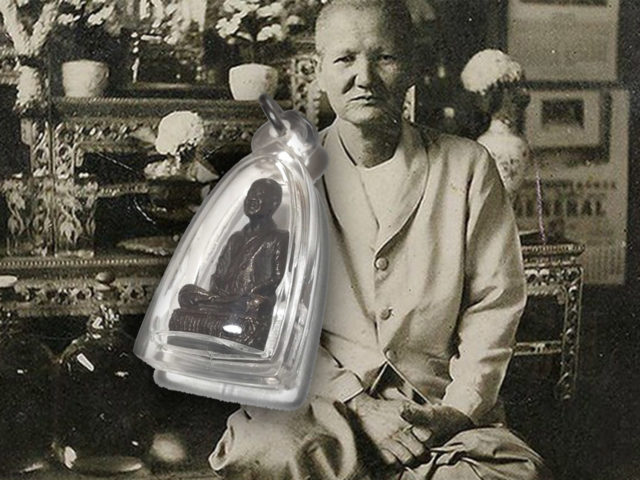
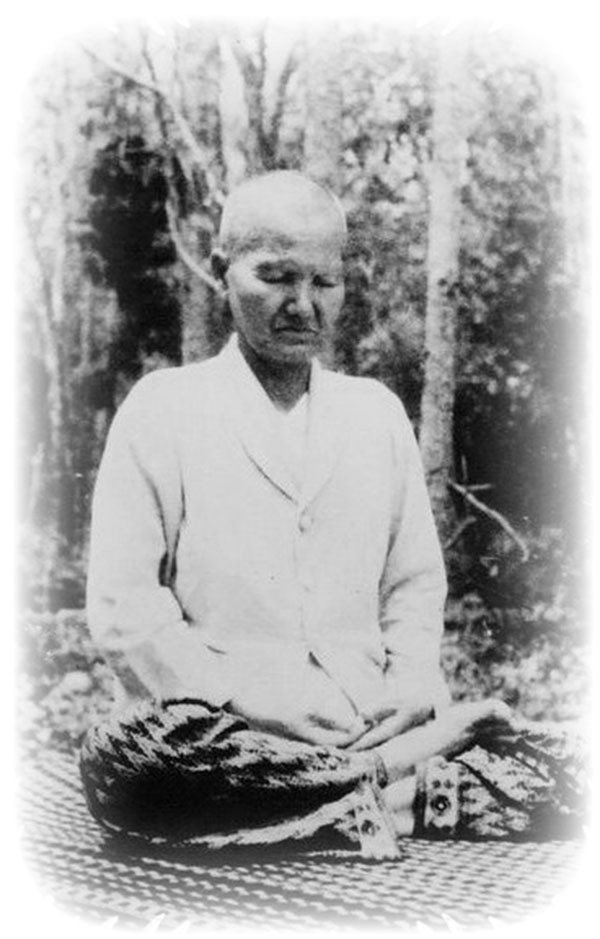
The veneration of sacred amulets (Pra Krueang) in Thai Theravada Buddhism constitutes a foundational element of popular religious practice, integrating seamlessly with the more formal doctrinal aspects of the faith. These objects are not merely decorative or symbolic; they are imbued with perceived spiritual potency, acting as conduits for blessings, protection, and miraculous assistance. The Luang Por Ngern Pim Khee Dta Wat Bang Klan 2537 BE amulet exemplifies this tradition, deriving its theological weight from the revered figure of Luang Por Ngern, one of Thailand’s most legendary monks. Luang Por Ngern (Phra Kru Adisai Khunaporn, 1810–1919 BE) was the abbot of Wat Bang Klan in Phichit Province, renowned for his advanced meditative attainments and potent Wicha. His original amulets are among the most sought-after and expensive in the Thai market, signifying immense spiritual power and historical gravitas.
The spiritual cosmology underpinning the efficacy of such amulets posits that the concentrated merit and meditative power (baramee) of a highly attained monk can be transferred or infused into material objects. This process, known as ‘pluk sek’ or empowerment, transforms an ordinary object into a ‘Pra Krueang,’ an object capable of interceding beneficially in the lives of its wearers. The 2537 BE Pim Khee Dta, crafted by Luang Por Nong, enters this established theological framework not as a mere imitation, but as a deliberate continuation of a sacred lineage. Its importance is amplified by its direct material and conceptual link to Luang Por Ngern’s own creations. The act of pressing an original Pra Luang Por Ngern Pim Khee Dta amulet to create a casting mold for the 2537 BE edition establishes a direct physical and energetic replica, ensuring iconographical fidelity and spiritual resonance.
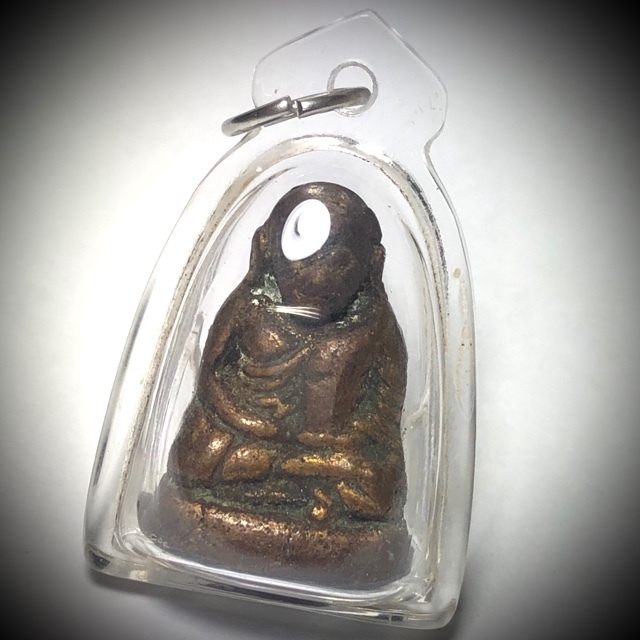
Furthermore, the deliberate inclusion of smelted fragments from various famous editions of Luang Por Ngern amulets, including first edition and the celebrated ‘Pern Dtaek’ Edition, into the Chanuan Metallic Muan Sarn of this 2537 BE series, elevates its theological status considerably. This practice is not merely recycling; it is a profound act of spiritual inheritance and augmentation. It is believed that by incorporating the very material of previously empowered amulets, the new creations inherit and concentrate the cumulative blessings and Wicha of the originals. This amalgamation effectively bridges temporal gaps, linking the contemporary devotee directly to the foundational power of Luang Por Ngern himself.
The reported ‘Miraculous Assistance’ experienced by numerous devotees associated with this edition serves as empirical validation within the belief system, reinforcing its perceived spiritual potency. These narratives, often disseminated through informal networks and, as noted, through media attention, contribute significantly to the amulet’s veneration and affirm its place within the ‘Classic Edition’ pantheon of the Luang Por Ngern temples of Pijit Province. The 2537 BE Pim Khee Dta is thus not only a devotional object but also a tangible manifestation of a living spiritual tradition, embodying hope, protection, and a deep connection to a revered spiritual ancestor. Its designation as a ‘perfect Heirloom Amulet’ underscores its perceived enduring value, not merely monetary, but as a repository of familial and spiritual legacy, passed down through generations.
The intrinsic link of Wat Tung Noi to Luang Por Ngern, being one of the “family of lp Ngern Temples of Pijit Province, and indeed as refurbished and assisted by Luang Por Ngern Himself,” further solidifies the theological justification for this amulet’s spiritual efficacy. This historical patronage by Luang Por Ngern imbues Wat Tung Noi with a special aura, suggesting that the blessings and Wicha of the great master perpetually reside within its grounds, ready to be invoked by worthy successors like Luang Por Nong. This contextual framework is crucial for understanding the amulet’s position within the broader sacred geography and spiritual economy of Thai Buddhism.
The Master and Lineage: Luang Por Nong (Jamnong)
The creation of the Luang Por Ngern Pim Khee Dta Wat Bang Klan 2537 BE is inextricably linked to the monastic figure of Luang Por Nong (Jamnong), the revered Abbot of Wat Tung Noi. While the provided data does not offer an exhaustive biography of Luang Por Nong’s early life or ascetic training, it illuminates critical aspects of his spiritual lineage, devotional character, and the circumstances surrounding his creation of this significant amulet edition. Luang Por Nong’s profound reverence for Luang Por Ngern stands as a central pillar of his spiritual identity and informs his entire approach to amulet creation within the Dtamra Luang Por Ngern.
Luang Por Nong’s role as Abbot of Wat Tung Noi is pivotal. Wat Tung Noi is specifically identified as one of the temples intimately associated with Luang Por Ngern, having benefited from his refurbishment efforts and direct assistance. This established historical connection grants Luang Por Nong a unique position within the broader spiritual network of Phichit Province, allowing him to claim a legitimate inheritance of the Wicha and spiritual authority derived from Luang Por Ngern. His act of constructing various Luang Por Ngern statues and shrines within Wat Tung Noi is not merely an act of memorialization; it represents a conscious and deliberate effort to maintain and harness the spiritual presence and power of his predecessor. Through these sacred effigies, Luang Por Nong reportedly engages in a form of spiritual communication, beseeching the “transmission of his Power to the amulets he makes in the Dtamra Luang Por Ngern.” This practice highlights a specific aspect of Thai Buddhist occultism, where the spiritual essence and Wicha of a departed master are believed to be accessible and transmissible through devotional acts and consecrated representations.

The 2537 BE edition holds particular significance as Luang Por Nong’s “first ever self made Edition.” This designation marks a crucial juncture in his monastic career, signaling his emergence as a prominent creator of sacred amulets. The motivation behind this inaugural release was practical: to generate funds for the essential refurbishments of Wat Tung Noi and the construction of a much-needed Sala Rest Podium for temple practitioners and devotees. This demonstrates a monastic leader deeply committed to the welfare of his temple and its community, utilizing his spiritual authority and artistic skill in amulet creation as a means to serve the Sangha and the lay followers. Such pragmatic motivations for amulet creation are common in Thai Buddhism, where the production and distribution of amulets often serve as a primary mechanism for fundraising for temple construction, renovation, and charitable works.
The empowerment process for these amulets was not a singular event but a prolonged and dedicated endeavor. Luang Por Nong performed “a long series of daily and nightly empowerments,” indicating an intensive and sustained meditative practice focused on infusing the amulets with spiritual energy. This commitment underscores the traditional Theravada understanding that the efficacy of an amulet is directly proportional to the purity, concentration, and accumulated merit of the monk who blesses it. Furthermore, Luang Por Nong extended this process by involving other respected monastic figures, specifically “Luang Por Somkuan and Luang Por Pimpa,” who provided “additional empowerment and blessings.” This practice of collaborative empowerment, or ‘Puttapisek’ (blessing ceremony), is a well-established tradition, believed to exponentially amplify the spiritual potency of the amulets by combining the Wicha and baramee of multiple enlightened masters. The participation of these additional monks signifies a broader consensus of spiritual authority and validates the legitimacy and power of Luang Por Nong’s creation within the monastic community. Their involvement enhances the collective spiritual energy, making the amulets even more formidable in their protective and benevolent attributes.
Alchemical Composition and Sacred Powders
The material composition of sacred amulets in Thai Buddhist tradition is rarely arbitrary; it is a meticulously curated alchemical process imbued with profound spiritual significance. The Luang Por Ngern Pim Khee Dta Wat Bang Klan 2537 BE amulet, specifically fabricated from “Nuea Tong Pasom Gao,” exemplifies this intricate interplay of material science and spiritual intent. Nuea Tong Pasom Gao translates to “Ancient Brazen Metal Alchemical Alloy,” denoting a complex metallic matrix derived from ancient and sacred sources. This nomenclature itself signifies an inherent veneration for antiquity and the perceived potency associated with aged, previously consecrated materials.
The primary constituents of this alchemical alloy are delineated with specificity: “old Luang Por Ngern amulets, Yantra Foils, Gold and Silver, and a long list of other Sacred Ingredients.” The inclusion of “old Luang Por Ngern amulets,” particularly from “first edition and the famous ‘Pern Dtaek’ Edition Amulets,” is a critical element. This practice, known as ‘Chanuan Muan Sarn,’ involves the smelting and re-casting of existing sacred objects. It is not merely an act of material recycling but a highly symbolic and energetically charged process. The belief is that the original amulets, having been consecrated by Luang Por Ngern himself and having served their purpose, retain their spiritual power. By melting them down and incorporating them into new creations, that foundational power is transferred and multiplied. This creates a direct energetic lineage, effectively imbuing the new amulet with the essence of its predecessors. The “Brazen Metals” are explicitly stated to “reveal a high content of ancient original first edition Luang Por Ngern Wat Bang Klan Amulets,” underscoring the substantial integration of these revered components.
“Yantra Foils” constitute another vital component of the Chanuan Muan Sarn. These are metallic sheets, typically copper, brass, or silver, upon which sacred geometric designs and protective incantations (Kata) are inscribed by monks. The foils are then ritually blessed and melted down, allowing the spiritual energies and protective properties of the Yantra to become molecularly integrated into the metallic alloy. This process is believed to imbue the entire batch of metal with the cumulative power of countless individually blessed Yantra. The ‘sacred geometry’ of the Yantra, combined with the power of the inscribed Kata, provides a structural template for the spiritual forces to reside within the amulet.
The presence of “Gold and Silver” within the alloy is also significant. Beyond their intrinsic material value, these precious metals hold symbolic and alchemical importance in many spiritual traditions, including Thai occultism. Gold is often associated with purity, divine light, prosperity, and the indestructible nature of the Buddha’s teachings (Dhamma). Silver, conversely, is linked to lunar energies, purification, wisdom, and protective qualities. Their combination in a sacred alloy is believed to create a harmonized matrix that enhances the amulet’s overall spiritual potency and benevolent attributes, attracting auspiciousness and warding off negativity.
The phrase “long list of other Sacred Ingredients” suggests a further array of consecrated materials, which could include rare earths, mineral dusts from sacred sites, ash from incense burned before revered Buddha images, ground medicinal herbs, or even fragments of robes from venerated monks. While unspecified, their presence underscores the comprehensive and holistic approach to constructing a potent sacred object, where every component contributes to the overall spiritual charge and protective efficacy. This meticulous selection and amalgamation of materials transforms the amulet from a mere metal casting into a highly charged spiritual artifact, functioning as a microcosm of sacred power and a tangible link to a rich alchemical and spiritual heritage. The resultant alloy is not simply a mix of metals, but a `Chanuan Muan Sarn` — a sacred concoction embodying generations of spiritual essence, ready to receive further blessings.
Sacred Empowerment and Wicha
The spiritual efficacy of the Luang Por Ngern Pim Khee Dta Wat Bang Klan 2537 BE amulet is fundamentally predicated upon the meticulous process of sacred empowerment, known as `Puttapisek` or `pluk sek` in Thai. This ritualistic infusion of spiritual energy, or `Wicha`, transforms a material object into a potent talisman. Luang Por Nong’s approach to empowering this particular edition reflects a deep understanding of traditional Theravada occult practices and a profound respect for the lineage of Luang Por Ngern.
The foundational layer of empowerment for these amulets involved Luang Por Nong performing “a long series of daily and nightly empowerments.” This intensive regimen highlights the commitment and discipline required in monastic spiritual practice. Such empowerments typically involve deep meditative states, where the monk concentrates his accumulated merit (`baramee`), wisdom, and spiritual attainments into the objects. This process can include `Samatha` (calm-abiding) meditation to stabilize the mind and generate powerful concentration, followed by `Vipassana` (insight) meditation to purify consciousness and imbue the objects with liberating wisdom. The repetition of sacred incantations, or `Kata`, often specific to the desired effects of the amulet (e.g., protection, prosperity, charisma), is central to this daily and nightly ritual. Each `Kata` is a formulaic utterance, believed to invoke specific deities, elemental powers, or the blessings of the Buddha and Arhats. The continuous chanting over an extended period charges the amulets with a sustained and concentrated spiritual force.
A significant aspect of the `Wicha` employed by Luang Por Nong involves the concept of ‘transmission of Power.’ As Abbot of Wat Tung Noi, a temple intrinsically linked to Luang Por Ngern, Luang Por Nong leveraged the existing spiritual infrastructure. His establishment of various Luang Por Ngern statues and shrines within the temple serves as more than just a memorial. These consecrated representations act as focal points for spiritual energy, allowing Luang Por Nong to “communicate and beseech transmission of his Power to the amulets he makes in the Dtamra Luang Por Ngern.” This suggests a ritualistic invocation, where Luang Por Nong acts as a conduit, drawing upon the enduring spiritual presence and blessings of the original master, Luang Por Ngern, and channeling them into the newly created amulets. This reinforces the notion of a living lineage where the spiritual authority of the predecessor continues to empower the efforts of the successor. The `Dtamra Luang Por Ngern` refers to the specific teachings, methods, and spiritual legacy associated with Luang Por Ngern, indicating that Luang Por Nong’s amulet creation adheres strictly to these established traditions and techniques.
The empowerment process was further enhanced through the involvement of other venerable monks. Luang Por Nong “passed them on to Luang Por Somkuan and Luang Por Pimpa, to give additional empowerment and blessings.” This practice of inviting multiple high-ranking or spiritually advanced monks to participate in `Puttapisek` ceremonies is a venerable tradition. Each participating monk contributes their unique `Wicha`, their accumulated `baramee`, and their specific meditative attainments to the collective blessing. This synergistic approach is believed to create a multifaceted protective and benevolent field around the amulets, making them exponentially more potent than if empowered by a single monk. The collective energy of these masters strengthens the amulet’s ability to confer protection, prosperity, and spiritual guidance upon the wearer. The presence of multiple respected figures also lends immense credibility and authority to the edition within the wider devotee community.

The `Wicha` involved is not static; it is a dynamic process of continuous spiritual engagement. The efficacy of the amulets, as evidenced by reports of ‘Miraculous Events,’ stands as a testament to the perceived success of these empowerment rituals. These events often encompass protection from danger, unexpected financial gains, improved health, or resolution of personal dilemmas, which are widely interpreted as direct manifestations of the amulet’s inherent `Wicha` and the blessings of the monks. The meticulous daily and nightly empowerments by Luang Por Nong, combined with the additional blessings from Luang Por Somkuan and Luang Por Pimpa, thus form the crucial spiritual foundation upon which the 2537 BE Pim Khee Dta amulet’s reputation and efficacy are built.
Iconographical and Aesthetic Appreciation
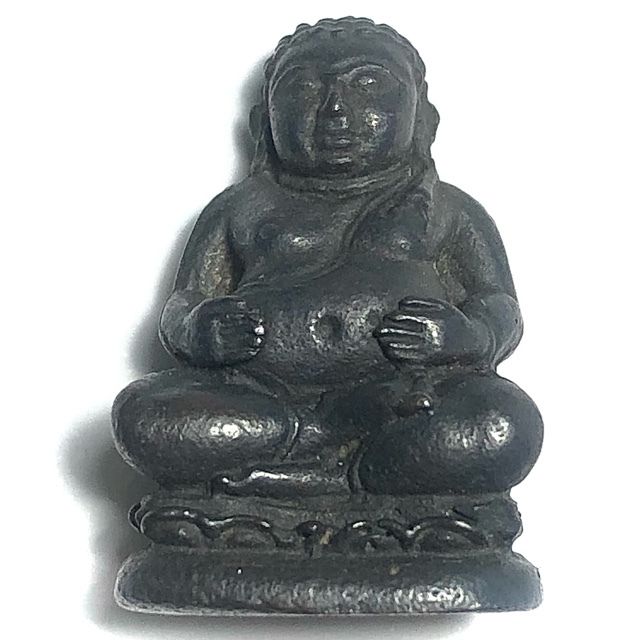
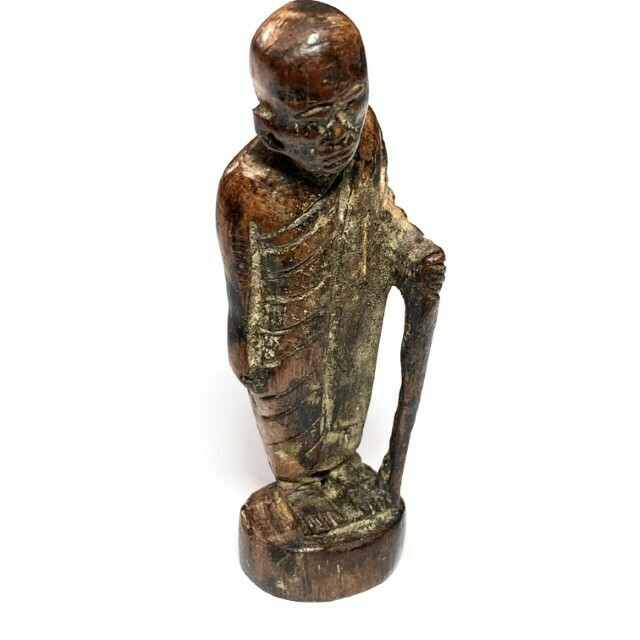
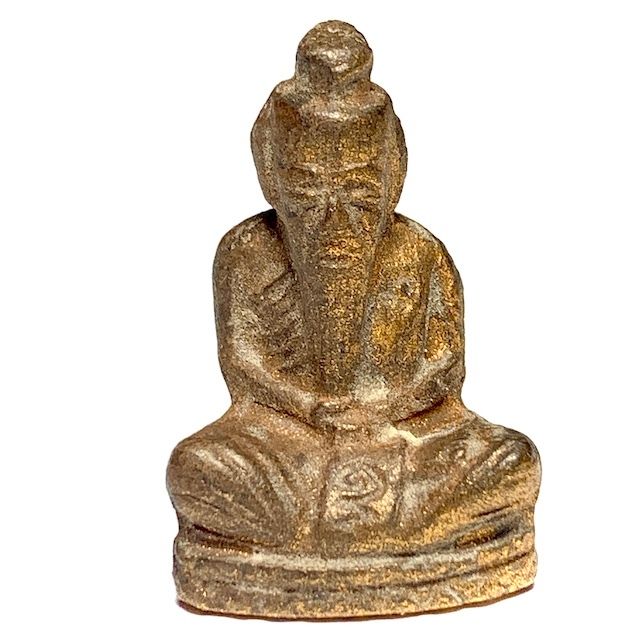
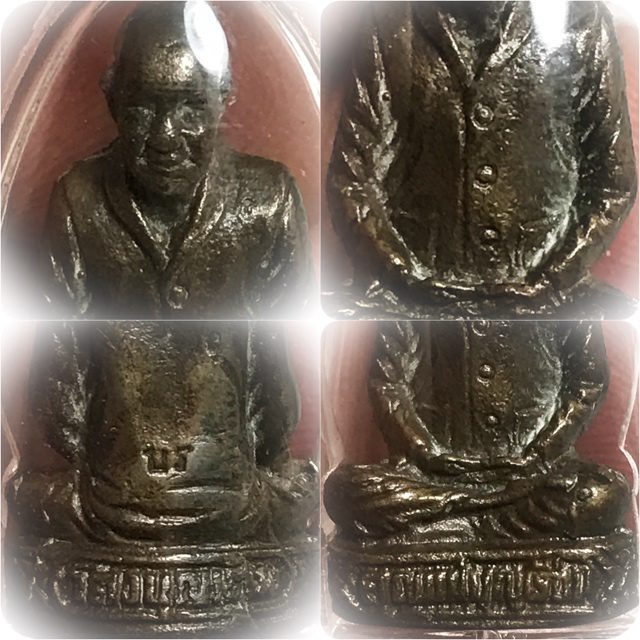
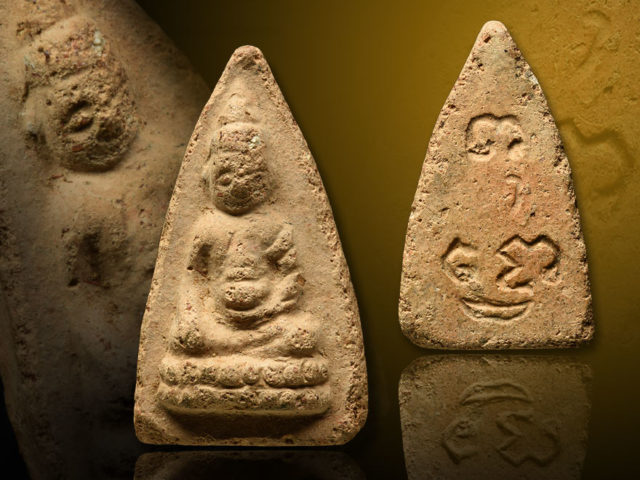
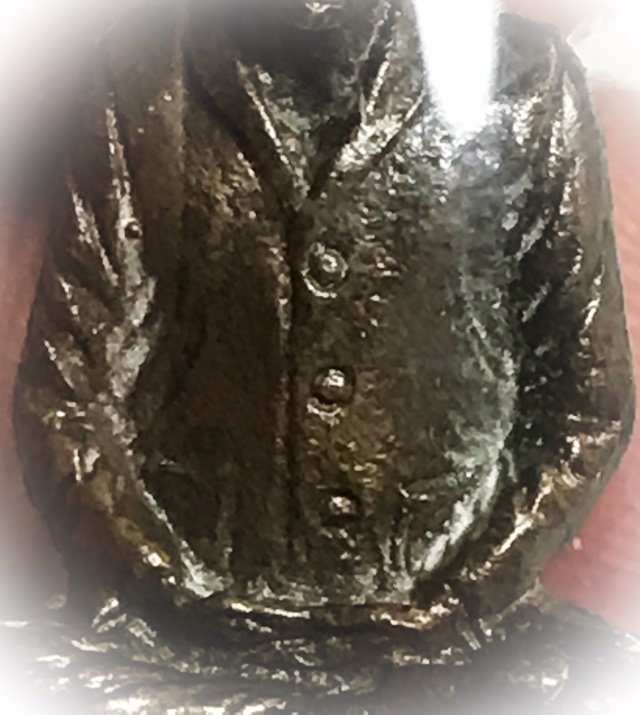
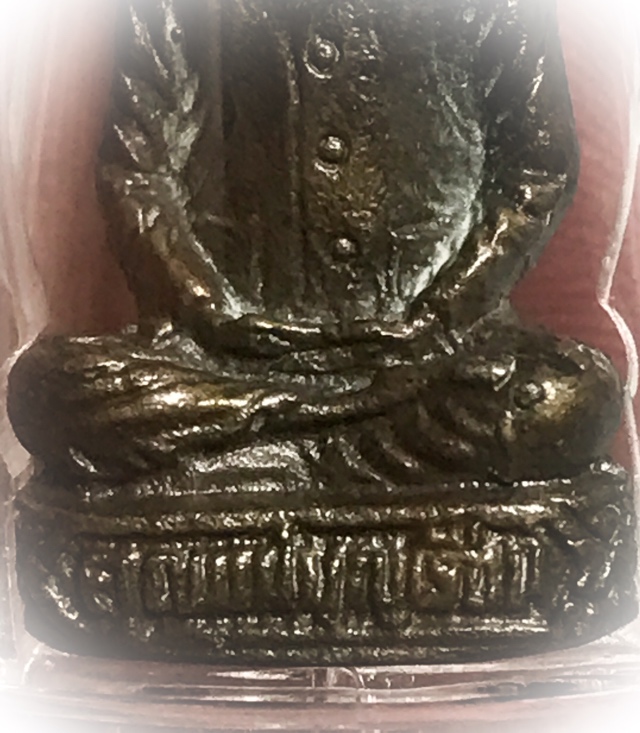
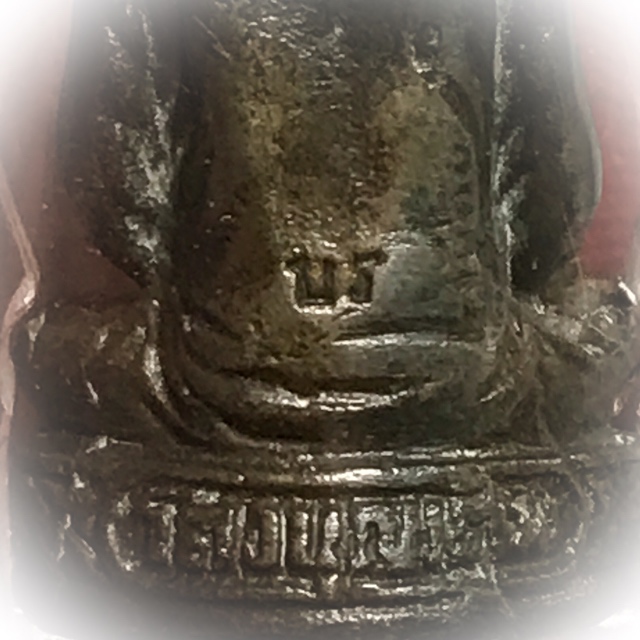
The iconographical and aesthetic characteristics of the Luang Por Ngern Pim Khee Dta Wat Bang Klan 2537 BE amulet offer critical insights into its spiritual lineage, artistic replication, and material integrity. The designation “Pim Khee Dta,” translating to “Sleepy Eyes Model,” refers to a specific and highly recognizable iconic representation of Luang Por Ngern. This particular posture or facial expression is one of the most revered and sought-after forms of his original amulets. The subtle portrayal of relaxed, somewhat closed eyes suggests a monk in deep meditative absorption, embodying a state of profound inner peace and spiritual attainment. This artistic choice is not accidental; it conveys the essence of Luang Por Ngern’s reputed meditative prowess and his tranquil, wise disposition, qualities that devotees seek to emulate or draw upon.
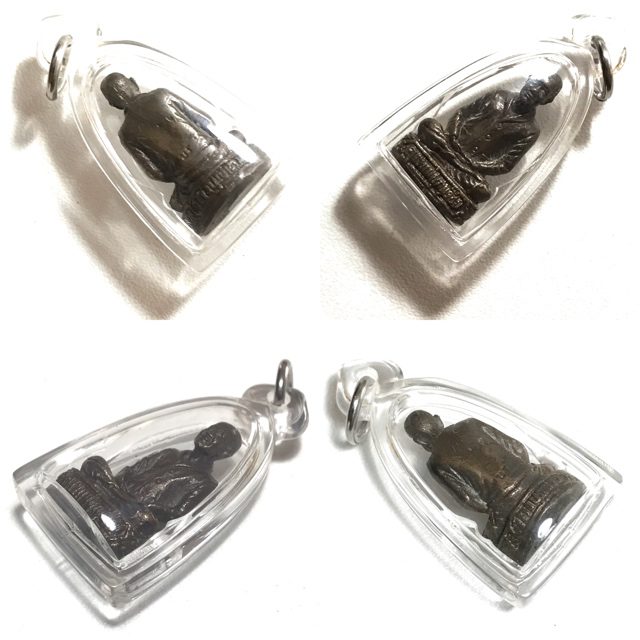
A defining feature of this 2537 BE edition is its method of creation: Luang Por Nong “made these Pim Khee Dta… by pressing original Pra Luang Por Ngern Pim Khee Dta amulet… and then making a casting mold out of it.” This technique positions an original amulet as the “Master Blueprint for the Casting,” ensuring an exceptional degree of “great similarity to the first ever lp Ngern amulets of Wat Bang Klan.” Such direct replication from an original exemplar guarantees iconographical authenticity, maintaining the precise contours, facial features, monastic robes, and any other distinctive marks present on the ancient prototype. This fidelity is paramount in the realm of sacred amulets, where slight deviations can alter perceived authenticity or spiritual efficacy. The resulting physical form of the 2537 BE amulet thus serves as a faithful aesthetic homage to its illustrious predecessor.

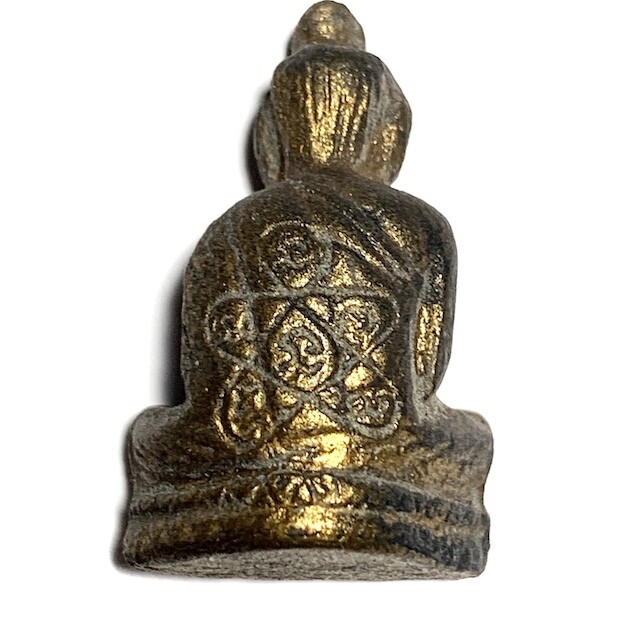
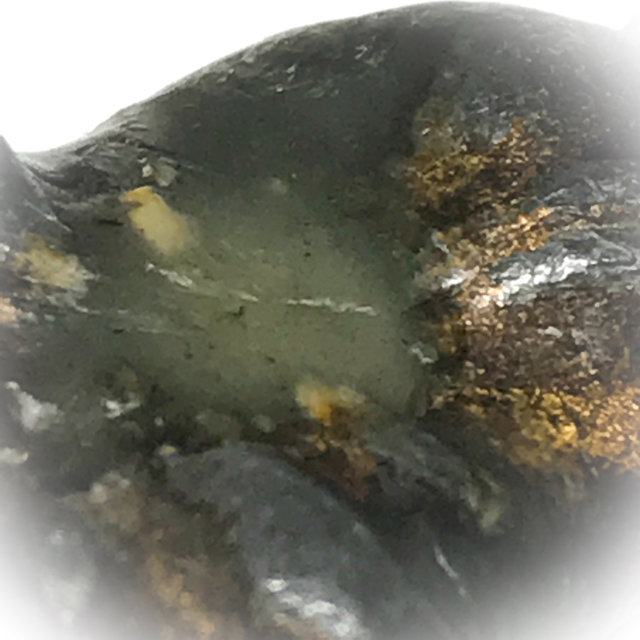
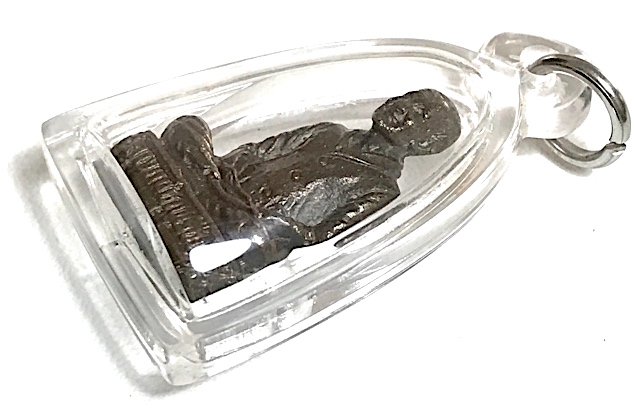
The aesthetic appreciation of the 2537 BE Pim Khee Dta is further enriched by its material composition, “Nuea Tong Pasom Gao.” This ancient brazen metal alchemical alloy lends the amulet a distinctive appearance. The high content of original Luang Por Ngern Wat Bang Klan amulets within the Chanuan Muan Sarn metallic alloy means that the visual texture, patination potential, and even the subtle coloration of the metal will intrinsically reflect characteristics of the ancient, revered materials. Over time, the alloy is expected to develop a unique patina, a highly valued attribute in antique amulets, further enhancing its visual appeal and connecting it aesthetically to the aged originals. The “Brazen Metals” revealing their high content of ancient components signifies a visual richness that serious collectors and devotees appreciate as evidence of its sacred pedigree.
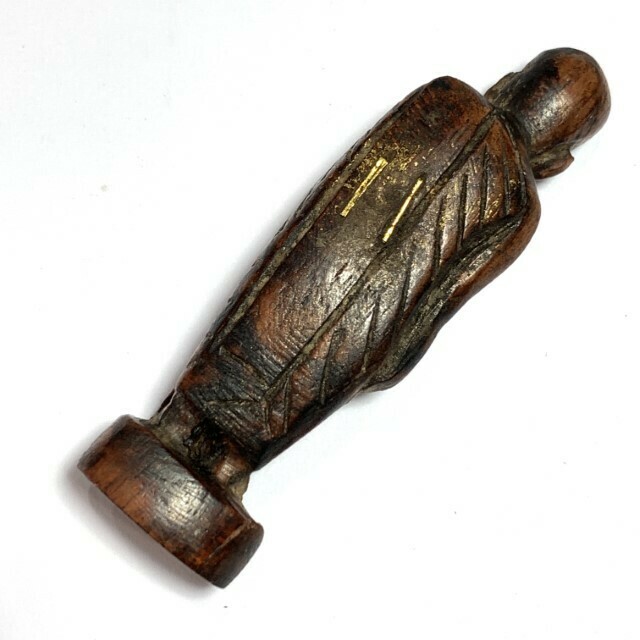
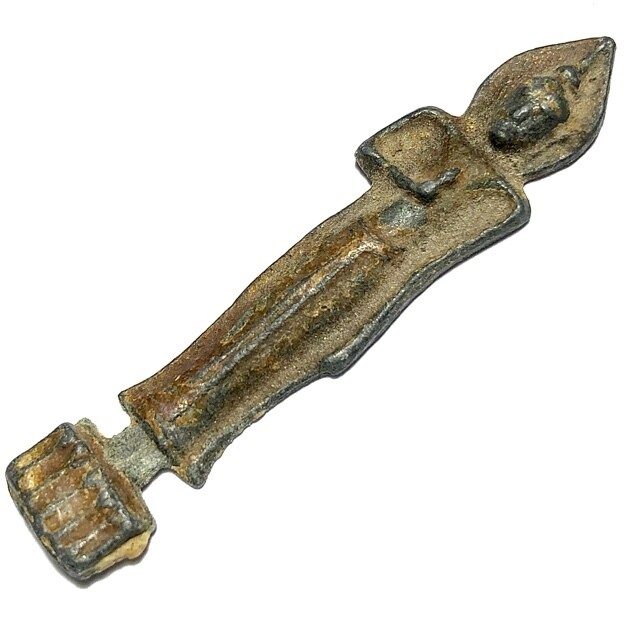
Beyond the primary figure, the specific design elements, such as the shape of the amulet (often an elongated bell shape or a broad, rounded form), the presence or absence of a decorative border, and any inscriptions or code marks on the reverse, contribute to its iconographical narrative. While not explicitly detailed, such elements would align with the traditional `Pim Khee Dta` format. The overall artistic impression is one of solemnity and spiritual gravitas, reflective of Luang Por Ngern’s revered status.

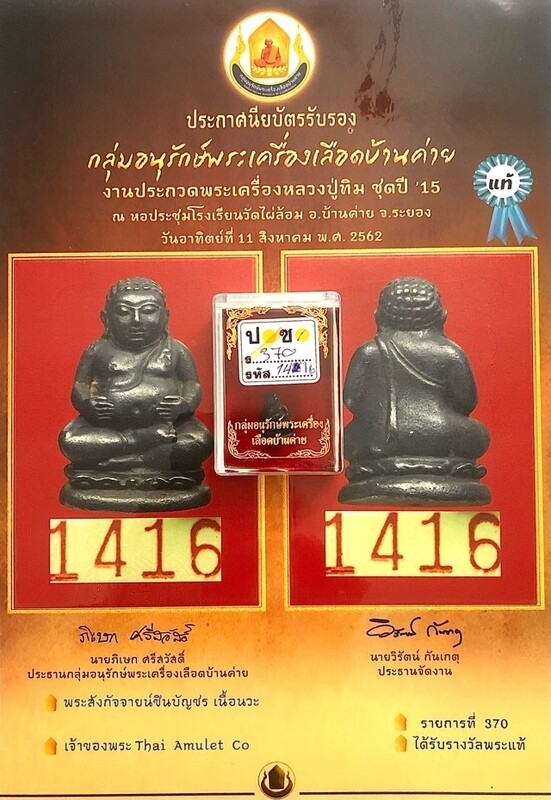
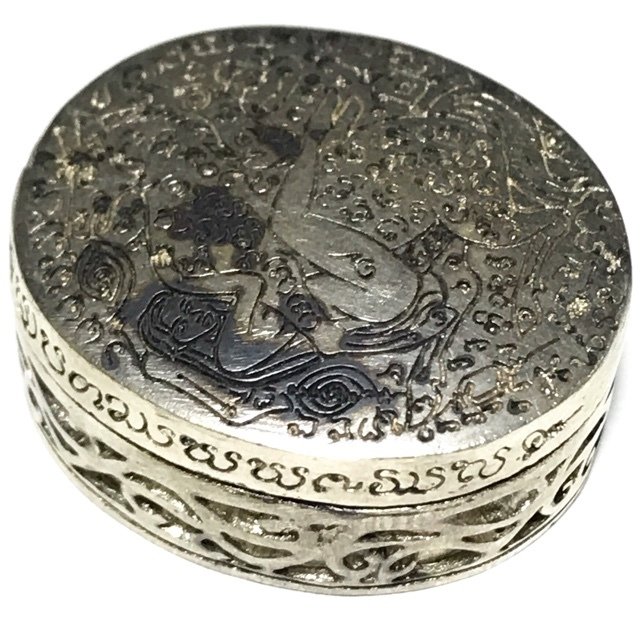
The presentation of the amulet includes the detail that it “comes with original box from the temple” and “can be encased if desired.” The temple box serves as proof of provenance and authentication, signifying that the amulet was issued directly from Wat Tung Noi and, by extension, within the legitimate Dtamra Luang Por Ngern. The option for encasing (e.g., in clear acrylic or waterproof plastic, often with a metallic frame) is a practical and aesthetic consideration. Encasing protects the amulet from environmental damage and wear, ensuring its preservation as a “perfect Heirloom Amulet to keep in the family for generations.” The inclusion of “Casing included” within the SKU description further indicates that this practical aspect has been considered for the devotee, ensuring longevity and wearability. The aesthetic integrity, combined with its historical material lineage and the explicit intent of replication, firmly establishes the 2537 BE Pim Khee Dta as a significant object for both religious devotion and scholarly study of Thai Buddhist art.
Ritual Practice and Worship
The ritual practice and worship of sacred amulets like the Luang Por Ngern Pim Khee Dta Wat Bang Klan 2537 BE are integral to maximizing their perceived spiritual benefits within the framework of Thai Theravada Buddhism. This involves a set of prescribed actions and recitations, collectively known as `Bucha` (reverence or worship), which establish a spiritual connection between the devotee, the amulet, and the enlightened beings it represents. The monograph delineates the “Traditional Thai Buddhist Method for Bucha” as a three-step process, each component bearing profound significance.
The first step is to “Chant Maha Namasakara (3 Times).” Maha Namasakara is the universal homage to the Triple Gem, beginning with “Namo Dtat-Sa Pakawa-Dto Araha-Dto Sam-Maa Sam-Put-Dtat-Sa” recited thrice. This profound invocation expresses reverence to the Blessed One, the Worthy One, the Perfectly Self-Enlightened One. By reciting this, the devotee acknowledges the supreme virtues of the Buddha, setting a reverent and purified mental state conducive to engaging with sacred objects. It is a foundational prayer, clearing the mind of distractions and focusing intent on the spiritual path.
Namo Dtat-Sa Pakawa-Dto Araha-Dto Sam-Maa Sam-Put-Dtat-Sa
Namo Dtat-Sa Pakawa-Dto Araha-Dto Sam-Maa Sam-Put-Dtat-Sa
Namo Dtat-Sa Pakawa-Dto Araha-Dto Sam-Maa Sam-Put-Dtat-Sa

The second step requires chanting “Trai Soranakom (3 Times).” The Trai Soranakom, or the Triple Gem Refuge, involves formally taking refuge in the Buddha, the Dhamma (his teachings), and the Sangha (the monastic community). Each refuge is recited three times, emphasizing the depth of commitment:
Puttang Cheewidtang Yaawa Nipaanang Saranang Kajchaami
Tammang Cheewidtang Yaawa Nipaanang Saranang Kajchaami
Sangkang Cheewidtang Yaawa Nipaanang Saranang Kajchaami
Tudtiyambpi Puttang Cheewidtang Yaawa Nipaanang Saranang Kajchaami
Tudtiyambpi Tammang Cheewidtang Yaawa Nipaanang Saranang Kajchaami
Tudtiyambpi Sangkang Cheewidtang Yaawa Nipaanang Saranang Kajchaami
Dtadtiyambpi Puttang Cheewidtang Yaawa Nipaanang Saranang Kajchaami
Dtadtiyambpi Tammang Cheewidtang Yaawa Nipaanang Saranang Kajchaami
Dtadtiyambpi Sangkang Cheewidtang Yaawa Nipaanang Saranang Kajchaami
This declaration signifies the devotee’s formal adherence to the core tenets of Buddhism, reaffirming their identity as a Buddhist practitioner. It is understood that by taking refuge, one opens oneself to the protective and guiding influence of the Triple Gem, thereby enhancing the receptivity to the blessings embodied in the amulet. The invocation “Cheewidtang Yaawa Nipaanang Saranang Kajchaami” translates to “I go for Refuge until the attainment of Nibbana,” indicating a lifelong commitment.

The final step is to “Chant Kata Aaraatanaa Pra Krueang (3 Times).” This specific `Kata` is an invitation to the amulet, requesting its blessings and protection. It is a direct address to the spiritual power residing within the amulet, making explicit the devotee’s desires for its benevolent intervention. The `Kata` provided is:
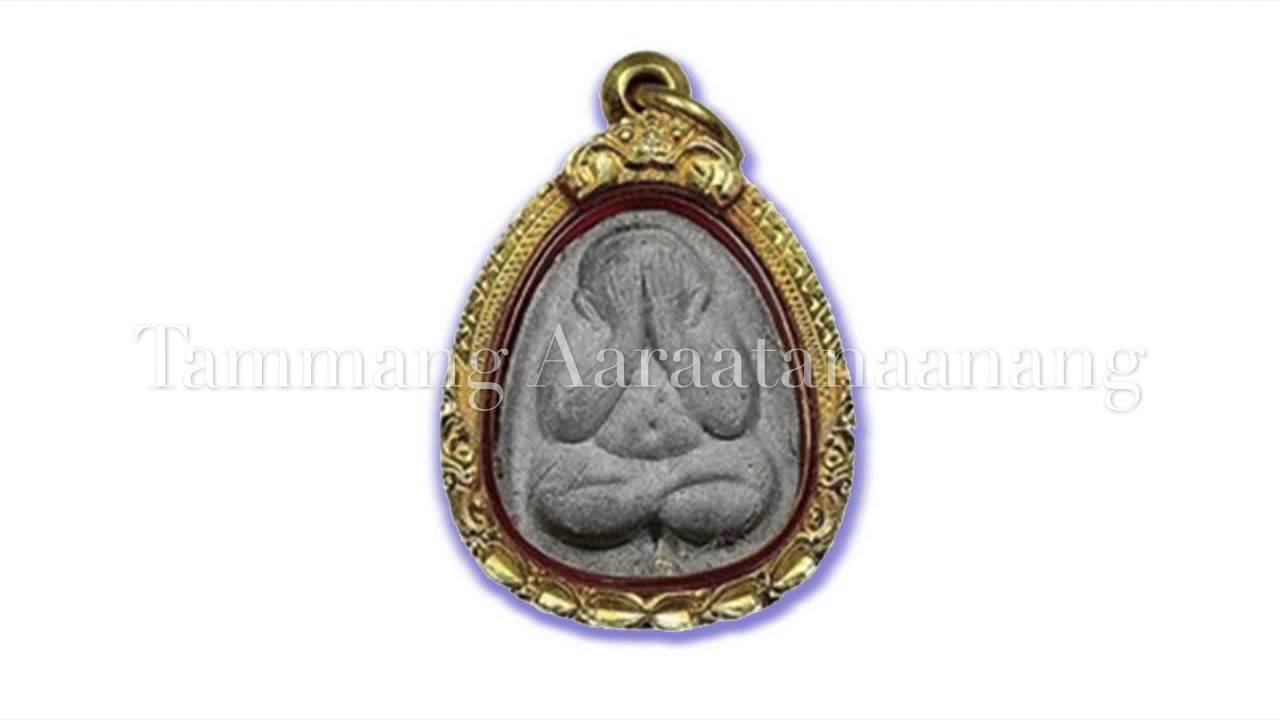
Puttang Aaraatanaanang
Tammang Aaraatanaanang
Sangkang Aaraatanaanang
Puttang Prasittimae
Tammang Prasittimae
Sangkang Prasittimae
This `Kata` explicitly invites the Buddha, Dhamma, and Sangha, through the medium of the amulet, to grant blessings (`Prasittimae`). This final step personalizes the ritual, focusing the accumulated merit and protective energies directly towards the needs of the individual.

Beyond these formal recitations, the ethical conduct of the devotee is paramount. Amulets are not typically viewed as ‘magical’ objects that grant wishes unconditionally. Instead, their efficacy is often believed to be enhanced by the wearer’s adherence to the Five Precepts, cultivation of loving-kindness, and performance of good deeds. Miraculous events are frequently seen as consequences of both the amulet’s inherent power and the devotee’s accumulated good karma and pure intentions. Respectful handling of the amulet, treating it as a sacred object rather than a mere trinket, and placing it in an elevated, clean position when not worn, are also standard practices. The inclusion of an original temple box and the option for encasing underscore the importance of proper preservation and respectful presentation, ensuring the amulet can be revered as a potent spiritual heirloom across generations. The entire ritual practice, therefore, functions as a holistic engagement, combining verbal invocation, mental purification, and ethical living to maximize the spiritual benefits derived from the sacred object.

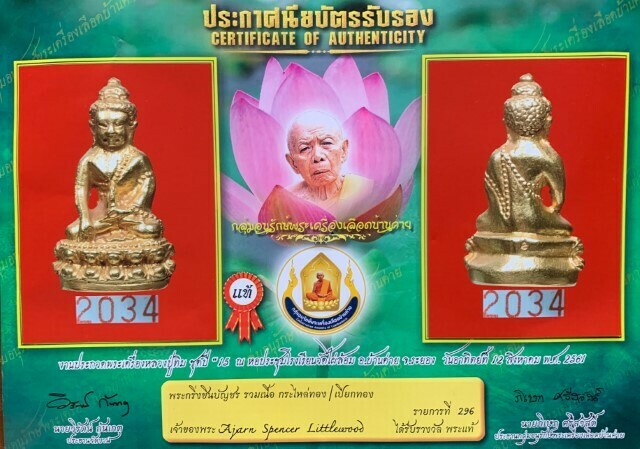
Author: Ajarn Spencer Littlewood.
Schematics: Antigravity CLI Unleashed
Homepage: www.ajarnspencer.com
Github Dev Page: www.github.com/AjarnSpencer
Citation Reqiured
Roop Lor (Loi Ongk)