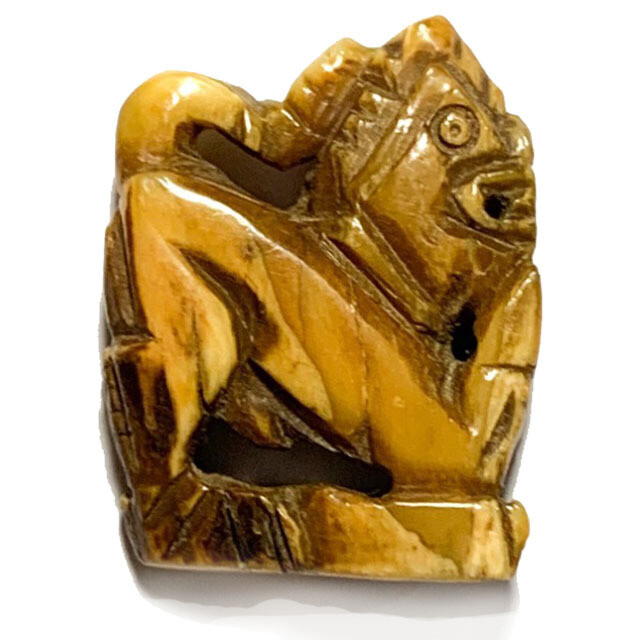
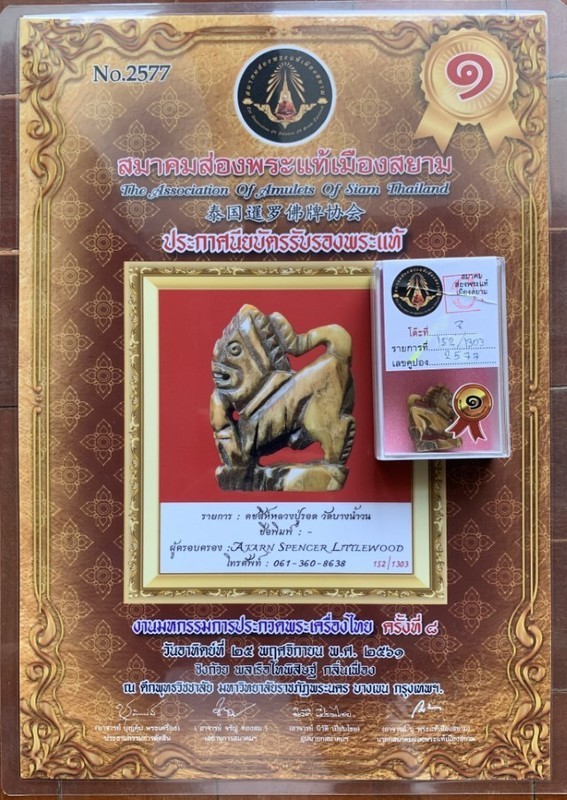
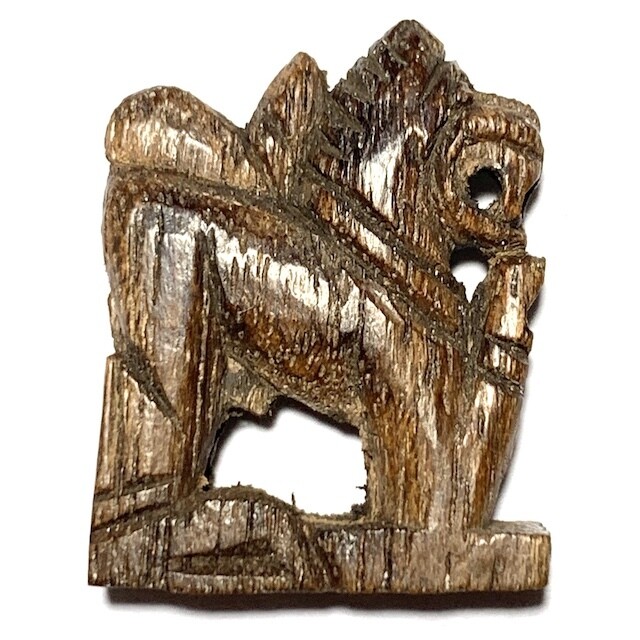
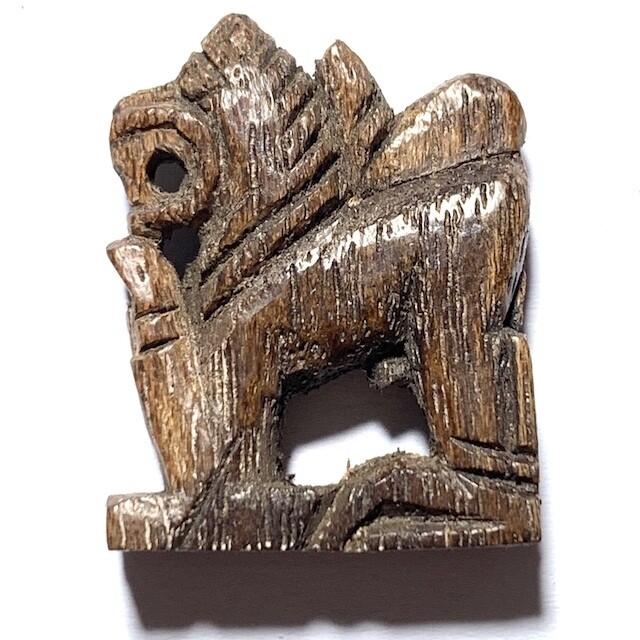
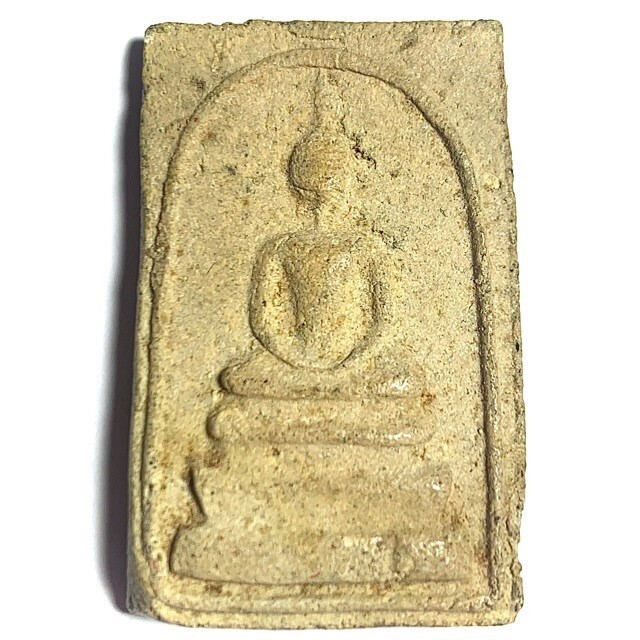
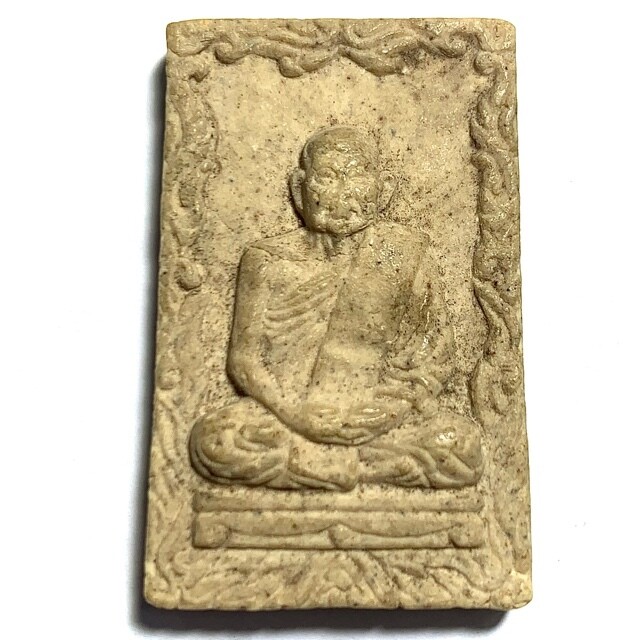
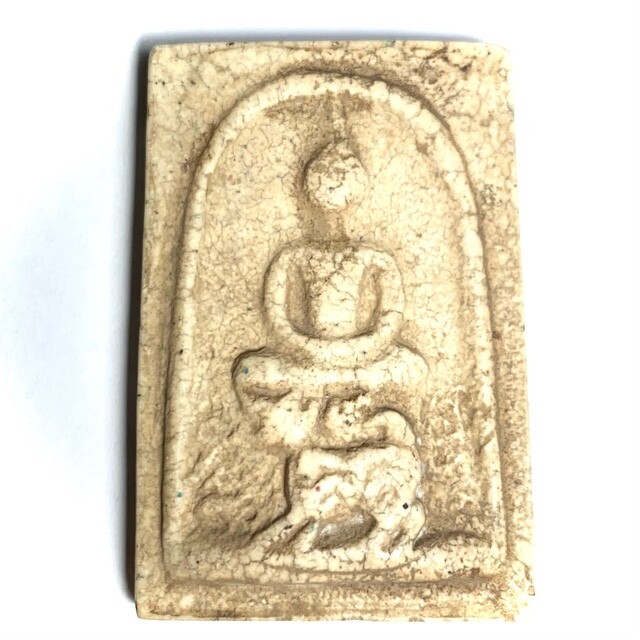
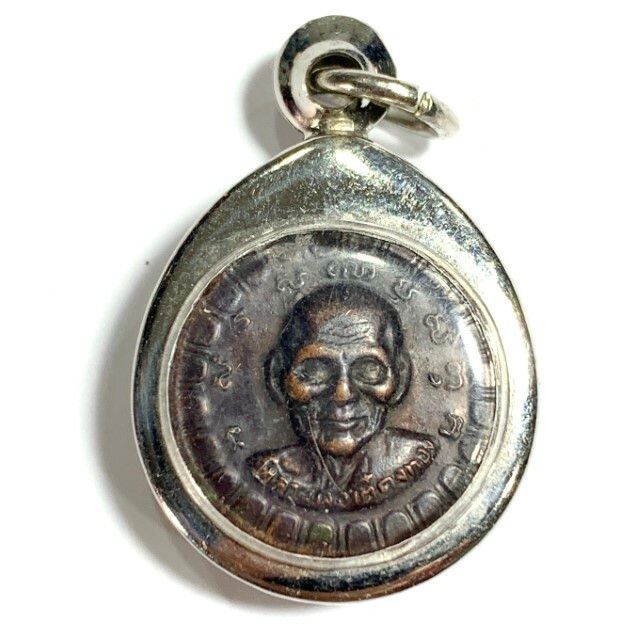
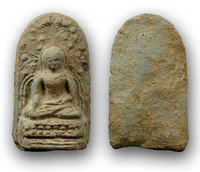
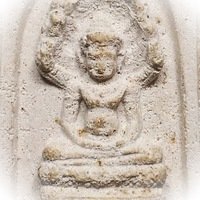
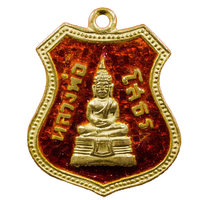
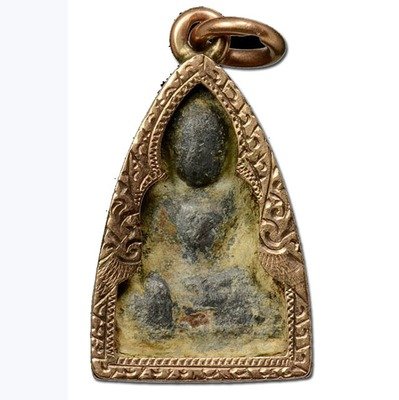
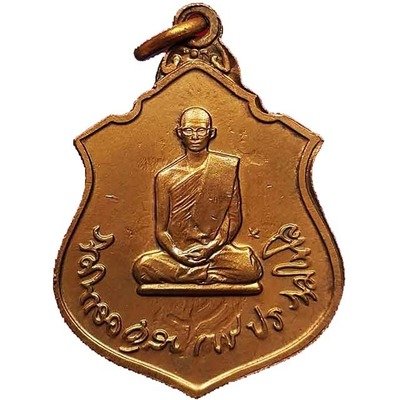
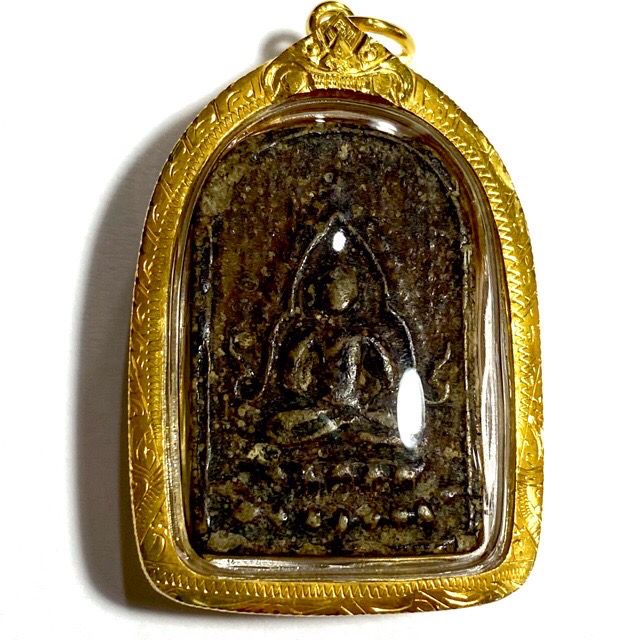
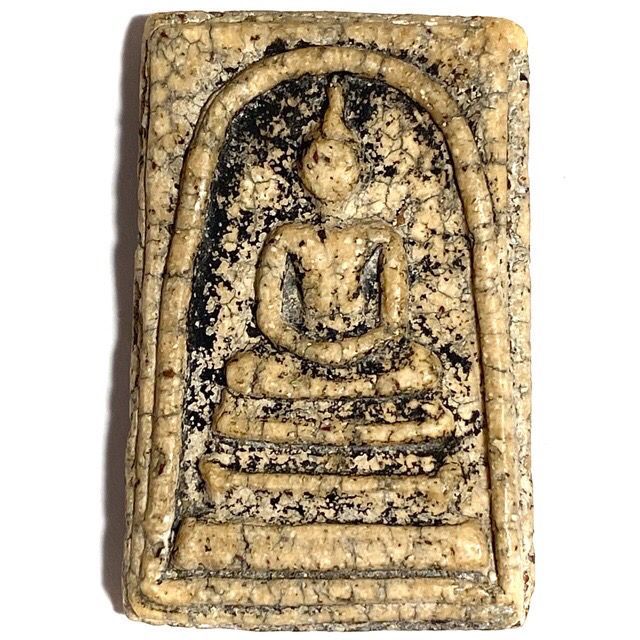
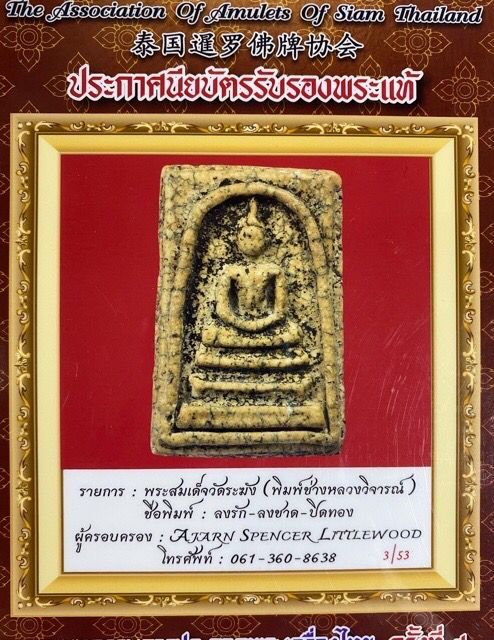
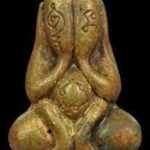
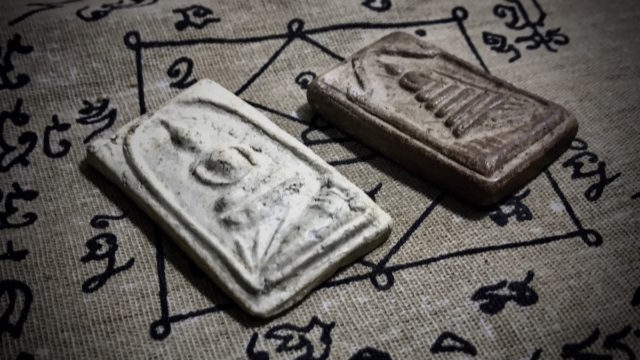
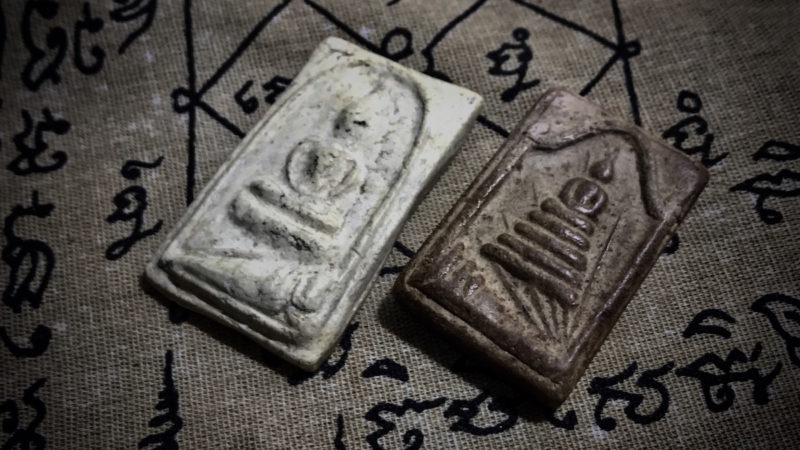
Pra Somdej Pim Yai, in ‘Nuea Dtaek Lai Nga’ (marbled stone hard clay with Crackled Ivory surface effect ​) released in 2495 BE, made from ‘Nuea Pra Somdej Wat Rakang Gao’ (broken pieces of ancient Pra Somdej Wat Rakang Kositaram amulets of Somdej Pra Puttajarn (Dto) Prohmrangsri).
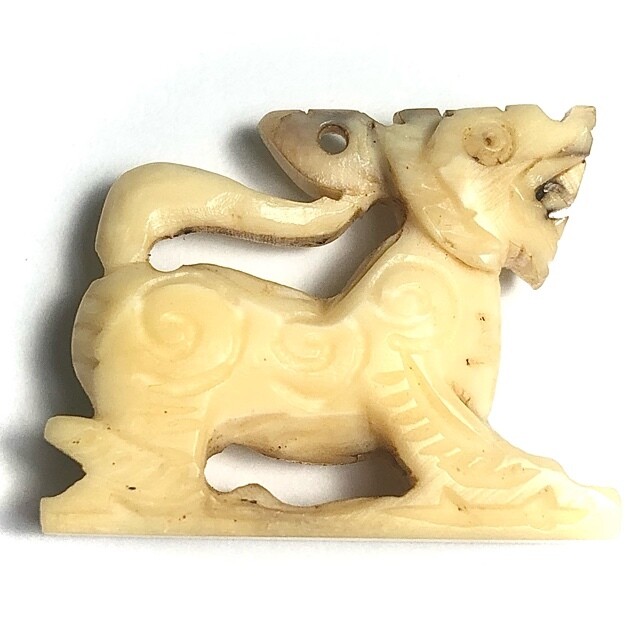
Pra Somdej Wat Rakang Luang Phu Nak Nuea Dtaek Lai Nga 2495 BE

Luang Pu Nak was a highly respected and virtuous monk. He used many broken pieces of Phra Somdej Wat Rakhang amulets from that era as ingredients in creating dozens of different Phra Somdej amulets. The amulet’s composition included a high proportion of lime and oil. For the consecration ceremonies, Luang Pu Nak invited many renowned monks of the time to participate. Older amulet collectors said that Luang Pu Nak’s Phra Somdej amulets could be used as substitutes for the old Phra Somdej Wat Rakhang amulets. In the past, he always gave amulets to people who came to make merit or pay respects at the temple. He didn’t create these amulets for commercial purposes; he made them to give away, as Wat Rakhang was a large temple with many people visiting daily. Therefore, he needed enough amulets to distribute to everyone.
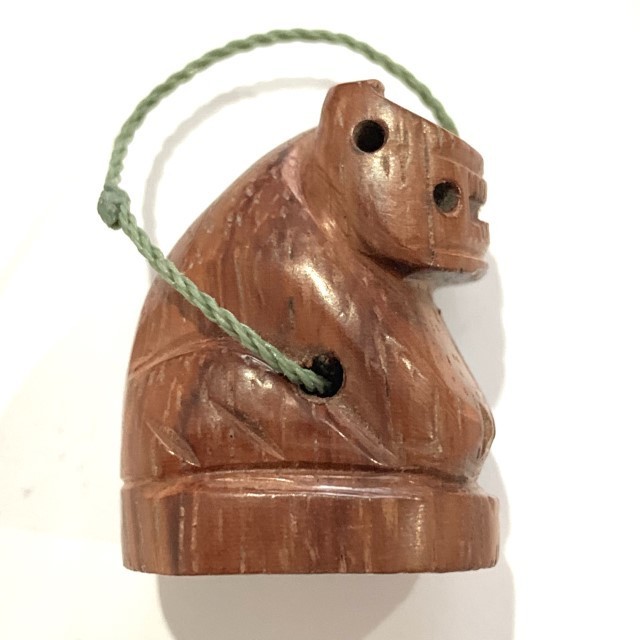
Pra Somdej Wat Rakang Luang Phu Nak Nuea Dtaek Lai Nga 2495 BE Ancient Amulet

Luang Pu Nak’s Phra Somdej amulets from Wat Rakhang are made with a significant amount of fragments of broken Phra Somdej amulets from Wat Rakhang. These fragments were collected from people who left them at the temple and from the discovery of many broken amulets on the roof of the temple’s main hall. Luang Pu Nak combined these fragments with his own sacred powder, following the formula of Somdej Toh, resulting in his Phra Somdej amulets, especially those from the early period (1942-1952), having a rich and potent composition, making them highly desirable.

They are considered to contain the highest proportion of Wat Rakhang fragments in Phra Somdej amulets, rivaled only by the Phra Somdej of Phra Kru Moon of Wat Suthat, the 1942 Chedi-shaped amulet. Furthermore, their spiritual power is exceptionally high, particularly in attracting compassion and popularity. Therefore, they are highly sought after. However, because he created many different styles of Phra Somdej amulets, collectors tend to focus on only certain popular styles with distinctive characteristics, such as the Three-Tiered Angel with Bayasri Ears style. The most sought-after types are the Phra Somdej amulets with Bodhi leaf design, pumpkin-shaped design, Somdej Toh image design, and bell-shaped design.

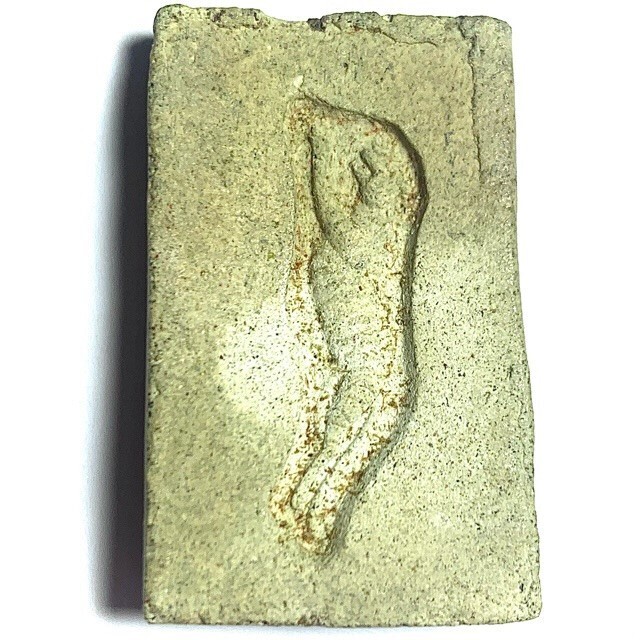
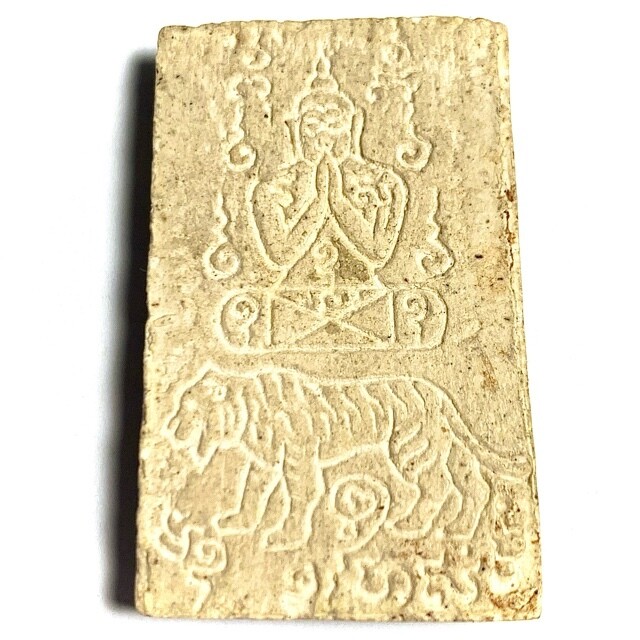
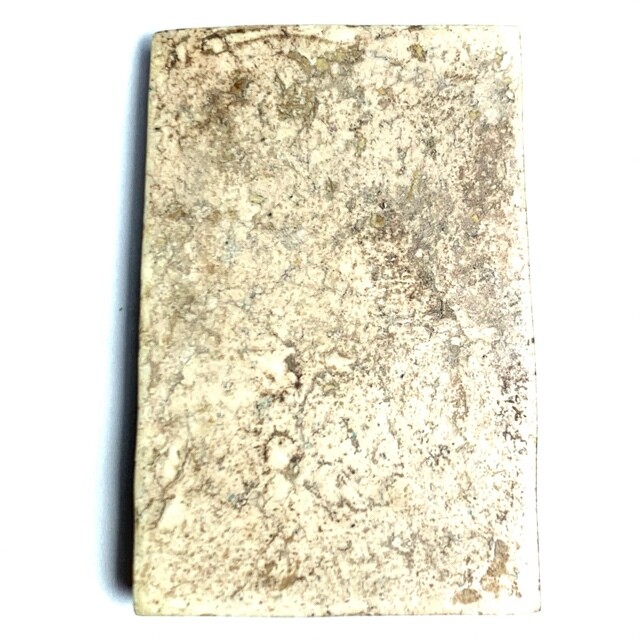
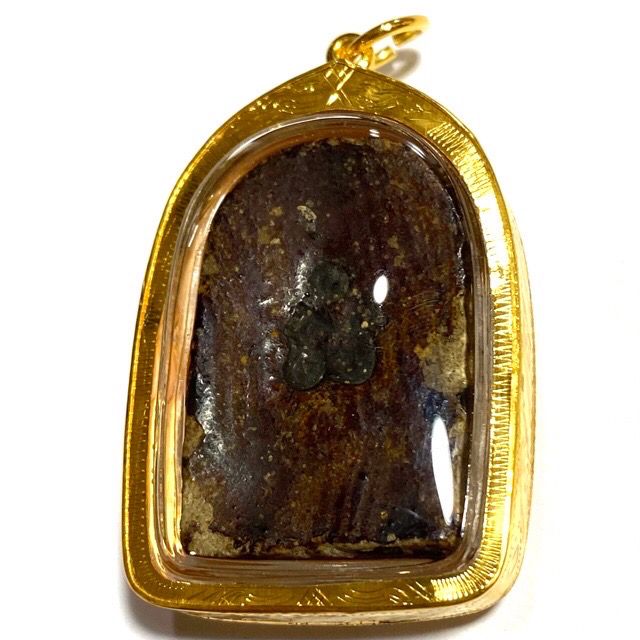
Rear Face of Pra Somdej Wat Rakang Luang Phu Nak Nuea Dtaek Lai Nga 2495 BE

Other types are less popular. Phra Somdej amulets with a rich, concentrated Somdej powder composition, or those with embedded takrut (1, 2, or 3 takrut), are extremely rare and highly sought after, commanding prices many times higher than normal. Surprisingly, Luang Pu Nak’s Phra Somdej amulets from Wat Rakhang have become incredibly famous in Malaysia and Singapore. Many tourists from these countries are buying them in large quantities, significantly reducing the current supply. In the future, this series of amulets is likely to become as popular and valuable as the Phra Somdej Bang Khun Phrom 1966.

A very attractive votive tablet with Buddha in the ‘Khat Samati’ posture seated on a single tiered dais, within an arch. The Dais is shaped like a cushion, which is what gives the name to this model. Three different Masters of the Somdej Pra Puttajarn (Dto) Prohmrangsri lineage and makers of the Pra Somdej within the Dtamra of Somdej Pra Puttajarn (Dto) Prohmrangsri, have made this model of amulet, namely Luang Phu Nak, Luang Phu Hin, and Luang Por Supoj. Each Master pressed and blessed his own versions. LP HIn and LP Supoj would reputedly be present with LP Nak for the blessings of his amulets too.

Macro close up of Muan Sarn of Rear Face of Pra Somdej Wat Rakang Luang Phu Nak Nuea Dtaek Lai Nga 2495 BE

The clay of this exhibit can be classified as Nuea Graeng Dtaek Lai Nga (Crackled Ivory surface effect and Stonelike Hardened Muan Sarn Clay) and has visibly similar characteristics to the clay of Pra Somdej Wat Rakang Kositaram of Somdej Pra Puttajarn (Dto) Prohmrangsri, except the fact that the clay is visibly somewhat younger.

The study of the ageing characteristics of the clay is in itself, is part of the study of the Muan Sarn Sacred Powders of Pra Somdej Wat Rakang Kositaram, to see how authentic Pong Gao Wat Rakang Kositaram amulets made in different time periods develop their appearance and surface textures, and how to learn to recognise authentic Pra Somdej Wat Rakang Kositaram, by being able to estimate how old the clay is of a particular amulet. This exhibit is a perfect study model, as well as being a very rare and sacred votive tablet for Bucha.

Macro close up of Muan Sarn of Rear Face of Pra Somdej Wat Rakang Luang Phu Nak Nuea Dtaek Lai Nga 2495 BE 02

This pim is one of a pantheon of Pra Somdej amulets released around 2495 BE, by the great Luang Phu Nak of Wat Rakang Kositaram, and is a rare Pim that has its own special Niche group of devotees who collect and revere them especially.

A very rare authentic Ancient and Sacred amulet from Luang Phu Nak, one of the Great Abbots of Wat Rakang Kositaram temple. The Pra Somdej of Luang Phu Nak are extremely sought after by both Thai Buddhists and Foreign Devotees alike, for the fact that Luang Phu Nak used more old Pra Somdej amulets from LP Dto Prohmrangsri than any other masters of Wat Rakang History.

This exhibit has a smooth dense marble-like creamy clay, that is well hardened with age (Nuea Graeng), and is an extremely attractive exhibit for these features.

The 2495 BE edition is a highly recommendable amulet for devotees who seek a top class amulet at a still affordable price. that is prestigious, sacred, and of high Pedigree. Luang Phu Nak is known to have released editions in the years 2485 – 2495, 2499, 2500, 2504, 2507 and 2509 BE and his final edition Sae Yid 7 Rorb of 2511 BE, as well as releasing editions at other temples.

Close up of Muan Sarn through orifice in rear face of casing of Pra Somdej Wat Rakang Luang Phu Nak

These amulets are the perfect and best second choice to the Pra Somdej Wat Rakang amulets made by Somdej Dto Prohmrangsri which have now become either unavailable, or too expensive to even consider renting.

The amulets of Luang Phu Nak are also a perfect reference material for the study of Muan Sarn Sacred Powders of the Wat Rakang Kositaram amulet of Somdej Pra Puttajarn (Dto) Prohmrangsri, due to the presence of large quantity of original Pra Somdej Somdej Pra Puttajarn (Dto) Prohmrangsri within the sacred clay of Luang Phu Nak’s amulets.

Luang Phu Nak and the Pra Somdej Wat Rakang

Luang Phu Nak’s first edition of amulets was made in 2485 BE along with the Pra Somdej Song Taewada Ok Dtan, the Pra Somdej Sam Liam (triangle shape), and the Pra Somdej Dto Nang Borigam models.
The Pra Somdej amulets made by Luang Phu Nak contained a massive quantity of crushed up Pra Somdej amulets made by Somdej Dto Prohmrangsri of Wat Rakang.

The amulets were from a repository which Luang Phu Nak had collected over the years, from Looksit who brought their broken amulets to return to the Temple, as well as a sackful he found in the roof of the Prayer Room (‘Bote’ in Thai). They are thus the second choice of those wishing to posess the magic of Pra Somdej Wat Rakang LP Dto Prohmrangsri.

Pra Somdej Wat Rakang LP Nak

Luang Phu Nak believed that the Pra Somdej amulets made by Somdej Dto had inimitable magical qualities and special power within the Muan Sarn (sacred powder used to make the amulets), and because of the meditative power of Somdej Dto who blessed them.

Therefore apart from being made by one of Thailands great gaeji Ajarn, and being an authentic ancient Wat Rakang Amulet, it is also Sacred for the fact that it contaiins original Somdej Dto Wat Rakang Amulets in the Sacred Powder mixture, rendering them powerful through the incantations and Yantra Inscriptions of Somdej Pra Puttajarn (Dto) Prohmrangsri himself, through transmission of Muan Sarn Sacred Powders.

In our opinion, the only main difference between this amulet and an original Somdej Dto is the price, and the face that the Somdej Dto amulets are perhaps more of something to brag about, which is not really the intended reason for owning an amulet. Sacred Thai Amulets are intended primarily as Puttanussadti (remembrance and respect to the Buddha), especially Pra Somdej.

Pra Somdej Wat Rakang LP Nak 03

The surface of the amulet is smooth to touch, and shows authenticity through its dryness and the signs of aging when examined using the criteria used by experts for authentication of sacred ancient amulets. This exhibit has a very crisp and clear relief and is highly defined, which is referred to in the special vocabulary of the amulet community as ‘Nuea Graeng’, which is a more marble-like domino-dense admixture which despite dryness, tends to have a shiny ‘wet-look’ to it. The other main type of texture used in amulet communities is ‘Nuea Jad’ meaning something like ‘very crisp detailed relief’

This Pra Somdej, apart from being made by one of Thailands great Gaeji Ajarn, and being an authentic ancient Wat Rakang Amulet, it is also Sacred for the fact that it contaiins original Somdej Dto Wat Rakang Amulets in the Sacred Powder mixture too. This also makes complete sense, with Luang Phu Nak being a subsequent Gaeji Ajarn of Wat Rakang Kositaram, and a Looksit of Somdej Pra Puttajarn (Dto) Prohmrangsri.

Luang Phu Nak’s amulets are of great popularity because they are a great alternative to the original and extremely expensive Somdej Dto amulets, and are considered to be powerful and sacred through their use of the broken amulets and powders of Somdej Pra Puttajarn (Dto) Prohmrangsri, and the blessings of Luang Phu Nak.

The chances of owning an amulet like this are becoming less and less in recent years, and soon it will be practically impossible to obtain authentic old Wat Rakang amulets. There are ever more collectors and ever less amulets on the market, and there is no higher esteemed amulet than the Pra Somdej Wat Rakang Kositaram family. The amulets were made using the following ingredients

Powder from the chalk sticks used in the making of Pong Saksit (sacred powder for amulet making), Rice fragments kept by Luang Por Dto, the 5 Sacred Powders of; 1. Pong Putta Kun, 2. Pong Bpatamang, 3. Pong Trinisinghae, 4. Pong Maha Rach, 5. Pong Itti Jae Powder

The chalks used in the making of the Bpatamang, Trinisinghe Maharach and Itijae powders were mixed with sacred water that squeezed from the leaves of seven kinds of Thai plant including Bai Tamlueng , Yord Sawad, Yod Ga Hlong, Yod Raksorn,Chaiyapruek, Rachapreuk and Dork Mali (jasmine).

Pra Somdej Wat Rakang LP Nak 05

All of the ingredients of the Wat Rakang amulets were mixed with;

Nuea Pong (powder substances), Klee Saema (broken pieces of temple wall stones, Gaesorn Sut Bongot (pollen from the Bongot lotus flower), Kluay Nam Tai (a kind of Thai banana) mixed with sap from the rubber tree (Yang Madtum), Plueak Hoy (white clam shells), Nam Man Jantr (jasmine oil), Nam Man Dtang Iw (aromatic resinous oil used to congeal and cement the amulet mix with).

One hundred and eight kinds of flowers collected by LP Dto Prohmrangsri, Sacred powders and pollens (Pong Saksit), Pong Bpatamang – Klaew Klaad Kong Grapan, (protection from injury and accidents), Pong Puttakun – for great charm and avoid danger (Maha Sanaeh and Klaew Klaad magic), Pong Tri Ni Singhe – attractiveness…., Pong Maha Rach – power and respect.

Pra Somdej Wat Rakang - detail 6

Pong Itijae Powder – Metta Mahaniyom – this increases the likability of the wearer of this magic, Sacred Flowers and magical plants, Dork Sawad – Metta Mahaniyom, Sanaeh, Dork Gahlong – love charm., Dork Raksorn – love and metta, Dork Ga Fag Rak – love and attraction charm…., Dork Chayapruek – power and protection from danger, Dork Rachapruek – Amnaj and Klaew Klaad (commanding power and avoid accidents), Dork Waanangkurm -Kong Grapan Klaew Klaad, Dork Waan – Klaew Klaad, Dork Waan Sanah Junkhao – charm and protection from danger.

Pra Somdej Wat Rakang Luang Phu Nak - detail 7

​Dork Wan Sanah Jundum – charm and protection from danger, Dork Wan Sanah Jundang – charm and protection from danger, Dork Wannangkuak – charm, Waan Pra Buddha Jaoluang – charm and protection from danger, Bai Plu Ruam Jai – charm, Bai Plu Song Tang – charm and protection from danger, Pong Gaesorn Ha Bua – five lotus pollens, Kesorn 108 – charm and protection from danger.

Filters

Filters
Pra Somdej Pim Gaes Jarot Sum Pim Gaes Iang Niyom Long Rak Chart Somodej Dto Wat Rakang Kositaram
Free Shipping Worldwide (we do not state or declare true price to counter tarrifs tax on customers), & Offer of Free Solid Silver Casing Included
SKU 04783
$1,699


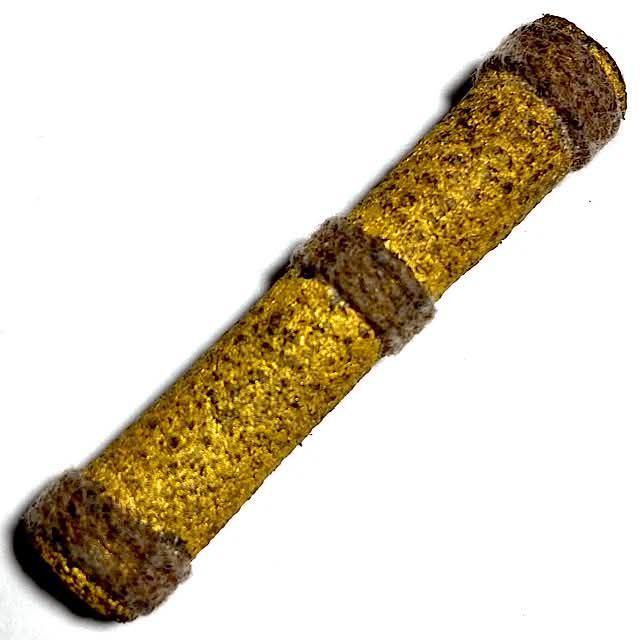
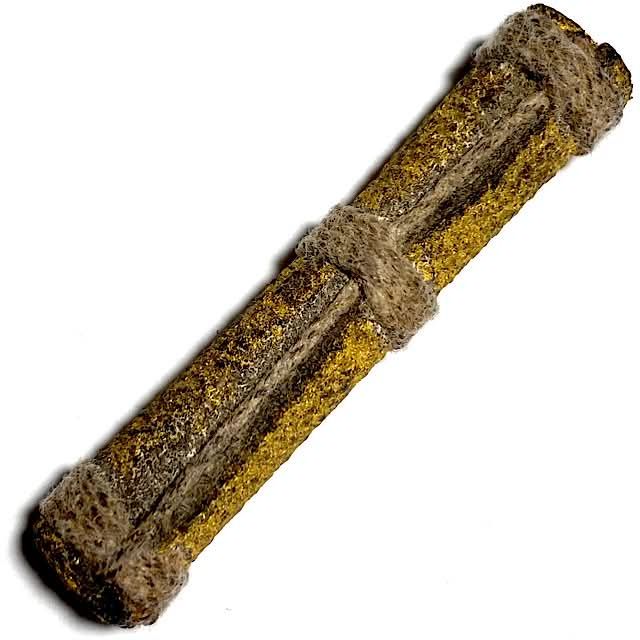
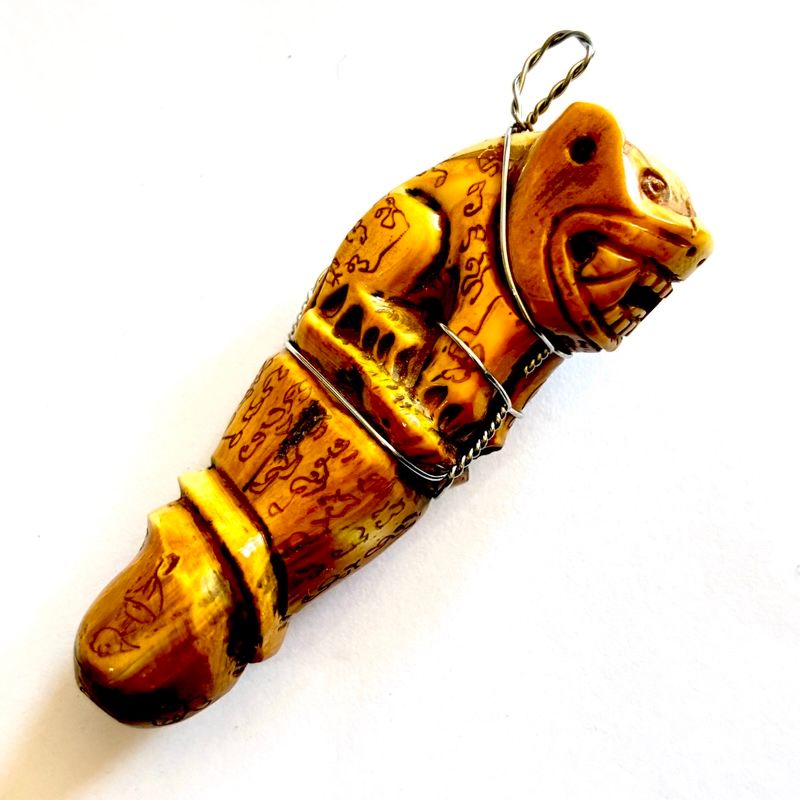
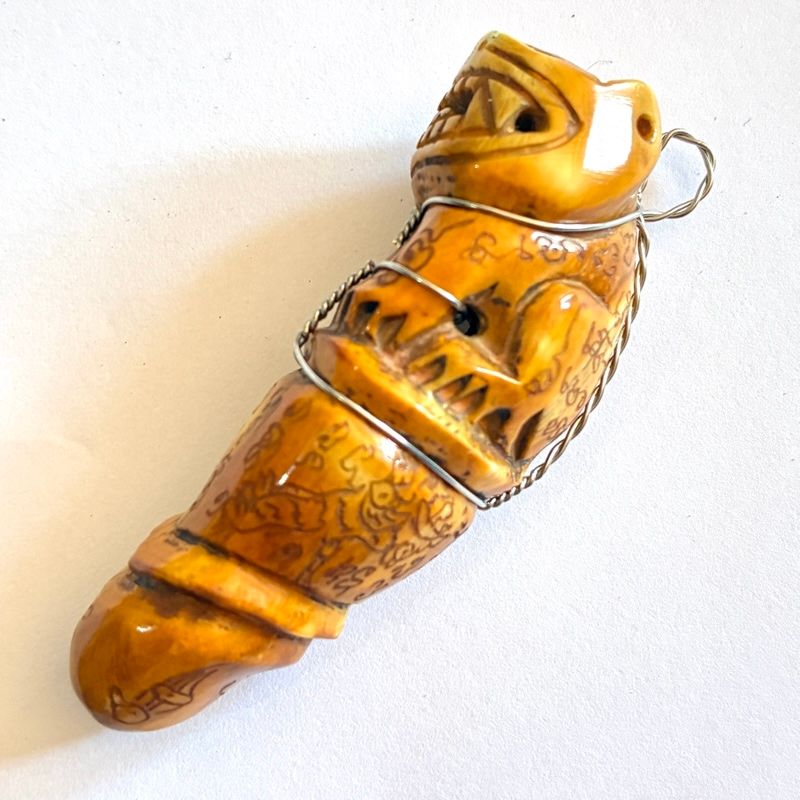
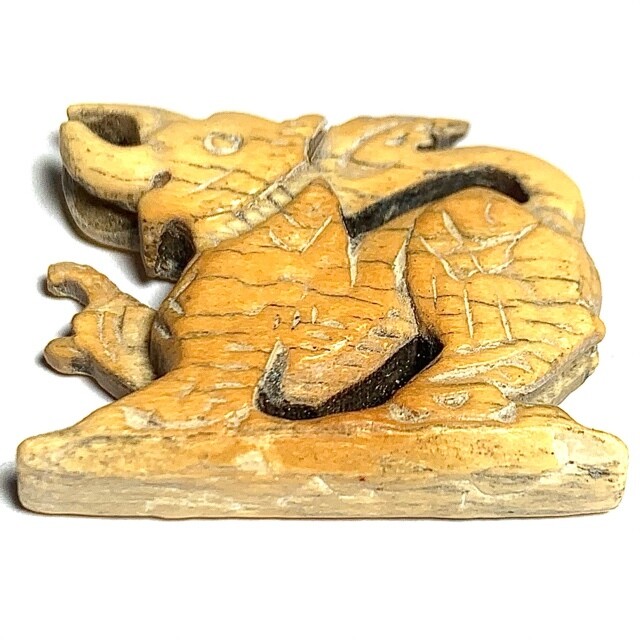
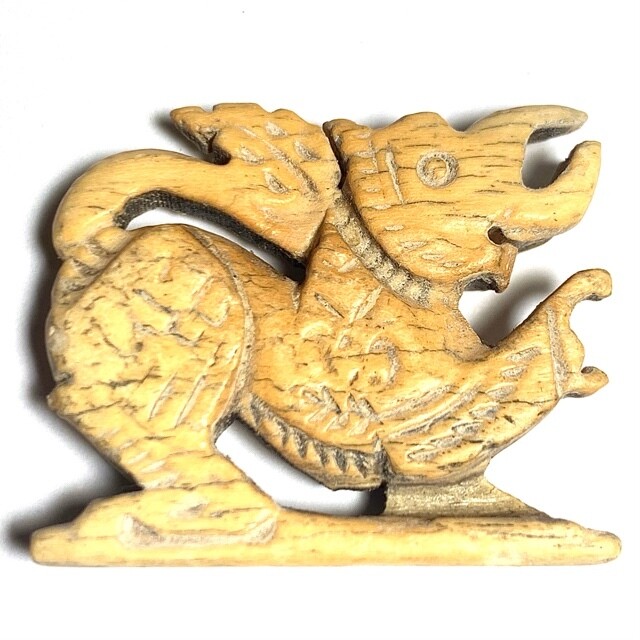
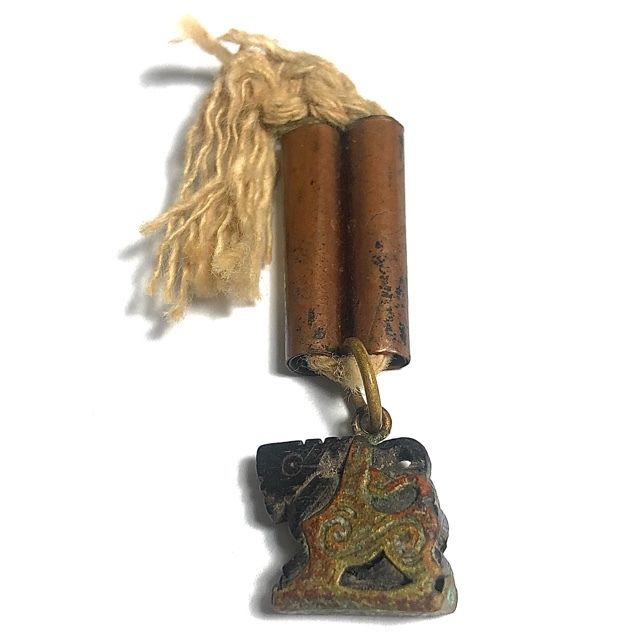
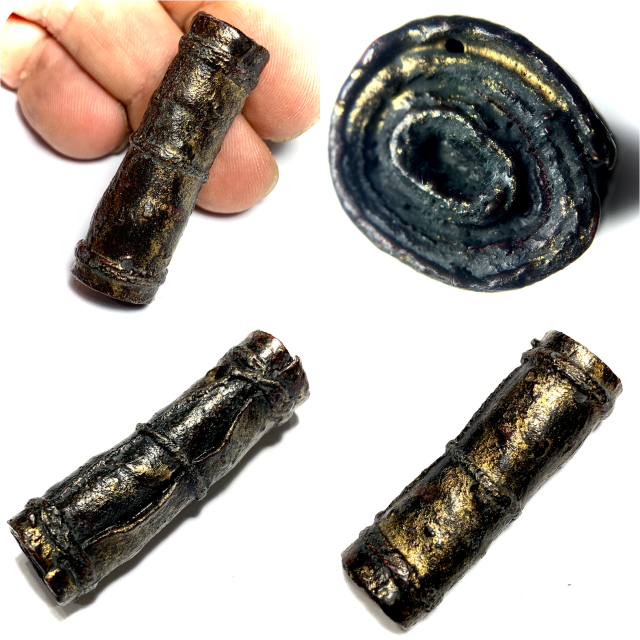
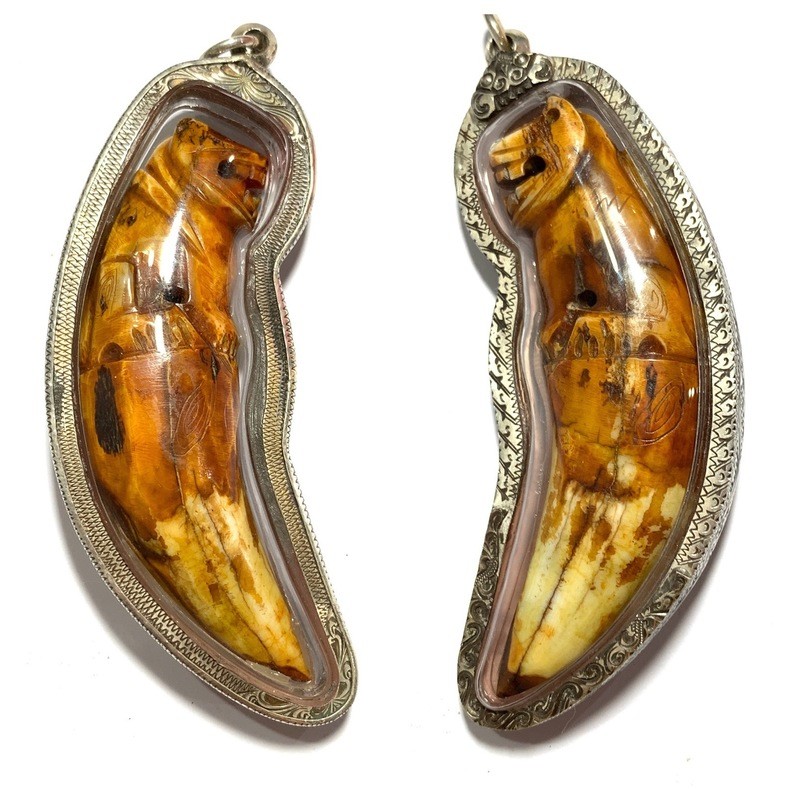
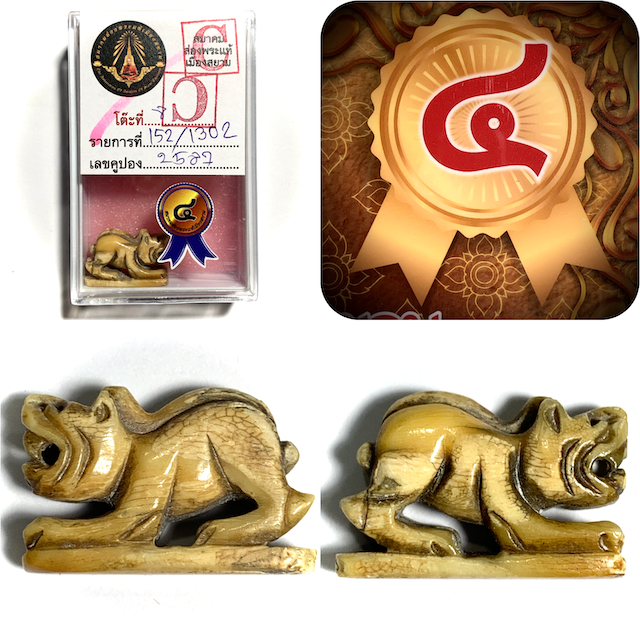
Tiger Takrut of the Great LP Nak of Wat Arun

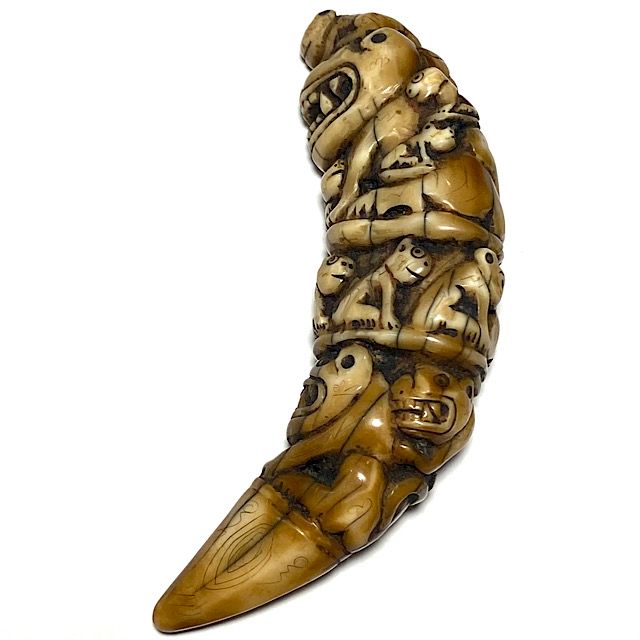
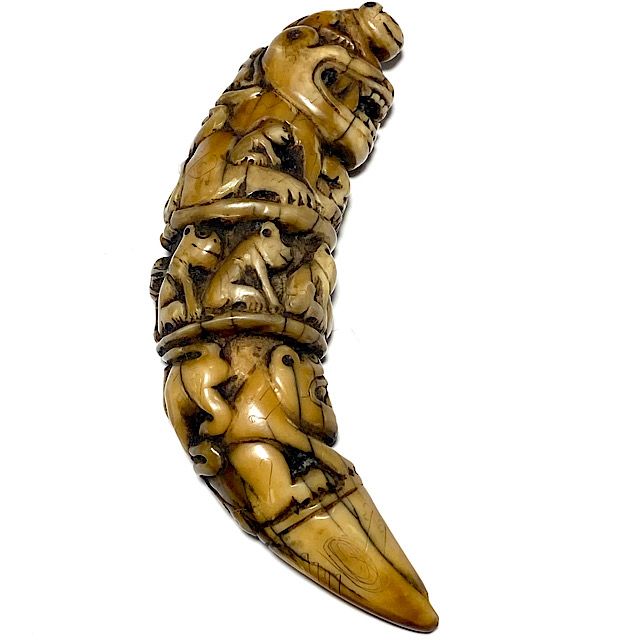
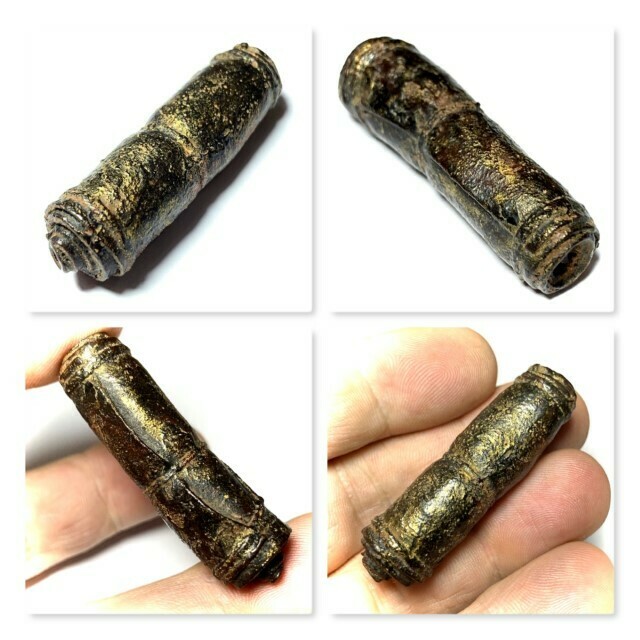
One of the Top Ten of all Tiger Amulets; The Legendary Takrut Hnaa Bpaag Suea of Luang Phu Nak, Wat Arun

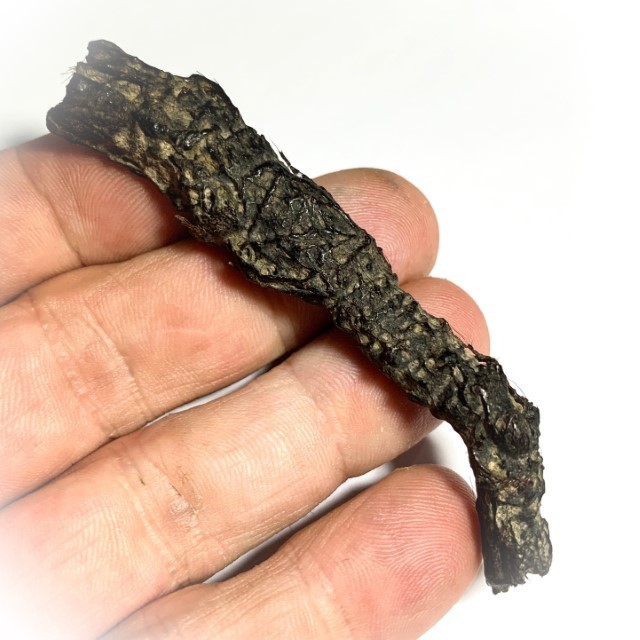
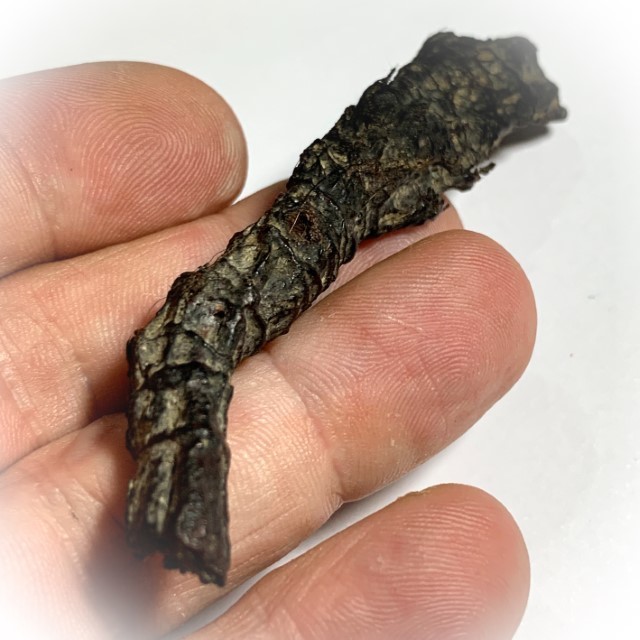
In the world of Talismanic Thai amulets, few talismans are as revered and sought after as the Takrut Hnaa Bpaag Suea of Luang Phu Nak, a renowned monk from Wat Arun, also known as the Temple of the Dawn. This iconic amulet is a testament to the monk’s exceptional spiritual powers and his mastery of the ancient arts of Thai Buddhism and magic.

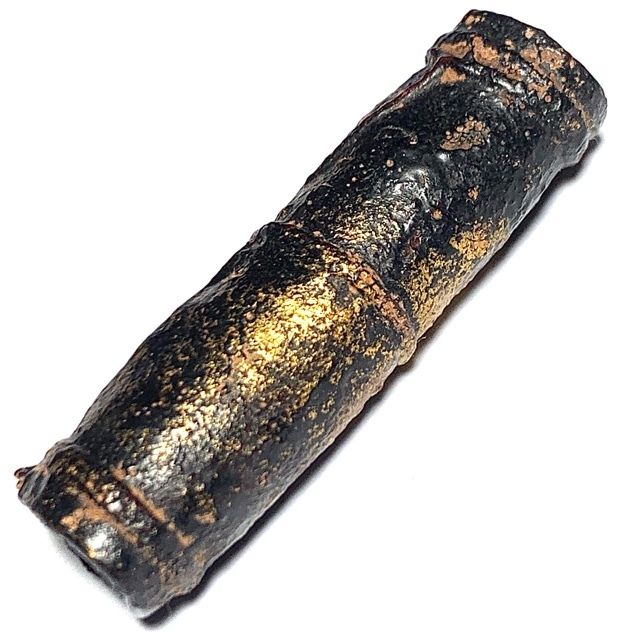
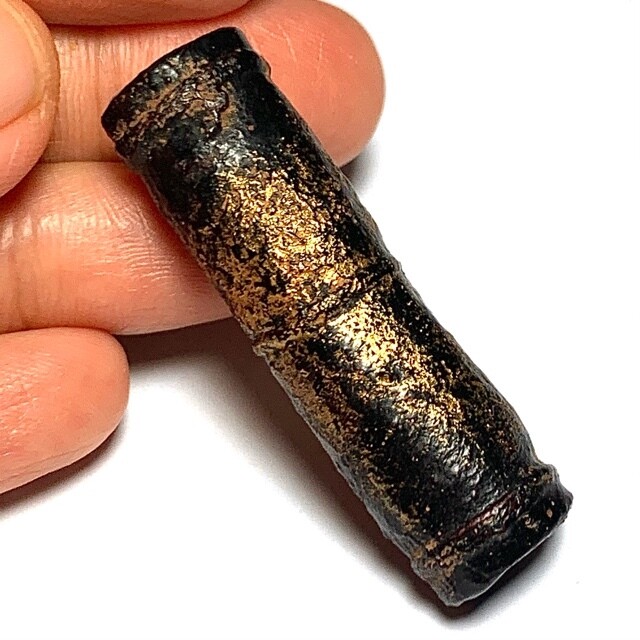
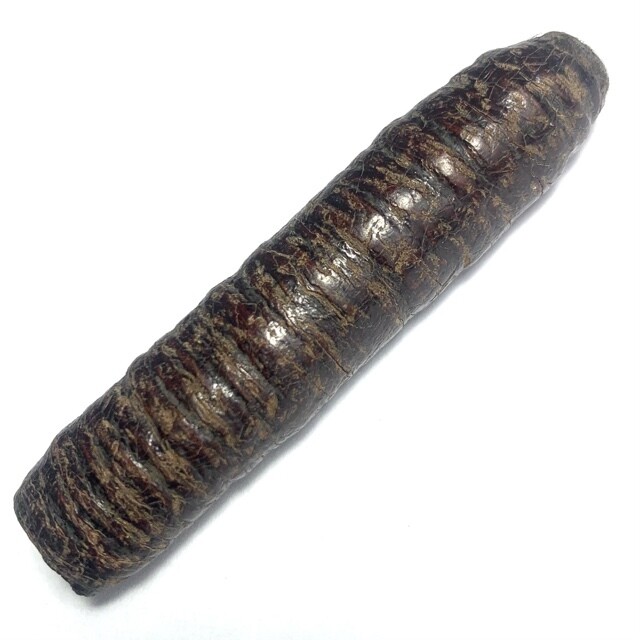
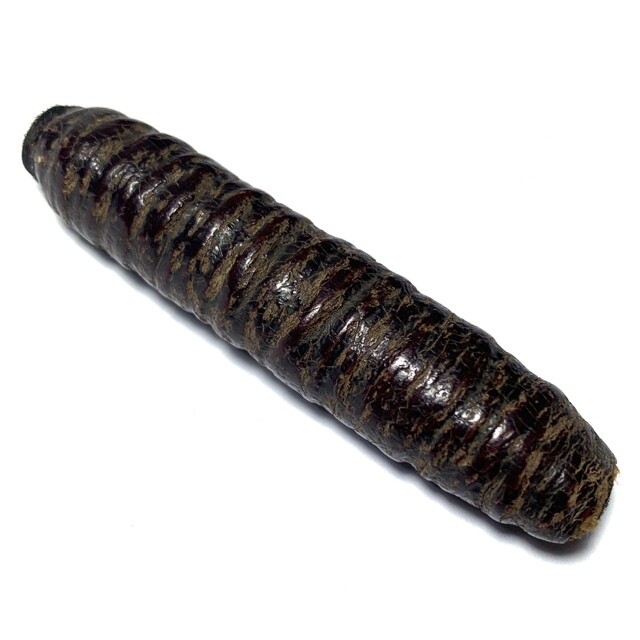
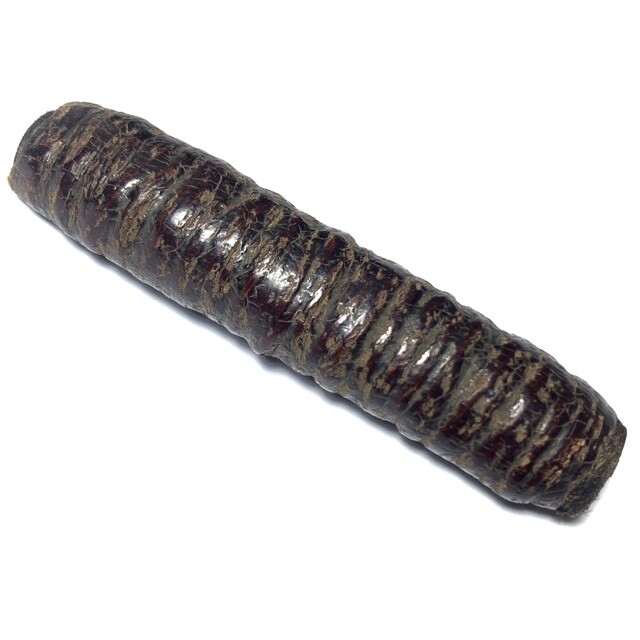
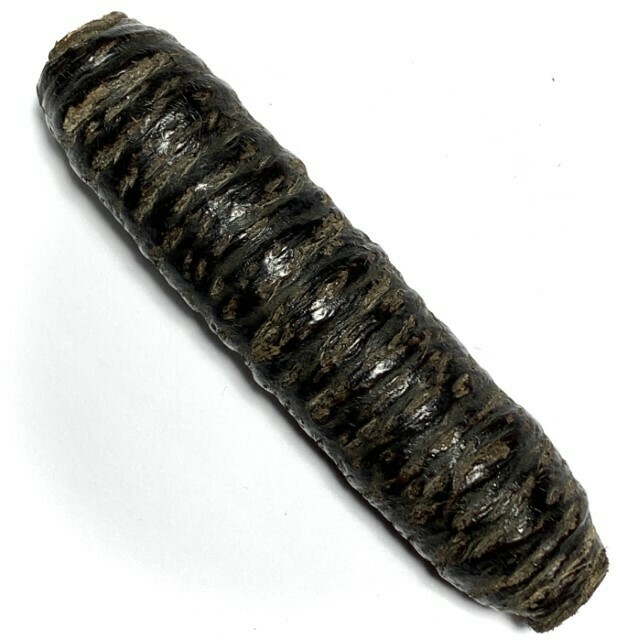
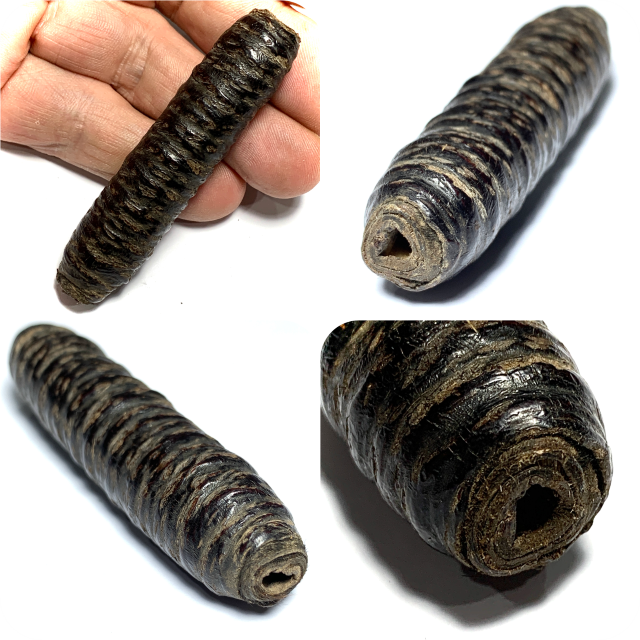
Takrut Hnaa Bpaag Suea Tiger Takrut of Luang Phu Nak

The Life of Luang Phu Nak

Luang Phu Nak was born on January 3, 2415 BE, in Ban Bang Poon, Pathum Thani province. His father, Mr. Nuan, and mother, Mrs. Luean, raised him with strong Buddhist values, which would later shape his destiny as a monk. At the age of 12, Luang Phu Nak was ordained as a Samanera novice monk at Wat Sarapat Chang, under the guidance of Pra Atigarn Hwang Tamma Chodti. He spent his early years studying the Dhamma Vinaya, the teachings of the Buddha, and honing his meditative skills.

LP Nak of Wat Arun

As he grew in wisdom and spiritual prowess, Luang Phu Nak was reordained as a fully fledged Bhikkhu at Wat Sutat in Bangkok, a royal decree temple, in the year of the Dragon, 2435 BE. His Upachaya ordaining officer was Somdej Pra Wanaratana (Luang Por Daeng), a highly respected monk of the time. Luang Phu Nak’s monk name, “Sumananaakoe,” translates to “Companion of the Nagas,” reflecting his deep connection with  Wicha Saiyasart, and the Nether-Worlds.

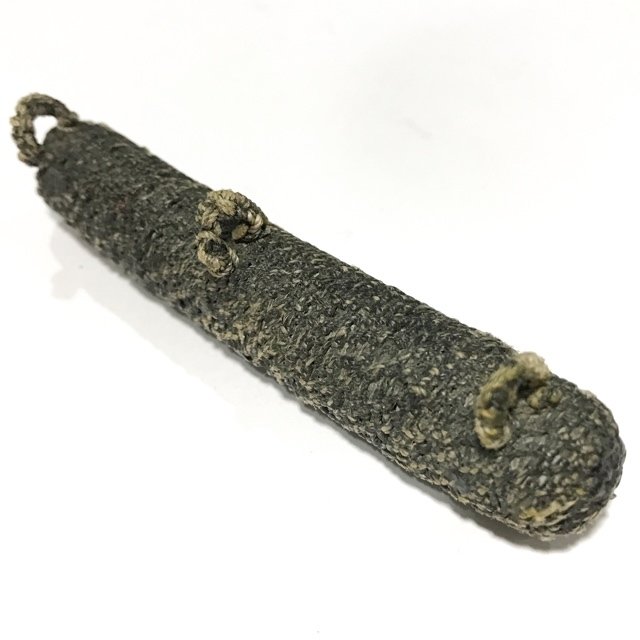
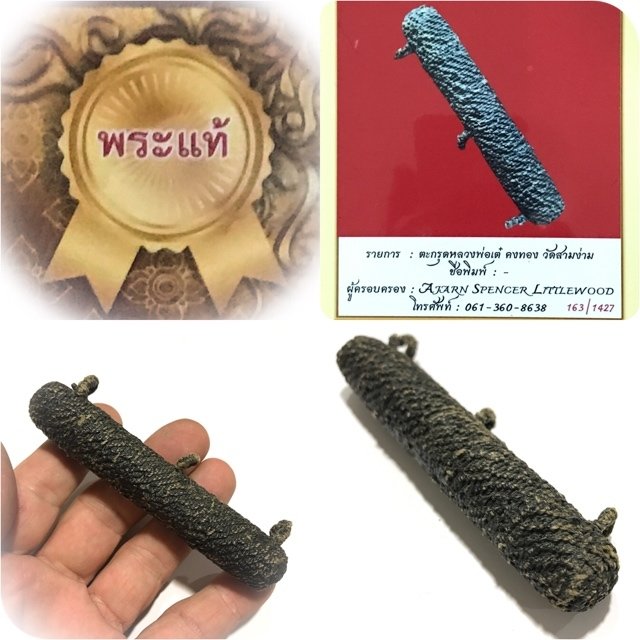
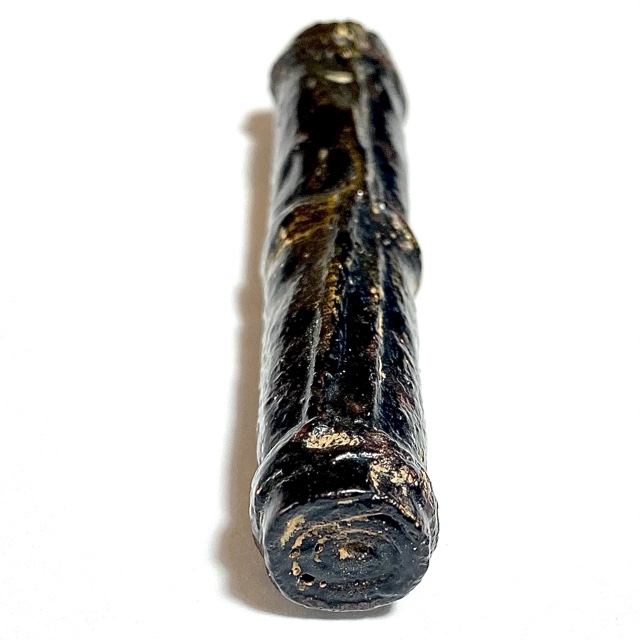
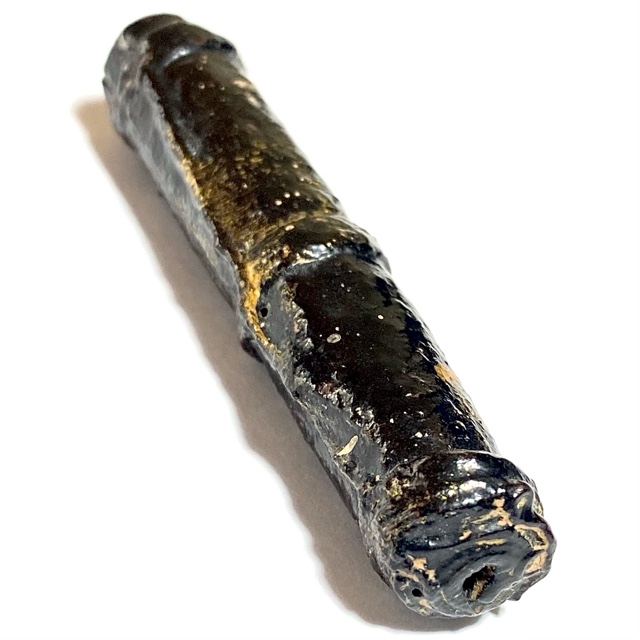
Takrut amulets of LP Nak

Takrut amulets of LP Nak

The Making of the Takrut Hnaa Bpaag Suea

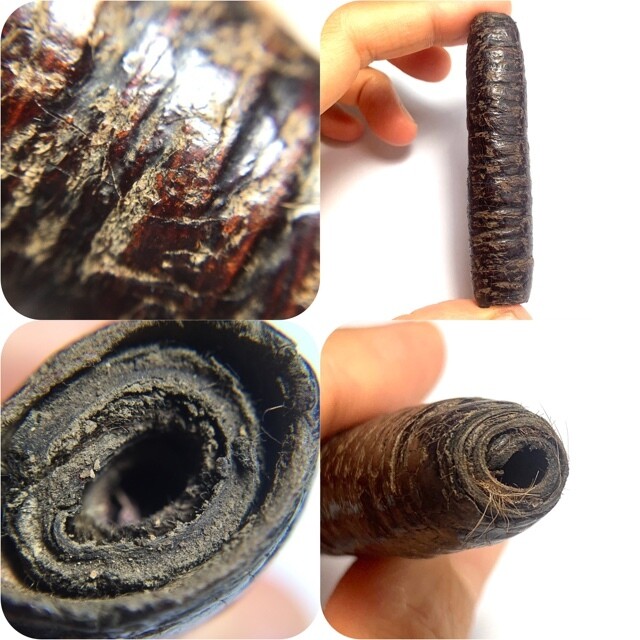
The Takrut Hnaa Bpaag Suea, a tiger forehead skin scroll talisman, is Luang Phu Nak’s most famous creation. According to Ajarn Spencer Littlewood, a renowned expert on Thai amulets and Buddha magic, this amulet is considered one of the most powerful and sought-after talismans in the world of Thai amulets.

The Takrut Hnaa Bpaag Suea is said to possess the power of the tiger, with its forehead skin serving as a conduit for the animal’s strength, courage, and protection.

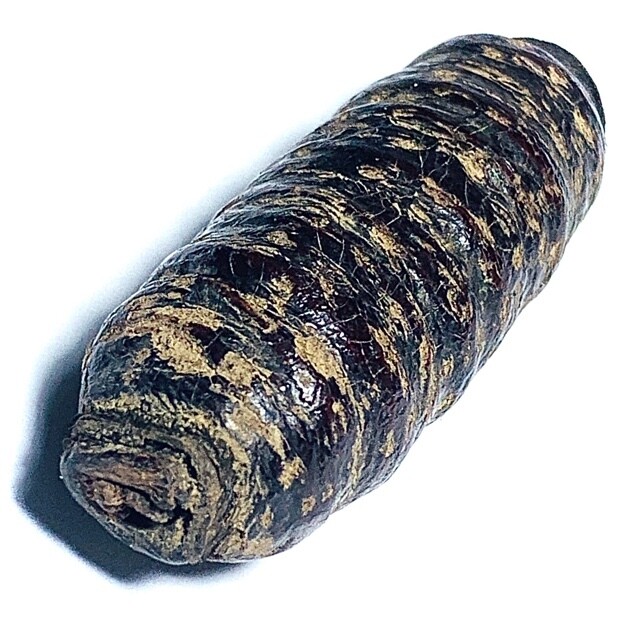
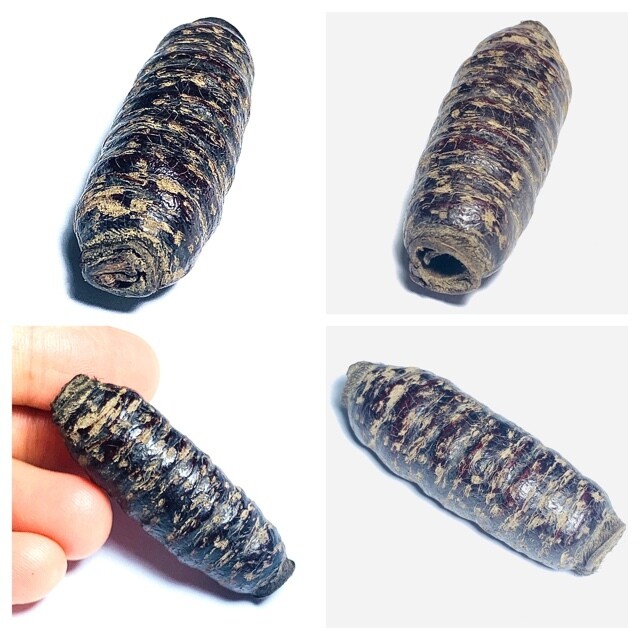
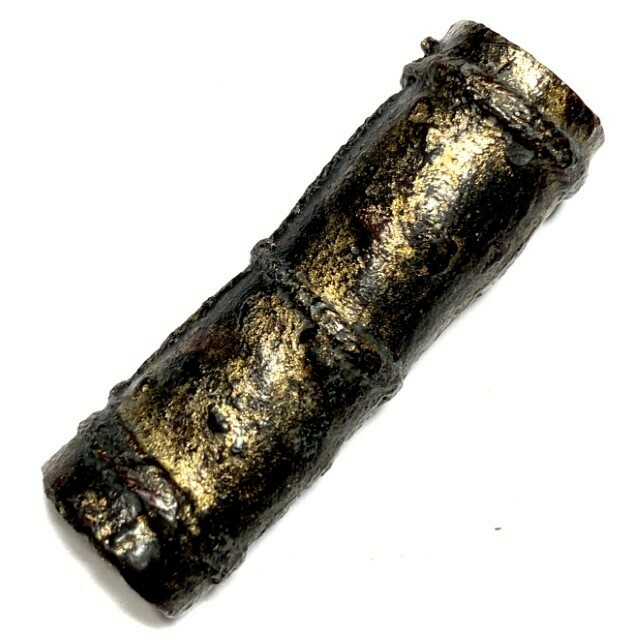
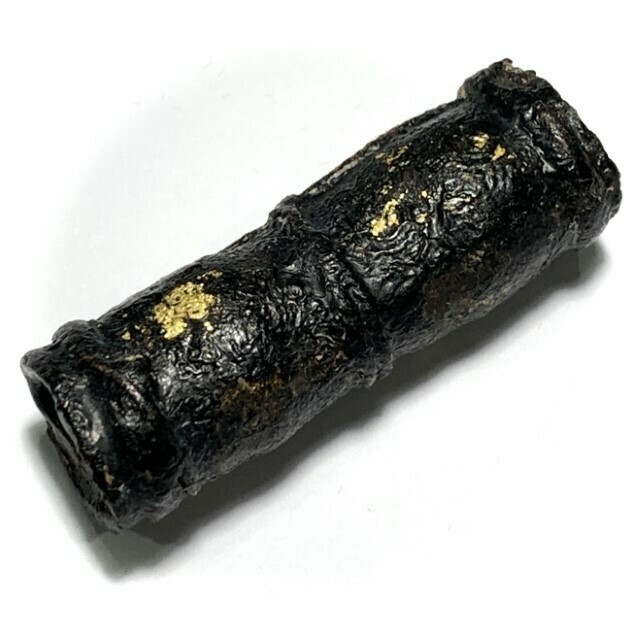
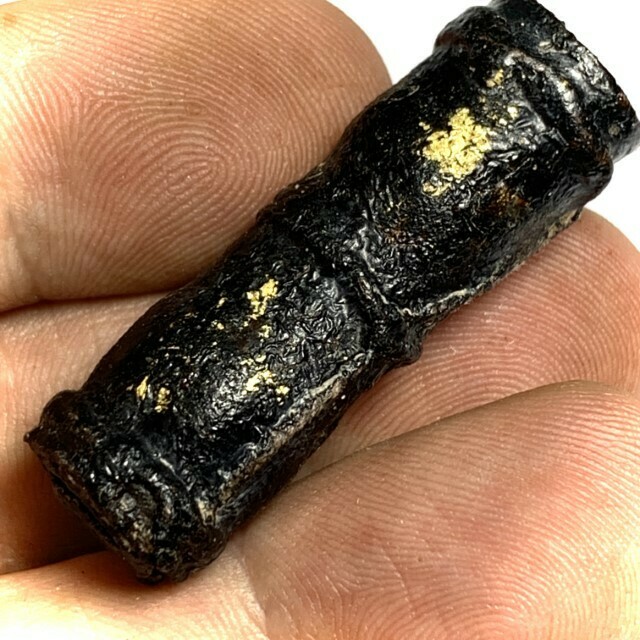
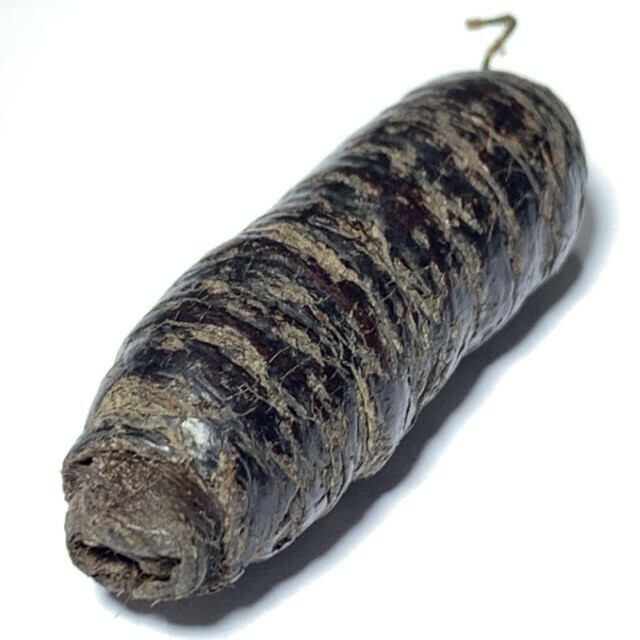
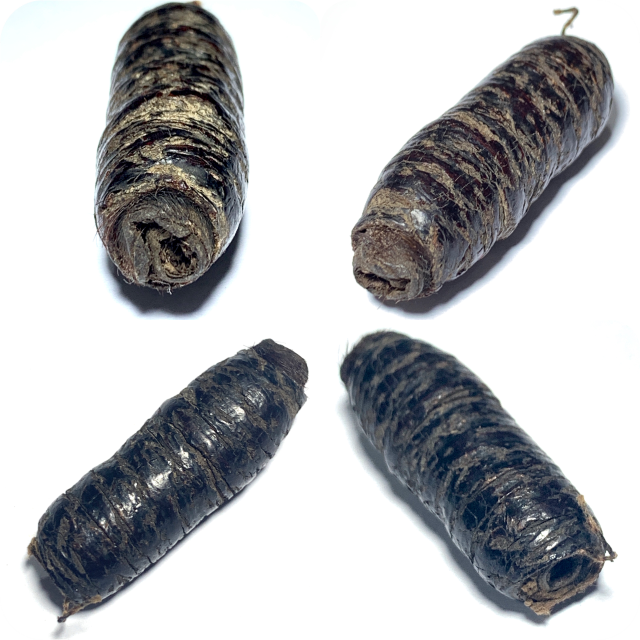
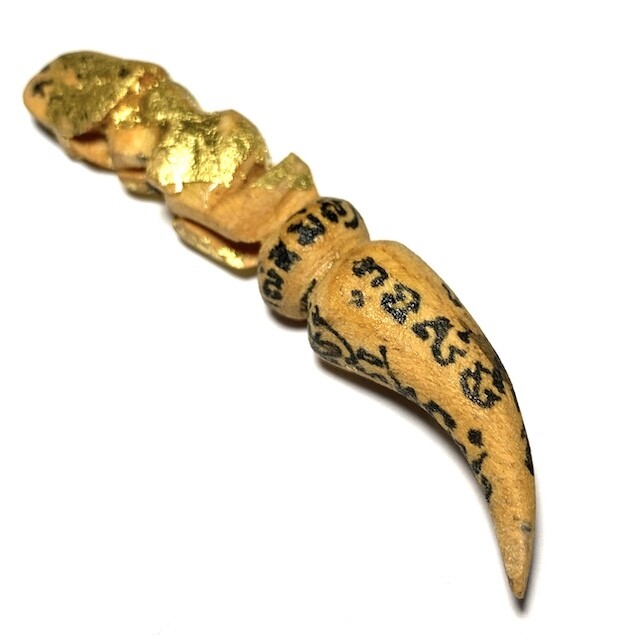
The creation of the Takrut Hnaa Bpaag Suea was a labor-intensive process, requiring great skill and attention to detail. Luang Phu Nak would first immerse the forehead skin in holy water to soften it, then scrape off the fur, leaving bare skin.

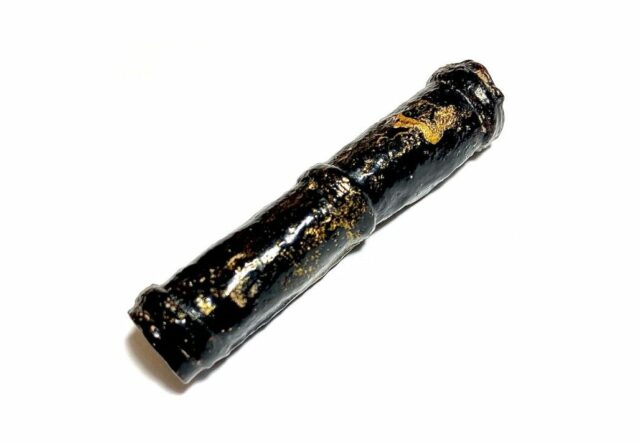
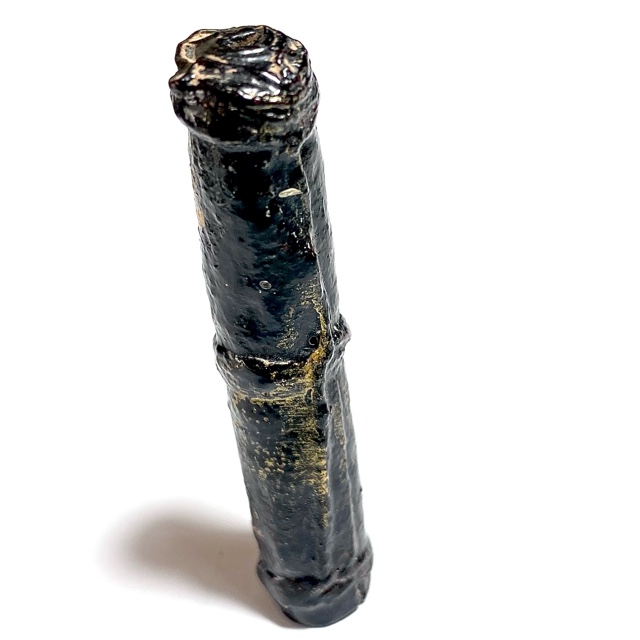
He would then inscribe the skin with sacred symbols and prayers, using the Wicha Maha Ud, a powerful magical script. The skin was then wrapped into a scroll, tied with holy Sinjana cords, and lacquered with gold leaf.


Magical Properties and Benefits

This powerful amulet is crafted from the rolled-up forehead hide of a tiger, imbued with the sacred spells of Wicha Suea Tiger Magick. The tiger’s innate energies are believed to possess a range of potent magical properties.

The tiger’s forehead hide is said to be naturally endowed with these sorcerous powers, making the Takrut Hnaa Bpaag Suea an exceptionally potent and desirable amulet. Its magical properties are believed to bring the wearer great opportunities for advancement, success, and recognition, while also inspiring the loyalty and devotion of others.

The Wicha Suea Tiger Magick within the amulet is thought to amplify these natural energies, creating a powerful and irresistible force that can help the wearer achieve their goals and ambitions. Whether seeking to enhance their career, attract wealth and prosperity, or simply to inspire the admiration and respect of others, the Takrut Hnaa Bpaag Suea is believed to be an invaluable tool for achieving success and realizing one’s desires.

The Takrut Hnaa Bpaag Suea is believed to possess a range of properties and benefits, including:

  • Maha Ud Kong Grapan Chadtri: Invincibility magic, protecting the wearer from harm and danger
  • Chai Chana: Victory-bringing magic, attracting success and triumph in all endeavors
  • Klaew Klaad: Evasive magic, allowing the wearer to avoid accidents and misfortune
  • Maha Amnaj: Commanding power and superiority magic, granting the wearer authority and respect
  • Metta Maha Niyom: Mercy charm, attracting positive energies and improving loving relationships
  • Anti-Black Magic: Protection from malevolent spirits and negative energies, curses and spells.

The Legend of Luang Phu Nak’s Takrut

The legend of Luang Phu Nak’s Takrut Hnaa Bpaag Suea has been passed down through generations, with stories of its incredible powers and benefits. Devotees would often report experiencing strange and wonderful occurrences while wearing the amulet, such as increased confidence, improved relationships, and protection from harm.

The Legendary Takrut Hnaa Bpaag Suea Tiger amulet of LP Nak, of Wat Arun.One famous story tells of how Luang Phu Nak’s devotees would notice that even buffaloes would cower in fear when they passed by, sensing the powerful magic of the Takrut Hnaa Bpaag Suea. This anecdote has become a testament to the amulet’s potency and Luang Phu Nak’s exceptional spiritual powers.
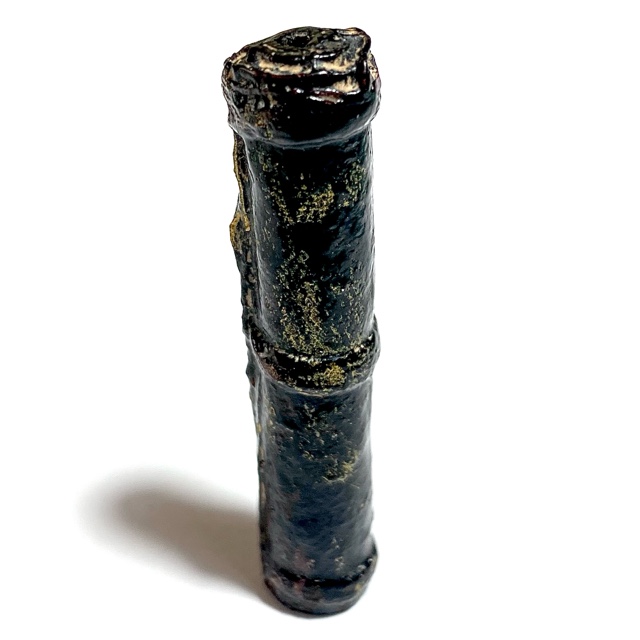
Rarity and Authenticity

The Takrut Hnaa Bpaag Suea is an extremely rare amulet, with only a limited number created by Luang Phu Nak during his lifetime. The amulet’s rarity is due in part to the difficulty of obtaining tiger forehead skin, as well as the strict conditions under which the Takrut could be created. Luang Phu Nak would only make the Takrut on 5th Lunar Saturdays, which are rare and occur only a few times a year.

Authenticity is a major concern when it comes to the Takrut Hnaa Bpaag Suea, as many counterfeit versions have been created over the years. To ensure authenticity, collectors and enthusiasts should look for documentation and certification from reputable sources, such as the temple where the amulet was created, or from recognized experts in the field of Thai amulets.

The Legendary Takrut Tiger amulet of LP Nak, of Wat Arun.The Takrut Hnaa Bpaag Suea of Luang Phu Nak, Wat Arun, is a legendary amulet that has captured the hearts and imaginations of collectors and enthusiasts around the world. Its exceptional powers and benefits, combined with its rarity and historical significance, make it a truly unique and valuable talisman. This also reminds us of the importance of preserving the cultural heritage and spiritual traditions of Thailand, and the enduring legacy of Luang Phu Nak, a true master of the ancient Wicha, and grimoires of mystical arts.
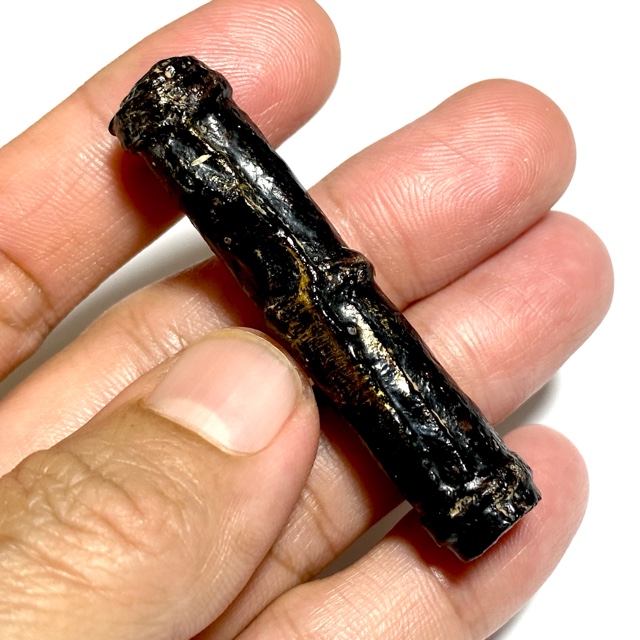
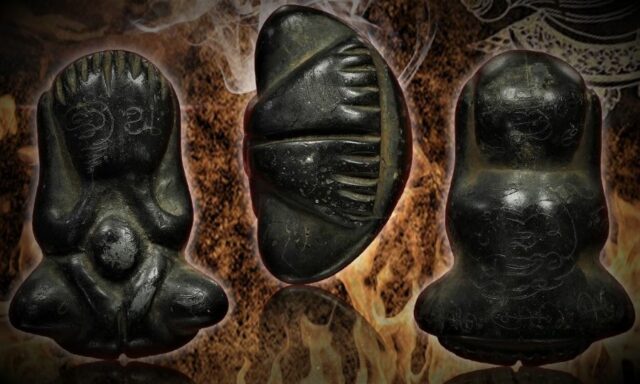
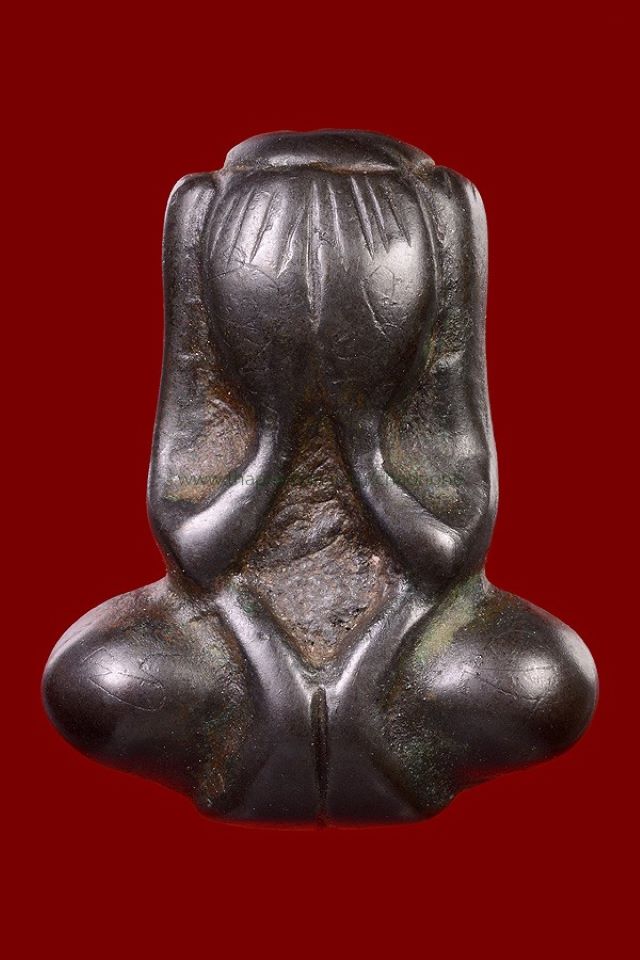
Tiger Takrut Hnaa Baag Suea LP Nak


Kata Suea - Invocation of Tiger Spirit

Sources:

Phra Pidta Mekasit LP Nak

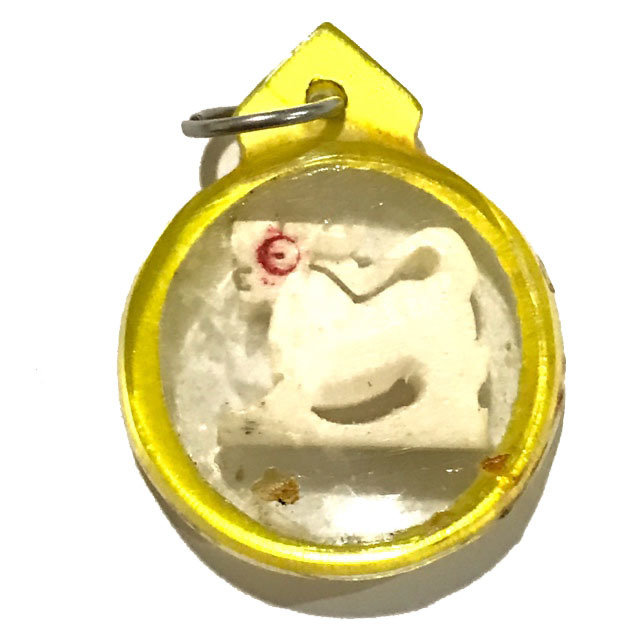
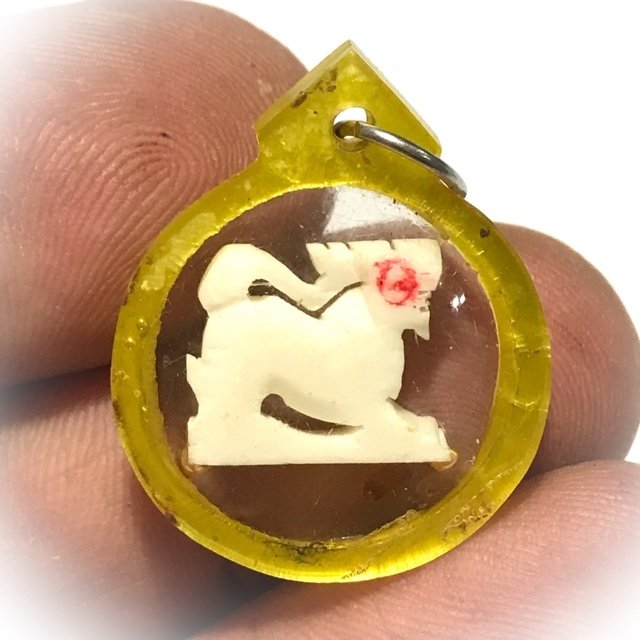
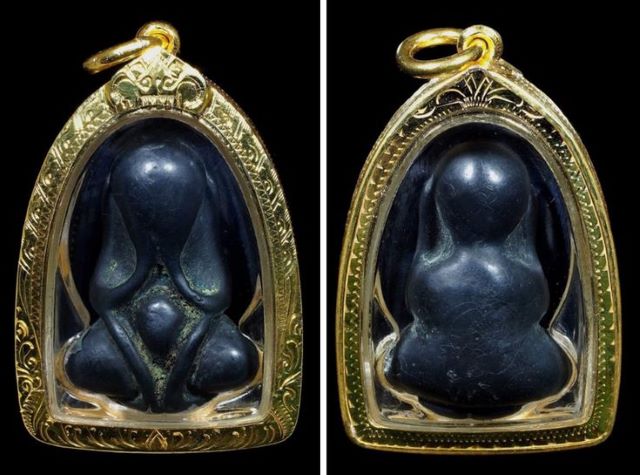
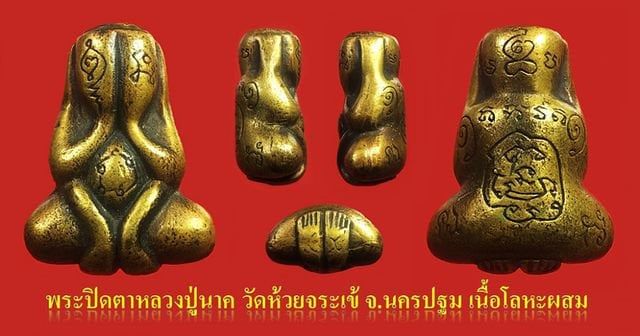
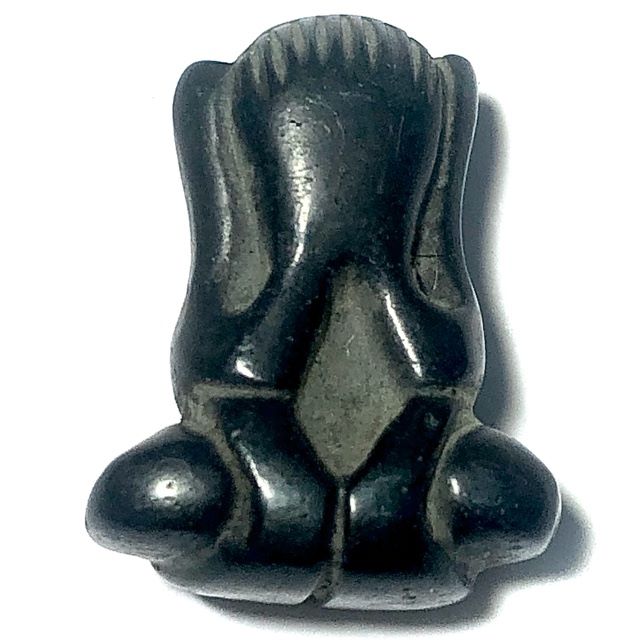
The Phra Pidta of LP Nak is a highly revered amulet created by the late great Thai monk Luang Phor Nak of Wat Huay Jorake temple in Nakhon Pathom, Thailand. The Phra Pidta, also known as “the closed-eye Buddha,” is a representation of the Lord Buddha in deep meditation, entering the state of Nirodha, and is believed to bring blessings of protection, good luck, and wealth to the wearer.

Pra Pid Ta Luang Pu Nak Wat Huay Jorake

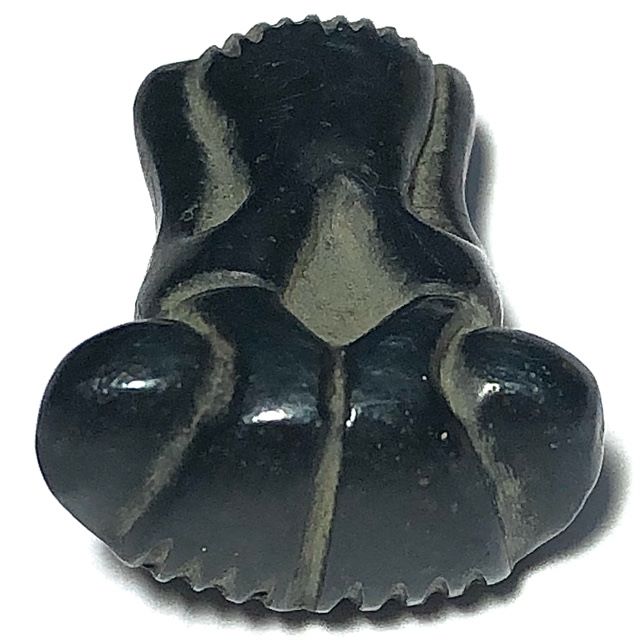
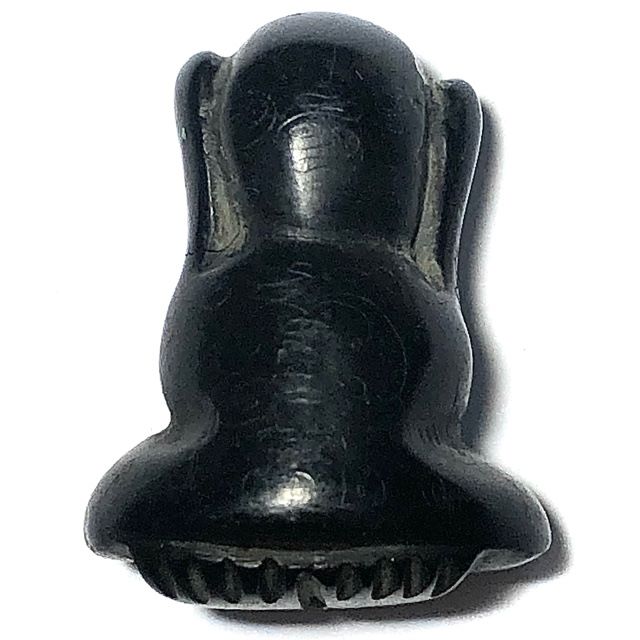
The Phra Pidta amulet created by LP Nak was made usually in Nuea Mekasit alcemical metal, but also in sacred loha chanuan bronze and other brazen metal mixtures (less often seen). I is said that LP Nak himself was an adept master of alchemical metallurgy, and the Wicha Pra Pidta. It found in medium and small sizes (Pim Lek & Pim Yai) and has various models sch as the Pra Pid Ta Hoo Gradtay ‘Rabbit Ears’ model. It is believed that the Phra Pidta amulet of LP Nak has the power to protect its wearer from harm, bring good luck, and attract wealth and prosperity. Some of the Pra Pid Ta of Luang Pu Nak possess hand inscriptions scratched onto the surface of the metal, with Khom Agkhara and Sacred Yant.

Phra Pidta amulet represents a meditating Buddha entering into the state of Nirodha. Nirodha is the third of the Buddha’s Four Noble Truths and refers to the attainment of the cessation of suffering. The image of a meditating Buddha is representative of the amulet’s ability to bring peace and block out all forms of inauspicious events and bad luck, protect against all dangers and black magic. The amulet is believed to have the power to block out negative energy and to protect the wearer from harm due to the reputation of the creator and his spiritual energy.

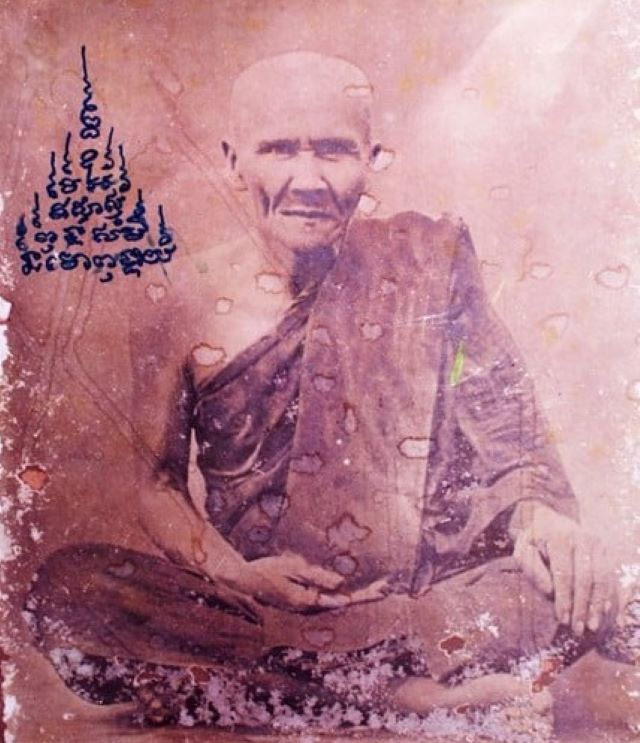
Luang Pu Nak was a well-known Thai Buddhist monk and the abbot of Wat Huay Jorake temple in Nakhon Pathom, Thailand. He was well-known for his spiritual teachings and wisdom, as well as his ability to craft powerful amulets. His reputation as a powerful spiritual leader, combined with his ability to craft powerful amulets, ensures that his legacy lives on, and his amulets are highly sought after. He died in 1959, but his teachings and amulets are still revered and respected by many Thais and people all over the world.

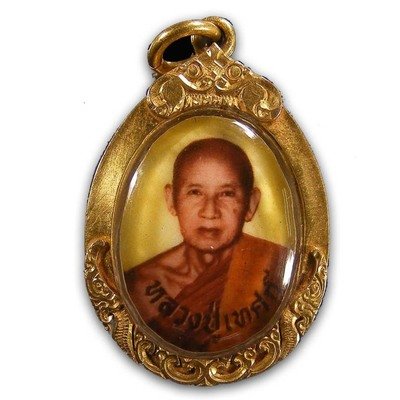
Luang Pu Nak, of Wat Huay Jorake in Nakhon Pathom

Many people in Thailand and around the world believe that the Phra Pidta amulet of LP Nak is particularly powerful for Kong Grapan/Klaew Klaad Protection Magic, due to the reputation his Pidta developed over the years as many stories of lifesaving miracles were recounted by devotees who wore the Pidta of LP Nak. LP Nak was known for his deeply spiritual teachings, and his ability to create very powerful amulets, and many people believe that his amulets possess his spiritual mind energy even after his passing. The Phra Pidta amulet of LP Nak is also highly sought after by collectors and those interested in Thai Buddhism and culture. Many people consider it a valuable possession and it is often passed down from generation to generation as a family heirloom amulet.

The Phra Pidta amulet of LP Nak is a highly revered and powerful amulet created by the late Thai monk Luang Phor Nak of Wat Huay Jorake temple in Nakhon Pathom, Thailand. It is believed to bring blessings of protection, good luck, and wealth to the wearer, and is highly sought after by collectors and those interested in Thai Buddhism and culture. The reputation of LP Nak as a powerful spiritual leader, and his ability to create powerful amulets, makes this amulet particularly valuable and powerful.

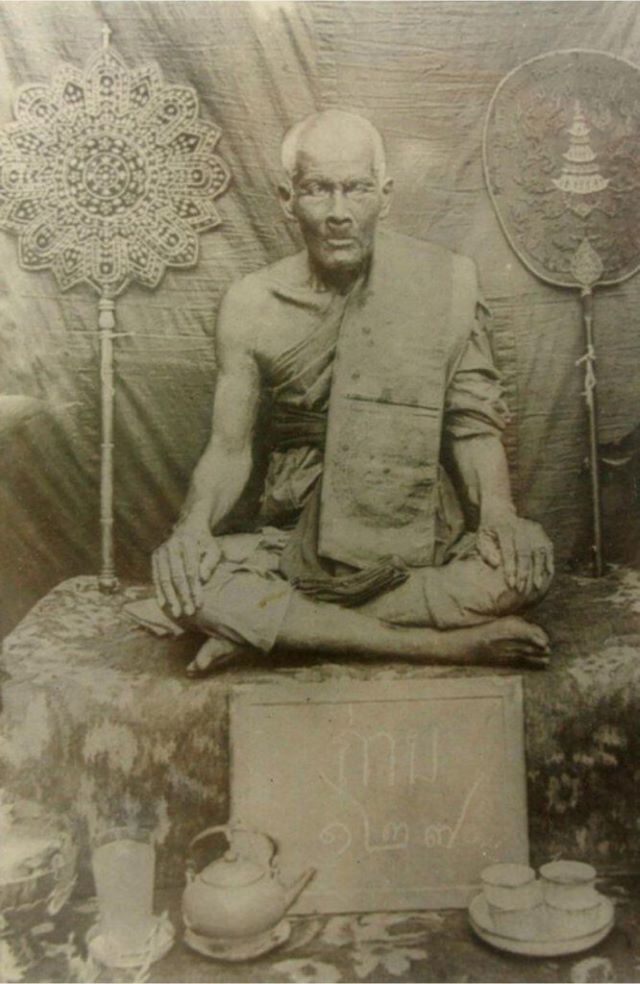
Luang Pu Nak, was a Thai Buddhist monk who lived in the 19th- 20th century. He was the abbot of Wat Huay Jorake temple in Nakhon Pathom, Thailand. He was born in 2358 BE (1884) and passed away in 2452 BE (1972). Luang Pu Nak was known for his great compassion and spiritual wisdom, and was a great giver of spiritual teachings, as well as his skill in creating powerful amulets. He was highly respected by the local community and by other monks in Thailand. He was also known for his generosity and mercy, and his dedication to helping others.

During his tenure as abbot, he worked to strengthen the spiritual community at Wat Huay Jorake and to provide guidance and support to the local population. In addition to his work as an abbot, Luang Pu Nak was known for his skill in creating powerful amulets. He was able to create amulets using various materials, including clay, metal, and even human bone. His amulets were believed to possess spiritual power and provide protection to the wearer. They were often inscribed with sacred texts or mantras, and were highly sought after by the local population and by collectors. Luang Pu Nak’s amulets are very highly valued in the present day, and many people in Thailand and around the world believe that they possess spiritual power. His amulets are often passed down from generation to generation as a family heirloom, and are considered a valuable possession.

Luang Pu Nak may have passed away long ago, but his legacy continues to be felt in Thailand and around the world. He is remembered as a wise and compassionate spiritual leader, and his amulets are still highly sought after by aficionados, faithful devotees, collectors, and those interested in Thai Buddhism and Thai culture. To this very day, the lineage of abbots of Wat Huay Jorake still make and release Phra Pidta amulets of the Wicha passed down to them through a constant succession in the magical lineage of Luang Pu Nak. The Phra Pidta amulet of LP Nak, is believed to be particularly powerful because it is believed to possess the magical energy of the monk who created it. As Luang Pu Nak is considered a highly respected and powerful spiritual leader, it is believed that his Pidta amulets will always possess his spiritual energy even after his passing, without ever fading. Thew Pidta Mekasit amulet, is considered the most famous and powerful amulet created by Luang Pu Nak.

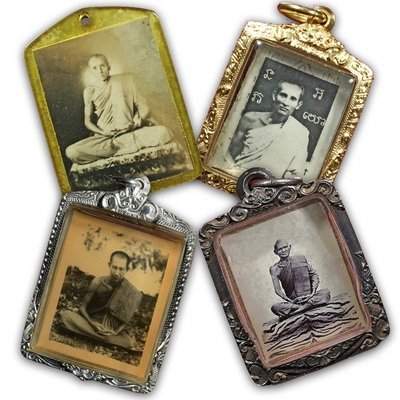
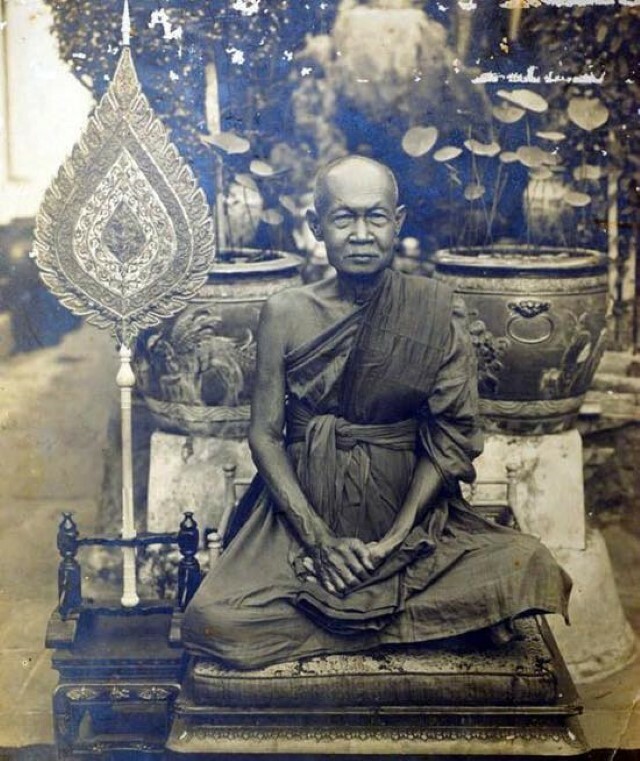
Old Photo of Luang Pu Nak Wat Huay Jorake


Background Info on Phra Pidta

Since very early times in Thailand, Pra Pid Ta amulets, as well as Pra Pid Ta in the shape of Pha Yant and Bucha sculptures, have been made as objects of adoration and protection. Using the Buddhist sculpture and art that was accessible at the time, the artisans of that era developed a variety of styles and interpretations. Various Buddhas, Bodhisattvas, or Deities are fashioned into the posture of Pra Pid ta, or Pid Tawarn (meaning “closing the orifices”), to create the Pid ta posture (‘Pid Ta’ means “covering the eyes”). Pid Tawarn can seal 7, or 9 orifices (the number 7 is referred to as Pra Pid Sadtatawarn, while the number 9 is known as Pra Pid Navatawarn). The Phra Pidta amulet, also known as “the closed-eye Buddha,” is believed to bring blessings of protection, good luck, and wealth to the wearer.

Pra Pid Ta Maekasit Pim Hoo Gradtay Luang Phu Nak Wat Huay Jorakahae
The Phra Pidta amulet, represents a meditating monk entering into the state of Nirodha. Nirodha is the third of the Buddha’s Four Noble Truths and it refers to the attainment of the cessation of suffering. In Buddhist teachings, Nirodha is understood as the state of being where all mental defilements, such as ignorance, greed, and hatred, have been completely eliminated. This state is reached through the practice of meditation and the cultivation of wisdom, and it is considered the ultimate goal of Buddhism.

Base of Pra Pid Ta Maekasit Pim Hoo Gradtay Luang Phu Nak

The third of the four noble truths according to Buddhist tradition is defined as Nirodha Sacca (also spelt Nirodha Sacca in Pali; Nirodha Satya in Sanskrit). Sacca denotes “truth” or “reality,” whereas Nirodha means cessation or extinction. Therefore, the translation of nirodha sacca is generally “truth of cessation” or “truth of the cessation of suffering.” It explicitly refers to the cessation of Dukkha (suffering) and its causes; the resultant experience is defined as nirvana. Nirodha can indicate a variety of things, such as release, cessation, extinction, the end of dukkha, and “control or restraint.” The cessation of all unsatisfactory experiences and their causes in a way that prevents them from occurring again is what Nirodha Sacca means. It is their elimination, complete absence, cessation, and ceasing from existing.

Rear Face Pra Pid Ta Maekasit Pim Hoo Gradtay Luang Phu Nak Wat Huay Jorakahae

The image of a meditating Buddha entering Nirodha, is representative of the amulet’s ability to bring peace and block out all forms of inauspicious events and bad luck. It is believed that by wearing the Phra Pidta amulet, the wearer will be protected against all dangers and black magic. The amulet is believed to have the power to block out negative energy and to protect the wearer from harm. Famouls for their Kong Grapan, Metta, Klaew Klaad, and Maha Lap Magic.

Kata Pra Pid Ta

Namo Puttassa Kawambadtissa Namo Tammassa Kawambadtissa Namo Sangkassa Kawambadtissa Sukha Sukha Warang Na Mo Puttaaya Ma A U Tugkhang Anijjang Anatta Jewa


Pra Somdej Pim Chedi Norn Wat Lakorn Tam by Luang Phu Nak of Wat Rakang, and Luang Por Supoj, of Wat Sutat

Presenting a new video with narrative by Ajarn Spencer Littlewood in our new series of videos ‘Amulet Talk’ which present you with the first of many insightful videos with narratives, to increase your awareness, and to bring interesting aspects of the topic of Thai Buddhist Amulets to you for your enjoyment. We hope this new series of videos provides you with useful study material. This episode of Amulet Talk provides a look at two Pra Somdej Pim Chedi Norn Wat Lakorn Tham, from two great master monks, which feature Buddha images seated over one of the horizontal ‘sleeping’ chedi stupas of Wat Lakorn Tam. We invite you to enjoy the HD Video and Narrative by Ajarn Spencer Littlewood, which gives a basic look at these two amulets which have a semi tenuous relationship to each other, but which are also completely distinct from each other. The Pra Somdej Chedi Norn Wat Lakorn Tham amulets of Luang Phu Nak (Wat Rakang Kositaram) and The Pra Somdej Hwaek Man Pim Chedi Norn of Luang Por Supoj (Wat Sutat).

The amulets represent the two chedi stupas at Wat Lakorn Tam temple, which were built and installed by the great Somdej Pra Puttajarn (Dto) Prohmrangsri of Wat Rakang Kositaram. The two amulets are made by Luang Phu Nak of Wat Rakang Kositaram in the year 2495 BE (left side in white Puttakun Powders), and from Jao Khun Sri Sonti (Luang Por Supoj) of Wat Sutat, for the Indojin Indo-China Wartime Blessing ceremony, made in Nuea Wan Pasom Pong Gao. There were actually three different masters who made Pra Somdej Pim Chedi Norn, the third being Luang Phu Hin of Wat Rakang Kositaram, whose amulet is not shown in this vide, but which we will show when we obtain an example, in a future video.

Pra Somdej Pim Chedi Norn amulets by Luang Phu Nak of Wat Rakang, and Luang Por Supoj, of Wat Sutat

Both amulets from both masters (who were colleagues of each other), were made using broken pieces of ancient Pra Somdej Wat Rakang Kositaram amulets from the time of Somdej Pra Puttajarn (Dto) Prohmrangsri. The amlets are however distinct, and made at different times, with different designs, the only things in common truly being the Muan Sarn Sacred Powder content using ancient Pra Somdej Wat Rakang Kositaram, and the imagery of the sleeping Chedi Stupas of Wat Sutat. otherwise, the Buddha images and their outer arches, and daises, are distinct and apart from each other. For example, the Buddha on the Pra Somdej Chedi Norn Luang Phu Nak has a single tiered dais, whereas the Buddha on the Pra Somdej Chedi Norn Luang Por Supoj, has four tiered dais.