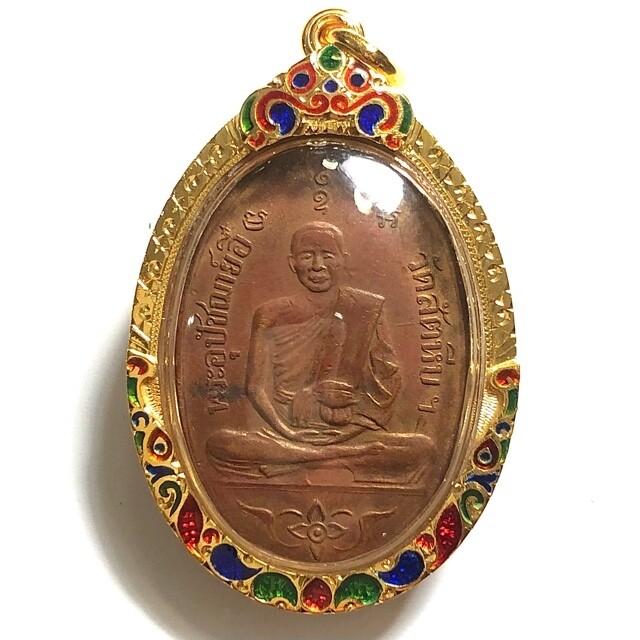
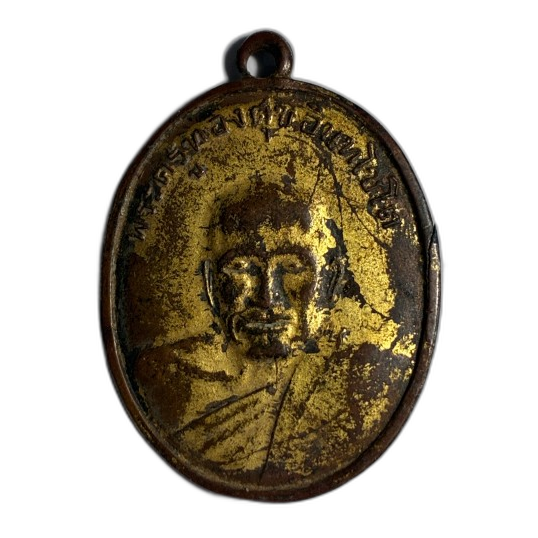
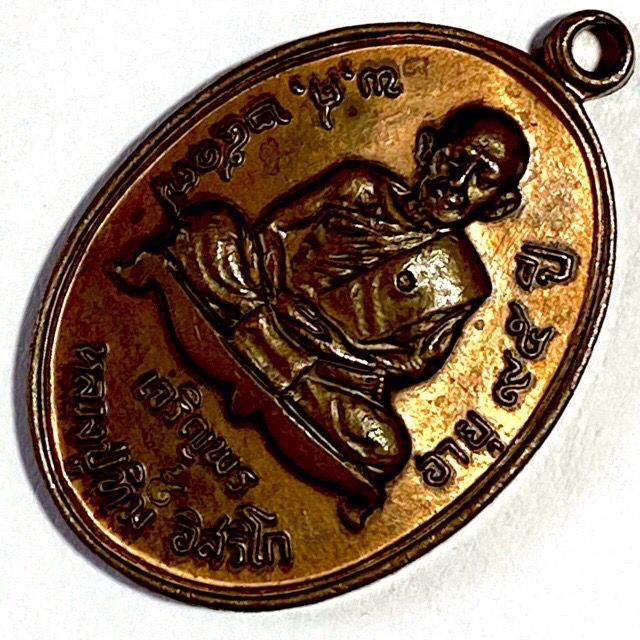
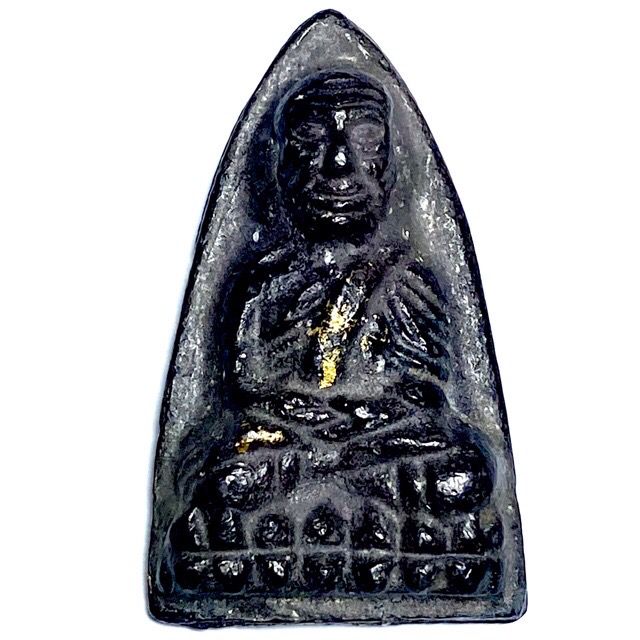
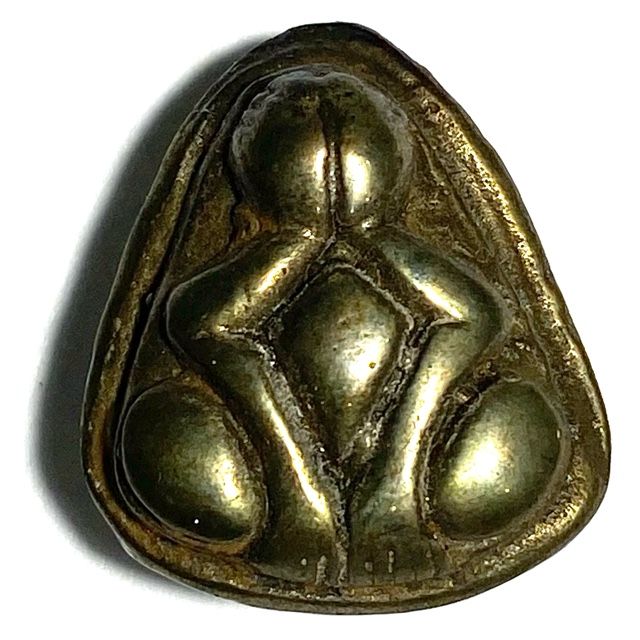
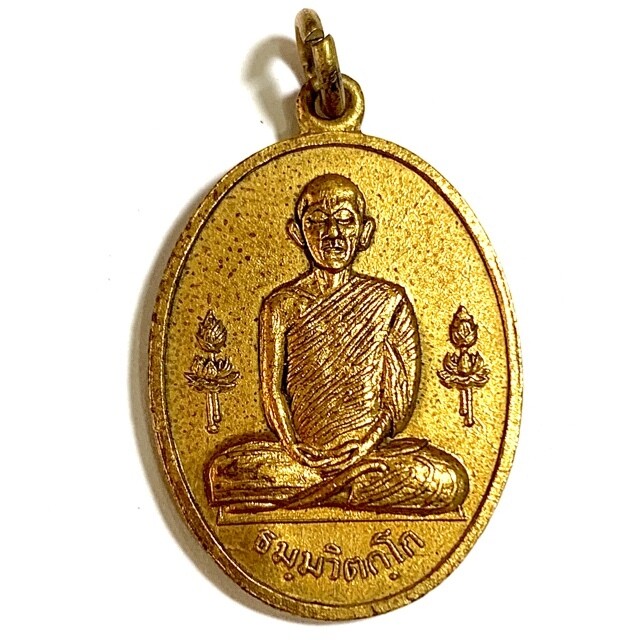
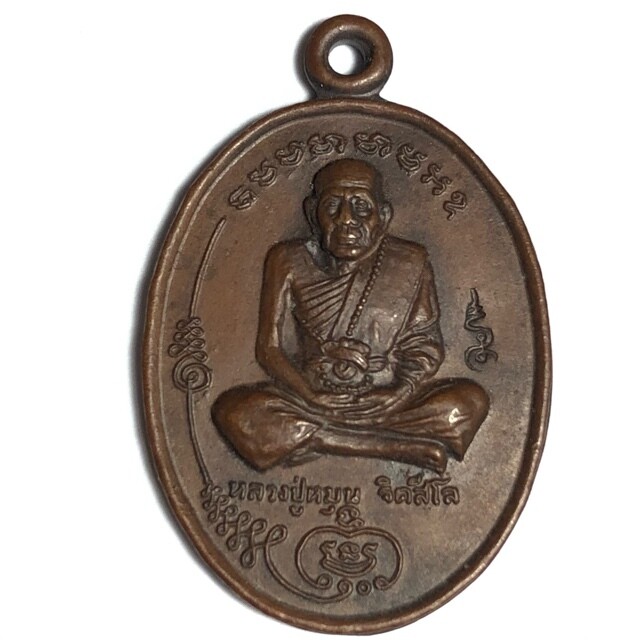
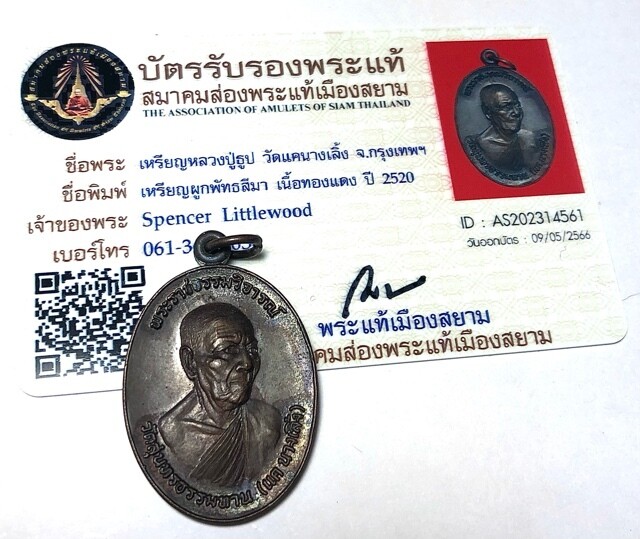
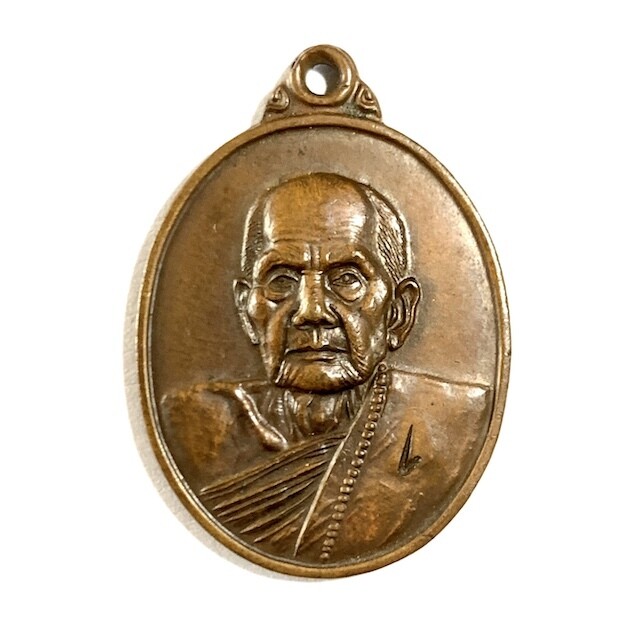
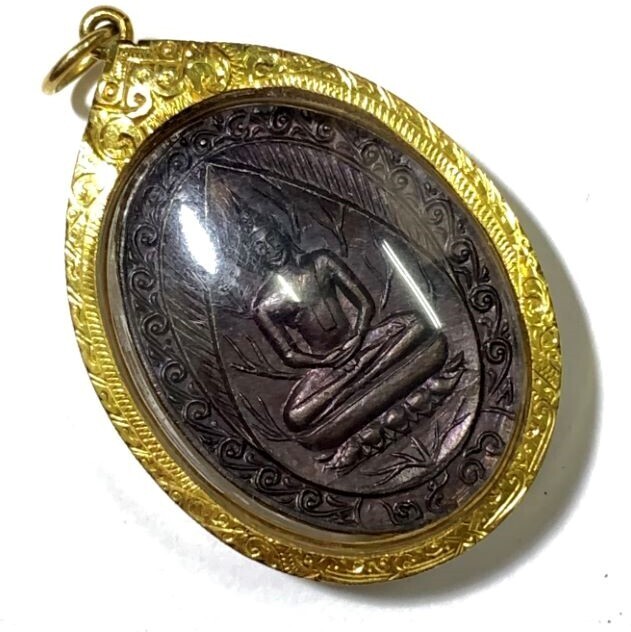
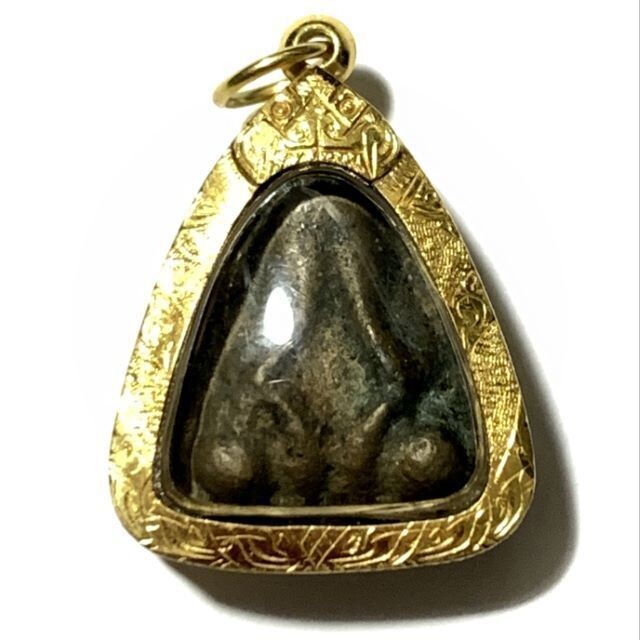
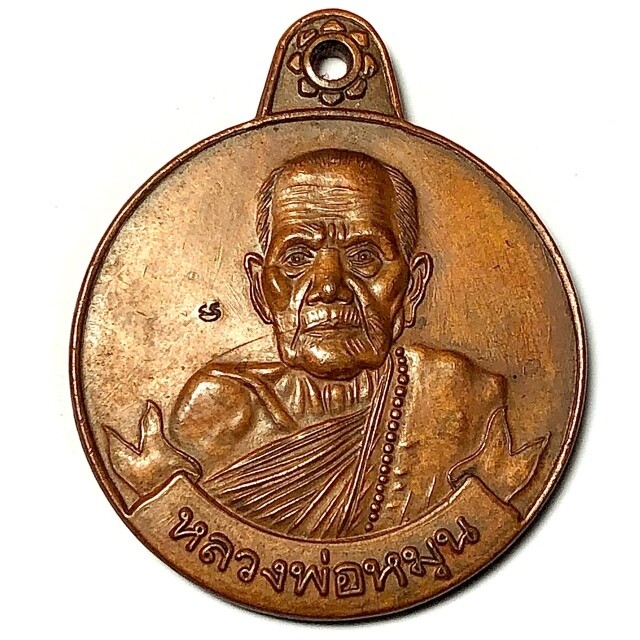
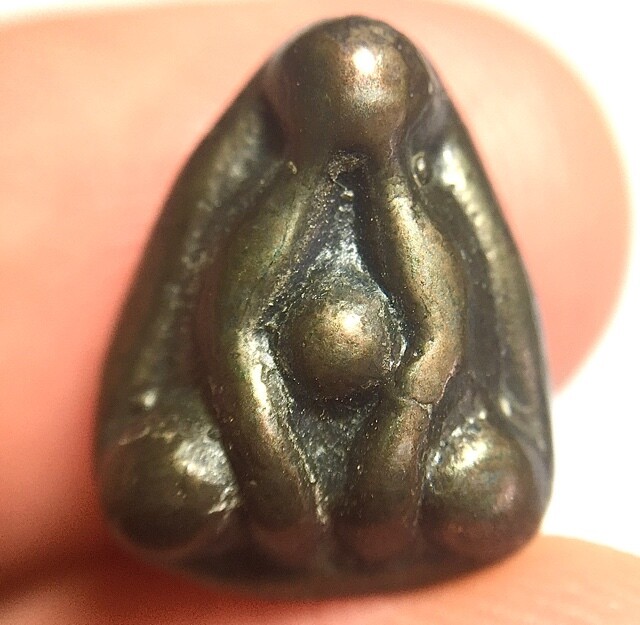
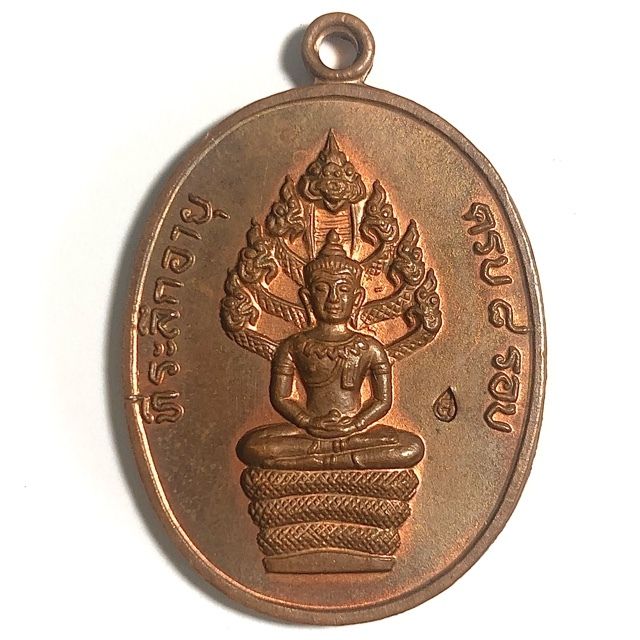
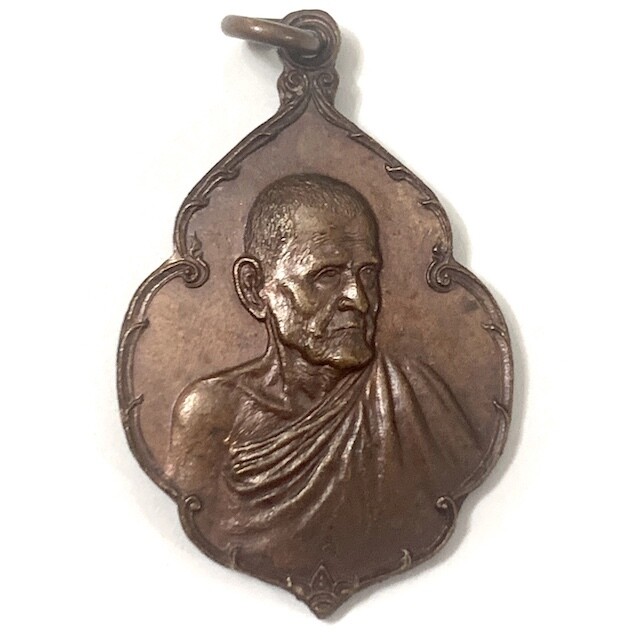
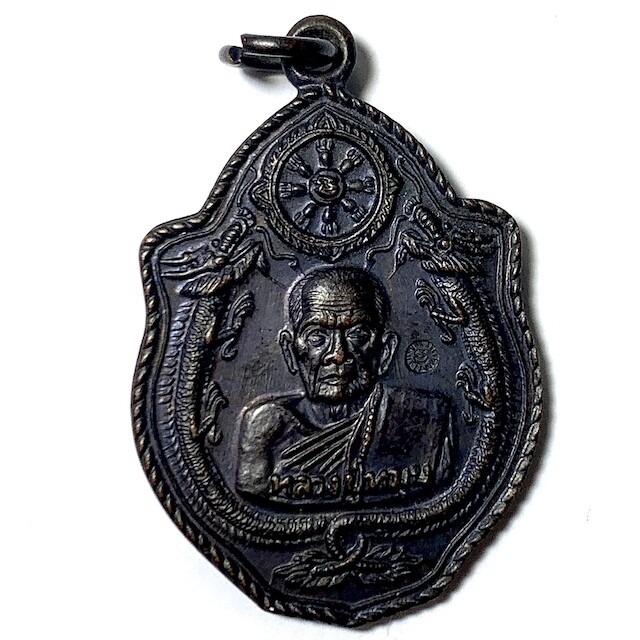
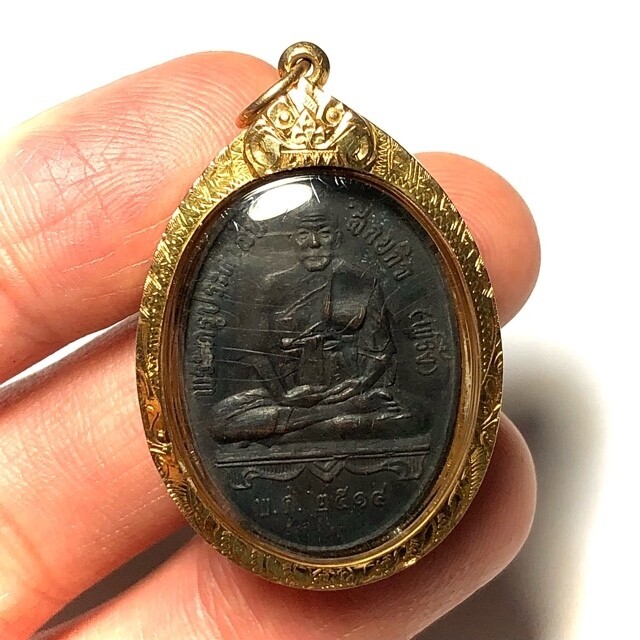
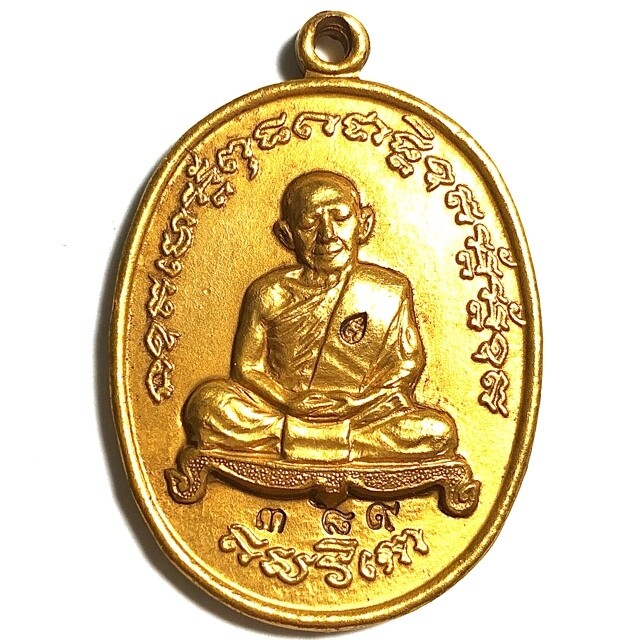
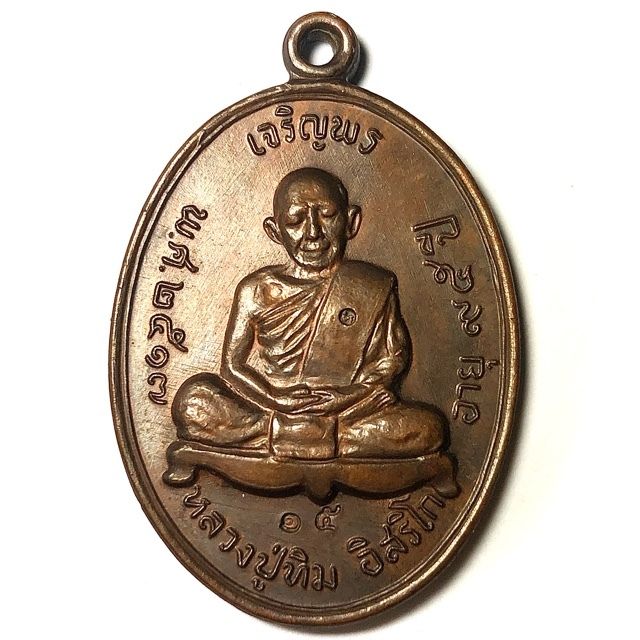
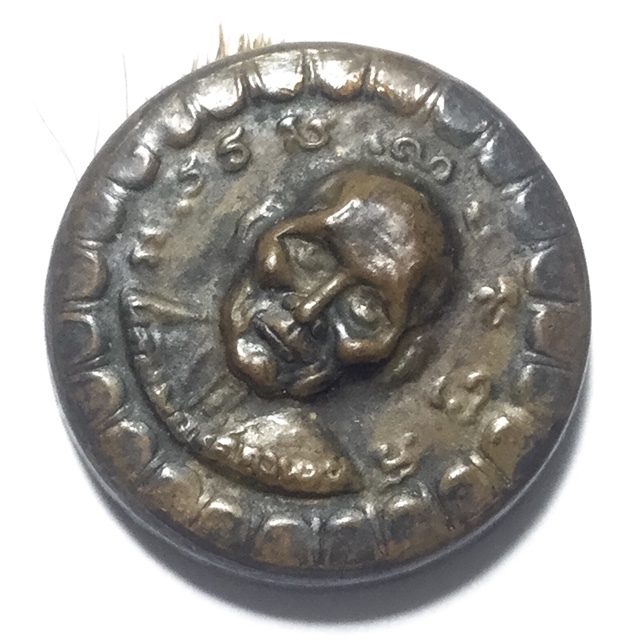
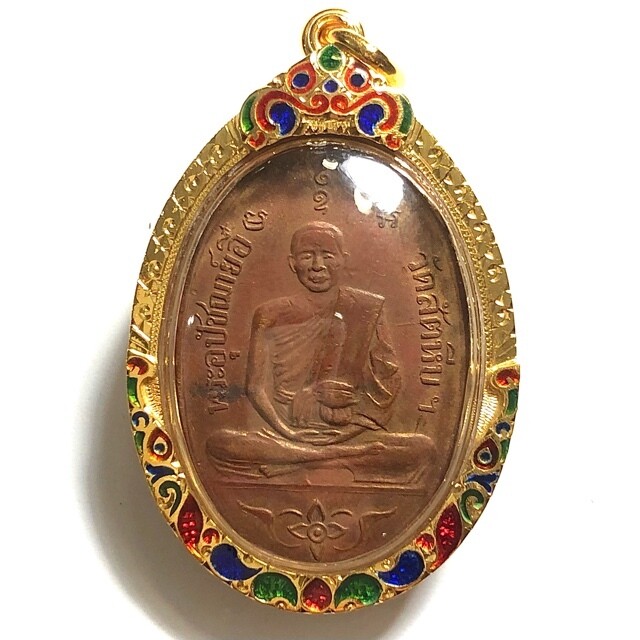
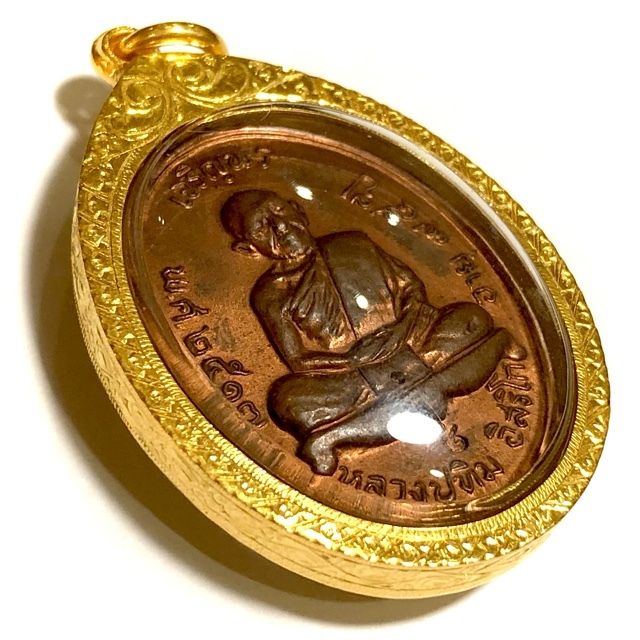
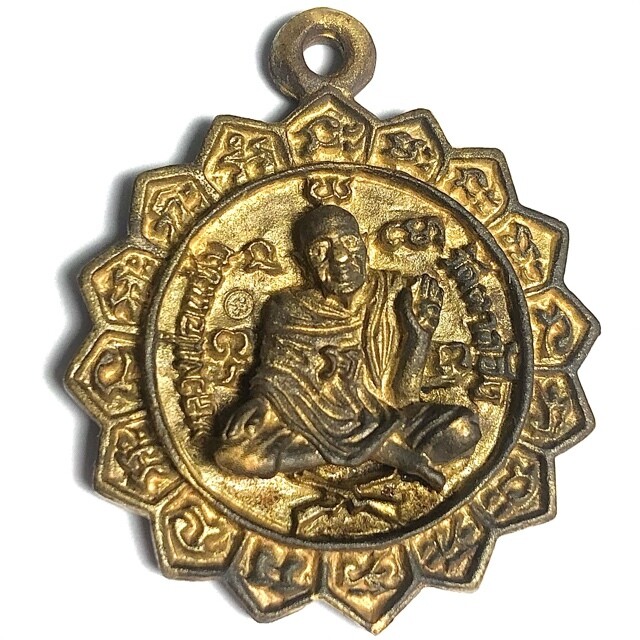
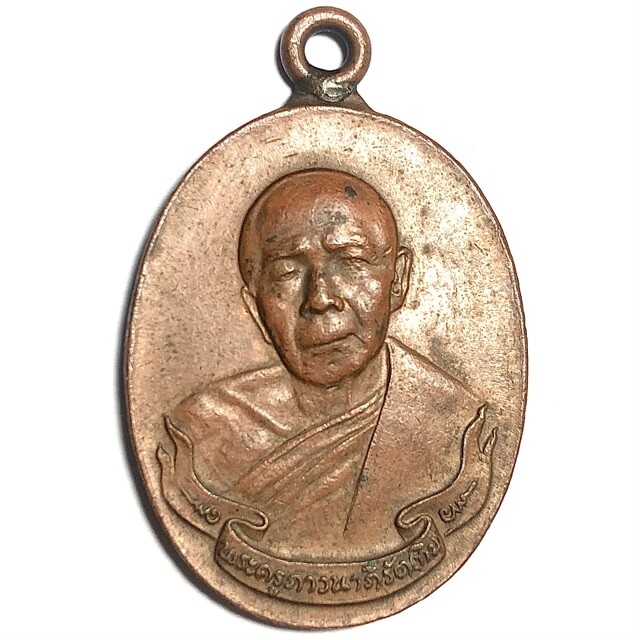
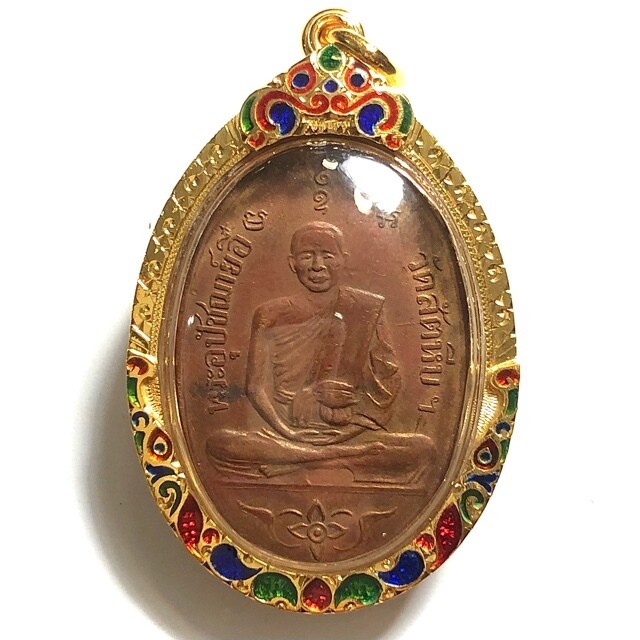
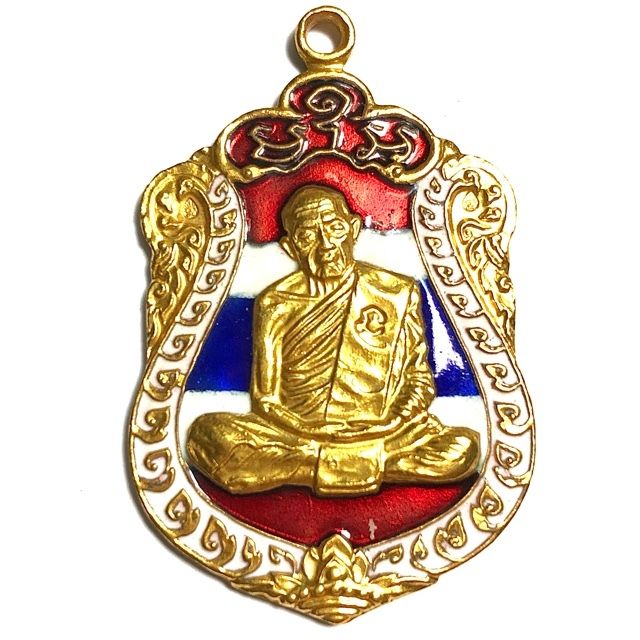
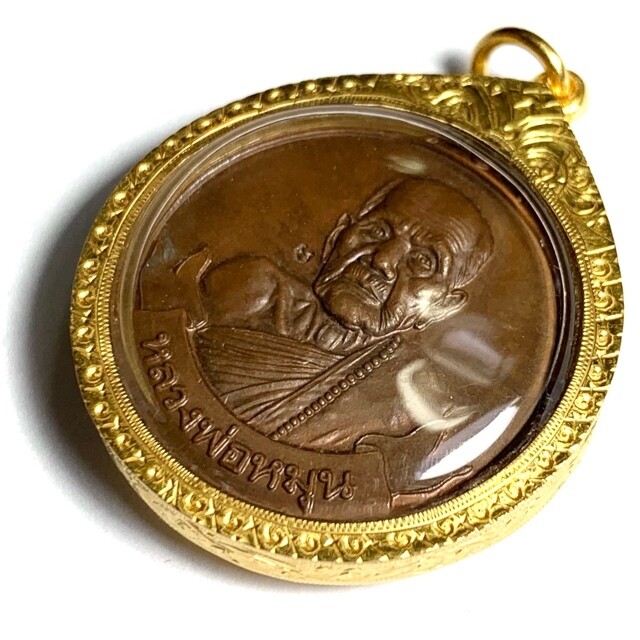
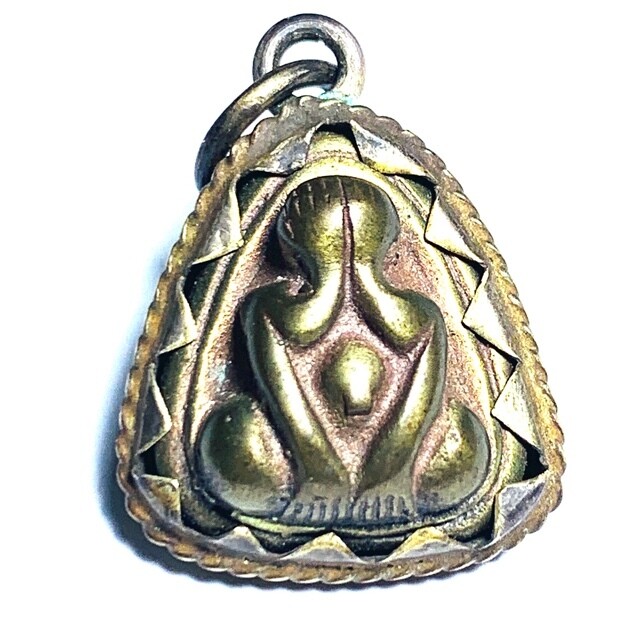
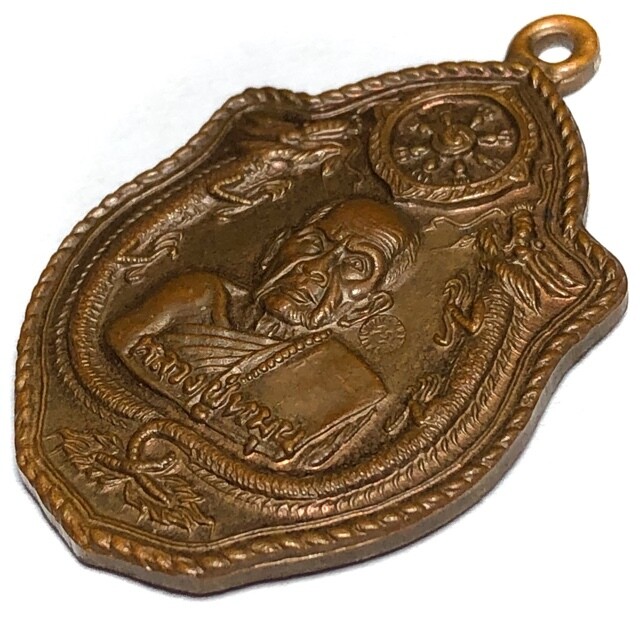
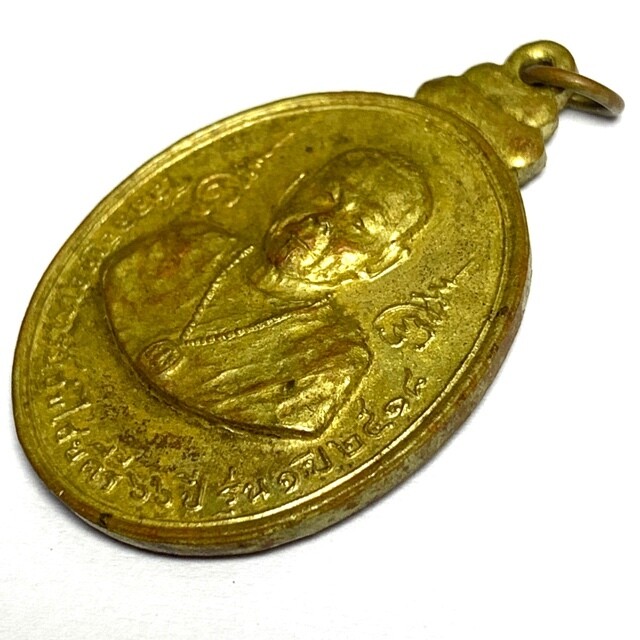
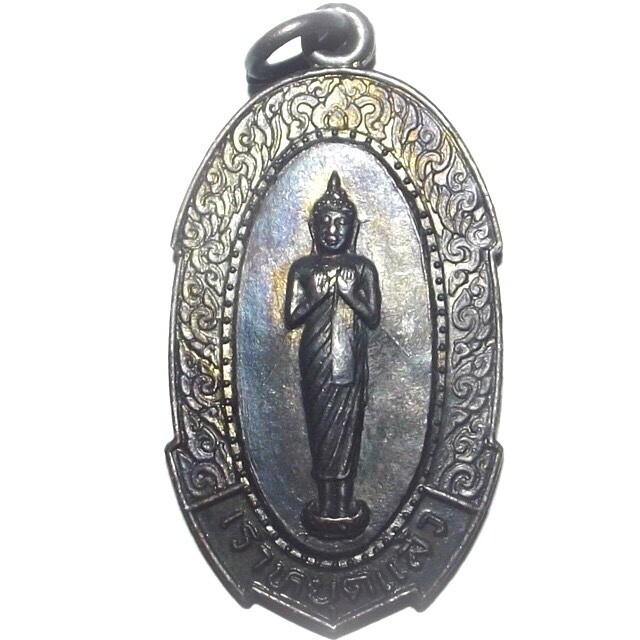
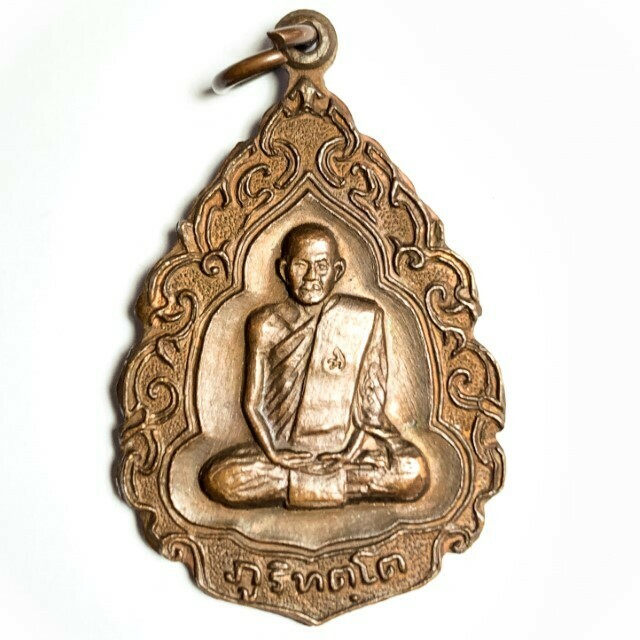
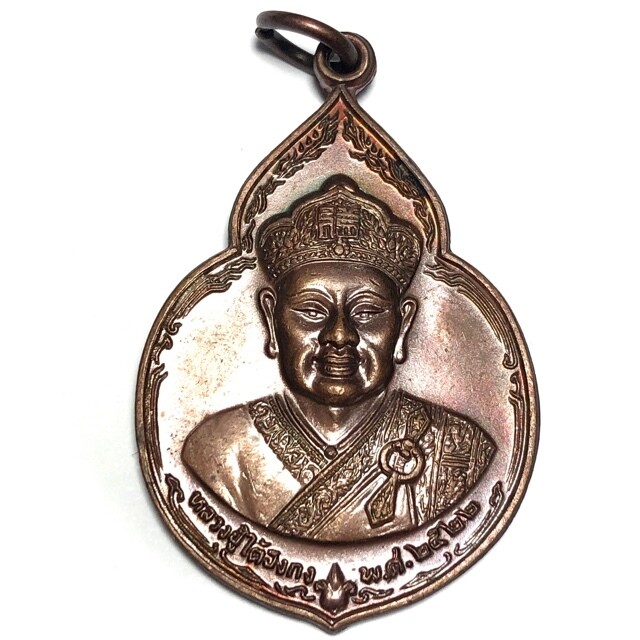
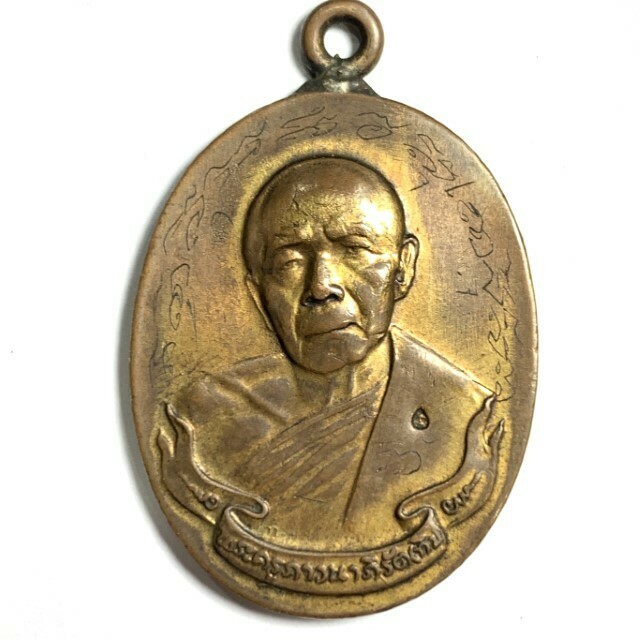
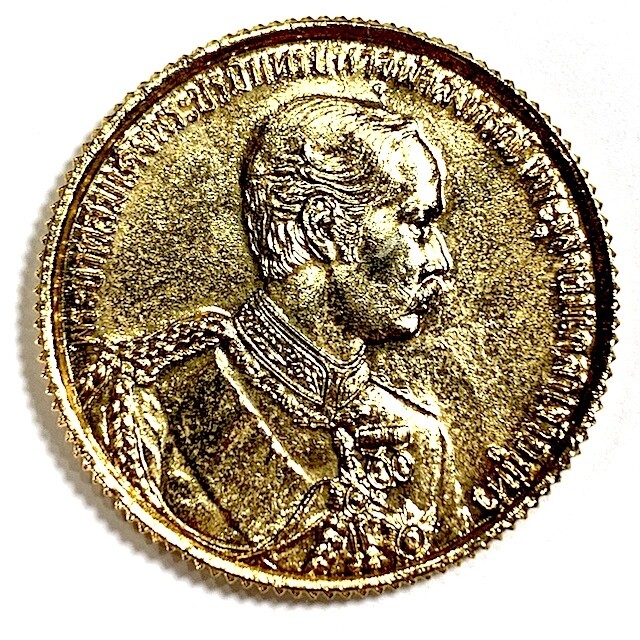
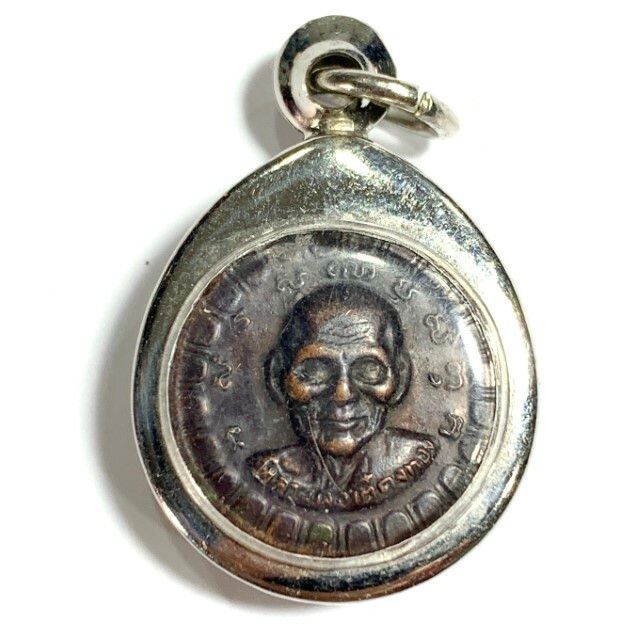
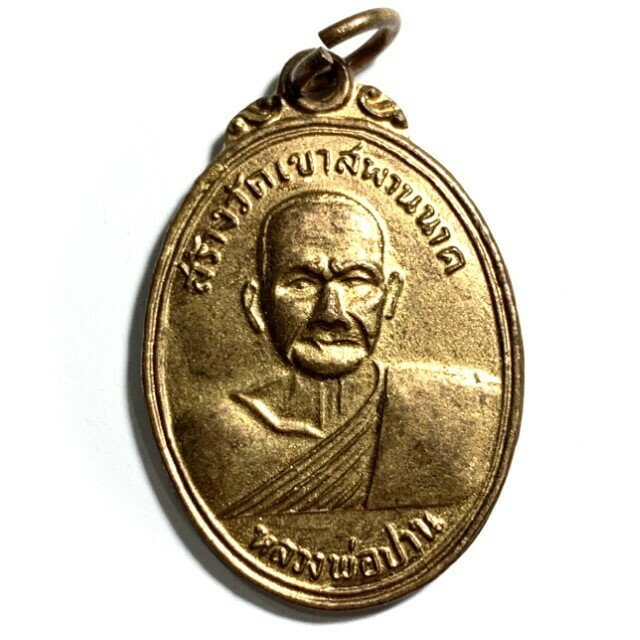
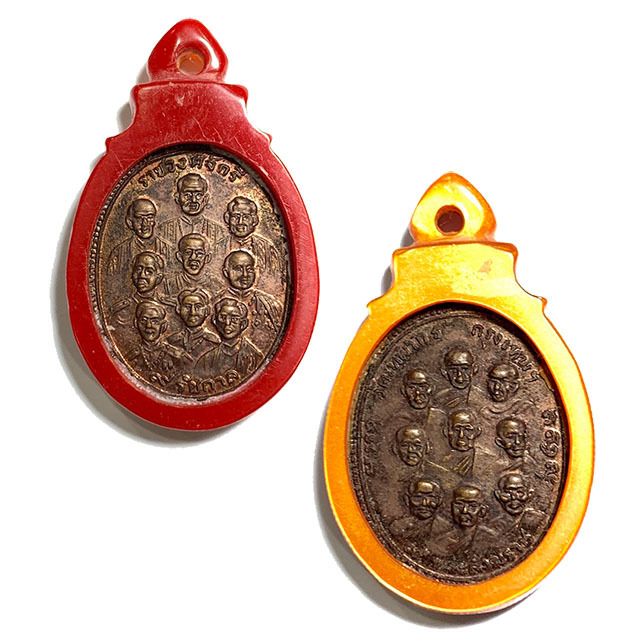
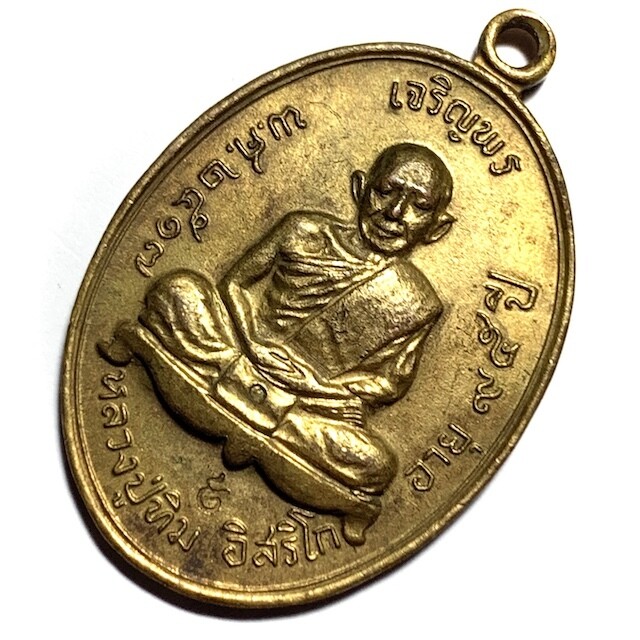
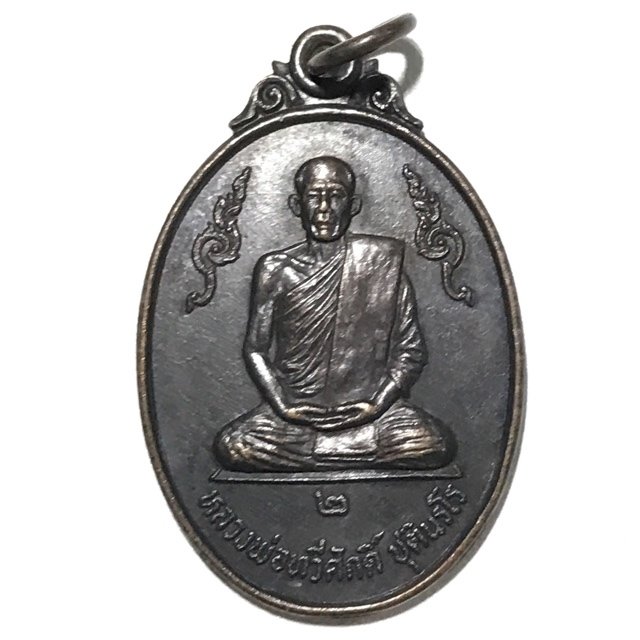
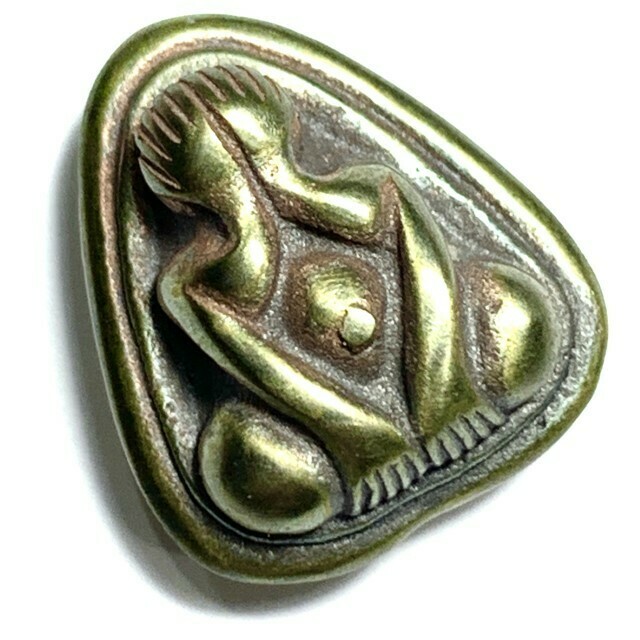
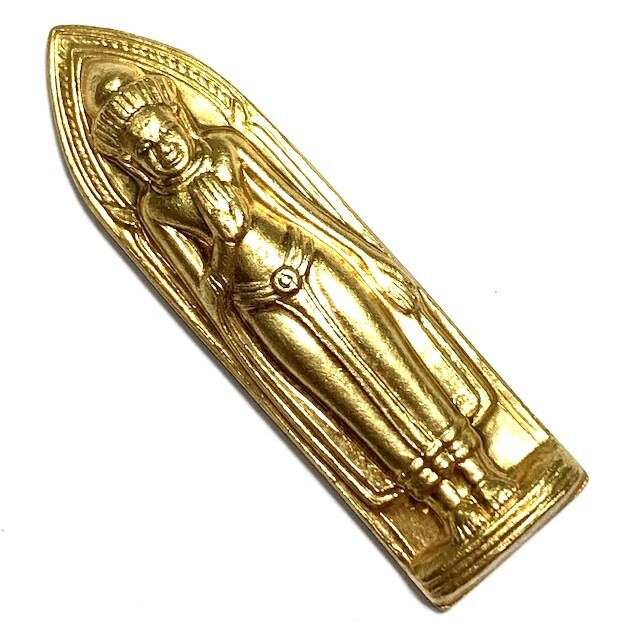
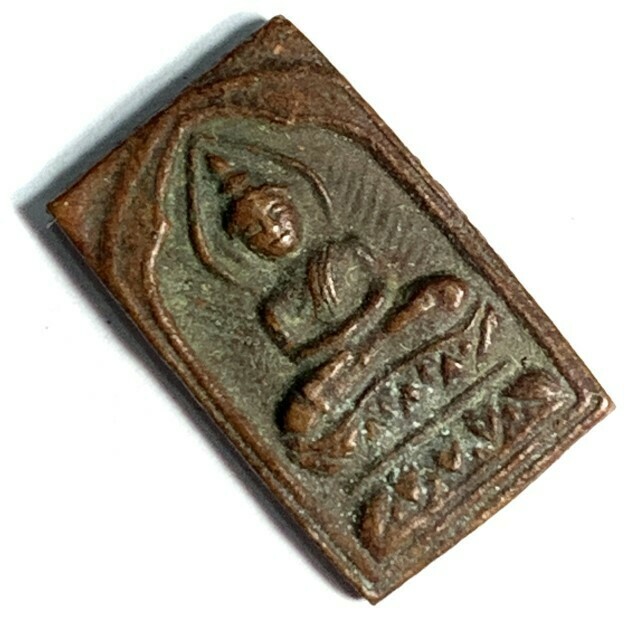
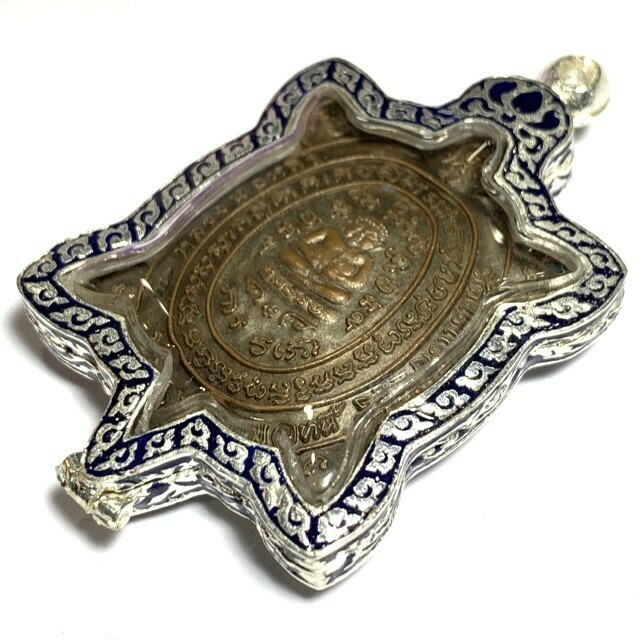
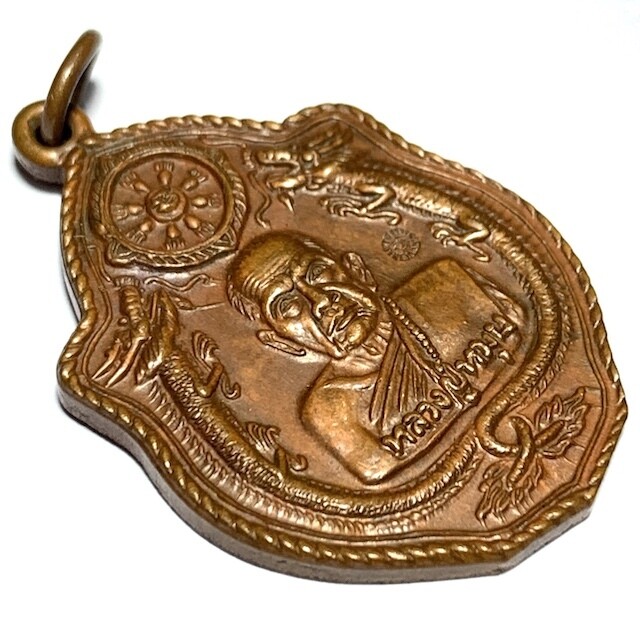
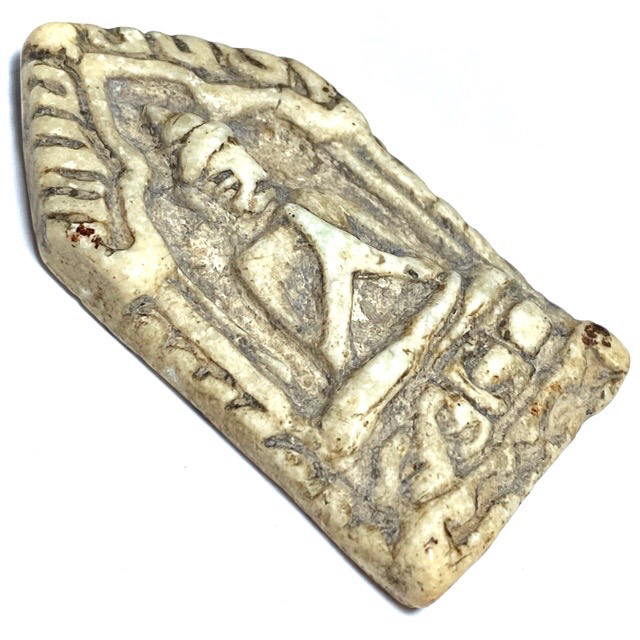
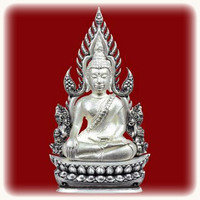
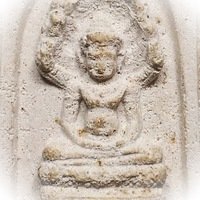
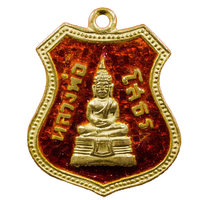
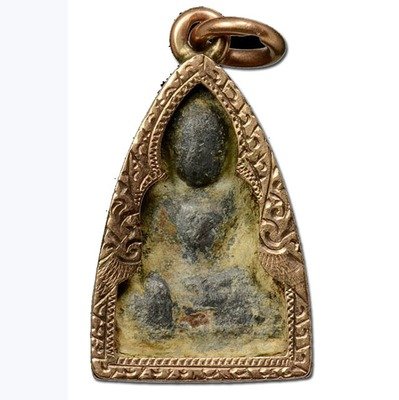
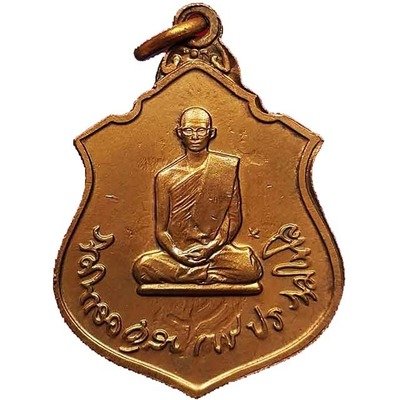
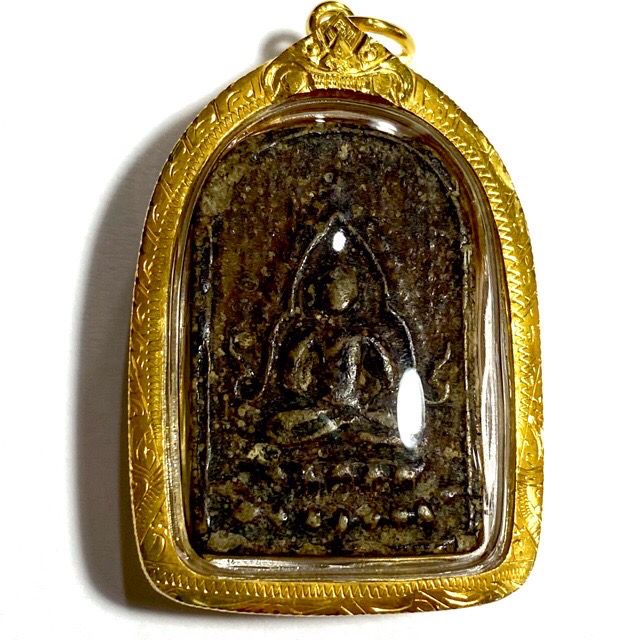
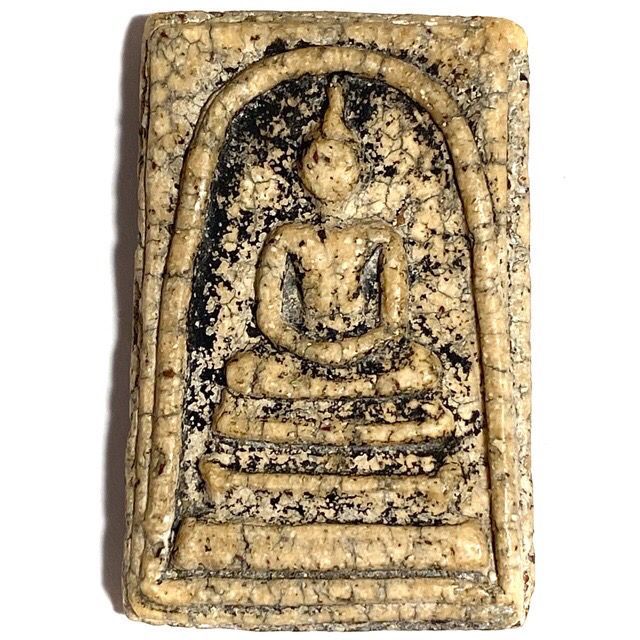
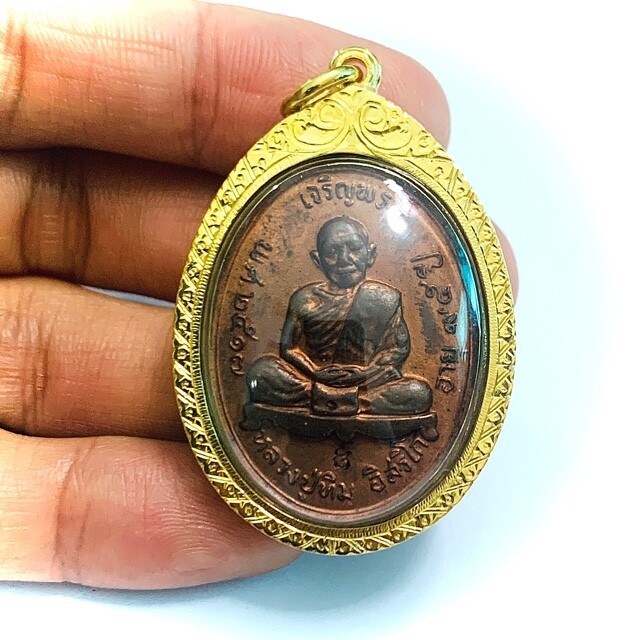
Rian Yord Khun Pol 2516 BE Nuea Tong Daeng Rom Dam 5000 Made Luang Por Chaem Wat Don Yai Horm Featured

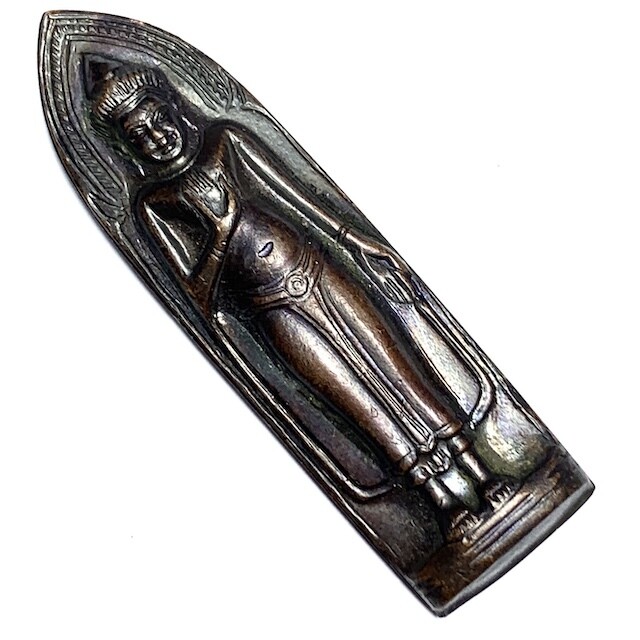
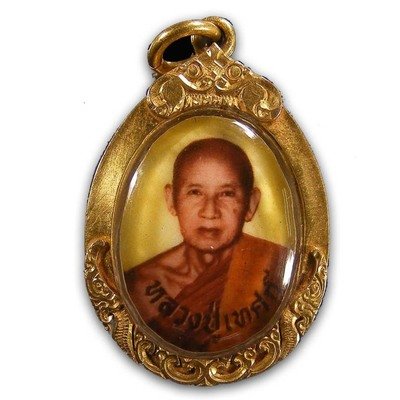
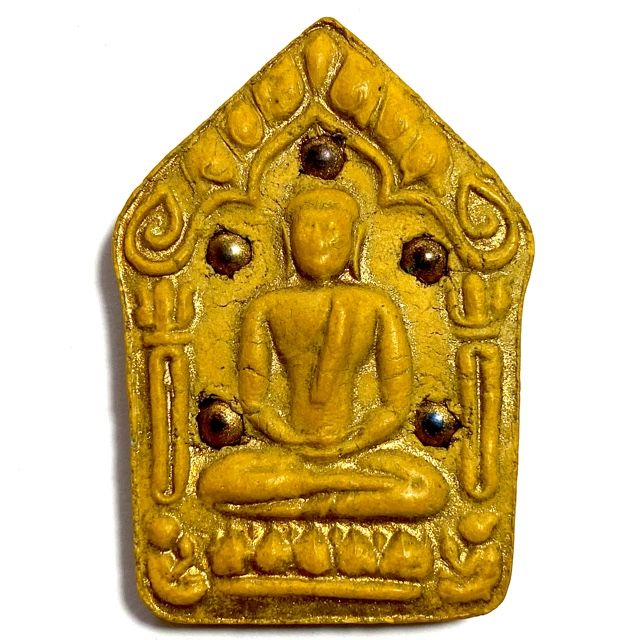
A rare limited edition early era amulet, the Rian Yord Khun Pol Buddha Image coin, in Nuea Tong Daeng Rom Dam, with Solid Gold Casing included, from the Great Luang Por Chaem Thanussago of Wat Don Yai Horm. Only 5000 of these amulets were ever made in this edition, making this amulet a very rare acquisition to find indeed, so many years after its release. The amulets of Luang Por Chaem, are known as powerful Metta Mercy Charm, Serm Duang Karma Improvement, Serm Yos Promotion, Kong Grapan Chadtri Klaew Klaad protection, and Maha Amnaj commanding power and influence. A classic amulet, from the Wat Don Yai Horm Lineage Master, Luang Por Chaem, inheritor of the Wicha of Luang Por Ngern (Wat Don Yai Horm). Empowered with the famous Kong Grapan Chadtri, Metta Maha Lap Magick of a true Lineage Master of One of Thailand’s Most Revered and Respected Temples, who has attained equal fame and popularity as his foregoer and Kroo Ba Ajarn Luang Por Ngern himself, which is most certainly a sign of his great Merits as a Guru Monk.


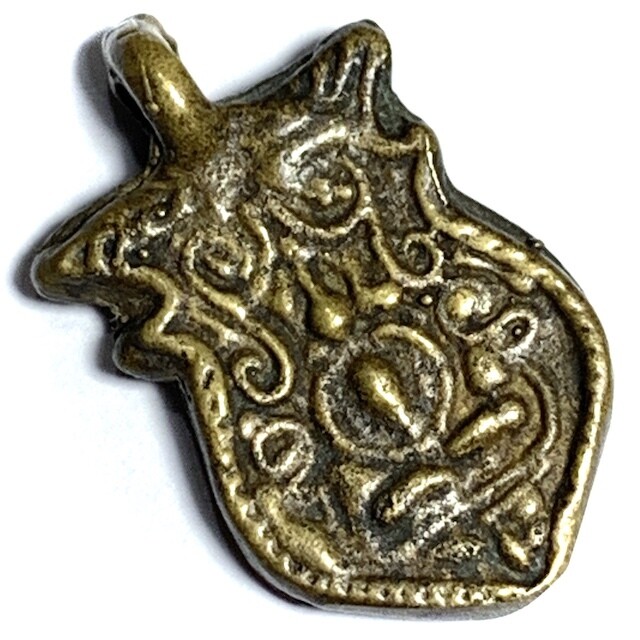
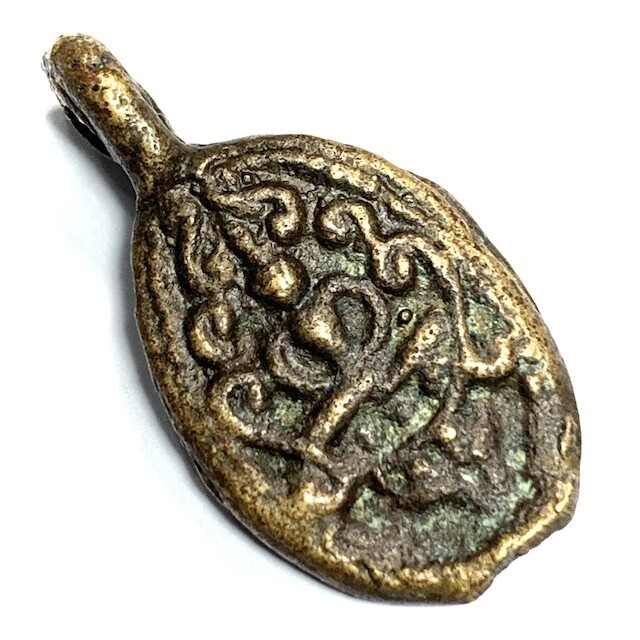
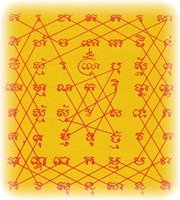
The Rian Yord Khun Pol amulet was released in 2516 BE, with only 500 amulets made, making this a very rare editon indeed. On the rear face is the Yant Nam Tao Gourd Yantra. The Rian Yord Khun Pol received two separate Putta Pisek Blessing Ceremonies. The first blessing ceremony was made at Wat Rai Khing, with many great monks present to empower and bless the amulets. Among the monks present werel Luang Phu To, of Wat Prado Chimplee, Luang Por Te (Wat Sam Ngam), the Kroo Ba Ajarn of LP Chaem, and still aboot of Wat Don Yai Horm; Luang Por Ngern, who was still alive at the time, Luang Por Perm of Wat San Paetch, Luang Por Lek, of Wat Nong Din Daeng, Luang POr Phon, of Wat Tian Dtad, Luang Por Tong Yoo (Wat Nong Mai Pa-Ong), Luang Por Sud (Wat Ka Long), among many other famous names.


It is believed by the devotees of LP Chaem, that he had achieved Dtecho Kasin (Fire Kasina elemental control) and varous forms of Abhinya Powers. He was very renowned for his Metta Maha Niyom Magic and Nam Mont Holy Water Blessings, as well as his powerful Takrut Kong Grapan, and the lineage Wicha amulets of Wat Don Yai Horm. It is said that 9th December 2536 BE, LP Chaem asked the temple checked by devotees to see if any debts remained for the temple, and if any reparations were needed? Once it was confirmed that the temple had neither debts, nor was in need of any restorations, Luang Por Chaem went to his Kuti for the evening, closed the door, and was not seen to emerge again.


The devotees later found that Luang Por had passed away laying in the Sayasana Posture (passing into Nibbana), and was found laying peacefully in his side. Devotees to this very day believe that Luang Por Chaem died wilfully knowing that his work was over, and that he had made the temple fully restored and without debts. He is hence considered to be a worker of Miracles, and an ascended master by his devotees.


Luang Por Chaem was the Abbot of Wat Don Yai Horm, after the Great Luang Por Ngern. Luang Por Chaem became abbot in 2520 BE after the passing of Luang Por Ngern. He was born in the year 2449 BE on the 16th March. After becoming Abbot of Wat Don Yai Horm in 2520 BE, he raised funds to perform Merits and Restoration buildings at the temple until the day of his passing on the 9th of December 2536 BE, at the age of 87 years Old.

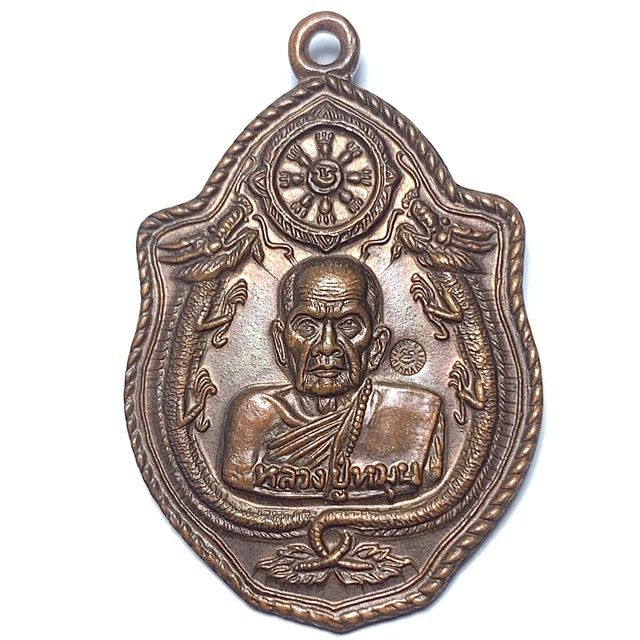
LP Chaem was extremely famous for his powerful Takrut and Monk Coin amulets, Pra Pong (Muan Sarn Sacred Powder amulets), and Pha Yant, of which he made a large pantheon over the years to raise funds for the temple.


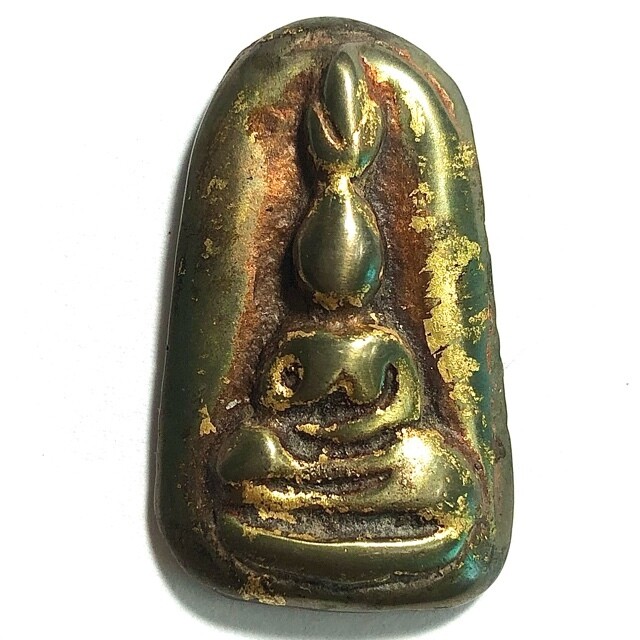
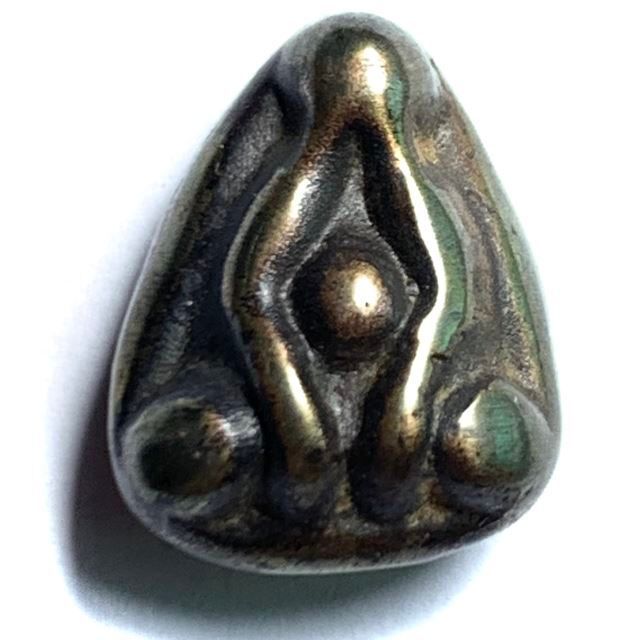
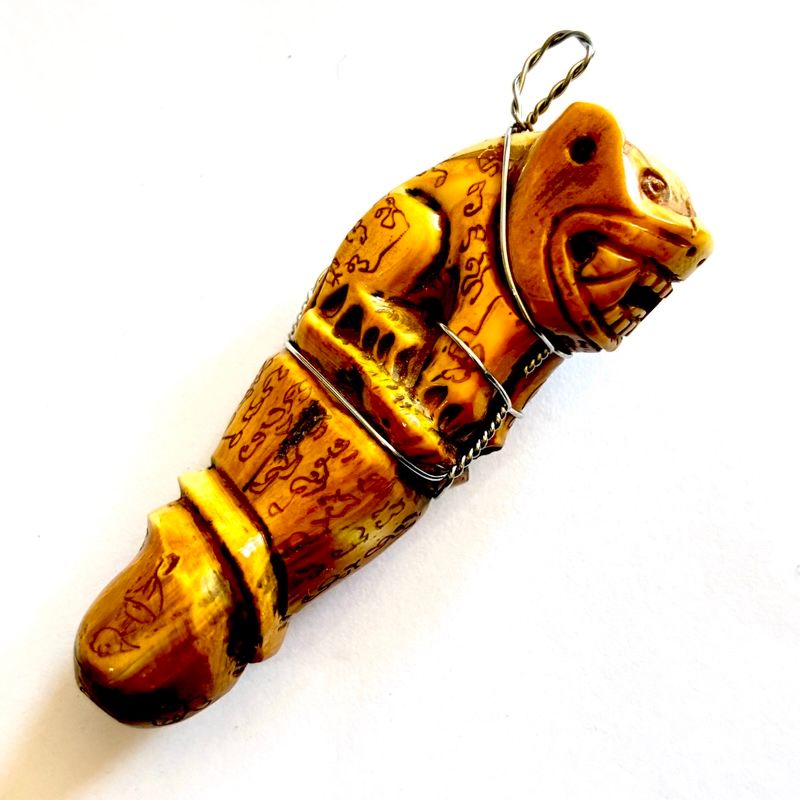
This Takrut was made during the early Era of Luang Por Chaem’s trajectory, estimated around the year 2517-2518 BE. He made many talismans and charms, not all of which are documented in the official temple releases, for of course, he would also make individual amulets for his closest Looksit to Bucha. The Takrut Tone Long Rak Pid Tong is however included in the ‘Dtamniap Wadtumongkol’ Official listings of his amulets. Because he would make this kind of amulet throughout his trajectory, there is not official date registered in the Dtamniap, as is the case with his limited edition coins, which are more accurately documented.


Amulets of Luang Por Chaem

The amulets of Luang Por Chaem are officially catalogued split into three different Eras, the ‘Yuk Dton (early Era), Yuk Klang (Middle Era) and Yuk Play (late Era).

His officially recorded trajectory as an Amulet maker began in the year 2513, before he became Abbot, which is catalogued as the ‘Yuk Dton’ early Era, which spans the time period between 2513 BE, and 2519 BE. In this period he made the following editions;

Yuk Dton Amulets (2513 BE – 2519 BE)

  1. Pra Somdej Run Raek First Edition which was released on the 12th September 2513, with 5 different models made.
  2. Pra Pid Ta Maha Lap Nuea Pong Sacred Powder Amulet in the year 2514 BE
  3. Rian Roop Khai Run Raek Dtok Code ๖๗ Guru Monk Coin (oval shape) with code 67 Stamp in the year 2515 BE which were blessed for a period of one whole year, in various Sacred metals, namely; Nuea Samrit (21 coins made), Nuea Tong Daeng (1800 coins made) with two different block presses used to make two different ‘Pim’ (models), the Pim Kor L (L shaped neck), and the Pim Kor Dtrong (straight neck)
  4. Rian Yord Khun Pol amulet 2516 BE
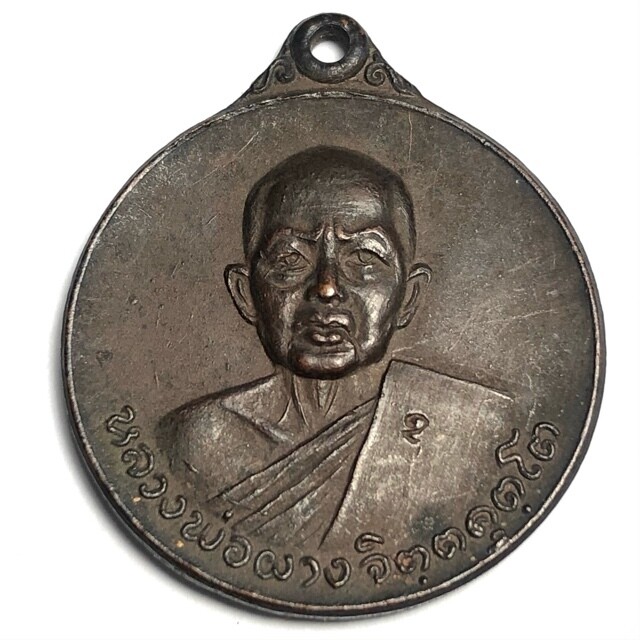
  5. First Edition Rian Roop Khai Sorng Hnaa 2 sided amulet 2516 BE with the Thai number 1 (๑) code stamp on the side which had Luang Por Chaem’s face on it
  6. First Edition Rian Sema Lek shield shaped coin amulet 2516 BE with the Thai number 1 (๑) code stamp on the side which had Luang Por Chaem’s face on it
  7. Rian Roop Khai Huang Chueam coin amulet with soldered pendant hoop 2517 BE
  8. Rian Roop Muean Cameo Coin 2519 BE

Yuk Klang Amulets (2520 BE – 2527 BE)

The middle era amulets began to take on a large Public Interest, as the Devotees of Wat Don Yai Hormhad gathered a large quantity of Sacred Muan Sarn Sacred Powders and Chanuan Sacred Metallic substances from Great Guru masters around Thailand to donate to Luang Por Chaem for the making of amulets to smelt into Sacred Alchemical Chanuan Muan Sarn Substances for the making of Luang Por Chaem’s next editions;

  1. Pra Roop Lor Boran 1st Edition Statuette 2521 BE
  2. Pra Pid Ta Maha Ud Yant Yung Nuea Rae 1st Edition closed eyes Buddha amulet in Sacred Mineral Kayasiddhi substance 2521 BE
  3. Rian Lor Hoo Nai Dtua with one piece pendant ring (not soldered) pendant hoop 1st Edition 2522 BE
  4. Pra Pid Ta Nam Tao Gourd Shaped Buddha amulet 2524 BE
  5. Pra Pid ta Song Serd Chee Bo 1st Edition amulet 2524 BE
  6. Pra Kring Yord Khun Pol amulet 2526 BE
  7. Pra Bua Khem (Upakut) amulet 2526 BE first edition
  8. Pra Pid Ta Nuea Pong Kluk rak lacquer covered powder closed eyes Buddha amulet 2526 BE
  9. Pra Kring Arahang Buddha Statuette amulet 2526 BE
  10. Pra Chayawat 1st Edition amulet 2526 BE
  11. Rian Lor Pra Jao Ha Pra Ongk 5 Dhyani Buddhas amulet 2526 BE
  12. Pra Kring Takataen Buddha Statuette amulet 2527 BE
  13. Rian Lor Han Khang sideways facing Monk Cameo coin amulet with Thai number Code 77 (๗๗) 2527 BE
  14. Pra Mongkol Jakrawal Nuea Samrit bronze amulet 2527 BE
  15. Pra Pid Ta Pong Metta closed eyes Buddha amulet 2527 BE

Yuk Play (2528 BE – 2536 BE)

  1. Pra Roop Lor Gon Dtok Pim Niyom 2529 BE
  2. Pra Roop Muean Bpam statuette 2535 BE
  3. Rian Run Sang Rong Payaban Nakorn Pathom amulet from the Nakorn Pathom Hospital Building Fund Edition 2535 BE
  4. Rian Lor Kor Nam Tao Gourd Neck coin amulet 2536 BE
  5. Rian Lor Hnaa Suea Tiger face amulet 2536 BE
  6. Rian Lor Jao Sua Millionaire amulet 2536 BE
  7. Rian Lor Pim Tawarn Yern amulet 2536 BE
  8. Rian Luang Por Chaem Bucha Kun Luang Ah amulet 2536 BE (reverence to the Upachaya Kong Monk of Wat Bang Gaporm)
  9. Pra Pid Ta Nuea Rae 2nd edition closed eyes Buddha amulet 2536 BE

Apart from these amulets of course, a host of subdivisions of amulets were released with each edition, such as Takrut, Pha Yant, sacred powder amulets, cast metallic and hand carved images and other items.


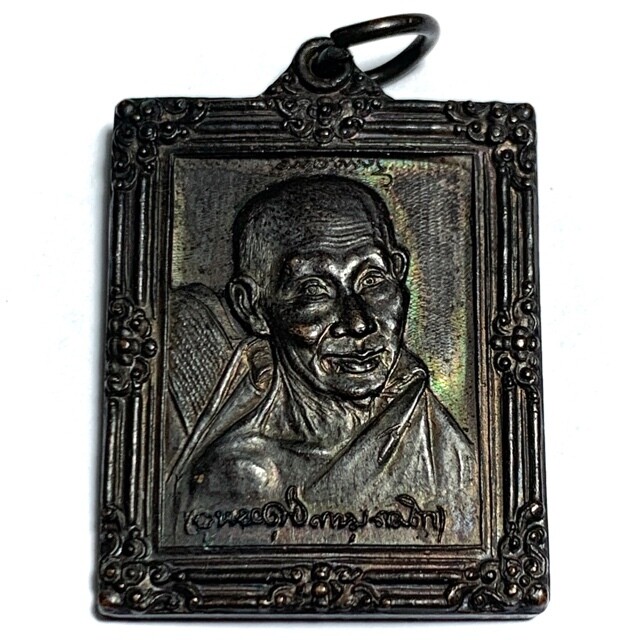
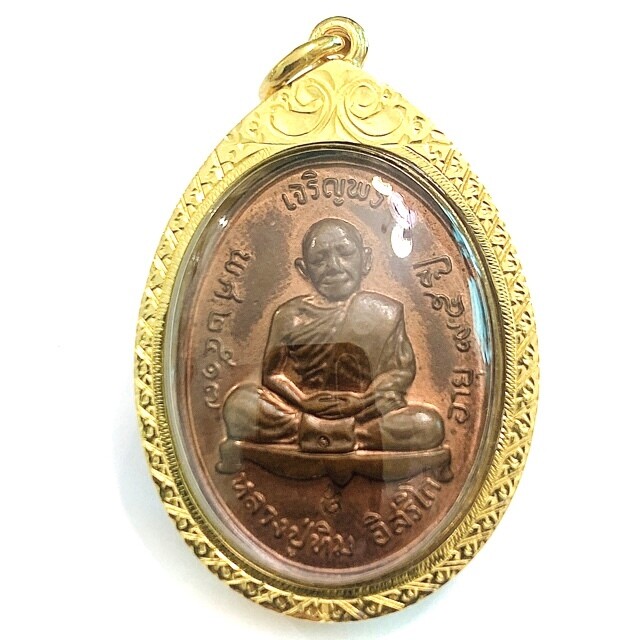
Rian (Metal Coins)

Sacred Coins and Medallions
Filters

Filters
1 - 60 of 123 items


Khun Phaen Nang Kumarn Tong Hlang Riab Nuea Khaw - Luang Por Guay Wat Kositaram Featured

A very rare occult amulet and variation of Khun Phaen model from the pantheon of Luang Por Guay, of Wat Kositaram, the Khun Phaen Nang Kumarn Tong Votive Tablet with Necromantic Hoeng Prai Child-Ghost below the throne of Khun Phaen, with this rare model being the ‘Hlang Riab’ smooth backed model, in Nuea Aathan Powerful Sacred Earths, Funereal Ashes, Ground Bones, with Pong Wosed Yantra Powders.

This exhibit is from the 2513 ‘Run Prasopgarn’ edition from the great Master Luang Por Guay, and is along with all his amulets, highly reputed for its very powerful magic. The Khun Phaen Hlang Kumarn Tong edition came to be known as the ‘Run Prasopgarn’ (Proved Powerful by Experience Edition), as it was given to many devotees who came to get Sak Yant Tattoos from Luang Por Guay. They would come to get four Hanuman tattoos (one on the back, chest, and each arm).


Most of Luang Por Guay’s Looksit were Nak Leng (Gangsters) and Suea (Mafia Bosses and Villains), and would be entering into deadly situations on a daily basis. And so the amulets of LP Guay had more than their share of chances to test their power, and it was this extremely high quota of lifesaviing miracles experienced by his devotees who wore his amulets, that brought the Khun Phaen Hlang Kumarn Tong Run Prasobgarn, and other amulets to such great favor.The front face features the image of a Buddha in the Mara Vichai Subduing Mara posture, with one hand touching the earth, calling the Dharani earth Goddess as Witness to his Merits.
 

The Buddha has elongated ears, and is seated within a crystalline arch. Below the Buddha is a Kumarn Tong Golden Child Ghost Deva. The rear face of the amulet isflat surface (Hpang Riab) one of two versions, the other having the image of a Kumarn Tong, seated with hands on his legs, with a plump well-fed stomach, and a happy mood of prosperous living.


Kata Hua Jai Khun Phaen

Su Na Mo Ro Mo Ro Su Na Na Ma Pa Ta Ja Pa Ga Sa Na Maa Mi Hang


How to Worship Kumarn Tong

Kata to call the Kumarn Tong (Kata Riak Gumarn Tong)

Aehi Kumaaro Aehi Kumaaree Aehi Rak Yom Aehi Prai Tong Bpiyang Ma Ma Bpudt-Dtang Wasaayadti Aaragkhaana Bpajjayo Rao Rak Yom Kumarn Tong Jong Maa Aehi Ma Ma

Alternative Version;

Om Pani jijeruni Pantang Aehi Ma Ma

When you go places or enter and leave buildings you should speak to the Kumarn in your heart to accompany you. When you eat, you should speak in your heart that the Kumarn should come to eat with you. Make a separate offering do not give from your own plate.

The Kumarn will call friends. customers and riches to you, lovers and admirers, and will chase away enemies and protect you and your household and family. When bringing the Kumarn into the home for the first time, you should tell the Kumarn that the people in the house are friends and that the Kumarn should accept and look after them too.

Kata for giving the Name to the Kuman (chant when giving him his name).

Naamaanang Samaa So Yudt Dta Tho Yudt Dta Tha” “In the Name of the Kroo Ba Ajarn – I name you (Name which you wish to give your Kuman Tong”.

Say this 3 times, and the next day chant only once. You must always remember his name and must introduce him to all people in the house, and ask him to also protect and lend prosperity to them all.

KATA FOR EMPOWERMENT OF KUMARN TONG

Aehi Gumaarang Udti Uni Na Ang Idti Putto

KATA FOR CALLING THE KUMARN TO EAT.

Jadturapuudtaanang Ahang Waayang Ammahaara Kumaarang Kumarn Tong Maa Rap Pochanaa Aakajchaahi Dtiwadtabpo Aakajchaaya Maa Look Maa

Kata Pluk Kumarn Tong

Na Ma Pa Ta Gumaara Phuudti Bpadti Ruu Bpang Naama Dtae Laapo Namo Hoemi (Chant 3 Times to Awaken the Kumarn)

Kata Perm Rit Kumarn Tong (Charge Up Power)

Dtaadta Paya Bpudt-Dta Aehi Jidt-Dtang Bpiyang Ma Ma

Kata Atithaan Kumarn Tong (Ask For Wishes To Be Granted)

(Maha Namasakara x 3 first)

Ja Pa Ga Sa Jid-Dta Mahaa Jidt-Dtang Bpiyang Ma Ma


Kata Gamgab Kumarn Tong (To Command the Kumarn on a Mission)

Gumaarang Bpadt Sandtang Plaay Yanaa Mahaa Su Wi Sae Tha Itti Rit Mutu Dtaanang Sud Suu Sang Mahaa Chanaa Dti

Kata Adtithaan Khor Lap

(Use to make wishes and ask for Lucky Blessings, or to win the Hearts of Others).

Aehi Jidt-Dtang Jidt-Dta Pantang Pakinimae Jidt-Dtang Pantang Bpiyang Ma Ma

Luang Por Guay Chudtintaro

Luang Por Guay’s amulets have reached the highest level of respect and collectorship in their history now, and are considered to have noticeable effects that are felt be everybody who owns and wears one of his amulets. The stories of confirmation of their power are more than can be counted, and his Great Patipata (practice), and Exceedingly Powerful applied methods of Sorcery, are a large part of what attributes to their power.

His amulets are now extremely rare to find because those who already own any will never wish to part with them again, and they are hence becoming one of the rarest kind of amulets to find these days. Usuallly this happens because of speculation by the collector scene, but in the case of Luang Por Guay’s amulets, it has happened primarily for their Sacred Value, much much more than for their collectorship and artistic value, which is of course also extremely high.

Luang Por Guay is famous for his immensely diligent and complex manner of empowering (Pluk Sek) amulets, which involved daily empowerments at various times of day namely at dawn, morning, midday, afternoon, evening and midnight. In addition, he would perform empowerments during the various ‘Reuks’ (Astrological Influential moments), to bring total coverage of protection and fortuitous blessings to all who might wear and Bucha his amulets.

This ritual involved the Adept knowledge of the ‘Reuks Mongkol’ Buddhist Auspicious alignments, the ‘Reuks Jone’ (Gangster Alignments), Inauspicious Alignments, and the ‘Reuks Bun Paya Marn’ Demonic Influential Alignments. This means that it did not matter who wore his amulets, Good people would wear them, Gangsters would wear them, anybody could wear them without loss of magical effect. Luang Por Guay was born on 2nd of November 2448 in the year of the snake. Luang Por Guay was already was already able to read the Dhammapada and Pali Prayers long before he ordained at the age of seven, having learned from Luang Por Khuad. Luang Por Guay was Ordained on the 5th of June 2467 at 15:17 pm.

He was aged 20 years old. Luang Por Guay was famous for his Mastery of many different Wicha, including the Wicha of Tattooing Sak Yant. Every single edition of amulets he ever made are now rare classics and highly revered for their Magical Power. On the 1st September 2491, Luang Por Guay was elected Abbot of Wat Ban Kae which was celebrated with delight by the local devotees.

Luang Por Guay saw that the folk of Ban Kae were very poor and many people did not have enough to eat, and thus took up the practice of only eating one meal a day instead of the two before midday which are normally allowed for a Maha Nikaya Buddhist monk, in support of the people and to consume less. He would help the poor and needy and heal the sick, give Buddha amulets to those who needed some confidence and something to help them fight on in life, and try his best to improve the life of local Folk in general. He was very loved for this by the local Folk. Luang Por was not a monk who liked to build things or develop, he liked simplicity and stillness.

Even his Kuti was old ‘Song Thai’ (Thai style wooden house), that he had given the temple lay committee and some Looksit the task of building it to save money, and only hired special craftsmen for the most difficult pieces of the building. The temple thus only had old rickety Kuti huts and no fancy buildings except for the Uposadha shrine room, the Kuti Chudtintaro (memorial Kuti hut for LP Guay), and the Sala Tam Bun building. Luang Por Guay passed away, on the 12 April 2522 at the age of 75 years old. He passed on in peaceful recline.

The year before he died, he fell ill, and was carried to Paya Tai hospital for examination. The examining Doctor concluded that Luang Por Guay was suffering from food deficiency since over 30 years, and gave him some protein supplements for a period of a whole month, which turned out to still not be enough for his physical needs.

But when Luang Por returned to the temple, he continued his habit of eating only one meal a day without paying attention to the warnings. It seemed that since his return from hospital though, that his casting of magic spells and empowerment of amulets had become even more effervescent and intense. He seemed very strong physically as far as outside appearances went. In the year 2522, Luang Por wrote down two notes in his calendar; Pra Luang Por Guay marked the day he would become ill with blue pen, and the day he died was marked in red pen.

The days were the 11th March, and the 11th April 2522 BE. Luang Por had written the Pra Kata Namo Dta Bord, and the words “I Pra Guay Na Dtandto Namo Dtandti Dtandti Dtandto Namo Dtan Dtan – will die on the 11th April at 7:55”. As the 11th came nearer, Luang Por Guay fell ill, but it was not possible to detect any fever or recognizable illness – he could not eat, and would even spit his rice out and refuse any more, instead grabbing a piece of Tkgrut Foil, and inscribing spells.

In the night he would hold the Sai Sincana cord and empower amulets. He would inscribe lottery numbers on the palm of his hand, and sometimes show to Looksit with Choke Lap who came to pay last respects. In the night he would hold the Sai Sincana cord and empower amulets. He would inscribe lottery numbers on the palm of his hand, and sometimes show to Looksit with Choke Lap who came to pay last respects. As the tenth arrived, everybody came to await his passing, but on the 11th he was still alive. Some of the temple committee suggested that his Kuti was full of magic and even images of the Kroo, perhaps no Deities could enter to take him.

So they moved Luang Por Guay to the chanting room, where he opened his eyes in farewell for the last time, placed his hands together, and then, something amazing happened; The temple bell fell down from where it was hanging, and crashed to the floor ringing out loud with a resounding echo. The Looksit then realised that Luang Por Guay had passed on in this moment, and tuned to look at the time. It was exactly 7:55 am on the 12th April. The 12th of April every year is the date for paying reverence to Luang Por Guay at Wat Kositaram, where Looksit gather each year to pray to Luang Por Guay and ask for his blessings to continue to protect them and improve their lives.

Luang Por Guay (2448–2522 B.E.)

Biographical Timeline

Event Date
Birth 2 Nov 2448 (Chainat)
Ordination 5 Jun 2467 (age 20)
Abbotship (Wat Ban Kae) 1 Sep 2491
Death 12 Apr 2522 (07:55)

Key Practices

  • Asceticism: Ate once daily to align with community poverty
  • Empowerment Rigor: Six daily Pluk Sek rituals synchronized to astrological phases
  • Terminal Vigor: Magical output intensified during final illness despite clinical malnutrition

Posthumous Veneration
Annual ceremonies at Wat Kositaram on April 12 commemorate:

  • His precise death prediction (noted in red ink)
  • The temple bell’s self-ringing at his passing

Legacy Significance

Luang Por Guay’s amulets remain scarce because:

  1. Functional Efficacy: Wearers retain them for verified protective benefits
  2. Ritual Investment: Multi-temporal enchantment protocols exceed standard consecration practices
  3. Biospheric Resonance: The monk’s life-death continuum reflects localized Buddhist engagement with materiality and transcendence

Ancient Amulet - Thai Buddhist Pra Niyom Category Amulets

Ancient Amulet - Thai Buddhist Pra Niyom ('Pra Niyom'; meaning 'High End Preferred Class Antique amulets') Fine Authentic Amulets from the Great Thai Buddhist Sorcerer Monks, Lersi Ascetics, and Lay Masters of Olden Days

SIGN IN OR CREATE ACCOUNT


Filters

Filters
Pra Somdej Pim Gaes Jarot Sum Pim Gaes Iang Niyom Long Rak Chart Somodej Dto Wat Rakang Kositaram
Free Shipping Worldwide (we do not state or declare true price to counter tarrifs tax on customers), & Offer of Free Solid Silver Casing Included
SKU 04783
$1,699


Pid Ta Hlang Baeb Nuea Pong Puttakun Early Era Amulet Luang Phu Kaew Wat Kruea Wan Featured

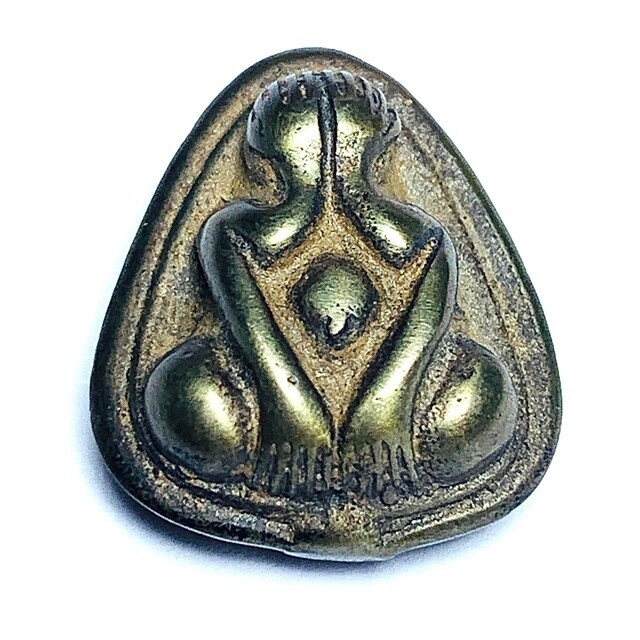
The Pra Pid Ta Hlang Baeb of LP Kaew, Wat Kruea Wan temple, in white powders, is a very rare model, and a truly remarkable and classic exhibit, widely regarded as the number one amulet of the esteemed monk, Luang Por Kaew, of Wat Kruea Wan (formerly of Wat Pak Tale). This ancient amulet, created and empowered by the Great Ancient Sorceror-Monk of Olden Days, Luang Por Kaew, is a a legendary amulet that has attested to his exceptional skills and mastery in the art of amulet-making. The Pra Pid Ta is made from a unique blend of sacred powders, known as Nuea Pong Wised, composed of 5 special magical Yantra Powders (Bpathamang, Puttakun, Trinisinghae, Ittijae, Maharach).

.One particularly striking feature of this amulet is the concave indented Pid Ta on its rear face, which is a hallmark of Luang Por Kaew’s work. This intricate detail, along with the slender arms and perfectly detailed relief of the Buddha image, creates a sense of depth and character that is truly captivating. Luang Por Kaew created this masterpiece during his time as a monk in Chonburi Province, around the year 2365 BE. This was a significant period in Thai history, as Pra Jao Thaksin Maharaj was leading the effort to restore Siam to freedom from invaders. The Pra Pid Ta Hlang Baeb Wat Kruea Wan is not only a beautiful and well-preserved example of Luang Por Kaew’s work, but also a tangible piece of Thai history that speaks to the enduring power and significance of Buddhist amulets

The amulet radiates a captivating glow, enhanced by the unique ‘Nuea Graeng’ marbling effect. This is a result of the sacred Muan Sarn powders, which contract and dry over time, creating distinctive surface cracks. This particular Buddha image showcases intricate details, a slender build, and a high level of craftsmanship, making it a fine specimen of the Pra Pid Ta Luang Phu Kaew. The amulet’s powerful sacred clay composition is known for its Kong Grapan, Klaew Klaad, Metta Mahaniyom, and Maha Lap properties, attributed to the esteemed monk known for his world-class mastery.

An all time Pra Niyom High End Classic Ancient Amulet, renowned for its power and status from Luang Phu Gaew, who first began his legendary of Wat Pak Tale in Petchburi (Later moved to Wat Kruea Wan in Chonburi). The Pra Pid Ta of Luang Phu Gaew of ancient fame comes with free express shipping. The Pra Pid Ta of Luang Phu Gaew is widely regarded as the number one Pidta amulet of all time by devotees of the Chonburi Lineage Master Amulet Collector Scene, as well as by those who are devoted to the Petchburi Masters. This amulet is a true Master Class piece, and its rarity is such that it is incredibly difficult to encounter in the present era.

Free Express Shipping is included with this item. Apart from being so highly regarded for their powerful Metta Maha Niyom and Maha Lap, of the highest power of all Pid Ta, the Pid Ta of Luang Phu Gaew are considered to be the top Pra Pid Ta amulet in Thailand, which carries one of the highest prices within its Genre.

The Pra Pid Ta Luang Phu Gaew is a truly exceptional amulet, one that is held in the highest regard by collectors and devotees of Thai amulets. Its reputation is such that when it changes ownership, it is often considered “news” within the amulet community. This is true whether the amulet was crafted during Luang Phu’s time at Wat Pak Tale, or after he moved to Wat Kruea Wan.

This truly ancient amulet is one of the extremely rare amulets of the Pra Niyom Master Class category of Both Petchburi and Chonburi Masters, and has a cult collectorship following in the Wongarn Pra Niyom Sai Chonburi and Sai Petchburi (Chonburi and Petchburi Province High End Collector Scene). The exclusivity factor of this amulet is indescribably high, and coming from the both Chonburi and Petchburi Provincial Collector scene only serves to evidentiate it as a High Class and Ultra rare Pra Niyom Master Class Amulet of ancient times. One of the reasons for the Pra Pid Ta’s enduring popularity is the powerful and protective qualities it is believed to possess. The amulet is said to offer Kong Grapan (protection against sharp objects), Klaew Klaad (protection against deadly accidents), Metta Mahaniyom (charm and popularity), and Maha Lap (luck and prosperity) to the wearer. These qualities, combined with the amulet’s undeniable rarity and historical significance, make it a true collector’s item.
 

The Pra Pid ta Luang Phu Kaew, is known for its power being made from Luang Phu Kaew’s ancient and powerful sacred Muan Sarn. There is a famous tale of the Billionaire Chawapon Rerm Wanich, buying a number of Pra Pid Ta Pim Lek Hlang Riab (plain rear face small model) amulets of Luang Phu Kaew, for a sum of 10 million Baht each (about 350,000$US)!

It is said that the only thing harder to find than the Pid Ta of Luang Phu Kaew, is the Photo of Luang Phu Gaew himself. However, despite these true stories, that some millionaires pay immensely high prices for such amulets, the standard price which true collectors and aficionados consider to be universal ranges between the 1000$ for a less well kept or lesser preferred model with or without certificate, to 11000$ for a top class prizewinner.


Luang Phu Gaew was one of a group of Master Monks who all possessed and practiced the Wicha of making Pra Pid Ta, all of whom are famous names, such as Luang Phu Jeen of Wat Ta Lad, Luang Phu Pu (2351 -2361 BE), Luang Porn Daeng of Wat Ang Sila, and the great Luang Por Plord of Wat Pak Tale, who was the premiere apprentice to Luang Phu Gaew, and famous in his own right for his famous Look Om amulets which he made with the remaining powders inherited from Luang Phu Kaew, as well as adding powders of his other Kroo Ba Ajarn such as Luang Por Tong Sukh’s powders of Luang Phu Iam (Wat Sapan Sung).


Luang Phu Gaew was born sometime between 2337. This is known by devotees who met and worshiped Luang Phu Gaew as he appeared on Tudong wandering in Khao Bandai it district of Petchburi, to escape being asked to become abbot of Wat Pak Tale, as the current abbot had just passed away, and he preferred the forest wandering and meditation, to administration of the worldly aspects of running a temple. Luang Phu Gaew wandered onwards until he came to rest at Khao Luang Temple, and saw it was in total disarray.

He thus rounded up devotees to help and slowly restored the temple to original condition, and the local devotees begged him to be the abbot of Wat Khao Luang. But in the eyes of Luang Phu Kaew, this was tantamount to chasing him away, as he was not inclined to accept limitations on the practices and austerities of Tudong. So Luang Phu Gaew wandered off again and disappeared into the forests on Tudong.
Later after some years of disappearance and no documentation of his life during those years, he later appeared in Chonburi and built the temple at Wat Kruea Wan, where he stayed till the end of his life, and became the great Master of Wicha Pra Pid Ta of the Chonburi Province who is considered the top number one master of all, despite the absence of a full biography and a lack of knowledge about the full details of his life. His Wicha was passed to great Masters who he was associated with all of whom became Top Masters of Historical Fame in their own Right, with some of the greatest names being his apprentices.


Below : one of the only photos we have in existence to date of Luang Phu Gaew, which has the date R.S. (Ratanakosin Year) 124 (2449 BE), and his age being 55 years old in this picture.

Luang Phu Gaew Wat Nai Pak Tale (Later Moved to Wat Kruea Wan)

Even the world famous Payak Kampant, Sian pra Maestro of the Thai Amulet Society, who released a book with 108 biographies and pictures of Great Master Monks, was not able to include the Biography and Picture of Luang Phu Kaew, due to the rarity. The Muan Sarn of the amulet, with all the aspects of an ‘Ongk Kroo’ (teacher model to accustom the eyes to the true authentic sacred powder content).


The rear face features the image of the Pra Pid Ta Ongk Pra Buddha embossed in concave. The Muan Sarn of the amulet is clear and easy to appreciate with the eye with no need of an eye loupe or magnifying glass to authenticate. This level of pristine clarity in an amulet of this age and status is so very rare to encounter indeed, making this exhibit a definite ‘Ongk Kroo Masterpiece Version’


This particular exhibit displays all the features necessary for prize winning competition entry, and already possesses a certificate of authenticity from the Samakom Song Pra Tae Mueang Siam.

The front face of the amulet glows with a truly seductive aura of beauty and its surface texture of ;Nuea Graeng’ marbled effect of the Muan Sarn sacred powders, which are the result of the contraction of the different particles within the sacred clay mixture of the amulet, as time passes and the amulets dries, and shrinkage causes small surface cracks to appear. This renders a truly beautiful example of the Pra Pid Ta Luang Phu Kaew. The features of the Buddha Image with its slender arms and its perfectly detailed relief, full of depth and character, leave the eyes unstrained when authenticating and appreciating its subtle features, and evident age. True beauty in subtlety, with a sacred muan sarn powder content that assures the wearer of high Puttakun Power and effective Kong Grapan, Klaew Klaad, Metta Mahaniyom, and Maha Lap effect. We behold before us a Master Class authenticated amulet from one of the greatest olden days master sorceror monk, of world class status.

Ancient Amulet - Thai Buddhist Pra Niyom Category Amulets

Ancient Amulet - Thai Buddhist Pra Niyom ('Pra Niyom'; meaning 'High End Preferred Class Antique amulets') Fine Authentic Amulets from the Great Thai Buddhist Sorcerer Monks, Lersi Ascetics, and Lay Masters of Olden Days

SIGN IN OR CREATE ACCOUNT


Filters

Filters
Pra Somdej Pim Gaes Jarot Sum Pim Gaes Iang Niyom Long Rak Chart Somodej Dto Wat Rakang Kositaram
Free Shipping Worldwide (we do not state or declare true price to counter tarrifs tax on customers), & Offer of Free Solid Silver Casing Included
SKU 04783
$1,699


Rahu Om Jantr Wicha Lanna Nuea Kala Ta Diaw Long Rak Chart Jeen Boran Circa 2465 BE Kroo Ba Nanta Wat Tung Man Dtai Featured

One of a the very rare ancient amulets of this Great Lanna Master, the Pra Rahu Kala Ta Diaw one eyed coconut shell carving, in classical ‘swallowing the moon/sun’ eclipse shape (Pim Rahu Om Jantr/Suriya), in ‘Nok Hook’ (Owl face) style, with an ancient and exquisitely filigrain inscriptions of Lanna Agkhara spell inscriptions, In rare One Eyed Coconut Shell, coated with ‘Rak Chart Jeen Boran’ ancient Chinese herbal Lacquer.
Hand carved by one of the preferred Master Looksit Artisans of the Guru, and hand inscribed with the Wicha Pra Rahu by Olden days Lanna Master Guru Monk Kroo Ba Nanta Nanto Bhikku, of Wat Tung Man Dtai, in Lampang. Kroo Ba Nanta was the Kroo Ba Ajarn of Kroo Ba Lerd, of Wat Tung Man Dtai. This amulet comes with a coput of the ebook “The First Book of Thai Lanna Sorcery”, written by myself (Ajarn Spencer Littlewood), as a gift, for it contains the Biography and amulets of Kroo Ba Nanta covered within its pages. 🙂


KATA PRA RAHU KAM DUANG

The rear surface texture reveals true ageing of a centenarian+ amulet, and the age of the inscriptions of Kroo Ba on the Yant Duang Sacred Geometry Spells inscribed within the central section of the amulet, shout out the word ‘ancient’
 

free shipping worldwide

Free Registered Air Parcel shipping Worldwide is included with this amulet. The Pra Rahu of Kroo Ba Nanta is a very rare thing to come by, and is highly revered by Business Owners and those who are in High Administrative Positions, as well as those who seek to turn their fate around. Kroo Ba Nanta was one of the Greatest Lanna Masters in Living memory, before whose time, little is known of the names of the Masters who lived, so long ago was his Era.

Because of this, and his constant absence on forest Tudong wandering,, it is not known when Kroo Ba Nanta began making Rahu Amulets, nor how many he made, except that old people who lived during his time, say that he had made them as long as they could remember. Many different shapes and forms can be found, but the trained eye can recognize his inscriptions, and the natural ageing process of the coconut shell, ivory, wood or sacred powders used to make the amulet.

The earliest actual evidence of his making the Rahu amulets was found inscribed on a Kala ta Diaw Rahu Image from Kroo ba Nanta with the year 2456 BE, which is considered to be one of his earlier one eyed coconut shell carvings.The amulet measures 5 x 4 Cm, and is made from one eyed albino coconut shell. Kroo Ba Nanta Nanto Bhikkhu was considered the older of the 2 Greatest Masters of the Wicha Pra Rahu of that particular Era, the other most famous Master being of course Luang Por Noi, of Wat Srisa Tong.

Kroo Ba Nanta was born in 2415 BE, and was indeed the older of these two Great Guru masters of Wicha, both of whom were famous for the Pra Rahu, and also the Wua Tanu Sacred Arrow Bull animist charm.Many people believe that Kroo Ba Nanta was the Kroo Ba Ajarn of Luang Por Noi, but this is in fact a myth. Each of these Masters had their own personal Trajectories and their amulets differ in style and empowerment methods.


It would be more accurate to not compare the two, and to see that Kroo Ba Nanta and Luang Por Noi are equally Meritorious in their Mastery, and were perhaps the greatest Adepts of Wicha Pra Rahu in living memory.

Kroo Ba Nanta was an Upachaya Monk (entitled to ordain people as monks, which is one of the highest statuses), and was responsible for having built many important Buddhist Edifices in Lampang, Chiang Rai, Payao, and surrounding provinces, including Uposatha Shrine Rooms for temples, Chedi Stupas (22 in all), Kuti Huts, and 26 Vihara Shrines.


It is said that during the times of great difficulty of the Monk Kroo ba Srivichai, as Kroo ba Srivichai was placed under house arrest, that Kroo Ba Nanta made a Pra Rahu Kala Ta Diaw Amulet to pray to for the release of Kroo Ba Srivichai, and that he was released shortly after this.


If you feel that your Fate and Horoscope is not Auspicious, then it could be that Pra Rahu is interfering. You can solve this problem by making Bucha offerings to Pra Rahu every Wednesday; Light 10 black incense sticks (‘Toop’ in Thai), and five types of black offerings (e.g. black sticky rice, black jelly grass drink, black semolina or sago pudding and the like).


12 repetitons of the Kata Bucha Pra Rahu are to be Chanted;
Idtipiso Pakawaa Pra Rahuu Sataewaa Samaa Winyaana Idtipiso Pakawaa Putta Sangmi

<span id=”selection-marker-1″ class=”redactor-selection-marker”></span>

Kata Surya Buppaa (to be chanted in the daylight)

Gusaedto Ma Ma Gusaedto-dto Laalaa Ma Ma Dtolaamo Tolaamo Ma Ma Tolaamo Ma Ma Tolaamodtang Haegudti Ma Ma Haegudti


Kata Jantra Bupaa (to be chanted in the night time)

Yadt-thadtang Ma Ma Dtangthaya Dtawadtang Mamadtang Wadtidtang Saegaa Ma Ma Gaasaegang Gaadtiyang Ma Ma Gaadtiyang Ma Ma Yadtigaa

When you begin to Bucha Rahu Deity, you should make the first ever session in the evening of a Wednesday (any time from 7 pm onwards). After you have done this once, you can make Bucha in the daytime if you wish, but the first time you must include the food offerings of black foods as well as the black incense. The second time onwards, only the incense is necessary in the daytime, if it is a lot of trouble to get the food offerings.


Ancient Amulet - Thai Buddhist Pra Niyom Category Amulets

Ancient Amulet - Thai Buddhist Pra Niyom ('Pra Niyom'; meaning 'High End Preferred Class Antique amulets') Fine Authentic Amulets from the Great Thai Buddhist Sorcerer Monks, Lersi Ascetics, and Lay Masters of Olden Days

SIGN IN OR CREATE ACCOUNT


Filters

Filters
Pra Somdej Pim Gaes Jarot Sum Pim Gaes Iang Niyom Long Rak Chart Somodej Dto Wat Rakang Kositaram
Free Shipping Worldwide (we do not state or declare true price to counter tarrifs tax on customers), & Offer of Free Solid Silver Casing Included
SKU 04783
$1,699