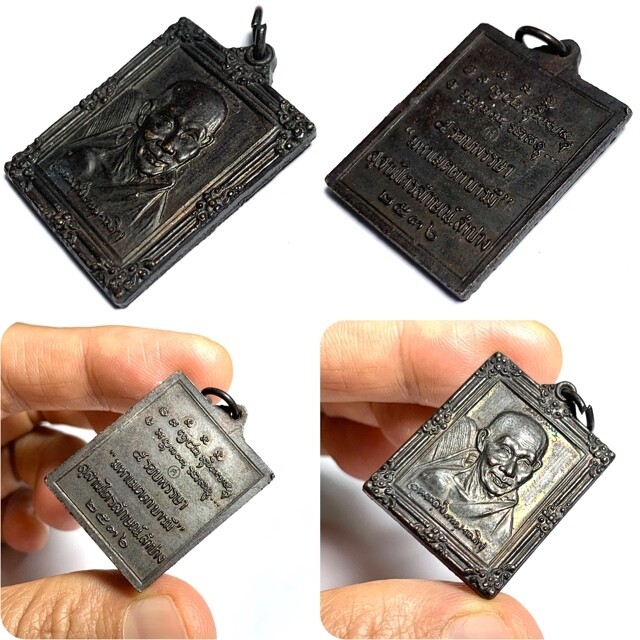
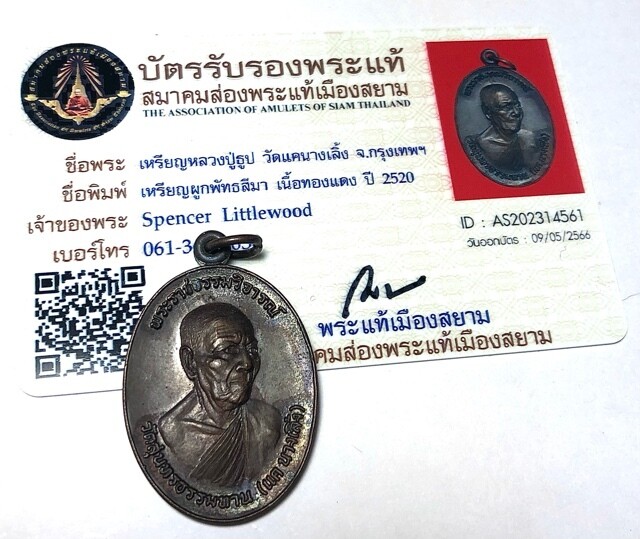
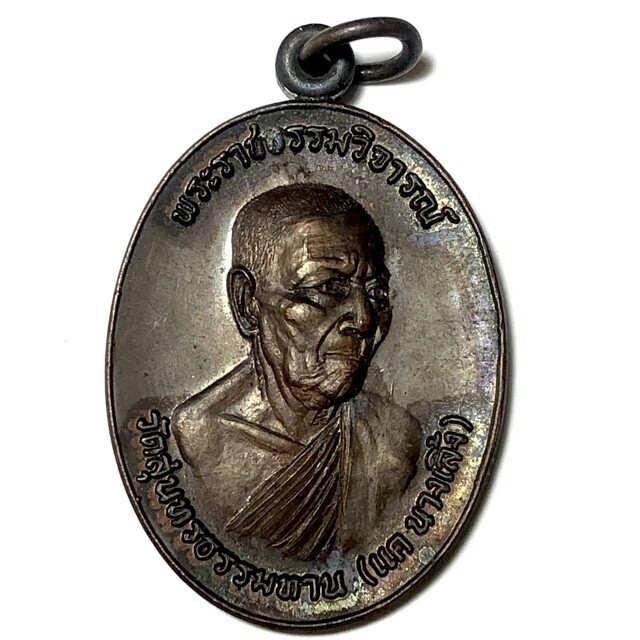
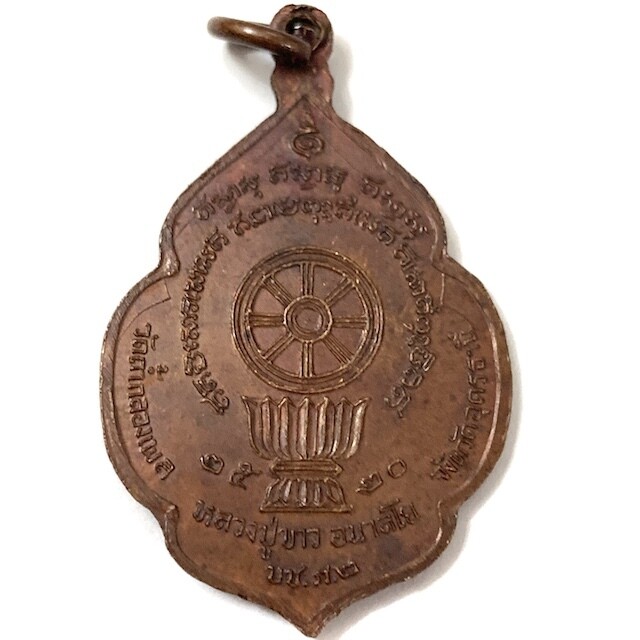
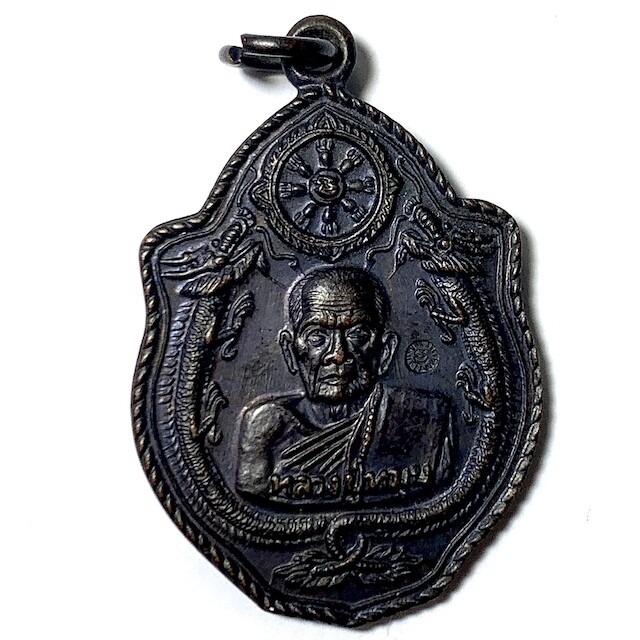
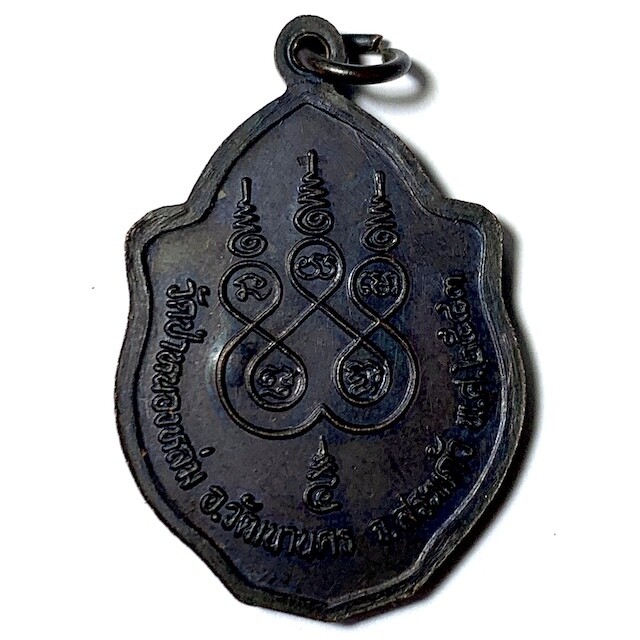
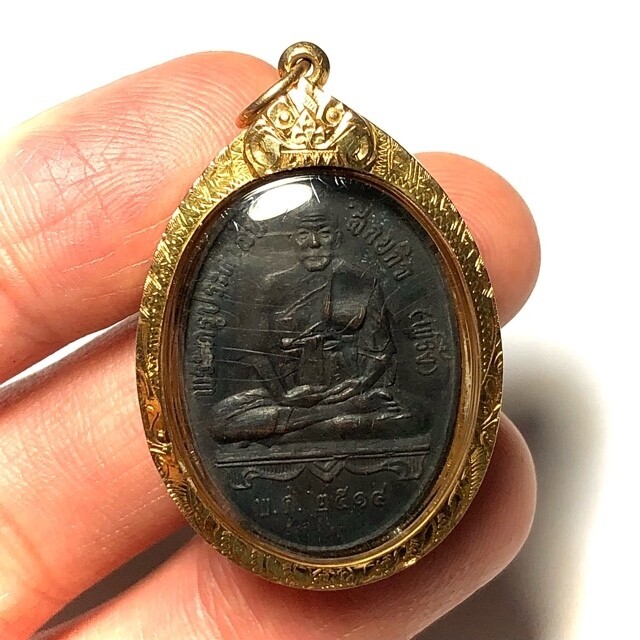
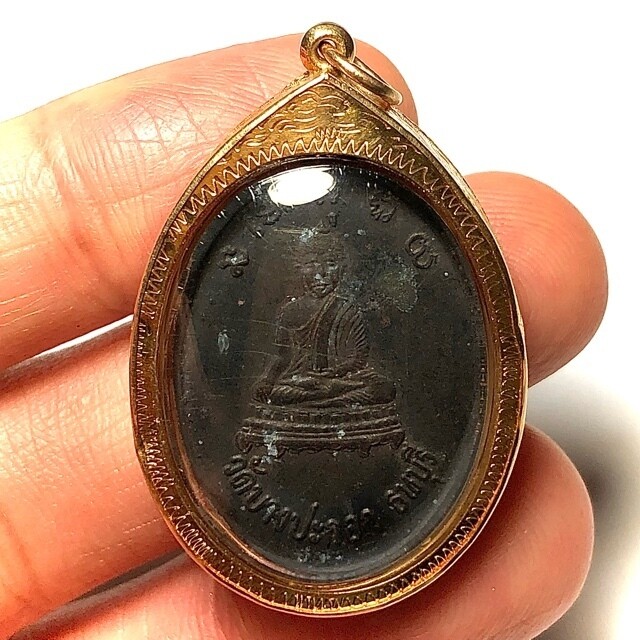
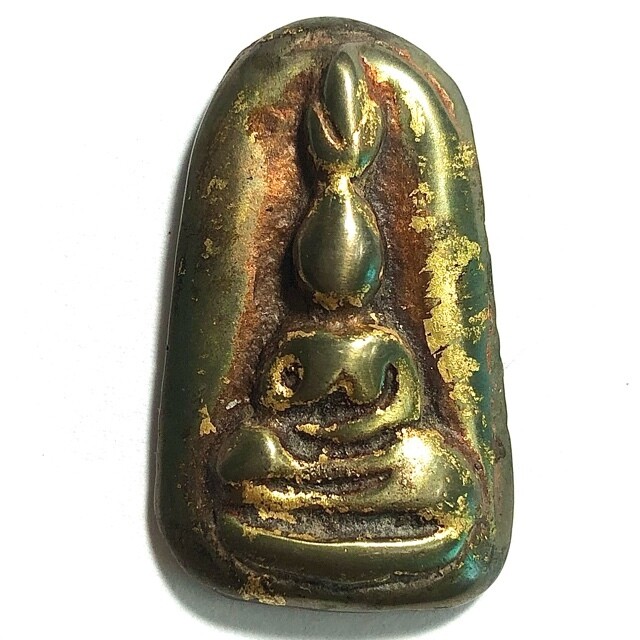
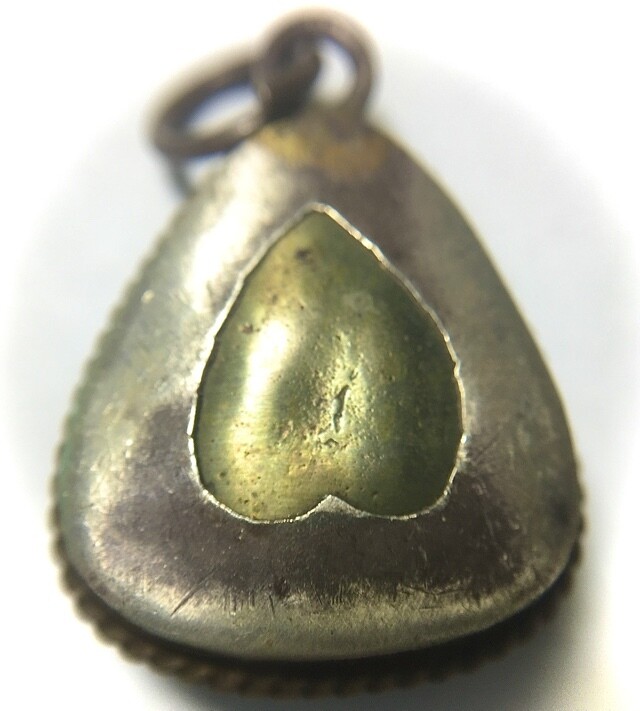
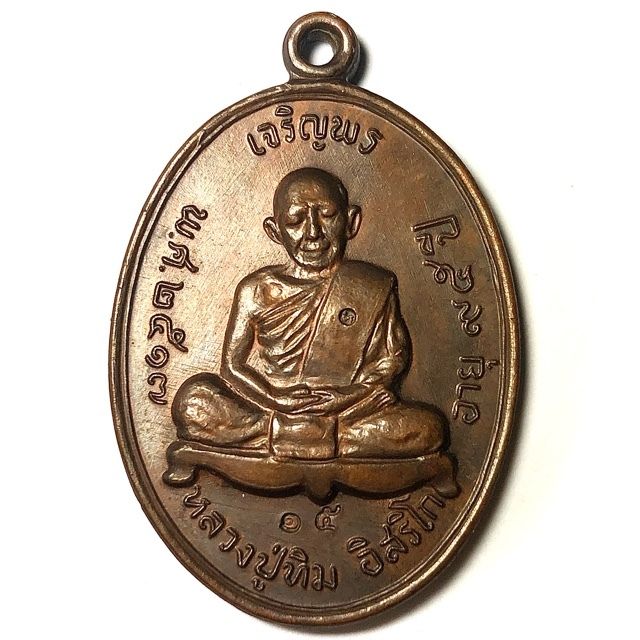
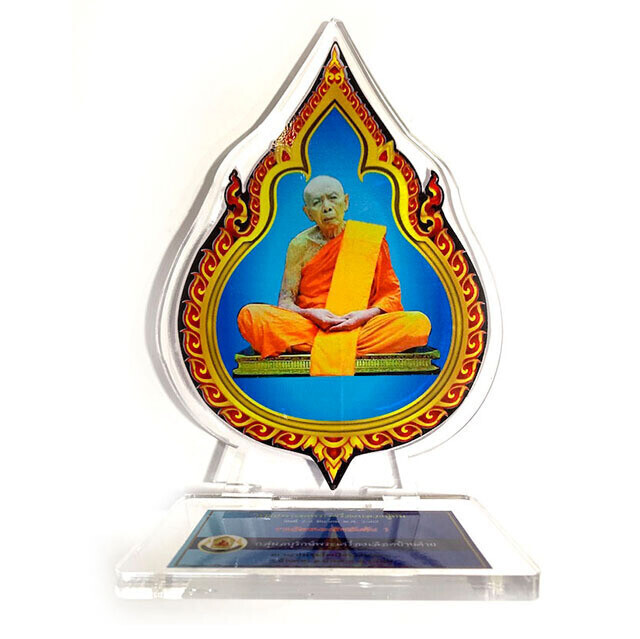
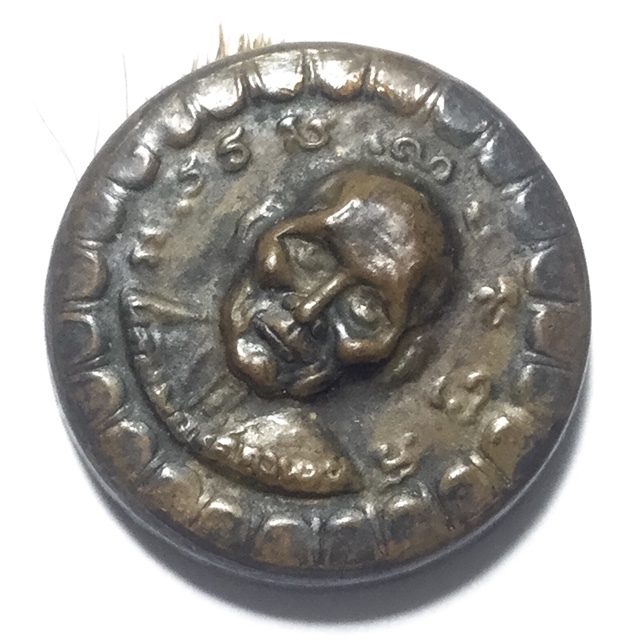
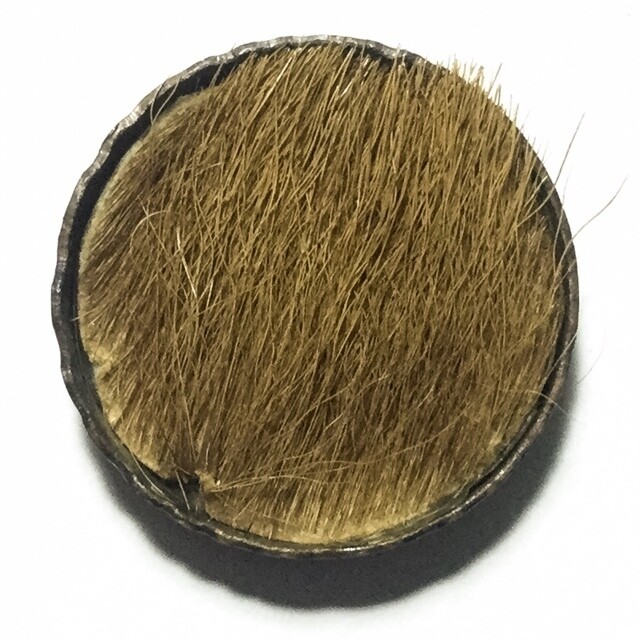
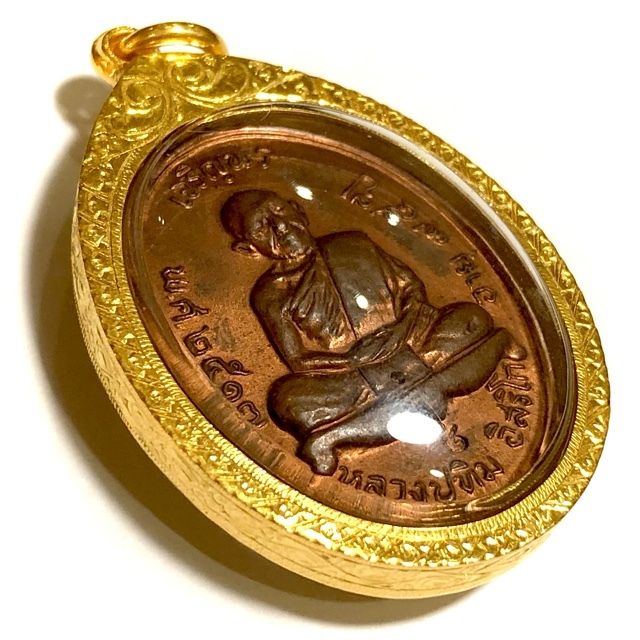
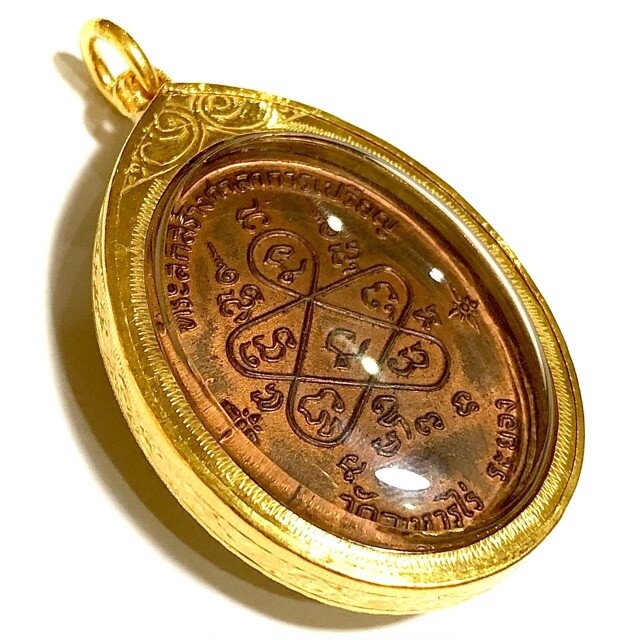
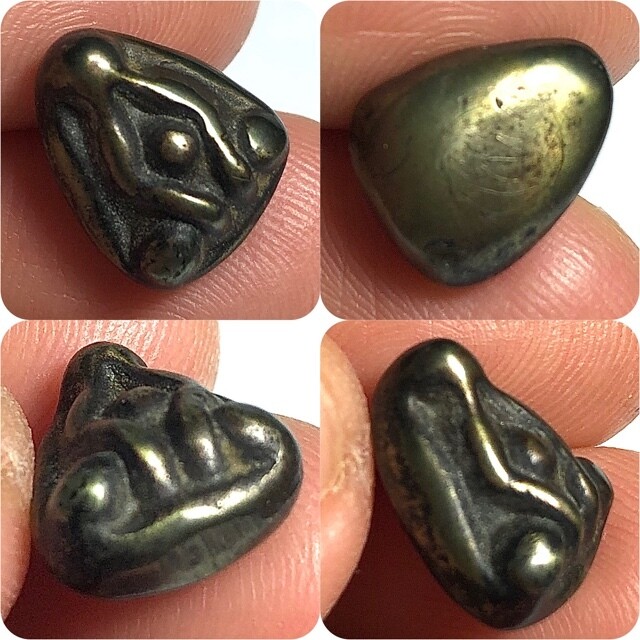
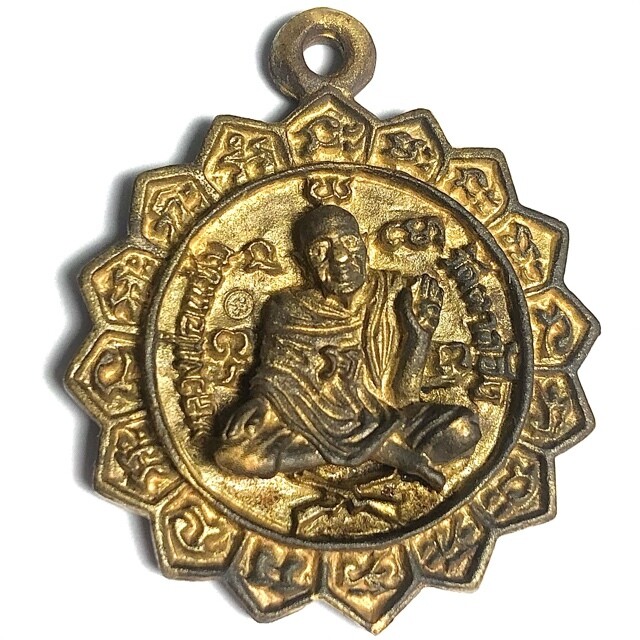
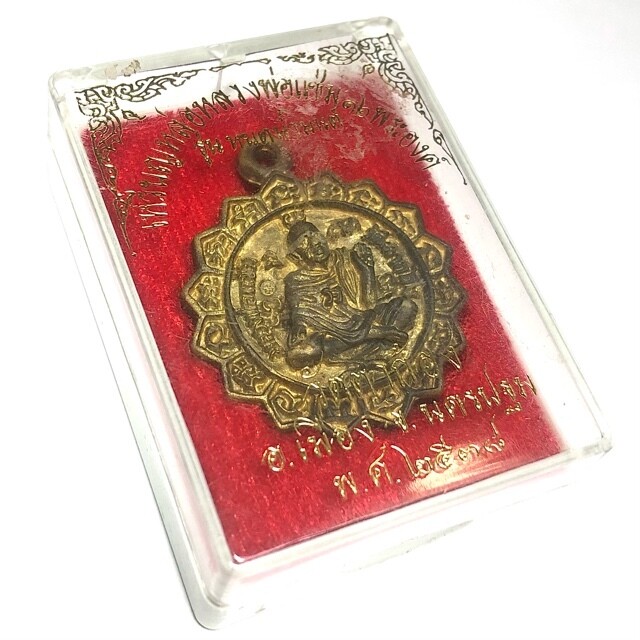
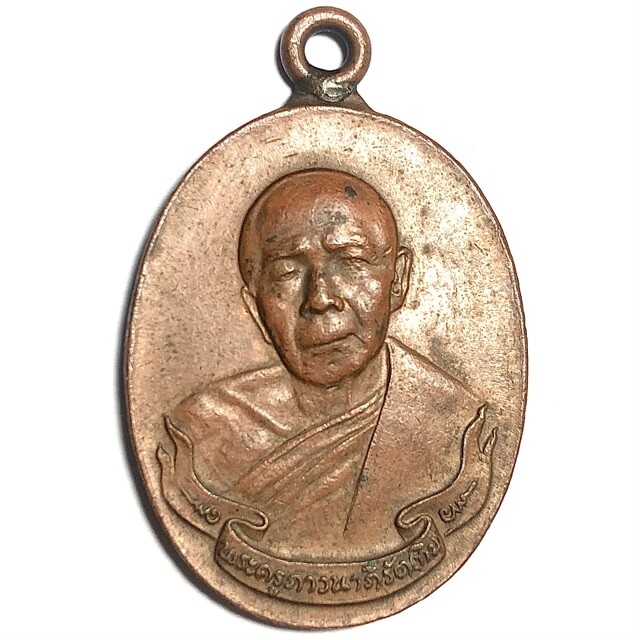
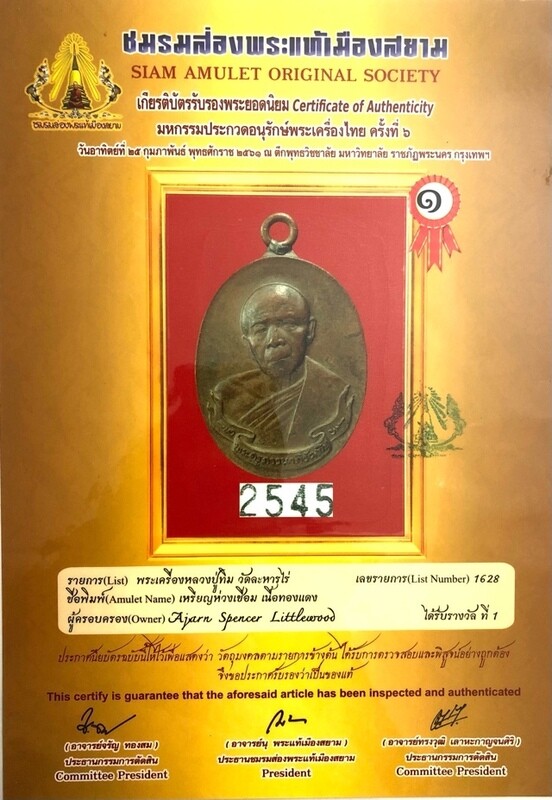
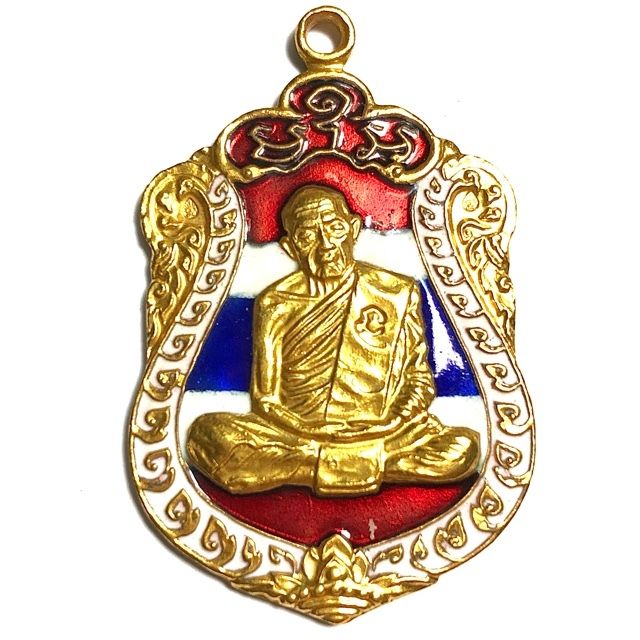
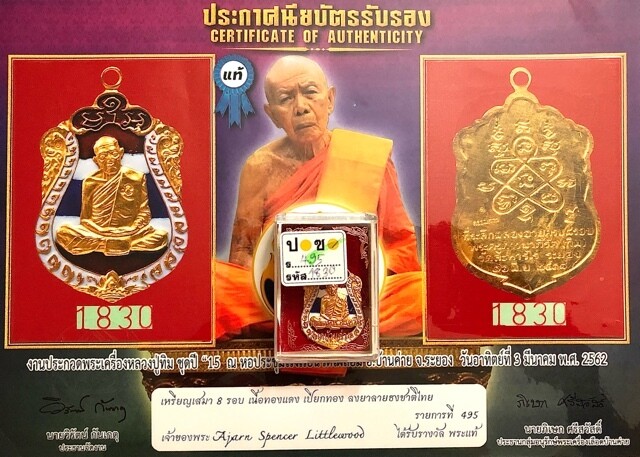
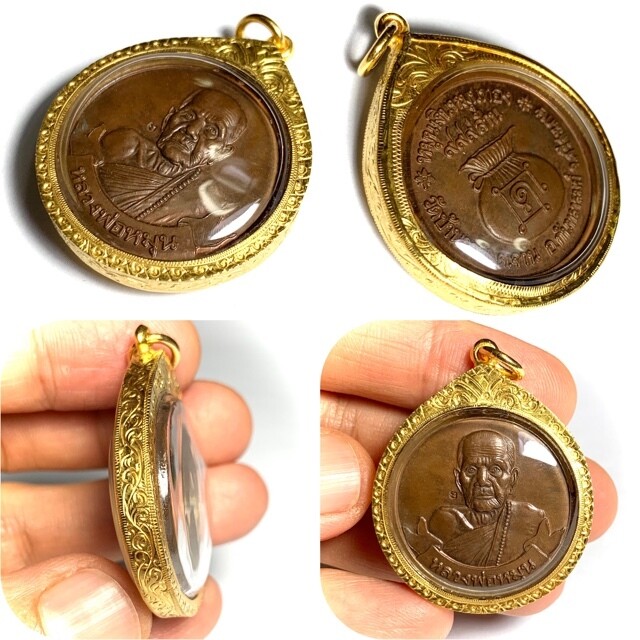
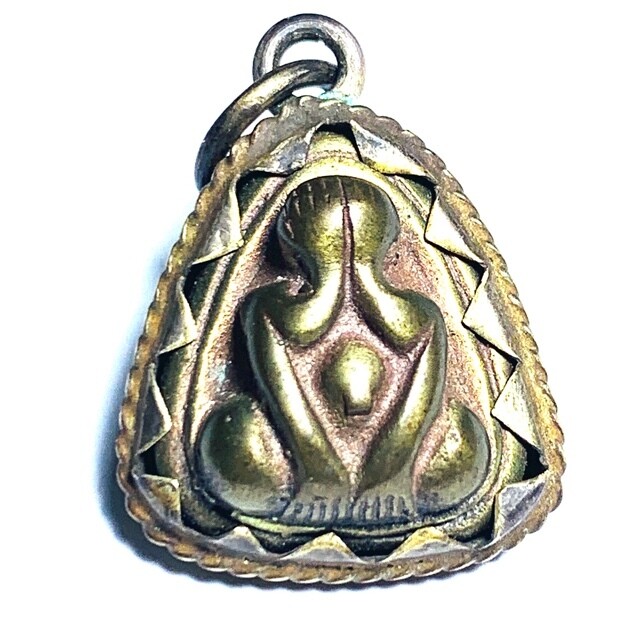
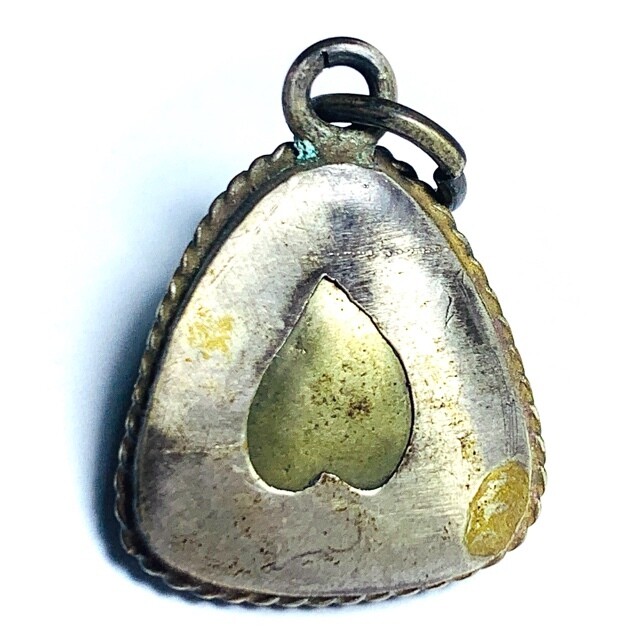
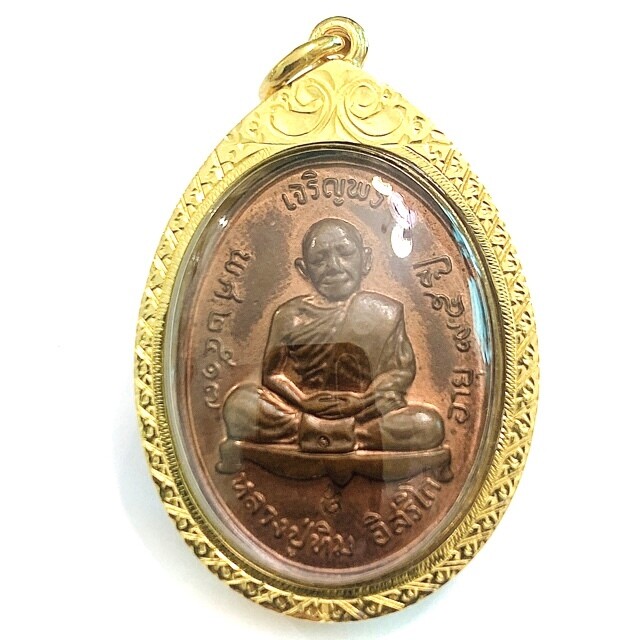
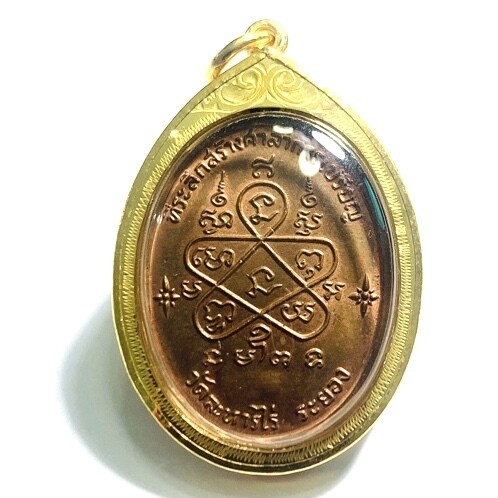
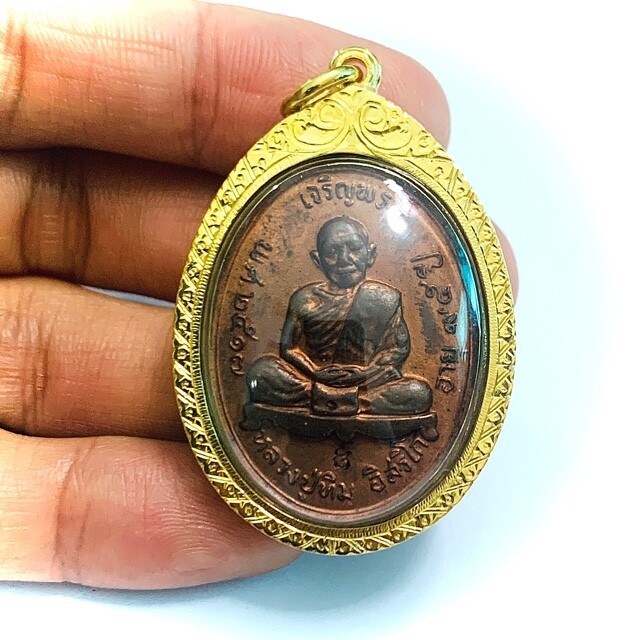
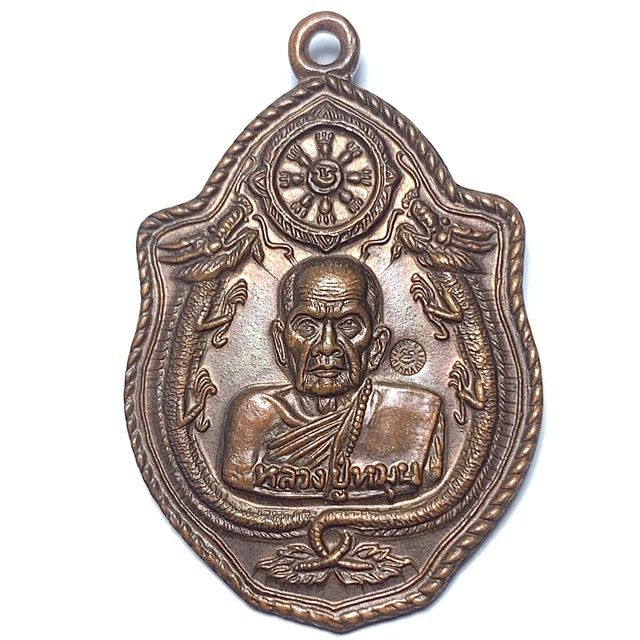
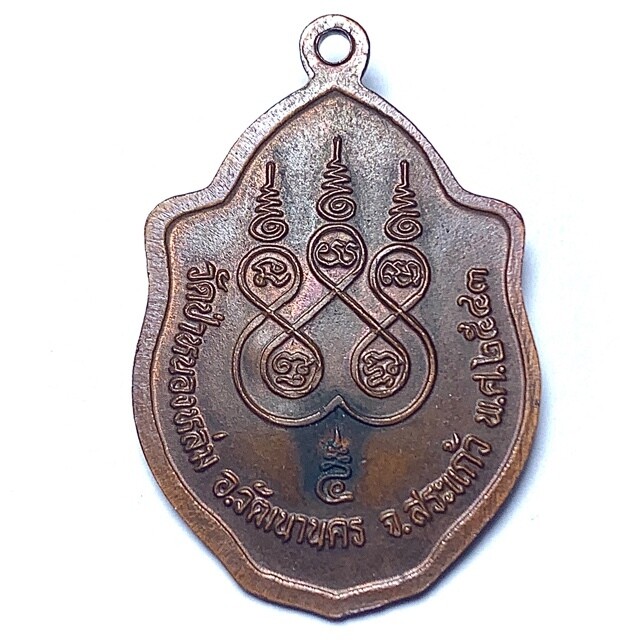
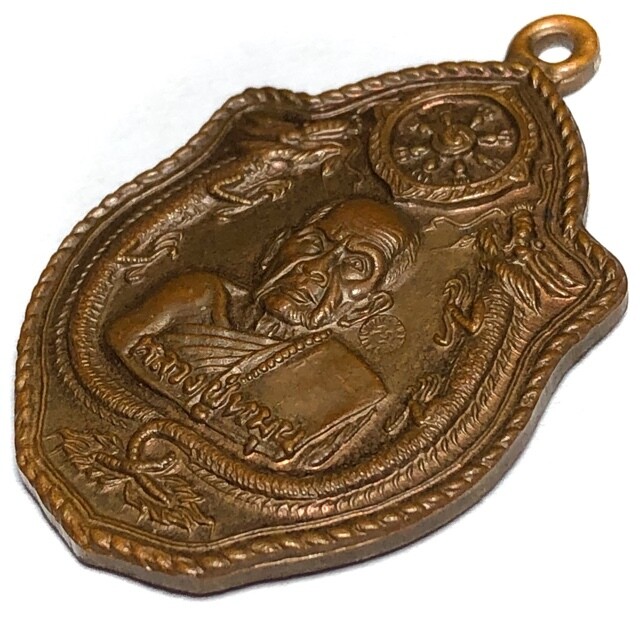
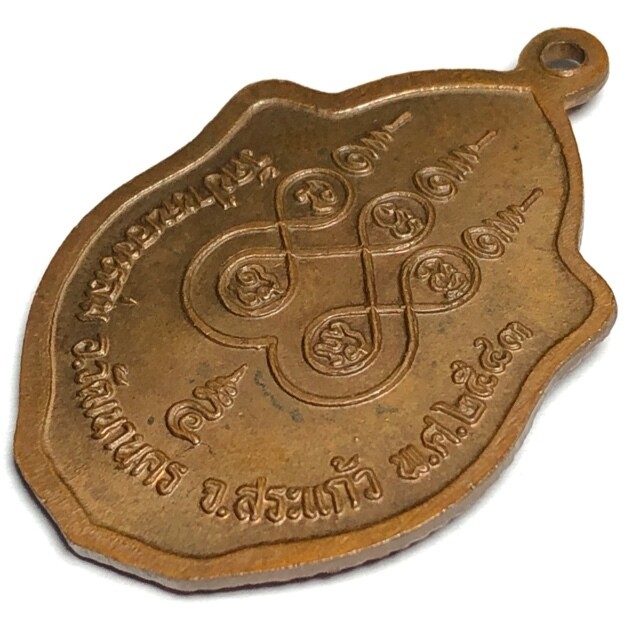
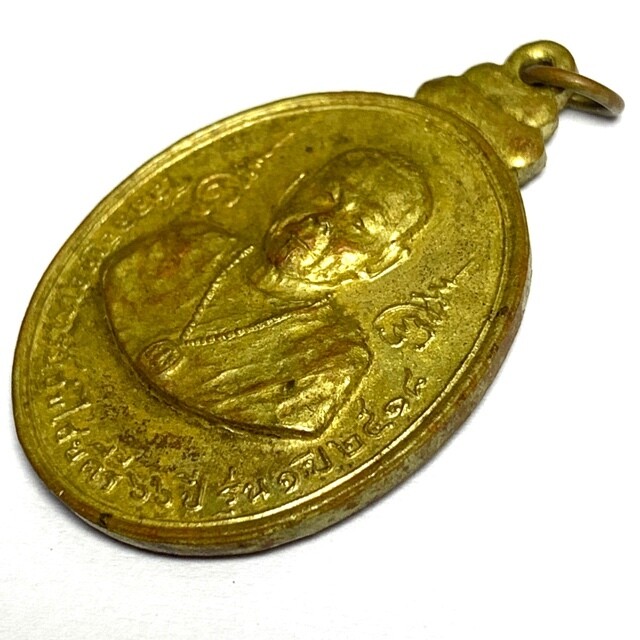
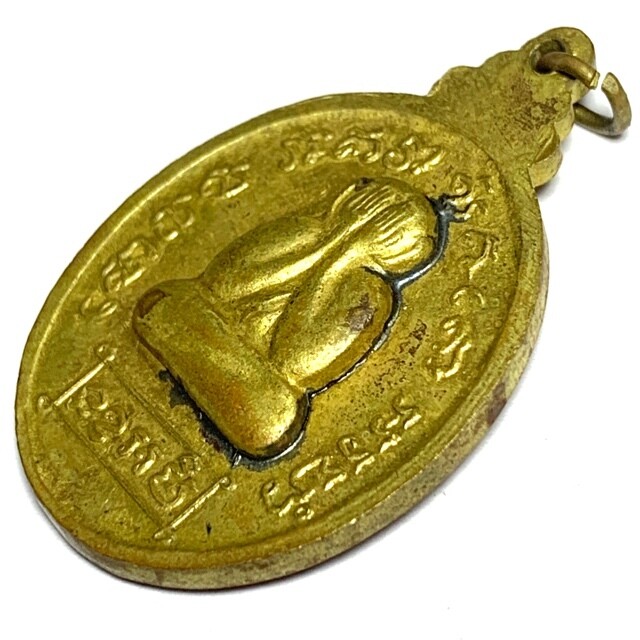
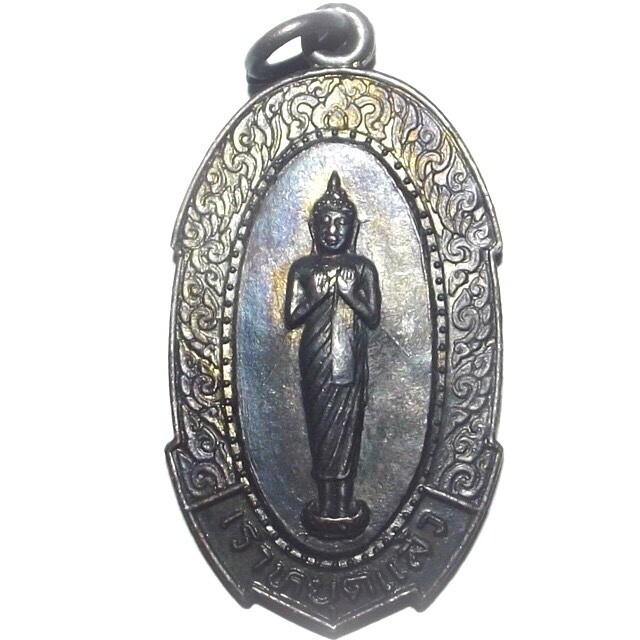
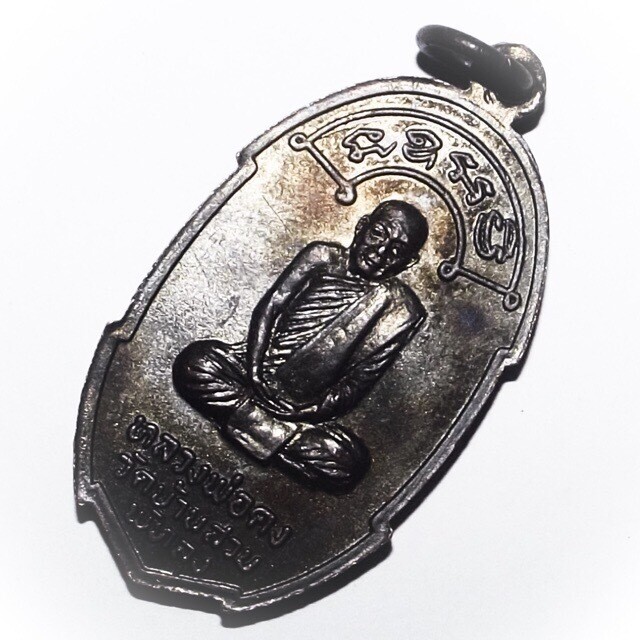
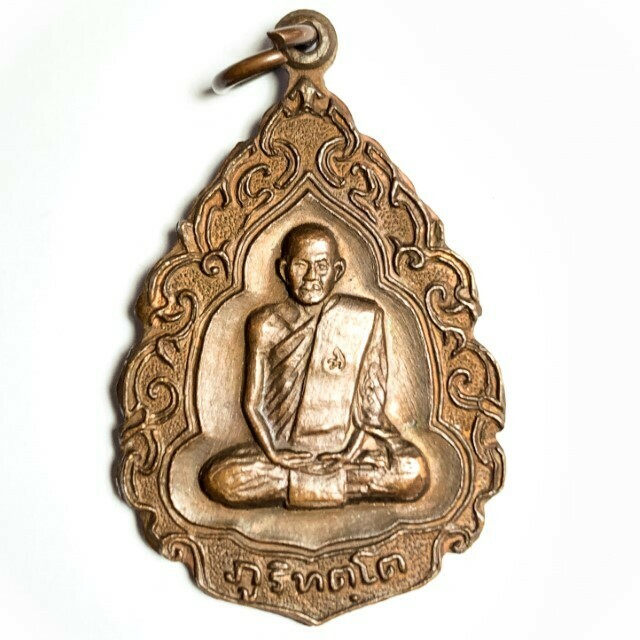
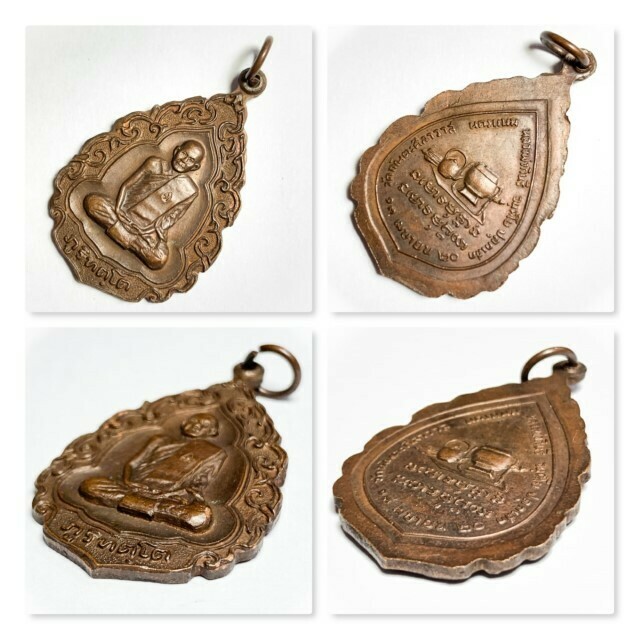
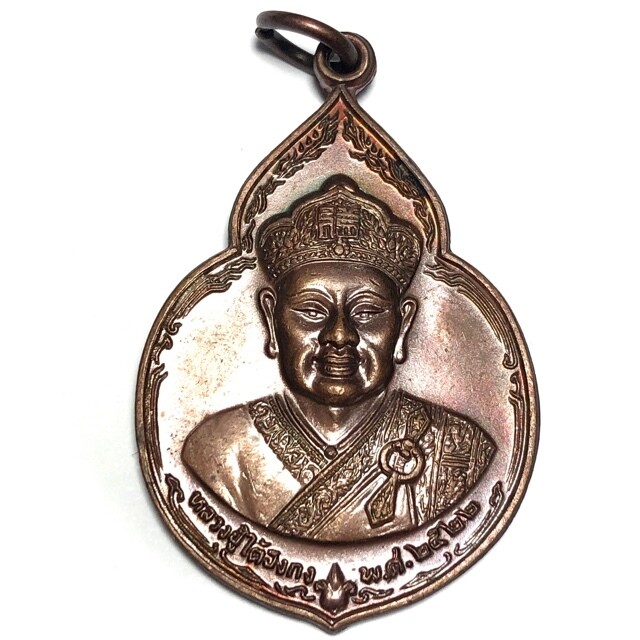
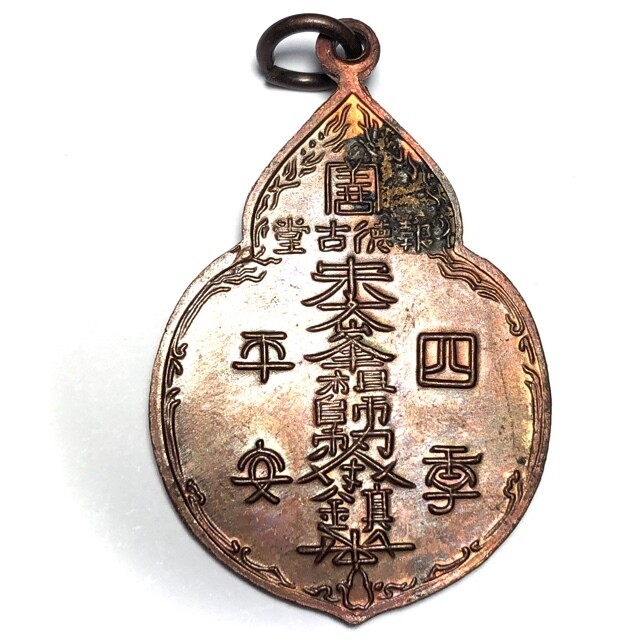
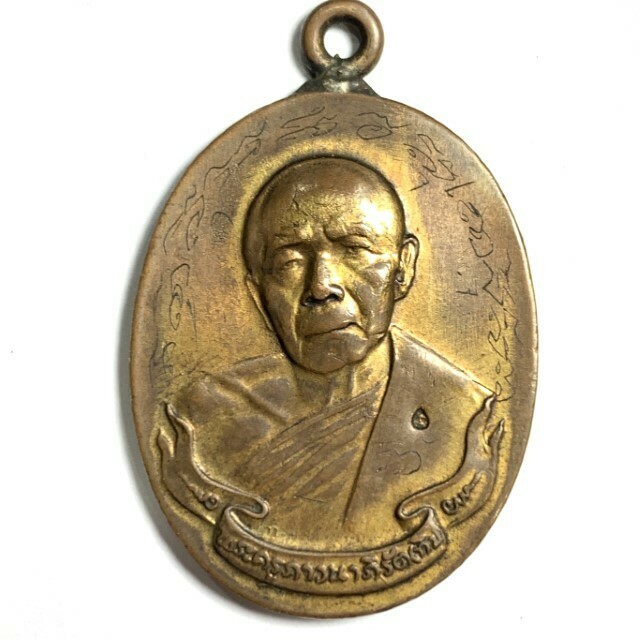
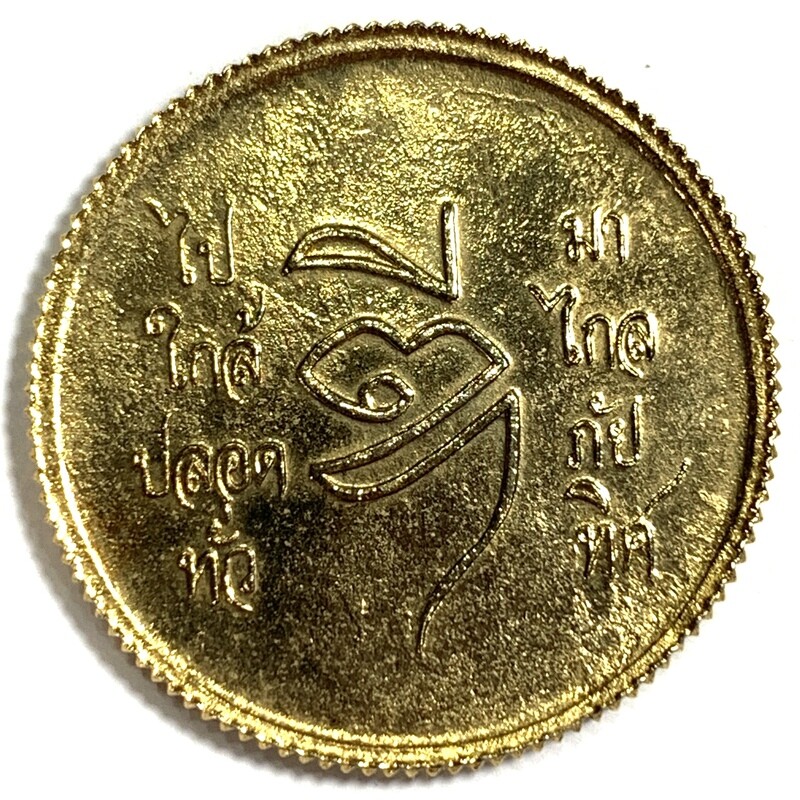
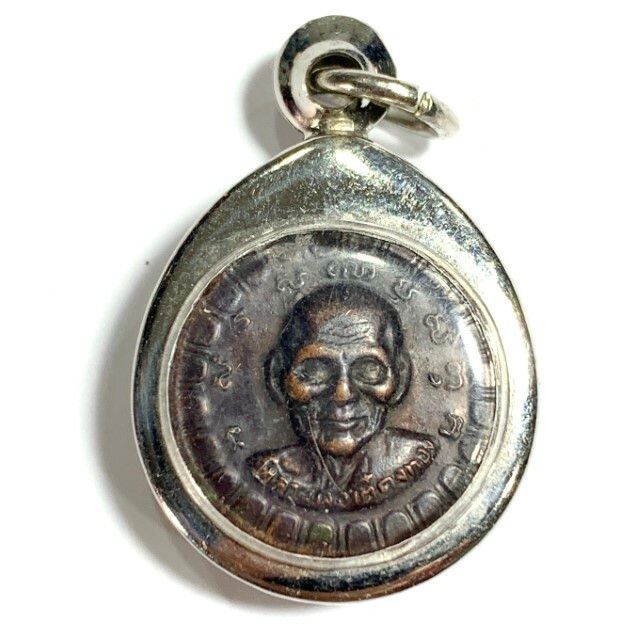
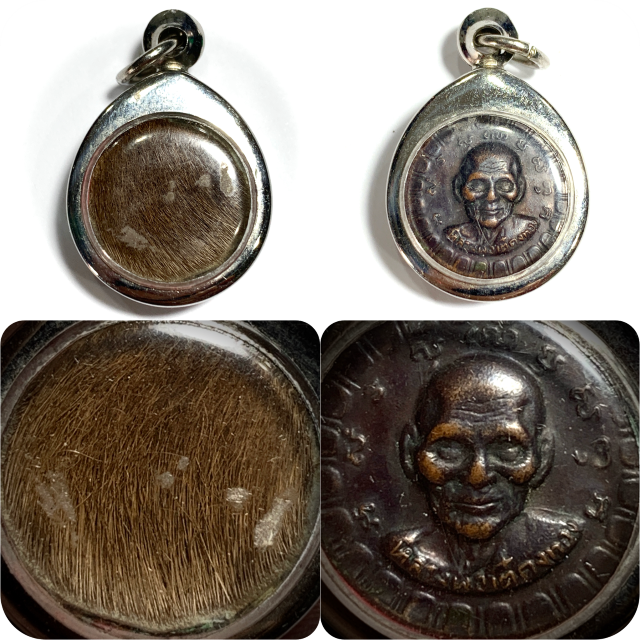
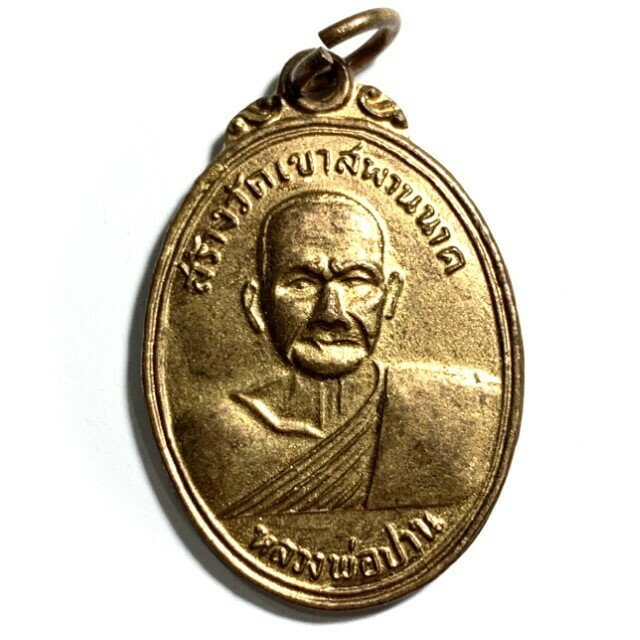
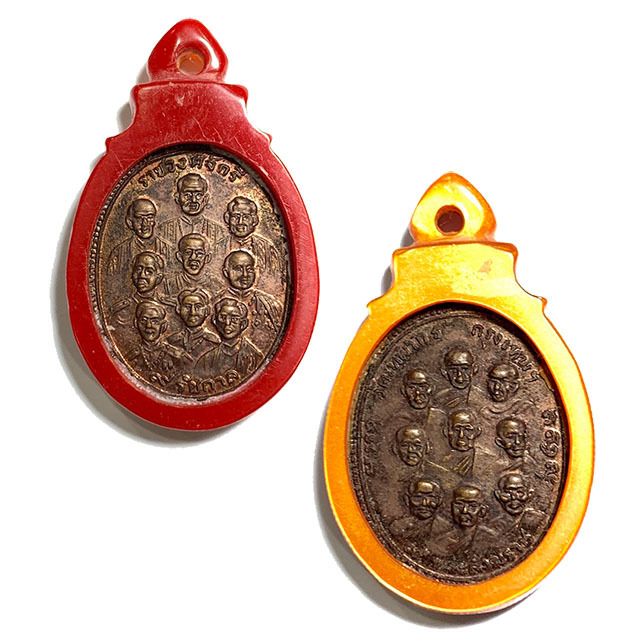
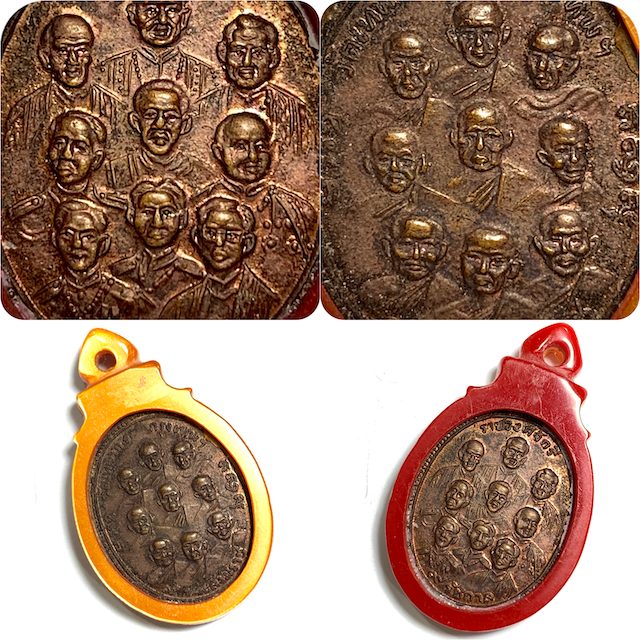
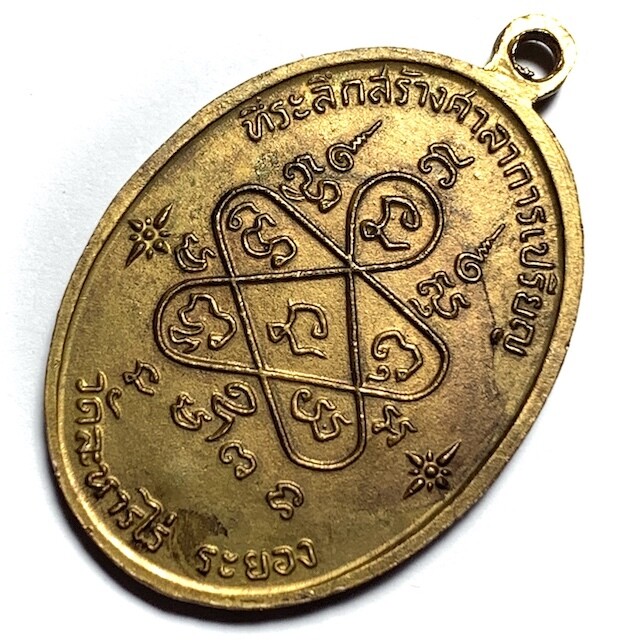
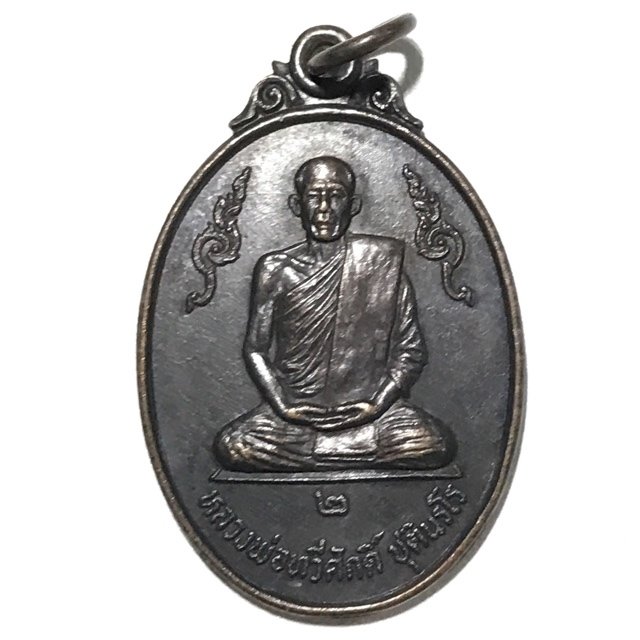
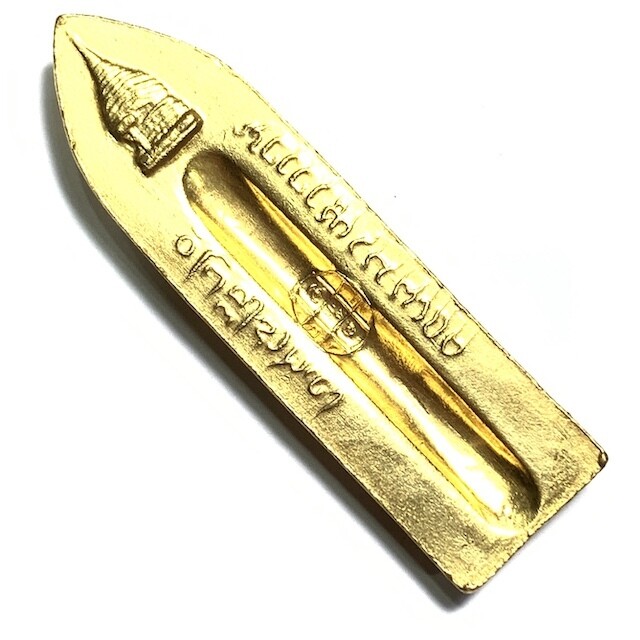
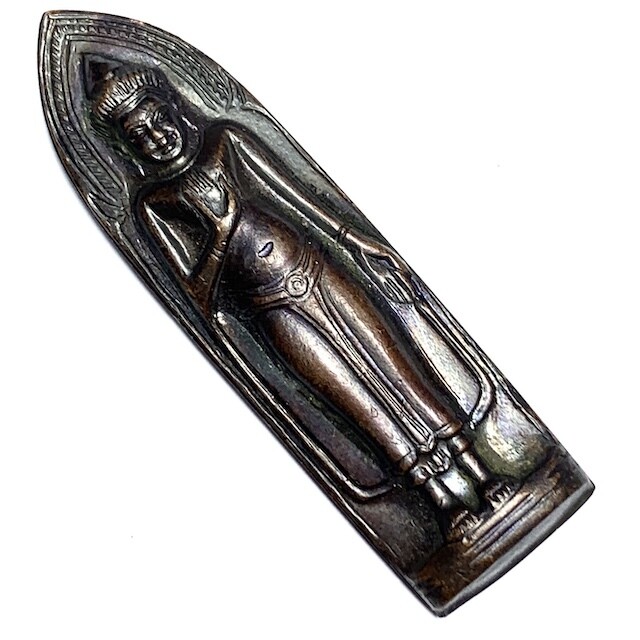
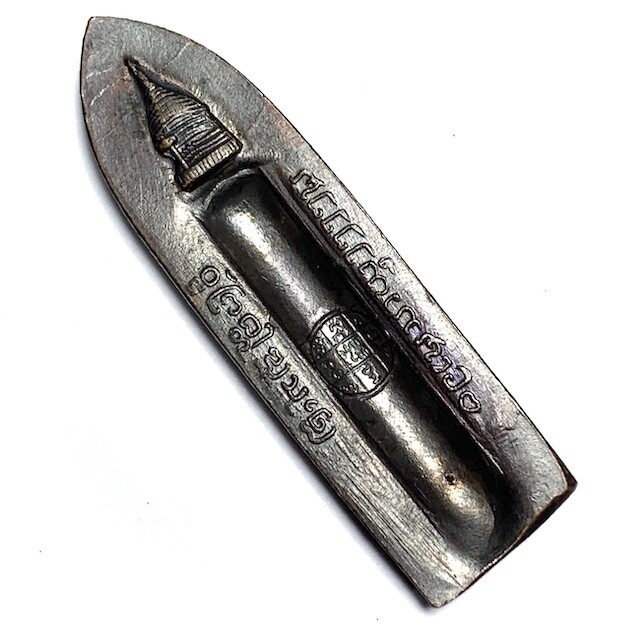
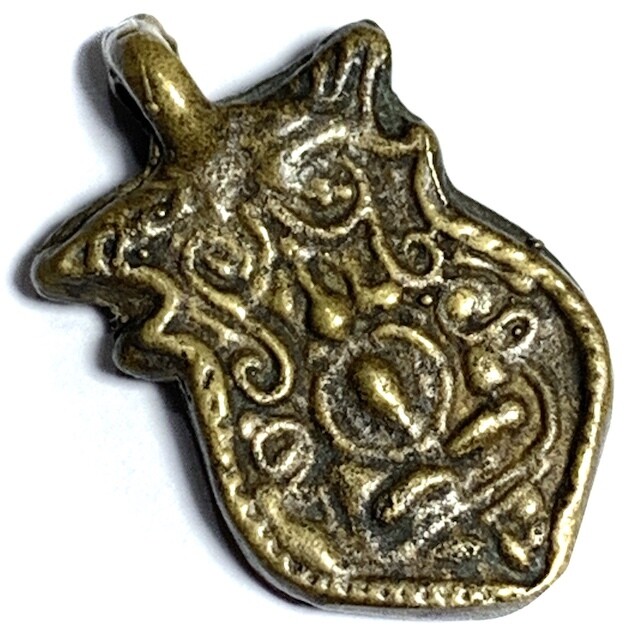
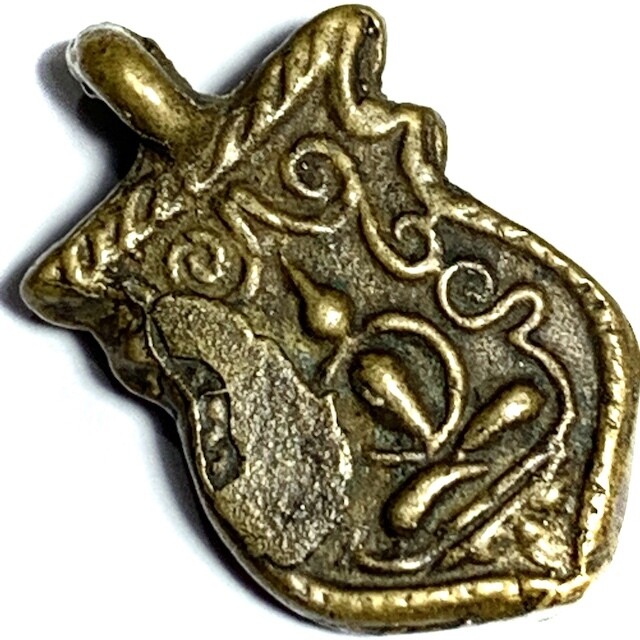
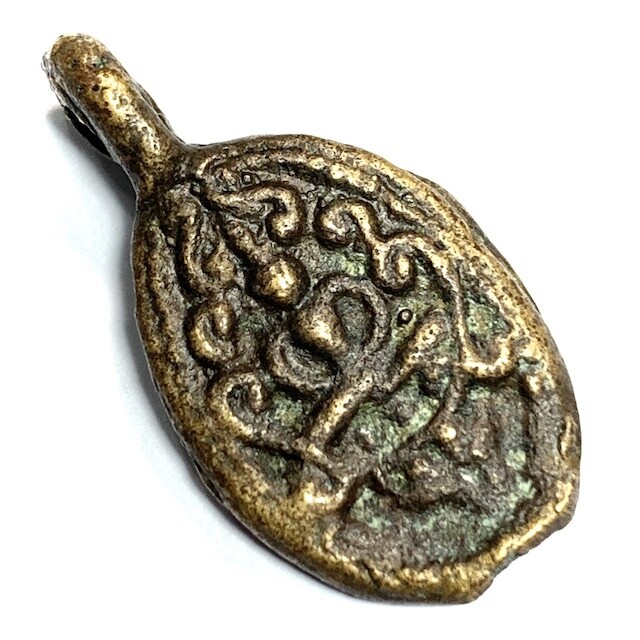
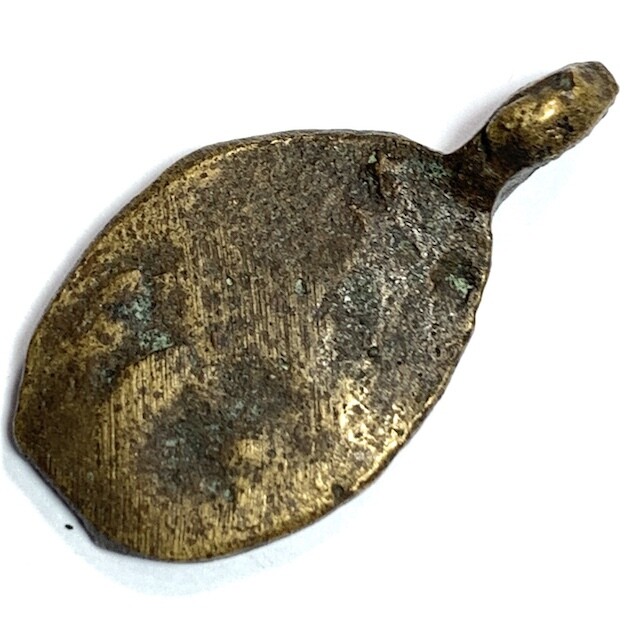
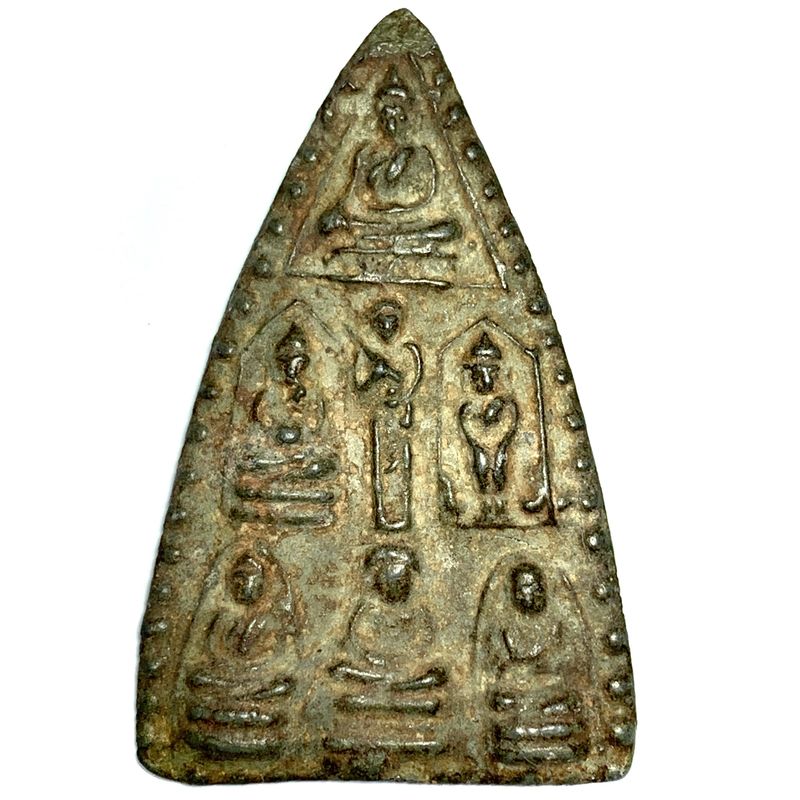
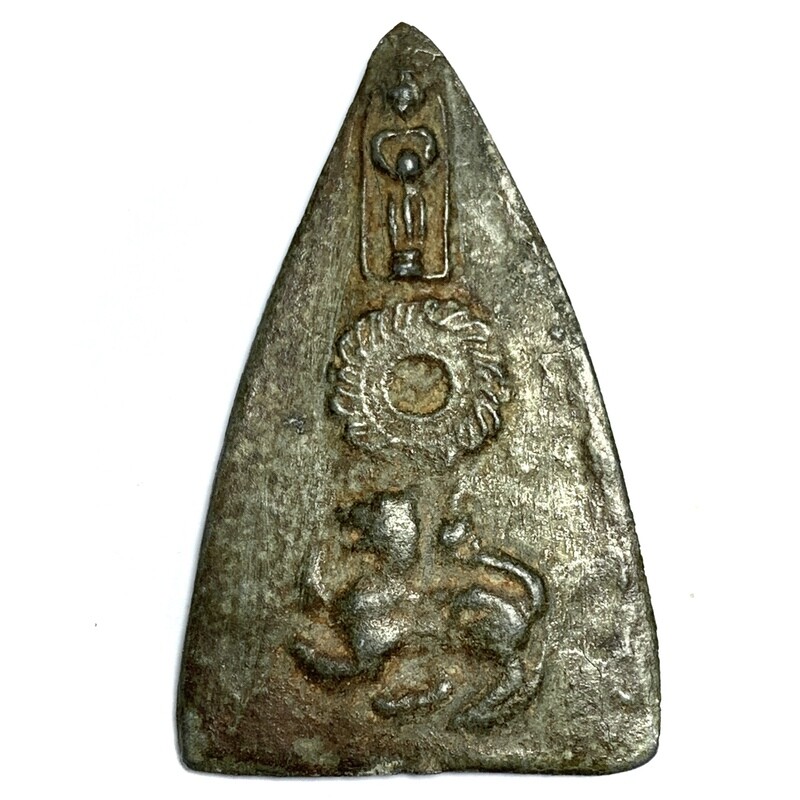
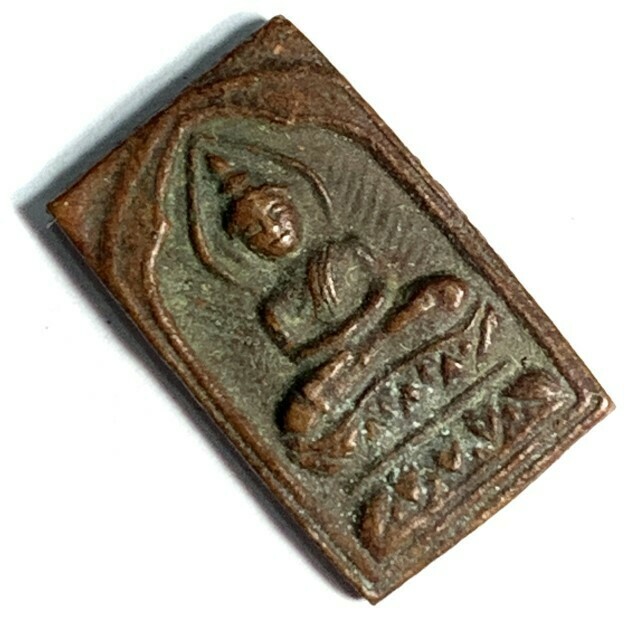
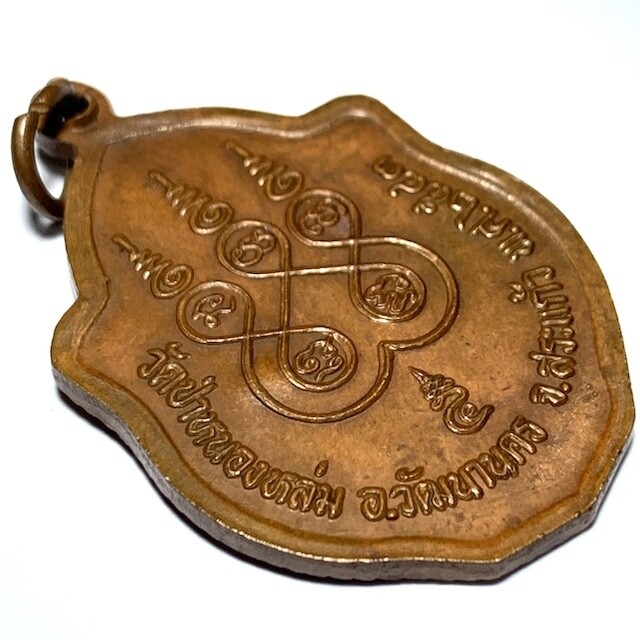
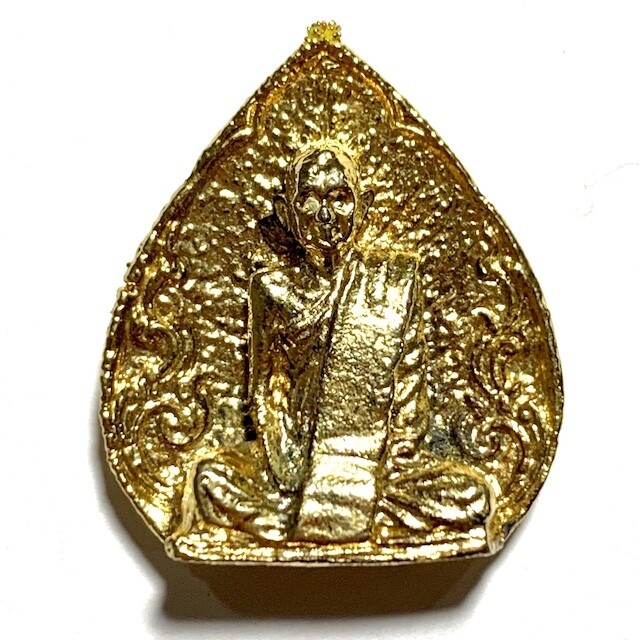
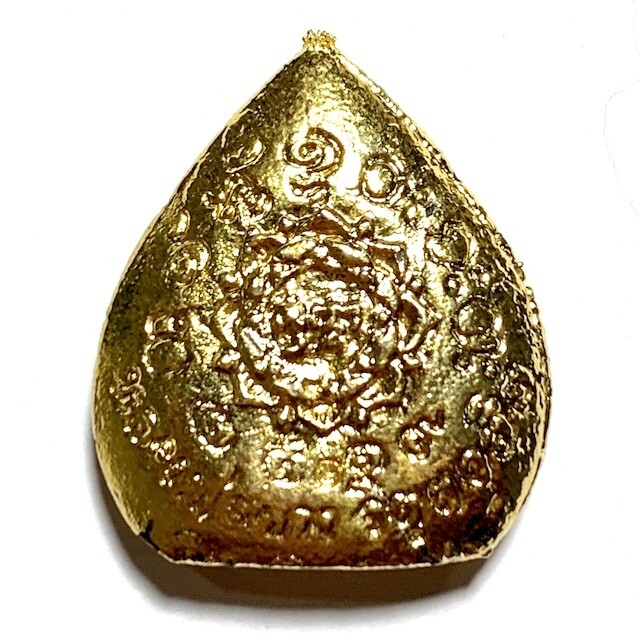
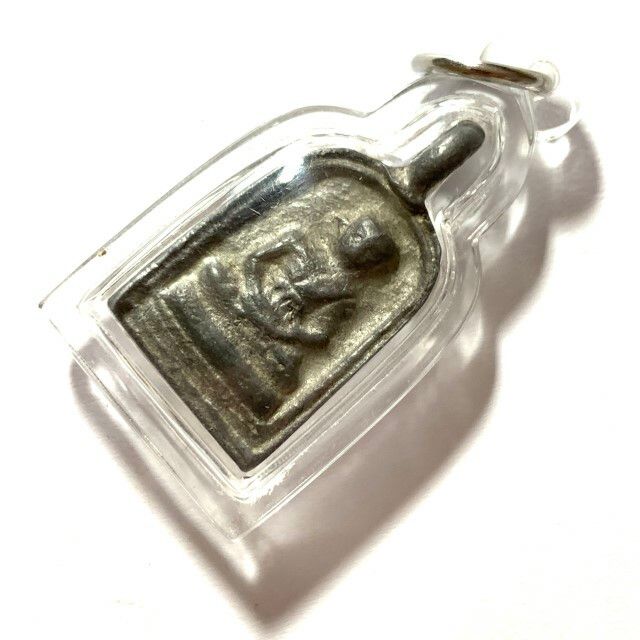
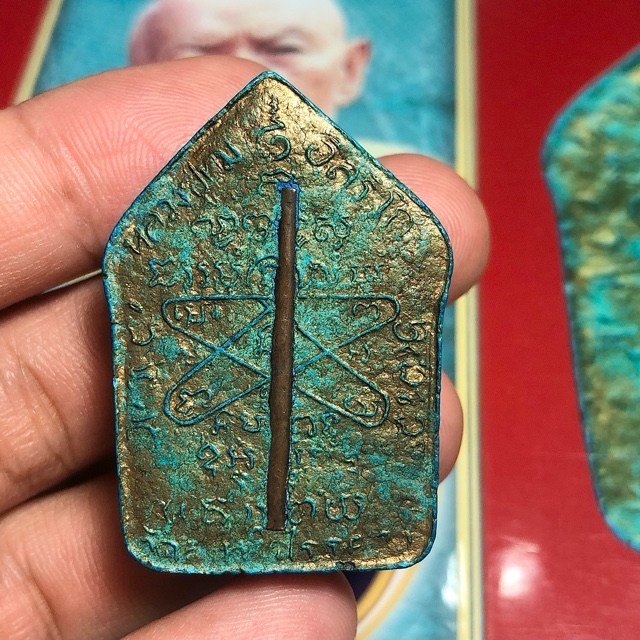
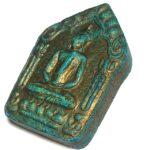
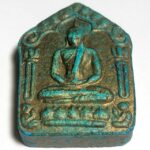
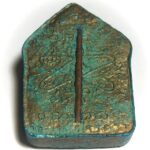
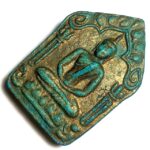
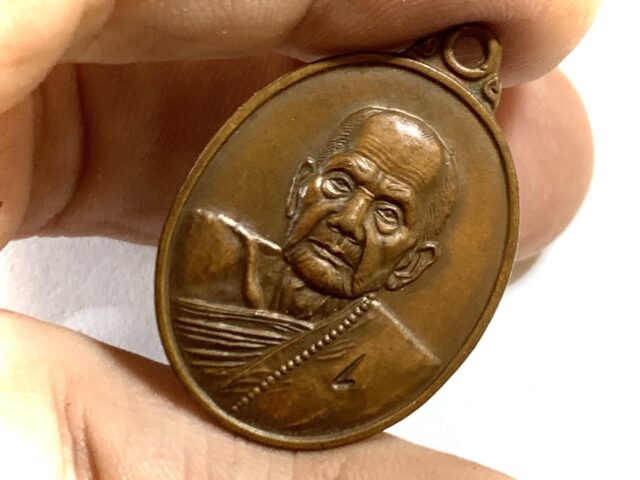
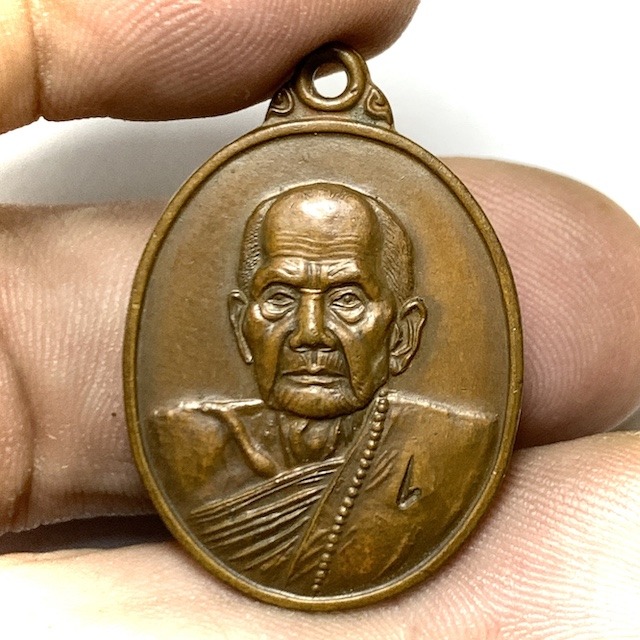
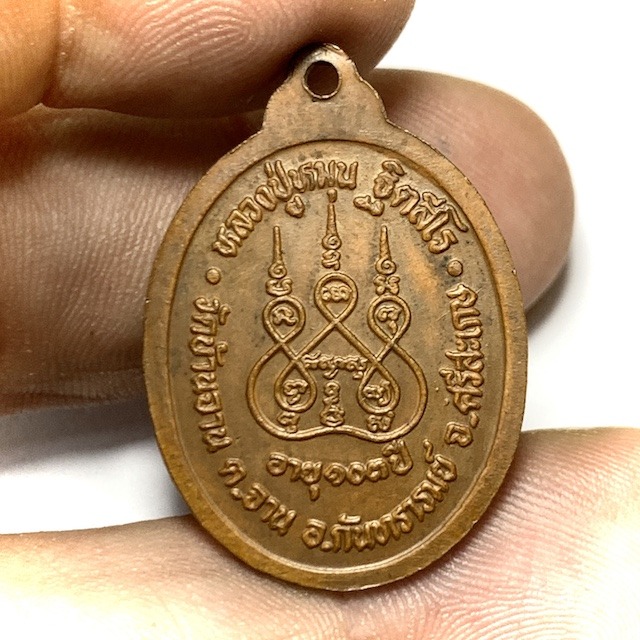
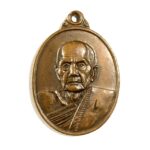
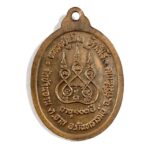
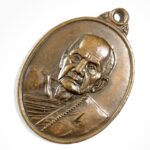
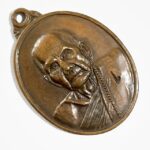
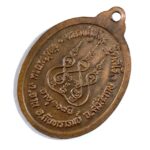
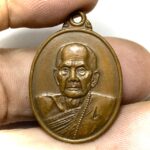
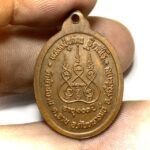
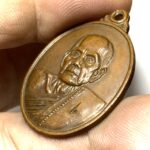
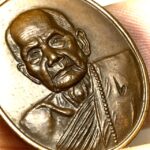
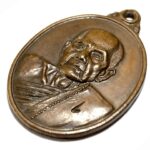
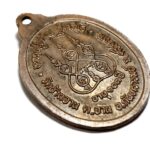
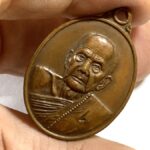
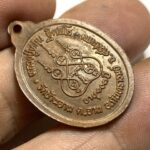
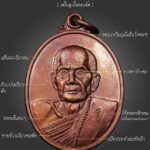
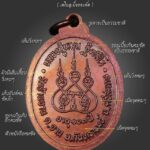
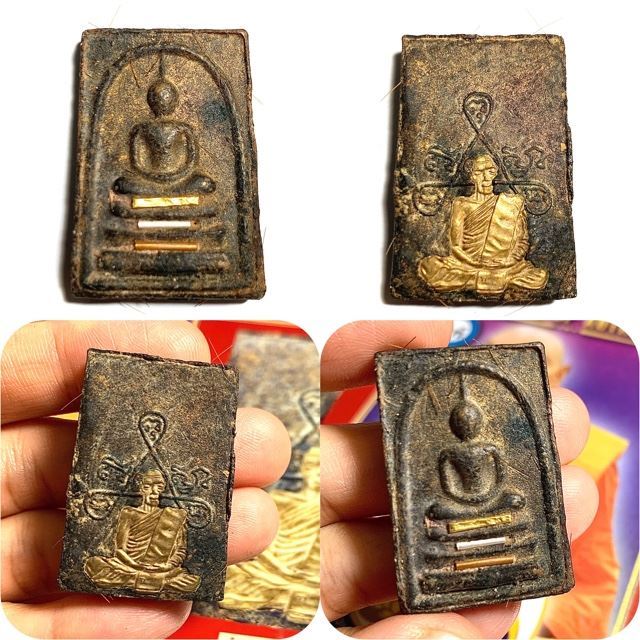
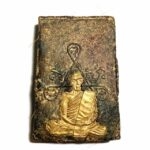
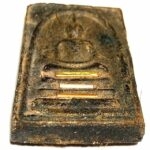
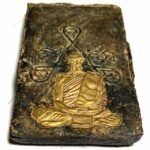
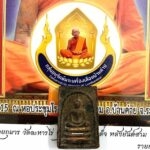
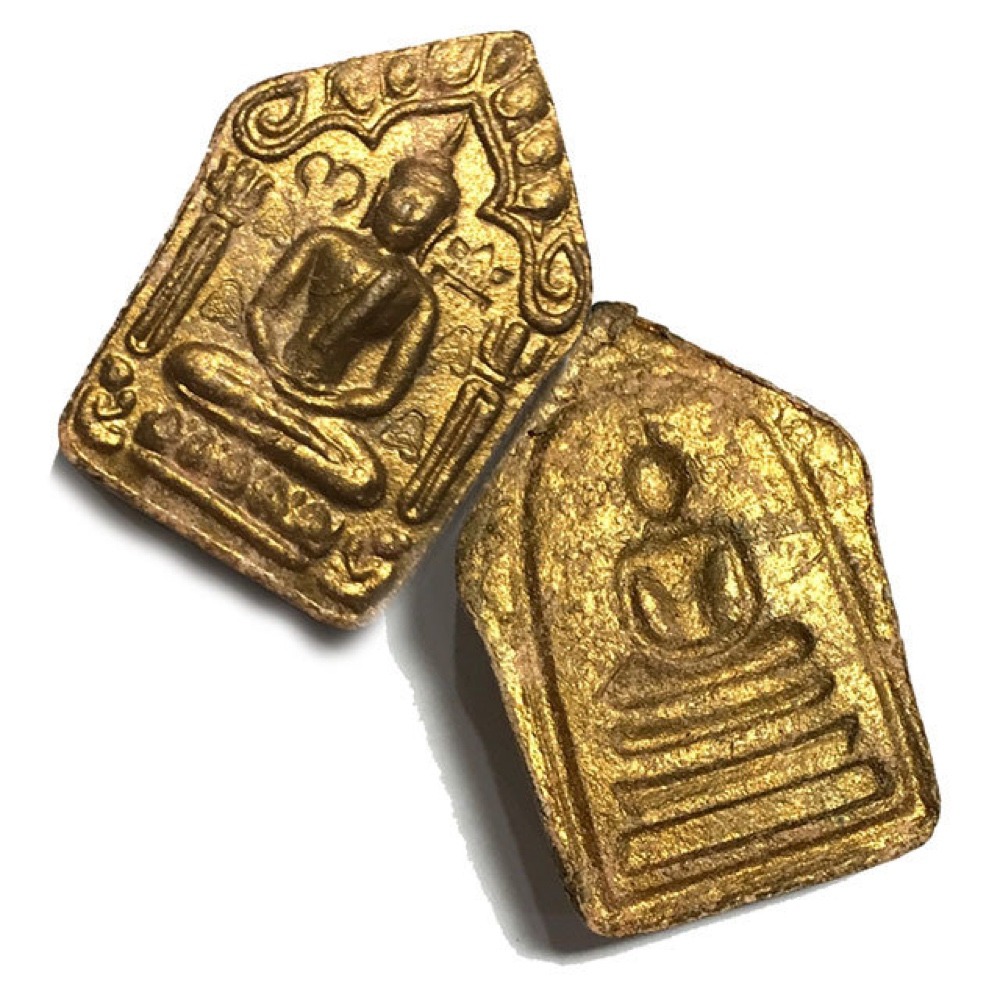
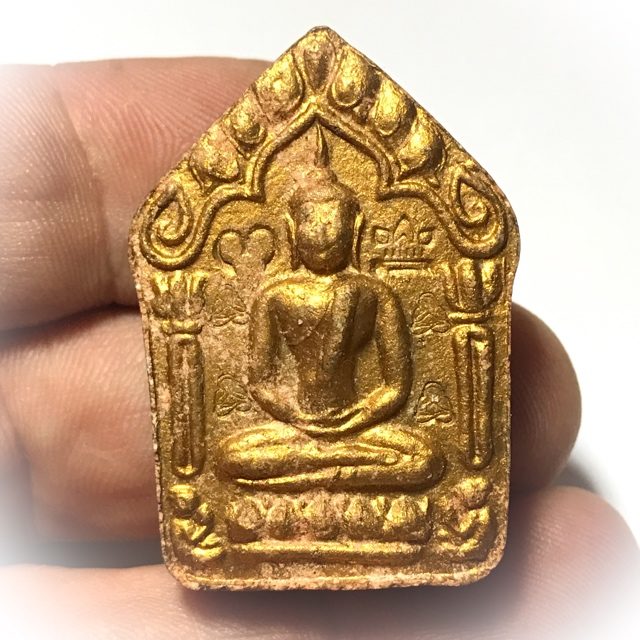
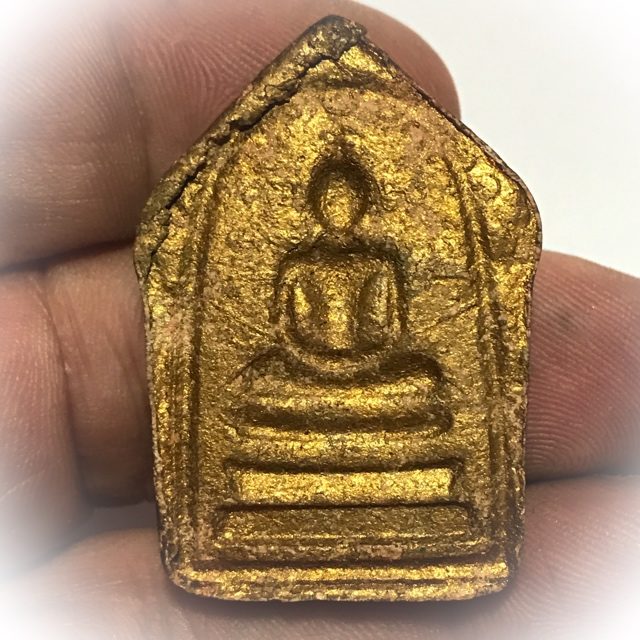
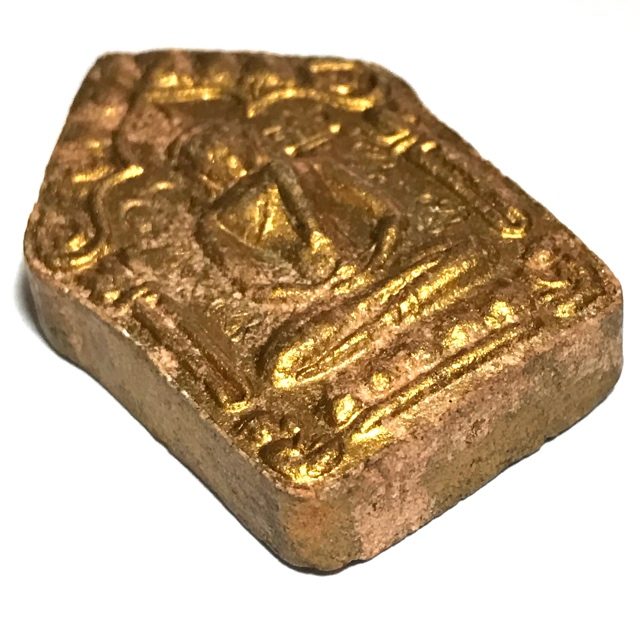
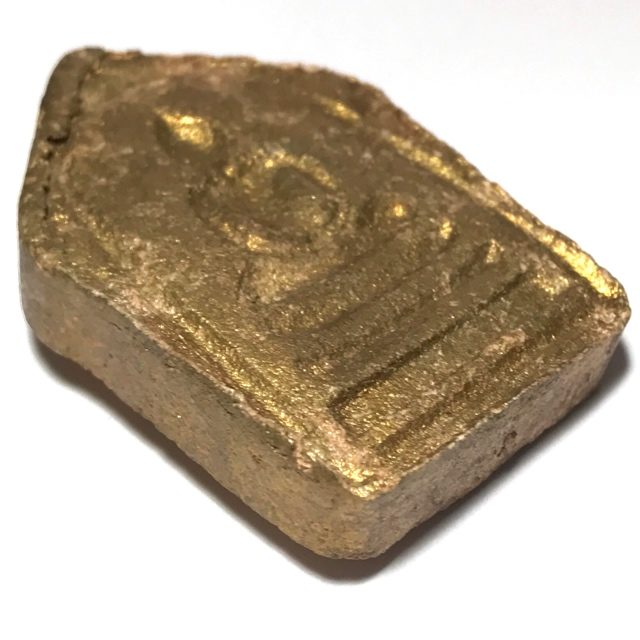
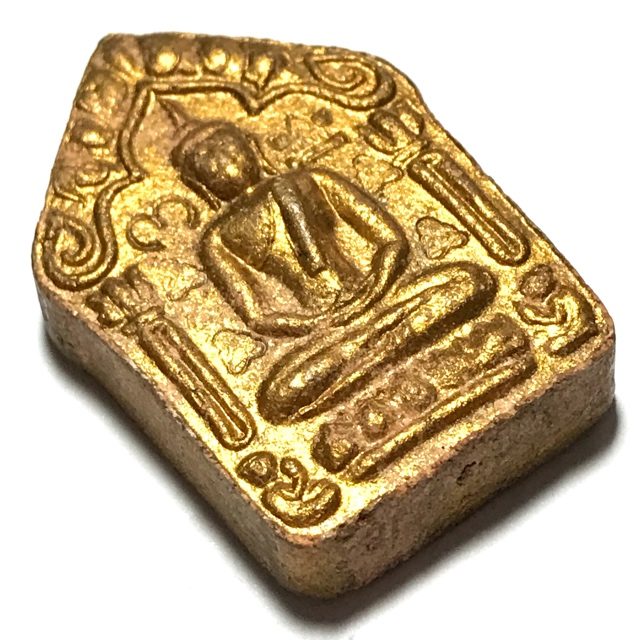
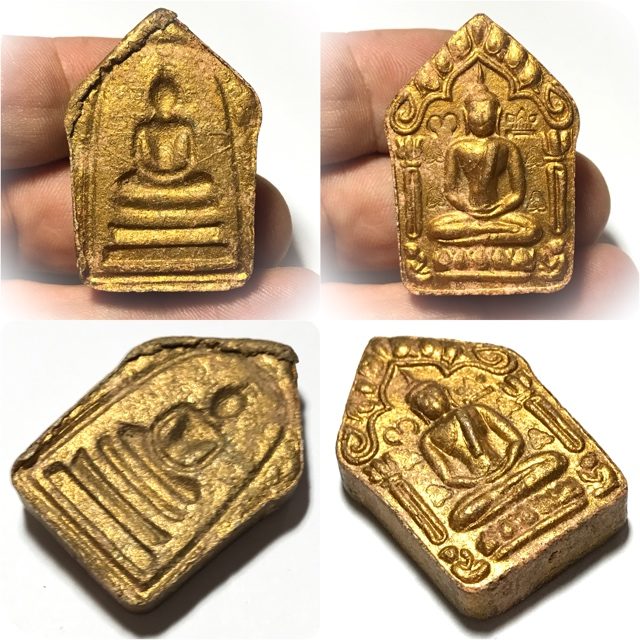
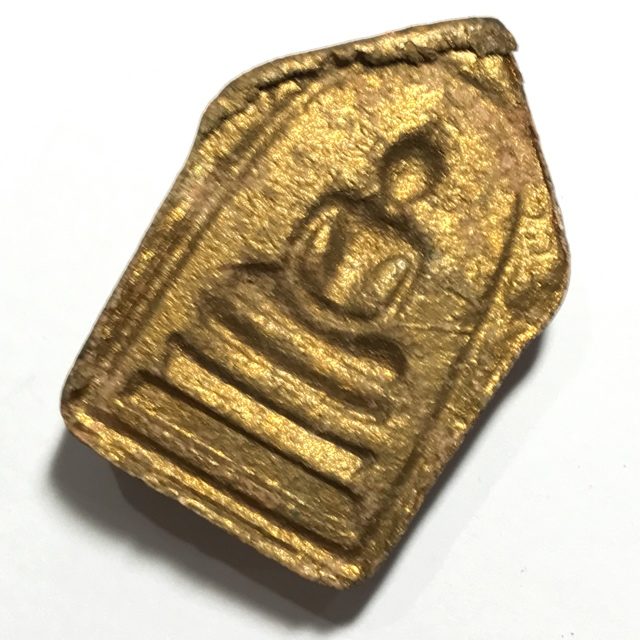
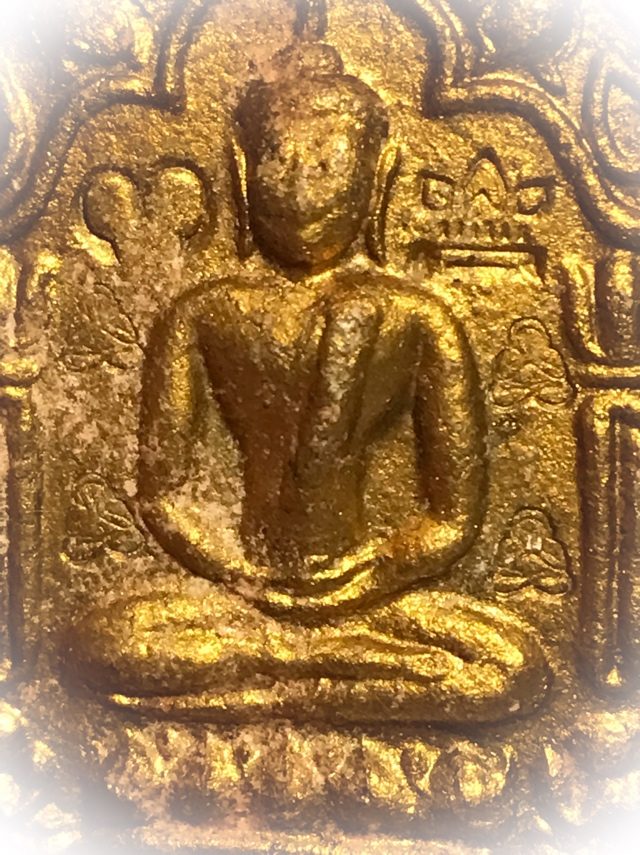
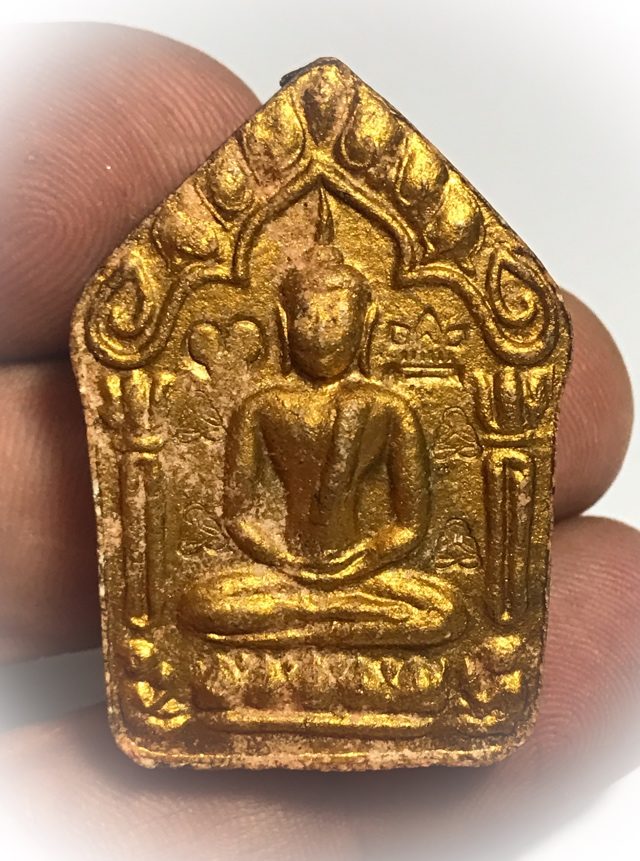
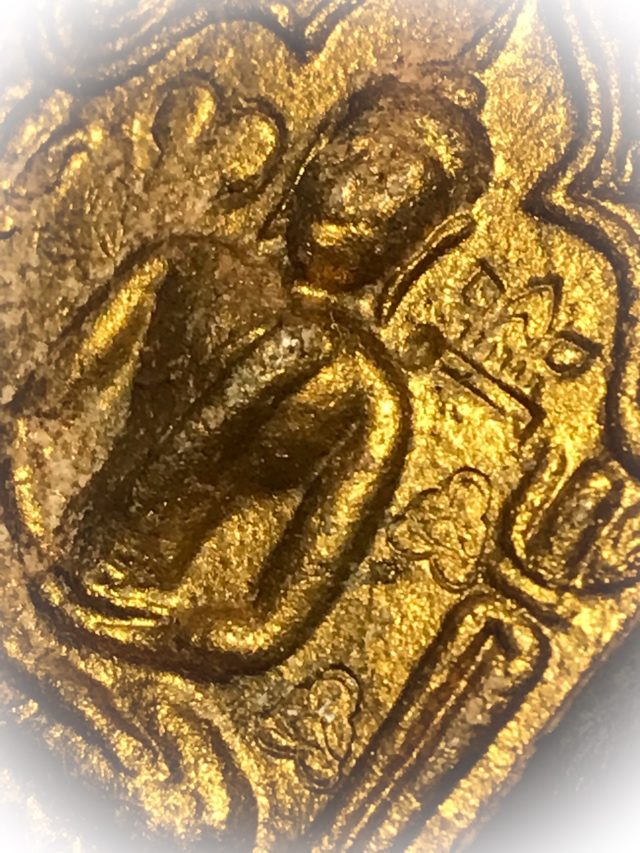
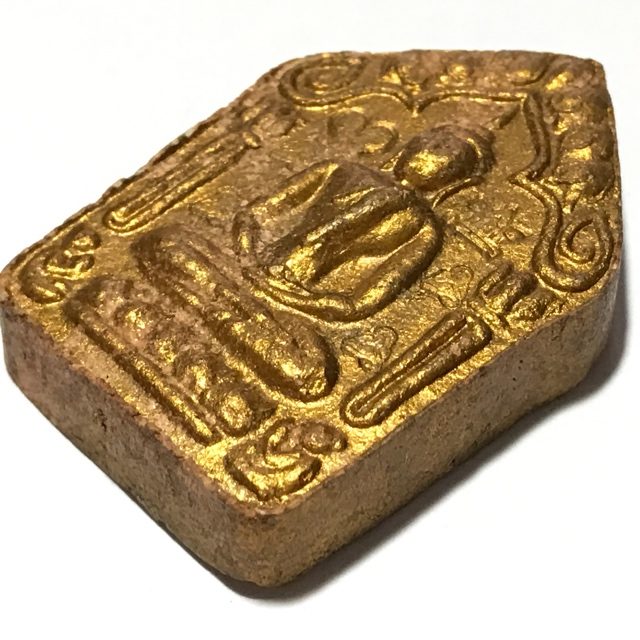
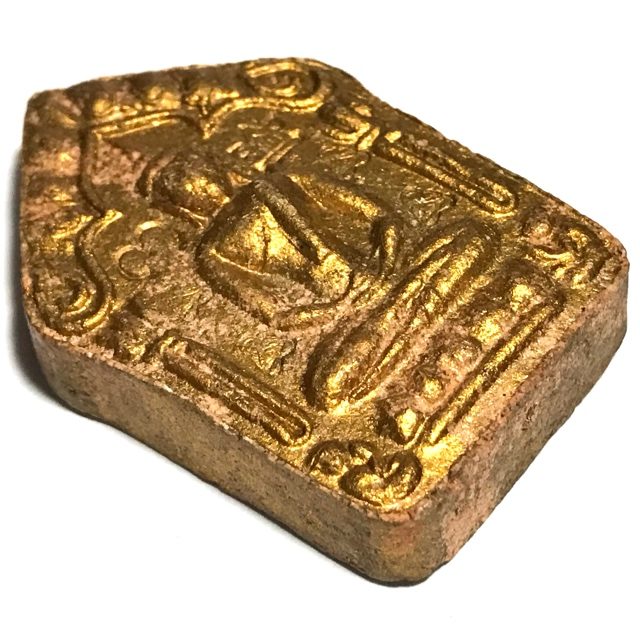
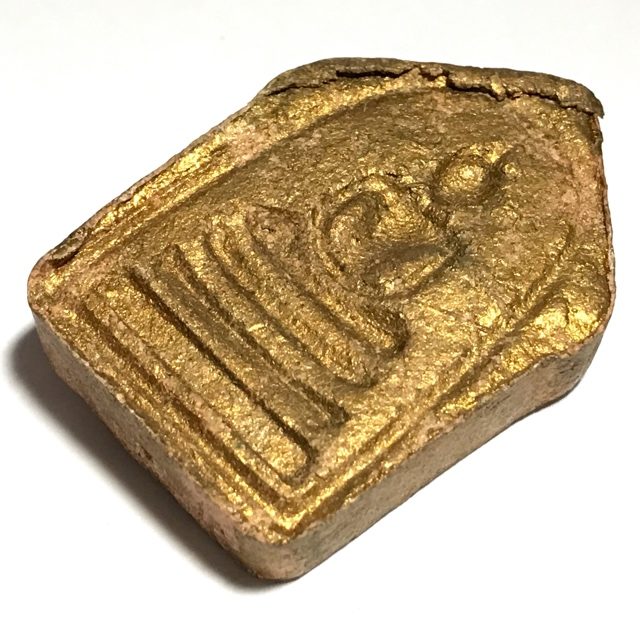
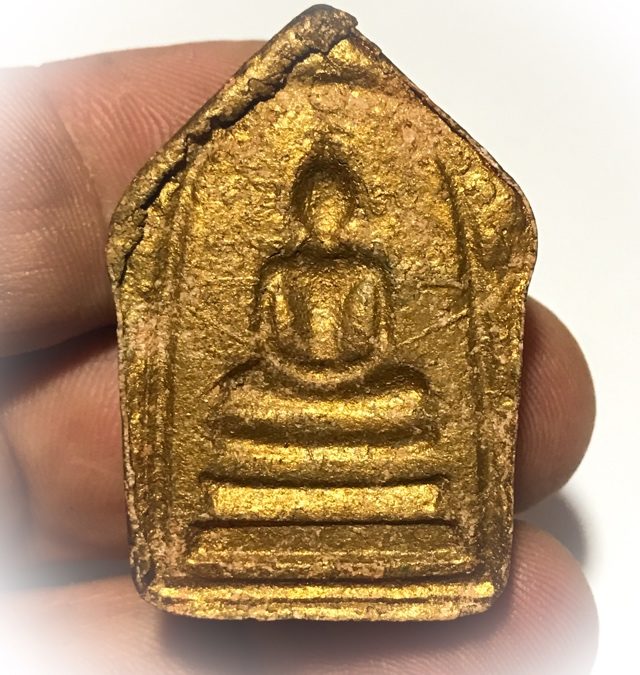
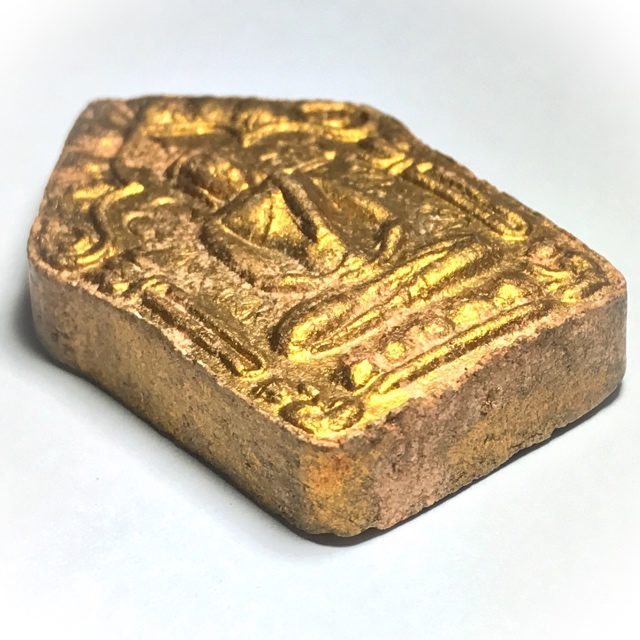
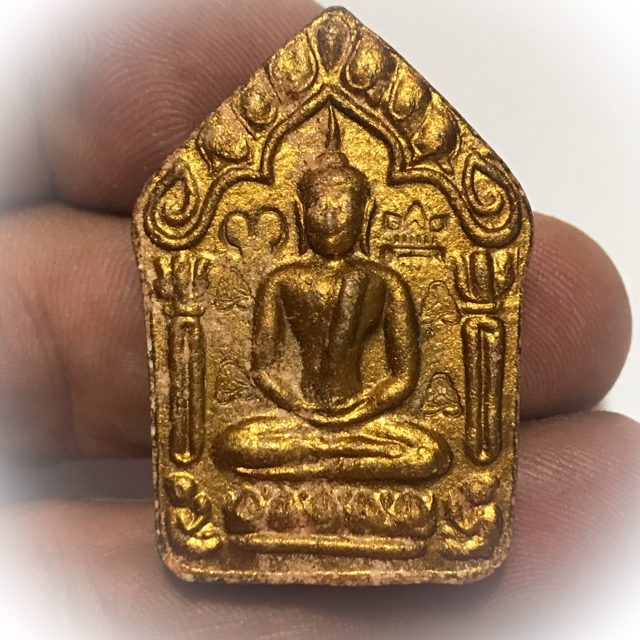
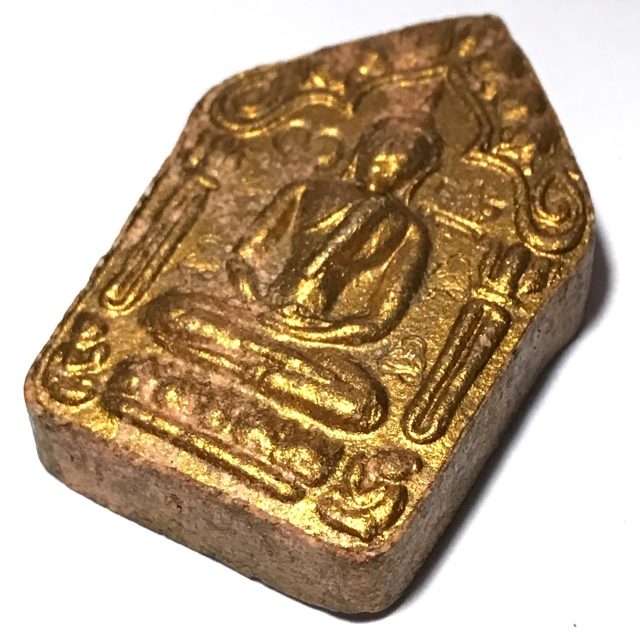
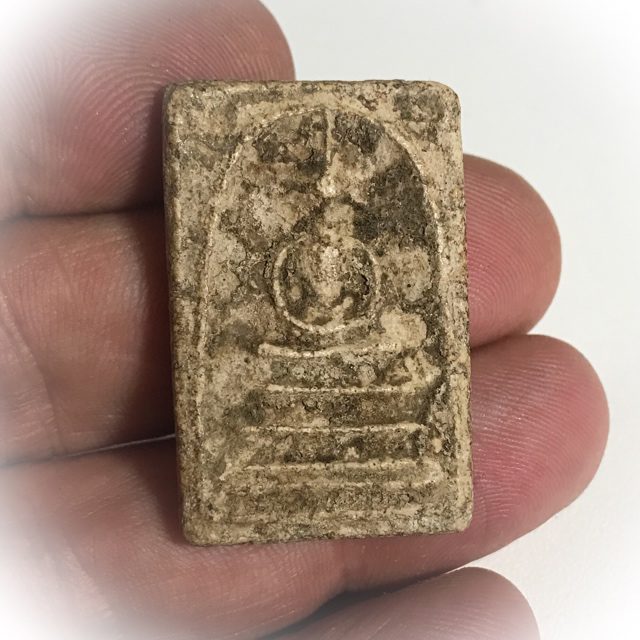
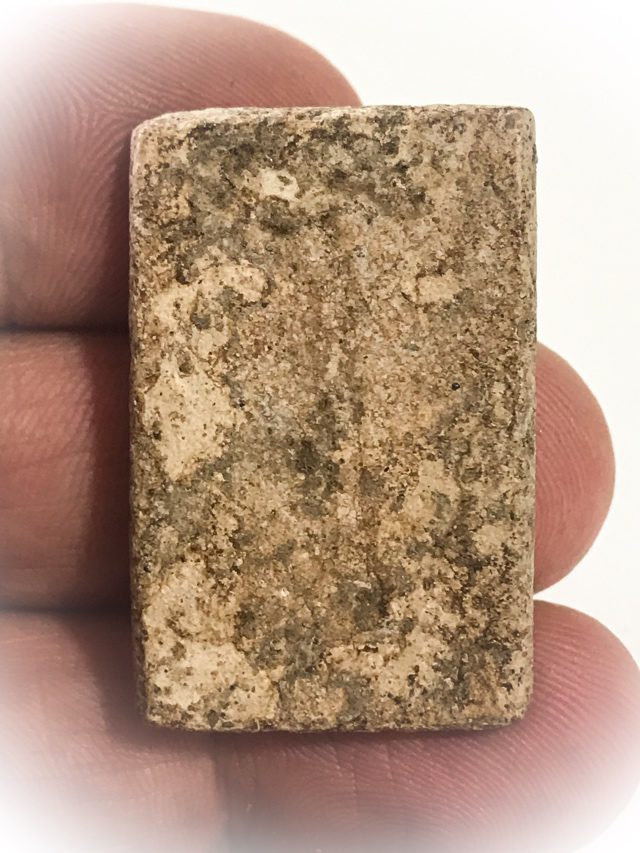
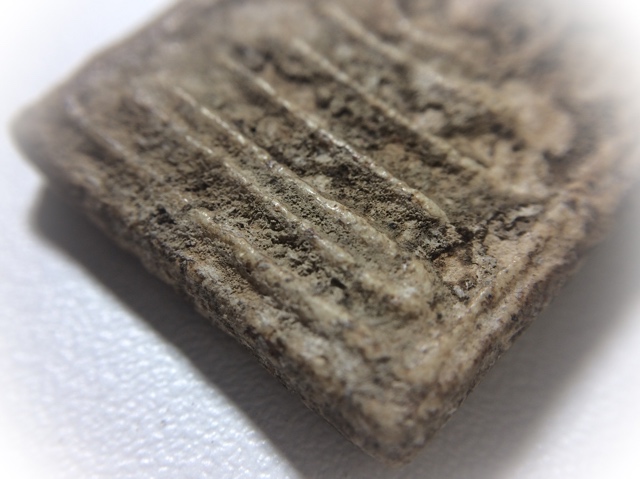
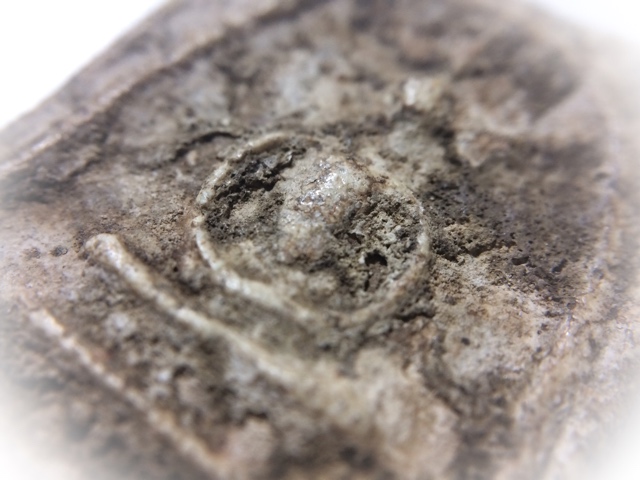
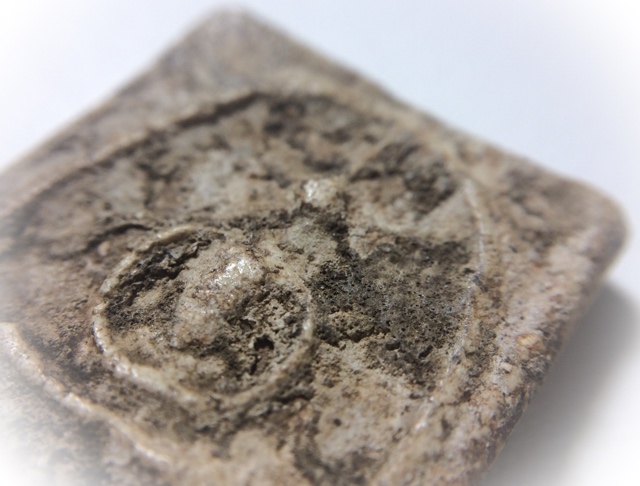
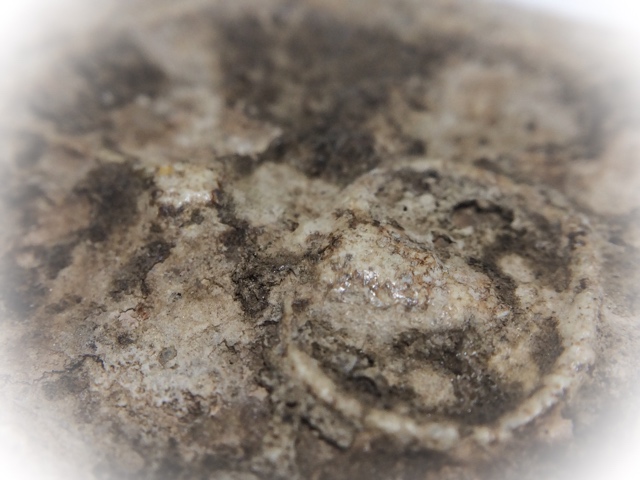
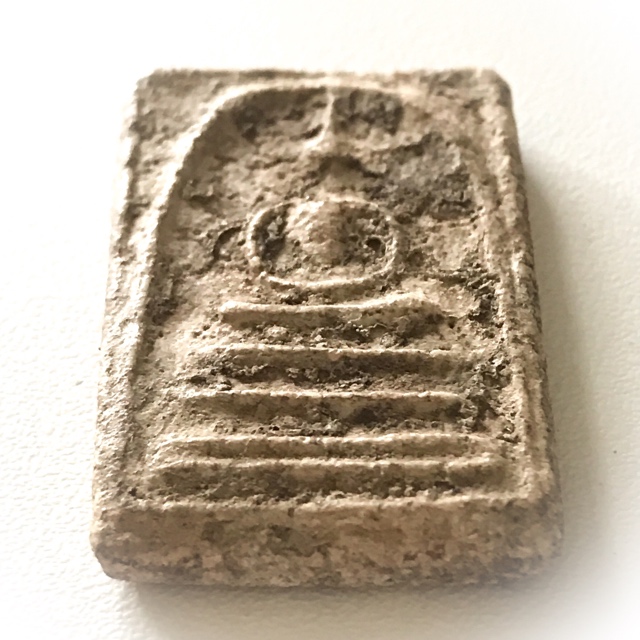
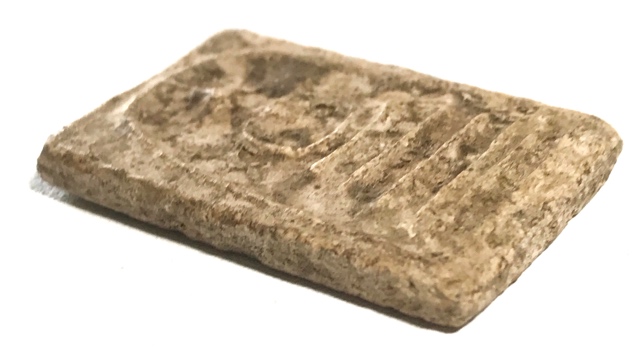
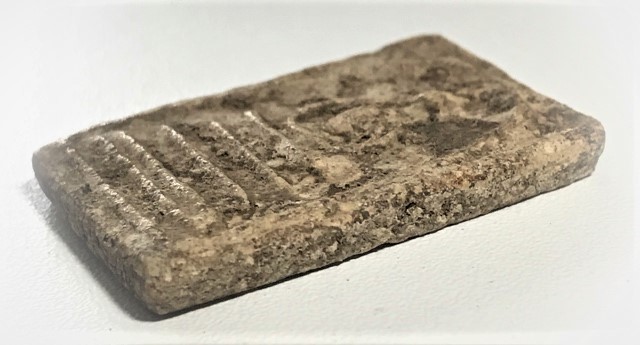
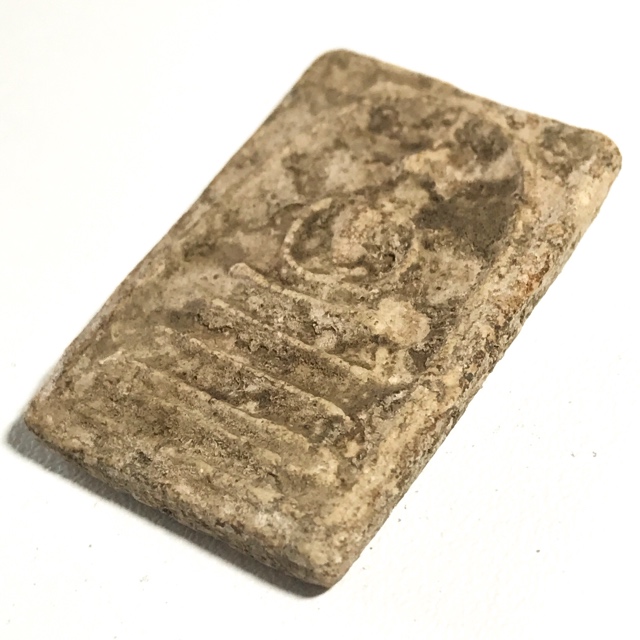
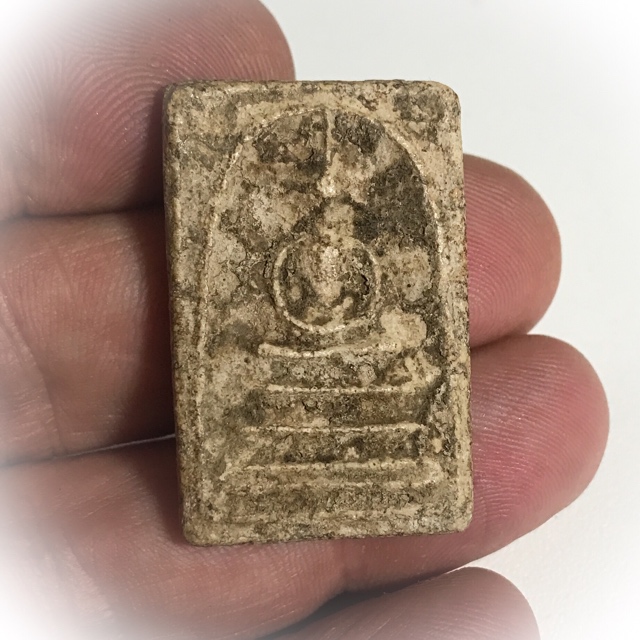
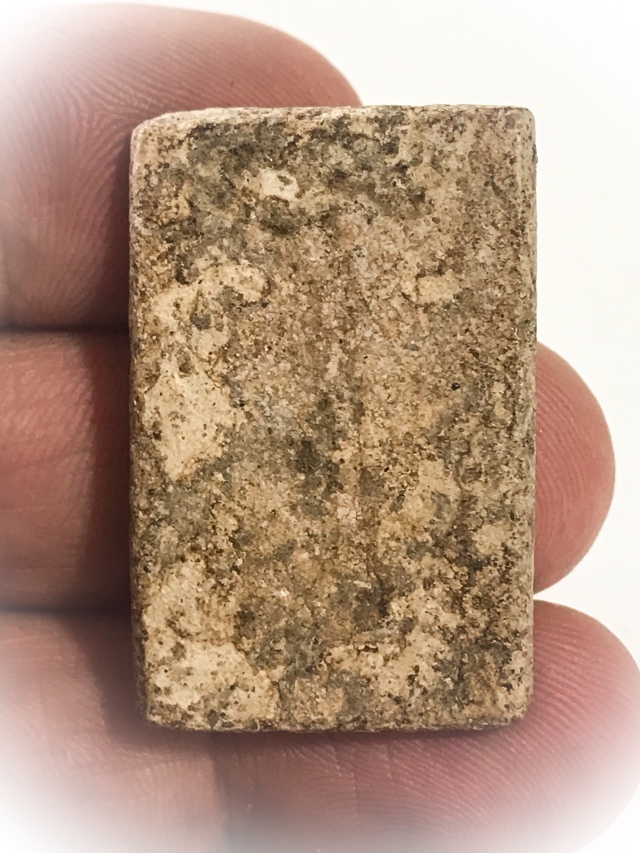
Rian Roop Muean 2520 Putta Sema Temple Boundary Edition Amulet and Certificate - Luang Phu Toop Wat Kae Nang Lerng Featured

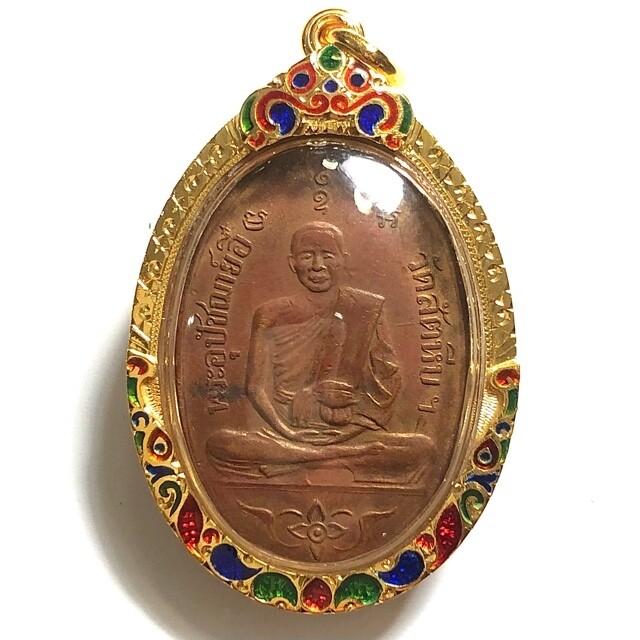
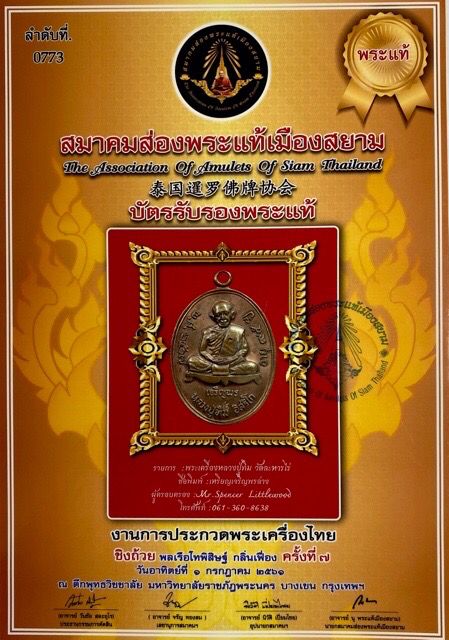
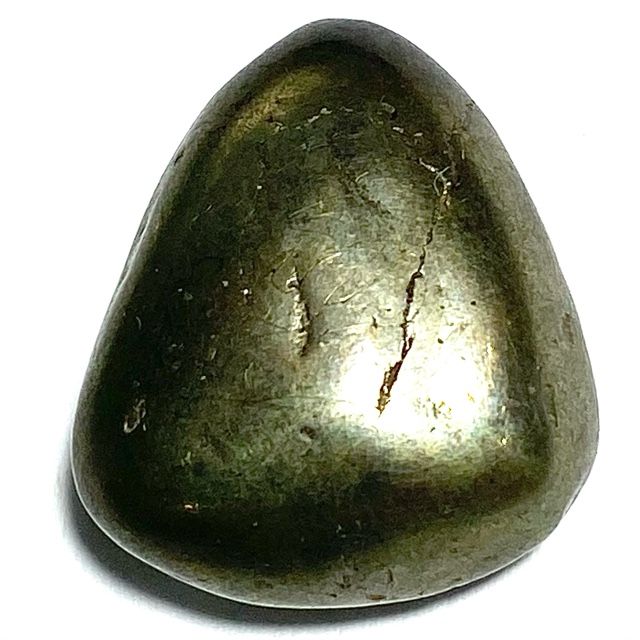
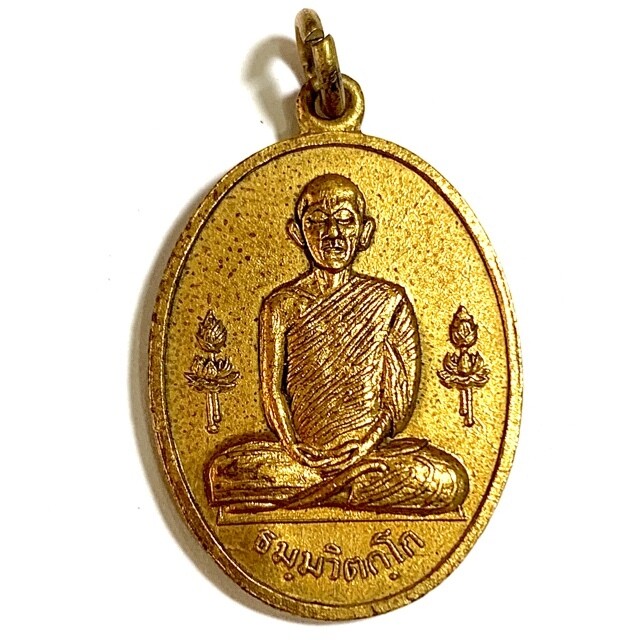
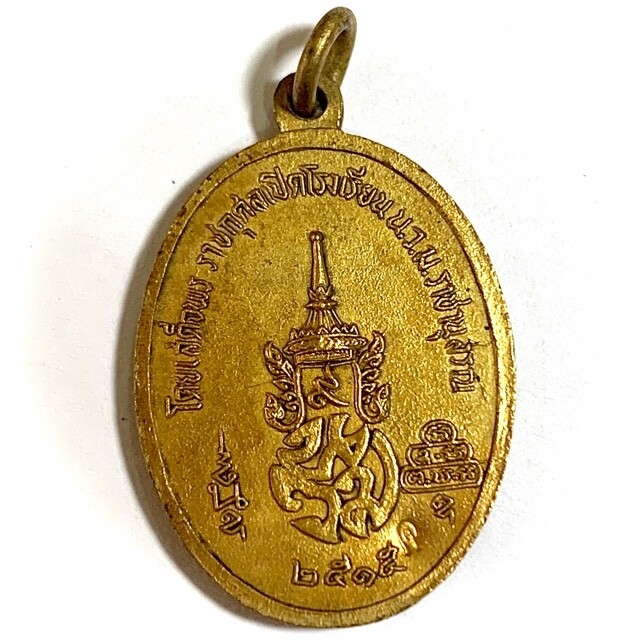
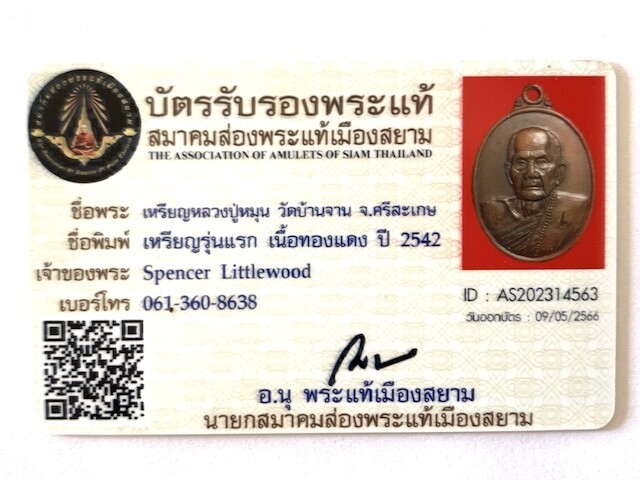
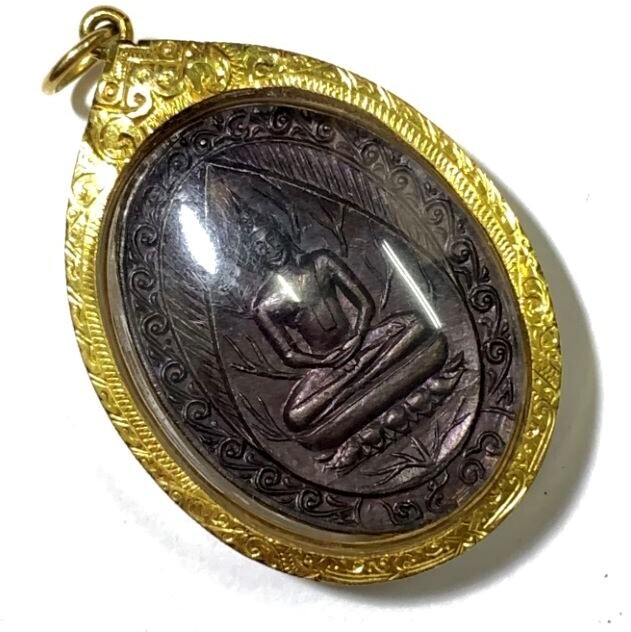
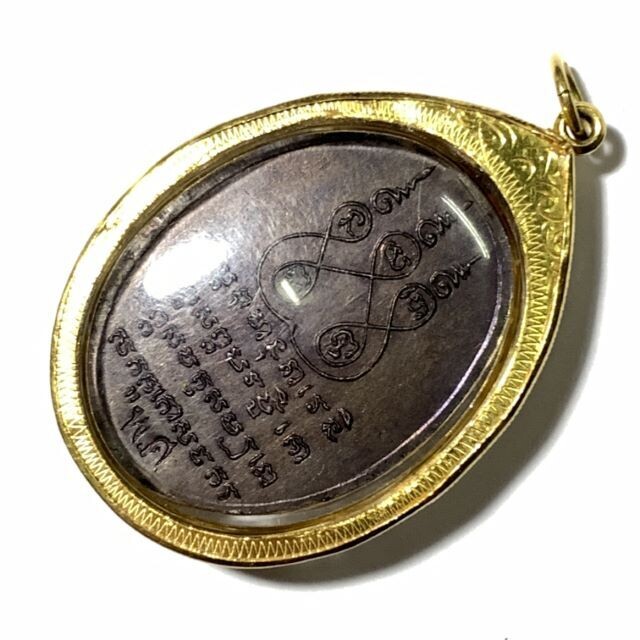
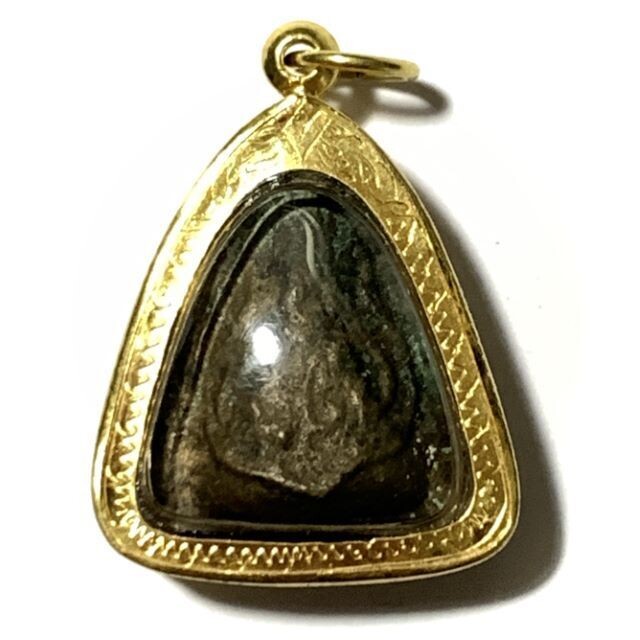
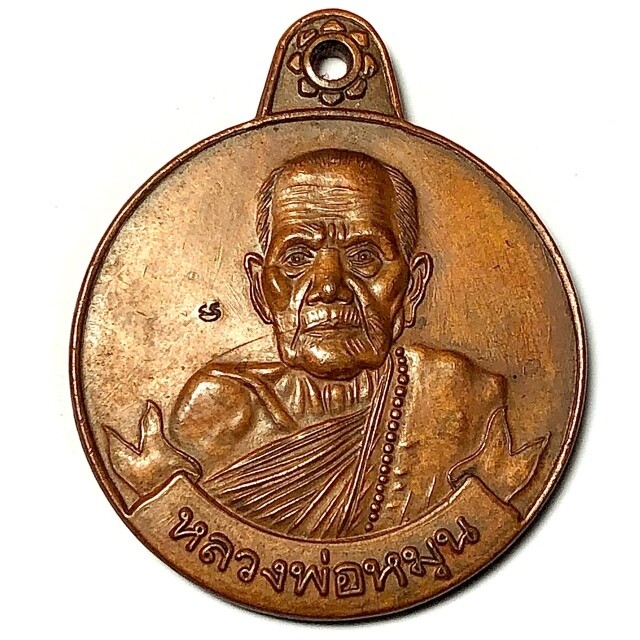
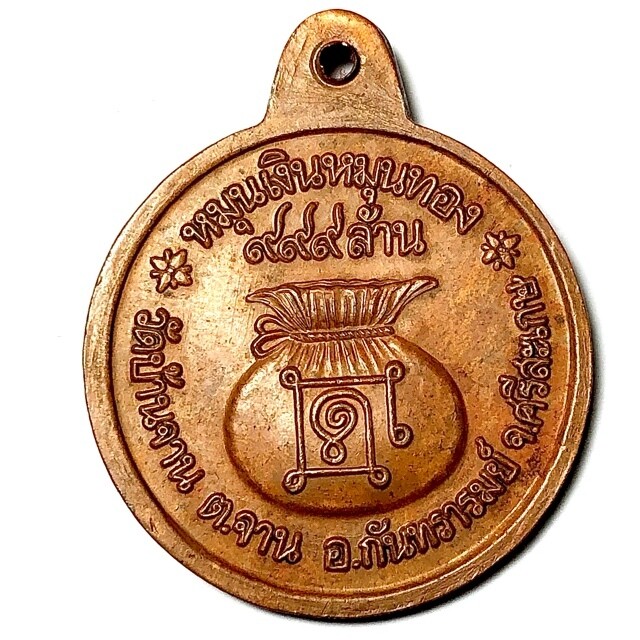
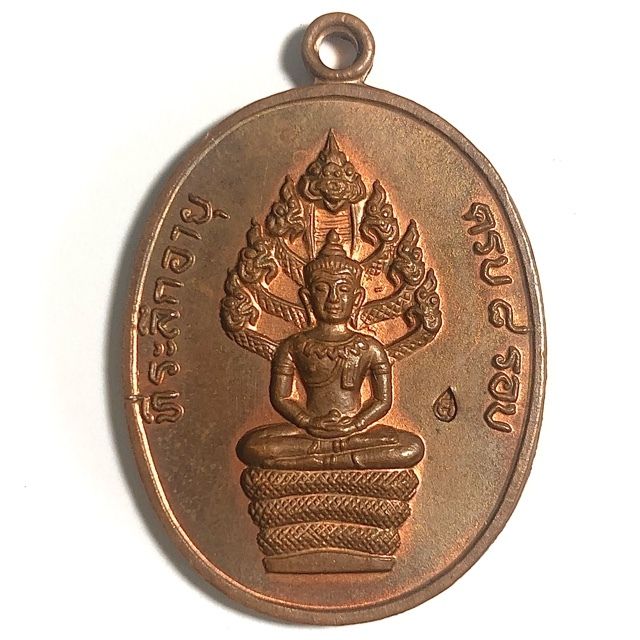
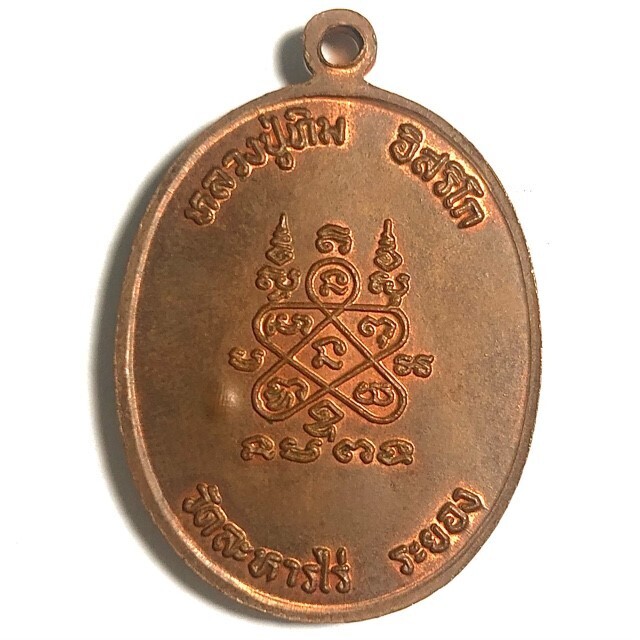
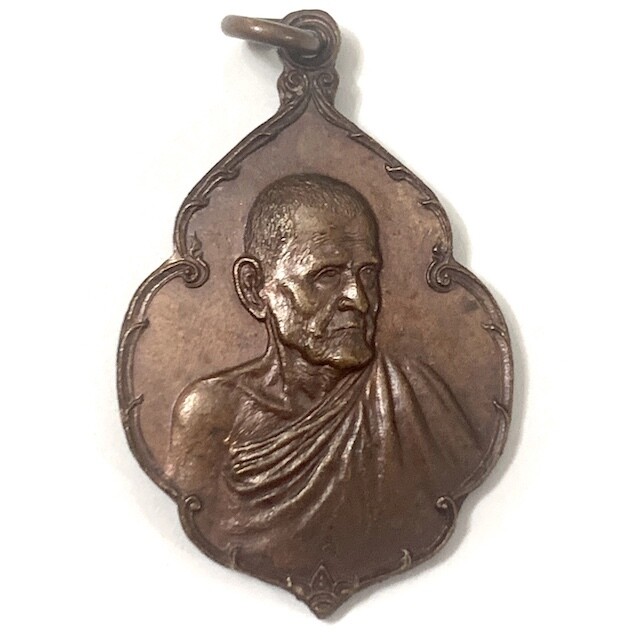
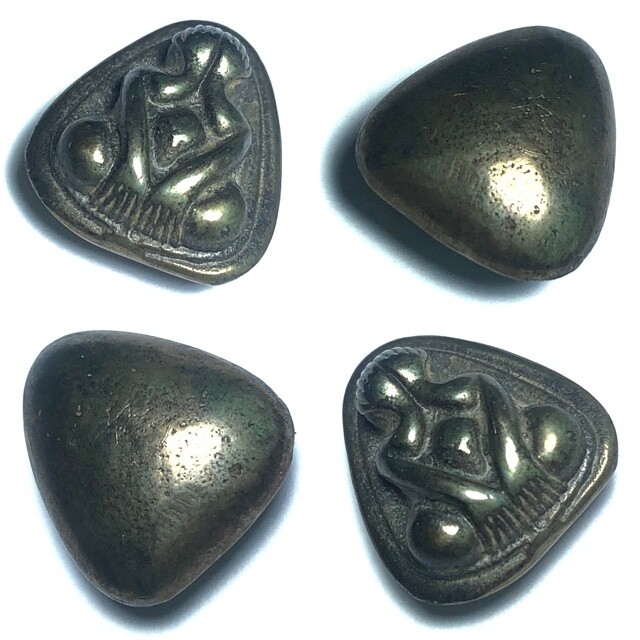
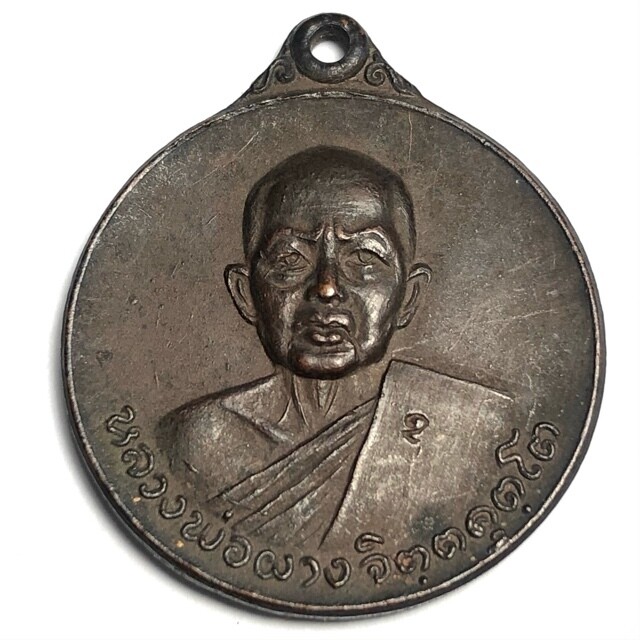
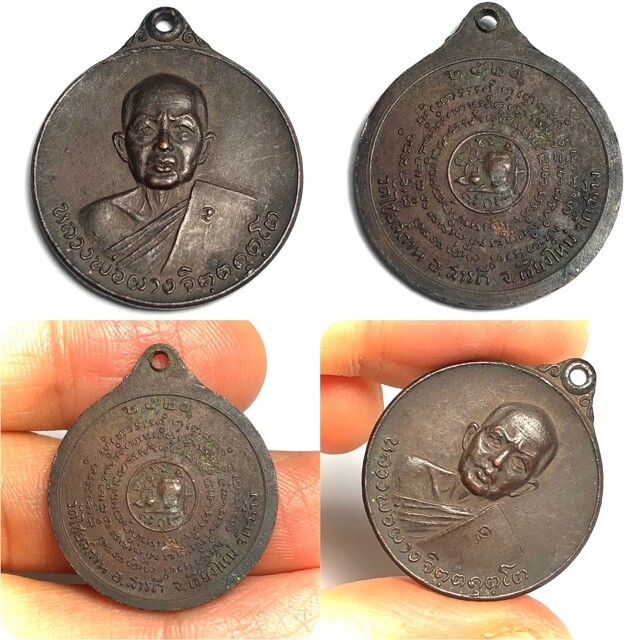
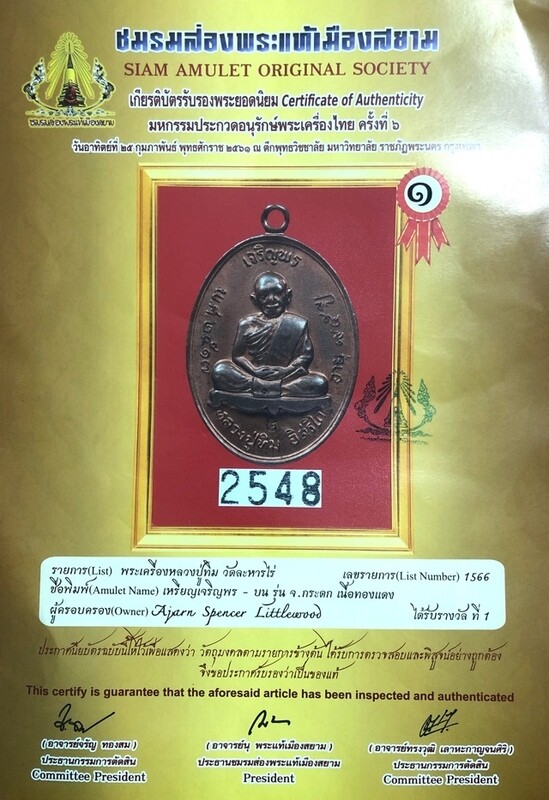
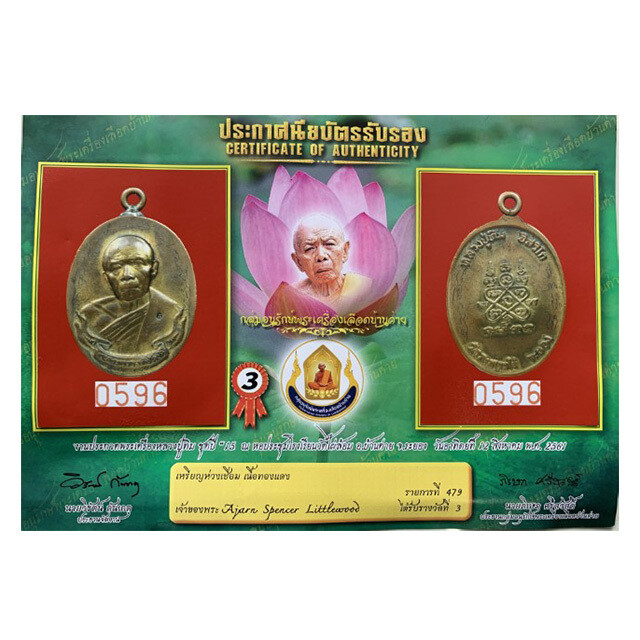
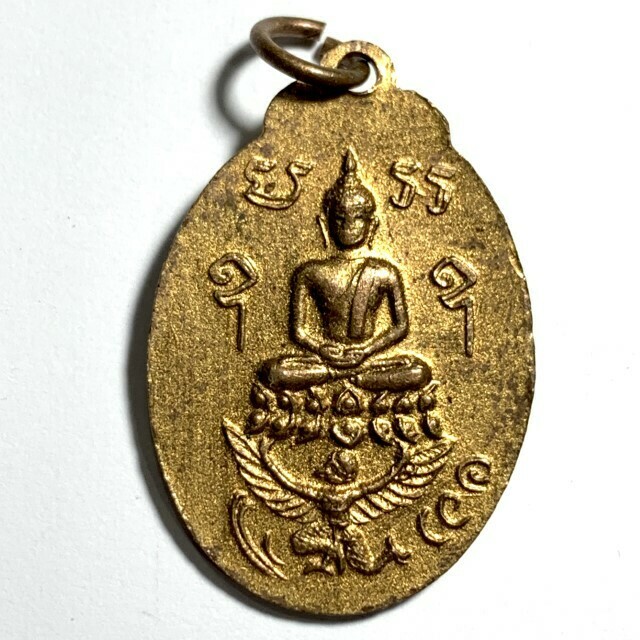
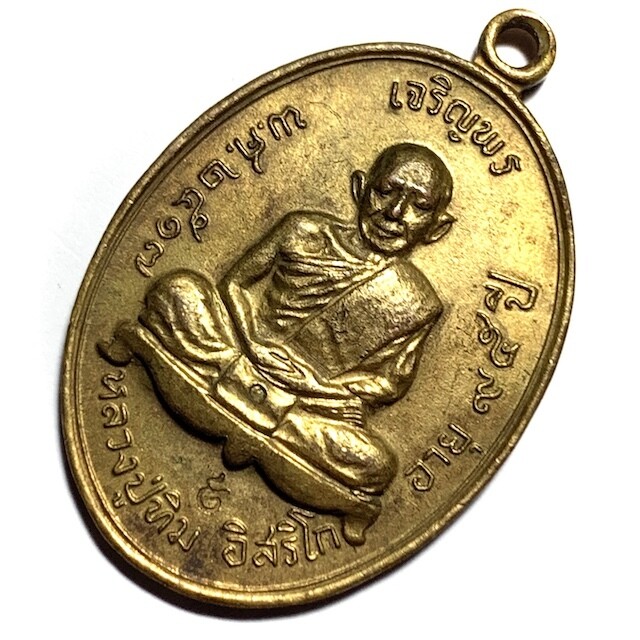
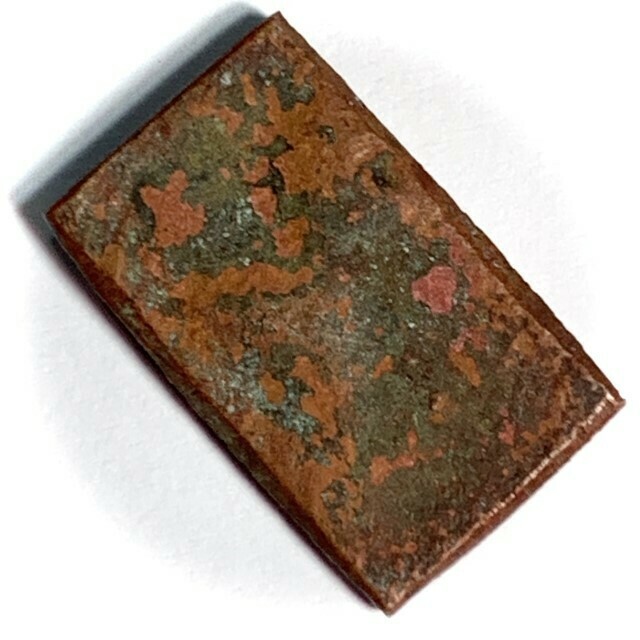
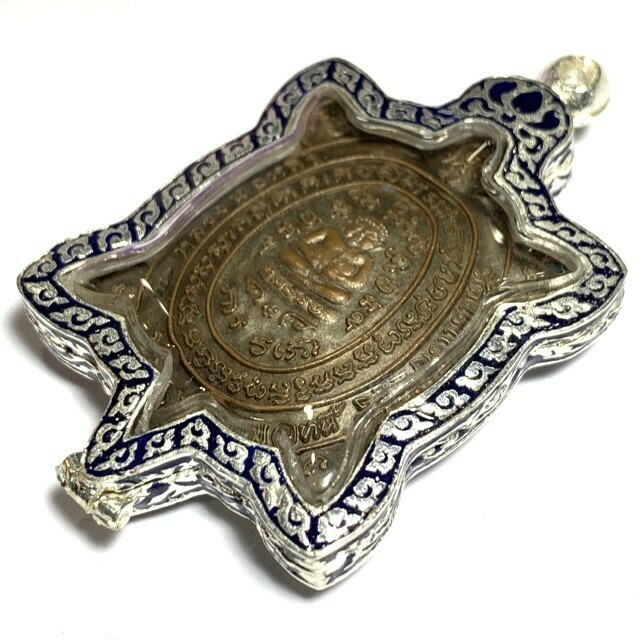
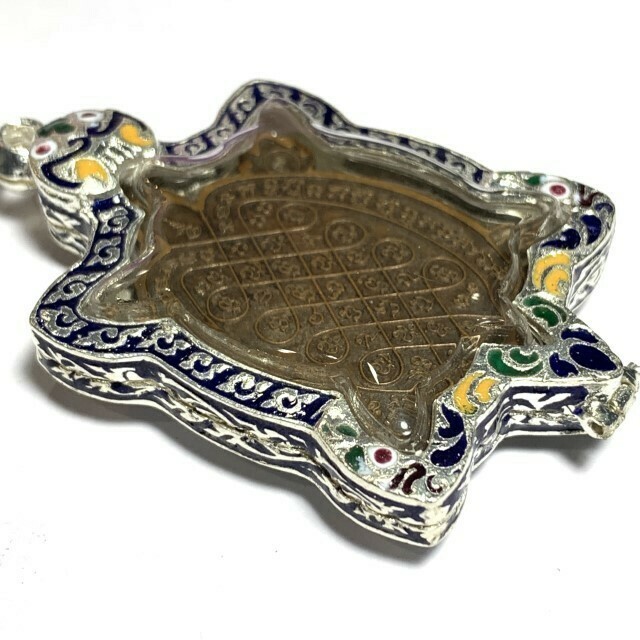
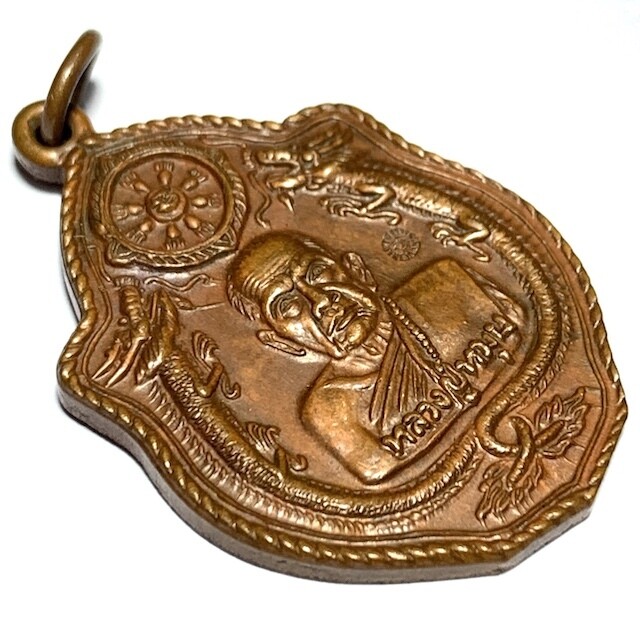
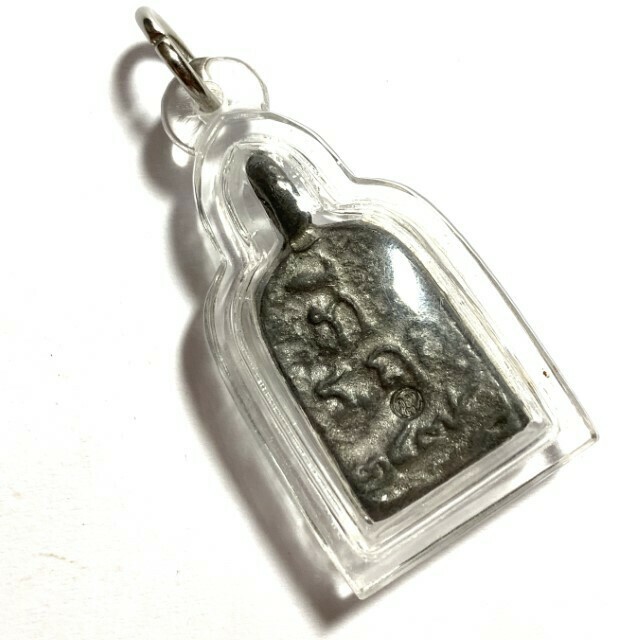
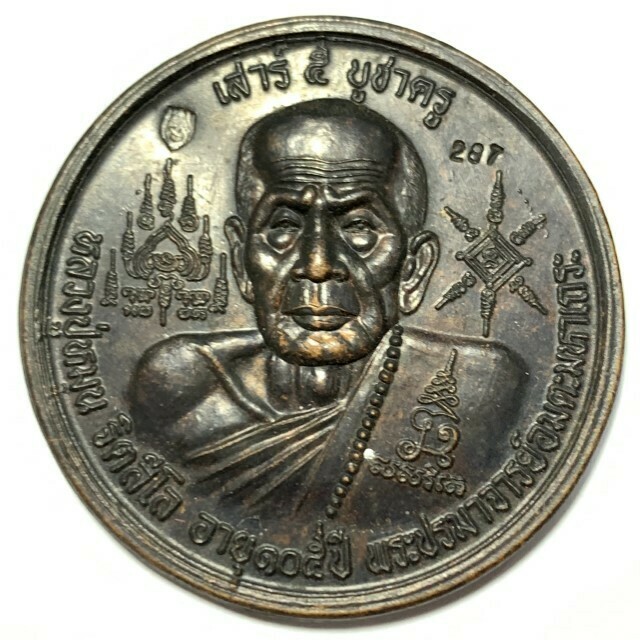
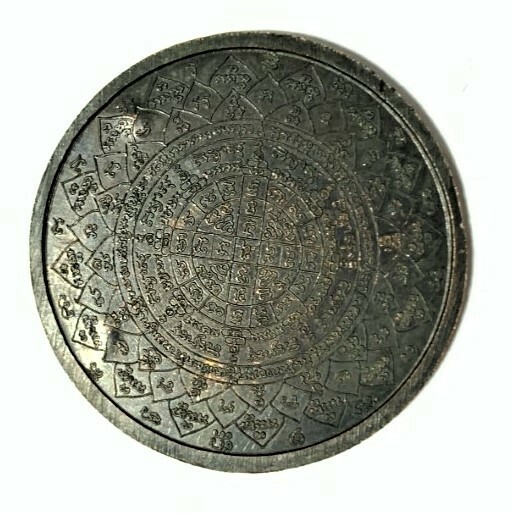
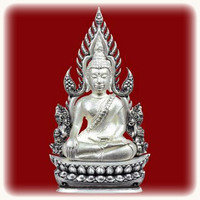
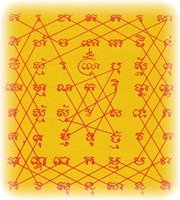
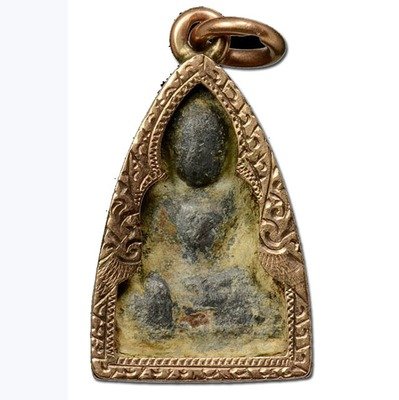
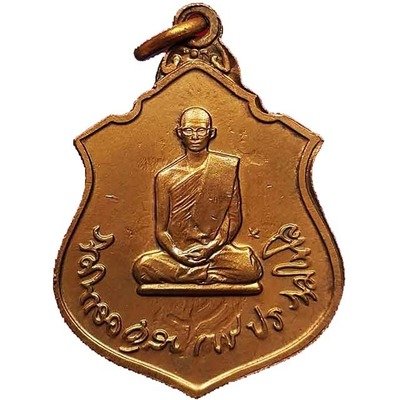
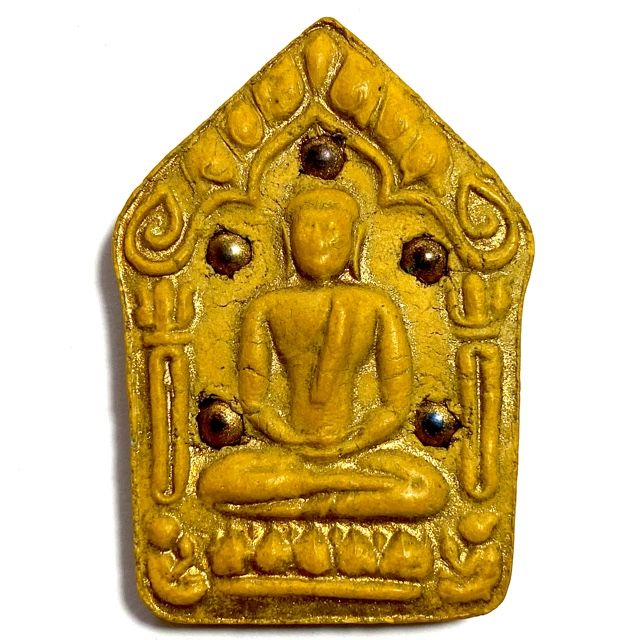
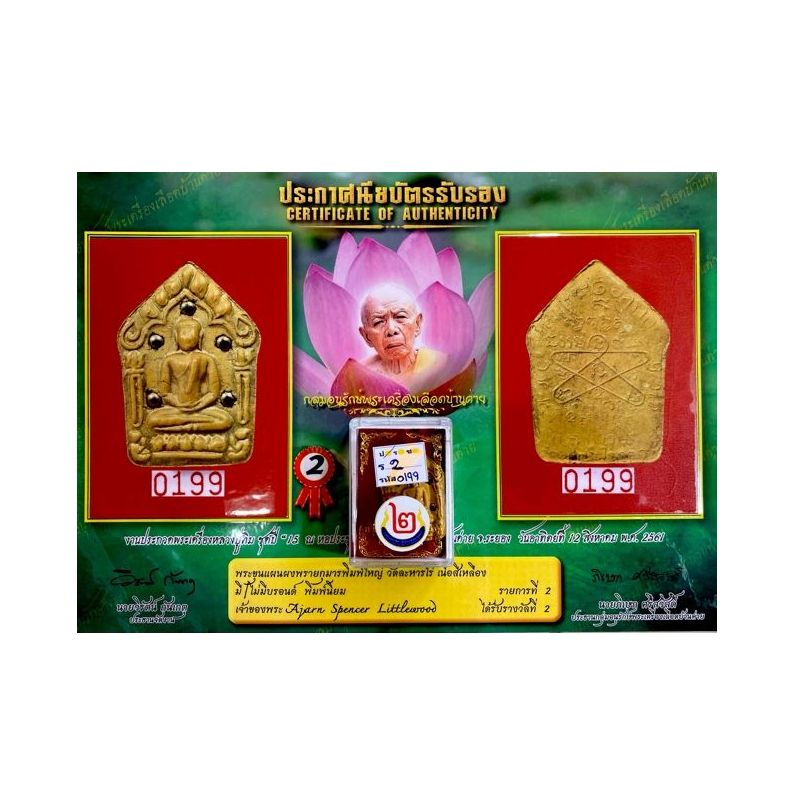
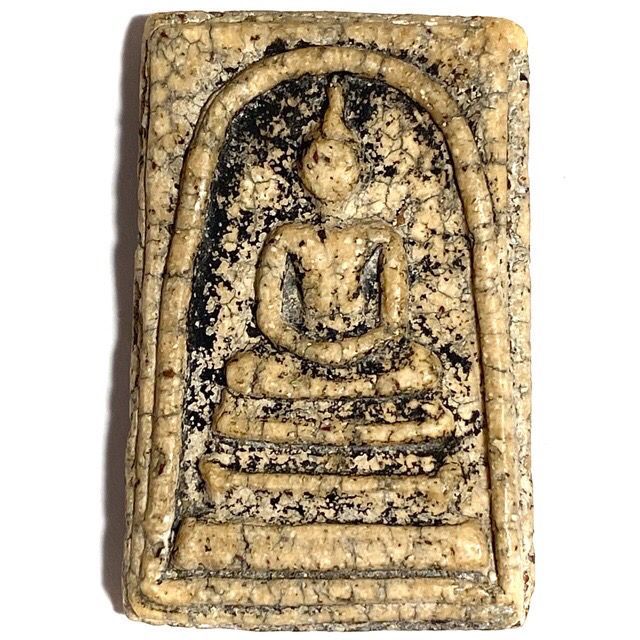
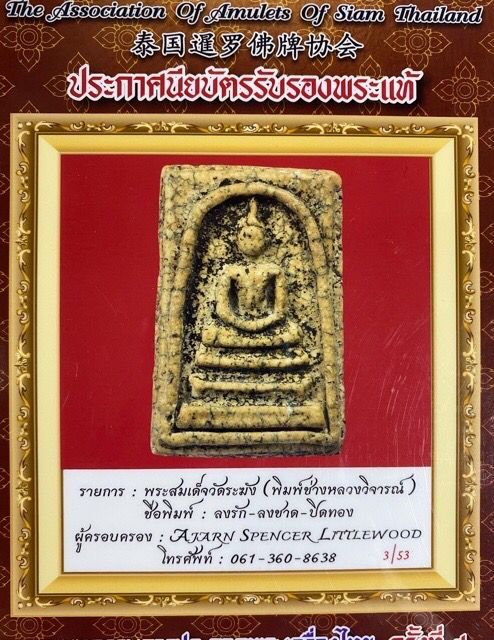
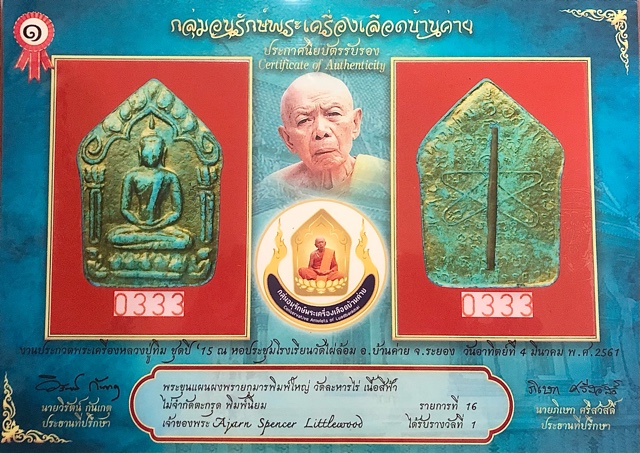
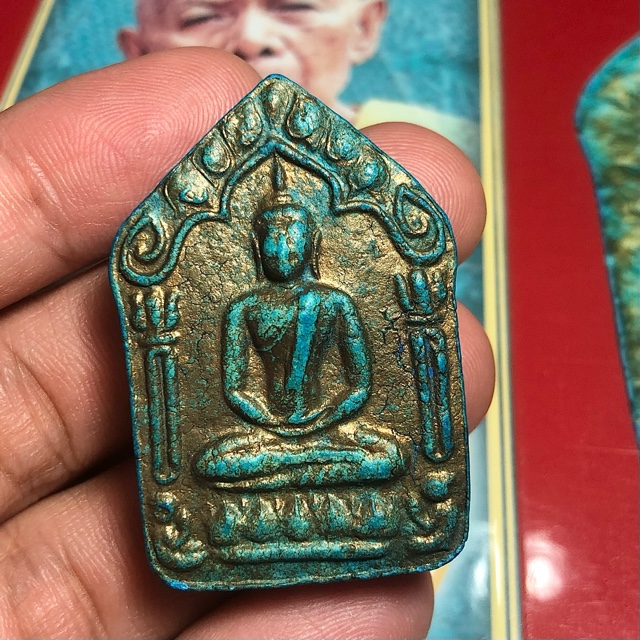
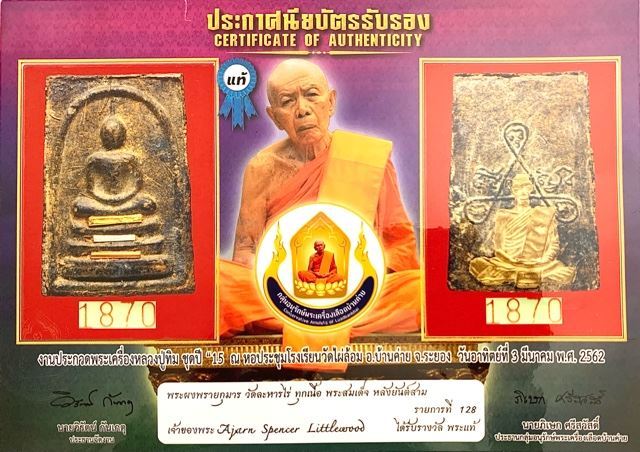
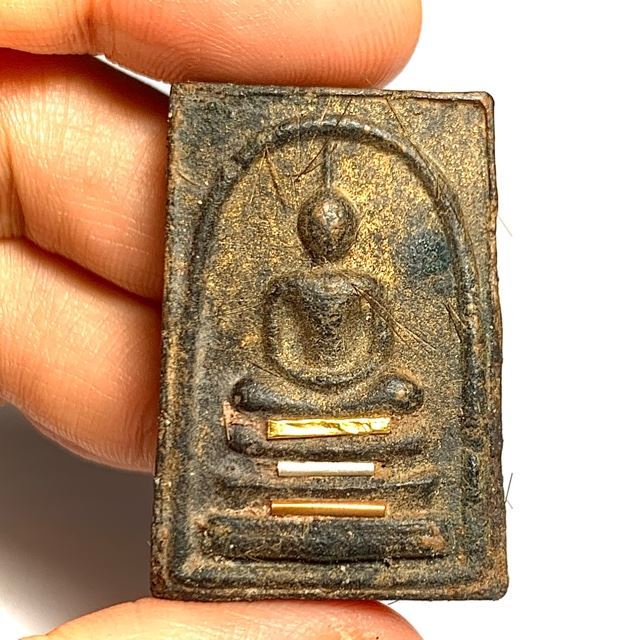
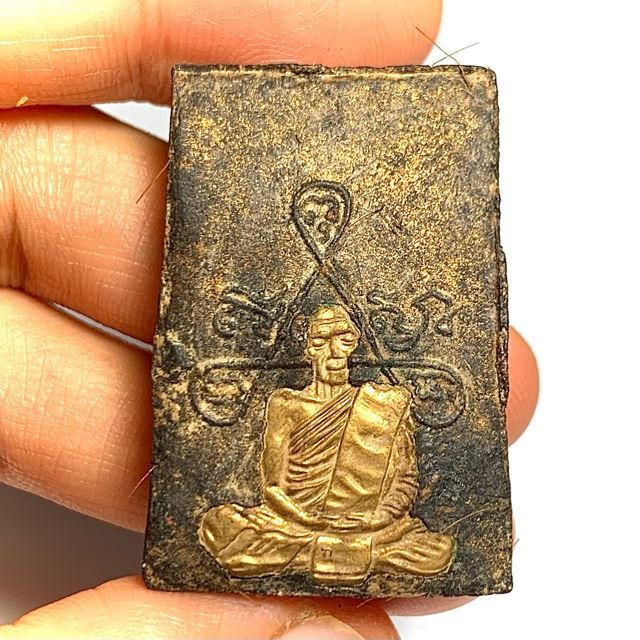
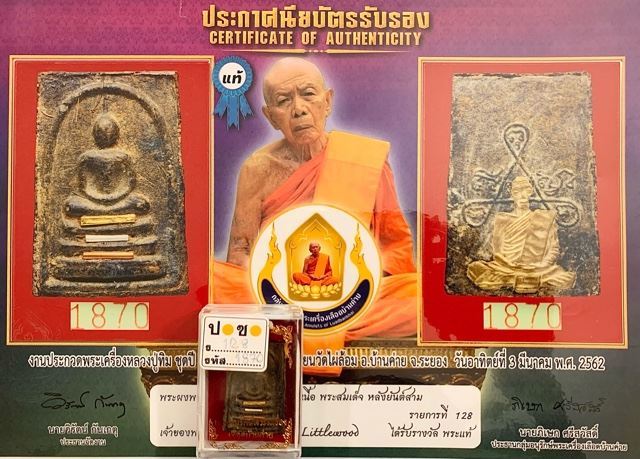
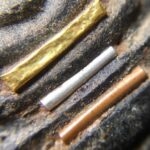
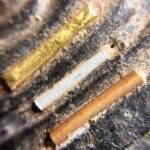
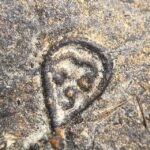
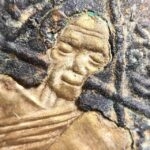
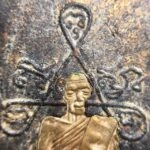
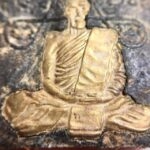
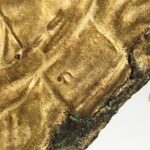
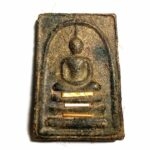
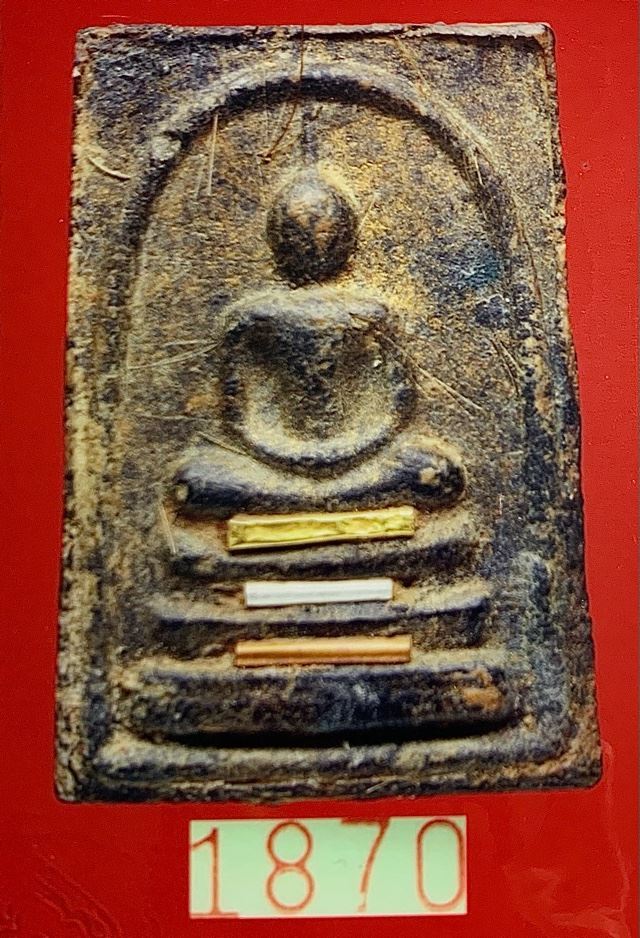
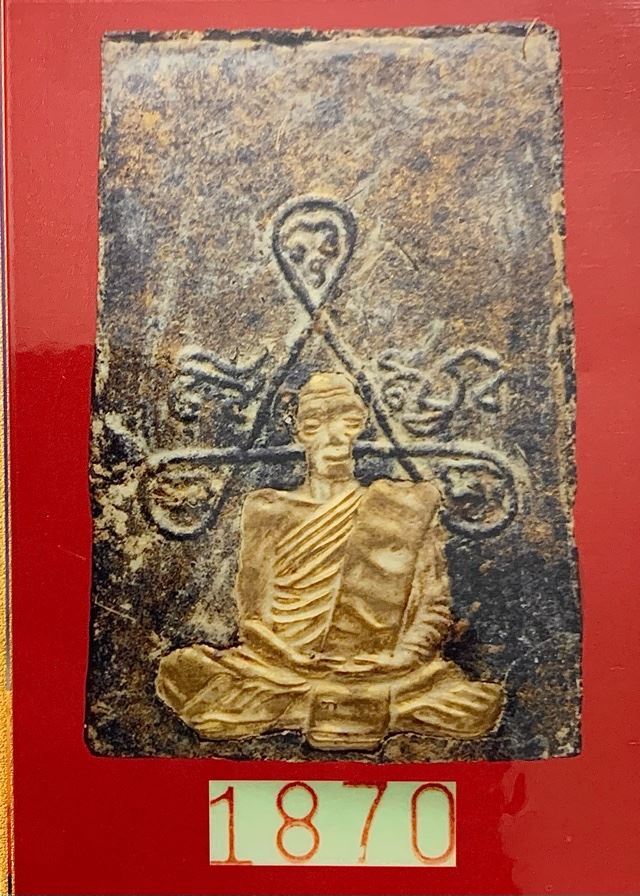
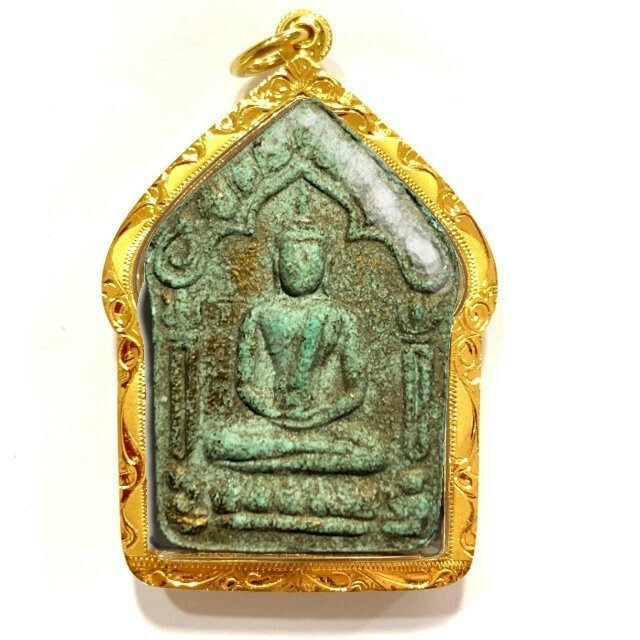
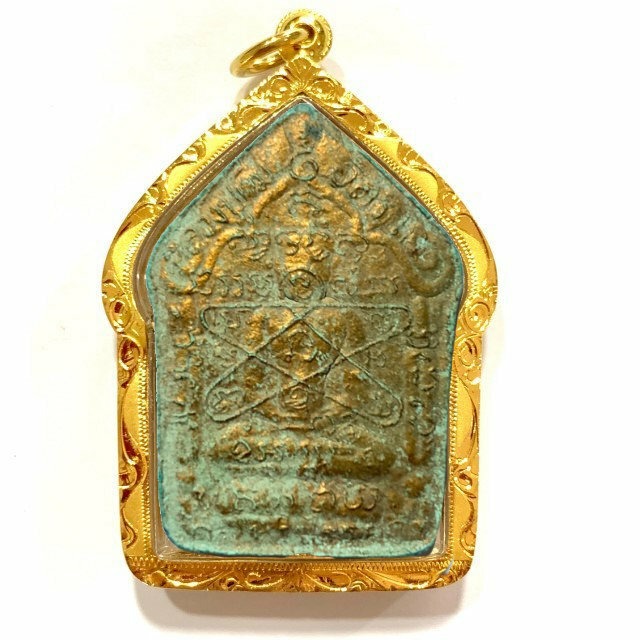
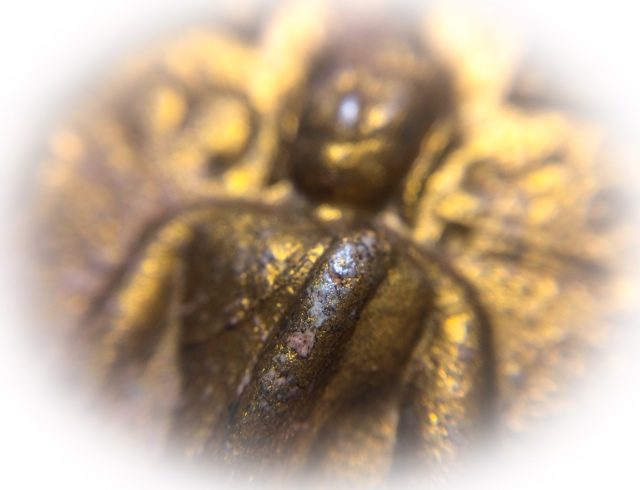
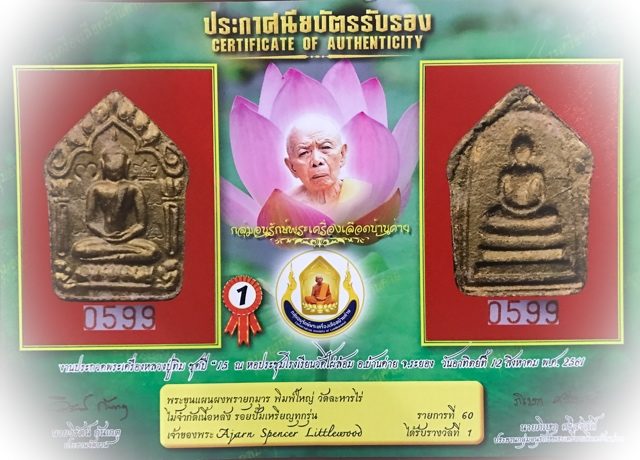
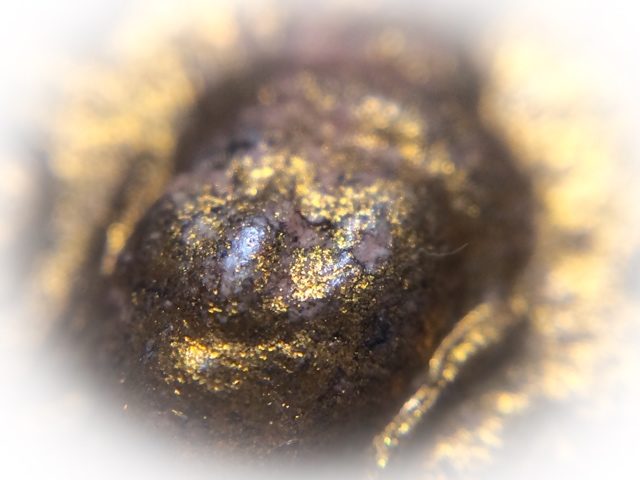
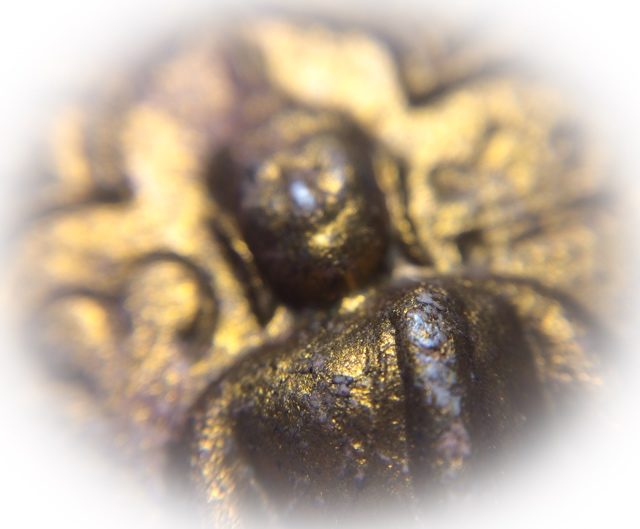
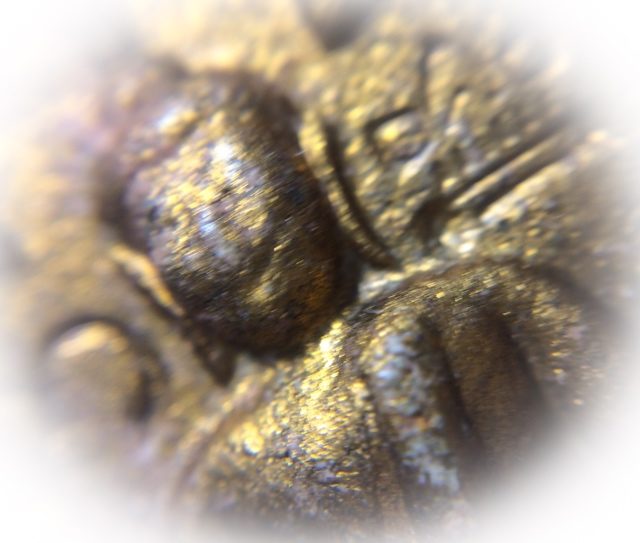
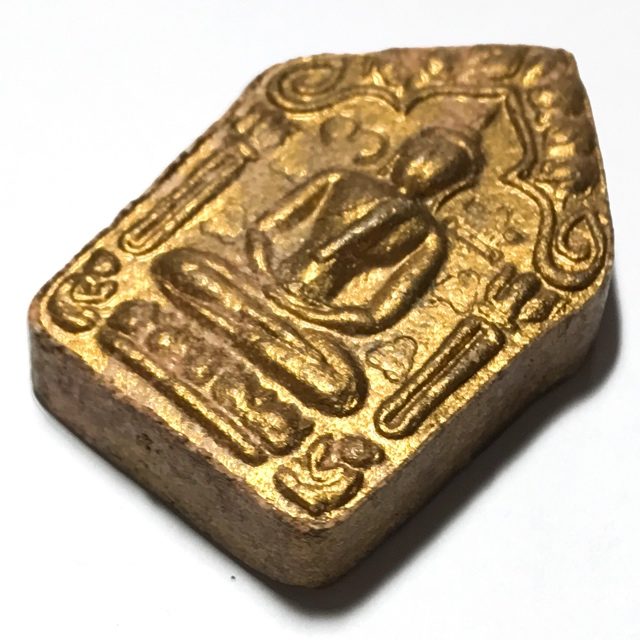
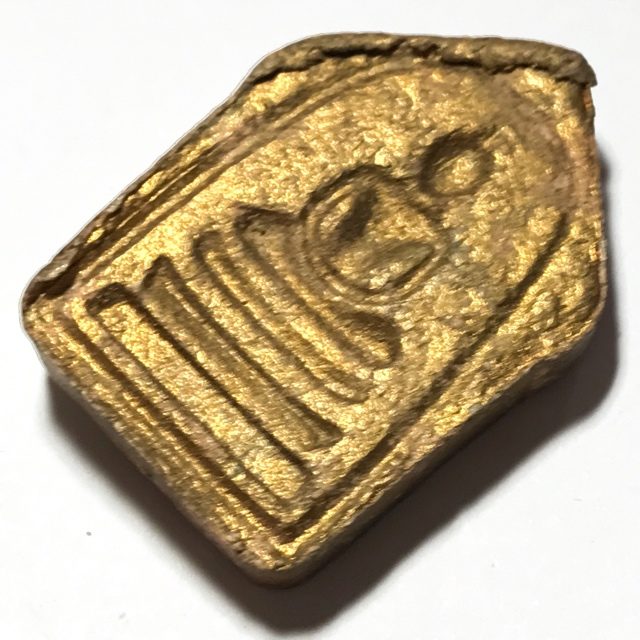
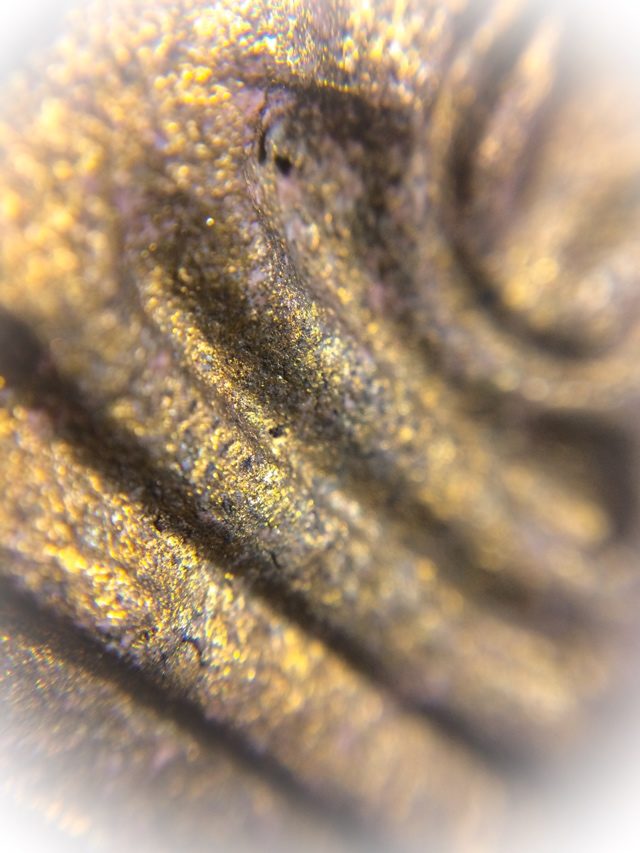
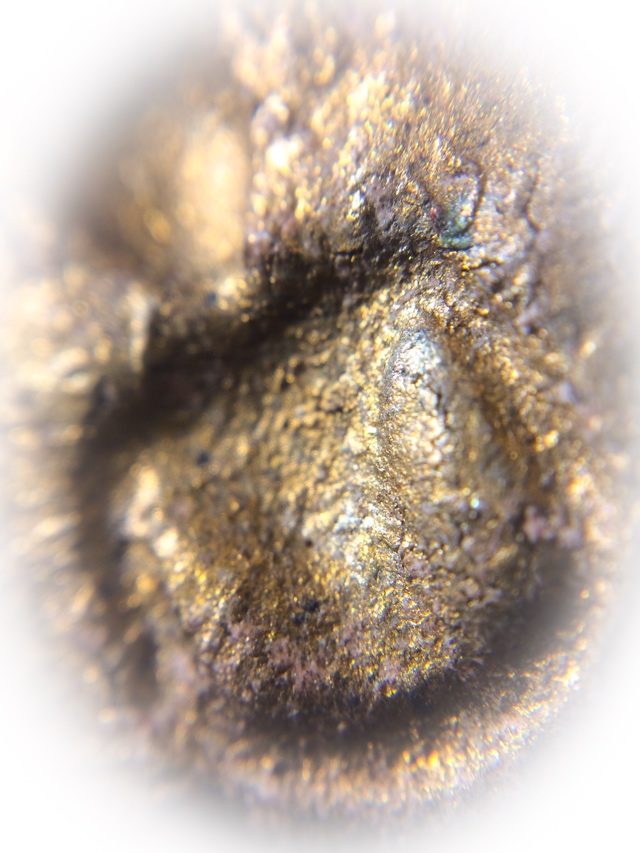
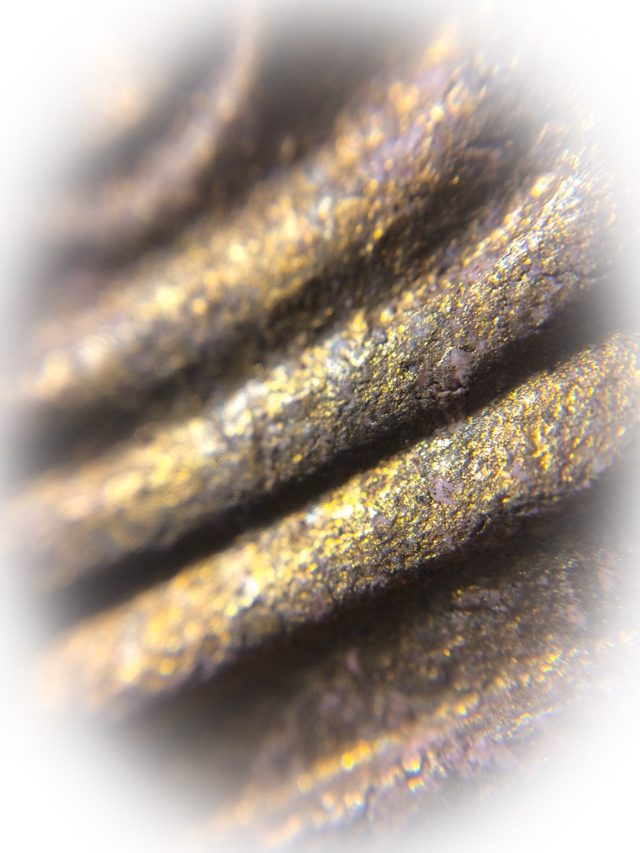
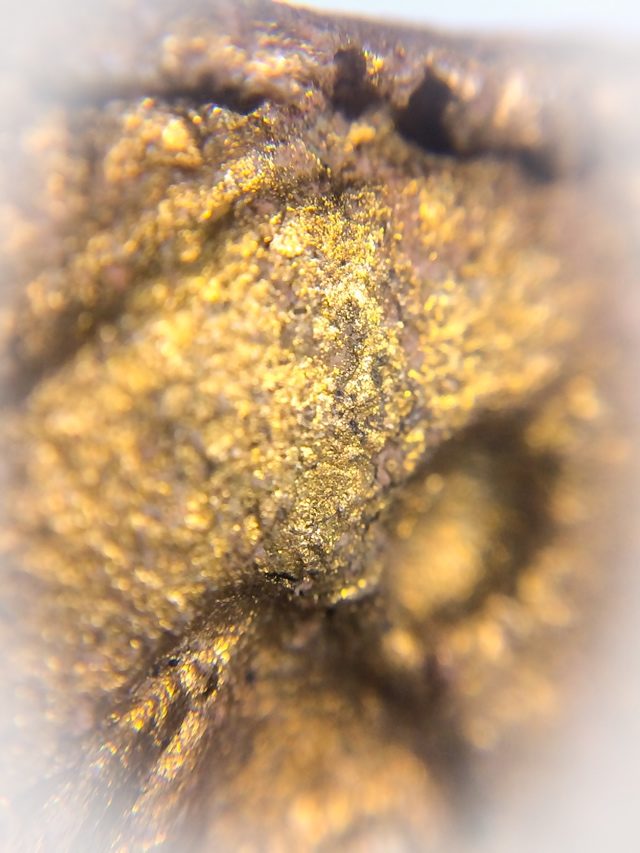
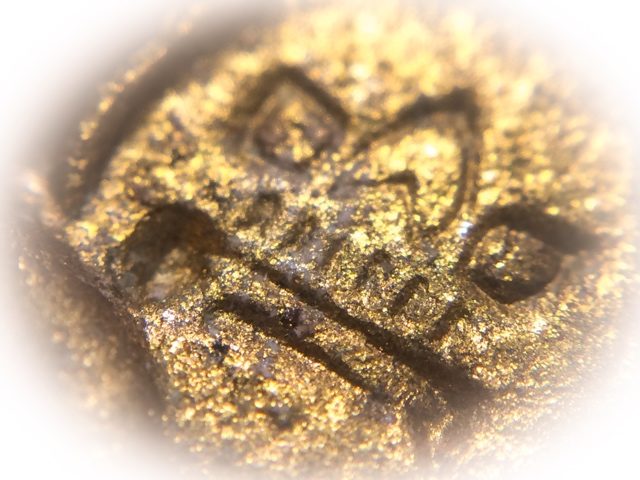
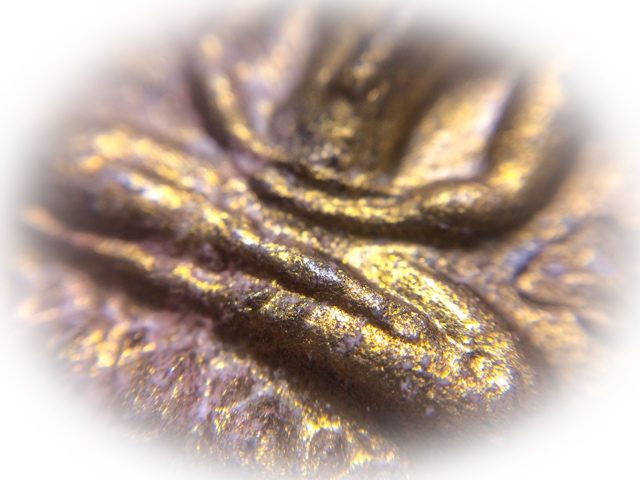
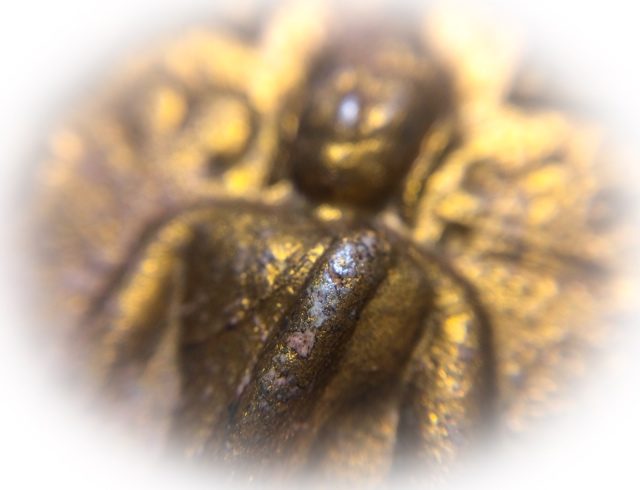
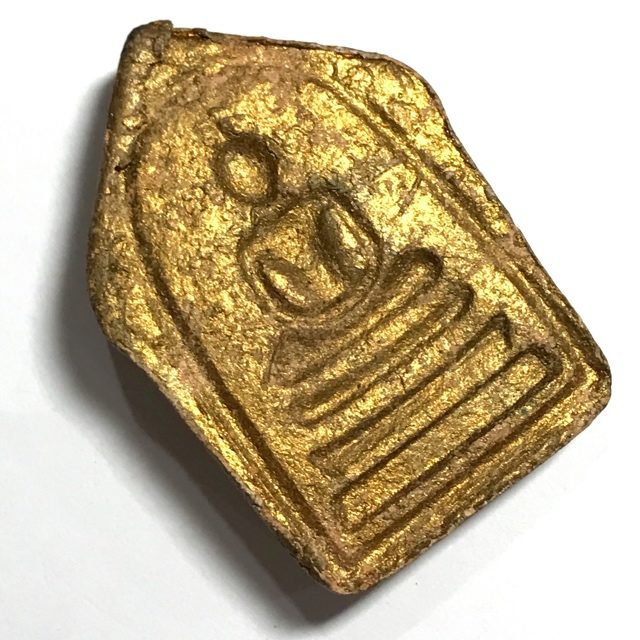
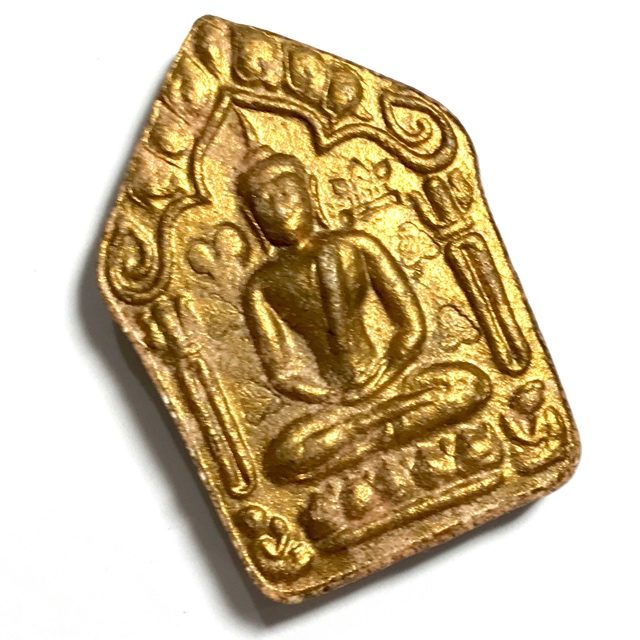
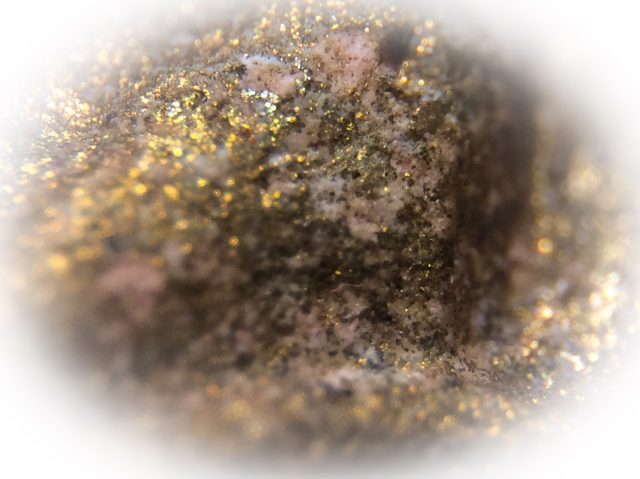
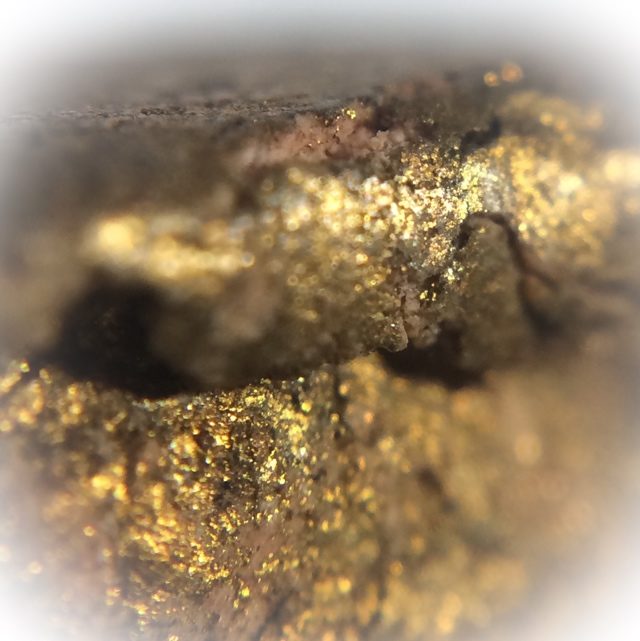
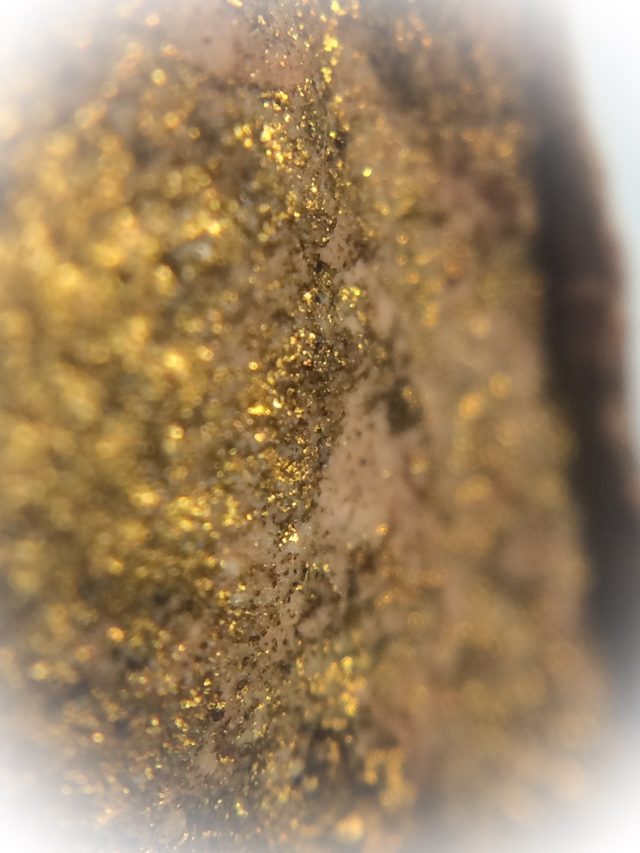
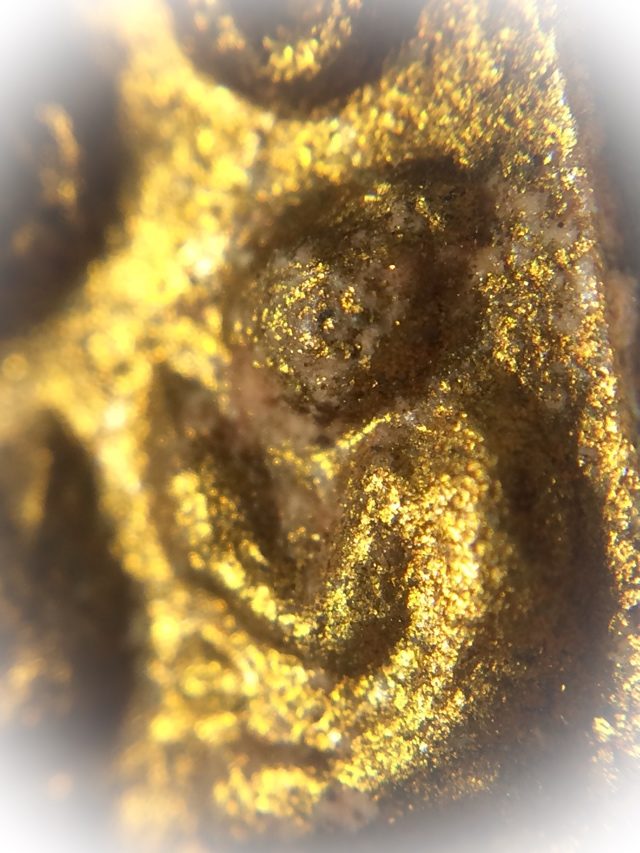
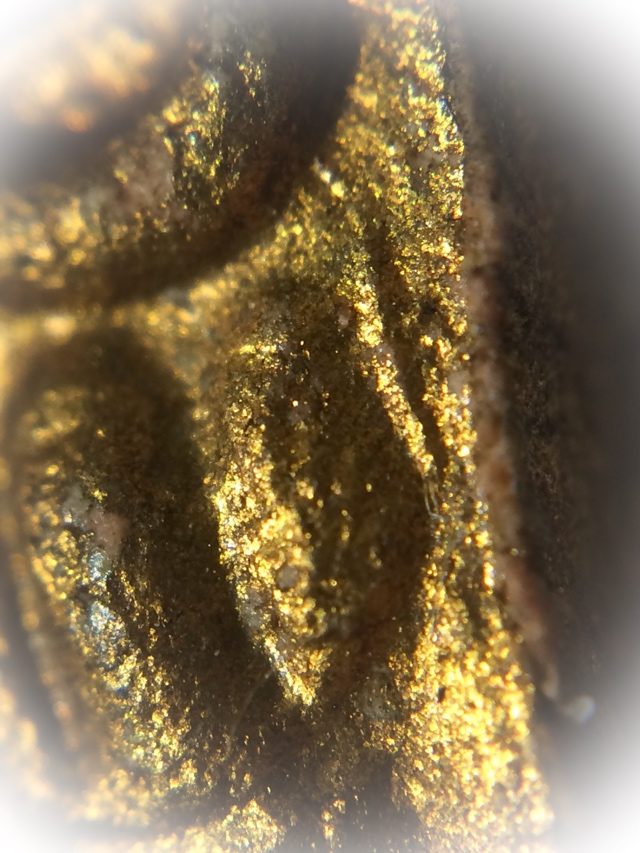
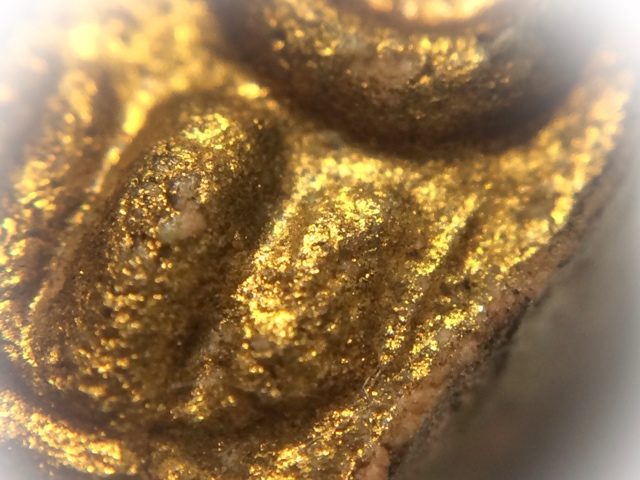
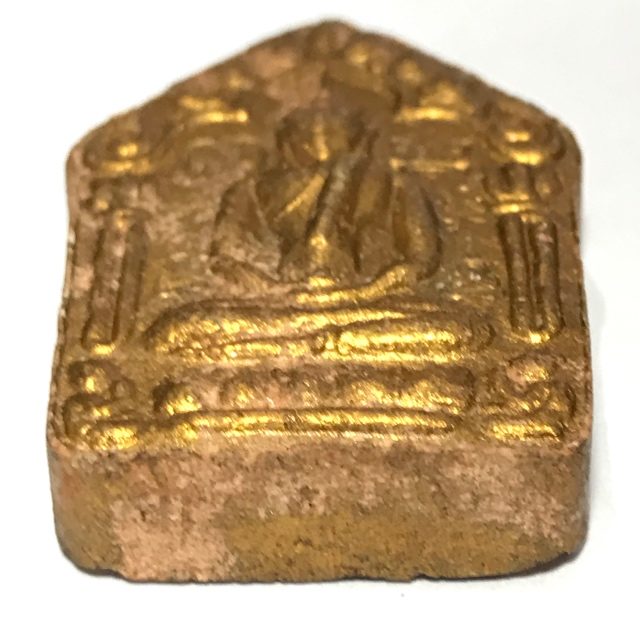
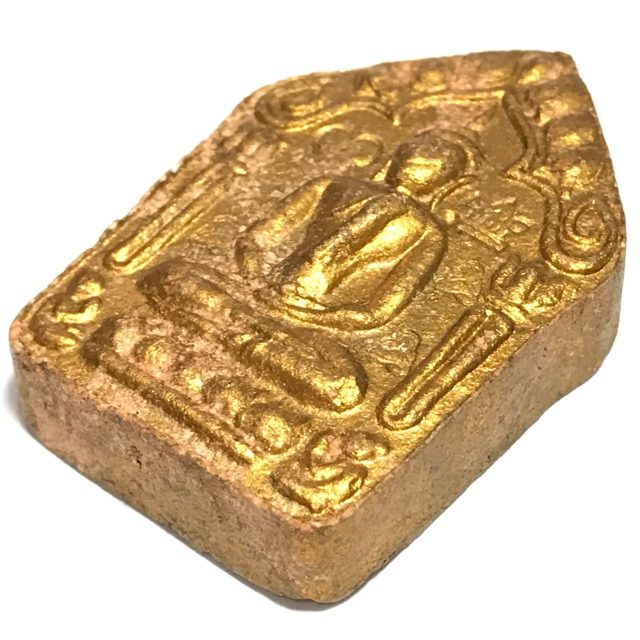
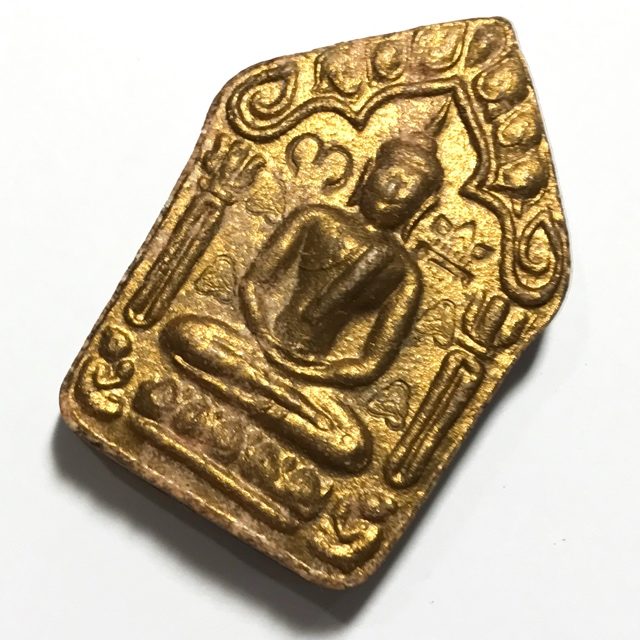
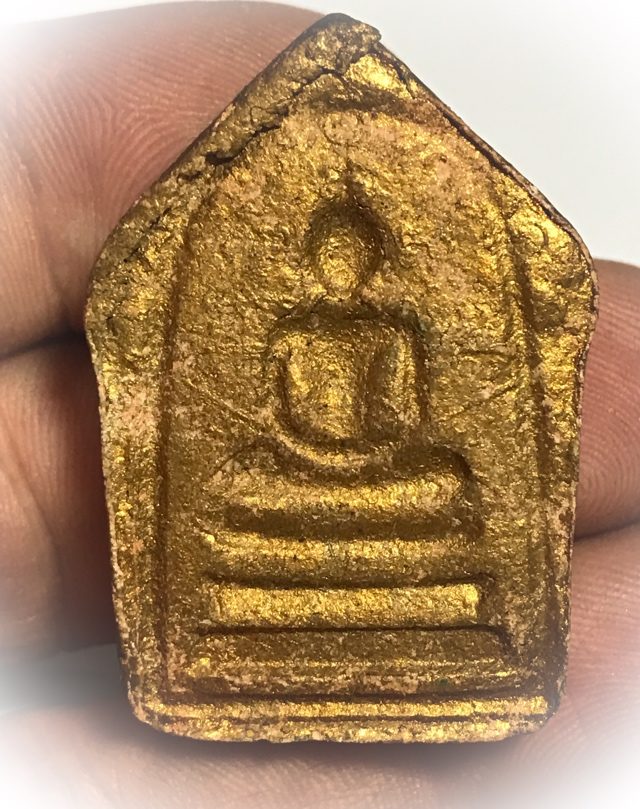
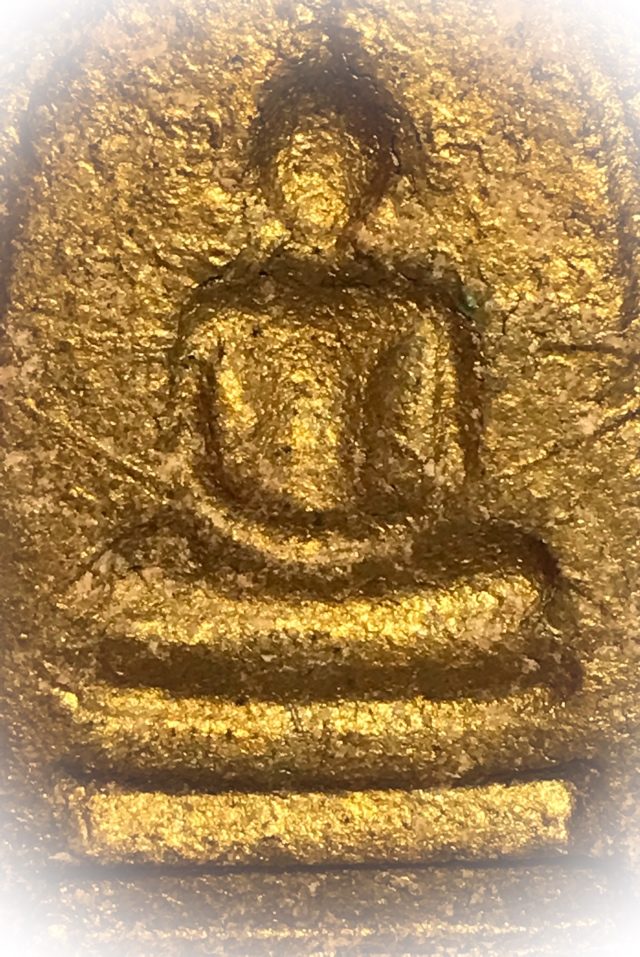
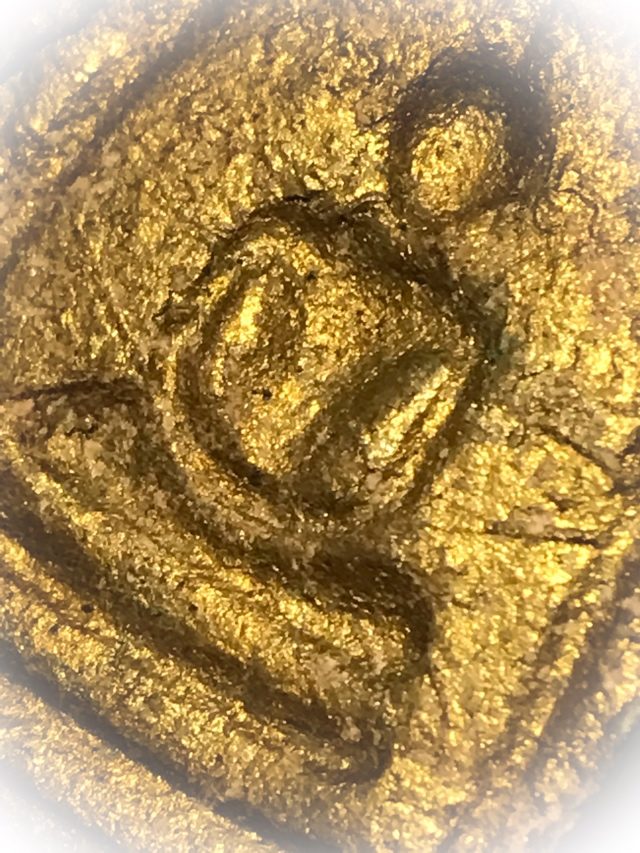
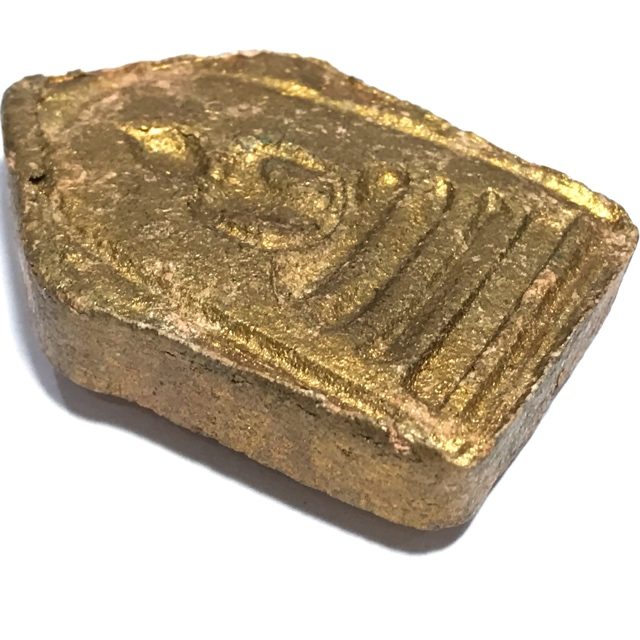
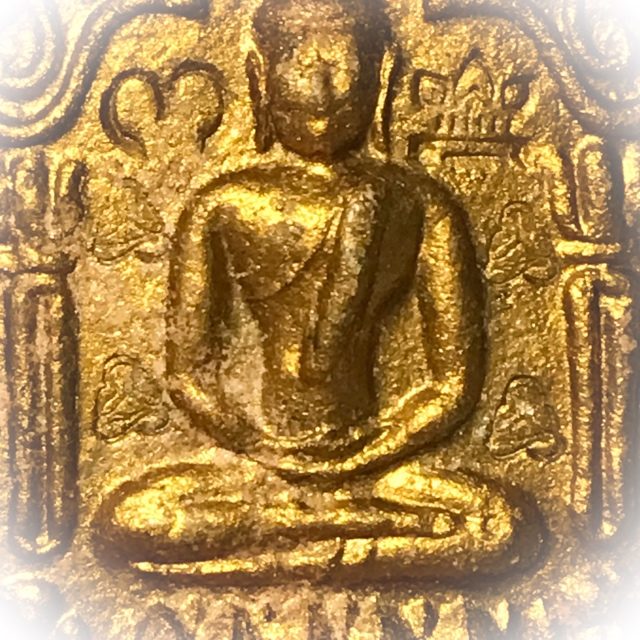
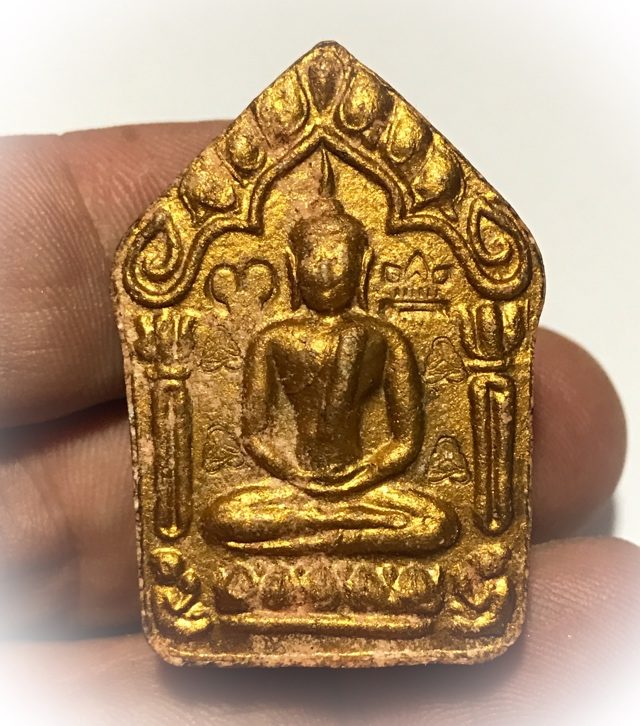
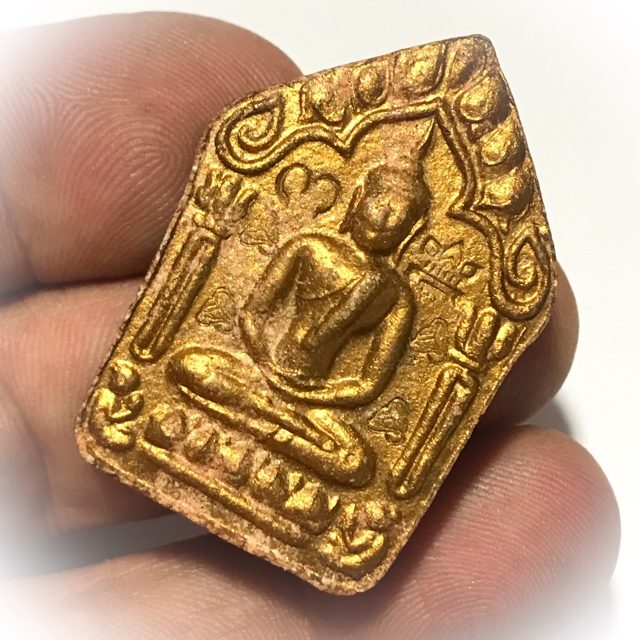
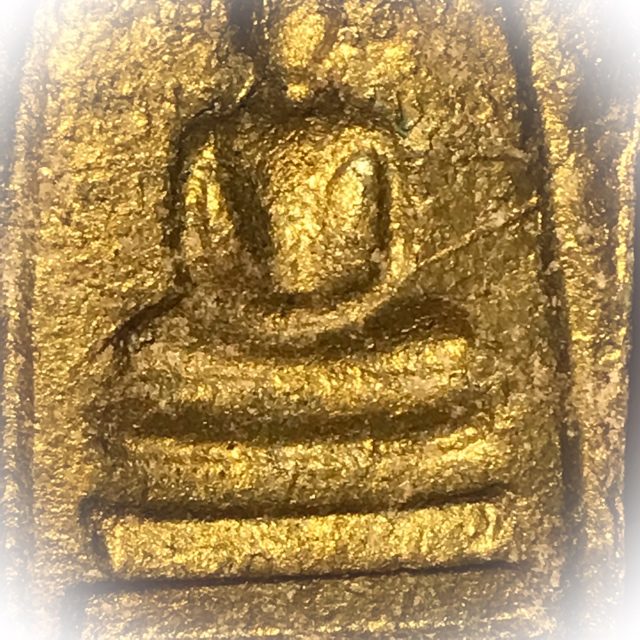
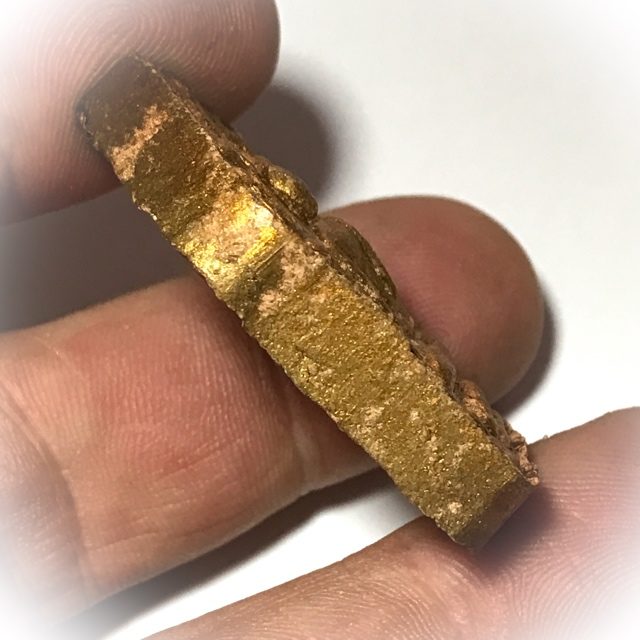
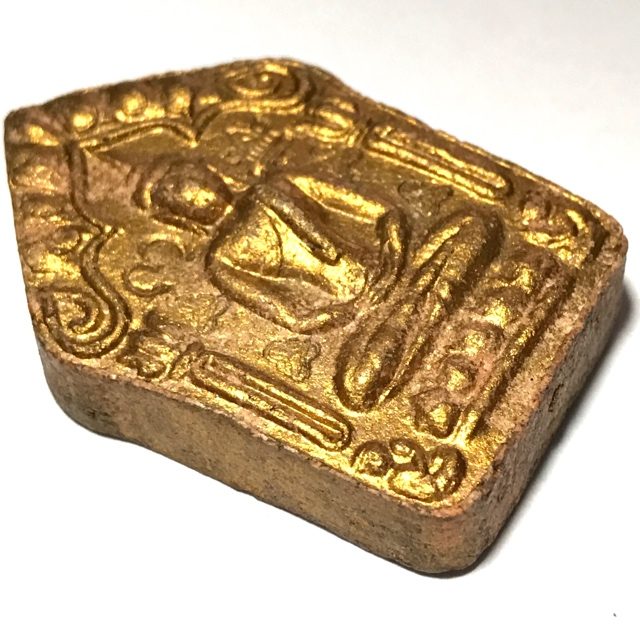
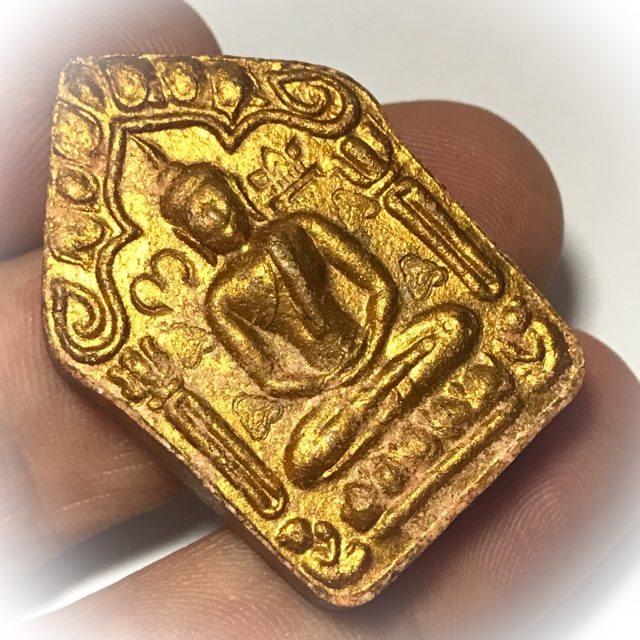
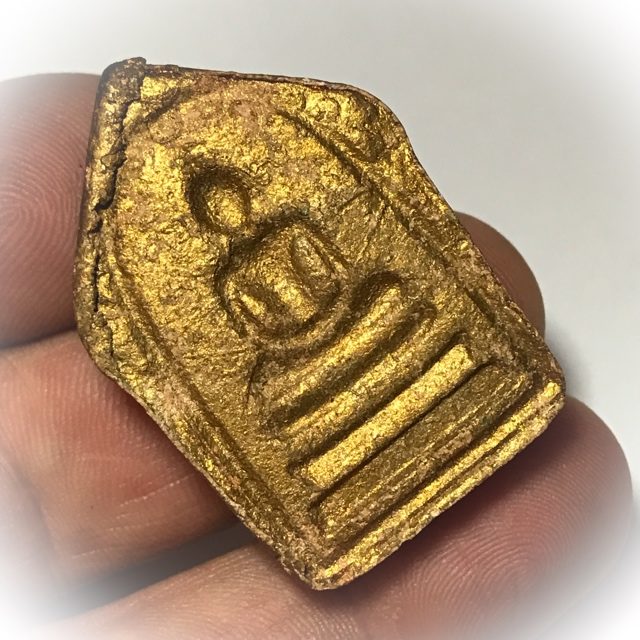
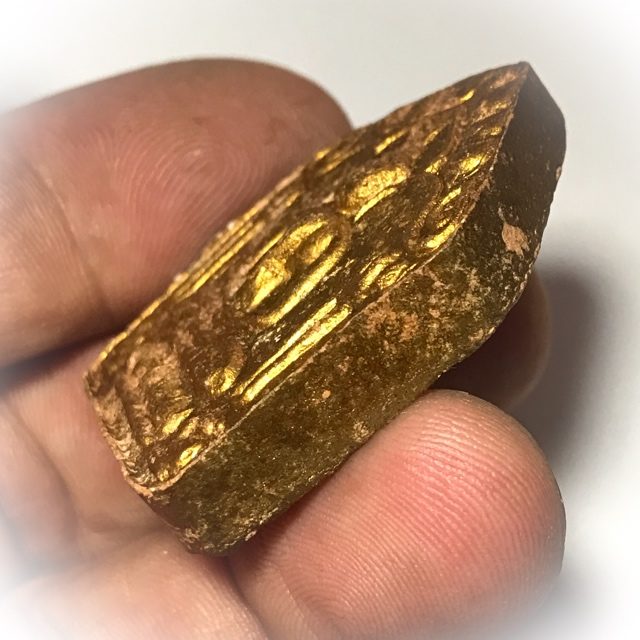
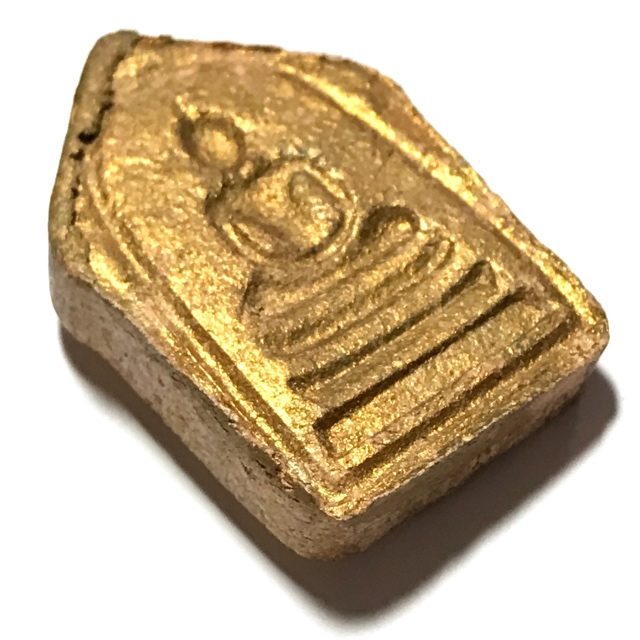
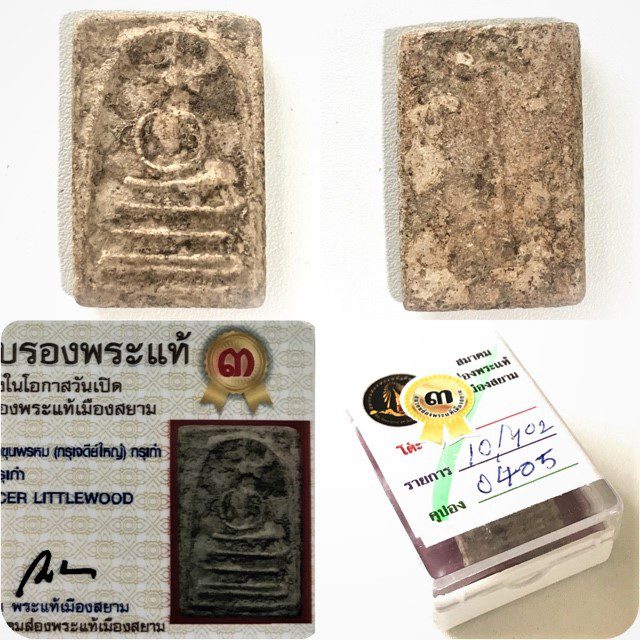
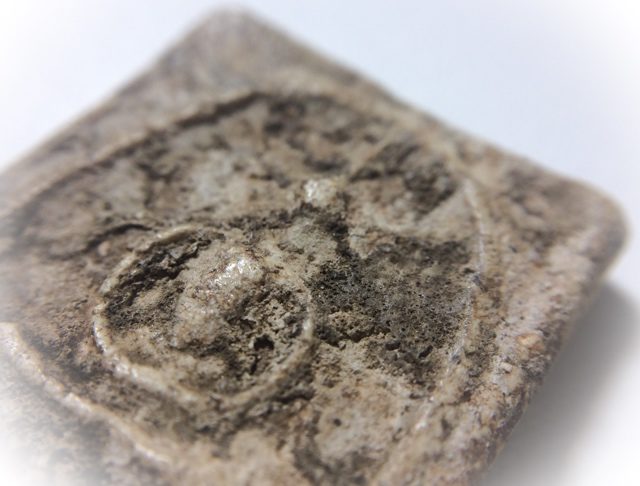
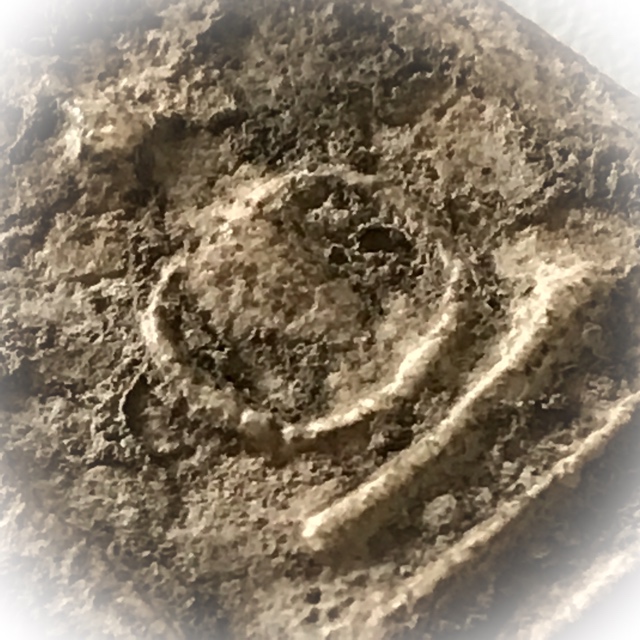
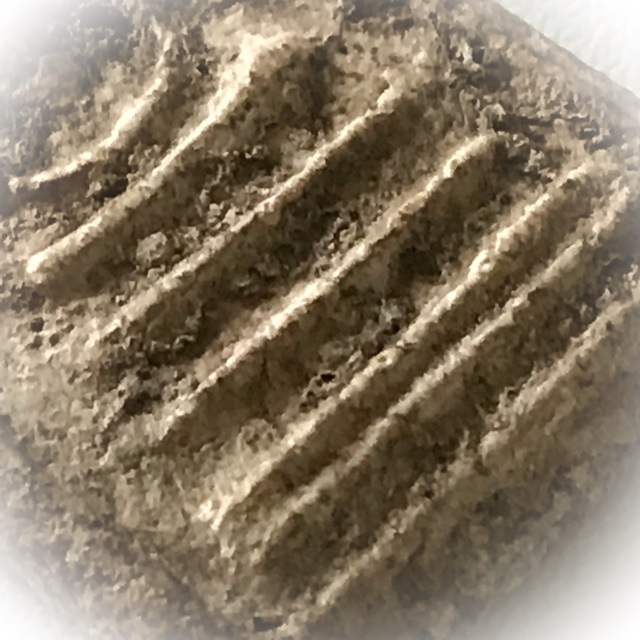
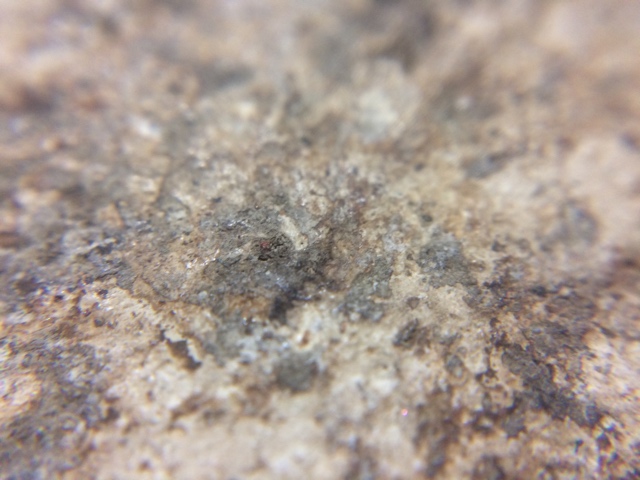
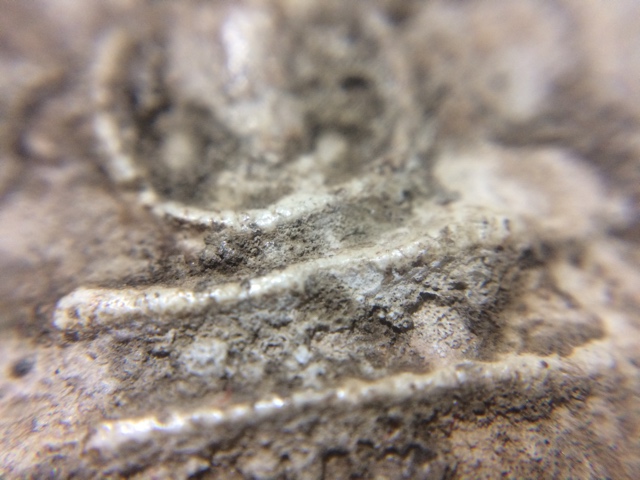
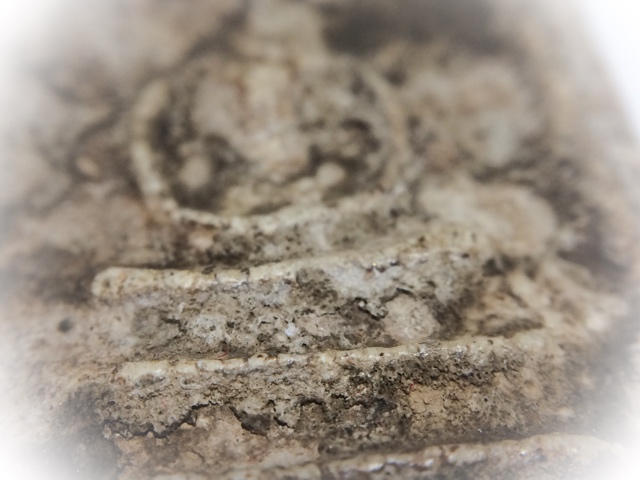
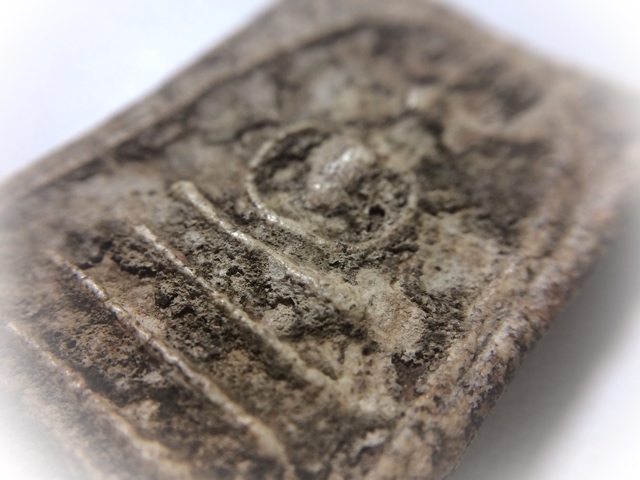
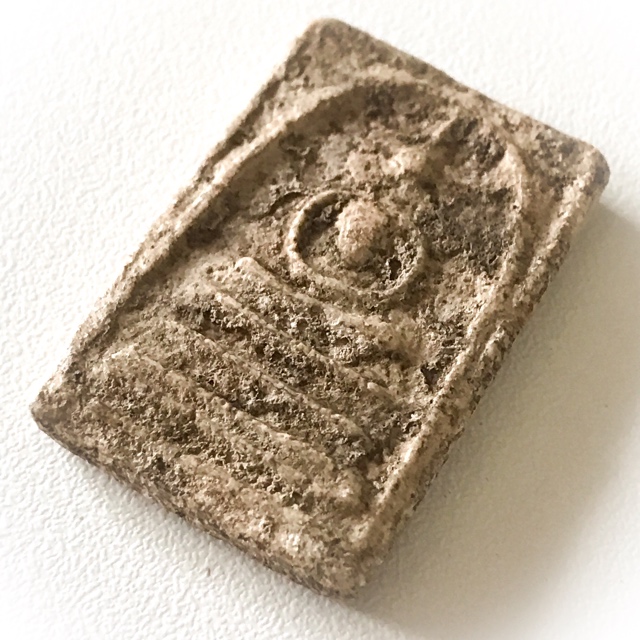
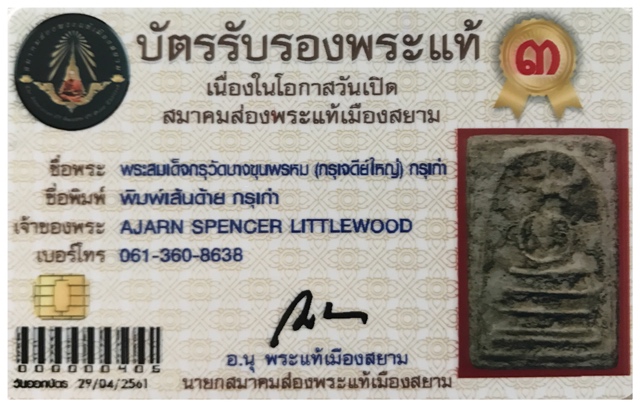
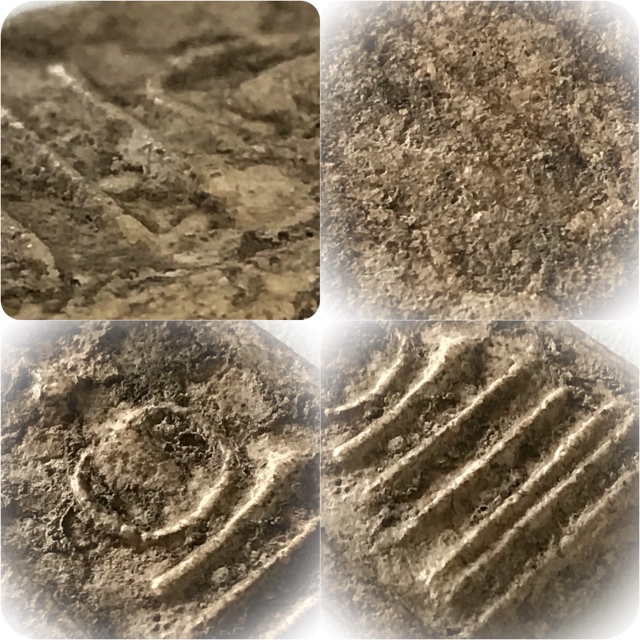
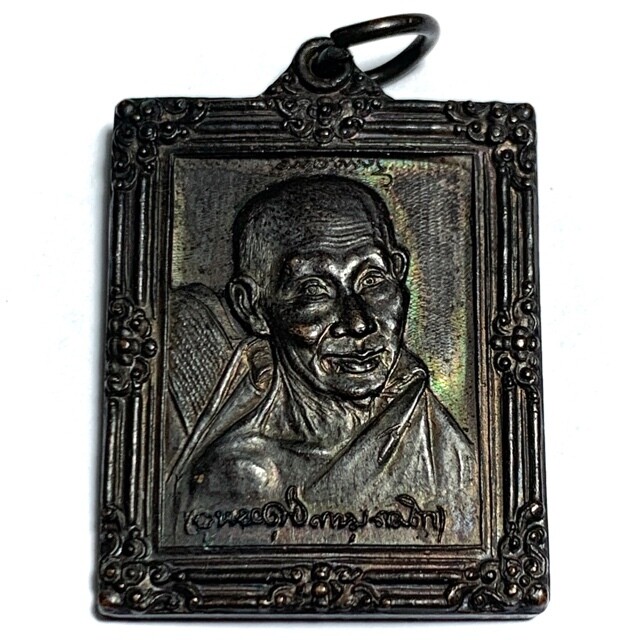
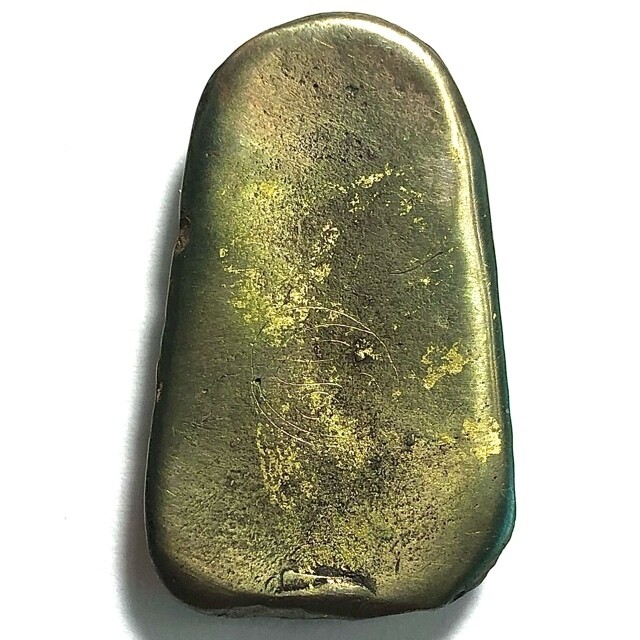
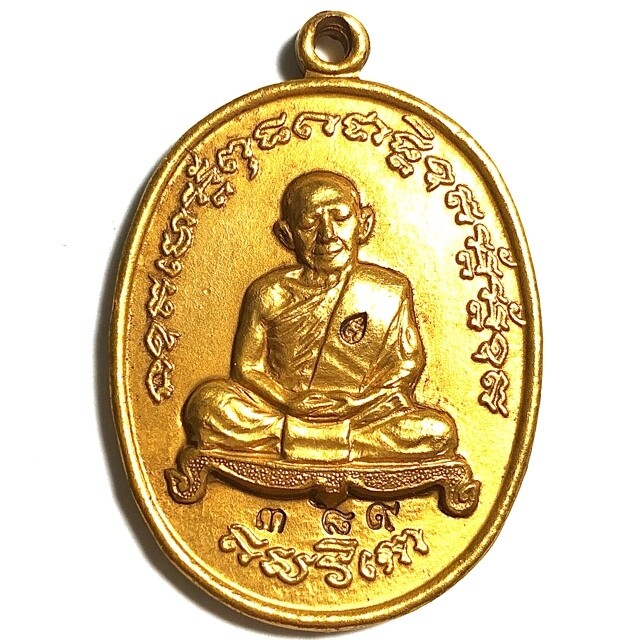
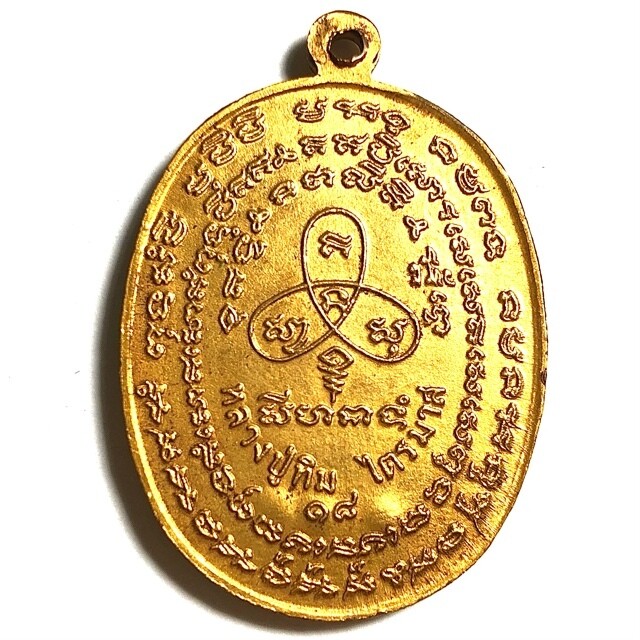
Pra Sivali Long Rak Pid Tong Hlang Yant Bai Pad 2520 BE – A rare Classic Pim Niyom Amulet from the Great Luang Phu Toop, of Wat Kae Nang Lerng (2441 – 2533 BE). This amulet comes with authenticity certificate from the association of amulets of Siam Thailand. This exhibit is in extremely pristine condition, and has highly detailed relief, and is immensely easy to authenticate with the naked eye, even without its accompanying certificate. The surface sheen of the sacred chanuan metal amulet has an aura that causes the eye to be drawn to the image of Luang Phu Toop

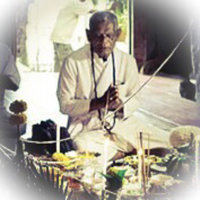
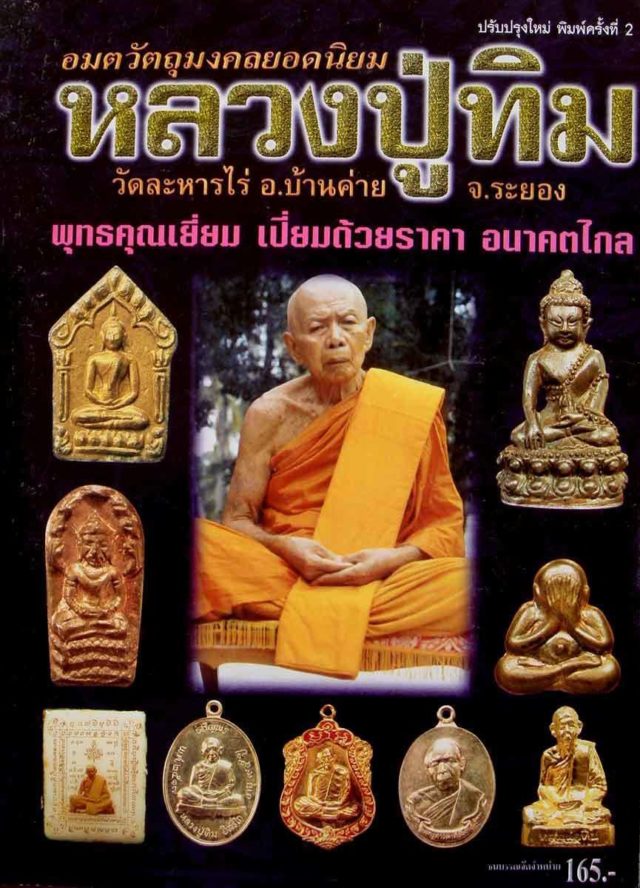
Pra Racha Dhamma Wicāra, or, as common folk know him, ‘Luang Phu Toop’ of Wat Kae Nang Lerng, was a highly revered monk and esteemed acclaimed member of the ten officially recognised makers of Pra Somdej amulets within the legendary Dtamra of Somdej Pra Puttajarn (Dto) Prohmrangsri’s classic methods of creating Pra Somdej amulets.

He was acclaimed by devotees for his powerful Wicha Akom, and was the creator of a vast range of different amulets, all of which are now extremely rare to encounter, and highly prized within his cult inner circle of collectors and devotees.

This Rian Roop Muean Guru Moink Coin amulet is yet another member of LP Toop’s panthheon that are classed as extremely rare, and is an extremely beautiful exhibit, which has been certificated authentic by the Association of amulet of Siam Thailand.

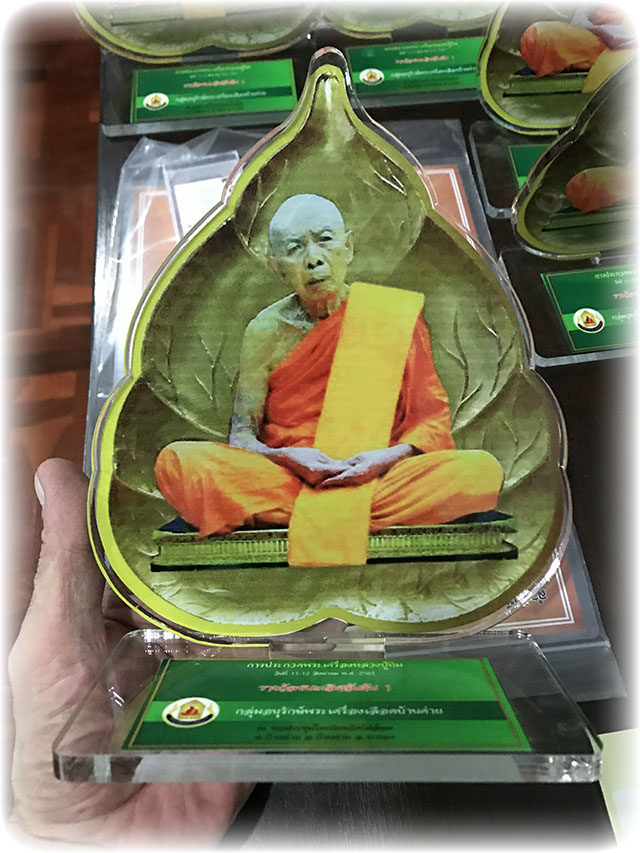
Luang Phu Toop Wat Kae Nang Lerng

He was acclaimed by devotees for his powerful Wicha Akom, and was the creator of a vast range of different amulets, all of which are now extremely rare to encounter, and highly prized within his cult inner circle of collectors and devotees. This Pra Sivali Amulet is one of the rarest items, and is an extremely beautiful exhibit, which has been covered with ‘Rak’ herbal lacquer and pure 96% gold leaf.

Luang Phu Toop was born in Tambon Bang Luang Iang in Ayuttaya, on he 11th of April 2411 BE. His Father was called ‘Dech’ and Mother went under the name of ‘Phong’. Luang Phu Toop lost his parents about the time of hs first birthday, after which he stayed with relatives in Bangkok, who were Lordly Family Lineage, namely Jao Praya Racha Supamidtr, and Tan Phu Hying Plaek. Luang Phu Toop learned Khom Agkhara Script and Pali Sanskrit at an early age as he was still attending school, at the temple close by to his relatives home.

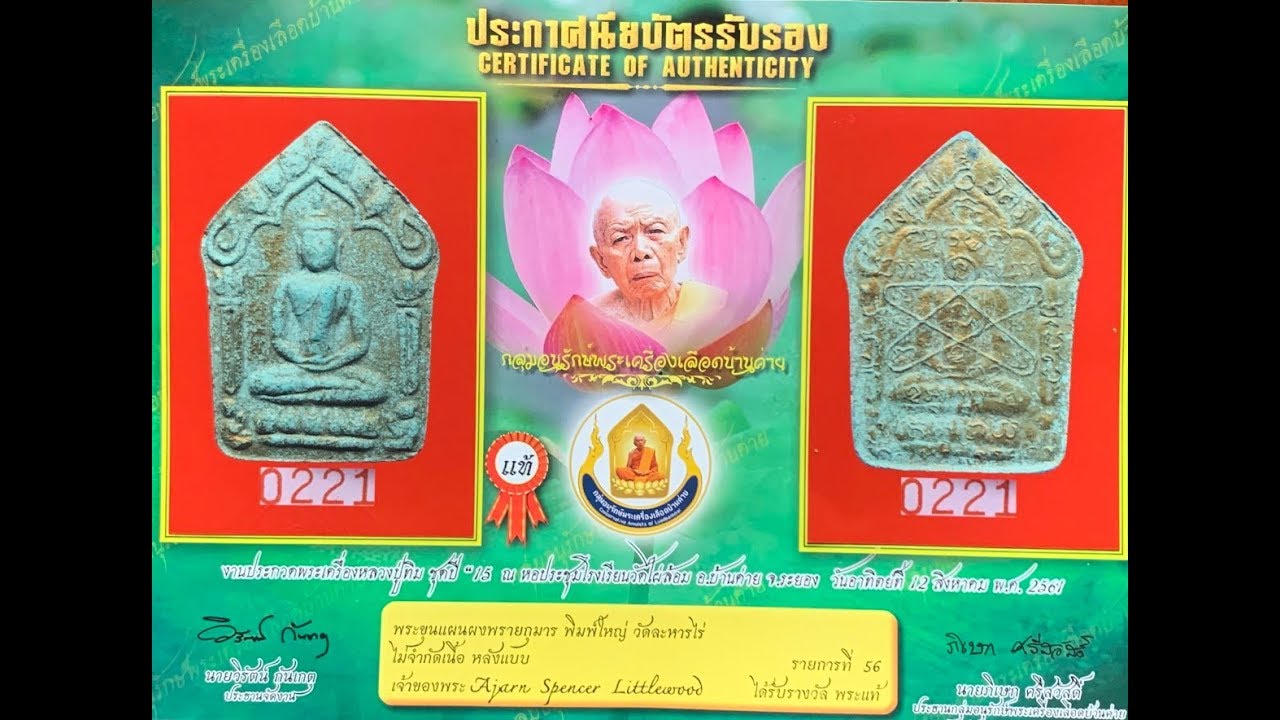
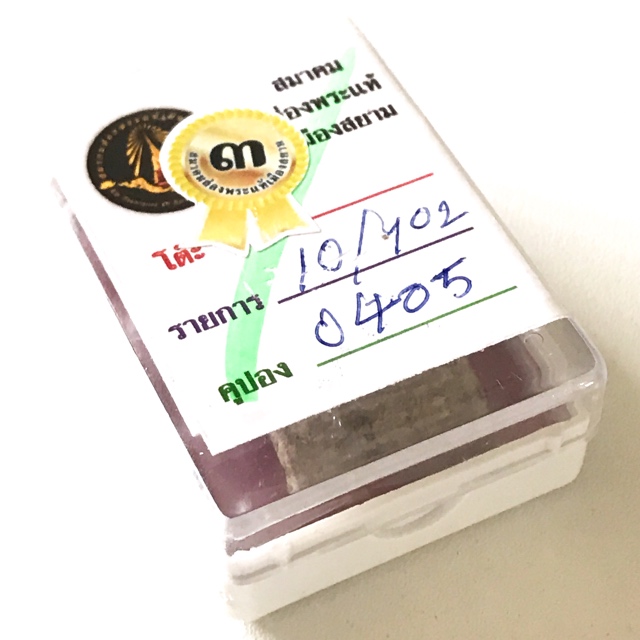
Below; Authenticity Certificate issued by the Association of amulet of Siam Thailand, signed by its president

In the year 2463, Luang Phu Toop ordained at Wat Suntorn Dhamma Dhana (pronounced ‘Wat Suntorn Tamma Tan’ in Thai), popularly known as Wat Kae Nang Lerng. HIs Upachaya Ordaining Officer was tan Jao Kun Tamma Warodom, the Abbot of Wat Benjamabopit. His Pra Gamma Wājājarn was Pra Ariya Muni, the Abbot of Wat Tewarachagunchorn. Pra Kroo Puttaban (Luang Por Naedtr), the Abbot of Wat Sontorn Tamma Tan was his Pra Anusawanajarn Witness.

He received the ‘Chāyā’ (Ordained Monk’s name), of ‘Khema Siri’. Once he was Ordained, Luang Phu Toop studied Kammathāna Vipassanā, and Dhamma, and Putākom (Buddha Magic) with the Great Luang Por Parn of Wat Bang Nom Kho in Ayuttaya for a long time.

After Luang Phu Toop returned back to Bangkok thereafter, he would still return often throughout the years, to continue his studies with Luang Por Parn. As time went on, Luang Phu Toop came to become friends with Luang Por Khant of Wat Nok Grajarp, who introduced him to the ‘Wicha Chueak Kart Aew’ (magical cord belt making), which he mastered under the tutelage of Luang Por Khant.

Luang Phu Toop also went on to master a number of other magical Wicha with the great Luang Por Chaem of Wat Ta Gong in Nakorn Pathom, and with the Legendary Luang Por Ngern of Wat Don Yai Horm, because Luang Por Ngern would often visit wat Ta Gong to see Luang Por Chaem, and so Luang Phu Toop was blessed to receive Wicha from both of these Immensely Powerful Sorceror Monks.

Luang Phu Toop was a very diligent monk who would accept and fulfil all the requests he received from his superiors, and was never lazy or selfish in his behaviour. He became highly respected and beloved by his companions in the Sangha during his early years as a Samanera Novice Monk, and was a shining example to the other Novice Monks, inspiring and driving them to excel in their duties.Luang Phu Toop was responsible for a great deal of helpful activities in assisting the Abbot of Wat Kae Nang Lerng in the development of the temple, and eventually was elected Vice Abbot.

In the year 2471 BE, Luang Phu Toop was elected to become the Abbot of Wat Sontorn Tamma Tan (Wat Kae Nang Lerng), and developed the Temple until it grew to become a Great Temple, as seen today, and in the Year 2477 BE, he was given the Honorable Official Status of Pra Kroo Sanya Badtr. Consequently, in the Year 2495 BE, he was given the Official Status of Pra Racha Kana (Bishop) by Royal Decree.
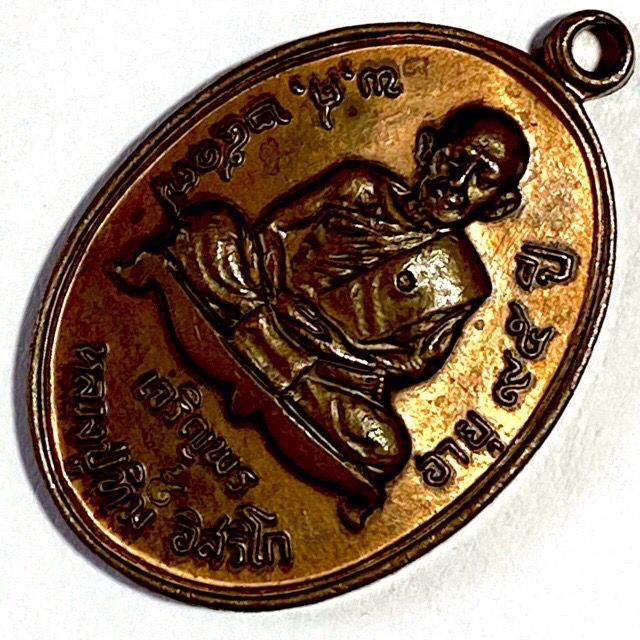
Luang Phu Toop is known for his many different Amulets which he created, which he began to make in the Year 2482 BE, by co-creating an edition with the Legendary Luang Por Chaem of Wat Ta Gong.

This first edition was the Pra Somdej Sam Chan Buddha on 3 Tiered Dais, The Pra Rod Buddha Amulet, The Pra Pim Nang Kwak Supawadee Amulet. All of these Amulets were created in Nuea Pong Pasom Din Buchaniyasathan (Muan Sarn Sacred Powders mixed with earths from Sacred Shrines), and also in a second Sacred Substance, namely Pong Bailan Long Rak Chab Nuea Nai Si Dork Tao (Black Parchment Powders with Lacquered Surface and Gray Inner Color). All models had deep hand spell inscriptions in the rear face.

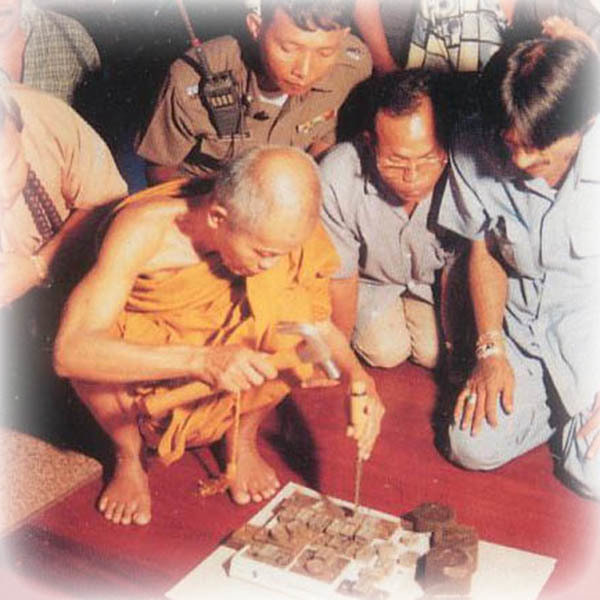
Every time Luang Phu Toop created an Edition of Amulets, he would distribute them to devotees who came to the temple and helped out. The Amulets which remained left over afterwards would be then hidden in the base of the Buddha Statue within the Uposatha Shrine Room. The Amulets of Luang Phu Toop include Sacred Powder Amulets, Chueak kart Aew Macic Cord Belts with Takrut. His most famous editions are the 2504 and 2513 Editions. The 2513 Edition saw his first edition Guru Monk Coin released, which is a Highly Preferred Pra Niyom Master Class Amulet. Various other editions were of course beseeched and releasaed over the years to mark different events, such as this 2520 BE installation of the Putta Sema Temple Boundary Monument Memorial edition.

Luang Phu Toop remained as Abbot of Wat Kae Nang Lerng and was highly respected and beloved by the Local Folk, until his final passing on the 29th May 2533, at the age of 92 Years Old

Rian (Metal Coins)

Sacred Coins and Medallions
Filters

Filters
1 - 60 of 123 items


Pra Pid Ta Maekasit Pim Hoo Gradtay with Certificate Hand Inscriptions - Luang Phu Nak Wat Huay Jorakhae Featured
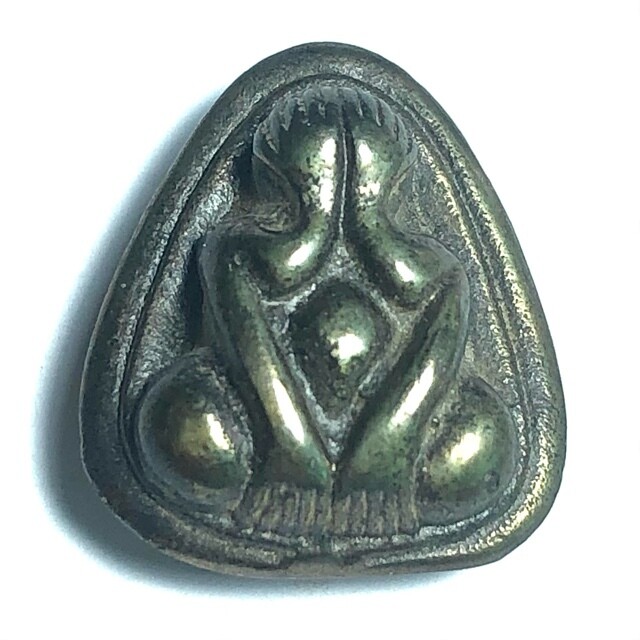
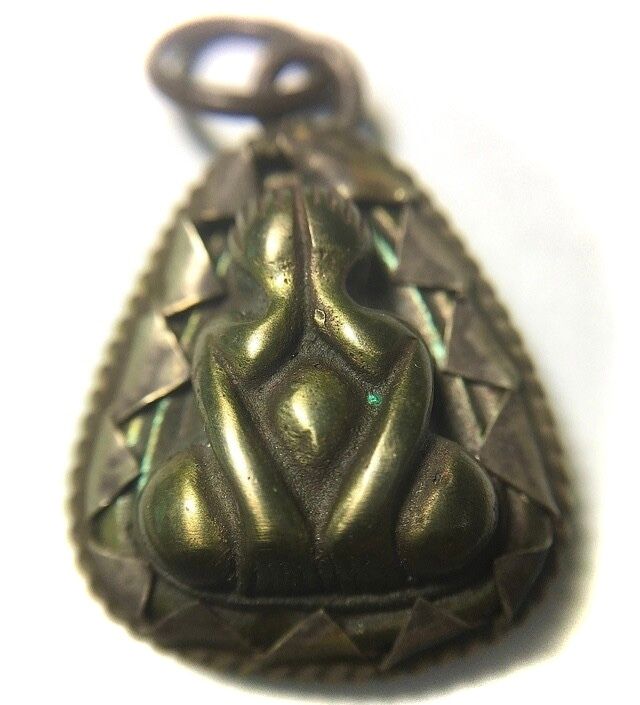
Officially Certificated Pra Pid Ta (Pid Tawarn) Hoo Gradtay (rabbit eared) model of the sacred Maekasit alchemical metal amulet of the great Luang Phu Nak, of Wat Huay Jorakhae. Th Pid Ta Maekasit is a highly revered amulet created by the late great Thai monk Luang Phor Nak of Wat Huay Jorakhae temple in Nakhon Pathom, Thailand. The Pra Pid Ta, also known as “the closed-eye Buddha,” is a representation of the Lord Buddha in deep meditation, entering the state of Nirodha, and is believed to bring blessings of protection, good luck, and wealth to the wearer.

This item includes a free download of the Ebook “Pra Pid Ta Loha Ebook (printable version 212 MB)” and a 3 megabyte Light mobile version to carry on mobile phone for fast scrolling.

The Pra Pid Ta amulet created by Luang Phu Nak was made usually in Nuea Maekasit alcemical metal, but also in sacred loha chanuan bronze and other brazen metal mixtures (less often seen). I is said that Luang Phu Nak himself, was a great master of alchemical metallurgy, and the Wicha Pra Pid Ta. It found in medium and small sizes (Pim Lek & Pim Yai) and has various models sch as the Pra Pid Ta Hoo Gradtay ‘Rabbit Ears’ model.

It is believed that the Pra Pid Ta amulet of Luang Phu Nak has the power to protect its wearer from harm, bring good luck, and attract wealth and prosperity. Some of the Pra Pid Ta of LP Nak possess hand inscriptions scraped onto the surface of the metal, with Khom Agkhara and Sacred Yant.
Pra Pid Ta amulet represents a meditating Buddha entering into the state of Nirodha. Nirodha is the third of the Buddha’s Four Noble Truths and refers to the attainment of the cessation of suffering. The image of a meditating Buddha is representative of the amulet’s ability to bring peace and block out all forms of inauspicious events and bad luck, protect against all dangers and black magic. The amulet is believed to have the power to block out negative energy and to protect the wearer from harm due to the reputation of the creator and his spiritual energy.

LP Nak was a well-known Thai Buddhist monk and the abbot of Wat Huay Jorakhae temple in Nakhon Pathom, Thailand. He was well-known for his spiritual teachings and wisdom, as well as his ability to craft powerful amulets. His reputation as a powerful spiritual leader, combined with his ability to craft powerful amulets, ensures that his legacy lives on, and his amulets are highly sought after. He died in 1959, but his teachings and amulets are still revered and respected by many Thais and people all over the world.

Many people in Thailand and around the world believe that the Pra Pid Ta amulet of Luang Phu Nak is particularly powerful for Kong Grapan/Klaew Klaad Protection Magic, due to the reputation his Pid Ta developed over the years as many stories of lifesaving miracles were recounted by devotees who wore the Pid Ta of Luang Phu Nak. Luang Phu Nak was known for his deeply spiritual teachings, and his ability to create very powerful amulets, and many people believe that his amulets possess his spiritual mind energy even after his passing. The Pra Pid Ta amulet of Luang Phu Nak is also highly sought after by collectors and those interested in Thai Buddhism and culture. Many people consider it a valuable possession and it is often passed down from generation to generation as a family heirloom amulet.

The Pra Pid Ta amulet of Luang Phu Nak is a highly revered and powerful amulet created by the late Thai monk Luang Phor Nak of Wat Huay Jorakhae temple in Nakhon Pathom, Thailand. It is believed to bring blessings of protection, good luck, and wealth to the wearer, and is highly sought after by collectors and those interested in Thai Buddhism and culture. The reputation of Luang Phu Nak as a powerful spiritual leader, and his ability to create powerful amulets, makes this amulet particularly valuable and powerful.

LP Nak, was a Thai Buddhist monk who lived in the 19th- 20th century. He was the abbot of Wat Huay Jorakhae temple in Nakhon Pathom, Thailand. He was born in 2358 BE (1884) and passed away in 2452 BE (1972). LP Nak was known for his great compassion and spiritual wisdom, and was a great giver of spiritual teachings, as well as his skill in creating powerful amulets. He was highly respected by the local community and by other monks in Thailand. He was also known for his generosity and mercy, and his dedication to helping others.

During his tenure as abbot, he worked to strengthen the spiritual community at Wat Huay Jorakhae and to provide guidance and support to the local population. In addition to his work as an abbot, LP Nak was known for his skill in creating powerful amulets. He was able to create amulets using various materials, including clay, metal, and even human bone. His amulets were believed to possess spiritual power and provide protection to the wearer. They were often inscribed with sacred texts or mantras, and were highly sought after by the local population and by collectors. LP Nak’s amulets are very highly valued in the present day, and many people in Thailand and around the world believe that they possess spiritual power. His amulets are often passed down from generation to generation as a family heirloom, and are considered a valuable possession.

LP Nak may have passed away long ago, but his legacy continues to be felt in Thailand and around the world. He is remembered as a wise and compassionate spiritual leader, and his amulets are still highly sought after by aficionados, faithful devotees, collectors, and those interested in Thai Buddhism and Thai culture. To this very day, the lineage of abbots of Wat Huay Jorakhae still make and release Pra Pid Ta amulets of the Wicha passed down to them through a constant succession in the magical lineage of LP Nak.

The Pra Pid Ta amulet of Luang Phu Nak, is believed to be particularly powerful because it is believed to possess the magical energy of the monk who created it. As LP Nak is considered a highly respected and powerful spiritual leader, it is believed that his Pid Ta amulets will always possess his spiritual energy even after his passing, without ever fading. Thew Pid Ta Maekasit amulet, is considered the most famous and powerful amulet created by LP Nak.

Background Info on Pra Pid Ta

Since very early times in Thailand, Pra Pid Ta amulets, as well as Pra Pid Ta in the shape of Pha Yant and Bucha sculptures, have been made as objects of adoration and protection. Using the Buddhist sculpture and art that was accessible at the time, the artisans of that era developed a variety of styles and interpretations. Various Buddhas, Bodhisattvas, or Deities are fashioned into the posture of Pra Pid ta, or Pid Tawarn (meaning “closing the orifices”), to create the Pid ta posture (‘Pid Ta’ means “covering the eyes”). Pid Tawarn can seal 7, or 9 orifices (the number 7 is referred to as Pra Pid Sadtatawarn, while the number 9 is known as Pra Pid Navatawarn). The Pra Pid Ta amulet, also known as “the closed-eye Buddha,” is believed to bring blessings of protection, good luck, and wealth to the wearer.
The Pra Pid Ta amulet, represents a meditating monk entering into the state of Nirodha. Nirodha is the third of the Buddha’s Four Noble Truths and it refers to the attainment of the cessation of suffering. In Buddhist teachings, Nirodha is understood as the state of being where all mental defilements, such as ignorance, greed, and hatred, have been completely eliminated. This state is reached through the practice of meditation and the cultivation of wisdom, and it is considered the ultimate goal of Buddhism.

The third of the four noble truths, according to Buddhist tradition is defined as Nirodha Sacca (also spelt Nirodha Sacca in Pali; Nirodha Satya in Sanskrit). Sacca denotes “truth” or “reality,” whereas Nirodha means cessation or extinction. Therefore, the translation of nirodha sacca is generally “truth of cessation” or “truth of the cessation of suffering.” It explicitly refers to the cessation of Dukkha (suffering) and its causes; the resultant experience is defined as nirvana. Nirodha can indicate a variety of things, such as release, cessation, extinction, the end of dukkha, and “control or restraint.” The cessation of all unsatisfactory experiences and their causes in a way that prevents them from occurring again is what Nirodha Sacca means. It is their elimination, complete absence, cessation, and ceasing from existing.

The Pra Pid Ta image, is that of a meditating Buddha entering Nirodha, is representative of the amulet’s ability to bring peace, and block out all forms of inauspicious events and bad luck. It is believed that by wearing the Pra Pid Ta amulet, the wearer will be protected against all dangers and black magic. The amulet is believed to have the power to block out negative energy, and to protect the wearer from harm. The Pra Pid Ta Maekasit alchemical metal Norodha Buddha amulet, is a most famous amulet for self protection, with Kong Grapan Chadtri, Klaew Klaad, Metta, Maha Pokasap, and Maha Lap Magic.

<span id=”selection-marker-1″ class=”redactor-selection-marker”></span>

Kata Pra Pid Ta

Namo Puttassa Kawambadtissa Namo Tammassa Kawambadtissa Namo Sangkassa Kawambadtissa Sukha Sukha Warang Na Mo Puttaaya Ma A U Tugkhang Anijjang Anatta Jewa

The Pra Pid Ta is one of the Great All Time Classics of Thai Amulets. Signifying the Buddha Entering Nirodha, this douses out all Sufferings. Some Pidta are for Maha Lap (Riches and Luck) and some are to remove debt (Plod Nee) and some are for Protection (Kong Grapan/Klaew Klaad, Maha Ud). Some people believe the Pid ta to be e bringer of 'Blind Luck' and Gambling Fortunes.

Filters

Filters
1 - 60 of 93 items


1st Prize Certificate of Authenticity Khun Phaen Pong Prai Kumarn 2515 LP Tim Blue

The Pra Khun Phaen Pong Prai Kumarn 2515 BE Pim Yai Nuea Khaw Sukh Pasom Pong Prai Kumarn Ta Ya Wan See Fa, is a unique and highly sought-after amulet. This particular piece is from Block Tong Hlueang (Block 2), and it boasts a rare color, adding to its rarity and value. The amulet features a striking Wan Thao Hlong Blue Herbal Tint, which gives it a distinctive and alluring appearance.

Pra Khun Phaen Pong Prai Kumarn Blue 2515 LP Tim

One of the standout features of this amulet is the Takrut Maha Bpraab, a sacred metallic scroll spell, inserted into the rear face. This ancient Thai practice of inserting metallic scrolls into amulets is believed to imbue them with powerful protective properties. This exhibit is in excellent condition.The details and features of the amulet are highly refined, adding to its aesthetic and spiritual value.

Pra Khun Phaen Pong Prai Kumarn Blue 2515 LP Tim
The amulet is Blue in color, but was made from in white Prai Kumarn and Puttakun powders, a characteristic that enhances its visual appeal. It has been treated with a blue herbal tincture, which not only gives it a unique hue but also adds to its spiritual significance. The ‘Sai Rae Tong Kam’ gold flakes applied during the pressing process further enhance its beauty and value. These gold flakes were applied by adding Nam Man Prajao Thaksin oil into the block press with gold flakes before pressing the Sacred Clay into the molds. This process resulted in the amulets absorbing the oil and the gold flakes covering and affixing themselves to the surface of the amulets, creating a stunning visual effect.

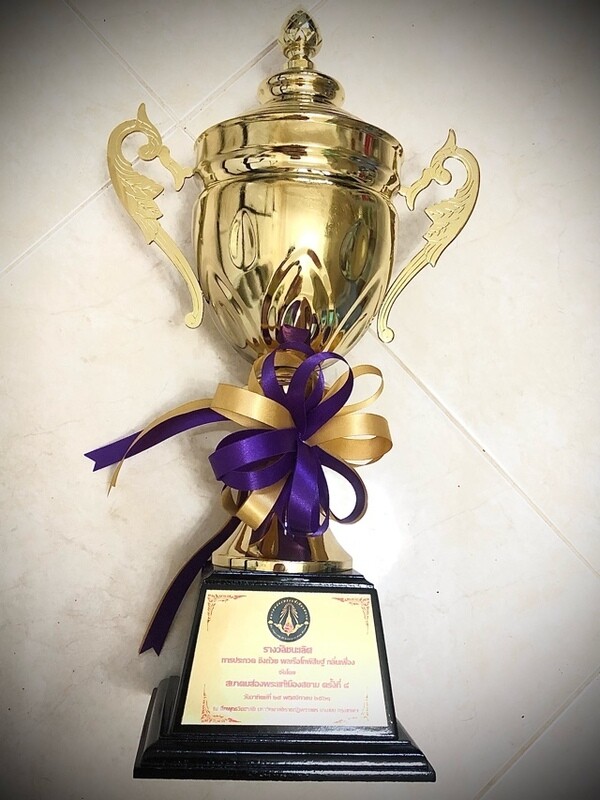
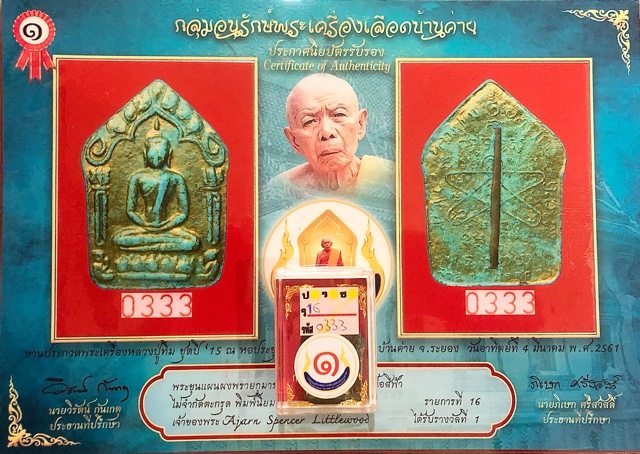
This amulet is a meticulously preserved specimen of a premier-grade, award-winning Pra Niyom Master Class Amulet, the Pra Khun Phaen Pong Prai Kumarn Pim Yai, a creation of the esteemed Luang Phu Tim of Wat Laharn Rai. This amulet was a first-place winner in the Glum Anuraks Ban Kaay amulet society competition in March 2561 BE, earning it not only a first prize trophy but also the distinction of being the Supreme Champion Class Amulet, an honor signified by its display on stage alongside the accompanying certificate.

Trophy Khun Phaen Pong Prai Kumarn 2515 LP Tim Blue VersionCertificate Khun Phaen Pong Prai Kumarn 2515

This amulet is renowned for its alleged capacity to draw prosperity and success in one’s career, making it a highly desirable item for individuals aiming to boost their financial luck. The attractive power attributed to this talisman is believed to go beyond material gains, fostering increased goodwill and kindness from others towards the wearer. The compassionate influence it is believed to radiate is said to create a harmonious and peaceful environment in the wearer’s life.


This amulet comes with free express shipping worldwide, making it easily accessible to collectors and enthusiasts around the globe. Additionally, a solid silver waterproof casing is included upon request, providing an extra layer of protection and preservation for this exquisite piece.

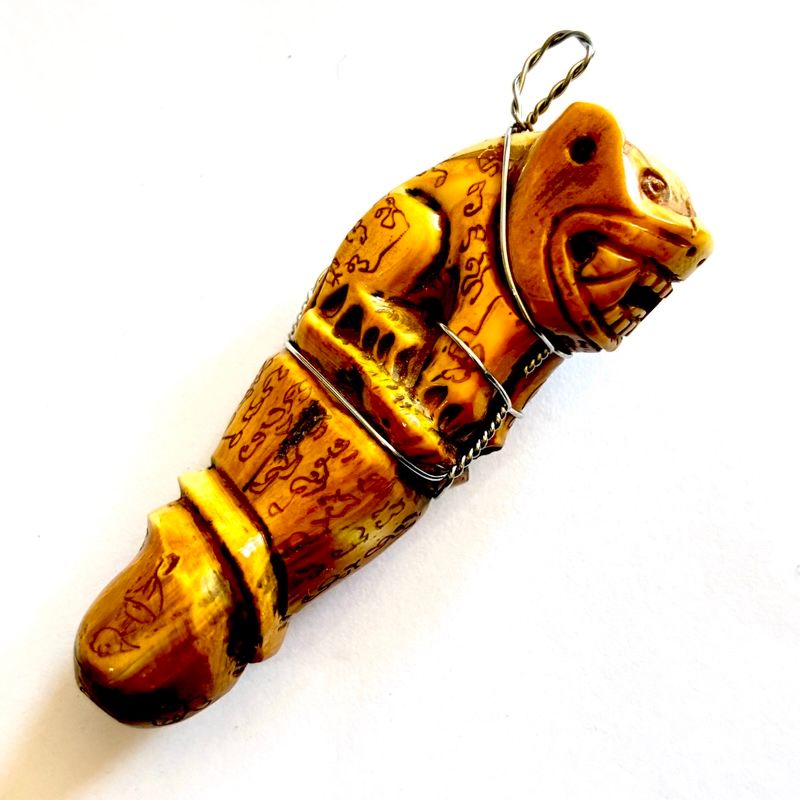
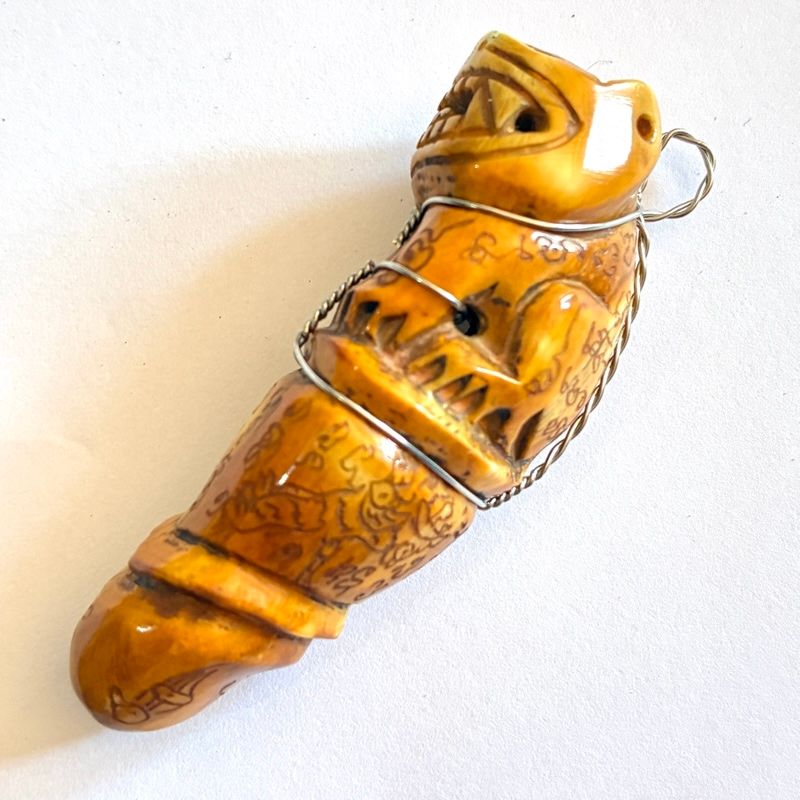
Luang Por Koon's Mitmor Dagger - Spiritual Protection

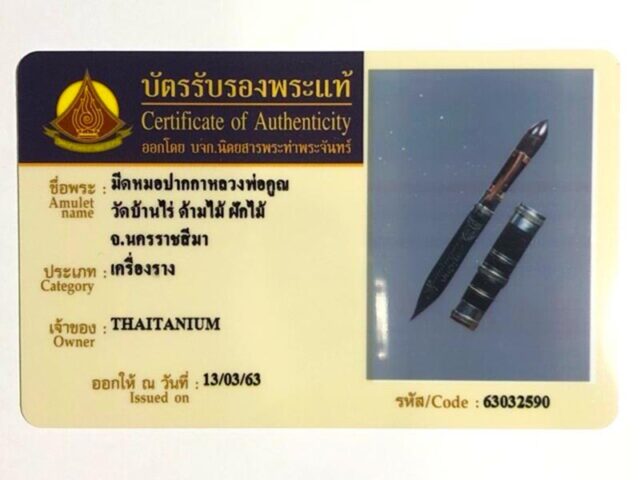
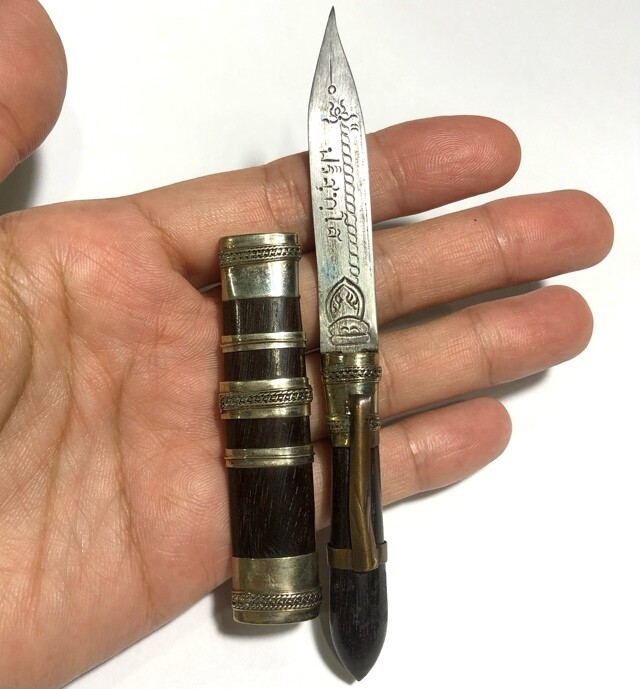
An exceptionally rare and certified genuine amulet hailing from the ‘Krueang Rang’ Talismanic category created by the revered Luang Por Koon during the mid-era of his leadership at Wat Ban Rai Temple. Its estimated origin is around 2535 BE, although the exact date remains unknown.

Mitmor Pocket Knife Luang Por Koon

Mitmor Pocket Knife Luang Por Koon

This well-established and tested talisman is renowned for its abilities to ward off malevolent spirits, counteract dark enchantments, consecrate holy water, facilitate curative ceremonies, bear mystical inscriptions, and act as a personal safeguard for overall well-being. Furthermore, it serves as a conduit for the auspicious blessings and benevolence of Luang Por Koon Parisutto from Wat Ban Rai.

Free Registered Air Parcel Worldwide is included with this amulet.

Amulets produced between 2537 BE and 2555 BE are less sought-after compared to those crafted before 2537. This is attributed to the overproduction of many editions after 2537, which diminished their collectibility and rarity. Consequently, editions predating 2537 BE are highly esteemed and increasingly rare to find on the amulet collector market.
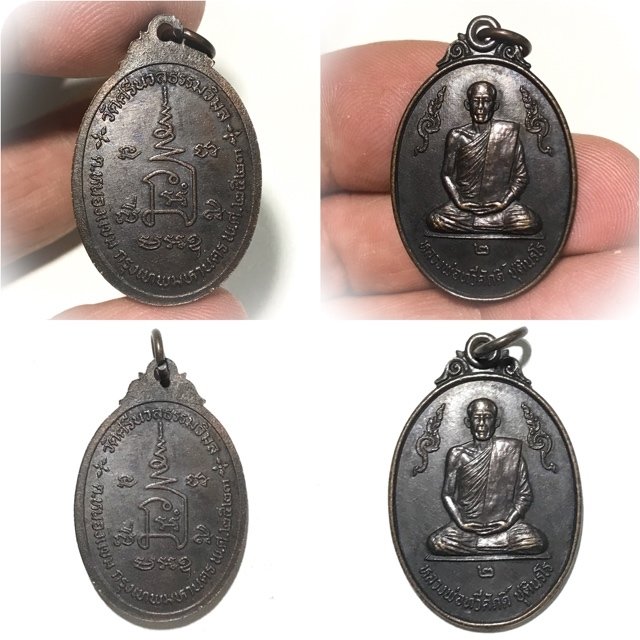
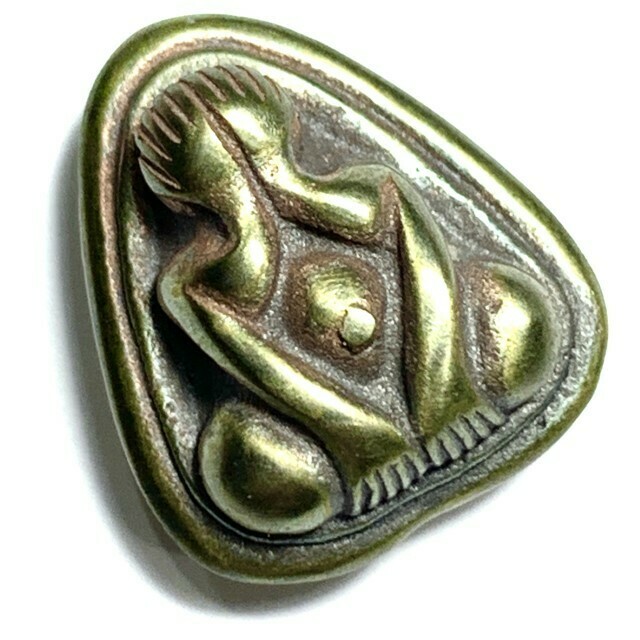
In recent times, there has been a notable resurgence of interest in the miraculous amulets of Luang Por Koon. These amulets continue to generate headlines with their extraordinary effects in Thailand. This ongoing phenomenon ensures that faith in his amulets remains resilient, impervious to forgers and unscrupulous traders.
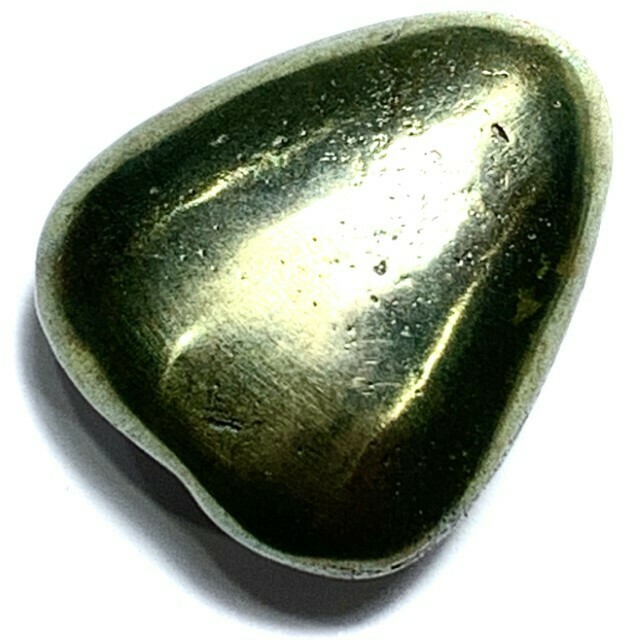
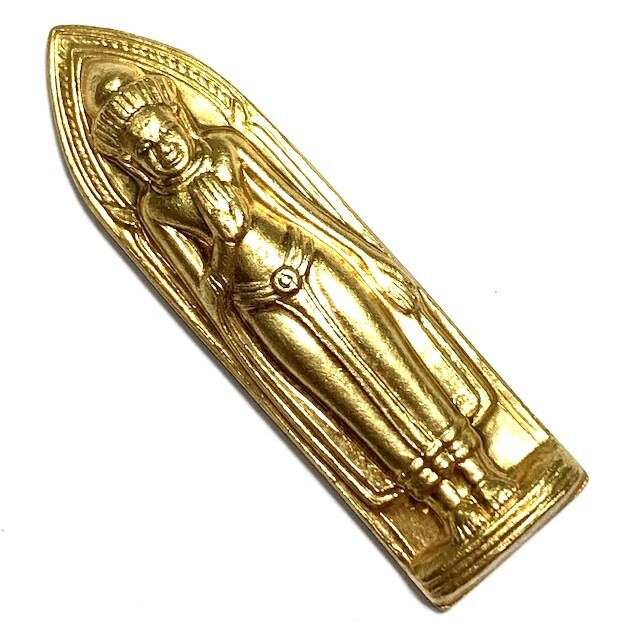
Luang Por Koon, who is now deceased, will forever hold a special place in the hearts of his devotees. He ranks among the top Guru Monks of all time and is arguably the most beloved and renowned monk in Thai history, especially in modern times. His humility is said to be matched only by his miraculous ability to bestow blessings, particularly those for protection and prosperity. His head-knocking blessings, in particular, have been credited with bringing about life-changing miracles for many.

Free Registered Air Parcel Worldwide is included with this amulet. While amulets crafted between 2537 BE and 2555 BE may be less favored due to overproduction, those created before 2537 BE are highly coveted and increasingly rare in the amulet collector market. It is certain that his amulets will continue to be revered as some of the greatest and most collectible amulets of all time.

Luang Por Koon Blessing Amulets in Devotional Gathering

Luang Por Koon Blessing Amulets Amid Devoted Followers

Their reputation and acclaim will persist well into the future. After his passing, there was a brief period of increased falsification of his amulets and a decline in interest. However, in the years following his passing, this phenomenon has subsided as collectors have returned to earnestly collecting the amulets of the Great Luang Por Koon, free from the earlier risks posed by counterfeit versions.

In recent times, a grand resurgence of interest in the miraculous amulets of LP Koon has arisen, as his amulets continue to produce breaking news miracles in Thailand. This is one of the reasons why faith in his amulets will always be revived and can never be destroyed, despite the attempts of forgers and dishonest traders.

This rare item, is exceedingly scarce to find nowadays, whether on the internet, in temples, or markets. They are only to be found residing with truly devoted individuals, a fitting tribute to the prestige and quality of this amulet.

One must also consider that despite the immense popularity of his amulets and his passing a few years ago, many of his amulets do not (yet) carry a millionaire price tag. They remain within reach for most people who desire a truly sacred amulet, and are willing to invest a little more in acquiring an amulet that will remain extraordinary not only today but also for generations to come. This kind of enduring classic talismanic ritual item is what we refer to as a heritage heirloom amulet, one that will never lose its popularity. It is a tried and tested amulet for protection against ghosts, countering black magic, consecrating holy water, aiding in healing rituals, bearing magical inscriptions, and simply carrying on one’s person for protection and prosperity. It also carries the good karma and blessings of Luang Por Koon Parisutto from Wat Ban Rai. It is perfect for the devoted followers of this great, humble, and compassionate monk who always remained close to the less fortunate, regardless of their social status.

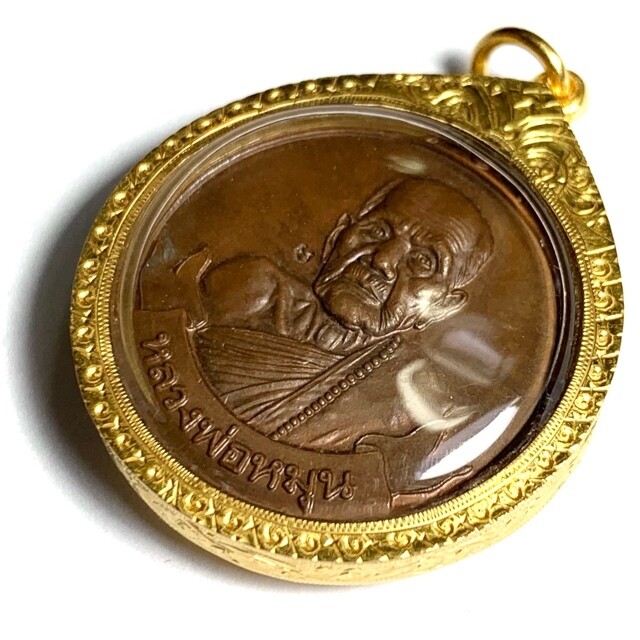
Rian Run Raek Luang Por Hmun

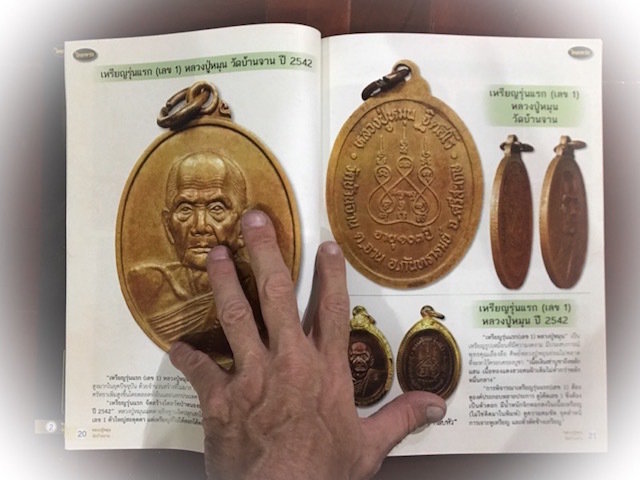
The most highly preferred and rare guru monk coin amulets of the great Master Monk Luang Phu Hmun of Wat Ban Jan, in Sri Saket, the ‘Rian Run Raek’, or, ‘Rian Laekh 1’ amulet, with number 1 code stamp indented into the front surface of the amulet. Although called the ‘Rian Laekh 1’, meaning ‘coin with number 1’ this amulet was also made without the number 1 code stamp in some exhibits, hence, many people prefer to call it the ‘Rian Run Raek’ (first edition coin), of 2452 BE. Only 5000 amuletsa were made in Nuea Tong Daeng, with only another 35 Gammagarn edition versions in solid silver.

1st edition coin amulet Luang Phu Hmun Wat Ban Jan 2528

1st edition coin amulet Luang Phu Hmun Wat Ban Jan 2528


In truth it is hard to name which coin amulet as Luang Phu Hmun’s first edition, because he released various at various temples, so each temple has a ‘first edition’ amulet which was released and blessed by Luang Phu Hmun, such as the Rian Run Raek Hlang Hanuman released at Wat Ban Jan in 2542, is also referred to as first edition, for its simultaneous release, and the4 fact it was the first and only time that design model was released. Each design has therefore its own ‘first edition’ because often they are made again in later years due to high popularity and demand from devotees in the case of many amulets from many masters. This is a common truth in general in the Thai amulet world.

1st edition coin amulet Luang Phu Hmun Wat Ban Jan 2528 BE Rear Face

The revered and rare guru monk coin amulets of the esteemed Master Monk Luang Phu Hmun, from Wat Ban Jan in Sri Saket, hold great significance. Among these treasures is the distinguished ‘Rian Run Raek’ or ‘Rian Laekh 1’ amulet, bearing a unique number 1 code stamp delicately etched on its front surface. While it is commonly referred to as the ‘Rian Laekh 1,’ denoting a coin with the number 1, it is worth noting that some examples of this amulet were crafted without the number 1 code stamp. Consequently, many enthusiasts prefer to call it the ‘Rian Run Raek,’ signifying the first edition coin, originating from the auspicious year 2452 BE.

Determining which coin amulet truly represents Luang Phu Hmun’s first edition can be a challenge since he released various editions at different temples. Each temple has its own ‘first edition’ amulet, meticulously crafted and blessed by Luang Phu Hmun. For instance, the Rian Run Raek Hlang Hanuman, released at Wat Ban Jan in 2542 BE, is also regarded as a first edition due to its simultaneous release and the fact that it was the initial and sole occasion this specific design model was made available. Each design, therefore, possesses its own distinct ‘first edition’ as they are often reproduced in subsequent years to meet the immense popularity and demand among devoted followers and collectors. This phenomenon is a common reality in the vibrant realm of Thai amulets, embraced and understood by enthusiasts and practitioners alike.

Rian Laekh 1 Luang Phu Hmun Wat Ban Jan 2542 BE Magazine Documentation


Authenticity Certificate Pra Somdej Hlang Yant Ha Nuea Wan Plai Dam 3 Takrut LP Tim

An Authenticated and Certificated Pra Somdej Hlang Yant Trai Pim Pised Fang Takrut Sam Kasat Fang Roop Muean Nuea Ngern – Muan Sarn Sacred Powders amulet of the Great LP Tim, in Nuea Pong Prai Kumarn Bone Powders, with Pong Wan Plai Dam Black Earthen Powders, Gesa Monk’s Hairs of LP Tim, triple Takrut spell inserts, in bronze, silver and gold (3 Kings/Sam Kasat), and a solid gold Roop Muean Bpam image of Luang Phu Tim. The front face has an immensely clear image with refined details and deep relief, which is unusually prominent for this Pim, adding to its inherent prominence, due to being an Ongk Kroo model with triple Takrut in front face, and solid gold Roop Muean inserted in rear face, as well as being made from the much rarer Nuea Wan Plai Dam.

Pra Somdej Hlang Yant Ha Nuea Wan Plai Dam 3 Takrut LP Tim

This Pra Somdej is extremely rare to find in black Wan Plai Dam powders, and especially in Ongk Kroo version. They are well prized for their Maha Lap and Maha Sanaeh, and Kong Grapan Powers, especially an exhibit such as this pristinely kept amulet, enchanting in its appearance, with the seductive shimmer of Sai Rae Tong Kam Pure Gold Flakes, filled with Pong Prai Kumarn Muan Sarn Powders. The special individuaity and Sacred Power of this amulet is enhanced by the Triple Takrut spells imbuing extra power, and the solid gold image of LP Tim on the rear face.

 Luang Phu Tim Issarigo, of Wat Laharn Rai, was renowned during his day, and remains just as highly renowned today, as one of the top Master Monks in Thai amulet making history, and as the master of the Wicha Pong Prai Kumarn. His amulets are highly varied, and more extensive than ever thought before, now that the pantheon is becoming fully documented, and authenticated. Luang Phu Tim Issarigo, was of course not only one of the most highly acclaimed and sought after Guru Monks for his amulets, he is the holder of the highest esteem in Thai Buddhist amulet history for Pong Prai Kumarn powders.


Pra Somdej Hlang Yant Ha Nuea Wan Plai Dam 3 Takrut Gold Image LP Tim

The amulet is full of Pong Prai Kumarn with Plai Dam Powders, and has all features intact, having been kept in pristine condition by its original owner The Sacred Pra Pong Prai Kumarn of the Great Luang Phu Tim of Wat Laharn Rai is one of the most famous amulets of all time, and highly renowned for its true power to bring prosperity and good business, power of attraction and mercy charm to the wearer.

The Pra Somdej is rare to find in black Wan Plai Dam powders, known for their Maha Lap and Maha Sanaeh, and Kong Grapan Powers, especially an exhibit such as this pristinely kept amulet, enchanting in its appearance, with the seductive shimmer of Sai Rae Tong Kam Pure Gold Flakes, filled with Pong Prai Kumarn Muan Sarn Powders. The amulet has Luang Phu Tim’s inimitable and semi-ubiquitous Yant Trai Sacred Geometry Spell in Ancient Khmer ‘Pasa Khom‘ Pali Sanskrit Agkhara Sacred Script on the rear face, which is what lends the name ‘Somdej Hlang Yant Trai’ or Yant Maha Ud’ (Gunstopper Yantra), to the amulet.

Once seen as less known as the other famous Masters of his time such as Luang Por Horm, Luang Por Rung of Wat Ta Graber, and Luang Por Chern. LP Tim soon became more popular and powerful as the tale of him being the only Master able to make an amulet rise up in a water filled alms-bowl and start spinning around, when put to the test with the other great Masters, in a privately held competition of magical powers.

Since his passing, his devotees and apprenticed monks, have now become the world’s top living masters for the making of Pra Khun Phaen Pong Pra Kumarn, and literally dozens of encyclopedic books, have been printed, documenting both this great master monk, and his classic amulets of high esteem. The amulets of Lang Phu Tim have resided, among of the most popular amulets in the whole Pantheon of Thai Buddhist Amulets of the last century, and indeed, of all time. The amulets of Luang Phu Tim, are now almost impossible to encounter commonly anywhere in any amulet emporium, except for the most elite showrooms, and usually at a very elevated price.

The reason the Pong Prai Kumarn amulets of Luang Phu Tim became so world famous and popular, even in the time when Luang Phu Tim was still alive, is because everybody who owned one, recounted that business and personal success and prosperity had increased constantly and steadily since wearing the amulet.

Kata Luang Phu Tim  Wat Laharn Rai

Encyclopaedic work of the amulets of the Great Luang Phu Tim Issarigo of Wat Laharn Rai


khun phaen hlang baeb lp tim

Pra Khun Phaen Prai Kumarn LP Tim Pim Yai Niyom Hlang Baeb 2515 BE, rare double sided overlapped twin design model amulet, which was awarded with Authenticity Certificate  by the Luead Ban Kaay LP Tim Amulet association, from the Great Luang Phu Tim, of Wat Laharn Rai. This exhibit is predominantly made from Pong Prai Kumarn, Nuea Khaw Hniaw Sukh blessed sticky rice, with Wan Thao Long tinted Blue-green herbal tincture, and Sai Rae Tong Kam golden flakes.

Khun Phaen LP Tim 2515 Hlang Baeb in Gold Casing

Rear face Khun Phaen LP Tim Pim Yai Niyom Hlang Babe

The Pim Yai Niyom Hlang Baeb, is also known by local devotees as ‘Khun Phaen Pim Bpam Sam’, meaning ‘pressed twice’. One can see the image of the Buddha, and the Sacred Yant Grabong Khwai superimposed upon each other on both sides, with the Yant Grabong Khwai being less obtrusive image, than the Buddha on the front face, and the Buddha being less obtrusive than the Yant Grabong Khwai, on the rear face.

Khun Phaen Prai Kumarn Hlang Baeb 2515 LP Tim Blue Powders

Presenting a close up look at a pristinely well preserved and rare Pra Khun Phaen Pong Prai Kumarn, with 6 code stamps on front face, and Pra Somdej indent on rear face, with bronze wanich and sai rae tong kam golden coating. This is a master class Khun Phaen of LP Tim, which won first prize trophy during the August 2561 BE LP Tim amulet competition of the Samakom Luead Ban Kaay Luang Phu Tim amulet association.

Pra Khun Phaen Pong Prai Kumarn Luang Por Tim

This Model is  Pra Khun Phaen pok Pim Niyom Sao Mee Sen, in Pink Prai Kumarn Powders with Sai rae Tong Kam golde  coating, 6 code stamps on front face, amd Pra Somdej coin impression indented into rear face.  this Amulet won first prize trophy during the highly esteemed Amulet competition of the Luead Ban Kaay Lp Tim Amulets association, for its impressive beauty and originality, in the category of Pra Khun Phaen with coin impressions in rear face.

Luang Phu Tim Issarigo, was of course not only one of the most highly acclaimed and sought after Guru Monks for his amulets in his lifetime, amd posthumously, but is also the holder of the highest esteem in Thai Buddhist amulet history for Pong Prai Kumarn powders. Luang Phu Tim, is Internationally Acclaimed, for his famous Pra Khun Phaen Pong Prai Kumarn, and Look Om powder balls. As to the classic ‘Rian’ type coin image amulets which have become all time favourites, and eternally, world famous classic amulets of the high end variety. His rian Jaroen Porn, and Rian Nakprok Paed Rorp are amongst the most highly sought after coin amulets of all.


An exquisitely beautiful Pra Khun Phaen Prai Kumarn 2515 BE Pim Yai Niyom Block Tong Hlueang (Block 2) Hlang Dtok Dtaeng Niyom Nuea Chompoo with Khaw Hniaw Suk & Pong Prai Kumarn Ta Bronze Wanich Dtem Ongk, code Sala (crown code stamp), code 3, and quadruple code Pidta embossed on the front face, with the indented image of a Rian Pra Somdej Lor LP Tim embossed into the rear face as an indentation.


Pra Somdej Bang Khun Prohm Pim Sen Daay Kru Gao 3rd Prizewinner Ancient BenjapakeeAmulet (38)

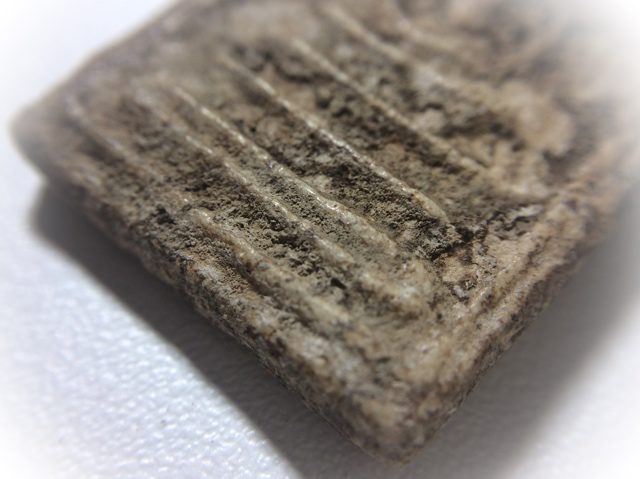
A 3rd Prize winning Competition Standard Master-Class amulet of the Benjapakee Immortal Classic Family, the Pra Somdej Wat Bang Khun Prohm Kru Gao (Chedi Yai), Pim Sen Daay Kru Gao. An Immortal Classic and one of the most famous Thai Buddhist Amulets of all time, as well as being amongst the top preferred amulets of the serious devotee and wealthy collector of the accepted amulets of Somdej Pra Puttajarn (Dto) Prohmrangsri, of Wat Rakang Kositaram.

Pra Somdej Bang Khun Prohm Pim Sen Daay Kru Gao 3rd Prizewinner Ancient Benjapakee Amulet - Somdej Pra Puttajarn (Dto) Prohmrangsri of Wat Rakang.

Pra Somdej Bang Khun Prohm Pim Sen Daay Kru Gao 3rd Prizewinner Ancient Benjapakee Amulet – Somdej Pra Puttajarn (Dto) Prohmrangsri of Wat Rakang.

The Pra Somdej of Somdej Dto are the number one amulets of all time, be they from Wat Rakang, Wat Bang Khun Prohm,or Wat Gaes Chaiyo. Made in the period between 2411 and 2413 BE, three years before the passing of Somdej Dto himself, and buried in the Stupa until their distribution in 2500 BE

Rear face view of Pra Somdej Bang Khun Prohm Pim Sen Daay Kru Gao 3rd Prizewinner

Rear face view of Pra Somdej Bang Khun Prohm Pim Sen Daay Kru Gao 3rd Prizewinner

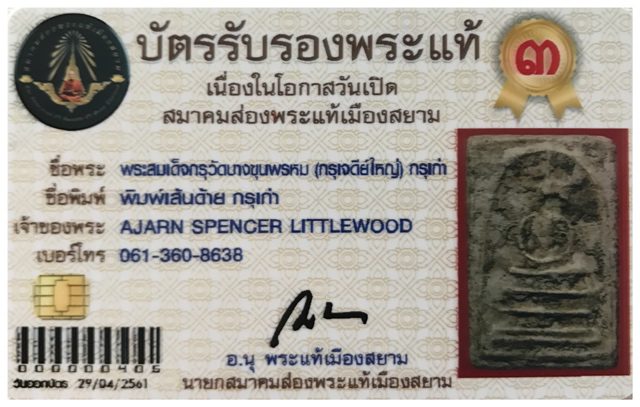
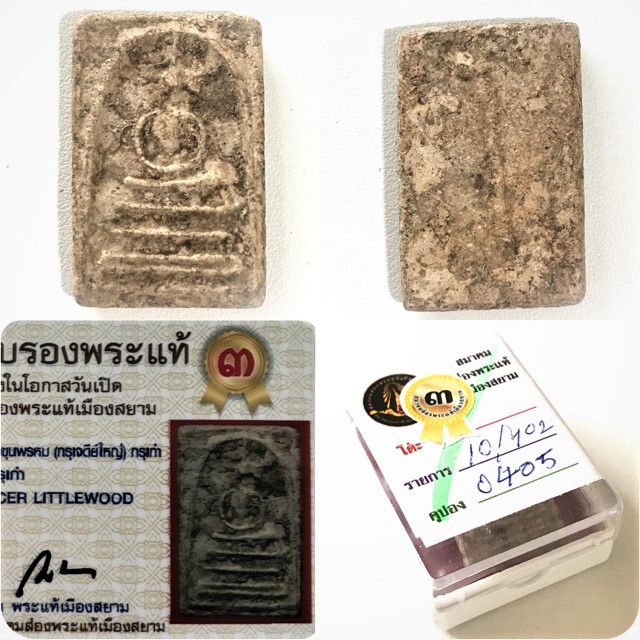
This amulet comes with its third prize winning certificate micro-chipped certificate card of the Chomrom Pra Tae Mueang Siam Amulet Appreciation society and complimentary box with third prize ribbon sticker. We offer free Gold, Waterproof or Solid Silver Casing with this amulet. whichever you prefer. Free EMS Shipping is also included in the price

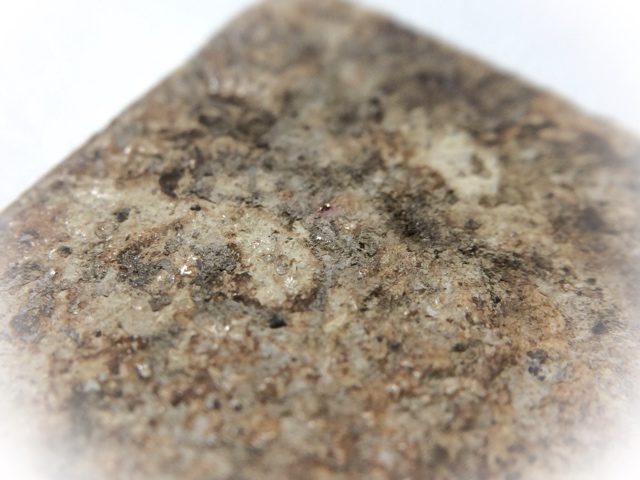
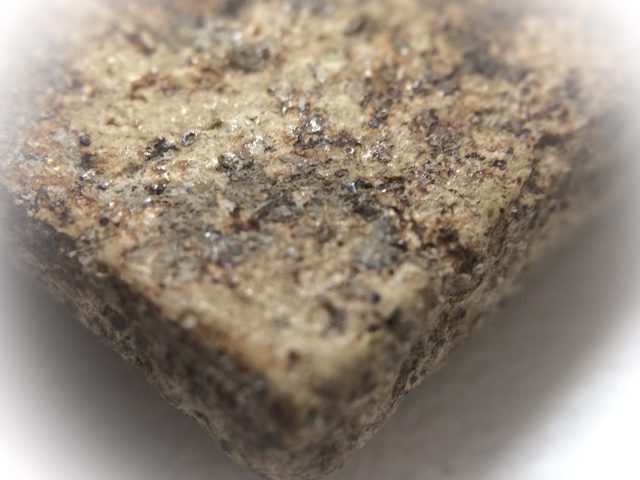
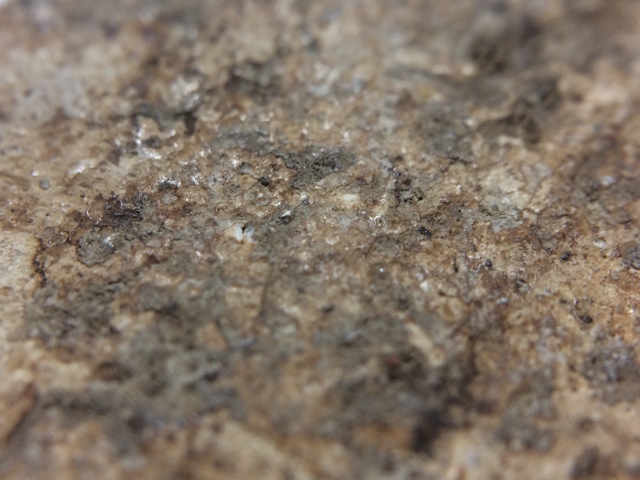
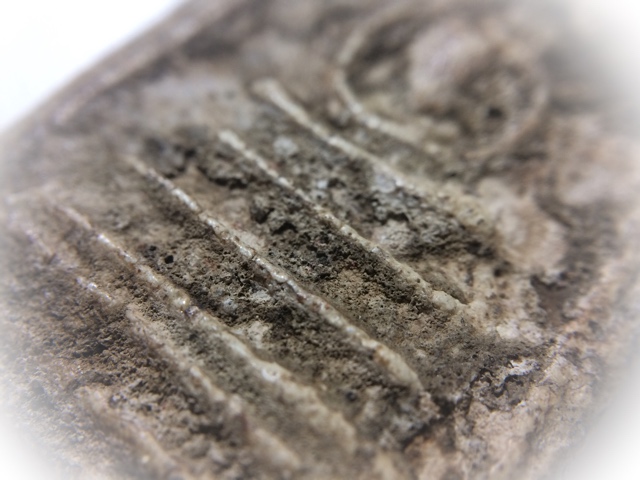
The rear face shows the presence of all the classic features and muan sarn ingredients of a true Pra Somdej Bang Khun Prohm of Somdej Dto, with Kraap Kru on the front face revealing it to have been placed within the larger Chedi Stupa of the 2500 BE Opening. The Kru Gao (Chedi Yai) amulets are more highly preferred than the Kru Hmai (small Chedis) amulets, which were found later within the nine smaller Chedi Stupas surrounding the main central Stupa.

Pra Somdej Bang Khun Prohm is one of the classic Pra Somdej amulets available and is along with Pra Somdej Wat Gaes Chaiyo perhaps the next in line to the Pra Somdej Wat Rakang amulet as far as popularity, beauty, sacredness of Puttapisek ceremony and price range.


Pra Somdej Bang Khun Prohm Kru Pra Chedi Yai (Large Chedi Kru amulets)
The Pra Somdej Bang Khun Prohm amulets classified as a Kru Pra Chedi Yai, have 9 different Pim Song, and were made in the period between 2411 and 2413 BE. Not all of the Pra Somdej Bang Khun Prohm were placed in the Kru, it took many years to create and press them and many would be in a receptacle in the Kuti and would be handed out by him during the time he created and empowered them.


This explains the absence of Kraap Kru in some exhibits, as well as being purely logical and the most probable chain of events to have occurred. The Thaan Saem is one of the 5 Pim Song of Pra Somdej, which exist in both the Kru Wat Rakang and Kru Bang Khun Prohm amulets. Pra Somdej Wat Rakang have Five major category of Pim Song, whereas the Pra Somdej has four more Pim Song, making it nine major Pim in all.


These 9 Pim are; Pim Yai, Pim Sangkati, Pim Song Chedi, Pim Prok Po, Pim Gaes Bua Dtum, Pim Thaan Koo, Pim Sen Dai, Pim Ok Krut.

History records that, in the year of the Dragon 2411 BE, Samian Tra Duang Tongoses made restoration work Wat Bang Khun Prohm Nai (Wat Mai Amataros), and renewed the temple along with the building of a new Chedi Stupa, in order to place Pra Somdej amulets, which Samian Tra Duang invited Jao Prakhun Somdej Pra Puttajarn (Toh) Prohmrangsri, of Wat Rakang Kositaram to place there, as well as to empower. The amulets were made in the Pra Somdej Traditional formula of 84,000 pieces (same as the number of suttas of the Pra Tammakhant).


After Somdej Dto had blessed and empowered them, Samian Tra Duang was allowed to place then in the Kru hiding place within the Chedi Stupa behind the Upopsadha shrine room. During the time from then, the Chedi was sometimes accessed and amulets were removed from time to time, and even some thieves dug holes and stole some.


This became so bothersome that the Kru had to be broken open officially on 24th November in 2500 BE.


The opening took all day, until at approximately 8 pm, the very last Pra Somdej amulets were removed. Many of them were very thickly coated with ‘Kraap Kru’ (residues and growths). The amulets were allowed to be rented out by devotees, until the year 2509. The total amount of money raised from the rental of these amulets amounted to about 4 Million Thai Baht.


This money was used to construct the new Uposadha shrineroom, and the renovate and restore the old Chedi Stupa, as well as making a bronze statue of Tan Jao Prakhun Somdej Toh, which was completed and celebrated in 2509 at the same time as celebrating the building of the Putta Sima (temple walls), and the burial of the ‘Look Nimit’ (all Uposadha shrine rooms must have a Look Nimit ball buried under it).

Micro Chipped Certificate of 3rd Prize Pra Somdej Bang Khun Prohm Pim Sen Daay Kru Gao

Micro Chipped Certificate of 3rd Prize Pra Somdej Bang Khun Prohm Pim Sen Daay Kru Gao

The depletion of this series led to the creation of yet another immortal legend of the Pra Somdej Niche in 2509, namely the Pra Somdej Wat Bang Khun Prohm 09 Edition, which is in itself one of the most highly collected amulets of serious collectors and devotees, and also carry relatively elevated prices.

This Classic edition of Somdej Bang Khun Prohm, are considered to have extremely powerful Buddha magic in them due to the richness of sacred powders and powerful blessings contained within from great master Somdej Dto.