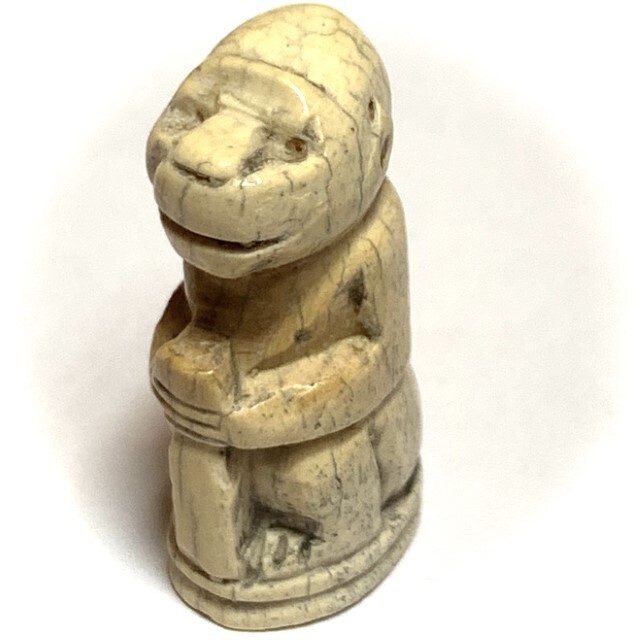
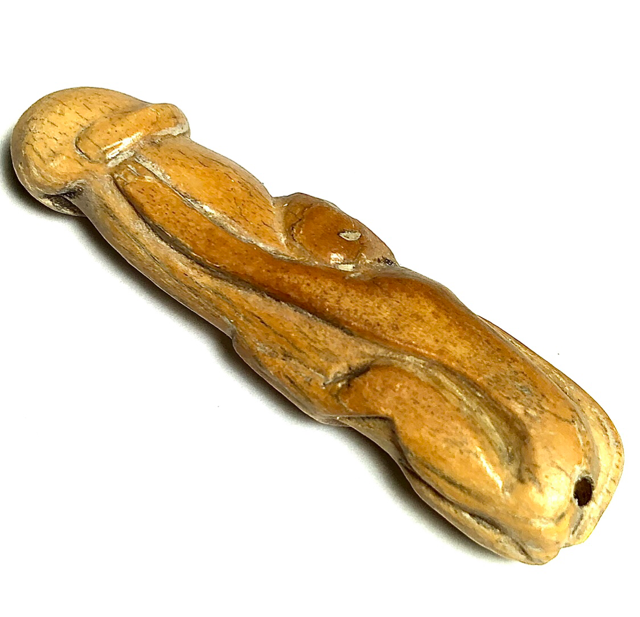
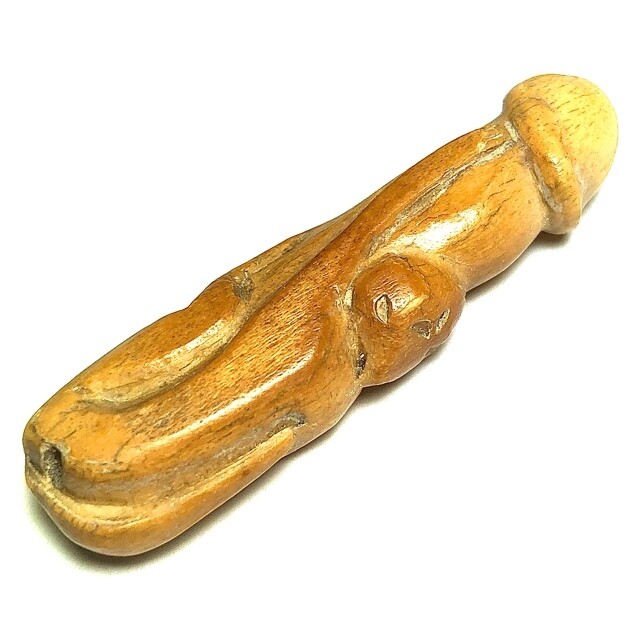
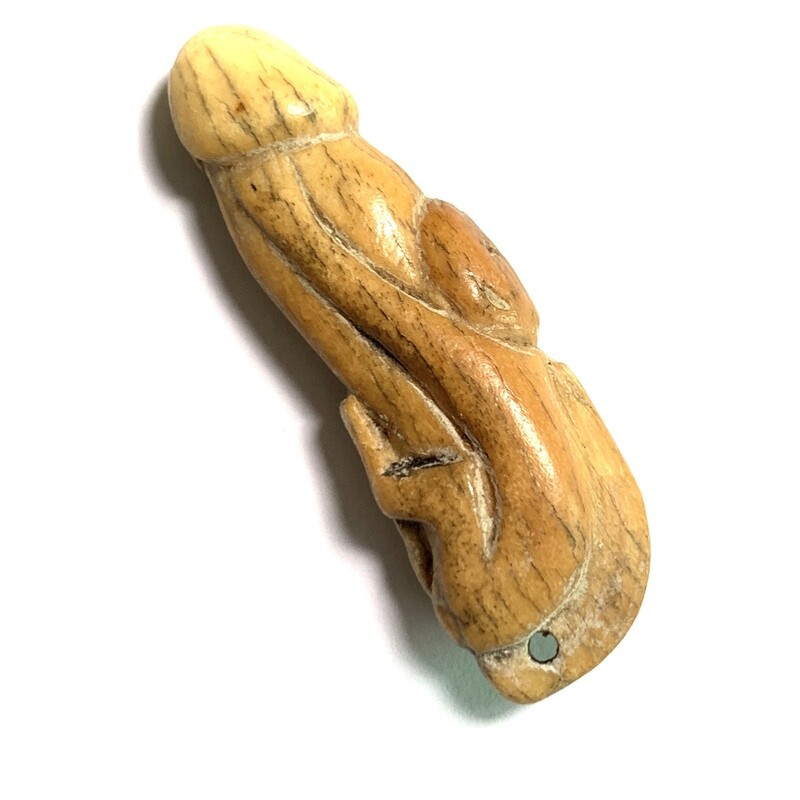
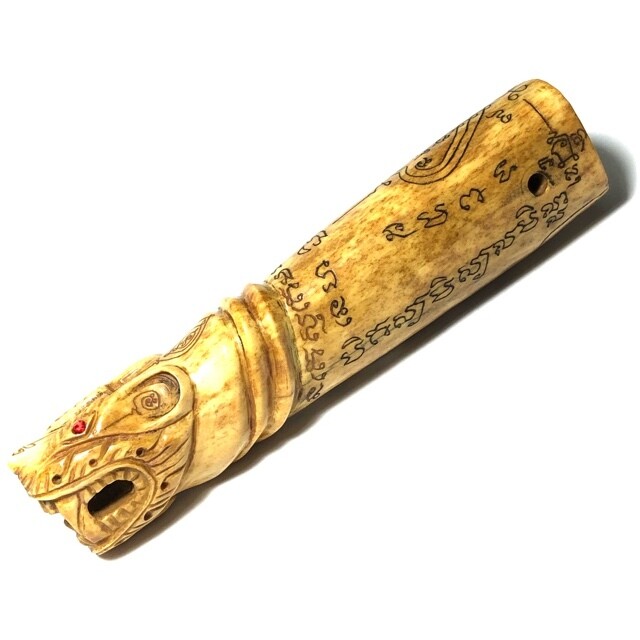
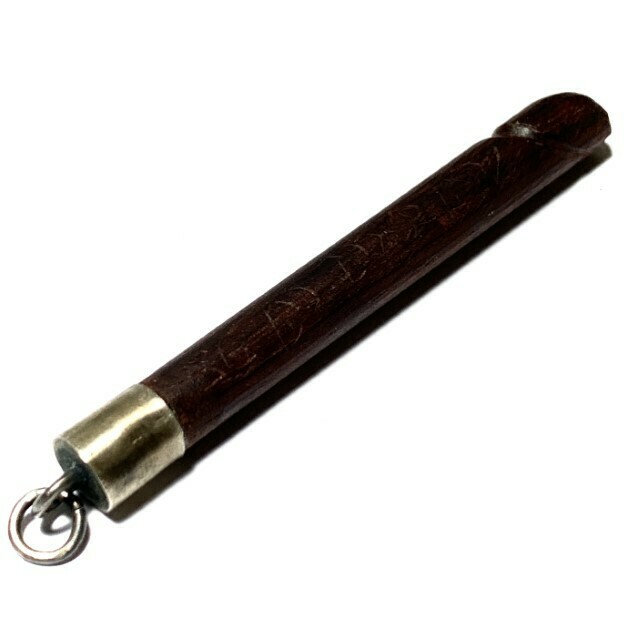
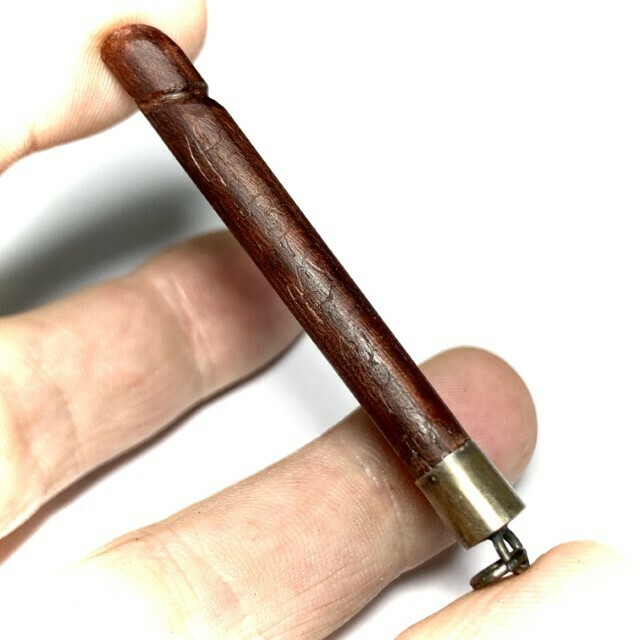
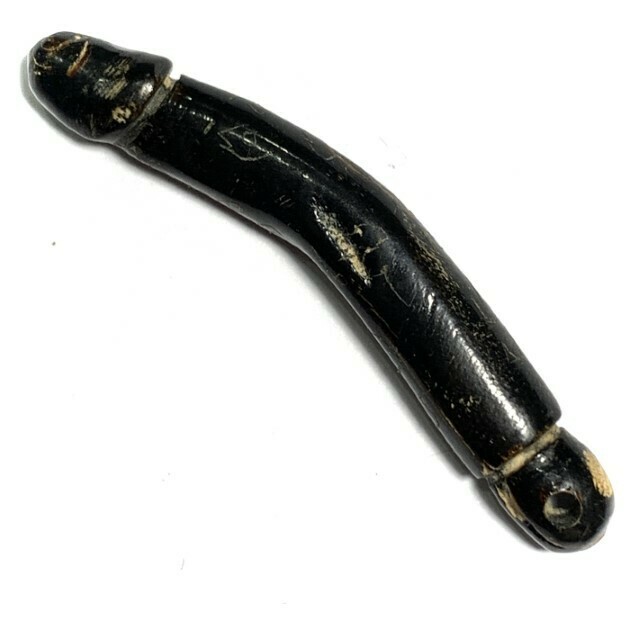
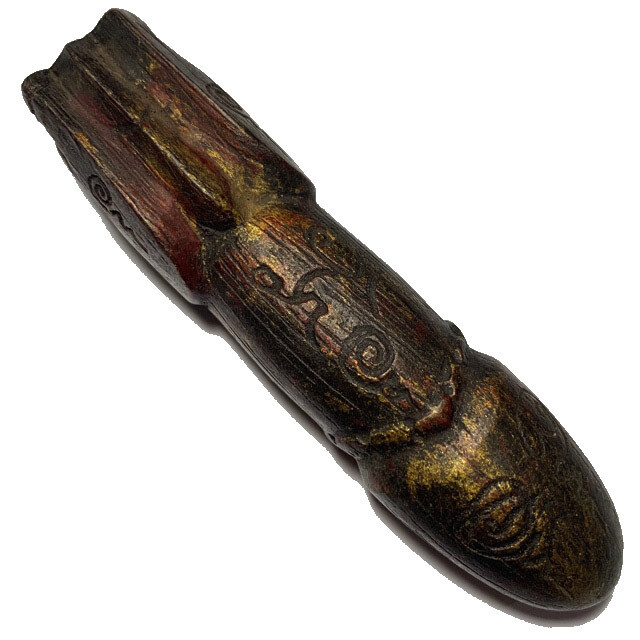
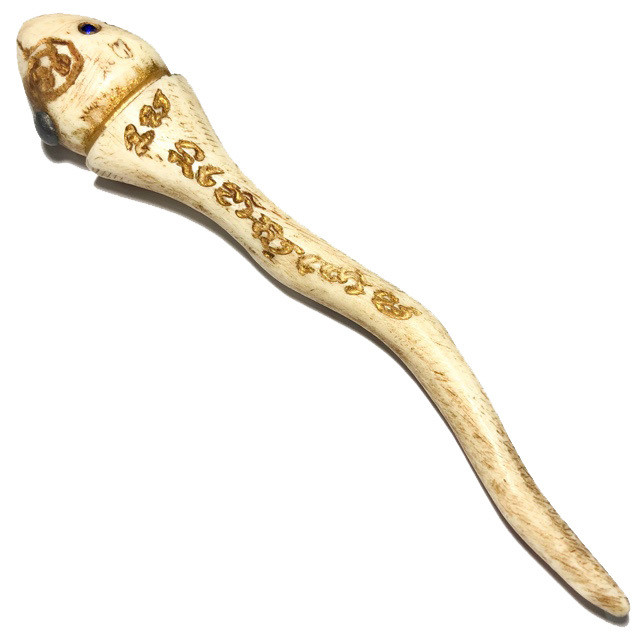
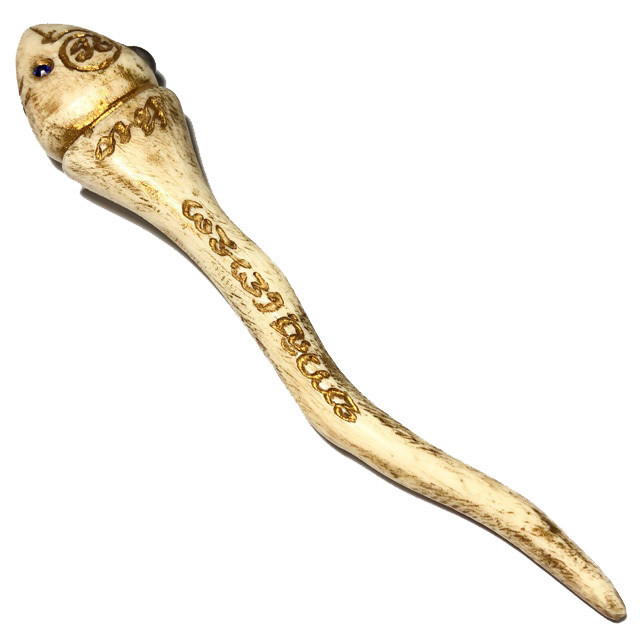
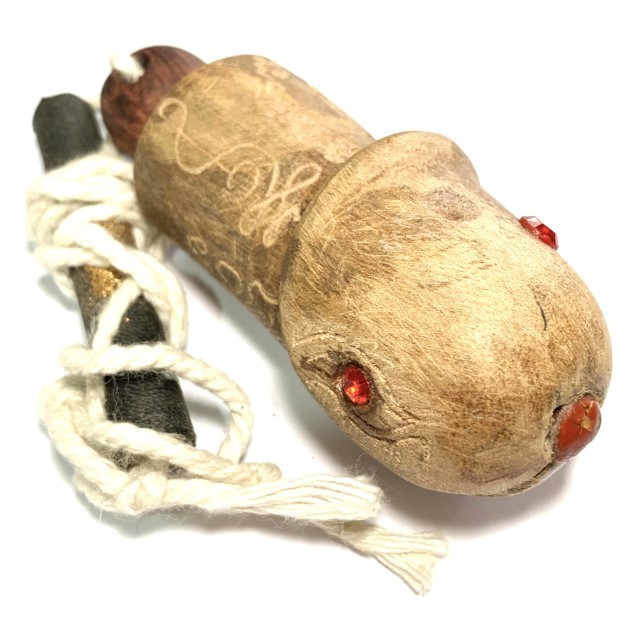
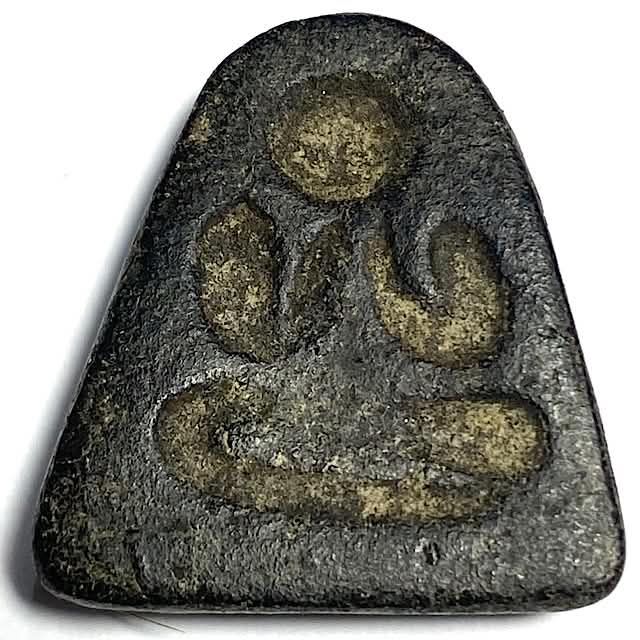
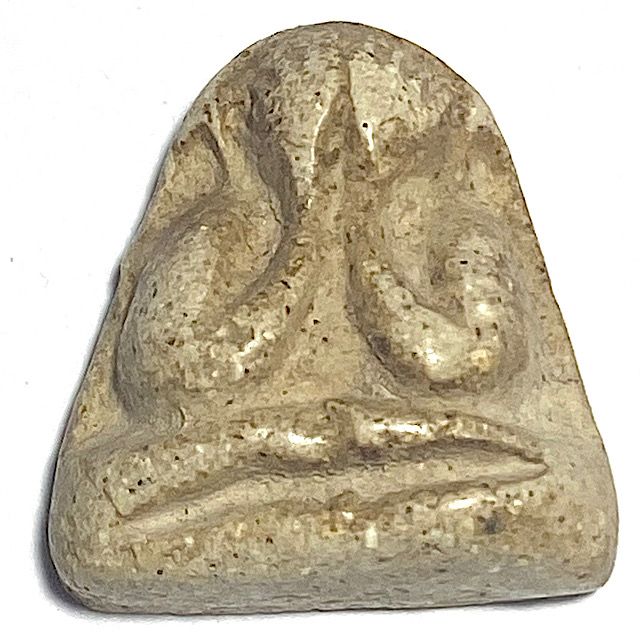
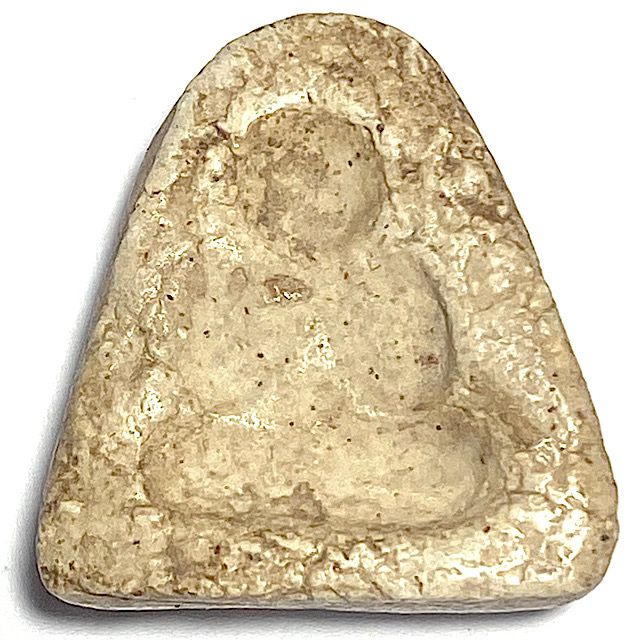
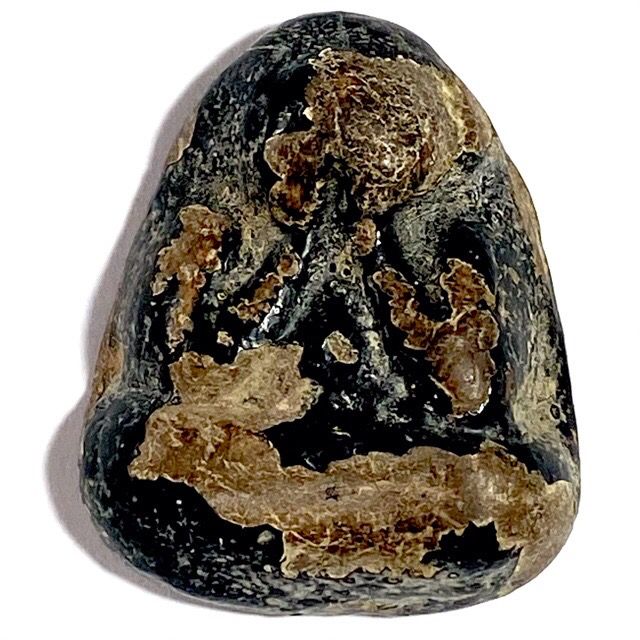
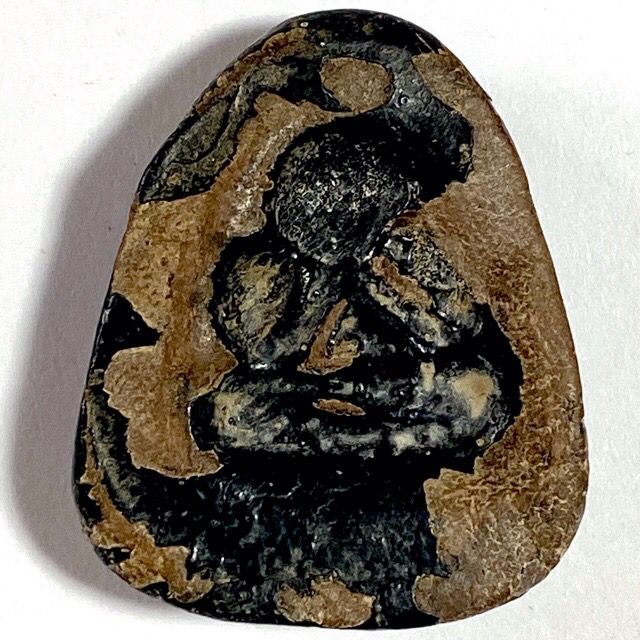
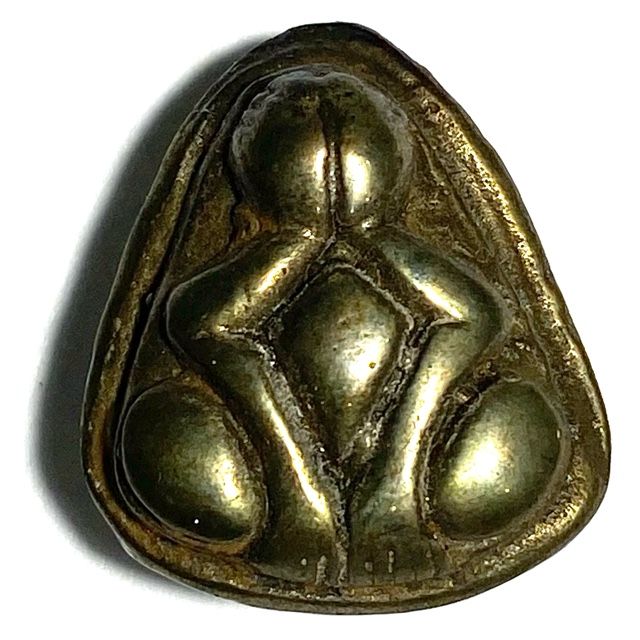
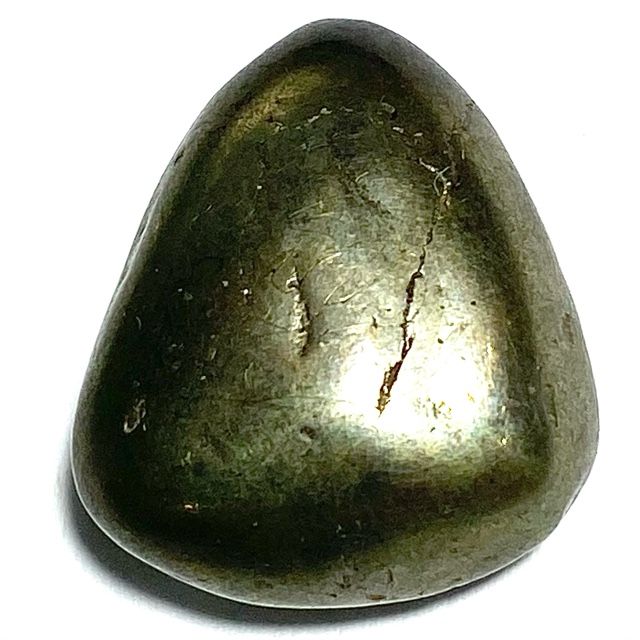
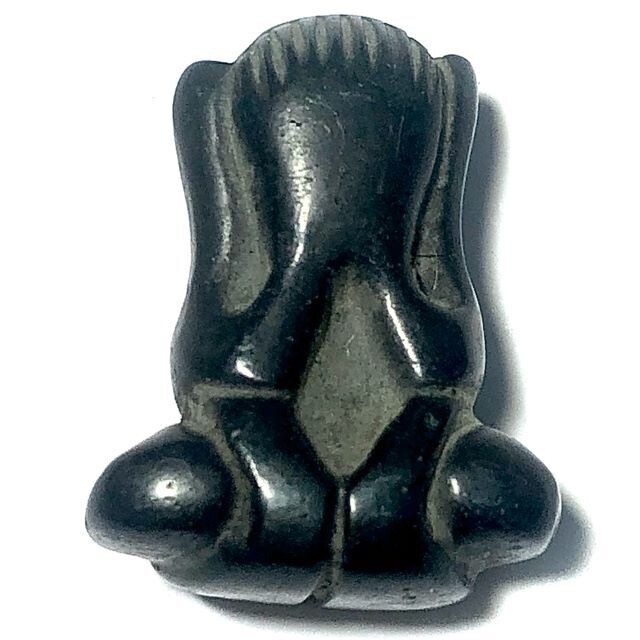
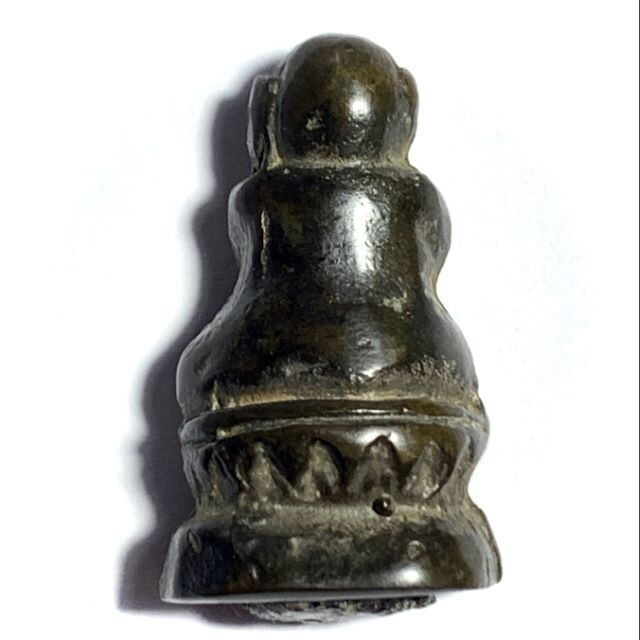
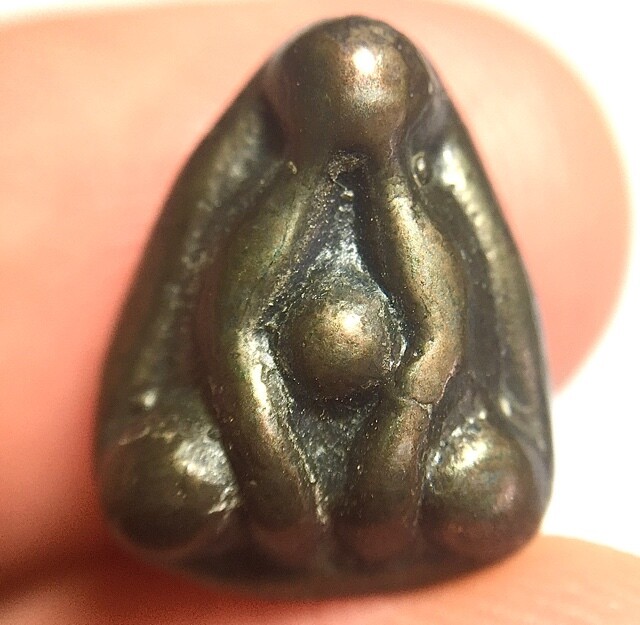
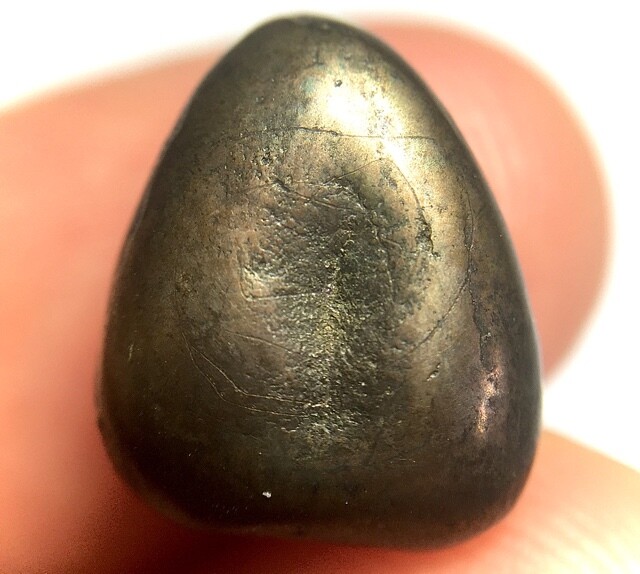
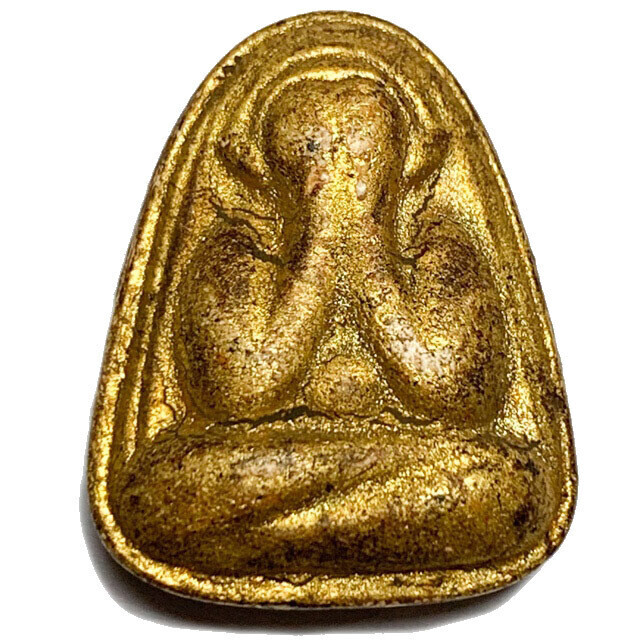
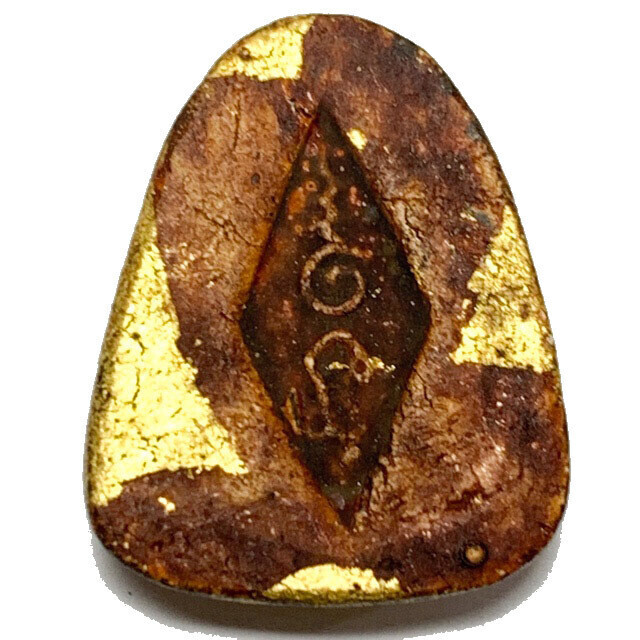
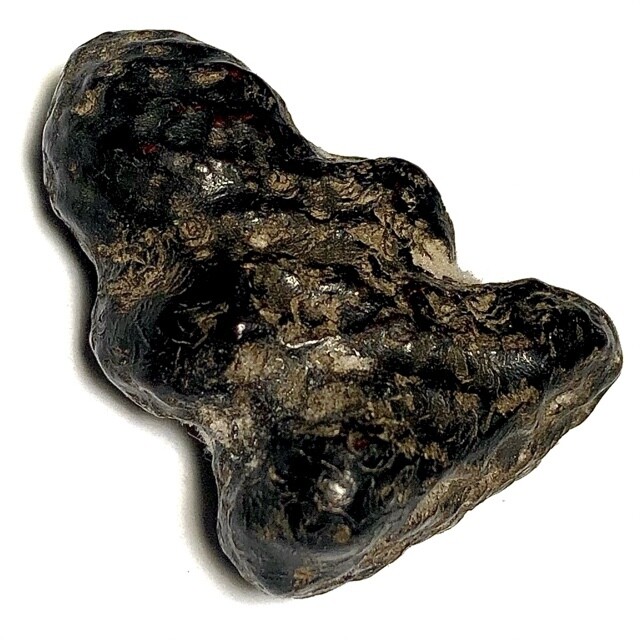
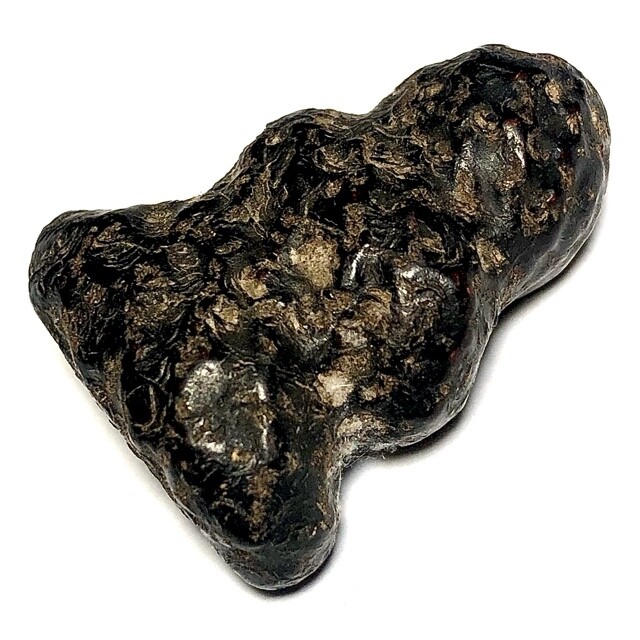
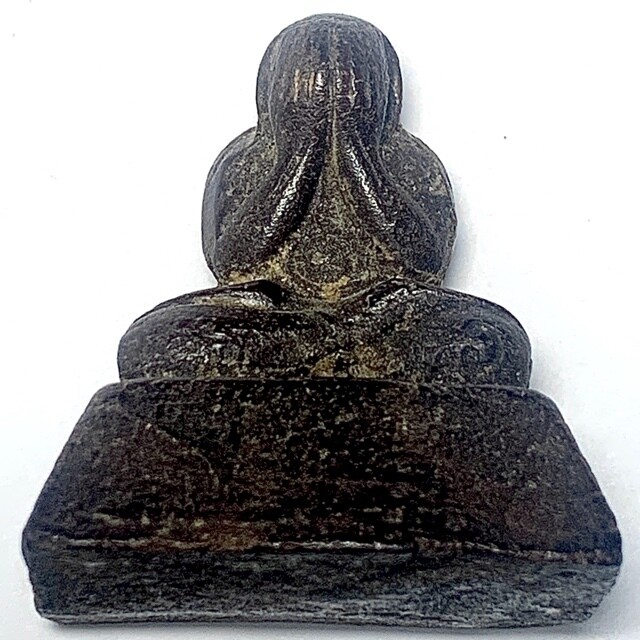
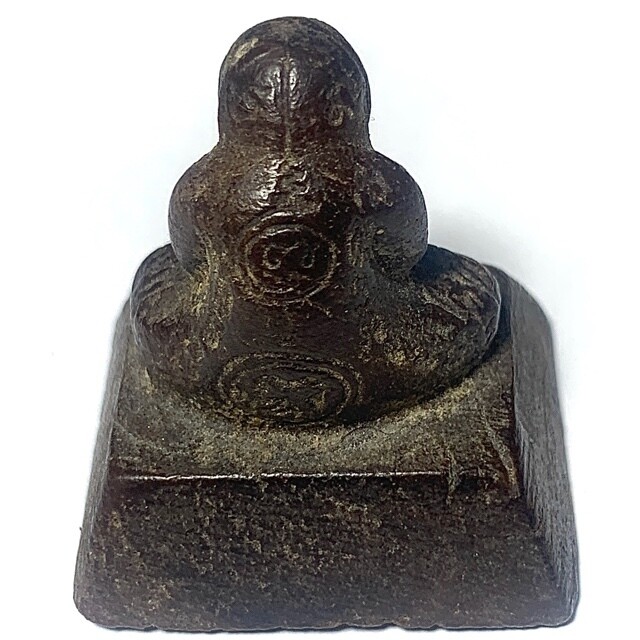
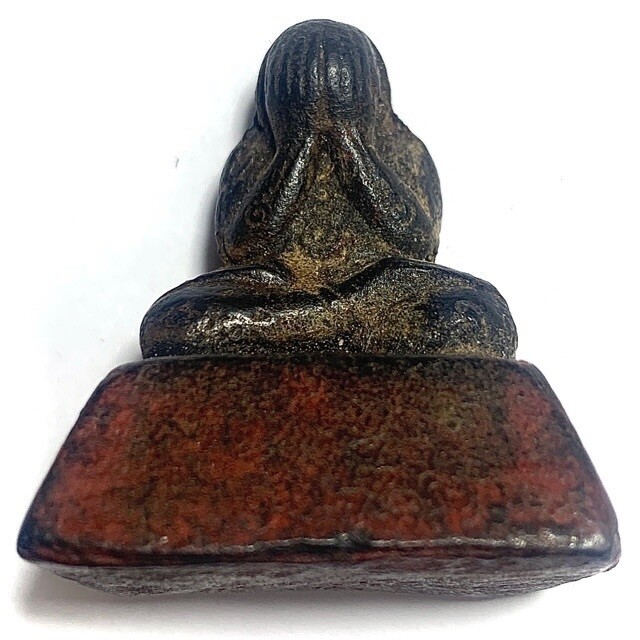
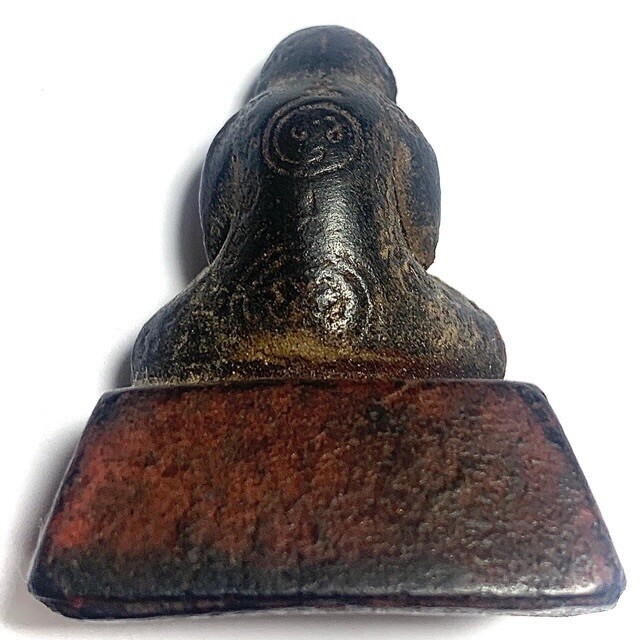
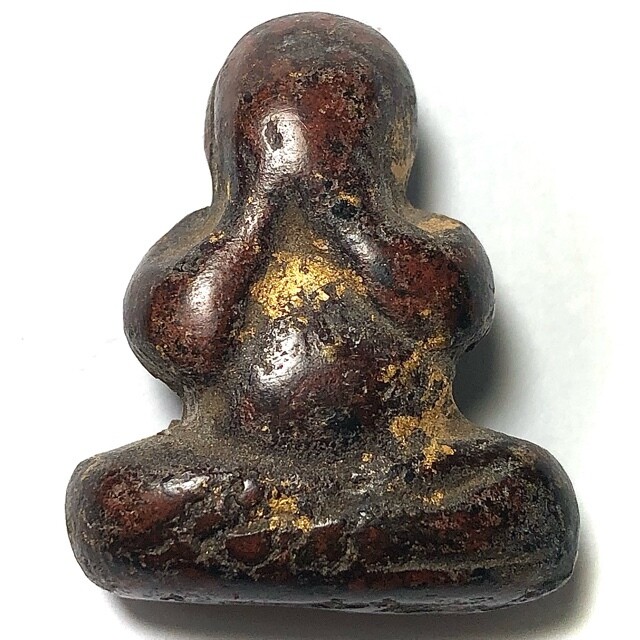
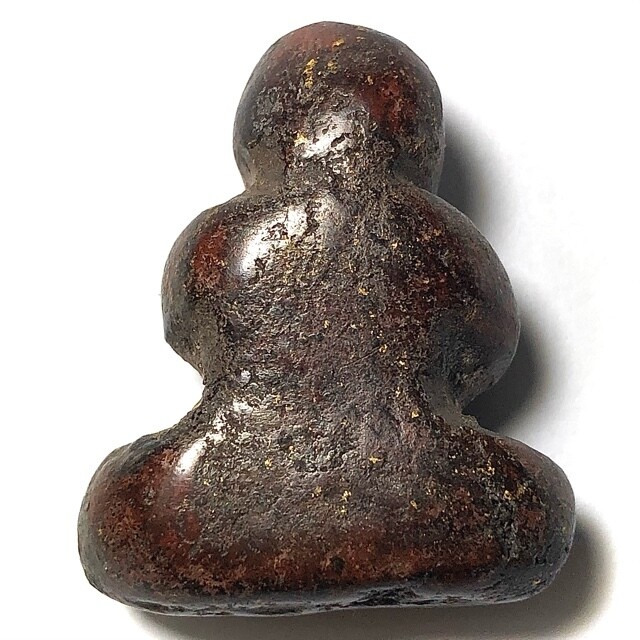
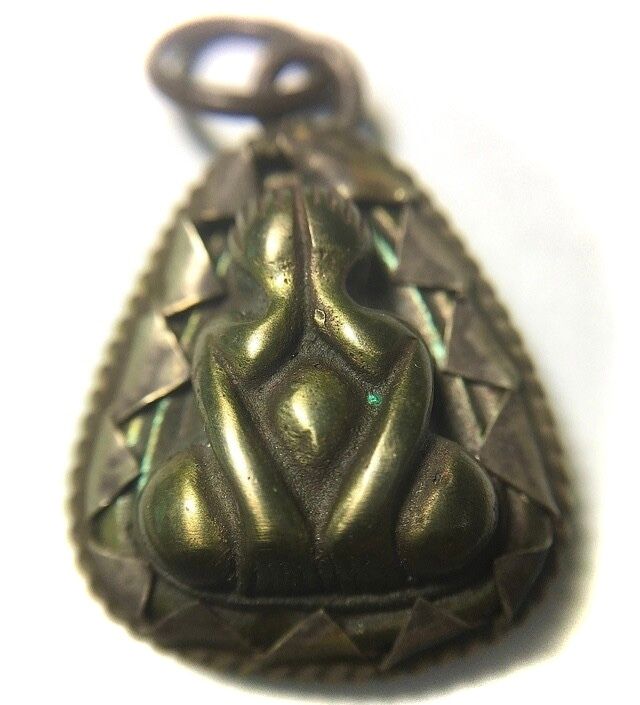
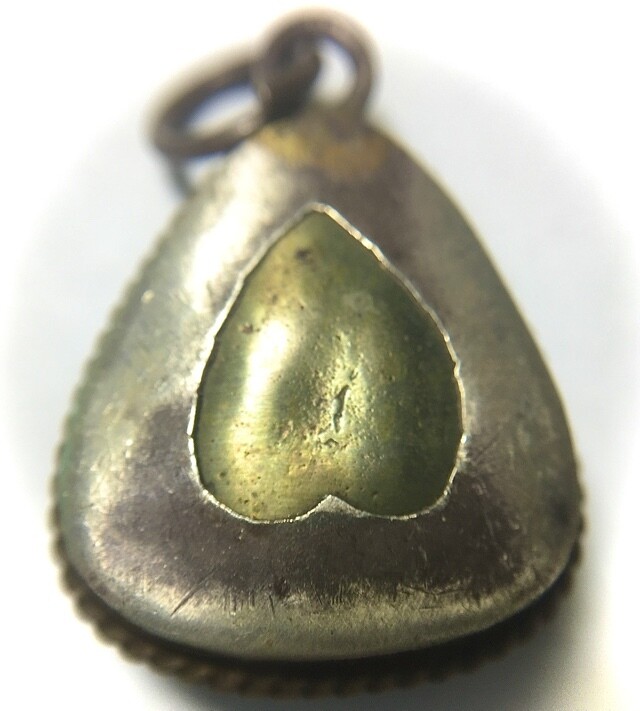
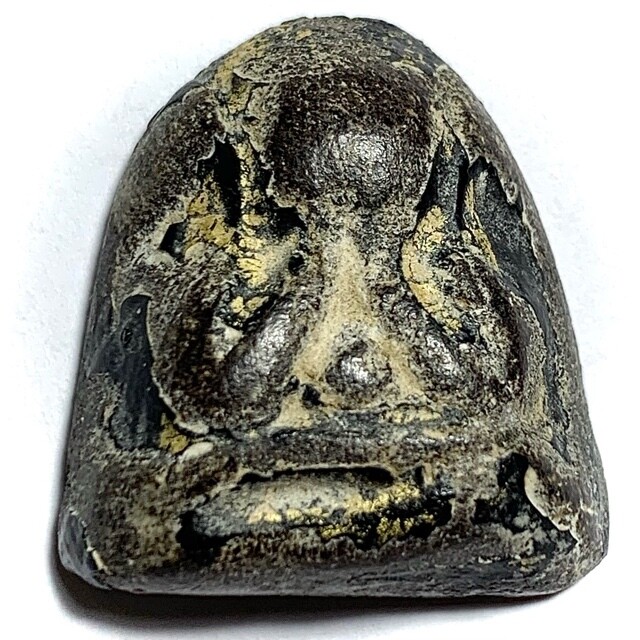
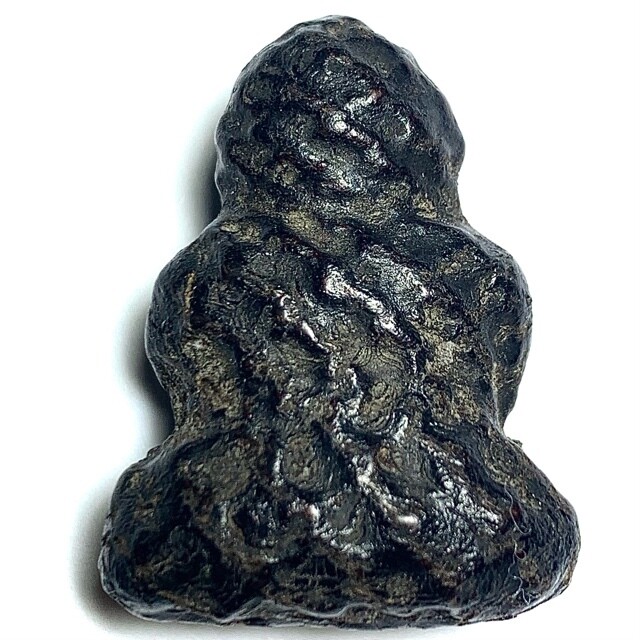
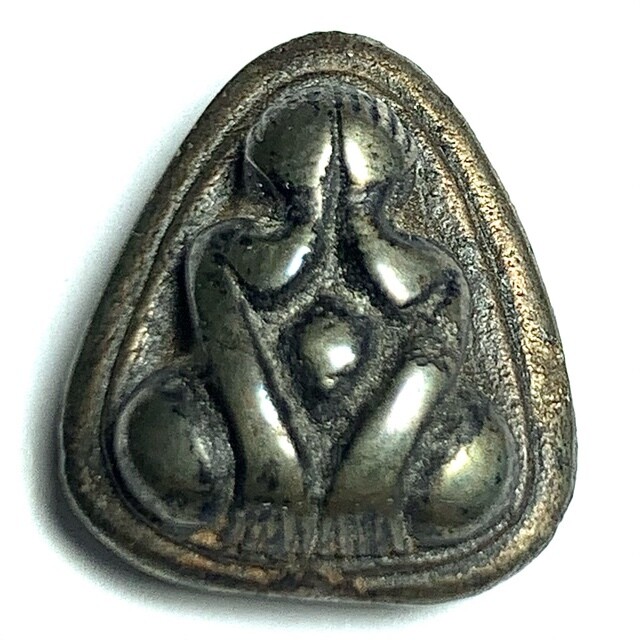
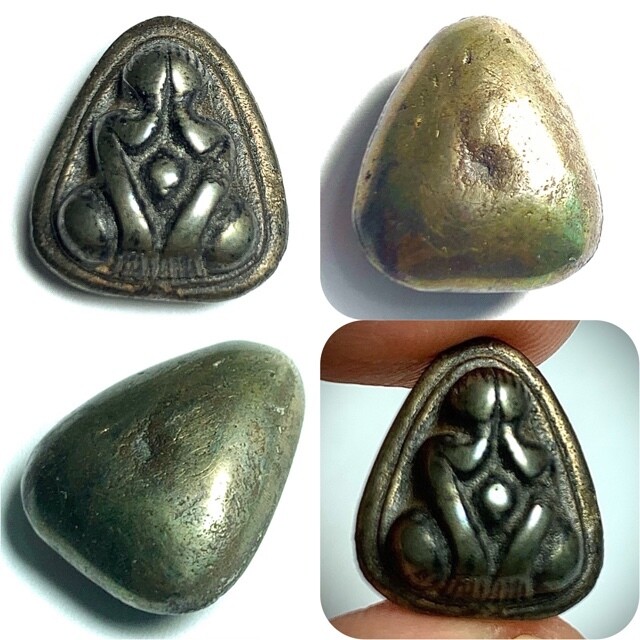
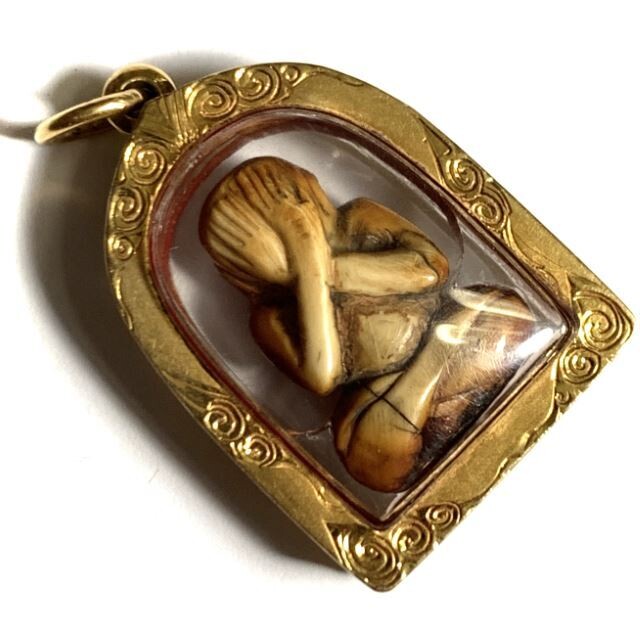
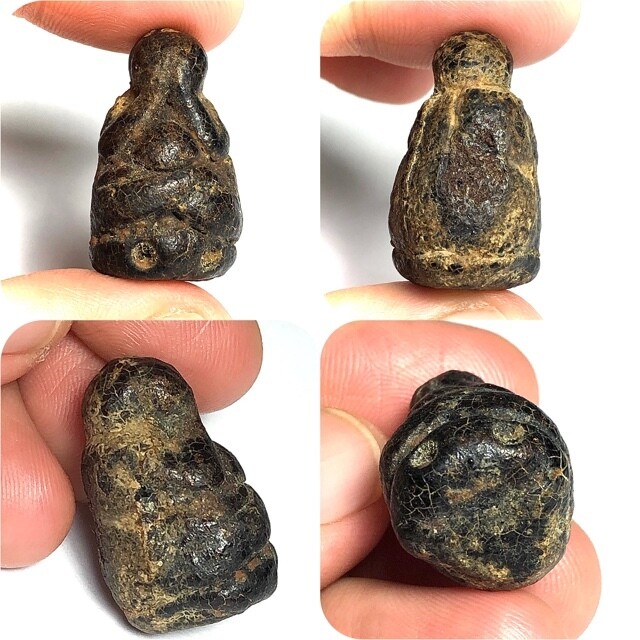
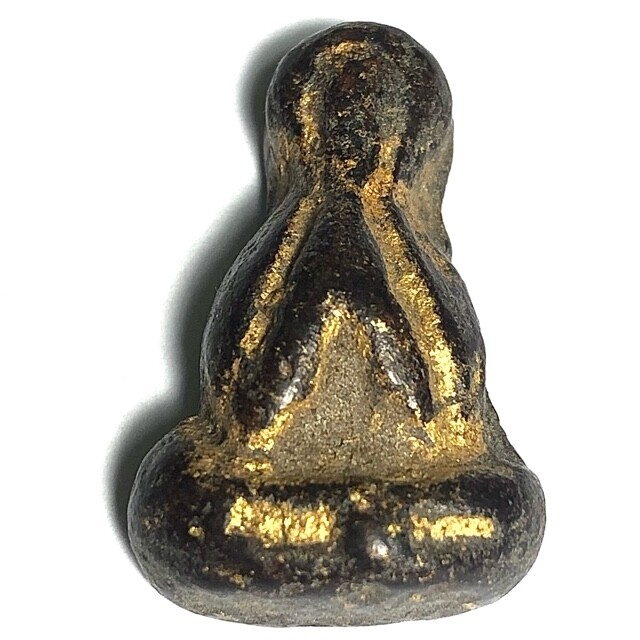
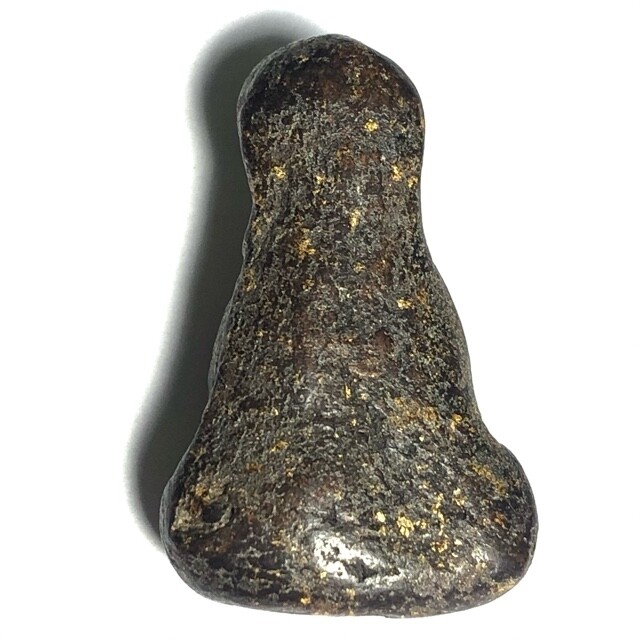
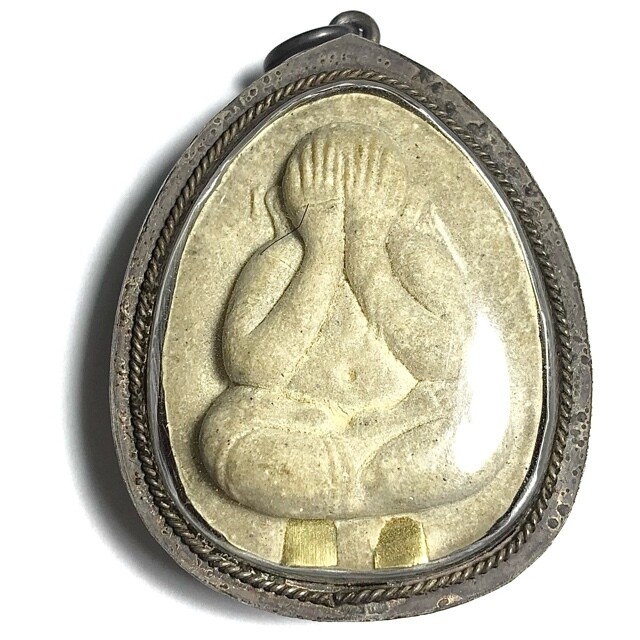
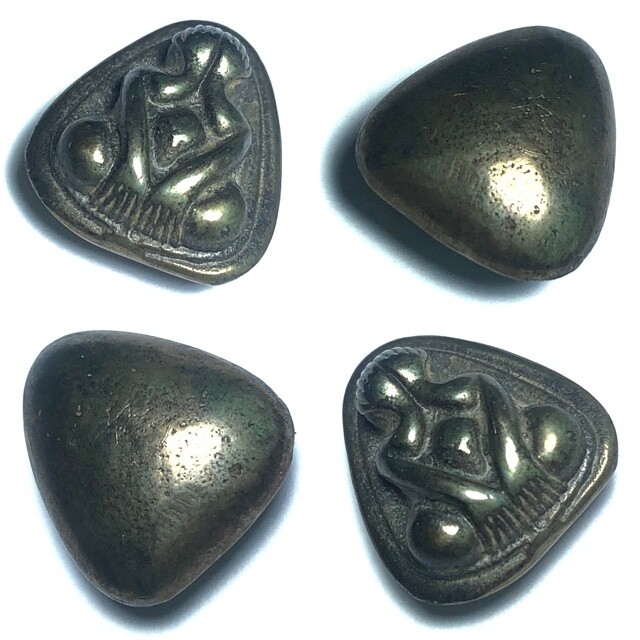
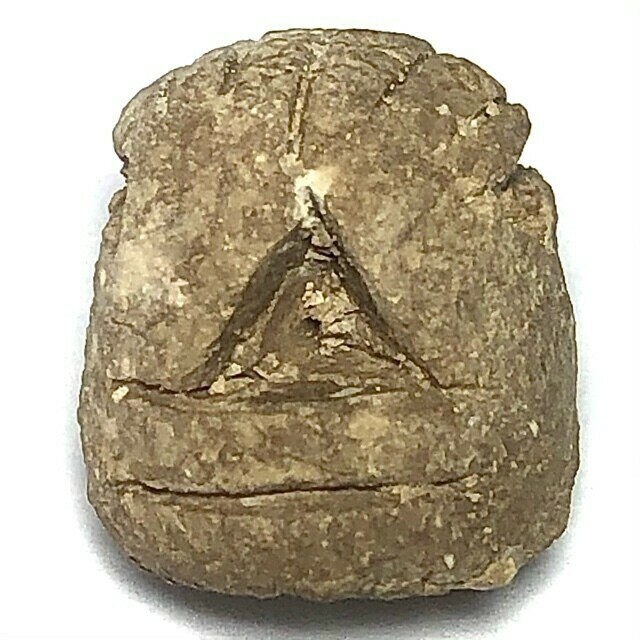
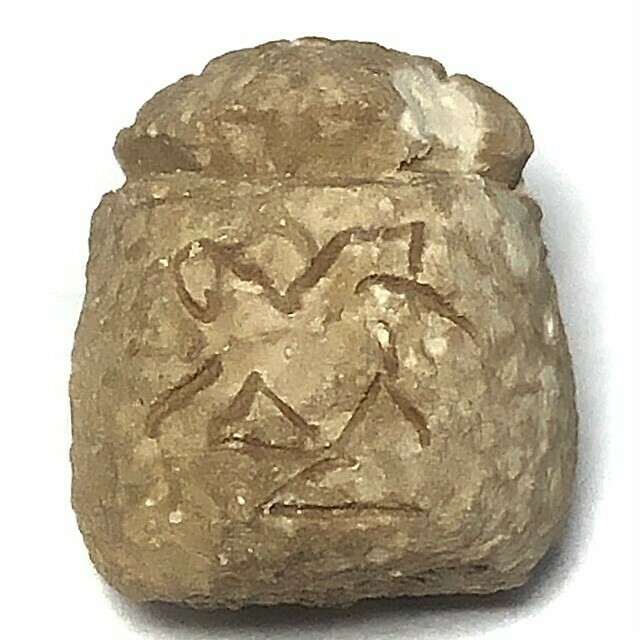
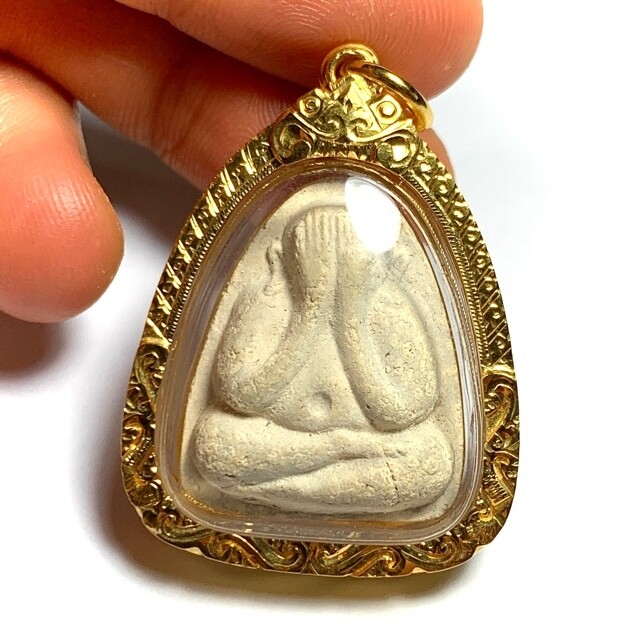
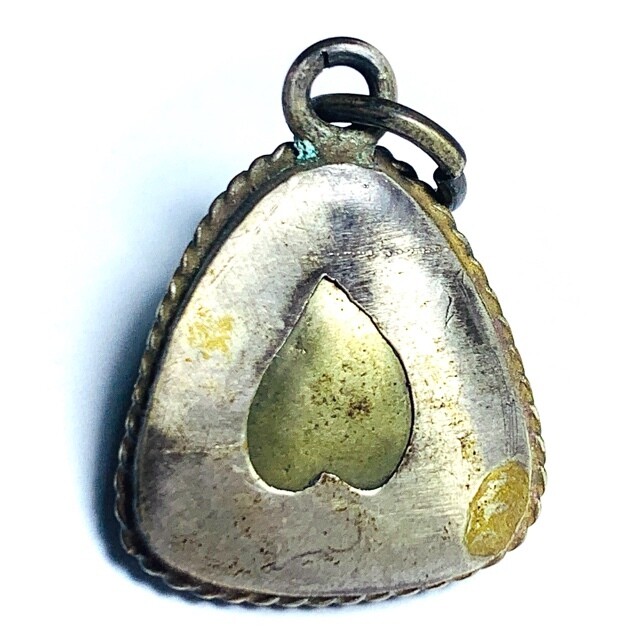
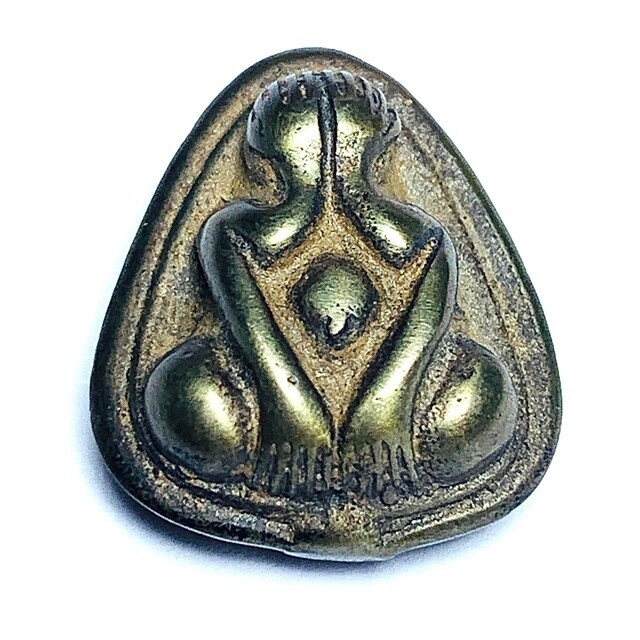
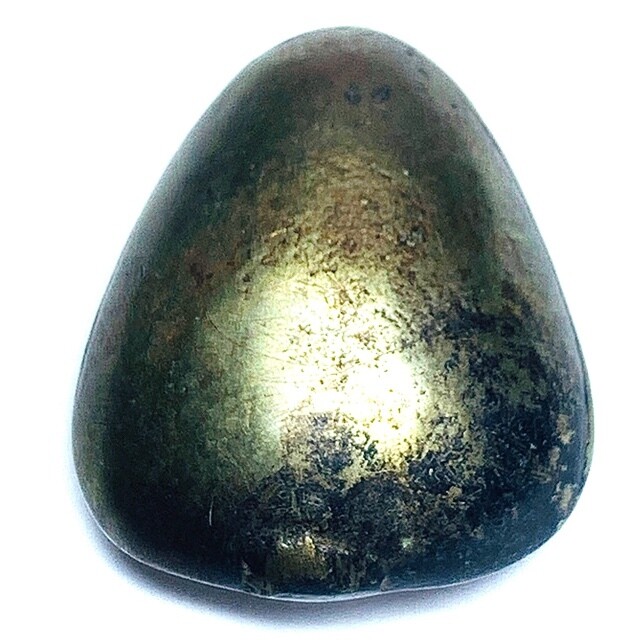
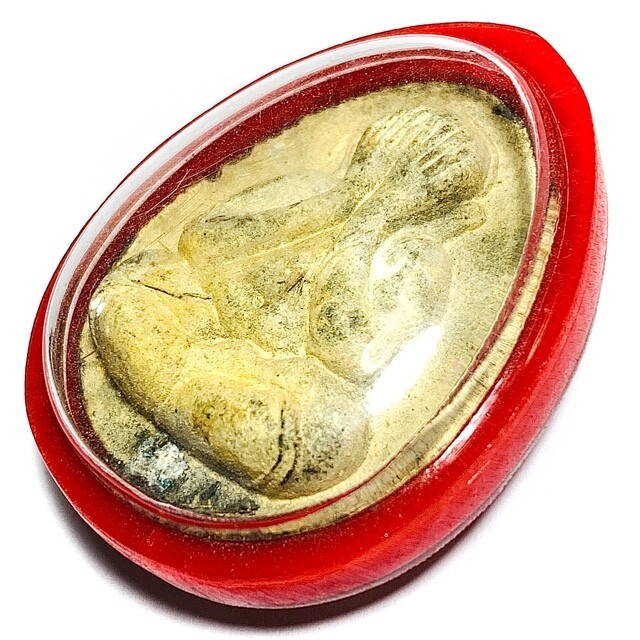
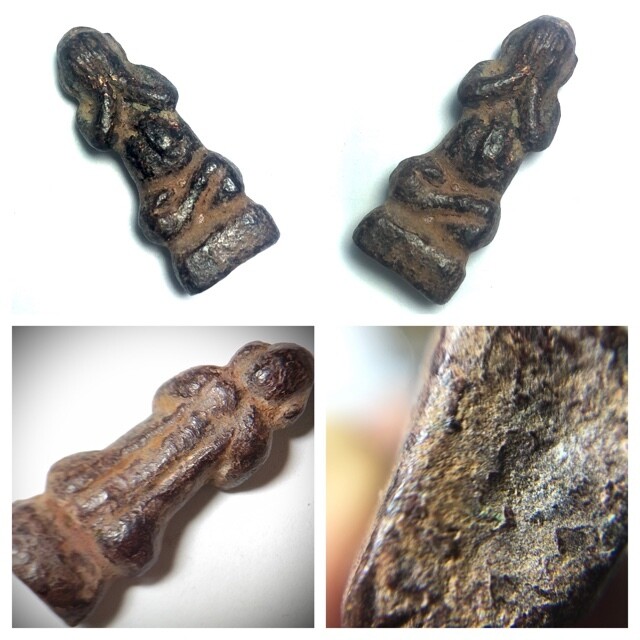
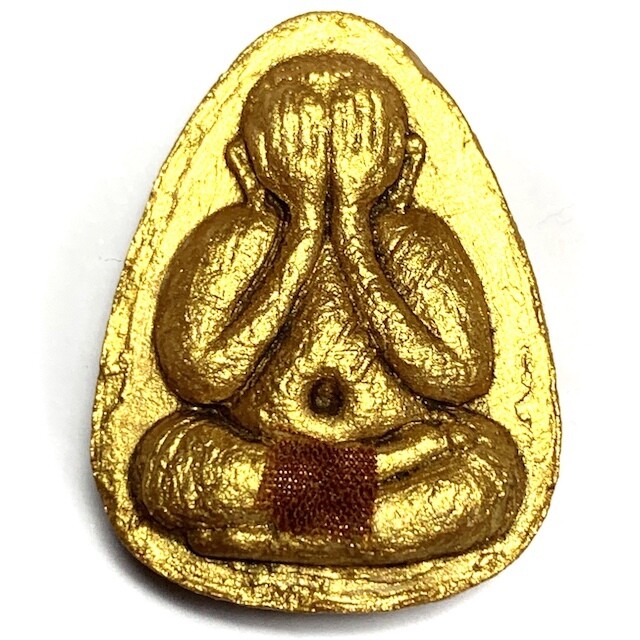
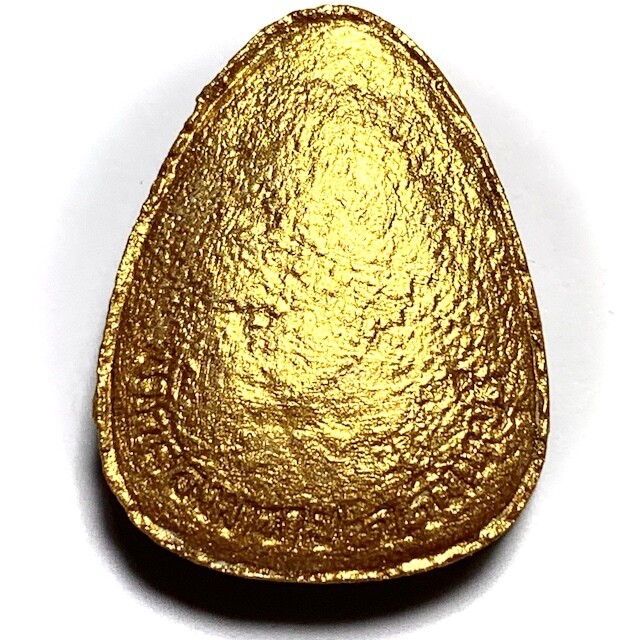
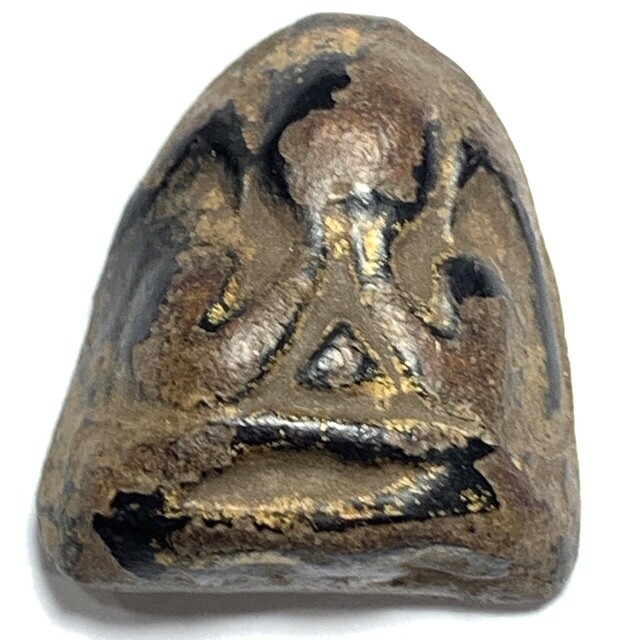
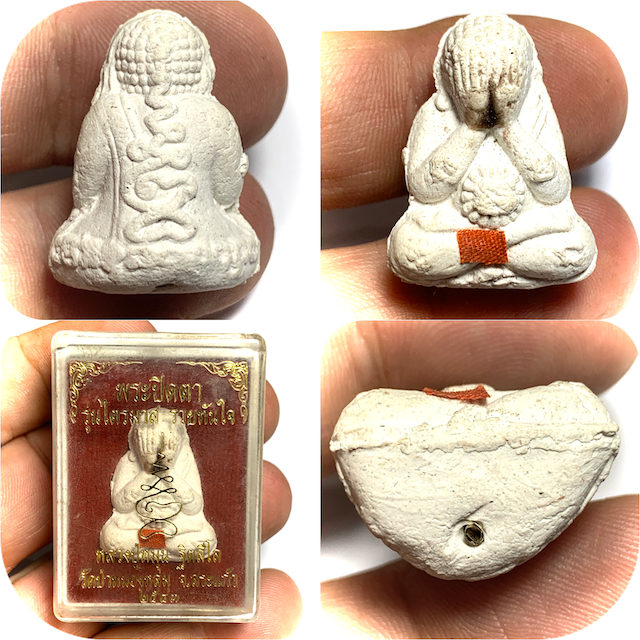
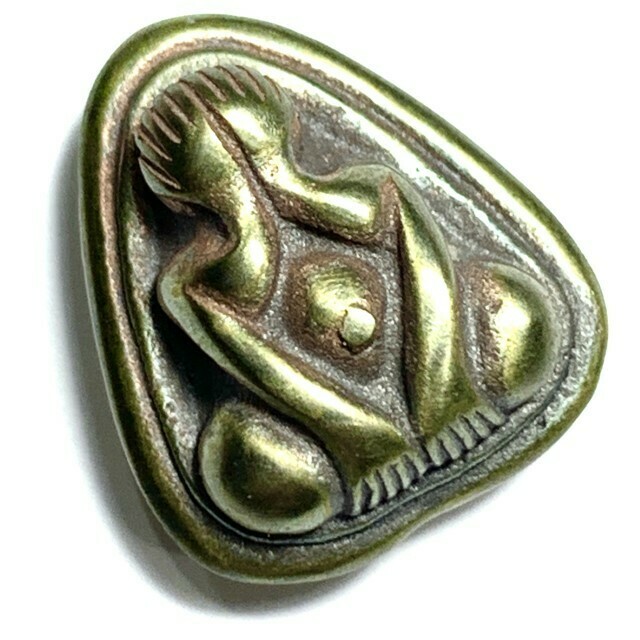
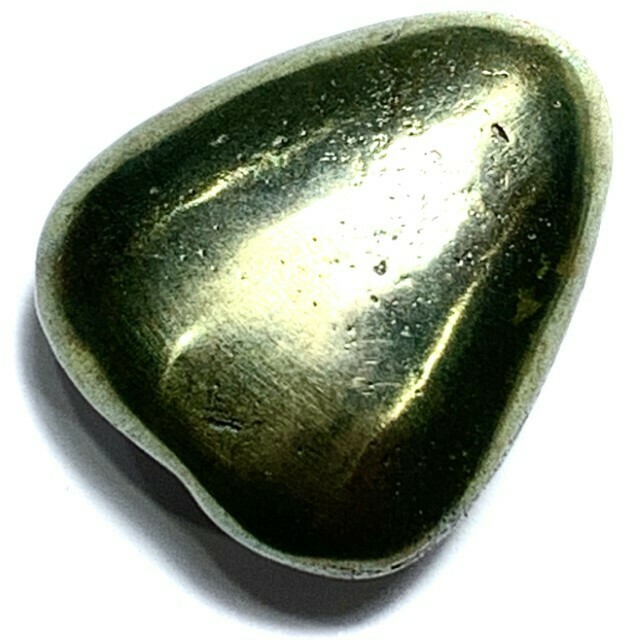
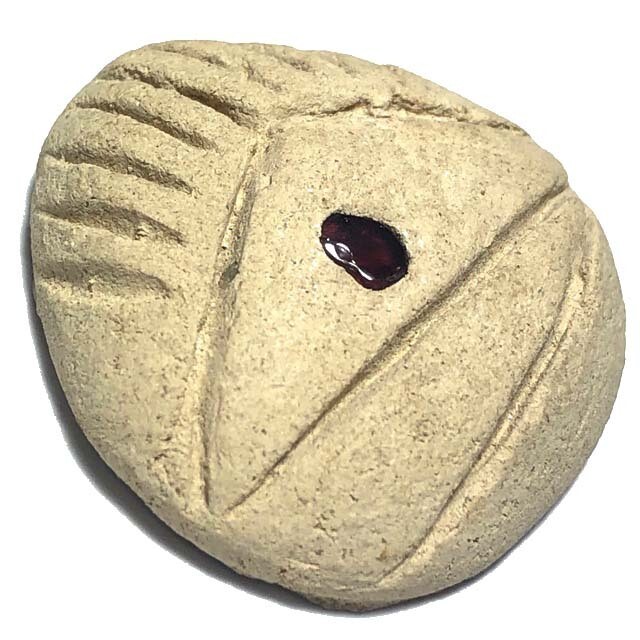
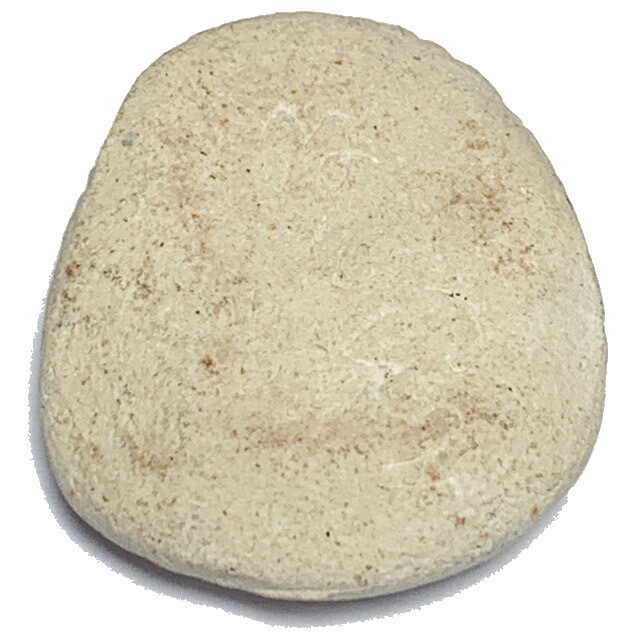
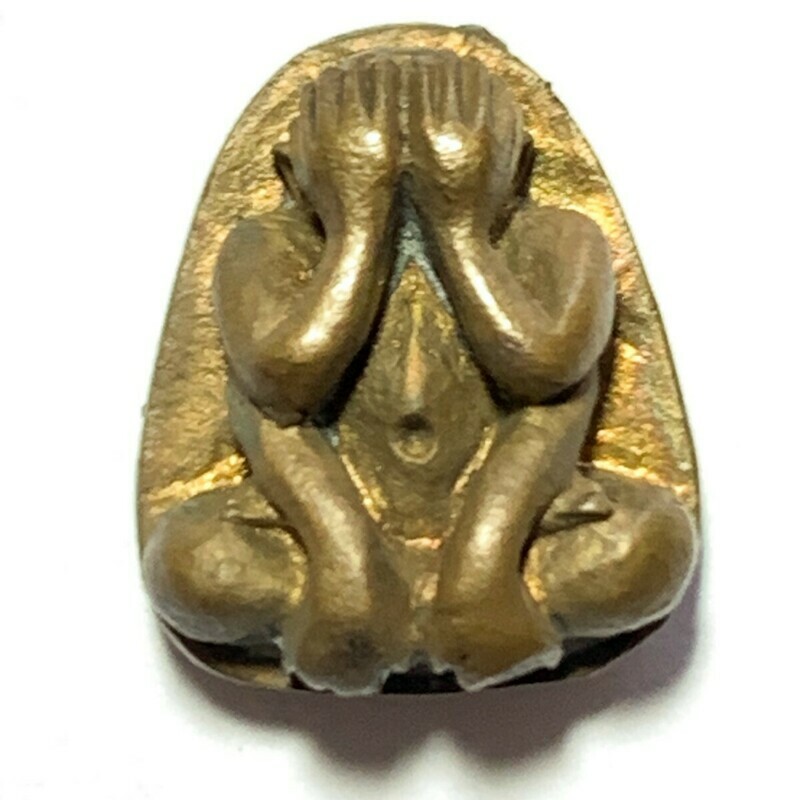
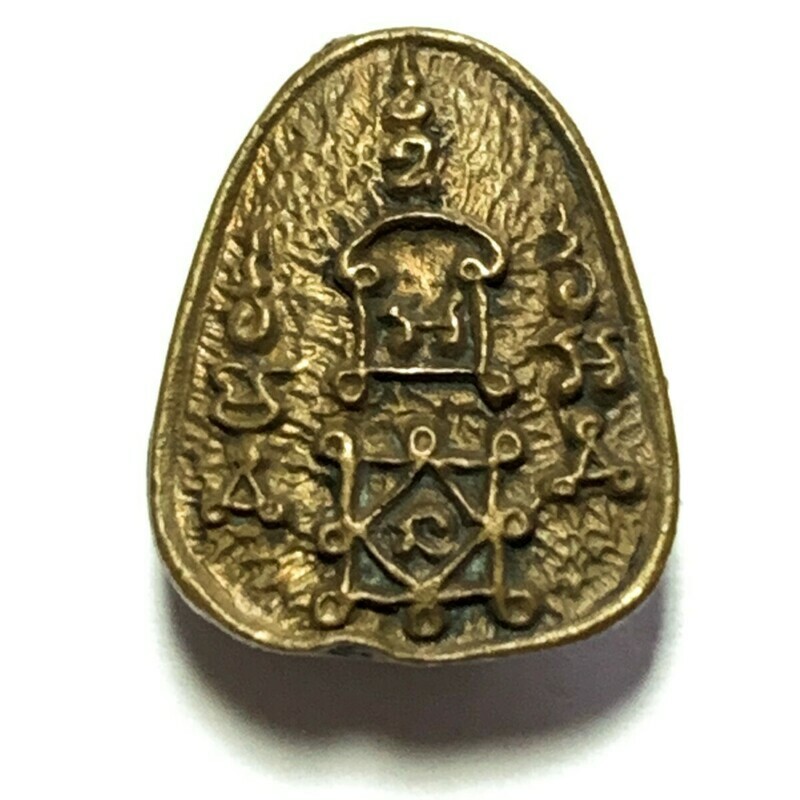
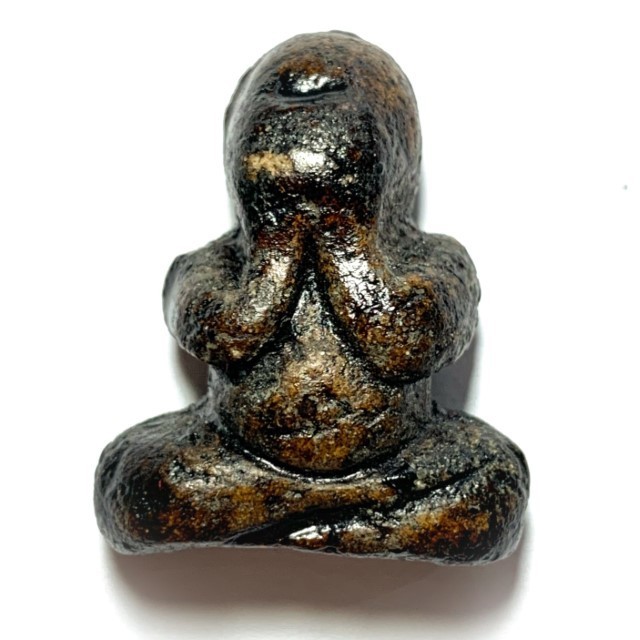
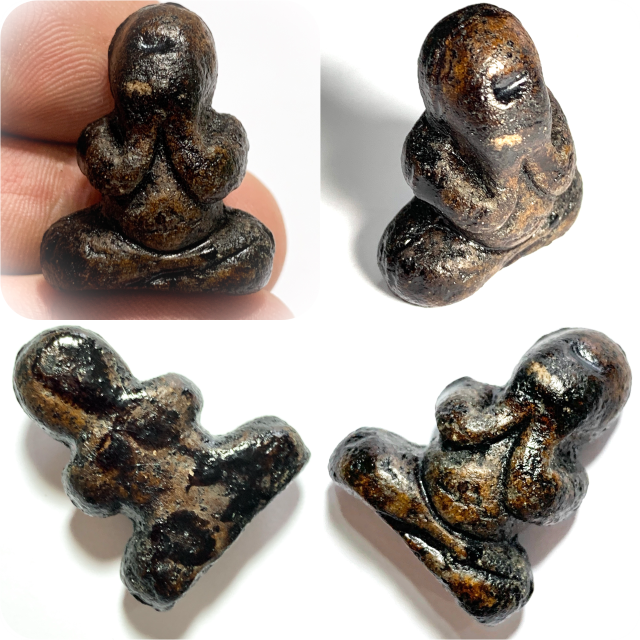
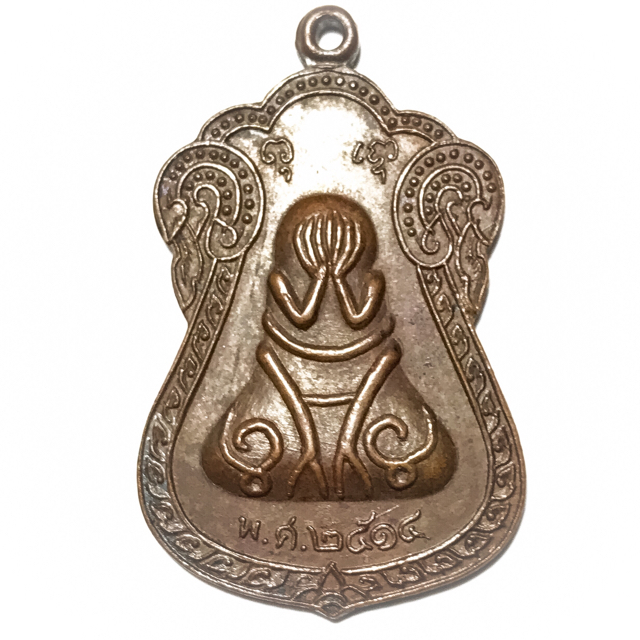
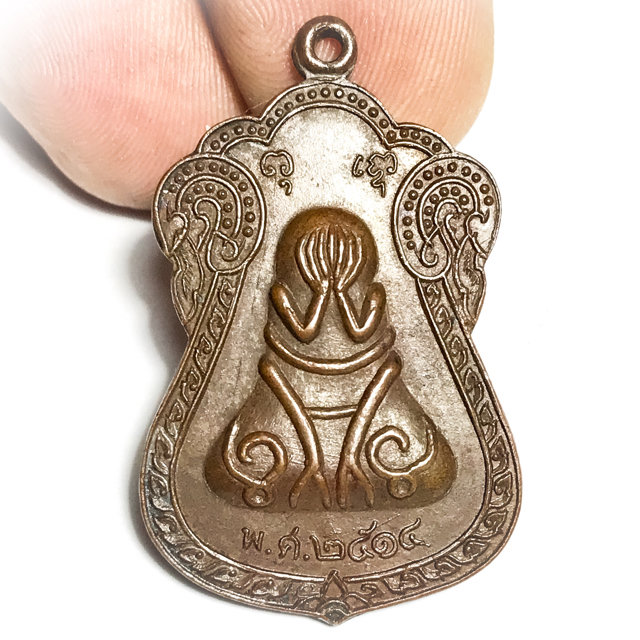
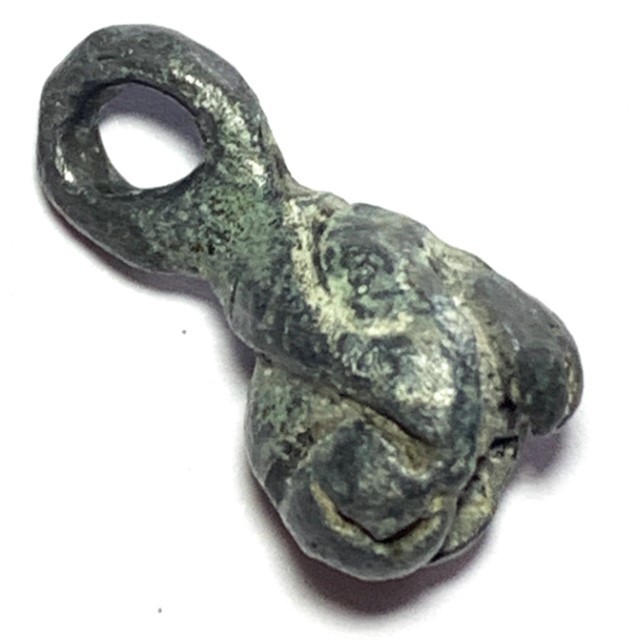
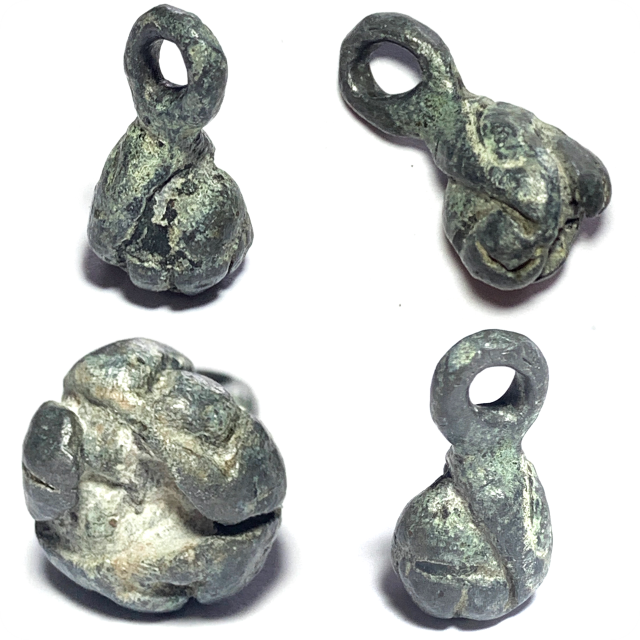
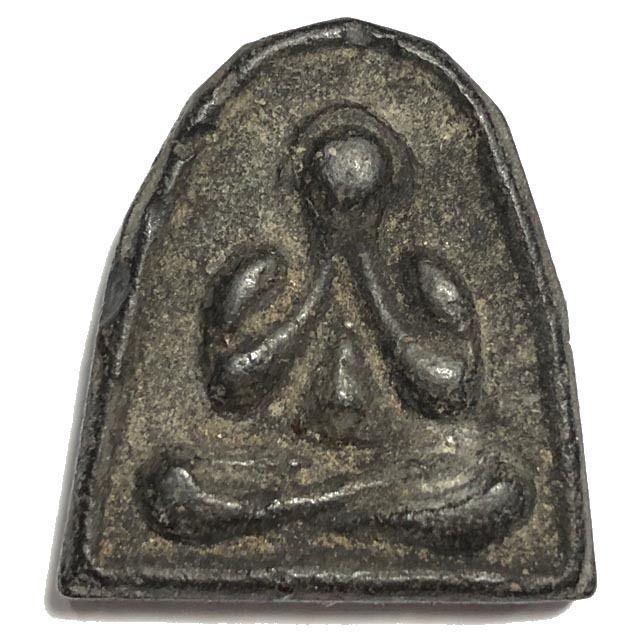
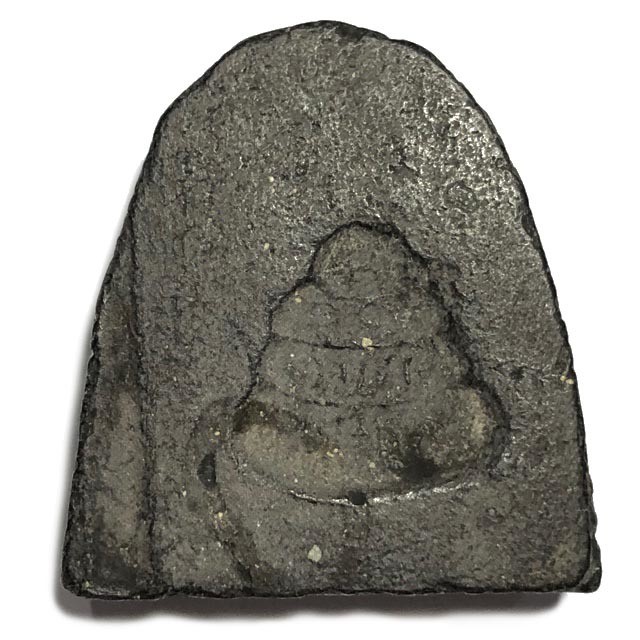
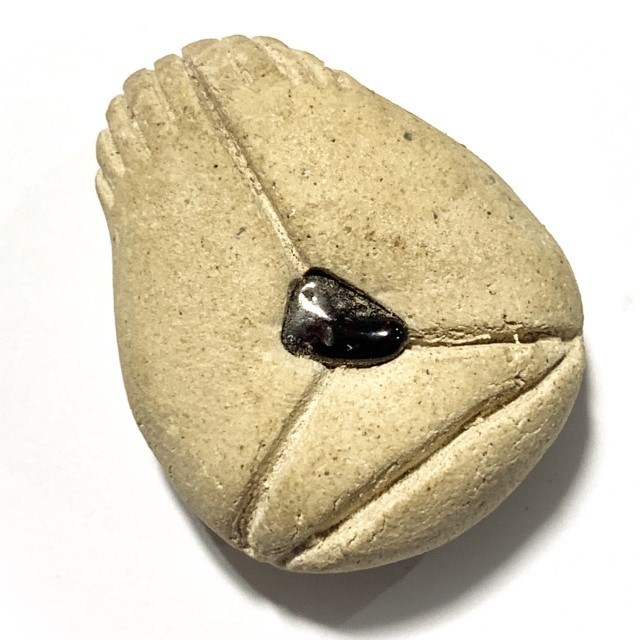
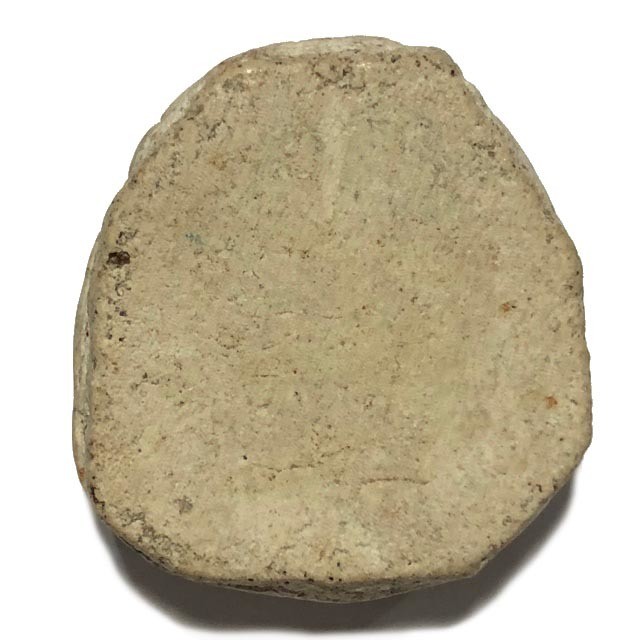
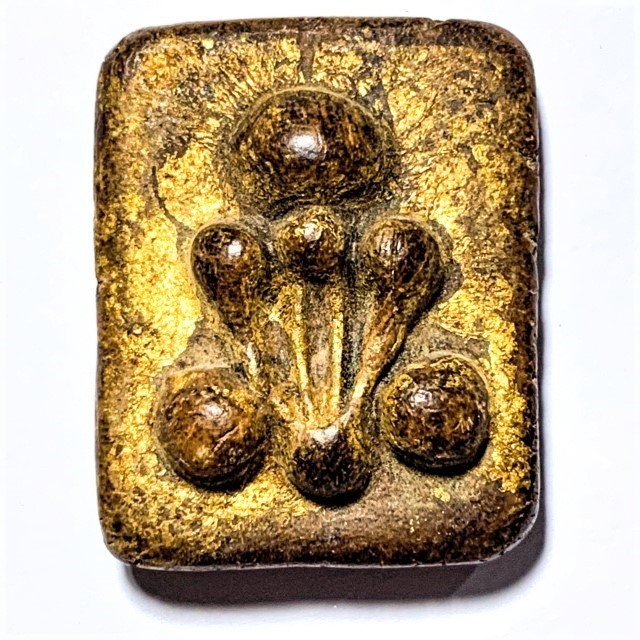
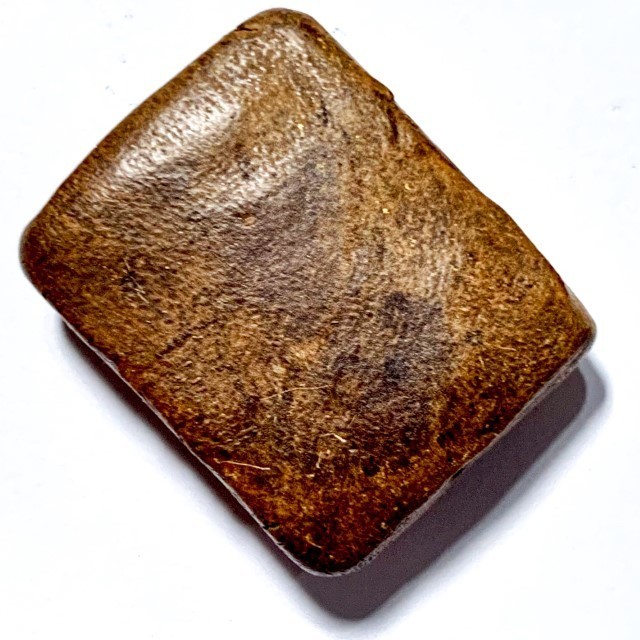
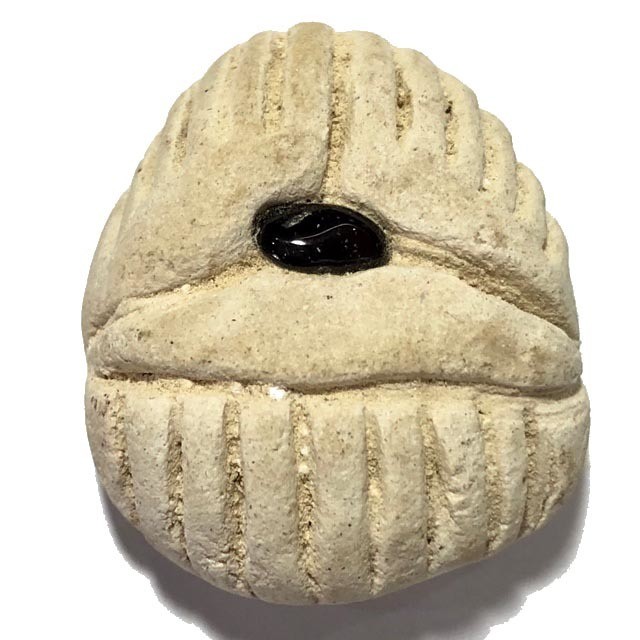
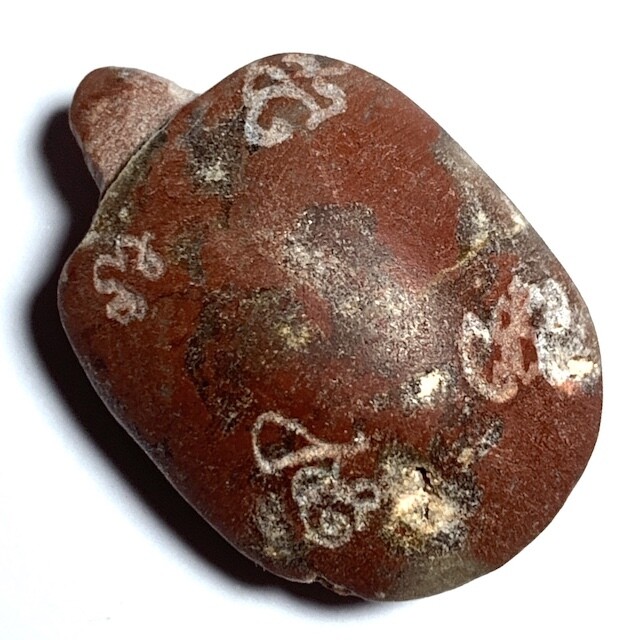
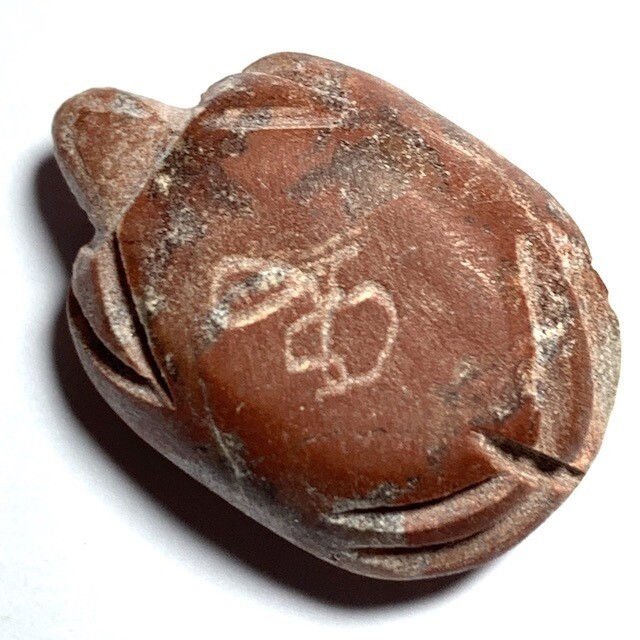
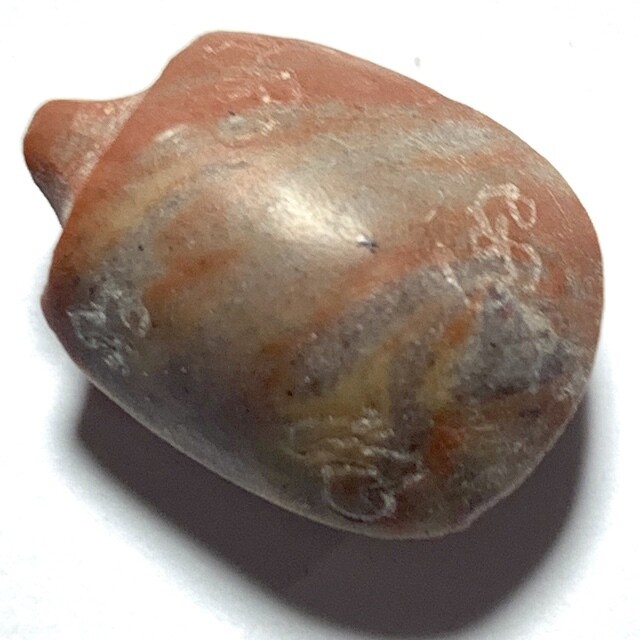
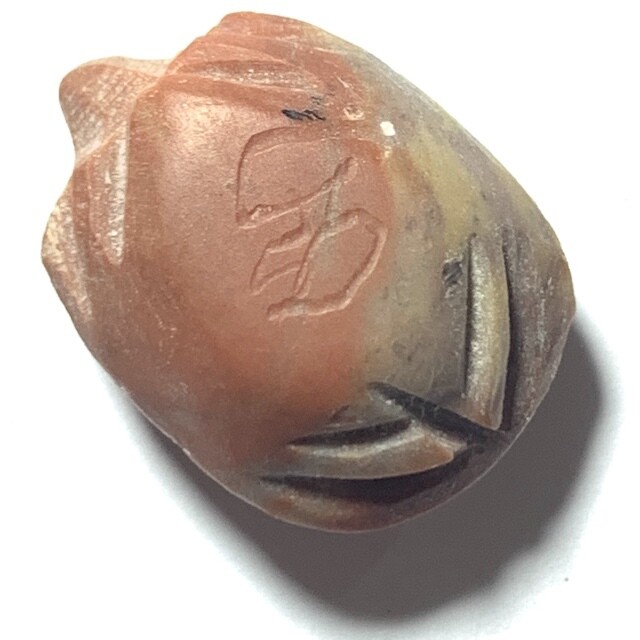
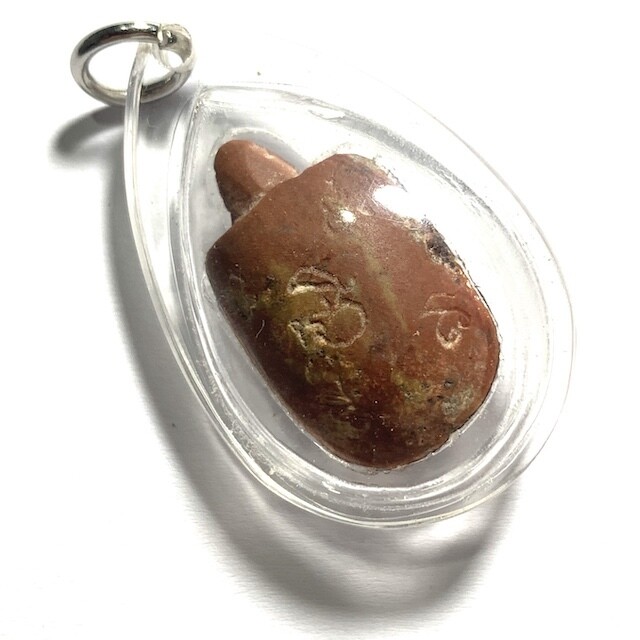
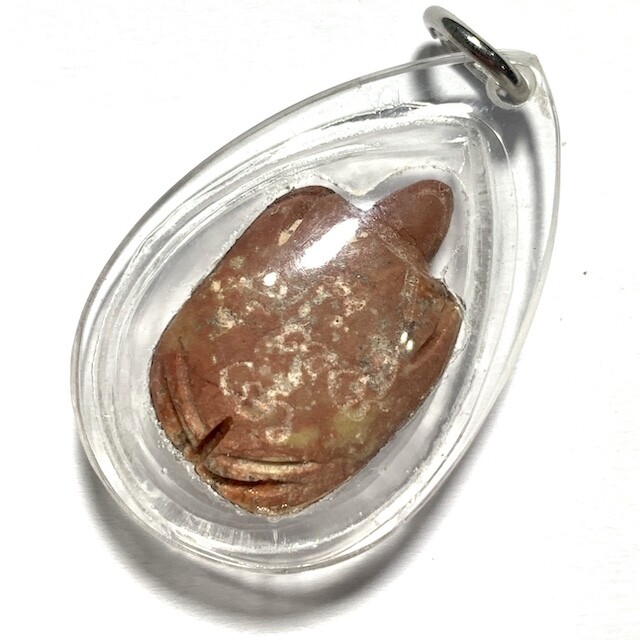
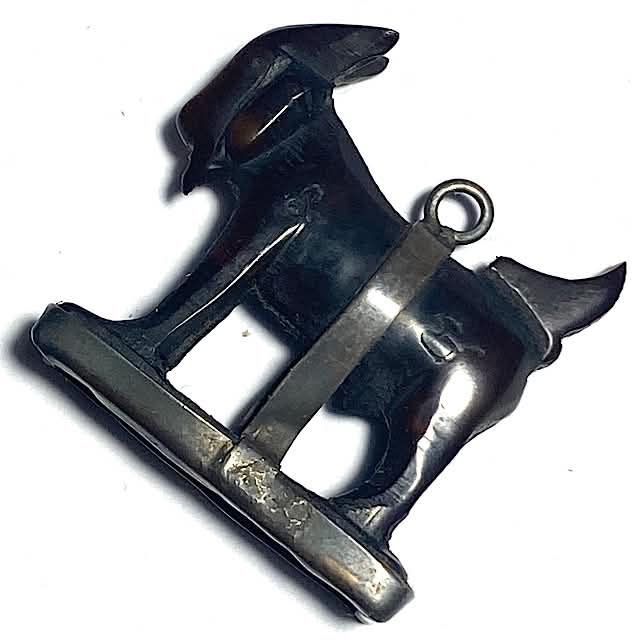
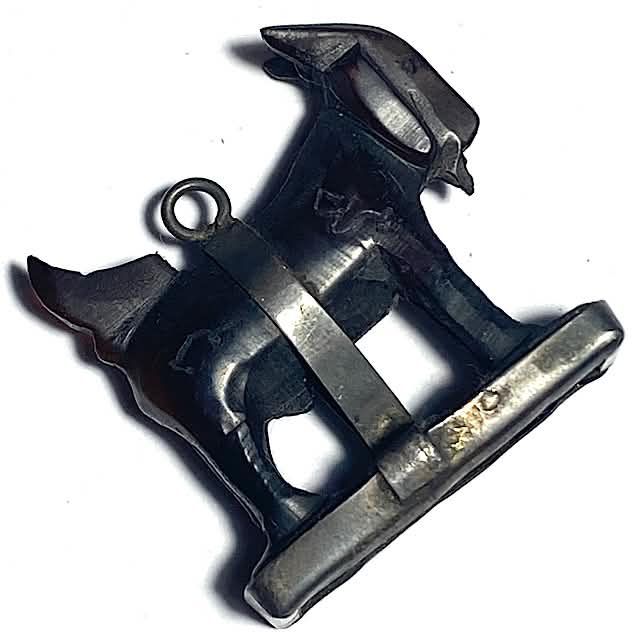
Palad Khik Mai Gae Double Code 3+ Code Sala – LP Tim
Spiritual Importance
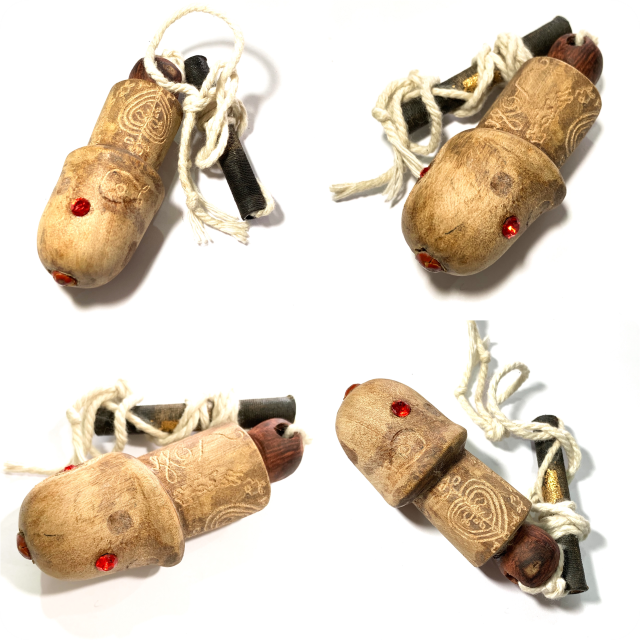
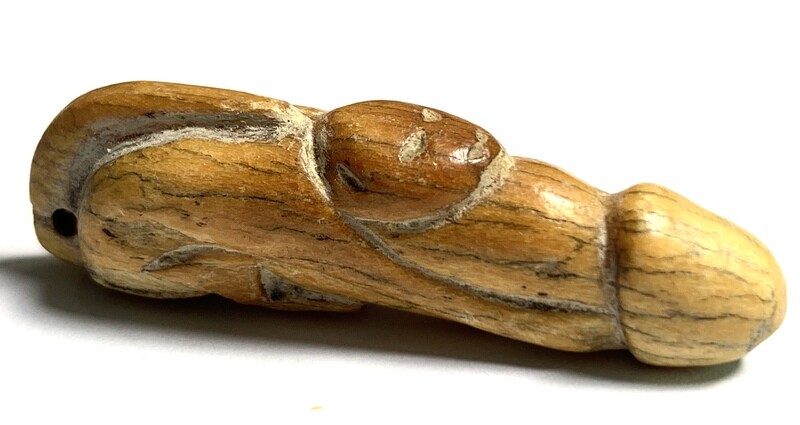
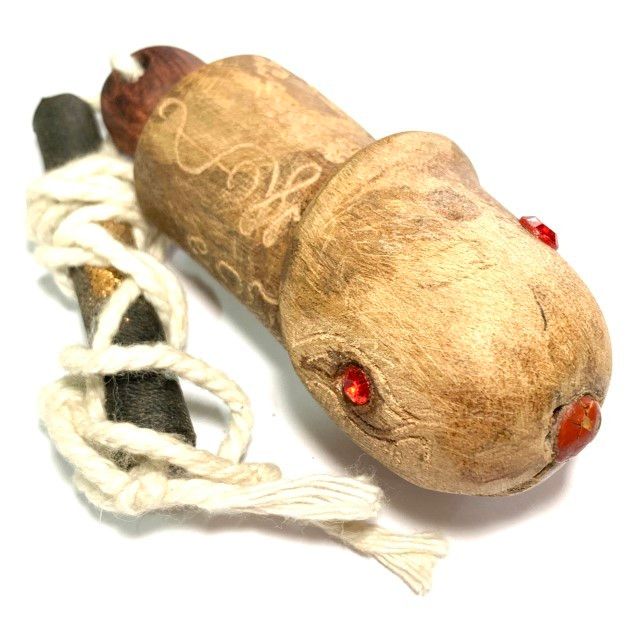
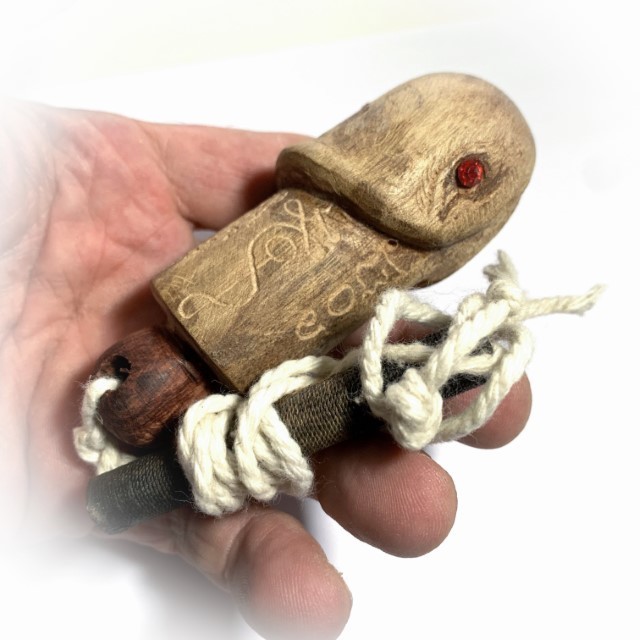
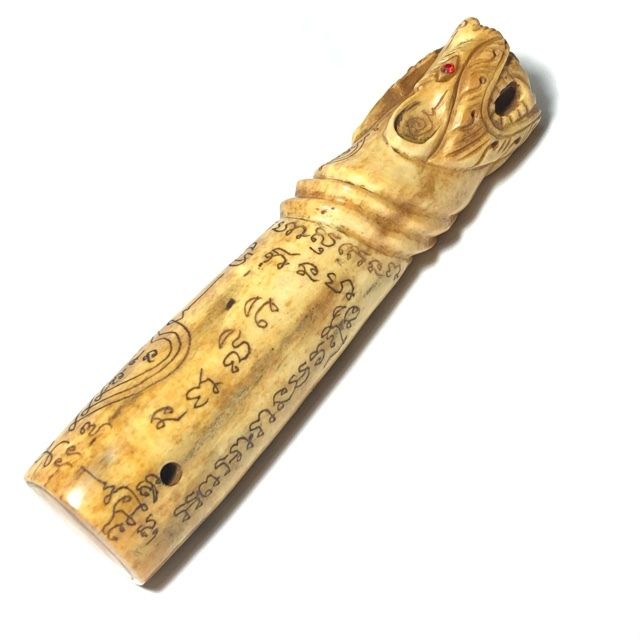
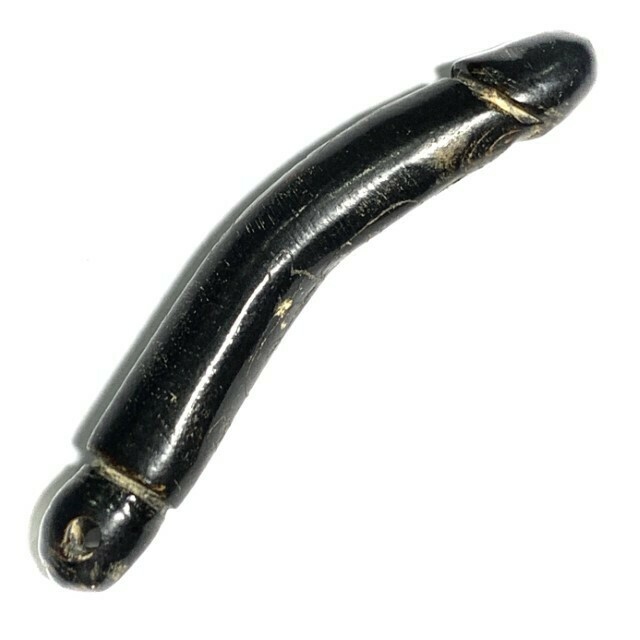
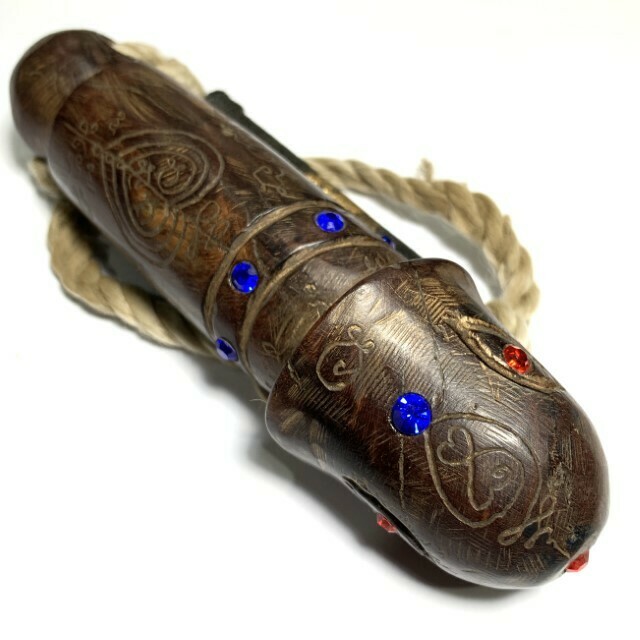
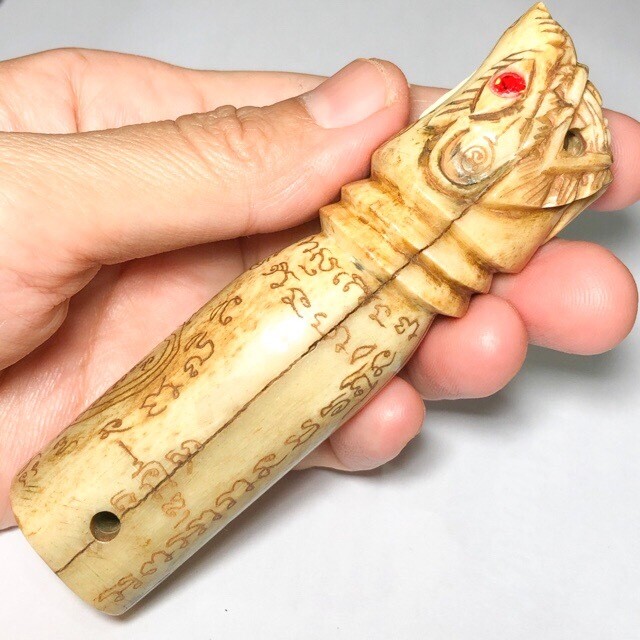
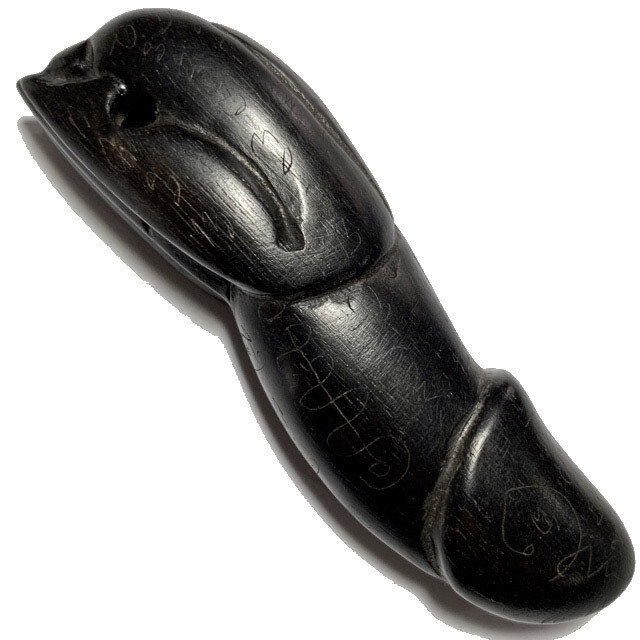
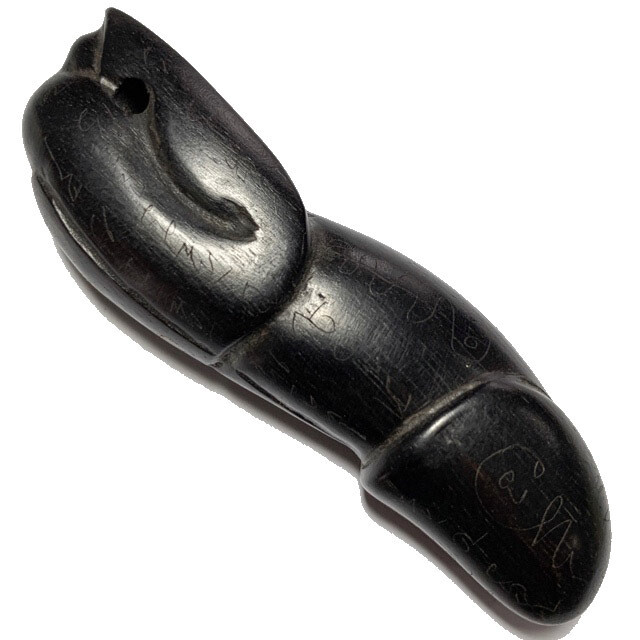
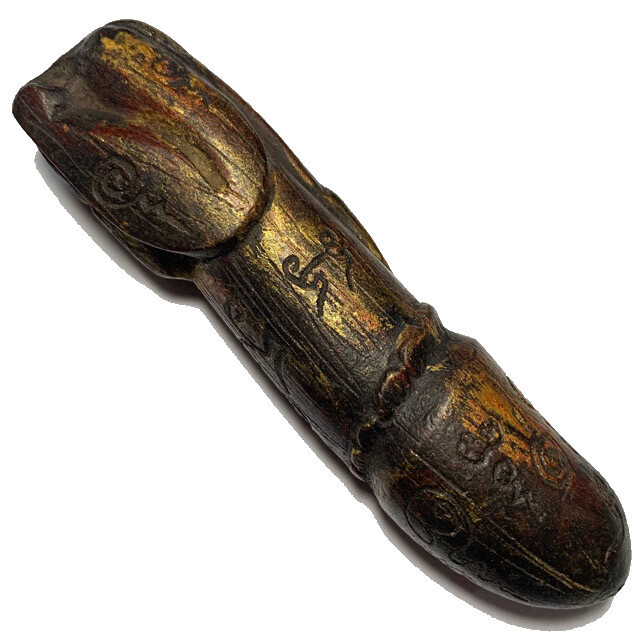
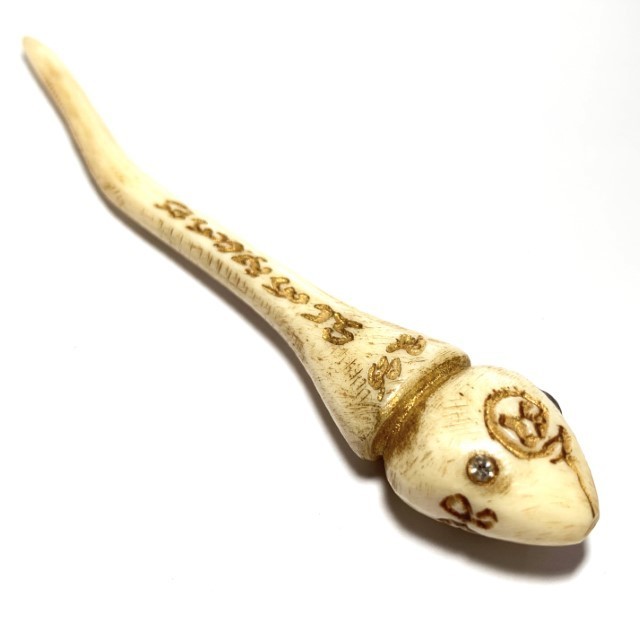
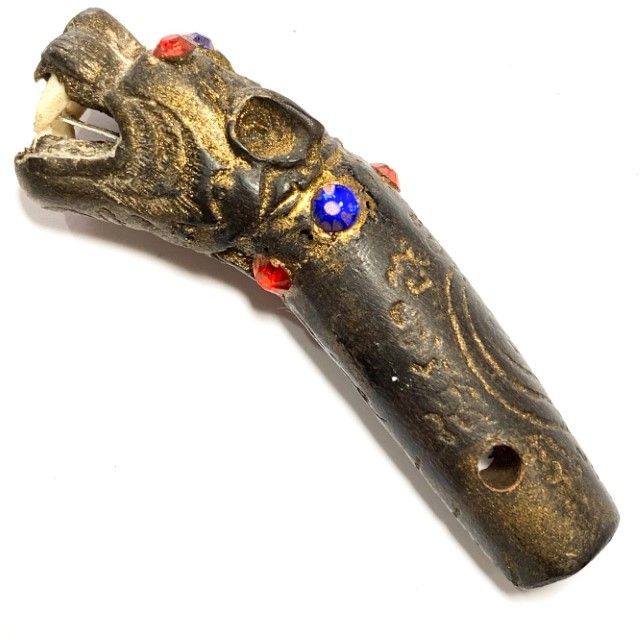
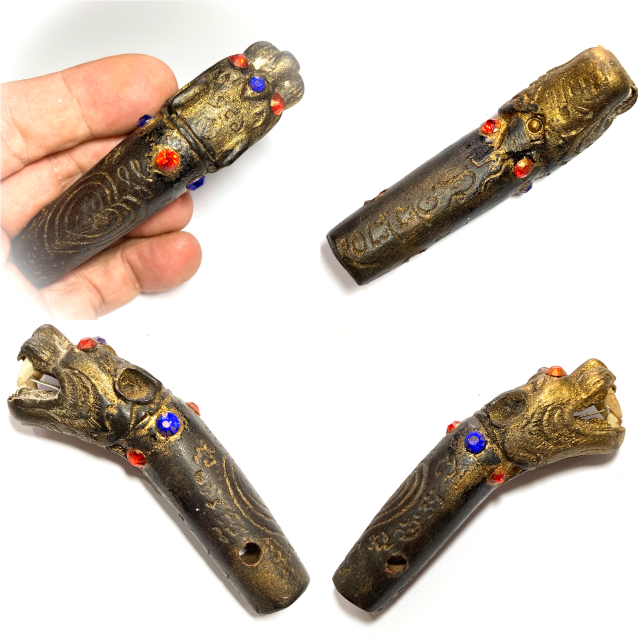
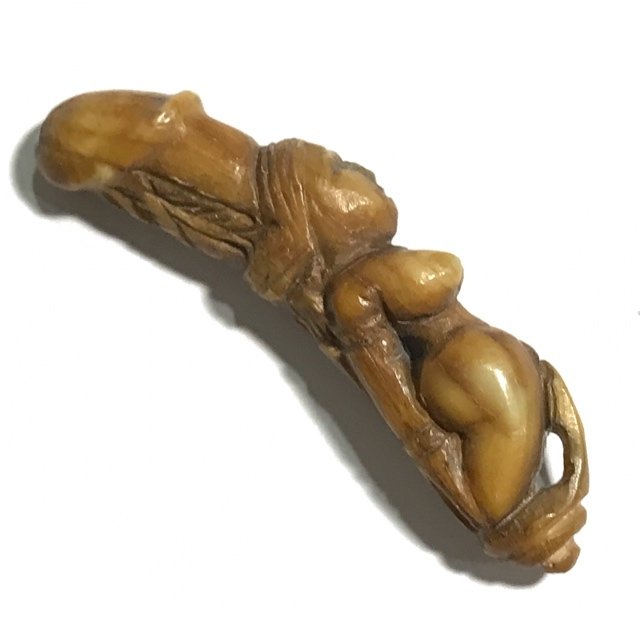
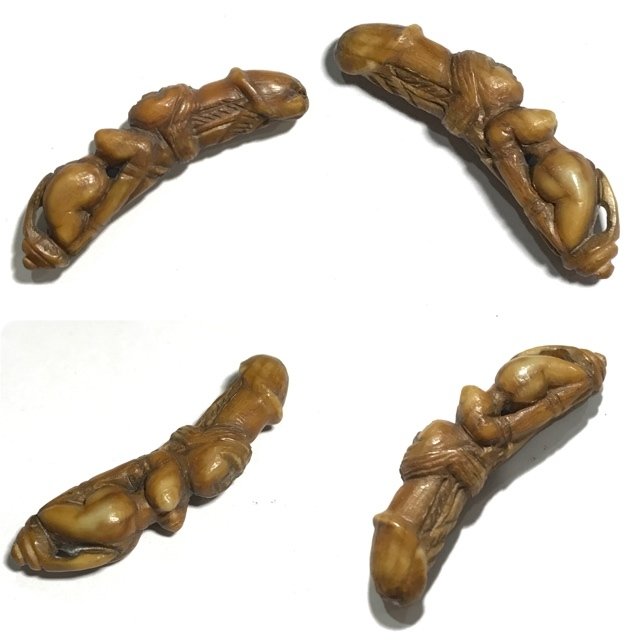
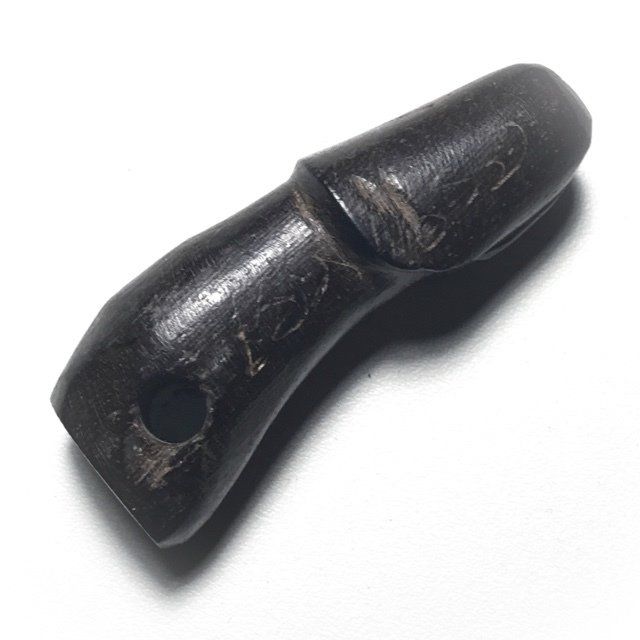
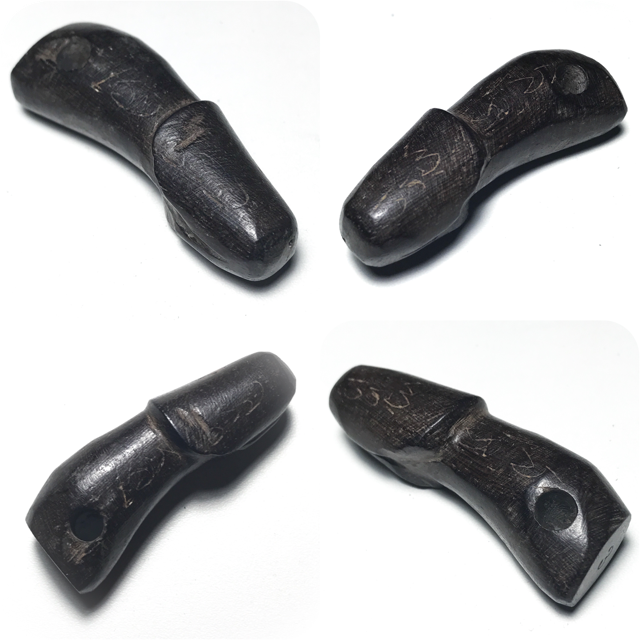
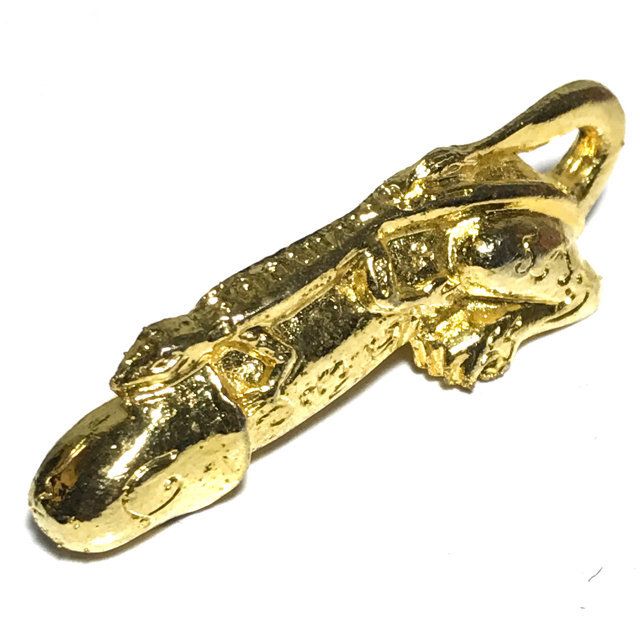
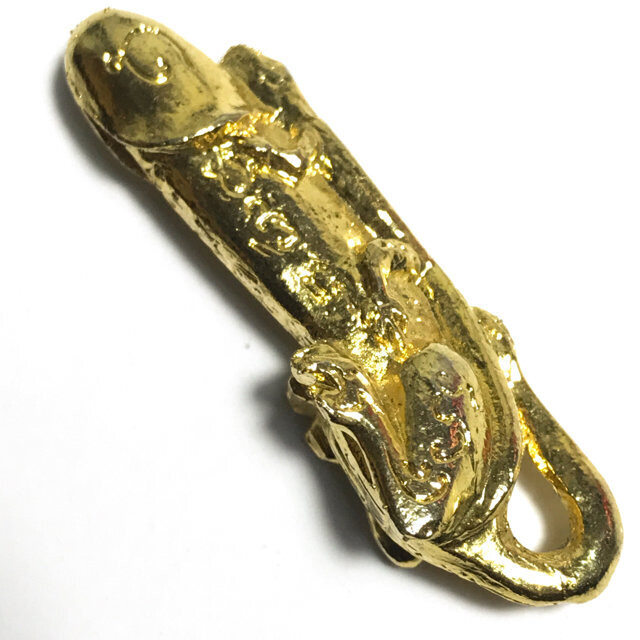
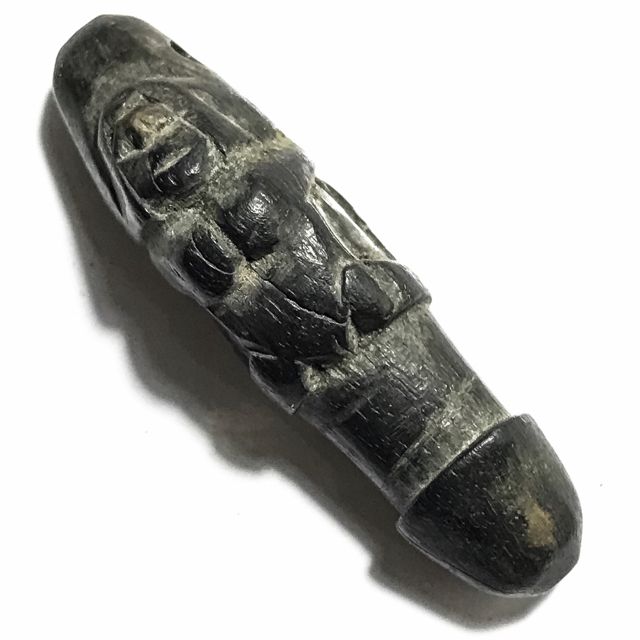
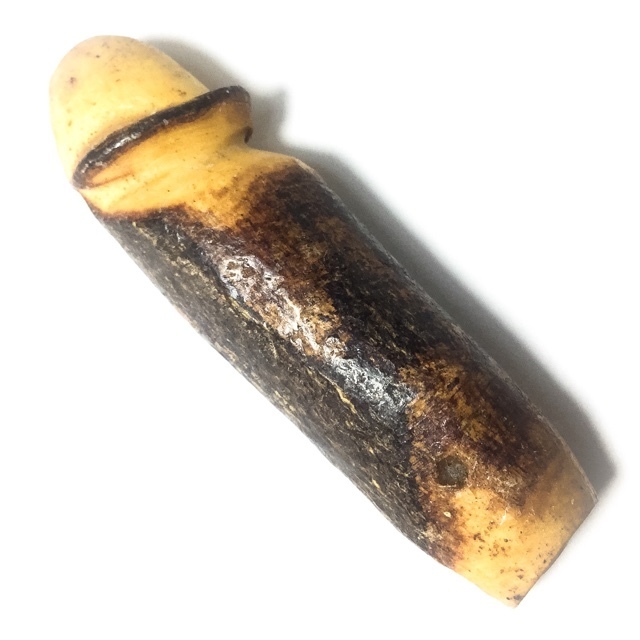
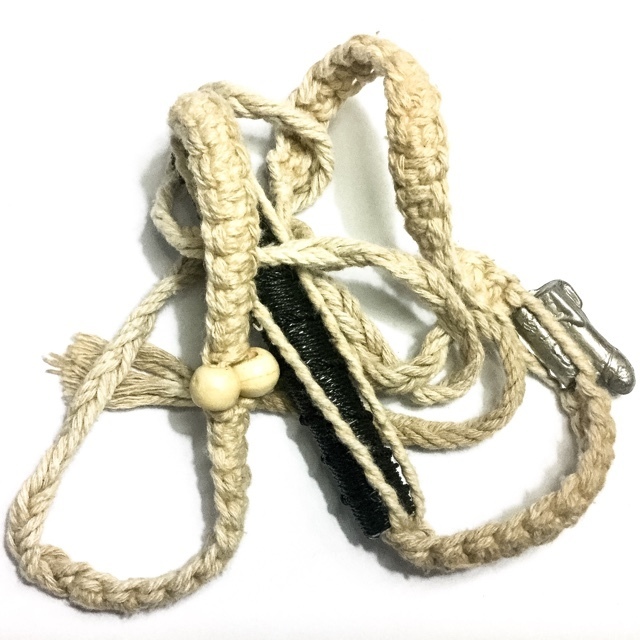
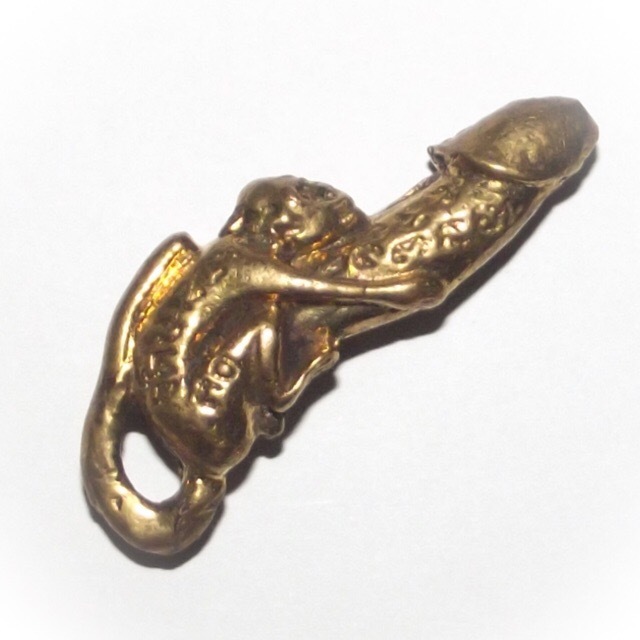
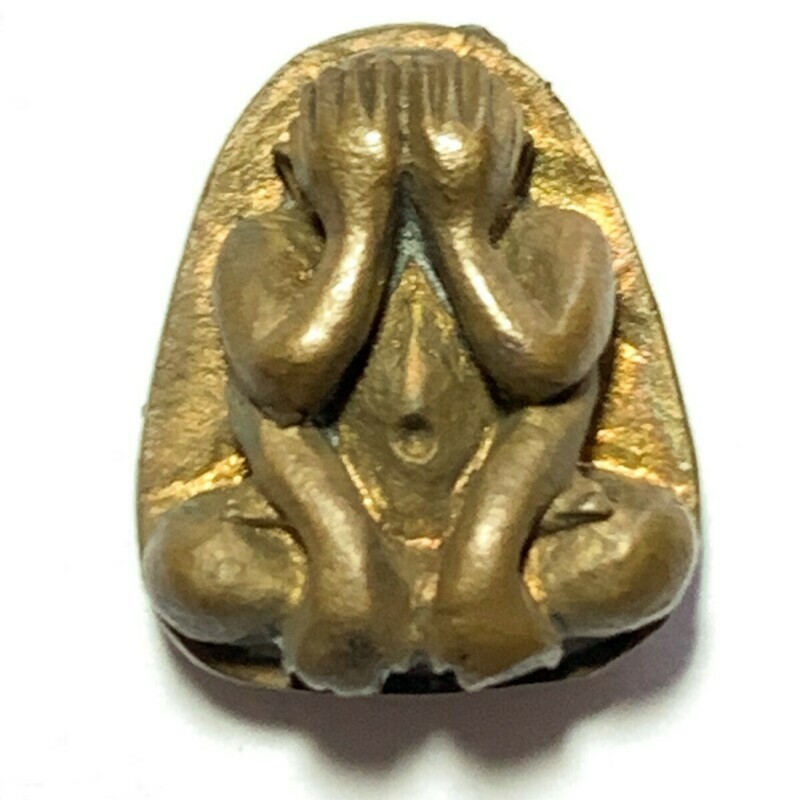
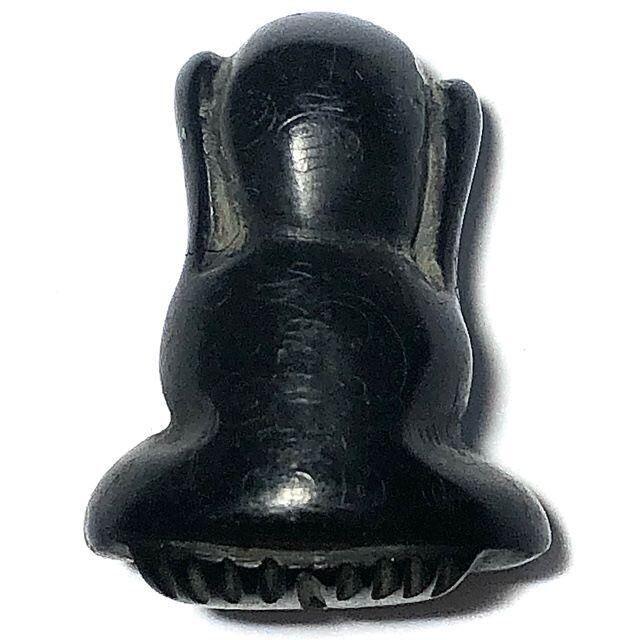
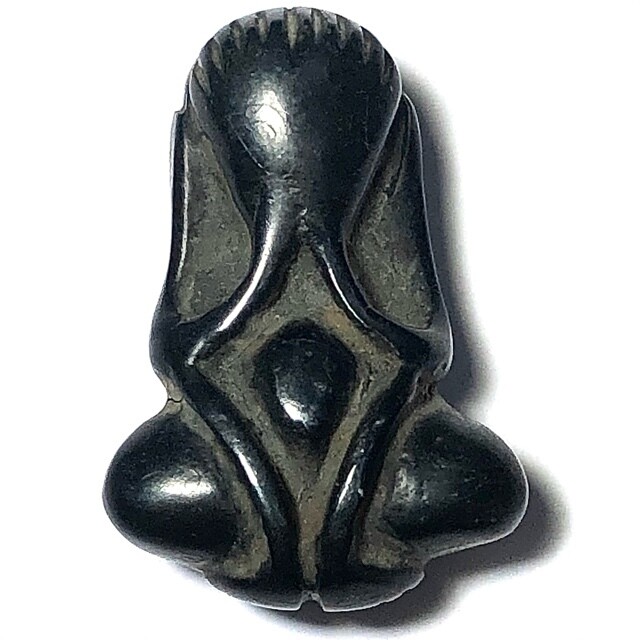
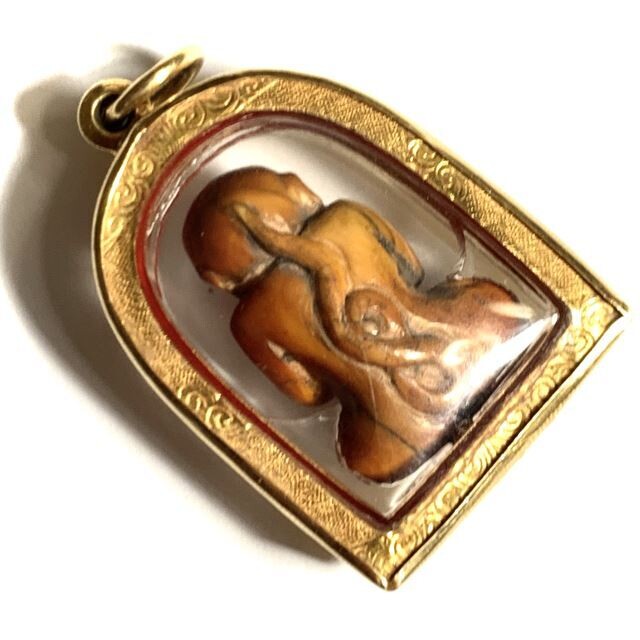
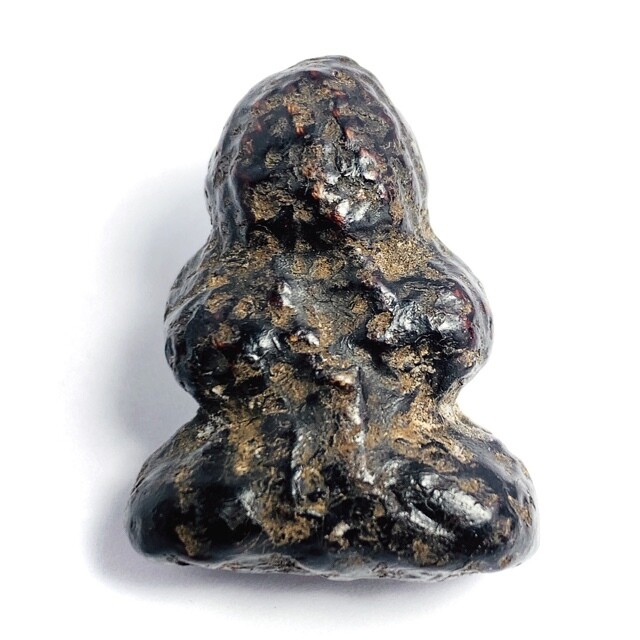
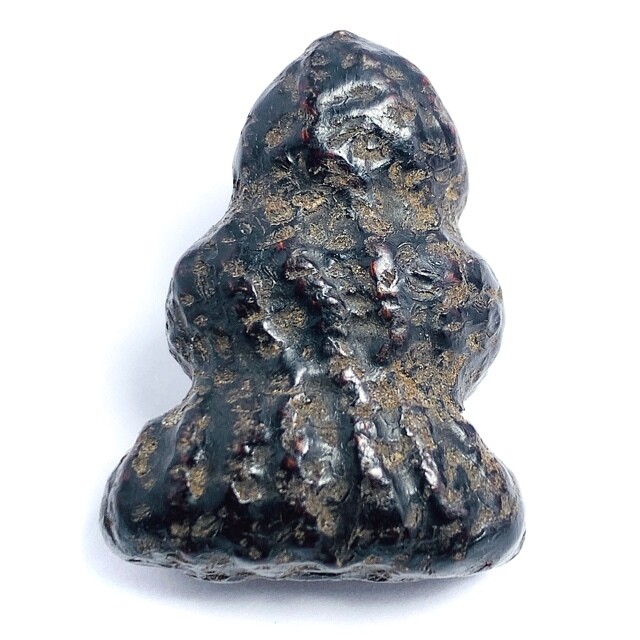
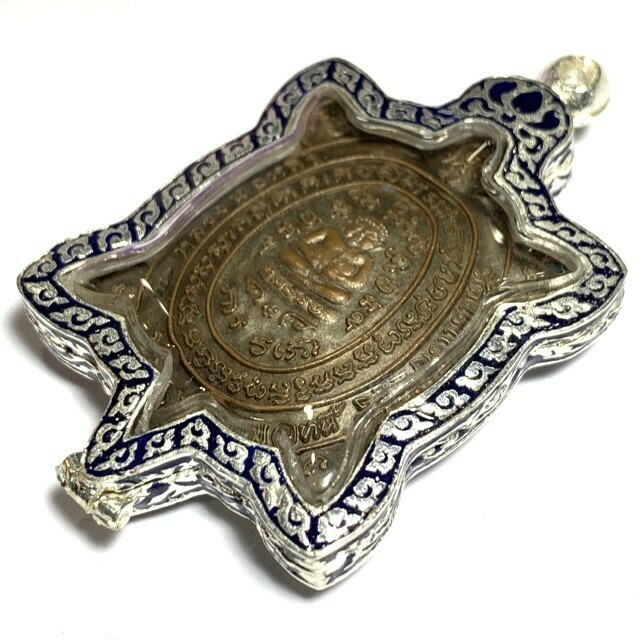
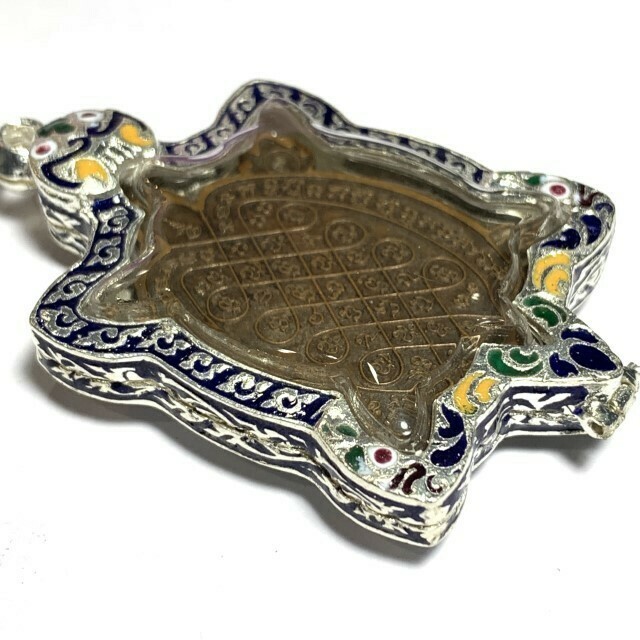
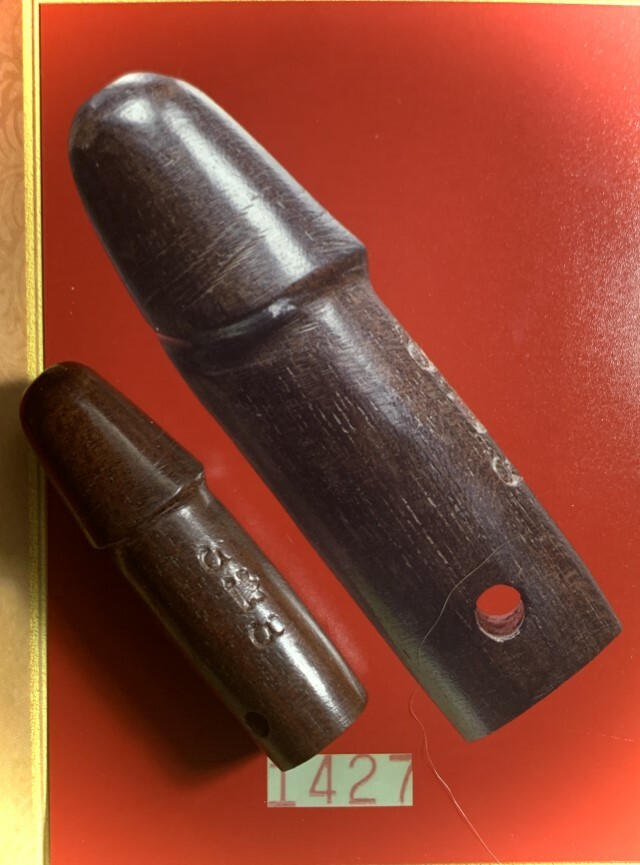
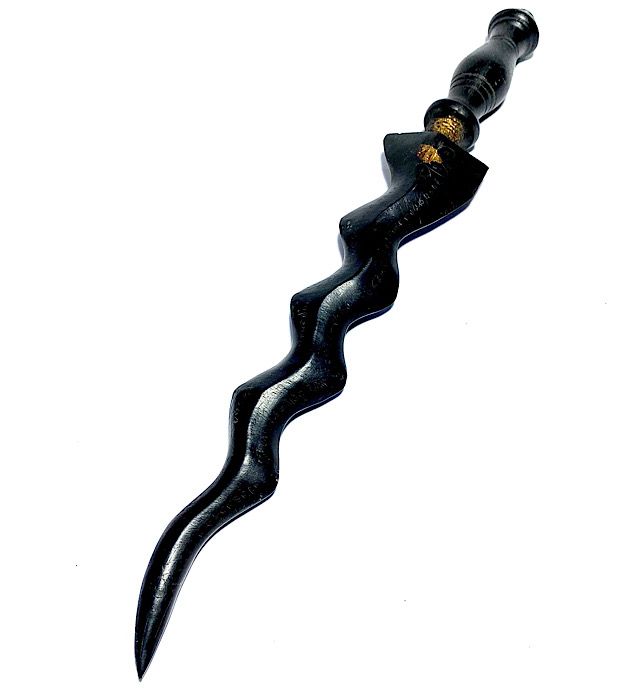
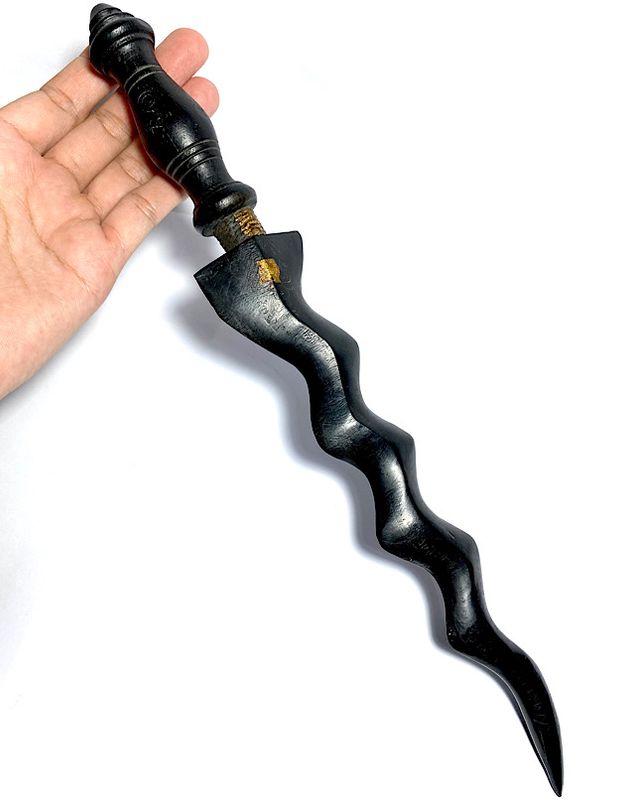
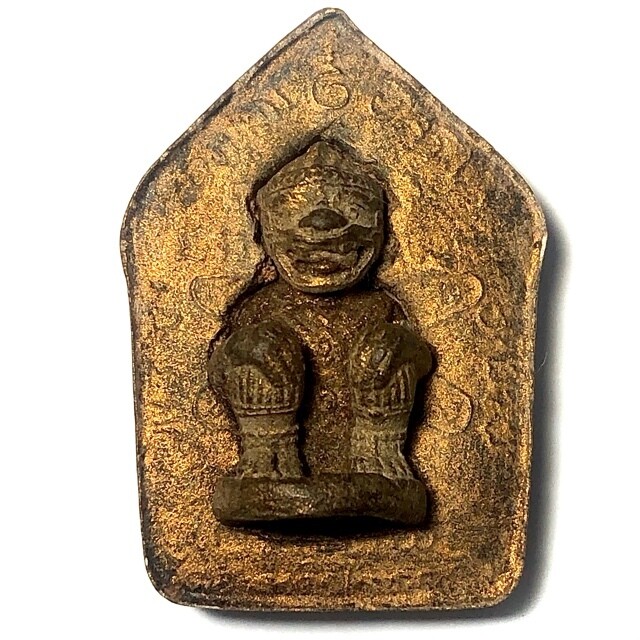
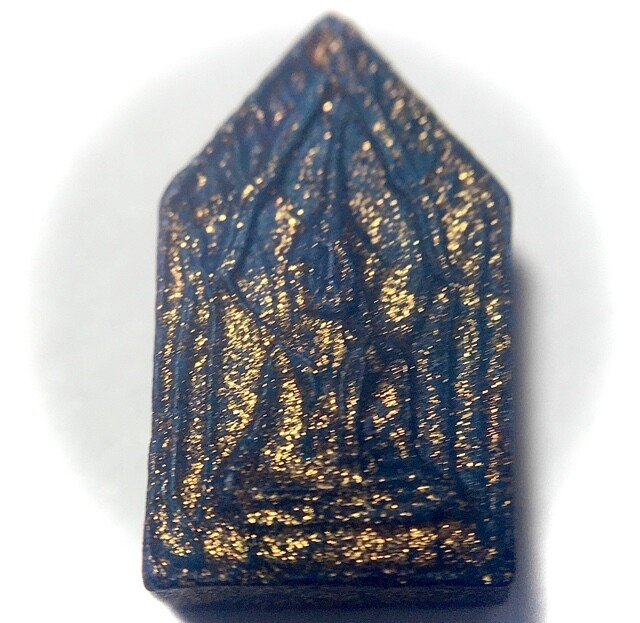
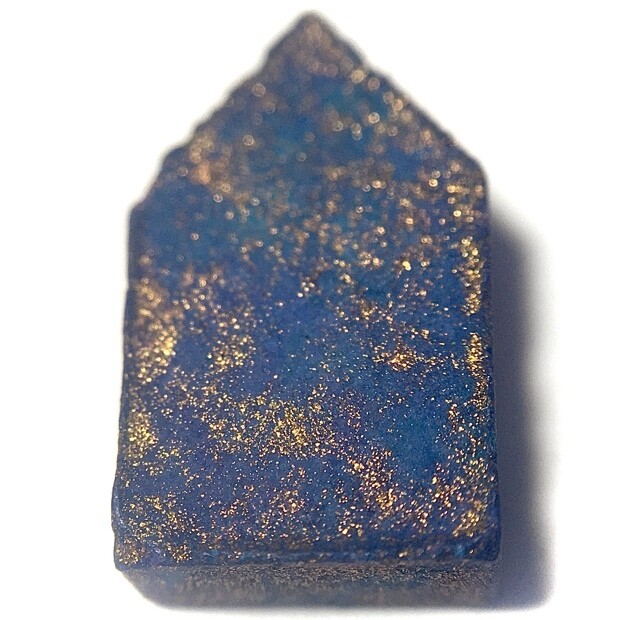
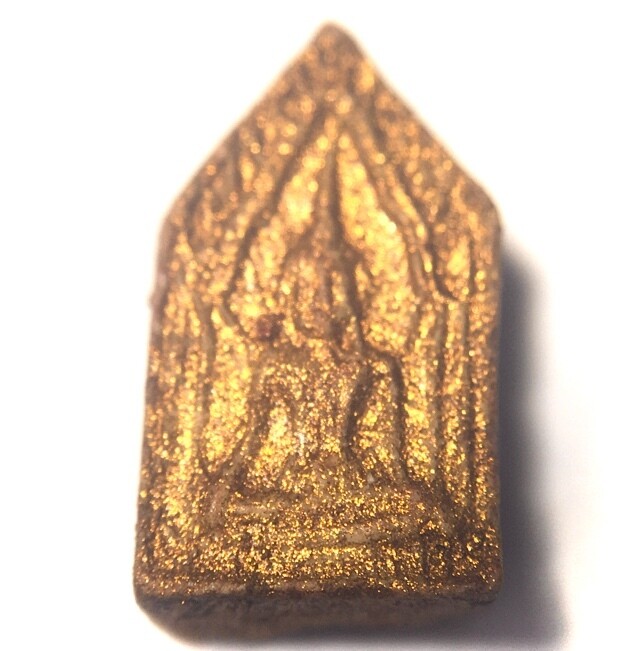
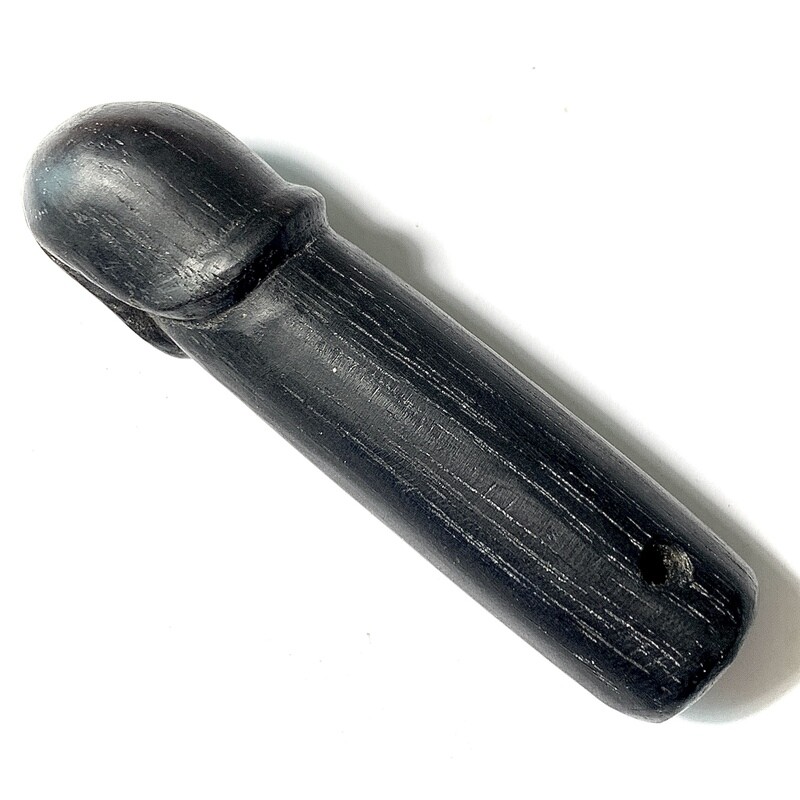
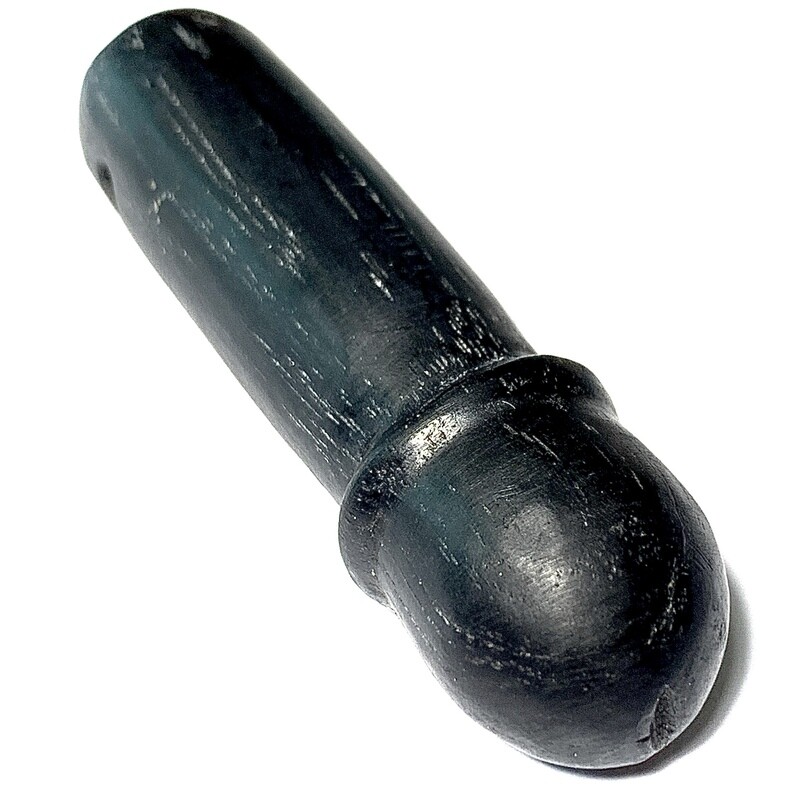
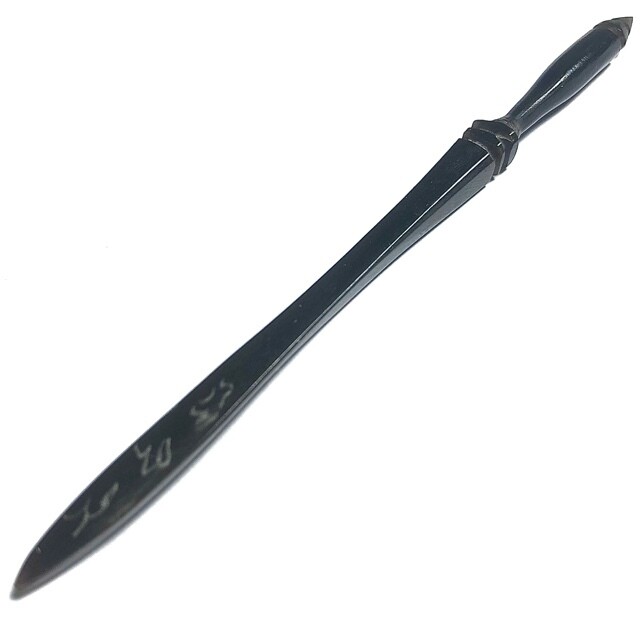
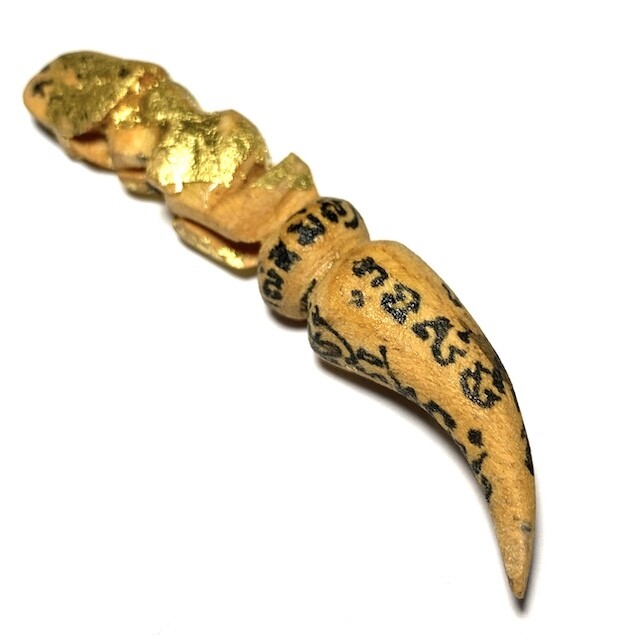
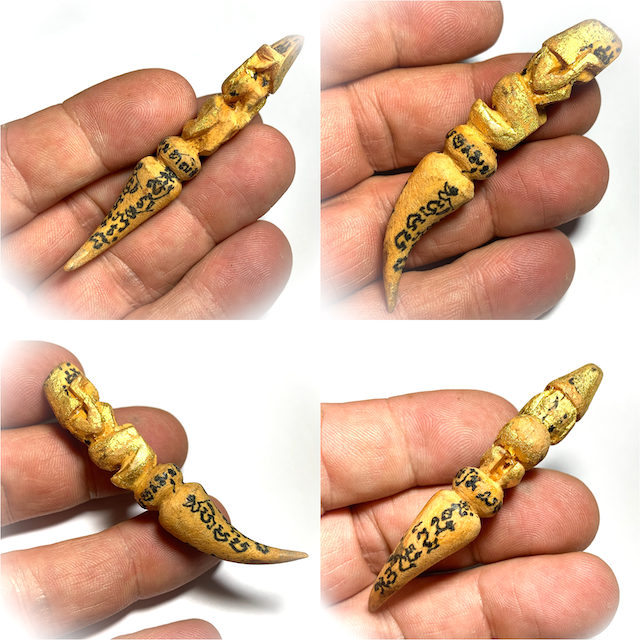
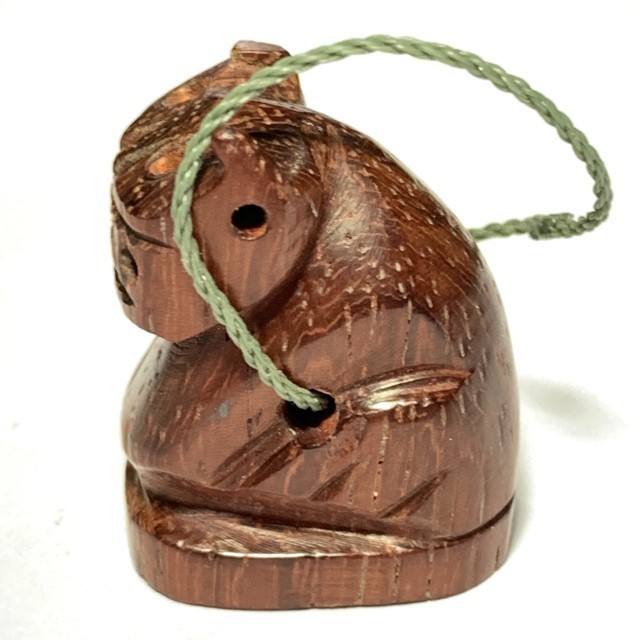
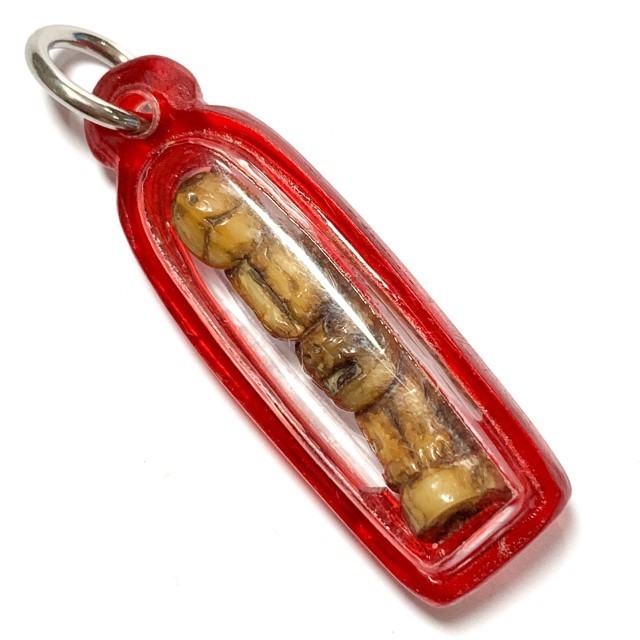
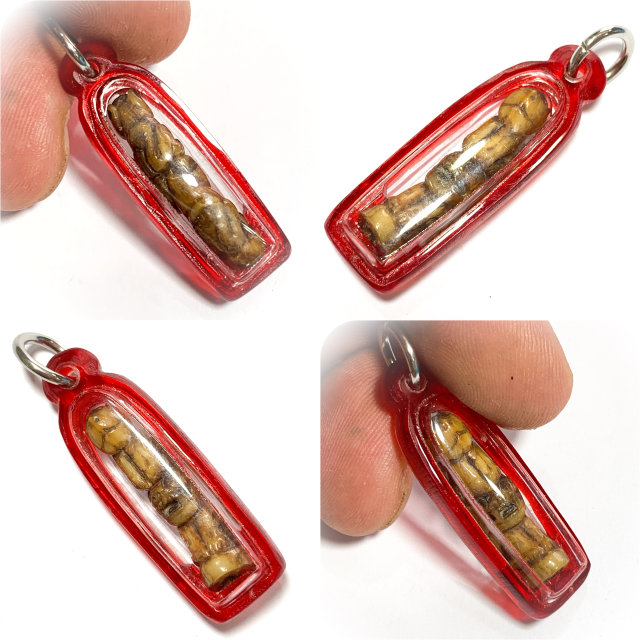
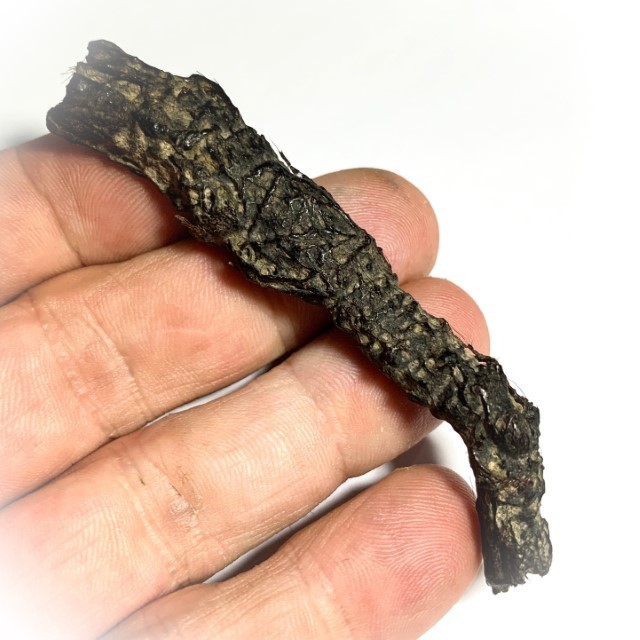
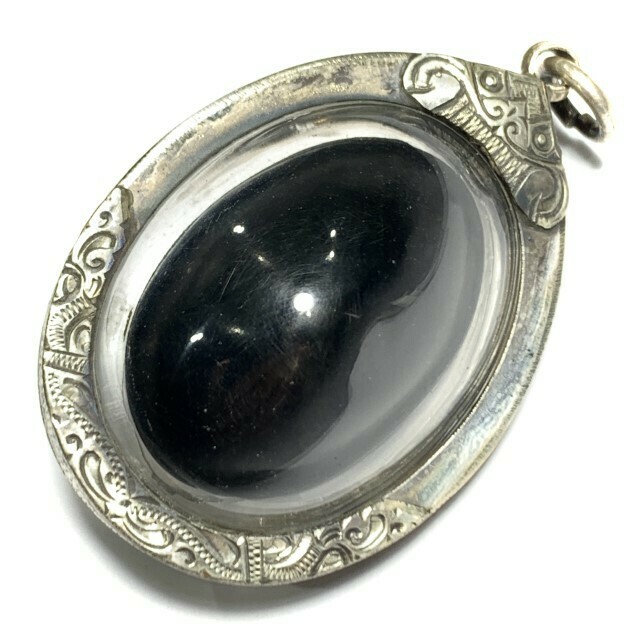
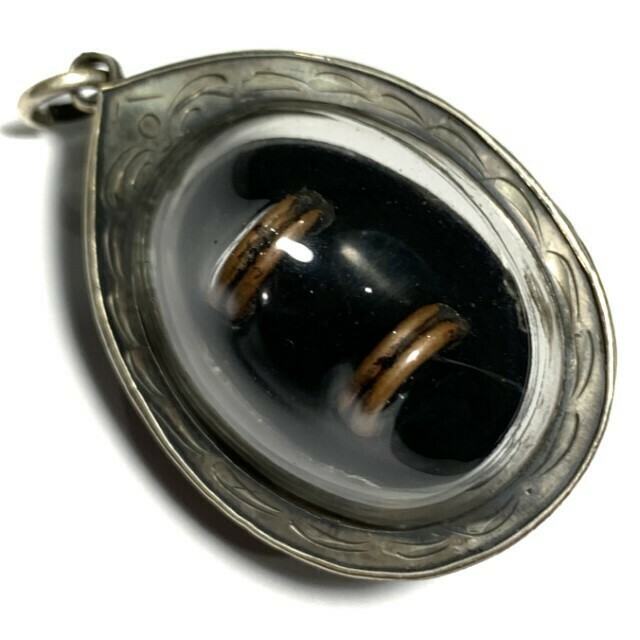
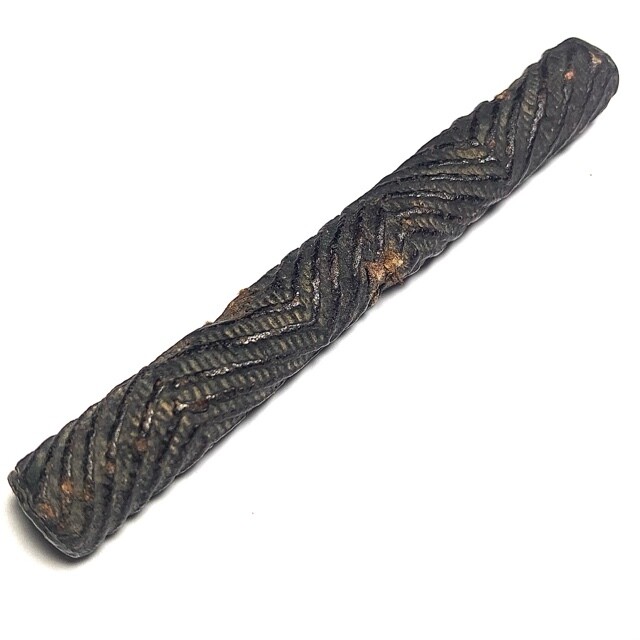
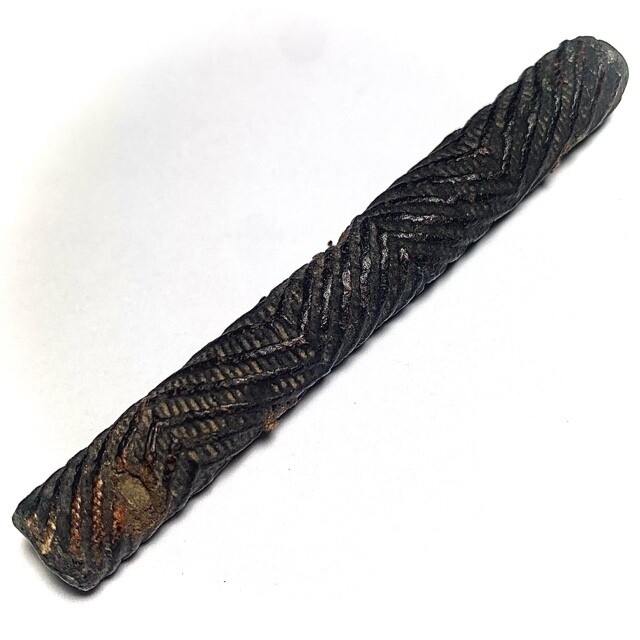
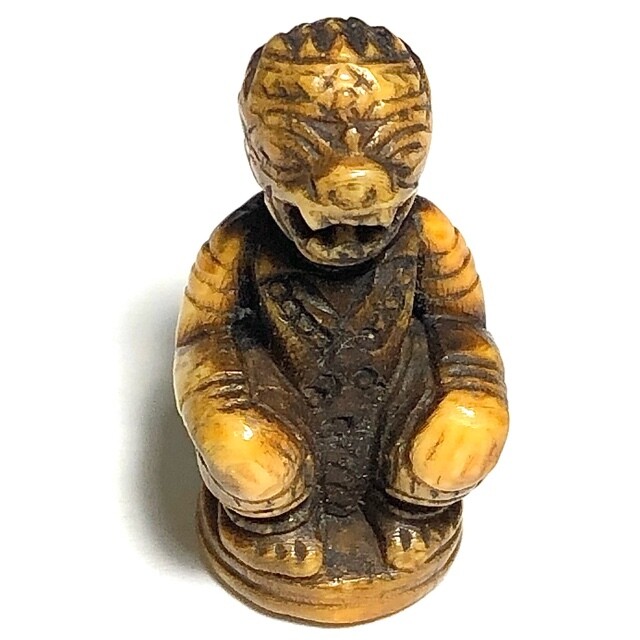
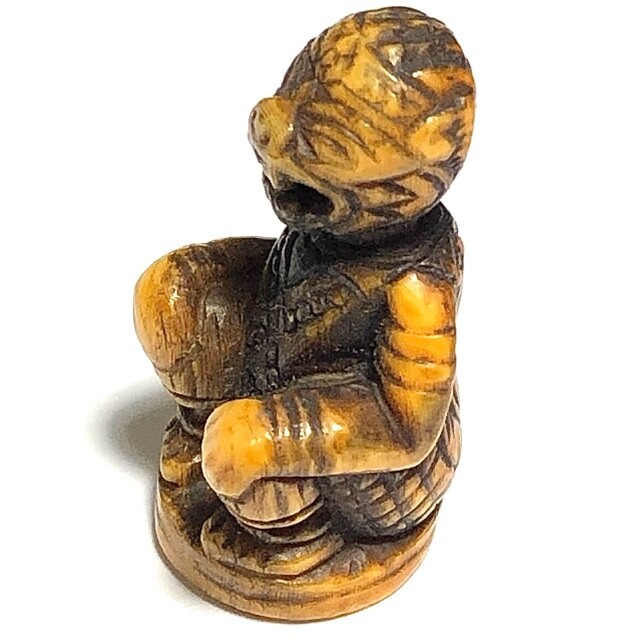
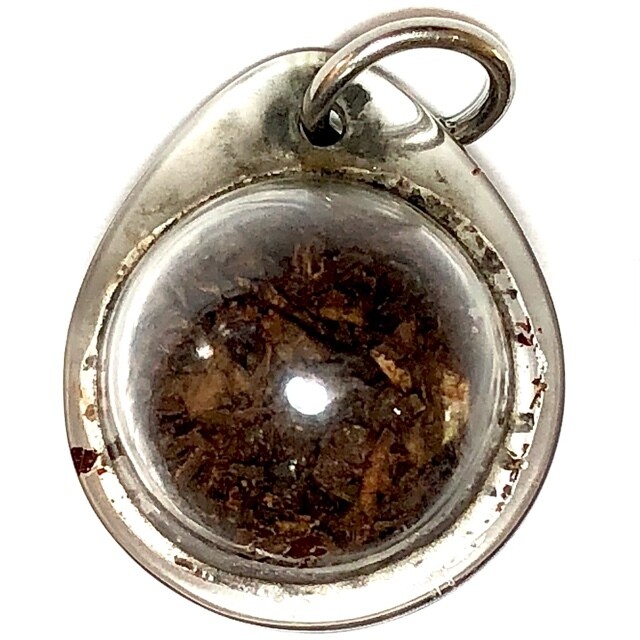
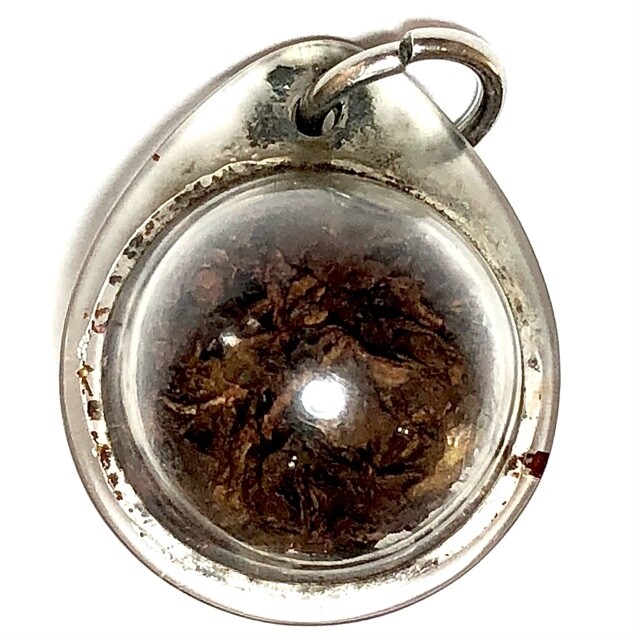
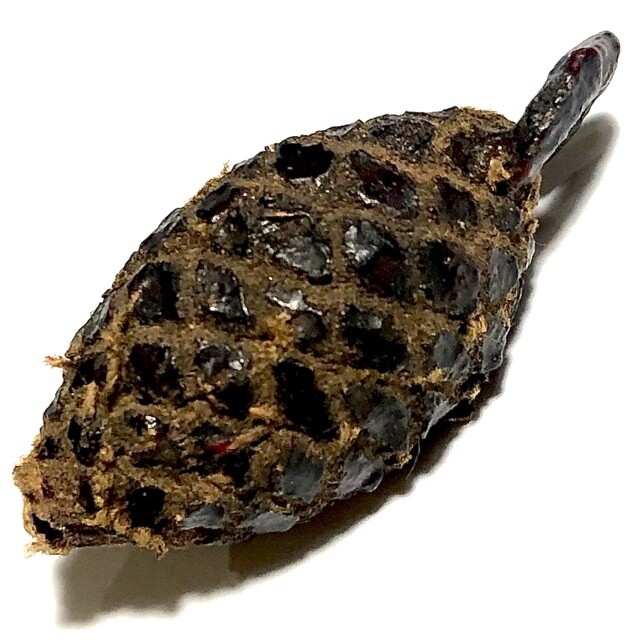
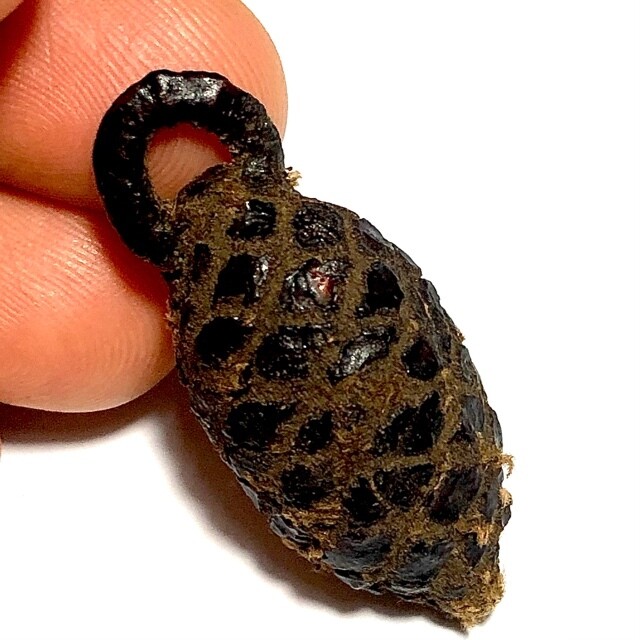
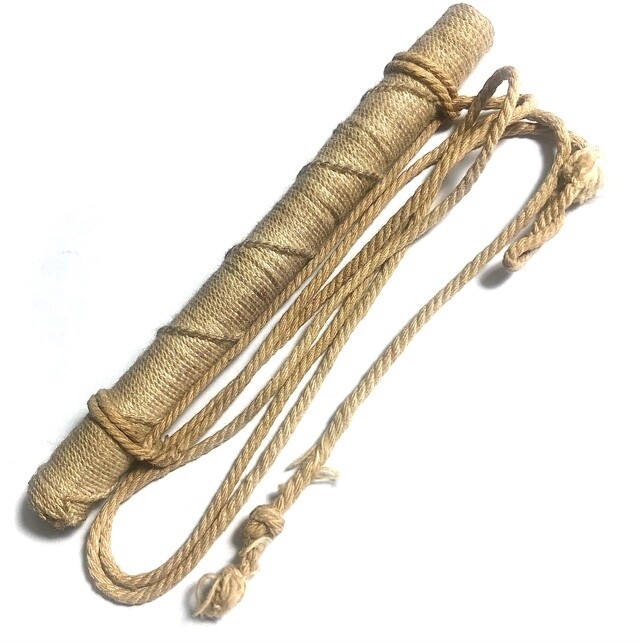
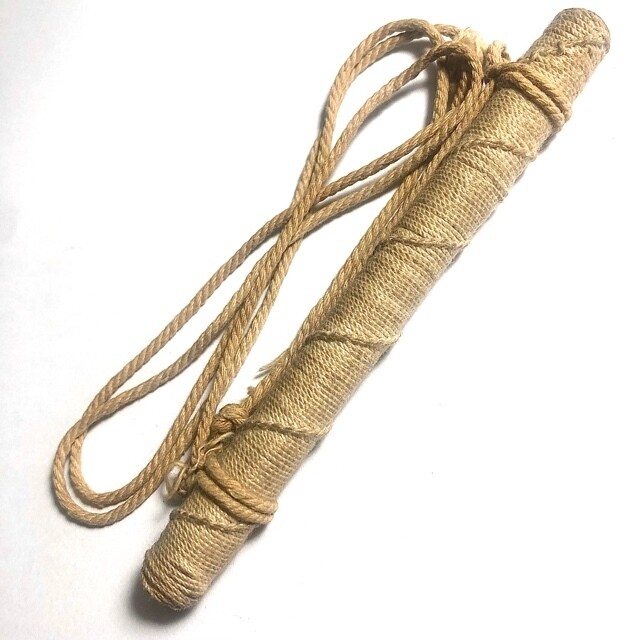
The Palad Khik, an animist charm widely recognized in Thai occultism and integrated into the broader Theravada Buddhist spiritual landscape, represents a complex synthesis of ancient Brahmanic cosmology and localized folk beliefs. The specific artifact under scholarly examination, the Palad Khik Mai Gae Double Code 3+ Code Sala from the venerable Luang Phu Tim of Wat Laharn Rai, is a prime and pristine example of this tradition.
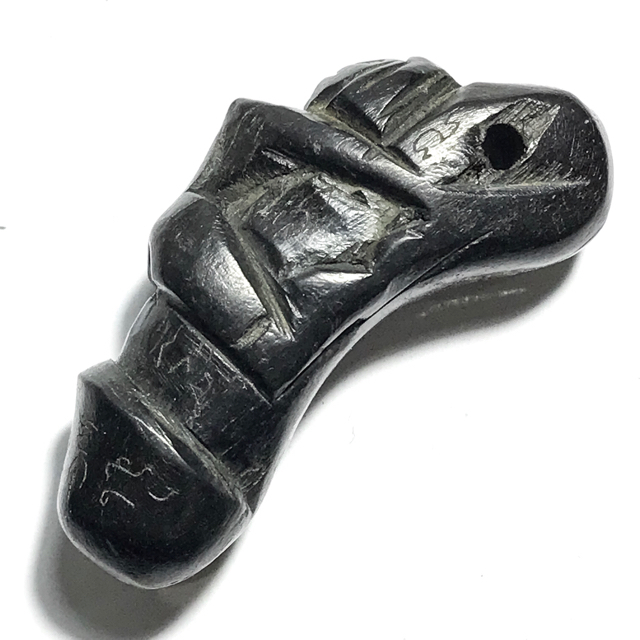
This early-era lingam amulet, meticulously carved from the sacred wood known as Nuea Mai Koon, is not merely a physical object but a nexus of profound spiritual energies, historical lineage, and cultural significance within the pantheon of Thai Buddhist amulets. Its theological importance derives from its connection to primordial cosmic forces, its purported apotropaic and beneficent powers, and its embodiment of the spiritual authority of one of Thailand’s most revered master monks.

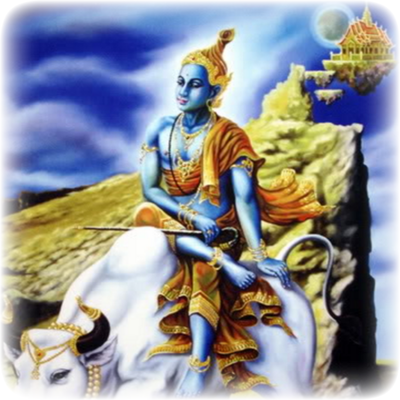
The fundamental concept underpinning the Palad Khik is the Shiva Lingam, or ‘Leungk’ as it is pronounced in Thai, an aniconic representation of the Hindu deity Shiva. This phallic symbol is deeply rooted in Brahmanic influence, which permeated Southeast Asian belief systems, including those that eventually informed Thai Theravada Buddhism, over one to two millennia ago. The Lingam, in this context, is not merely a symbol of male procreative power but is revered as the primal source of all life forms within the Universe. This cosmological perspective attributes the origin of existence to the generative energy symbolized by the Lingam, positioning Shiva as the “Lord of the World” and the ultimate fount of creation. Ancient Indian esoteric traditions, from which the Palad Khik draws its conceptual lineage, also acknowledge the ‘Yoni’ (Vulva), the female counterpart, as equally vital to cosmic genesis, proposing that all created phenomena ultimately emanate from the Yoni, complementing the generative role of the Lingam. In Thailand, this reverence for the Palad Khik as a Shiva Lingam therefore invokes a comprehensive understanding of creation and life force, transcending a purely material interpretation.
Functionally, the Palad Khik is highly regarded for its multi-faceted protective and enhancing capabilities. Practitioners and devotees believe it invokes powers to attract others (Metta Mahaniyom), draw in treasured possessions (Maha Lap), provide protection against black magic and danger (Klaew Klaad), and accumulate wealth and abundance (Maha Pokasap). Beyond these specific boons, the amulet is endowed with the Serm Duang ability, signifying its capacity to improve one’s fate and destiny. The integration of such animist charms into the practice of Theravada Buddhism in Thailand is a testament to the syncretic nature of local religious traditions, where pre-Buddhist beliefs concerning nature spirits (devas), ancestral worship, and the potency of natural materials were harmonized with the teachings of the Dhamma. This particular Palad Khik, carved from Nuea Mai Koon, is especially significant due to the inherent magical properties ascribed to this specific “Prosperity Increasing and Life Improving magical Deva inhabited treewood,” believed to attract auspicious energies and foster well-being.
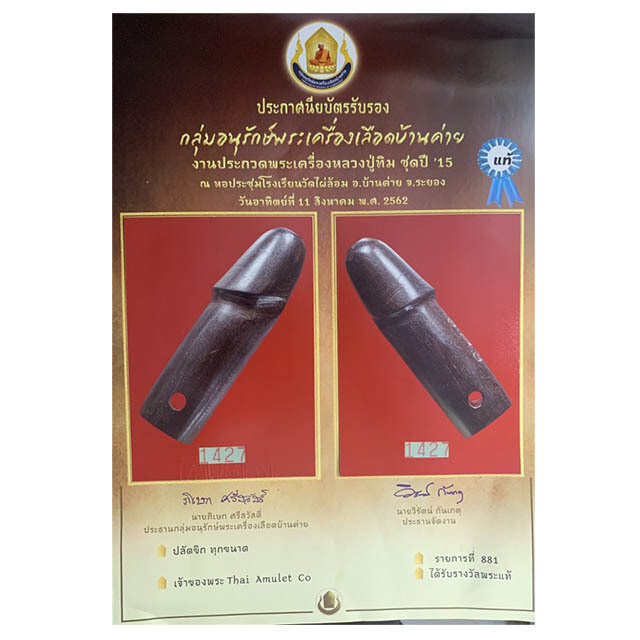
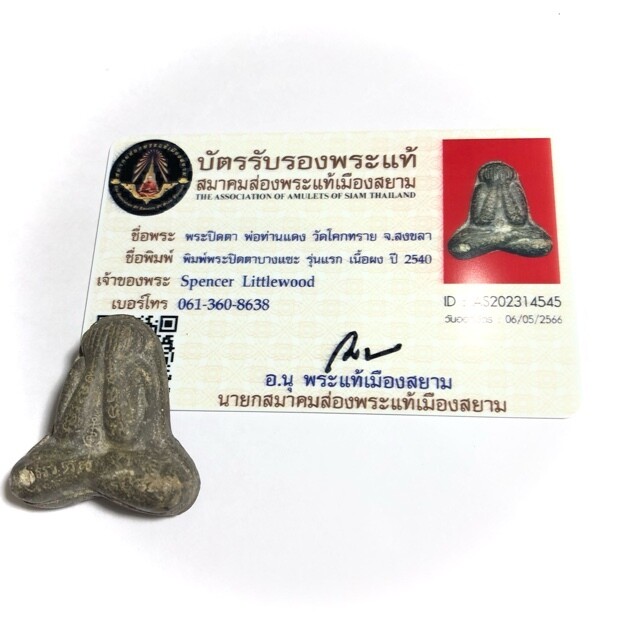
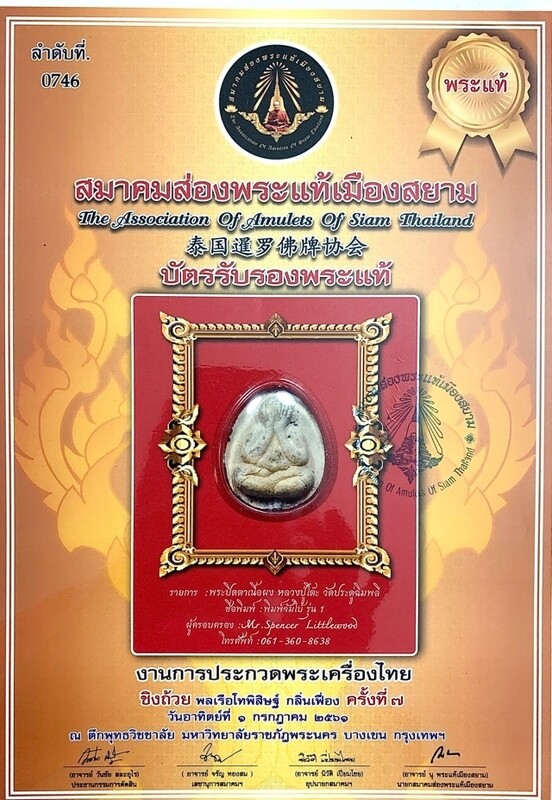
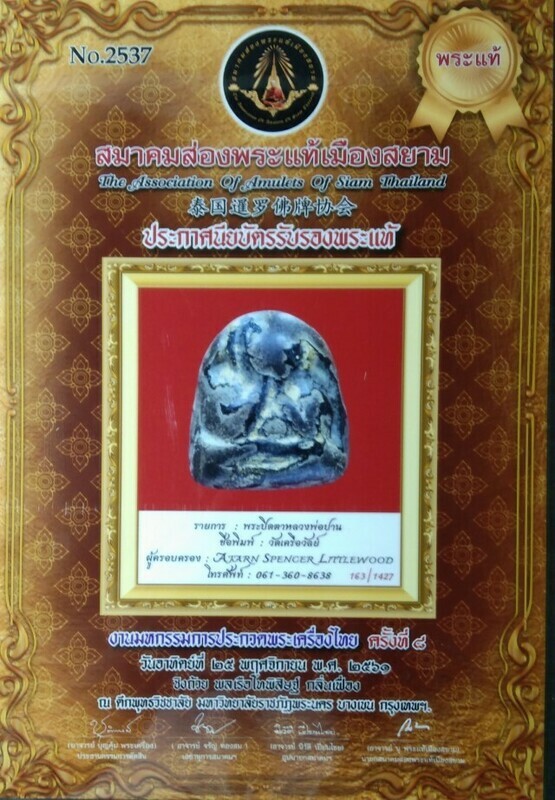
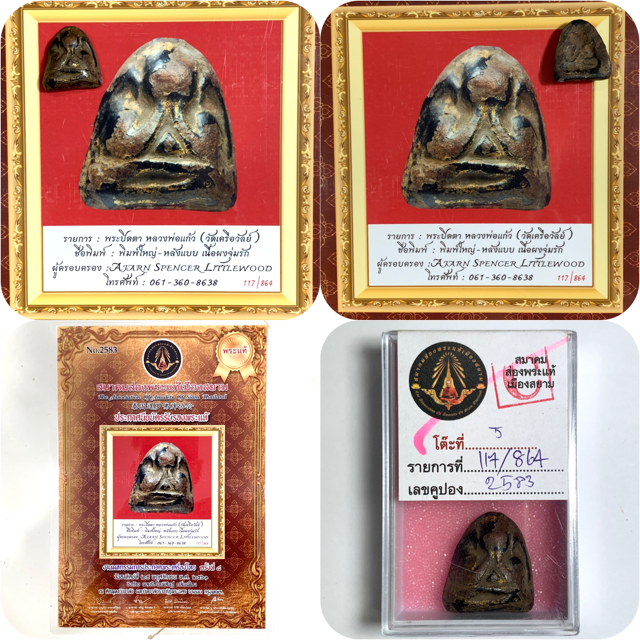
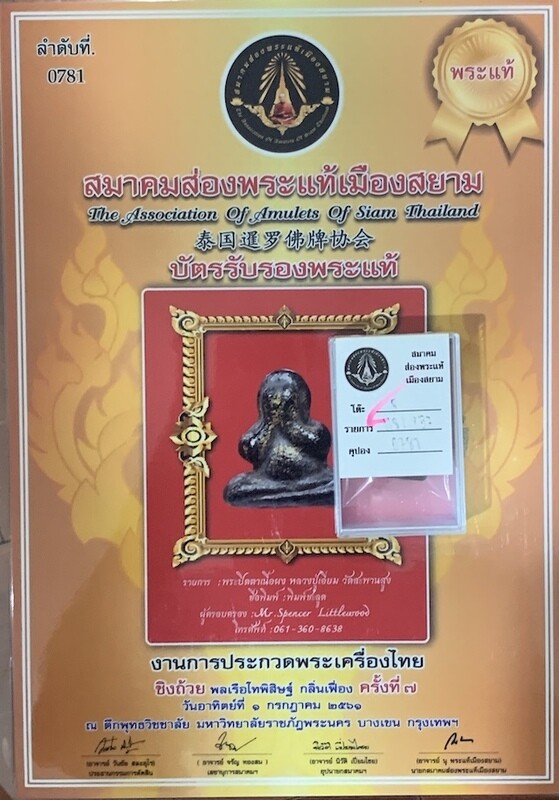
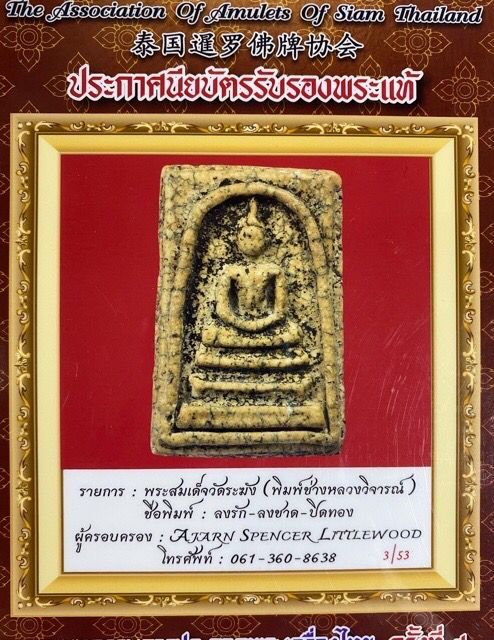
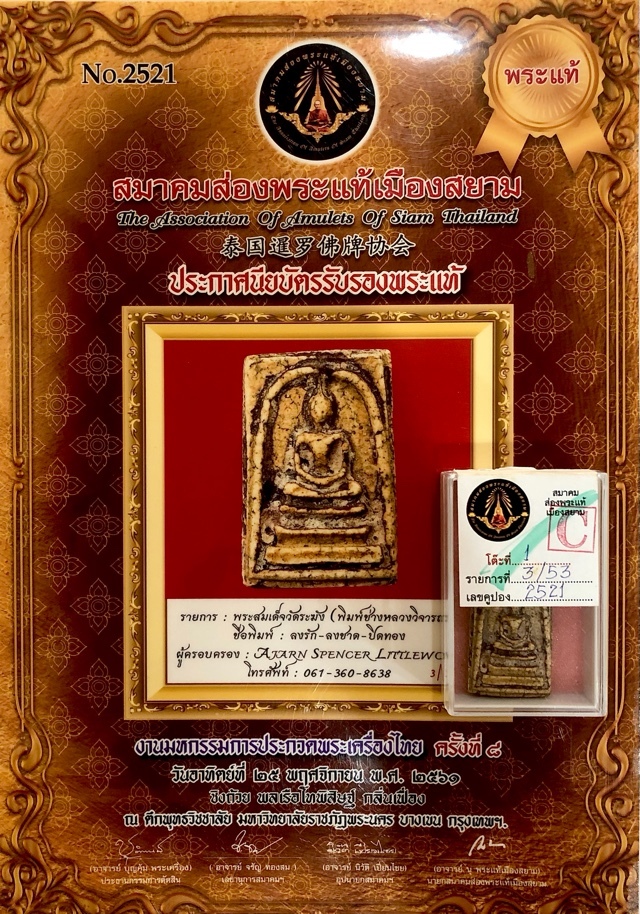
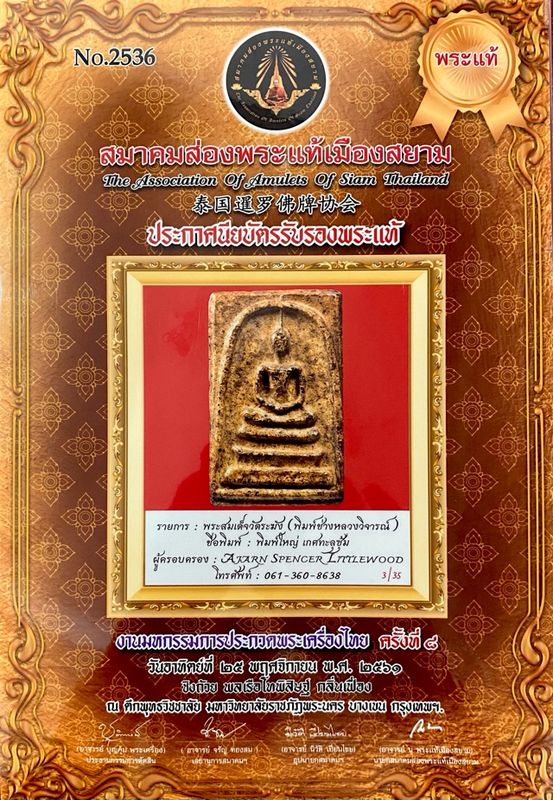
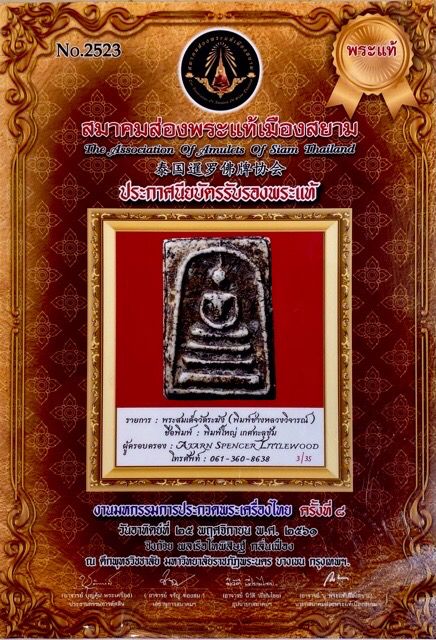
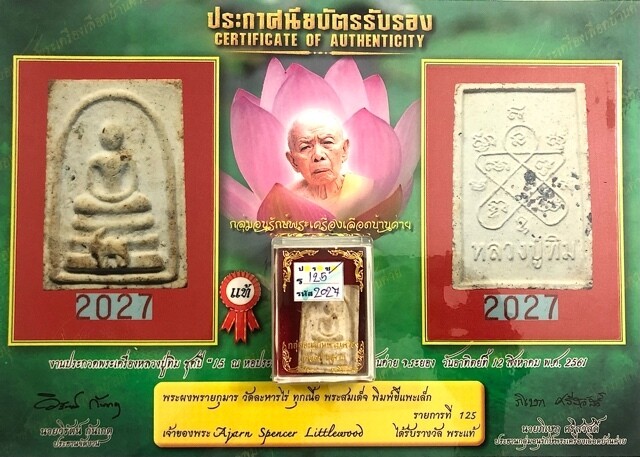
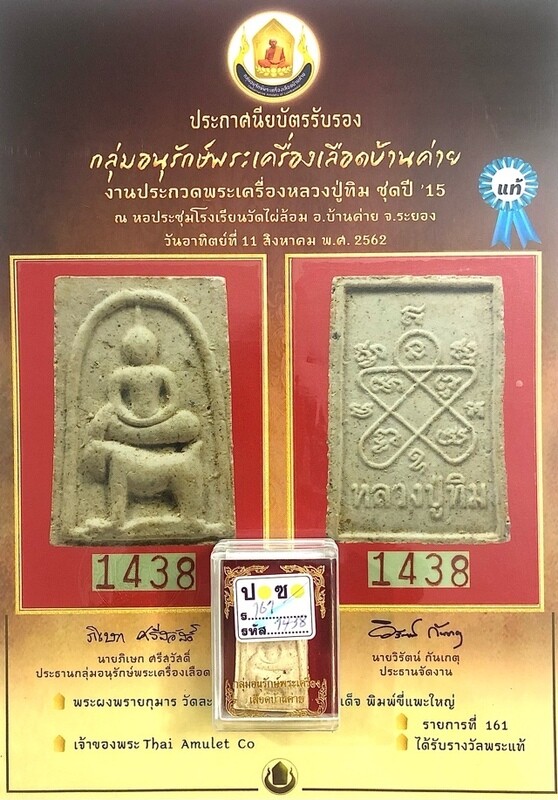
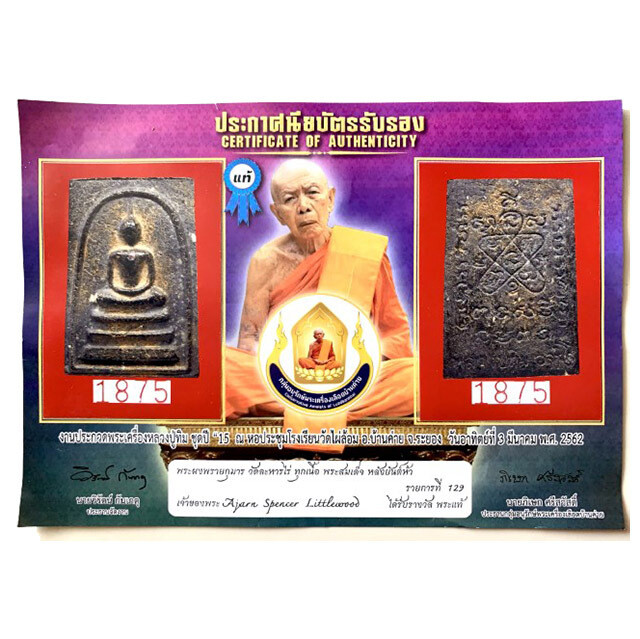
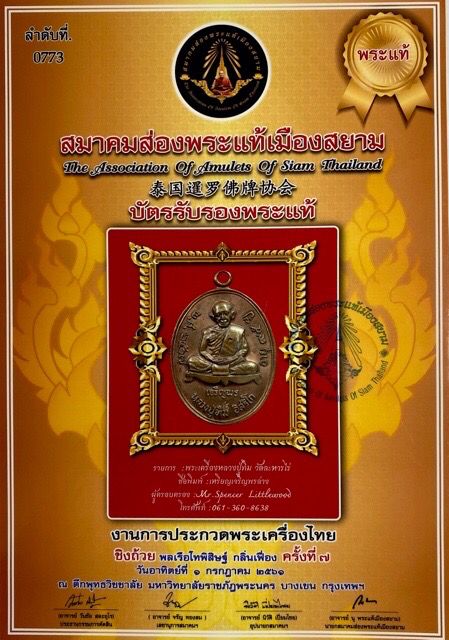
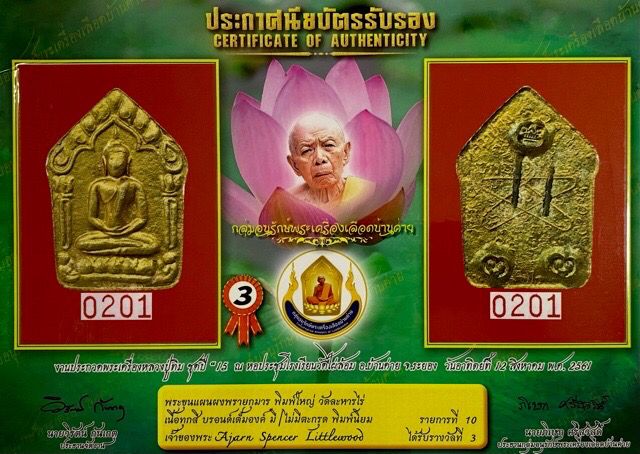
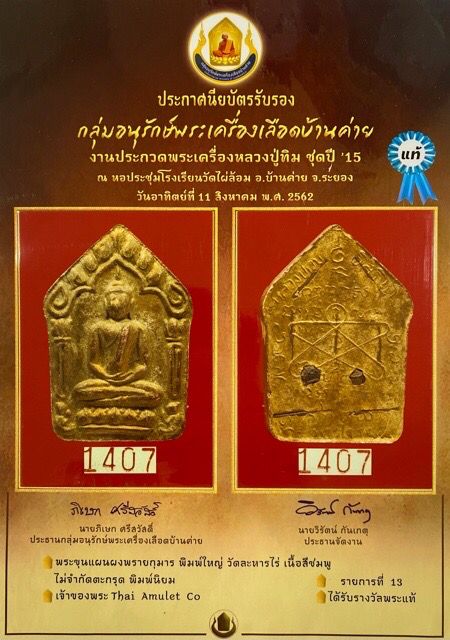
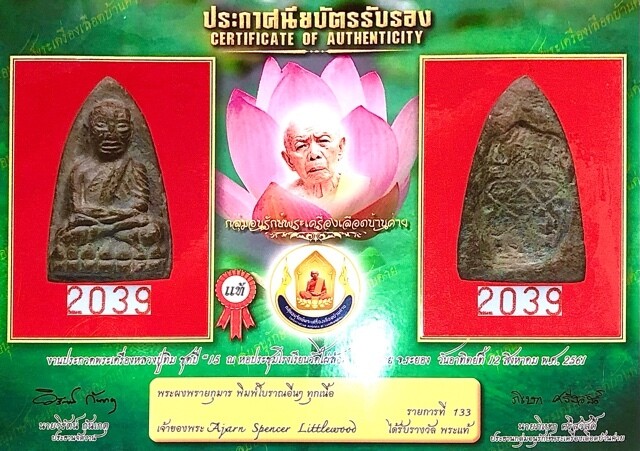
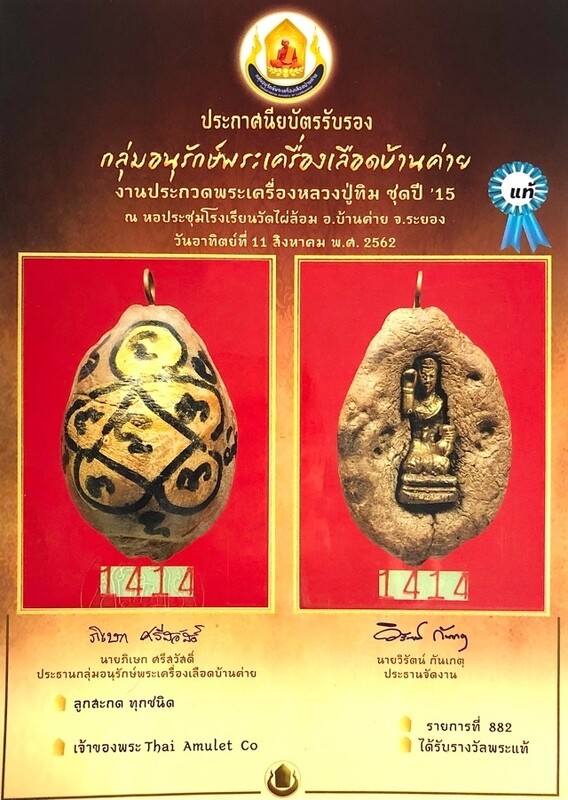
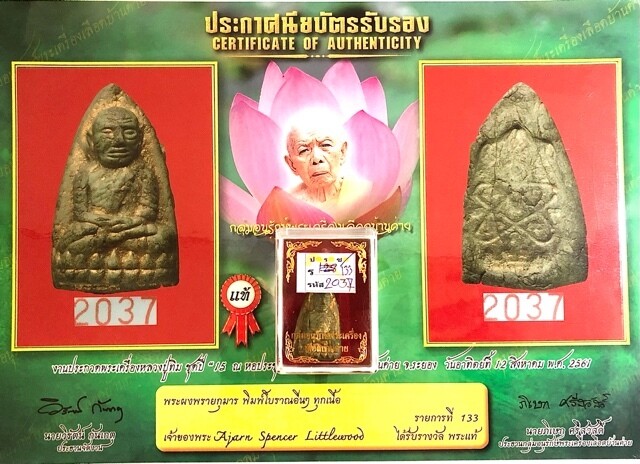
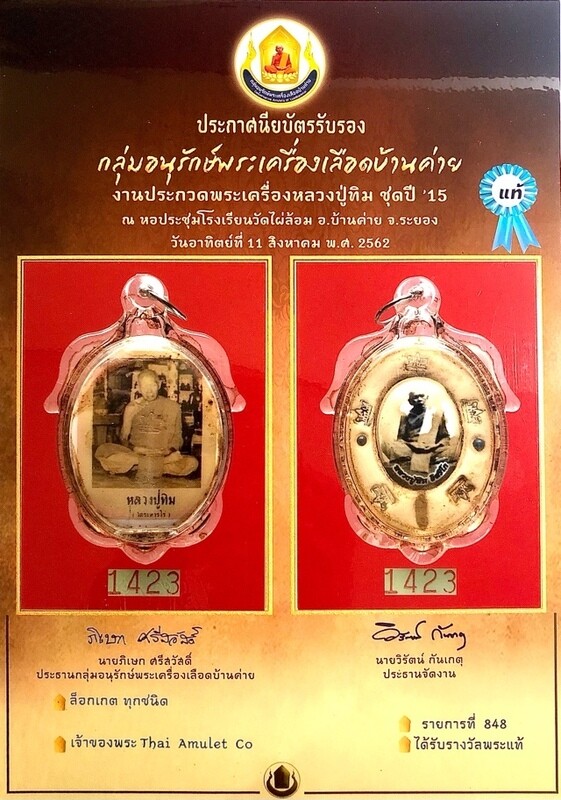
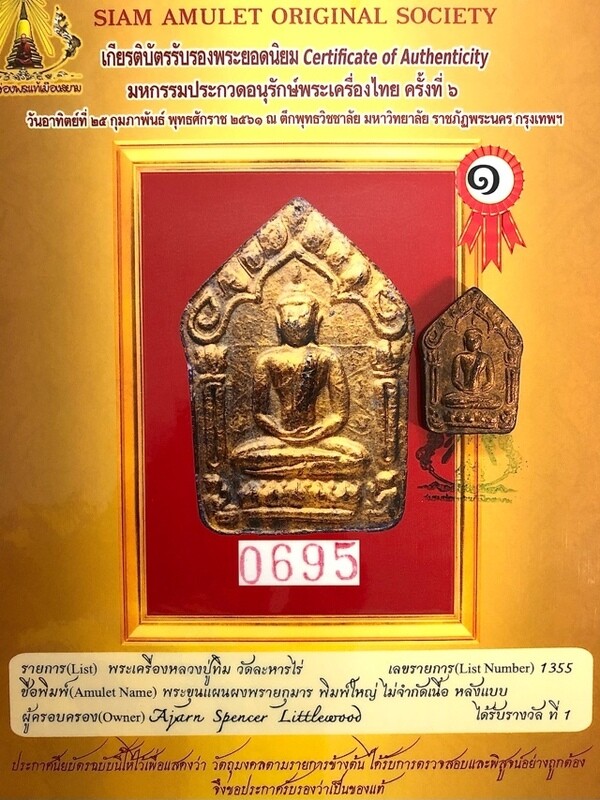
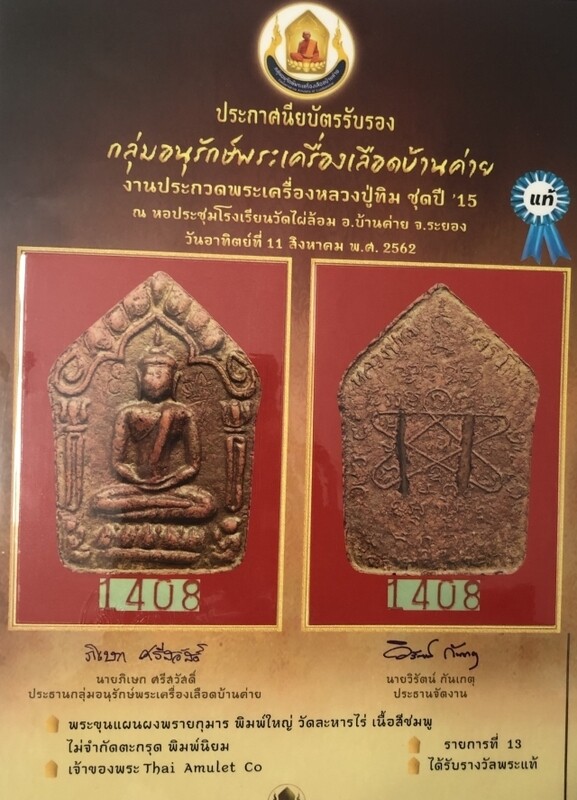
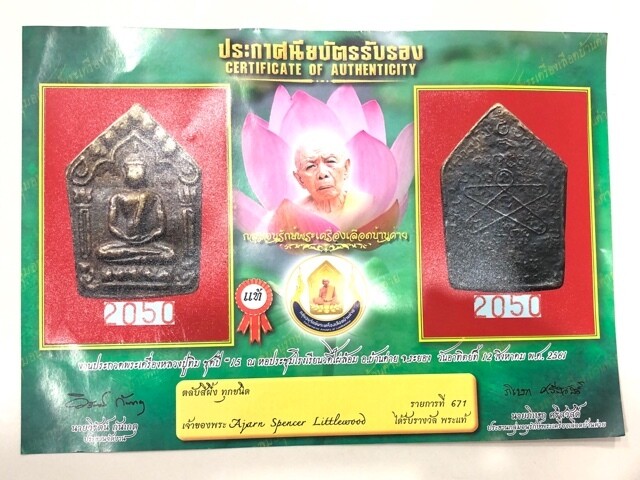
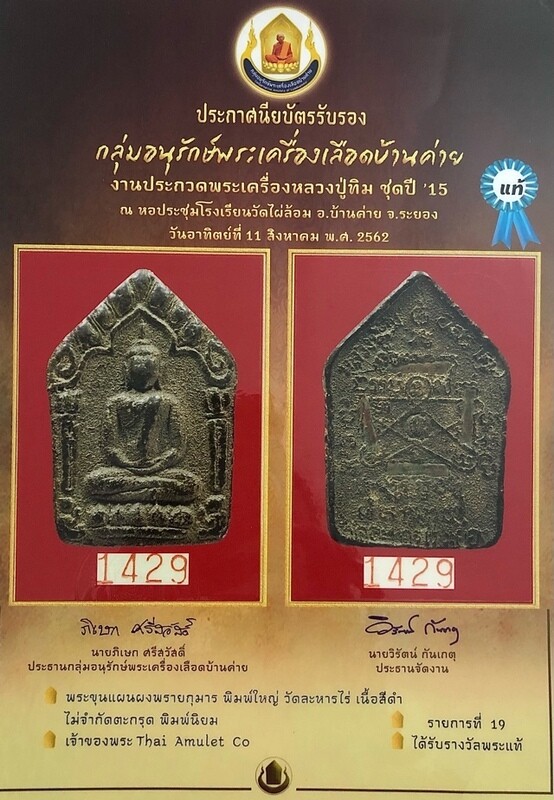
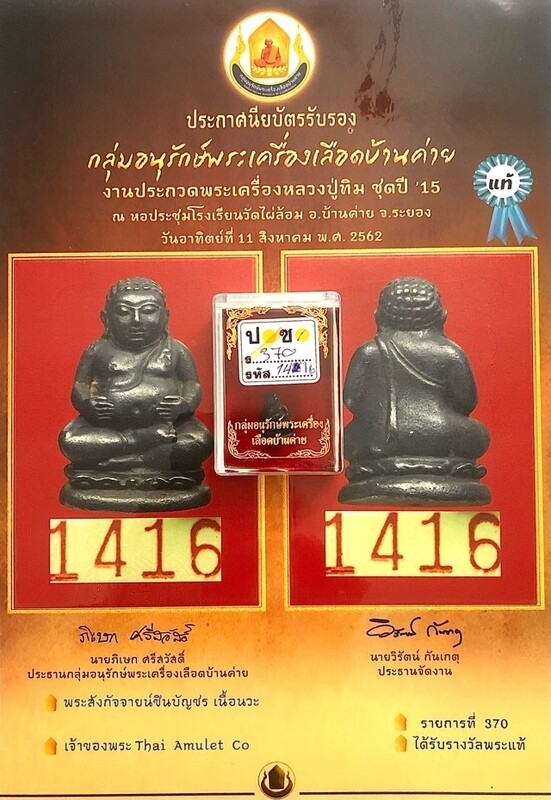
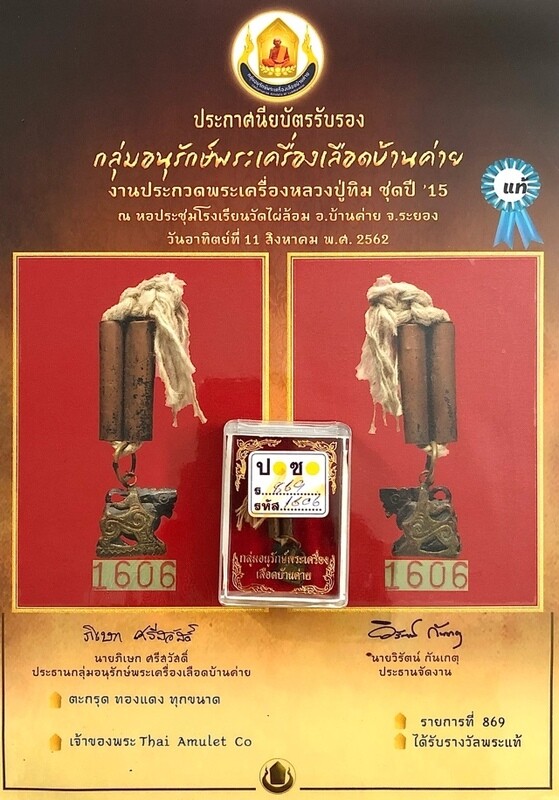
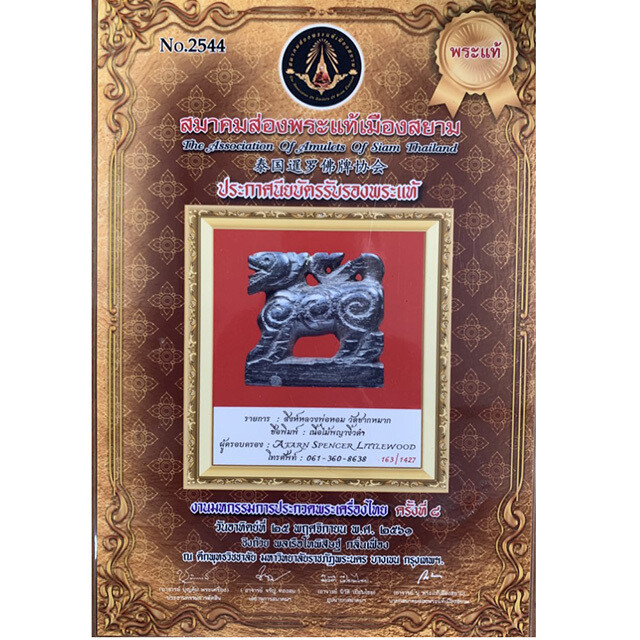
The rarity of encountering such an artifact from Luang Phu Tim, particularly an Early Era example with distinct marking codes, elevates its status from a mere charm to a significant cultural and spiritual relic. The included Authenticity Certificate from the Glum Anuraks Luead Ban Kaay Luang Phu Tim Wast Laharn Rai, signed by its president Ajarn Dr. Phisek Sri Sawad, on Sunday, August 11th, 2562 BE, underscores its verifiable provenance and adds to its academic and collector value. This monograph will systematically explore the layers of meaning, material composition, ritualistic empowerment, and aesthetic characteristics that define this extraordinary Palad Khik, demonstrating its pivotal role in understanding Thai Buddhist art, occultism, and the enduring legacy of Luang Phu Tim Issarigo.
Luang Phu Tim Issarigo of Wat Laharn Rai
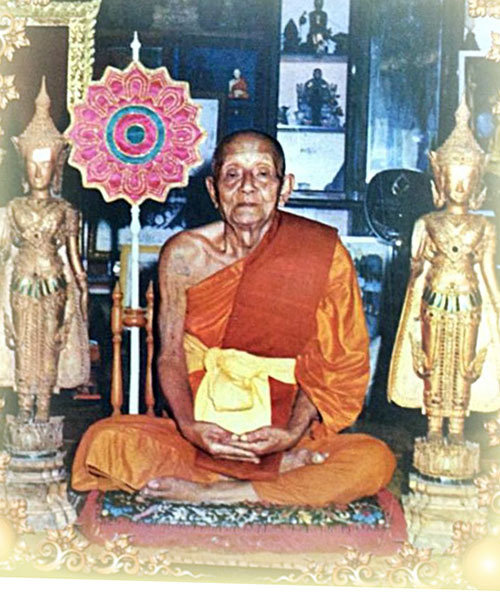
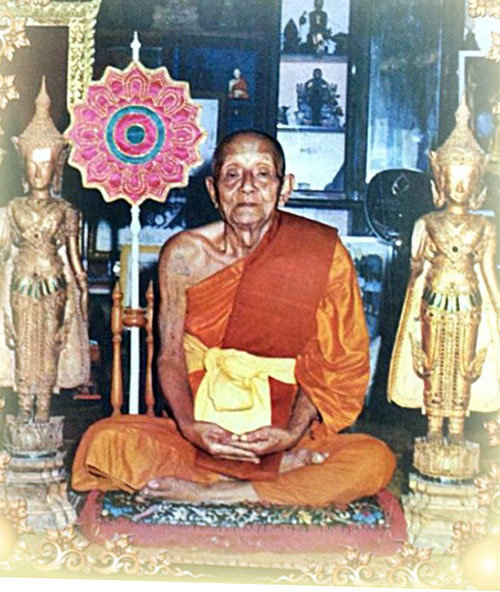
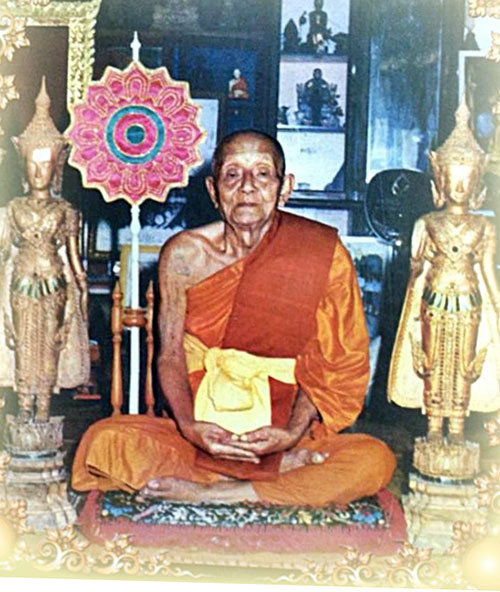
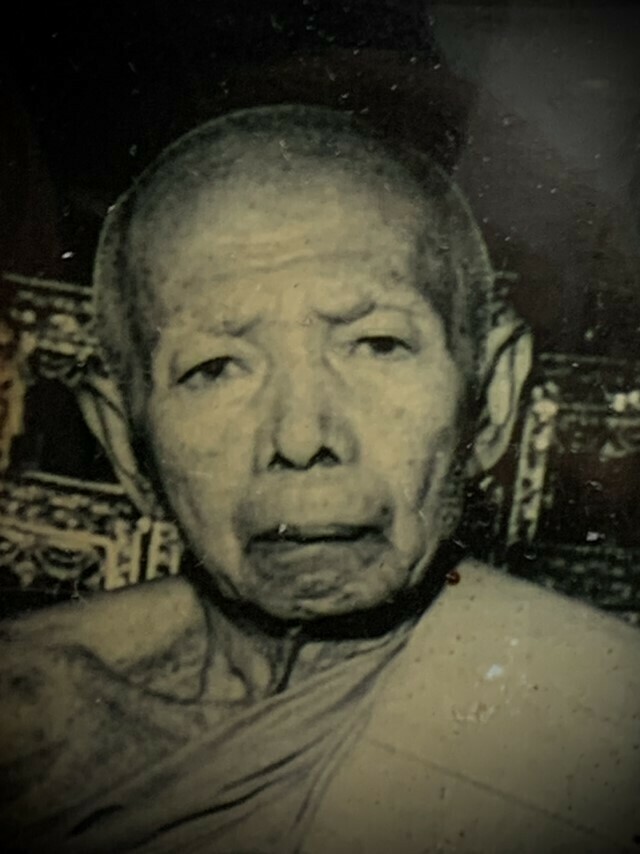
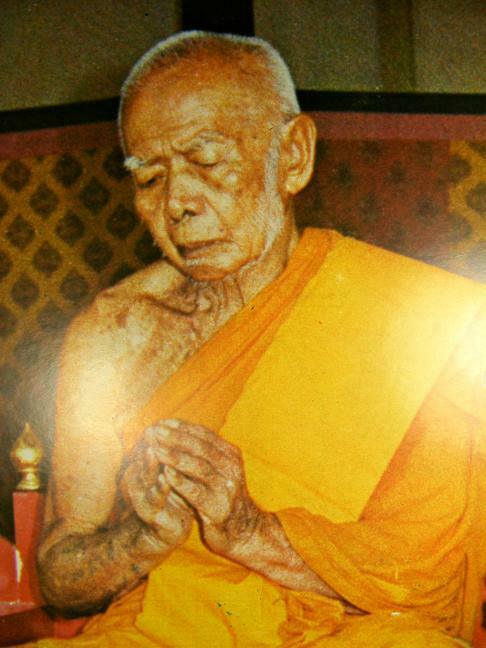
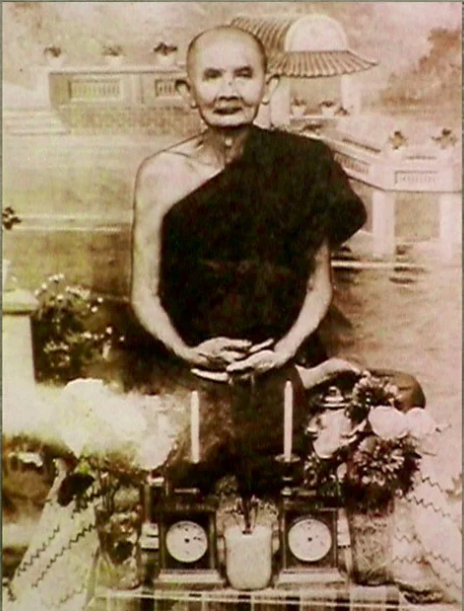
Luang Phu Tim Issarigo (2418-2518 BE), Abbot of Wat Laharn Rai in Rayong province, stands as an almost mythical figure in the annals of Thai Buddhist amulet history. His life and spiritual accomplishments transcend conventional monastic biographies, marking him as one of the preeminent Guru Monks of the 20th century. Initially, Luang Phu Tim’s eminence was not as widely recognized as contemporaries such as Luang Por Horm, Luang Por Rung of Wat Ta Graber, and Luang Por Chern. However, his profound mastery of esoteric Wicha (magical sciences) and his exceptional abilities in amulet consecration gradually propelled him to an unrivaled position of reverence.
Central to Luang Phu Tim’s enduring fame is his unparalleled mastery of the Wicha Pong Prai Kumarn. This specialized magical knowledge involves the creation of sacred powders, famously incorporated into his Pra Khun Phaen amulets, which are universally considered among the most potent in existence. The sacredness of Pra Pong Prai Kumarn is legendary and unquestioned throughout Thailand, its magical power commonly accepted by all devotees. The renown of Pong Prai Kumarn amulets became so widespread, even during Luang Phu Tim’s lifetime, due to consistent reports from wearers experiencing significant increases in business success, personal prosperity, and overall good fortune. This demonstrable efficacy cemented his reputation and positioned him amongst the top ten Guru masters in Thai Amulet History.

The rise of Luang Phu Tim’s popularity is frequently attributed to a legendary, albeit privately held, competition among great masters. In this contest, Luang Phu Tim was reportedly the sole monk capable of causing an amulet to rise and spin within a water-filled alms-bowl, a feat of advanced Wicha that confirmed his exceptional spiritual powers. Once news of this mastery disseminated, the demand for his amulets surged dramatically. His pantheon of creations is now understood to be far more extensive and varied than previously documented, with ongoing efforts between 2558 BE and 2560 BE revealing the true scope of his work, dating from approximately 2495 BE to 2515 BE. This documentation has opened the doorway to a fuller appreciation of Luang Phu Tim’s oeuvre, including various forms such as Roop Muean, Look Om Pong Prai Kumarn, Pra Khun Phaen, and numerous models of Pra Pong Prai Kumarn Pim Boran.
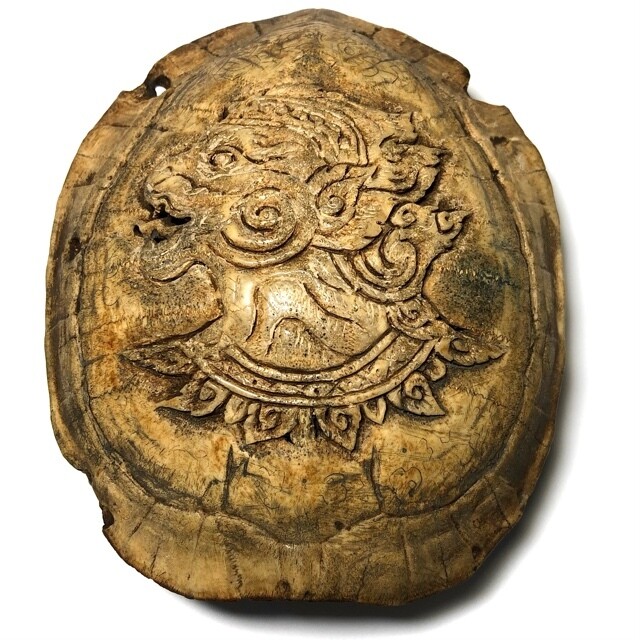
Beyond the Palad Khik and Pra Khun Phaen, Luang Phu Tim is internationally acclaimed for other iconic amulets. His Pra Kring Chinabanchorn stands as one of his most highly prized creations, frequently listed among the top five Pra Kring amulets of all time and commanding significant valuations in the collector’s market due to its extreme rarity. His ‘Rian’ (coin image) amulets are equally celebrated, becoming eternal classics among high-end collectors. Notable examples include the Rian Jaroen Porn Bon and Rian Jaroen Porn Lang, Rian Sema, Rian Huang Chueam, Rian Run Raek, Rian Hyod Nam, Rian Pra Jao Taksin, and Rian Nakprok Paed Rorp. More recently, editions such as the Rian Mae Nam Koo have also gained significant popular reverence and rarity. He also crafted Pra Sivali, Siarn Dto and Siarn Lek, Carved Krueang Rang (talismans) such as Chook Chok, Hanuman, and various Takrut. These diverse creations, whether carved, made from sacred powders, or cast in metallurgical forms, attest to his versatility and profound understanding of various Wicha.

Luang Phu Tim’s legacy extends through his direct lineage apprentices, who diligently continue to propagate his powerful and world-famous Wicha. Among these successors, Luang Por Sakorn of Wat Nong Grub, now also deceased, attained immense renown, with his amulets reaching valuations comparable to those of Luang Phu Tim himself. Other distinguished figures in this lineage include the deceased Luang Phu Gaew Gesaro, Luang Phu Sin of Wat Laharn Yai, and Luang Por Rat of Wat Pha Hwaay, who is noted for his extensive repository of Pong Prai Kumarn and See Pheung Khiaw LP Tarb. Luang Por Foo, a master in his own right, learned alongside Luang Por Sakorn under Luang Phu Tim’s guidance, quietly contributing to the perpetuation of the Wat Laharn Rai magical tradition. Pra Ajarn Somkid of Wat Beung Tata (Rayong) is another significant figure continuing this esteemed lineage. The ongoing documentation and scholarly interest, evidenced by numerous encyclopedic publications, continue to solidify Luang Phu Tim Issarigo’s position as an immortal master within Thai amulet history, whose creations remain amongst the most sought-after and influential of all time.
Alchemical Composition and Sacred Powders
The efficacy of a Palad Khik, particularly one from a master like Luang Phu Tim, is intrinsically linked to its material composition and the esoteric properties ascribed to its constituents. The Palad Khik under consideration is meticulously carved from Nuea Mai Koon, a specific type of sacred treewood. The term Mai Koon translates to ‘Prosperity Increasing’ and ‘Life Improving’, highlighting the intrinsic magical attributes believed to reside within the wood itself. This designation is not merely symbolic; it reflects an animist belief system wherein certain trees are considered to be inhabited by benevolent devas or nature spirits (Phrai Mai). These spirits, once propitiated, are believed to infuse the wood with their auspicious energies, making Nuea Mai Koon an exceptionally potent medium for magical talismans.
The selection of such a material is a critical alchemical step in the creation of sacred objects. The natural properties of the wood are believed to harmonize with the spiritual intentions of the creator, forming a foundation for the subsequent empowerments. Beyond its inherent auspiciousness, the use of a natural, living material like wood also connects the amulet to the organic forces of growth, vitality, and regeneration, reinforcing its role as a charm for life improvement and prosperity. The ‘Mai Gae’ designation suggests that the wood is mature, implying greater spiritual potency and durability, making it an ideal choice for a lasting sacred artifact.
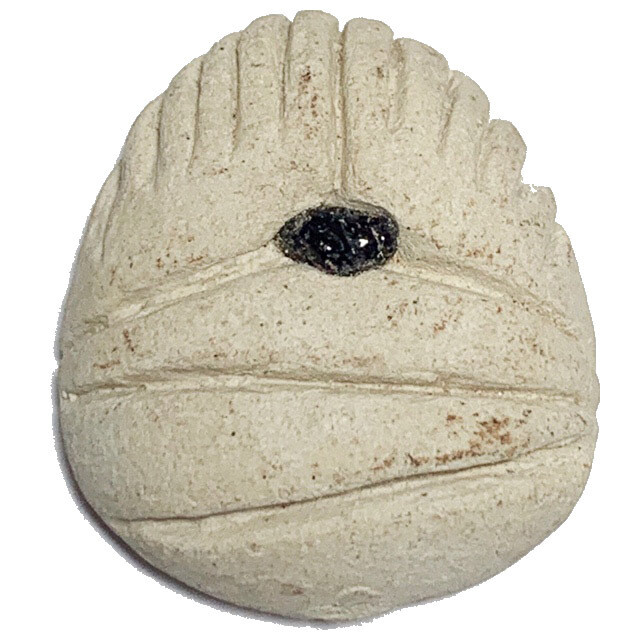
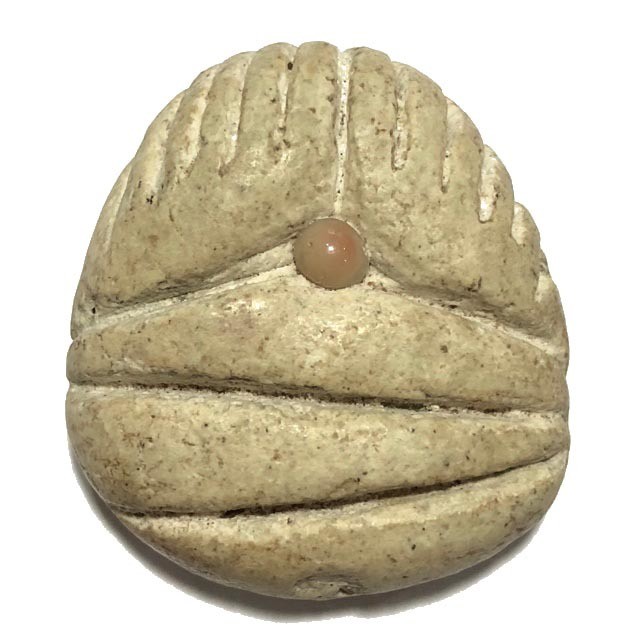
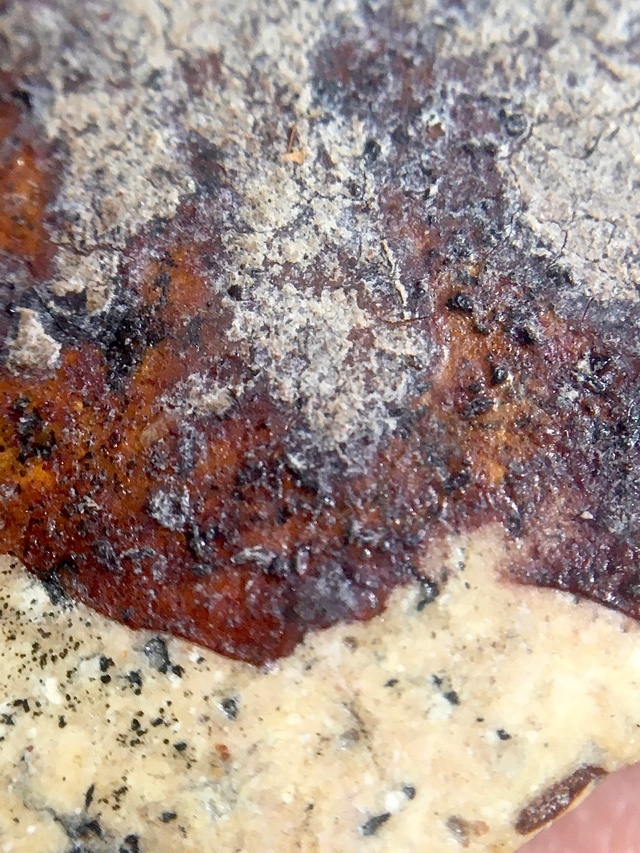
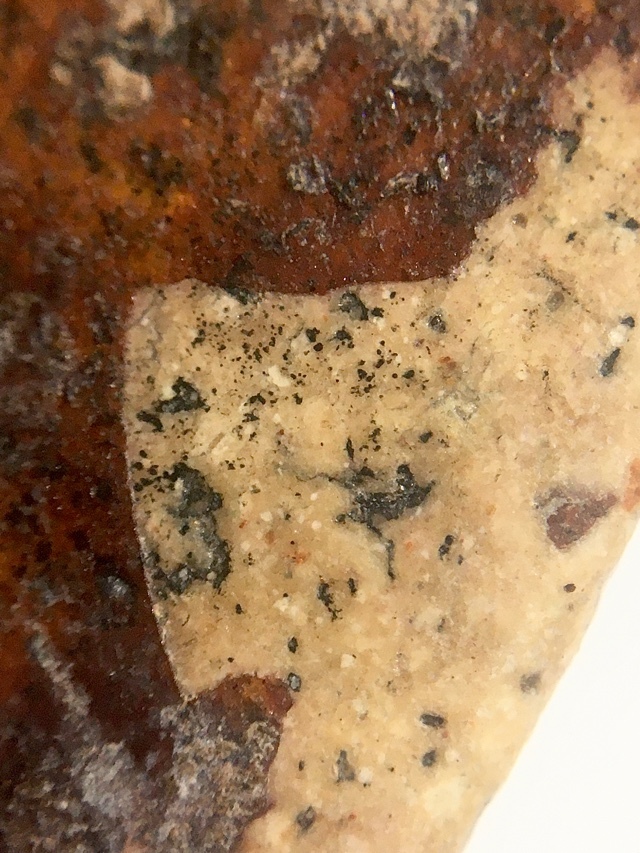
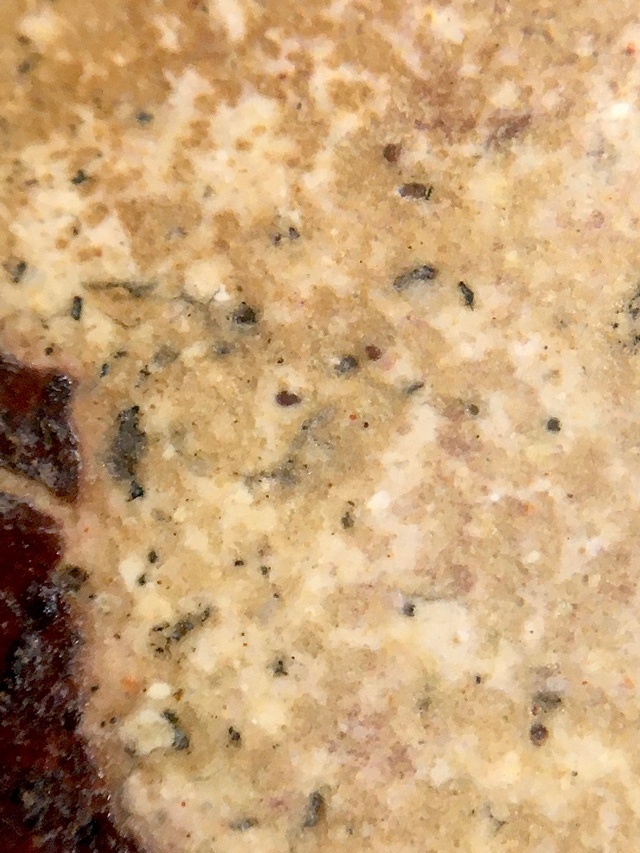
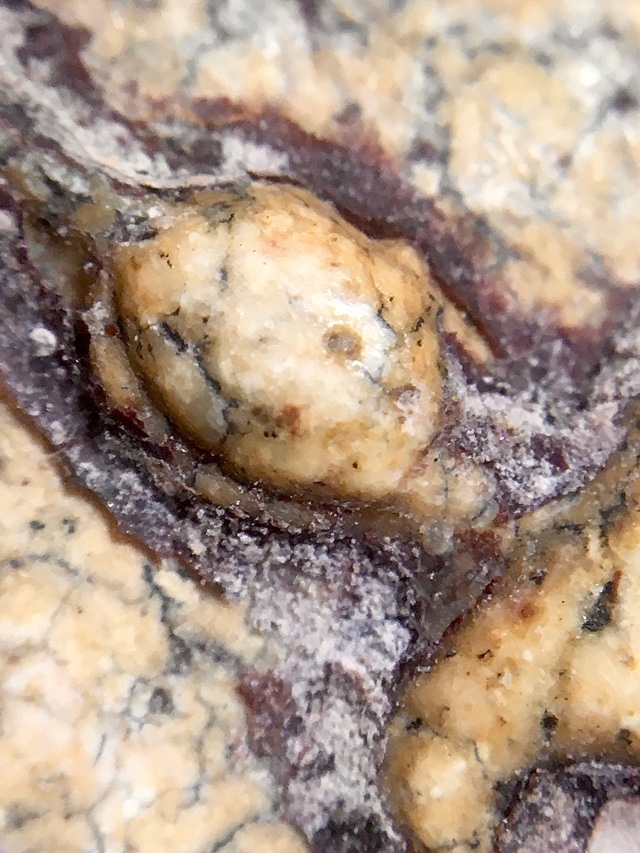
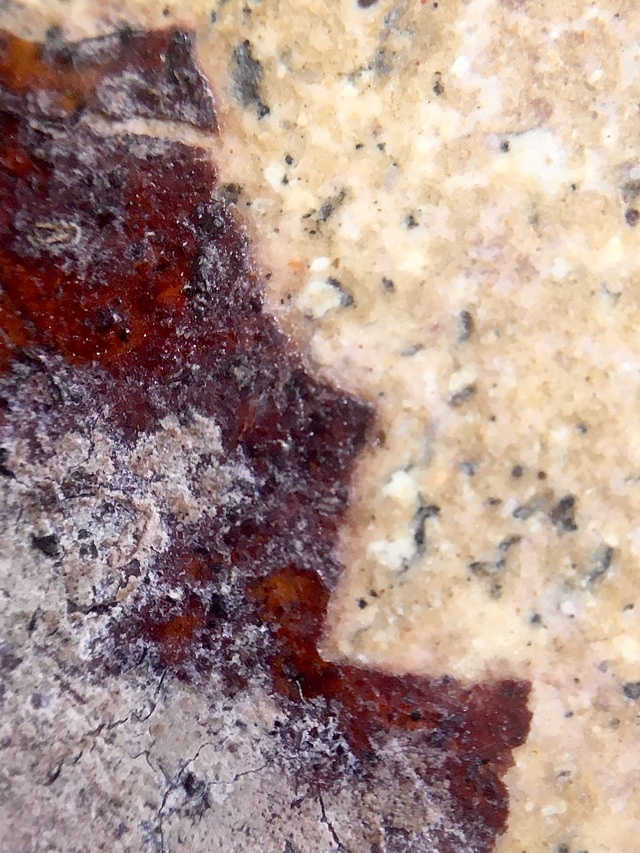
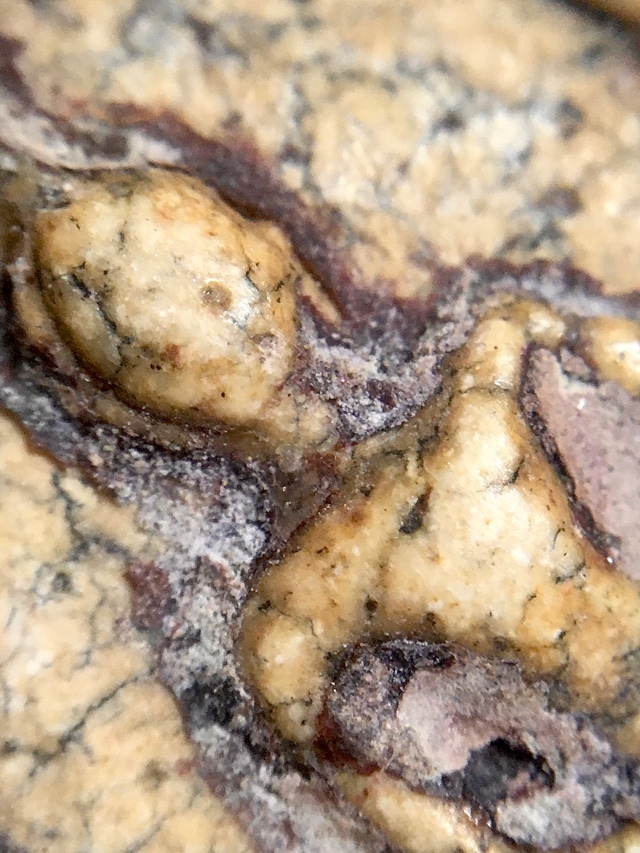
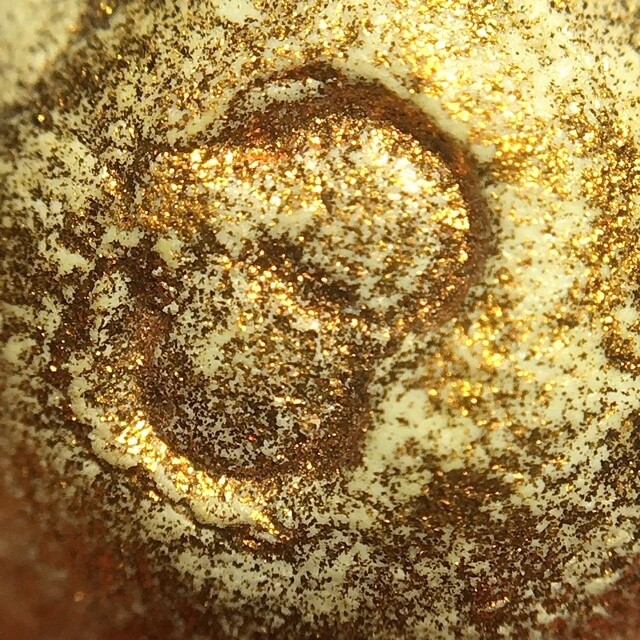
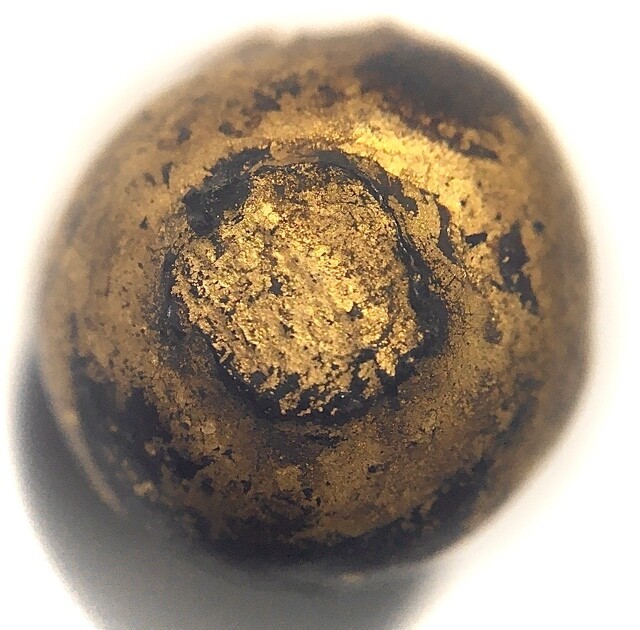
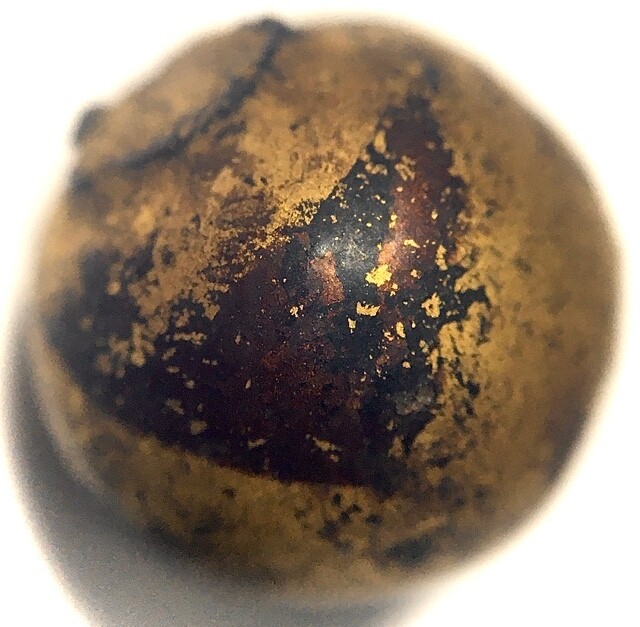
A distinctive feature of this Palad Khik is the presence of a Sacred Muan Sarmm Insert embedded within its head. Muan Sarn refers to the sacred mixtures or ritualistic powders used in Thai amulet making. While the specific composition of this ‘secret Wicha’ insert is often guarded by the lineage, it invariably comprises a blend of potent ingredients. These can include rare herbs, pollens, ashes from sacred fires, earth from auspicious sites, remnants of old amulets, and often, more esoterically, Pong Prai Kumarn. Given Luang Phu Tim’s renown as the master of Wicha Pong Prai Kumarn, it is highly probable that such revered powders form a component of the Muan Sarmm. Pong Prai Kumarn is a highly celebrated and potent sacred powder, legendary and unquestioned in its magical power within Thailand, widely accepted as among the most powerful powders in existence. Its inclusion, even in a minute quantity as an insert, significantly amplifies the amulet’s spiritual charge and efficacy, imparting the unparalleled Metta Mahaniyom and Maha Lap attributes for which Luang Phu Tim’s creations are famous.
The meticulous selection of materials and the deliberate incorporation of sacred powders underscore the alchemical dimension of Thai amulet creation. This process is not merely craftsmanship; it is a ritualistic transformation of raw materials into potent vessels of spiritual energy. Each component is chosen for its inherent magical properties, which are then consecrated and amplified through a rigorous process of blessing and incantation. The combination of the spirit-inhabited Nuea Mai Koon with the sacred Muan Sarmm Insert ensures that the Palad Khik is imbued with a layered complexity of magical powers, making it a formidable tool for protection, attraction, and destiny improvement. This intricate material science, guided by centuries of esoteric knowledge, distinguishes genuine master-crafted amulets like those of Luang Phu Tim from mere decorative items, situating them firmly within the realm of sacred Buddhist and animist occultism.

Sacred Empowerment and Wicha
The creation of a Palad Khik, particularly one consecrated by a master like Luang Phu Tim, extends far beyond its physical carving and material composition. The true potency of such an amulet resides in the sacred empowerment, or ‘Wicha,’ applied through a series of ritualistic practices, incantations (Kata Bucha), and profound meditative absorption. This process transforms the inert object into a living vessel of spiritual energy, capable of conferring its intended blessings upon the wearer.
The Wicha of the Palad Khik, tracing its origins back to Vedic Brahmanic occult practices spanning thousands of years, involves a complex interplay of ancient knowledge and specific ritual sequences. Central to this empowerment is the recitation of Kata Bucha, which Thais refer to as ‘ghata poojah,’ derived from Devanagari. These incantations are not mere words but vibrational formulas designed to awaken and channel specific spiritual forces. The selection and sequence of these Kata are strictly governed by the creator’s lineage and their specific school of traditional animist magic, ensuring adherence to an unbroken chain of esoteric transmission.
Luang Phu Tim Issarigo, renowned for his mastery of various Wicha, applied his formidable spiritual capabilities to the consecration of these Palad Khik. His Wicha was particularly potent, as evidenced by the legendary account of his ability to make an amulet float and spin in water, a feat indicative of profound meditative absorption (Jhana) and advanced psychic powers. Such demonstrations underscore the depth of his spiritual attainment, which was directly channeled into the empowerment of his amulets. The efficacy of his amulets, especially those imbued with his Pong Prai Kumarn Wicha, was widely attested by devotees who experienced tangible improvements in their fortune, prosperity, and personal success. This consistent positive feedback established the practical validation of his empowerment methods.
The Palad Khik’s embedded Sacred Muan Sarmm Insert, discussed in the previous chapter, represents a physical crystallization of specific Wicha. These concentrated sacred powders and rare materials act as reservoirs of spiritual energy, amplifying the effects of the monastic blessings. The ‘secret Wicha’ implies that the precise composition and ritual for preparing this insert are known only to initiated masters within Luang Phu Tim’s lineage, preserving its unique potency and authenticity. This combination of material power and spiritual empowerment ensures that the Palad Khik is not merely a carved object but a potent talisman pulsating with life-enhancing energies.
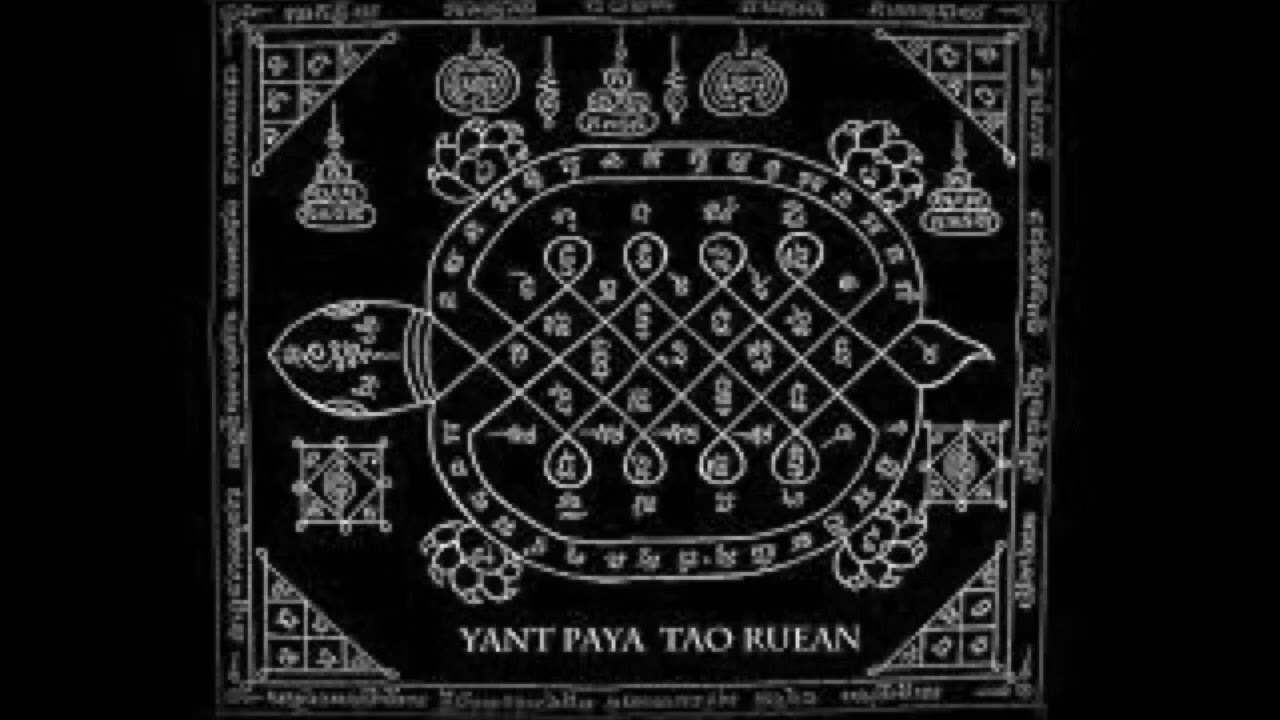
The process of empowerment typically involves several stages. Initially, the chosen wood is ceremonially blessed and cleansed. Subsequently, specific Yantra (sacred geometric designs) may be inscribed onto the surface or mentally projected onto the amulet, further embedding protective and attractive forces. The core of the empowerment lies in continuous recitation of Kata Bucha, often performed over prolonged periods during auspicious astrological timings. Luang Phu Tim would engage in deep meditative states, channeling his accumulated merit and spiritual attainments into each individual amulet. This deep focus imbued the Palad Khik with specific powers such as Metta Mahaniyom (great kindness and popularity), Maha Lap (great fortune), Klaew Klaad (safety from dangers), Maha Pokasap (wealth attraction), and Serm Duang (fate improvement). The efficacy of these Wicha is not attributed to magic in a superstitious sense, but rather to the accumulated spiritual energy and moral purity of the master monk, which is believed to manifest as tangible blessings in the lives of devotees. This profound integration of spiritual discipline, ancient ritual, and potent materials defines the sacred empowerment of Luang Phu Tim’s Palad Khik.
Iconographical and Aesthetic Appreciation
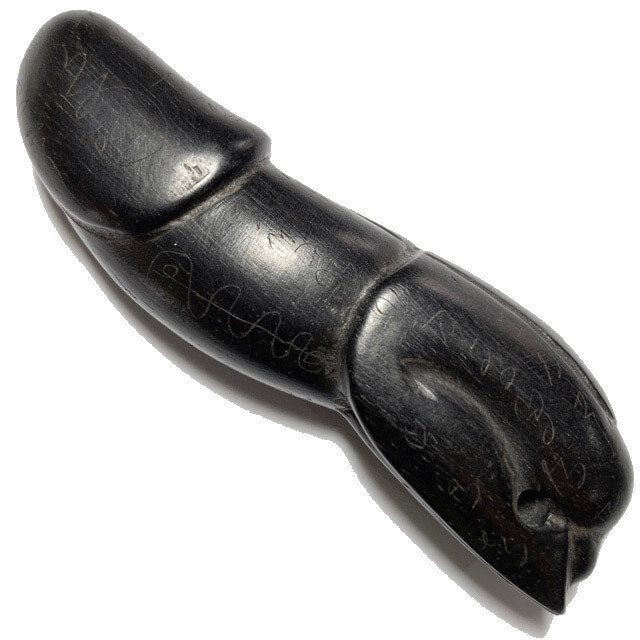
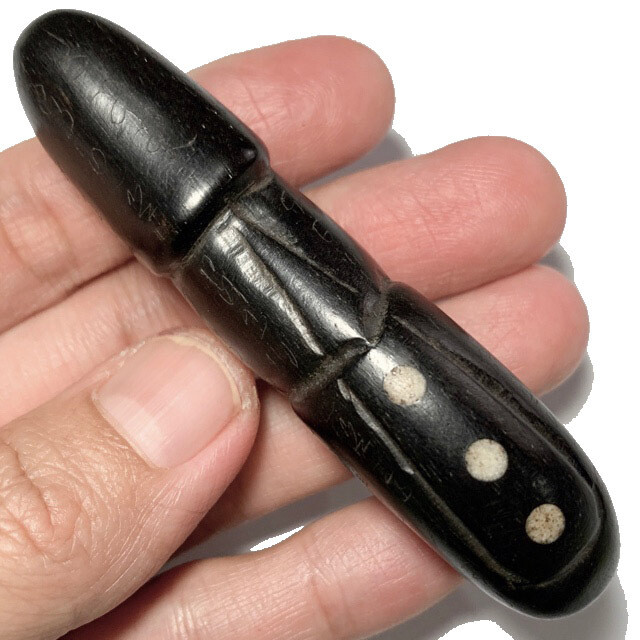
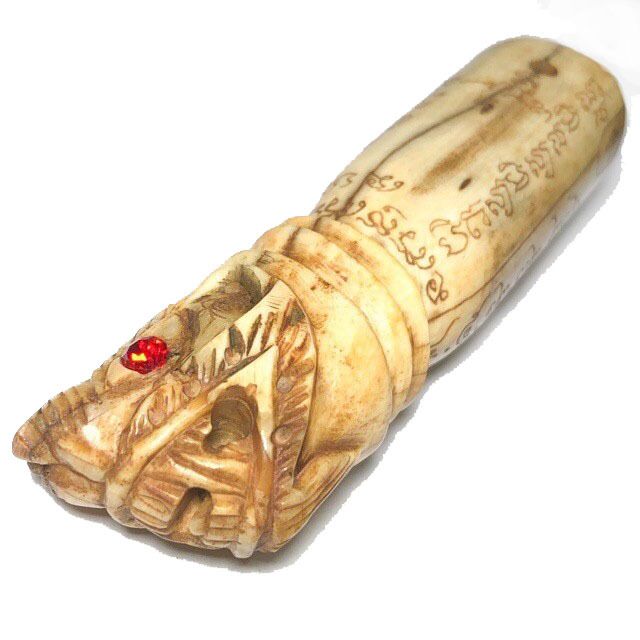
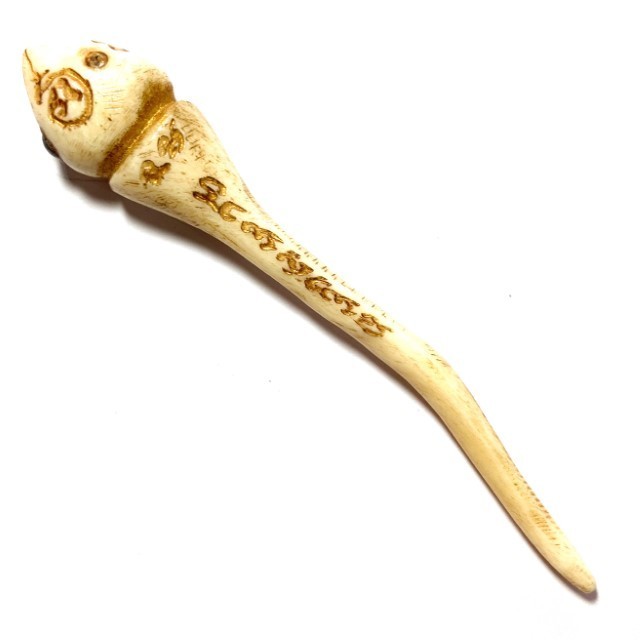
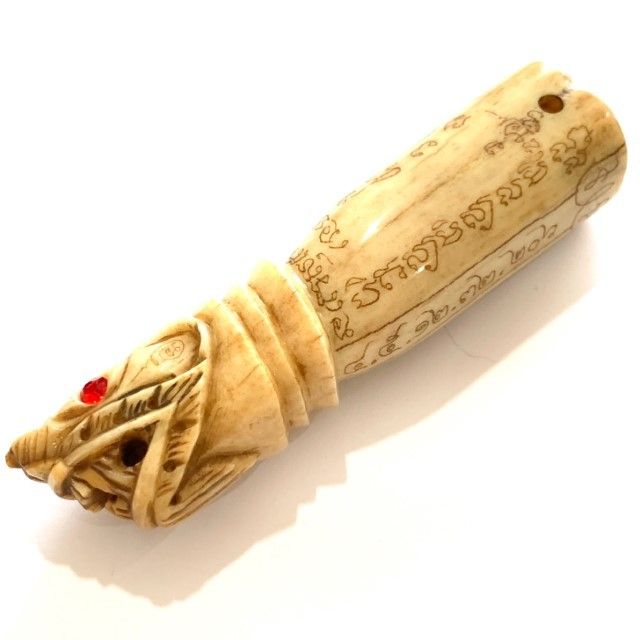
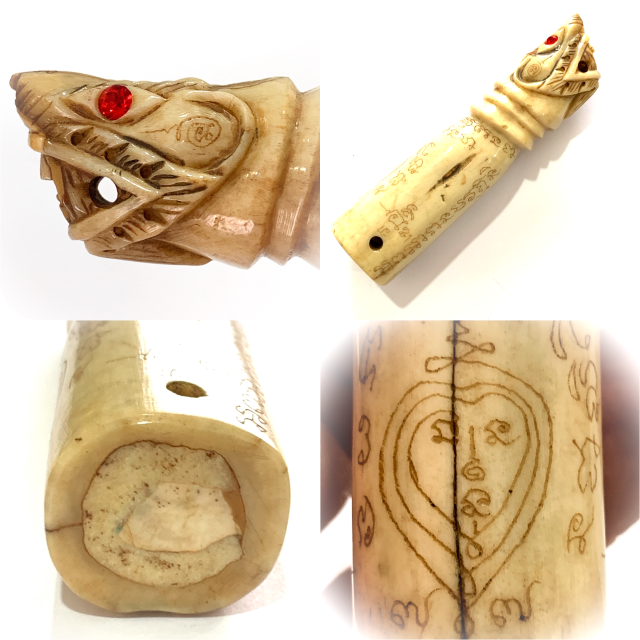
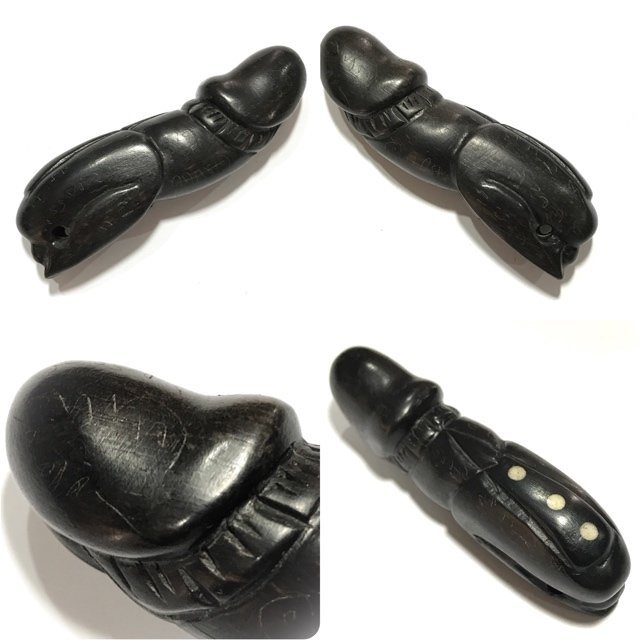
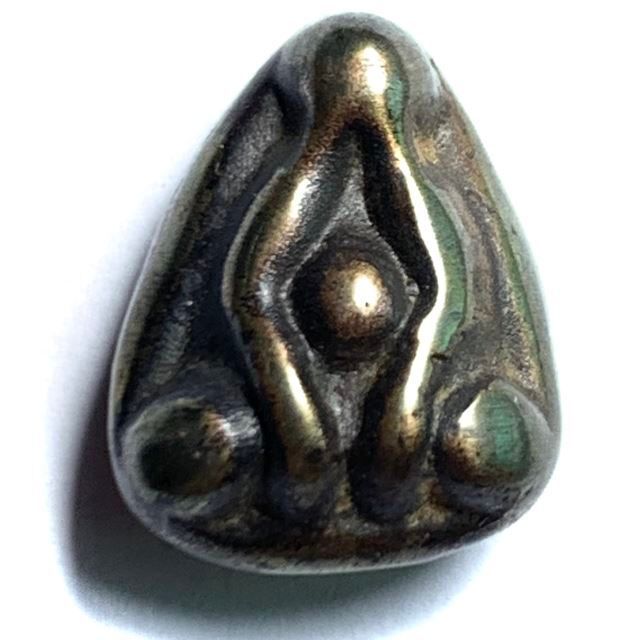
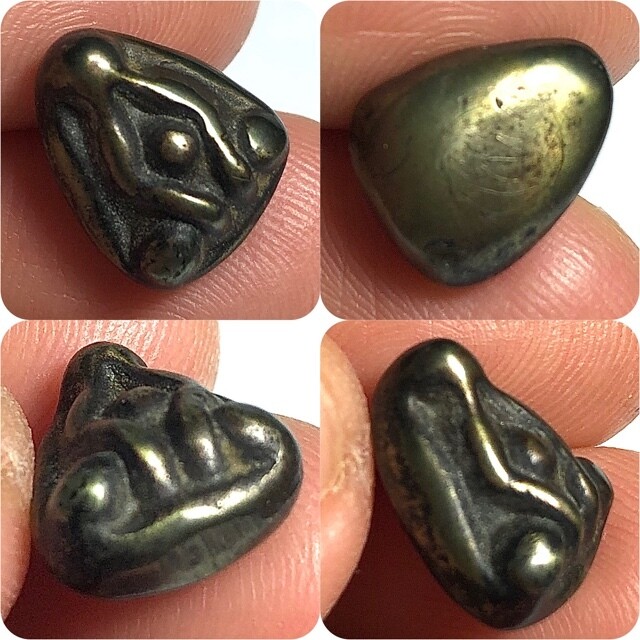
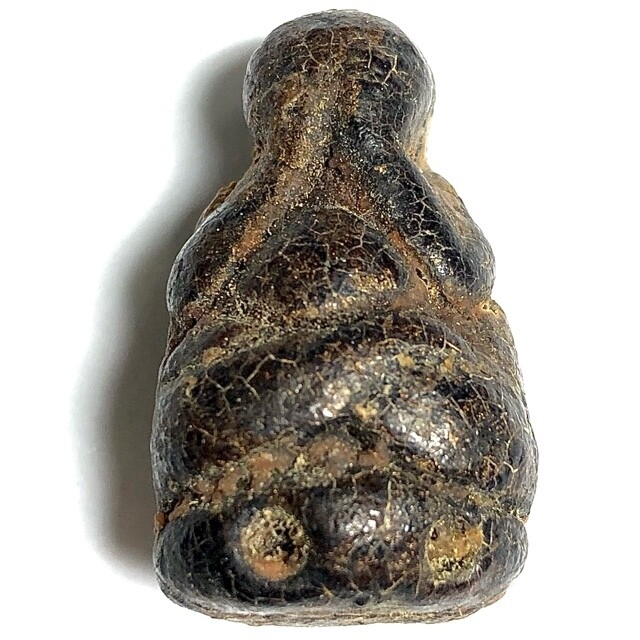
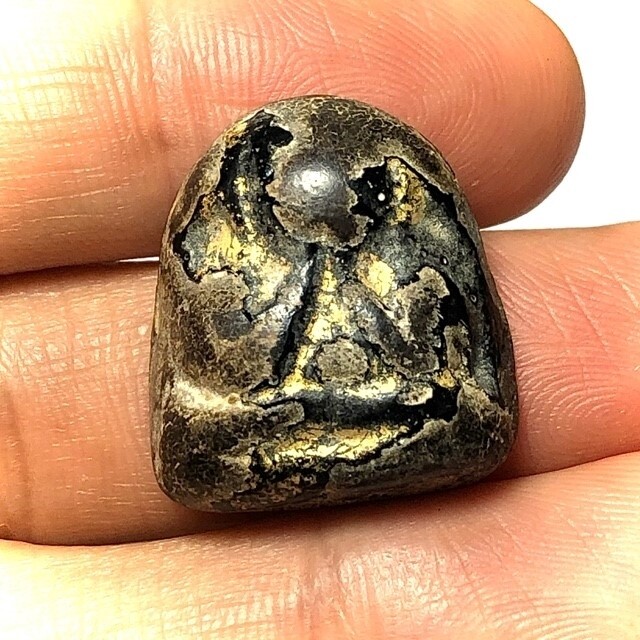
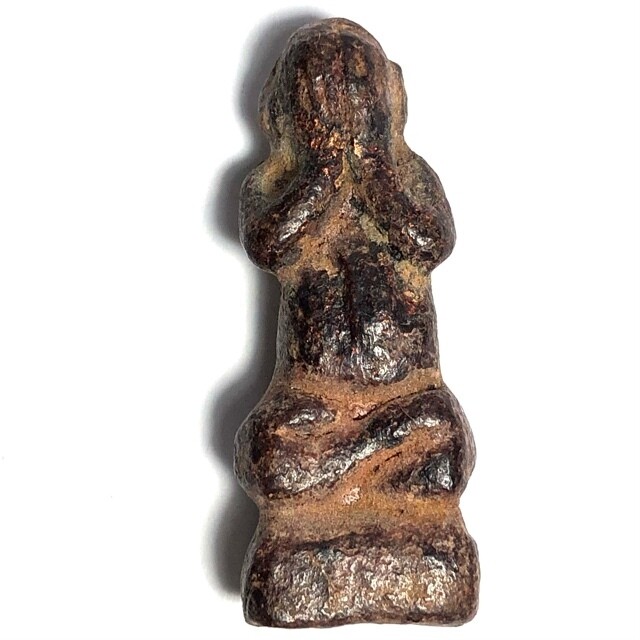
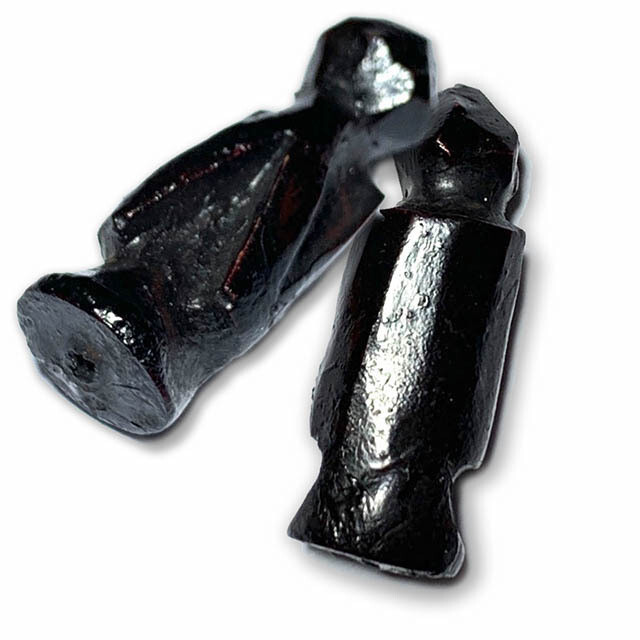
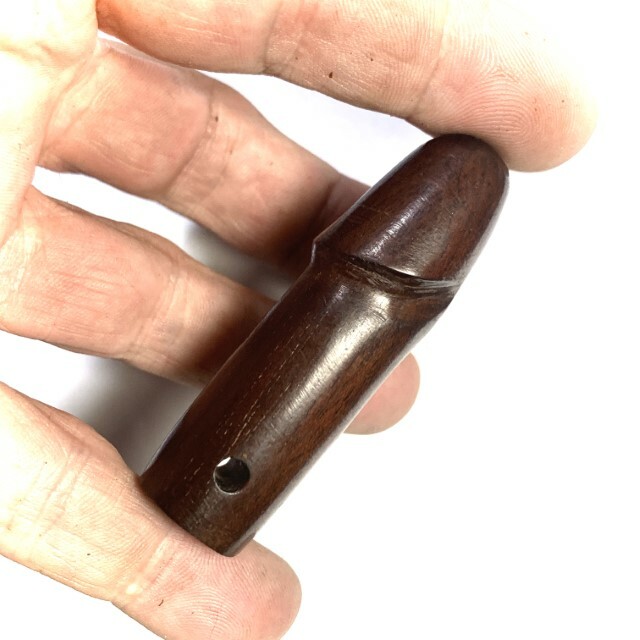
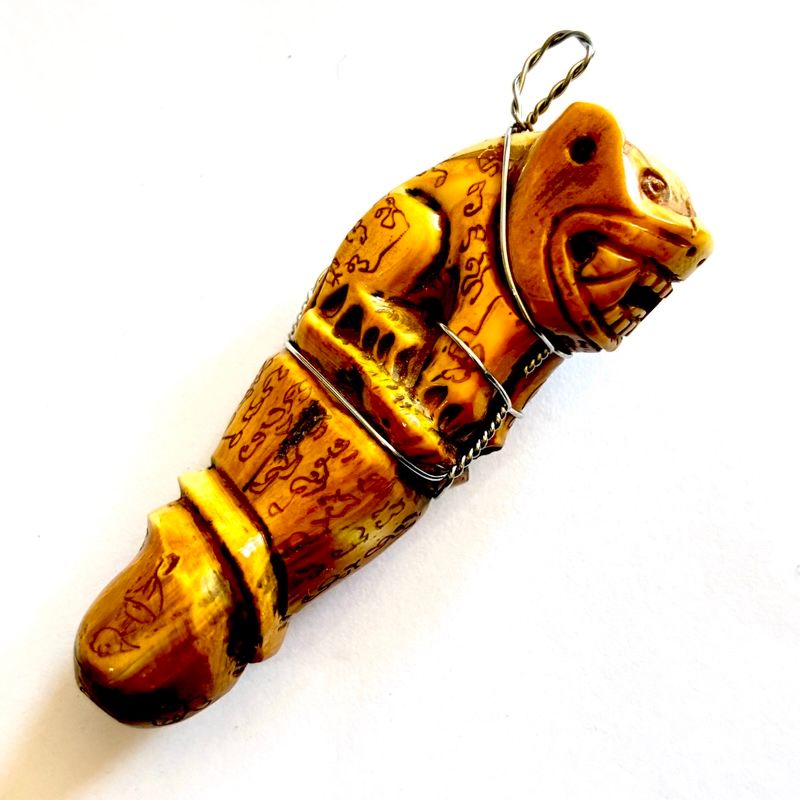
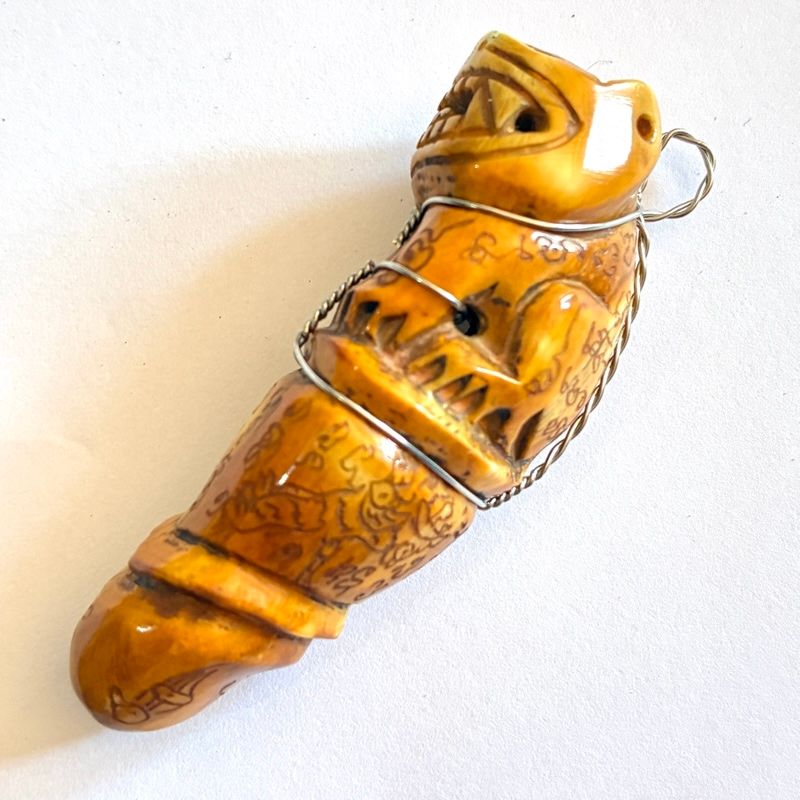
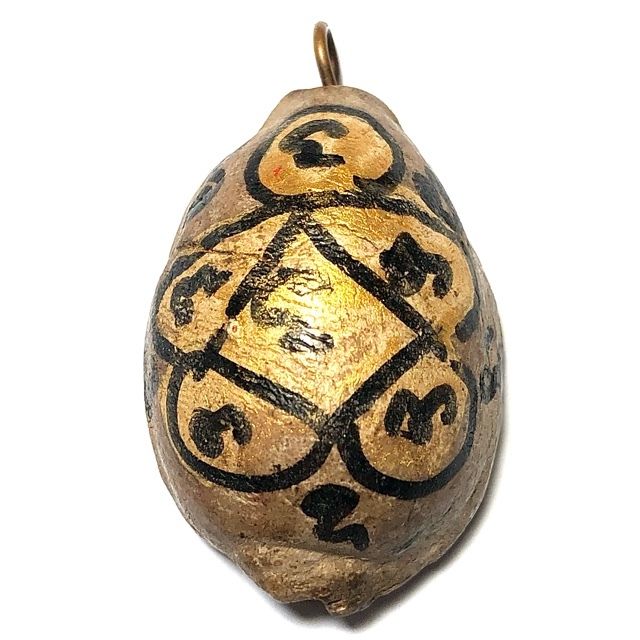
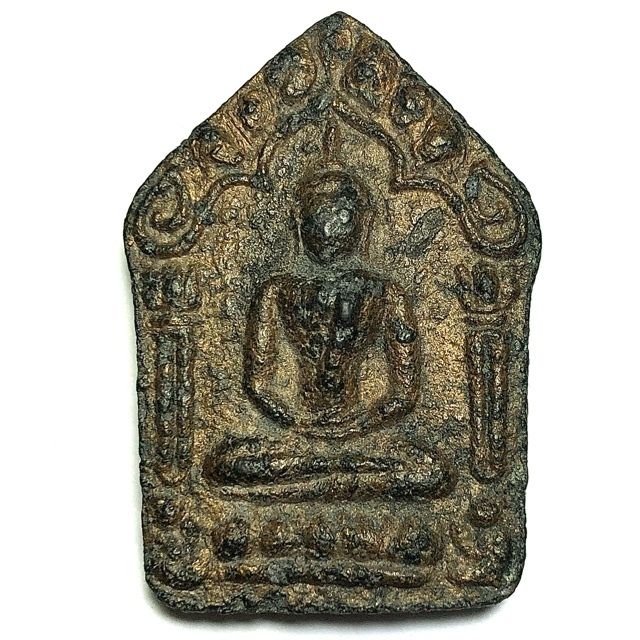
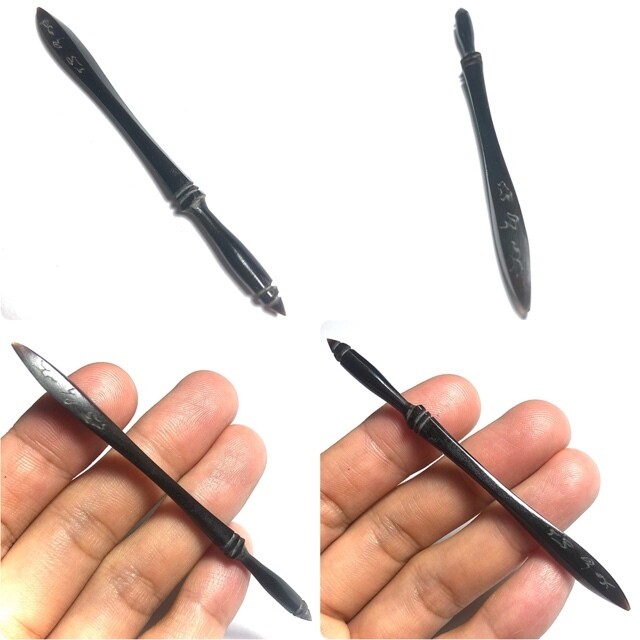
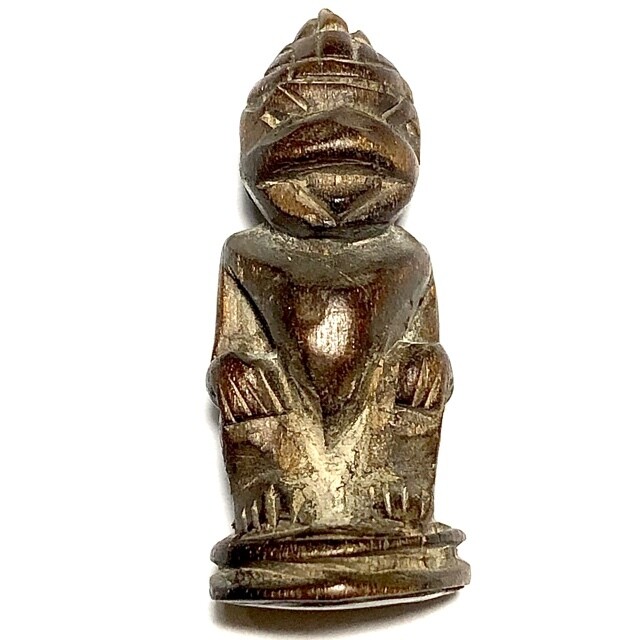
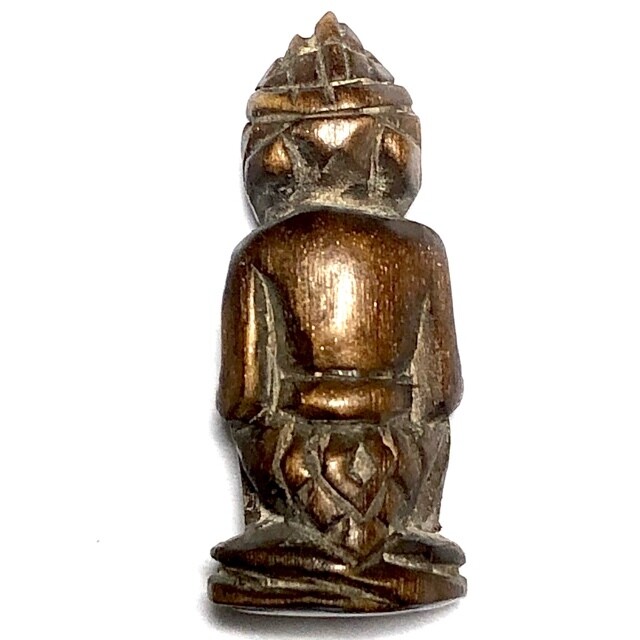
The Palad Khik Mai Gae Double Code 3+ Code Sala from Luang Phu Tim of Wat Laharn Rai presents a fascinating subject for iconographical and aesthetic analysis. As an ‘Early Era’ Lingam Animist Charm Amulet, its design and markings are indicative of specific historical periods and the involvement of particular artisans, contributing significantly to its authenticity and collector’s value. The carving of this Palad Khik is attributed to Artisan Chang Pattana Bun Anugun, a chosen craftsman responsible for several versions of these amulets for Luang Phu Tim to bless. The aesthetic reflects a blend of traditional folk art with the precision necessary for embedding sacred symbols.
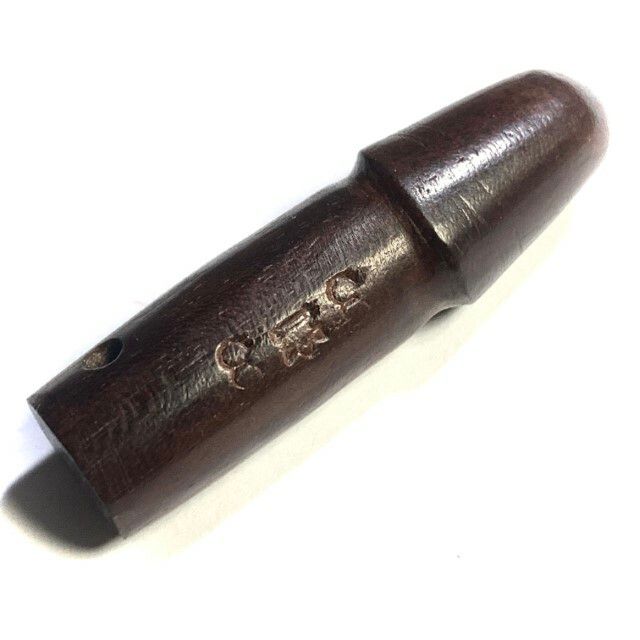
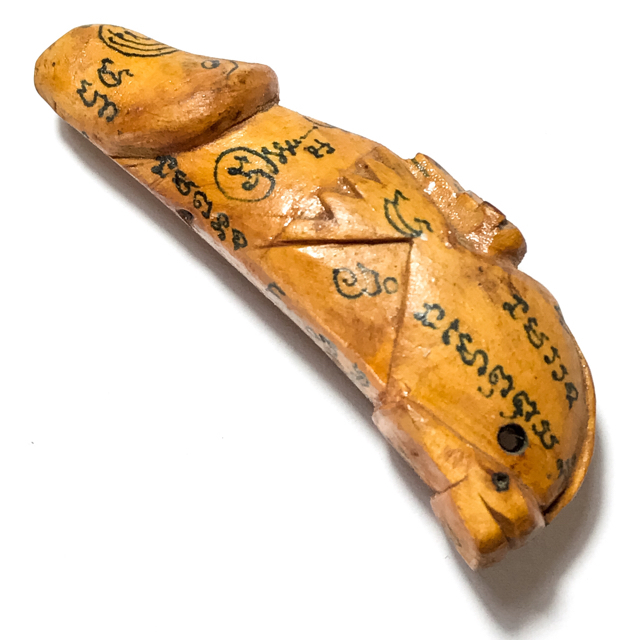
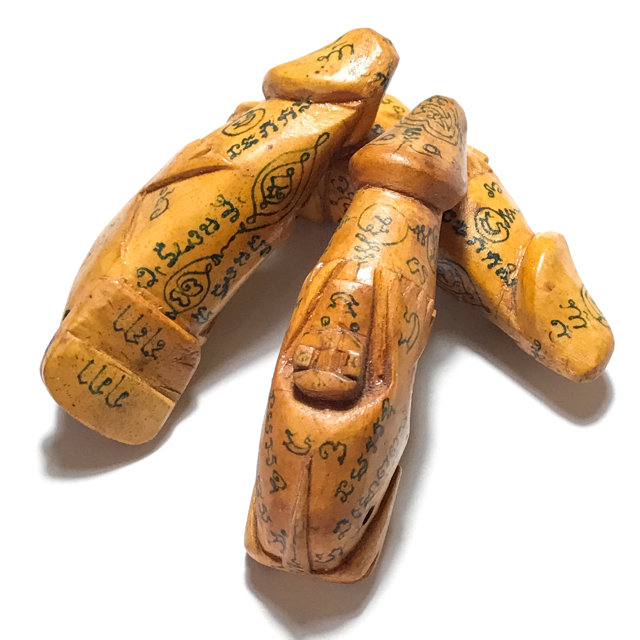
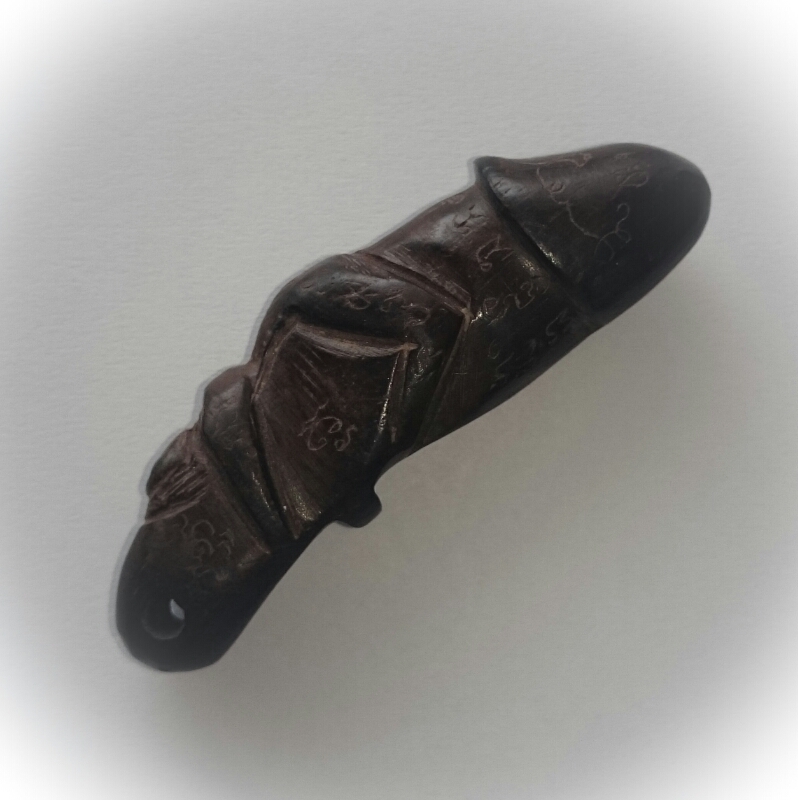
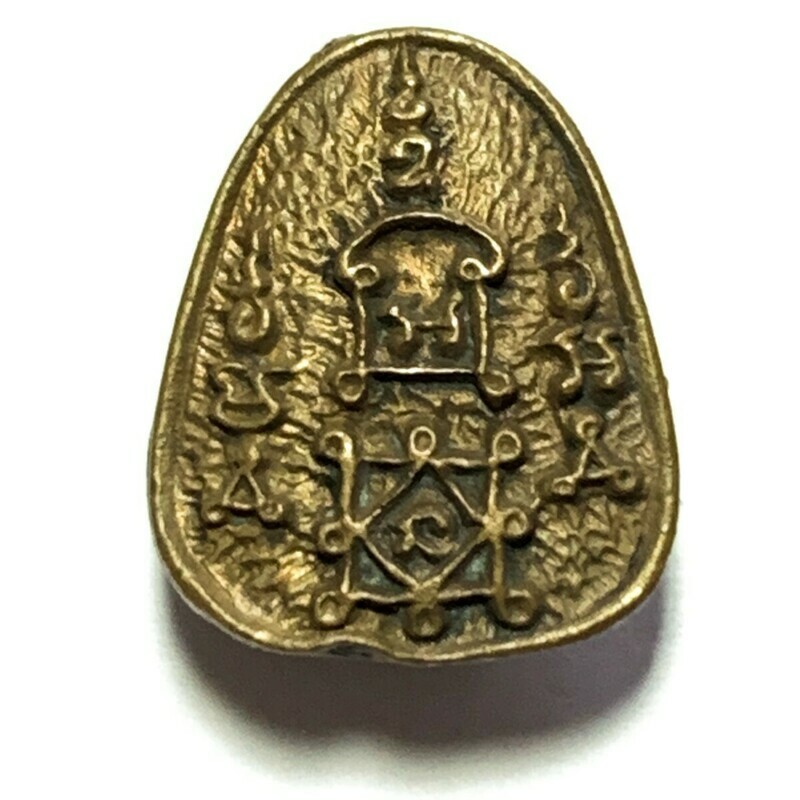
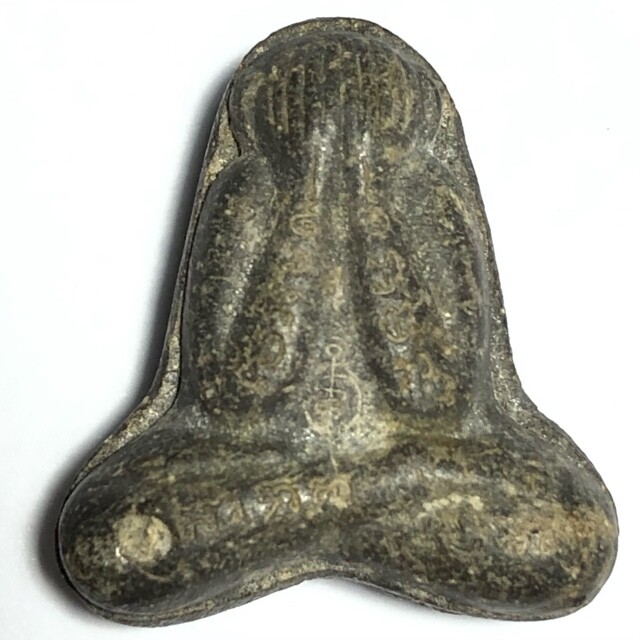
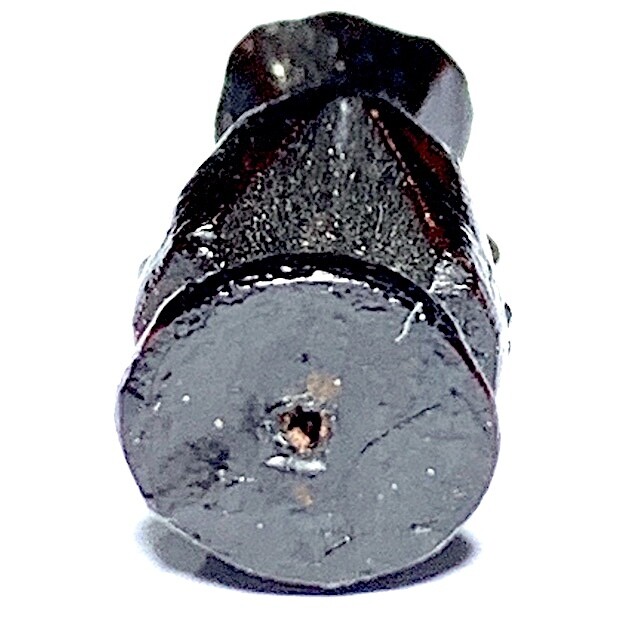
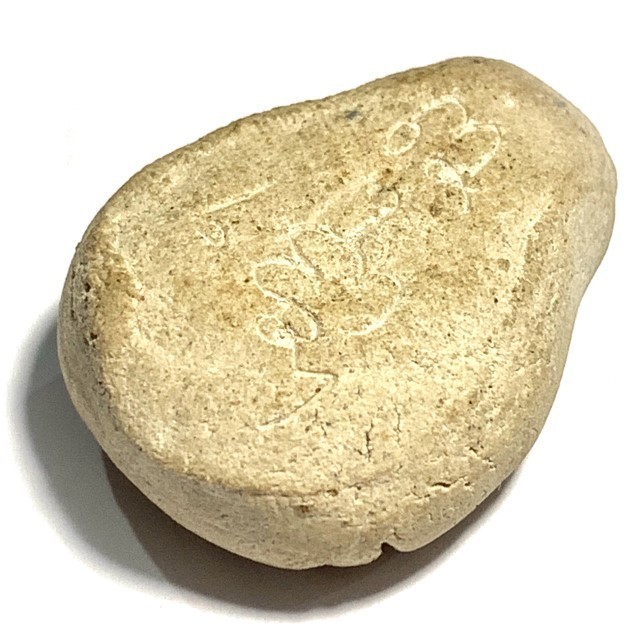
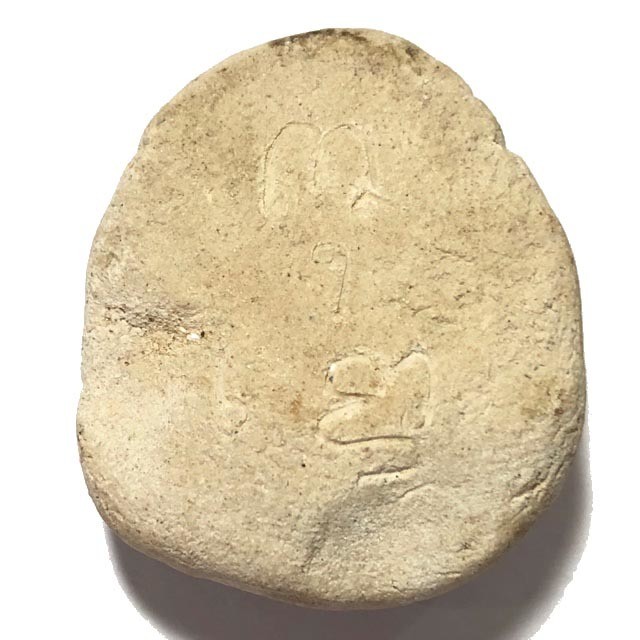
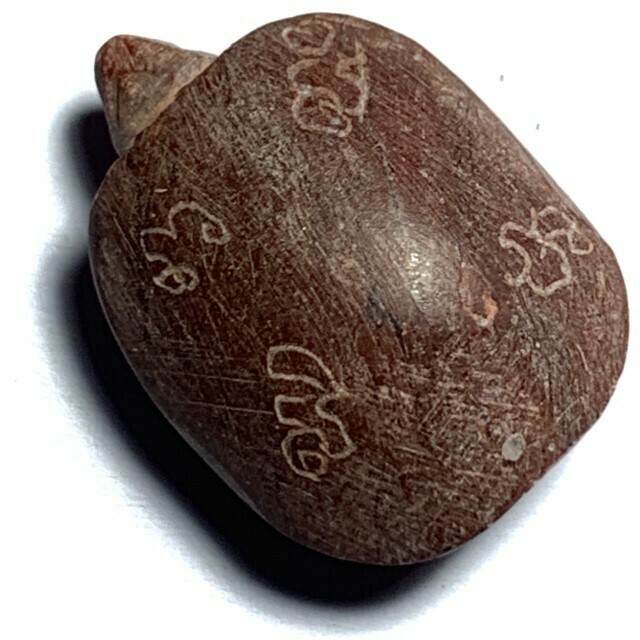
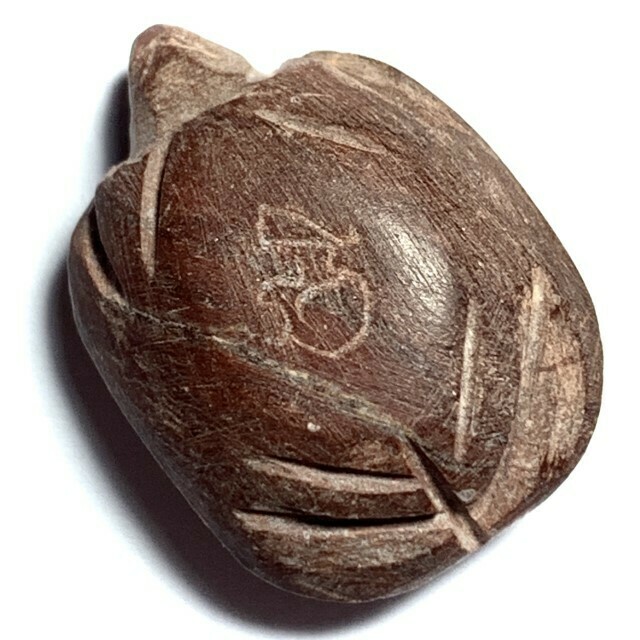
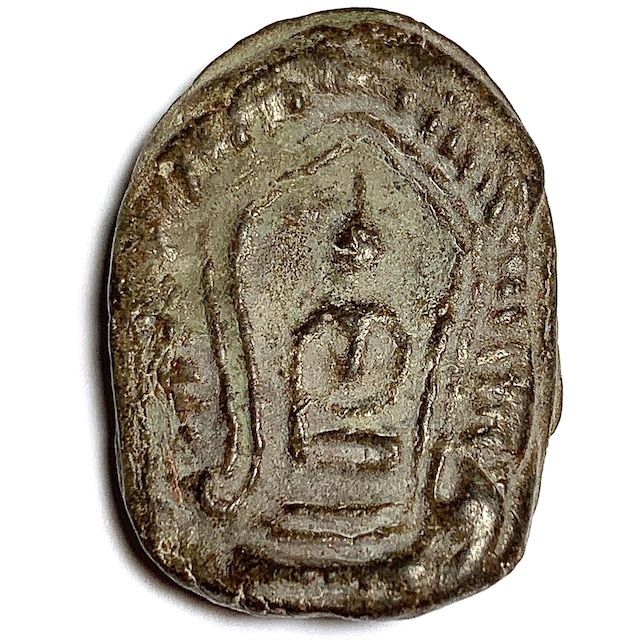
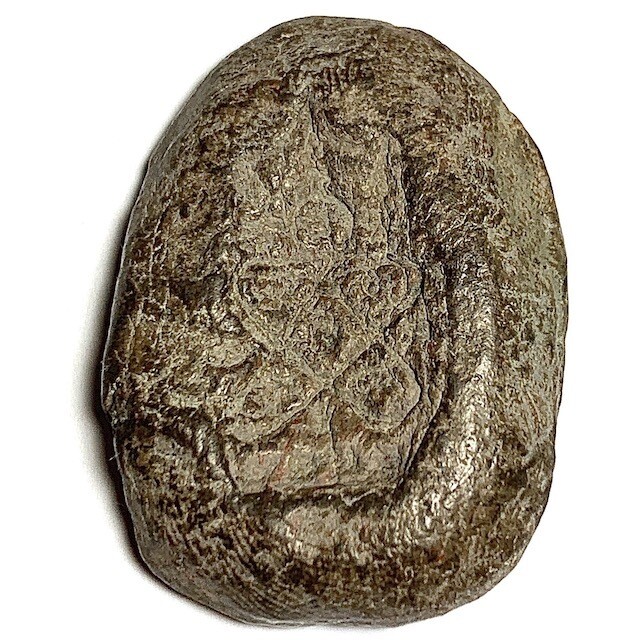
A primary iconographical feature of this amulet is the presence of two ‘code 3’ stamps, also known as ‘Laekh Sam’. These stamps are directly linked to Artisan Pattana Anugun, serving as his signature or mark of involvement in the creation of the Palad Khik. The meaning of the ‘number 3’ is subject to scholarly speculation, with two prominent theories. One theory suggests it represents the Khom (Khmer Sanskrit) letter ‘Pa’, which could stand for ‘Putta’ (the Buddha), thereby invoking the highest spiritual authority. A more probable theory, and widely accepted, is that ‘Pa’ denotes ‘Pattana,’ referring directly to the artisan himself. Regardless of the definitive etymology, these code stamps were fundamentally created to provide an easily recognizable mark of authenticity for amulets crafted by Chang Pattana Anugun and subsequently blessed by Luang Phu Tim. The presence of a double ‘code 3’ stamp on this particular Palad Khik underscores a definitive identification with this renowned artisan, enhancing its provenance and desirability.
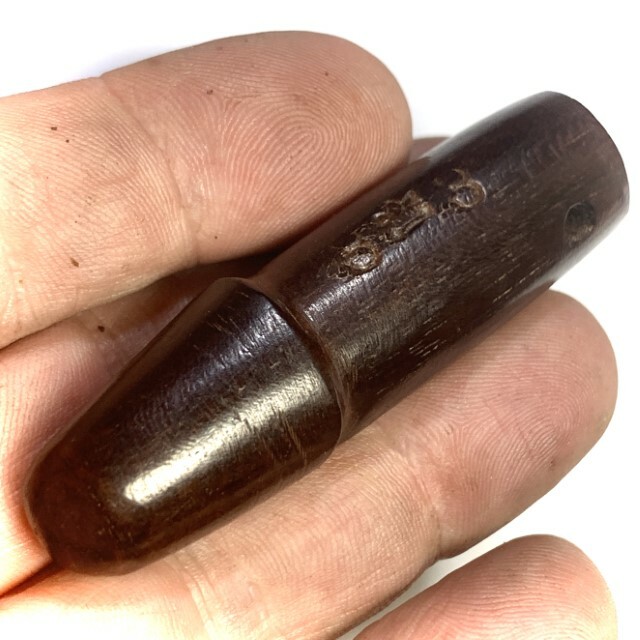
In addition to the ‘code 3’ stamps, the amulet also features a ‘Gammagarn code Sala stamp’. The term ‘Gammagarn’ often refers to amulets made for committee members, special donors, or for specific ceremonial purposes, suggesting a smaller, more exclusive batch. The ‘Sala’ stamp further distinguishes this piece, indicating a particular variant or series within the Gammagarn category. These stamps, precisely impressed into the Nuea Mai Koon, serve as crucial identifiers for collectors and experts, aiding in the authentication process and providing insights into the amulet’s production history and intended recipients. The combination of double ‘code 3’ and a ‘Gammagarn code Sala’ stamp makes this Palad Khik an especially rare and unusual find.
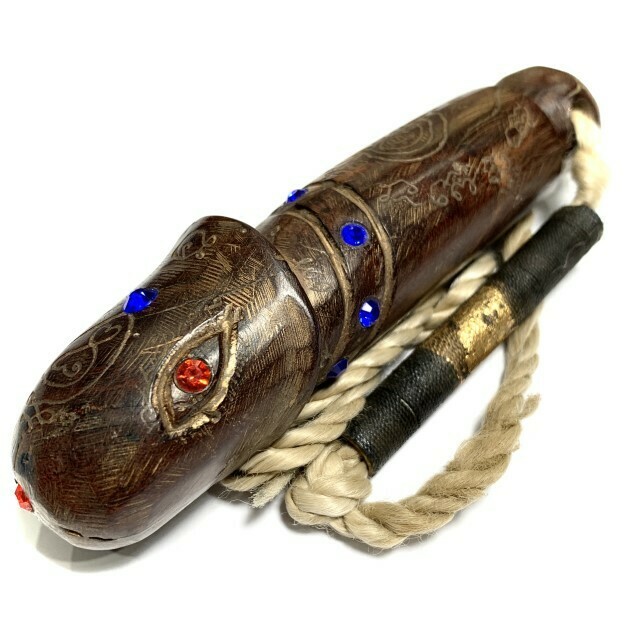
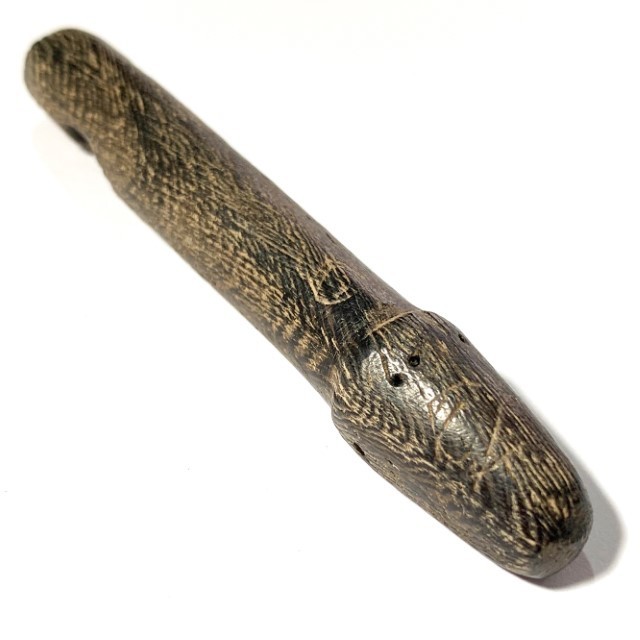
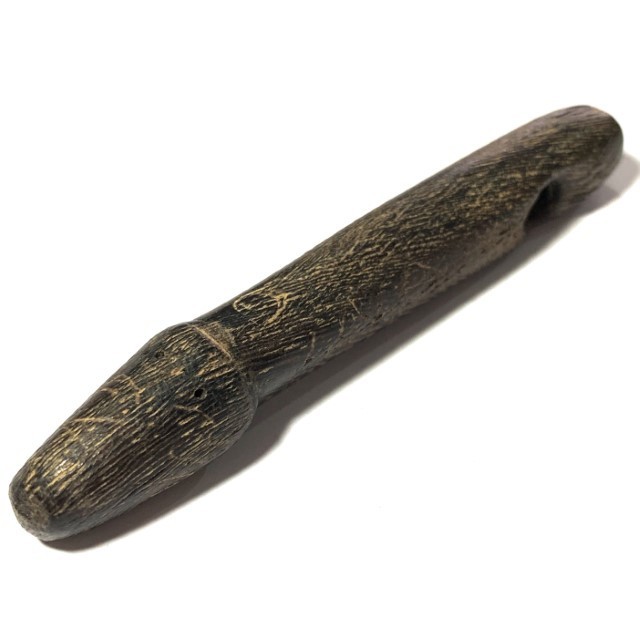
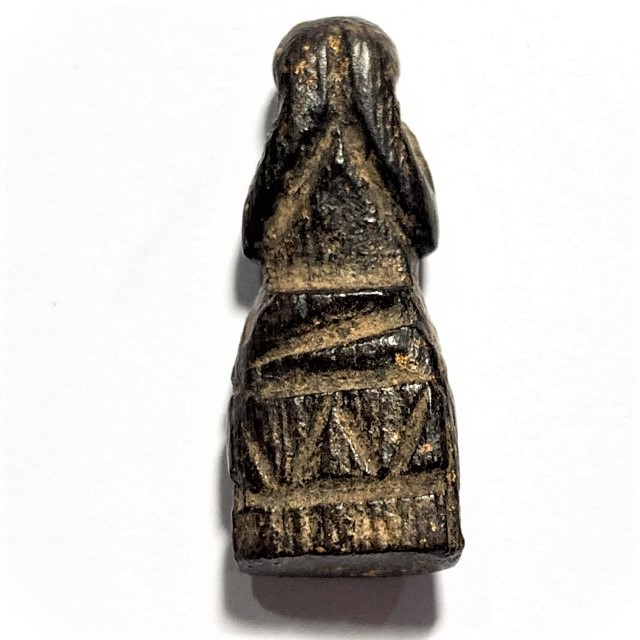
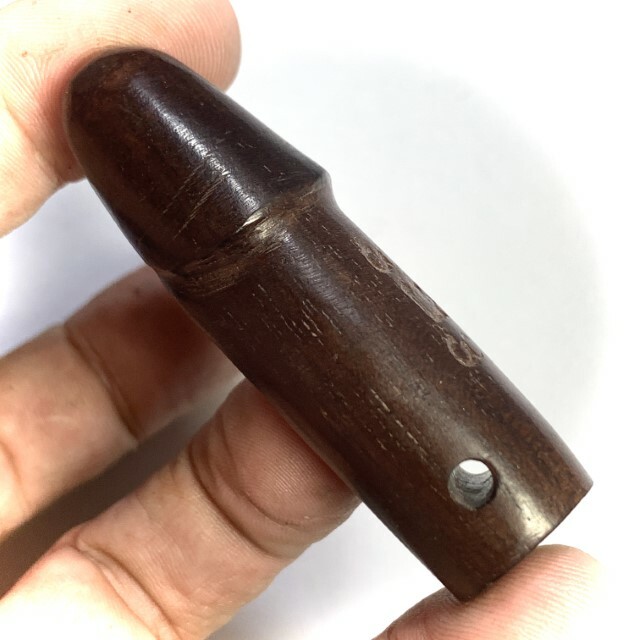
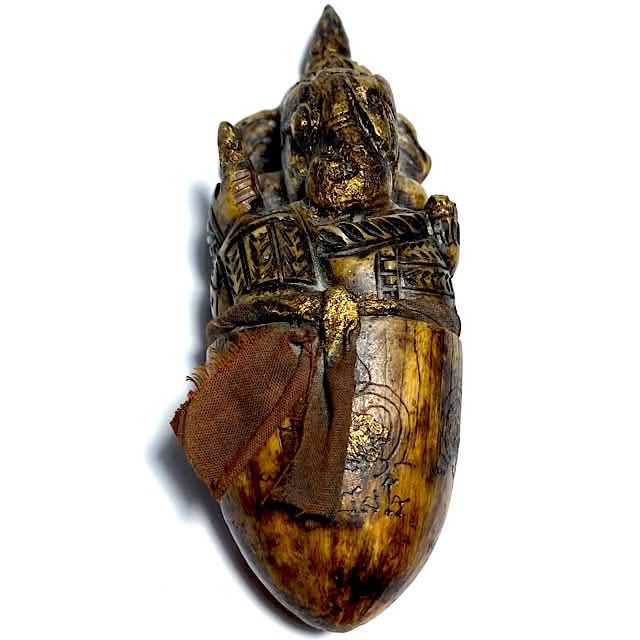
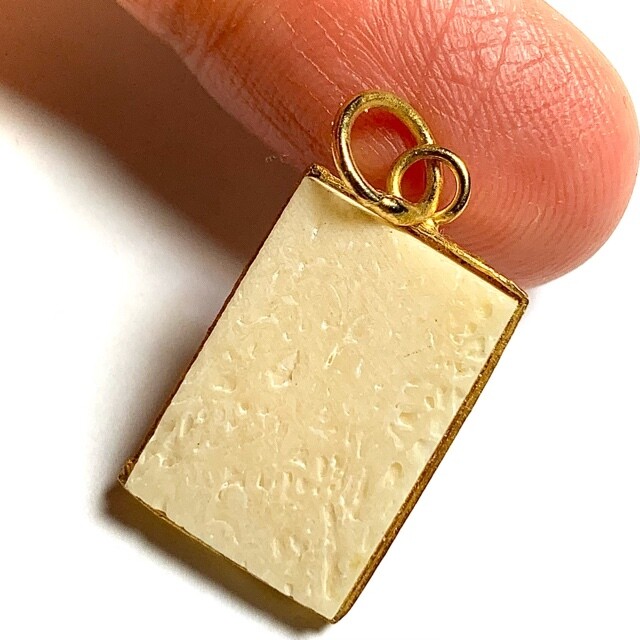
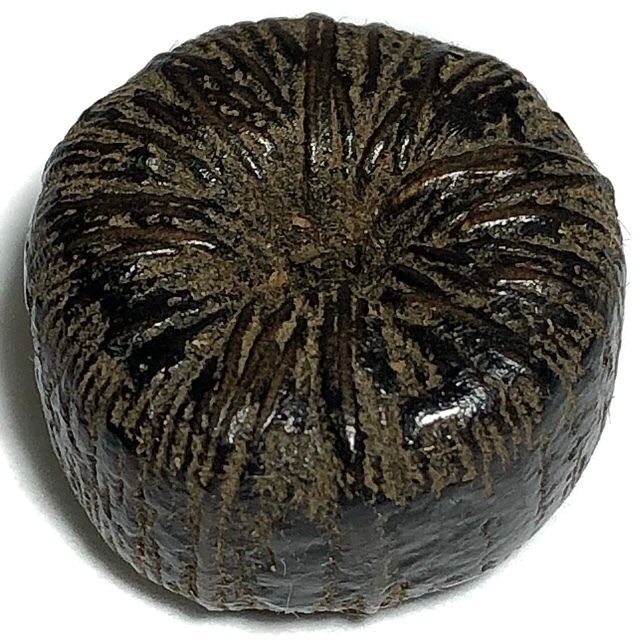
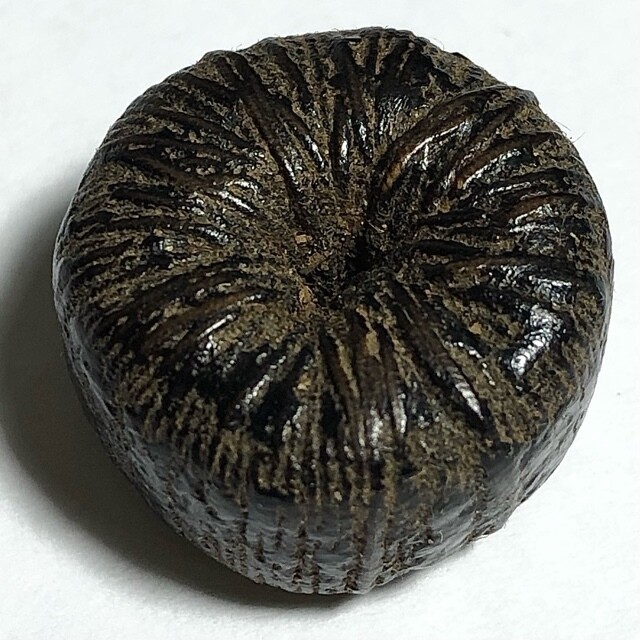
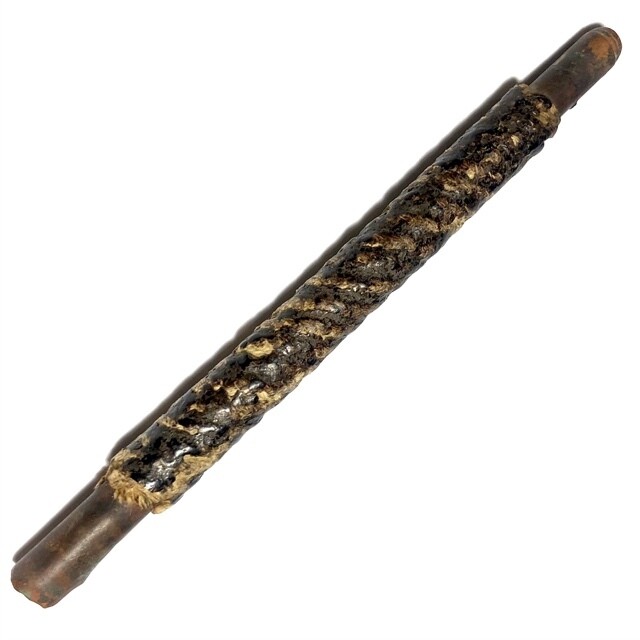
Aesthetically, the Palad Khik is a prime example of a carved Krueang Rang, or talismanic charm. The carving from Nuea Mai Koon accentuates the natural grain and texture of the wood, which often contributes to the unique character of each individual piece. While the form is inherently phallic, symbolizing the Shiva Lingam, the execution by Artisan Pattana Anugun typically involves a refined yet organic approach, distinguishing it from crude representations. The inclusion of a Sacred Muan Sarmm Insert in the head of the Palad Khik is not merely a functional element for magical empowerment but also an aesthetic detail. While often covered or sealed, its presence signifies the internal spiritual value and complexity of the amulet, sometimes indicated by a slightly different texture or coloration in that specific area. The overall patina developed over time, reflecting its age and handling, further contributes to its aesthetic appeal and historical authenticity.
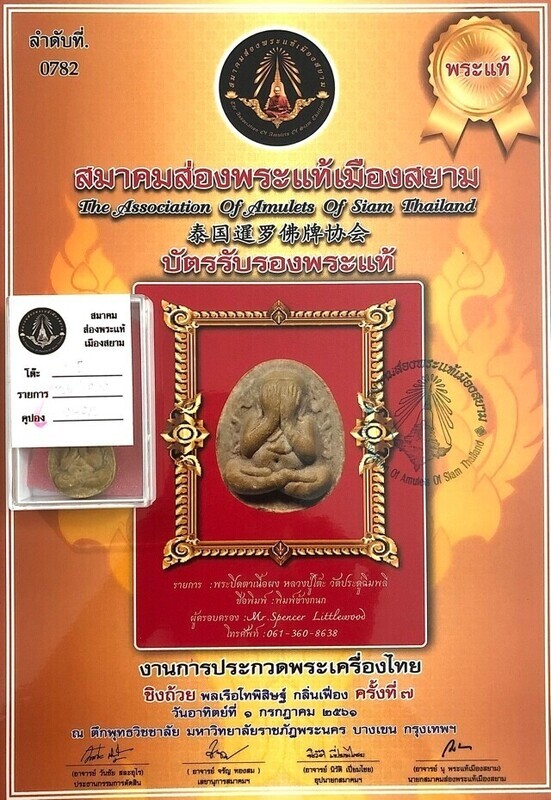
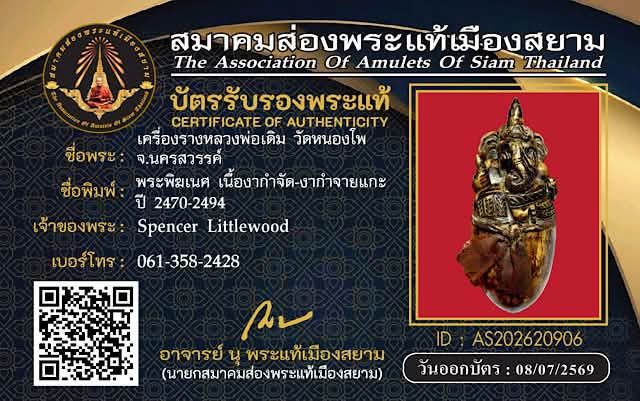
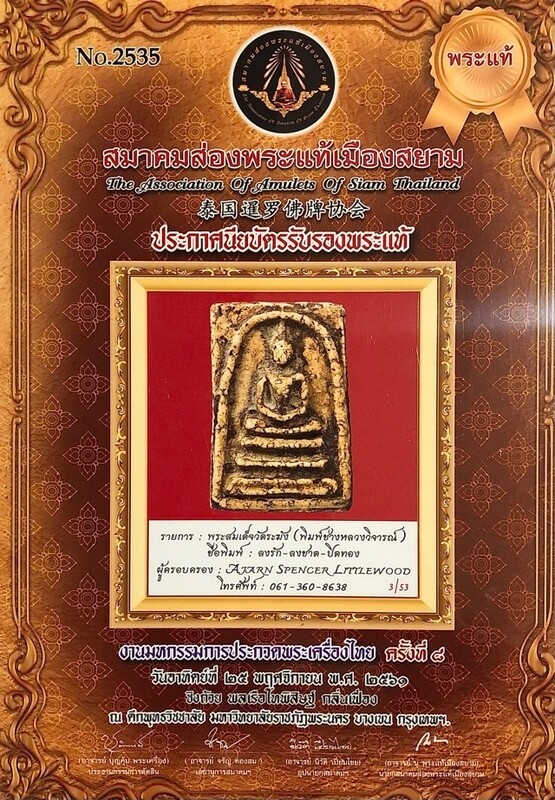
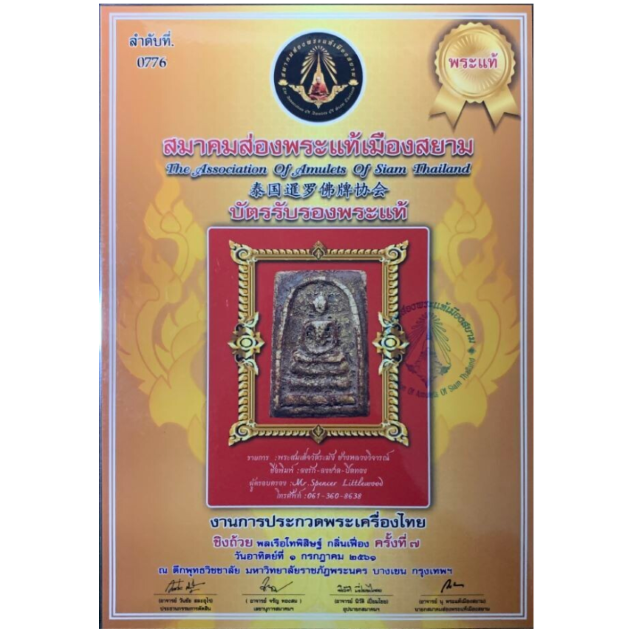
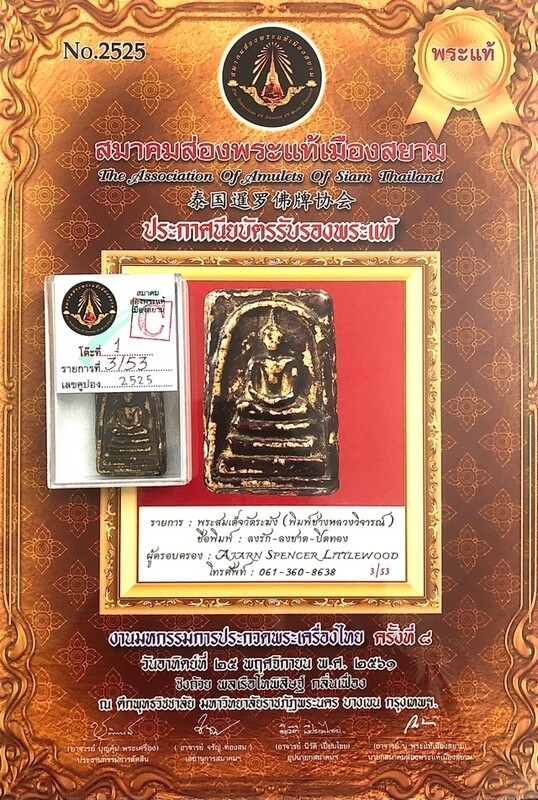
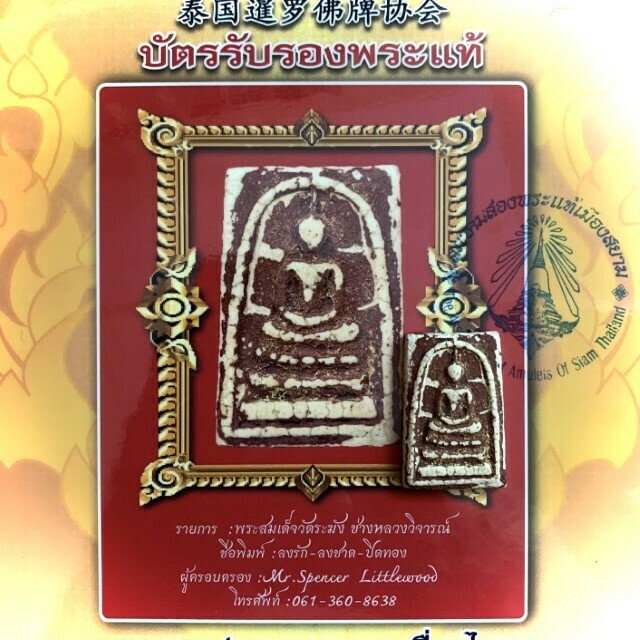
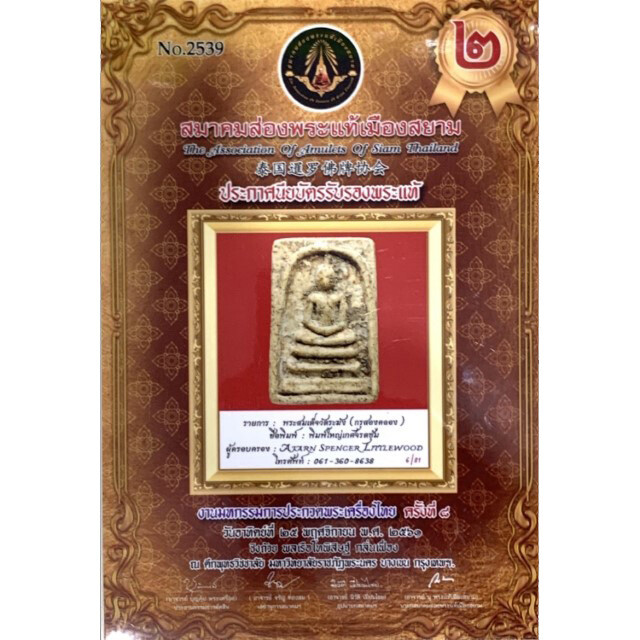
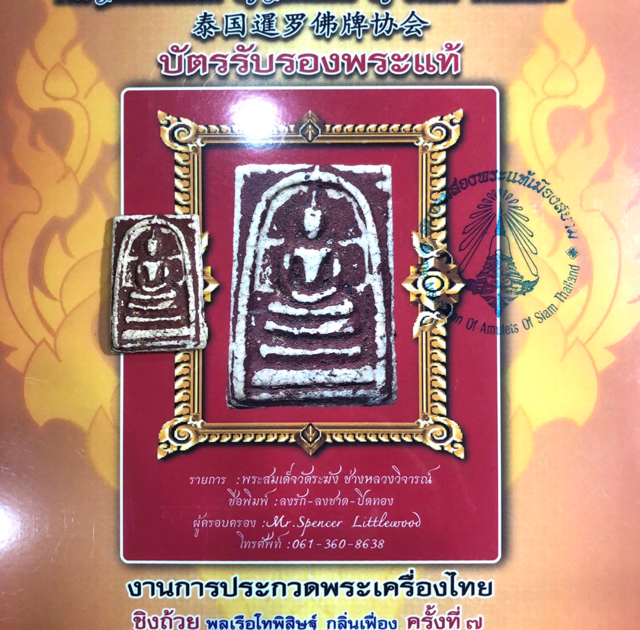
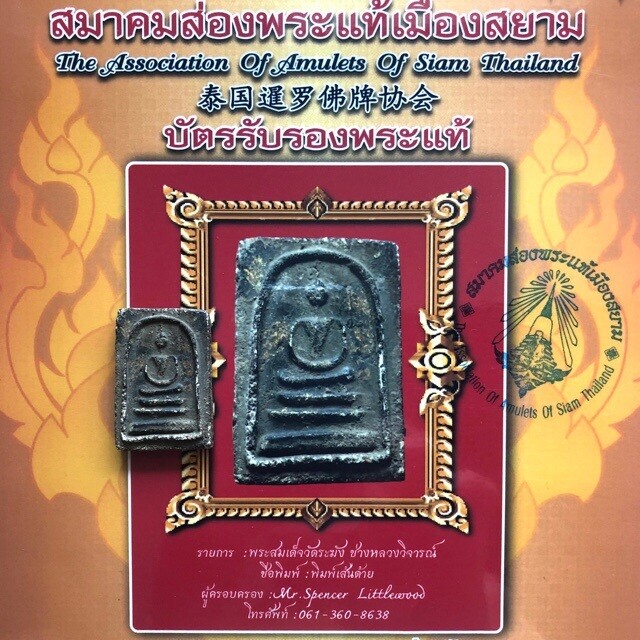
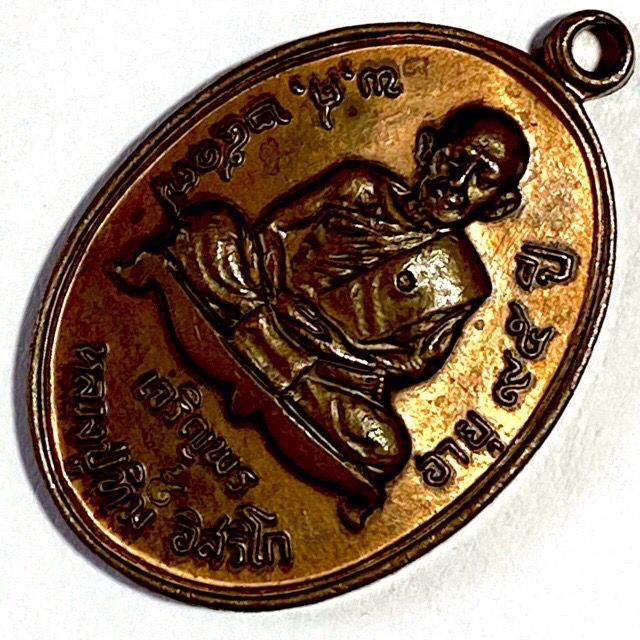
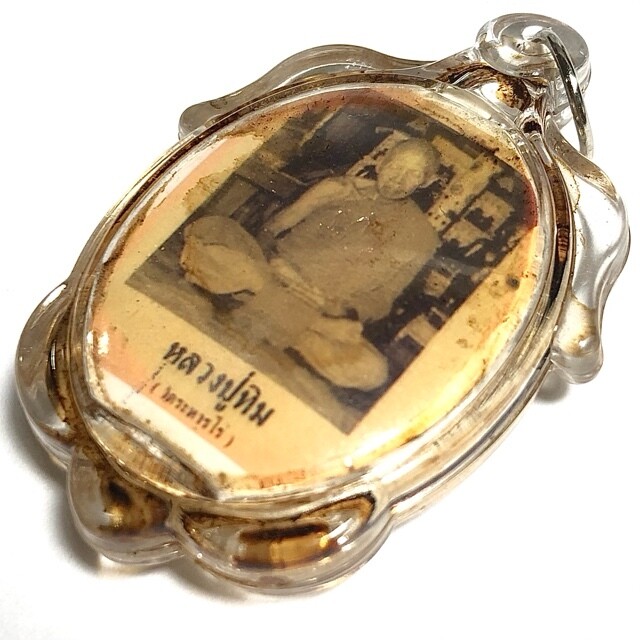
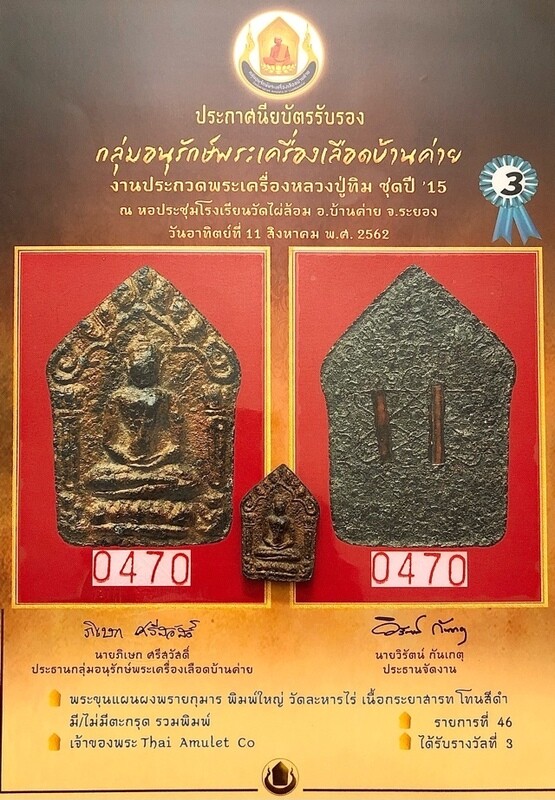
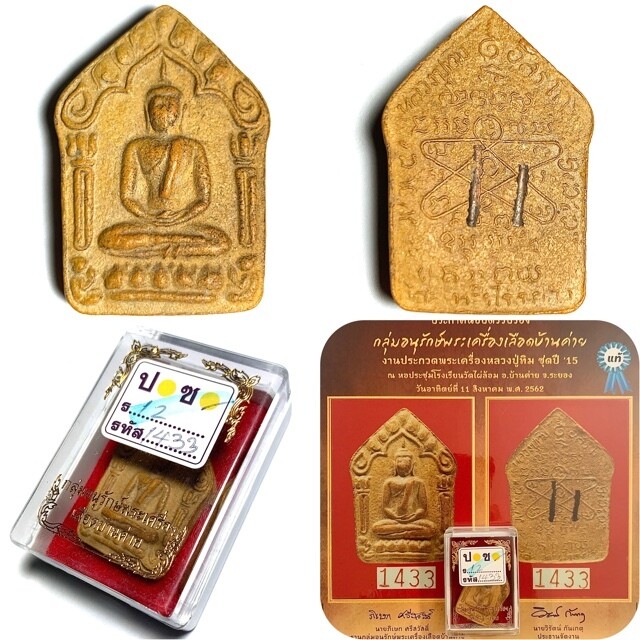
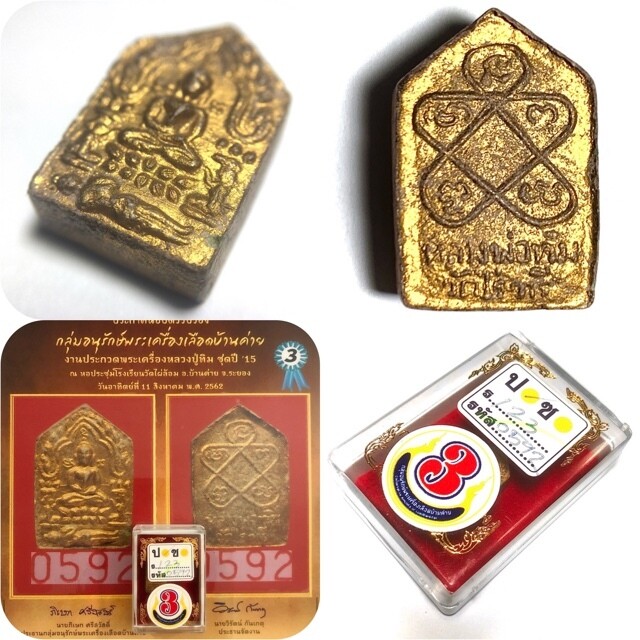
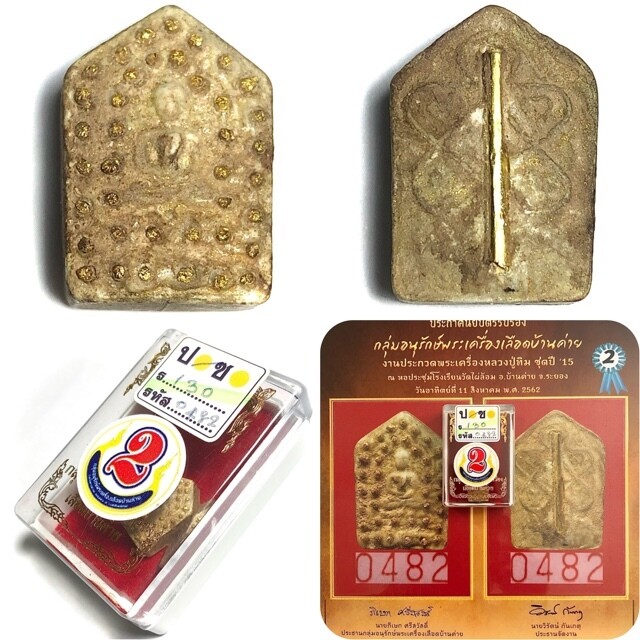
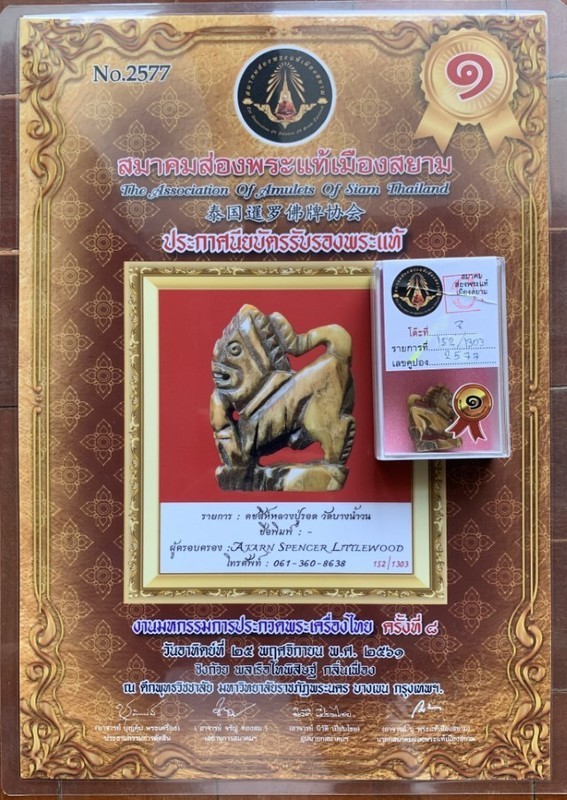
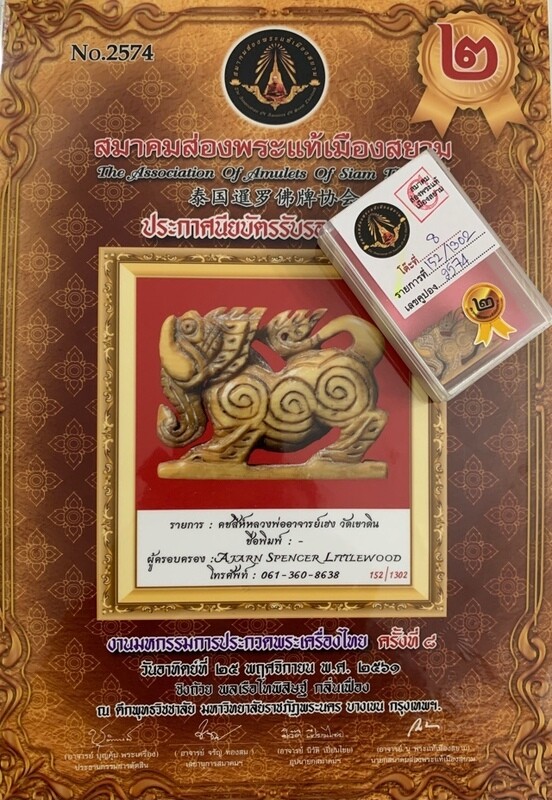
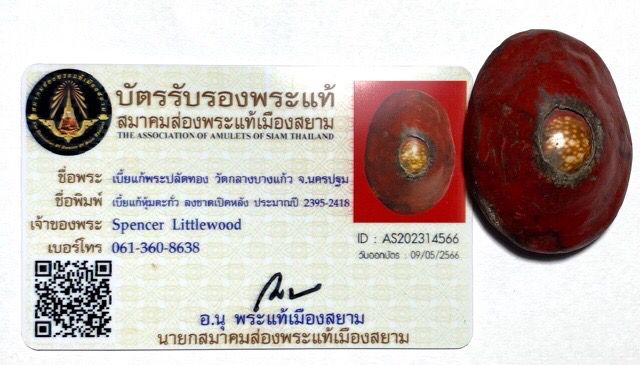
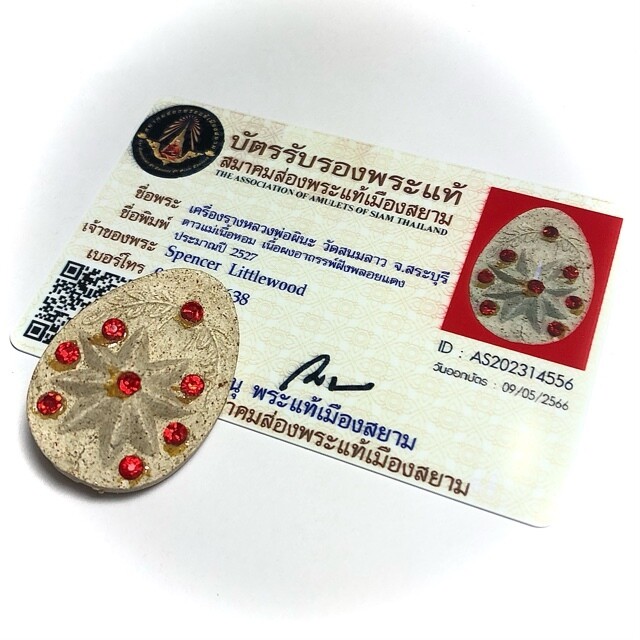
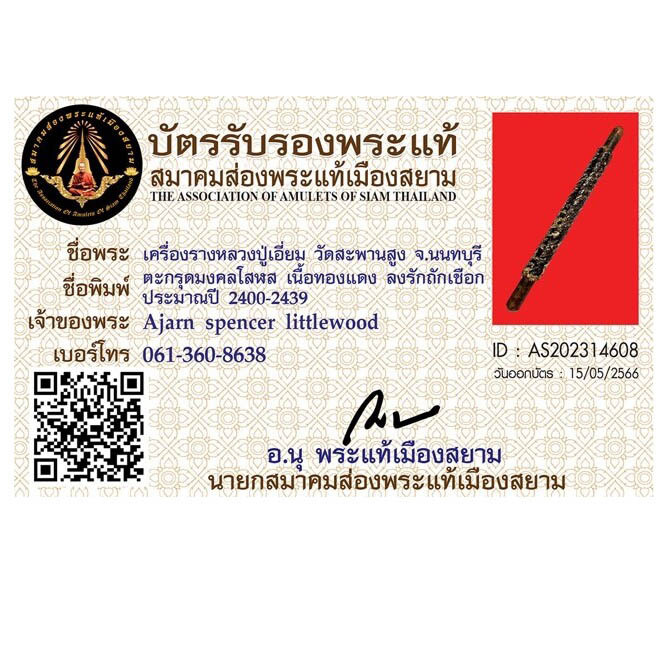
The authenticity of this particular Palad Khik is further validated by an A4-sized certificate issued by the Glum Anuraks Ban Kaay LP Tim Amulet Conservation Society of Ajarn Phisek, located in Ban Kaay, Rayong, adjacent to Wat Laharn Rai. This certificate, officially authenticated on August 11th, 2562 BE, and bearing the signature of the society’s president, Ajarn Dr. Phisek Sri Sawad, provides a critical layer of verification. In a market often saturated with reproductions, such expert authentication from a recognized conservation society, dedicated to preserving the legacy of Luang Phu Tim, is indispensable. The combination of intrinsic features—the specific wood, the distinct artisan codes, the Gammagarn mark, the Muan Sarmm Insert, and the external certification—collectively solidifies the iconographical and aesthetic appreciation of this Palad Khik as a genuinely rare and significant artifact from one of Thailand’s most revered monastic masters.

Ritual Practice and Worship
The ritual practice and worship of the Palad Khik, particularly those consecrated by Luang Phu Tim, involve specific Kata Bucha and adherence to established protocols for reverence. These practices are essential for activating and maintaining the amulet’s inherent powers, creating a reciprocal spiritual relationship between the devotee and the sacred object. The term ‘Bucha’ or ‘Poojah’ itself denotes an act of reverence, derived from the Sanskrit ‘pūjā’, emphasizing devotional offering and spiritual invocation.
Before engaging in any specific Kata for Palad Khik or Luang Phu Tim’s amulets, devotees are universally instructed to pay homage to the Triple Gem (Buddha, Dhamma, Sangha). This foundational Buddhist practice involves chanting “Namo Tassa Bhagavato Arahato Sammaa Sambuddhassa” three times. This invocation serves to purify the mind, establish a respectful spiritual atmosphere, and align the devotee’s intentions with the core tenets of Buddhism, ensuring that the subsequent animist practices are framed within a righteous path.

Kata Bucha Luang Phu Tim
Following the homage to the Triple Gem, devotees may chant specific Kata dedicated to Luang Phu Tim himself to invoke his blessings and connect with his spiritual lineage. The prescribed chant is:
Arahang Samma Samputto Nachaa Lidti – Anadtaa Agusalaa Tammaa Namoputtaaya Idti Sukadto Arahang Putto Namo Puttaaya – Ma A U Tugkhang Anijjang Anadtaa Putto Putto
(This Kata should be chanted 3 times).
This Kata is a powerful invocation, combining elements of Buddhist refuge with specific sacred syllables (Na Ma Pa Ta) and phrases that honor the Buddha and recall fundamental Buddhist teachings such as suffering (Tugkhang), impermanence (Anijjang), and non-self (Anadtaa). By reciting this, devotees seek to internalize the teachings and draw upon Luang Phu Tim’s accumulated spiritual power. Furthermore, a general Kata for praying to amulets of Luang Phu Tim, which specifically invokes various boons, is as follows:
Puttang Ārātanānang Tammang Ārātanānang Sangkang Ārātanānang
Na Maedtaa Ja Mahaa Raachaa Taewiraacha Budtra Dtraa Budtra Dtrii Sa Ma Na Praahm Chiitaasaa Taasii Grasadtrii Paab Raacha Idthii Naarii Sappa Aehi Much-Chi Sappang Sappa Grotang Winaasandti Bpiyo Taewa Manussaanang Bpiyo Prahmma Namudt-dtamo Bpiyo Naaka Subannaanang Bpinintriyang Namaa Mihang Wikring Karae
This longer Kata is comprehensive, encompassing invocations for Metta (kindness/compassion), Maha Raachaa (great royalty), and protections against anger and harm, culminating in an appeal for favor and attraction from various beings (humans, devas, Brahmas, Nagas, Supannas). The emphasis on “Sappa Aehi Much-Chi Sappang Sappa Grotang Winaasandti” signifies the warding off of all anger and negativity, while “Bpiyo Taewa Manussaanang” highlights the attraction of love and favor from all divine and human beings.

Kata Bucha Palad Khik
For direct empowerment and activation of the Palad Khik’s specific energies, several Kata are employed. These incantations draw upon the ancient Wicha associated with the Shiva Lingam and its generative powers:
Ganha Neha Na Ma Pa Ta
or a more elaborate version:
Ja Pa Ga Sa Na Mo Put Taa Ya Gan Ha Nae Ha Na Ma Pa Ta
An additional comprehensive Kata for various blessings is:
Om Siwaling Sabbha Metta Sabbha Pokaa Sabbha Laapo Sabbha Tanaa, Sabbha Yasa, Sabbha Pranee Sabbha Mangalaani Bhavantume.
These Palad Khik-specific Kata are designed to invoke energies for universal kindness (Sabbha Metta), wealth (Sabbha Pokaa), fortune (Sabbha Laapo), riches (Sabbha Tanaa), fame (Sabbha Yasa), compassion (Sabbha Pranee), and all auspiciousness (Sabbha Mangalaani). They resonate with the Palad Khik’s inherent properties of attraction, prosperity, and protection, amplifying its effects for the devotee.
Kata Palad Khik Maha Sanaeh for Seduction
For specific intentions related to charm and attraction, particularly in social and romantic contexts (Maha Sanaeh), a specialized Kata is used:
Om Laluay Mahaa Laluay Samsip Sorng Hee Hae Hom Lorm Dtorm Kuay Khor Hai Guu Ram Ruay Pro Hua Kuay An Nii Da Daa Di Dii Duu Dii Hee Maa Kuay Maa Burut Maa Dii Sadtrii Mii Maa Swaa Home
(This Kata should be chanted Once, 3 times, or 9 times).
This explicit Kata demonstrates the direct and often unvarnished nature of animist invocations, focusing intensely on drawing desired individuals and increasing personal allure. The language is vernacular and direct, characteristic of powerful, intention-specific charms.

Kata Luang Phu Tim for Calling Prai Deities
Given Luang Phu Tim’s unparalleled mastery of Pong Prai Kumarn Wicha, a Kata exists for invoking Prai deities (such as Khun Phaen, Prai Diaw, Prai Koo, and Kuman Tong), which may also be relevant if the Palad Khik contains remnants of such sacred powders within its Muan Sarmm insert. Again, the homage to the Triple Gem precedes this invocation:
(Chant the Refuge to the Triple Gem first (Namo Tassa) 3 times)
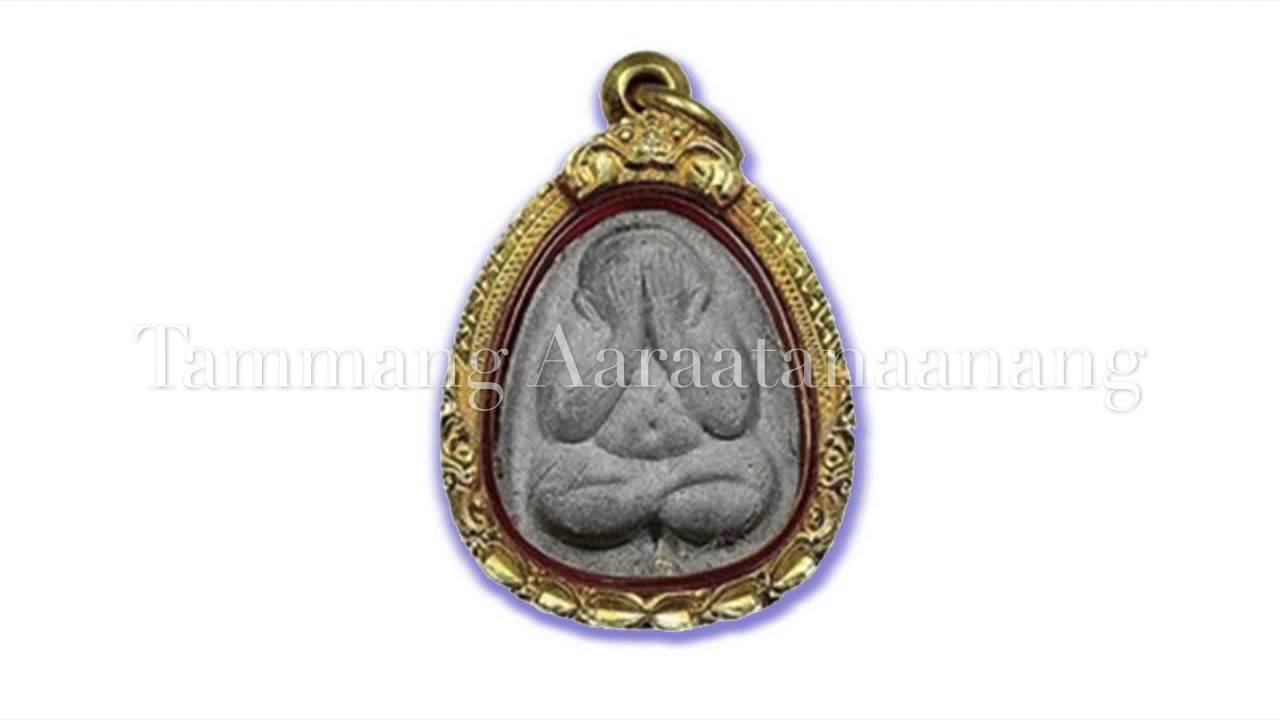
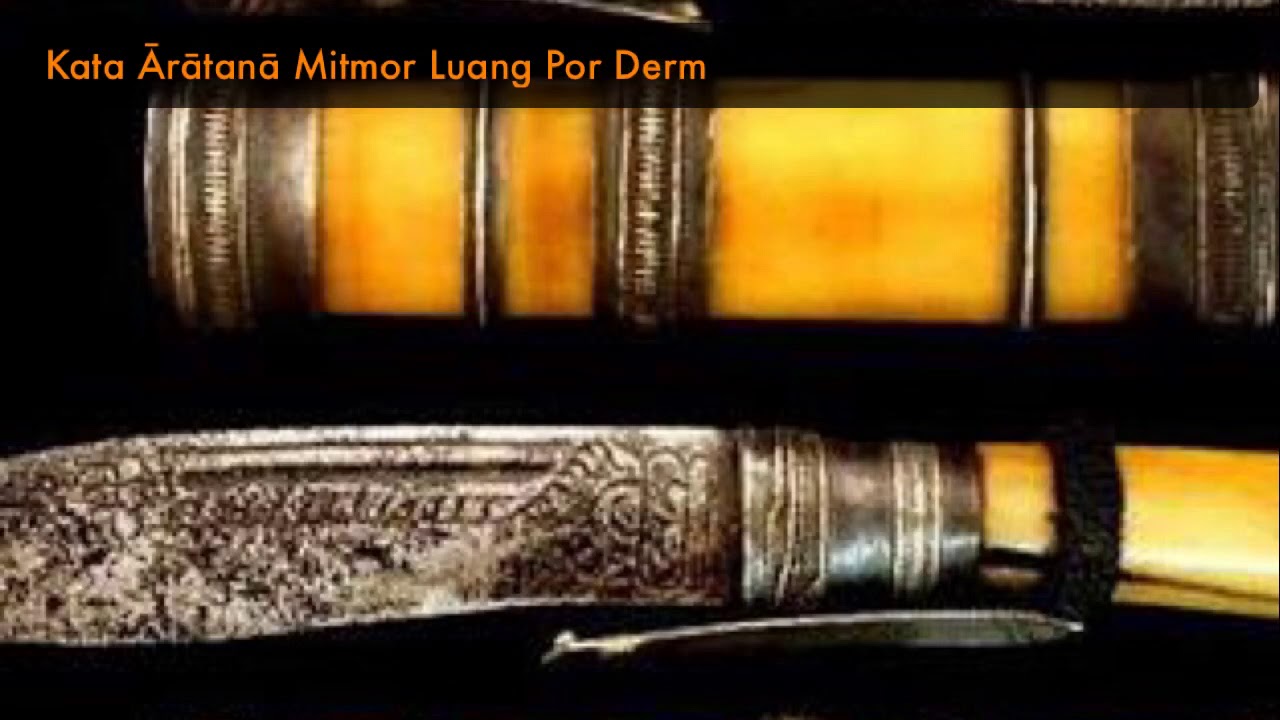
Puttang Aaraatanaanang, Tammang Aaraatanaanang, Sangkang Aaraatanaanang
This simple yet potent invocation reaffirms faith in the Triple Gem, setting the context for any subsequent spiritual interaction, even when dealing with animist entities, thereby ensuring a Buddhist framework for practice.
For serious devotees, access to supplementary learning resources, such as the Kata Bucha Luang Phu Tim Wat Laharn Rai (Chanting Tutorial) in mp4 format, ensures correct pronunciation and rhythmic delivery, which are crucial for effective invocation. This underscores the importance of precise ritual execution in maximizing the amulet’s blessings. The regular practice of these Kata, coupled with sincere faith and adherence to Buddhist precepts, is believed to unlock the full potential of Luang Phu Tim’s Palad Khik, offering profound benefits for the wearer’s life, prosperity, and spiritual journey. The rarity and power of this Palad Khik represent a unique opportunity for serious collectors and devotees to engage with the enduring Wicha of a world-class Buddhist Master Monk.






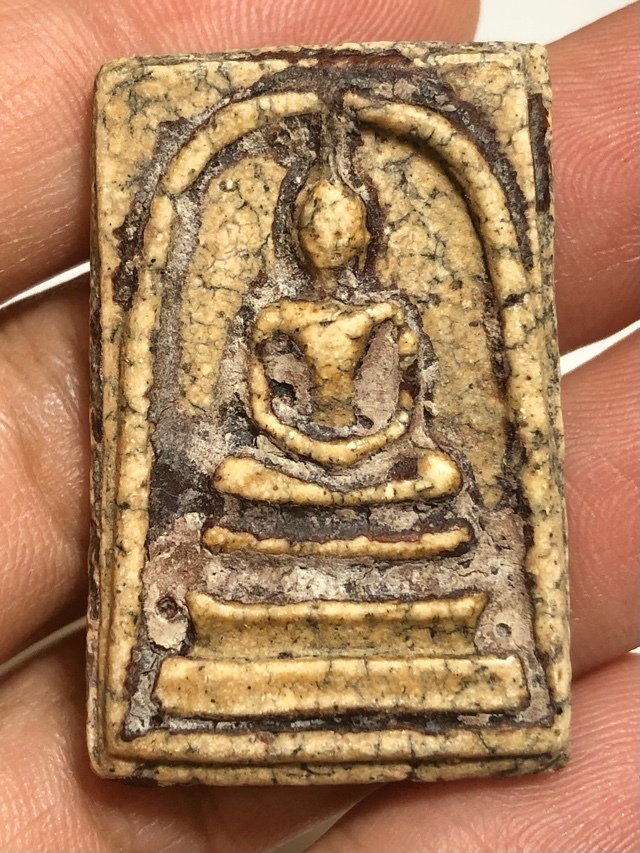

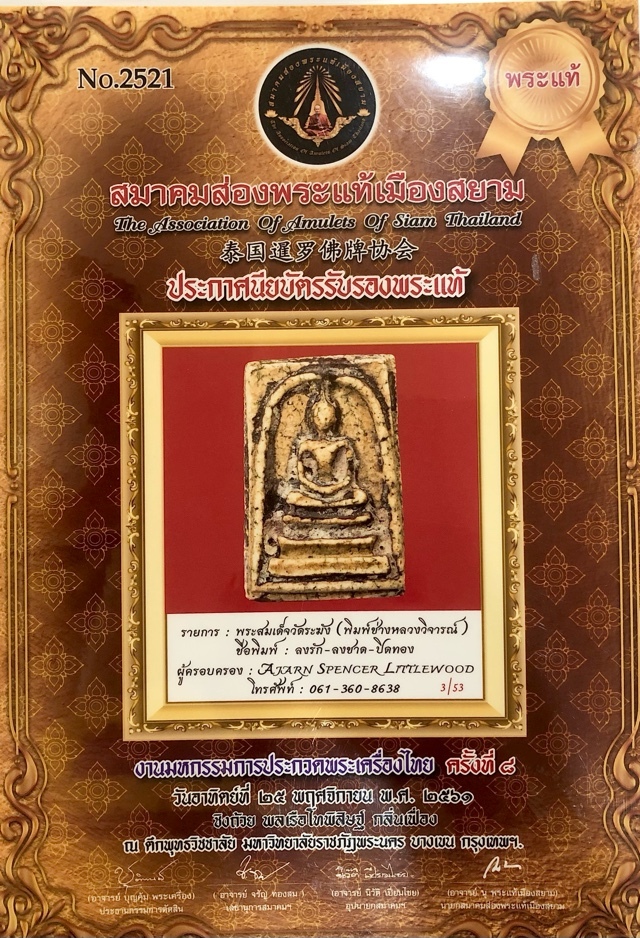
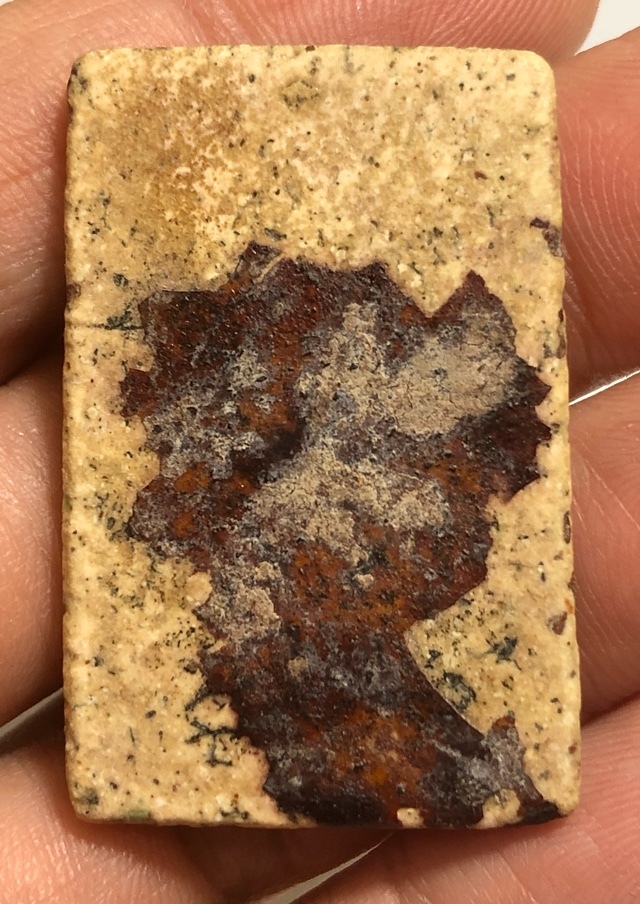
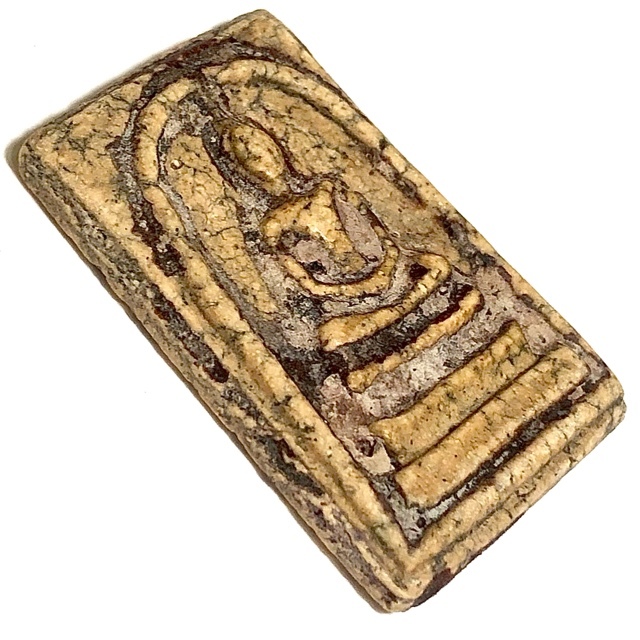
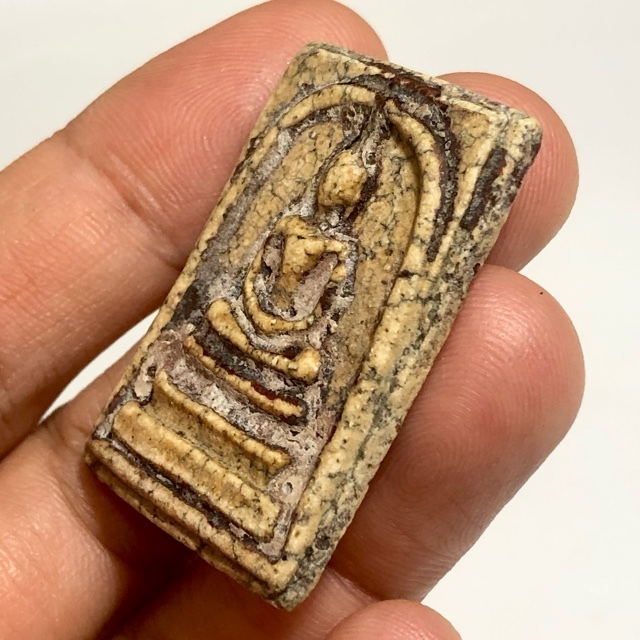
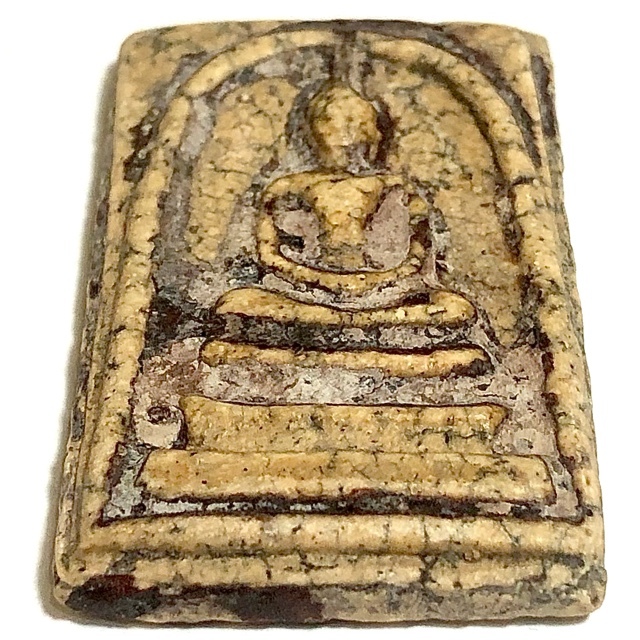

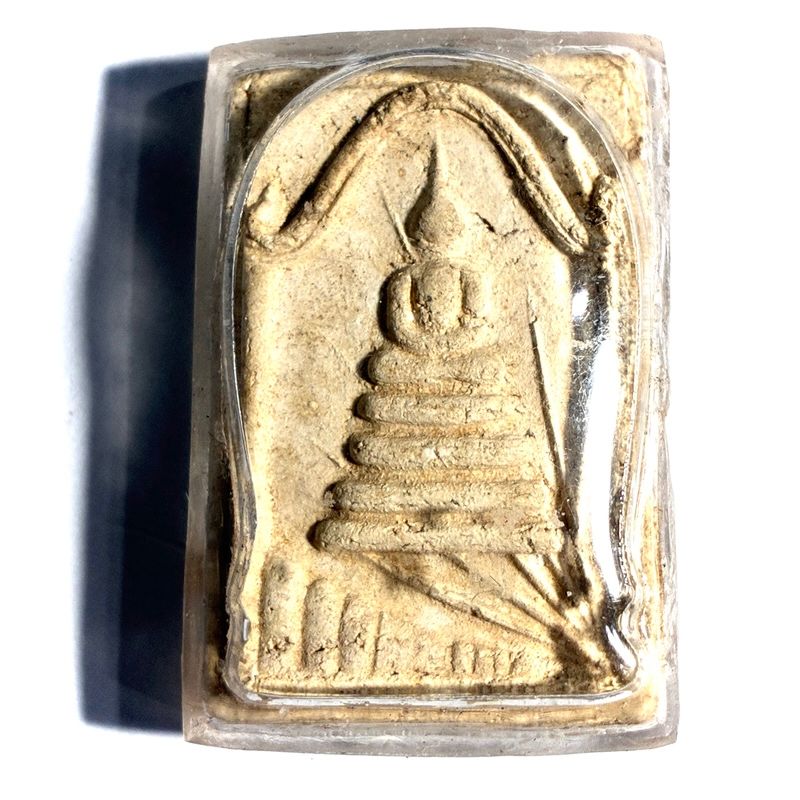
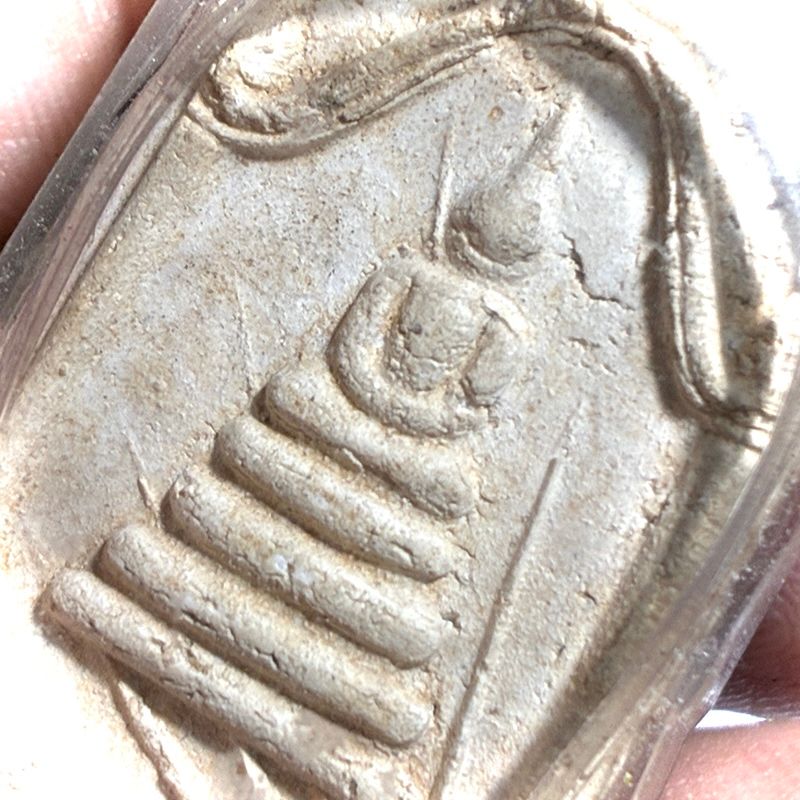
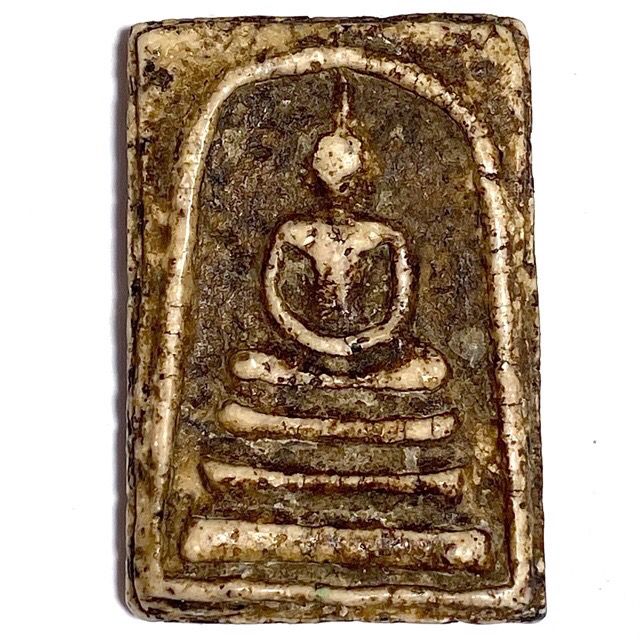
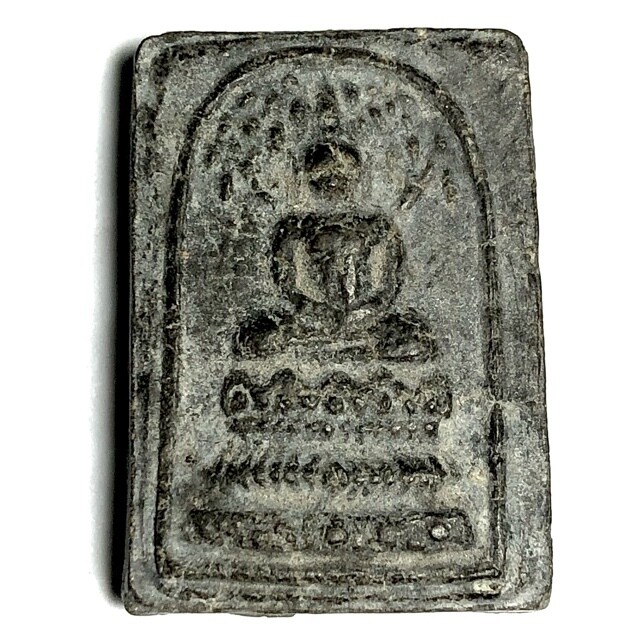
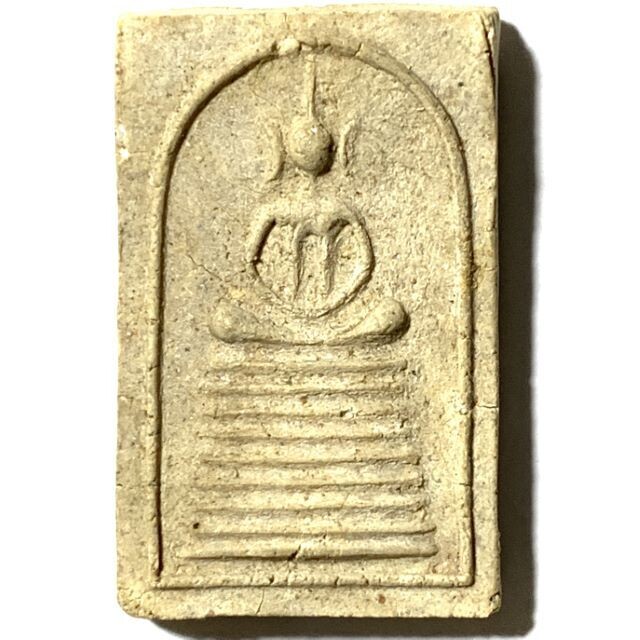
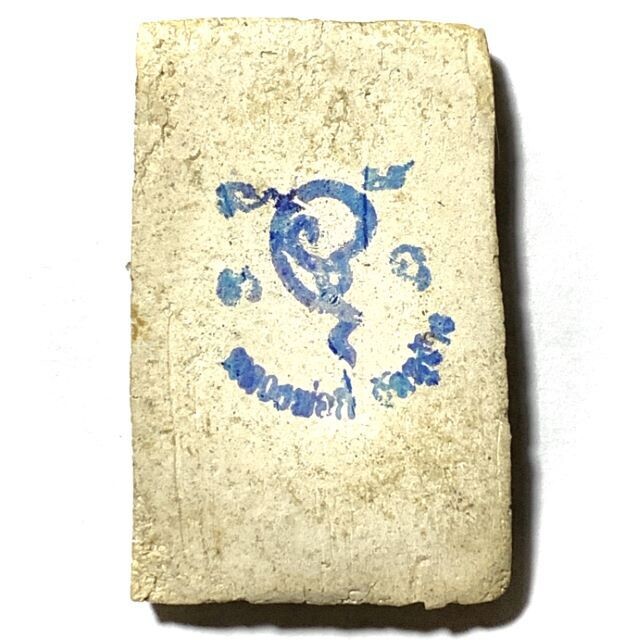
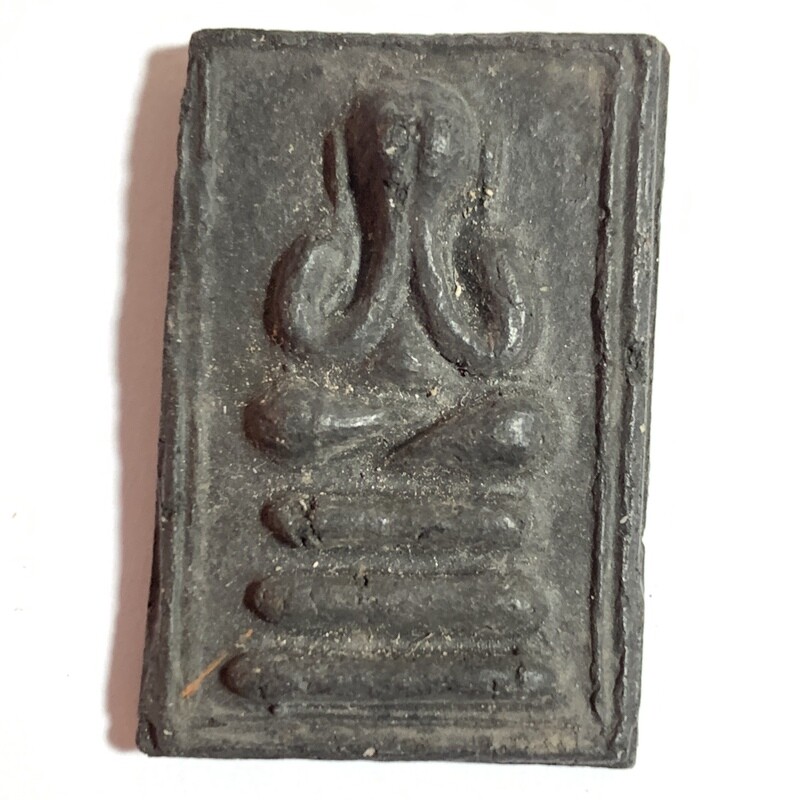
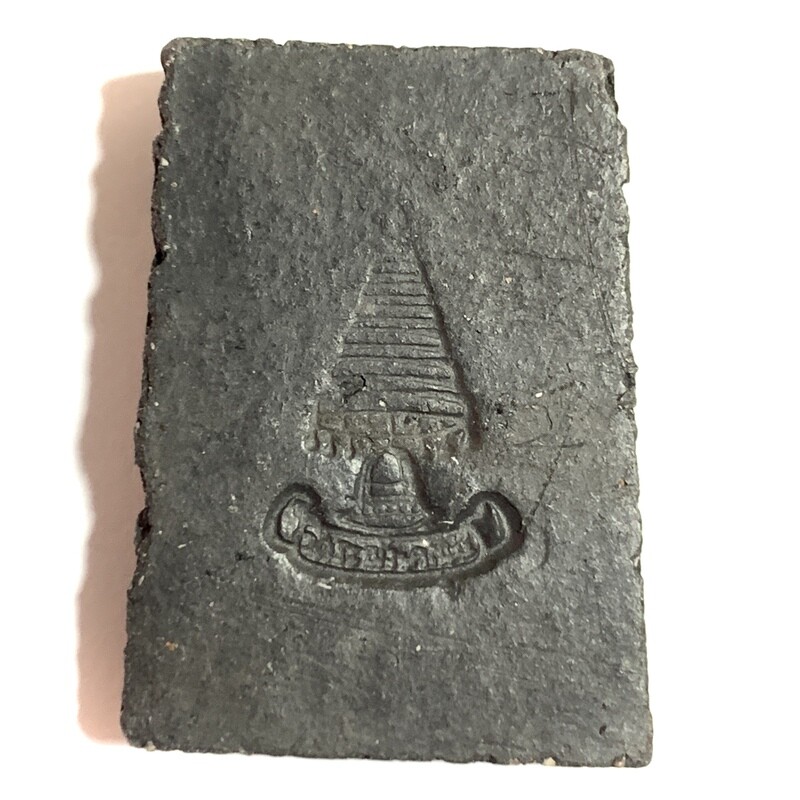
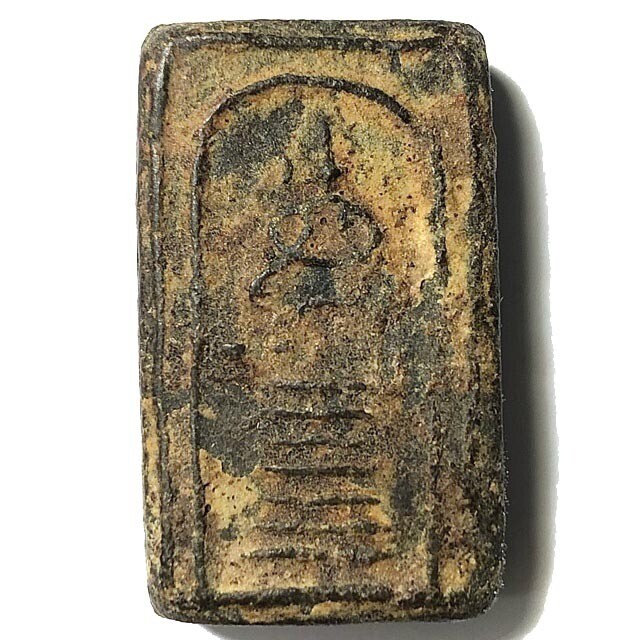
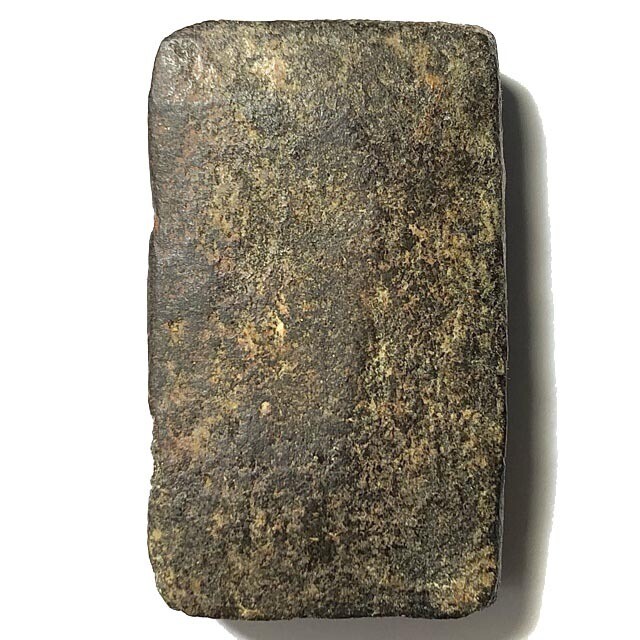
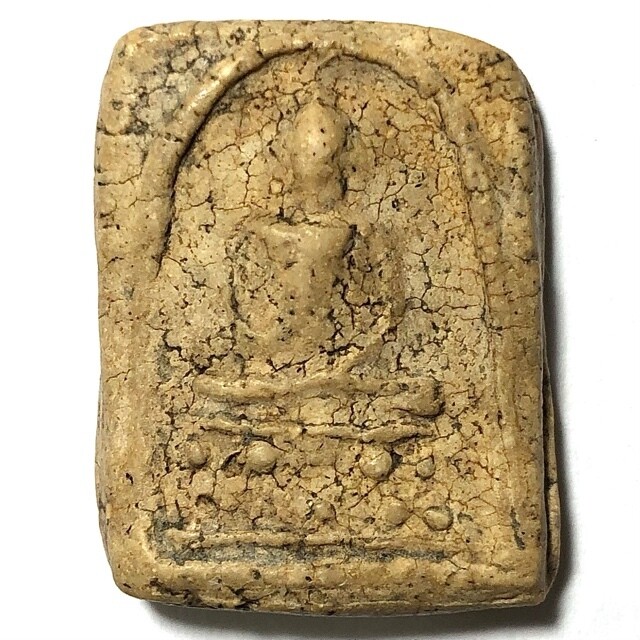
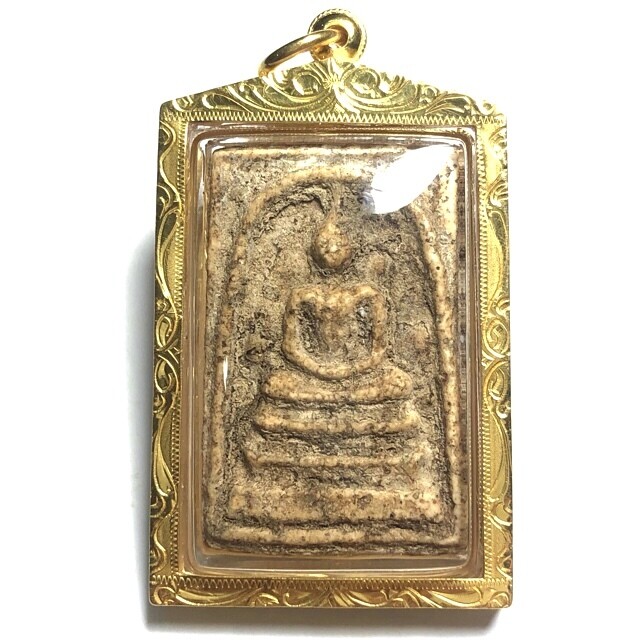
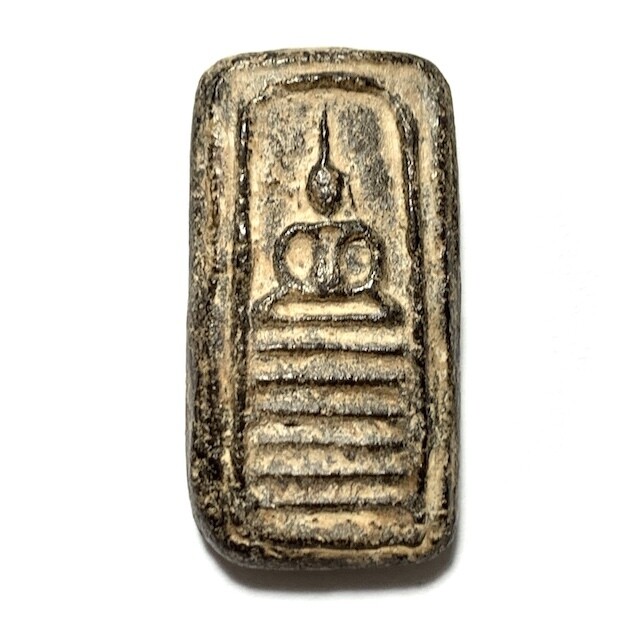
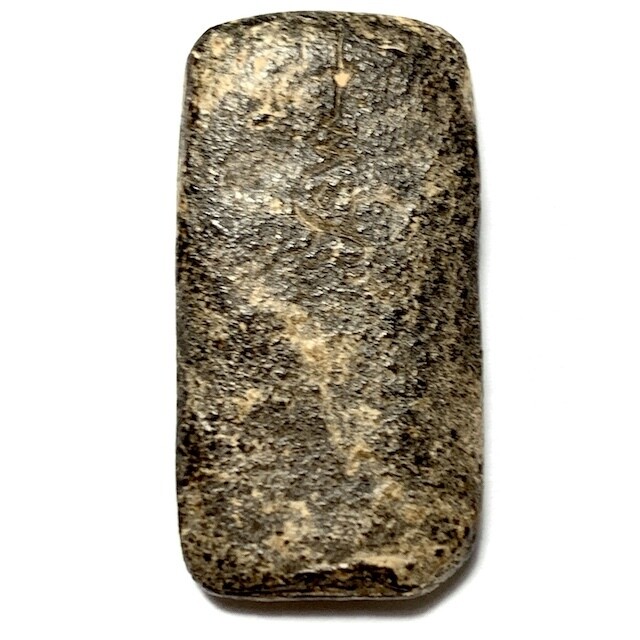
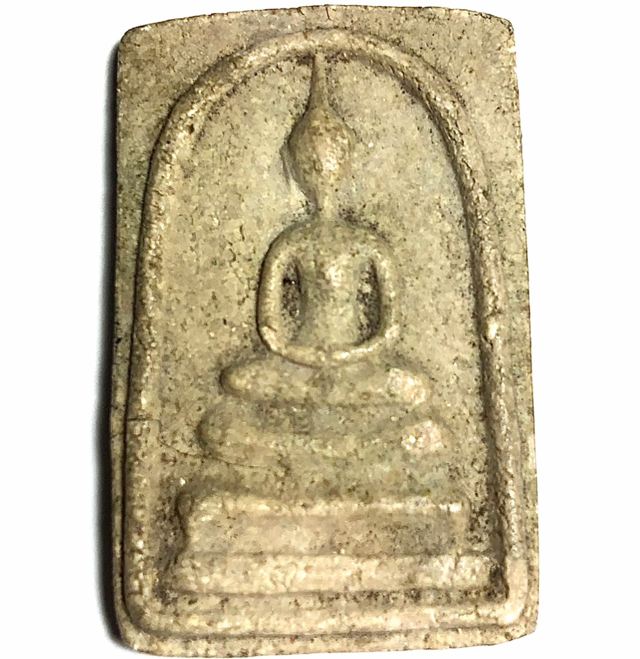
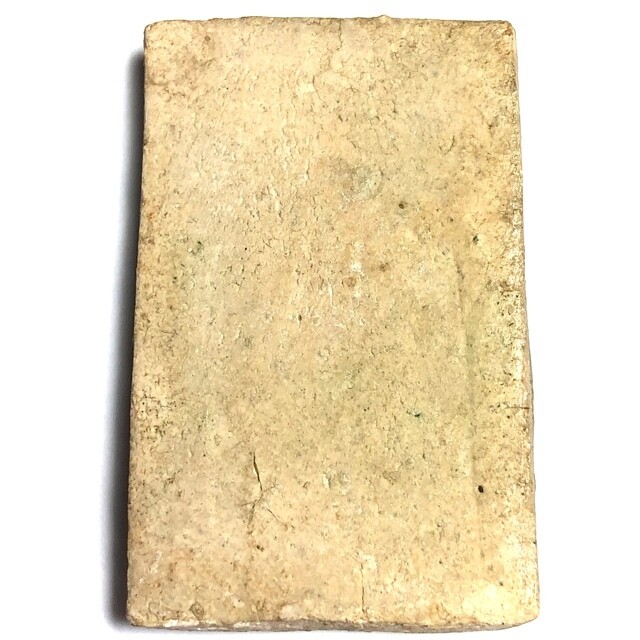
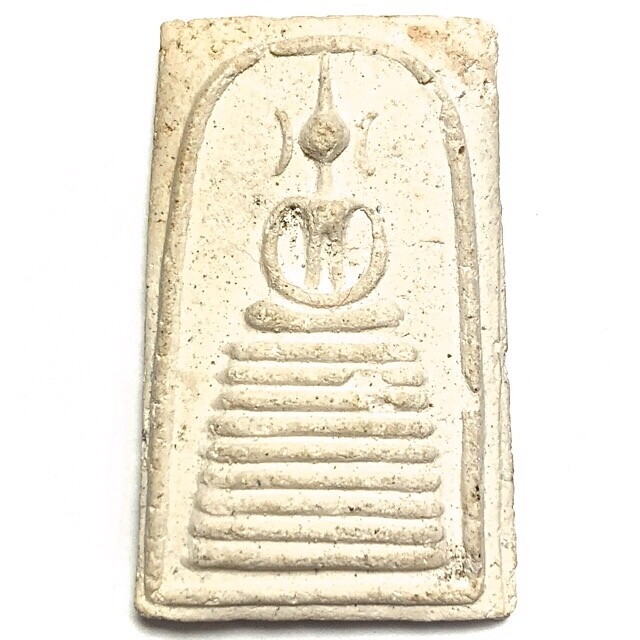
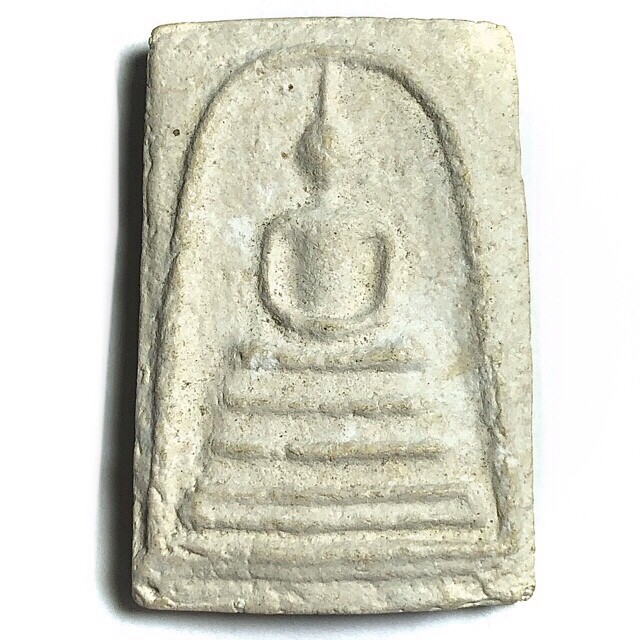
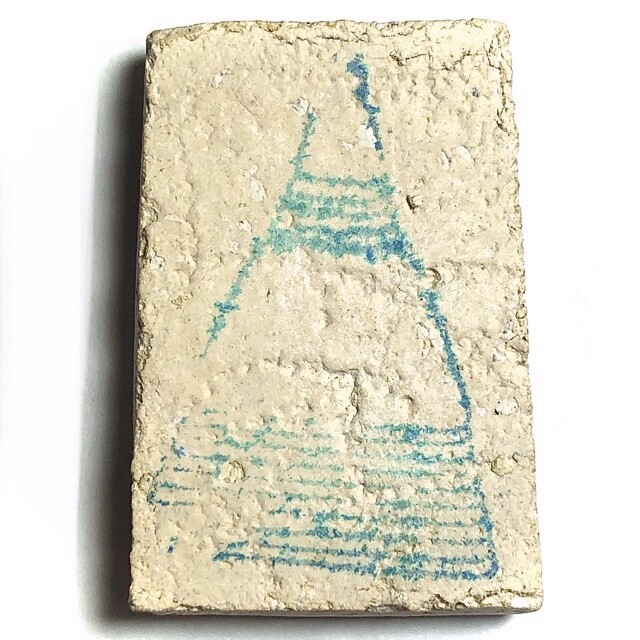
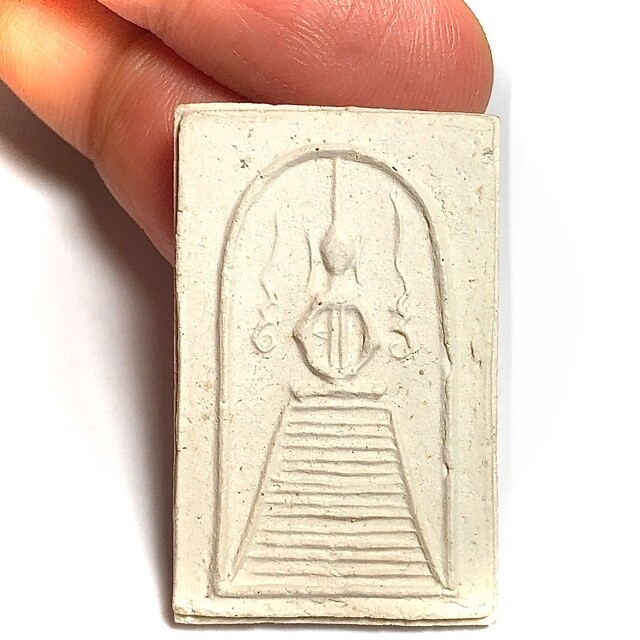
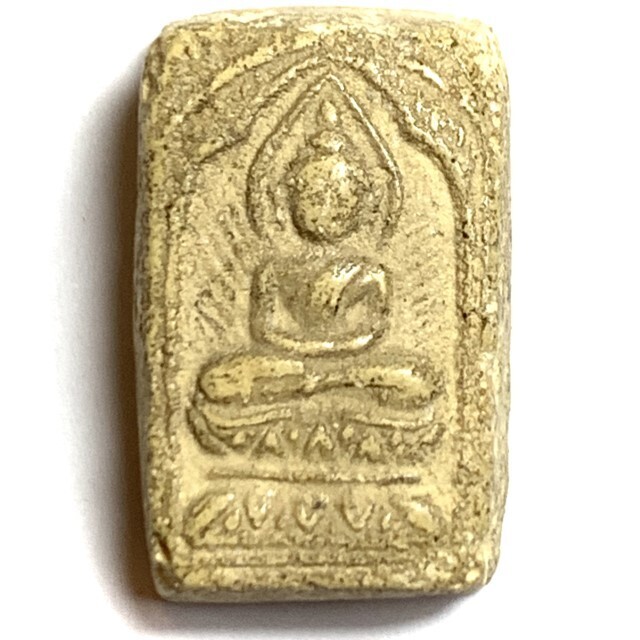
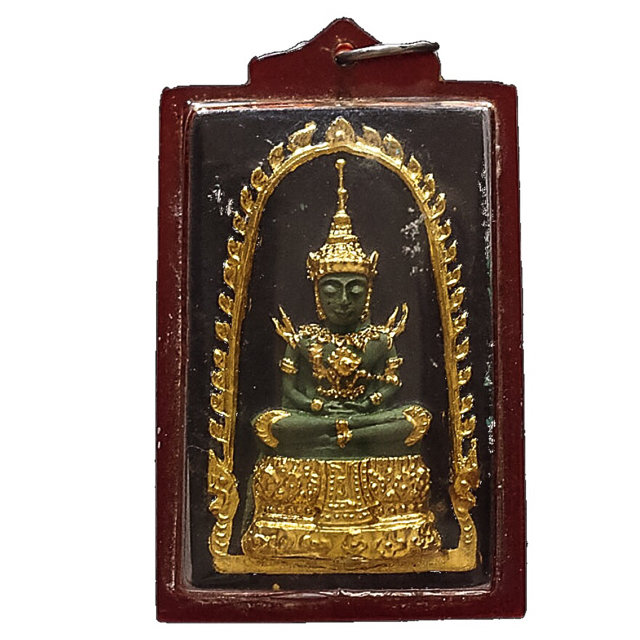
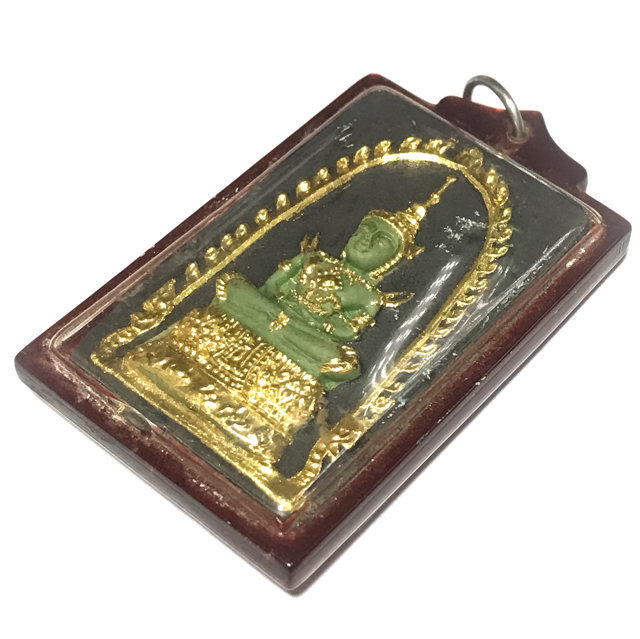
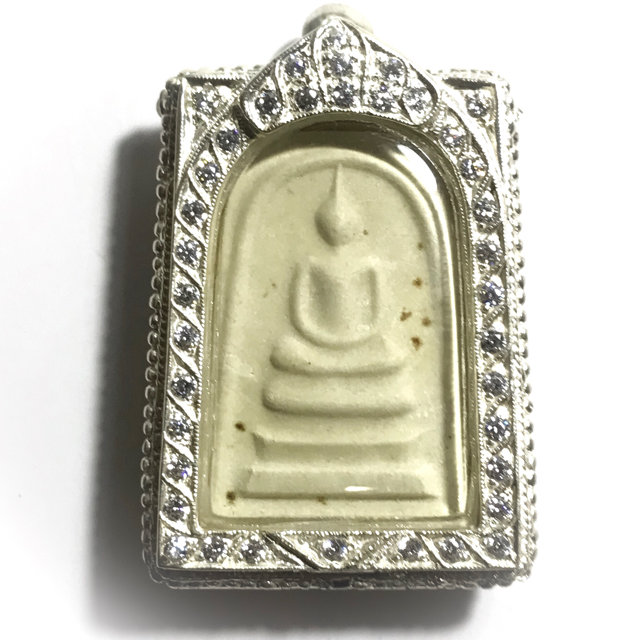
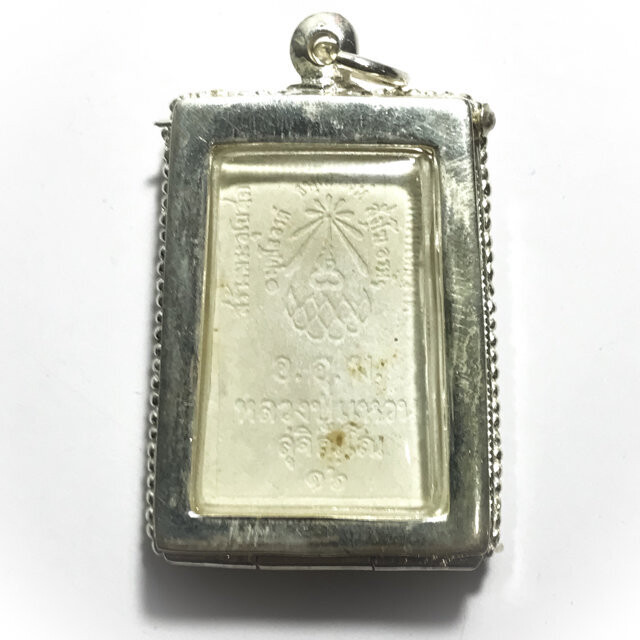
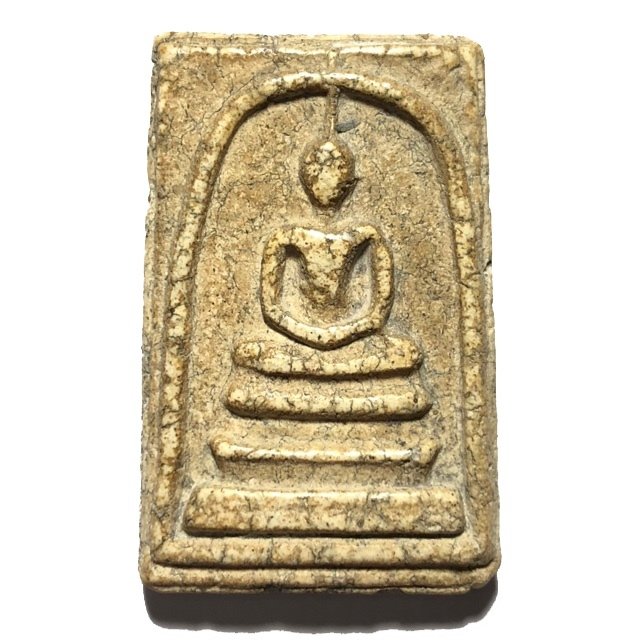
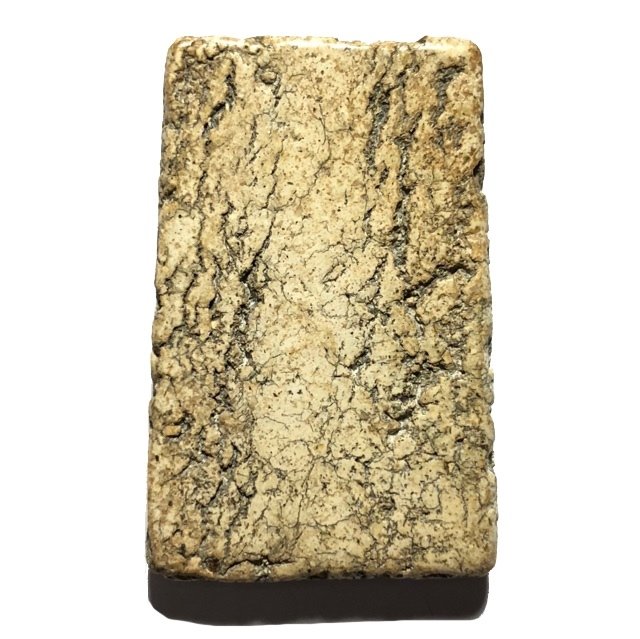
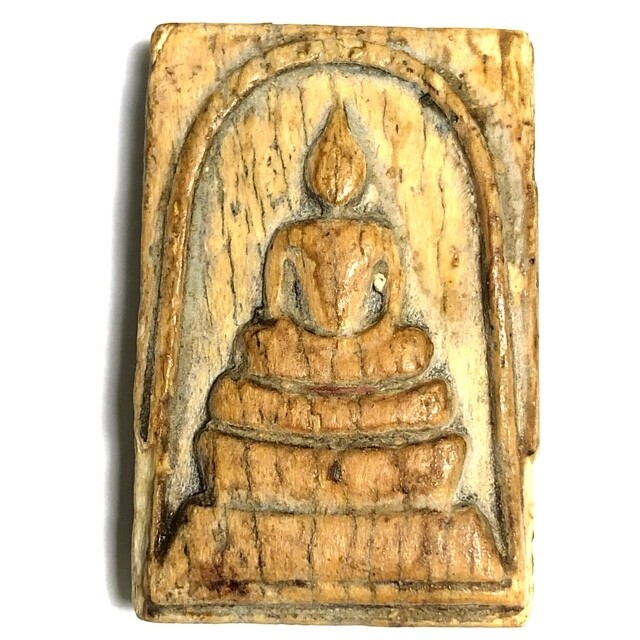
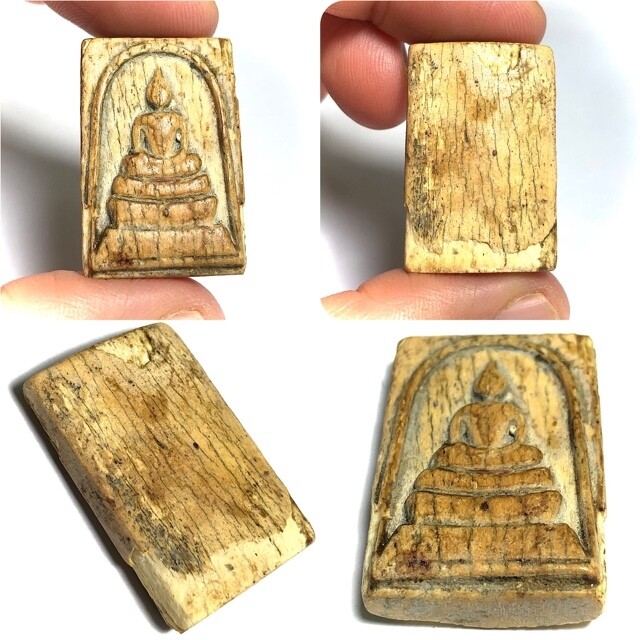
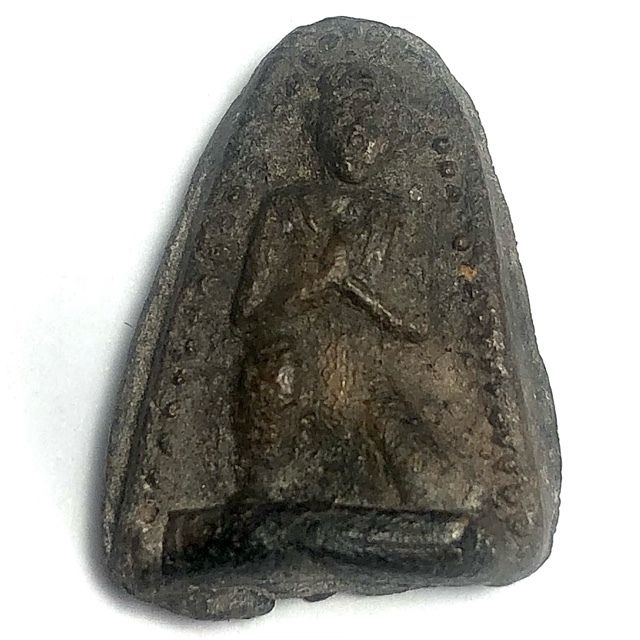
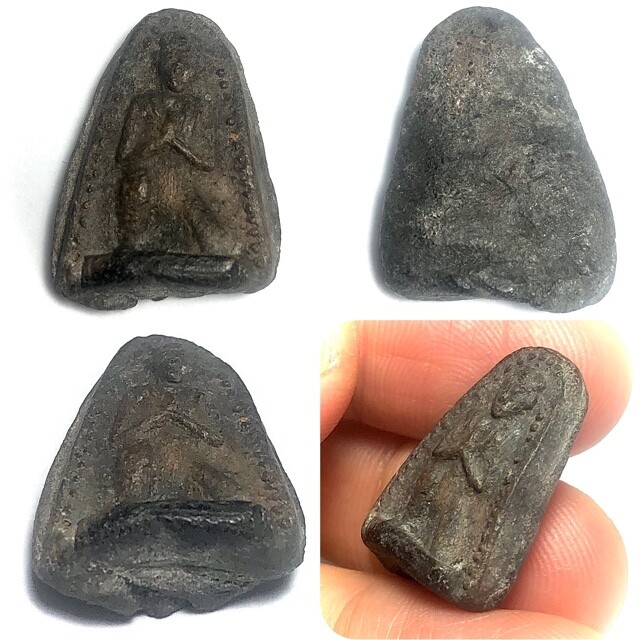
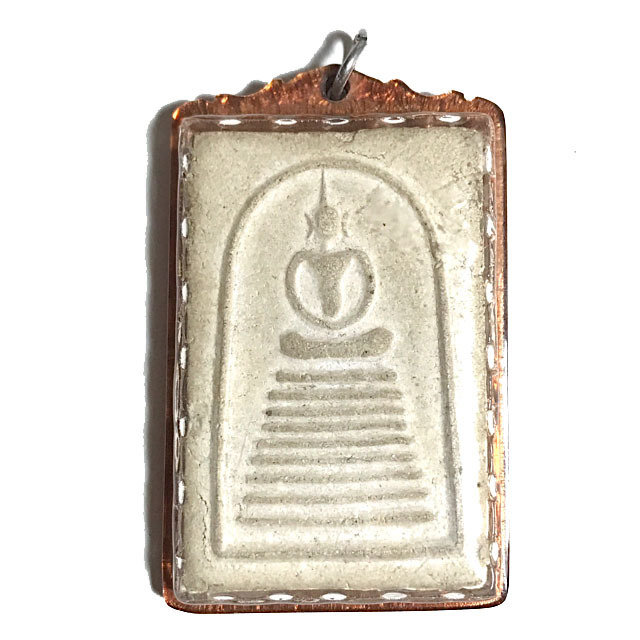
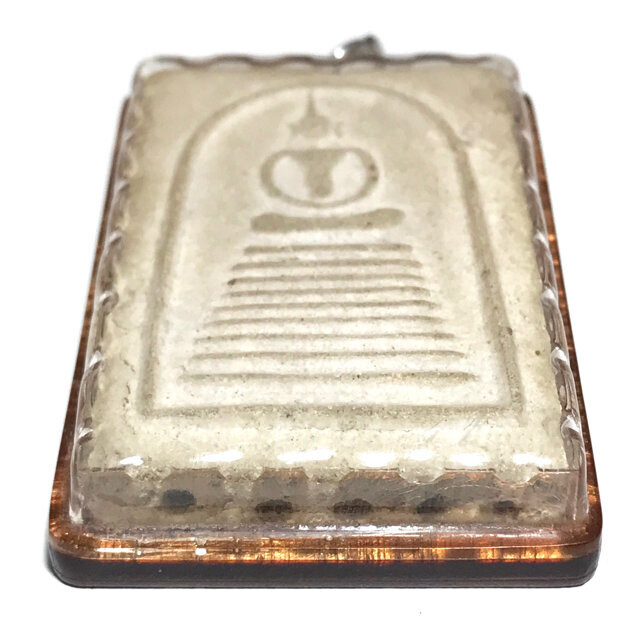
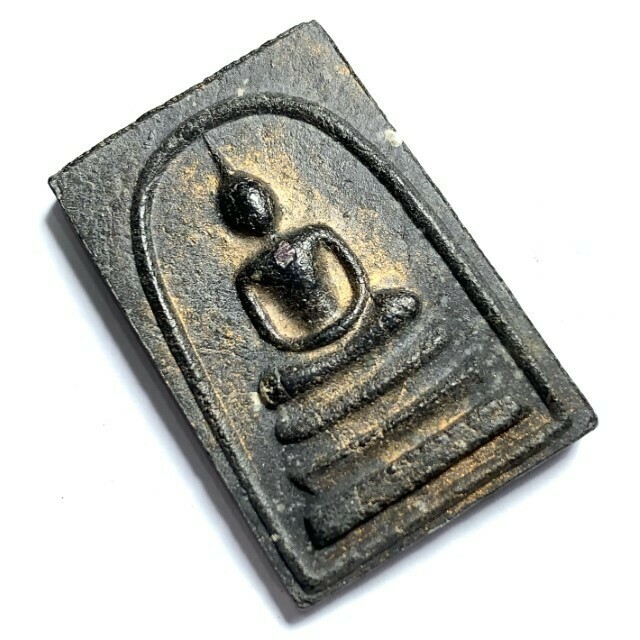
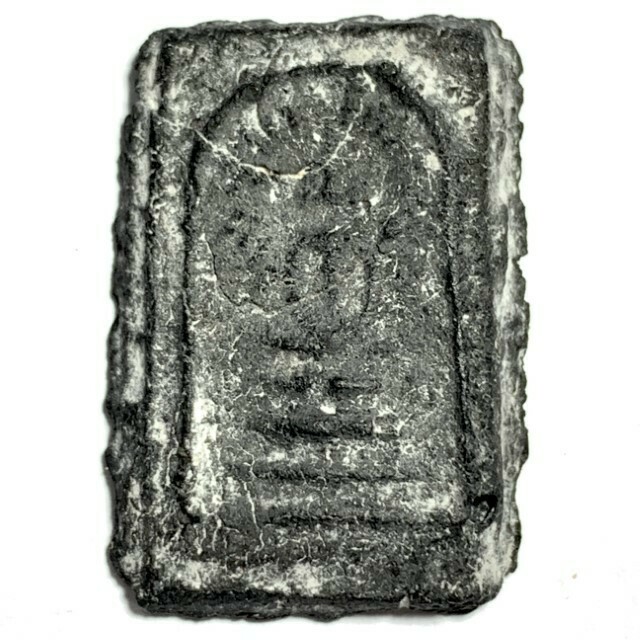
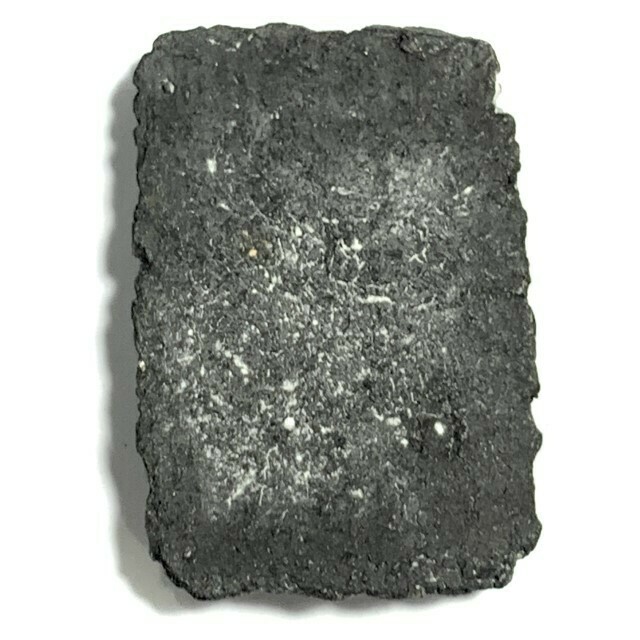

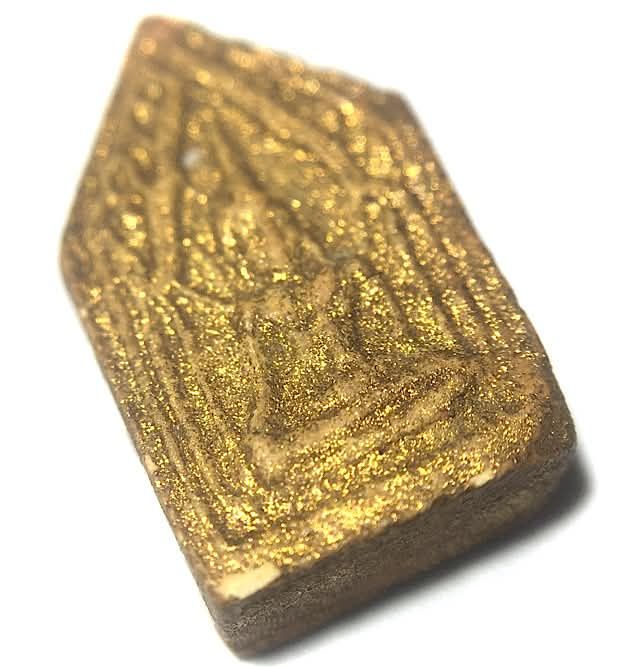
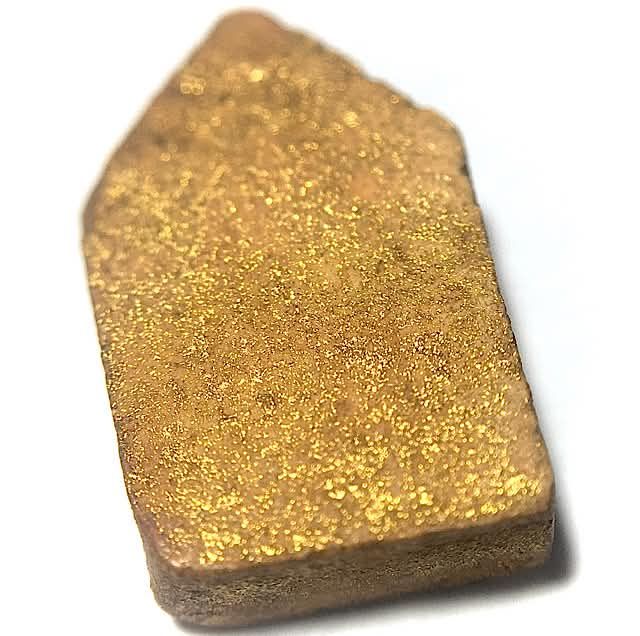

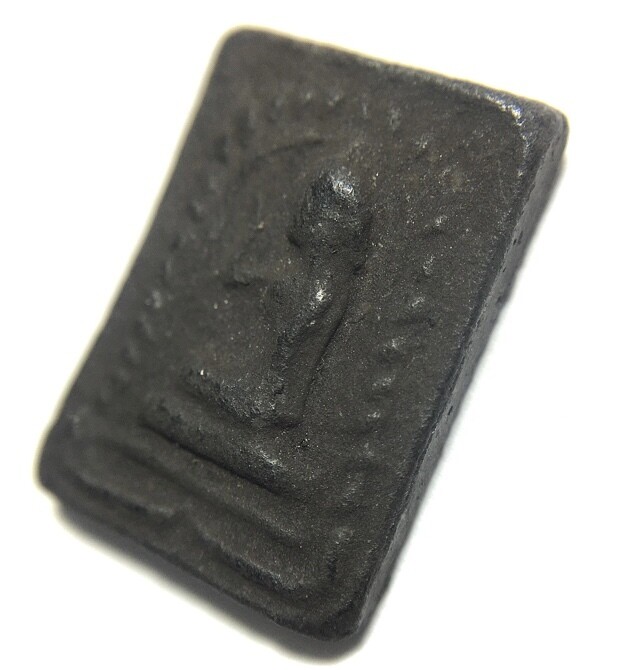
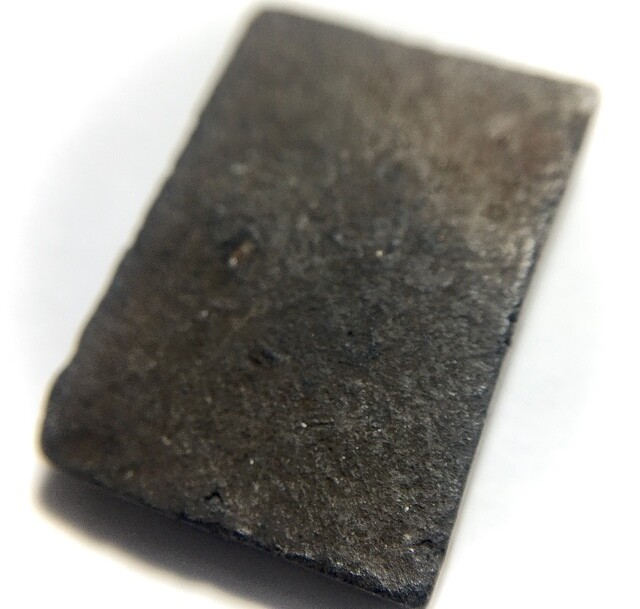
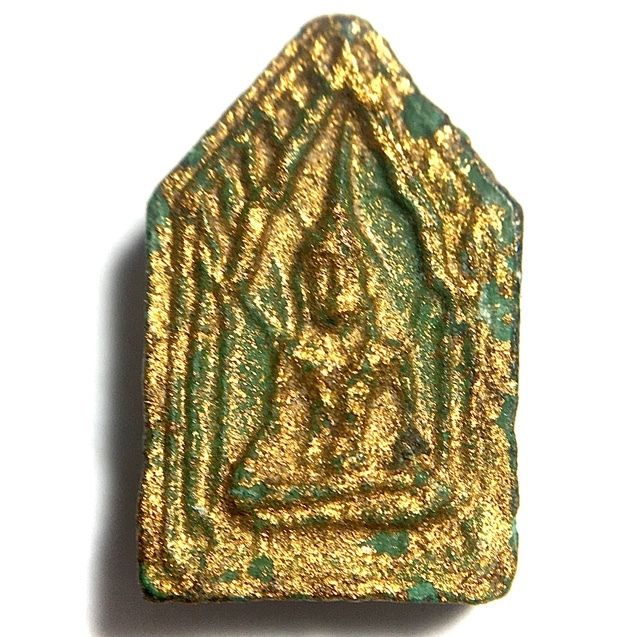
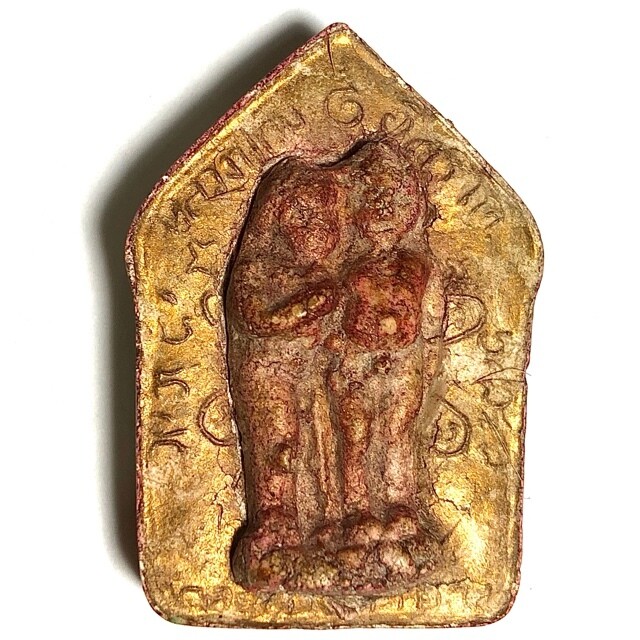
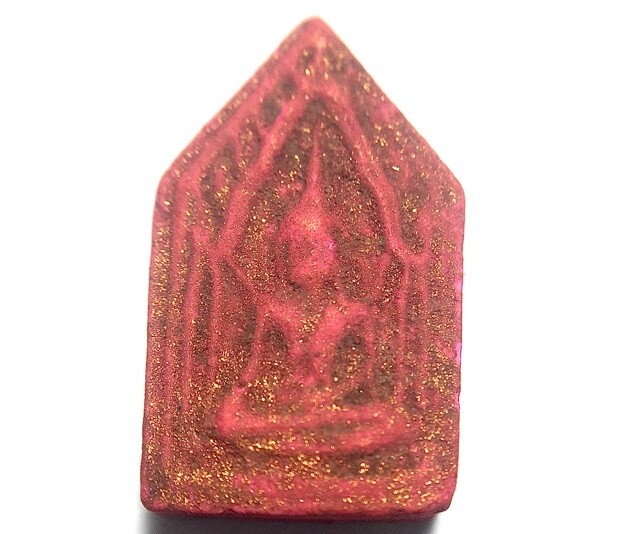
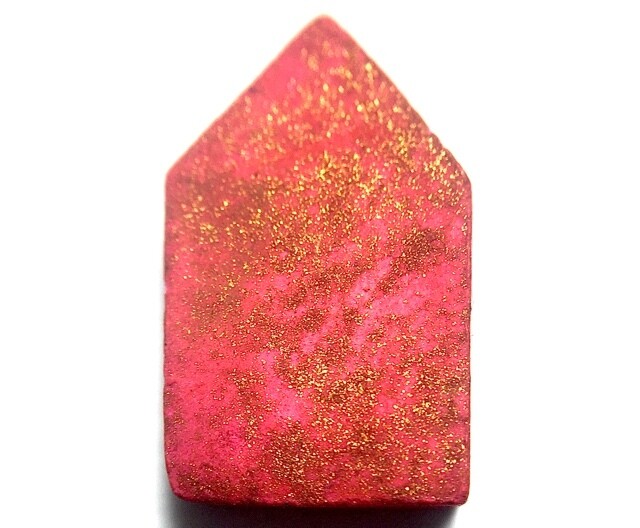
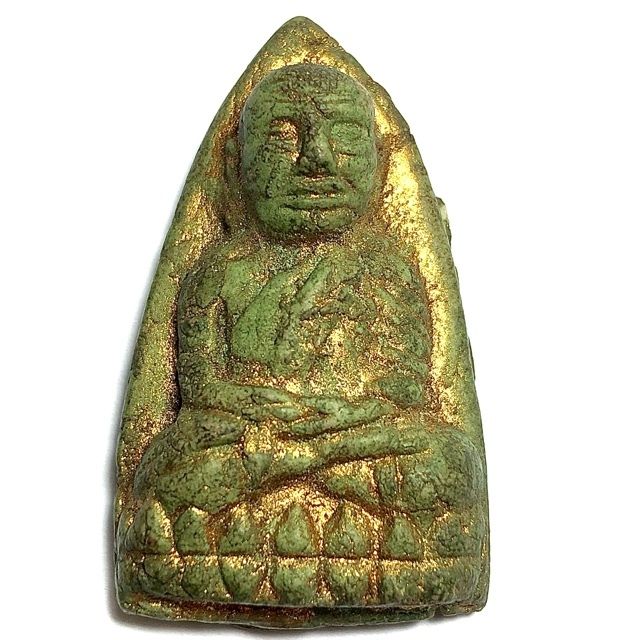
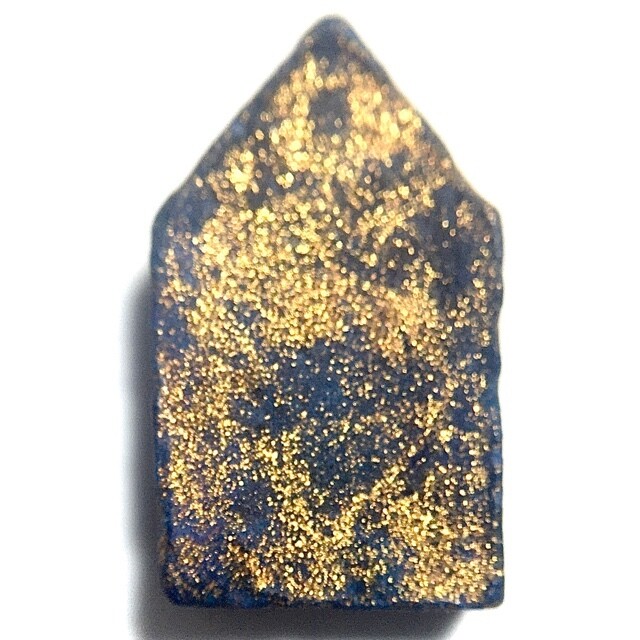
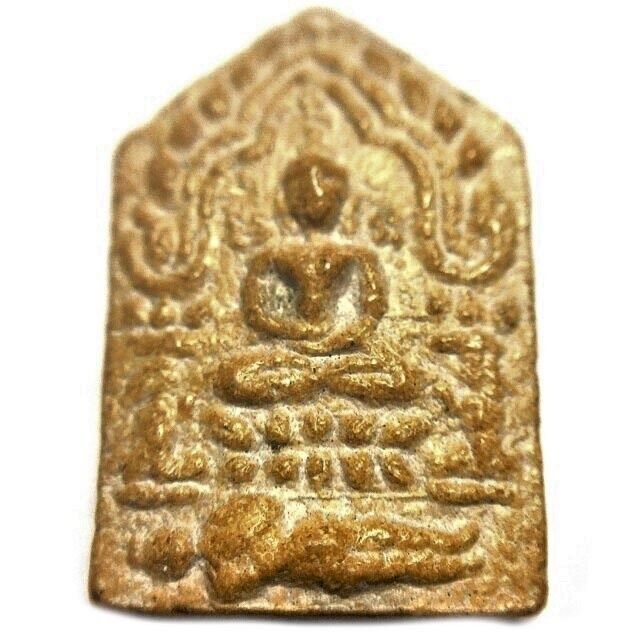
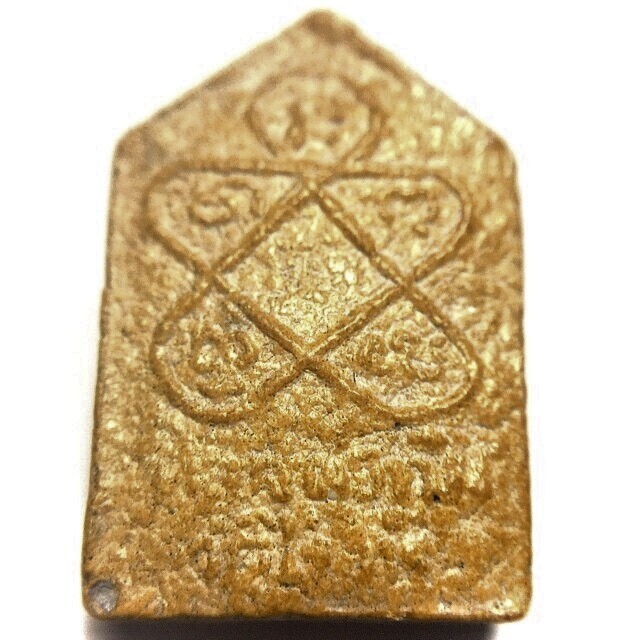
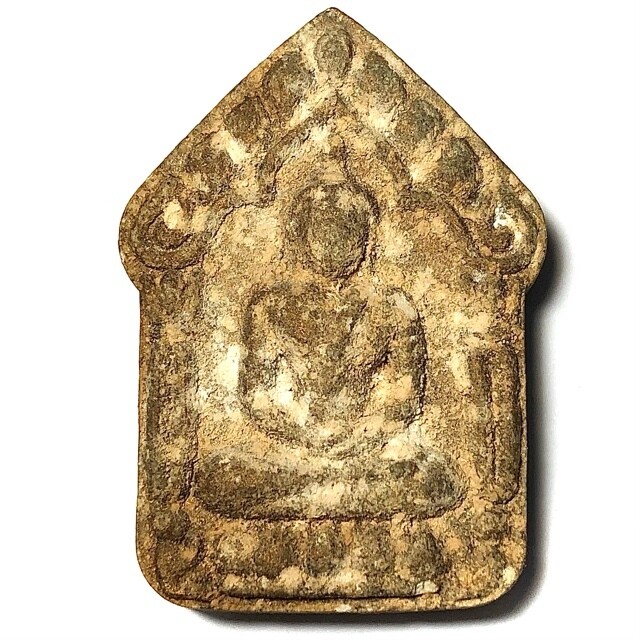
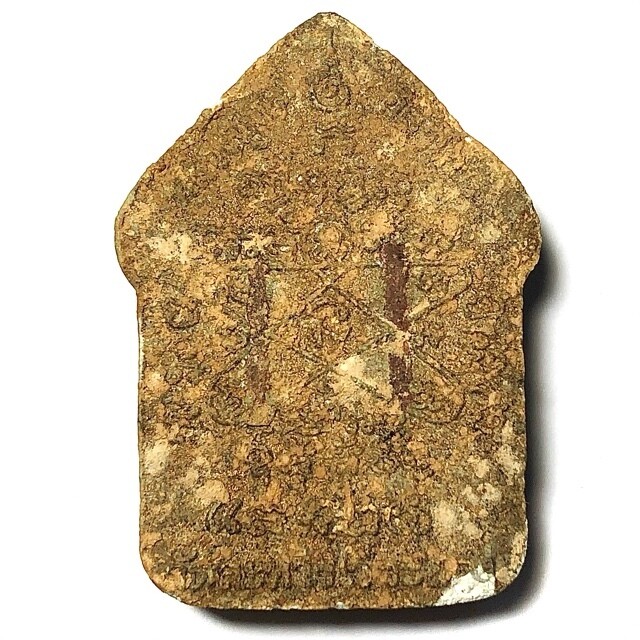
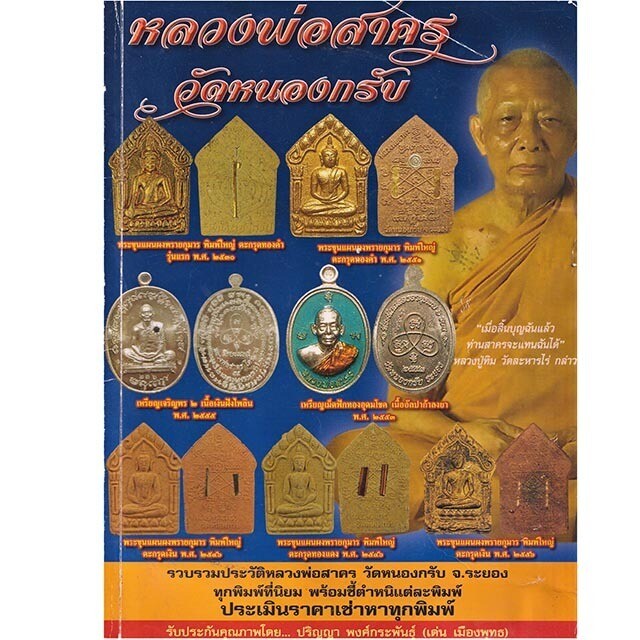
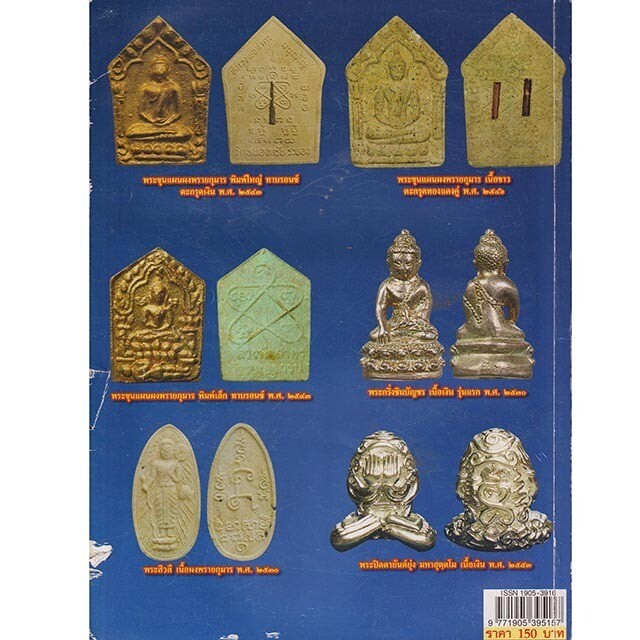
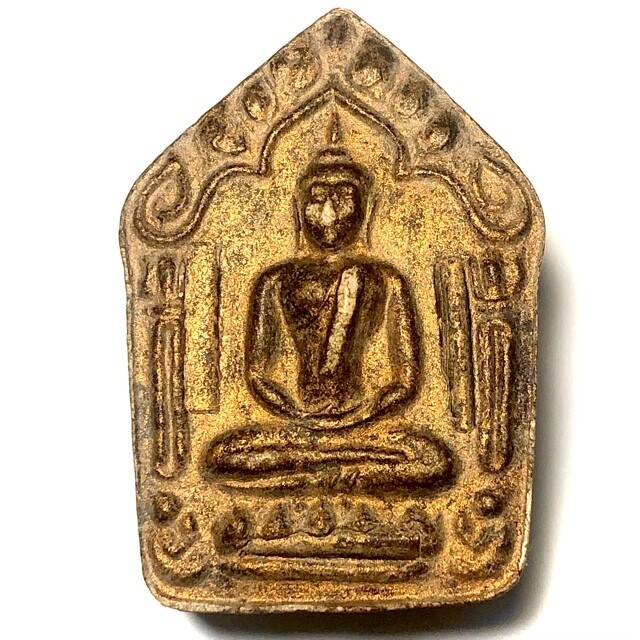
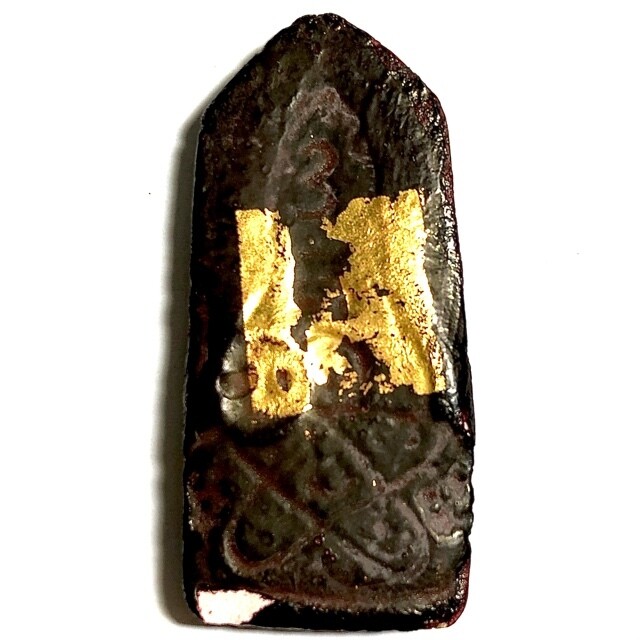
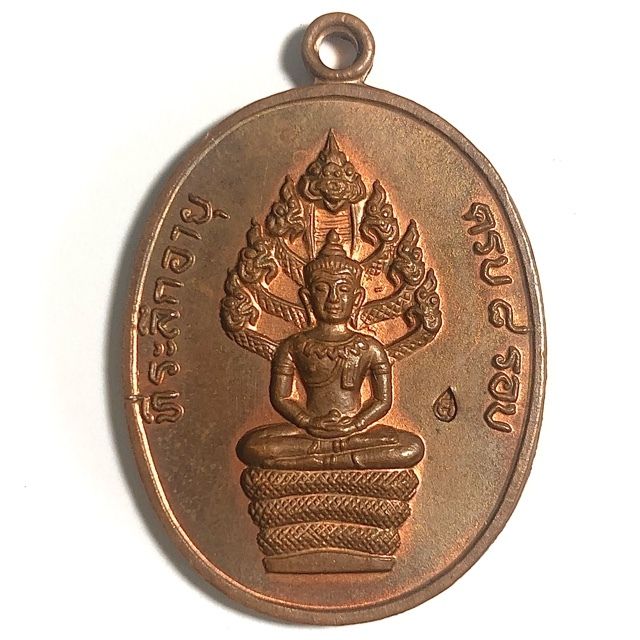
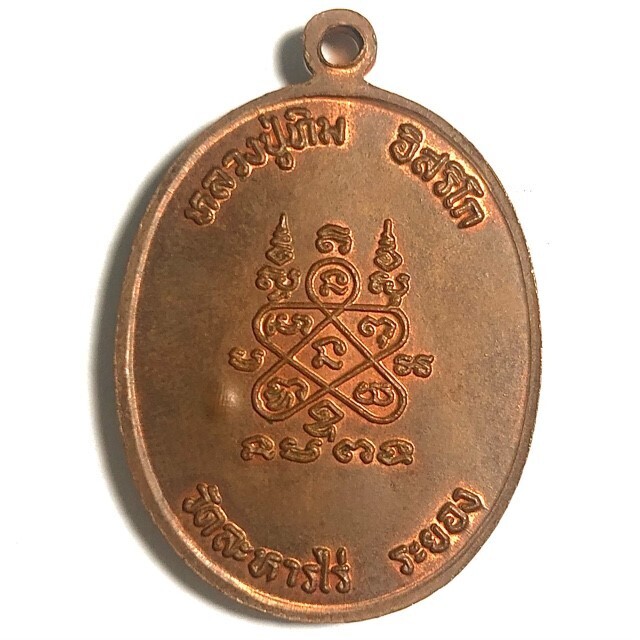
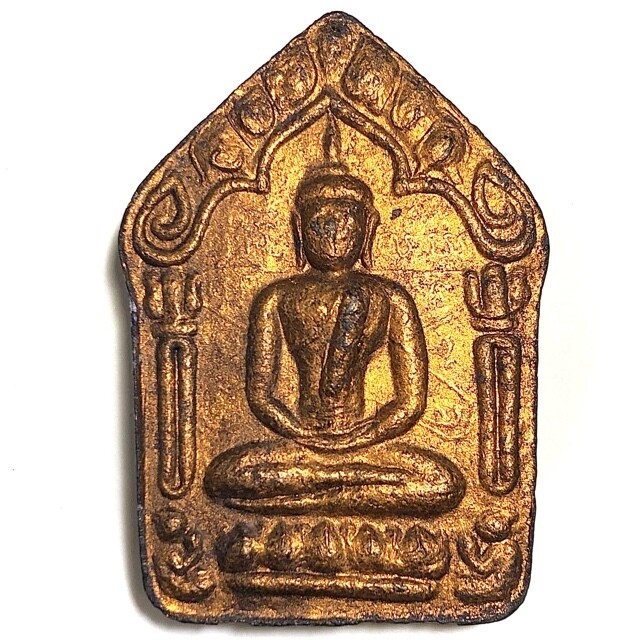
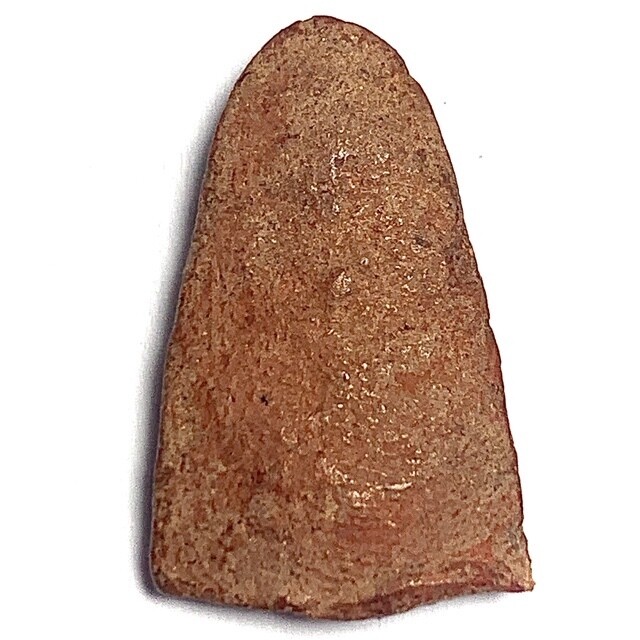


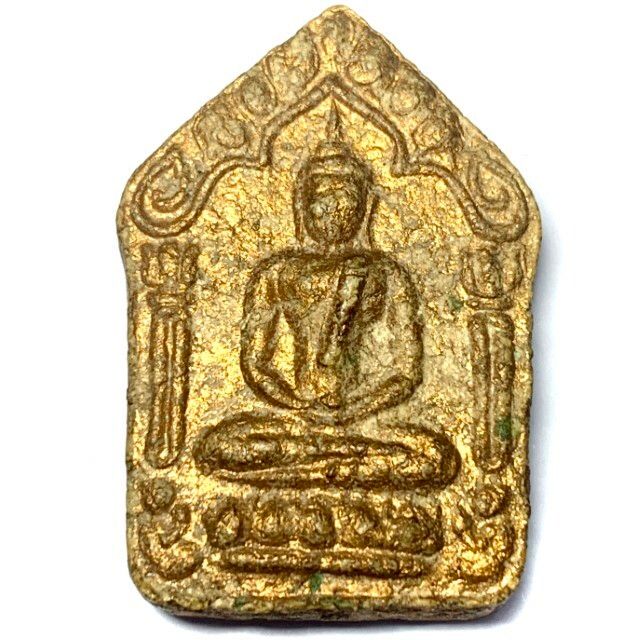





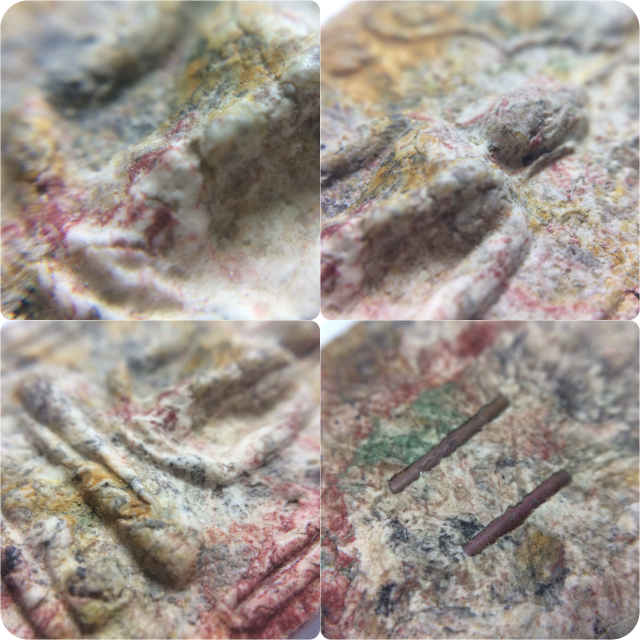


 This amulet will be sent to the owner with Free EMS Shipping Worldwide included in the price. Ancient Amulet also always gives free gifts with all orders, so you can expect to receive an amulet of high esteem as a gift included in the parcel too. After purchase, the downloads section of your account will have the Kata Bucha Luang Phu Tim Wat Laharn Rai (Chanting Tutorial) as an mp4 file for you to download and practice. For this reason we recommend you make an account with us before buying, so you can access your extra downloads from your store account when you buy things.


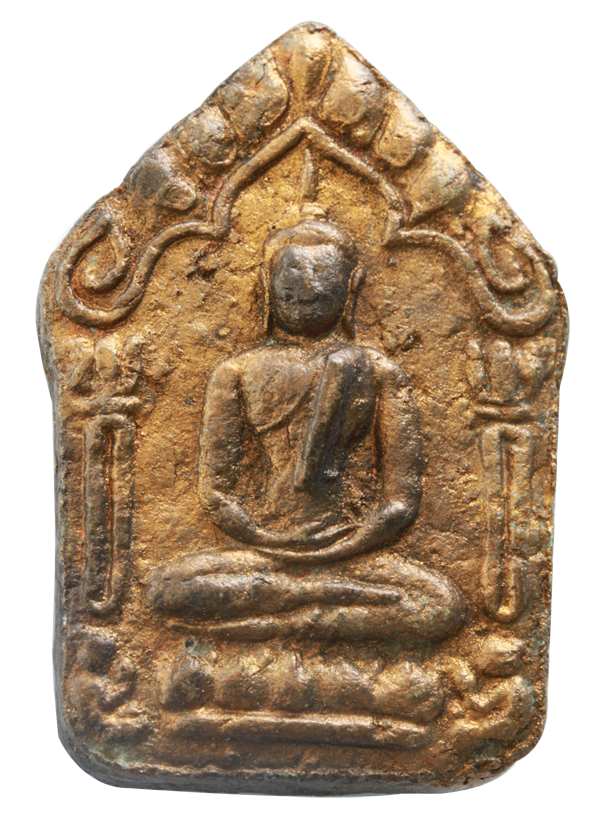


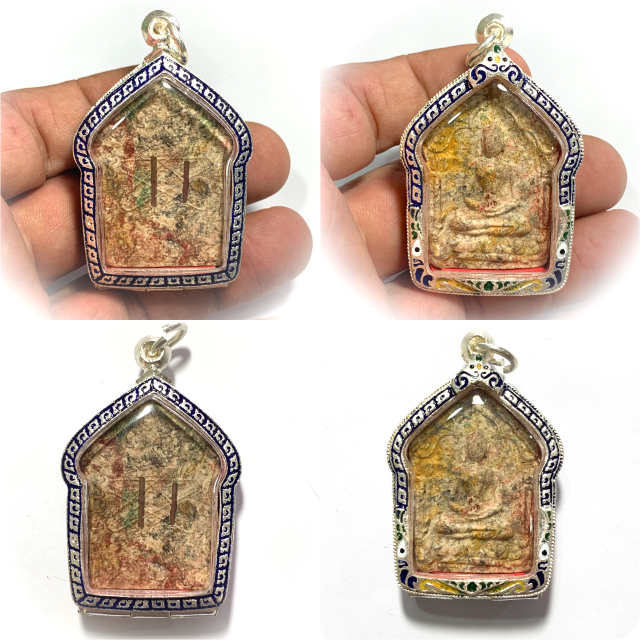
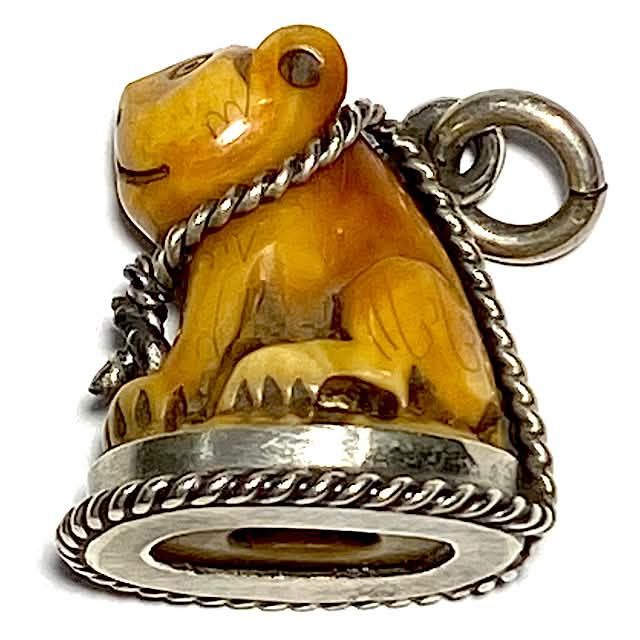
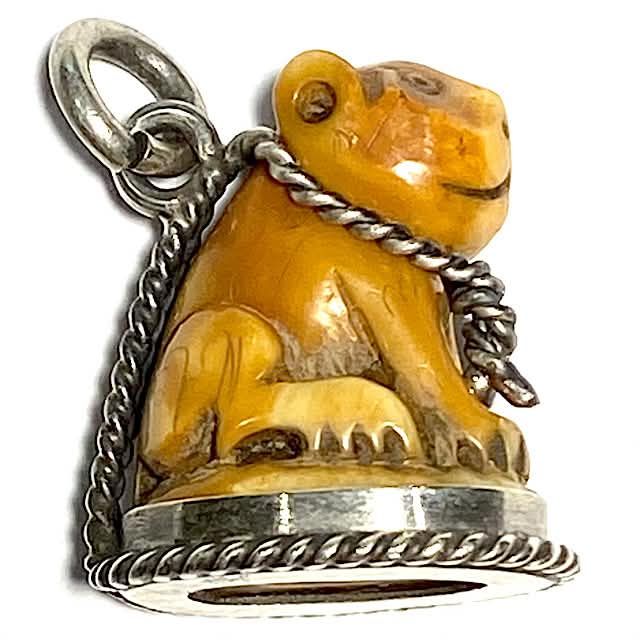
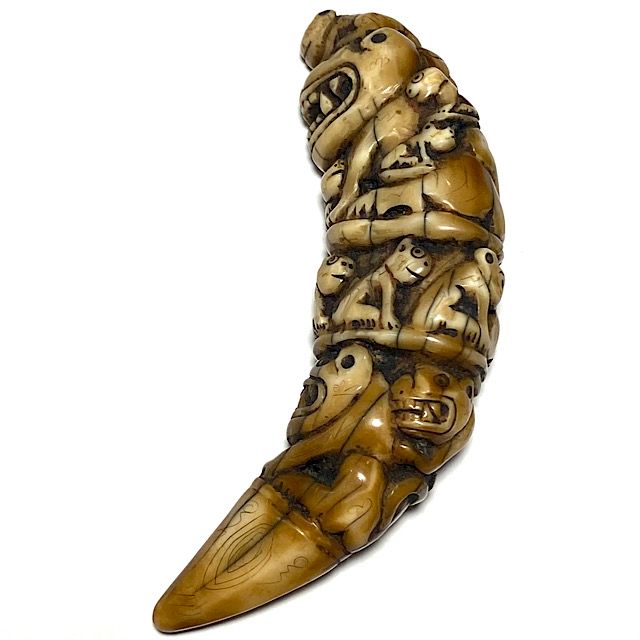
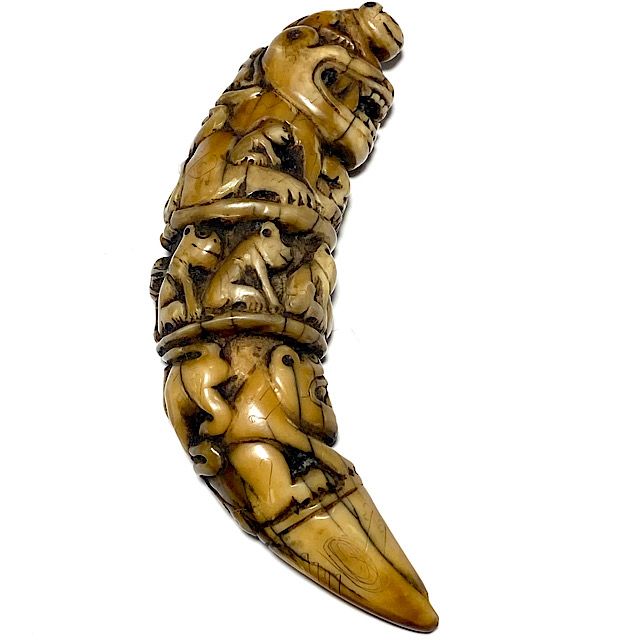
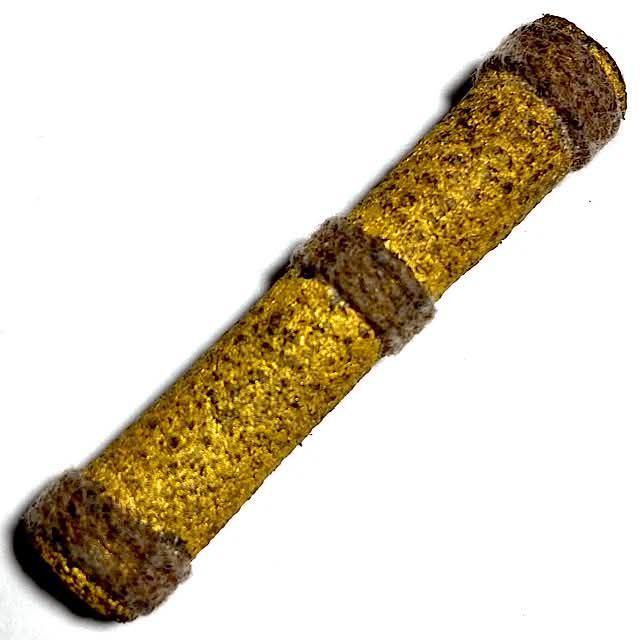
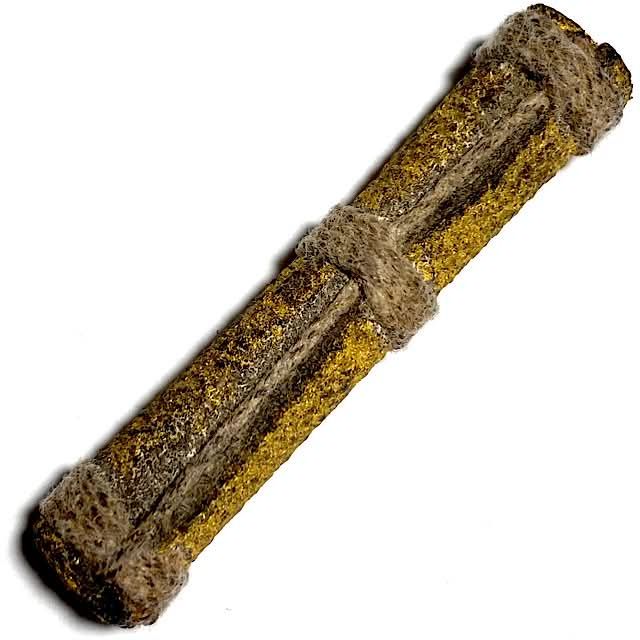
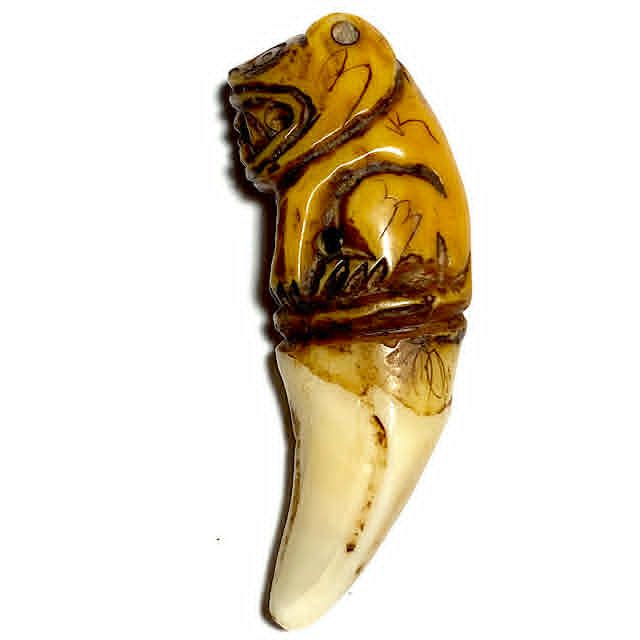
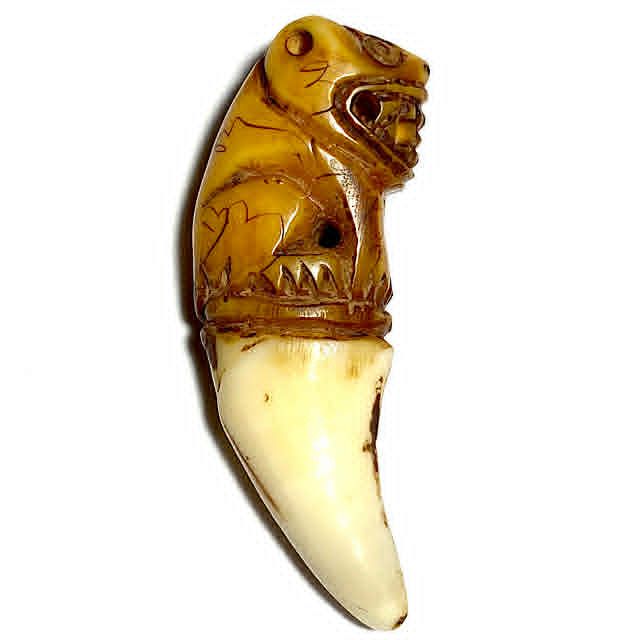
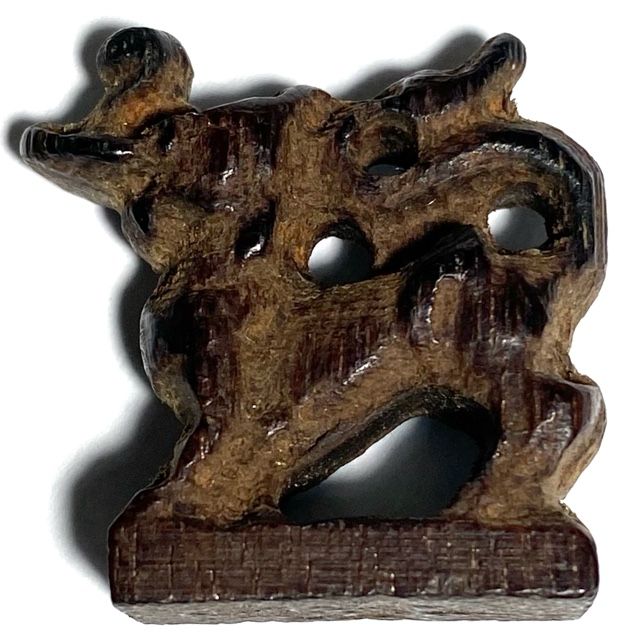
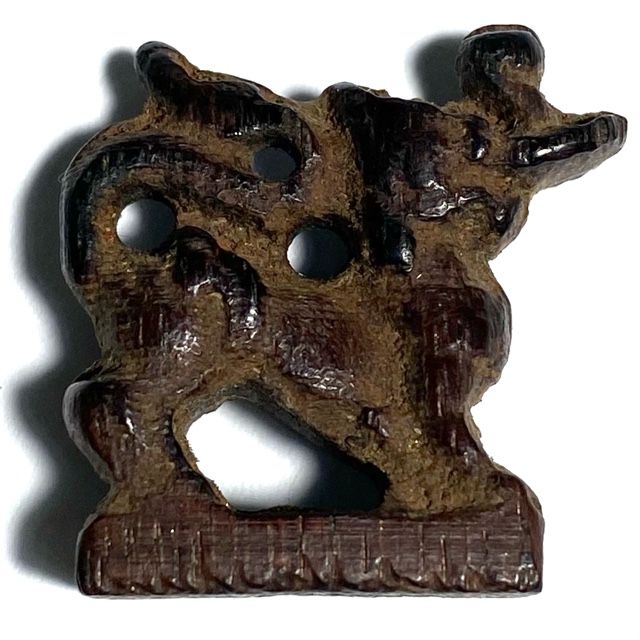
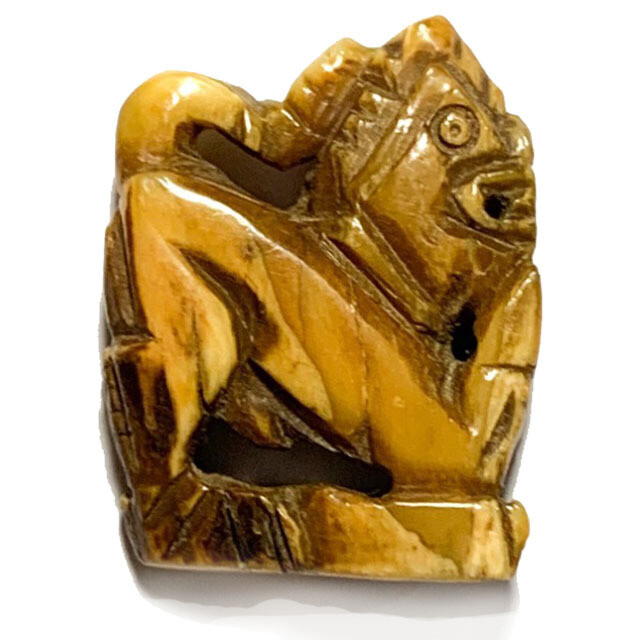
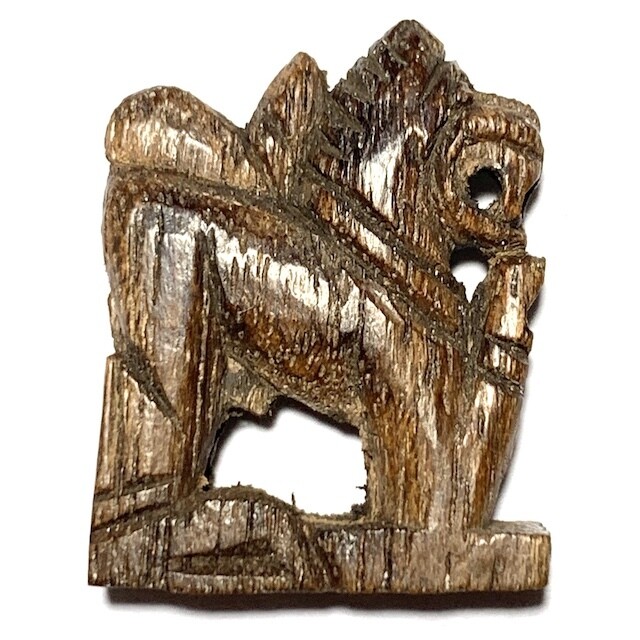
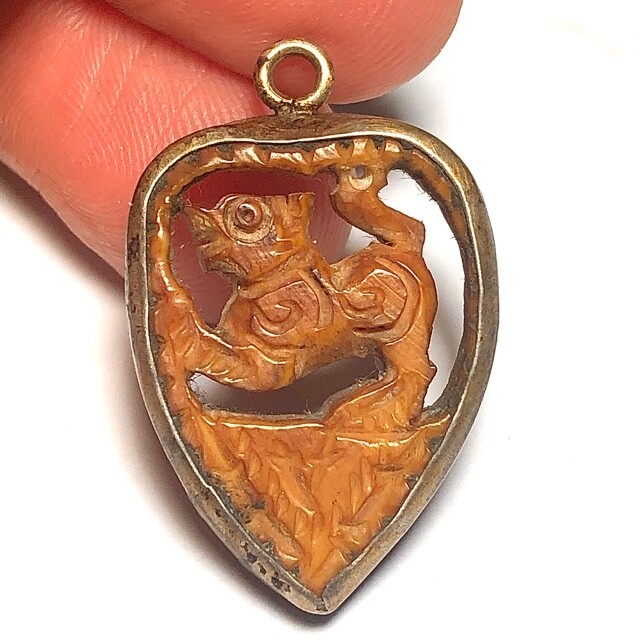
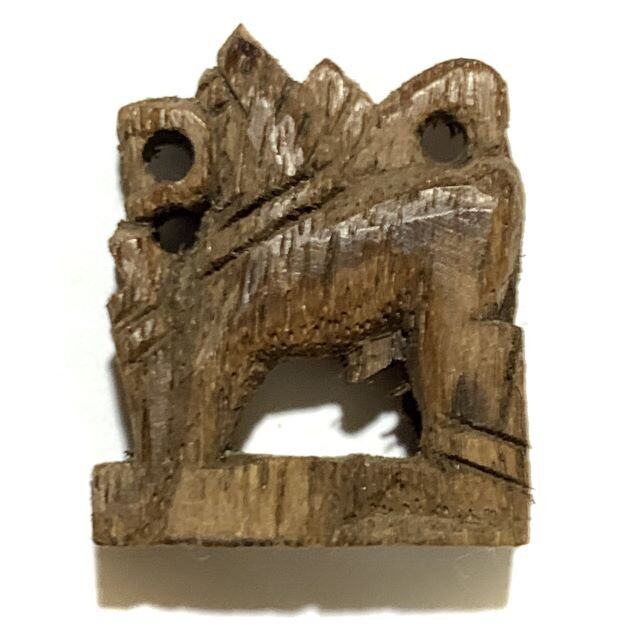
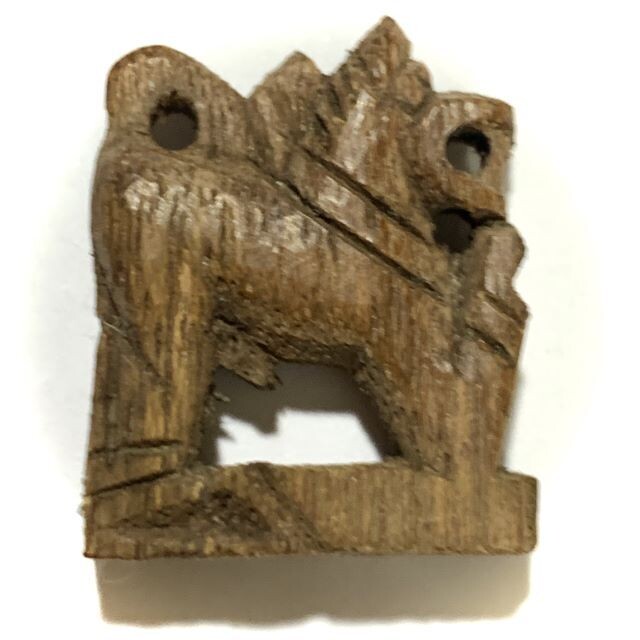
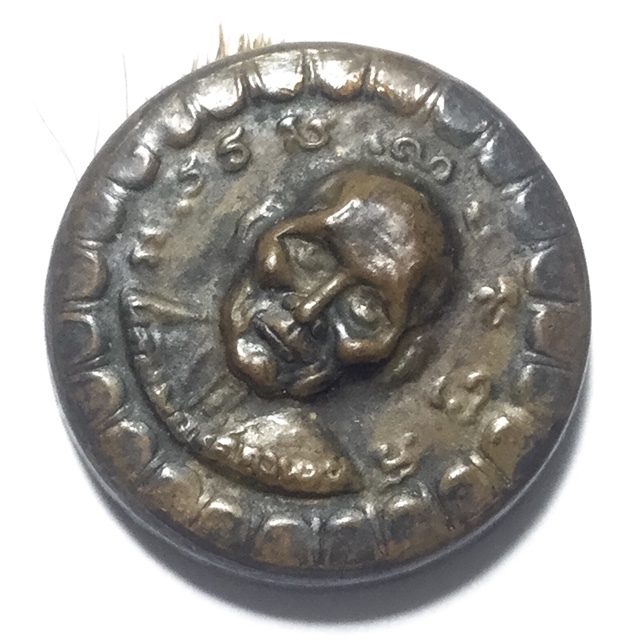
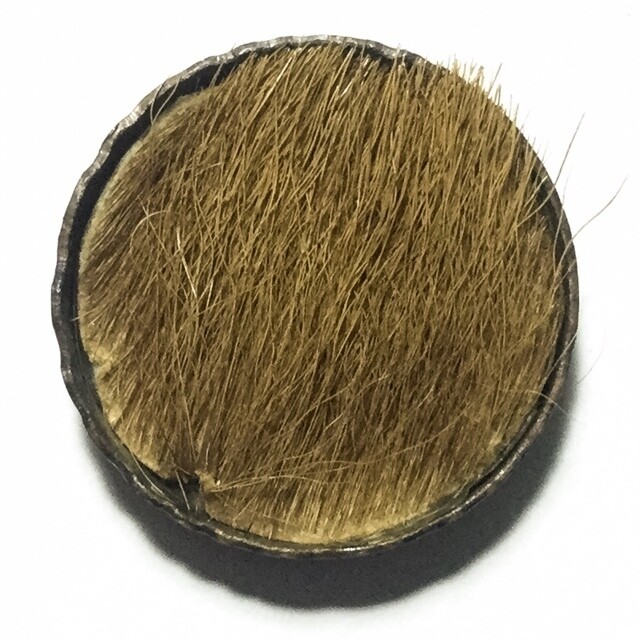
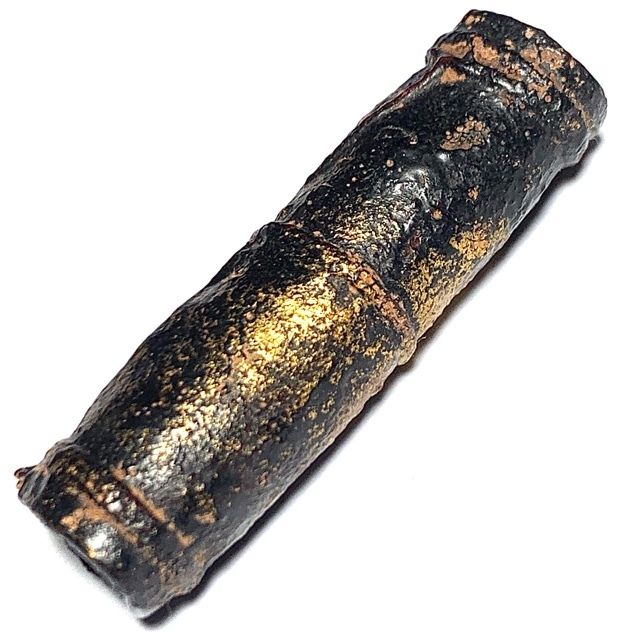
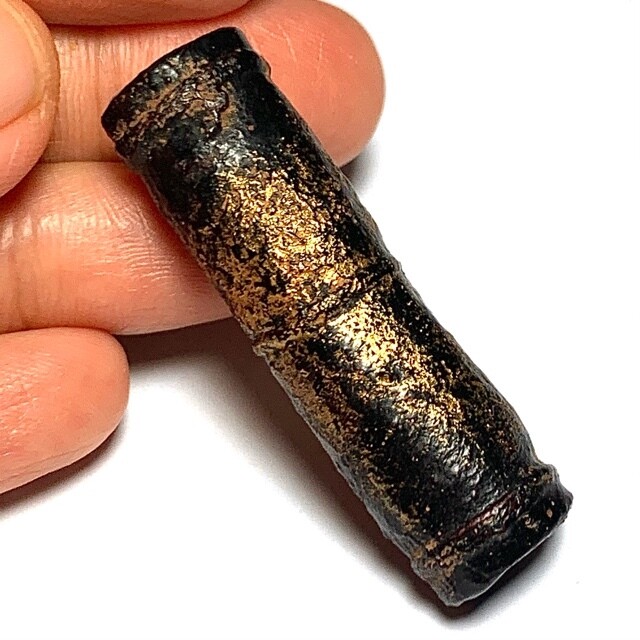
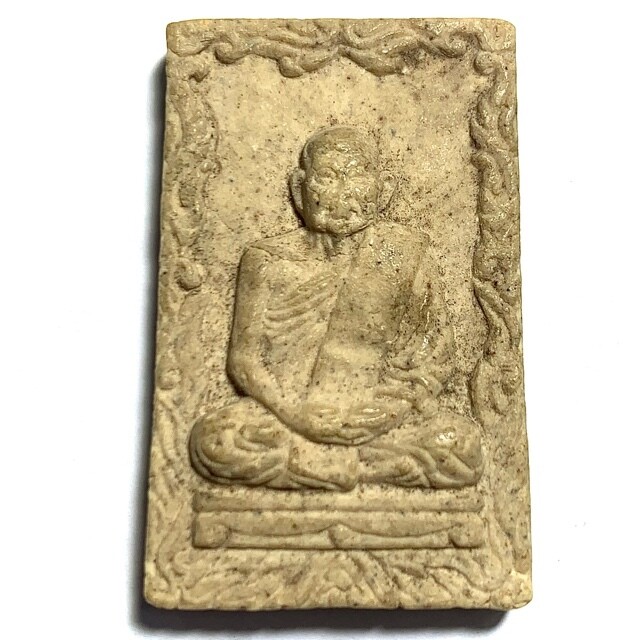
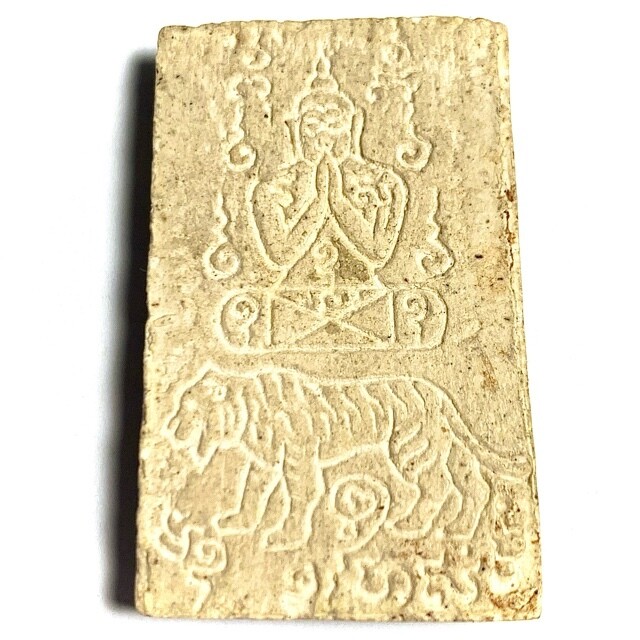
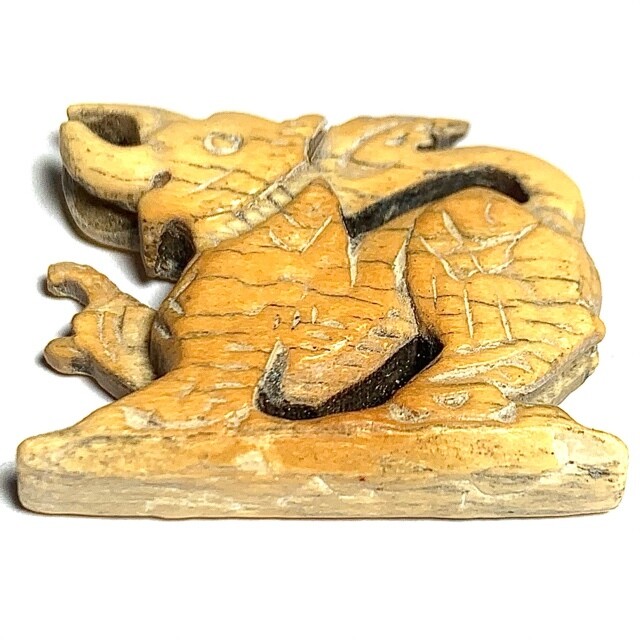
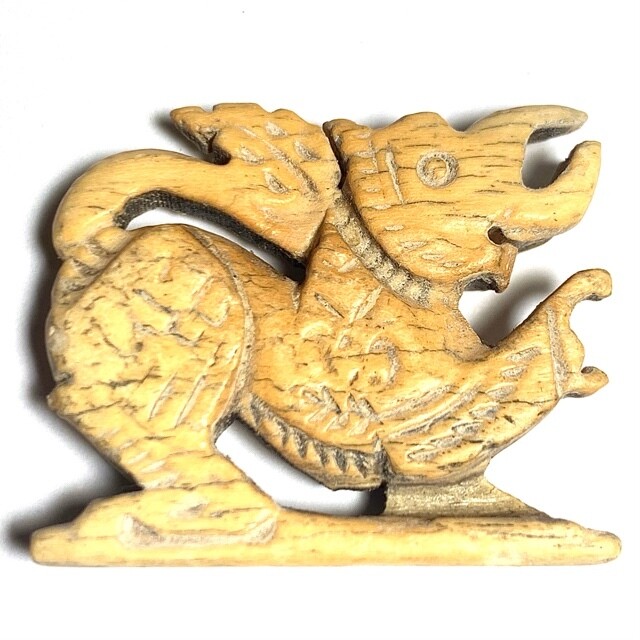
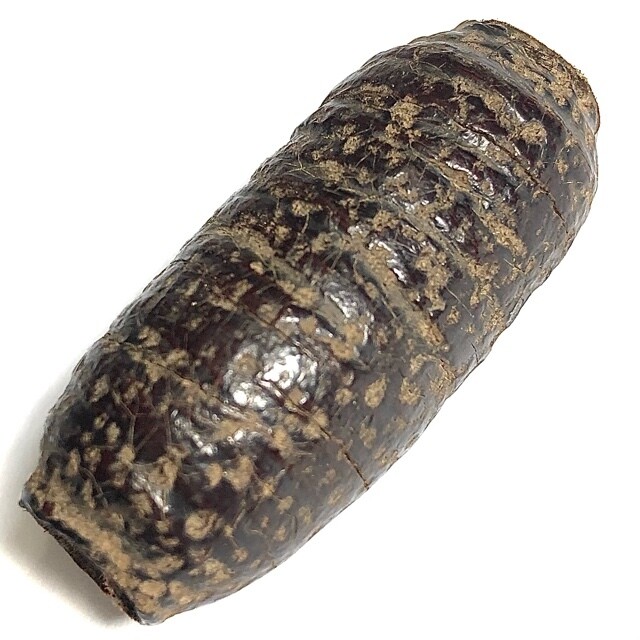
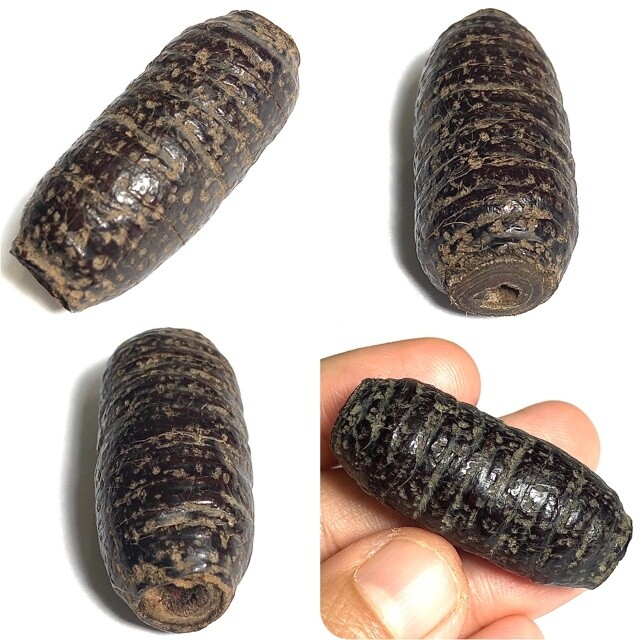
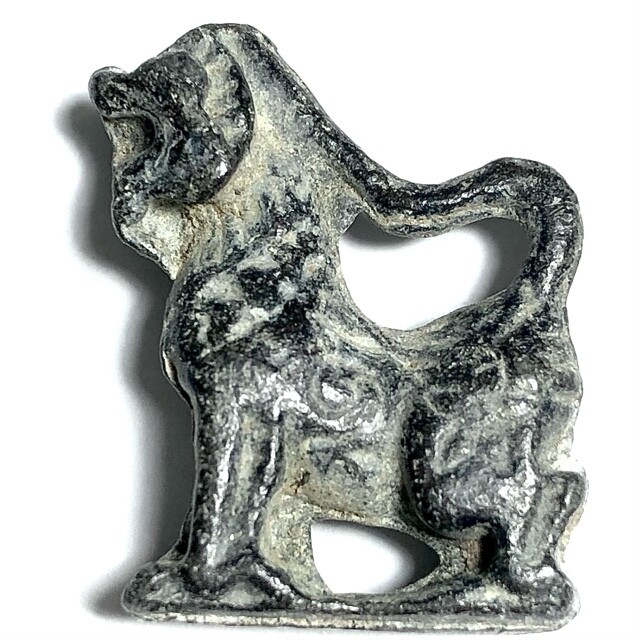
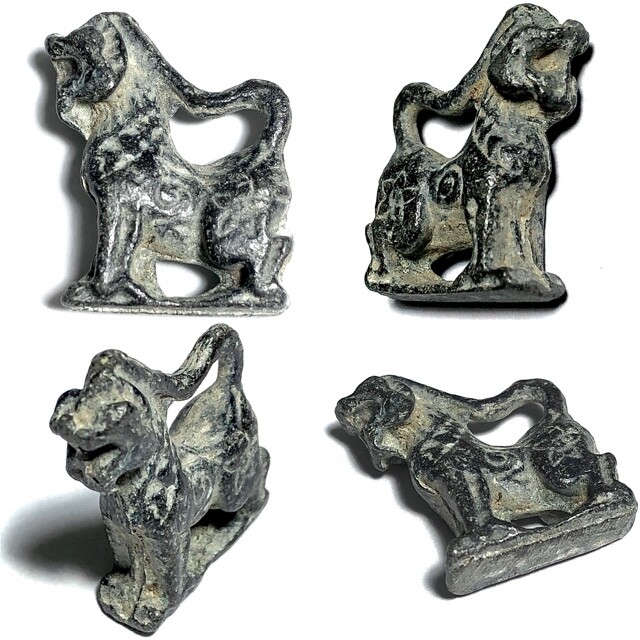
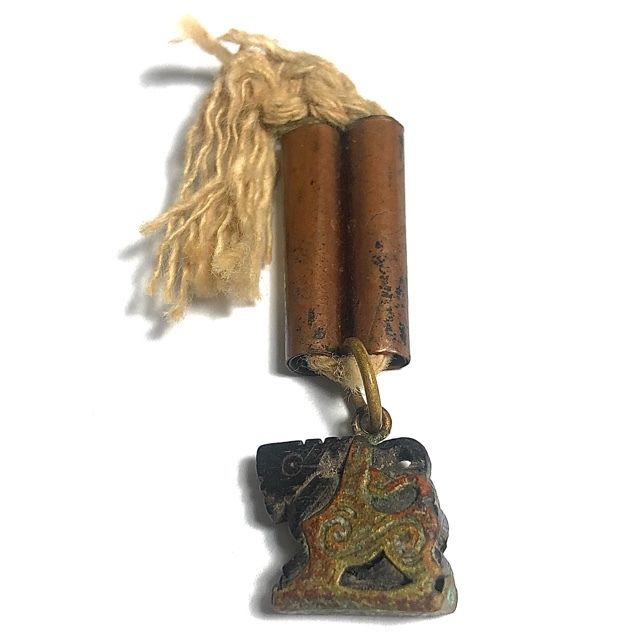
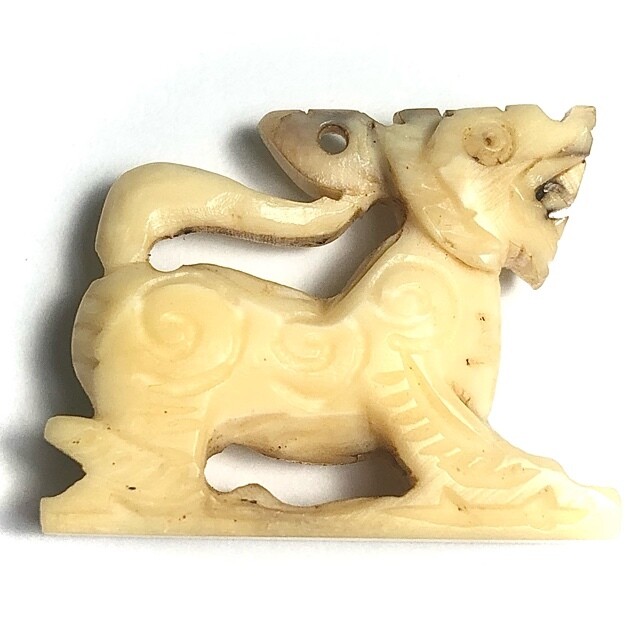
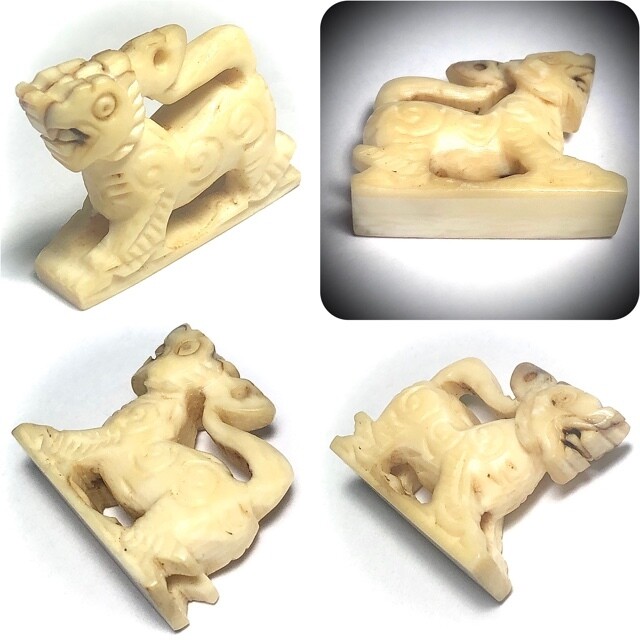
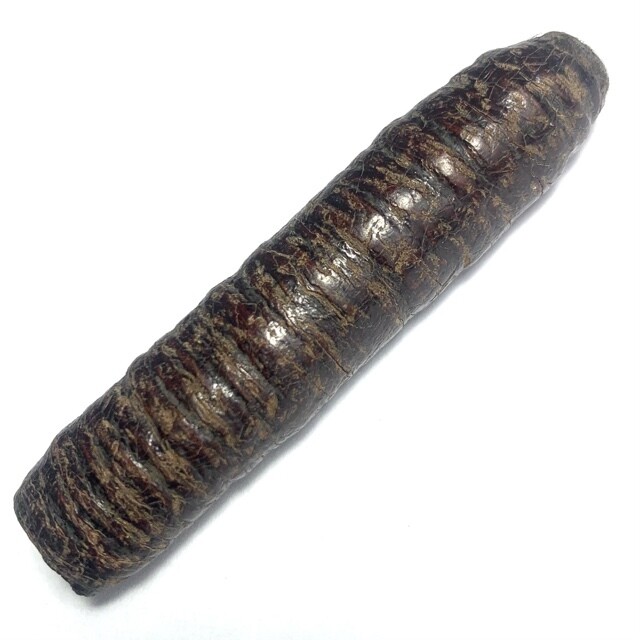
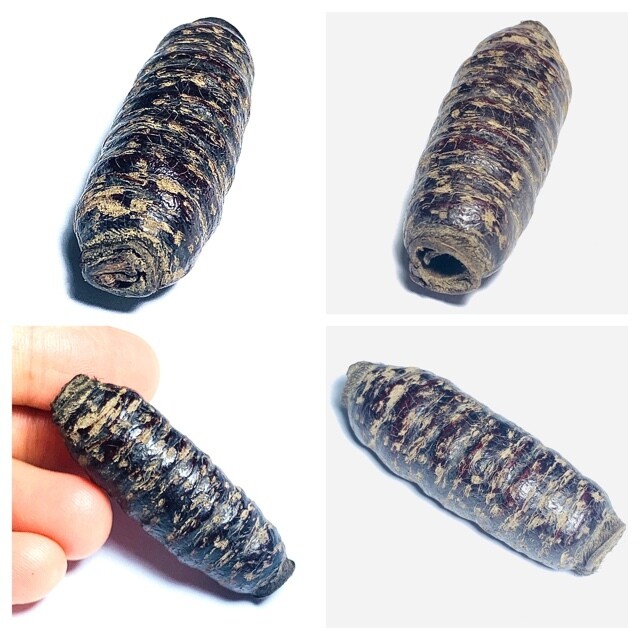
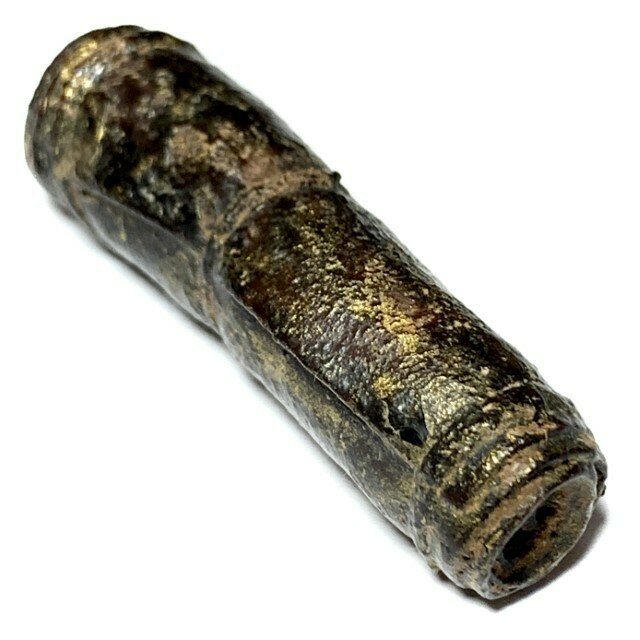
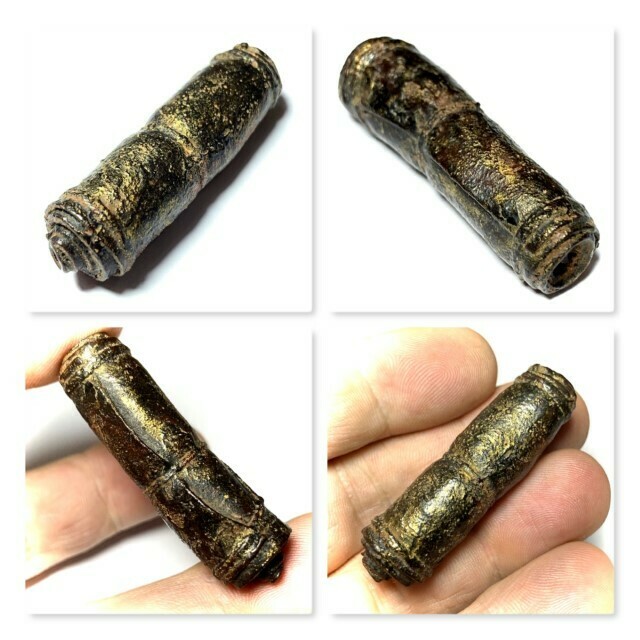
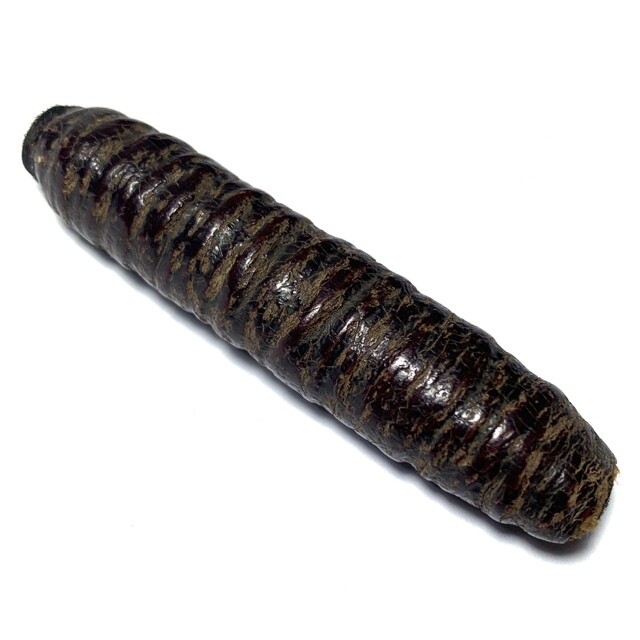
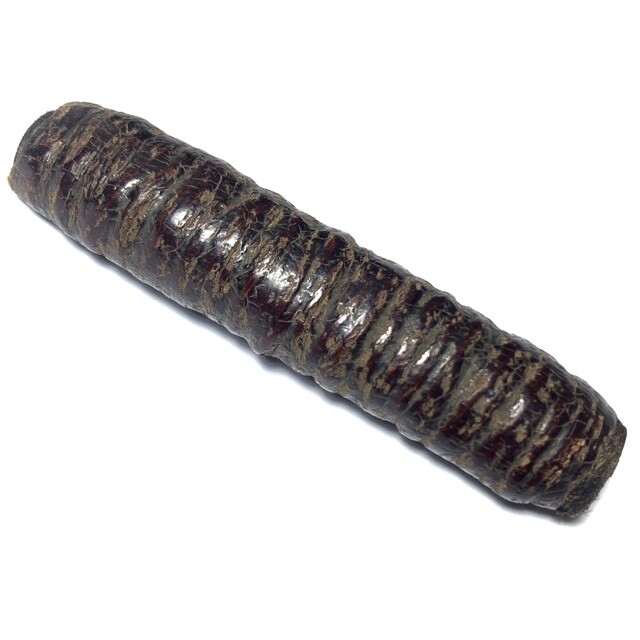
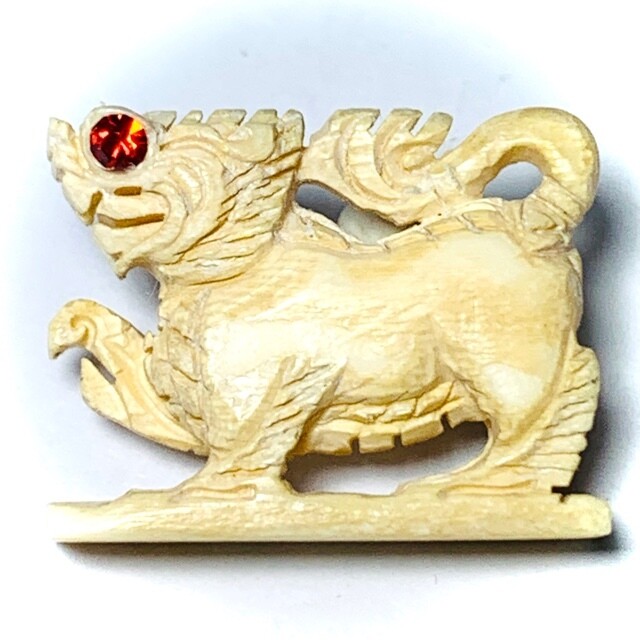
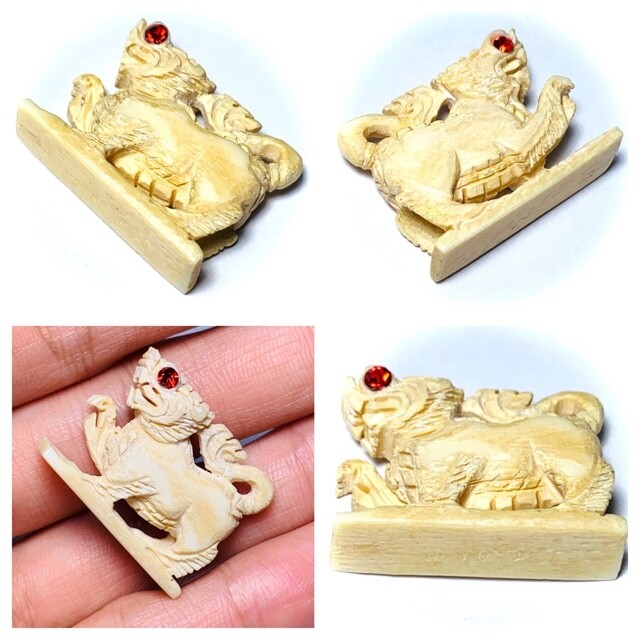
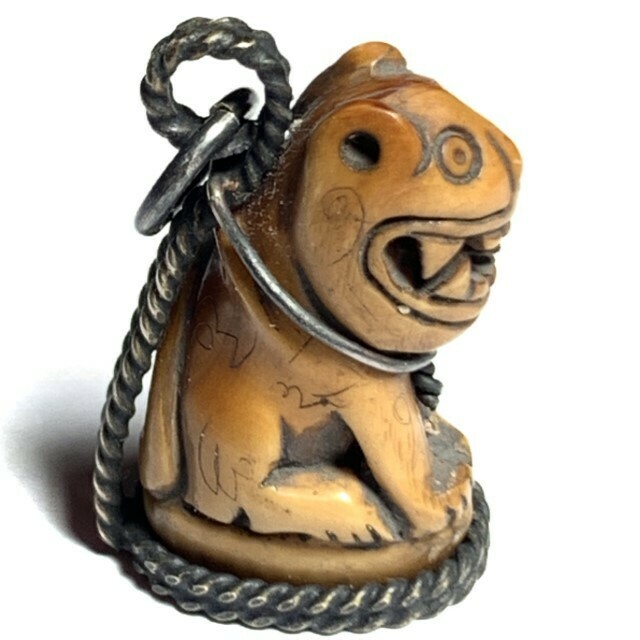
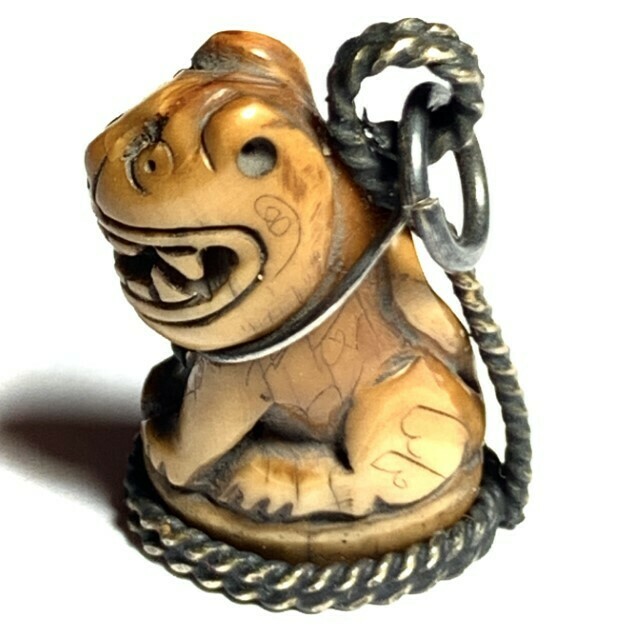
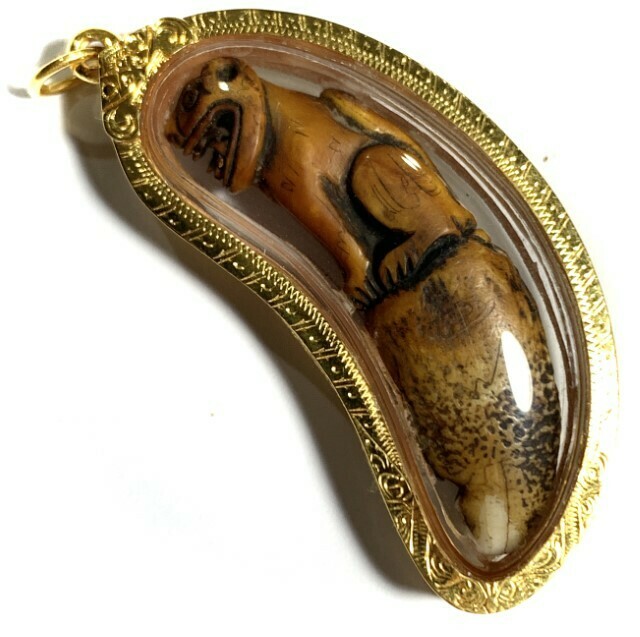
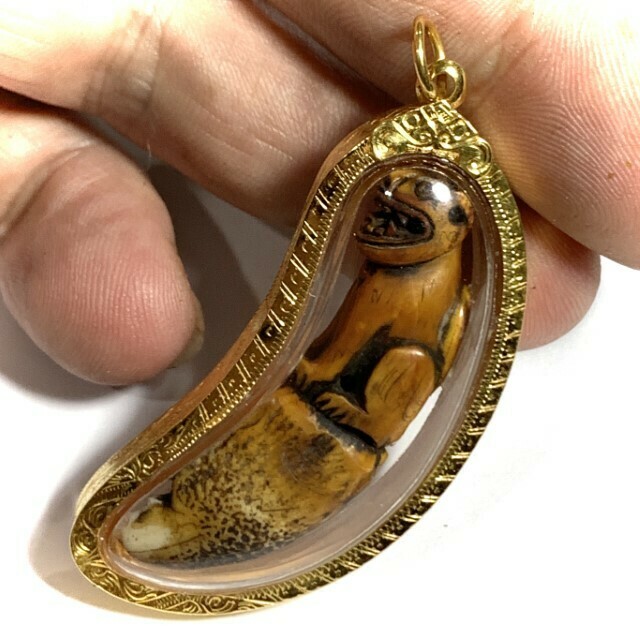
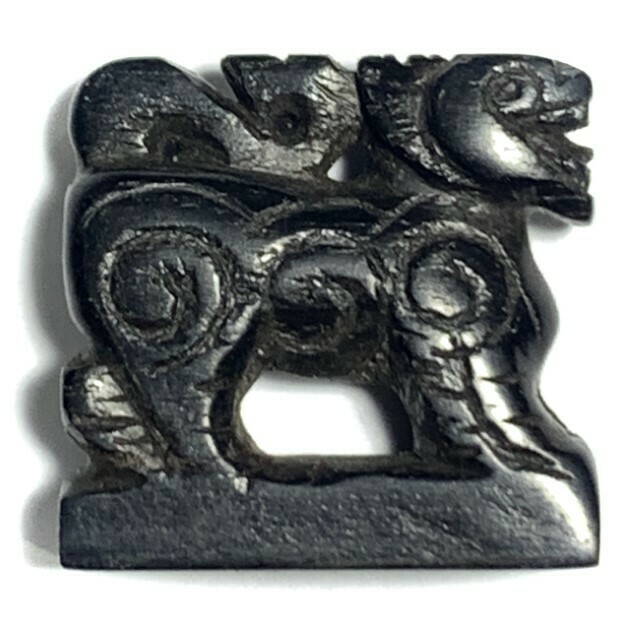
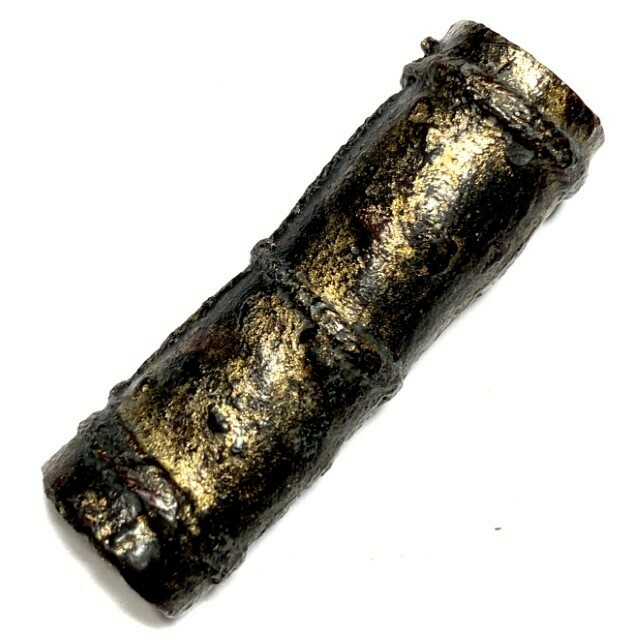
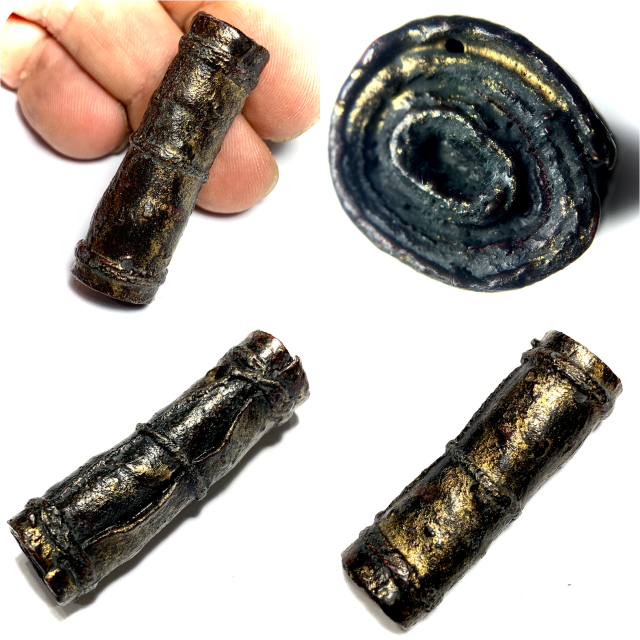
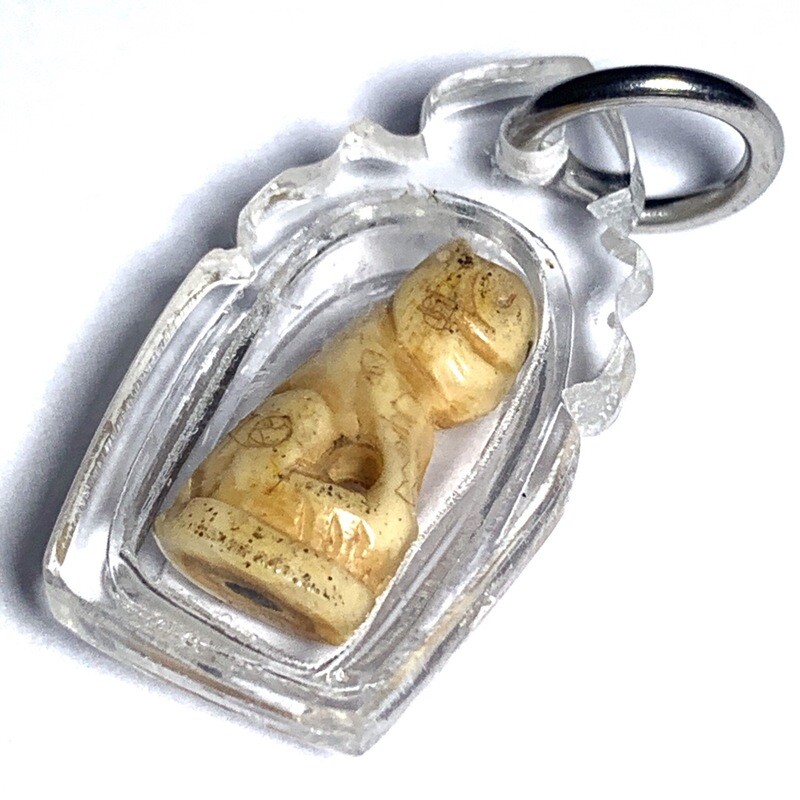
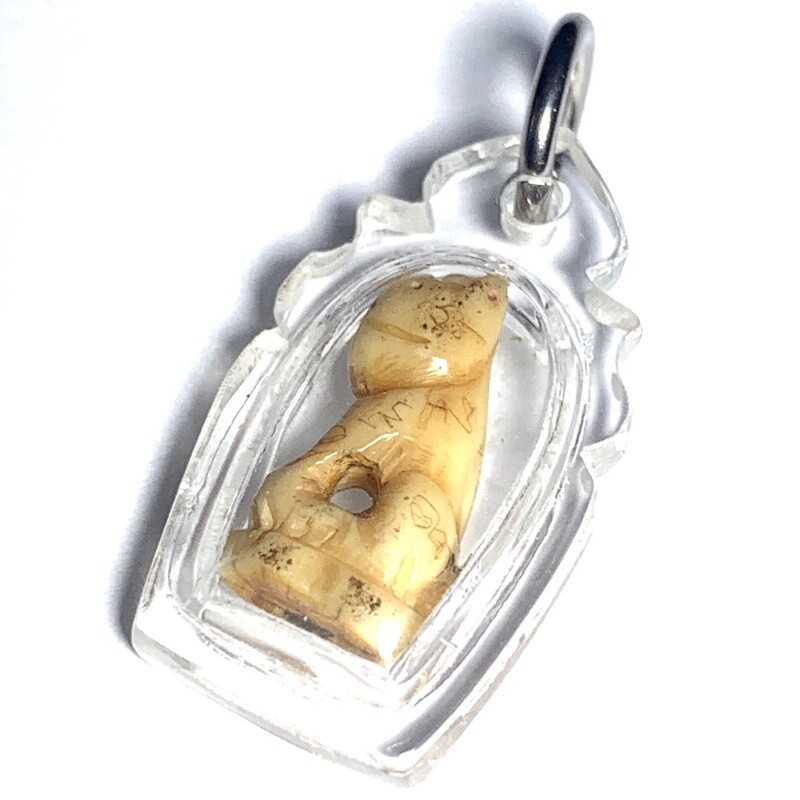
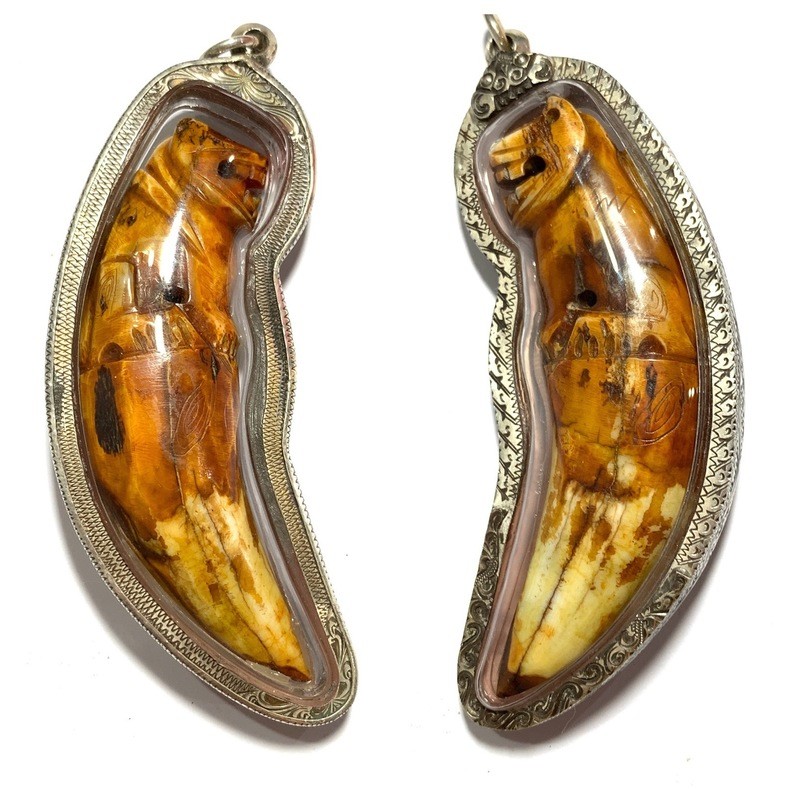
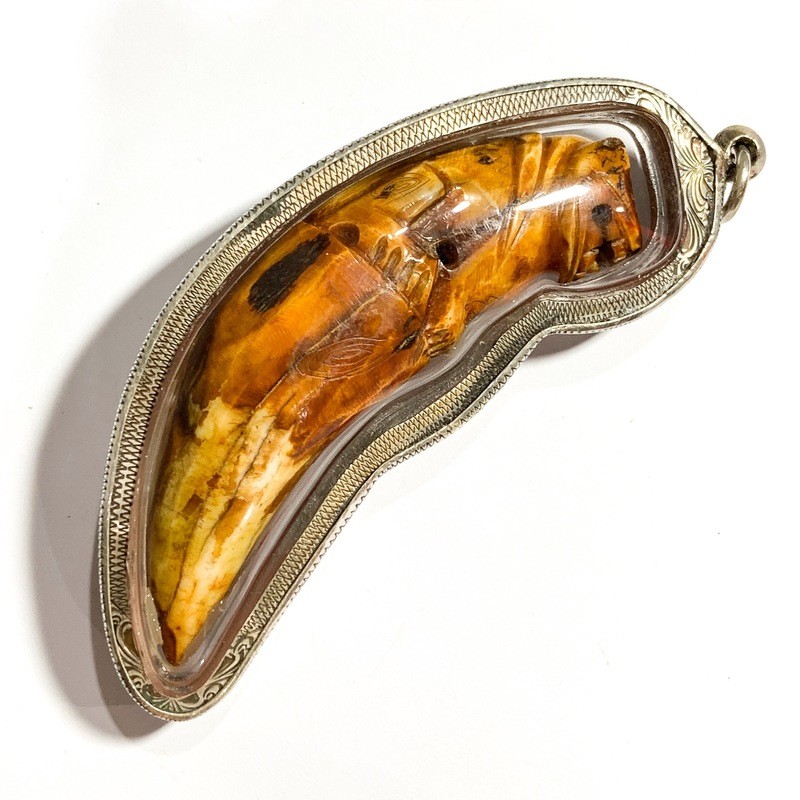
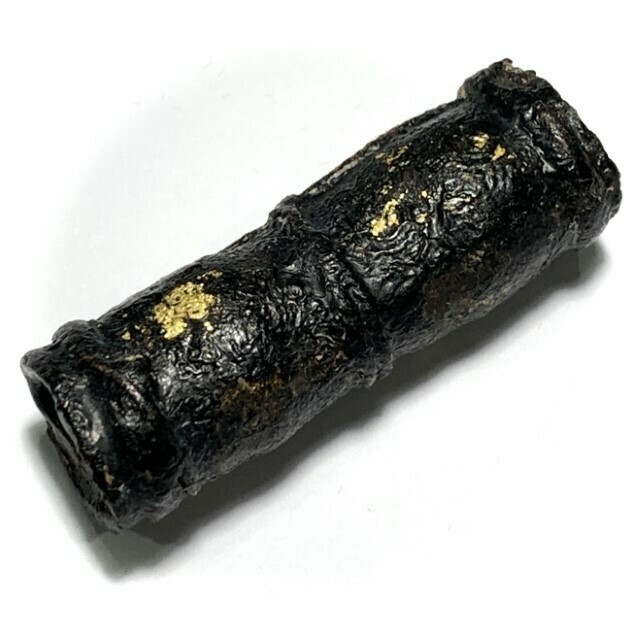
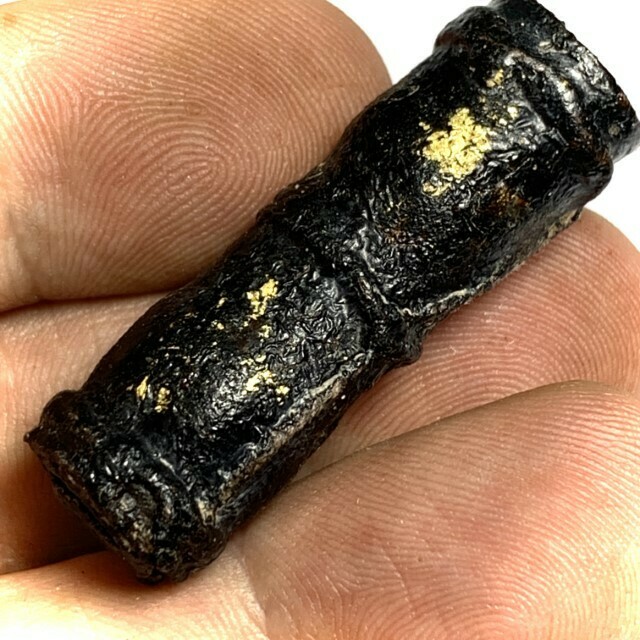
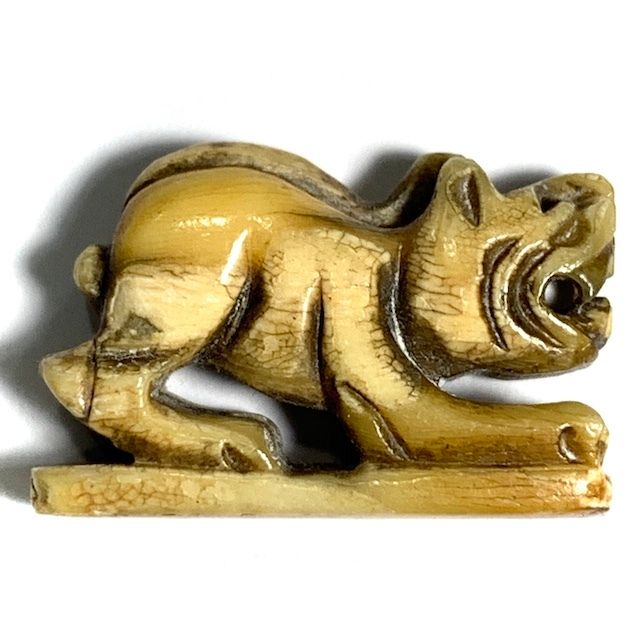
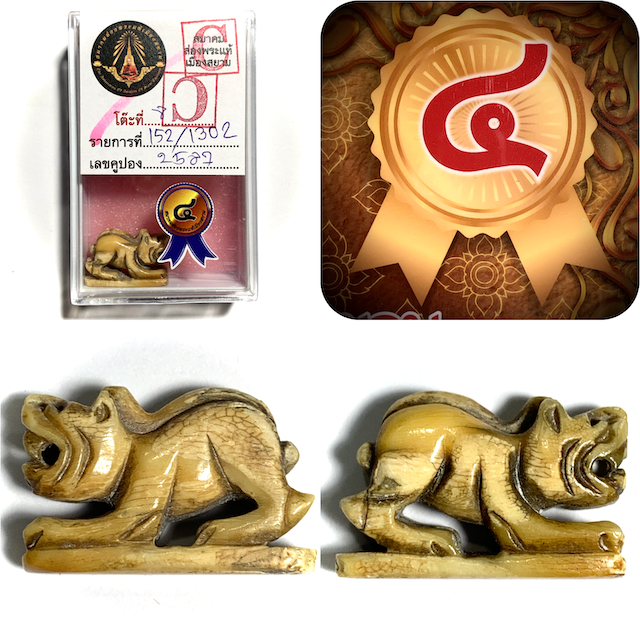
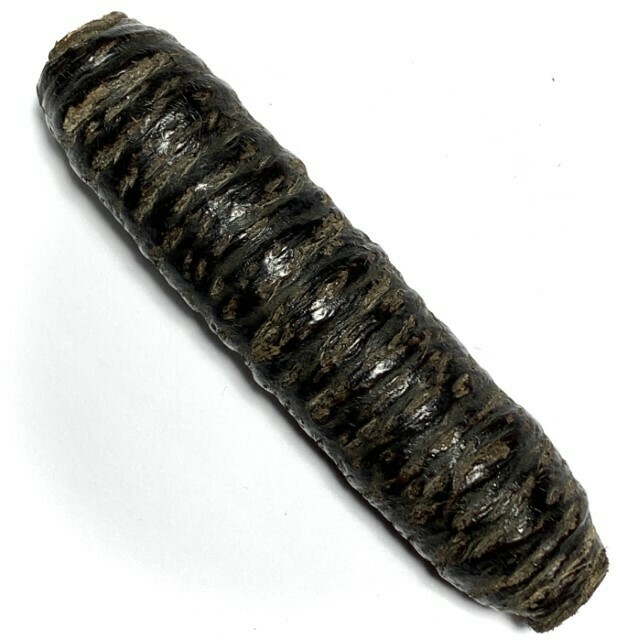
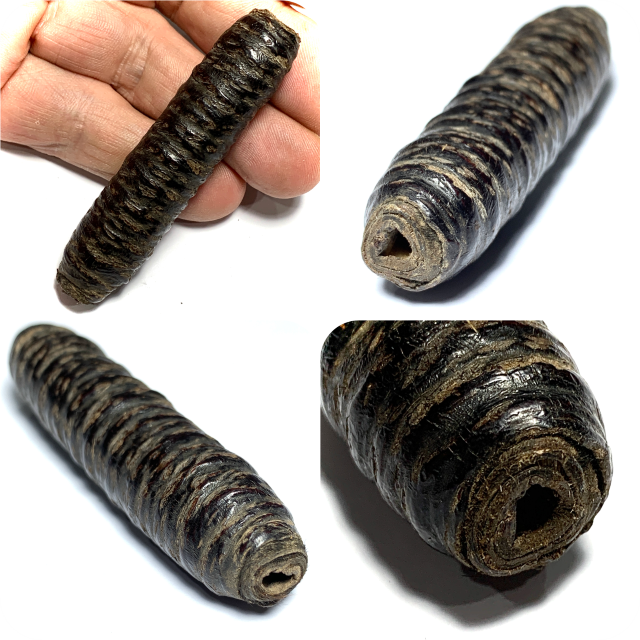
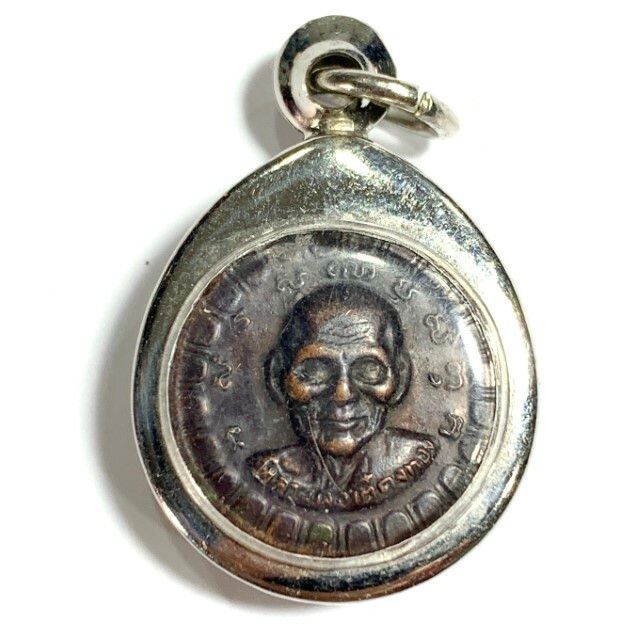
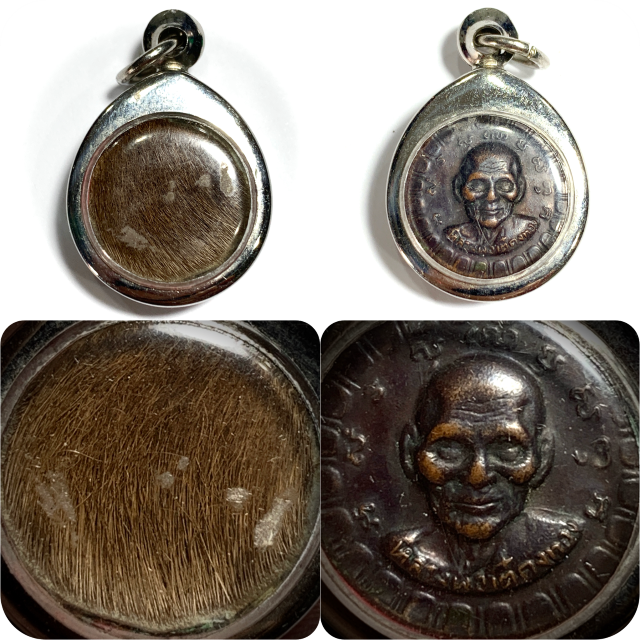
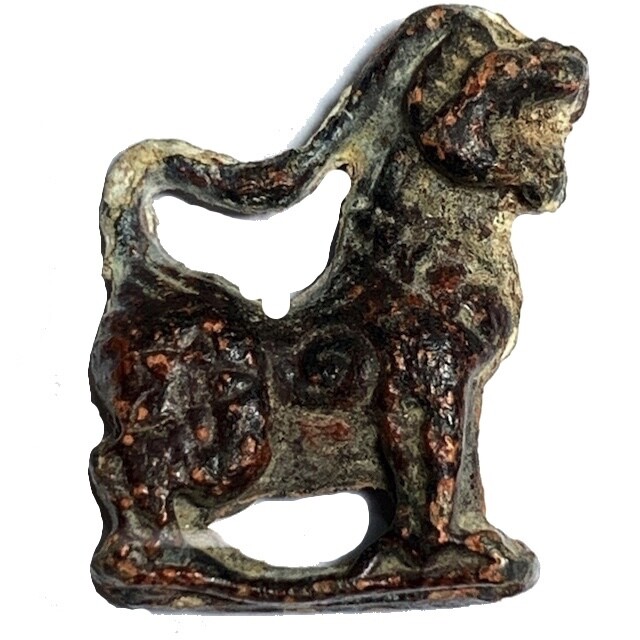
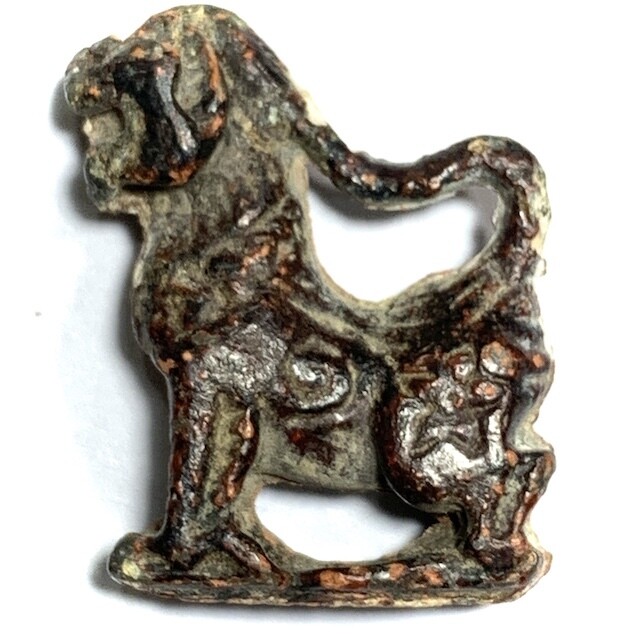
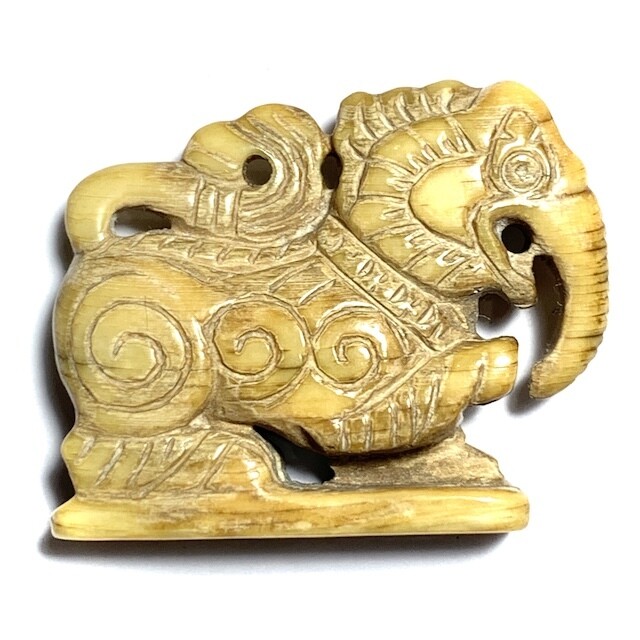
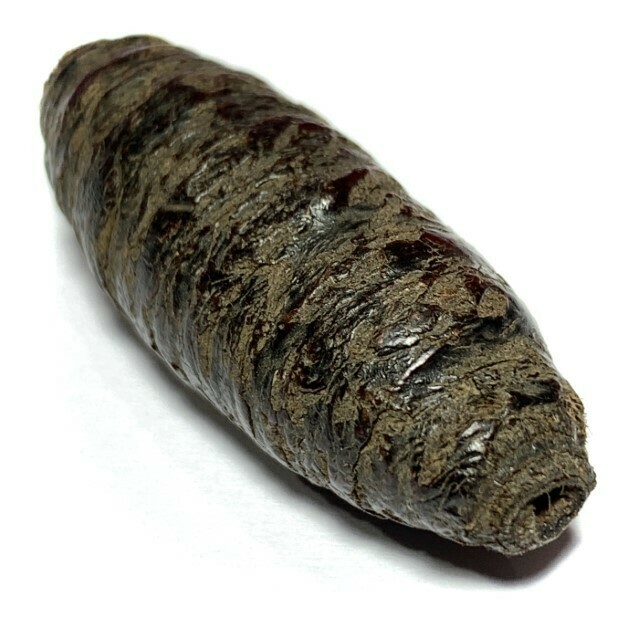
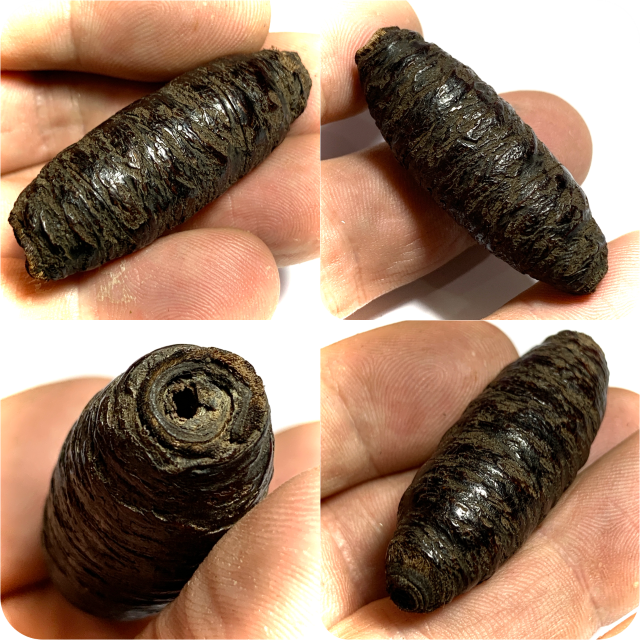
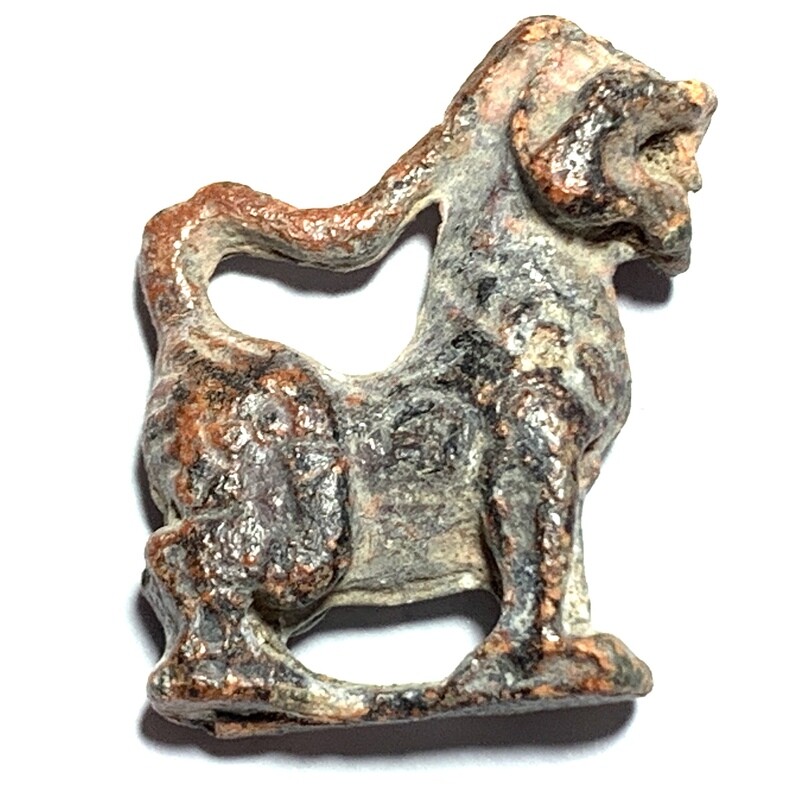
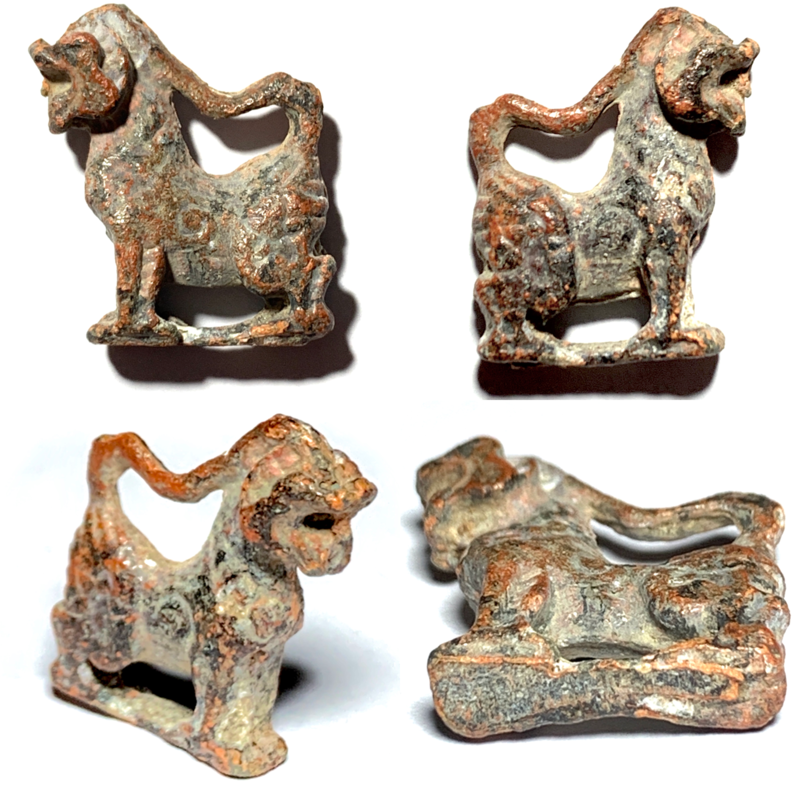
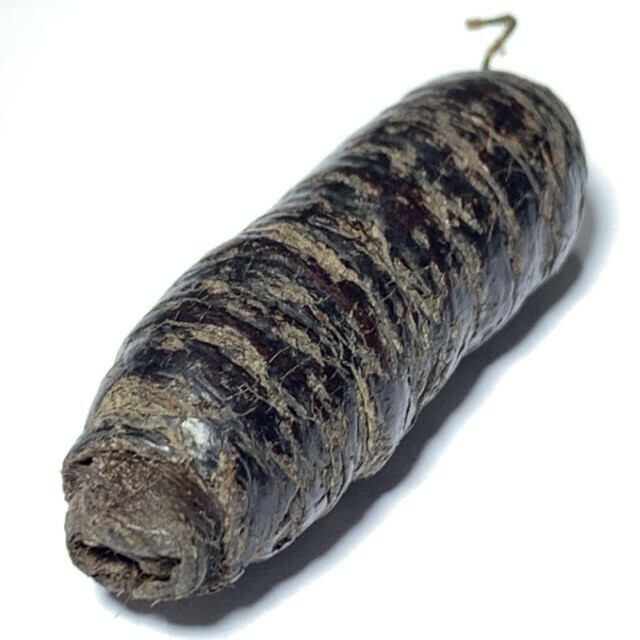
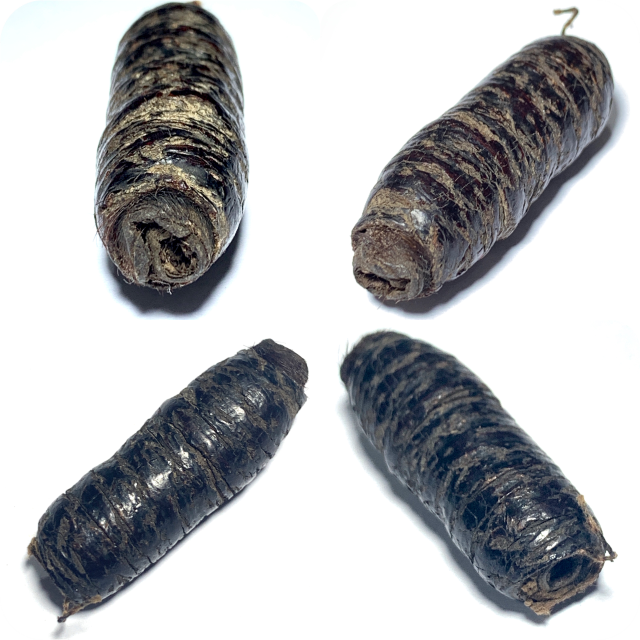
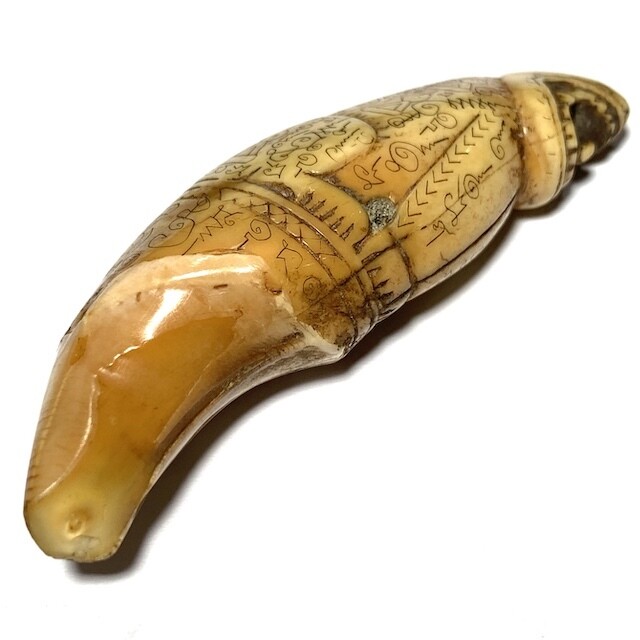
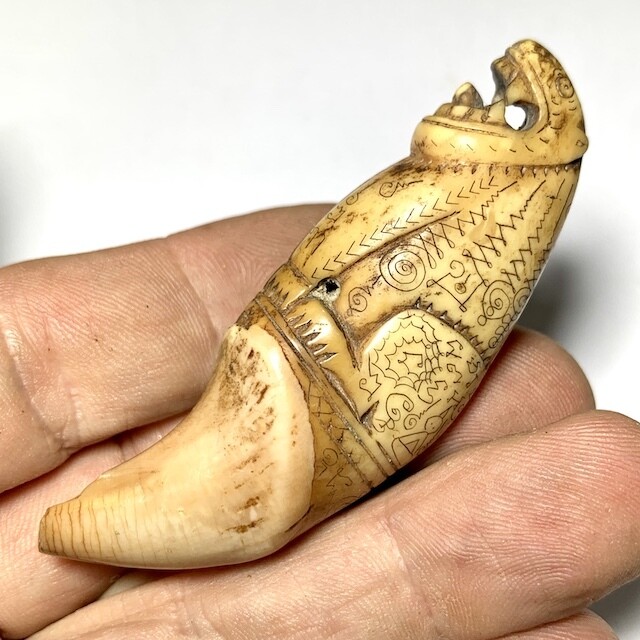
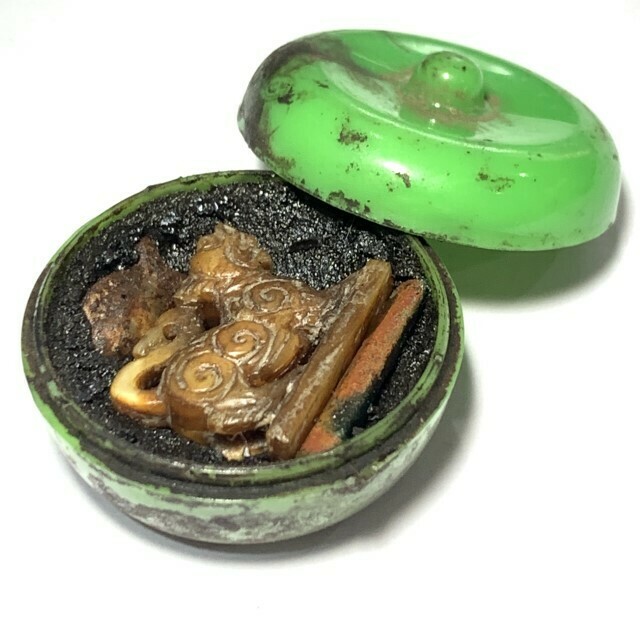
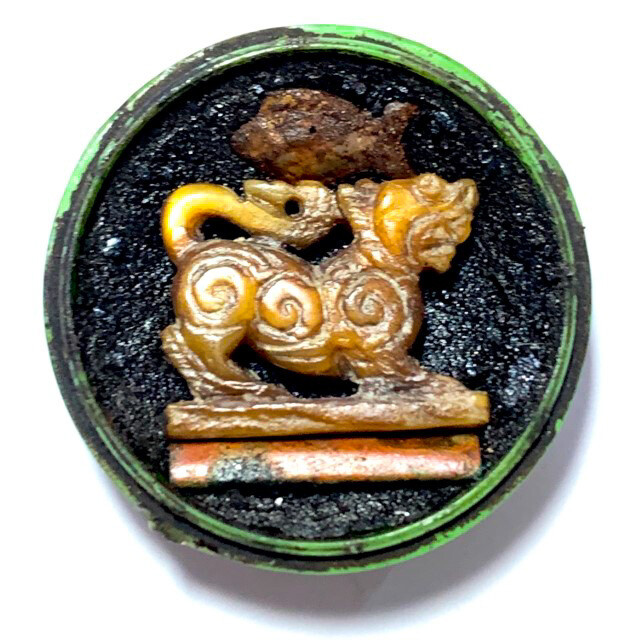
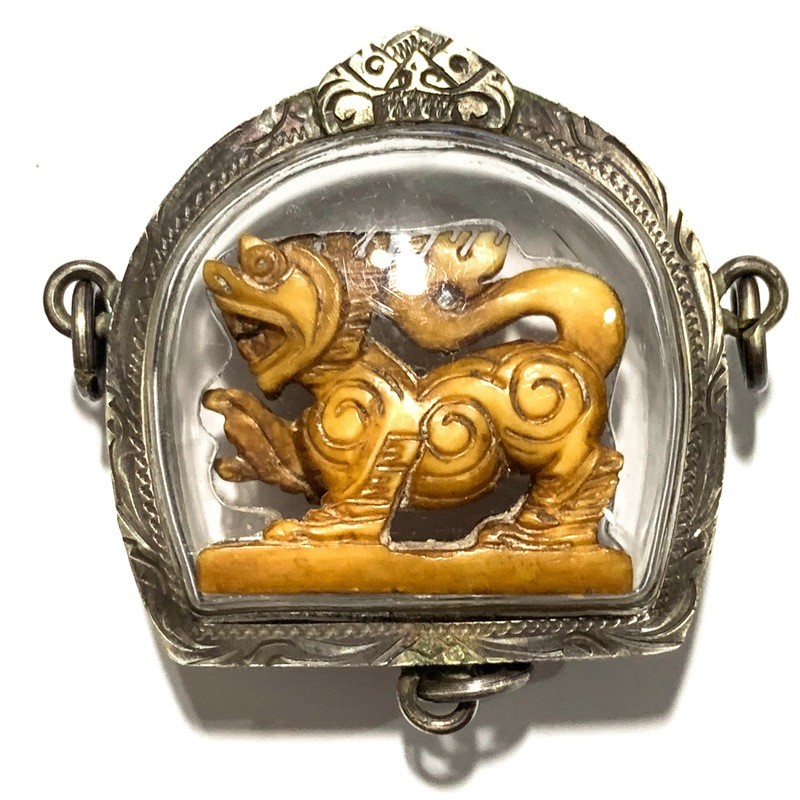
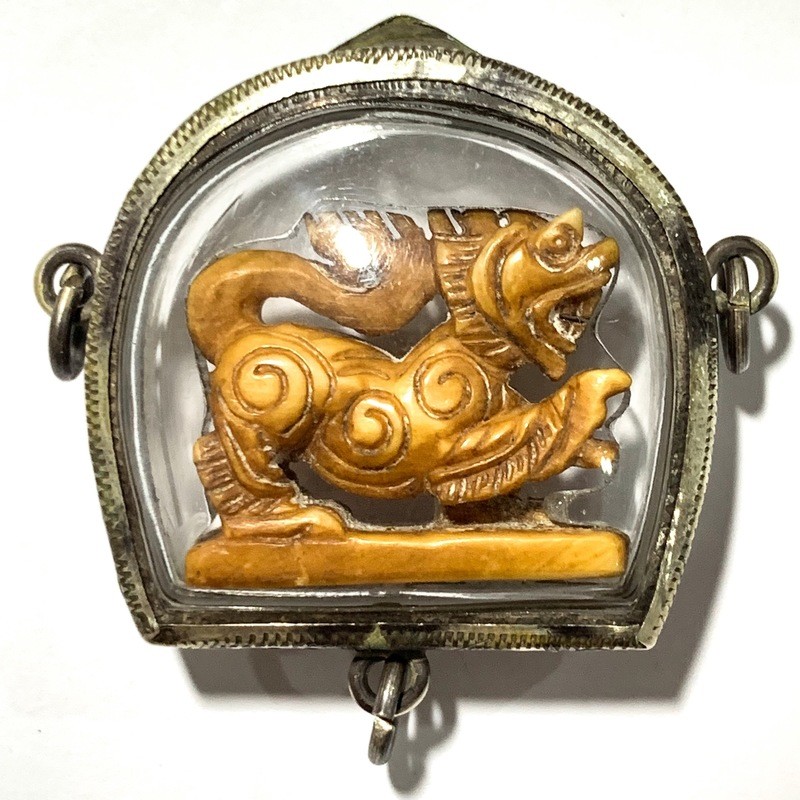
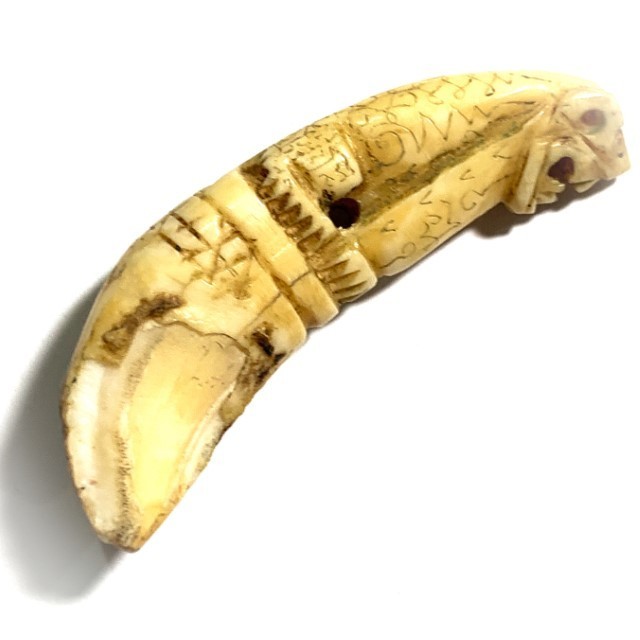
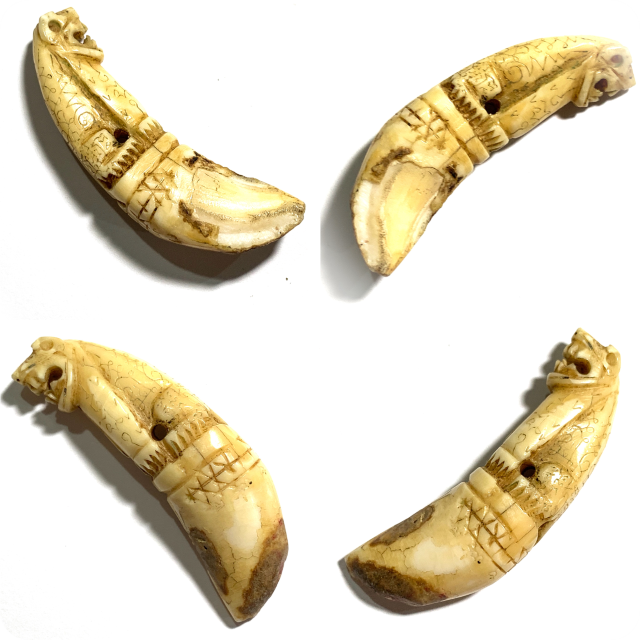
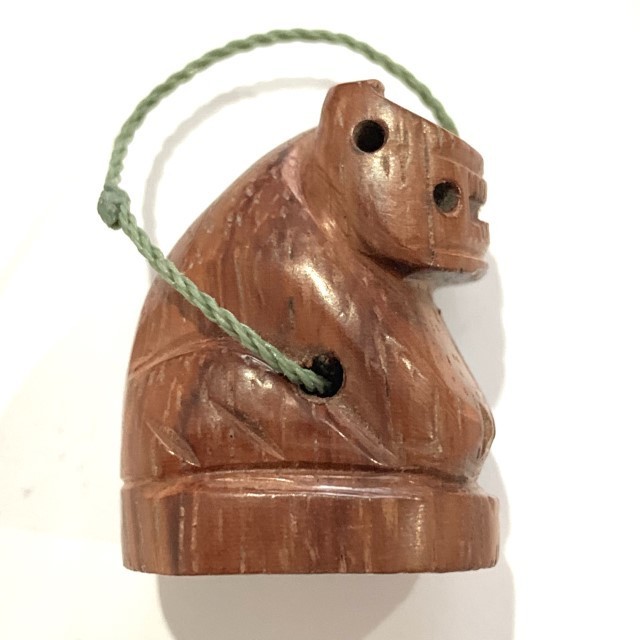
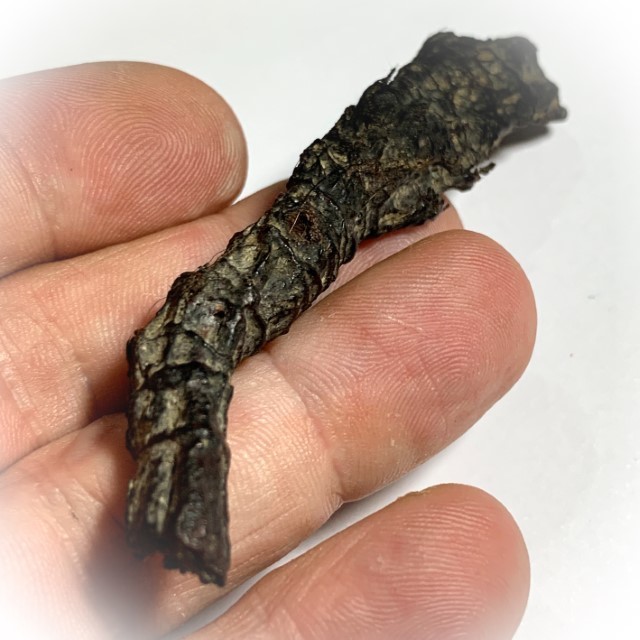
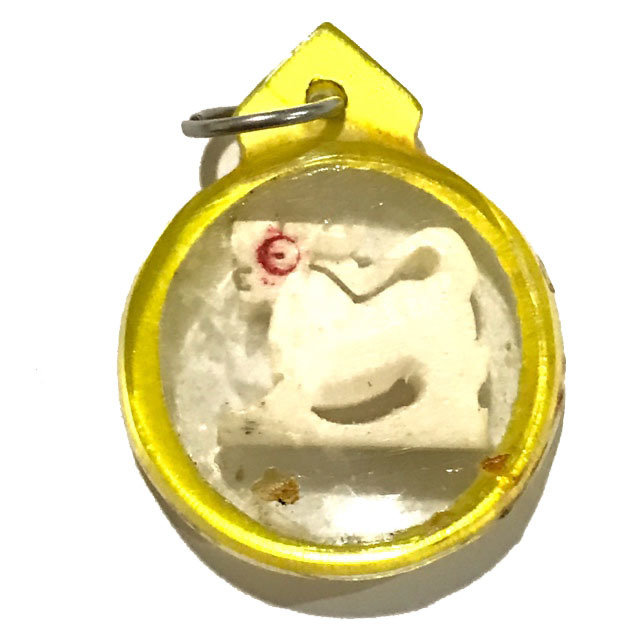
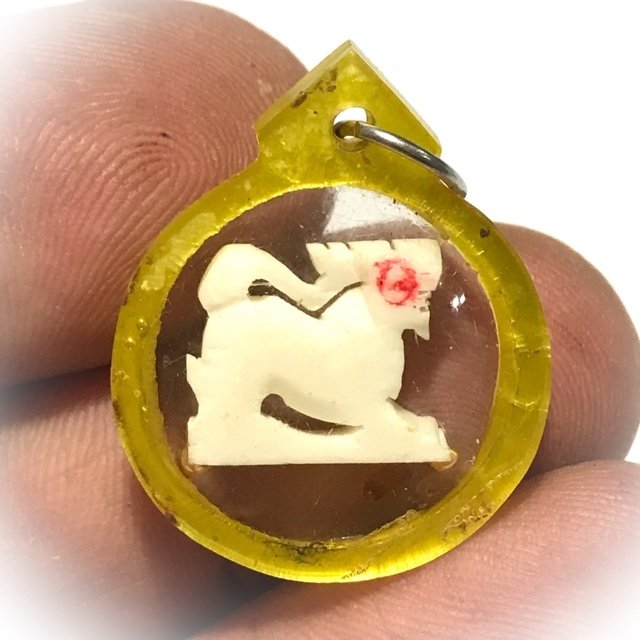
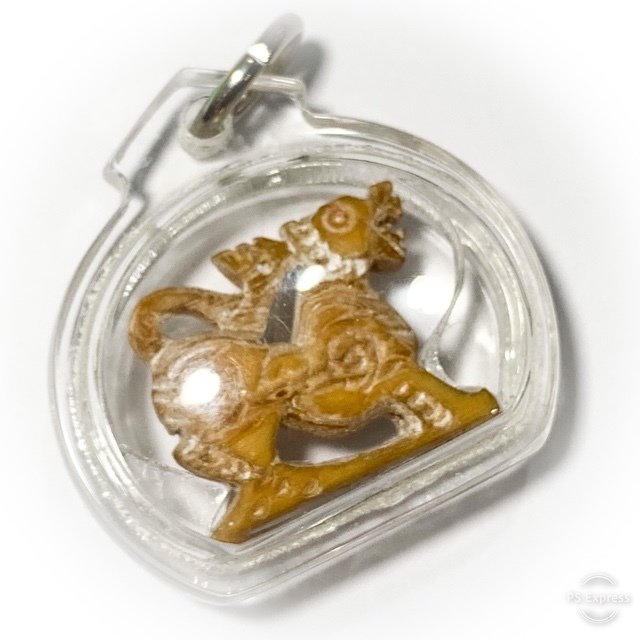
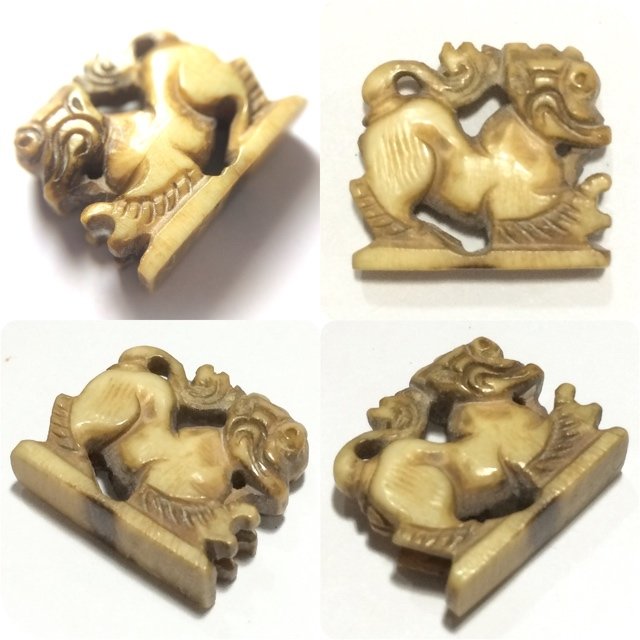
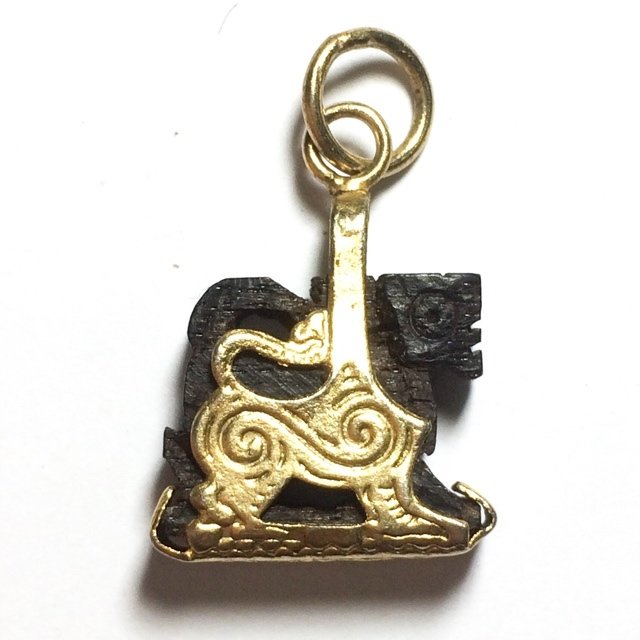
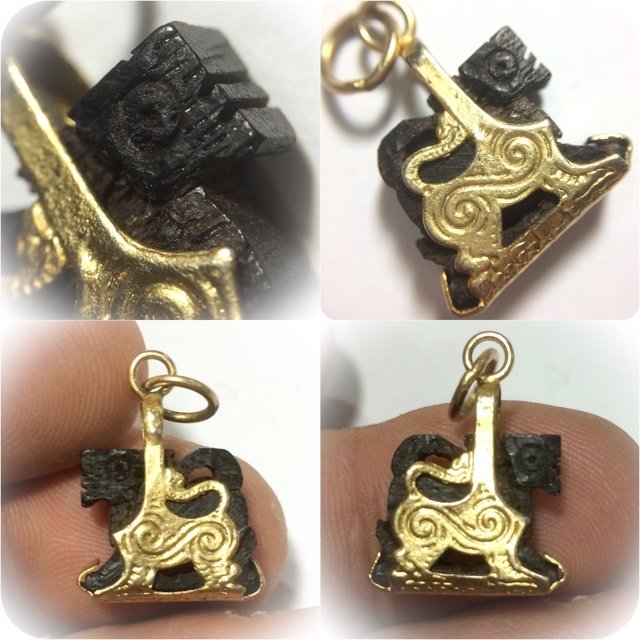
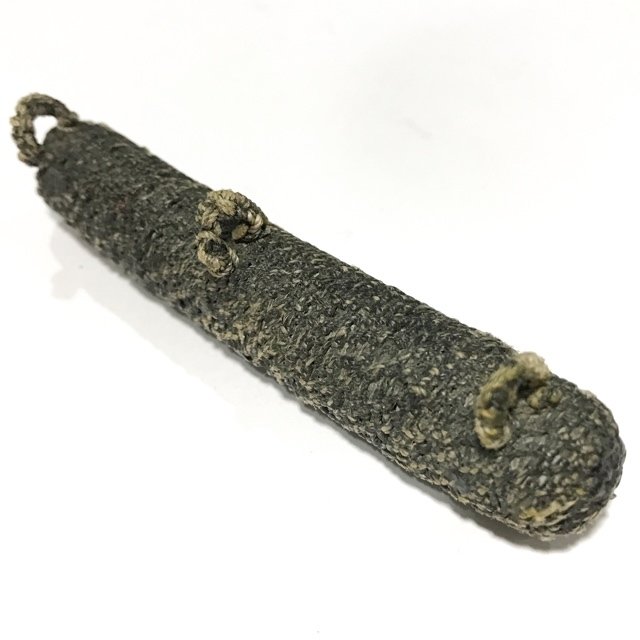




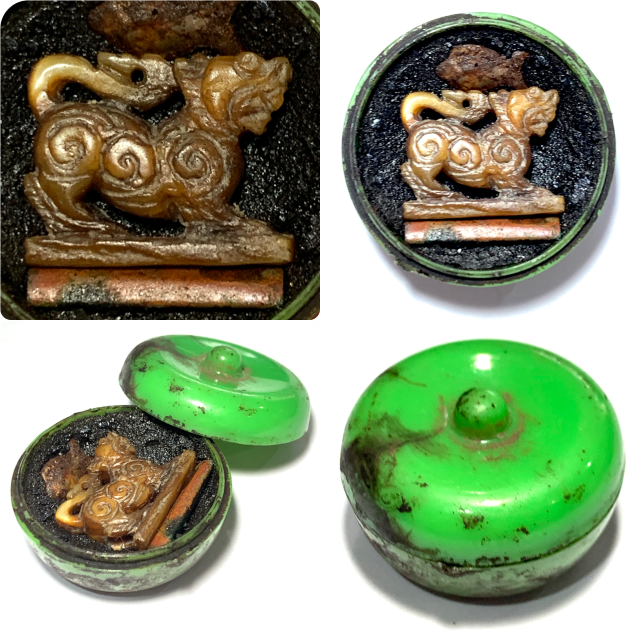




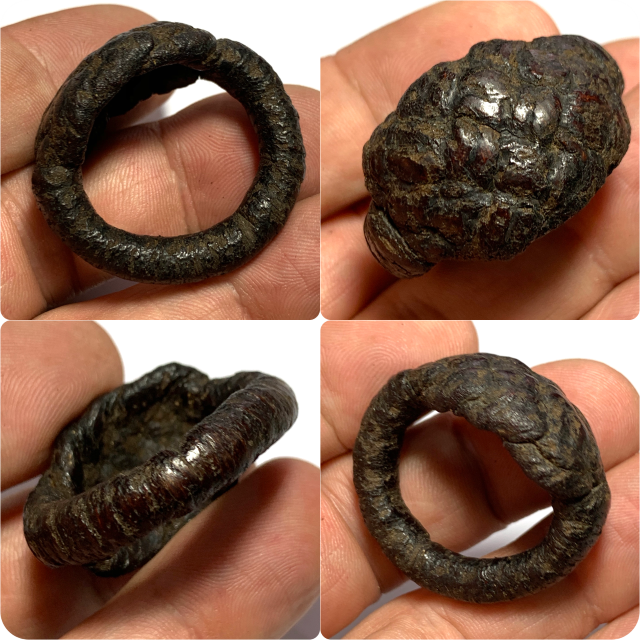
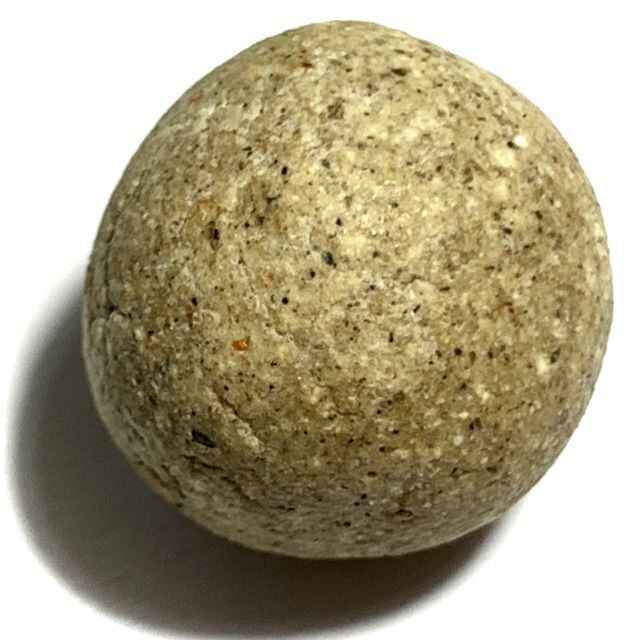
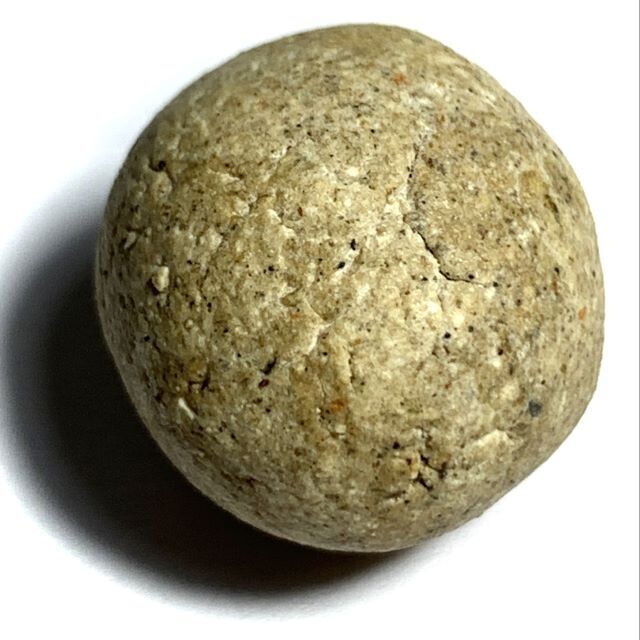
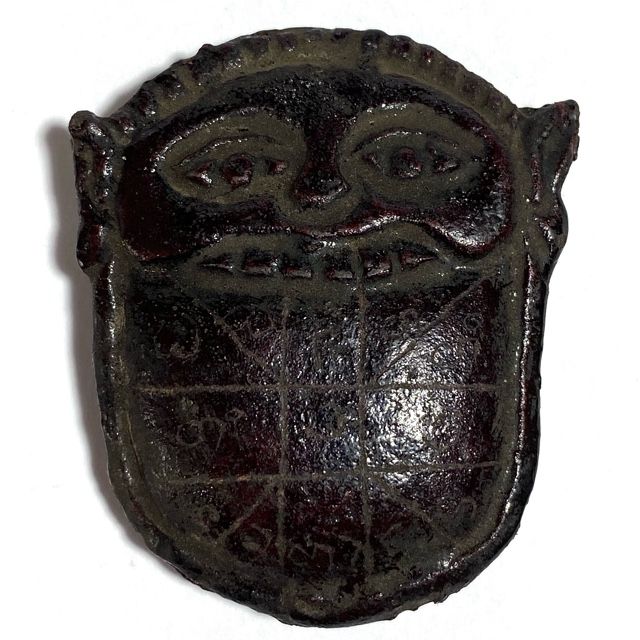
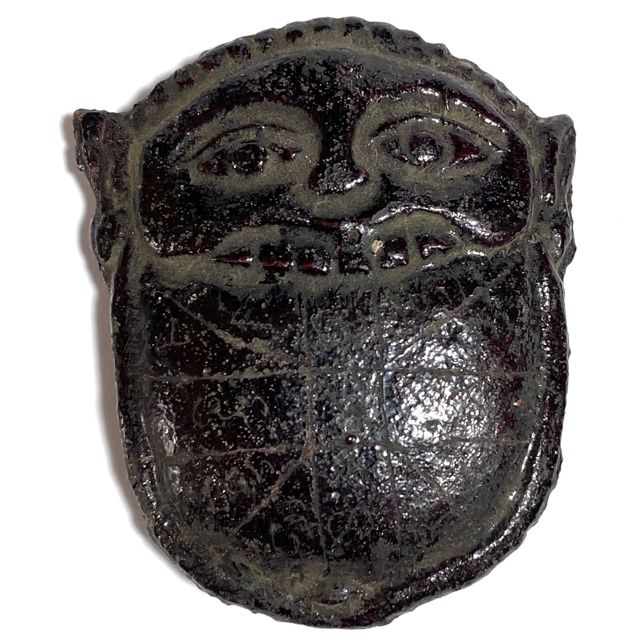
 Free EMS Registered Airmail Worldwide is included with this amulet. Estimated Circa 2450 BE or earlier. Luang Por Muang Jantasaro of Wat Ban Tuan, Amper Ban Tuan, Kanjanaburi Province, is an Old Gaeji Ajarn Guru Monk of Great Fame who was in his Heyday during the First World War. He was around in the same era as the Great Luang Por Ngern of Wat Bang Klan, and was a very famous and revered Master during those days.


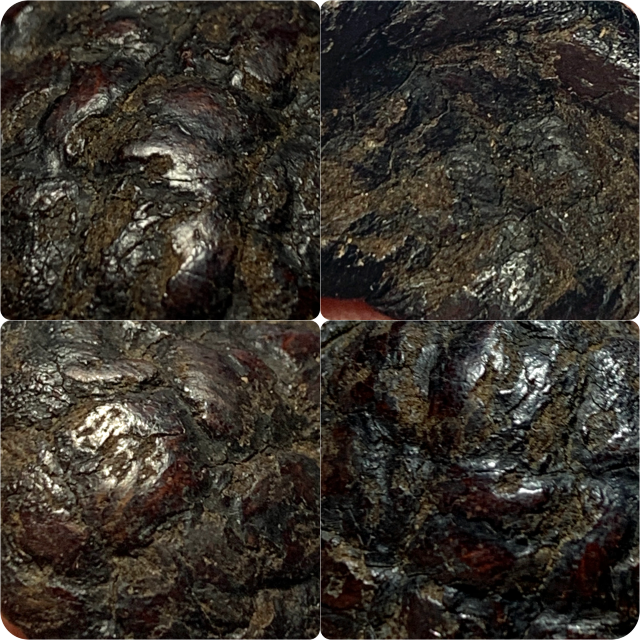


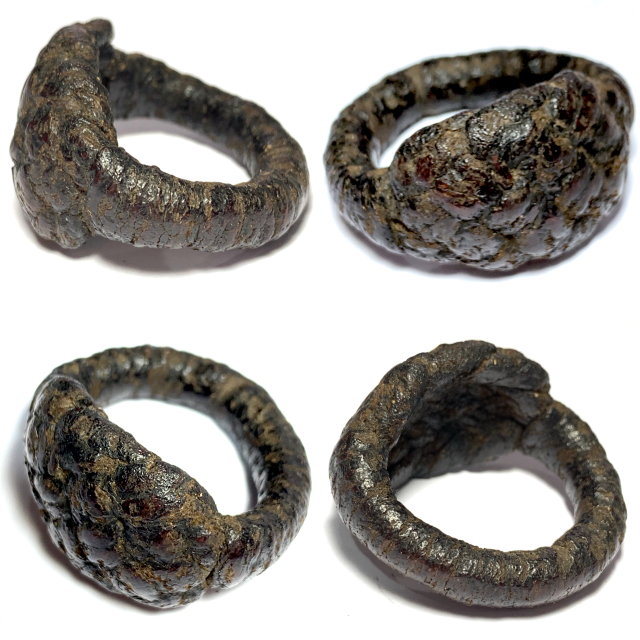
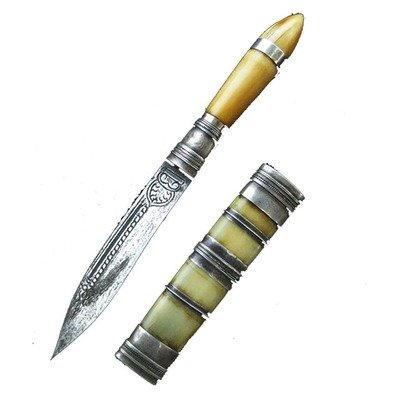
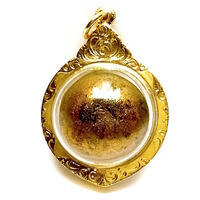
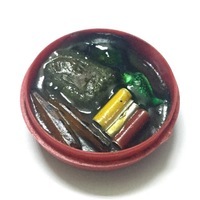
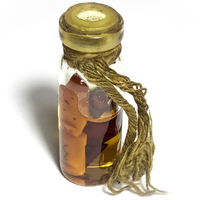
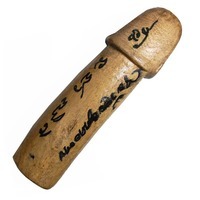

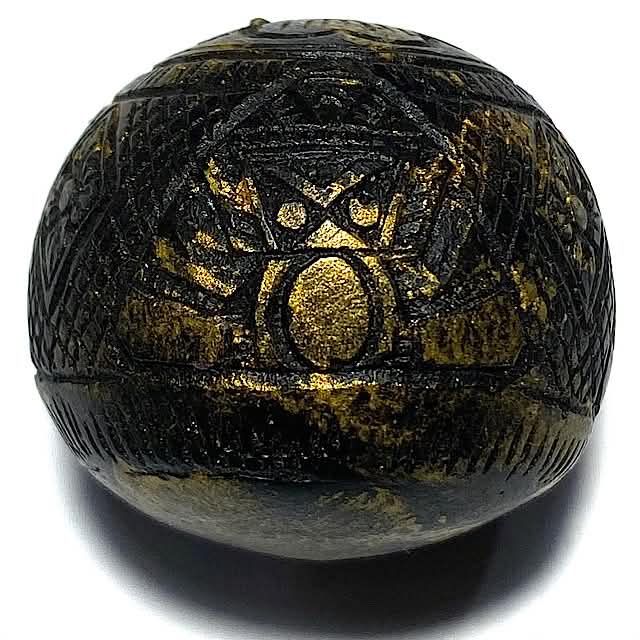
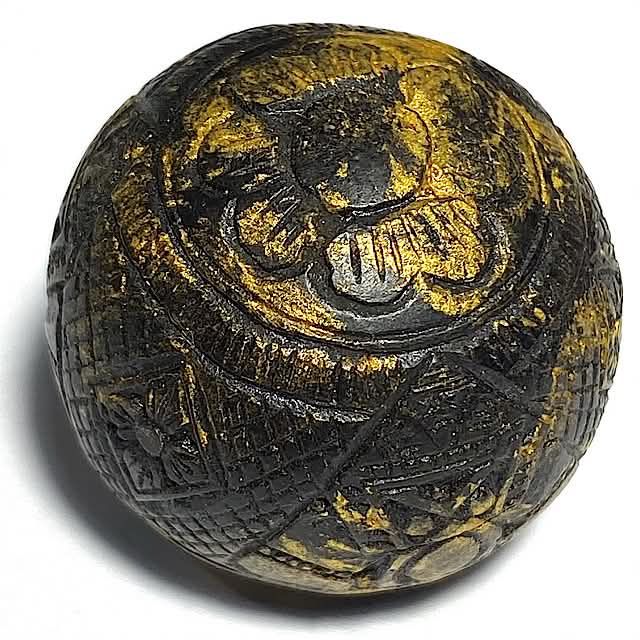
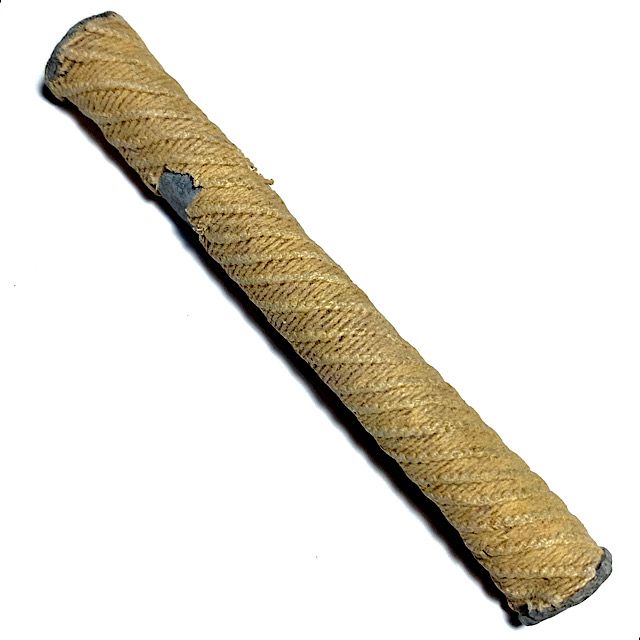
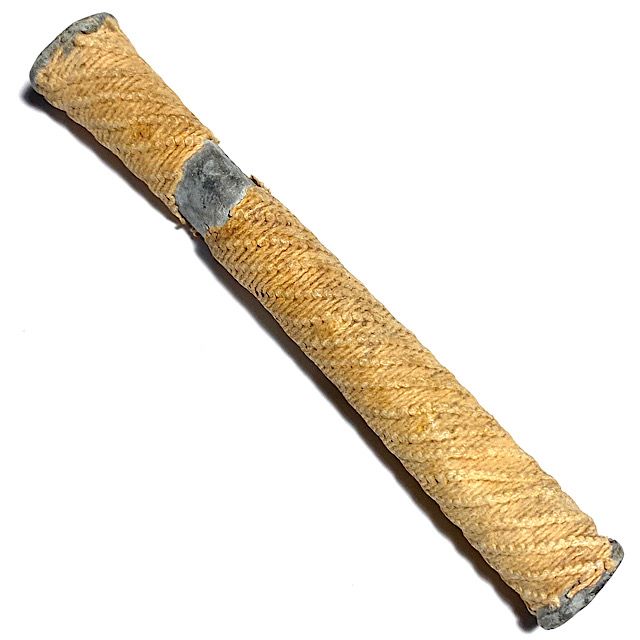
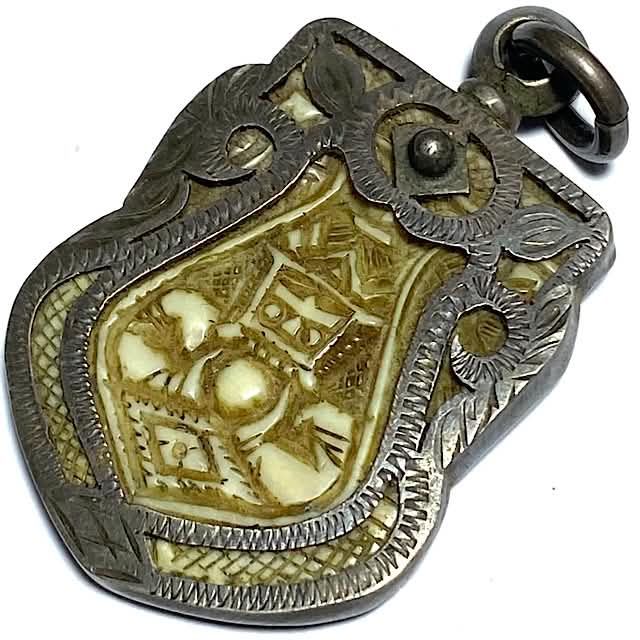
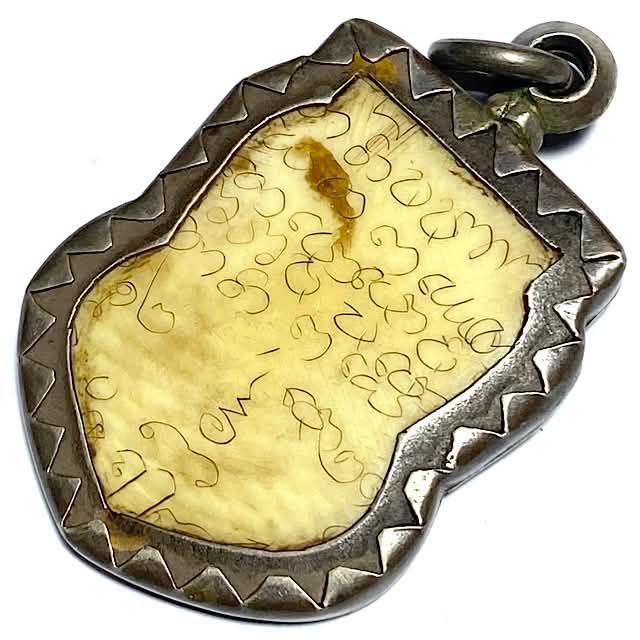
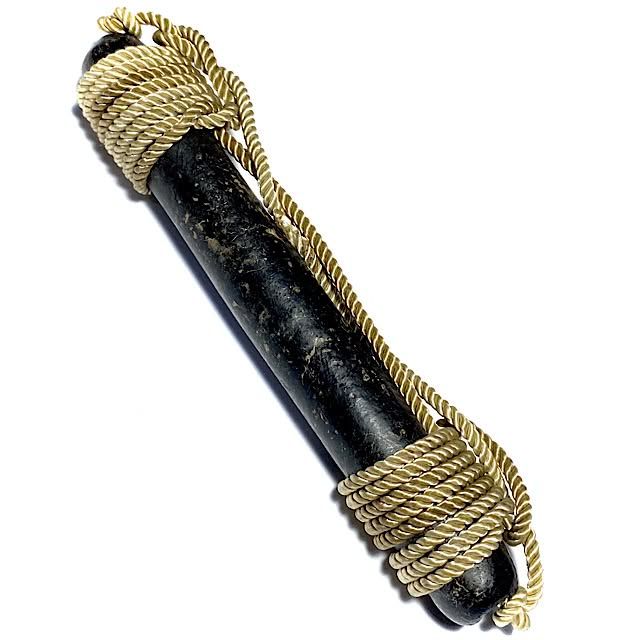
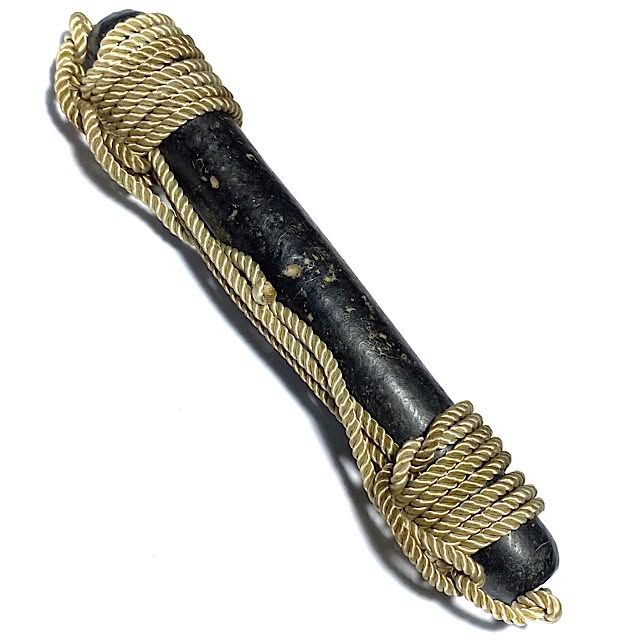
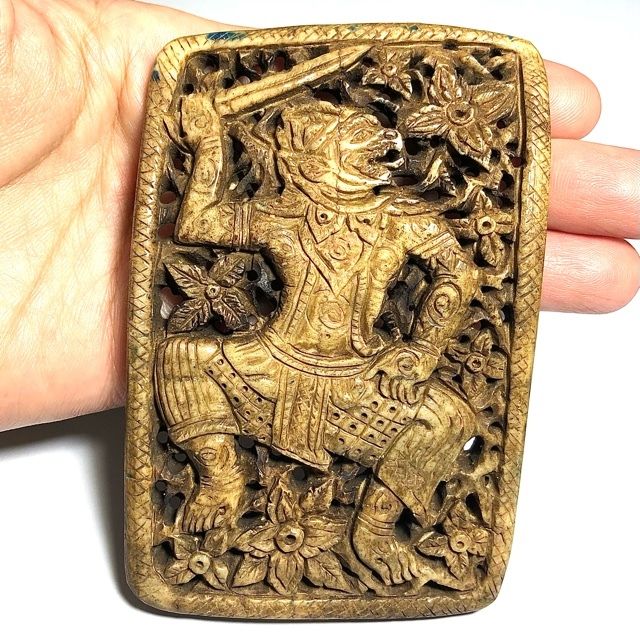
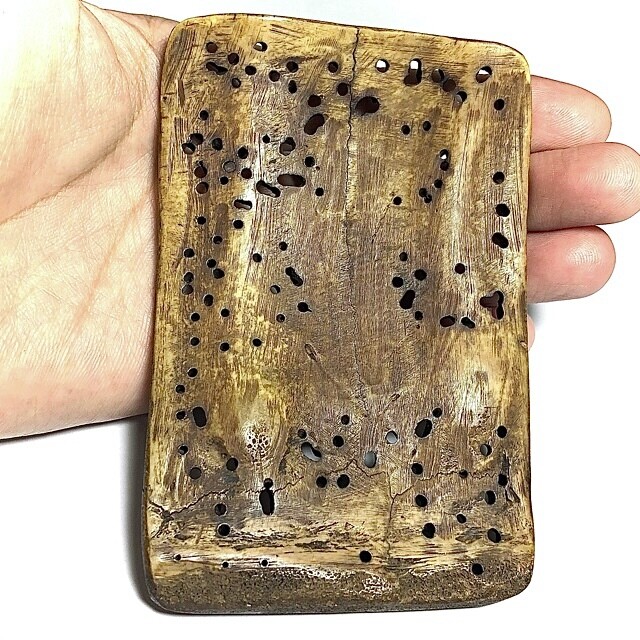
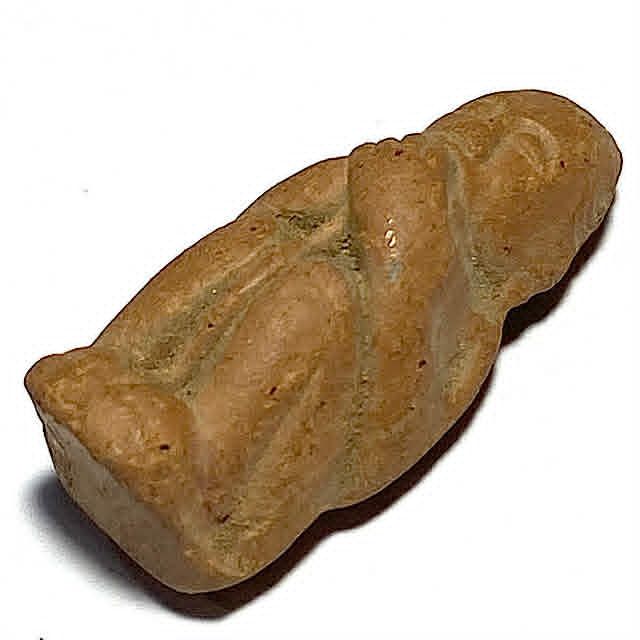
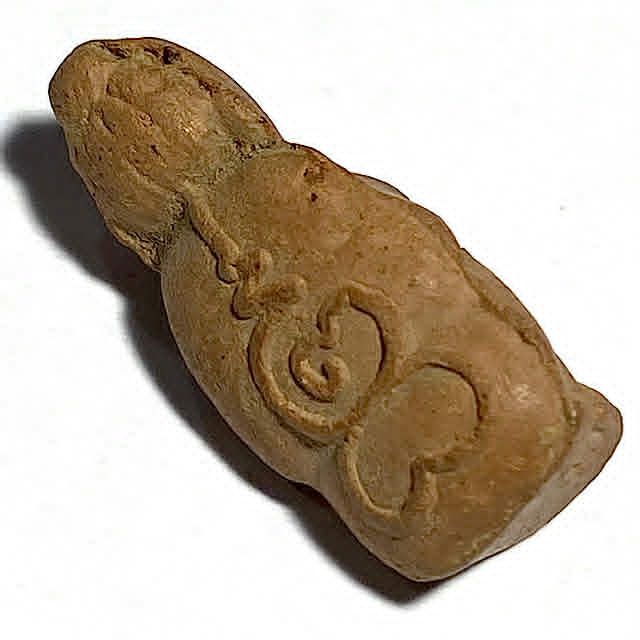
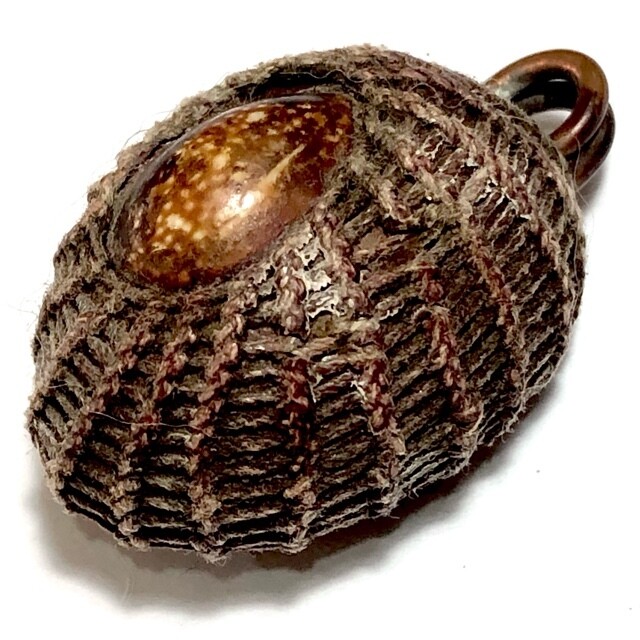
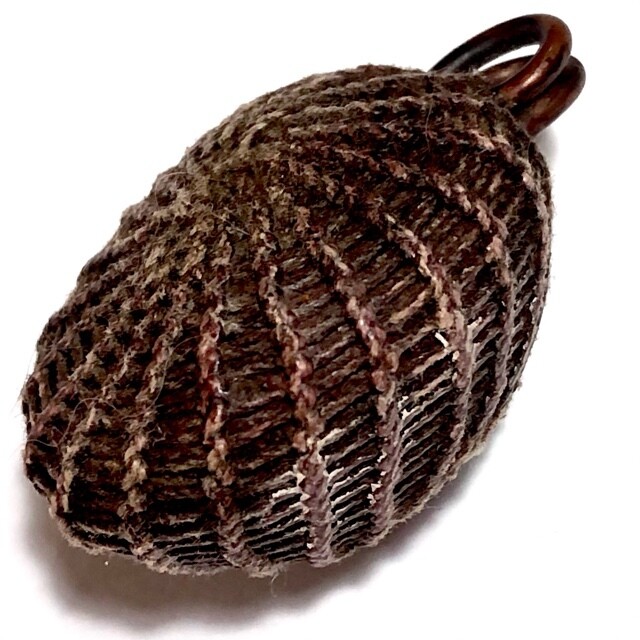
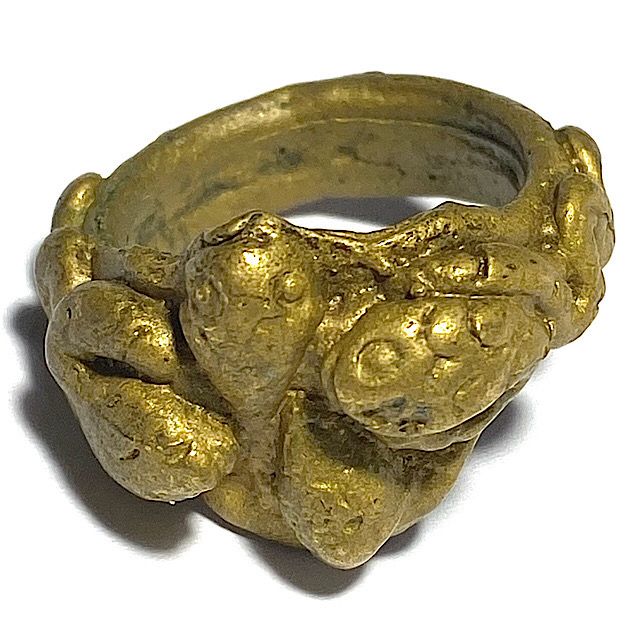
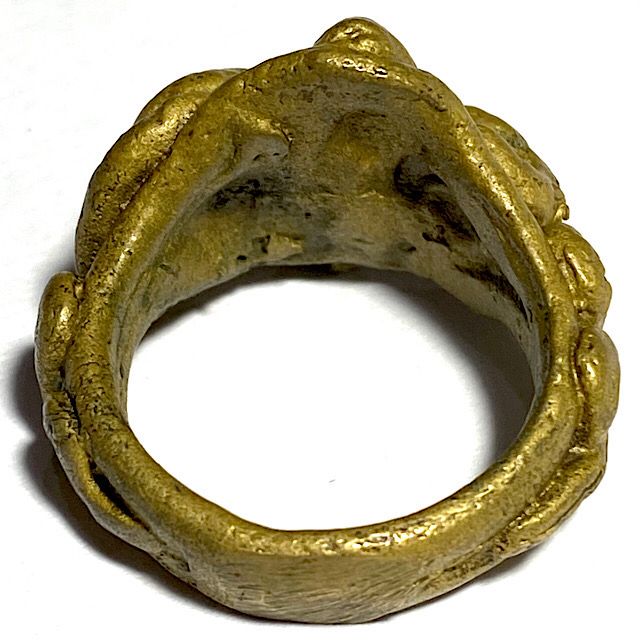
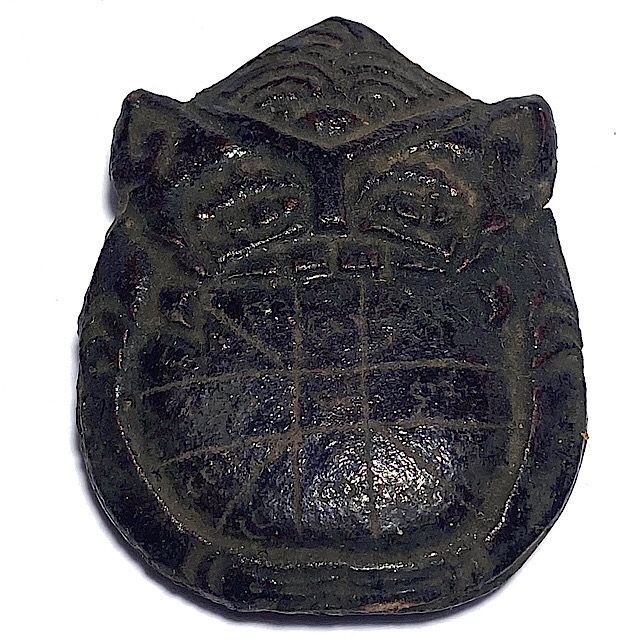
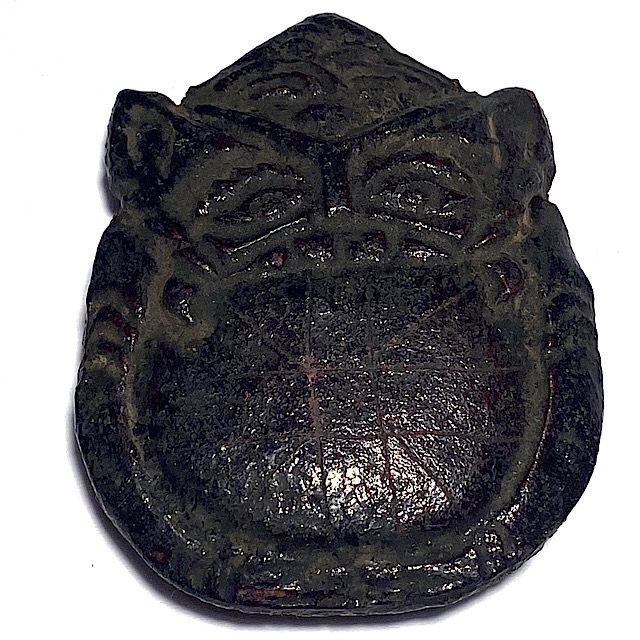
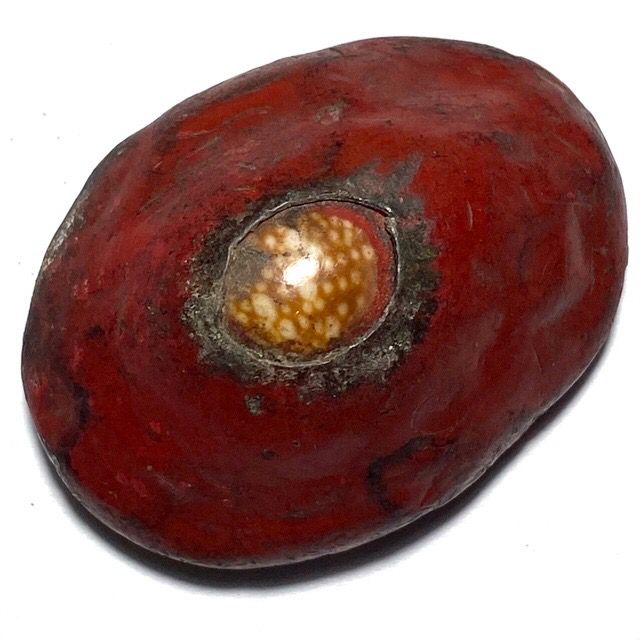
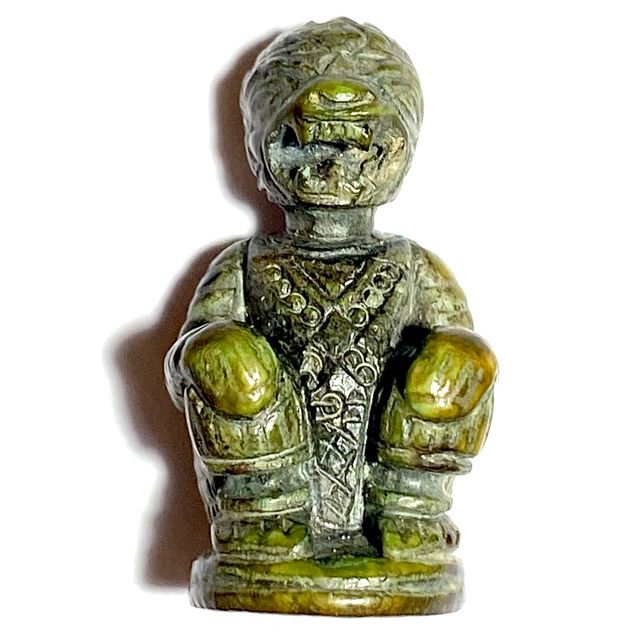
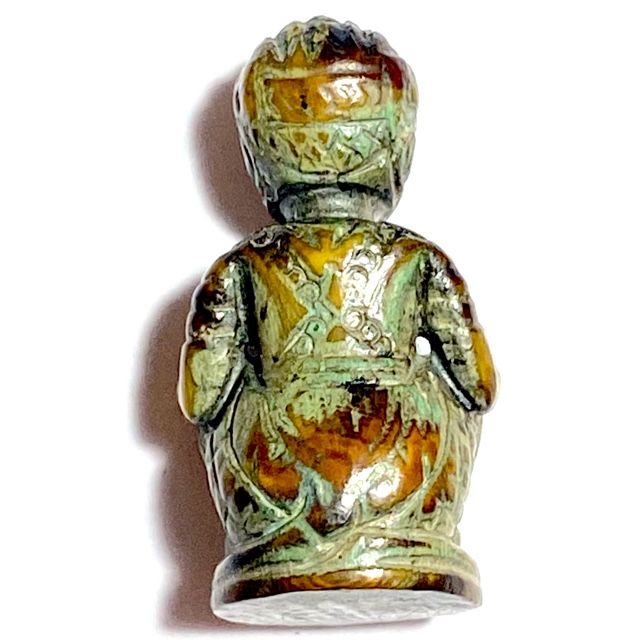
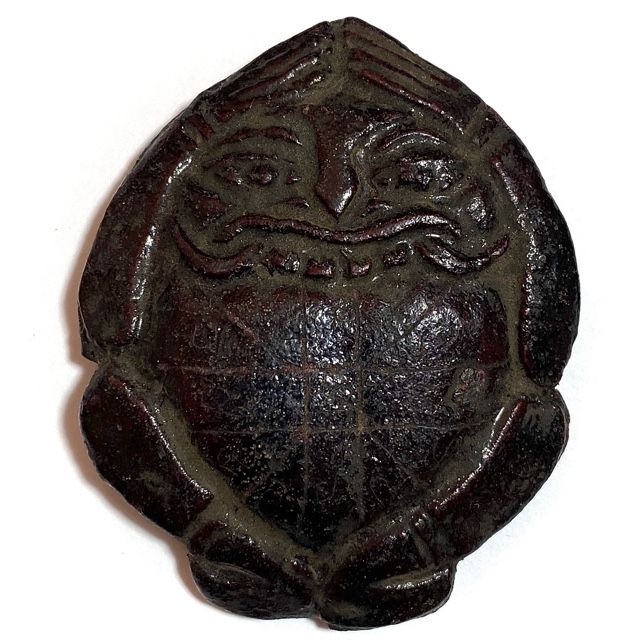
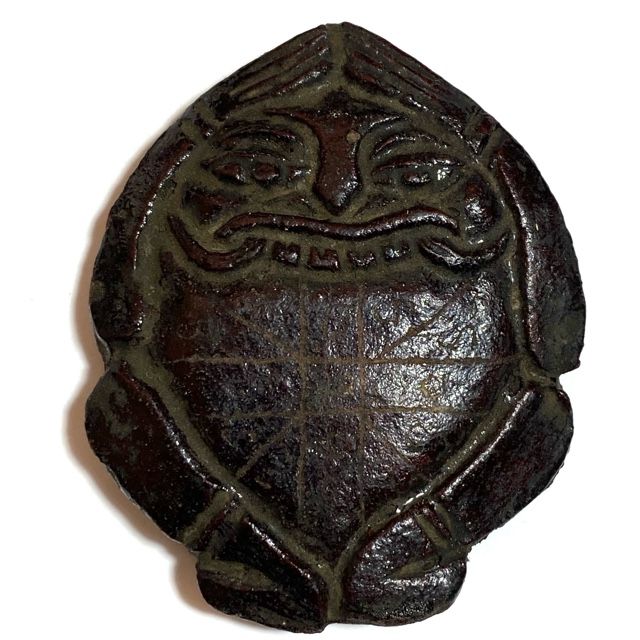
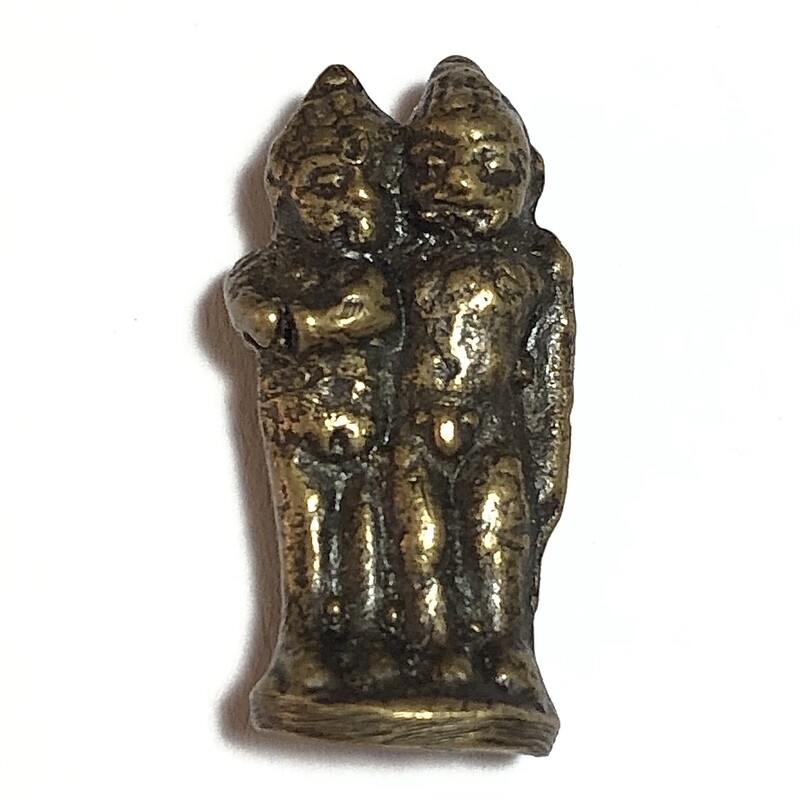
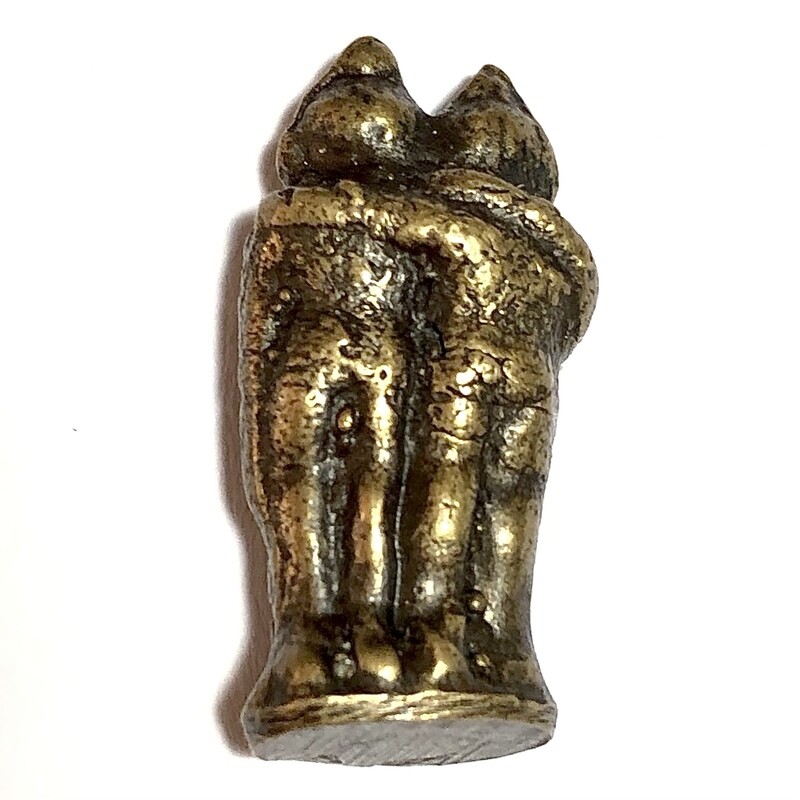
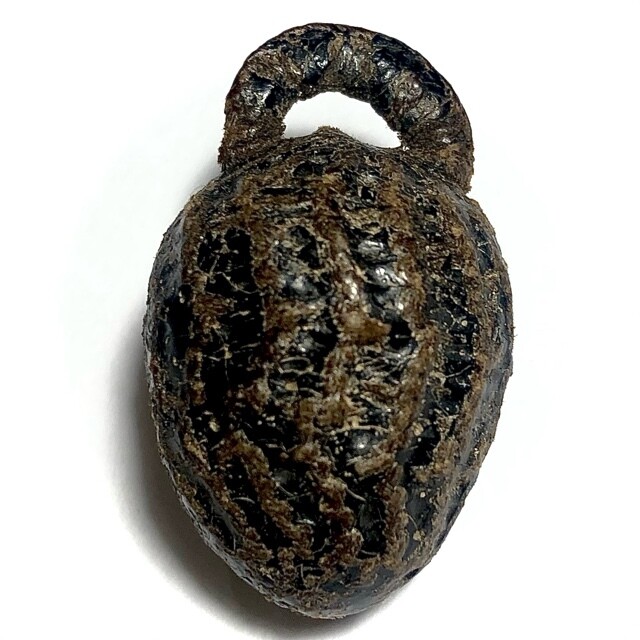
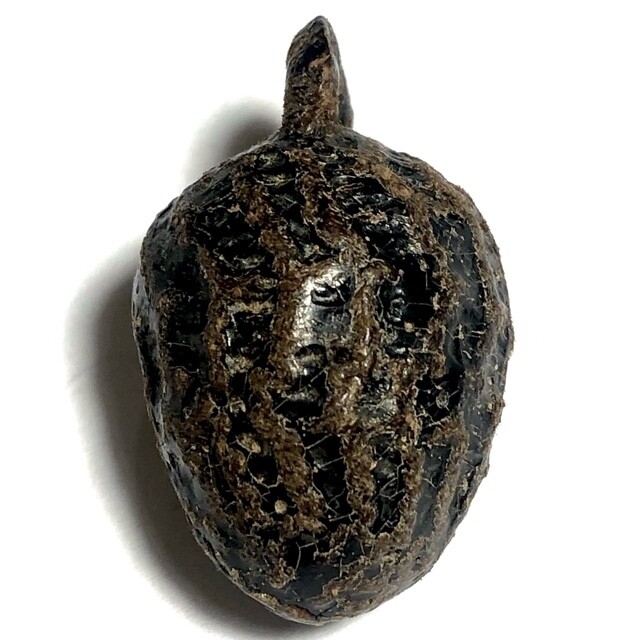
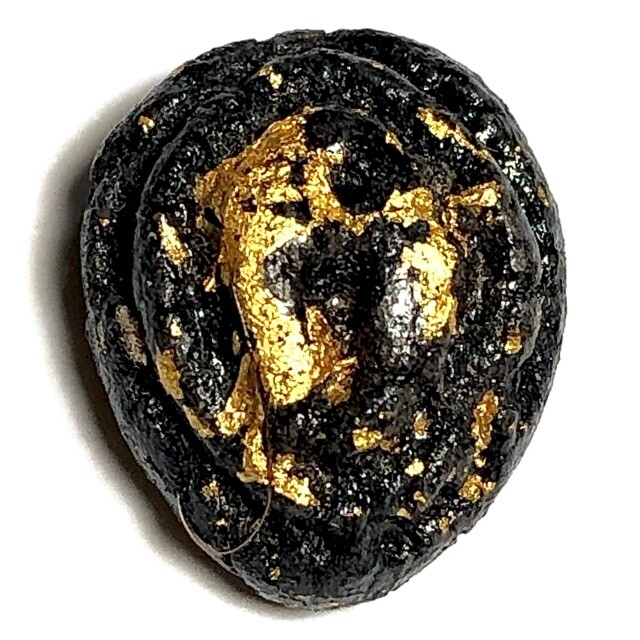
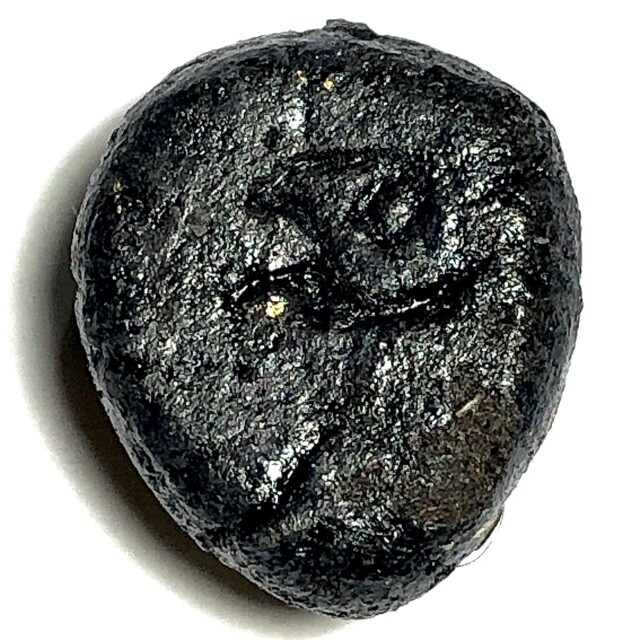
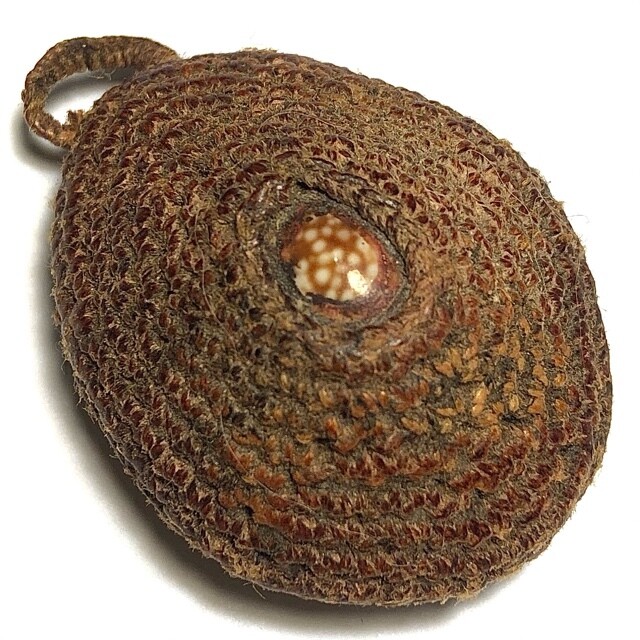
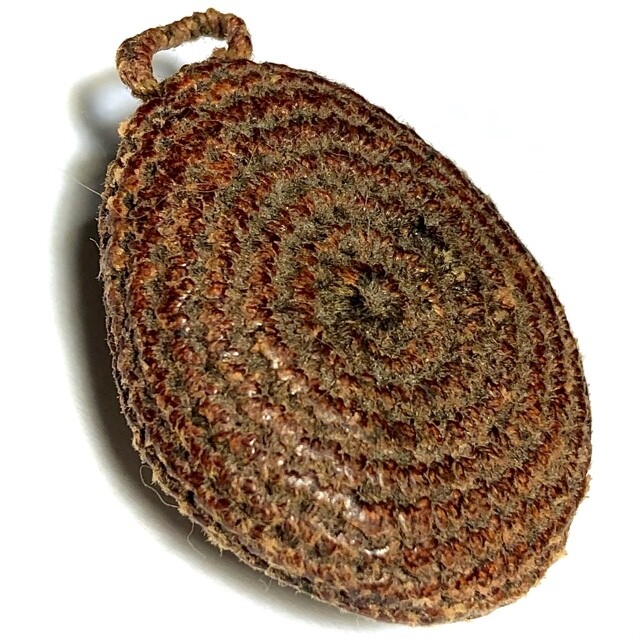
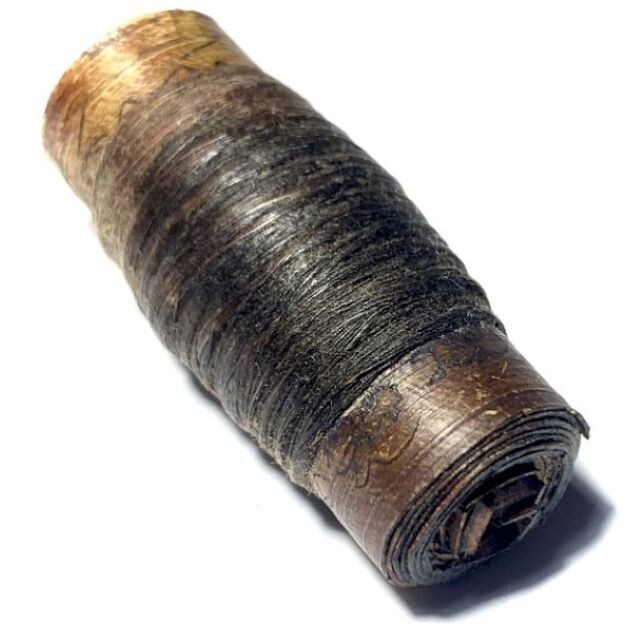
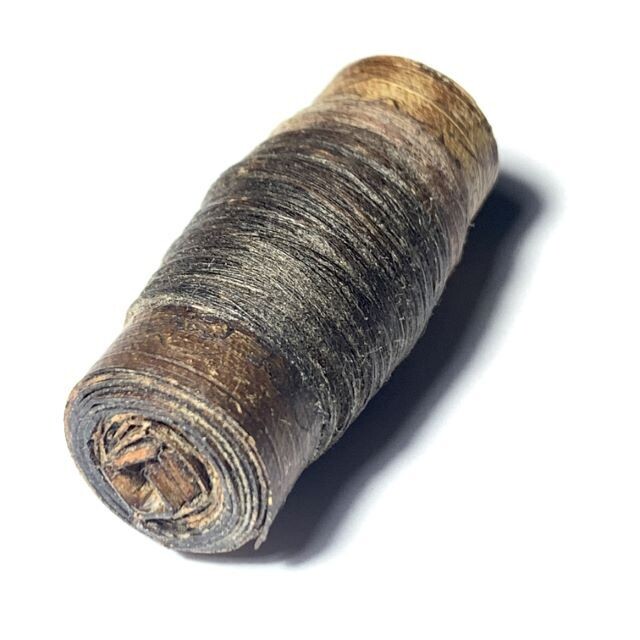
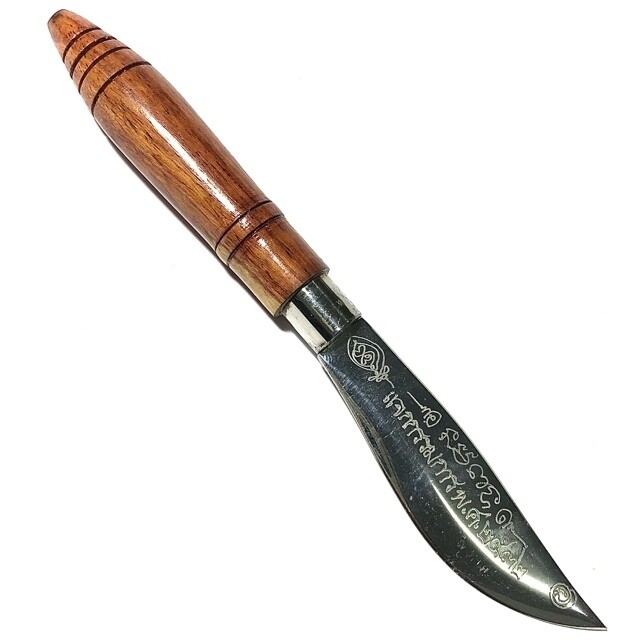
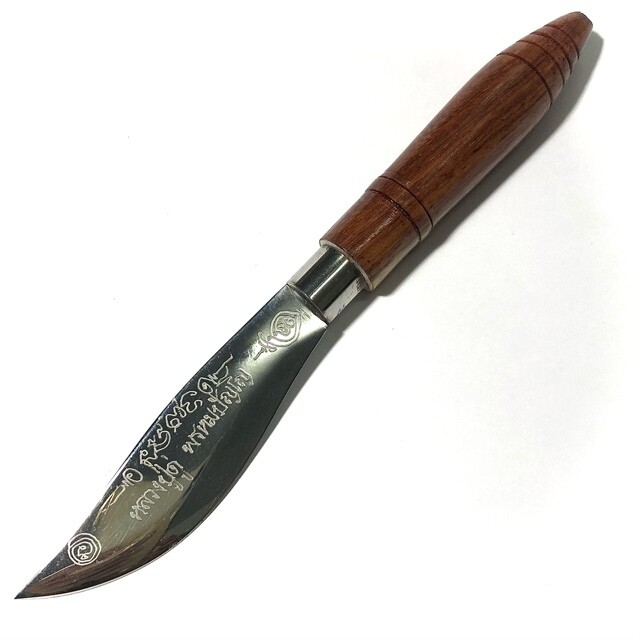
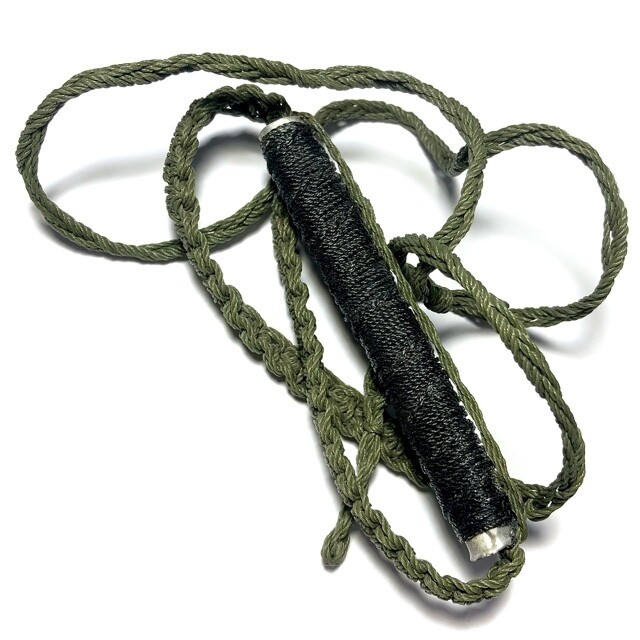
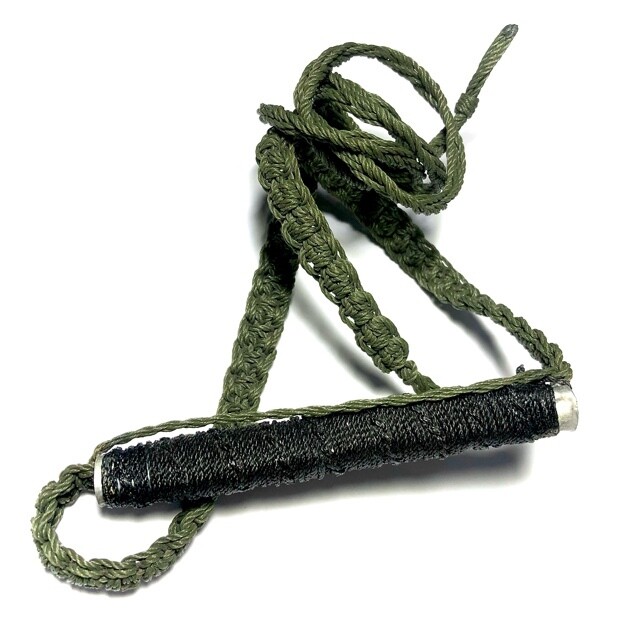
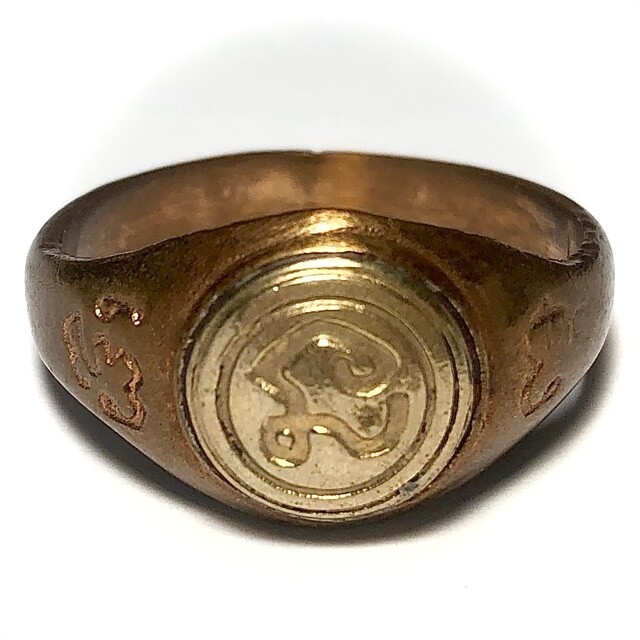
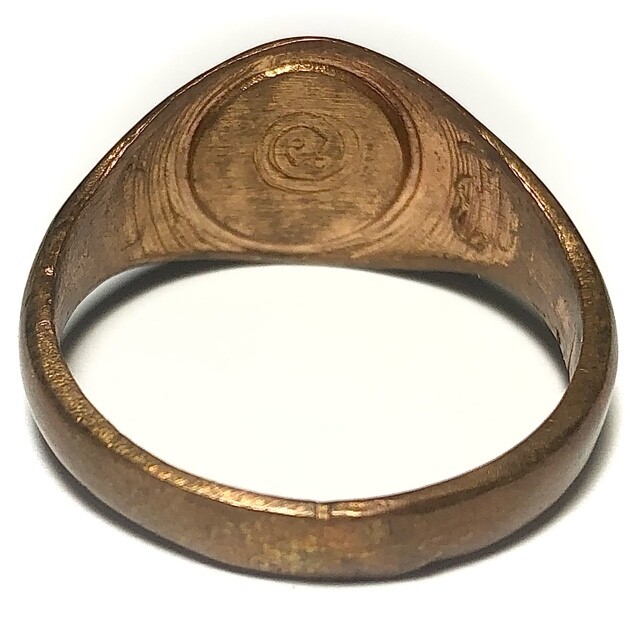
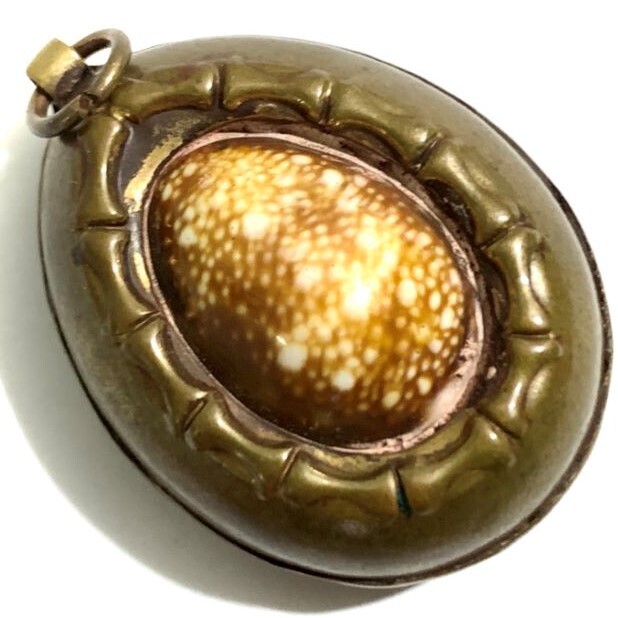
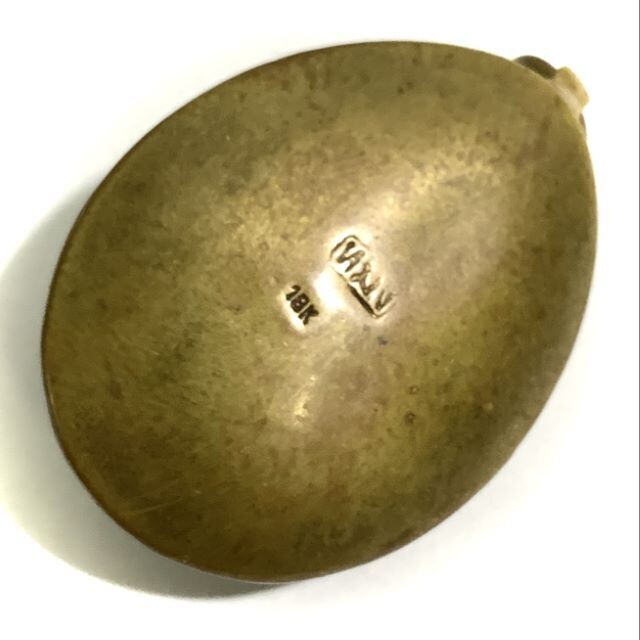
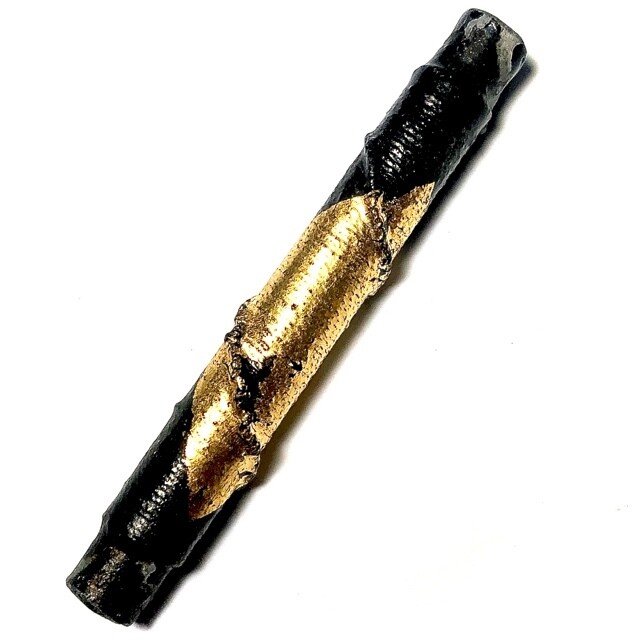
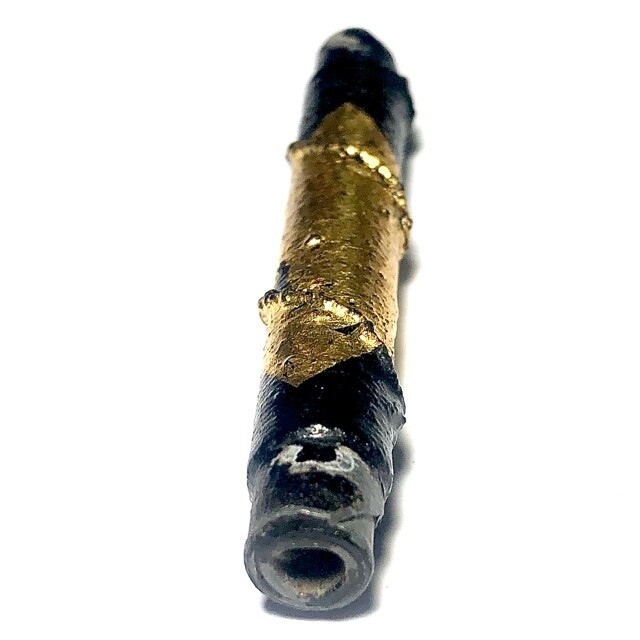


 Free EMS Registered Airmail Worldwide is included with this amulet The Palad Khik is in truth symbolic of the Shiva Lingam; The belief in the Shiva Lingam, or ‘Leungk’ (Thai pronunciation) phallic energy of the Palad Khik, is derived from the Brahman influence which has been inflected on Thai Theravada Buddhism, since both belief systems came to Siam more than one or two thousand years ago. It is believed that the Palad Khik Lingam energy is the source of all life forms in the Universe. This is the root of the act of reverence (Bucha/Poojah) to the Palad Khik as a Shiva Lingam, which honors Shiva as the Lord of the World.