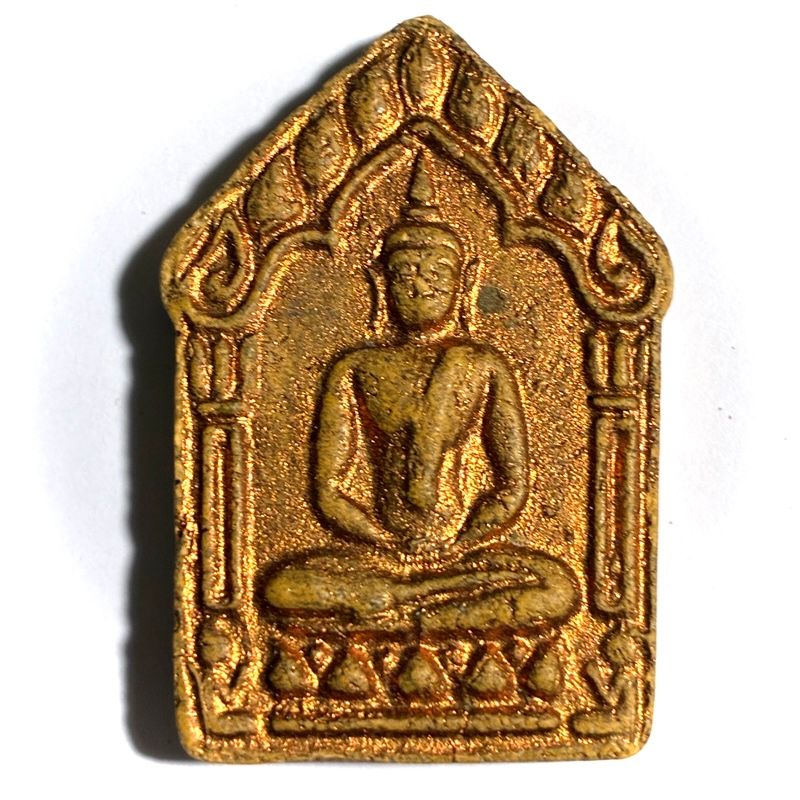
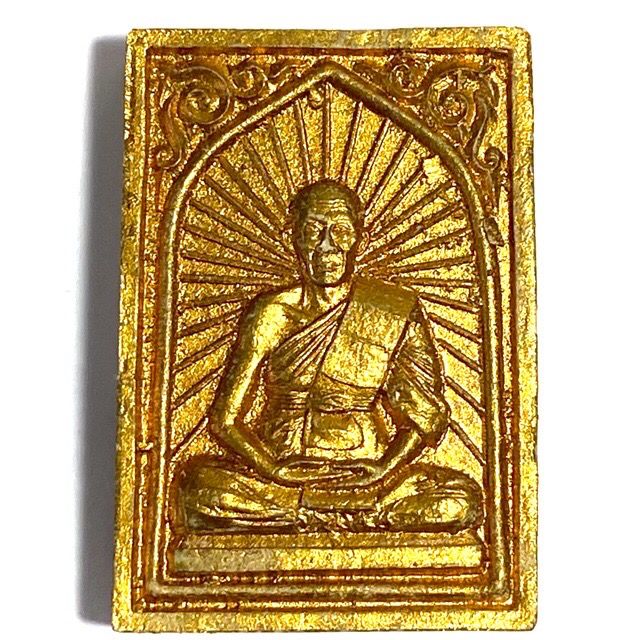
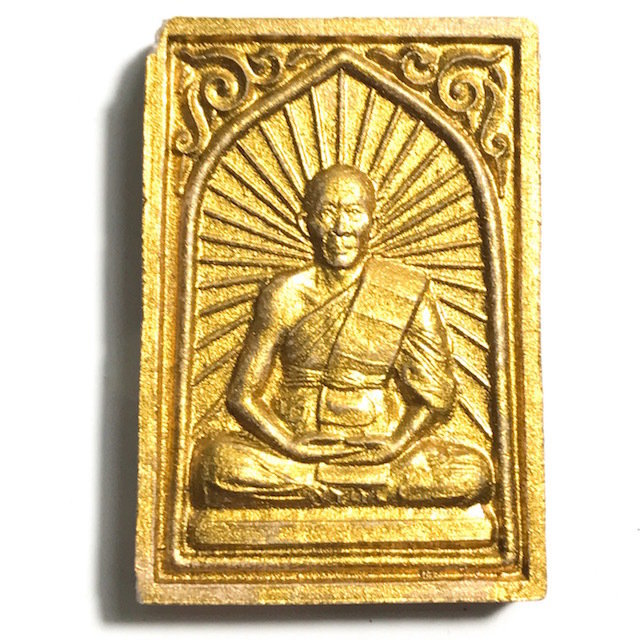
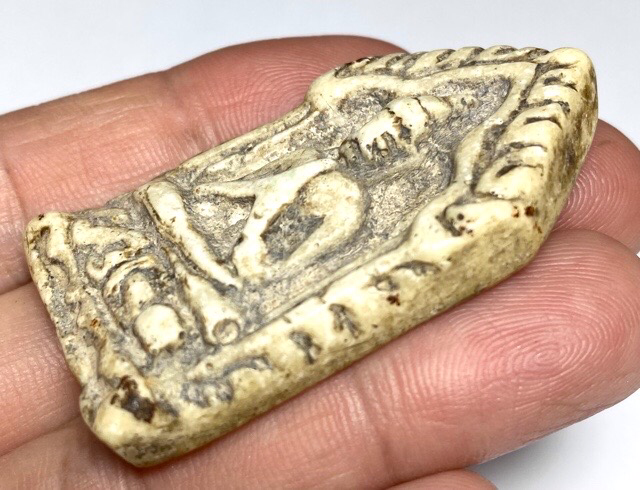
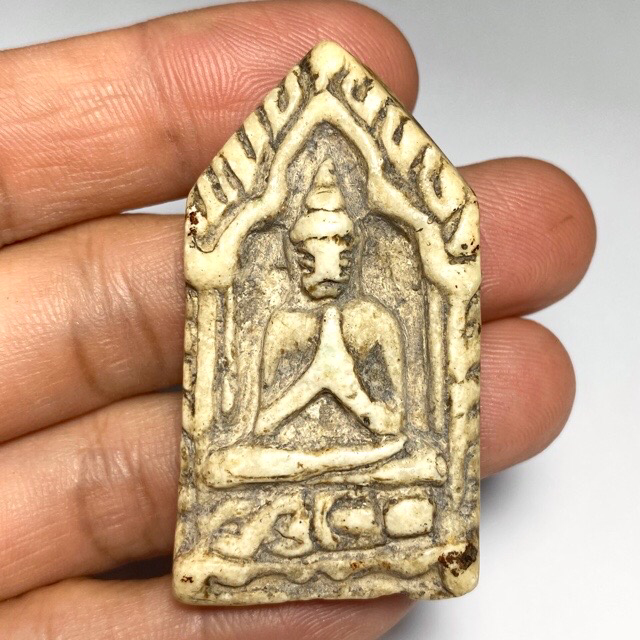
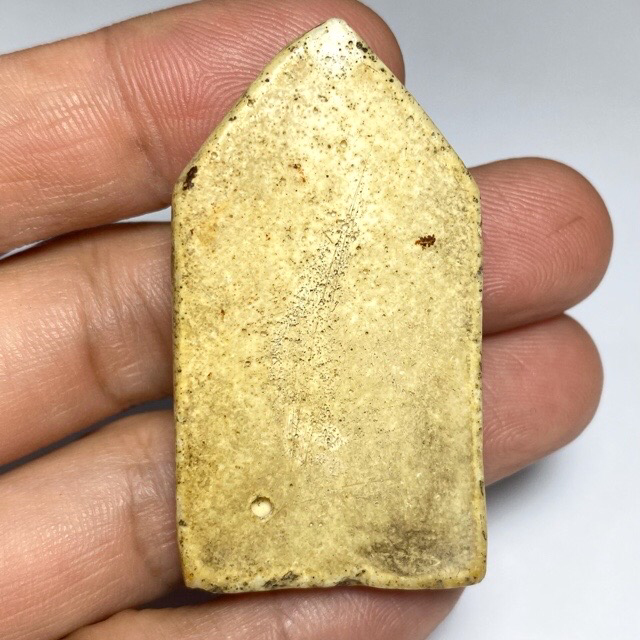
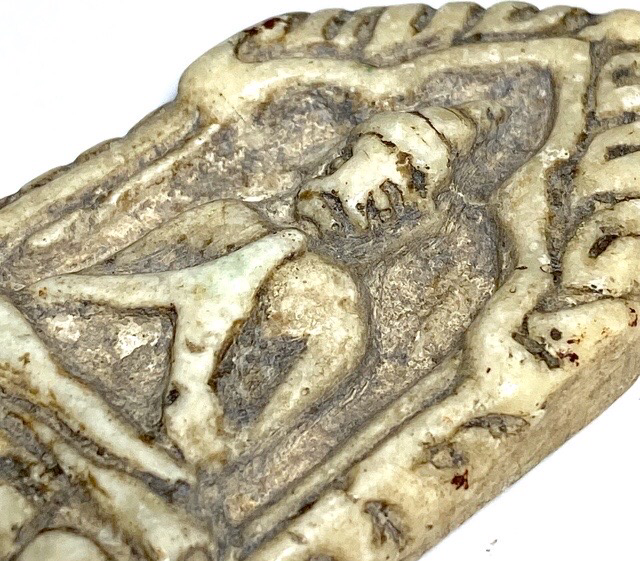
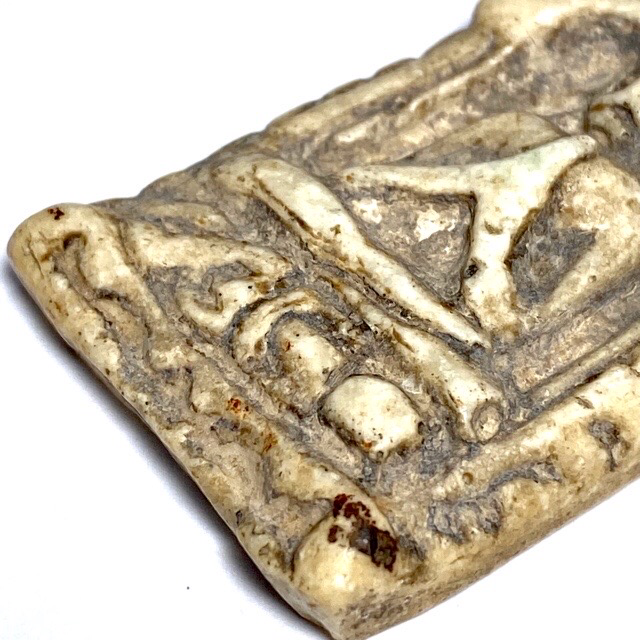
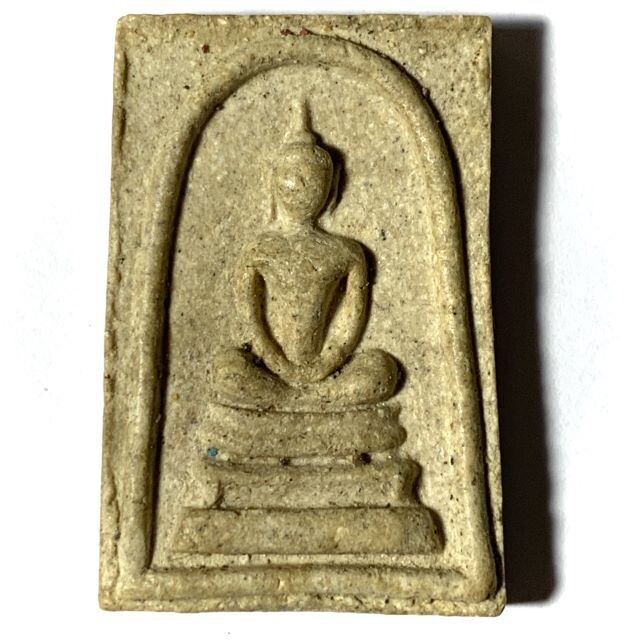
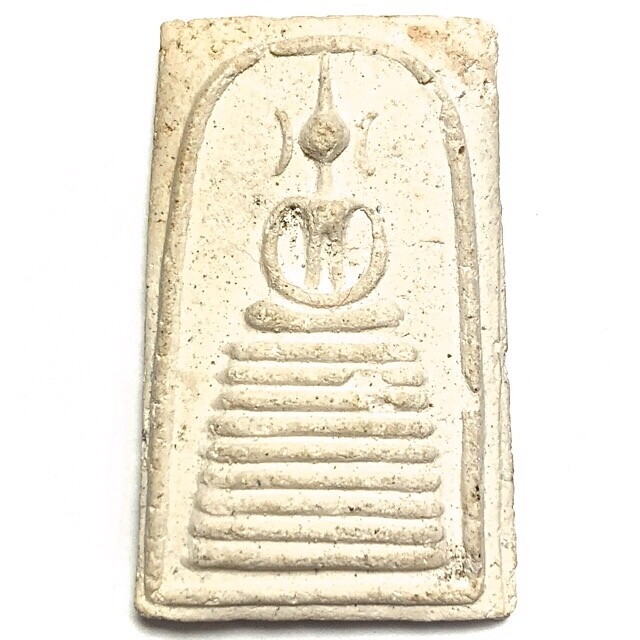
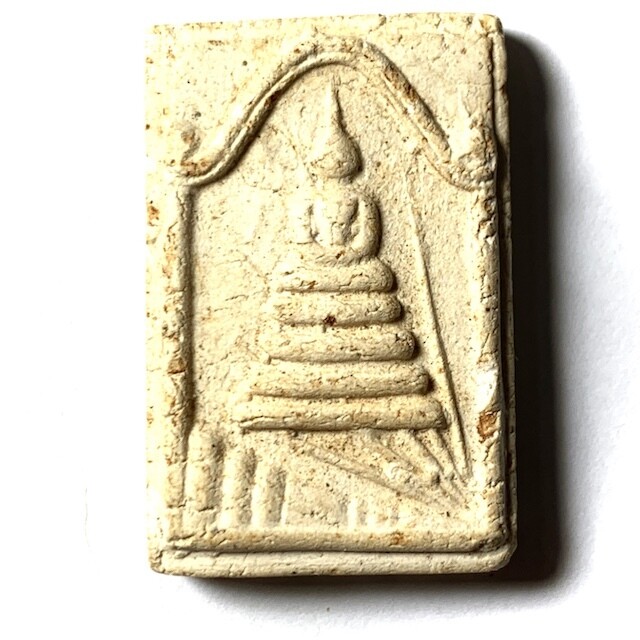
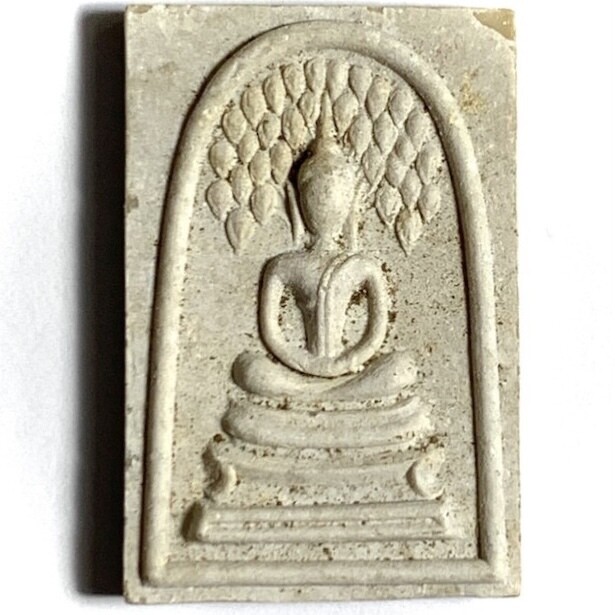
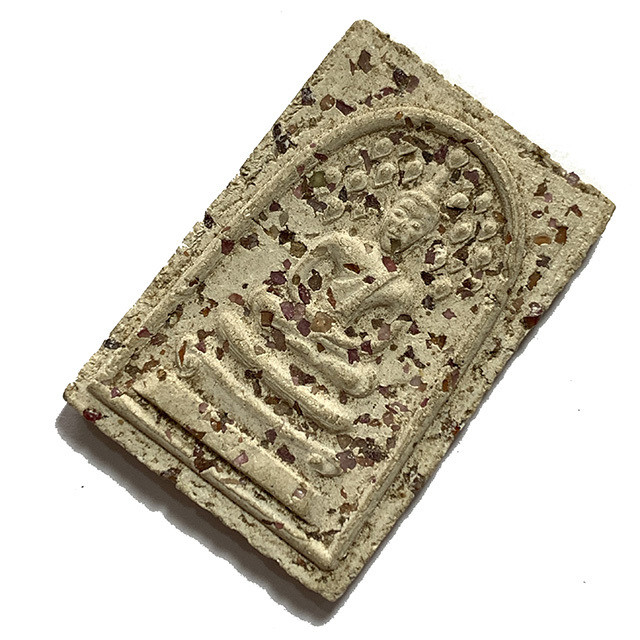
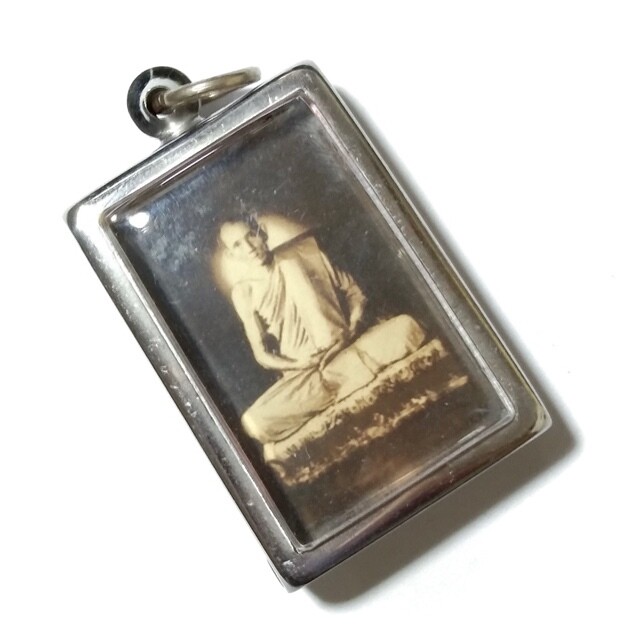
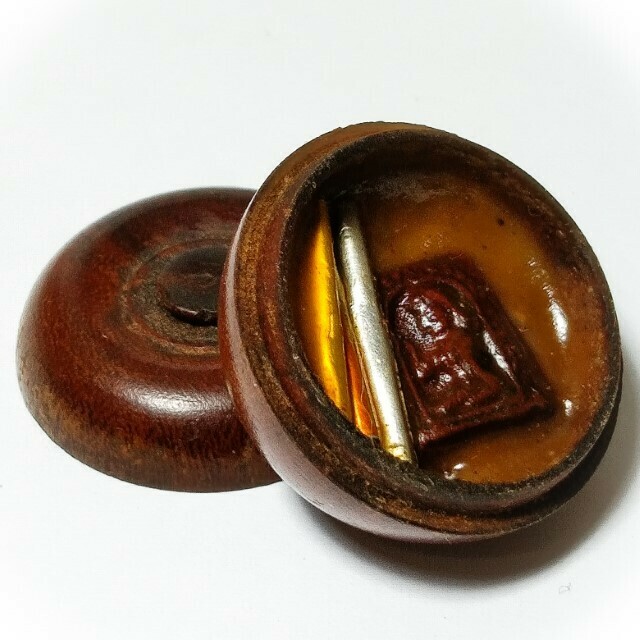
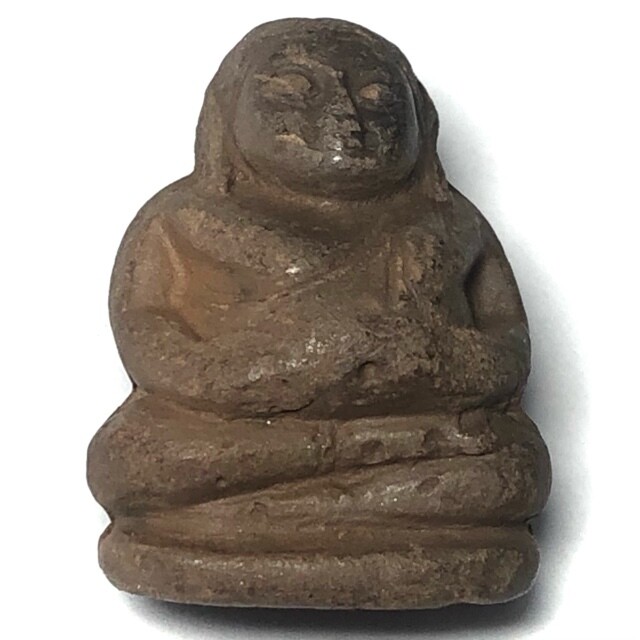
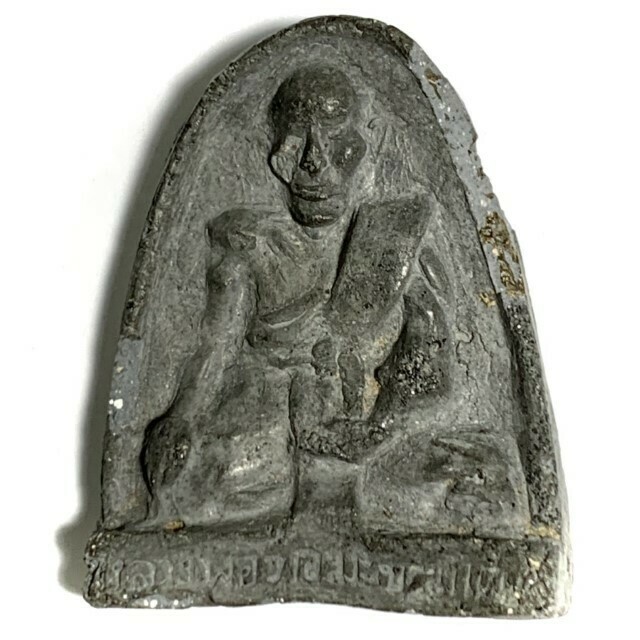
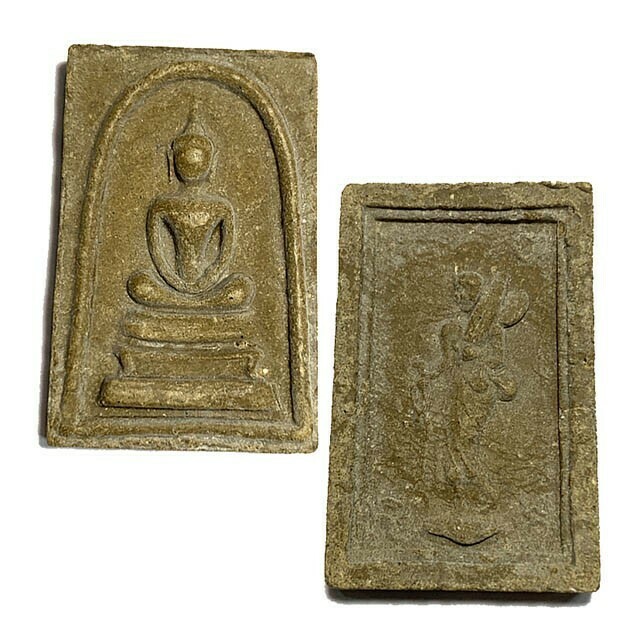
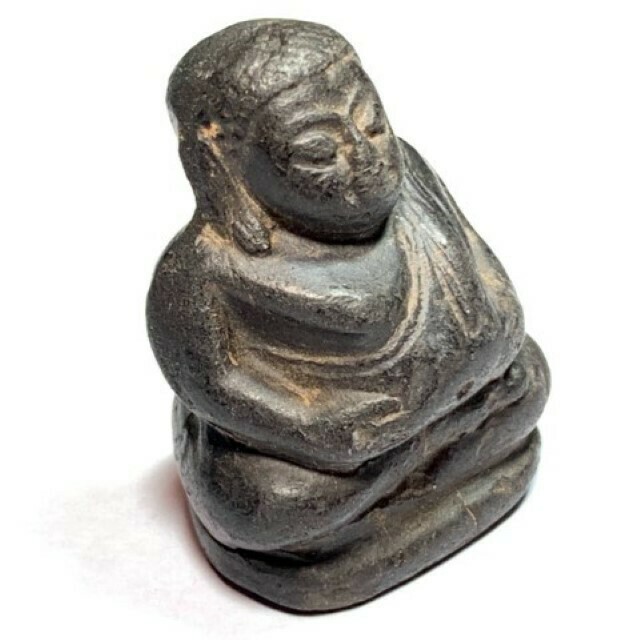
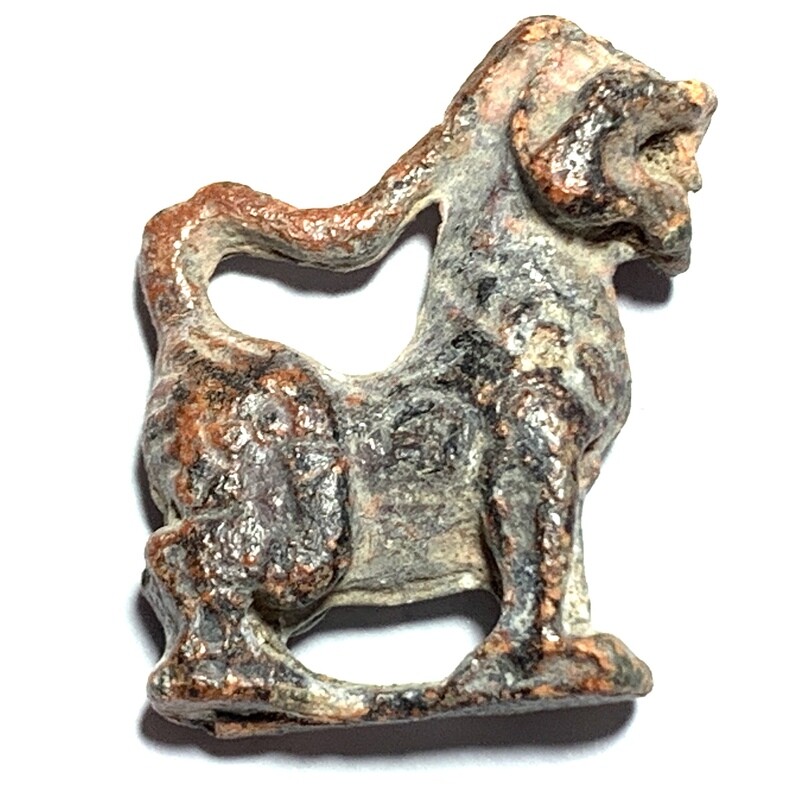
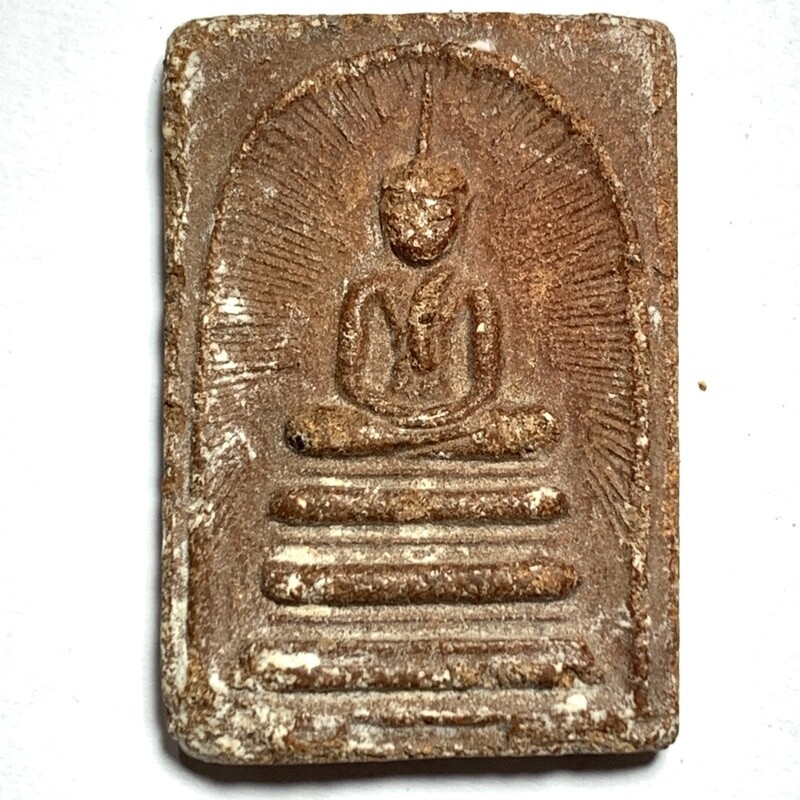
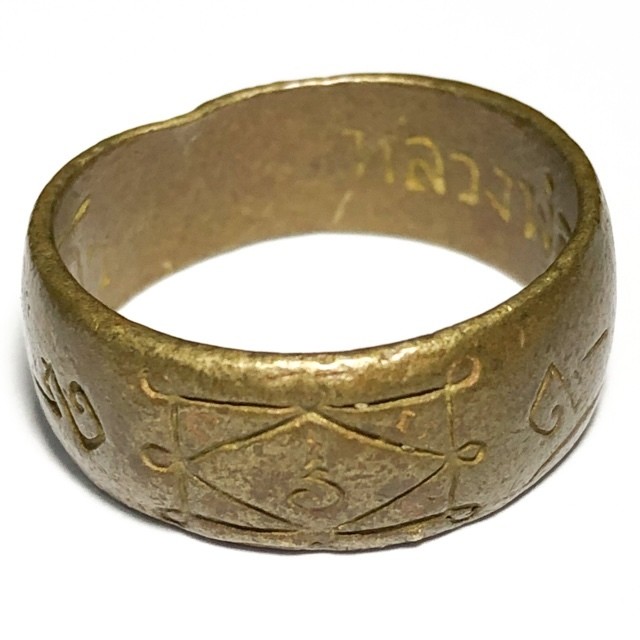
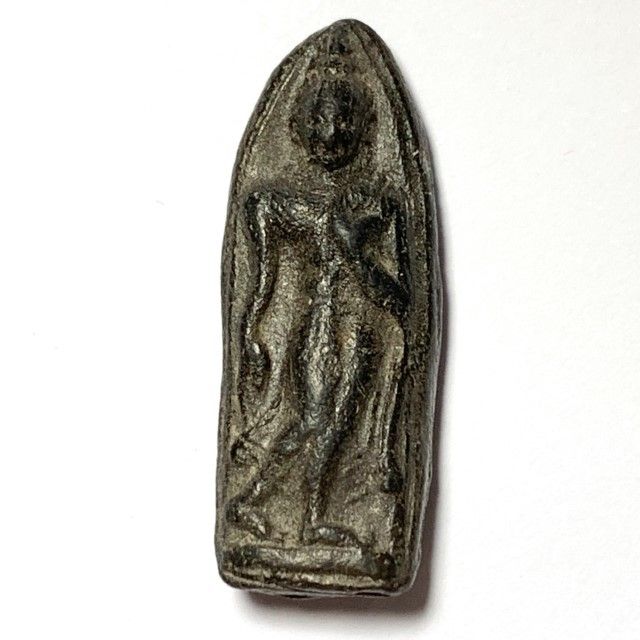
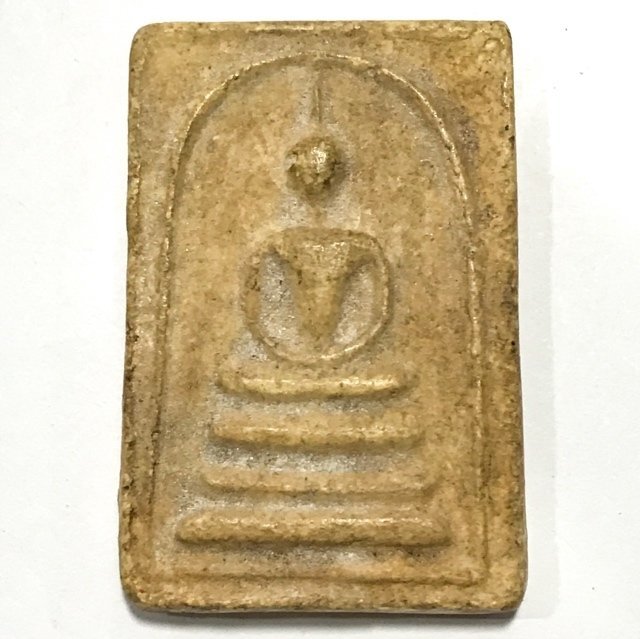
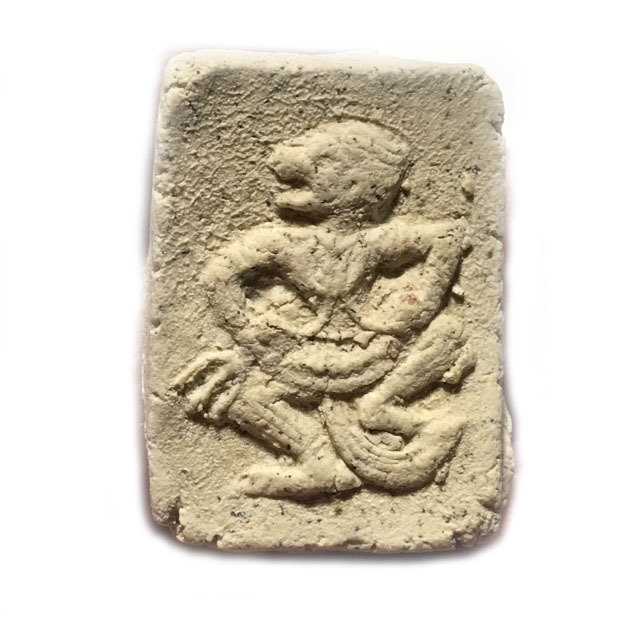
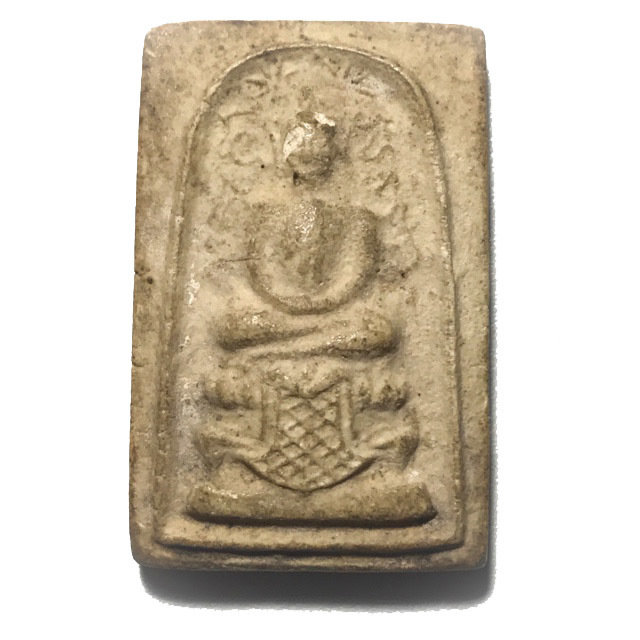
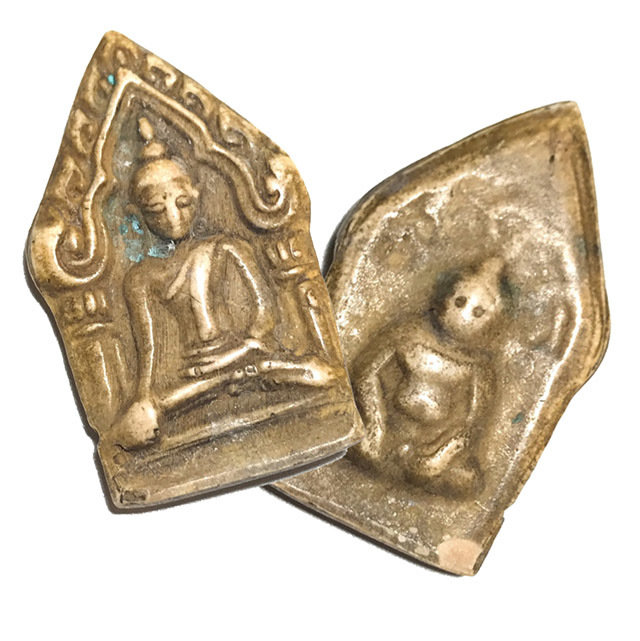
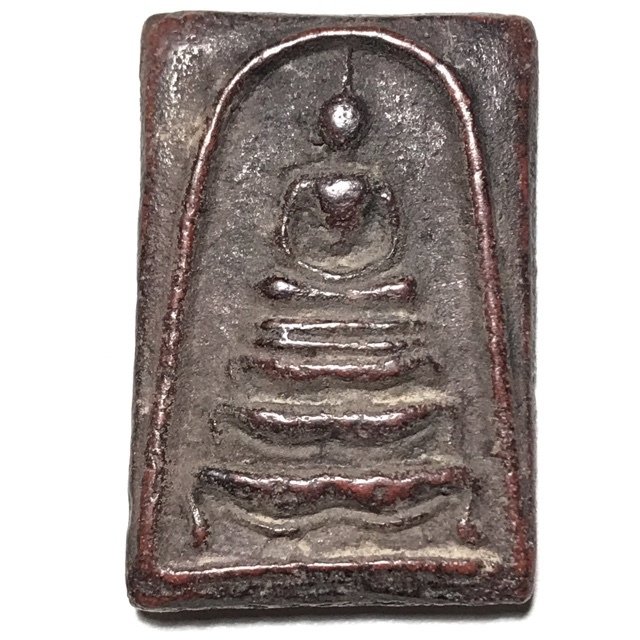
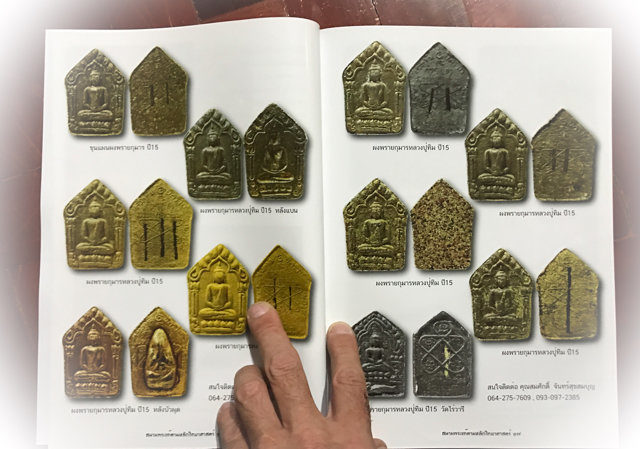
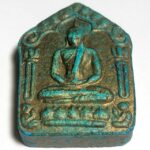
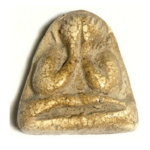
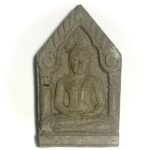
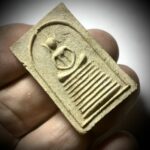
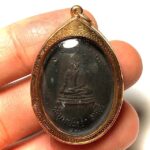
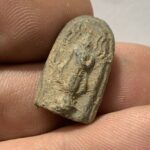
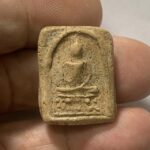
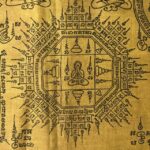
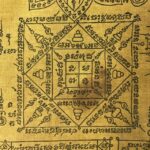
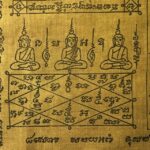
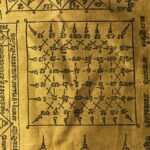
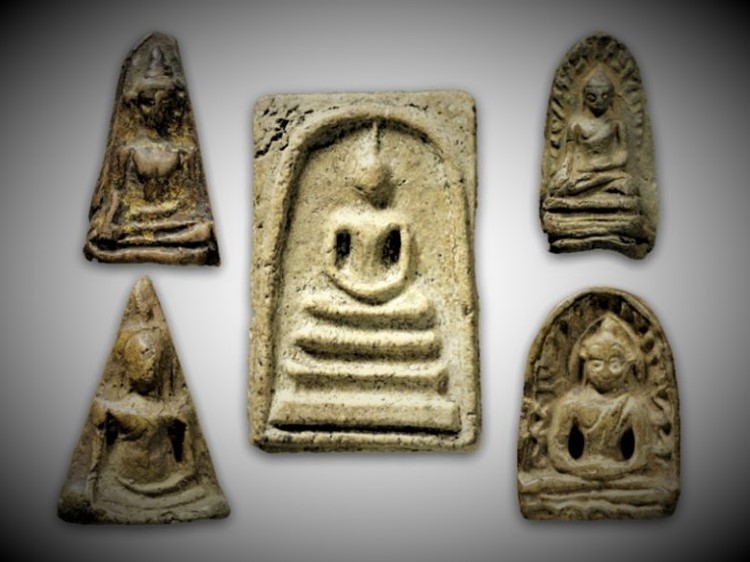
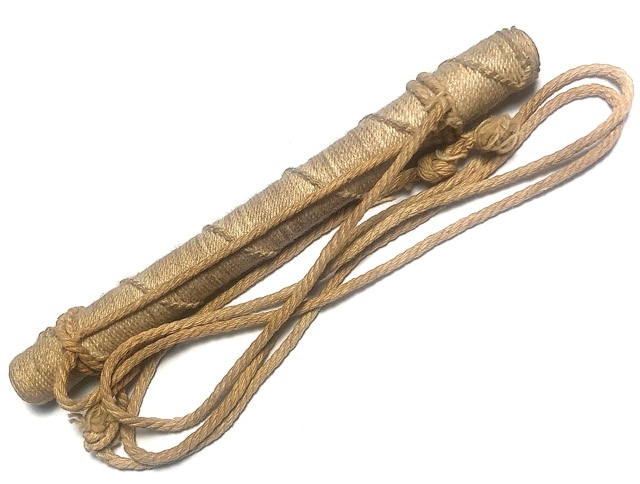
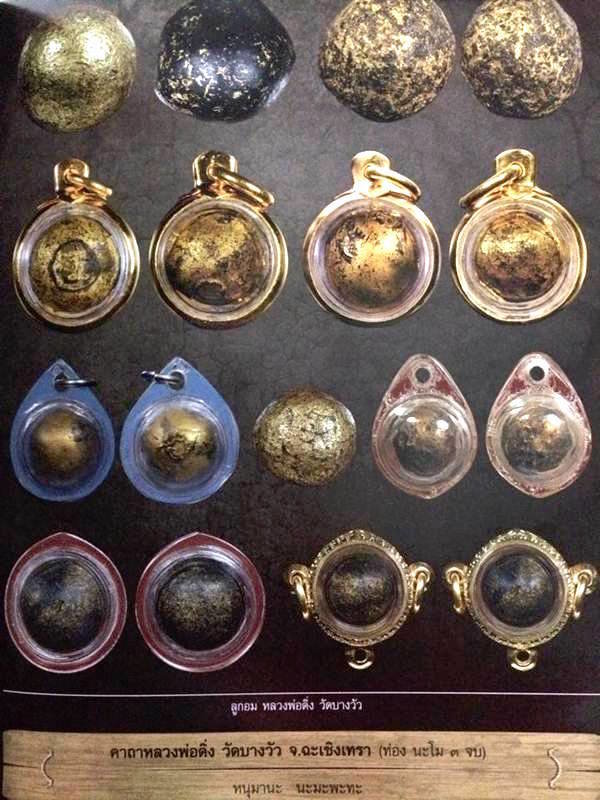
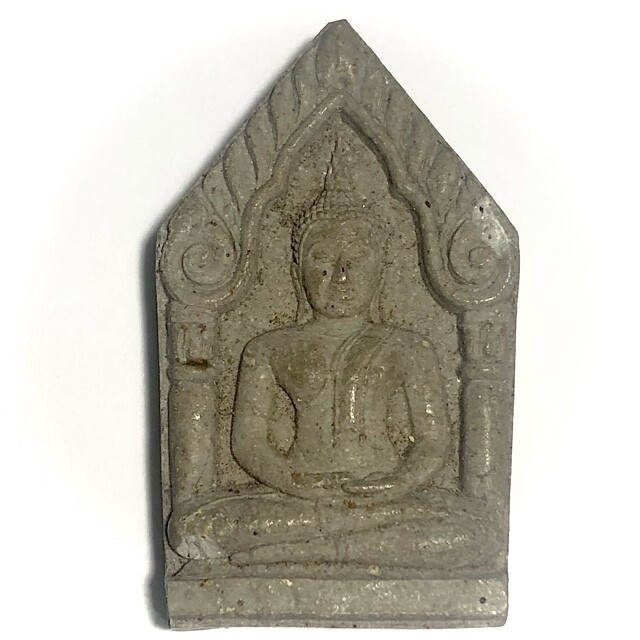
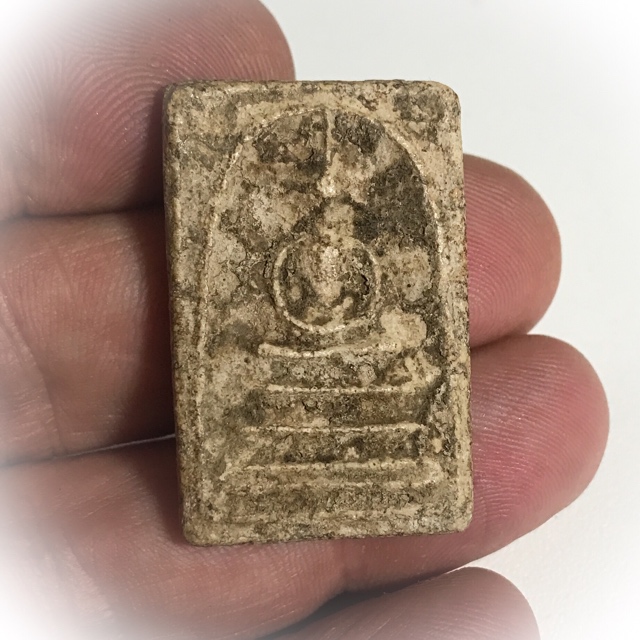
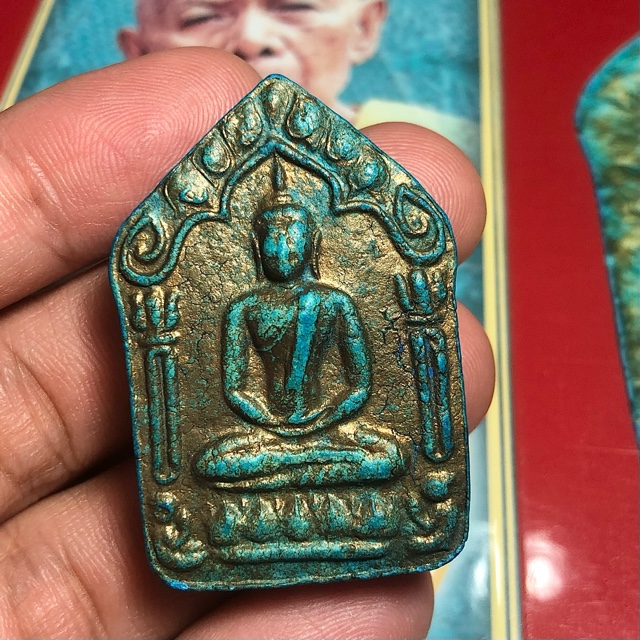
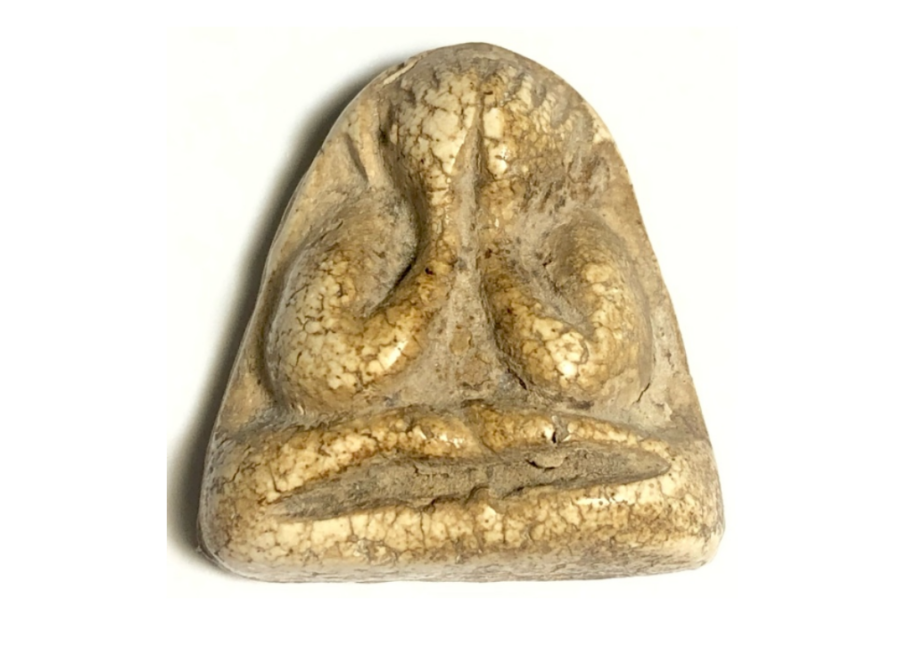
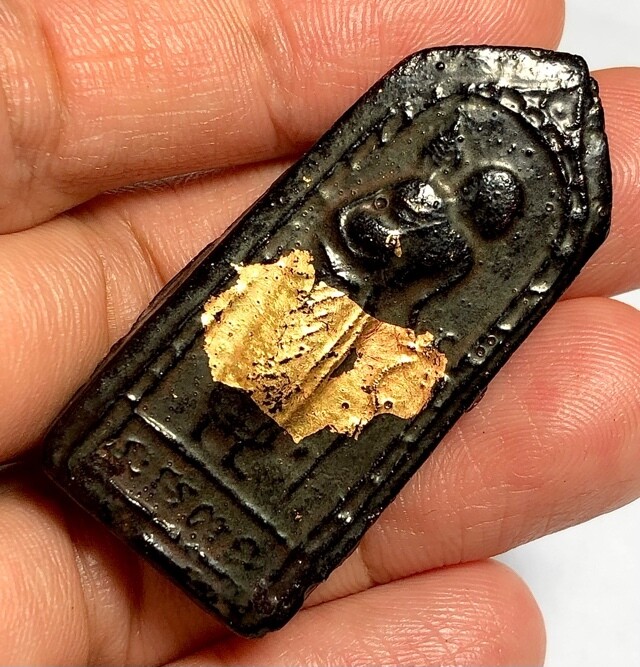
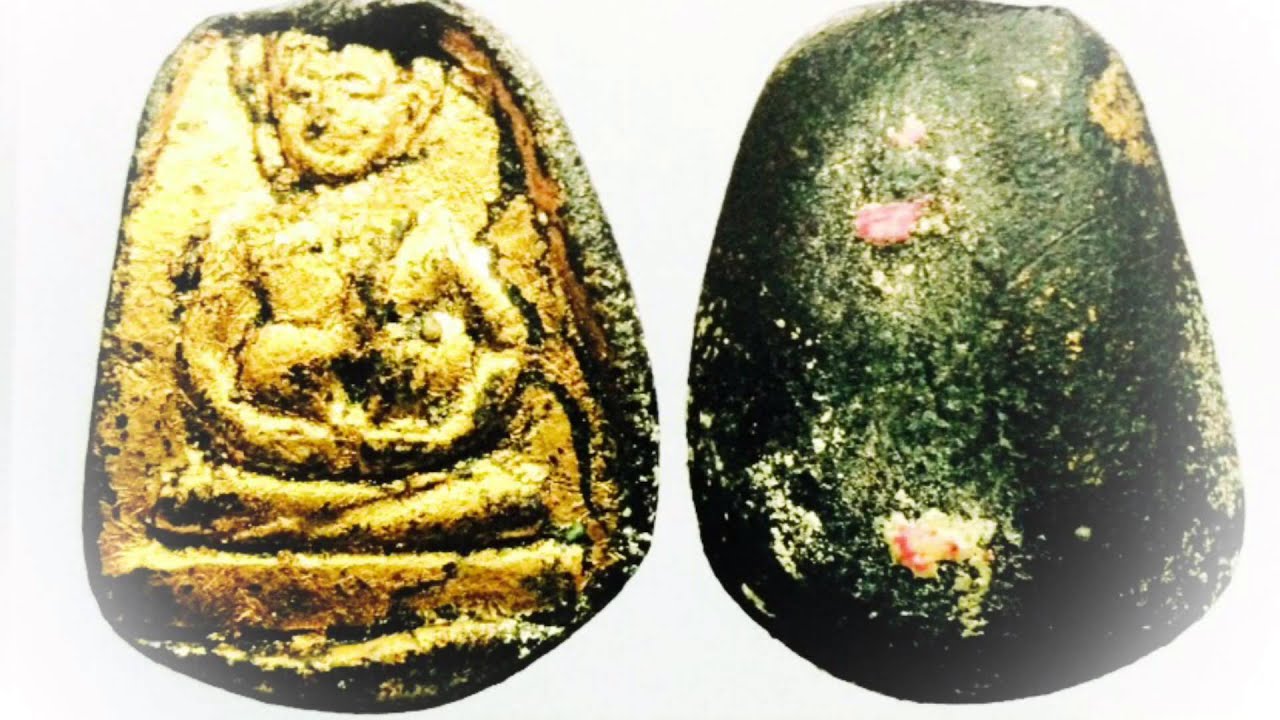
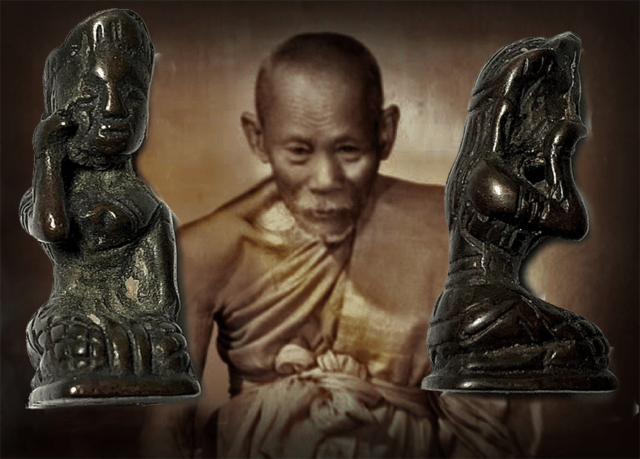
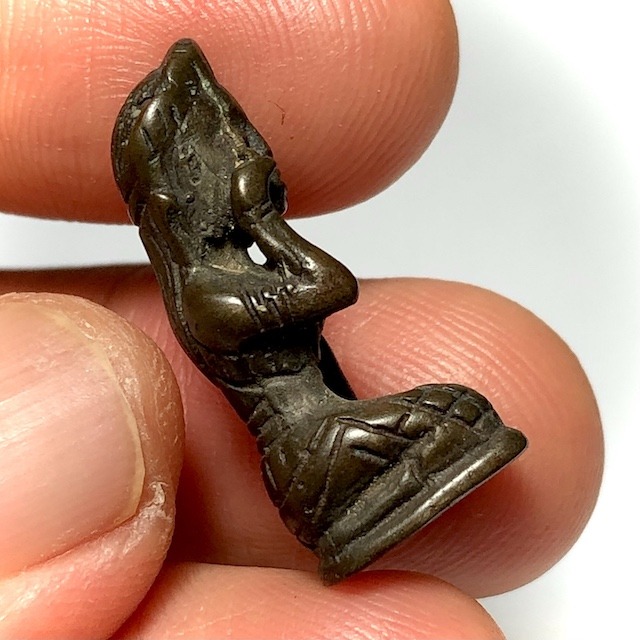
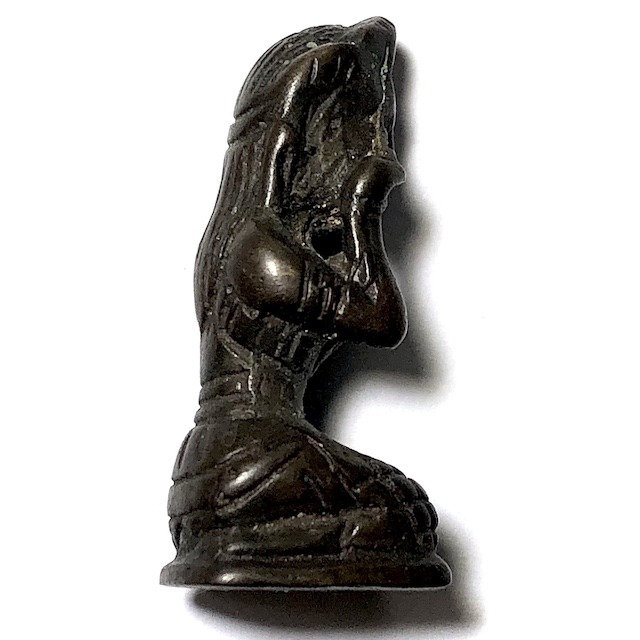
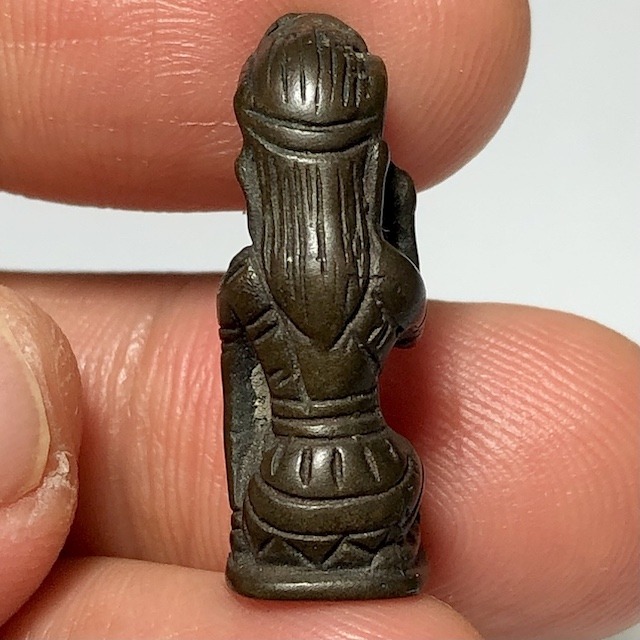
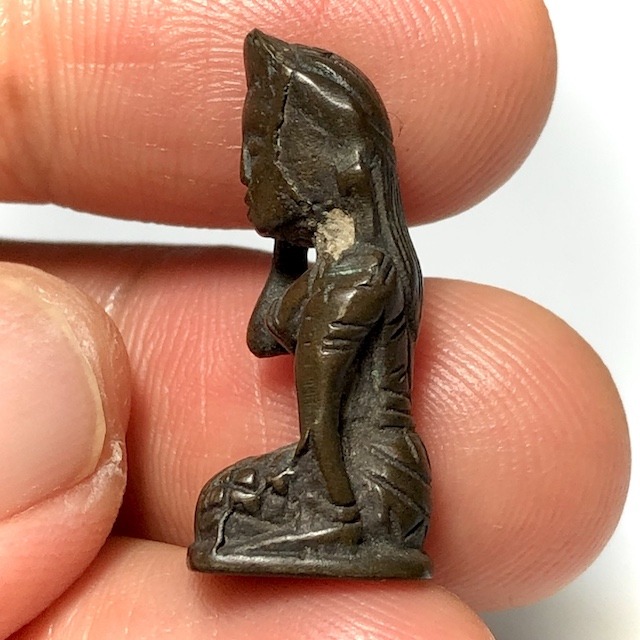
This article takes a deep look into the Legend of the Pra Nang Kwak Na Pokasap Powder Amulet and the Register of Sacred Objects by Luang Por Sakorn, Wat Nong Grub , B.E. 2548 (2005), as a study of amulets of Spiritual and Magical, and Cultural Heritage of Buddhist Sorcery  (Buddha Magic), from Thailand’s Eastern-Central Region

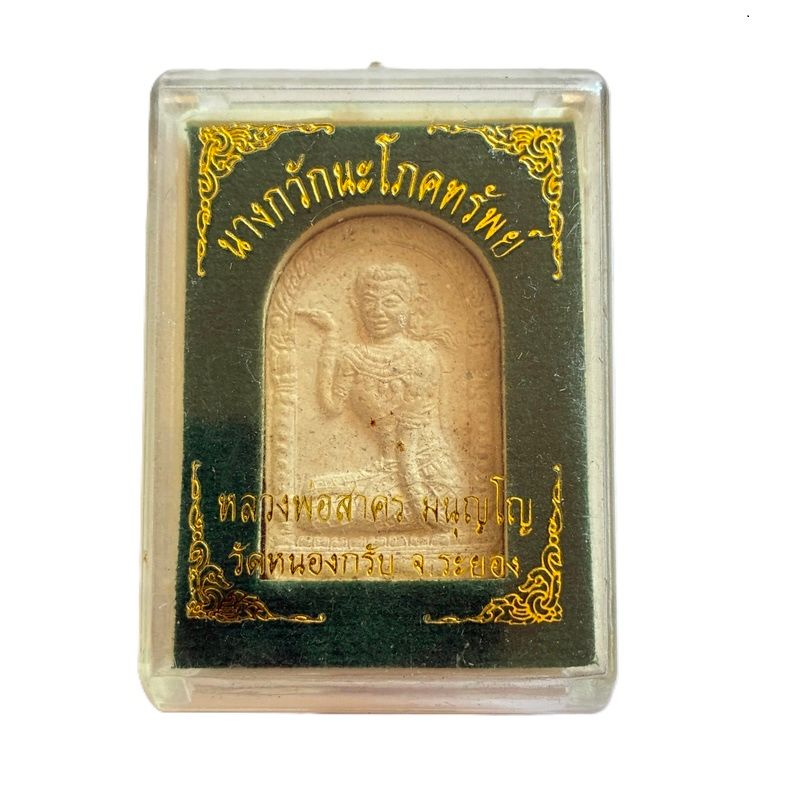
Pra Nang Kwak Na Pokasap LP Sakorn 2548 BE

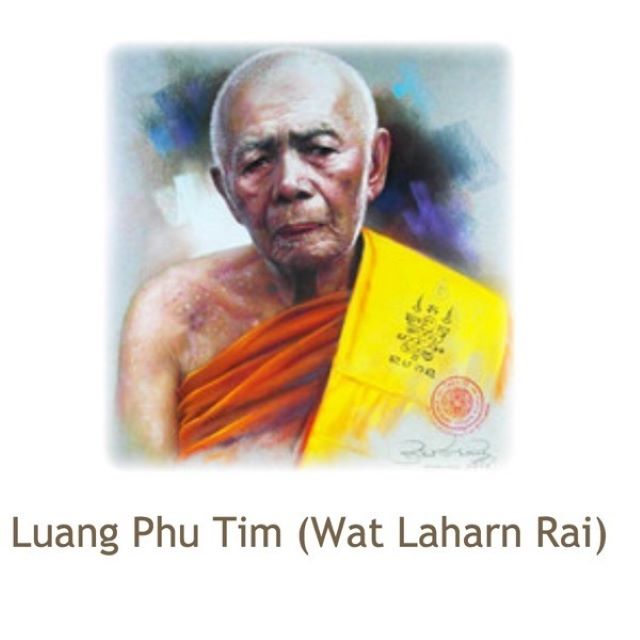
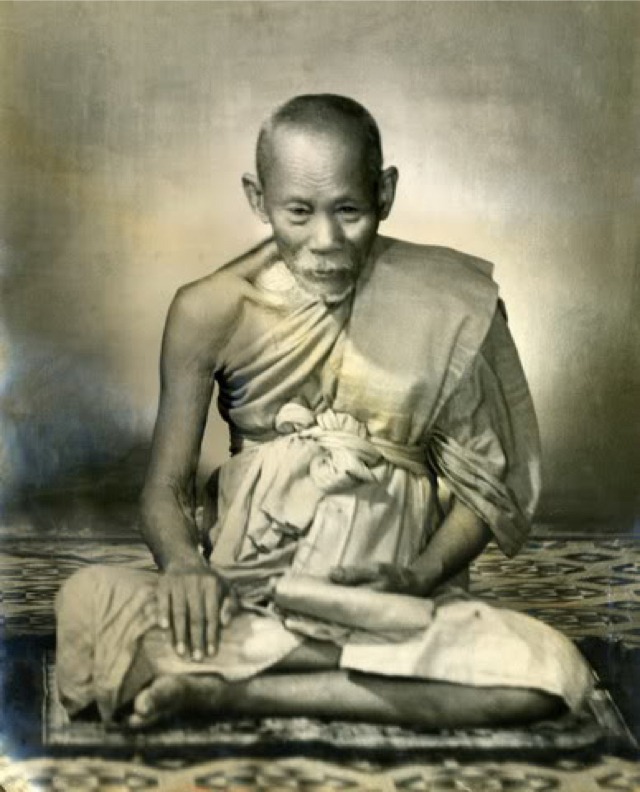
The eastern region of Thailand, particularly Rayong province, is historically recognized as the land of highly knowledgeable monastic masters (Gaeji Ajarn) and esoteric sciences passed down through the ages. Amidst a widespread wave of devotion, the name “Luang Por Sakorn Manunyo” of Wat Nong Grub has become a symbol of sanctity, as the sole heir of the Buddhist sorcery lineage trusted by Luang Pu Tim Isariko of Wat Laharn Rai to continue the creation of the famous “Pong Prai Kumarn” (Prai Kumarn Powder).

Below: English Audio Podcast

The creation of sacred objects in B.E. 2548 (2005), especially the “Pra Nang Kwak Na Pokasap Powder Amulet,” is considered a significant occasion that perfectly merged the finest sacred materials, potent spiritual power, and legendary mythology. This was intended to be a spiritual anchor and a supreme enhancer of destiny for those faithful to Metta Mahaniyom (loving-kindness and great charm) and Chokelarb (good fortune).

Below: Podcast Aux Francais.

The Path of Vision and Buddhist Artistry: The Prai Kumarn Powder Nang Kwak Na Pokasap Amulet, B.E. 2548

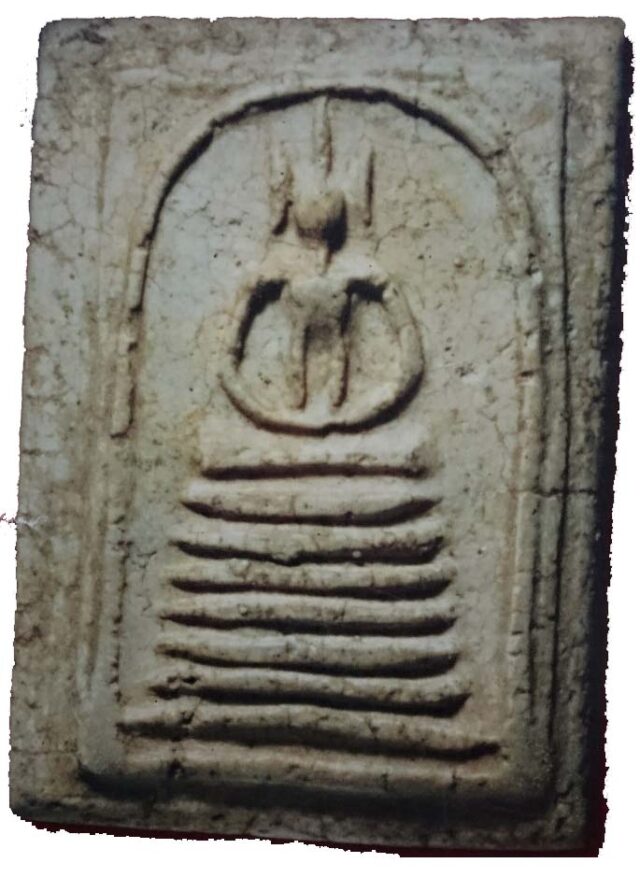
Pra Pimp Nang Kwak Nuea Pong Prai Kumarn LP Sakorn

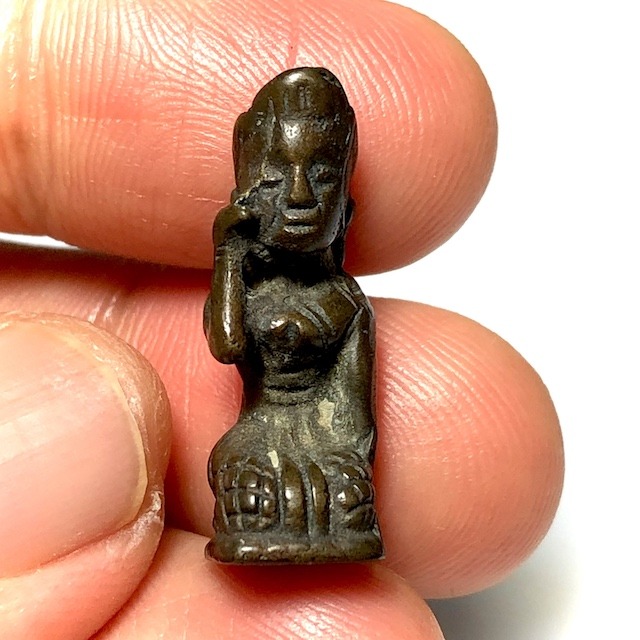
In the year B.E. 2548, Luang Por Sakorn Manunyo initiated the creation of the Nang Kwak amulet mold, giving it the auspicious name “Nang Kwak Na Pokasap” to emphasize its power to attract wealth and prosperity. The story of this amulet must begin with the meticulous design of its Buddha image, a model of the Mae Nang Kwak in a posture radiating compassion. She sits neatly with folded legs, her right hand raised high above her mouth in a beckoning gesture to call forth fortune. This gesture is an esoteric principle signifying “Kin Mai Mot” (never-ending sustenance) or having abundant wealth for all time.

Below: Podcast in Chinese (下方:中文播客)

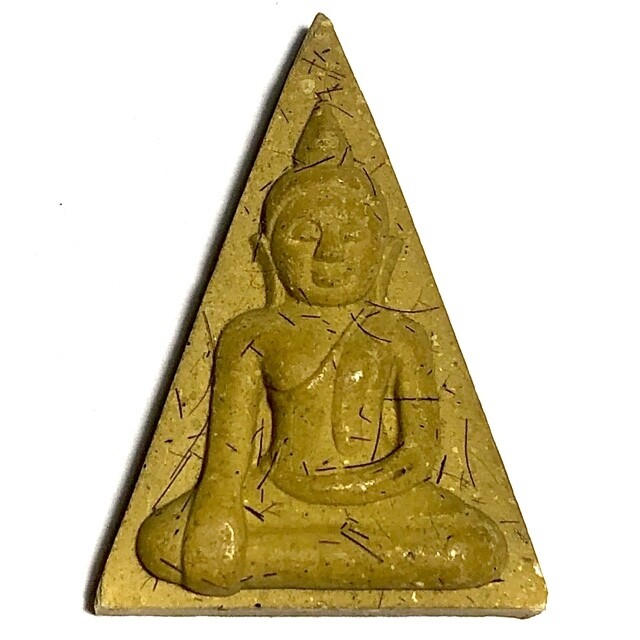
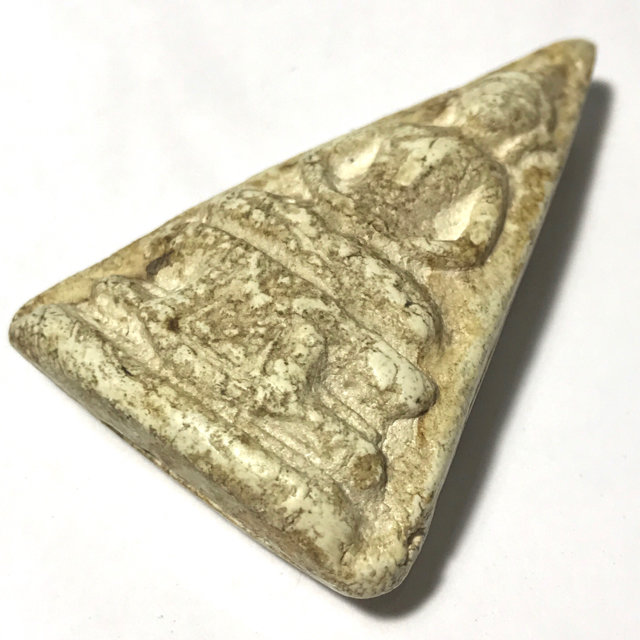
This specific batch of Pra Nang Kwak Na Pokasap, particularly the “Powder-Only (No Takrut)” version, stands out due to its concentrated material content. Without the need to sacrifice surface area for embedding a metal Takrut scroll, the devotee can fully experience the essence of the Prai Kumarn powder and various sacred materials.

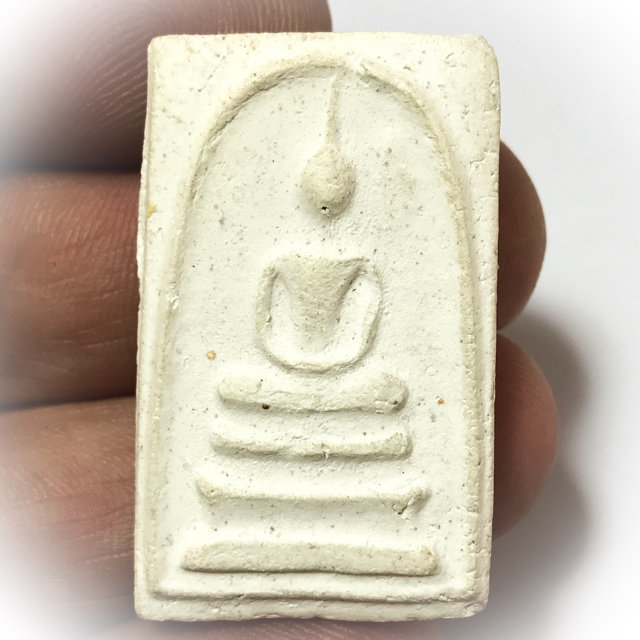
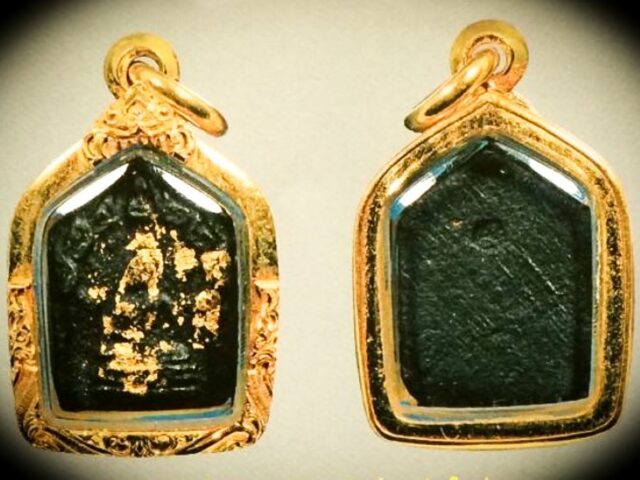
The body of the amulet is typically a clean white or “Nuea Khao” (white flesh), with some pieces being “Long Thong” or partially gilded with gold leaf to enhance elegance and auspiciousness. This batch is generally clearly stamped with a code and serial number on the side of the amulet to confirm authenticity and prevent future counterfeiting.

Luang Por Sakorn Manunyo

Luang Por Sakorn - Rian Jao Sua, other amulets, his Wicha, and teachings on Occultism and Necromancy

Physical Characteristics and Creation Details

The assessment of the Pra Nang Kwak Na Pokasap B.E. 2548, pure powder version, requires expertise in examining the texture, which is soft yet firm (Nuea Nuam)—a unique characteristic of powder amulets from the Wat Nong Grub lineage. The weight of the amulet is balanced, not overly light, and it lacks a harsh chemical odor, as most ingredients are derived from natural materials and sacred herbs (Wahn Sak-sit).
Nang Kwak amulet LP Sakorn 2548

Amulet Specification Creation Detail
Official Batch Name Nang Kwak Na Pokasap (sometimes called Nang Kwak Prai Kumarn Powder)
Year of Creation B.E. 2548 (A.D. 2005)
Shape Rounded rectangular or Moon-Floating (Jan Loi) in some forms
Principal Material Luang Pu Tim’s Prai Kumarn Powder, Minor-Major Mahaniyom Powder, Luang Por Kad’s Holy Flour (Paeng Sek)
Special Characteristics Pure powder (no Takrut), some gilded with gold, stamped with a number and code
Prominent Power (Phutthakhun) Metta Mahaniyom, Maha Saneh (Great Charm), Business/Trade, Attracting Gold and Money

The divine power (Putthanupap) of this Nang Kwak batch is not limited to being a mere talisman for merchants; it also extends to enhancing charisma and gaining the affection of superiors. It is suitable for those who must negotiate important business or require trust and faith in their work. Luang Por Sakorn infused spiritual power through the “Heart of the Millionaire” (Katha Hua Jai Setthi) and “Heart of Sivali” (Katha Hua Jai Sivali) incantations into every particle of the Prai Kumarn powder, making this Nang Kwak amulet highly efficacious and fast-acting for those with steadfast faith.

Thai Amulets Life and Legacy of Luang Por Sakorn

The Legend of the Goddess of Wealth: The Roots and Sanctity of Nang Kwak

To discuss the legendary origins of Nang Kwak, one must go back to the Buddhist era in the Indian Subcontinent (Chomphu Thawiip). The story centers on “Nang Supawadee,” the daughter of a devout merchant. Nang Supawadee received the compassion of the Arahants most excellent in fortune, namely Phra Sivali and Phra Mahakassapa. The two venerable monks bestowed upon her blessings of auspicious speech and an aura of radiating compassion, making it an astonishing miracle that no matter which city she accompanied her father to trade in, all their goods would be beckoned and sold out.

Rear face pf Nang Kwak amulet LP Sakorn 2548

In the Thai People’s common beliefs, Nang Kwak is deeply linked to a deeper local legend, stating that she is the daughter of “Pu Chao Khao Khiao,” the great master of the powerful hermit Ruesi community. The relationship between Pu Chao Khao Khiao and Nang Kwak is conveyed through the worship incantation: “Ohm Pu Chao Khao Khiao has one daughter named Mae Nang Kwak…” This reflects the invocation of the Ruesi’s charisma, the lord of the forest and mountains, to provide protection and bestow good fortune.

Pra Pim Nang Kwak LP Sakorn 2548

How to Worship Mae Nang Kwak for Maximum Efficacy

Luang Por Sakorn Manunyo always taught his disciples that sacred objects are merely a “medium” to carry energy, but the efficacy depends on the “gratitude and sincerity” (Katanyu lae Satja) of the devotee. The highest form of worship for the Nang Kwak B.E. 2548 batch follows these traditions:
Placement and Installation: The shrine should be set up with the Nang Kwak facing outwards toward the front of the house or shop. This acts as a “beckoning” (Kwak) to draw customers and fortune in from outside.

Pra Pim Nang Kwak LP Sakorn 2548
Daily Offerings: Clean water must always be present on the altar. On Buddhist holy days or auspicious days, sweet fruits such as bananas or oranges should be offered, symbolizing smoothness and flowing fortune.

Nang Kwak The Guardian of Prosperity

Spiritual Invocation with Mantra: Before opening the shop or starting work, light 9 or 16 joss sticks, then focus your mind on Luang Pu Tim, Luang Por Sakorn, and Mae Nang Kwak. Then, recite the short but potent wealth-calling mantra: “E-Hi Chit-Tang Maha Larpang Bi-Yang Ma-Ma Ma-Ma.”
The artistic feature of this Nang Kwak batch, with its “hand raised above the mouth,” is a spiritual riddle Luang Por embedded, meaning that those with effort and good fortune supporting them will always have more than they need (Surplus Wealth). Devotees who have worn this amulet all agree that after worshiping this powder amulet, business that was once slow became noticeably brisk.

Luang Por Sakorn Manunyo: The Heir of Buddhist Sorcery and the Closest Disciple of Luang Pu Tim

The sanctity of the B.E. 2548 amulets cannot be separated from the miraculous biography of their creator. Luang Por Sakorn Manunyo was born with the name “Sakorn Pairam” (some records state his original surname was Paisalee) on Tuesday, February 3, B.E. 2481 (1938) in Ban Taisung, Rayong province. The significance of this birthplace is that “Ban Taisung” is the same hometown as Luang Pu Tim Isariko, the Bodhisattva of Wat Laharn Rai. This is seen as a heavenly decree, preordaining the two to be a master and disciple in the same lineage.

He entered the monkhood at the age of 20, on June 4, B.E. 2501 (1958), at the Uposot (ordination hall) of Wat Nong Grub , with Luang Por Ding (Pra Kroo Jantarotai) as his preceptor. After that, he spent almost all his time traveling between Wat Nong Grub and Wat Laharn Rai to serve and study with Luang Pu Tim closely. He earned the epithet “Sit Kon Kutti” (The Disciple by the Master’s Quarters) because he was the only person Luang Pu Tim permitted to serve him during the late hours to receive the transmission of secret, esoteric knowledge that could not be shared with the general public.

Inheriting the Lineage from the Supreme Monastic Master

Luang Por Sakorn did not only study with Luang Pu Tim; he also had a thirst for knowledge and traveled to study further with several other highly powerful masters to accumulate diverse Buddhist sorcery that covered all aspects.

Master Who Transmitted the Knowledge Temple/Monastery Knowledge Received
Luang Pu Tim Isariko Wat Laharn Rai Pong Prai Kumarn, Samadhi Vipassana, Yant Ha (Five Yantra), Khun Paen Amulet Creation
Luang Pu Pueak (Luang Pu Pueng) Wat Laharn Yai The “Na Kiew” Yantra Engraving Technique (Maha Ut and Kongkrapan)
Luang Pu Hin Wat Nong Sanom Wicha (Sorcery) for Klaew Klaad (Danger Evasion) and Metta Mahaniyom (as recommended by Luang Pu Tim)
Luang Por Boon Wat Prasart Kin Khmer Sorcery Lineage and Occult Sciences for Creating Talismans
Luang Por Pheng Wat Laharn Rai Wicha Maha Ut (Bullet-Proof) and Kongkrapan (Invulnerability) (from the lineage of Luang Pu Suk, Wat Pak Klong Makham Thao)

With his sharp intellect and steadfast concentration, Luang Por Sakorn was able to memorize the sacred letters (Akkara Lek Yant) and the methods of consecration precisely. Even Luang Pu Tim once praised him in front of other disciples, saying, “This Sakorn can do everything just like me.” His spiritual power was so strong that he could consecrate Takrut to vibrate vigorously in the monk’s bowl or consecrate the Gumarn Tong (Golden Child effigy) to move as if alive. This is the source of the unwavering belief in every sacred object that passed through his hands.

The Legend of Prai Kumarn Powder: Occult Heritage Turned into Sacred Treasure

The key ingredient that gives the Pra Nang Kwak B.E. 2548 its high value and potent power is the inclusion of “Pong Prai Kumarn Maha Phuuti” (Great Ghost Child Powder). This legend began at Wat Laharn Rai around B.E. 2515 (1972), when Luang Pu Tim intended to create amulets to raise funds for the construction of the Uposot. He instructed the collection of a “Prai Kumarn Skull” from a child who died in the mother’s womb (died Thang Klom), considered the most powerful occult material.

The person who accepted this frightening mission was “Mor Kulap Joi Charoen,” a disciple with powerful sorcery who was the only one brave enough to venture into the Wat Laharn Yai cemetery. Mor Kulap had to use his deep meditation and incantations to subdue the spirits of the mother and the keeper of the cemetery until they accepted and were willing to donate the Prai Kumarn body to contribute to the creation of merits in the Buddhist way. Once the skull was obtained, Luang Pu Tim performed a “spiritual bathing” ritual, ordaining the spirits to become “Deva” or benevolent spirits (Deva Spirit) whose duty was to assist those in distress.

The Inheritance of Sacred Material to Luang Por Sakorn

When Luang Pu Tim passed away in B.E. 2518 (1975), he entrusted Luang Por Sakorn to inherit all the remaining Prai Kumarn Powder. This powder was not merely dust but a “living energy starter.” Luang Por Sakorn mixed the original Prai Kumarn Powder with the sacred powders he created himself and continued to consecrate it for decades.

In the creation of the Nang Kwak B.E. 2548, he added a large amount of the concentrated Prai Kumarn Powder into the mixture, giving this batch the benevolent “Phrai” (Prai Deva) energy that whispers warnings or attracts customers to the devotee. There are stories that some who worship this amulet have seen the image of a small child running around in their homes or shops, which signifies the continued presence and power of the Prai Kumarn Powder to help those with true faith.

The Register of Sacred Objects and the Grand Consecration Ceremony in B.E. 2548

The year B.E. 2548 was not only marked by the Pra Nang Kwak Na Pokasap but also by the creation of other important amulets released simultaneously or participating in the same consecration ceremony, making it a golden year for the disciples of Wat Nong Krub. Luang Por Sakorn meticulously focused his spiritual power for consecration in the “Ho Yant” (Yantra Tower) he built himself, ensuring the spiritual power permeated every single amulet.

1. Rian Sema Batch 1 (Commemorating 62nd Birthday)

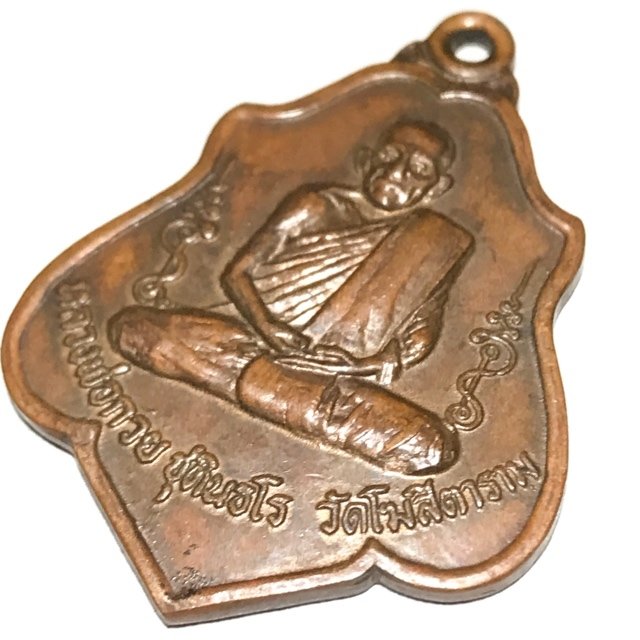
This is considered the “most supreme” amulet of the B.E. 2548 batch, created to celebrate Luang Por Sakorn’s 62nd birthday on February 3, 2548. The coin was designed with the beautiful artistry of Wat Laharn Rai, featuring a Sema (leaf shape) design. The front bears an image of Luang Por Sakorn sitting in full body, and the back is inscribed with the Yant Ha (Five Yantra), a unique mark of Luang Pu Tim. This coin was produced in materials including Gold, Silver, Nawaloha (nine-metal alloy), and Copper, and its market value continues to climb steadily.

2. Prai Kumarn Powder Amulet, Resemblance Mold (Small Head)

This mold is often called the “Sian Lek 48” (Small Head 48) in amulet circles. It was created with Prai Kumarn Powder, similar to the Nang Kwak. Its specialty lies in the diversity of its material, such as white gilded with gold and pink powder (highly popular among ladies and foreigners). In this small-head batch, some “Ongk Kroo” (Master Pieces) were embedded with silver or gold Takrut scrolls.

3. Luk Om Yant Ha (Five Yantra Orb) and Various Talismans

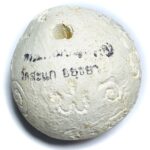
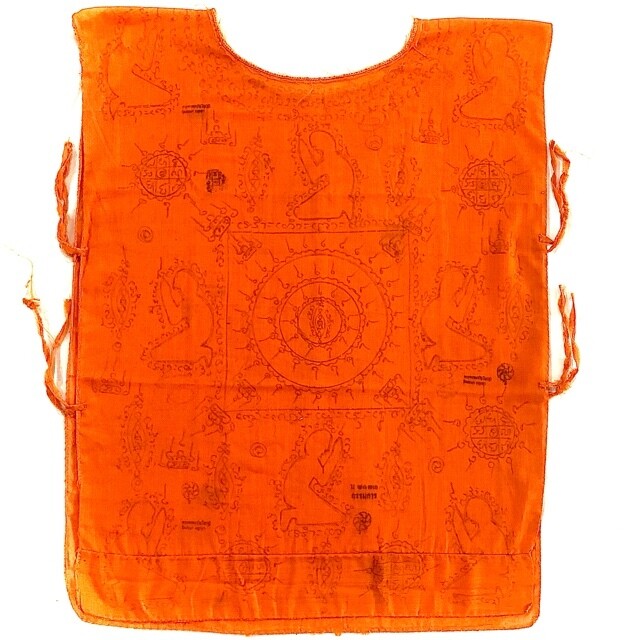
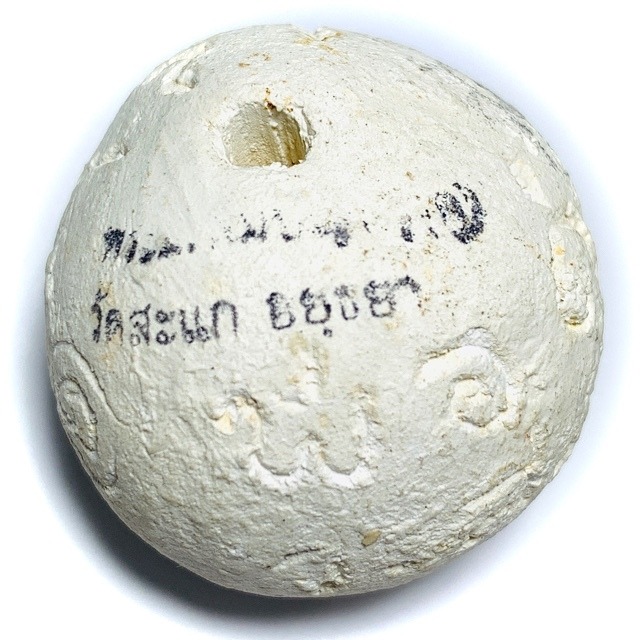
The Luk Om Prai Kumarn Powder B.E. 2548 is a highly desirable talisman because it utilizes the leftover concentrated powder from the pressing of the Khun Paen and Nang Kwak amulets. Some Luk Om orbs contain embedded Sarika Takrut (attraction yantra) or miniature Pra Pid Ta (closed-eye Buddha) images inside. Furthermore, “Thao Wessuwan” (God of Wealth) and “Pha Yant” (Yantra Cloth) were also released in late 2548 in preparation for the merit-making ceremonies of the following year.

B.E. 2548 Amulet Type Material Content Quantity/Key Features
Pra Nang Kwak Na Pokasap Powder Prai Kumarn Powder/108 Sacred Herbs (Wahn 108) Creamy white, gilded with gold, coded on the side
Rian Sema Batch 1 Metal/Gold/Silver/Copper Coded with serial number, beautiful traditional mold
Pra Resemblance Mold (Small Head) Prai Kumarn Powder/Pink/White Both with and without silver Takrut embedded
Luk Om Yant Ha Concentrated Prai Kumarn Powder Approximately 1.3 cm in size, in both white and pink
Thao Wessuwan Powder/Metal Designed by Luang Por Sakorn, wards off ghosts and attracts wealth

Consecration Ceremony and the List of Participating Monastic Masters

In the creation of the B.E. 2548 sacred objects, Luang Por Sakorn did not perform the consecration alone in every instance. He also invited the charisma of revered Arahants and masters to join the grand Buddhist consecration ceremony (Maha Phutthaphisek). One ceremony that has been recorded is the consecration throughout the three-month Buddhist Lent (Traimas), where Luang Por would seal his meditation room for solitary consecration every night for 3 months.

For the grand ceremony joined by the respected monastic masters, the list includes the following venerable monks:

  • Somdet Phra Nyanasamvara, the Supreme Patriarch: Graciously consecrated the materials and radiated compassion during the important ritual.
  • Luang Por Uttama, Wat Wang Wiwekaram: A Mon lineage master with serene spiritual power and great compassion.
  • Luang Por Sin, Wat Laharn Yai: A senior disciple from the Wat Laharn Rai lineage, skilled in creating Pra Pae (Goat) and Khun Paen amulets.
  • Luang Por Foo, Wat Bang Samak: The inheritor of the Wicha for creating Thao Wessuwan and Metta Mahaniyom.
  • Luang Por Pian, Wat Kreun Kathin: The supreme master of Lopburi province, outstanding in Kongkrapan (Invulnerability) and Klaew Klaad (Danger Evasion).
  • Luang Pu Tim, Wat Phra Khao: The benevolent deity of Ayutthaya (Krung Kao).

The combined power of these supreme masters ensures the B.E. 2548 amulet set possesses perfect energy flow, covering Maha Ut (Bullet-Proof) and Kongkrapan (Chatree), and most importantly, Metta Mahaniyom, which was the main objective of creating the Nang Kwak amulet.

Sacred Materials: The Secret Ingredients of Success

The secret behind the sanctity of Luang Por Sakorn’s amulets is the “materials” he collected throughout his life. For the Pra Nang Kwak Na Pokasap B.E. 2548, he meticulously combined rare ingredients:

  • Pong Prai Kumarn Maha Phuuti: The original powder from Luang Pu Tim, Wat Laharn Rai, which is the most concentrated “starter culture
  • “Five Sacred Powders (Pong Wised 5 Prakan): Including Pong Bpathamang, Pong Ittije, Pong Maharart, Pong Phutthakhun, and Pong Trinisinghe, which Luang Por inscribed and erased the Yantra himself.
  • 108 Sacred Herbs Powder (Pong Wahn 108): Focusing on fortune-attracting herbs, such as
  • Wahn Setthi (Millionaire Herb), Wahn Kwak Maha Chok (Great Fortune Beckoning Herb),
  • Wahn Kumarn Thong (Golden Child Herb), and Wahn Dok Thong (Strong Attraction Herb).
  • Luang Por Kad’s Holy Flour (Paeng Sek): A highly popular Metta Mahaniyom powder in the Eastern region.
  • Seven Occult Soils (Din 7 Athan): Including soil from 7 Clay Licks, 7 Piers, 7 Cemeteries, and 7 Ant Mounds, to invoke the power of Mother Earth (Mae Phra Thorani) to enhance destiny.
  • Old Palm Leaf Powder from Wat Ban Laeng: Powder that Luang Pu Tim helped consecrate in B.E. 2496 with other supreme masters of the Indochina era.
  • Maha Saneh Beeswax and Prai Oil (Namman Phrai): Which have been extracted and consecrated until they are clear and free from negative black magic elements.

The mixing of these materials had to follow the specific auspicious times prescribed in the treatises of “Pichai Songkhram” (Victory in War) and “Phrommachat” (Brahma’s Destiny) to ensure the amulets reached their full potential. Luang Por Sakorn often personally oversaw the grinding and mixing of the materials to ensure that the “goodness” he prepared was consistently incorporated into every amulet.

Conclusion of Faith: Hope and Protection for the Modern World

The “Pra Nang Kwak Na Pokasap B.E. 2548” set of amulets and the register of sacred objects from Luang Por Sakorn Manunyo are not merely works of art or collectibles with economic value. They are a “testament to Buddhist sorcery” that has endured for over two decades. The hidden power within the Prai Kumarn Powder and the spiritual concentration of Luang Pu Tim’s closest disciple have helped countless people overcome financial and life crises.

Kata Nang Kwak (waving lady Deity) Main Version slow and clear pronunciation

For those seeking “the real deal” that is internationally accepted, the Nang Kwak B.E. 2548 pure powder version is the most perfect choice, as you will genuinely experience the spirit of Luang Por Sakorn through the materials inherited from Luang Pu Tim. If you worship with a pure heart, diligence, and consistently make merit to share with the Prai Kumarn and Mae Nang Kwak, the power of “Na Pokasap” will certainly bring prosperity and peace to you and your family.

As Luang Pu Tim once said, “Soon, you will search the earth over and still not find them.” These amulets are invaluable treasures worthy of preservation and reverence as an auspicious blessing for life.

Kata Incantation For Merchants - Thailand Amulets

Luang Por Sakorn Manunyo (Wat Nong Grub)

Amulets of Luang Por Sakorn Manunyo (B.E. 2481-2556 / C.E. 1938-2013)

Filters

Filters


The Khun Phaen Nang Kumarn Tong Votive Tablet by Luang Por Guay

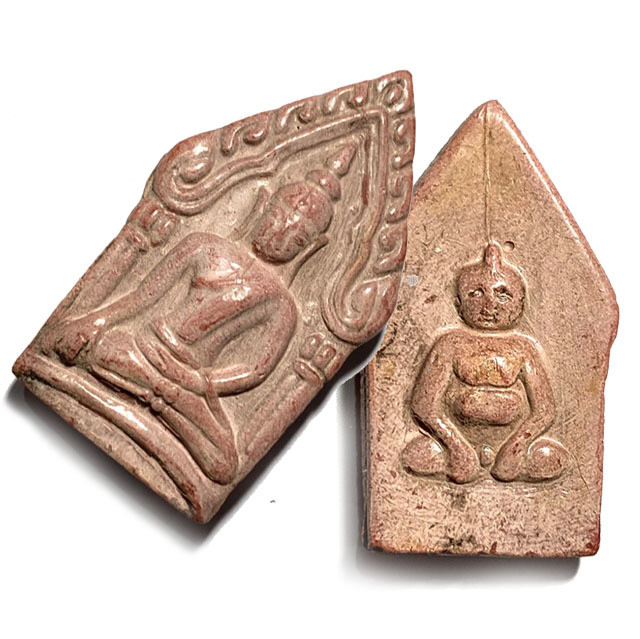
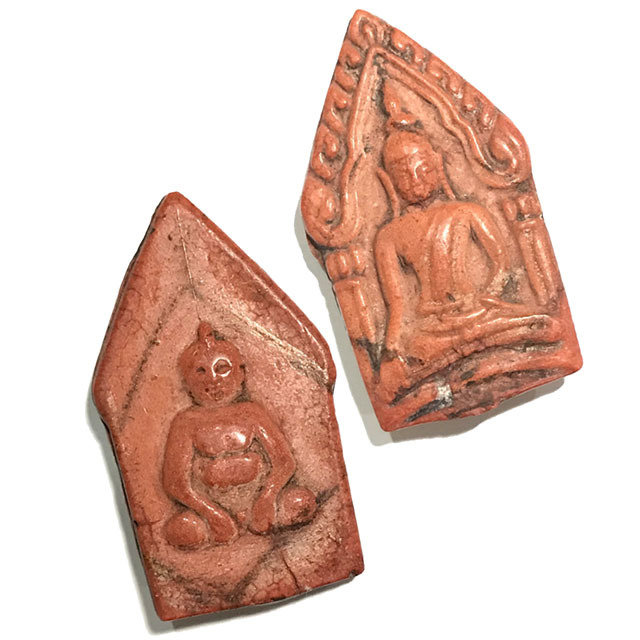
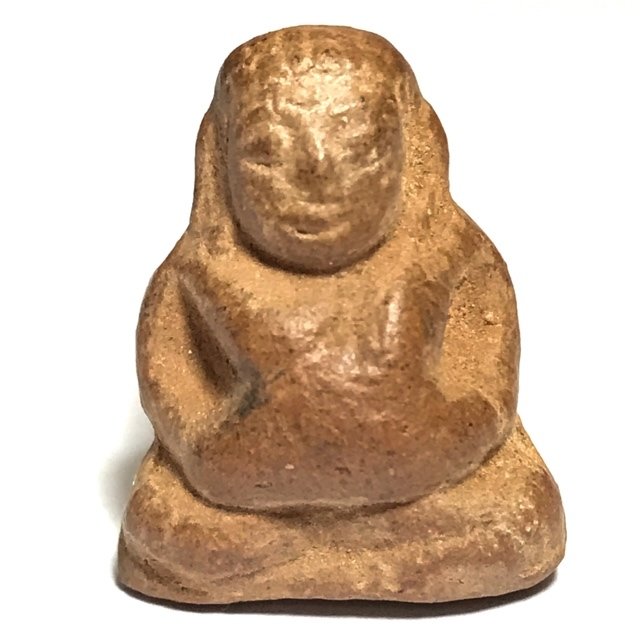
The Khun Phaen Nang Kumarn Tong tablet occupies a unique place among the votives created by Luang Por Guay of Wat Kositaram. Fashioned in 2513 B.E. as part of the Run Prasopgarn (“Proved Powerful by Experience”) series, it is composed of Nuea Aathan, a sacral blend of consecrated earth, funerary ashes, powdered bone and Pong Wosed yantra powders. This smooth-backed Hlang Riab variant incorporates the necromantic image of a Hoeng Prai, or child-ghost beneath Khun Phaen’s throne, lending the model an unusual ritual potency within Luang Por Guay’s pantheon.

in hand khun phaen nang kumarn luang por guay hlang riab

The tablet features the image the Buddha in the Mara Vichai posture, one with both hands placed together performing incantations. The figure is enclosed within a crystalline arch and bears elongated earlobes, a classical signifier of awakened wisdom. Beneath this scene rests the Kumarn Tong, the Golden Child Deva, depicted in youthful plenitude. The reverse may appear as an unadorned smooth surface or, in its alternate form, as a seated Kumarn Tong whose rounded belly and serene expression evoke prosperity and well-being.

These amulets were principally bestowed upon disciples who sought Sak Yant tattoos from Luang Por Guay, most famously receiving four Hanuman designs across the back, chest and each arm. Many recipients belonged to the Nak Leng and Suea circles, individuals engaged daily in perilous ventures. Their survival and the numerous accounts of life-saving interventions came to serve as empirical testimony to the amulets’ efficacy, thereby cementing their reputation among both lay practitioners and those immersed in the criminal underworld.

in hand rear face of amulet khun phaen nang kumarn luang por guay hlang riab

Rituals of Empowerment
Luang Por Guay’s methods of Pluk Sek (amulet empowerment) were remarkably intricate. He conducted daily ceremonies at dawn, morning, midday, afternoon, evening and midnight, aligning each rite with auspicious Reuks—including Mongkol (astrological), Jone (gangster) and Bun Paya Marn (demonic) influences—to envelop the wearer in comprehensive protection and blessing. Owners were encouraged to invoke the Kumarn Tong through dedicated kata, spoken silently in the heart when entering buildings, eating or naming the spirit. Offerings were to be made separately, rather than from one’s own plate, so that the Kumarn Tong might attract prosperity, companionship and protection, driving away adversaries and safeguarding household harmony.

macro close up top front face Khun Phaen Nang Kumarn Luang Por Guay Nuea Khaw Hlang Riab

Life of Luang Por Guay
Born on November 2, 2448 B.E. in the Year of the Snake, Luang Por Guay demonstrated precocious mastery of the Dhammapada and Pali incantations long before his ordination at age seven under Luang Por Khuad. Elevated to abbot of Wat Ban Kae on September 1, 2491 B.E., he adopted a life-style of simplicity and austerity, restricting himself to a single daily meal to empathize with the impoverished villagers he served. Renowned for his healing ministrations, daily empowerments of amulets and mastery of multiple wicha—including Sak Yant tattooing—he forged a legacy of both spiritual and material support for his community.

macro close up lower front face Khun Phaen Nang Kumarn Luang Por Guay Nuea Khaw Hlang Riab

Final Years and Posthumous Reverence
In April 2522 B.E., after a prolonged illness attributed to years of self-denial in sustenance, Luang Por Guay passed away in peaceful repose at age seventy-five. His final days were marked by continued magical labor, as he inscribed yantra on palm and foil, empowered amulets by midnight rituals and even foretold the moment of his own departure. When he breathed his last, the temple bell fell as though in salute, tolling exactly at 7:55 a.m. on April 12. Each year since, devotees assemble at Wat Kositaram to offer reverence on that date, calling upon his enduring blessings and celebrating the profound potency of his amulets.

Luang Por Guay (Wat Kositaram)

Luang Por Guay was born on 2nd of November 2448 in the year of the snake, in Soi 9, Ban Kae , Tambon Bang Khud, Sakburi, Chainat He passed away in 2522 BE Under Miraculous Circumstances; Click Here to Read Full Biography of Luang Por Guay Wat Kositaram

Filters

Filters
1 - 60 of 129 items

amatasiam2

The Main Powers of Thai Amulets

The Main Powers of Thai Amulets are chiefly considered to be among the following;

Thai amulets and their powers, which are deeply intertwined with the country’s culture and Buddhist traditions, are believed to amulets which possess various powers that can help protect, heal, and improve the lives of those who wear them. These powers are derived from centuries of spiritual practices and teachings, and are often linked to the blessing of monks or spiritual leaders who imbue the amulets with sacred energy. While there are many different types of Thai amulets, the most common powers they embody are Maha Sanaeh, Metta Maha Niyom, Kong Grapan Chadtri, Maha Lap, Serm Duang, Serm Yos, Maha Amnaj, Gae Aathan, and Serm Baramee. Each of these powers addresses a specific need, offering protection, good fortune, love, and spiritual growth to the wearer.

Thai Benjapakee amulets

1. Maha Sanaeh (มหาสเน่ห์) – Power of Attraction and Personal Magnetism

The term Maha Sanaeh is a combination of two words: Maha, meaning “great” or “powerful,” and Sanaeh, meaning “affection” or “charm.” In the context of Thai amulets, it refers to the power of attraction and personal magnetism. Wearing a Maha Sanaeh amulet is believed to help the wearer attract affection, admiration, and attention from others. It can be particularly helpful in love and relationships, where it is believed to enhance one’s personal charm and increase their influence over others. Beyond romance, Maha Sanaeh can also be used to gain favor in professional or social situations, boosting one’s ability to create positive connections.

Pra Nang Paya Amulet Luang Por Dtat

2. Metta Maha Niyom (เมตตาหมายนิยม) – Power of Loving-Kindness and Favor

Metta means “loving-kindness” or “compassion” in Pali, while Maha means “great,” and Niyom refers to being favored or admired. When combined, Metta Maha Niyom signifies a great form of loving-kindness that draws favor, admiration, and affection from others. In the context of amulets, these are often used to help the wearer cultivate positive relationships and foster harmonious interactions. Metta Maha Niyom amulets are believed to create an aura of kindness and goodwill, making the wearer more likable and respected. These amulets attract not only love and affection but also help in situations where one needs support or goodwill from others.

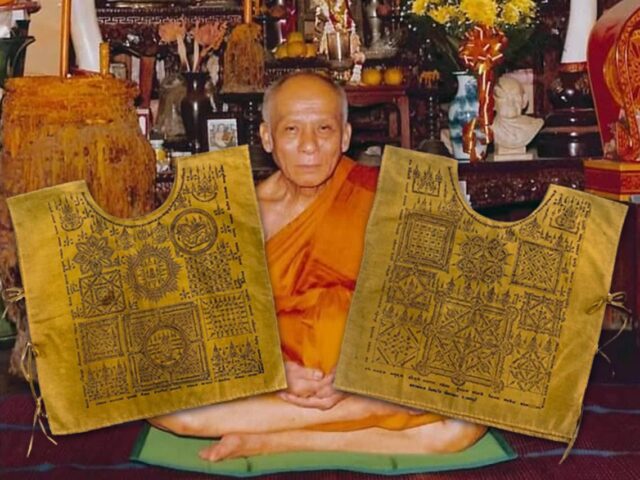
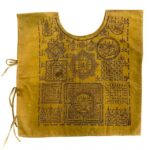
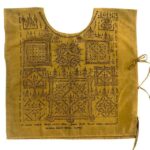
Suea Yant Kong Grapan Chadtri Maha Ud Sacred Yantra Shirt - an Immensely rare item of the Great Luang Por Lae, of Wat Pra Song in petchburi

3. Kong Grapan Chadtri (คงกระพันชาตรี) – Power of Protection and Invincibility

Kong Grapan Chadtri is a term used for amulets that provide protection from harm. Kong means “to endure,” Grapan means “unbreakable,” and Chadtri refers to “warrior.” Together, this phrase translates to “invincible warrior” or “unbreakable protection.” These amulets are designed to provide physical and spiritual protection to the wearer, particularly from harm, weapons, or dangerous situations. Individuals such as soldiers, police officers, martial artists, and anyone whose work involves risk often carry Kong Grapan Chadtri amulets, as they are believed to provide strength and resistance to any form of physical danger.

Look Om Ya Soop Luang Phu Songk

4. Maha Lap (มหาลาภ) – Power of Wealth and Prosperity

Maha Lap translates to “great fortune” or “great wealth,” with Maha meaning “great” and Lap meaning “fortune” or “wealth.” Amulets imbued with the power of Maha Lap are believed to attract financial prosperity, success, and abundance into the wearer’s life. These amulets are highly prized by business owners, entrepreneurs, and anyone seeking financial success. Maha Lap is often linked to opportunities, investments, and the overall flow of wealth, helping the wearer to achieve financial stability and growth in various ventures.
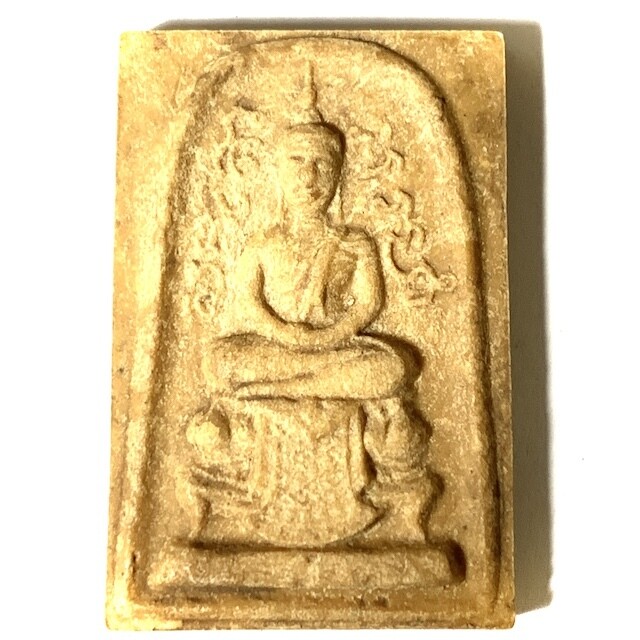
Luang Por Tuad Pra Kroo Bai Diga Wat Chang Hai 2513 BE

5. Serm Duang (เสริมดวง) – Power of Enhancing Luck and Destiny

The term Serm Duang refers to the act of improving one’s luck or life path. Serm means “to enhance,” and Duang refers to “luck” or “fate.” Serm Duang amulets are used to improve various aspects of life, including health, career, relationships, and overall well-being. It is believed that these amulets can enhance a person’s fortune, bringing about a more favorable destiny and helping the wearer overcome obstacles or bad luck. People seeking to improve their life path or align with positive circumstances often turn to Serm Duang amulets for assistance.

Macro Close Up of the Pra Somdej Wat Gaes Chaiyo with Somdej Dto

6. Serm Yos (เสริมยศ) – Power of Status and Prestige

Serm Yos refers to the act of enhancing one’s social standing, rank, or prestige. Serm means “to enhance,” and Yos means “rank” or “title.” Individuals seeking professional success or social recognition often use Serm Yos amulets to gain favor in their careers or to elevate their status. This might include gaining promotions, receiving more respect from peers, or being recognized for one’s achievements. Serm Yos amulets help the wearer attract recognition and appreciation, which can lead to enhanced authority and influence.

7. Maha Amnaj (มหาอำนาจ) – Power of Authority and Control

Maha Amnaj represents great power and authority. Maha means “great,” and Amnaj means “power” or “authority.” Wearing an amulet with Maha Amnaj is believed to help the wearer gain control and command respect. These amulets are favored by individuals in leadership roles, including business owners, politicians, and those who need to exert influence over others. Maha Amnaj helps the wearer gain the ability to dominate situations, create opportunities, and wield power effectively.

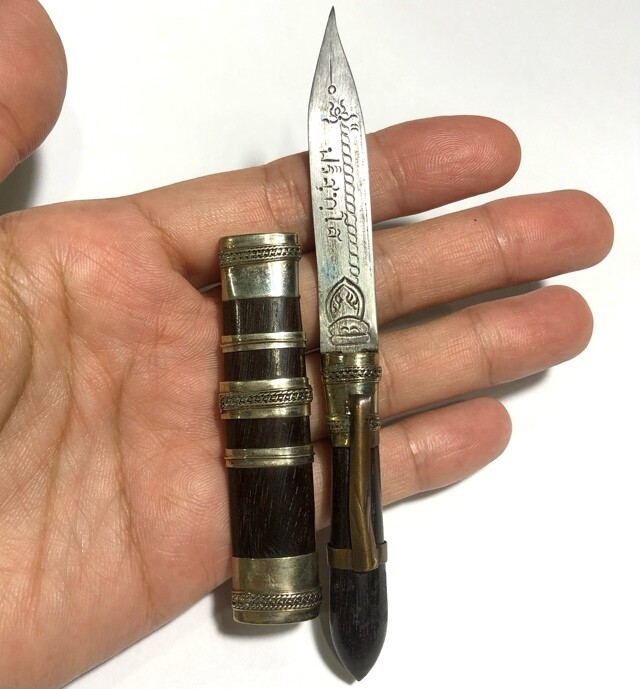
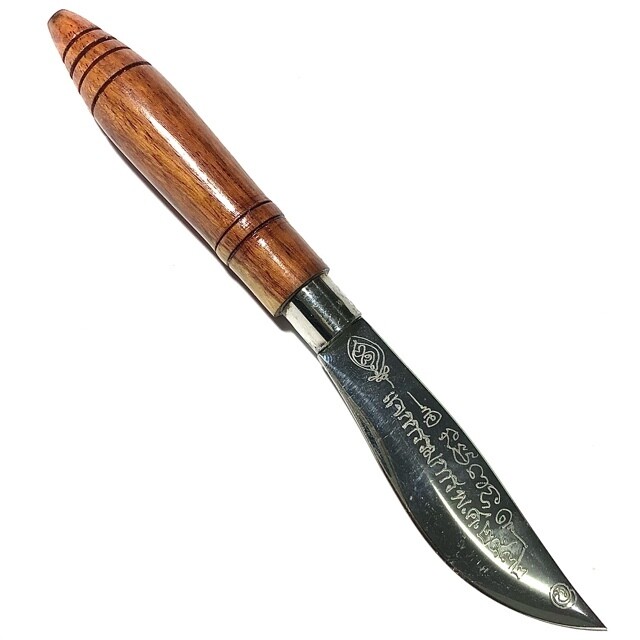
Mitmor Pocket Knife Luang Por Koon

8. Gae Aathan (แก้อาภัพ) – Power of Remedying Bad Luck

Gae Aathan refers to the act of removing or fixing bad luck or misfortune. Gae means “to fix,” and Aathan means “misfortune.” People seeking to remove bad luck or negative forces in their lives often use Gae Aathan amulets. These amulets are believed to counteract misfortune, resolve obstacles, and bring good fortune back into the wearer’s life. Gae Aathan is commonly used by individuals experiencing a series of unfortunate events or those who wish to break negative cycles in their lives.
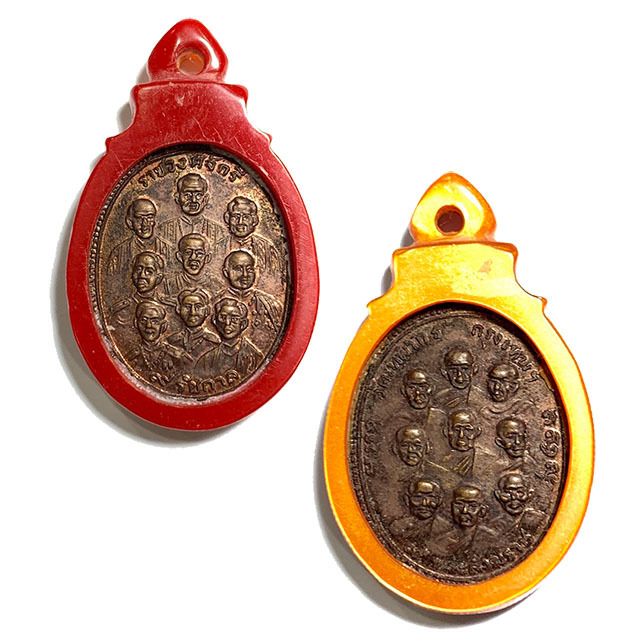
Pra Somdej Wat Gaes Chaiyo Pim Hok Chan Niyom 6 Tiered Dais Model amulet

9. Serm Baramee (เสริมบารมี) – Power of Merit and Spiritual Power

Serm Baramee refers to enhancing one’s merit, virtue, or spiritual power. Serm means “to enhance,” and Baramee refers to “merit” or “spiritual power.” In Buddhism, merit is accumulated through good deeds, acts of kindness, and devotion. Serm Baramee amulets help the wearer increase their spiritual power and accumulate positive karma, which can lead to blessings, protection, and overall well-being. These amulets are often worn by individuals who seek to improve their spiritual health and progress on their path toward enlightenment.

The Multiplicative Power of Thai Amulets

While each of these amulets focuses on a specific area of life—be it love, protection, wealth, or spiritual growth—it is important to note that many Thai amulets possess more than one of these powers. In fact, some amulets are imbued with multiple blessings or influences, offering the wearer a combination of benefits. For example, an amulet might provide both protection (through Kong Grapan Chadtri) and wealth (through Maha Lap), or combine the influence of attraction (Maha Sanaeh) with the power of enhancing luck (Serm Duang). This layered empowerment allows individuals to benefit from a broader spectrum of blessings, enhancing their ability to achieve success, maintain good health, and live a more prosperous life.
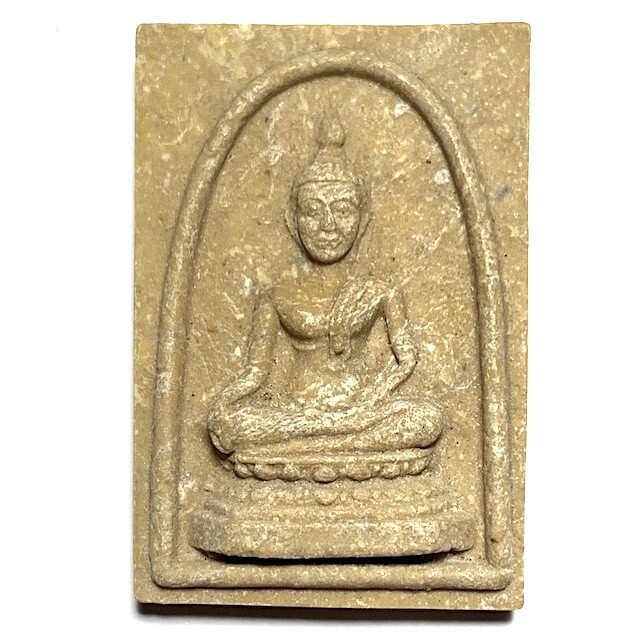
Through rituals and blessings by monks, many amulets receive empowerment from multiple spiritual powers, offering the wearer a harmonious blend of influence that can support them in various aspects of their lives. Whether the goal is attracting love, securing wealth, or achieving spiritual growth, Thai amulets offer a unique and powerful spiritual tool that reflects the deep cultural and religious traditions of Thailand.

Thai Buddhist Amulets of High esteem

Thai amulets, known as “Phra Khruang” or “Krueang Rang,” are deeply embedded in the cultural and spiritual fabric of Thailand. These sacred objects are revered not only for their spiritual significance but also for their historical and cultural value. The tradition of wearing amulets in Thailand is a practice that dates back centuries, intertwining with the country’s religious beliefs, history, and social customs.

The creation of Thai amulets is a diligent and complex ritual process, that involves a blend of spiritual rituals, sacred materials, and artistic craftsmanship. These amulets are often made by revered Buddhist monks, Ruesi hermits, or lay sorcerers who are skilled in mystical arts. The process begins with the selection of sacred materials, which may include powdered herbs, sacred earths, metals, and other substances believed to possess inherent protective qualities. These materials are then mixed with holy water and sacred oils, and often inscribed with ancient scripts or symbols known as “Yant.”

The empowerment of amulets is a crucial aspect, involving the chanting of sacred mantras or “Kata” and the invocation of spiritual entities. This ritual is believed to imbue the amulet with “Itti-rit” or psychic powers, granting it the ability to protect the wearer, bring good luck, or enhance personal attributes such as charm and popularity. This form of magic is known as “Metta Maha Niyom,” which focuses on increasing the wearer’s attractiveness and social influence.

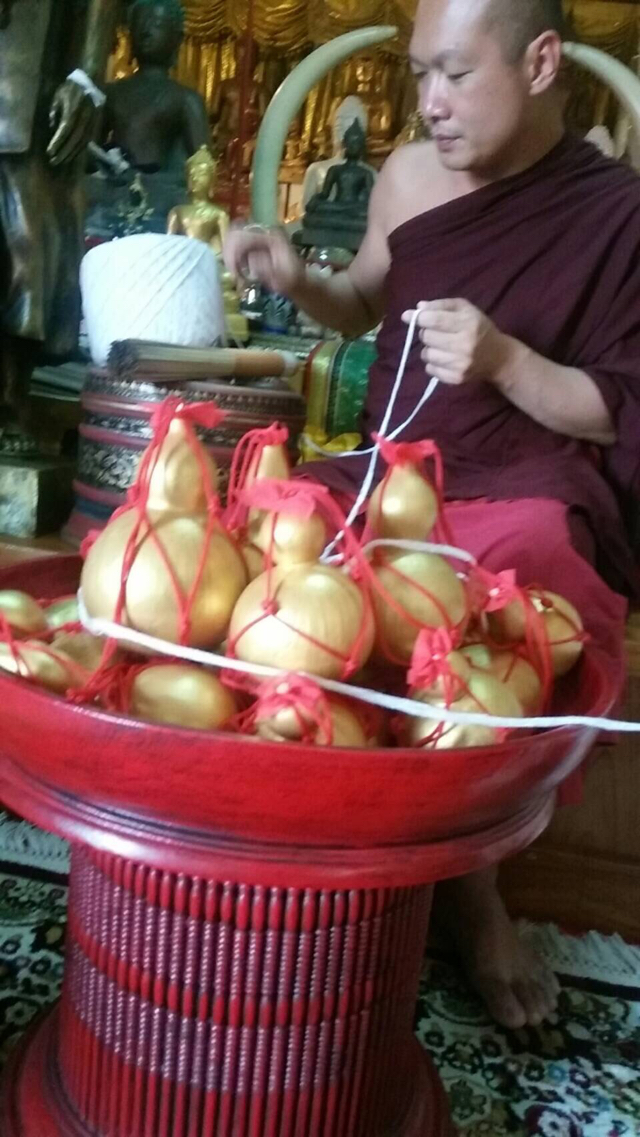
Lanna Master Kroo Ba Nikorn Blessing Nam Tao Gourd Amulets

Kroo Ba Nikorn Blessing Nam Tao Gourd Amulets

Thai amulets can be categorized based on their origin, form, or purpose. Naturally occurring objects such as certain types of iron, boar tusks, and tiger fangs are believed to have intrinsic protective qualities and are often guarded by spirits. Man-made amulets, on the other hand, are crafted using sacred clay admixtures or metallurgical processes, often involving ancient alchemical practices.

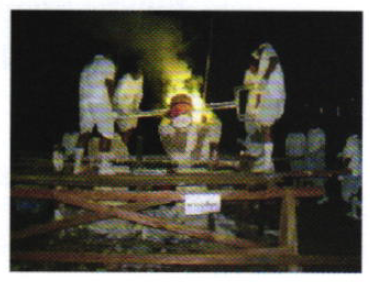
forging metallic alchemical amulets

The imagery on Thai amulets varies widely, encompassing depictions of the Buddha, noble monks, Bodhisattvas, Devas, and even gods and demi-gods. Some amulets also feature elements of the dark arts, invoking the spirits of ghosts or otherworldly entities. Despite the diversity in their forms and purposes, all Thai amulets share a common goal: to bring Buddhist virtues and protection to those who wear them.

The historical significance of Thai amulets is profound. They are not only religious artifacts but also cultural symbols that reflect the beliefs and values of Thai society. The practice of wearing amulets is documented as far back as the Rattanakosin period during the reign of King Rama IV, although it likely predates this era, especially considering it is recorded that King Naresuan maharaj wore a Takrut across his chest on a cord, which shows that the practice dates back many centuries more, as well as the Kru Hiding place burial finds which reveal amulets having been made 700-1000 years agot already in Siam. Throughout history, amulets have been used as protective talismans in battles, as symbols of faith, and as objects of personal devotion.

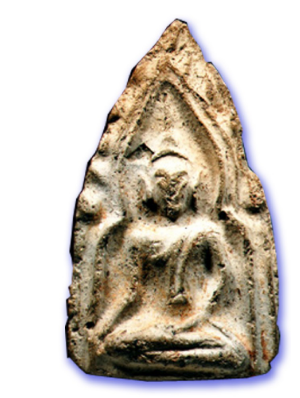
Pra Khun Phaen Ban Krang Ancient Clay Hiding-Place Amulet

One of the most revered figures in the history of Thai amulets is Somdej Toh, a legendary monk known for his profound spiritual wisdom and the creation of the famous Pra Somdej amulets. These amulets are highly valued for their spiritual efficacy and exquisite artistry, making them sought-after items among collectors and devotees alike. The authenticity and age of these amulets are of paramount importance, requiring a keen understanding of the materials and techniques used in their creation.

Macro Close Up of the Pra Somdej Wat Gaes Chaiyo with Somdej Dto

In modern times, the popularity of Thai amulets has only grown, with many people around the world collecting and wearing them for various reasons. Whether for spiritual protection, good fortune, or as a connection to Thai culture, these amulets continue to hold a special place in the hearts of many. The enduring appeal of Thai amulets lies in their ability to bridge the spiritual and the material worlds, offering a tangible connection to the divine and a source of comfort and inspiration in everyday life.
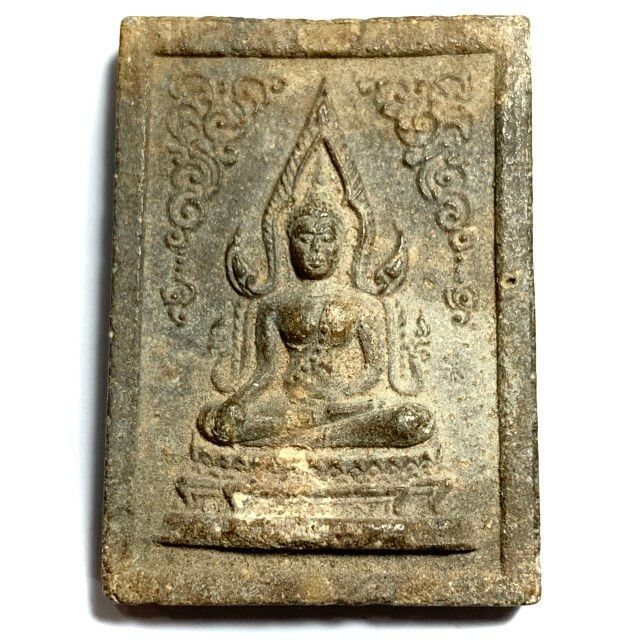
For those interested in exploring the world of Thai amulets, there are numerous resources available. Websites such as ancientamulet.com and thailandamulet.net, authored by Ajarn Spencer Littlewood, provide extensive information on the history, types, and significance of these sacred objects. These platforms offer insights into the art of evaluating and authenticating antique Thai Buddhist amulets, helping collectors and enthusiasts navigate this fascinating realm with confidence and understanding.
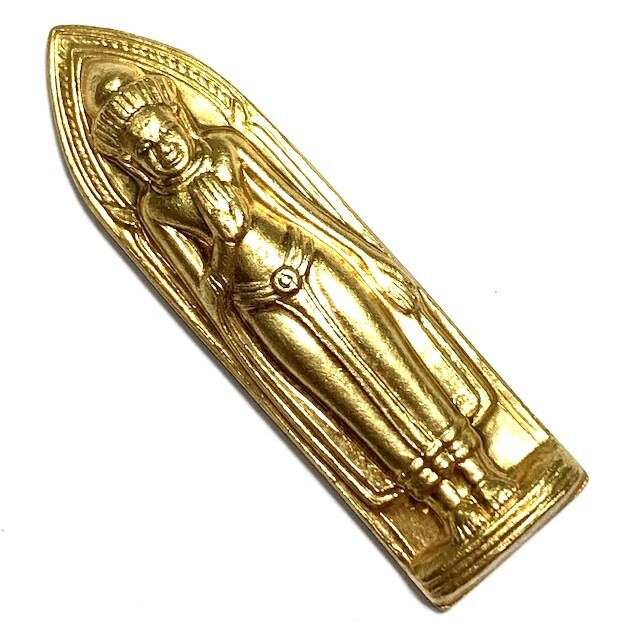
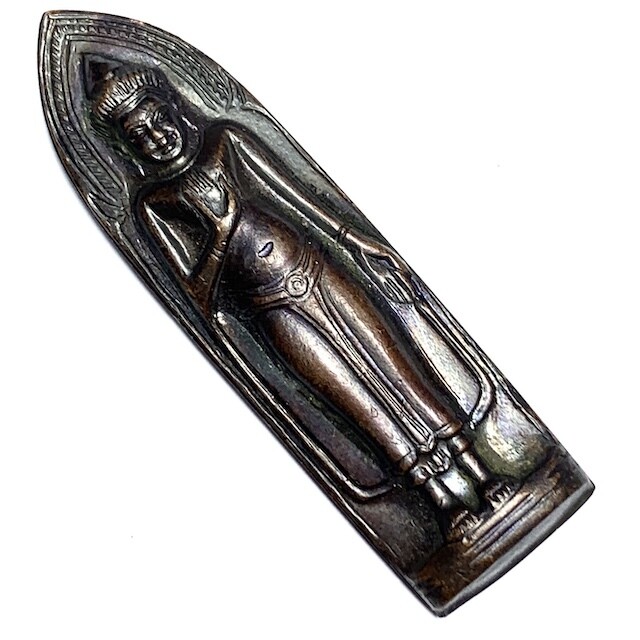
Thai amulets are more than just religious artifacts; they are an integral parts the rich cultural heritage and spiritual beliefs of Thailand. Whether crafted from sacred materials or naturally occurring objects, these amulets serve as powerful conduits of protection, embodying the timeless wisdom of the Buddha and the enduring faith of the Thai people.

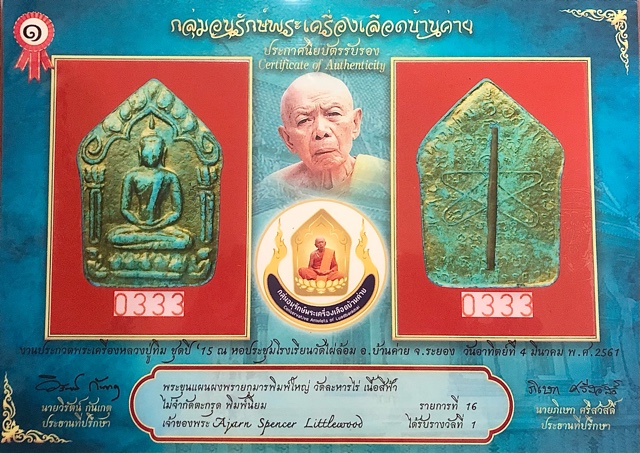
1st Prize Certificate of Authenticity Khun Phaen Pong Prai Kumarn 2515 LP Tim Blue

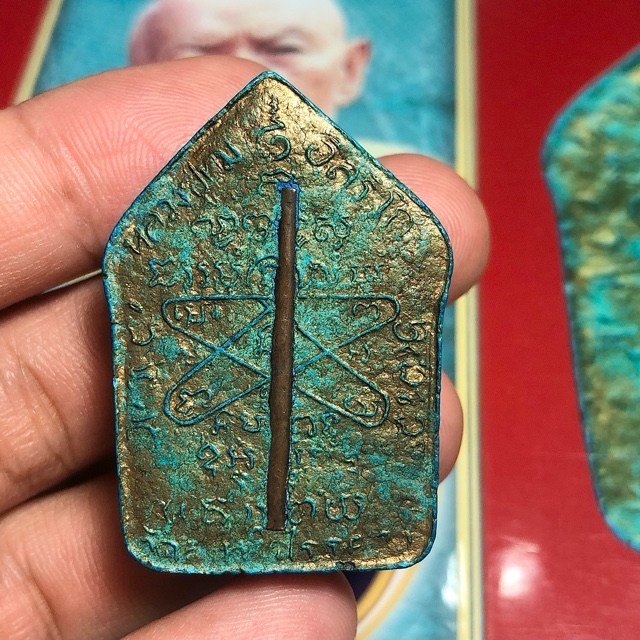
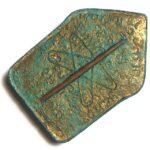
The Pra Khun Phaen Pong Prai Kumarn 2515 BE Pim Yai Nuea Khaw Sukh Pasom Pong Prai Kumarn Ta Ya Wan See Fa, is a unique and highly sought-after amulet. This particular piece is from Block Tong Hlueang (Block 2), and it boasts a rare color, adding to its rarity and value. The amulet features a striking Wan Thao Hlong Blue Herbal Tint, which gives it a distinctive and alluring appearance.

Pra Khun Phaen Pong Prai Kumarn Blue 2515 LP Tim

One of the standout features of this amulet is the Takrut Maha Bpraab, a sacred metallic scroll spell, inserted into the rear face. This ancient Thai practice of inserting metallic scrolls into amulets is believed to imbue them with powerful protective properties. This exhibit is in excellent condition.The details and features of the amulet are highly refined, adding to its aesthetic and spiritual value.

Pra Khun Phaen Pong Prai Kumarn Blue 2515 LP Tim
The amulet is Blue in color, but was made from in white Prai Kumarn and Puttakun powders, a characteristic that enhances its visual appeal. It has been treated with a blue herbal tincture, which not only gives it a unique hue but also adds to its spiritual significance. The ‘Sai Rae Tong Kam’ gold flakes applied during the pressing process further enhance its beauty and value. These gold flakes were applied by adding Nam Man Prajao Thaksin oil into the block press with gold flakes before pressing the Sacred Clay into the molds. This process resulted in the amulets absorbing the oil and the gold flakes covering and affixing themselves to the surface of the amulets, creating a stunning visual effect.

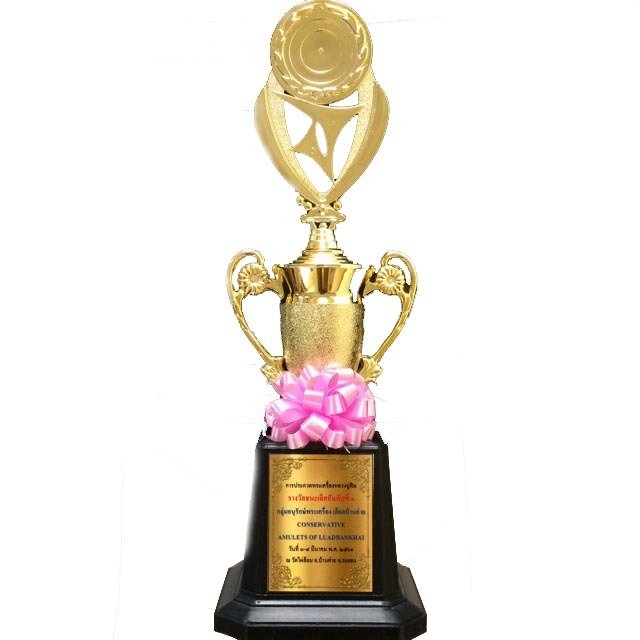
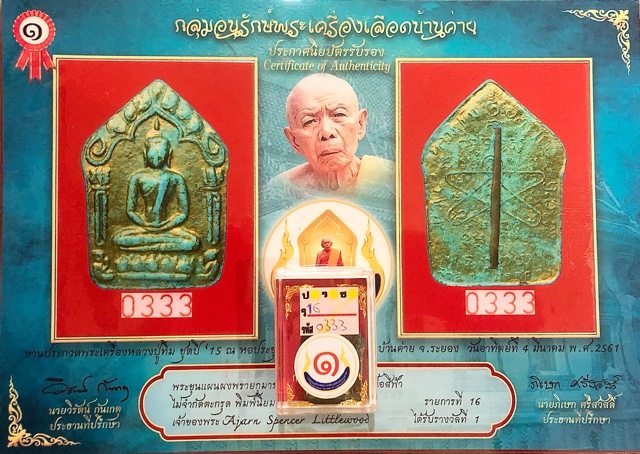
This amulet is a meticulously preserved specimen of a premier-grade, award-winning Pra Niyom Master Class Amulet, the Pra Khun Phaen Pong Prai Kumarn Pim Yai, a creation of the esteemed Luang Phu Tim of Wat Laharn Rai. This amulet was a first-place winner in the Glum Anuraks Ban Kaay amulet society competition in March 2561 BE, earning it not only a first prize trophy but also the distinction of being the Supreme Champion Class Amulet, an honor signified by its display on stage alongside the accompanying certificate.

Trophy Khun Phaen Pong Prai Kumarn 2515 LP Tim Blue VersionCertificate Khun Phaen Pong Prai Kumarn 2515

This amulet is renowned for its alleged capacity to draw prosperity and success in one’s career, making it a highly desirable item for individuals aiming to boost their financial luck. The attractive power attributed to this talisman is believed to go beyond material gains, fostering increased goodwill and kindness from others towards the wearer. The compassionate influence it is believed to radiate is said to create a harmonious and peaceful environment in the wearer’s life.

This amulet comes with free express shipping worldwide, making it easily accessible to collectors and enthusiasts around the globe. Additionally, a solid silver waterproof casing is included upon request, providing an extra layer of protection and preservation for this exquisite piece.

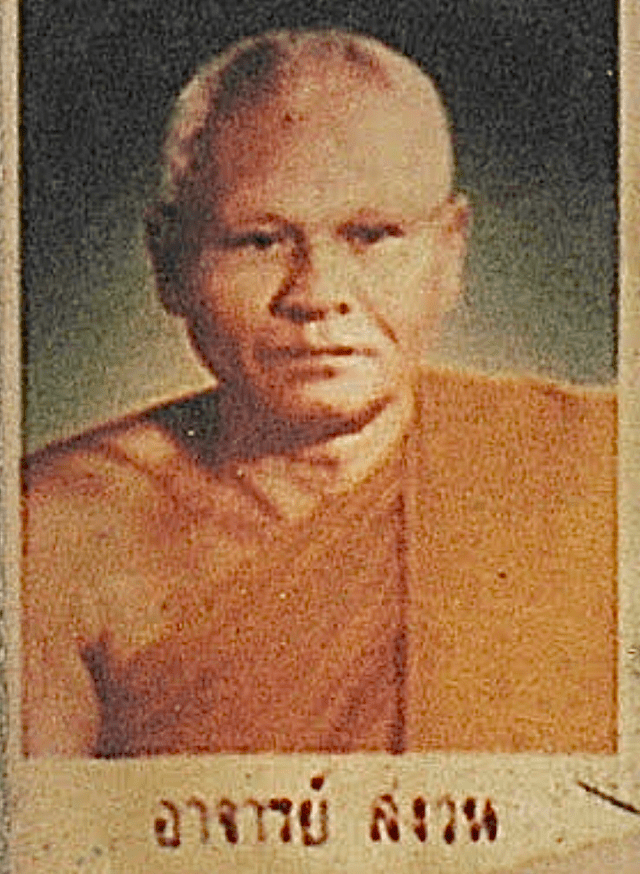
Lp Sanguan

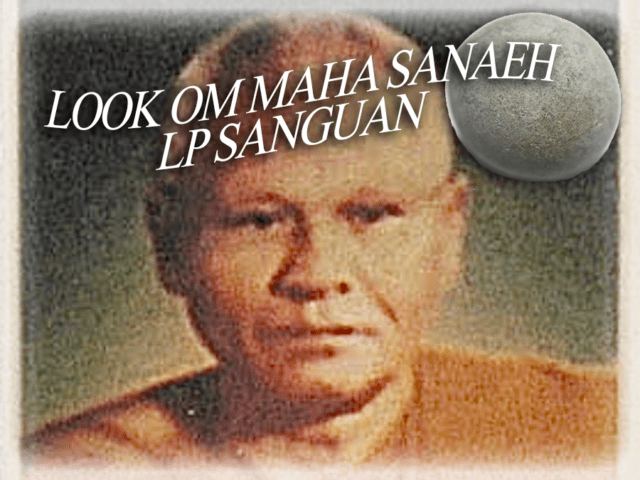
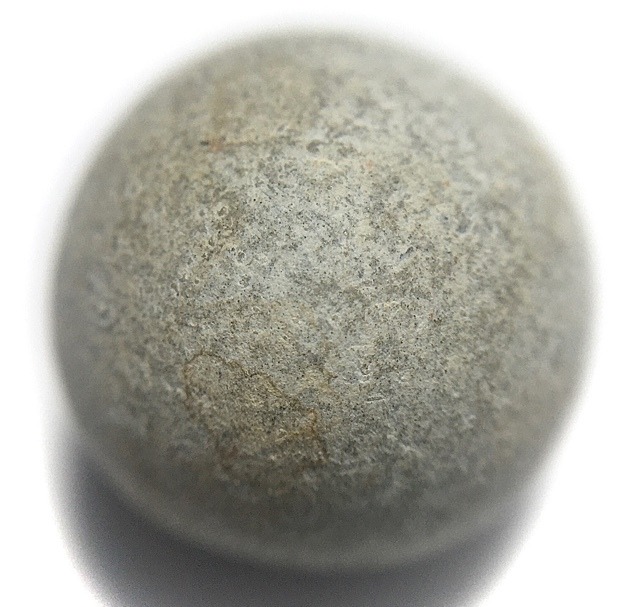
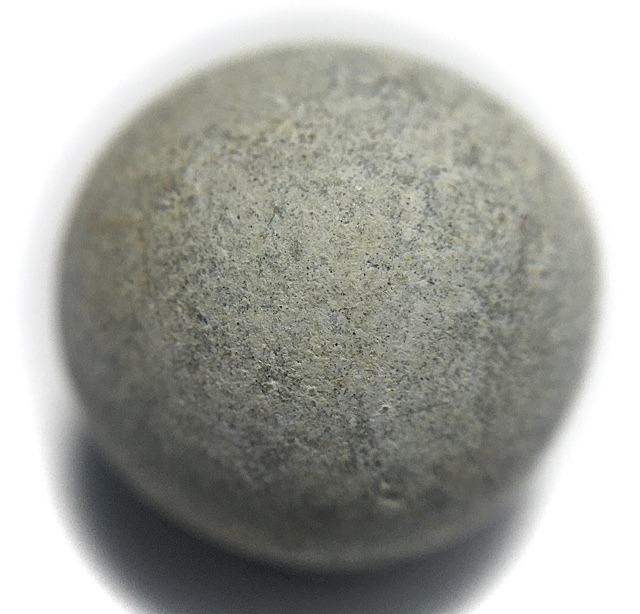
A rare and famous classic Thai Buddhist amulet from yester-year; of the ‘Krueang Rang’ talismanic variety The Look Om Maha Sanaeh in Nuea Tao Pong Yuk Wat Mai Phai (sacred powders from the Wat Mai Phai early era), with Pong Ittijae powders, from Supannburi Master Luang Por Sanguan, of Wat Phai Pan Mer, released in 2500 BE, the anniversary of 2500 Years of Buddhism.

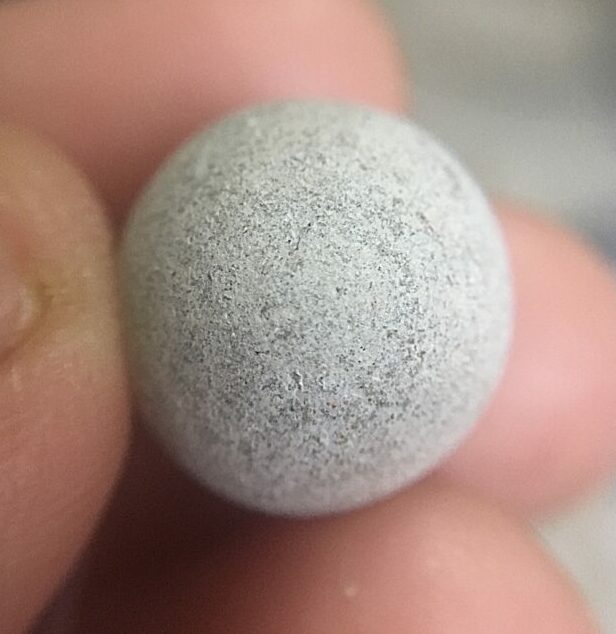
Look Om Nuea Tao 2500 BE Thai Amulet LP Sanguan

Luang Por Sanguan, was a very famous master of his time by hearsay, for his reputation preceded him, by devotees telling their stories of his powerful amulets, and the successes they had with them, and from his great merits as a monk. He was famous for Metta Maha Niyom Magic above all, and is known to have made a large variety of different types of amulets, for, as was often the case with 19th and 20th Century Master Monks, he was an Adept in many Magical Wicha. But perhaps the most famous of his Wicha was the Look Om Tao, for its immense power to charm and enchant.

LP Sanguan of Wat Phai Pan Mer in Supannburi

His many sacred powder amulets were considered extremely powerful, through Luang Por’s use of Sacred Pong Ittijae Muan Sarn Powders which were made by Luang Por Sanguan himself, over his whole lifetime trajectory, constantly rewriting the Sacred Pong Lob Yantra and repeating the empowerment on the powders. This repeated empowerment of the Ittijae powders over many years of his practice.

Luang Por Sanguan is known to have mastered all of the methods for all five of the ‘Pong Wised’ Sacred Muan Sarn Powders; Pong Bpathamang, Puttakun, Trinisinghae, Ittijae, and Maharach. He was especially known for his ability to mix these powders with sacred herbs and other ingredients. He would empower with Metta Maha Niyom and Maha Sanaeh Magical Power of Attraction.

Look Om Nuea Tao LP Sanguan


His Look Om became legendary for its Maha Sanaeh power so much, that it gained the nickname of ‘Look Plaek Mae’, which means ‘Makes Son and Mother do not recognizer each other’. This of course is a folk nickname, and is slighly rude, but insinuates that the power of the Look Om Tao, was able to improve even the most unlikely of chances, of charming a person who would otherwise not be interested in you.

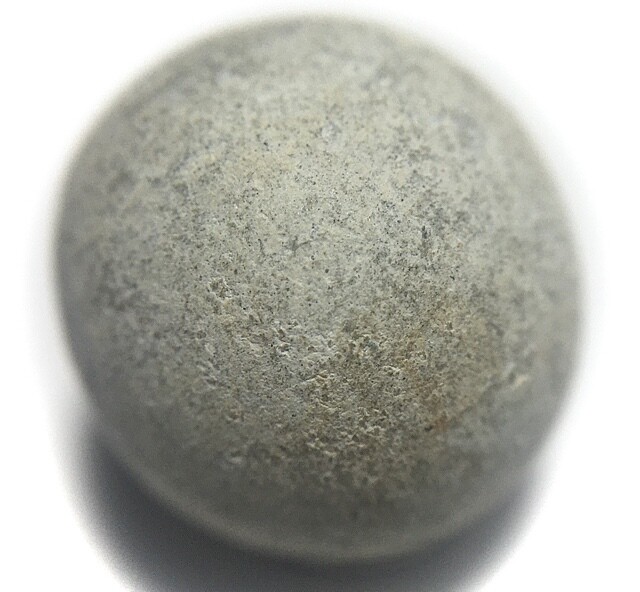
It is known that Luang Por would always rely on his Pong Ittijae powders created over a lifetime of practice, to ensure the power within his amulets. This was because he had developed a special affinity with the empowerment of Pong Ittijae. Every time he would release amulets, he would make Look Om sacred powder balls from the Pong Ittijae surplus. Apart from Pong Ittijae, he is also known to have included Rae Saket Daw (meteorite flakes), sacred earths from Wat Ban Krang, and sacred relic minerals found at the temple of Wat Phai Pan Mer.

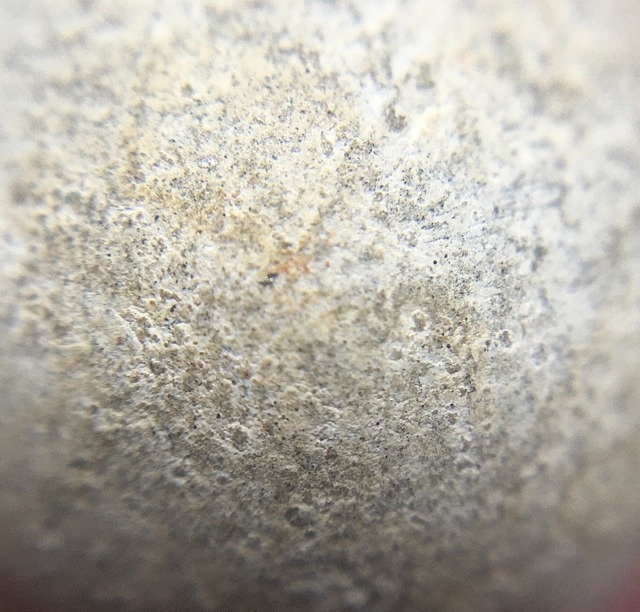
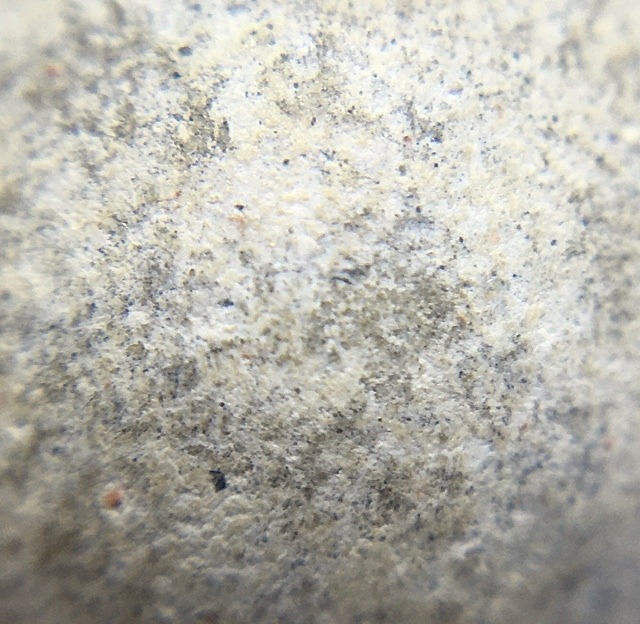
Close up of Muan Sarn Powders of Look Om Nuea Tao amulet

If we look at the Look Om of Luang Por Sanguan, over his life trajectory, we can see that his early era Look Om were mixed with other ngredients, such as sacred earths, herbs, betal-areca nut paste, channaroeng stingless bees nest paste, and powdered flakes of meteorite.

However, if we look at the Look Om which were made at Wat Phai Pan Mer after his years of Tudong preceding, we can see the sacred clay to be much more uniform like the clay used for his Pra Somdej, resulting in a hard smooth surface that is easy to recognize, even for beginners in the art of studying amulets. Their appearance is very uniform with equally high distribution of Pong Ittijae in each amulet.

This is because towards the latter part of his life, he did not go out on Tudong to the forests anymore to collect other herbs and ingredients, and would use his own Pong Ittijae. It is said that there is a Takrut Maja Sanaeh hidden within the Look Om, intended to increase power of attraction, and good business sales and customer count. Luang Por Sanguan would always oversee the mixing of Muan Sarn to make the sacred clay, and instruct his apprentice monks at the temple in assisting to press the many amulets which were released in each edition.

Close up of Muan Sarn Powders of Look Om Nuea Tao

It is officially accounted from many devotees who visited the temple, that they always witnessed Luang Por Sanguan inscribing Yantra every evening, using a Ruesi Chalk stick made from Yantra powders, to inscribe the hundreds of Sacred Yant used to make POng Lob powders, and keep reusing the chalk residues to make new Ruesi chalk stiicks and repeat the process, for years on end. He would constantly empower the powders he made with incantations, and prayers, taking them into the shrineroom for morning and evening prayers to receive the vibrations of the monks chanting. He would make Look Om himself by mixing the powders with prayer water and other mediums and roll them in his hand, and blow his spells into them, during his nightly withdrawal from the world.

Look Om Nuea Tao 2500 BE - Luang Por Sanguan Wat Phai Pan Mer

The Great Luang Por Pae, of Wat Pikul Tong in Singhburi is known to have often lauded Luang Por Sanguan, saying ‘Ajarn Sanguan makes very powerful Ittijae powders’. Whenever Luang Por Pae would have a Putta Pisek (Buddha Abhiseka) blessing ceremony, he would always invite Luang Por Sanguan to attend, and send people to go and pick him up and bring him to the temple. In return, it is said that Luang Por Sanguan would always tell his students that Luang Por Pae was a Great and Meritorious monk, and that if they found themselves in Singhburi Province, they should go visit him and pay respects.

Look Om Nuea Tao LP Sanguan Wat Phai Pan Mer


Kata for Luang Por Sanguan & His Amulets

Kata (Incantation/Prayer) for amulets of Luang Por Sanguan;

Idti Bpi So Pa Ka Waa Sam Maa Sam Put To Na Mo Put Taa Ya Idti Bpaara Mi Dtaa Dting Saa Idti Sap Pan Ya Maaka Dtaa Idti Po Ti Ma Nu Bpa Dto Idti Bpi So Ja Dtae Na Mo

Kon Tang Hlaay Rak Sa Maa Ka Dtaa So Taa Ya Om Sri Sri Sawad Jaroen – Hnaa Guu Ngaam Hmuean Pra Jantr Muea Wan Pen Bukkon Hen Rak Kon Hen Kon Tak Guu Kun Keuy Dueay Decha Pra Putta Jao Dtrat Waa

Aewam Mae Sudtang Aegang Sa Ma Yang Pa Ka Waa Pitsawaat Hlong Hlai Pitsamay Naeb Nuea Jai Jidtr Kid Teung Klao Kleung Winyaa Wichaa Ja Ra Na Sam Bpan No Ya Taa So Sap Pae Cha Naa Pa Huu Cha Naa

Bpi Maedtaa Bpi Garunaa – Na Maedtaa Mo Garunaa Put Bpen Ti Rak Taa Hai Hen Prajaks Ya Hai Yin Dee Ya Han Dta Waa Taa Mao Mua Put Paa Dtua Ao Ma Haa Guu Mo Som Suu Na Yoo Duay Jon Dtua Dtaay

Idt Thii Hi Bpuu Chi Dtang Sap Pa Sukh Khang Ja Ma Haa Laa Pang Sap Pa Gro Tang Wi Naas San Dti Saa Ra Pad Sa Dtruu Wi Naas San Dti

Om La Luay Ma Haa La Luay Krai Hen Hnaa Guu Gor Ngong Nguay Jong Jai Rak Tak Praa Say On La Mai Ma Haa Guu A Sang Wi Su Lo Bu Sa Pu Pa Na Ma Pa Ta Iswaa Su Ma A U Jidt Dtang Waa Maa Ni Maa

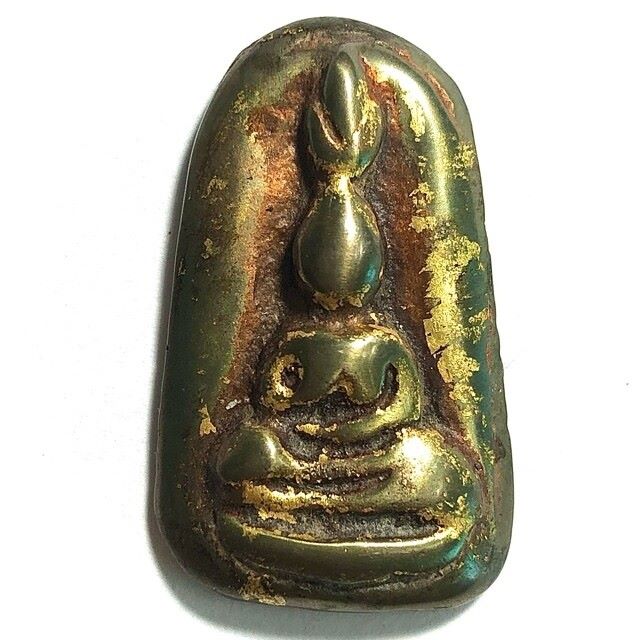
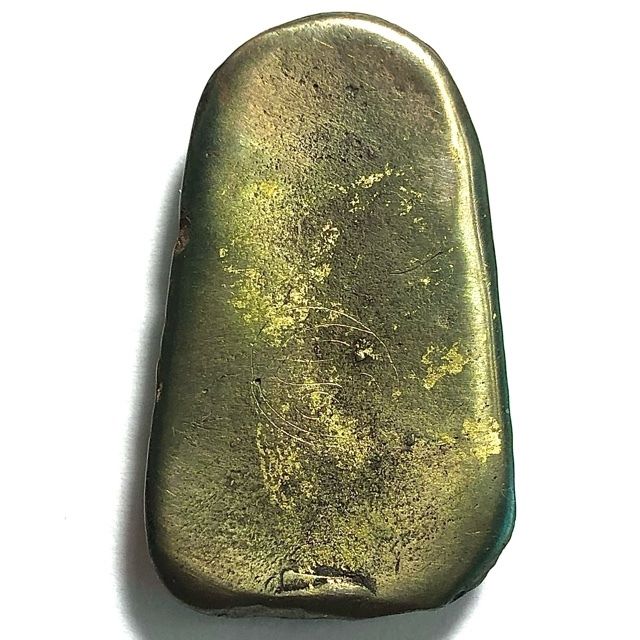
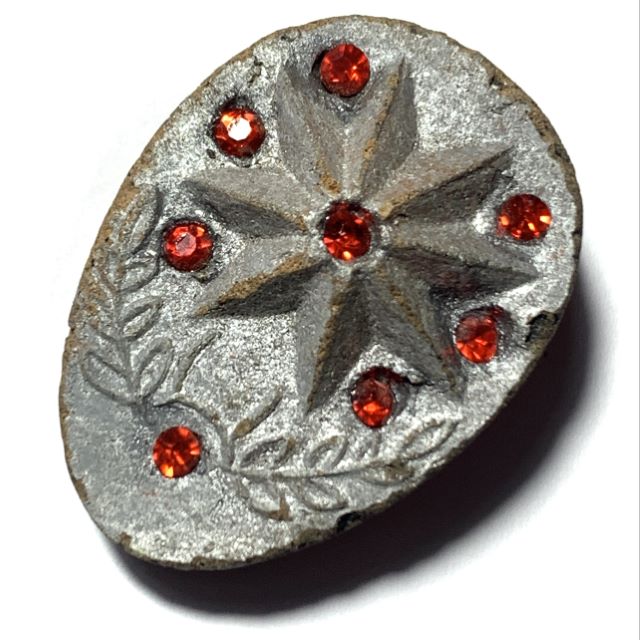
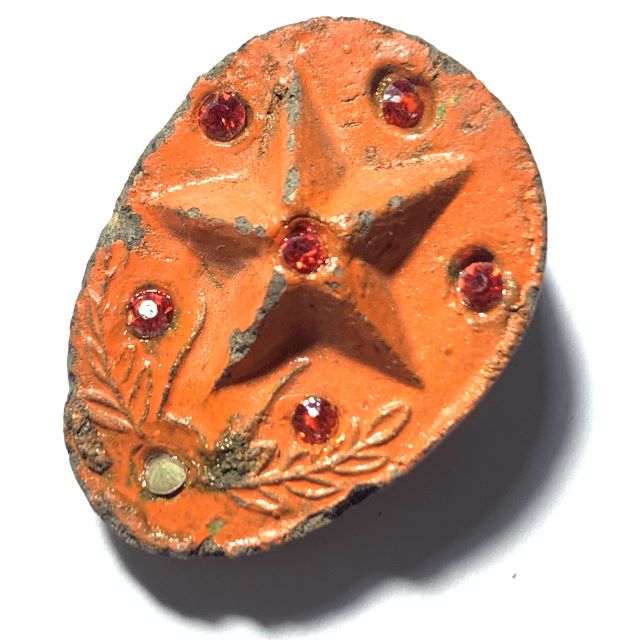
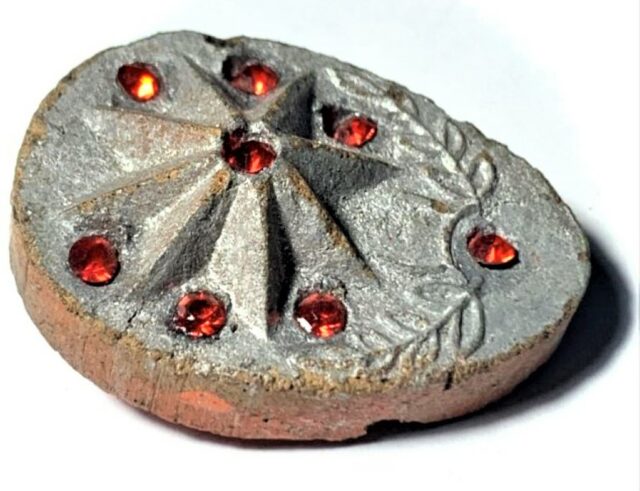
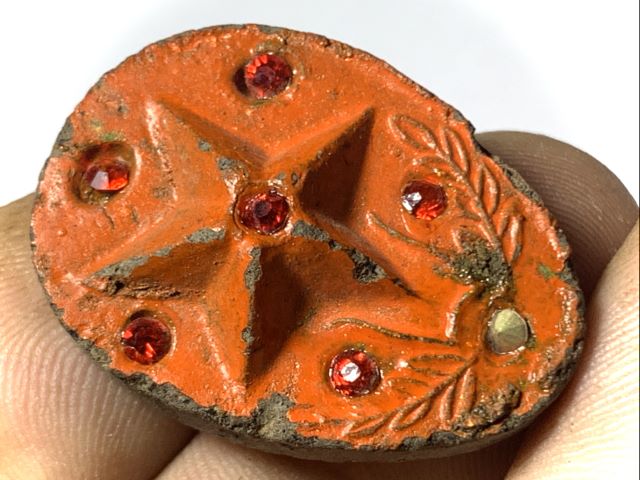
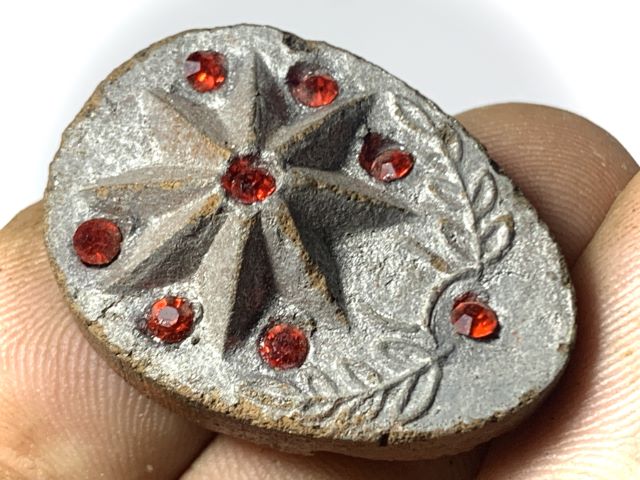
The Most Sacred and Potent Dao Nai Pan Nai Pon Lucky Star Amulet, crafted by the revered Luang Por Pina – a Sacred Charm of Karma Improvement, and a Fortunate Star of Protection, Wealth, Elevated Status, Advancement, and Propitious Destiny. This specimen is of medium size, referred to as Pim Klang, measuring 3.2 x 2 cm. The face of the five-pointed star is painted a radiant red, while the back of the eight-pointed star gleams in silver, a common trait of this particular model. This is the two-faced amulet featuring both a five and eight-pointed pentacle, coated with lustrous silver-orange hued Muan Sarn Sacred Powders. This particular piece is imbued with extra potency, as it contains Mai Gon Fa Pha – the essence of lightning-struck treewood – within its base.

The Dao Nai Pan is a unique amulet, featuring two distinct stars, each with its own significance. On one side lies a five-pointed star, reminiscent of the Military Star, while the other boasts an eight-pointed pentacle, reminiscent of the Police Force emblem. Though these symbols hold great meaning within the context of the military and police force, the true spiritual significance imbued within each star design runs much deeper.

This amulet is often revered for its abilities to enhance wealth through its potent Maha Lap Magick. Yet, it contains within its confines a vast collection of hallowed Buddhist blessings, exerting powerful and propitious effects on the forces of karma. It is tradition to wear the amulet with the pendant ring inclined, as prescribed by the original edition of the Mae Nuea Horm Lucky Star (which was larger in size and featured a crescent moon below the star).


Pra Pong Solos Maha Prohm

A Documentation of the Dtamra, behind the The Miraculous Pong Solos Maha Prohm Sacred Muan Sarn Powders of LP Tim Issarigo, of Wat Laharn Rai

Luang Phu Tim Amulets Nuea Pra Nu4ea Pong Solos Maha Prohm
Amulets made from the legendary Nuea Pong Solos Maha Prohm Sacred Powders of Luang Phu Tim Issarigo, are renowned for their sacredness, with all models being extremely rare, and highly favored by high-end collectors of sacred amulets. The Muan Sarn Sacred Ingredients used for these immensely rare amulets, was gathered and donated to Luang Phu Tim, by Ajarn Pathom Aaj Sakorn, of the Baan Kaay Co-Operative. The powders were empowered by Luang Phu Tim, using the Wicha Solos Maha Prohm, which is an extremely complex and difficult Magical Wicha to accomplish and Master, resulting in only a few Masters over the ages having managed to successfully manifest this kind of Magical Empowerment.

Luang Phu Tim Thai Amulets Nuea Pra Nu4ea Pong Solos Maha Prohm

The Wicha Solos Maha Prohm is composed in part by the inscription of spells using Agkgara Tamma Khom-Lao (Khmer-Lao Magical Sanskrit), within a Sacred Geometrical Design, using the powders as ‘Pong Lob’, to inscribe hundreds of spells within the pile of powder, laid on a blackboard (written by erasure). The Wicha Maha Solos Maha Prohm, invokes the 16 Angelic Beings of the Heavenly Realms, the 15 Kinds of Earthbound Sacred Spirits, the 14 Deities of the Bodhala Underworlds, and the Deities of 21 Brahma Dimensions, where the Bhagava and Sudhavasa Brahmas dwell, to endow the amulets with Blessings.

Luang Por Tim

The Muan Sarn ingredients used for Pong Maha Solos Maha Prohm include;


Pong Solos Maha Prohm of Luang Phu Sri Tat of Wat Dork Gaew in Nakorn Phanom, Solos Maha Prohm Powders from Yogi Hareb (Ajarn Cheun Jantra Paetch), from India, the Legendary Pong Nava Lokuttara (9 Unworldly Powder) of the Great Luang Phu Sonti of Wat Ta Dork Gaew in Nakorn Phanom, Pong Solos Mongkol Pitsadarn of Luang Phu Hiang of Wat Aranyikawas in Chonburi, Pong Na Bad Talord Dtai Gradan of Luang Phu Bun Mee, of Wat Po Sampant (Famous for its Classic Edition blessed by LP Tim and LP To (Wat Pradoo Chimplee), Pong Radtana Mala from Ruesi Sandtajidt (‘Tan Chao Prakhun Pra Ariya Kunasarn’ otherwise knwn as Luang Por Seng Bpusso), of Wat Khaio Suan Kwang, in Khon Khaen.

Pra Sivali Nuea Maha Solos Mongkol Pasom Pong Prai Kumarn 2nd Prizewinner Authenticity Certificate Luang Phu Tim

Pong Jet Jantr Paen, and Pong Prohma Lok (Brahma World Powders) of Pra Ajarn Wang Thidtasaro, of Phu Langka, Pong Samputta Hongsa of Pra Ajarn Fan Ajaro (Sakon Nakorn), Pong Sandta Nakae (7 Naga King Head Powders), which is a powerfully prepared Yantra Powders using Numerology and Gematria found within the Kampir Wicha Trinisinghae, using Pong Lob Yantra Powder Inverted Inscriptions according to the formula of Jet Koon Jet Harn (Multiply 7 Times and dissolve 7 Times = 7 by 7 repetitions, and divisions/encryptions of the Magic Spell). This spell seals the Magic of the Ongkanakae 7 Naga Kings’ powers within the Muan Sarn, through invocation of the Kata Chant ‘Bot Puchong Boripadtra’.

Luang Phu Tim Thai Amulets Nuea Pra Nu4ea Pong Solos Maha Prohm

Additional ingredients included; Pong Bailan Sacred Grimoire Parchment Soot, from 108 Ancient Sorcery and Buddha-Magic Tomes in various Magical scripts such as Agkhara Khom, Mong, Pali, Sanskrit (Devanagari), and in Aksorn Tam Isan. The powders were made by burning the Grimoires in a fire, and performing recitations of the Dhamma in Buddhist Chanting. The soot is then collected and used as a sacred Powder.

  • Din Khuy Pu 108 Ruu Pu (sacredly empowered sand from the holes of 108 beach crabs, considered a powerful type of substance).

  • Earths from the tops of mountains where no foot has ever been set before, collected by Monks and Ruesi on Tudong Wilderness Wandering Practice.

  • Funereal and Cemetery Earths from 4 Spirit Dwelling Monastery Graveyards.

  • Sacred Black Rice from Ancient Kru Hiding Chambers, discovered in Buddhist Relic Stupas.

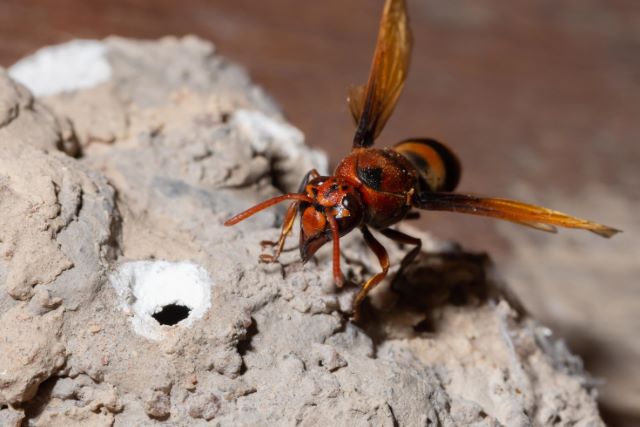
  • Rang Hmaa Raa Bpid Bpid Pragan (Magical Mimic Hoverfly/Ceriana wasp Earthen Nest Powders)

Rang Mala ceriana wasp nest

  • Klai Sema Paed Tidt Temple Boundary Wall Residue from 8 directional points around the temple.

  • Gabin Wan Bod La-Iad (108 finely ground Herbal Substances).

  • Pong Bpathamang, Puttakun, Ittijae, Dtrinisinghae 5 Sacred Yantra Powders, mixed with Pong Tat Tang See 4 Elements Powders, using Herbal Lacquers.

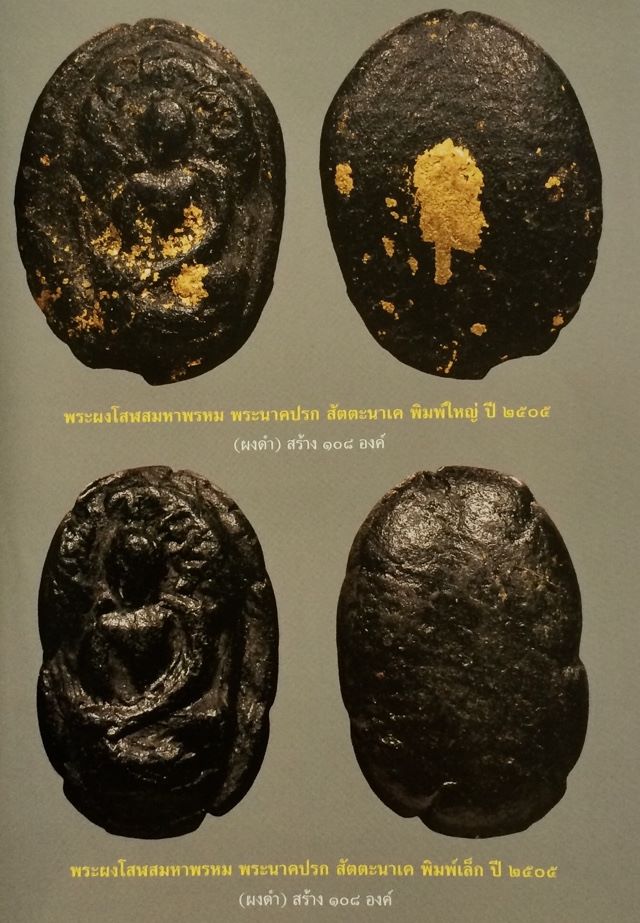
Luang Phu Tim Thai Amulets Pra Nakprok Sadta Nakae Nuea Pong Solos Maha Prohm

Luang Phu Tim Issarigo, of Wat Laharn Rai, was one of the Top Masters of the Twentieth Century, world famed for his powerful Sacred Powders, especially the Pra Khun Phaen Pong Prai Kumarn, Look Om Prai Kumarn, and other Pong Prai Kumarn Amulets, Takrut, Carved Images & Talismanic Charms. Recent times have seen the uncovering of more documentation about the grand pantheon of his amulets, till yet unheard of except by the older locals of Ban Kaay, and devotees of Luang Phu Tim. This has caused a grand resurgence of interest with devotees, curators, and high end Thai amulet collectors. Luang Phu Tim’s amulets are extremely favord and sought after for their Metta Maha Niyom, Maha Sanaeh, and Maha Lap Maha Pokasap Magical properties.

LP Tim Issarigo

Pra Kroo Pawanapirat, or, commonly known as Luang Phor Tim Issarigo, was born on the 16th May in the year 2422 Buddhist Era, This was during the time of His Majesty King Rama 5. Luang Phor Tim was born in Ban Hua Tung Ta Budtr in Tambon Lahan, in Ban Kaay Municipality of the Province of Rayong.  LP Tim lived to the age of 96 years old, when he passed away on the 16th October in the year 2518 BE, with 69 years of ordained life behind him.

Ancient Classic Amulets of Luang Phu Tim (Part One)


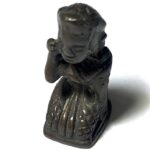
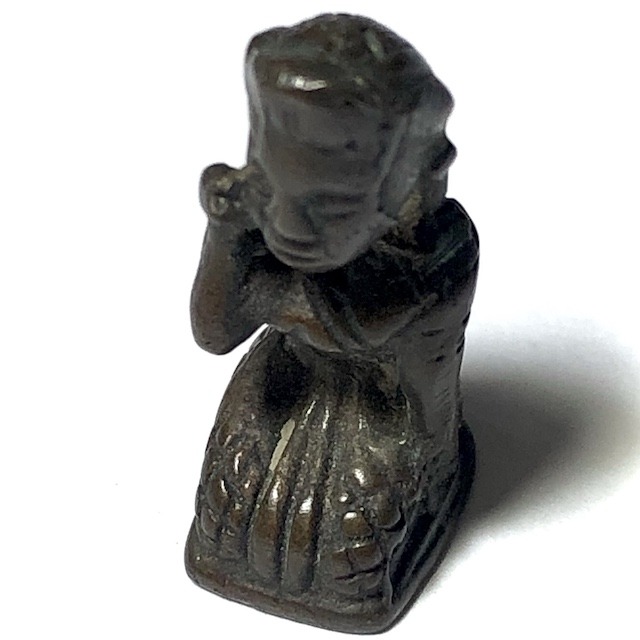
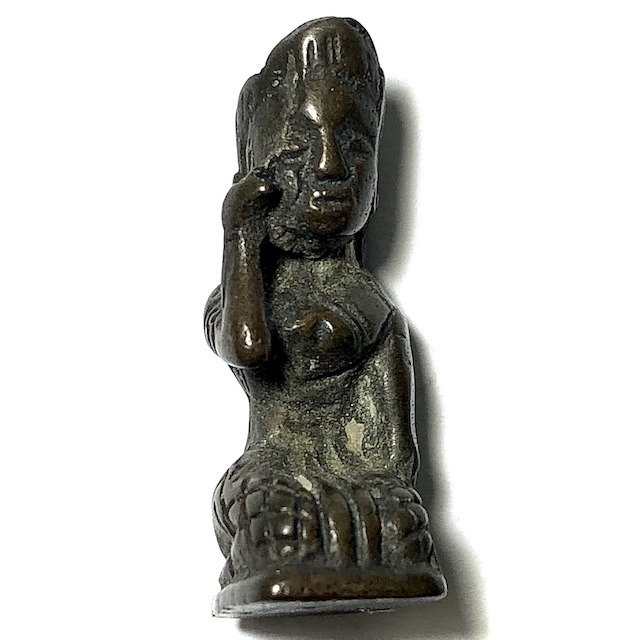
Presenting an extremely well preserved, finely detailed, and immensely Rare amulet of the Great Luang Por Jong of Wat Na Tang Nok; Pra Nang Kwak Loi Ongk statuette, for powerful ‘Kaa Khaay’ Business Success, ‘Maha Sanaeh’ magic to Attract Customers, ‘Maha Lap’ Lucky Fortunes, and ‘Metta Mahaniyom’ Mercy Charm. The amulet is cast from Sacred Bronze (Samrit), and is styled in ancient fashion, forged using ancient alchemy.

The Nang Kwak amulet of Luang Por Jong, is an immensely rare acquisition for the true Devotee of Luang Por Jong, and an irresistible exhibit for any truly avid collector of this Master, and for those who seek the perfect amulet to increase their business earnings and customers, and improve their charm, business and social skills.

Nang Kwak Nuea Samrit 2490 BE Luang Por Jong Front Viiew

Luang Por Jong made amulets between the years 2483, to 2507 BE, after which Luang Por passed away in the year 2508 BE. Luang Por Jong, was one of the previous generation of attained Masters, of National and International Fame. The Mae Nang Kwak amulets of lp Jong are considered amongst the top 5 Mae nang kwak amulets of all Masters, along with Luang Phu Bun (Wat Klang Bang Gaew), Kroo ba Chum (Wat Wang Mui), Luang Por Te (Wat Sam Ngam), and Luang Por Im (Wat Hua Khao)

Known for his Kong Grapan Chadtri Klaew Klaad protective amulets handed out to soldiers during the Indochina Wars. His Pla Tapian Maha Lap Kaa Khaay amulets are also renowned for their ability to instigate good commerce and prolific sales quotas with sales persons.

Luang Por Jong Wat Na Tang Nok

Luang Por Jong was one of the Great Guru Masters of the Ayuttaya Province, whose powers of Kong Grapan Chadtri, Klaew Klaad, and Maha Amnaj Serm Yos Magic was highly favored with high ranking officers and successful leaders of Adminstrative Professions. He was famous for many different amulets, and released many, including the Takrut Hnaa Phaag Suea (Tiger Forehead Skin Yantra Scroll), the Pla Tapian Koo, and his Many Sacred Powder Amulets, such as this Pra Somdej Bailan from the Indo-China War Era.

Nang Kwak Nuea Samrit 2490 BE Luang Por Jong right side View

His Guru Monk Coin amulets are highly sought after and revered, and have a well documented ‘Dtamra’ (Catalogue of the Pantheon), allowing for collectors to easily authenticate and research the origins of these amulets. His Magic Ring Amulets, Pra Somdej and other Sacred Powder Votive Tablets, and Powerful Takrut are famous as they are rare to find. Luang Por Jong’s Pla Tapian Maha Pokasap Lap Kaa Khaay Gold-Silver Fish amulets, are also renowned worldwide, for their ability to instigate good commerce and prolific sales quotas with sales persons.

Nang Kwak Goddess of Luck Luang Por Jong 2490

The Legend of the Ghost Soldiers

Thailand sent nearly 40,000 volunteer soldiers to South Vietnam to serve alongside the Free World Forces in the conflict, but unlike the other foreign participants, the Thais came armed with historical and cultural knowledge of the region. Blending the methodologies of cultural and military history, as well as their mysterious Buddha-Magic, as was seen by the foreign soldiers who saw the Thai Military wearing amulets, who were shot down, and who stood up again unscratched, and continued fighting as if they were bulletproof. This caused the alliedf forces to give the Thai Soldiers the name ‘Taharn Phii’ meaning ‘Ghost Soldiers’. This legend became well known and talked about with the western allies, amny of whome beseeched their Thai allies to bring them to a master monk for protective amulets for themselves.

Luang Por Jong is counted along with the other Great Masters Luang Por Jong (Wat Bang Grabao), Luang Por Chaeng (Wat Bang Pang), Luang Por Opasi (Asrom Bang Mot), Luang Por Kong and Ajarn Chum Chai Kiree, as well as the temple of Wat Sutat, to have provided the most powerful miraculous amulets to the Thai Military to protect them from danger and death during battle. The Thai volunteers in their wartime encounters with American allies, were often seen to be hit by bullets, and stand up again unhurt, which caused the Thai soldiers to earn the nickname ‘Taharn Phii’, meaning ‘Ghost Soldiers’.

Luang Por Jong of Wat Na Tang Nok was one of the great Guru Masters of the Ayuttaya Province, in line with the Great Luang Por Parn of Wat Bang Nom Kho, and is one of the Great Masters who assisted the Thai Military with powerful Kong Grapan Chadtri and Klaew Klaad amulets during the Indochina Wars. Luang Por Jong was a Highly Attained Master in both Worldly Deeds of Goodness and Self Renunciation, as well as in the Dhamma Path. His Great Fame and Honorable Status has survived more than half a century, and who is remembered as one of the Greatest Masters of His Time, and as one of the Greatest Masters of the Ayuttaya Lineage.

Nang Kwak Nuea Samrit 2490 BE Luang Por Jong left side View

Luang Por Jong was born with the name ‘Jong’ into a farmer family in the village of Na Mai, in Bang Sai Municipality, of the Province of Ayuttaya. HIs Father was called my Yord, and his Mother was called Mrs. Khlip. Luang Por Jong had two younger siblings (one brother and one sister). His younger brother was called Nil, and his little sister was called Bplik, who was the youngest of the three. It is not known exactly which date Luang Por Jong was born, for there is no official documentation of his birth. But it is stated in his family lineage, that he was born during the time that King Rama 5 was ruling Siam, on a Thursday of the year of the monkey on the 8th Lunar Phase. This, when calculated from knowing the Year of Monkey during the Reign of King Rama 5, within Luang Por Jongs childhood, would mean he would have been born on the 6th of March 2415 BE. During his childhood he displayed strong leanings to remain in solitary, and even when his parents would take him to the local Lige theatre shows, he would distance himself from the crowd of spectators and watch from a distance. He was never one to socialise or look for attention. Luang Por Jong was ordained in 2435 BE at Wat Na Tang Nork temple in Ayuttaya, and was given the ordained name of Jong Puttassaro with the Abbot of Wat Na Tang Nork as his Pra Anusawanajarn (Luang Por Po). Luang Por Po noticed that Luang Por Jong, despite being weak of body and prone to illness, was excellent in his mental capacity and learned the Khom Agkhara Sanskrit perfectly in a very short time. It became noticed by the local devotess and by Ajarn Po himself that Luang Por Jong was showing wisdom and ability in Wicha Akom Sorcery that was far beyond his age.

Luang Por Jong, Ancient Master Monk of Wat Na Tang Nok

In no time at all, Luang Por Jong was given every single facet of the Wicha from his Kroo Ba Ajarn Luang Por Po, and became a Master Sorceror in his own right, and a great Dhamma Practitioner and Teacher to the local Folk. His trajectory followed on from that, and he never stopped advancing, becoming one of the Greatest Sorceror Monks of his Era, until his passing in the year 2508 BE. Luang Por Jong remains one of the most famous Masters of Indochina Wartime Era for his Powerful Kong Grapan Chadtri, Klaew Klaad, Maha Lap, Kaa Khaay and Metta Maha Niyom Magic.

Thai Version of Nang Kwak

There is also the Thai Occult Legend of Nang Kwak, which gives a different account of the origins of Lady Nang Kwak, which goes like this;

Nang Kwak is the daughter of ‘Phu Jao Khao Khiaw’ (meaning ‘Grandfather Lord of the Green Mountain – Khao Khiaw could also mean ‘Green Horns’). Phu Jao Khao Khiaw was a Lord of the Jadtu Mahaa Raachiga realm (one of the lower levels of Heaven – an Asura realm of giants and monster beings). His other name is ‘Pra Panasabodee’, and he is the Lord of the forest and places where wild plants grow. In that time, there was an Asura demon called Taw Gog Khanag (otherwise known as ‘Taw Anurach’). Taw Gog Khanag was a good friend of Phu Jao Khao Khiaw, who had been attacked by ‘Pra Ram’ (the name of Rama in the Thai Ramakian – adapted from the Indian Ramayana Epic), who had thrown a Gog tree at him which pierced his chest and carried him through space to be pinned to the side of ‘Pra Sumen’ (Mount Meru). In addition, Pra Ram cursed him with the following magic spell; ‘Until your descendants weave a Civara monks robe from lotus petals, and offer it to Pra Sri Ariya Maedtrai (Maitreya – the future Buddha), your curse will not be lifted’.

Nang Kwak Luang Por Jong Overhead View

After this, Nang Prajant, the daughter of Lord Gog Khanag (Taw Anurach) had to serve her father, spending the days and nights trying to weave a Civara robe from lotus petals, in order to have it ready for offering to Pra Sri Ariya Maedtrai, who will descend to become enlightened in a future age from now.

Because Lord Gog Khanag had to remain cursed and pinned to Pra Sumen, his daughter was in a pretty dire state without her father to help run things.
Because she had to spend all her time weaving the Civara, she had no time to go sell things or make money, nor time to run a shop. When Jao Khao Khiaw heard the news of this, he felt compassion, and sent his daughter Nang Kwak to go stay with her as a companion. Because of the ‘Bunyarit’ (power of her great merit), Nang Kwak caused merchants and rich nobles from around the area to flock to Nang Prajants home and bestow gifts of gold, silver and money on them. Nang Prajant became wealthy and led a comfortable life.
Nang Kwak Luang Por Jong front View

Nang Kwak statues are a very sacred and ancient tradition of Deva worship which Thai Buddhists adopted from Brahmins as they immigrated and came to stay in Siam, long before Buddhism had got a foothold. Due to this, Ajarns of Ancient Times created ‘Kreuang Rang’ (magical effigies) in the likeness of a lady with a shoulder mantle, sitting and beckoning with her waving right hand, inviting you to come and buy her wares. The statues were dressed in the traditional costume, and the Masters would make offerings and chant in meditation, until the statues hand began to wave back and forth, which was the signal that the ritual was successful and complete. Nang Kwak is seen to be prayed to (Bucha), as an altar statue, and also as an amulet, and Pha Yant (Yantra Cloth), and sometimes as powder amulets, and lockets.

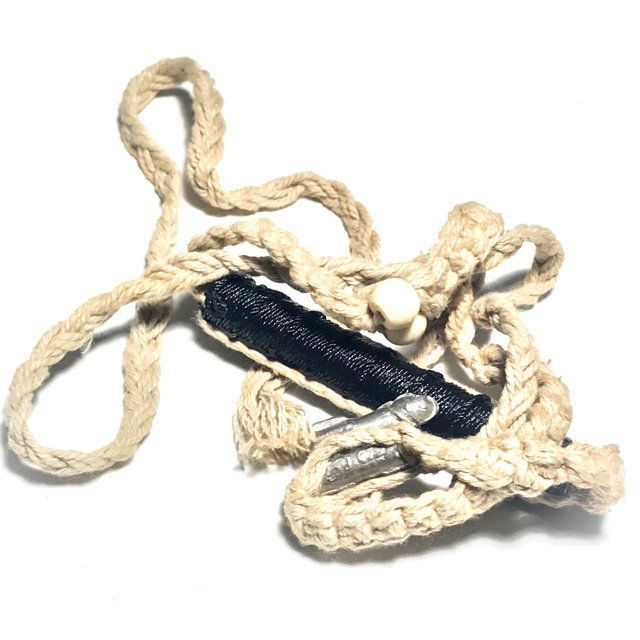
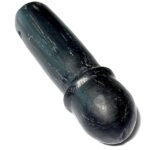
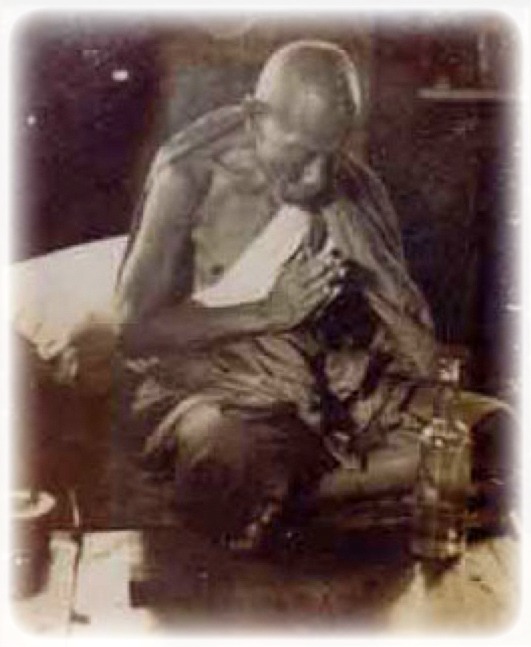
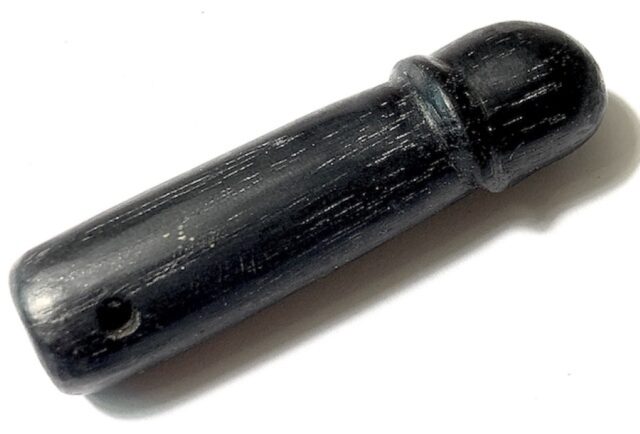
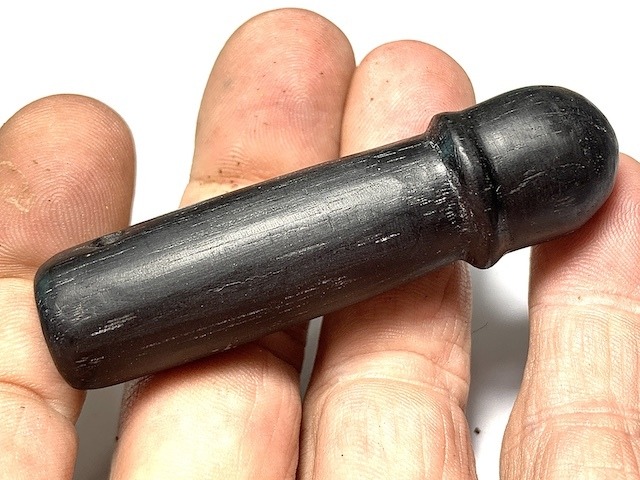
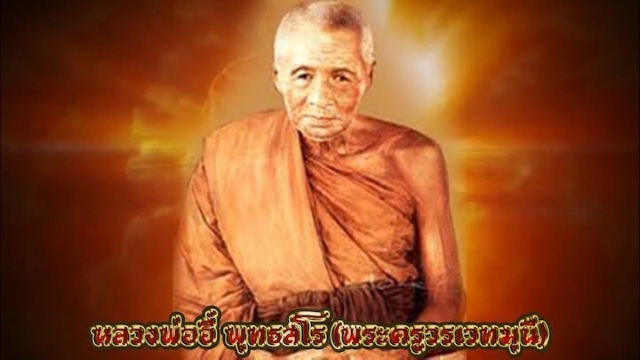
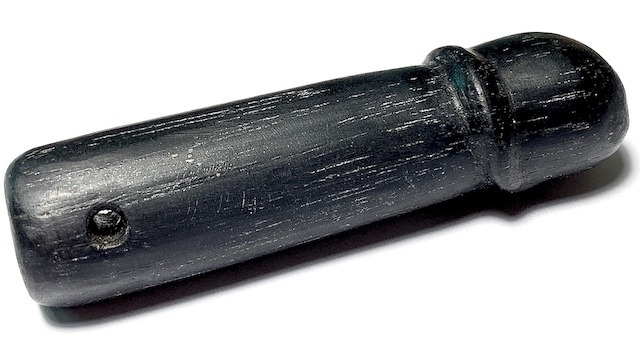
The Commonly called “Palad Khik carved wooden phallic amulet in Nuea Mai Paya Ngiw Dam, is extremely aged, from the mid-late era of the great Luang Por Ee, of Wat Sattahip, is one of the rarest and most highly valued Palad Khik Worldwide, and a Top Preferred Masterclass Talismanic amulet (Circa 2480). Luang Por Ee amulets are now nearly impossible to come by. He is well-known for his Monk Coins (posthumous editions) 2473, 2485 (still alive), and 2504, 2511, and 2515, but also his Palad Khik amulets, Hmak Tui, Takrut, and Pid Tawarn amulets. His Palad Khik and Pidta, as well as his Magical Wicha, are used to create carved wooden, natural substance-based, and Alchemical metal amulets.

Palad Khik LP Ee

Many people believe his amulets are among the most powerful of all Palad Khik. This Palad Khik is a perfectly preserved exhibit from LP Ee’s mid-late era, powerfully blessed amulet in sacred black Ngiw tree-wood, from one of the Greatest Masters in Thai Amulet History, that can only be described as an Ultra-Powerful, and highly desirable ancient amulet of LP Ee.
Luang Por Ee was a Chonburi Region Gaeji Ajarn Guru Monk and one of the Great Olden Days Masters of Thai Buddhist History. His amulets are both rare and popular among Thai Buddhists, particularly in Central Thailand.

Wat Sattahip is the temple that Luang Por Ee built with his own hands in the year 2442 BE, which is now well over a Century ago, and Luang Por Ee was the temple’s first Abbot when it was built. Luang Por Ee was well-known for his abilities in Samatha meditation and Vipassana mindfulness practices. He could enter, continue to remain in, and leave the Kasina and Jhanic mind states at will, as well as change his inner state of consciousness, to dwell in whichever state was appropriate for the practice.

Palad Khik LP Ee Wat Sattahip

Palad Khik LP Ee Wat Sattahip


He stood out for his skill, which was noticeably superior to that of his Sangha peers, and for his impeccable behavior. This was due to his ability to elevate his mind above the vedhana (emotions) and not allow them to flood his mind with anger, sadness, stress, suspicions, and all the other manifestations of emotional and mental impediments and hindrances that arise within the psyche of an ordinary unpracticed human being. He was able to extinguish negative emotions or afflictive emotions due to cold, heat, hunger, thirst, aches and pains, and self-created mental worries. Luang Por Ee is known to have never complained about anything or expressed dissatisfaction with anything. Even while he was sick, he never complained, moaned, or groaned, or even told anybody. He would always remain in the same peaceful, state of balance. Luang Por Ee acknowledged the value of a good education and built the Rong Rian Ban Na Sattaheeb public school for the citizens of Sattaheeb.

Throughout his vocation, Luang Por Ee produced numerous amulets and occult talismanic charms, including his legendary Palad Khik, which is considered co-leader of the status of top Palad Khik of all time, along with the Palad Khik of Luang Por Hluea. His Takrut, along with his Suea Yant (Yantra Shirts), Rian Kanajarn Monk Coins, Pra Pid Ta, ‘Pra Sam’ (Pra Tri Gaay), and ‘Pra Prohm See Hnaa’, are among the rarest and most pursued talismans (4 Buddhas in one votive tablet).