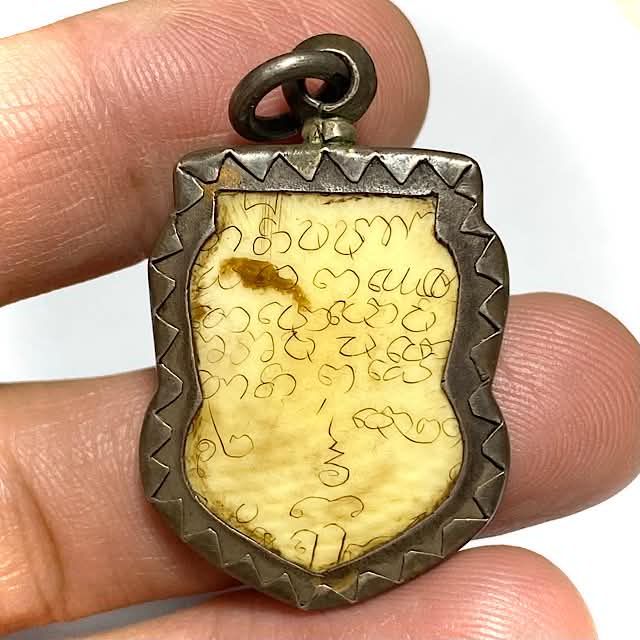
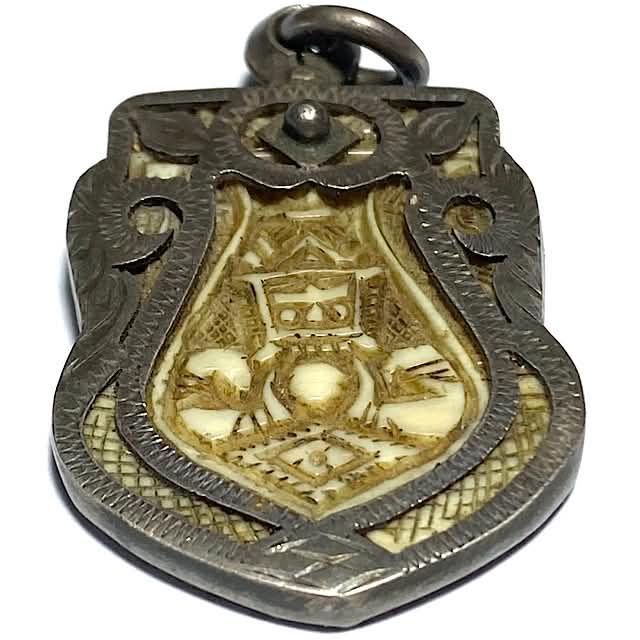
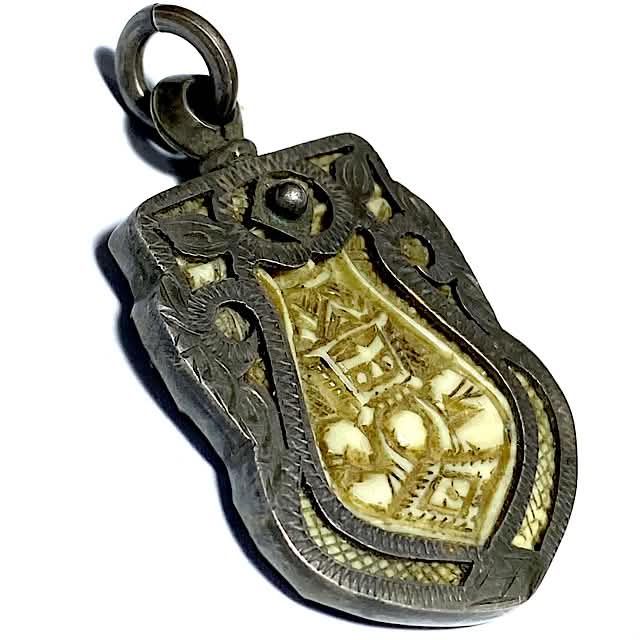
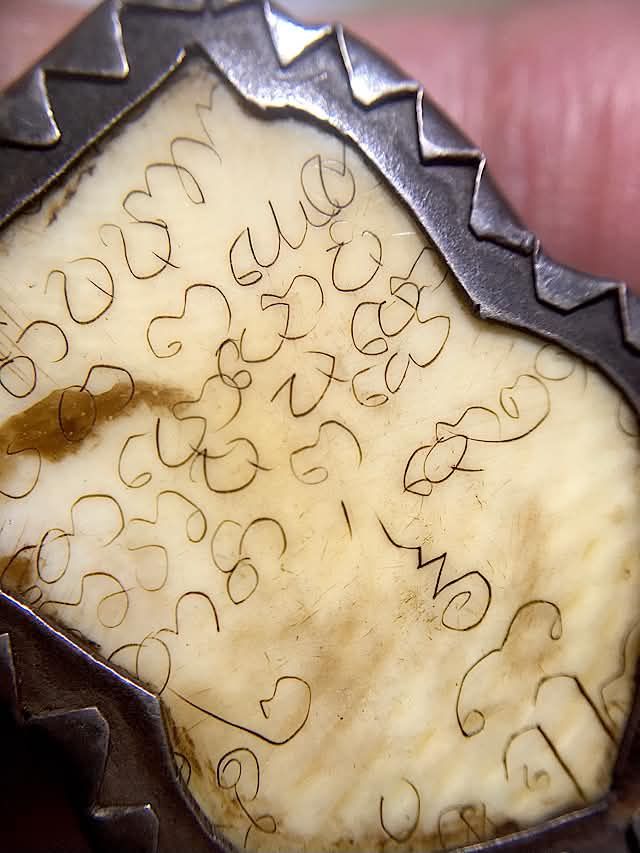
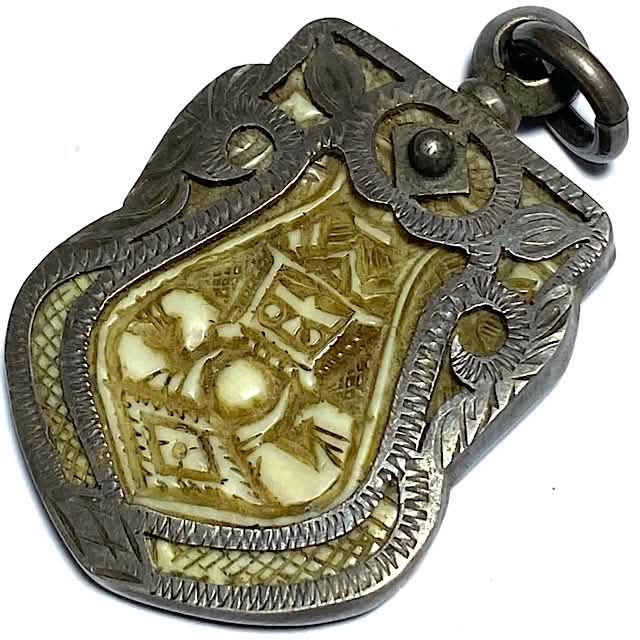
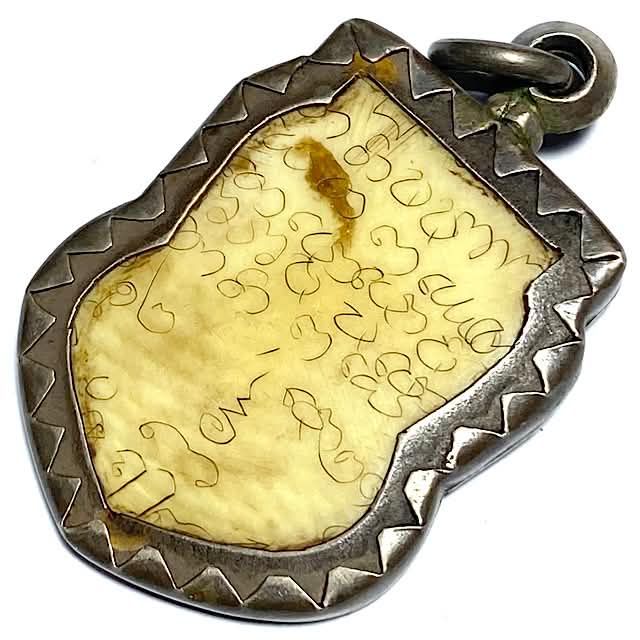
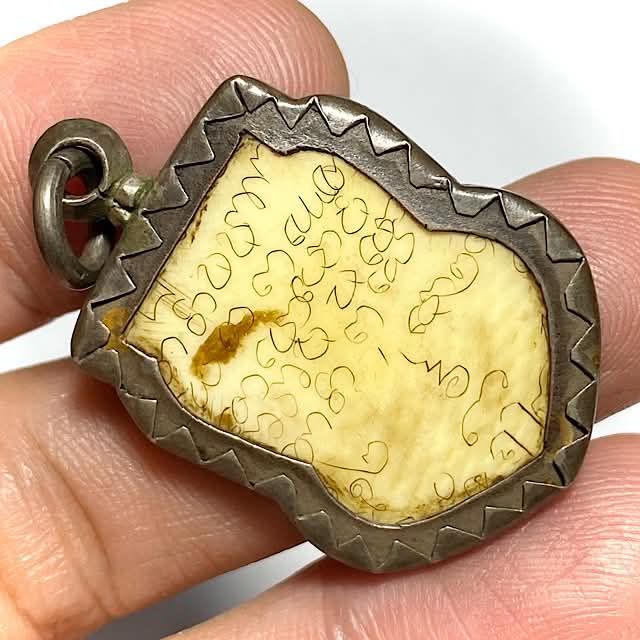
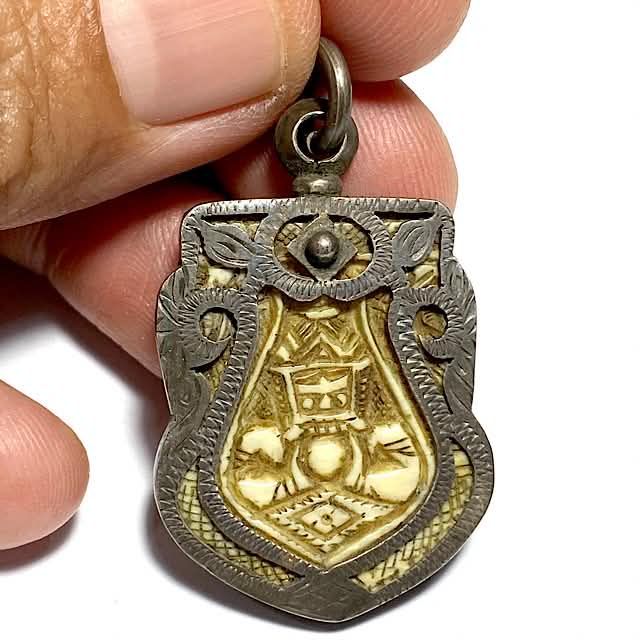
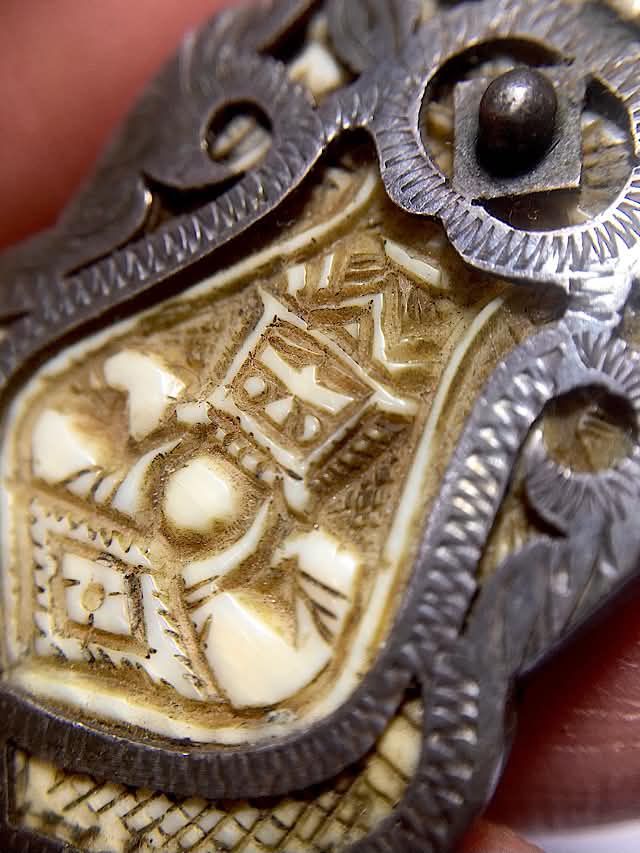
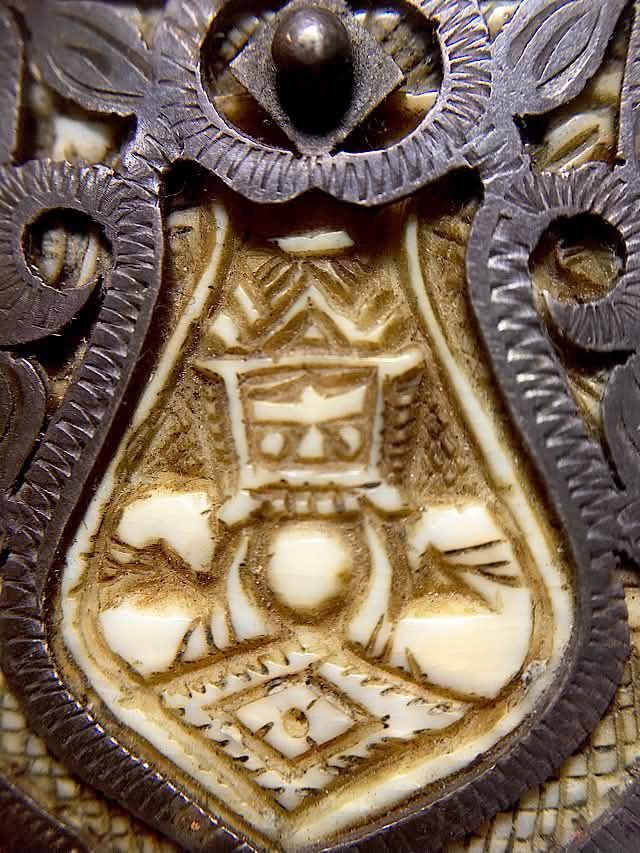
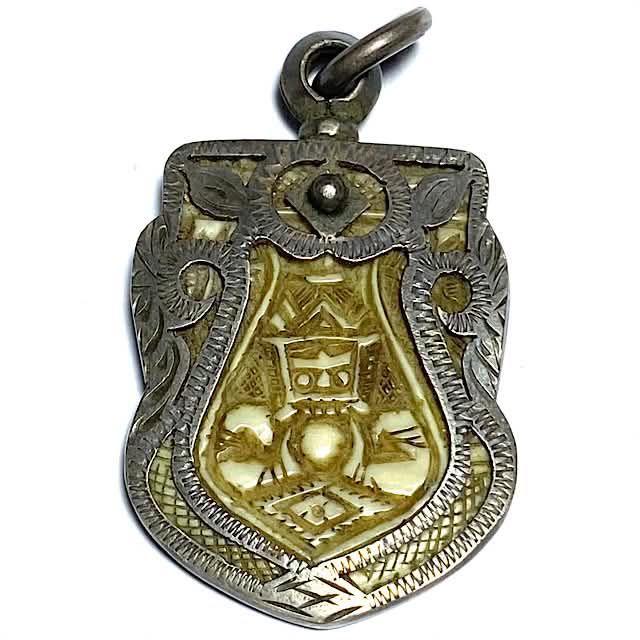
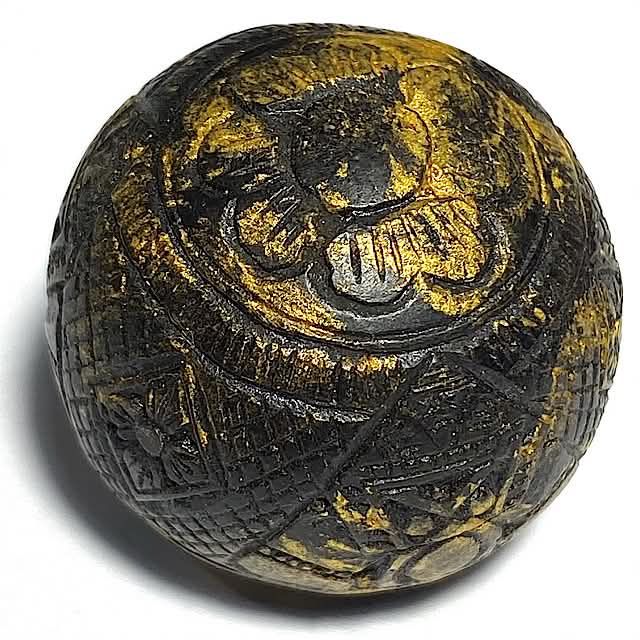
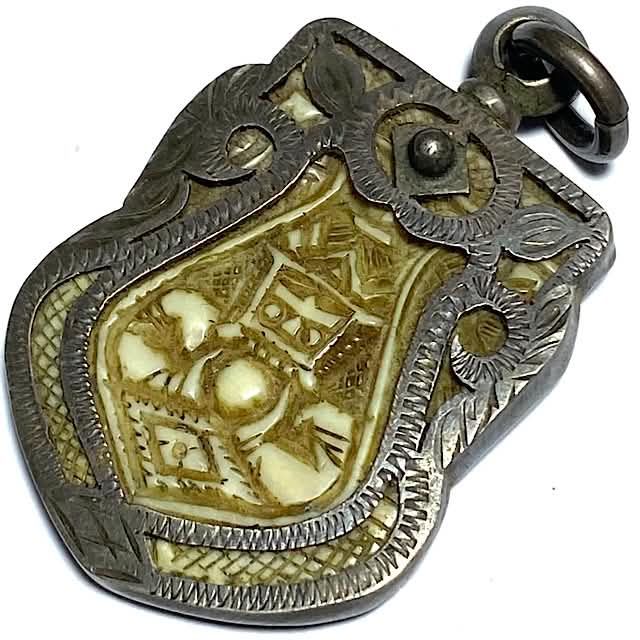
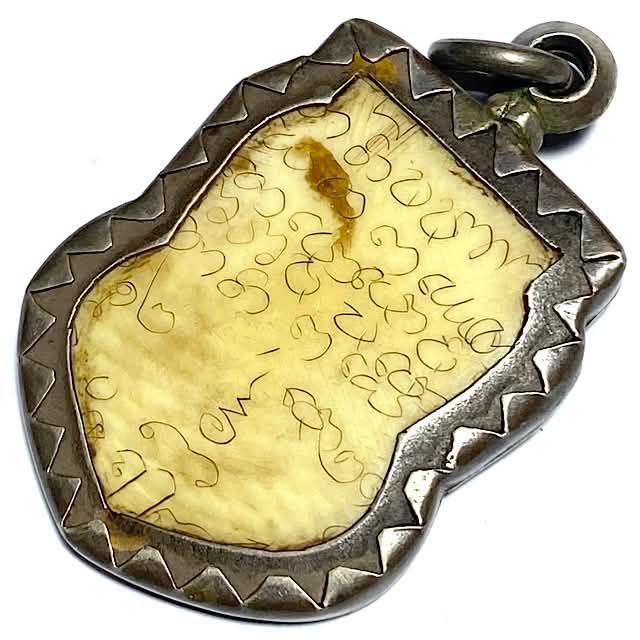
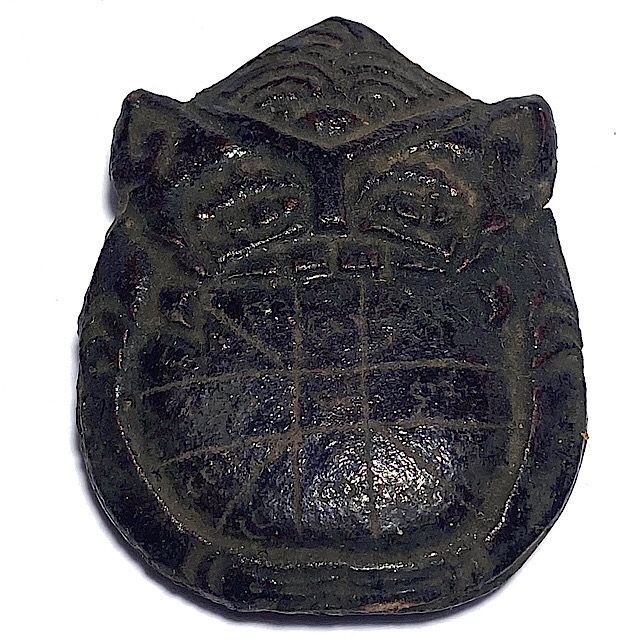
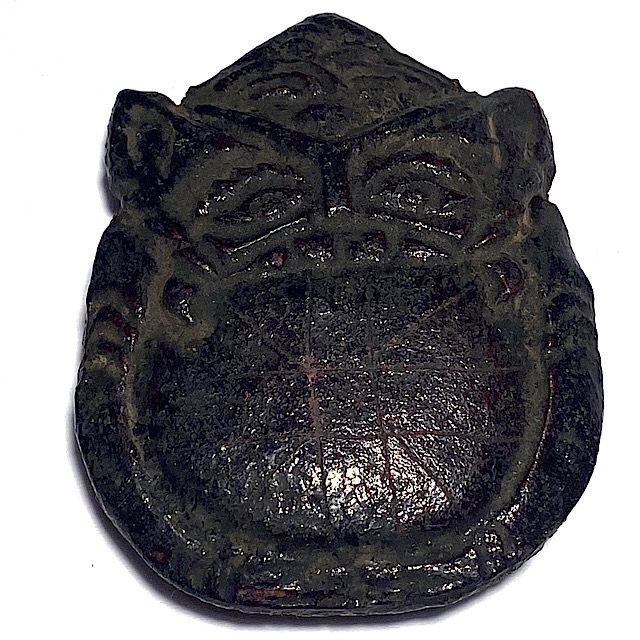
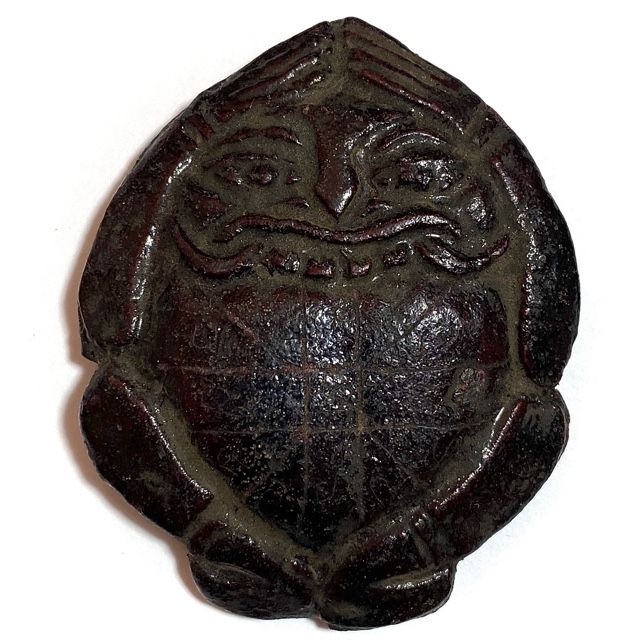
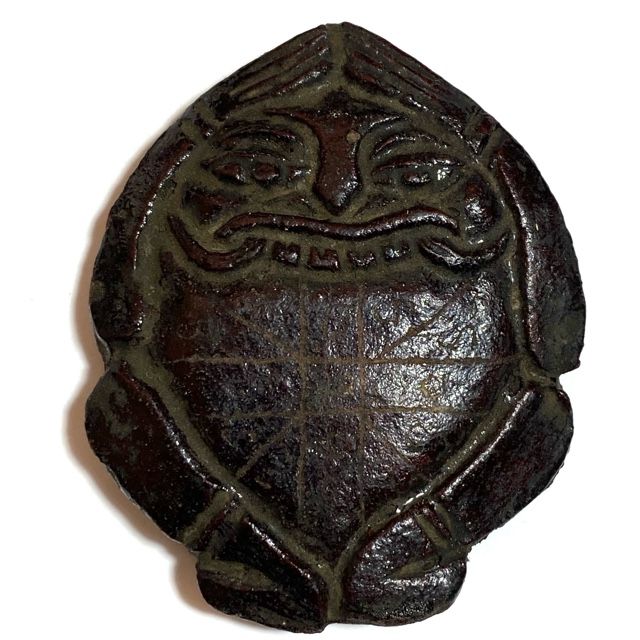
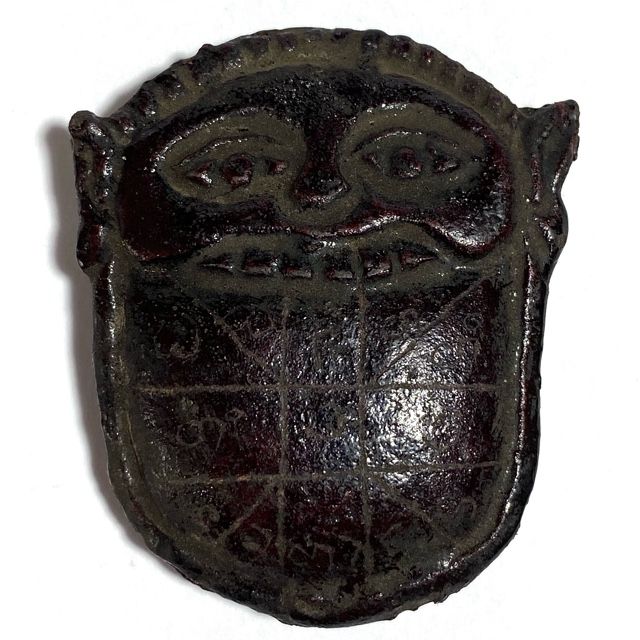
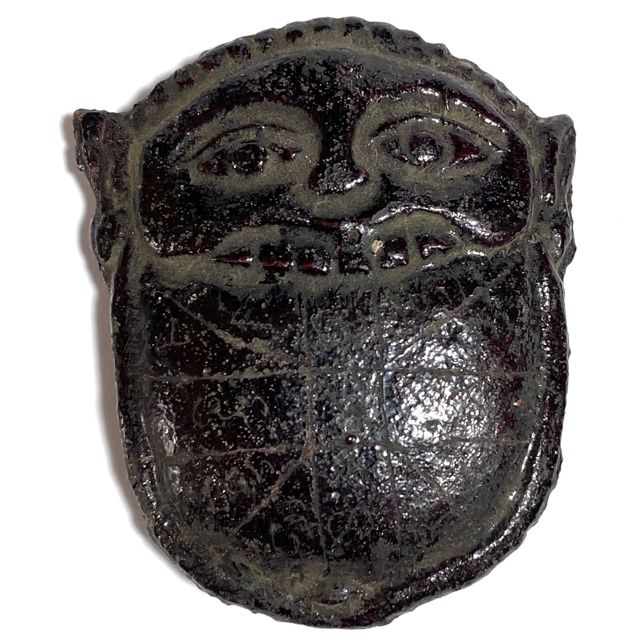
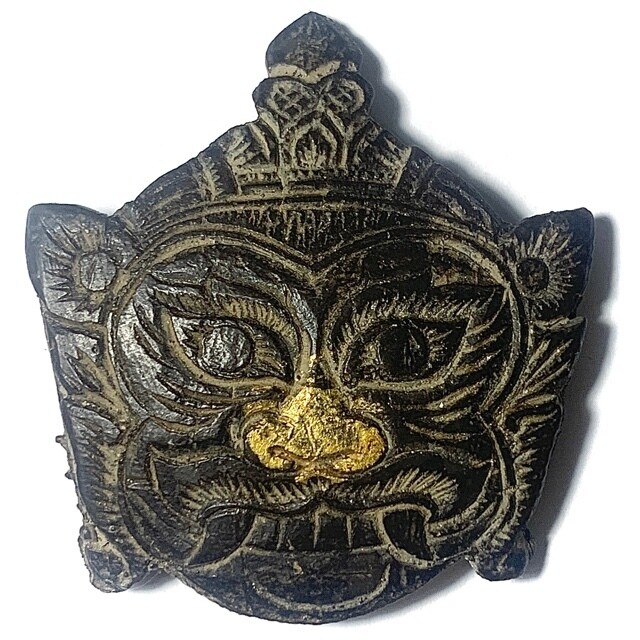
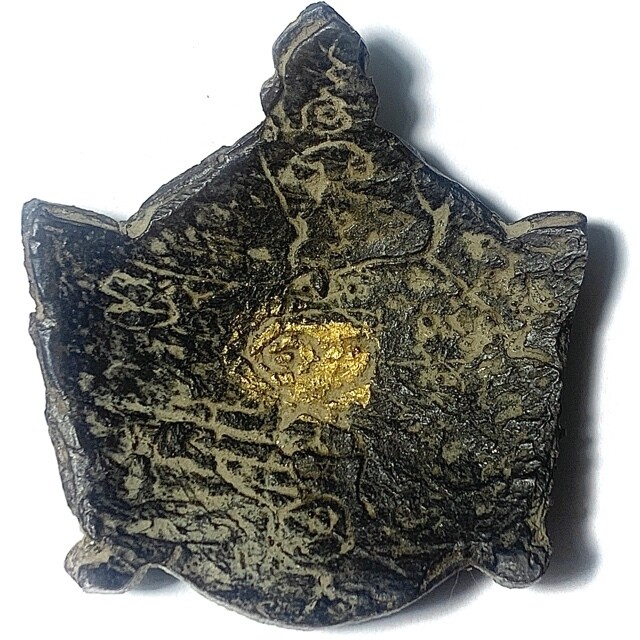
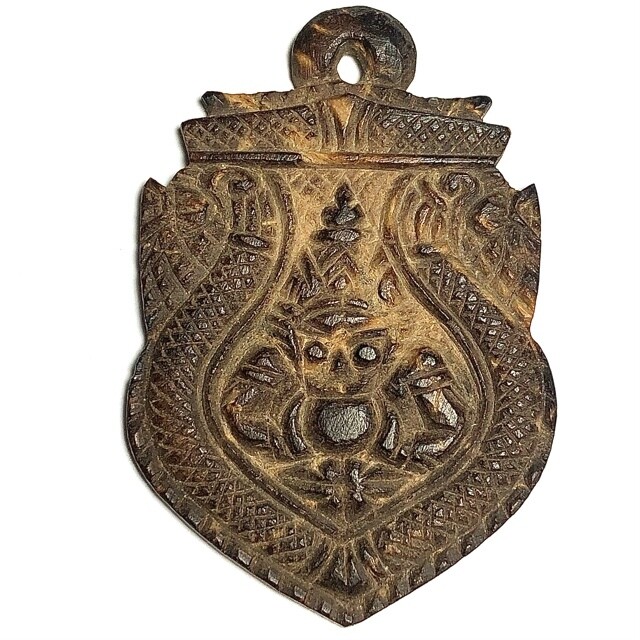
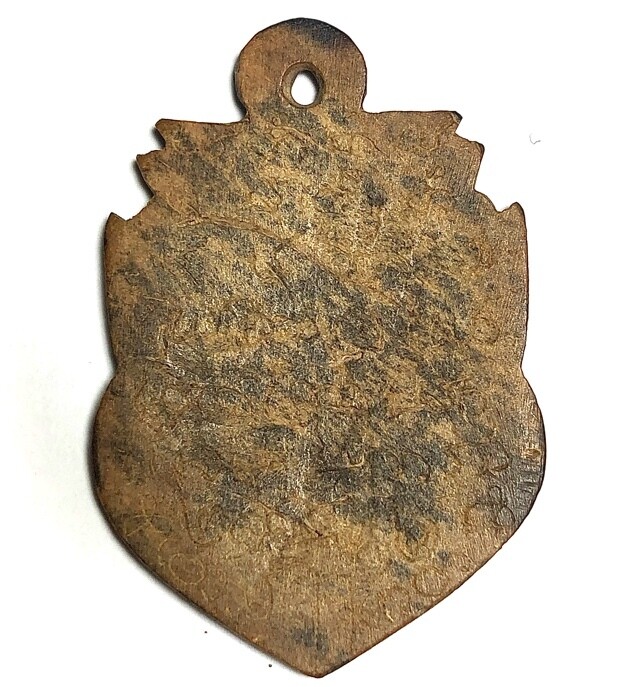
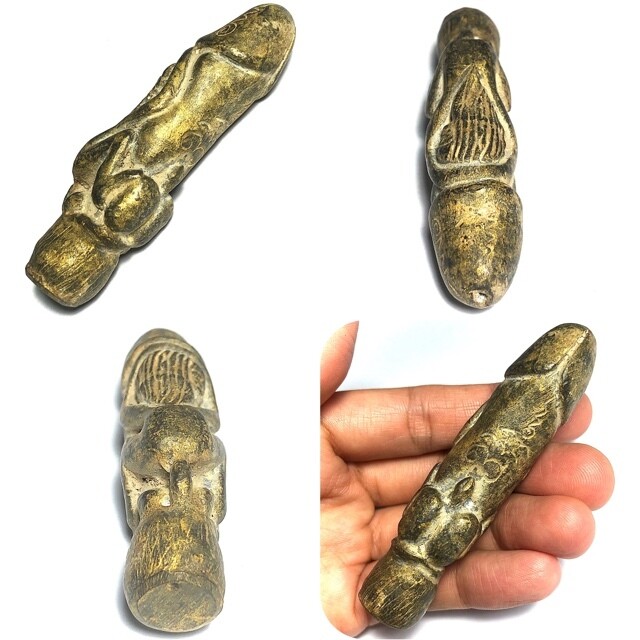
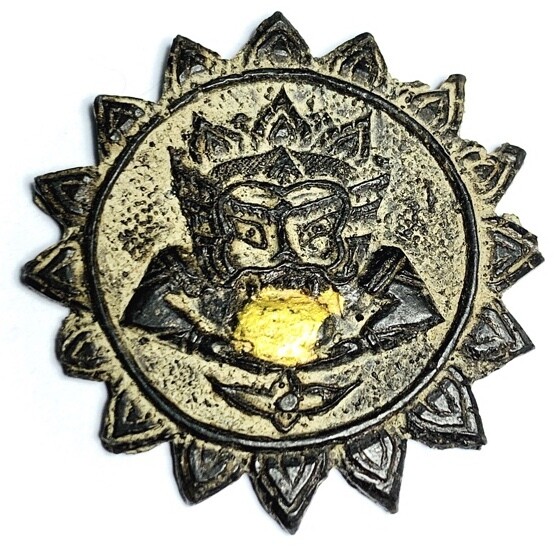
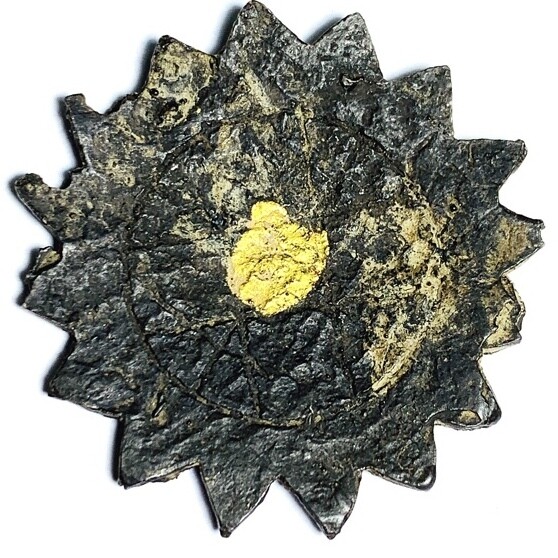
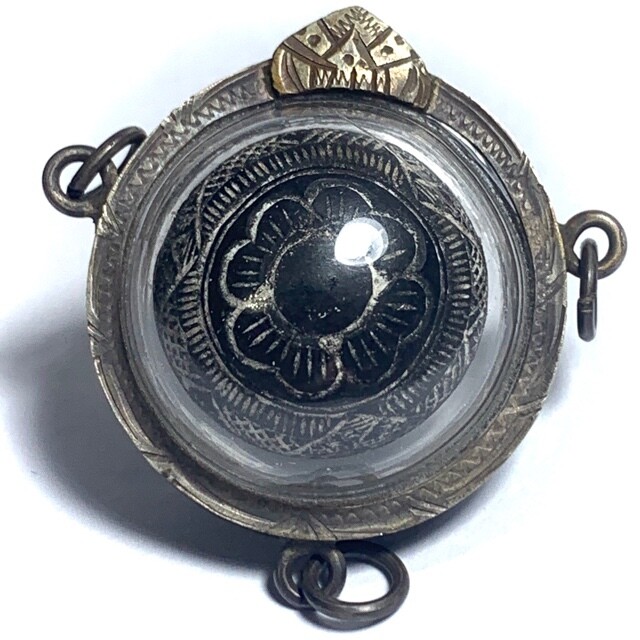
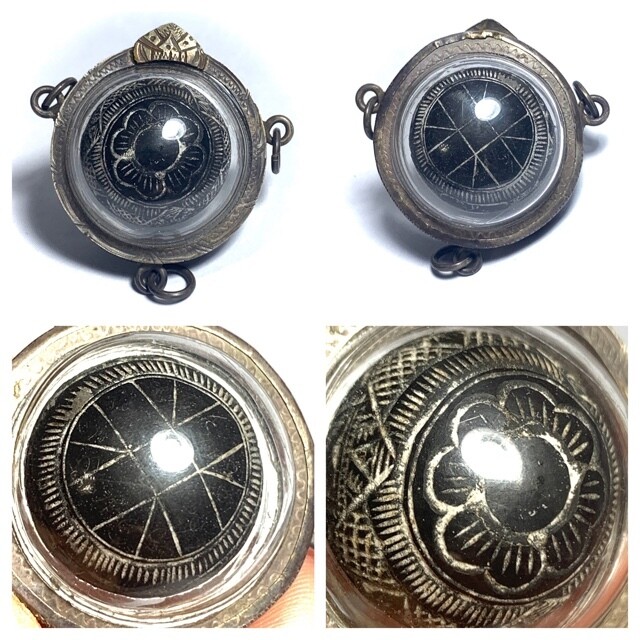
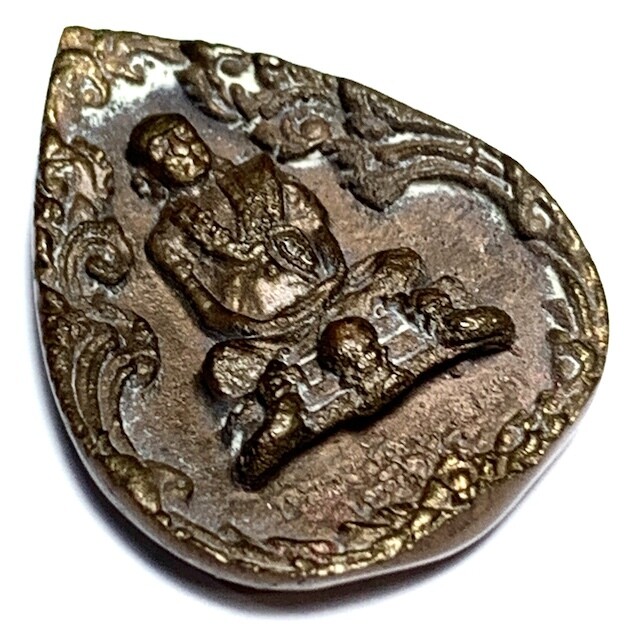
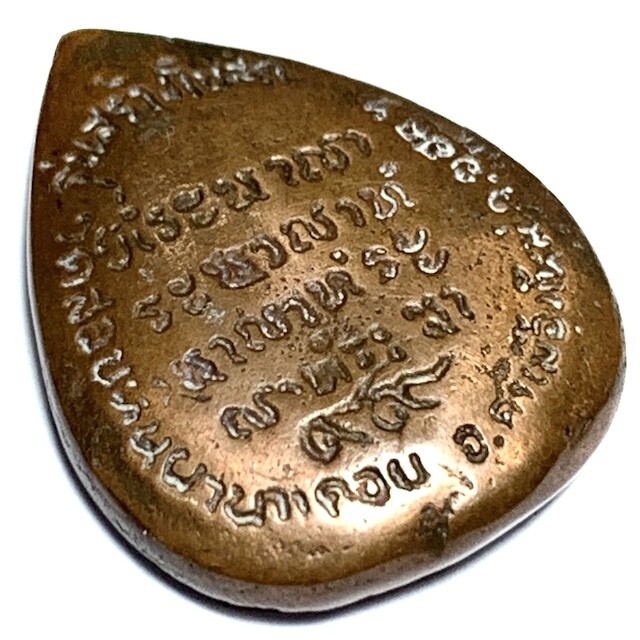
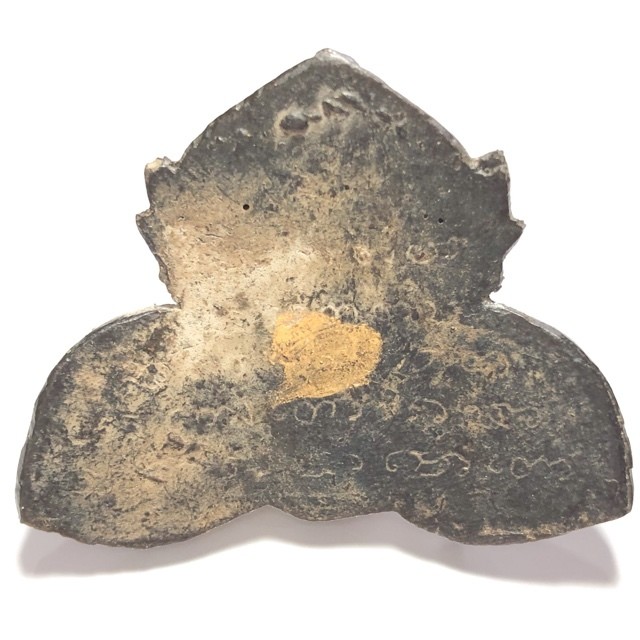
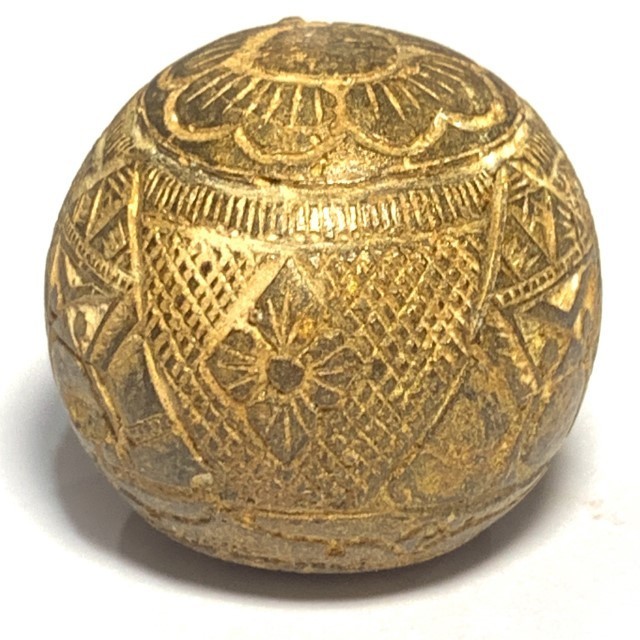
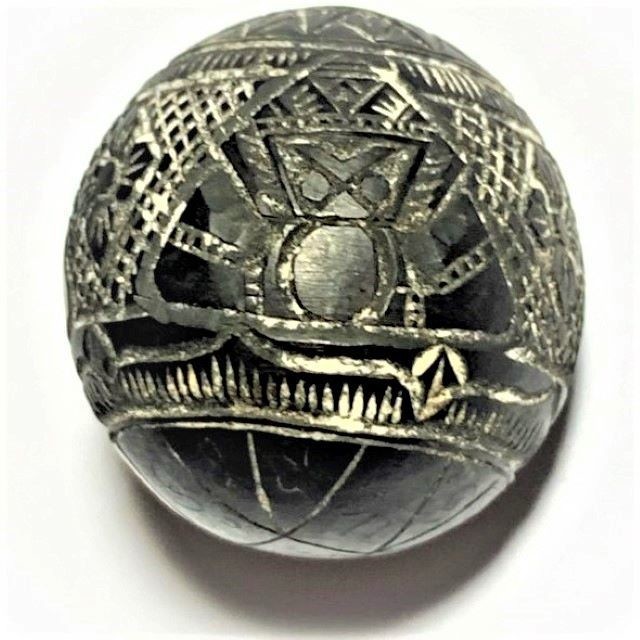
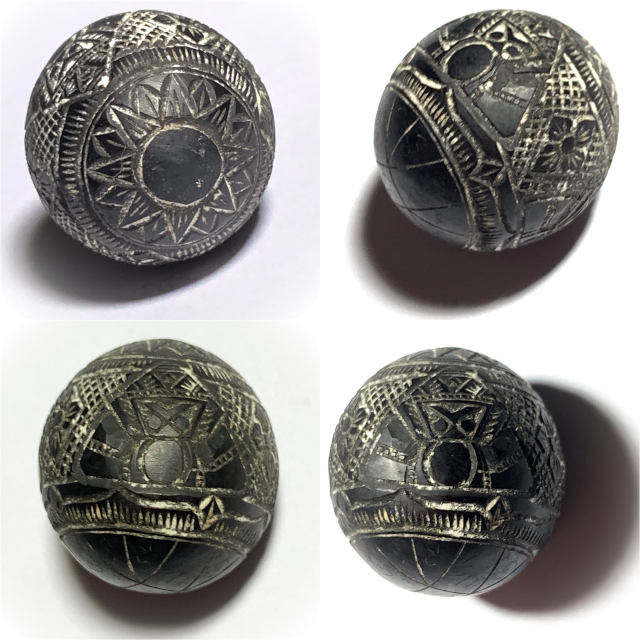
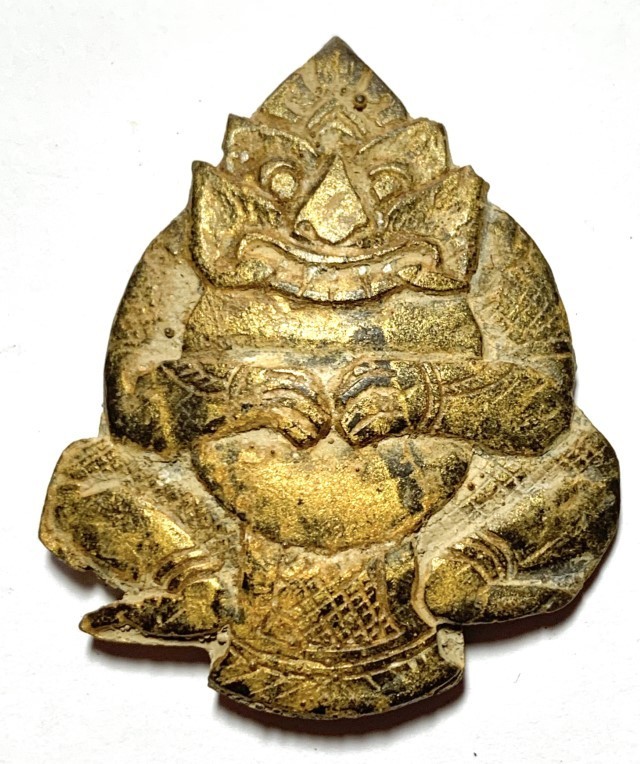
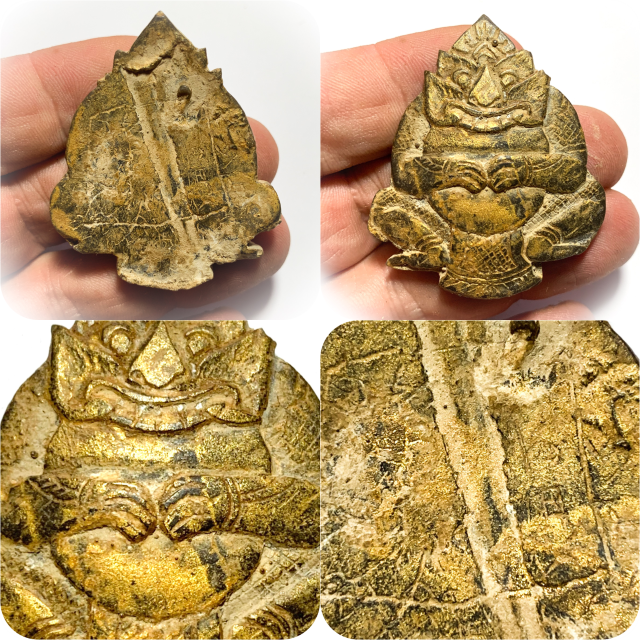
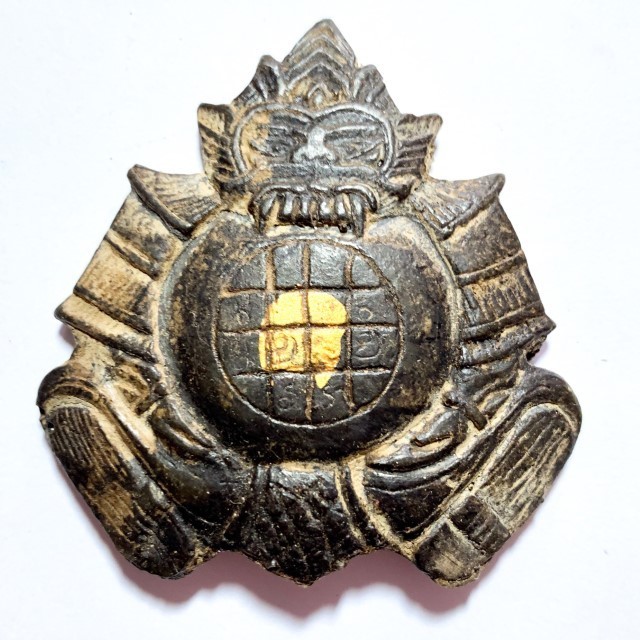
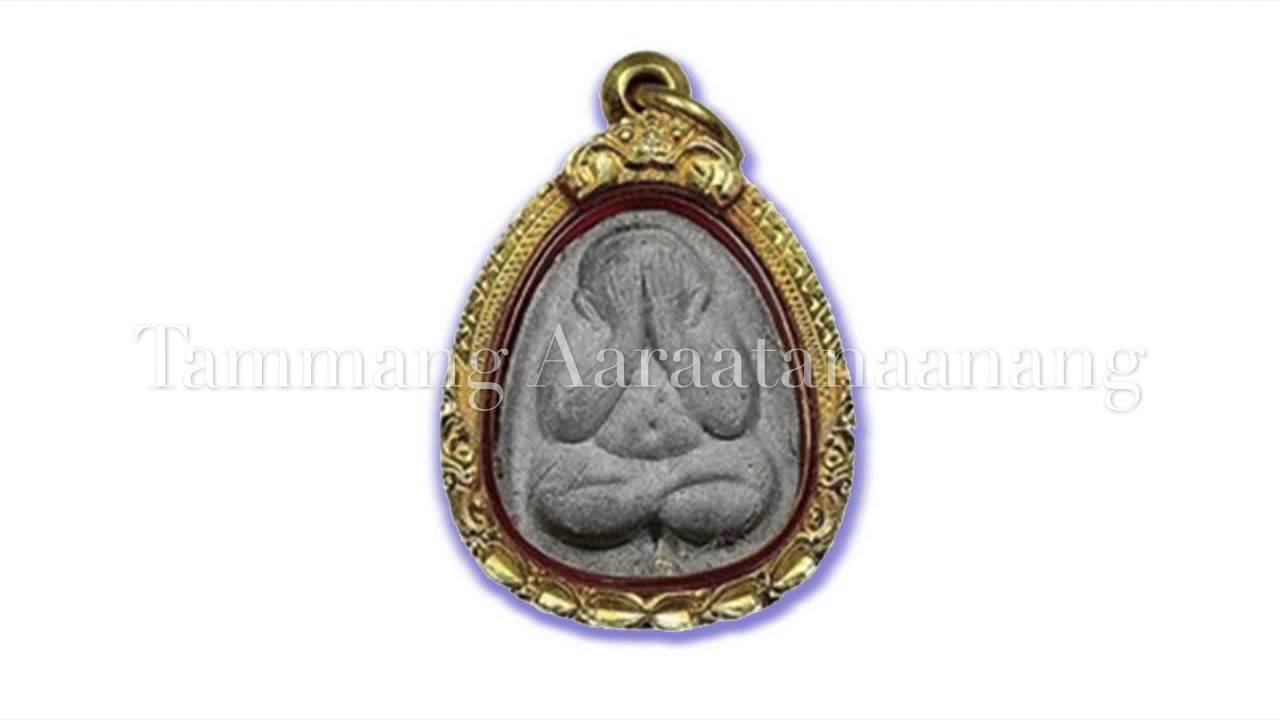
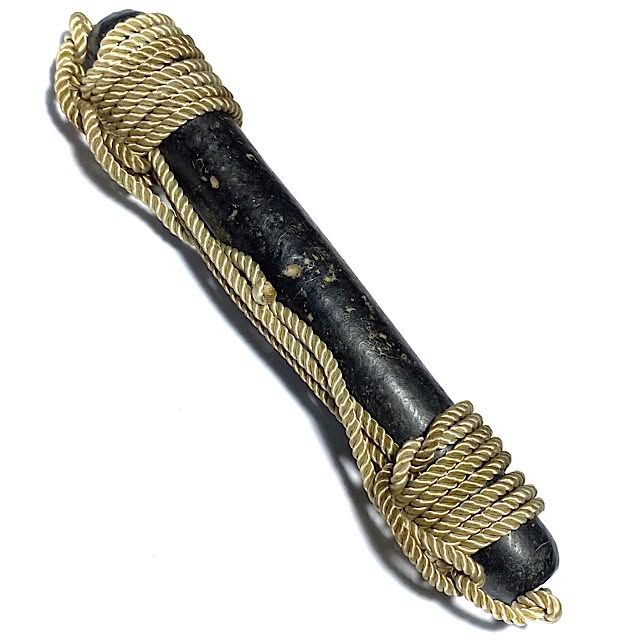
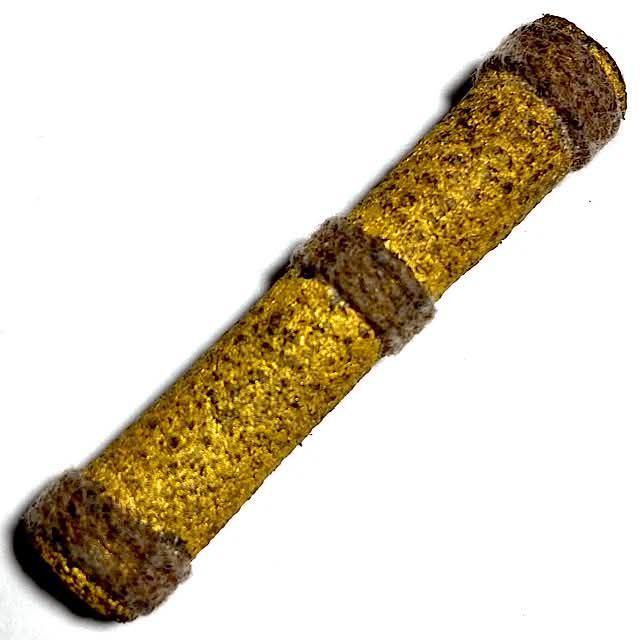
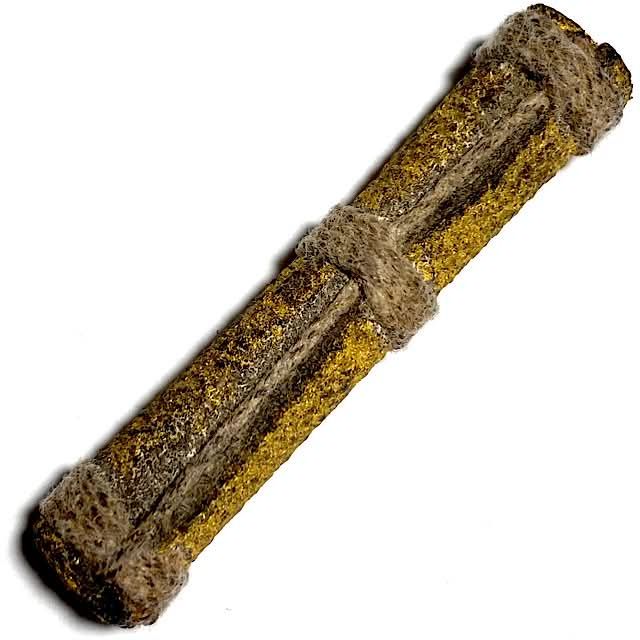
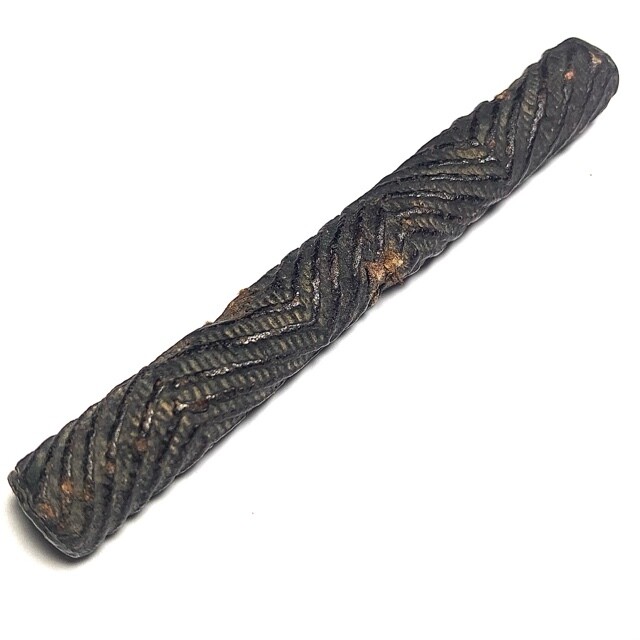
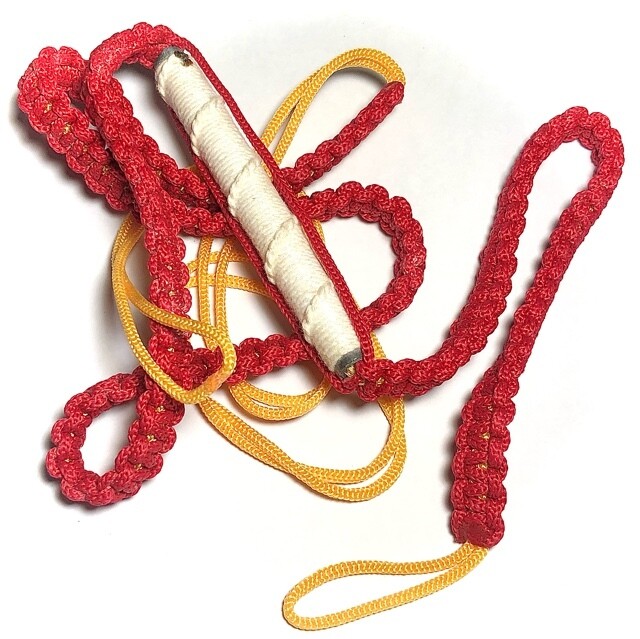
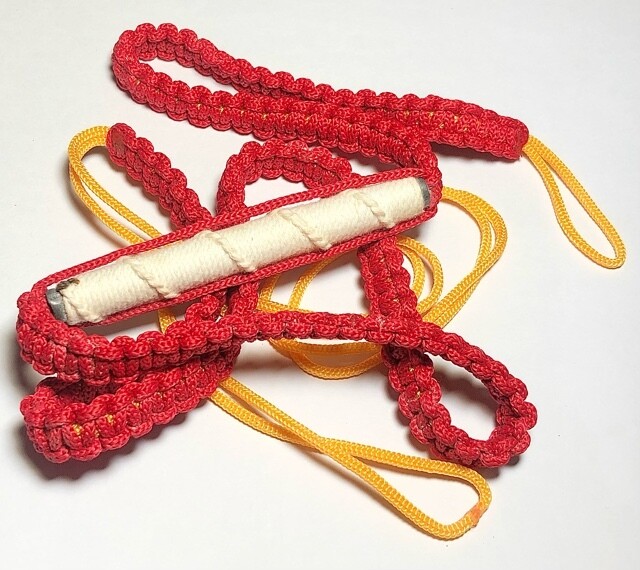
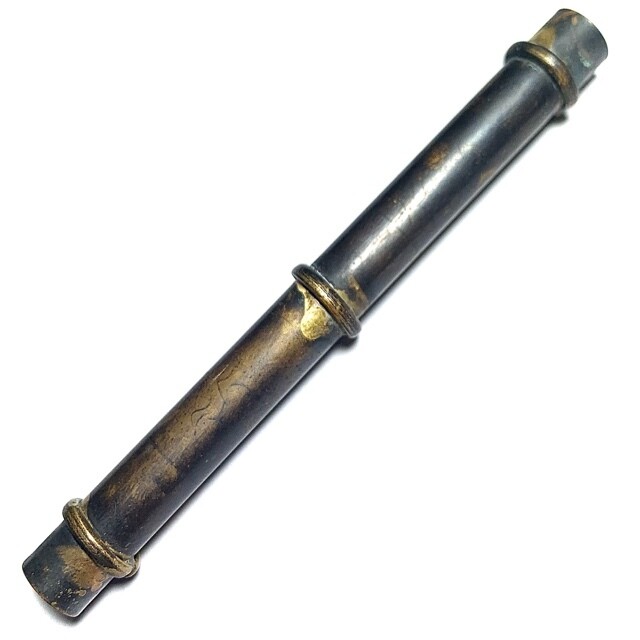
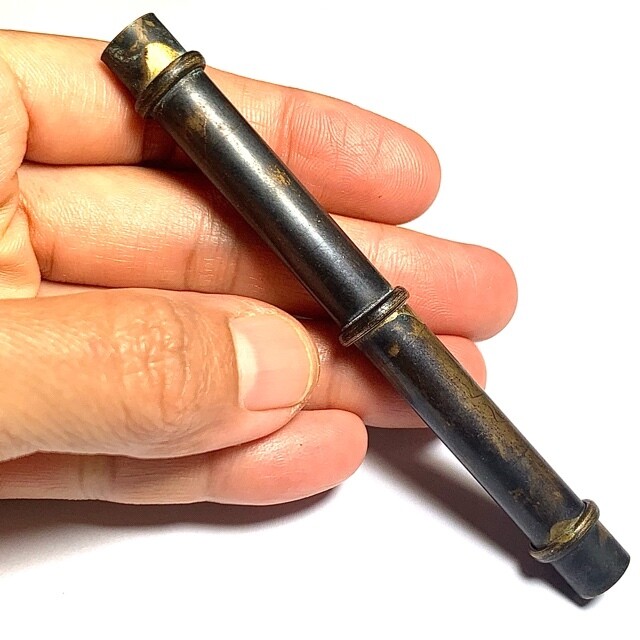
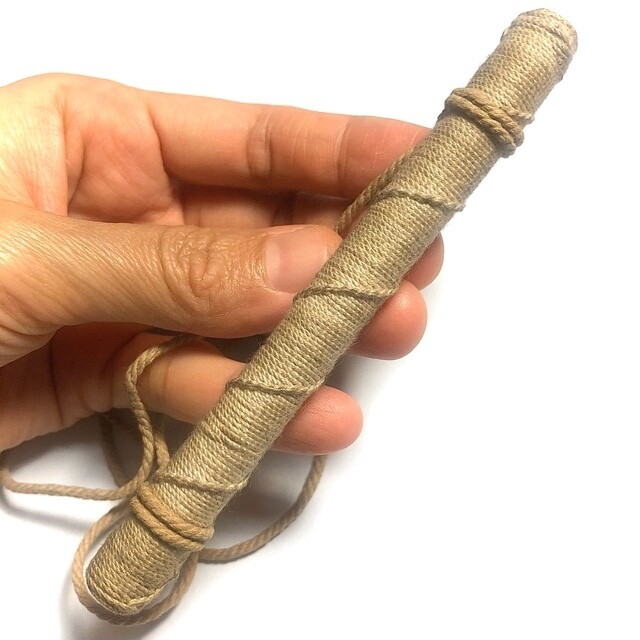
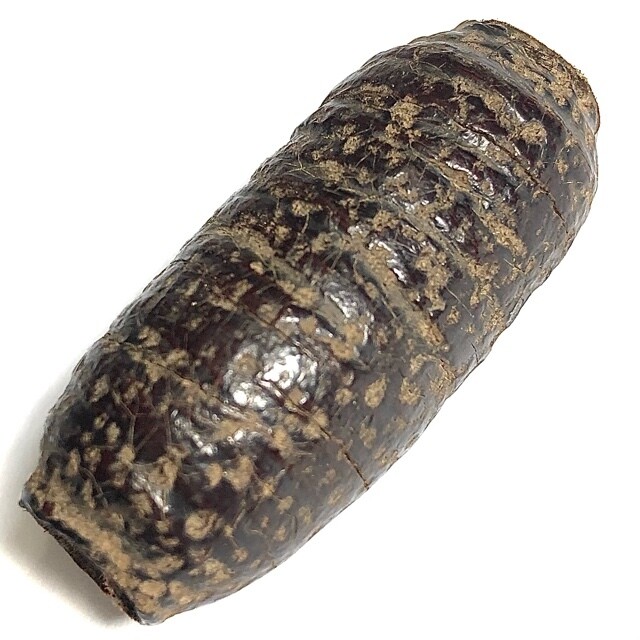
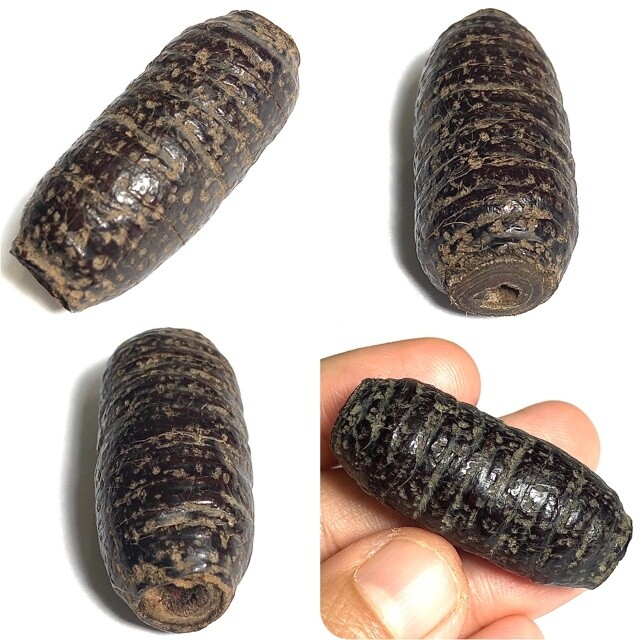
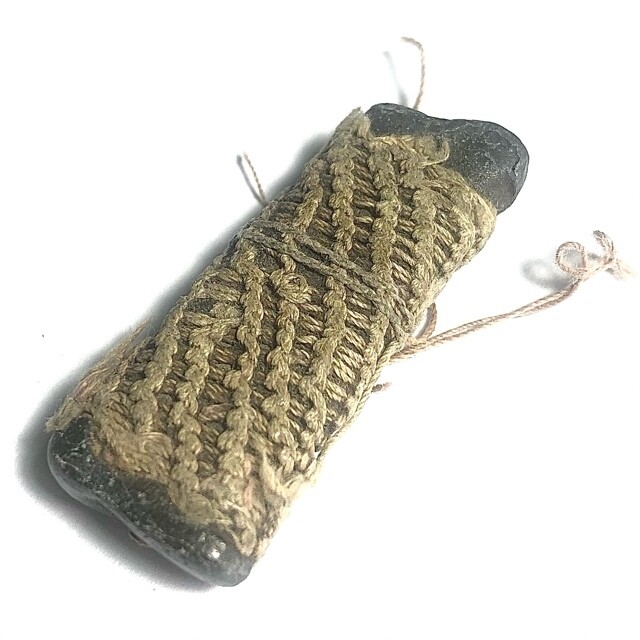
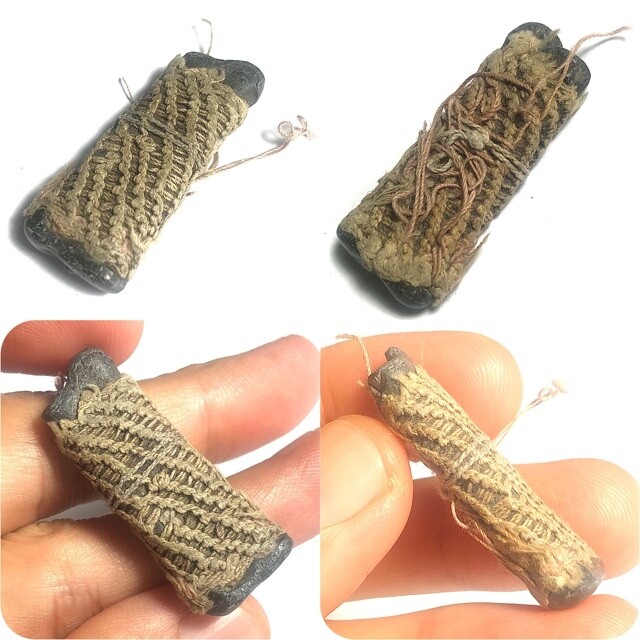
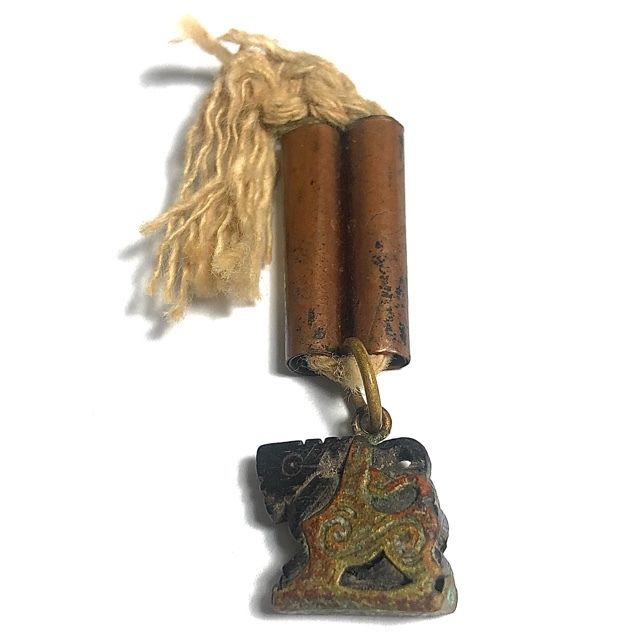
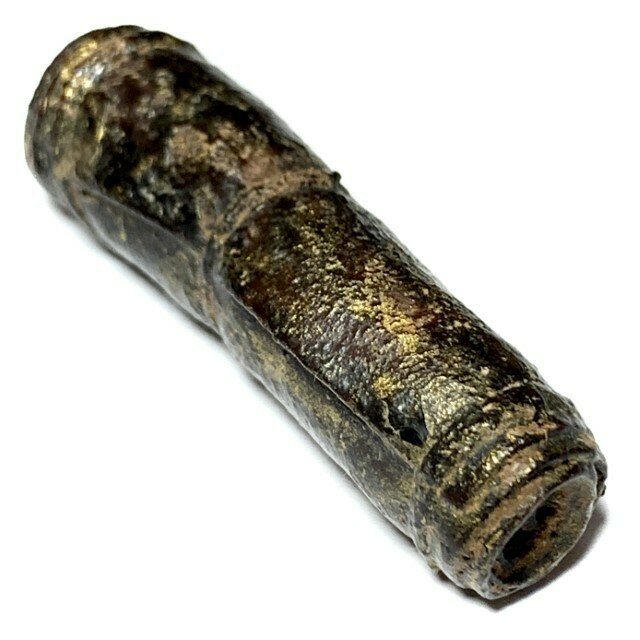
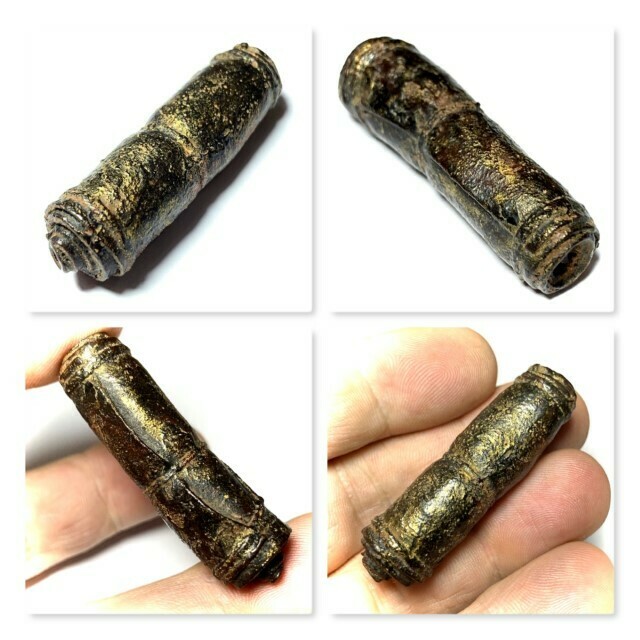
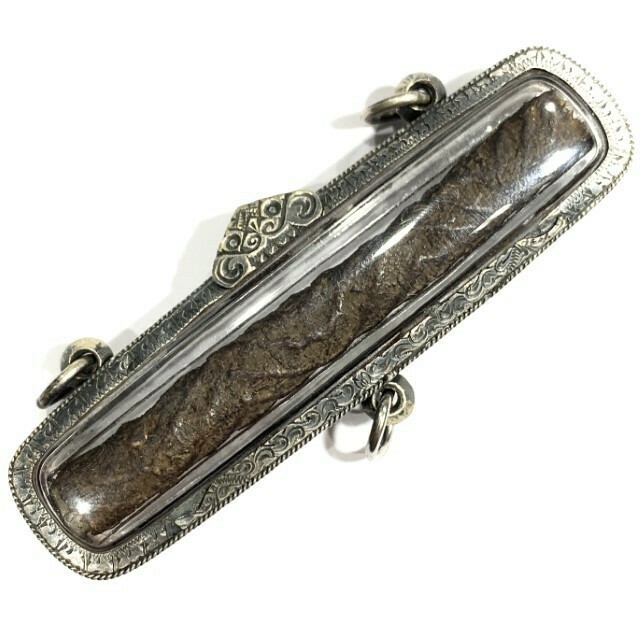
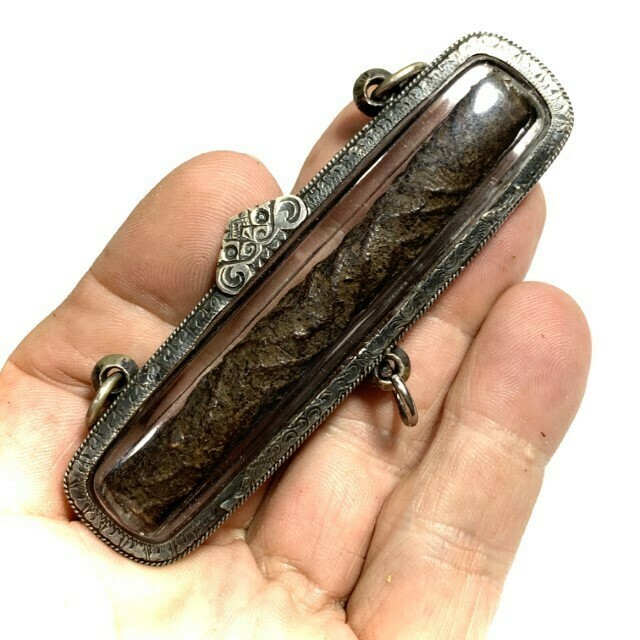
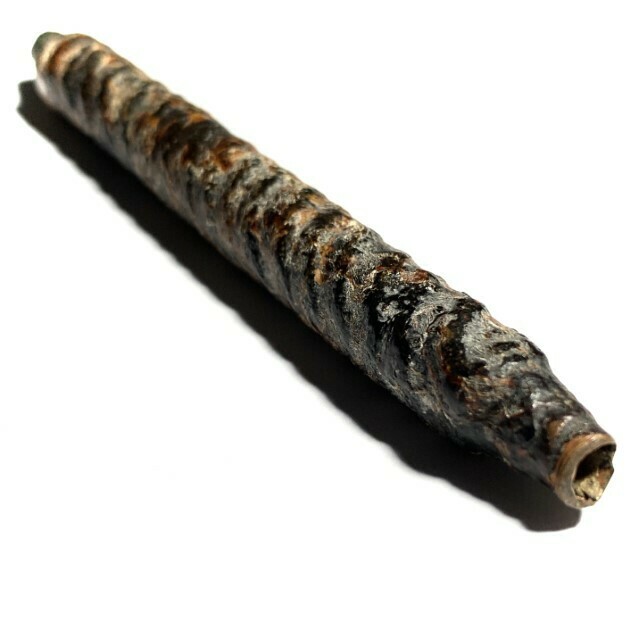
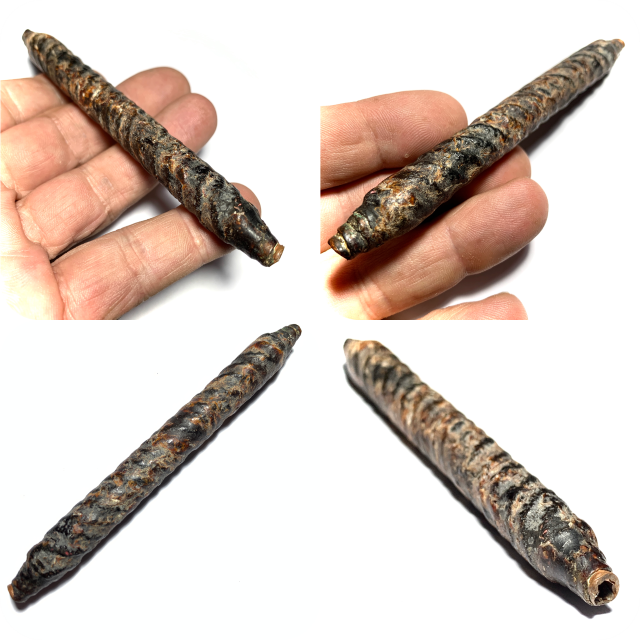
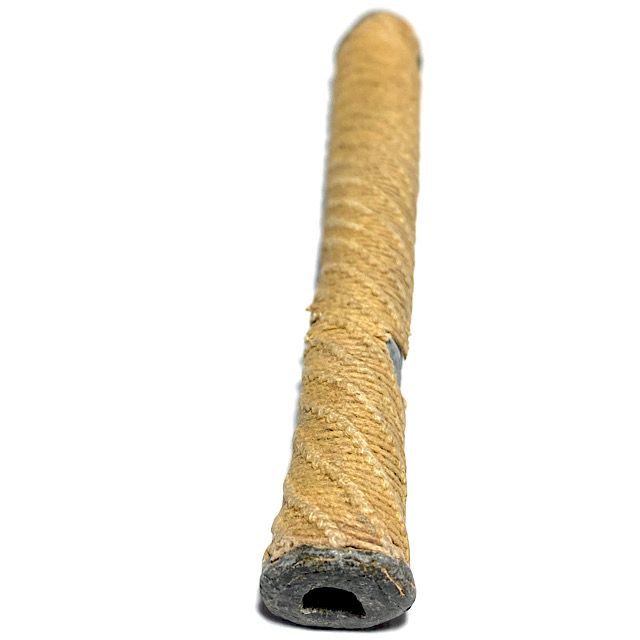
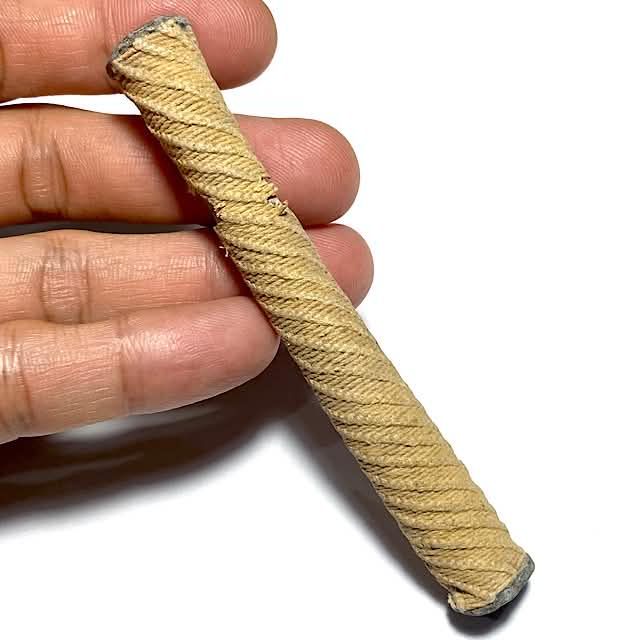
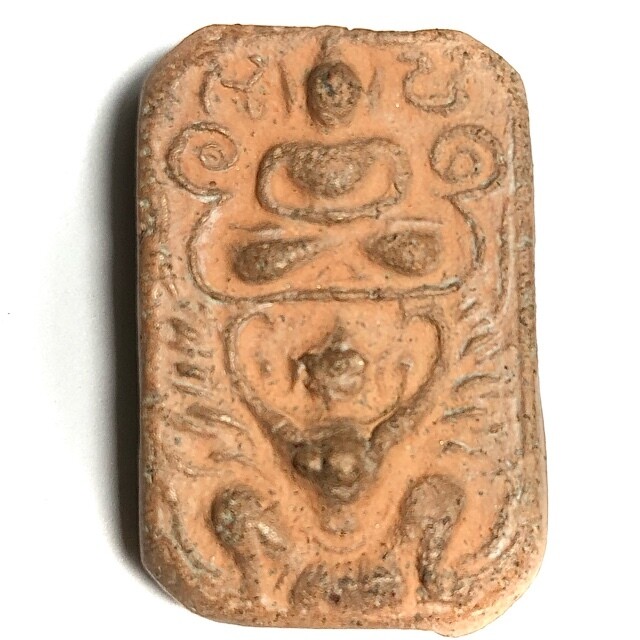
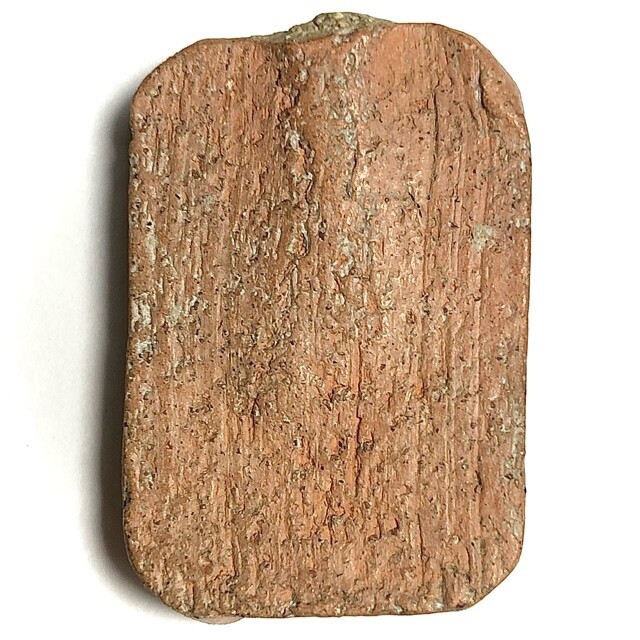
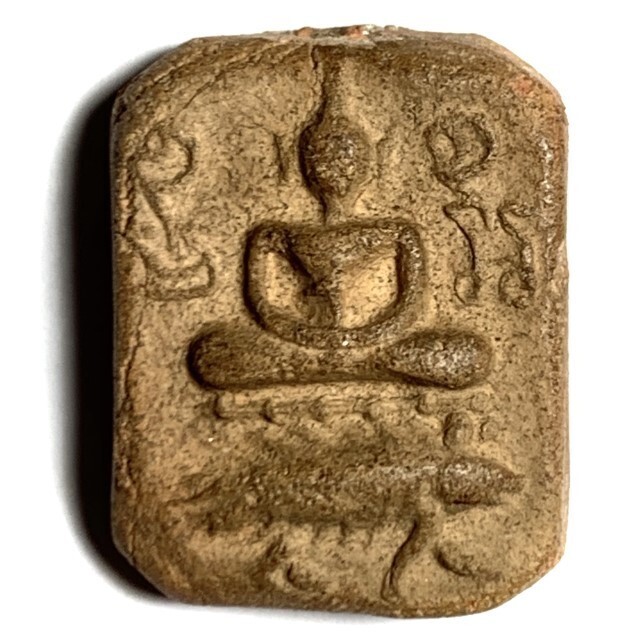
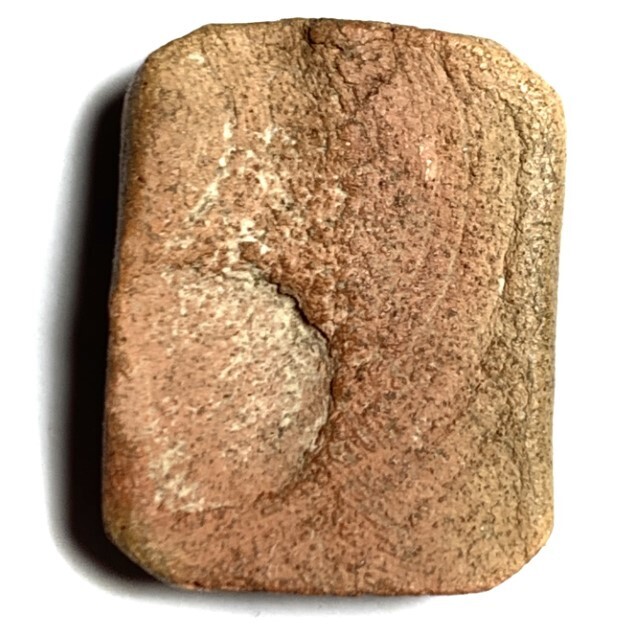
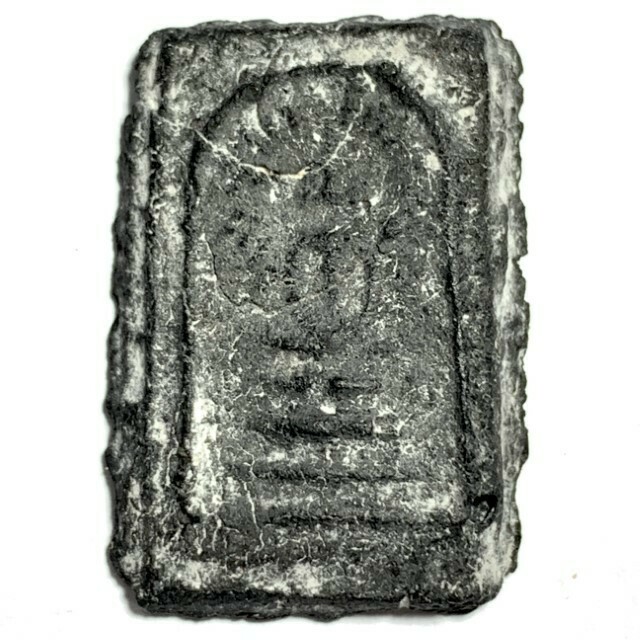
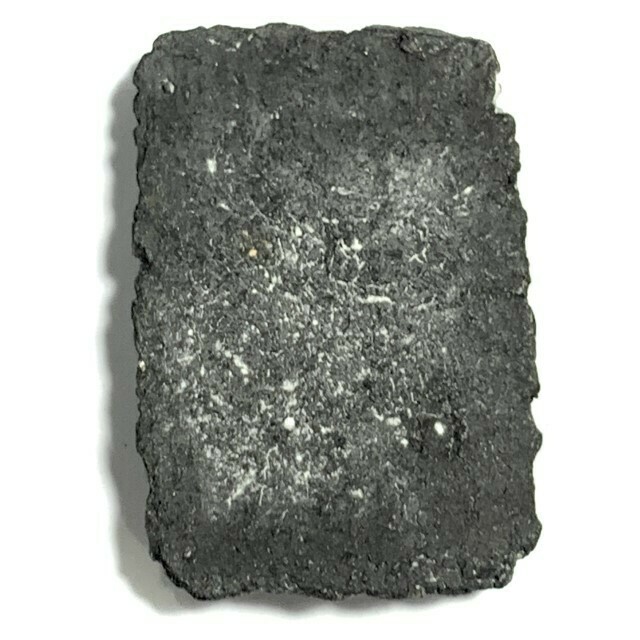
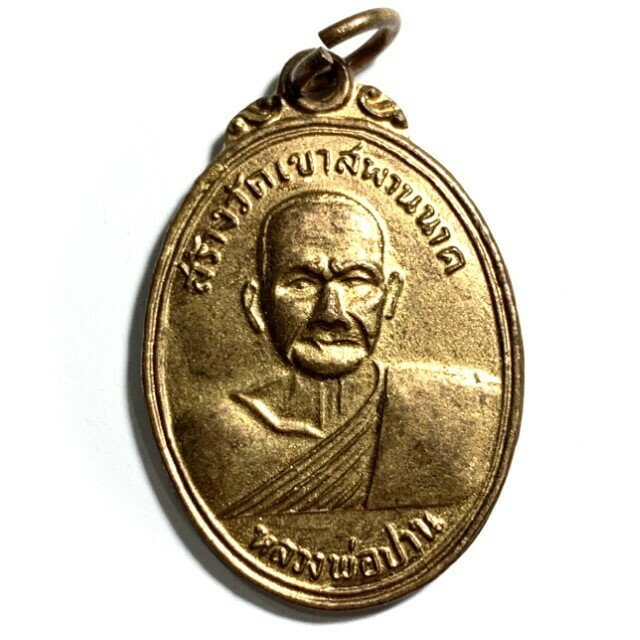
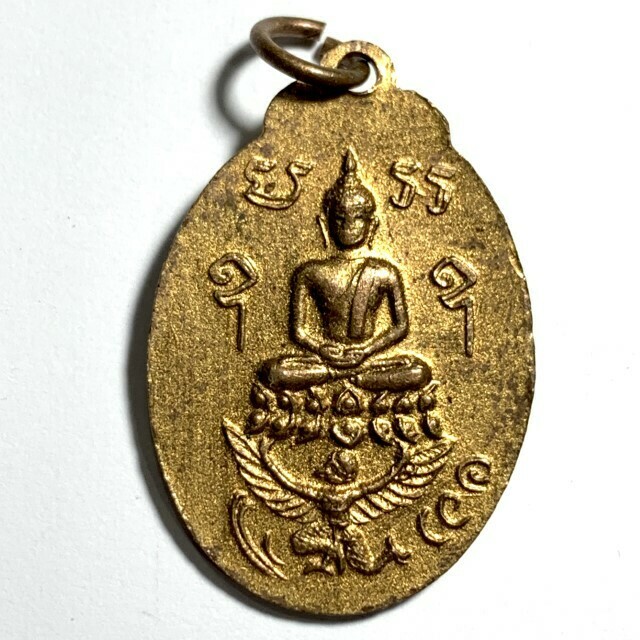
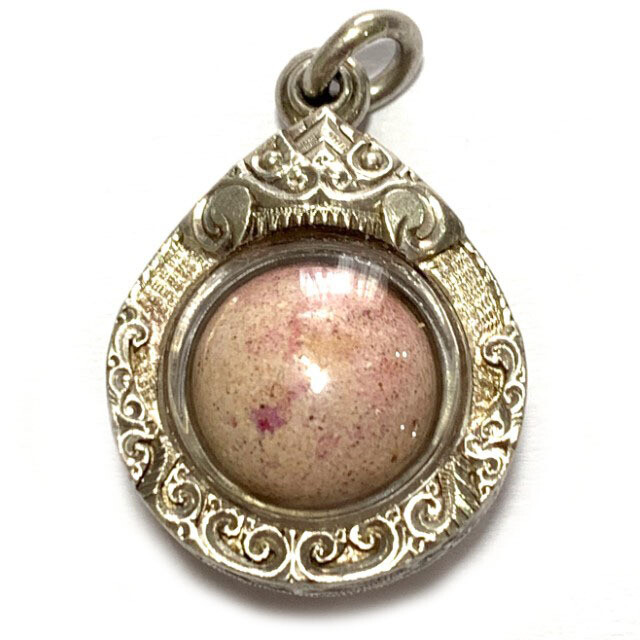
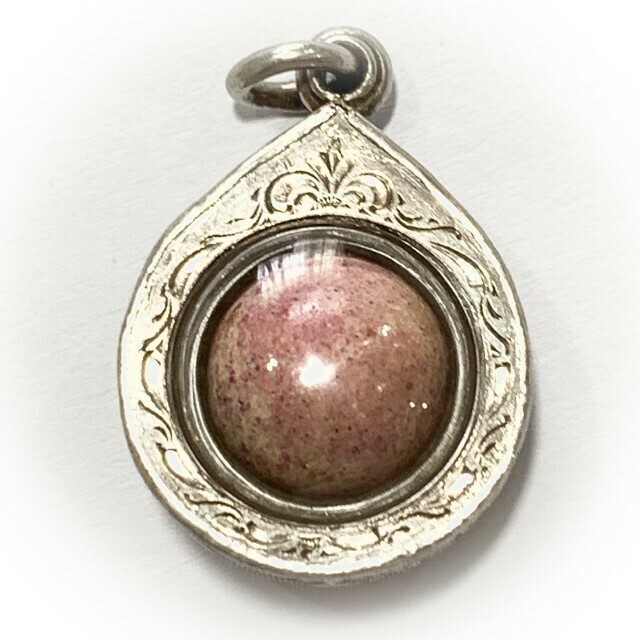
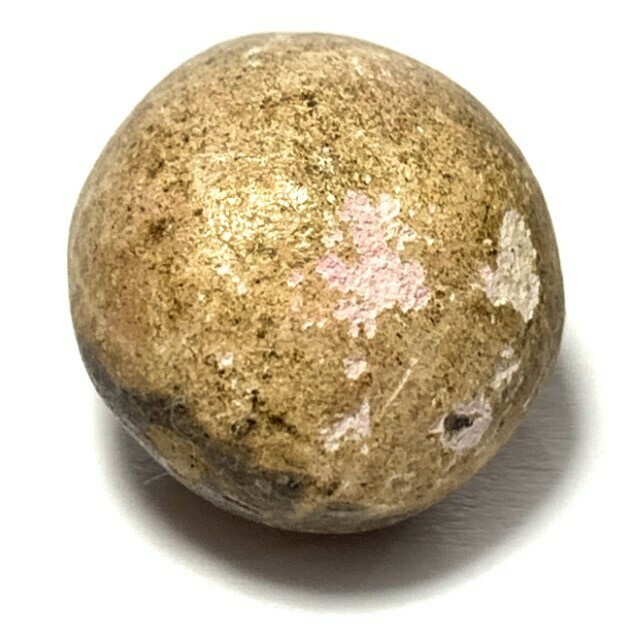
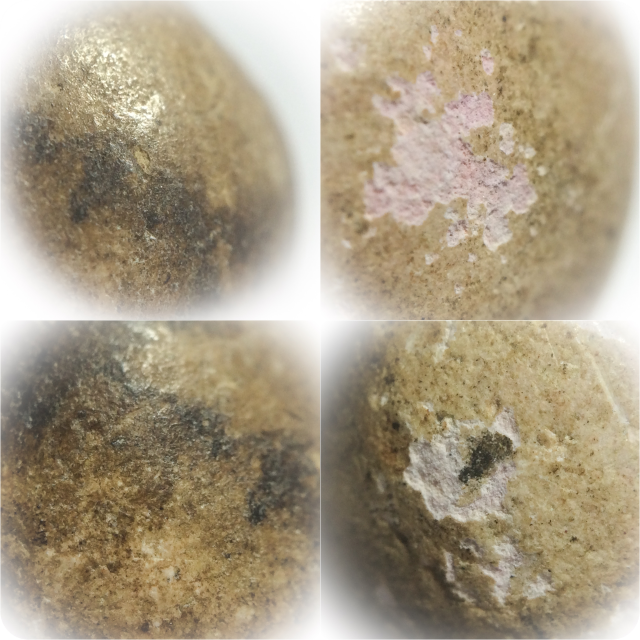
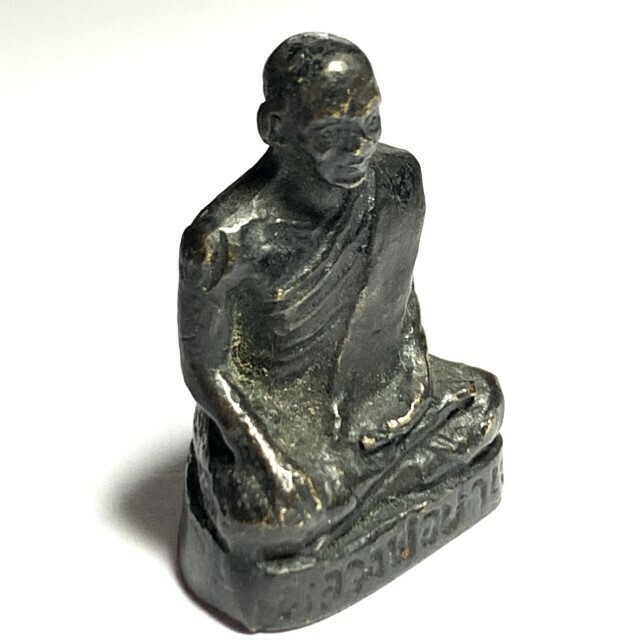
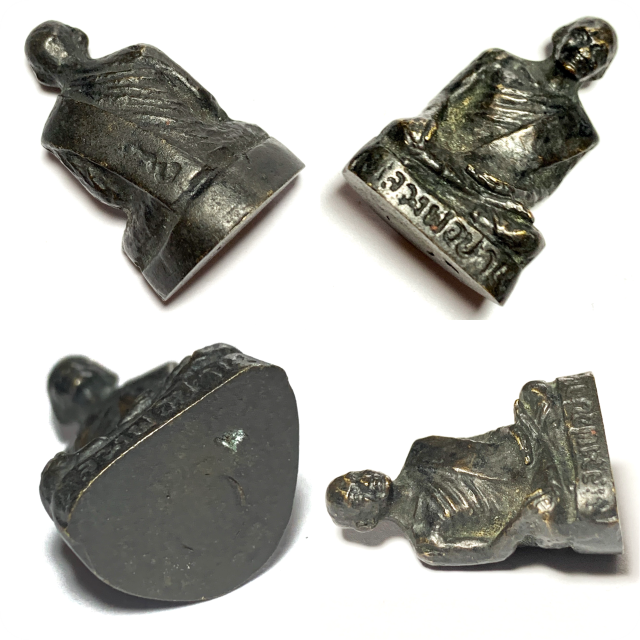
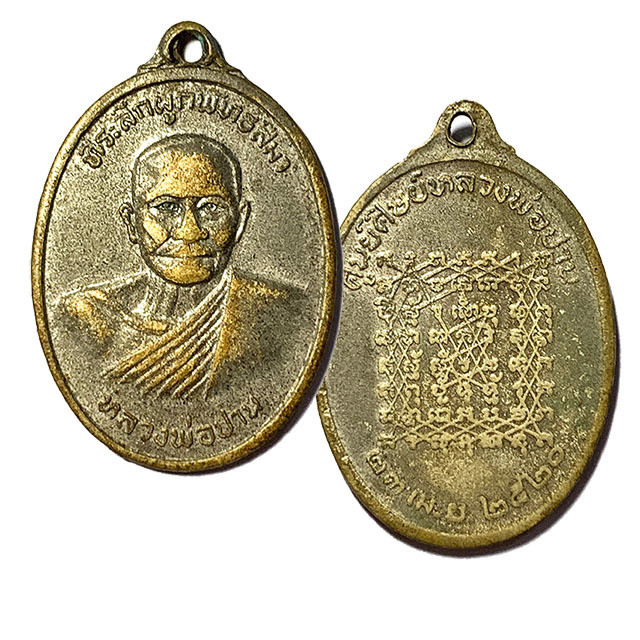
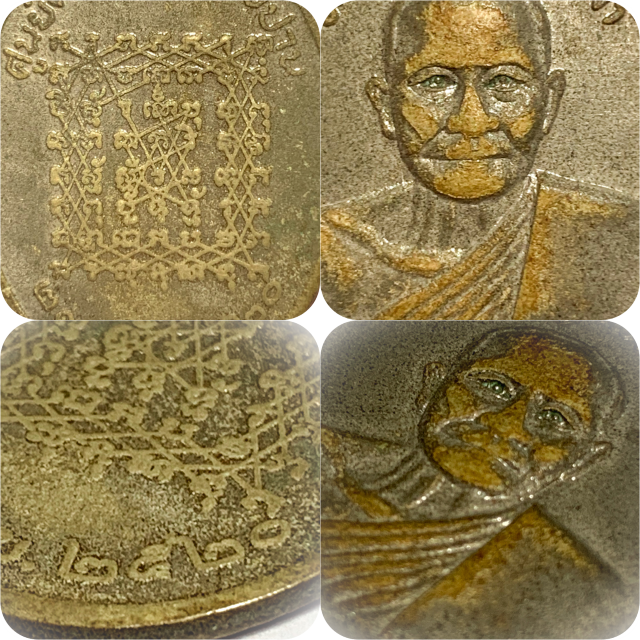
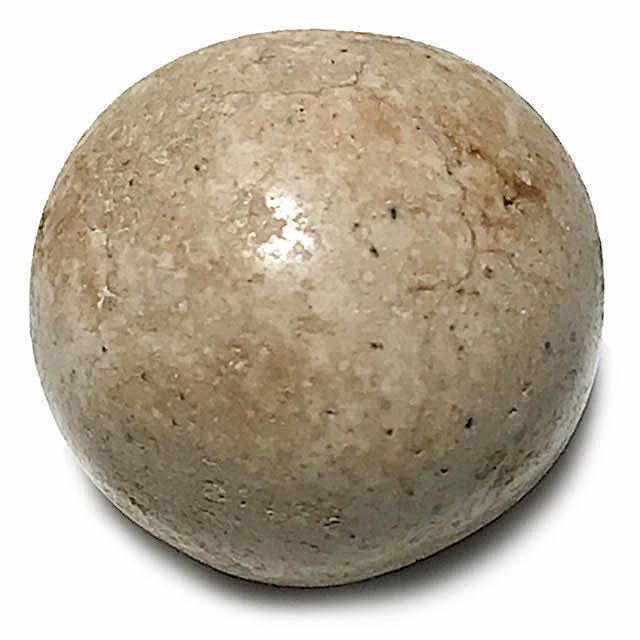
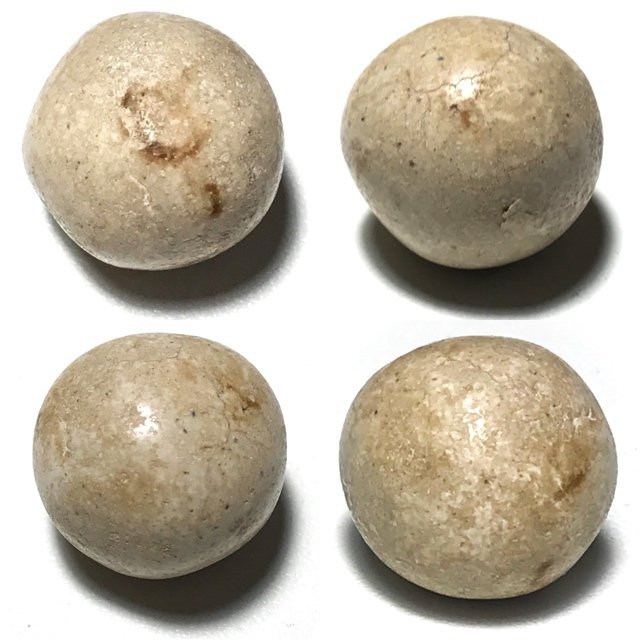
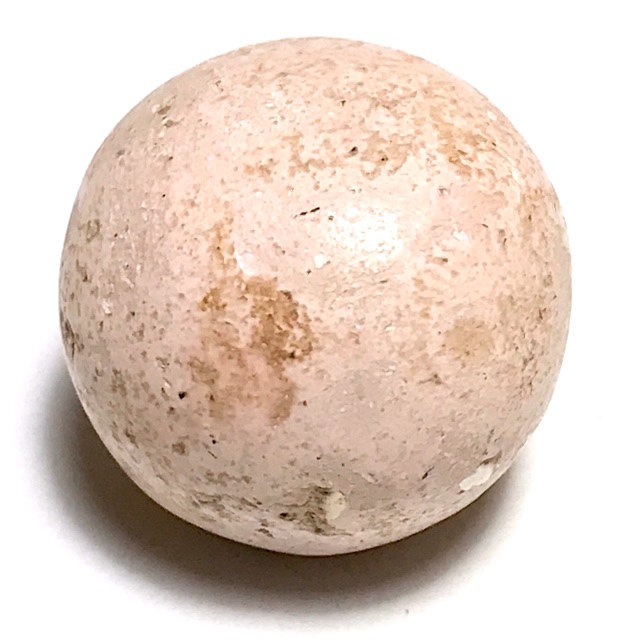
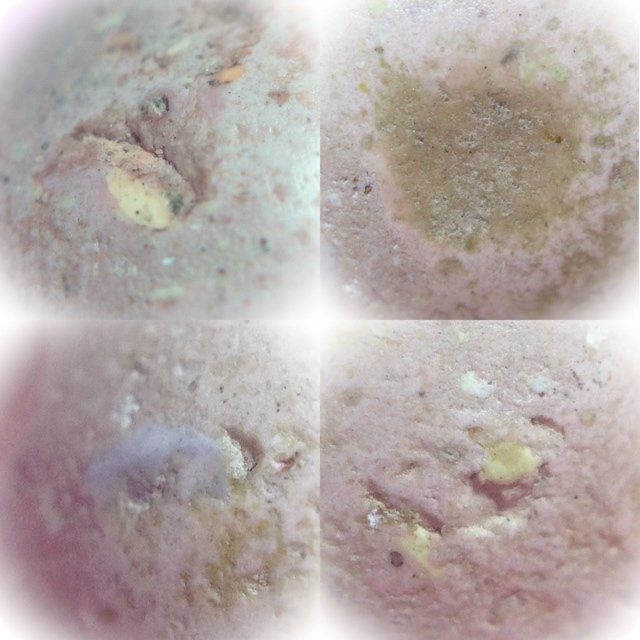
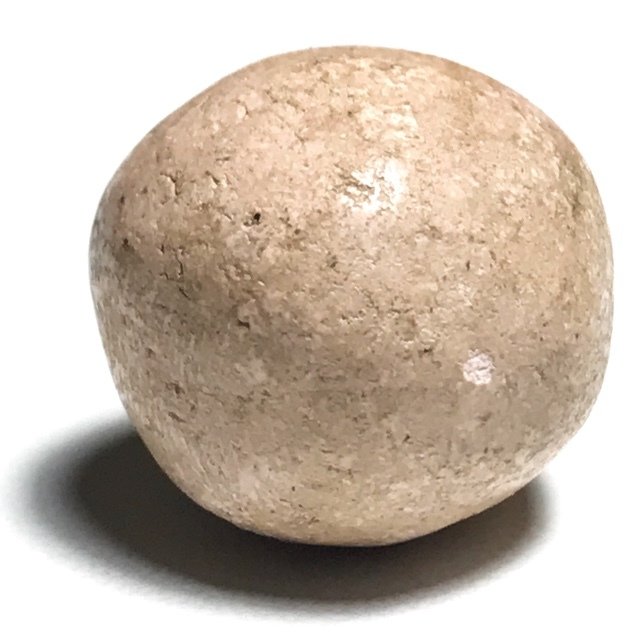
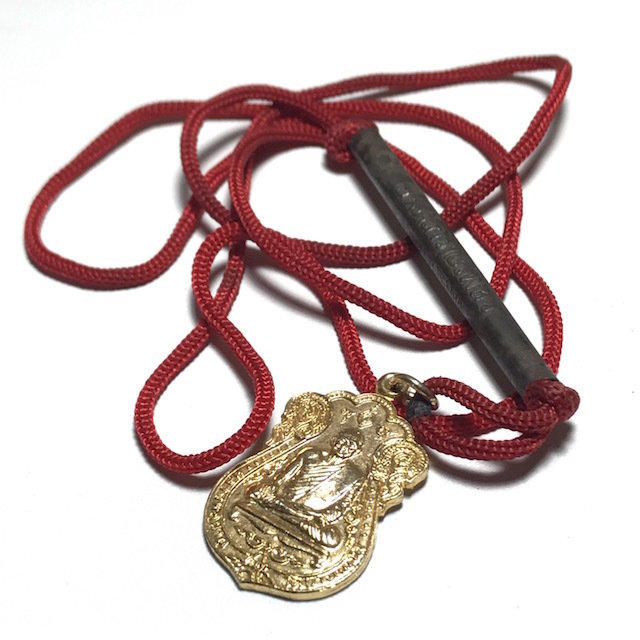
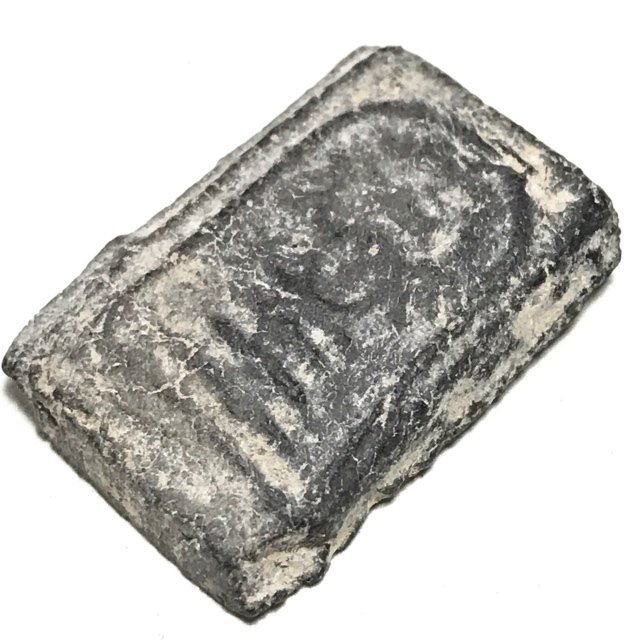
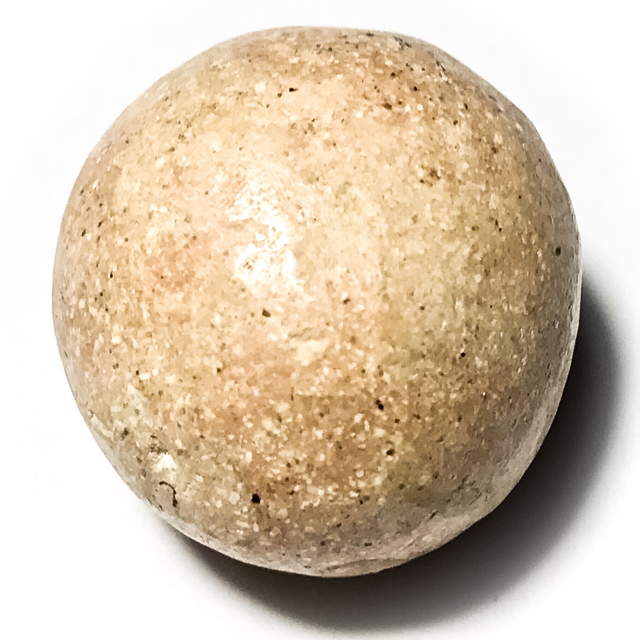
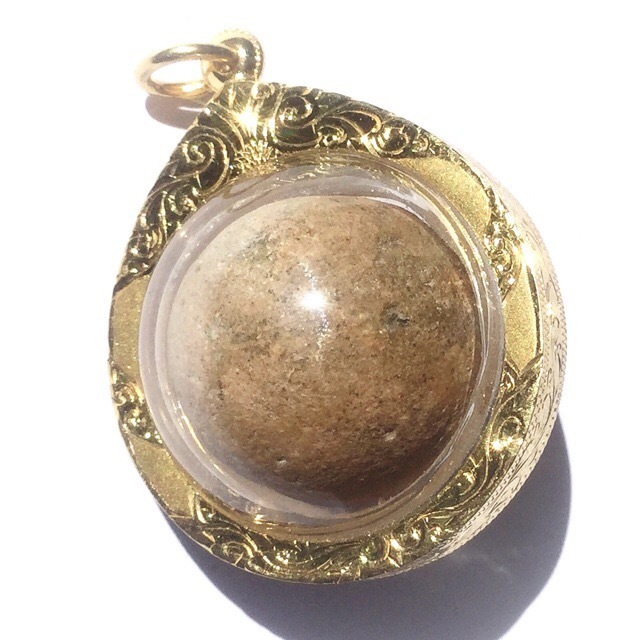
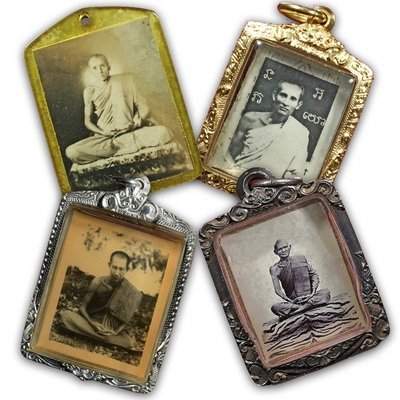
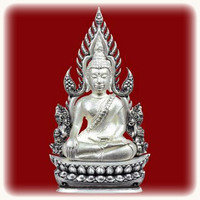
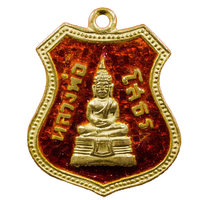
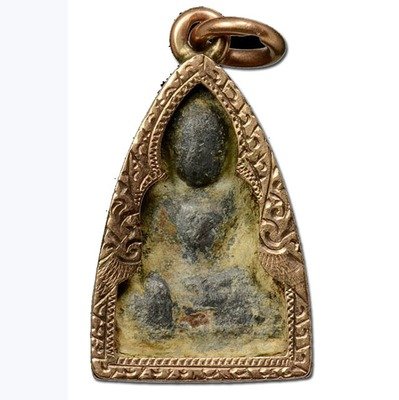
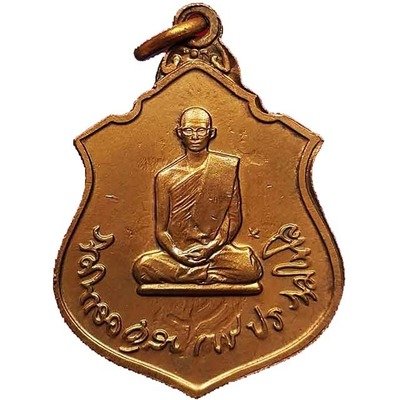
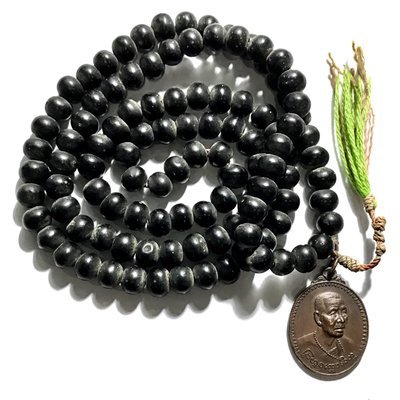
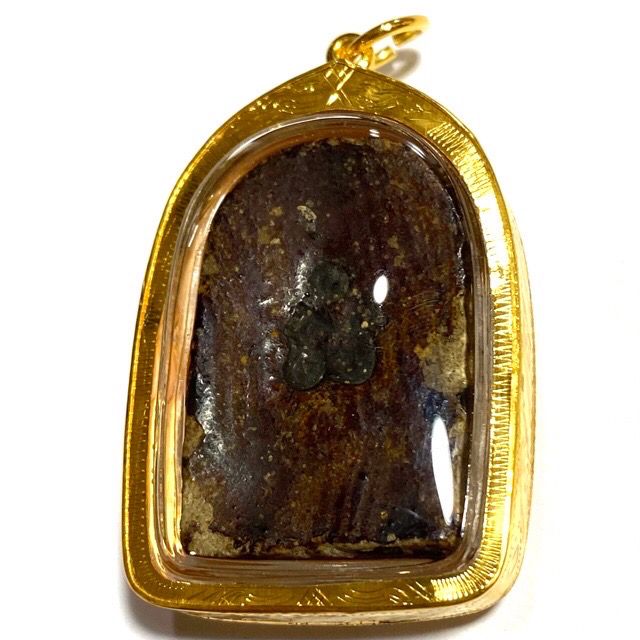
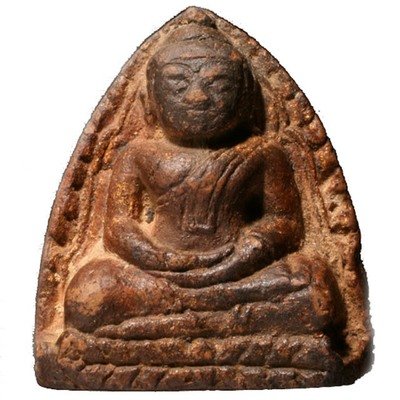
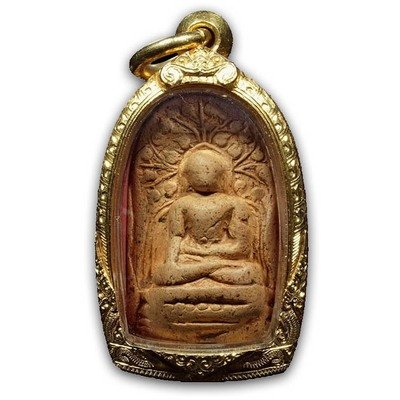
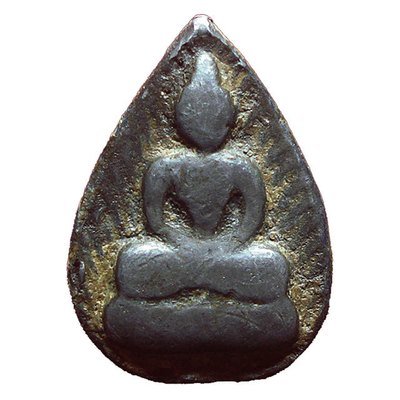
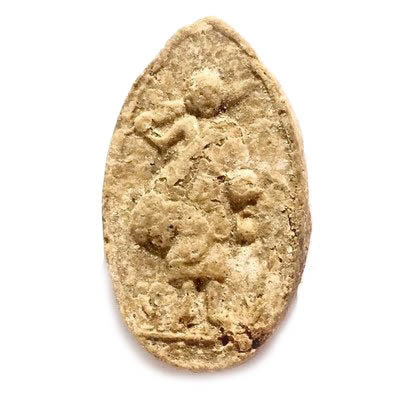
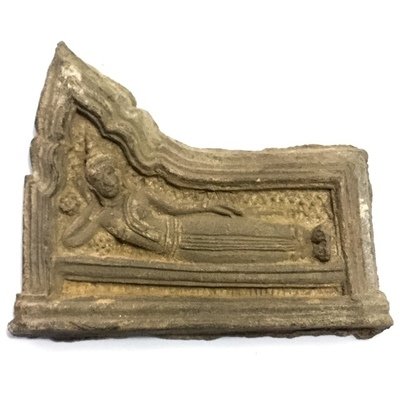
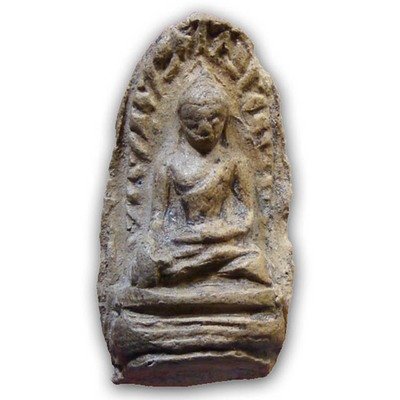
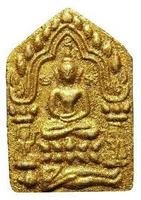
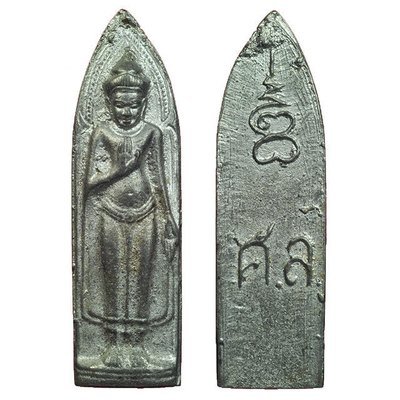
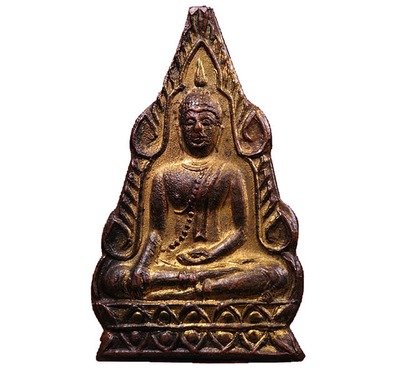
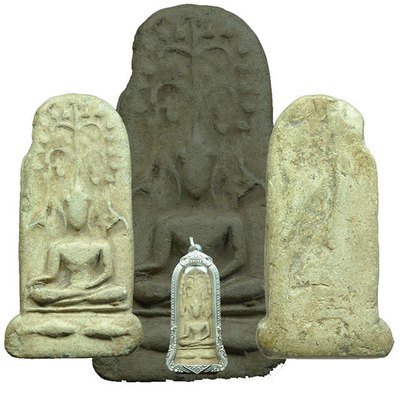
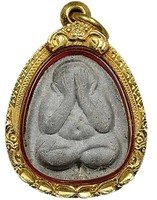
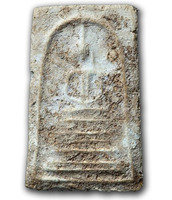
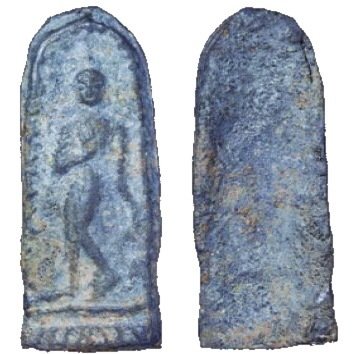
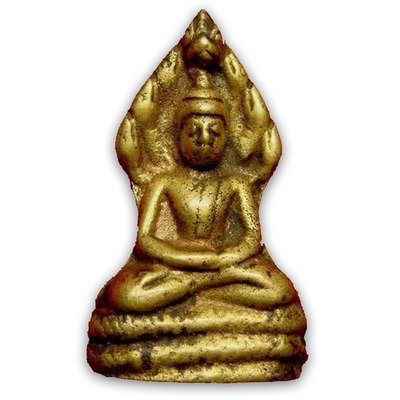
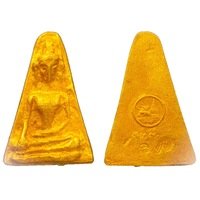
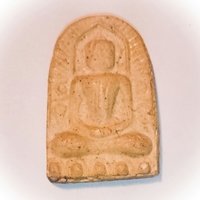
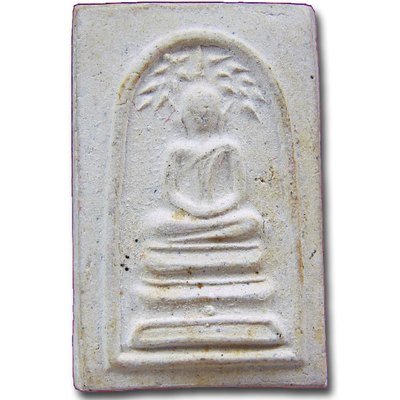
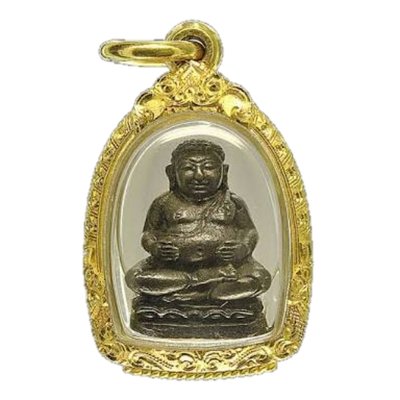
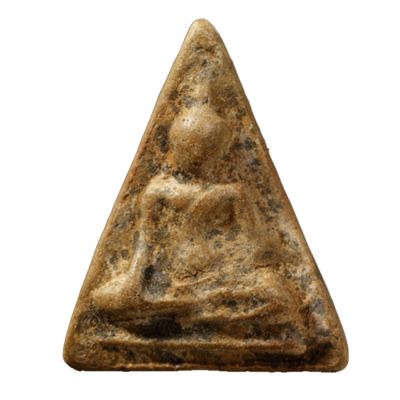
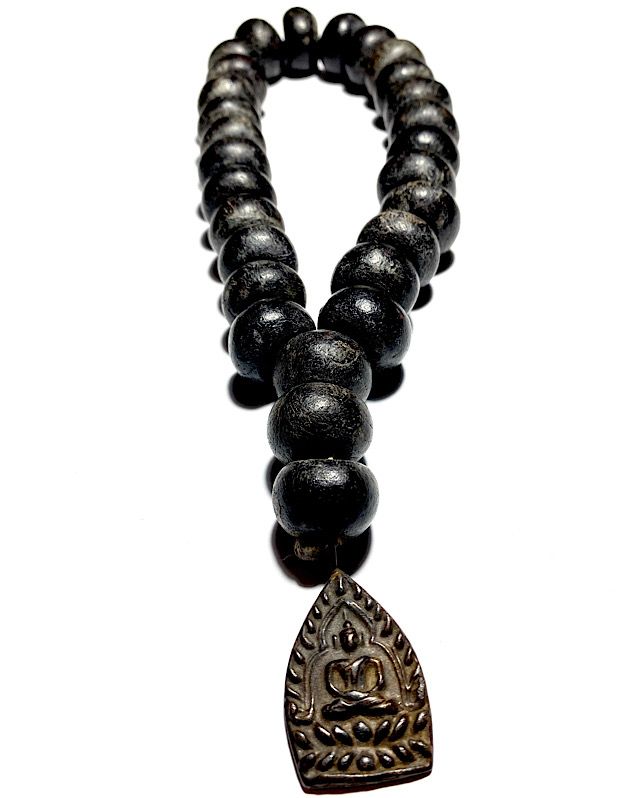
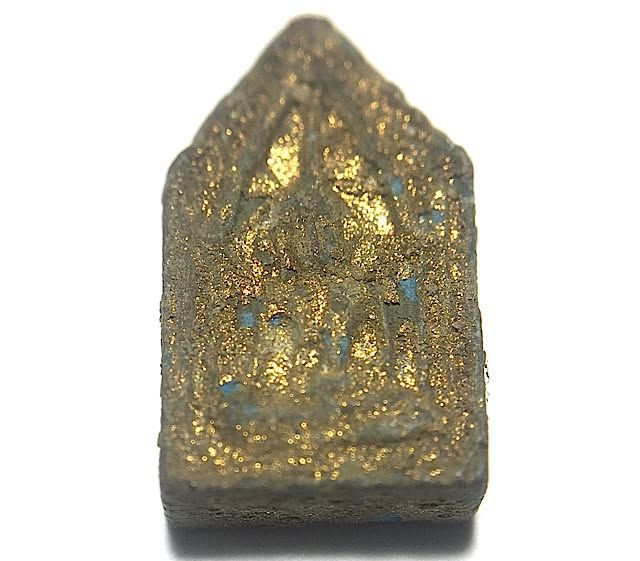
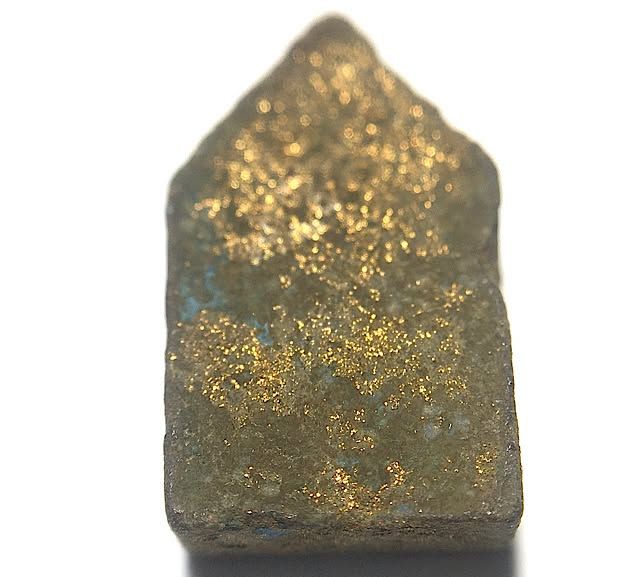
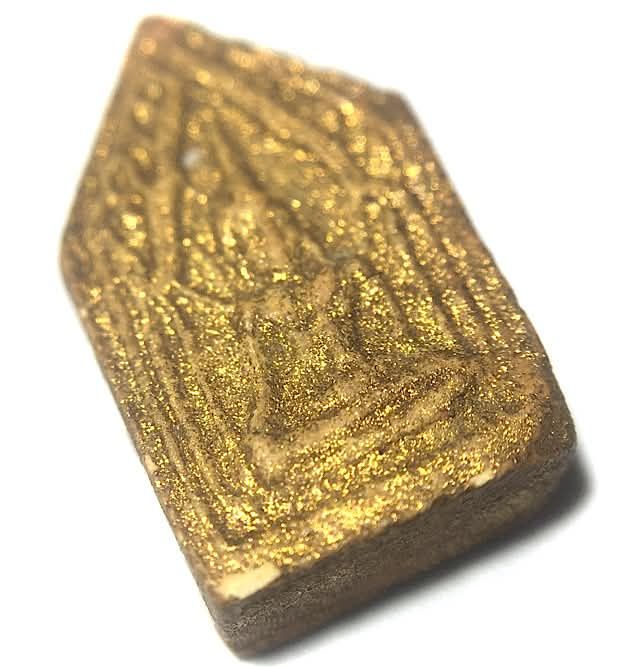
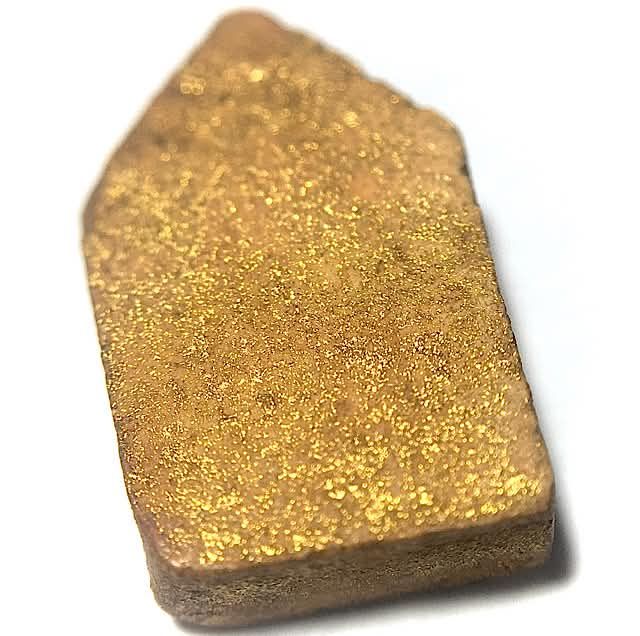
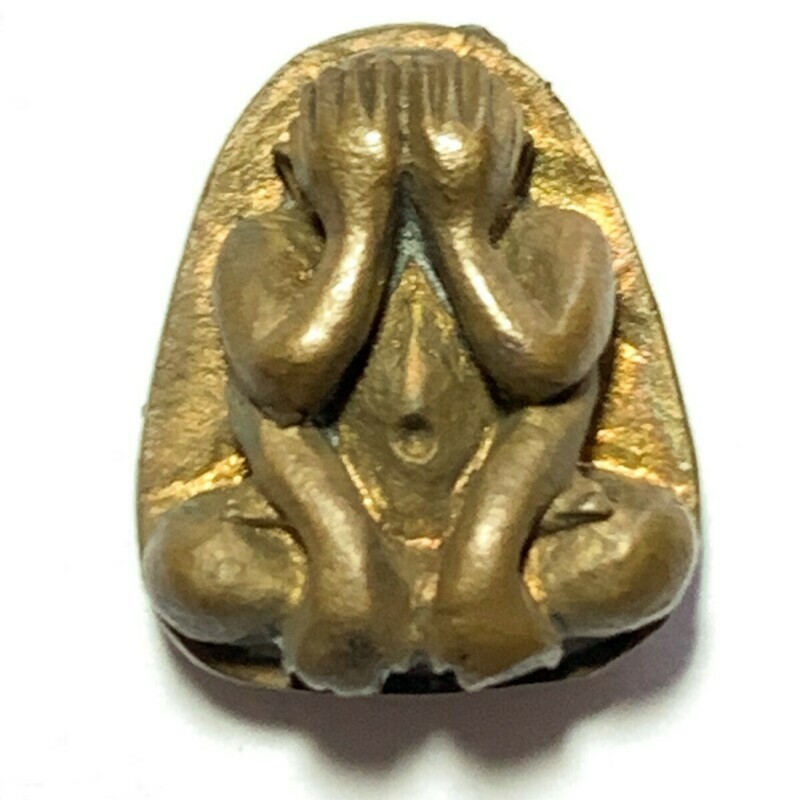
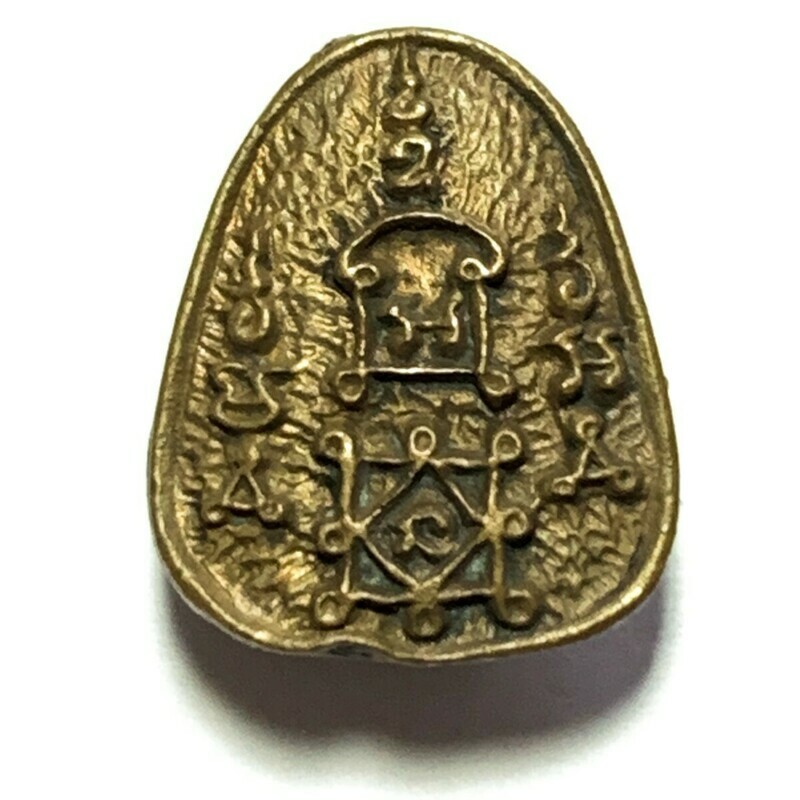
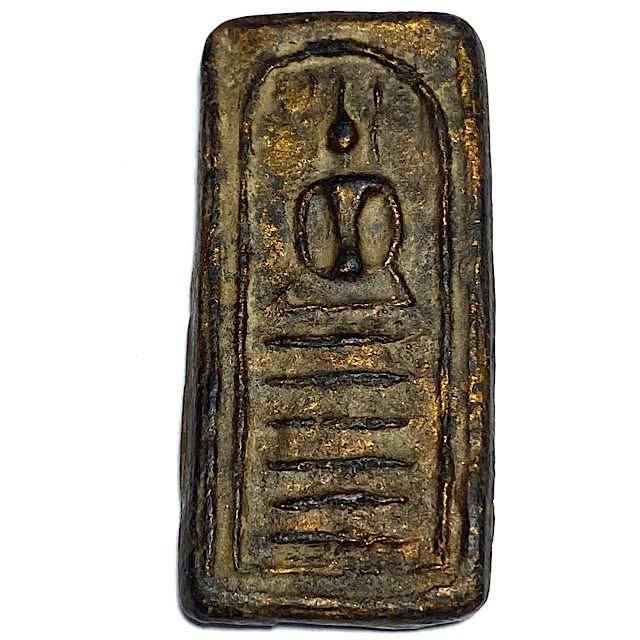
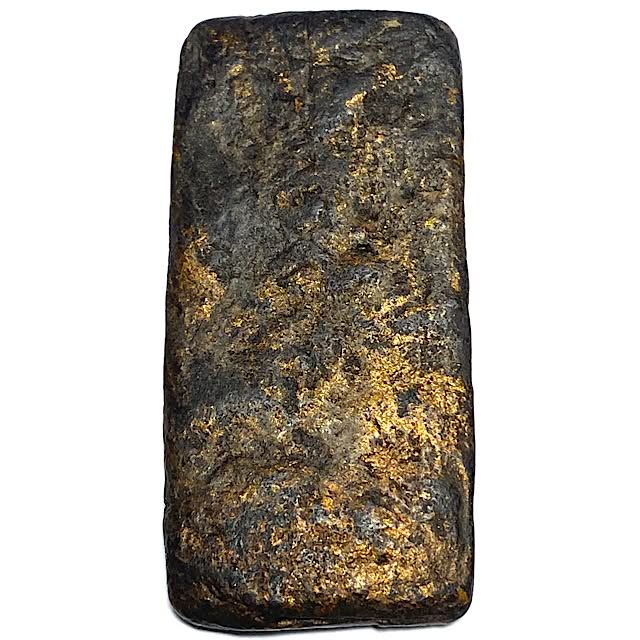
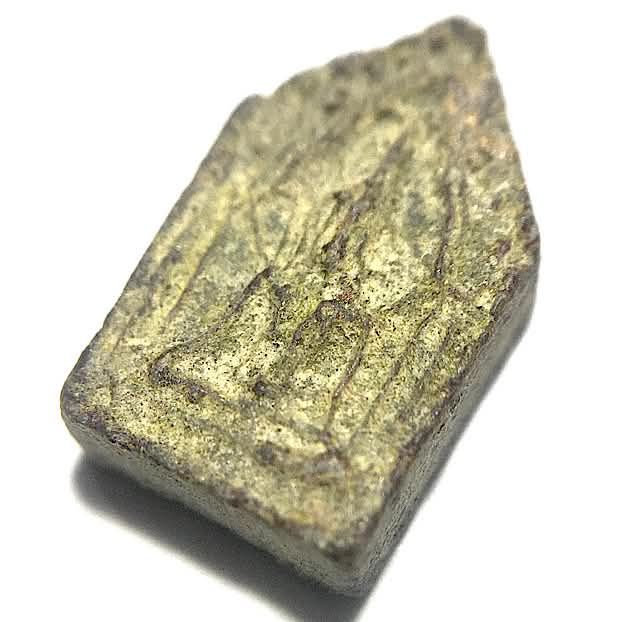
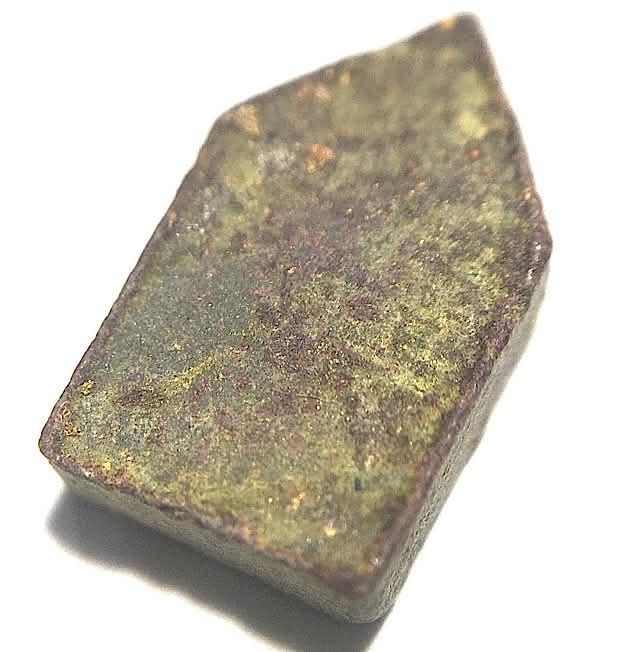
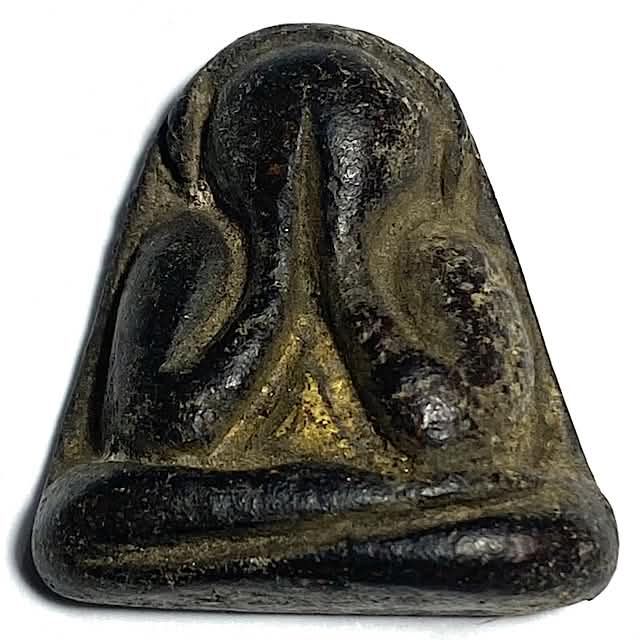
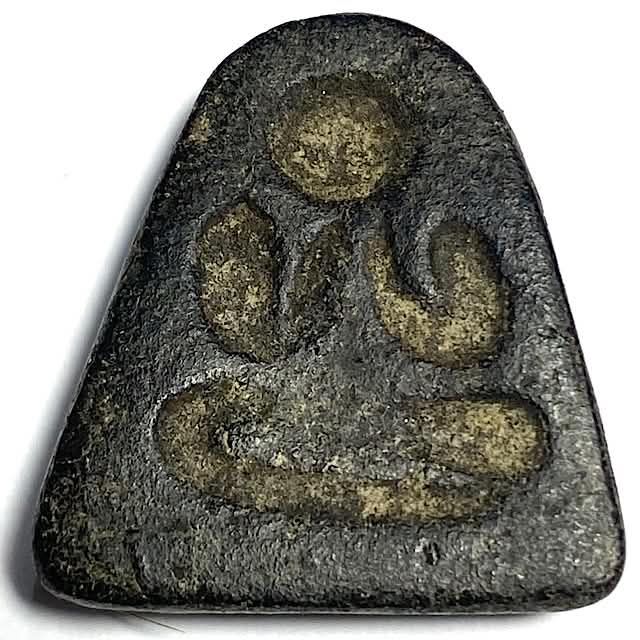
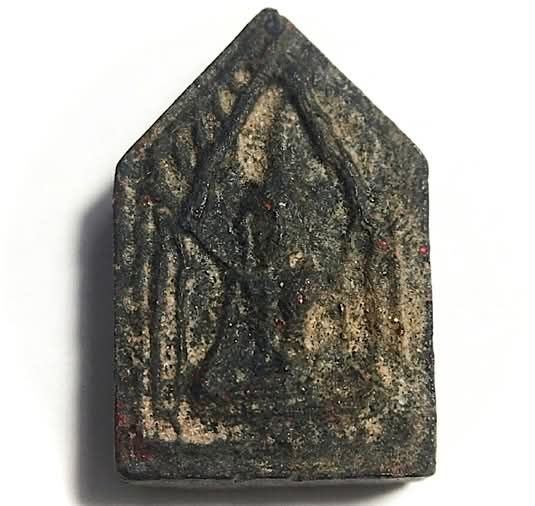
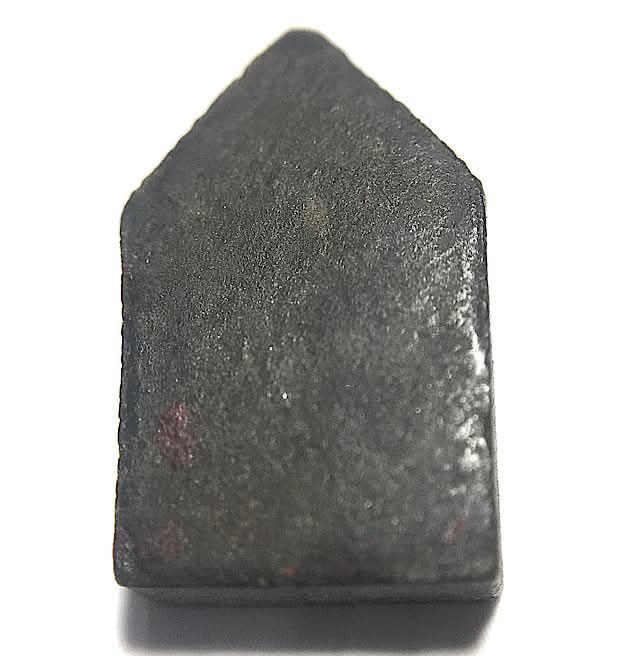
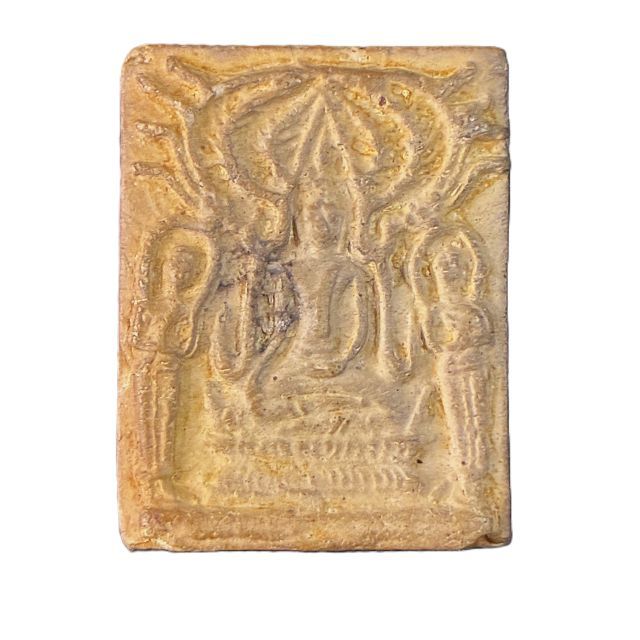
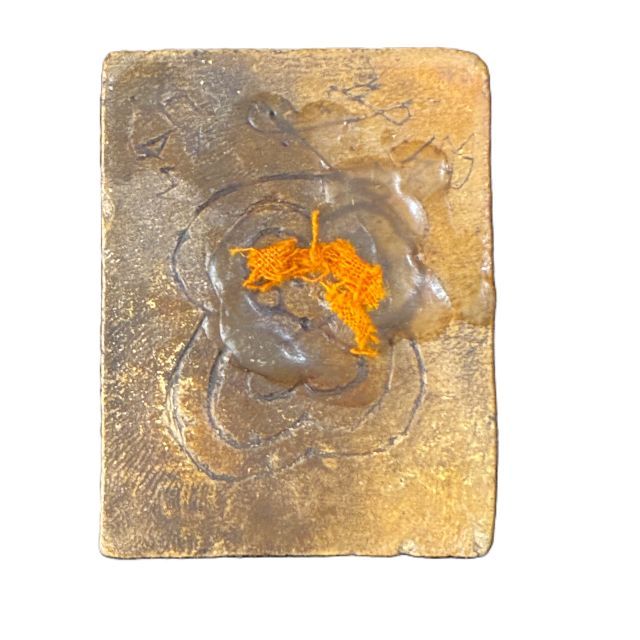
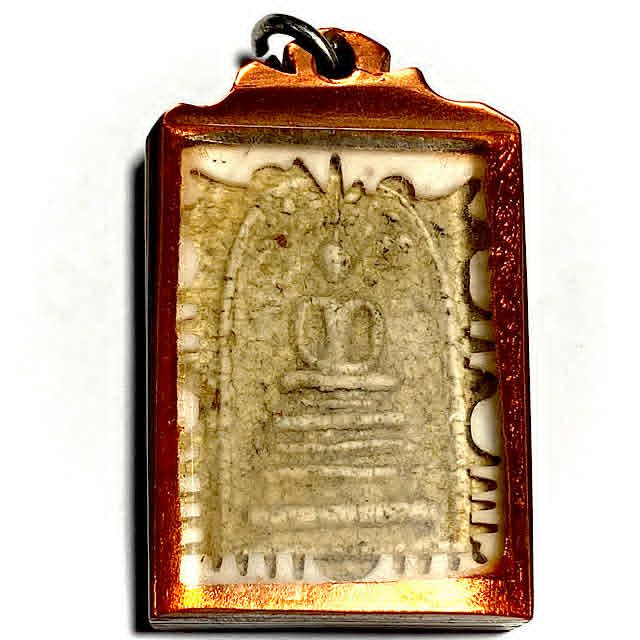
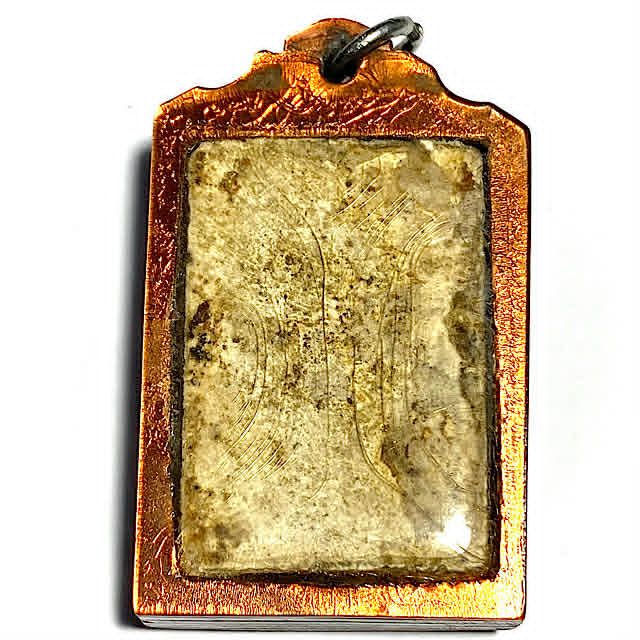
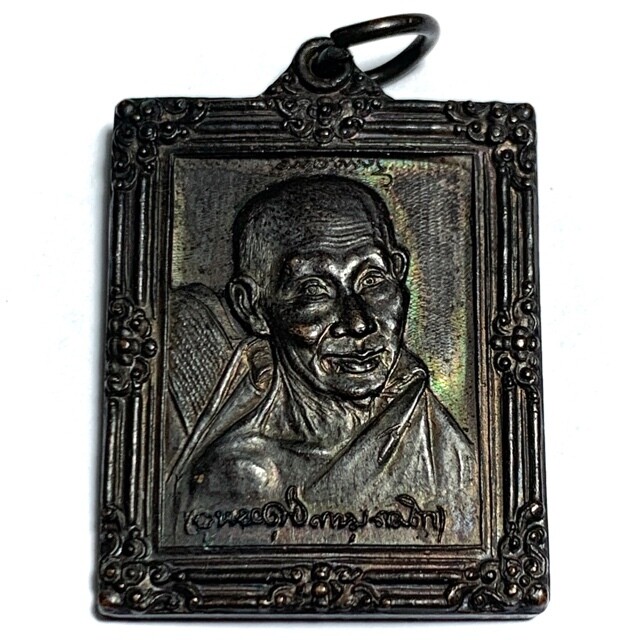
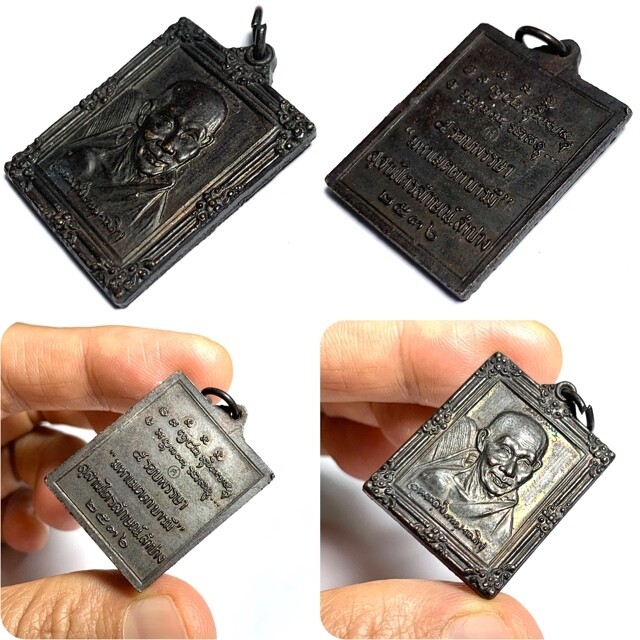
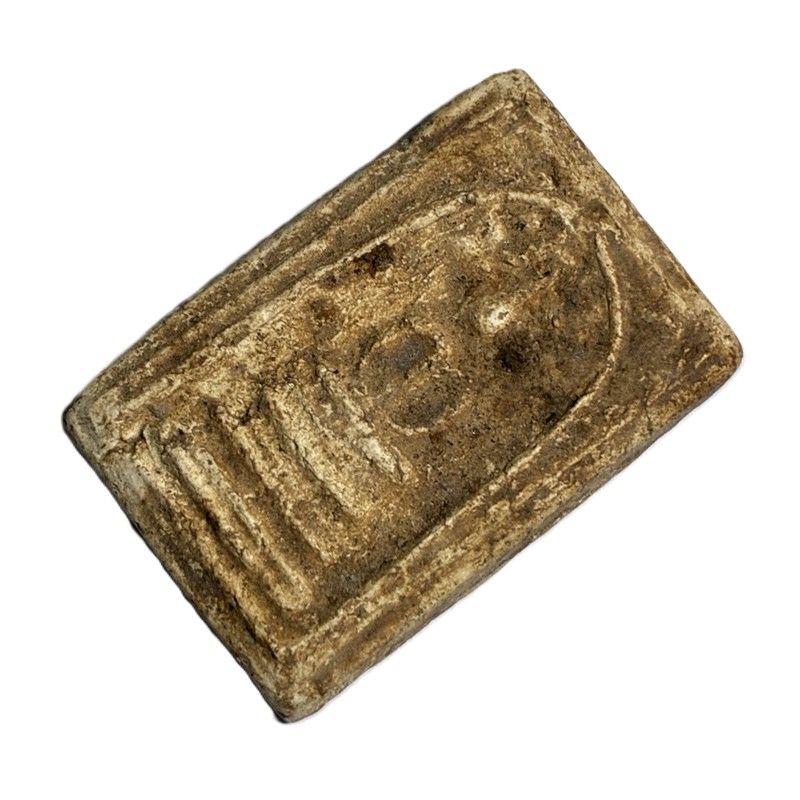
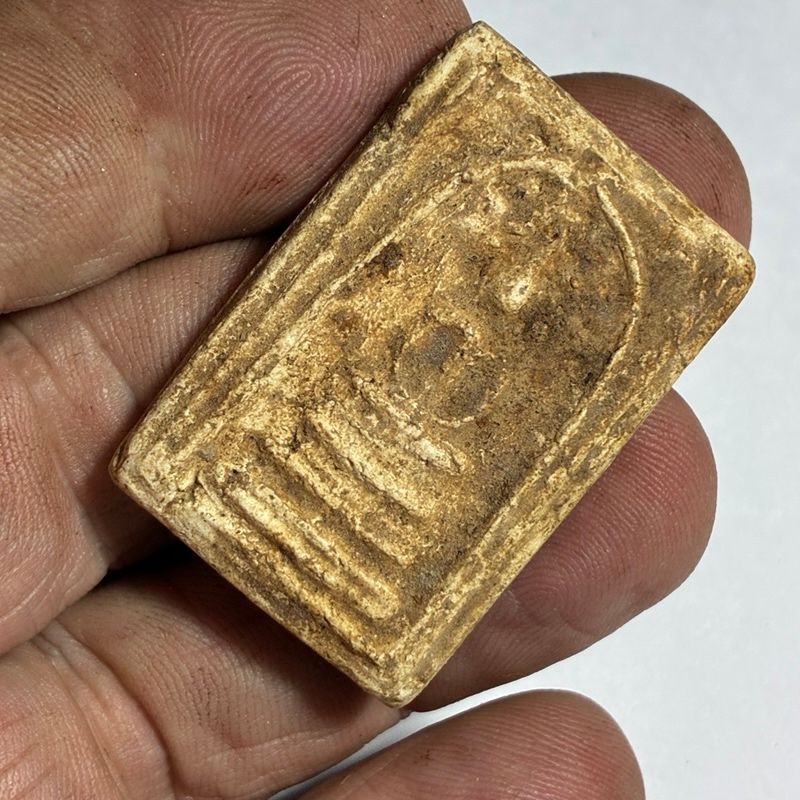
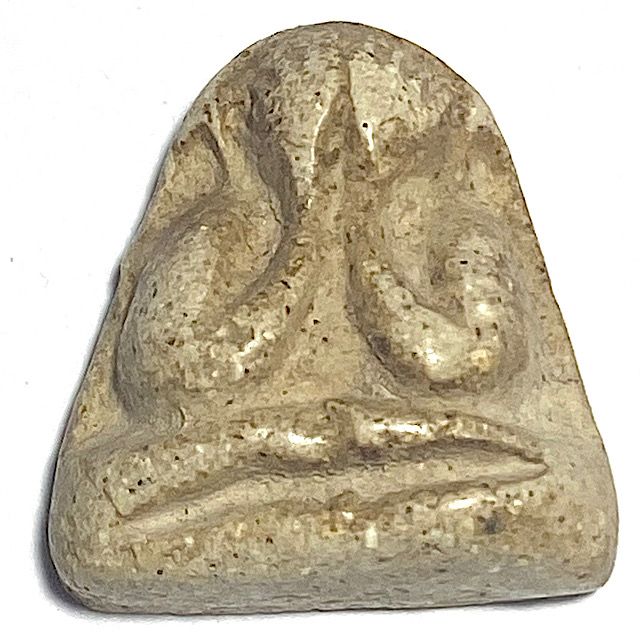
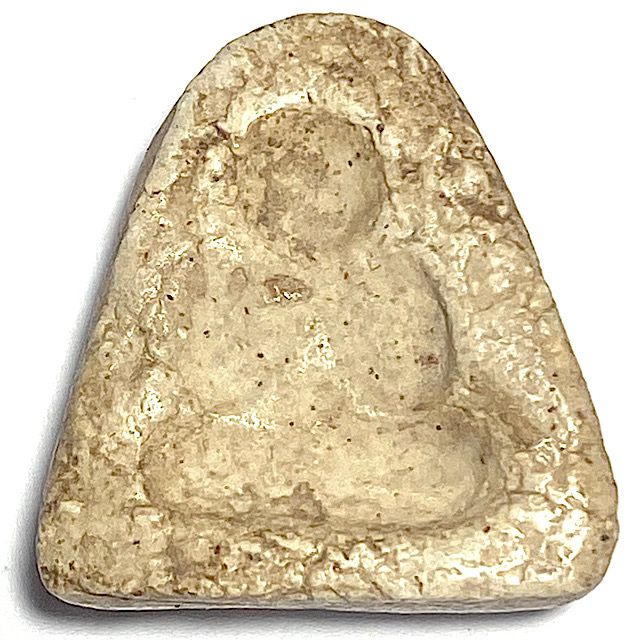
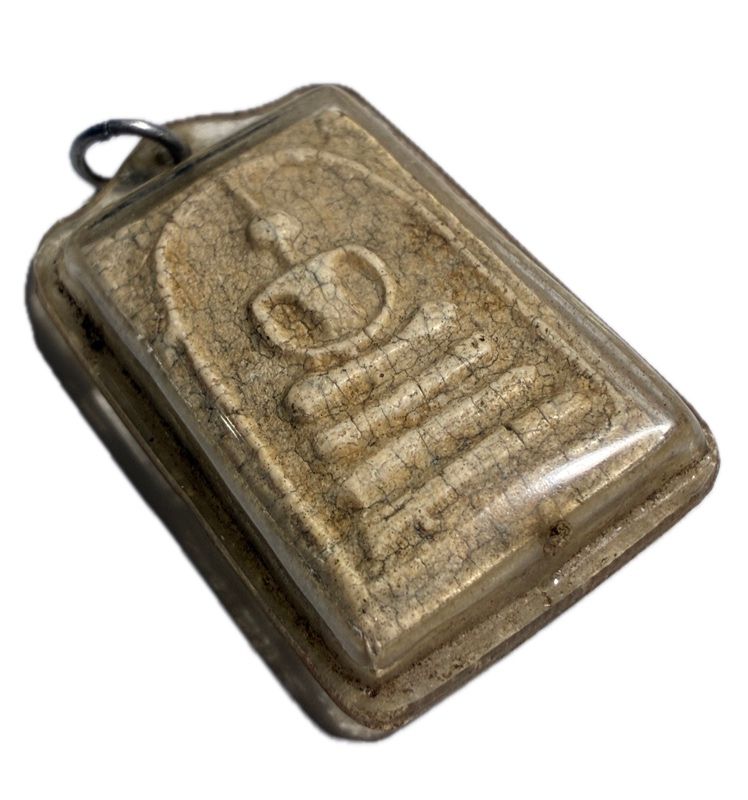
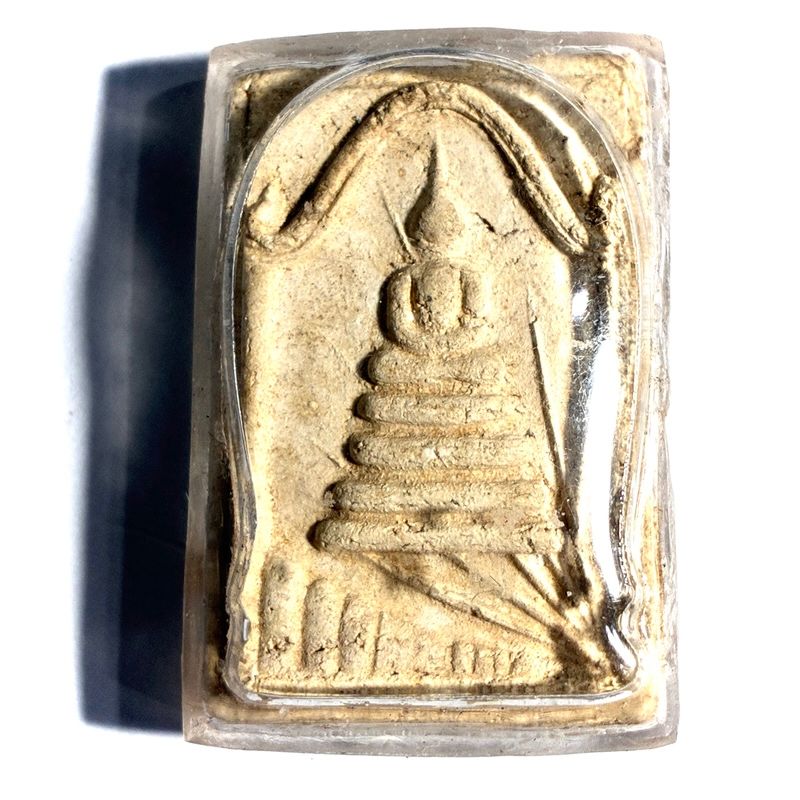
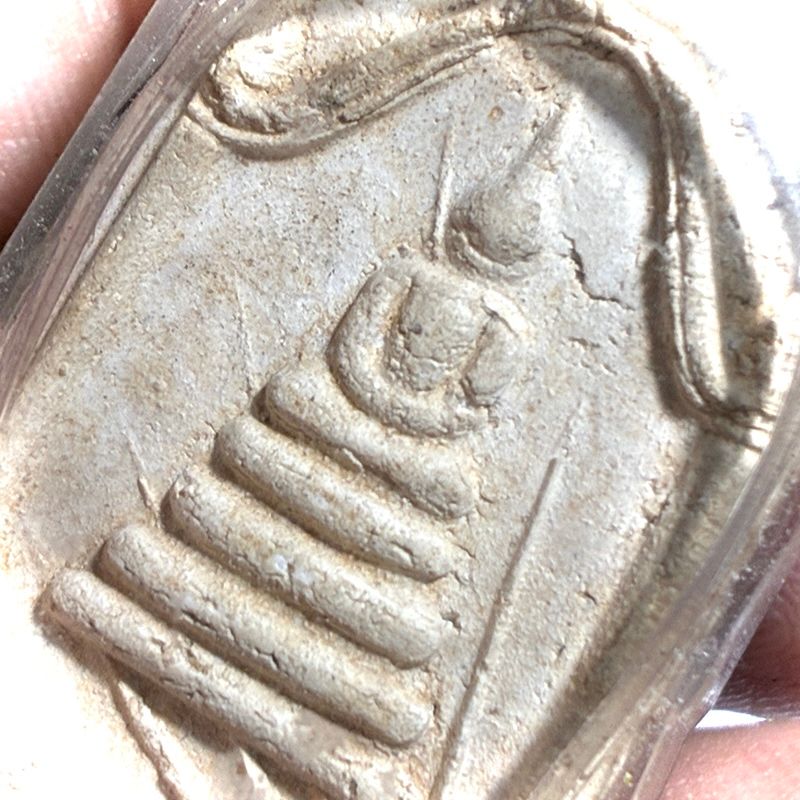
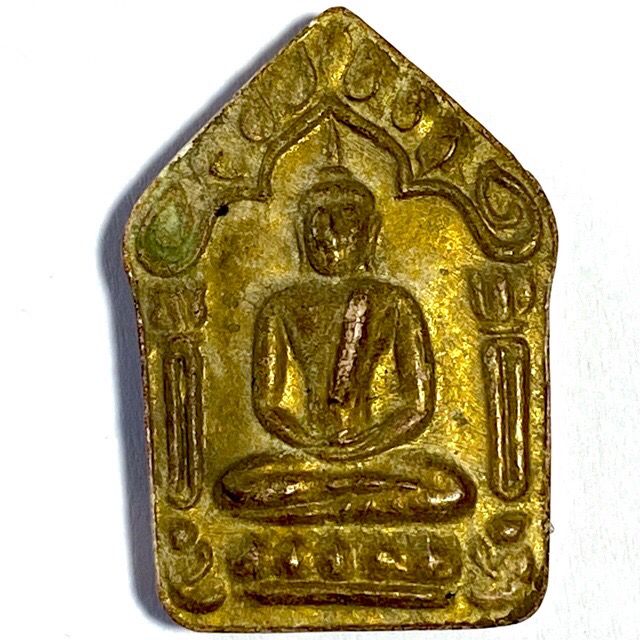
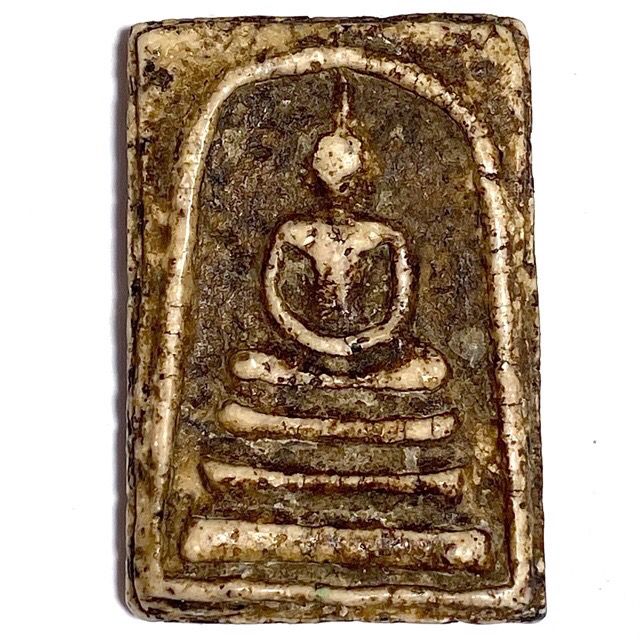
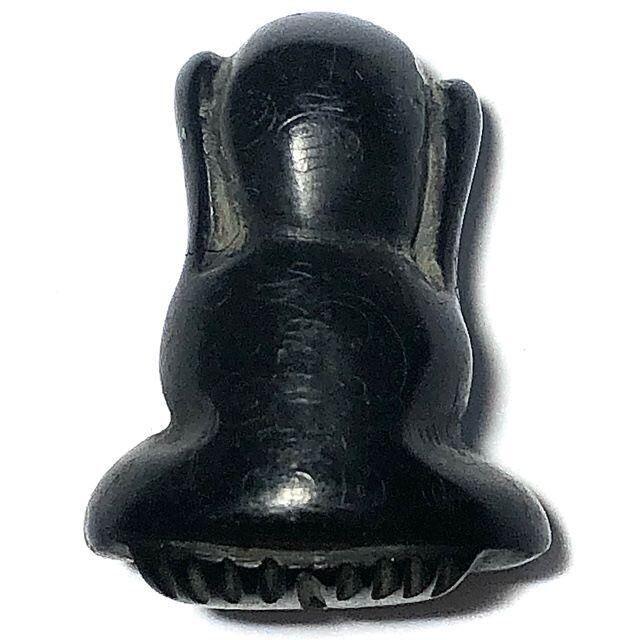
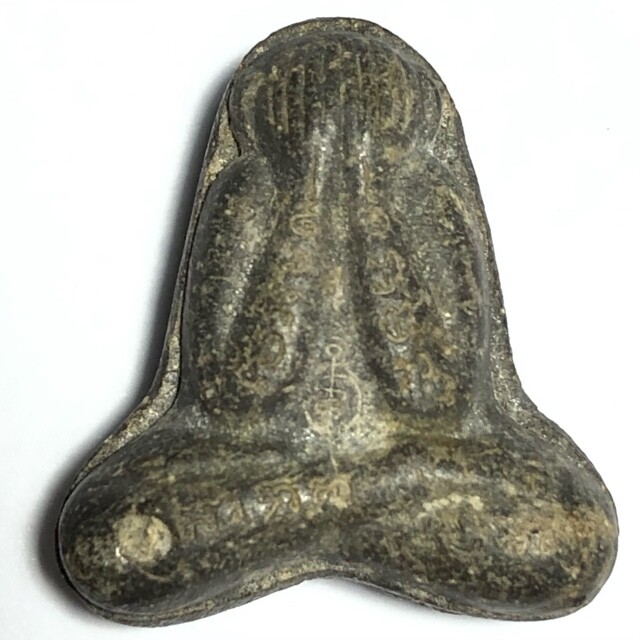
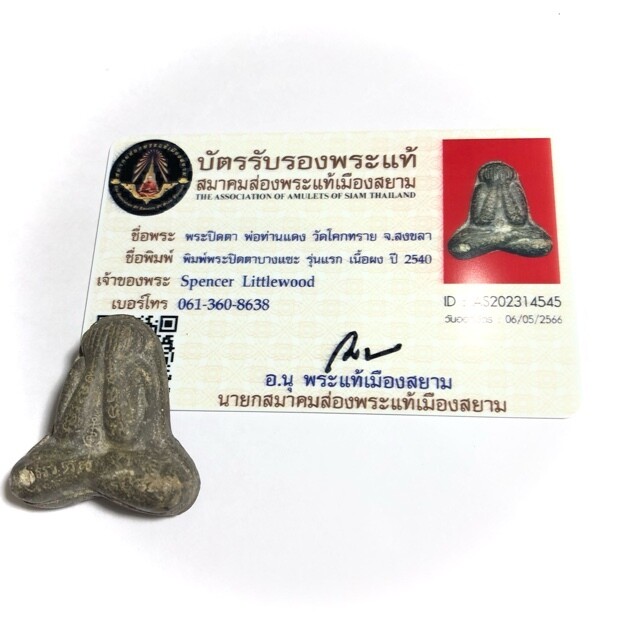
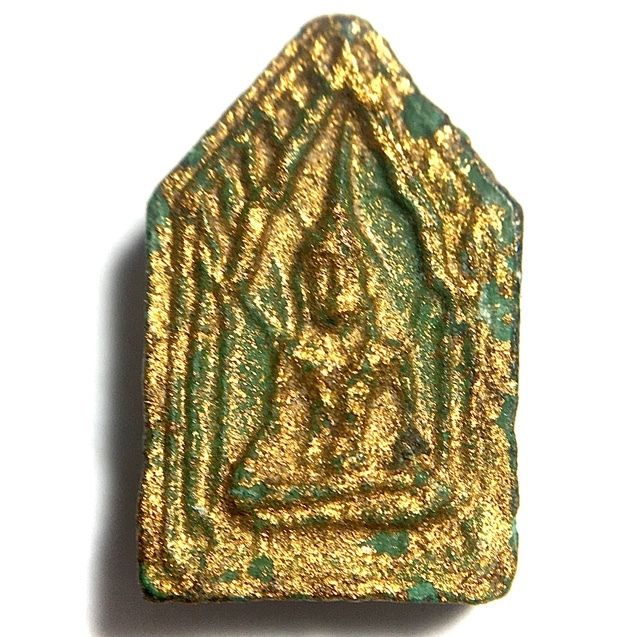
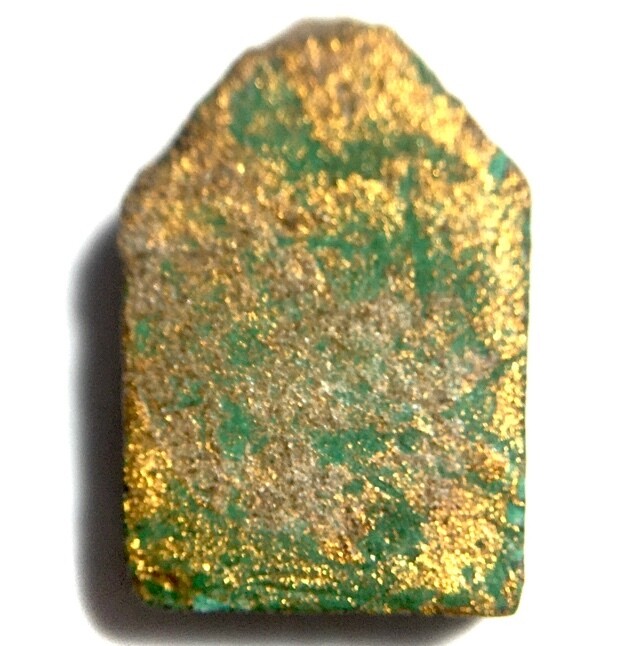
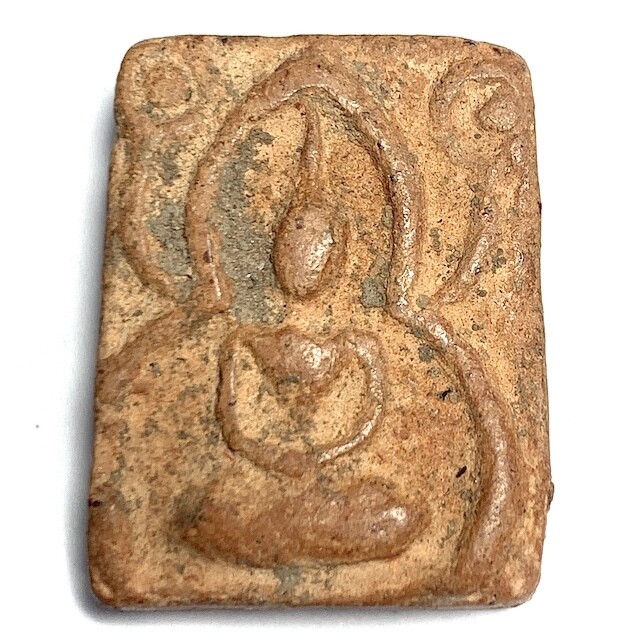
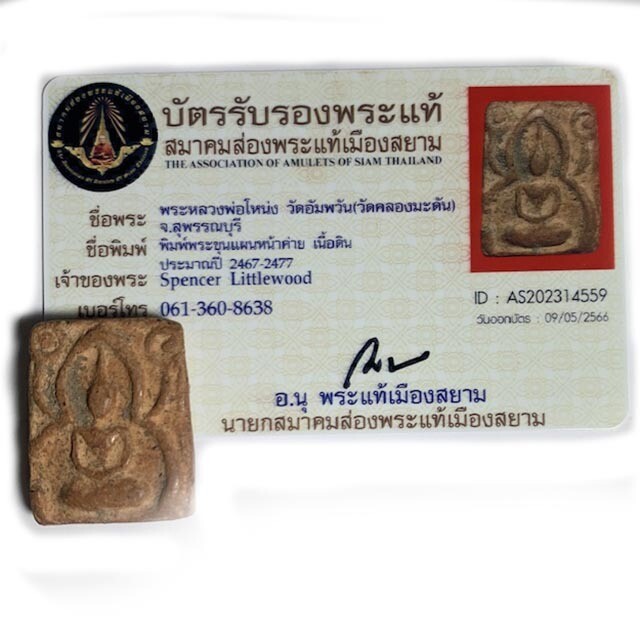
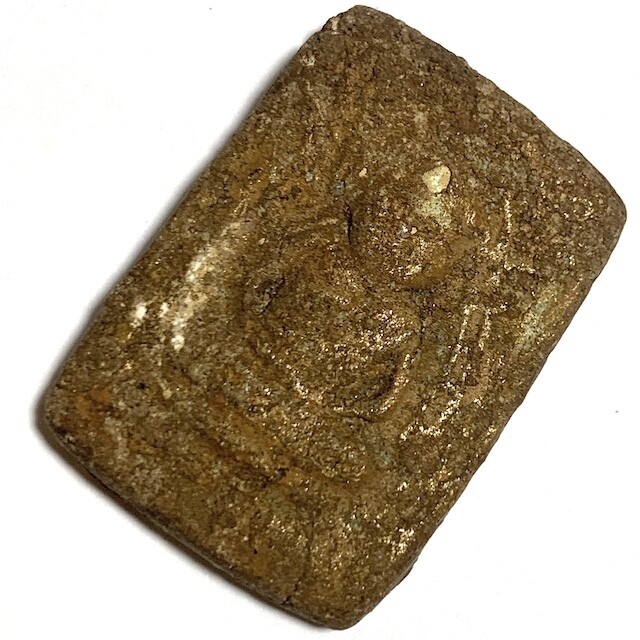
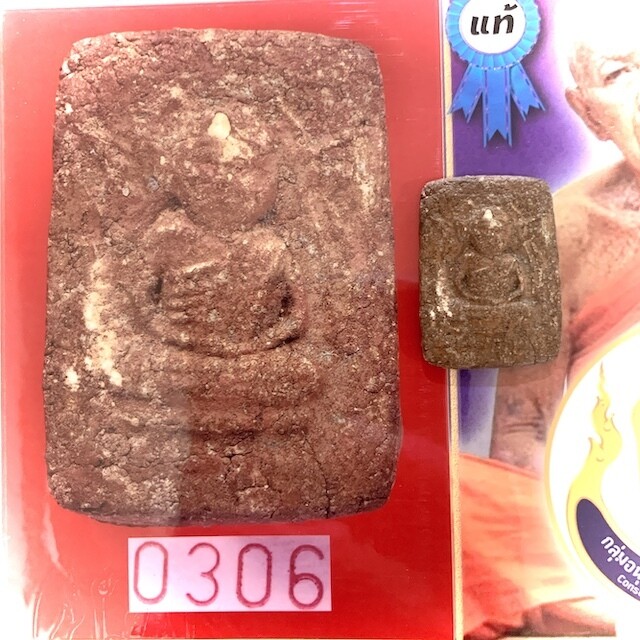
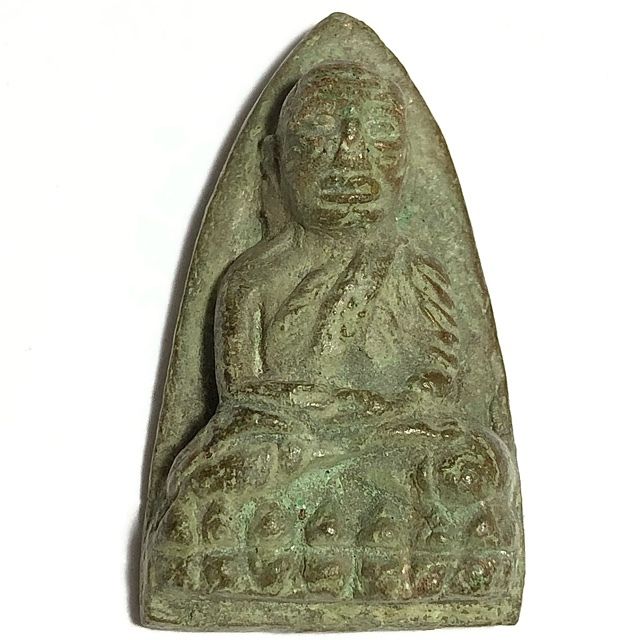
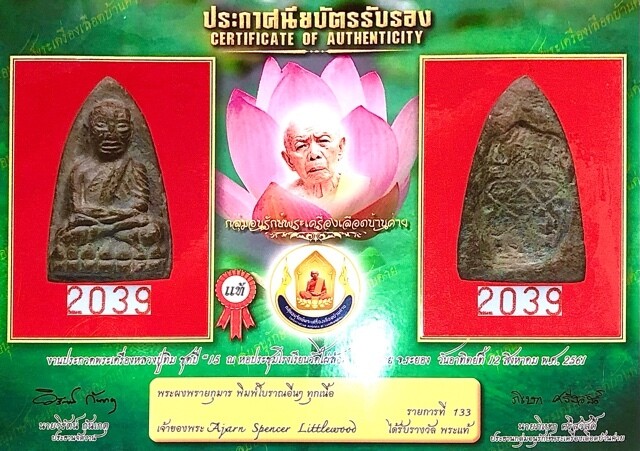
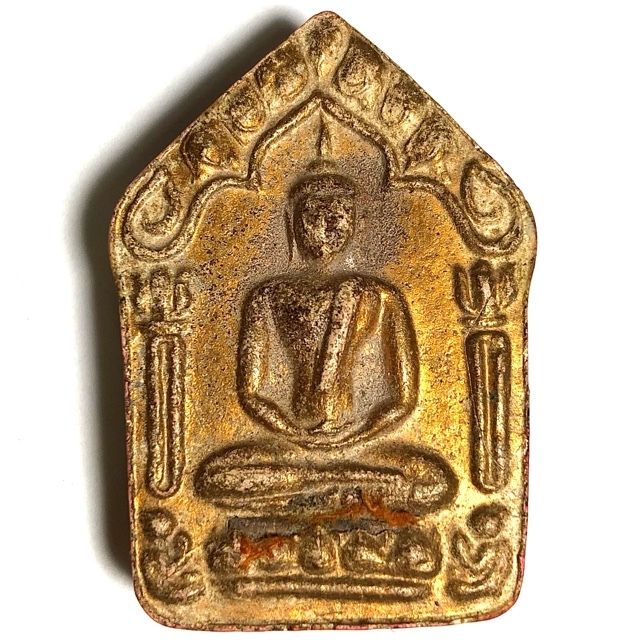
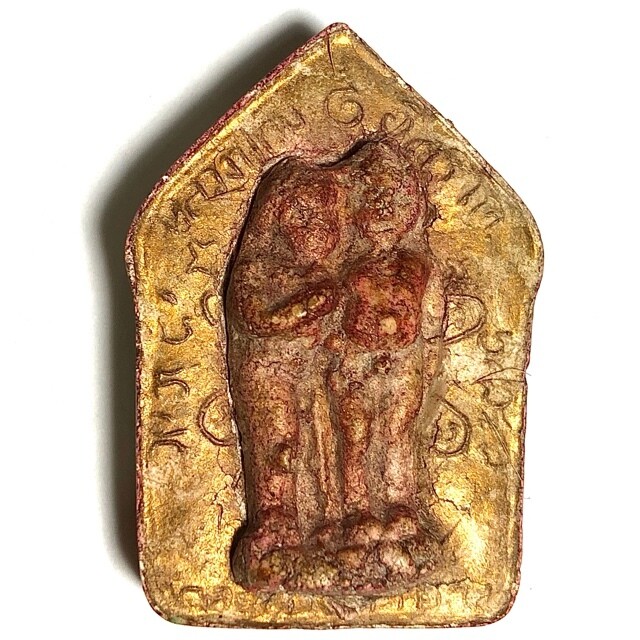
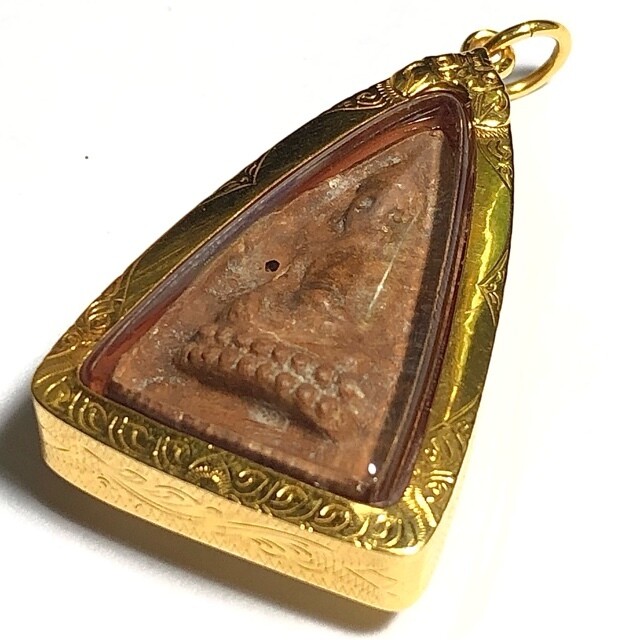
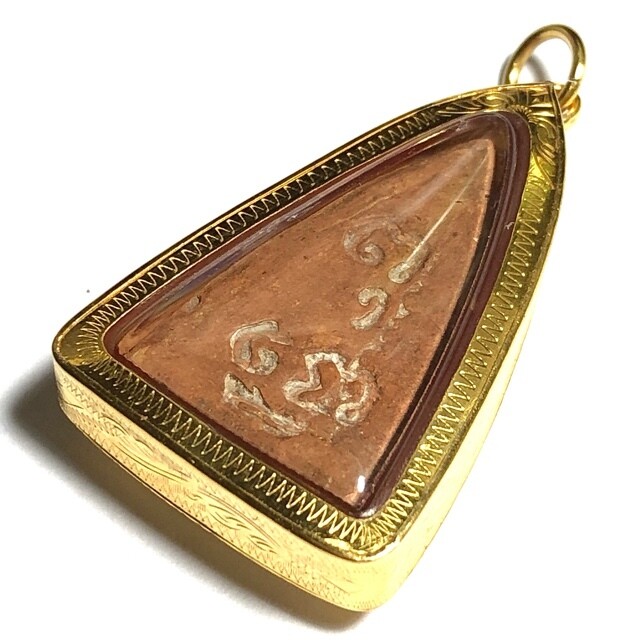
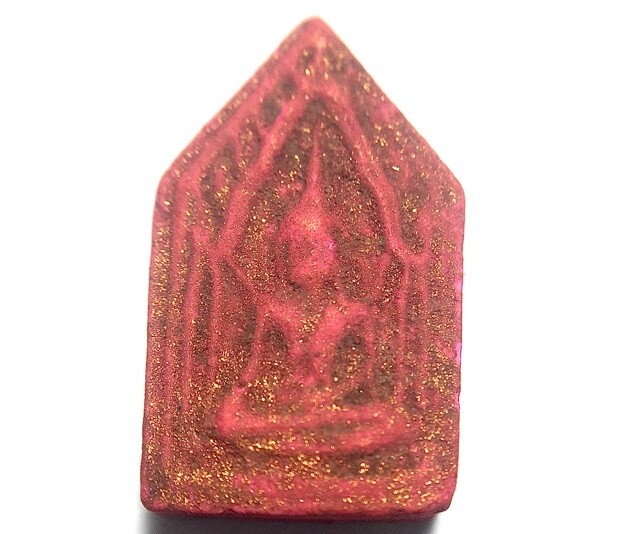
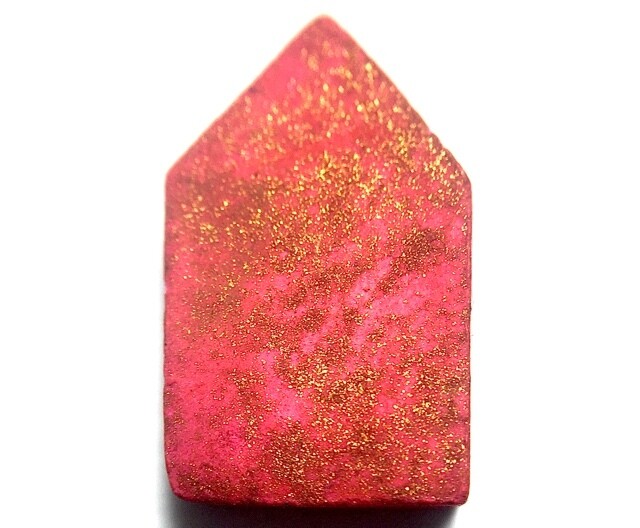
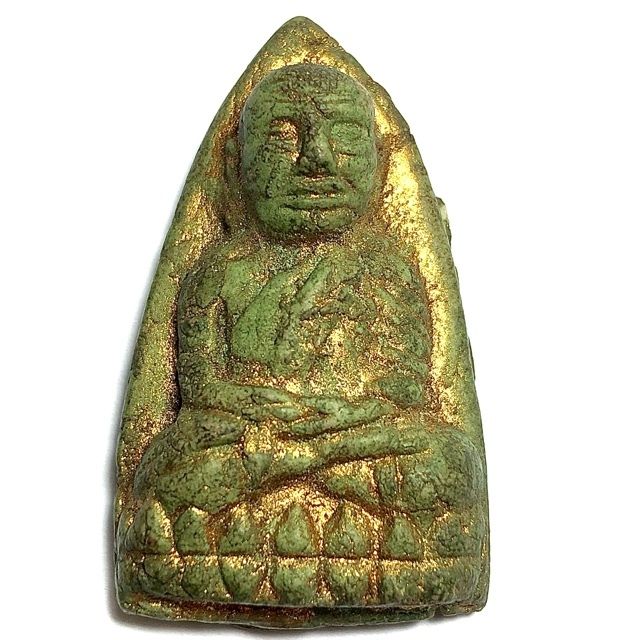
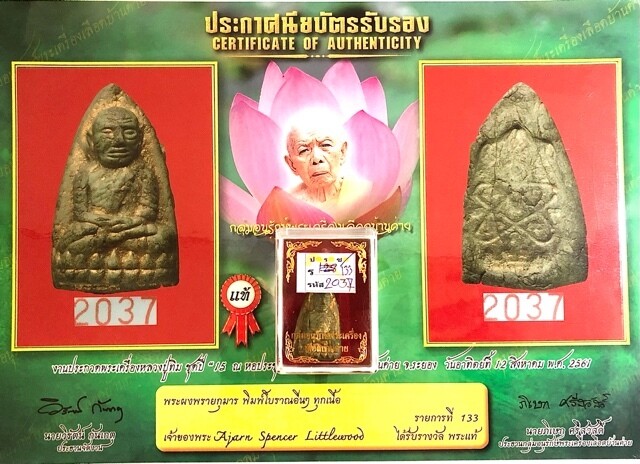
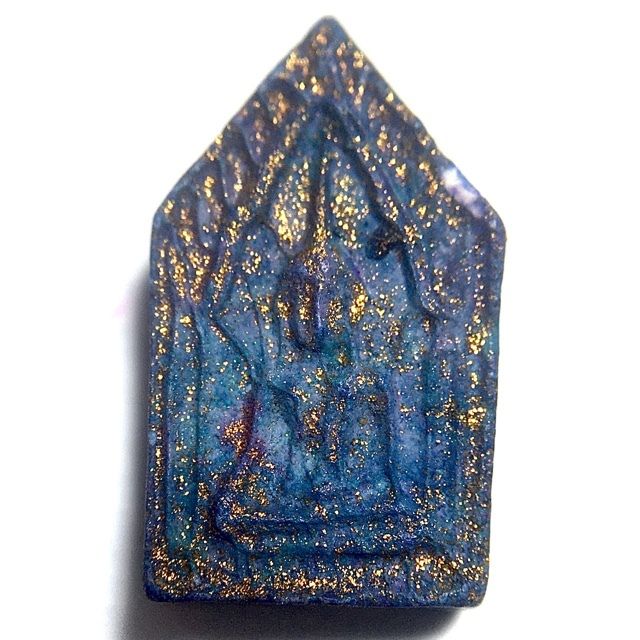
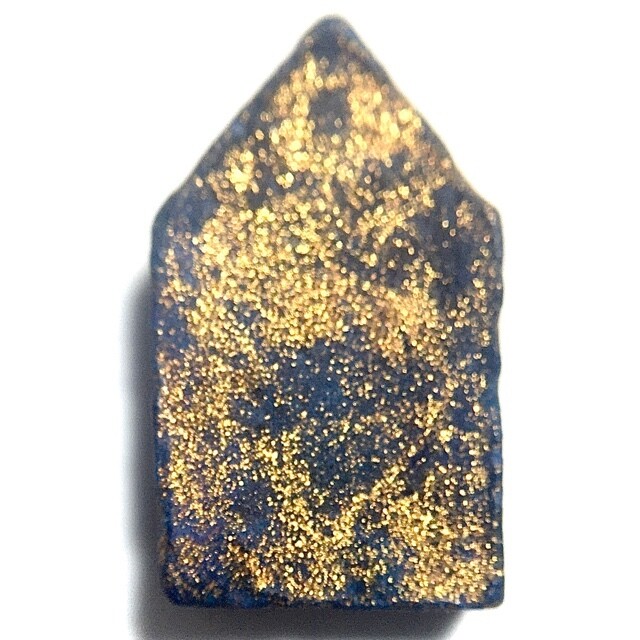
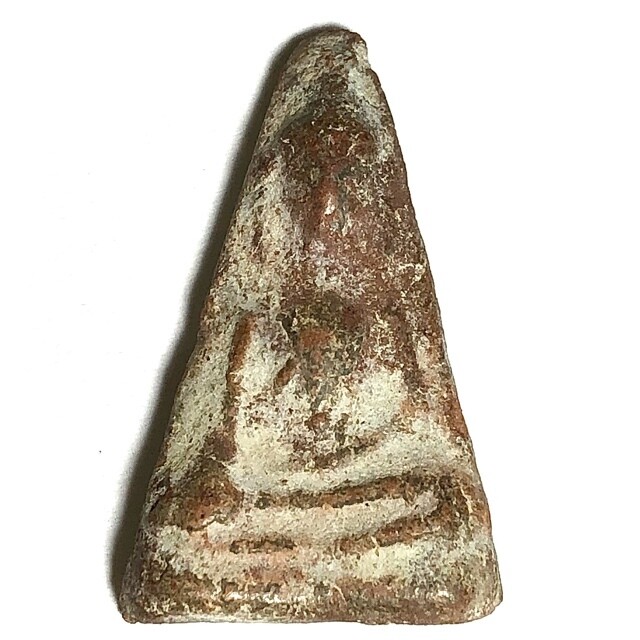
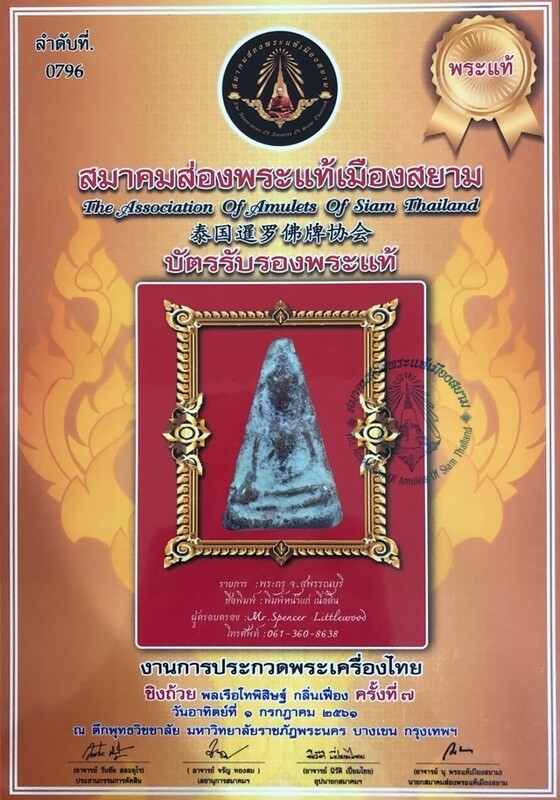
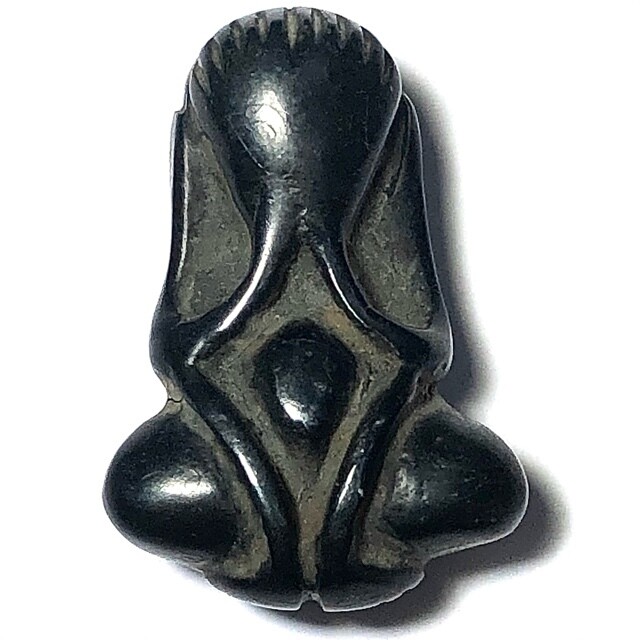
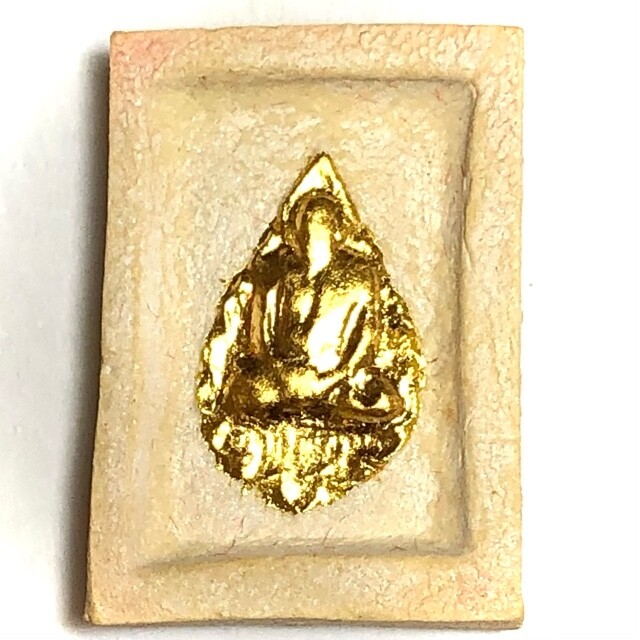
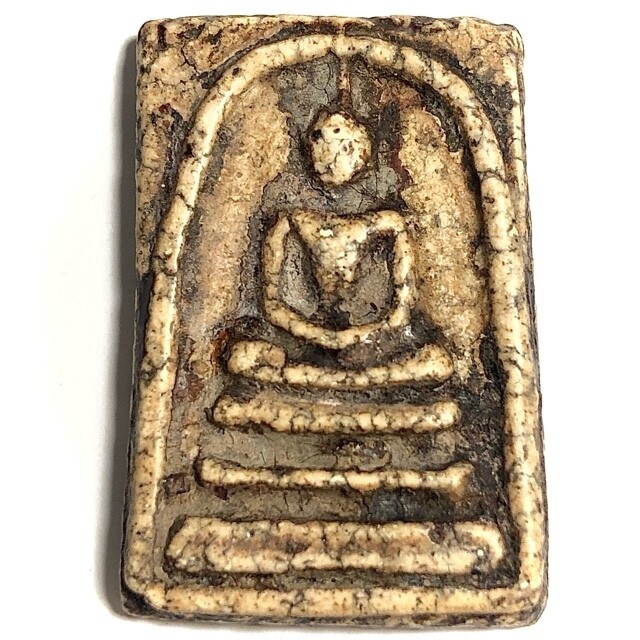
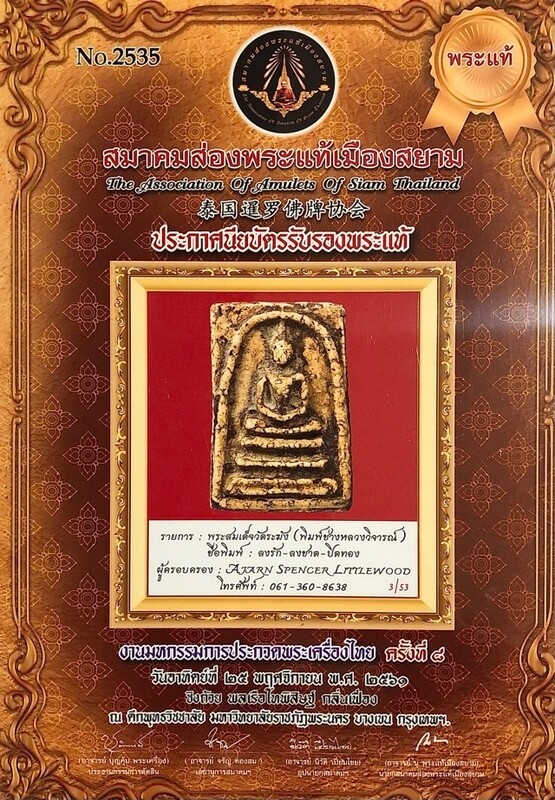
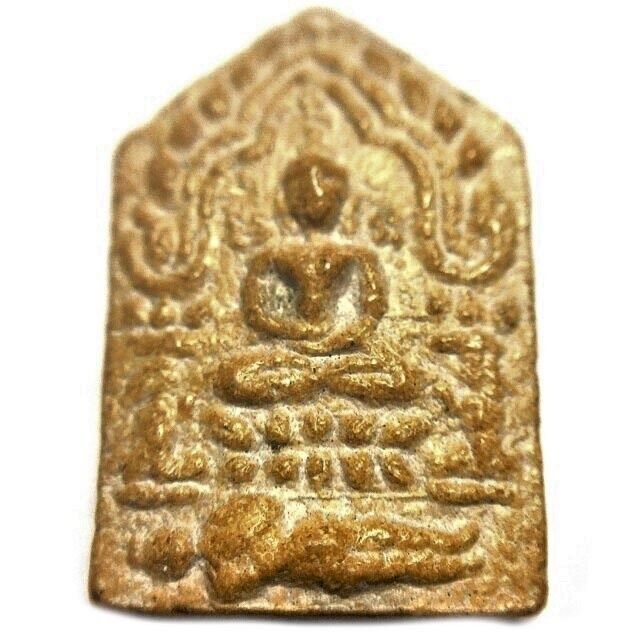
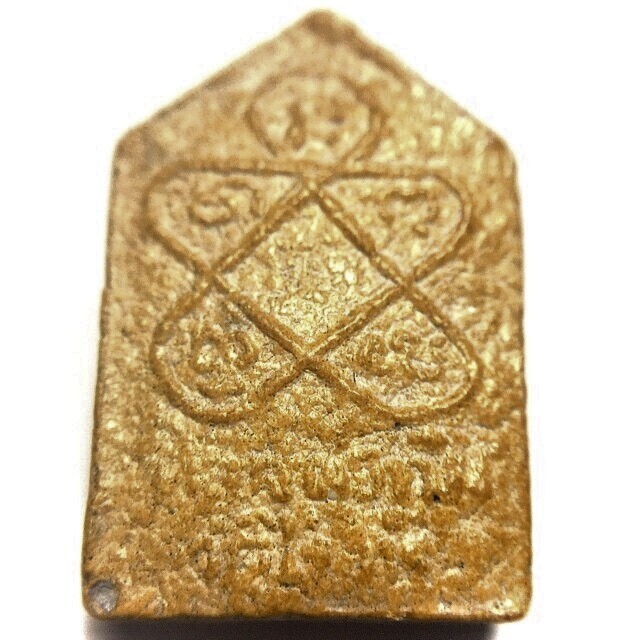
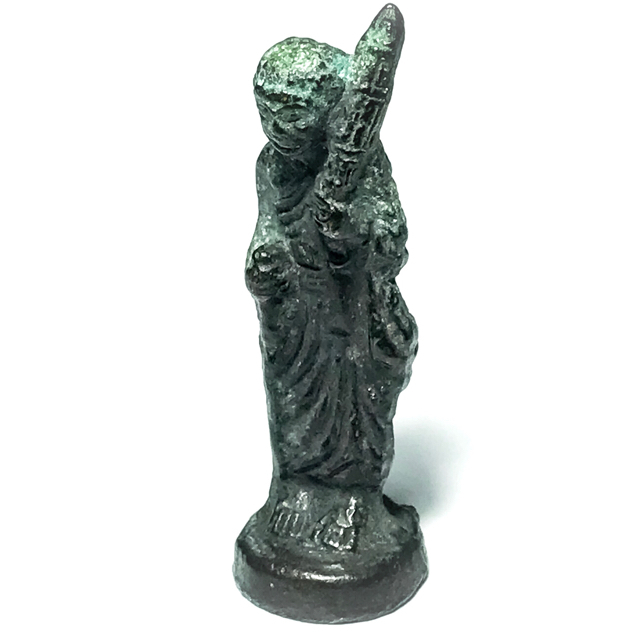
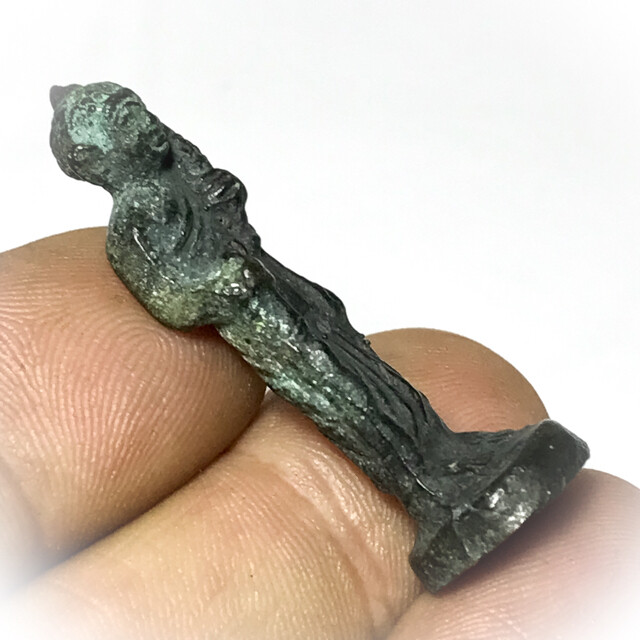
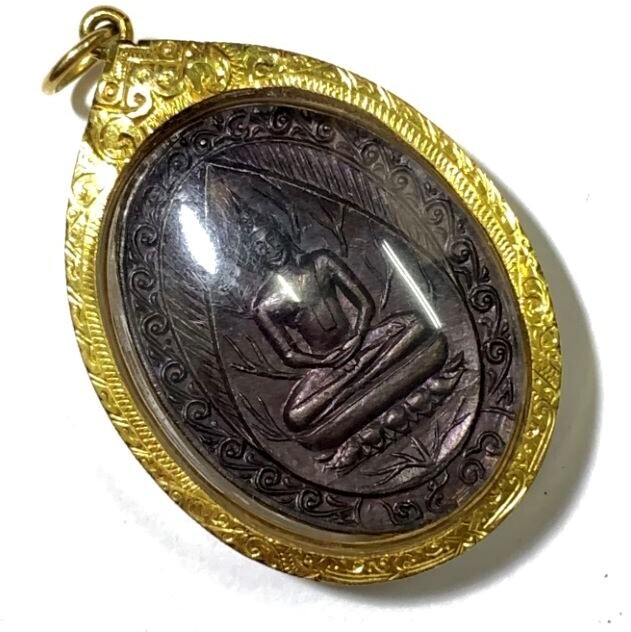
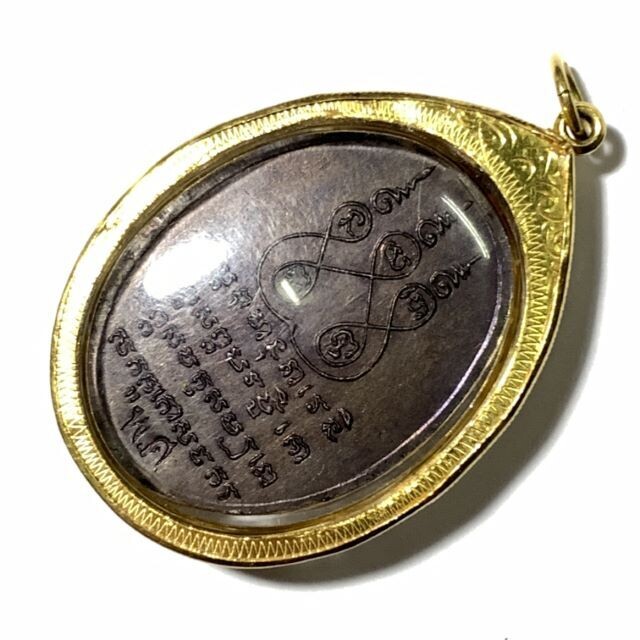
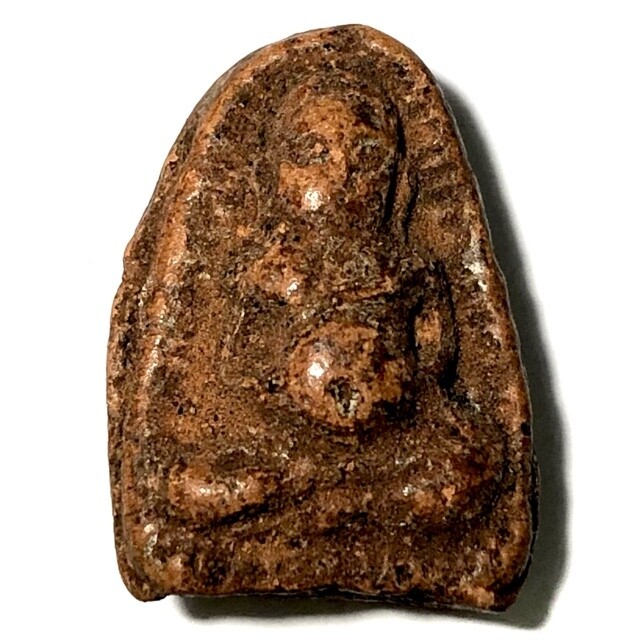
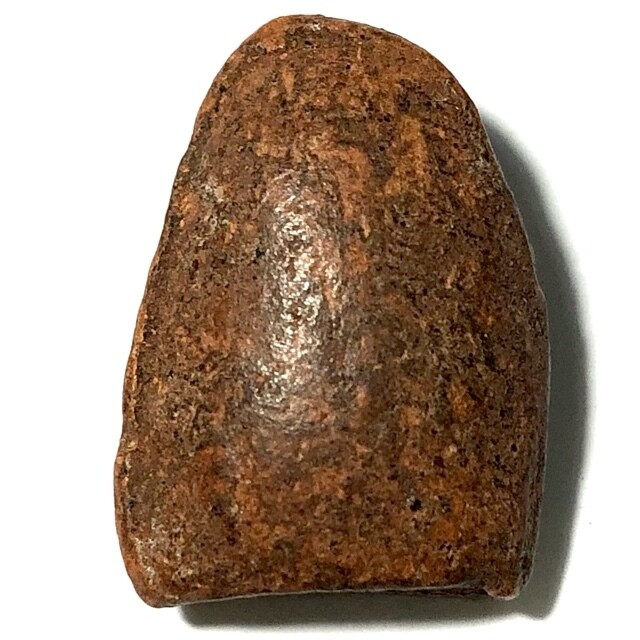
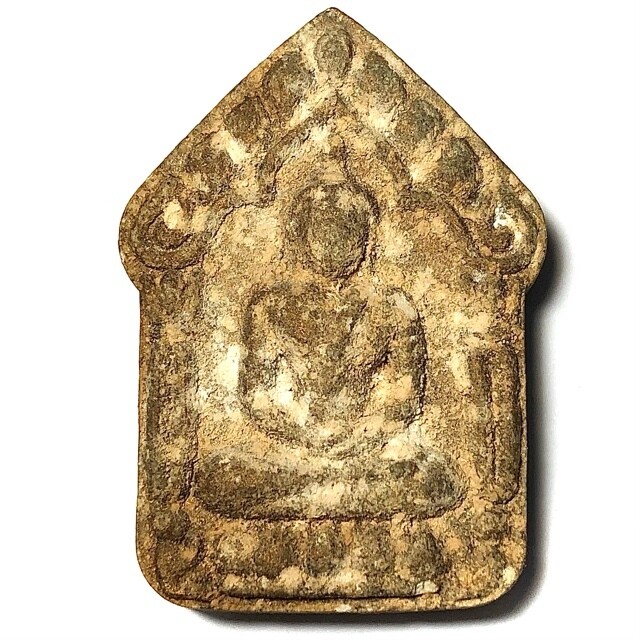
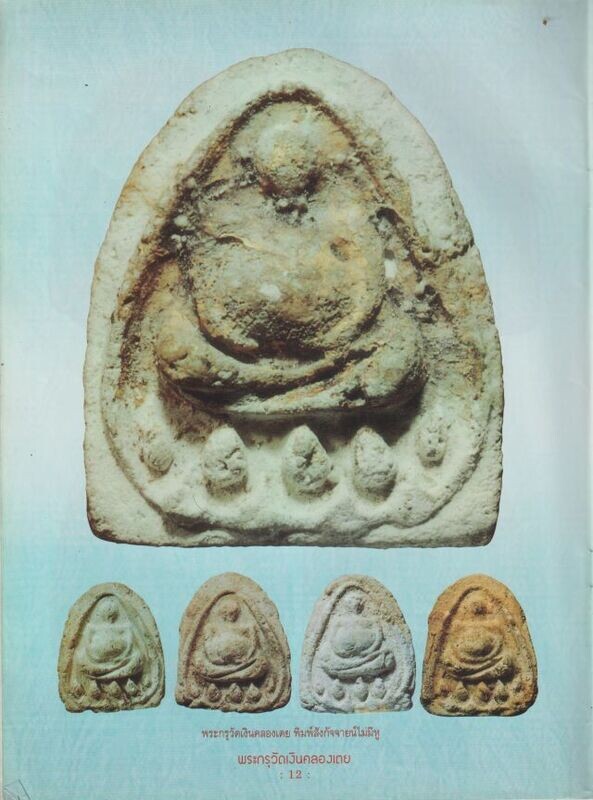
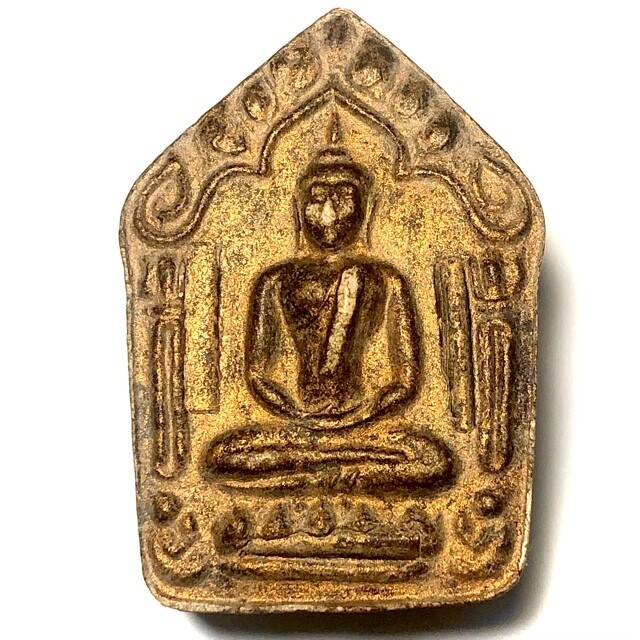
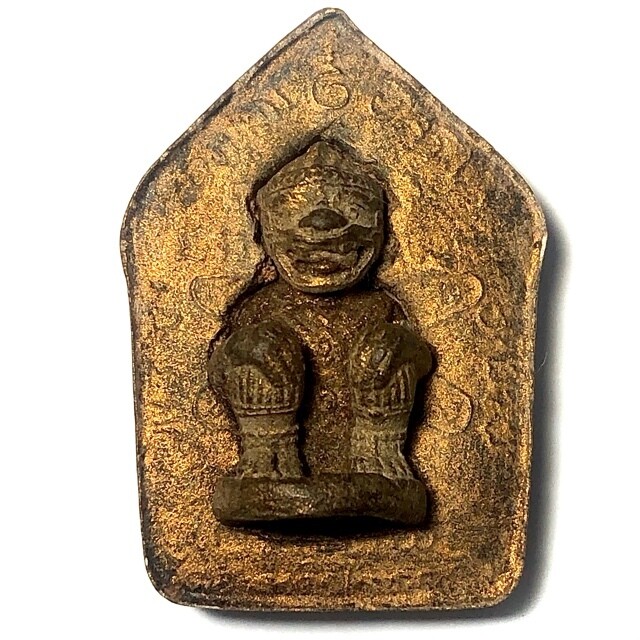
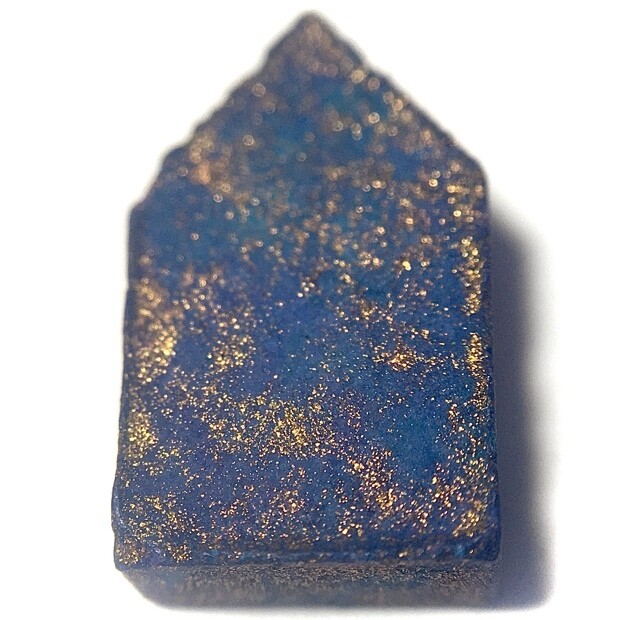
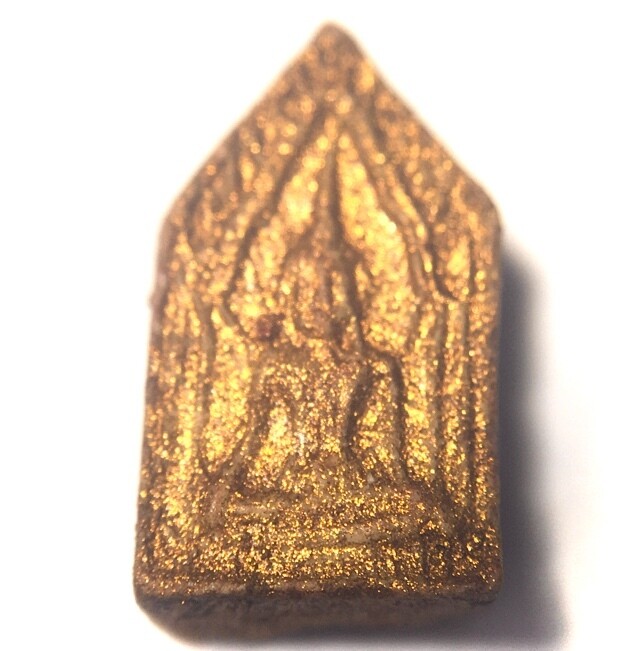
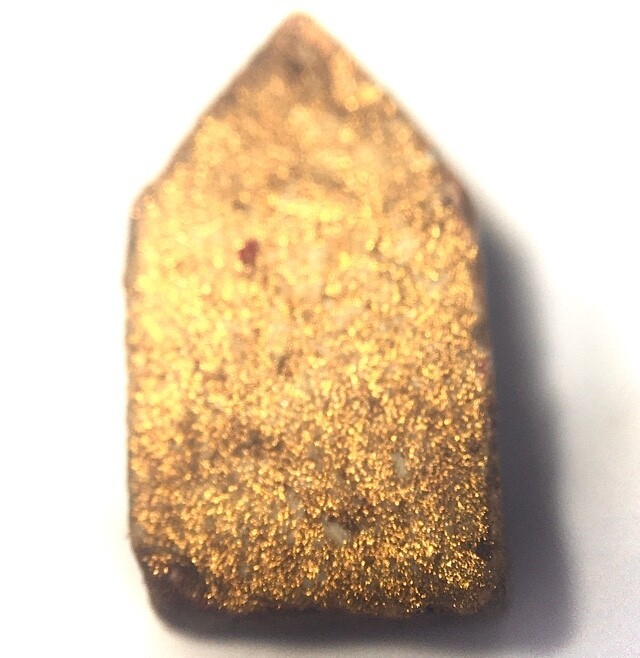
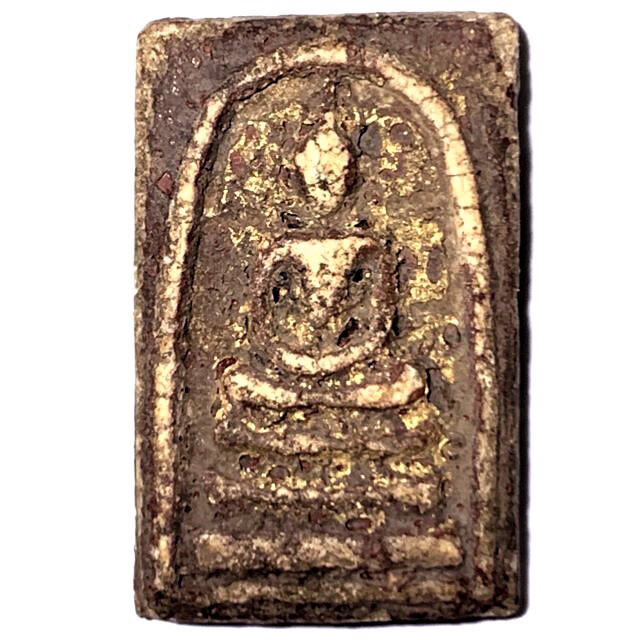
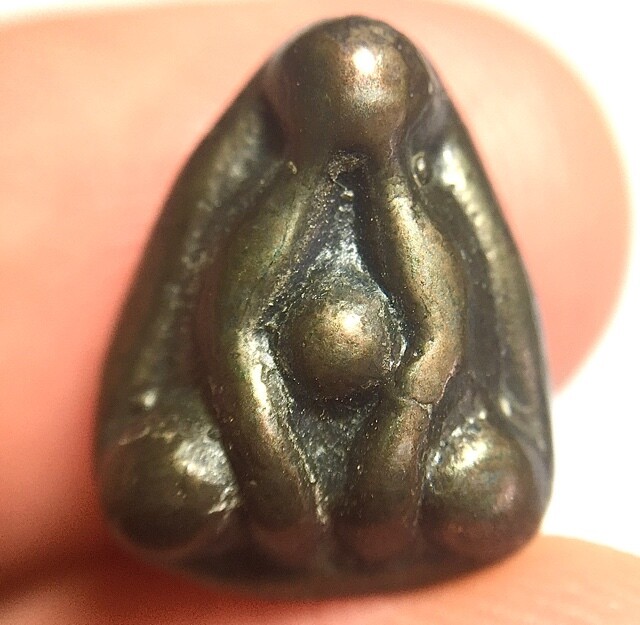
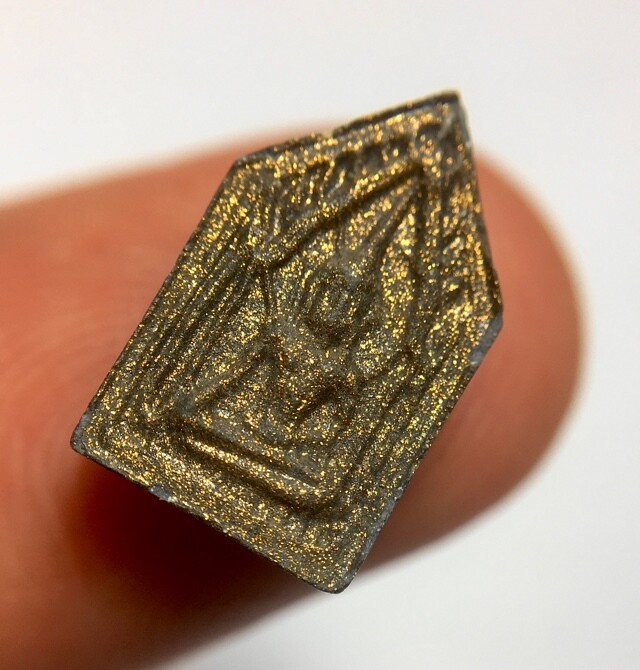
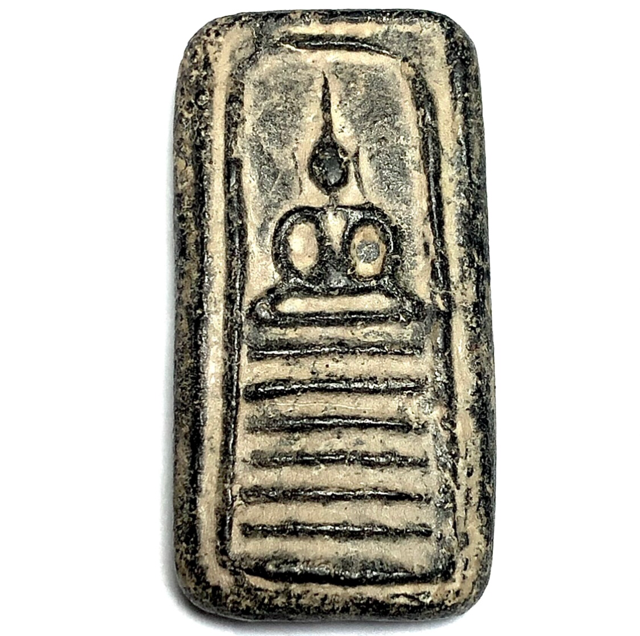
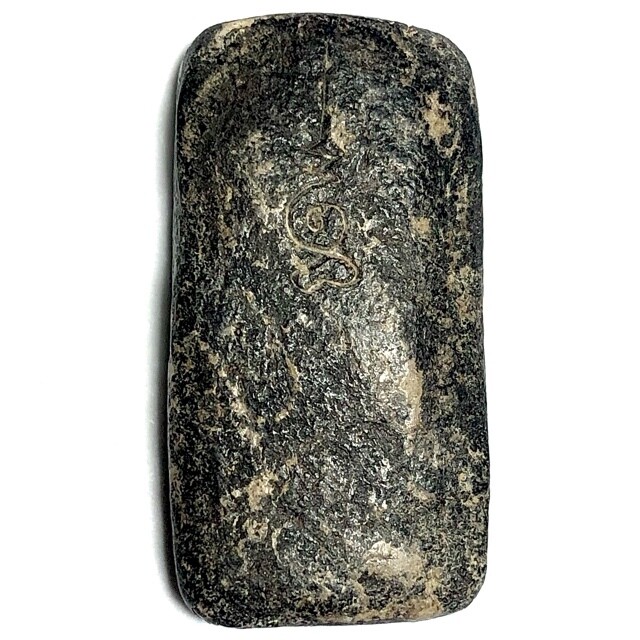
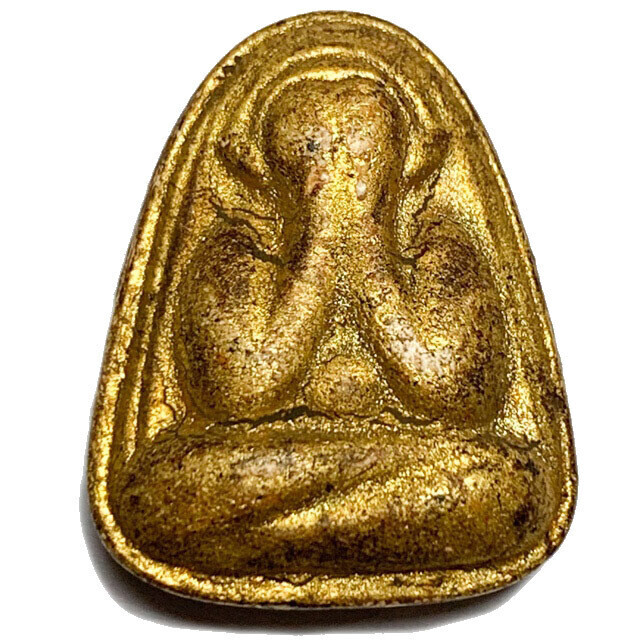
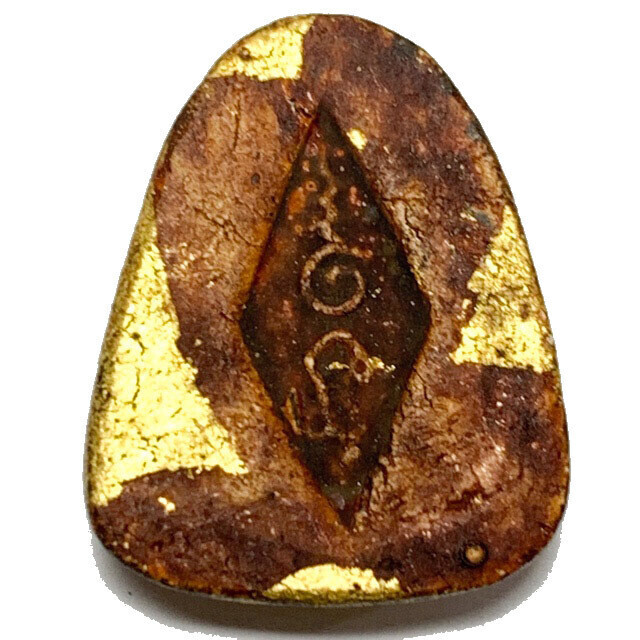
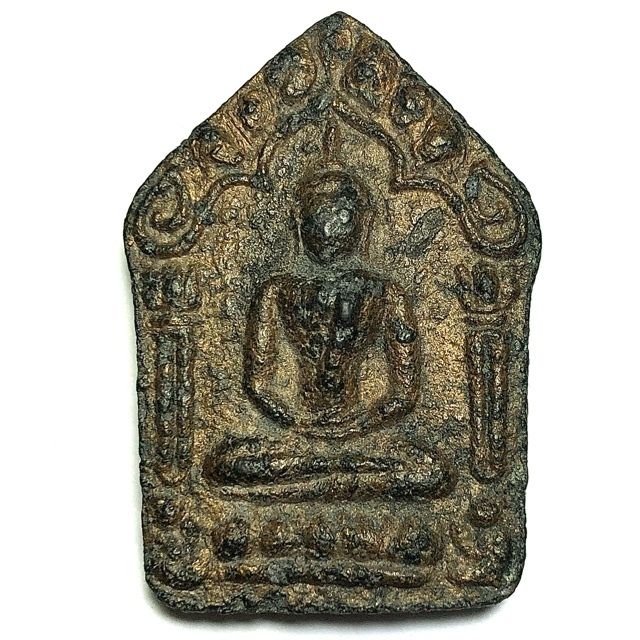
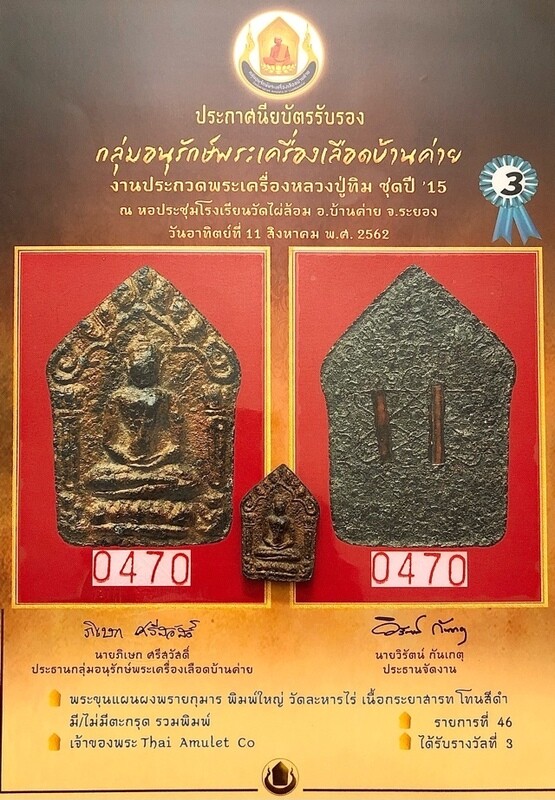
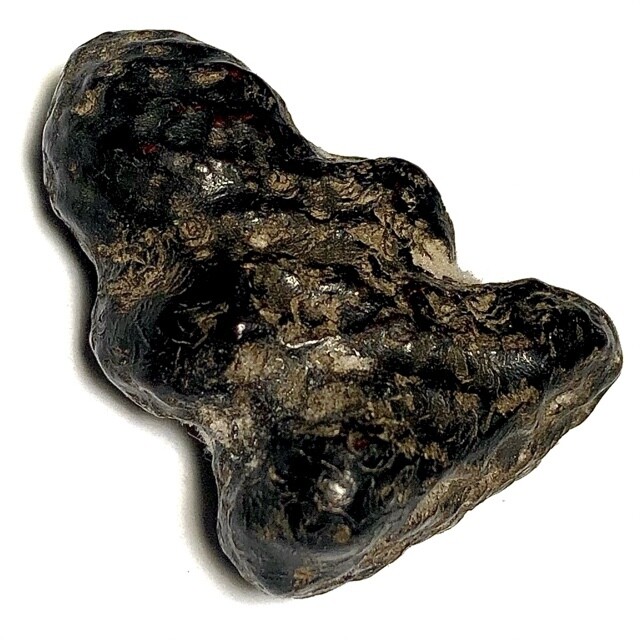
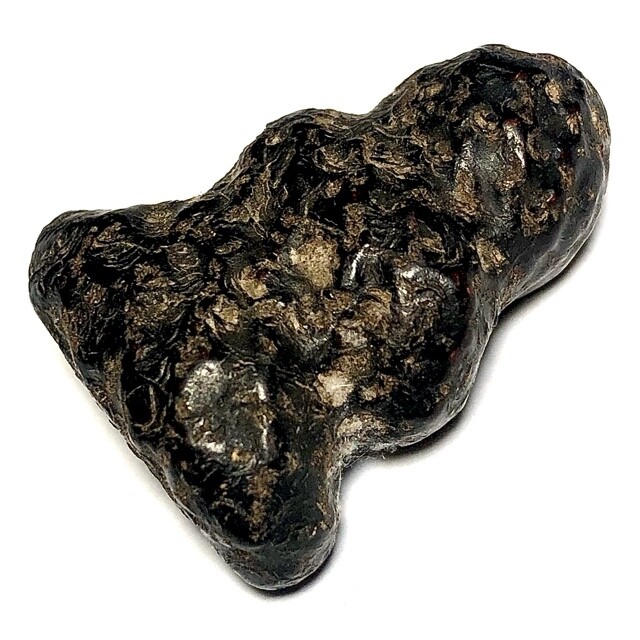
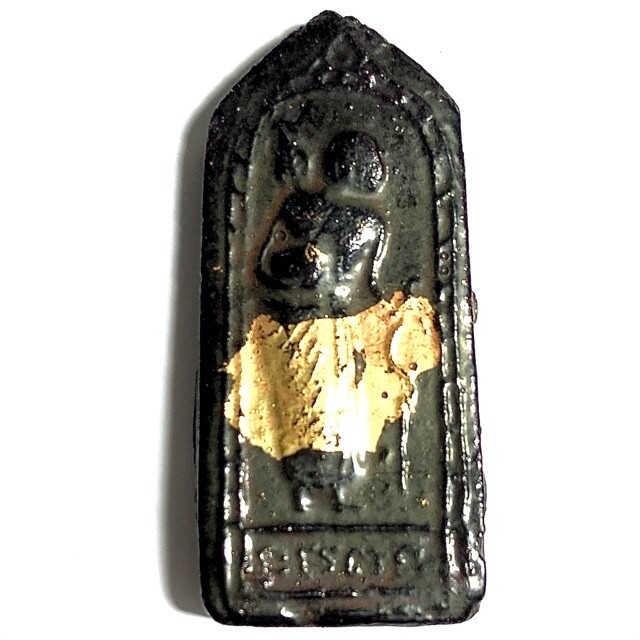
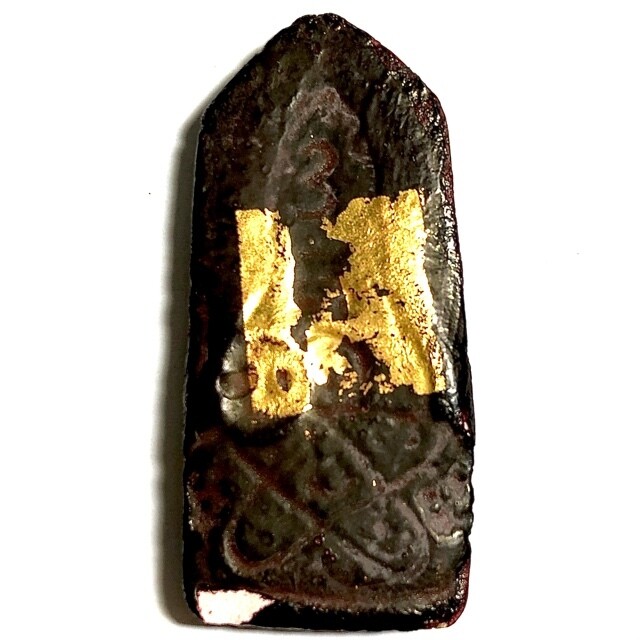
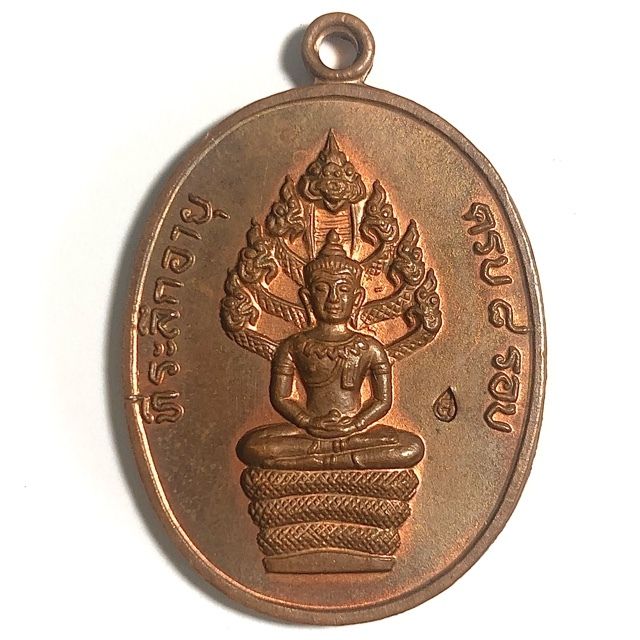
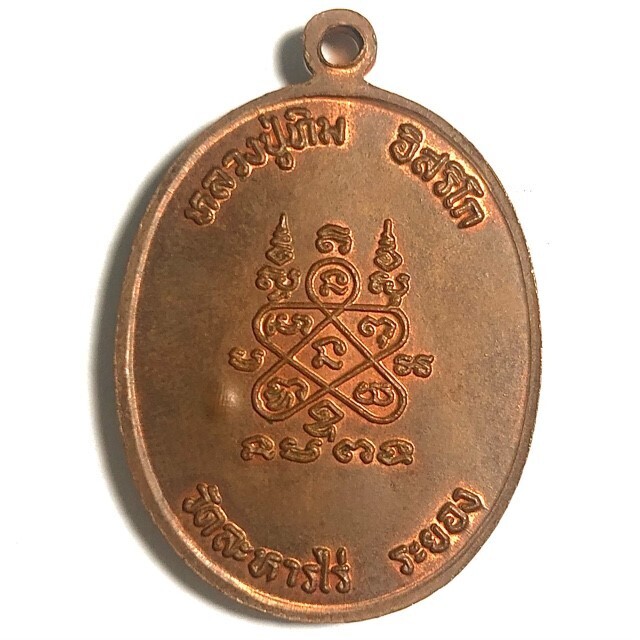
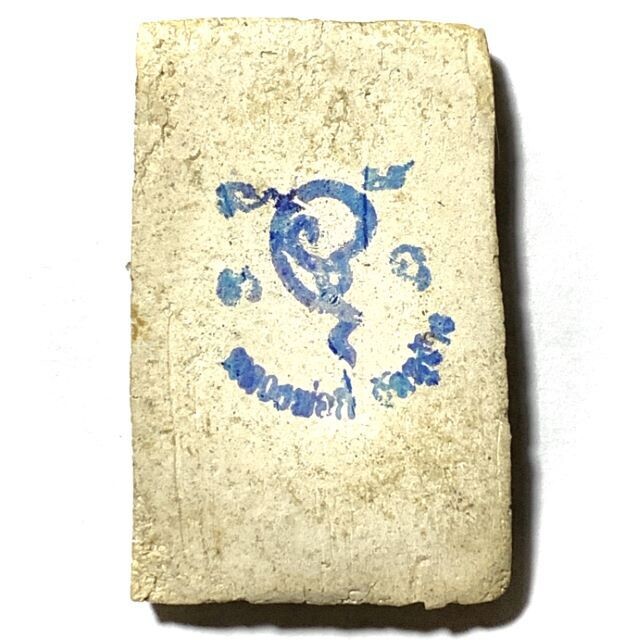
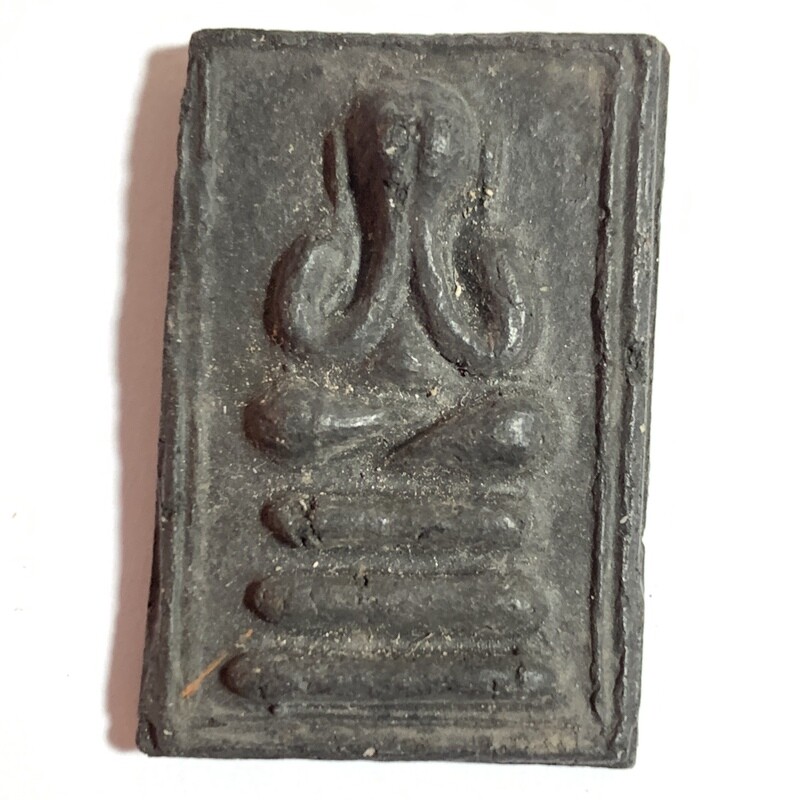
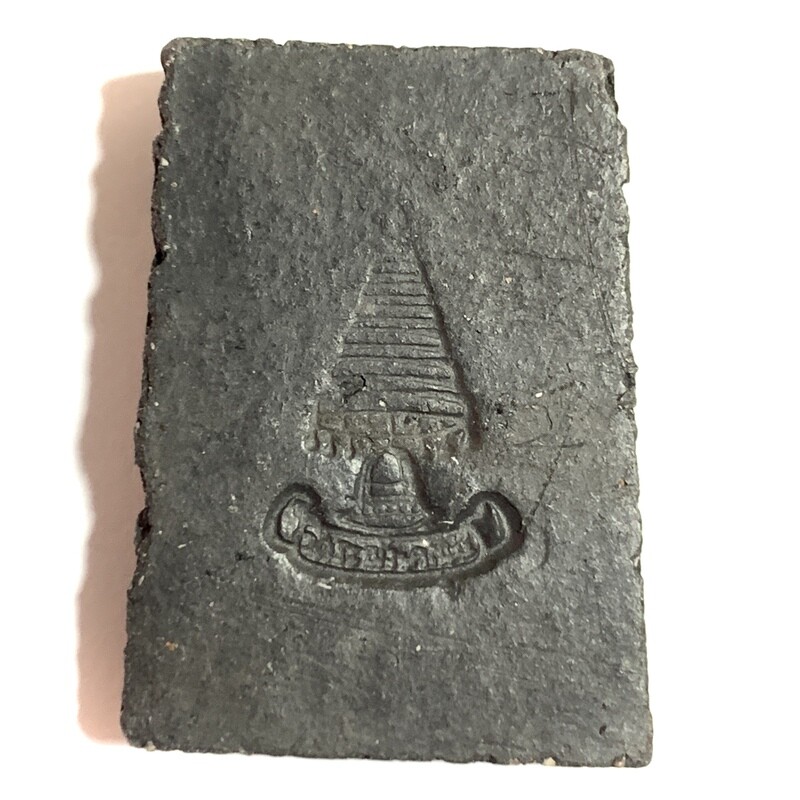
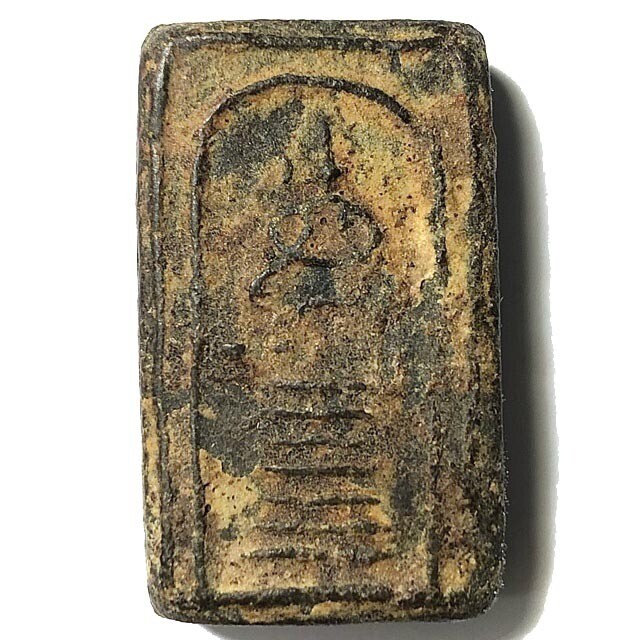
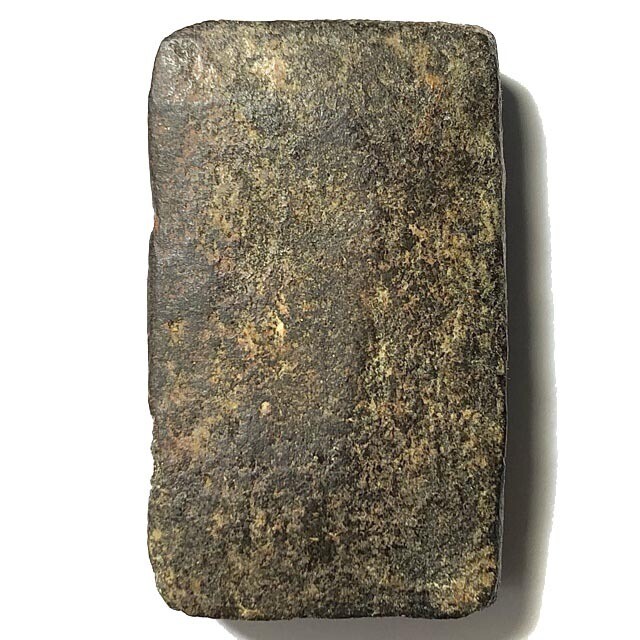
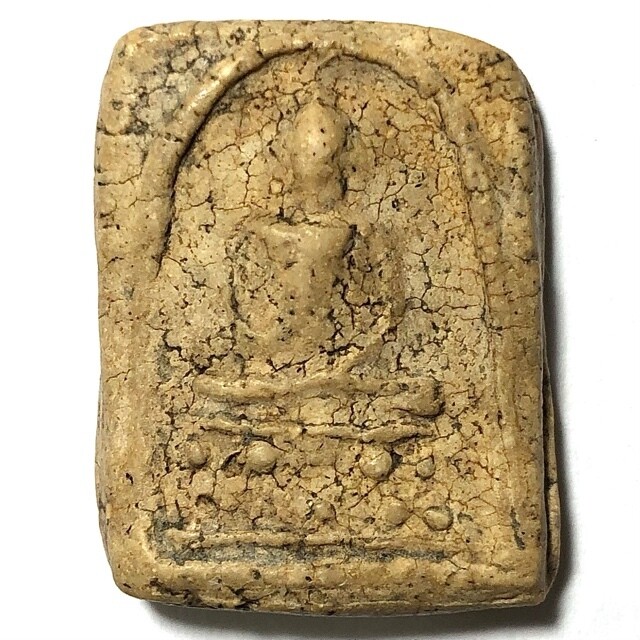
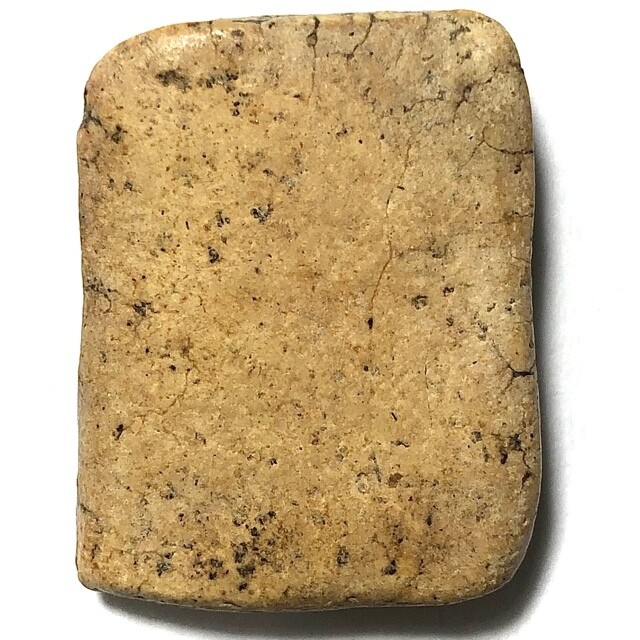
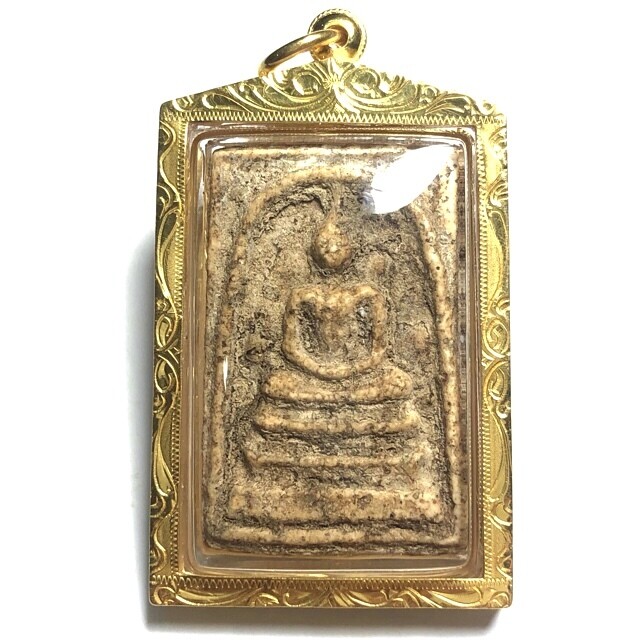
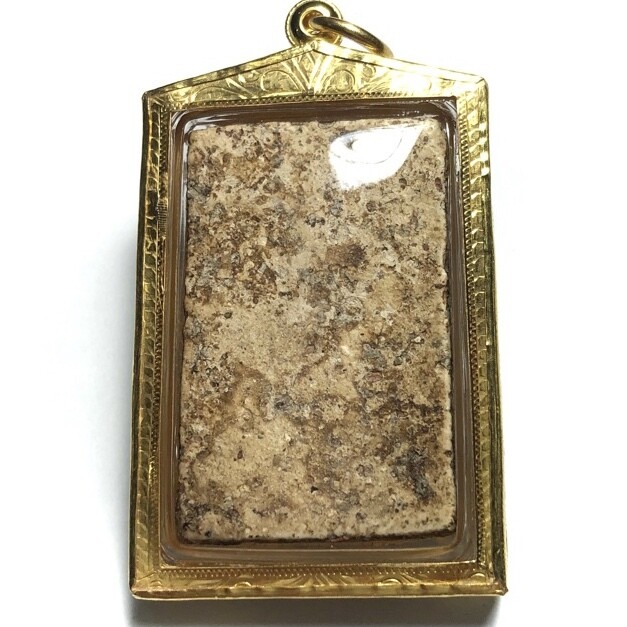
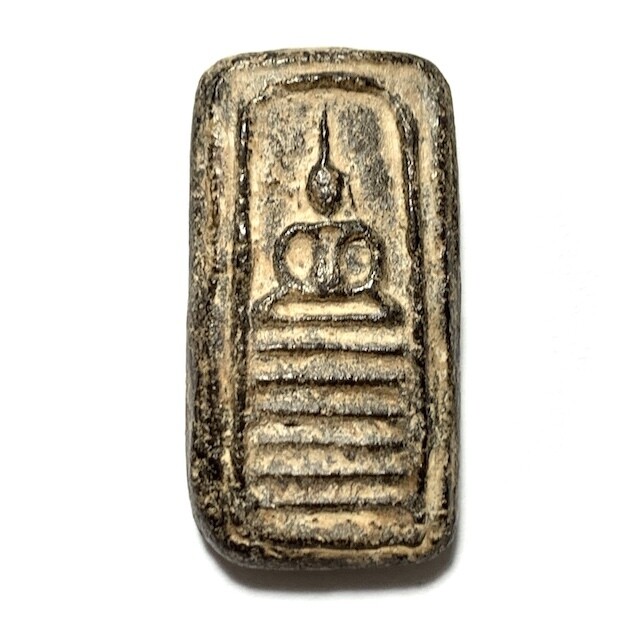
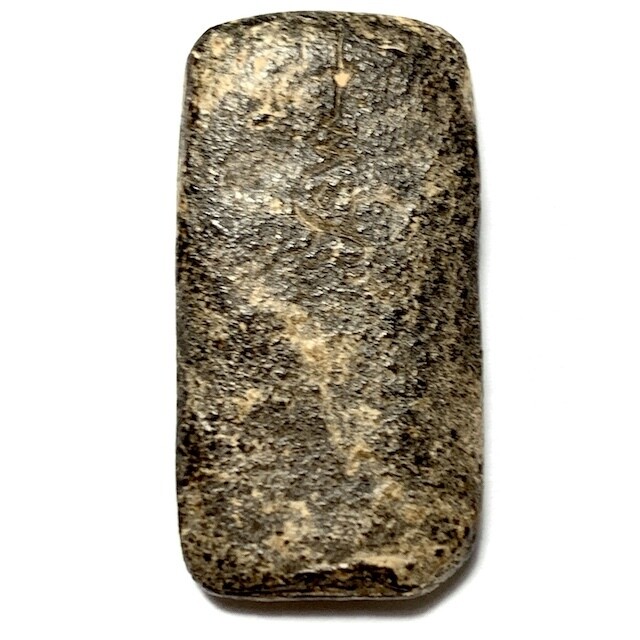
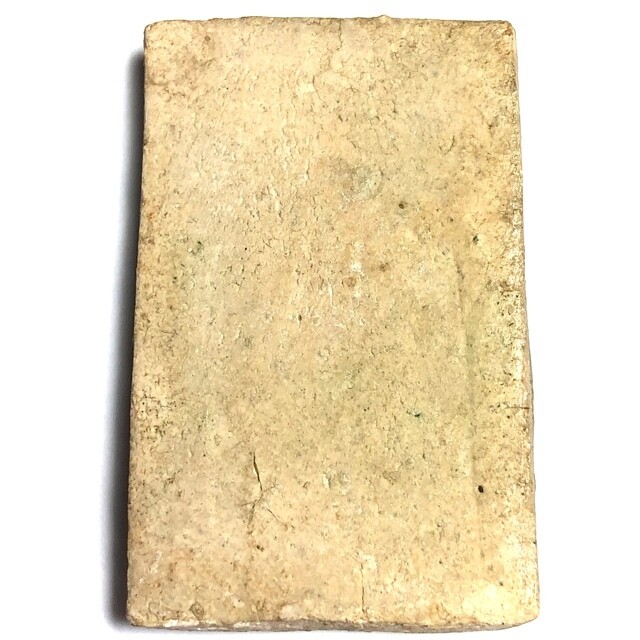
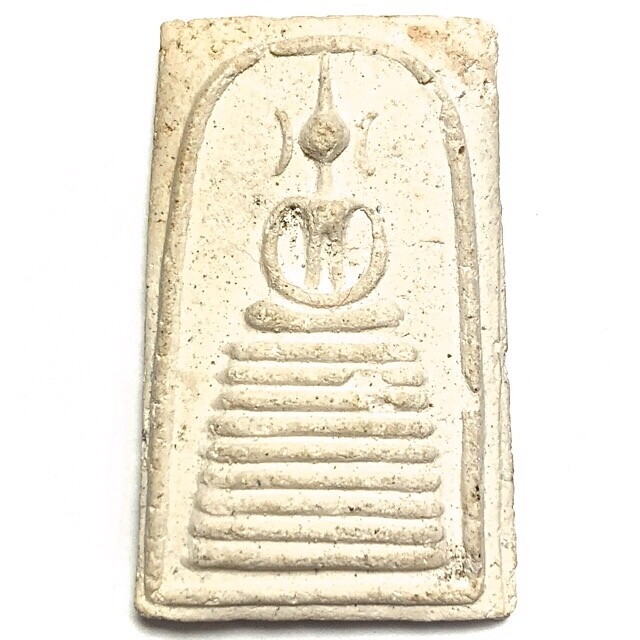
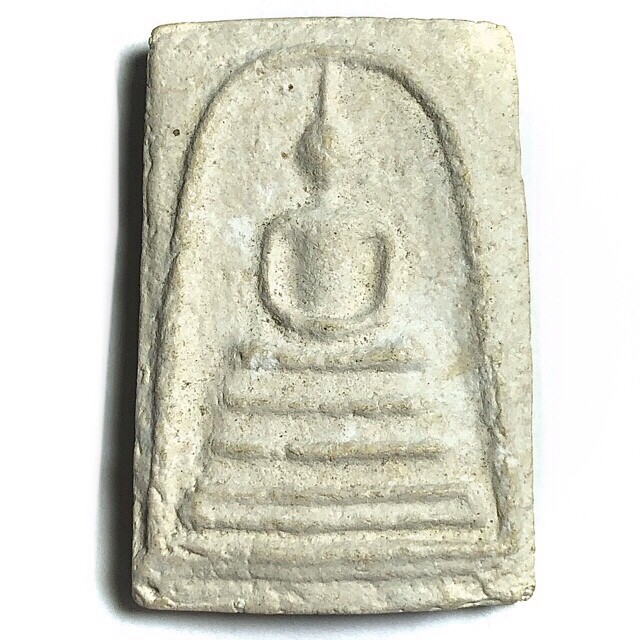
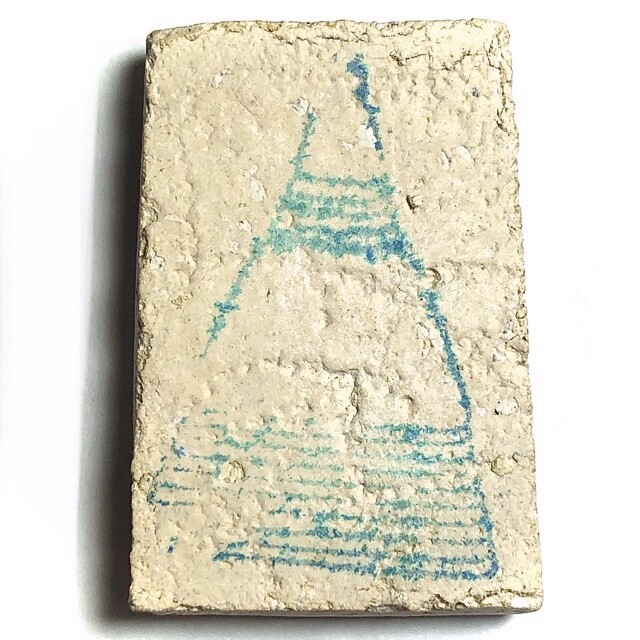
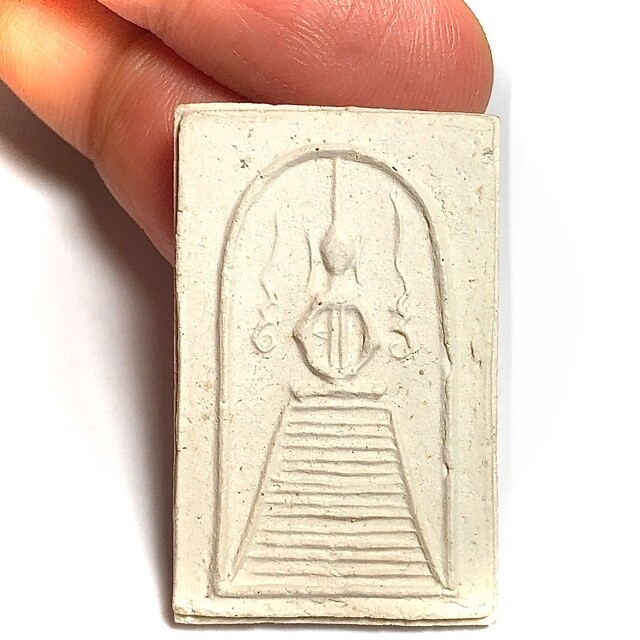
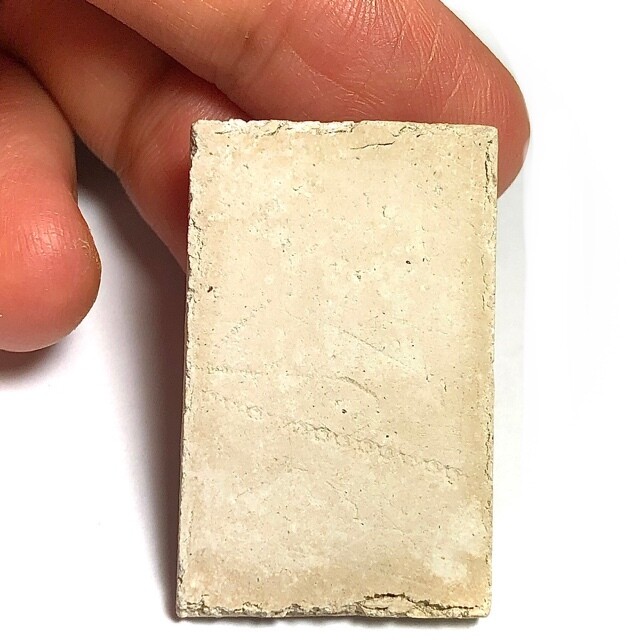
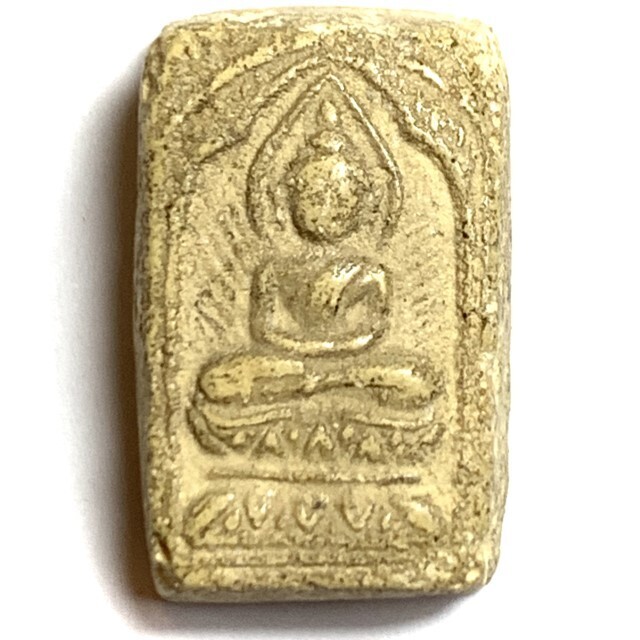
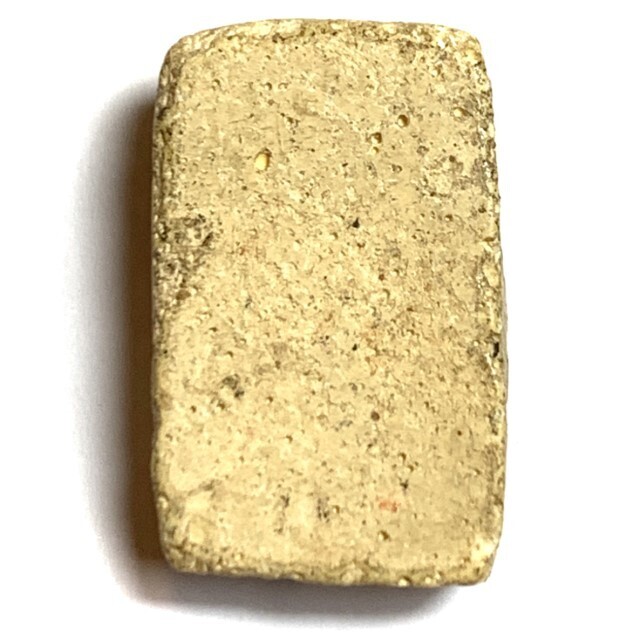
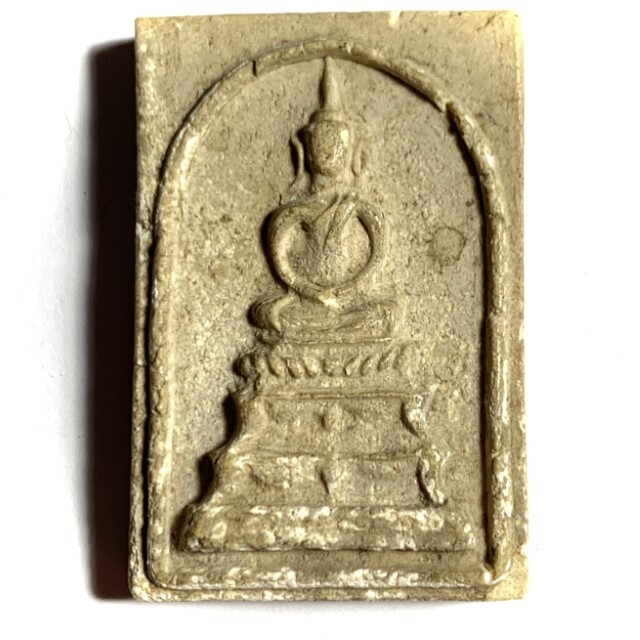
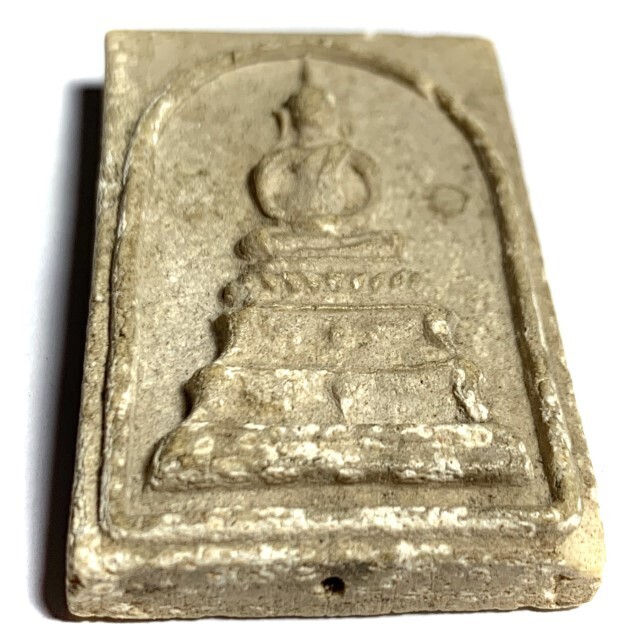
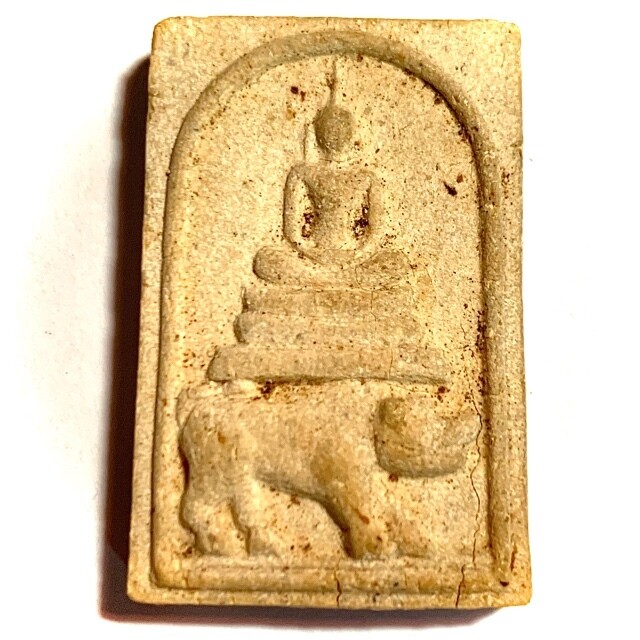
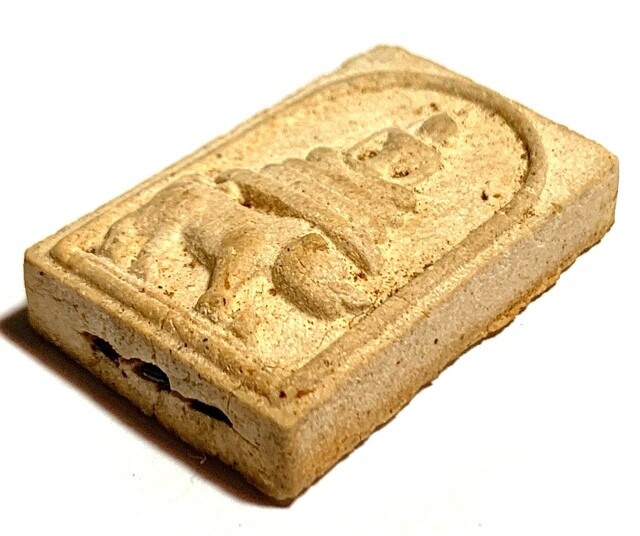
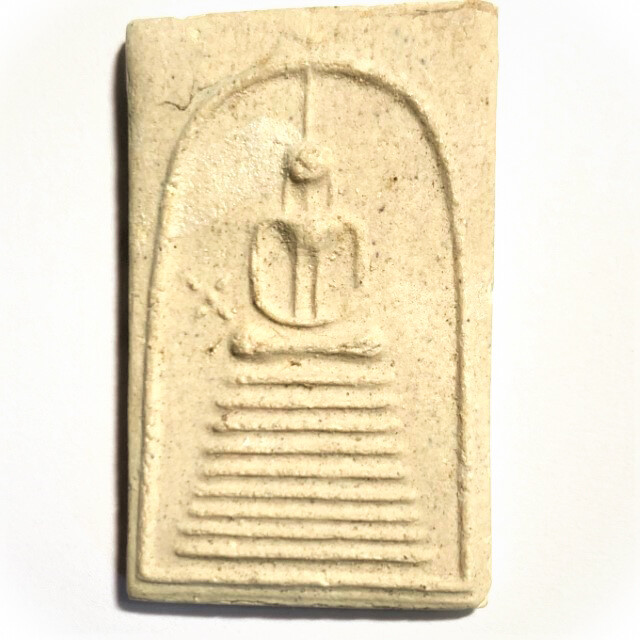
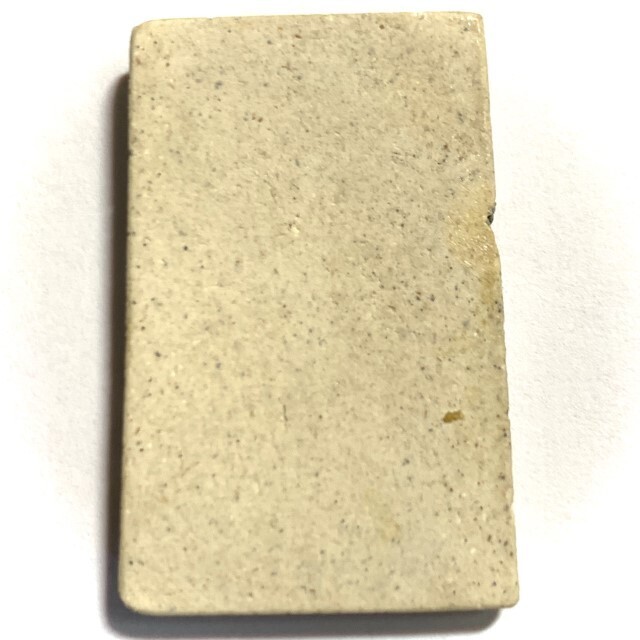
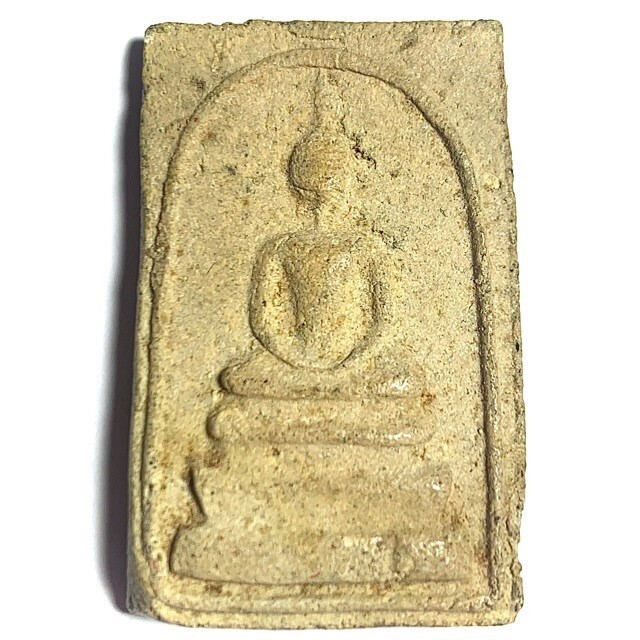
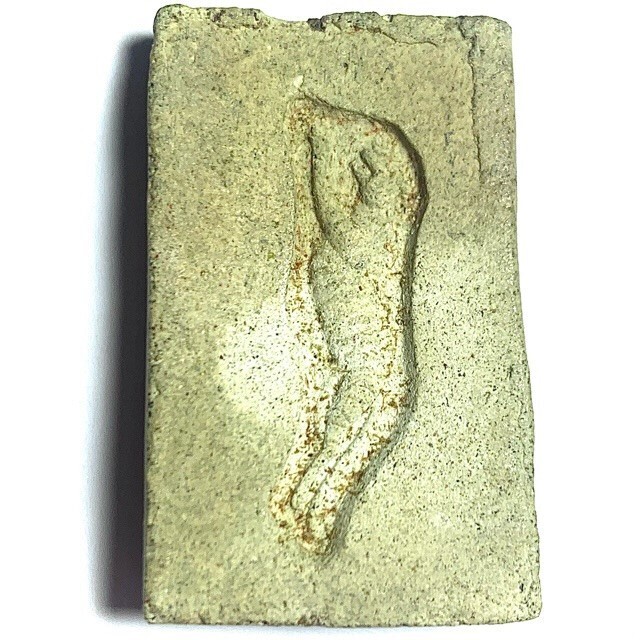
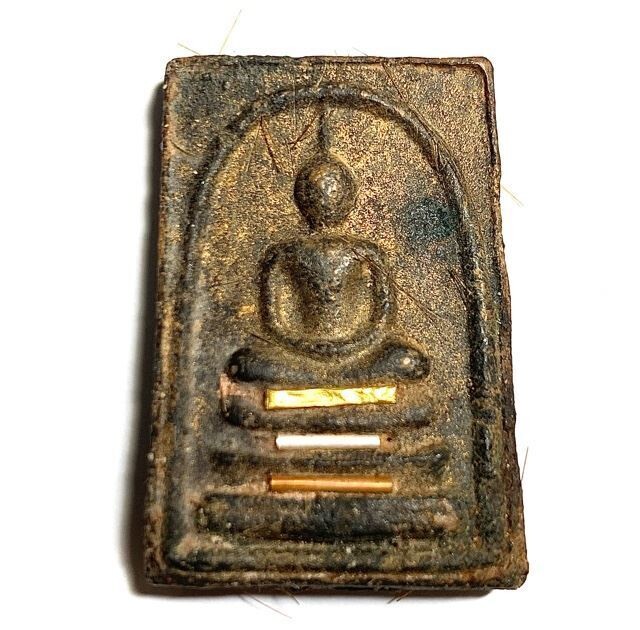
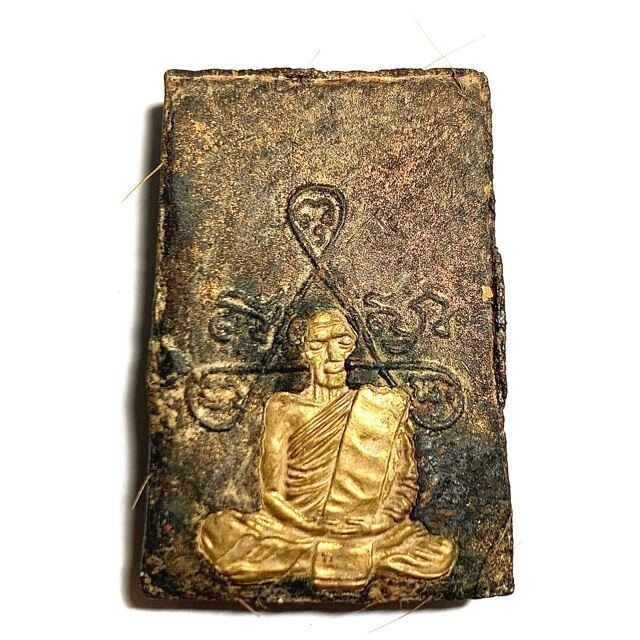
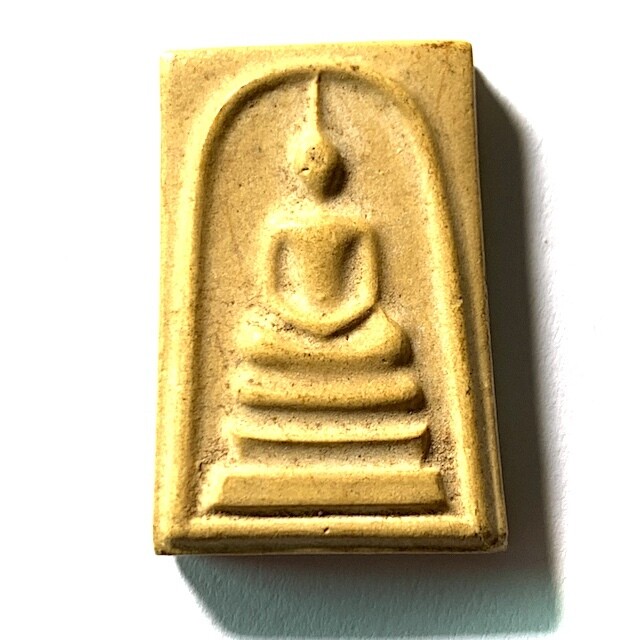
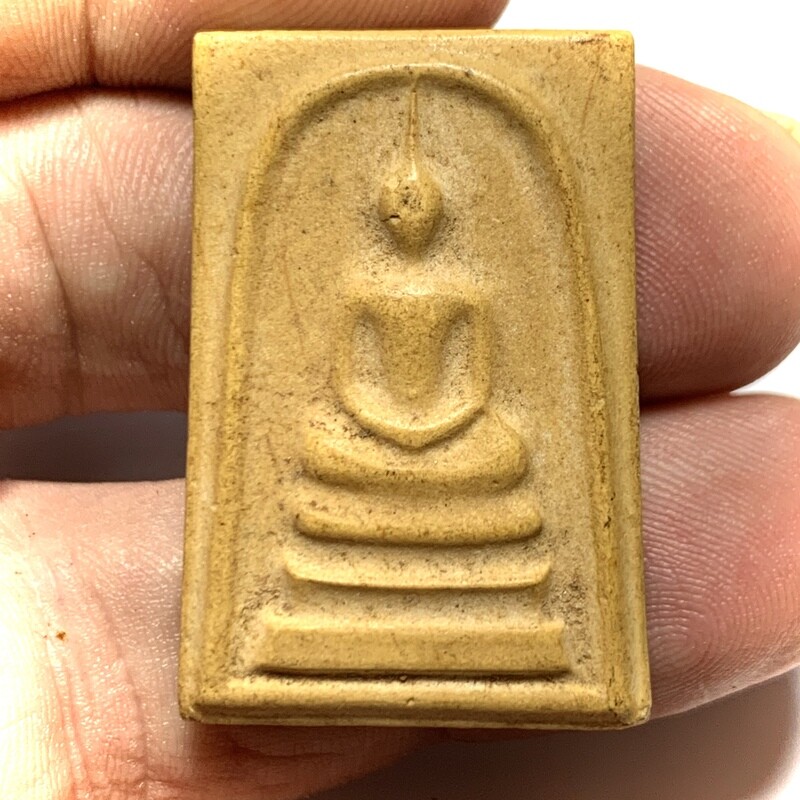
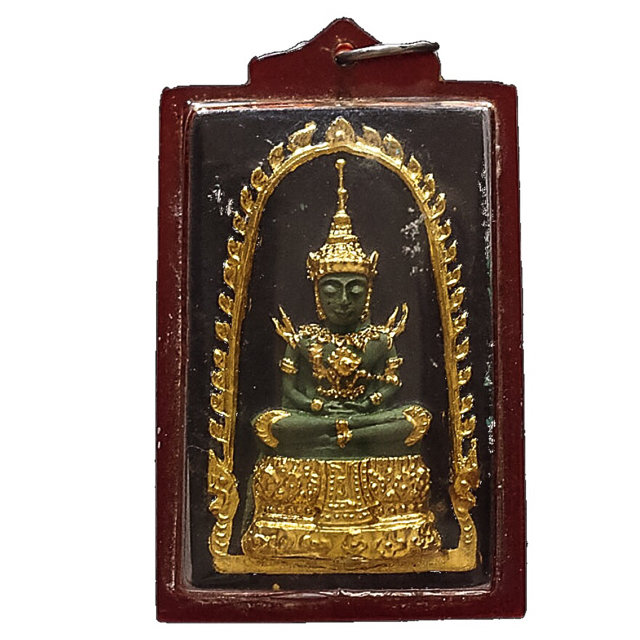
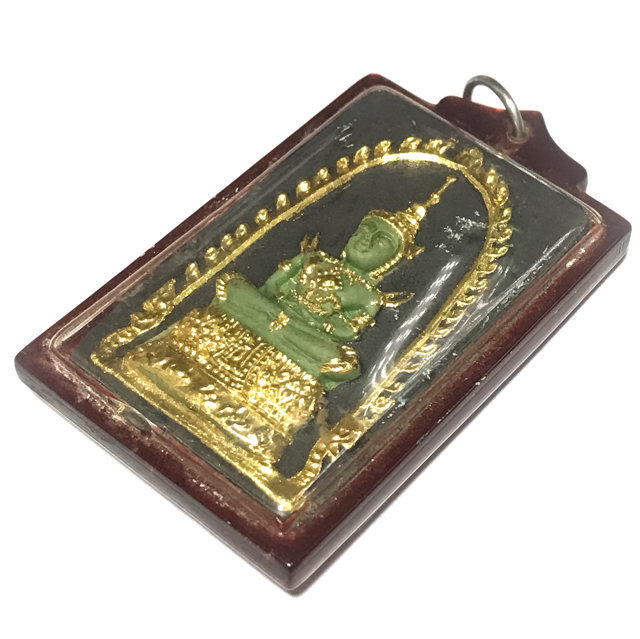
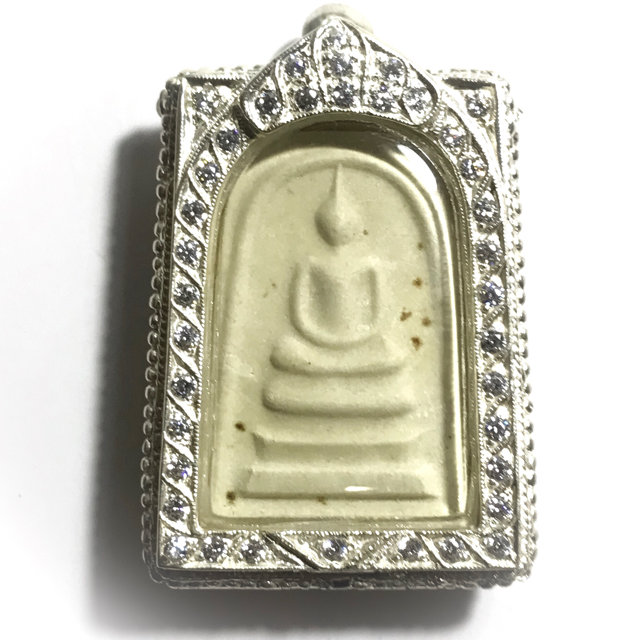
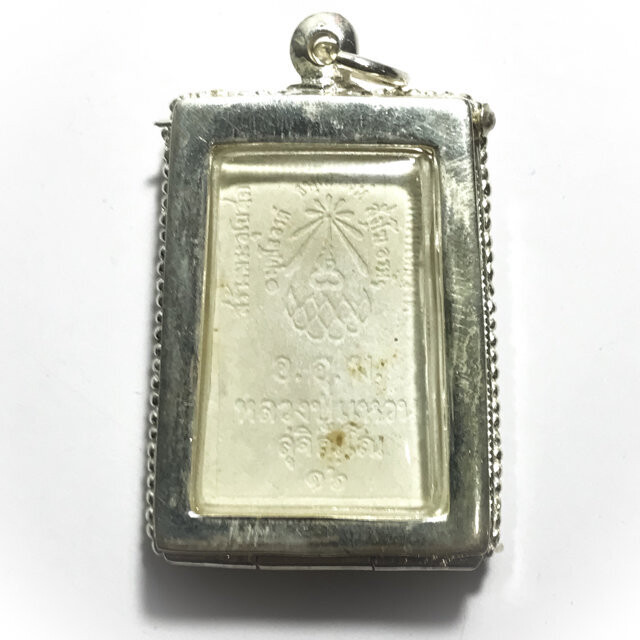
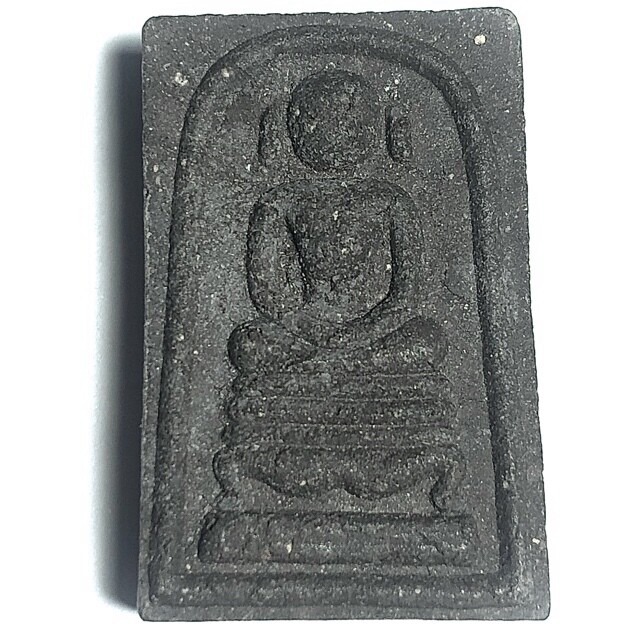
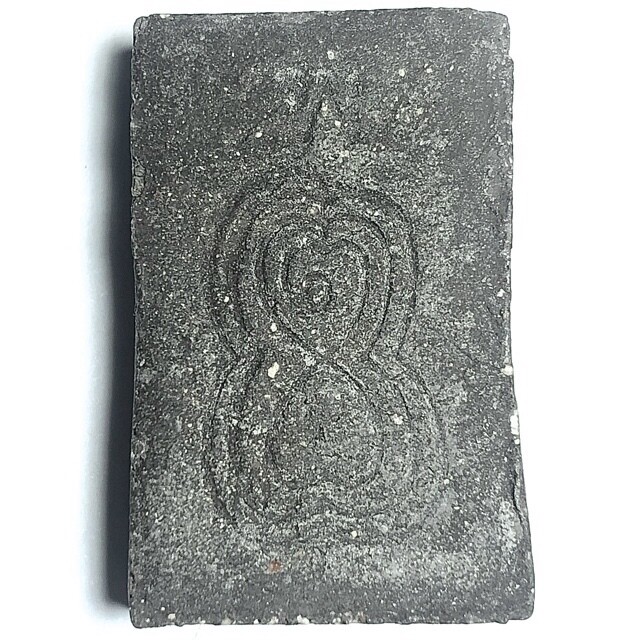
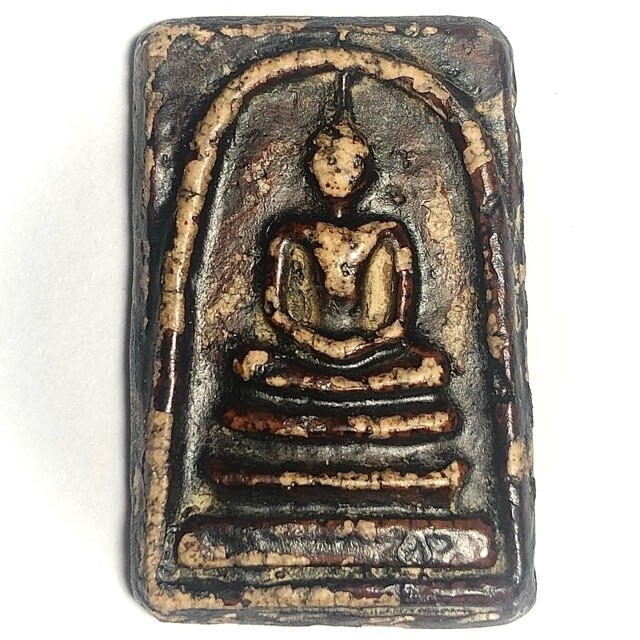
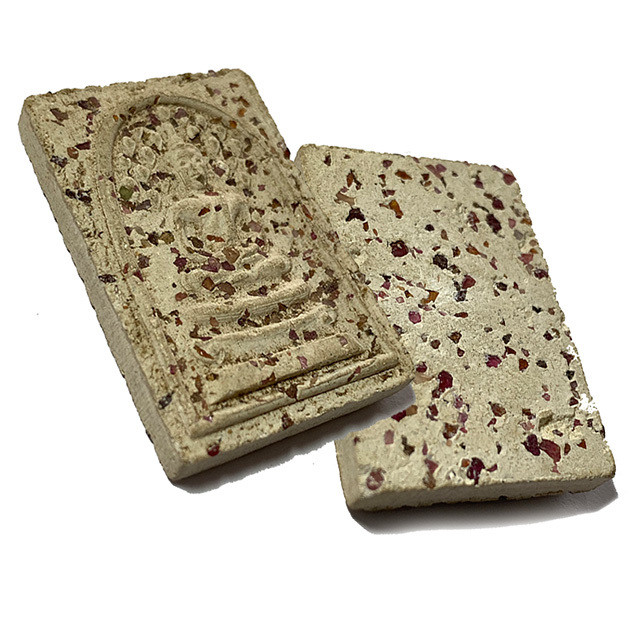
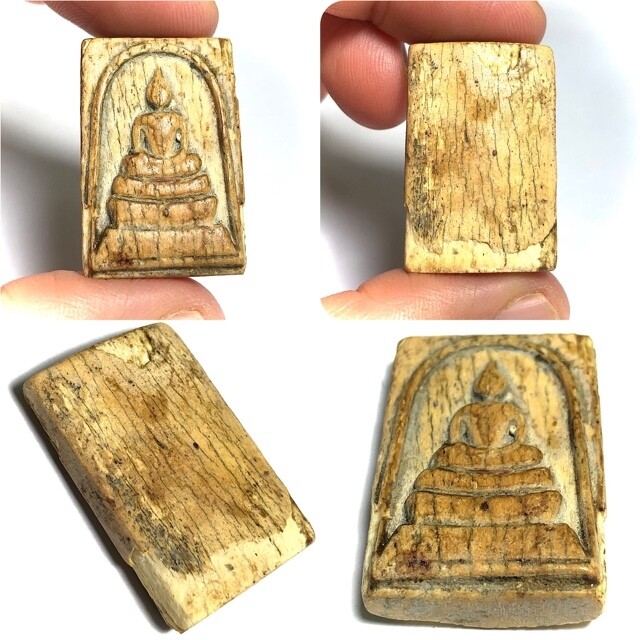
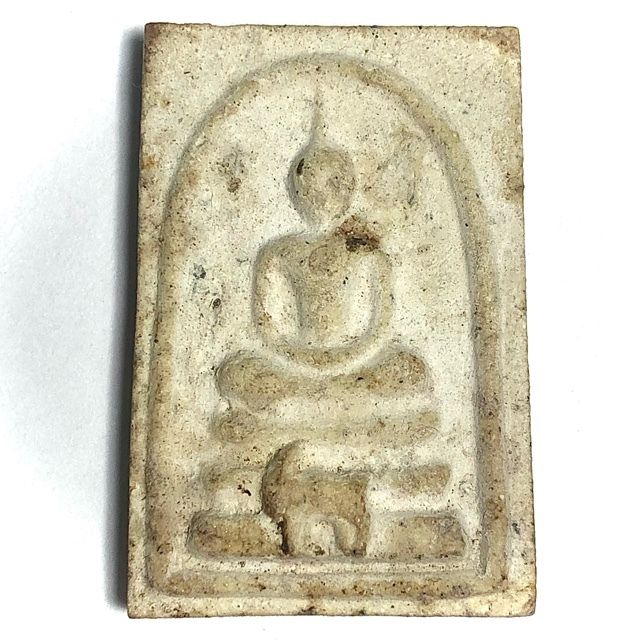
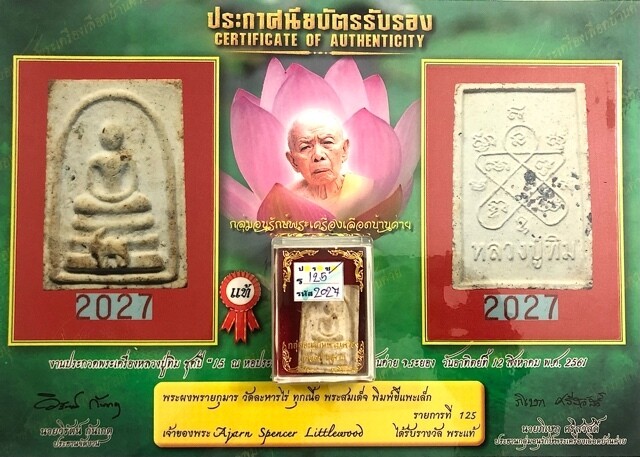
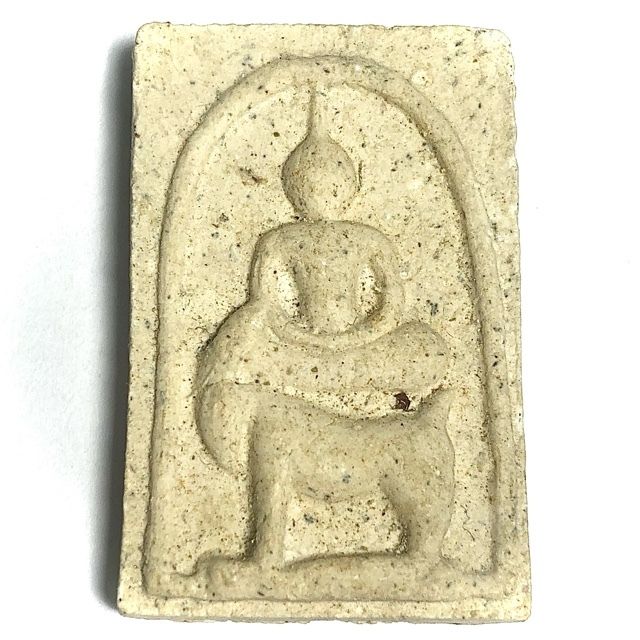
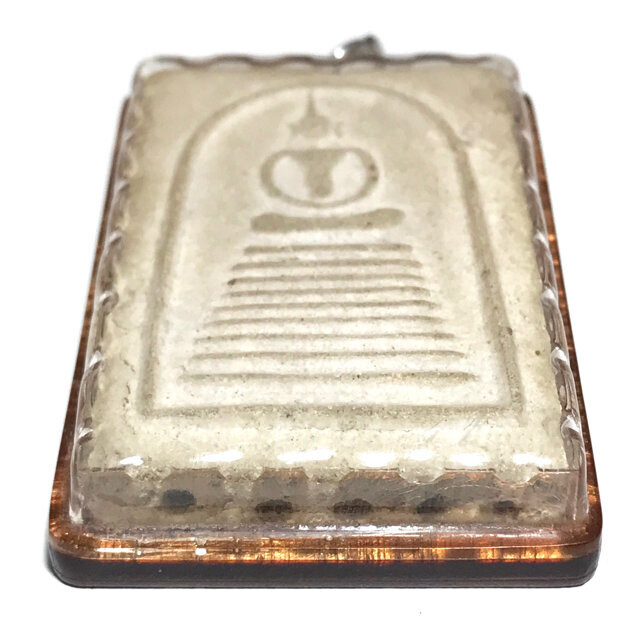
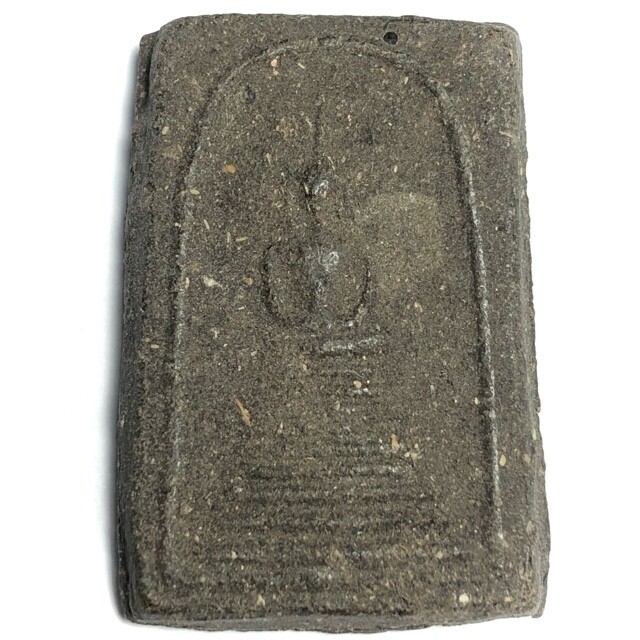
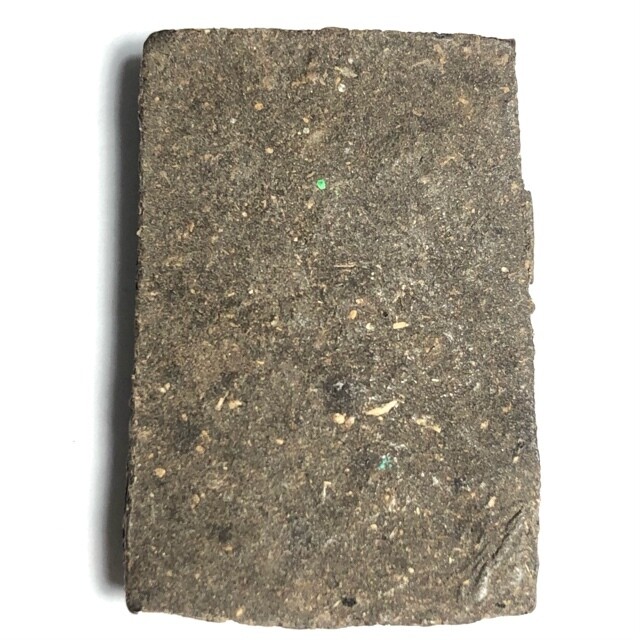
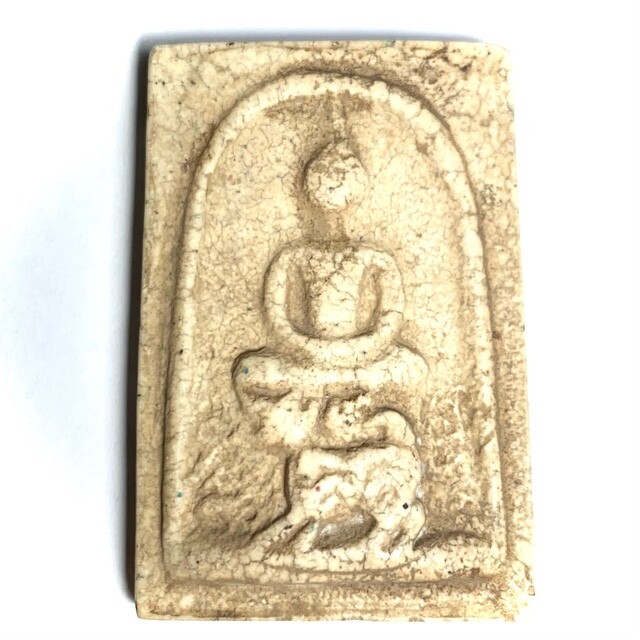
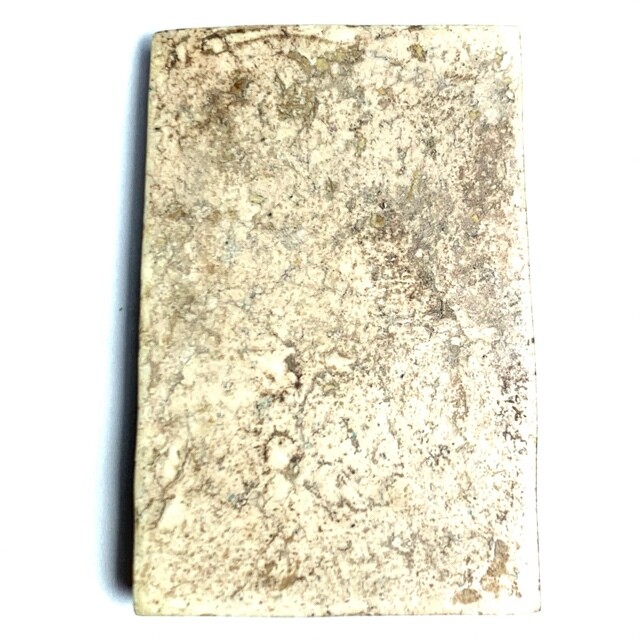
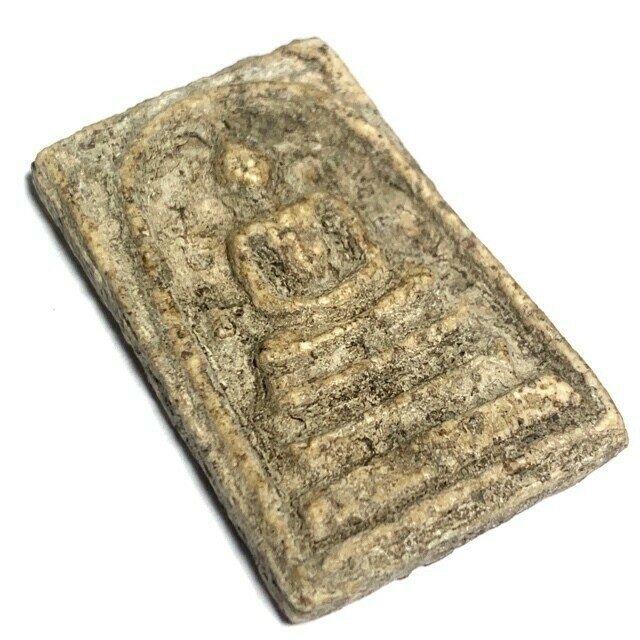
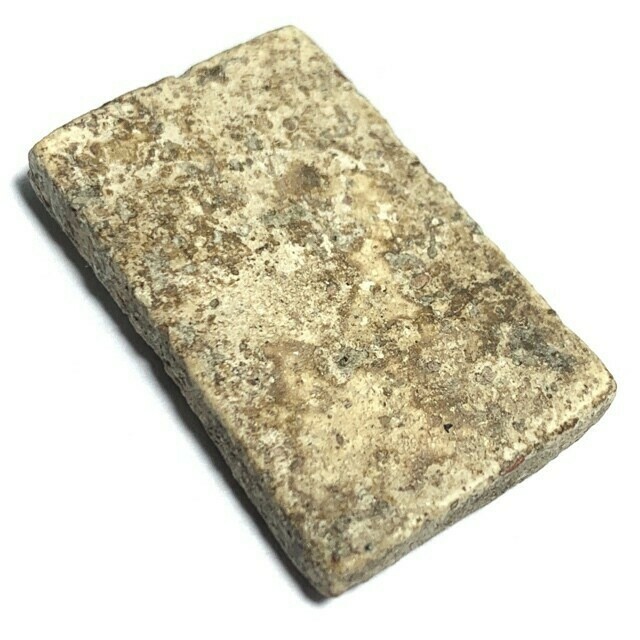
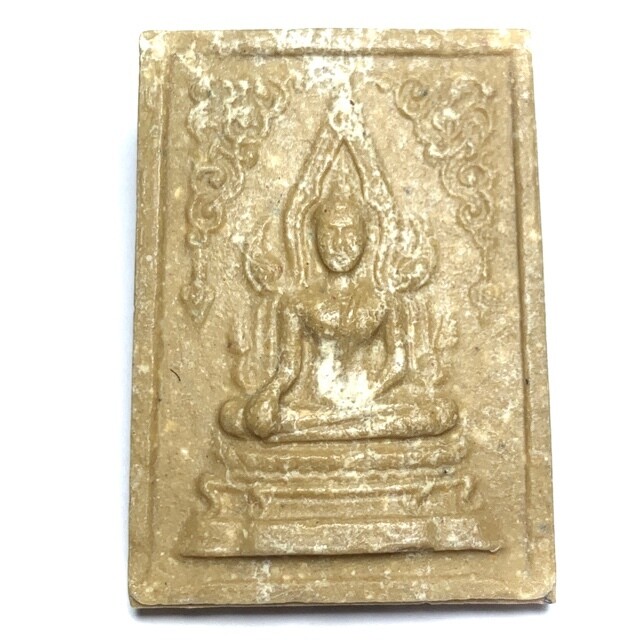
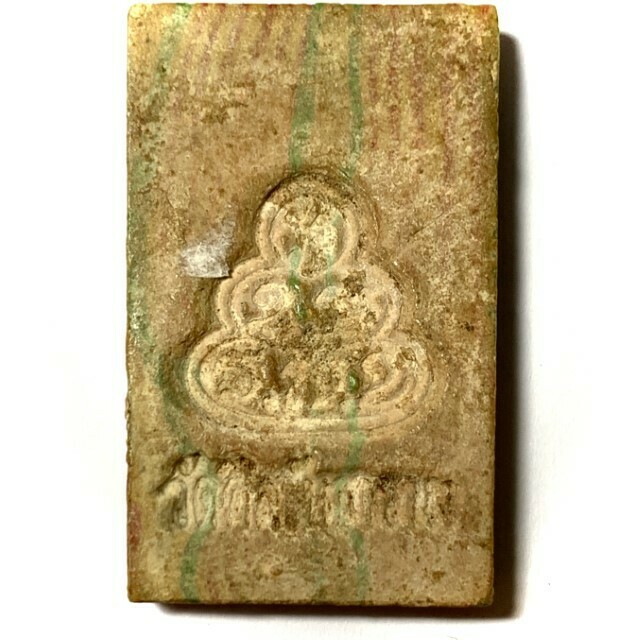
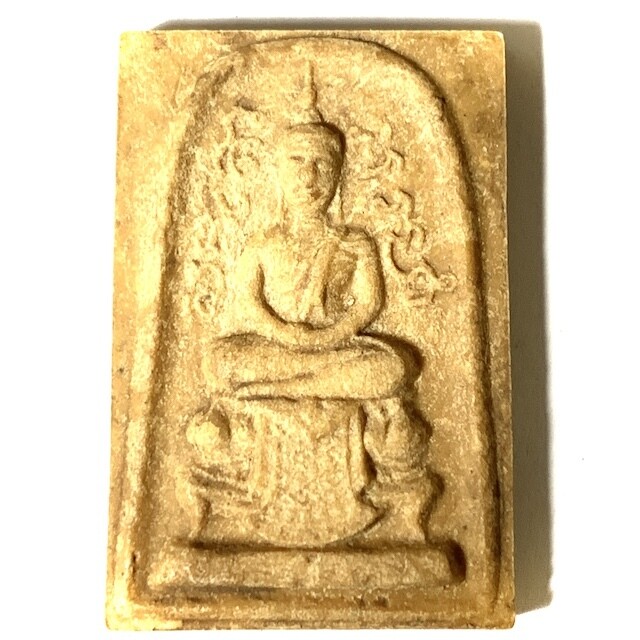
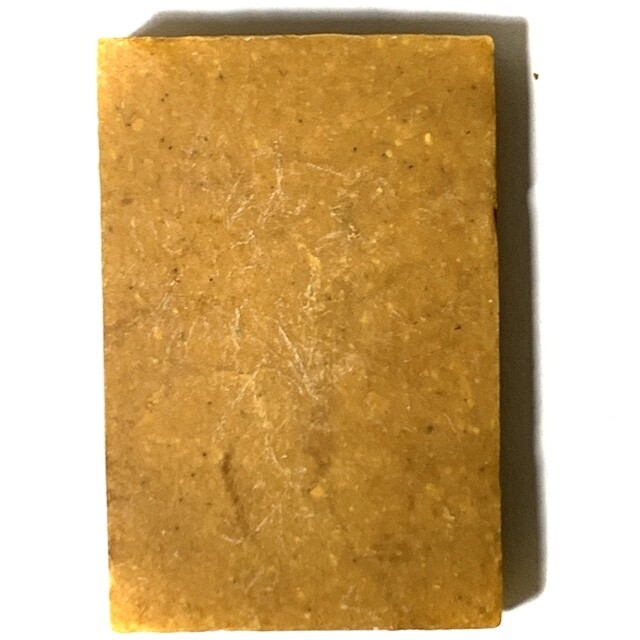
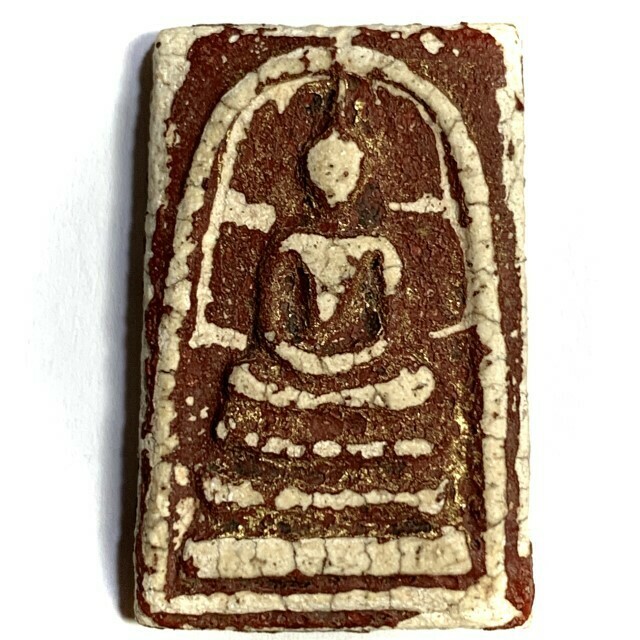
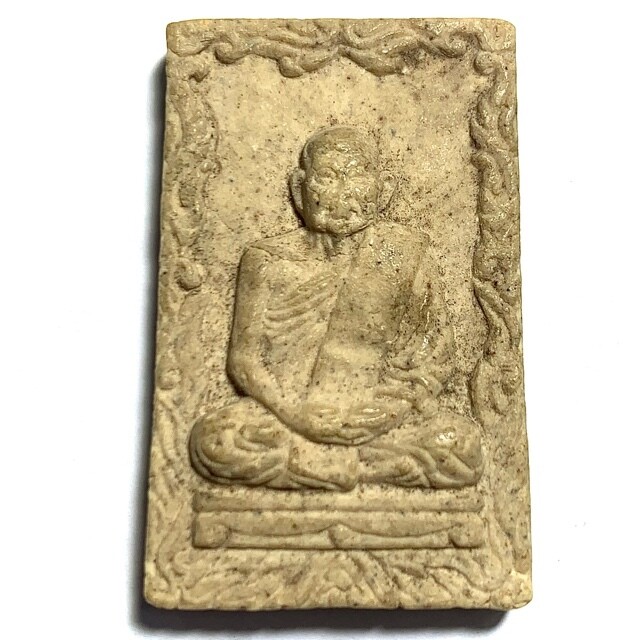
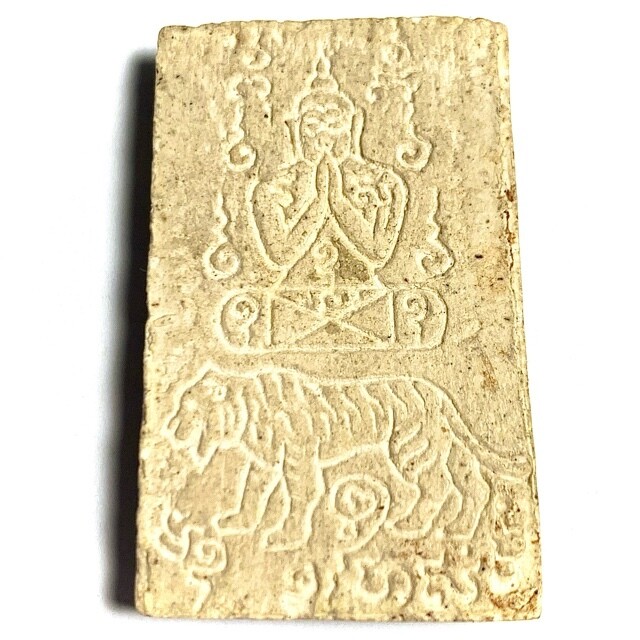
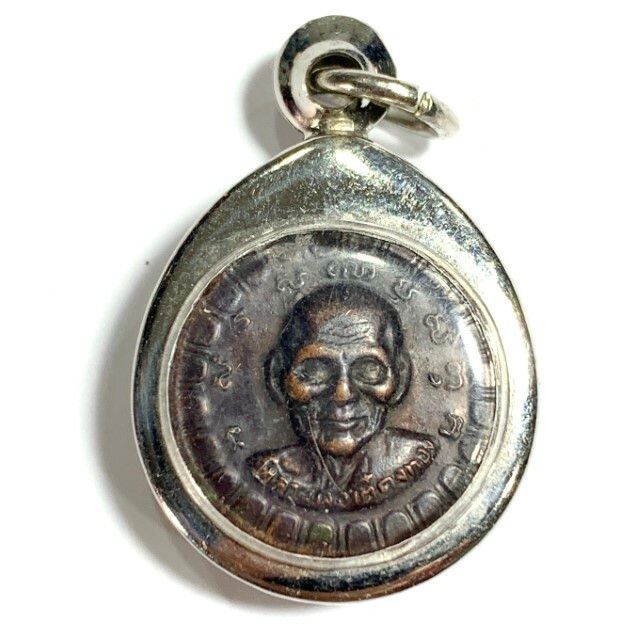
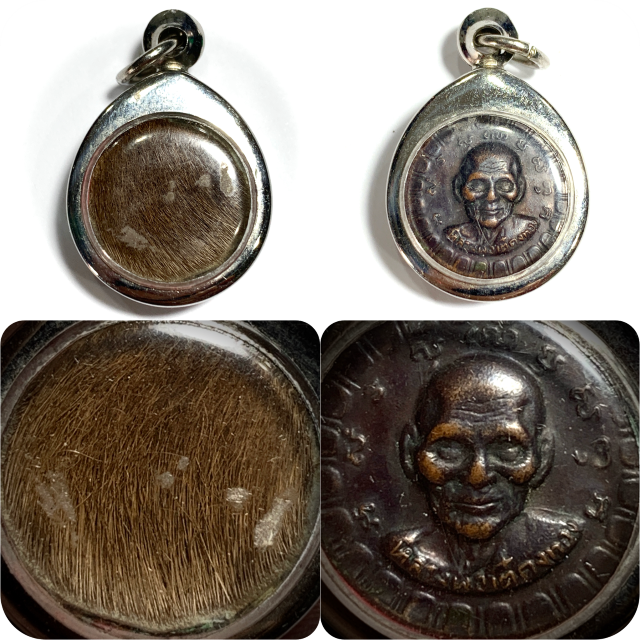
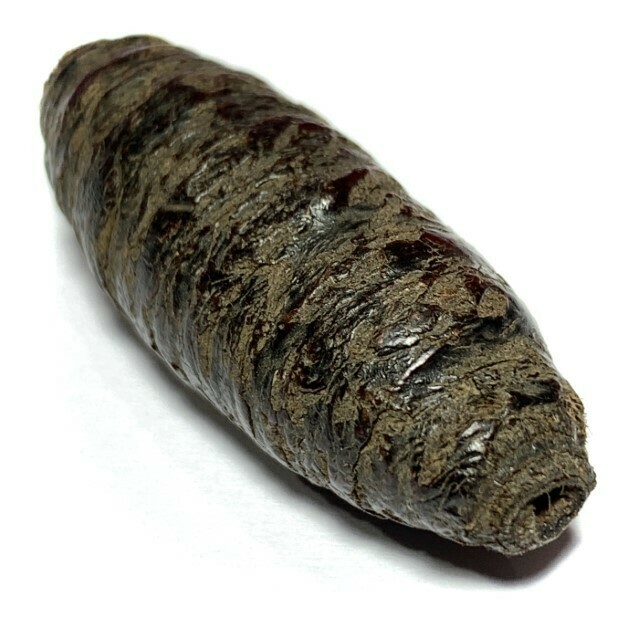
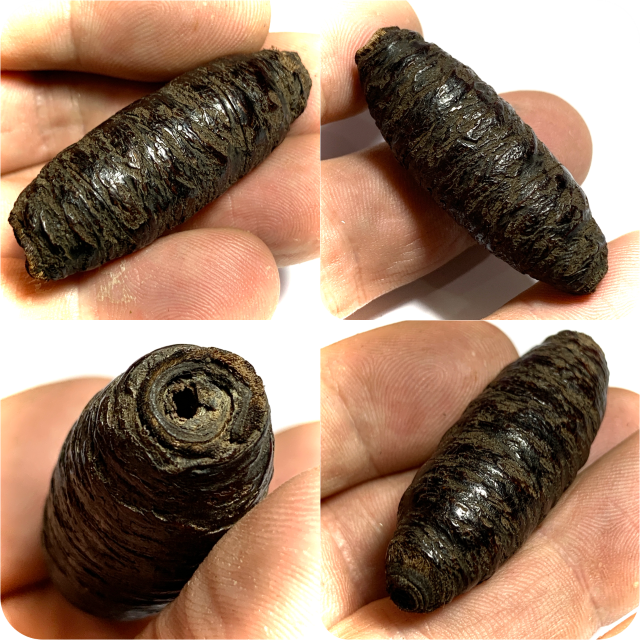
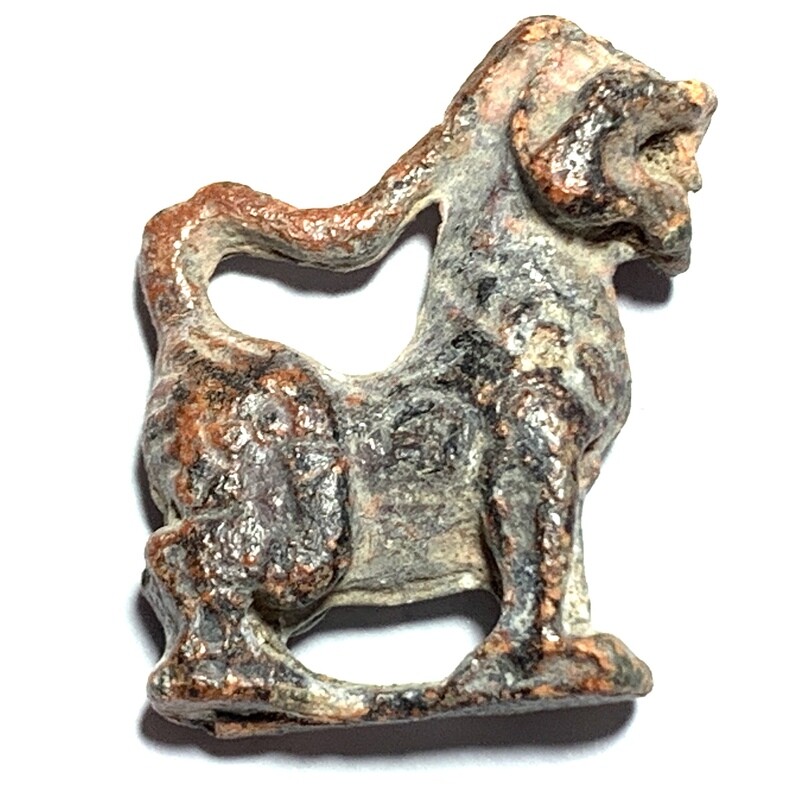
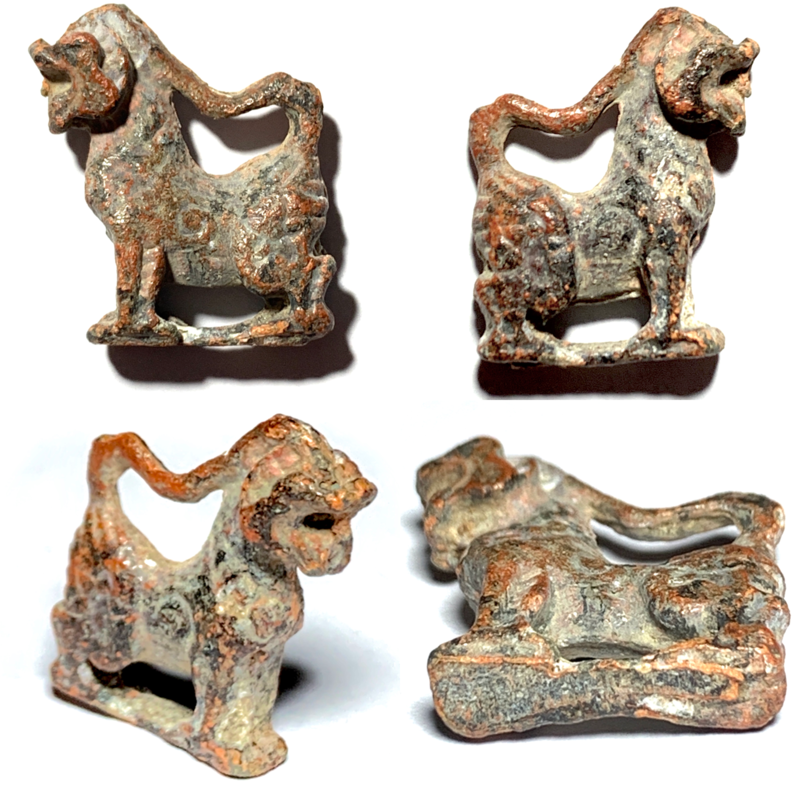
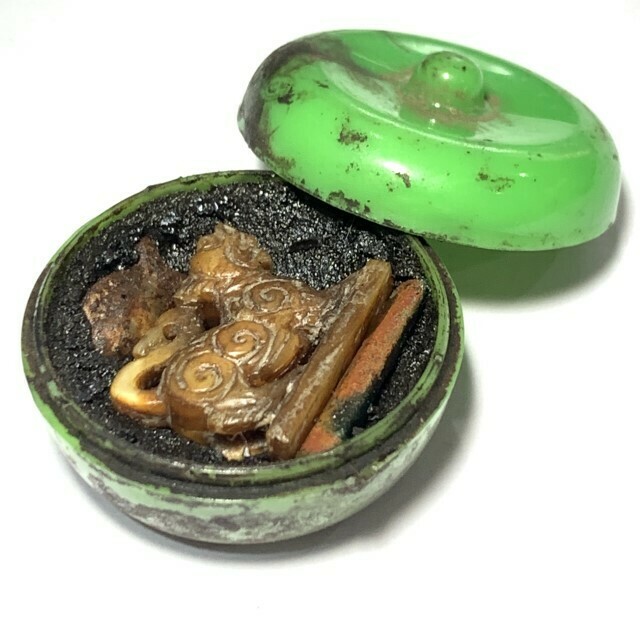
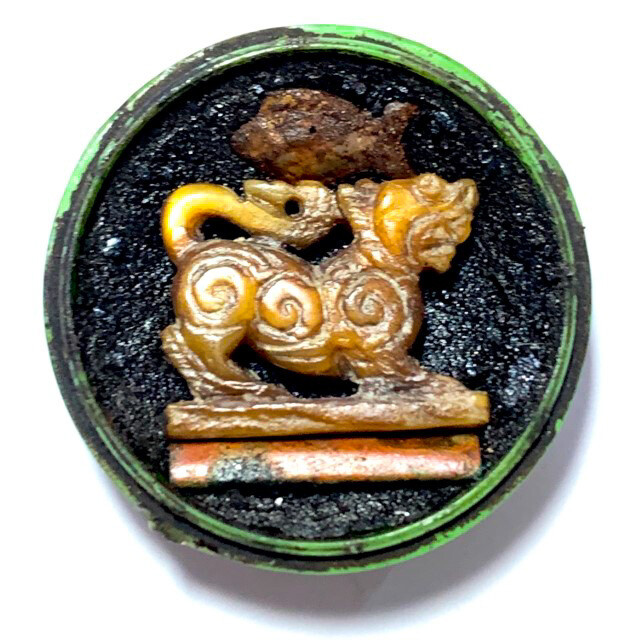
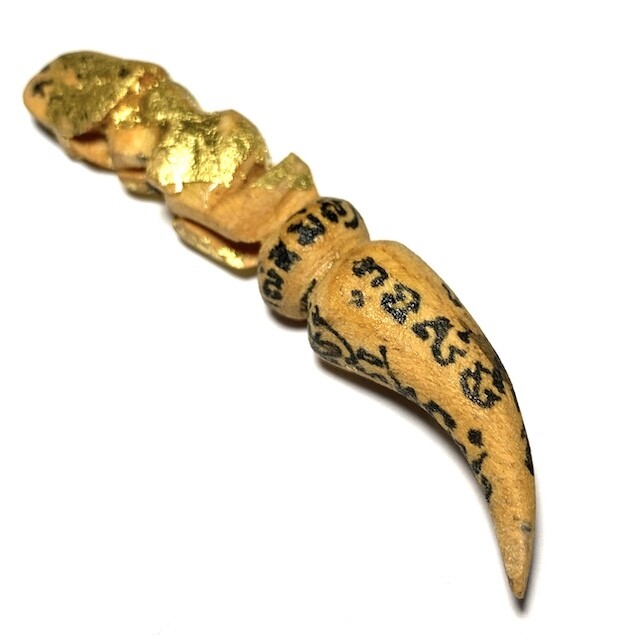
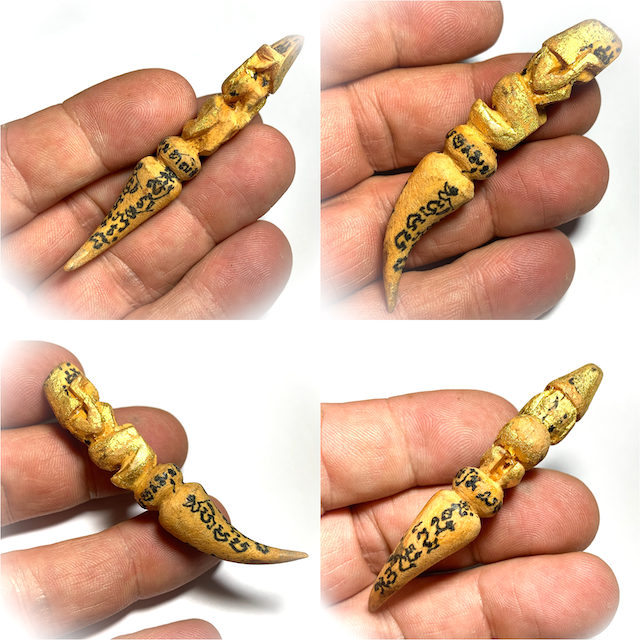
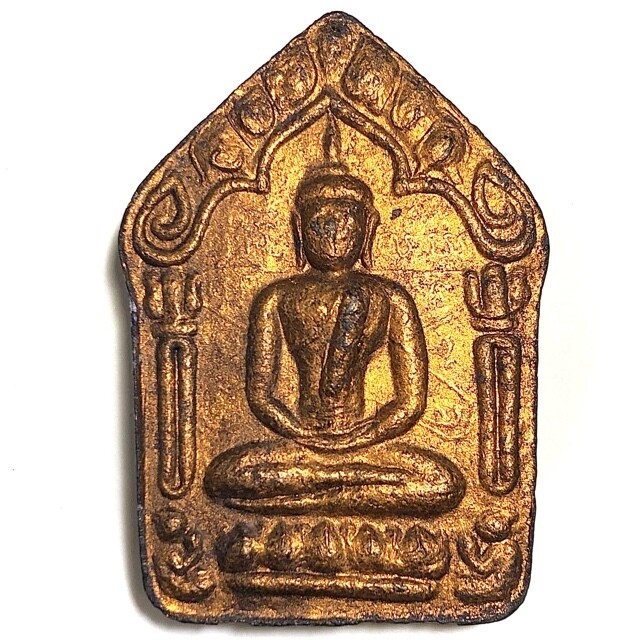
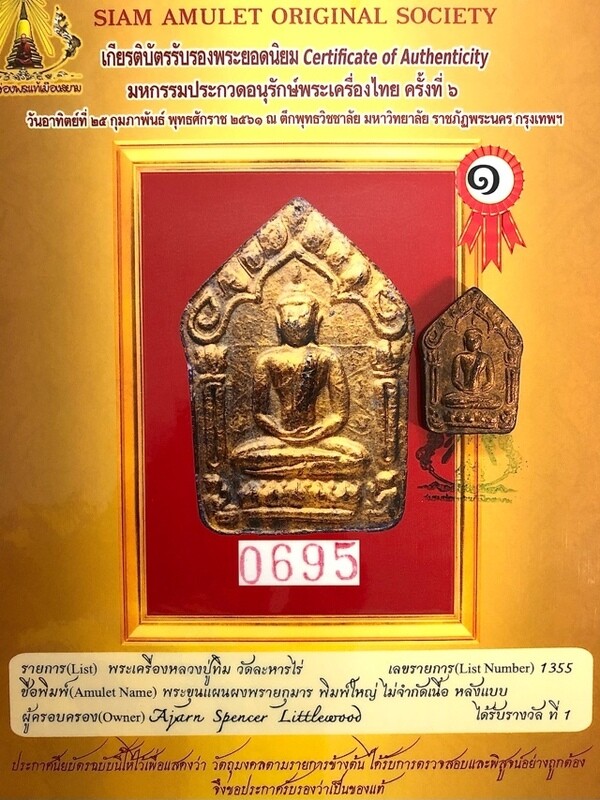
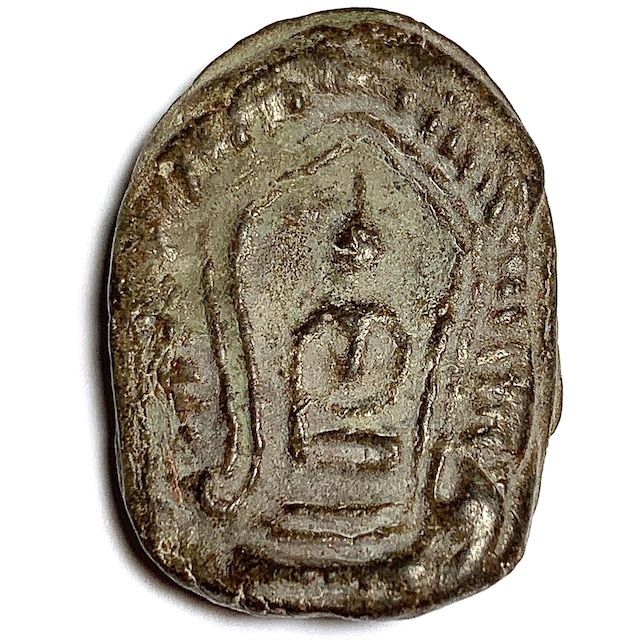
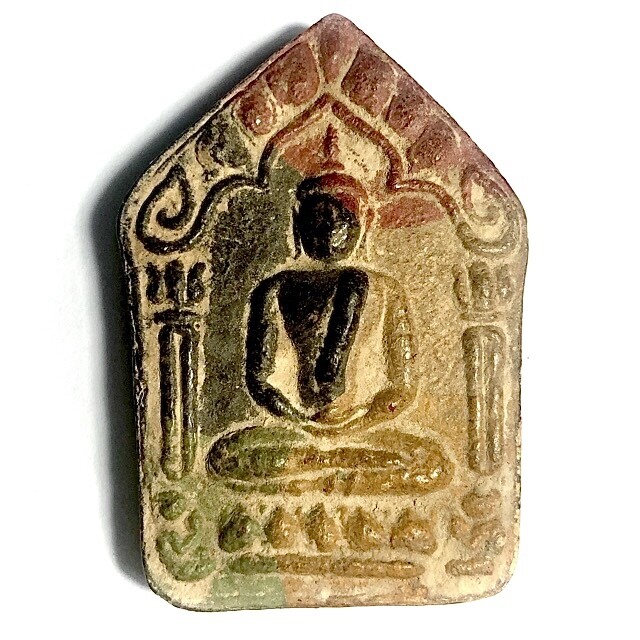
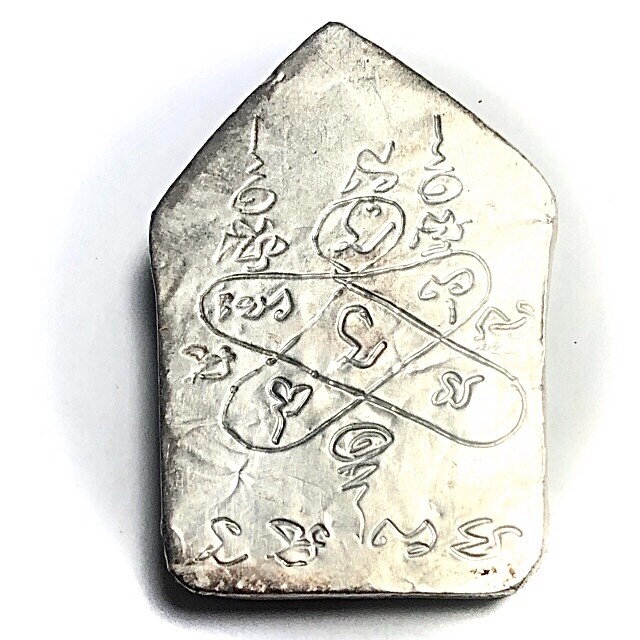
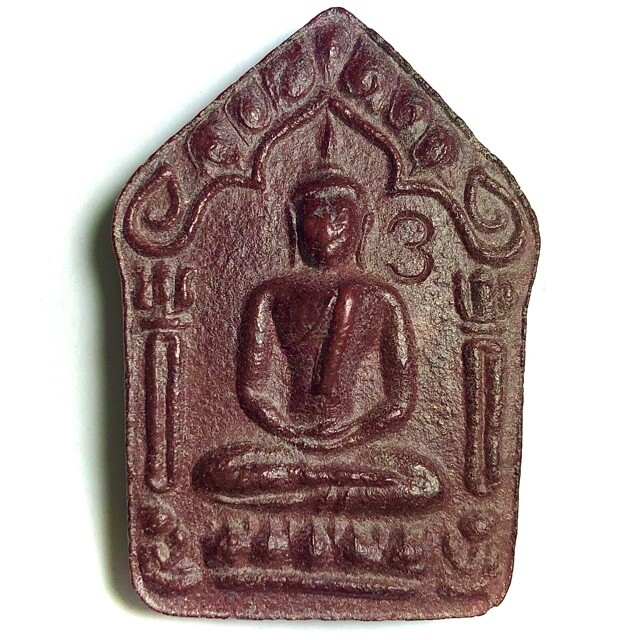
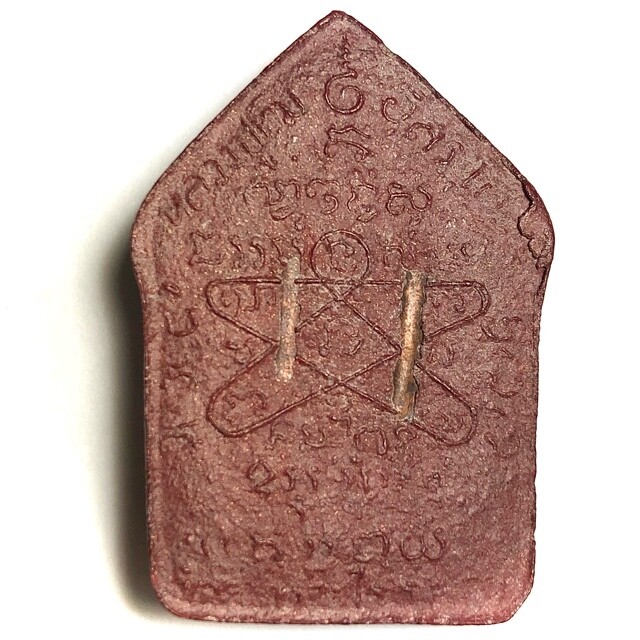
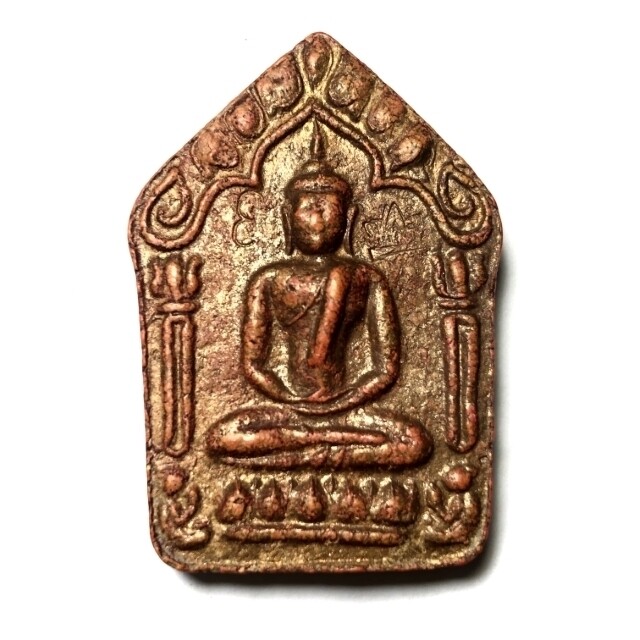
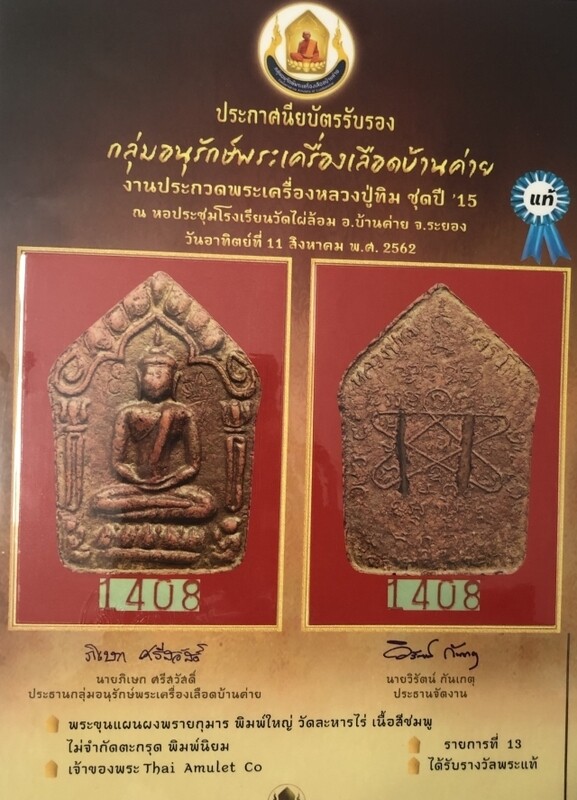
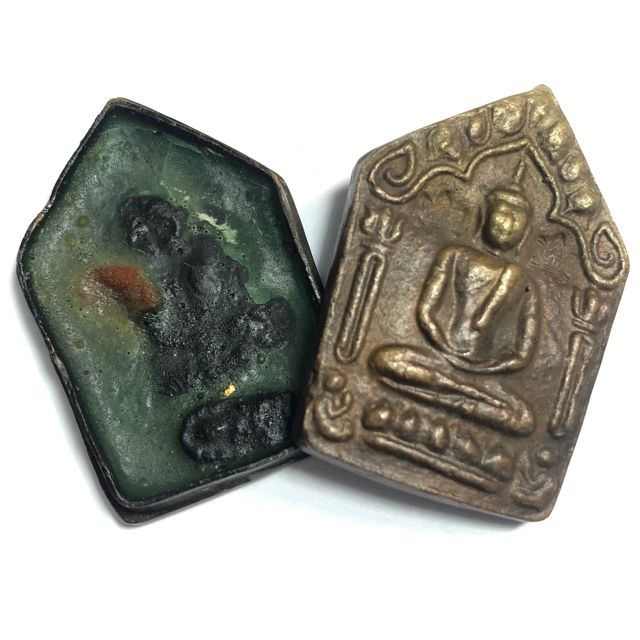
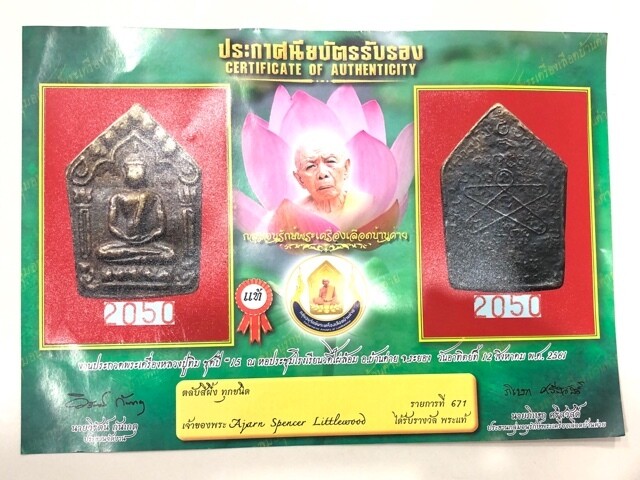
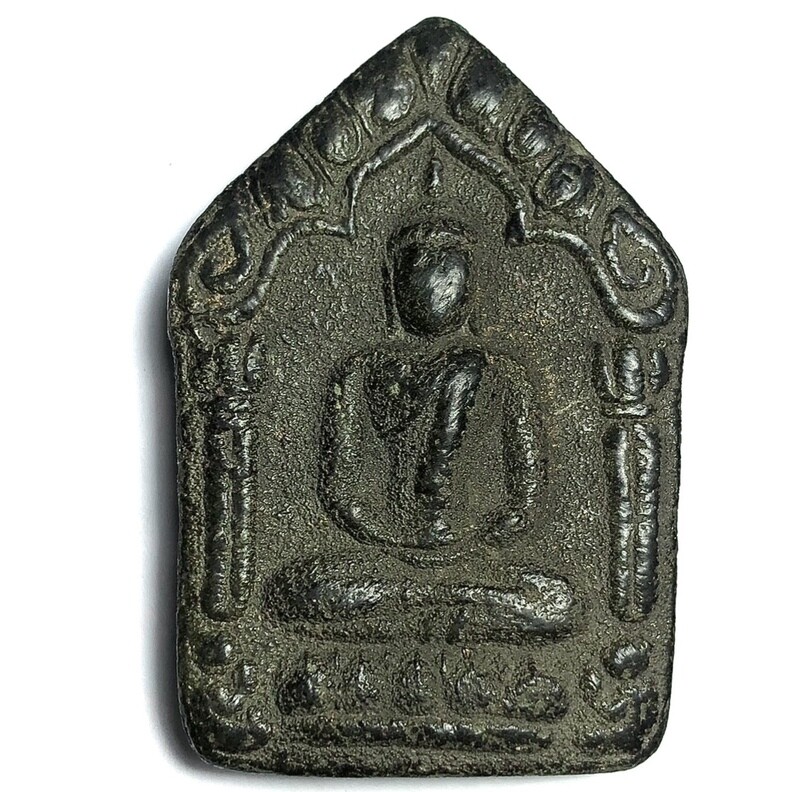
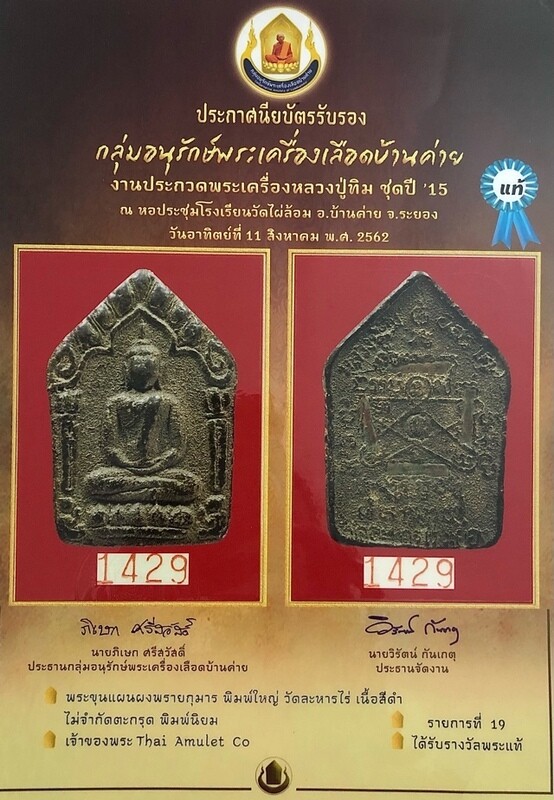
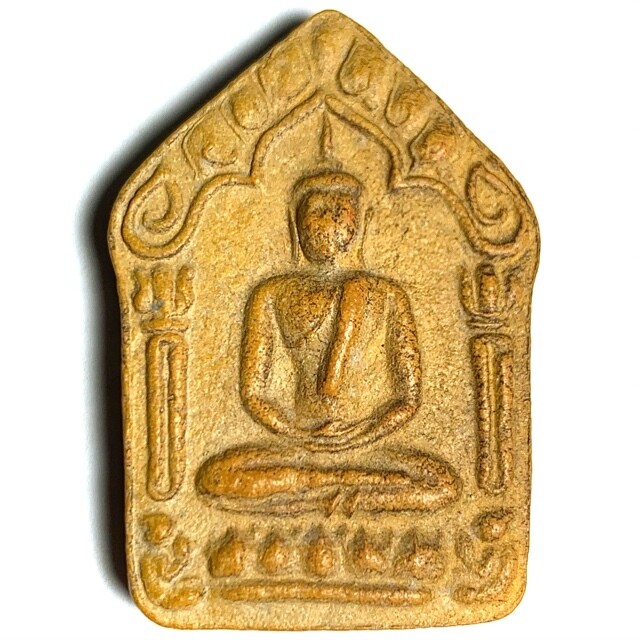
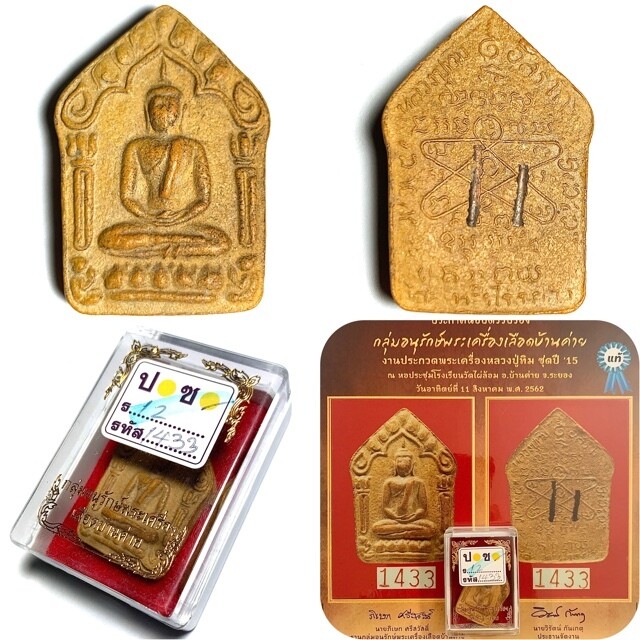
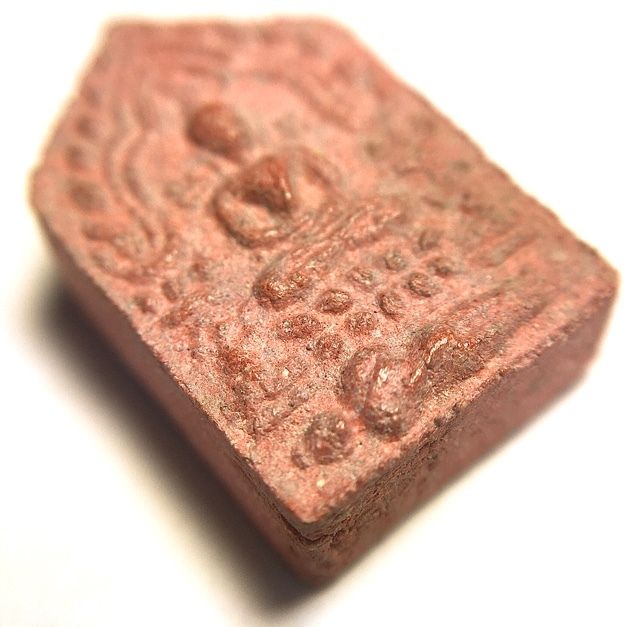
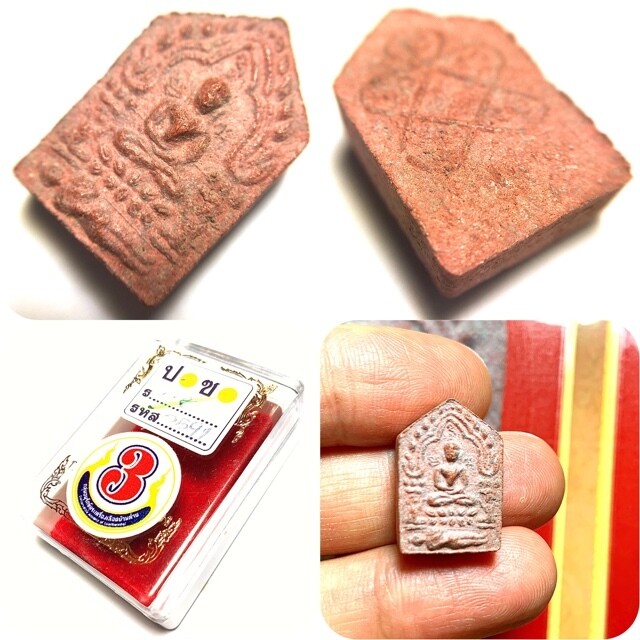
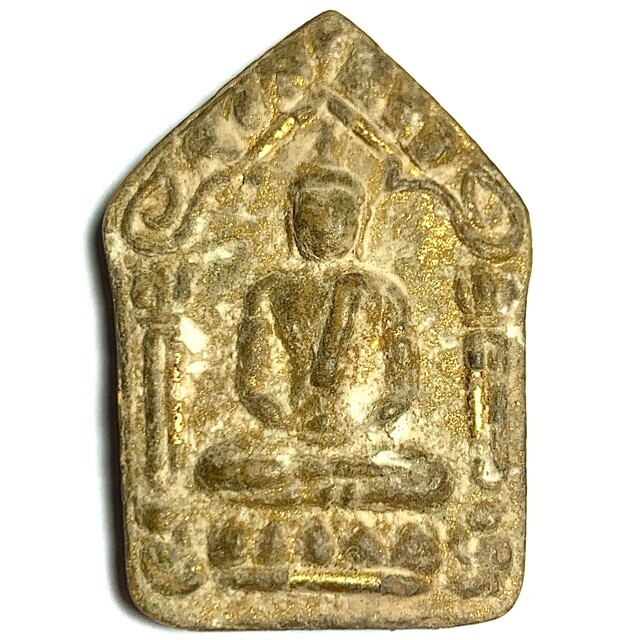
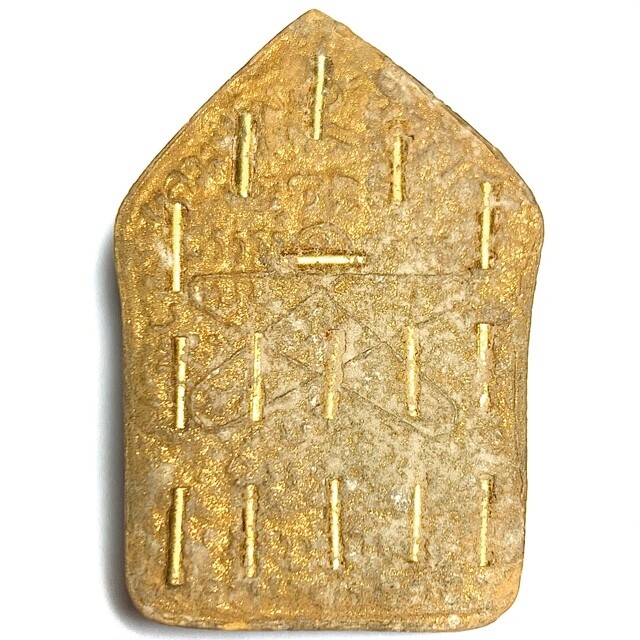
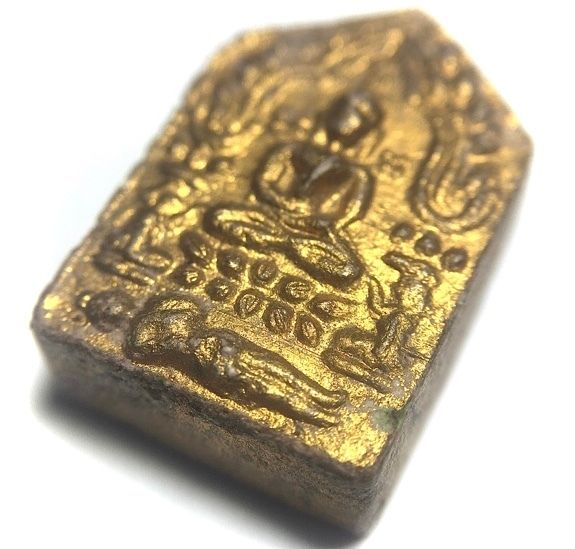
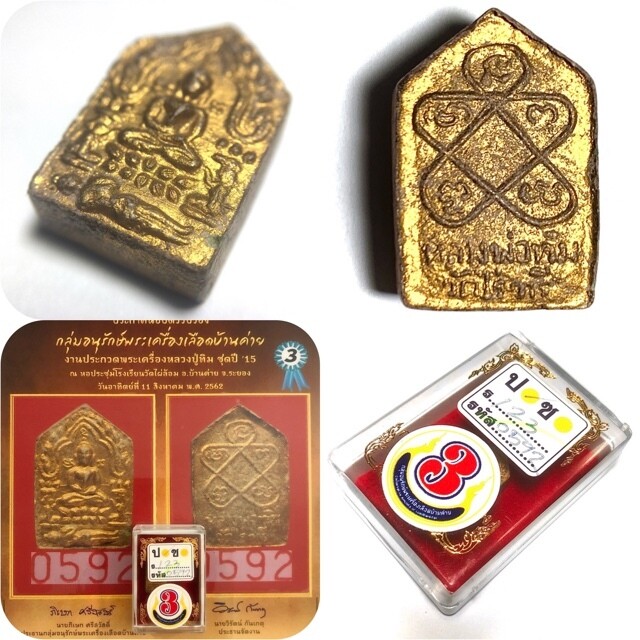
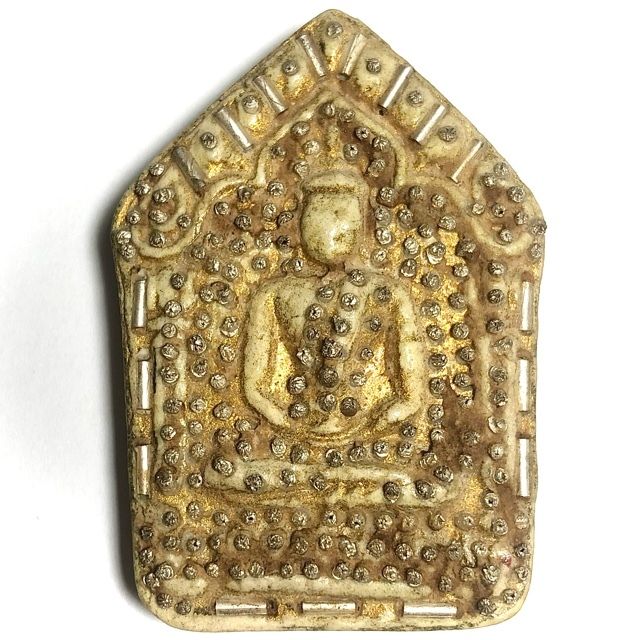
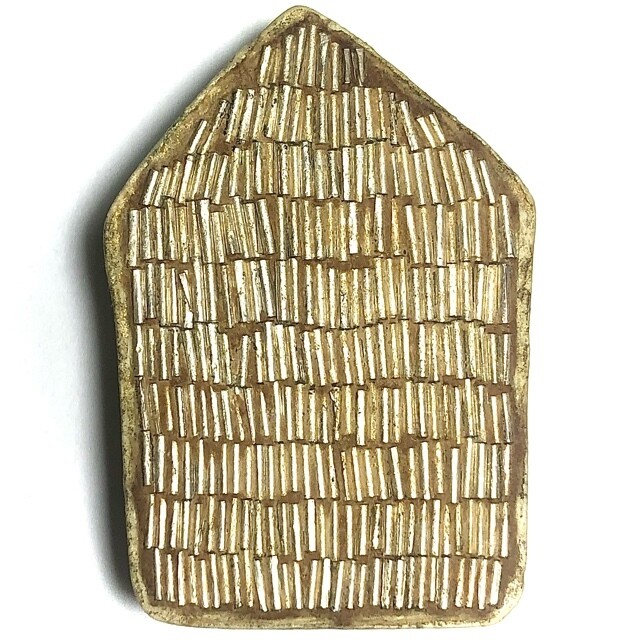
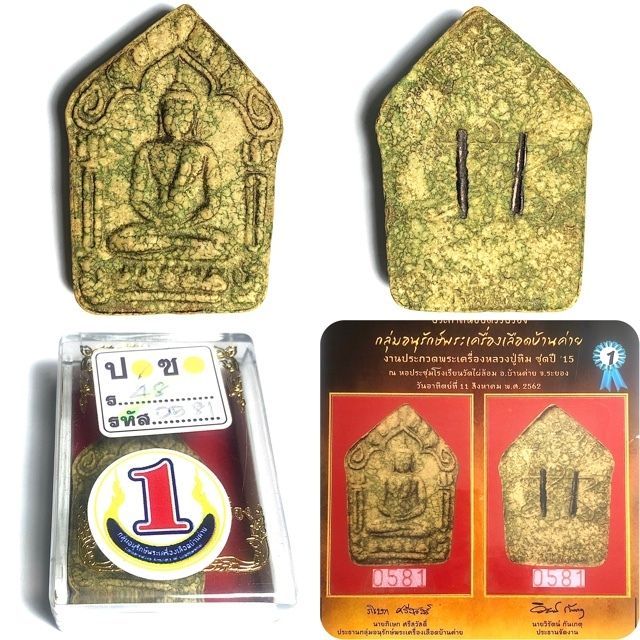
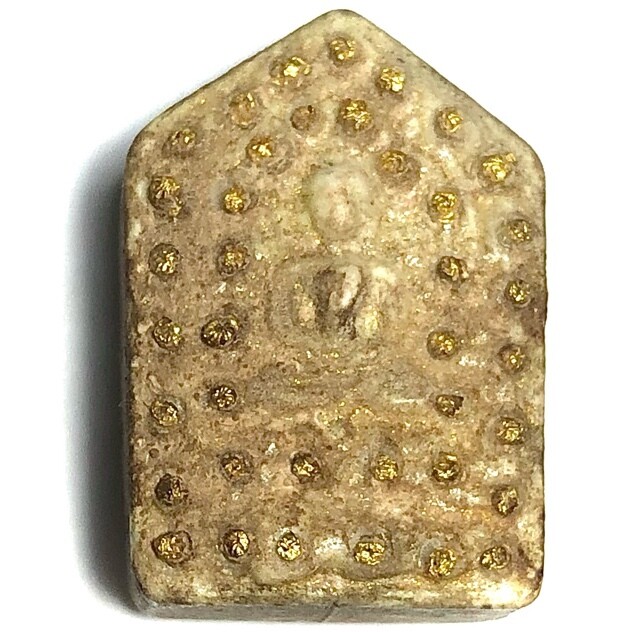
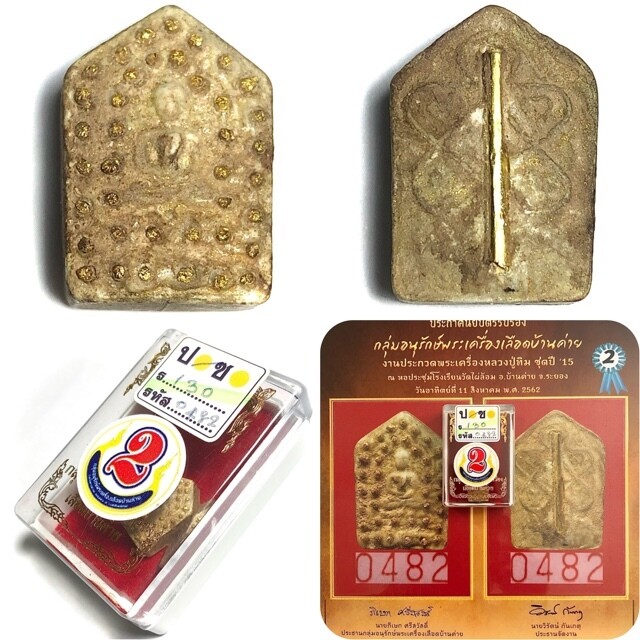
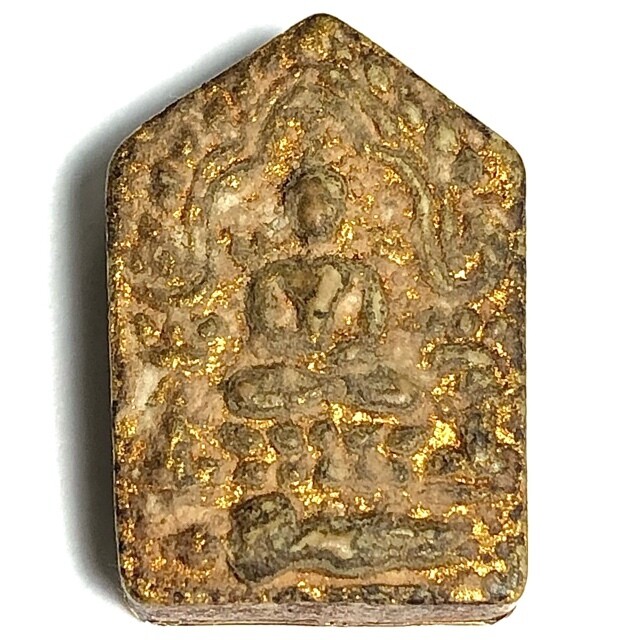
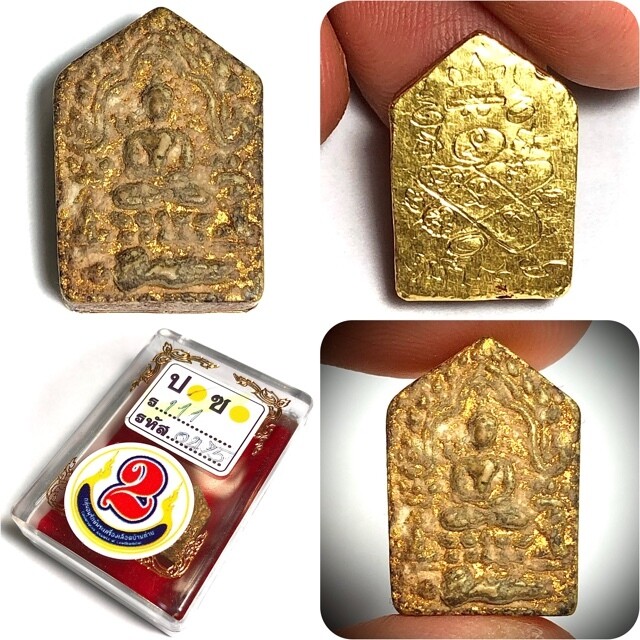
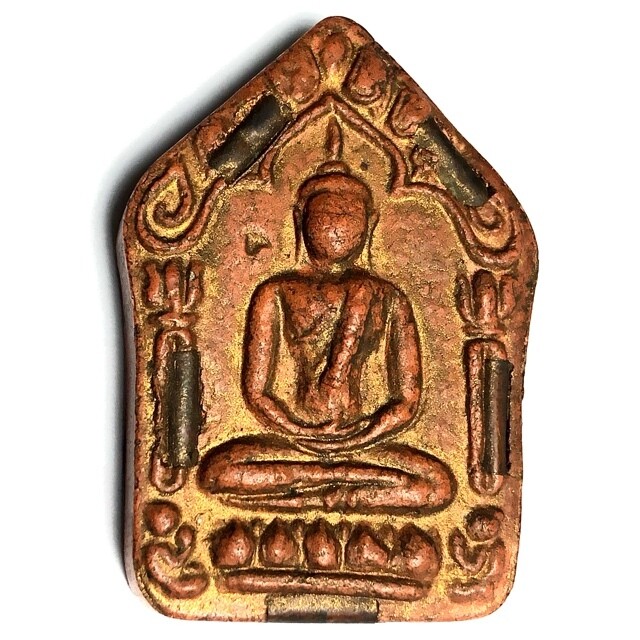
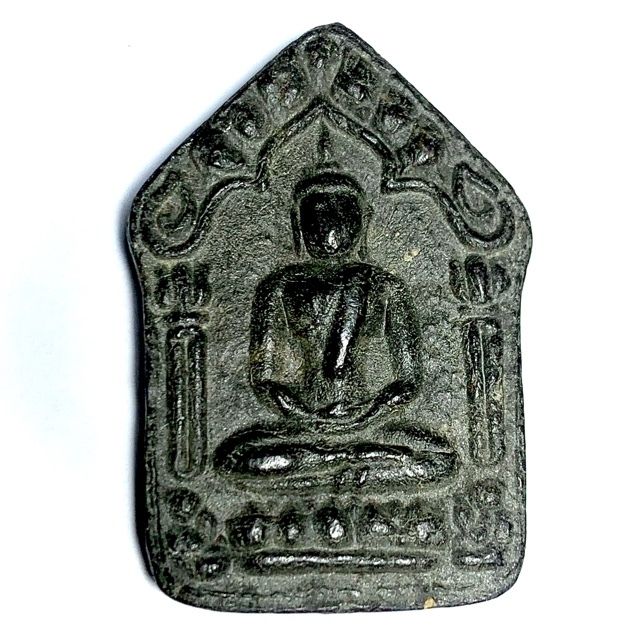
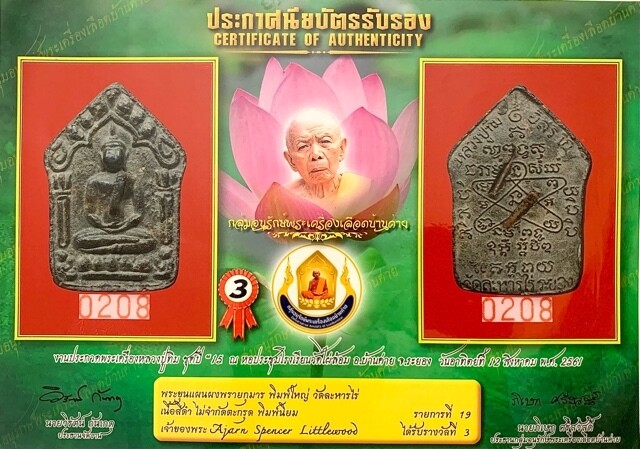
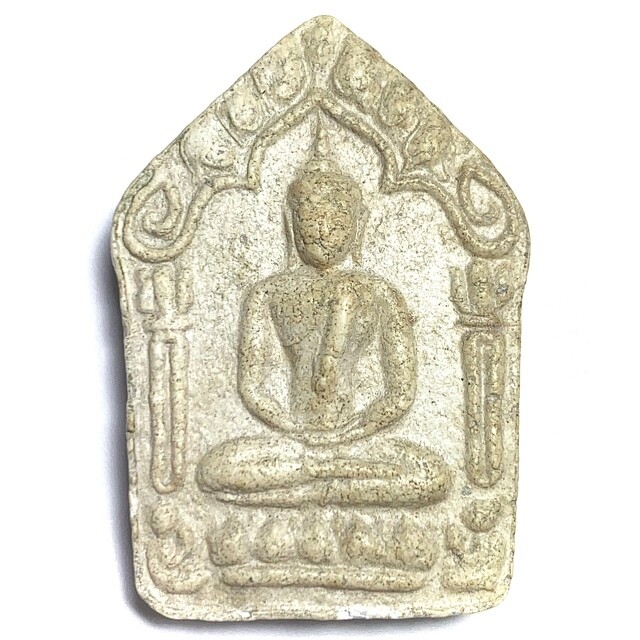
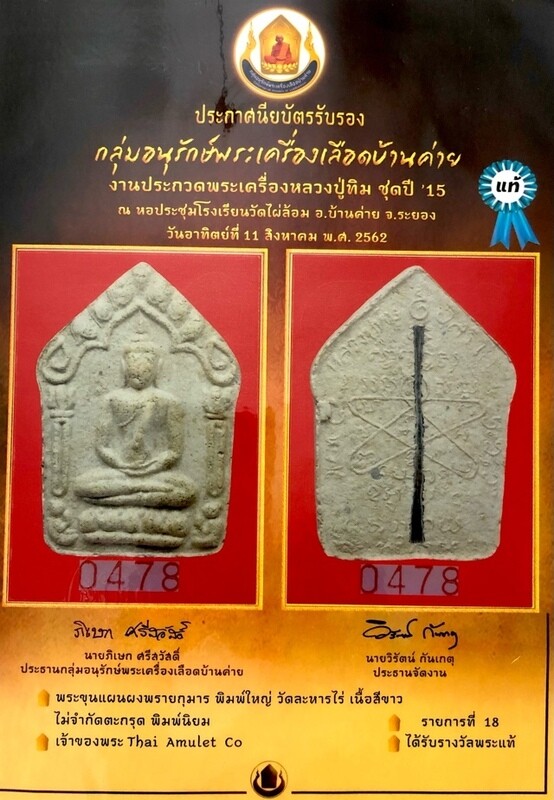
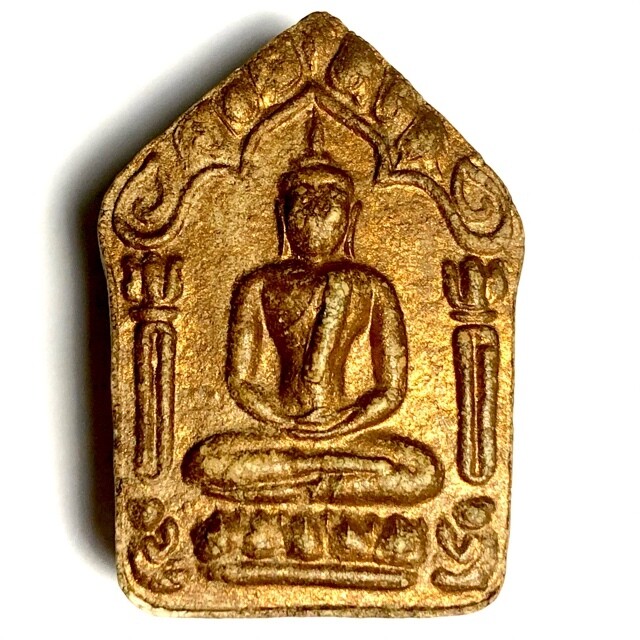
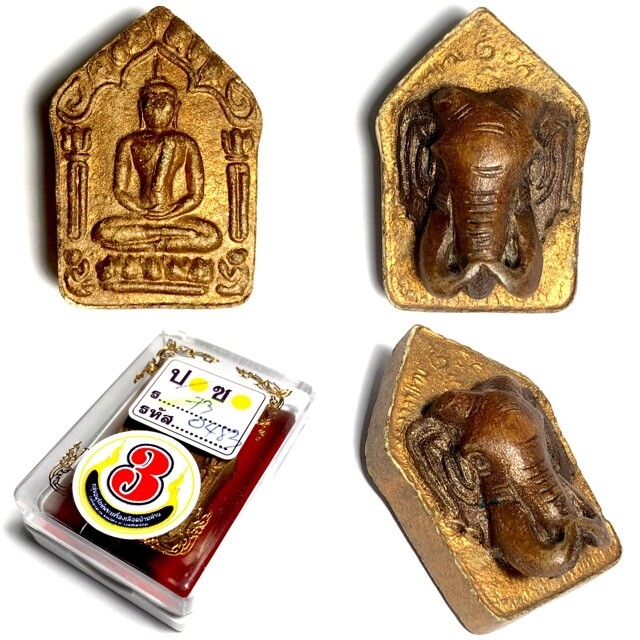
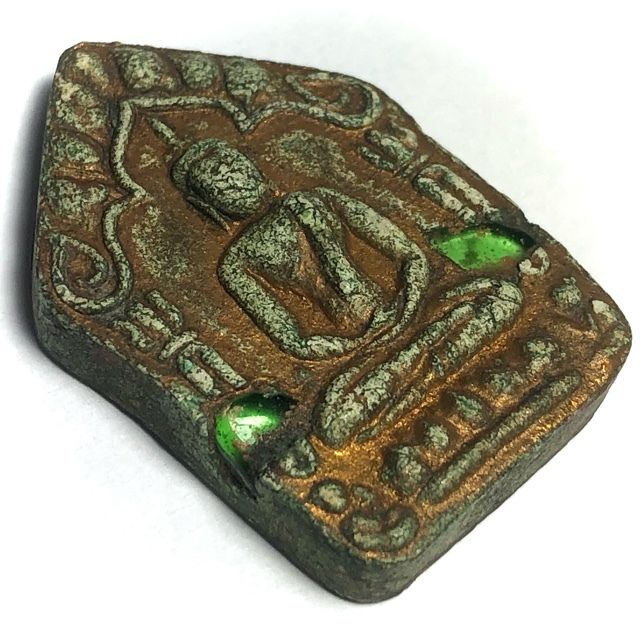
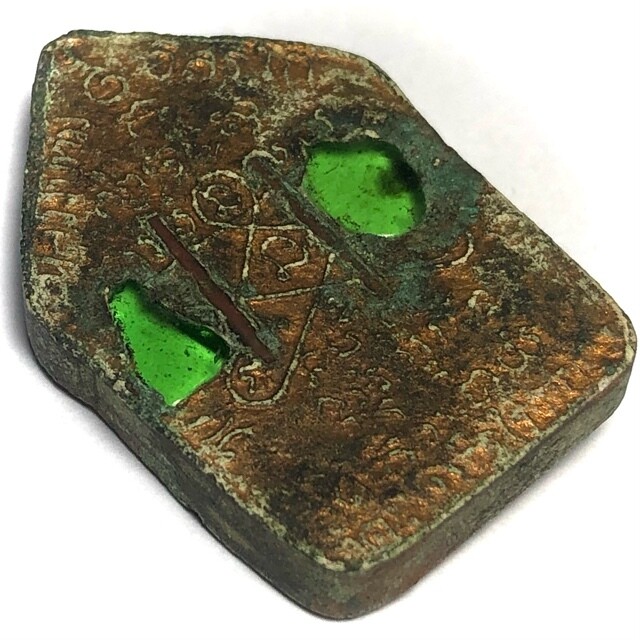
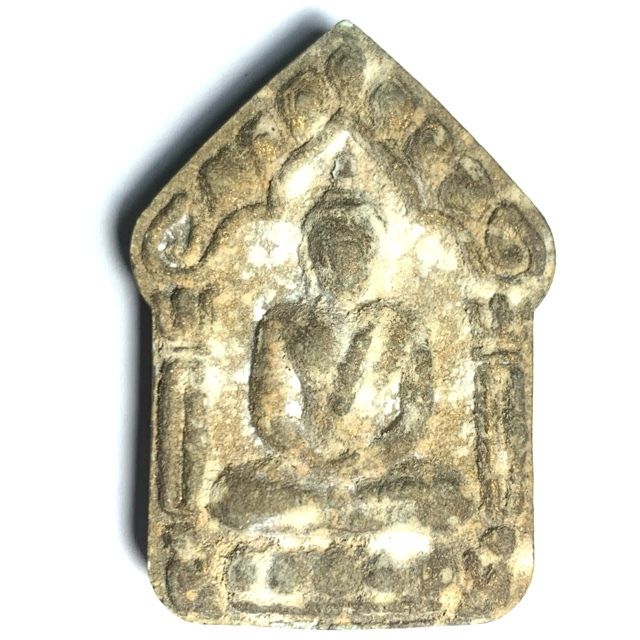
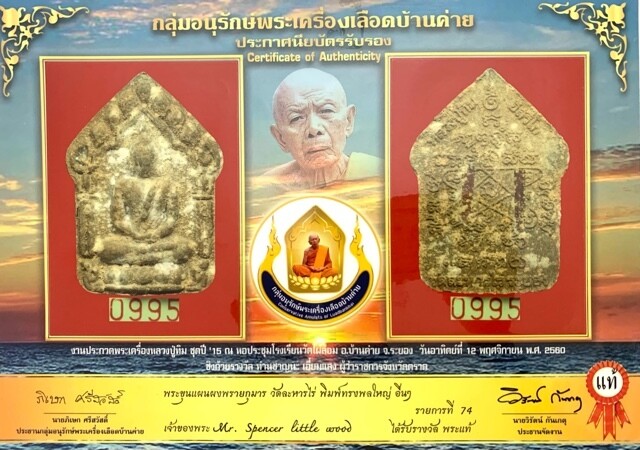
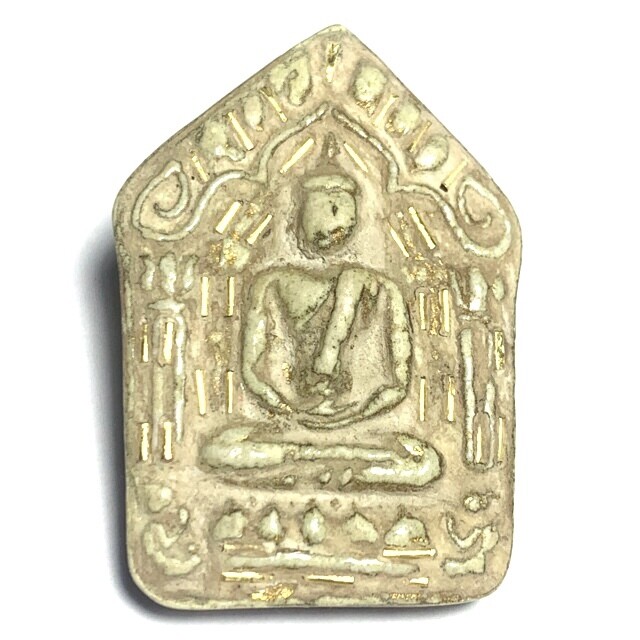
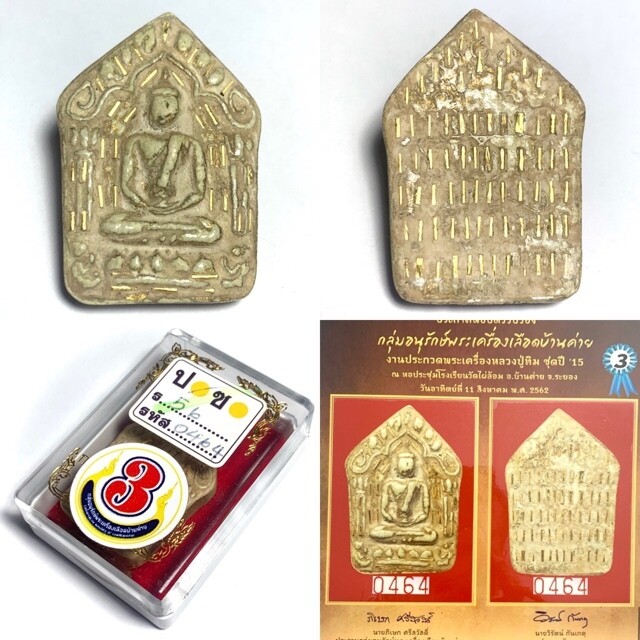
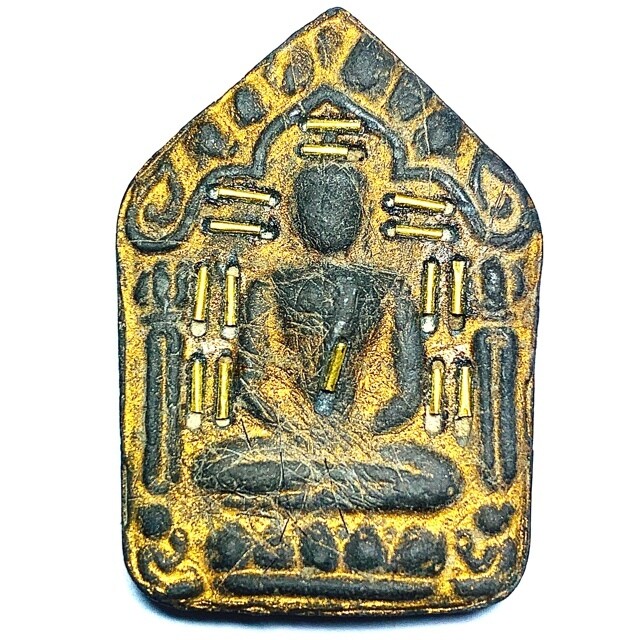
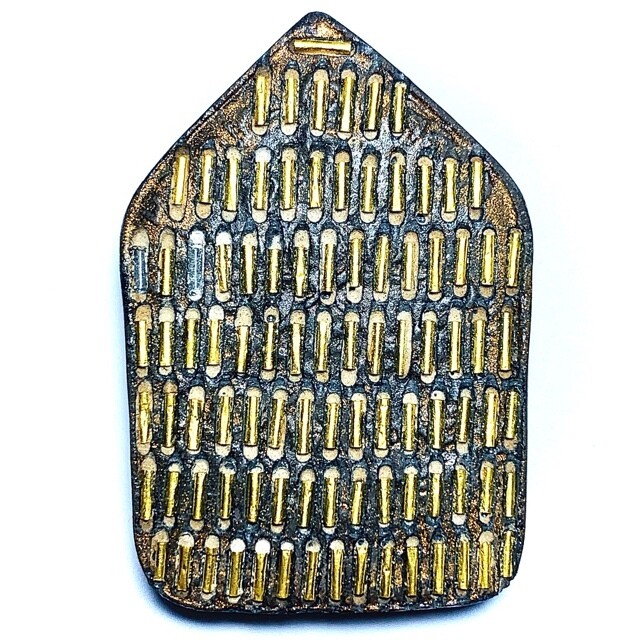
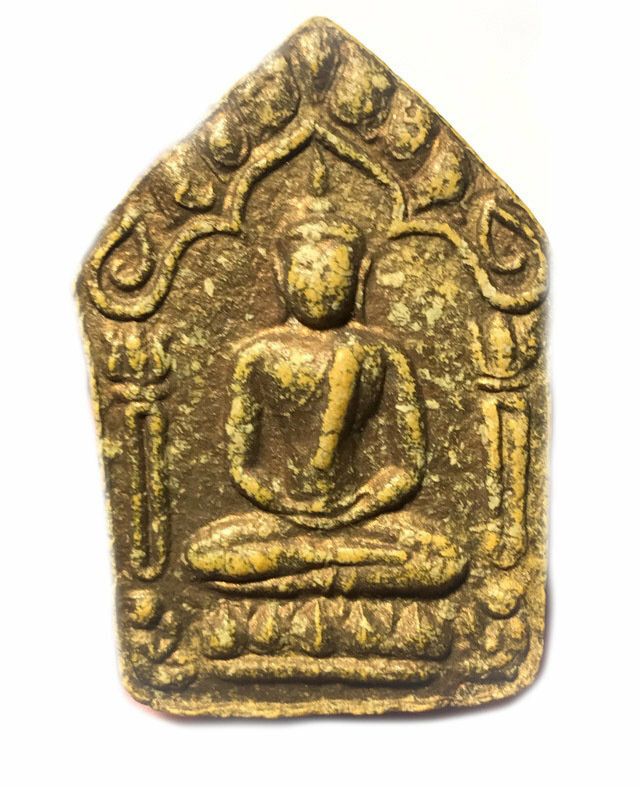
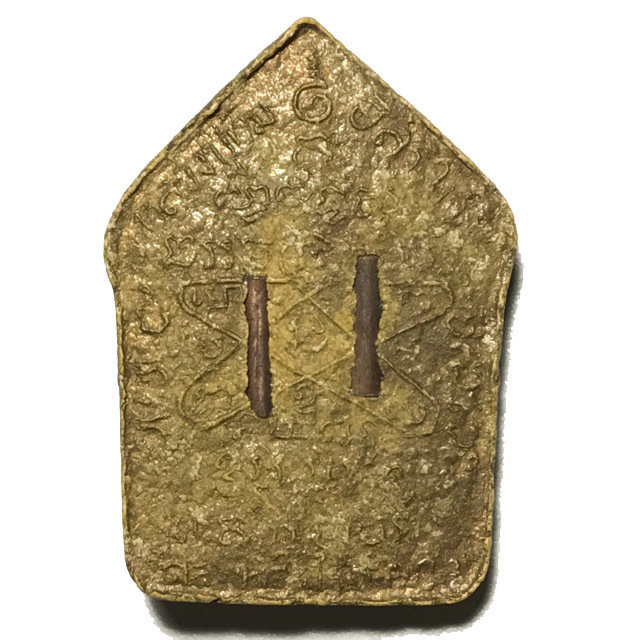
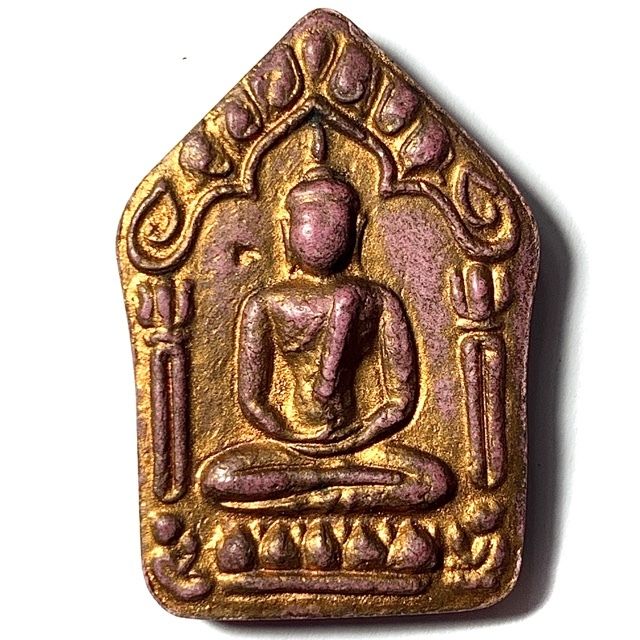
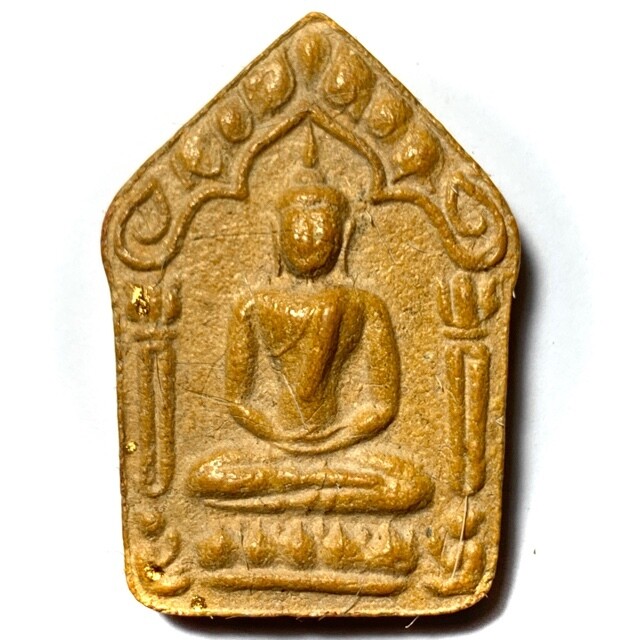
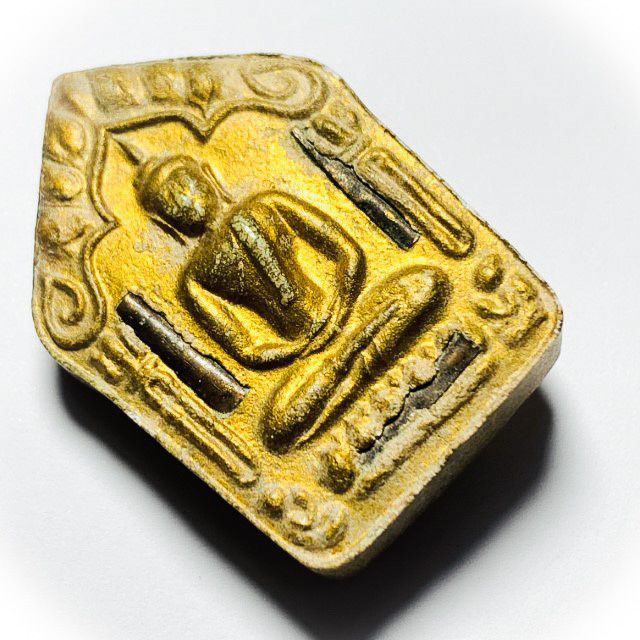
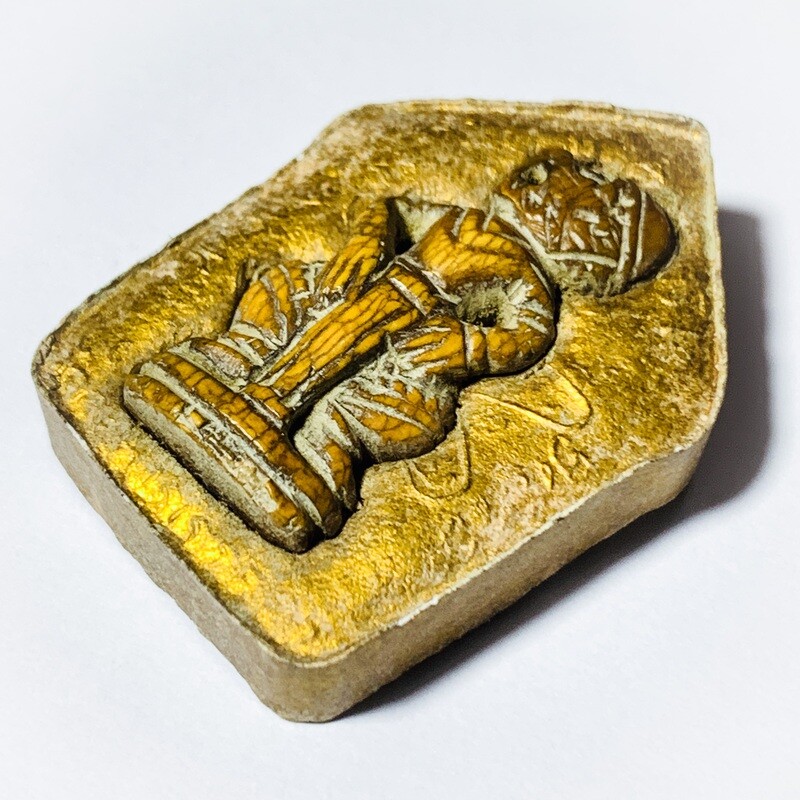
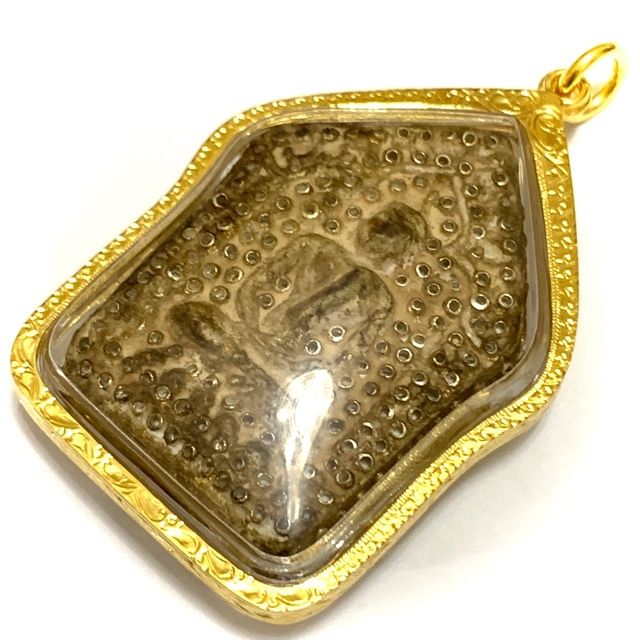
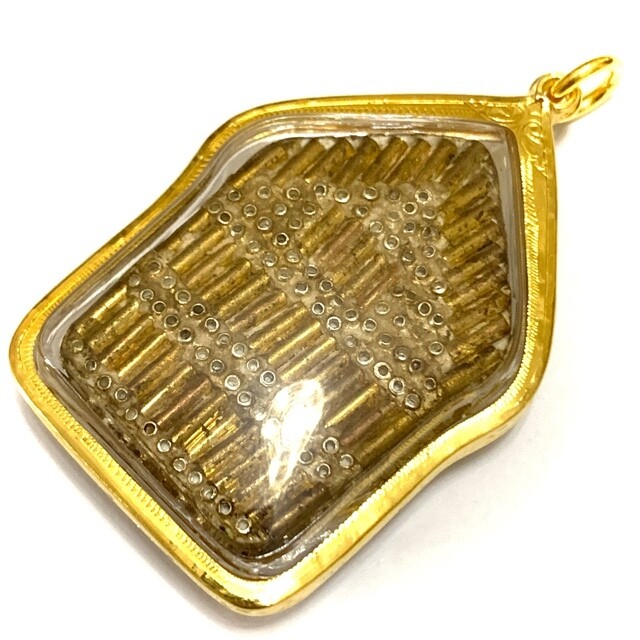
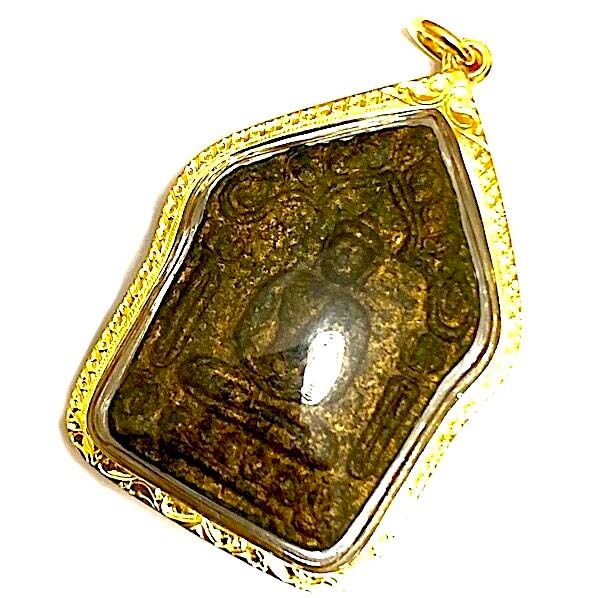
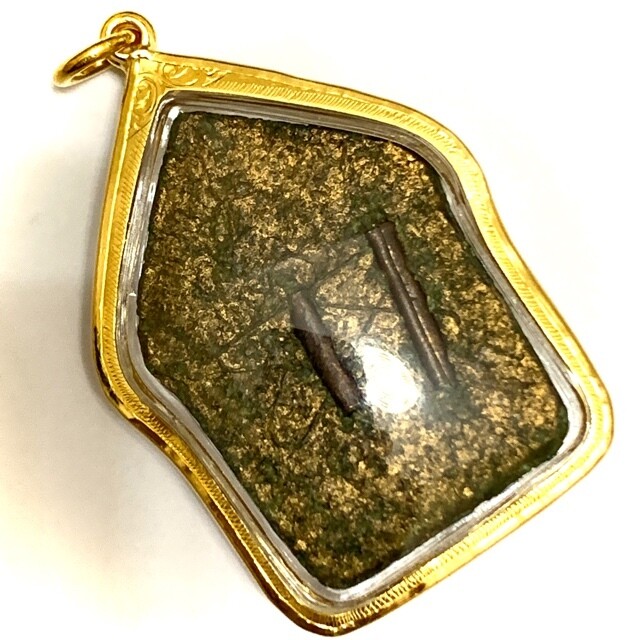
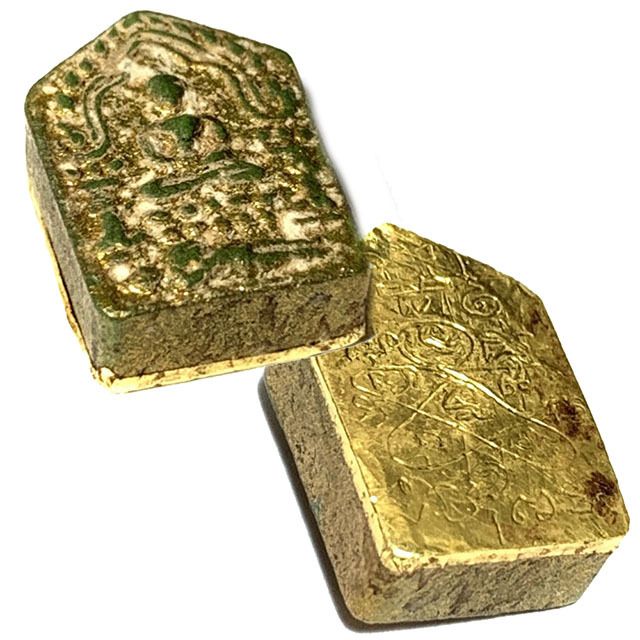
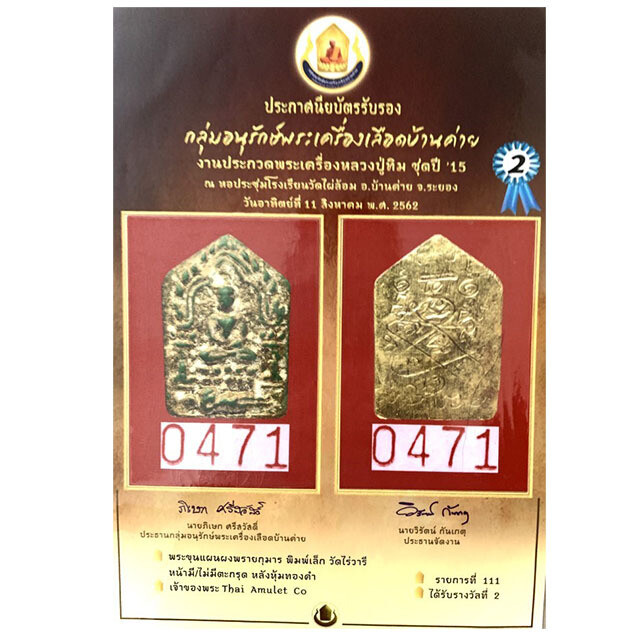
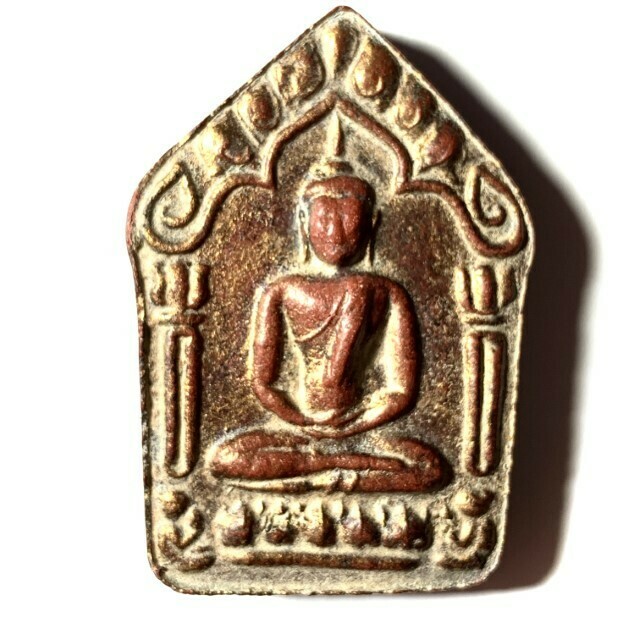
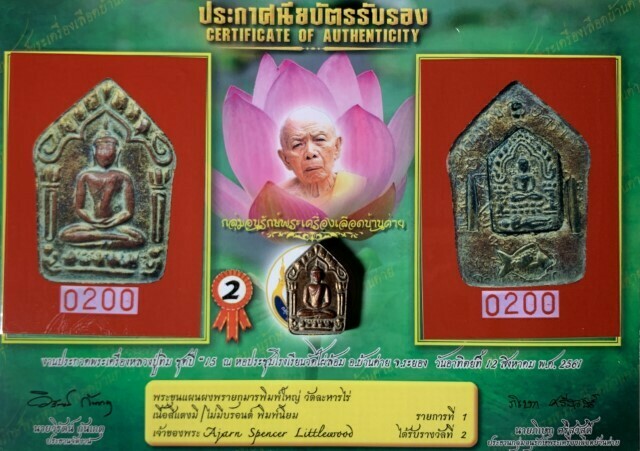
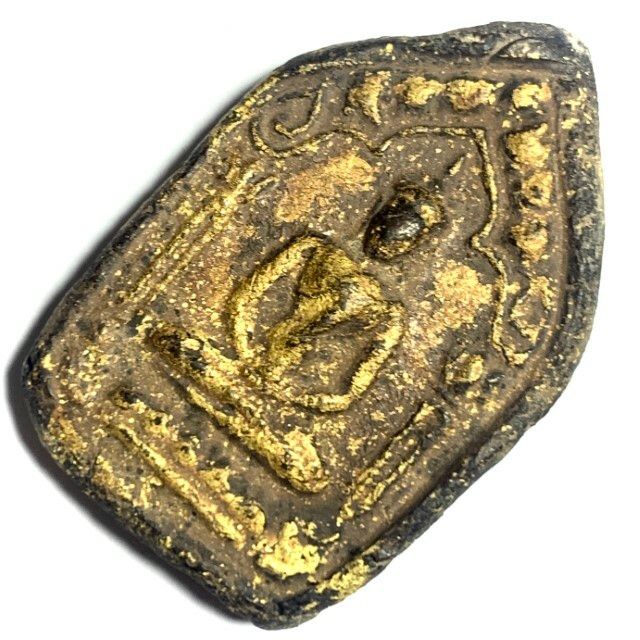
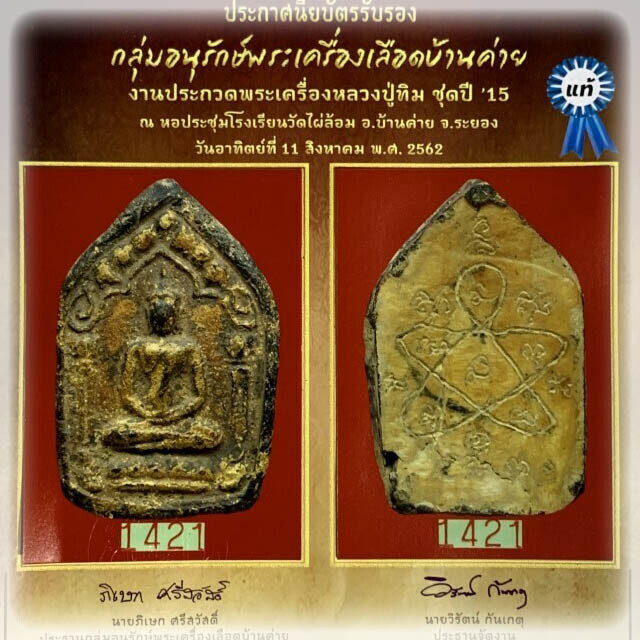
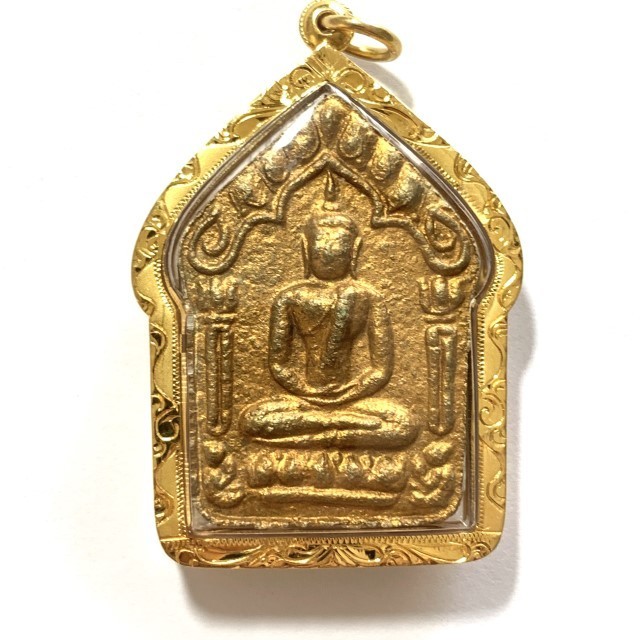
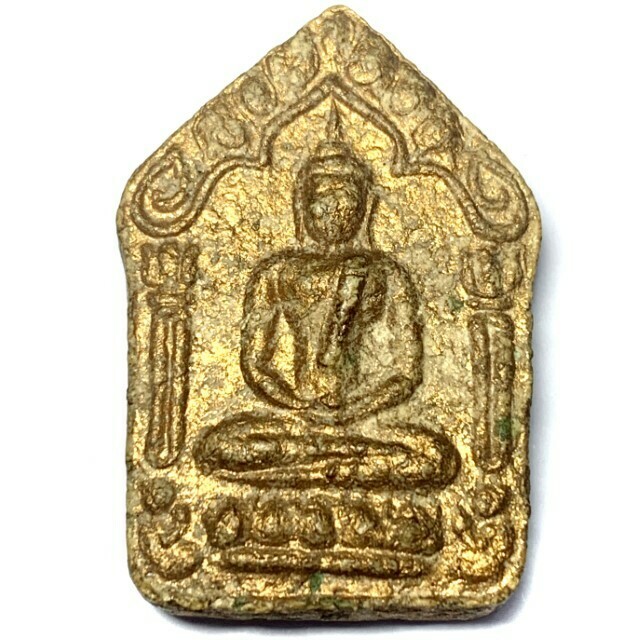
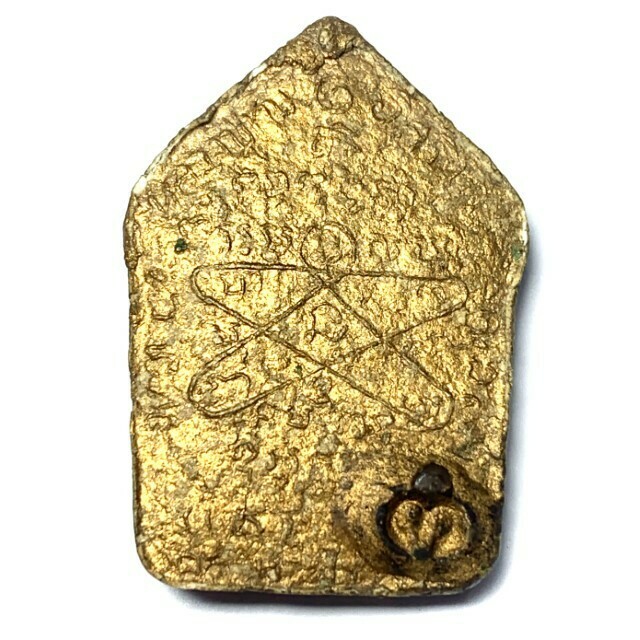
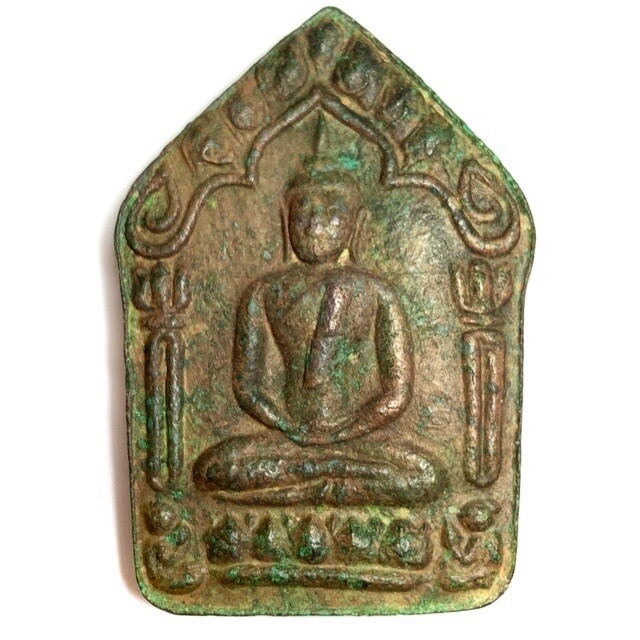
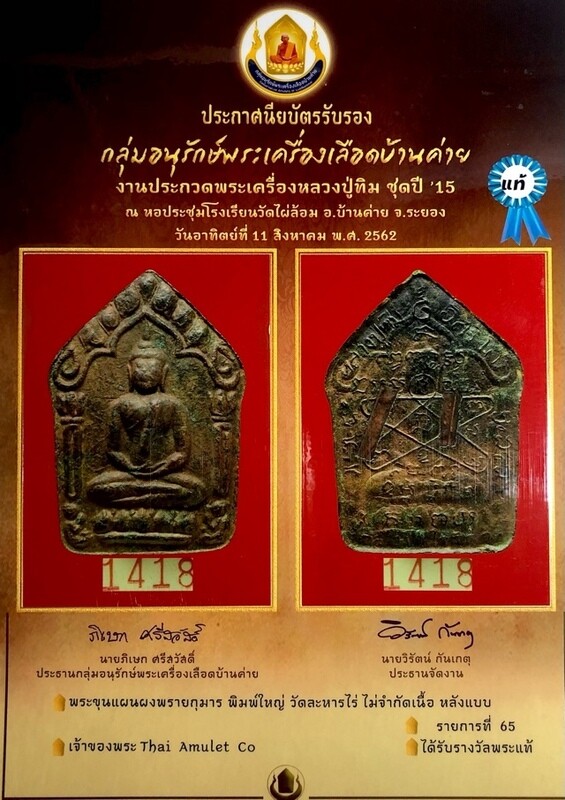
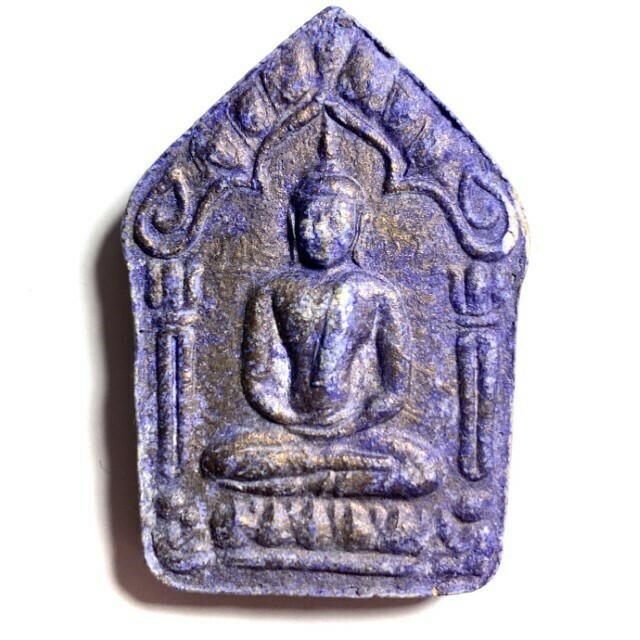
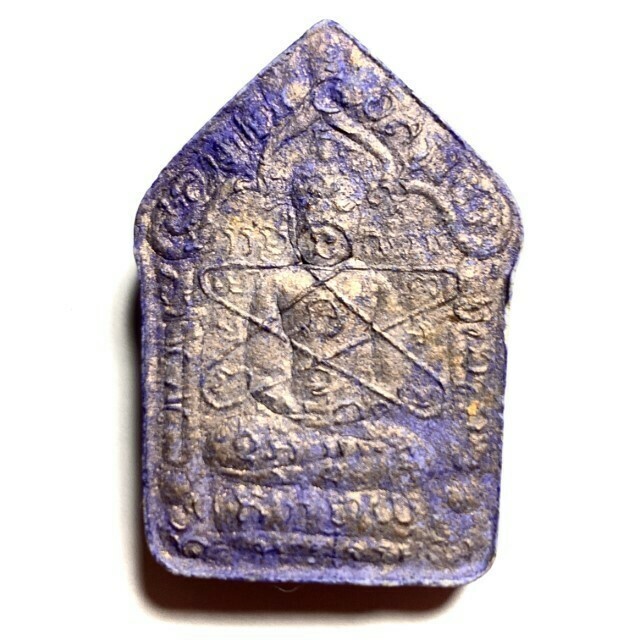
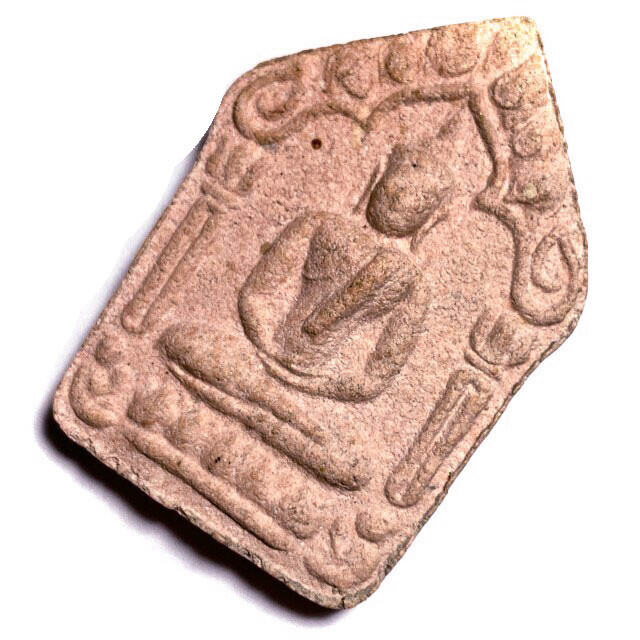
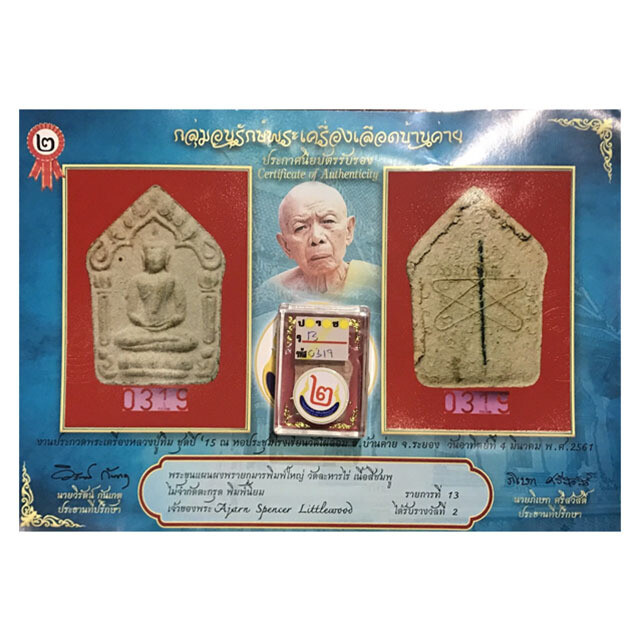
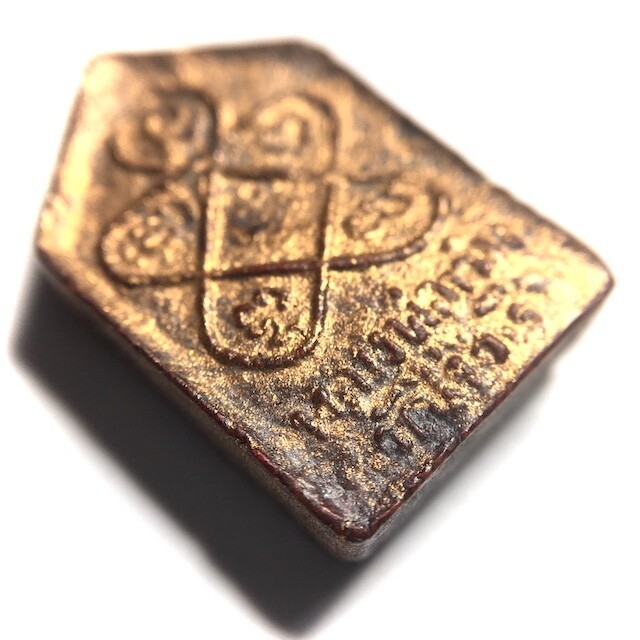
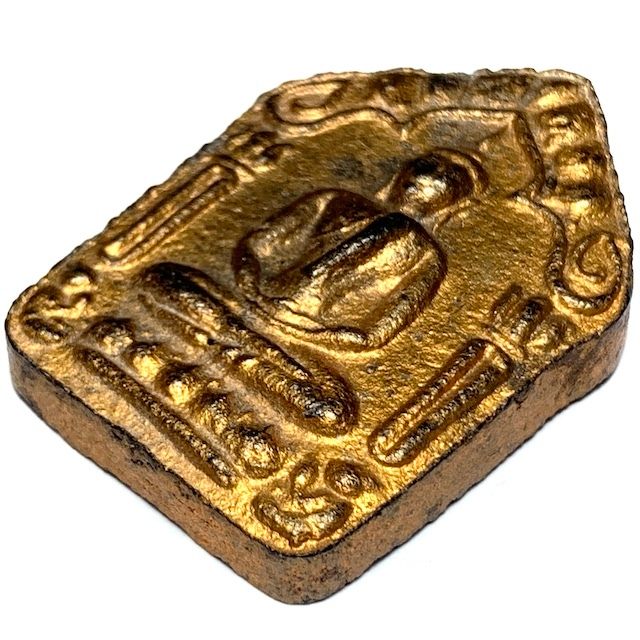
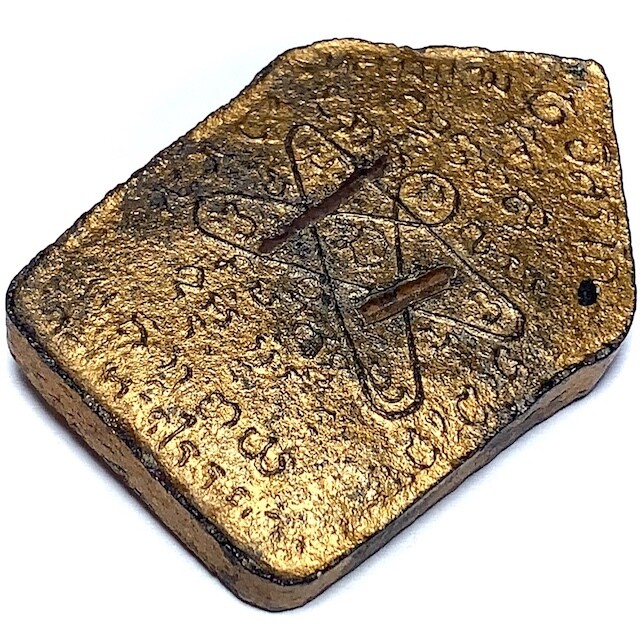
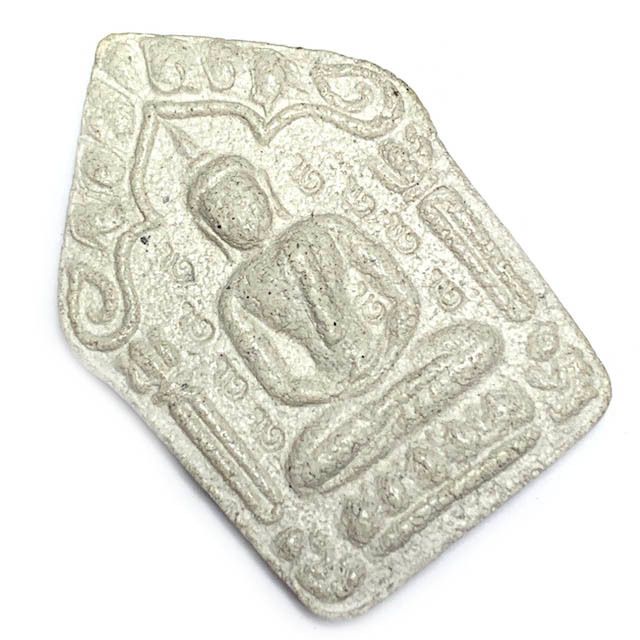
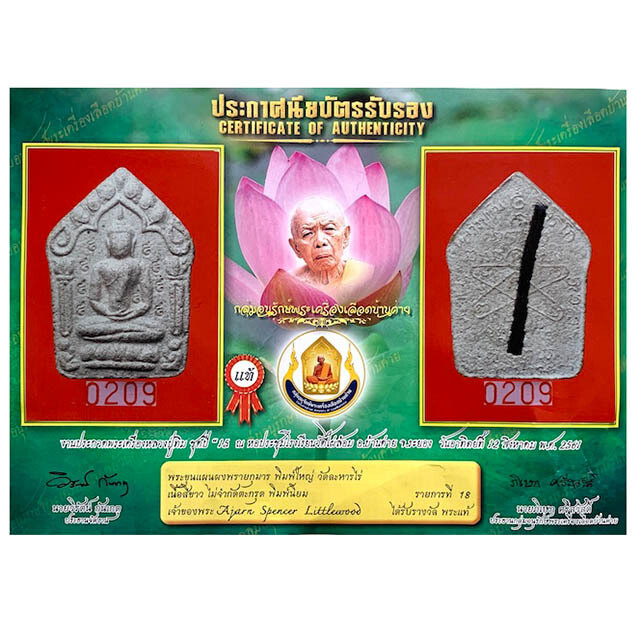
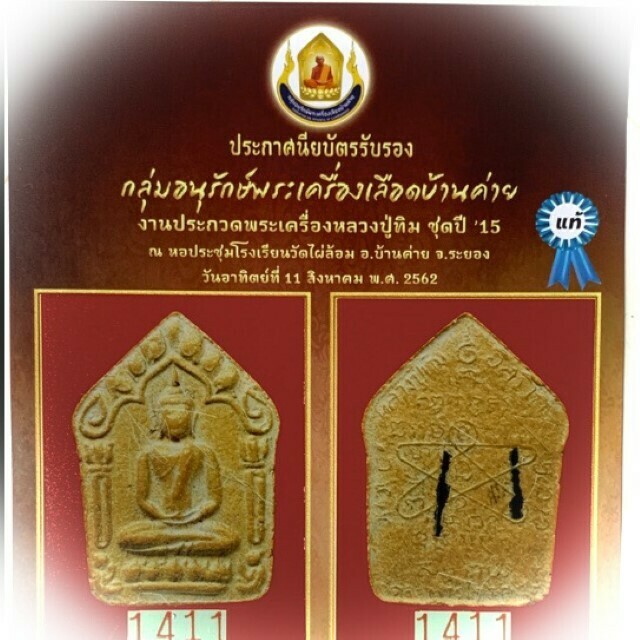
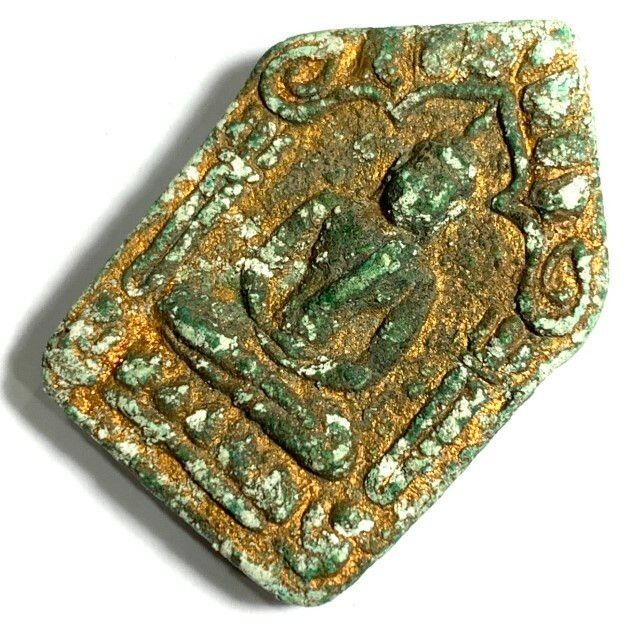
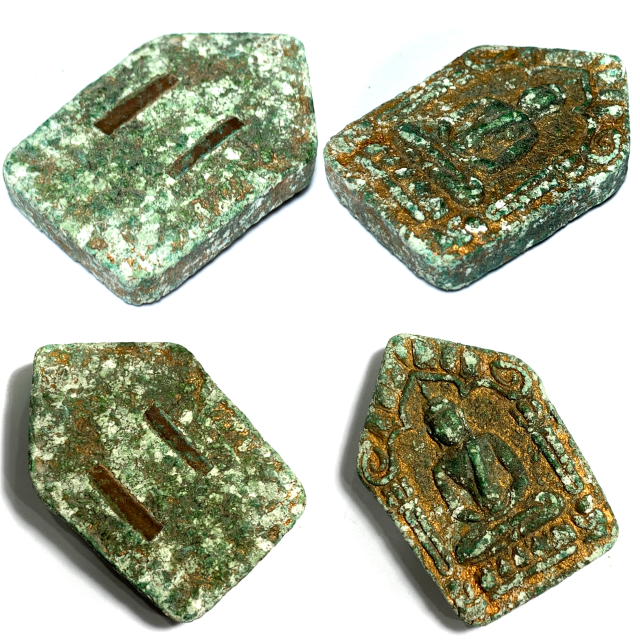
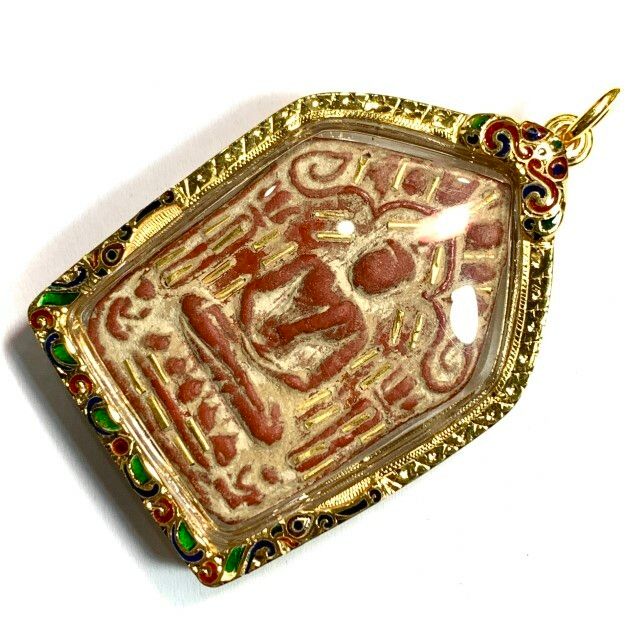
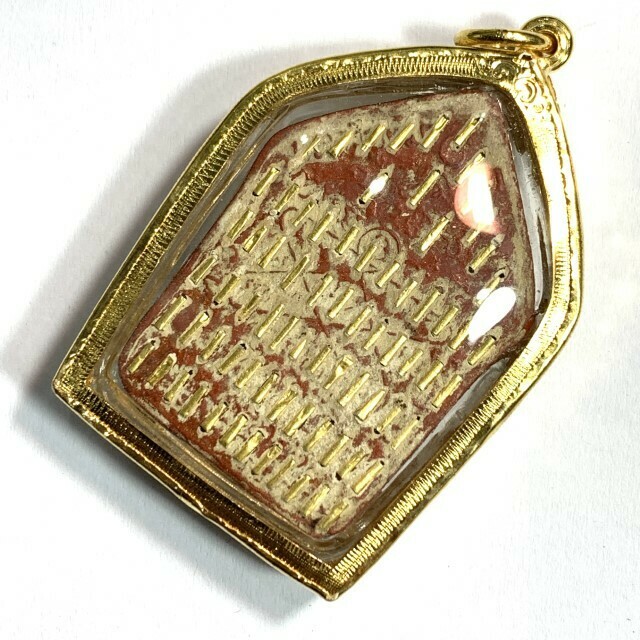
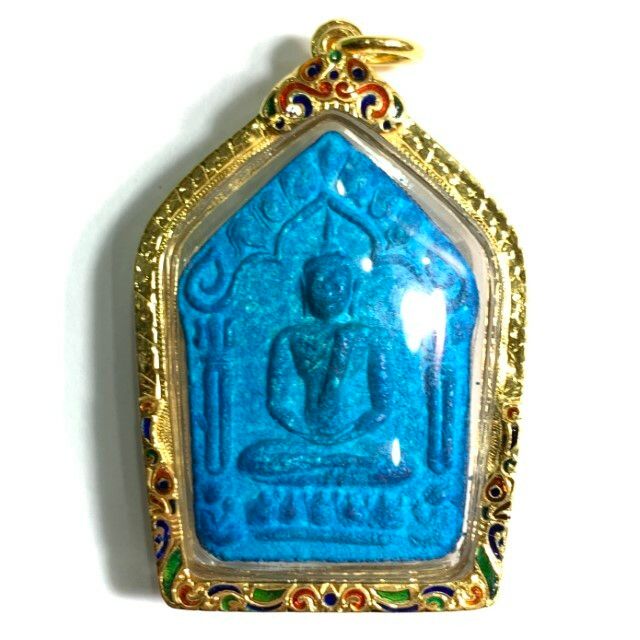
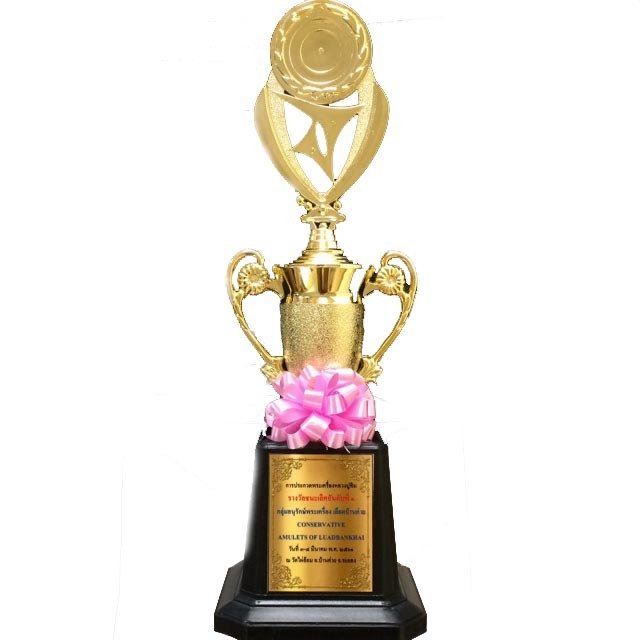
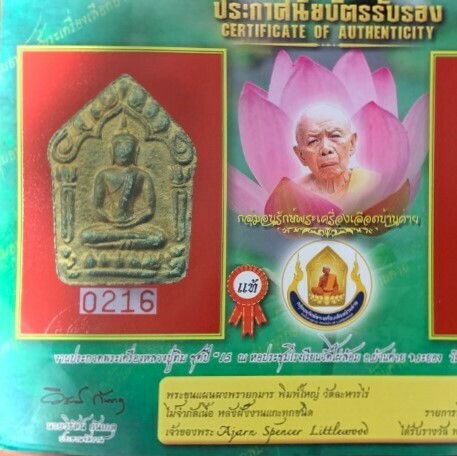
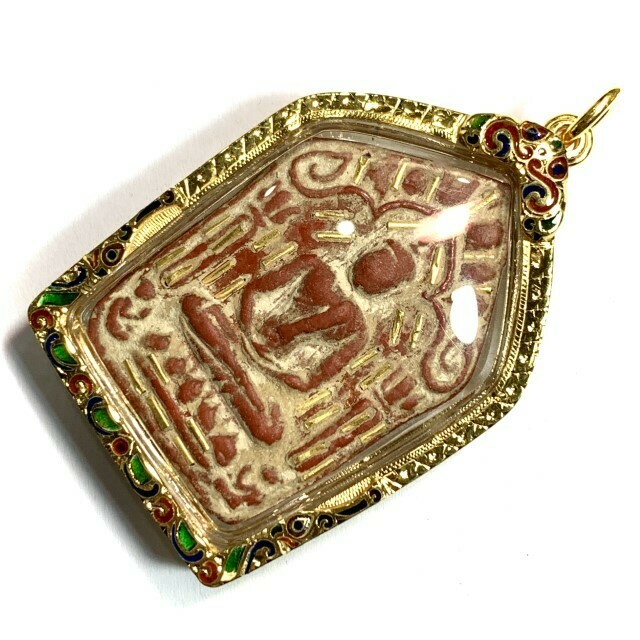
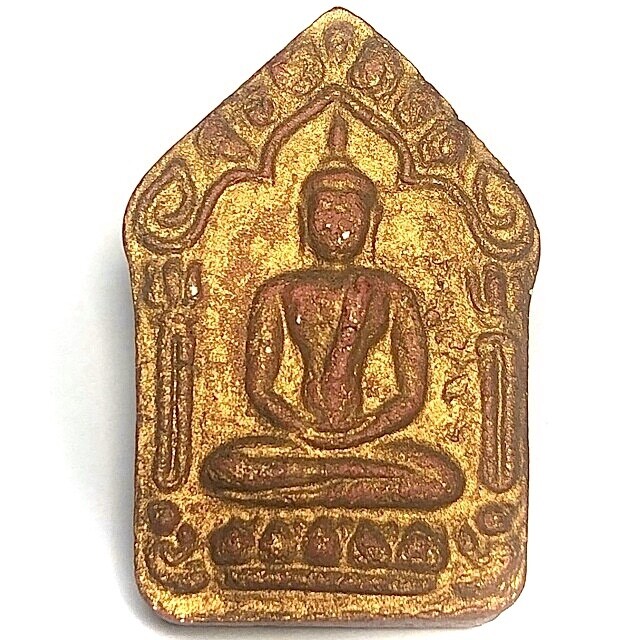
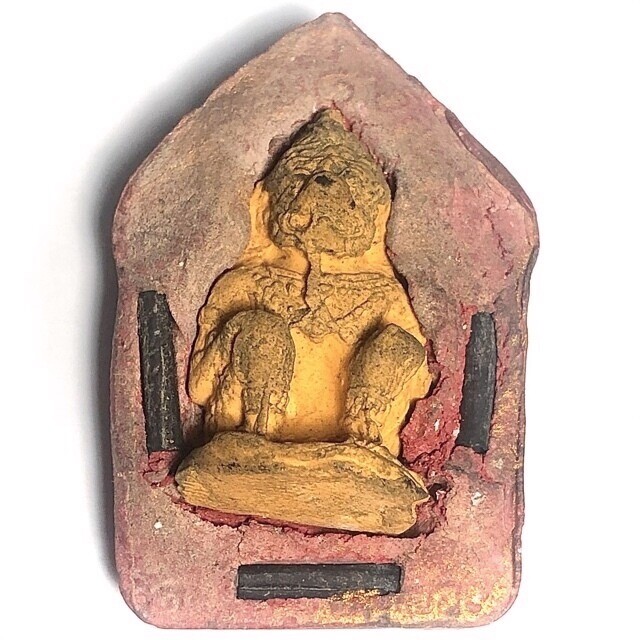
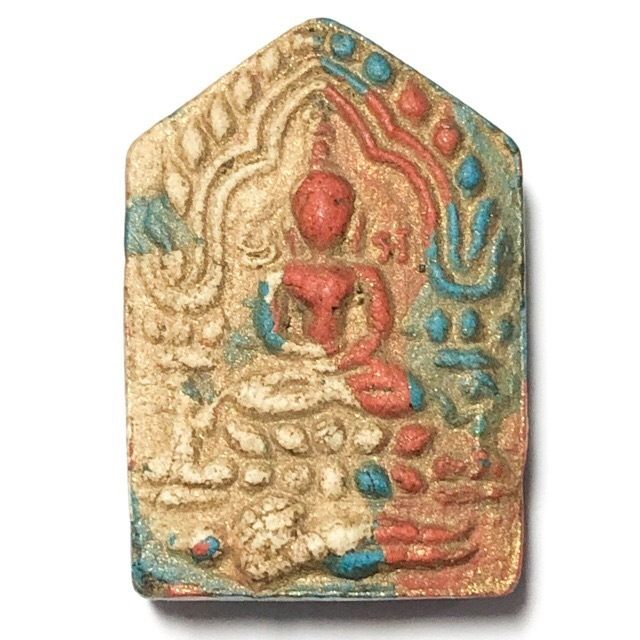
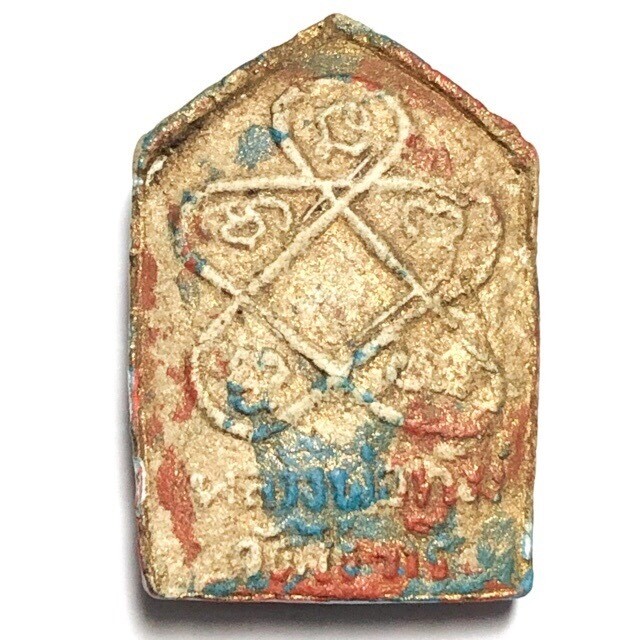
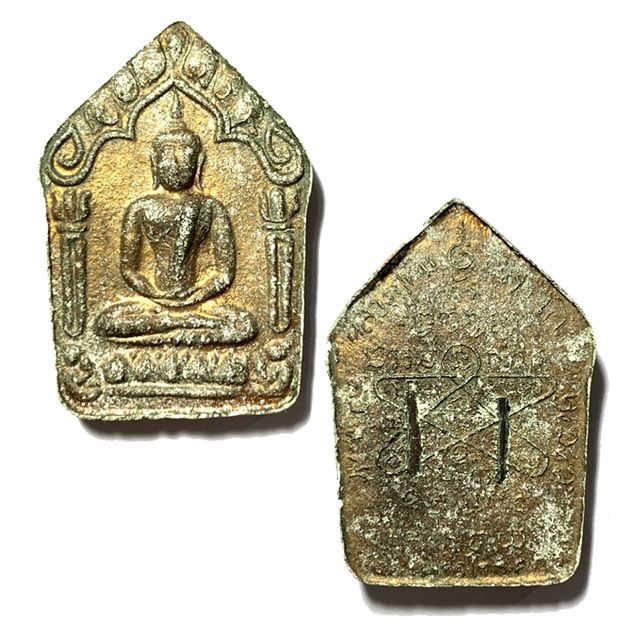
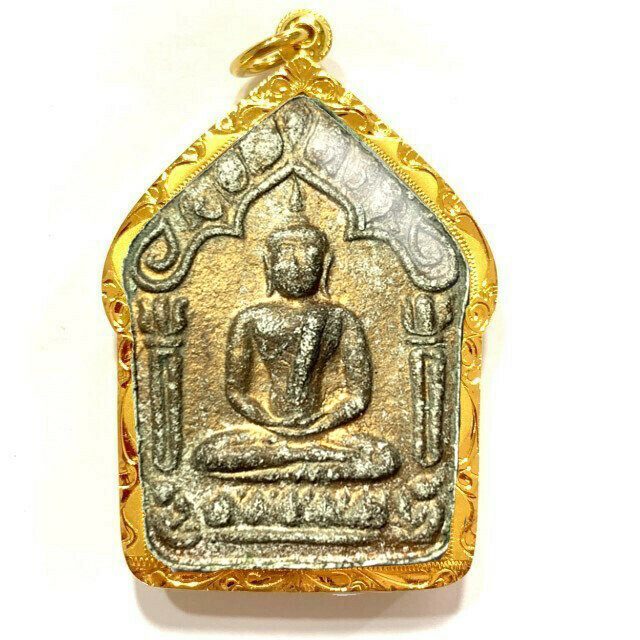
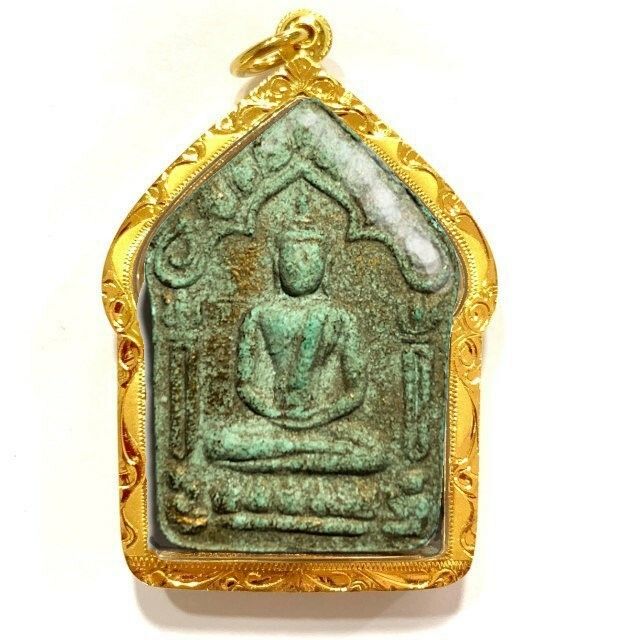
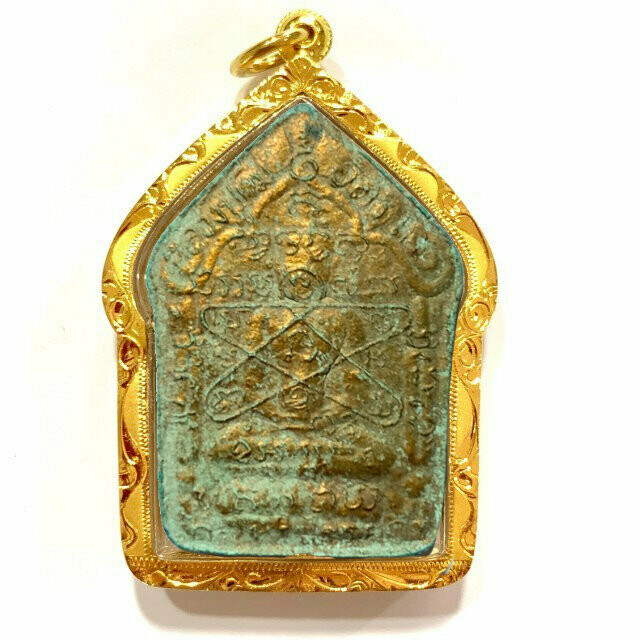
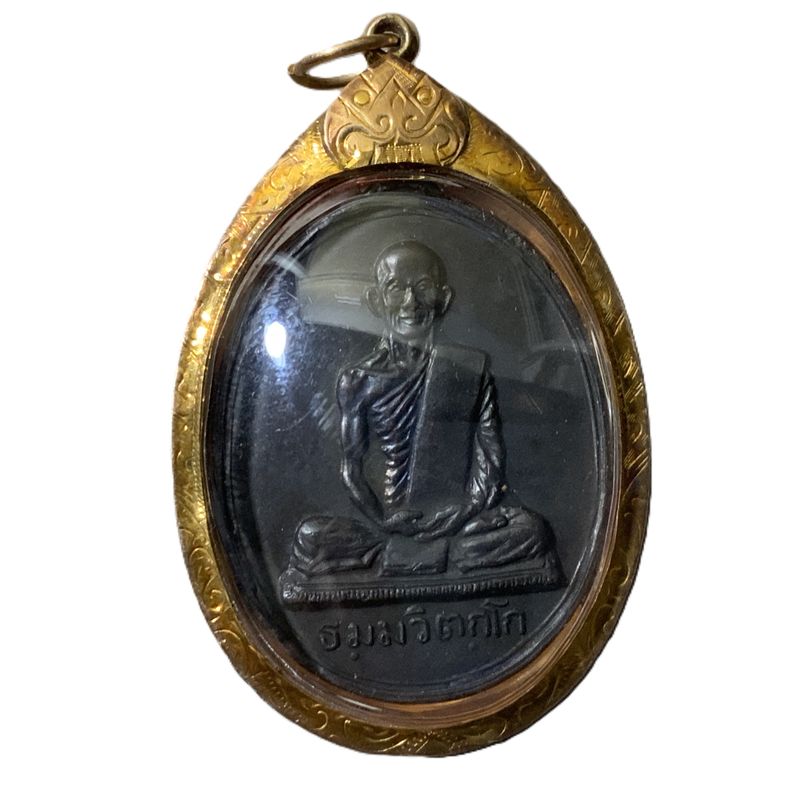
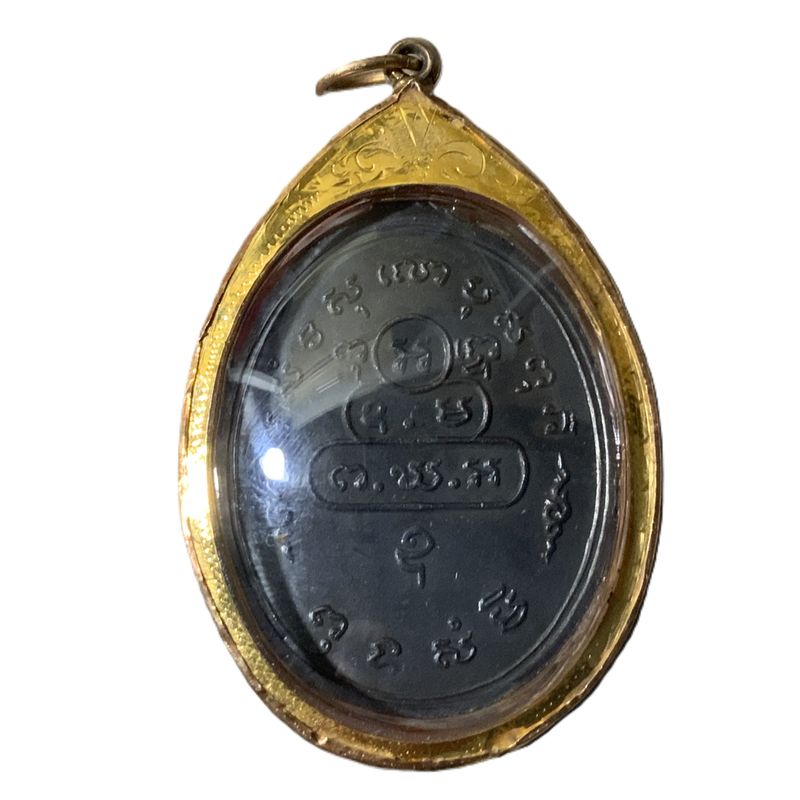
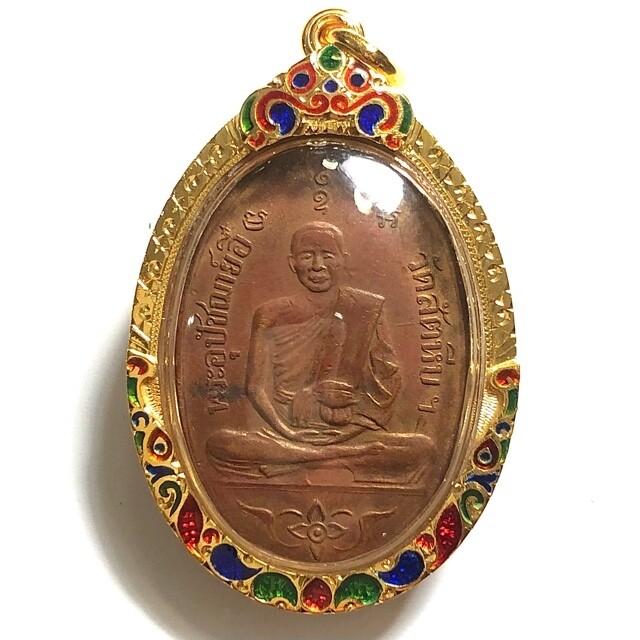
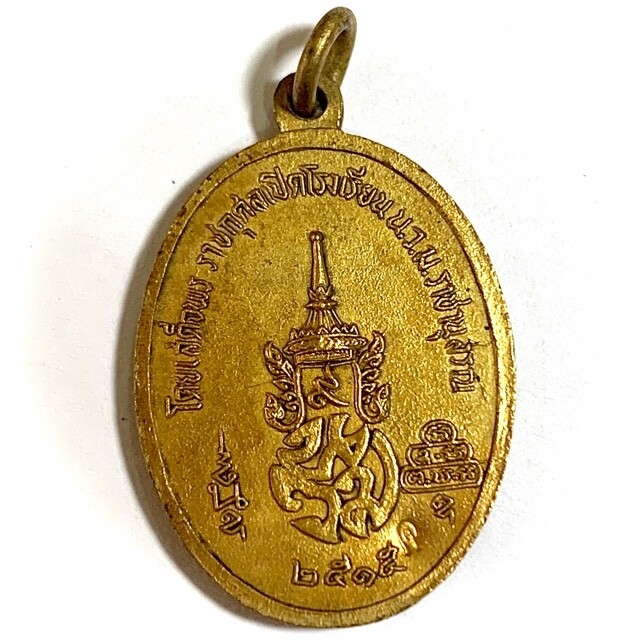
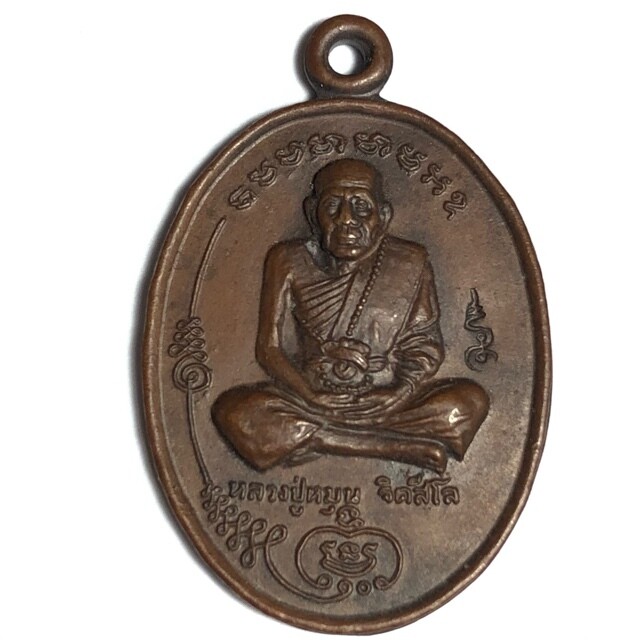
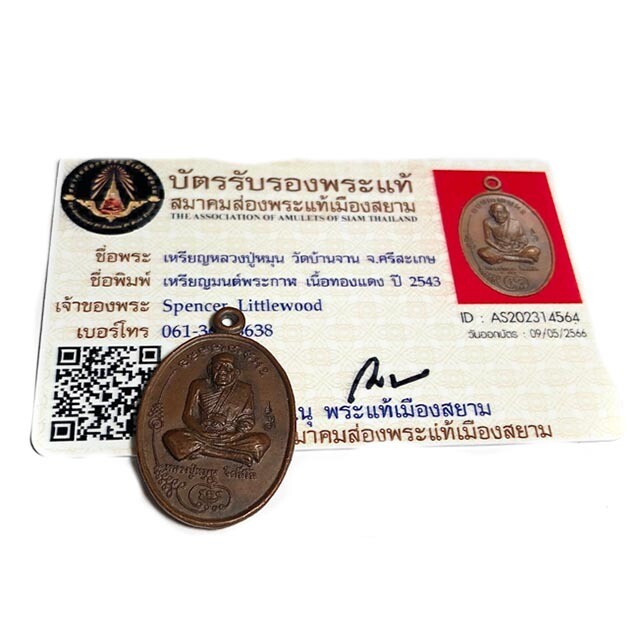
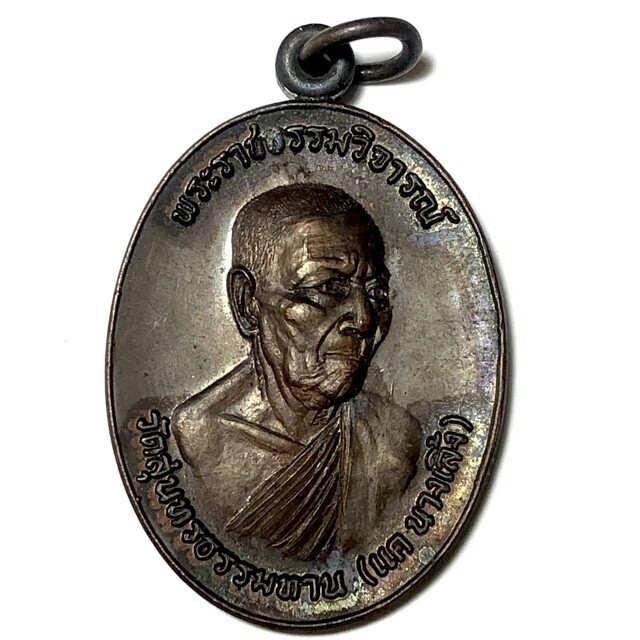
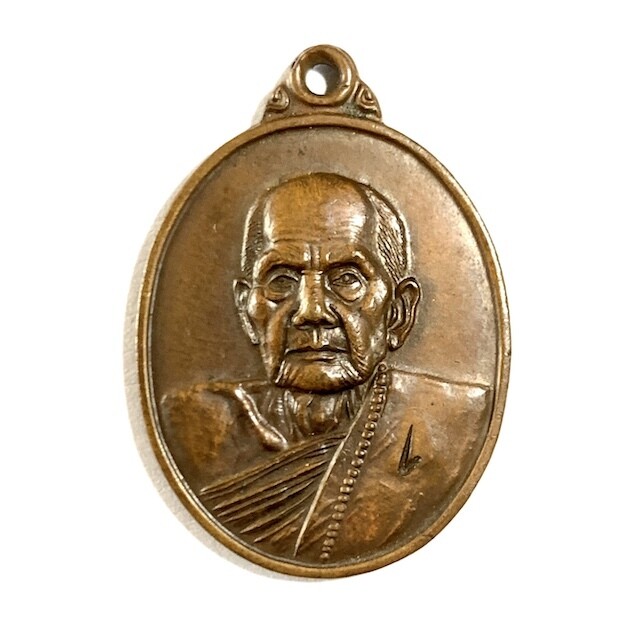
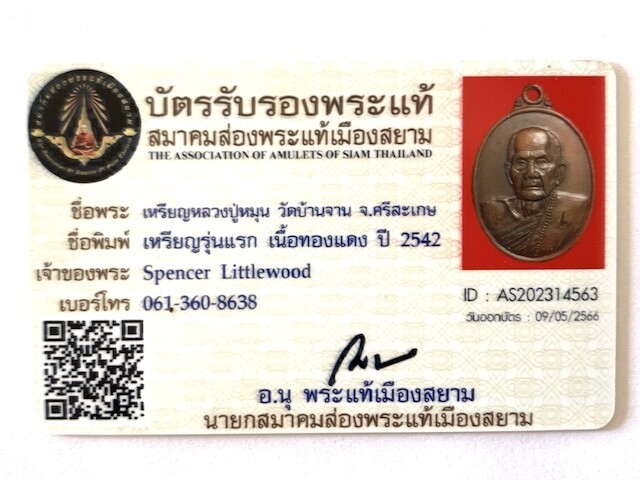
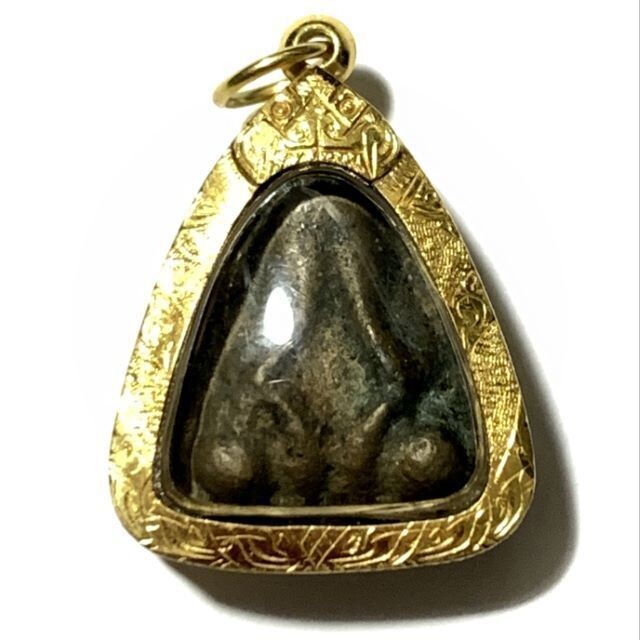
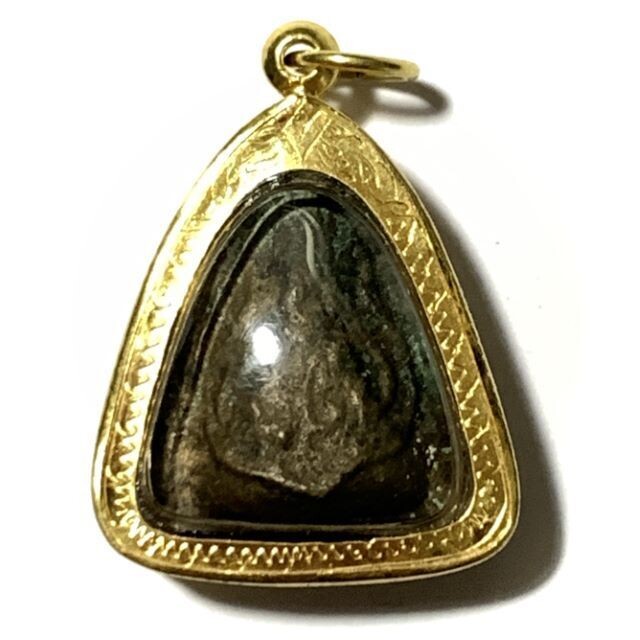
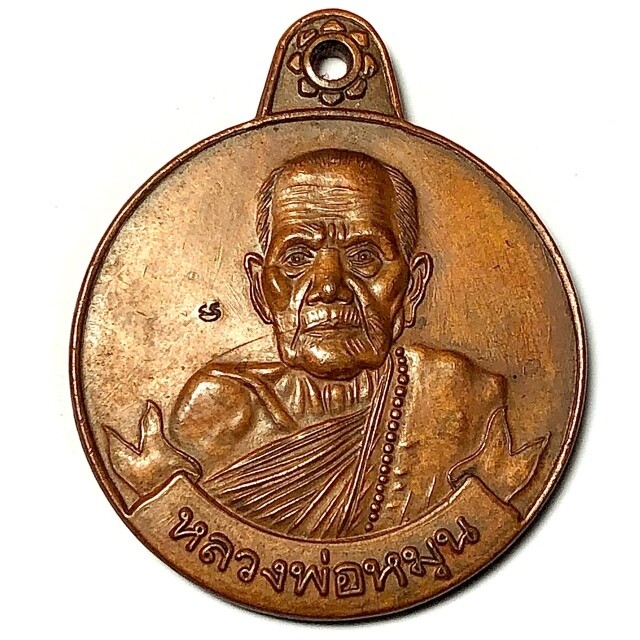
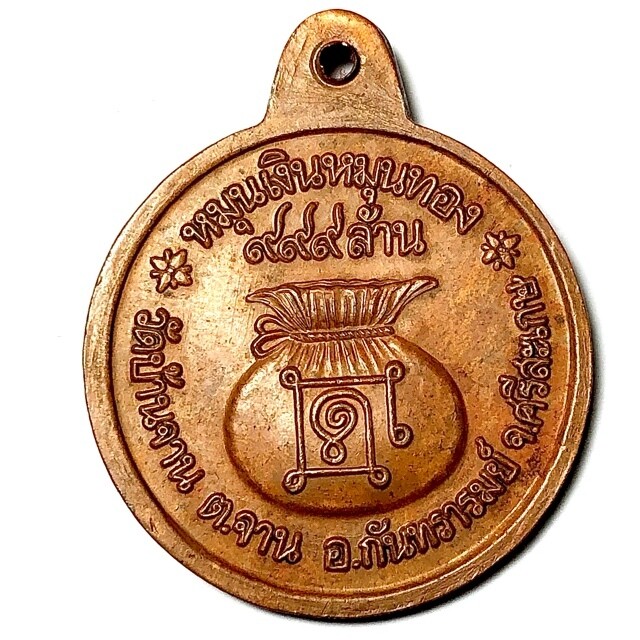
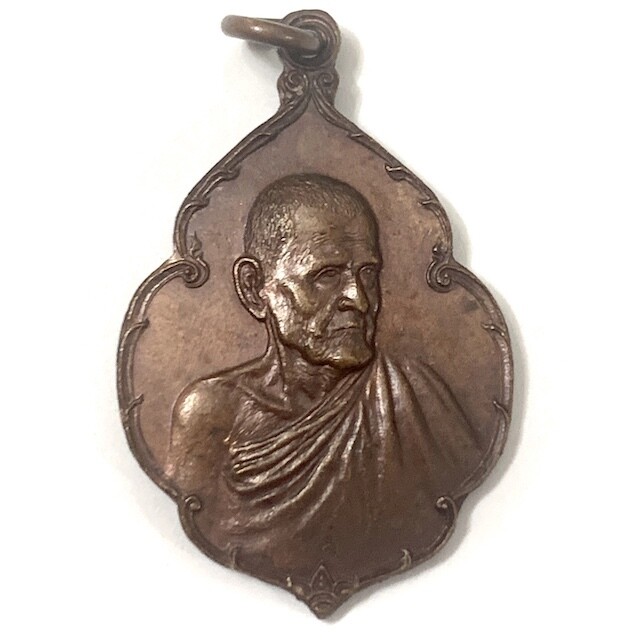
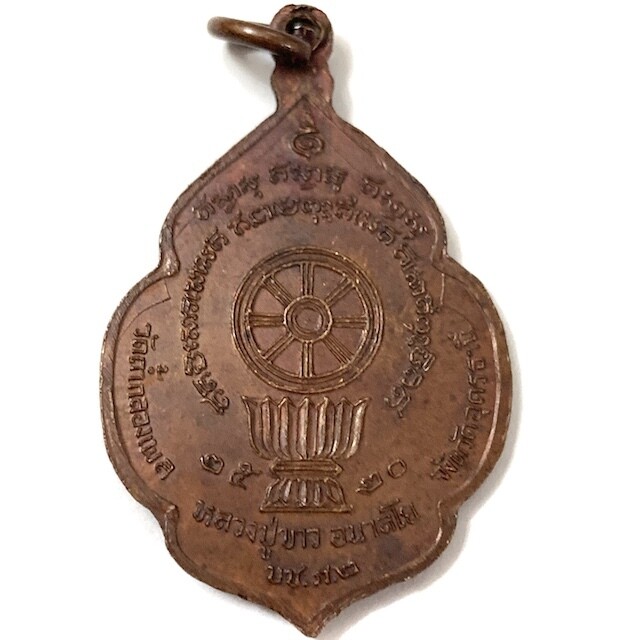
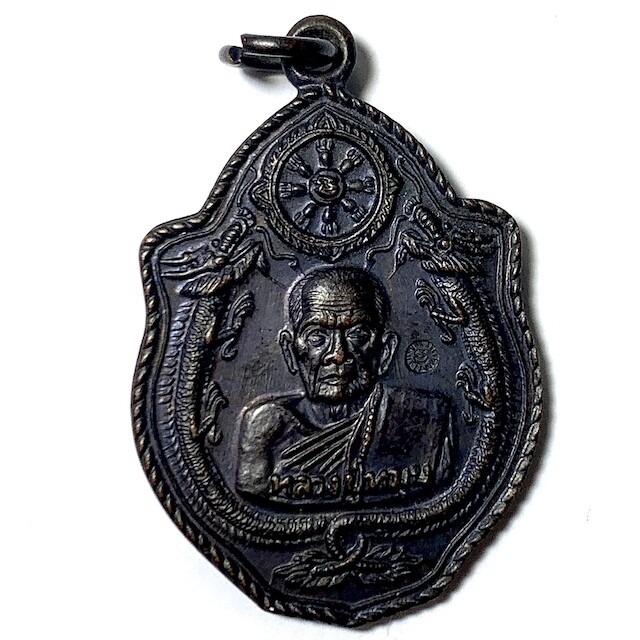
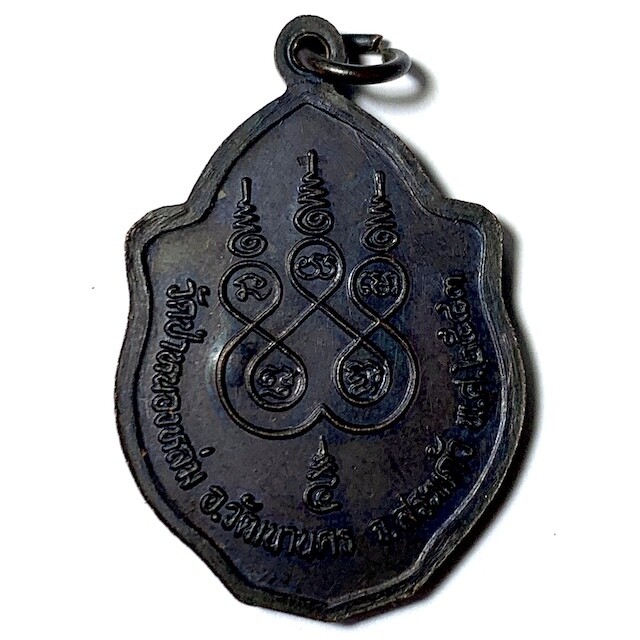
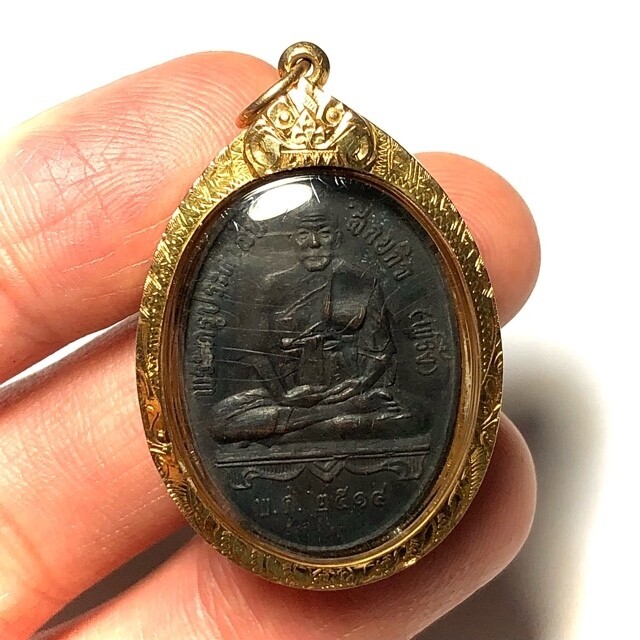
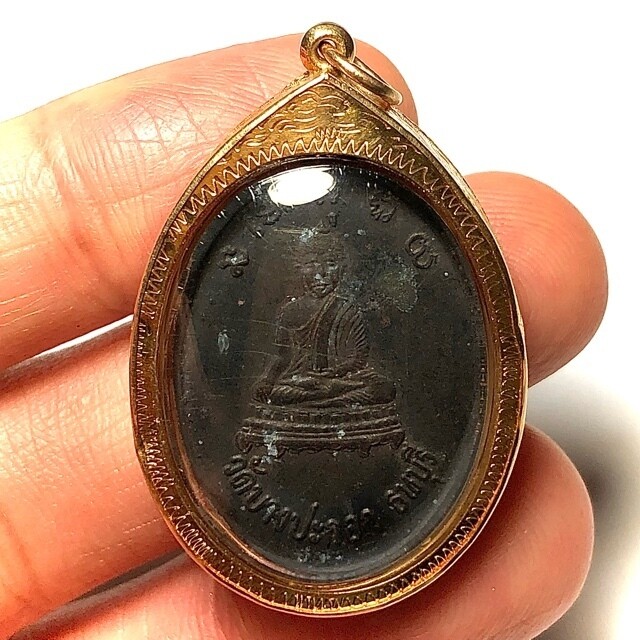
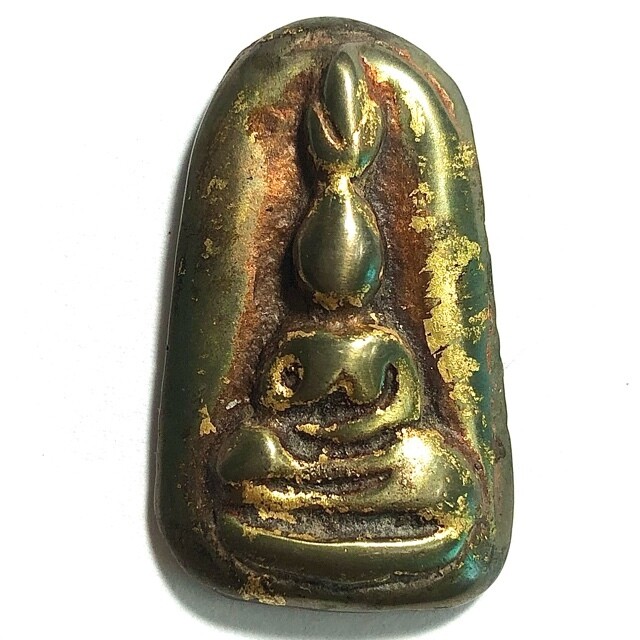
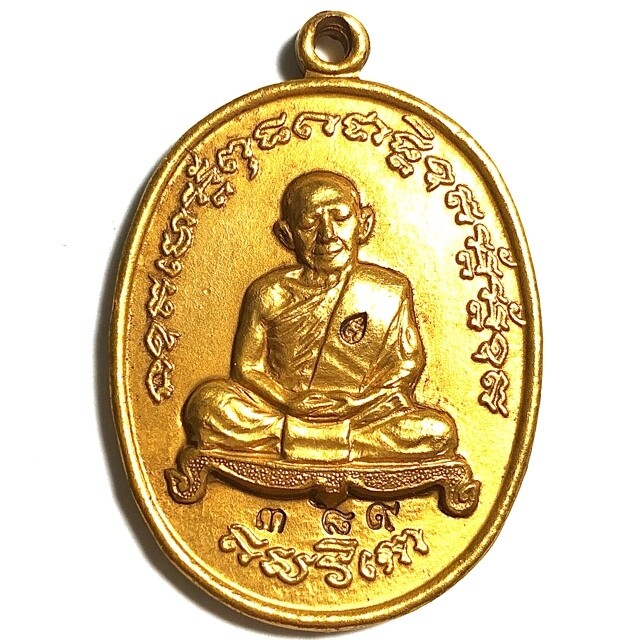
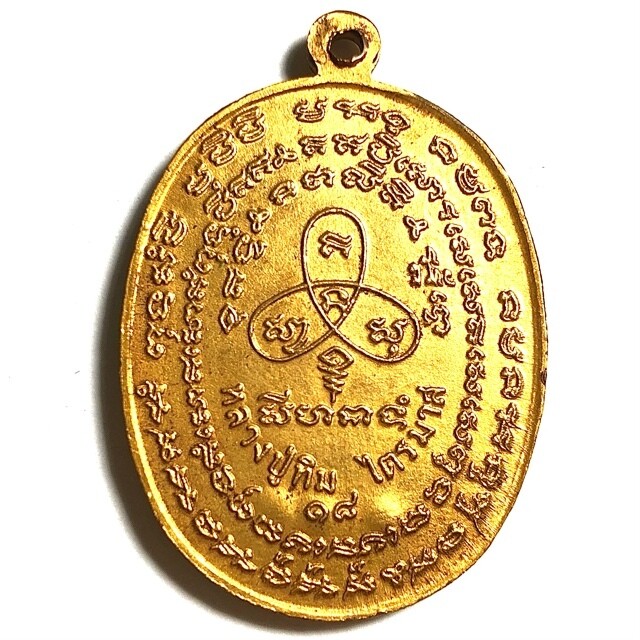
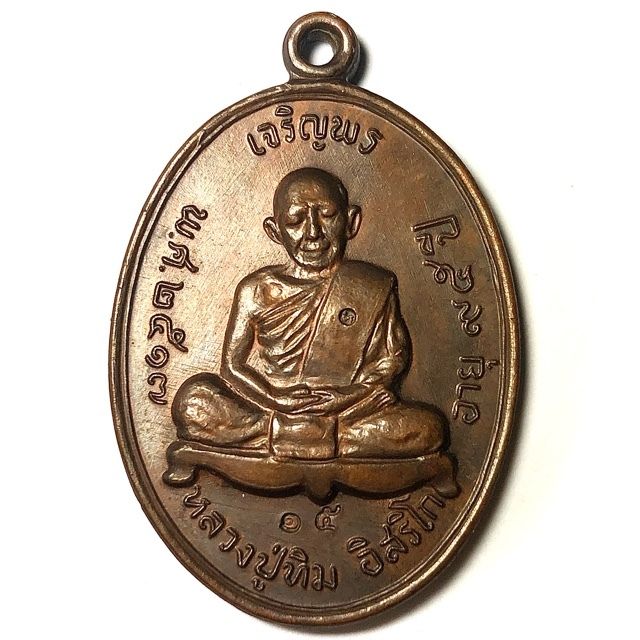
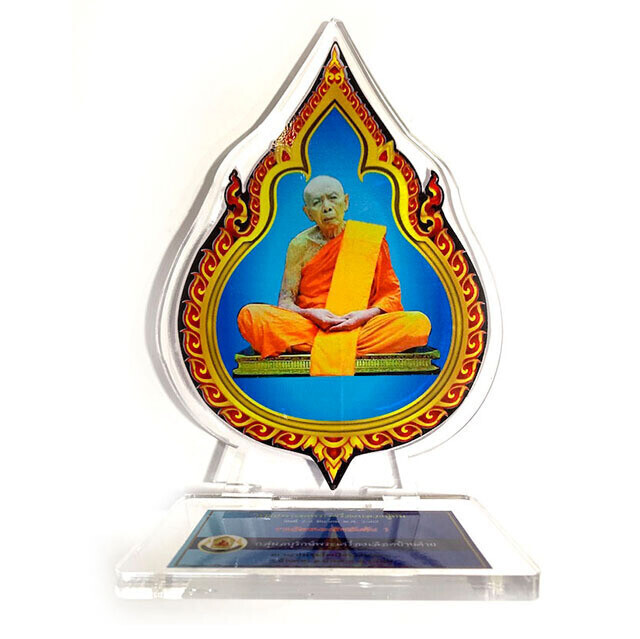
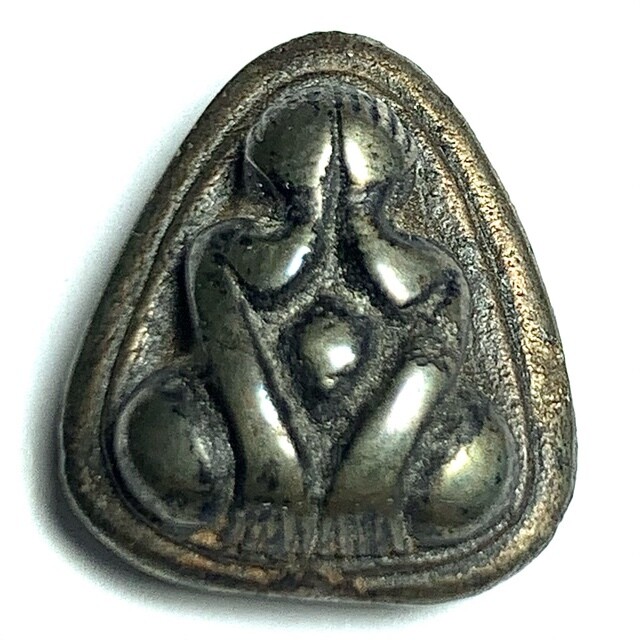
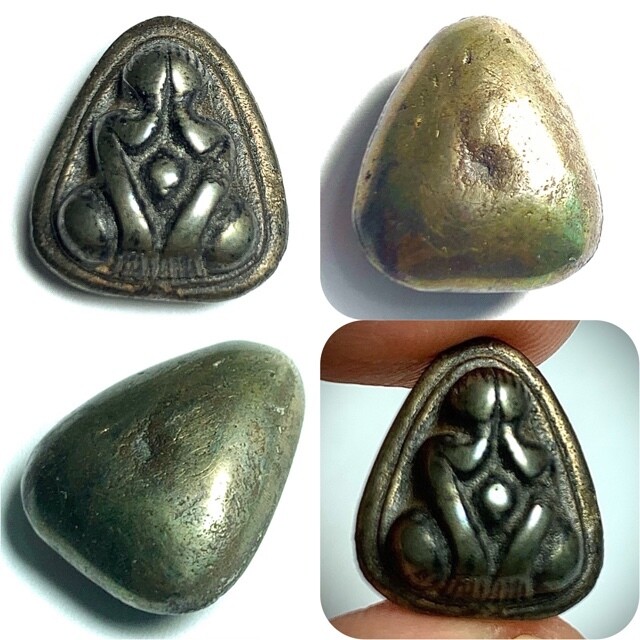
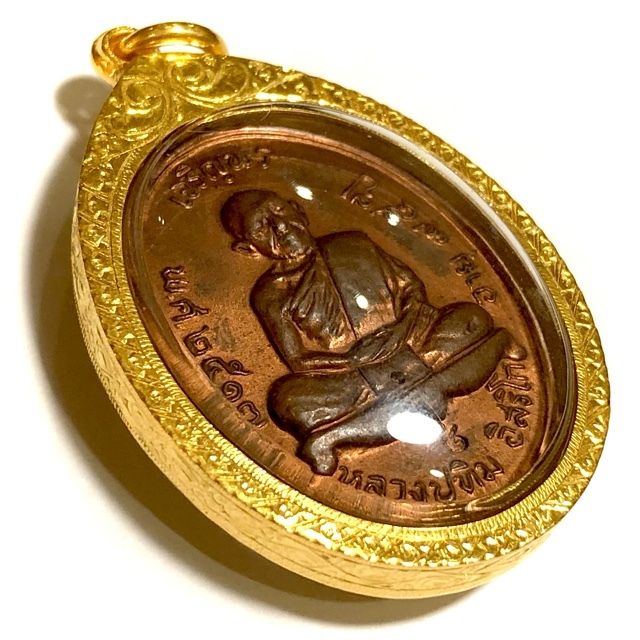
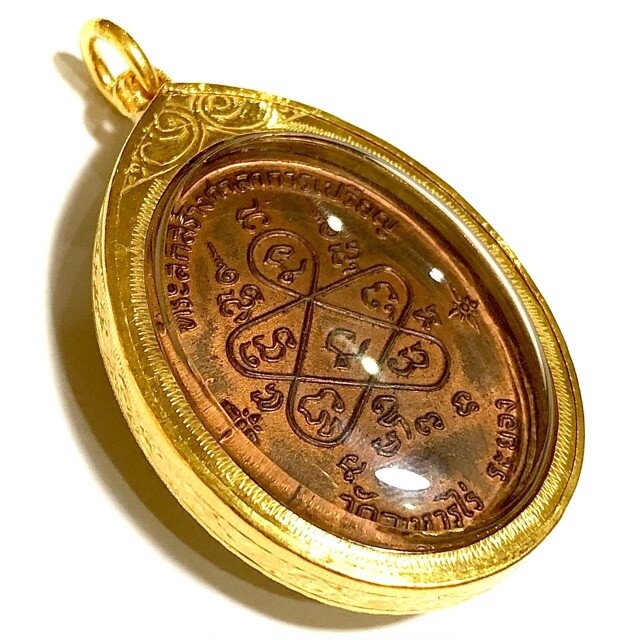
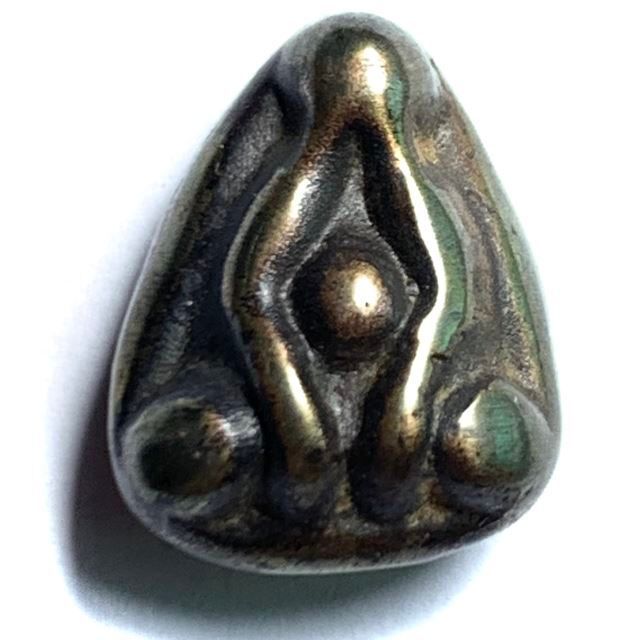
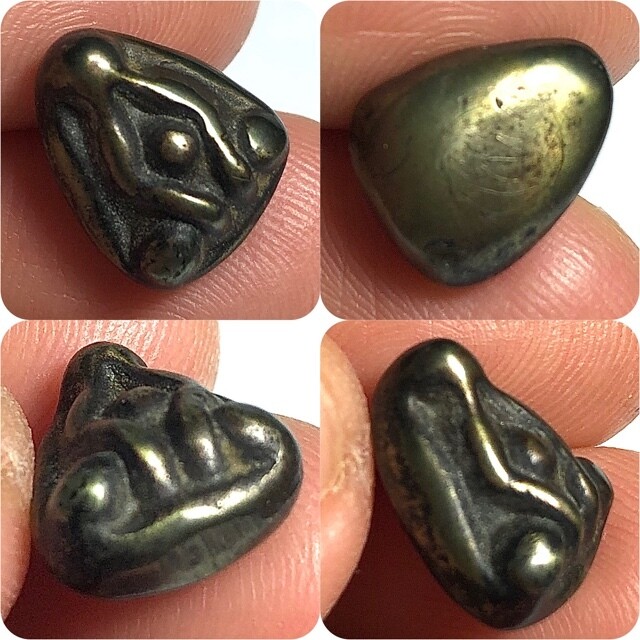
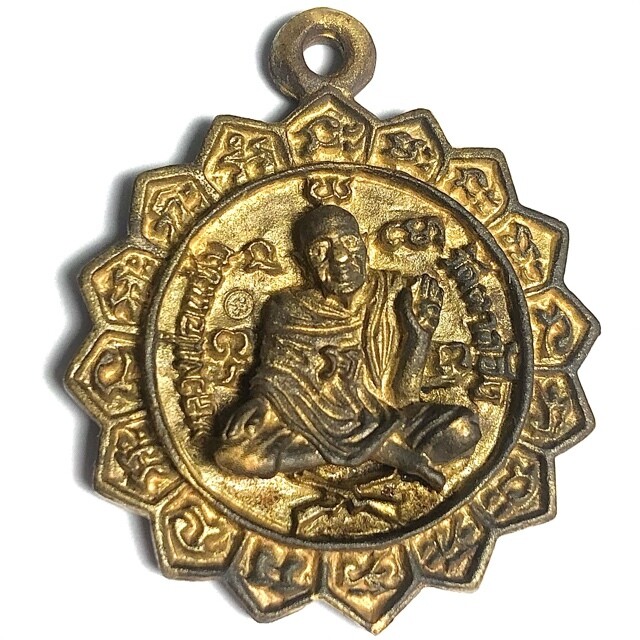
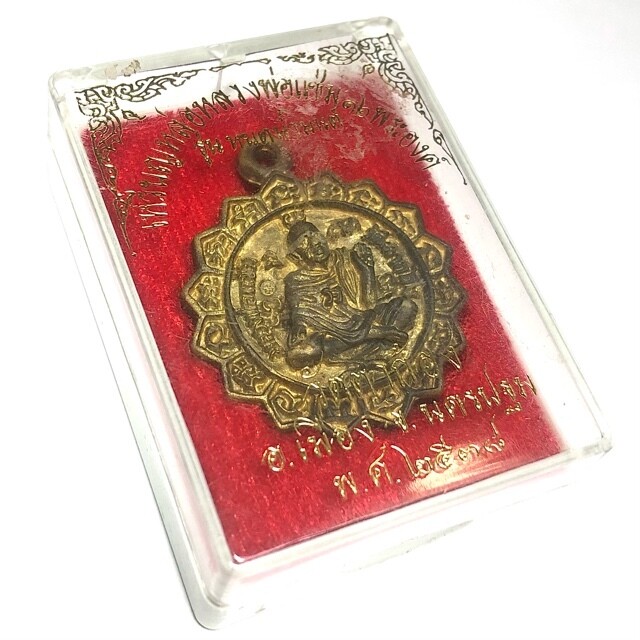
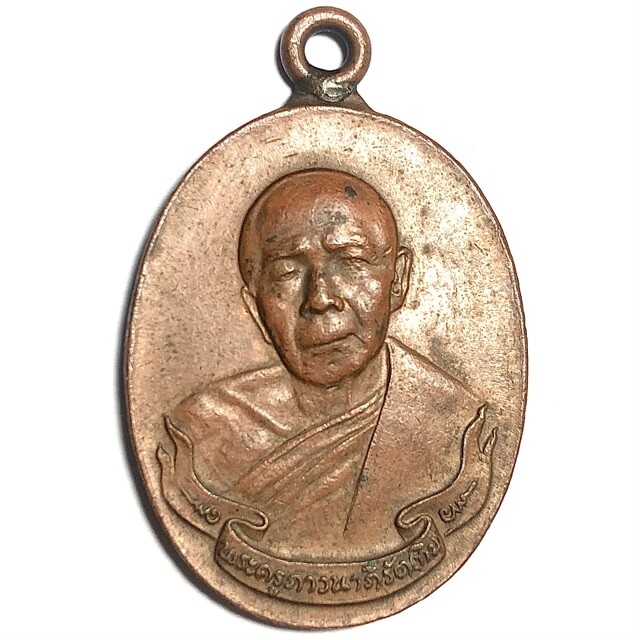
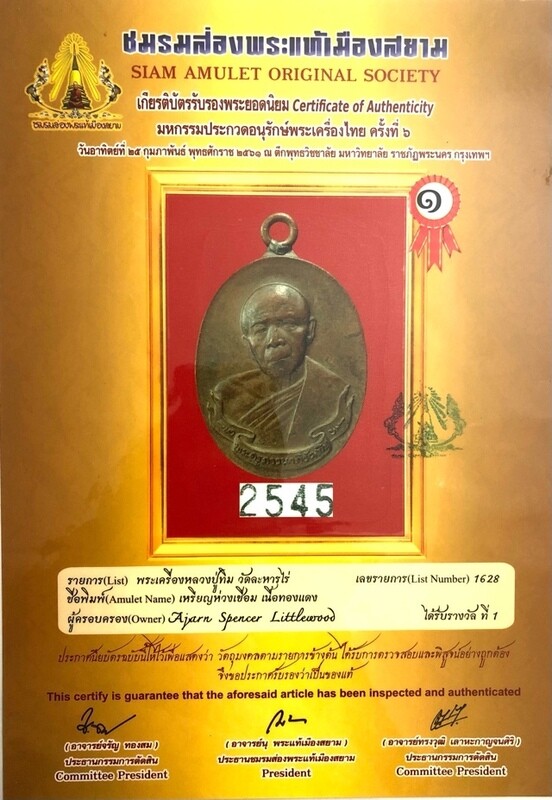
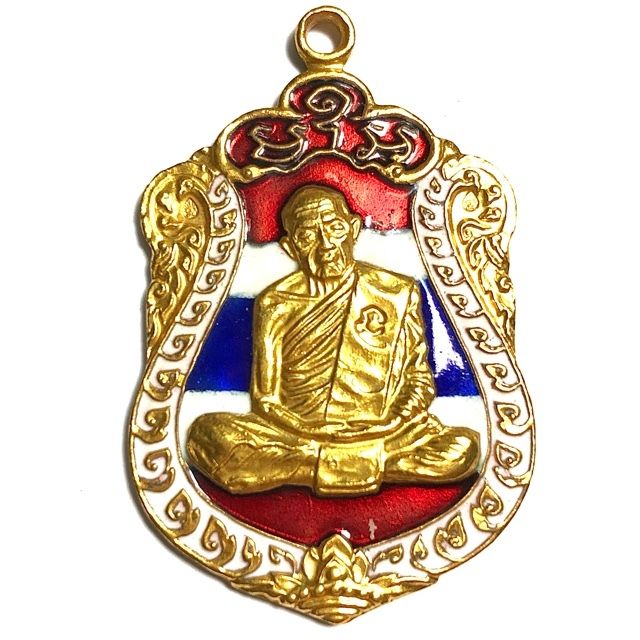
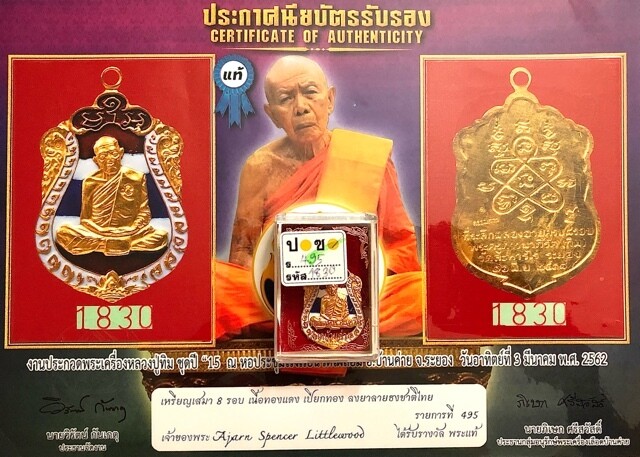
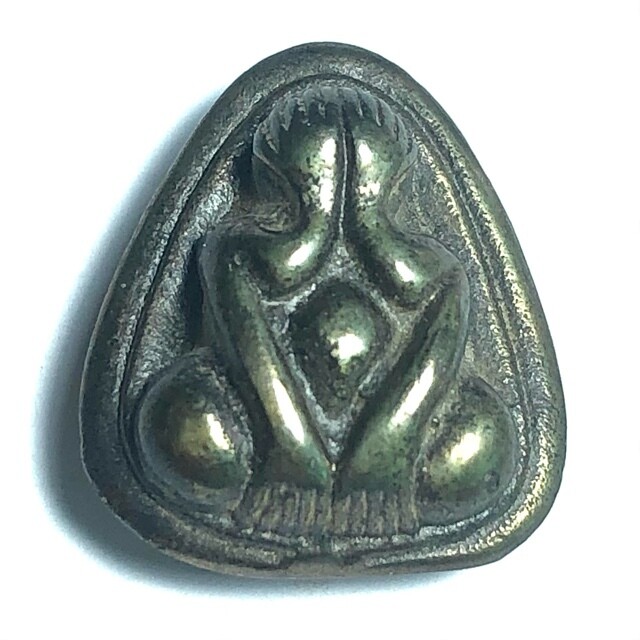
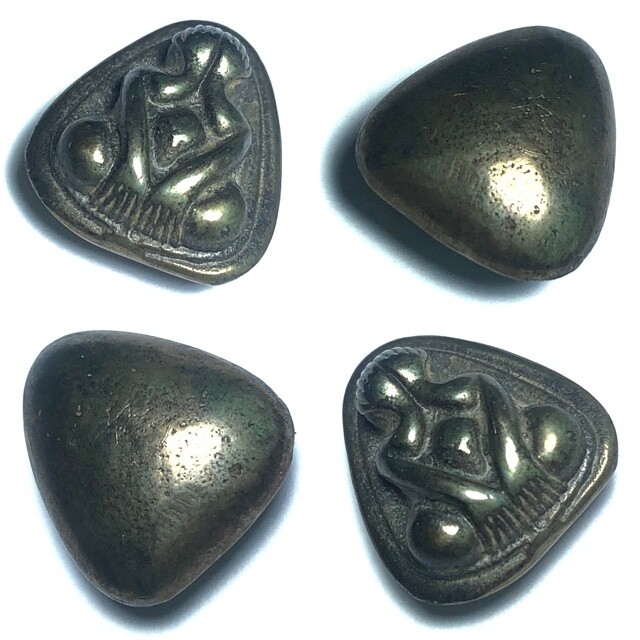
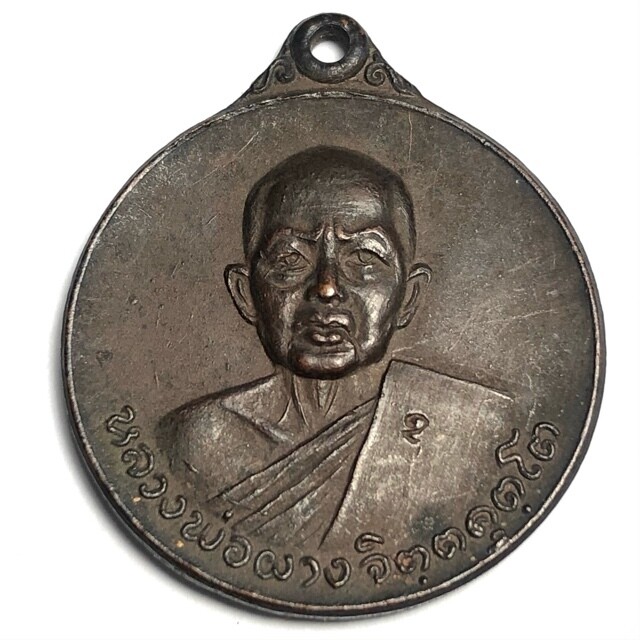
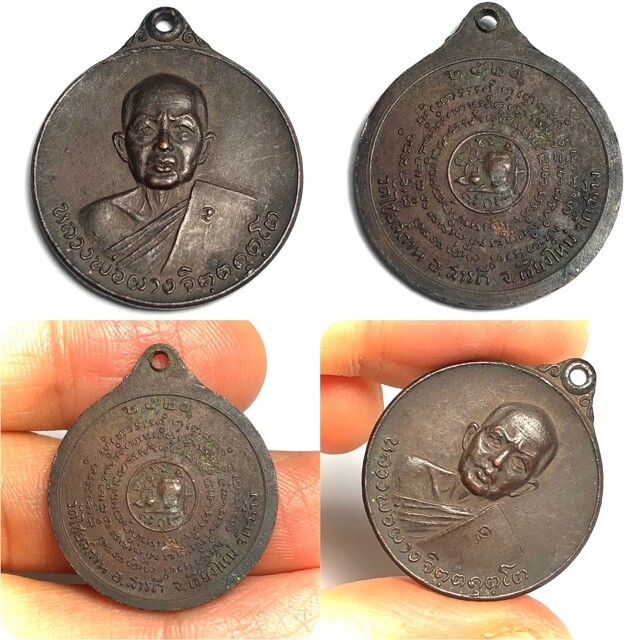
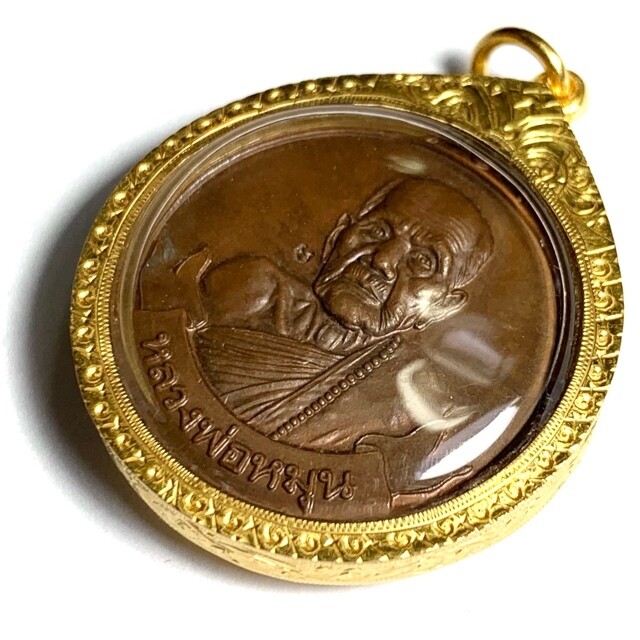
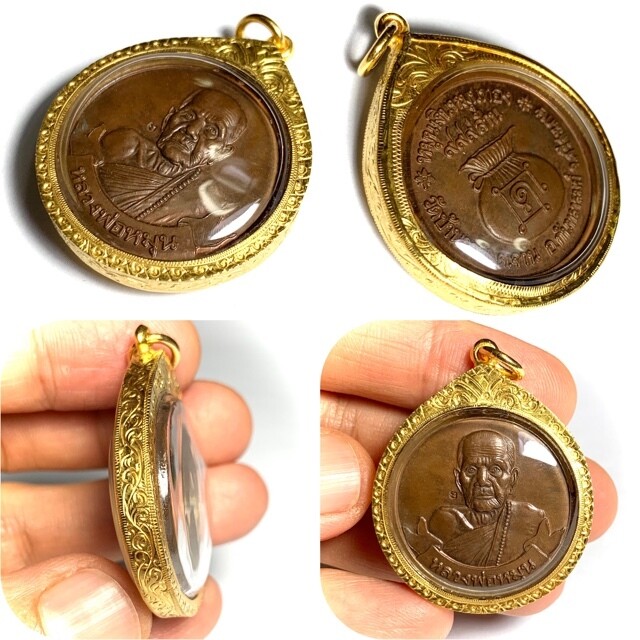
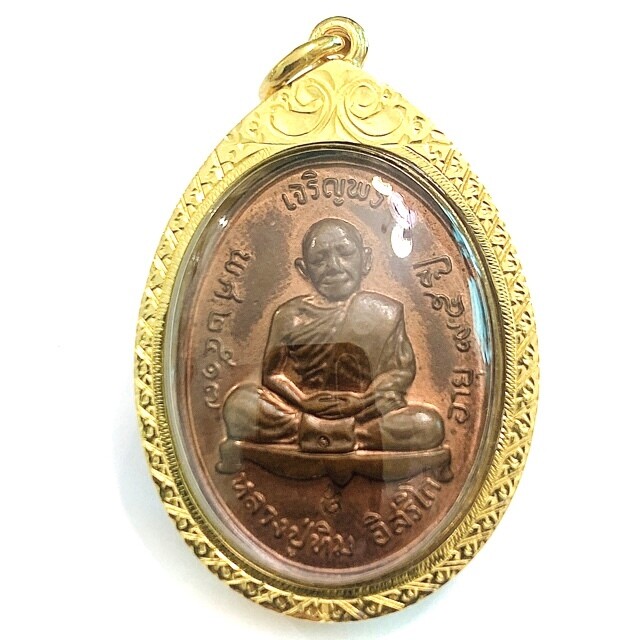
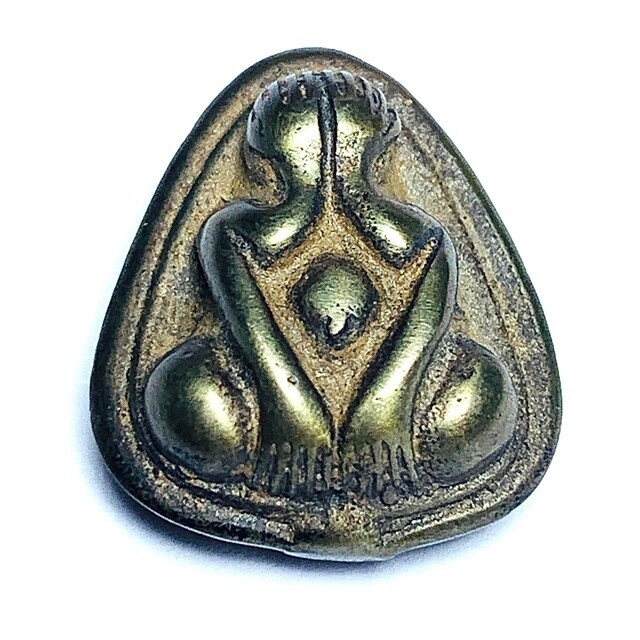
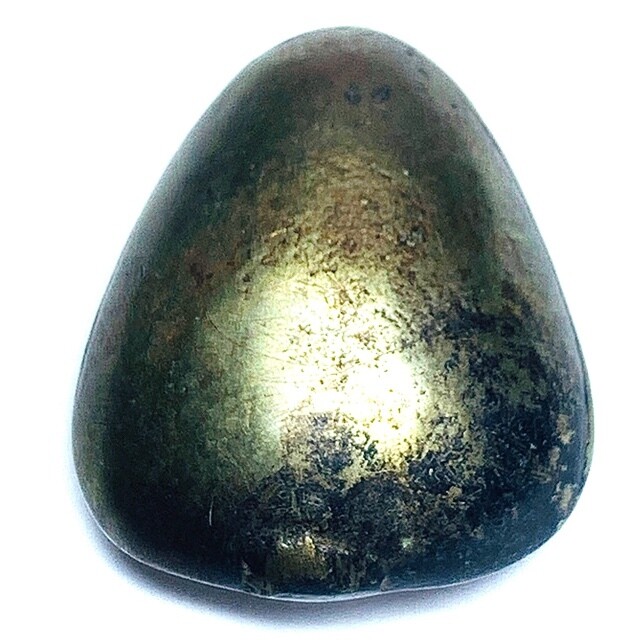
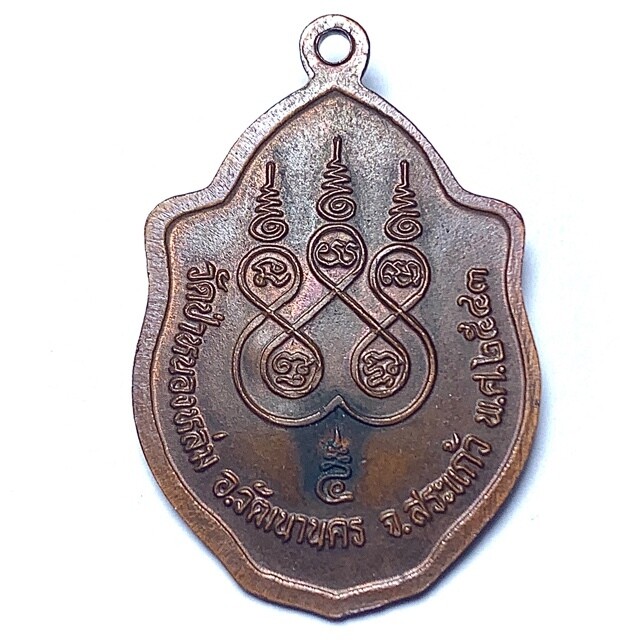
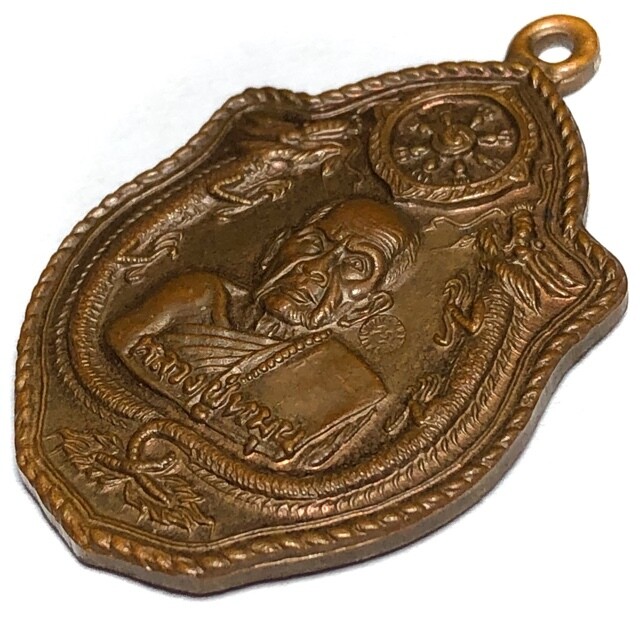
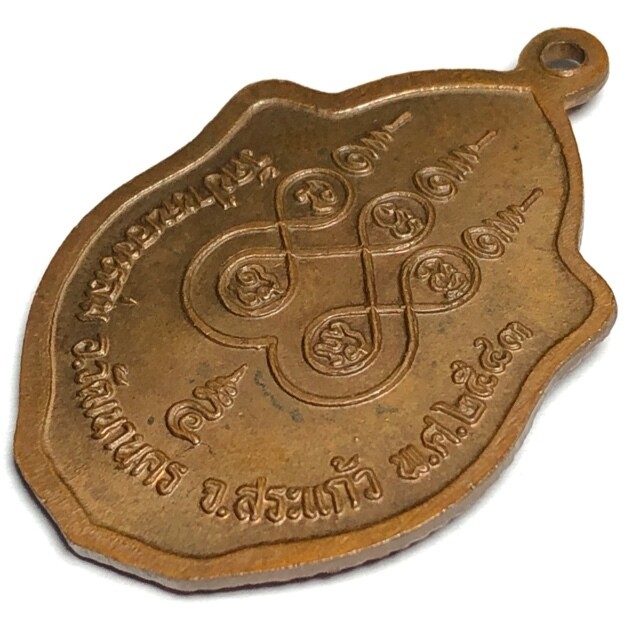
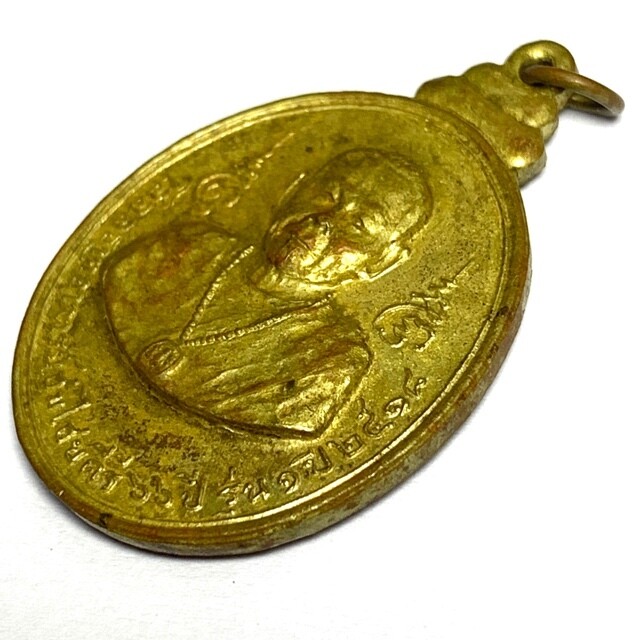
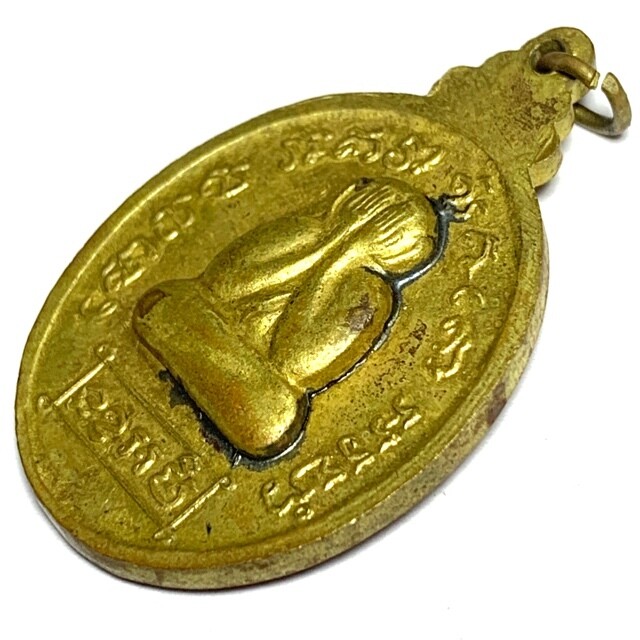
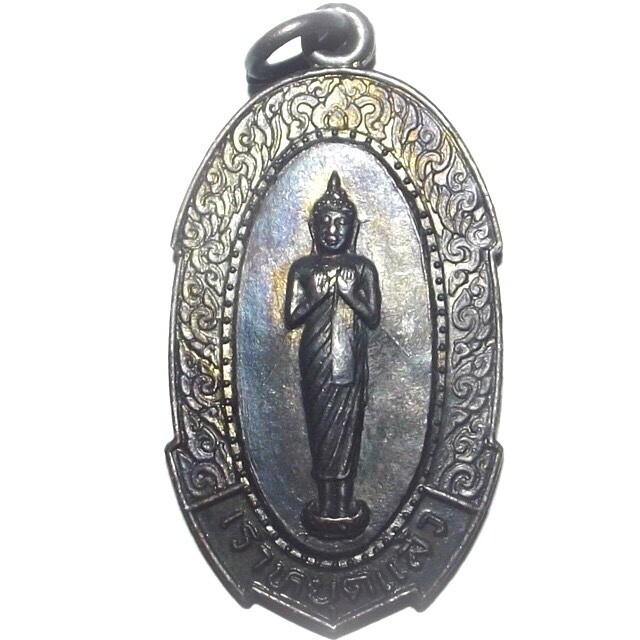
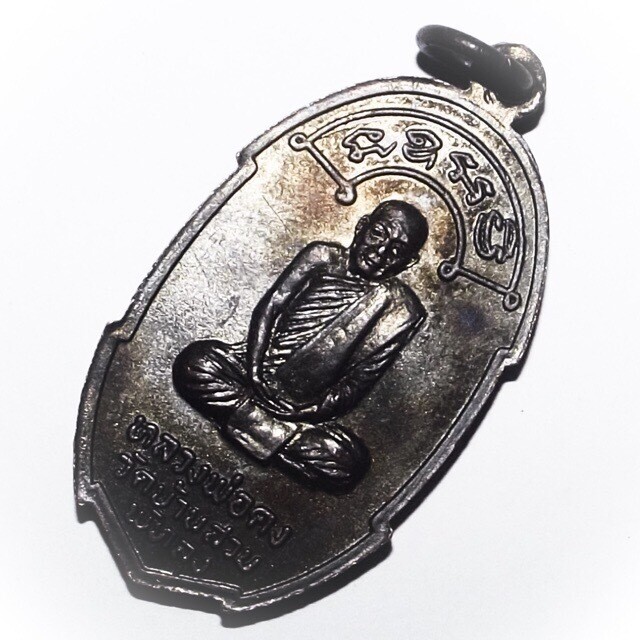
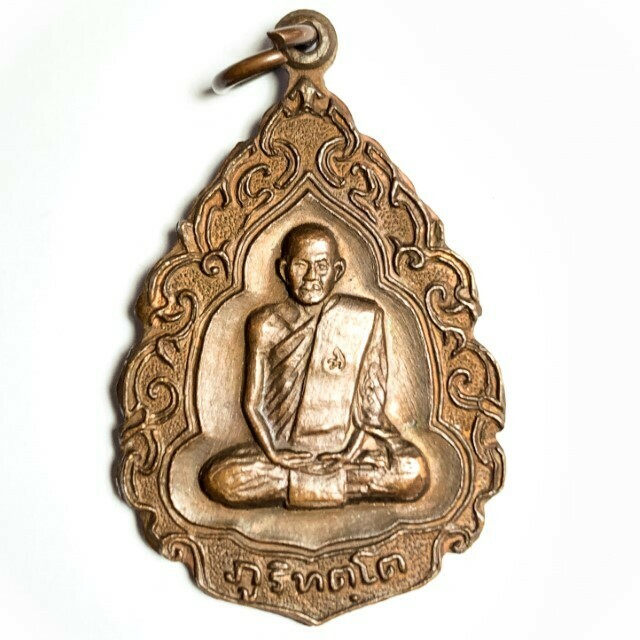
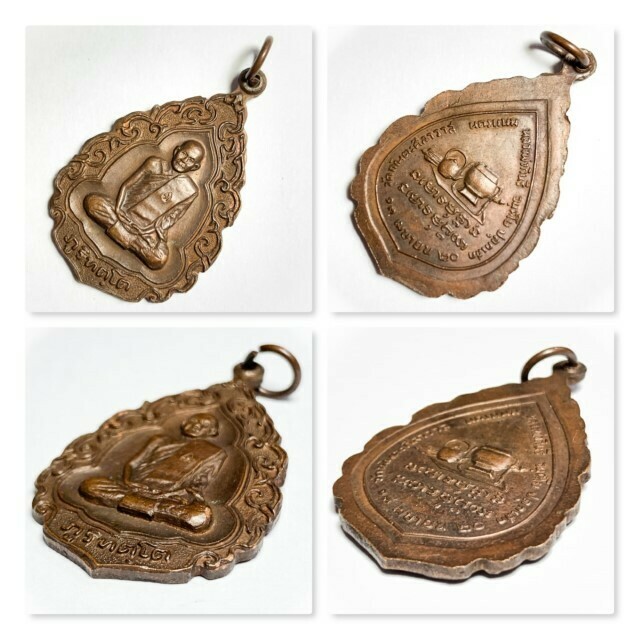
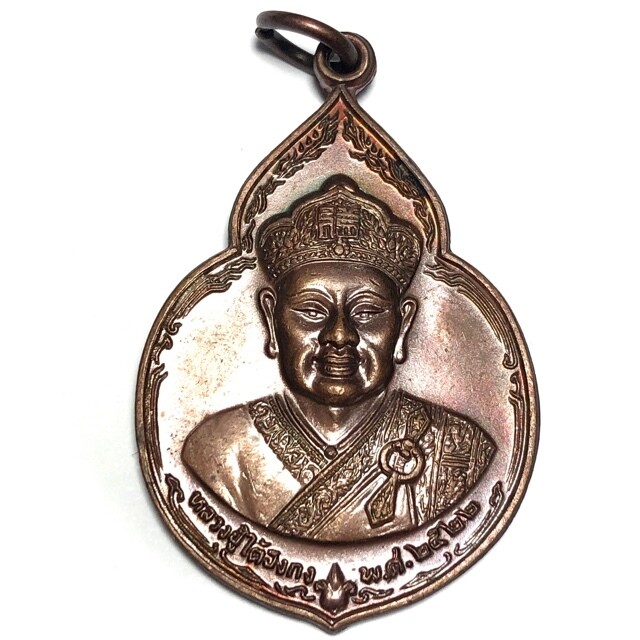
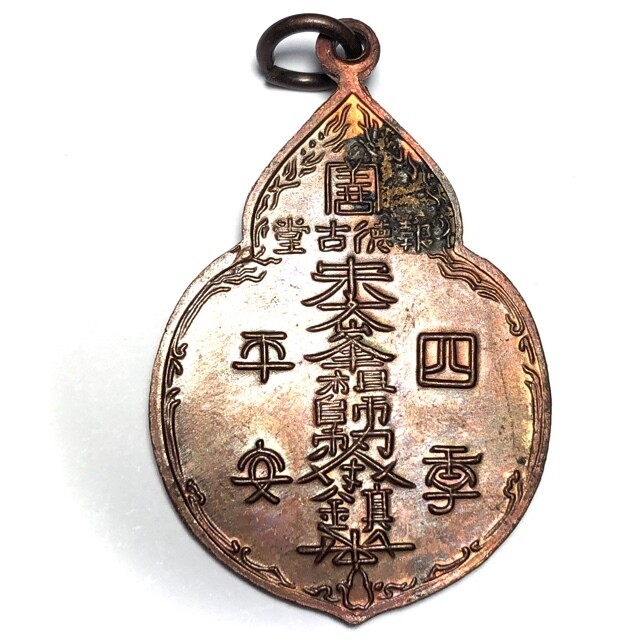
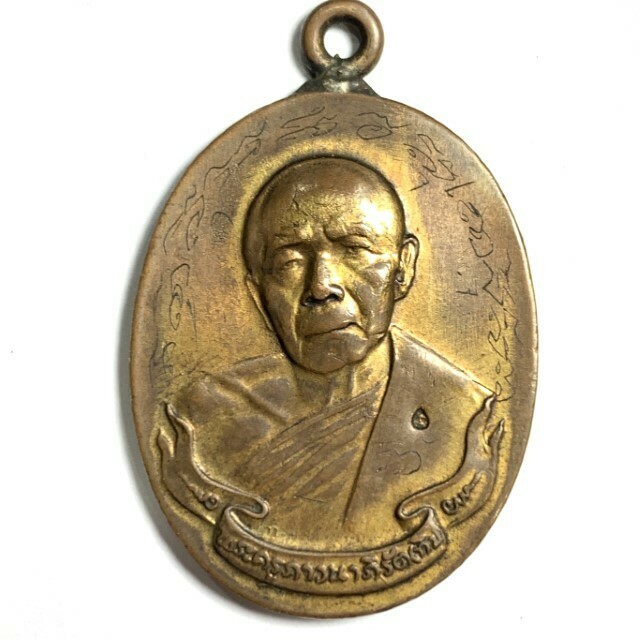
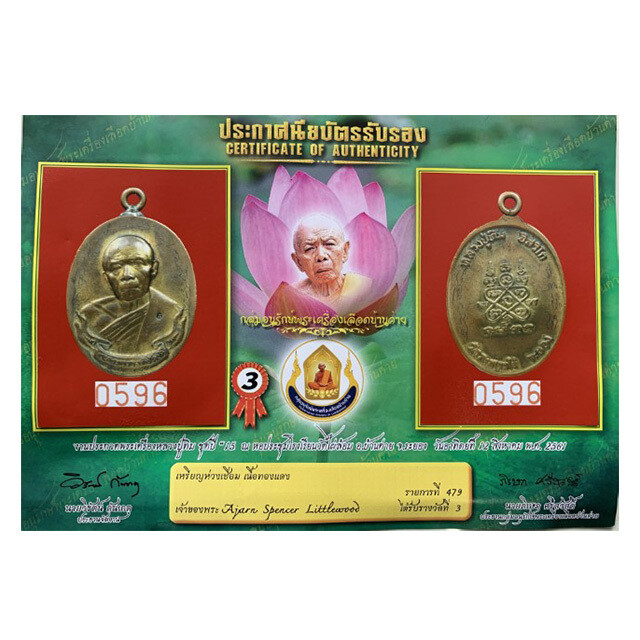
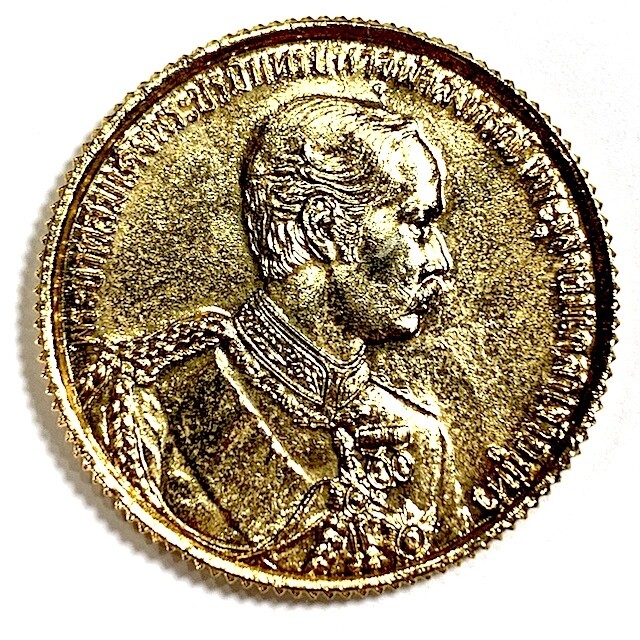
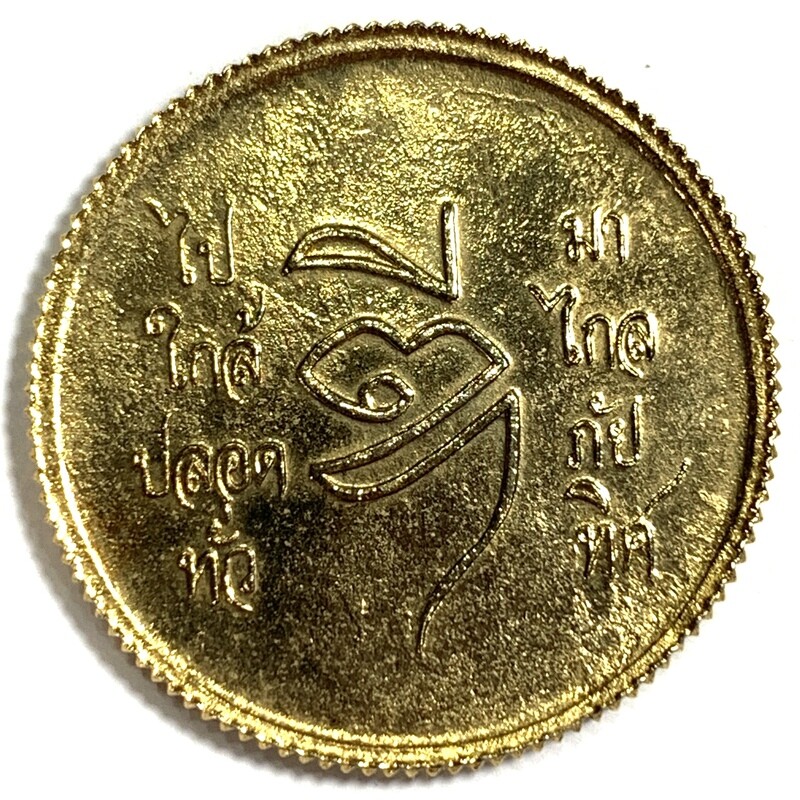
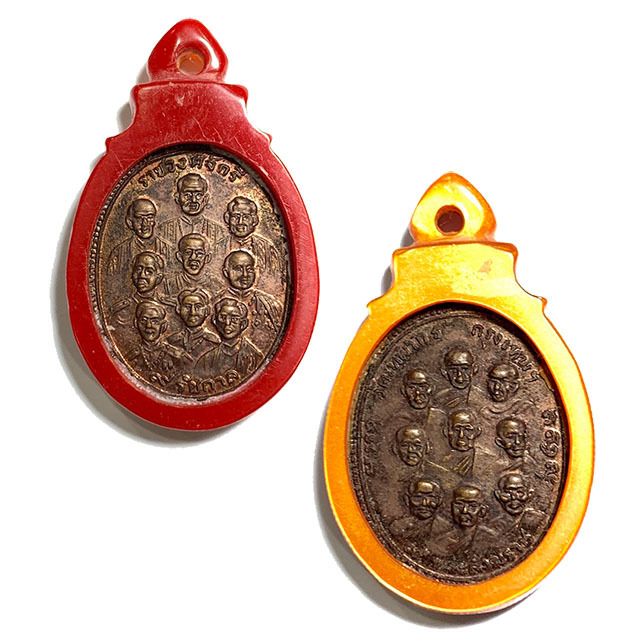
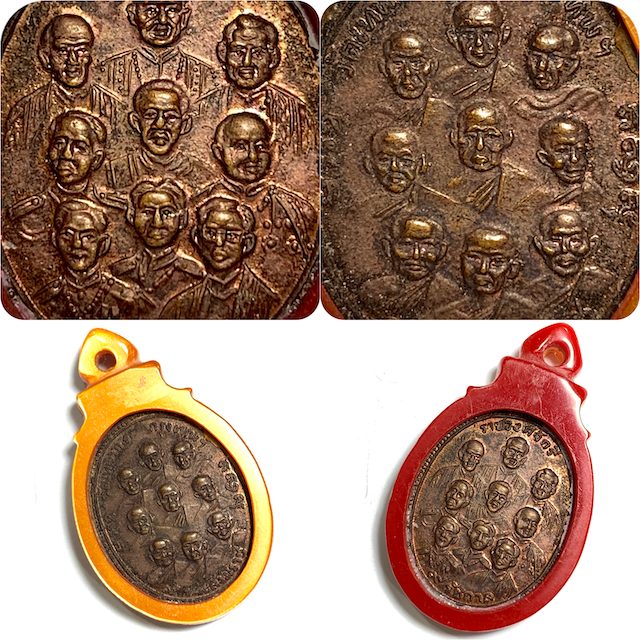
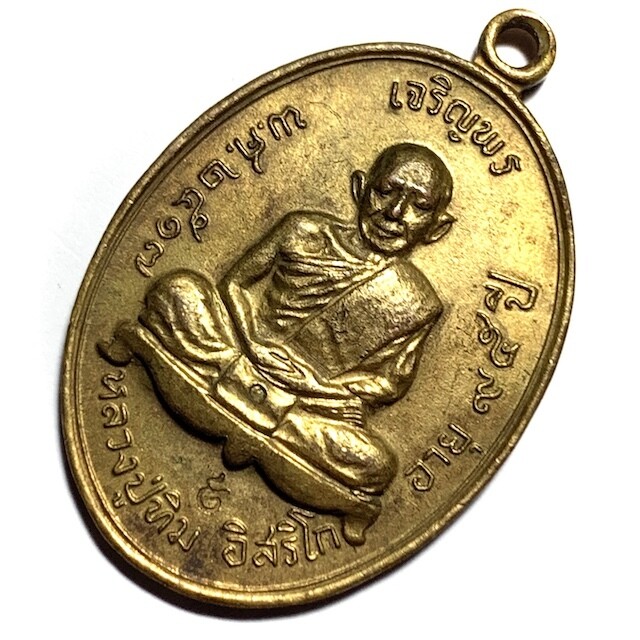
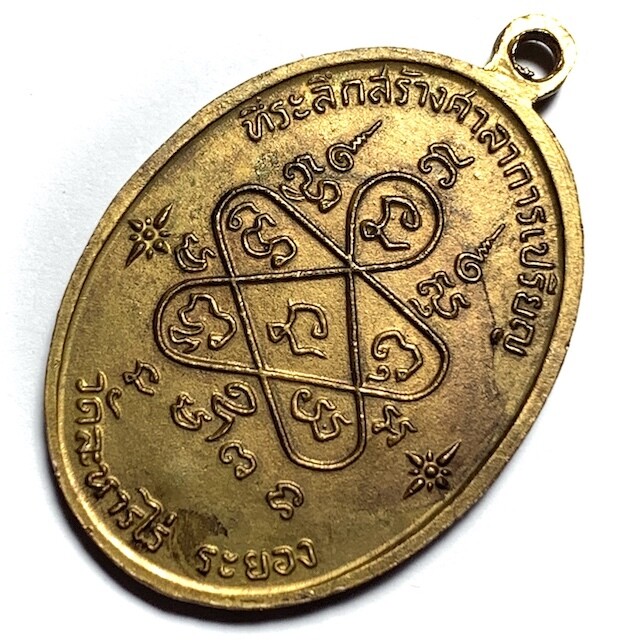
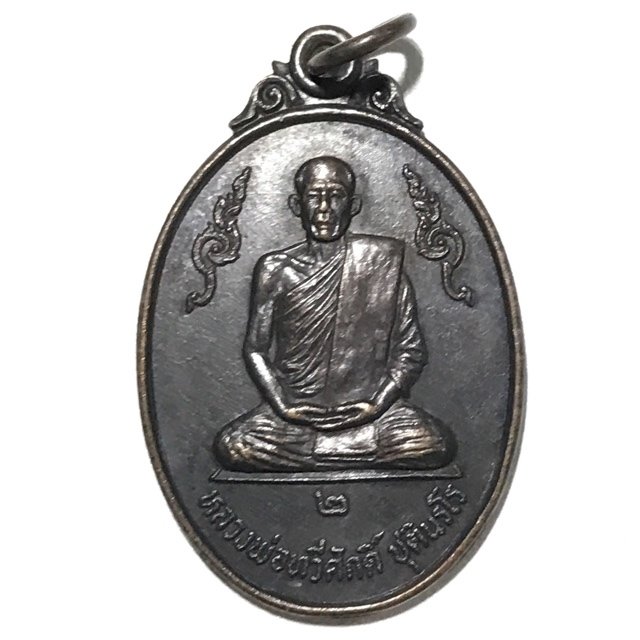
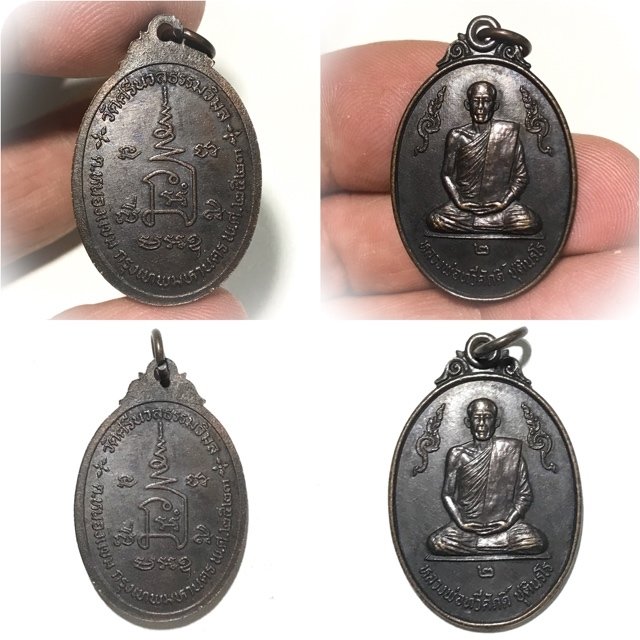
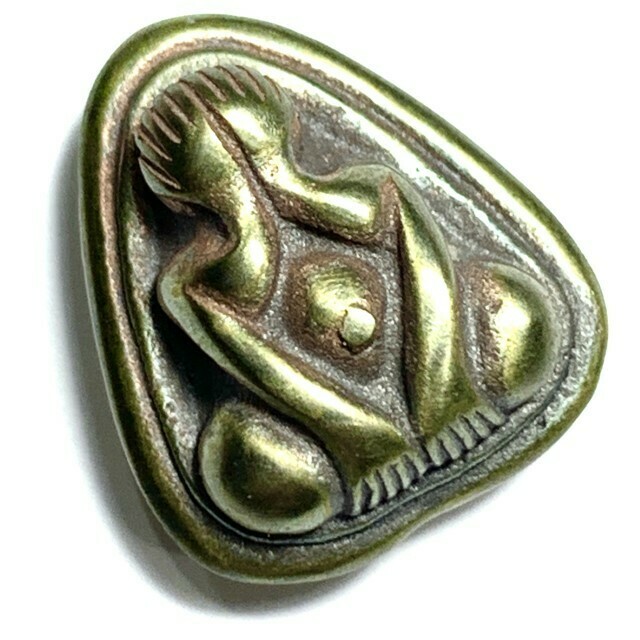
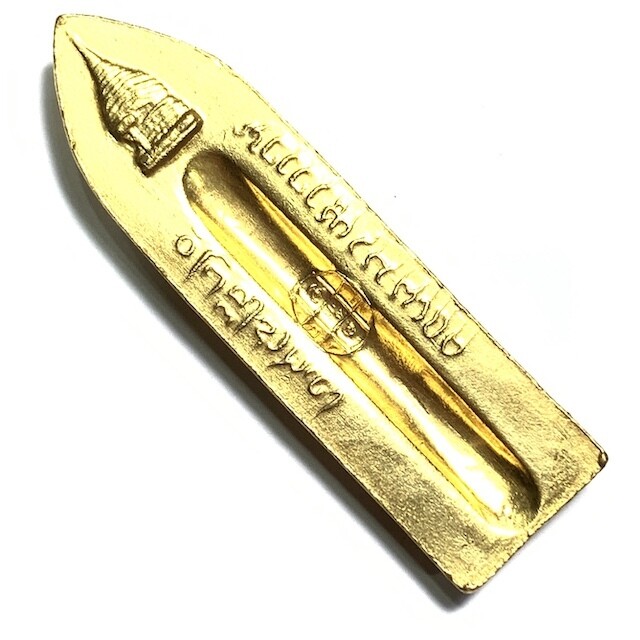
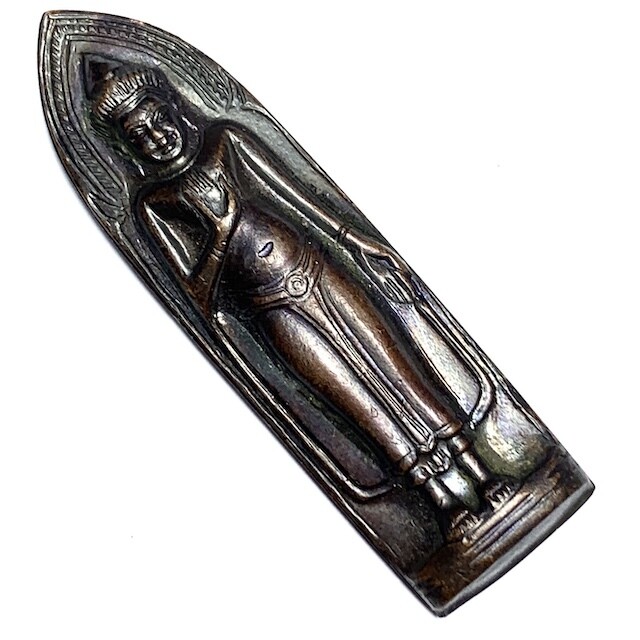
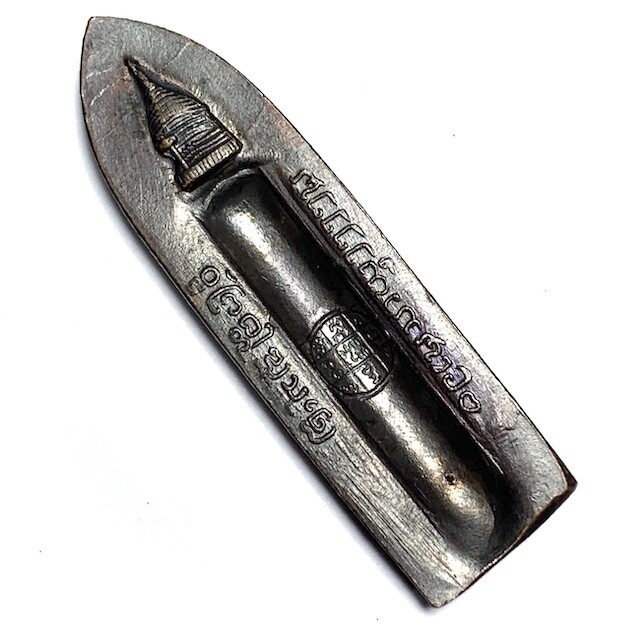
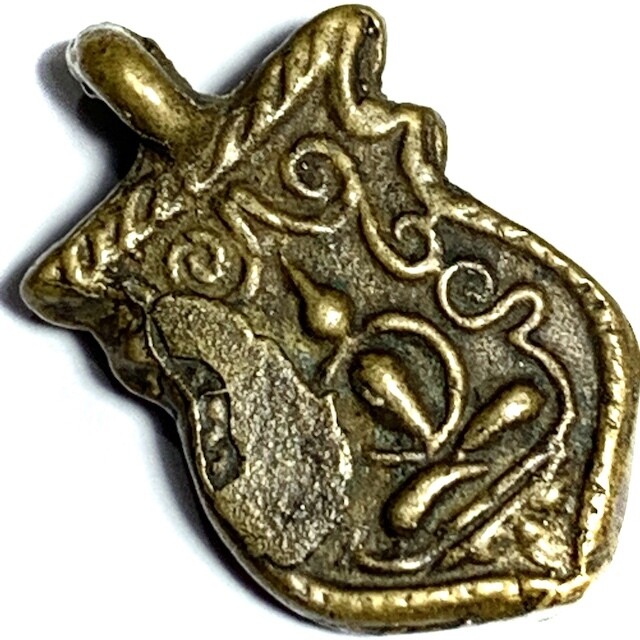
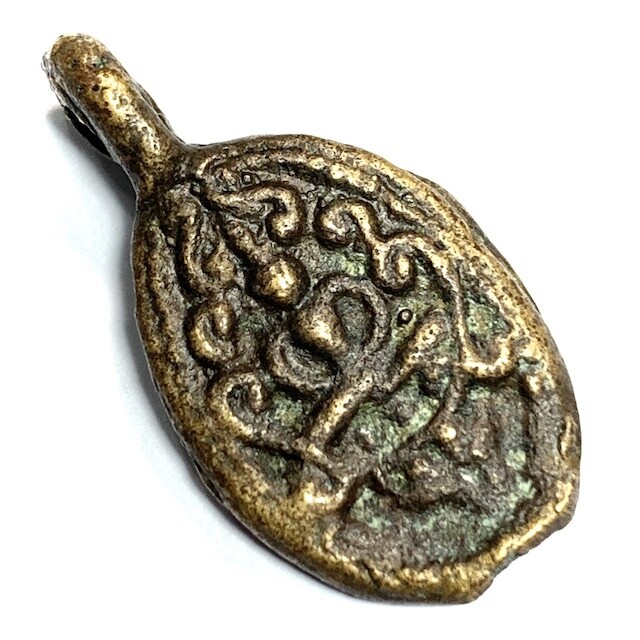
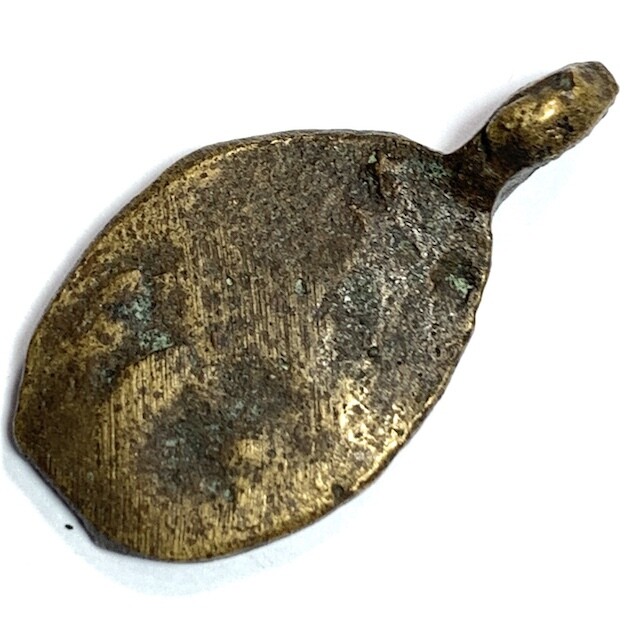
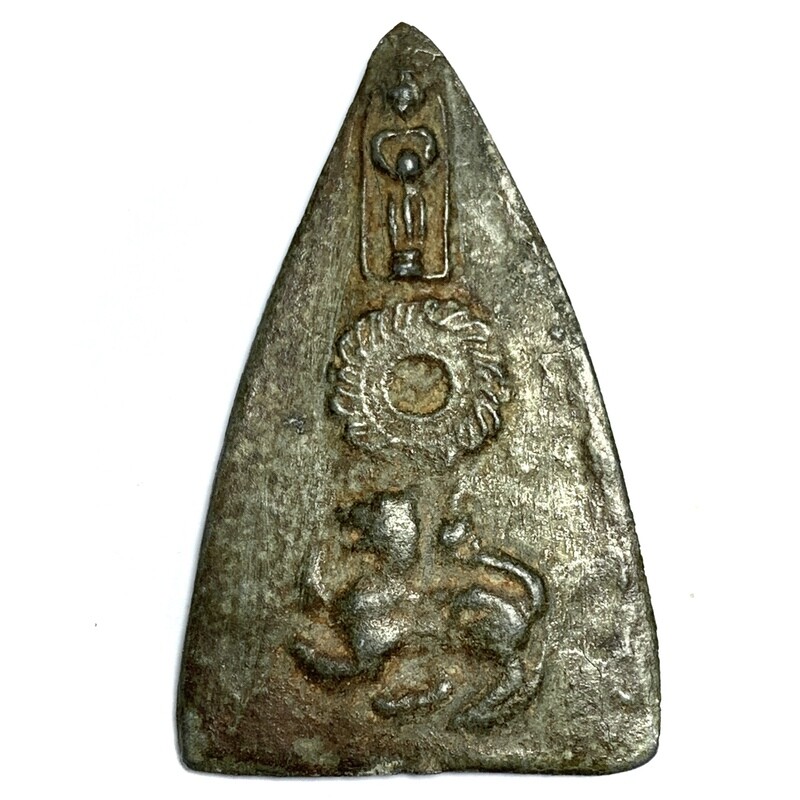
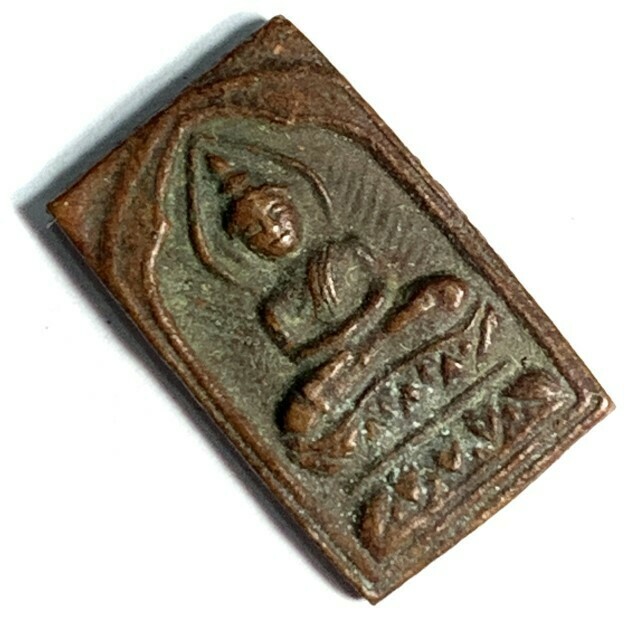
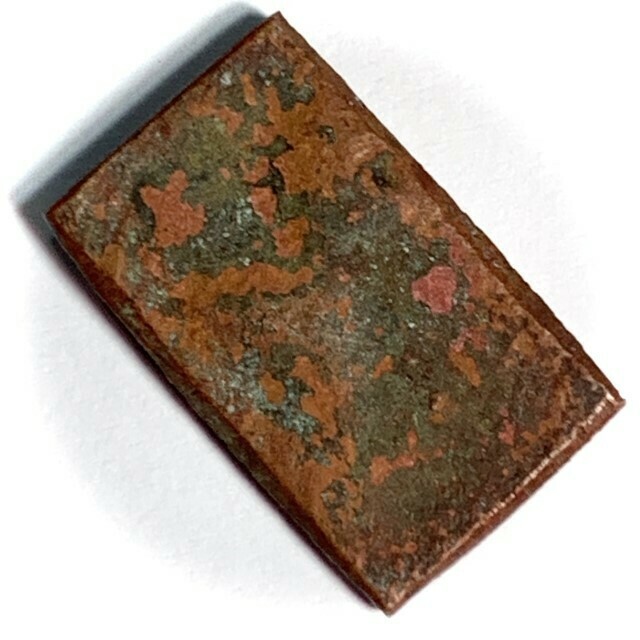
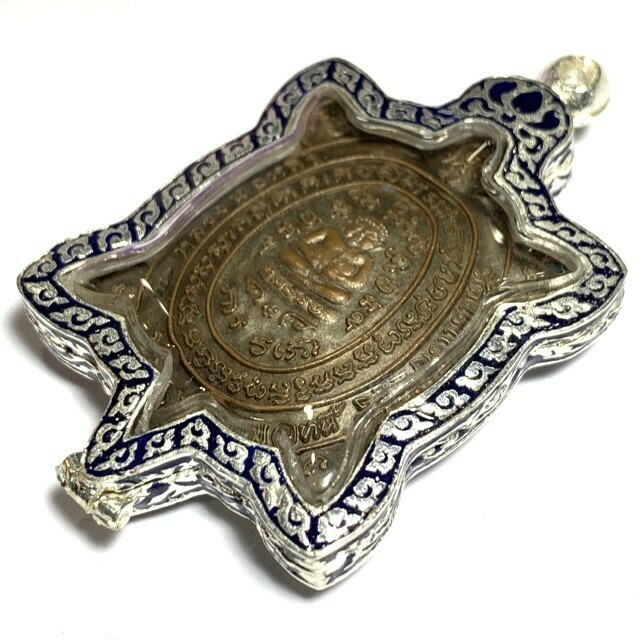
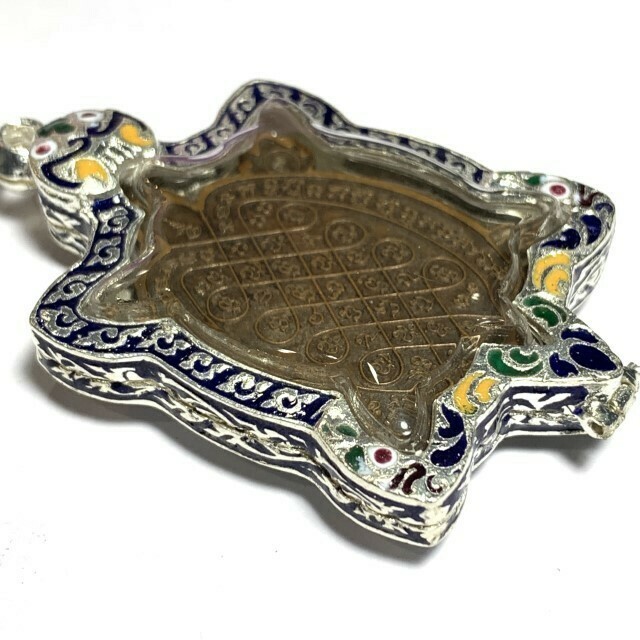
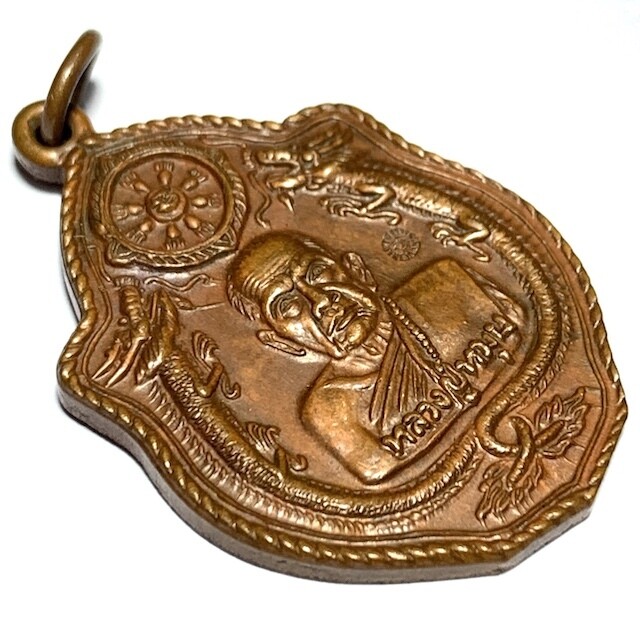
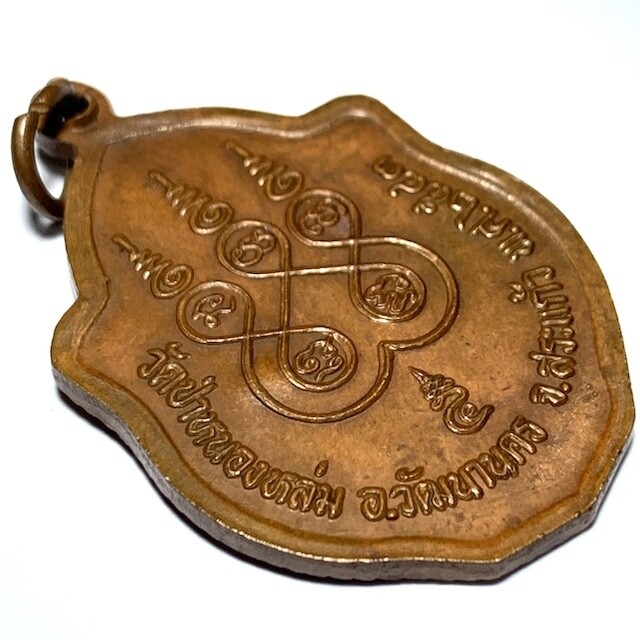
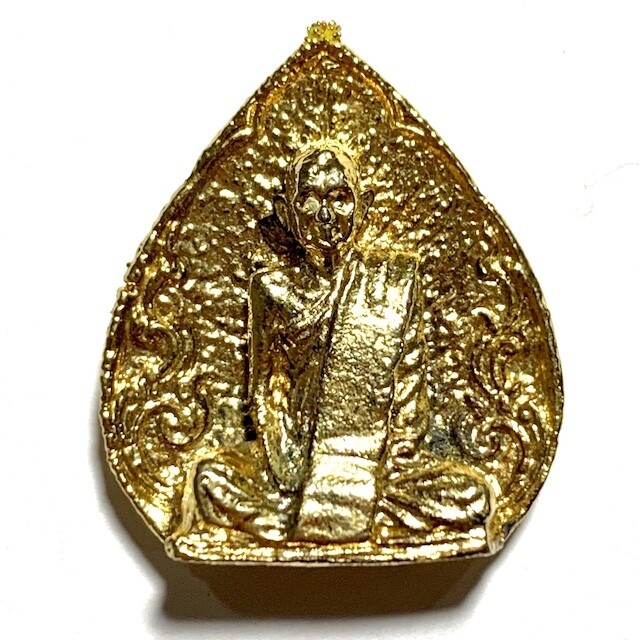
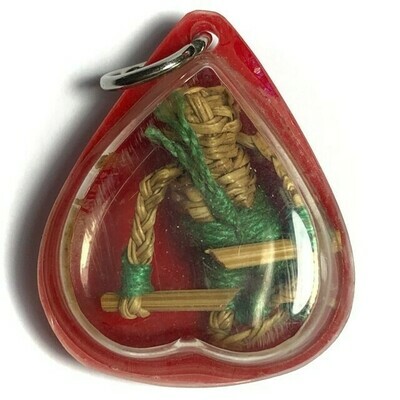
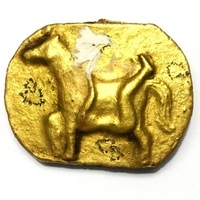
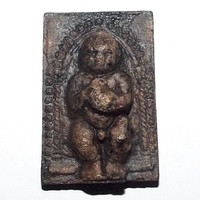
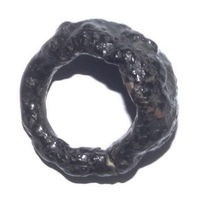
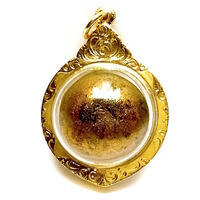
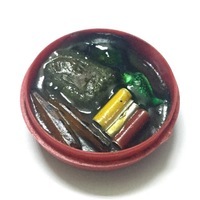
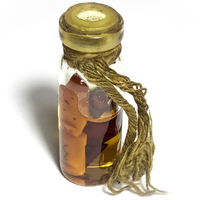
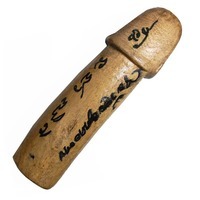
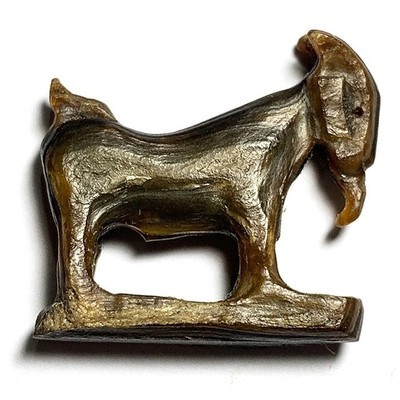
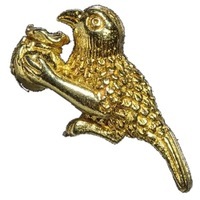
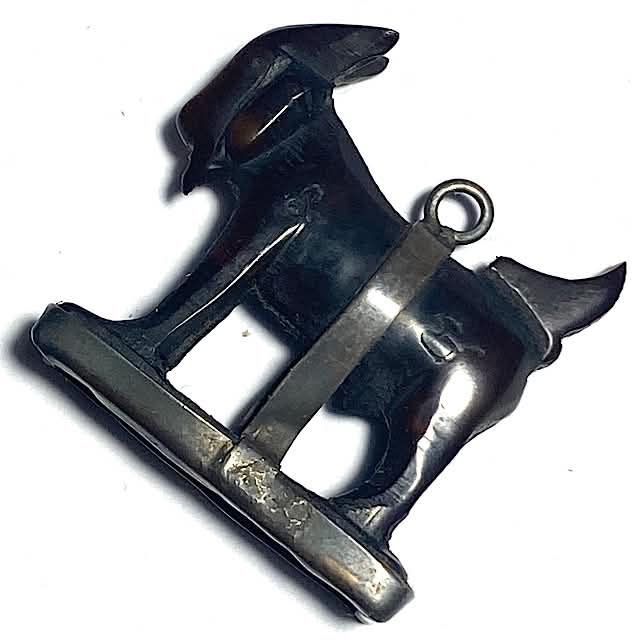
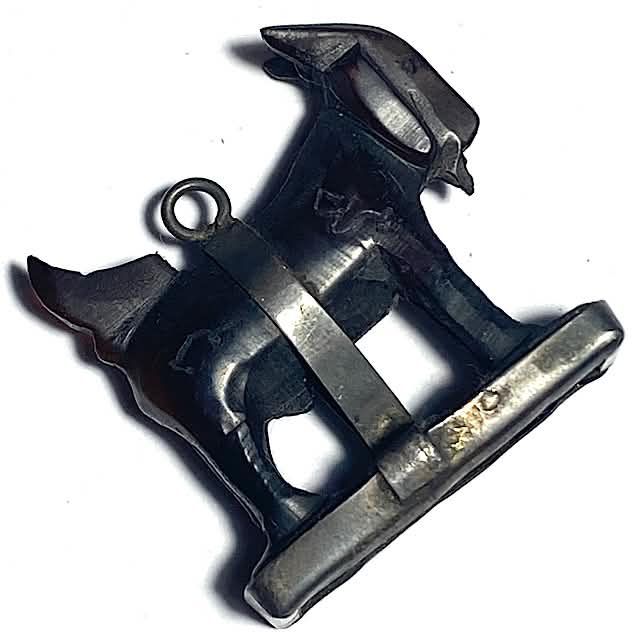
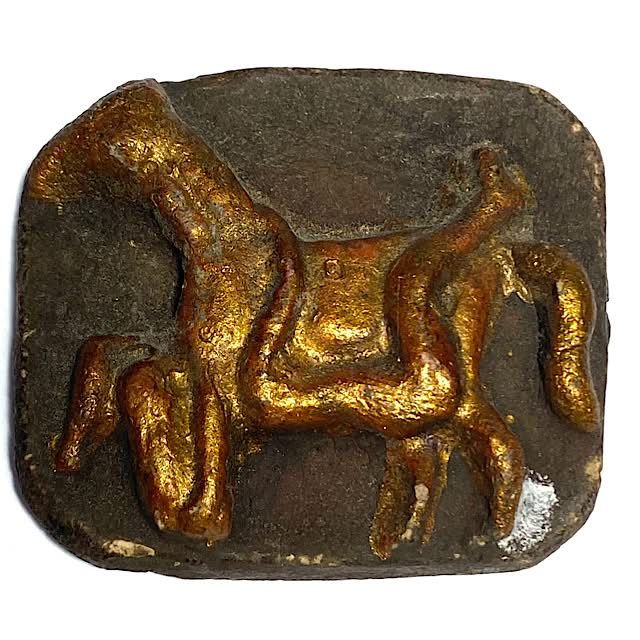
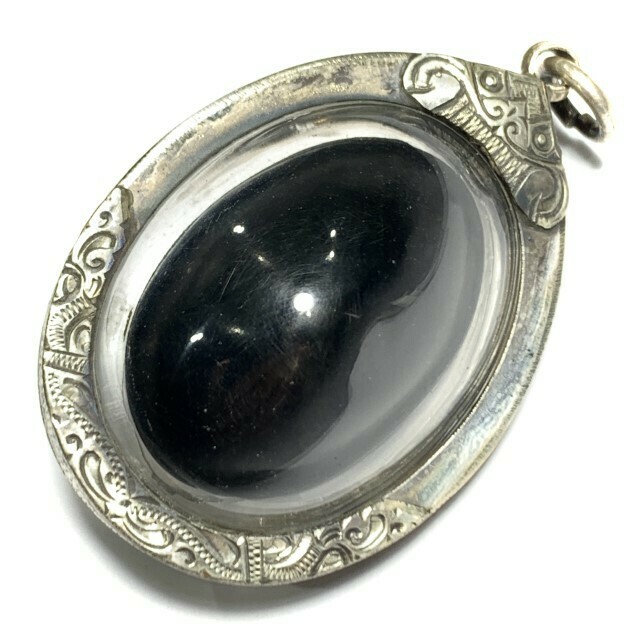
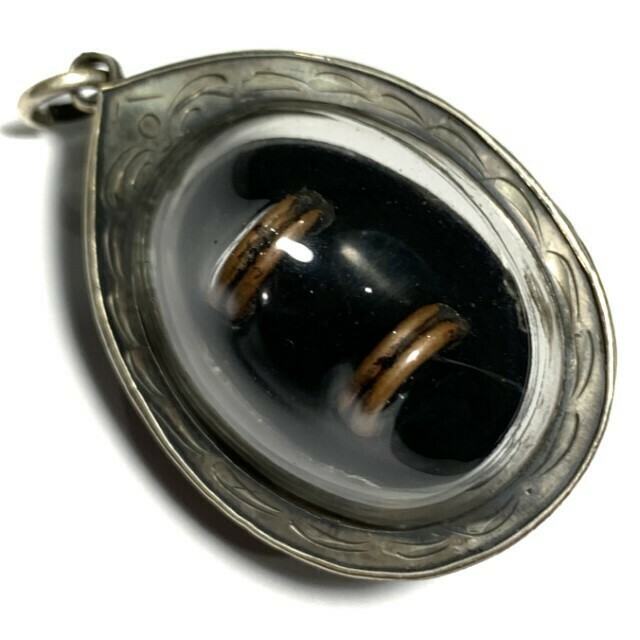
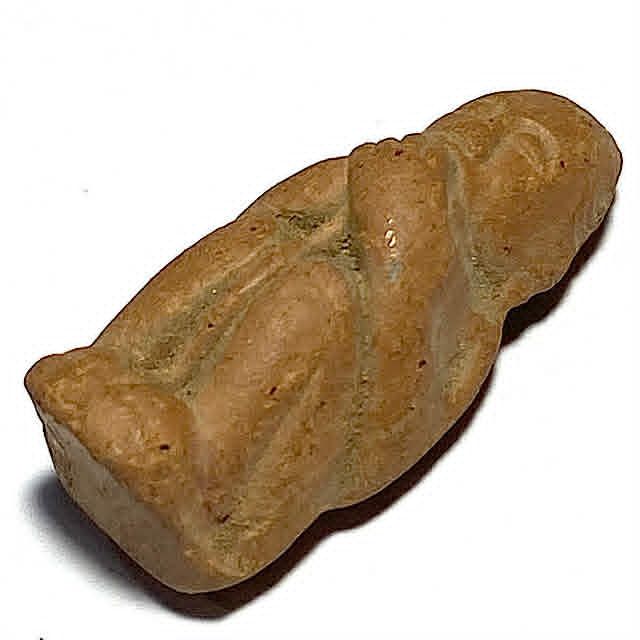
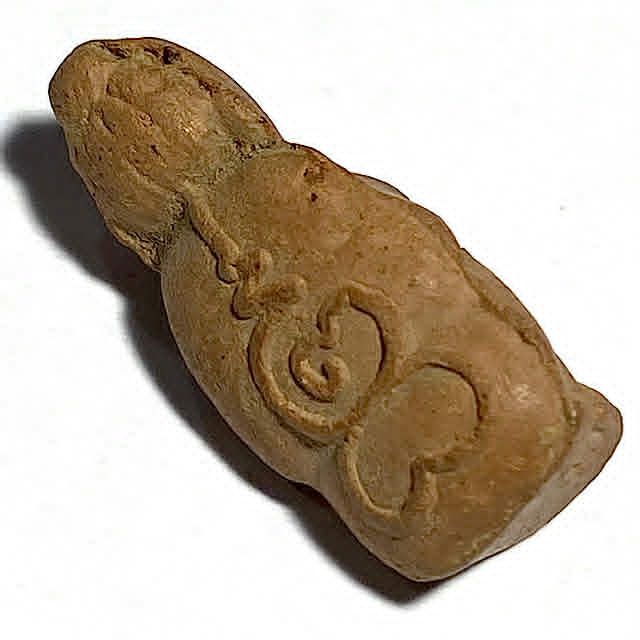
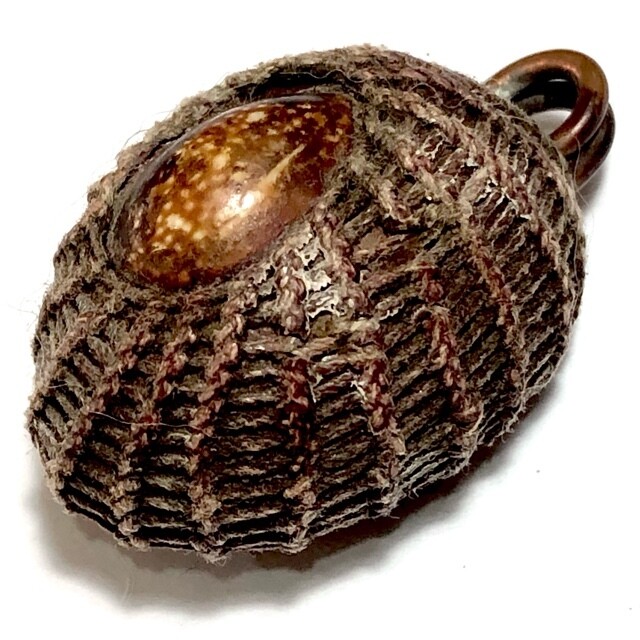
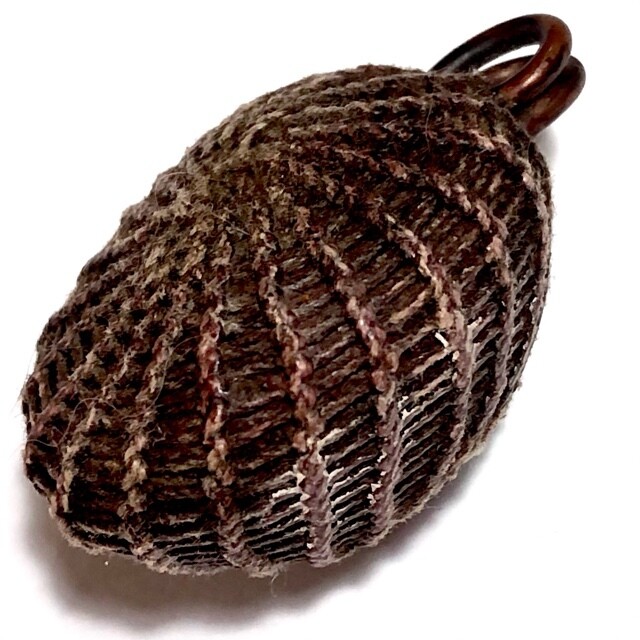
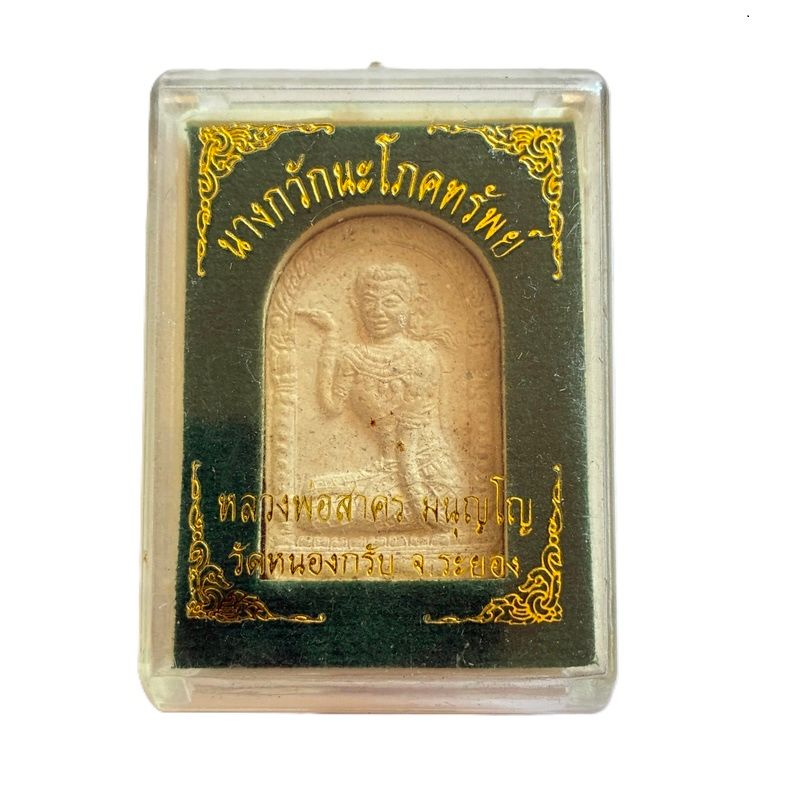
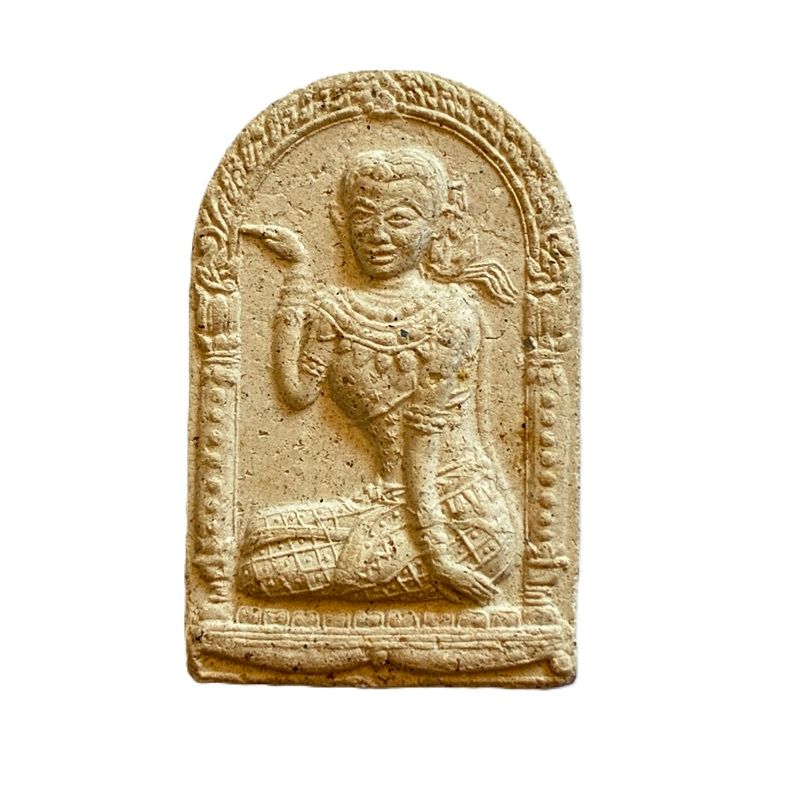
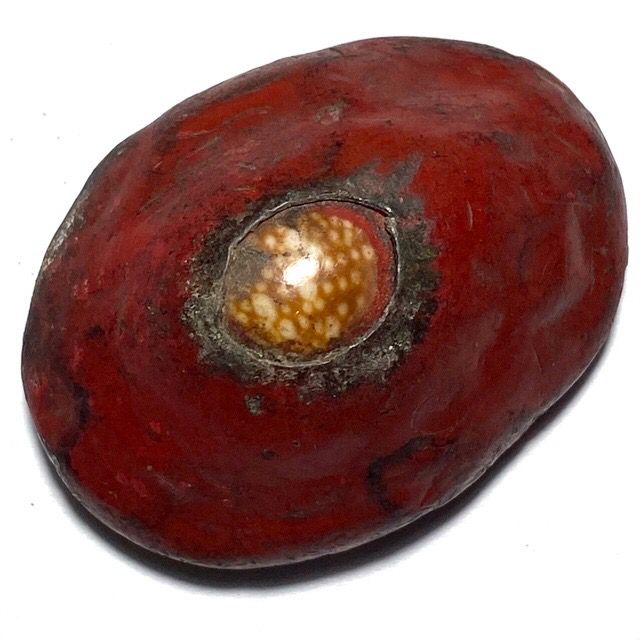
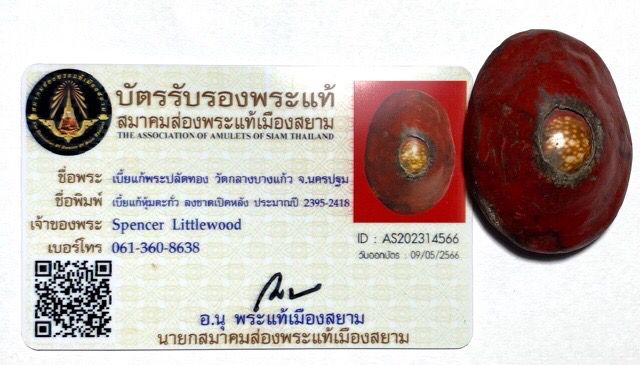
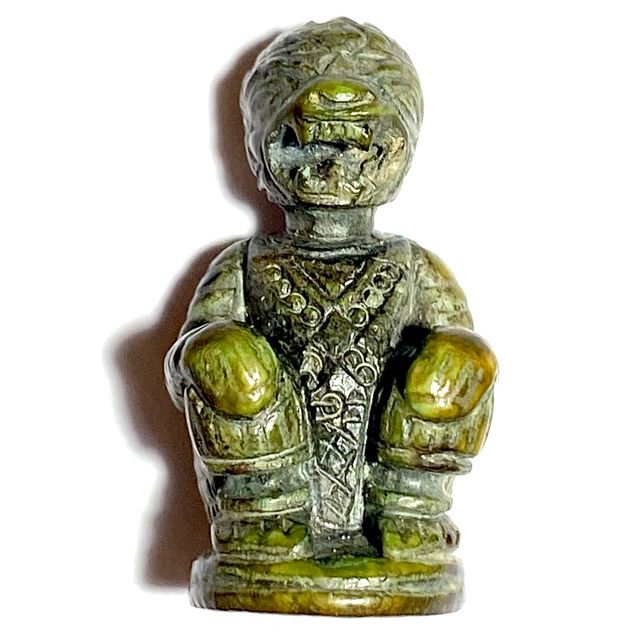
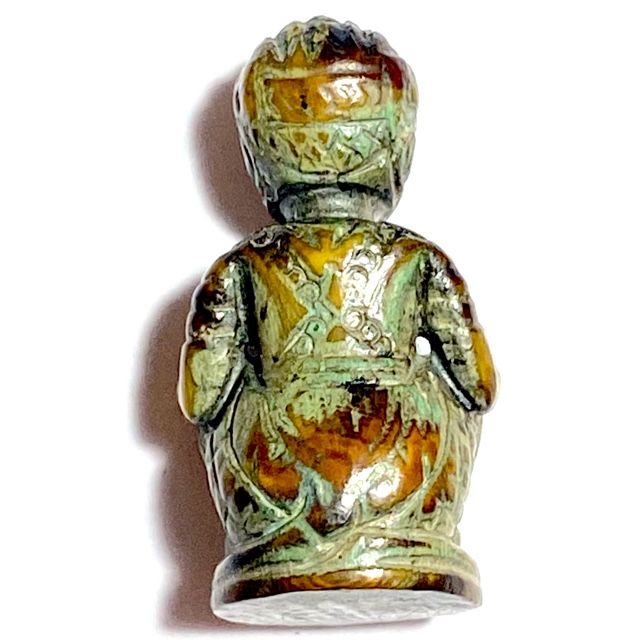
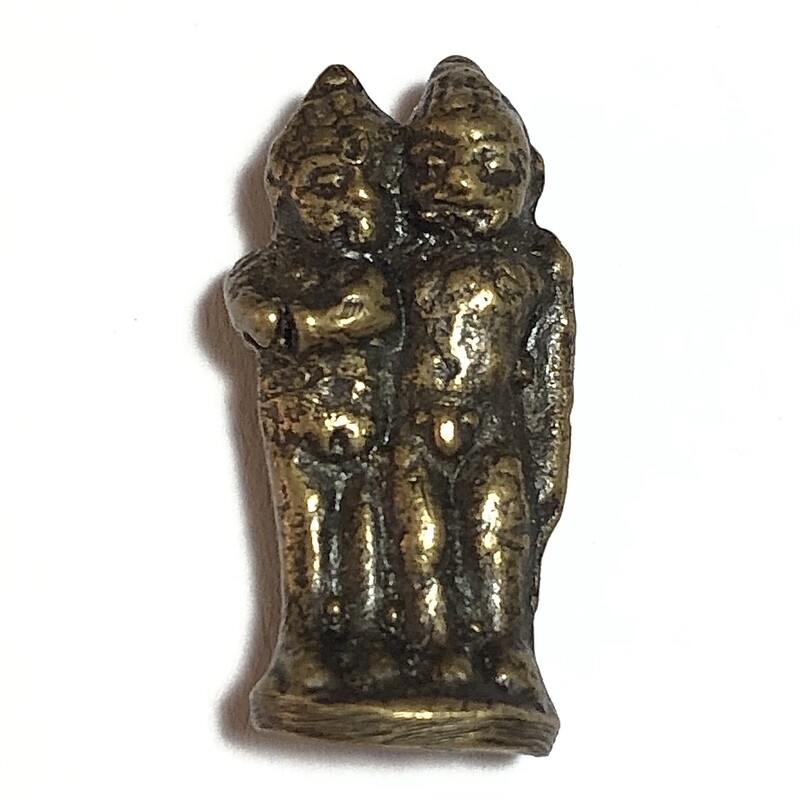
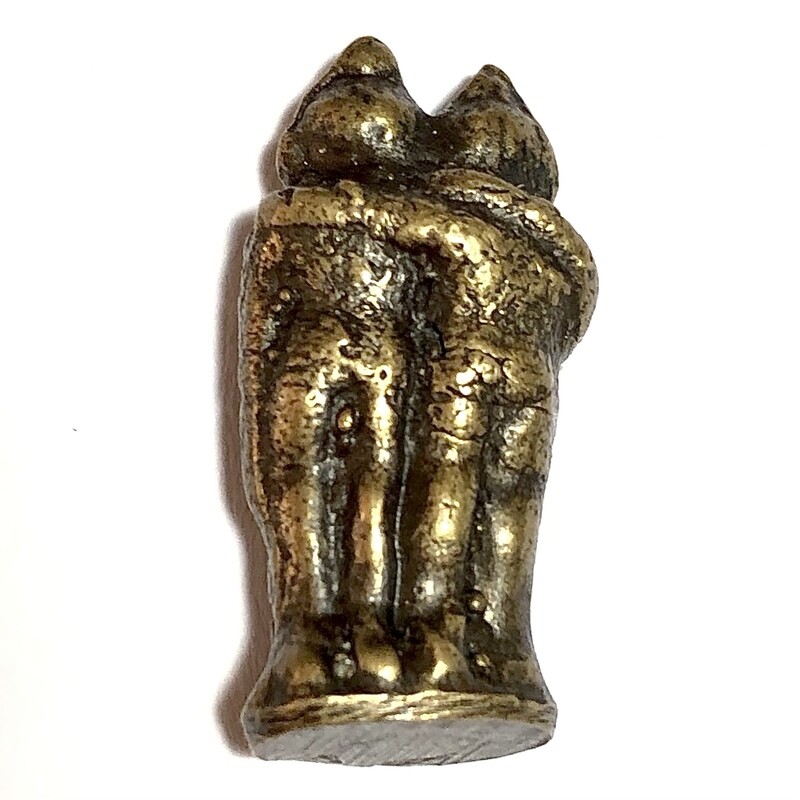
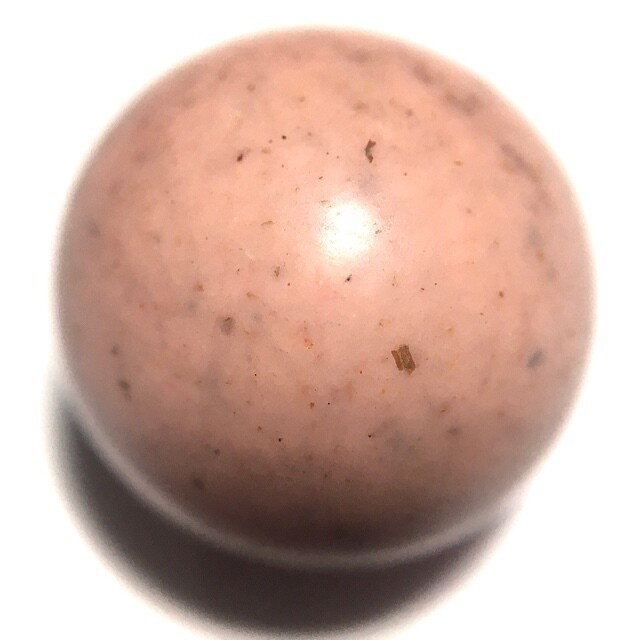
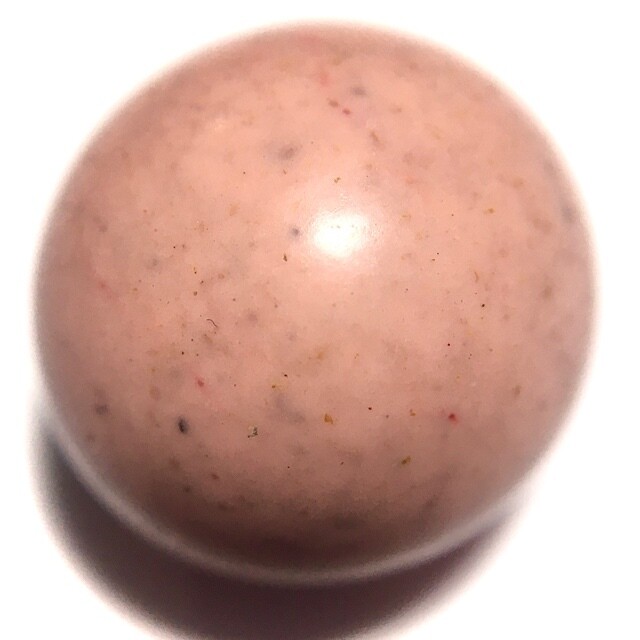
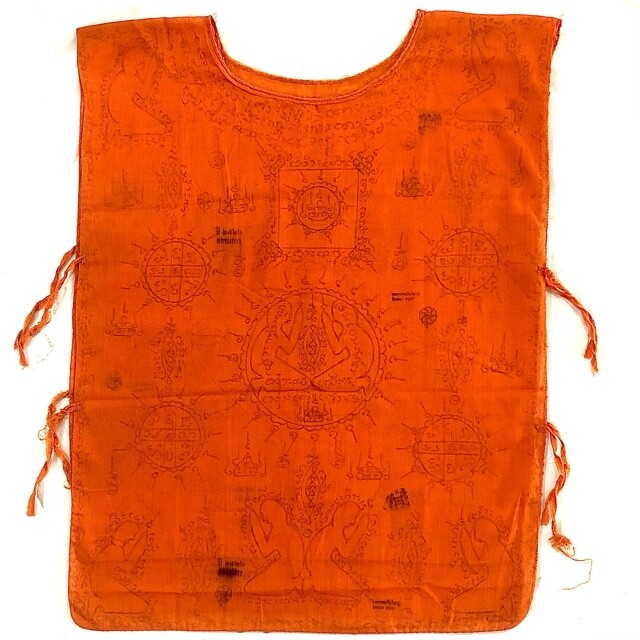
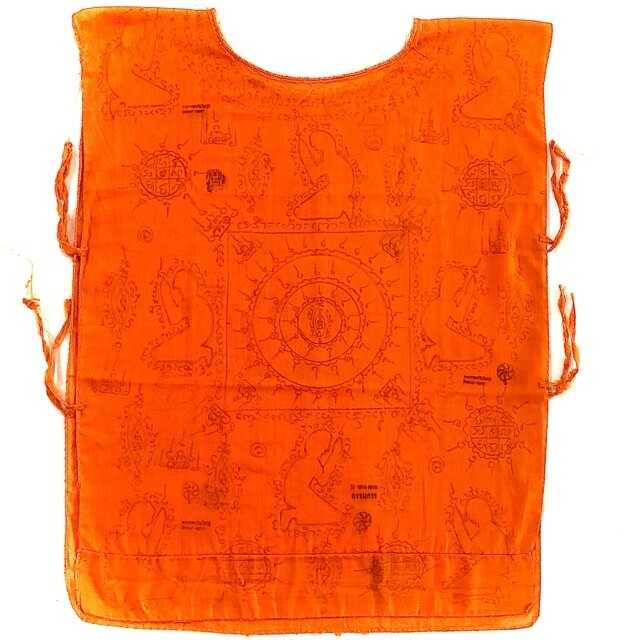
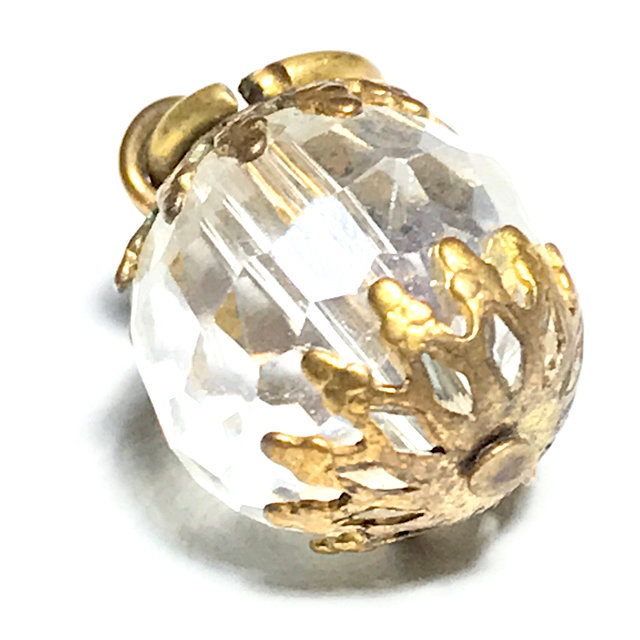
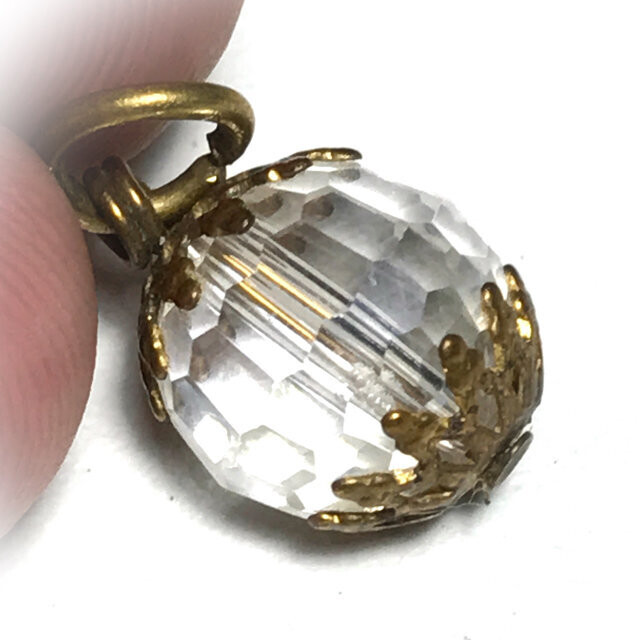
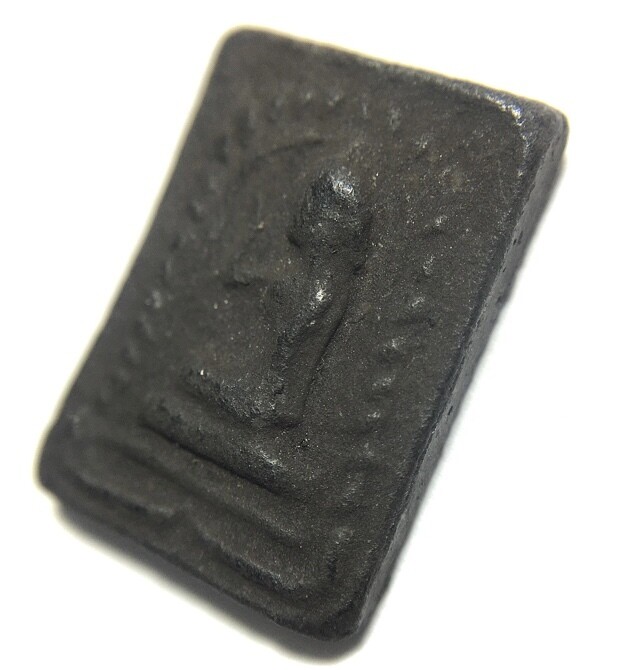
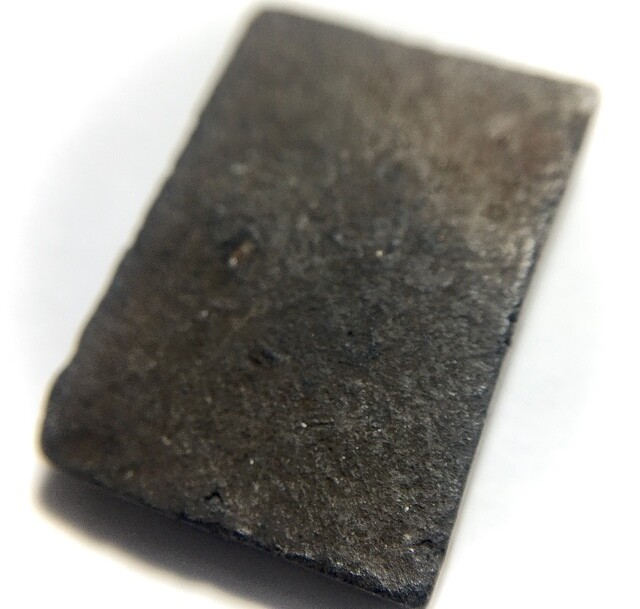
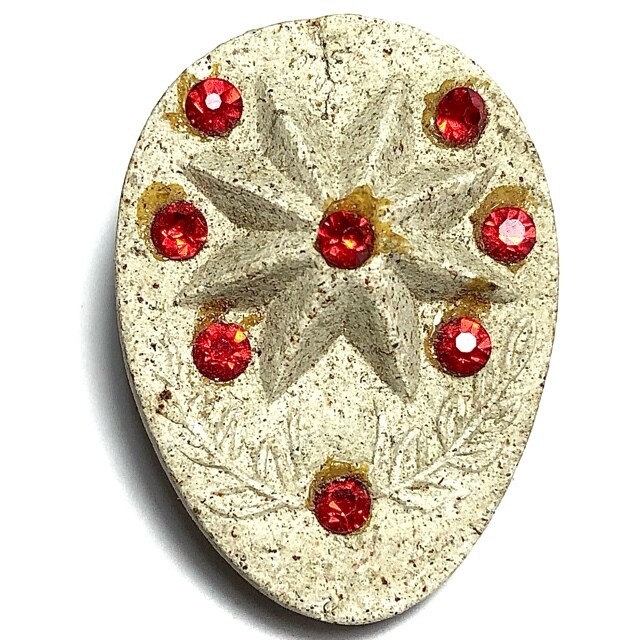
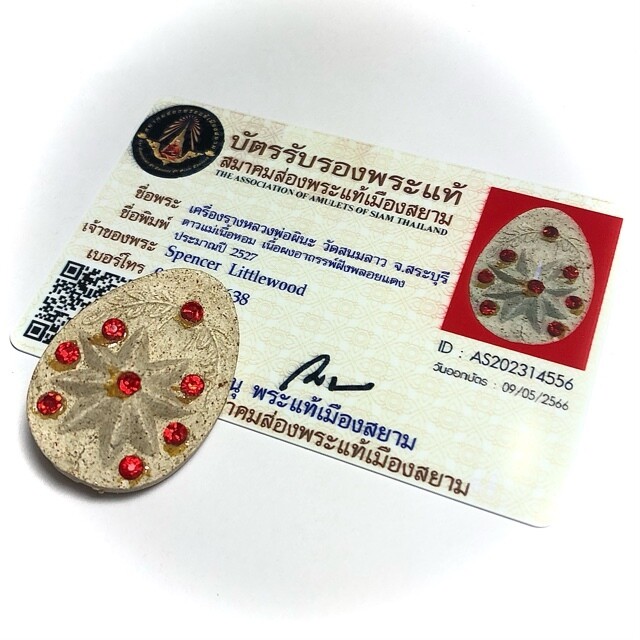
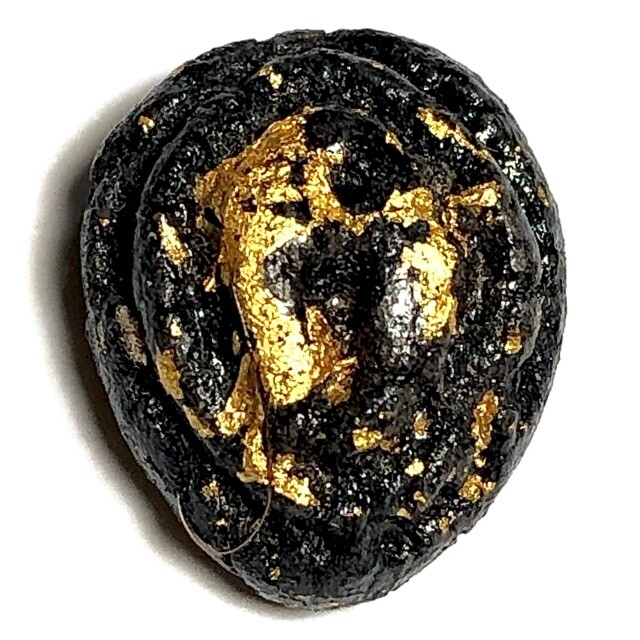
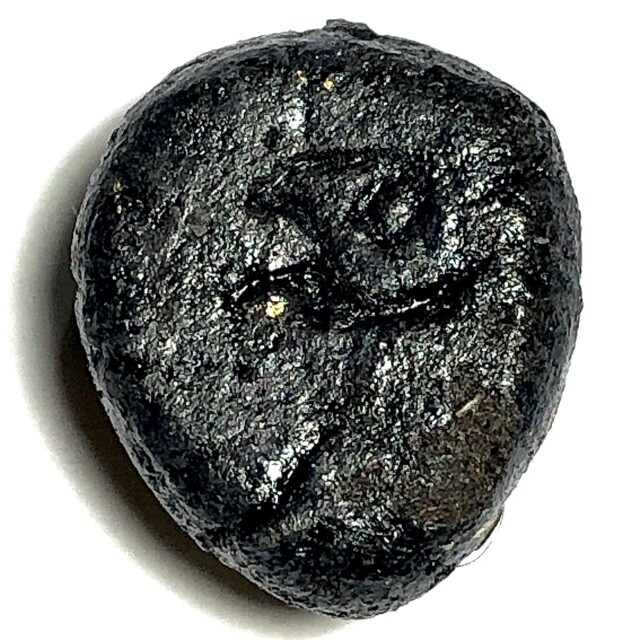
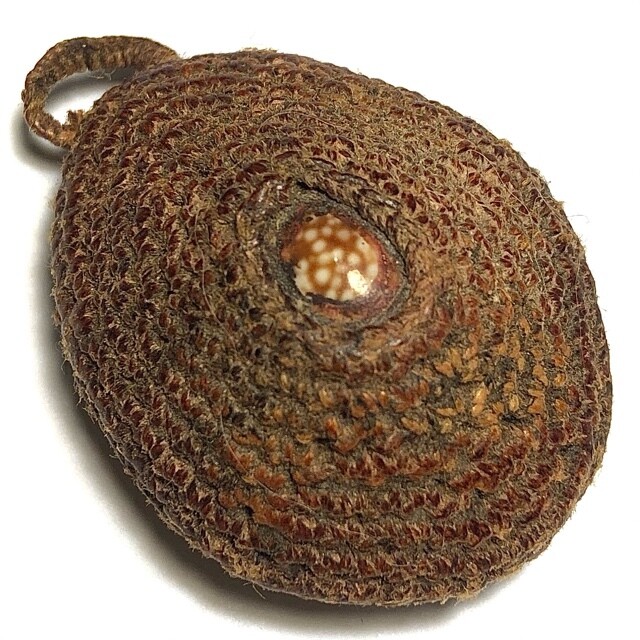
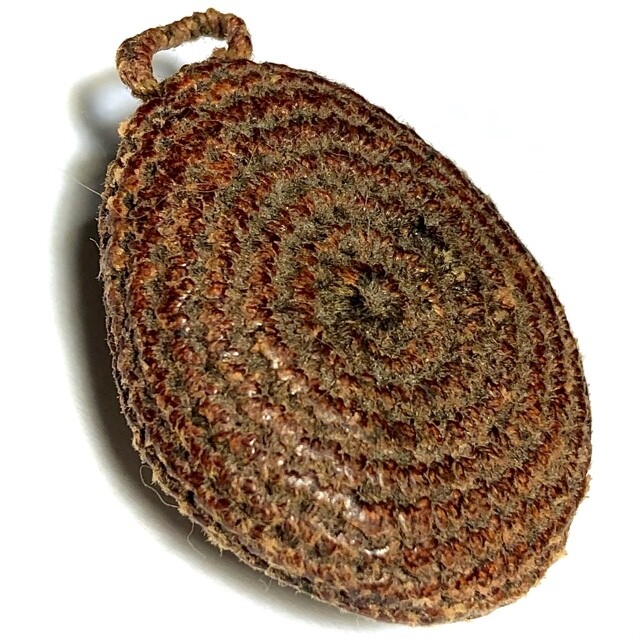
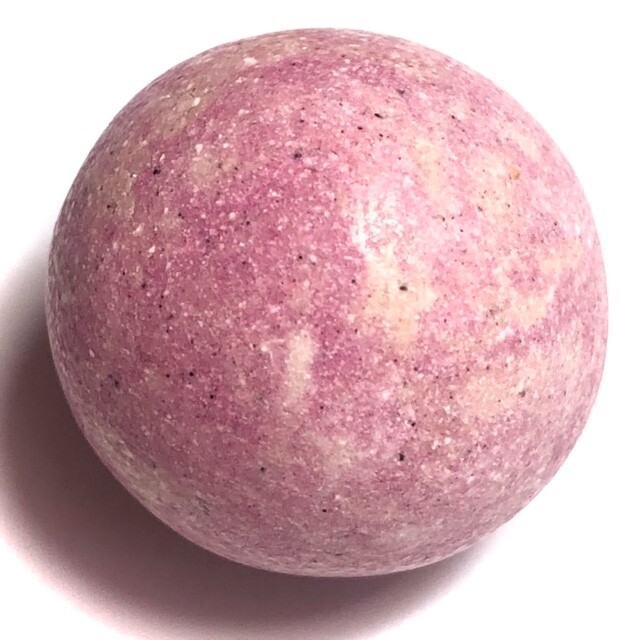
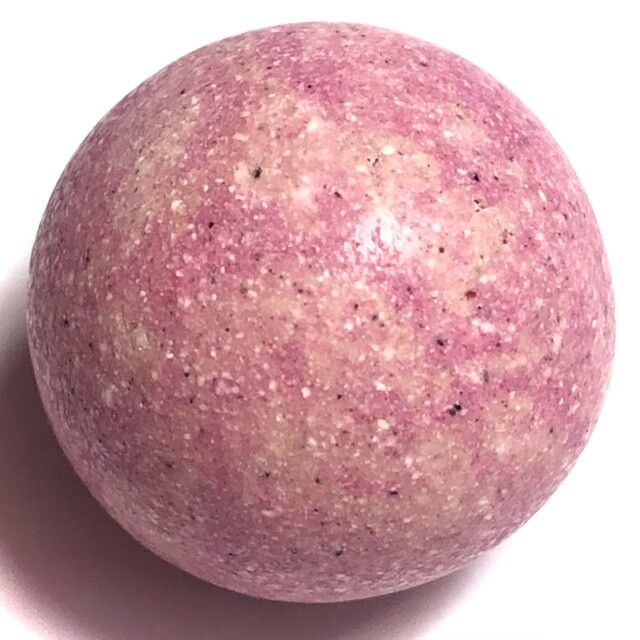
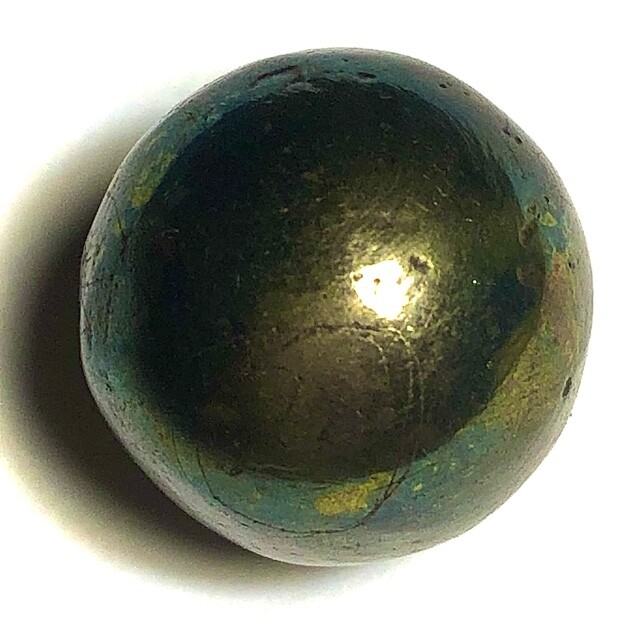
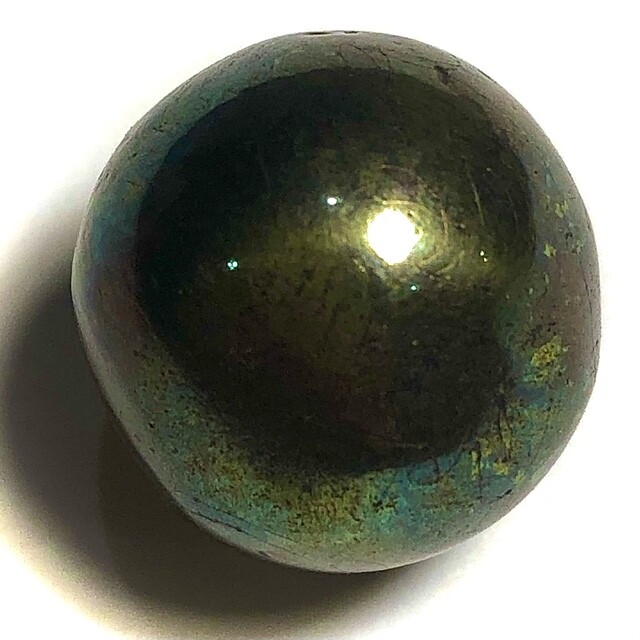
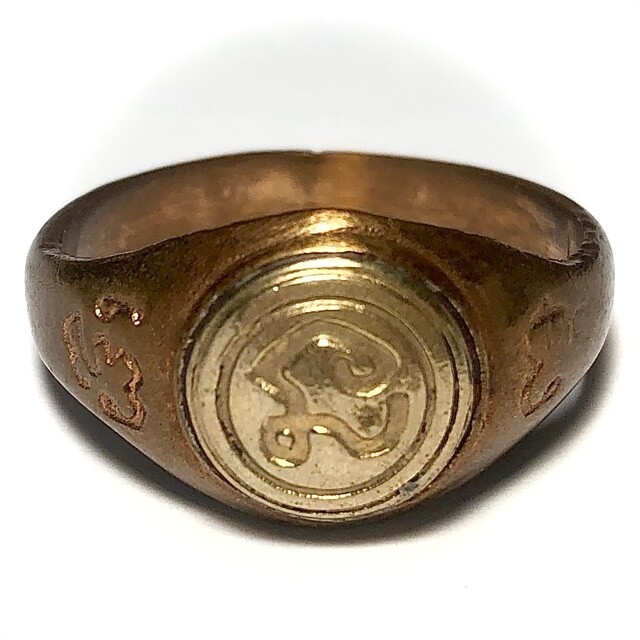
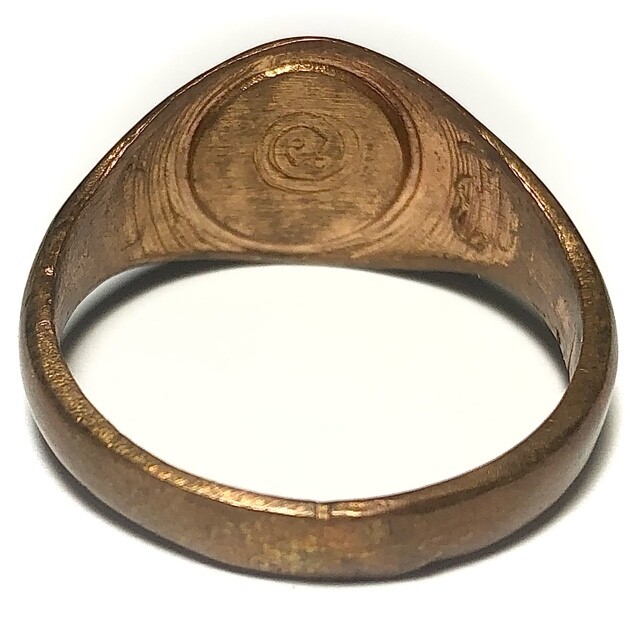
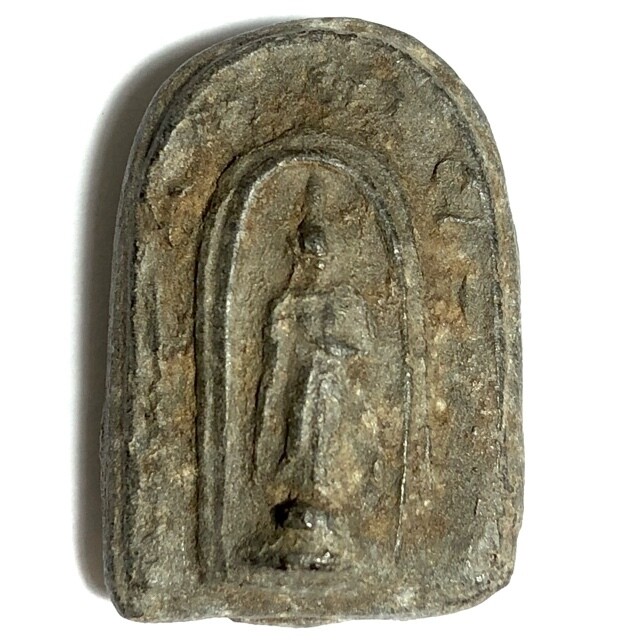
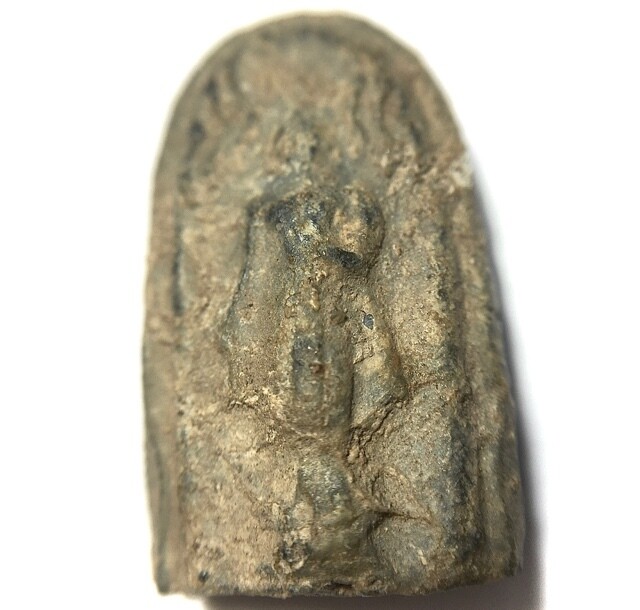
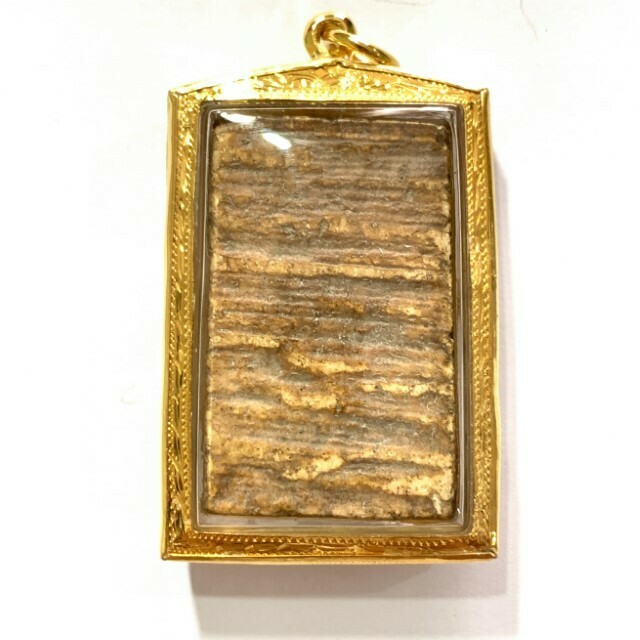
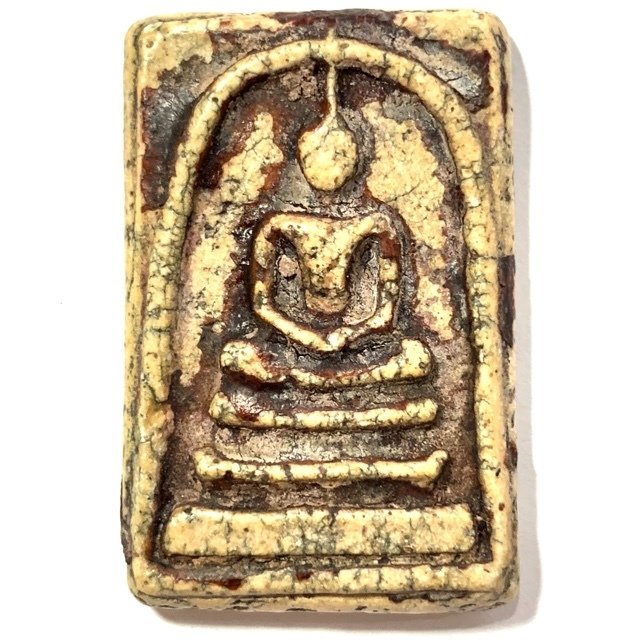
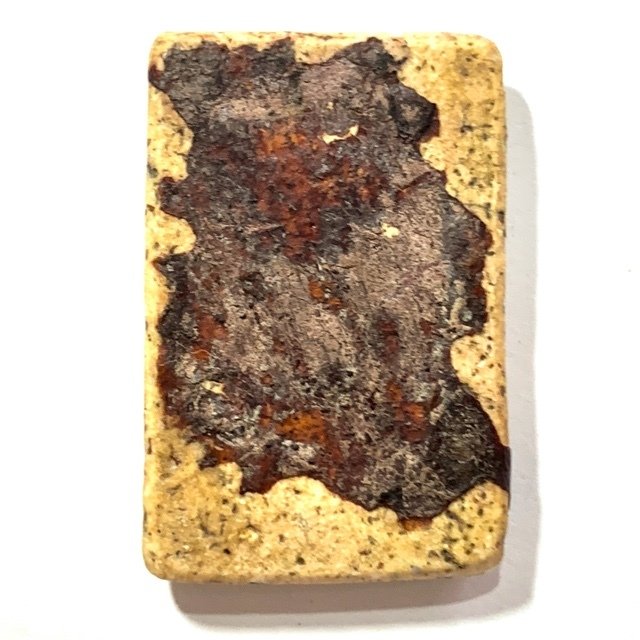
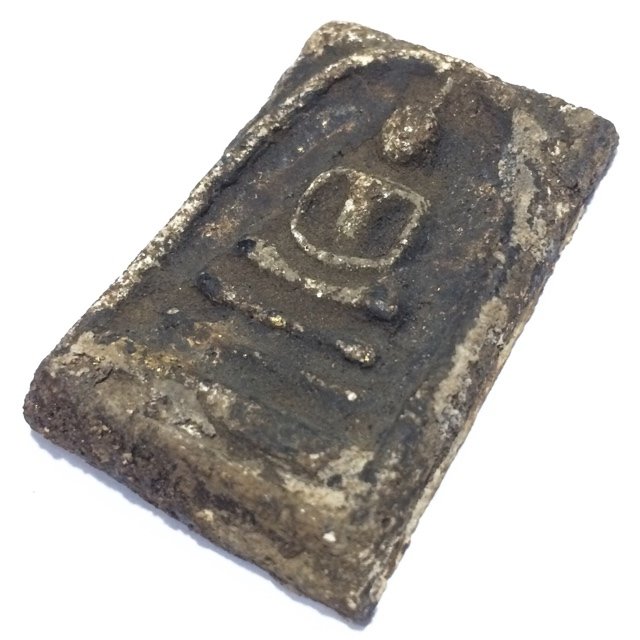
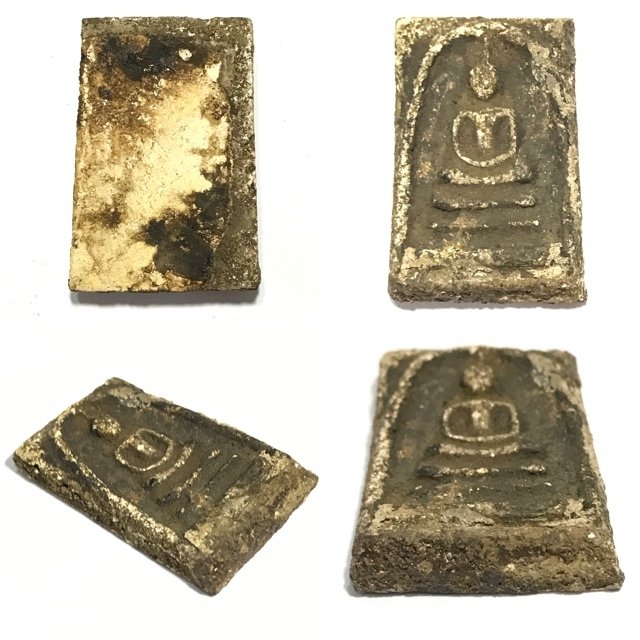
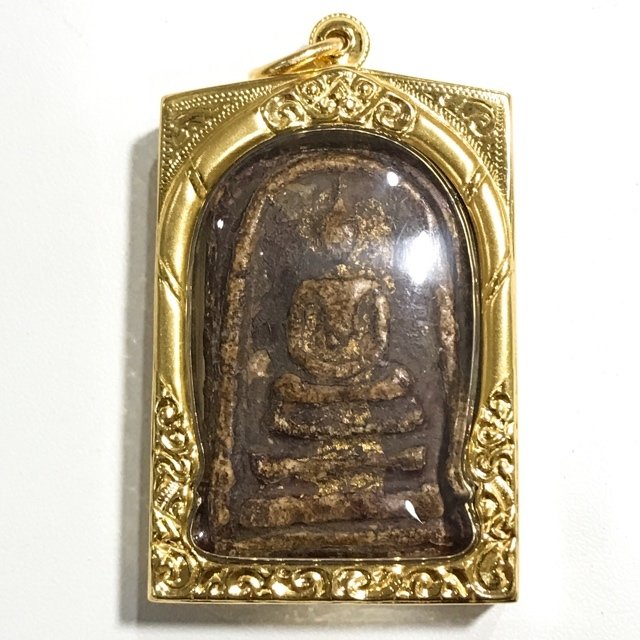
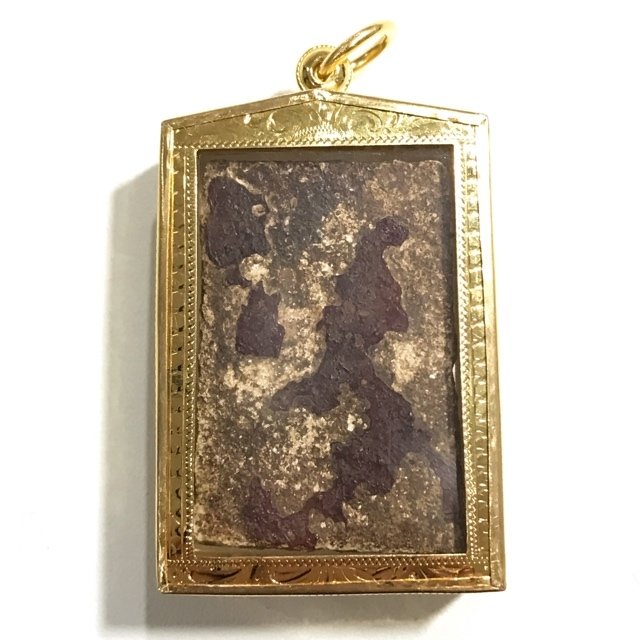
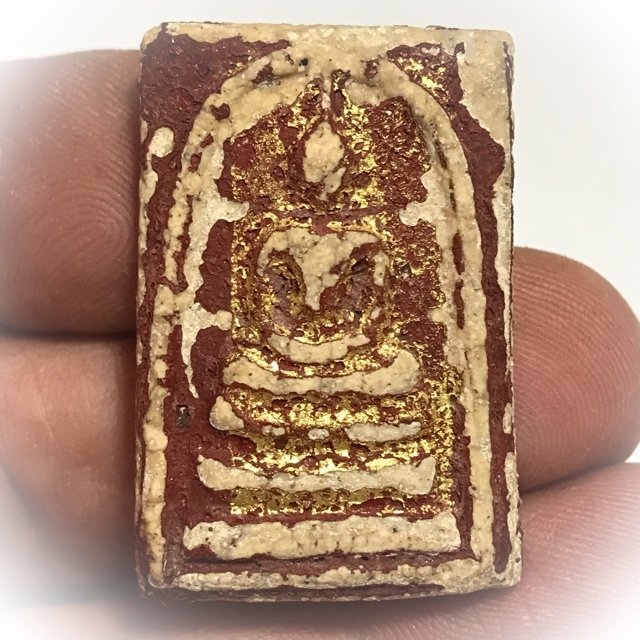
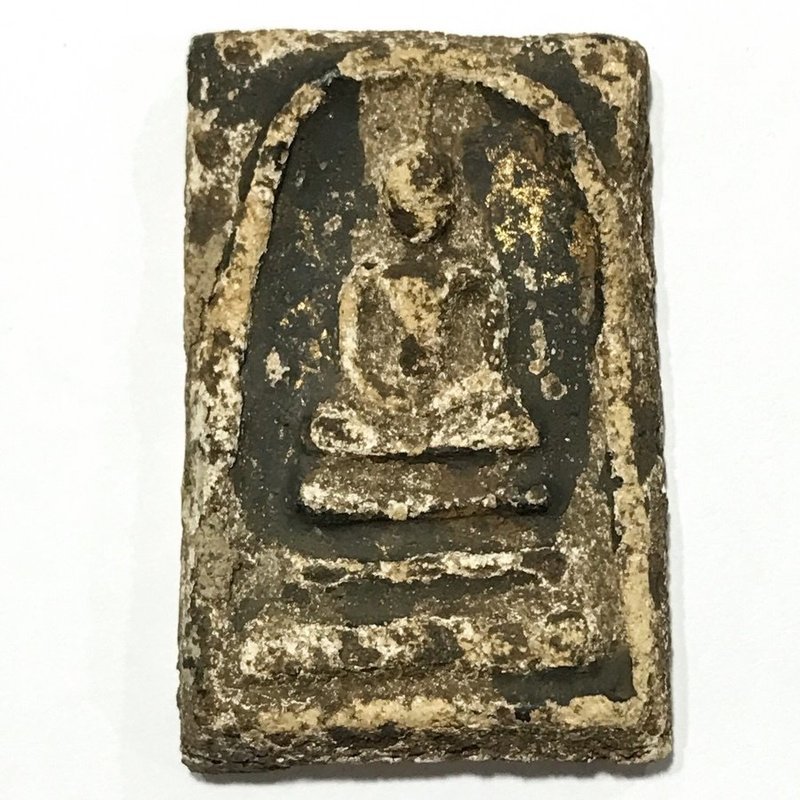
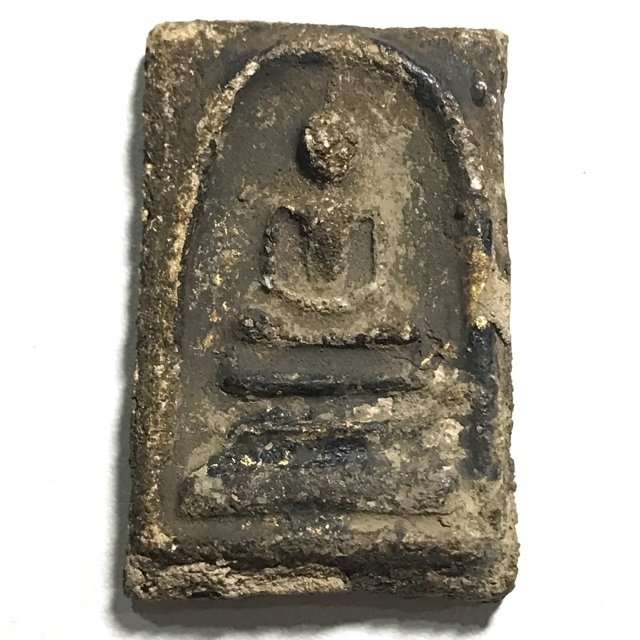
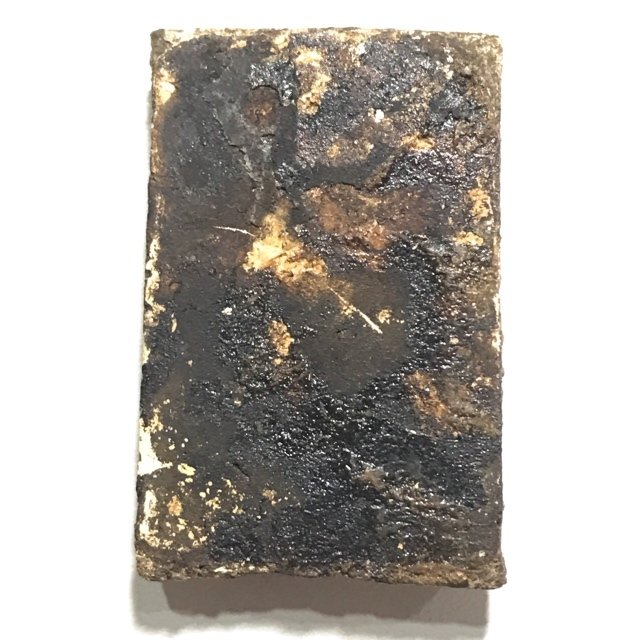
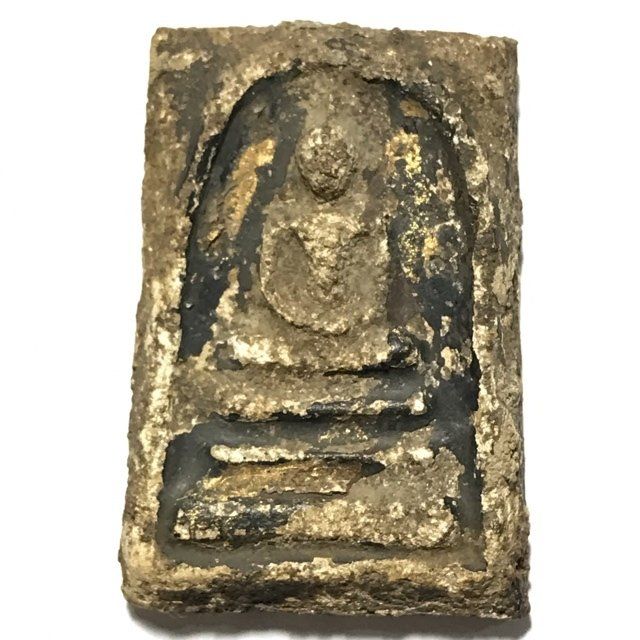
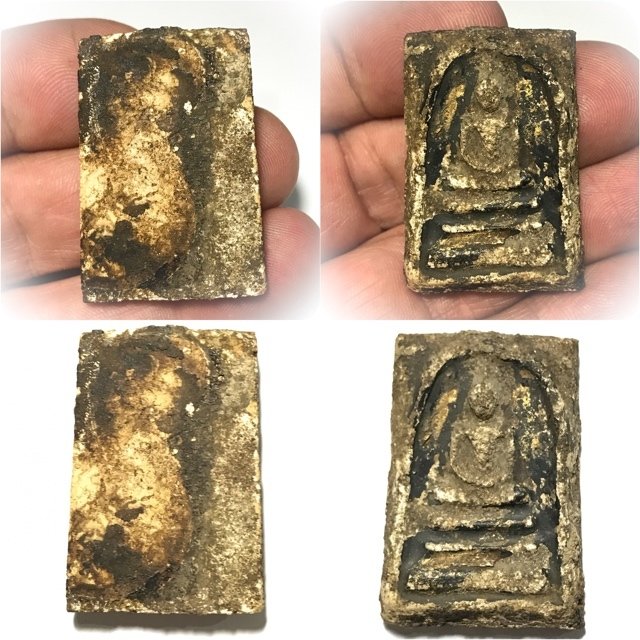
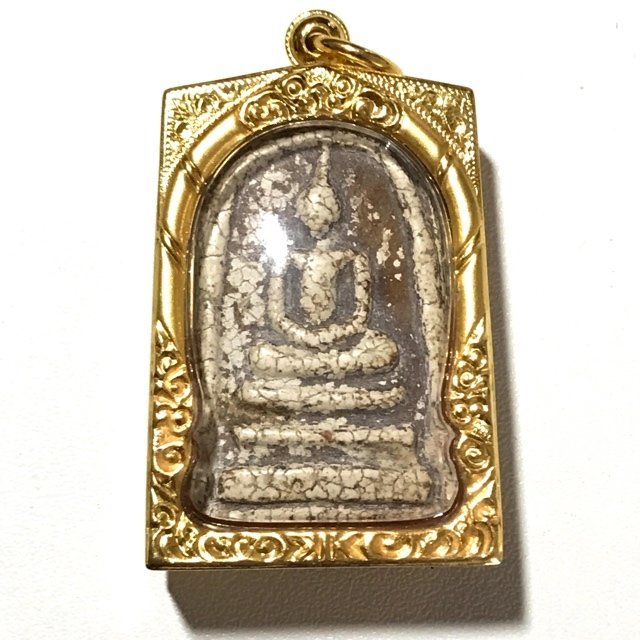
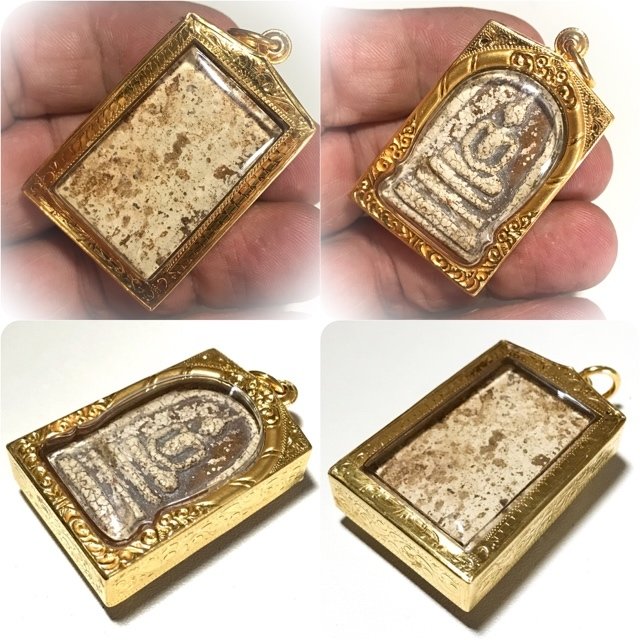
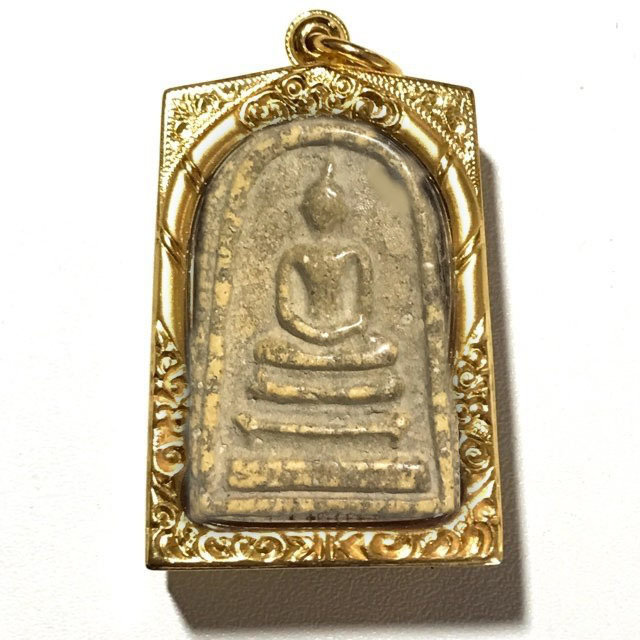
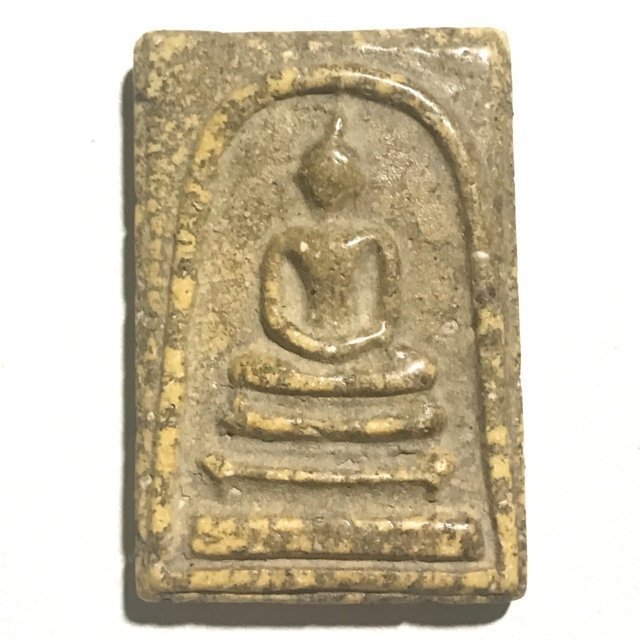
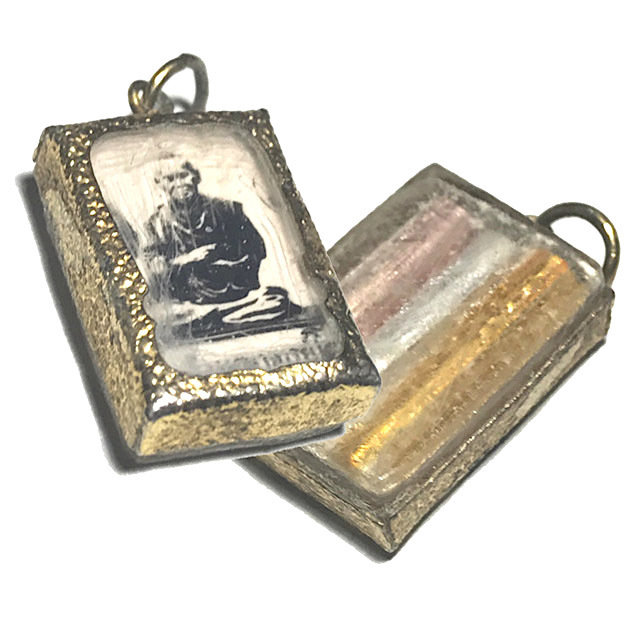
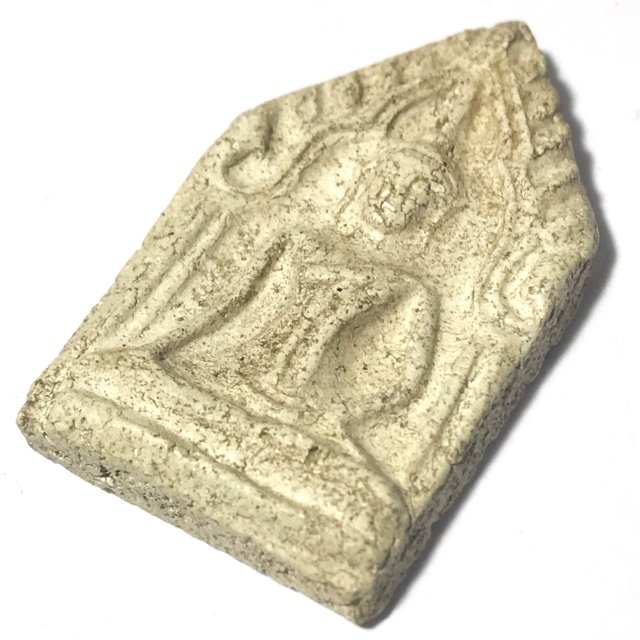
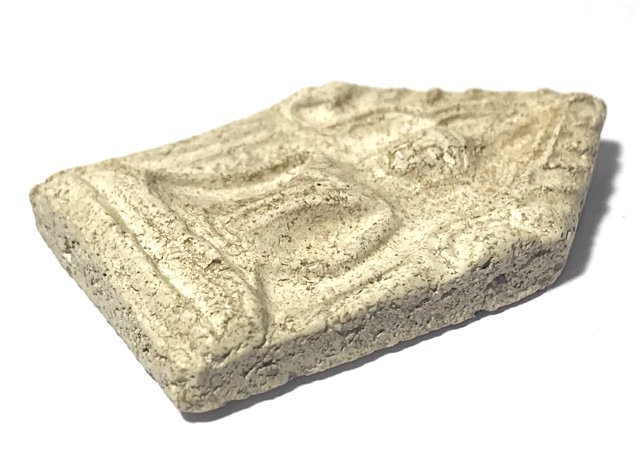
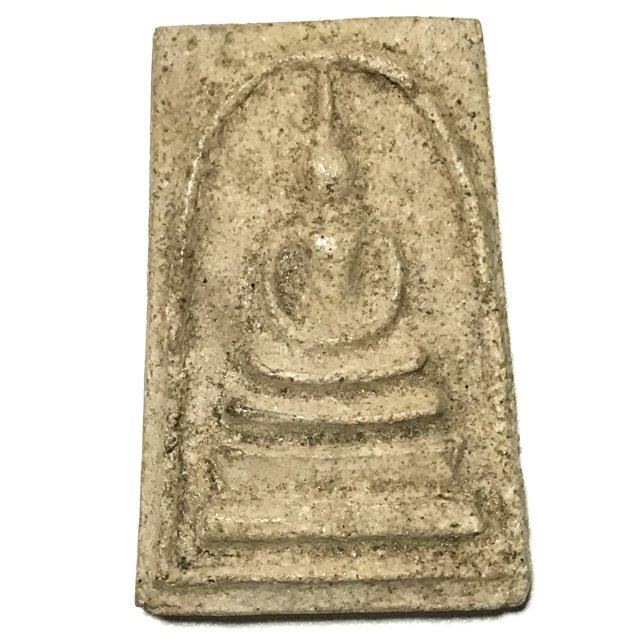
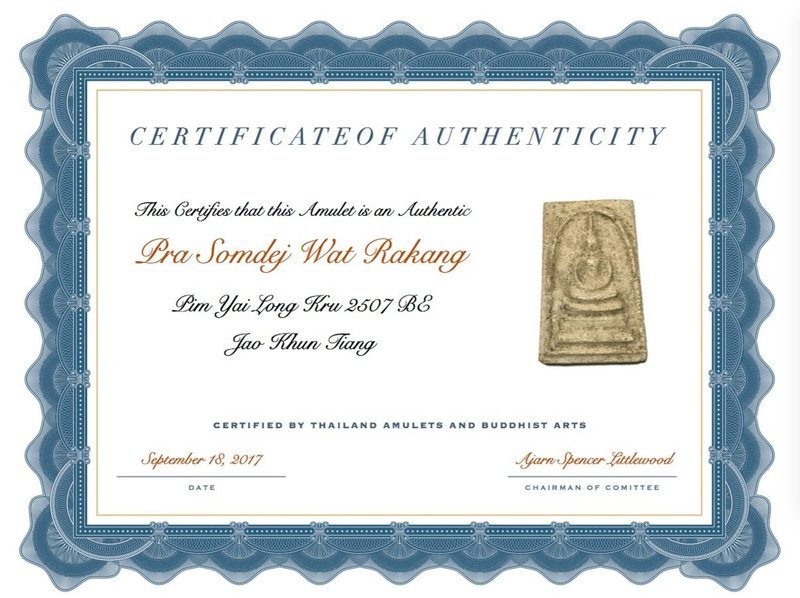
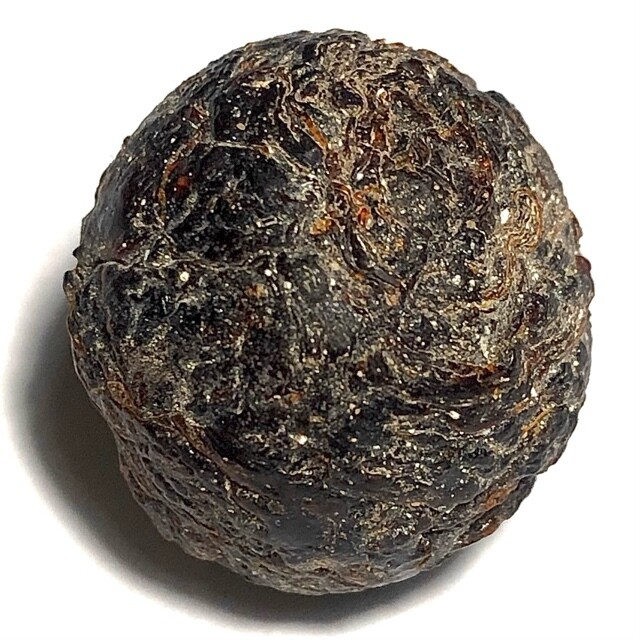
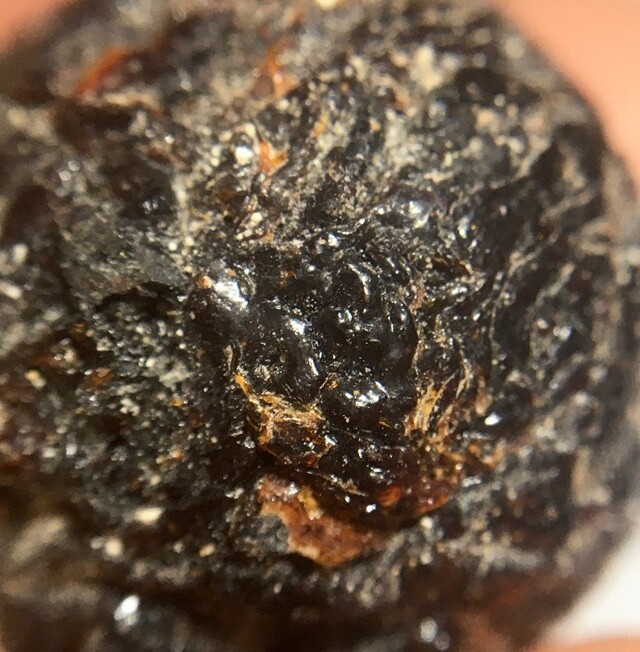
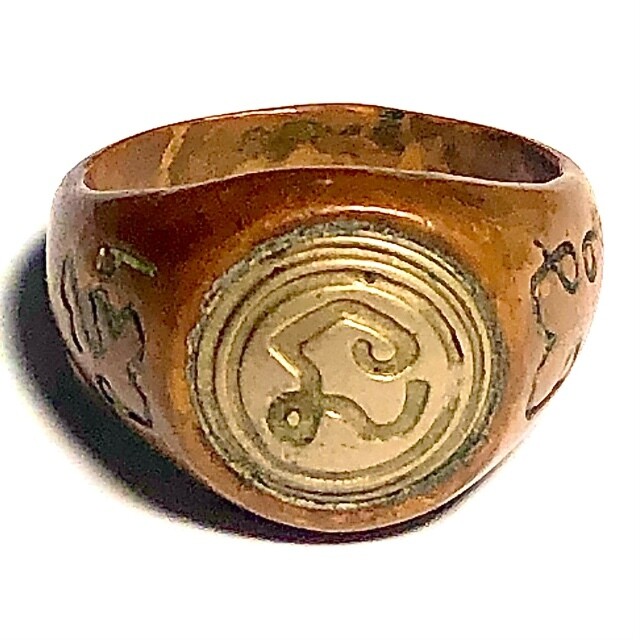
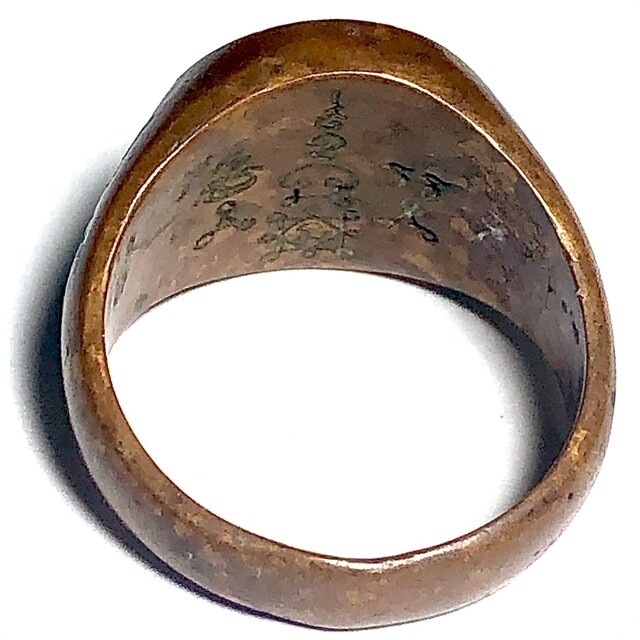
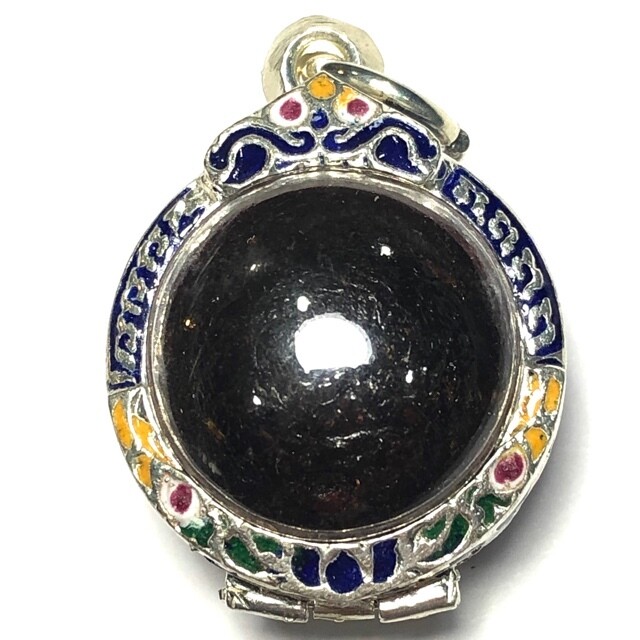
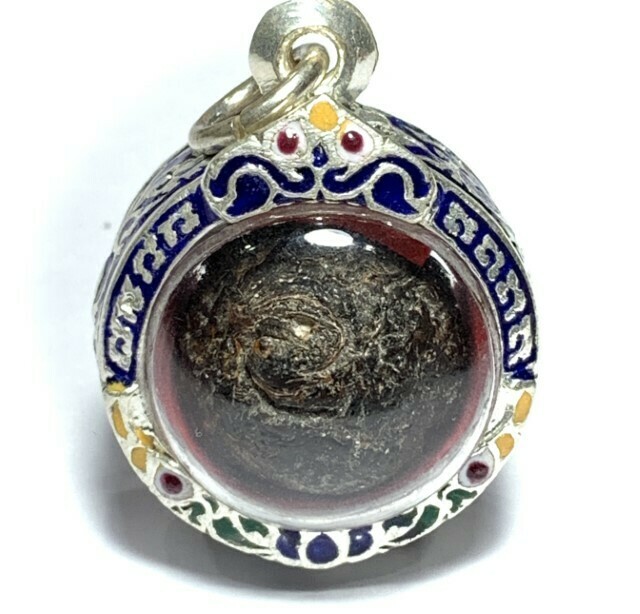
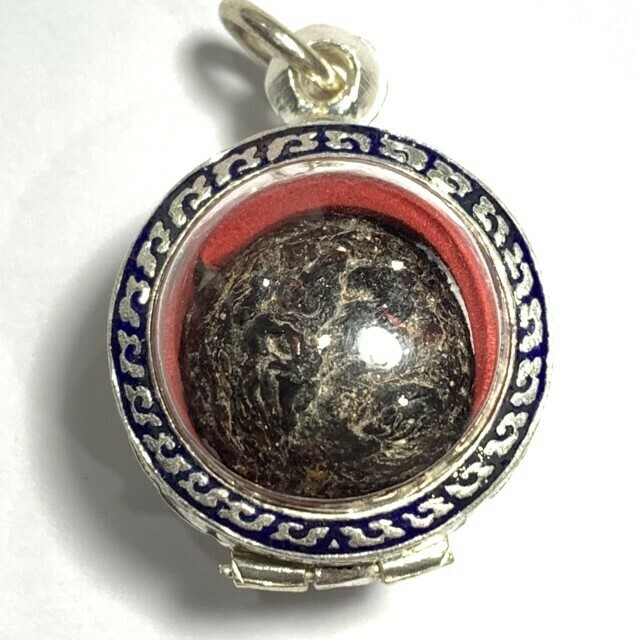
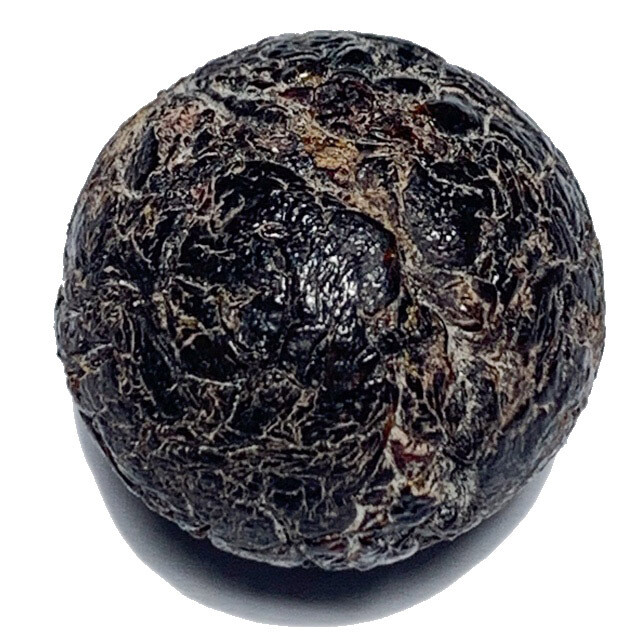
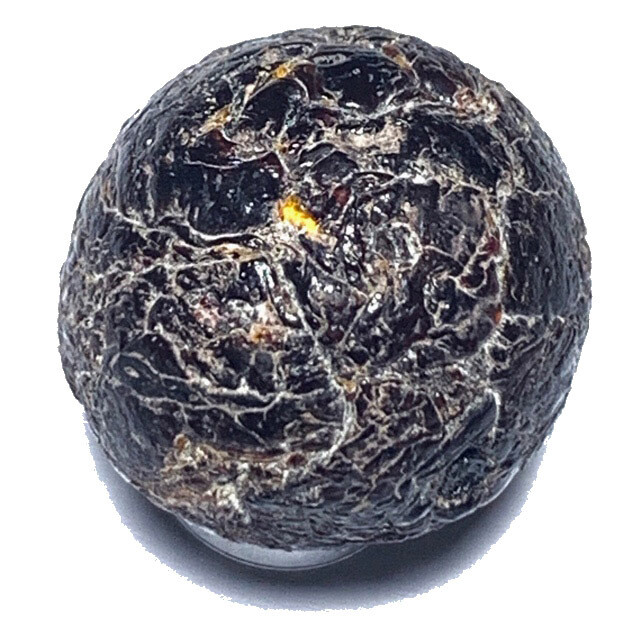
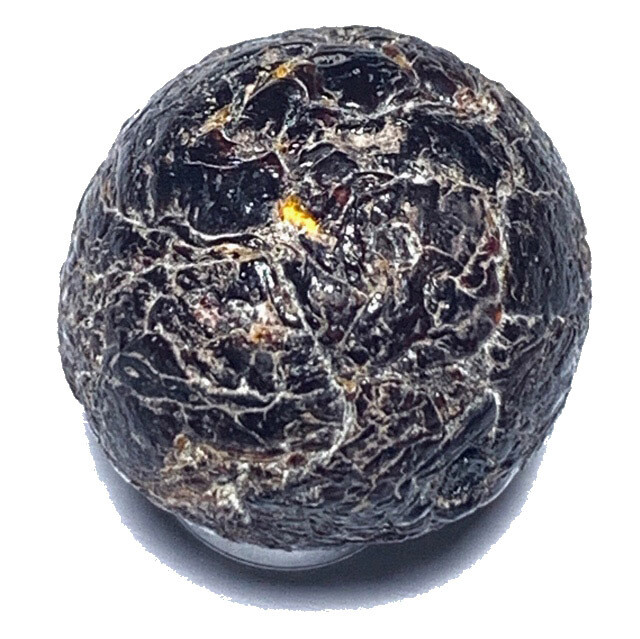
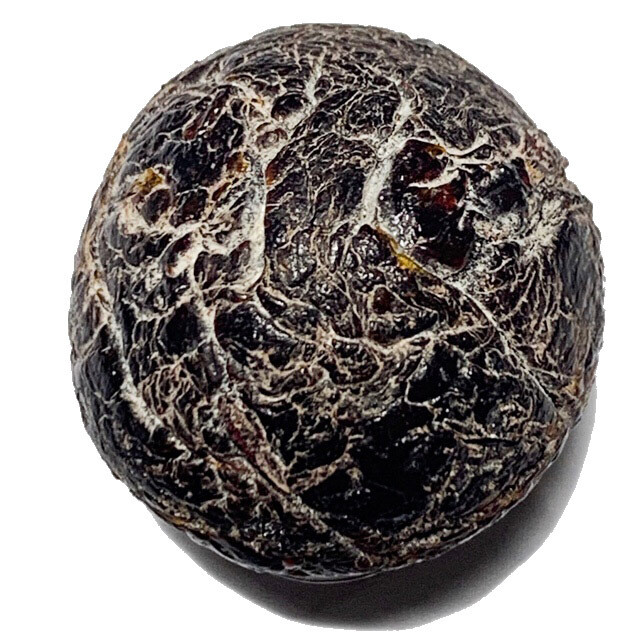
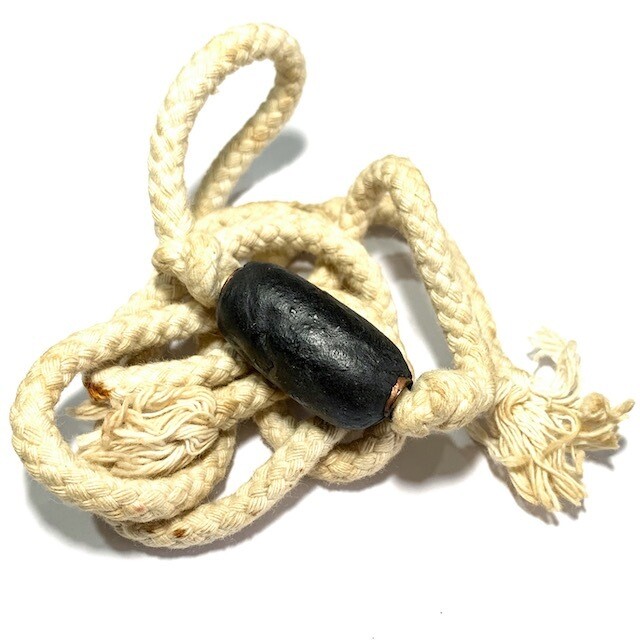
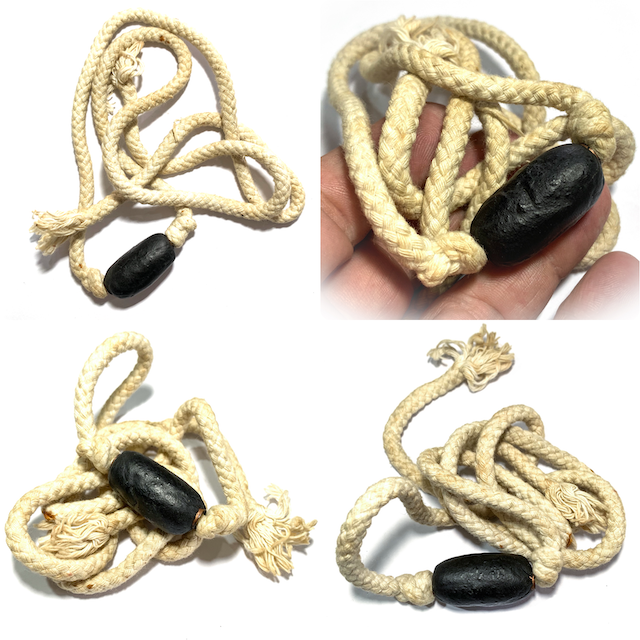
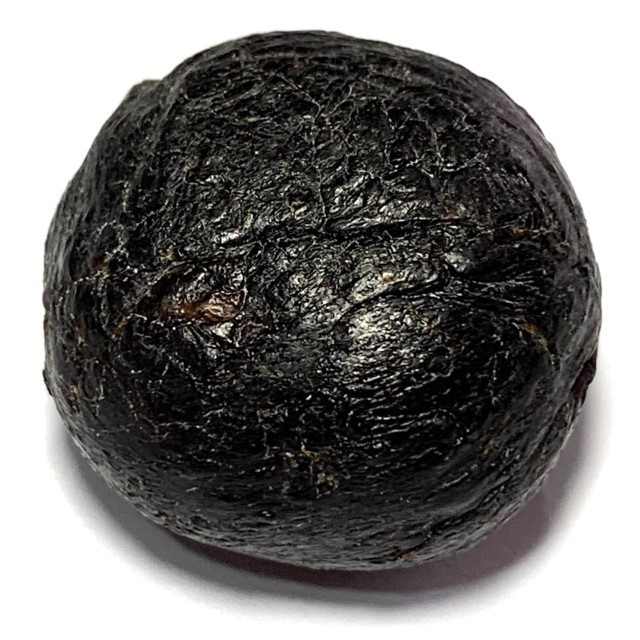
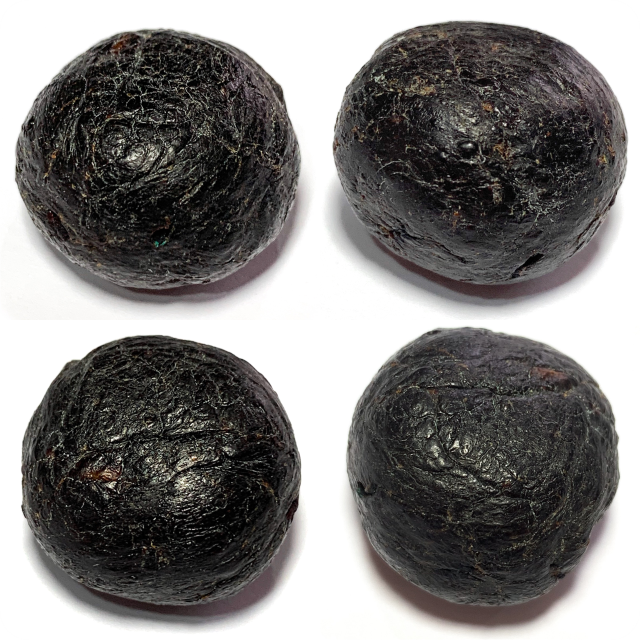
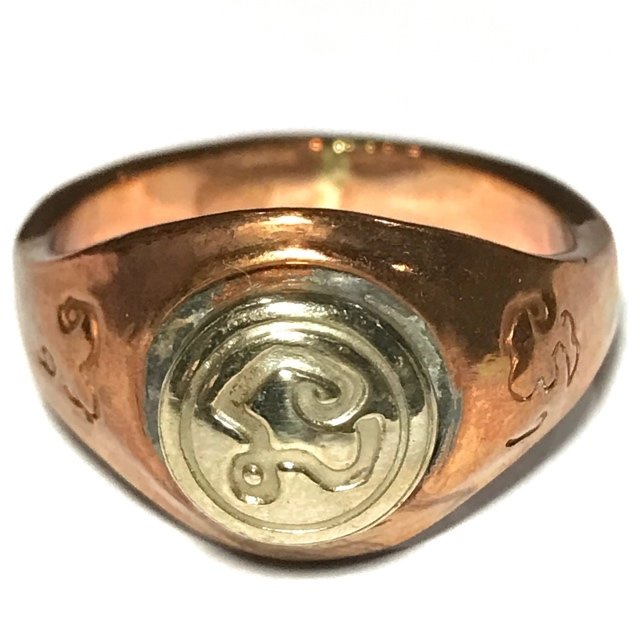
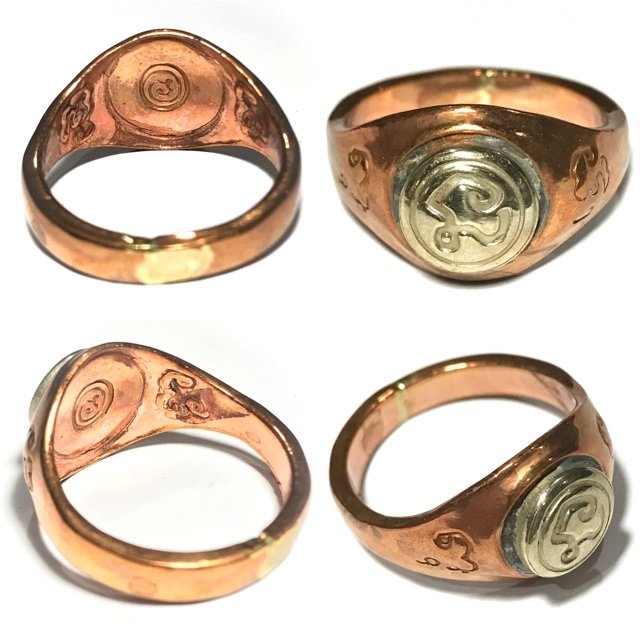
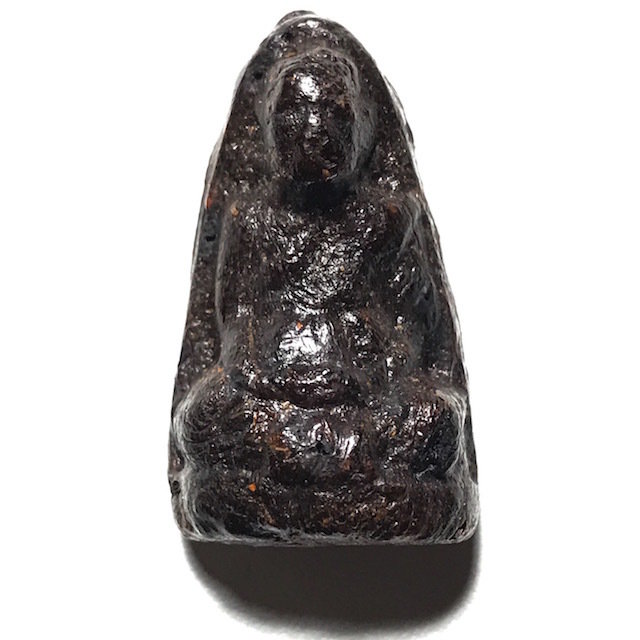
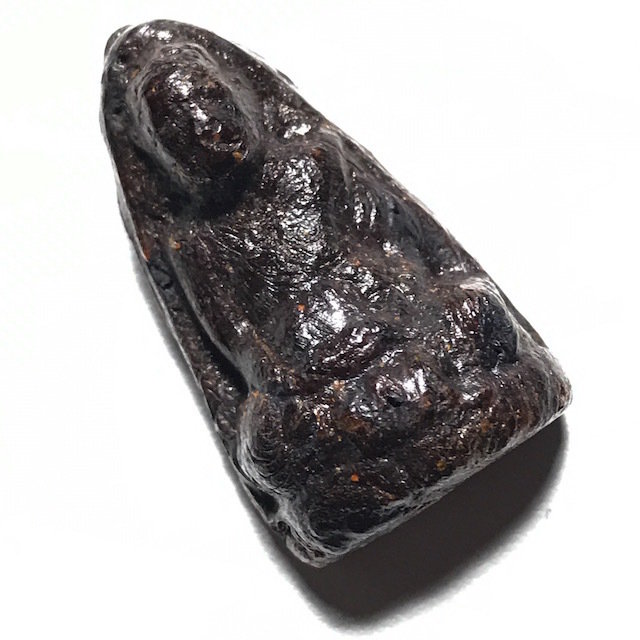
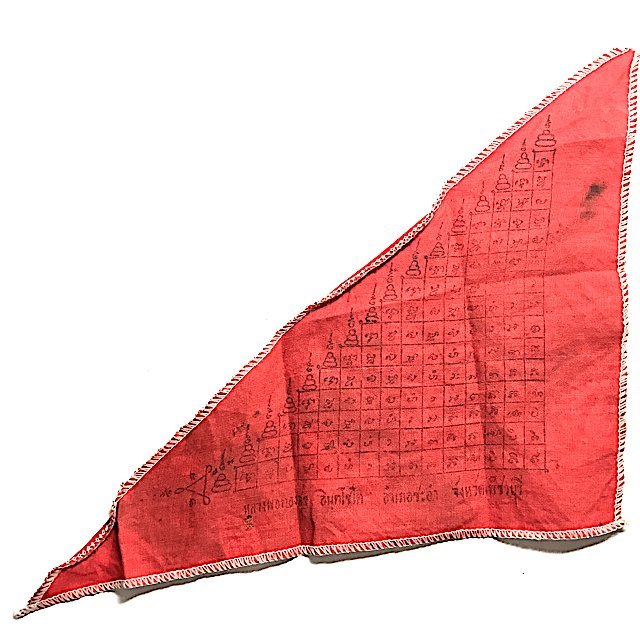
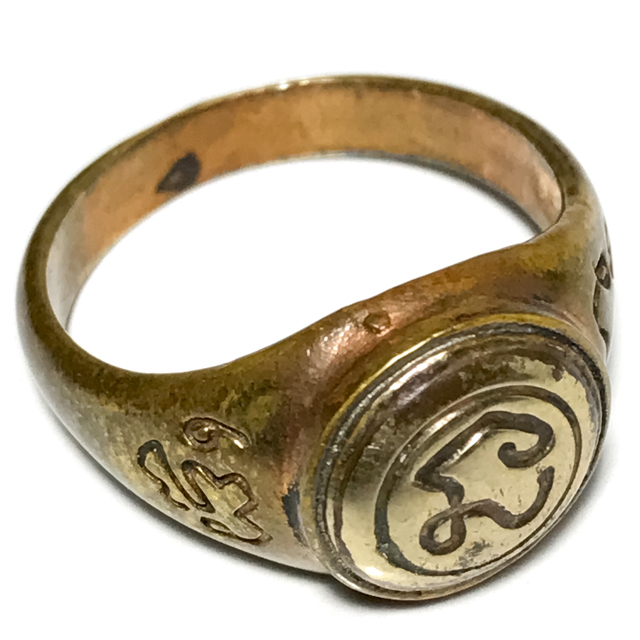
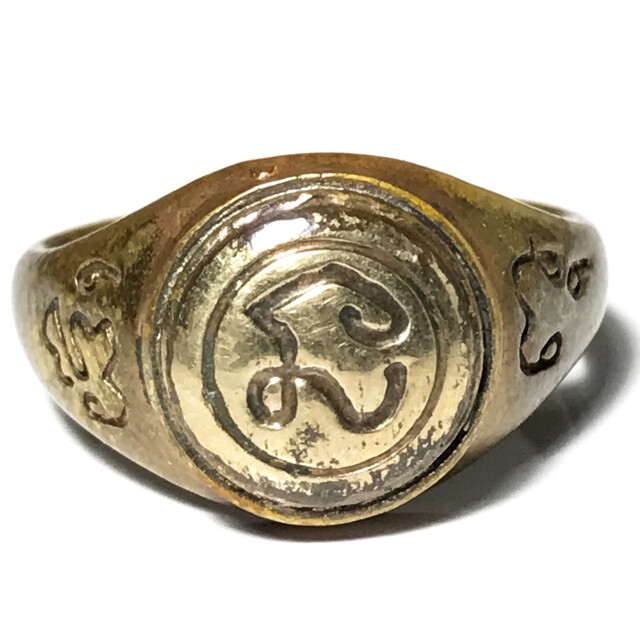
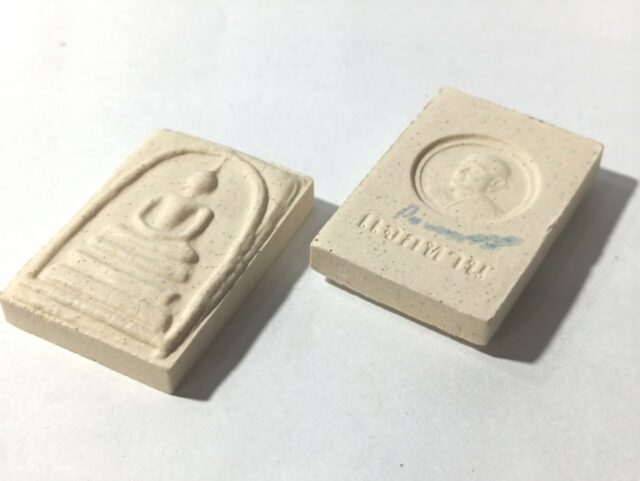
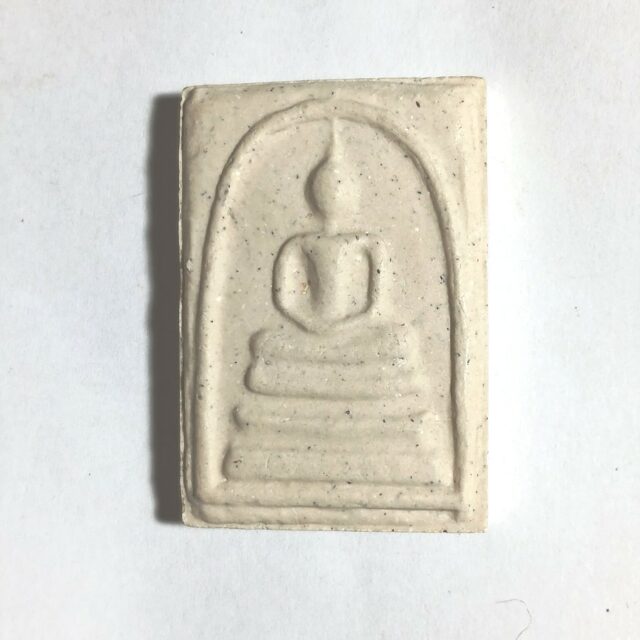
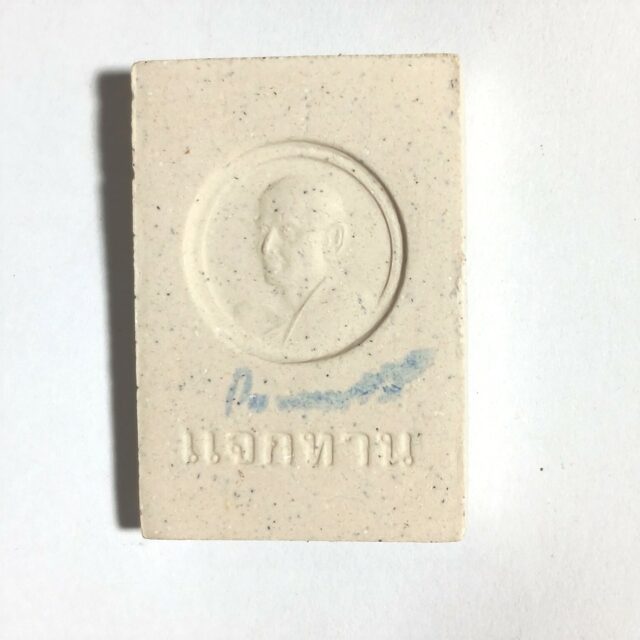
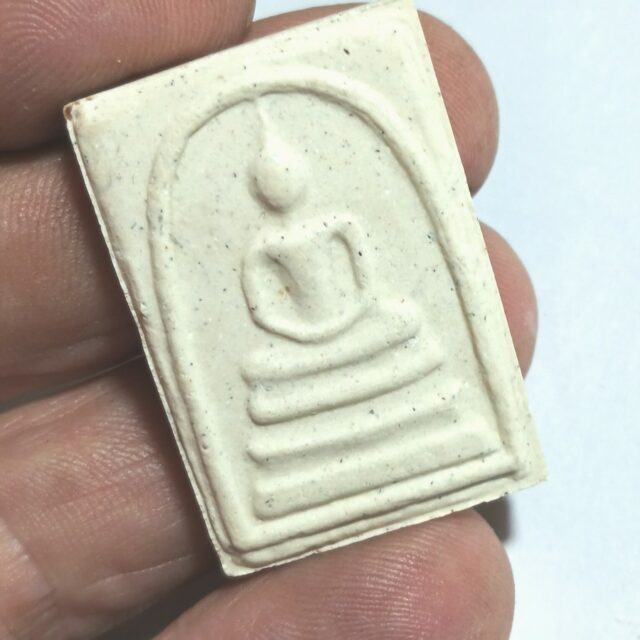
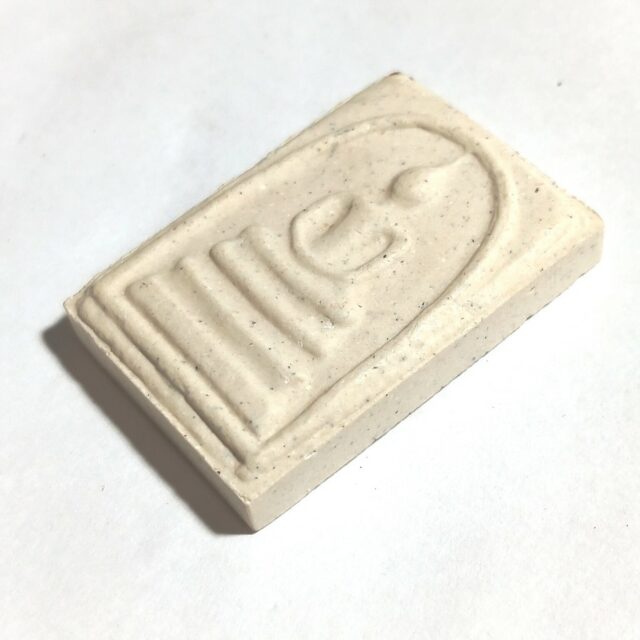
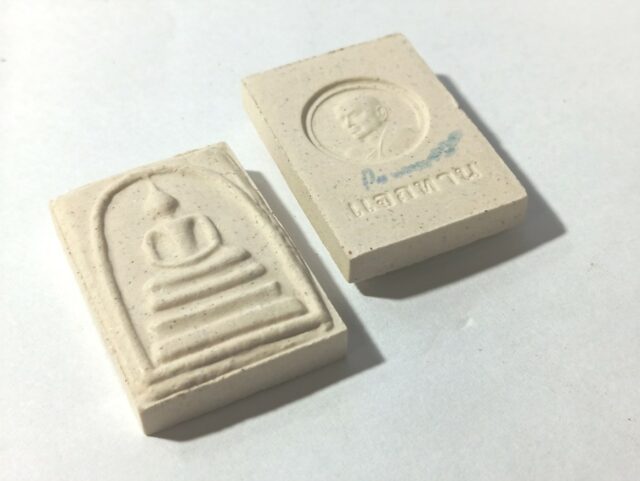
Rian Yord Khun Pol 2516 BE Nuea Tong Daeng Rom Dam 5000 Made Luang Por Chaem Wat Don Yai Horm Featured

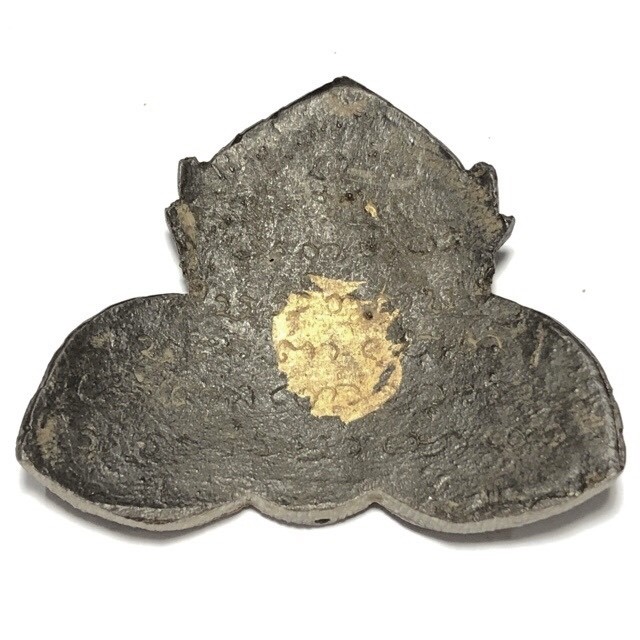
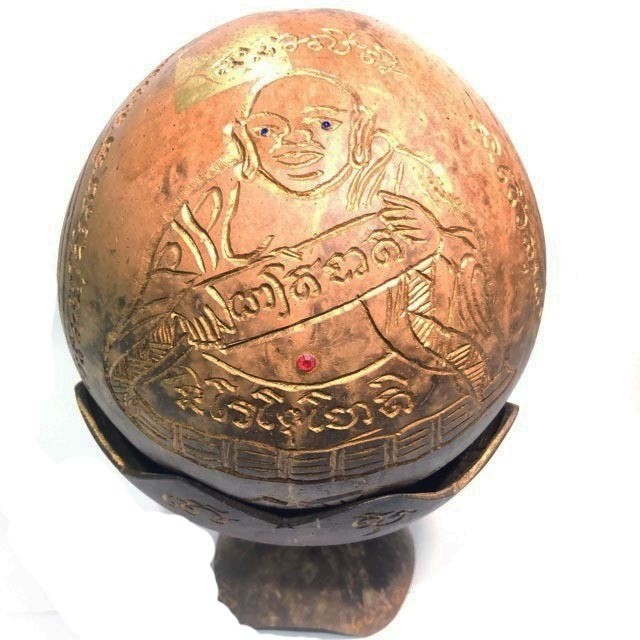
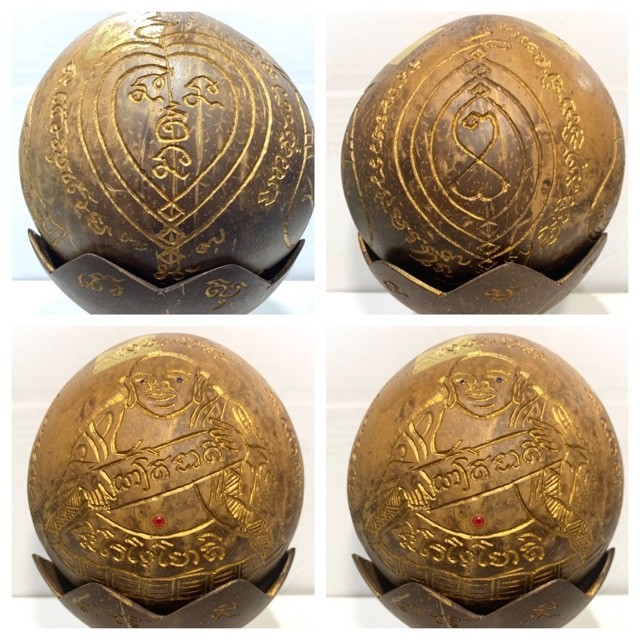
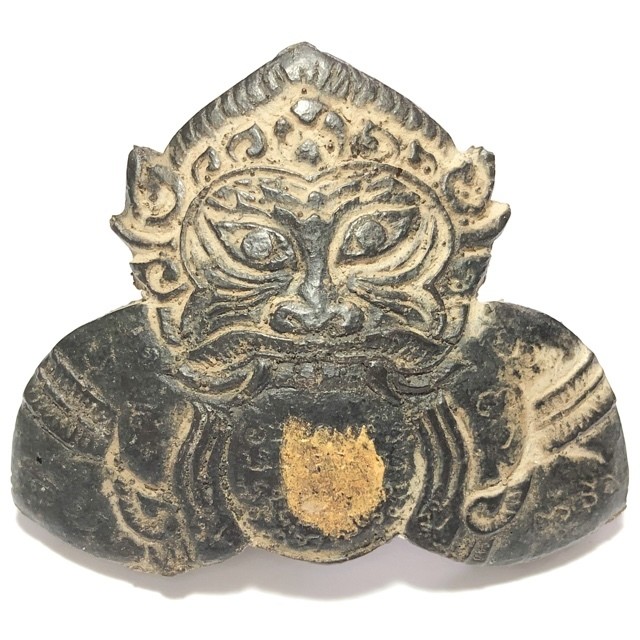
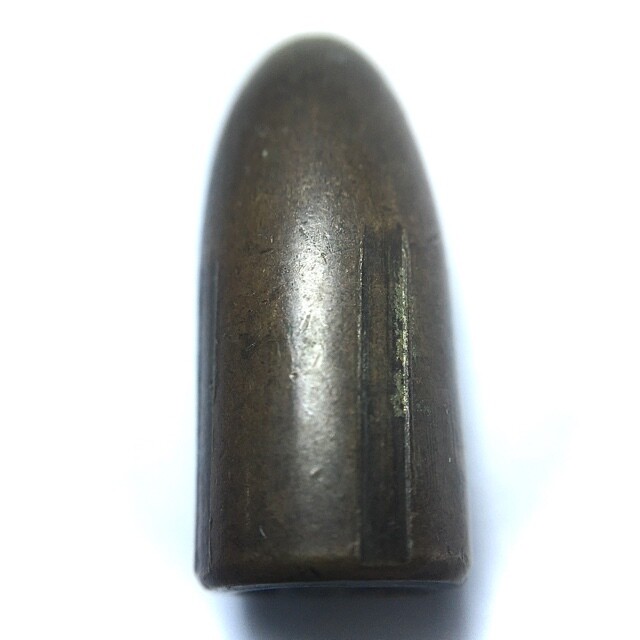
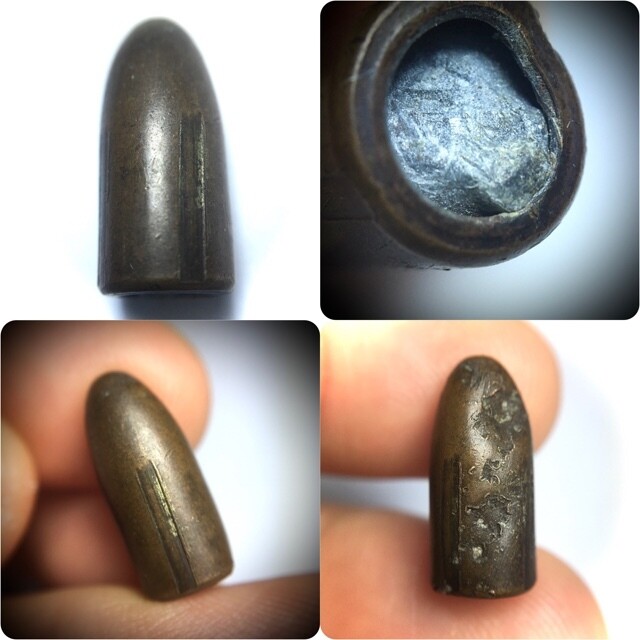
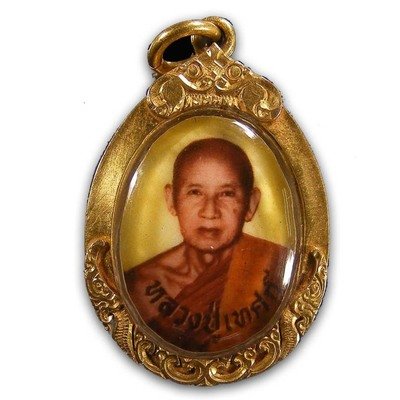
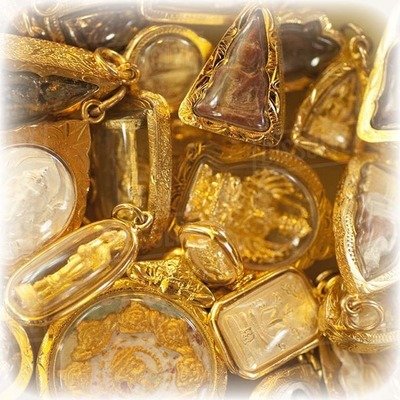
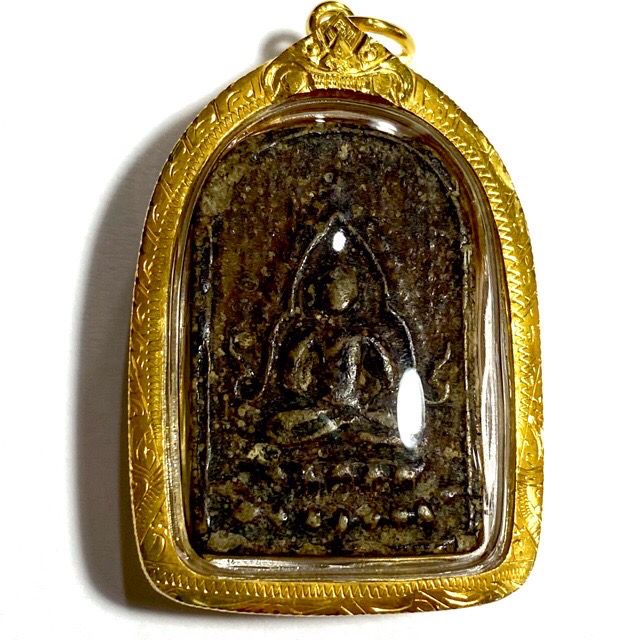
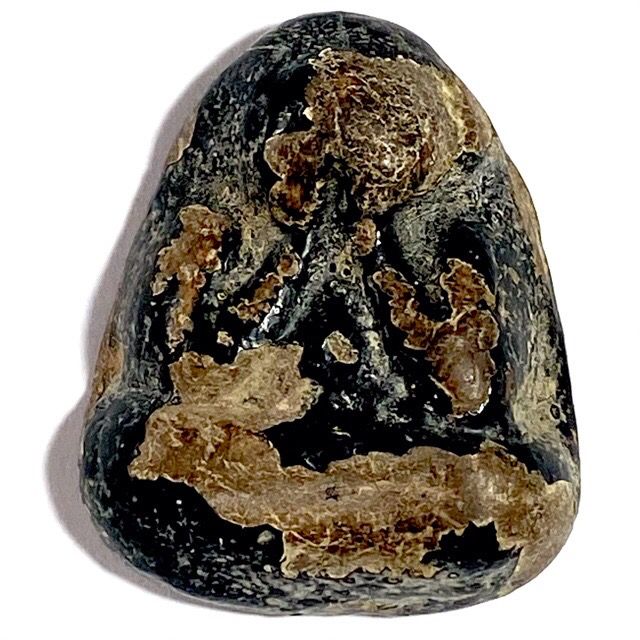
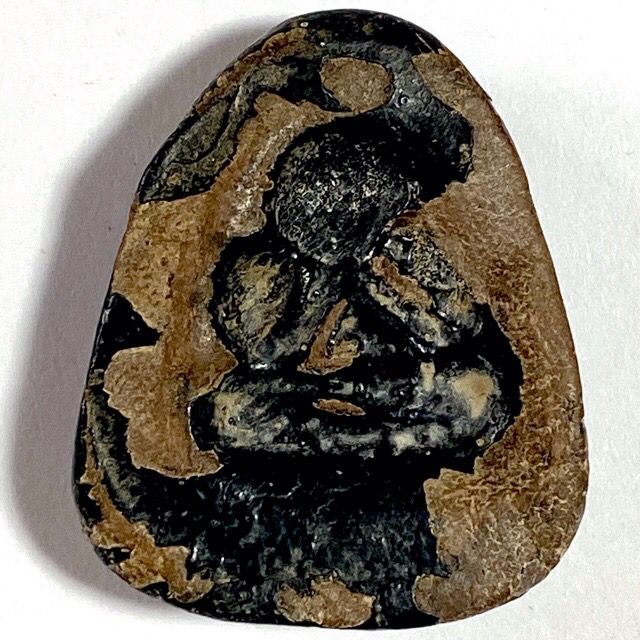
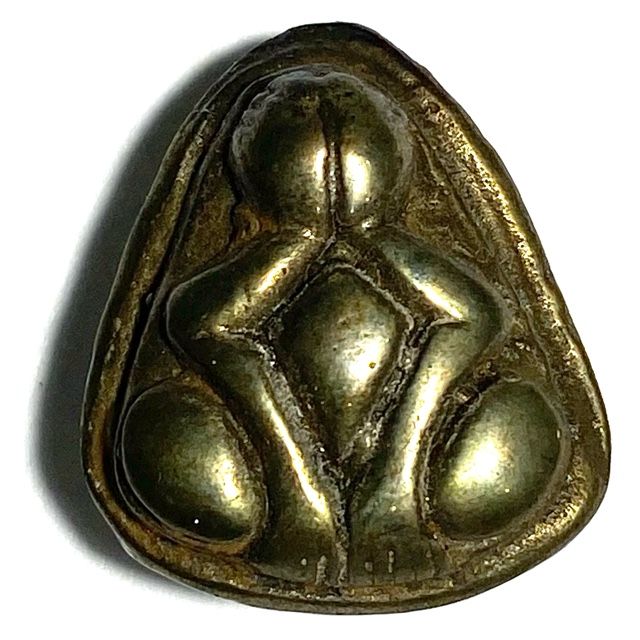
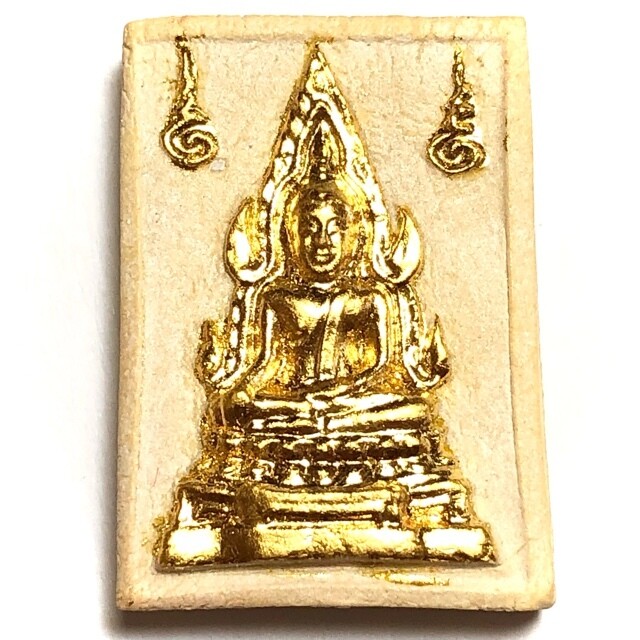
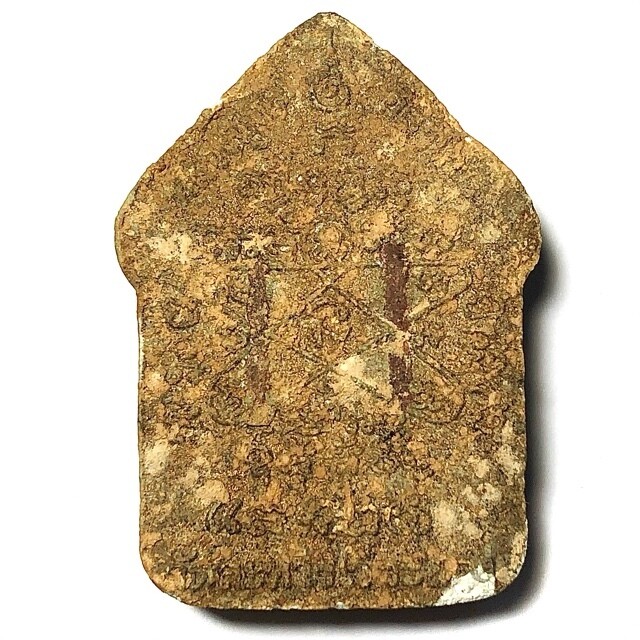
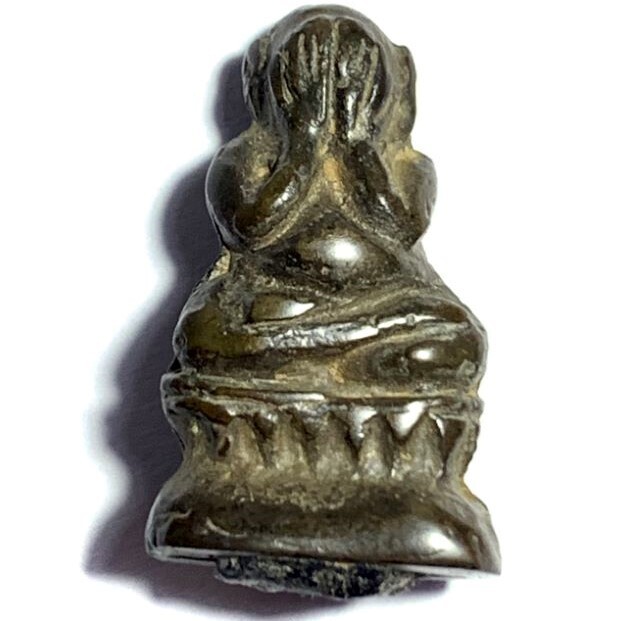
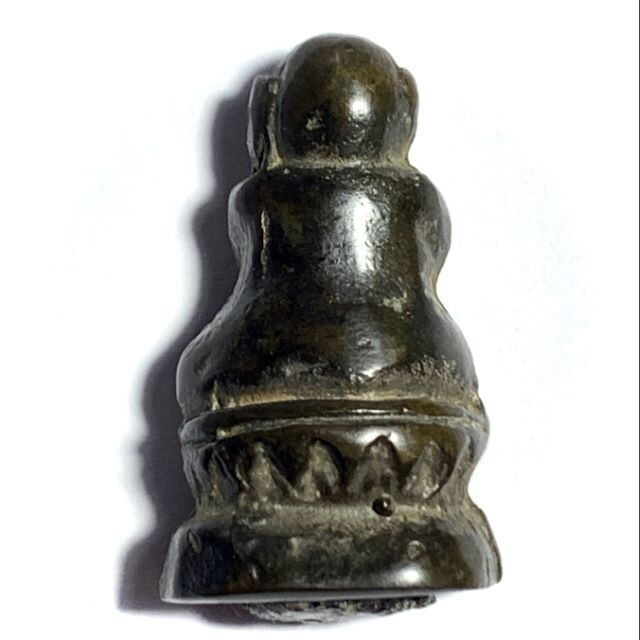
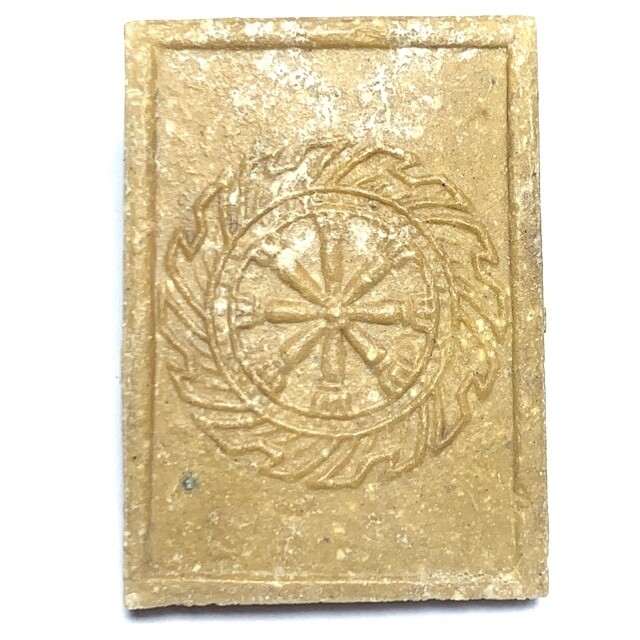
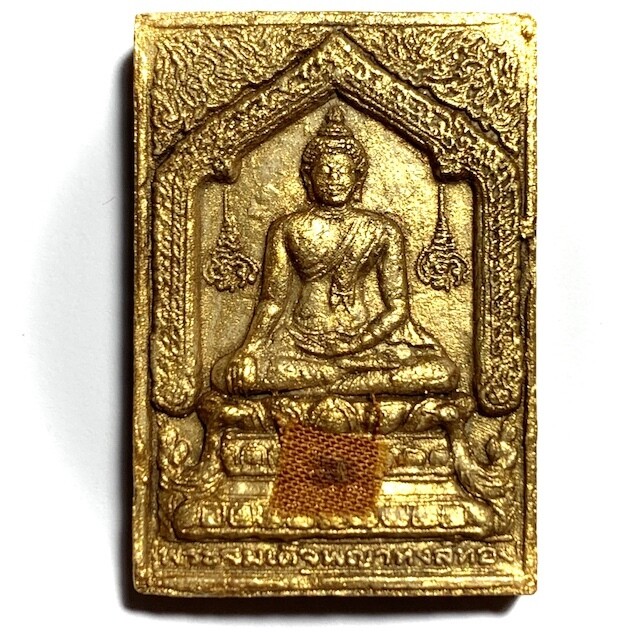
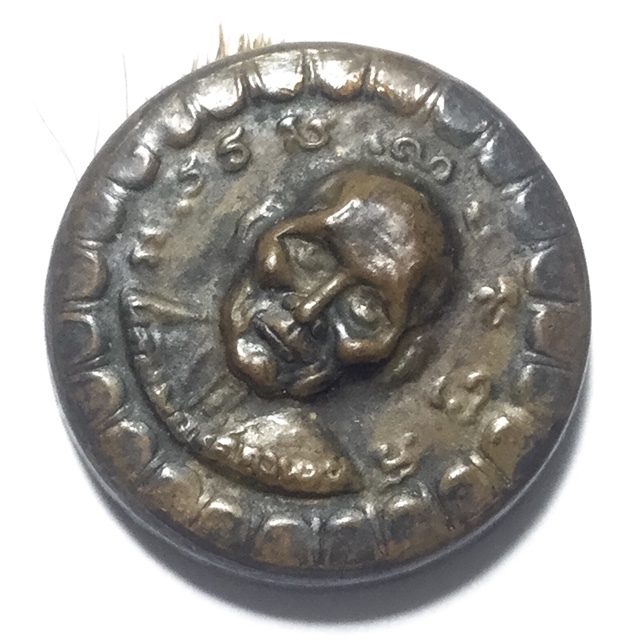
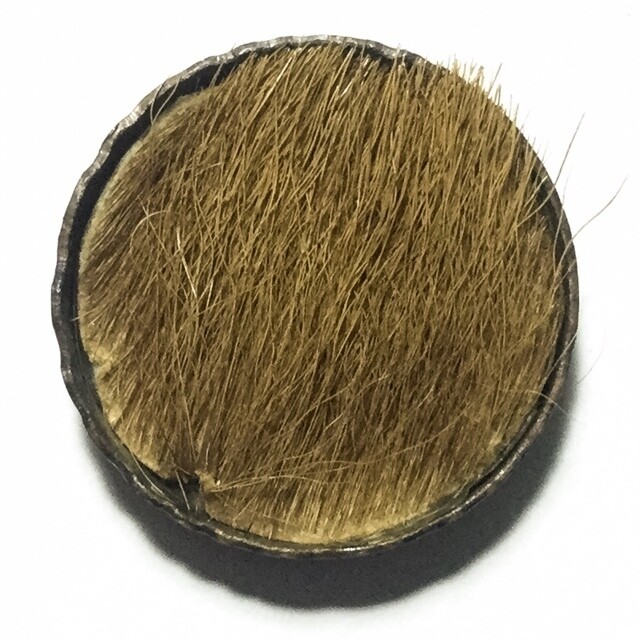
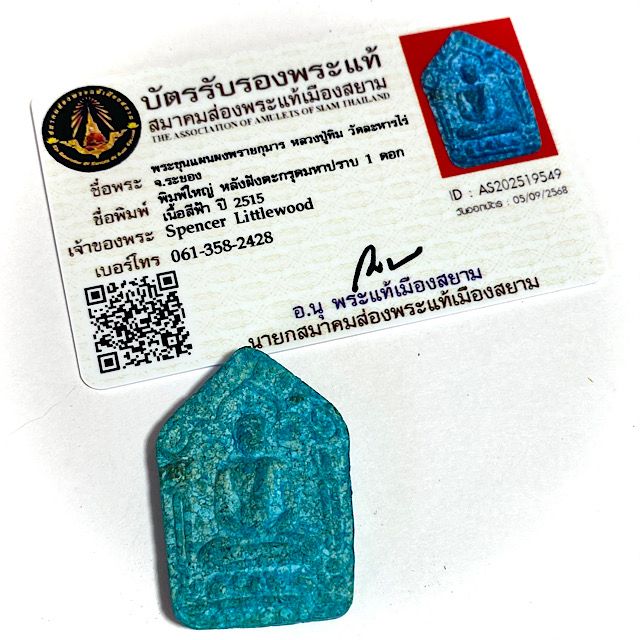
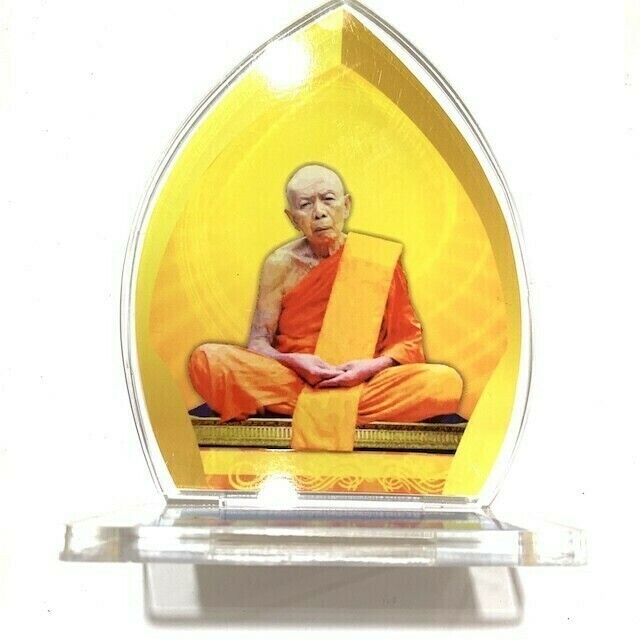
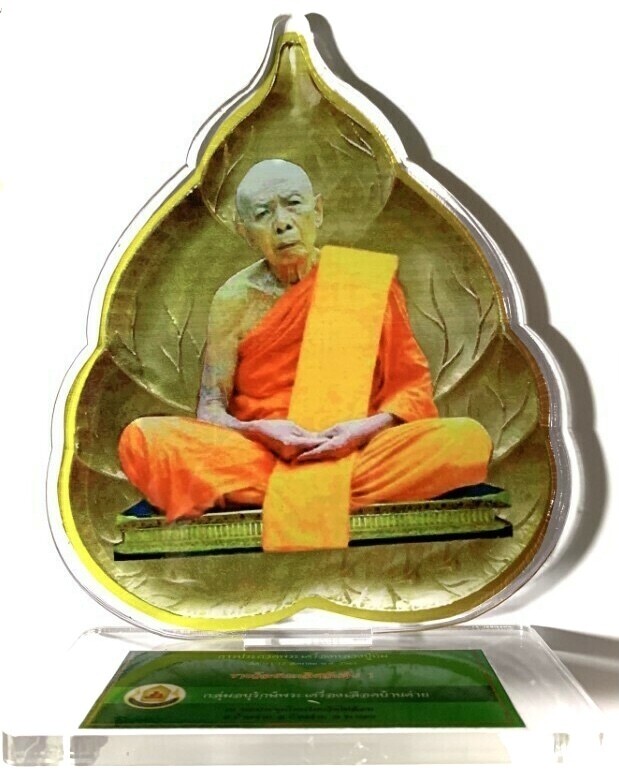
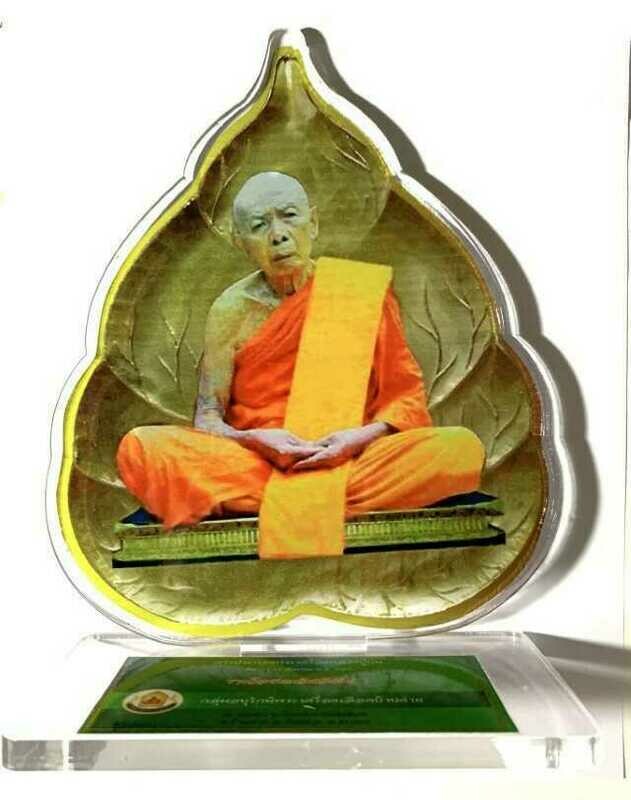
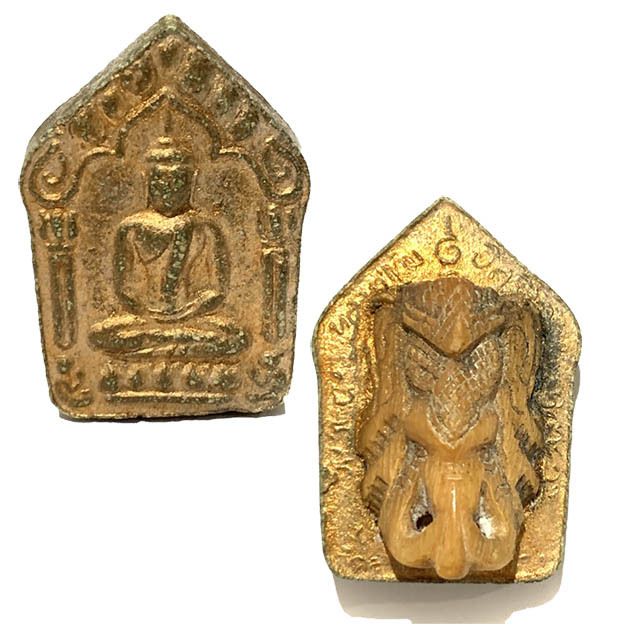
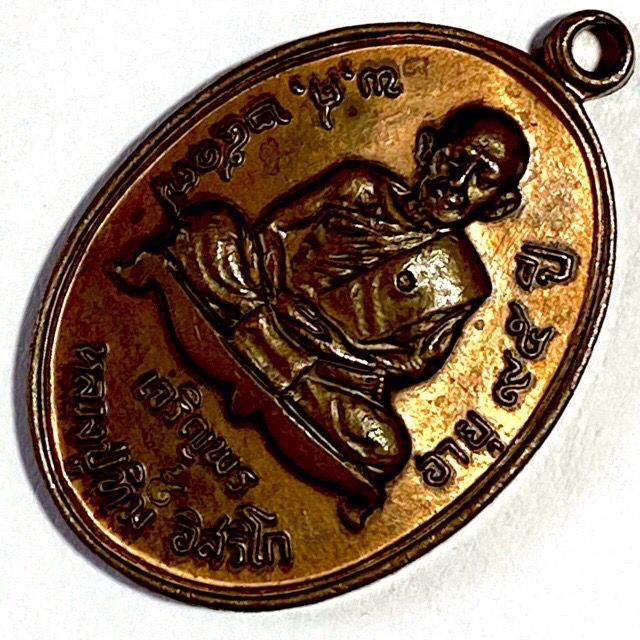
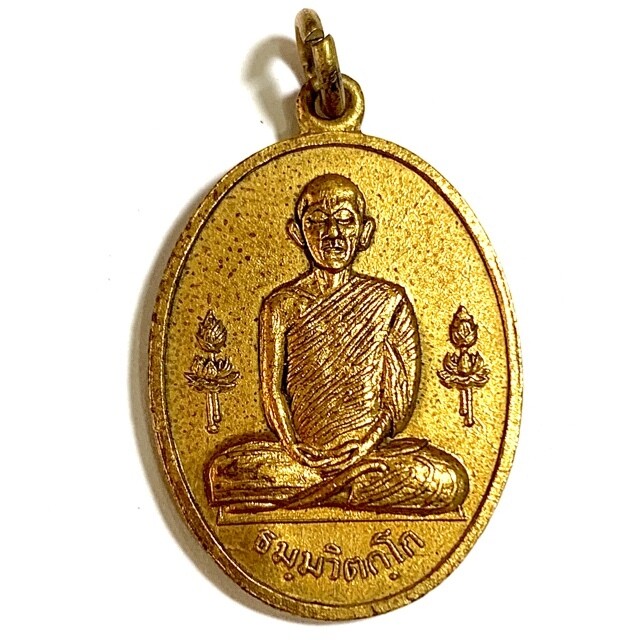
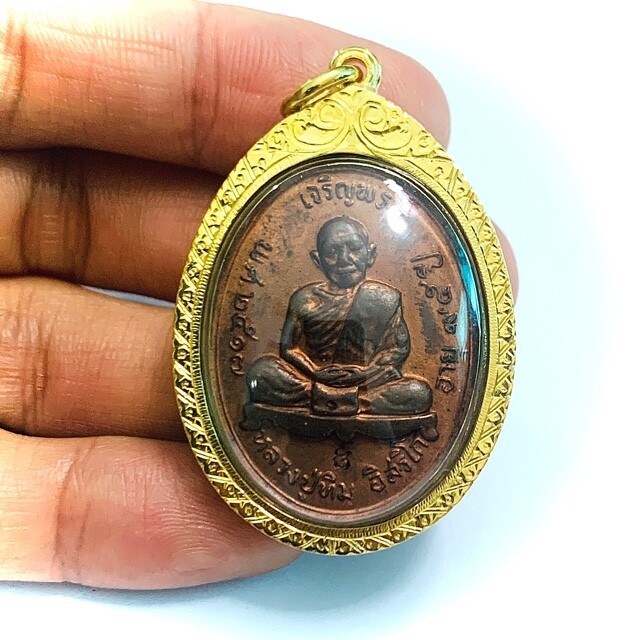
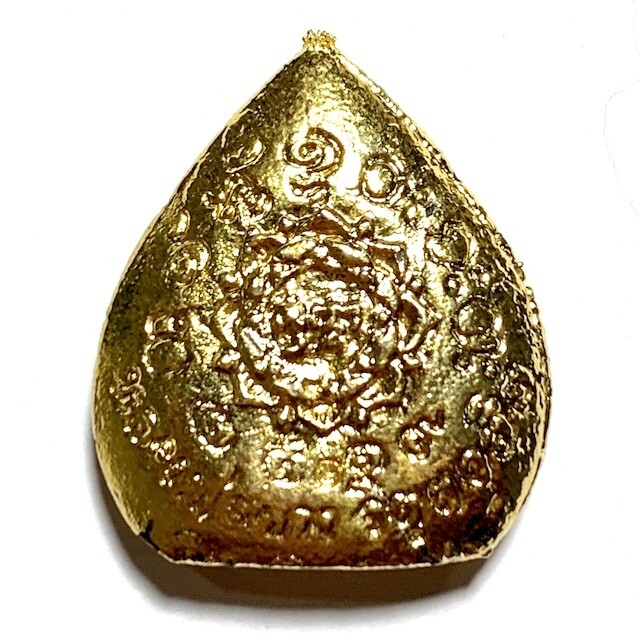
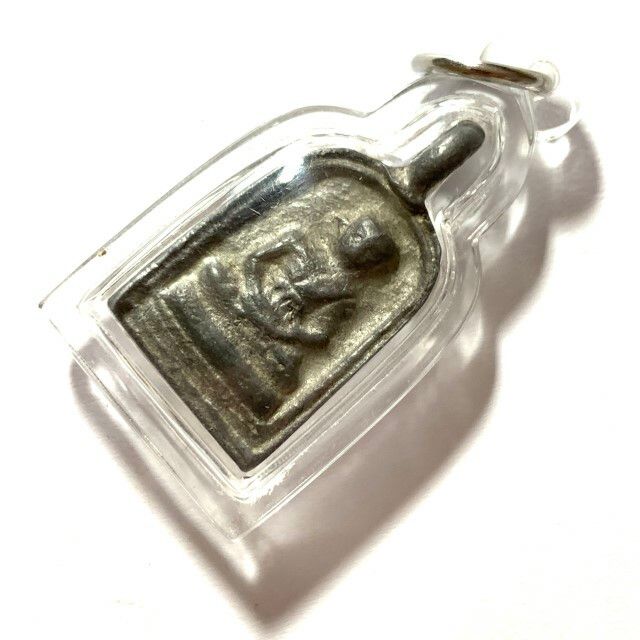
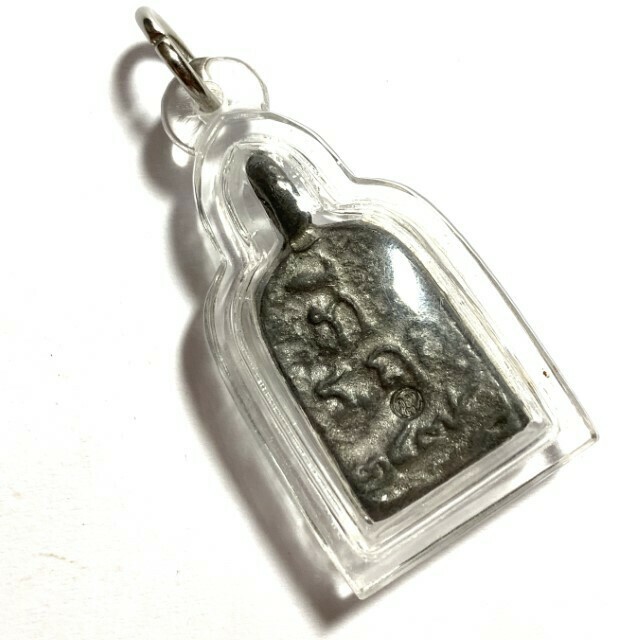
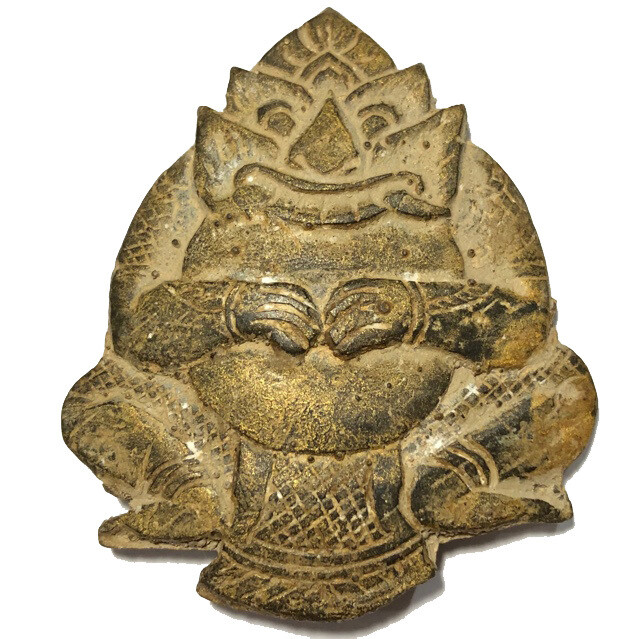
A rare limited edition early era amulet, the Rian Yord Khun Pol Buddha Image coin, in Nuea Tong Daeng Rom Dam, with Solid Gold Casing included, from the Great Luang Por Chaem Thanussago of Wat Don Yai Horm. Only 5000 of these amulets were ever made in this edition, making this amulet a very rare acquisition to find indeed, so many years after its release. The amulets of Luang Por Chaem, are known as powerful Metta Mercy Charm, Serm Duang Karma Improvement, Serm Yos Promotion, Kong Grapan Chadtri Klaew Klaad protection, and Maha Amnaj commanding power and influence. A classic amulet, from the Wat Don Yai Horm Lineage Master, Luang Por Chaem, inheritor of the Wicha of Luang Por Ngern (Wat Don Yai Horm). Empowered with the famous Kong Grapan Chadtri, Metta Maha Lap Magick of a true Lineage Master of One of Thailand’s Most Revered and Respected Temples, who has attained equal fame and popularity as his foregoer and Kroo Ba Ajarn Luang Por Ngern himself, which is most certainly a sign of his great Merits as a Guru Monk.


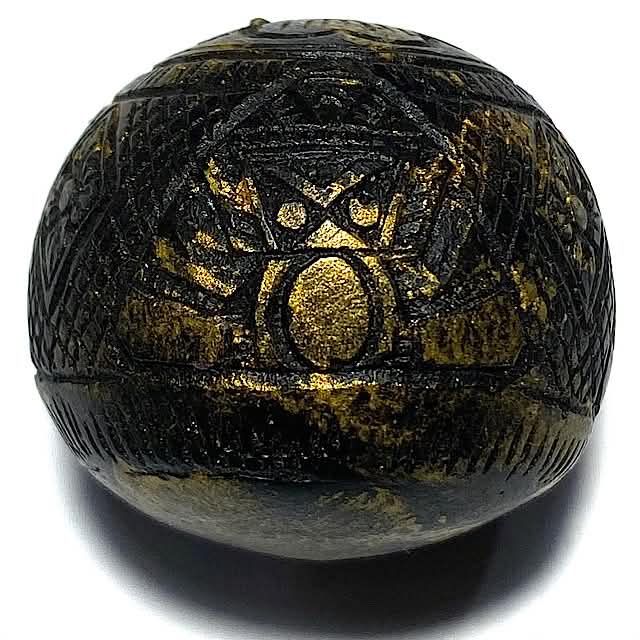
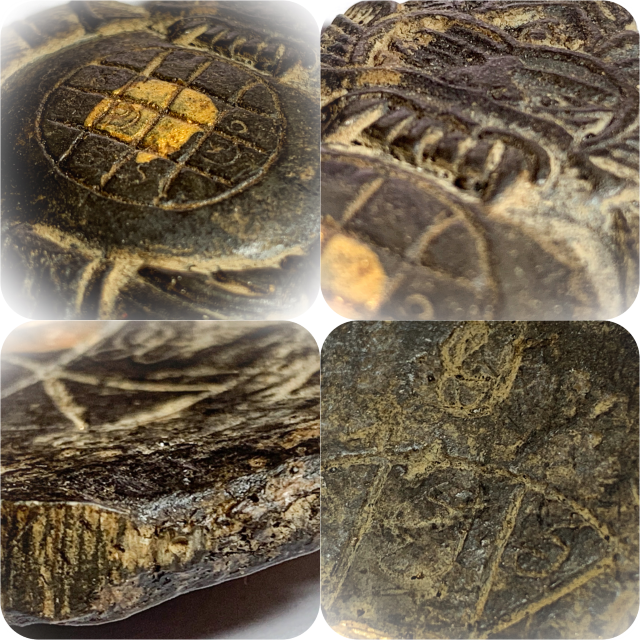
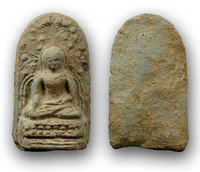
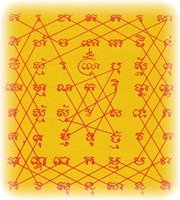
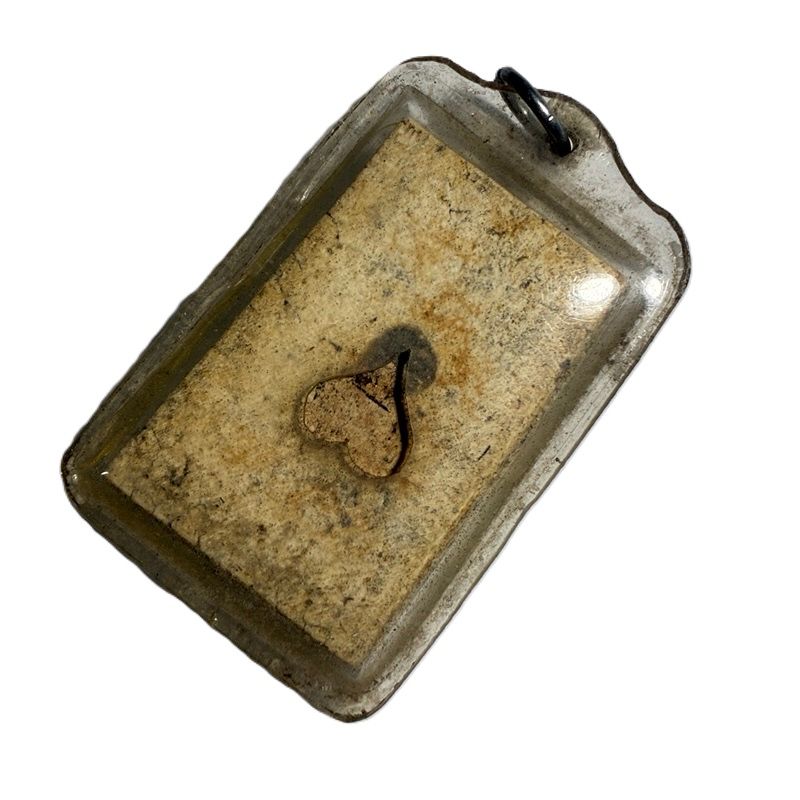
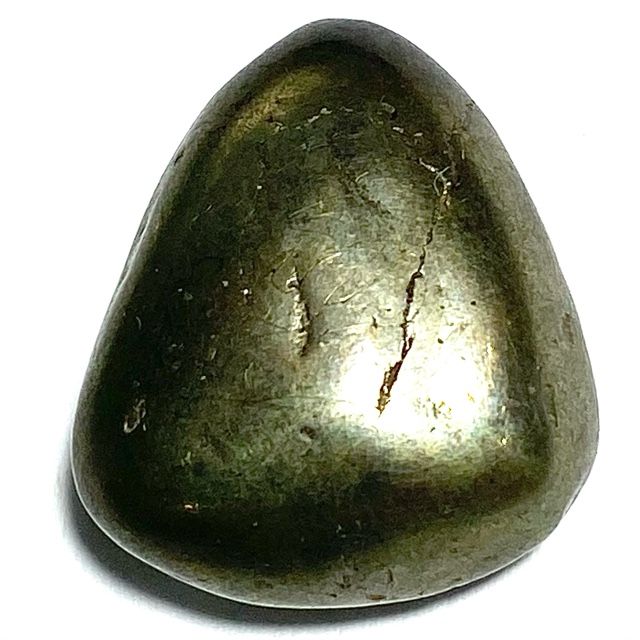
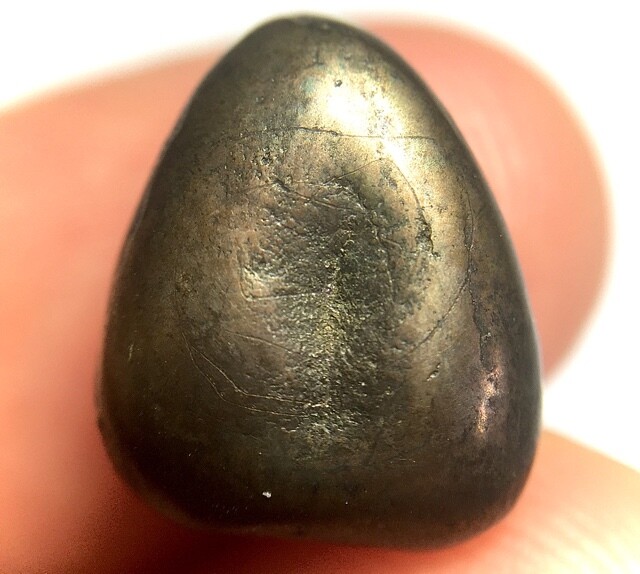
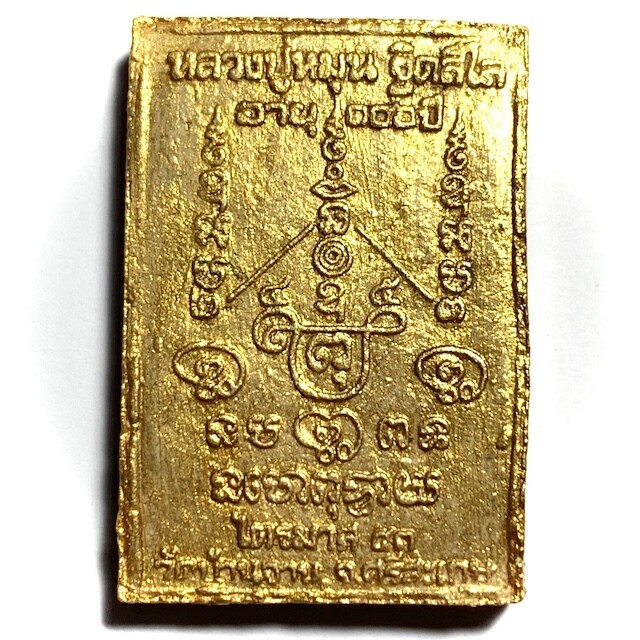
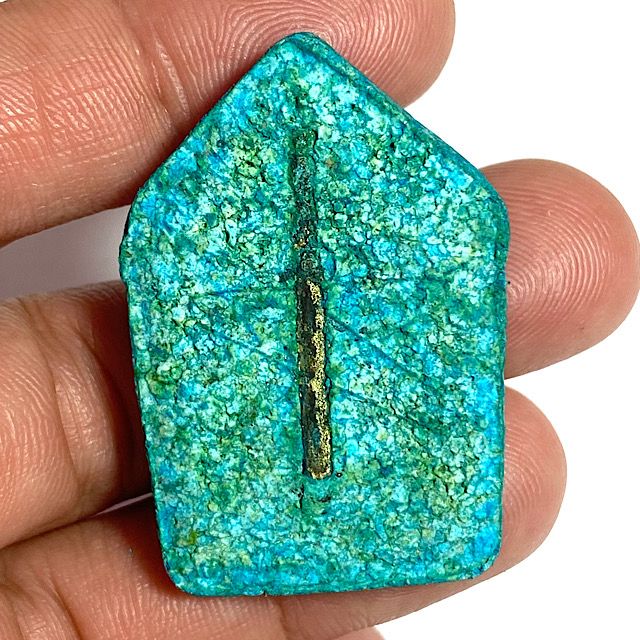
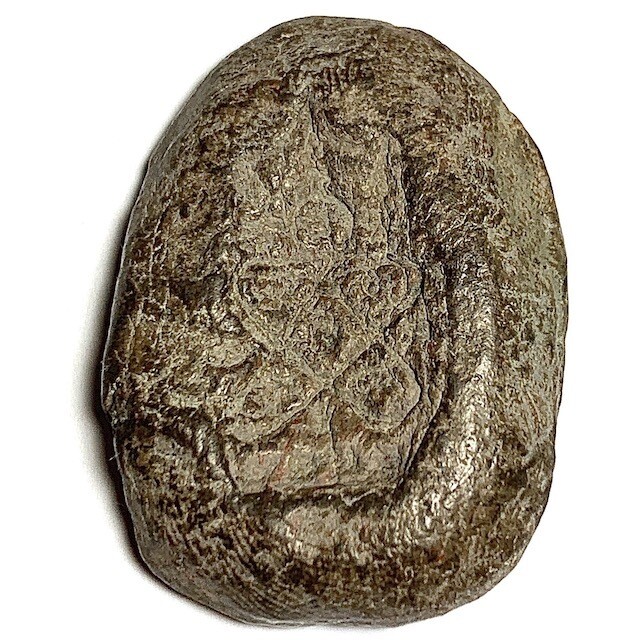
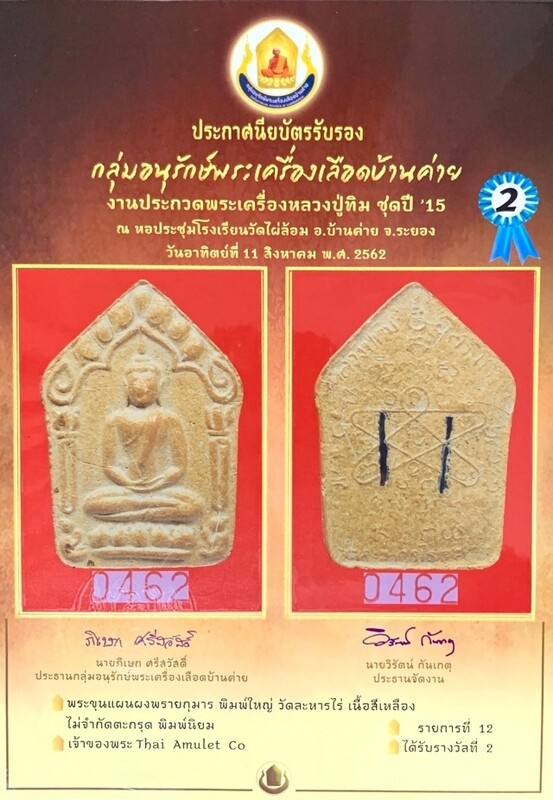
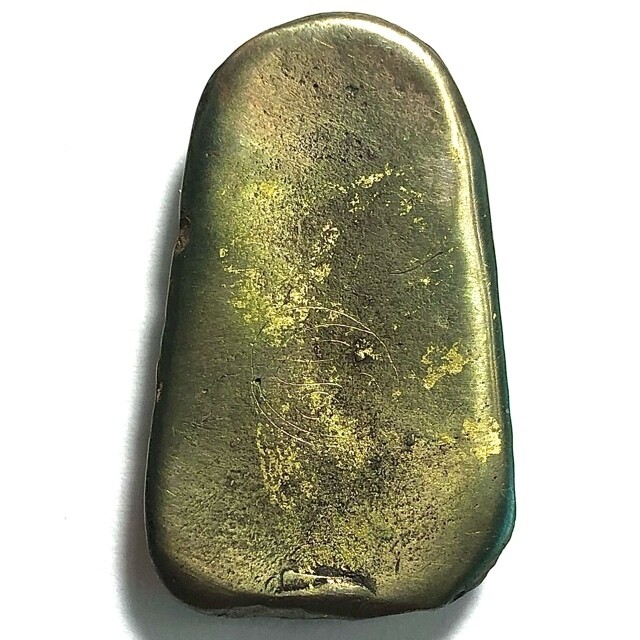
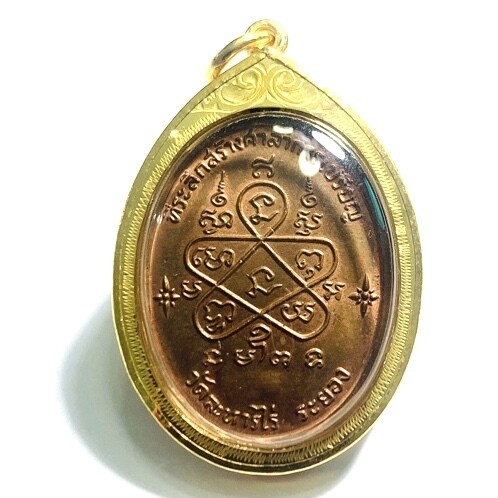
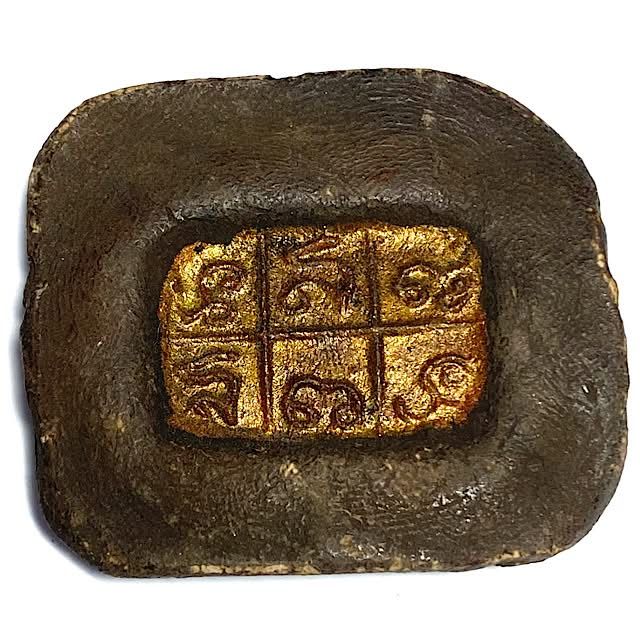
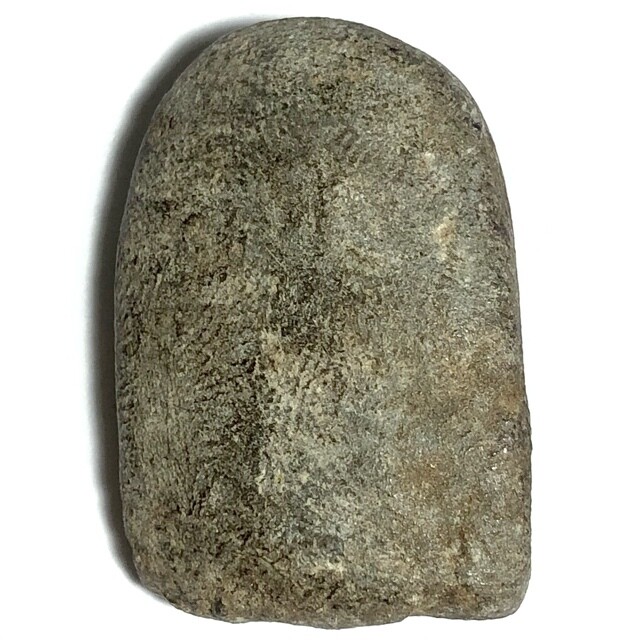
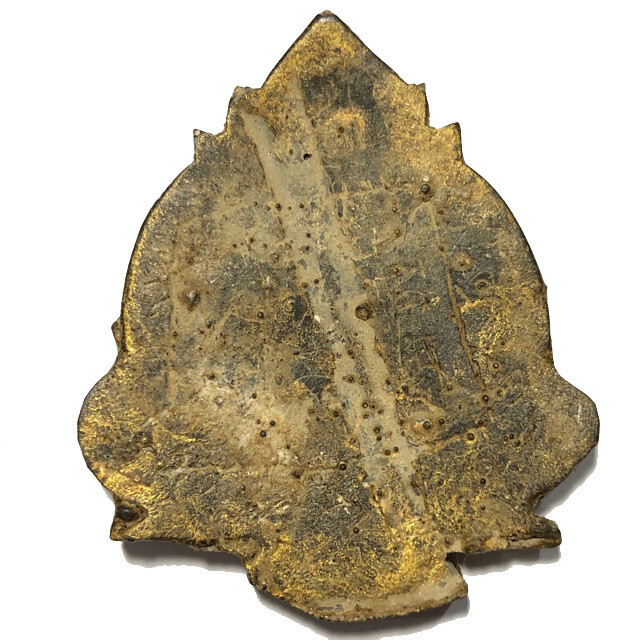
The Rian Yord Khun Pol amulet was released in 2516 BE, with only 500 amulets made, making this a very rare editon indeed. On the rear face is the Yant Nam Tao Gourd Yantra. The Rian Yord Khun Pol received two separate Putta Pisek Blessing Ceremonies. The first blessing ceremony was made at Wat Rai Khing, with many great monks present to empower and bless the amulets. Among the monks present werel Luang Phu To, of Wat Prado Chimplee, Luang Por Te (Wat Sam Ngam), the Kroo Ba Ajarn of LP Chaem, and still aboot of Wat Don Yai Horm; Luang Por Ngern, who was still alive at the time, Luang Por Perm of Wat San Paetch, Luang Por Lek, of Wat Nong Din Daeng, Luang POr Phon, of Wat Tian Dtad, Luang Por Tong Yoo (Wat Nong Mai Pa-Ong), Luang Por Sud (Wat Ka Long), among many other famous names.


It is believed by the devotees of LP Chaem, that he had achieved Dtecho Kasin (Fire Kasina elemental control) and varous forms of Abhinya Powers. He was very renowned for his Metta Maha Niyom Magic and Nam Mont Holy Water Blessings, as well as his powerful Takrut Kong Grapan, and the lineage Wicha amulets of Wat Don Yai Horm. It is said that 9th December 2536 BE, LP Chaem asked the temple checked by devotees to see if any debts remained for the temple, and if any reparations were needed? Once it was confirmed that the temple had neither debts, nor was in need of any restorations, Luang Por Chaem went to his Kuti for the evening, closed the door, and was not seen to emerge again.


The devotees later found that Luang Por had passed away laying in the Sayasana Posture (passing into Nibbana), and was found laying peacefully in his side. Devotees to this very day believe that Luang Por Chaem died wilfully knowing that his work was over, and that he had made the temple fully restored and without debts. He is hence considered to be a worker of Miracles, and an ascended master by his devotees.


Luang Por Chaem was the Abbot of Wat Don Yai Horm, after the Great Luang Por Ngern. Luang Por Chaem became abbot in 2520 BE after the passing of Luang Por Ngern. He was born in the year 2449 BE on the 16th March. After becoming Abbot of Wat Don Yai Horm in 2520 BE, he raised funds to perform Merits and Restoration buildings at the temple until the day of his passing on the 9th of December 2536 BE, at the age of 87 years Old.

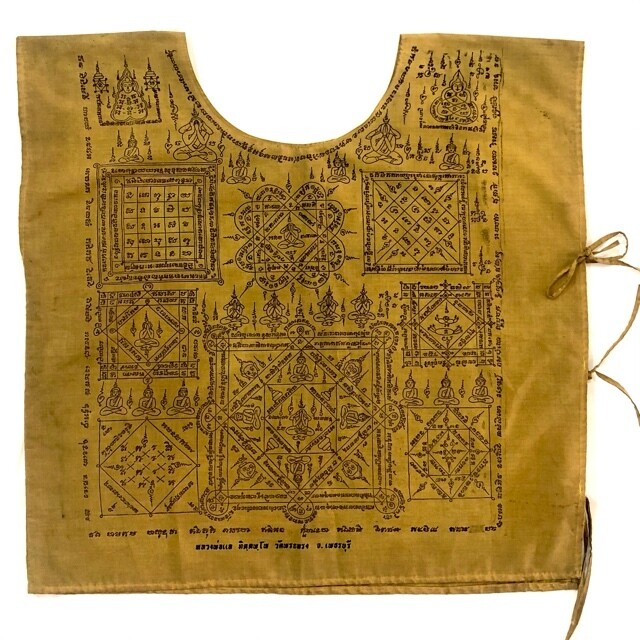
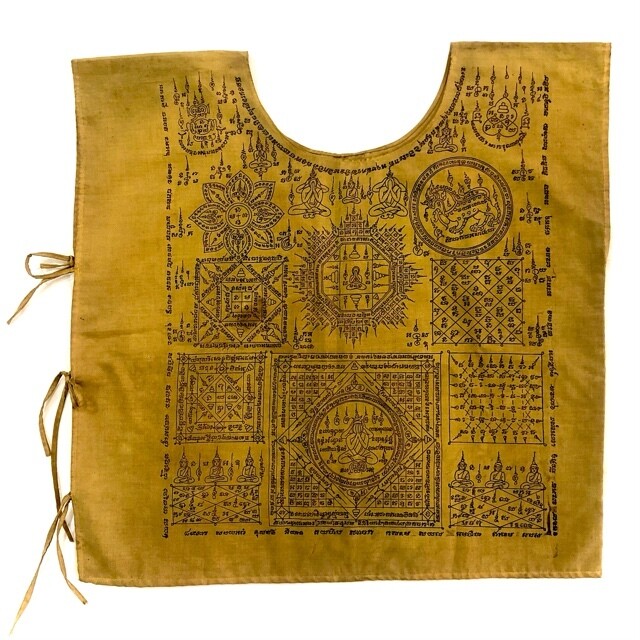
LP Chaem was extremely famous for his powerful Takrut and Monk Coin amulets, Pra Pong (Muan Sarn Sacred Powder amulets), and Pha Yant, of which he made a large pantheon over the years to raise funds for the temple.


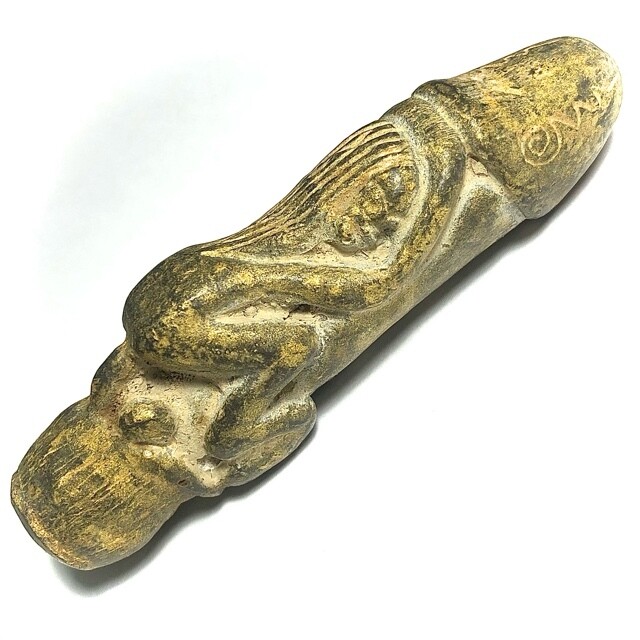
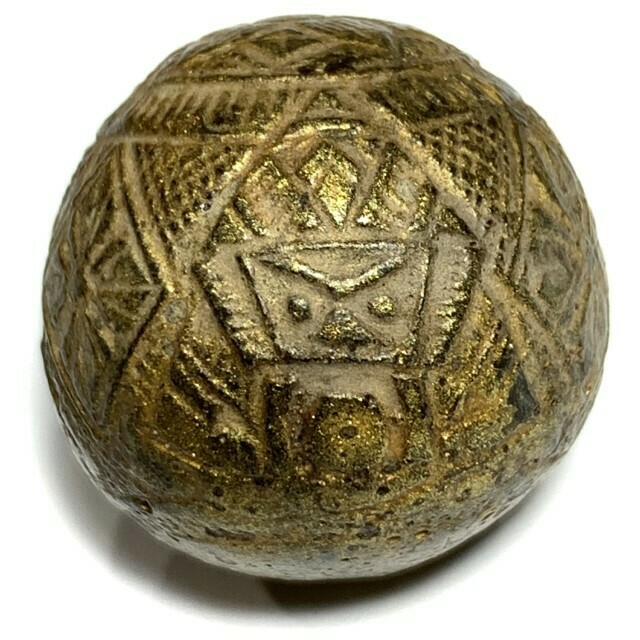
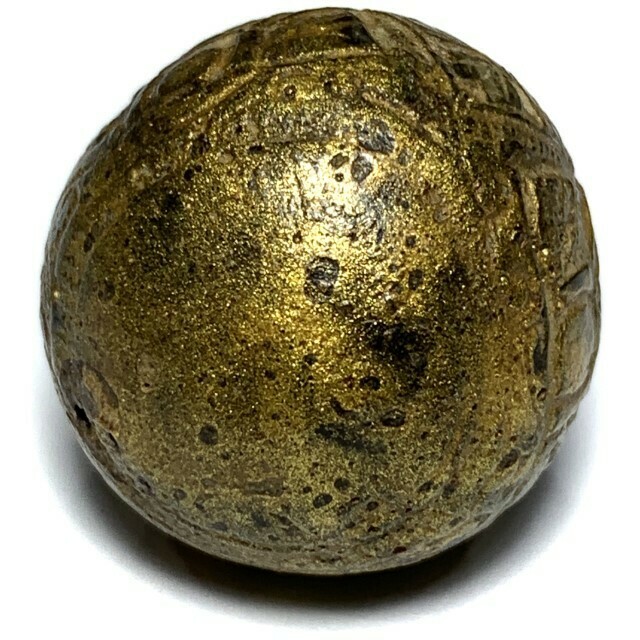
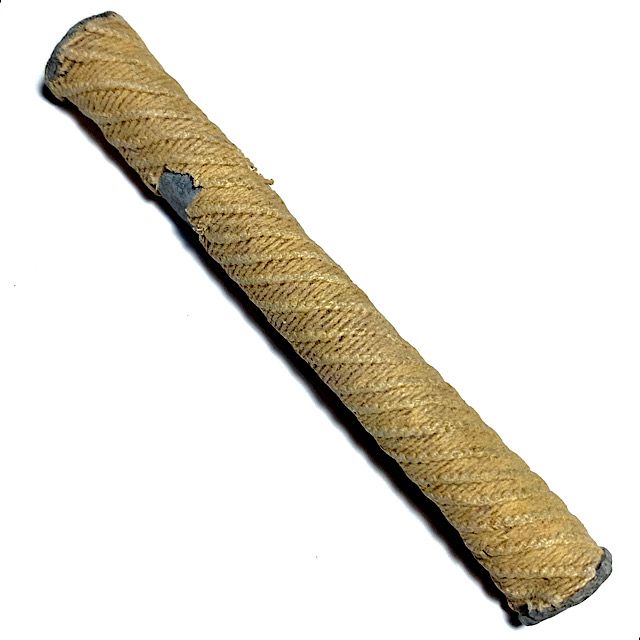
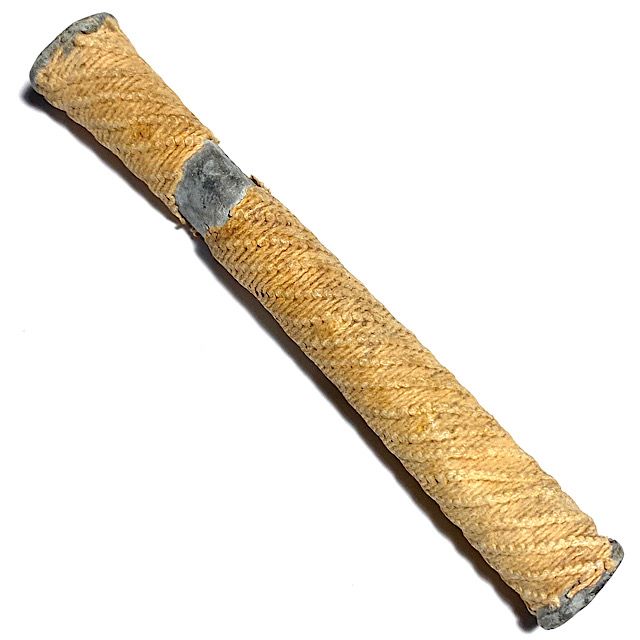
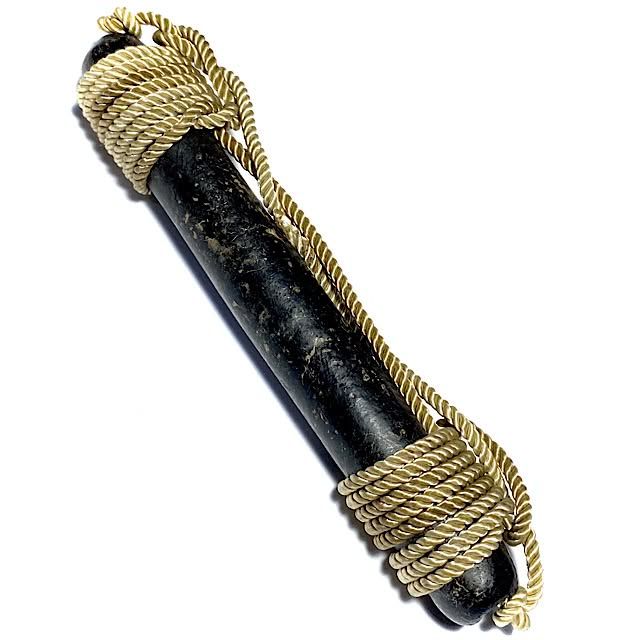
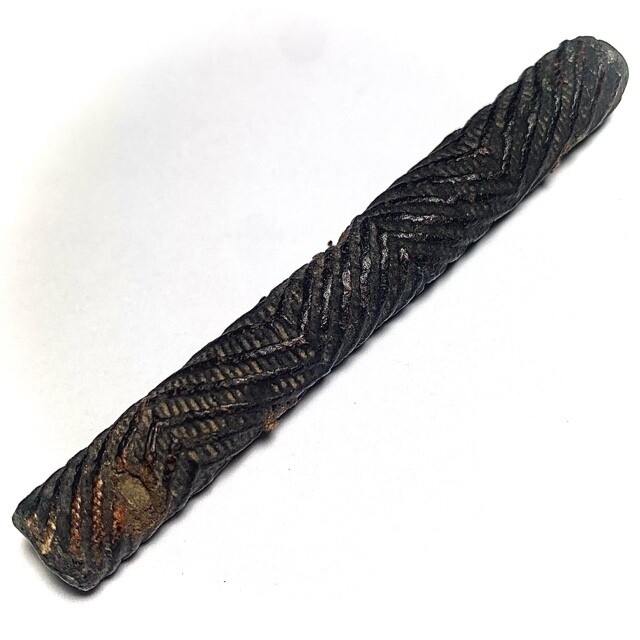
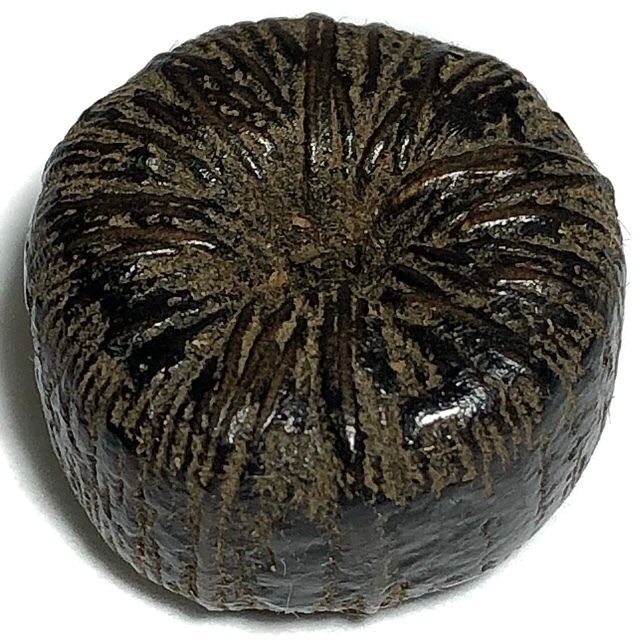
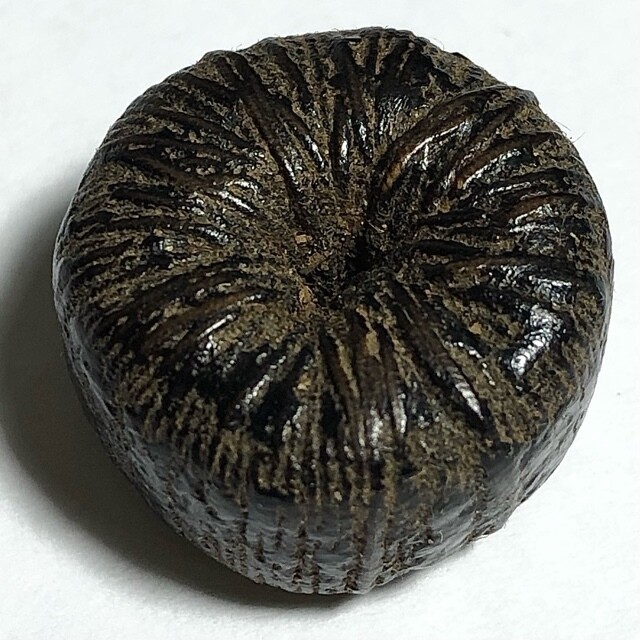
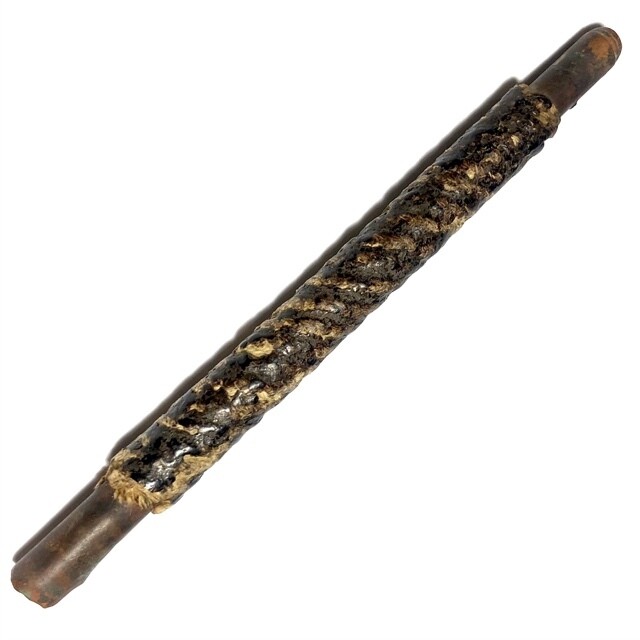
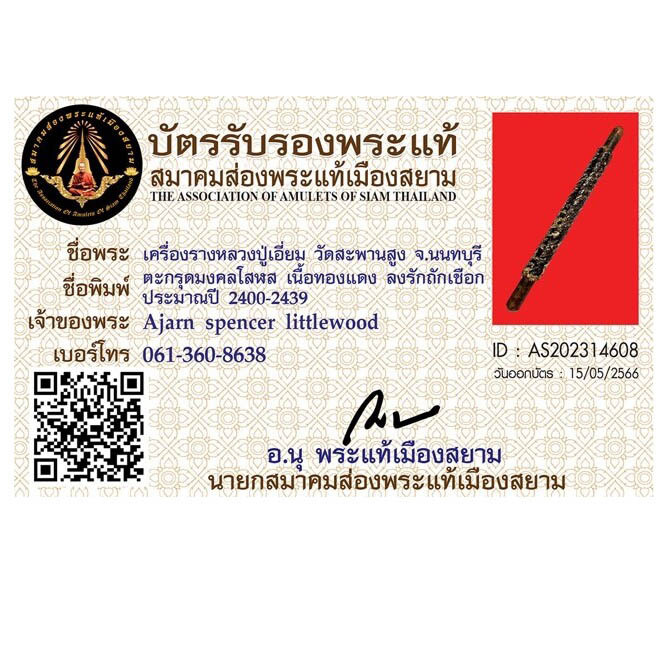
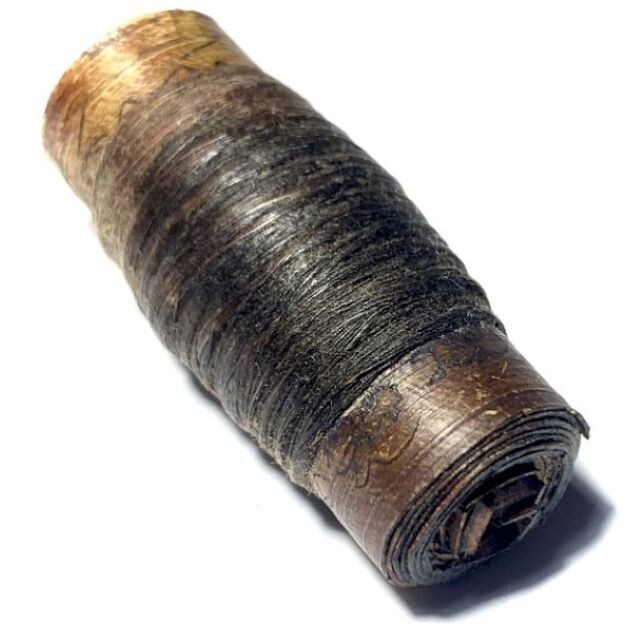
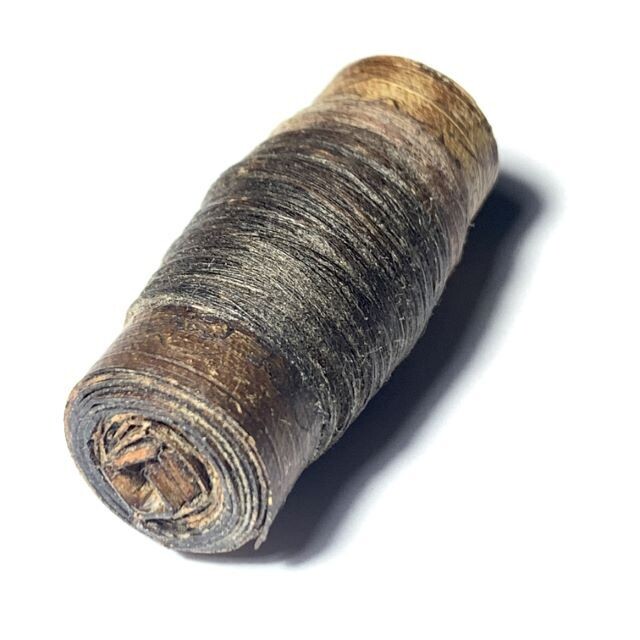
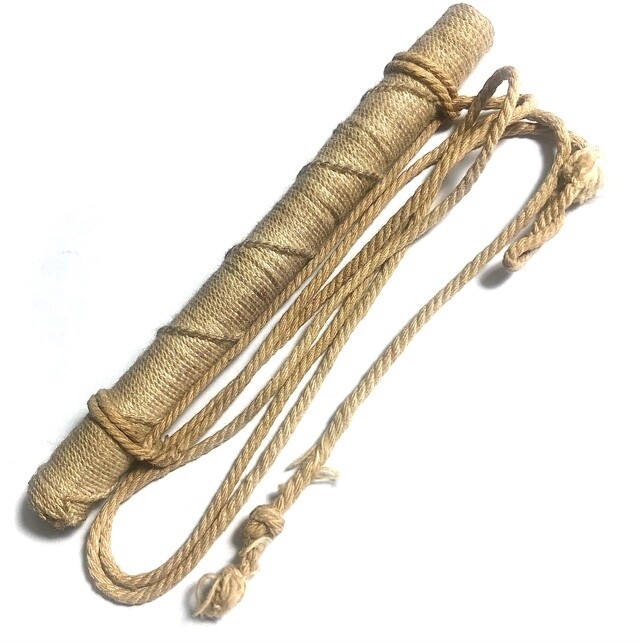
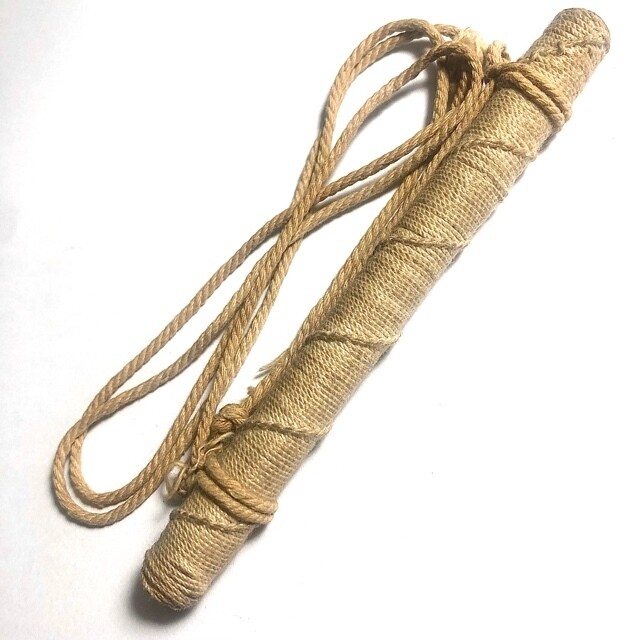
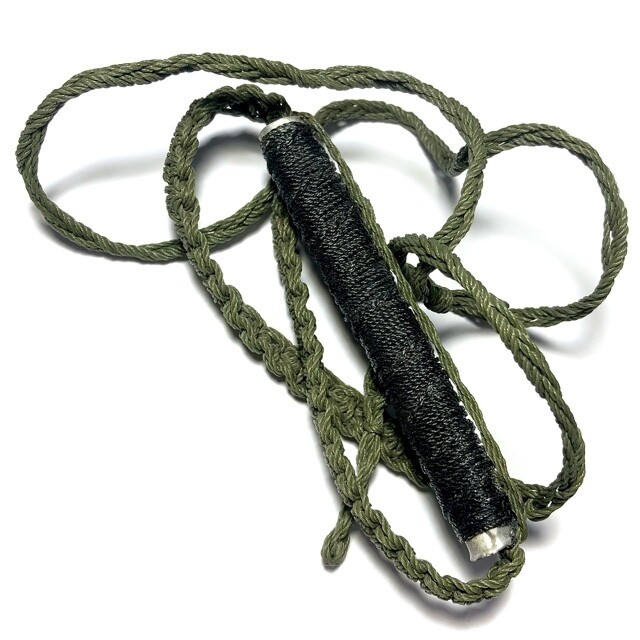
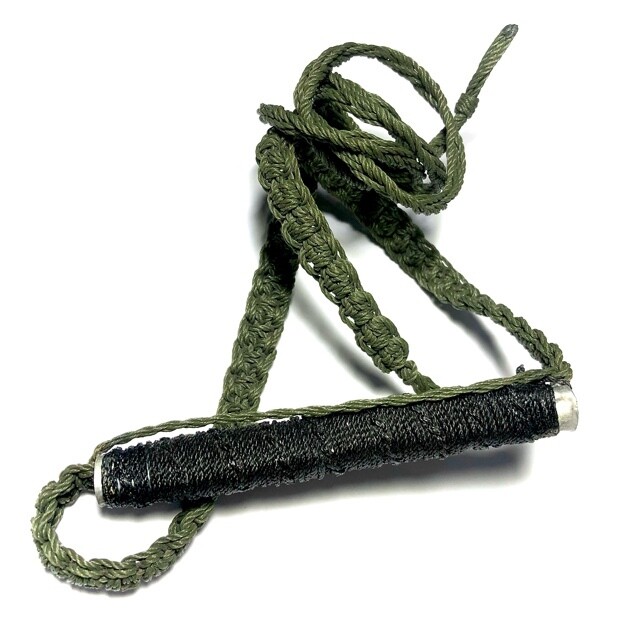
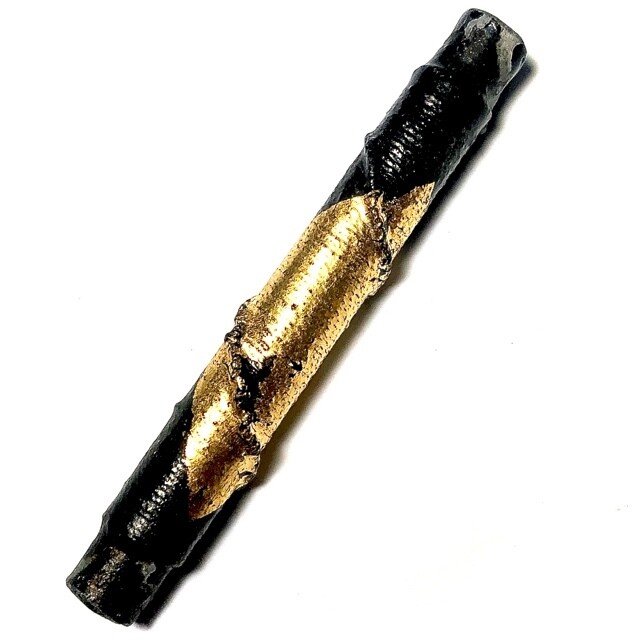
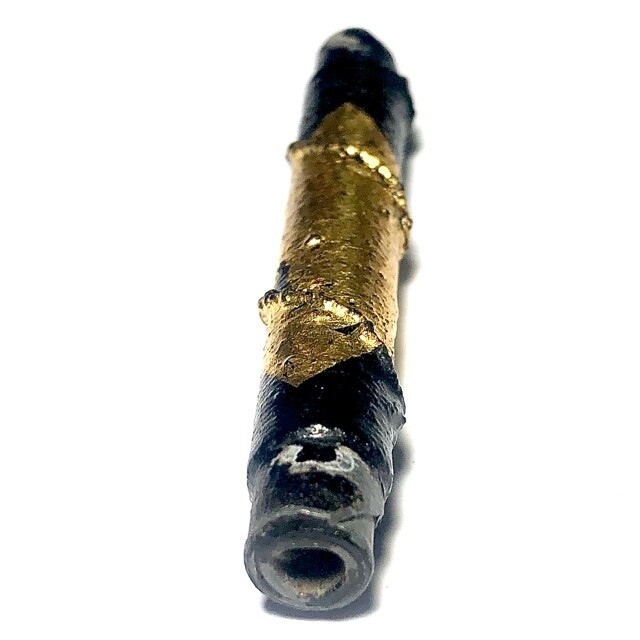
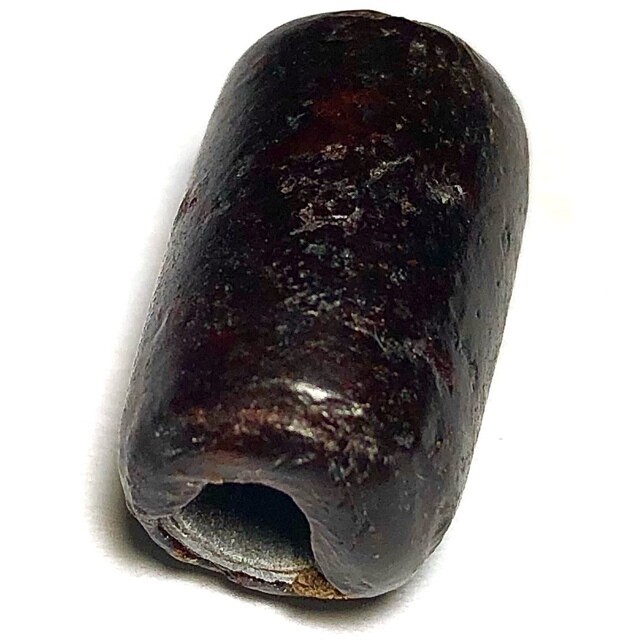
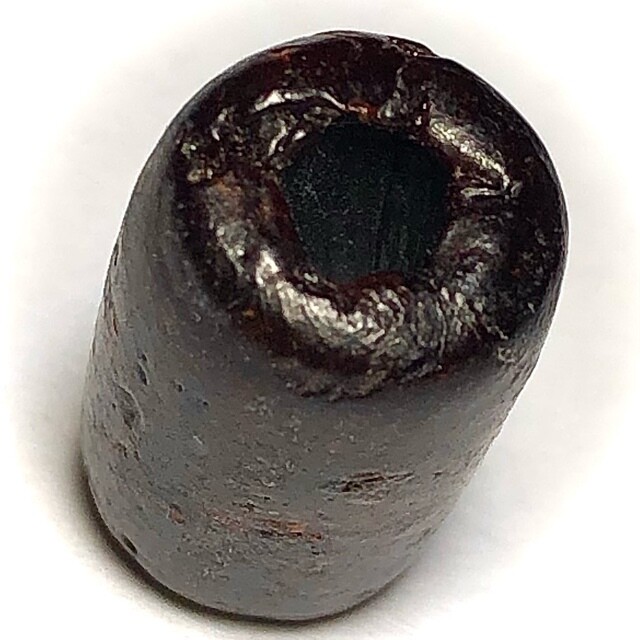
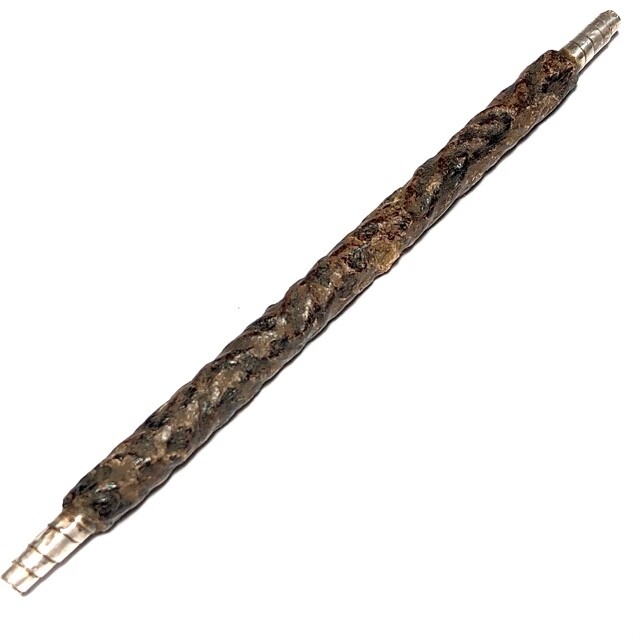
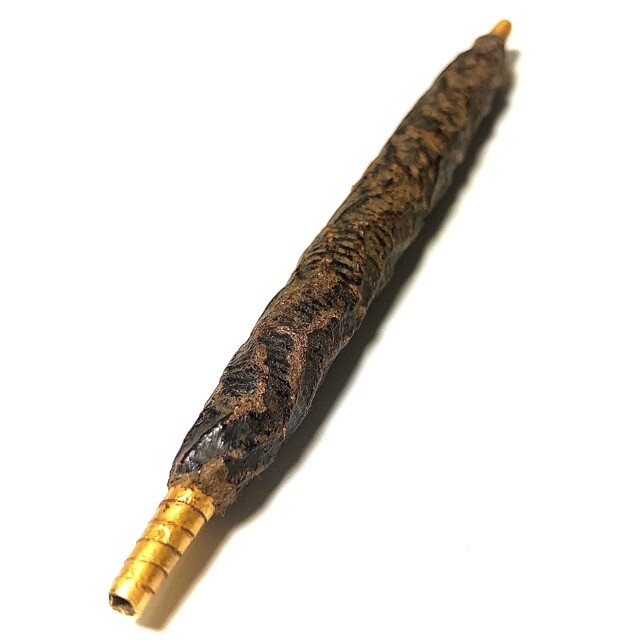
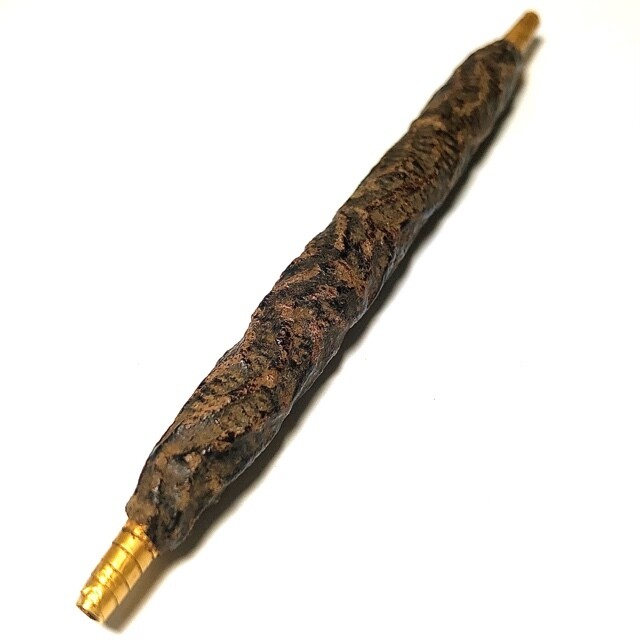
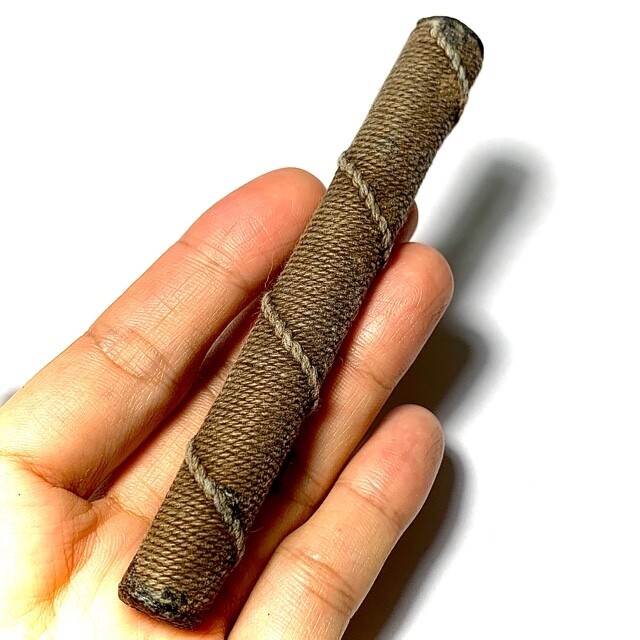
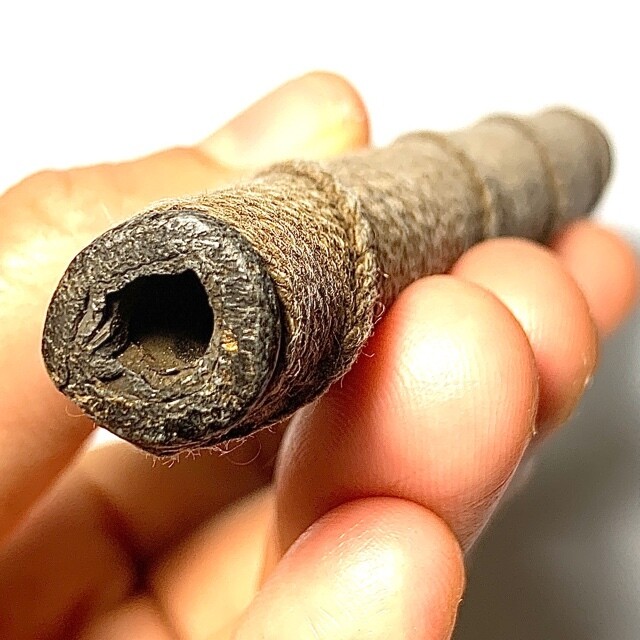
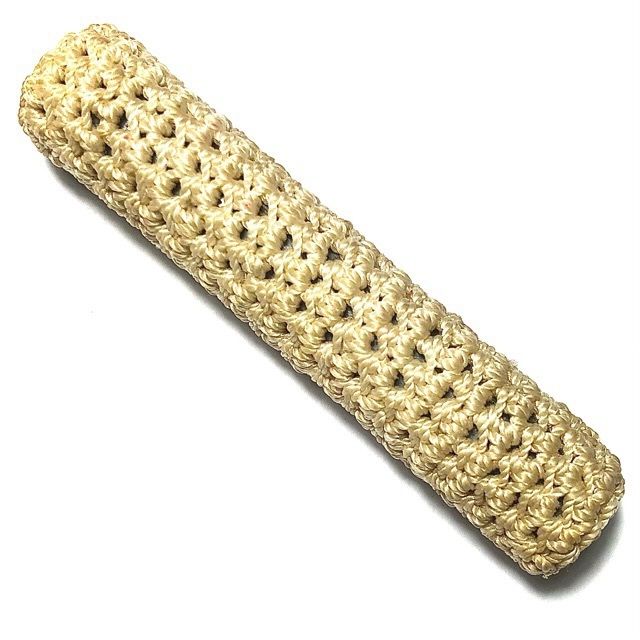
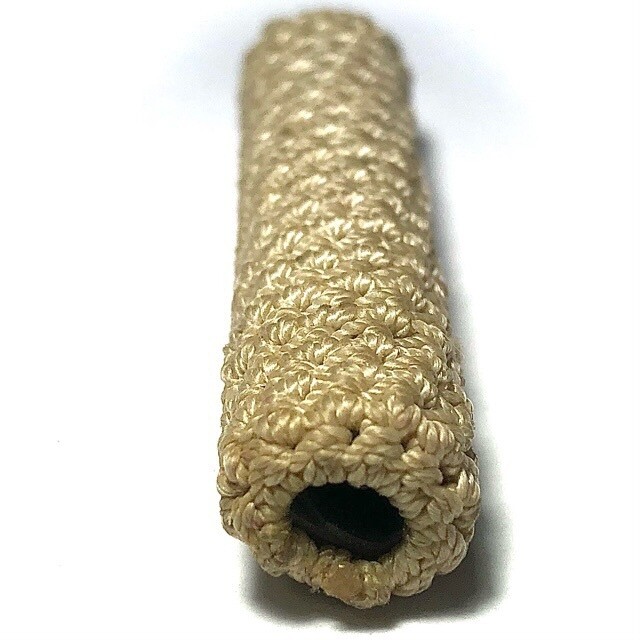
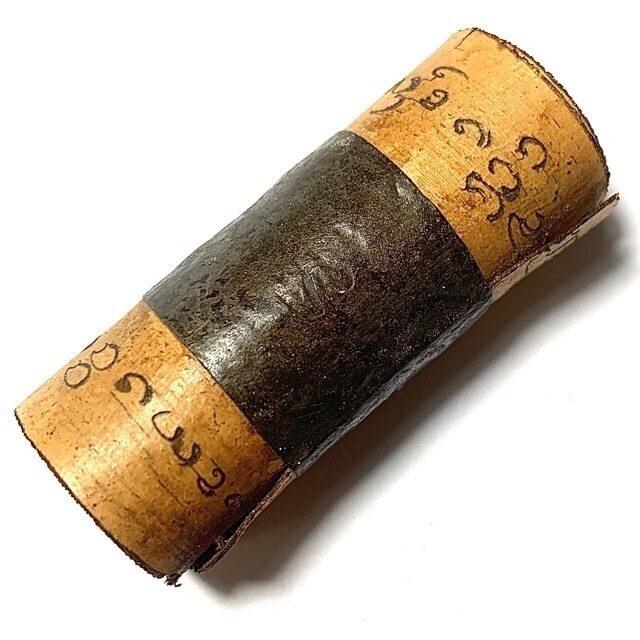
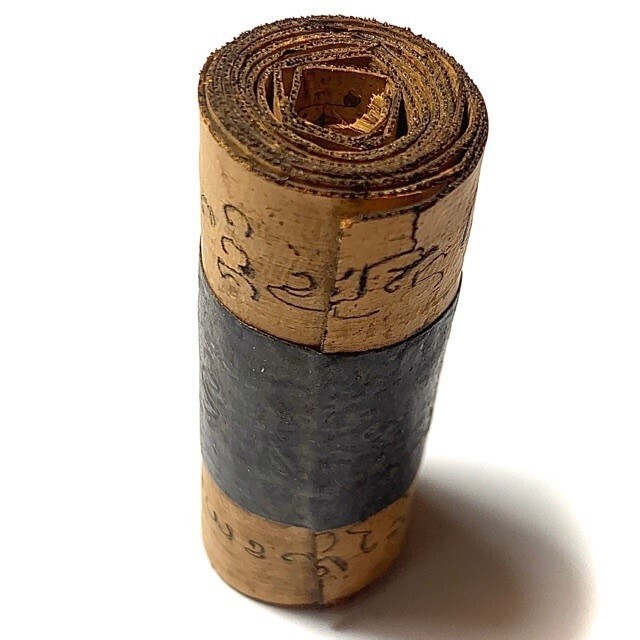
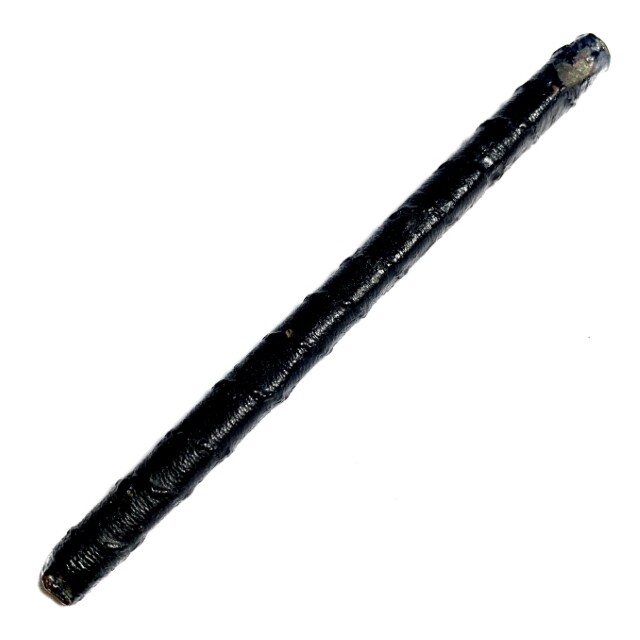
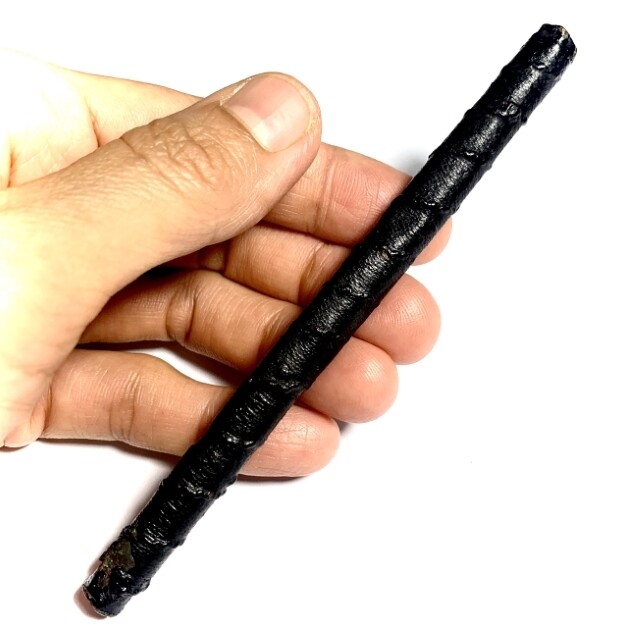
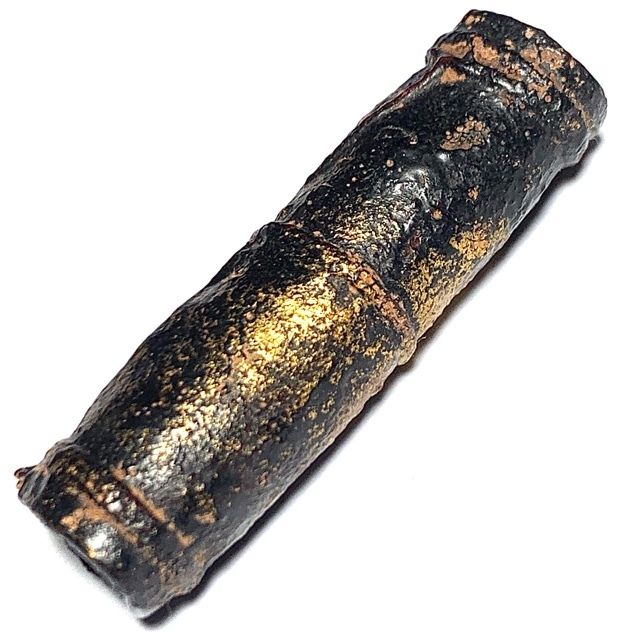
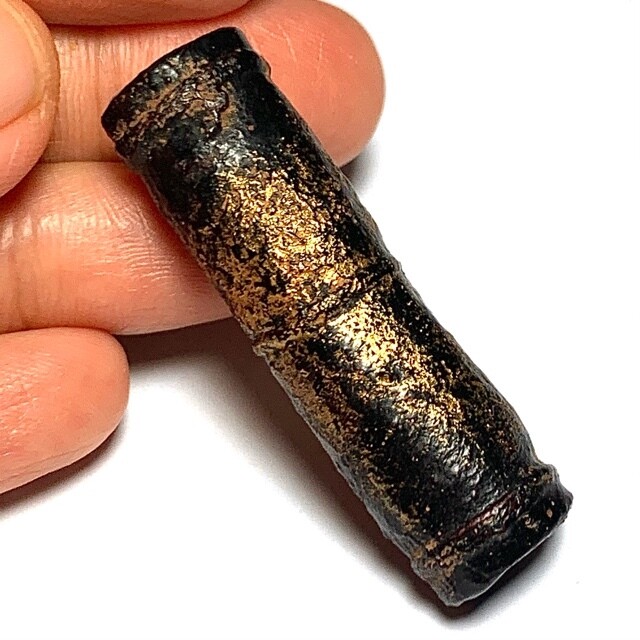
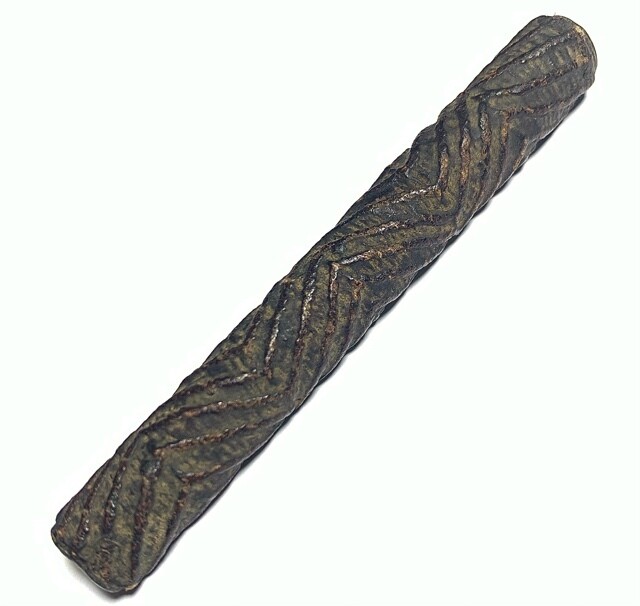
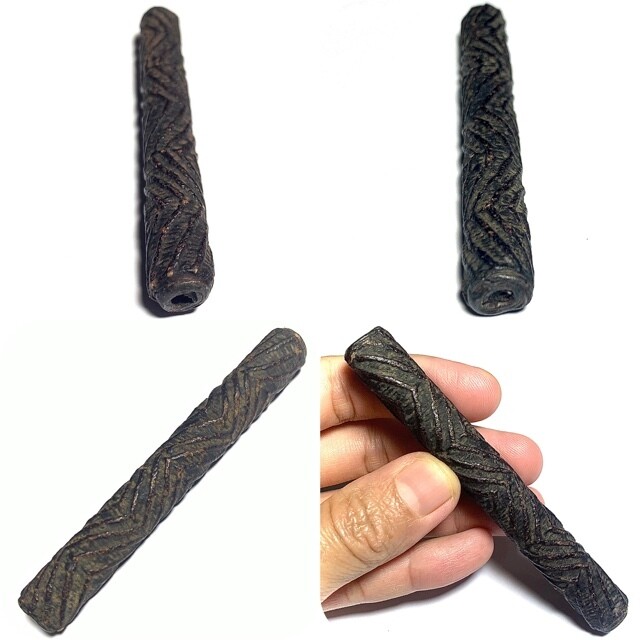
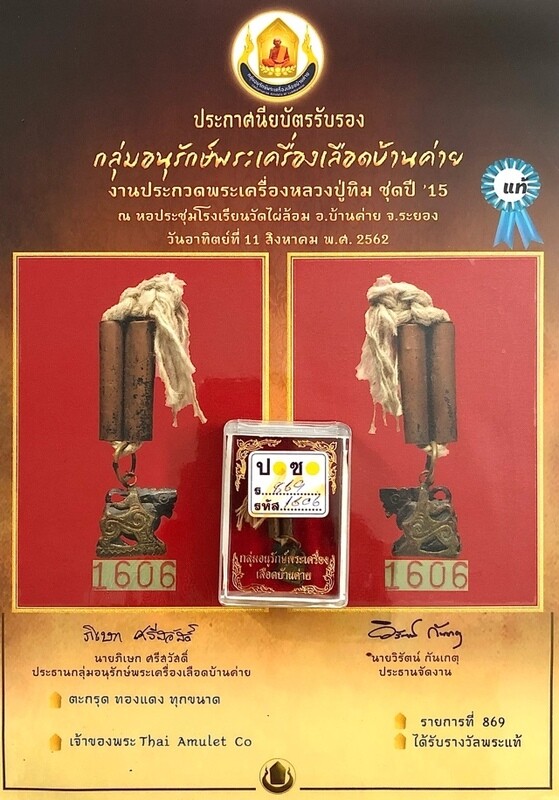
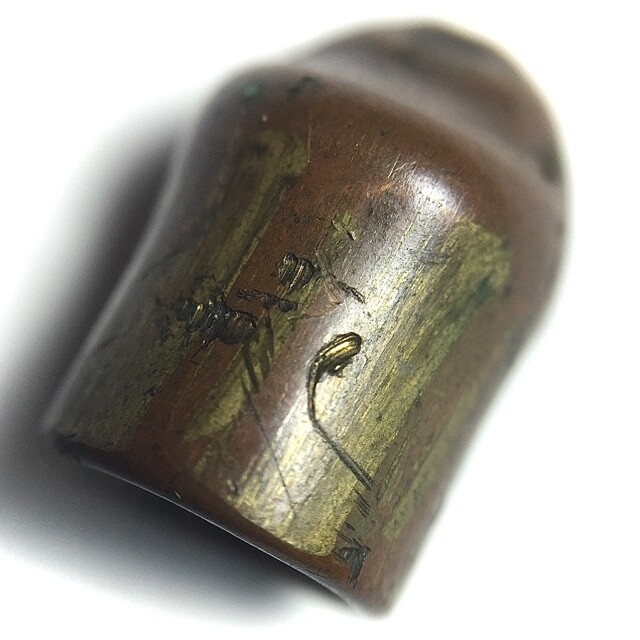
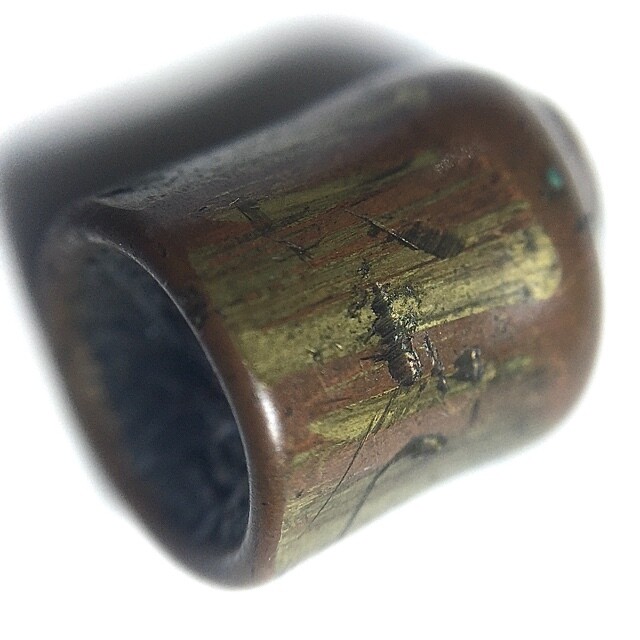
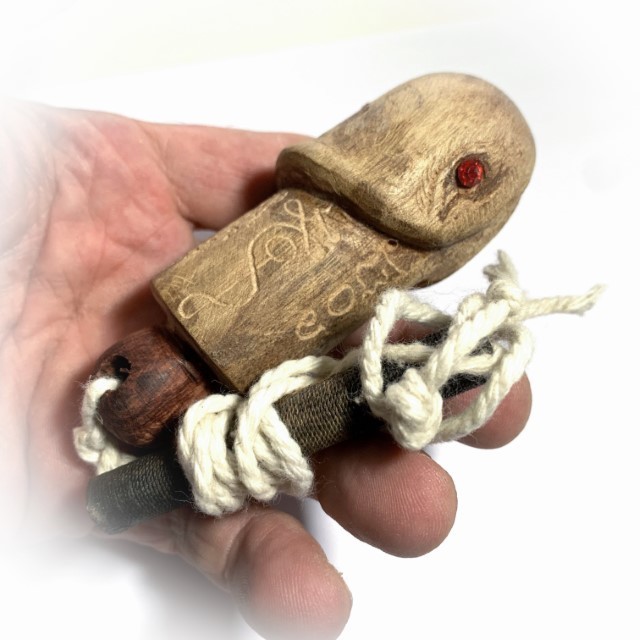
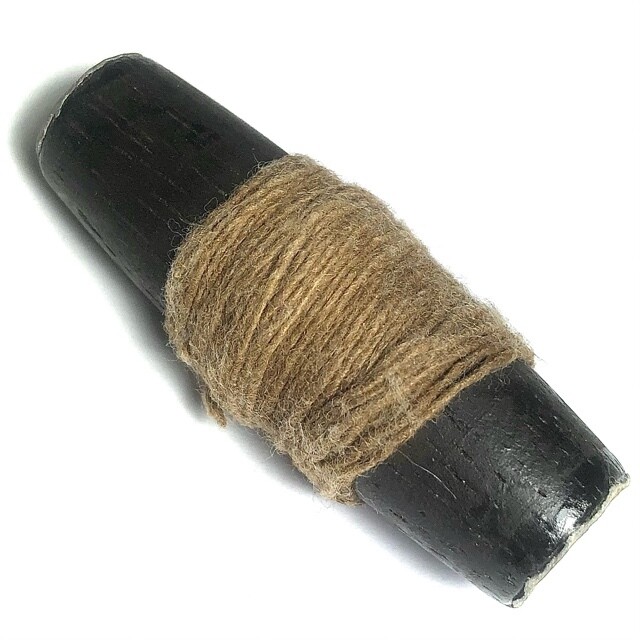
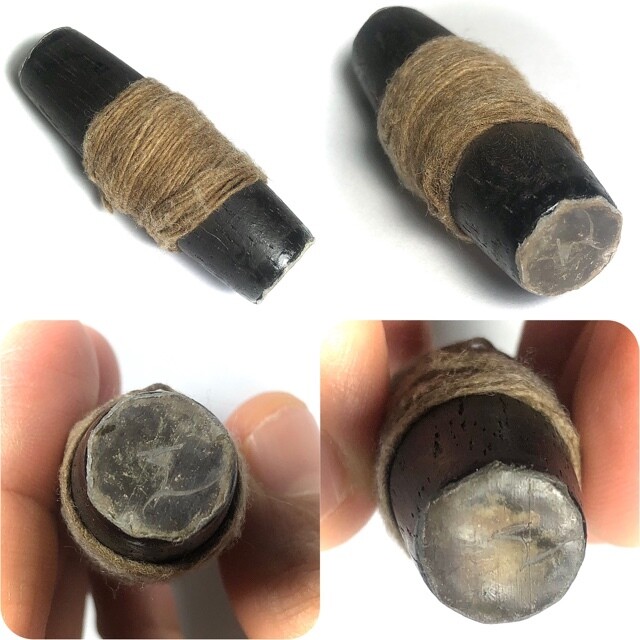
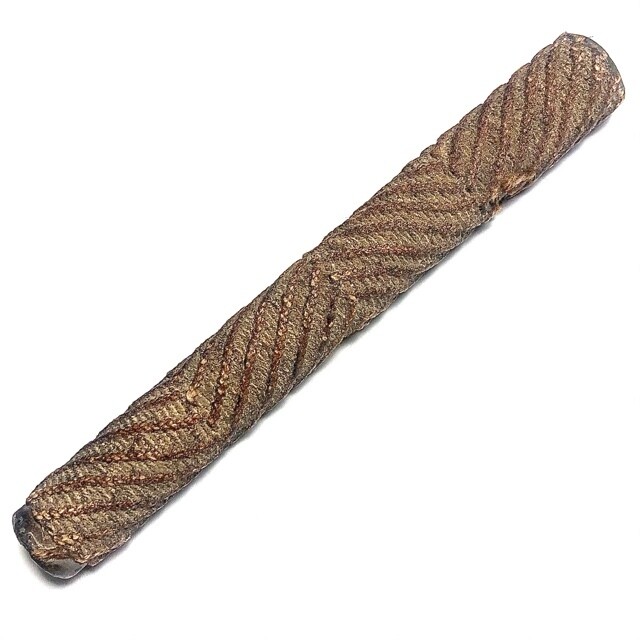
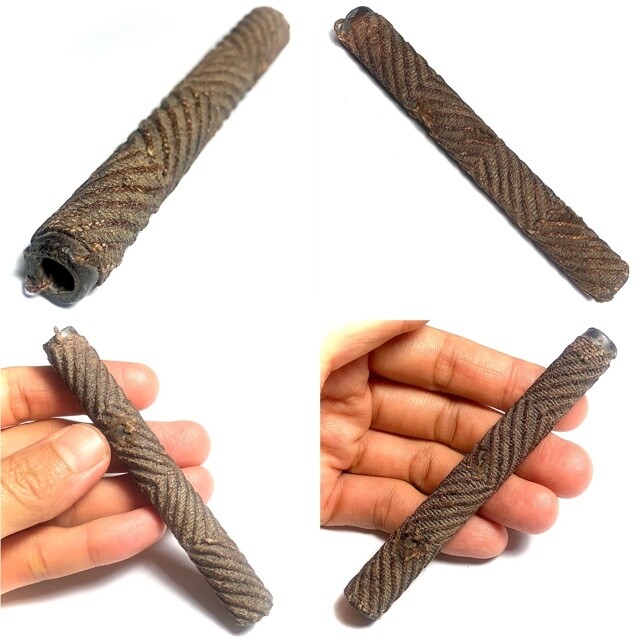
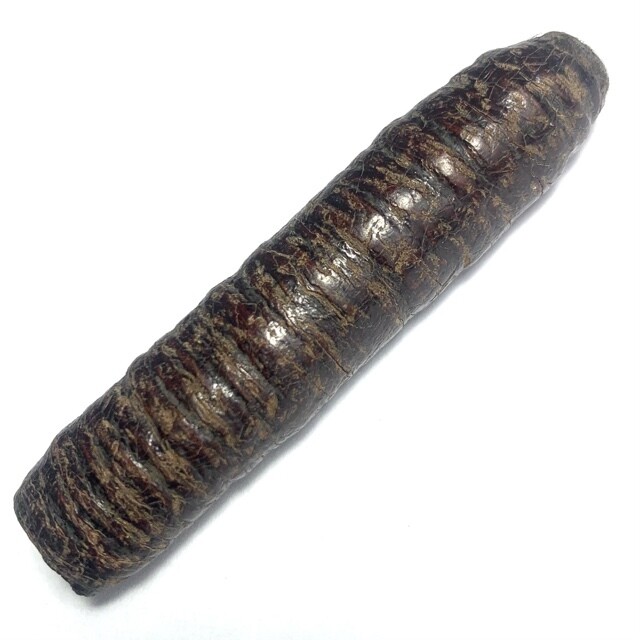
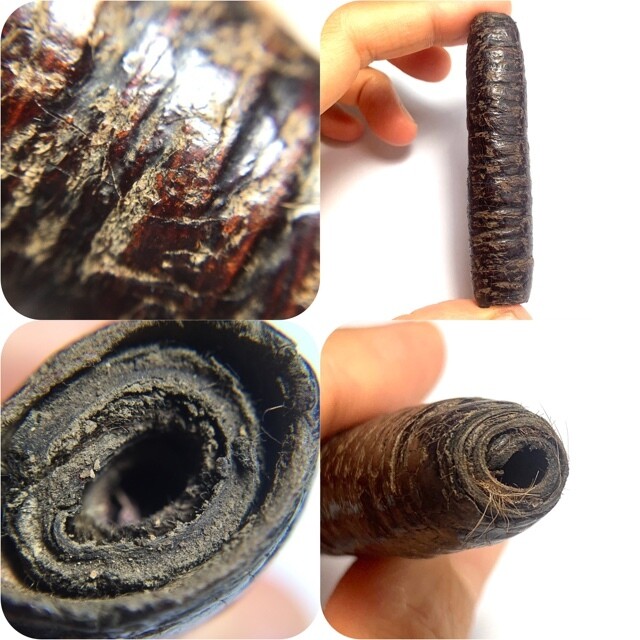
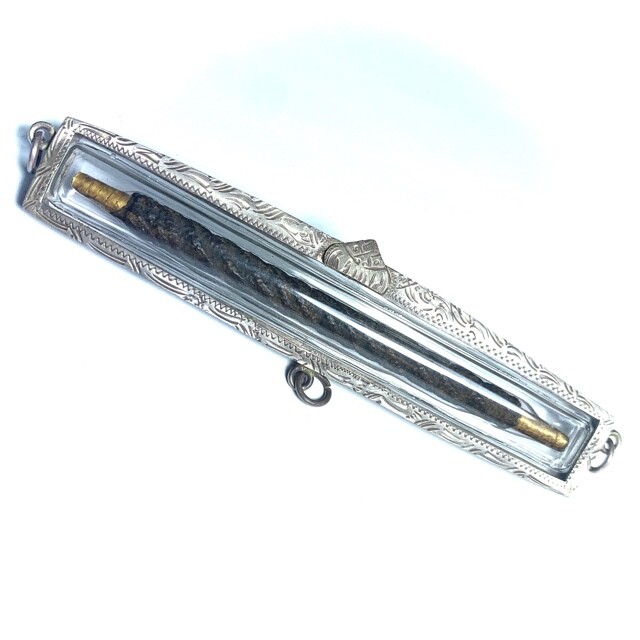
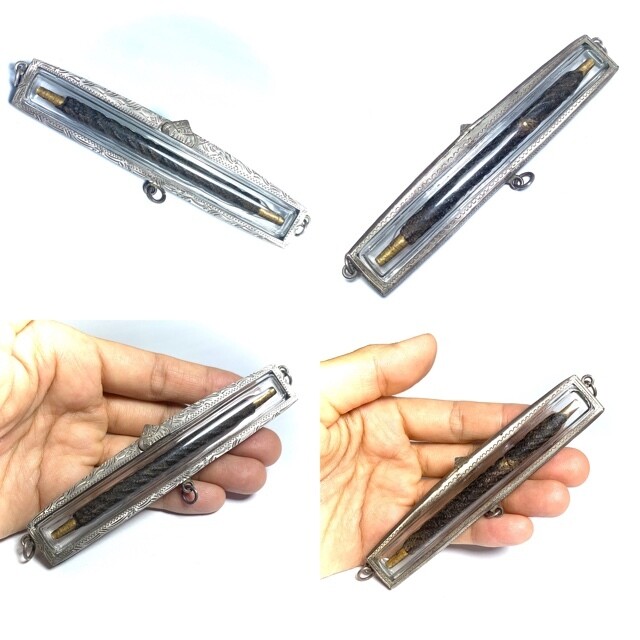
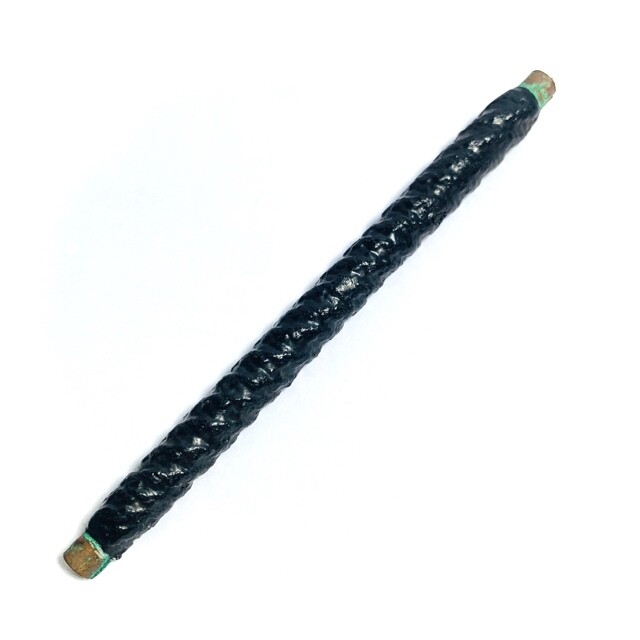
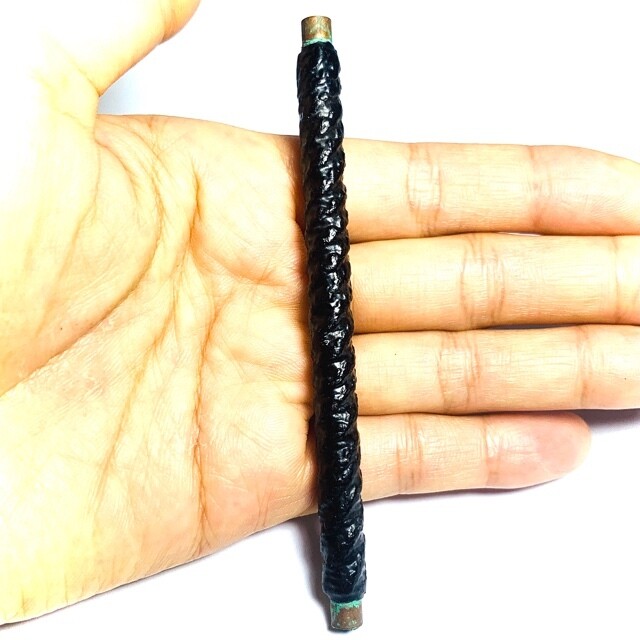
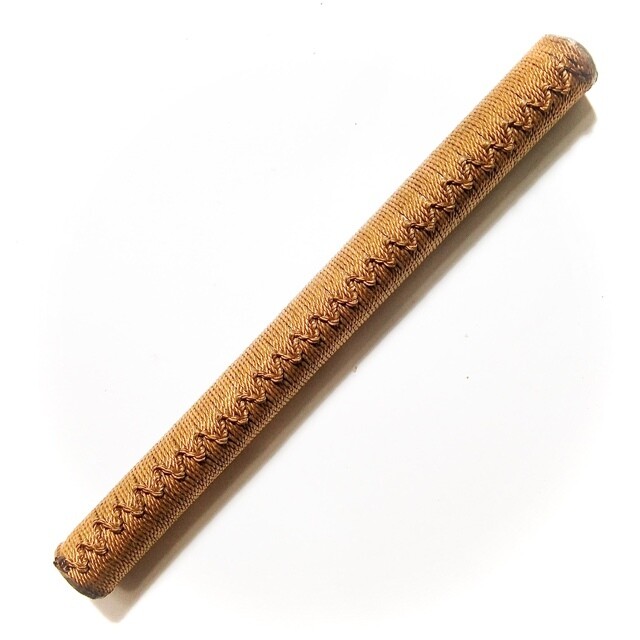
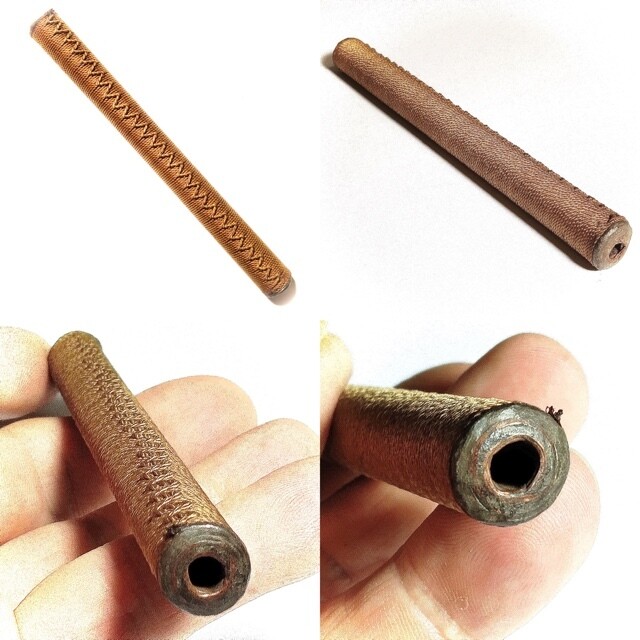
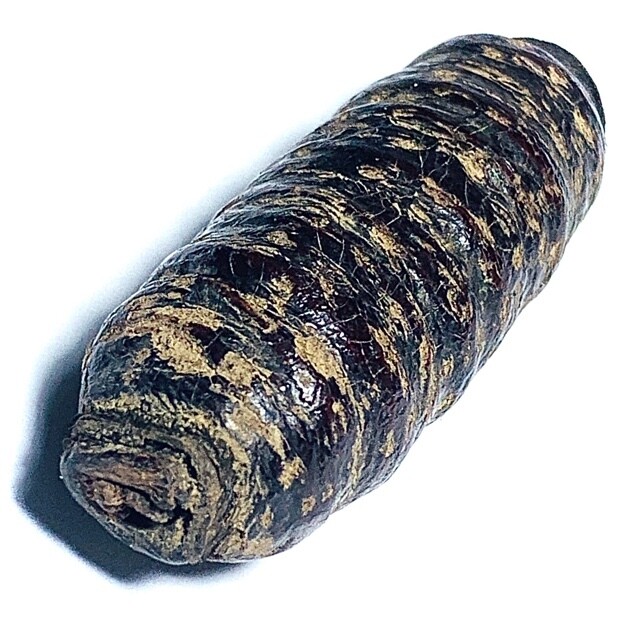
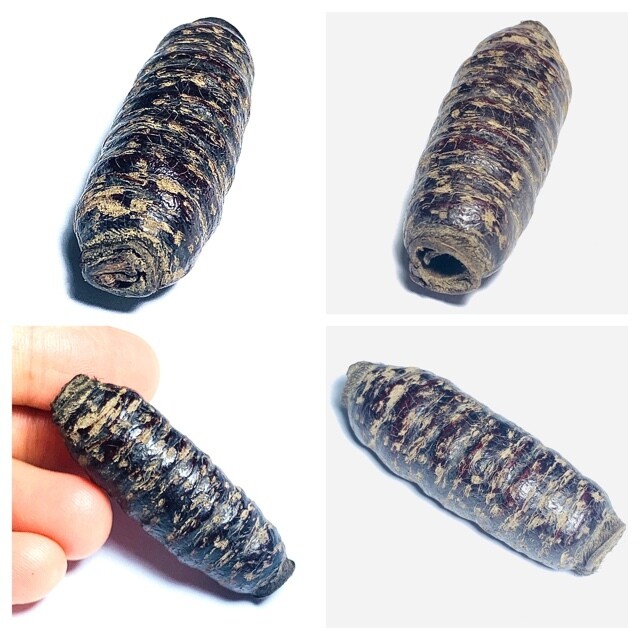
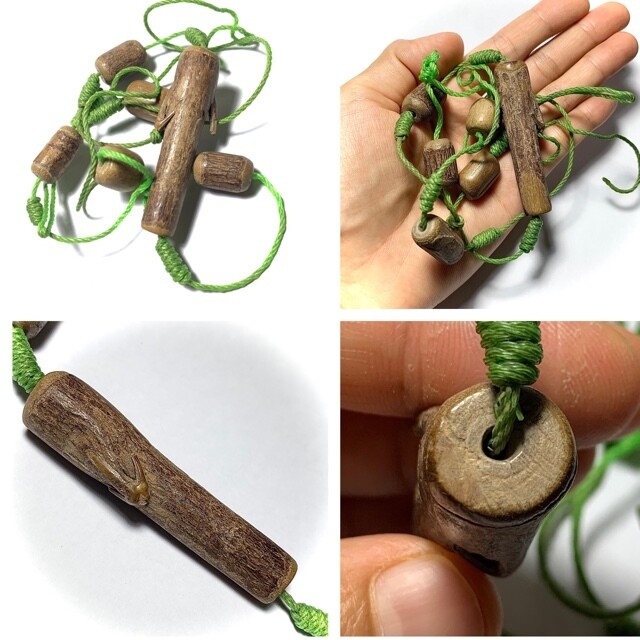
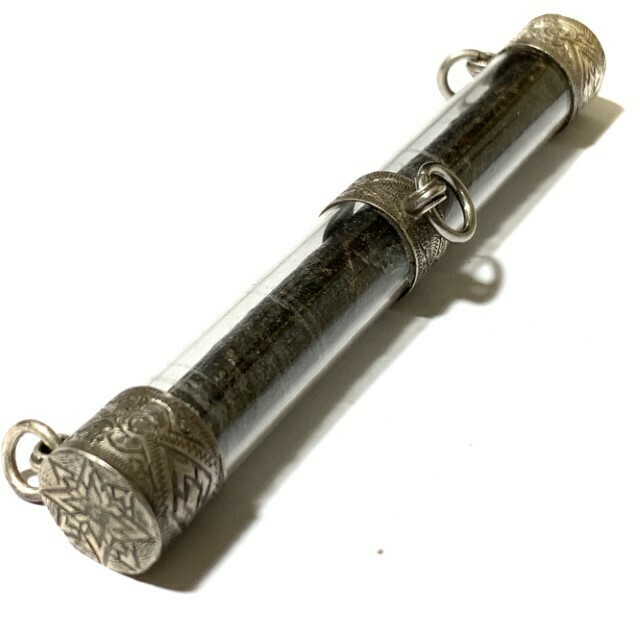
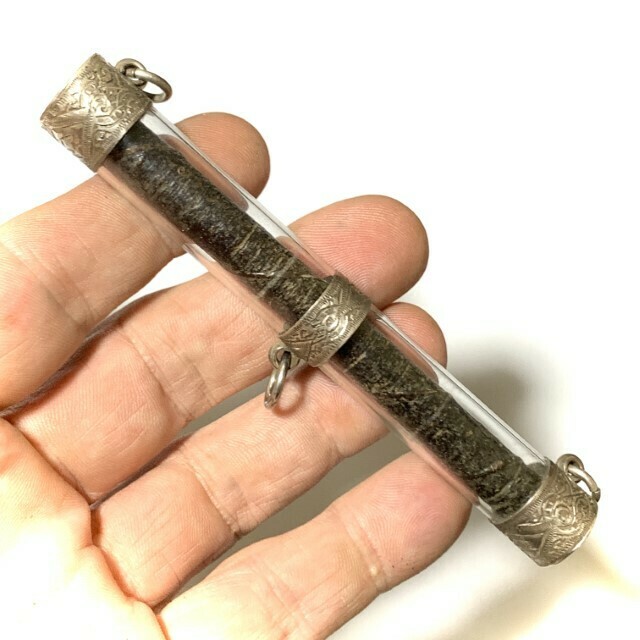
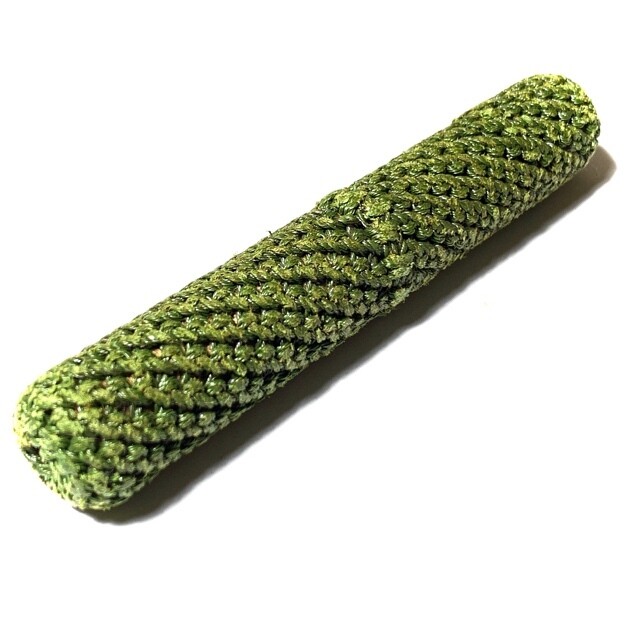
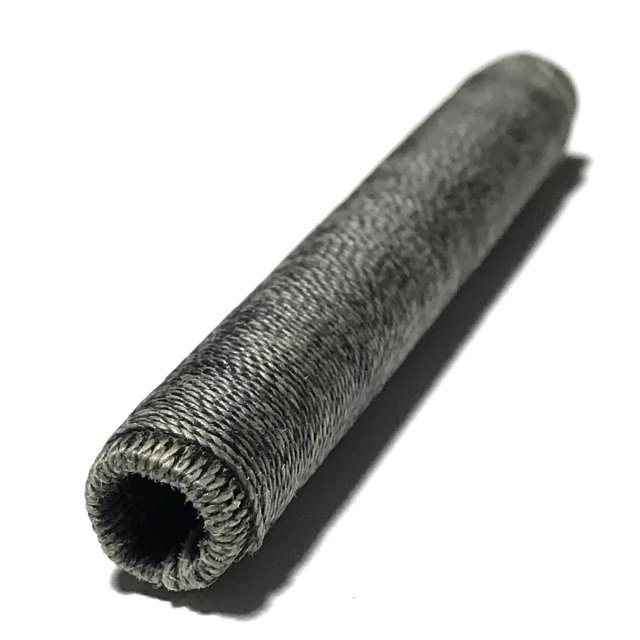
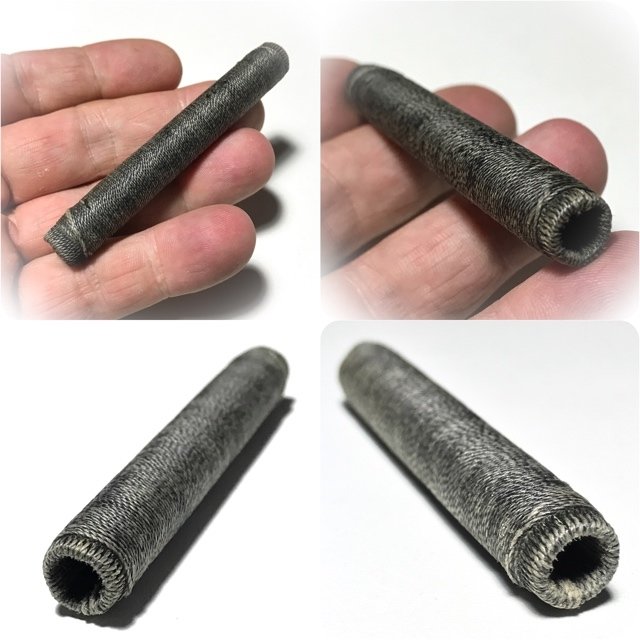
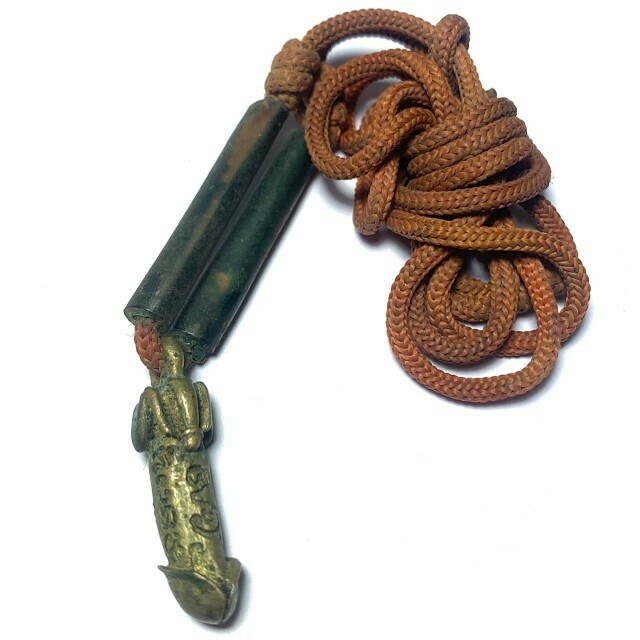
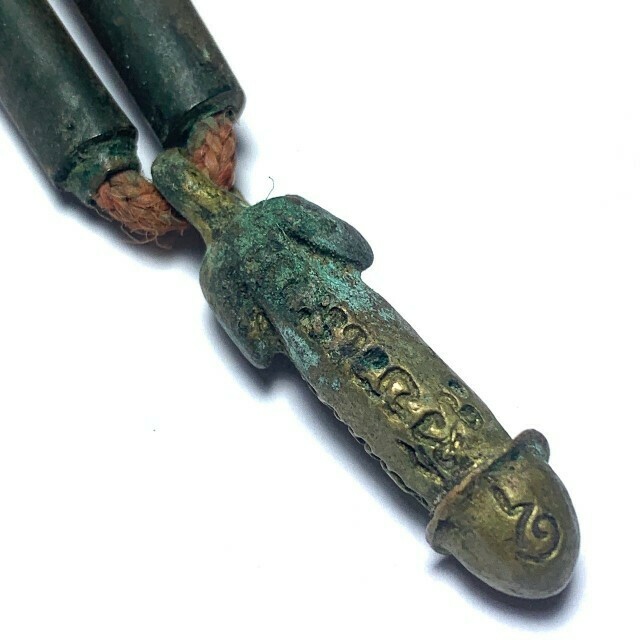
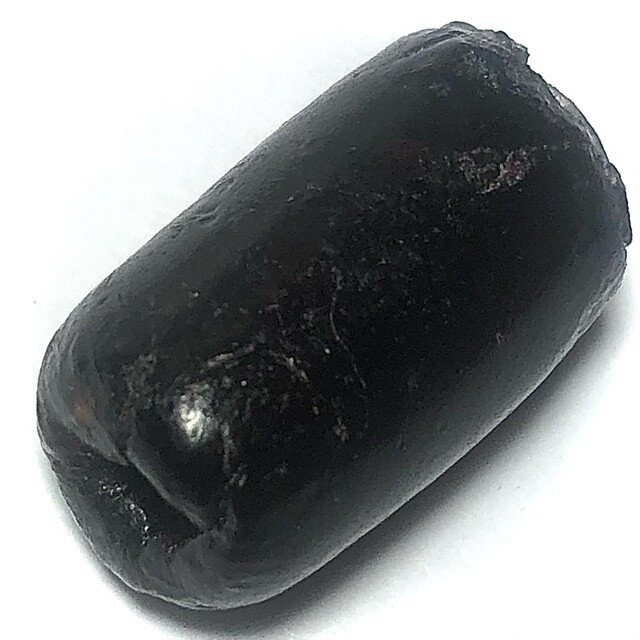
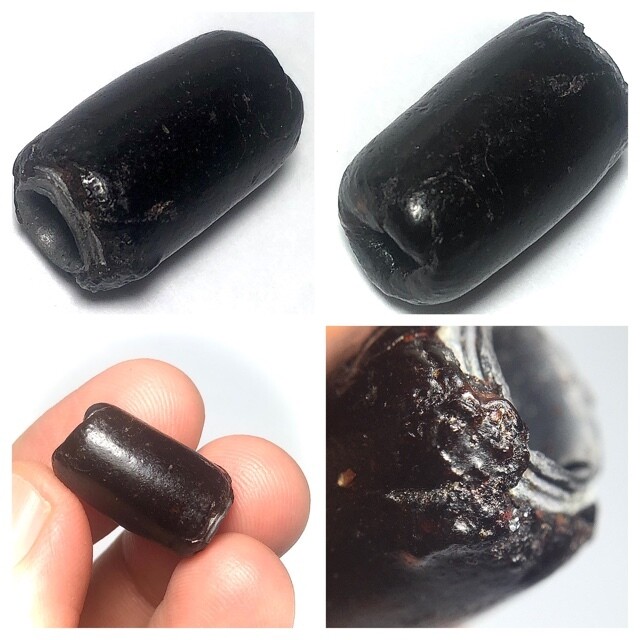
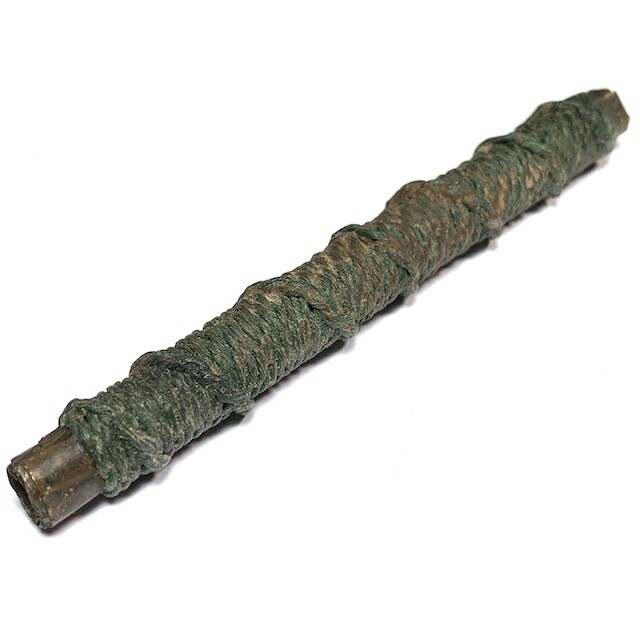
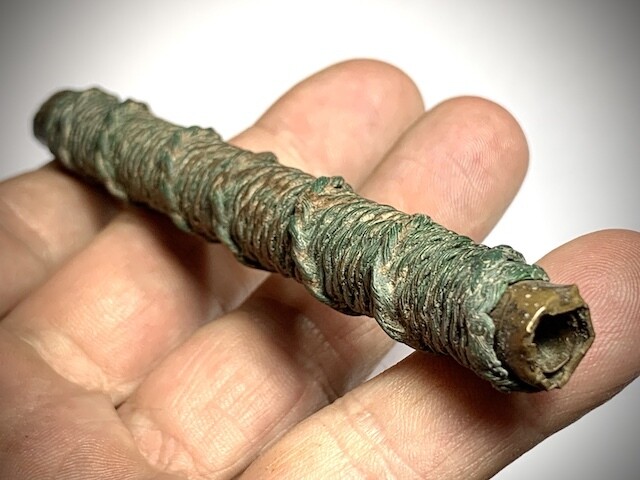
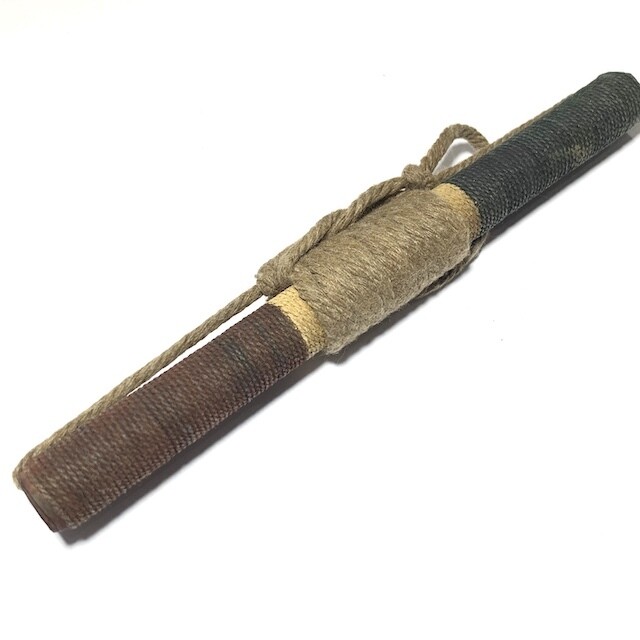
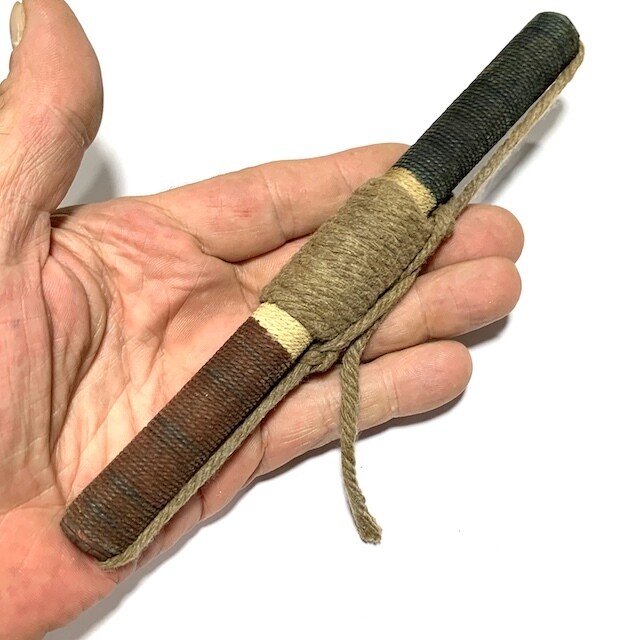
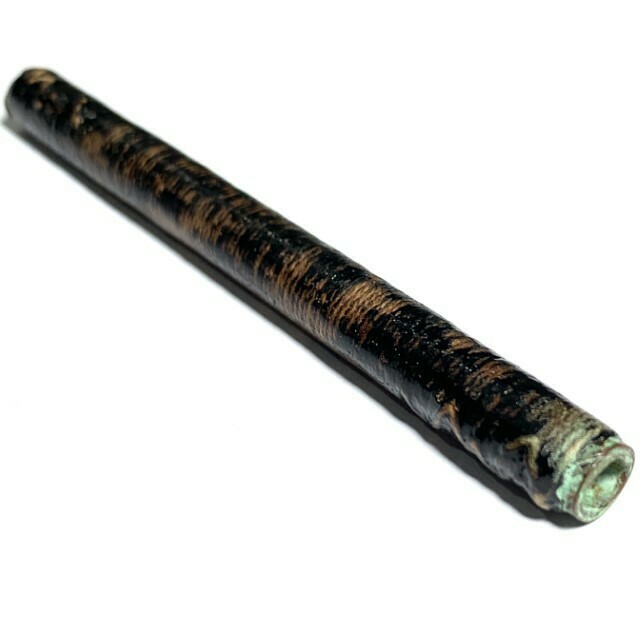
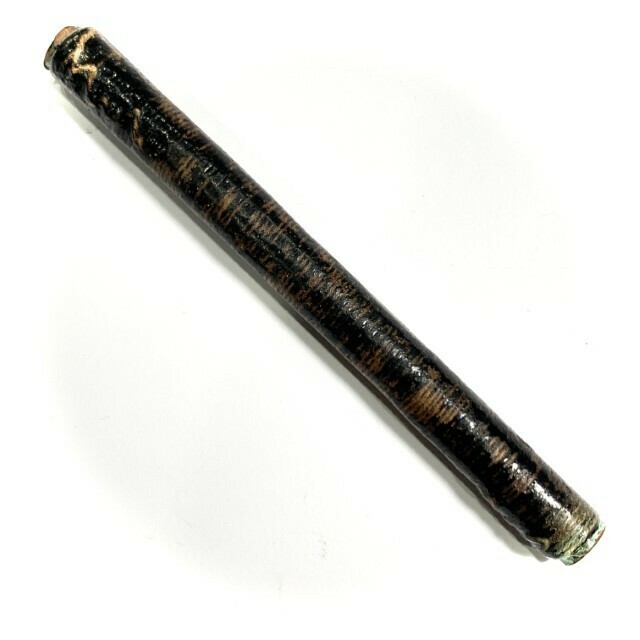
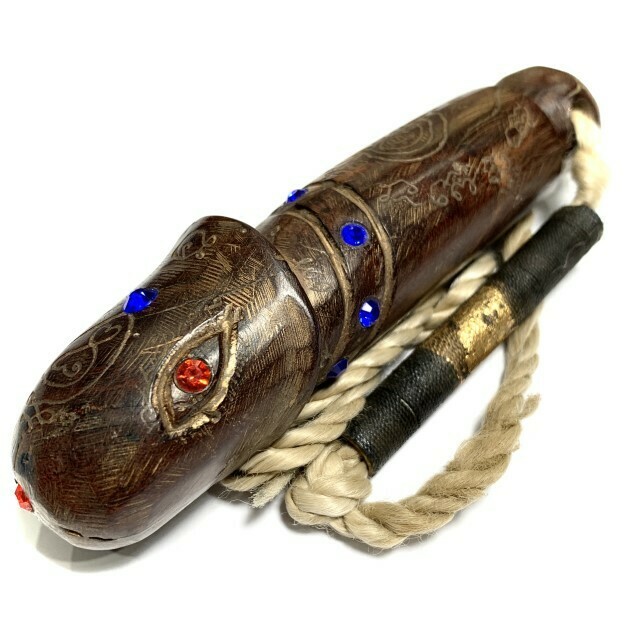
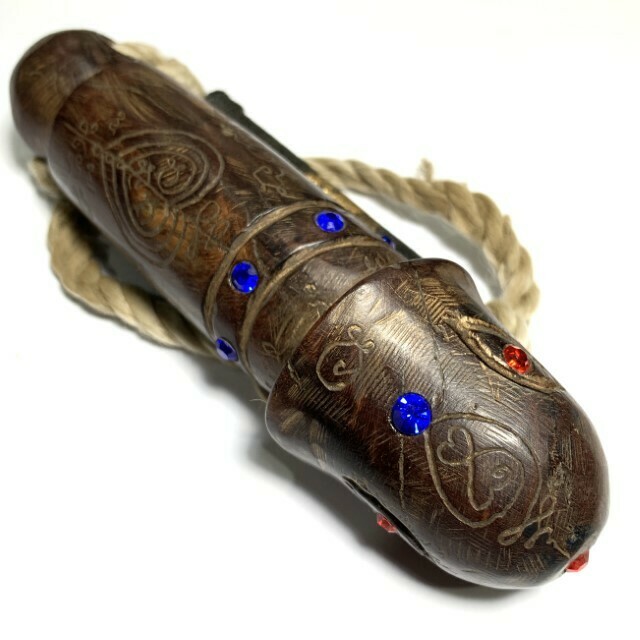
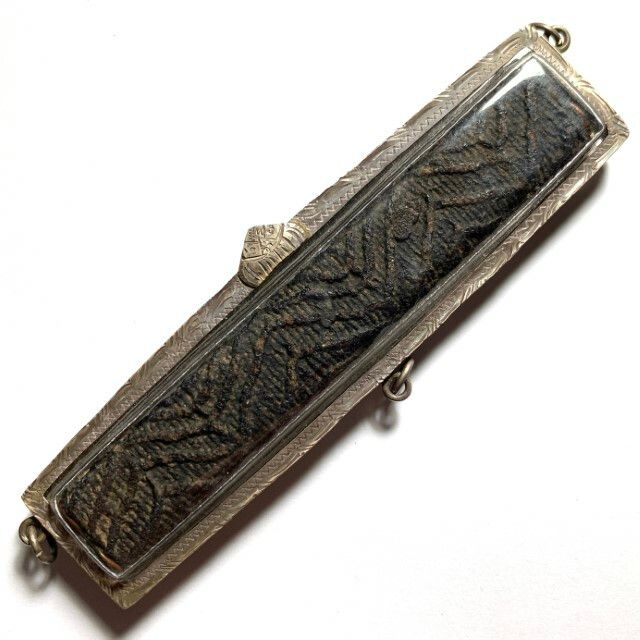
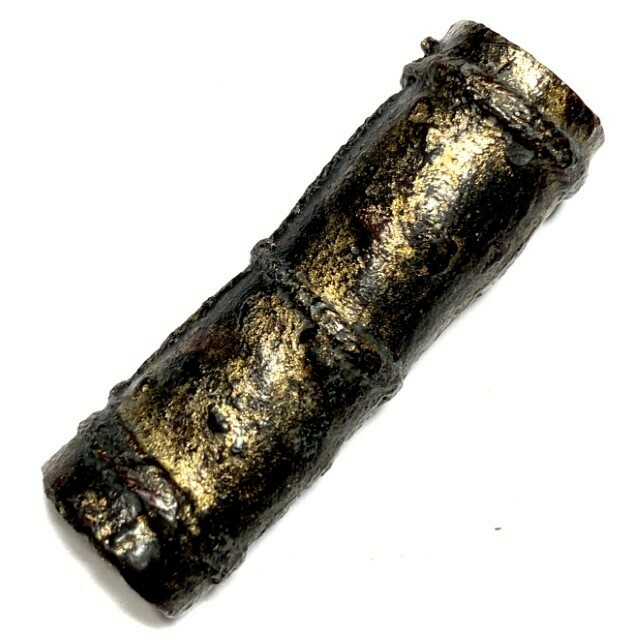
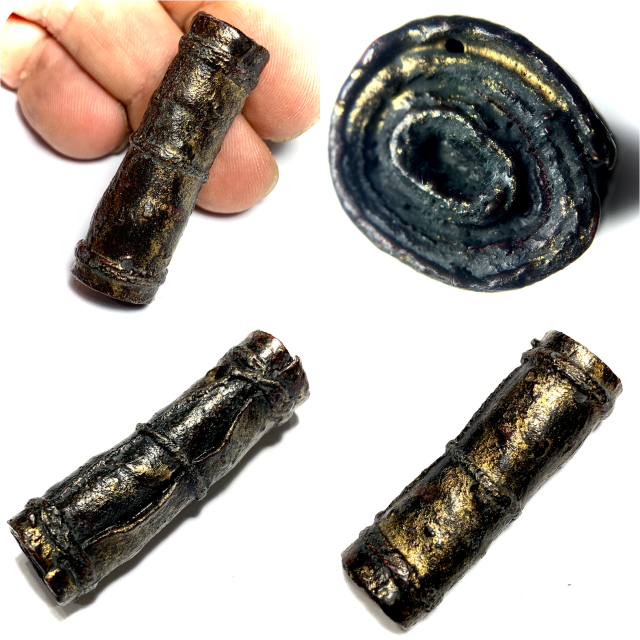
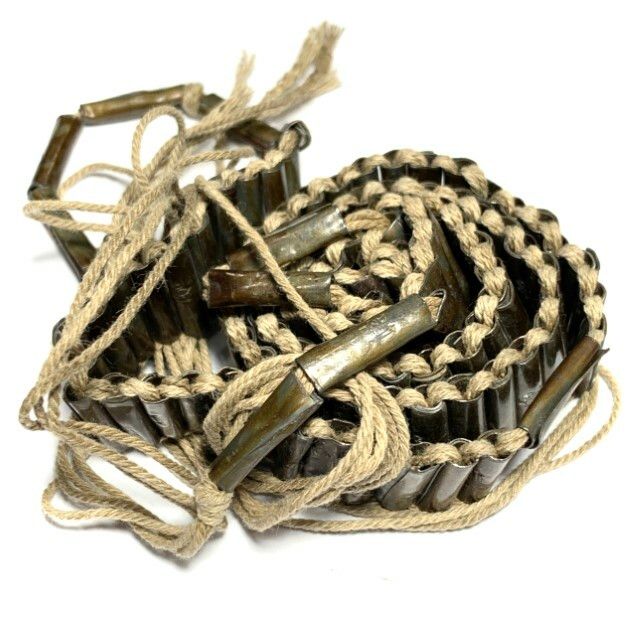
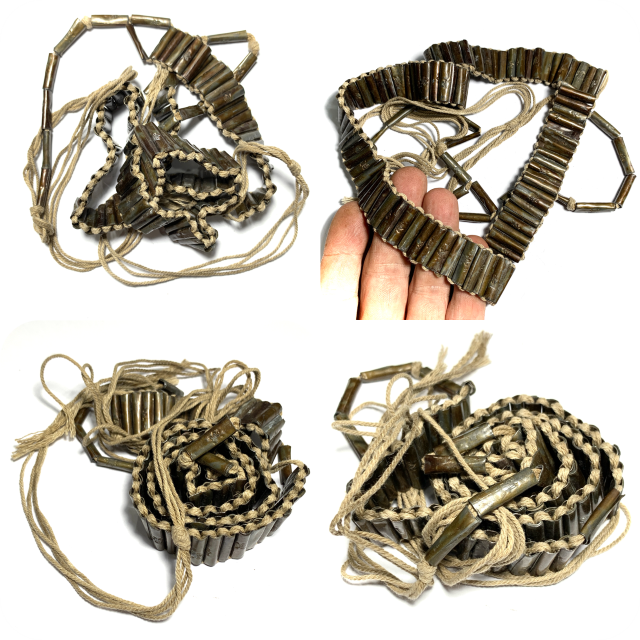
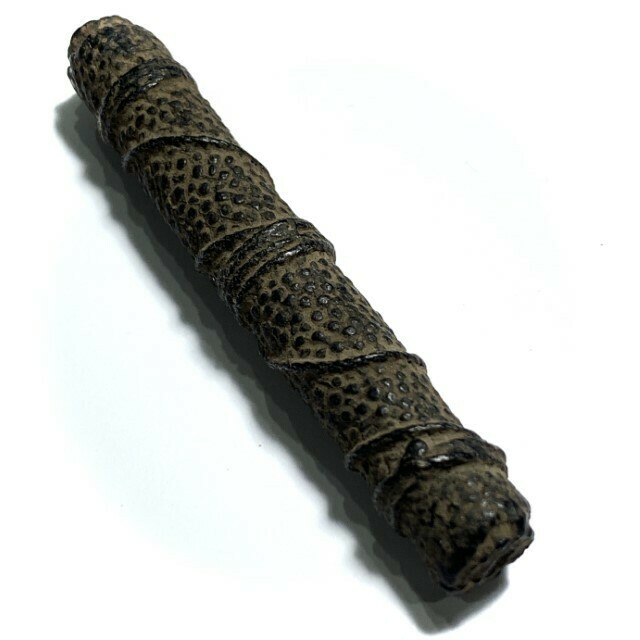
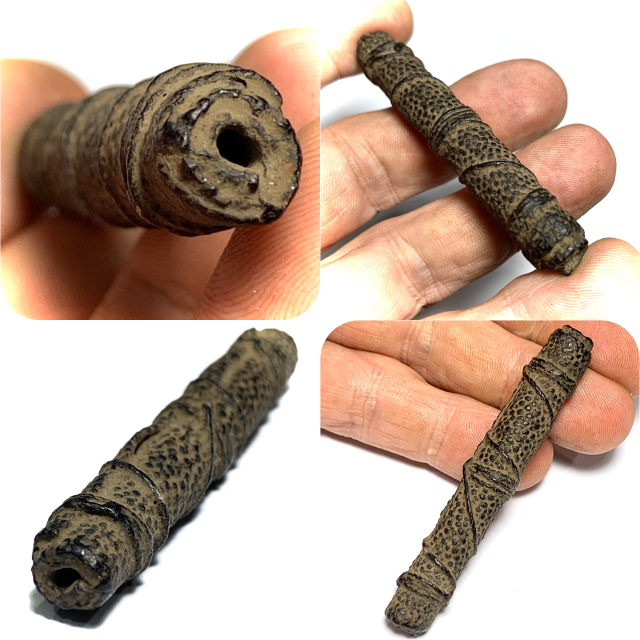
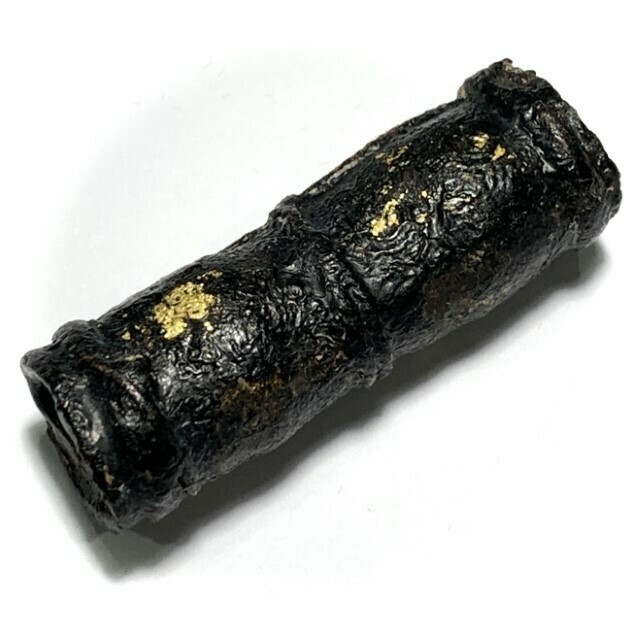
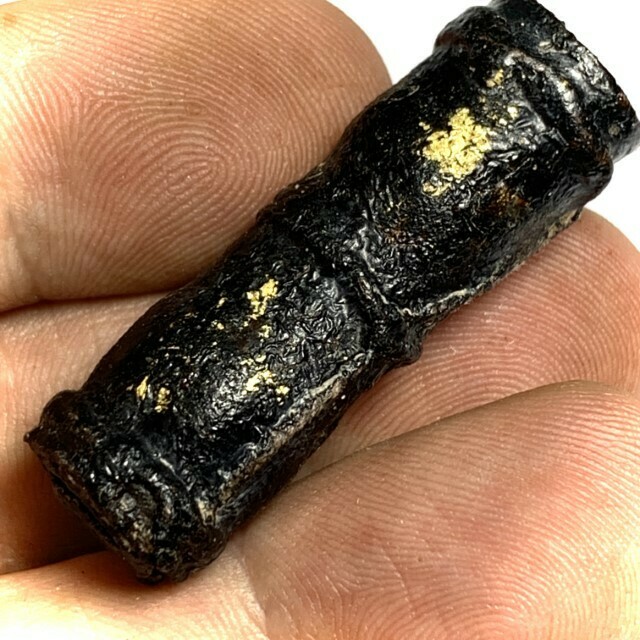
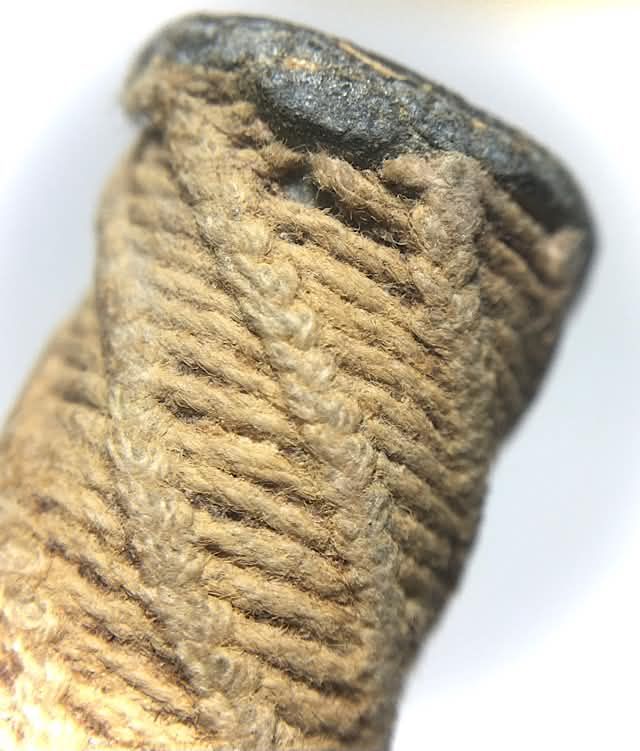
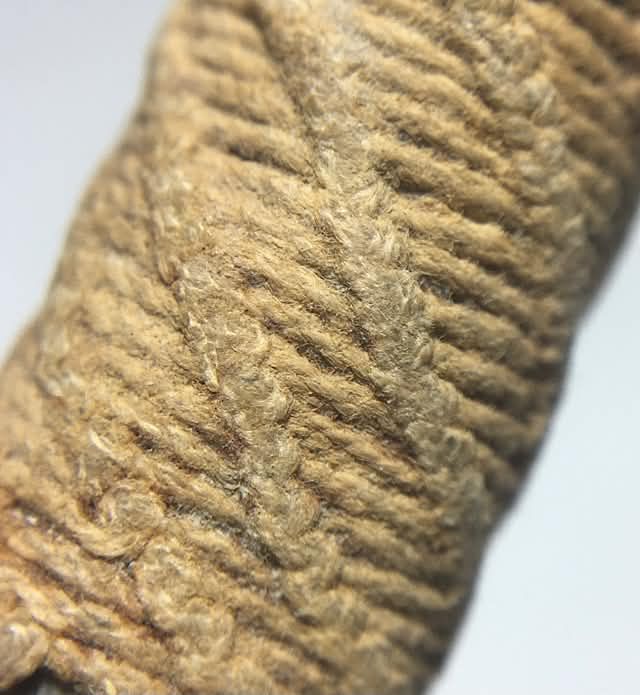
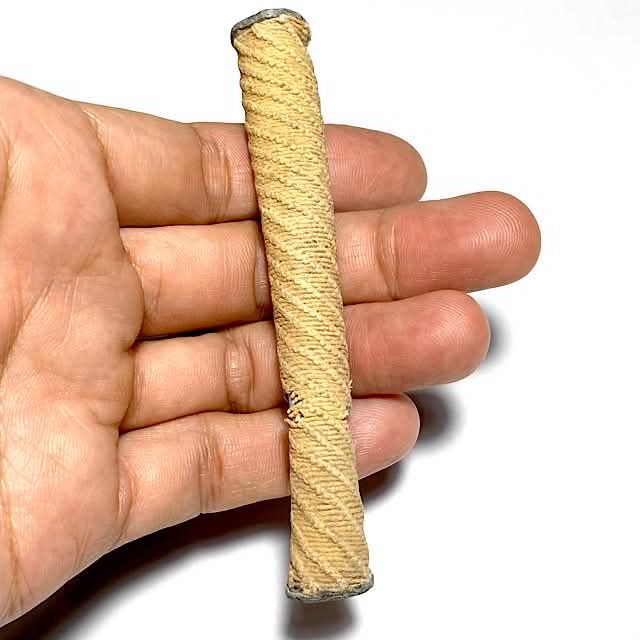
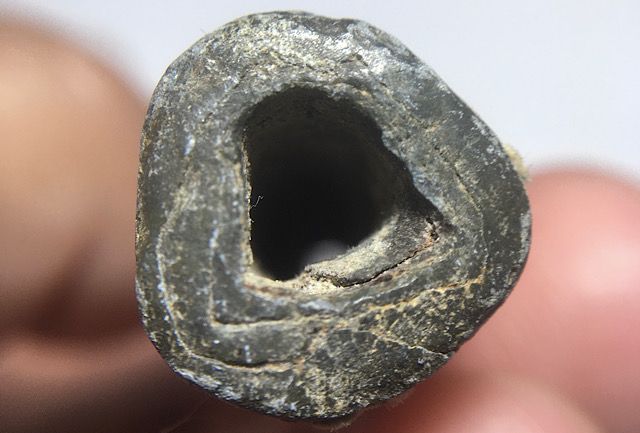
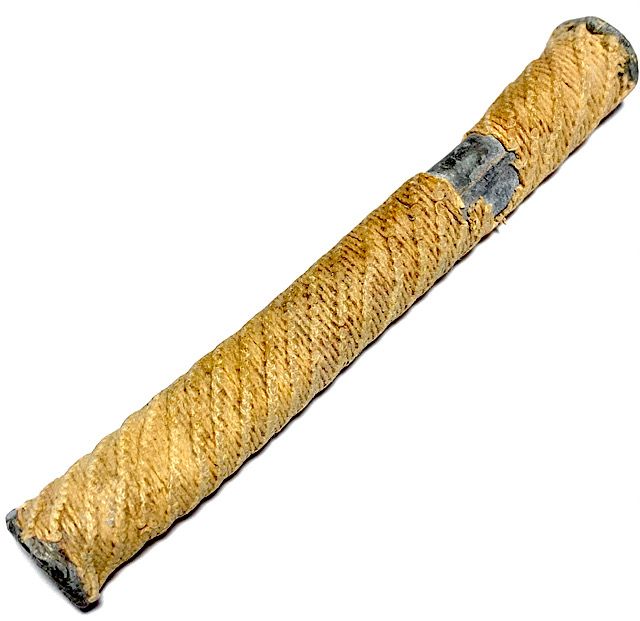
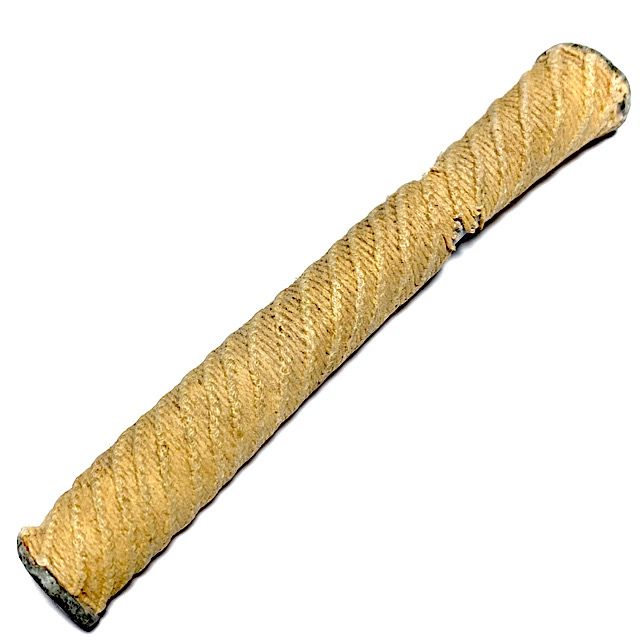
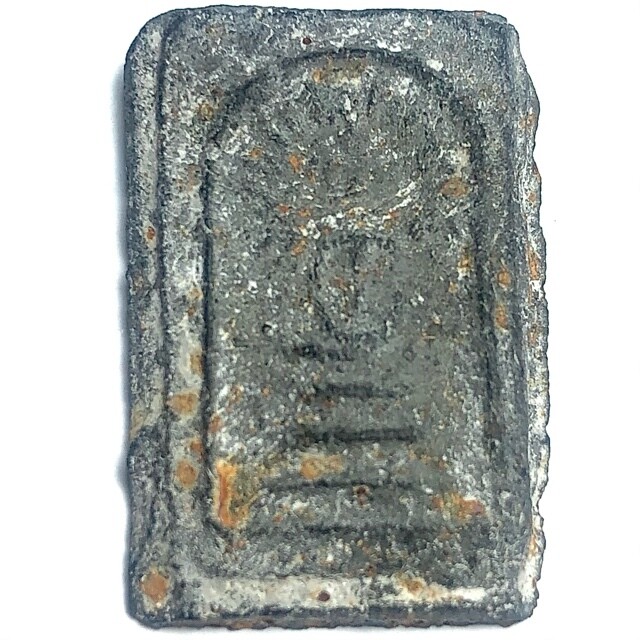
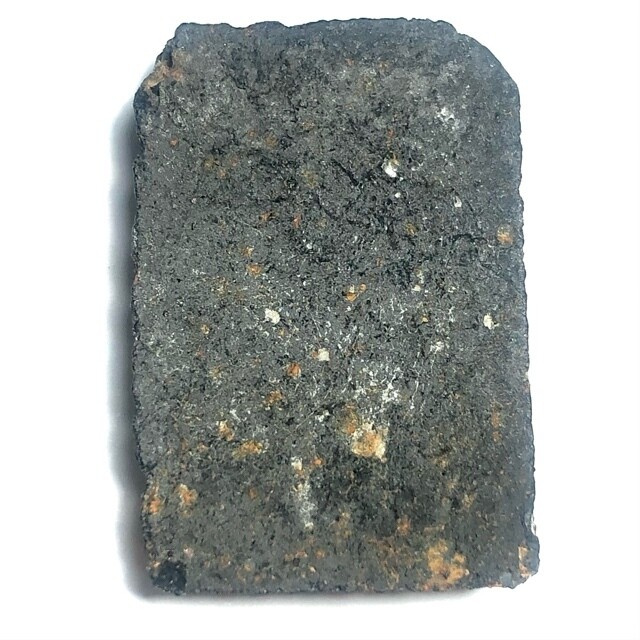
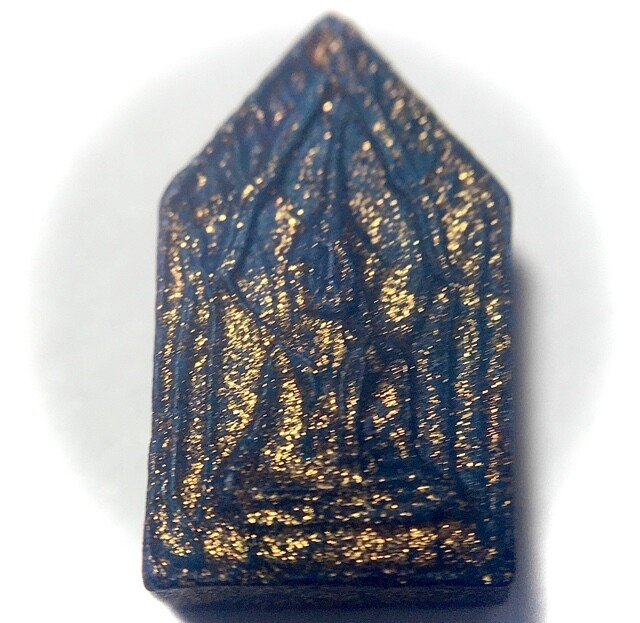
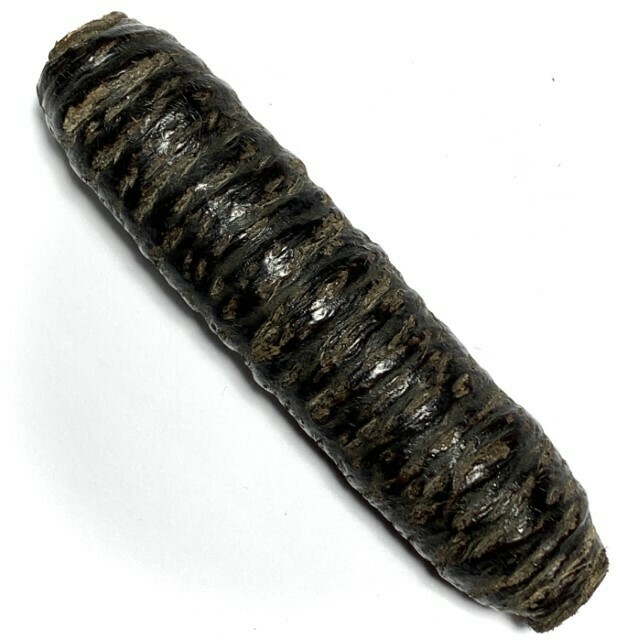
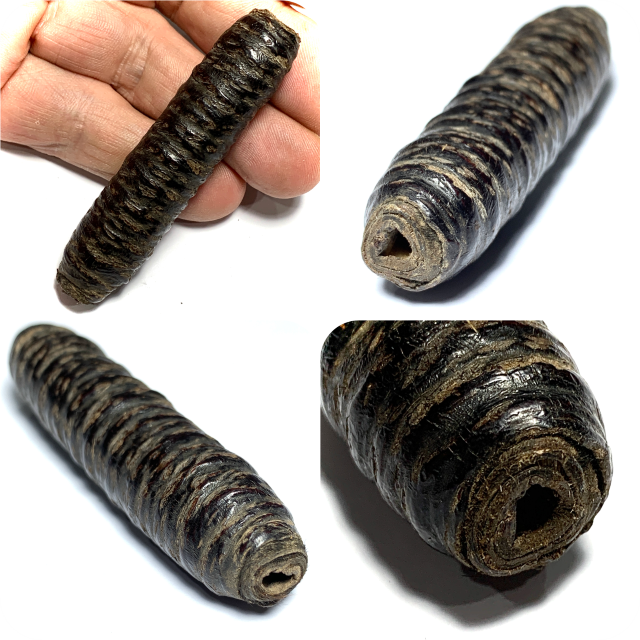
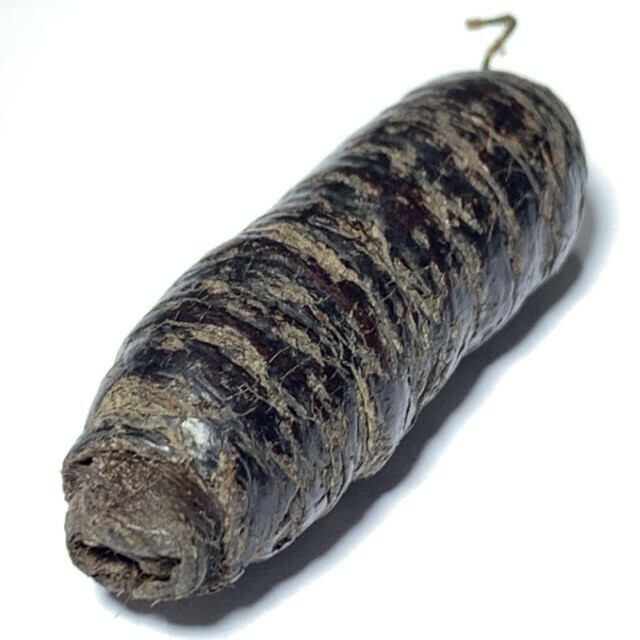
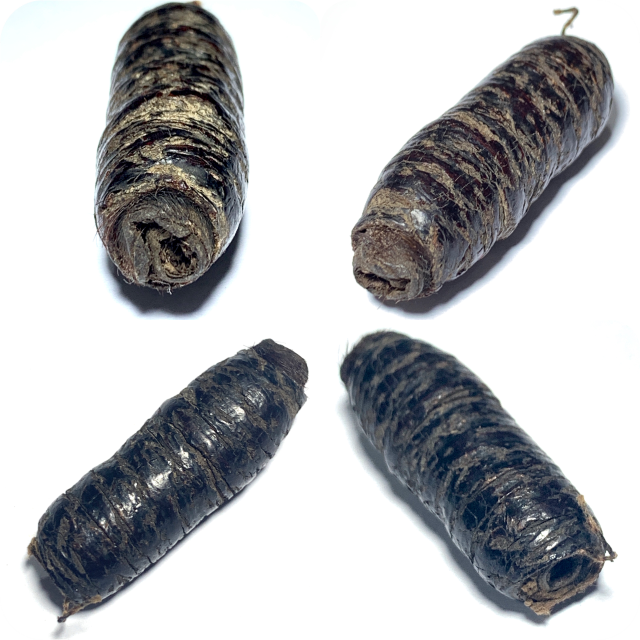
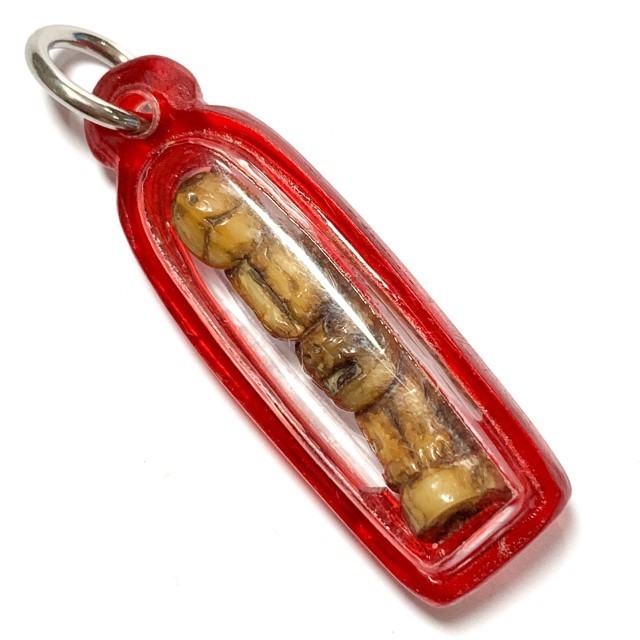
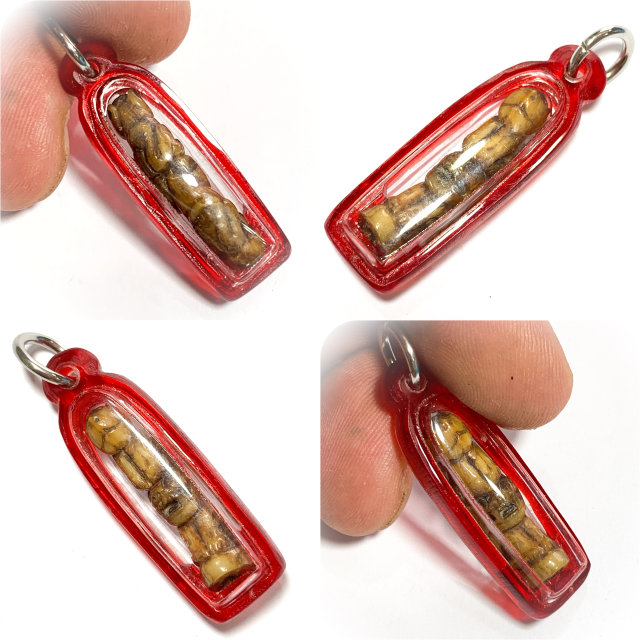
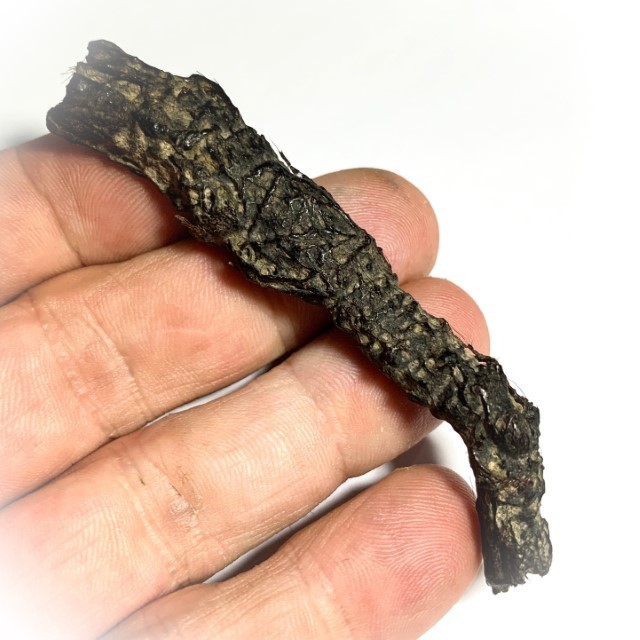
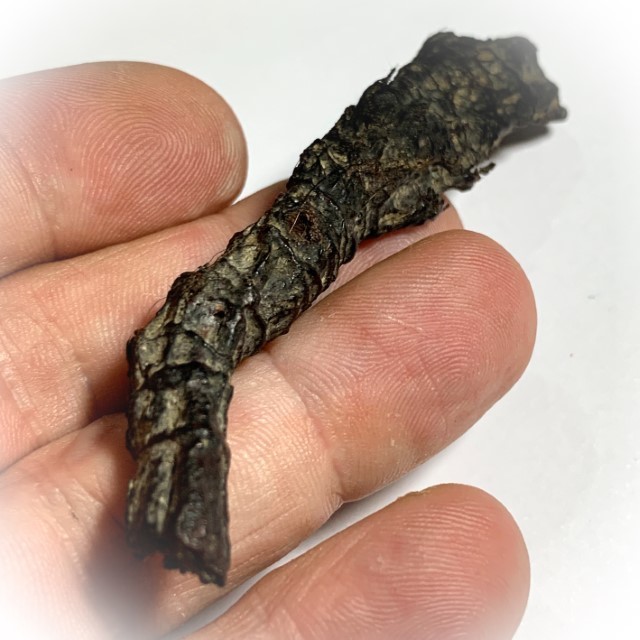
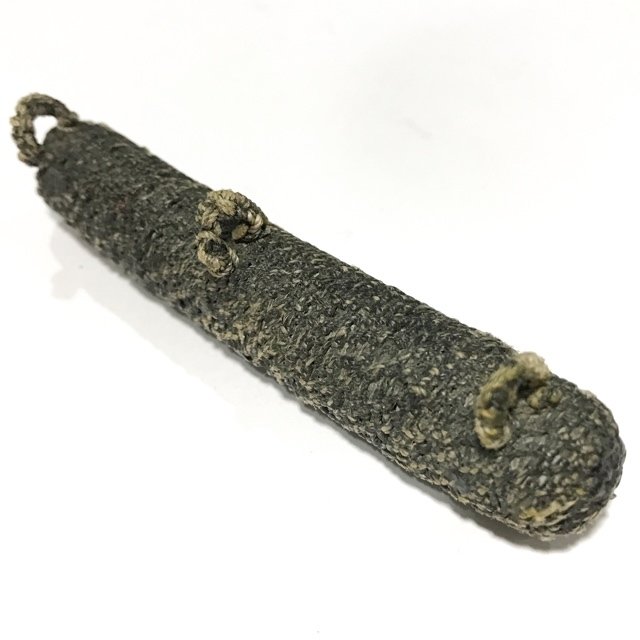
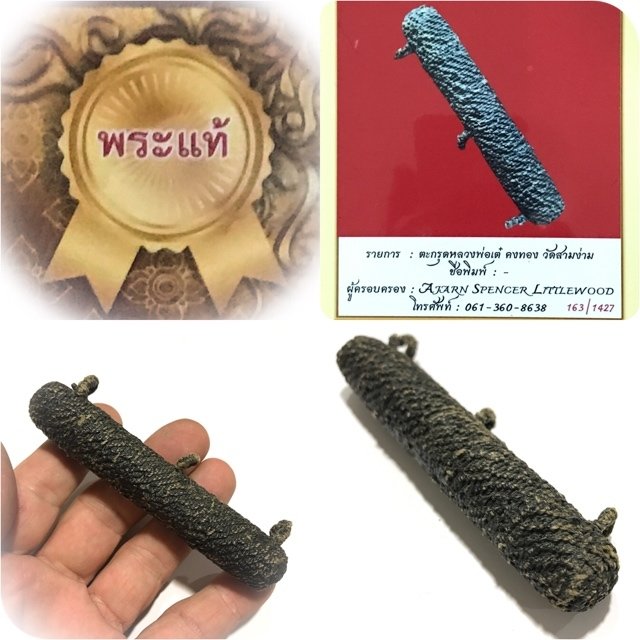
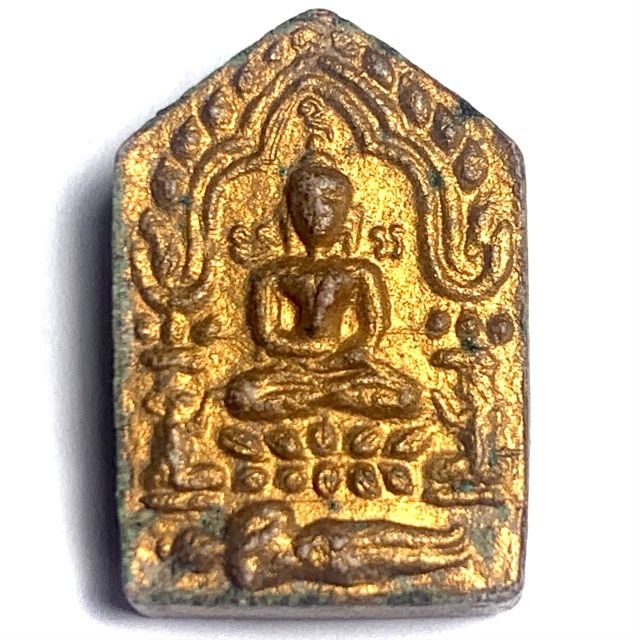
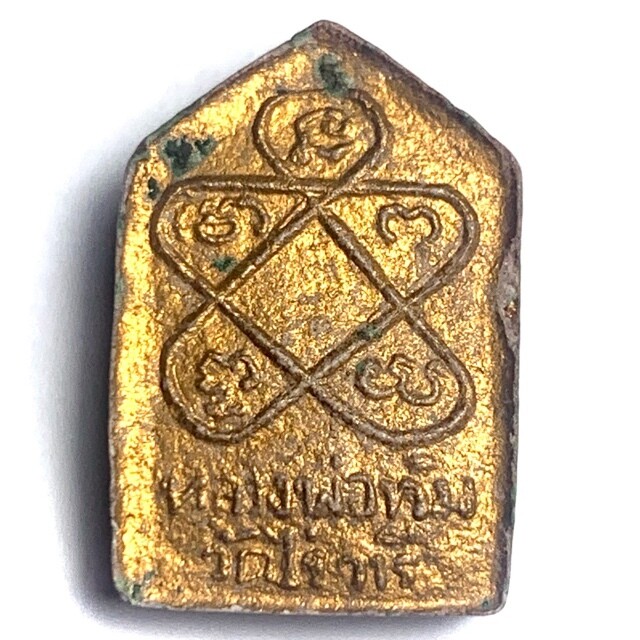
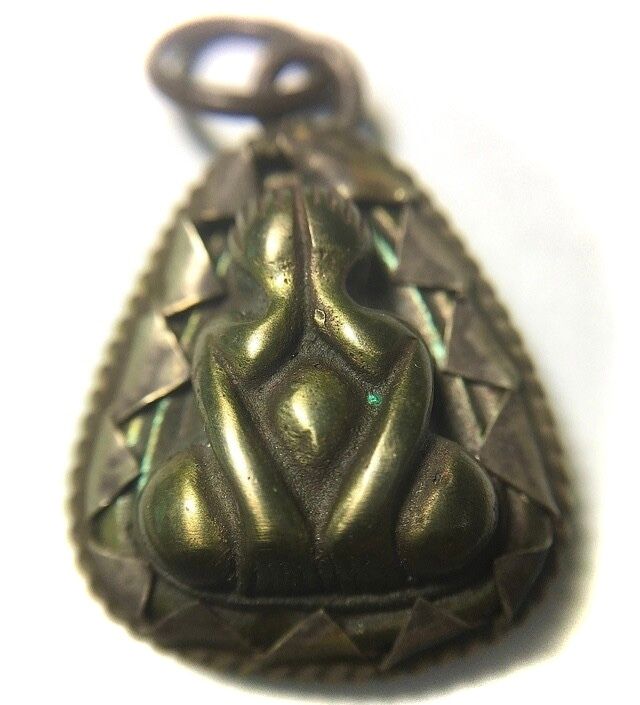
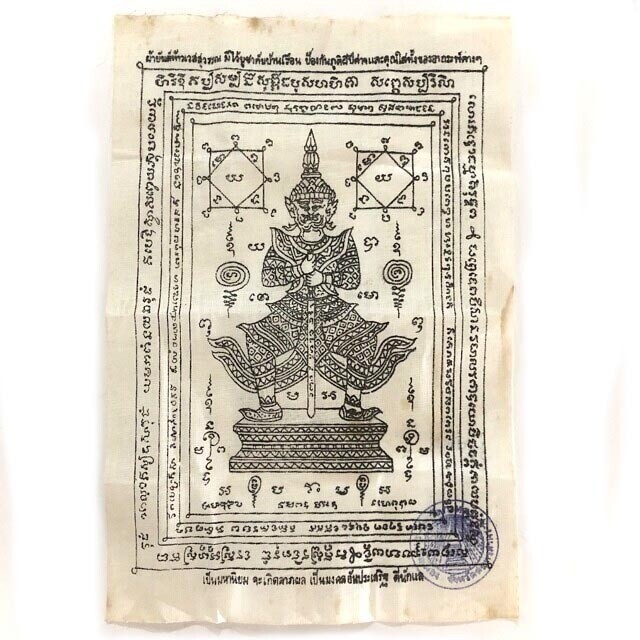
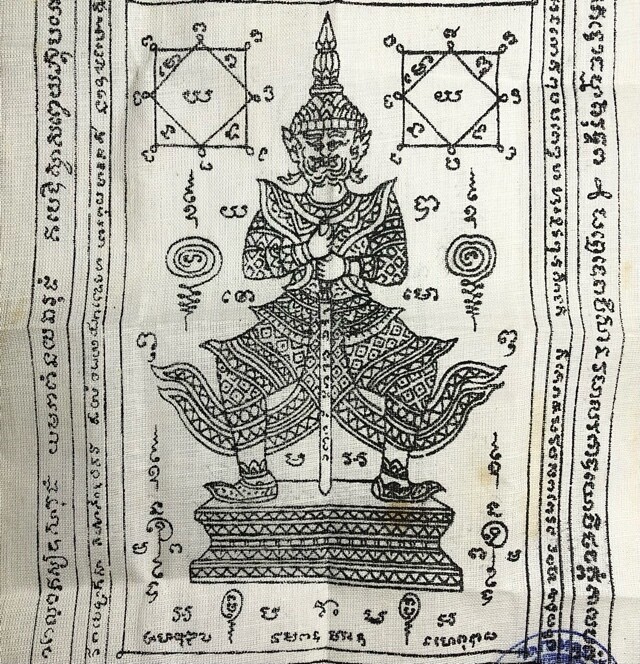
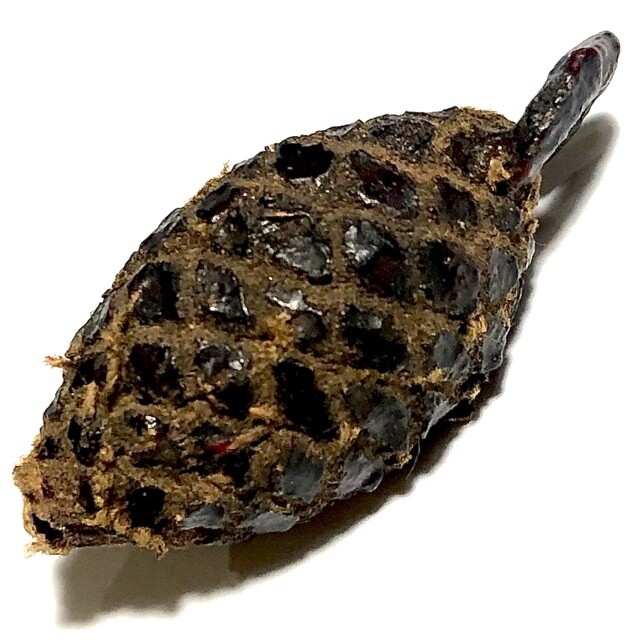
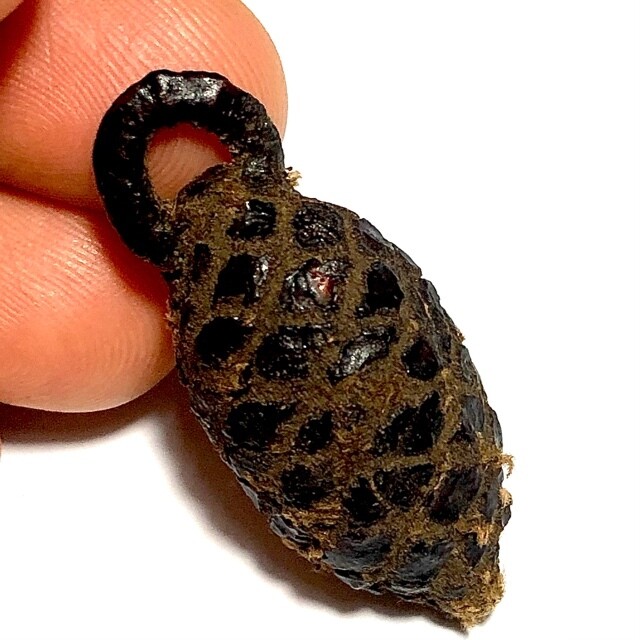
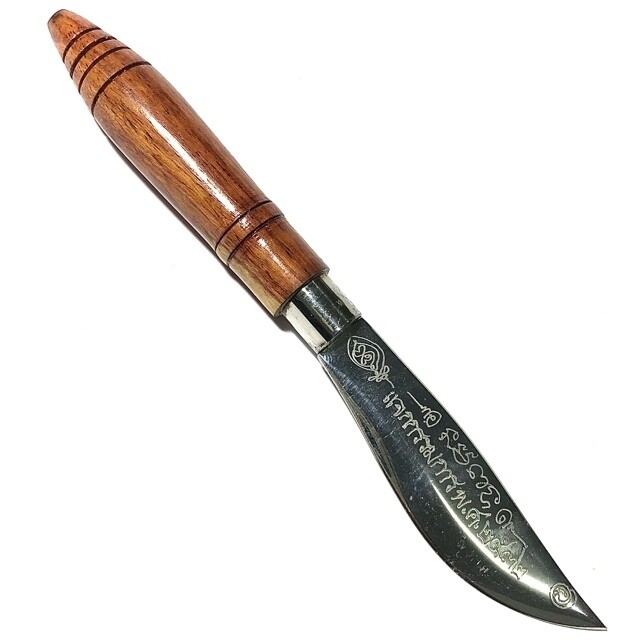
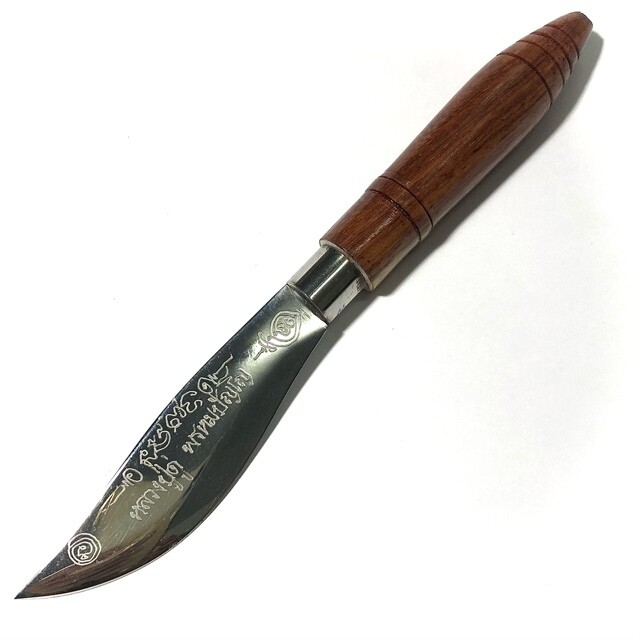
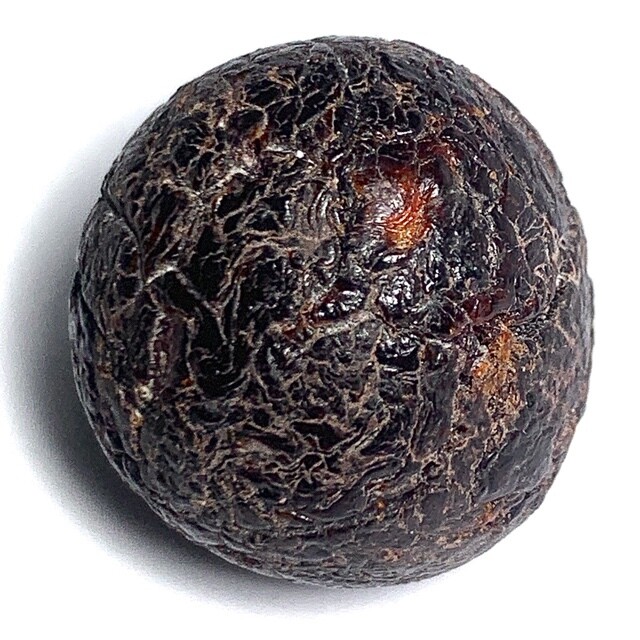
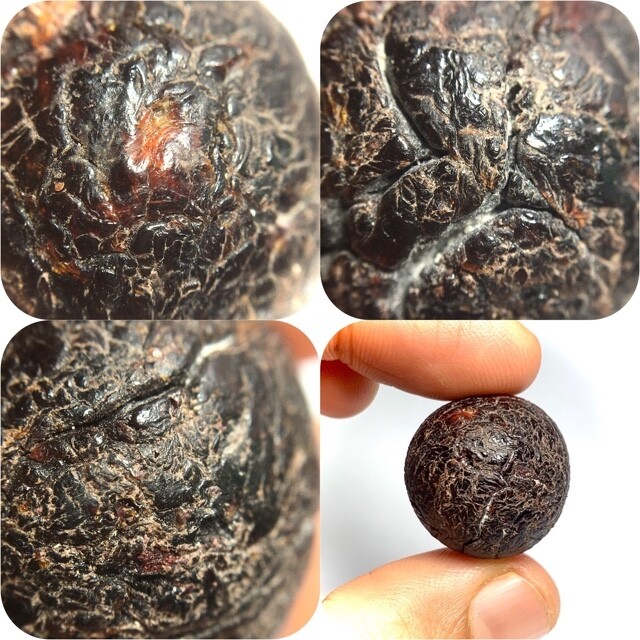
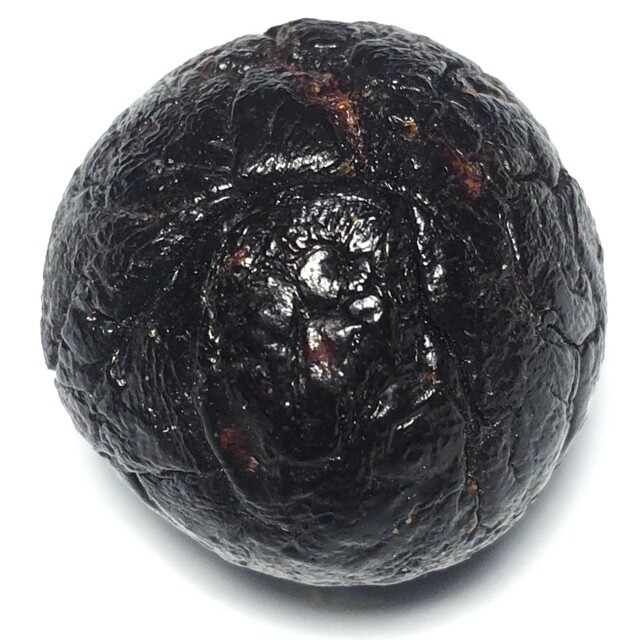
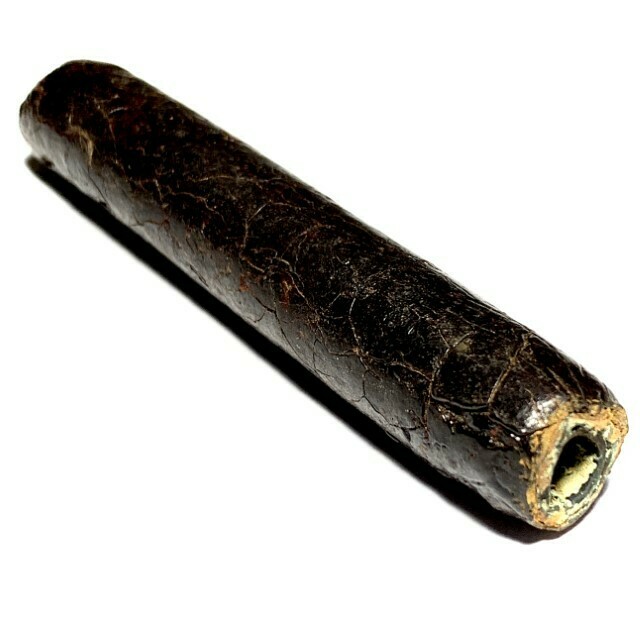
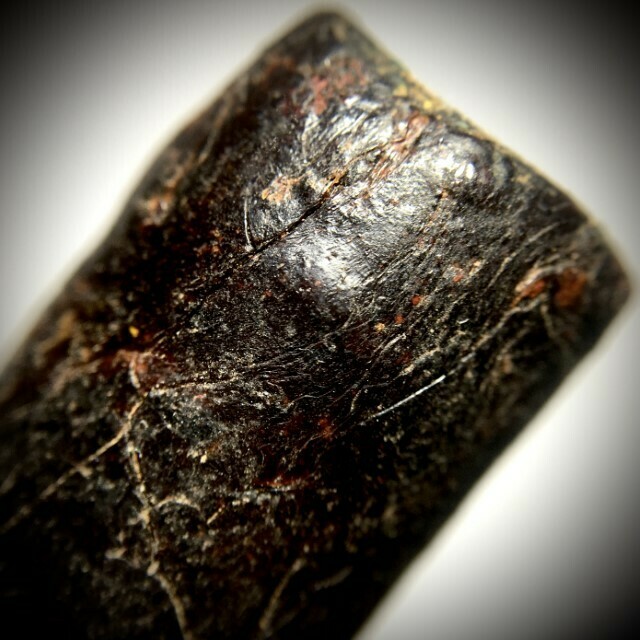
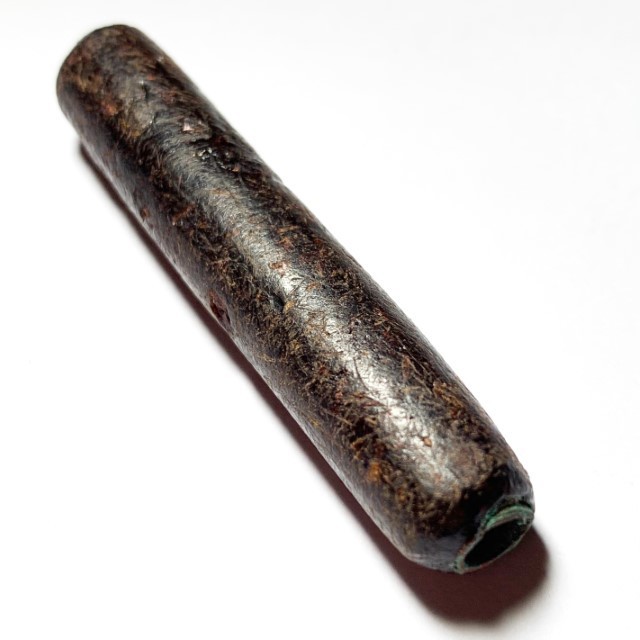
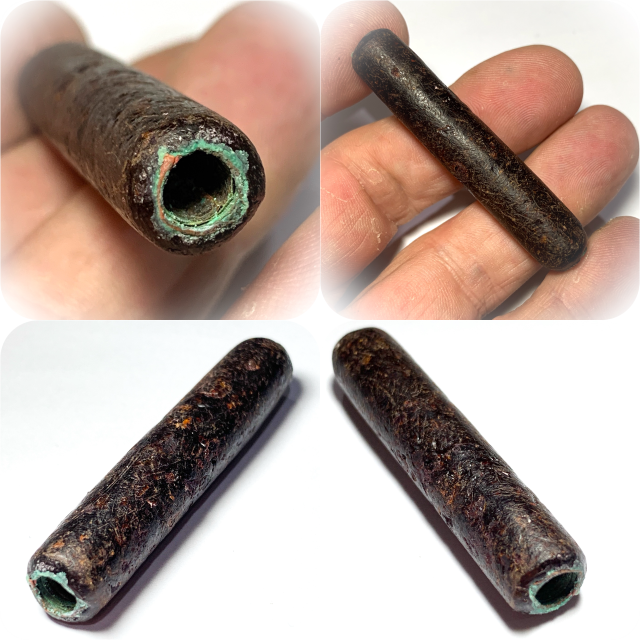
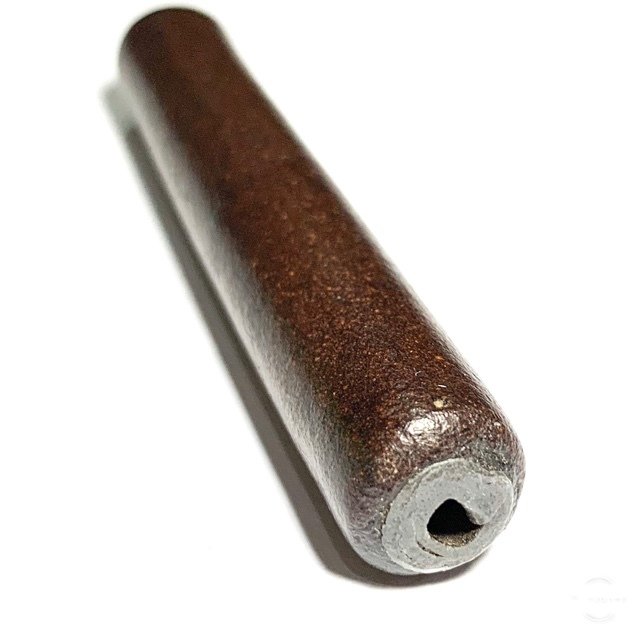
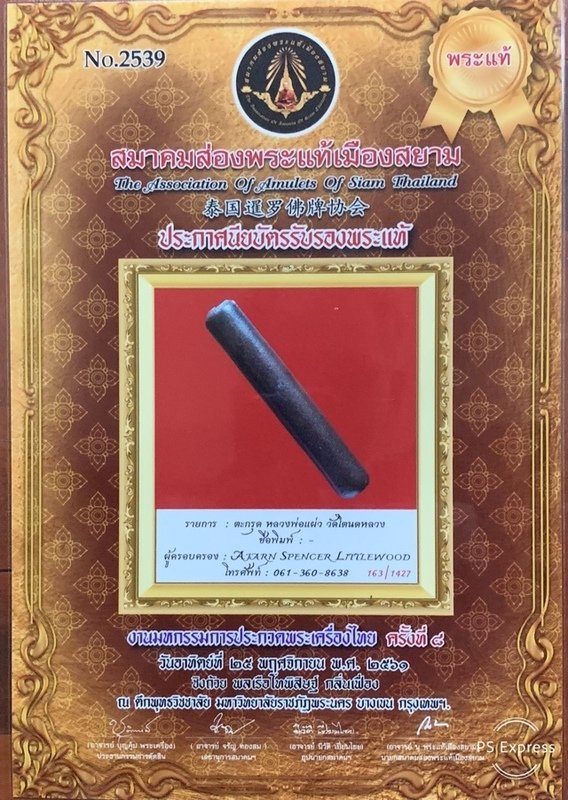
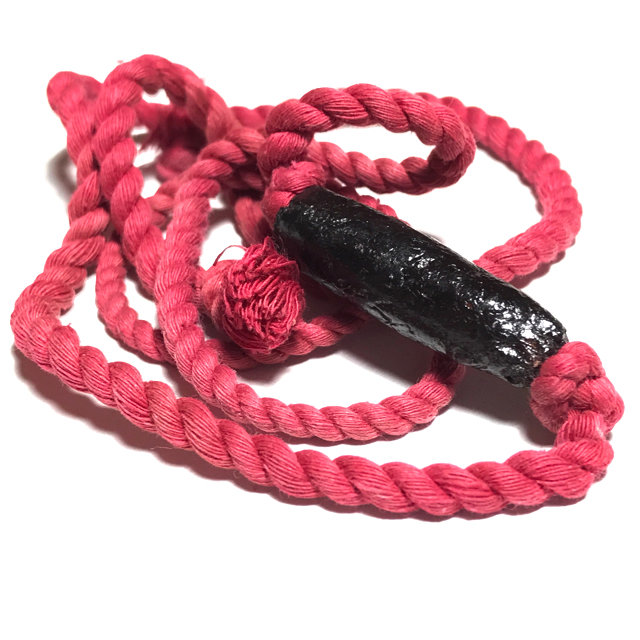
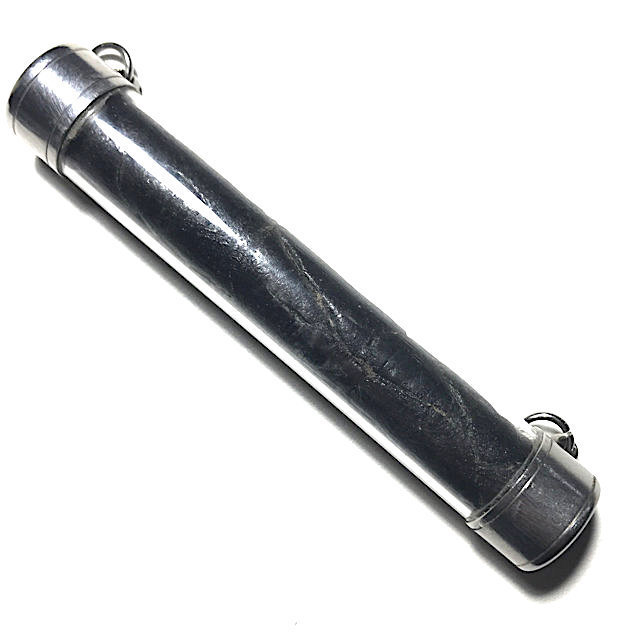
This Takrut was made during the early Era of Luang Por Chaem’s trajectory, estimated around the year 2517-2518 BE. He made many talismans and charms, not all of which are documented in the official temple releases, for of course, he would also make individual amulets for his closest Looksit to Bucha. The Takrut Tone Long Rak Pid Tong is however included in the ‘Dtamniap Wadtumongkol’ Official listings of his amulets. Because he would make this kind of amulet throughout his trajectory, there is not official date registered in the Dtamniap, as is the case with his limited edition coins, which are more accurately documented.


Amulets of Luang Por Chaem

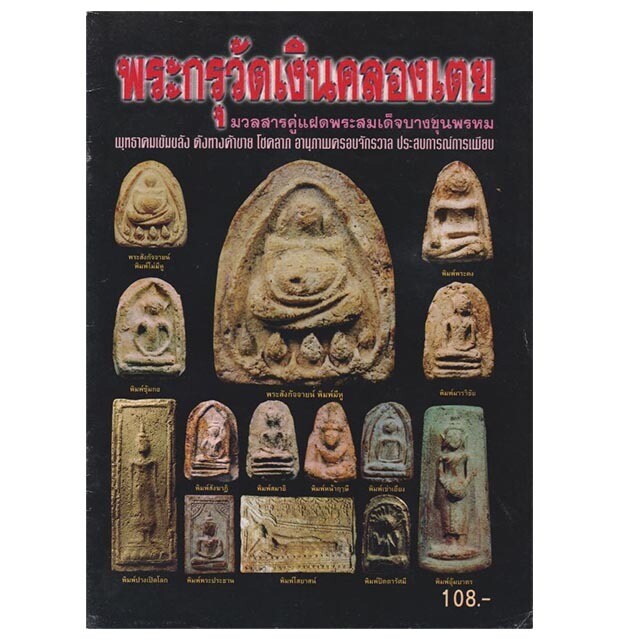
The amulets of Luang Por Chaem are officially catalogued split into three different Eras, the ‘Yuk Dton (early Era), Yuk Klang (Middle Era) and Yuk Play (late Era).

His officially recorded trajectory as an Amulet maker began in the year 2513, before he became Abbot, which is catalogued as the ‘Yuk Dton’ early Era, which spans the time period between 2513 BE, and 2519 BE. In this period he made the following editions;

Yuk Dton Amulets (2513 BE – 2519 BE)

  1. Pra Somdej Run Raek First Edition which was released on the 12th September 2513, with 5 different models made.
  2. Pra Pid Ta Maha Lap Nuea Pong Sacred Powder Amulet in the year 2514 BE
  3. Rian Roop Khai Run Raek Dtok Code ๖๗ Guru Monk Coin (oval shape) with code 67 Stamp in the year 2515 BE which were blessed for a period of one whole year, in various Sacred metals, namely; Nuea Samrit (21 coins made), Nuea Tong Daeng (1800 coins made) with two different block presses used to make two different ‘Pim’ (models), the Pim Kor L (L shaped neck), and the Pim Kor Dtrong (straight neck)
  4. Rian Yord Khun Pol amulet 2516 BE
  5. First Edition Rian Roop Khai Sorng Hnaa 2 sided amulet 2516 BE with the Thai number 1 (๑) code stamp on the side which had Luang Por Chaem’s face on it
  6. First Edition Rian Sema Lek shield shaped coin amulet 2516 BE with the Thai number 1 (๑) code stamp on the side which had Luang Por Chaem’s face on it
  7. Rian Roop Khai Huang Chueam coin amulet with soldered pendant hoop 2517 BE
  8. Rian Roop Muean Cameo Coin 2519 BE

Yuk Klang Amulets (2520 BE – 2527 BE)

The middle era amulets began to take on a large Public Interest, as the Devotees of Wat Don Yai Hormhad gathered a large quantity of Sacred Muan Sarn Sacred Powders and Chanuan Sacred Metallic substances from Great Guru masters around Thailand to donate to Luang Por Chaem for the making of amulets to smelt into Sacred Alchemical Chanuan Muan Sarn Substances for the making of Luang Por Chaem’s next editions;

  1. Pra Roop Lor Boran 1st Edition Statuette 2521 BE
  2. Pra Pid Ta Maha Ud Yant Yung Nuea Rae 1st Edition closed eyes Buddha amulet in Sacred Mineral Kayasiddhi substance 2521 BE
  3. Rian Lor Hoo Nai Dtua with one piece pendant ring (not soldered) pendant hoop 1st Edition 2522 BE
  4. Pra Pid Ta Nam Tao Gourd Shaped Buddha amulet 2524 BE
  5. Pra Pid ta Song Serd Chee Bo 1st Edition amulet 2524 BE
  6. Pra Kring Yord Khun Pol amulet 2526 BE
  7. Pra Bua Khem (Upakut) amulet 2526 BE first edition
  8. Pra Pid Ta Nuea Pong Kluk rak lacquer covered powder closed eyes Buddha amulet 2526 BE
  9. Pra Kring Arahang Buddha Statuette amulet 2526 BE
  10. Pra Chayawat 1st Edition amulet 2526 BE
  11. Rian Lor Pra Jao Ha Pra Ongk 5 Dhyani Buddhas amulet 2526 BE
  12. Pra Kring Takataen Buddha Statuette amulet 2527 BE
  13. Rian Lor Han Khang sideways facing Monk Cameo coin amulet with Thai number Code 77 (๗๗) 2527 BE
  14. Pra Mongkol Jakrawal Nuea Samrit bronze amulet 2527 BE
  15. Pra Pid Ta Pong Metta closed eyes Buddha amulet 2527 BE

Yuk Play (2528 BE – 2536 BE)

  1. Pra Roop Lor Gon Dtok Pim Niyom 2529 BE
  2. Pra Roop Muean Bpam statuette 2535 BE
  3. Rian Run Sang Rong Payaban Nakorn Pathom amulet from the Nakorn Pathom Hospital Building Fund Edition 2535 BE
  4. Rian Lor Kor Nam Tao Gourd Neck coin amulet 2536 BE
  5. Rian Lor Hnaa Suea Tiger face amulet 2536 BE
  6. Rian Lor Jao Sua Millionaire amulet 2536 BE
  7. Rian Lor Pim Tawarn Yern amulet 2536 BE
  8. Rian Luang Por Chaem Bucha Kun Luang Ah amulet 2536 BE (reverence to the Upachaya Kong Monk of Wat Bang Gaporm)
  9. Pra Pid Ta Nuea Rae 2nd edition closed eyes Buddha amulet 2536 BE

Apart from these amulets of course, a host of subdivisions of amulets were released with each edition, such as Takrut, Pha Yant, sacred powder amulets, cast metallic and hand carved images and other items.


Rian (Metal Coins)

Sacred Coins and Medallions

Filters

Filters
1 - 60 of 122 items


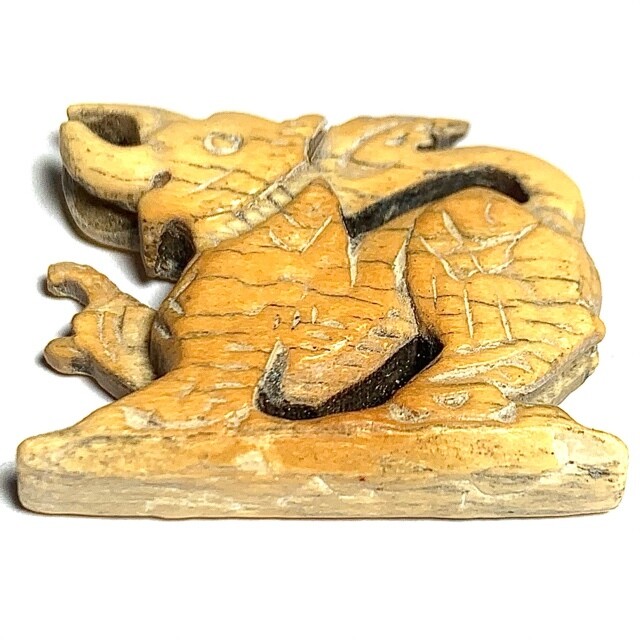
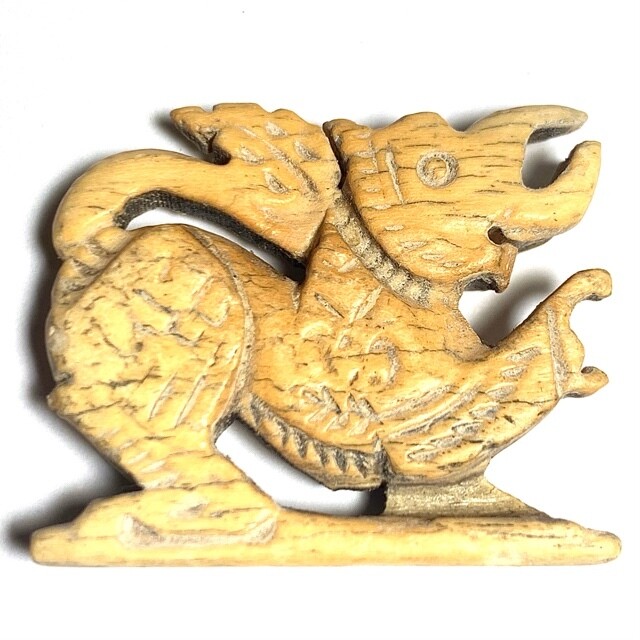
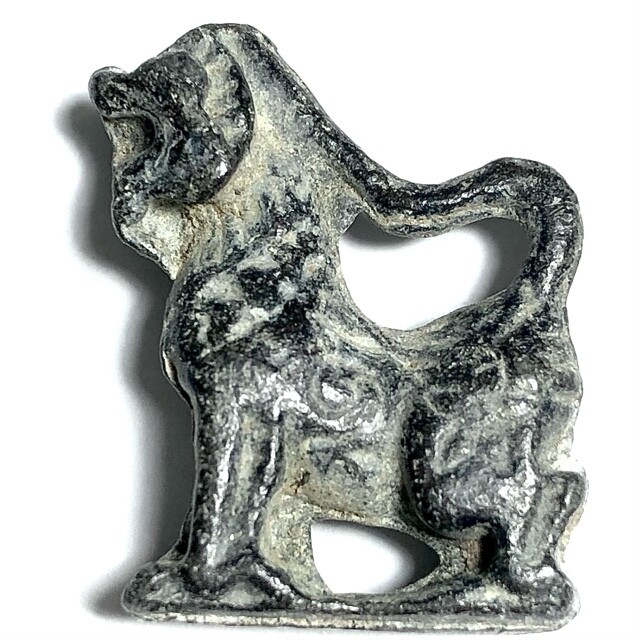
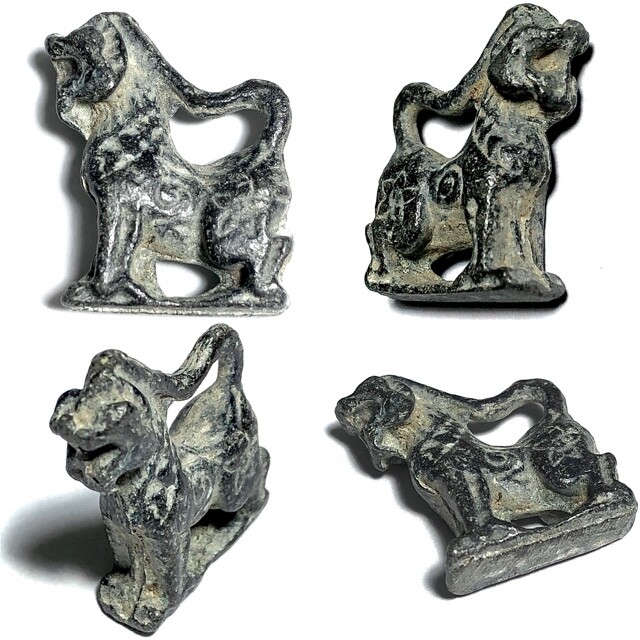
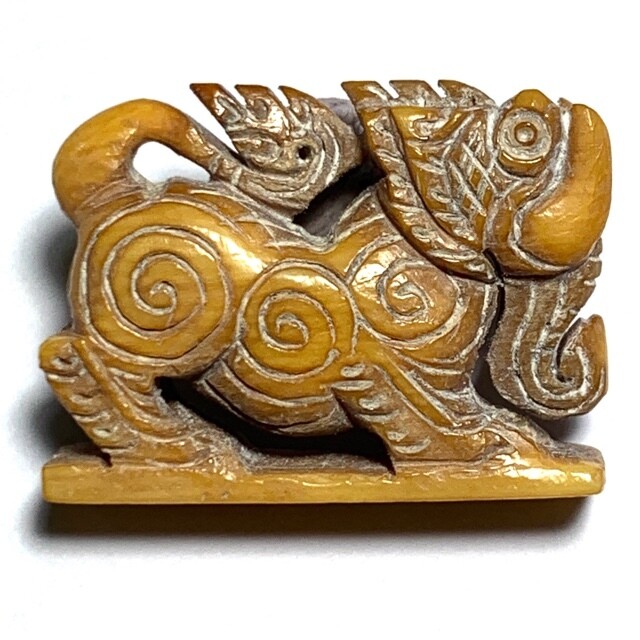
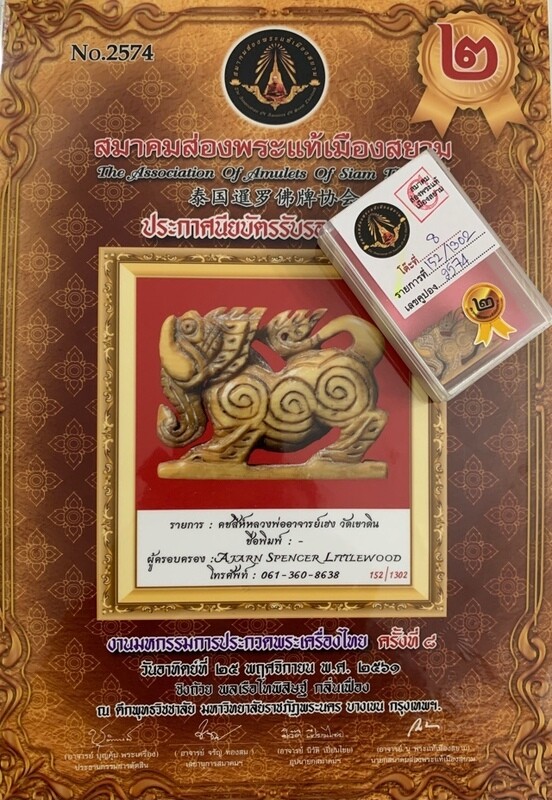
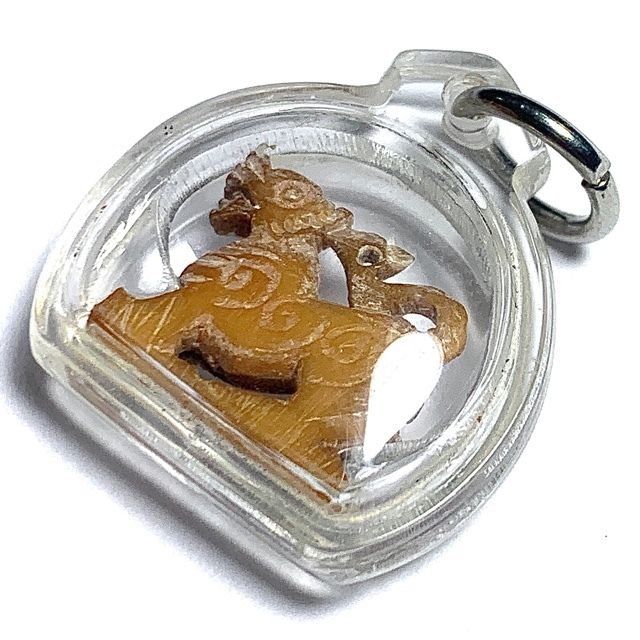
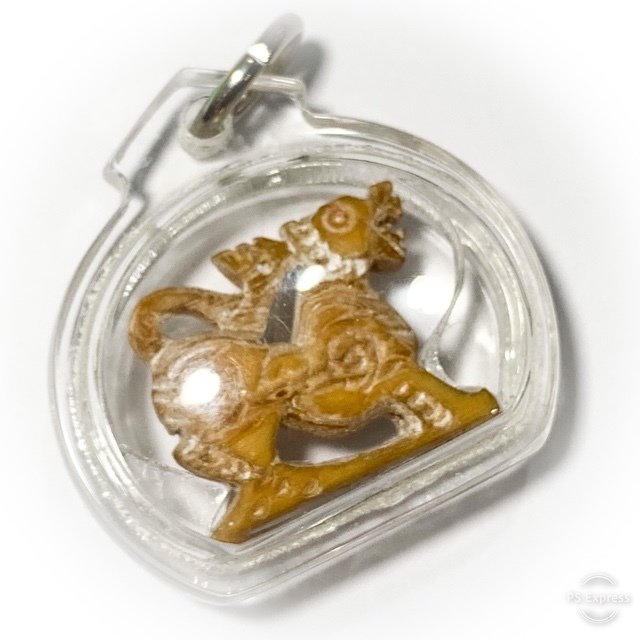
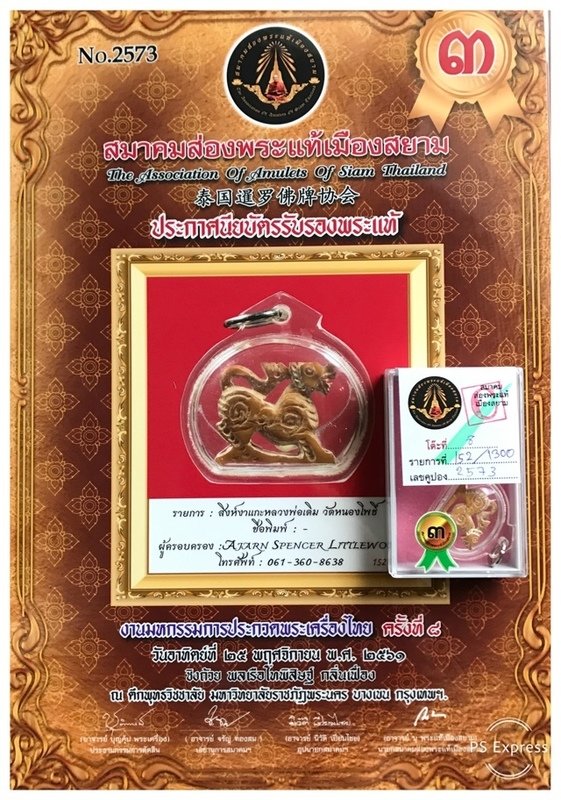
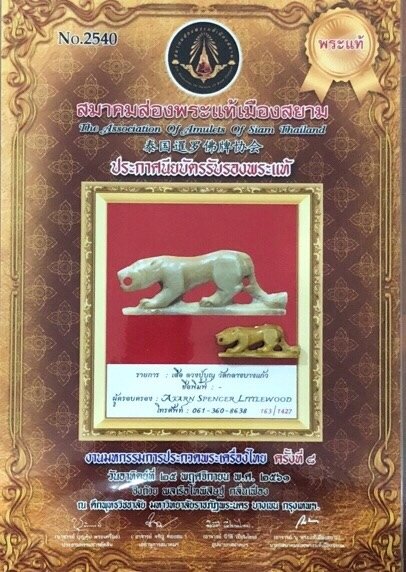
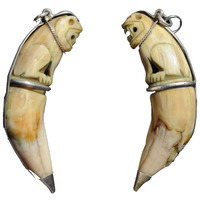
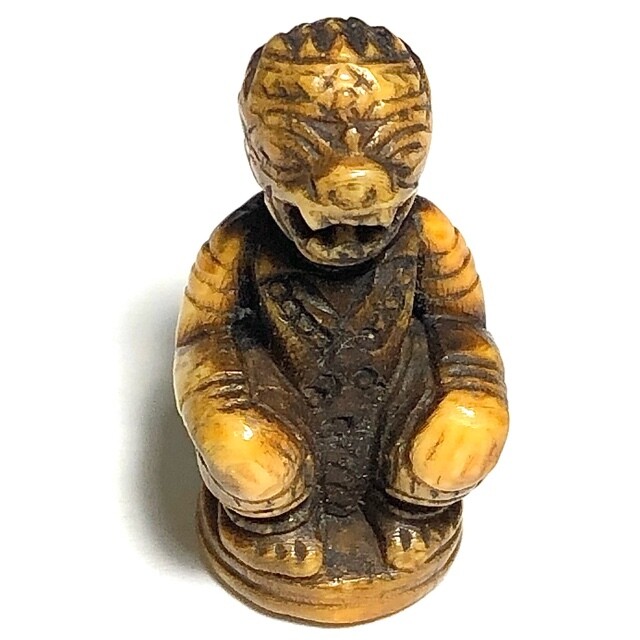
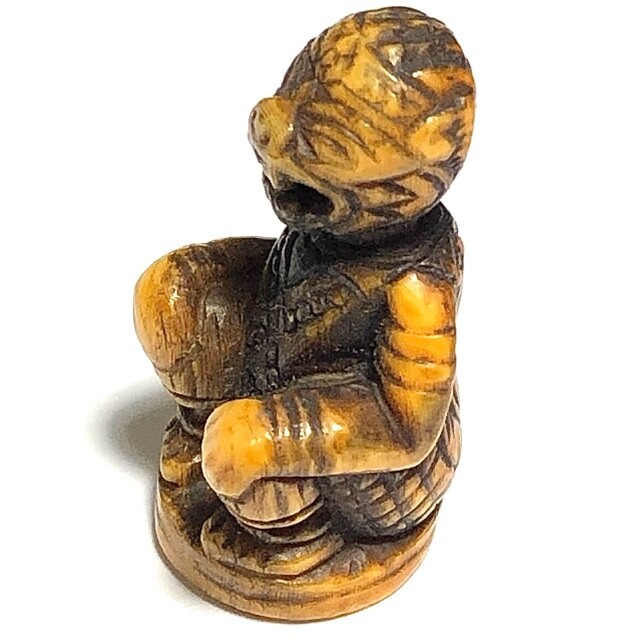
Suea Morb Nga Gae Crouching Tiger for Mercy Charm Protection Power and Invincibility Ajarn Heng Praiwan Featured

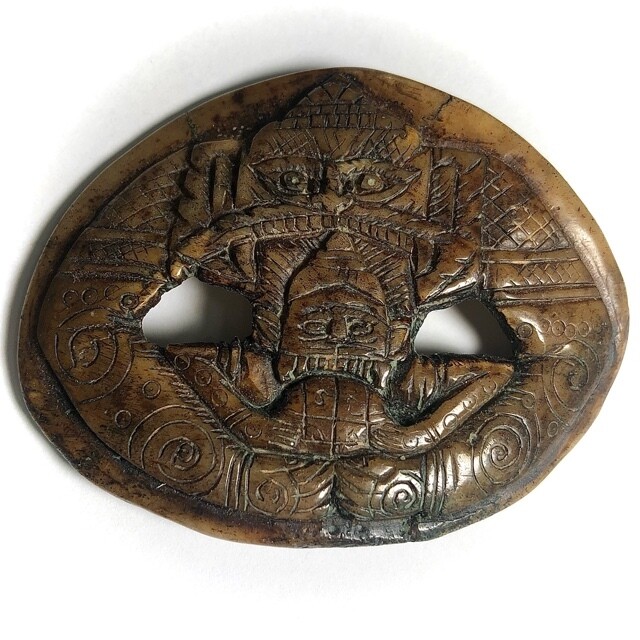
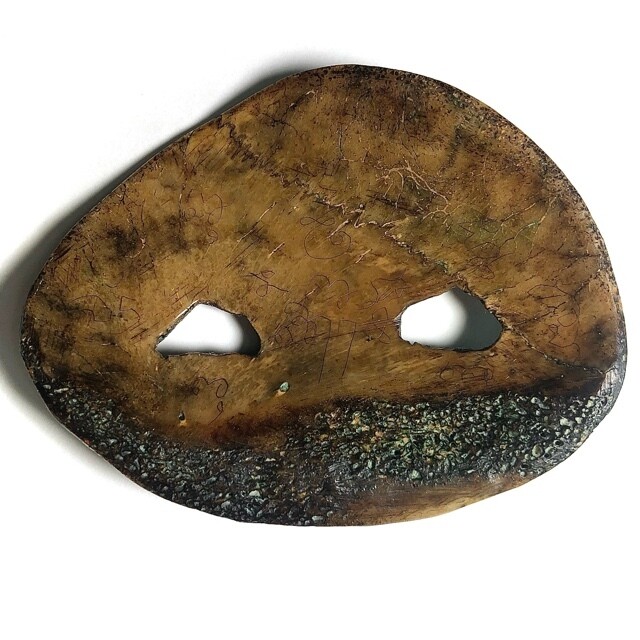
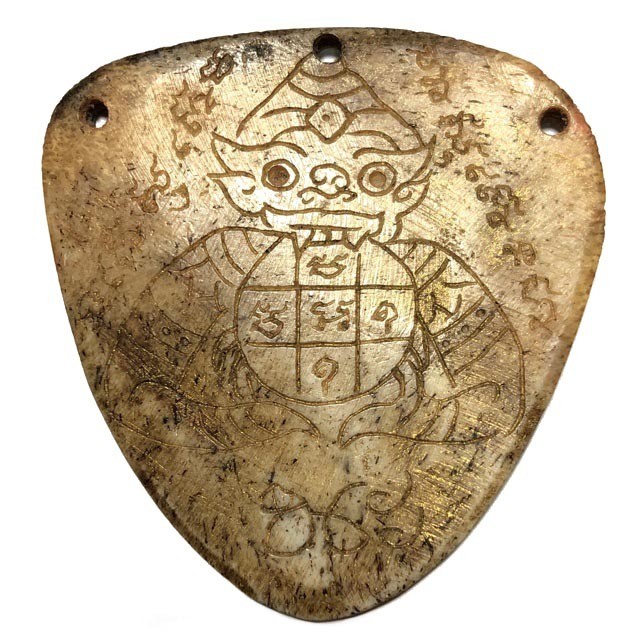
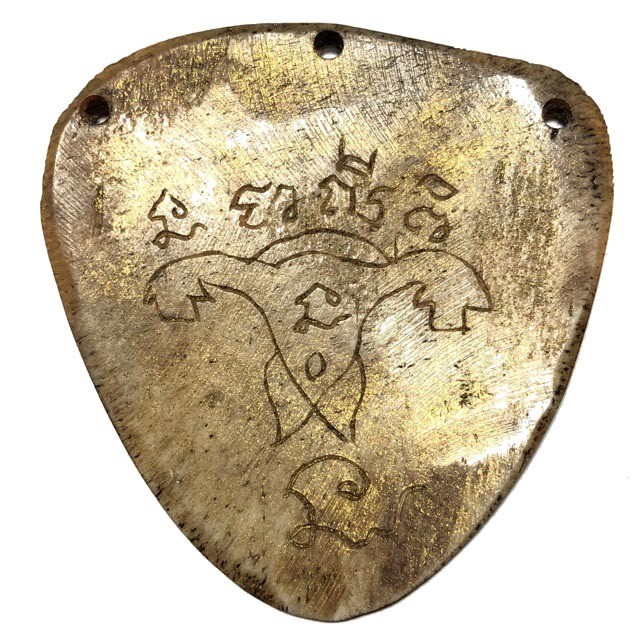
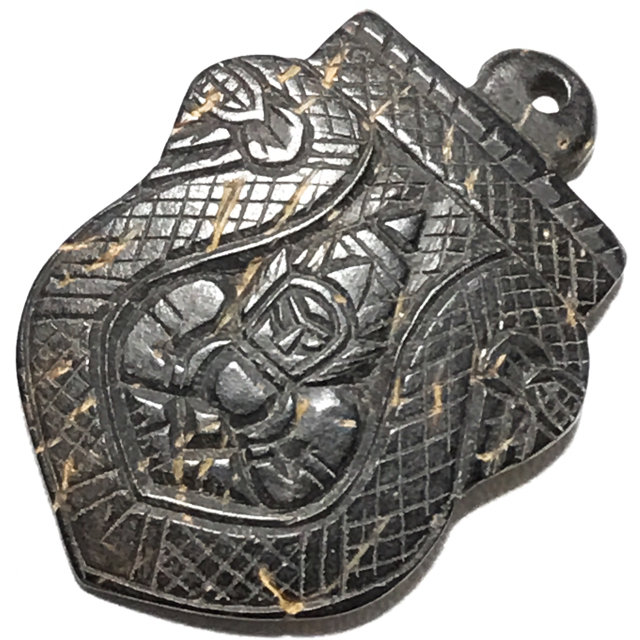
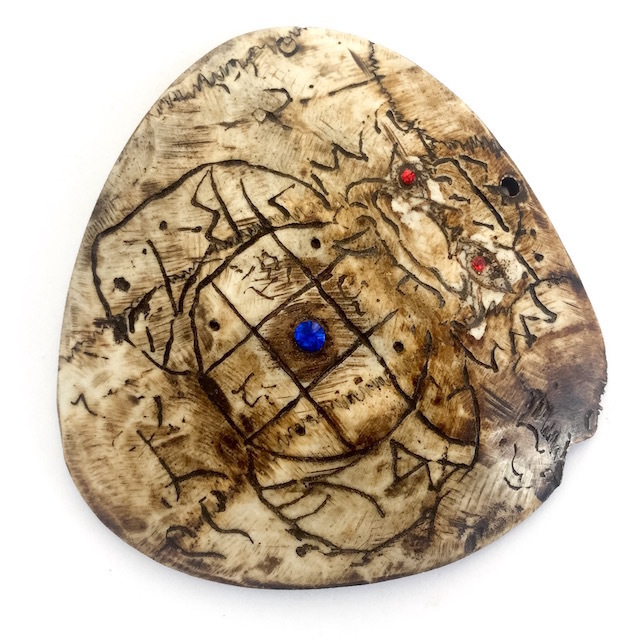
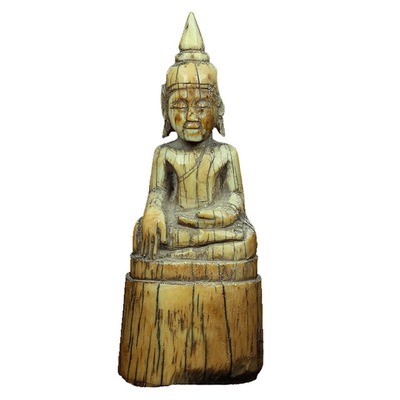
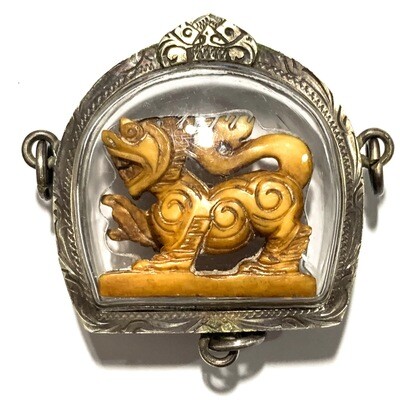
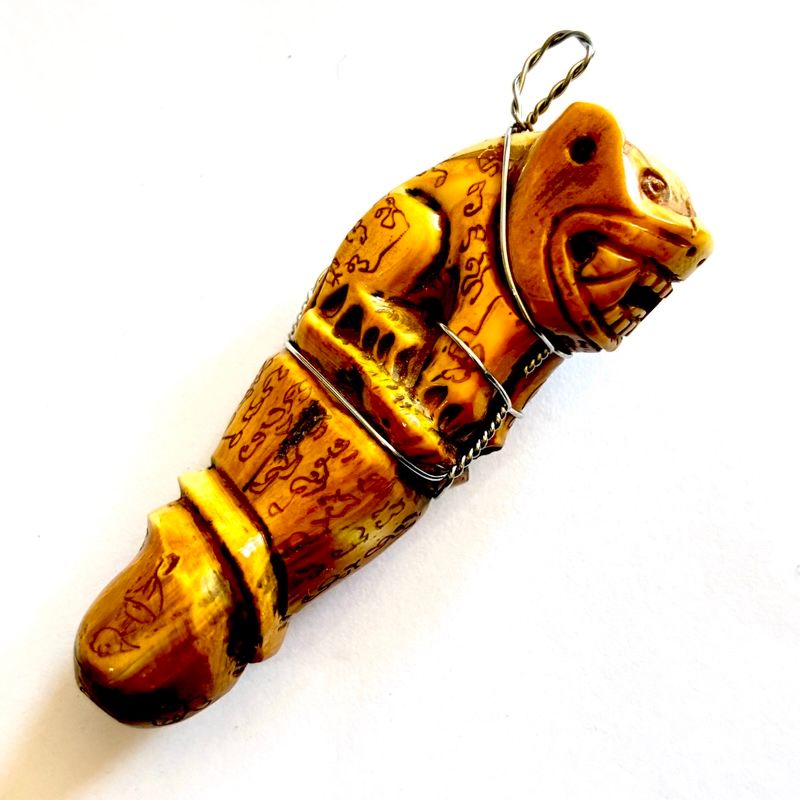
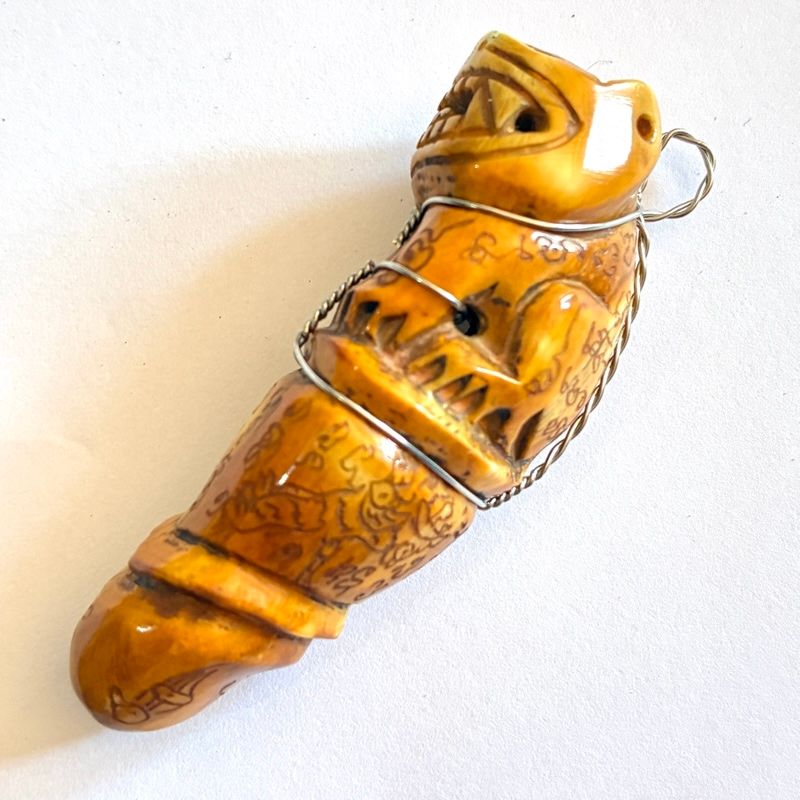
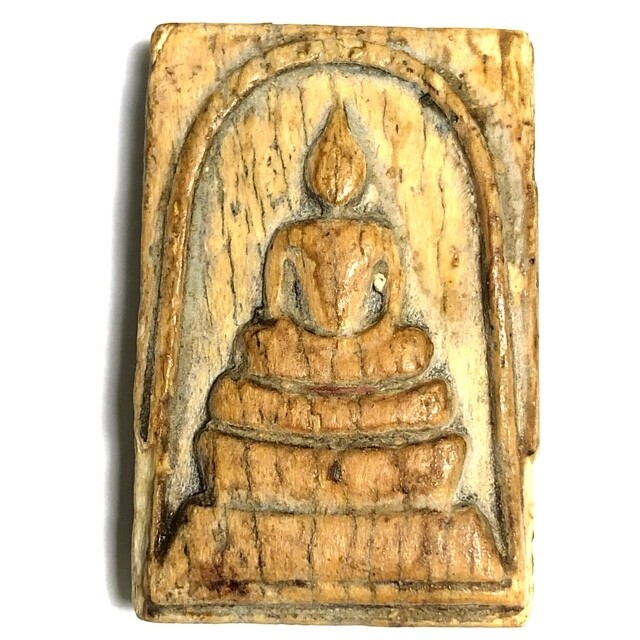
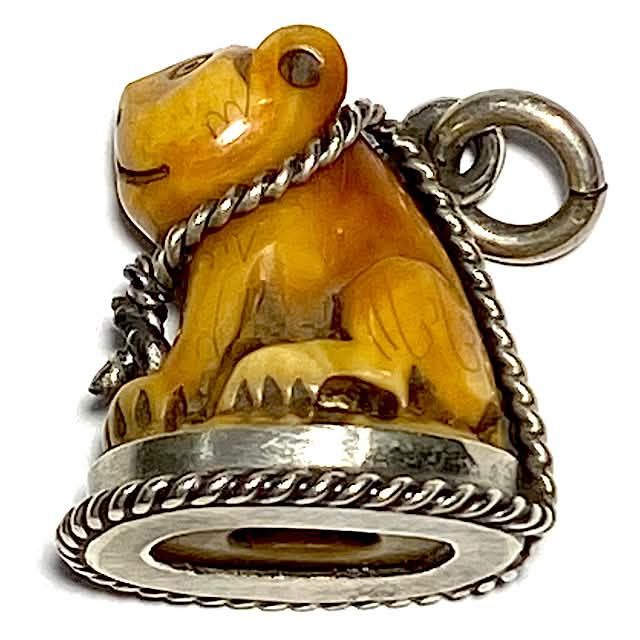
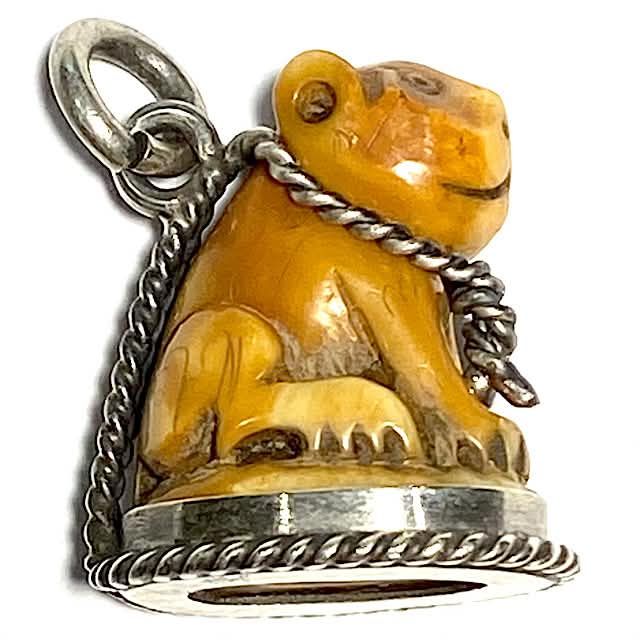
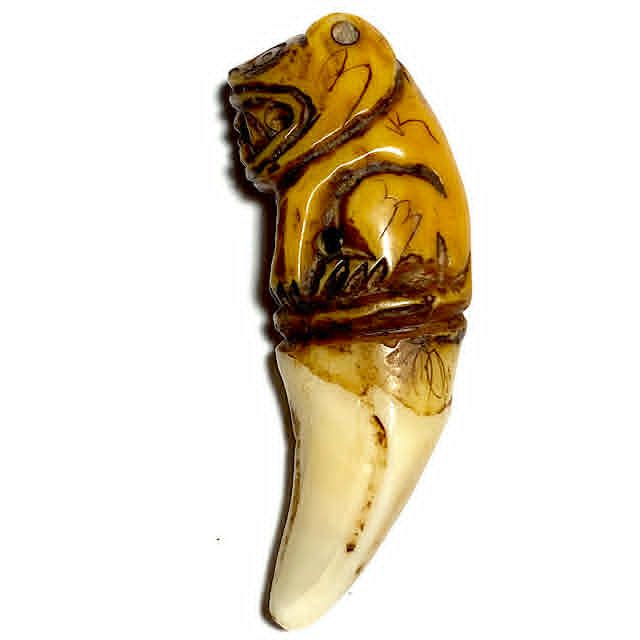
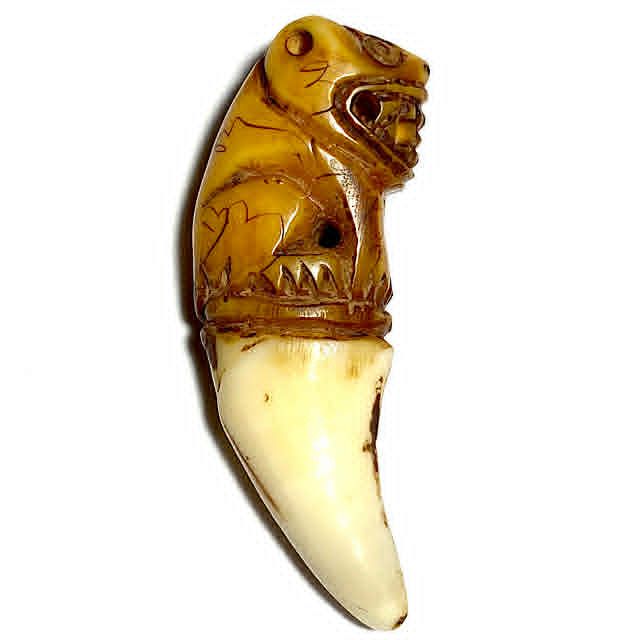
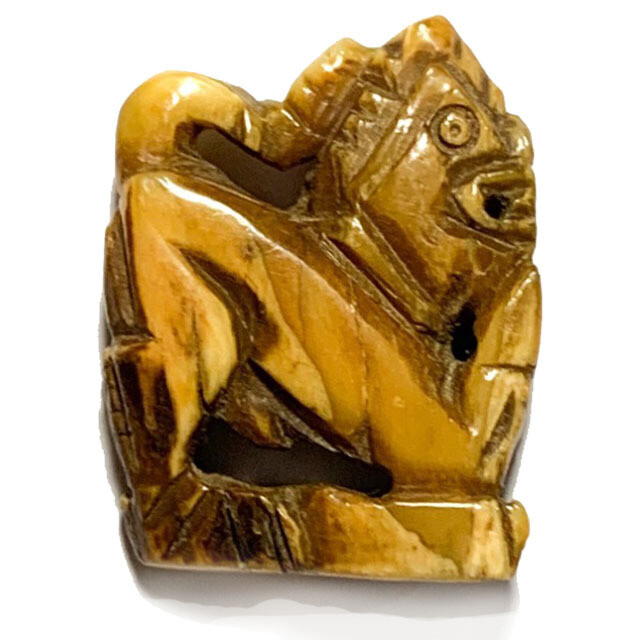
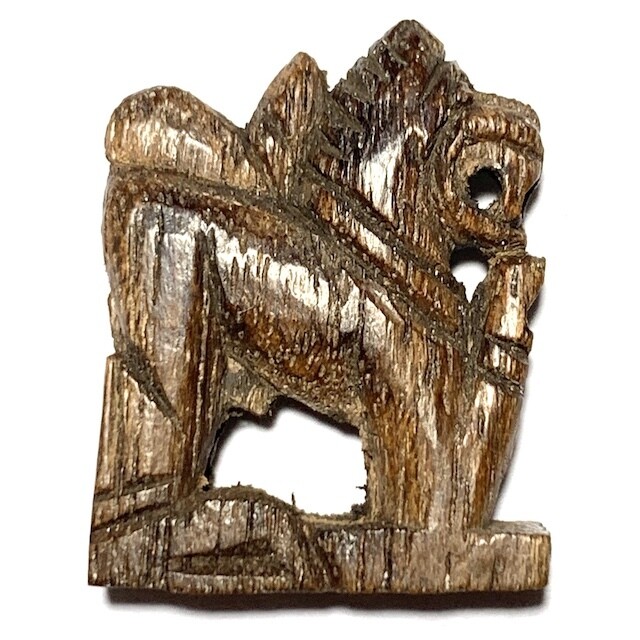
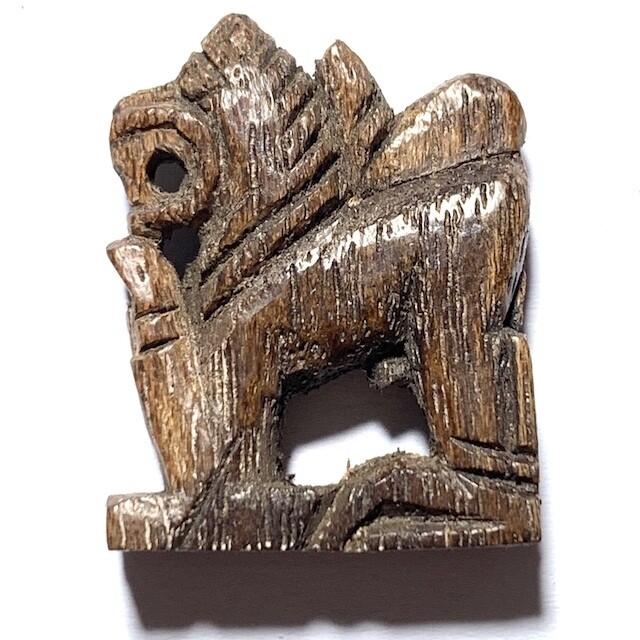
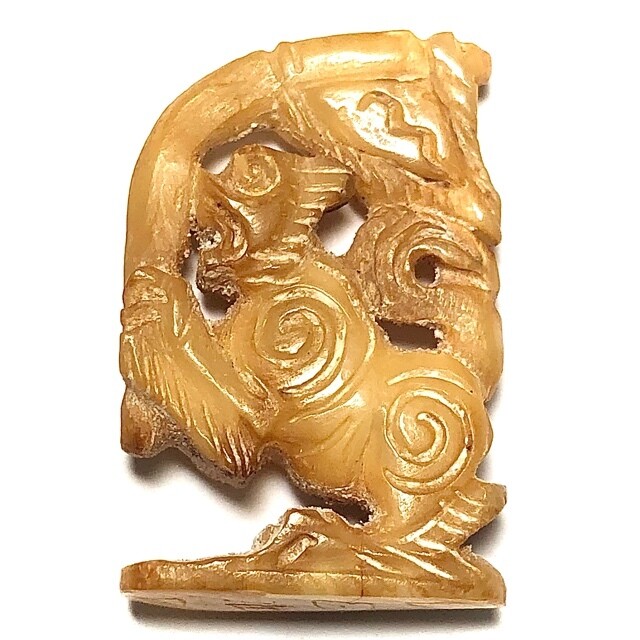
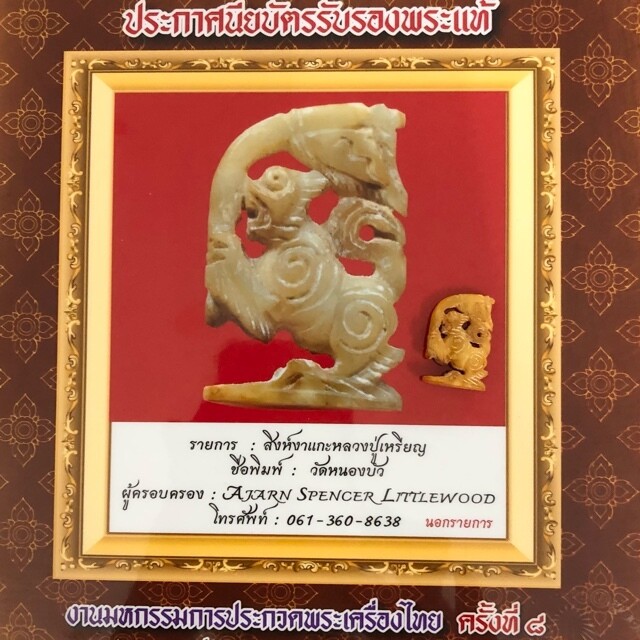
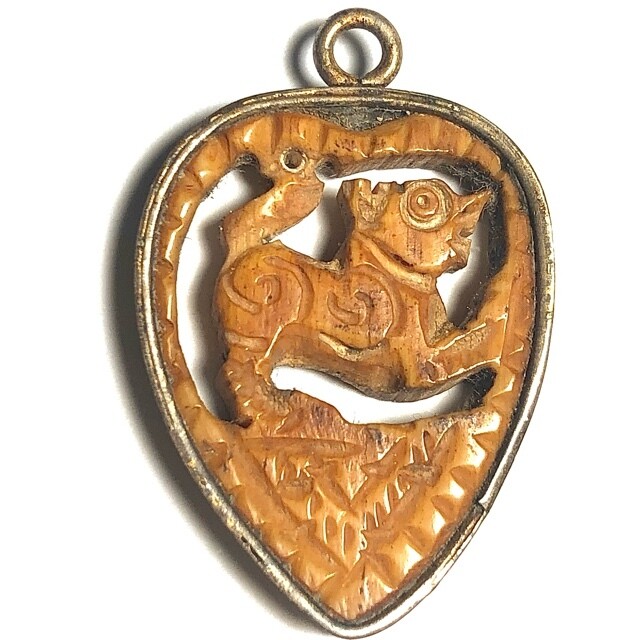
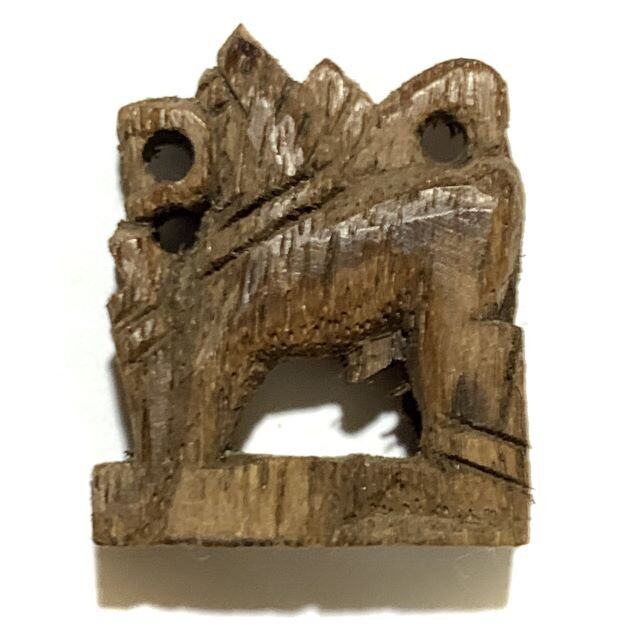
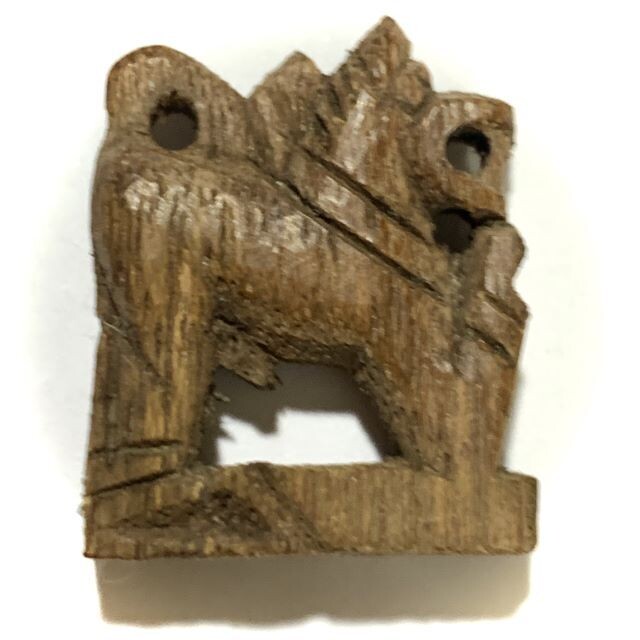
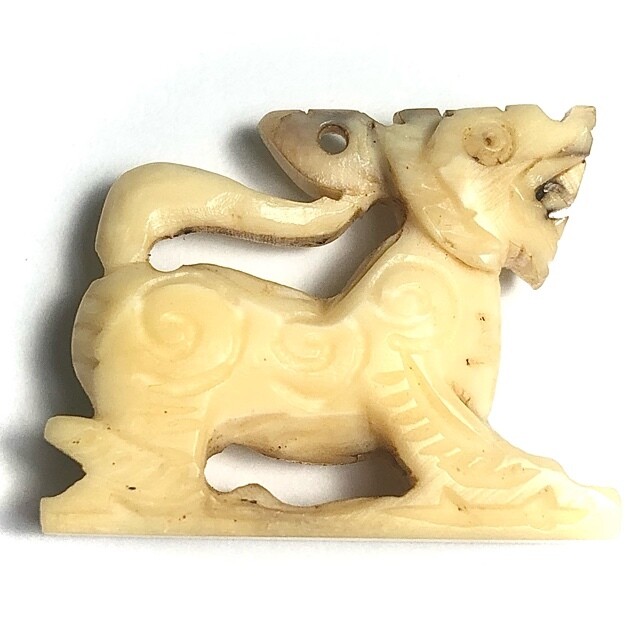
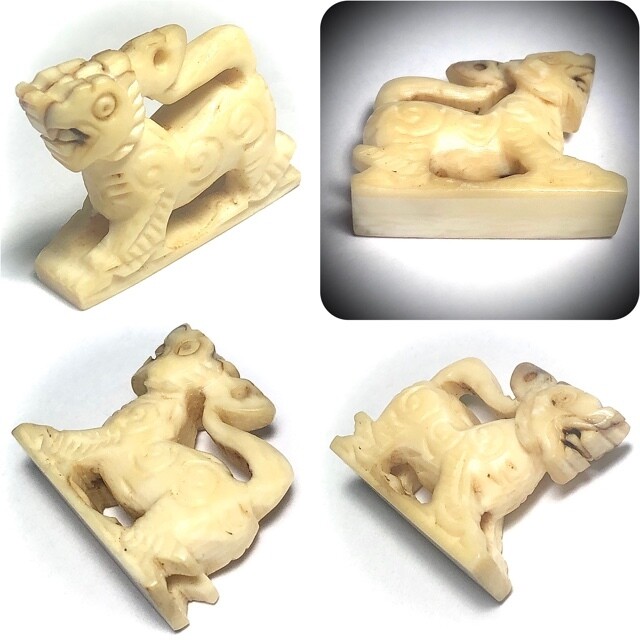
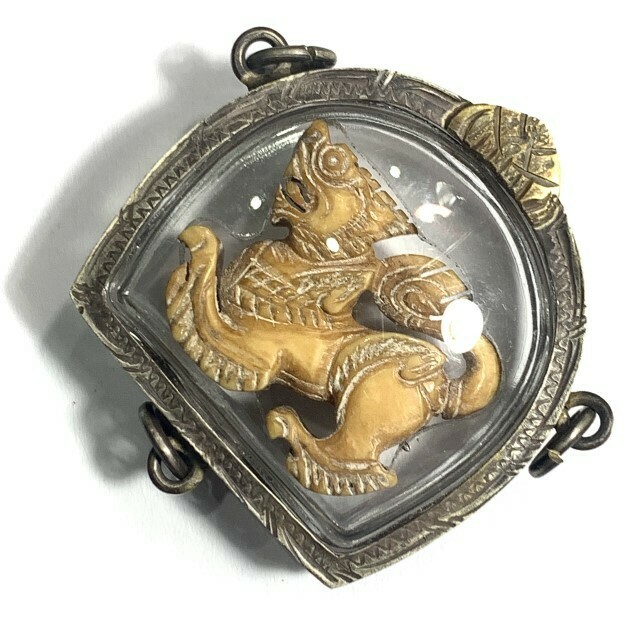
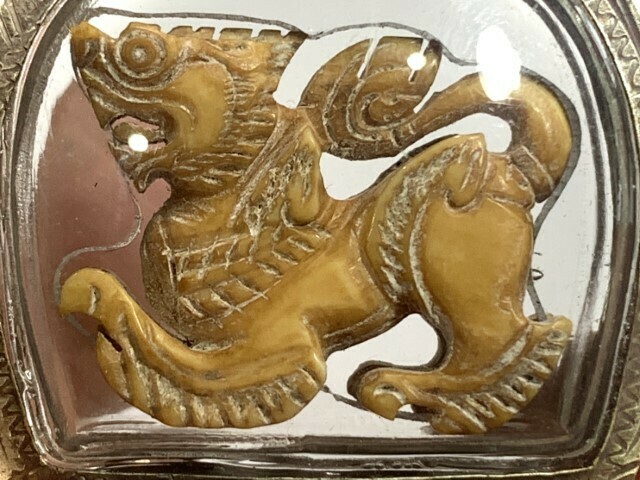
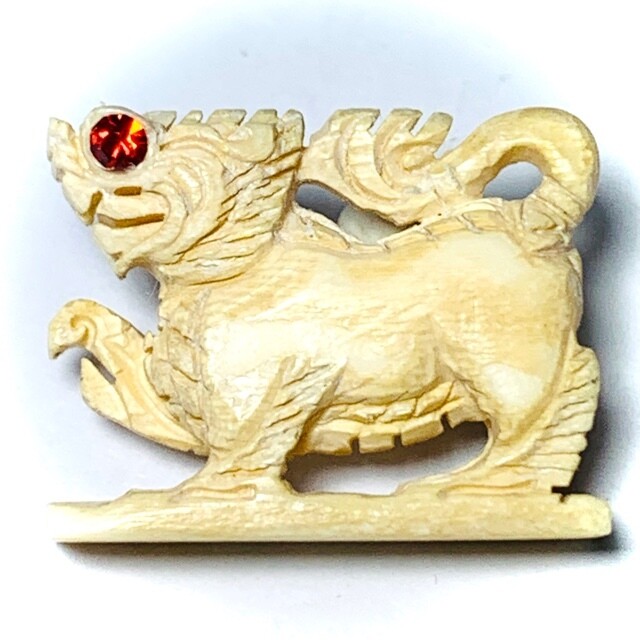
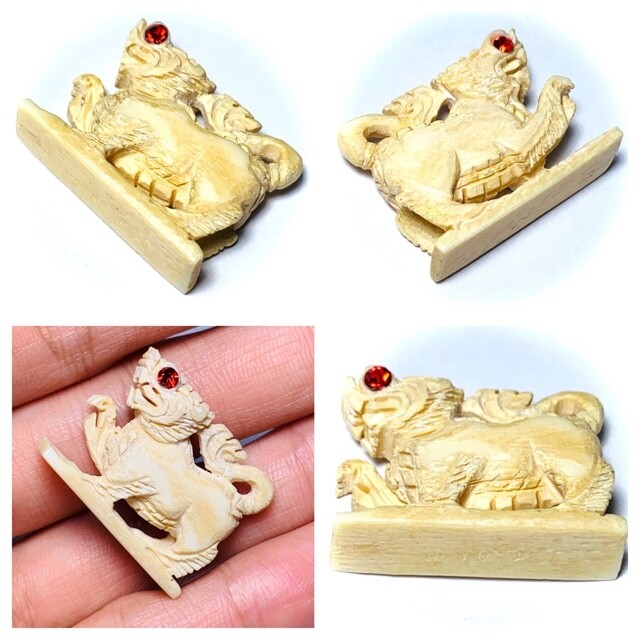
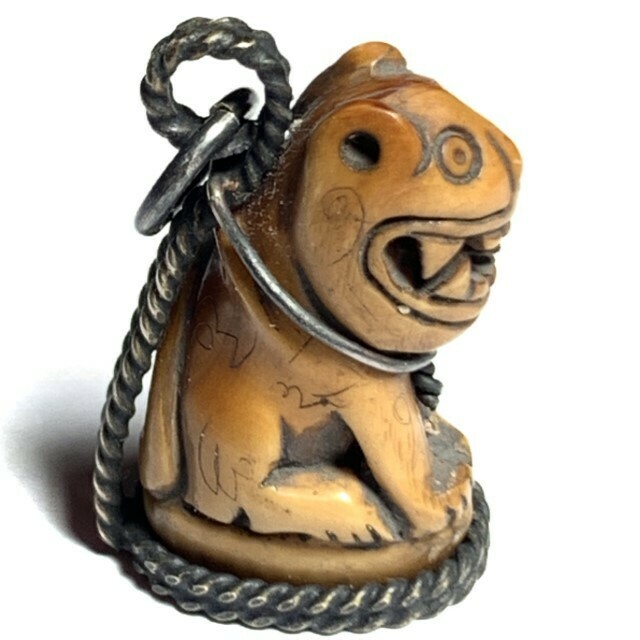
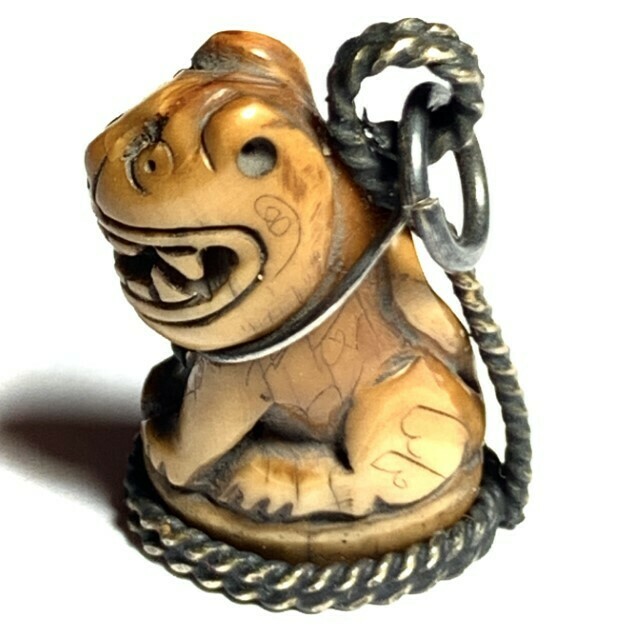
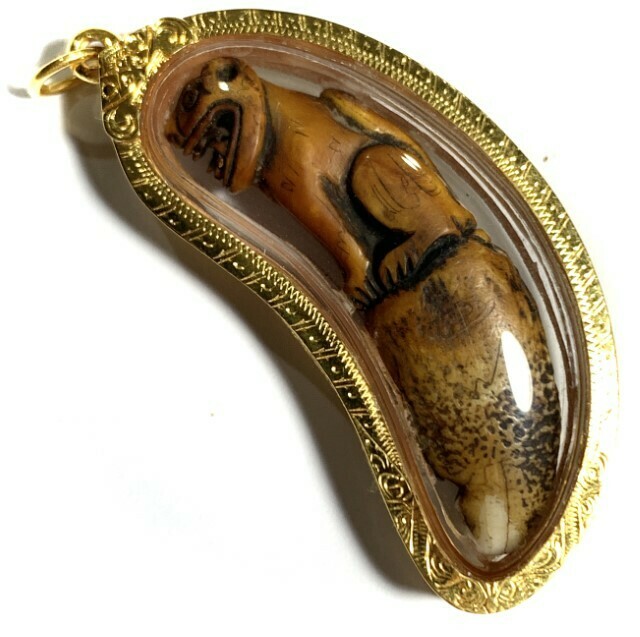
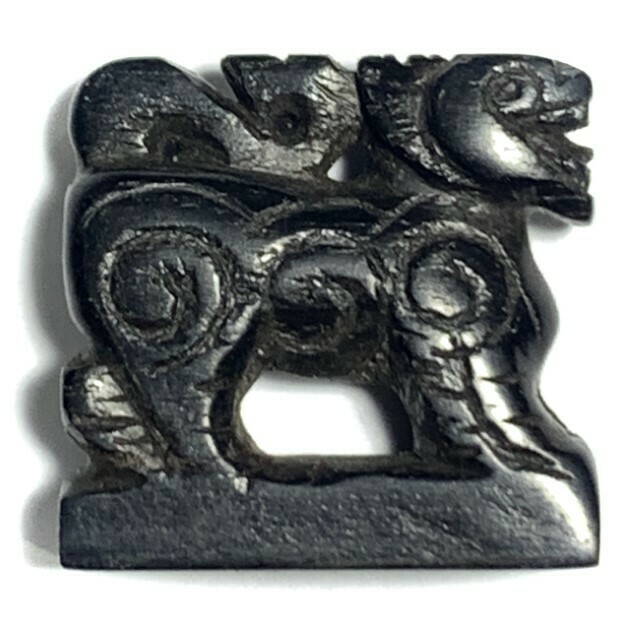
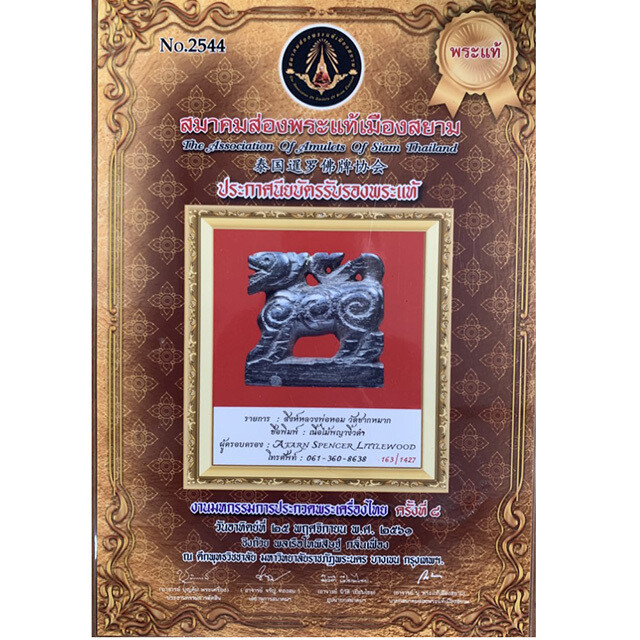
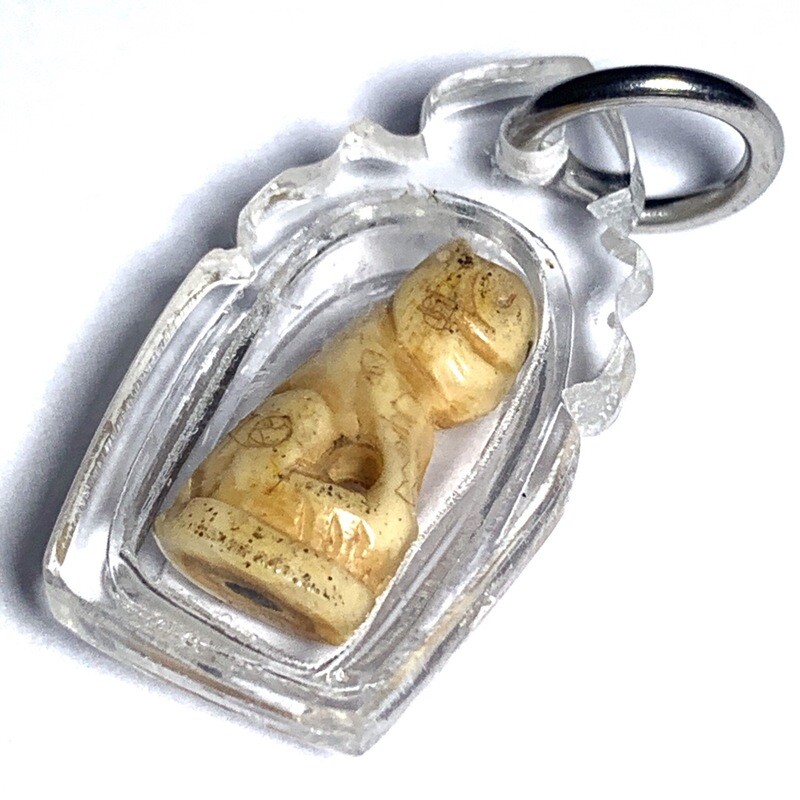
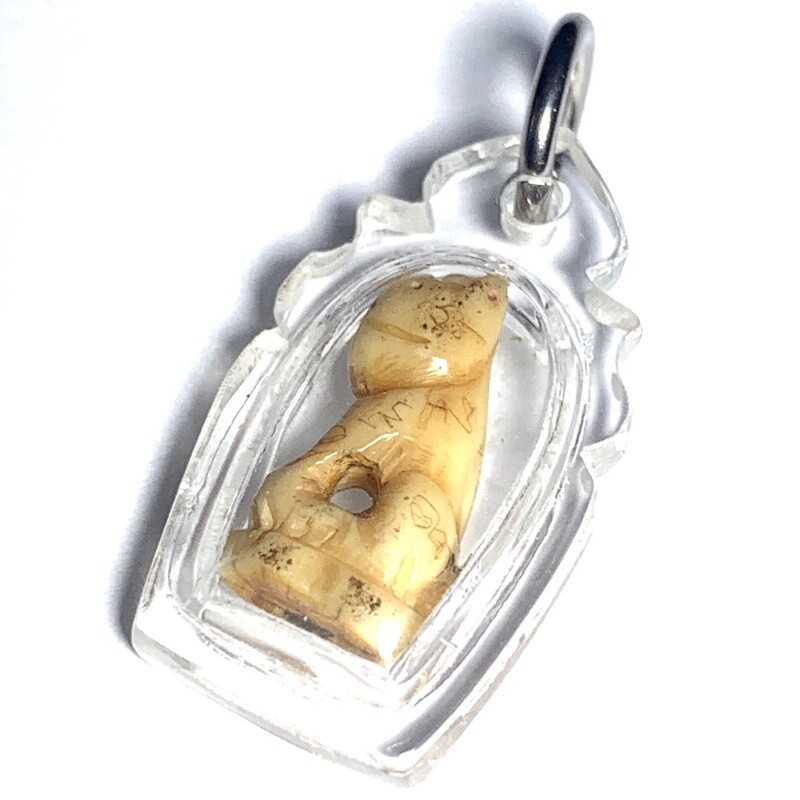
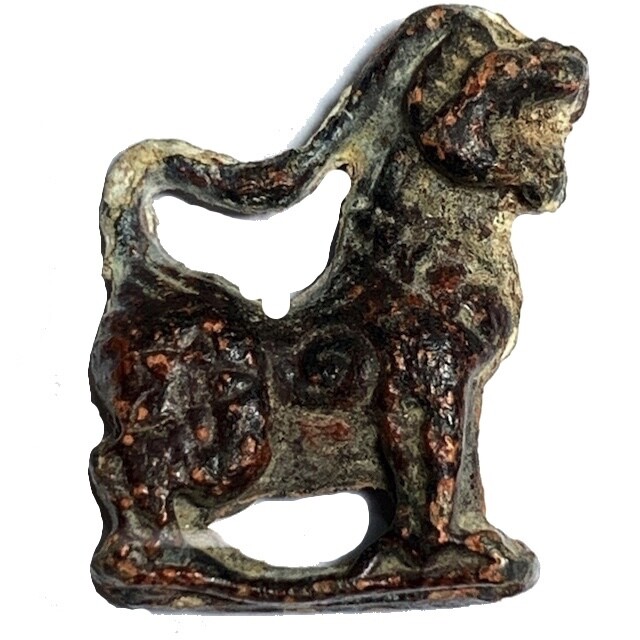
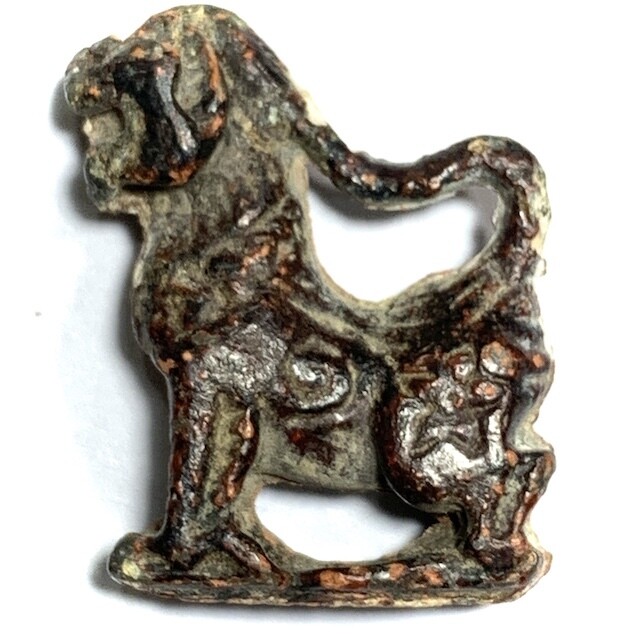
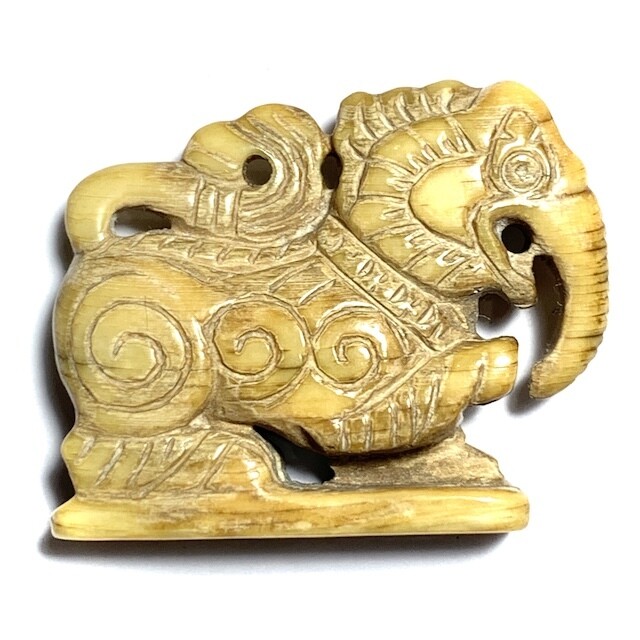
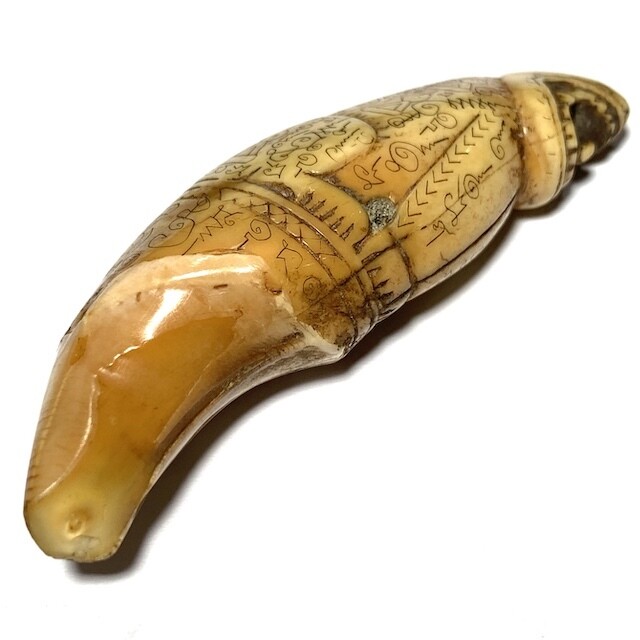
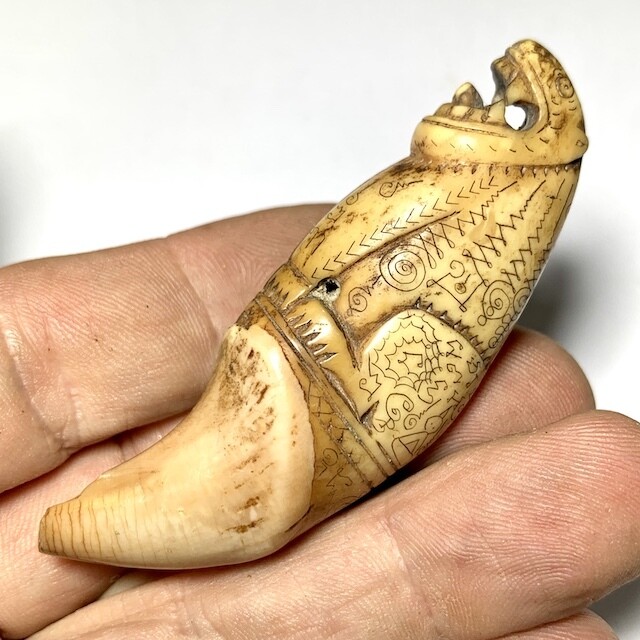
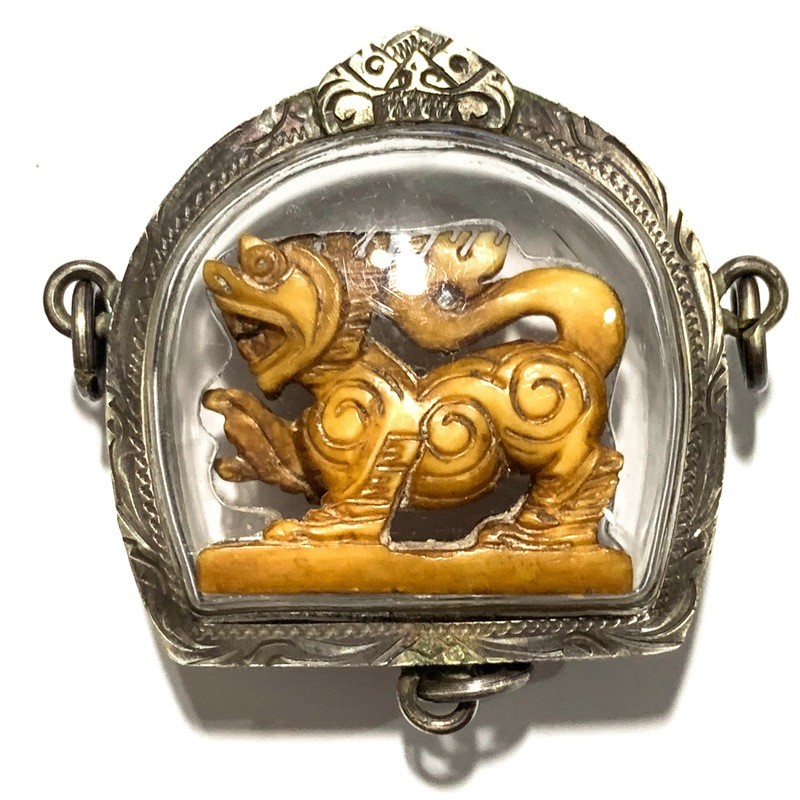
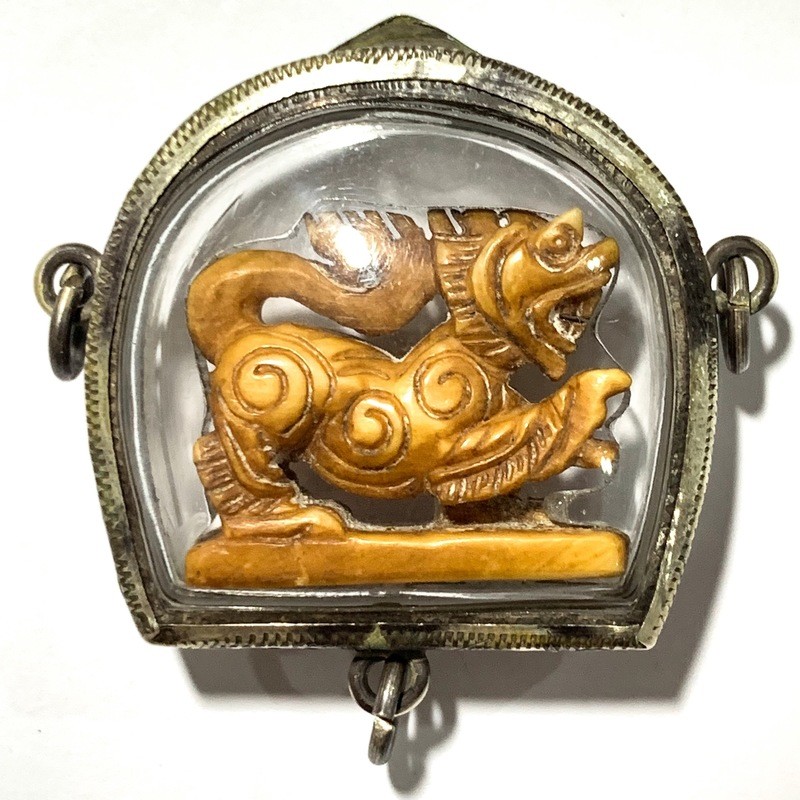
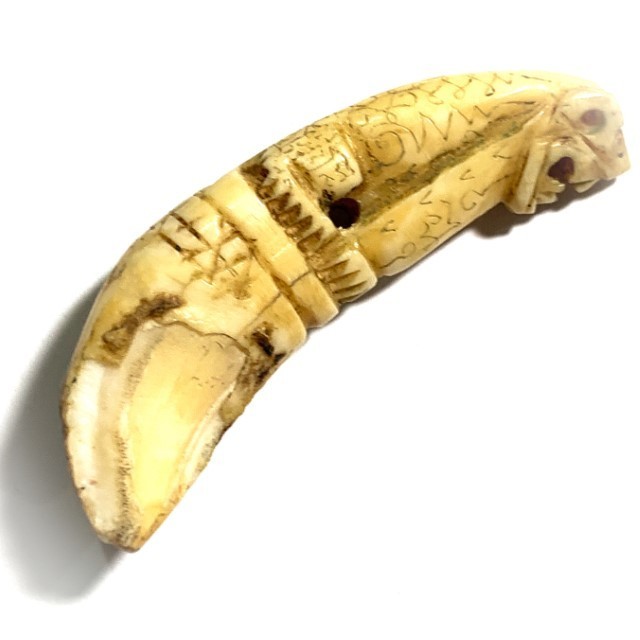
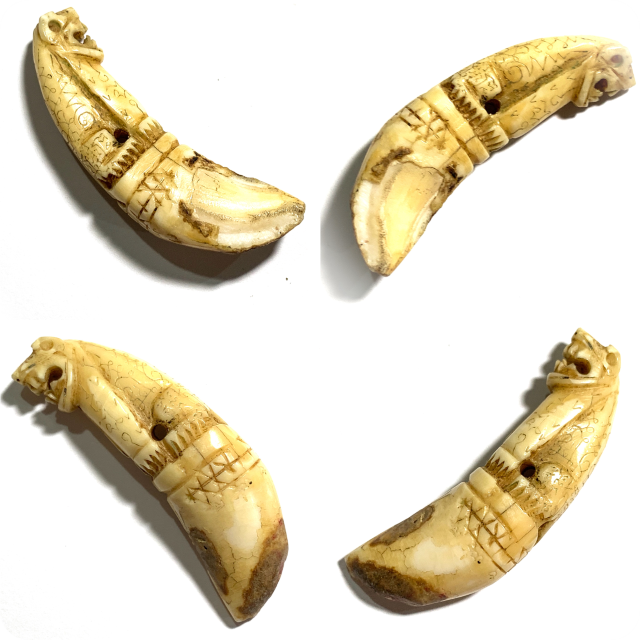
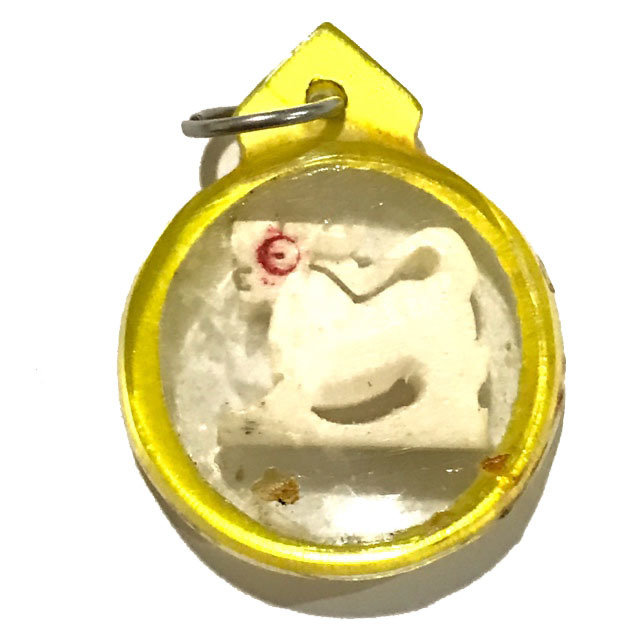
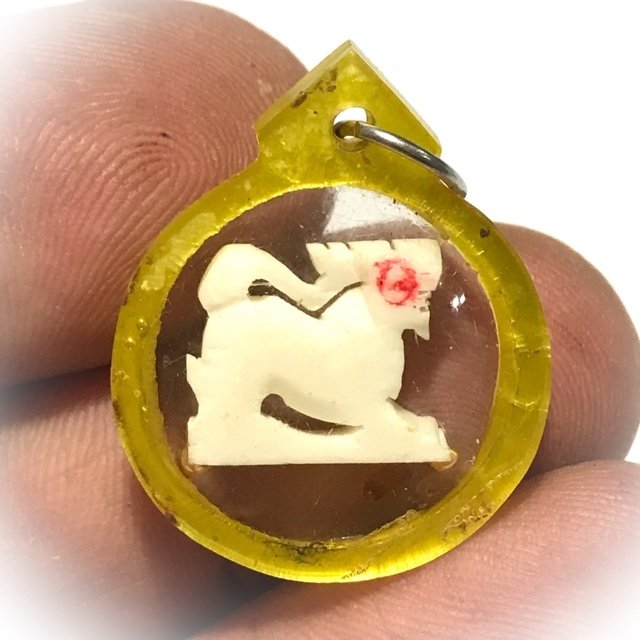
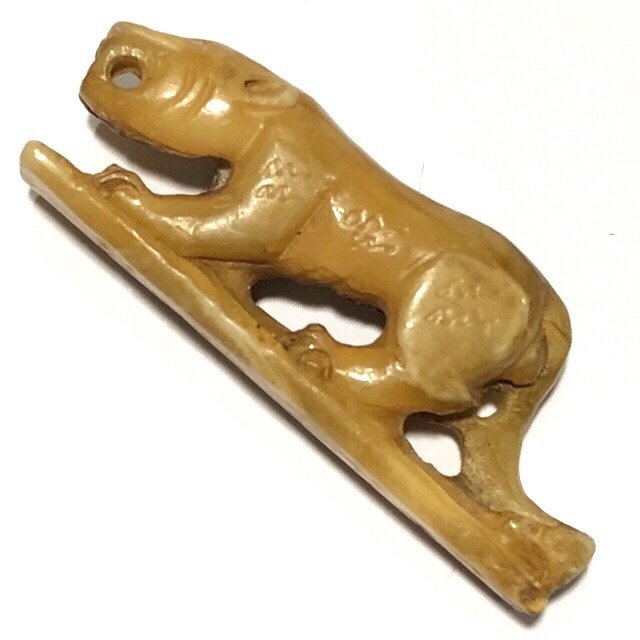
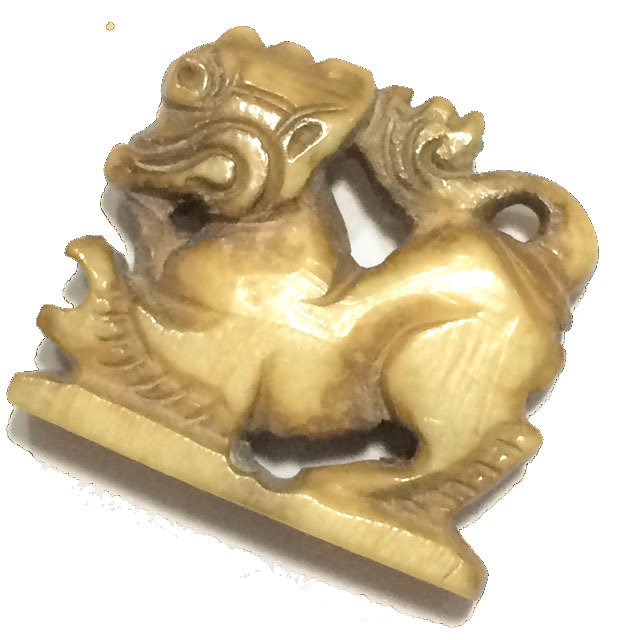
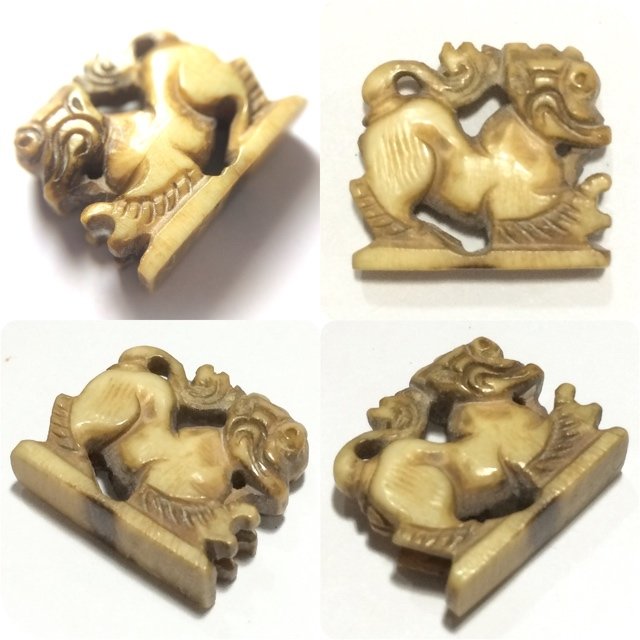
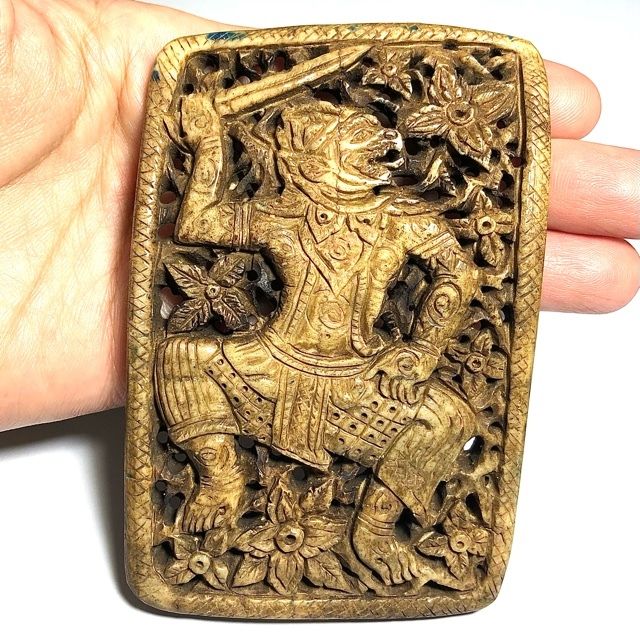
A very ancient and beautifully carved Animist Charm in Sacred Ivory (highly Aged), of the Suea Morb Elephant-Lion, from the great ex Monk and Lay Master-Sorcerer, Ajarn Heng Praiwan

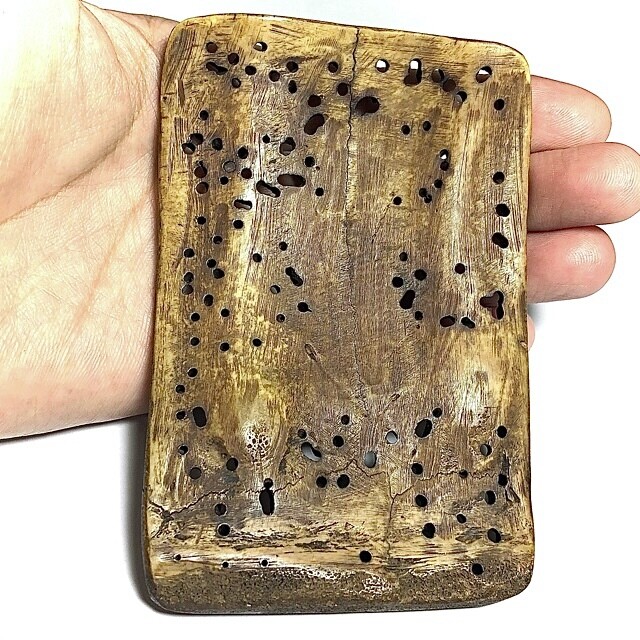
The Sacred Ivory shows its age through the crevices formed over time, and the agéd yellow patina which has evolved through many decades of contact with the skin. The Suea Morb is known for its power of Mercy Charm (attraction), and to evade Bad Karma and Deadly Accidents, as well as to be in constant readiness to pounce when opportunity for success knocks.

The Suea Morb in ancient ivory is an animist charm believed to be extremely powerful in its effect to attract the auspicious, and deflect the inauspicious. The Tiger is one of the most powerful creatures, and adept hunters on earth, and do not really have any predators above them in the food chain (except Humans!). Hence, the Lion and Tiger are seen as Kings of the Forest, and enjoy a life without having to fear too many dangers.

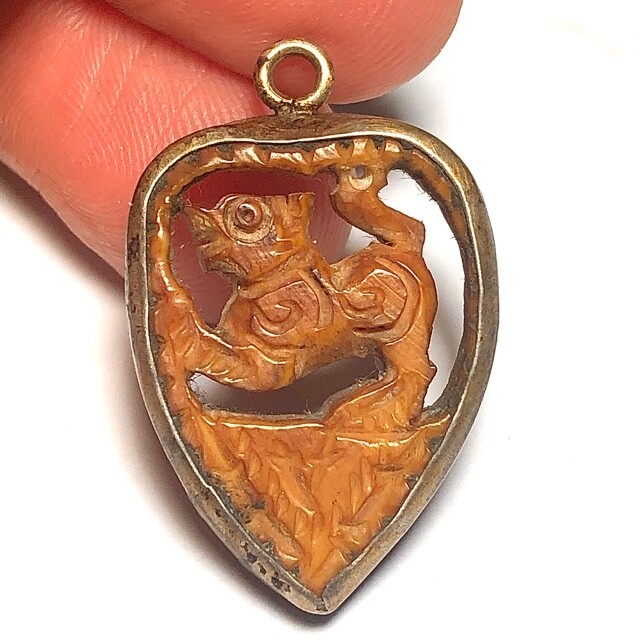
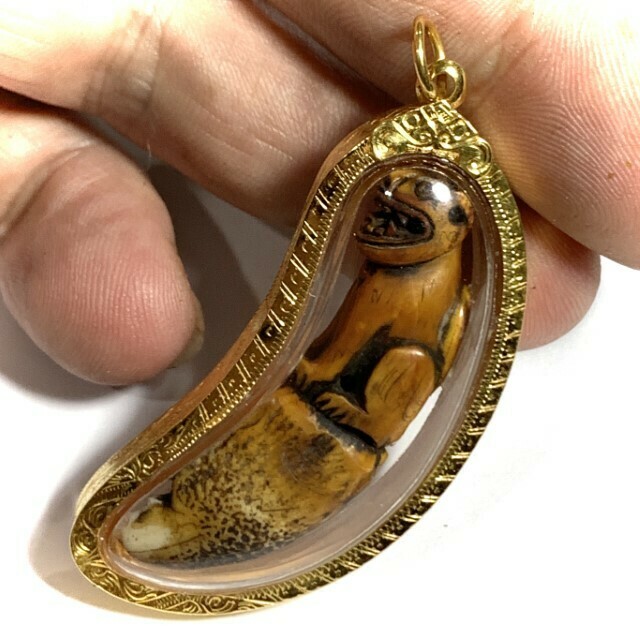
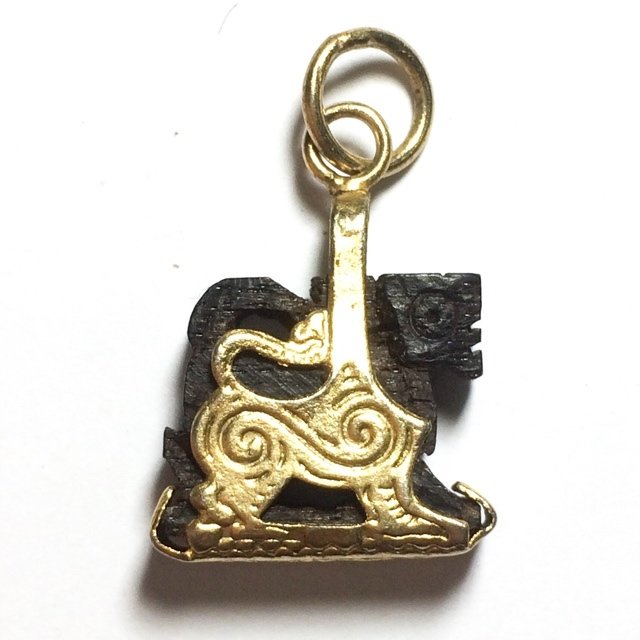
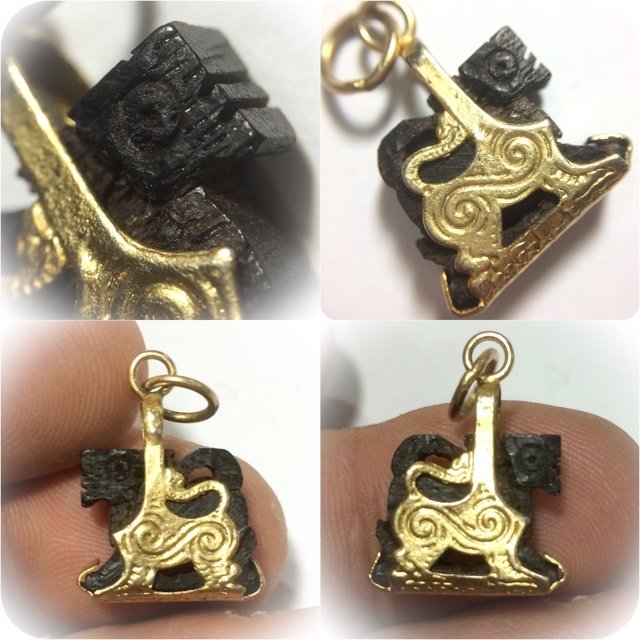
Free EMS / DHL / FedEx Express Shipping and the option of free solid silver Waterproof Casing is included with this item. An extremely rare to see, and exquisitely beautiful Ancient Ivory Carving, that is among the very rare amulets to encounter by Olden days Lay Master Ajarn Heng Praiwan. A Powerful and Highly Sought After amulet by high-end talismanic amulet, as well as an important historical and cultural religious artifact.

The Suea Morb, as all amulets of Ajarn Heng (due to his empowerment method), can not only protect from dangers, black magic and ill fate, but is also known to be a Wicha for invoking Great Mercy Charm (Metta Maha Niyom), to bring Great Preference to You above Others. The amulet is designed to Attract Helpfulness, Popularity and Success, Imbue power and influence (Serm Yos), Command over Others (Maha Amnaj) & clear the way of difficulties, whilst making all ventures successful.

An excellent choice for those increased ‘Dtaba Decha’ (Recieve Honors, Glory, Respect and Promotion, Dominion and influence), The Sacred Ivory shows its age through the crevices formed over time, and the agéd yellow patina which has evolved through many decades of contact with the skin. The Suea Morb differs from other Wicha Suea, in that, apart from increased Maha Amnaj, and Imposing Influence, protection and Invincibility, it is also known for immense power of Metta Mahaniyom.

If asking for assistance from the amulet, please do not be too greedy each time you pray to the amulet for things, rather set yourself reasonable goals. If you find the right balance, you will experience safe evasion from dangers and immunity to Black Magic, a constant rise in success and status, and standard of living. The Suea Morb can also use its Metta to assist in bringing Victory in Legal Battles, if you are in defense, or pleading of a Court Hearing, in order to receive merciful treatment.

This Hand carved amulet of Ajarn Heng Praiwan, was one of only two we could find over a long period of searching (4 years), and can be considered to be an eternal rarity, which is always sadly more in demand than available. We try to find them as fervently as possible, but even we end up losing the battle often. This is of course, due to the massive imbalance of availability, against demand, and the immense rarity, and small quantity of amulets made by this master.

Tigers, Lions, and other Big Cat type Himapant Animal Deities (such as the Suea Maha Amnaj, Paya Kochasri, Kilen, and Singha), especially when carved from Ivory, are naturally imbued with the Sorcerous Powers of Maha Amnaj (commanding power and influence), Serm Yos Status Increase for positions of command, Gae Aathan Anti Black Magic, and opportunities of promotion, and Metta Mahaniyom Mercy Charm, to lull your Subjects and Charm them into Obedience. Maha Pokasap treasure Accumulation and Cornucopia of Requisites is also Imbued. These powers are said to be present within the ivory itself, even without empowerment, and that people wore ivory in ancient times for this purpose, and over time, developed artistic designs to shape them into animals and other objects of reverence, Deities and the like, to add spiritual significance.

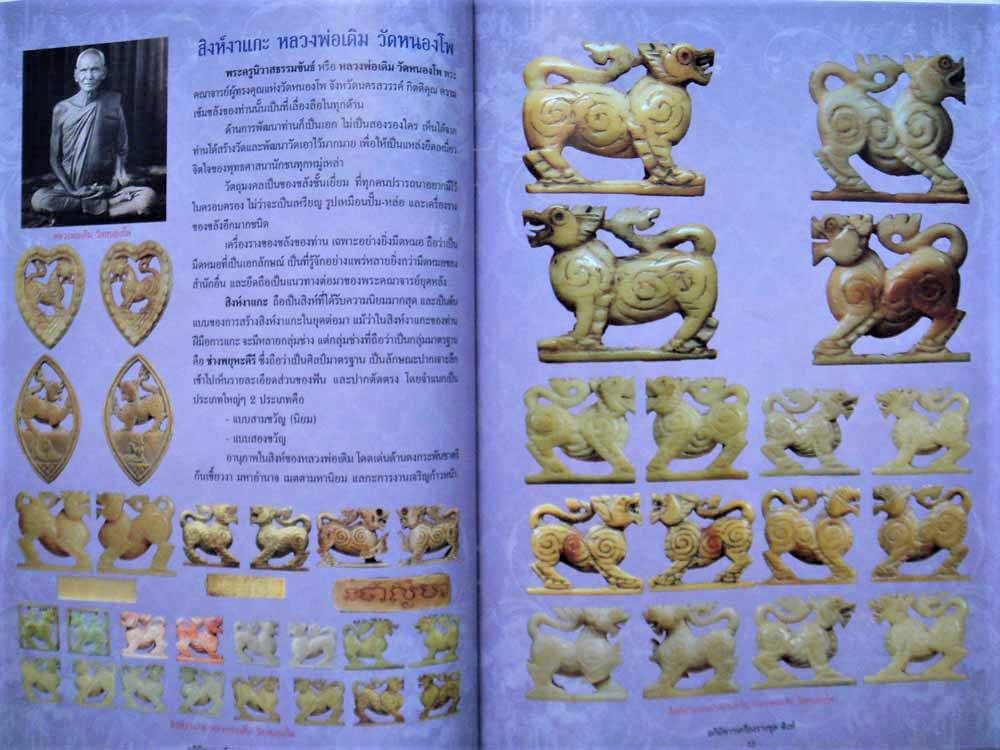
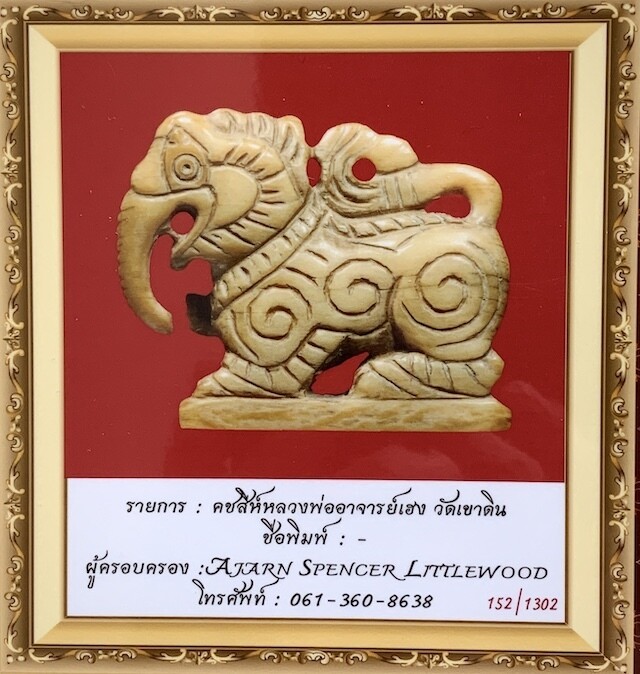
Below: an example of one of the various Roop Tai Kroo Ba Ajarn Ajarn Heng which were released during his Era


Ajarn Heng Praiwan was a great Lay Master and Adept Necromancer of olden days, of the Ayuttaya Province. Ajarn Heng was born in the year 2428 BE, and was ordained as a Buddhist Monk when he came of age, at Wat Suwan in Ayuttaya. During his ordained years, he studied many ancient magical Wicha of the grimoires of Wat Pradoo Rong Tam, which was a great library of ancient magical grimoires, perhaps the largest in the country. He became extremely able in the inscription of Khom Agkhara Sanskrit Spells, Kata Incantations, and Sacred Yant, and became very well known as a great Master of Sak Yant Thai Temple Tattoos.

Ajarn Heng Praiwan, studied the Wicha Grimoire of the Dtamra Radtana Mala, until attaining full Adept Mastery, after which he disrobed for a time, to help his parents. After which, he ordained again once more, at Wat Prayatigaram in Ayuttaya, with the Great LP Glan Tammachodti, Abbot of Wat Prayat, as his Upachaya Ordaining Monk. He spent a long period of time learning and mastering the full Dtamra of the Wicha of Luang Por Glan, after which he disrobed again, and became a lay-sorcerer until the end of his days, when he passed away at the age of 75, in the year 2502 BE.

It is said that Ajarn Heng’s father, was either a police officer, or a prison officer, and sent Ajarn Heng to Penang, and Singapore, to be educated. But Ajarn Heng did not finish his schooling, and left, because of his immense fascination and interest in the study of Saiyasart, & the Dtamra Saiyawaet Grimoires, of Thai Buddhist, Animist, and Necromantic Occult Practices. He even traveled to the South of Thailand to learn the most ancient Magical Practices of the Southern Khao or Sorcery Lineages.

After his time practicing and mastering the Southern Lineage Magical Practices, Ajarn Heng returned to his home Province of Ayuttaya, in Central Thailand. Ajarn Heng was now a Master of the Wicha of Luang Por Glan, and the Southern Wicha of Sorcery which dates back to the Sri Vichai Era of Siam. The Wicha Mastered in Entirety of Wat Pradoo, whgich Ajarn heng has undertook, came from the time when King Naresuan Maharach, ordered the Wicha Saiyasart Grimoire texts to be inscribed and stored at Wat Pradoo Roeng Tam.

The inscriptions were begin and finished between the years 2133 – 2148 BE. It was King Pra Mahesuan Maharach, who united the city Kingdoms of Siam and Unified the country into one Land, namely ‘Siam’, or ‘Thailand’, and made the city of Ayuttaya the first capital of the Kingdom (Later to be moved to Bangkok, for logistical and geo-political reasons).

Ajarn Heng began to serve the public and accept devotees, at first by only performing Sak Yant Tattoos, and became known as one of the Top Sak yant Masters in the Country of his Time. Another later Kroo Ba Ajarn and Friend in Dhamma, Luang Phu Si, of Wat Sakae in Ayuttaya (Temple of LP Doo), once told that during the time of King Rama the 3rd, during a time of military dispute, around the year 2475 BE, many regiments of Thai soldiers, of both high and lower standing went to Ajarn Heng for his protective Yant, due to the miraculous powers attributed to them, all one the same day. On this occasion, Ajarn Heng constructed the ritual place at Wat Hantra Temple. Ajarn Heng invited a host of powerful Monks with Psychic Powers to assist in the ceremony of Blessings.

In this occasion (around 2476 BE),Ajarn Heng had to work very hard to gather a large number of Master Monks to come and perform the Suad Nam Puttamont Chanting Ritual, and this was a very had task in those days in Ayuttaya, to travel around and fine enough top masters who knew the chanting of the Nam Pra Puttamont and the Putta Pisek (Buddha Abhiseka) ceremonie. He was assisted in this task, by the great Luang Phu See of Wat Sakae.

Ajarn Heng Praiwan and amulets

But on this occasion, Luang Phu Si could not attend as well, because he was busy with Dhamma Duties at Wat Liab. But, after this Ceremony, Ajarn Heng would always invite Luang Phu Si to attend all of his subsequent Blessing Ceremonies, and assist with empowerment.

Ajarn Heng was a relatively wealth person with two houses and land stakes, one in the countryside in Tung Hantra, and one in Bangkok. And so, he would have devotees seek him out in Bangkok and in Hantra, for Sak Yant Tattoos, and his powerful Takrut amulets. It became popular to get high class artisans to carve his amulets, as well as village people would carve animist charms from ivory, wood, and sometimes, necromantic Ban Neng skullbones, which are of course, along with his famous metallic, and inimitably designed Takrut Maha Jakkapat Metallic Scroll Spells, the most highly valued, rare, and sought after by devotees of the great anbcient Ayuttaya Lay Sorcerer. Finally, Ajarn Heng moved to stay in Suan Malee, until the Wars in Asia Broke Out, whereupon he left the Capital, and returned to his home Province of Ayuttaya.


During this time, there were many Gangsters and Highwaymen, and a lot of need for Sak Yant Tattoos for Kong Grapan Chadtri and Klaew Klaad protective Magic, and Ajarn Heng became a highly acclaimed master, renowned for his Yant Gao Yord (A Wicha Obtained from the Great LP Hrun). Ajarn Heng was able to receive additional Wicha from the famous temple of study of Sorcery, Wat Sam Jeen, as well as receiving Wicha from the great Luang Phu Tong, of Wat Rat Ayotaya, and Luang Phu Kam Wibun.

Ajarn Heng’s Kong Grapan magic was so famous, that it became popular for police and military to get his tattoos, but also that they did not like the fact that so many Gangsters had them too, and were impossible to shoot dead. His Takrut Jappapattirach was also both infamous, and those who wore one were feared to be invincible. There was once a time when Ajarn Heng was parked in a boat on the banks of the river at Wat Cherng Lane Temple, where the Police came, and had to forbid Ajarn Heng from tattooing more, because the area was overflowing with Gangs of Highwaymen, and his tattoos were making it impossible for the police to catch them.

Ajarn Heng was known to have been highly able himself with Buddhist Arts, and Carvings, in wood, ivory, bone, and skull Ban Neng, as well as being highly famed perhaps most of al, for his famous Takrut, and Carved Ban Neng. It is even said, that the Great Artist Kroo Hem Waechakorn said of Ajarn Heng that “If there is anyone who can draw the four faced Brahma Image better than anyone, it is Ajarn Heng Praiwan”. Ajarn Heng was extremely adept in Wicha Hanuman for Invincibility, Kong Grapan, Victory, and Loyalty, which were very popular of course with all devotees, be they Police, Civil Servants, Ganster Mafias, Triads, or Military. Ajarn Heng made so many different forms of carved amulets and animist charms, that it is very hard to catalogue all of them, but if one is to say ‘which amulets are the most well known?’ One would say perhaps his carved Ivory amulets and Necromantic Ban Neng, and his famous Rian See Hnaa 4 faced Brahma coin.


Charms & Talismans

Thai Buddhist, Animist, and Occult Charms and Talismans, authentically blessed by the great Monks and Lay Masters of Old, and Present Day

Filters

Filters
1 - 60 of 799 items


Somdej Long Rak Chart Pim Gaes Talu Sum Block Chang Luang Wijarn with Authenticity Certificate Somdej Dto Prohmrangsri Wat Rakang Kositaram Featured

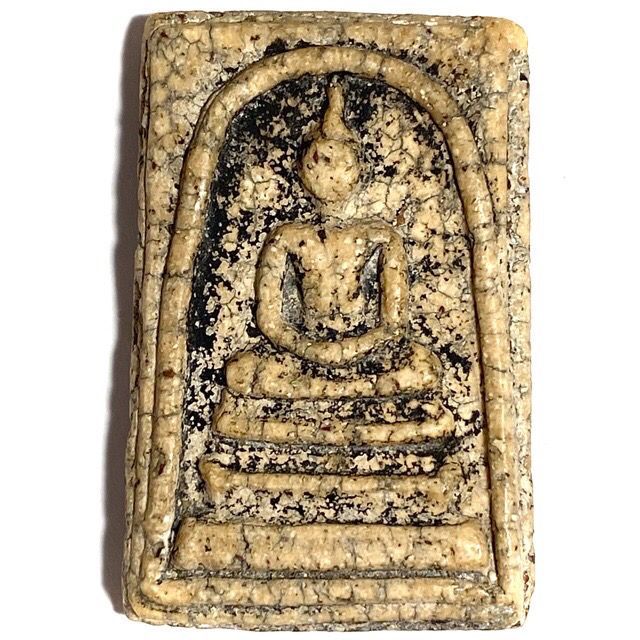
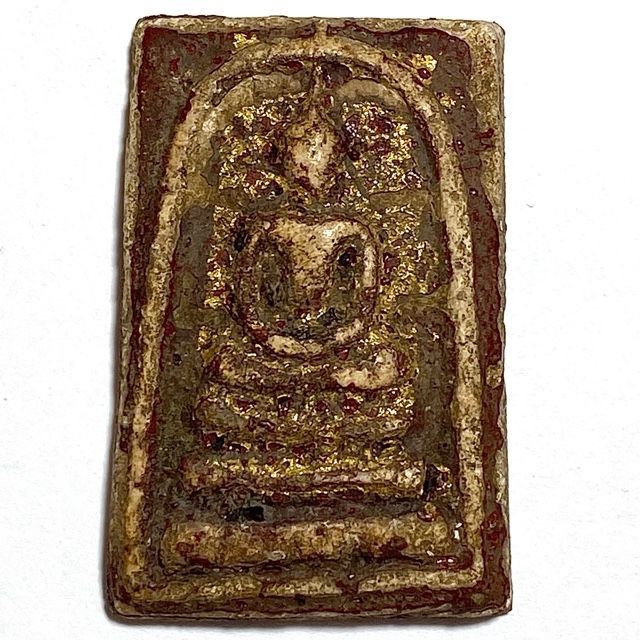
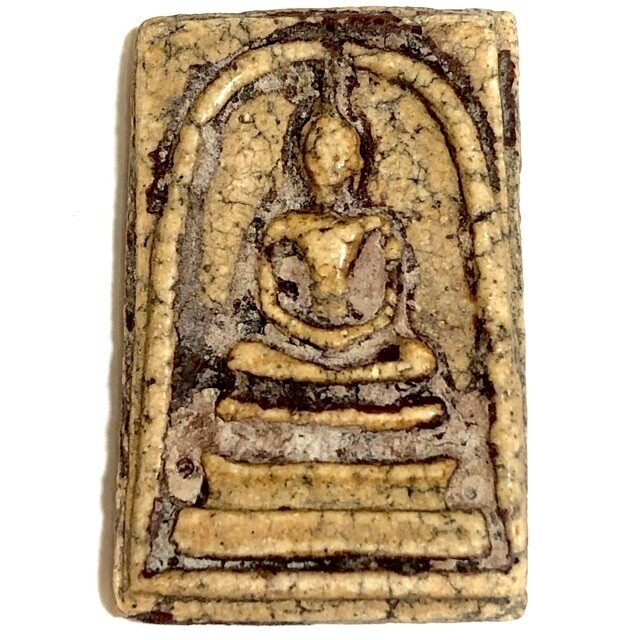
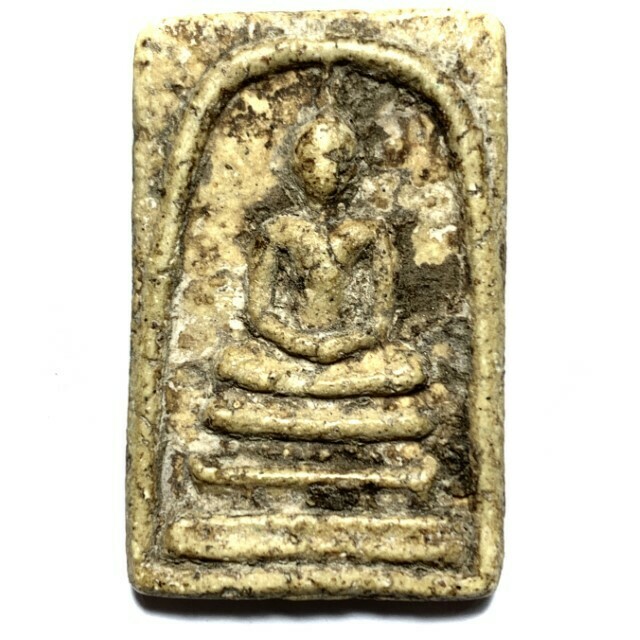
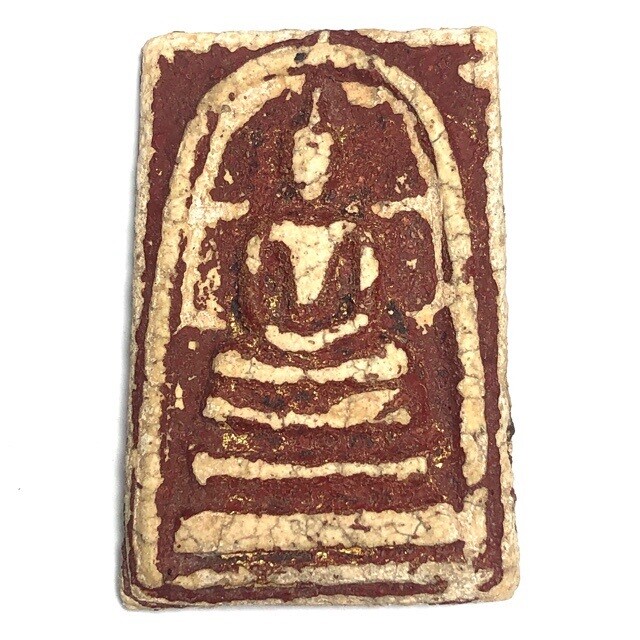
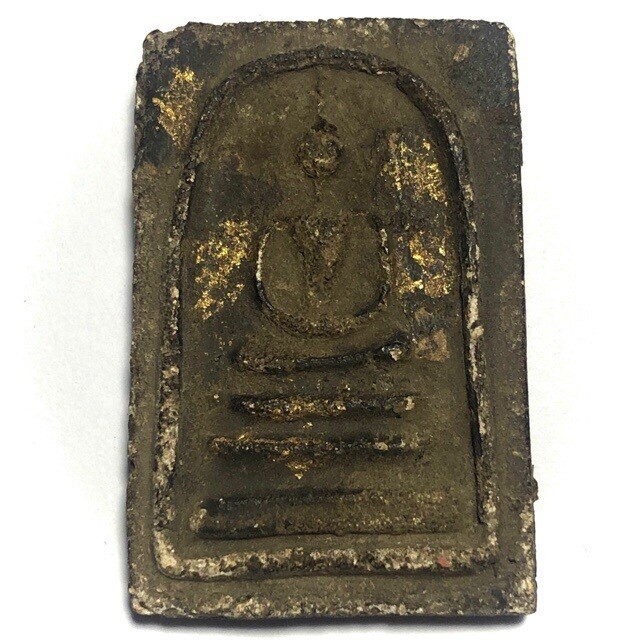
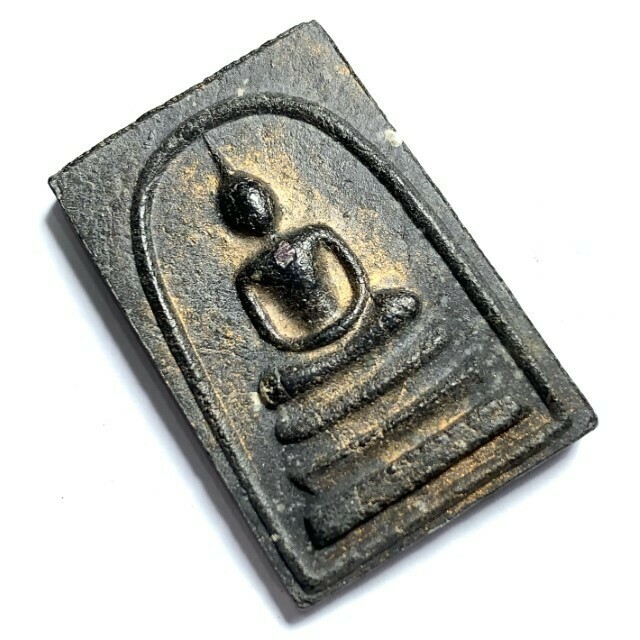
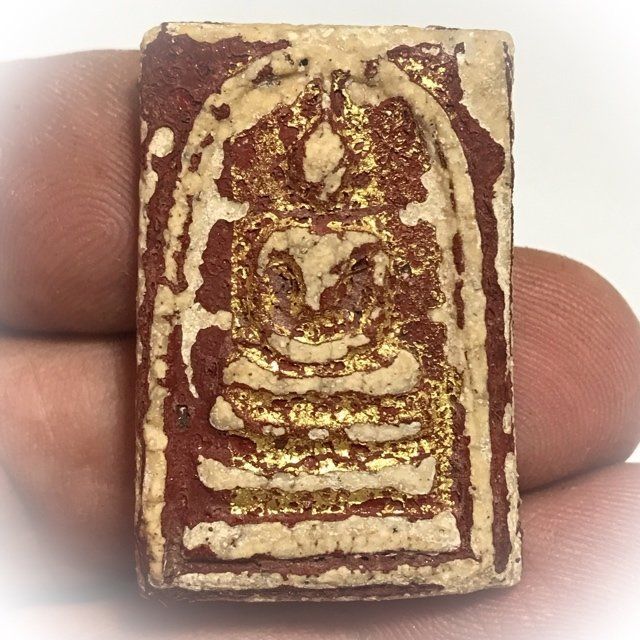
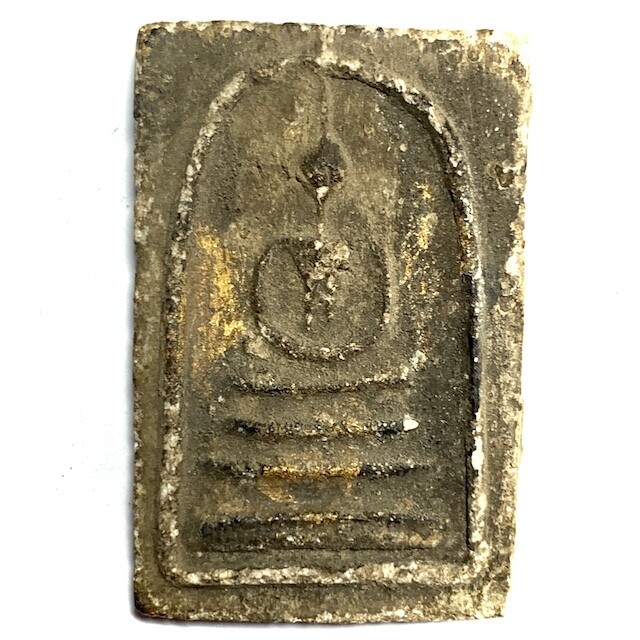
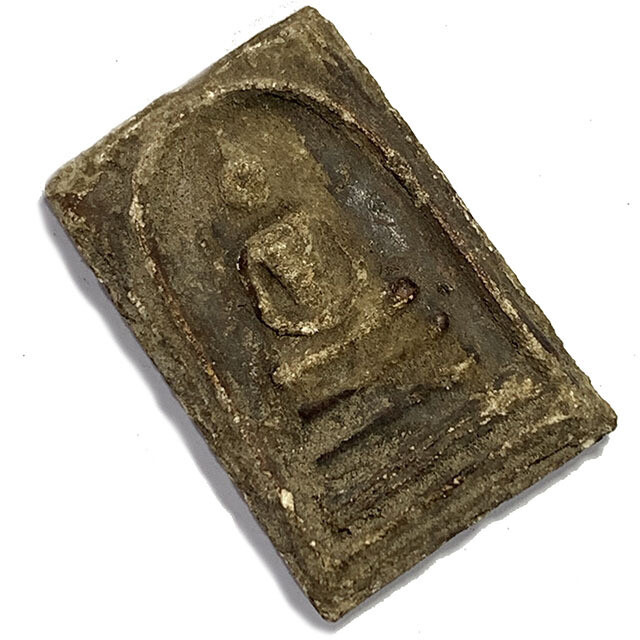
A most Exquisite and Officially Certificated Authentic Pra Somdej Wat Rakang Pim Gae Talu Sum Block Chang Luang Wijarn of Somdej Pra Puttajarn (Khrua Dto) Prohmrangsri, the Great Master of Wat Rakang, with Red Lacquered Surface, and all the classic features of an Ongk Kroo Model of this All Time. This particular exhibit is Extremely attractive to the eye, with its perfect balance of lacquer and open surface. The Pra Somdej Wat Rakang Kositaram of Somdej Pra Puttajarn (Dto) Prohmrangsri is the No. 1 Pra Somdej amulet of all time, and the most eminent member of the five regional top amulets within the Benjapakee Pantheon of Classic Thai Buddhist Amulets. On can also say it is perhaps the most famous of all Thai Amulets.

A Master Class ancient amulet of the Benjapakee Immortal Classic Family, the Pra Somdej Wat Rakang Pim Chang Luang Wijarn, with Rak Chart (ancient red lacquer), of the great Somdej Pra Puttajarn (Dto) Prohmrangsri of Wat Rakang Kositaram, this model is an extremely attractive Pim Niyom model of the ‘Chang Sip Moo’ Artisan Chang Luang Wijarn. This amulet comes with free solid silver casing if desired and selected in the encasement options (Please note; the custom casing can take from 3 – 10 days to custom encase). Bespoke Silver Frame casing is always enhanced with waterproof acrylic sealed windows to protect the amulet from the weather). You can order solid gold casing at extra price if desired too and we will invoice you according to current spot prices.

The Legacy of Somdet Phra Phutthācāriya (Toh) and the Sacred Somdet Amulet: “Kesa Thalu Sum” (Topknot Piercing the Arch)

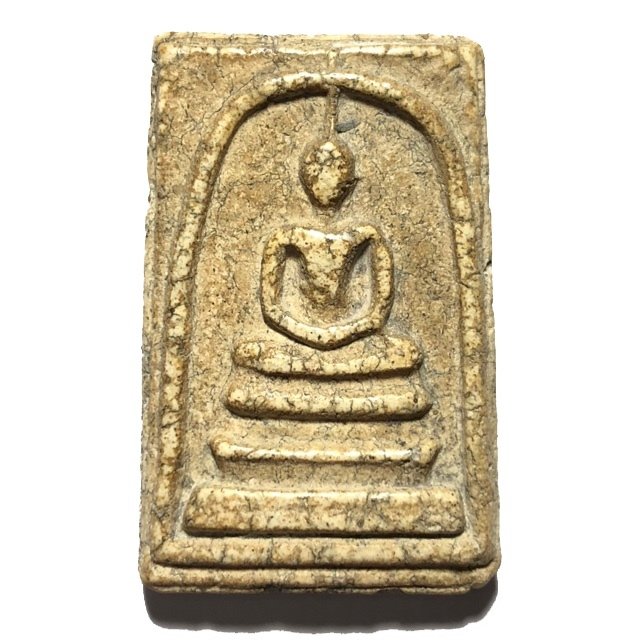
Among the pantheon of Thai sacred amulets (phra khrueang), none is more revered than the Phra Somdet Wat Rakang—especially the archetype known as “Phim Yai Kesa Thalu Sum” (พิมพ์ใหญ่เกศทะลุซุ้ม), often translated as the Large Mold – Topknot Piercing the Arch. This particular design is believed to be among the most spiritually potent and artistically refined sacred objects created under the auspices of Somdet Phra Phutthācāriya (Toh) Phrommarangsi (Somdet To), the legendary monk of the Rattanakosin era (1788–1872), known as an Arahant-like figure and master of sacred sciences (saiyasāt).

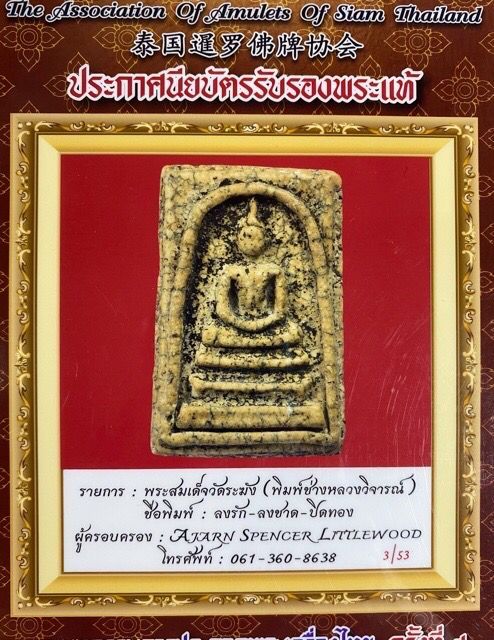
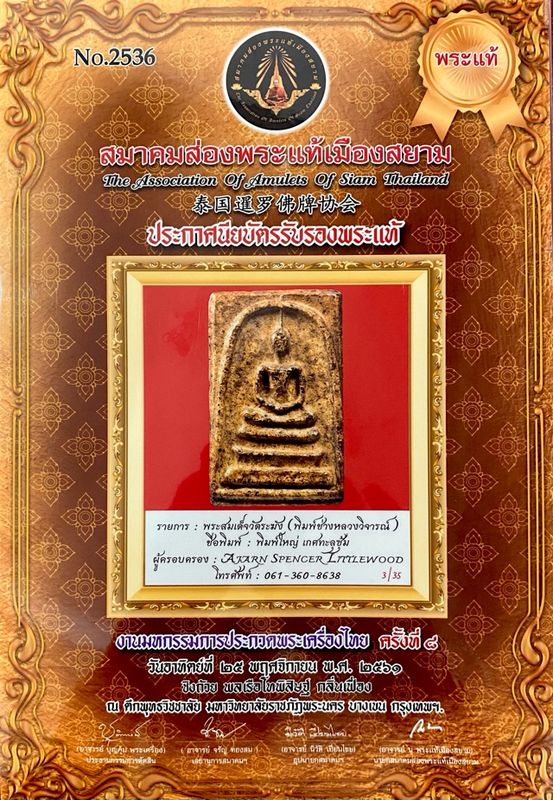
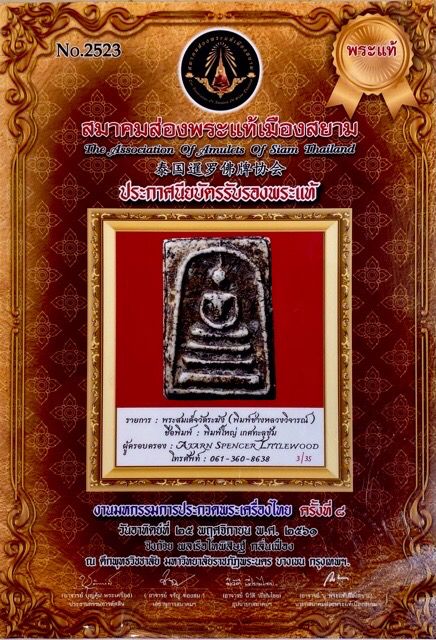
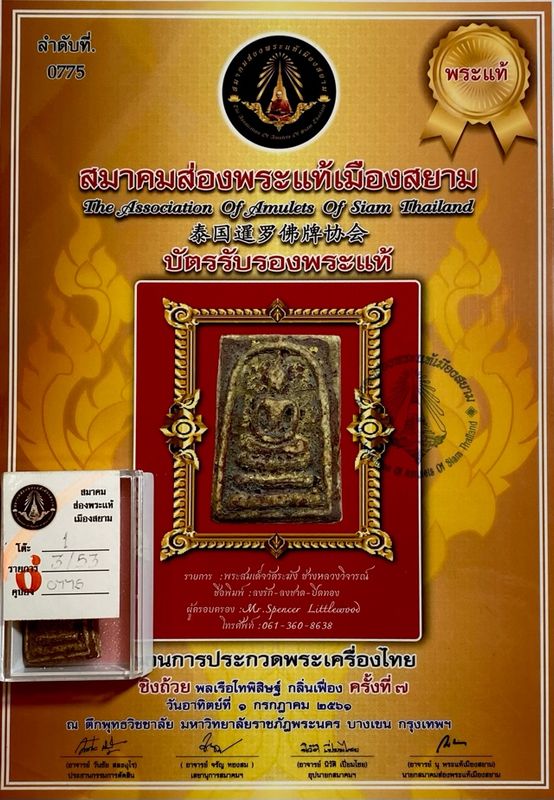
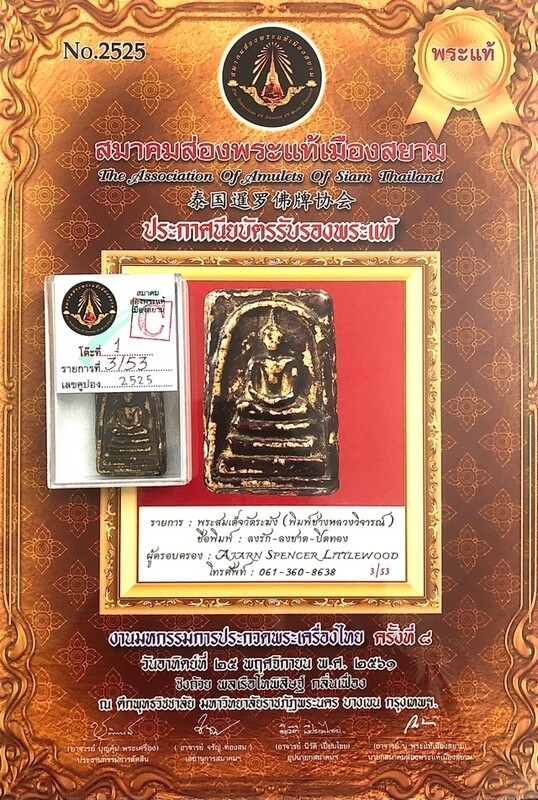
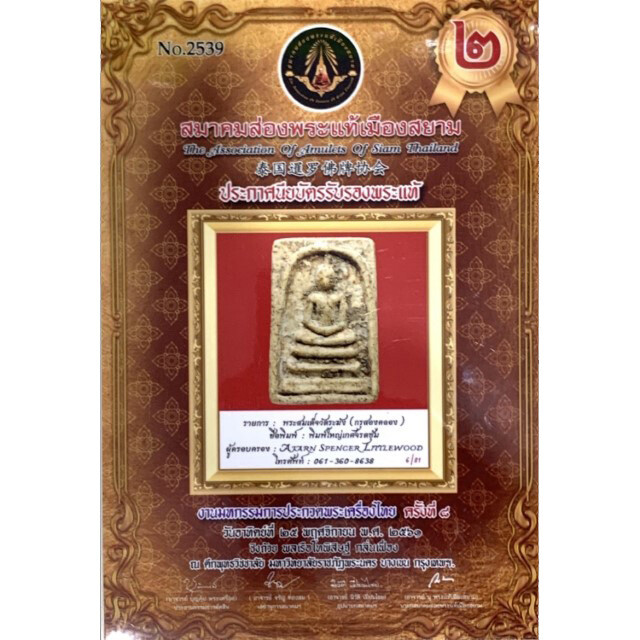
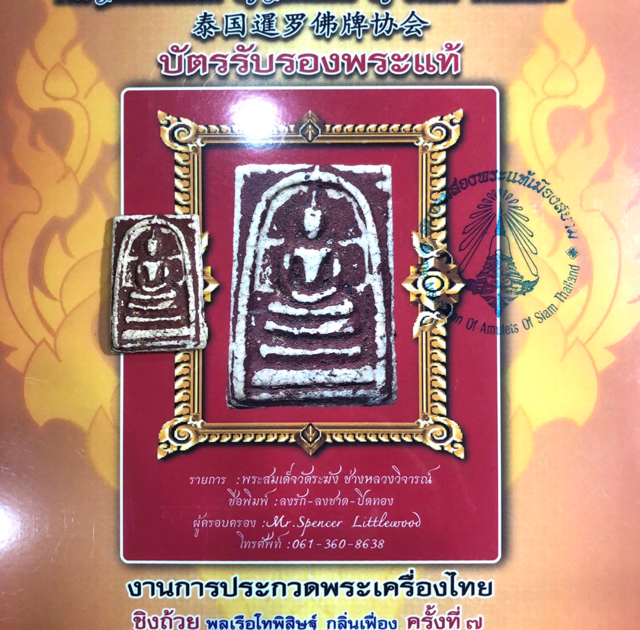
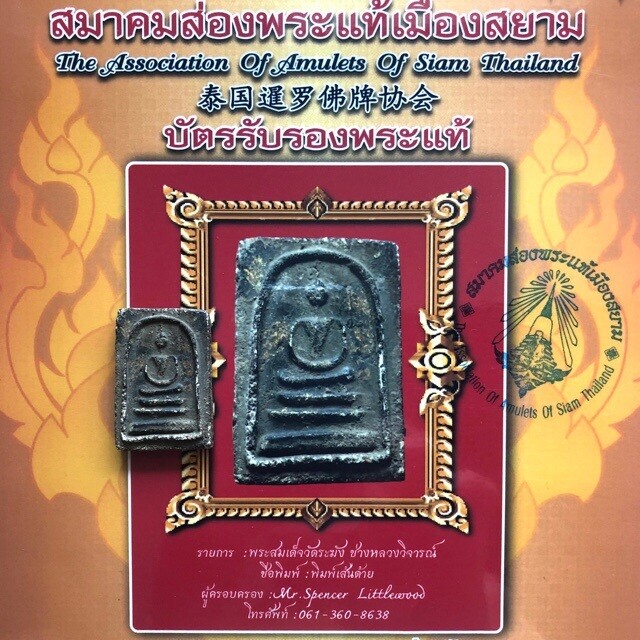
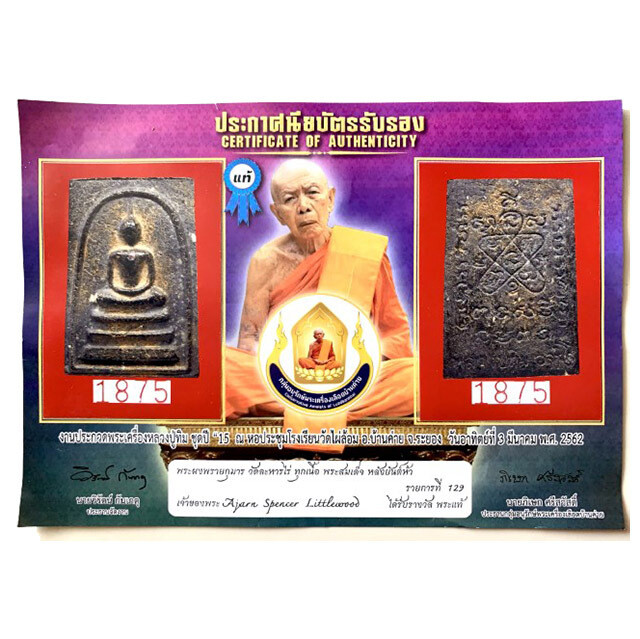
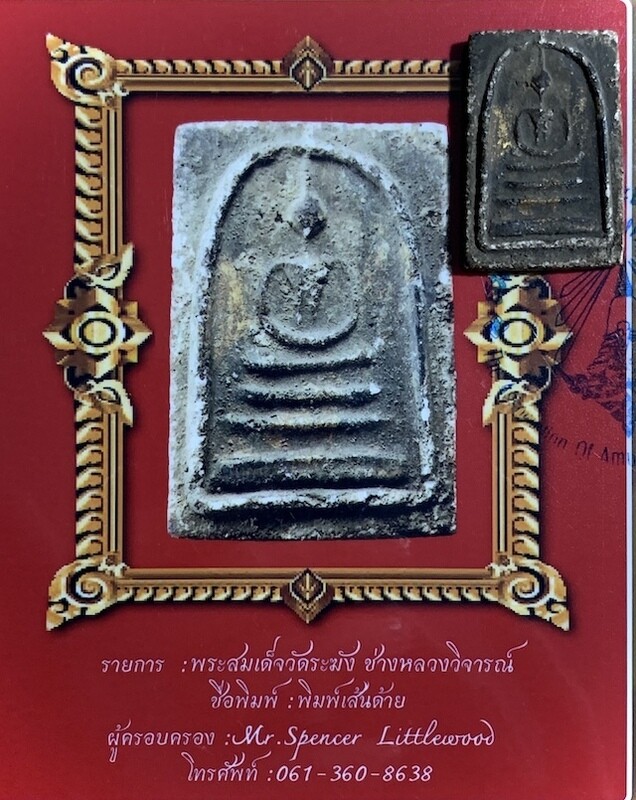
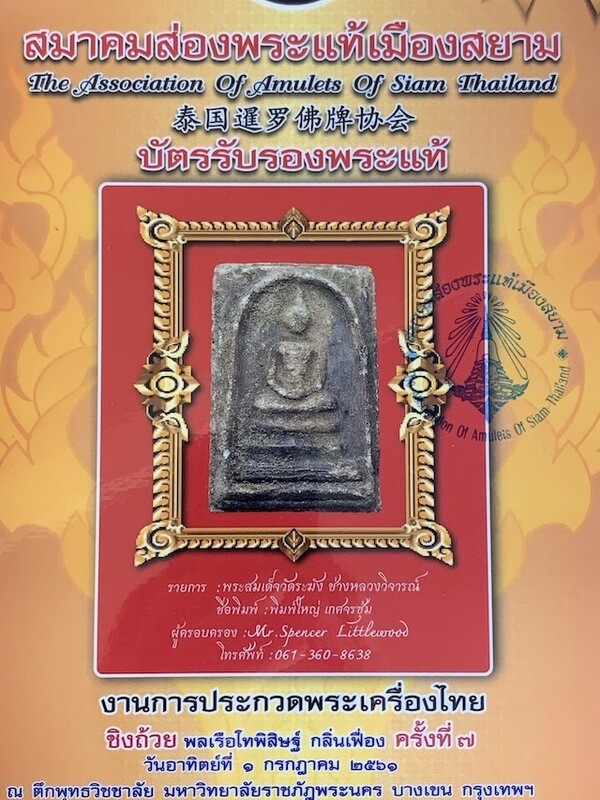
The Pra Somdej Wat Rakang Comes with A4 Size Plasticized Authenticity Certificate issued by the Association of Amulets of Siam Thailand, and comes with Free Express shipping, and Free Solid Silver Casing Included in the price. Please choose the free silver casing option to take advantage of this free offer. Free express registered shipping is worldwide and included automatically.

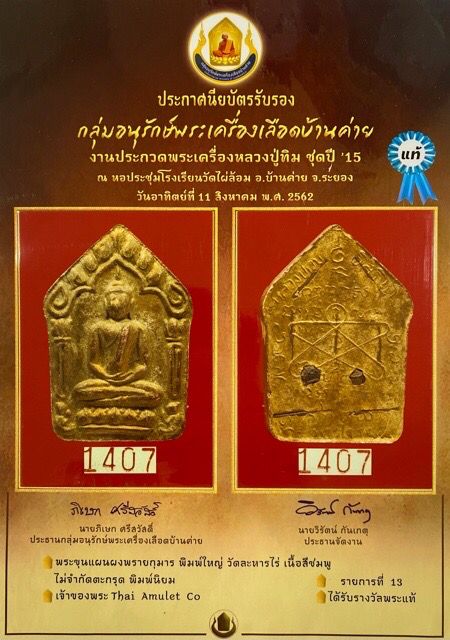
Below, A4 sized certificate of authenticity of this Pra Somdej Wat Rakang Long Rak Chart Pim Gaes Talu Sum Block Chang Luang Wijarn, The Artisan Chang Luang Wijarn was the Kroo Ba Ajarn (teacher) of all the other artisans of the Chang Sip Moo artisans, including the great Chang Luang Sittigarn and Chang Luang Wijit.


Understanding the Term “Gaes (Kesa) Talu Sum”

In Thai Buddhist amulet vocabulary, “kesa” (เกศ) refers to the flame-like ushṇīṣa or “topknot” on the head of the Buddha image. “Thalu” (ทะลุ) means “to pierce” or “go through,” and “sum” (ซุ้ม) is the ornate arched frame or halo encasing the Buddha’s seated image. So, Kesa Thalu Sum implies that the topknot reaches upward and pierces through the apex of the arch, a rare and desirable stylistic detail that only appears in a select few authentic master molds (phim ong krū – พิมพ์องค์ครู) from Somdet Toh’s era.


Below, is an 11 minute long video with full views and 12 x Macro closeups of the Muan Sarn Powders, wth Narrative from Ajarn Spencer Littlewood to enlighten the student on the various aspects of authenticity of a different exhibit which was also a lacquered version, and displays similar characteristics to this exhibit, with highly informative narrative by Ajarn Spencer, explaining various aspects of the studt, perusal and inspection of this tyupe of amulet, and some revelatory information about the amulet itself and the history of its making, and the Sacred Muan Sarn Content. This helps the student to understand and increase their expertise in recognising authentic Pra Somdej Wat Rakang Kositaram amulets of this model and type.

Who Was Chāng Luang Wichān (ช่างหลวงวิจารณ์)?

The iconic Kesa Thalu Sum mold is widely attributed to the craftsmanship of Chāng Luang Wichān Wijit Sittikān (ช่างหลวงวิจารณ์ วิจิตร สิทธิการ), a royal artisan of the Chang Sip Mū (ช่างสิบหมู่)—the Ten Royal Craft Guilds of Siam. These were elite artisans directly serving the Chakri dynasty, skilled in sculpture, lacquer work, gold-smithing, and iconography. Wichān was said to have personally carved molds under the commission or guidance of Somdet Toh himself, resulting in highly refined, geometrically perfect, and spiritually resonant Buddhist images.

Somdej School 1

His mold—known as the Wichān Block—exemplifies regal aesthetics fused with spiritual subtlety. When found on authentic Wat Rakang specimens, it often features:

  • A perfectly symmetrical arch (sum) enclosing the Buddha image
  • The kesa (topknot) extending straight upward, piercing the arch
  • Subtle curvature of the seated Buddha’s silhouette
  • Triple base lines (samchan) with precise spacing
  • Signs of aged lacquer (rak chāt chīn) from the original red Chinese lacquer finishing

The Wichān Block vs. Other Blocks

In the study of Somdet amulets, experienced phra sen (พระเซียน – amulet masters) distinguish between various molds (phim) based on micro-details and matrix analysis. Three major molds compared at the elite level are:

  1. Wichān Block (บล็อกช่างหลวงวิจารณ์) – Characterized by its “Kesa Thalu Sum,” fine lines, and sophisticated surface.
  2. Sīao Noi Block (บล็อกเสี่ยวน้อย) – Slightly more primitive in depth but very ancient in clay composition. This block is often less crisp but bears classic signs of age and high energy (sāk sit).
  3. Wang Nā Block (บล็อกวังหน้า) – Possibly produced by artisans from the Front Palace (Wang Nā) under royal patronage, with a broader face and deeper relief.

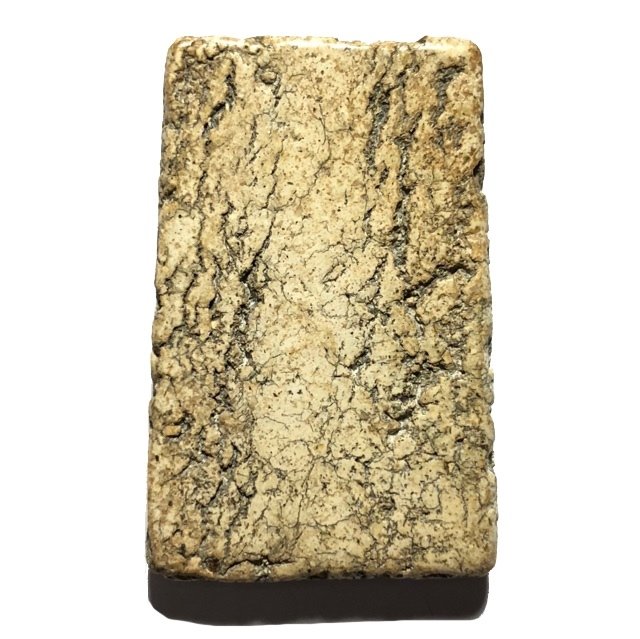
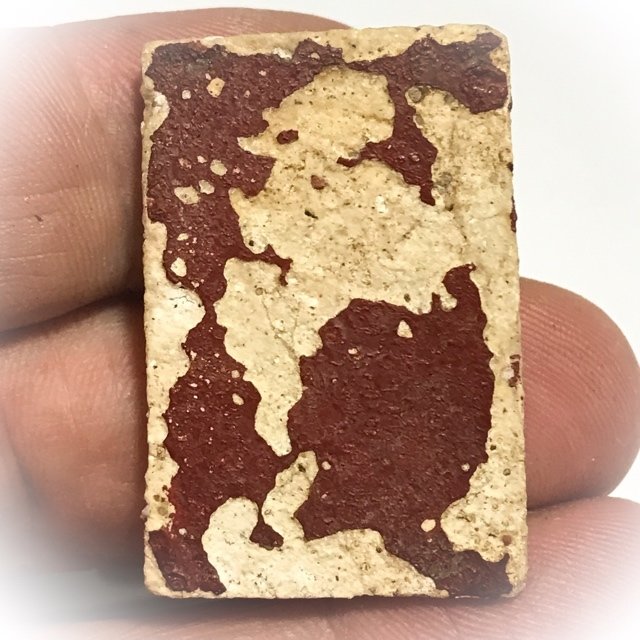
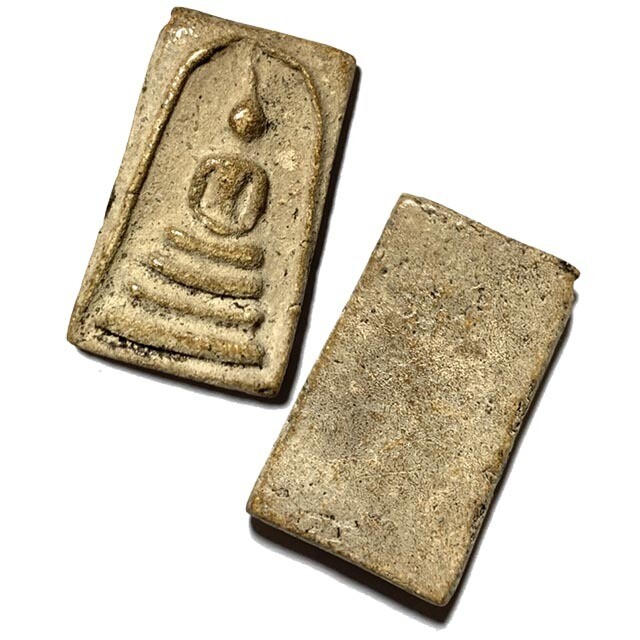
A truly ancient amulet made Circa 2390 – 2396 BE. The rear face of this exhibit is inimitable and has immensely beautiful markings, of a classic Pra Somdej Wat Rakang. Various exhibits display different textures on the rear faces, for they were laid on various surfaces to sun dry, ranging from marble stone, wood, metal, and other surfaces, resulting in textures ranging from stone-like fossilized effect, granular, crackled, to the fine scratches on the rear face of some, which come from laying them to dry on mai gradan wooden boards.

In truth, no two Pra Somdej Wat Rakang are the same, and each amulet has its own individual character, which is of course one of the many aspects which form part of what makes the Pra Somdej Wat Rakang the title holder of the ‘King of Thai Amulets‘.

“Gaes Talu Sum” as One of Many Pīm within Dtamrā

While “Gaes Talu Sum” (เกศทะลุซุ้ม) refers to a distinct style, it is only one recognized Pīm (พิมพ์) among many listed in the classic reference Dtamrā Phra Somdej Wat Rakang. These canonical molds include:

  • Gaes Talu Sum
  • Phim Yai (Large block, plain arch)
  • Phim Sam Chan (Three-base lines)
  • Phim Paa Singha (Lion-cloth border)
  • …and others.

The Wichān Block belongs specifically to the Gaes Talu Sum group and is often called a Pīm Ong Krū (พิมพ์องค์ครู – ‘teacher mold’), signifying its canonical status as an original master mold.


The Chang Sip Mū (ช่างสิบหมู่): Ten Royal Artisans of Siam

The Chang Sip Mū (Chāng Sip Mū)—literally “Ten-Craft Guild”—was an elite corps of artisans instituted under King Rama I of Siam. These ten crafts included:

  1. Carving (chāng chākā) – wood and stone
  2. Gilding (chāng phliap) – gold leaf application
  3. Casting (chāng lom) – metals
  4. Engraving (chāng tschāt)
  5. Drawing & Painting (chāng phithāng)
  6. Lacquerwork (chāng ró rät)
  7. Sculpture (chāng chāt)
  8. Manufacture of Buddha images (chāng phra pinyo)
  9. Stucco & inlay (chāng phaeng)
  10. Hidden relief and finishing (chāng lath)

These artisans were established to revive and preserve sacred craftsmanship such as Buddha-image iconography, temple decoration, and monastic utensils. Chāng Luang Wichān—a Chāng Luang rank artisan—expertly blended multiple crafts, especially casting, engraving, and lacquerwork, to produce master molds like the Wichān Block.

Three Eras of Phra Somdej Production at Wat Rakang Kositaram

According to Dtamrā Phra Somdej Wat Rakang (ตำราพระสมเด็จวัดระฆัง), production under Somdet Pra Phutthācāriya (Toh) Phrommarangsi is traditionally divided into three eras:

Pra Somdej Wat Rakang study of 3 Eras 2355 - 2408 BE

1. Yuk Ton (ยุคต้น / Early Era, c. 1860s)

  • Mix: Fine limestone crushed to powder, phong itthi (powerful clay blend)
  • Pīm: Coarse molds with less defined lines
  • Ritual: Solo empowerment with Phra Trisaranāgata paritta
  • Marks: No lacquer finish; rough, sandy texture

2. Yuk Klang (ยุคกลาง / Middle Era, c. 1870s–1880s)

  • Mix: Addition of phong pārisaṇḍa powders, remnants of old monk’s robes
  • Pīm: Molds refined by Chang Sip Mū, including the Wichān block
  • Ritual: Multi-stage consecration with Jinapañjara and Mahā Meṭṭhā chants
  • Marks: Early signs of Rak Jeen Borān—thin lacquer coat, slight red tint

3. Yuk Plāi (ยุคปลาย / Late Era, c. 1890s until Somdet Toh’s passing in 1872)

  • Mix: Highly refined batches with small shell inclusions
  • Pīm: Final mold-state perfected; deep relief, crisp lines
  • Ritual: Full-scale empowerment ceremonies attended by royal court
  • Marks: Visible Rak Jeen Borān with Hān (micro-cracks) and color patina

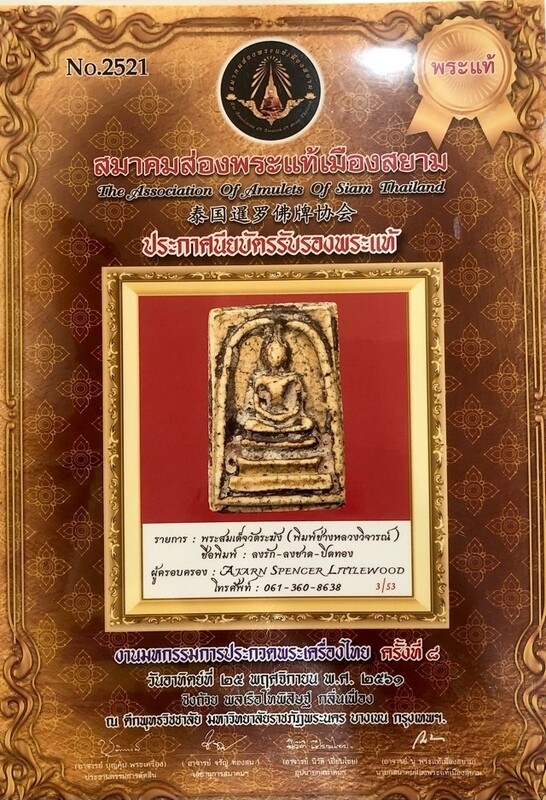
The amulet comes with the A4 size certificate of authenticity as a Pra Somdej Wat Rakang Long Rak Pid Tong of Somdej Pra Puttajarn (Dto) Prohmrangsri, with definition of the preferred artisan as authentic issued from the Pra Tae Mueang Siam Amulet Association.

An Immortal Classic and one of the most famous Thai Buddhist Amulets of all time, as well as being amongst the top preferred amulets of the serious devotee and wealthy collector of the accepted amulets of Somdej Pra Puttajarn (Dto) Prohmrangsri, of Wat Rakang Kositaram, whose Pra Somdej are the number one amulets of all time, be they from Wat Rakang, Wat Bang Khun Prohm,or Wat Gaes Chaiyo.

Made almost 2 centuries ago, the Pra Somdej Wat Rakang can be considered the number one amulet of all time in Thailand for its historical fame and legendary, and thae reputation of its maker to be the number 1 in all Thai History for Pra Somdej Amulets.

Pra Somdej Wat Rakang Somdej Toh Pim Yai

Rak Jeen Borān (ลงรักชาดจีนโบราณ): Ancient Red Lacquer

Rak Jeen Borān is a thin red lacquer derived from ancient Chinese formulas. It was popularly applied to selected pīm in the Yok Klang and Yok Plāi eras. Artisans would:

  • Dip the cured amulet in lacquer bath
  • Allow it to settle into fine cracks
  • Let it cure naturally under temple shade

Visually, it leaves a warmreddish hue, especially in recessed areas and seen as a micro hairline cracks (“hān”). The lacquer gave spiritual seal and aesthetic refinement—only a portion of issued amulets received this treatment, based on batch size and ritual occasion.


The Pra Somdej Amulets of Somdej Dto, are officially recognized as coming from one (or all) of four Royal temples Classed as three, because Wat Bang Khun Prohm Nai and Wat Intra Wiharn Bang Khun Prohm, are both located within the same temple boundary). Namely; Wat Intra Wiharn (Bang Khun Prohm Nai), Wat Gaes Chaiyo, Wat Mai Bang Khun Prom, and of course last but not least, Wat Rakang Kositaram. Most of these amulets are given a Puttapisek blessing ceremony in the temple where they were made, but then travel to at least two or three of the other temples to be laid under the ‘Pra Pratan’ (main Buddha statue in the shrine), and absorb the prayers of the Sangha (Monks), for further sacredness and power.

The Pra Somdej amulet, is one of the ‘Benja Pakee’ official set of five national amulets of Thailand seen as the most sacred, desirable and representative of every region of Thailand. In recent decades various Kru hiding place finds have been discovered in temples where Somdej Dto built statues and traveled, such as the Kru Wat Kanlayanamit, and Kru Wat Sadter finds.

This amulet comes with its certificate of authenticity in form of a A4 sized plastified certificate photo of the Chomrom Pra Tae Mueang Siam Amulet Appreciation society of Siam Thailand, and complimentary box with authenticity confirmation sticker. We offer free Solid Silver, Stainless Steel, or Waterproof Casing with this amulet (or gold at extra price), whichever you prefer. Free Express Shipping is also included in the price


The rear face shows the presence of all the classic features and Muan Sarn ingredients of a true Pra Somdej Wat Rakang of Somdej Dto, with a beautiful lined pattern resulting from shrinkage and drying over almost two centuries of ageing, and which has added to the character and increases the ease of authentication. This kind of rear face pattern is highly preferred among aficionados and serious devotee-collectors, for its classic aged appearance.

The contents of the Muan Sarn Sacred Clay reveal the necessary aspects and content expected from an authentic Pra Somdej Wat Rakang. The design of the front face is exquisite, as were all the block presses carved for Somdej Dto by the artisan Luang Wijarn, one of the royal artisans of the Chang Sip Moo group of artisans.

Pra Somdej Wat Rakang is one of the classic Pra Somdej amulets of Somdej Dto available, along with Pra Somdej Wat Gaes Chaiyo, and the Pra Somdej Wat Bang Khun Prohm amulet as far as popularity, beauty, sacredness of Puttapisek ceremony and price range.

The Pra Somdej Wat Rakang amulet is the Keystone and Master amulet (Ongk Kroo) for all other Pra Somdej amulets. It is an image in the likeness of the Buddha sitting on a Dais, which was essentially created by Somdej Pra Puttajarn (Dto) Prohmrangsri, of Wat Rakang Kositaram. There are various different ‘Pim’ (models) with varying design features.


The Pra Somdej Wat Rakang, are considered to have extremely powerful Buddha magic in them due to the richness of sacred powders and powerful blessings contained within from great master Somdej Dto. Its general appearance is that of an oblong about 2.4 cm wide up to 4 cm high (varies between these sizes), made from white sacred powders mixed together.

The Pra Somdej Wat Rakang Kositaram Pim Gaes Talu Sum is Similar to the Pra Somdej Pim Pra Pratan, but has the ‘Pra Gaes’ Topknot piercing the arch at the top of the amulet. The Pim Jarod Sum touches the arch or approaches it.

The main Ingredients of the amulets (Muan Sarn Samkan) were made from a base of sea shells, dried rice left from alms round, the five sacred magic powders of Somdej Dto, and ‘Nam Man Dtang Iw’ (special oil for mixing). Nam Man Dtang Iw, or Tung Oil in English, is a preferred oil for mixing and curing amulets with, for it is superior to any other oil as far as water resistance is concerned (one reason why Pra Somdej amulets can be soaked in water without going soft). The oil is much more resistant to mold than its derivatives, such as linseed oil.

The Dtamra must be made by creating exactly 84,000 amulets, equal to the number of Suttas of the Tripitaka. There are different Pim Song (shapes and sizes) of Pra Somdej Wat Rakang, but those which are officially recognized and listed by the ‘wongarn Pra Krueang’ as far as Somdej Wat Rakang amulets are concerned, basically consist of the following officially recognised Pim of Pra Somdej amulets; Pim Pra Pratan, Pim Yai Niyom, Pim Chedi, Pim Prok Po, Pim Gaes Bua Dtum, Pim Gaes Talu Sum, and Pim Thaan Saem.

Somdej Wat Rakang amulets have various surface textures, categorized as ‘Nuea Laiad’ (fine texture cement mixture), ‘Nuea Hyaab” (rough textured cement mixture), ‘Nuea Gae Nam Man Dtang Iw’ (old looking textured cement mixture), otherwise known as ‘Nuea Sangkhayaa’, and ‘Nuea Gae Bpoon’ (old cement mixture).The basic structure of the design of the classic Somdej, (and almost all Somdej amulets from other temples too), is that of the Lord Buddha sitting inside a Bell (the word ‘Rakang’ means ‘Bell’ – ‘Wat Rakang’ means ‘Temple of the Bell’).

This is the primary importance of the Somdej amulet in the sense that Somdej from most temples depict the Buddha sitting within a bell which is represented by the arch. The arched structure in amulets is called a ‘Sum’. Although these rules do not necessarily always apply (there are a lot of Somdej which are in circulation which are most certainly authentic, but which are not preferred in the collector scene)

There are many less preferred editions which do not fulfill these standard rules of recognition, which is of course one of the reasons why some Somdej Wat Rakang amulets are able to sell for high prices and enter competition, get certificated etc, and why some are not, despite their most probable authenticity.

The difference in the various mixtures made for each ‘Pim’ have led to differing textures and appearances in the Pra Somdej collections, which provides for a varied and fascinating niche interest, which one can verily spend a whole lifetime studying and accumulating experience and knowledge about this, the King of all amulets.

The Gaes Talu Sum amulet, especially in its Wichān Block manifestation, is more than a religious token. It is a national archetype—an object that embodies spiritual lineage, royal patronage, and artisanal mastery.

To possess such an amulet is to inherit a sacred narrative written not only in clay and lacquer but also in karmic resonance. It is to hold, in one’s palm, a silent sermon from Somdet Phra Phutthācāriya (Toh)—a sermon of stillness, protection, and profound metaphysical elegance.

In the global context of sacred objects, few artifacts match the complexity, beauty, and theological depth of the Phim Yai Gaes Talu Sum. And none so fully encapsulates the unity of Thai spiritual identity, Buddhist doctrine, and royal craftsmanship as the Somdet amulet of Wat Rakang Kositaram.


Ancient Amulet - Thai Buddhist Pra Niyom Category Amulets

Ancient Amulet - Thai Buddhist Pra Niyom ('Pra Niyom'; meaning 'High End Preferred Class Antique amulets') Fine Authentic Amulets from the Great Thai Buddhist Sorcerer Monks, Lersi Ascetics, and Lay Masters of Olden Days

SIGN IN OR CREATE ACCOUNT


Filters

Filters
Pra Somdej Pim Gaes Jarot Sum Pim Gaes Iang Niyom Long Rak Chart Somodej Dto Wat Rakang Kositaram
Free Shipping Worldwide (we do not state or declare true price to counter tarrifs tax on customers), & Offer of Free Solid Silver Casing Included
SKU 04783
$1,699


Rahu Om Jantr Wicha Lanna Nuea Kala Ta Diaw Long Rak Chart Jeen Boran Circa 2465 BE Kroo Ba Nanta Wat Tung Man Dtai Featured

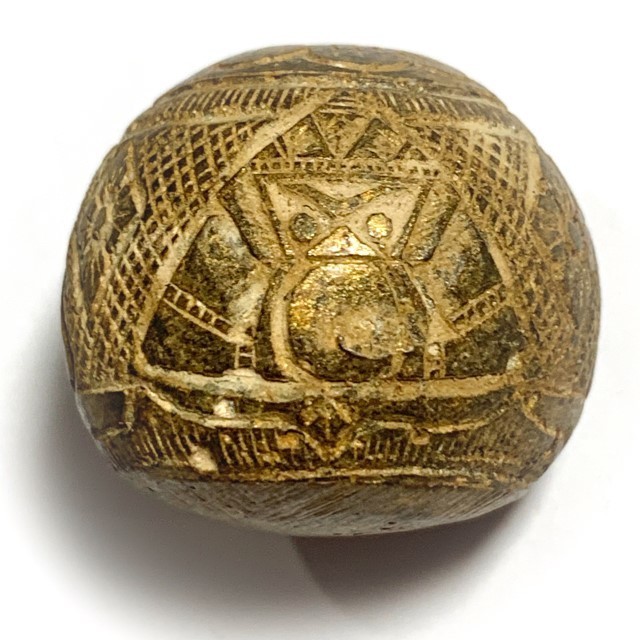
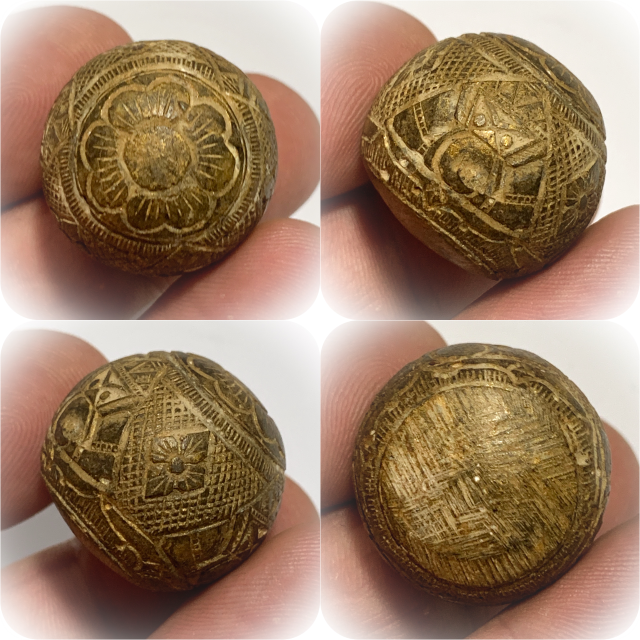
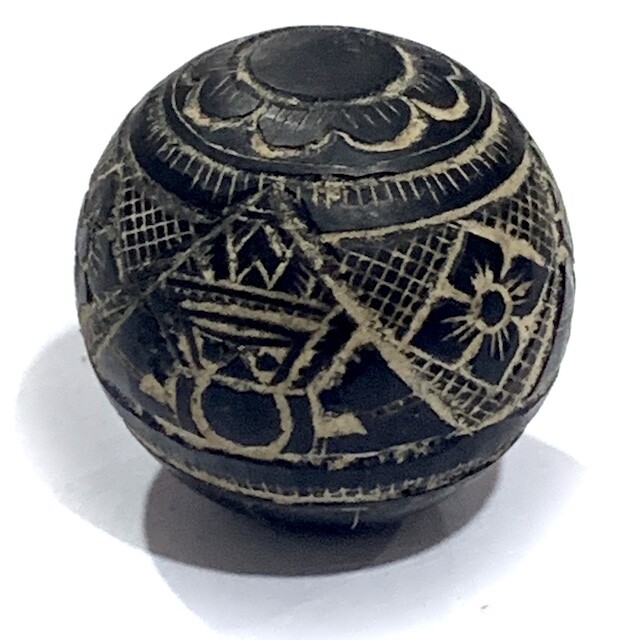
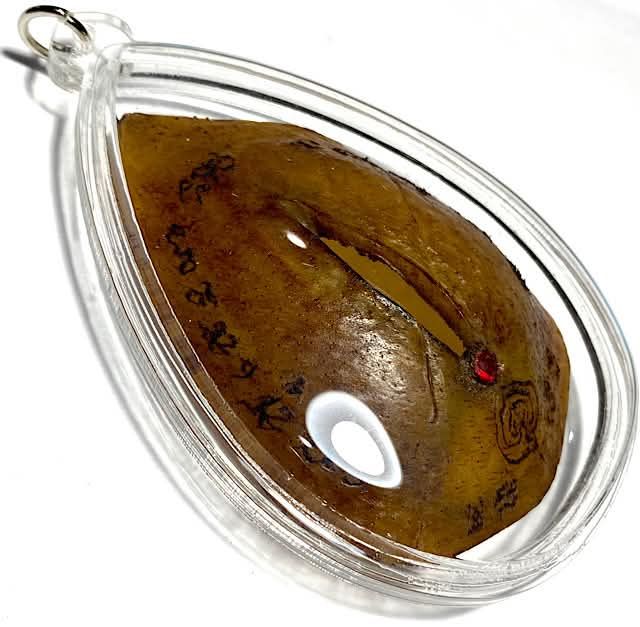
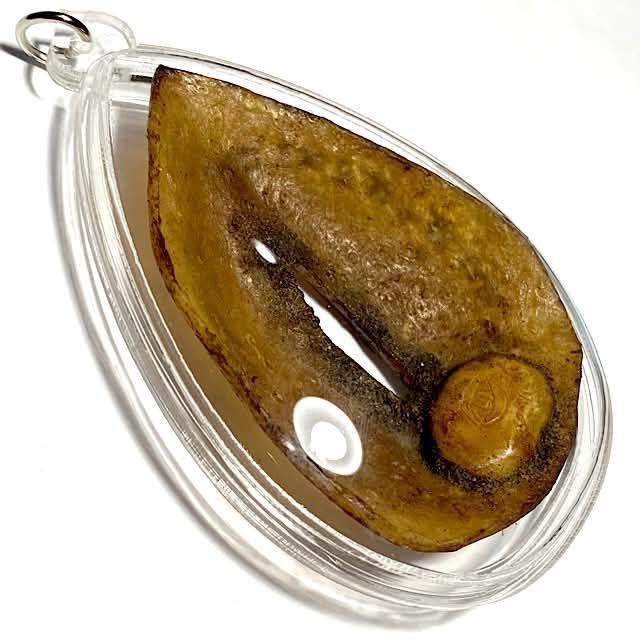
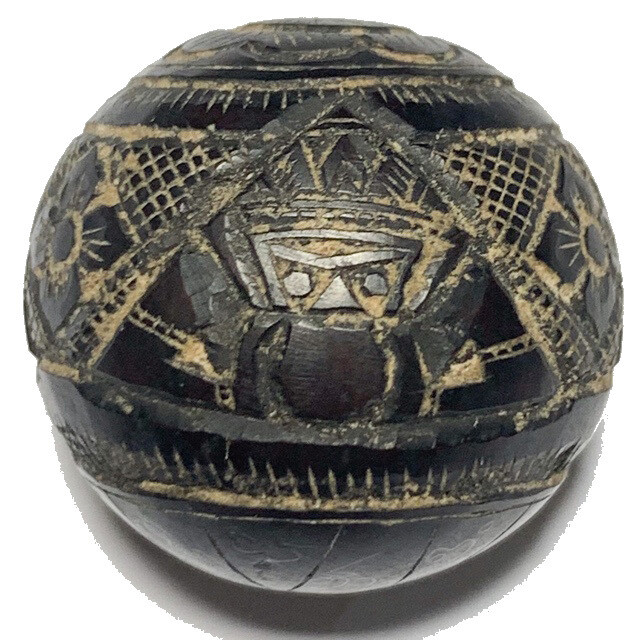
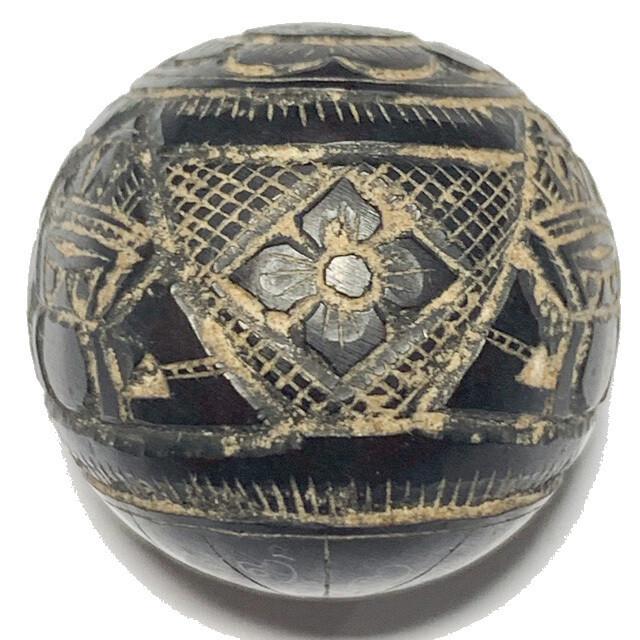
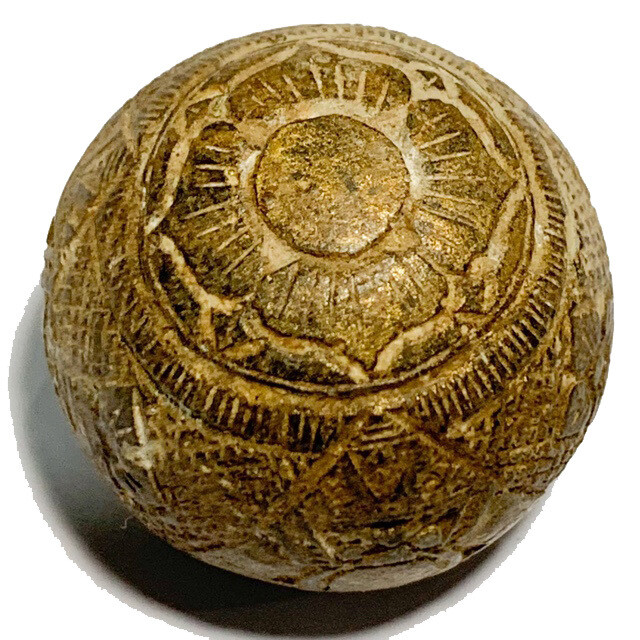
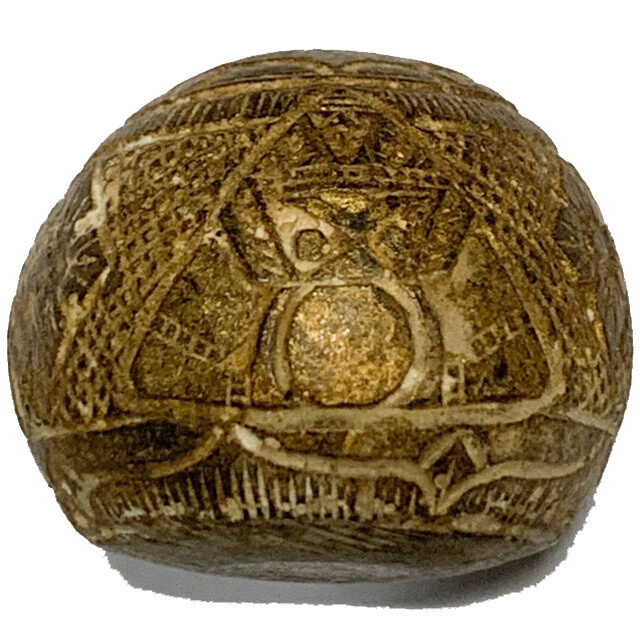
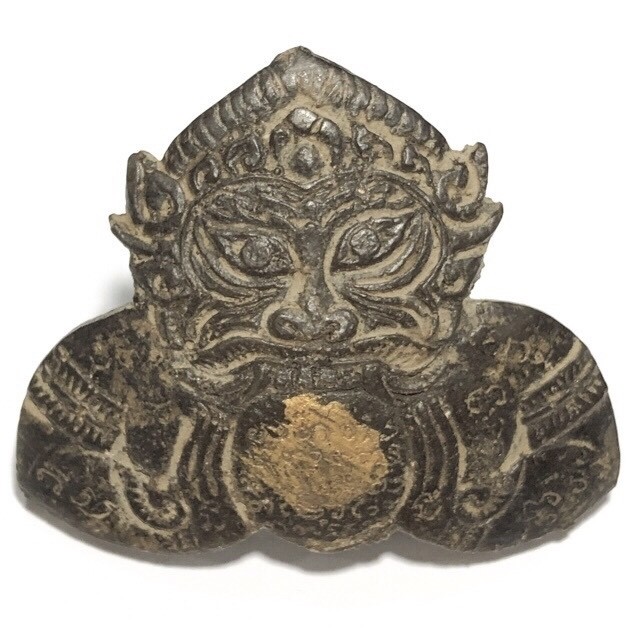
One of a the very rare ancient amulets of this Great Lanna Master, the Pra Rahu Kala Ta Diaw one eyed coconut shell carving, in classical ‘swallowing the moon/sun’ eclipse shape (Pim Rahu Om Jantr/Suriya), in ‘Nok Hook’ (Owl face) style, with an ancient and exquisitely filigrain inscriptions of Lanna Agkhara spell inscriptions, In rare One Eyed Coconut Shell, coated with ‘Rak Chart Jeen Boran’ ancient Chinese herbal Lacquer.
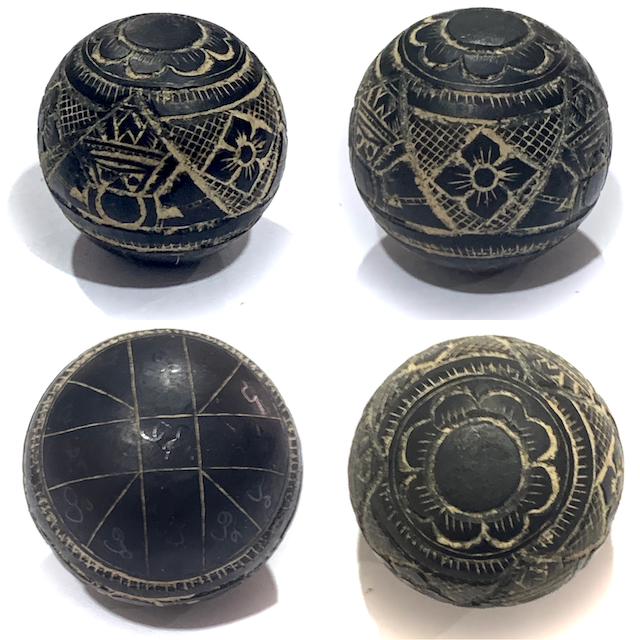
Hand carved by one of the preferred Master Looksit Artisans of the Guru, and hand inscribed with the Wicha Pra Rahu by Olden days Lanna Master Guru Monk Kroo Ba Nanta Nanto Bhikku, of Wat Tung Man Dtai, in Lampang. Kroo Ba Nanta was the Kroo Ba Ajarn of Kroo Ba Lerd, of Wat Tung Man Dtai. This amulet comes with a coput of the ebook “The First Book of Thai Lanna Sorcery”, written by myself (Ajarn Spencer Littlewood), as a gift, for it contains the Biography and amulets of Kroo Ba Nanta covered within its pages. 🙂
 

KATA PRA RAHU KAM DUANG

The rear surface texture reveals true ageing of a centenarian+ amulet, and the age of the inscriptions of Kroo Ba on the Yant Duang Sacred Geometry Spells inscribed within the central section of the amulet, shout out the word ‘ancient’


free shipping worldwide

Free Registered Air Parcel shipping Worldwide is included with this amulet. The Pra Rahu of Kroo Ba Nanta is a very rare thing to come by, and is highly revered by Business Owners and those who are in High Administrative Positions, as well as those who seek to turn their fate around. Kroo Ba Nanta was one of the Greatest Lanna Masters in Living memory, before whose time, little is known of the names of the Masters who lived, so long ago was his Era.
Because of this, and his constant absence on forest Tudong wandering,, it is not known when Kroo Ba Nanta began making Rahu Amulets, nor how many he made, except that old people who lived during his time, say that he had made them as long as they could remember. Many different shapes and forms can be found, but the trained eye can recognize his inscriptions, and the natural ageing process of the coconut shell, ivory, wood or sacred powders used to make the amulet.

The earliest actual evidence of his making the Rahu amulets was found inscribed on a Kala ta Diaw Rahu Image from Kroo ba Nanta with the year 2456 BE, which is considered to be one of his earlier one eyed coconut shell carvings.The amulet measures 5 x 4 Cm, and is made from one eyed albino coconut shell. Kroo Ba Nanta Nanto Bhikkhu was considered the older of the 2 Greatest Masters of the Wicha Pra Rahu of that particular Era, the other most famous Master being of course Luang Por Noi, of Wat Srisa Tong.
Kroo Ba Nanta was born in 2415 BE, and was indeed the older of these two Great Guru masters of Wicha, both of whom were famous for the Pra Rahu, and also the Wua Tanu Sacred Arrow Bull animist charm.Many people believe that Kroo Ba Nanta was the Kroo Ba Ajarn of Luang Por Noi, but this is in fact a myth. Each of these Masters had their own personal Trajectories and their amulets differ in style and empowerment methods.


It would be more accurate to not compare the two, and to see that Kroo Ba Nanta and Luang Por Noi are equally Meritorious in their Mastery, and were perhaps the greatest Adepts of Wicha Pra Rahu in living memory.
Kroo Ba Nanta was an Upachaya Monk (entitled to ordain people as monks, which is one of the highest statuses), and was responsible for having built many important Buddhist Edifices in Lampang, Chiang Rai, Payao, and surrounding provinces, including Uposatha Shrine Rooms for temples, Chedi Stupas (22 in all), Kuti Huts, and 26 Vihara Shrines.


It is said that during the times of great difficulty of the Monk Kroo ba Srivichai, as Kroo ba Srivichai was placed under house arrest, that Kroo Ba Nanta made a Pra Rahu Kala Ta Diaw Amulet to pray to for the release of Kroo Ba Srivichai, and that he was released shortly after this.
 

If you feel that your Fate and Horoscope is not Auspicious, then it could be that Pra Rahu is interfering. You can solve this problem by making Bucha offerings to Pra Rahu every Wednesday; Light 10 black incense sticks (‘Toop’ in Thai), and five types of black offerings (e.g. black sticky rice, black jelly grass drink, black semolina or sago pudding and the like).


12 repetitons of the Kata Bucha Pra Rahu are to be Chanted;
Idtipiso Pakawaa Pra Rahuu Sataewaa Samaa Winyaana Idtipiso Pakawaa Putta Sangmi
<span id=”selection-marker-1″ class=”redactor-selection-marker”></span>

Kata Surya Buppaa (to be chanted in the daylight)

Gusaedto Ma Ma Gusaedto-dto Laalaa Ma Ma Dtolaamo Tolaamo Ma Ma Tolaamo Ma Ma Tolaamodtang Haegudti Ma Ma Haegudti


Kata Jantra Bupaa (to be chanted in the night time)

Yadt-thadtang Ma Ma Dtangthaya Dtawadtang Mamadtang Wadtidtang Saegaa Ma Ma Gaasaegang Gaadtiyang Ma Ma Gaadtiyang Ma Ma Yadtigaa

When you begin to Bucha Rahu Deity, you should make the first ever session in the evening of a Wednesday (any time from 7 pm onwards). After you have done this once, you can make Bucha in the daytime if you wish, but the first time you must include the food offerings of black foods as well as the black incense. The second time onwards, only the incense is necessary in the daytime, if it is a lot of trouble to get the food offerings.


Ancient Amulet - Thai Buddhist Pra Niyom Category Amulets

Ancient Amulet - Thai Buddhist Pra Niyom ('Pra Niyom'; meaning 'High End Preferred Class Antique amulets') Fine Authentic Amulets from the Great Thai Buddhist Sorcerer Monks, Lersi Ascetics, and Lay Masters of Olden Days

SIGN IN OR CREATE ACCOUNT


Filters

Filters
Pra Somdej Pim Gaes Jarot Sum Pim Gaes Iang Niyom Long Rak Chart Somodej Dto Wat Rakang Kositaram
Free Shipping Worldwide (we do not state or declare true price to counter tarrifs tax on customers), & Offer of Free Solid Silver Casing Included
SKU 04783
$1,699


Daw Nai Pan Nai Pon Pim Lek Lucky Star 5 & 8 Pointed Pentacle Amulet Luang Por Pina Featured

An early-mid era example of Luang Por Pina’s most Sacred and Powerful Daw Nai Pan Nai Pon Star Amulet – Sacred Karma Improving Lucky Star for Protection, Wealthy Fortunes, Status Increase, Promotion, and Auspicious Fate. This exhibit is a Pim Lek (small size) measuring 2.5 x 2 Cm. The five sided star face is painted red, and the eight sided star side is painted silver. This exhibit is especially desirable to collectors for the fact that this exhibit has almost a full set of Ploi Sek Gemstones on both sides, which is rare to see in this early-mid era model, for most examples of this Pim, are found without gemstones.

This is the two sided 5 and 8 Pointed Pentacle version, in red/silver painted Muan Sarn Sacred Powders wth Ploi Sek Maha Pokasap Gem inserts. This particular example has special Necromantic Powders stuffed into the edge of the amulet, and, as a Pim lek model, is not only suitable for men, but also a very recommendable model for lady devotees due to the smaller size.

Daw Nai Pan Nai Pon Pim Lek Lucky Star 5 & 8 Pointed Pentacle Amulet Luang Por Pina

It is very hard to find Daw Nai Pan Nai Pon amulets in a suitable size for ladies to wear.. It is in any case extremely difficult to find one of these amulets in any circumstances, but to find one with an almost complete set of gemstones is doubly lucky.

This exhibit is a Pim Lek (small size) measuring 2.5 x 2 Cm, and is a very early era model in pure muan sarn, made from a very highly concentrated admixture of sacred Necromantic and Magical powders.

The Daw Aathan Hnun Duang has different stars on each side, one as a 5 pointed star similar to the Military Star, and one in 8 pointed Pentacle similar to the Police Force star. Despite their importance for the meaning which is attributed for the Military and Police force, which was of course intentional, there are deep spiritual meanings imbued within the symbolism of each star design.


Daw Nai Pan Nai Pon Pim Lek Lucky Star 5 & 8 Pointed Pentacle Amulet Luang Por Pina

This amulet is commonly know for its Wealth Increasing Maha Lap Magick, but in truth, the amulet possesses an massive repository of attributed Buddhist Blessings of very sacred and Auspicious Influences on the Forces of Karma.


Daw Nai Pan Nai Pon Pim Lek Lucky Star 5 & 8 Pointed Pentacle Amulet Luang Por Pina

The amulet is recommended to be encased with,with the pendant ring at an angle, which is a tradition with the Dao Nai Pan Nai Pon, as was originally decreed with the first edition Mae Nuea Horm (Perfumed Mother) Lucky Star (‘Mae Nuea Horm’ 1st edition, was differentiated being somewhat Larger with a crescent moon below the star).


Daw Nai Pan Nai Pon Pim Lek Lucky Star 5 & 8 Pointed Pentacle Amulet Luang Por Pina


The base of the amulet has a special code stamp embossed into it by Luang Por Pina. The powers of the Daw Nai Pan Nai Pon are manyfold, but has a special ability given by Luang Por Pina which Luang Por Pina would say goes like this; ‘whoever is not straight with you and cannot be trusted, will be spotted and exposed by the Dao Nai Pan or the Mae Nuea Horm, if you wear it at an angle like this’


Daw Nai Pan Nai Pon Pim Lek Lucky Star 5 & 8 Pointed Pentacle Amulet Luang Por Pina

When understood, the meanings within the sacred Lucky Star Pentacle amulets of Luang Por Pina, are very extensive and comprehensive, and aligned to the focal points of Advanced Buddhist Vipassana Kammathana Practices, with the accompanyiing Miraculous Power of transformation that comes with the 40 Kammathanas.


Daw Nai Pan Nai Pon Pim Lek Lucky Star 5 & 8 Pointed Pentacle Amulet Luang Por Pina

Luang Por Pina is the deceased Abbot of Wat Sanom Lao in Sra Buri and was said to have possessed Abhinya Powers, and to have Mastered the 10 Kasina Powers of Elemental Magical Dominion.


Daw Nai Pan Nai Pon Pim Lek Lucky Star 5 & 8 Pointed Pentacle Amulet Luang Por Pina

It is said that he was able to read the minds and intentions of other Humans, and bring amulets to life with is Empowerment Methods, and that his amulets were able to give signs and also can be beseeched and prayed to for wish fulfilment (Sarapat Neuk). There are many stories of Miraculous Events occurring through his amulets.


Daw Nai Pan Nai Pon Pim Lek Lucky Star 5 & 8 Pointed Pentacle Amulet Luang Por Pina

The Daw Nai Pan Lucky Star is made from a mixture of Highly Sorcerous Ingredients, Herbal and Prai Necromantic Powders, which are both incredibly difficult to find and obtain, and also very easy to recognise their presence within the sacred Muan Sarn Powder mixture.

Daw Nai Pan Nai Pon Pim Lek Lucky Star 5 & 8 Pointed Pentacle Amulet Luang Por Pina

Those who have had an authentic Daw Aathan before their eyes, will be able to see instantly that this amulet is a very recognisable and distinguished exhibit with the clear to see presence of Luang Por Pina’s Sorcerous Muan Sarn Sarn Powders.

Daw Nai Pan Nai Pon Pim Lek Lucky Star 5 & 8 Pointed Pentacle Amulet Luang Por Pina

Below is a different model (Namely the Mae Nuea Horm First Edition Amulet), for you to enjoy looking at and for study.

The holes in the amulet also have meaning, some of the daw Nai Pan Nai Pon can be found to have gemstones (Ploi Sek) embedded within the indentations, which are even rarer to find.

This particular exhibit is a Classic Pim from the Early period of Making (Circa 2500), and also one of the highly Preferred ‘Pim Niyom’ Master Models and can be considered ‘Ongk Kroo’ (Teacher Reference Model) for a perfect reference comparison of authenticating other less recognisable Star amulets of lesser preference.

Daw Nai Pan Nai Pon Pim Lek Lucky Star 5 & 8 Pointed Pentacle Amulet Luang Por Pina


‘Ud Mai Gon Fa Pa’ (Wood from a tree that was truck by Lightning), and many Sacred Relics within its Sacred Powder Muan Sarn. Luang Por Pina’s Daw Nai Pan, exspecially this model above others, is now extremely rare and sought after.

Its price is constantly rising, because only a few hundred Daw Nai Pan are assumed to have been made in the early Era, and they are mostly all already in the possession of the Devotees, many of whom are high ranking Policemen, Army Officers and Top Doctors and Medics.


This model is an early edition which is evidend by its extreme dryness and the texture of the Muan Sarn Sacred Powders which reveal its age, and the authenticity of the amulet

The title of ‘Ongk kroo’ is fitting for this amulet, is for its easily recognisable features and Muan Sarn Powders allow one to easily distinguish the authenticity of any other exhibit when held side by side for comparison, making it a Master Key for teaching the eyes to recognise Luang Por’s famous Sacred Powders, as well as the effects of aging over the years, as to how discoloration and surface mildews should appear in a true authentic example of the Daw Nai Pan. Despite being a painted model, the edges of the amulet are highly visible to reveal the Muan Sarn Sacred Powders content and aging characteristics, and the true appearance of the Muan Sarn used by Luang Por Pina for these inimitable and famously powerful amulets

Daw Nai Pan Nai Pon Pim Lek Lucky Star 5 & 8 Pointed Pentacle Amulet Luang Por Pina

Luang Por Pina is known to have performed strange Magical feats in front of the eyes of his disciples many times, especially when devotees would ask him for an amulet. He would ask the devotee to lay down and open their eyes, and would take a handful of sand and pour it over their face, as they would hold the amulet in the hand.

But the sand would bounce back before it hit their eyes, and no matter how much was poured on the face, not a single grain of sand would be able to enter the eyes of the devotee, becoming repelled as if by a force field before it touched the eyes.

Daw Nai Pan Nai Pon Pim Lek Lucky Star 5 & 8 Pointed Pentacle Amulet Luang Por Pina

Kata Luang Por Pina

Light 5 sticks of Incense, and chant the Maha Namasakara 3 times before chanting the special Kata for Luang Por Pina Bpiyataro

Namo Dtassa Pakawadto Arahadto Sammaa Samputtassa

Namo Dtassa Pakawadto Arahadto Sammaa Samputtassa

Namo Dtassa Pakawadto Arahadto Sammaa Samputtassa

Then chant the Kata for Luang Por Pina (3 times);

Ahang Sukhadto Pina Bpiyataro Naamadtae Aajaariyo Ma Pandtae Hohi

Kata Pluk Khong (Call the power within the amulet)

Puttang Gandtang Saranang Haa

Puttang Gandtang Saranang Hae

Puttaaa Namo Ya


Daw Nai Pan Nai Pon Pim Lek Lucky Star 5 & 8 Pointed Pentacle Amulet Luang Por Pina

Kata Pra Som Hwang (Fulfilment of Wishes)

Chant the following for as many repetitions as your age (for example, if you are 35 years old, then chant the Kata, repeatedly for 35 times)

Nadtae Sudtae

The last repetition, change the words to

Mahaa Sudtae Nachaa

As an example, let us pretend a four year old were to recite the mantra, which would result in four lines like this;

Nadtae Sudtae, Nadtae Sudtae, Nadtae Sudtae, Mahaa Sudtae Nachaa

Daw Nai Pan Nai Pon Pim Lek Lucky Star 5 & 8 Pointed Pentacle Amulet Luang Por Pina

If you listen to the three quarter of an hour talk and explanation of the Sacred Daw Aathan along with a short Biography of Luang Por Pina, recounted and narrated by Amulet Expert Ajarn Spencer Littlewood in the below Podcast. In the podcast, You will be amazed to learn about the very deep meanings contained within the Daw Aathan Hnun Duang Lucky Star amulets of Luang Por Pina, and for those of you who are devoted Buddhists and Practitioners of Dhamma, you will feel incredibly inspired to own and apply the meanings found in the amulet to your Buddhist practice of Dhamma, Meditation and Vipassana.
For indeed, in its highest level of Bucha, this amulet is a powerful tool not only to increase your Fortunes and Improve your karma in a worldly sense, but can be used as a contemplative focal point of self transformation and empowerment of manifest Buddhist Kammathana Meditative Practice. It points to the path towards enlightenment, and can assist you in walking the path, if this is your intention, and leads far above and beyond simple worldly desires.

We invite you to listen to the podcast below, and be amazed at the depth of meanings within the Star Amulet.

Below; The remains of Luang Por Pina in the Sussaan Pina, as he requested to be unpreserved Unmummified, and left to rot naturally according to the laws of Nature, without a grand funeral ceremony or chanting, and forbidden to be cremated.
Daw Nai Pan Nai Pon Pim Lek Lucky Star 5 & 8 Pointed Pentacle Amulet Luang Por Pina

Daw Nai Pan Nai Pon Pim Lek Lucky Star 5 & 8 Pointed Pentacle Amulet Luang Por Pina

Ancient Amulet - Thai Buddhist Pra Niyom Category Amulets

Ancient Amulet - Thai Buddhist Pra Niyom ('Pra Niyom'; meaning 'High End Preferred Class Antique amulets') Fine Authentic Amulets from the Great Thai Buddhist Sorcerer Monks, Lersi Ascetics, and Lay Masters of Olden Days

SIGN IN OR CREATE ACCOUNT


Filters

Filters
Pra Somdej Pim Gaes Jarot Sum Pim Gaes Iang Niyom Long Rak Chart Somodej Dto Wat Rakang Kositaram
Free Shipping Worldwide (we do not state or declare true price to counter tarrifs tax on customers), & Offer of Free Solid Silver Casing Included
SKU 04783
$1,699


Pra Somdej Pim Yai, in ‘Nuea Dtaek Lai Nga’ (marbled stone hard clay with Crackled Ivory surface effect ​) released in 2495 BE, made from ‘Nuea Pra Somdej Wat Rakang Gao’ (broken pieces of ancient Pra Somdej Wat Rakang Kositaram amulets of Somdej Pra Puttajarn (Dto) Prohmrangsri).

Pra Somdej Wat Rakang Luang Phu Nak Nuea Dtaek Lai Nga 2495 BE

Luang Pu Nak was a highly respected and virtuous monk. He used many broken pieces of Phra Somdej Wat Rakhang amulets from that era as ingredients in creating dozens of different Phra Somdej amulets. The amulet’s composition included a high proportion of lime and oil. For the consecration ceremonies, Luang Pu Nak invited many renowned monks of the time to participate. Older amulet collectors said that Luang Pu Nak’s Phra Somdej amulets could be used as substitutes for the old Phra Somdej Wat Rakhang amulets. In the past, he always gave amulets to people who came to make merit or pay respects at the temple. He didn’t create these amulets for commercial purposes; he made them to give away, as Wat Rakhang was a large temple with many people visiting daily. Therefore, he needed enough amulets to distribute to everyone.

Pra Somdej Wat Rakang Luang Phu Nak Nuea Dtaek Lai Nga 2495 BE Ancient Amulet

Luang Pu Nak’s Phra Somdej amulets from Wat Rakhang are made with a significant amount of fragments of broken Phra Somdej amulets from Wat Rakhang. These fragments were collected from people who left them at the temple and from the discovery of many broken amulets on the roof of the temple’s main hall. Luang Pu Nak combined these fragments with his own sacred powder, following the formula of Somdej Toh, resulting in his Phra Somdej amulets, especially those from the early period (1942-1952), having a rich and potent composition, making them highly desirable.

They are considered to contain the highest proportion of Wat Rakhang fragments in Phra Somdej amulets, rivaled only by the Phra Somdej of Phra Kru Moon of Wat Suthat, the 1942 Chedi-shaped amulet. Furthermore, their spiritual power is exceptionally high, particularly in attracting compassion and popularity. Therefore, they are highly sought after. However, because he created many different styles of Phra Somdej amulets, collectors tend to focus on only certain popular styles with distinctive characteristics, such as the Three-Tiered Angel with Bayasri Ears style. The most sought-after types are the Phra Somdej amulets with Bodhi leaf design, pumpkin-shaped design, Somdej Toh image design, and bell-shaped design.

Rear Face of Pra Somdej Wat Rakang Luang Phu Nak Nuea Dtaek Lai Nga 2495 BE

Other types are less popular. Phra Somdej amulets with a rich, concentrated Somdej powder composition, or those with embedded takrut (1, 2, or 3 takrut), are extremely rare and highly sought after, commanding prices many times higher than normal. Surprisingly, Luang Pu Nak’s Phra Somdej amulets from Wat Rakhang have become incredibly famous in Malaysia and Singapore. Many tourists from these countries are buying them in large quantities, significantly reducing the current supply. In the future, this series of amulets is likely to become as popular and valuable as the Phra Somdej Bang Khun Phrom 1966.

A very attractive votive tablet with Buddha in the ‘Khat Samati’ posture seated on a single tiered dais, within an arch. The Dais is shaped like a cushion, which is what gives the name to this model. Three different Masters of the Somdej Pra Puttajarn (Dto) Prohmrangsri lineage and makers of the Pra Somdej within the Dtamra of Somdej Pra Puttajarn (Dto) Prohmrangsri, have made this model of amulet, namely Luang Phu Nak, Luang Phu Hin, and Luang Por Supoj. Each Master pressed and blessed his own versions. LP HIn and LP Supoj would reputedly be present with LP Nak for the blessings of his amulets too.

Macro close up of Muan Sarn of Rear Face of Pra Somdej Wat Rakang Luang Phu Nak Nuea Dtaek Lai Nga 2495 BE

The clay of this exhibit can be classified as Nuea Graeng Dtaek Lai Nga (Crackled Ivory surface effect and Stonelike Hardened Muan Sarn Clay) and has visibly similar characteristics to the clay of Pra Somdej Wat Rakang Kositaram of Somdej Pra Puttajarn (Dto) Prohmrangsri, except the fact that the clay is visibly somewhat younger.

The study of the ageing characteristics of the clay is in itself, is part of the study of the Muan Sarn Sacred Powders of Pra Somdej Wat Rakang Kositaram, to see how authentic Pong Gao Wat Rakang Kositaram amulets made in different time periods develop their appearance and surface textures, and how to learn to recognise authentic Pra Somdej Wat Rakang Kositaram, by being able to estimate how old the clay is of a particular amulet. This exhibit is a perfect study model, as well as being a very rare and sacred votive tablet for Bucha.

Macro close up of Muan Sarn of Rear Face of Pra Somdej Wat Rakang Luang Phu Nak Nuea Dtaek Lai Nga 2495 BE 02

This pim is one of a pantheon of Pra Somdej amulets released around 2495 BE, by the great Luang Phu Nak of Wat Rakang Kositaram, and is a rare Pim that has its own special Niche group of devotees who collect and revere them especially.

A very rare authentic Ancient and Sacred amulet from Luang Phu Nak, one of the Great Abbots of Wat Rakang Kositaram temple. The Pra Somdej of Luang Phu Nak are extremely sought after by both Thai Buddhists and Foreign Devotees alike, for the fact that Luang Phu Nak used more old Pra Somdej amulets from LP Dto Prohmrangsri than any other masters of Wat Rakang History.

This exhibit has a smooth dense marble-like creamy clay, that is well hardened with age (Nuea Graeng), and is an extremely attractive exhibit for these features.

The 2495 BE edition is a highly recommendable amulet for devotees who seek a top class amulet at a still affordable price. that is prestigious, sacred, and of high Pedigree. Luang Phu Nak is known to have released editions in the years 2485 – 2495, 2499, 2500, 2504, 2507 and 2509 BE and his final edition Sae Yid 7 Rorb of 2511 BE, as well as releasing editions at other temples.

Close up of Muan Sarn through orifice in rear face of casing of Pra Somdej Wat Rakang Luang Phu Nak

These amulets are the perfect and best second choice to the Pra Somdej Wat Rakang amulets made by Somdej Dto Prohmrangsri which have now become either unavailable, or too expensive to even consider renting.

The amulets of Luang Phu Nak are also a perfect reference material for the study of Muan Sarn Sacred Powders of the Wat Rakang Kositaram amulet of Somdej Pra Puttajarn (Dto) Prohmrangsri, due to the presence of large quantity of original Pra Somdej Somdej Pra Puttajarn (Dto) Prohmrangsri within the sacred clay of Luang Phu Nak’s amulets.

Luang Phu Nak and the Pra Somdej Wat Rakang

Luang Phu Nak’s first edition of amulets was made in 2485 BE along with the Pra Somdej Song Taewada Ok Dtan, the Pra Somdej Sam Liam (triangle shape), and the Pra Somdej Dto Nang Borigam models.
The Pra Somdej amulets made by Luang Phu Nak contained a massive quantity of crushed up Pra Somdej amulets made by Somdej Dto Prohmrangsri of Wat Rakang.

The amulets were from a repository which Luang Phu Nak had collected over the years, from Looksit who brought their broken amulets to return to the Temple, as well as a sackful he found in the roof of the Prayer Room (‘Bote’ in Thai). They are thus the second choice of those wishing to posess the magic of Pra Somdej Wat Rakang LP Dto Prohmrangsri.

Pra Somdej Wat Rakang LP Nak

Luang Phu Nak believed that the Pra Somdej amulets made by Somdej Dto had inimitable magical qualities and special power within the Muan Sarn (sacred powder used to make the amulets), and because of the meditative power of Somdej Dto who blessed them.

Therefore apart from being made by one of Thailands great gaeji Ajarn, and being an authentic ancient Wat Rakang Amulet, it is also Sacred for the fact that it contaiins original Somdej Dto Wat Rakang Amulets in the Sacred Powder mixture, rendering them powerful through the incantations and Yantra Inscriptions of Somdej Pra Puttajarn (Dto) Prohmrangsri himself, through transmission of Muan Sarn Sacred Powders.

In our opinion, the only main difference between this amulet and an original Somdej Dto is the price, and the face that the Somdej Dto amulets are perhaps more of something to brag about, which is not really the intended reason for owning an amulet. Sacred Thai Amulets are intended primarily as Puttanussadti (remembrance and respect to the Buddha), especially Pra Somdej.

Pra Somdej Wat Rakang LP Nak 03

The surface of the amulet is smooth to touch, and shows authenticity through its dryness and the signs of aging when examined using the criteria used by experts for authentication of sacred ancient amulets. This exhibit has a very crisp and clear relief and is highly defined, which is referred to in the special vocabulary of the amulet community as ‘Nuea Graeng’, which is a more marble-like domino-dense admixture which despite dryness, tends to have a shiny ‘wet-look’ to it. The other main type of texture used in amulet communities is ‘Nuea Jad’ meaning something like ‘very crisp detailed relief’

This Pra Somdej, apart from being made by one of Thailands great Gaeji Ajarn, and being an authentic ancient Wat Rakang Amulet, it is also Sacred for the fact that it contaiins original Somdej Dto Wat Rakang Amulets in the Sacred Powder mixture too. This also makes complete sense, with Luang Phu Nak being a subsequent Gaeji Ajarn of Wat Rakang Kositaram, and a Looksit of Somdej Pra Puttajarn (Dto) Prohmrangsri.

Luang Phu Nak’s amulets are of great popularity because they are a great alternative to the original and extremely expensive Somdej Dto amulets, and are considered to be powerful and sacred through their use of the broken amulets and powders of Somdej Pra Puttajarn (Dto) Prohmrangsri, and the blessings of Luang Phu Nak.

The chances of owning an amulet like this are becoming less and less in recent years, and soon it will be practically impossible to obtain authentic old Wat Rakang amulets. There are ever more collectors and ever less amulets on the market, and there is no higher esteemed amulet than the Pra Somdej Wat Rakang Kositaram family. The amulets were made using the following ingredients

Powder from the chalk sticks used in the making of Pong Saksit (sacred powder for amulet making), Rice fragments kept by Luang Por Dto, the 5 Sacred Powders of; 1. Pong Putta Kun, 2. Pong Bpatamang, 3. Pong Trinisinghae, 4. Pong Maha Rach, 5. Pong Itti Jae Powder

The chalks used in the making of the Bpatamang, Trinisinghe Maharach and Itijae powders were mixed with sacred water that squeezed from the leaves of seven kinds of Thai plant including Bai Tamlueng , Yord Sawad, Yod Ga Hlong, Yod Raksorn,Chaiyapruek, Rachapreuk and Dork Mali (jasmine).

Pra Somdej Wat Rakang LP Nak 05

All of the ingredients of the Wat Rakang amulets were mixed with;

Nuea Pong (powder substances), Klee Saema (broken pieces of temple wall stones, Gaesorn Sut Bongot (pollen from the Bongot lotus flower), Kluay Nam Tai (a kind of Thai banana) mixed with sap from the rubber tree (Yang Madtum), Plueak Hoy (white clam shells), Nam Man Jantr (jasmine oil), Nam Man Dtang Iw (aromatic resinous oil used to congeal and cement the amulet mix with).

One hundred and eight kinds of flowers collected by LP Dto Prohmrangsri, Sacred powders and pollens (Pong Saksit), Pong Bpatamang – Klaew Klaad Kong Grapan, (protection from injury and accidents), Pong Puttakun – for great charm and avoid danger (Maha Sanaeh and Klaew Klaad magic), Pong Tri Ni Singhe – attractiveness…., Pong Maha Rach – power and respect.

Pra Somdej Wat Rakang - detail 6

Pong Itijae Powder – Metta Mahaniyom – this increases the likability of the wearer of this magic, Sacred Flowers and magical plants, Dork Sawad – Metta Mahaniyom, Sanaeh, Dork Gahlong – love charm., Dork Raksorn – love and metta, Dork Ga Fag Rak – love and attraction charm…., Dork Chayapruek – power and protection from danger, Dork Rachapruek – Amnaj and Klaew Klaad (commanding power and avoid accidents), Dork Waanangkurm -Kong Grapan Klaew Klaad, Dork Waan – Klaew Klaad, Dork Waan Sanah Junkhao – charm and protection from danger.

Pra Somdej Wat Rakang Luang Phu Nak - detail 7

​Dork Wan Sanah Jundum – charm and protection from danger, Dork Wan Sanah Jundang – charm and protection from danger, Dork Wannangkuak – charm, Waan Pra Buddha Jaoluang – charm and protection from danger, Bai Plu Ruam Jai – charm, Bai Plu Song Tang – charm and protection from danger, Pong Gaesorn Ha Bua – five lotus pollens, Kesorn 108 – charm and protection from danger.

Filters

Filters
Pra Somdej Pim Gaes Jarot Sum Pim Gaes Iang Niyom Long Rak Chart Somodej Dto Wat Rakang Kositaram
Free Shipping Worldwide (we do not state or declare true price to counter tarrifs tax on customers), & Offer of Free Solid Silver Casing Included
SKU 04783
$1,699


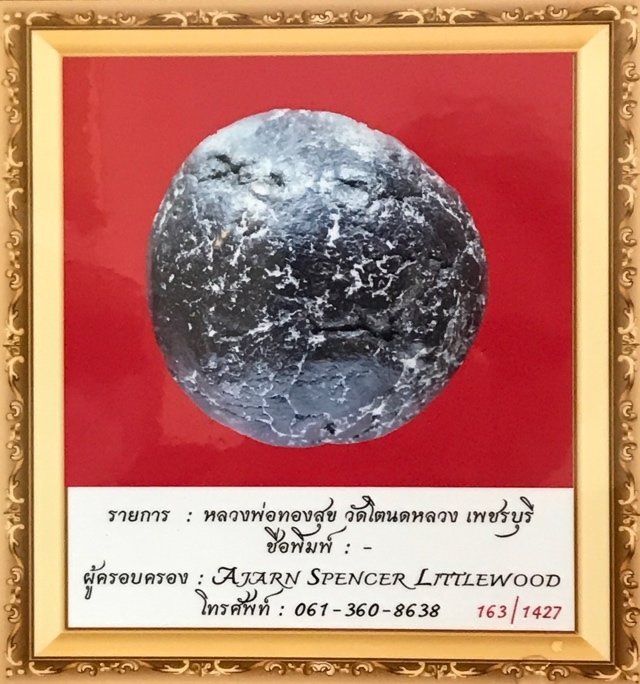
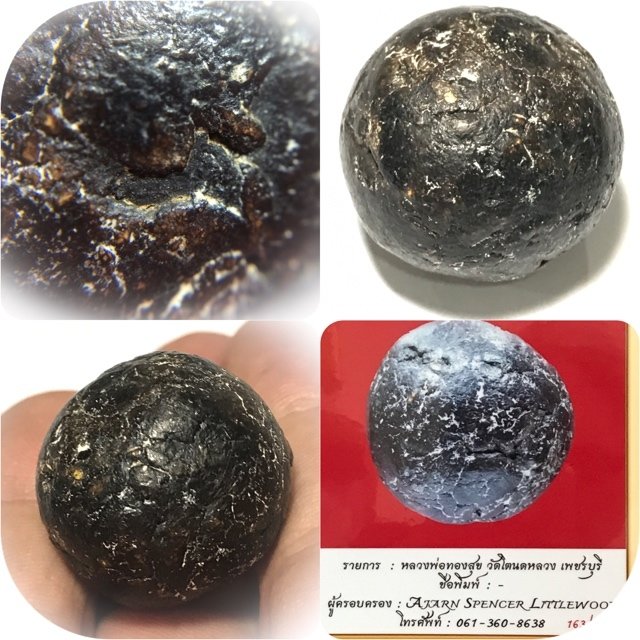
Luang Por Tong Sukh Intachoto, who was later bestowed the ecclesiastical title Pra Kroo Pinit Suttakun, was an immensely revered monk of Phetchaburi Province, and abbot of Wat Tanode Luang. He has long been revered by local communities and devotees in nearby regions, particularly among those who place faith in amulets connected with Maha Ud, Klaew Klaad (Pronounced ‘Klew Klaart’), Kong Grapan Chadtri (Pronounced ‘Kong-Grapan-Char-Tree) protection, invulnerability, and danger avoidance.

LP Tong Suk Intachoto

According to historical accounts consistently found across Thai-language sources, Luang Por Tong Sukh was a monk strict in monastic discipline and deeply accomplished in protective esoteric knowledge (wicha). His mastery belonged to a traditional central-Thai lineage emphasizing kong grapan, klaew klaat, and maha ud. He played a significant role in the administration, restoration, and support of Wat Tanode Luang during a period when social conditions were unstable and personal security was a major concern for the local population.
His reputation became especially prominent during the mid-20th century. At that time, his amulets were widely sought by individuals in high-risk professions such as local toughs, gunmen, police officers, and soldiers. This reflects the social realities of the era rather than an endorsement of such lifestyles, and provides historical context for the strong belief in the protective and invulnerable qualities attributed to his sacred objects.

The sacred amulets attributed to Luang Por Tong Sukh, that are consistently recognized in Thai sources can be categorized as follows.

First, coin amulets of Luang Por Tong Sukh. The most important and widely accepted is the second generation coin, created in Buddhist Era 2498 (1955). This coin is regarded as the principal amulet of the Wat Tanode Luang lineage. It was produced in several metals, including copper, silver, and gold. Copper examples are the most commonly encountered and are the most popular in the collector market.

Rian Luang Por Tong Sukh

A key point of classification is the die detail of the vowel “I” above Luang Por Tong Sukh’s name. These are divided into the “I touching the rim” type and the “I floating” type. The “I touching the rim” variety is regarded as the popular block and commands higher demand. The attributed powers repeatedly cited are maha udom, kong krapan, klaew klaat, and good fortune, with many experiential accounts traditionally associated with these coins, especially within Phetchaburi and surrounding provinces.

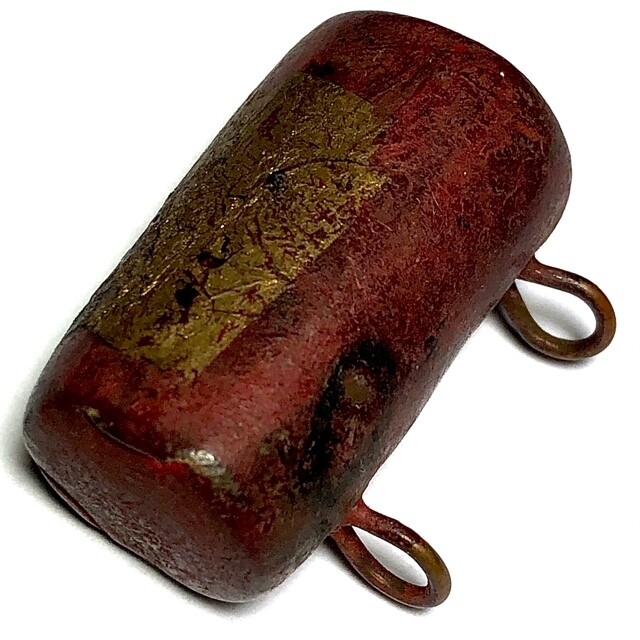
Takrut Luang Por Tong Sukh Pork Krang

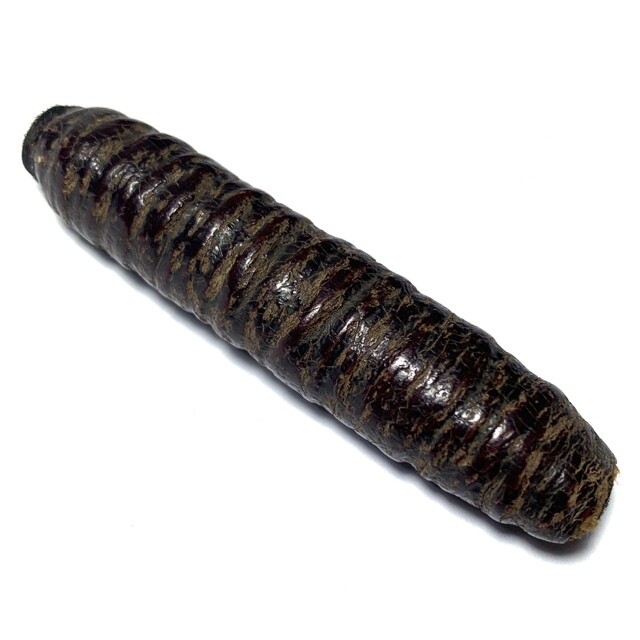
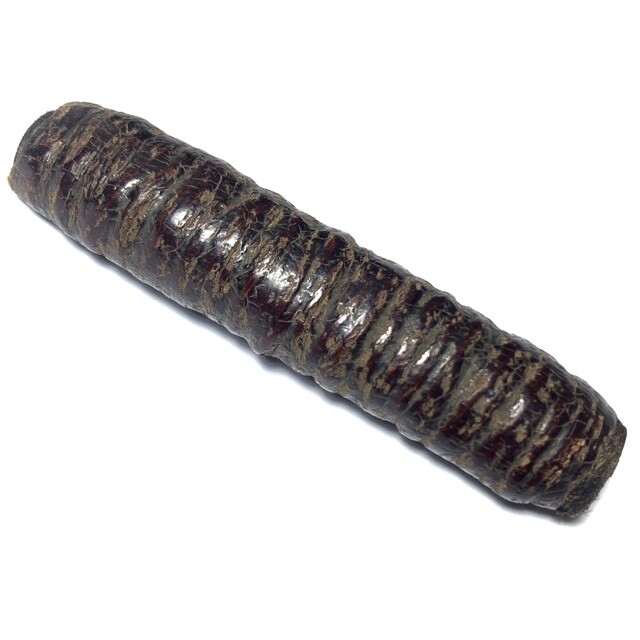
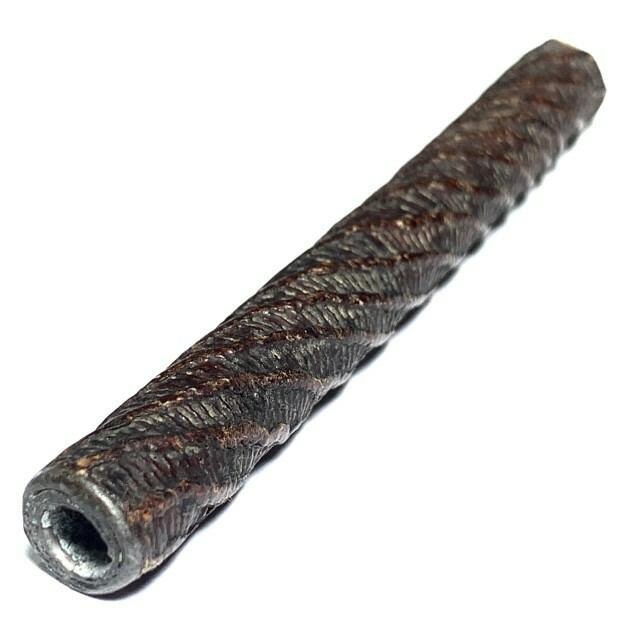
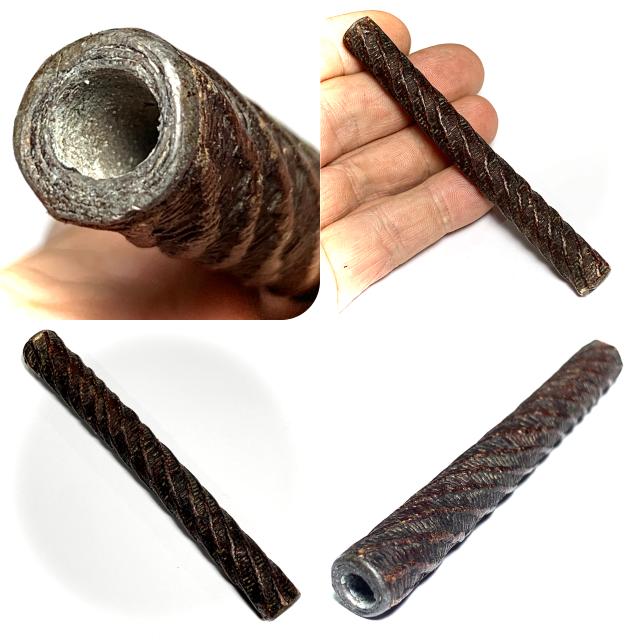
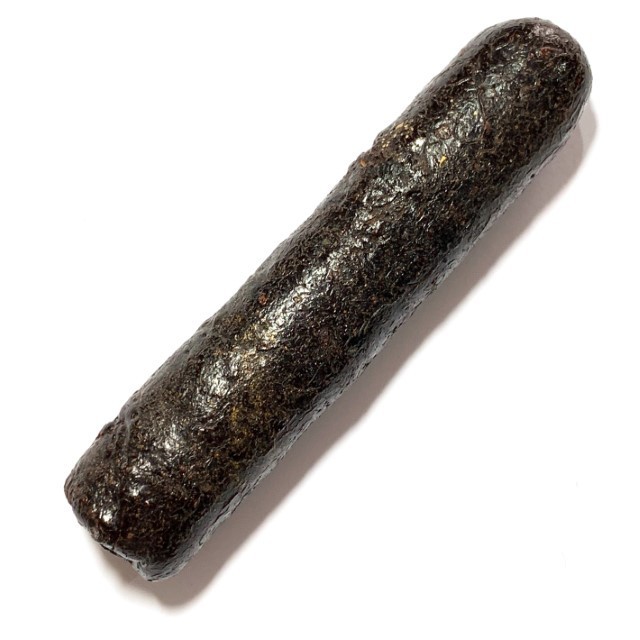
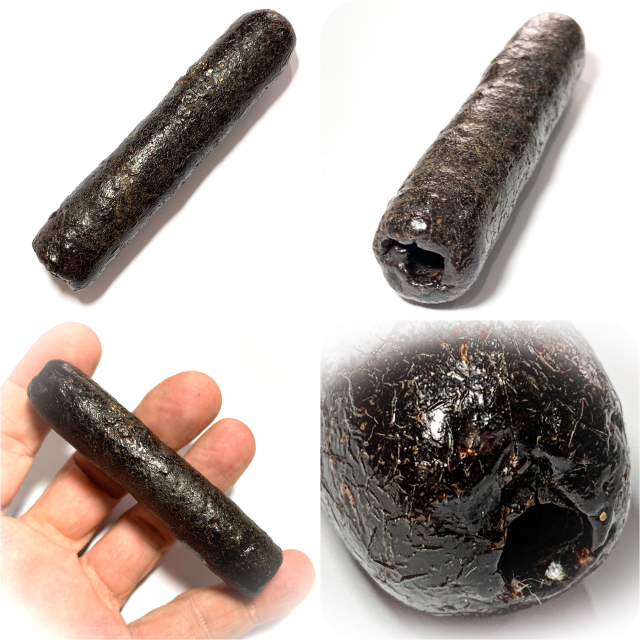
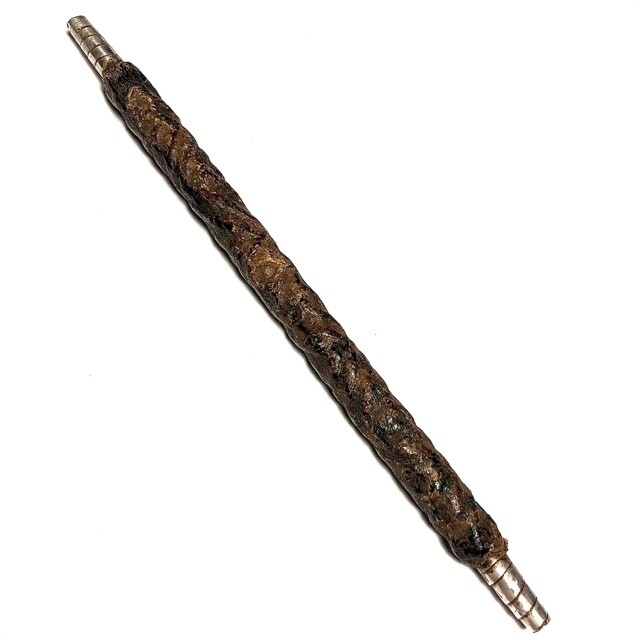
Second, takrud amulets. These include lacquer-coated takrud and takrud associated with protective and Sariga (celestial magpie pronounced ‘Saa-ri-gar) bird Wicha related traditions. They are typically metal sheets inscribed with sacred formulas, rolled into tubes, and coated with lacquer or ritual substances according to established formulas. Their primary attributed qualities are protection, danger avoidance, and charm. Sizes and forms vary depending on the period of creation.

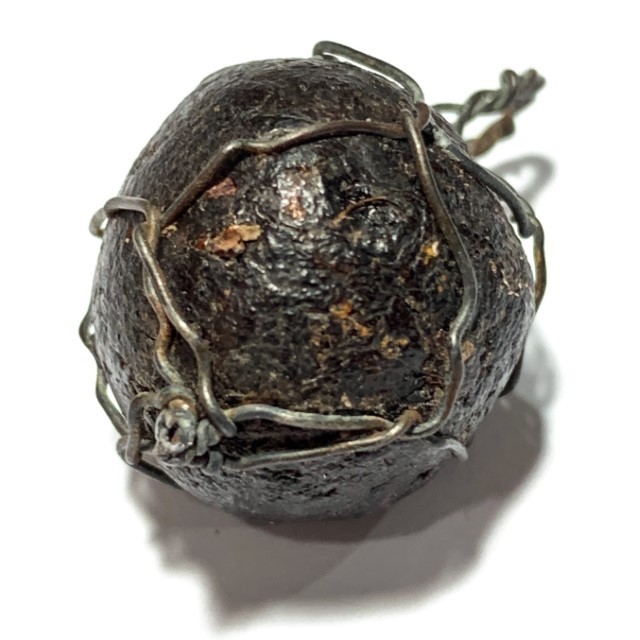
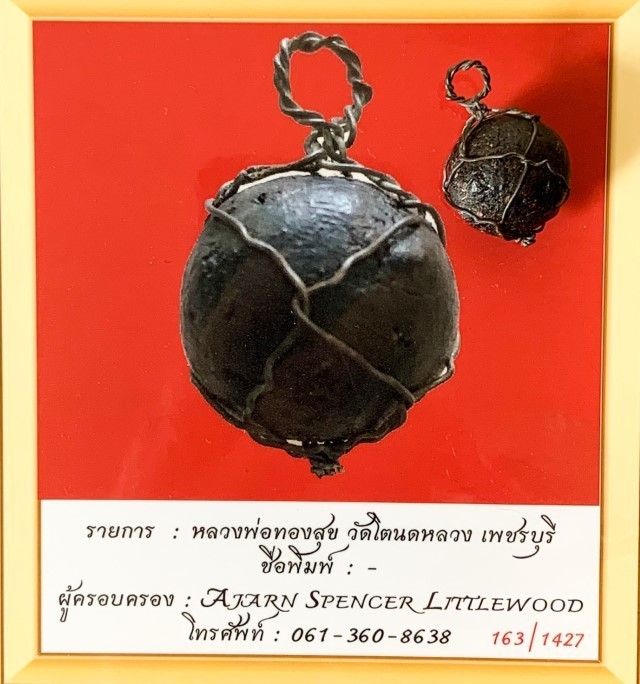
Third, look om and look sakot krang. These are small bead-like charms made from lacquer or herbal mixtures prepared according to traditional methods. They are intended for personal carrying and are believed to provide general protection and safety. These items are usually handmade and do not follow standardized molds.

Fourth, krang-based powder amulets. These are folk-style molded amulets made from powder or lacquer-based materials. Thai sources describe them as having been distributed on specific occasions within the temple or to close disciples, rather than produced in large commercial quantities.

After the passing of Luang Por Tong Sukh, the lineage of his wicha at Wat Tanode Luang continued through his principal disciple, Luang Por Phaeo. Luang Por Phaeo was the prime apprentice (looksīt) of Luang Por Tong Sukh and later became abbot of Wat Tanode Luang. He is widely recognized as the direct inheritor of Luang Por Tong Sukh’s ritual knowledge, protective formulas, and consecration methods, ensuring continuity of the temple’s spiritual lineage rather than a break or reinvention.

Luang Por Phaeo’s role was not merely administrative. Thai sources consistently describe him as actively practicing and transmitting the same core wicha of protection and invulnerability learned directly from his master. This continuity is an important factor in how collectors and devotees understand the posthumous legacy of Luang Por Tong Sukh.

The sacred objects of Luang Por Phaeo of Wat Tanode Luang, as recognized in Thai collector circles, include coin amulets issued during his abbacy, takrud prepared according to the Wat Tanode Luang lineage, and other consecrated objects created for temple construction, merit-making, or specific ceremonial occasions. These items are generally regarded as lineage extensions rather than substitutes for the original-era amulets of Luang Por Tong Sukh and their value and status are assessed accordingly.

Within the Thai amulet market, Luang Por Tong Sukh’s amulets—especially the second generation coin—are firmly established as core items of the Phetchaburi lineage. They are often sought as companion pieces to the first generation coin of Luang Por Daeng of Wat Khao Bandai-It, a contemporary monk from the same regional and temporal sphere of belief.

Market value varies greatly depending on condition, metal, and die type. Coins in original, well-preserved condition and of popular dies command significantly higher value. Price figures commonly cited in Thai sources function as general market references rather than fixed or guaranteed valuations.

Luang Por Tong Sukh (official name: Pra Kroo Pinit Suttakun) of Wat Tanode Luang, was a historically  famous and incredibly highly revered holy sorcerer-monk, whose amulets possess a distinct lineage identity, focused and centered on his famous protective wicha. That lineage continued directly through his prime disciple Luang Por Phaeo, ensuring continuity of ritual mastery and consecration practice at Wat Tanode Luang. The information presented here represents the core body of knowledge consistently shared across Thai language sources and reflects the generally accepted framework within the Thai amulet community.

Filters

Filters
Sold out
Takrut Tone Ying Mai Ork Pork Nuea Krang 2 x 1.2 Cm Luang Por Tong Sukh 2470 BE
Small Version of Luang Por Tong Sukh's Legendary Takrut Pork Krang Amulet, that is extremely rare to find in this size.
SKU 04228
$135
Out of stock


The Somdej Wat Rakang Jaek Taan (First Edition, 2011): Origins, Significance, and Cultural Legacy

Phra Somdej Wat Rakhang 2554 BE
Thai sacred amulets (phra khrueang rang) hold profound religious and cultural importance in Thailand. These objects symbolize deep faith and are widely believed to confer blessings and protective qualities upon devotees who worship them. Beyond their spiritual role, such amulets have historically been instrumental in fundraising initiatives to support the maintenance and activities of Buddhist temples. In exchange for monetary or material donations, temples often bestow these amulets as tokens of gratitude. Over time, however, these objects have come to be regarded not merely as symbolic gifts but as items imbued with auspicious qualities capable of influencing various aspects of life. Moreover, it has long been a traditional practice to place amulets within the foundations of stupas or temple structures during construction. When these structures deteriorate over time, ancient amulets from past centuries are occasionally unearthed, further enhancing their historical and cultural significance. As such, Thai amulets are not merely religious artifacts but also enduring symbols of historical and spiritual heritage.

Among the various categories of Thai sacred amulets, the “Somdej” amulet stands out as one of the most revered and highly esteemed, often referred to as the “King of Amulets.” This type of amulet is intrinsically linked to the venerated figure of Somdej Phra Phutthachan (To Phrommarangsi) of Wat Rakang Kositaram, an influential and widely respected monk in Thai Buddhist history. Consequently, the Somdej amulet represents not only an object of devotion but also a confluence of cultural narratives, artistic craftsmanship, and the enduring legacy of one of Thai Buddhism’s most celebrated figures.

This report delves into the analysis of the Somdej Wat Rakang Jaek Taan (First Edition, 2011), an amulet of considerable interest among both devotees and collectors. The discussion encompasses its origins, the significance of its nomenclature, the revered monks involved in its consecration, the materials used in its creation, its defining characteristics, and its current relevance in the Thai sacred amulet community. By exploring these aspects, this analysis seeks to illuminate the cultural and spiritual value of the Somdej Wat Rakang Jaek Taan (First Edition, 2011) within the broader context of Thai sacred amulet traditions.

Understanding the Tradition of Somdej Amulets
The Somdej amulet category is recognized as one of the most powerful and spiritually significant types of Thai sacred amulets. Often regarded as the pinnacle of amulet craftsmanship and faith, these objects are believed to have been created by Somdej Phra Phutthachan (To Phrommarangsi) of Wat Rakang Kositaram during the 19th century. Somdej To, as he is colloquially known, was born on April 17, 1788, and passed away on June 22, 1872. His legacy, particularly during the Rattanakosin period, has cemented his reputation as one of the most venerated monks in Thailand’s history. Revered for his spiritual powers and extensive contributions to Buddhism, his amulets remain highly sought after to this day.

Somdej To’s close association with the Thai royal family played a pivotal role in elevating his status and the prominence of the amulets he created. Historical accounts highlight his connections with King Rama II and his mentorship of Prince Mongkut, who later ascended the throne as King Rama IV. The royal patronage bestowed upon Somdej To enhanced both his personal reputation and the prestige of the amulets attributed to him.
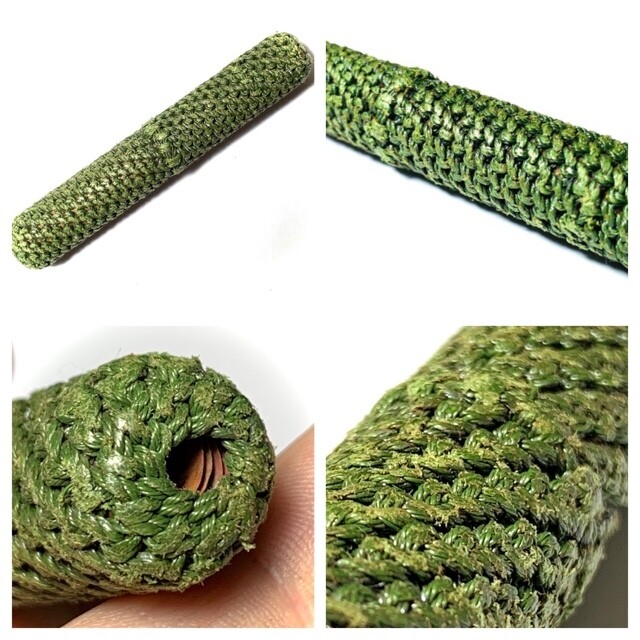
Devotees widely believe that Somdej amulets possess profound spiritual power, granting blessings, protection from harm, and prosperity to those who carry them. These beliefs stem from the compelling accounts of Somdej To’s piety, meditation skills, eloquence in teaching Buddhist principles, and deep knowledge of the Dharma. These qualities have imbued his amulets with a sacred aura, drawing devotees and collectors alike to their symbolic and spiritual significance.

The original materials employed in the creation of Somdej amulets during Somdej To’s lifetime included powdered seashells, lime powder, and sacred “magic powders” (pong wises), among others. The incorporation of these materials creates a tangible connection between past and present, reinforcing the continuity of sacred traditions and practices. Consequently, Somdet Wat Rakang amulets are regarded as invaluable cultural and spiritual artifacts, commanding high respect and desirability in collector circles.

Analysis of the Name: “Jaek Taan (First Edition, 2011)”
The name Somdet Wat Rakang Jaek Taan (First Edition, 2011) comprises several key elements that provide insights into its origin and purpose. The term Somdet denotes the specific category of amulet closely associated with Somdet Phra Phutthachan (To Phrommarangsi). The phrase Wat Rakang refers to Wat Rakang Kositaram, a historically significant temple in Bangkok that shares a profound connection with Somdet To.

The phrase Jaek Taan translates to “distribution of offerings” or “charitable giving,” highlighting the altruistic intent behind the creation of this amulet. This term suggests that the amulet was produced as part of a charitable initiative, likely distributed to donors who supported temple activities or other philanthropic projects. The inclusion of Jaek Taan in the name emphasizes the amulet’s role in promoting generosity and the accrual of merit, core principles in Buddhist practice.

The designation “First Edition, 2011” specifies that this amulet represents the inaugural release of its particular design or series, produced in the Buddhist year 2554 (2011 CE). First-edition amulets often hold special significance for collectors, symbolizing the commencement of a new series or tradition. The explicit reference to its first edition reinforces the unique status and authenticity of this specific amulet, enhancing its appeal within the sacred amulet community.

The Historical Significance of Wat Rakang Kositaram

Pra Somdej Wat Rakang


Wat Rakang Kositaram, located in Bangkok, boasts a history that dates back to the Ayutthaya period. Originally known as Wat Bang Wa Yai, the temple underwent significant restoration and was elevated to the status of a royal temple during the reign of King Taksin the Great. Later, under the rule of King Rama I, the temple gained its current name, which translates to “Temple of the Bells,” after the discovery of a melodious bell on its grounds. The bell was relocated to Wat Phra Kaew, and five new bells were gifted to Wat Rakang, solidifying its name and historical identity.
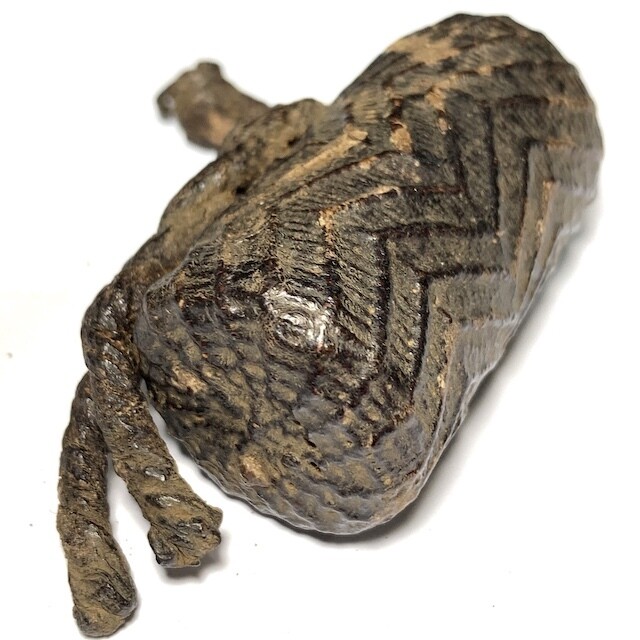
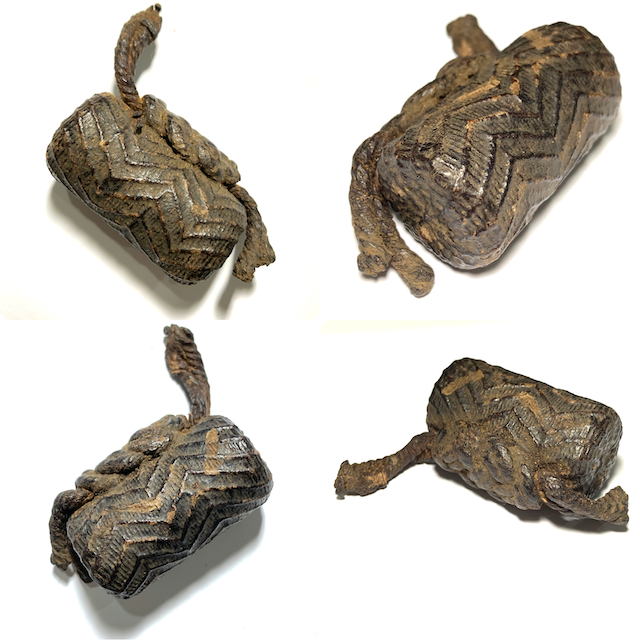
Wat Rakang holds immense significance in Thai Buddhist history, particularly as the residence of Somdet Phra Phutthachan (To Phrommarangsi) during his tenure as abbot from 1852 to 1872. This period, often referred to as the temple’s golden age, marked the widespread recognition and reverence of Somdet amulets. The enduring association of Wat Rakang with Somdet To has cemented its status as a focal point for the tradition of Somdet amulets and its cultural legacy.

Filters

Filters
Pra Somdej Pim Gaes Jarot Sum Pim Gaes Iang Niyom Long Rak Chart Somodej Dto Wat Rakang Kositaram
Free Shipping Worldwide (we do not state or declare true price to counter tarrifs tax on customers), & Offer of Free Solid Silver Casing Included
SKU 04783
$1,699
1 - 60 of 216 items


Pra Somdej Wat Sadter Ongk Kroo 2

The Revered Legend of Phra Somdej Wat Rakhang: A Scholarly Examination of its Origins, Significance, and Enduring Legacy

Phra Somdej Wat Rakhang, often hailed as the “King of Amulets” within Thailand, stands as an icon of profound cultural and religious significance. Its very name evokes a sense of history, spirituality, and the revered figure of Somdej Phra Phutthachan (To) Phrommarangsi, the esteemed monk credited with its creation. This amulet is not merely an object of veneration but represents a deep-seated cultural narrative interwoven with faith, artistry, and the legacy of one of Thailand’s most respected Buddhist figures. This report aims to provide a comprehensive and scholarly examination of the legend surrounding Phra Somdej Wat Rakhang, delving into the life of its creator, the history of its sacred origins, the intricate details of its making, the diverse forms it takes, and the myriad stories of its perceived miraculous power. The enduring reverence for this amulet across all levels of Thai society underscores its unique position as a unifying symbol within Thai Buddhism.

The narrative of Phra Somdej Wat Rakhang is inextricably linked to the life and times of Somdej Phra Phutthachan (To) Phrommarangsi, a monk whose influence permeated Thai society during the early to mid-Rattanakosin period. Born in Ayutthaya on April 17, 1788 (B.E. 2331) during the reign of King Rama I, his early life is shrouded in some mystery, with varying accounts suggesting a possible connection to the royal lineage, either as an unacknowledged son of King Rama I or King Rama II 4. At the age of 13, he embarked on his monastic journey, taking his novice vows in Phichit before moving to study Buddhist scriptures in the centers of learning at Chainat and Bangkok. His exceptional piety and intellectual prowess garnered royal attention, leading to his royal ordination as a monk at the esteemed Wat Phra Si Rattana Satsadaram (Temple of the Emerald Buddha) at the age of 20, where he received the monastic name “Phrommarangsi”. The differing accounts surrounding his parentage, particularly the potential for royal blood, likely contributed to the elevated regard in which he was held throughout his life 6. This element of ambiguity in his early history only adds to the mystique surrounding this revered figure.

Somdej Pra Puttajarn (Dto) Prohmrangsri Wat Sadter Amulets

Somdej Pra Puttajarn (Dto) Prohmrangsri Wat Sadter Amulets

Somdej Toh’s dedication to his monastic studies was evident in his rapid acquisition of knowledge and the high praise he received from his teachers, including the venerable Sangkharat Suk. He embraced ascetic practices, adhering strictly to the traditional dhutanga, which included eating only from his alms bowl, possessing a mere three robes, and engaging in meditative practices in secluded and often challenging environments such as cemeteries. Despite his profound understanding of Buddhist scriptures, he initially displayed a notable disinterest in pursuing high monastic ranks during the reign of King Rama III, preferring the simple designation of “Phra Maha To”.

Phra Somdej: Unveiling the Secrets of Thailand’s “King of Amulets” Download Link

This reluctance to seek worldly recognition for his spiritual achievements underscores his focus on inner development. However, the reign of King Rama IV marked a turning point. The King held Somdej Toh in great esteem, and in 1852 (B.E. 2395), at the age of 65, bestowed upon him his first official monastic title, “Phra Thammakiti,” concurrently appointing him as the abbot of the historically significant Wat Rakhang. His ascent within the Sangha continued, with promotions to “Phra Thep Krawee” in 1854 (B.E. 2397) and ultimately to the highest monastic rank of “Somdej Phra Phutthachan” in 1864 (B.E. 2407). Somdej Toh’s initial resistance to formal titles, followed by his eventual acceptance and rapid progression under King Rama IV, reveals a nuanced relationship with authority. It suggests a leader who prioritized spiritual practice yet recognized the potential to serve the Buddhist community more effectively from a position of influence, particularly under the patronage of a supportive monarch.

Somdej Pra Puttajarn (Dto) Prohmrangsri of Wat Rakang Kositaram

Somdej Dto with the famous Pra Somdej Gang Pla amulet of the Kru Tap Khaw Hiding Place Find

Somdej Toh’s contributions to Buddhism extended far beyond his administrative roles. He was widely celebrated as an exceptional preacher and teacher of the Dharma, considered unparalleled in the Siam of his time, and known for his distinctive and engaging teaching methods. A significant aspect of his legacy is his rediscovery and popularization of the Chinabanchorn Katha, a powerful Buddhist prayer. Recognizing the ancient text’s profound spiritual efficacy, he adapted and simplified it, making it more accessible for contemporary recitation by the laity. Furthermore, Somdej Toh was a driving force behind the construction and restoration of numerous temples and Buddha images across Thailand. His patronage extended to significant projects such as the massive Buddha image at Wat Intharawihan (Wat Bangkhunprom Nai) in Bangkok, the revered reclining Buddha at Wat Satoe in Ayutthaya, and the large Buddha image at Wat Chaiyo in Ang Thong. His life, dedicated to the propagation and preservation of Buddhist teachings and sacred sites, came to a close in 1872 (B.E. 2415) during the reign of King Rama V, at the venerable age of 84. Somdej Toh’s multifaceted contributions as a teacher, builder, and spiritual leader underscore his profound dedication to the flourishing of Buddhism in Thailand, placing the creation of Phra Somdej within the broader context of his remarkable life and work.

SOMDEJ TOH

Somdej Pra Puttajarn (Dto) Prohmrangsri Wat Rakang Kositaram

The origins of Phra Somdej Wat Rakhang are deeply rooted in the history and sanctity of Wat Rakhang Khositaram Woramahawihan itself. The temple’s history traces back to the Ayutthaya period, where it was originally known as Wat Bang Wa Yai, situated in proximity to Wat Bang Wa Noi (later known as Wat Amarinthraram). Its status was elevated during the Thonburi period under King Taksin, who established his royal palace near the temple, recognizing its importance and bestowing upon it the status of a royal temple. A significant event in the temple’s history occurred during the reign of King Rama I in the early Rattanakosin period. An ancient bell with a particularly melodious sound was discovered within the temple grounds. This discovery led to the temple being renamed Wat Rakhang, meaning “Temple of the Bell”. King Rama I, recognizing the bell’s unique quality, had it moved to Wat Phra Si Rattana Satsadaram but compensated Wat Rakhang by commissioning five new bells for the temple. Wat Rakhang also enjoyed the patronage of King Rama I’s sister, Princess Thepsudawadi, who, along with the King, oversaw significant restoration efforts at the temple. Further highlighting its religious significance, Wat Rakhang served as a primary residence for the Supreme Patriarch during the early Rattanakosin period, with Somdej Sangkharat Si holding the distinction of being the first Supreme Patriarch of Bangkok to reside there. The temple’s deep historical roots and its close association with the early Rattanakosin dynasty underscore its pivotal role in the religious and political landscape of the time, establishing it as a sacred and historically significant location.

pra somdej wat rakang all major pim

The connection between Somdej Phra Phutthachan (To) and Wat Rakhang solidified when he was appointed as the sixth abbot of the temple in 1852 (B.E. 2395) during the reign of King Rama IV. His tenure as abbot is widely regarded as a golden era for Wat Rakhang, a period marked by his profound spiritual influence and, most notably, the creation of the Phra Somdej amulet. Even before Somdej Toh’s abbacy, Wat Rakhang housed significant structures with royal connections, such as the Ho Phra Trai Pidok (Tripitaka Hall). This hall, a beautiful example of Thai architecture, was originally King Rama I’s residence during the Thonburi period before being moved to Wat Rakhang and renovated at his command to serve as the temple’s scripture hall. The murals adorning the interior of this hall are particularly noteworthy for their artistic and historical value. The strong and enduring association between Somdej Toh and Wat Rakhang is perhaps best exemplified by his popular appellation, “Somdej Wat Rakhang”. This almost synonymous relationship underscores the temple as the central stage for his most significant contributions, with his long period as abbot firmly cementing this connection in the collective memory and highlighting Wat Rakhang as the birthplace of the revered Phra Somdej legend.

The genesis of the Phra Somdej Wat Rakhang legend is attributed to Somdej Toh’s inspiration drawn from the ancient traditions of Buddhist monks who created amulets as a means to preserve and propagate the teachings of the Buddha. These venerable practices often involved embedding sacred objects within the structures of pagodas and other religious monuments. It is also believed that Somdej Toh’s inspiration may have been kindled by his discovery of ancient amulets during a visit to his relatives in Kamphaeng Phet around 1849 (B.E. 2392), a city renowned for its rich history of producing sacred amulets. His primary motivation in creating the Phra Somdej was to provide a tangible spiritual anchor for people, guiding them towards virtuous actions and away from harmful ones, while also encouraging the practices of prayer and adherence to the principles of the Eightfold Path. The very form of the Phra Somdej, a rectangular tablet featuring an image of the Buddha, is seen by many as a symbolic representation of Buddhist cosmology, with the earth as the foundation and the Buddha figure embodying enlightenment. Additionally, historical accounts suggest that some Phra Somdej amulets were created to commemorate specific auspicious occasions or as tokens of gratitude for donors who provided financial support for various temple projects. The diverse motivations behind the creation of Phra Somdej reveal a multifaceted intention, encompassing the preservation of Buddhist heritage, the provision of moral and spiritual guidance, and the practical needs of the temple community.

Wat Rakang Kositaram Temple

Wat Rakang Kositaram Woramahaviharn Temple, in Bangkok.

The creation of Phra Somdej Wat Rakhang was not a singular event but rather a process that unfolded over several distinct periods, generally categorized as the early, middle, and late eras. These periods roughly correspond to the reigns of Kings Rama III, IV, and V, although some historical accounts suggest an even earlier commencement of amulet production during the reign of King Rama II, around 1812 (B.E. 2355). The early period, likely during the reign of King Rama III, saw the creation of Phra Somdej using simpler molds, possibly crafted by local artisans or even by Somdej Toh himself. These early amulets often exhibit a less refined appearance compared to later examples, lacking the sharp definition and intricate details that would become characteristic of subsequent molds. The middle period, coinciding with the reign of King Rama IV, witnessed the development of more refined molds and a greater variety of designs. It was during this time that the iconic Phim Prok Pho (Bodhi Leaf Covered Mold) is believed to have been introduced. The late period, occurring during the reign of King Rama V, is notable for the involvement of Luang Vicharn Chearanai, a royal goldsmith, who crafted more elaborate and standardized molds. This is particularly significant around 1866 (B.E. 2409), with the ambitious intention of producing 84,000 Phra Somdej amulets. The extended timeline of Phra Somdej’s creation and the evolution of the molds employed reflect a gradual refinement in both the amulet’s form and its perceived significance. The engagement of a royal artisan in the later period underscores the increasing prestige and importance of the amulet, aligning with Somdej Toh’s own growing stature within the religious and royal spheres. The intended large-scale production in the later years suggests a burgeoning demand and widespread recognition of the amulet’s spiritual power and cultural value.

Phra Somdej Wat Rakhang Kes Talu Sum

Phra Somdej Wat Rakhang Kes Talu Sum

The creation of Phra Somdej Wat Rakhang involved a meticulous selection and combination of sacred materials, each imbued with its own spiritual significance and often sourced from revered locations. The primary binding agent and a key component of the amulet’s substance was white lime, derived from the burning of seashells. Various types of lime, including limestone and “poon phet” (diamond lime), were also incorporated into the mixture. Central to the spiritual potency of Phra Somdej are the five sacred powders, collectively known as Pong Wised Ha Praphet. These include Pong Pathamang, believed to confer invulnerability; Pong Itthije, associated with popularity and kindness; Pong Maharach, thought to bestow authority and power; Pong Phutthakhun, representing general merit and the virtues of the Buddha; and Pong Trinisinghe, known for its power to attract and charm. The creation of these powders was a ritualistic process, involving the inscription and erasure of sacred formulas on slate boards, often performed within the consecrated space of the temple’s main prayer hall. In addition to these core ingredients, other sacred materials were commonly included, such as burnt rice collected from the bottom of Somdej Toh’s alms bowl, various types of sacred soils gathered from seven forests, seven salt licks, and the pillars of important cities, pollen from 108 different types of flowers, and fragments of old, broken amulets, including those from the historically significant amulet-producing region of Kamphaeng Phet. The careful and deliberate selection of these diverse materials, each carrying its own symbolic weight and perceived spiritual power, underscores the profound intention behind the creation of Phra Somdej Wat Rakhang. The inclusion of substances from revered sites and fragments of previous sacred objects suggests a desire to amplify the amulet’s spiritual efficacy and connect it to a broader lineage of sacred power.

To bind these diverse materials together, Somdej Toh employed natural binding agents such as tang oil (tung oil), honey, and mashed banana 33. Sugar cane juice was also occasionally used as a binding agent. Furthermore, the amulets often contained other significant items that held personal and spiritual meaning, such as remnants of saffron robes worn by monks, fragrant incense ash collected from temple altars, and even food offered to monks, particularly leftover rice and ripe bananas that Somdej Toh himself would dry and grind into the mixture. Less common but still notable ingredients included paper pulp, derived from soaking straw or mulberry paper, betel nut residue from Somdej Toh’s own chewing, and various types of auspicious woods and medicinal herbs believed to possess protective and beneficial properties. The inclusion of these everyday items, particularly those directly associated with Somdej Toh’s personal practices and the temple’s rituals, suggests a deep and intimate connection between the creator and the creation of the amulets. It reinforces the notion that the sacredness of Phra Somdej originates not solely from rare or exotic materials but also from the blessings, intentions, and personal touch of Somdej Toh, imbuing even seemingly mundane substances with spiritual significance through his dedication and prayers.

Phra Somdej Wat Rakhang Long Rak Chart Pim Kes Talu Sum

The traditional process of crafting Phra Somdej Wat Rakhang was a hands-on and deliberate undertaking, reflecting the personal involvement of Somdej Toh in the creation of these sacred objects. The various sacred materials and binding agents were meticulously mixed and pounded together in a mortar until they formed a cohesive, clay-like substance. This mixture was then carefully shaped into rectangular tablets, often referred to as “chin fak,” a term that likens their form to pieces of winter melon. These tablets were subsequently pressed firmly into molds, which were typically made of slate, stone, or occasionally wood. After pressing, the edges of the amulets were meticulously trimmed into a neat rectangular shape using a thin, sharp bamboo tool traditionally employed for the delicate art of weaving flowers. To ensure the clay filled the mold completely and to eliminate any air pockets, a flat wooden board was often placed behind the mold, and gentle tapping with another piece of wood or a hard object was applied to the back. This relatively simple yet careful creation process underscores the personal dedication and intention that Somdej Toh invested in each Phra Somdej amulet. The direct connection between the revered monk and the crafting of these sacred objects likely contributed significantly to their subsequent revered status and the strong belief in their inherent sacredness.

Beyond the physical creation, the spiritual efficacy of Phra Somdej Wat Rakhang is deeply attributed to the rituals and blessings bestowed upon them by Somdej Toh himself. It is widely believed that Somdej Toh personally blessed each amulet through his extensive meditative practices and the recitation of powerful sacred incantations. A particularly significant aspect of these blessings was the prominent use of the Chinabanchorn Katha, the powerful Buddhist prayer that Somdej Toh had popularized. This Katha is believed to imbue the amulets with profound protective qualities, safeguarding the wearer from harm and misfortune. Historical accounts also describe Somdej Toh placing the newly created amulets in bowls or baskets within the temple’s main prayer hall, positioning them in front of sacred Buddha images, and connecting them with a sacred thread known as “sai sin.” This thread was believed to channel the blessings and sacred vibrations emanating from the Buddha images to the amulets during monastic chanting sessions. Notably, Phra Somdej amulets were primarily created for distribution directly to devotees as acts of merit and spiritual guidance, rather than being stored or buried within temple crypts. It is estimated that Somdej Toh created a vast number of these amulets, potentially as many as 84,000, a figure that aligns with the traditional number of teachings within the Buddhist canon. The direct involvement of Somdej Toh in both the creation and the blessing of Phra Somdej, particularly through the powerful Chinabanchorn Katha, is central to their perceived efficacy and sacredness. The act of personally distributing them to devotees further emphasizes their intended purpose as objects of faith, protection, and spiritual benefit for the wider community.

Phra Somdej Wat Rakhang is not a monolithic entity but rather exists in several distinct forms, known as Phim (molds), each possessing its own unique characteristics and often associated with different periods of creation. The five widely recognized standard molds, revered by collectors and devotees alike, are Phim Yai (พิมพ์ใหญ่), Phim Song Chedi (พิมพ์ทรงเจดีย์), Phim Ket Bua Toom (พิมพ์เกศบัวตูม), Phim Than Saem (พิมพ์ฐานแซม), and Phim Prok Pho (พิมพ์ปรกโพธิ์) 31. These different molds not only represent variations in artistic style but also potentially reflect the evolution of the amulet’s design and production over time. The existence of these distinct forms underscores a deliberate artistic and possibly symbolic progression in the creation of Phra Somdej, providing a rich tapestry of visual diversity for those who study and collect these sacred objects.

The Phim Yai (พิมพ์ใหญ่), translating to “Grand Mold” or “Principal Mold,” holds the distinction of being the most popular and highly regarded among the five main Phim. It is often referred to as the “Phim Pra Prathan,” signifying its representation of the Principal Buddha Image. The general characteristics of Phim Yai include a depiction of the Buddha seated in a cross-legged meditative posture atop a three-tiered base. Early examples of this mold often lack intricate facial details 54. However, later iterations, particularly those attributed to the royal goldsmith Luang Vicharn Chearanai, tend to exhibit more defined features. Within the Phim Yai category, several variations exist, most notably differences in the style of the Buddha’s chest, classified as Ok Wi (อกวี – V-chest) and Ok Krabok (อกกระบอก – cylindrical chest), as well as the presence or absence of a subtle horizontal line beneath the Buddha’s lap, known as Sen Saem Tai Na Tap (เส้นแซมใต้หน้าตัก). Experts in the field have further identified up to four distinct sub-variations within the Phim Yai mold, based on minute differences in the lines, curves, and overall proportions of the Buddha figure and the surrounding arch. The existence of these numerous variations within the Phim Yai mold suggests a continuous process of refinement and evolution of this most popular design. These subtle distinctions are highly valued by collectors and serve as crucial identifiers for determining the authenticity and approximate age of individual Phim Yai amulets, reflecting the deep level of scrutiny and nuanced understanding applied to this primary mold by amulet enthusiasts.

The Phim Song Chedi (พิมพ์ทรงเจดีย์), translating to “Chedi Shaped Mold” or “Stupa Shaped Mold,” is characterized by the depiction of a stupa-like structure (chedi) situated above the image of the Buddha. This chedi symbolizes the relics and the teachings of the Buddha, adding a distinct symbolic layer to this particular mold. Notably, the size of Phim Song Chedi amulets can vary; some examples are larger than certain variations of the Phim Yai, while others are smaller and referred to as Phim Yom (พิมพ์ย่อม – smaller version). Specific identifying features of this mold include a smaller and more slender arch (Sen Sum Krop Kaew – เส้นซุ้มครอบแก้ว) compared to the Phim Yai, and a pointed tip on the second tier of the base, often referred to as “Hua Rua Iam Chun,” a term that evocatively describes its resemblance to the prow of a small traditional boat. The distinctive chedi shape clearly distinguishes this mold, while the variations in size and the specific details of the arch and base provide further characteristics for identification and appreciation by collectors.

Pra Somdej Wat Sadter Ongk # 4

The Phim Ket Bua Toom (พิมพ์เกศบัวตูม), translating to “Lotus Bud Topknot Mold,” is readily identifiable by the distinctive lotus bud-shaped topknot (Yot Ket Muean Bua Toom – ยอดเกศเหมือนบัวตูม) that adorns the Buddha’s head. This lotus bud shape is a powerful symbol of purity and the potential for spiritual enlightenment within Buddhism. Amulets of this mold often feature a thicker and more rounded arch (Sen Sum Krop Kaew) surrounding the Buddha figure, and the earlobes (Phra Kan – พระกรรณ) sometimes exhibit an outward curve, resembling the graceful shape of “Bai Sri,” traditional ceremonial decorations, adding an element of elegance to the overall design. Within the Phim Ket Bua Toom category, variations exist, most notably the “Than Singh Kwang” (ฐานสิงห์กว้าง – wide lion base) and “Than Singh Khaep” (ฐานสิงห์แคบ – narrow lion base). These terms refer to the shape and width of the second tier of the base, which is designed to resemble the paws of a lion, a symbol of strength and majesty. The unique lotus bud topknot and the variations in the base design, along with the distinctive arch and earlobes, contribute to the aesthetic diversity and symbolic richness of the Phim Ket Bua Toom mold, making it a cherished form among collectors and devotees.

The Phim Than Saem (พิมพ์ฐานแซม), translating to “Layered Base Mold,” is characterized by the presence of additional, smaller tiers (Than Saem – ฐานแซม) that are inserted between or below the main three-tiered base of the Buddha image. These “saem” tiers often appear as subtle protrusions or additions to the standard base structure. Compared to the more robust figures found in other Phim, the Buddha figure in the Phim Than Saem generally exhibits a more slender and elegant artistic style. Variations within this mold include differences in the number and prominence of the “saem” tiers, with some amulets displaying more pronounced additions than others 63. The layered base is believed by many to carry symbolic meaning related to the different levels of Buddhist teachings or stages of spiritual attainment, representing a more complex and nuanced understanding of Buddhist philosophy. The variations observed in the “saem” tiers may reflect differences in the mold’s origin or intended symbolism, possibly representing specific interpretations of Buddhist principles or the artistic preferences of the mold maker.

Pra Somdej Wat Sadter Pantheon News Pra Somdej Wat Sadter Ongk # 3

The Phim Prok Pho (พิมพ์ปรกโพธิ์), translating to “Bodhi Leaf Covered Mold,” is distinguished by the depiction of Bodhi leaves (Bai Pho – ใบโพธิ์) that surround the image of the Buddha 29. These leaves directly reference the pivotal moment of the Buddha’s enlightenment under the Bodhi tree, making this mold particularly symbolic of spiritual awakening. Variations exist in the number of leaves depicted, with common arrangements including six, seven, eight, or nine leaves on each side of the Buddha figure. Some interpretations associate the number of leaves with the age of Somdej Toh during the time the amulet was created. Notably, this mold sometimes appears in combination with other characteristic features, such as a layered base (Phim Than Saem) or a lotus bud topknot (Phim Ket Bua Toom), blending symbolic elements from different mold types. The inclusion of the Bodhi leaves directly links the amulet to the foundational narrative of Buddhism, while the variations in leaf number and the combination with other mold features add layers of symbolic meaning and artistic diversity to this revered form.

Kata Chinabanchorn of Somdej To Wat Rakhang Kositaram

The legend of Phra Somdej Wat Rakhang is further enriched by a multitude of stories, legends, and perceived miracles associated with the amulet, illustrating its profound impact on the lives and faith of devotees. Numerous accounts exist of individuals who have miraculously survived accidents, recovered from severe illnesses such as cholera, and escaped other life-threatening dangers, all attributed to the protective power and sacred blessings of Phra Somdej. One particularly well-known tale recounts the story of a woman named Thup who, during a major cholera epidemic in Bangkok in 1873 (B.E. 2416), made a remarkable recovery after consuming water that had been blessed by a Phra Somdej amulet. The amulet is also widely believed to offer potent protection against black magic, malevolent spirits, and various forms of negative energies and curses. These narratives of miraculous protection and recovery are central to the amulet’s enduring legendary status, fueling the unwavering faith of those who venerate it. They transform the Phra Somdej from a mere religious artifact into a tangible source of spiritual intervention and a powerful symbol of hope and resilience in the face of life’s challenges.

Beyond protection, Phra Somdej Wat Rakhang is strongly associated with the power of Metta, or loving-kindness. It is a widespread belief that possessing and venerating the amulet fosters loving-kindness within the wearer, attracting kindness, assistance, and popularity from those around them. Furthermore, the amulet is believed to bring good fortune, facilitate career advancement, promote financial success, and contribute to overall prosperity in life. Many devotees believe that Phra Somdej helps to attract positive opportunities and material wealth into their lives. The attribution of both protective qualities and the ability to attract Metta and prosperity highlights the multifaceted benefits associated with the amulet, extending its influence beyond safeguarding from harm into the realm of everyday well-being and aspirations for success and happiness. This dual appeal makes Phra Somdej Wat Rakhang a highly sought-after amulet for those seeking both spiritual and worldly blessings.

Adding to the rich tapestry of the Phra Somdej legend are the numerous personal experiences reported by devotees. Many individuals recount feeling a distinct sense of coolness, profound peace, or a tangible spiritual energy emanating from the amulet when they hold or wear it. These personal sensations are often interpreted as direct evidence of the amulet’s sacred power and its connection to Somdej Toh’s spiritual presence. Ultimately, the perceived power and efficacy of Phra Somdej Wat Rakhang are deeply personal and intrinsically linked to the individual’s faith, devotion, and adherence to Buddhist principles. These subjective experiences serve to strengthen the devotee’s connection to the amulet and its creator, solidifying their belief in its power and fostering a deeper sense of spiritual reassurance and connection to the sacred.

In conclusion, the legend of Phra Somdej Wat Rakhang stands as a testament to the enduring power of faith, the artistry of sacred objects, and the lasting legacy of a truly remarkable spiritual figure. Revered as the “King of Amulets,” Phra Somdej embodies not only the spiritual prowess of Somdej Phra Phutthachan (To) Phrommarangsi but also the rich history and deep-seated religious beliefs of Thailand. From the enigmatic details of Somdej Toh’s early life and his eventual rise to the highest echelons of the Sangha, to the sacred history of Wat Rakhang and the meticulous process of the amulet’s creation using a unique blend of sacred materials and blessed through potent rituals, the story of Phra Somdej is a captivating narrative. The diverse forms of the amulet, each with its distinct characteristics and symbolic nuances, and the countless stories of its perceived miracles, all contribute to its unparalleled status and enduring appeal. Phra Somdej Wat Rakhang remains more than just a religious artifact; it is a powerful symbol of faith, protection, artistry, and the enduring spiritual heritage of Thailand.

Table: Chronology of Somdej Phra Phutthachan (To) Phrommarangsi’s Life and Key Events


Year (B.E.) Year (C.E.) Age Key Event Source Snippet(s)
2331 1788 0 Birth in Ayutthaya 4
2343 1800 12 Ordination as a novice in Phichit 4
2350 1807 19 Royal patronage for ordination 6
2351 1808 20 Royal ordination as a monk at Wat Phra Si Rattana Satsadaram 4
2395 1852 65 Appointed Abbot of Wat Rakhang and given the title Phra Thammakiti 4
2397 1854 67 Promoted to Phra Thep Krawee 4
2407 1864 76 Elevated to Somdej Phra Phutthachan 4
2415 1872 84 Passing 6

Table: The Five Main Phim (Molds) of Phra Somdej Wat Rakhang and Their Key Characteristics


Phim Name (Thai) Phim Name (English Translation) Defining Characteristics Associated Symbolism Source Snippet(s)
พิมพ์ใหญ่ Grand/Principal Mold Buddha seated in meditation, three-tiered base, variations in chest style and base details Represents the Principal Buddha Image 33
พิมพ์ทรงเจดีย์ Chedi/Stupa Shaped Mold Stupa depicted above the Buddha, smaller arch, pointed tip on the second base tier Symbolizes Buddhist monuments and the preservation of Dharma 29
พิมพ์เกศบัวตูม Lotus Bud Topknot Mold Lotus bud-shaped topknot, often thicker arch, earlobes resembling Bai Sri, variations in base (wide/narrow lion base) Lotus bud symbolizes purity and enlightenment 29
พิมพ์ฐานแซม Layered Base Mold Additional smaller tiers inserted in or below the main base, more slender Buddha figure Layered base may symbolize different levels of Buddhist teachings 29
พิมพ์ปรกโพธิ์ Bodhi Leaf Covered Mold Bodhi leaves surrounding the Buddha image, variations in the number of leaves, sometimes combined with other Phim features Bodhi leaves symbolize the Buddha’s enlightenment 29

Ancient Amulet - Thai Buddhist Pra Niyom Category Amulets

Ancient Amulet - Thai Buddhist Pra Niyom ('Pra Niyom'; meaning 'High End Preferred Class Antique amulets') Fine Authentic Amulets from the Great Thai Buddhist Sorcerer Monks, Lersi Ascetics, and Lay Masters of Olden Days

SIGN IN OR CREATE ACCOUNT


Filters

Filters
Pra Somdej Pim Gaes Jarot Sum Pim Gaes Iang Niyom Long Rak Chart Somodej Dto Wat Rakang Kositaram
Free Shipping Worldwide (we do not state or declare true price to counter tarrifs tax on customers), & Offer of Free Solid Silver Casing Included
SKU 04783
$1,699

References and Works cited

    1. ปาฏิหาริย์ ตำนานพระสมเด็จ จักรพรรดิแห่งวงการพระเครื่อง | เรื่องเล่าหลังเที่ยงคืน EP.23 – YouTube, accessed March 24, 2025, https://www.youtube.com/watch?v=2CGmTRGZcRk
    2. ประวัติและความเป็นมา “พระสมเด็จ วัดระฆัง พิมพ์ใหญ่”, accessed March 24, 2025, https://www.acicertified.com/eventDetail/16
    3. 普拉崇迪 Pra Somdej Wat Rakhang- King of Thai Buddha Amulets – พระสมเด็จวัดระฆัง, accessed March 24, 2025, https://www.prasomdejwatrakang.com/000009.htm
    4. รำลึกประวัติ สมเด็จพระพุฒาจารย์ โต พรหมรังสี ผู้ค้นพบบทสวดล้ำค่า “คาถาชินบัญชร” – Sanook.com, accessed March 24, 2025, https://www.sanook.com/news/9499294/
    5. ประวัติสมเด็จโต ฉบับพระยาทิพโกษา | ชาติกำเนิดและอัจฉริยภาพในวัยเด็ก – YouTube, accessed March 24, 2025, https://www.youtube.com/watch?v=ueX4BUfTkPU
    6. ธรรมที่ไม่เหมือนใครของสมเด็จพระพุฒาจารย์ โต พรหมรังสี – Thai PBS, accessed March 24, 2025, https://www.thaipbs.or.th/program/TruthNeverDies/watch/CMSenz
    7. วัดระฆังโฆสิตารามวรมหาวิหาร ความสำคัญแห่งศาสนสถานคู่เมืองไทย …, accessed March 24, 2025, https://nippangift.com/watrakhang/
    8. วัดระฆังโฆสิตาราม วรมหาวิหาร เที่ยวกรุงเทพ ไหว้พระริมแม่น้ำจ้าพระยา วัด …, accessed March 24, 2025, https://travel.trueid.net/detail/6p8rVWVebM6
    9. วัดระฆังฯ ที่มีอะไรมากกว่าระฆัง | แม่มา พาชม EP.08 – YouTube, accessed March 24, 2025, https://m.youtube.com/watch?v=vPUeEBObcTc&pp=ygUcI-C5geC4oeC5iOC4oeC4suC4nuC4suC4iuC4oQ%3D%3D


  1. วัดระฆังโฆสิตารามวรมหาวิหาร – Papaiwat, accessed March 24, 2025, https://www.papaiwat.com/th/story/category/detail/id/8/iid/115
  2. วัดระฆังโฆสิตารามวรมหาวิหาร | Trip.com กรุงเทพฯ, accessed March 24, 2025, https://th.trip.com/moments/detail/bangkok-191-119996428/
  3. วัดระฆังโฆสิตาราม – สำนักงานราชบัณฑิตยสภา, accessed March 24, 2025, http://legacy.orst.go.th/wp-content/uploads/2018/04/01242561-%E0%B8%A7%E0%B8%B1%E0%B8%94%E0%B8%A3%E0%B8%B0%E0%B8%86%E0%B8%B1%E0%B8%87%E0%B9%82%E0%B8%86%E0%B8%AA%E0%B8%B4%E0%B8%95%E0%B8%B2%E0%B8%A3%E0%B8%B2%E0%B8%A1.pdf
  4. วัดระฆังโฆสิตารามวรมหาวิหาร – หอสมุด วัง ท่าพระ, accessed March 24, 2025, http://www.thapra.lib.su.ac.th/web-temple/index.php?option=com_content&view=article&id=15&Itemid=17
  5. พระสมเด็จวัดระฆังฯ ของสมเด็จพระพุฒาจารย์ (โต พรหมรังสี) – ศิลปวัฒนธรรม, accessed March 24, 2025, https://www.silpa-mag.com/culture/article_129508
  6. ข่าวภาพถ่ายเมื่อปี พศ. ๒๔๐๗ สมเด็จพระพุฒาจารย์ (โต พรหมรังสี) วัดระฆังโฆสิตารามวรมหาวิหาร, accessed March 24, 2025, https://monkhistory.kachon.com/362454
  7. พระอาจารย์นาค จิตรกรยุคสร้างบ้านแปงเมือง, accessed March 24, 2025, http://www.era.su.ac.th/Mural/nak/
  8. หอพระไตรปิฎกของวัดระฆังโฆสิตารามวรมหาวิหาร – สารานุกรมไทยสำหรับเยาวชนฯ, accessed March 24, 2025, https://kanchanapisek.or.th/sub/book/book.php?book=30&chap=2&page=t30-2-infodetail04.htm
  9. พระสมเด็จวัดระฆังฯ สุดยอดพระพิมพ์แห่งกรุงรัตนโกสินทร์ – Anurak Magazine, accessed March 24, 2025, https://anurakmag.com/sustainability/04/03/2023/phra-somdej-wat-rakhang-the-best-of-rattanakosin/
  10. พระสมเด็จวัดระฆังฯ พุทธคุณมากล้น ใครได้ครอบครอง โชคดีร่ำรวย – ไทยรัฐออนไลน์, accessed March 24, 2025, https://www.thairath.co.th/horoscope/belief/2830091


amatasiam2

The Main Powers of Thai Amulets

The Main Powers of Thai Amulets are chiefly considered to be among the following;

Thai amulets and their powers, which are deeply intertwined with the country’s culture and Buddhist traditions, are believed to amulets which possess various powers that can help protect, heal, and improve the lives of those who wear them. These powers are derived from centuries of spiritual practices and teachings, and are often linked to the blessing of monks or spiritual leaders who imbue the amulets with sacred energy. While there are many different types of Thai amulets, the most common powers they embody are Maha Sanaeh, Metta Maha Niyom, Kong Grapan Chadtri, Maha Lap, Serm Duang, Serm Yos, Maha Amnaj, Gae Aathan, and Serm Baramee. Each of these powers addresses a specific need, offering protection, good fortune, love, and spiritual growth to the wearer.

Thai Benjapakee amulets

1. Maha Sanaeh (มหาสเน่ห์) – Power of Attraction and Personal Magnetism

The term Maha Sanaeh is a combination of two words: Maha, meaning “great” or “powerful,” and Sanaeh, meaning “affection” or “charm.” In the context of Thai amulets, it refers to the power of attraction and personal magnetism. Wearing a Maha Sanaeh amulet is believed to help the wearer attract affection, admiration, and attention from others. It can be particularly helpful in love and relationships, where it is believed to enhance one’s personal charm and increase their influence over others. Beyond romance, Maha Sanaeh can also be used to gain favor in professional or social situations, boosting one’s ability to create positive connections.

Pra Nang Paya Amulet Luang Por Dtat

2. Metta Maha Niyom (เมตตาหมายนิยม) – Power of Loving-Kindness and Favor

Metta means “loving-kindness” or “compassion” in Pali, while Maha means “great,” and Niyom refers to being favored or admired. When combined, Metta Maha Niyom signifies a great form of loving-kindness that draws favor, admiration, and affection from others. In the context of amulets, these are often used to help the wearer cultivate positive relationships and foster harmonious interactions. Metta Maha Niyom amulets are believed to create an aura of kindness and goodwill, making the wearer more likable and respected. These amulets attract not only love and affection but also help in situations where one needs support or goodwill from others.

Suea Yant Kong Grapan Chadtri Maha Ud Sacred Yantra Shirt - an Immensely rare item of the Great Luang Por Lae, of Wat Pra Song in petchburi

3. Kong Grapan Chadtri (คงกระพันชาตรี) – Power of Protection and Invincibility

Kong Grapan Chadtri is a term used for amulets that provide protection from harm. Kong means “to endure,” Grapan means “unbreakable,” and Chadtri refers to “warrior.” Together, this phrase translates to “invincible warrior” or “unbreakable protection.” These amulets are designed to provide physical and spiritual protection to the wearer, particularly from harm, weapons, or dangerous situations. Individuals such as soldiers, police officers, martial artists, and anyone whose work involves risk often carry Kong Grapan Chadtri amulets, as they are believed to provide strength and resistance to any form of physical danger.

Look Om Ya Soop Luang Phu Songk

4. Maha Lap (มหาลาภ) – Power of Wealth and Prosperity

Maha Lap translates to “great fortune” or “great wealth,” with Maha meaning “great” and Lap meaning “fortune” or “wealth.” Amulets imbued with the power of Maha Lap are believed to attract financial prosperity, success, and abundance into the wearer’s life. These amulets are highly prized by business owners, entrepreneurs, and anyone seeking financial success. Maha Lap is often linked to opportunities, investments, and the overall flow of wealth, helping the wearer to achieve financial stability and growth in various ventures.

Luang Por Tuad Pra Kroo Bai Diga Wat Chang Hai 2513 BE

5. Serm Duang (เสริมดวง) – Power of Enhancing Luck and Destiny

The term Serm Duang refers to the act of improving one’s luck or life path. Serm means “to enhance,” and Duang refers to “luck” or “fate.” Serm Duang amulets are used to improve various aspects of life, including health, career, relationships, and overall well-being. It is believed that these amulets can enhance a person’s fortune, bringing about a more favorable destiny and helping the wearer overcome obstacles or bad luck. People seeking to improve their life path or align with positive circumstances often turn to Serm Duang amulets for assistance.

Macro Close Up of the Pra Somdej Wat Gaes Chaiyo with Somdej Dto

6. Serm Yos (เสริมยศ) – Power of Status and Prestige

Serm Yos refers to the act of enhancing one’s social standing, rank, or prestige. Serm means “to enhance,” and Yos means “rank” or “title.” Individuals seeking professional success or social recognition often use Serm Yos amulets to gain favor in their careers or to elevate their status. This might include gaining promotions, receiving more respect from peers, or being recognized for one’s achievements. Serm Yos amulets help the wearer attract recognition and appreciation, which can lead to enhanced authority and influence.

7. Maha Amnaj (มหาอำนาจ) – Power of Authority and Control

Maha Amnaj represents great power and authority. Maha means “great,” and Amnaj means “power” or “authority.” Wearing an amulet with Maha Amnaj is believed to help the wearer gain control and command respect. These amulets are favored by individuals in leadership roles, including business owners, politicians, and those who need to exert influence over others. Maha Amnaj helps the wearer gain the ability to dominate situations, create opportunities, and wield power effectively.

Mitmor Pocket Knife Luang Por Koon

8. Gae Aathan (แก้อาภัพ) – Power of Remedying Bad Luck

Gae Aathan refers to the act of removing or fixing bad luck or misfortune. Gae means “to fix,” and Aathan means “misfortune.” People seeking to remove bad luck or negative forces in their lives often use Gae Aathan amulets. These amulets are believed to counteract misfortune, resolve obstacles, and bring good fortune back into the wearer’s life. Gae Aathan is commonly used by individuals experiencing a series of unfortunate events or those who wish to break negative cycles in their lives.

Pra Somdej Wat Gaes Chaiyo Pim Hok Chan Niyom 6 Tiered Dais Model amulet

9. Serm Baramee (เสริมบารมี) – Power of Merit and Spiritual Power

Serm Baramee refers to enhancing one’s merit, virtue, or spiritual power. Serm means “to enhance,” and Baramee refers to “merit” or “spiritual power.” In Buddhism, merit is accumulated through good deeds, acts of kindness, and devotion. Serm Baramee amulets help the wearer increase their spiritual power and accumulate positive karma, which can lead to blessings, protection, and overall well-being. These amulets are often worn by individuals who seek to improve their spiritual health and progress on their path toward enlightenment.

The Multiplicative Power of Thai Amulets

While each of these amulets focuses on a specific area of life—be it love, protection, wealth, or spiritual growth—it is important to note that many Thai amulets possess more than one of these powers. In fact, some amulets are imbued with multiple blessings or influences, offering the wearer a combination of benefits. For example, an amulet might provide both protection (through Kong Grapan Chadtri) and wealth (through Maha Lap), or combine the influence of attraction (Maha Sanaeh) with the power of enhancing luck (Serm Duang). This layered empowerment allows individuals to benefit from a broader spectrum of blessings, enhancing their ability to achieve success, maintain good health, and live a more prosperous life.

Through rituals and blessings by monks, many amulets receive empowerment from multiple spiritual powers, offering the wearer a harmonious blend of influence that can support them in various aspects of their lives. Whether the goal is attracting love, securing wealth, or achieving spiritual growth, Thai amulets offer a unique and powerful spiritual tool that reflects the deep cultural and religious traditions of Thailand.

Thai Buddhist Amulets of High esteem

Thai amulets, known as “Phra Khruang” or “Krueang Rang,” are deeply embedded in the cultural and spiritual fabric of Thailand. These sacred objects are revered not only for their spiritual significance but also for their historical and cultural value. The tradition of wearing amulets in Thailand is a practice that dates back centuries, intertwining with the country’s religious beliefs, history, and social customs.

The creation of Thai amulets is a diligent and complex ritual process, that involves a blend of spiritual rituals, sacred materials, and artistic craftsmanship. These amulets are often made by revered Buddhist monks, Ruesi hermits, or lay sorcerers who are skilled in mystical arts. The process begins with the selection of sacred materials, which may include powdered herbs, sacred earths, metals, and other substances believed to possess inherent protective qualities. These materials are then mixed with holy water and sacred oils, and often inscribed with ancient scripts or symbols known as “Yant.”

The empowerment of amulets is a crucial aspect, involving the chanting of sacred mantras or “Kata” and the invocation of spiritual entities. This ritual is believed to imbue the amulet with “Itti-rit” or psychic powers, granting it the ability to protect the wearer, bring good luck, or enhance personal attributes such as charm and popularity. This form of magic is known as “Metta Maha Niyom,” which focuses on increasing the wearer’s attractiveness and social influence.

Lanna Master Kroo Ba Nikorn Blessing Nam Tao Gourd Amulets

Kroo Ba Nikorn Blessing Nam Tao Gourd Amulets

Thai amulets can be categorized based on their origin, form, or purpose. Naturally occurring objects such as certain types of iron, boar tusks, and tiger fangs are believed to have intrinsic protective qualities and are often guarded by spirits. Man-made amulets, on the other hand, are crafted using sacred clay admixtures or metallurgical processes, often involving ancient alchemical practices.

forging metallic alchemical amulets

The imagery on Thai amulets varies widely, encompassing depictions of the Buddha, noble monks, Bodhisattvas, Devas, and even gods and demi-gods. Some amulets also feature elements of the dark arts, invoking the spirits of ghosts or otherworldly entities. Despite the diversity in their forms and purposes, all Thai amulets share a common goal: to bring Buddhist virtues and protection to those who wear them.

The historical significance of Thai amulets is profound. They are not only religious artifacts but also cultural symbols that reflect the beliefs and values of Thai society. The practice of wearing amulets is documented as far back as the Rattanakosin period during the reign of King Rama IV, although it likely predates this era, especially considering it is recorded that King Naresuan maharaj wore a Takrut across his chest on a cord, which shows that the practice dates back many centuries more, as well as the Kru Hiding place burial finds which reveal amulets having been made 700-1000 years agot already in Siam. Throughout history, amulets have been used as protective talismans in battles, as symbols of faith, and as objects of personal devotion.

Pra Khun Phaen Ban Krang Ancient Clay Hiding-Place Amulet

One of the most revered figures in the history of Thai amulets is Somdej Toh, a legendary monk known for his profound spiritual wisdom and the creation of the famous Pra Somdej amulets. These amulets are highly valued for their spiritual efficacy and exquisite artistry, making them sought-after items among collectors and devotees alike. The authenticity and age of these amulets are of paramount importance, requiring a keen understanding of the materials and techniques used in their creation.

Macro Close Up of the Pra Somdej Wat Gaes Chaiyo with Somdej Dto

In modern times, the popularity of Thai amulets has only grown, with many people around the world collecting and wearing them for various reasons. Whether for spiritual protection, good fortune, or as a connection to Thai culture, these amulets continue to hold a special place in the hearts of many. The enduring appeal of Thai amulets lies in their ability to bridge the spiritual and the material worlds, offering a tangible connection to the divine and a source of comfort and inspiration in everyday life.

For those interested in exploring the world of Thai amulets, there are numerous resources available. Websites such as ancientamulet.com and thailandamulet.net, authored by Ajarn Spencer Littlewood, provide extensive information on the history, types, and significance of these sacred objects. These platforms offer insights into the art of evaluating and authenticating antique Thai Buddhist amulets, helping collectors and enthusiasts navigate this fascinating realm with confidence and understanding.

Thai amulets are more than just religious artifacts; they are an integral parts the rich cultural heritage and spiritual beliefs of Thailand. Whether crafted from sacred materials or naturally occurring objects, these amulets serve as powerful conduits of protection, embodying the timeless wisdom of the Buddha and the enduring faith of the Thai people.

Tiger Takrut of the Great LP Nak of Wat Arun

One of the Top Ten of all Tiger Amulets; The Legendary Takrut Hnaa Bpaag Suea of Luang Phu Nak, Wat Arun

In the world of Talismanic Thai amulets, few talismans are as revered and sought after as the Takrut Hnaa Bpaag Suea of Luang Phu Nak, a renowned monk from Wat Arun, also known as the Temple of the Dawn. This iconic amulet is a testament to the monk’s exceptional spiritual powers and his mastery of the ancient arts of Thai Buddhism and magic.

Takrut Hnaa Bpaag Suea Tiger Takrut of Luang Phu Nak

The Life of Luang Phu Nak

Luang Phu Nak was born on January 3, 2415 BE, in Ban Bang Poon, Pathum Thani province. His father, Mr. Nuan, and mother, Mrs. Luean, raised him with strong Buddhist values, which would later shape his destiny as a monk. At the age of 12, Luang Phu Nak was ordained as a Samanera novice monk at Wat Sarapat Chang, under the guidance of Pra Atigarn Hwang Tamma Chodti. He spent his early years studying the Dhamma Vinaya, the teachings of the Buddha, and honing his meditative skills.

LP Nak of Wat Arun

As he grew in wisdom and spiritual prowess, Luang Phu Nak was reordained as a fully fledged Bhikkhu at Wat Sutat in Bangkok, a royal decree temple, in the year of the Dragon, 2435 BE. His Upachaya ordaining officer was Somdej Pra Wanaratana (Luang Por Daeng), a highly respected monk of the time. Luang Phu Nak’s monk name, “Sumananaakoe,” translates to “Companion of the Nagas,” reflecting his deep connection with  Wicha Saiyasart, and the Nether-Worlds.

Takrut amulets of LP Nak

Takrut amulets of LP Nak

The Making of the Takrut Hnaa Bpaag Suea

The Takrut Hnaa Bpaag Suea, a tiger forehead skin scroll talisman, is Luang Phu Nak’s most famous creation. According to Ajarn Spencer Littlewood, a renowned expert on Thai amulets and Buddha magic, this amulet is considered one of the most powerful and sought-after talismans in the world of Thai amulets.

The Takrut Hnaa Bpaag Suea is said to possess the power of the tiger, with its forehead skin serving as a conduit for the animal’s strength, courage, and protection.

The creation of the Takrut Hnaa Bpaag Suea was a labor-intensive process, requiring great skill and attention to detail. Luang Phu Nak would first immerse the forehead skin in holy water to soften it, then scrape off the fur, leaving bare skin.

He would then inscribe the skin with sacred symbols and prayers, using the Wicha Maha Ud, a powerful magical script. The skin was then wrapped into a scroll, tied with holy Sinjana cords, and lacquered with gold leaf.


Magical Properties and Benefits

This powerful amulet is crafted from the rolled-up forehead hide of a tiger, imbued with the sacred spells of Wicha Suea Tiger Magick. The tiger’s innate energies are believed to possess a range of potent magical properties.

The tiger’s forehead hide is said to be naturally endowed with these sorcerous powers, making the Takrut Hnaa Bpaag Suea an exceptionally potent and desirable amulet. Its magical properties are believed to bring the wearer great opportunities for advancement, success, and recognition, while also inspiring the loyalty and devotion of others.

The Wicha Suea Tiger Magick within the amulet is thought to amplify these natural energies, creating a powerful and irresistible force that can help the wearer achieve their goals and ambitions. Whether seeking to enhance their career, attract wealth and prosperity, or simply to inspire the admiration and respect of others, the Takrut Hnaa Bpaag Suea is believed to be an invaluable tool for achieving success and realizing one’s desires.

The Takrut Hnaa Bpaag Suea is believed to possess a range of properties and benefits, including:

  • Maha Ud Kong Grapan Chadtri: Invincibility magic, protecting the wearer from harm and danger
  • Chai Chana: Victory-bringing magic, attracting success and triumph in all endeavors
  • Klaew Klaad: Evasive magic, allowing the wearer to avoid accidents and misfortune
  • Maha Amnaj: Commanding power and superiority magic, granting the wearer authority and respect
  • Metta Maha Niyom: Mercy charm, attracting positive energies and improving loving relationships
  • Anti-Black Magic: Protection from malevolent spirits and negative energies, curses and spells.

The Legend of Luang Phu Nak’s Takrut

The legend of Luang Phu Nak’s Takrut Hnaa Bpaag Suea has been passed down through generations, with stories of its incredible powers and benefits. Devotees would often report experiencing strange and wonderful occurrences while wearing the amulet, such as increased confidence, improved relationships, and protection from harm.

The Legendary Takrut Hnaa Bpaag Suea Tiger amulet of LP Nak, of Wat Arun.One famous story tells of how Luang Phu Nak’s devotees would notice that even buffaloes would cower in fear when they passed by, sensing the powerful magic of the Takrut Hnaa Bpaag Suea. This anecdote has become a testament to the amulet’s potency and Luang Phu Nak’s exceptional spiritual powers.

Rarity and Authenticity

The Takrut Hnaa Bpaag Suea is an extremely rare amulet, with only a limited number created by Luang Phu Nak during his lifetime. The amulet’s rarity is due in part to the difficulty of obtaining tiger forehead skin, as well as the strict conditions under which the Takrut could be created. Luang Phu Nak would only make the Takrut on 5th Lunar Saturdays, which are rare and occur only a few times a year.

Authenticity is a major concern when it comes to the Takrut Hnaa Bpaag Suea, as many counterfeit versions have been created over the years. To ensure authenticity, collectors and enthusiasts should look for documentation and certification from reputable sources, such as the temple where the amulet was created, or from recognized experts in the field of Thai amulets.

The Legendary Takrut Tiger amulet of LP Nak, of Wat Arun.The Takrut Hnaa Bpaag Suea of Luang Phu Nak, Wat Arun, is a legendary amulet that has captured the hearts and imaginations of collectors and enthusiasts around the world. Its exceptional powers and benefits, combined with its rarity and historical significance, make it a truly unique and valuable talisman. This also reminds us of the importance of preserving the cultural heritage and spiritual traditions of Thailand, and the enduring legacy of Luang Phu Nak, a true master of the ancient Wicha, and grimoires of mystical arts.

Tiger Takrut Hnaa Baag Suea LP Nak


Kata Suea - Invocation of Tiger Spirit

Sources:

 Pra Nang Paya Nuea Khamin Sek Dtid Gesa Luang Por Dtat; A Rare and Sacred Benjapakee Amulet

In the heart of Thai Buddhist history lies a treasure that transcends time, carrying with it the essence of spirituality and revered wisdom. The Pra Nang Paya Benjapakee amulet, this exhibit being the first edition Pra Nang Paya amulet, by the venerable Luang Por Dtat of Wat Chai Na in the auspicious year 2543,  is a perfect example of the sacred craftsmanship and spiritual significance deeply embedded in Thai culture. Craftedand empowered by the esteemed Luang Por Dtat of Wat Chai Na in the auspicious year 2543 B.E., the Pra Nang Paya amulet emerges as a petite yet powerful symbol of prosperity and elevated status.

Pra Nang Paya Amulet Luang Por Dtat

At the core of this remarkable amulet is a meticulously concocted blend of Sacred Turmeric Powder, known locally as “ผงขมิ้น,” meticulously mixed with the revered hairs (“Gesa”) of the Great Monk Luang Por Dtat. This amalgamation, a fusion of sacred elements, holds a profound spiritual energy that resonates with the devotees and collectors alike.

The triangular shape of the amulet, bearing the iconic seated Buddha imprint on the front in a Māra Vijaya posture (Calling Dharani Goddess by touching the earth with his hand, to witness his Merits as higher than those of the Māra), serves as a visual testament to the divine craftsmanship. On the reverse side, the imprint features a prominent devotee at the top, followed by the characters “ธาตุ๔” (Na, Ma, Pha, Tha), and beneath them, the inscription “หัวใจพระเจ้าห้าพระองค์, แม่ธาตุใหญ๋” (Na, Mo, Phut, Tha, Ya).

Beyond its aesthetic allure, the Pra Nang Paya amulet is infused with the spiritual virtues of compassion, popularity, success in business, and protection against adversities. Devotees believe that the amulet holds the power to guide them through life’s challenges, evoking a sense of mettā (loving-kindness) and overcoming obstacles with grace.

Luang Por Dtat

This sacred charm intertwines Sacred Turmeric Powder, locally known as “ผงขมิ้น,” with the revered hairs (“Gesa”) of the Great Monk Luang Por Dtat. The result is a potent blend of sacred elements, resonating with devotees and collectors alike.

While the amulet features a small triangular shape with a seated Buddha imprint on the front, its name, “Nang Paya,” is a nod to its size and reputation. Traditionally associated with women, this amulet serves as a conduit to heightened luck, success, and elevated status, akin to becoming a “Nang Paya” — a lady of high regard.Pra Nang Paya Amulet Luang Por Dtat rear face

On the reverse side, the amulet boasts an imprint featuring a prominent devotee, characters “ธาตุ๔” (Na, Ma, Pha, Tha), and the inscription “หัวใจพระเจ้าห้าพระองค์, แม่ธาตุใหญ๋” (Na, Mo, Phut, Tha, Ya). Beyond its visual appeal, the Pra Nang Paya amulet is renowned for its ability to attract wealth, business success, and provide protection. Devotees believe that wearing this amulet guides them through life’s challenges, fostering mettā (loving-kindness) and helping overcome obstacles gracefully.

The intentional inclusion of Great Monk Luang Por Dtat’s hairs adds a unique dimension, creating a channel for Gurunussati — a profound remembrance of the Guru — strengthening the wearer’s spiritual connection. Owning the Pra Nang Paya amulet is an invitation to connect with Thai Buddhist heritage, a symbol of prosperity and spirituality. Its rarity and sacred essence elevate this amulet to unparalleled significance. Wear it with reverence, allowing the Pra Nang Paya to guide you towards prosperity, success, and a life of elevated status.

Kata Maha Ud Luang Por Dtat

Na Ud Mō Ad Na Mō Put Tā Yad Dtan Eu U Sa Ha Sa Bpa Sa U

A Ni Tas Sa Na Ab Bpa Dti Kā

A Ni Tas Sa Na Ab Bpa Dti Kā Dtā

A Ni Tas Sa Na Ab Bpa Dti Kā Dtā Ya

Na Mō Put Tā Ya Na Ma Pa Ta

Then Pray to the Takrut with the Following;

Puttang Ārātanānang Tammang Ārātanānang Sangkang Ārātanānang Agkhara Yandtang Ārātanānang Pra Put Ta Kun Nang, Pra Tam Ma Kun Nang, Pra Sang Ka Kun Nang Bpidtā Kun Nang Mādtā Kun Nang Krū Ājariyākunnang

Putta Būchā Bpādti Hārō Agkhara Yandtang I Dti Wi Sē Sa Bpa Dti Rūbpang Imang Gāya Pan Ta Nang A Ti Thā Mi

Luang Por Dtat Wat Chai Na

Luang Por Dtat of Wat Chai Na Empowering amulets in his alms bowl

Pra Yord Khun Pol Wat Bang Pra 2541 BE

Pra Pim Khun Phaen Yord Khun Pol: A Sacred Amulet of Protection and Blessings

In the world of Thai amulets, few hold as much prestige and power as the Pra Pim Khun Phaen Yord Khun Pol. Crafted from Nuea Pong Toop Sacred Incense Powders, this amulet originates from the revered Luang Por Phern Tidtakuno of Wat Bang Pra temple in Nakorn Pathom.

Pra Yord Khun Pol Luang Por Phern front face

Pra Yord Khun Pol Luang Por Phern front face

(Above Image: Pra Yord Khun Pol Hlang Suea Run Udom Prachanat 2541 BE – Nuea Pong Toop – Luang Por Phern Wat Bang Pra)

This exquisite amulet has undergone a sacred process to accumulate the blessings of Buddhakhun Power. It’s noteworthy for the mildew formation (‘Kraap Kru’) on the surface, a testament to its sacredness. The rear face features the powerful Yant Suea Maha Amnaj Tiger of Commanding Power, inscribed in Khom Agkhara.

The Pra Pim Khun Phaen Yord Khun Pol holds a special place in the world of Thai amulets. This amulet is renowned for its multifaceted benefits, including Serm Yos (Increase Status), Maha Amnaj Commanding Power, Kong Grapan Chadtri Invincibility, Klaew Klaad Evasion, and Maha PokasapMaha Lap Wealth Increasing powers.

Pra Yord Khun Pol Luang Por Phern Rear Face with Yant Suea Maha Amnaj

Pra Yord Khun Pol Luang Por Phern Rear Face with Yant Suea Maha Amnaj


The amulets created by Luang Por Phern Tidakuno (Wat Bang Pra) are highly esteemed for their exceptional powers. They are highly sought after by collectors and devotees worldwide. The Pra Pim Khun Phaen Yord Khun Pol belongs to the ‘Benja Pakee’ Family of Five Regional Top Yord Khun Pol preferred Models.

The five kinds of Yord Khun Pol amulet within the five top Benjapakee of the Yord Khun Pol Niche are:

  1. Pra Ruang Rang Pern – Wat Pra Sri Radtana Maha Tat (Sukhothai Province)
  2. Pra Huu Yaan – from the Kru Burial Chamber find at Wat Pra Sri Radtana Maha Tat in Lopburi
  3. Pra Chinarat Bai Sema, from the Kru Burial find at Wat Pra Sri Radtana Maha Tat, in Pitsanuloke
  4. Pra Mahesworn, from the Kru burial archeological find at Wat Pra Sri radtana Maha Tat, in Supanburi
  5. Pra Ta Gradan from the famous Kru Burial find at Sri Sawad, considered to be an amulet that is over 500 years old.

Pra Yord Khun Pol Luang Por Phern bottom edge view'

Pra Yord Khun Pol Luang Por Phern bottom edge view’

Luang Por Phern (Pra Udom Prachanat) is a revered and internationally famous monk known for his promotion of Sak Yant Sacred Tattoos and his powerful amulets. Devotees from around the world revere him for the miracles attributed to his amulets.

Image of the great Luang Por Phern Tidtakuno of Wat Bang Pra Buddhist Temple - master of Sak Yant Thai Temple Tattoos

Luang Por Phern’s amulets, like the Pra Pim Khun Phaen Yord Khun Pol, are highly valued for their Kong Grapan Chadtri, Maha Pokasap, Metta Mahaniyom, Serm Duang Klaew Klaad, and Maha Amnaj powers. For those who revere the Great Luang Por Phern, the Pra Pim Khun Phaen Yord Khun Pol is a symbol of auspicious blessings. The connection between the devotee’s faith and the Metta of the Guru Master often leads to miraculous events attributed to amulets.

Attributed Powers: Kong Grapan Chadtri, Maha Pokasap, Metta Mahaniyom, Serm Duang Klaew Klaad, Maha Amnaj.

Pra Yord Khun Pol Luang Por Phern Tidtakuno Wat Bang Pra 2541 BE

Pra Yord Khun Pol Luang Por Phern Tidtakuno Wat Bang Pra 2541 BE


Wai Kroo Master Day Luang Por Phern Tidtakuno Wat Bang Pra 2545 BE

Suea Yant Kong Grapan Chadtri Maha Ud Sacred Yantra Shirt - an Immensely rare item of the Great Luang Por Lae, of Wat Pra Song in petchburi

An exceptionally rare and ancient Suea Yant Kong Grapan Chadtri Klaew Klaad Maha Ud Serm Yos, impeccably preserved, adorned with a plethora of Sacred Yant. This sacred yantra shirt, an undergarment symbolizing protection, invincibility, commanding power, mercy, and evasion of perilous circumstances, is a remarkable find. It hails from the illustrious master of Sak Yant Thai Temple Tattoos, Luang Por Lae of Wat Pra Song in Petchburi.

Suea Yant Kong Grapan Chadtri Maha Ud Luang Por Lae

Suea Yant Kong Grapan Chadtri Maha Ud Luang Por Lae

Luang Por Lae was a revered Thai Buddhist monk renowned for his expertise in creating Sak Yant tattoos, deeply significant in Thai culture and spirituality. His mastery was honed through guidance from various accomplished masters in the field, and his tattoos were sought after for their spiritual significance and protective qualities.

The Suea Yant is crafted from Ochre (Jivara Monk Robe Silken fine-weave Linen Cloth), boasting incredibly sharp and intricate details of the Sacred Yant. Each Yant features complex Buddhist and Occult Formulas inscribed in ancient Khom Agkhara script, enveloping and surrounding each Yantra spell. This amalgamation forms an adamantine spiritual barrier featuring Buddhas, Bodhisattvas, Herukas, Dakinis, Devas, Himapant Protective Deities, Ruesi, and the Hindu Trinity, providing protection and blessings in all aspects of life.

Suea Yant - Sacred Yantra Shirt of Luang Por Lae Wat Pra Song

Suea Yant – Sacred Yantra Shirt of Luang Por Lae Wat Pra Song

Luang Por Lae Tidtappo of Wat Pra Song in Petchburi was a direct disciple in Dhamma and Sorcery to two of the most esteemed Masters of bygone eras—the legendary Luang Por Tong Sukh of Wat Tanode Luang and Luang Por Plern of Wat Nong Mai Luang. Luang Por Lae was born on June 19, 2459 BE, in Tambon Rai Makham, Ban Lard, Petchburi Province. He entered the Buddhist Sangha at almost 20 years old on May 24, 2499 BE.

Luang Por Lae was a Thai Buddhist monk renowned for his expertise in creating Sak Yant tattoos. Sak Yant tattoos featured sacred designs, often representing Buddhist symbols, traditionally inked onto the skin. Luang Por Lae was well-known for his proficiency in this art form and had received training from respected teachers, especially in the field of high-level spiritual tattoos.

Luang Por Lae Tidtathappo, of Wat Pra Song

He had learned and honed his skills in Sak Yant from several accomplished Ajarns (masters), particularly those who specialized in enhancing spiritual insight through tattoos. Luang Por Lae had created various Sak Yant designs, which were typically intricate patterns with deep spiritual significance in the Buddhist tradition. These tattoos were considered to be a form of protection and carried spiritual power.

Luang Por Lae’s mastery in Sak Yant had earned him a prominent place in the realm of Thai Buddhism and culture. His work had been highly regarded for its artistic and spiritual value, and his tattoos were often sought after by those seeking spiritual guidance and protection.

Luang Por Lae studied Sorcery with a total of 14 different Masters; LP Plern (Wat Nong Mai Lueang), LP Tong Sukh (Wat Tanode Luang), LP Chit (Wat Maha Tat Petchburi), LP Soke (Wat Pak Klong), LP Pan, LP Te, LP Chaem, LP Bun, LP Rod (Wat Nai Roeng), LP Rod (Wat Bang Nam Won), LP Rung Wat Ta Graber, LP Jong (Wat Na Tang Nork), LP Derm (Wat Nong Po), and Luang Por Ee (Wat Sattaheeb).

The 14 Kroo Ba Ajarn Mentors in Wicha to Luang Por Lae

The 14 Kroo Ba Ajarn Mentors in Wicha to Luang Por Lae

Luang Por Chit of Wat Mahatat taught him the adept levels of Wicha Horasart (Astrology and Fortune Telling), and it is said that Luang Por Lae attained the 6th sense in this Wicha, able to foresee future events. Luang Por Soke of Wat Pak Klong in Ban Laem taught Luang Por Lae the Wicha Pra Khan (Scepter, Ritual Dagger, and Wand Magic). Luang Por Pan of Wat Mahatat Voravihanr taught Luang Por Lae the Wicha of Takrut Tone and Takrut Faed amulets.

The Great Luang Por Plern of Wat Nong Mai Luang, Famous for Wicha Hwaen Pirod, and Kong Grapan Magic passed on his magical secrets to Luang Por Lae. Luang Por Tong Sukh, Wat Tanode Luang, who taught him to perform Wicha Sak Yant Kroo, which was the most powerful Yant in his particular Magical Dtamra, namely the Yant Hua Jai Pra Ram (Heart of Rama Yantra), which controls the powers of all other Yant tattooed thereafter on the devotee, including the Ling Lom Vanora, Hanuman, & Gold and Silver Hongsa Swans.

Yant Bua Gaew Paed Tidt

Yant Bua Gaew Paed Tidt

He was taught the Wicha Sak Yant Maha Maekh from Luang Por Dtor and Kun Por Jantr of Wat Khao Wang in Petchburi, and after their passing, for a long time, Luang Por Lae remained the only Monk able to perform this Wicha.

In the year 2489 BE, an event happened that caused Luang Por Lae to receive a shock. He was staying at Wat Maha Tat when he received terrible news about his family home being broken into by marauders, who killed his mother and siblings (his father had already passed away beforehand). The only thing left in the home was a piece of gold weighing 100 grams, which the thieves had dropped as they fled the house. Luang Por Lae used this gold to pay for the funerals of his mother and siblings.

Yant Rachasri

Yant Rachasri

This tragic event led Luang Por Lae to embark on a journey of solitary forest wandering, traveling by foot across the land. His aim was to master potent Wicha, enabling him to help prevent such dreadful events in the future and to perform magical miracles for the protection of others, as his own family had suffered.

During his wanderings through the wild and undeveloped areas between Petchburi and as far as Nakorn Pathom province, Luang Por Lae met and practiced various forms of Wicha with numerous great Masters of that time. Notably, he learned the Wicha Kala ta Diaw Rahu Om Jantr (one-eyed coconut Pra Rahu Maha Ud Gunstopper spell) and the Wicha Serm Duang Karma Improver spell from Luang Por Chaem of Wat Ta Gong.

Yant Ongk Pra, which has inscriptions saying; "I believe in the Buddha in the Center of the Lotus"

Yant Ongk Pra, which has inscriptions saying; “I believe in the Buddha in the Center of the Lotus”

He furthered his travels, mastering Wicha Choo Chok with Luang Phu Rod of Wat Bang Nam Won as he passed by Tonburi. As he ventured into Ayuttaya Province, he learned the Wicha Takrut Puang and the Wicha of the Yant Hua Jai Pla Tapian Maha Lap from the Great Luang Por Jong of Wat Na Tang Nork. He continued northwards to Nakorn Sawan, mastering the Wicha Sastra Mitmor Ritual Knife making with the Legendary Luang Por Derm of Wat Nong Po.

Returning to Petchburi, Luang Por Lae studied the Wicha Palad Khik with his Kroo Ba Ajarn Luang Por Ee of Wat Sattaheeb. He subsequently used his acquired Wicha to assist the local devotees and later became the Abbot of Wat Pra Song.

Luang Por Lae, sat in his Kuti at Wat pra Song

Luang Por Lae passed away in the Year 2551 BE on March 10th, at the age of 92.

Wicha Sak Yant LP Lae

Luang Por Lae Performing Sak Yant Thai Temple Tattoos

Luang Por Lae Performing Sak Yant Thai Temple Tattoos at Wat Pra Song as he was stlil alive.

Luang Por Lae was famed for his Sak Yant tattoos, featuring his unique formula of Nine types of Hanuman/Vanora. However, it’s worth noting that after tattooing a ‘very important person,’ he ceased tattooing the 9th Hanuman and Hanuman number 10. He would only tattoo up to 8 of them on any single individual. His amulets are coveted collector’s items in a niche market and are often challenging to find. Devotees in Petchburi and surrounding provinces are known for their possessiveness and non-commercial nature regarding these amulets. As a result, only a few amulets from this master ever leave the locality and are primarily held within his circle of devotees.

Yant Grao Paetch from Yantra Shirt Luang Por Lae

Luang Por Lae holds a special place in the hearts of Sak Yant tattoo enthusiasts and those enamored with the diverse range of amulets he crafted during his lifetime, including Hanuman amulets, Ganesha, Taw Waes Suwan, and Por Gae Lersi amulets, all meticulously hand-carved from ivory. His collection boasts an array of attractive amulet designs, considered fine works of Buddhist art in their own right.

Yant Pra Pid Ta Paed Tidt

Additionally, his historical prominence is attributed to his tutelage in Sorcery and Dhamma under the guidance of 14 revered Guru Master Ajarns, who imparted their profound Wicha to him.


Phra Kring front and rear

The Mystical Legend of Phra Kring: The Sacred Medicine Buddha

Phra Kring, also known as the Medicine Buddha or Phra Buddha Bhaisajayaguru, stands as a revered figure in the mystical lands of Mahayana Buddhist countries, such as China, Tibet, and Taiwan. Its presence in Thailand’s Theravada tradition can be traced back to the days when Chinese migrants and businessmen ventured into the enchanting Kingdom of Siam. Among their rituals, paying homage to Phra Buddha Bhaisajayaguru became a popular practice, seeking protection and prosperity for their journeys and ventures. As fate would have it, many of these Chinese settlers eventually made Thailand their permanent home.

Pra Kring Prajam Krob Nam Mont Mongkol Gao Luang Por Chaeng

Above; Pra Kring Prajam Krob Nam Mont Mongkol Gao Luang Por Chaeng

As they embarked on long journeys far from their beloved land, they fashioned amulets bearing the likeness of Phra Buddha Bhaisajayaguru, known as “Yau Shi Fwo” or The Medicine Buddha, to accompany them on their travels. Legend has it that the resonating sound of a ball bearing within these amulets echoed the sacred chants of Mahayana, which employ bells. However, the creation of Phra Buddha Bhaisajayaguru amulets differed from the Thai tradition. According to the Mahayana tradition, the amulets were crafted by fusing the history of His Bodhisattvahood and Enlightenment with precious metals. In the Theravada tradition, a mandatory set of yant/takrut and preferably nava loha (9 sacred metals), were employed.

Phra Kring Wat Bovornives Early Era

Phra Kring Wat Bovornives Early Era

The origins of Phra Kring in Thailand date back to the era of King Naresuan and Phra Somdej Panaret in Ayutthaya. The ancient scriptures, known as tamra, which detail the process of creating Phra Kring, state that to forge a truly potent and sacred Phra Kring, an extensive compilation of Yant designs, comprising more than 108 variations in takrut form, must be incorporated. Unfortunately, the tamra was lost during times of war, but it was later entrusted to Somdej Ma of Wat SamPloem, who safeguarded this sacred knowledge for decades. Eventually, Somdej Pavarit of Wat Bovorn inherited this precious wisdom, yet Phra Kring remained relatively unknown until the time of Phra Sangharat Pae, the abbot of Wat Suthat. Driven by his Teacher, Somdej Vanarat Daeng’s miraculous healing, achieved through holy water infused with a piece of Kring Pavarit, Ven. Sangharat Pae became enamored with the extraordinary healing capabilities of Phra Kring. With an unwavering determination, he devoted himself to the research and study of Phra Kring craftsmanship, ultimately leading to the fame and prominence of Phra Kring Wat Suthat.

Phra Sangharat Pae adamantly claimed that Wat Suthat crafted the most exceptional Phra Kring. This proclamation was substantiated by the fact that Wat Suthat Thepwararam, also known as the Temple in the Heavens, stands as one of Thailand’s six most revered temples. The principal Buddha statue of the temple, Phra Sisakayamuni, is positioned at the heart of the city, symbolizing the triumph over demons in alignment with Tamrab Mahapichaisongkram and the profound significance of Pang Marn Vichai Style. It is a realm guarded by celestial beings and benevolent angels. Furthermore, before the end of the year 2536, all the renowned Phra Krings of Wat Suthat were meticulously molded in the presence of the Bot, a sacred and mythical space overseen by Phra Sisakayamuni. It was within this sanctified environment that the Phra Kring amulets acquired their profound ‘Palang Saksit’, or spiritual power. However, in recent times, the practice of molding Phra Krings in such a sacred manner has diminished, and the whereabouts of their current creation remain a closely guarded secret. The enigmatic allure of these sacred objects has only grown with their elusive production.

Below; Phra Kring Wat Sutat Pra Sangkarach Pae

Phra Kring Wat Sutat Pra Sangkarach Pae

The Prominence of Phra Kring Wat Suthat

Driven by the miraculous healing of his Teacher, Somdej Vanarat Daeng, achieved through holy water infused with a piece of Kring Pavarit, Ven. Sangharat Pae became enamored with the extraordinary healing capabilities of Phra Kring. He devoted himself to the research and study of Phra Kring craftsmanship, ultimately leading to the fame and prominence of Phra Kring Wat Suthat. Phra Sangharat Pae adamantly claimed that Wat Suthat crafted the most exceptional Phra Kring. This proclamation was substantiated by the fact that Wat Suthat Thepwararam, also known as the Temple in the Heavens, stands as one of Thailand’s six most revered temples. The principal Buddha statue of the temple, Phra Sisakayamuni, is positioned at the heart of the city, symbolizing the triumph over demons in alignment with Tamrab Mahapichaisongkram and the profound significance of Pang Marn Vichai Style. It is a realm guarded by celestial beings and benevolent angels.

The magic of Phra Kring is found in the presence of the twelve magnificent vows made by Phra Buddha Bhaisajayaguru upon attaining Enlightenment, as recorded in the sacred Medicine Buddha Sutra. Radiating his divine light, he illuminates countless realms, offering the opportunity for all beings to achieve Buddhahood. Through his luminous lapis lazuli radiance, he awakens the dormant minds of sentient beings, guiding them on the path to enlightenment.

Phra Buddha Bhaisajayaguru’s benevolence extends beyond the spiritual realm. He vows to fulfill the material needs of sentient beings, providing them with abundance and prosperity. With unwavering dedication, he dispels heretical views and ignites the flame of true understanding, leading beings onto the path of enlightenment. He compassionately assists those who have faltered in their adherence to the Moral Precepts, especially those incarcerated souls who seek redemption.

Phra Kring Yord Niyom Amulet Encyclopedia

Phra Kring Yord Niyom Amulet Encyclopedia

The Essence of Phra Kring: The Twelve Magnificent Vows

The essence of Phra Kring lies in the embodiment of the twelve magnificent vows made by Phra Buddha Bhaisajayaguru upon attaining Enlightenment, as recorded in the sacred Medicine Buddha Sutra. These vows reflect the Medicine Buddha’s compassionate nature and his commitment to bringing healing, enlightenment, and relief to all sentient beings.

  1. Radiating Divine Light: Phra Buddha Bhaisajayaguru illuminates countless realms with his divine light, offering the opportunity for all beings to achieve Buddhahood.
  2. Awakening Dormant Minds: Through his luminous lapis lazuli radiance, the Medicine Buddha awakens the dormant minds of sentient beings, guiding them on the path to enlightenment.
  3. Material Fulfillment: Phra Buddha Bhaisajayaguru vows to fulfill the material needs of sentient beings, providing them with abundance and prosperity.
  4. Dispelling Heretical Views: With unwavering dedication, the Medicine Buddha dispels heretical views and ignites the flame of true understanding, leading beings onto the path of enlightenment.
  5. Healing Powers: The Medicine Buddha’s healing powers are renowned far and wide. He brings solace to those afflicted by physical ailments, deformities, and illnesses, offering them the hope of restoration and well-being.
  6. Relief from Suffering: Phra Buddha Bhaisajayaguru’s compassionate embrace extends to the destitute and the sick, providing them with relief from suffering and offering a glimmer of hope in their darkest hours.
  7. Guiding Transformation: For women yearning for rebirth as men, the Medicine Buddha guides them on their desired path of transformation.
  8. Healing Mental Disturbances: The mind, often burdened by afflictions and delusions, finds solace in the Medicine Buddha’s presence. With his divine touch, he helps heal mental disturbances, bringing clarity and serenity to troubled souls.
  9. Liberation from Oppression: The oppressed find refuge in the compassionate gaze of Phra Buddha Bhaisajayaguru, as he liberates them from the chains of suffering and injustice.
  10. Alleviating Hunger and Thirst: In the face of insurmountable hunger and thirst, the Medicine Buddha alleviates the unbearable anguish of those afflicted, bestowing upon them nourishment and relief.
  11. Clothing the Destitute: Furthermore, Phra Buddha Bhaisajayaguru extends his compassionate hand to clothe the destitute, shielding them from the biting cold and torment of mosquitoes.
  12. Invocation of Blessings: To invoke the blessings of Phra Buddha Bhaisajayaguru and Phra Kring, one can recite the sacred Katha, a powerful mantra that connects with the divine energy of the Medicine Buddha, bringing forth healing, protection, and spiritual enlightenment.

Medicine Buddha

The Medicine Buddha’s healing powers are renowned far and wide. He brings solace to those afflicted by physical ailments, deformities, and illnesses, offering them the hope of restoration and well-being. His compassionate embrace extends to the destitute and the sick, providing them with relief from suffering and offering a glimmer of hope in their darkest hours. For women yearning for rebirth as men, he guides them on their desired path of transformation.

The mind, often burdened by afflictions and delusions, finds solace in the Medicine Buddha’s presence. With his divine touch, he helps heal mental disturbances, bringing clarity and serenity to troubled souls. The oppressed find refuge in his compassionate gaze, as he liberates them from the chains of suffering and injustice.

In the face of insurmountable hunger and thirst, Phra Buddha Bhaisajayaguru alleviates the unbearable anguish of those afflicted, bestowing upon them nourishment and relief. Furthermore, he extends his compassionate hand to clothe the destitute, shielding them from the biting cold and torment of mosquitoes.

Phra Kring Avalokitesworn Luang Por Kasem Khemago

To invoke the blessings of Phra Buddha Bhaisajayaguru and Phra Kring, one can recite the sacred Katha:

Namo Bhagavate Bhaiśajyaguru Vaidūryaprabharājāya Tathāgatāya Arhate Samyaksambuddhāya Tadyathā: Oṃ Bhaiśajye Bhaiśajye Bhaiśajya-Samudgate Svāhā

These powerful words hold the key to connecting with the divine energy of the Medicine Buddha, bringing forth healing, protection, and spiritual enlightenment.

As the legacy of Phra Kring endures, the mystique surrounding its creation and the profound vows of Phra Buddha Bhaisajayaguru continue to captivate the hearts and minds of devotees. With each passing day, the ancient wisdom of this sacred talisman persists, guiding seekers on their spiritual journey and offering solace to those in need.Bhaiṣajyaguru, also known as the Medicine Buddha, is the leader of a group of eight healing Buddhas. Shakyamuni Buddha, the historical Buddha, is also one of these eight Buddhas.

Phra Kring Sapa Phu Taen Rasadorn 2547

The Everlasting Power of Phra Kring

The essence of Phra Kring lies in its ability to channel the divine energy and blessings of Phra Buddha Bhaisajayaguru. As devotees wear or keep Phra Kring amulets close to them, they believe in the amulet’s power to bring forth healing, protection, and prosperity. The resonance of the sacred vows made by the Medicine Buddha serves as a constant reminder of his boundless compassion and the transformative potential of spiritual enlightenment.

Connecting with Phra Kring’s Blessings

To connect with the blessings of Phra Kring, devotees often recite the sacred Katha, a mantra that invokes the divine energy of Phra Buddha Bhaisajayaguru. The Katha holds the key to establishing a deep spiritual connection and opening oneself to the healing and transformative powers of Phra Kring. By reciting the Katha with sincerity and devotion, one can invite the presence of the Medicine Buddha into their lives and experience the profound impact of his compassionate energy.


Takrut Maha Solos Mongkol Luang Phu Iam

The Sacred Takrut Maha Solos Mongkol: A Divine Amulet of Power and Fortune

An eternal classic and highly powerful amulet; the Takrut Maha Solos Mongkol Thak Chueak Long Long Rak Chart Jeen Boran (Dtamrab Luang Phu Iam), cord bound Yantra Scroll amulet of Luang Phu Iam, of  Wat Saphan Soong, with ancient red Chinese herbal lacquer (Rak Chart Jeen Boran).

Welcome, dear readers, to an enchanting journey into the realm of sacred amulets. Today, we delve into the mystical realm of the Takrut Maha Solos Mongkol, an amulet that exudes power, wealth, and divine protection. Crafted by the revered Luang Phu Iam of Wat Saphan Soong, this amulet is a timeless treasure sought after by devotees worldwide.

Takrut Tone Thak Chueak Long-Rak Luang Phu Iam

A Rare and Powerful Amulet

The Takrut Maha Solos Mongkol is a true gem among amulets, rivaling the renowned Takrut of the Great Luang Phu Sukh in rarity, price, and potency. Considered equally powerful, this amulet is particularly suited for those seeking status increase, wealth, good fortunes, and protection.

A Lifetime Companion

The Takrut Solos Mongkol of Wat Saphan Soong holds the title of a “Takrut Koo Cheewit,” meaning it is a “Lifetime Companion” amulet. Its remarkable property lies in its ability to bring constant improvements throughout one’s life, ensuring that its power never wanes. Wrapped in ancient Daay Dtra Sangkh Sinjana Cord and embellished with a ‘Cockroach Thorax‘ shape tips, this amulet possesses unique features that reflect its age and authenticity.

Takrut Maha Solos Mongkol Luang Phu Iam Wat Saphan Soong

An Ancient Yantra Spell

The Takrut Maha Solos Mongkol is not only an amulet but also an ancient and potent Sacred Yantra Spell. It holds a special place in the hearts of devotees, cherished by both Luang Phu Iam and his esteemed apprentices, including Luang Por Tong Sukh. These revered masters have spread the influence of this amulet around the globe, making it an eternal favorite among practitioners of sacred arts.

A Legacy Carried Forward

Luang Phu Iam, the originator of the Dtamra Pra Pid Ta and the Wicha Takrut Maha Solos Mongkol of Wat Saphan Soong, passed on his exceptional knowledge and skills to subsequent generations of esteemed masters. Ajarn Chuea, Luang Phu Glin, and Luang Por Tong Sukh, and now Luang Phu Waas, the current abbot, have all contributed to the legacy of this powerful amulet. Their mastery and dedication have ensured the continuity of this sacred tradition.

A Treasure for Devotees and Collectors

The Takrut Maha Solos Mongkol is a treasured alternative for those seeking the blessings of Luang Phu Iam’s amulets at a more affordable price. Crafted with invocations from all generations of the great master, empowered with the mastery of the Wicha Maha Solos Mongkol, these amulets carry immense value and authenticity. Their presence on the collector scene is unparalleled, making them highly sought after and revered.

Certificated Takrut Tone Thak Chueak Long-Rak Luang Phu Iam

Phra Pidta Luang Pu Bun

Pra Pid Ta Maekasit Hlang Hua Jai Pra Bpathamang – Luang Phu Bun Wat Klang Bang Gaew

An extremely rare Pra Pid Ta amulet of Luang Phu Bun, the Pra Pid Ta Hlang Tant Tu Sa Ma Ni, of Luang Phu Bun, of Wat Klang Bang Gaew. The Yant on rear face can be seen in the famous Pra Gleep Bua amulets of LP Bun, which were discovered some decades ago and found to be documented by the temple.

Below Exhibit – Pra Pid Ta Hlang Yant Tu Sa Ma Ni Nuea Maekasit See Tong Pla Hlai

Pra Pid Ta Luang Phu Bun Wat Klang Bang Gaew in Gold Casing


Not all models of metallurgical amulets are fully documented, but from what information is accumulated to date, it is known that Luang Phu Bun made Pra Pid Ta, and Pra Pim Samadhi Gleep Bua meditating Buddha amulets in Maekasit metals, and in more rare and fewer numbers, also in other metallurgical alchemical alloys. The Pra Pid Ta is rarer than the Pra Pim Gleep Bua, which were primarily all made from Maekasit, whereas the Pid Ta is also found in Lor Boran forged alchemical bronze alloy.

Rear Face Pra Pid Ta Hlang Tu Sa Ma Ni Luang Phu Bun Wat Klang Bang Gaew

The rear faces of these amulets are found to have a number of different designs on the rear face, and in the case of the Pim Gleep Bua lotus-petal shaped Maekasit versions, 7 different models are documented (which does not mean that there are no other models made, rather, that documentation is a continuous voyage of discovery, but by no means the be-and-end-all of a pantheon of amulets.

Pra Pid Ta LP Bun Pantheon Book
The Pid Ta Lor Boran and Gleep Bua Maekasit amulets were never released in any official edition, rather mostly handed out by Luang Phu Bun to his devotees himself, when they would come to pay respects and make merits. The documentation to date is constructed mostly from devotees who received amulets in their hand from LP Bun himself, and showed their amulets, but it coud be, that there are much more than the officially discovered, known and documented 7 Pim.

Below;  A decades old publication showing various Pra Pid Ta of Luang Phu Bun

Pra Pid Ta amulets of Luang Phu Bun Wat Klang Bang Gaew


In fact, with olden days masters, one can almost always assume, that not all of their amulets were documented, as in ancient times, there was much less attention to documenting the amulets of every monk in every year of their lives. This is also why those authors who study and uncover new information, and publish that which is known are important contributors to the preservation of knowledge about Thai Buddhist Amulets and their Makers.

Pra Pid Ta Maekasit LP Bun - examples of the various types found within the 7 major Pim

The Pra Pid Ta Khao Buang has many different appearances due to the olden days fcasting methods, and is still not fully documented as a pantheon. Not all models have yet been identified. However, for now, we can name and define at least seven models of Pim Pid Ta and Pra Gleep Bua.

Pra Pid Ta Luang Phu Bun in Thai amulet publication

Luang Phu Bun is said to have been a close accomplice, and often mutually visited with the Great Luang Phu Nak of Wat Huay Jorakhae, in Nakorn Pathom. LP Bun received the methodology and mastery of the Wicha Maekasit from LP Nak, which is the ancient science of Alchemical Metallurgy from the Dtamra Saiyawaet, used for casting powerful metallic magical amulets. For this reason, the majority of Luang Phu Bun’s Maekasit amulets have a dark black sheen to them, similar to Luang Phu Nak’s Maekasit. But in some very few exhibits one can see the see tong pla hlai greenish-golden sheen which is often also seen in the amulets of Luang Por Tap, of Wat Anongkaram in Nontaburi.

Luang Phu Bun of Wat Klang Bang Gaew

The seven major documented Pim are as follows; 1. Pra Pid Ta Maha Ud Hlang Agkhara Tu Sa Ma Ni (Hua Jai Pra Bpathamang***), 2. Pra Pid Ta Maha Ud Hlang Yant Dto, 3. Pra Pim Samadhi Gleep Bua Hlang Ppra Pid Ta, 4. Pra Pim Samadhi Gleep Bua Hlang Agkhara 4 Dtua (4 Khom Agkhara Syllables on rear face, seen to vary), 5. Pra Pim Samadhi Gleep Bua Sum Hlang Pra Pid Ta (Elongated pointed arch model), 6. Pra Pim Luang Por Dto Hlang Pra Pid Ta, and 7. Pra Pim Bua Met Hlang Yant Na Ma Pa Ta (with 4 Khom Pali Syllables on rear face NA MA PA TA representing the 4 Elements).

Pra Pid Ta Maekasit LP Bun 7 Pim

***Please note; The term ‘Hua Jai Pra Bpathamang, comes from the Dtamra Saiyawaet Magical Grimoires, but in Dhamma Sastra (Buddha Science), it has been falsely named by the amulet world as ‘Hua Jai Pra Bpathamang’ and lists the four syllables as ‘TU SA MA NI’ whereas if we list, the 4 Noble Truths in their proper order, and notice that ‘TU SA MA NI’, are the first syllables of each Pali Sanskrit word of the 4 Noble Truths (Hua Jai Pra Ariyasaj 4), then we can see that it should be ‘TU’ for ‘Tugkh; (Dhukkha – Suffering/Dissatisfactoriness), ‘SA’ for ‘Samutayaa’ (A Cause of Suffering/Dissatisfaction), then ‘NI’ for ‘Nirote’ (Nirodha – extinguishing of all external perceptions, and of Dhukkha/Dissatisfactoriness), and finally ‘MA” for ‘Maggha (The 8 Fold Path to the Cessation of all Suffering).